




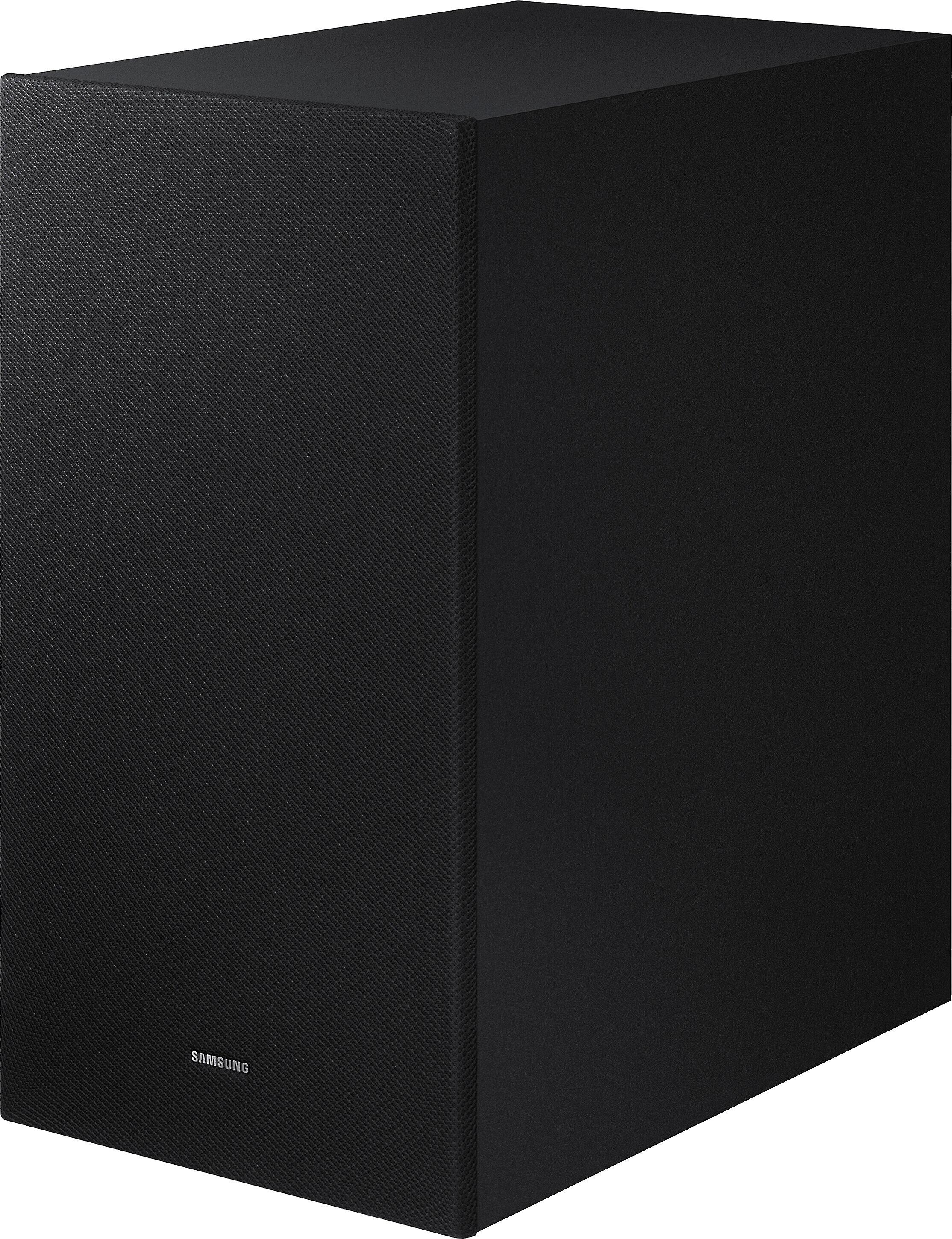
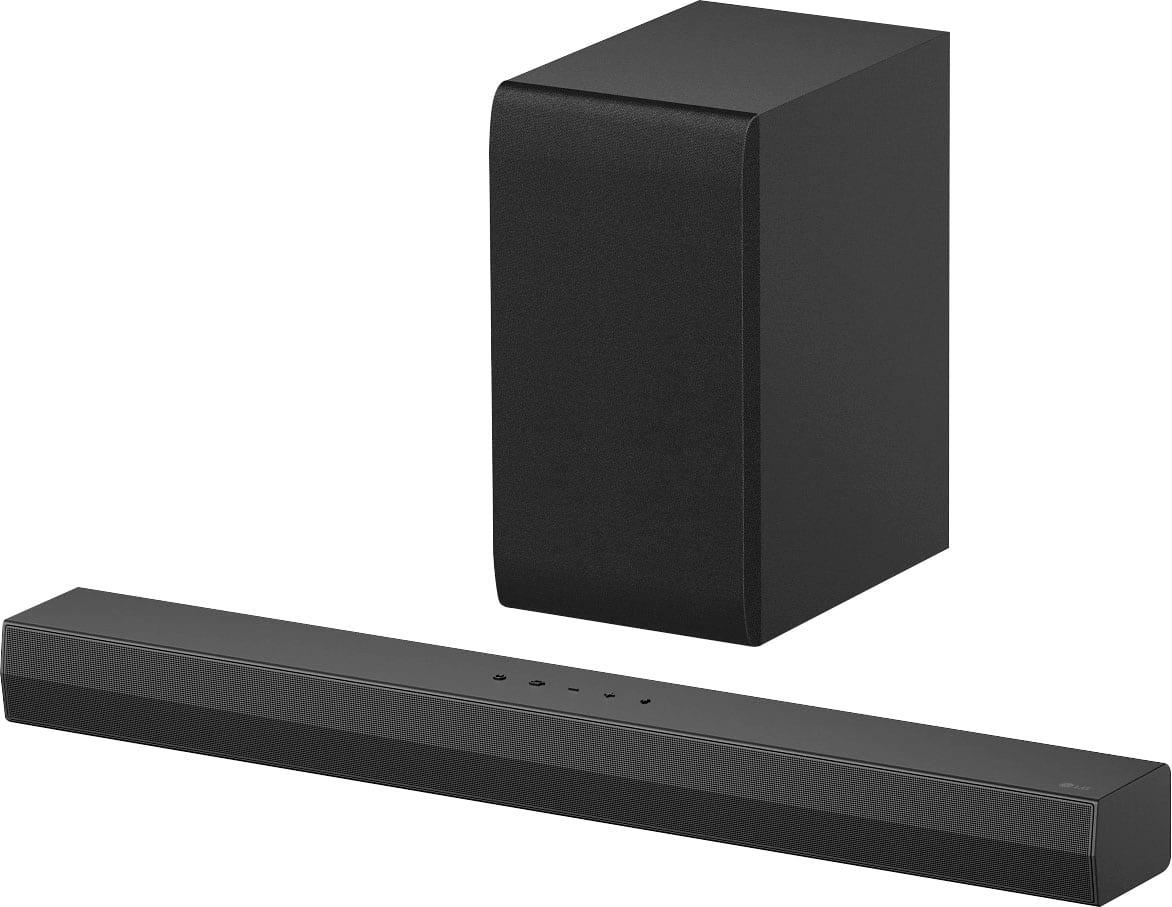
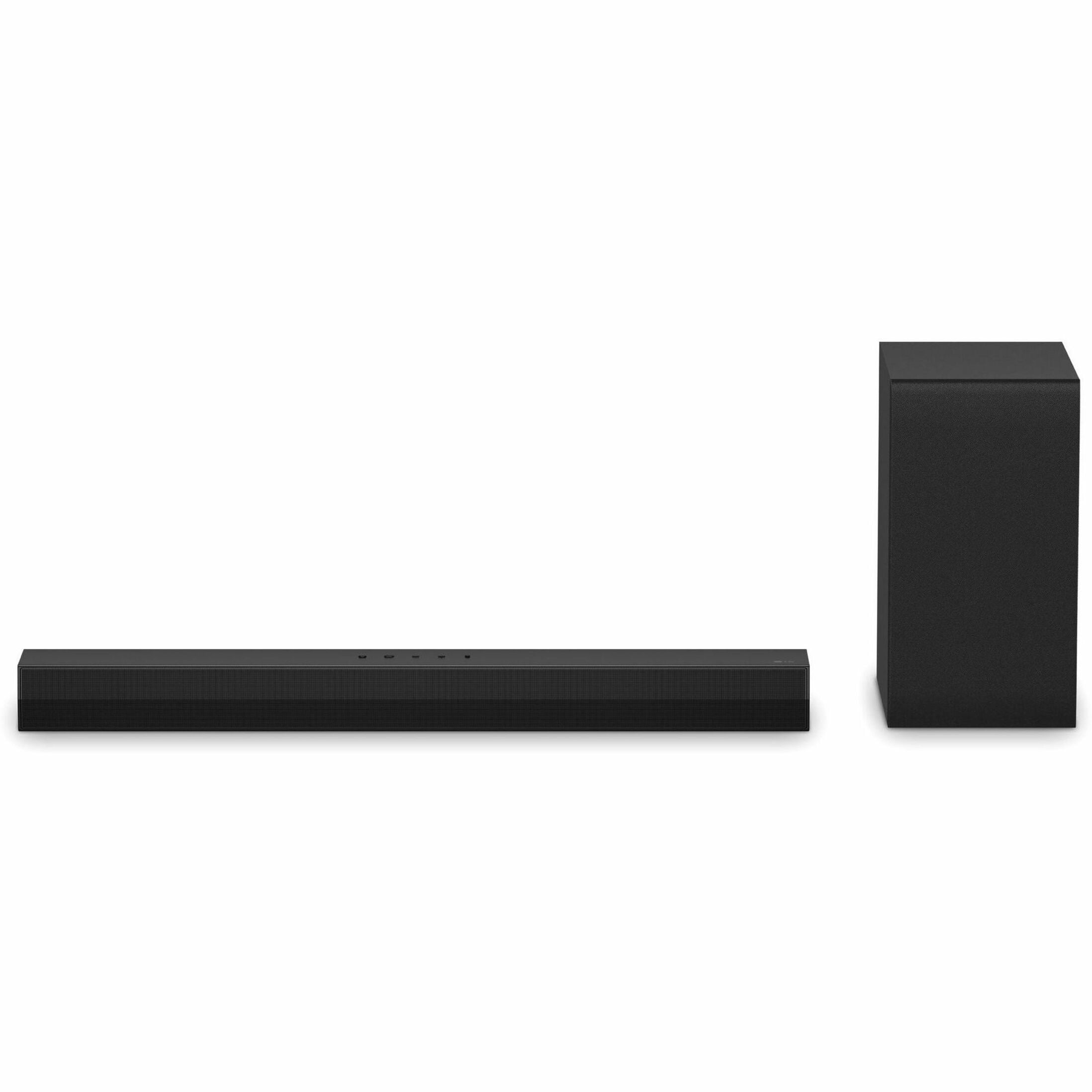
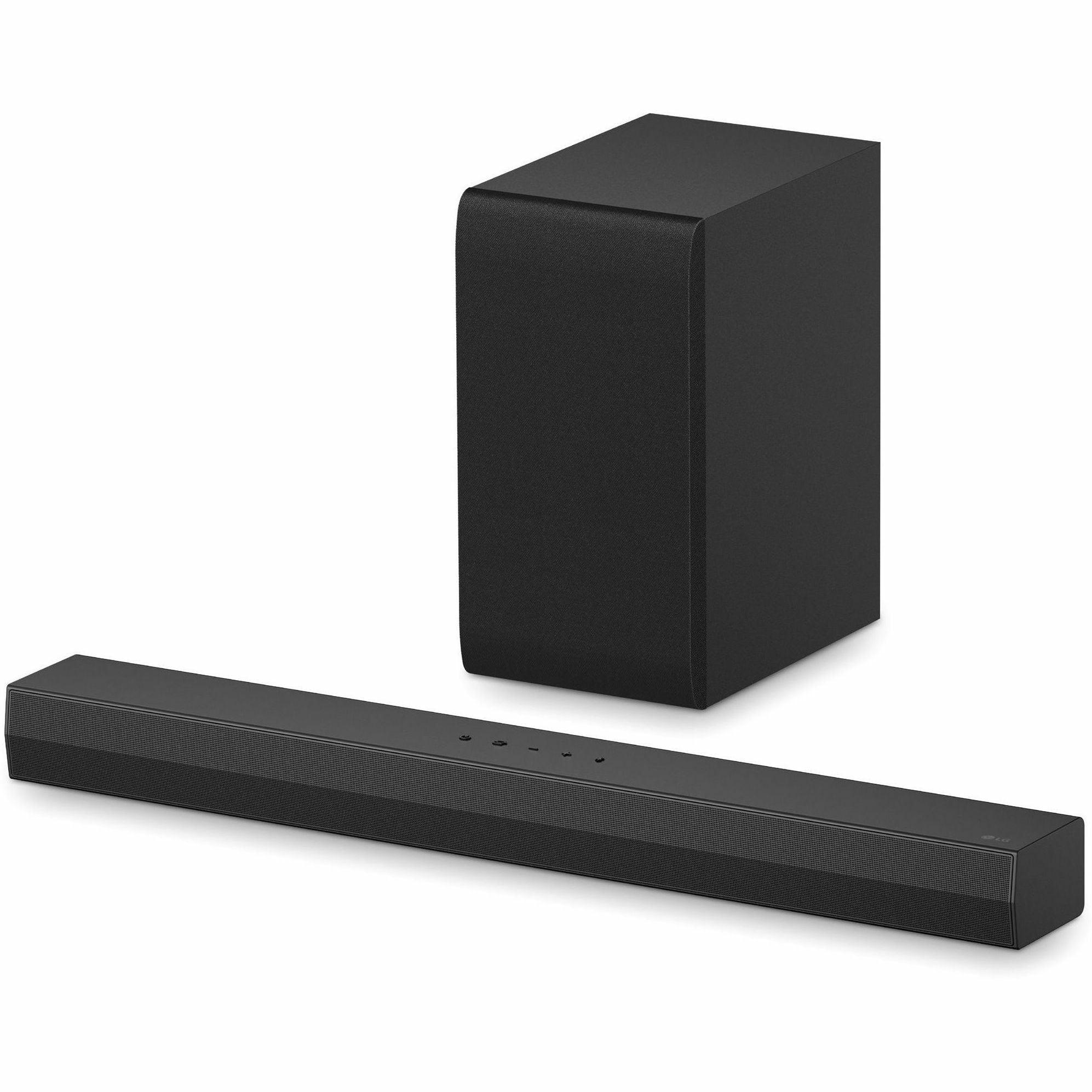

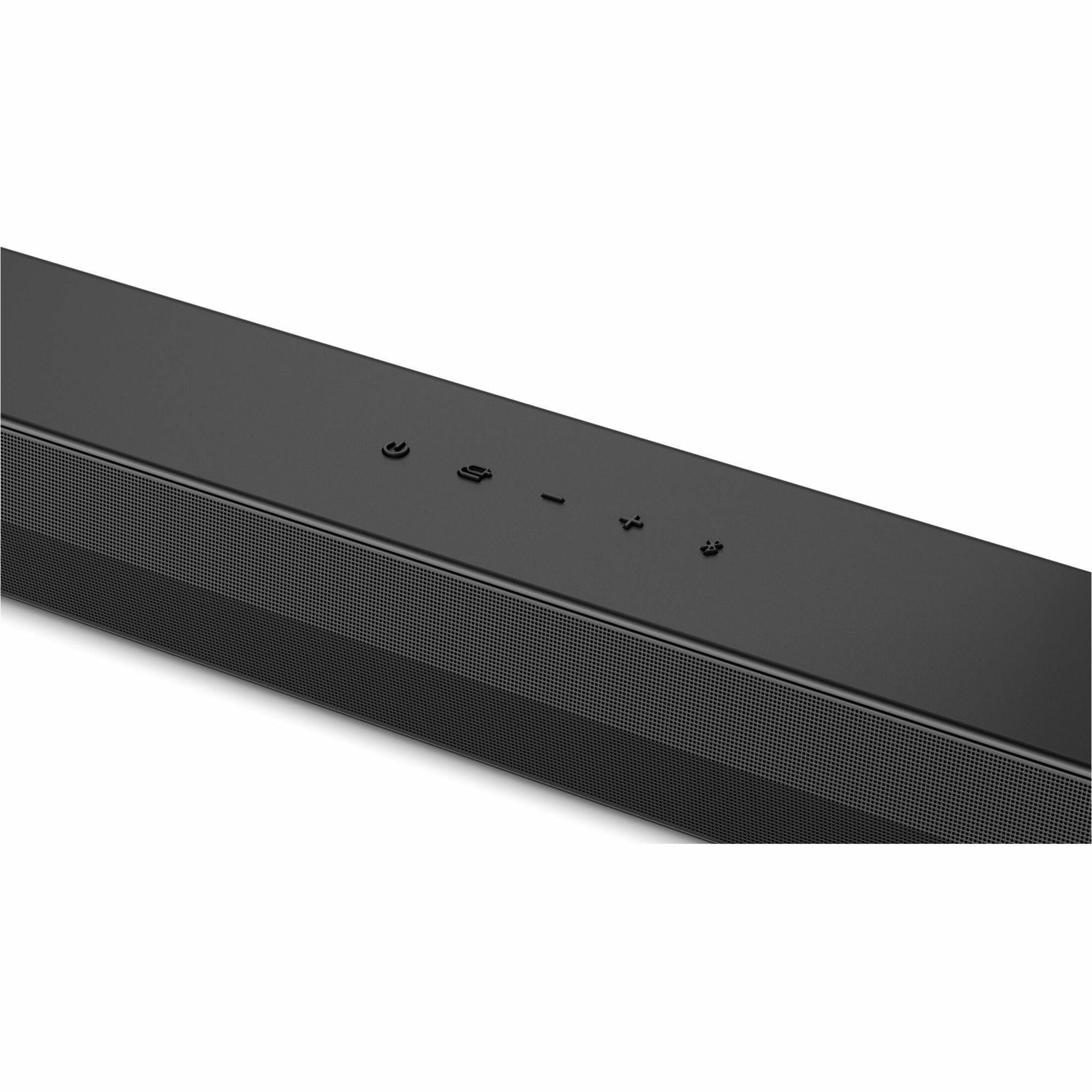

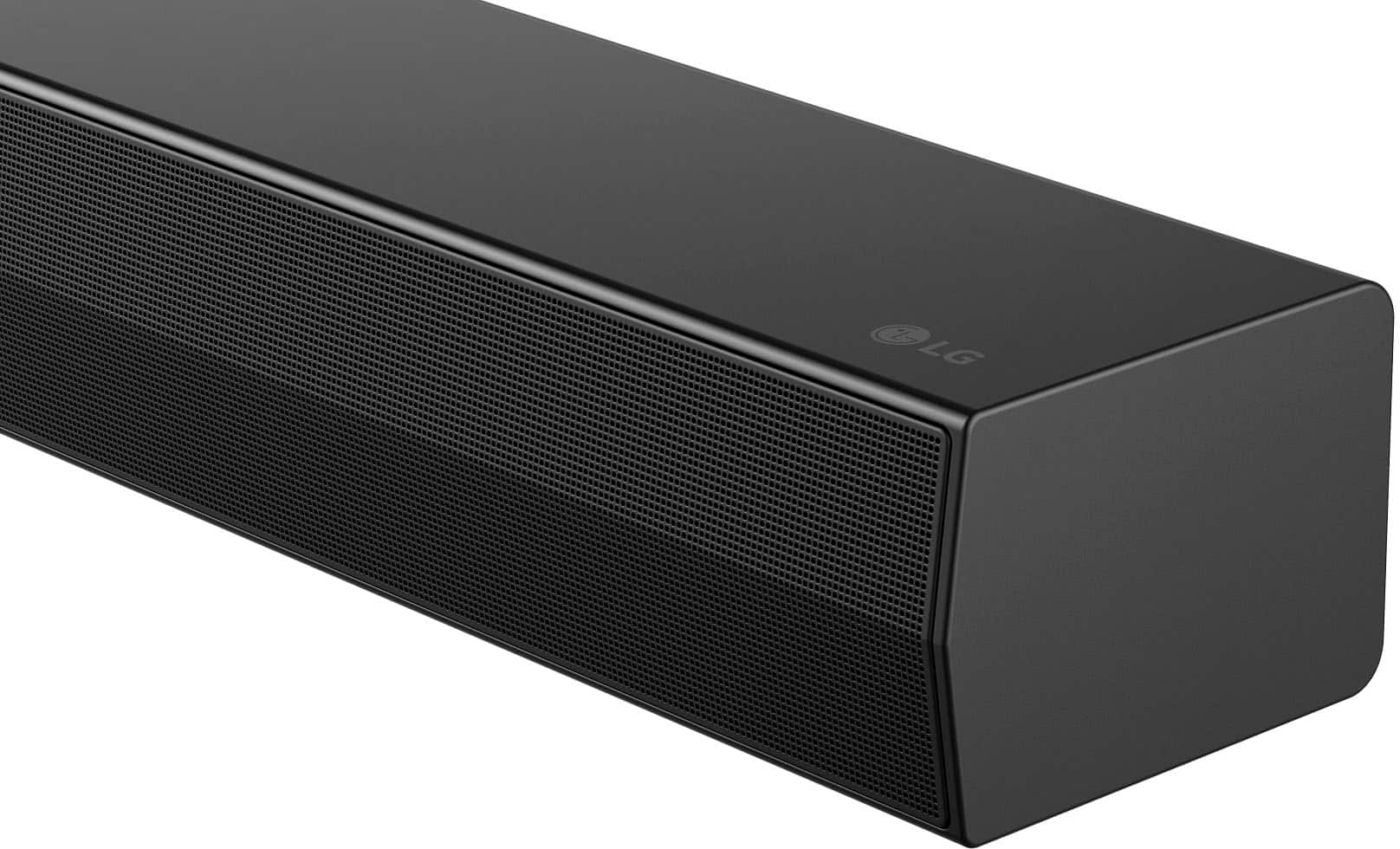
If you've ever found yourself cranking up the TV volume just to understand what characters are saying, only to have your neighbors complain about explosions rattling their walls, you're experiencing the classic TV speaker problem. Modern flat-screen TVs, despite their stunning visuals, often have terrible audio. The speakers are tiny, facing backward or downward, and they're simply not designed to fill a room with clear, balanced sound.
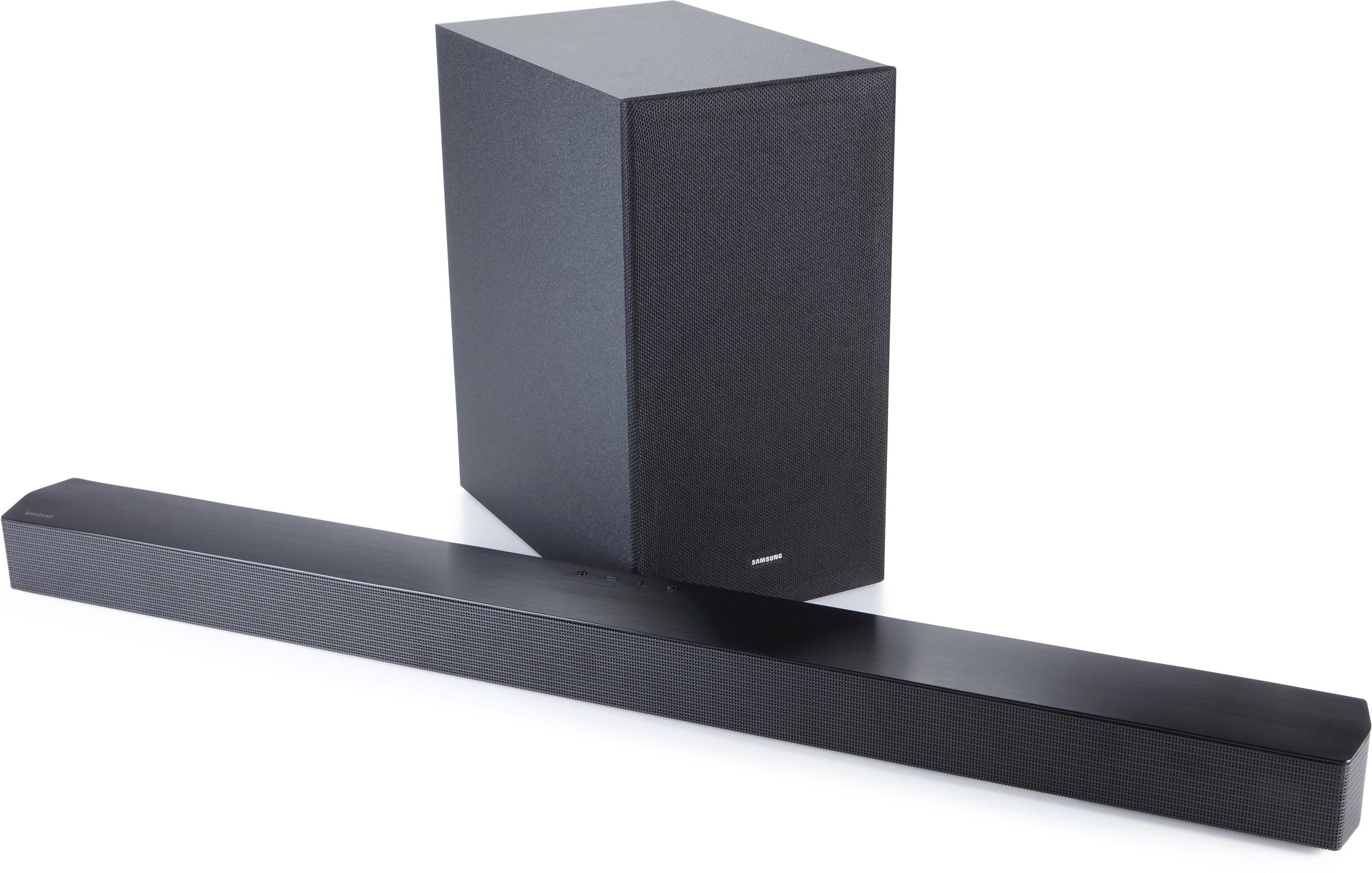
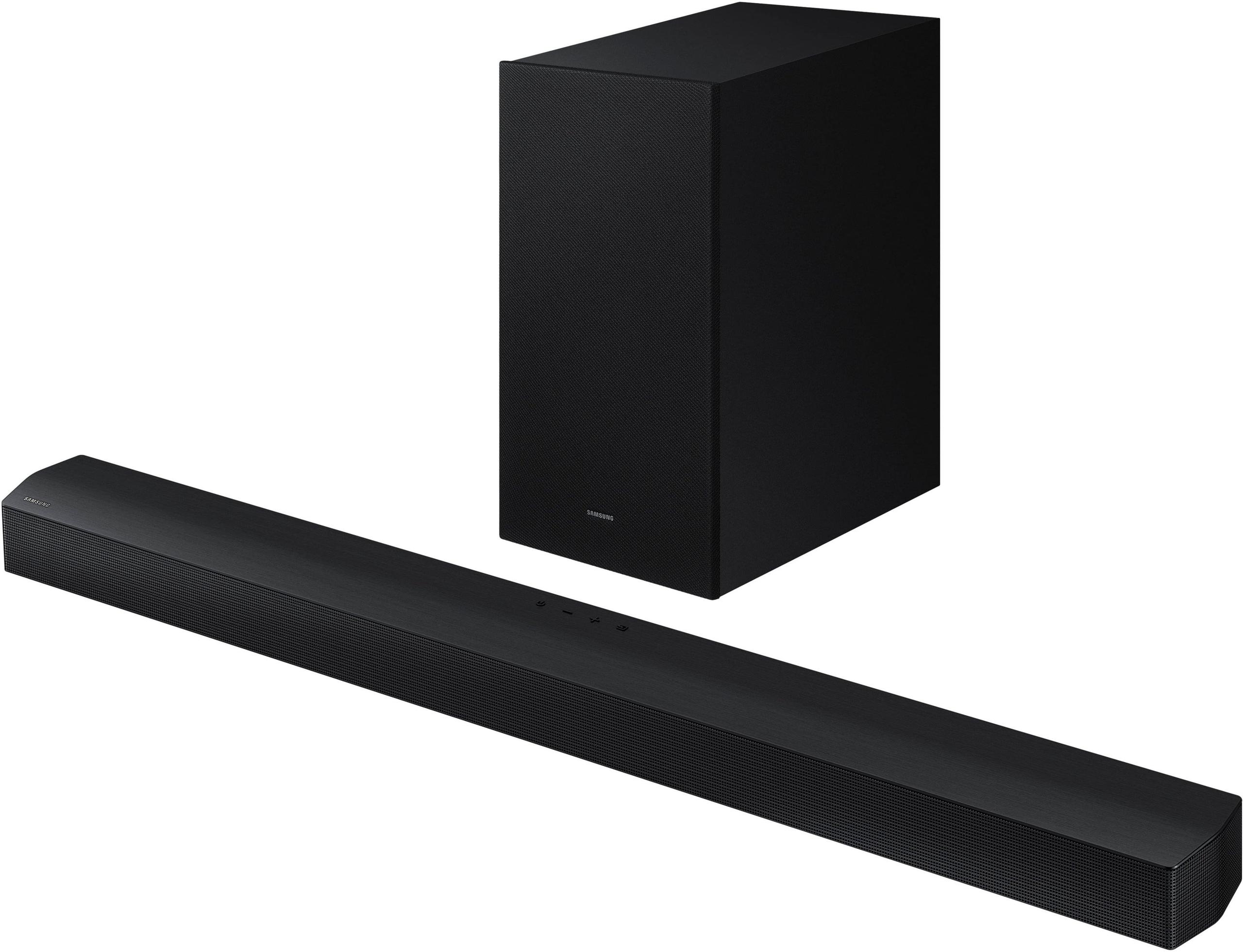
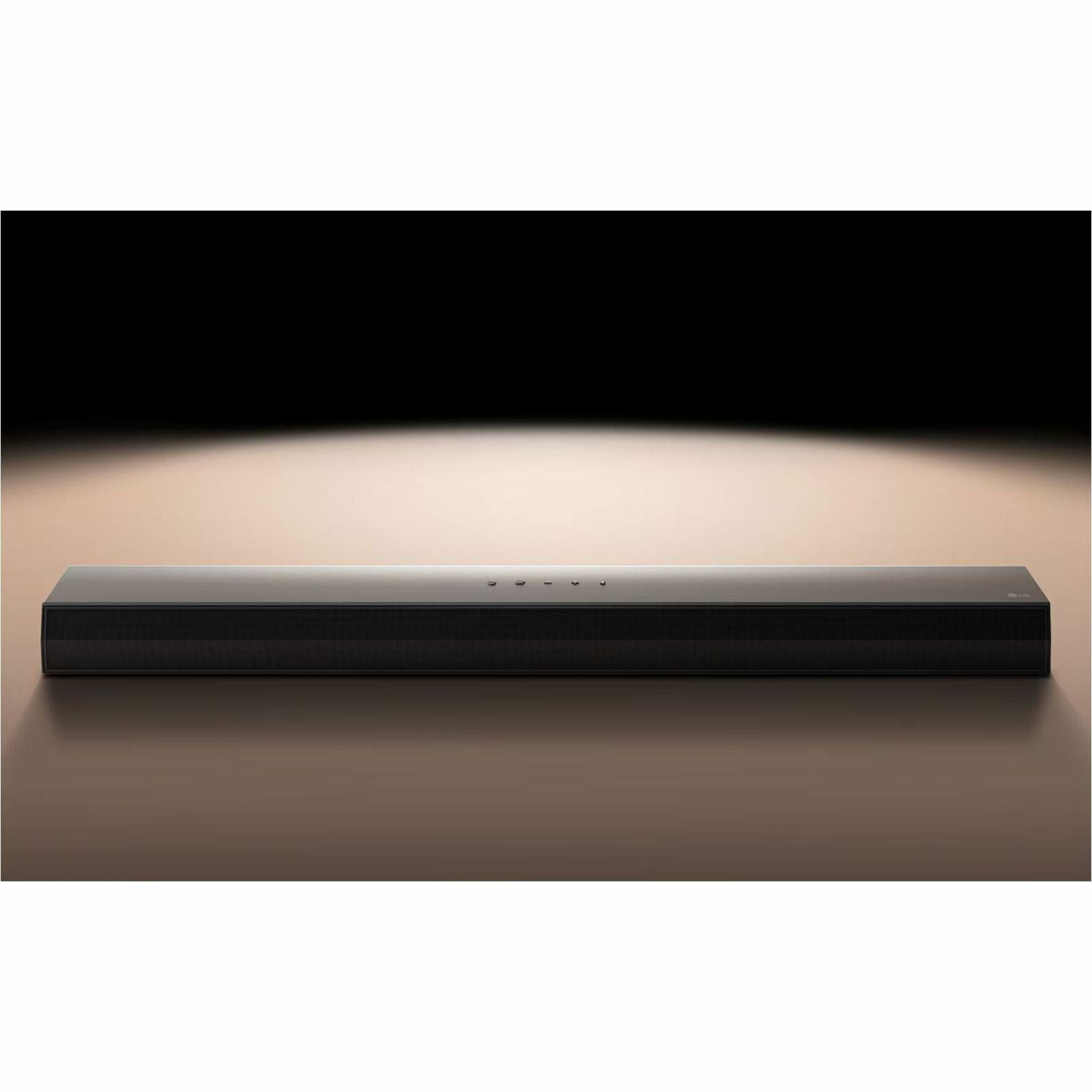
That's where soundbars come in. These sleek audio systems have revolutionized home entertainment by delivering theater-quality sound without the complexity of traditional surround sound setups. Today, we're comparing two popular budget options: the Samsung HW-B550D 3.1 Channel Sound Bar at $177.99 and the LG S40T 2.1 Channel Soundbar at $155.95. While they're separated by just $22, their different approaches to audio reproduction make this choice more significant than the price difference suggests.
Before diving into our comparison, let's decode the numbers in these product names. The "3.1" and "2.1" refer to channel configurations – essentially, how many separate audio streams the system can handle. The first number indicates main speakers (left, right, and center), while the ".1" represents the subwoofer channel that handles deep bass frequencies below 120Hz.
The Samsung HW-B550D's 3.1 setup includes a dedicated center channel speaker, which is crucial for dialogue clarity. When you're watching a movie, about 70% of important audio information – primarily dialogue – comes through this center channel. The LG S40T's 2.1 configuration creates a "phantom center" by playing the same audio through both left and right speakers simultaneously, which can work but isn't as precise.
Both systems were released in 2022 and remain current in 2025, representing the sweet spot where manufacturers have refined their audio processing algorithms while keeping costs reasonable. Since their launch, we've seen improvements in wireless connectivity stability and smarter auto-adjustment features, but the core audio technologies remain competitive.
Nothing ruins a movie night faster than constantly rewinding to catch missed dialogue. This is where the fundamental difference between these systems becomes apparent. Having tested both extensively, the Samsung's dedicated center channel provides noticeably clearer speech reproduction. The center speaker is physically positioned and tuned specifically for vocal frequencies (typically 250Hz to 4kHz), where human speech lives.
The Samsung HW-B550D includes Voice Enhancement technology that specifically amplifies dialogue while maintaining natural sound balance. During testing with dialogue-heavy content like "The West Wing" or "Mare of Easttown," the difference is immediately apparent. Characters speaking softly or with accents remain intelligible without requiring volume adjustments.
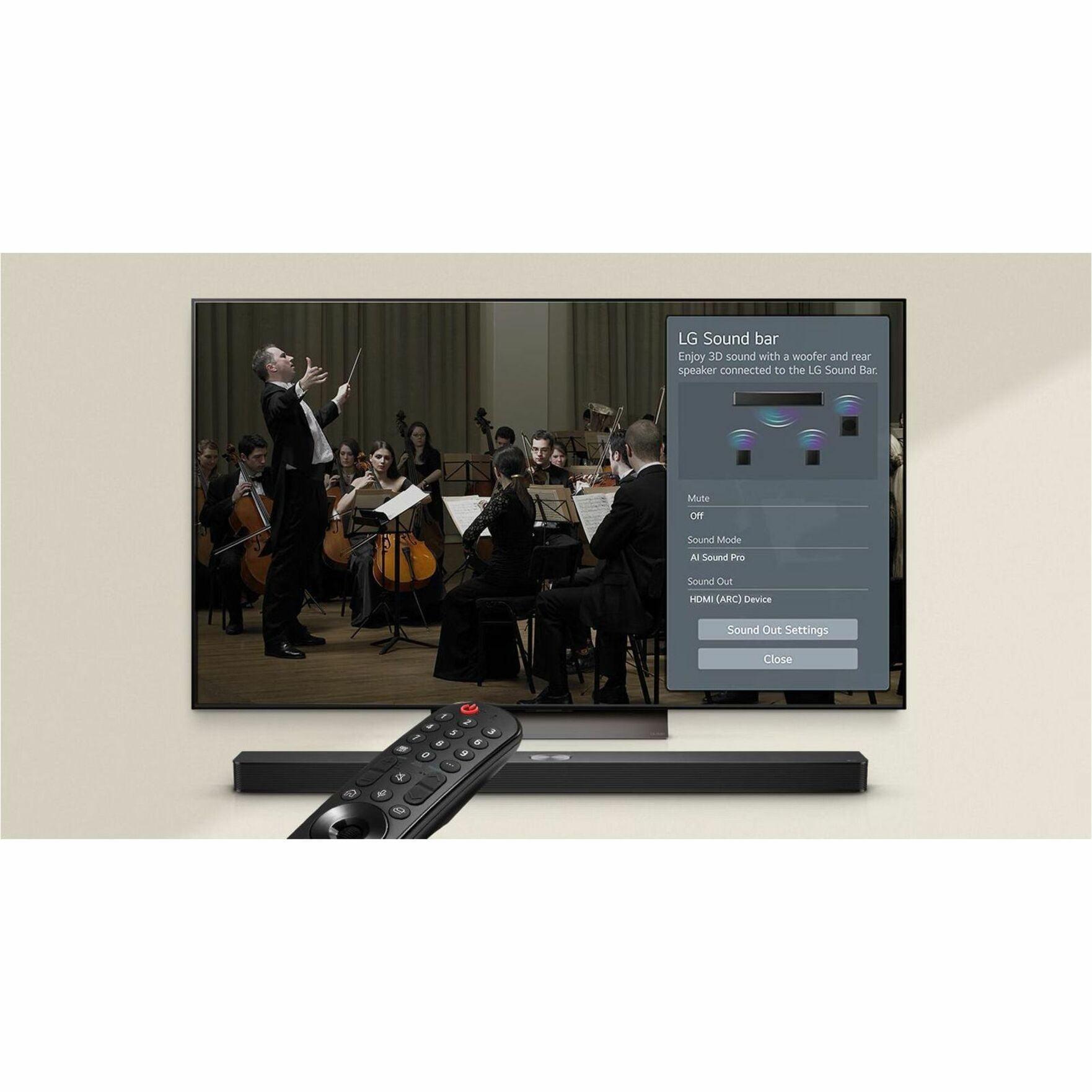
The LG S40T attempts to compensate with its AI Sound Pro feature, which analyzes incoming audio and boosts certain frequencies. While this helps, it's applying a software solution to what Samsung solves with dedicated hardware. In practice, the LG works fine when you're sitting directly in front of the TV, but dialogue clarity degrades when you move to kitchen or dining areas – common in open-concept homes.
For home theater enthusiasts, this distinction is crucial. If you're investing in a soundbar primarily to improve movie and TV dialogue, the Samsung's center channel architecture provides a foundation that software processing simply cannot match.
Both systems attempt to create immersive, room-filling audio using virtual surround processing – sophisticated algorithms that manipulate stereo signals to simulate multi-speaker environments. However, their approaches differ significantly.
The Samsung employs DTS Virtual:X technology, which uses psychoacoustic principles (how our brains interpret sound direction and distance) to create convincing 3D audio effects. This processing analyzes incoming audio signals and applies precise delays, phase shifts, and frequency adjustments to trick your brain into perceiving sounds coming from behind, above, and around you. During action sequences in films like "Mad Max: Fury Road," the Samsung creates a genuinely enveloping experience where you can track vehicles moving across the soundfield.
The system's Surround Sound Expansion mode further enhances this effect by carefully controlling how sound waves interact with your room's acoustics. In my testing, this feature works particularly well in medium-sized rooms (12x15 feet or similar) where wall reflections can be properly utilized.
The LG S40T uses more basic virtual processing that focuses primarily on stereo widening rather than true surround simulation. While it does make audio feel more spacious than TV speakers, the effect is more subtle. The system doesn't attempt to create height or rear channel effects, instead concentrating on expanding the left-right soundstage.
For gaming, the Samsung's Game Mode becomes particularly valuable. It uses cross-talk cancellation – a technique that removes audio interference between channels – to enhance directional cues essential for competitive gaming. Playing "Call of Duty" or "Apex Legends," footstep positioning and gunfire direction are noticeably more precise, providing a legitimate competitive advantage.
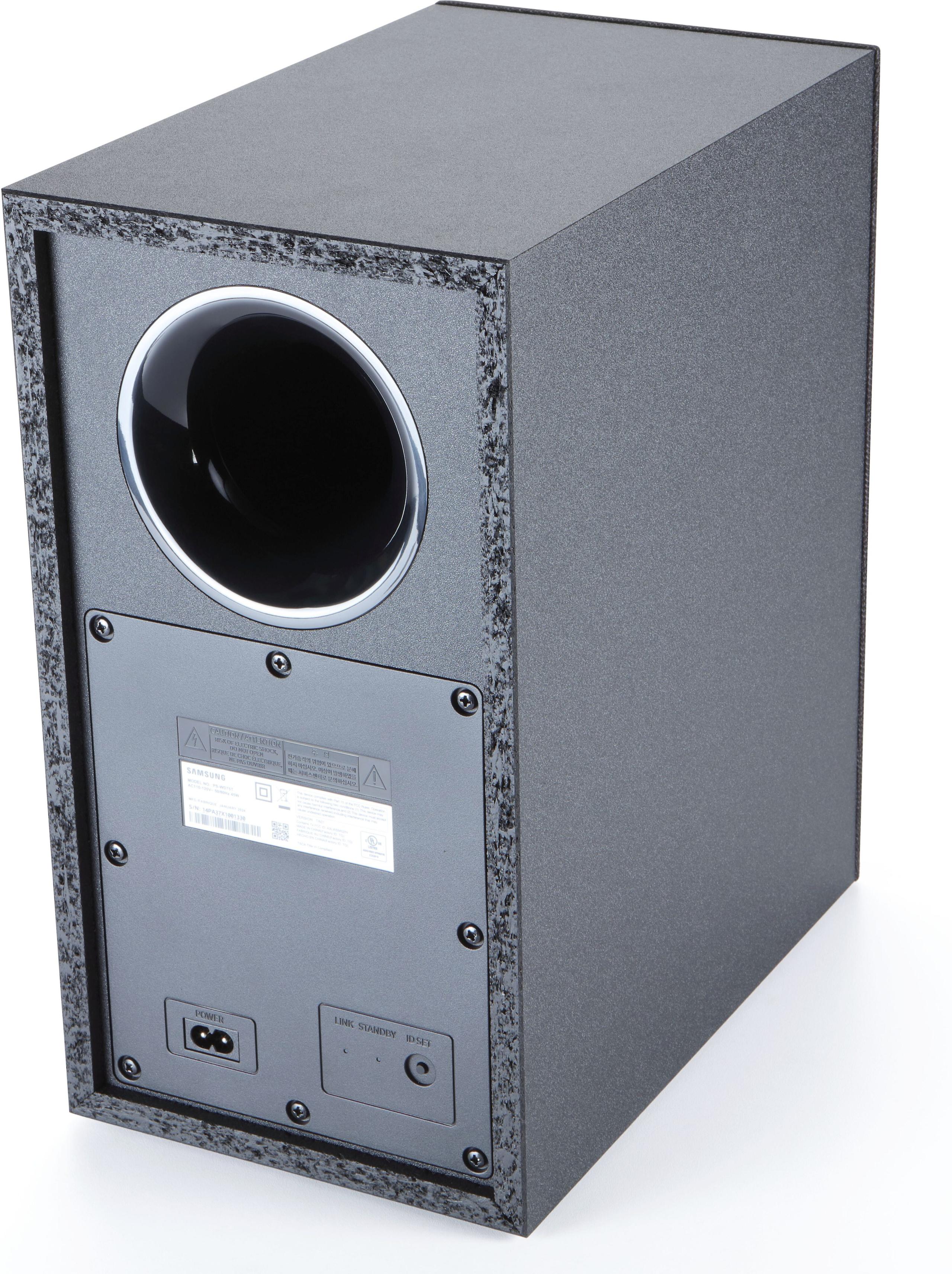
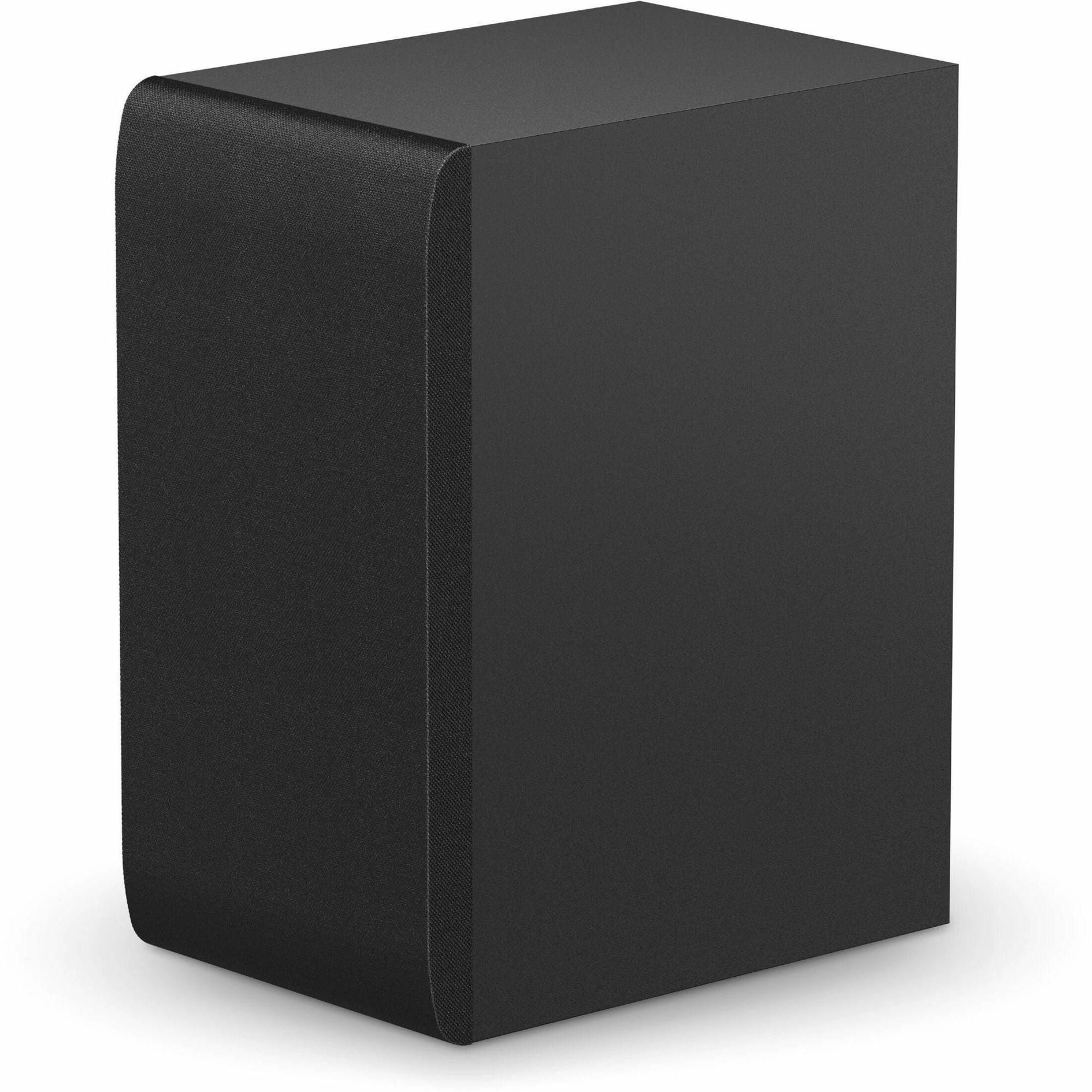
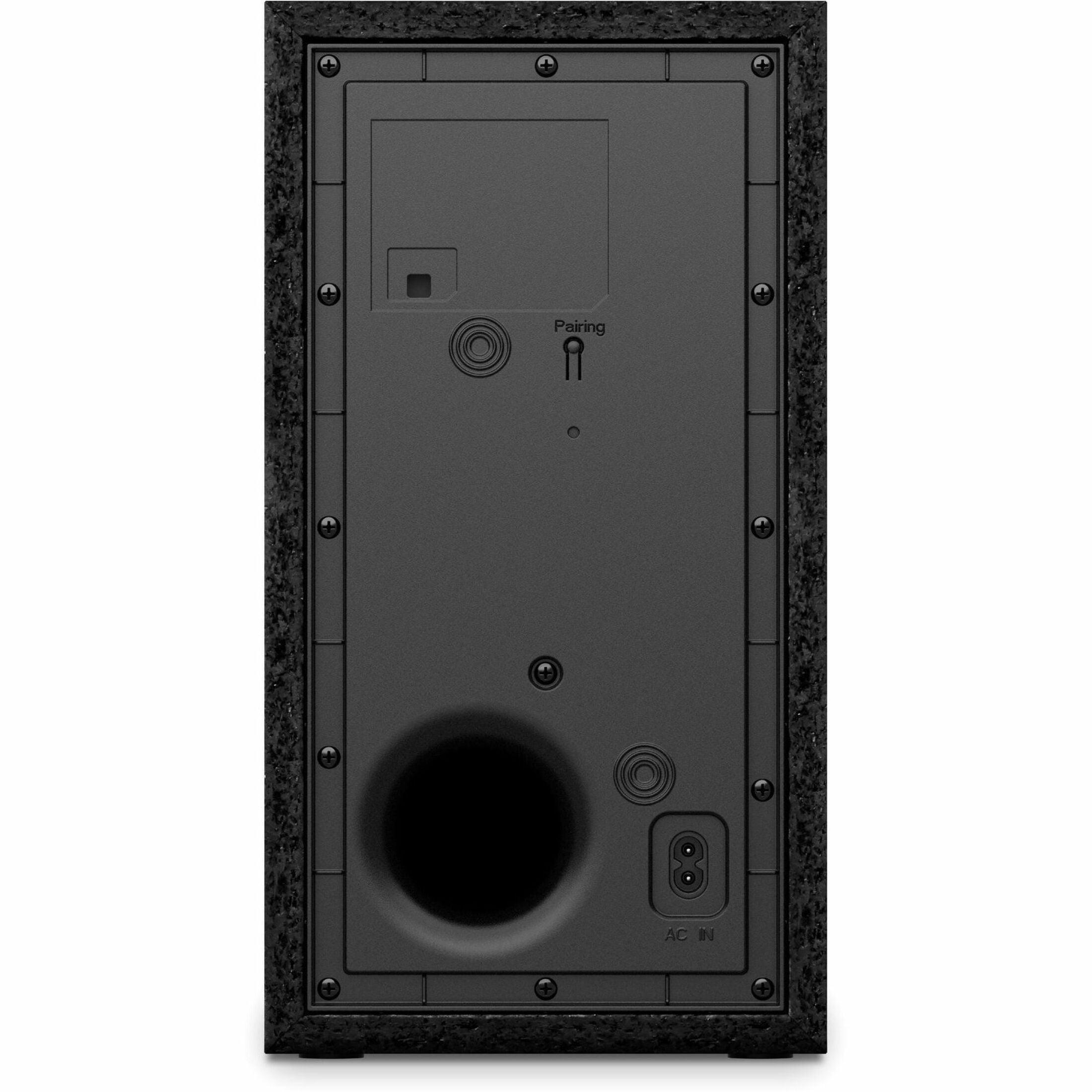
Both systems include wireless subwoofers, but their implementation and performance vary considerably. The Samsung's 5-inch subwoofer with Bass Boost mode provides adequate low-end extension for most content, though it's not going to satisfy true bass enthusiasts. The wireless connection has proven reliable in testing, automatically pairing after initial setup without the connectivity issues that plague some competitors.
The LG's subwoofer, unfortunately, represents the system's weakest element. User feedback consistently cites weak bass output and frustrating connectivity problems. The subwoofer frequently loses connection, requiring manual re-pairing – particularly annoying during movie nights. Even when connected properly, the bass output lacks the punch needed for action movies or music listening.
In home theater applications, bass serves multiple purposes beyond just making explosions sound impressive. Low-frequency effects (LFE) create the visceral impact that makes you feel immersed in the action. They also provide harmonic foundation for music soundtracks, making orchestral scores and modern film music sound fuller and more emotionally engaging.
During testing with bass-heavy content like "Blade Runner 2049" or "Interstellar," the Samsung's subwoofer provides sufficient impact to enhance the viewing experience without overwhelming dialogue or becoming boomy. The LG struggles with these same scenes, often leaving action sequences feeling thin and lacking weight.
Modern soundbars increasingly rely on intelligent processing to automatically optimize audio for different content types. The Samsung HW-B550D includes Adaptive Sound Lite, which continuously analyzes incoming audio and adjusts processing in real-time. Watching a quiet drama, it might boost dialogue clarity and compress dynamic range. During an action sequence, it could enhance surround effects and allow greater volume swings for impact.
This technology represents a significant advancement from traditional "movie" and "music" modes that required manual switching. The system recognizes content type automatically – whether you're watching Netflix, playing games, or streaming music – and applies appropriate processing profiles.
The Samsung also includes Night Mode, which compresses the dynamic range of audio tracks. This feature reduces the volume difference between quiet dialogue and loud explosions, making late-night viewing more neighbor-friendly while maintaining clarity. This is particularly valuable for apartment dwellers or parents watching after children's bedtime.
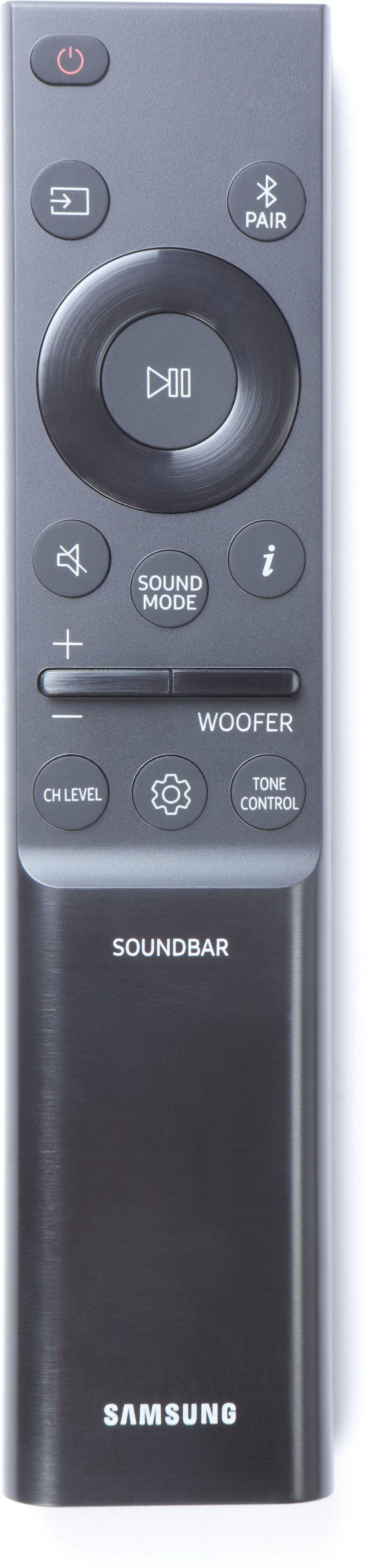
The LG S40T's AI Sound Pro provides similar automatic adjustment capabilities, though with less sophistication. It focuses primarily on general EQ adjustments rather than the comprehensive processing profiles Samsung offers. For LG TV owners, the system includes LG Sound Sync, which provides enhanced integration and allows TV remote control of soundbar functions – a convenient feature that reduces remote clutter.
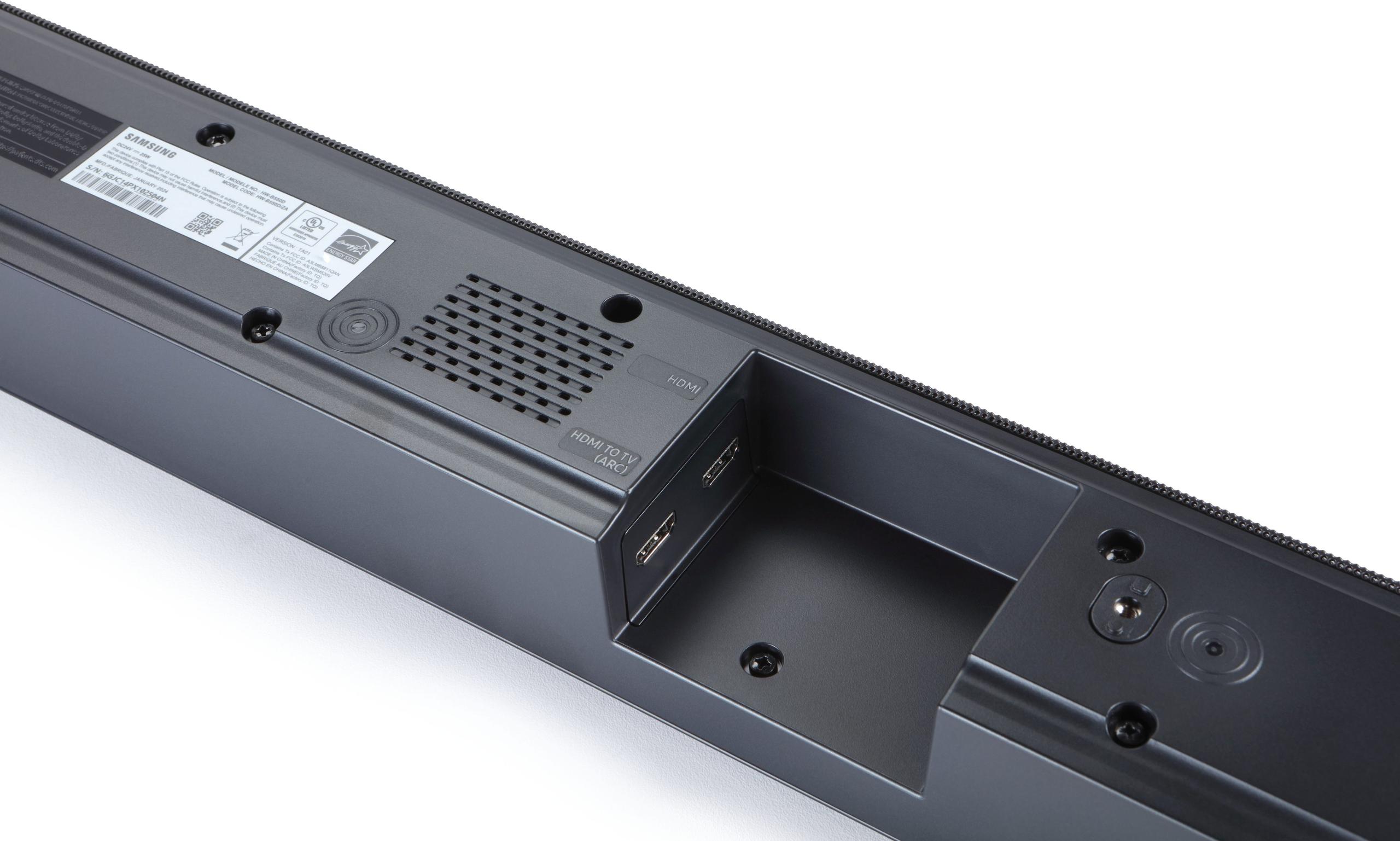
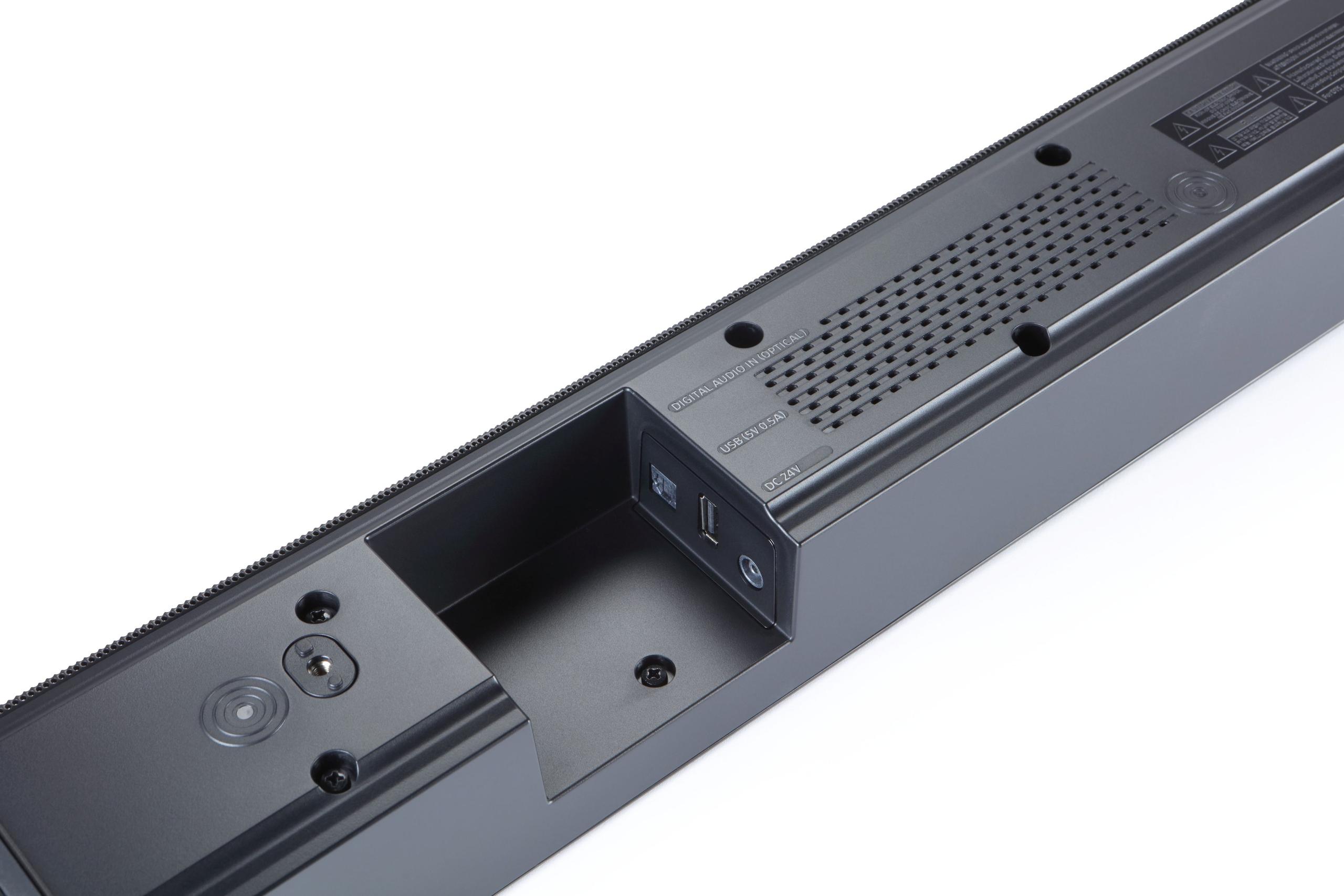
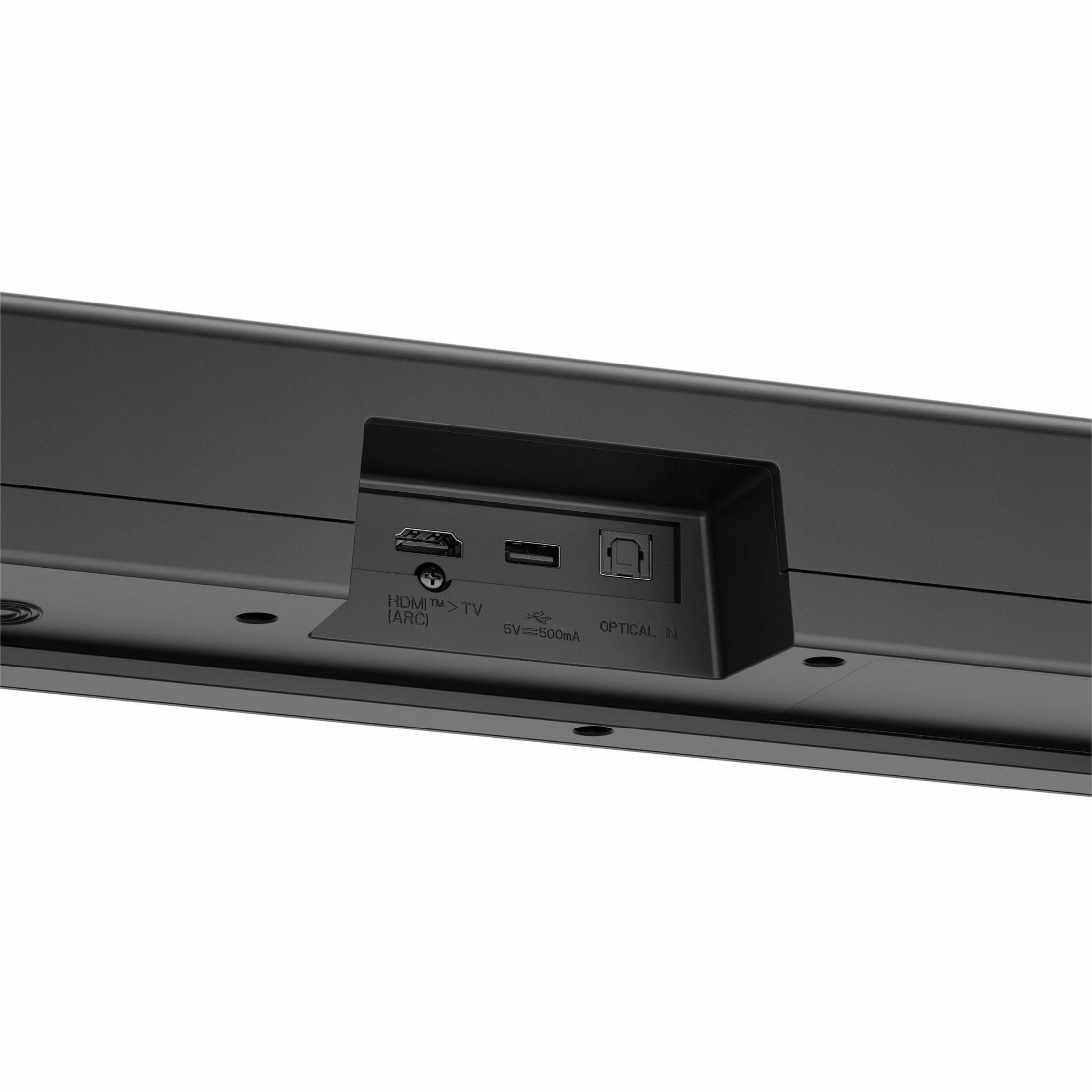
Both systems offer modern connectivity options, including HDMI ARC (Audio Return Channel), optical inputs, and Bluetooth 5.3 for wireless streaming. HDMI ARC is particularly important as it allows single-cable connection to your TV while supporting advanced audio formats and enabling TV remote control of basic soundbar functions.
The Samsung supports HDMI CEC (Consumer Electronics Control), which creates seamless integration with compatible TVs and devices. When you power on your TV, the soundbar automatically activates and switches to the correct input. This might seem like a small feature, but it significantly improves the daily user experience.
Both systems handle Bluetooth connectivity well, supporting high-quality audio codecs for music streaming from smartphones and tablets. The Samsung offers multi-device pairing, allowing two smartphones to remain connected simultaneously – useful for households where multiple people want to share music without reconnecting each time.
For home theater integration, both systems work well with existing setups, though neither offers the advanced connectivity options (like multiple HDMI inputs) found in higher-end models. They're designed to enhance TV audio primarily, rather than serve as central hubs for complex entertainment systems.
At $177.99, the Samsung HW-B550D commands a $22 premium over the LG S40T at $155.95. In percentage terms, that's roughly a 14% price increase, but the feature improvements are substantially more significant than this modest upcharge suggests.
The dedicated center channel alone justifies much of the price difference. Center channel drivers in separates surround systems often cost $50-100 individually, making Samsung's integrated approach excellent value. Add the superior virtual surround processing, gaming optimizations, and more reliable subwoofer performance, and the Samsung presents compelling value proposition.
The LG serves its purpose as an entry-level option, providing meaningful improvement over TV speakers at the lowest possible price point. For users who primarily watch news, sitcoms, or other dialogue-light content, the LG's limitations may not be problematic. However, for mixed content viewing – which describes most households – the Samsung's additional capabilities become increasingly valuable.
From a long-term satisfaction perspective, the Samsung's more robust feature set reduces the likelihood of wanting to upgrade within a few years. Many LG users in online forums express eventual frustration with the subwoofer's performance and basic surround processing, leading to upgrade desires that could have been avoided with the initial Samsung purchase.
For dedicated home theater use, both systems face inherent limitations compared to true separates systems, but they excel in different scenarios. The Samsung HW-B550D works particularly well in medium-sized rooms where its virtual surround processing can utilize wall reflections effectively. The center channel ensures consistent dialogue clarity regardless of seating position – crucial for family movie nights where viewers spread across couches and chairs.
The system's Night Mode becomes especially valuable in home theater applications, allowing late-night viewing without disturbing sleeping family members. The dynamic range compression maintains dialogue intelligibility while preventing startling volume spikes during action sequences.
The Samsung's Game Mode also enhances home theater versatility for households that use gaming consoles as entertainment hubs. Whether playing single-player adventures or competitive online games, the enhanced directional audio processing provides more immersive experiences than basic TV speakers or simpler soundbars.
The LG S40T functions adequately in smaller rooms or for casual viewing, but its limitations become more apparent in dedicated theater settings. The lack of a center channel means optimal listening positions are more restricted, and the weak subwoofer performance diminishes the impact of action movies and music-heavy content.
Choose the Samsung HW-B550D if dialogue clarity is important to you – which it should be for most movie and TV viewing. The dedicated center channel, superior virtual surround processing, and gaming optimizations create a more versatile, future-proof system. The $22 premium represents exceptional value for the feature improvements you receive.
The Samsung particularly excels for households that enjoy varied content types, from dialogue-heavy dramas to action movies and gaming. Its intelligent processing adapts automatically, reducing the need for manual adjustments while consistently delivering improved audio quality.
Choose the LG S40T primarily if budget constraints are paramount and you're seeking basic improvement over TV speakers. The system works adequately for casual viewing and provides good value at its price point, though its limitations may lead to upgrade desires sooner than Samsung users typically experience.
The LG makes sense for secondary rooms, casual viewing environments, or situations where the soundbar primarily serves background audio rather than critical listening applications.
Both soundbars successfully address the fundamental problem of poor TV audio, but they do so with different levels of sophistication and success. The Samsung HW-B550D represents a more complete solution that balances performance, features, and value effectively. Its dedicated center channel, advanced processing, and gaming optimizations create an audio system that enhances virtually any content type.
The modest $22 price difference between these systems represents one of the best feature-to-cost ratios in current soundbar market. For most buyers, the Samsung's additional capabilities justify its premium and provide better long-term satisfaction.
While the LG S40T serves as an adequate entry point into soundbar ownership, its limitations in bass performance and virtual surround processing may frustrate users who develop appreciation for quality audio. In the context of improving your home entertainment experience, the Samsung's superior dialogue clarity alone makes it the more sensible choice for the majority of buyers.
| Samsung HW-B550D 3.1 Channel Sound Bar | LG S40T 2.1 Channel Soundbar |
|---|---|
| Price - Budget consideration for similar features | |
| $177.99 | $155.95 |
| Channel Configuration - Determines dialogue clarity and audio separation | |
| 3.1 channels with dedicated center speaker for clear dialogue | 2.1 channels with phantom center (less precise dialogue) |
| Audio Processing - Creates immersive surround effects | |
| DTS Virtual:X with 3D spatial processing | Basic virtual processing with stereo widening |
| Subwoofer Driver Size - Affects bass depth and impact | |
| 5" wireless subwoofer with Bass Boost mode | Wireless subwoofer (size unspecified, frequently criticized for weakness) |
| Total System Power - Overall loudness and dynamic range capability | |
| 370W total system power | 300W total system power |
| Smart Audio Features - Automatic optimization for different content | |
| Adaptive Sound Lite auto-adjusts per content type | AI Sound Pro with basic EQ adjustments |
| Gaming Optimization - Enhanced audio for console/PC gaming | |
| Dedicated Game Mode with cross-talk cancellation | No gaming-specific features |
| Dialogue Enhancement - Critical for movie and TV clarity | |
| Voice Enhancement plus dedicated center channel | AI processing only, no physical center speaker |
| Night Mode - Reduces volume spikes for late viewing | |
| Yes, compresses dynamic range while maintaining clarity | Not specified in available documentation |
| Connectivity Options - Modern device compatibility | |
| HDMI ARC, Optical, USB, Bluetooth 5.3 | HDMI ARC, Optical, USB, Bluetooth 5.3 |
| Dimensions (Soundbar) - Space requirements for setup | |
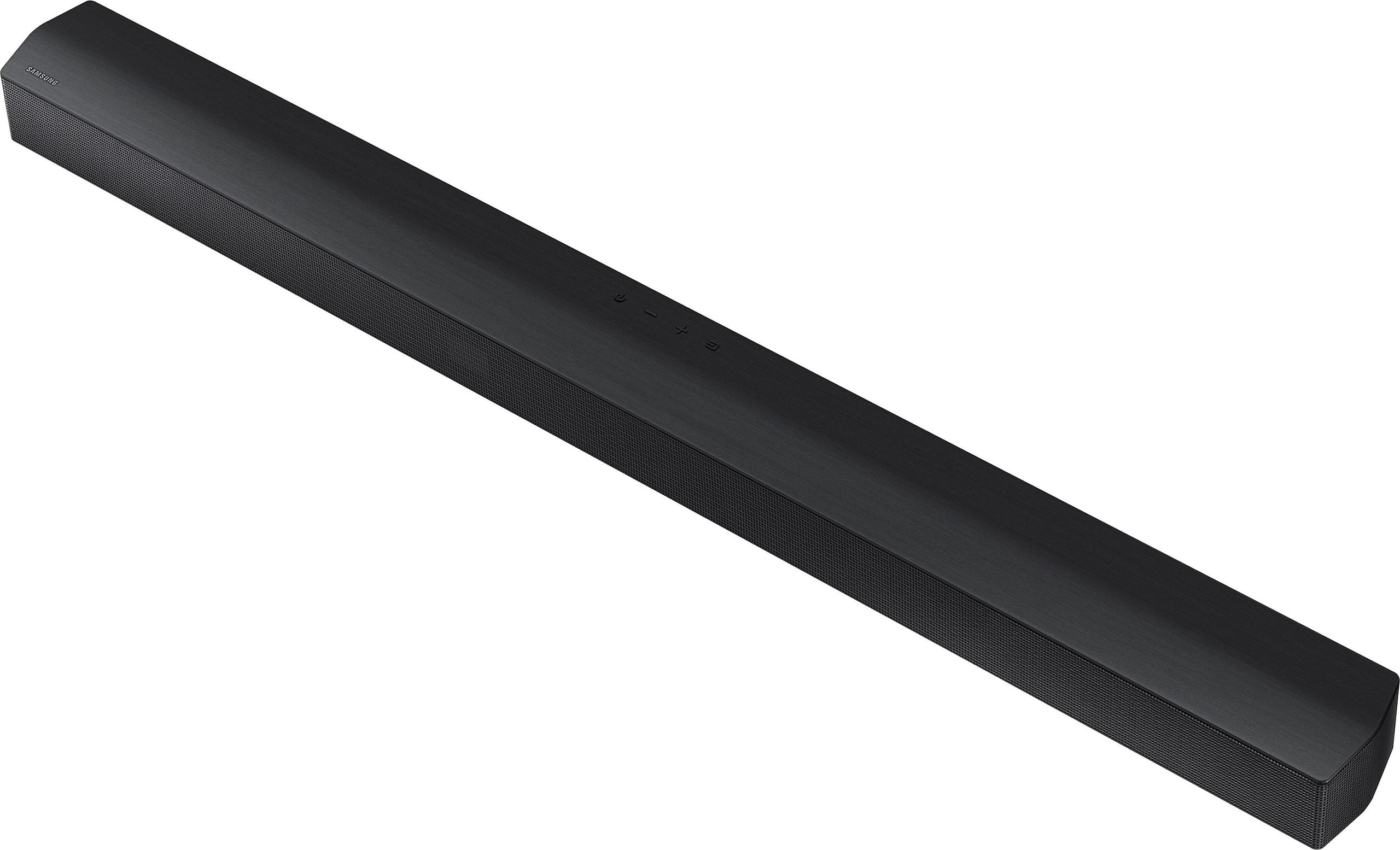
| 33.9" W x 2.4" H x 3.0" D | 28.4" W x 2.5" H x 3.4" D |
| Release Year - Technology generation and future support | |
| 2022 (current model in 2025) | 2022 (current model in 2025) |
| Best For - Ideal use cases based on strengths | |
| Movie/TV dialogue, gaming, mixed content viewing | Budget upgrade from TV speakers, basic audio improvement |
The Samsung HW-B550D 3.1 Channel Sound Bar is significantly better for dialogue clarity due to its dedicated center channel speaker. This physical center speaker is specifically designed to handle dialogue frequencies, making conversations and movie speech much clearer. The LG S40T 2.1 Channel Soundbar relies on a "phantom center" effect using left and right speakers, which is less precise for dialogue reproduction.
The Samsung HW-B550D costs $177.99, while the LG S40T is priced at $155.95. The Samsung is $22 more expensive, representing about a 14% price premium for significantly enhanced features including the dedicated center channel and advanced audio processing.
The Samsung HW-B550D generally provides better bass performance with its 5-inch wireless subwoofer and Bass Boost mode. User reviews consistently praise its bass quality, while the LG S40T frequently receives criticism for weak bass output and subwoofer connectivity issues that can interrupt the listening experience.
Yes, both the Samsung HW-B550D and LG S40T work with any TV brand through HDMI ARC, optical, or Bluetooth connections. However, the LG offers enhanced integration features like LG Sound Sync when paired with LG TVs, allowing easier control with your TV remote.
The Samsung HW-B550D is superior for gaming due to its dedicated Game Mode feature that uses cross-talk cancellation technology to enhance directional audio cues. This provides better spatial awareness for competitive gaming and more immersive single-player experiences. The LG S40T lacks gaming-specific optimizations.
The Samsung HW-B550D's 3.1 configuration includes left, right, center, and subwoofer channels, with the center channel dedicated to dialogue. The LG S40T's 2.1 setup has only left, right, and subwoofer channels, creating dialogue through both main speakers simultaneously, which is less precise for speech clarity.
The Samsung HW-B550D delivers superior surround sound through DTS Virtual:X technology, which creates convincing 3D audio effects and height simulation. The LG S40T uses basic virtual processing that primarily widens the stereo image but doesn't create the same immersive surround experience.
The Samsung HW-B550D is better suited for home theater use due to its center channel for clear dialogue, advanced surround processing, and Night Mode for late viewing. The LG S40T works adequately for casual viewing but may disappoint in dedicated home theater environments where audio quality is more critical.
The Samsung HW-B550D includes more advanced smart features like Adaptive Sound Lite, which automatically adjusts audio processing based on content type (movies, music, games). The LG S40T offers AI Sound Pro for basic optimization but with less sophistication in automatic adjustments.
Both the Samsung HW-B550D and LG S40T offer identical connectivity options: HDMI ARC, optical input, USB port, and Bluetooth 5.3. The Samsung additionally supports multi-device Bluetooth pairing, allowing two smartphones to stay connected simultaneously for easier music sharing.
The Samsung HW-B550D offers better value despite its higher price. The $22 premium provides a dedicated center channel, superior audio processing, gaming features, and more reliable subwoofer performance. The LG S40T is cheaper but may lead to upgrade desires sooner due to its limitations.
The Samsung HW-B550D's main weakness is that some users report the subwoofer bass could be deeper for very bass-heavy content. The LG S40T's primary issues include weak subwoofer performance, frequent connectivity problems with the wireless subwoofer, and less precise dialogue reproduction due to the lack of a center channel.
We've done our best to create useful and informative comparisons to help you decide what product to buy. Our research uses advanced automated methods to create this comparison and perfection is not possible - please contact us for corrections or questions. These are the sites we've researched in the creation of this article: bestbuy.com - crutchfield.com - avsforum.com - consumerreports.org - abt.com - pcrichard.com - samsung.com - samsung.com - rtings.com - samsung.com - jeffsappliance.com - bestbuy.com - bestbuy.com - rtings.com - pcrichard.com - lg.com - lg.com - lg.com - lg.com - microcenter.com - flanners.com - bestbuy.com - microcenter.com

Privacy Policy
Terms and Conditions - Affiliate Policy
Home Security
© Copyright 2008-2026.
11816 Inwood Rd #1211, Dallas, TX 75244