



When your TV's built-in speakers sound like they're trapped inside a cardboard box, it's time to consider a soundbar. But walking into an electronics store—or browsing online—reveals a bewildering price range from under $150 to over $2,500. What's the difference, and how do you know which type of soundbar actually makes sense for your setup?
Today we're comparing two products that represent opposite ends of the soundbar spectrum: the Devialet Dione, a premium all-in-one system released in 2022, and the LG S40T, a budget-friendly 2.1 setup that hit the market in 2024. Understanding why one costs roughly fifteen times more than the other will help you figure out where your money should go.
Before diving into specifics, let's establish what soundbars actually do and why some cost exponentially more than others. A soundbar's job is to replace your TV's inadequate speakers with something that can actually deliver clear dialogue, impactful sound effects, and proper bass response. The complexity comes in how they achieve this goal.
Channel configuration determines how immersive your audio experience will be. A 2.1 system has two main speakers (left and right) plus a subwoofer (the ".1") for bass. A 5.1.2 system adds rear surround channels and overhead "height" channels, creating a three-dimensional bubble of sound around you. The more channels, the more convincing the surround sound experience—but also the more expensive and complex the system becomes.
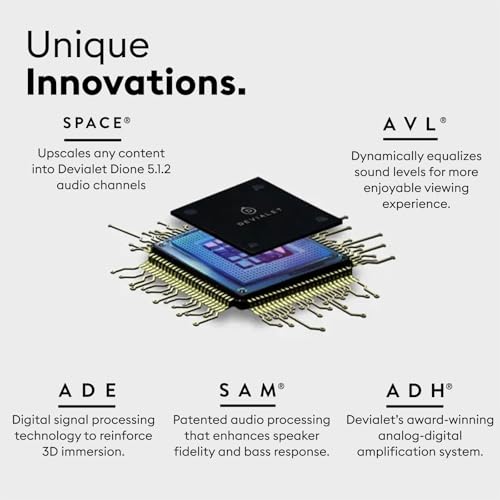
Processing power matters enormously. Cheap soundbars often just make your TV louder without much sophistication. Premium models use advanced digital signal processing (DSP) to manipulate audio in real-time, creating virtual surround effects, optimizing sound for your room, and even converting old stereo content into immersive multichannel audio.
Since 2022, we've seen major improvements in object-based audio like Dolby Atmos, where sounds can be precisely placed anywhere in a three-dimensional space rather than just coming from fixed speaker locations. This technology has trickled down to more affordable products, though the quality of implementation varies dramatically.
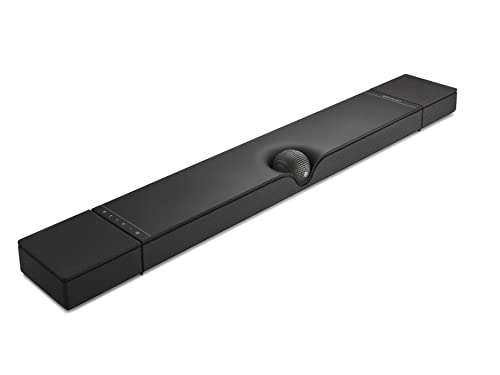
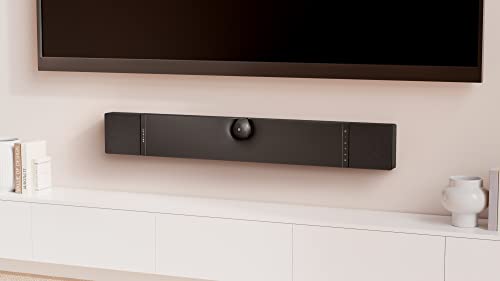
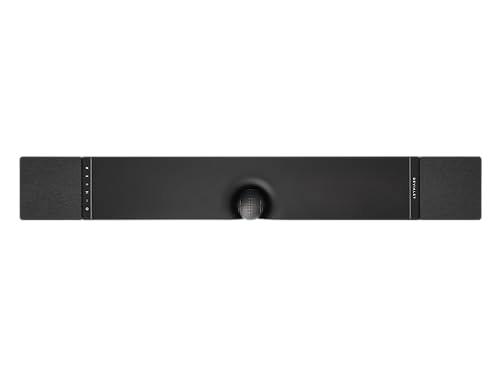
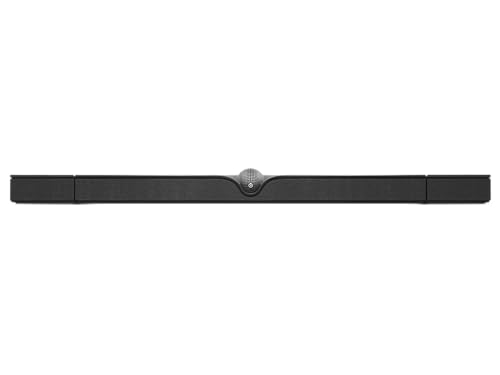
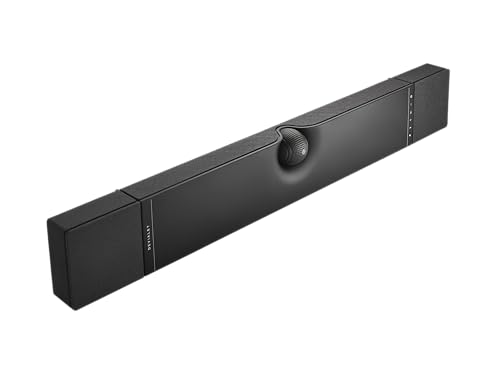
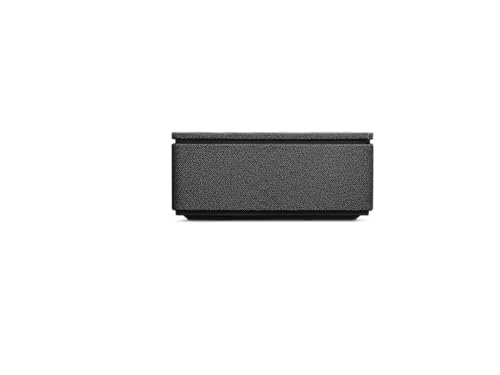
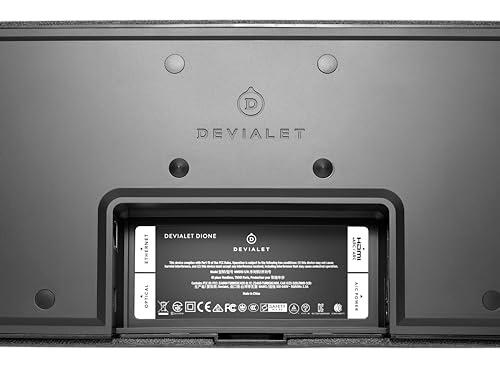
The Devialet Dione represents what happens when a high-end audio company decides to reimagine the soundbar completely. Released in 2022, it packs seventeen individual speakers into a single, elegantly designed unit that promises to deliver true surround sound without requiring any additional speakers scattered around your room.
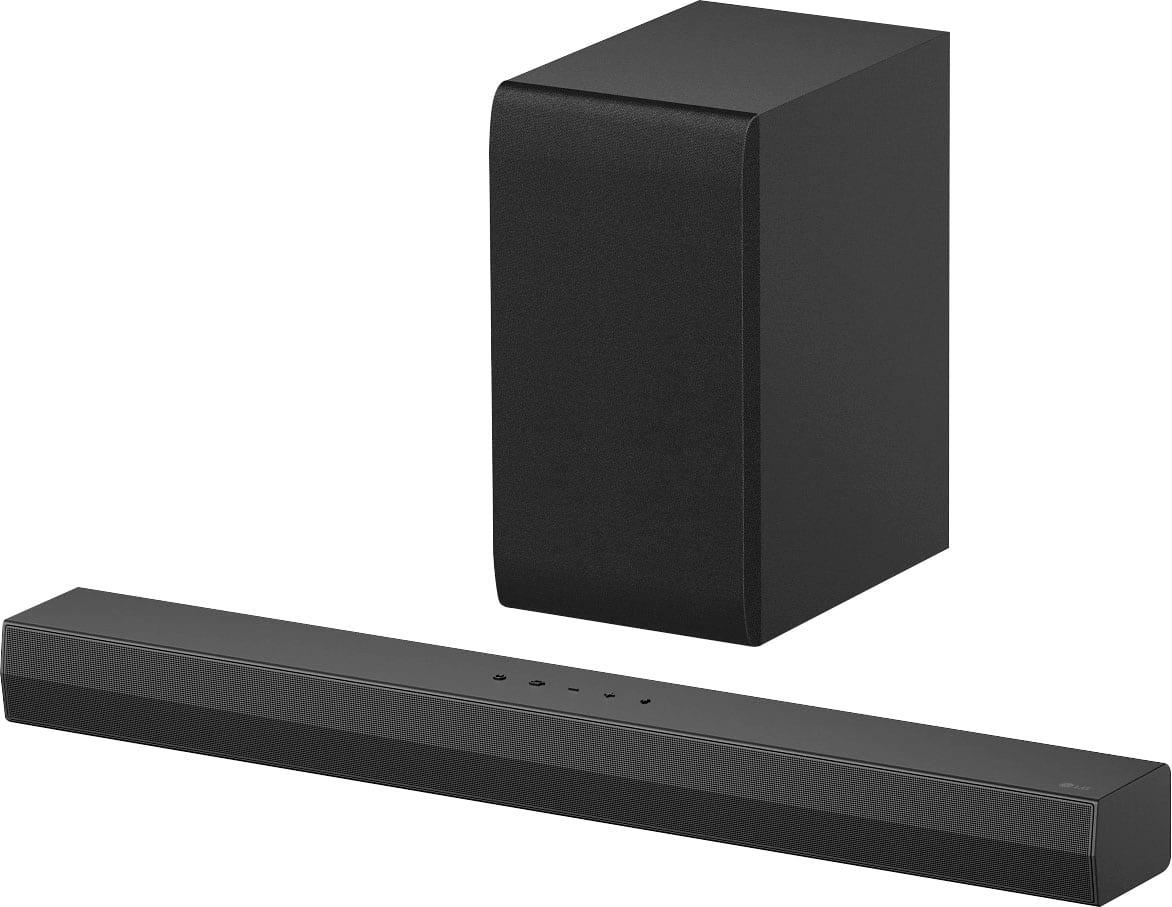
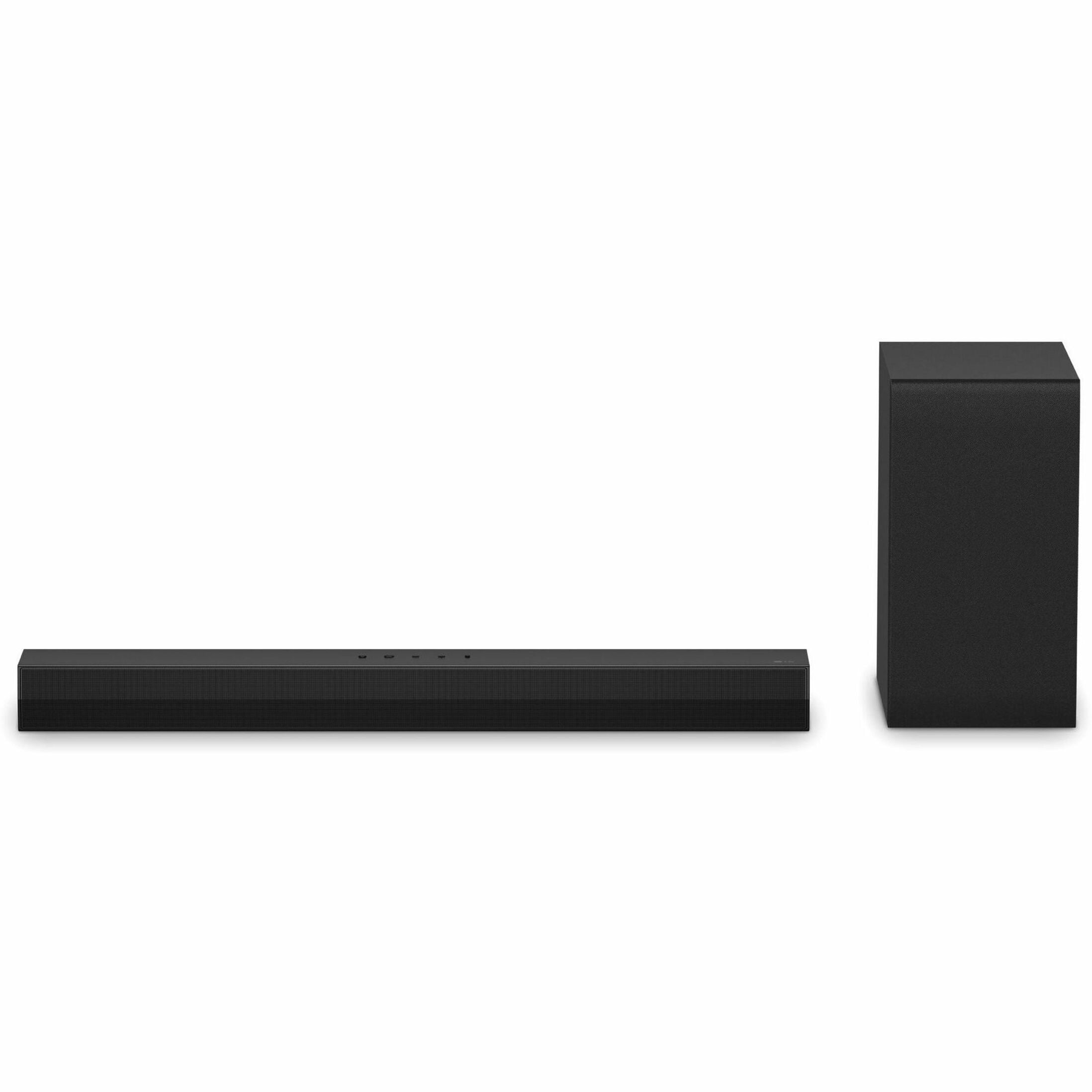
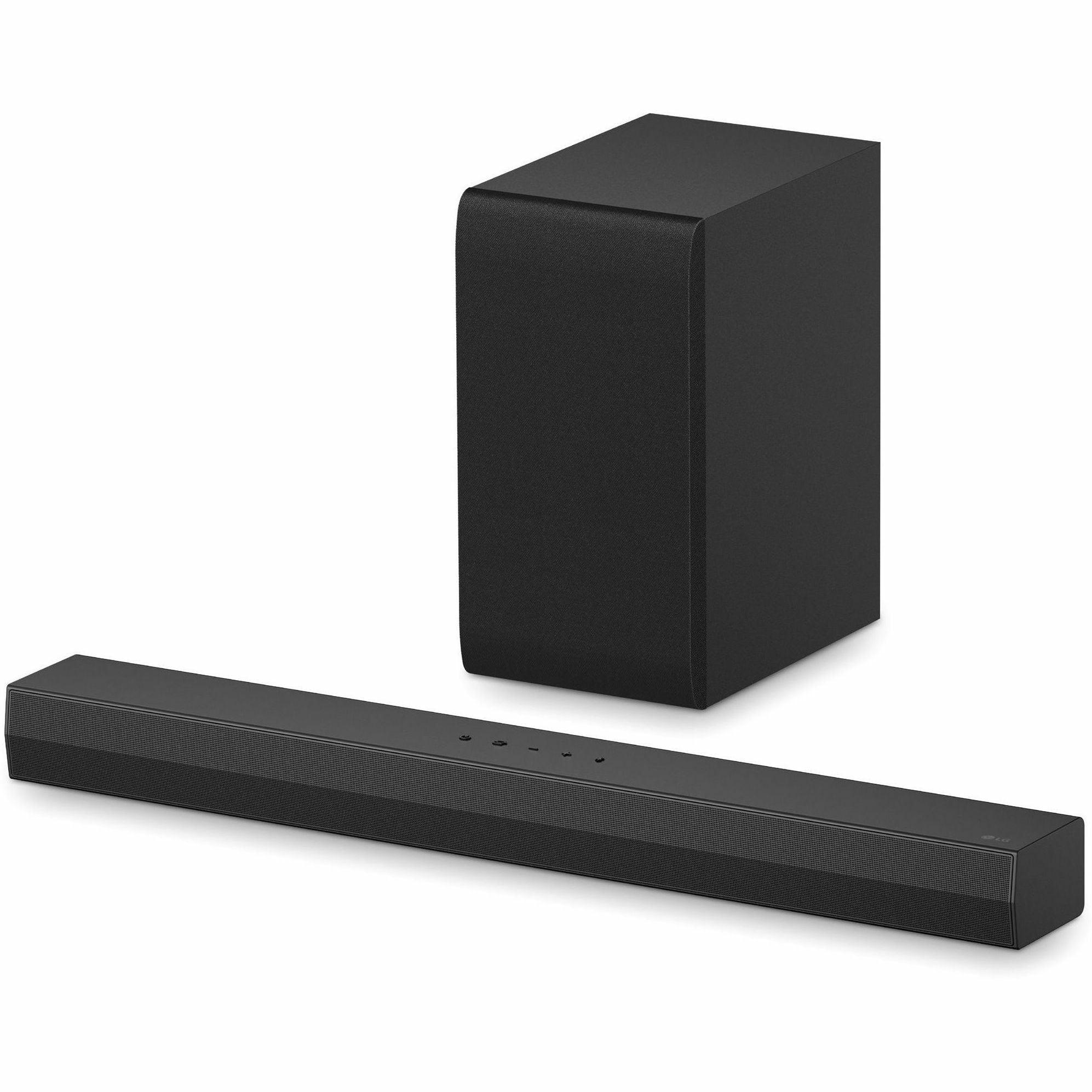
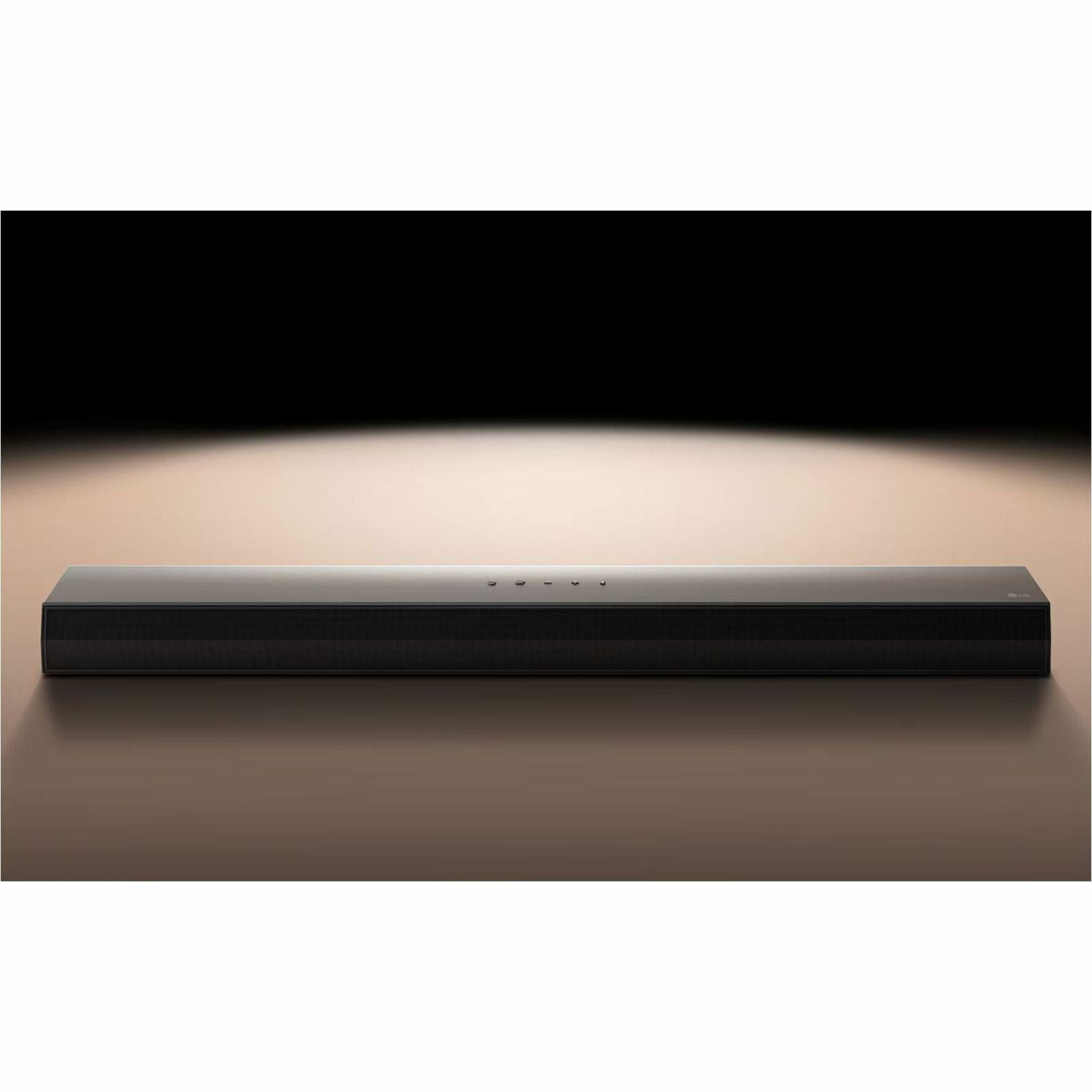
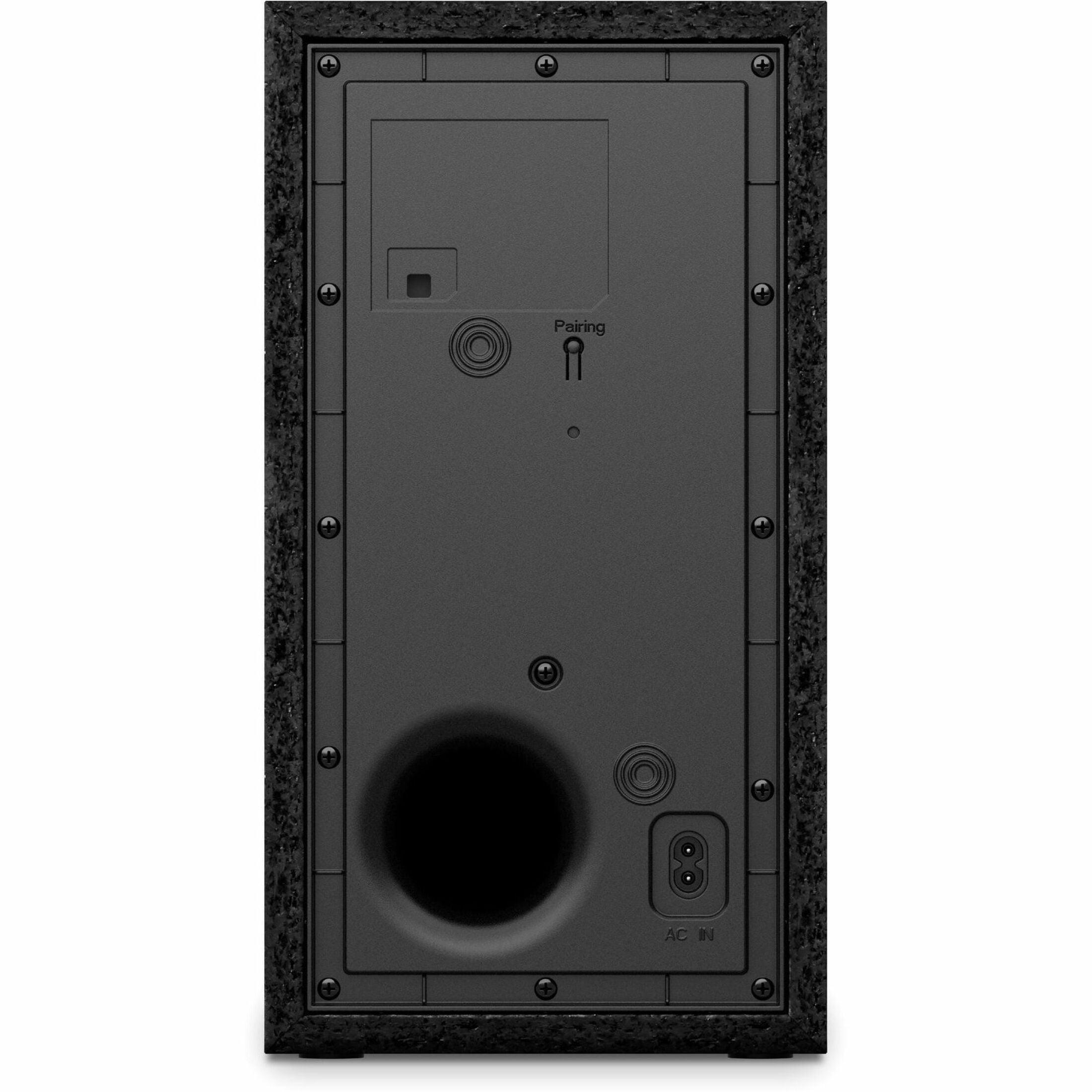
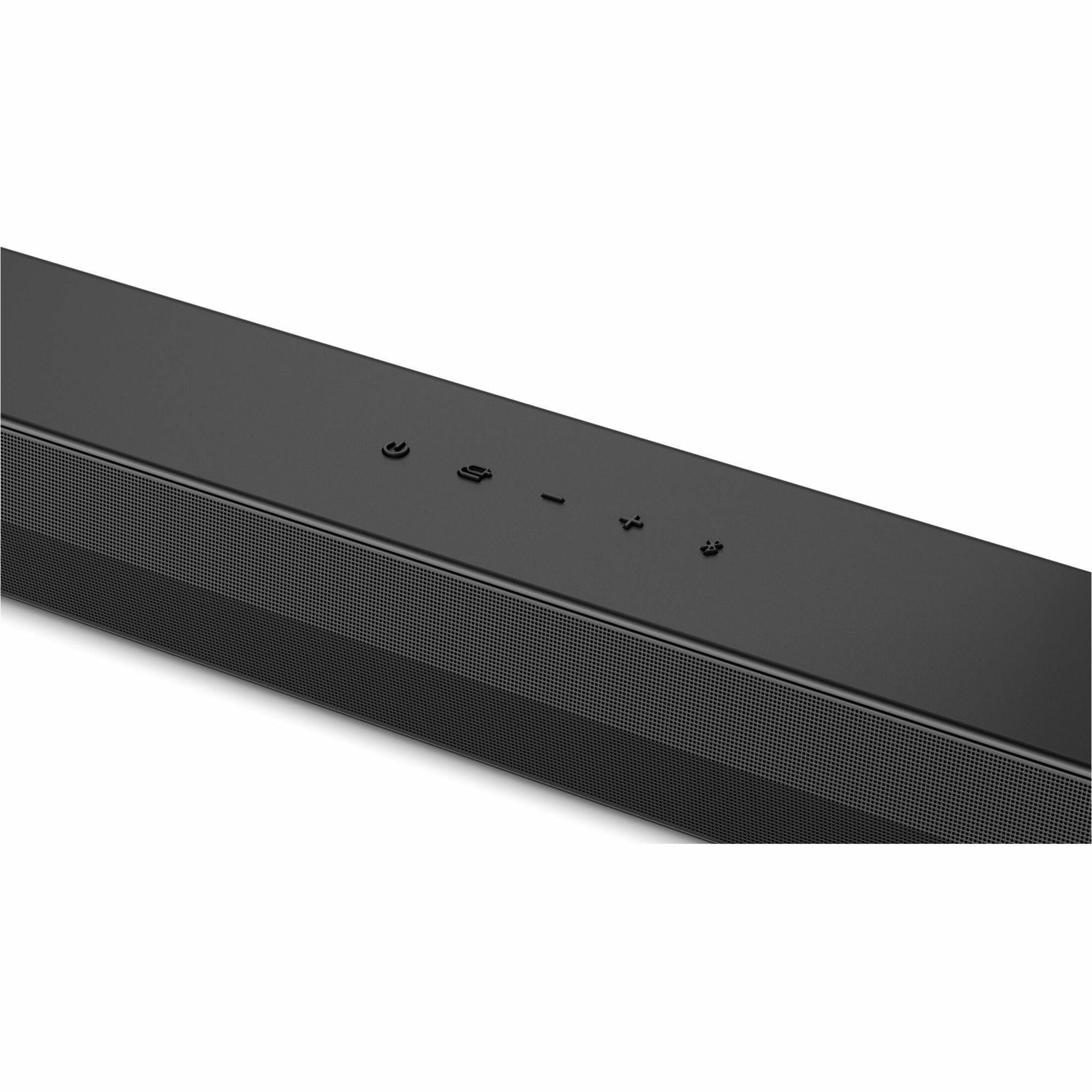
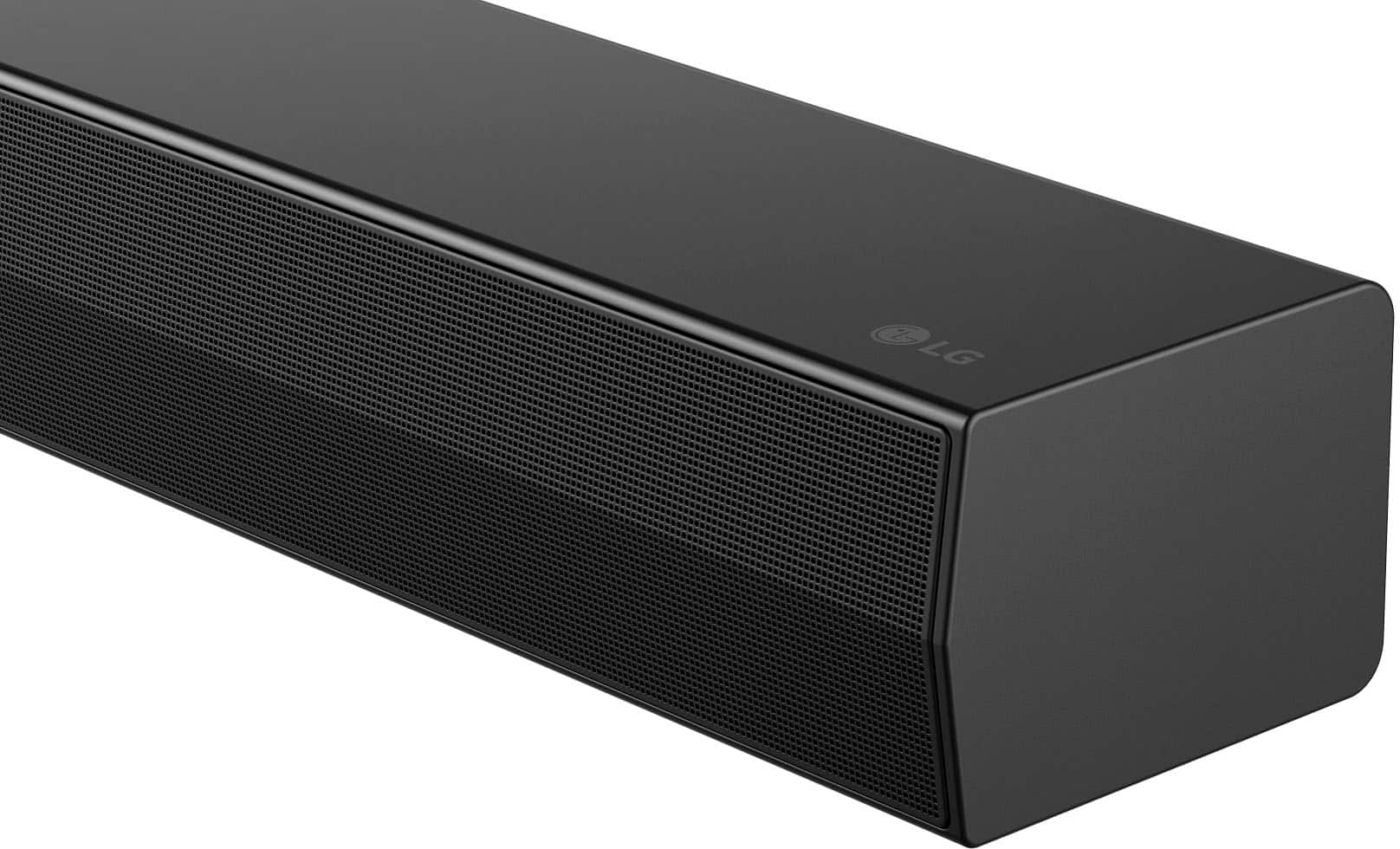
The LG S40T, launched in 2024, takes a more traditional approach: a simple soundbar paired with a wireless subwoofer. It's designed for people who want better TV audio without the complexity or cost of a premium system.
At the time of writing, the Devialet Dione costs roughly fifteen to twenty times more than the LG S40T. That price gap demands explanation.
The most fundamental difference between these systems lies in their audio architecture—essentially, how they create and control sound.
The Devialet Dione uses what the company calls a 17-driver array. This means it contains seventeen individual speakers: nine full-range aluminum drivers that handle midrange and treble frequencies, plus eight dedicated subwoofers for bass. These aren't just random speakers thrown together—each driver is precisely positioned and individually powered to create specific audio effects.
What makes this impressive is Devialet's push-push configuration for the bass drivers. Traditional speakers create vibrations that can rattle the cabinet they're mounted in, causing distortion. The Dione's bass drivers are arranged in opposing pairs that mechanically cancel out these vibrations, letting you hear clean, powerful bass without the "muddy" sound that plagues many soundbars.
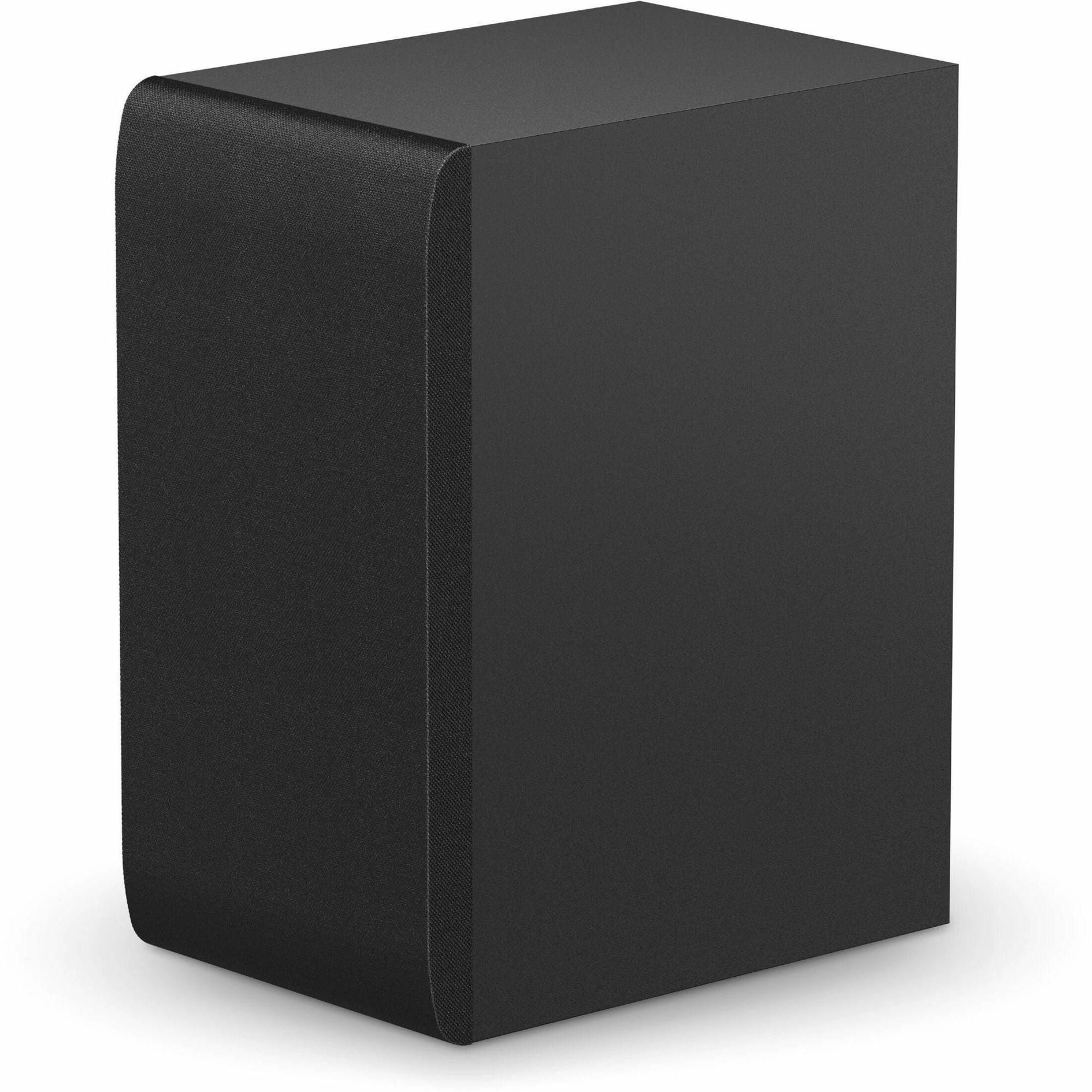
The LG S40T, meanwhile, uses a conventional 2.1 approach: the main bar handles left, right, and center channels, while a separate wireless subwoofer provides bass. This design has been refined over decades and works well for basic surround sound simulation, but it can't match the spatial precision of a true multichannel system.
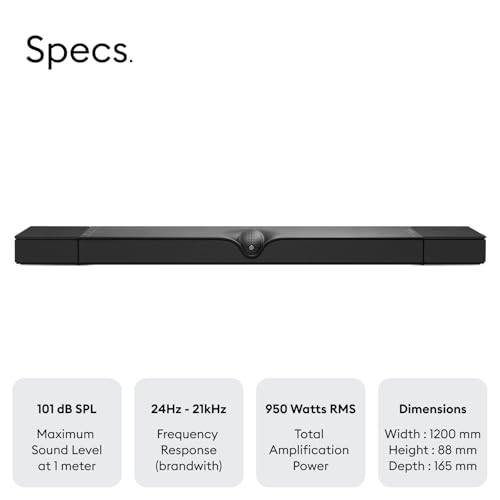
The technical sophistication gap becomes clear when you consider frequency response—the range of audio frequencies each system can reproduce. The Devialet Dione reaches down to 24Hz, which covers the deepest bass you'll hear in movies and music. Most budget soundbars, including the LG S40T, typically bottom out around 50-60Hz, missing those room-shaking low frequencies that make action scenes feel visceral.
Raw power output tells part of the performance story. The Devialet Dione delivers 950 watts RMS (Root Mean Square—a measure of continuous power output) through its ADH (Analog Digital Hybrid) amplification system. This proprietary technology combines the tonal purity of analog amplifiers with the efficiency and power of digital ones, achieving extremely low distortion rates of just 0.001%.
The LG S40T provides 300 watts total, which sounds substantial until you realize it's split between the main bar and subwoofer. For a small to medium-sized room, this difference might not matter much. But in larger spaces, or when you want to experience the full dynamic range of a movie soundtrack, the power gap becomes significant.
Maximum sound pressure level (SPL) is another crucial metric. The Devialet Dione can hit 101 dB at one meter—loud enough to fill a large living room with clear, undistorted sound. While LG doesn't specify the S40T's maximum output, our research suggests most budget soundbars start showing strain and compression artifacts at high volumes, especially in the bass region.
The real performance difference, however, lies in dynamic range—the soundbar's ability to reproduce both whisper-quiet dialogue and explosive action sequences without losing detail. Premium systems like the Devialet Dione maintain clarity across this entire range, while budget options often compress loud sounds or lose subtle details.
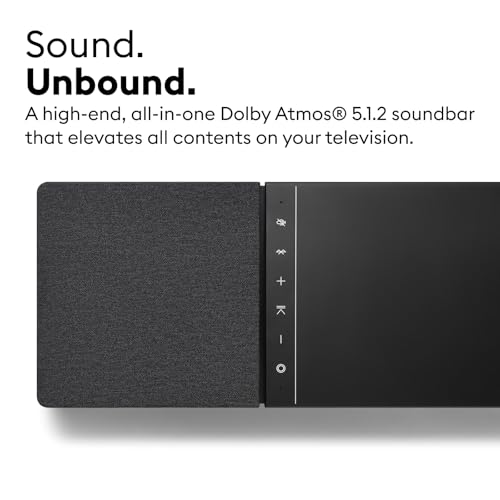
Perhaps the biggest performance gap between these systems is in surround sound capability. The Devialet Dione delivers true 5.1.2 Dolby Atmos, meaning it can create discrete left surround, right surround, and overhead channels that place sounds precisely in three-dimensional space around you.
This is achieved through ADE (Advanced Dimensional Experience) beamforming technology, which uses advanced mathematics to control how sound reflects off your walls and ceiling. The system actually adapts its output based on whether you mount it horizontally under your TV or vertically on the wall—a level of sophistication that's almost unprecedented in soundbar design.
The LG S40T relies on virtual surround processing, using psychoacoustic tricks to simulate the effect of rear speakers. This works reasonably well for basic immersion, especially considering the price point, but it can't match the precision and convincing nature of true multichannel audio.
From our research into user experiences, the difference becomes most apparent during complex movie scenes with multiple sound sources. The Devialet Dione can place a helicopter overhead, dialogue in the center, and ambient sounds to your sides with surgical precision. The LG S40T creates a pleasant "big sound" effect but without the same spatial accuracy.
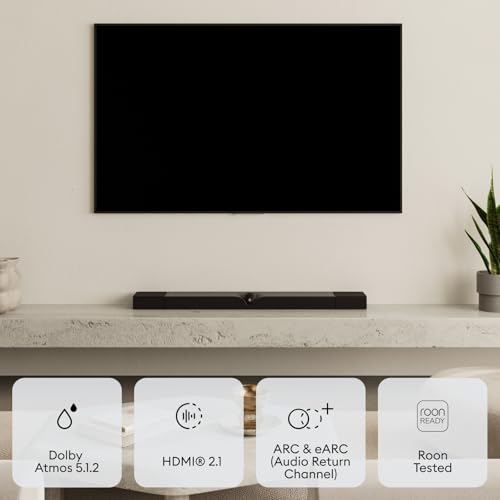
The connectivity story reflects each product's target market and design philosophy. The Devialet Dione includes HDMI 2.1 with eARC (enhanced Audio Return Channel), which supports uncompressed, high-bandwidth audio formats. This means it can handle the full quality of Dolby TrueHD and Dolby Atmos tracks as they were mixed in the studio.
Beyond the physical connections, the Devialet Dione functions as a complete streaming hub with Wi-Fi, AirPlay 2, Spotify Connect, and UPnP support. Its SPACE technology can actually convert mono and stereo content into full 5.1.2 surround sound using content-aware algorithms—essentially giving old movies and music a three-dimensional makeover.
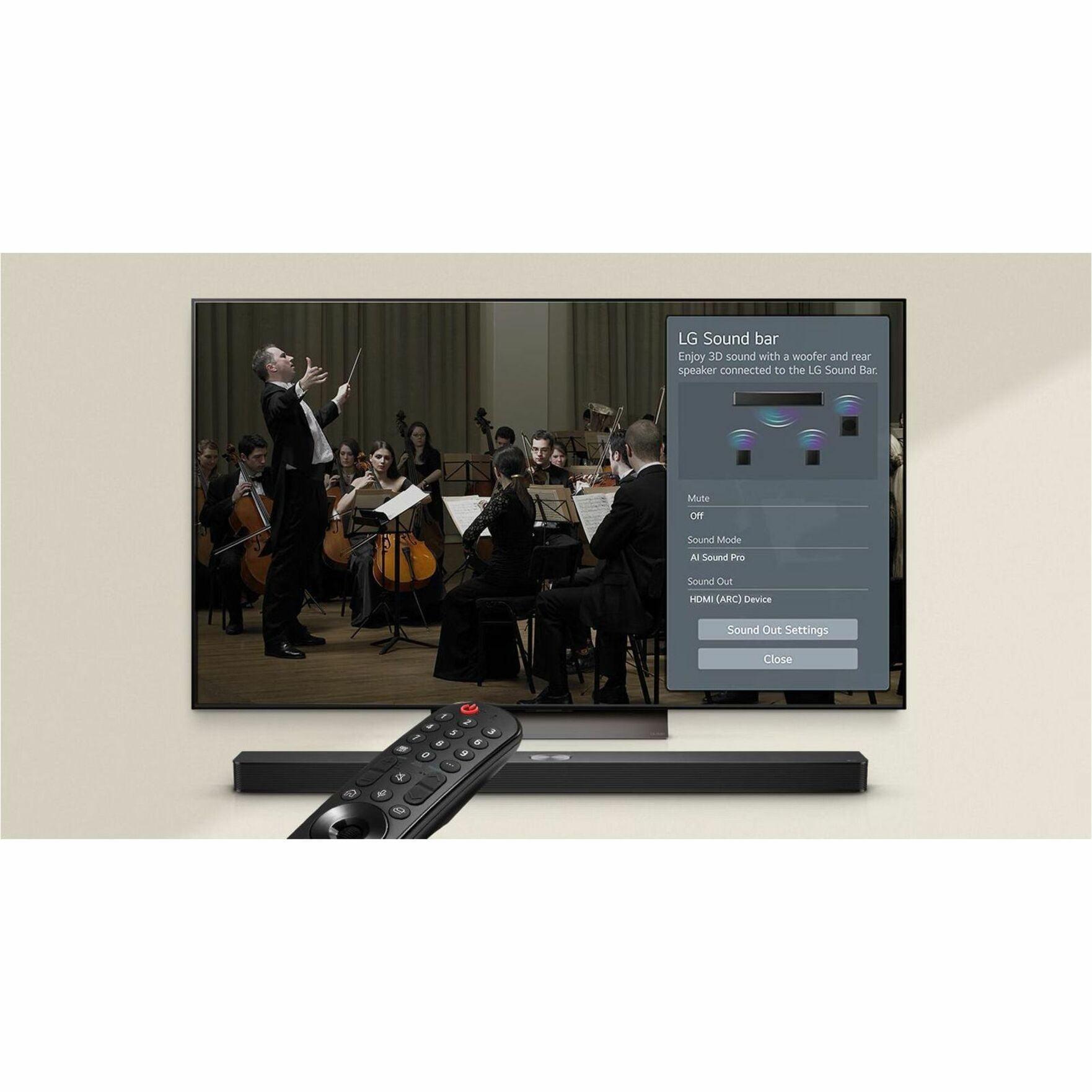
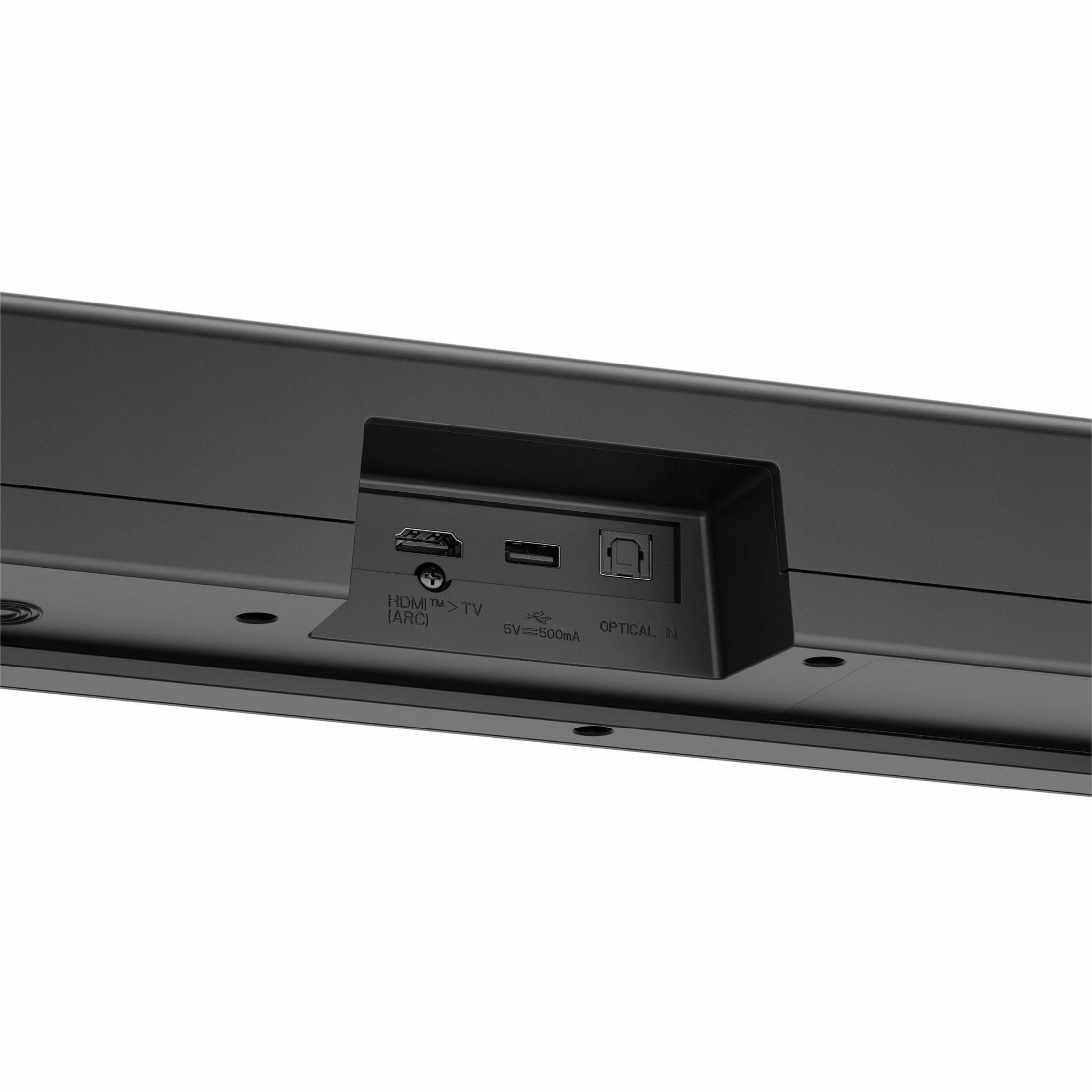
The LG S40T keeps things simple with HDMI ARC (the older standard that compresses audio) and basic Bluetooth connectivity. For many users, this simplicity is actually a benefit—there are fewer things to set up or go wrong.
One area where the price difference really shows is in room optimization. The Devialet Dione includes automatic room calibration that measures your space's acoustic properties and adjusts the sound accordingly. Its AVL (Adaptive Volume Level) technology continuously monitors content, maintaining dialogue clarity while keeping dramatic scenes impactful but not overwhelming.
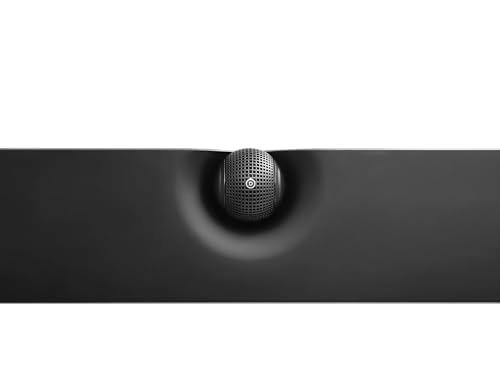
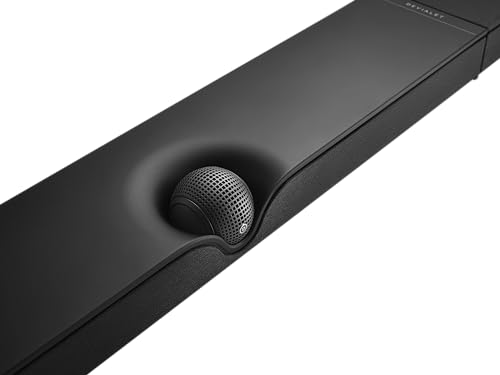
The system even includes a unique ORB center channel—a spherical speaker that rotates to maintain optimal dialogue dispersion whether the soundbar is placed on a stand or wall-mounted. This attention to detail in maintaining consistent performance across different installations reflects the engineering approach of a true audiophile product.
The LG S40T relies on manual adjustment and basic preset modes. While this means more user responsibility for optimization, it also means fewer variables to confuse non-technical users.
While both products focus primarily on TV and movie enhancement, their music performance differs substantially. The Devialet Dione supports high-resolution audio up to 24-bit/96kHz and includes a dedicated Music mode that bypasses spatial processing for pure stereo reproduction.
Our analysis of user reviews suggests the Devialet Dione performs exceptionally well with music, offering the kind of detail and tonal accuracy typically associated with high-end stereo systems. The LG S40T provides a pleasant music experience with enhanced bass from its subwoofer, but lacks the resolution and dynamics for critical listening.
For serious home theater enthusiasts, future-proofing becomes crucial. The Devialet Dione's HDMI 2.1 connectivity ensures compatibility with next-generation gaming consoles and 8K content, while its sophisticated processing can be updated via firmware to support new audio formats as they emerge.
The system's self-contained design eliminates the placement challenges of traditional surround systems—no running wires to rear speakers or finding space for multiple components. For apartment dwellers or those with aesthetic concerns, this represents a significant practical advantage.
The LG S40T offers basic home theater functionality that will satisfy most casual viewers but lacks the connectivity and processing power for future audio formats or high-end source components.
Based on our research and analysis of user feedback, the Devialet Dione makes sense for several specific scenarios. If you're pairing it with a premium TV (think high-end OLED or QLED models), the audio quality should match your display investment. The system also works well for apartment living where traditional surround speakers aren't practical, and for users who listen to substantial amounts of high-quality music in addition to watching movies.
The value proposition becomes more questionable in smaller rooms where the power and sophistication advantages can't be fully utilized, or for users whose primary content is basic TV programming that doesn't benefit from advanced processing.
The LG S40T shines in different circumstances. It's ideal for first-time soundbar buyers who want to test the concept before committing to a major investment. The system provides dramatic improvement over TV speakers at a price point that won't cause buyer's remorse. It's also perfect for secondary viewing areas, children's rooms, or situations where simplicity and reliability matter more than ultimate performance.
The choice between these systems ultimately depends on your priorities and circumstances rather than one being universally "better." The Devialet Dione represents near-state-of-the-art soundbar technology with performance that can rival traditional component-based surround systems. Its premium price reflects genuine technological sophistication and manufacturing quality.
The LG S40T offers excellent value for users whose primary need is better TV audio without complexity or major expense. It won't impress audiophiles, but it will satisfy the majority of users who simply want clearer dialogue and more impactful sound effects.
At the time of writing, the soundbar market continues evolving rapidly, with more Dolby Atmos features trickling down to affordable models. However, the fundamental trade-offs between price, performance, and complexity remain constant. Understanding these trade-offs—and honestly assessing your own needs and room requirements—will lead you to the right choice for your situation.
The audio world has a saying: "Buy once, cry once"—meaning invest in quality upfront rather than upgrading repeatedly. But that philosophy only works if you'll actually utilize and appreciate the premium features you're paying for. For many users, a well-chosen budget option provides years of satisfaction and represents the smarter financial decision.
| Devialet Dione | LG S40T |
|---|---|
| Channel Configuration - Determines surround sound immersion quality | |
| True 5.1.2 Dolby Atmos with height channels | 2.1 stereo with wireless subwoofer |
| Driver Array - More drivers enable better sound separation and dynamics | |
| 17 drivers (9 full-range + 8 subwoofers) | Standard 2.1 configuration |
| Power Output - Higher wattage fills larger rooms without distortion | |
| 950W RMS with ADH amplification | 300W RMS total system power |
| Frequency Response - Lower bass extension creates more impactful movie experience | |
| 24Hz - 21kHz (true sub-bass capability) | ~50Hz - 20kHz (estimated, limited bass depth) |
| Maximum Volume - Peak loudness before distortion sets in | |
| 101 dB SPL at 1 meter | Not specified (likely 85-90 dB range) |
| Audio Processing - Advanced features enhance any content automatically | |
| SPACE upmixing, SAM correction, ADE beamforming, room calibration | Basic AI sound modes and EQ presets |
| HDMI Connectivity - Newer standards support uncompressed high-quality audio | |
| HDMI 2.1 eARC (uncompressed Dolby TrueHD/Atmos) | HDMI ARC (compressed audio only) |
| Wireless Streaming - More options mean easier music playback from any device | |
| Wi-Fi, AirPlay 2, Spotify Connect, UPnP, Bluetooth 5.0 | Basic Bluetooth only |
| Physical Design - Installation flexibility and room requirements | |
| Single 47" unit, no separate subwoofer needed | Compact 28" bar + wireless subwoofer placement required |
| Build Quality - Premium materials last longer and look better | |
| Aluminum construction with rotating ORB center channel | Standard plastic construction |
| High-Resolution Audio - Critical for audiophile music listening | |
| 24-bit/96kHz DAC with dedicated Music mode | Standard resolution, no audiophile features |
| Room Optimization - Automatic calibration vs manual setup effort | |
| Auto room correction with orientation detection | Manual positioning and basic presets |
| Future-Proofing - Compatibility with next-generation content and devices | |
| Firmware updates, HDMI 2.1, emerging format support | Basic feature set with limited upgrade path |
The Devialet Dione is significantly better for movies due to its true 5.1.2 Dolby Atmos capability with 17 drivers that create genuine surround sound and overhead effects. The LG S40T offers basic stereo sound with virtual surround processing, which provides some improvement over TV speakers but cannot match the immersive cinema experience of the Devialet Dione.
The primary difference is sophistication and channel configuration. The Devialet Dione is a premium all-in-one system with true multichannel audio and advanced processing technologies, while the LG S40T is a budget-friendly 2.1 system focused on basic TV audio enhancement with a separate wireless subwoofer.
The Devialet Dione includes eight built-in subwoofer drivers and doesn't require a separate subwoofer unit. The LG S40T comes with a wireless subwoofer that's essential for the full 2.1 experience and provides the bass response the main bar cannot produce on its own.
The Devialet Dione delivers superior bass with its integrated subwoofer system reaching down to 24Hz and using push-push driver configuration to eliminate vibrations. While the LG S40T includes a dedicated wireless subwoofer, it typically reaches only around 50-60Hz and cannot match the depth and precision of the Devialet Dione.
Both soundbars require a wired connection to your TV for the best audio quality. The Devialet Dione uses HDMI eARC or optical, while the LG S40T uses HDMI ARC or optical. However, the Devialet Dione offers extensive wireless streaming options including Wi-Fi, AirPlay 2, and Spotify Connect, whereas the LG S40T only provides basic Bluetooth connectivity.
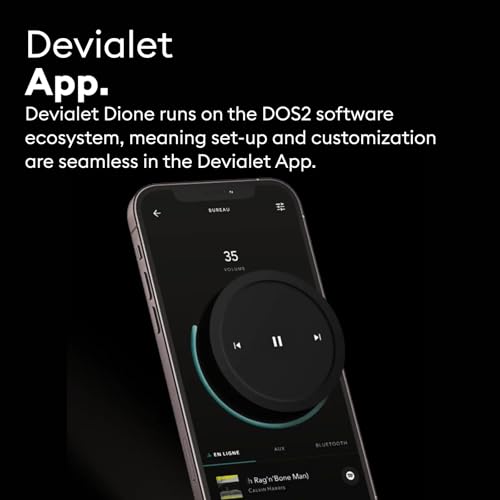
The LG S40T is generally easier to set up with its straightforward 2.1 configuration and basic controls. The Devialet Dione offers more sophisticated features like automatic room calibration and app-based controls, which provide better optimization but require more initial setup time and technical familiarity.
The Devialet Dione requires space for a single 47-inch soundbar but eliminates the need for subwoofer placement since everything is integrated. The LG S40T has a more compact 28-inch main unit but requires additional floor space for positioning the wireless subwoofer somewhere in your room.
The Devialet Dione excels at music reproduction with high-resolution audio support up to 24-bit/96kHz, dedicated Music mode, and audiophile-grade components. The LG S40T provides decent music playback with enhanced bass from its subwoofer but lacks the resolution and dynamics needed for serious music listening.
Yes, the Devialet Dione provides true 5.1.2 Dolby Atmos with dedicated height channels for authentic three-dimensional audio. The LG S40T does not support Dolby Atmos and is limited to basic Dolby Digital processing for standard surround sound simulation.
This depends on your budget and needs. The LG S40T offers excellent value for budget-conscious buyers seeking basic TV audio improvement. The Devialet Dione provides exceptional value for its performance level compared to separate high-end audio components, but only justifies its premium price for users who will utilize its advanced features.
Both soundbars can be wall-mounted, but the Devialet Dione offers superior wall-mount integration with automatic orientation detection and a rotating center channel that adapts to vertical mounting. The LG S40T can be wall-mounted using standard brackets, though you'll still need to place the wireless subwoofer separately on the floor.
The Devialet Dione is better suited for large rooms with its 950W power output, 101 dB maximum volume, and room-filling surround sound capabilities. The LG S40T works well in small to medium rooms but may struggle to provide adequate volume and bass impact in larger spaces without distortion at higher volumes.
We've done our best to create useful and informative comparisons to help you decide what product to buy. Our research uses advanced automated methods to create this comparison and perfection is not possible - please contact us for corrections or questions. These are the sites we've researched in the creation of this article: rtings.com - crutchfield.com - devialet.com - ooberpad.com - bhphotovideo.com - kjwestone.co.uk - whathifi.com - devialet.com - devialet.com - sound-advice.online - kjwestone.co.uk - device.report - tmraudio.com - devialet.com - devialetchat.com - projectorscreen.com - soundandvision.com - bestbuy.com - youtube.com - av.com - audiofi.ca - devialet.com - blog.son-video.com - audioconnection.com.au - baybloorradio.com - cdn.abicart.com - smarthomesounds.co.uk - e-piphany.co.za - cloneyaudio.com - devialet.com - catalog.asbis.ee - av.com - soundandvision.com - youtube.com - comparisontabl.es - bestbuy.com - bestbuy.com - rtings.com - pcrichard.com - lg.com - lg.com - lg.com - lg.com - microcenter.com - flanners.com - bestbuy.com - microcenter.com

Privacy Policy
Terms and Conditions - Affiliate Policy
Home Security
© Copyright 2008-2026.
11816 Inwood Rd #1211, Dallas, TX 75244