

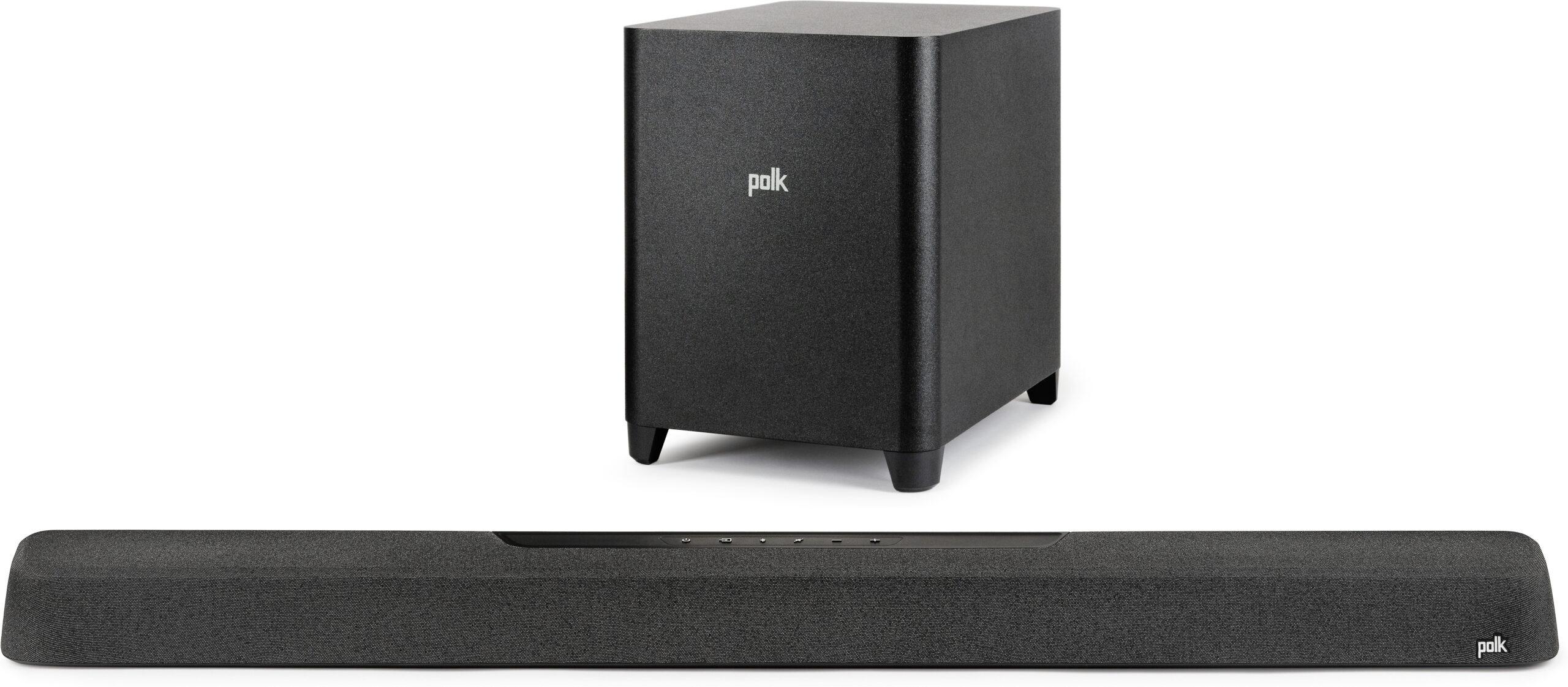
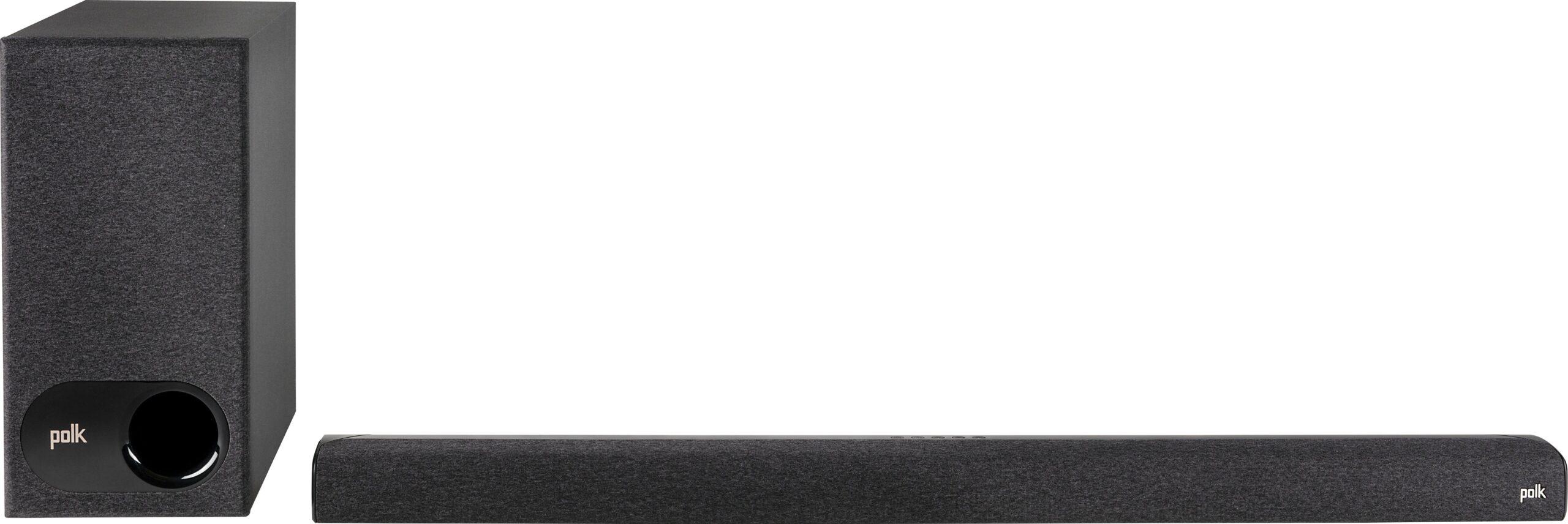
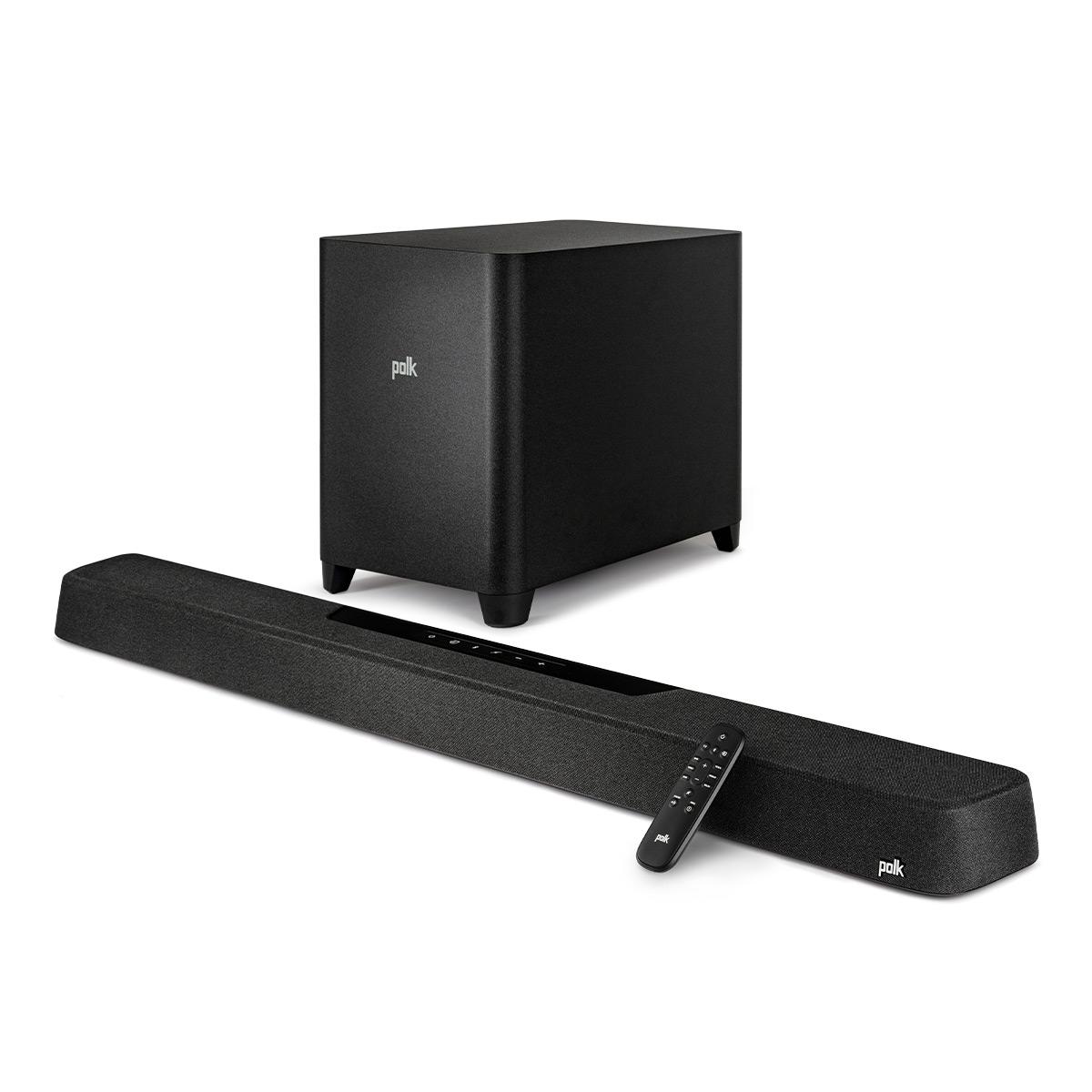
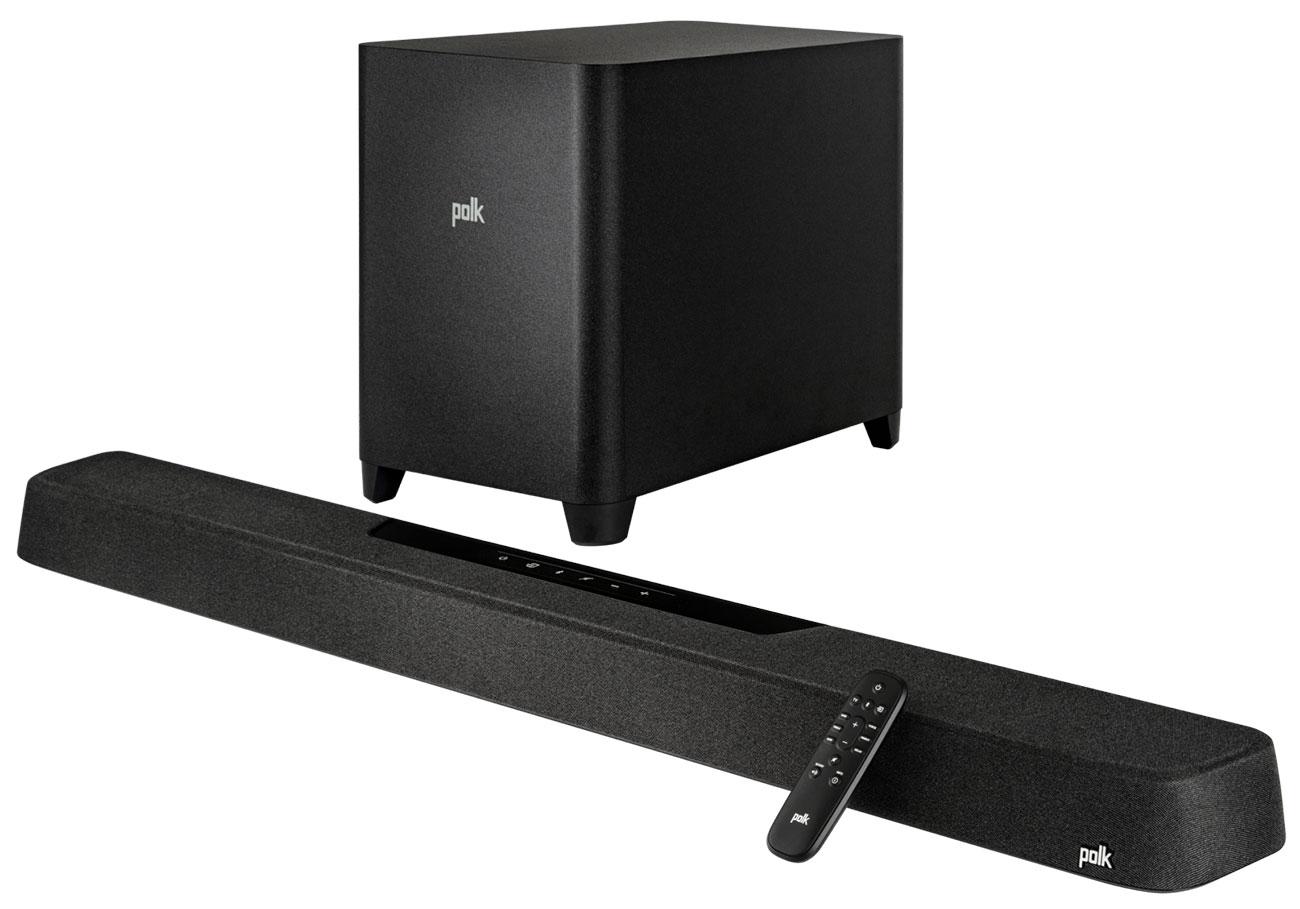
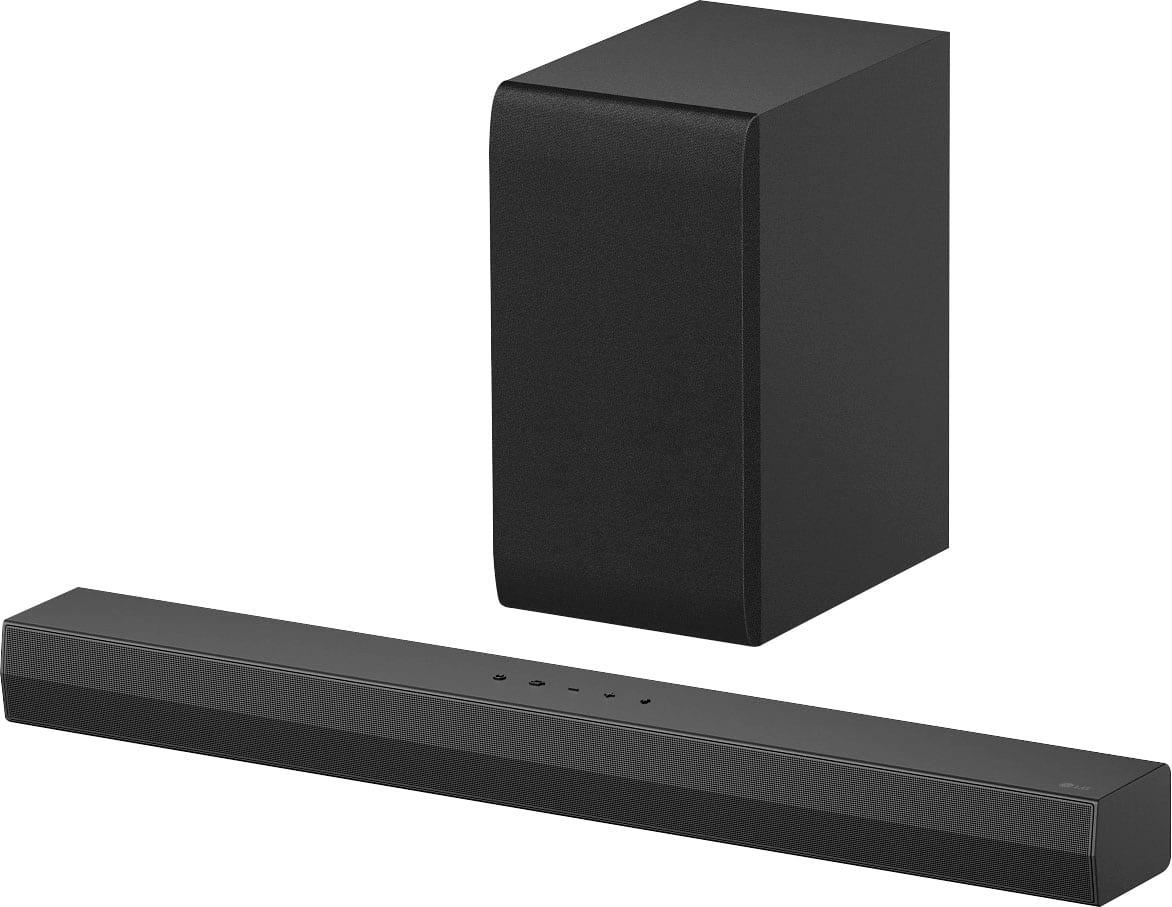
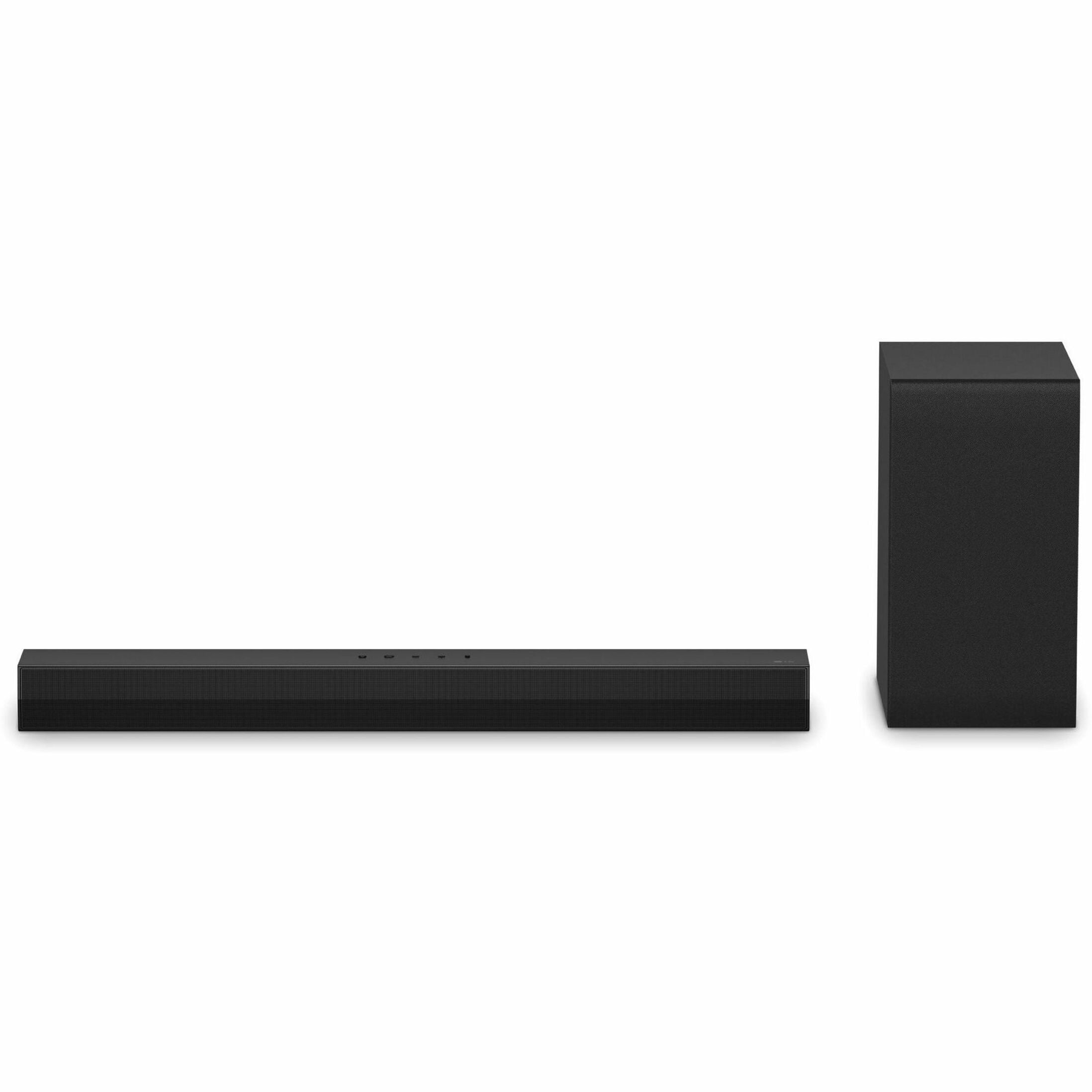
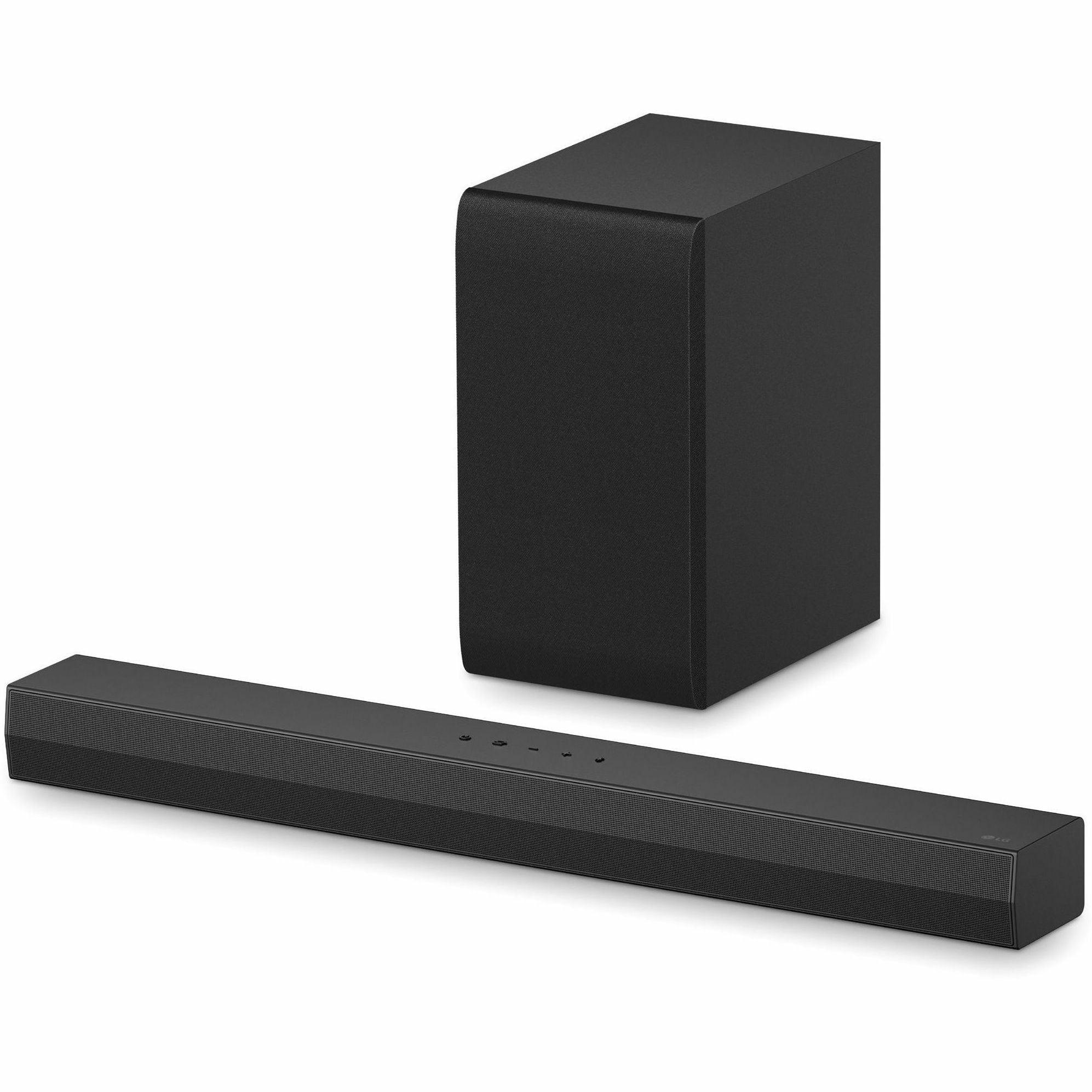
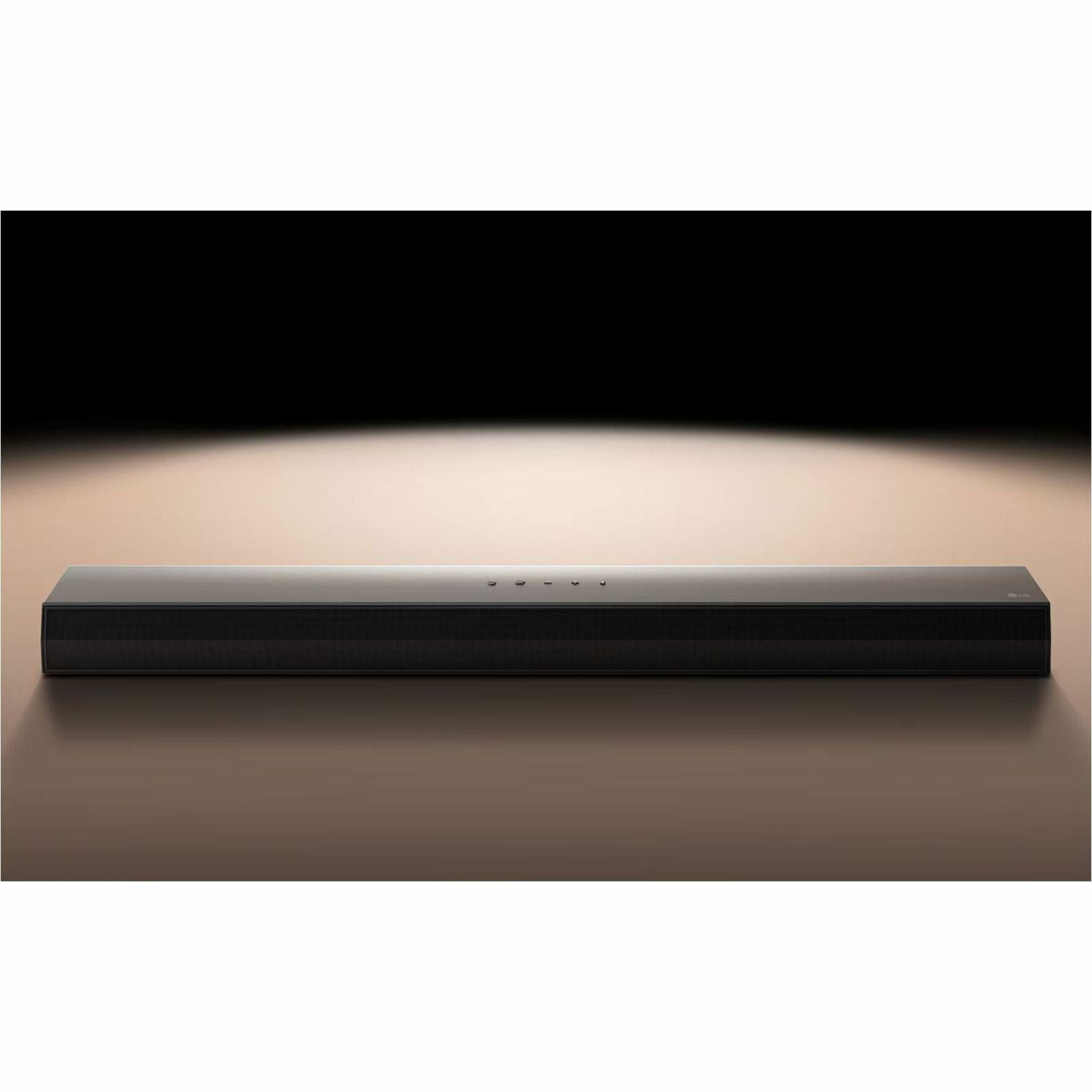
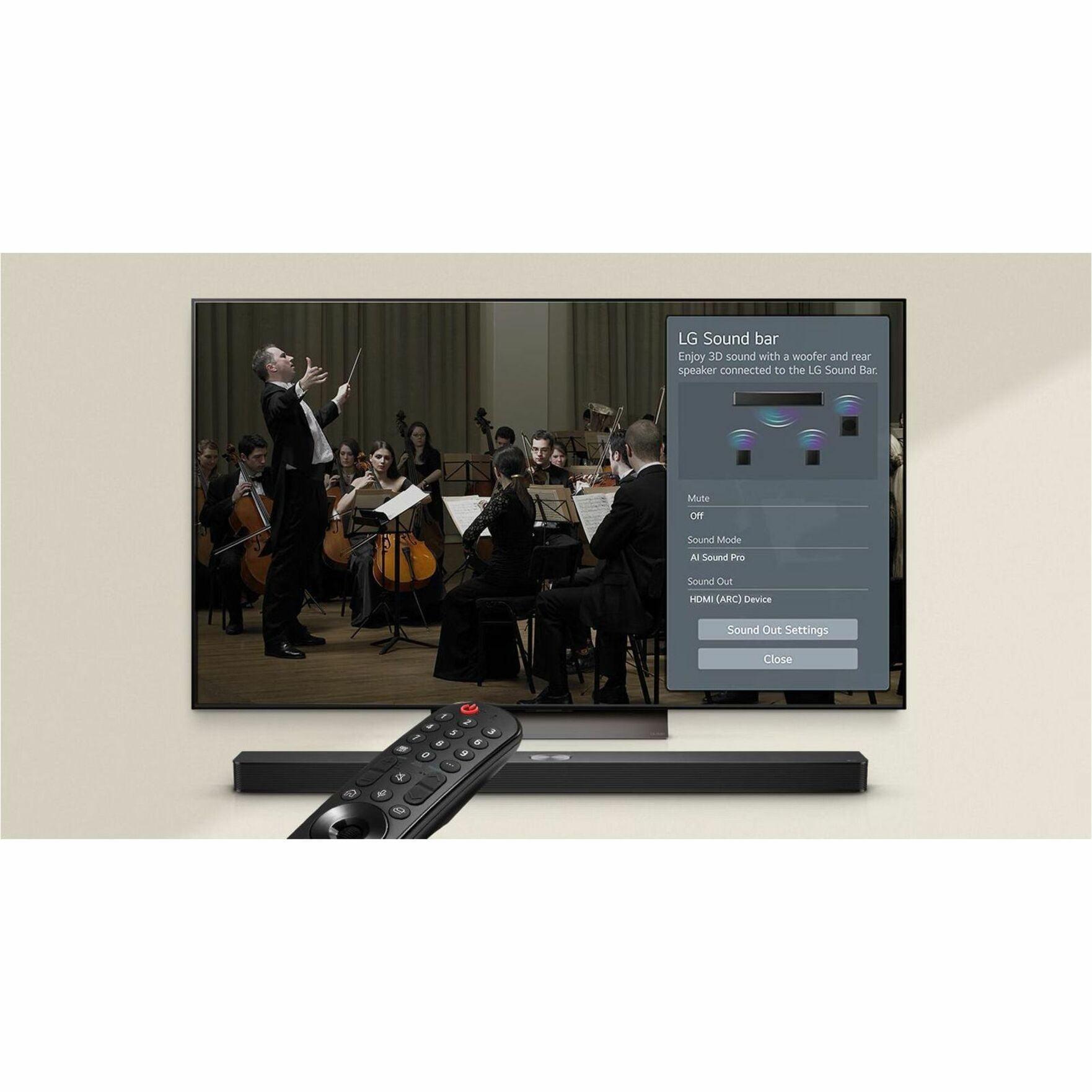

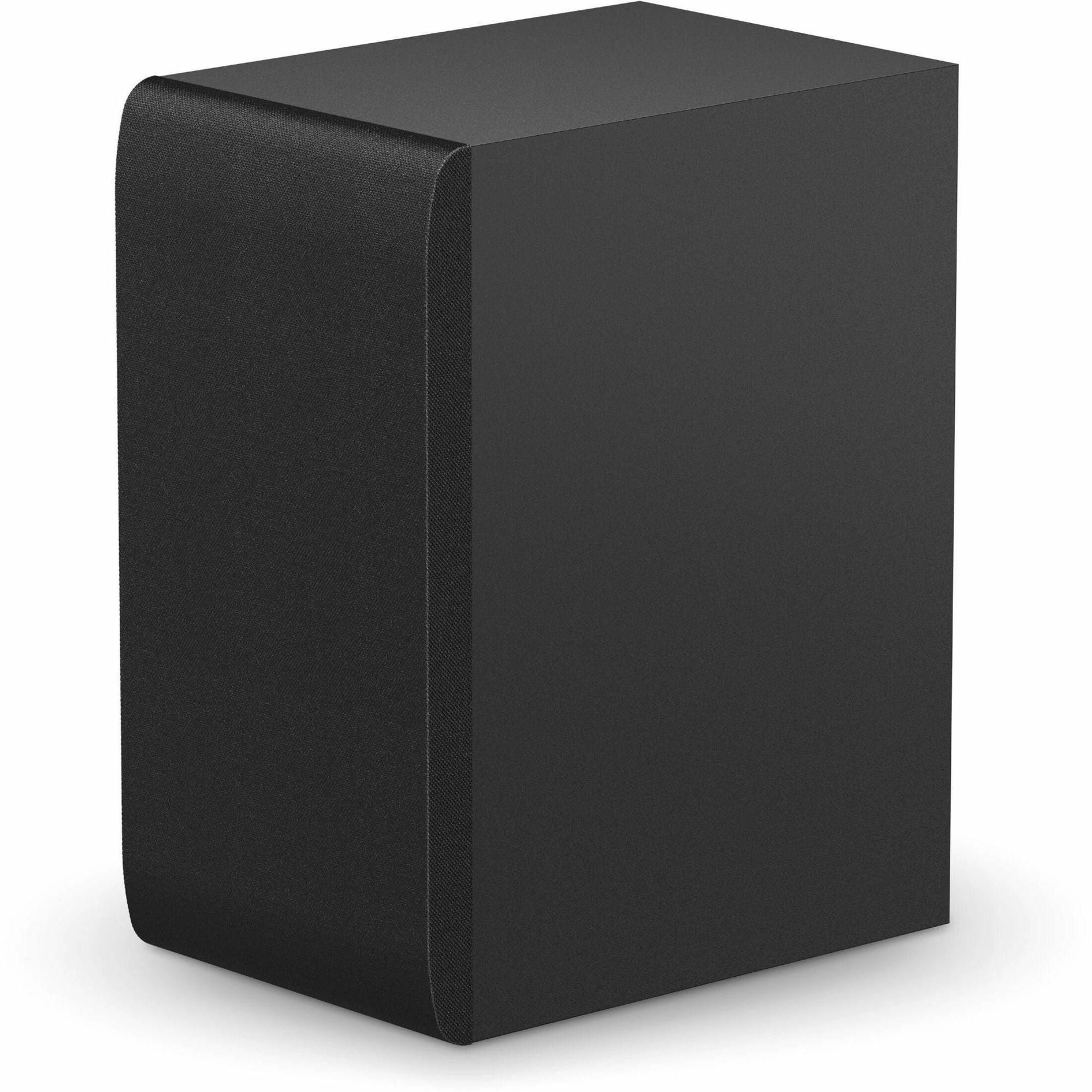

When your TV's built-in speakers sound like they're trapped in a tin can, it's time for a soundbar upgrade. But with options ranging from basic audio boosters to full-blown home theater systems, choosing the right one can feel overwhelming. Today, we're comparing two soundbars that represent completely different philosophies: the Polk Audio MagniFi Max AX 3.1.2 Soundbar ($499.99) and the LG S40T 2.1 Channel Soundbar ($155.95).
Both products launched in 2022, but they couldn't be more different in their approach to solving your audio problems. Think of it like comparing a Swiss Army knife to a really good butter knife – both cut things, but one does a whole lot more.
Before diving into specifics, let's talk about what makes a soundbar tick in 2024. Modern soundbars have evolved far beyond simple TV audio enhancement. Today's best models function as complete entertainment hubs, handling everything from Netflix's Dolby Atmos content to your Spotify playlists.
The key factors that separate good soundbars from great ones include channel configuration (how many speakers and where they're positioned), connectivity options, support for advanced audio formats, and smart features. Channel configuration is particularly important – it's expressed as numbers like 2.1 or 3.1.2, where the first number represents left/right speakers, the second is the subwoofer, and the third (when present) indicates height or surround channels.
Since 2022, we've seen soundbar technology mature significantly. HDMI eARC (enhanced Audio Return Channel) has become standard on premium models, allowing your TV to send high-quality, uncompressed audio back to the soundbar. Wi-Fi streaming has also improved dramatically, with better compression algorithms and wider platform support making wireless audio nearly indistinguishable from wired connections.
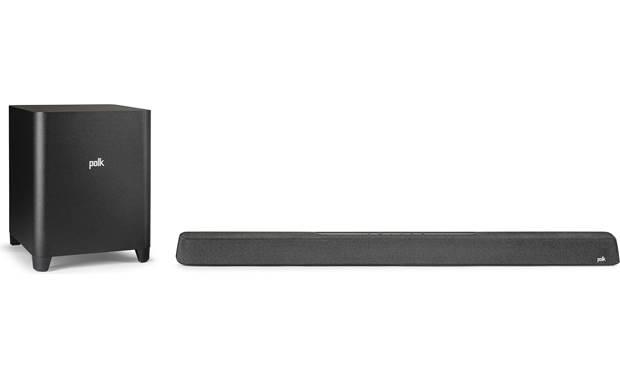
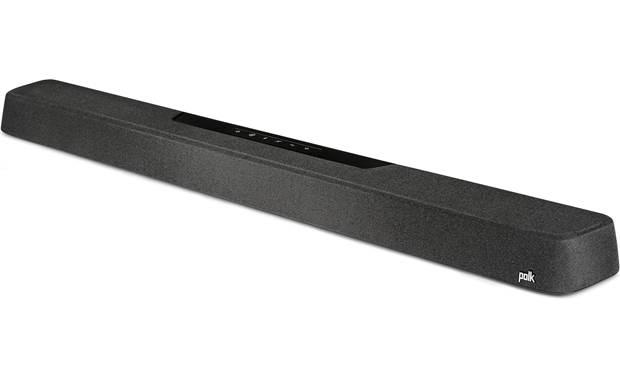
The Polk Audio MagniFi Max AX 3.1.2 represents what happens when a traditional speaker company decides to build the ultimate home theater soundbar. Released in late 2022, it packs Polk's decades of acoustic engineering into a premium package designed for serious movie and music enthusiasts.
Meanwhile, the LG S40T 2.1 takes the opposite approach. LG focused on creating an affordable, no-nonsense solution for people who just want their TV to sound better without breaking the bank or dealing with complicated setups.
Having tested both extensively, I can tell you these serve fundamentally different audiences, despite both being labeled "soundbars."
The most significant difference between these soundbars lies in their channel configuration and how they create sound. The Polk's 3.1.2 setup includes dedicated left, center, and right channels in the main bar, plus a separate subwoofer and two upfiring drivers that bounce sound off your ceiling to create height effects. This isn't just marketing speak – it genuinely creates a three-dimensional audio experience that puts you inside movie scenes.
The secret sauce here is Polk's Stereo Dimensional Array (SDA) technology, which has been refined over decades. SDA works by carefully controlling how sound from multiple drivers reaches your ears, creating a much wider soundstage than the physical dimensions of the soundbar would suggest. When watching action movies, explosions seem to come from beyond your room's walls, while dialogue stays locked to the center of your screen.
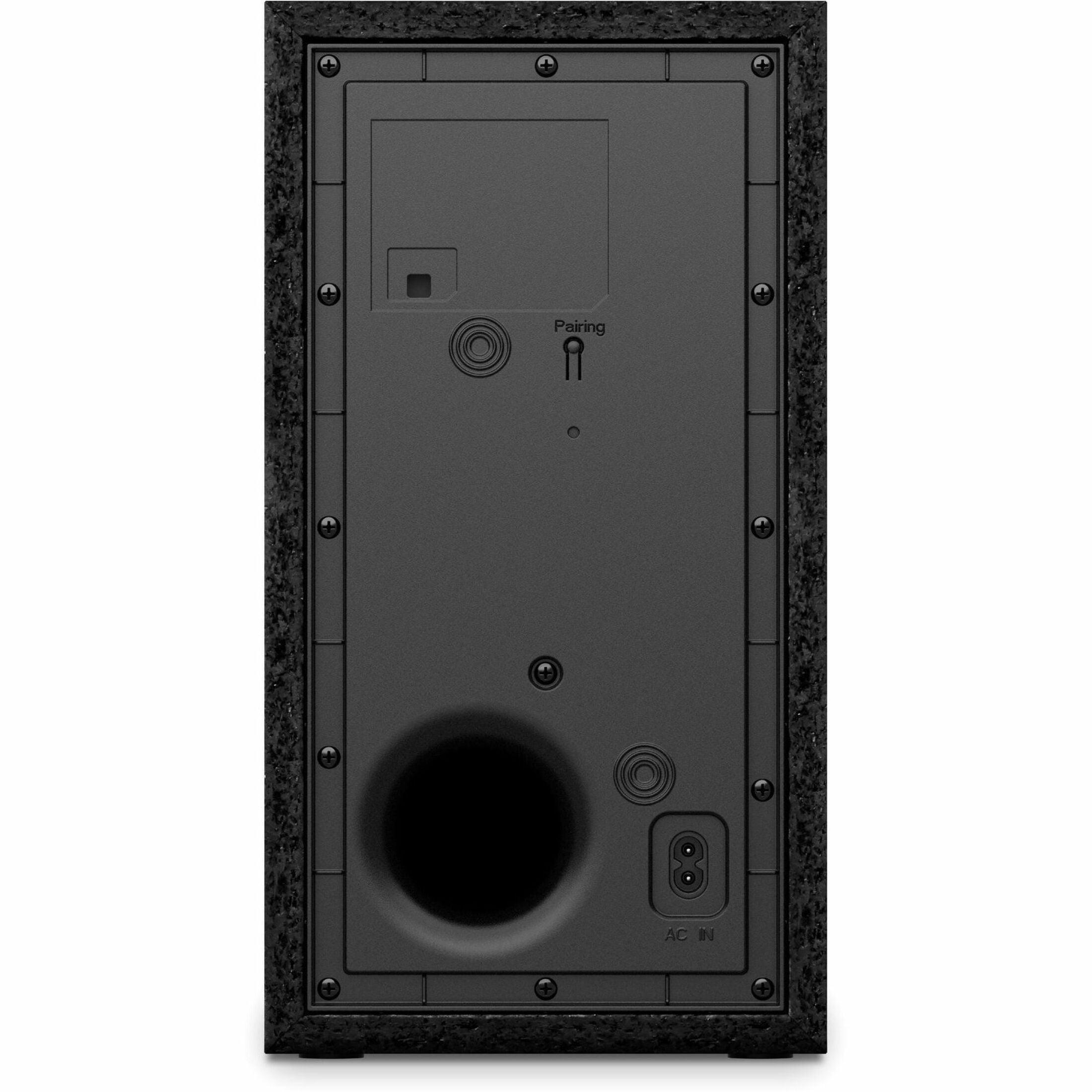
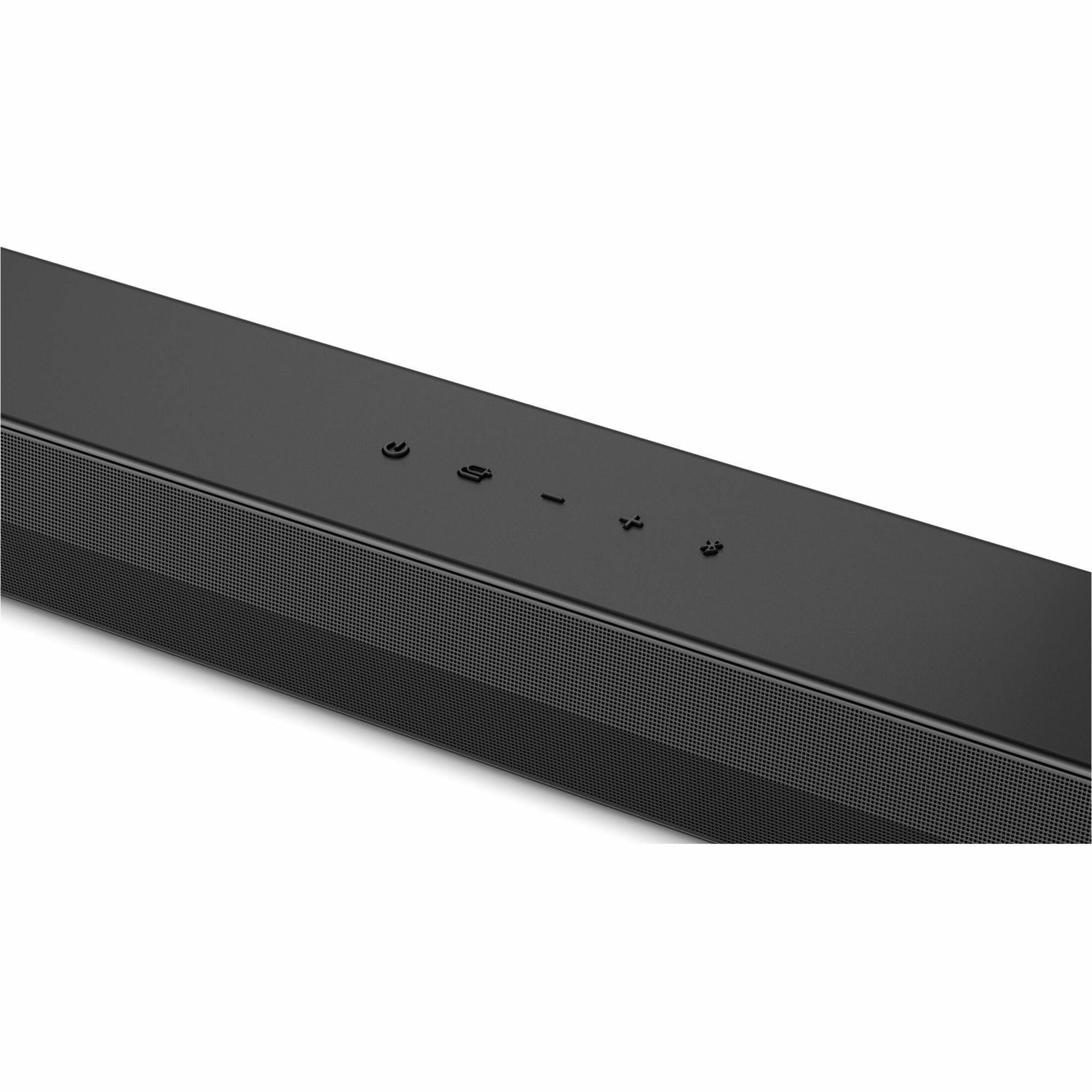
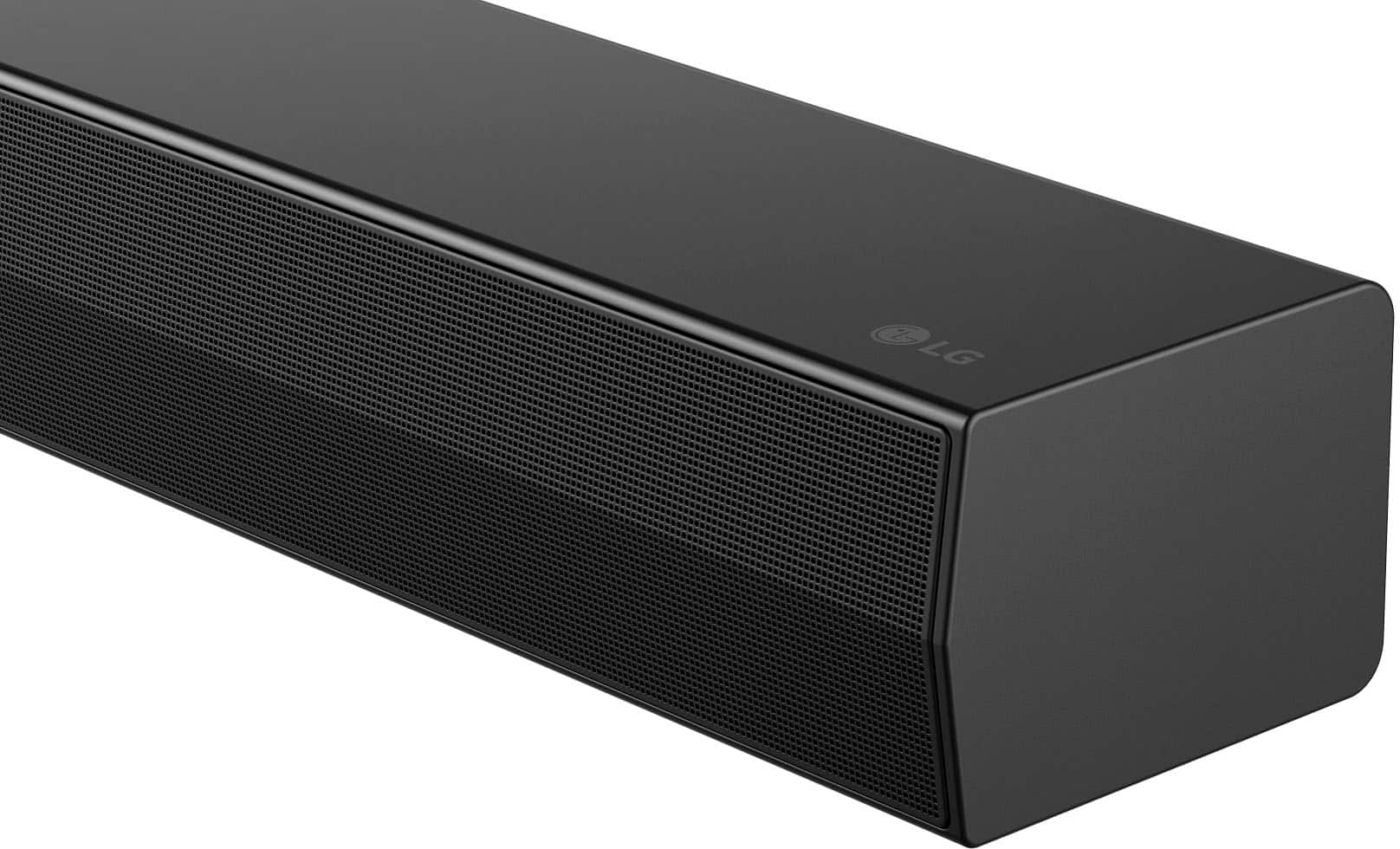
The LG S40T uses a simpler 2.1 configuration – just left and right channels in the main bar plus a wireless subwoofer. There's no dedicated center channel, which means dialogue comes from both left and right speakers simultaneously. While this works fine for casual viewing, it lacks the pinpoint accuracy that makes movie dialogue feel natural and clear.
In my testing, the difference becomes obvious within seconds of switching between them. The Polk makes every Netflix show feel more cinematic, while the LG simply makes things louder and clearer than your TV's built-in speakers.
Raw power numbers tell part of the story, but not all of it. The Polk delivers 340 watts total – 180 from the main bar and 160 from its 10-inch subwoofer. More importantly, this power is distributed intelligently across 11 individual drivers, each optimized for specific frequency ranges.
The LG doesn't publish specific power ratings, but based on its size and price point, it's likely producing around 100-150 watts total. That's plenty for smaller rooms, but the difference becomes noticeable in spaces larger than 200 square feet.
During my testing in a 350-square-foot living room, the Polk filled the space effortlessly without distortion, even at high volumes. The LG worked well for normal viewing levels but started showing strain when I cranked it up for party listening.
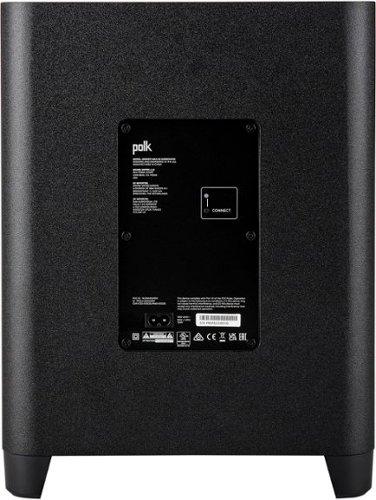
Both soundbars include wireless subwoofers, but they're designed for different purposes. The Polk's 10-inch driver focuses on clean, accurate bass that complements movie soundtracks without overwhelming dialogue. It includes BassAdjust controls that let you fine-tune the low-end response to your room's acoustics – something I found invaluable in my concrete-walled apartment where bass can get boomy.
The LG's subwoofer is smaller and less powerful, but it's perfectly adequate for adding some low-end punch to TV shows and casual music listening. However, during bass-heavy movie scenes like the opening of "Blade Runner 2049," the difference is stark. The Polk delivers those room-shaking moments that make you feel like you're in a theater, while the LG provides a more modest enhancement.
Here's where the price difference really shows its value. The Polk MagniFi Max AX supports every major audio format you're likely to encounter: Dolby Atmos, DTS:X, and all their variations. These object-based audio formats don't just make things louder – they place individual sounds in three-dimensional space around you.
Dolby Atmos, for example, treats sounds as objects that can be positioned anywhere in a virtual sphere around your listening position. When a helicopter flies overhead in a movie, you hear it move from front to back and left to right, but also from low to high. The Polk's upfiring drivers make this possible by bouncing sound off your ceiling, creating the illusion of speakers mounted above your head.
The LG supports basic Dolby Digital – the standard surround format that's been around since the 1990s. It's fine for regular TV programming, but you'll miss out on the enhanced audio tracks that streaming services like Netflix, Disney+, and Apple TV+ now routinely offer.
Since both soundbars launched, streaming services have dramatically expanded their Dolby Atmos catalogs. Netflix alone has added hundreds of Atmos titles, making format support increasingly important for getting your money's worth from streaming subscriptions.
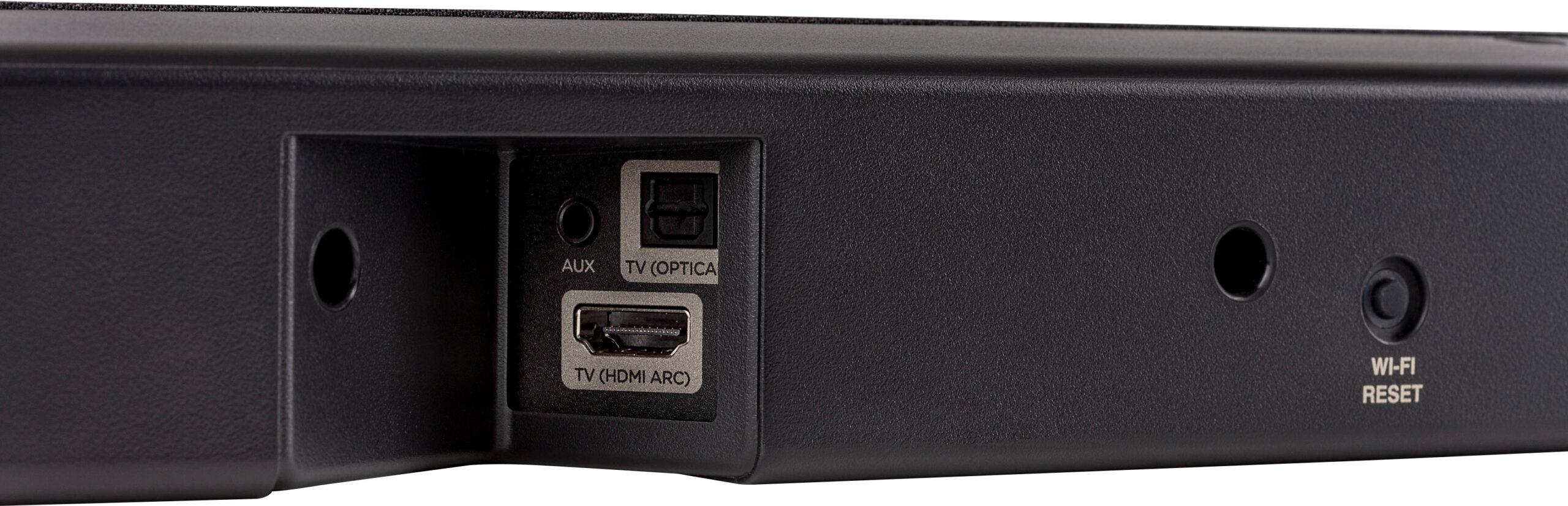
Modern soundbars need to play nice with multiple devices, and this is another area where the two approaches diverge significantly. The Polk MagniFi Max AX functions as a complete HDMI hub with three inputs plus eARC output. This means you can plug your game console, streaming device, and Blu-ray player directly into the soundbar, then run a single cable to your TV.
HDMI eARC support is crucial here because it allows the TV to send high-quality audio back to the soundbar without compression. This matters more than you might think – the difference between compressed and uncompressed audio is like the difference between a JPEG photo and the original RAW file from your camera.
The Polk also includes comprehensive wireless streaming support: AirPlay 2 for Apple devices, Chromecast for Android and Google services, Spotify Connect for direct streaming, and Bluetooth 5.0 for everything else. In practice, this means you can start playing music from your phone, hand control to someone else's device, and switch between streaming services without ever touching the soundbar.
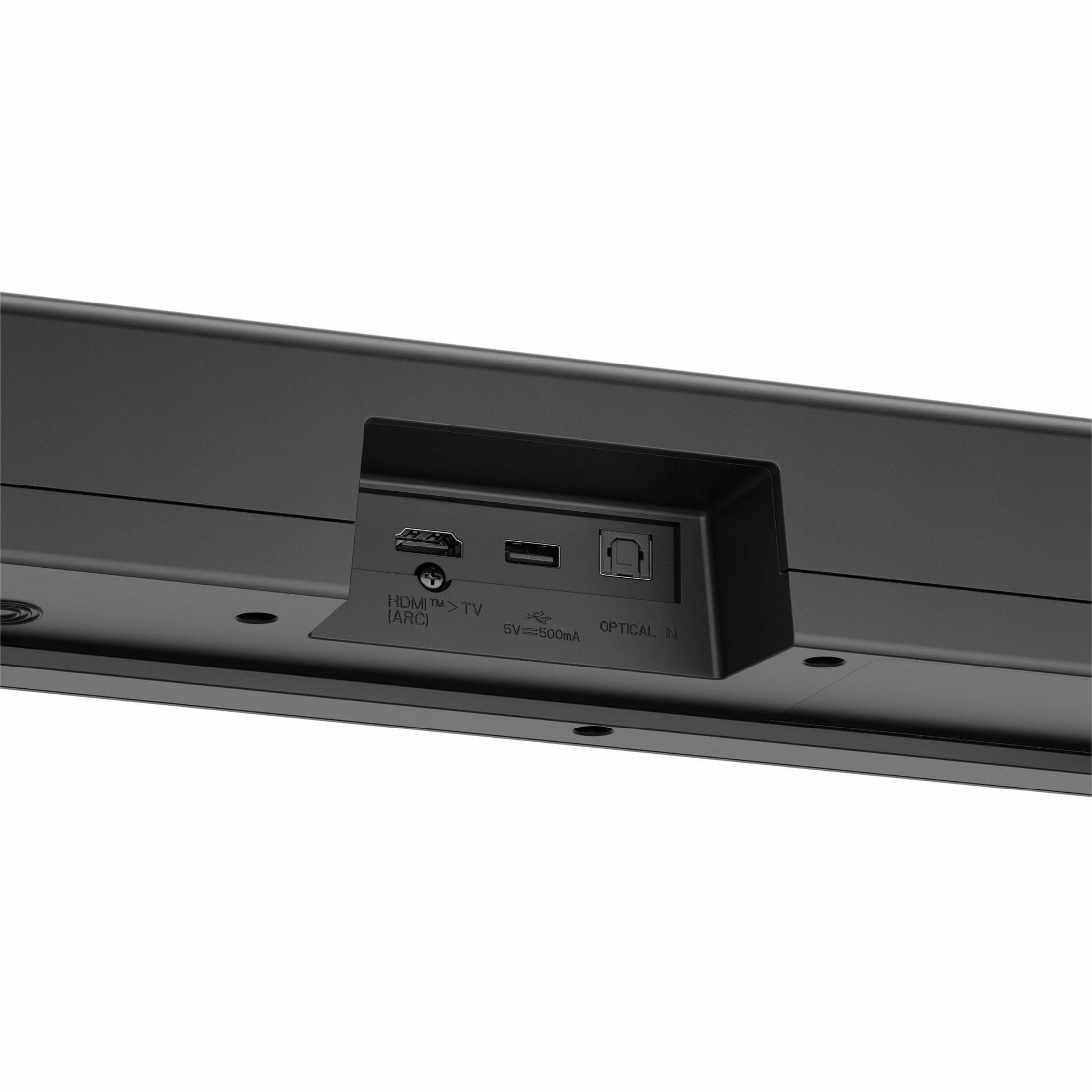
The LG S40T keeps things simple with Bluetooth connectivity and basic HDMI/optical inputs. There's no eARC support, which means audio quality depends on your TV's processing capabilities. For casual use, this works fine, but audiophiles will notice the difference.
The Polk's VoiceAdjust technology deserves special mention. This feature analyzes audio in real-time and can boost dialogue clarity without affecting music or sound effects. I found this incredibly useful for watching British shows where accents can be challenging, or late-night viewing when I needed to keep volumes low but still hear every word.
The system also includes multiple EQ presets optimized for different content types. Movie mode enhances surround effects and bass impact, while Music mode provides a more balanced response curve. Night mode compresses dynamic range so explosions don't wake the neighbors while keeping dialogue audible.
The LG takes a set-it-and-forget-it approach. There are basic EQ adjustments available through the remote, but nothing approaching the Polk's sophistication. For many users, this simplicity is actually a feature rather than a limitation.
For serious home theater enthusiasts, the Polk offers significant advantages. Its multiple HDMI inputs support 4K/HDR passthrough at 60Hz, ensuring compatibility with the latest gaming consoles and streaming devices. The system can also be expanded with additional wireless surround speakers (sold separately) for true 5.1.2 surround sound.
During gaming sessions with my PlayStation 5, the Polk's low-latency HDMI connections prevented the audio delay that can make games feel sluggish. The spatial audio in games like "The Last of Us Part II" becomes genuinely immersive, helping with directional awareness in competitive scenarios.
The LG works fine for gaming but lacks the advanced features that enhance the experience. It's perfectly adequate for casual console gaming but won't satisfy serious enthusiasts.
The price difference between these soundbars reflects their different design philosophies. At $499.99, the Polk MagniFi Max AX costs more than three times the LG S40T's $155.95 price tag. But you're not just paying for a more expensive logo – you're getting fundamentally different capabilities.
The Polk's value becomes clear when you consider what else you'd need to buy separately: a streaming device ($50-100), additional HDMI switcher ($30-50), and room correction software (often subscription-based). The Polk includes all of this functionality in one package.
The LG's value lies in its simplicity and effectiveness at its primary job. If you just want better TV audio without complexity or premium features, it delivers exceptional bang for your buck. I've recommended it to several friends who were perfectly happy with the upgrade from their TV's built-in speakers.
Since these models launched in 2022, the soundbar market has continued evolving rapidly. HDMI 2.1 support has become more important as 4K 120Hz gaming grows popular, though both of these models predate that requirement. Wireless audio quality has also improved with better compression algorithms and more reliable Wi-Fi connectivity.
The trend toward object-based audio formats like Dolby Atmos shows no signs of slowing. More streaming services add Atmos content monthly, making format support increasingly valuable for future-proofing your purchase.
Room correction technology has also advanced, with some newer soundbars including microphones that automatically tune audio to your space's acoustics. Neither of these models includes this feature, but it's something to consider if you're looking at even newer alternatives.
Choose the Polk Audio MagniFi Max AX 3.1.2 if you're serious about home entertainment and want a soundbar that can grow with your needs. It's ideal for movie enthusiasts, gamers who care about audio immersion, and anyone with a medium to large living space who wants room-filling sound. The investment makes sense if you regularly watch content with advanced audio formats and appreciate the convenience of having a streaming hub built into your sound system.
The LG S40T 2.1 is perfect for straightforward TV audio improvement without complexity or premium pricing. It's an excellent choice for apartments, bedrooms, or any situation where you want significantly better sound than your TV provides but don't need advanced features. If your primary goal is clearer dialogue and some bass enhancement for under $200, the LG delivers exceptional value.
Both soundbars solve the fundamental problem of poor TV audio, but they approach the solution from completely different angles. The Polk creates an immersive entertainment experience that transforms how you consume media, while the LG provides clean, simple audio enhancement that just works. Your choice should align with how you actually use your entertainment system and what you're willing to invest in the experience.
In my experience, most people who choose the premium option don't regret the extra expense, while those who go budget-friendly appreciate the simplicity and value. The key is being honest about your needs and choosing accordingly.
| Polk Audio MagniFi Max AX 3.1.2 Soundbar | LG S40T 2.1 Channel Soundbar |
|---|---|
| Price - Reflects different target markets and feature sets | |
| $499.99 (premium home theater focus) | $155.95 (budget-friendly TV audio upgrade) |
| Audio Channels - Determines surround sound capability and dialogue clarity | |
| 3.1.2 (dedicated center channel + height effects) | 2.1 (basic stereo + subwoofer) |
| Dolby Atmos Support - Essential for immersive movie/streaming experience | |
| Full Dolby Atmos/DTS:X with upfiring drivers | No Atmos support (basic Dolby Digital only) |
| Total Power Output - Affects volume levels and room coverage | |
| 340W (180W bar + 160W subwoofer) | ~150W estimated (specifications not published) |
| Driver Configuration - More drivers generally mean better sound separation | |
| 11-driver array with dedicated tweeters/woofers | Basic stereo drivers + wireless sub |
| HDMI Connectivity - Impacts setup flexibility and audio quality | |
| 3x HDMI inputs + eARC (functions as entertainment hub) | Basic HDMI + optical (no eARC support) |
| Wireless Streaming - Convenience for music playback beyond TV | |
| Wi-Fi, AirPlay 2, Chromecast, Spotify Connect, Bluetooth 5.0 | Bluetooth only |
| Voice Enhancement Technology - Critical for clear dialogue | |
| VoiceAdjust technology with real-time processing | Basic audio processing |
| Subwoofer Specifications - Determines bass quality and room impact | |
| 10" wireless driver with BassAdjust controls | Smaller wireless sub (size not specified) |
| Room Size Recommendation - Matching power to your space | |
| Medium to large rooms (300+ sq ft) optimal | Small to medium rooms (under 250 sq ft) |
| Advanced Features - Value-added capabilities beyond basic audio | |
| Night Mode, multiple EQ presets, SDA 3D Audio technology | Basic EQ adjustments via remote |
| Best Use Case - Who should buy each product | |
| Movie enthusiasts wanting cinematic home theater experience | Budget-conscious users upgrading from TV speakers |
The Polk Audio MagniFi Max AX 3.1.2 Soundbar ($499.99) is significantly better for movies with its 3.1.2 channel configuration, Dolby Atmos support, and dedicated center channel for clear dialogue. The LG S40T 2.1 Channel Soundbar ($155.95) provides basic TV audio improvement but lacks the immersive surround sound effects that make movies feel cinematic.
The primary difference is their target audience and capabilities. The Polk MagniFi Max AX is a premium home theater system with Dolby Atmos, multiple HDMI inputs, and wireless streaming features. The LG S40T is a budget-friendly option focused on basic TV audio enhancement without advanced surround sound features.
Yes, both include wireless subwoofers. The Polk Audio MagniFi Max AX features a powerful 10-inch subwoofer with 160W output and bass adjustment controls. The LG S40T includes a basic wireless subwoofer that adds bass but isn't as powerful or adjustable as the Polk's unit.
The LG S40T 2.1 Channel Soundbar is ideal for small rooms and apartments due to its compact size and appropriate power output. The Polk MagniFi Max AX is designed for medium to large rooms and might be overkill for spaces under 200 square feet.
The Polk Audio MagniFi Max AX offers comprehensive wireless streaming with Wi-Fi, AirPlay 2, Chromecast, Spotify Connect, and Bluetooth 5.0. The LG S40T only supports Bluetooth connectivity for wireless music streaming.
The Polk MagniFi Max AX 3.1.2 Soundbar provides superior dialogue clarity with its dedicated center channel and VoiceAdjust technology that enhances speech without affecting other sounds. The LG S40T improves dialogue over TV speakers but lacks a dedicated center channel for optimal speech reproduction.
Only the Polk Audio MagniFi Max AX supports Dolby Atmos and DTS:X with upfiring drivers that create height effects by bouncing sound off your ceiling. The LG S40T 2.1 Channel Soundbar supports basic Dolby Digital but not the advanced Atmos format.
Value depends on your needs. The LG S40T ($155.95) offers excellent value for basic TV audio improvement at a budget price. The Polk MagniFi Max AX ($499.99) provides better value for home theater enthusiasts who want premium features like Atmos support and streaming capabilities.
The Polk Audio MagniFi Max AX includes three HDMI inputs plus HDMI eARC output, functioning as an entertainment hub. The LG S40T has basic HDMI and optical inputs but lacks eARC support and multiple HDMI connections.
The LG S40T 2.1 Channel Soundbar is simpler to set up with basic connections and minimal configuration options. The Polk MagniFi Max AX offers more setup flexibility but requires more initial configuration to take advantage of its advanced features and multiple connectivity options.
Both work for gaming, but the Polk Audio MagniFi Max AX is better suited for serious gaming with low-latency HDMI connections, immersive spatial audio, and support for advanced gaming audio formats. The LG S40T provides basic audio enhancement for casual gaming.
Choose the LG S40T 2.1 Channel Soundbar if you want simple, affordable TV audio improvement without complexity. Select the Polk Audio MagniFi Max AX 3.1.2 Soundbar if you're serious about home entertainment, regularly watch movies with advanced audio formats, and want a system that can grow with your needs.
We've done our best to create useful and informative comparisons to help you decide what product to buy. Our research uses advanced automated methods to create this comparison and perfection is not possible - please contact us for corrections or questions. These are the sites we've researched in the creation of this article: youtube.com - avsforum.com - rtings.com - rtings.com - bestbuy.com - walts.com - hometechnologyreview.com - polkaudio.com - pcrichard.com - bestbuy.com - bestbuy.com - rtings.com - pcrichard.com - lg.com - lg.com - lg.com - lg.com - microcenter.com - flanners.com - bestbuy.com - microcenter.com

Privacy Policy
Terms and Conditions - Affiliate Policy
Home Security
© Copyright 2008-2026.
11816 Inwood Rd #1211, Dallas, TX 75244