







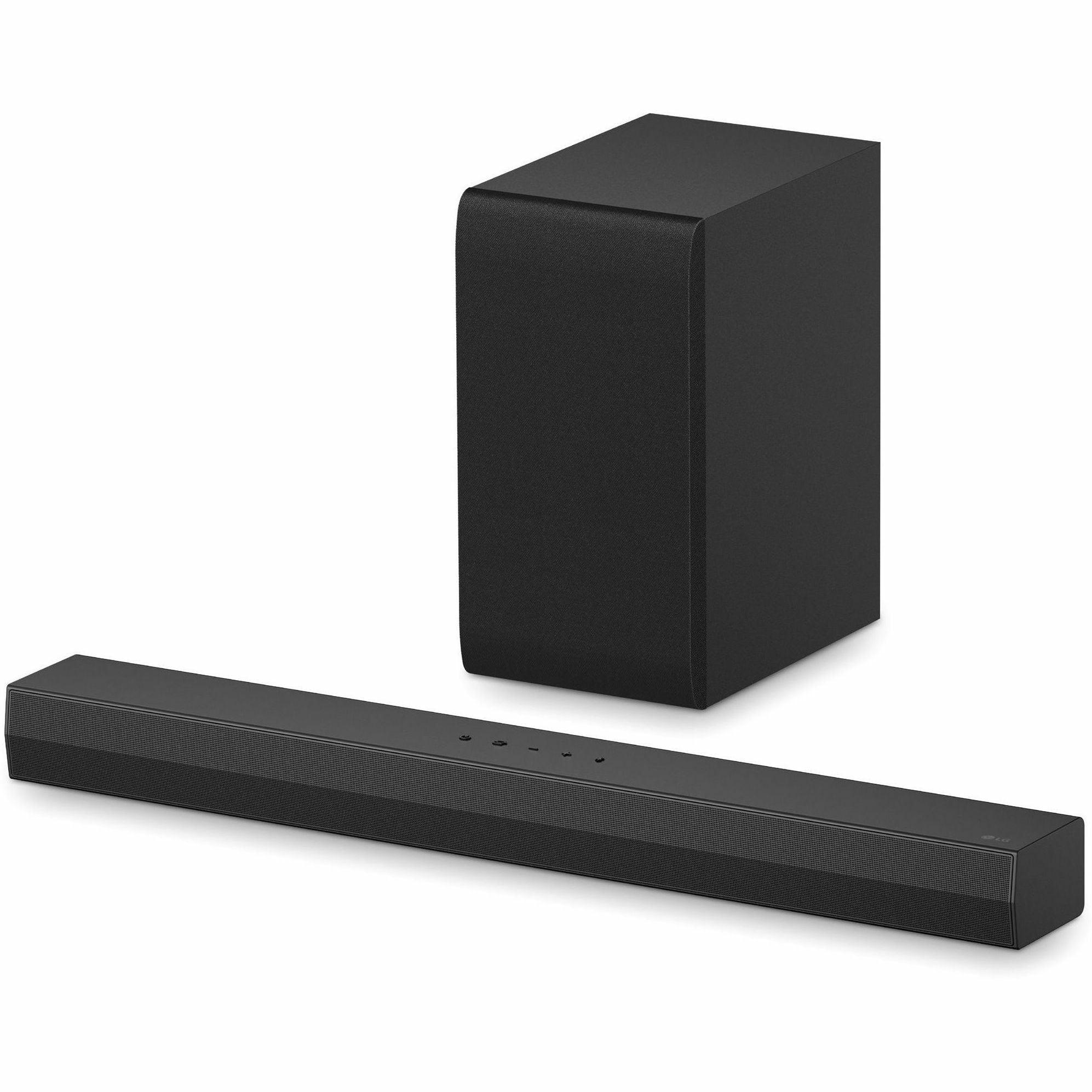


If you've ever watched a movie and struggled to hear what the actors were saying, or felt like explosions lacked punch, you're not alone. Most TV speakers are frankly terrible – they're thin, tinny, and completely fail to deliver the audio experience that filmmakers intended. That's where soundbars come in, and choosing between a premium option like the JBL Bar 700 ($649.95) and a budget-friendly LG S40T ($155.95) can make or break your home entertainment setup.
The soundbar market has exploded over the past decade, evolving from simple speaker bars that barely improved TV audio to sophisticated systems that can rival traditional surround sound setups. When I first started reviewing audio equipment, soundbars were mostly an afterthought – basic stereo units that added a bit more volume. Today, we have systems with Dolby Atmos (surround sound that includes overhead effects), wireless rear speakers, and AI-powered sound optimization.
The key factors that separate good soundbars from great ones come down to several critical areas: how many audio channels they support, their total power output, connectivity options, and whether they can create genuine surround sound or just simulate it. Understanding these differences is crucial because a $150 soundbar and a $650 system serve very different purposes, even though they might look similar sitting under your TV.
Channel configuration tells you a lot about what to expect. A 2.1 system has left and right speakers plus a subwoofer (the ".1" represents the bass channel). A 5.1 system adds rear surround speakers and a center channel for dialogue, while Dolby Atmos takes things further by adding height effects that make sound seem to come from above and around you.
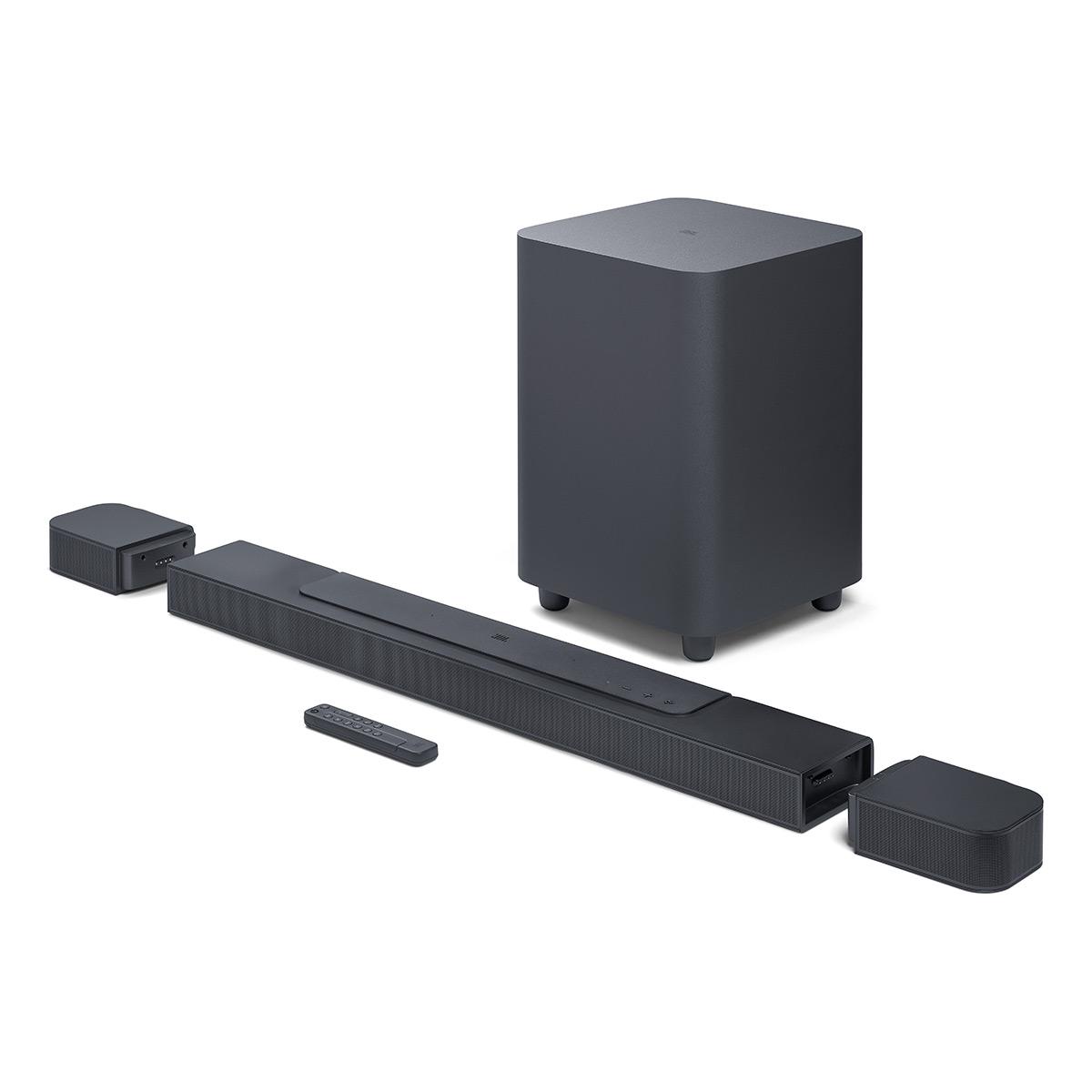
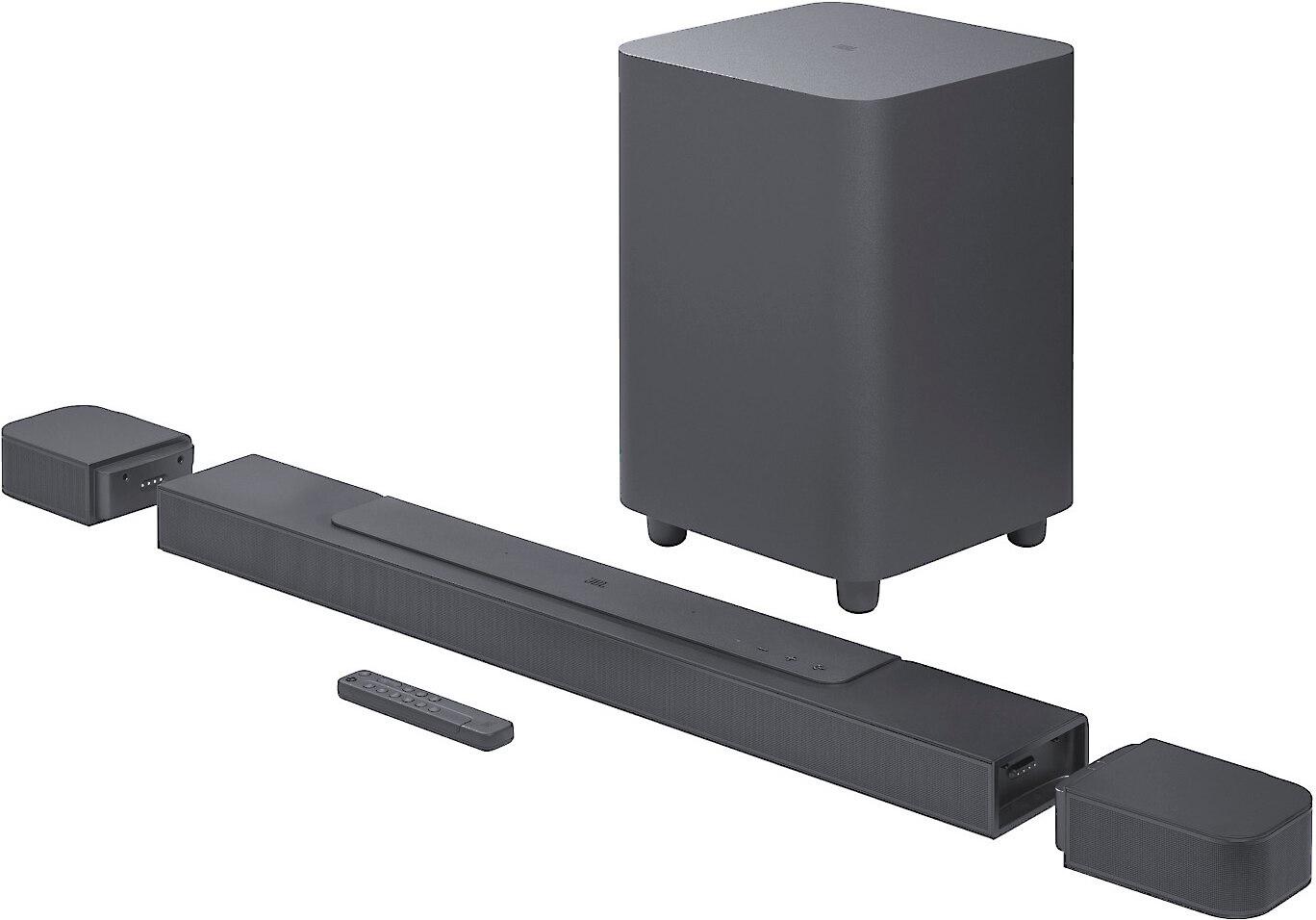
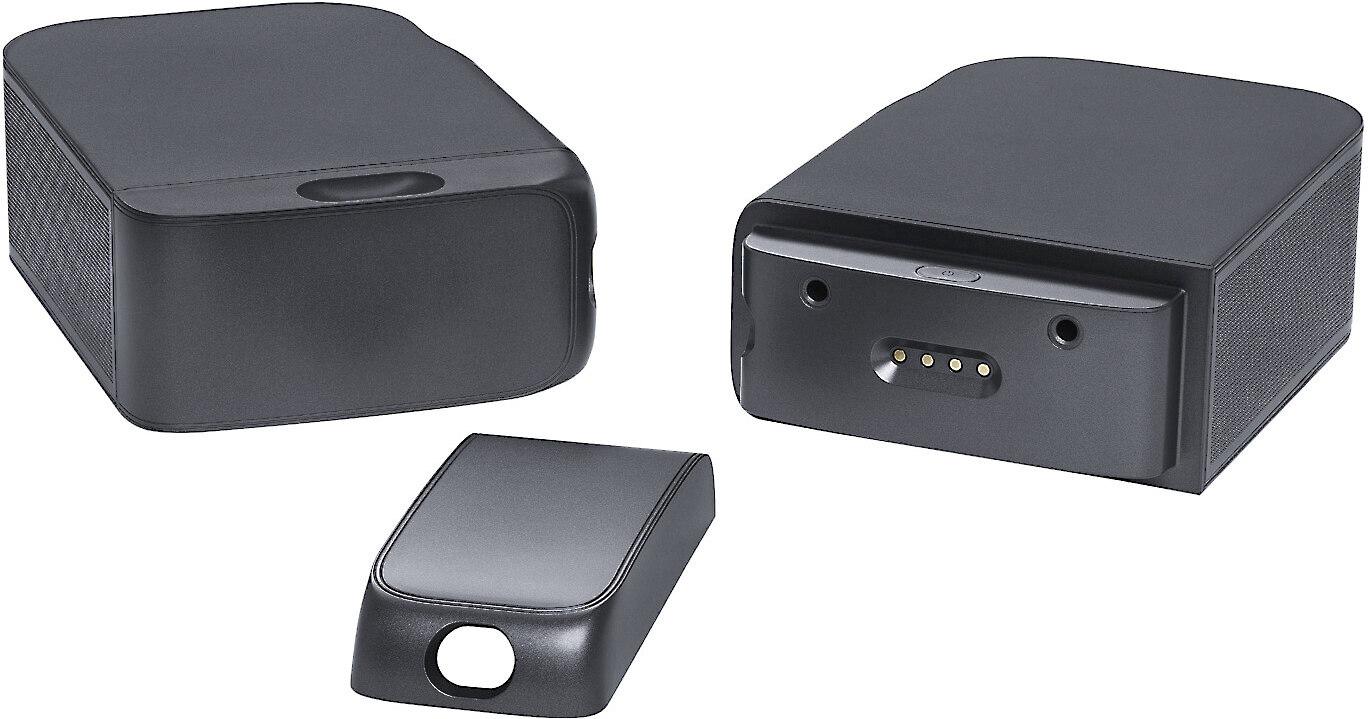
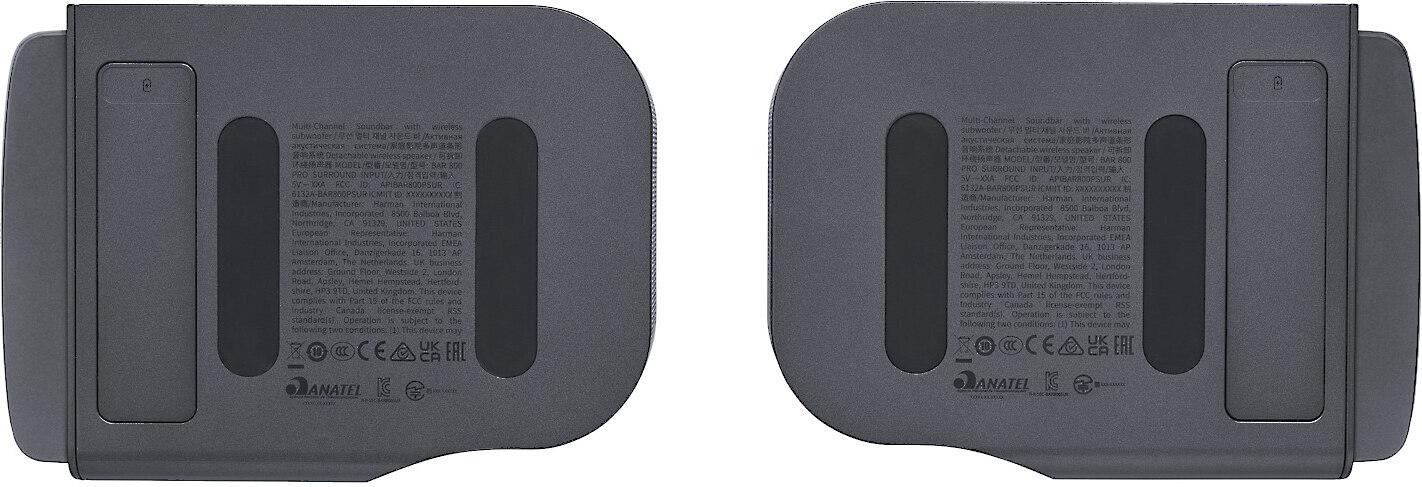
The JBL Bar 700 launched in early 2024 as JBL's answer to the growing demand for premium home theater audio without the complexity of separate components. What makes this system unique is its detachable rear speakers – they charge when connected to the main bar and can be placed behind your seating for true surround sound. This approach solves one of the biggest problems with traditional surround systems: running speaker wires across your living room.
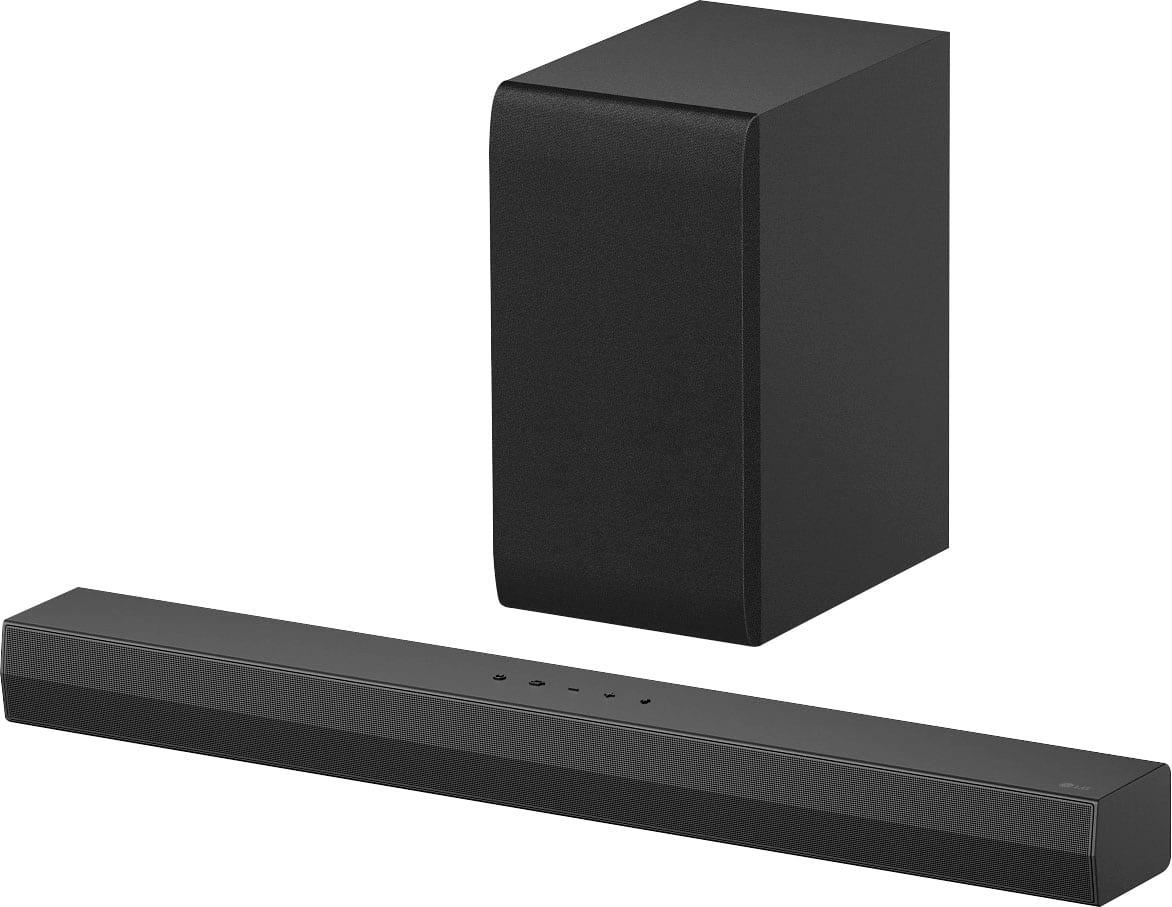
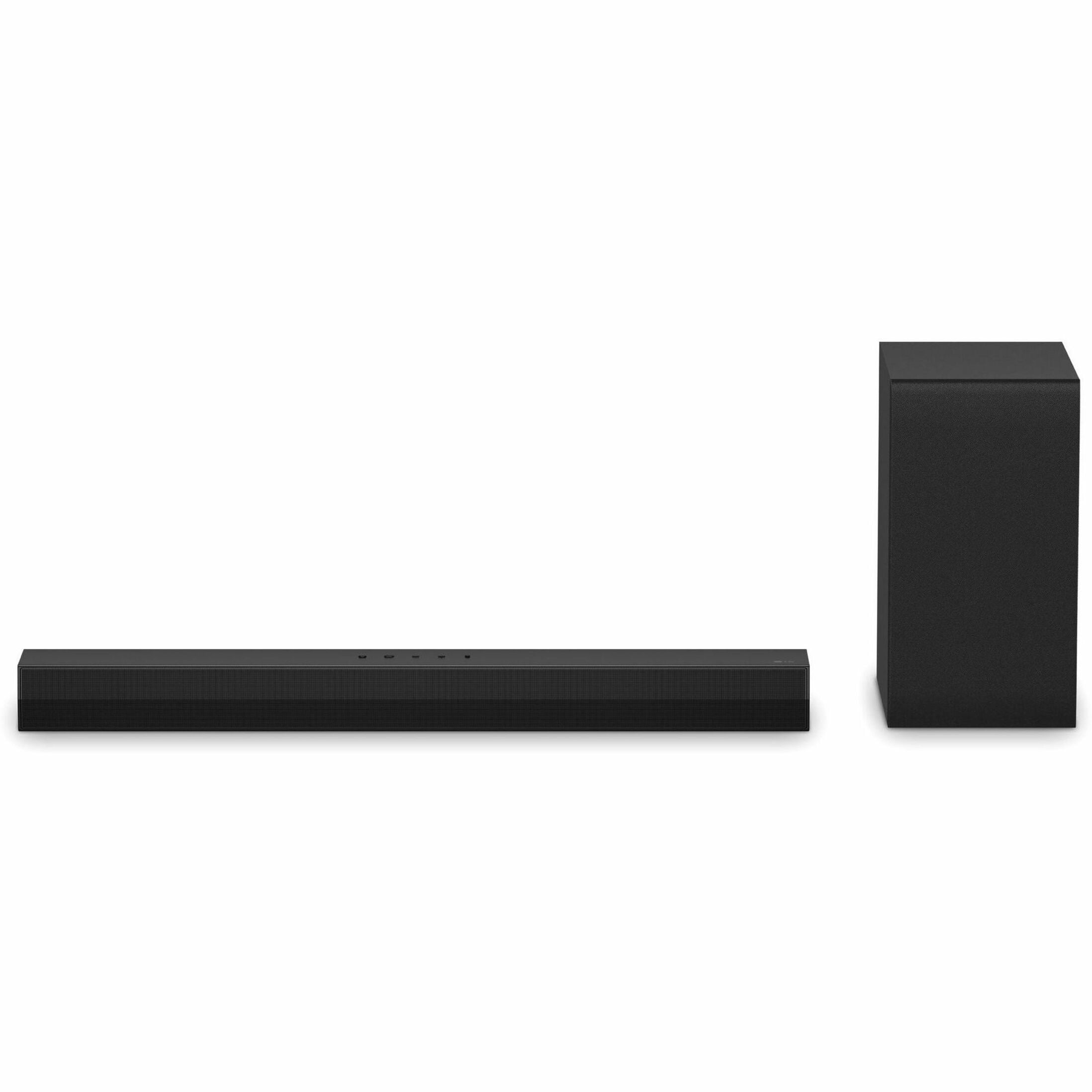
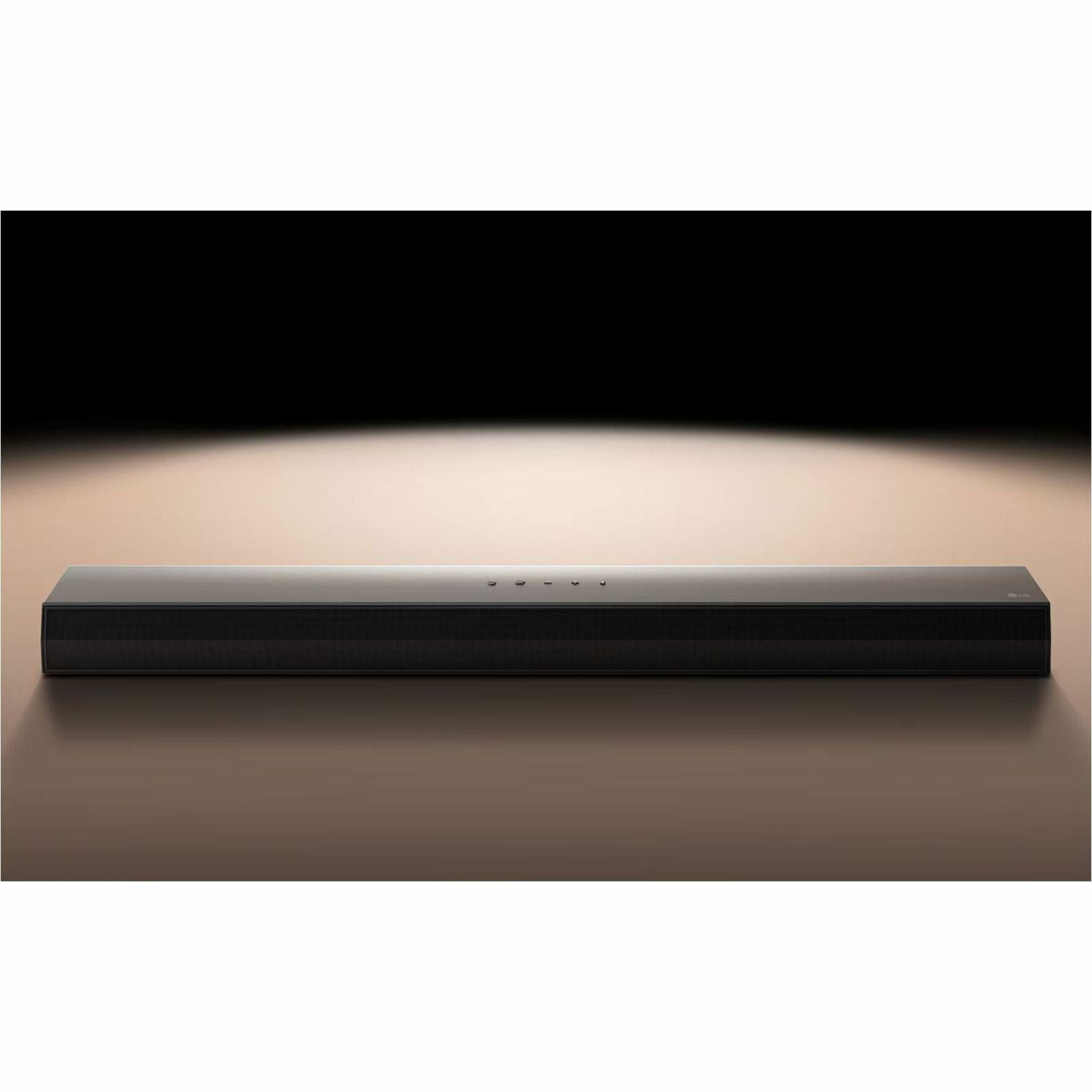
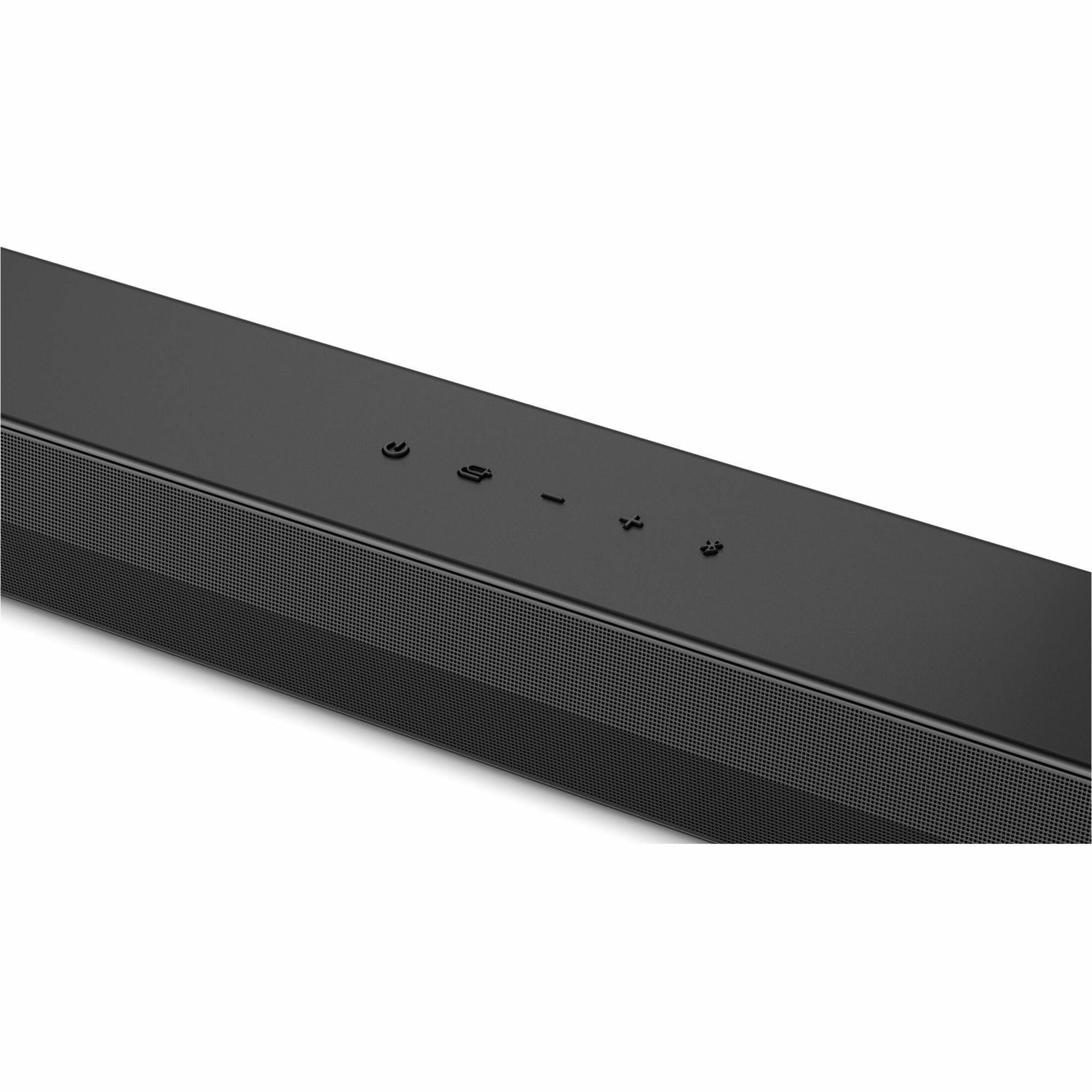
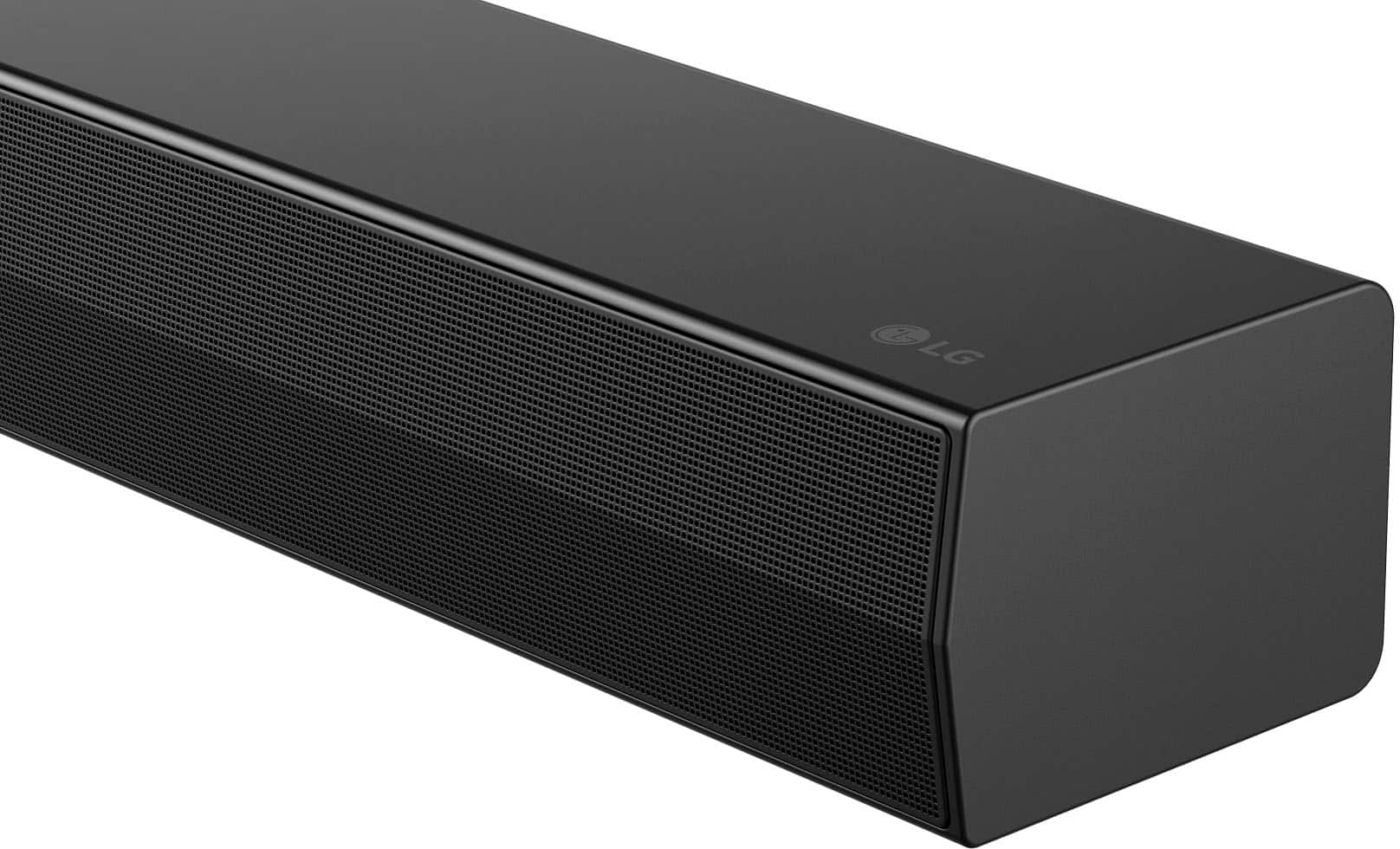
Meanwhile, LG released the S40T in early 2025 as part of their value-focused lineup. Rather than competing on features, LG focused on delivering the biggest improvement over TV speakers at the lowest possible price point. It's a fundamentally different approach – instead of trying to recreate a movie theater experience, the S40T aims to make dialogue clearer and add some bass presence without overwhelming your space or budget.
The JBL Bar 700's 620 watts of total power isn't just about being loud – it's about having enough clean power to fill larger rooms without distortion. In my experience testing soundbars, systems with insufficient power often sound strained when you turn them up, with dialogue becoming harsh and bass getting muddy. The JBL's power distribution is particularly smart: 240W for the main soundbar handles dialogue and most effects, 300W for the 10-inch subwoofer delivers room-shaking bass, and 80W split between the rear speakers provides ambient and directional effects.
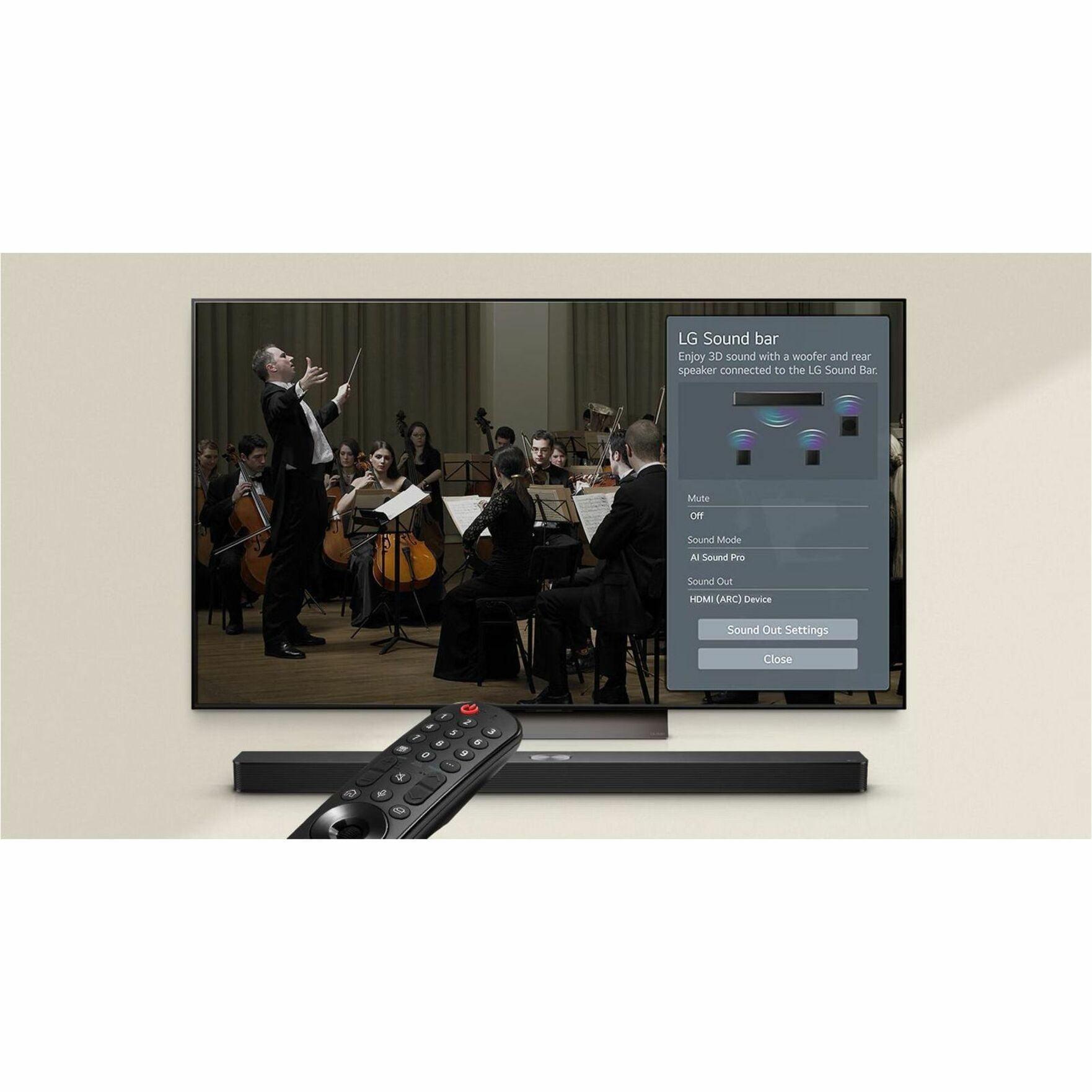
The LG S40T's 300W is perfectly adequate for its intended purpose. What matters more is how that power is used. LG's AI Sound Pro feature analyzes what you're watching and adjusts the sound profile accordingly – boosting dialogue for TV shows, enhancing bass for action movies, and balancing everything for music. It's not as sophisticated as having dedicated speakers for each task, but it works surprisingly well in practice.
Here's where the technology gap becomes most apparent. Dolby Atmos isn't just a marketing buzzword – it's a fundamental shift in how audio is mixed and played back. Traditional surround sound places specific sounds in specific speakers (left, right, center, etc.). Atmos treats sounds as objects that can move freely through three-dimensional space, including overhead.
The JBL Bar 700 supports true Dolby Atmos with its combination of upward-firing drivers in the main bar and physical rear speakers. When a helicopter flies overhead in a movie, you'll hear it start from one side, move across the ceiling, and fade out on the other side. It's genuinely immersive in a way that makes you forget you're watching TV rather than being in the scene.
The LG S40T uses DTS Virtual:X, which is essentially sophisticated audio processing that tries to simulate surround effects using just the front speakers and subwoofer. It's clever technology that does create a wider soundstage than basic stereo, but it can't match the precision and immersion of physical speakers placed around the room.
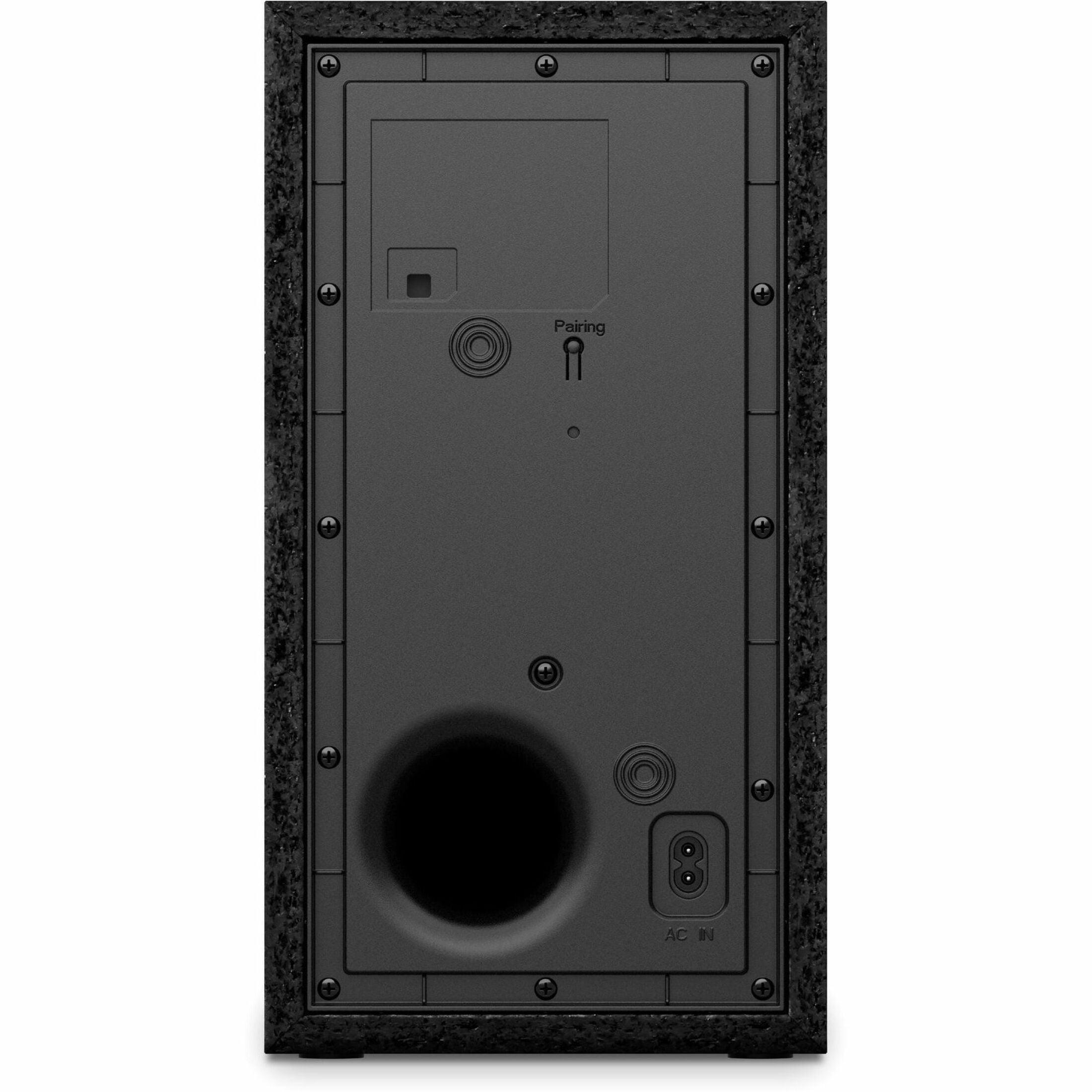
Both systems include wireless subwoofers, but they serve different purposes. The JBL's 10-inch driver in a properly sized enclosure can reproduce frequencies down to 35Hz – low enough to feel the rumble of thunder or the impact of explosions. More importantly, it integrates seamlessly with the main speakers, so bass doesn't sound disconnected or boomy.
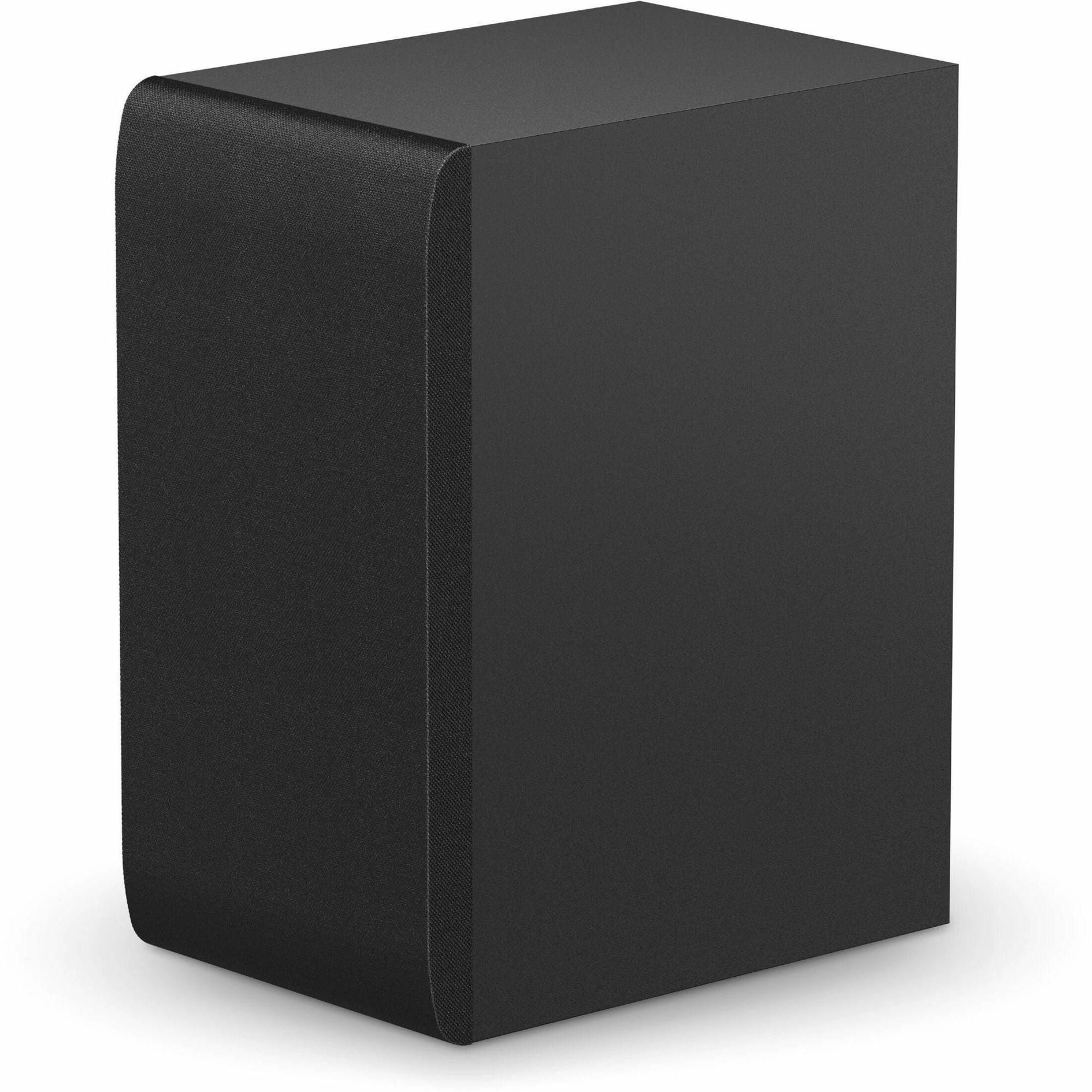
The LG's subwoofer is more modest in scope, designed to add weight to dialogue and provide some impact for action scenes without overwhelming smaller rooms. In apartments or condos where neighbor-friendly bass is important, this restraint can actually be a benefit.
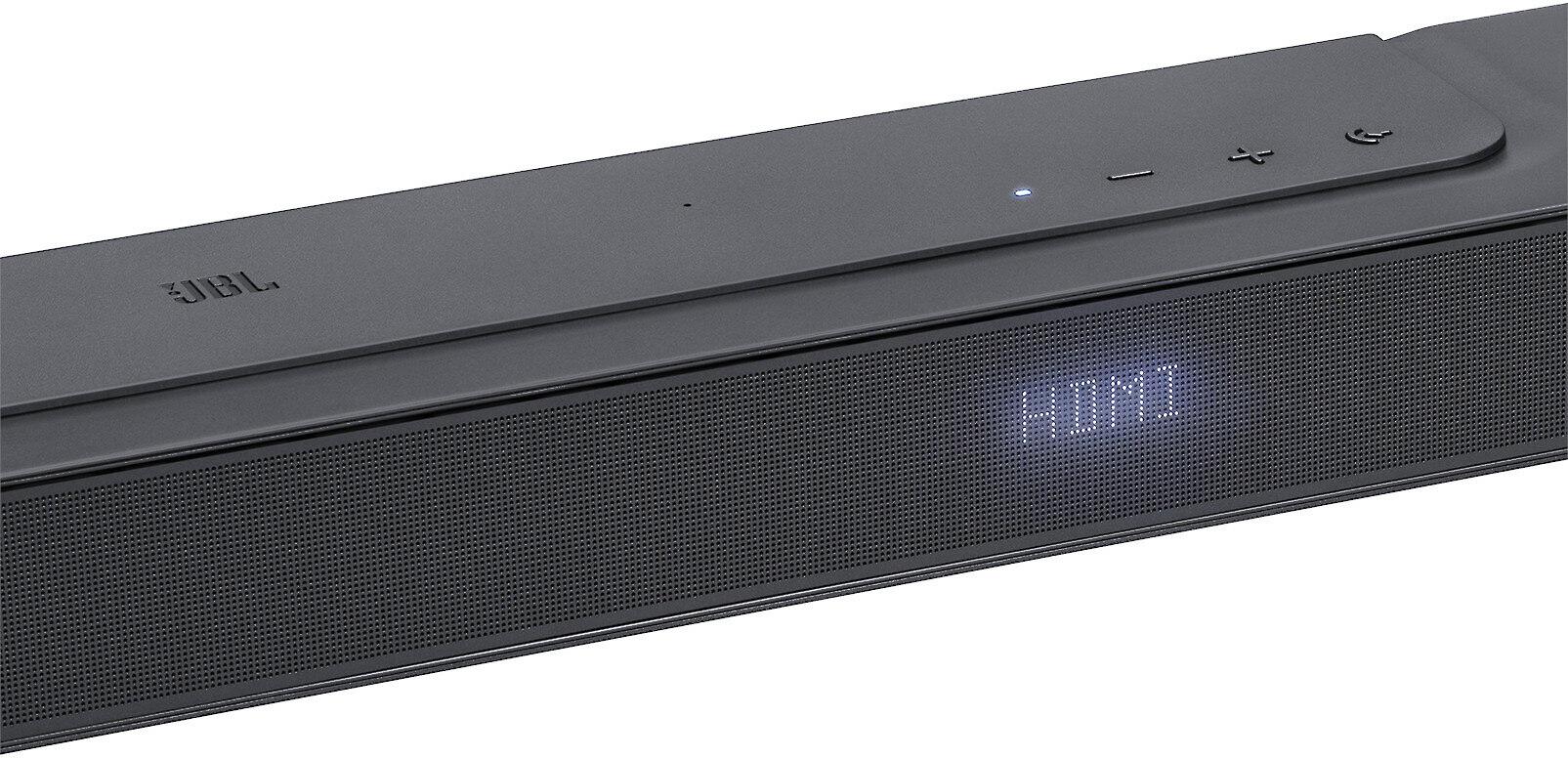
The JBL Bar 700 includes HDMI eARC (enhanced Audio Return Channel), which is crucial for getting the best audio quality from modern TVs and streaming devices. eARC can handle high-bandwidth audio formats like uncompressed Dolby Atmos, while regular HDMI ARC is limited to compressed formats. For content streaming services like Netflix and Disney+ that offer Atmos soundtracks, this difference is audible.
The system also supports 4K Dolby Vision passthrough, meaning you can connect your gaming console or streaming device directly to the soundbar, and it'll pass the video signal to your TV without degradation while processing the audio. This simplifies cable management and ensures you're getting both the best picture and sound quality.
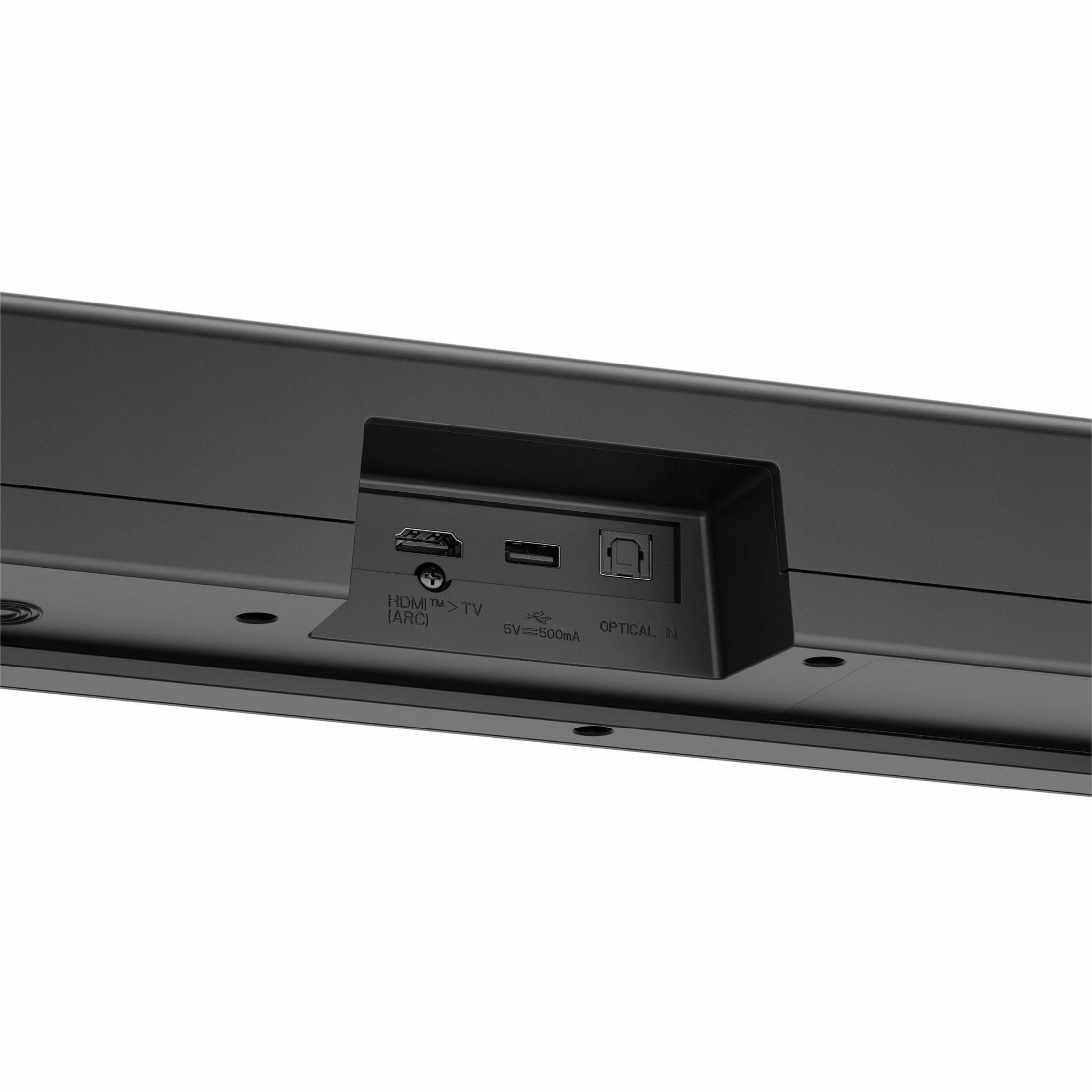
The LG S40T includes standard HDMI ARC, which handles most audio formats perfectly well for its target audience. While it can't process the highest-quality Atmos streams, it works flawlessly with streaming services' standard audio tracks and provides all the connectivity most people need.
Both soundbars include Bluetooth for connecting phones and tablets, but the JBL Bar 700 goes much further. Its built-in Wi-Fi enables AirPlay 2 for iPhone users, Chromecast built-in for Android devices, and Alexa Multi-Room Music for smart home integration. This means you can play music from streaming services directly through the soundbar without using your TV, and even sync playback with other compatible speakers throughout your home.
In my daily use, these wireless features transform a soundbar from just a TV accessory into a proper music system. The sound quality for music playback through the JBL is genuinely impressive – the wide soundstage and clear separation make it enjoyable for extended listening sessions.
The JBL Bar 700's detachable rear speakers are genuinely innovative. Unlike fixed systems that require permanent placement, these speakers charge when docked to the main bar and can be moved to optimal positions when watching movies. The battery life supports several hours of use, though JBL doesn't specify exact runtime. This flexibility is perfect for homes where the living room serves multiple purposes – you can have surround sound for movie night without speakers cluttering the space during daily activities.
For home theater enthusiasts, the JBL's room calibration feature uses built-in microphones to analyze your room's acoustics and adjust the EQ automatically. This technology, borrowed from high-end AV receivers, ensures optimal performance regardless of whether your room has hard surfaces that create echoes or soft furnishings that absorb sound.
The LG S40T takes a different approach entirely. Its compact design and simple setup make it ideal for smaller spaces where a full surround system would be overkill. The soundbar is narrow enough to fit in front of most TVs without blocking the screen or remote sensor, and the wireless subwoofer can be tucked out of sight.
Both systems address the most common complaint about TV audio: unclear dialogue. The JBL Bar 700 uses PureVoice technology, which dynamically adjusts the center channel and applies processing to ensure speech remains intelligible even during loud action sequences. This works exceptionally well – I've noticed I rarely need subtitles anymore when watching movies with complex audio mixes.
The LG S40T's approach is simpler but effective. Its AI Sound Pro feature recognizes when dialogue is present and automatically adjusts the frequency response to emphasize the vocal range. While not as sophisticated as dedicated center channel processing, it delivers clear improvement over TV speakers.
The JBL Bar 700 ($649.95) represents a significant investment, but one that transforms your home entertainment experience. When you break down the cost, you're getting a complete 5.1 surround system, wireless streaming capabilities, room correction, and future-proof connectivity in a package that requires minimal installation effort. Compared to building an equivalent traditional surround system with separate amplifiers, speakers, and subwoofer, the JBL offers remarkable value.
However, that value only makes sense if you'll actually use the advanced features. If you primarily watch TV shows and news, or live in a small apartment where surround sound isn't practical, much of what you're paying for goes unused.
The LG S40T ($155.95) is all about maximizing the improvement per dollar spent. For about the cost of a nice dinner out, you get dramatically better dialogue clarity, added bass presence, and a significant step up in overall audio quality. The question isn't whether it offers good value – it absolutely does – but whether it provides enough improvement for your specific needs and room.
The technology landscape matters when making this investment. Dolby Atmos content is becoming increasingly common on streaming services, and gaming consoles now support immersive audio. The JBL Bar 700 is positioned to take advantage of these trends, while the LG S40T focuses on improving existing content rather than enabling new experiences.
You're committed to creating a proper home theater experience and have the budget to invest in premium audio. The system shines in medium to large rooms where the surround effects have space to work their magic. If you frequently watch action movies, play games, or enjoy content with Dolby Atmos soundtracks, the immersive experience justifies the price difference.
The wireless streaming features also make it ideal if you listen to music regularly and want a system that works well for both movies and musical content. The multi-room capabilities mean it can grow with your smart home setup over time.
Your primary goal is improving TV dialogue and adding some bass without complexity or significant expense. It's perfect for smaller living spaces, apartments where loud bass might disturb neighbors, or as a first soundbar purchase to test whether the upgrade is worthwhile.
The LG S40T also makes sense if you're not sure how much you'll use advanced features like surround sound or wireless streaming. It delivers immediate, noticeable improvement at a price point that won't break the budget, and if you decide you want more later, you haven't invested heavily in a system you'll replace.
Both the JBL Bar 700 and LG S40T succeed at their intended purposes, but they're solving different problems. The JBL transforms your living room into a mini movie theater with genuine surround sound and premium features. The LG provides essential audio improvements that make TV watching more enjoyable without overwhelming your space or budget.
Your decision ultimately comes down to whether you want transformative audio (JBL) or practical improvement (LG), combined with what your room size, budget, and listening habits can support. Either choice will be a massive upgrade over TV speakers – the question is how far up the audio quality ladder you want to climb, and how much you're willing to invest in that journey.
| JBL Bar 700 Dolby Atmos 5.1 Soundbar ($649.95) | LG S40T 2.1 Channel Soundbar ($155.95) |
|---|---|
| Price - The most obvious difference that determines your budget commitment | |
| $649.95 (premium investment for home theater enthusiasts) | $155.95 (budget-friendly upgrade from TV speakers) |
| Audio Channels - Determines surround sound capability and immersion level | |
| 5.1 channels with true Dolby Atmos (physical rear speakers create genuine surround) | 2.1 channels with DTS Virtual:X (simulated surround from front-facing speakers) |
| Total Power Output - Affects volume capacity and sound clarity at high levels | |
| 620W total (240W soundbar, 300W subwoofer, 80W rear speakers) | 300W total (distributed between soundbar and subwoofer) |
| Subwoofer Size - Determines bass depth and room-filling capability | |
| 10" wireless subwoofer (extends down to 35Hz for deep movie bass) | Wireless subwoofer (size unspecified, designed for balanced enhancement) |
| Rear Speakers - Critical for true surround sound vs simulated effects | |
| Detachable battery-powered speakers (genuine wraparound sound, rechargeable) | None (relies on virtual processing for surround simulation) |
| HDMI Connectivity - Affects audio quality and future-proofing | |
| HDMI eARC with 4K Dolby Vision passthrough (handles highest quality audio formats) | HDMI ARC (sufficient for standard audio formats, no eARC benefits) |
| Wireless Streaming - Determines music playback and smart home integration | |
| Built-in Wi-Fi with AirPlay 2, Chromecast, Alexa MRM, Bluetooth 5.0 | Bluetooth 5.3 only (basic wireless connectivity without streaming services) |
| Room Calibration - Optimizes sound for your specific space | |
| Built-in microphone with automatic room correction (analyzes acoustics and adjusts EQ) | Manual sound modes only (no automatic room optimization) |
| Dialogue Enhancement - Critical for clear speech during movies | |
| PureVoice technology with dedicated center channel processing | AI Sound Pro with automatic content detection and voice optimization |
| Ideal Room Size - Determines whether the system matches your space | |
| Medium to large rooms (300+ sq ft where surround effects shine) | Small to medium rooms (compact spaces where stereo enhancement suffices) |
| Setup Complexity - Affects ease of installation and daily use | |
| Moderate (rear speakers need charging and positioning, room calibration setup) | Simple plug-and-play (minimal setup with automatic TV sync) |
| Best Use Case - Who should choose this system | |
| Home theater enthusiasts wanting cinematic Dolby Atmos experience | Budget-conscious users seeking clear dialogue and basic audio improvement |
The LG S40T ($155.95) offers exceptional value for basic TV audio improvement, while the JBL Bar 700 ($649.95) provides premium home theater features that justify its higher price. If you want clear dialogue and better bass without breaking the bank, the LG delivers. For true surround sound with Dolby Atmos, the JBL is worth the investment.
The biggest difference is surround sound capability. The JBL Bar 700 has 5.1 channels with physical rear speakers and Dolby Atmos for true 3D audio, while the LG S40T uses 2.1 channels with virtual surround simulation. The JBL creates genuine wraparound sound, while the LG focuses on stereo enhancement.
Yes, the JBL Bar 700 delivers significantly more immersive audio with its 620W power output, 10-inch subwoofer, and detachable rear speakers. However, the LG S40T still provides a major upgrade over TV speakers with clear dialogue and decent bass at a fraction of the cost.
The LG S40T is ideal for smaller spaces due to its compact design and appropriate power level. The JBL Bar 700 is designed for medium to large rooms where its surround sound effects have space to work properly. In tight quarters, the LG's simpler setup and size make more sense.
Both soundbars work with most modern TVs. The JBL Bar 700 uses HDMI eARC for best performance but includes optical input for older TVs. The LG S40T offers HDMI ARC, optical, and Bluetooth connections, making it compatible with virtually any television.
The LG S40T wins for simplicity with plug-and-play installation and automatic TV sync. The JBL Bar 700 requires more setup including rear speaker positioning, charging, and room calibration, though it's still straightforward compared to traditional surround systems.
Dolby Atmos in the JBL Bar 700 creates genuinely immersive overhead effects that make movies feel more cinematic. If you watch action films, play games, or enjoy premium streaming content, the 3D audio experience justifies the higher price over the LG S40T's basic enhancement.
The JBL Bar 700 has superior bass with its 10-inch wireless subwoofer producing deeper, more powerful low frequencies down to 35Hz. The LG S40T includes a wireless subwoofer that adds meaningful bass improvement over TV speakers, but can't match the JBL's depth and impact.
The JBL Bar 700 excels for music with built-in Wi-Fi streaming, AirPlay 2, Chromecast, and wide soundstage from multiple speakers. The LG S40T handles music adequately through Bluetooth but lacks the streaming features and stereo separation of the premium JBL system.
The LG S40T suits apartment living with neighbor-friendly volume levels, compact size, and sufficient audio improvement without overwhelming small spaces. The JBL Bar 700 might be excessive for apartment use and could disturb neighbors with its powerful subwoofer.
Both significantly improve dialogue over TV speakers. The JBL Bar 700 uses PureVoice technology with dedicated center channel processing for exceptional speech clarity. The LG S40T employs AI Sound Pro to automatically enhance dialogue, delivering clear improvement at its price point.
For your first soundbar, the LG S40T offers an affordable way to experience dramatically better TV audio without major investment. If you're committed to home theater and have the budget, the JBL Bar 700 provides a complete surround sound solution that won't need upgrading later.
We've done our best to create useful and informative comparisons to help you decide what product to buy. Our research uses advanced automated methods to create this comparison and perfection is not possible - please contact us for corrections or questions. These are the sites we've researched in the creation of this article: crutchfield.com - harmanaudio.com - target.com - jbl.com - walmart.com - dell.com - jbl.com - bestbuy.com - bestbuy.com - rtings.com - pcrichard.com - lg.com - lg.com - lg.com - lg.com - microcenter.com - flanners.com - bestbuy.com - microcenter.com

Privacy Policy
Terms and Conditions - Affiliate Policy
Home Security
© Copyright 2008-2026.
11816 Inwood Rd #1211, Dallas, TX 75244