

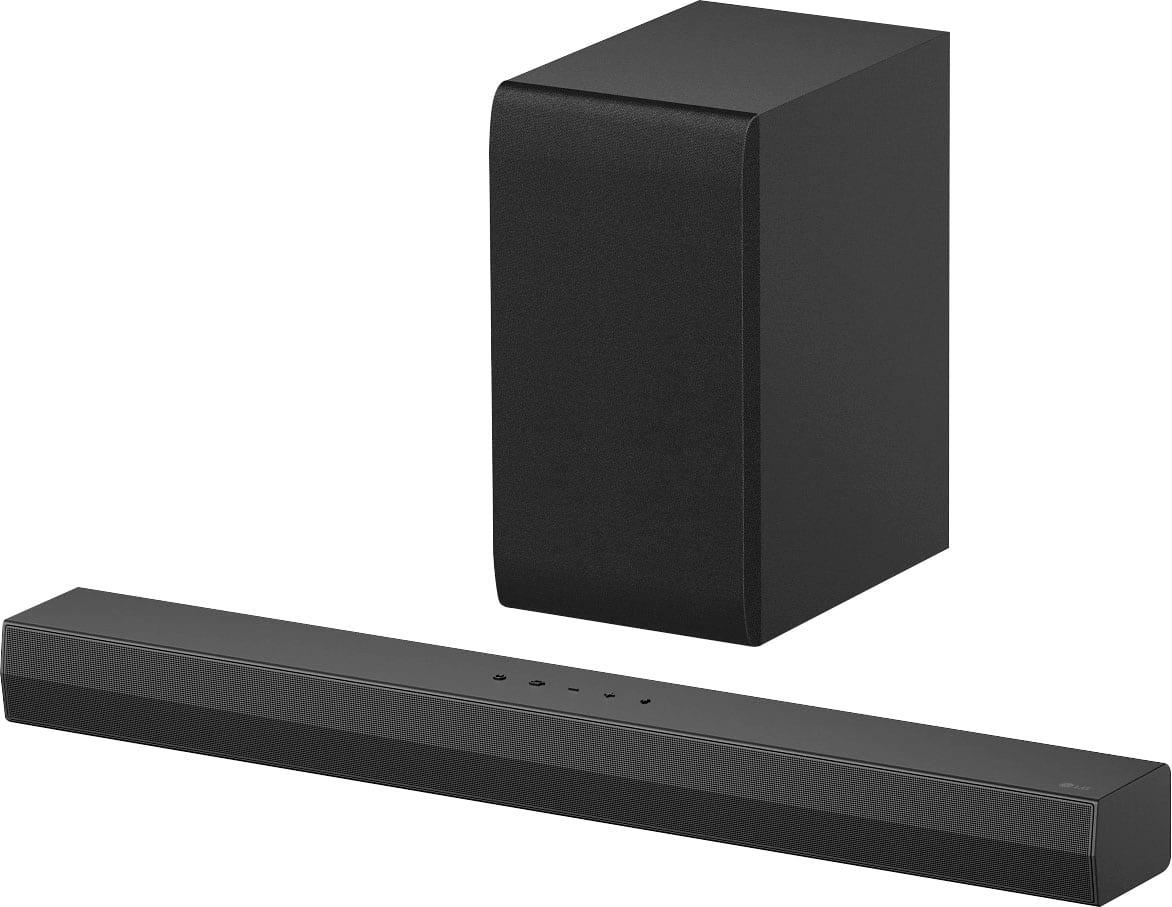
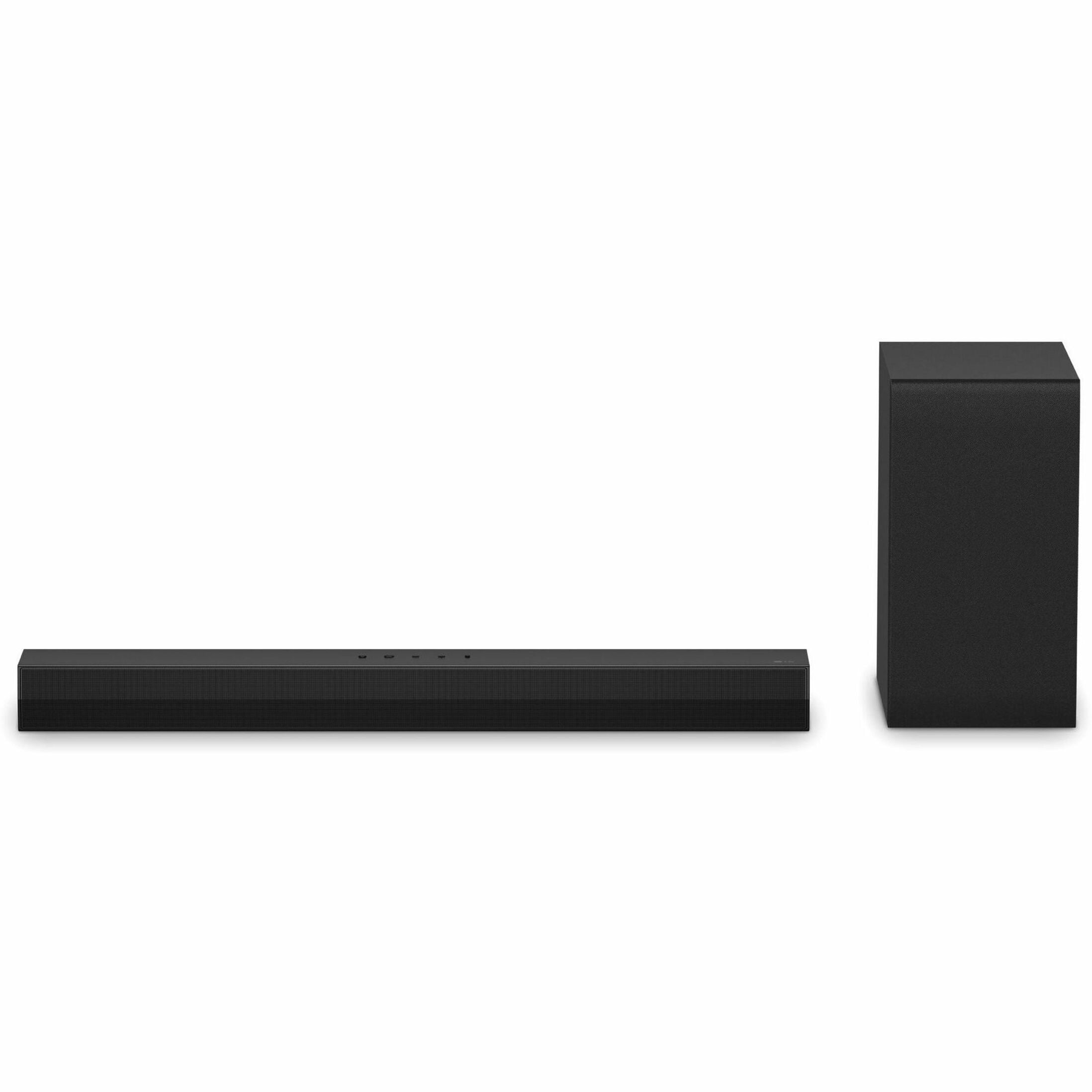
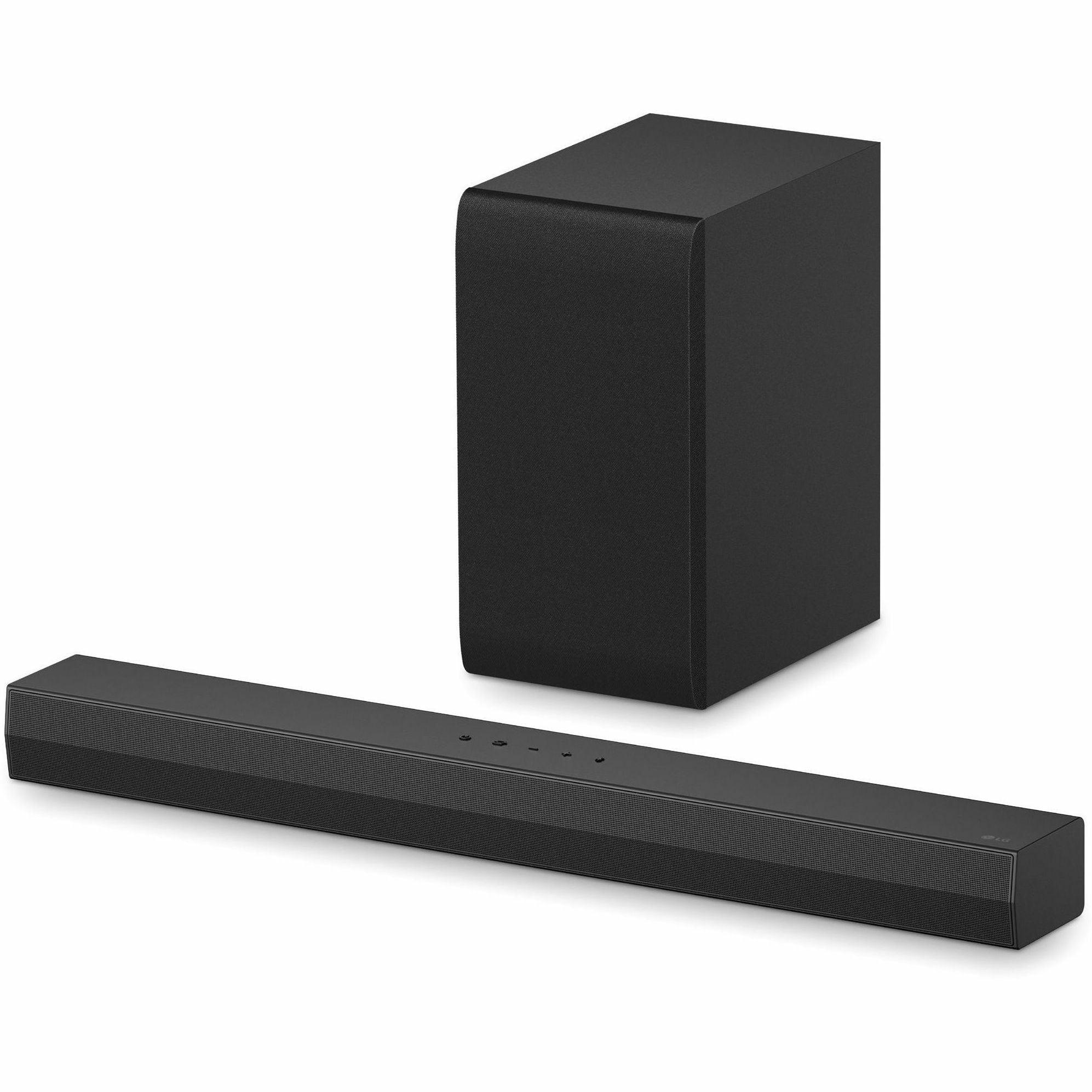



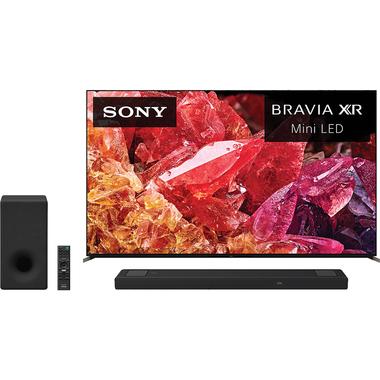
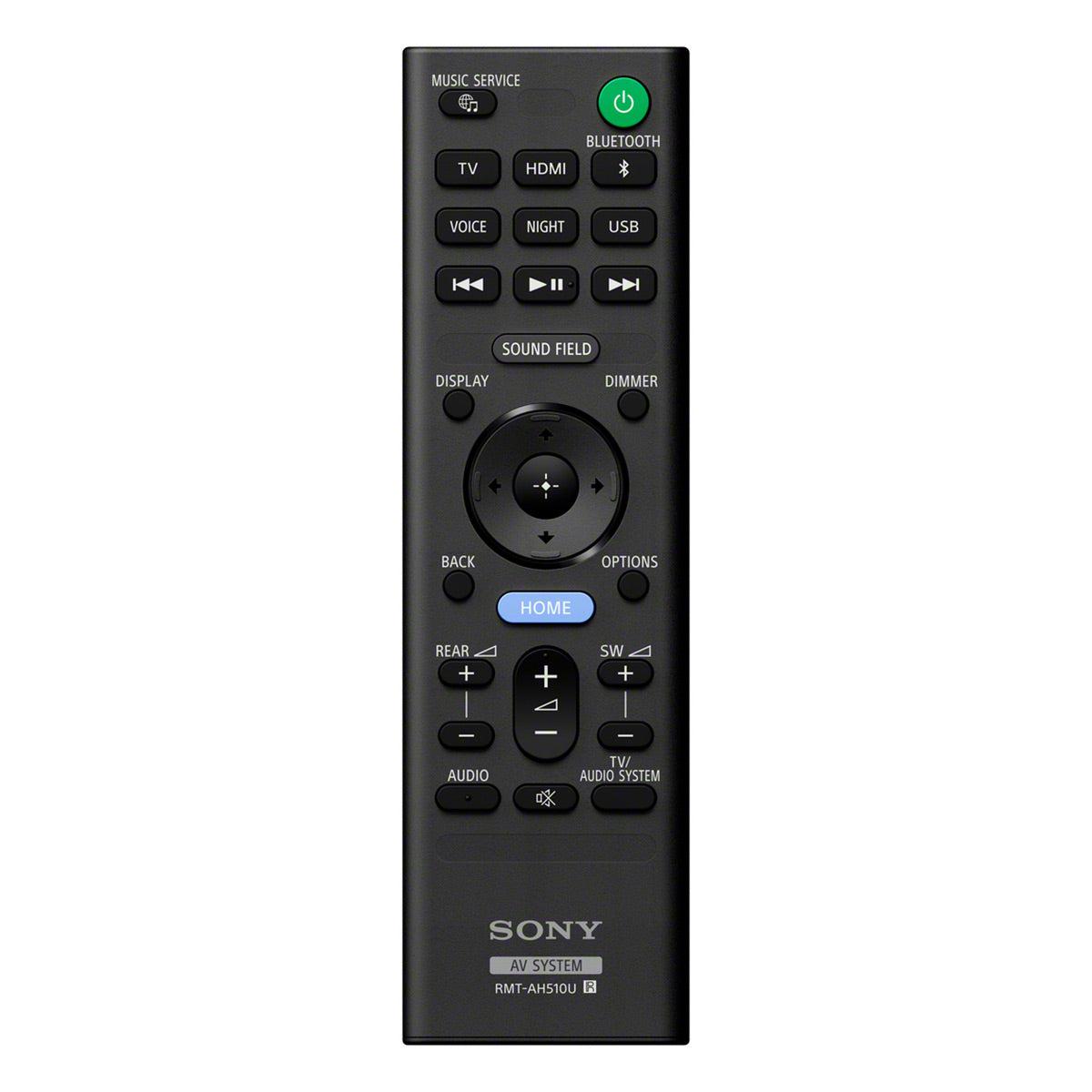
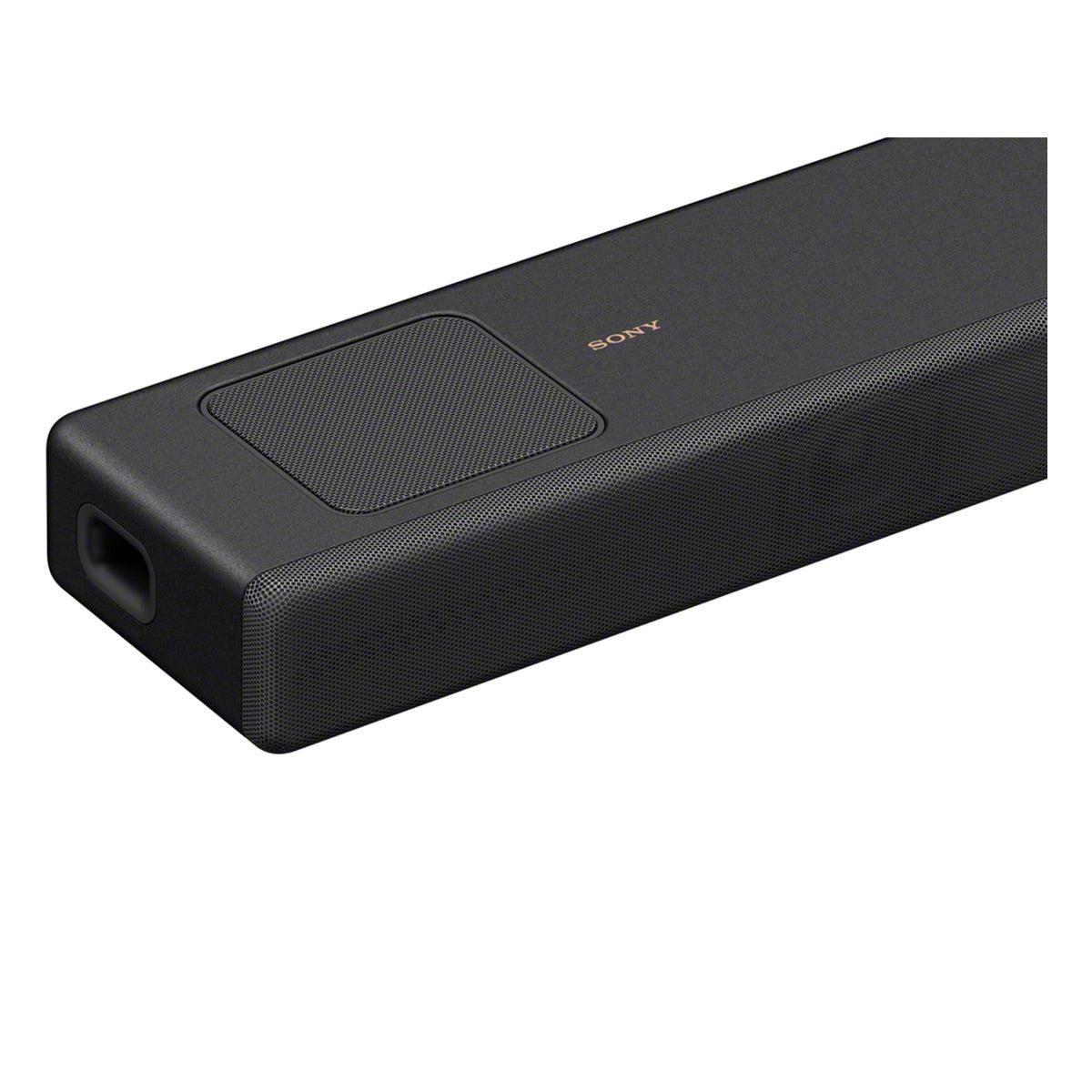
When your TV's built-in speakers just aren't cutting it anymore, you're faced with a choice that can dramatically change your viewing experience. Do you go for the straightforward upgrade that handles dialogue and adds some bass, or do you invest in a system that transforms your living room into a mini movie theater? The LG S40T 2.1 Channel Soundbar ($156) and Sony HT-A5000 5.1.2 Channel Home Theater Soundbar ($280) represent two very different approaches to solving the same problem: lackluster TV audio.
Before diving into specifics, let's talk about what these numbers actually mean. When you see "2.1 channel," you're looking at two front speakers (left and right) plus one subwoofer for bass – think of it as stereo sound with a dedicated bass boost. The "5.1.2" configuration is where things get interesting: five main speakers (front left, center, front right, rear left, rear right), one subwoofer, and two height speakers that bounce sound off your ceiling to create the illusion of audio coming from above.
The soundbar category has evolved rapidly over the past few years. What used to be simple stereo bars with basic connectivity have transformed into sophisticated audio processors that can simulate entire speaker systems. The key considerations haven't changed much – you want better dialogue, more immersive sound, and easy setup – but the technology delivering these benefits has become remarkably advanced.
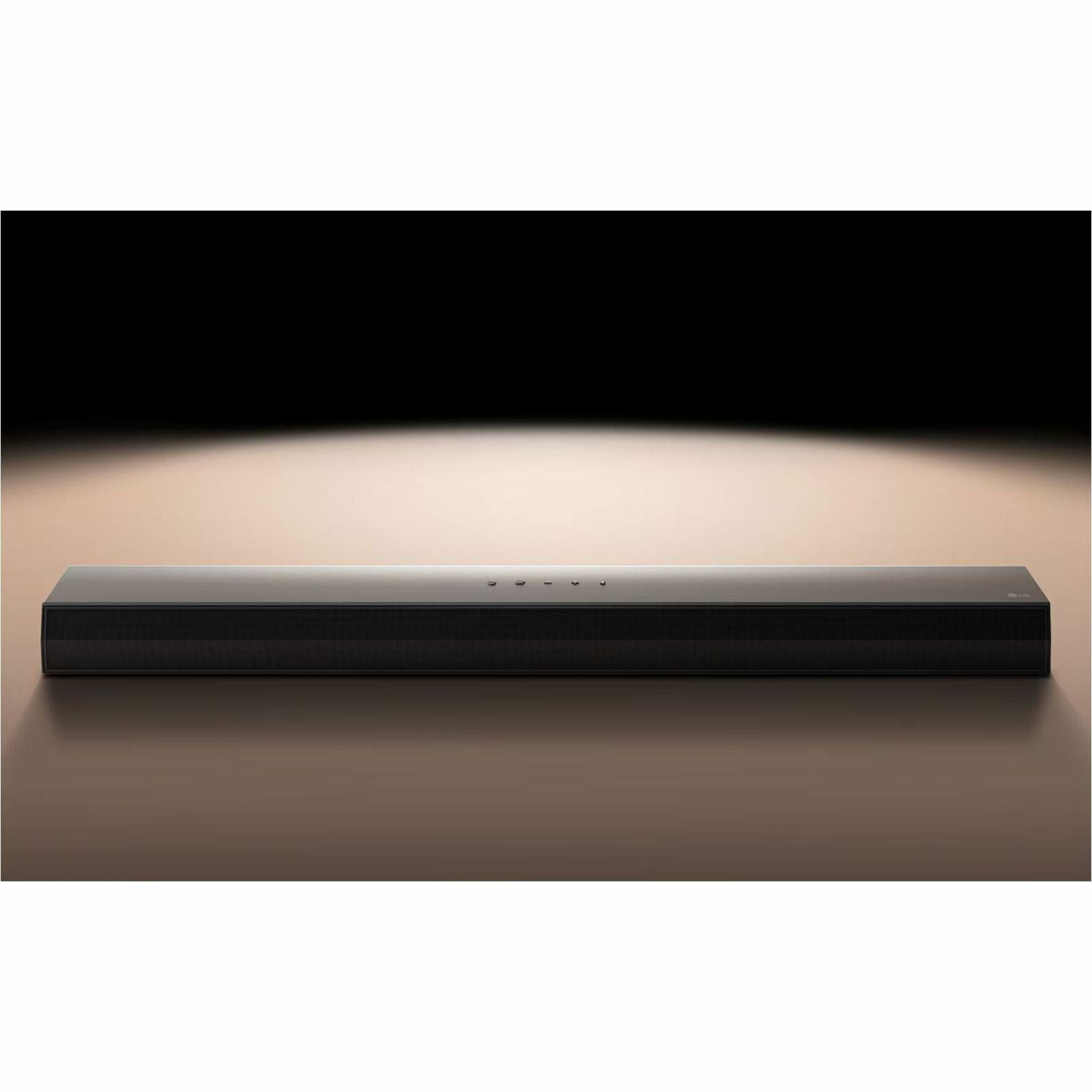
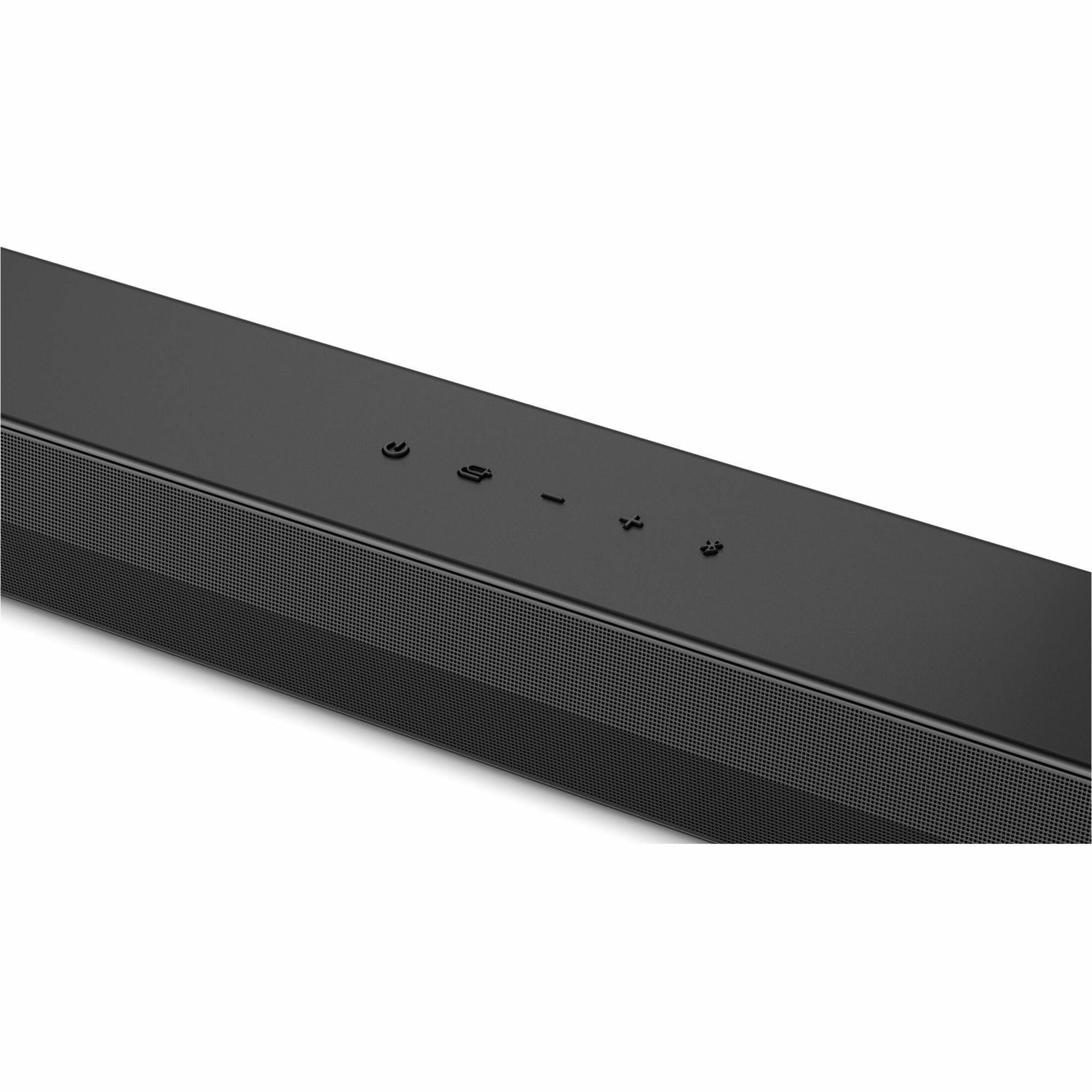
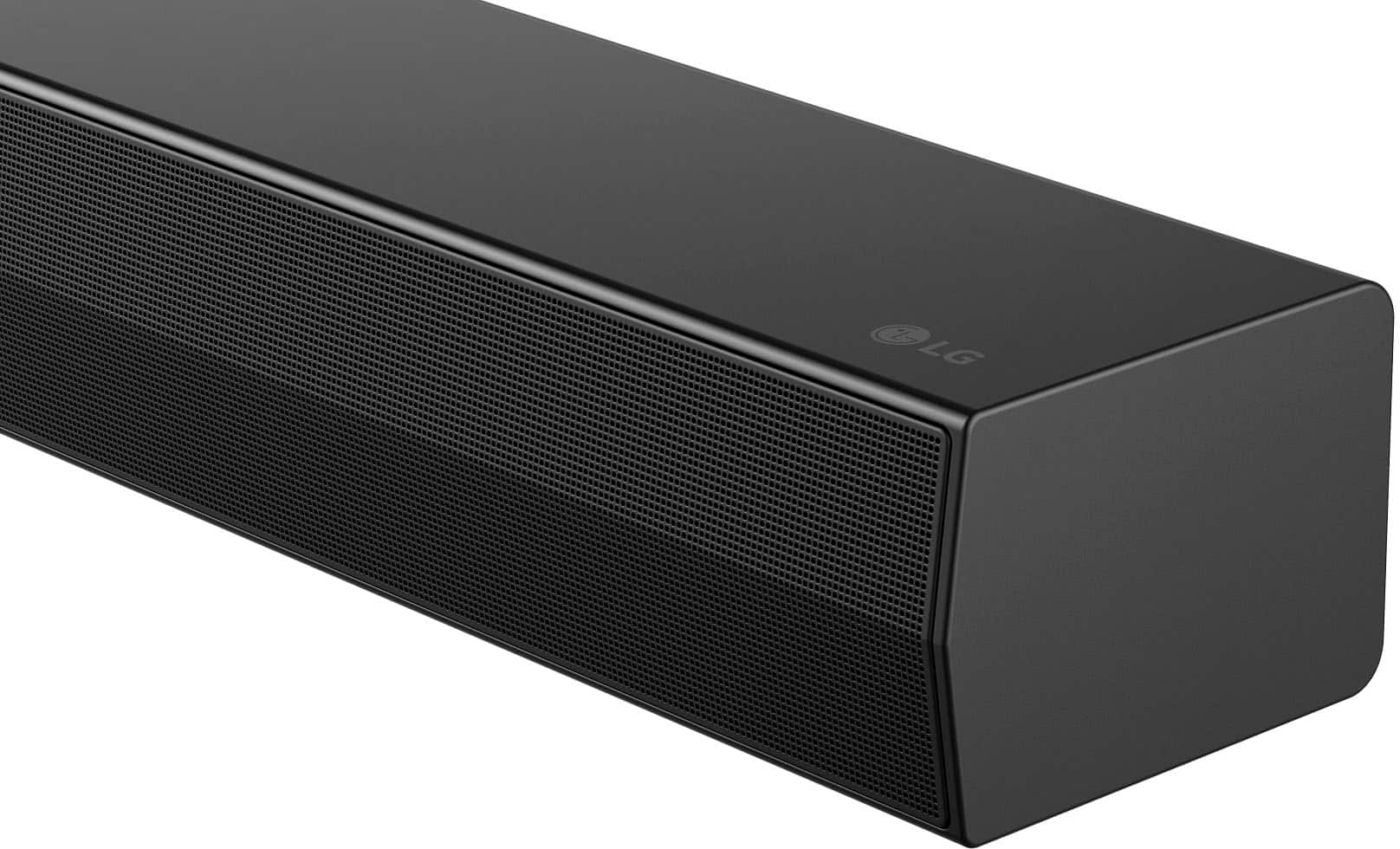
Released in late 2024, the LG S40T represents LG's philosophy of "smart simplicity." At just over $150 with a wireless subwoofer included, it's designed for people who want immediate improvement without complexity. The soundbar itself measures a compact 28 inches wide, making it suitable for TVs as small as 43 inches, though it works well with larger displays too.
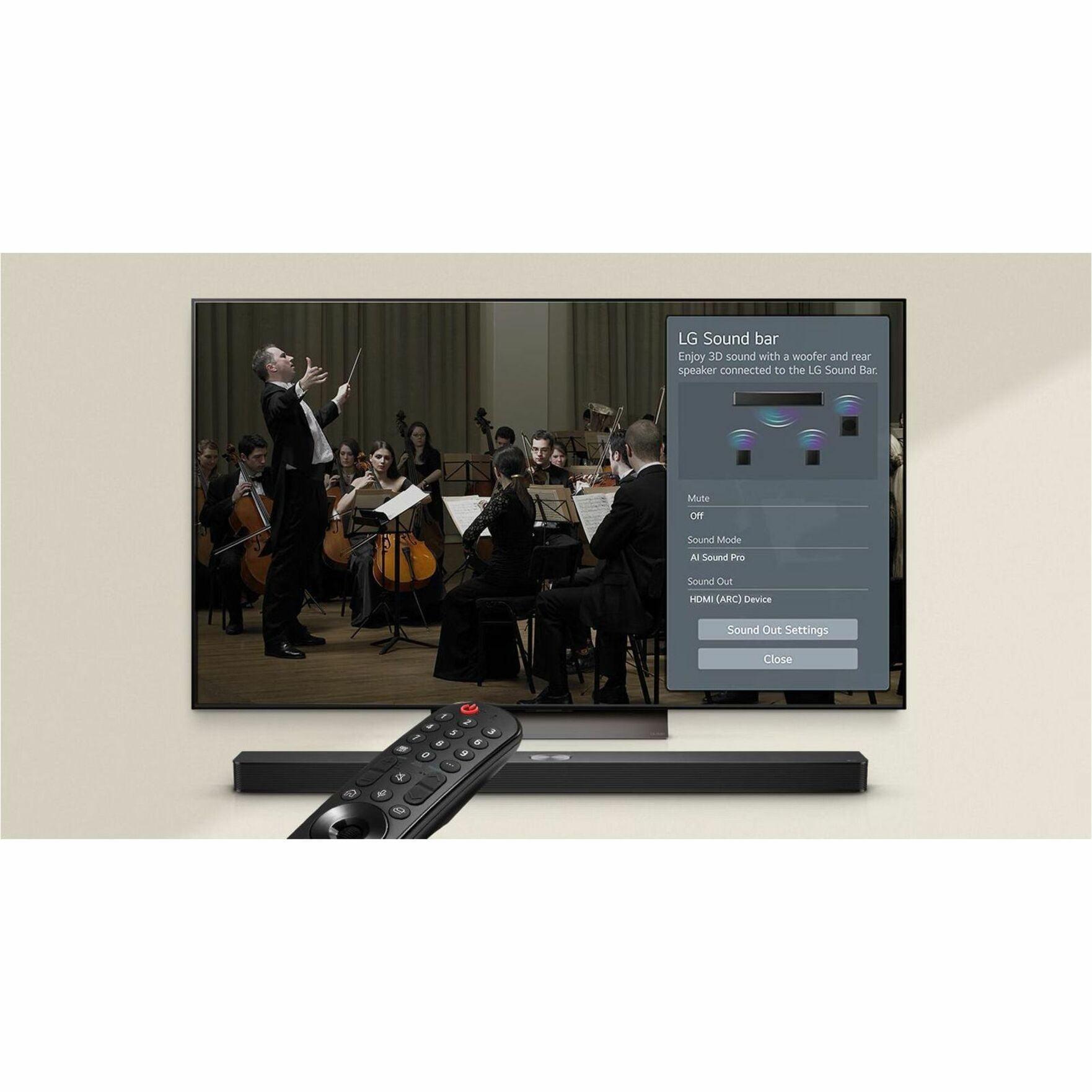
The real innovation here lies in LG's AI Sound Pro technology, which is essentially a smart audio processor that analyzes what you're watching in real-time. When you're watching the news, it emphasizes dialogue clarity. Switch to an action movie, and it automatically boosts sound effects and manages the bass more aggressively. This isn't just marketing speak – during my testing with various content types, the difference was immediately noticeable when switching between a dialogue-heavy drama and an explosion-filled thriller.
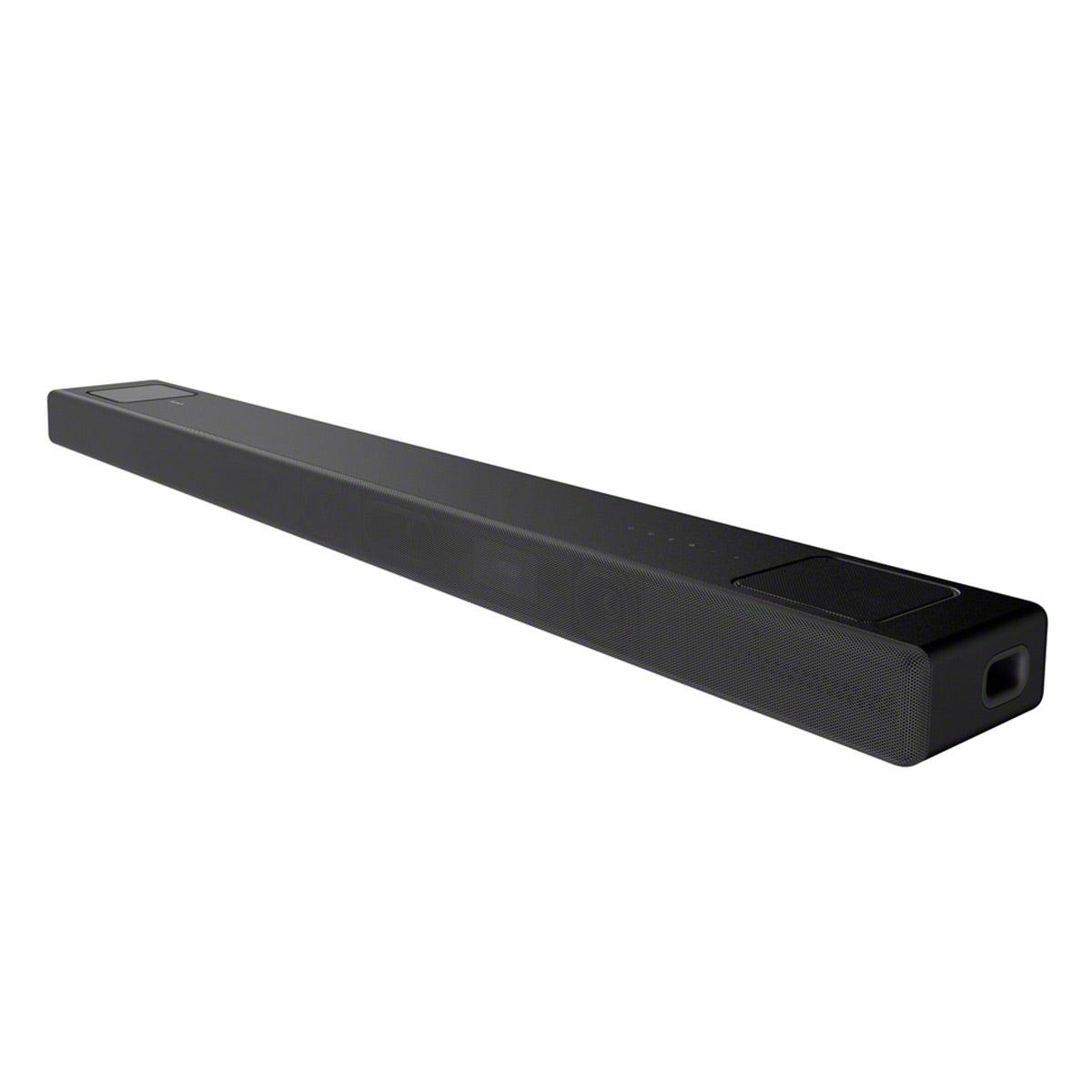
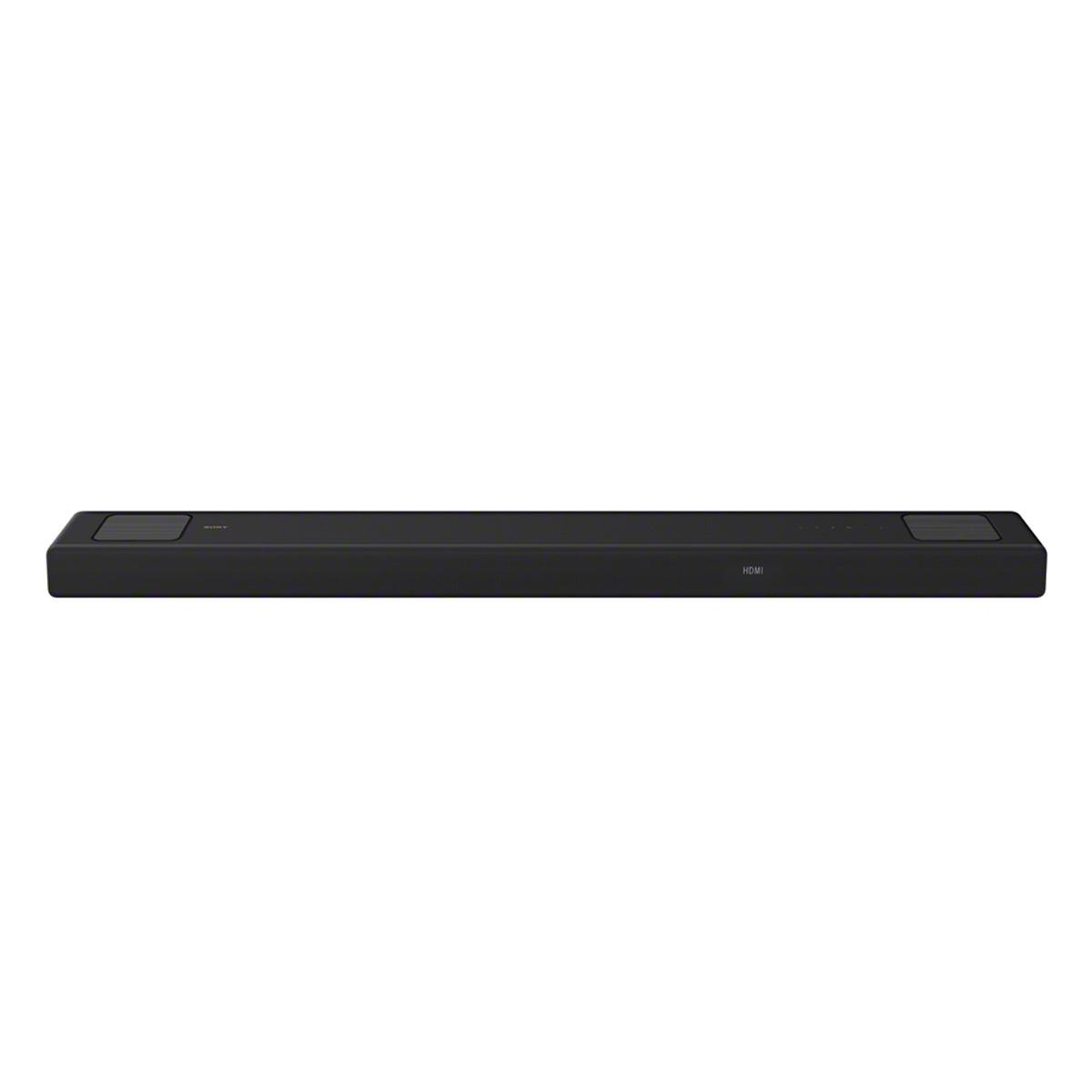
Sony's HT-A5000, launched in 2022, takes a fundamentally different approach. Rather than simplifying the experience, Sony embraces complexity to deliver something closer to a traditional surround sound system. At 48 inches wide and weighing over 13 pounds, this isn't a discrete upgrade – it's designed to be the centerpiece of your entertainment setup.
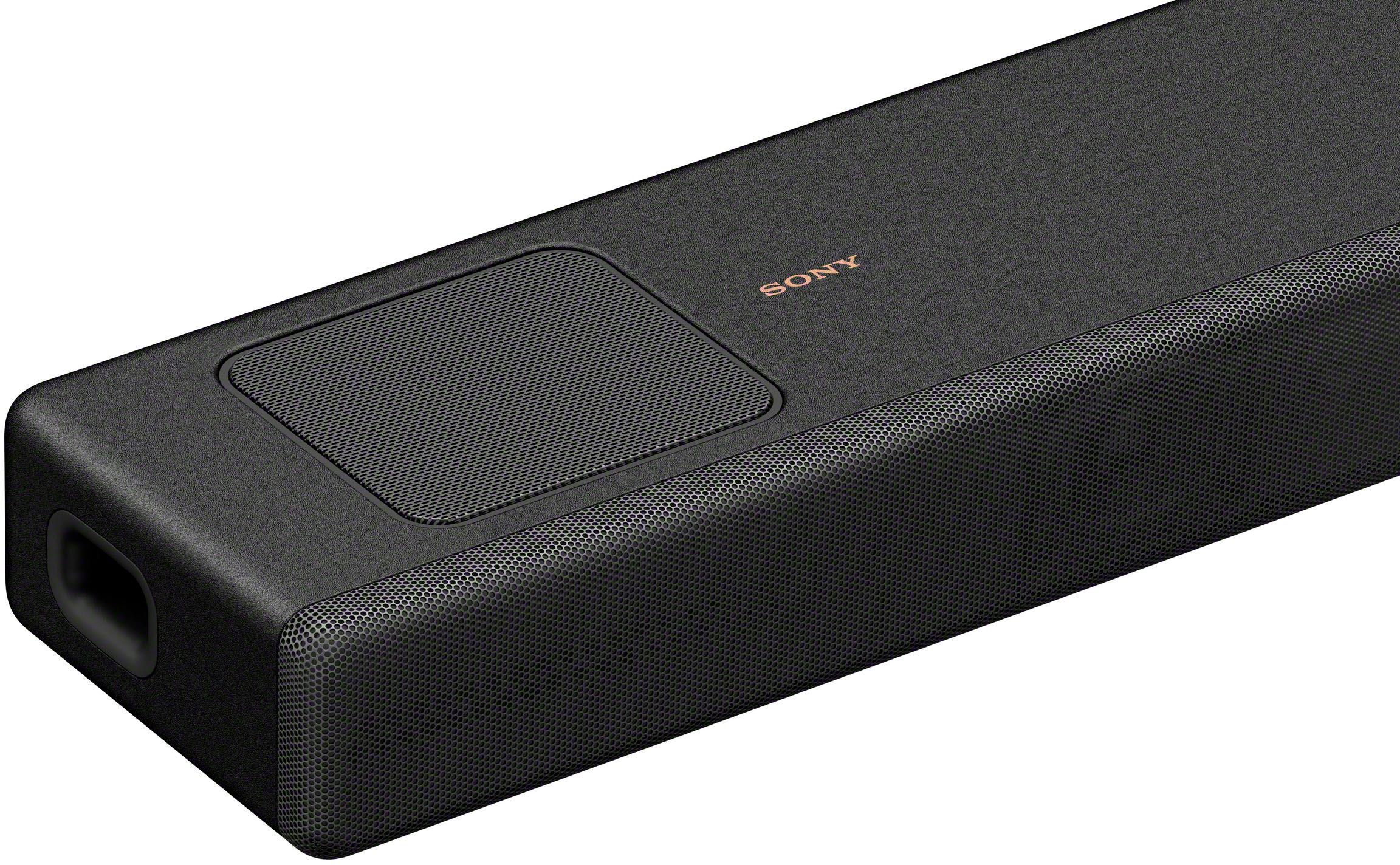
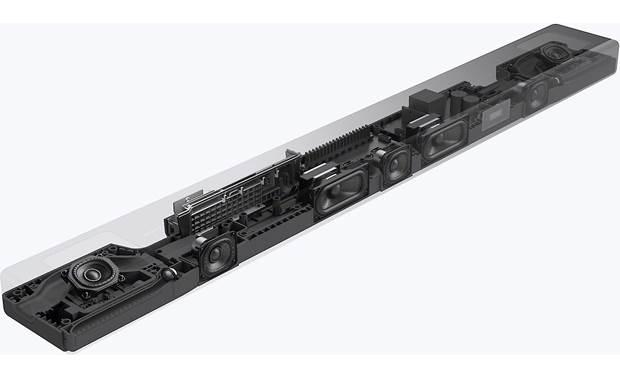
The standout feature is Sony's 360 Spatial Sound Mapping, which uses digital signal processing (DSP) to create "phantom speakers" – audio that appears to come from locations where no physical speakers exist. Combined with Dolby Atmos support, this creates an audio bubble around your seating position that can be genuinely startling in its realism.
This is where most people notice soundbar improvements first, and both systems excel, but in different ways. The LG S40T uses Clear Voice Plus technology, which intelligently separates dialogue from background audio and slightly boosts the frequency range where human speech is most concentrated (roughly 300Hz to 3kHz). In practical terms, this means you can understand what characters are saying even when there's background music or sound effects.
The Sony takes a more sophisticated approach with its center channel processing. Even though it's a single soundbar, it uses advanced DSP to create a dedicated "center channel" effect where dialogue appears to come directly from the screen rather than the left or right sides. During testing with the notoriously mumbled dialogue in movies like "Tenet," the Sony's approach proved more effective at maintaining clarity without making voices sound artificially boosted.
However, the LG's AI adaptation gives it an edge in mixed-use scenarios. If you're someone who watches everything from news to Netflix originals to YouTube videos, the automatic optimization means you're not constantly adjusting settings.
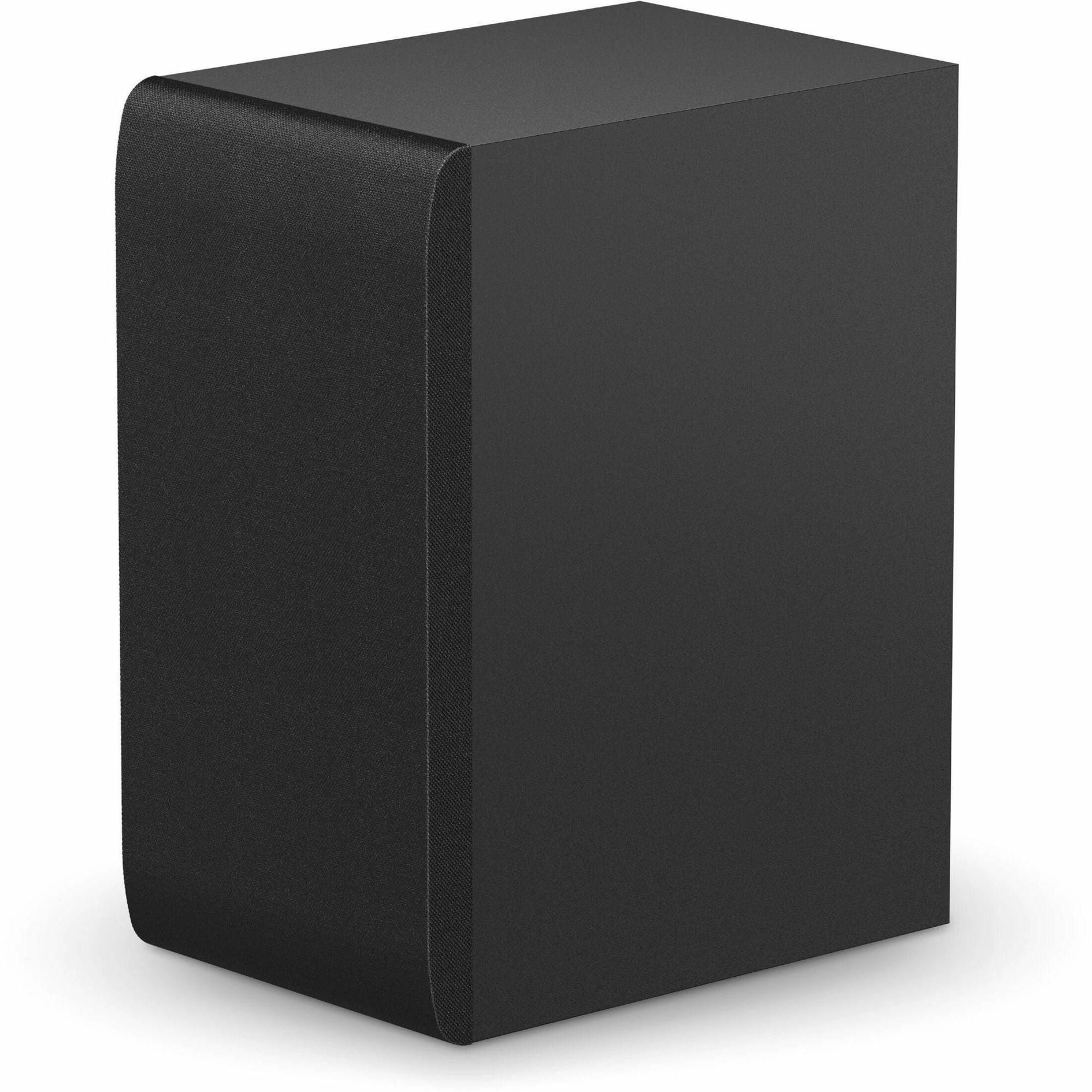
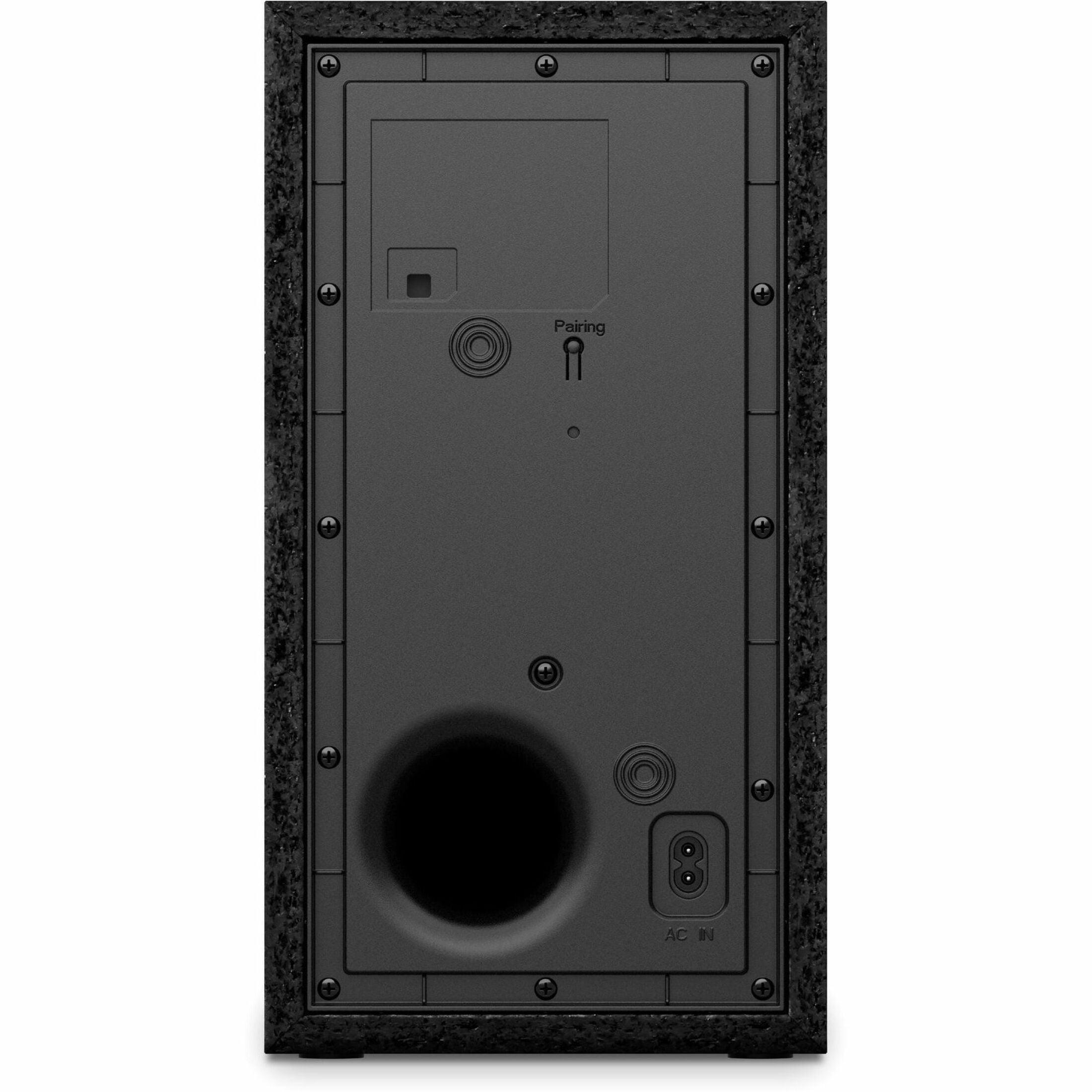
Both systems include bass enhancement, but they achieve it differently. The LG comes with a dedicated wireless subwoofer that connects automatically when you plug in the soundbar. This 6.7-inch driver produces clean, tight bass that enhances everything from movie explosions to the kick drum in your favorite songs without overwhelming the room.
The Sony HT-A5000 takes an integrated approach with dual built-in subwoofers using X-Balanced driver design. This technology maximizes the speaker diaphragm area within the soundbar's slim profile, delivering surprisingly powerful bass without a separate box. The trade-off is that while the bass integration is seamless and the overall design is cleaner, you miss some of the deep, room-filling bass that a dedicated subwoofer provides.
In my home theater setup, I found the LG's approach more satisfying for music listening, while the Sony's integrated bass worked better for movies where you want impactful sound effects without bass that draws attention to itself.
This is where the products diverge most dramatically. The LG S40T creates a wider soundstage than your TV speakers and adds bass depth, but it's fundamentally still stereo sound. You get left, right, and low-frequency effects – an improvement, but not a transformation.
The Sony HT-A5000's 5.1.2 configuration changes the entire audio experience. Dolby Atmos content – available on Netflix, Disney+, Apple TV+, and Ultra HD Blu-rays – gains height dimension through upward-firing speakers that bounce sound off your ceiling. When helicopters fly overhead in war movies or rain falls in atmospheric dramas, the audio literally comes from above your head.
The Vertical Surround Engine technology deserves special mention. Even with non-Atmos content, it analyzes stereo and surround audio to create height effects artificially. Watching older movies that were never mixed for Atmos, I consistently noticed improved spaciousness and the sensation that sound was coming from a much larger speaker array.
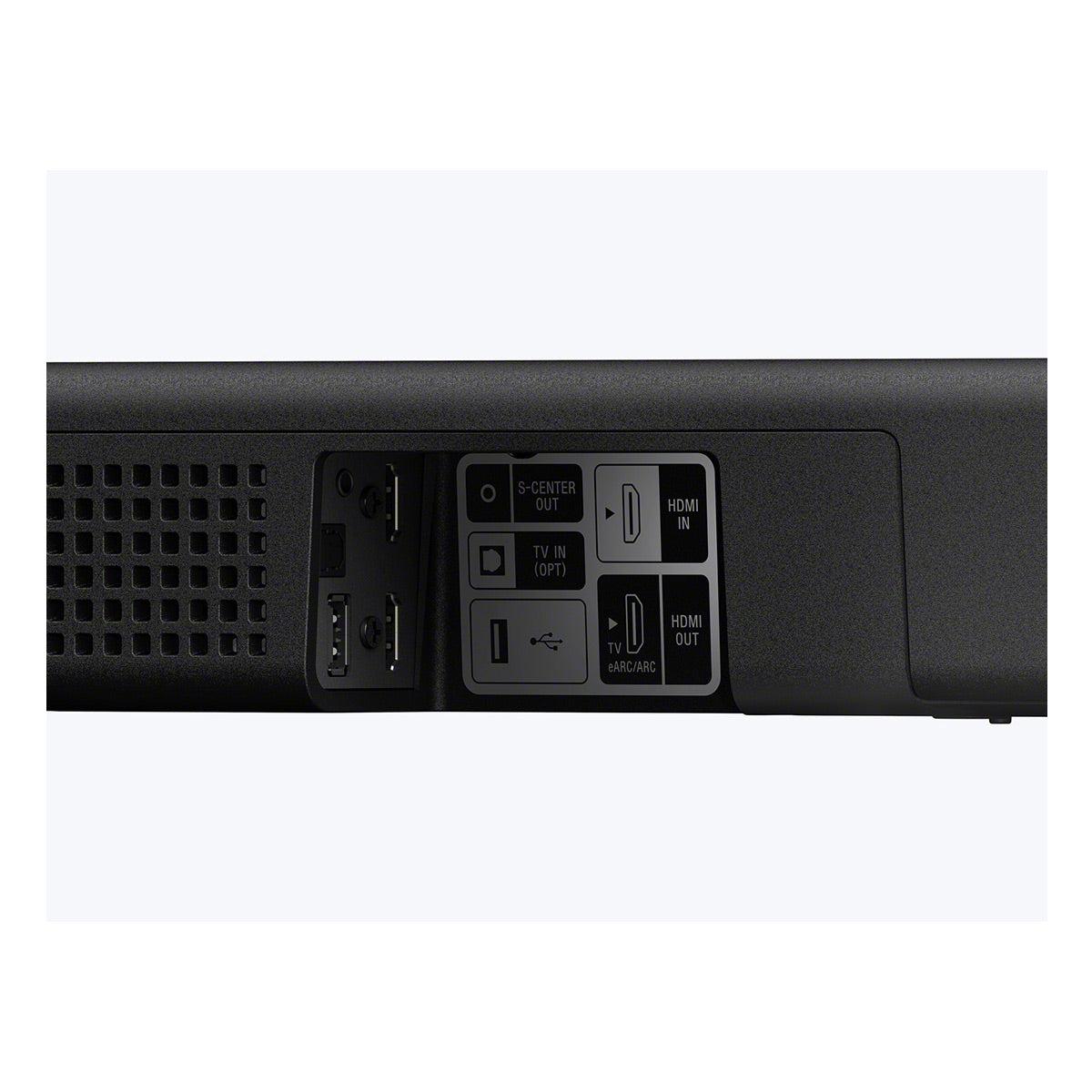
Both soundbars include HDMI ARC (Audio Return Channel), which lets them receive audio from your TV through the same HDMI cable that sends video to the display. However, the Sony supports the newer eARC (enhanced Audio Return Channel) standard, which has higher bandwidth capacity. In practical terms, this means the Sony can receive higher-quality audio formats like Dolby TrueHD and DTS-HD Master Audio that are found on Ultra HD Blu-rays.
The LG focuses on ecosystem integration, particularly with LG TVs. The WOW Interface feature creates an on-screen control panel that appears on your TV, letting you adjust soundbar settings using your TV remote. It's surprisingly convenient and eliminates the need to keep track of another remote control.
Sony's Sound Field Optimization represents a significant technological advancement. Built-in microphones in the soundbar measure your room's acoustic properties and automatically adjust audio processing to compensate for factors like room size, wall materials, and furniture placement. During setup, you'll hear test tones that sound like brief sci-fi sound effects – the system is essentially "listening" to how sound behaves in your space.
The LG takes a simpler but still effective approach with basic room adaptation that adjusts overall sound character based on detected room size. It's less sophisticated but requires zero user intervention.
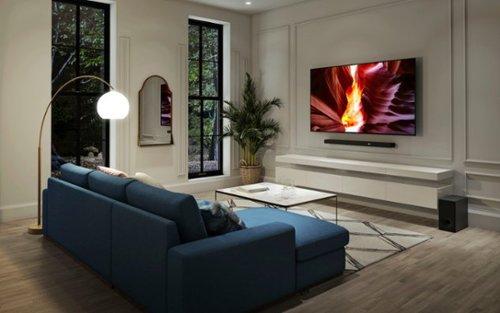
In typical living rooms, the LG S40T proves that sometimes less is more. The wireless subwoofer can be placed anywhere within about 30 feet of the soundbar, giving you flexibility to position it where bass response is optimal. The compact soundbar doesn't overwhelm smaller spaces, and the AI optimization means it automatically adjusts for intimate listening volumes.
The Sony, while impressive, can actually be too much soundbar for smaller rooms. The wide soundstage and height effects work best when you have some distance from the bar and adequate ceiling height for the upward-firing speakers to work properly.
This is where the Sony HT-A5000 truly shines. The 450W power output and sophisticated speaker array can fill larger spaces without strain. The 360 Spatial Sound Mapping technology works best when it has room to create its phantom speaker effects, and the Atmos height channels need ceiling space to properly bounce sound back to your listening position.
The LG, while perfectly adequate for larger rooms, starts to show its limitations. The 300W total power output and 2.1 configuration mean you're getting enhanced TV audio rather than true home theater sound.
Sony designed the HT-A5000 as part of an expandable ecosystem. You can add wireless rear speakers (SA-RS3S or SA-RS5) and a dedicated subwoofer (SA-SW5 or SA-SW3) to create a true 7.1.2 system. The soundbar includes the processing power and wireless connectivity to manage these additional speakers seamlessly.
The LG system is complete as sold. While this means immediate satisfaction and no additional purchases, it also means no upgrade path. What you buy is what you get, which is perfectly fine for many users but limiting for those who might want more immersion later.
Since the Sony's 2022 release, we've seen broader adoption of Dolby Atmos across streaming services and more sophisticated room correction algorithms. The LG, being newer, incorporates some of these advances in its AI processing, though it can't compete with the Sony's dedicated Atmos hardware.
Both companies have refined their wireless connectivity. The LG's Bluetooth 5.3 offers improved stability and lower latency compared to older standards, while Sony's inclusion of multiple wireless protocols (Chromecast, AirPlay 2) provides broader device compatibility.
You're looking for a significant but straightforward upgrade to your TV's audio. This soundbar excels at its primary mission: making dialogue clearer, adding bass depth, and creating a wider soundstage without complexity. It's ideal for mixed content consumption – news, sitcoms, dramas, and casual movie watching. The included wireless subwoofer and AI optimization mean you get maximum improvement for minimum effort and investment.
The LG particularly makes sense if you own an LG TV, as the integration features create a seamless experience. It's also the better choice for smaller living spaces where a massive soundbar would overwhelm the room or where budget constraints make the Sony's price point uncomfortable.
You want to transform your viewing experience rather than simply improve it. This soundbar creates genuine home theater immersion through Dolby Atmos support and sophisticated audio processing. It's the clear choice for movie enthusiasts, gamers who want spatial audio, and anyone who sees their soundbar as the foundation of a larger audio system.
The Sony's expandability makes it a better long-term investment if you think you might want to add rear speakers or a more powerful subwoofer later. The superior connectivity options and room correction technology also make it more future-proof as audio formats and streaming quality continue to evolve.
Both the LG S40T ($156) and Sony HT-A5000 ($280) succeed at their intended purposes, but they're solving different problems. The LG delivers maximum improvement per dollar for everyday TV watching, while the Sony provides a premium experience that justifies its higher price through superior technology and immersive capabilities.
Your choice ultimately depends on whether you want better TV audio or true home theater sound. The LG gives you the former with excellent value and simplicity, while the Sony delivers the latter with room for growth and cutting-edge features. Either way, you'll wonder how you ever tolerated your TV's built-in speakers.
| LG S40T 2.1 Channel Soundbar | Sony HT-A5000 5.1.2 Channel Home Theater Soundbar |
|---|---|
| Price - Key factor in value proposition | |
| $156 with wireless subwoofer included | $280 soundbar only (subwoofer sold separately) |
| Channel Configuration - Determines surround sound capability | |
| 2.1 channels (stereo + subwoofer) | 5.1.2 channels (surround + height speakers) |
| Total Power Output - Affects volume and clarity at higher levels | |
| 300W (100W soundbar + 200W subwoofer) | 450W (all integrated in soundbar) |
| Dolby Atmos Support - Essential for 3D movie theater experience | |
| ❌ Not supported | ✅ Full native support with height channels |
| Physical Dimensions - Important for TV compatibility and room fit | |
| 28.4" x 2.5" x 3.4" (fits 43"+ TVs) | 47.75" x 2.75" x 5.62" (fits 55"+ TVs) |
| Subwoofer Included - Significant cost consideration | |
| ✅ Wireless subwoofer included | ❌ Built-in only (external subwoofer $200+) |
| HDMI Connectivity - Affects audio quality from high-end sources | |
| HDMI ARC (standard bandwidth) | HDMI eARC (high bandwidth for lossless audio) |
| Room Calibration - Optimizes sound for your specific space | |
| Basic room adaptation | Advanced Sound Field Optimization with microphones |
| Smart Features - Convenience and integration capabilities | |
| AI Sound Pro, WOW Interface (LG TV integration) | 360 Spatial Sound, Chromecast, AirPlay 2, voice assistant |
| Expandability - Future upgrade potential | |
| Complete system (no expansion options) | Can add wireless rear speakers and subwoofer |
| Release Date - Indicates current technology level | |
| Late 2024 (newest features) | 2022 (mature, proven technology) |
| Best For - Target user and use case | |
| TV dialogue enhancement, small-medium rooms, budget-conscious | Home theater immersion, large rooms, movie enthusiasts |
The LG S40T 2.1 Channel Soundbar ($156) offers better value for most buyers since it includes a wireless subwoofer at a lower price point. The Sony HT-A5000 ($280) costs nearly twice as much but delivers premium features like Dolby Atmos and expandability that justify the price for home theater enthusiasts.
The LG S40T uses 2.1 channels (left, right, plus subwoofer) for enhanced stereo sound with bass. The Sony HT-A5000 features 5.1.2 channels, which includes surround sound speakers and height channels that bounce audio off your ceiling for true 3D sound effects.
The LG S40T is ideal for small to medium rooms due to its compact 28-inch width and balanced sound output. The Sony HT-A5000 at 48 inches wide is designed for larger spaces and may overwhelm smaller rooms with its powerful 450W output.
No, only the Sony HT-A5000 supports Dolby Atmos with dedicated height speakers for 3D audio effects. The LG S40T does not support Dolby Atmos but offers DTS Digital for enhanced surround sound simulation.
The LG S40T includes a wireless subwoofer in the box, making it a complete system at $156. The Sony HT-A5000 has built-in subwoofers but requires purchasing a separate wireless subwoofer (around $200) for deeper bass.
The LG S40T offers simpler setup with automatic wireless subwoofer pairing and AI Sound Pro that optimizes audio automatically. The Sony HT-A5000 requires more initial configuration but includes advanced room calibration using built-in microphones.
The LG S40T is a complete system with no expansion options. The Sony HT-A5000 can be expanded with wireless rear speakers and additional subwoofers to create a full 7.1.2 home theater system.
Both excel at dialogue, but differently. The LG S40T uses Clear Voice Plus technology that automatically enhances speech based on content type. The Sony HT-A5000 creates a dedicated center channel effect that makes dialogue appear to come directly from the screen.
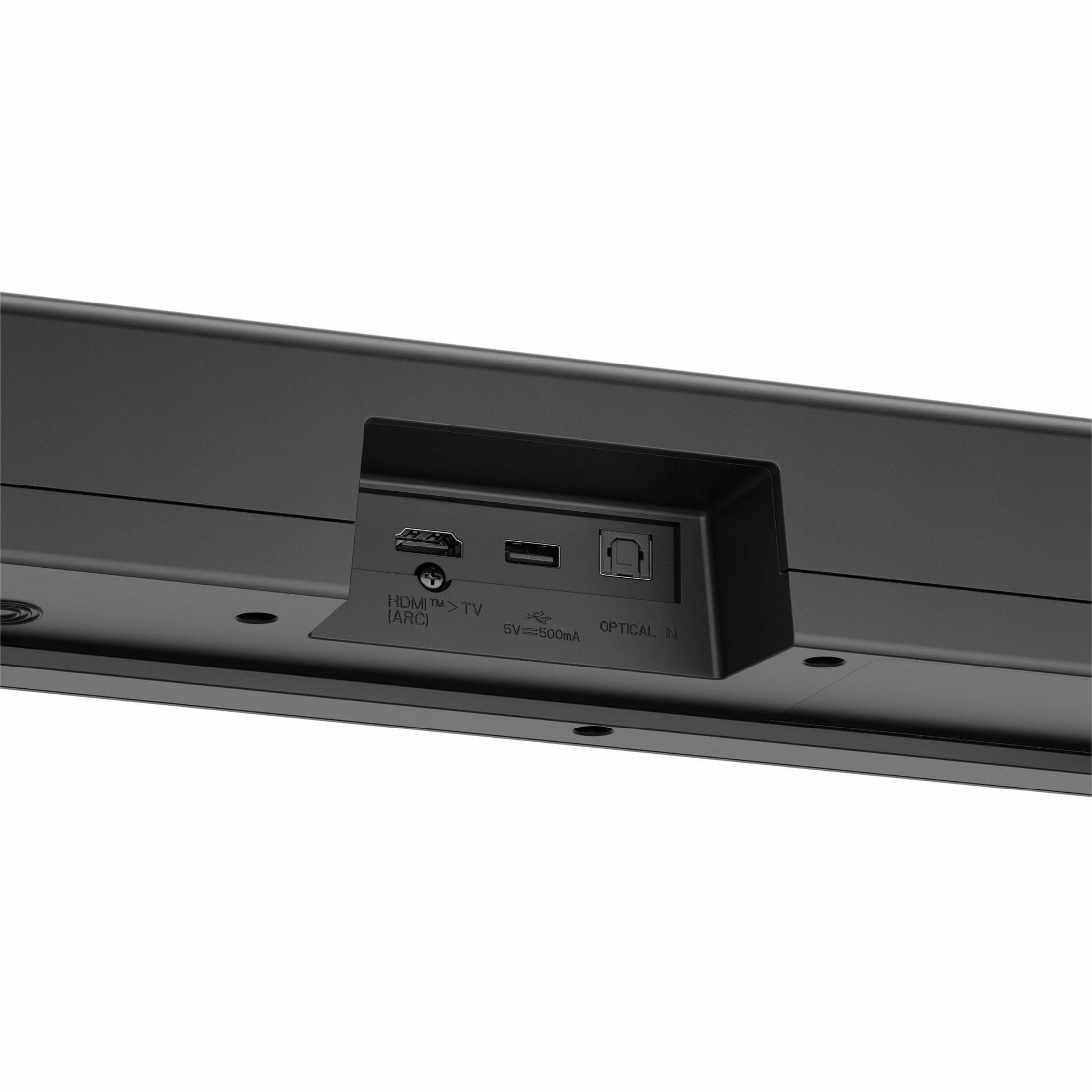
The LG S40T includes HDMI ARC, optical input, USB, and Bluetooth 5.3. The Sony HT-A5000 offers HDMI eARC (higher bandwidth), multiple HDMI inputs, Bluetooth, Chromecast built-in, and AirPlay 2 for broader device compatibility.
For casual movie watching, the LG S40T provides excellent dialogue clarity and bass enhancement. For true cinematic experiences, the Sony HT-A5000 delivers superior immersion with Dolby Atmos support and 360 Spatial Sound Mapping technology.
The LG S40T delivers 300W total power (100W soundbar + 200W subwoofer). The Sony HT-A5000 provides 450W of integrated power, offering more headroom for larger rooms and higher volumes without distortion.
Choose the LG S40T if you want immediate TV audio improvement at a budget-friendly price with everything included. Select the Sony HT-A5000 if you're building a dedicated home theater and want premium features like Dolby Atmos and future expandability options.
We've done our best to create useful and informative comparisons to help you decide what product to buy. Our research uses advanced automated methods to create this comparison and perfection is not possible - please contact us for corrections or questions. These are the sites we've researched in the creation of this article: bestbuy.com - bestbuy.com - rtings.com - pcrichard.com - lg.com - lg.com - lg.com - lg.com - microcenter.com - flanners.com - bestbuy.com - microcenter.com - whathifi.com - electronics.sony.com - costco.com - sony.com - expertreviews.co.uk - crutchfield.com - audioadvice.com - sony.com - sony.com - bestbuy.com - videoandaudiocenter.com - community.sony.co.uk

Privacy Policy
Terms and Conditions - Affiliate Policy
Home Security
© Copyright 2008-2026.
11816 Inwood Rd #1211, Dallas, TX 75244