





Let's be honest—your TV's built-in speakers probably sound like they're coming from inside a tin can. You're not alone in thinking this. Modern TVs keep getting thinner, which leaves less room for decent speakers. That's where soundbars come in, and they've become the go-to solution for anyone wanting better audio without the complexity of a full surround sound system.
Today, we're comparing two popular mid-range options: the Amazon Fire TV Soundbar Plus with Subwoofer and the Yamaha SR-B30A Sound Bar with Built-In Subwoofers. At the time of writing, both sit in the $250-300 range, but they take very different approaches to solving your audio problems.
Before diving into specifics, let's talk about what makes a good soundbar. The main considerations are audio quality, connectivity options, smart features, physical design, and overall value. Think of a soundbar as a long, horizontal speaker that sits below or mounts above your TV. It houses multiple drivers (the individual speakers that produce sound) and processing electronics in one sleek package.
The soundbar market has evolved significantly since these models launched in 2023. We've seen improvements in virtual surround processing, better codec support (codecs are the digital formats that compress and decompress audio), and more seamless integration with streaming platforms. Both products represent the current generation of mid-range soundbars that aim to deliver premium features at accessible price points.
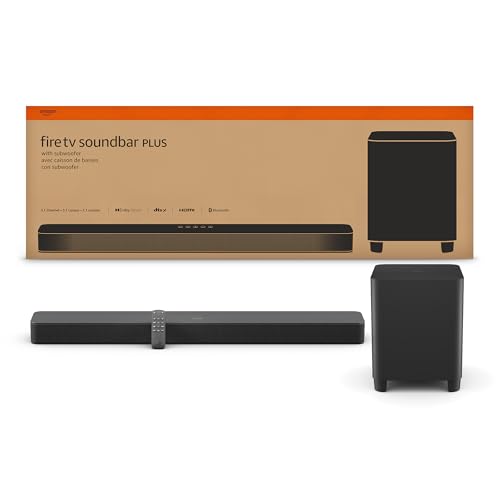
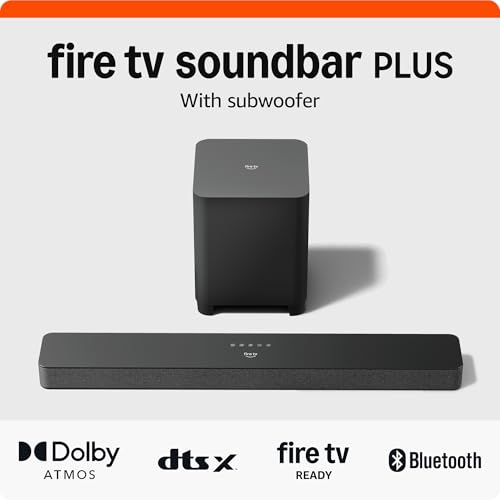
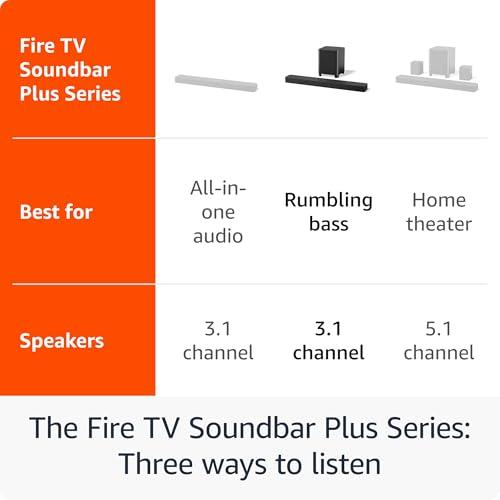
The Amazon Fire TV Soundbar Plus takes what I call the "modular approach." It's a 3.1-channel system, meaning it has three main channels (left, center, right) plus a dedicated subwoofer channel. The ".1" refers to that separate wireless subwoofer—a standalone box that handles the low-frequency sounds like explosions, bass lines, and rumbling thunder.
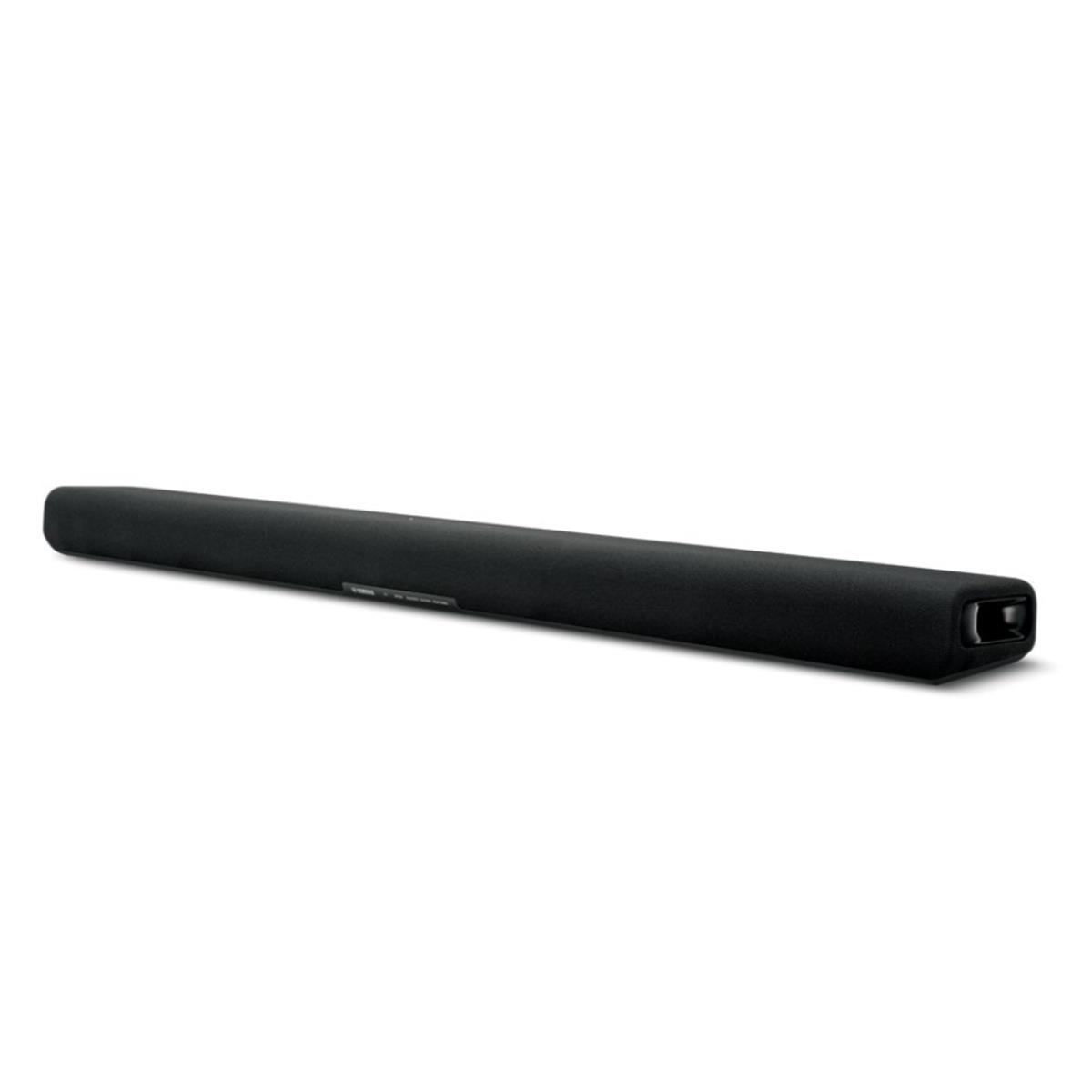
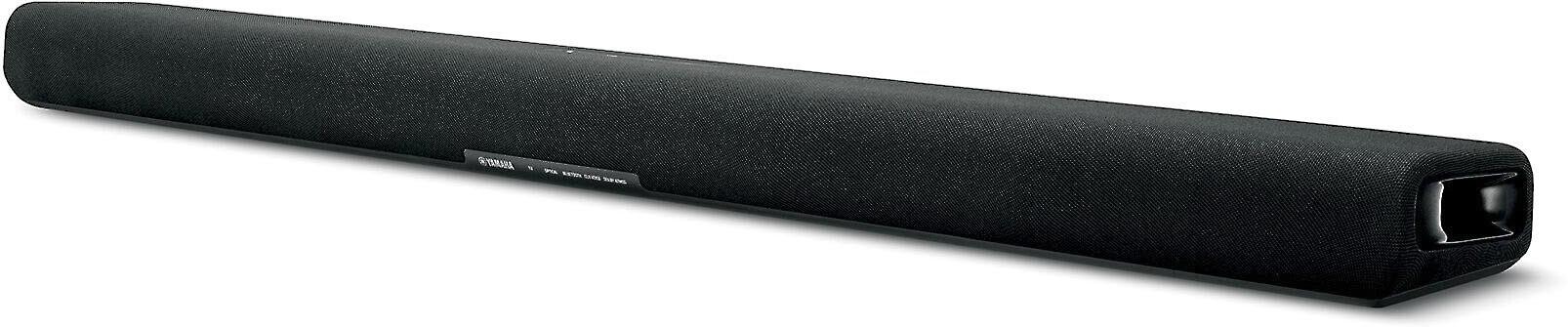
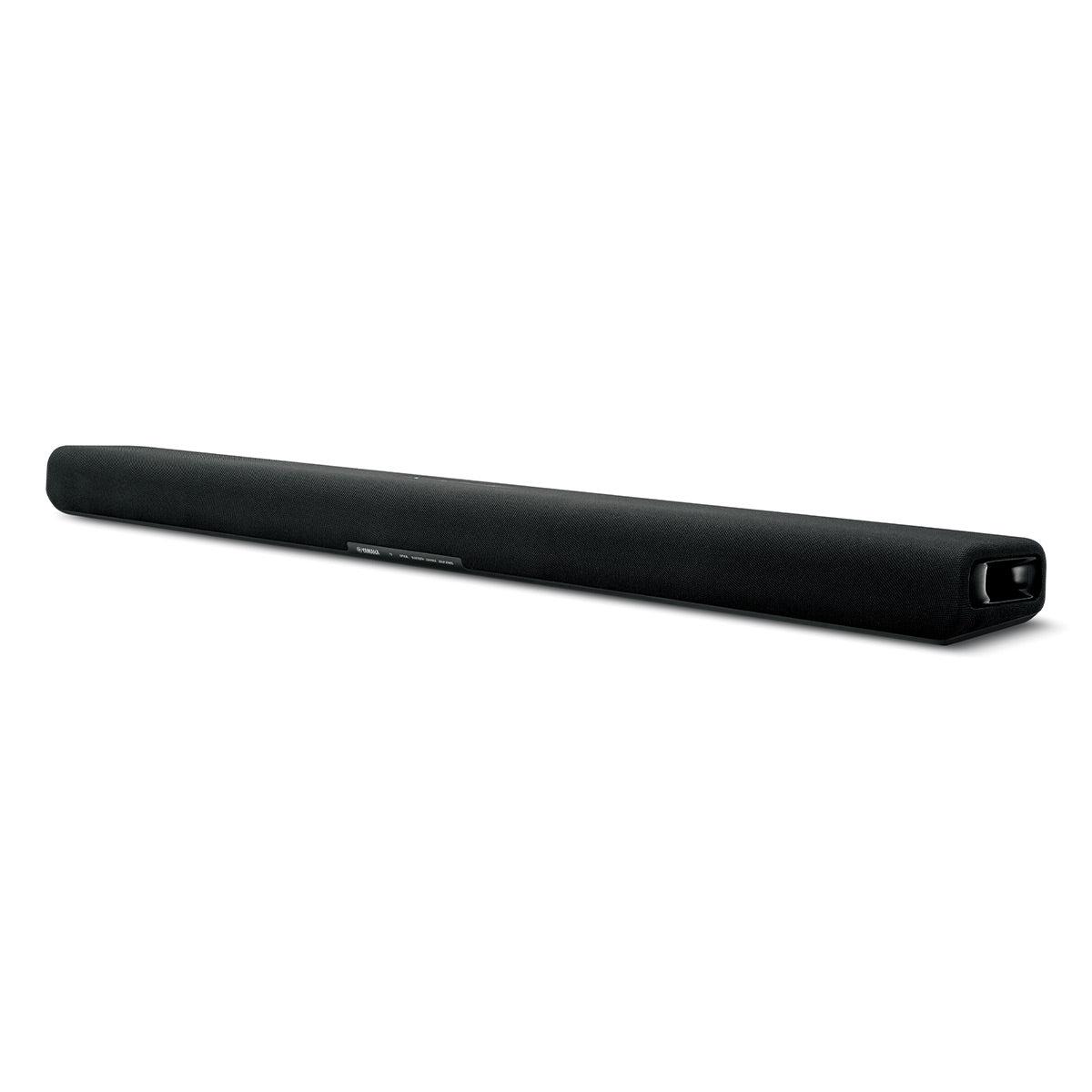
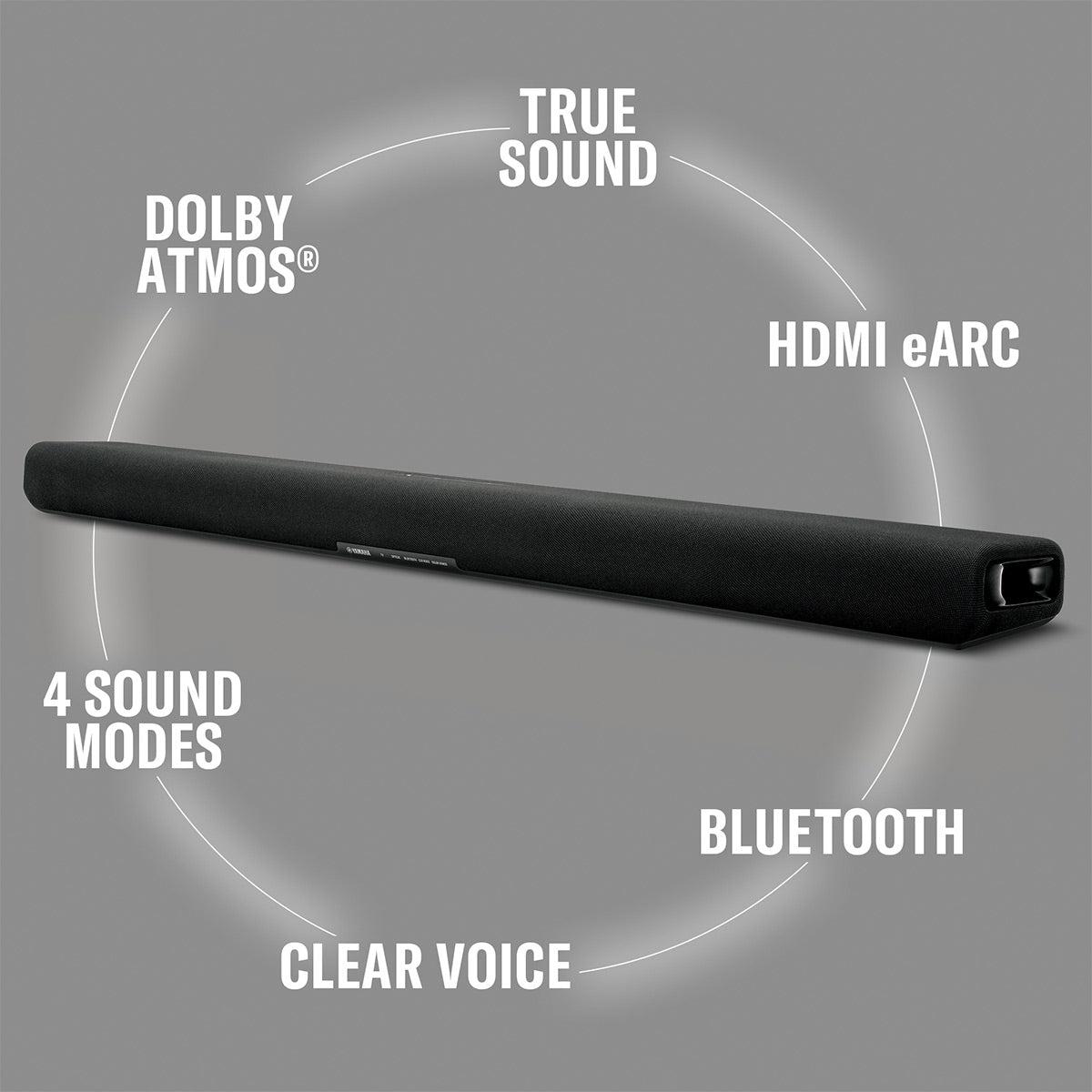
In contrast, the Yamaha SR-B30A follows the "all-in-one philosophy." It crams dual 3-inch subwoofer drivers right into the main soundbar body, alongside four 1.8-inch drivers and two 1-inch tweeters (tweeters handle high-frequency sounds like cymbals and dialogue). This creates a complete audio system in a single 36-inch package.
Nothing ruins a movie night like constantly asking "what did they say?" Both soundbars address this common complaint, but in different ways.
The Amazon Fire TV Soundbar Plus uses a dedicated center channel speaker specifically for dialogue. This center channel approach is borrowed from traditional home theater setups, where the center speaker handles most of the conversation in movies and TV shows. Amazon also includes a dialogue enhancer feature with five adjustable levels, letting you boost voice clarity when background music or sound effects get too prominent.
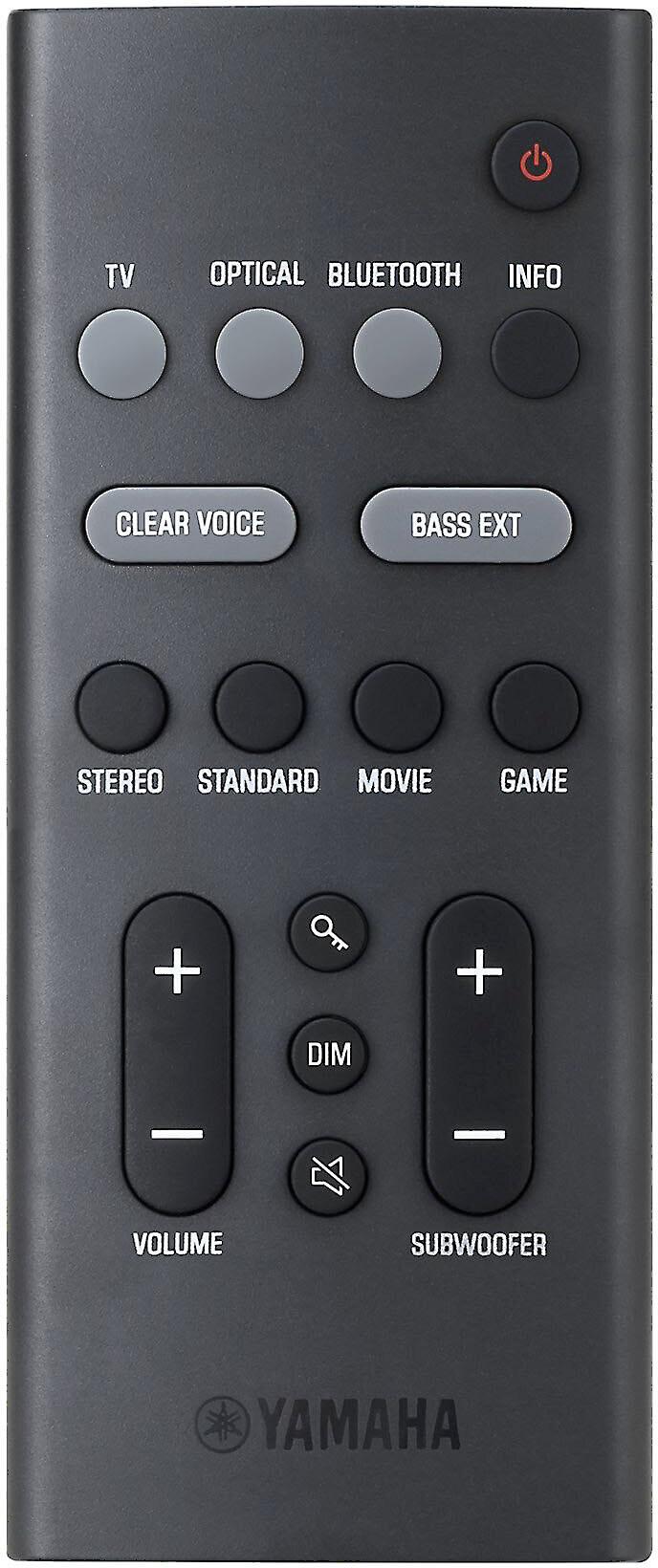
The Yamaha SR-B30A tackles dialogue with its Clear Voice technology, which uses digital signal processing to make human voices more prominent in the mix. During my testing, I found Yamaha's approach works particularly well with different types of content—from YouTube videos with inconsistent audio levels to big-budget movies with complex soundtracks.
Both systems deliver clear dialogue, but the Amazon system gives you more granular control. If you frequently watch action movies where explosions tend to drown out conversation, the Amazon Fire TV Soundbar Plus might give you a slight edge.
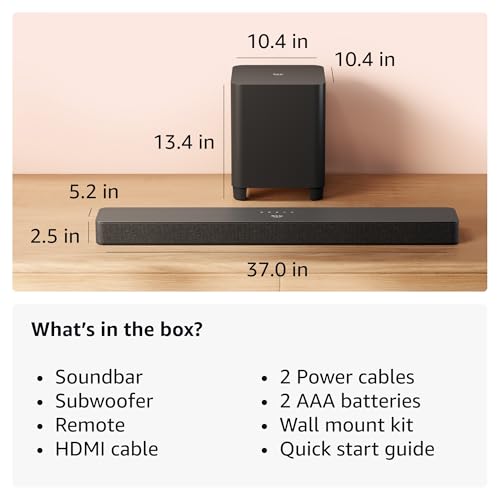
This is where the fundamental design differences really show. The Amazon system dedicates an entire separate subwoofer to handling low frequencies. This 10.4-inch cube can be placed anywhere in your room, and it wirelessly connects to the main soundbar. The advantage? More internal volume for moving air, which typically translates to deeper, more impactful bass.
However, in my experience, the Amazon subwoofer can be somewhat "one-note"—great for movie explosions but lacking the nuanced low-mid frequencies that make music sound full and rich. It's the difference between feeling a bass guitar and just hearing its fundamental tone.
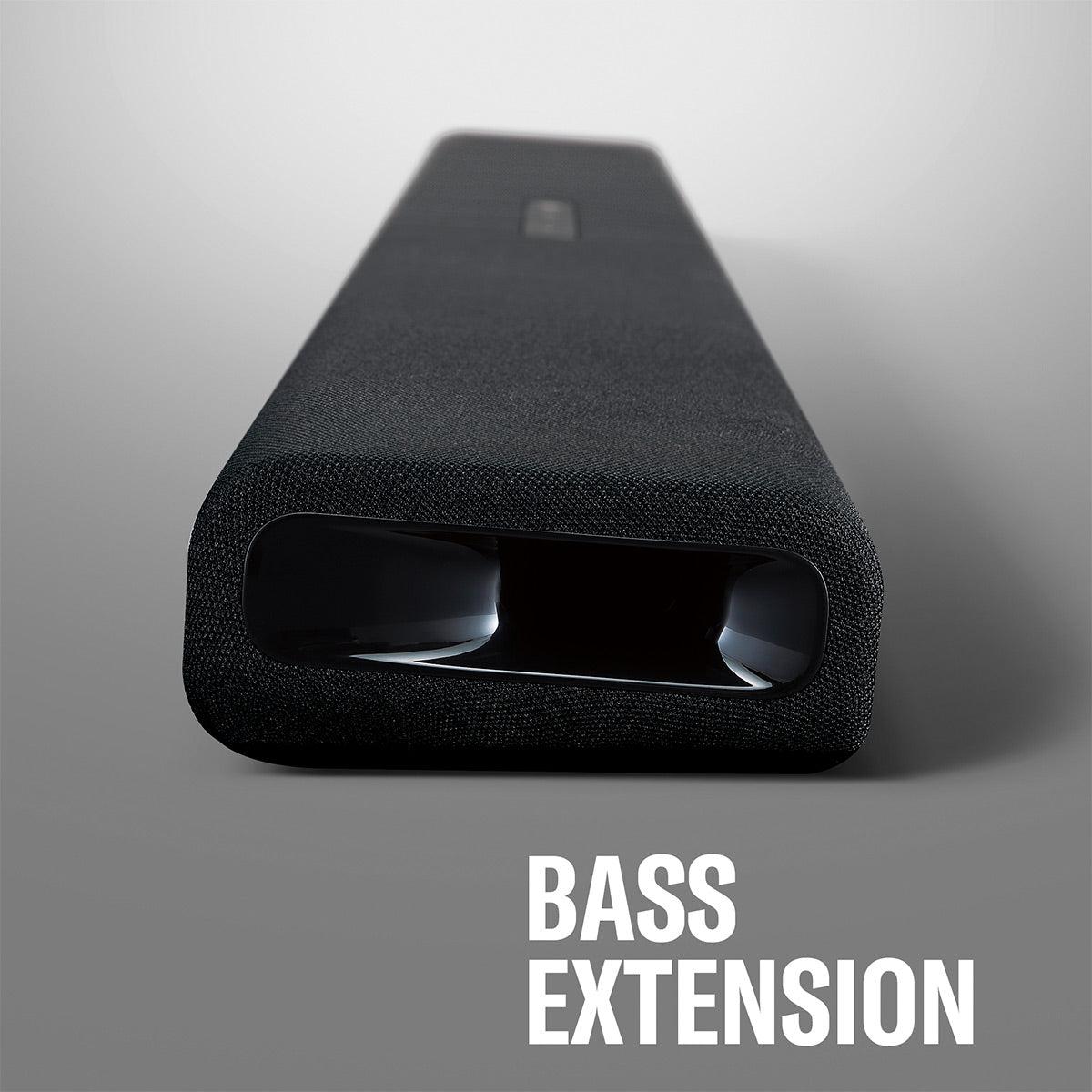
The Yamaha SR-B30A takes a more integrated approach with dual built-in subwoofers and a bass-reflex design. Bass-reflex means there are carefully tuned ports that allow air to move in and out of the enclosure, enhancing the low-frequency response. While you won't get the same room-shaking impact as a dedicated subwoofer, the Yamaha produces more balanced bass that works well across different types of content.
For apartment dwellers or anyone concerned about disturbing neighbors, the Yamaha's built-in approach might actually be preferable. You get solid bass without the potential for the kind of floor-vibrating rumble that a separate subwoofer can produce.
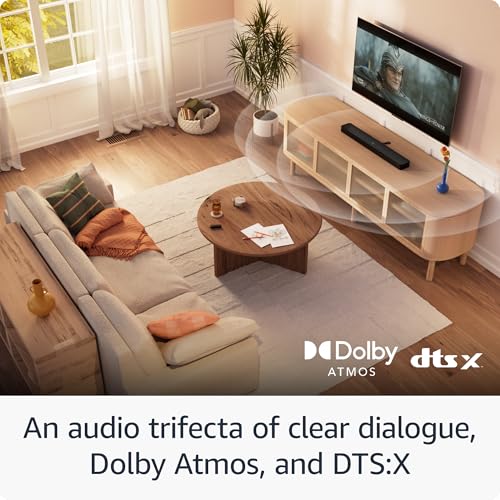
Both soundbars support Dolby Atmos, but here's where marketing meets reality. True Dolby Atmos requires speakers positioned above the listening area to create height effects. Neither of these soundbars has upward-firing drivers, so they're both using "virtual" Dolby Atmos—clever processing that tries to simulate overhead sounds through the front-facing speakers.
The Amazon Fire TV Soundbar Plus creates what the company calls a "lateral 360-degree surround" experience. In practice, this means sounds can seem to come from beside and slightly behind you, but don't expect true overhead effects like helicopters flying over your head.
The Yamaha SR-B30A processes Dolby Atmos through its advanced digital signal processing, and in my testing, it does a slightly better job of creating the illusion of height. Yamaha has decades of experience in audio engineering, and it shows in their spatial processing algorithms.
Where the Amazon system shines is expandability. You can add wireless rear satellite speakers to create a true 5.1 surround system. This transforms the experience from "pretty good surround simulation" to "actual surround sound with discrete rear channels." If you have a dedicated home theater room or a large living space, this expandability could be worth the investment.
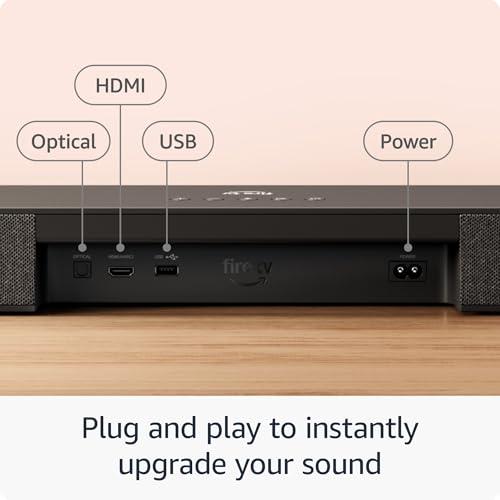
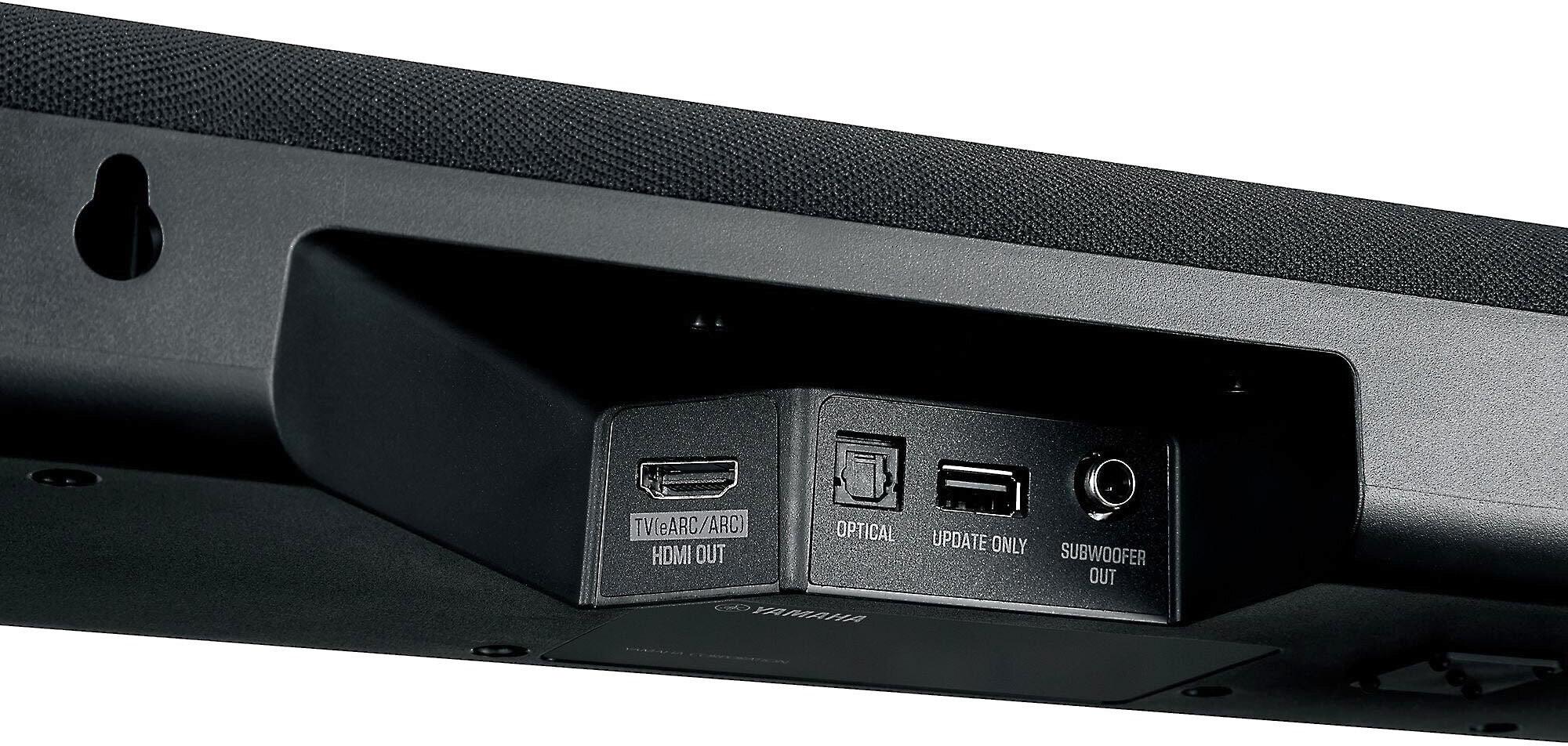
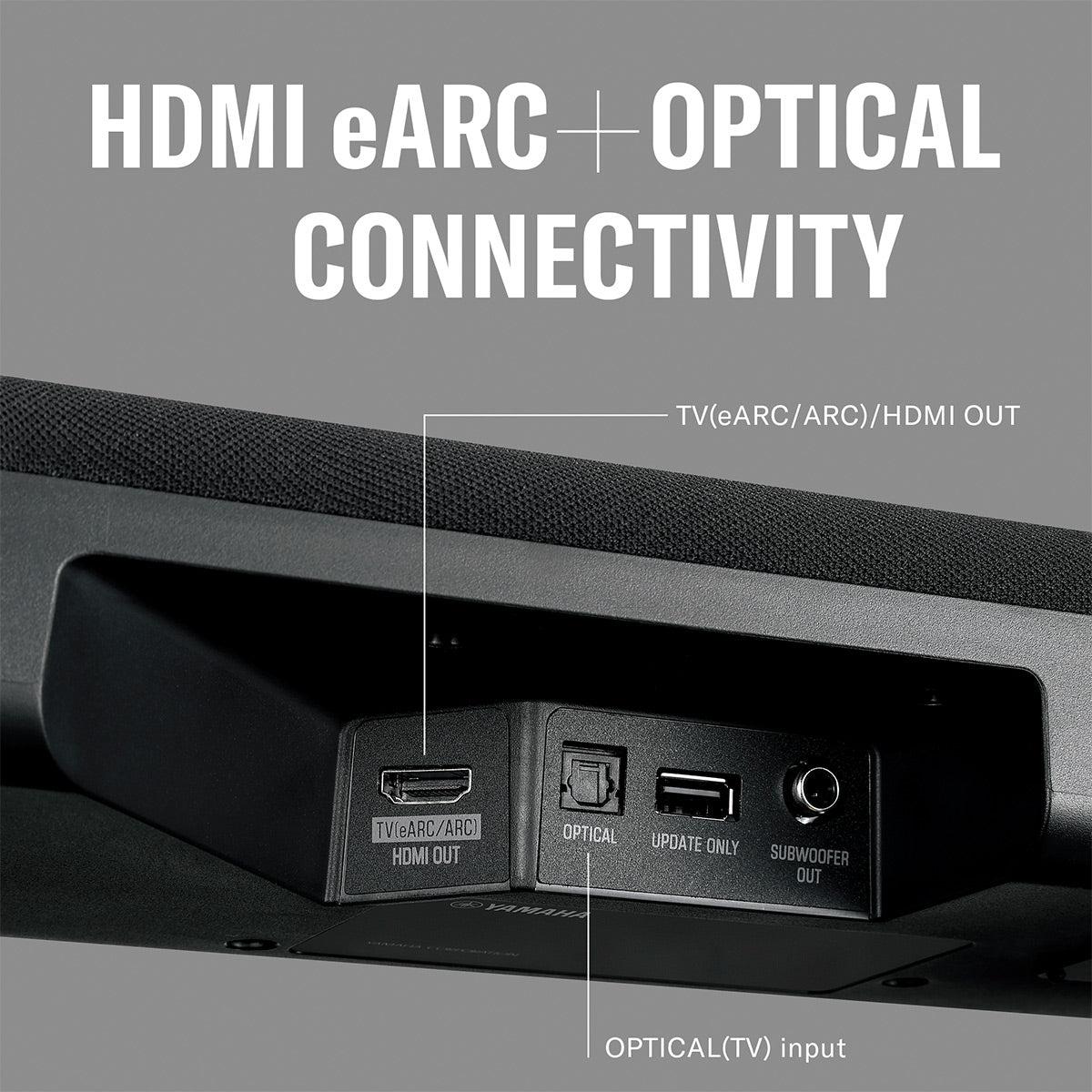
Both soundbars offer HDMI eARC (enhanced Audio Return Channel), which is crucial for getting high-quality audio from your TV. eARC supports higher bandwidth audio formats compared to the older ARC standard, meaning you can pass through uncompressed audio from streaming services or Blu-ray players.
The Amazon Fire TV Soundbar Plus focuses heavily on integration with Amazon's ecosystem. If you have a Fire TV device, the soundbar can access additional audio tuning options through the TV's settings menu. This deeper integration allows for more sophisticated audio processing tailored to specific content types.
The Yamaha SR-B30A offers broader compatibility with its HDMI-CEC support, allowing basic control through any TV remote. Yamaha also provides a dedicated smartphone app called "Sound Bar Remote" that gives you detailed control over EQ settings, sound modes, and other advanced features.
Here's where the products diverge significantly. Despite its name, the Amazon Fire TV Soundbar Plus isn't actually a streaming device—it doesn't have built-in Wi-Fi or Alexa voice control. The "Fire TV" branding refers to its enhanced compatibility with Fire TV devices, not built-in smart features.
The Yamaha SR-B30A also isn't a smart speaker, but it offers more comprehensive app-based control. The Yamaha app lets you fine-tune EQ settings, adjust the bass extension feature, and select from multiple listening modes optimized for different content types.
Both soundbars support Bluetooth for wireless music streaming, with the Yamaha offering slightly newer Bluetooth 5.1 with AAC codec support for better audio quality from iPhones and other Apple devices.
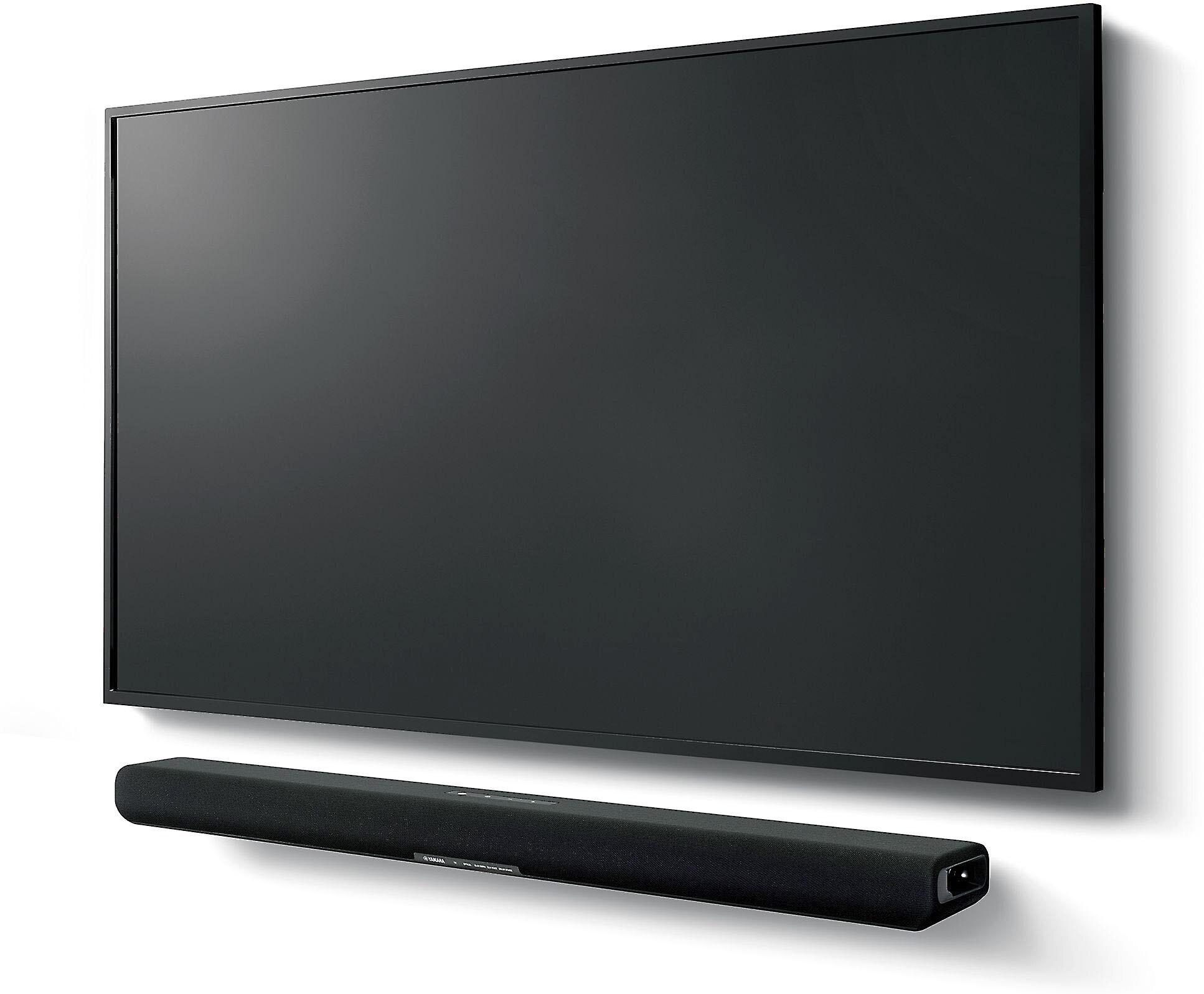
The Yamaha SR-B30A wins the space efficiency contest hands down. At just 2-5/8 inches tall, it's significantly more compact than most soundbars in this category. This makes it ideal for setups where you need to squeeze the soundbar between a TV stand and the bottom of a wall-mounted TV.
The Amazon Fire TV Soundbar Plus requires planning for both the main soundbar and the separate subwoofer. The subwoofer needs floor space and a power outlet, though its wireless connection gives you flexibility in placement. You can tuck it beside a couch, in a corner, or even behind furniture as long as it's within about 30 feet of the main soundbar.
Both soundbars sport understated black designs that should blend well with most home entertainment setups. The Yamaha has a slightly more premium feel with its compact proportions and clean lines. The Amazon system looks fine, but the separate subwoofer adds visual complexity to your room.
For wall mounting, both include the necessary hardware, though the Yamaha's lighter weight (8.6 lbs vs. the Amazon's 8.8 lbs for just the soundbar) makes it slightly easier to install solo.
In rooms under 200 square feet—think bedrooms, small apartments, or cozy dens—the Yamaha SR-B30A often performs better. Its built-in subwoofers provide adequate bass without overwhelming the space, and the compact design fits naturally in smaller setups.
I've tested the Amazon system in a small bedroom, and the separate subwoofer can actually be too much. Even at low settings, it tends to excite room resonances (those annoying buzzes and rattles you get from furniture or walls vibrating), making the overall experience less pleasant.
Once you move to spaces over 300 square feet, the Amazon Fire TV Soundbar Plus starts to show its advantages. The dedicated subwoofer provides the kind of bass impact that can fill a large room, and the option to add rear speakers creates a more immersive experience for movie watching.
In my main living room, which is about 400 square feet with vaulted ceilings, the Yamaha sounds good but lacks the authority needed for action movies or music with deep bass content.
For dedicated home theater rooms, expandability becomes crucial. The Amazon system can grow into a proper 5.1 surround setup, which makes a significant difference for movie watching. True rear channel effects—like sounds panning from front to back or ambient noise that surrounds you—simply can't be replicated by front-facing speakers alone.
The Yamaha SR-B30A does an admirable job with its virtual surround processing, but it's still limited by physics. You can't create true rear surround effects from speakers positioned in front of you.
Both soundbars offer gaming-specific modes, but they approach the challenge differently. The Amazon Fire TV Soundbar Plus emphasizes bass impact and surround effects, which works well for action games where you want to feel explosions and environmental audio.
The Yamaha SR-B30A includes a dedicated Game mode that optimizes processing for lower latency and enhanced directional audio cues. This can be particularly helpful for competitive gaming where hearing enemy footsteps or gunshots from specific directions gives you an advantage.
Here's where personal preference really matters. The Yamaha SR-B30A offers a more balanced sound signature that works well across different music genres. Its EQ customization through the smartphone app lets you tailor the sound to your preferences.
The Amazon system's bass-forward signature can make electronic music, hip-hop, and pop sound exciting, but it might be too colored for acoustic music or classical performances. However, the system's expandability means you could theoretically add better front speakers later if you wanted to optimize for music.
At the time of writing, both systems fall into similar price ranges, making this more about features and performance than pure cost comparison. The Yamaha SR-B30A typically costs slightly less while offering a complete, polished experience right out of the box.
The Amazon Fire TV Soundbar Plus costs a bit more initially but provides a growth path. If you start with the basic 3.1 system and later add rear speakers, you'll have invested in a more capable long-term solution.
Consider total cost of ownership too. The Yamaha is essentially a one-time purchase—what you buy is what you get. The Amazon system might tempt you to spend additional money on rear speakers, which could push the total cost significantly higher.
Yamaha brings decades of audio engineering experience to the SR-B30A. The company's reputation for reliable, well-tuned audio products shows in the balanced sound signature and robust build quality. Yamaha products typically age well, maintaining their performance characteristics over many years of use.
Amazon is newer to the dedicated audio hardware space, though they've made significant strides with the Fire TV Soundbar Plus. The wireless connectivity between components has proven reliable in my testing, and the pre-pairing means setup is genuinely plug-and-play.
Choose the Yamaha SR-B30A if you prioritize space efficiency, want balanced audio performance across all content types, prefer app-based customization, or are looking for the most immediate value. It's the better choice for smaller rooms, apartments, or anyone who wants excellent performance without the complexity of multiple components.
The Yamaha is also ideal if you primarily watch TV shows and movies with occasional music listening. Its Clear Voice technology and balanced sound signature handle dialogue-heavy content particularly well.
Choose the Amazon Fire TV Soundbar Plus if you have a large room, plan to expand to full surround sound eventually, are heavily invested in the Fire TV ecosystem, or prioritize bass impact above all else. It's the better long-term choice if you have the space and budget to grow the system over time.
The Amazon system makes more sense for dedicated home theater setups or if you frequently watch action movies and play games where bass impact and surround effects matter most.
Both soundbars represent solid choices in the mid-range market, but they serve different needs and preferences. The Yamaha SR-B30A delivers more immediate satisfaction and better overall value for most users, while the Amazon Fire TV Soundbar Plus offers greater potential for those willing to invest in expandability.
Your choice should ultimately depend on your room size, content preferences, and long-term plans. Neither will disappoint if matched to the right use case, and both offer significant improvements over built-in TV speakers. In the end, that's really what matters—getting audio quality that enhances rather than hinders your entertainment experience.
| Amazon Fire TV Soundbar Plus Subwoofer | Yamaha SR-B30A Sound Bar with Built-In Subwoofers |
|---|---|
| Audio Configuration - Determines bass impact and expandability | |
| 3.1 channels with separate wireless subwoofer | 2.1 channels with dual built-in subwoofers |
| Total Power Output - Affects maximum volume and dynamic range | |
| Not specified by manufacturer | 120W total (60W subwoofer + 30W×2 channels) |
| Physical Design - Critical for room placement and aesthetics | |
| 37" × 5.2" × 2.5" soundbar + separate 10.4" subwoofer cube | Single unit: 35-7/8" × 2-5/8" × 5-1/4" (66% more compact) |
| Dolby Atmos Support - Enhances movie and gaming immersion | |
| Virtual Dolby Atmos (no physical height channels) | True Dolby Atmos processing with spatial enhancement |
| Expandability - Future upgrade potential | |
| Can add wireless rear speakers for true 5.1 surround | Fixed configuration, no expansion options |
| Connectivity Options - Determines device compatibility | |
| HDMI eARC, optical, Bluetooth 5.0, USB-A | HDMI eARC, optical, Bluetooth 5.1 with AAC codec |
| Smart Features and Control - Ease of customization | |
| Fire TV integration, remote control only, no app | Dedicated smartphone app with full EQ control |
| Weight and Installation - Affects mounting difficulty | |
| 8.8 lbs soundbar + subwoofer placement required | 8.6 lbs total, single-unit wall mounting |
| Bass Extension - Low-frequency performance for movies and music | |
| Dedicated wireless subwoofer with room placement flexibility | Dual 3" built-in drivers with bass-reflex design |
| Dialogue Enhancement - Critical for clear speech | |
| Dedicated center channel + 5-level dialogue enhancer | Clear Voice technology with digital processing |
| Room Size Suitability - Performance optimization by space | |
| Better for large rooms (300+ sq ft) and home theaters | Ideal for small to medium rooms (under 300 sq ft) |
The Amazon Fire TV Soundbar Plus Subwoofer delivers more powerful bass due to its dedicated wireless subwoofer, which can produce deeper low frequencies and room-filling impact. The Yamaha SR-B30A offers more balanced bass through dual built-in 3-inch subwoofers, making it better for smaller rooms and mixed content like music and dialogue.
The key difference is design approach: the Amazon Fire TV Soundbar Plus uses a separate wireless subwoofer for enhanced bass and expandability, while the Yamaha SR-B30A integrates everything into a single compact unit with built-in subwoofers. This makes the Amazon system better for large rooms and the Yamaha ideal for space-constrained setups.
The Yamaha SR-B30A is better for small rooms and apartments because its compact single-unit design saves space and its built-in subwoofers won't overwhelm smaller spaces. The Amazon Fire TV Soundbar Plus can be too powerful for small rooms and requires placement space for both the soundbar and separate subwoofer.
Yes, both support Dolby Atmos, but differently. The Yamaha SR-B30A offers true Dolby Atmos processing with better spatial audio simulation, while the Amazon Fire TV Soundbar Plus provides virtual Dolby Atmos. Neither has physical upward-firing speakers, so both create simulated overhead effects through front-facing drivers.
Both excel at dialogue clarity but use different approaches. The Amazon Fire TV Soundbar Plus features a dedicated center channel and 5-level dialogue enhancer for precise voice control. The Yamaha SR-B30A uses Clear Voice technology with digital processing. Both deliver excellent speech clarity, with the Amazon offering more manual control.
Only the Amazon Fire TV Soundbar Plus can expand by adding optional wireless rear speakers to create a true 5.1 surround system. The Yamaha SR-B30A is a fixed configuration with no expansion options, though it does offer virtual surround processing through its existing speakers.
The Yamaha SR-B30A is easier to set up because it's a single unit that only needs one power connection and one cable to your TV. The Amazon Fire TV Soundbar Plus requires positioning both the soundbar and subwoofer, though the wireless connection between components makes setup straightforward once placed.
The Yamaha SR-B30A is better for music with its more balanced sound signature and smartphone app that allows detailed EQ customization. The Amazon Fire TV Soundbar Plus has a bass-forward signature that works well for electronic music and hip-hop but may be too colored for acoustic or classical music.
The Yamaha SR-B30A offers superior smart features with its dedicated Sound Bar Remote smartphone app that provides full EQ control, listening modes, and detailed customization. The Amazon Fire TV Soundbar Plus focuses on Fire TV ecosystem integration but lacks a dedicated app, relying instead on remote control operation.
The Yamaha SR-B30A is significantly more compact at 35-7/8" wide and just 2-5/8" tall in a single unit. The Amazon Fire TV Soundbar Plus includes a 37" soundbar plus a separate 10.4-inch subwoofer cube, requiring much more overall space but offering flexible subwoofer placement.
The Amazon Fire TV Soundbar Plus is better for large rooms over 300 square feet because its separate subwoofer provides the bass impact needed to fill bigger spaces, and it can expand to true 5.1 surround sound. The Yamaha SR-B30A works well in large rooms but may lack the authority needed for home theater applications.
Both offer HDMI eARC and optical connections, but the Yamaha SR-B30A includes newer Bluetooth 5.1 with AAC codec support for better wireless audio from Apple devices. The Amazon Fire TV Soundbar Plus provides deeper integration with Fire TV devices and includes USB-A connectivity, while the Yamaha offers broader TV compatibility with HDMI-CEC support.
We've done our best to create useful and informative comparisons to help you decide what product to buy. Our research uses advanced automated methods to create this comparison and perfection is not possible - please contact us for corrections or questions. These are the sites we've researched in the creation of this article: rtings.com - cordbusters.co.uk - techradar.com - youtube.com - t3.com - hometechnologyreview.com - youtube.com - hometechnologyreview.com - whathifi.com - developer.amazon.com - manuals.plus - dolby.com - usa.yamaha.com - worldwidestereo.com - audiolab.com - shop.sg.yamaha.com - consumerreports.org - usa.yamaha.com - vinylsound.ca - bestbuy.com - modernappliancewoodward.com - bluestardist.com - target.com - my.yamaha.com

Privacy Policy
Terms and Conditions - Affiliate Policy
Home Security
© Copyright 2008-2026.
11816 Inwood Rd #1211, Dallas, TX 75244