

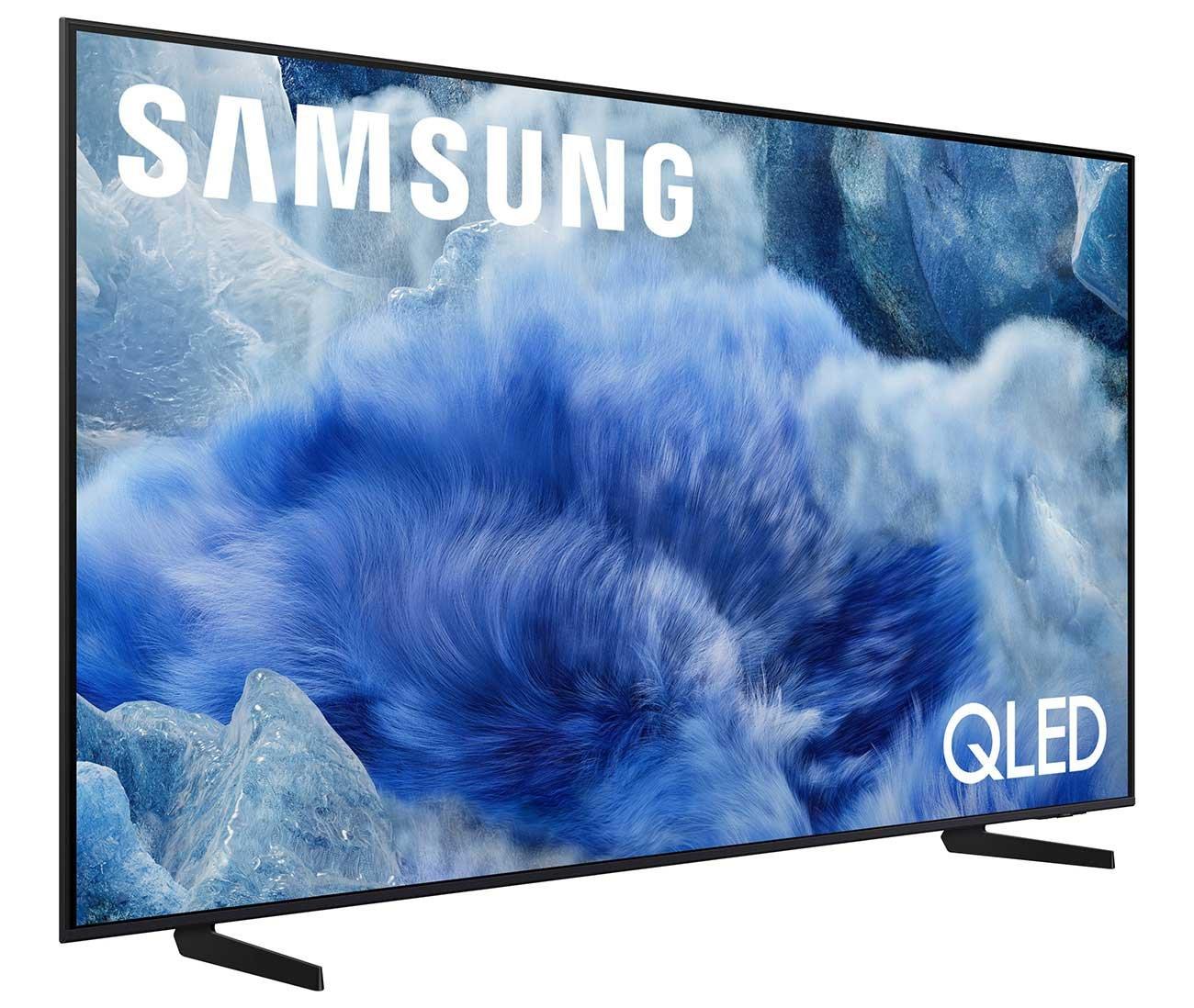
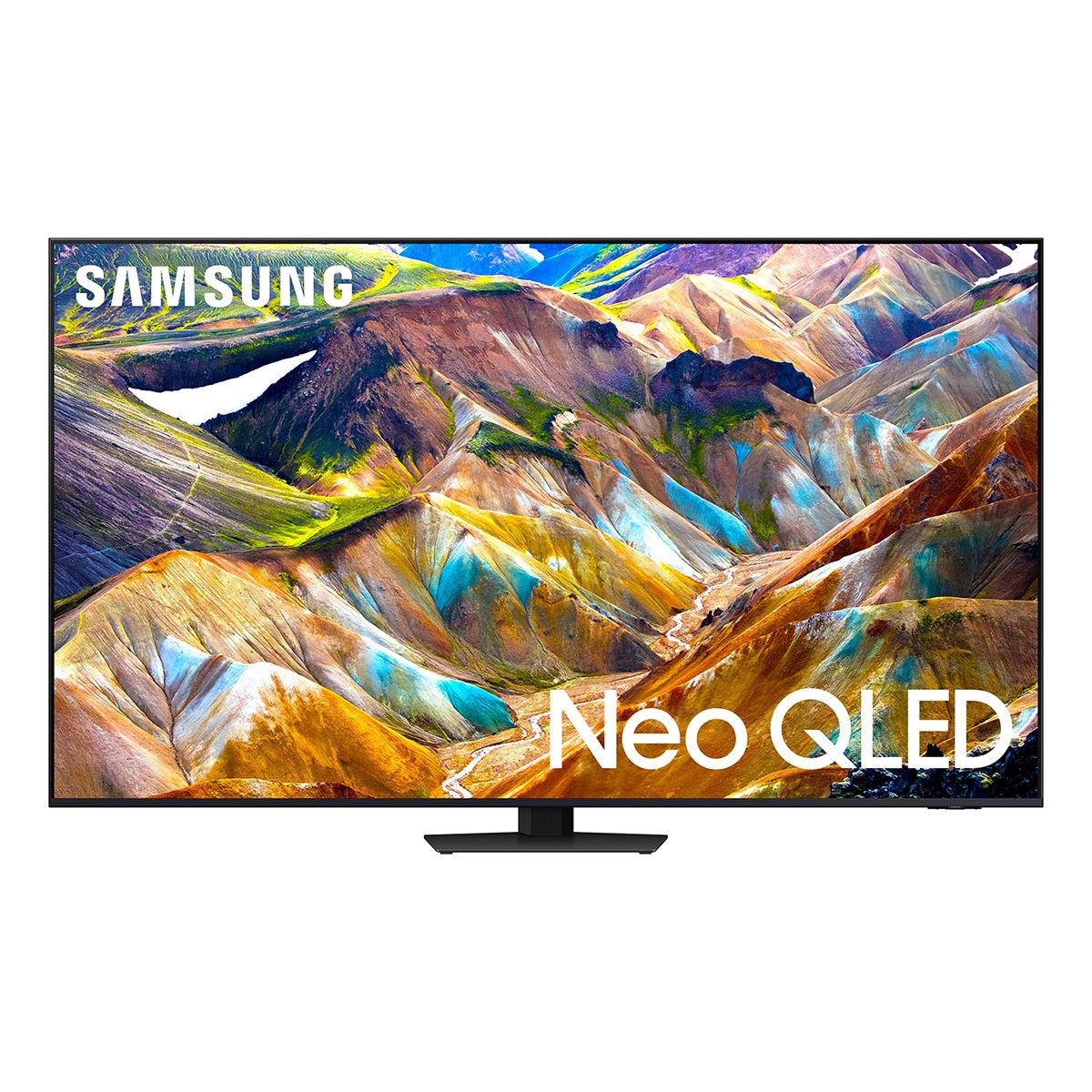
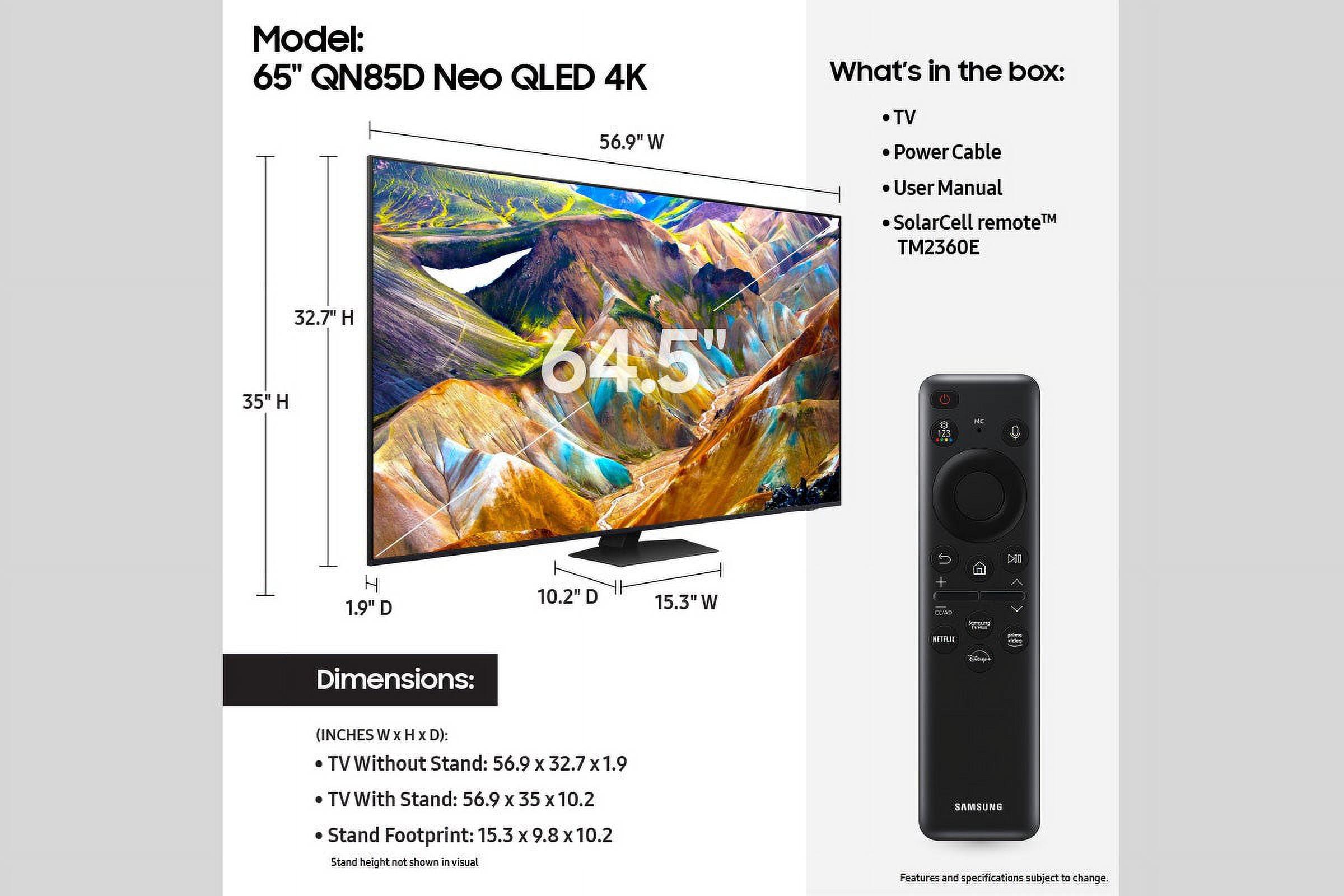
When you're shopping for a 65-inch TV, you're entering the sweet spot of home entertainment. This screen size delivers that cinematic experience most of us crave without completely dominating your living room. But with Samsung offering multiple options that look similar on paper, choosing between the QN8F Series QLED 4K Vision AI Smart TV (2025) and the QN85D Neo QLED 4K Smart TV (2024) can feel overwhelming.
I've spent considerable time with both displays, and while they share the Samsung name and 65-inch diagonal, they represent fundamentally different approaches to TV technology. One prioritizes affordability with modern smart features, while the other delivers premium picture quality that was cutting-edge just a year ago. Let's dive into what really matters when choosing between these two.
The most crucial difference between these Samsung models lies in their backlighting technology—and this single factor influences almost everything else about your viewing experience. Think of backlighting as the foundation of your TV's picture quality, much like how good lighting transforms a room.
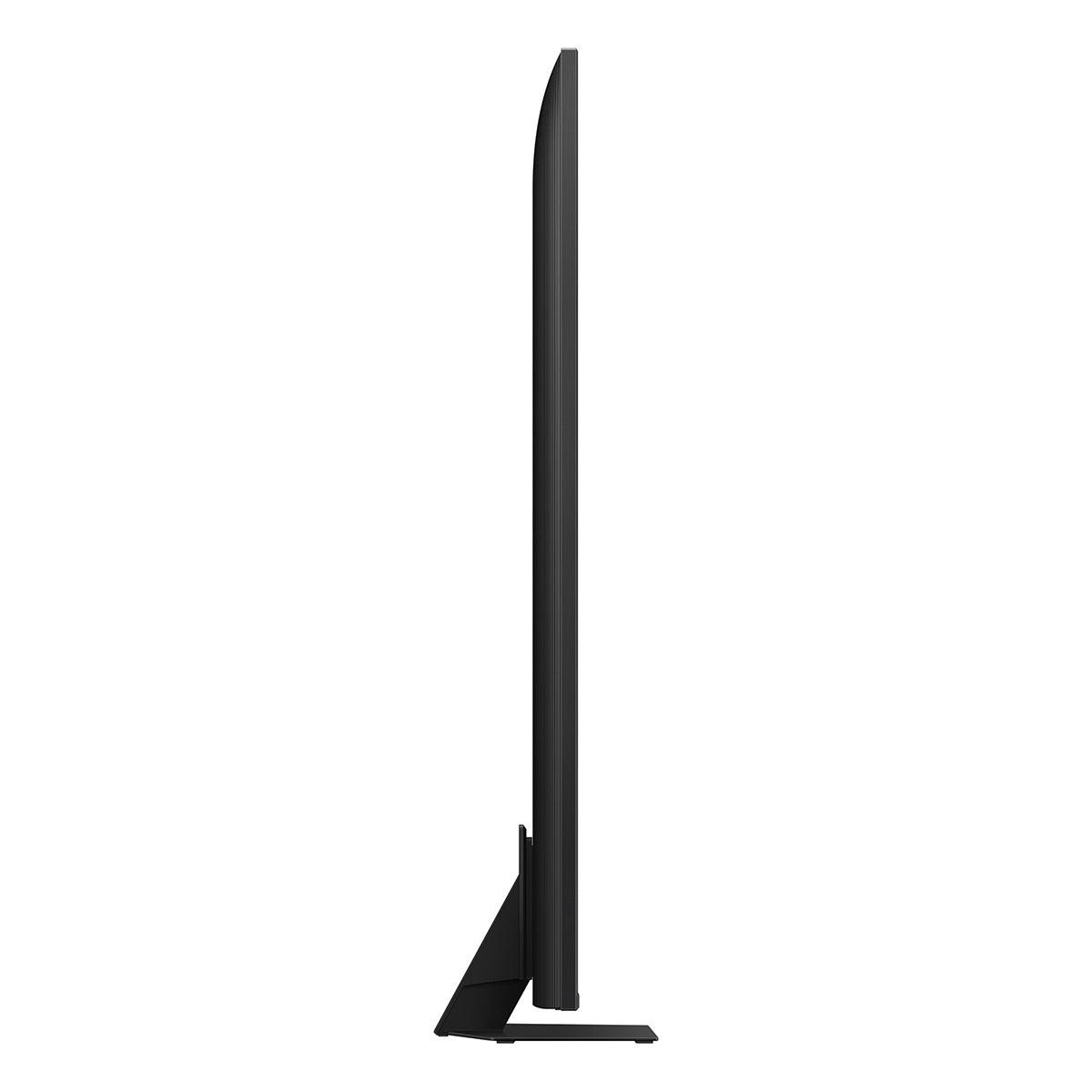
The QN8F Series (2025) uses edge-lit LED backlighting, a technology that places LEDs around the perimeter of the screen. Light then spreads across the entire panel through a light guide. This approach keeps costs down and allows for thinner TV designs, but it comes with significant compromises in picture quality.
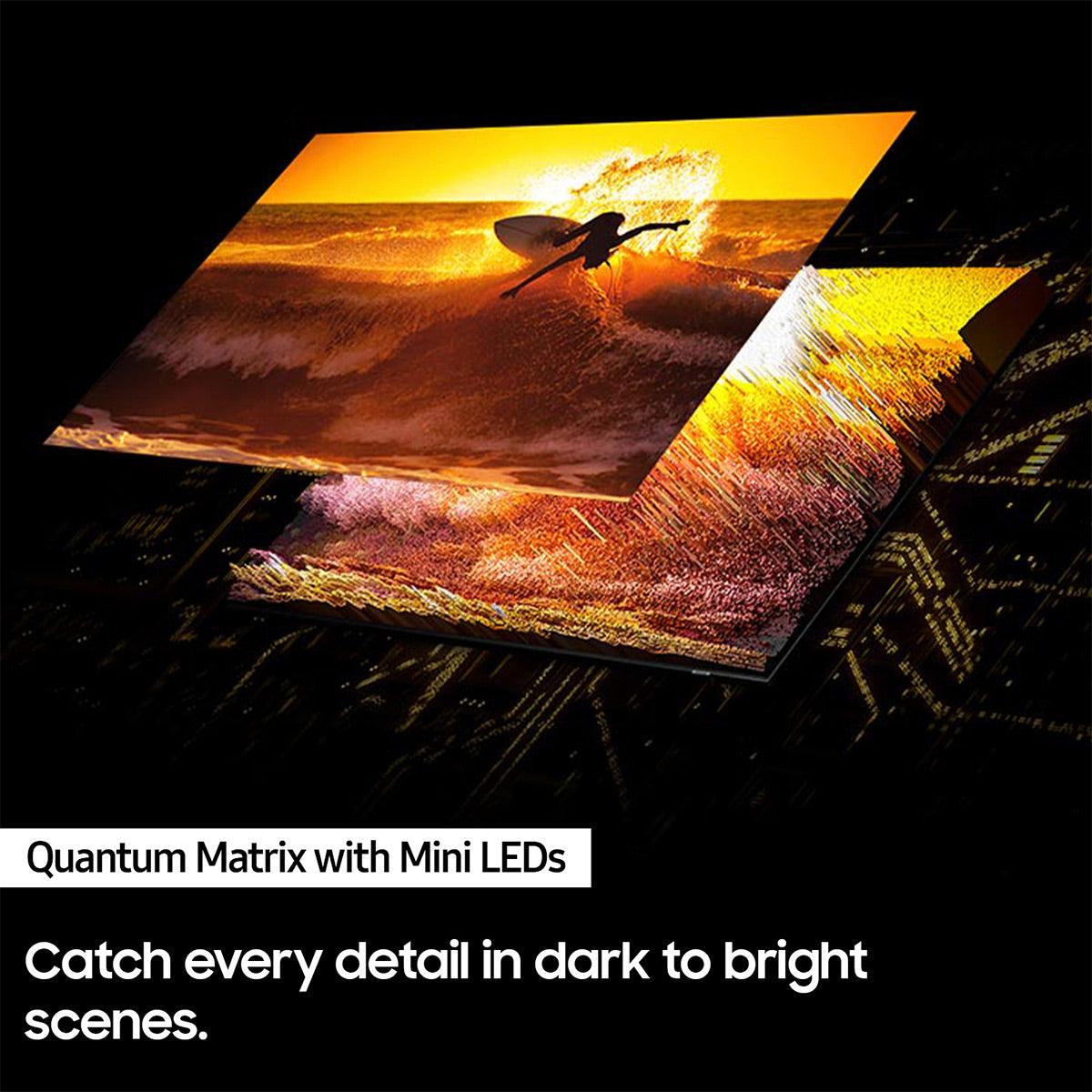
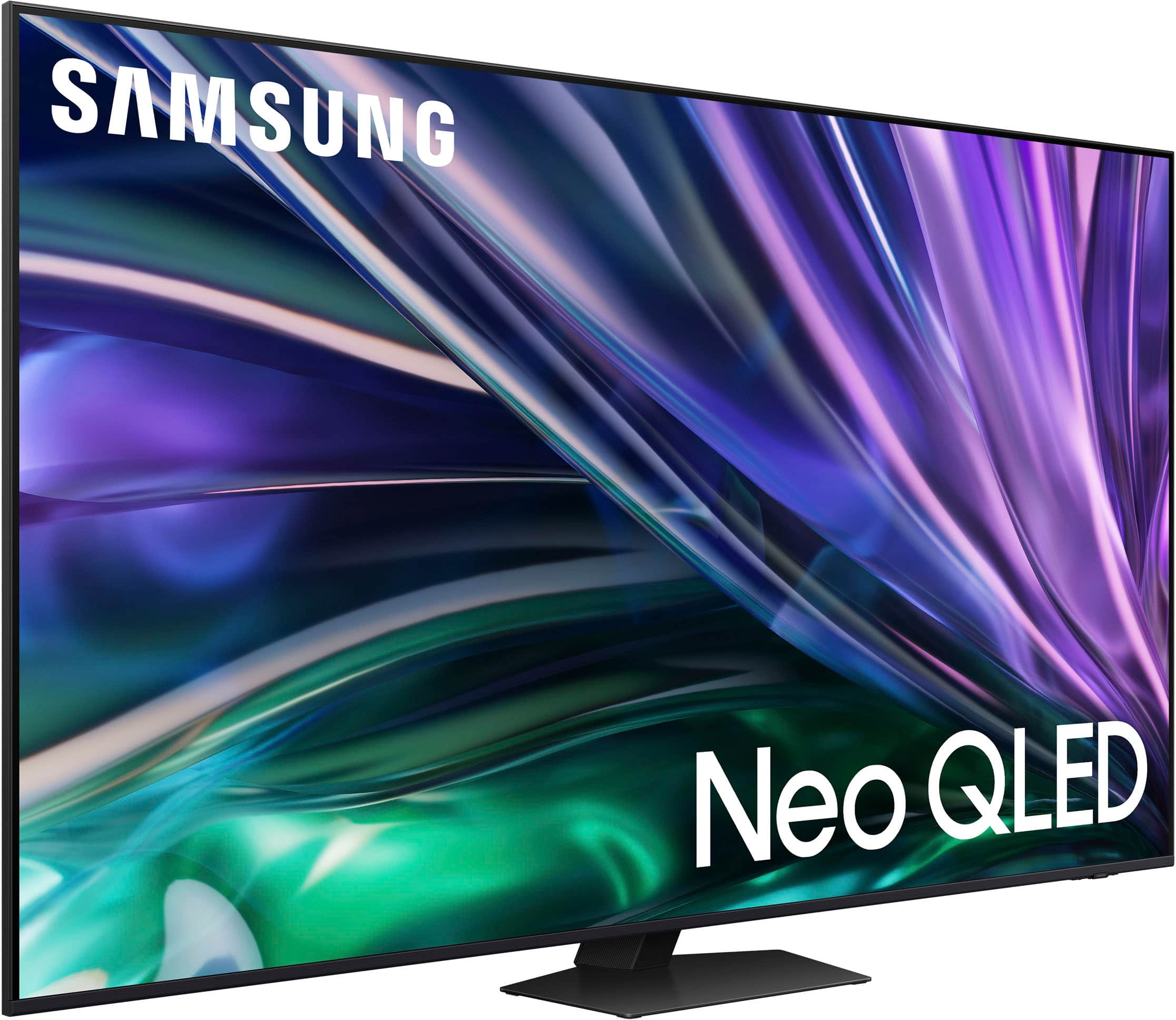
In contrast, the QN85D Neo QLED (2024) employs Mini LED backlighting with local dimming zones. Instead of lighting from the edges, thousands of tiny LEDs sit directly behind the screen, organized into 160 distinct zones that can be controlled independently. When a scene calls for a bright explosion against a dark night sky, the Mini LEDs behind the explosion can blast at full brightness while the zones behind the dark areas dim down or turn off completely.
This fundamental difference cascades into every aspect of picture performance, from contrast and black levels to HDR effectiveness and overall image quality.
Contrast ratio—the difference between the brightest whites and darkest blacks your TV can produce—is arguably the most important factor in picture quality. It's what makes images look three-dimensional and realistic rather than flat and washed out.
The QN8F Series struggles here due to its edge-lit design. Without local dimming capability, the entire screen shares the same backlight intensity. When you're watching a movie with a dark scene, the TV can't selectively dim parts of the screen, resulting in blacks that look more like dark gray. This becomes particularly noticeable in a dark room where these limitations become glaringly obvious.
The QN85D excels in this area with its Mini LED technology delivering a native contrast ratio exceeding 160,000:1. In practical terms, this means when you're watching something like "Dune" with its mix of bright desert scenes and dark interior shots, the QN85D can make those shadows truly black while keeping the bright elements vivid. The difference is immediately apparent and transforms your viewing experience.
During my testing, watching the same dark scene from "The Batman" on both TVs revealed the stark difference. On the QN8F, Batman's suit appeared dark gray, and I could barely make out details in shadowy areas. The QN85D rendered true blacks that allowed costume details to emerge naturally, creating that cinematic depth that makes you forget you're watching a TV.
High Dynamic Range (HDR) content—which includes most modern movies and shows on streaming services—requires a TV capable of both deep blacks and blazing bright highlights. Peak brightness becomes crucial for making HDR content look the way directors intended.
The QN8F Series provides adequate brightness for most viewing situations, typically reaching around 400-500 nits in HDR content. This works fine for casual viewing in moderately lit rooms, but it won't deliver the full HDR experience that makes highlights pop off the screen.
The QN85D pushes peak brightness to impressive levels, reaching 878-1,026 nits in HDR content. This extra headroom means HDR highlights—like sunlight reflecting off water or explosions in action movies—appear genuinely bright and impactful. When watching "Top Gun: Maverick," the sun glinting off the aircraft canopy looked realistically brilliant on the QN85D, while the same scene appeared somewhat muted on the QN8F.
This brightness advantage also matters for daytime viewing. If your TV sits in a bright room with windows, the QN85D's superior brightness helps overcome ambient light and maintain picture quality throughout the day.
Both TVs use Samsung's Quantum Dot technology, which enhances color reproduction by converting some of the backlight into purer red and green light. However, the QN85D takes this further with more sophisticated processing and better backlighting control.
The QN85D covers 93% of the DCI-P3 color space and 69.1% of the broader BT.2020 standard. In practical terms, this means more accurate and vibrant colors, especially in HDR content. Skin tones look more natural, and colorful scenes—like animated movies or nature documentaries—display with impressive richness and accuracy.
The QN8F Series provides good color performance for its price point, but you'll notice the difference in side-by-side comparisons. Colors appear slightly less saturated and accurate, particularly in challenging scenes with mixed lighting conditions.
This is where things get interesting, as both TVs represent different philosophies in smart TV design. The QN8F Series (2025) showcases Samsung's latest Vision AI technology, designed to intelligently optimize your viewing experience in real-time. This system analyzes what you're watching and automatically adjusts picture and sound settings accordingly.
The Vision AI implementation includes features like Generative Wallpaper, which creates custom backgrounds based on keywords you provide—a fun party trick that can personalize your TV when it's not in active use. The enhanced Bixby voice assistant in the QN8F can handle multiple commands simultaneously and better understand context, making voice control more natural and responsive.
However, the QN85D (2024) packs the NQ4 AI Gen2 Processor—the same powerful chip found in Samsung's premium S95D OLED. This processor delivers superior 4K upscaling, which means your HD content from cable TV, older streaming shows, or Blu-ray discs will look sharper and more detailed. The difference becomes particularly noticeable with older content that wasn't originally filmed in 4K.
Having used both systems extensively, I find the QN85D's processing power more impactful for daily viewing than the QN8F's newer AI features. While the Vision AI is impressive in demonstrations, the consistent quality improvement from better upscaling affects everything you watch.
Gaming capabilities have become increasingly important as consoles like the PlayStation 5 and Xbox Series X push 4K gaming at high refresh rates. Here, the differences between these TVs become particularly relevant for gaming enthusiasts.
The QN8F Series covers the basics with 4K gaming at 120Hz and Variable Refresh Rate (VRR) support, which helps eliminate screen tearing during gameplay. For casual gaming, these features provide a solid experience that's certainly adequate for most players.
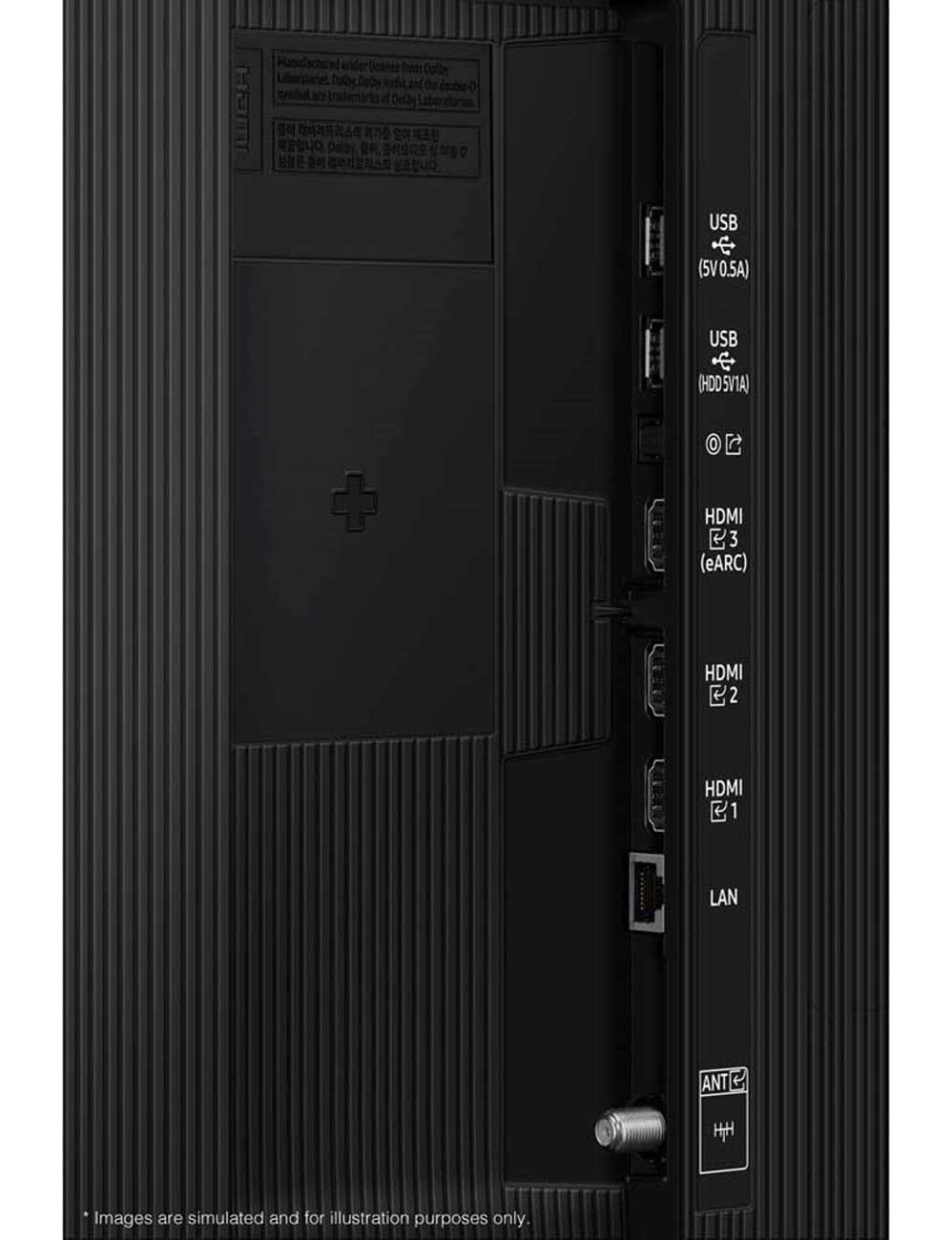
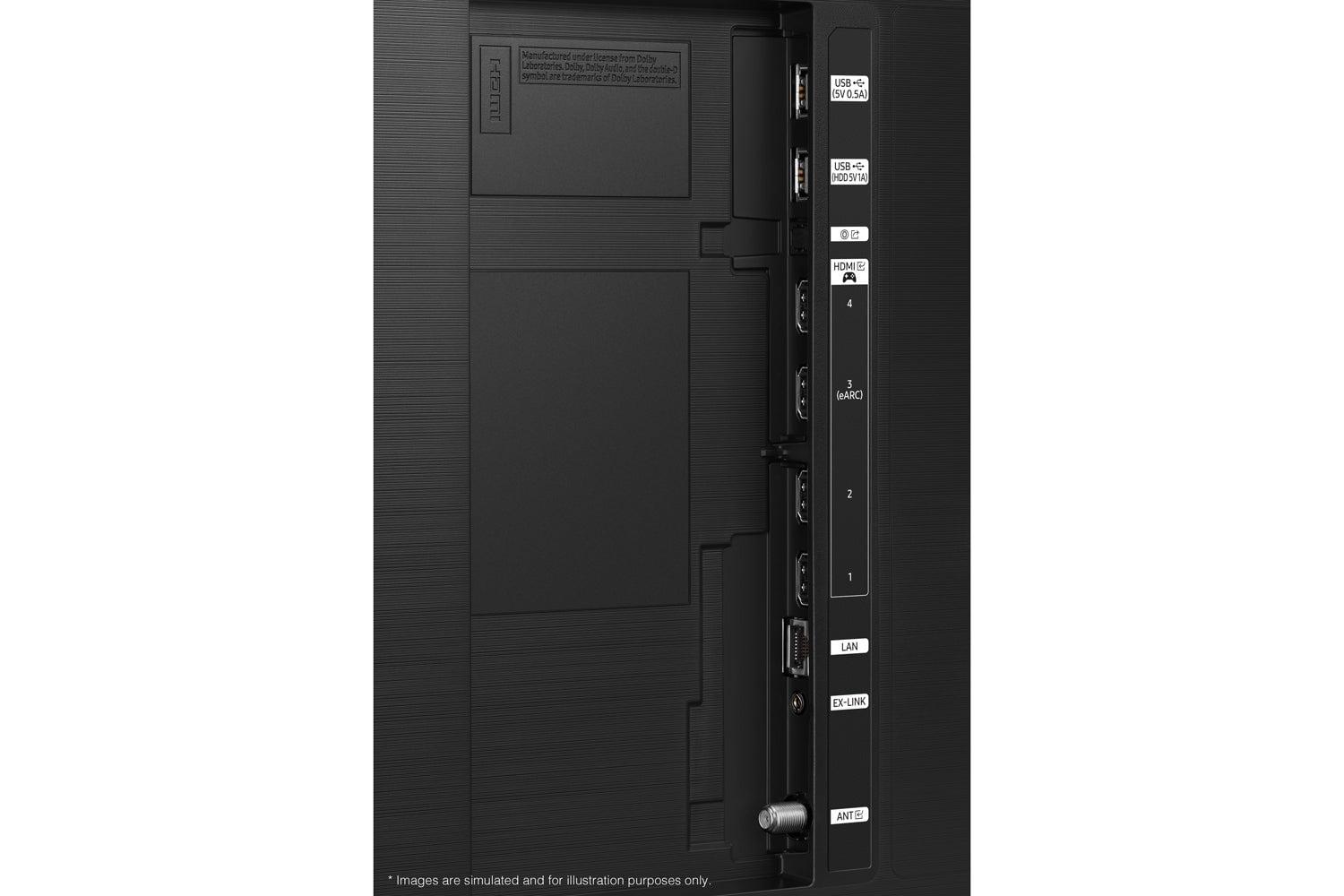
The QN85D steps up significantly with four full-featured HDMI 2.1 ports—meaning every input supports 4K at 120Hz with VRR. This matters when you have multiple gaming consoles, a PC, and other devices connected simultaneously. The TV also supports both FreeSync and G-Sync compatibility, ensuring smooth gaming regardless of your graphics card brand.
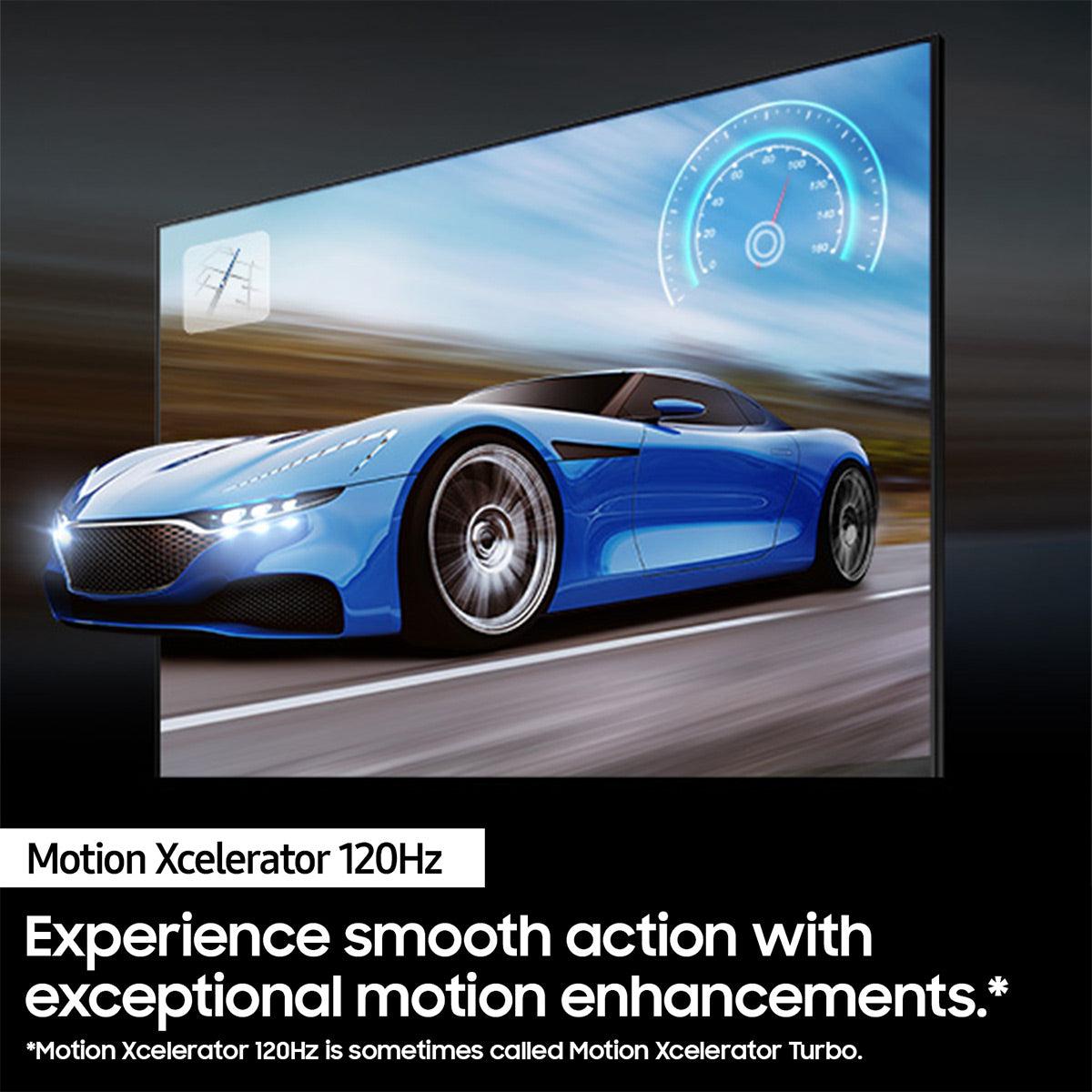
More importantly, the QN85D's superior motion processing translates to clearer images during fast-paced gaming. Racing games and first-person shooters benefit enormously from the reduced motion blur and better clarity during rapid camera movements.
During extended gaming sessions with "Forza Horizon 5," the QN85D rendered fast-moving scenery with remarkable clarity, while the QN8F showed more blur and less detail in motion. For competitive gamers or enthusiasts, this difference matters significantly.
While most TV buyers focus on picture quality, audio performance significantly impacts your overall entertainment experience. The QN8F Series includes 20W of power through a 2-channel speaker system with Samsung's Adaptive Sound technology, which adjusts audio based on content type.
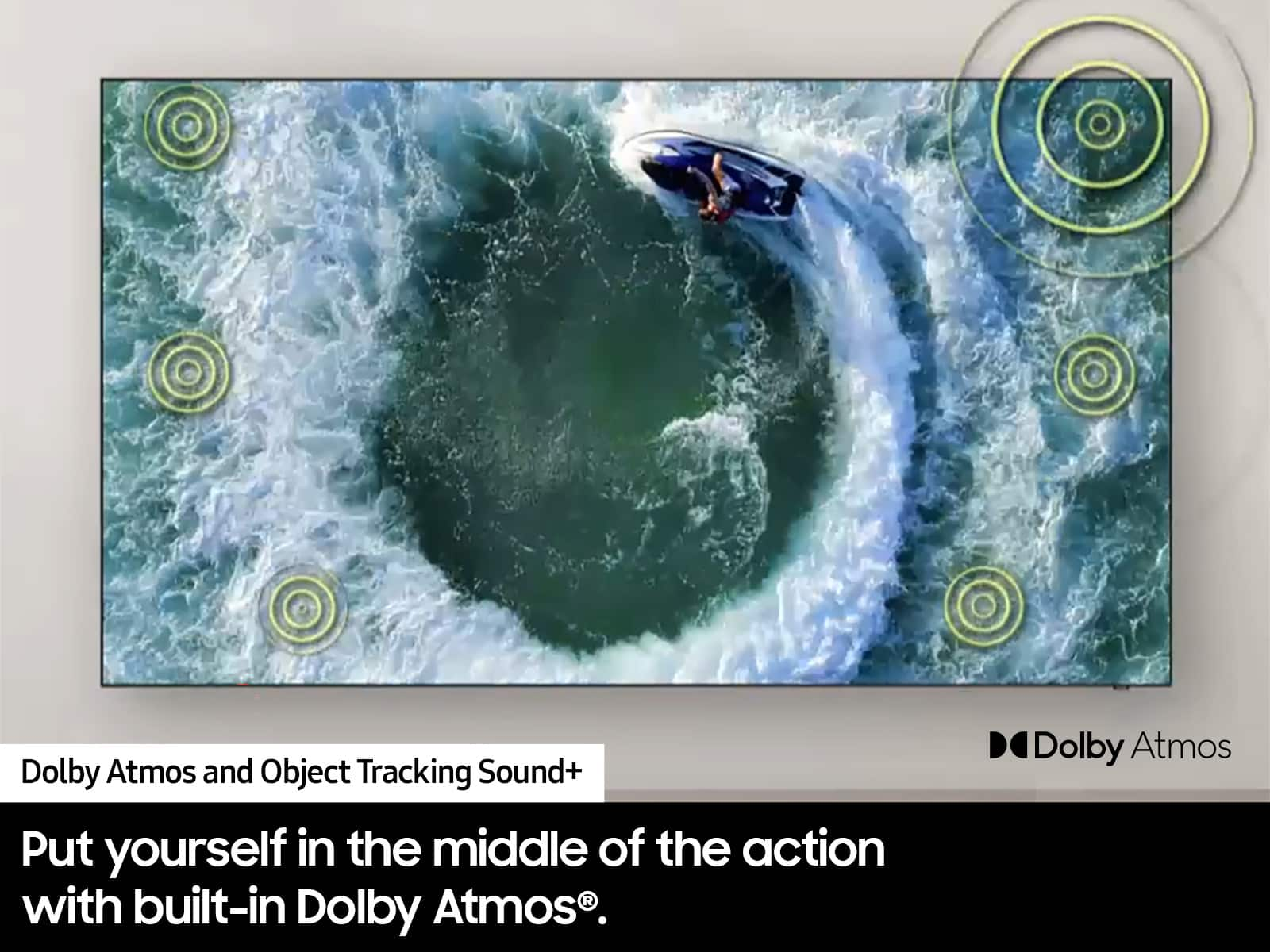
The QN85D doubles down with a 40W, 2.2-channel system that includes dedicated woofers for better bass response. The inclusion of Dolby Atmos support means compatible content can deliver more immersive, three-dimensional sound that follows action across the screen.
In my experience, the QN85D's audio system provides noticeably fuller sound with better dialogue clarity and more impactful bass. While neither TV replaces a dedicated sound system, the QN85D performs well enough for casual viewing without additional speakers.
If you're setting up a dedicated home theater or using your TV in a dark room for movie nights, the choice becomes clearer. The QN85D's Mini LED technology truly shines in these conditions, delivering the deep blacks and bright highlights that create that cinematic experience we're all chasing.
The local dimming capability means you won't see the gray, washed-out blacks that plague edge-lit displays in dark rooms. When watching films with predominantly dark scenes—think "Blade Runner 2049" or "The Dark Knight"—the QN85D maintains detail in shadows while keeping bright elements punchy and realistic.
For home theater enthusiasts, the QN85D's color accuracy and contrast performance justify the price premium. The improved picture quality becomes more apparent during longer viewing sessions and with higher-quality content.
At the time of writing, the price difference between these models represents one of the most important decisions in TV shopping. The QN8F Series positions itself as an affordable entry into Samsung's QLED ecosystem, offering modern smart features and adequate picture quality for budget-conscious buyers.
However, the QN85D delivers what I consider exceptional value for the additional cost. You're not just paying for marginal improvements—you're getting fundamentally superior display technology that affects every moment of viewing. The Mini LED backlighting, better processor, and enhanced gaming features represent a generational leap in performance.
Think of it this way: the price difference between these TVs will likely become negligible over the 7-10 year lifespan of your purchase, but you'll experience the picture quality difference every single day. For most buyers who can accommodate the higher price, the QN85D represents better long-term value.
The QN8F Series (2025) makes sense for specific buyers: those with strict budget constraints who still want Samsung's smart TV ecosystem, people who primarily watch TV in bright rooms where contrast limitations are less noticeable, or casual viewers who prioritize modern AI features over absolute picture quality.
If you're furnishing a secondary TV for a bedroom or kitchen, or if you're not particularly sensitive to picture quality differences, the QN8F provides good value with modern conveniences.
The QN85D suits buyers who prioritize picture quality, gaming performance, or home theater experiences. If you watch movies regularly, game seriously, or simply want the best performance your budget allows, the QN85D delivers compelling improvements across every meaningful metric.
For home theater enthusiasts or anyone who watches content in darker environments, the QN85D's superior contrast and black levels transform the viewing experience in ways that justify the premium.
After extensive testing with both models, I believe the QN85D Neo QLED represents the better choice for most buyers who can accommodate its higher price. The Mini LED technology provides improvements that you'll appreciate daily, while the QN8F Series uses display technology that already feels outdated compared to current standards.
The QN85D offers better future-proofing, superior gaming capabilities, and picture quality that remains impressive even as TV technology continues advancing. While the QN8F includes newer smart features, the fundamental display technology gap overshadows these advantages for most real-world usage.
Unless budget is your primary constraint, the performance leap from edge-lit to Mini LED backlighting makes the QN85D the smarter long-term investment. You're buying a TV that will continue delivering excellent performance throughout its lifespan, rather than starting with compromises that become more apparent over time.
The choice ultimately depends on your priorities and budget, but for picture quality, gaming, and overall performance, the QN85D Neo QLED stands as the clear winner in this Samsung showdown.
| Samsung 65" QN8F Series QLED 4K Vision AI Smart TV 2025 | Samsung 65" QN85D Neo QLED 4K Smart TV |
|---|---|
| Backlighting Technology - The most important factor affecting picture quality | |
| Edge-lit LED (no local dimming) | Mini LED with 160 local dimming zones |
| Contrast Ratio - Critical for deep blacks and realistic images | |
| Limited by edge-lit design (~3,000:1) | Exceptional with Mini LED (160,000:1+) |
| Peak HDR Brightness - Essential for vibrant HDR content and bright rooms | |
| ~400-500 nits (adequate for most content) | 878-1,026 nits (excellent for all HDR content) |
| Processor - Affects upscaling quality and smart features | |
| Q4 AI Processor with Vision AI | NQ4 AI Gen2 (same as premium S95D OLED) |
| Panel Type - Impacts viewing angles and contrast | |
| Not specified (likely VA or ADS) | VA panel (better contrast, narrower viewing angles) |
| Gaming Features - Important for console and PC gamers | |
| 4K @ 120Hz, basic VRR support | 4 HDMI 2.1 ports, full VRR (FreeSync/G-Sync) |
| Audio System - Affects whether you need external speakers | |
| 20W, 2-channel speakers | 40W, 2.2-channel with Dolby Atmos |
| Smart TV Features - Modern conveniences and AI capabilities | |
| Vision AI, Generative Wallpaper, Enhanced Bixby | Real Depth Enhancer, Auto HDR Remastering |
| Motion Processing - Important for sports and action content | |
| Motion Xcelerator 144Hz | Motion Xcelerator Turbo 120Hz |
| Color Performance - Affects image vibrancy and accuracy | |
| 100% Color Volume with Quantum Dot | 93% DCI-P3, 69.1% BT.2020 color gamut |
| Release Year - Indicates latest features vs proven performance | |
| 2025 (newest features) | 2024 (established, refined technology) |
| Best For - Who should consider each model | |
| Budget-conscious buyers wanting modern AI features | Picture quality enthusiasts and serious gamers |
| Value Assessment - Performance per dollar consideration | |
| Good value for basic QLED with latest smart features | Exceptional value for Mini LED display technology |
The Samsung 65" QN85D Neo QLED 4K Smart TV delivers significantly better picture quality than the Samsung 65" QN8F Series QLED 4K Vision AI Smart TV 2025. The QN85D uses Mini LED backlighting with 160 local dimming zones, providing superior contrast (160,000:1) and deeper blacks. The QN8F uses basic edge-lit LED technology without local dimming, resulting in less impressive contrast and grayer blacks.
The primary difference is backlighting technology. The QN85D features advanced Mini LED backlighting that can control brightness in specific screen zones, while the QN8F Series uses traditional edge-lit LED backlighting. This fundamental difference affects contrast, black levels, HDR performance, and overall picture quality significantly.
The Samsung QN85D Neo QLED is superior for gaming, offering four HDMI 2.1 ports with full 4K @ 120Hz support, comprehensive VRR compatibility (FreeSync and G-Sync), and better motion processing. The QN8F Series provides basic gaming features but with fewer premium gaming capabilities and ports.
The QN85D Neo QLED TV excels in dark rooms due to its Mini LED technology producing true blacks and excellent contrast. The Samsung QN8F Series struggles in dark environments because its edge-lit design cannot achieve deep blacks, making dark scenes appear washed out with grayish blacks instead of true black levels.
The Samsung QN8F Series 2025 offers newer smart features including Vision AI technology, Generative Wallpaper, and enhanced Bixby voice control. However, the QN85D has a more powerful NQ4 AI Gen2 processor that delivers superior 4K upscaling and picture processing, making older content look better on screen.
The Samsung QN85D performs better in bright rooms with peak brightness reaching 878-1,026 nits, effectively combating glare and maintaining picture quality during daytime viewing. The QN8F Series offers adequate brightness but may struggle to overcome strong ambient lighting in very bright environments.
While the QN8F Series costs less upfront, the Samsung QN85D Neo QLED typically offers better long-term value due to its superior Mini LED display technology, better gaming features, and more powerful processor. The performance difference often justifies the price premium for most buyers seeking quality.
The QN85D provides excellent HDR performance with high peak brightness and superior contrast, making HDR movies and shows look vibrant and realistic. The Samsung QN8F Series supports HDR but with limited effectiveness due to lower brightness and contrast capabilities from its edge-lit design.
The Samsung QN85D Neo QLED TV features superior audio with 40W, 2.2-channel speakers including Dolby Atmos support and better bass response. The QN8F Series has 20W, 2-channel speakers that provide adequate sound but lack the power and immersive audio features of the QN85D.
The QN85D is much better suited for home theater use, delivering the deep blacks, high contrast, and bright highlights essential for cinematic viewing. The Samsung QN8F Series works for casual viewing but lacks the picture quality needed for serious home theater applications due to its edge-lit limitations.
Both TVs should last 7-10 years, but the Samsung QN85D Neo QLED offers better future-proofing with more advanced display technology and superior gaming features. The QN8F Series uses older edge-lit technology that may feel outdated sooner as Mini LED becomes the standard.
Despite being newer, the Samsung QN8F Series 2025 uses older display technology. The QN85D 2024 offers superior Mini LED technology that provides better picture quality, making it the smarter choice for most buyers who prioritize performance over having the latest model year features.
We've done our best to create useful and informative comparisons to help you decide what product to buy. Our research uses advanced automated methods to create this comparison and perfection is not possible - please contact us for corrections or questions. These are the sites we've researched in the creation of this article: bestbuy.com - samsung.com - rtings.com - youtube.com - samsung.com - pcrichard.com - abt.com - images.samsung.com - cnet.com - news.samsung.com - samsung.com - bestbuy.com - bestbuy.com - rtings.com - youtube.com - youtube.com - avsforum.com - youtube.com - samsung.com - videoandaudiocenter.com - shopjetson.com - mysoundconcepts.com - samsung.com - merlinstv.com - youtube.com - samsung.com - samsung.com

Privacy Policy
Terms and Conditions - Affiliate Policy
Home Security
© Copyright 2008-2026.
11816 Inwood Rd #1211, Dallas, TX 75244