

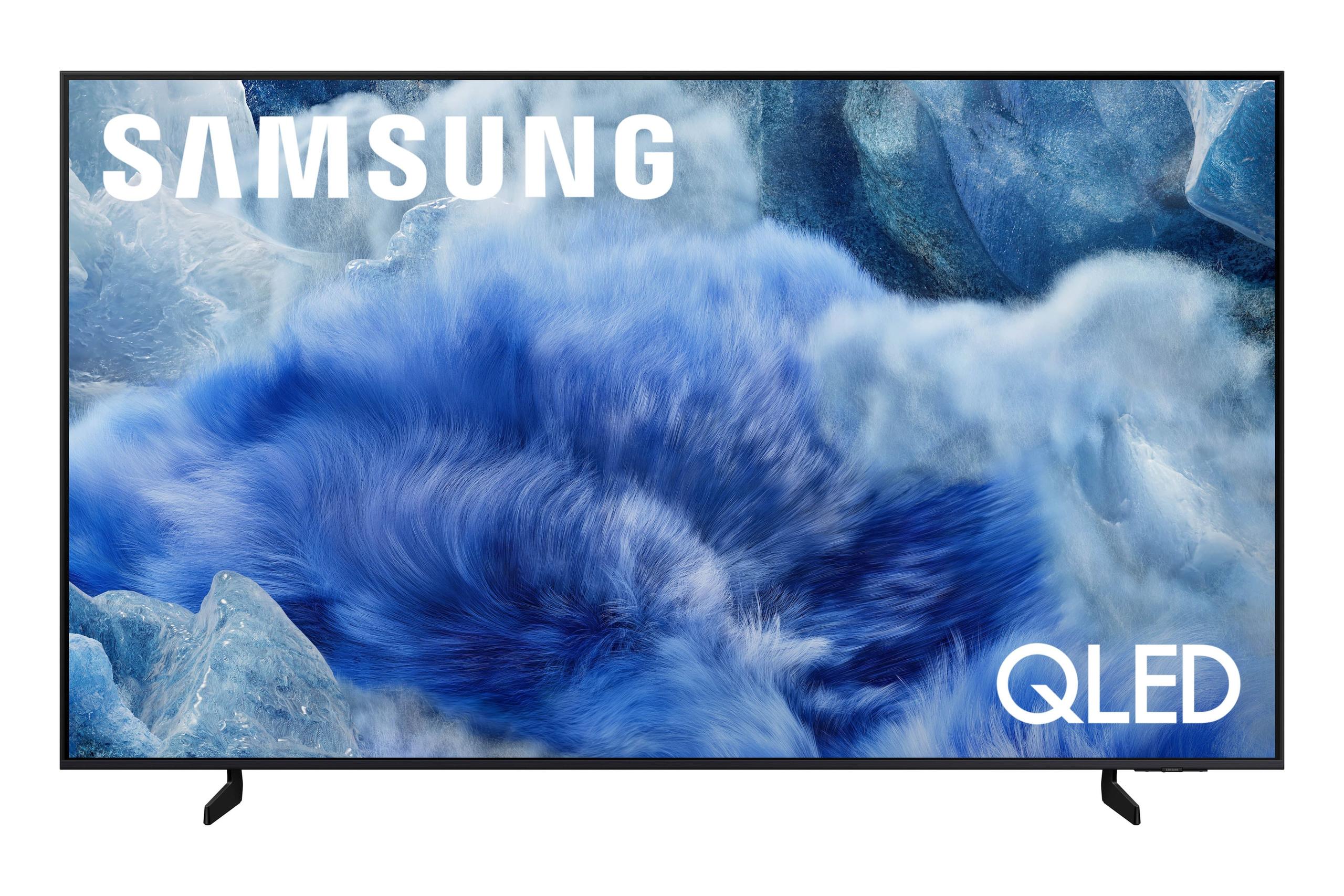
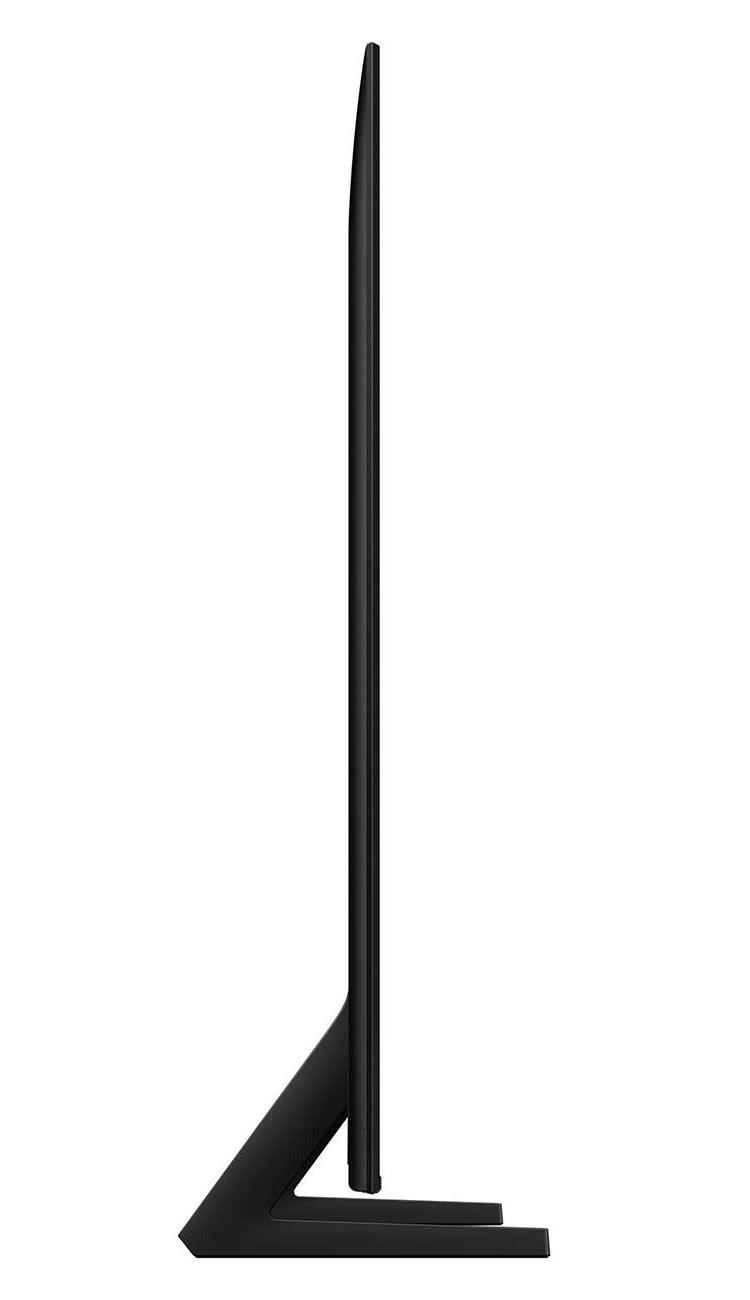
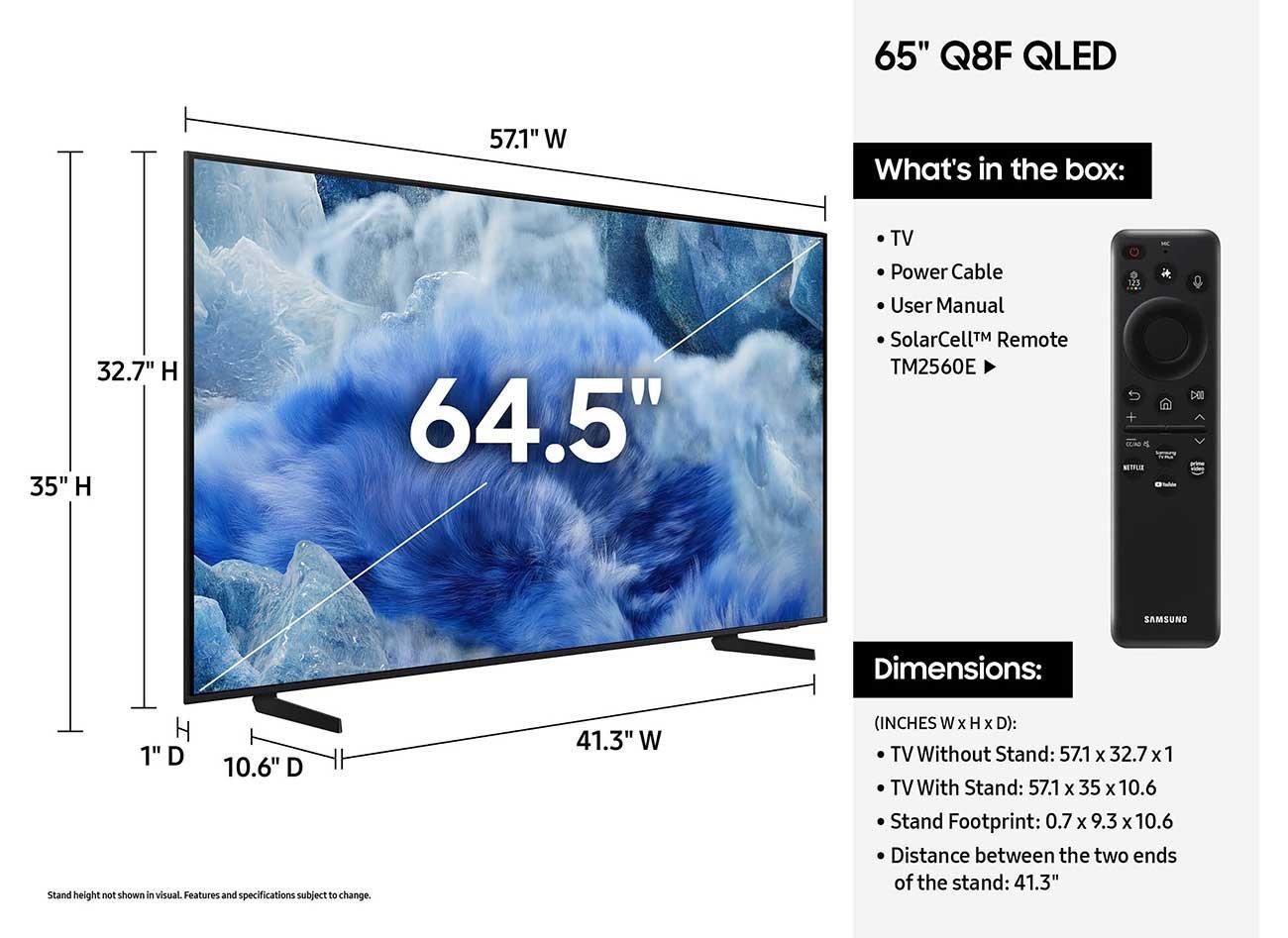
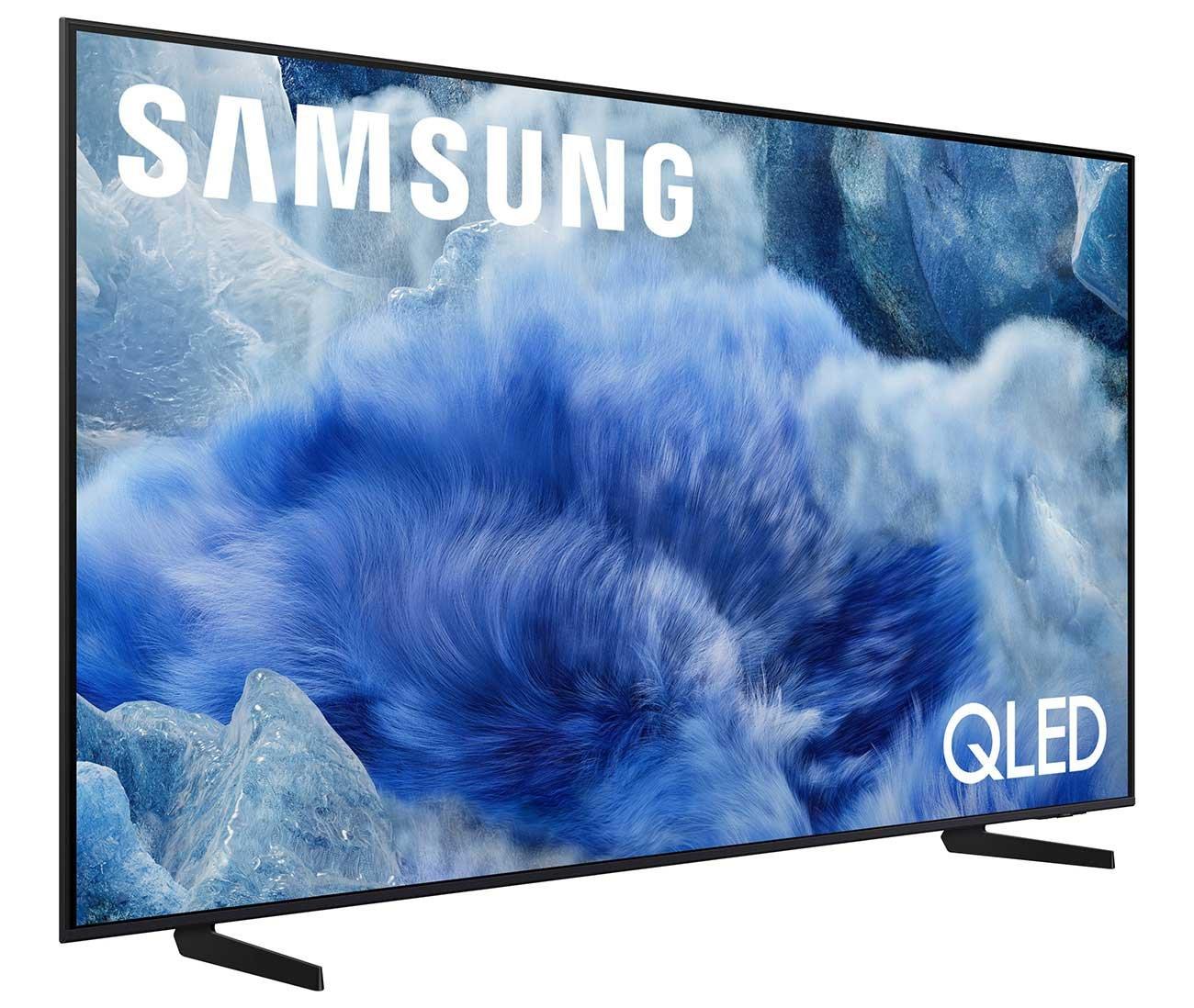
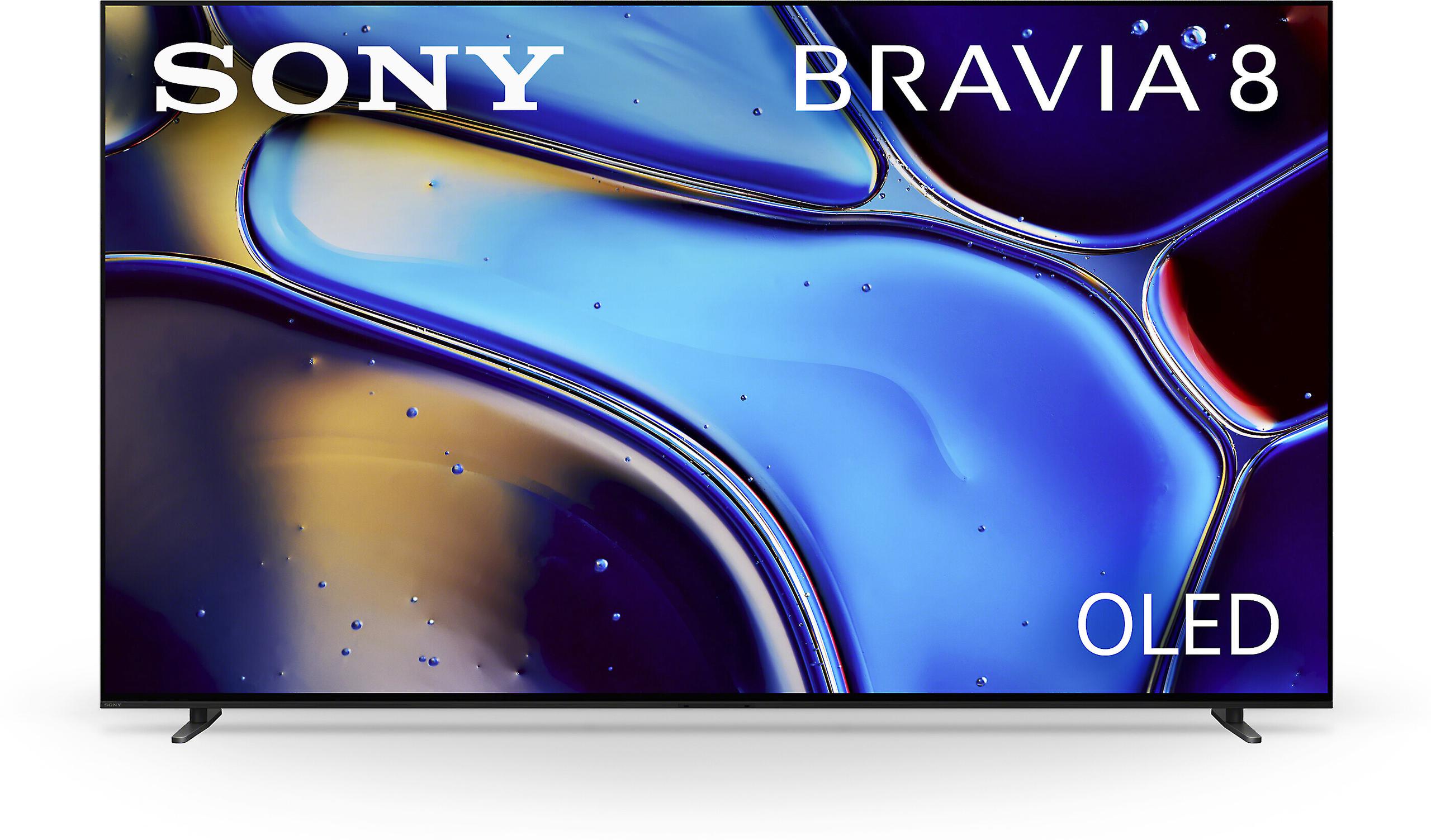
When you're ready to upgrade to a premium 65-inch TV, you'll quickly discover that the choice between different display technologies can feel overwhelming. Two standout options that caught my attention recently are the Samsung QN8F Series QLED from 2025 and the Sony BRAVIA 8 OLED from 2024. Both represent excellent examples of their respective technologies, but they take fundamentally different approaches to delivering exceptional picture quality.
At the time of writing, these TVs sit in different price tiers, with the Samsung QN8F positioned as a value-focused premium option while the Sony BRAVIA 8 commands a significantly higher premium. This price difference – nearly double in some cases – raises an important question: does the more expensive TV deliver enough additional value to justify the extra cost?
Before diving into the specifics, let's establish what makes a TV "premium" in 2024-2025. Premium smart TVs must excel in several key areas: picture quality that rivals movie theaters, smart features that feel intuitive rather than frustrating, gaming performance that satisfies enthusiasts, and build quality that justifies the investment over budget alternatives.
The most critical decision you'll face is choosing between QLED and OLED display technologies. QLED (Quantum Dot Light Emitting Diode) uses quantum dots – microscopic semiconductor particles – to enhance color and brightness from LED backlights. OLED (Organic Light Emitting Diode) creates images through organic compounds that emit their own light when electricity passes through them. This fundamental difference affects everything from how dark your room needs to be for optimal viewing to how long the TV will maintain peak performance.
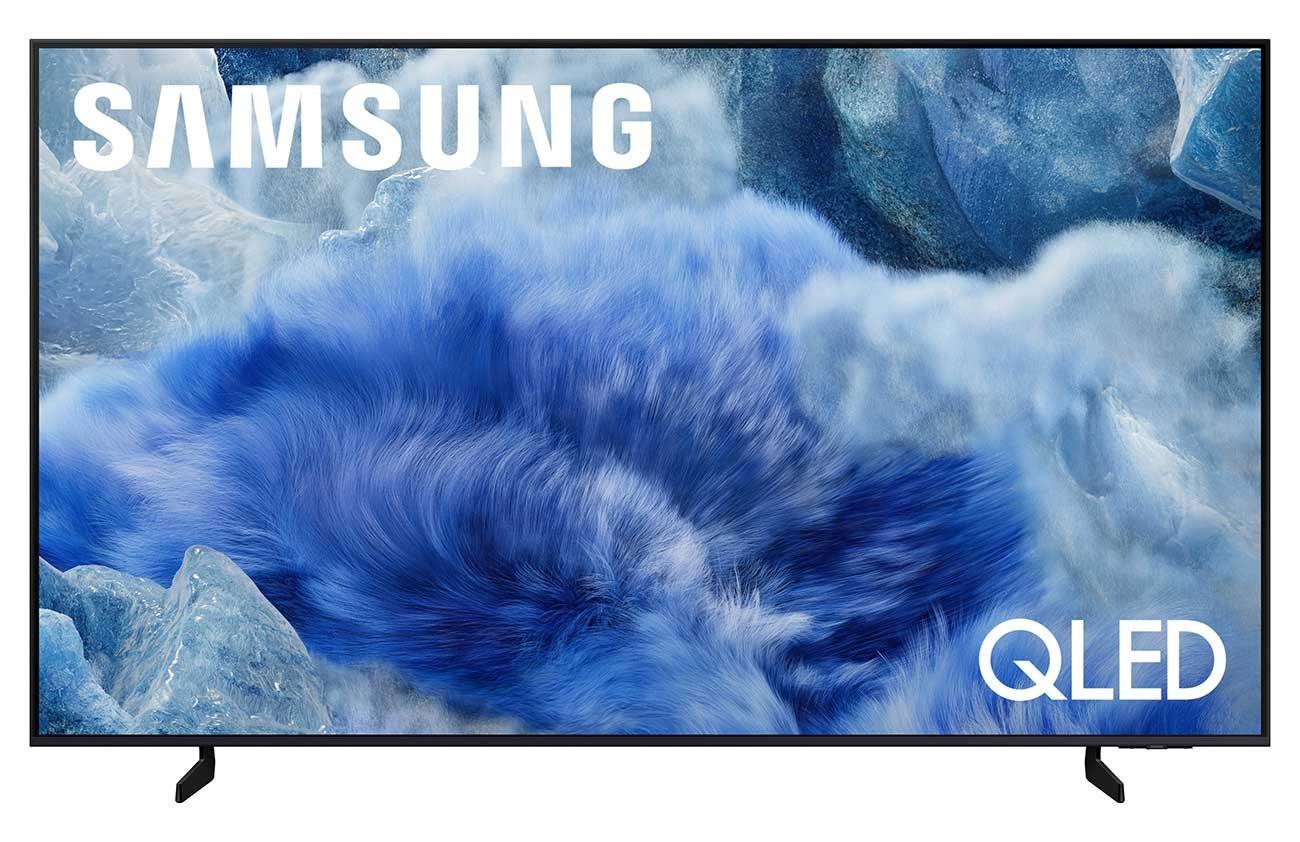
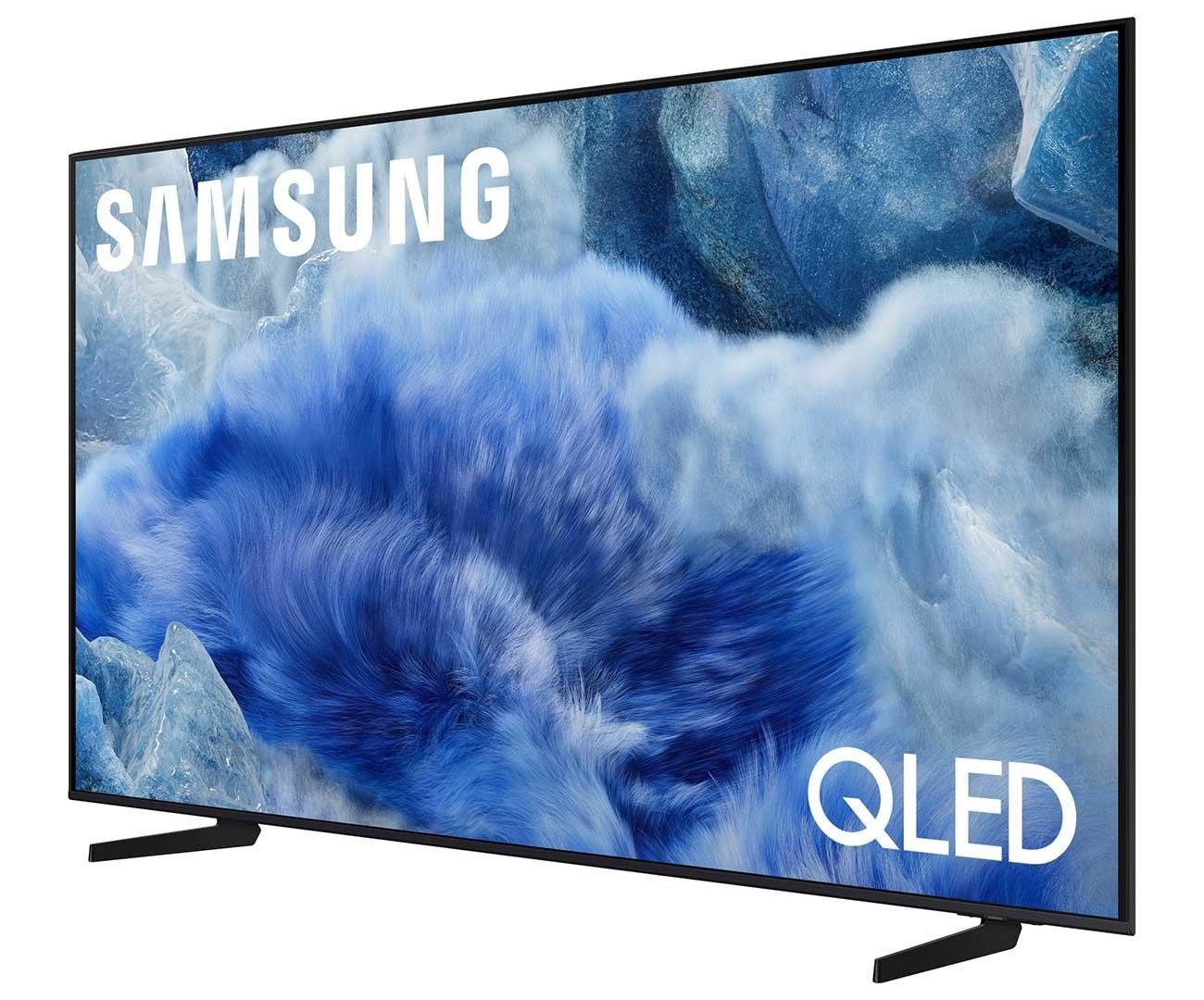
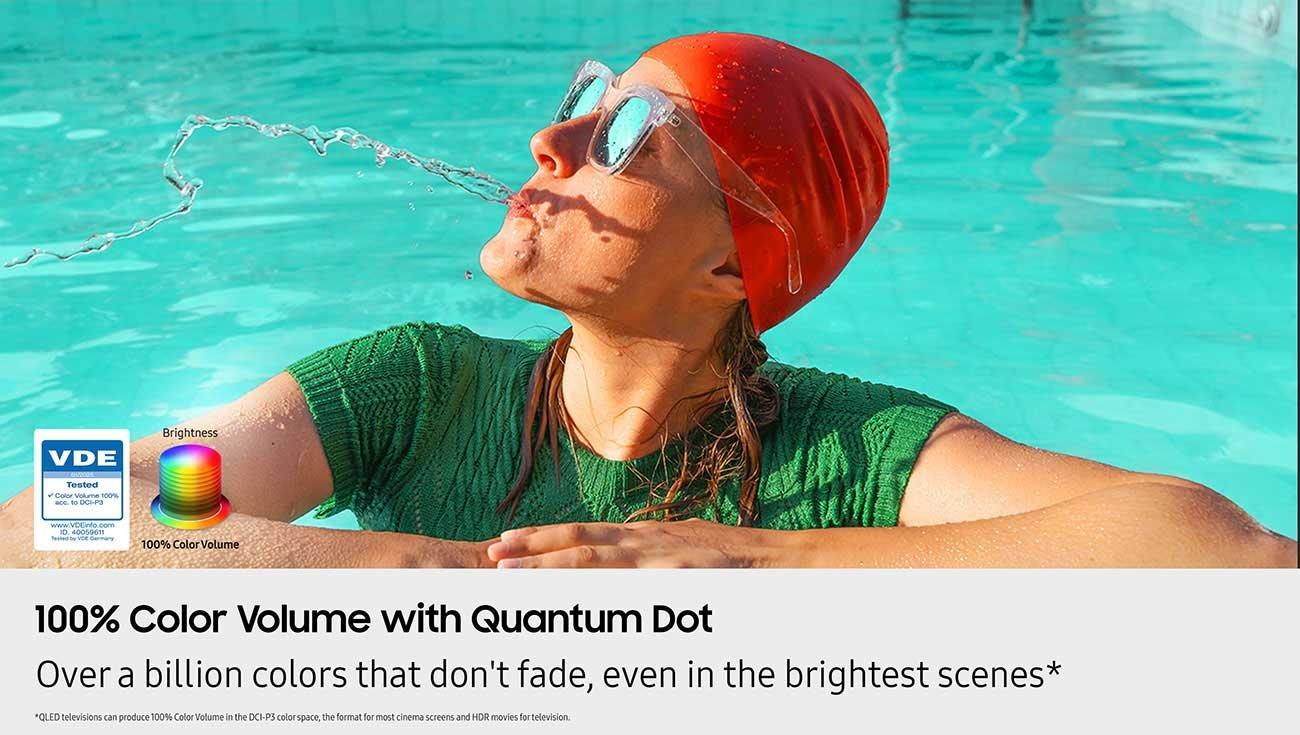
The Samsung QN8F employs quantum dot technology, which Samsung has refined significantly since its introduction. Quantum dots act like tiny color filters that can produce incredibly pure, saturated colors when hit by blue LED light. The result is what Samsung calls "100% Color Volume" – essentially meaning the TV can reproduce the full range of colors at any brightness level, not just in darker scenes.
What makes this particularly impressive is how quantum dots maintain color accuracy even at high brightness levels. Traditional LCD TVs often see colors wash out when displaying bright content, but quantum dot displays maintain their vibrancy. This means HDR (High Dynamic Range) content – which includes most streaming movies and shows today – appears more lifelike and closer to what directors intended.
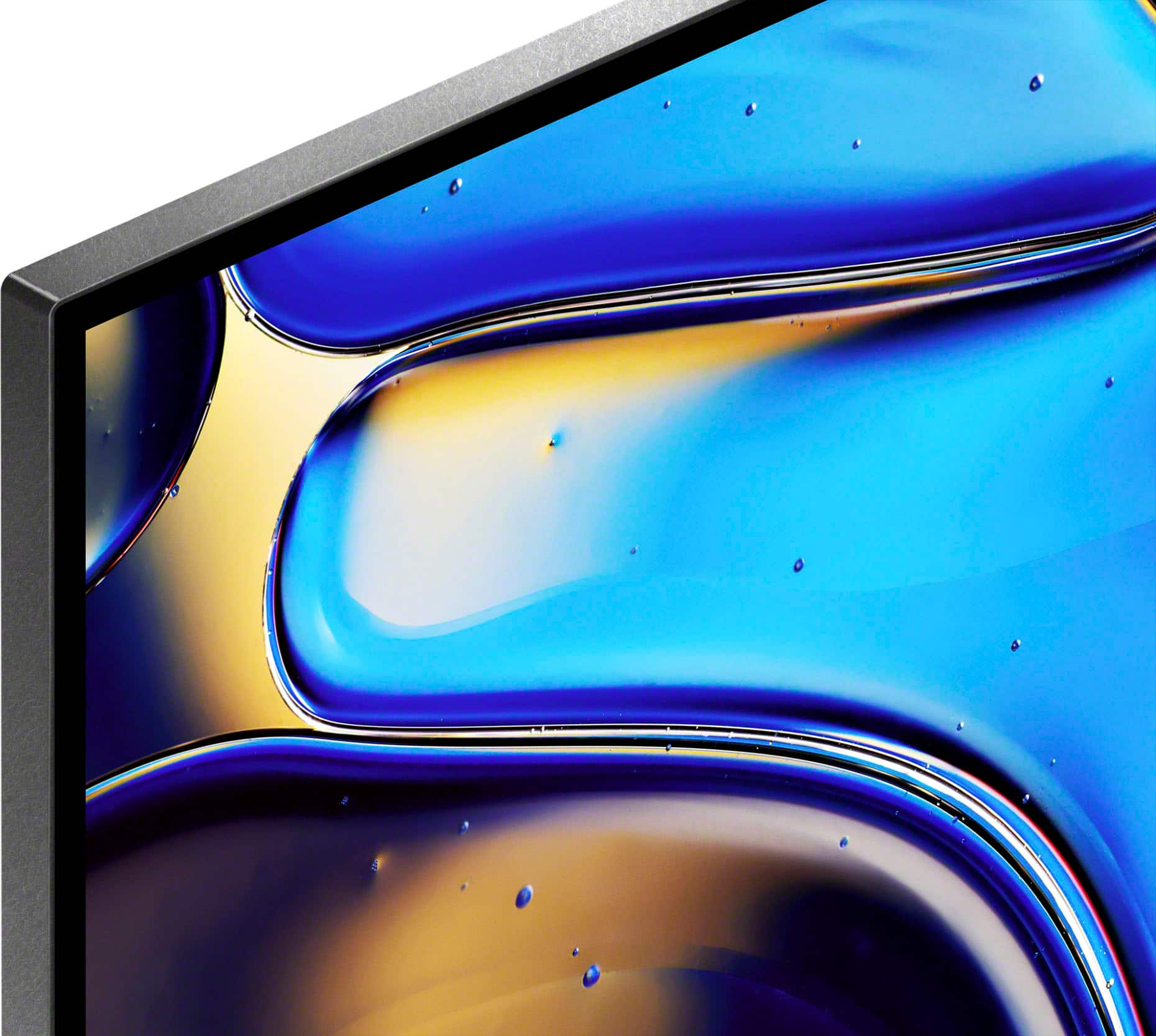
The Sony BRAVIA 8 takes the OLED approach, where each pixel generates its own light and can turn completely off when displaying black. This creates what's called "infinite contrast" – the difference between the brightest and darkest parts of an image. When you're watching a movie with dark scenes, like space movies or nighttime sequences, OLED's ability to display true black makes details pop in ways that backlit displays simply cannot match.
However, OLED technology has evolved considerably since Sony's 2024 model launched. The BRAVIA 8 uses what's called WOLED (White OLED) technology with color filters, which differs from the newer QD-OLED panels some competitors use. While WOLED provides excellent color accuracy and has proven reliable over time, it typically achieves lower peak brightness than both QLED displays and newer OLED variants.
When evaluating picture quality, several metrics matter more than others. Peak brightness determines how well the TV handles HDR content and performs in bright rooms. Color accuracy affects how realistic skin tones and natural scenes appear. Contrast ratio influences detail visibility in dark scenes. Motion handling impacts sports viewing and action movies.
The Samsung QN8F likely achieves higher peak brightness than the Sony BRAVIA 8, which becomes crucial if you watch TV during the day or have large windows in your viewing room. QLED displays typically reach 1,500-2,000 nits or higher, while the BRAVIA 8 reaches approximately 1,200 nits. This brightness advantage means HDR content appears more impactful on the Samsung, with brighter highlights and more dramatic contrast in well-lit environments.
However, the Sony BRAVIA 8 excels in dark room performance where its infinite contrast ratio creates an almost three-dimensional image depth. When watching movies in a darkened home theater setup, the OLED's ability to display perfect blacks makes details visible that get lost in the gray haze of backlit displays. This difference becomes particularly noticeable in content like "Dune" or "Blade Runner 2049," where dark scenes contain crucial visual information.
Color reproduction represents another area where these TVs diverge. The Samsung QN8F produces more vibrant, saturated colors that many viewers find immediately impressive. Samsung's quantum dot implementation creates colors that pop off the screen, particularly beneficial for animated content, nature documentaries, and sports broadcasts where vivid colors enhance the viewing experience.
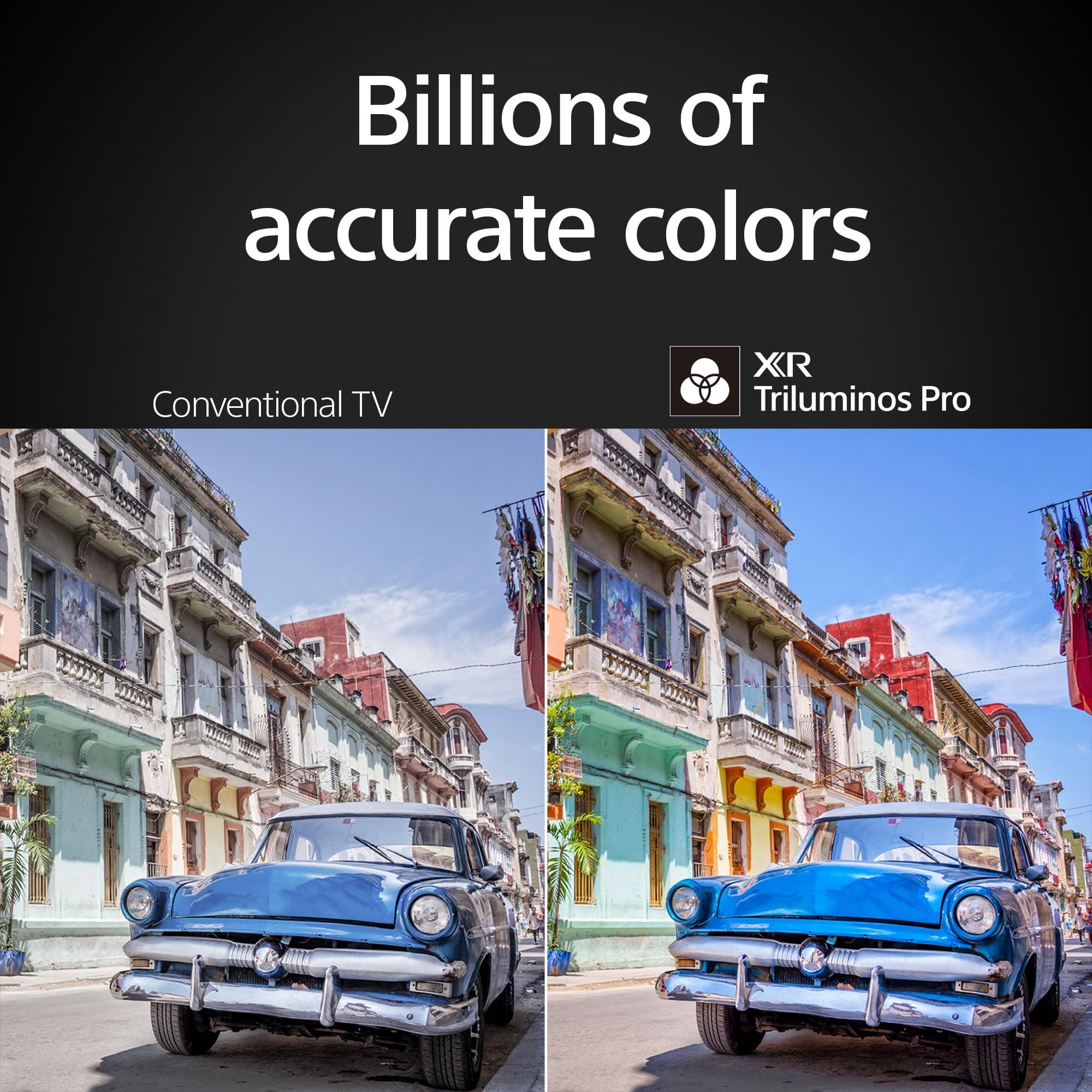
The Sony BRAVIA 8 prioritizes color accuracy over saturation, using Sony's XR Triluminos Pro technology to reproduce colors as filmmakers intended. This approach results in more natural-looking skin tones and realistic environmental colors. For serious movie watching, Sony's color science often proves superior, though some viewers initially prefer Samsung's more vibrant presentation.
Smart TV platforms have evolved dramatically, and the difference between 2024 and 2025 implementations is noteworthy. The Samsung QN8F runs Samsung's latest Tizen OS with One UI interface, representing several generations of refinement since the platform's introduction. The 2025 version includes Vision AI, which automatically adjusts picture and sound settings based on content analysis and room conditions.
This AI optimization works by analyzing what you're watching in real-time – detecting whether content is sports, movies, news, or gaming – then adjusting settings accordingly. The system also considers ambient lighting and even the acoustics of your room, fine-tuning audio output for optimal performance. Samsung's implementation includes features like Generative Wallpaper, where AI creates custom artwork based on keywords when the TV isn't actively displaying content.
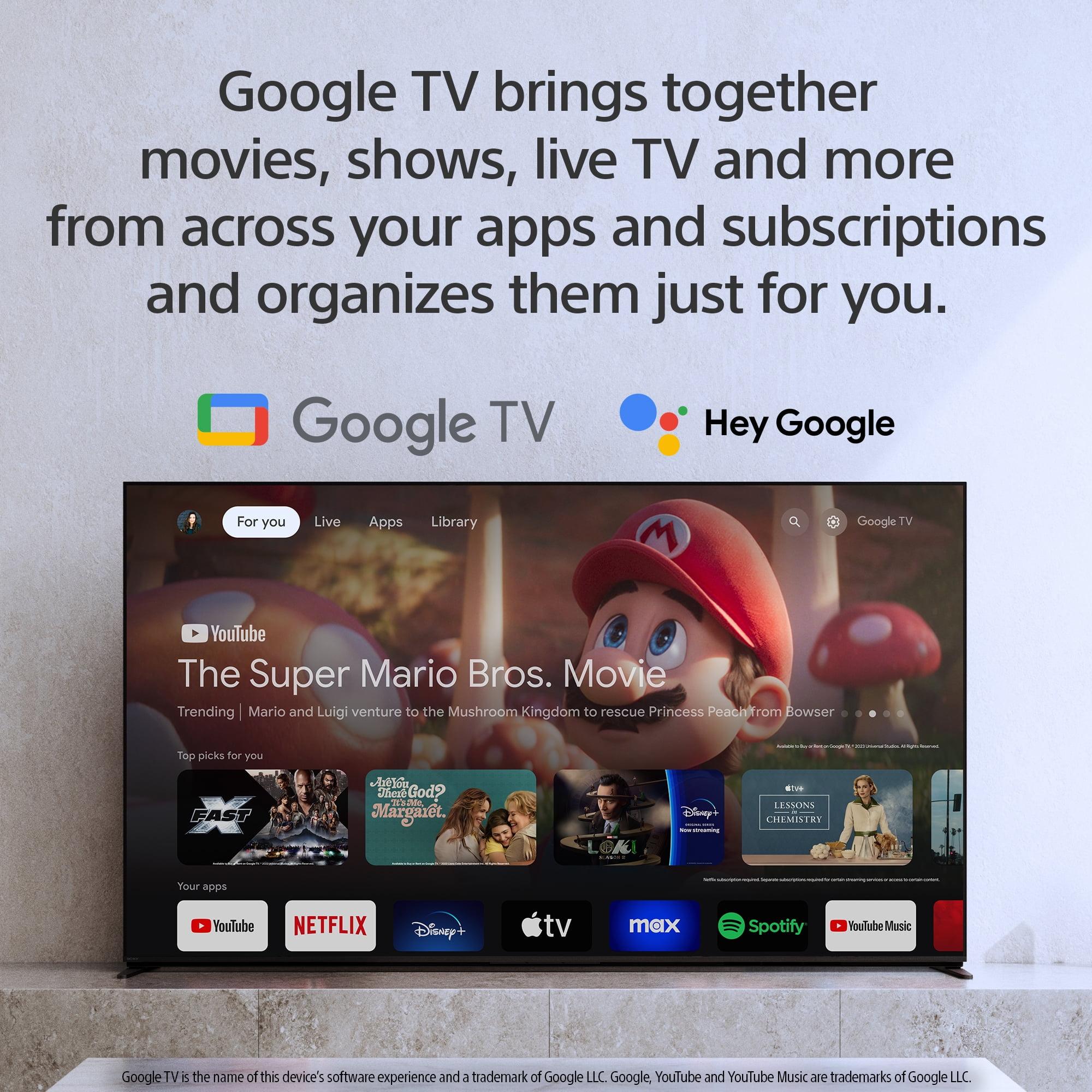
The Sony BRAVIA 8 uses Google TV, which launched as a successor to Android TV and has matured significantly since its introduction. Google TV excels at content discovery, aggregating shows and movies from across multiple streaming services into a unified interface. This means instead of jumping between Netflix, Prime Video, and Disney+ apps, you can browse content from all services simultaneously.
Both platforms handle streaming services well, but they approach content organization differently. Samsung focuses on integration with its broader ecosystem – connecting seamlessly with Samsung phones, tablets, and appliances. Google TV prioritizes universal content search and recommendation algorithms that learn viewing preferences across services.
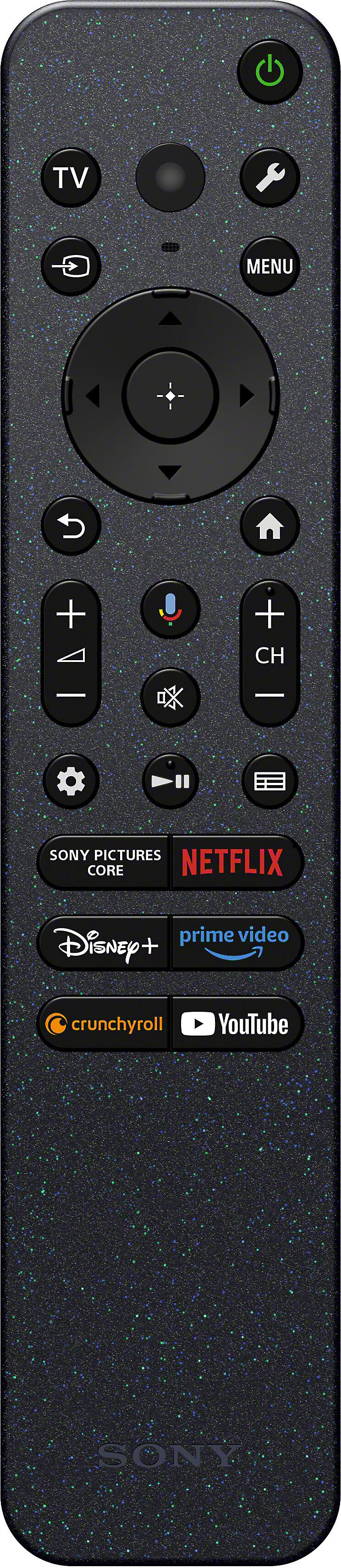
The voice control implementations also differ meaningfully. Samsung's enhanced Bixby in the 2025 model can process multiple commands simultaneously and maintains conversation context better than previous versions. Google Assistant integration in the Sony BRAVIA 8 provides superior smart home control and works seamlessly with existing Google ecosystem devices.
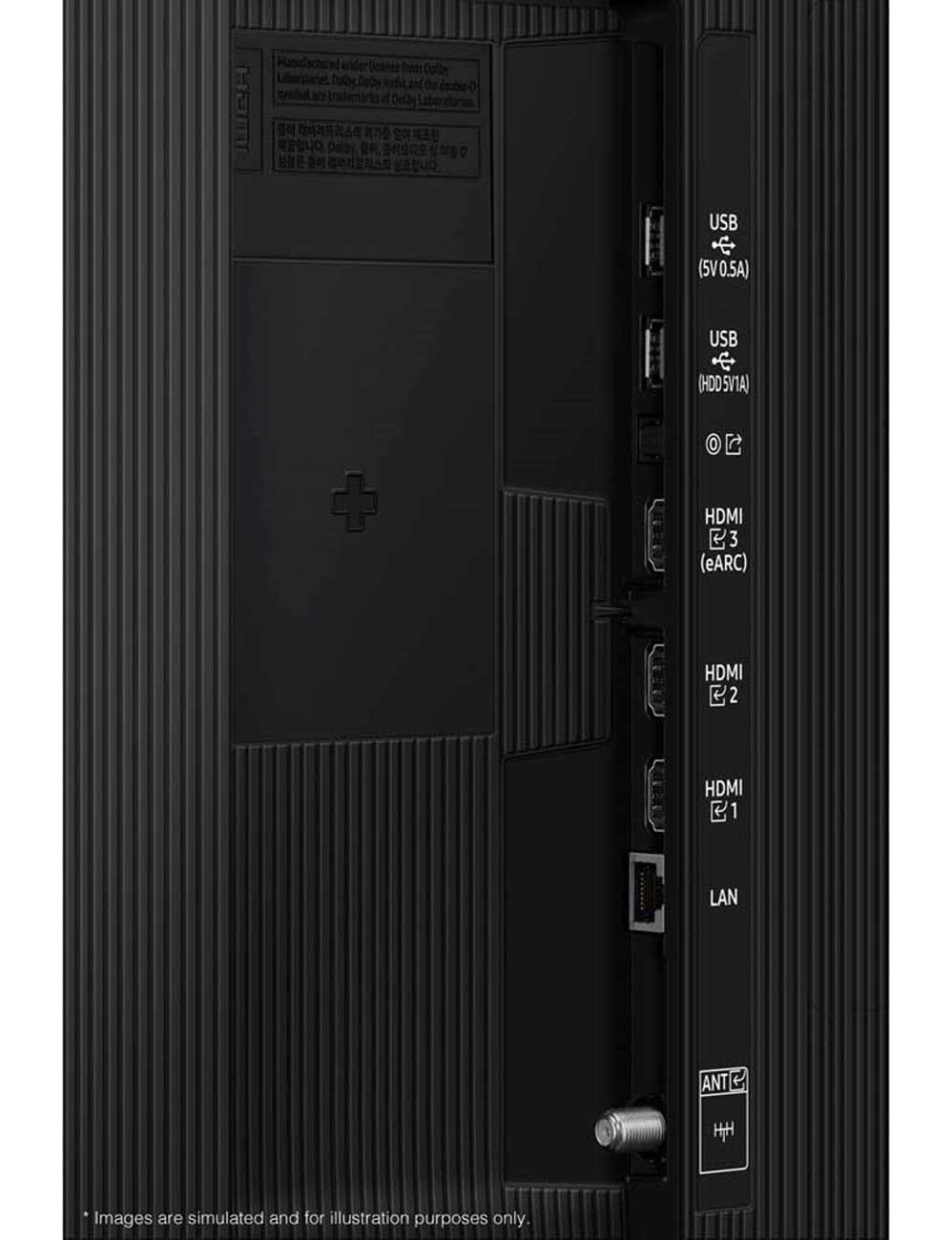
Modern TVs must excel at gaming to remain competitive, and both models deliver solid gaming performance with distinct advantages. The Samsung QN8F supports refresh rates up to 144Hz through its Motion Xcelerator technology, making it particularly appealing for PC gaming where high refresh rates provide competitive advantages in fast-paced games.
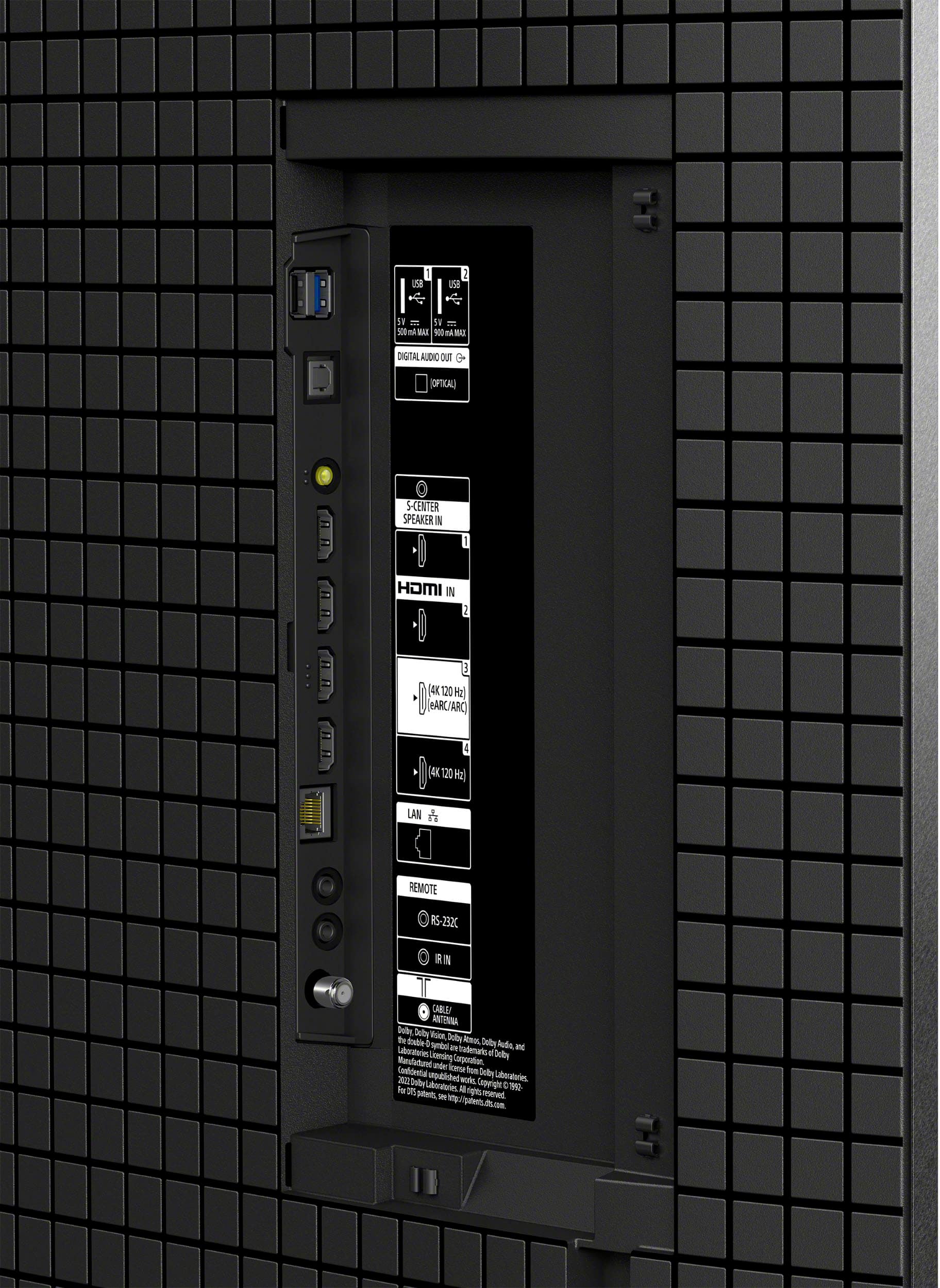
For console gaming, both TVs support 4K resolution at 120Hz refresh rates, which current-generation consoles like PlayStation 5 and Xbox Series X can utilize in select games. However, the implementation differs between models. The Samsung QN8F focuses on reducing input lag – the delay between controller input and on-screen response – which benefits competitive gaming across all platforms.
The Sony BRAVIA 8 includes specific optimizations for PlayStation consoles, including Auto HDR Tone Mapping that automatically configures HDR settings for optimal PS5 performance. Sony's gaming implementation also includes Variable Refresh Rate (VRR) support, which eliminates screen tearing by synchronizing the TV's refresh rate with the console's frame output.
Input lag measurements matter significantly for gaming performance. Both TVs achieve sub-20 millisecond input lag in game modes, which feels responsive for most gaming applications. However, the Samsung QN8F's higher refresh rate capability provides smoother motion in supported games, particularly beneficial for racing games, first-person shooters, and competitive esports titles.
OLED technology in the Sony BRAVIA 8 provides advantages for certain gaming scenarios, particularly single-player adventure games and RPGs where image quality takes precedence over competitive performance. The perfect blacks and infinite contrast create more immersive gaming experiences in atmospheric titles like "The Last of Us" or "Red Dead Redemption."
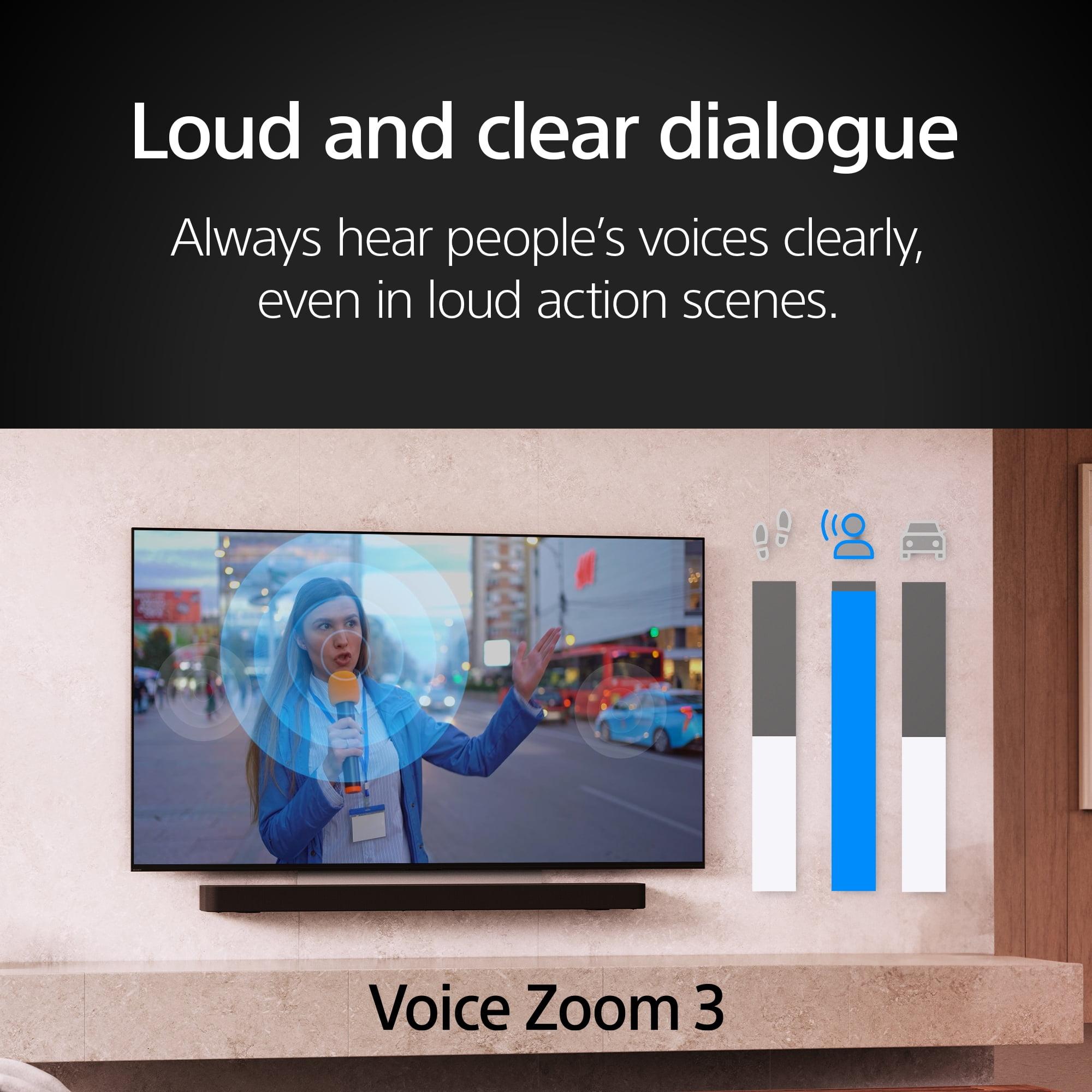
Audio performance often gets overlooked in TV comparisons, but it significantly impacts daily viewing satisfaction. The Samsung QN8F includes a 20W 2-channel speaker system with Adaptive Sound+ technology. This system analyzes audio content in real-time, adjusting output based on whether you're watching dialogue-heavy scenes, action sequences, or music content.
The adaptive audio also considers room acoustics, using microphones to measure how sound reflects off walls and furniture, then adjusting output accordingly. While 20W doesn't sound impressive compared to dedicated audio systems, Samsung's processing helps maximize the available power through intelligent frequency management.
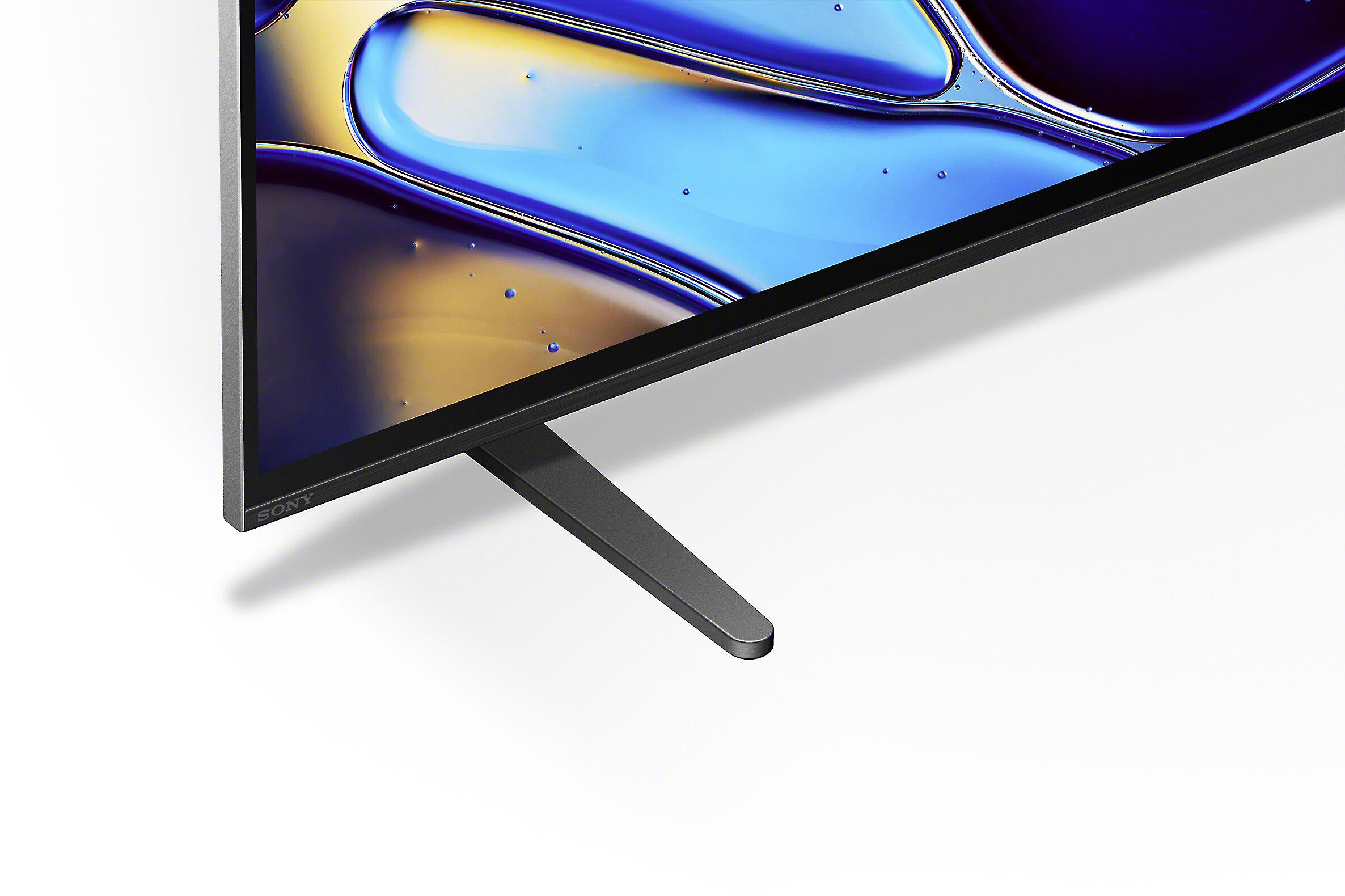
The Sony BRAVIA 8 takes a more ambitious approach with its 50W 2.1-channel system featuring Acoustic Surface Audio+ technology. This system turns the entire OLED screen into a speaker by vibrating the panel to produce sound. The result creates a unique experience where dialogue appears to come directly from actors' mouths rather than from speakers below the screen.
This screen-as-speaker technology works particularly well for dialogue clarity and creates a more immersive soundstage than traditional TV speakers. The additional subwoofer channel provides better bass response than the Samsung's 2-channel system, though both TVs benefit significantly from external audio solutions.
For home theater enthusiasts, both TVs support advanced audio formats including Dolby Atmos, which creates three-dimensional soundscapes using height channels. However, to experience Dolby Atmos properly, you'll need a compatible soundbar or receiver system – the built-in speakers can only provide a basic version of the experience.
At the time of writing, the Samsung QN8F represents exceptional value in the premium TV segment, offering flagship features at a significantly lower price point than comparable OLED models. This value proposition becomes even more compelling when considering the 2025 model year includes Samsung's latest processing improvements and AI features.
The Sony BRAVIA 8, while commanding a premium price, justifies the cost through superior picture quality in dark room environments and more powerful built-in audio. For buyers who prioritize absolute picture quality and plan to use the TV primarily for movie watching in controlled lighting conditions, the additional cost may prove worthwhile.
Long-term reliability considerations favor different aspects of each technology. QLED displays like the Samsung QN8F avoid the potential burn-in issues that can affect OLED panels with static content display. This makes QLED more suitable for use cases involving video game HUDs, news channel logos, or other static elements displayed for extended periods.
OLED technology in the Sony BRAVIA 8 has improved significantly regarding burn-in resistance, and Sony includes several protective features like pixel shifting and automatic brightness limiting. However, the potential still exists, particularly for users who frequently watch content with static elements or use the TV for PC gaming with unchanged desktop elements.
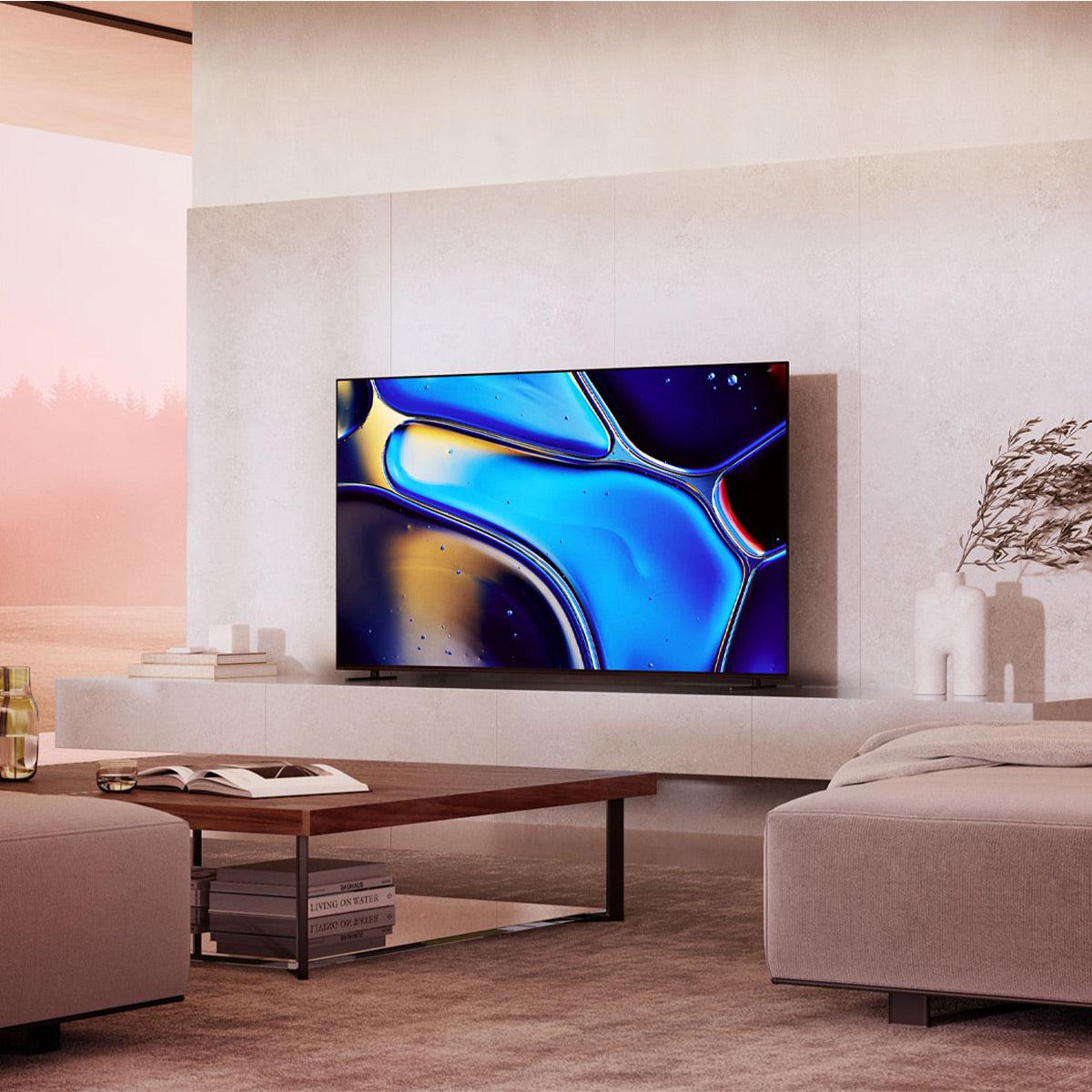
For dedicated home theater setups, room lighting becomes the primary consideration. The Sony BRAVIA 8 excels in light-controlled environments where its infinite contrast and perfect blacks create cinema-like experiences. Movie enthusiasts who can control ambient lighting will appreciate OLED's superior performance with film content.
The Samsung QN8F better accommodates varied lighting conditions, making it more versatile for living rooms that serve multiple purposes. Its higher peak brightness maintains picture quality even with some ambient light, while quantum dot color reproduction creates engaging visuals across different content types.
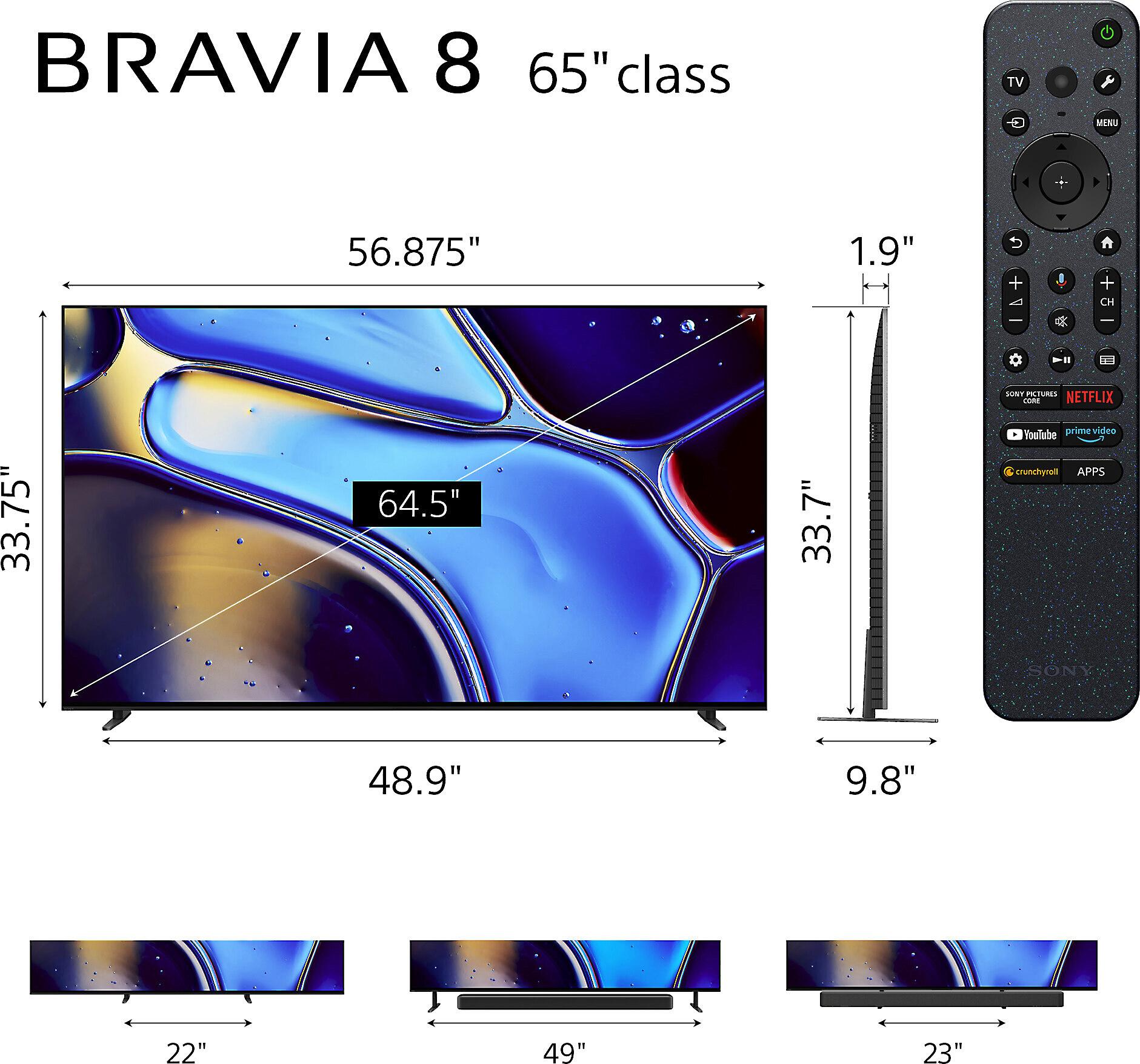
Screen size considerations matter equally for both models. At 65 inches, both TVs work well for viewing distances between 8-12 feet, though OLED's superior contrast allows comfortable viewing from slightly closer distances without losing detail in dark scenes.
Calibration enthusiasts will find both TVs offer extensive picture adjustment options, though they approach optimization differently. The Sony BRAVIA 8 includes more traditional calibration controls that professional installers prefer, while the Samsung QN8F emphasizes AI-driven automatic optimization that requires less manual adjustment.
Choose the Samsung QN8F if you want flagship features without flagship pricing, watch TV in varied lighting conditions, prioritize gaming performance, or prefer a more vibrant, eye-catching picture style. The 2025 model year ensures you're getting the latest processing improvements and AI features that will remain current longer.
The Samsung QN8F also makes sense for households where the TV serves multiple purposes – morning news, afternoon sports, evening movies, and gaming sessions. Its versatility across different content types and lighting conditions provides consistent performance regardless of use case.
Select the Sony BRAVIA 8 if picture quality takes absolute priority, you primarily watch movies and premium content, have a light-controlled viewing environment, or value superior built-in audio performance. The OLED advantage in dark room movie watching remains significant enough to justify the premium for serious film enthusiasts.
The Sony BRAVIA 8 particularly appeals to users who appreciate Sony's more natural color science and film-accurate picture processing. If you notice the difference between "vivid" and "cinema" picture modes and prefer the latter, Sony's approach will likely resonate with your preferences.
Both TVs represent excellent choices within their respective categories, but they serve different priorities and budgets. The Samsung QN8F delivers premium performance at an accessible price point, while the Sony BRAVIA 8 provides the ultimate picture quality experience for those willing to invest in the best available technology.
Consider your viewing habits, room lighting, budget constraints, and picture quality priorities when making this decision. Either choice will provide years of excellent viewing experiences, but understanding their different strengths ensures you select the model that best matches your specific needs and preferences.
| Samsung 65" QN8F Series QLED 4K Vision AI Smart TV 2025 | Sony BRAVIA 8 65" 4K OLED TV |
|---|---|
| Display Technology - Fundamental difference affecting picture quality and longevity | |
| QLED with Quantum Dot (LED backlight with quantum dot enhancement) | OLED (Self-emitting pixels with infinite contrast) |
| Peak Brightness - Critical for HDR performance and bright room viewing | |
| Higher peak brightness (typical for QLED, excellent for daytime viewing) | Up to 1,200 nits (good for HDR, may struggle in very bright rooms) |
| Contrast Performance - Most noticeable difference in dark scenes | |
| Excellent contrast with Dual LED backlighting (cannot achieve true blacks) | Infinite contrast ratio with perfect blacks (pixels turn completely off) |
| Processor & AI Features - Affects picture optimization and smart features | |
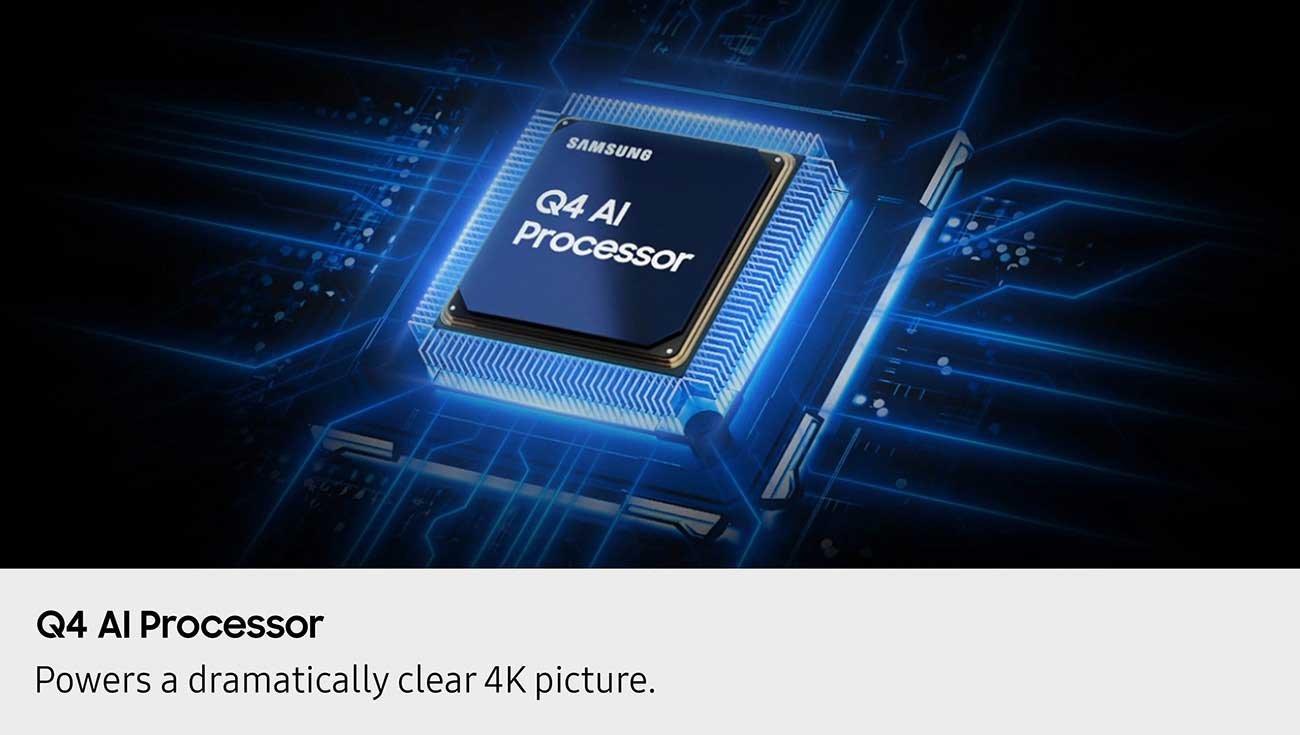
| Q4 AI Processor with Vision AI (2025 latest generation) | XR Processor with real-time optimization (proven 2024 technology) |
| Refresh Rate & Gaming - Important for sports, gaming, and smooth motion | |
| 120Hz with Motion Xcelerator 144Hz (supports up to 144Hz for PC gaming) | 120Hz with XR OLED Motion (excellent for console gaming) |
| Color Technology - Affects color accuracy and vibrancy | |
| 100% Color Volume with Quantum Dot (vibrant, saturated colors) | XR Triluminos Pro (natural, cinema-accurate colors) |
| Smart TV Platform - Daily user experience and app ecosystem | |
| Tizen OS with One UI (Samsung ecosystem integration) | Google TV (superior content discovery and Google services) |
| Built-in Audio System - Affects need for external speakers | |
| 20W 2CH with Adaptive Sound+ (room acoustic optimization) | 50W 2.1CH with Acoustic Surface Audio+ (screen-as-speaker technology) |
| Voice Assistant - Smart home control and TV operation | |
| Enhanced Bixby with multi-command processing | Google Assistant with comprehensive smart home integration |
| Burn-in Resistance - Long-term reliability consideration | |
| No burn-in concerns (QLED technology advantage) | Improved burn-in resistance but potential still exists with static content |
| Model Year & Future-Proofing - Software support and latest features | |
| 2025 model with latest Vision AI and processing improvements | 2024 model with proven, mature technology |
| Best Use Case - Who should choose this TV | |
| Bright rooms, gaming enthusiasts, value-conscious buyers seeking flagship features | Dark room movie watching, picture quality purists, premium audio preference |
The Sony BRAVIA 8 OLED delivers superior picture quality for movies, especially in dark rooms. Its OLED technology produces perfect blacks and infinite contrast, making dark scenes more detailed and immersive. The Samsung QN8F Series offers excellent picture quality with more vibrant colors, but cannot match OLED's contrast performance in cinematic content.
QLED in the Samsung QN8F Series uses quantum dots with LED backlighting to enhance colors and brightness, making it excellent for bright rooms. OLED in the Sony BRAVIA 8 has self-emitting pixels that can turn completely off, creating perfect blacks and infinite contrast. QLED typically gets brighter, while OLED provides better contrast and darker room performance.
The Samsung QN8F Series has a slight gaming advantage with support for up to 144Hz refresh rates, making it ideal for PC gaming. Both TVs support 4K at 120Hz for console gaming, but the Samsung QN8F focuses more on competitive gaming features while the Sony BRAVIA 8 offers excellent single-player gaming visuals with superior contrast.
The Samsung QN8F Series performs significantly better in bright rooms due to QLED's higher peak brightness capabilities. Its quantum dot technology maintains color accuracy even in well-lit environments. The Sony BRAVIA 8 may appear dimmer in bright rooms, though it excels in controlled lighting conditions.
The Samsung QN8F Series runs Tizen OS with excellent Samsung ecosystem integration and Vision AI features. The Sony BRAVIA 8 uses Google TV, which provides superior content discovery across streaming services and better Google ecosystem integration. Both platforms are reliable, but serve different user preferences.
The Sony BRAVIA 8 has superior built-in audio with a 50W 2.1-channel system and Acoustic Surface Audio+ technology that turns the screen into a speaker. The Samsung QN8F Series features a 20W 2-channel system with adaptive sound optimization, which is adequate but less powerful than Sony's implementation.
The Samsung QN8F Series has no burn-in concerns due to its QLED technology. The Sony BRAVIA 8 has improved burn-in resistance compared to older OLED models, but static content like video game HUDs or news channel logos displayed for extended periods could potentially cause burn-in over time.
The Samsung QN8F Series offers exceptional value with flagship 2025 features at a significantly lower price point than the Sony BRAVIA 8. While Sony provides superior picture quality, Samsung delivers premium performance at nearly half the cost, making it the better value choice for most buyers.
Both TVs handle sports well, but differently. The Samsung QN8F Series excels with brighter, more vibrant colors and better bright room performance for daytime games. The Sony BRAVIA 8 provides smoother motion handling and better detail in darker stadium scenes, making both solid choices depending on your viewing environment.
The Sony BRAVIA 8 is ideal for dedicated home theaters with controlled lighting, where its perfect blacks and infinite contrast create a cinema-like experience. The Samsung QN8F Series works better for multi-purpose rooms that can't control ambient light, offering more versatile performance across different viewing conditions.
Both the Samsung QN8F Series and Sony BRAVIA 8 support 4K at 120Hz, Variable Refresh Rate (VRR), and Auto Low Latency Mode (ALLM). The Samsung adds 144Hz support for PC gaming, while the Sony includes specific PlayStation 5 optimizations like Auto HDR Tone Mapping for enhanced console gaming.
The Samsung QN8F Series being a 2025 model ensures longer software support and includes the latest Vision AI features. Its QLED technology avoids burn-in concerns for extended lifespan. The Sony BRAVIA 8 offers proven 2024 technology with excellent build quality, though OLED panels may require more careful usage to prevent burn-in over many years.
We've done our best to create useful and informative comparisons to help you decide what product to buy. Our research uses advanced automated methods to create this comparison and perfection is not possible - please contact us for corrections or questions. These are the sites we've researched in the creation of this article: bestbuy.com - samsung.com - rtings.com - youtube.com - samsung.com - pcrichard.com - abt.com - images.samsung.com - cnet.com - news.samsung.com - samsung.com - bestbuy.com - bestbuy.com - bestbuy.com - crutchfield.com - avsforum.com - electronics.sony.com - sony.com - store.sony.co.nz - sony.com - displayspecifications.com

Privacy Policy
Terms and Conditions - Affiliate Policy
Home Security
© Copyright 2008-2026.
11816 Inwood Rd #1211, Dallas, TX 75244