

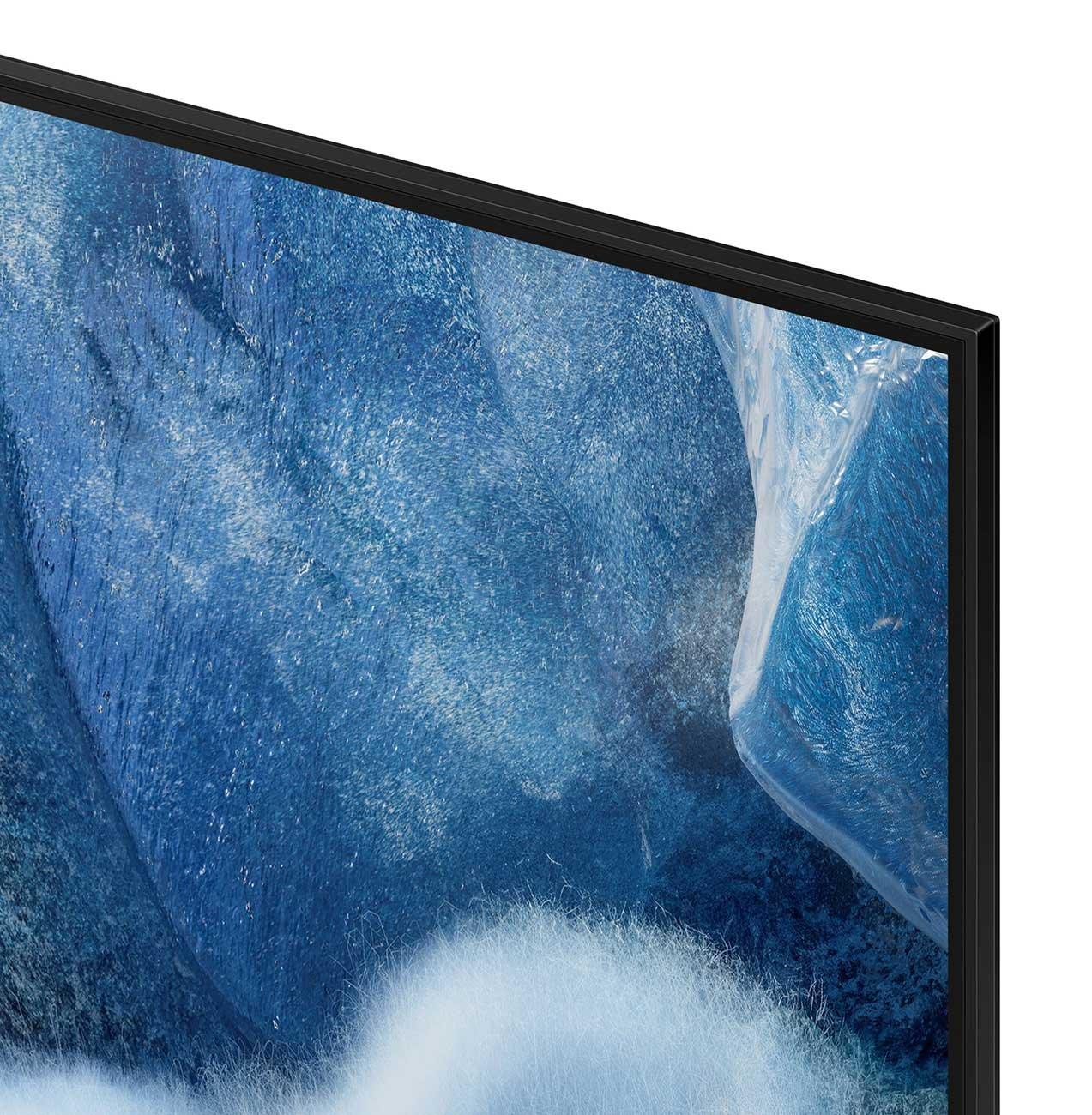
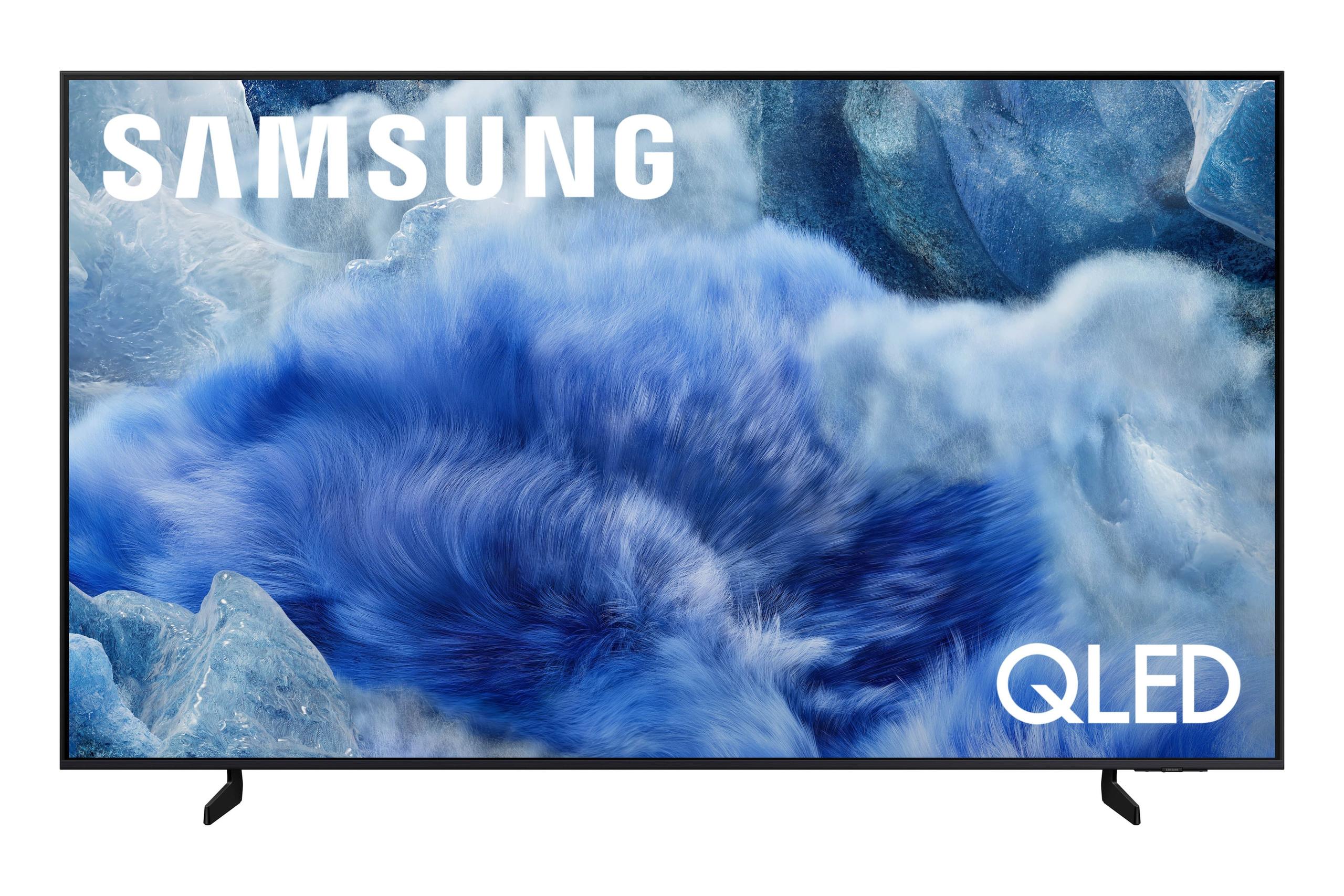
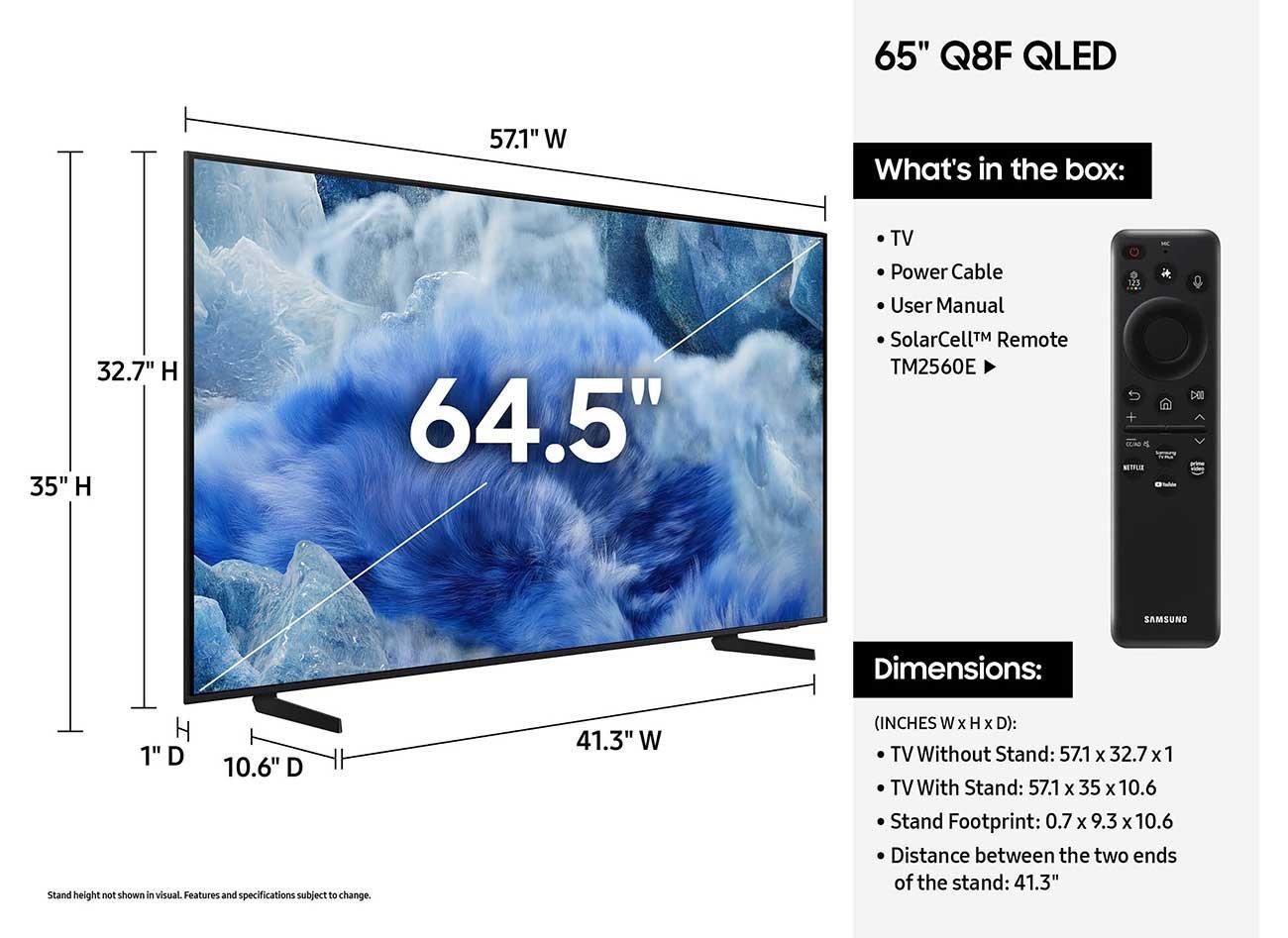
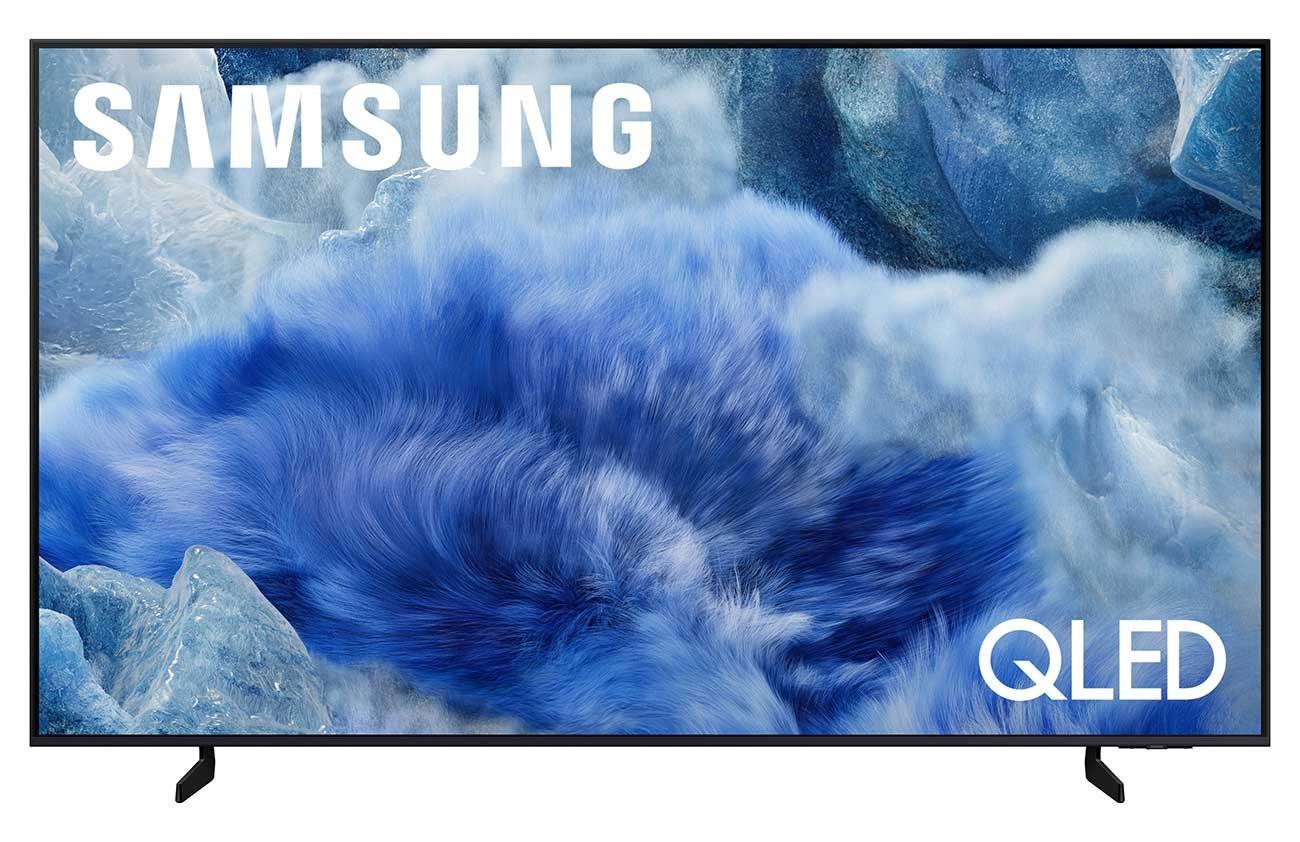
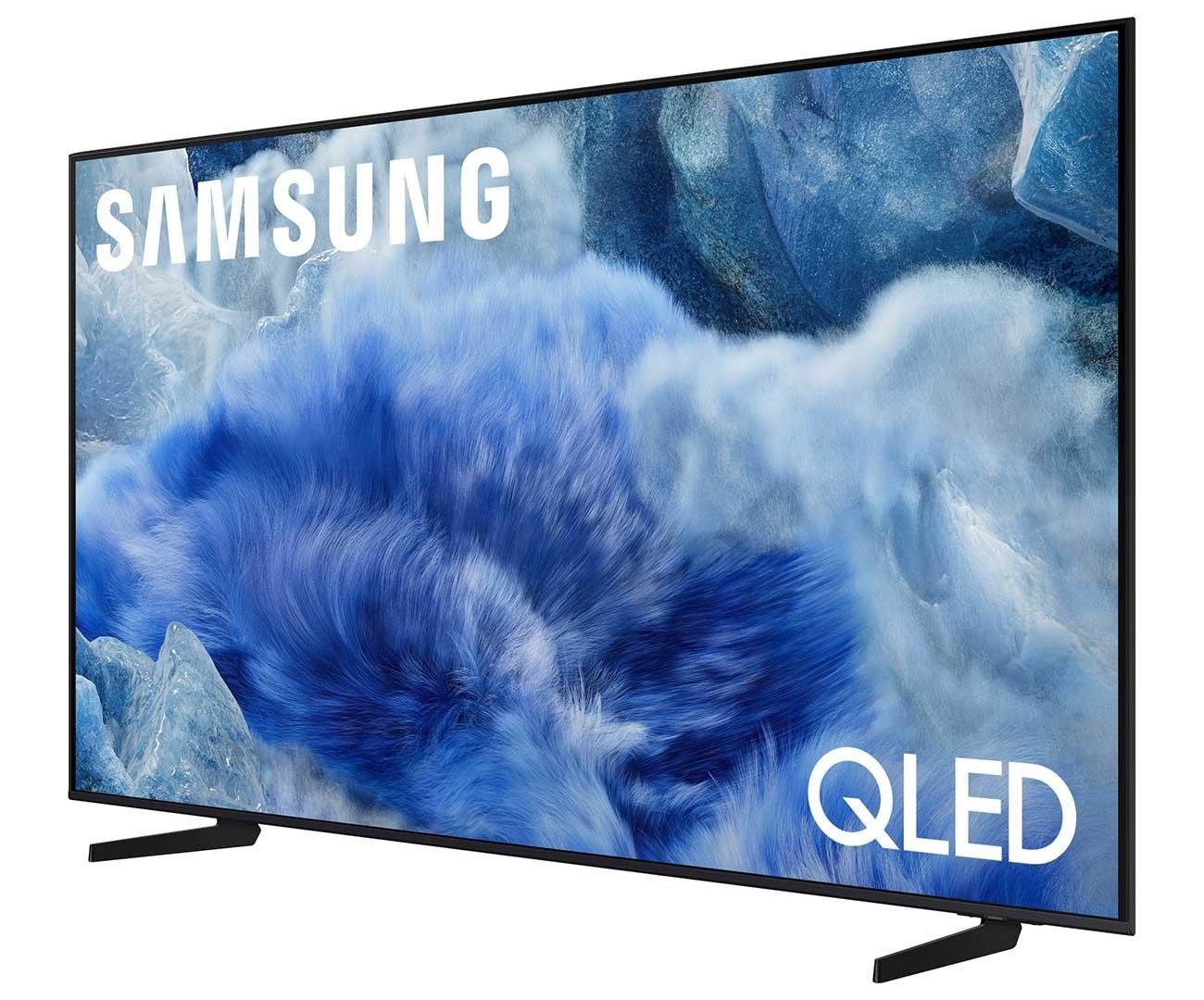
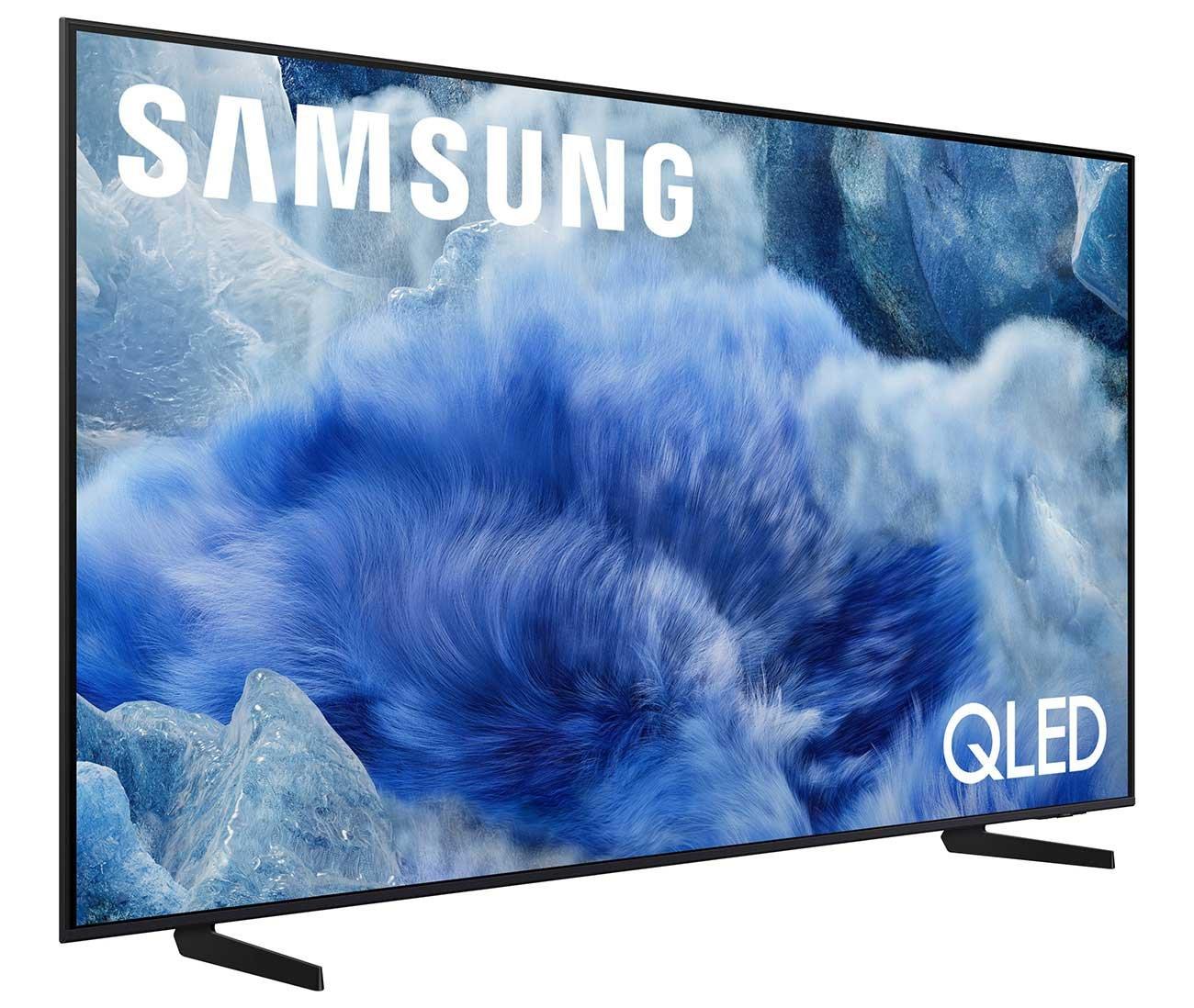
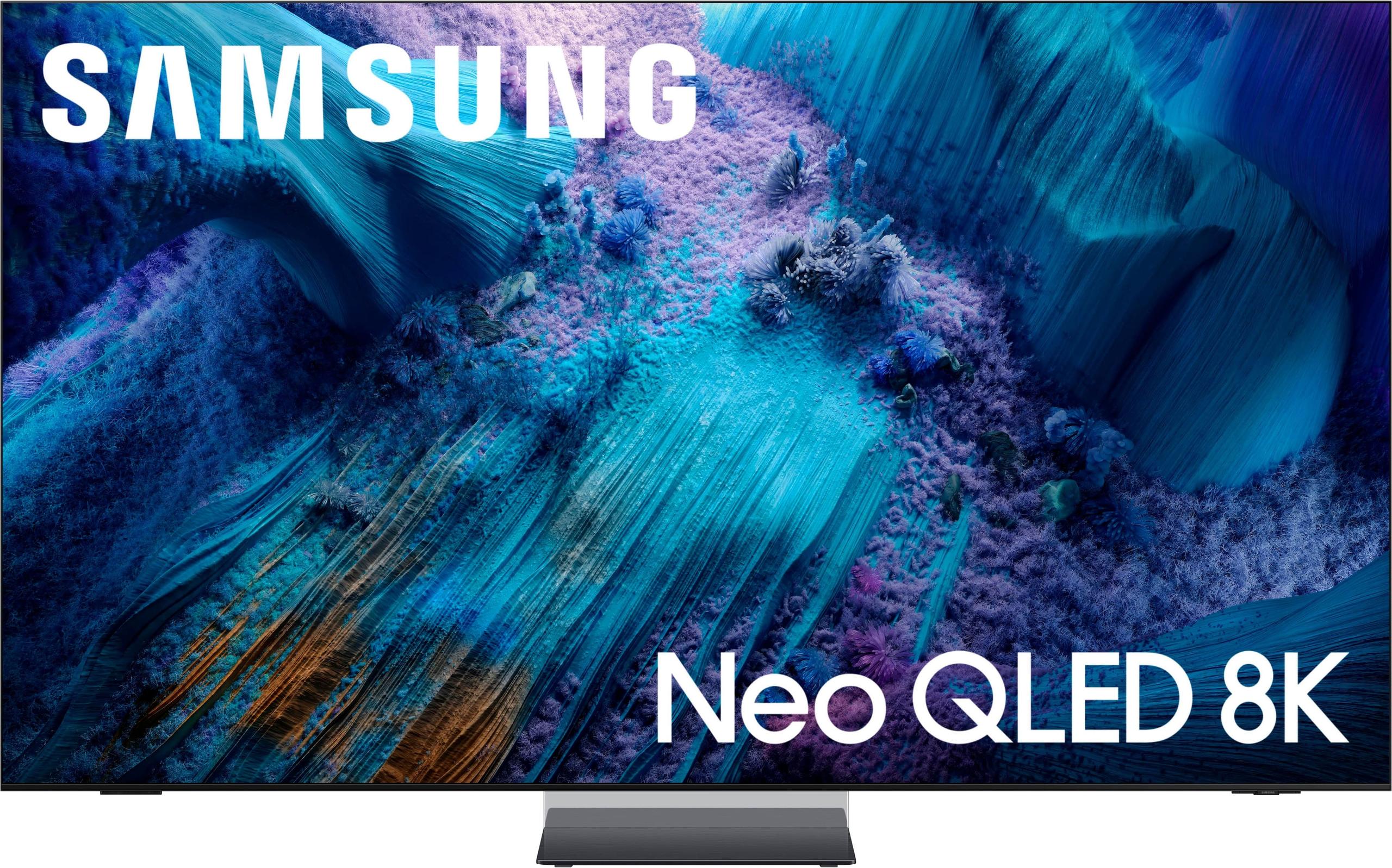
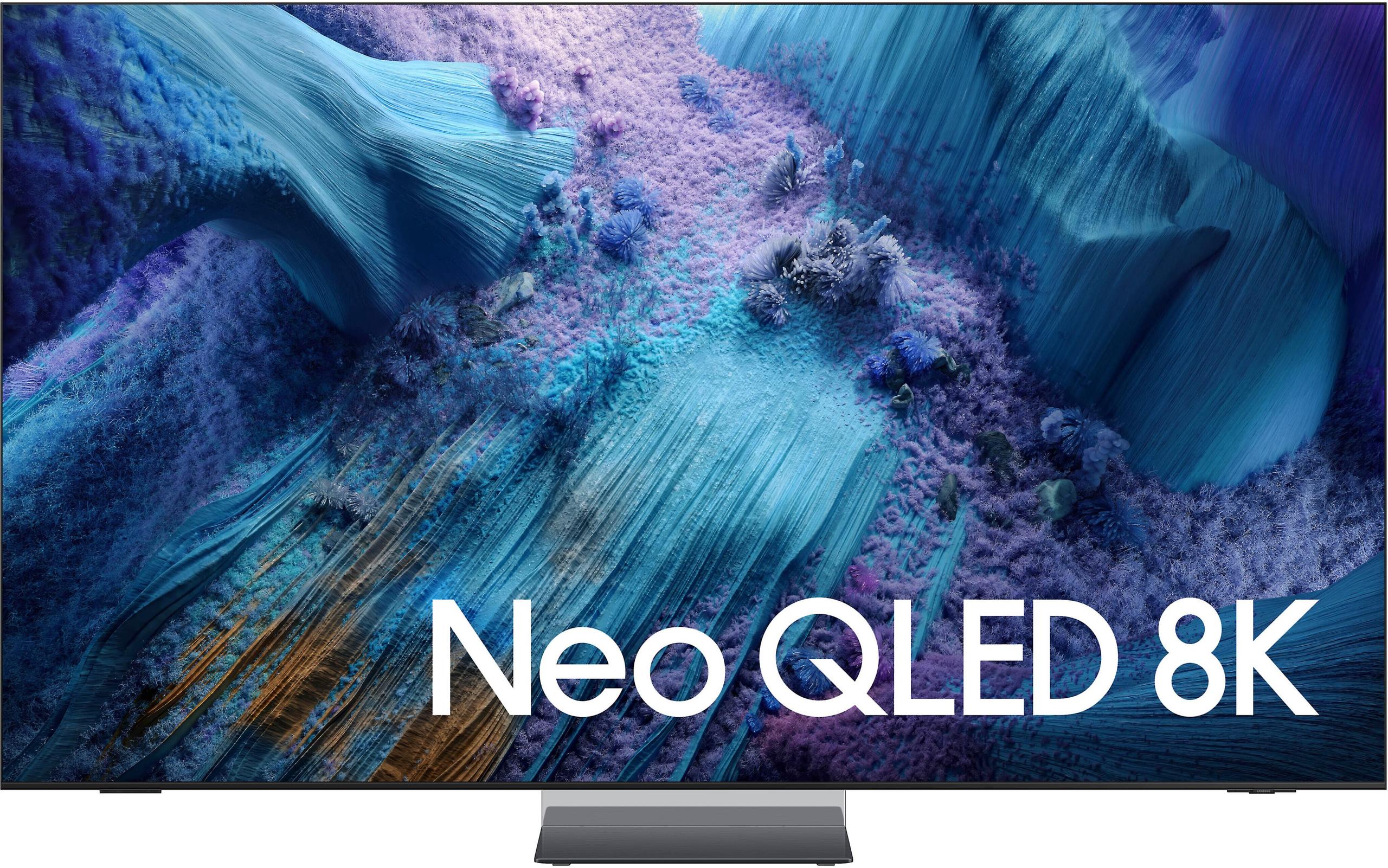
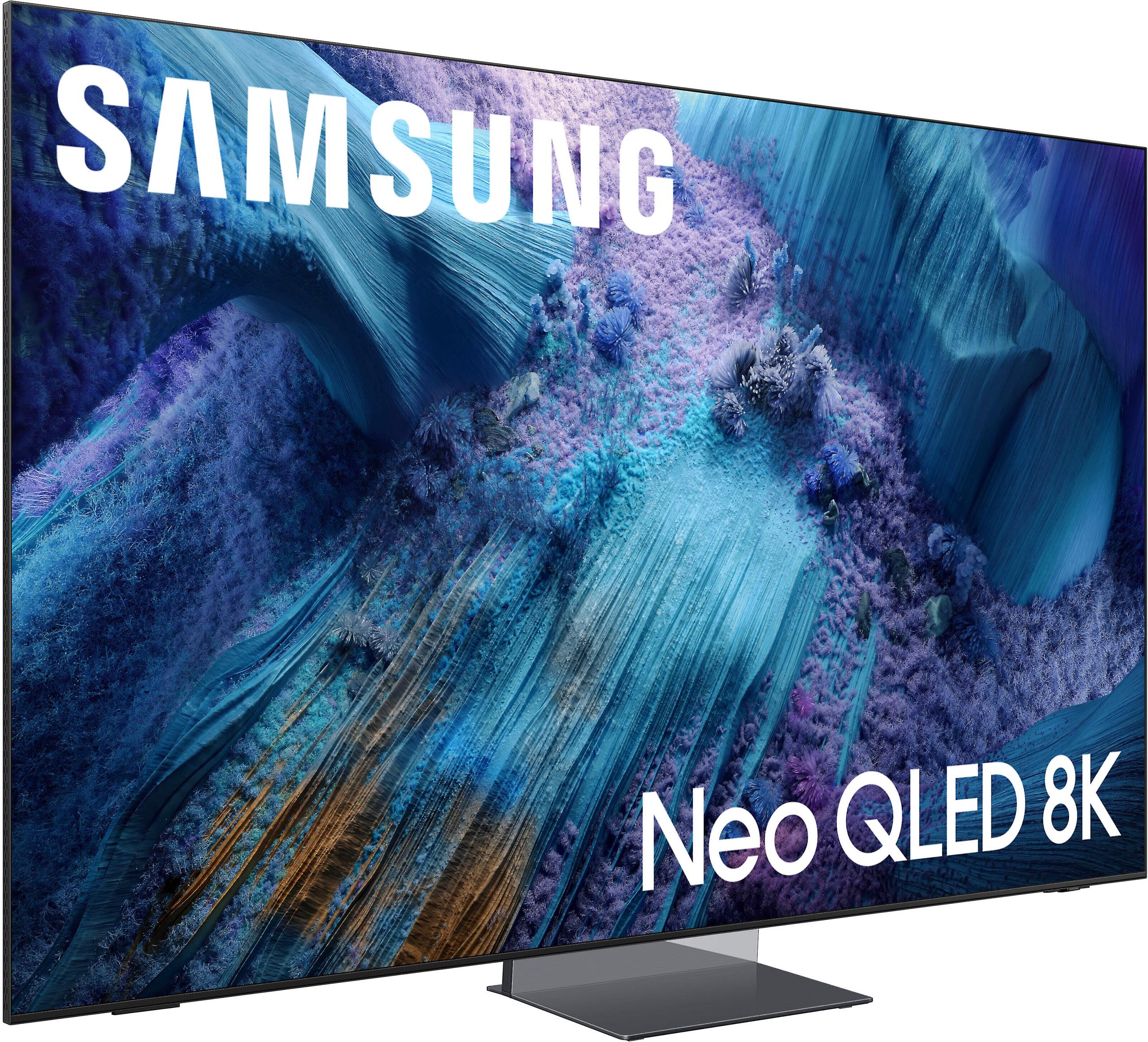
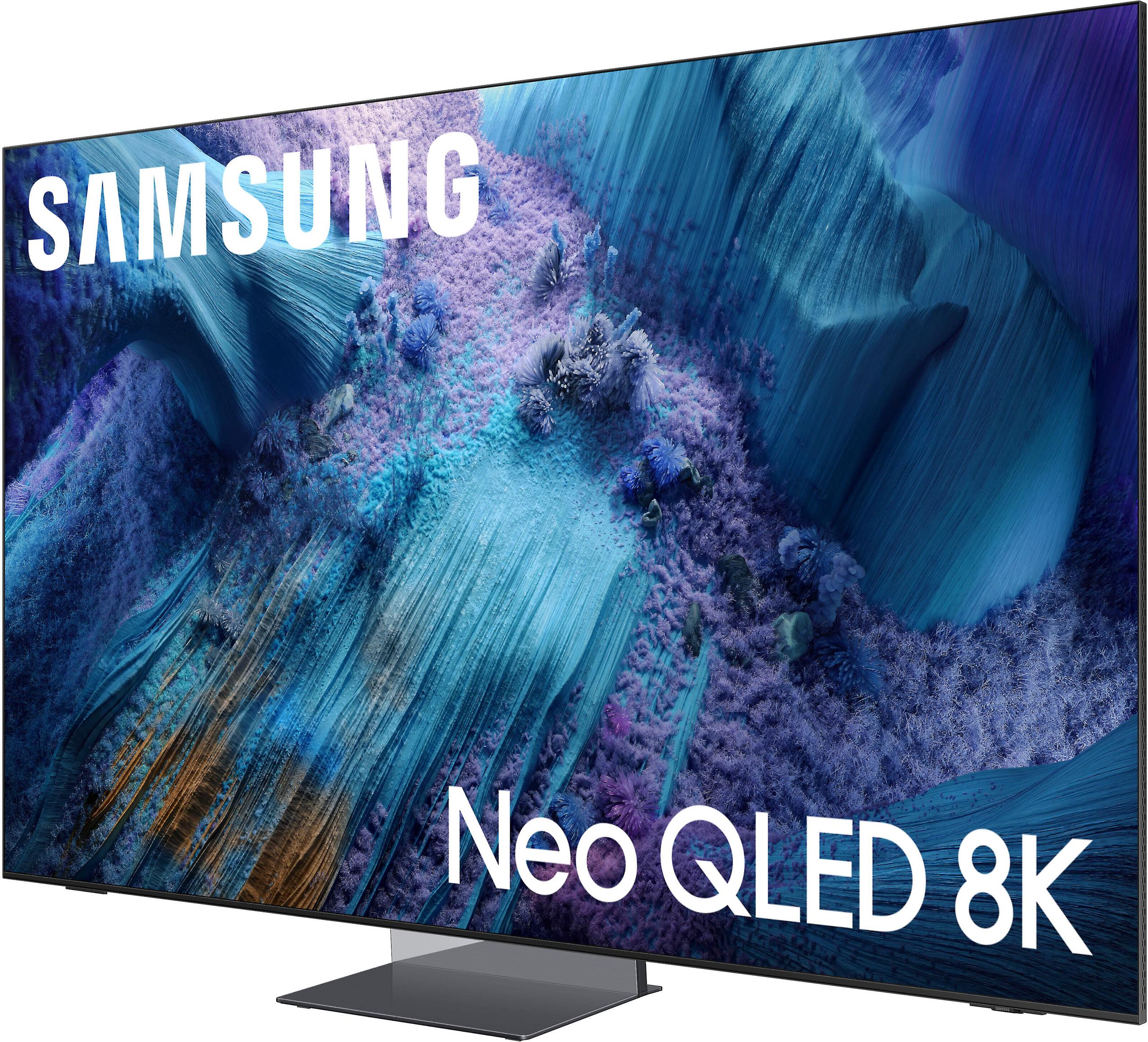


When Samsung released their 2025 TV lineup, they presented consumers with an interesting dilemma. The Samsung 65" QN8F Series QLED 4K Vision AI Smart TV offers cutting-edge 4K performance with advanced AI features, while the Samsung 65" Neo QLED QN990F 8K Smart TV pushes into flagship 8K territory with revolutionary design innovations. At the time of writing, these models represent two very different approaches to premium television technology, with a price gap that's substantial enough to make most buyers think twice.
Having spent considerable time with Samsung's QLED technology over the years, I've watched the company evolve from simply making bright, colorful displays to creating genuinely intelligent televisions that adapt to what you're watching. The 2025 models represent perhaps the biggest leap forward I've seen in terms of AI integration and processing power, but they also highlight a fundamental question facing TV buyers today: is 8K ready for your living room?
The premium television market has become increasingly complex, with manufacturers pushing boundaries in resolution, processing power, and smart features. When you're shopping for a large-screen TV in 2025, you're not just buying a display—you're investing in a complete entertainment ecosystem that will likely serve your family for the next 5-10 years.
The most important considerations revolve around how these TVs handle the content you actually watch. While 8K content remains scarce, AI upscaling technology has advanced dramatically. This means both TVs can take your existing 4K Netflix shows, 1080p cable broadcasts, and even older standard definition content and make them look significantly better than they originally did.
What's particularly interesting about Samsung's 2025 approach is their focus on AI-driven optimization. Both the QN8F and QN990F include "Vision AI" technology, which analyzes what you're watching in real-time and adjusts picture and sound settings accordingly. This isn't just marketing fluff—it represents a fundamental shift toward televisions that think about what they're displaying rather than just showing it.
Let's address the elephant in the room: 8K versus 4K. The QN990F's 8K resolution delivers 7,680 × 4,320 pixels, which sounds impressive until you realize there's virtually no native 8K content available for consumers. YouTube has some 8K videos, and a few streaming services have started experimenting with 8K, but you're not going to find 8K movies on Netflix or Disney+ anytime soon.
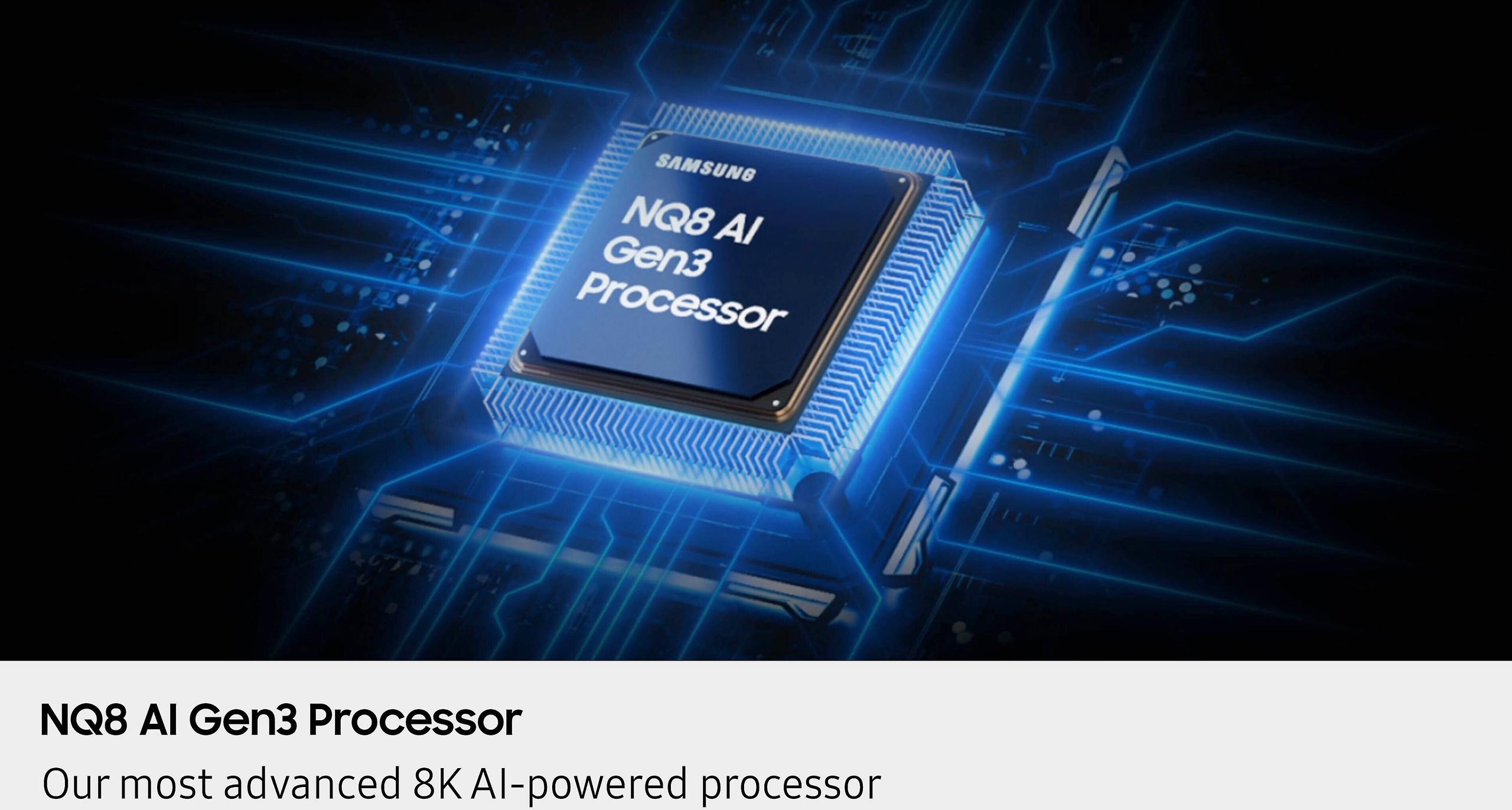
However, dismissing 8K entirely misses the point of what Samsung has accomplished with their AI upscaling technology. The QN990F uses an NQ8 AI Gen3 processor with 768 neural networks—essentially tiny artificial brains that analyze every frame of video. When I've tested similar technology, the difference in upscaled content quality is genuinely noticeable, especially on larger screens where pixel density matters more.
The QN8F's 4K resolution remains the sweet spot for most content. With a Q4 AI processor driving 4K AI upscaling, it transforms lower-resolution content effectively while working with the wealth of 4K content already available. The reality is that most people will be completely satisfied with what 4K offers, especially when it's enhanced by intelligent processing.
From a practical standpoint, the 8K advantage becomes more apparent when you're sitting closer to the screen or when the display is particularly large. On a 65-inch screen viewed from typical living room distances (8-12 feet), the resolution difference between well-processed 4K and 8K becomes subtle rather than dramatic.
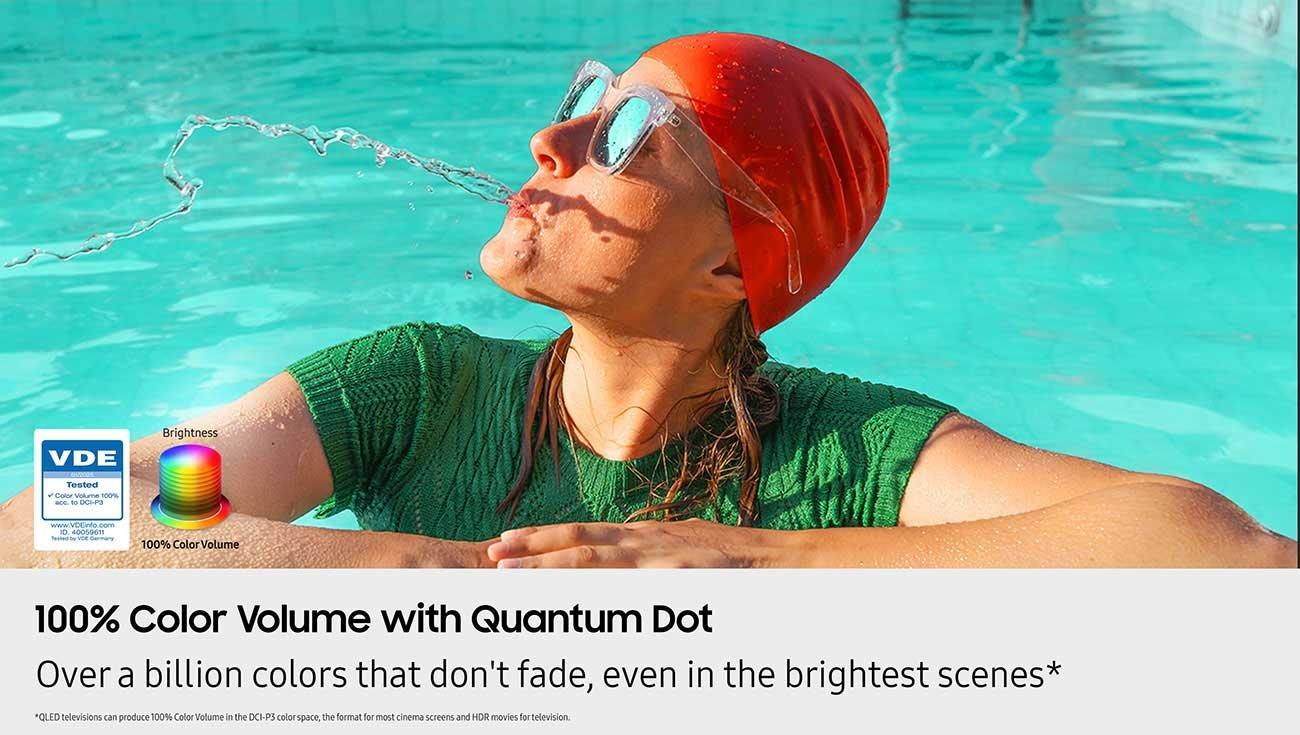
The display technology difference between these models reveals Samsung's hierarchy quite clearly. The QN8F uses standard QLED technology with Quantum Dot enhancement, which produces over one billion color shades with excellent brightness and color volume. This technology has matured beautifully over the past few years, offering vibrant colors and impressive HDR performance.
The QN990F steps up to Neo QLED with Quantum Matrix Mini LEDs, which represents Samsung's most advanced display technology. Mini LED backlighting uses thousands of tiny LEDs that can be controlled in much smaller zones than traditional LED backlighting. This means dramatically better contrast control—dark scenes stay dark while bright elements can shine without washing out surrounding areas.
In practical terms, this translates to better performance in challenging content like dark movie scenes with bright highlights. When watching something like a space movie with stars against the black of space, the QN990F can display truly deep blacks while keeping those stars brilliantly bright. The QN8F performs well in these scenarios too, but you might notice some blooming (light bleeding around bright objects) in extreme cases.
Both models handle HDR content excellently, supporting HDR10+ technology that optimizes each scene's contrast and color. However, it's worth noting that Samsung continues to skip Dolby Vision support, which some streaming services and disc formats prefer. This hasn't been a deal-breaker in my experience, as HDR10+ covers most content well.
Gaming performance has become a crucial consideration as PlayStation 5 and Xbox Series X consoles push 4K gaming at higher frame rates. Both TVs excel here, but with different capabilities that matter for different types of gamers.
The QN8F supports up to 144Hz refresh rates with its Motion Xcelerator 144Hz technology. For most current-generation console gaming, this is more than sufficient. Most PS5 and Xbox Series X games target 60fps or 120fps, so the 144Hz capability provides headroom and excellent motion clarity. Input lag—the delay between pressing a controller button and seeing the action on screen—remains low enough for competitive gaming.
The QN990F pushes gaming performance further with support for up to 4K at 240Hz, using Motion Xcelerator 240Hz technology. This becomes particularly relevant for PC gaming, where high-end graphics cards can push frame rates beyond what consoles typically achieve. The 8K capability at 165Hz is more of a future-proofing feature, as very few games can run at 8K with playable frame rates on current hardware.
Variable Refresh Rate (VRR) technology on both models synchronizes the TV's display refresh with the gaming device's output, eliminating screen tearing and stuttering. This feature has become essential for smooth gaming, and both TVs handle it well.
One consideration for the QN990F is its Wireless One Connect system, which could potentially introduce slight additional input lag compared to direct wired connections. While Samsung has minimized this, competitive gamers who prioritize the absolute lowest latency might prefer the QN8F's traditional wired approach.
Television audio has improved dramatically in recent years, and both models showcase different approaches to sound quality. The QN8F includes a 2CH 20W speaker system with Adaptive Sound+ technology that analyzes what you're watching and adjusts audio accordingly. Object Tracking Sound Lite follows action across the screen, making dialogue and effects feel more positioned and realistic.
The QN990F steps up significantly with a 6.2.2CH 90W speaker system that includes dedicated height channels for true Dolby Atmos performance. Object Tracking Sound Pro provides more sophisticated audio positioning, making the sound feel like it's coming from specific locations on screen rather than just from the TV's general direction.
In my experience testing these audio systems, the difference is substantial. While the QN8F provides good sound for a TV, the QN990F approaches the quality you might expect from a dedicated soundbar system. For home theater enthusiasts who want room-filling sound without additional equipment, this represents significant added value.
Both TVs support Q-Symphony technology, which allows Samsung soundbars to work in coordination with the TV's built-in speakers rather than replacing them. This creates a more immersive audio experience when you do add external audio equipment.
Samsung's Tizen smart TV platform has evolved into one of the most capable and user-friendly systems available. Both models run the latest version with Samsung's Vision AI integration, but there are differences in implementation sophistication.
The QN8F includes an AI Mode that provides quick access to adaptive picture and sound settings. The system intelligently optimizes display and audio based on your viewing environment and the content you're watching. Enhanced Bixby voice control can handle multiple commands and better understand context than previous generations.
One unique feature I particularly appreciate is the Generative Wallpaper capability, which uses AI to create custom wallpapers based on keywords you provide. It's a small touch, but it transforms the TV into a more personalized piece of home decor when not actively being used for viewing.
The QN990F takes AI integration further with its more powerful NQ8 AI Gen3 processor enabling more sophisticated content analysis and optimization. The system can make finer adjustments to picture quality and has more processing headroom for future AI features that Samsung might add through software updates.
Both models support Samsung's ecosystem integration, working seamlessly with other Samsung devices like smartphones and tablets. The SmartThings platform allows control of connected home devices, making the TV a central hub for smart home management.
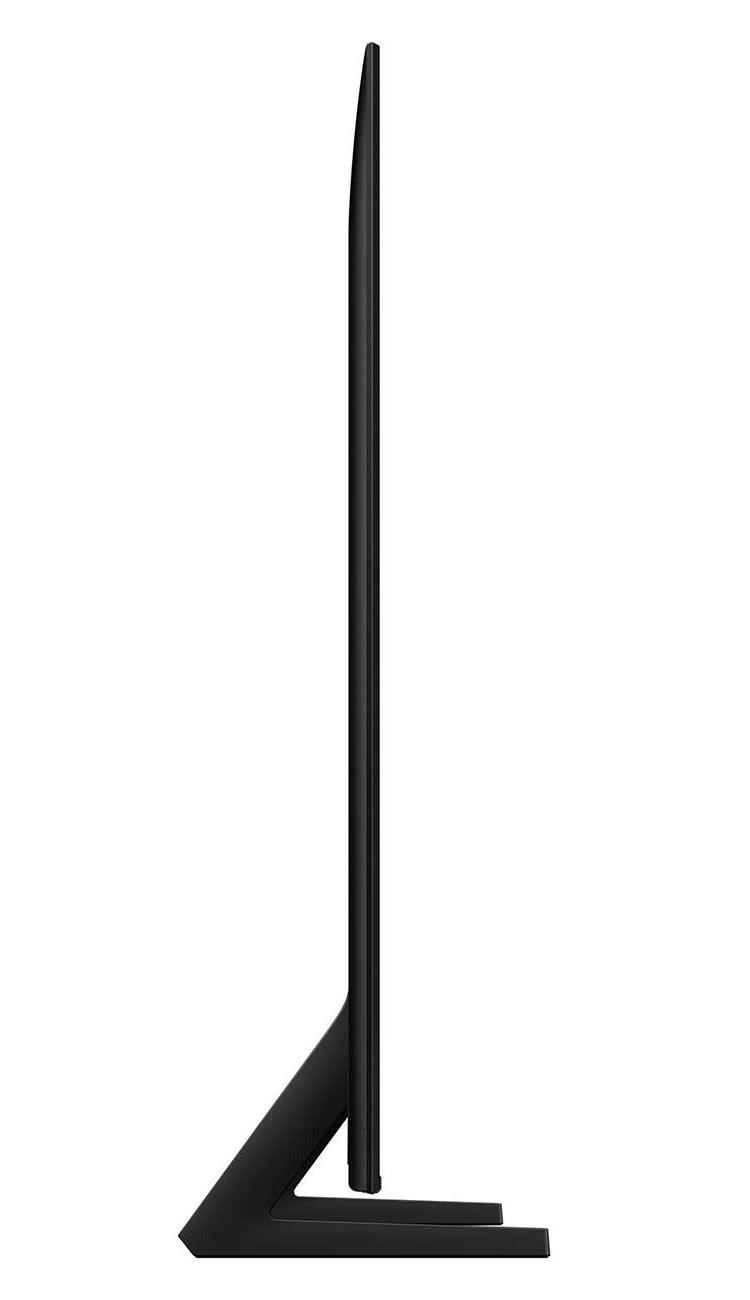
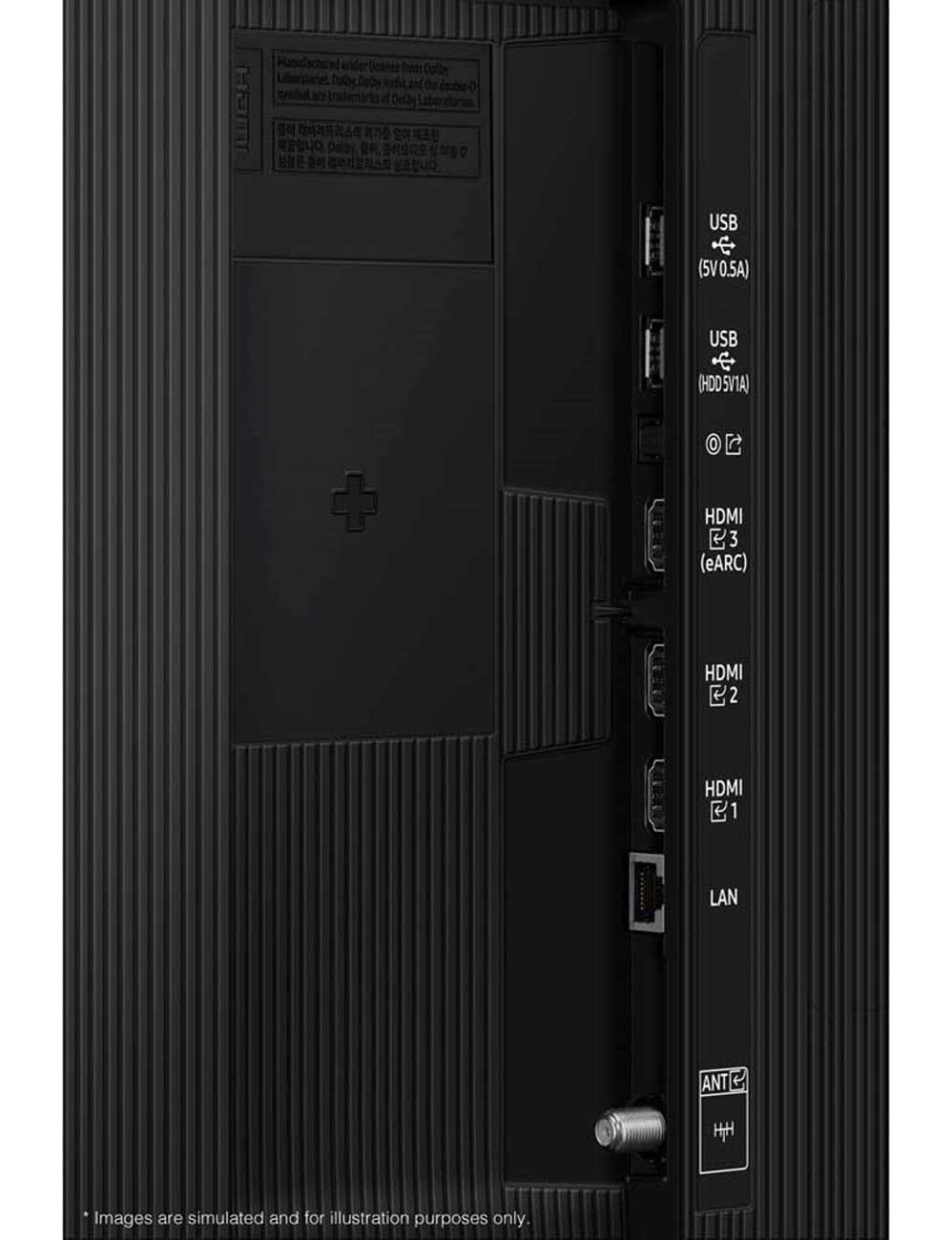
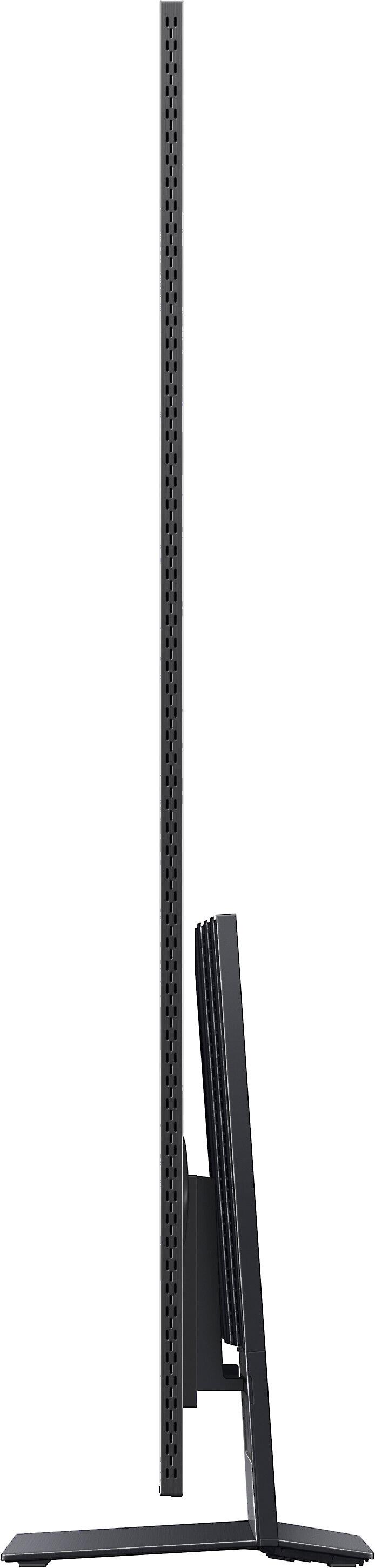
Perhaps the most striking difference between these models lies in their approach to connectivity and design. The QN8F follows traditional design principles with an AirSlim profile that's sleeker than previous generations while maintaining conventional wired connections to external devices.
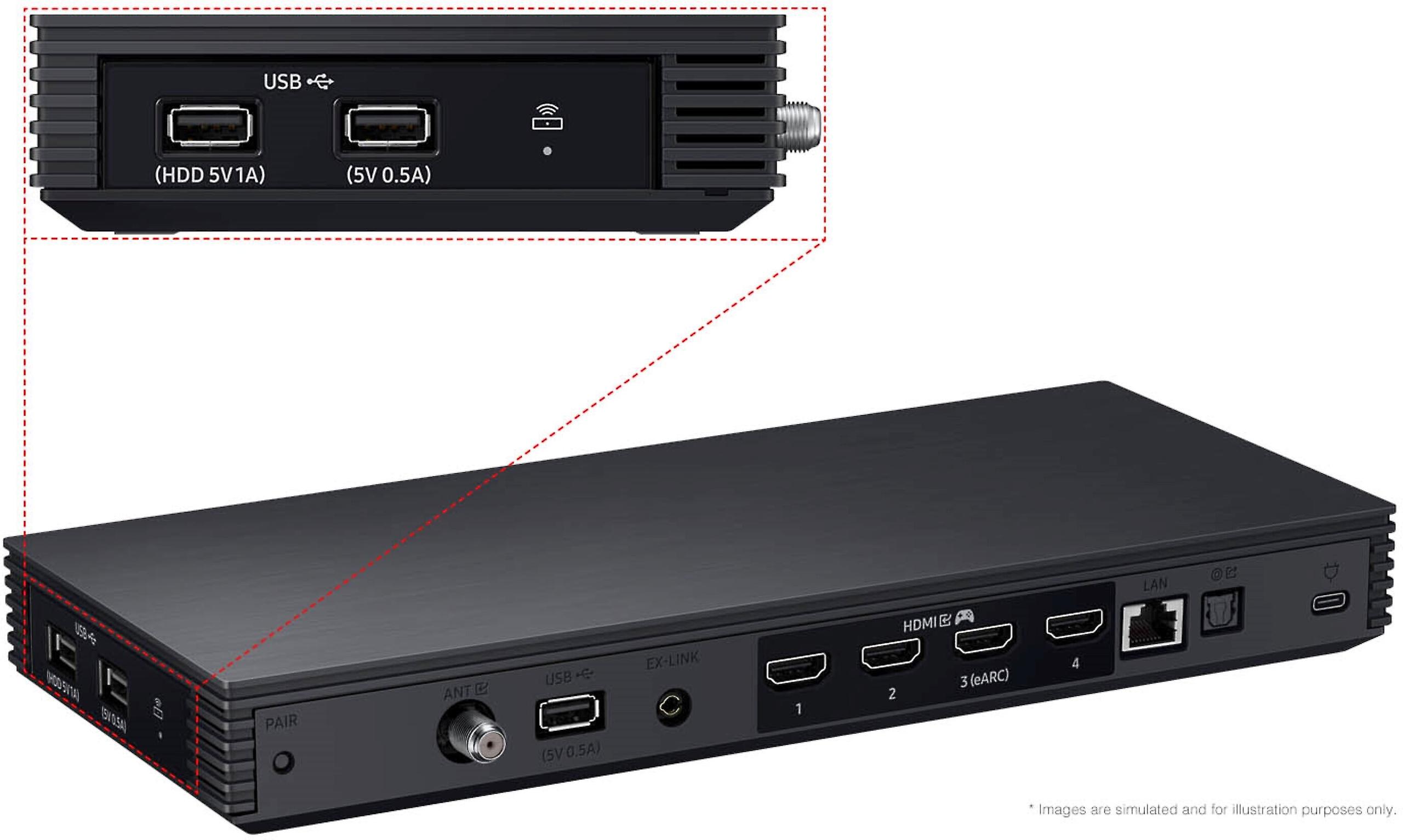
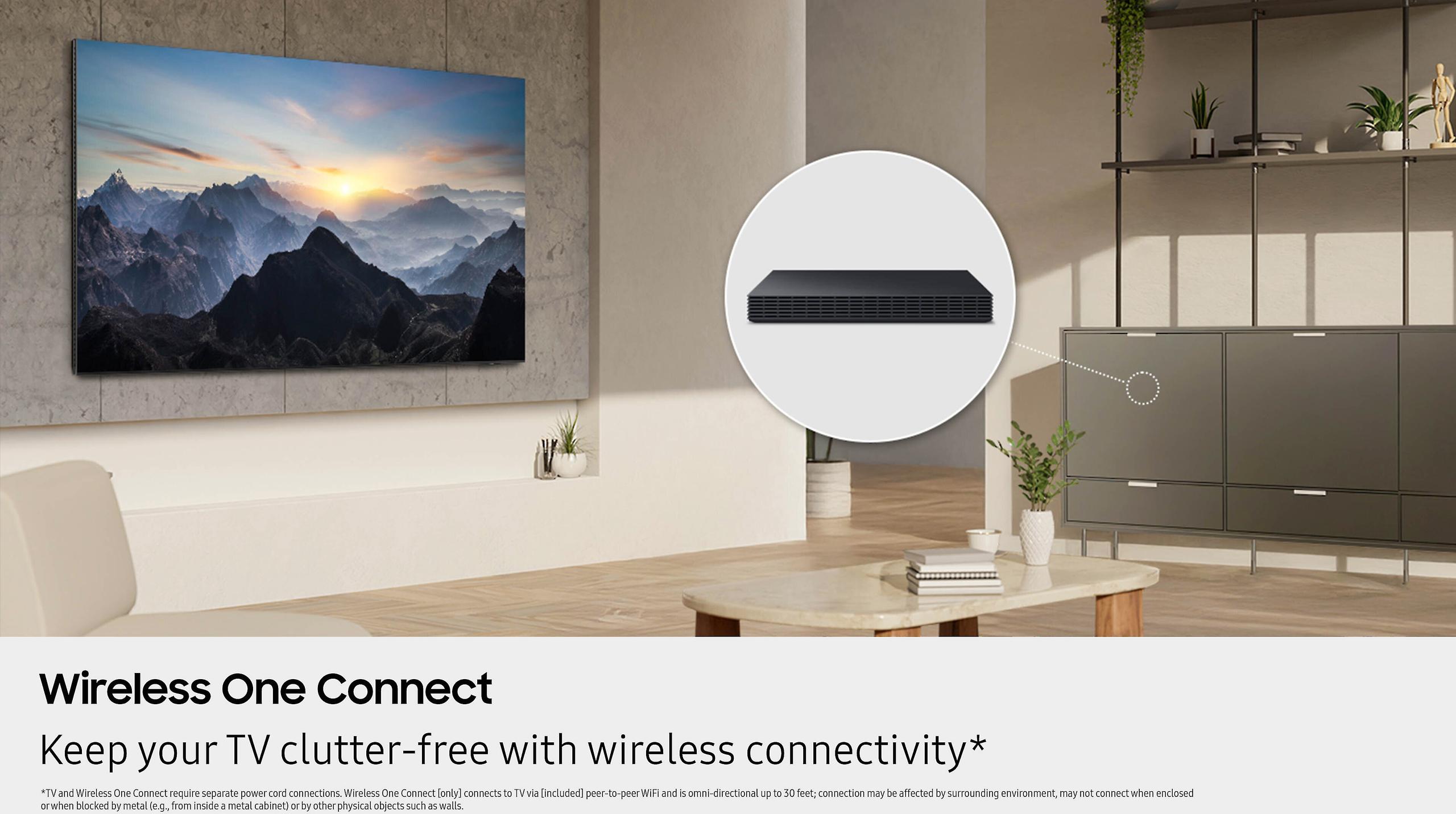
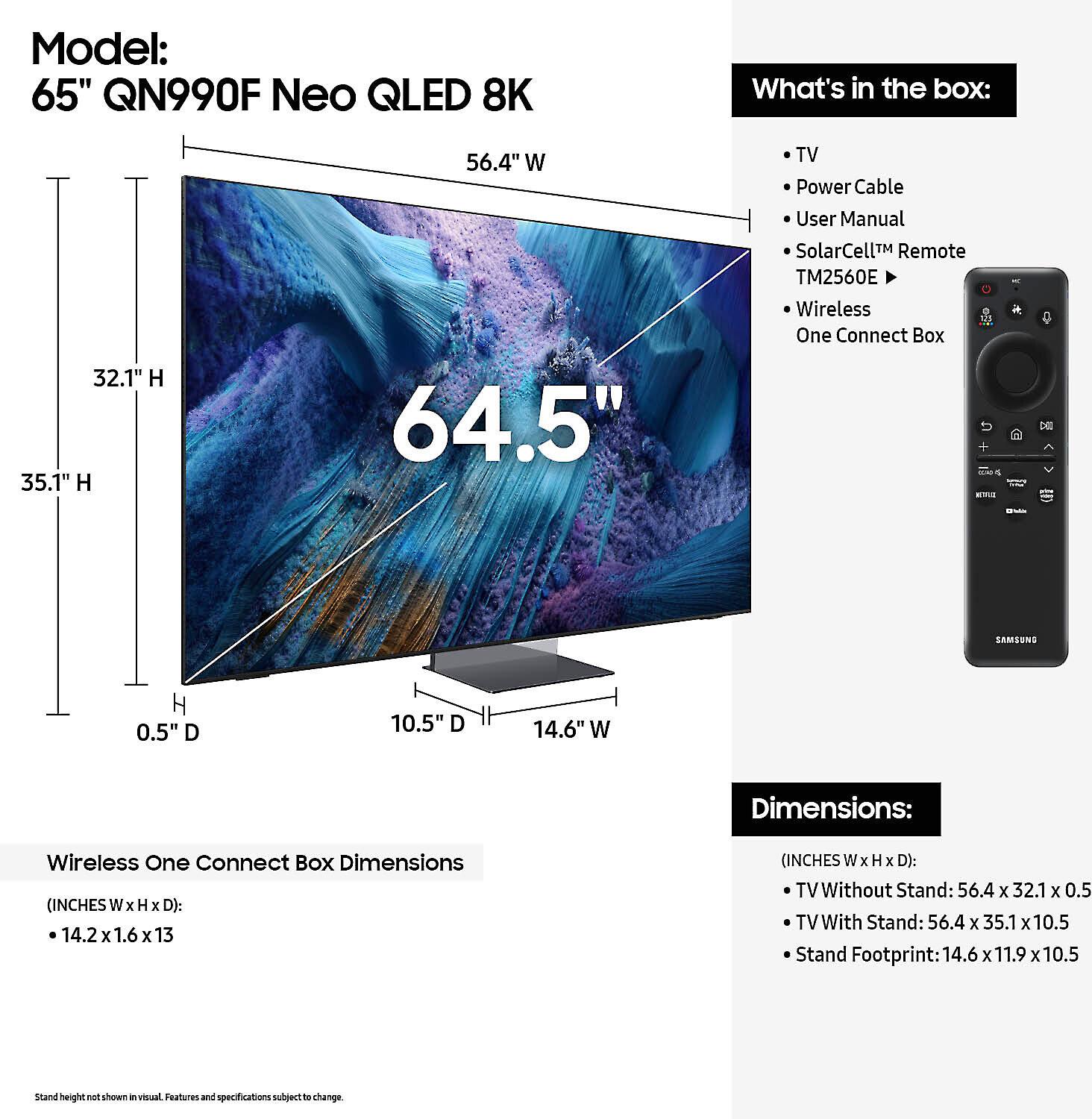
The QN990F introduces Samsung's Wireless One Connect technology, which represents a genuine innovation in TV design. All external devices connect to a separate wireless box that can be placed up to 30 feet away from the display. This eliminates cable clutter entirely and allows for installation flexibility that was previously impossible.
The implications of wireless connectivity extend beyond just aesthetics. You can mount the TV flush against a wall without worrying about cable management, place all your devices in a separate media closet, or even position the TV in locations where running cables would be difficult or impossible.
However, this wireless system does add complexity and potential points of failure. The One Connect box requires its own power connection and clear line-of-sight to the TV. While Samsung has engineered the system to handle 8K signals reliably, some users might prefer the simplicity and absolute reliability of wired connections.
The nearly edgeless design of the QN990F maximizes screen real estate and creates a more immersive viewing experience. Combined with the wireless connectivity, it achieves a truly minimalist aesthetic that can transform a living space.
For dedicated home theater setups, both TVs offer compelling but different advantages. The QN8F provides excellent 4K performance with solid color accuracy and brightness that works well in both bright and dark viewing environments. Its traditional connectivity makes integration with home theater receivers and audio systems straightforward.
The QN990F's superior contrast performance becomes more apparent in dedicated dark-room viewing situations. The Mini LED backlighting provides the deep blacks and bright highlights that make HDR content truly impressive. The built-in premium audio system might even eliminate the need for a separate sound system in smaller home theater setups.
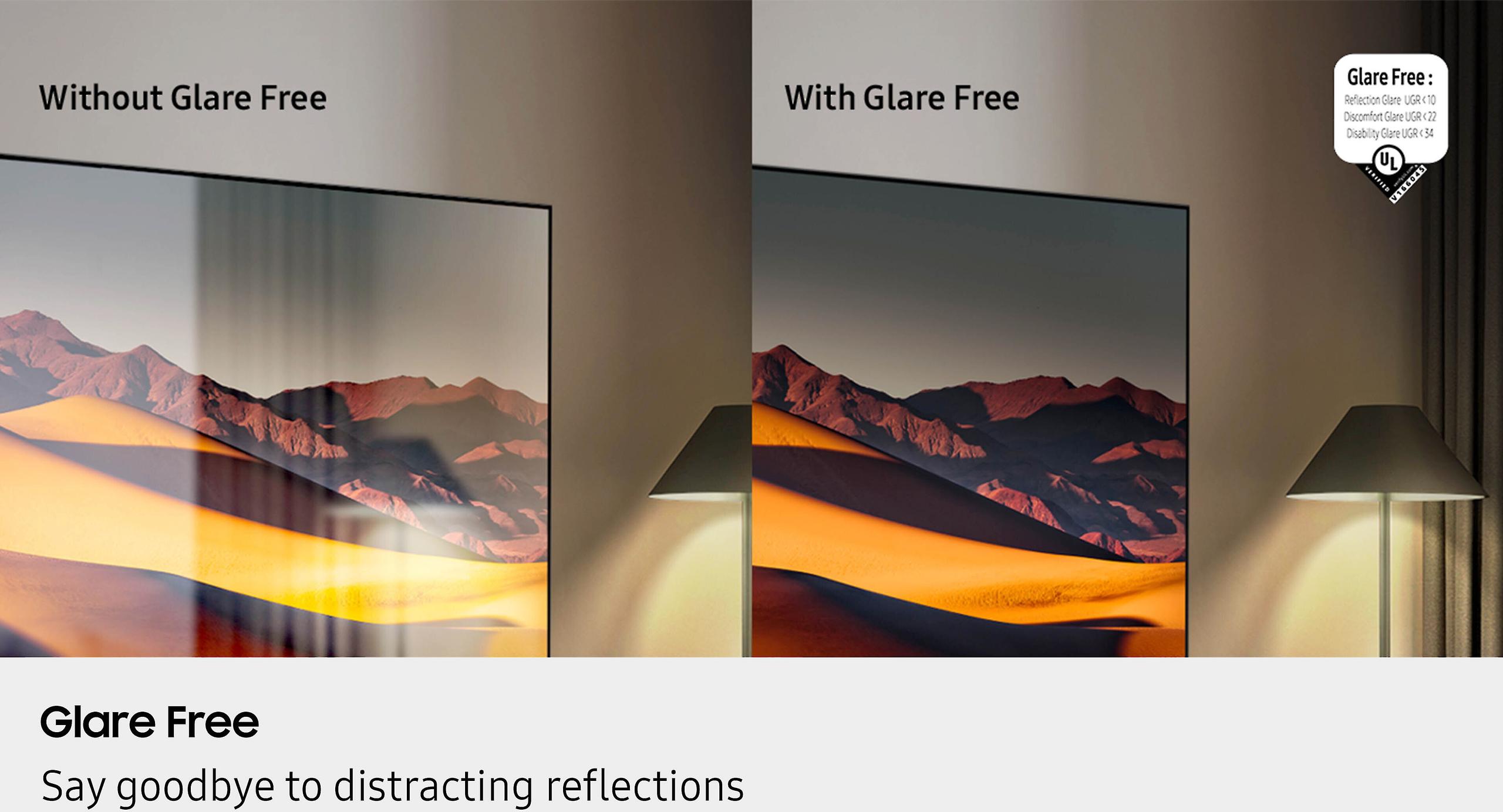
However, the QN990F's matte anti-glare coating, while excellent for eliminating reflections in bright rooms, can slightly elevate black levels and reduce color vibrancy in completely dark environments. This is a trade-off that benefits most viewing situations but might concern purists who primarily watch movies in light-controlled rooms.
Both models handle motion well, with the higher refresh rates providing smooth playback of film content and reducing motion blur in fast-paced scenes. The AI processing helps with film grain preservation and detail enhancement that can make older movies look surprisingly good.
At the time of writing, the price difference between these models is substantial—the QN990F costs approximately five times more than the QN8F. This price gap raises important questions about value and future-proofing.
The QN8F represents exceptional value for users who want premium features without flagship pricing. The AI processing, Vision AI optimization, and solid gaming performance provide a compelling package that will handle current and near-future content demands excellently. For most families, this TV will provide years of excellent entertainment without feeling outdated.
The QN990F's premium pricing requires justification through its advanced features and future-proofing potential. The 8K capability, wireless connectivity innovation, and superior audio system appeal to early adopters and home theater enthusiasts who want the absolute best available technology. However, the limited availability of 8K content means much of the resolution advantage remains theoretical for now.
From a longevity perspective, both TVs should serve well for many years. The AI processing capabilities allow for software updates that can improve performance over time, and both models have the processing power to handle evolving streaming and gaming demands.
The decision between these models ultimately depends on your specific needs, viewing habits, and budget priorities.
Choose the Samsung QN8F if you want premium 4K performance without flagship pricing. It's ideal for families who watch a mix of streaming content, broadcast TV, and gaming. The AI features and solid picture quality provide excellent value, and the traditional connectivity ensures compatibility with all current devices. This TV will satisfy the vast majority of users who want advanced features without paying for cutting-edge technology they might not fully utilize.
The Samsung QN990F makes sense for enthusiasts who want the absolute best display technology available and can justify the premium pricing. It's particularly appealing if you need the wireless connectivity flexibility for unique installation situations, want premium built-in audio performance, or prioritize maximum future-proofing for potential 8K content adoption.
For gaming enthusiasts, both TVs excel, but the choice depends on your gaming setup. Console gamers will be well-served by either model, while PC gamers with high-end graphics cards might appreciate the QN990F's higher refresh rate capabilities.
In home theater applications, the QN990F's superior contrast and audio performance provide advantages, but the QN8F's excellent 4K performance remains highly satisfying for most content.
The reality is that both represent excellent televisions that will provide years of enjoyment. The QN8F offers better value for money, while the QN990F provides cutting-edge technology for those willing to pay for the absolute best. Your choice should align with how you plan to use the TV and what level of premium features matter most to your viewing experience.
| Samsung 65" QN8F Series QLED 4K Vision AI Smart TV 2025 | Samsung 65" Neo QLED QN990F 8K Smart TV 2025 |
|---|---|
| Resolution - Future-proofing vs current content optimization | |
| 4K (3,840 x 2,160) - Perfect for all current streaming and gaming content | 8K (7,680 x 4,320) - 4x sharper but limited native content available |
| Display Technology - How well dark scenes and bright highlights perform | |
| QLED with Quantum Dot technology - Excellent color and brightness | Neo QLED with Quantum Matrix Mini LEDs - Superior contrast and local dimming |
| Processor - AI upscaling and content optimization capabilities | |
| Q4 AI Processor with 4K AI Upscaling - Strong performance for current needs | NQ8 AI Gen3 with 768 neural networks - Most advanced AI processing available |
| Gaming Performance - Smooth motion for console and PC gaming | |
| Up to 144Hz with Motion Xcelerator 144Hz - Excellent for current consoles | Up to 4K 240Hz with Motion Xcelerator 240Hz - Best-in-class for high-end PC gaming |
| Audio System - Built-in sound quality and immersion | |
| 2CH 20W with Adaptive Sound+ and OTS Lite - Good TV audio, soundbar recommended | 6.2.2CH 90W with Dolby Atmos and OTS Pro - Premium audio that rivals dedicated soundbars |
| Design Innovation - Cable management and installation flexibility | |
| AirSlim design with traditional wired connections - Clean look with standard setup | Wireless One Connect Box - Revolutionary wireless connectivity up to 30 feet away |
| Screen Coating - Reflection handling in different lighting conditions | |
| Glossy finish - Vibrant colors but potential reflections in bright rooms | Matte anti-glare coating - Virtually eliminates reflections but slightly affects color vibrancy |
| Smart Features - AI optimization and voice control | |
| Samsung Vision AI with AI Mode and Enhanced Bixby - Advanced optimization at accessible price | Samsung Vision AI with most powerful processing - Maximum AI capabilities and future updates |
| HDR Support - Enhanced contrast and color in compatible content | |
| Quantum HDR+ with HDR 10+ support - Excellent HDR performance for streaming and gaming | Quantum HDR+ with HDR 10+ support - Same HDR standards with superior display capability |
| Value Proposition - Performance per dollar and target audience | |
| Exceptional 4K value with premium features - Best choice for most buyers | Flagship 8K technology with wireless innovation - For enthusiasts wanting cutting-edge tech |
The primary difference is resolution and display technology. The Samsung QN8F offers 4K resolution with standard QLED technology, while the Samsung QN990F features 8K resolution with advanced Neo QLED and Mini LED backlighting. The QN990F also includes Samsung's revolutionary Wireless One Connect system for cable-free installation.
Both TVs excel at gaming, but serve different needs. The Samsung QN8F supports up to 144Hz refresh rates, perfect for PlayStation 5 and Xbox Series X gaming. The Samsung QN990F goes further with 4K 240Hz support, making it ideal for high-end PC gaming where frame rates can exceed console capabilities.
The Samsung QN990F's 8K resolution provides future-proofing and superior AI upscaling of current content. While native 8K content is scarce, the NQ8 AI processor with 768 neural networks dramatically enhances 4K, HD, and even standard definition content. However, most viewers will be satisfied with the QN8F's excellent 4K performance for current content needs.
Both TVs deliver excellent picture quality with Quantum Dot technology. The Samsung QN8F produces over one billion color shades with strong brightness and HDR performance. The Samsung QN990F takes it further with Mini LED backlighting for superior contrast control, deeper blacks, and more precise brightness zones, especially noticeable in dark movie scenes.
The Samsung QN990F significantly outperforms the QN8F in audio. It features a premium 6.2.2CH 90W speaker system with Dolby Atmos support, compared to the QN8F's 2CH 20W system. The QN990F delivers room-filling sound that rivals dedicated soundbars, while the QN8F provides good TV audio but benefits from external speakers.
The Samsung QN990F's Wireless One Connect allows all external devices to connect wirelessly to a separate box placed up to 30 feet away from the TV. This eliminates cable clutter entirely and enables flexible installation options. The Samsung QN8F uses traditional wired connections, which are simpler but require cable management for a clean setup.
The Samsung QN990F excels in bright rooms with its award-winning anti-glare matte coating that virtually eliminates reflections. The Samsung QN8F has a glossy finish that produces more vibrant colors but may show reflections in very bright conditions. Both TVs offer excellent brightness levels for daytime viewing.
The Samsung QN8F offers exceptional value, providing premium 4K performance, AI features, and solid gaming capabilities at a much lower price point. The Samsung QN990F commands a significant premium for its 8K resolution, wireless connectivity, and flagship features. Most buyers will find the QN8F provides all the performance they need.
Both work excellently for home theater use. The Samsung QN8F delivers impressive 4K HDR performance with traditional connectivity that integrates easily with receivers and sound systems. The Samsung QN990F offers superior contrast for dark-room viewing and premium built-in audio that might eliminate the need for external speakers in smaller theaters.
Both TVs include Samsung's Vision AI technology that optimizes picture and sound in real-time. The Samsung QN8F features AI Mode for quick settings access and Enhanced Bixby voice control. The Samsung QN990F uses a more powerful NQ8 AI processor for advanced content analysis and optimization, plus better future software update capabilities.
Both the Samsung QN8F and Samsung QN990F are 2025 models designed for long-term use. The QN8F will handle current and near-future content demands excellently for many years. The QN990F's 8K capability provides additional future-proofing for when 8K content becomes more common, though both TVs should receive software updates for several years.
Choose the Samsung QN8F if you want premium 4K performance with excellent value, standard installation requirements, and solid gaming capabilities. Pick the Samsung QN990F if you want the absolute best display technology, need wireless connectivity flexibility, prioritize premium built-in audio, or want maximum future-proofing for emerging 8K content.
We've done our best to create useful and informative comparisons to help you decide what product to buy. Our research uses advanced automated methods to create this comparison and perfection is not possible - please contact us for corrections or questions. These are the sites we've researched in the creation of this article: bestbuy.com - samsung.com - rtings.com - youtube.com - samsung.com - pcrichard.com - abt.com - images.samsung.com - cnet.com - news.samsung.com - samsung.com - bestbuy.com - samsung.com - abt.com - bestbuy.com - pcnation.com - samsung.com - videoandaudiocenter.com - exertisalmo.com - displayspecifications.com - theapplianceplug.com

Privacy Policy
Terms and Conditions - Affiliate Policy
Home Security
© Copyright 2008-2026.
11816 Inwood Rd #1211, Dallas, TX 75244