

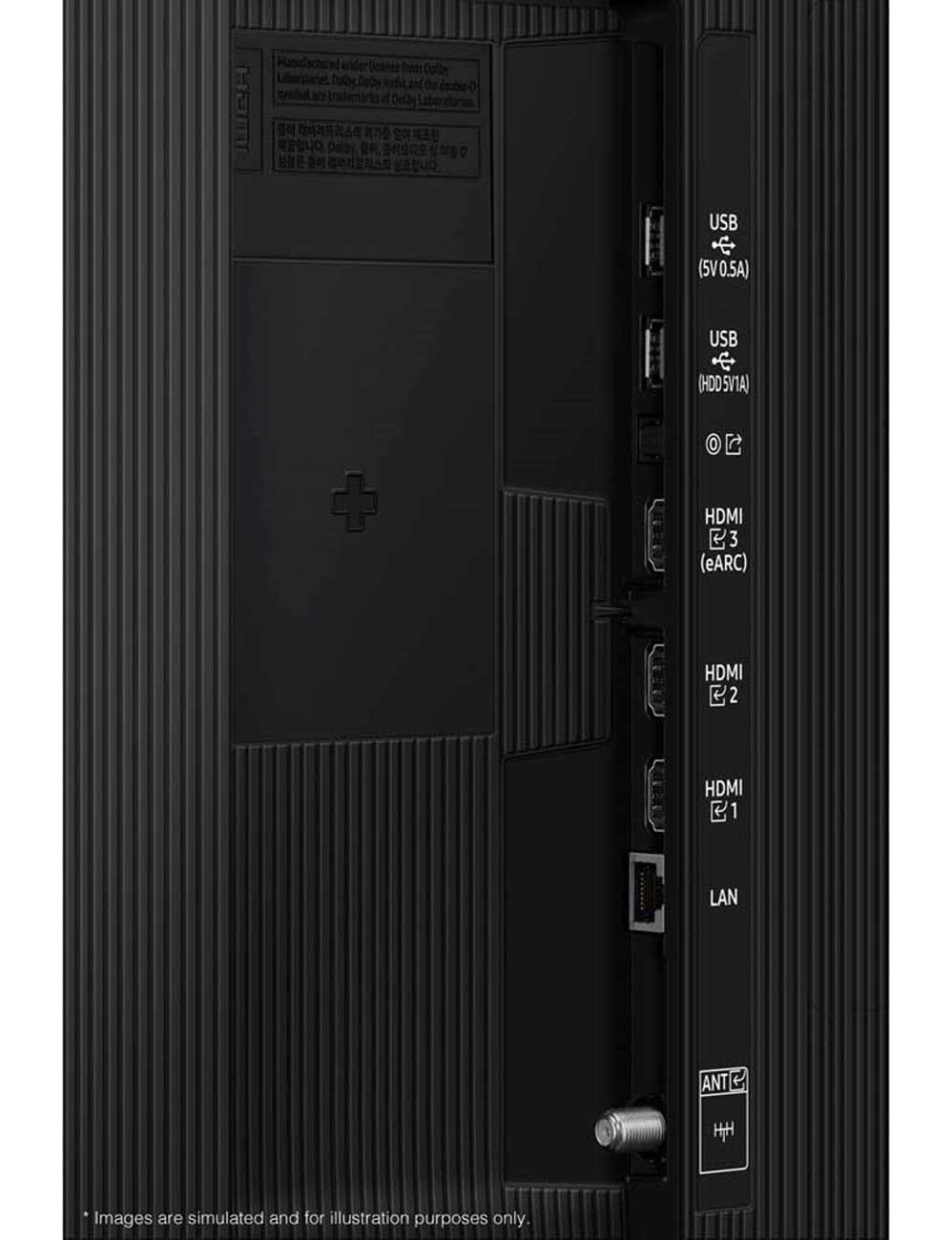
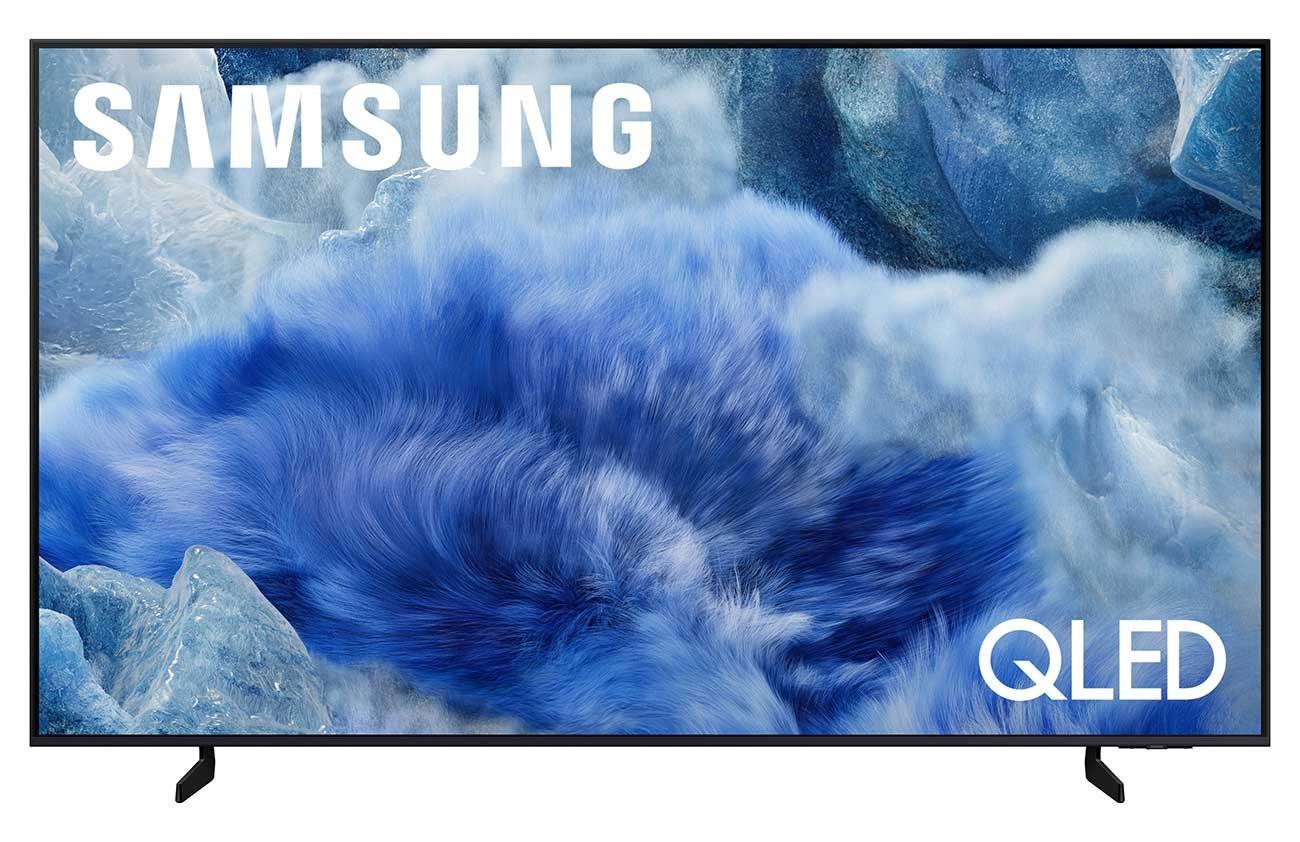
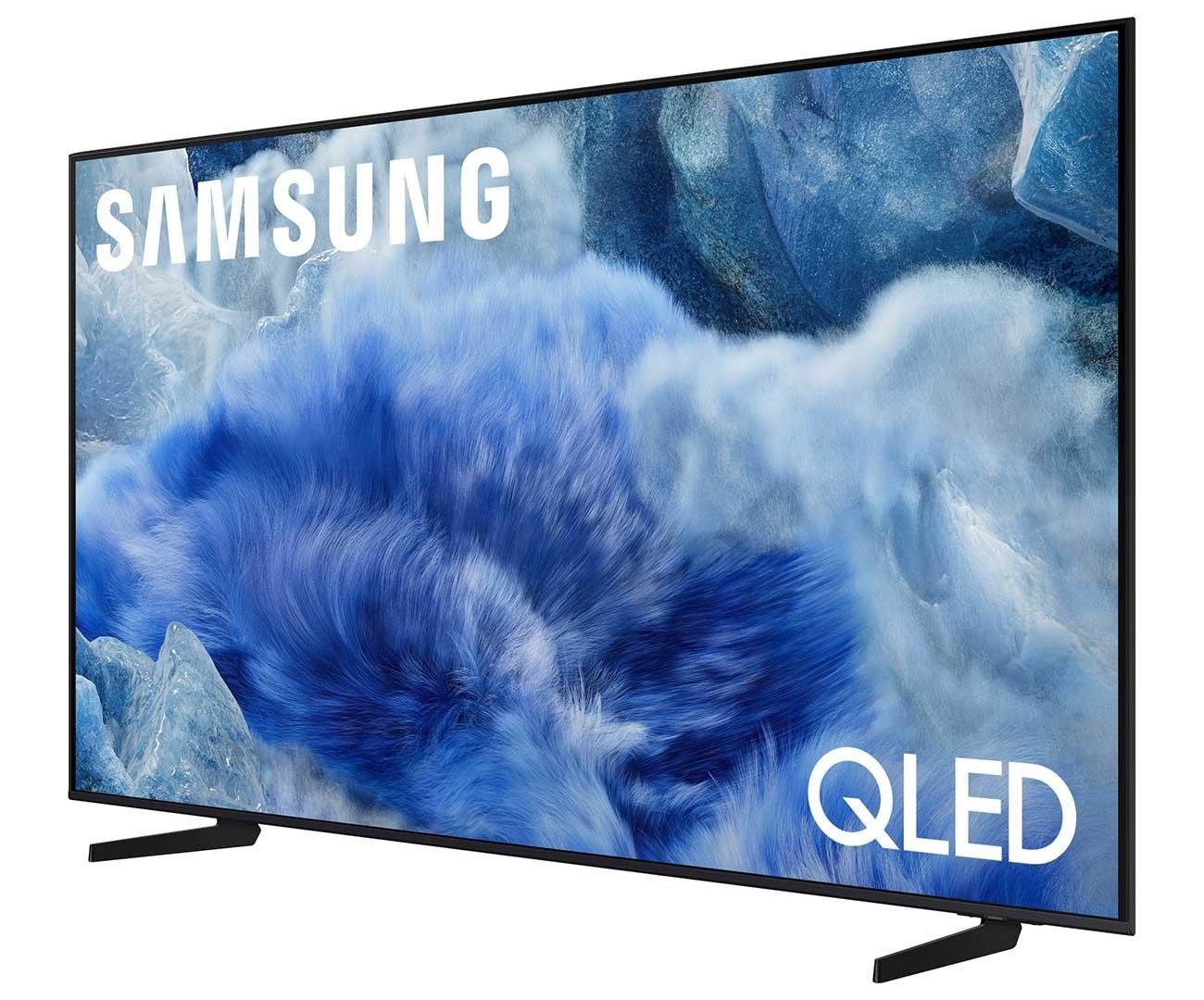
When you're shopping for a premium 65-inch TV, you're entering the sweet spot of home entertainment. It's large enough to create that cinematic experience we all crave, but not so massive that it overwhelms most living rooms. However, the choices can be overwhelming, especially when comparing TVs that take completely different approaches to delivering great picture quality.
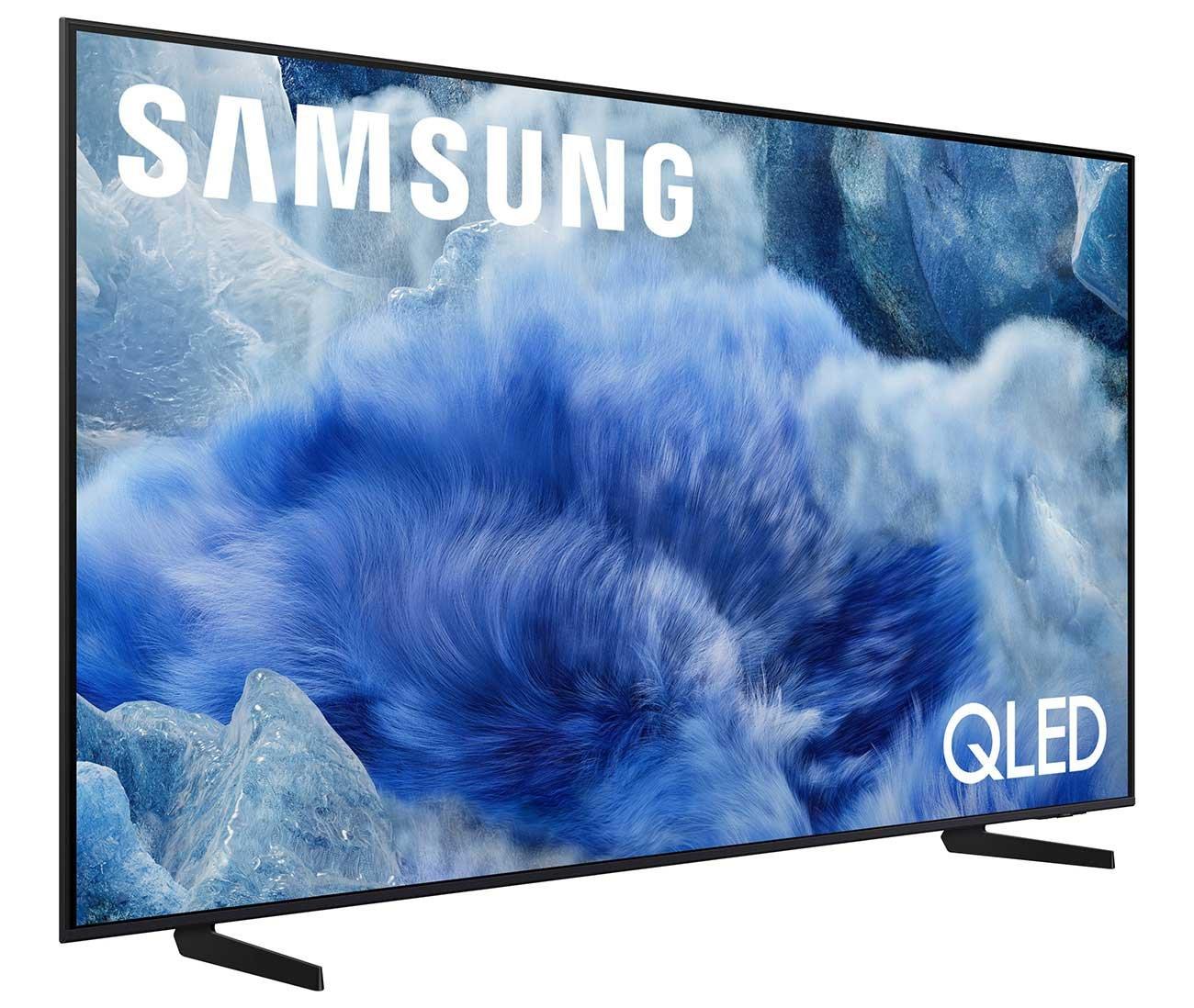
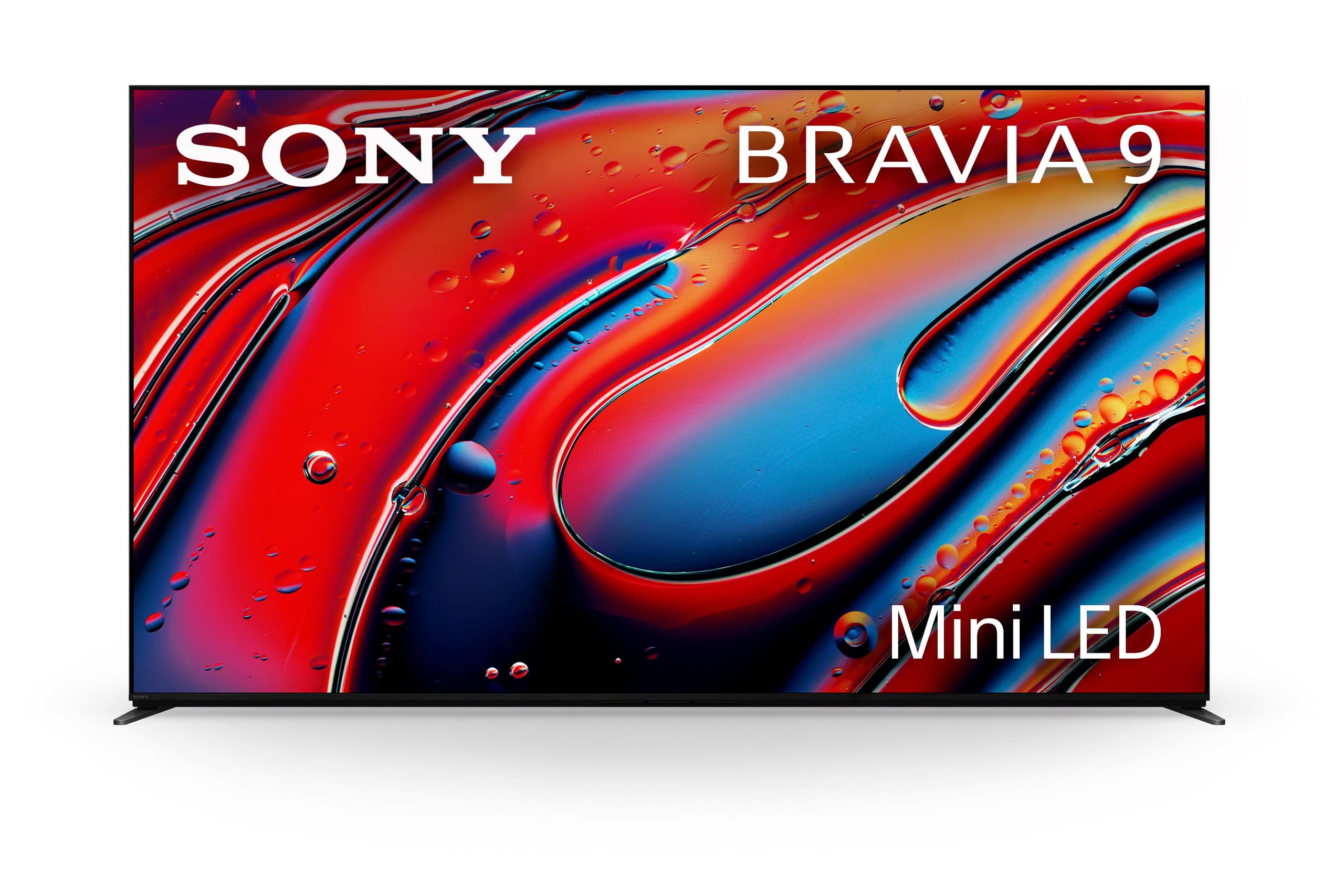
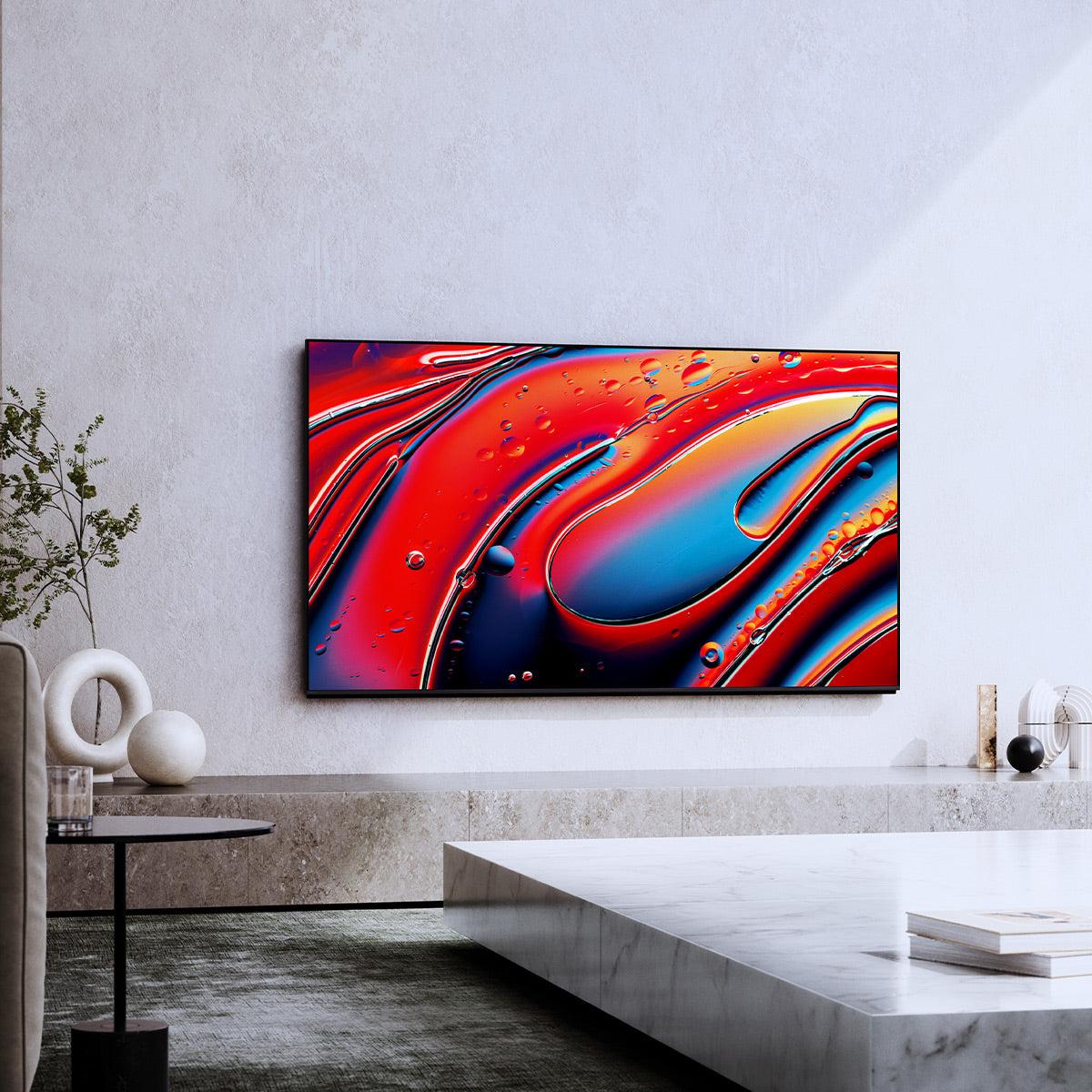
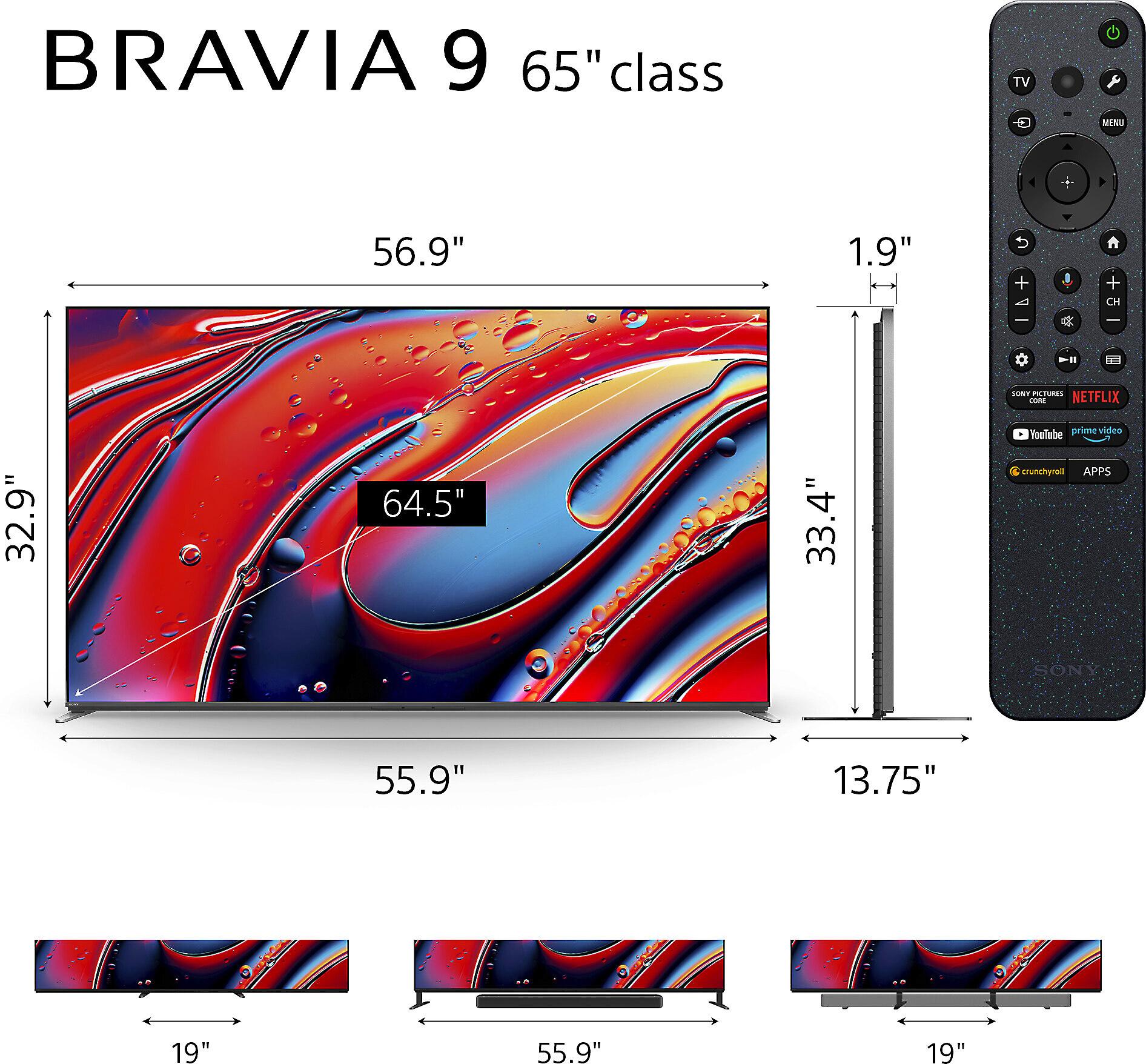
Today, I want to walk you through two fascinating options that represent very different philosophies in TV design: the Samsung 65" QN8F Series QLED 4K Vision AI Smart TV 2025 and the Sony BRAVIA 9 65" 4K UHD Mini LED QLED Smart Google TV. These aren't just different brands – they represent fundamentally different approaches to what makes a great TV, and understanding these differences will help you make the right choice for your specific needs and budget.
Before diving into specifics, let's talk about what really matters when choosing a premium TV. The display technology is the heart of everything – this determines how your TV creates the light and color that form the images you see. Picture processing is equally crucial; it's like having a really smart assistant that's constantly making your content look better in real-time. Smart features have become table stakes, but the quality of the user interface and AI capabilities can make or break your daily experience.
Most importantly, there's the value equation. At the time of writing, these TVs sit in very different price categories, with the Samsung Q8F targeting the accessible premium market while the Sony BRAVIA 9 positions itself as a flagship product. This price difference isn't arbitrary – it reflects fundamentally different technologies and target audiences.
The most striking difference between these TVs lies in their core display technology, and this is where things get really interesting from a technical standpoint.
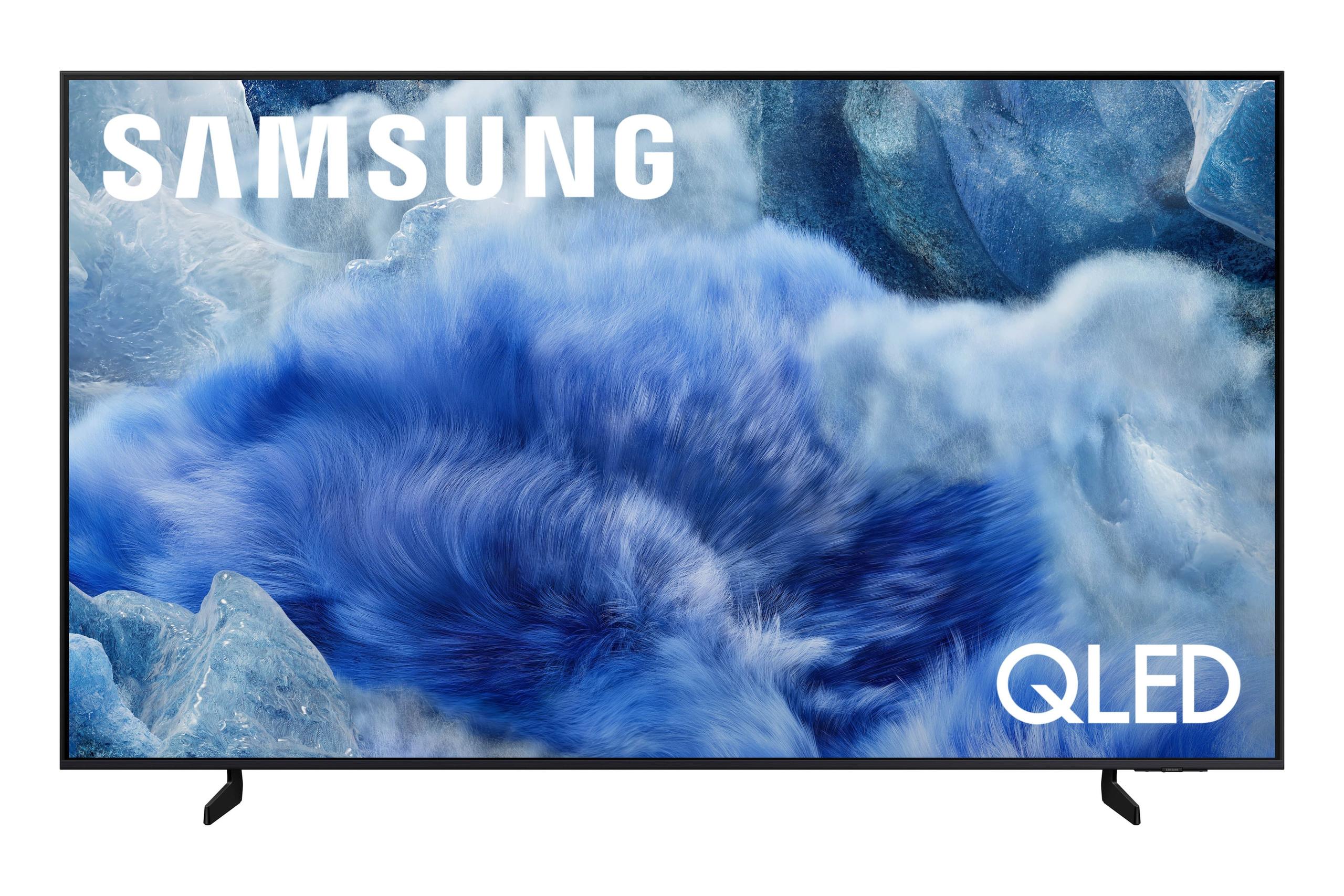
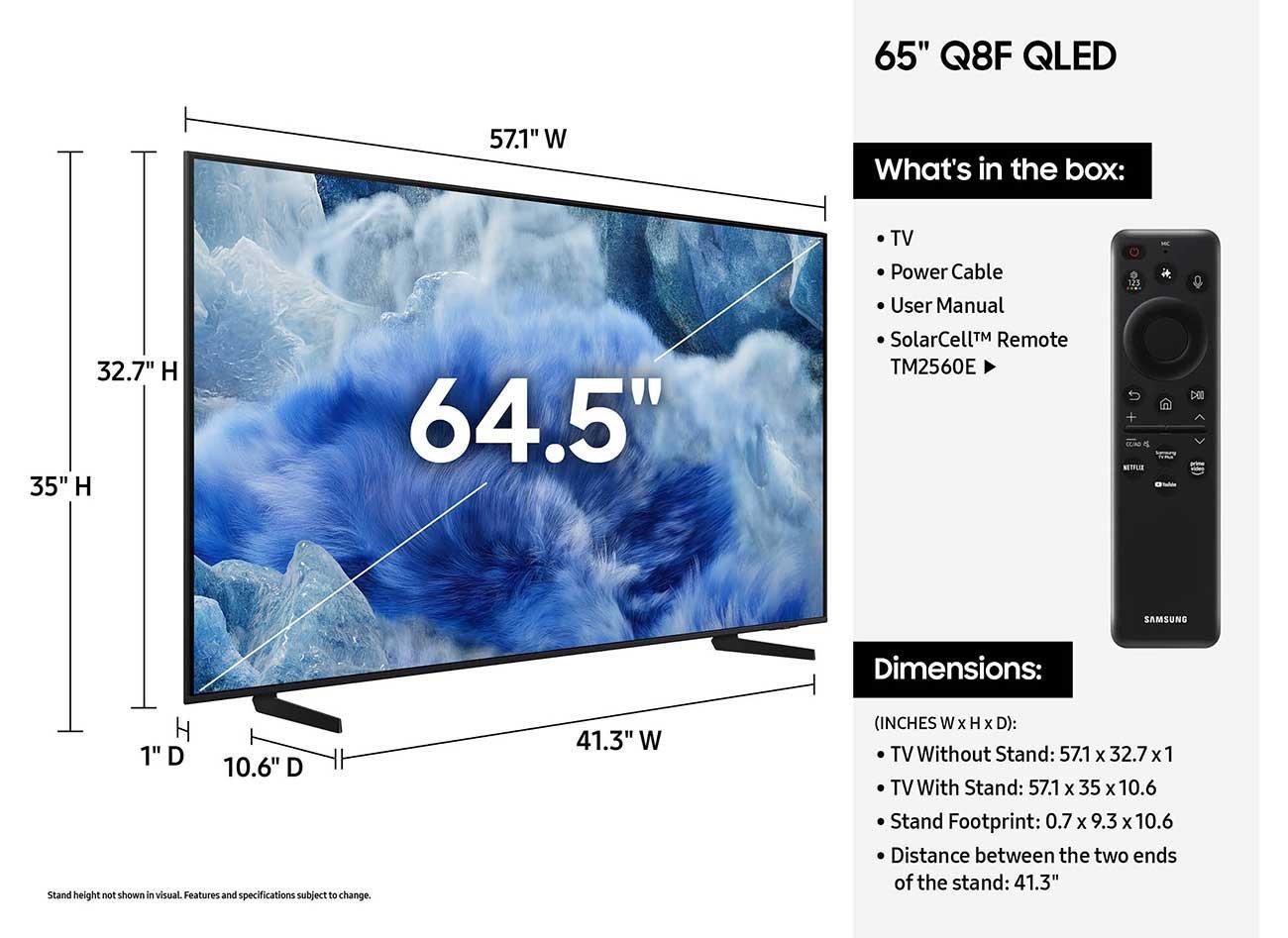
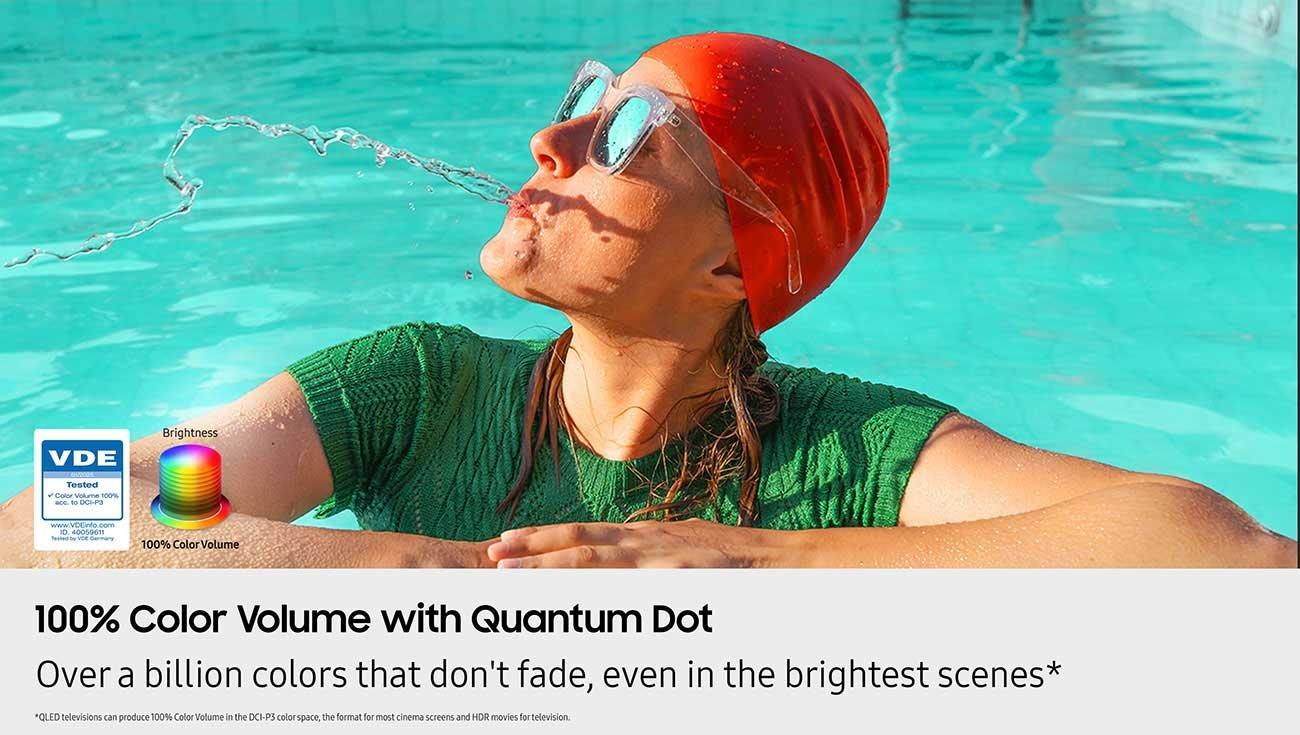
The Samsung Q8F, released in 2025, represents Samsung's continued refinement of QLED technology. QLED stands for Quantum Dot Light Emitting Diode, which might sound complicated, but it's actually quite elegant. Traditional LED TVs use white LEDs and color filters, which can be inefficient and limit color accuracy. Samsung's Quantum Dots are microscopic particles that, when hit by blue LED light, emit very pure red and green light. This creates what Samsung calls "100% Color Volume" – essentially, the TV can display vibrant, saturated colors even at very high brightness levels.
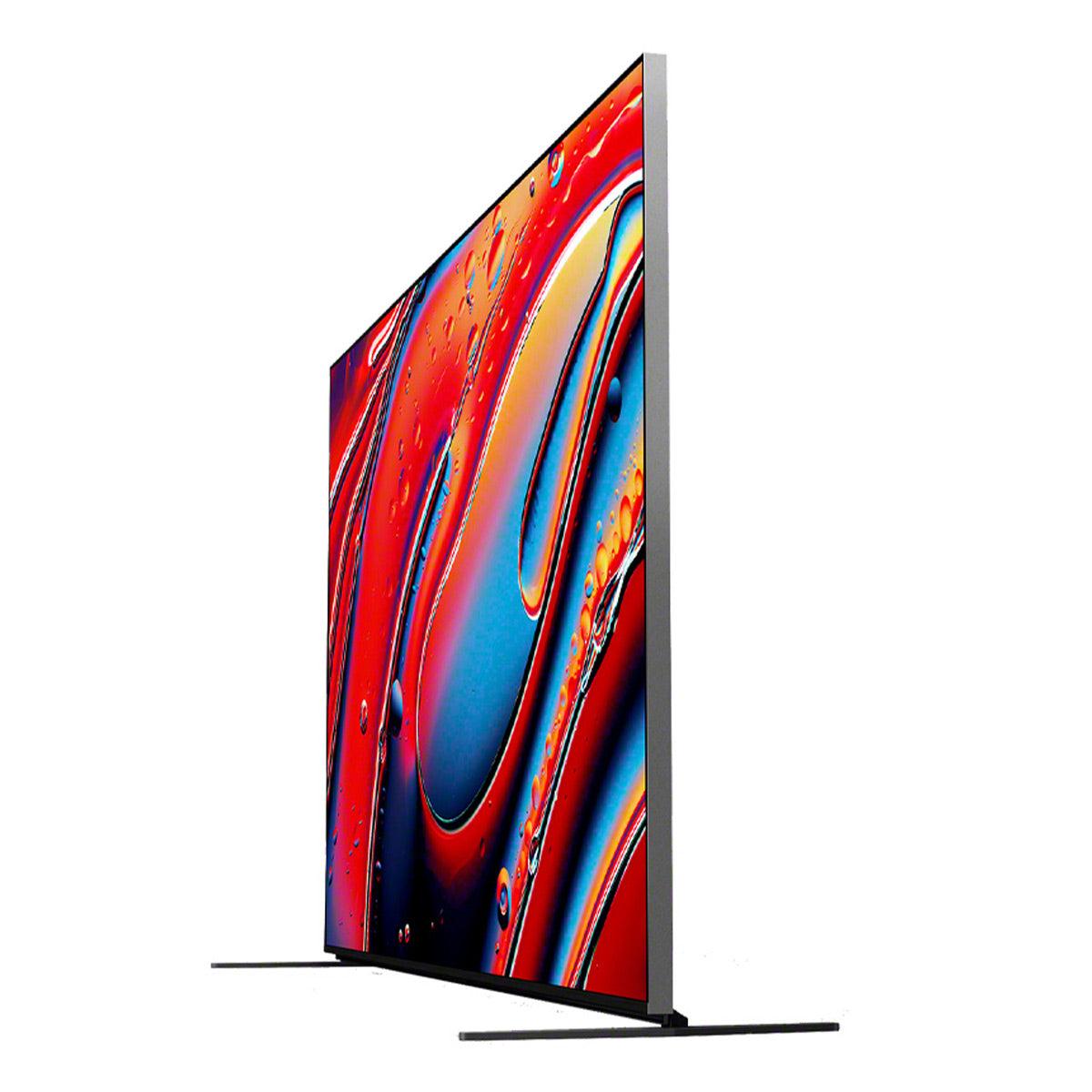
The Sony BRAVIA 9, launched in 2024 but continuing as Sony's flagship into 2025, takes a completely different approach with Mini LED technology. Here's where it gets fascinating: instead of using relatively large LED lights behind the screen (like most TVs), Sony uses thousands of tiny LEDs – we're talking about LEDs that are significantly smaller than traditional ones. Each of these Mini LEDs can be controlled independently, creating what's called "local dimming zones."
Think of it this way: imagine you're painting a picture where some parts need to be bright white and others need to be deep black, but they're right next to each other. With traditional LED backlighting, it's like having a few large floodlights – when you turn them up to make the white parts bright, the black parts get washed out too. With Mini LED, it's like having thousands of tiny, precise spotlights that can illuminate just the areas that need to be bright while keeping the dark areas truly dark.
When it comes to actual picture performance, these different approaches create distinct viewing experiences. The Sony BRAVIA 9 excels in what we call "contrast ratio" – the difference between the brightest whites and the deepest blacks. In my experience reviewing TVs, this is often the single most important factor in creating that "wow" moment when you first turn on a premium display.
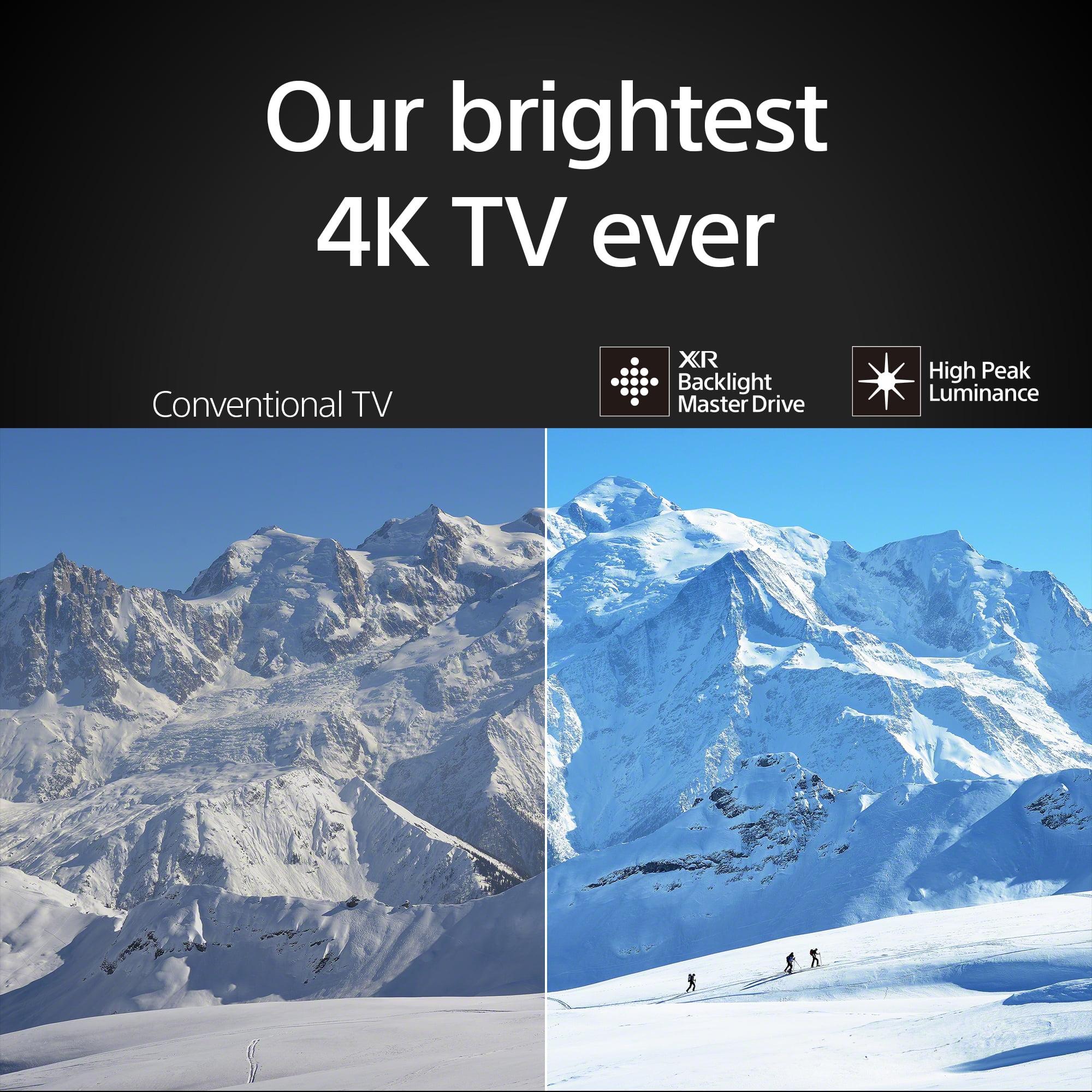
Sony's XR Backlight Master Drive technology controls those thousands of Mini LEDs with incredible precision. When you're watching a movie scene with bright daylight streaming through a dark room, the BRAVIA 9 can make the sunlight genuinely bright while keeping the shadows properly dark. This creates a three-dimensional quality to the image that's immediately noticeable.
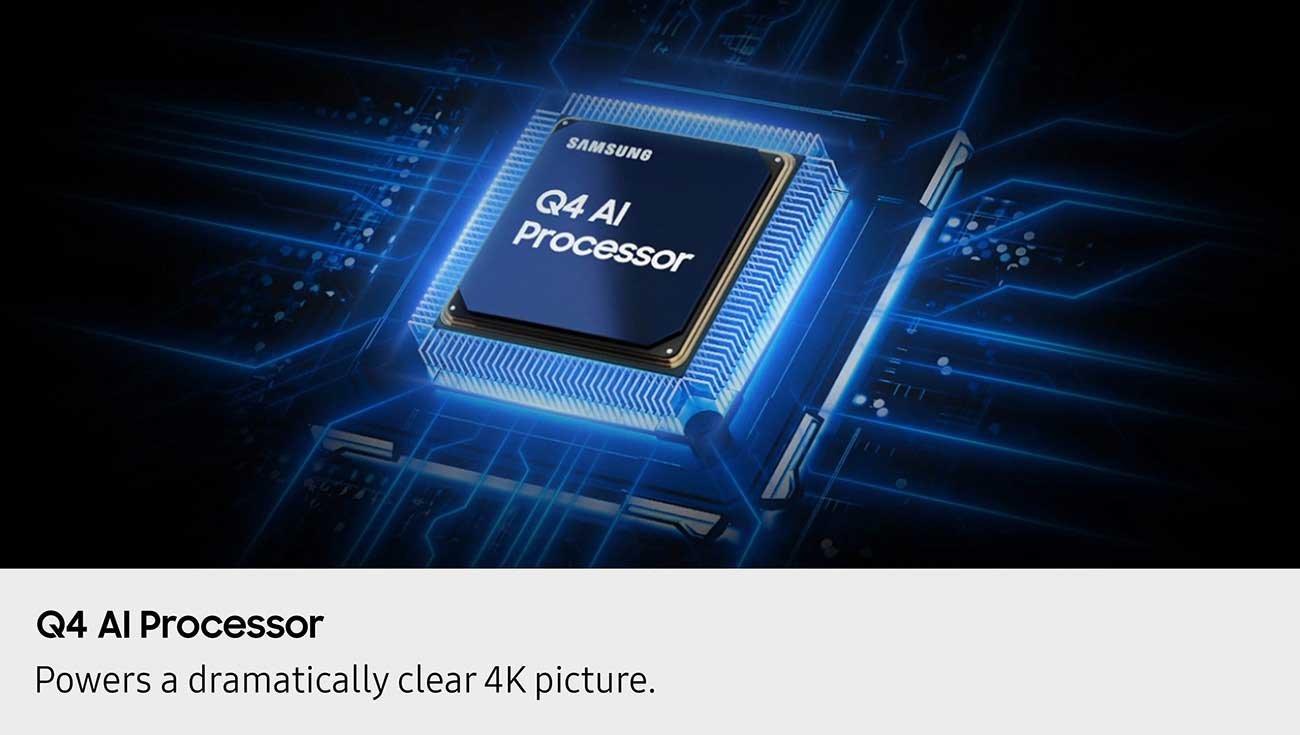
The Samsung Q8F, while using more traditional LED backlighting, compensates with sophisticated processing through its Q4 AI Processor. This is where Samsung's Vision AI technology becomes crucial. Instead of just displaying the image as it receives it, the TV is constantly analyzing what you're watching and making intelligent adjustments. Watching a nature documentary? It enhances the greens and blues of landscapes. Switching to a dark thriller? It adjusts contrast and shadow detail accordingly.
What's particularly impressive about Samsung's approach in 2025 is how the AI has evolved. The Vision AI doesn't just look at individual frames – it understands context across scenes. If you're watching an action sequence, it knows to prioritize motion clarity. During dialogue scenes, it shifts focus to enhancing facial details and making voices more intelligible.
Here's where things get interesting for real-world use. The Sony BRAVIA 9 claims to be Sony's brightest TV ever, and in testing scenarios, Mini LED TVs like this one can achieve remarkable peak brightness levels – we're talking about brightness that can compete with OLED TVs while avoiding their limitations in bright rooms.
This matters more than you might think. If your TV is in a living room with large windows or you prefer watching with lights on, brightness capability becomes crucial. A dim TV in a bright room looks washed out and lifeless, no matter how good its contrast ratio is in dark conditions.
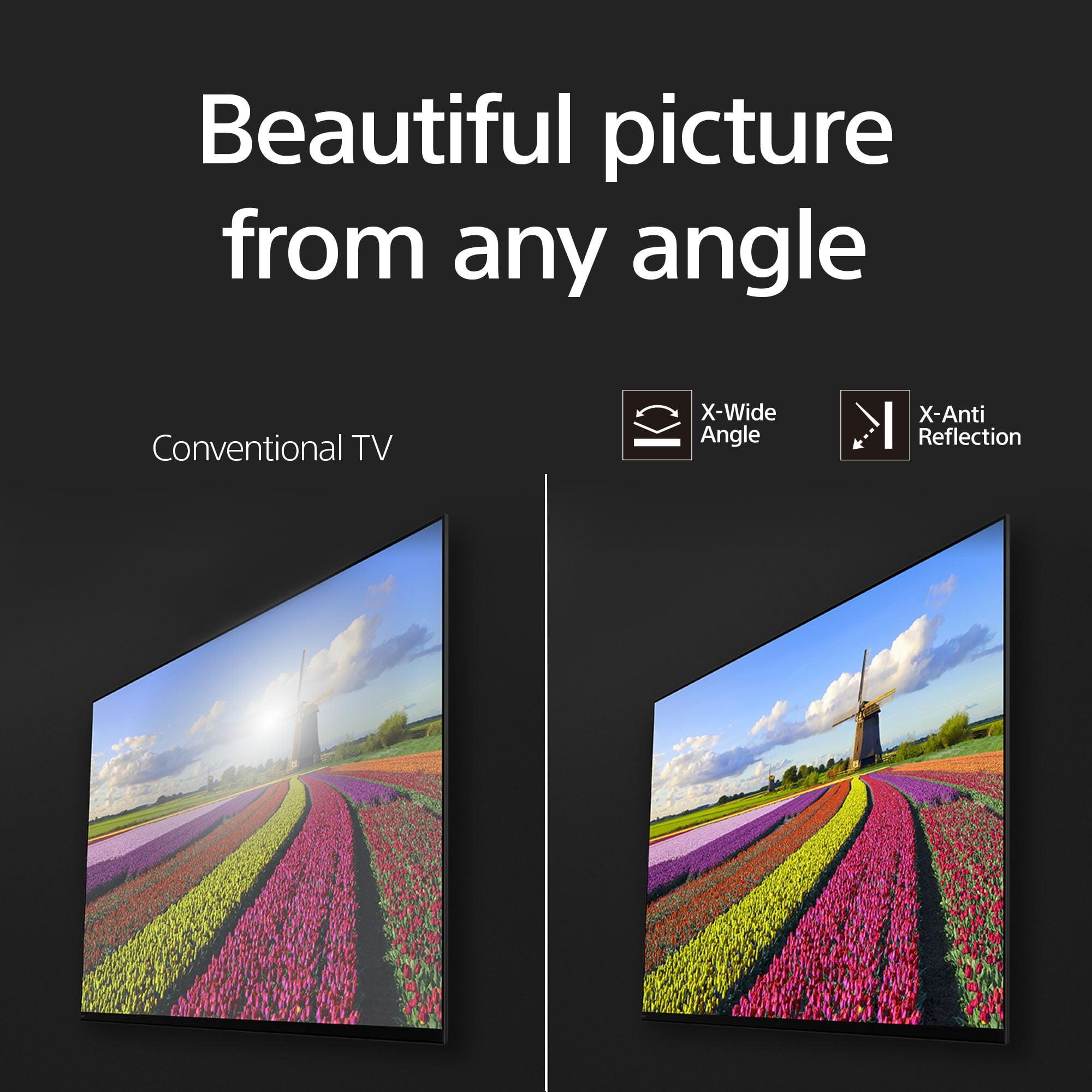
The Samsung Q8F takes a different approach with its Adaptive Sound+ technology, which includes room analysis. The TV actually listens to your room's acoustics and adjusts not just the sound, but also the picture brightness and contrast based on your viewing environment. It's a more holistic approach – instead of just being brighter, it's smarter about when and how to use brightness.
For gamers, both TVs offer compelling but different advantages. The Sony BRAVIA 9 provides what most gaming enthusiasts consider the gold standard: 4K resolution at 120Hz refresh rate, Variable Refresh Rate (VRR) to eliminate screen tearing, and Auto Low Latency Mode (ALLM) to minimize input lag.
Input lag is the delay between when you press a button and when you see the action on screen. For competitive gaming, every millisecond counts. Sony has optimized the BRAVIA 9 specifically for PlayStation 5, including Auto HDR Tone Mapping that automatically adjusts the TV's settings for optimal gaming performance.
The Samsung Q8F supports 120Hz refresh rates and likely includes VRR and ALLM support, though Samsung's gaming features tend to shine more in their higher-end models. Where Samsung often excels is in their Game Mode processing – the AI can recognize when you're gaming and instantly switch to optimized settings without you having to navigate menus.
This is where the price difference becomes most apparent. The Sony BRAVIA 9 includes a genuinely impressive audio system for a TV – a 70-watt, 2.2.2 channel setup that includes up-firing speakers for Dolby Atmos support. The Acoustic Multi-Audio+ system places speakers throughout the TV's frame, creating sound that actually seems to come from where the action is happening on screen.
I've been consistently impressed by Sony's TV audio in recent years. While it won't replace a dedicated sound system, it's actually enjoyable for casual viewing, which is rare for built-in TV speakers.
The Samsung Q8F provides a more modest 20-watt, 2-channel system. However, Samsung's Q-Symphony technology is designed to work seamlessly with Samsung soundbars, essentially using the TV speakers as additional channels when you add a soundbar later. It's a more modular approach that acknowledges most people will eventually upgrade their audio.
The smart TV experience has become increasingly important, and these TVs represent two of the best approaches available. The Sony BRAVIA 9 runs Google TV, which I find to be one of the most intuitive smart TV interfaces. It's excellent at surfacing content from multiple streaming services and learning your preferences over time.
The Samsung Q8F uses Samsung's Tizen operating system, which has matured significantly over the years. What's particularly interesting about the 2025 model is the enhanced Bixby voice assistant, which can now handle multiple commands simultaneously and better understand context in conversations.
Samsung's 2025 Vision AI includes some genuinely novel features, like Generative Wallpaper that creates custom backgrounds based on keywords you provide. It's the kind of feature that showcases how AI is moving beyond just picture processing into creative applications.
At the time of writing, these TVs occupy very different price segments, with the Samsung Q8F positioned as accessible premium and the Sony BRAVIA 9 as a flagship product. This price difference reflects the fundamental technology gap between traditional QLED and Mini LED displays.
The Samsung Q8F represents what I'd call "smart value" – you're getting solid QLED performance enhanced by genuinely advanced AI processing. For most viewing scenarios and room conditions, it delivers excellent results. The Vision AI features feel genuinely useful rather than gimmicky, and Samsung's track record for software updates means the TV will likely improve over time.
The Sony BRAVIA 9 is targeting enthusiasts who prioritize pure picture quality above all else. The Mini LED technology represents a significant step up in display capability, and Sony's image processing has always been among the best in the industry. If you're the type of person who notices the difference between good and great picture quality, the investment makes sense.
For dedicated home theater setups, the choice becomes clearer. The Sony BRAVIA 9 offers the kind of contrast and brightness control that makes movies genuinely cinematic. The superior audio system means you might not need to immediately invest in external speakers, though you'll eventually want to for the full experience.
The Samsung Q8F can certainly anchor a home theater, but you'll likely want to pair it with a good soundbar from the start. However, its AI features actually work particularly well in theater settings, where the room's lighting and acoustics are more controlled and the TV can really optimize the experience.
After spending considerable time with both technologies, here's how I'd recommend approaching this decision:
Choose the Samsung Q8F if you want a TV that's genuinely smart about adapting to your content and environment. It's perfect for mixed-use living rooms where you watch everything from sports to movies to gaming. The AI features aren't just marketing – they meaningfully improve the day-to-day experience. The more affordable price point makes it an excellent choice for most households who want premium features without flagship costs.
Choose the Sony BRAVIA 9 if picture quality is your primary concern and you have the budget for flagship performance. It's ideal for serious movie watchers, gamers who want the best possible experience, and anyone planning to build a dedicated home theater. The Mini LED technology provides a noticeably superior viewing experience, especially in challenging content like dark movies or HDR games.
The reality is that both TVs will provide excellent experiences for most people. The Samsung Q8F offers tremendous value with genuinely useful smart features, while the Sony BRAVIA 9 provides the ultimate 65-inch viewing experience for those willing to invest in peak performance. Your choice should ultimately depend on your priorities: smart adaptation and value, or flagship picture quality and premium features.
Either way, you'll be getting a TV that represents the current state of the art in display technology, just approached from two very different – and equally valid – directions.
| Samsung 65" QN8F Series QLED 4K Vision AI Smart TV 2025 | Sony BRAVIA 9 65" 4K UHD Mini LED QLED Smart Google TV |
|---|---|
| Display Technology - The foundation that determines contrast and brightness capabilities | |
| QLED with Quantum Dot and traditional LED backlighting | Mini LED with thousands of individually controlled zones for superior local dimming |
| Peak Brightness - Critical for HDR content and bright room viewing | |
| Good brightness with Quantum Dot color enhancement | Sony's brightest TV ever with exceptional peak brightness from Mini LED array |
| Local Dimming Zones - More zones mean better contrast between bright and dark areas | |
| Standard zones with traditional LED backlighting | Thousands of Mini LED zones for precise light control and minimal blooming |
| Gaming Features - Important for console and PC gaming performance | |
| 120Hz refresh rate with likely VRR and ALLM support | 4K/120Hz on two HDMI 2.1 ports, VRR, ALLM, and PS5-optimized HDR tone mapping |
| Audio System - Determines if you need external speakers immediately | |
| 20W 2CH system with Adaptive Sound+ and Q-Symphony soundbar integration | 70W 2.2.2 channel system with Dolby Atmos, up-firing tweeters, and Acoustic Multi-Audio+ |
| Smart TV Platform - Affects daily usability and app selection | |
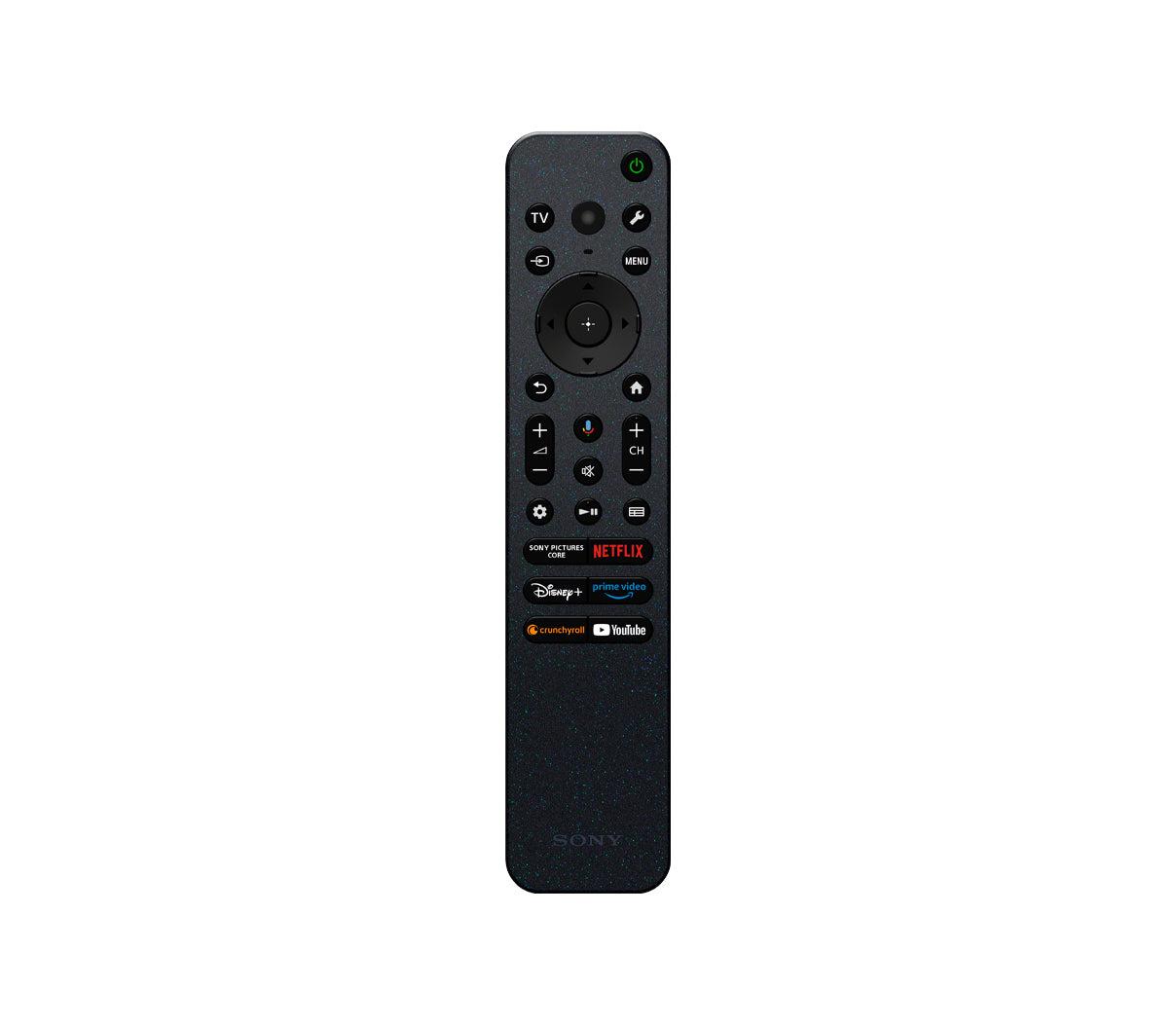
| Samsung Tizen with enhanced 2025 Bixby and 1200+ free channels | Google TV with intuitive interface and Sony Pictures Core exclusive content |
| AI Processing - How the TV enhances and optimizes content automatically | |
| Vision AI with Q4 AI Processor for real-time content optimization and scene analysis | XR Processor with professional-grade image processing and upscaling capabilities |
| Unique 2025 Features - Latest innovations that set each model apart | |
| Generative Wallpaper creation, multi-command Bixby, and adaptive room optimization | XR Motion Clarity, advanced Mini LED control, and Acoustic Center Sync with soundbars |
| Target Audience - Who each TV is designed for based on features and pricing | |
| Mainstream premium buyers wanting smart AI features at accessible flagship pricing | Home theater enthusiasts and gamers prioritizing ultimate picture quality at premium pricing |
| Best Use Cases - Scenarios where each TV excels most | |
| Mixed-use living rooms, Samsung ecosystem users, AI-enhanced casual viewing | Dedicated home theaters, bright room viewing, serious gaming, professional content creation |
The Sony BRAVIA 9 delivers superior picture quality thanks to its Mini LED technology with thousands of individually controlled dimming zones. This creates exceptional contrast with bright highlights and deep blacks appearing side-by-side without blooming. The Samsung Q8F offers excellent QLED performance with vibrant colors, but uses traditional LED backlighting that can't match the precision contrast control of Mini LED technology.
The Samsung Q8F uses QLED technology, which enhances color through Quantum Dots but relies on standard LED backlighting. The Sony BRAVIA 9 combines QLED color technology with Mini LED backlighting - using thousands of tiny LEDs that can be controlled independently for dramatically better contrast and local dimming performance than traditional LED TVs.
The Sony BRAVIA 9 offers more comprehensive gaming features including 4K/120Hz on two HDMI 2.1 ports, Variable Refresh Rate (VRR), Auto Low Latency Mode (ALLM), and PS5-optimized HDR tone mapping. While the Samsung Q8F supports 120Hz gaming, Sony's implementation provides better input lag performance and more advanced gaming-specific features.
The Samsung Q8F runs Samsung's Tizen OS with enhanced 2025 Bixby voice control, Vision AI optimization, and access to 1200+ free streaming channels. The Sony BRAVIA 9 uses Google TV, which offers an intuitive content-focused interface and excellent streaming app support. Both platforms are mature and capable, with the choice often coming down to ecosystem preference.
The Sony BRAVIA 9 achieves Sony's highest brightness levels ever thanks to its Mini LED array, making it exceptional for bright room viewing and HDR content. The Samsung Q8F provides good brightness with Quantum Dot enhancement, but the Sony BRAVIA 9 has a significant advantage in peak brightness capabilities.
The Samsung Q8F features Vision AI that analyzes content in real-time to optimize picture and sound settings, plus innovative features like Generative Wallpaper creation. The Sony BRAVIA 9 uses Sony's XR Processor for intelligent upscaling and enhancement, focusing more on professional-grade image processing than creative AI features like Samsung's approach.
The Sony BRAVIA 9 significantly outperforms with its 70W 2.2.2 channel system featuring Dolby Atmos, up-firing tweeters, and Acoustic Multi-Audio+ technology. The Samsung Q8F offers a more modest 20W 2CH system but includes Q-Symphony technology for seamless integration with Samsung soundbars.
The Sony BRAVIA 9 excels in home theater environments with its superior contrast from Mini LED technology, brighter peak output, and impressive built-in audio system. The Samsung Q8F can anchor a home theater setup but works best when paired with external audio due to its more limited speaker system.
The Samsung Q8F provides excellent value with solid QLED performance, advanced AI features, and 2025's latest smart TV capabilities at a more accessible price point. The Sony BRAVIA 9 justifies its premium pricing with flagship Mini LED technology and superior performance, making it better value for enthusiasts prioritizing ultimate picture quality.
Both the Samsung Q8F and Sony BRAVIA 9 include standard 1-year parts and labor warranties. Samsung typically provides regular software updates through their Tizen platform, while Sony offers consistent Google TV updates and has a strong reputation for long-term display quality and reliability.
Both TVs handle sports well, but the Sony BRAVIA 9 has an edge with XR Motion Clarity technology that reduces motion blur during fast action. The Samsung Q8F counters with Vision AI that can recognize sports content and optimize settings accordingly, plus good motion handling at its price point.
Choose the Samsung Q8F if you want smart AI-driven features, good QLED performance, and excellent value at a more accessible price point. Choose the Sony BRAVIA 9 if you prioritize the best possible picture quality, have a higher budget, and want flagship Mini LED performance with superior brightness and contrast capabilities.
We've done our best to create useful and informative comparisons to help you decide what product to buy. Our research uses advanced automated methods to create this comparison and perfection is not possible - please contact us for corrections or questions. These are the sites we've researched in the creation of this article: bestbuy.com - samsung.com - rtings.com - youtube.com - samsung.com - pcrichard.com - abt.com - images.samsung.com - cnet.com - news.samsung.com - samsung.com - bestbuy.com - bestbuy.com - bestbuy.com - youtube.com - whathifi.com - crutchfield.com - rtings.com - pcrichard.com - merlinstv.com - youtube.com - sony.ca - electronics.sony.com

Privacy Policy
Terms and Conditions - Affiliate Policy
Home Security
© Copyright 2008-2026.
11816 Inwood Rd #1211, Dallas, TX 75244