

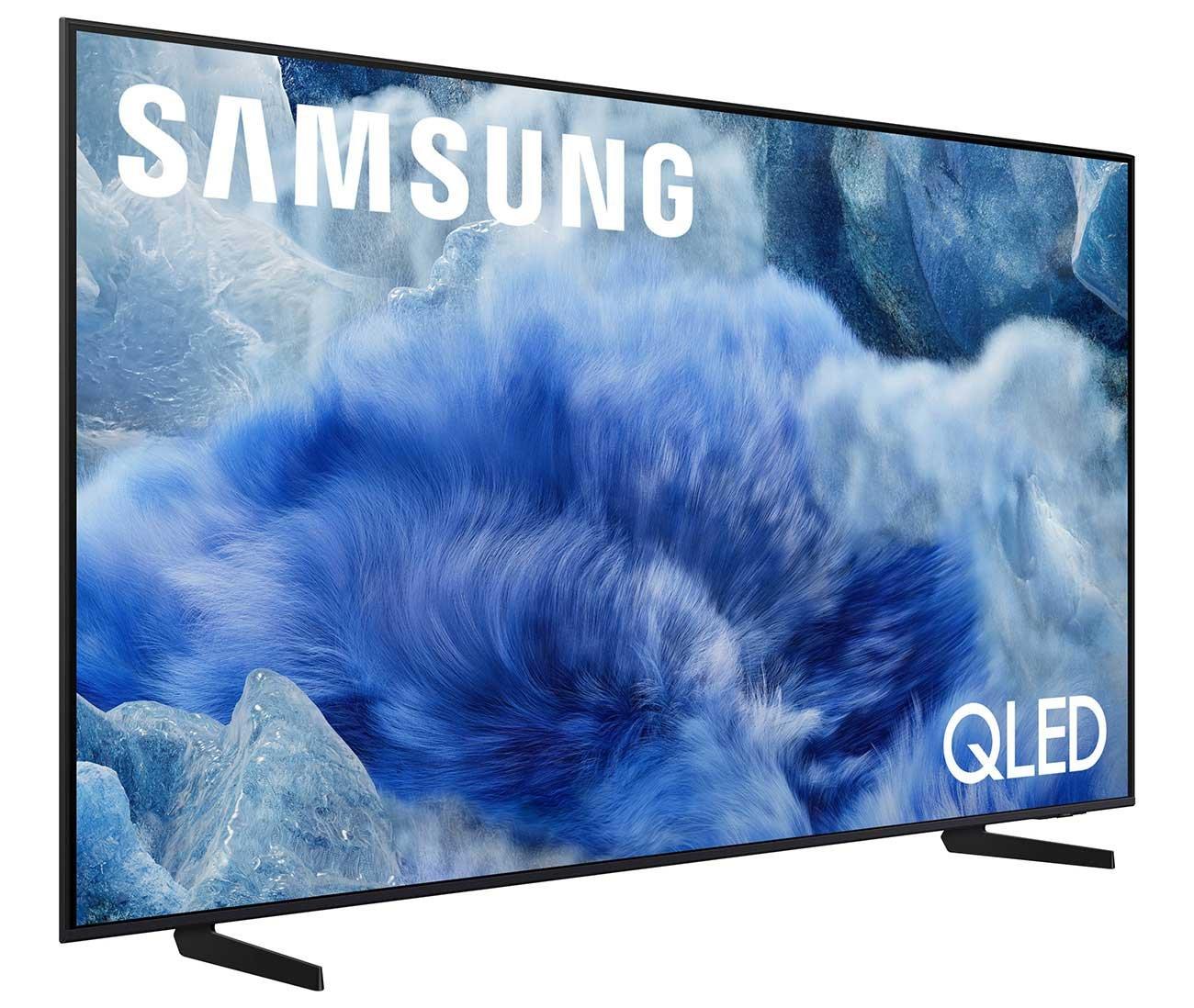

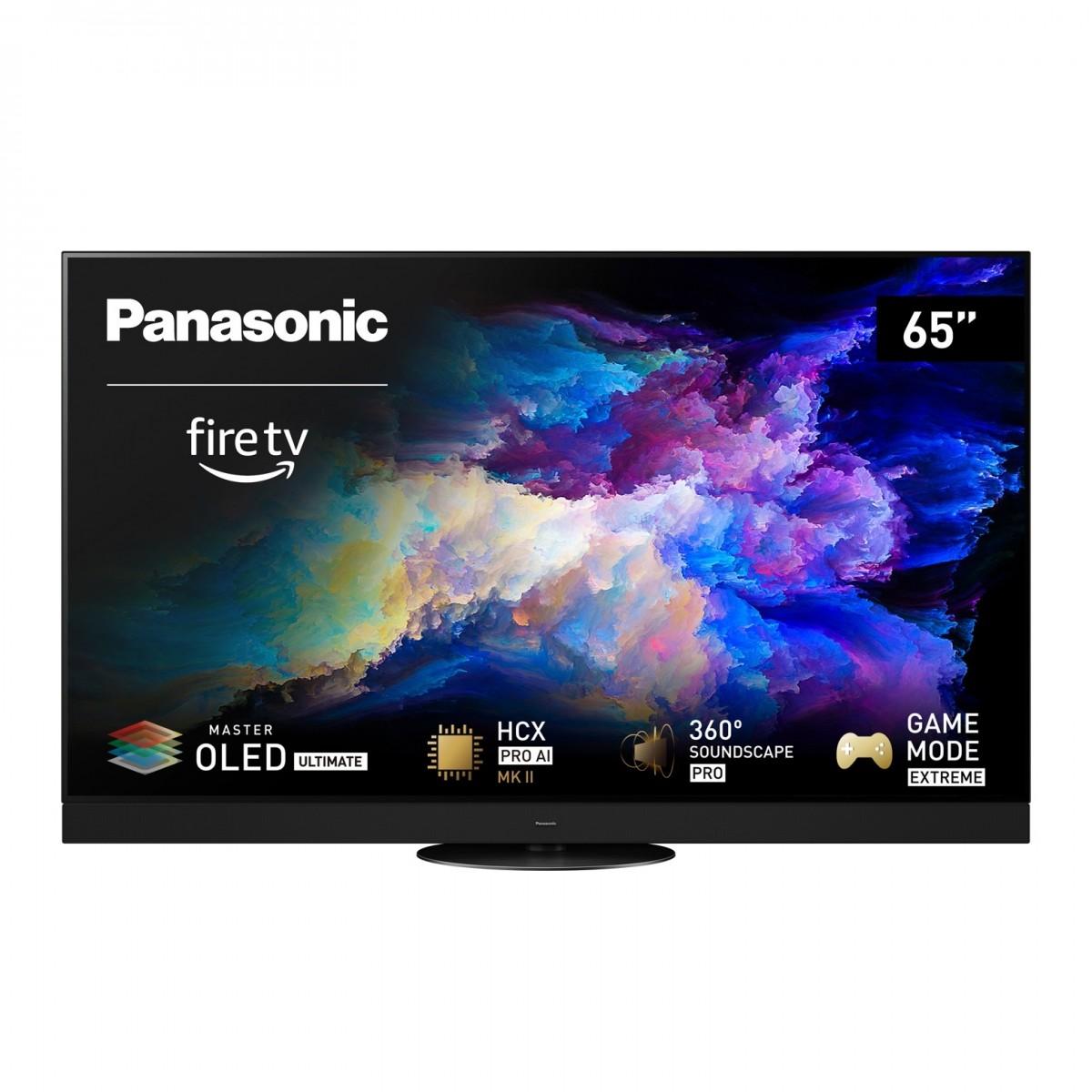
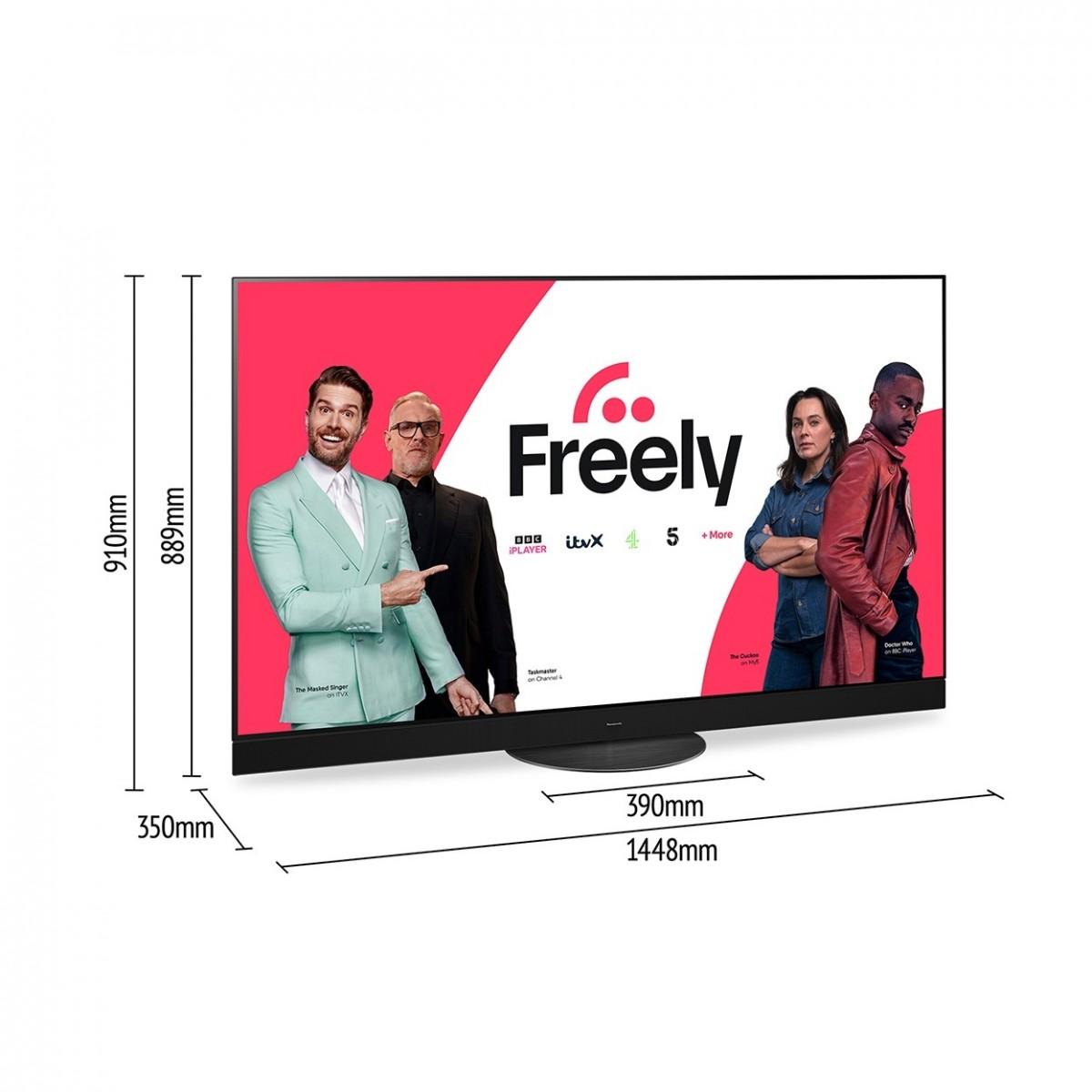
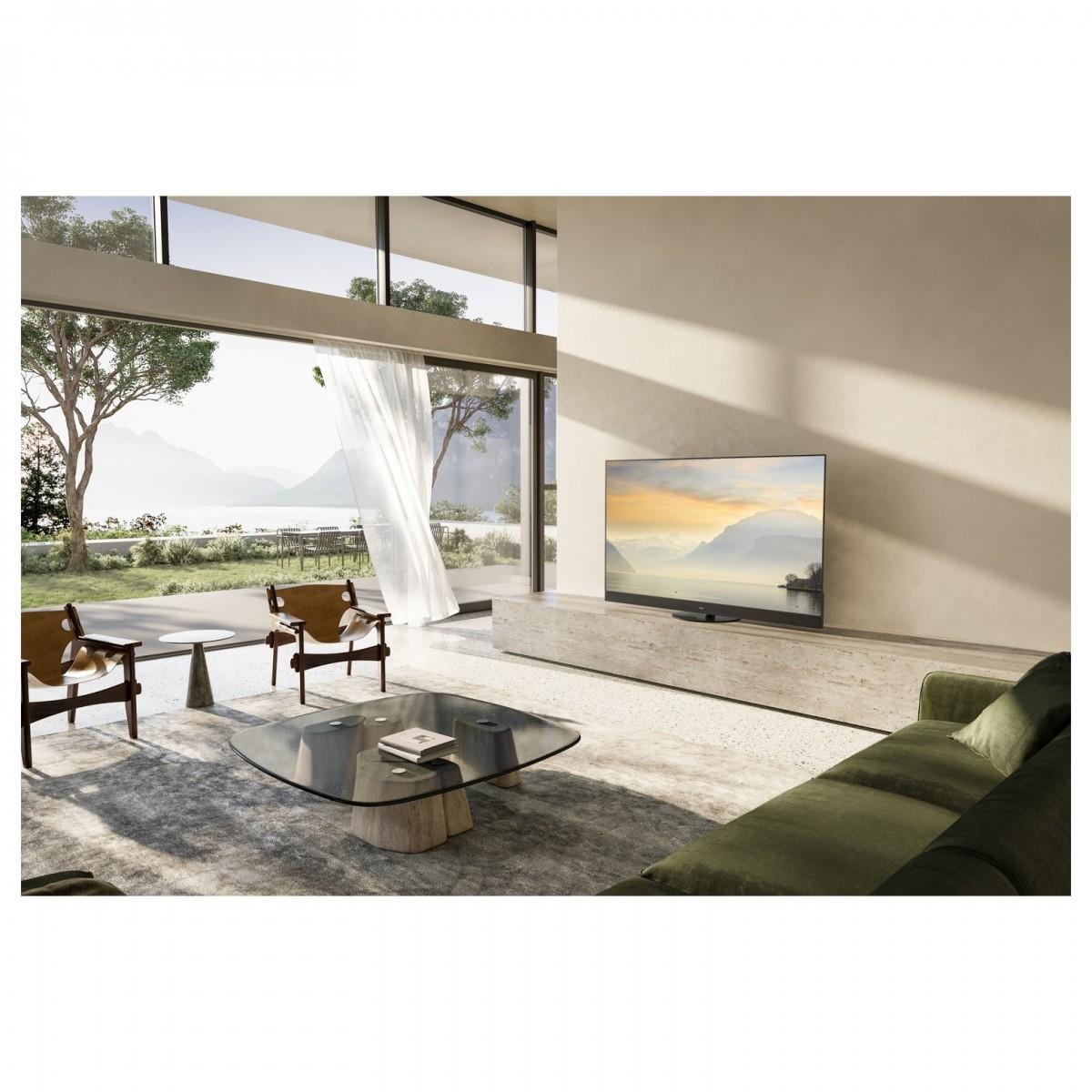
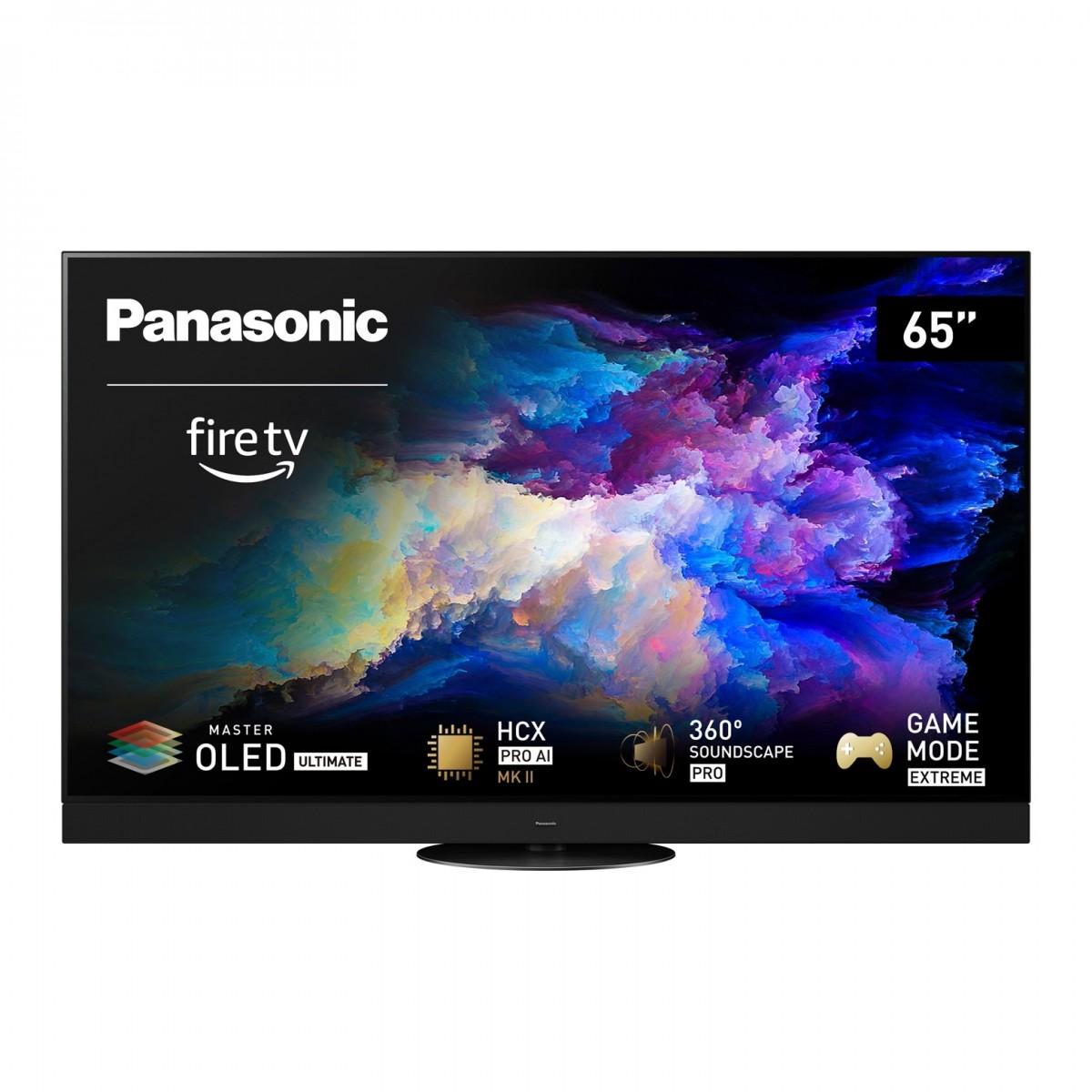
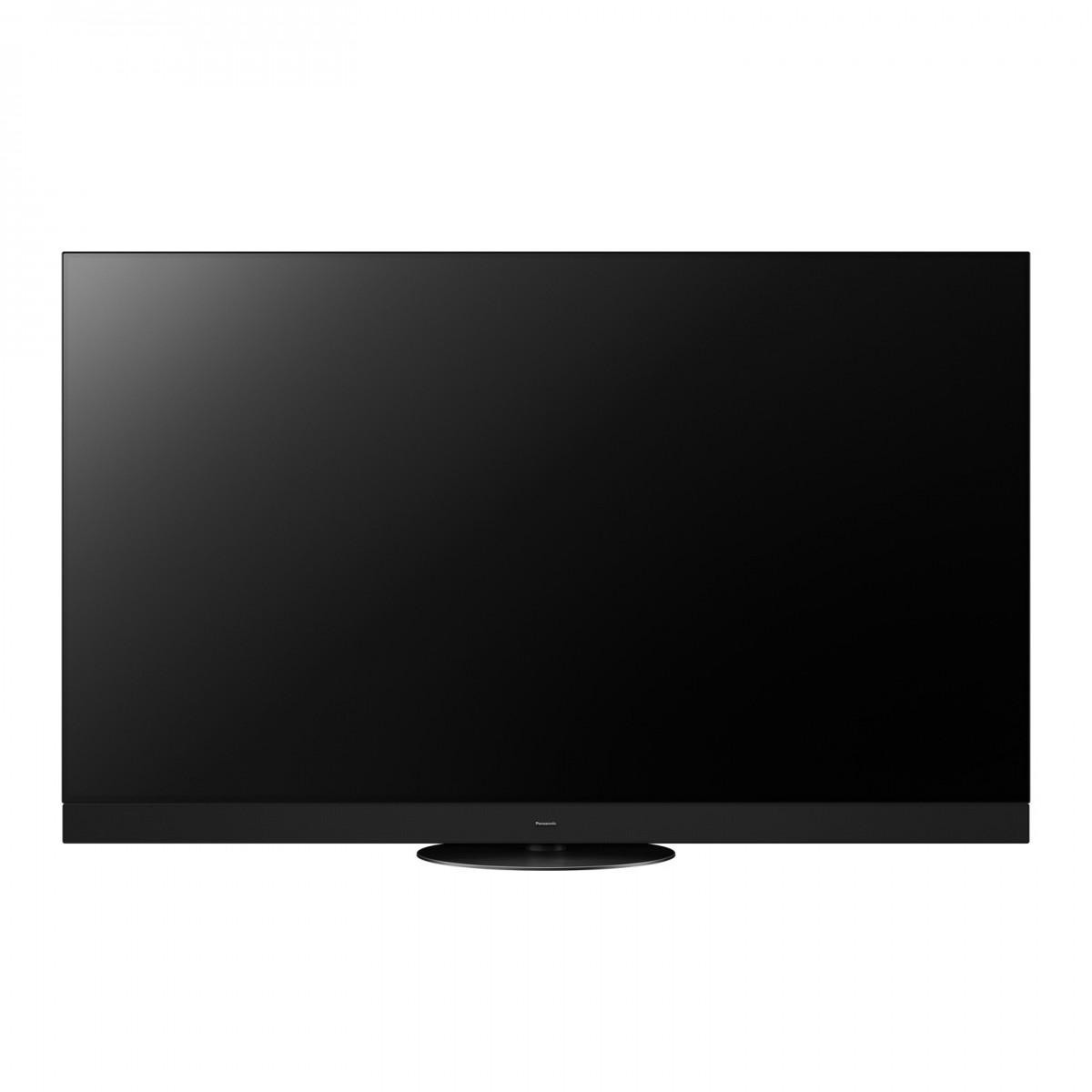
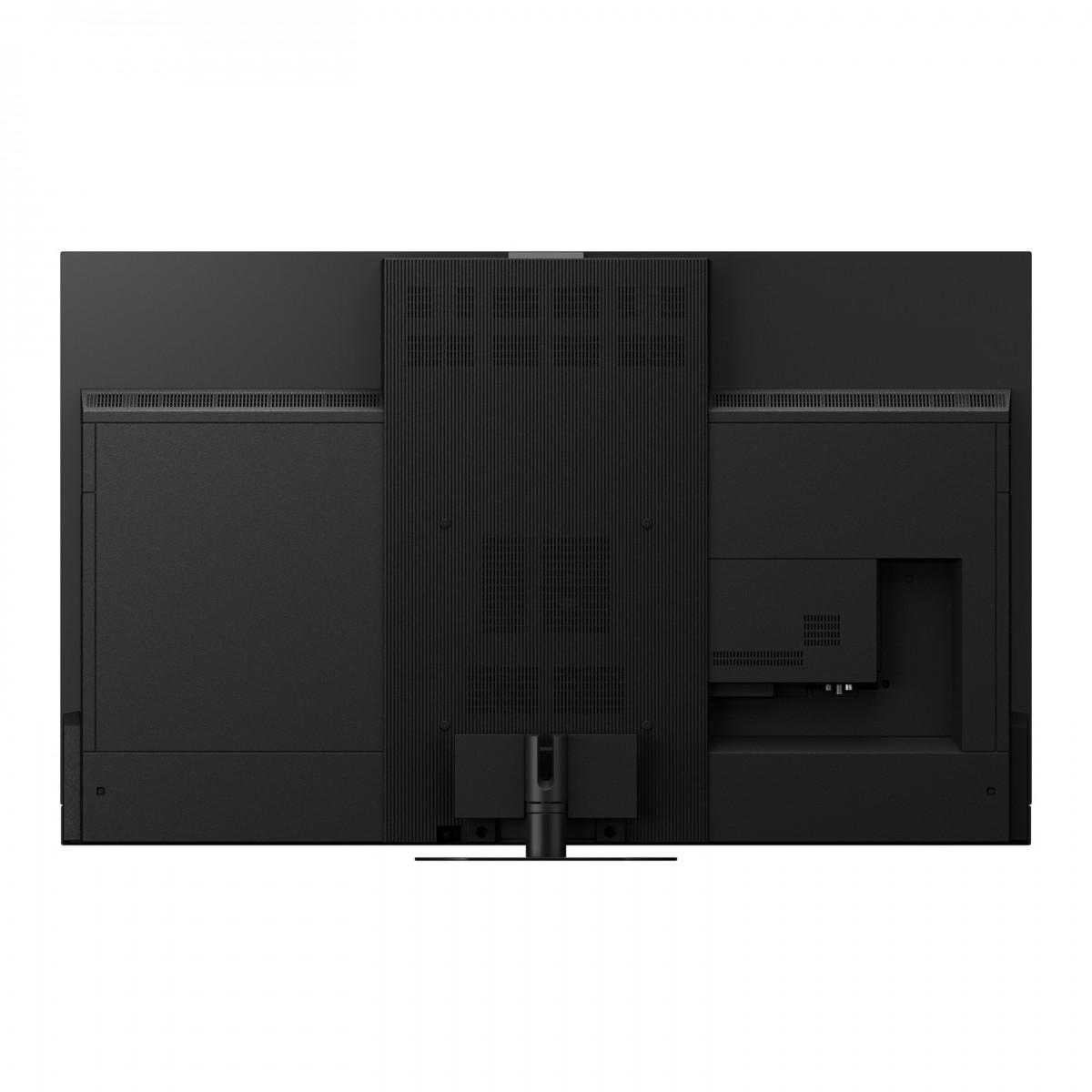
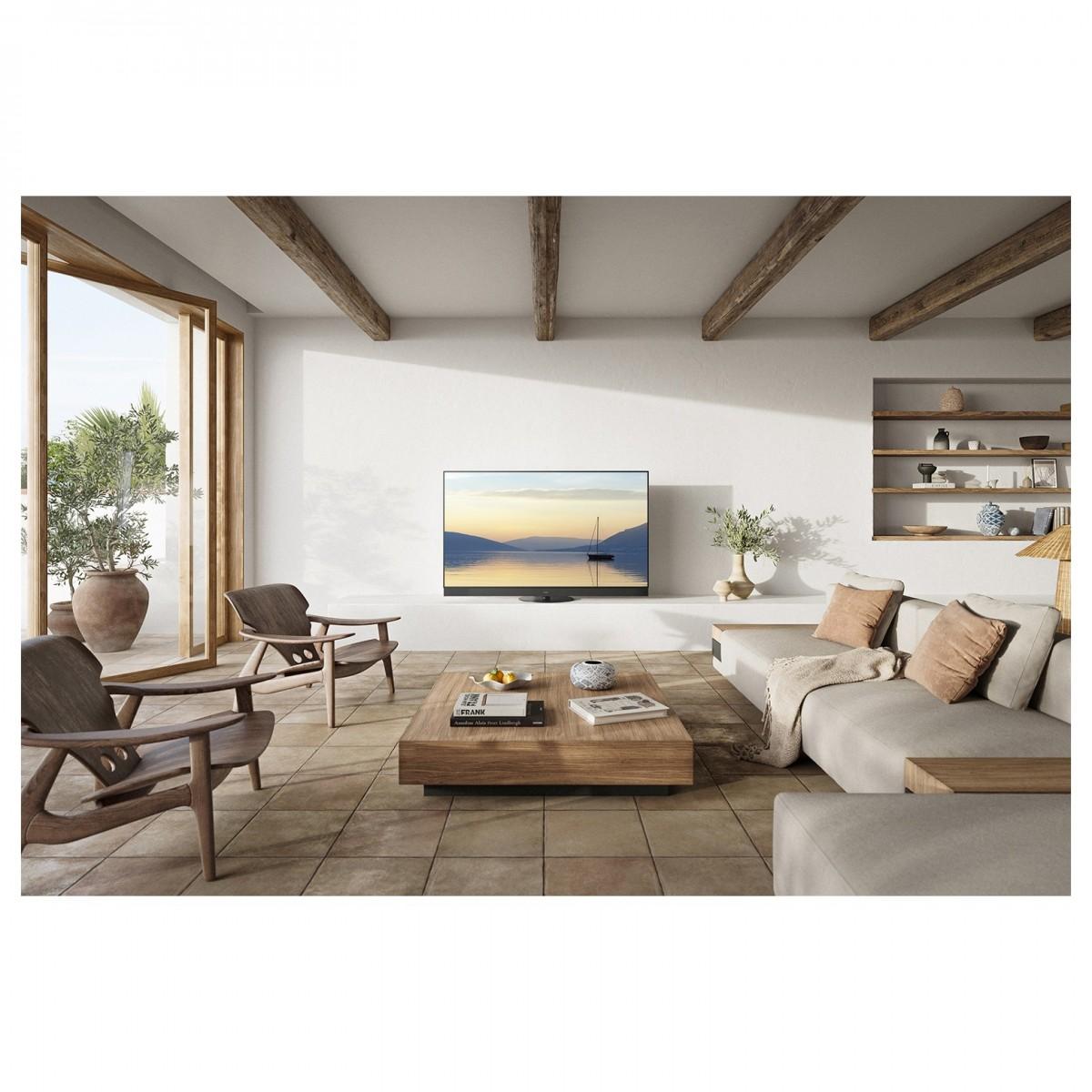
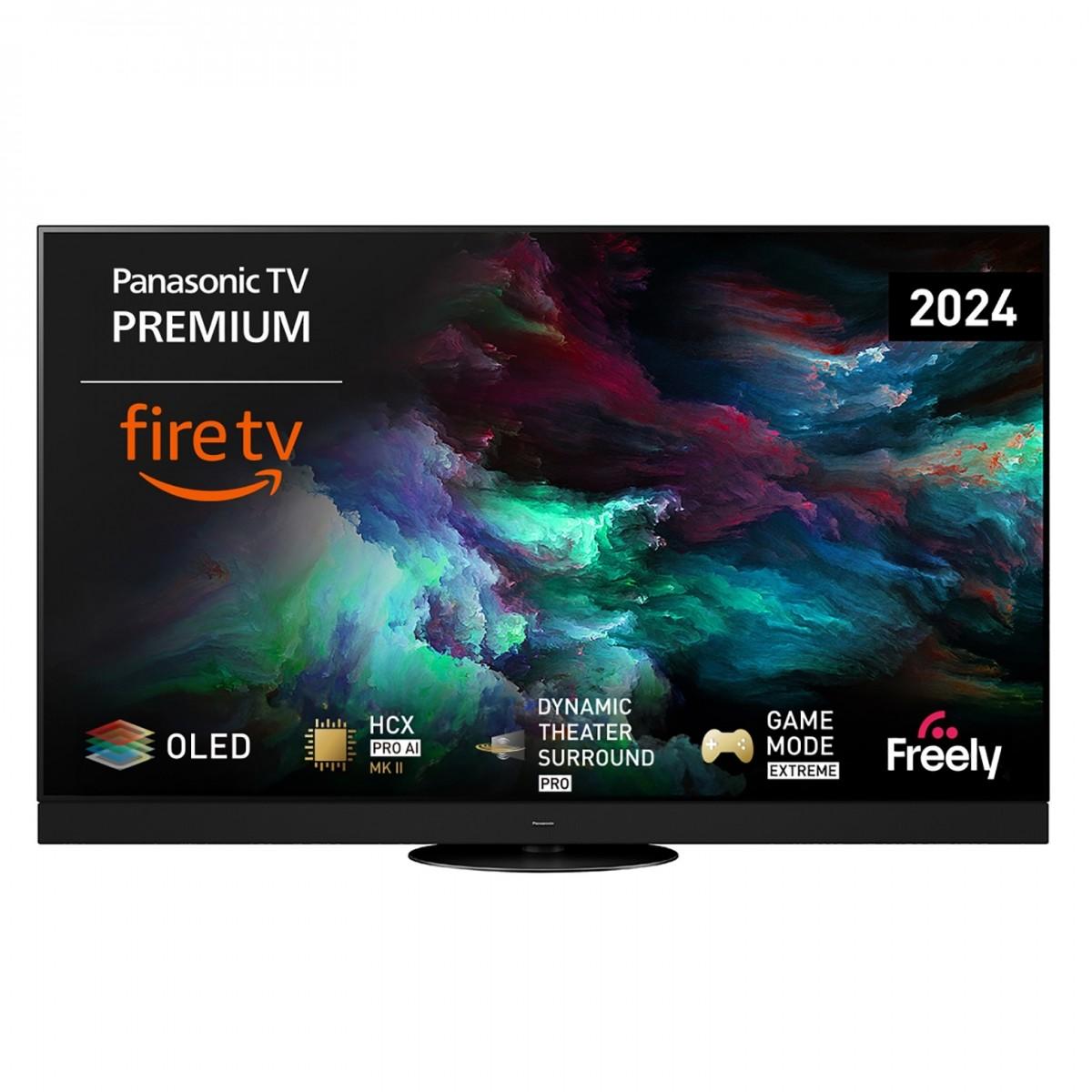
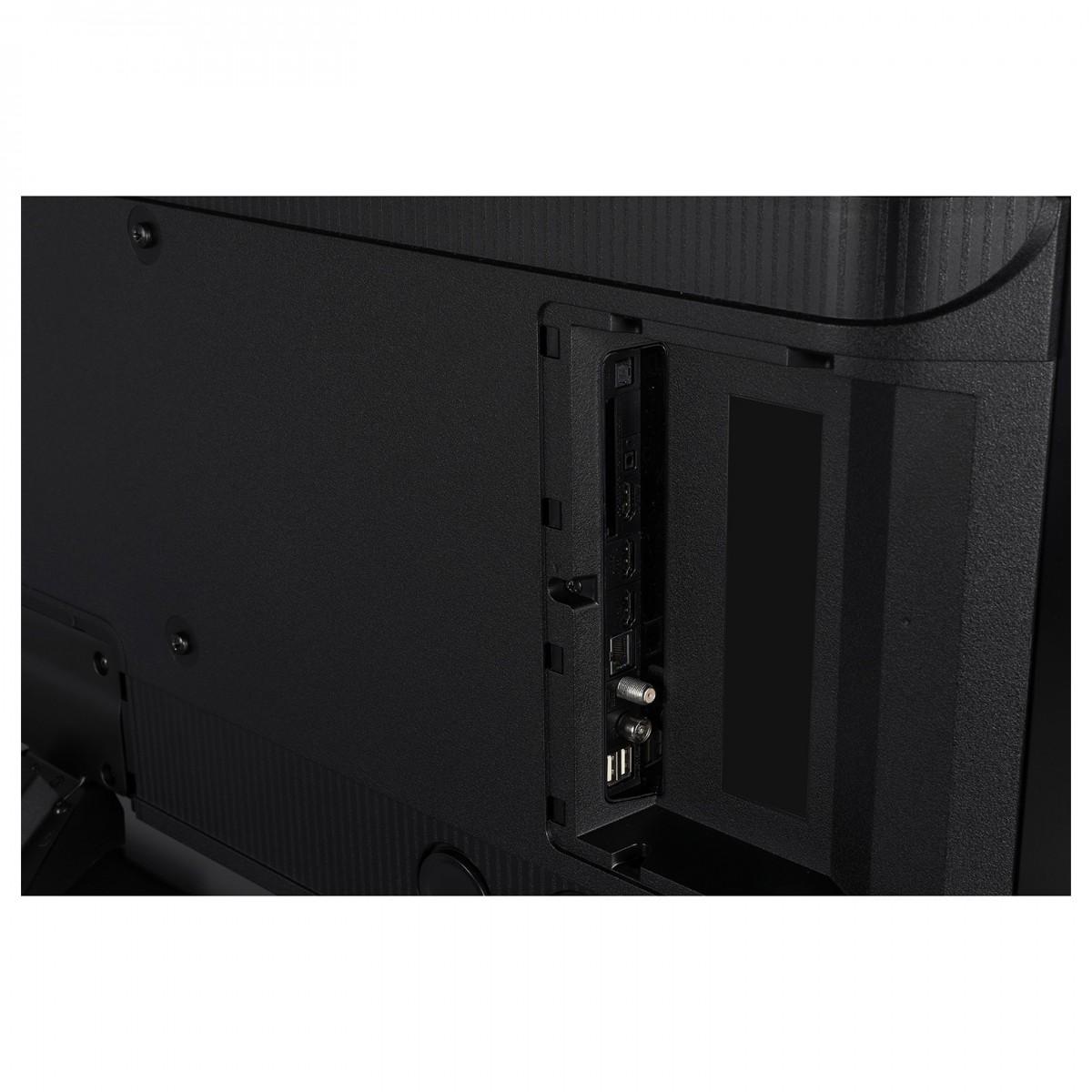
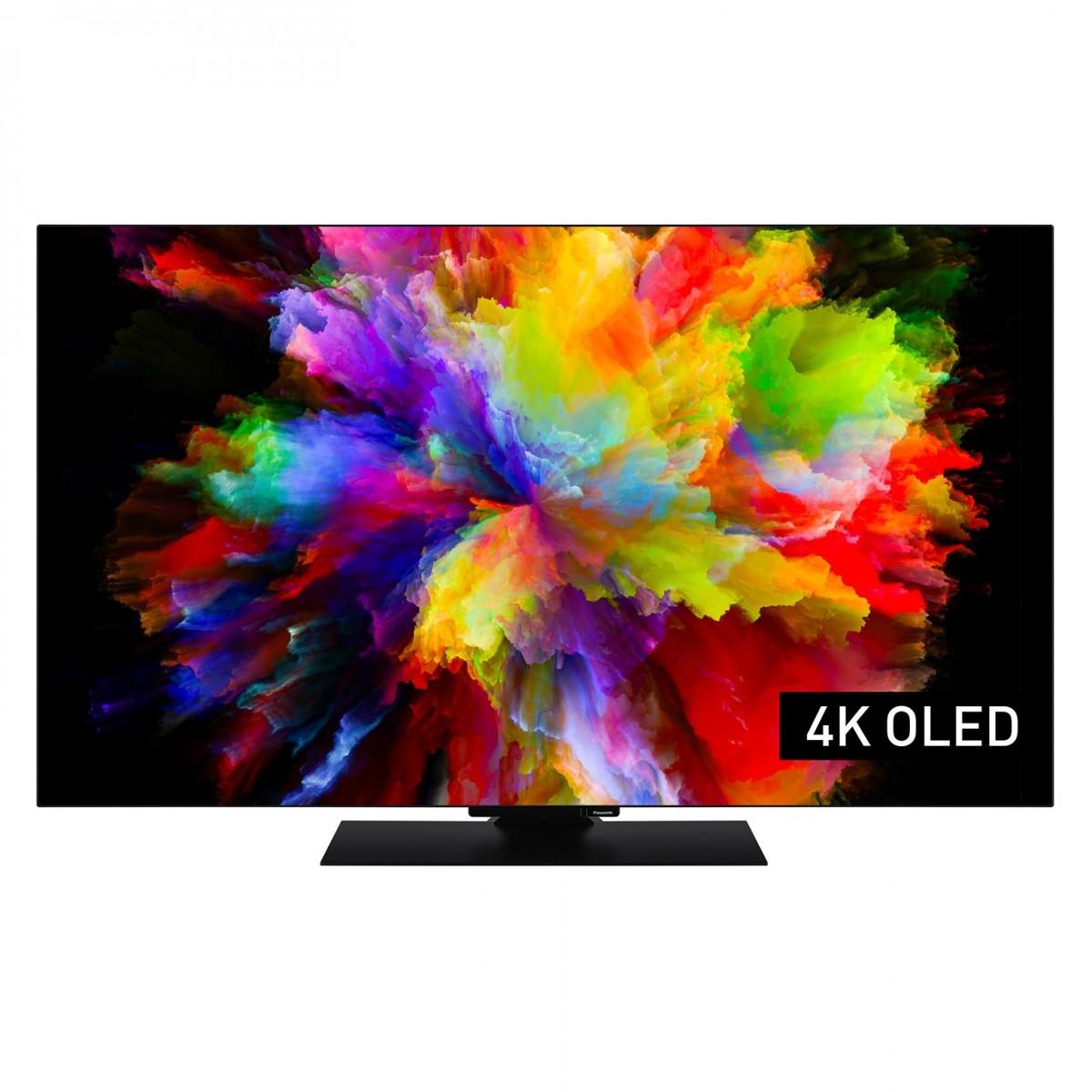
Shopping for a premium 65-inch 4K TV means navigating one of the biggest decisions in television technology: OLED versus QLED. The Panasonic Z95A and Samsung QN8F represent two excellent but fundamentally different approaches to delivering stunning picture quality. Understanding these differences will help you make the right choice for your home and viewing habits.
The fundamental difference between these TVs lies in how they create the images you see. The Panasonic Z95A uses OLED (Organic Light-Emitting Diode) technology, where millions of tiny organic compounds emit their own light when electricity passes through them. Think of each pixel as its own miniature lightbulb that can turn completely on, completely off, or anywhere in between.
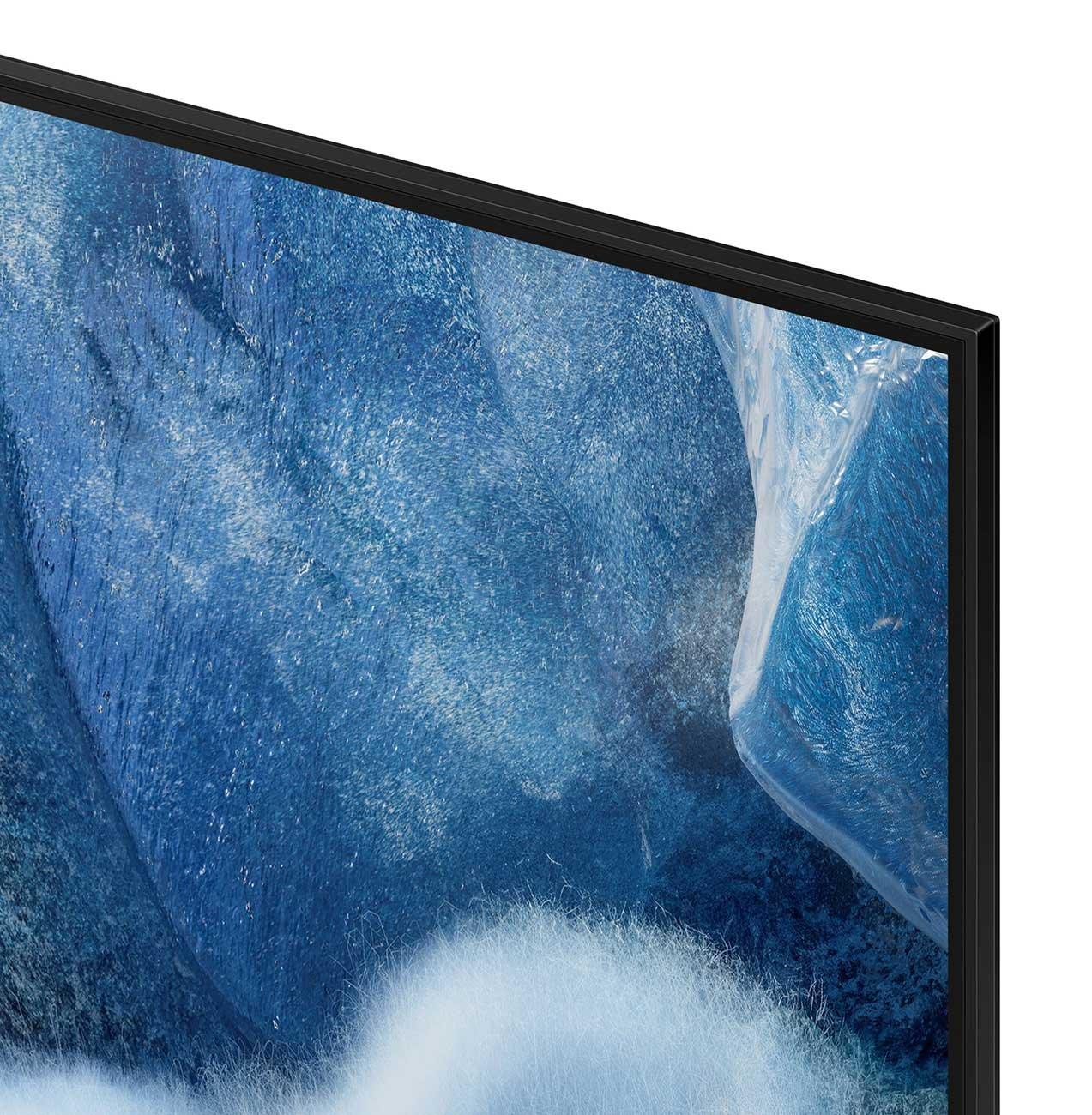
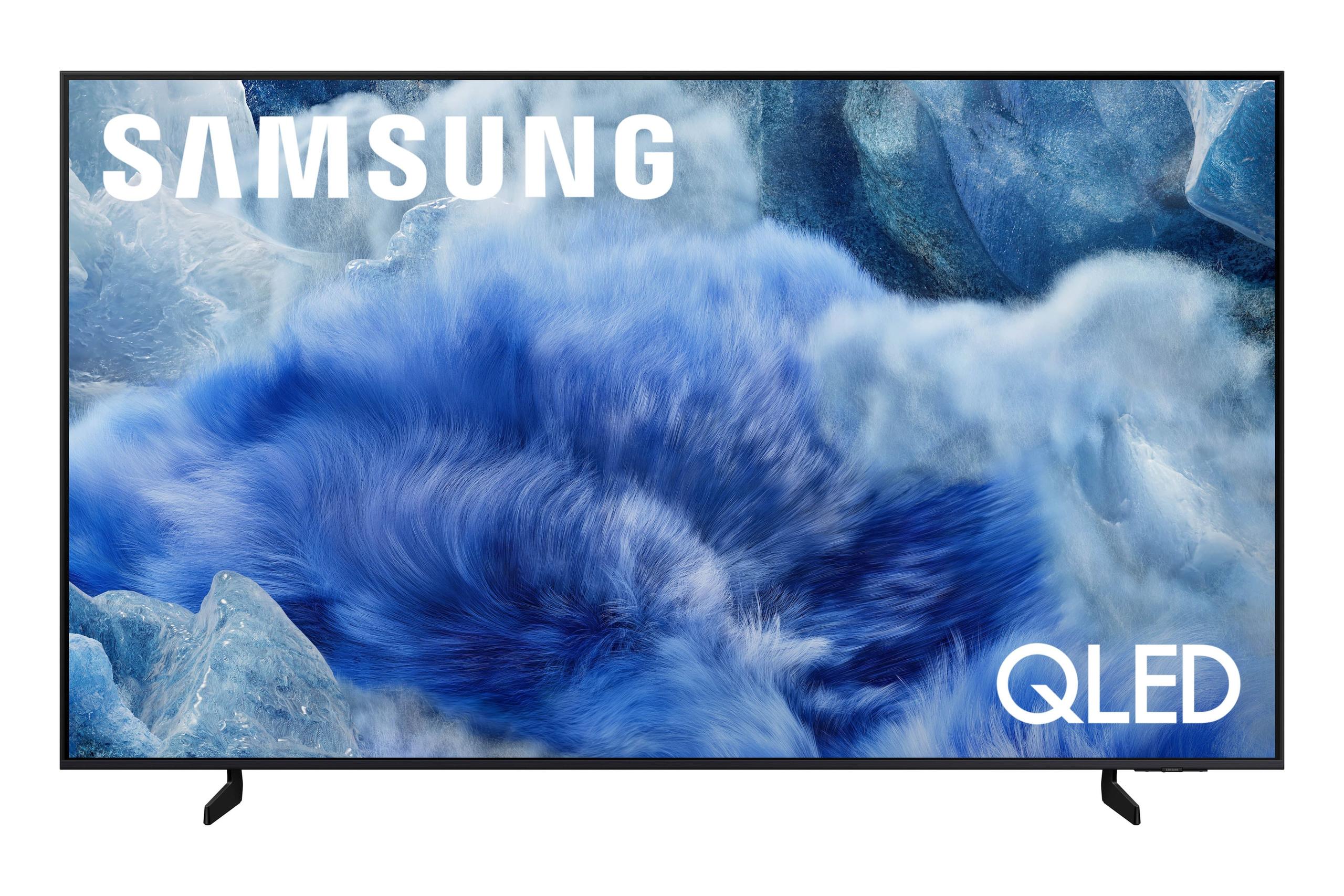
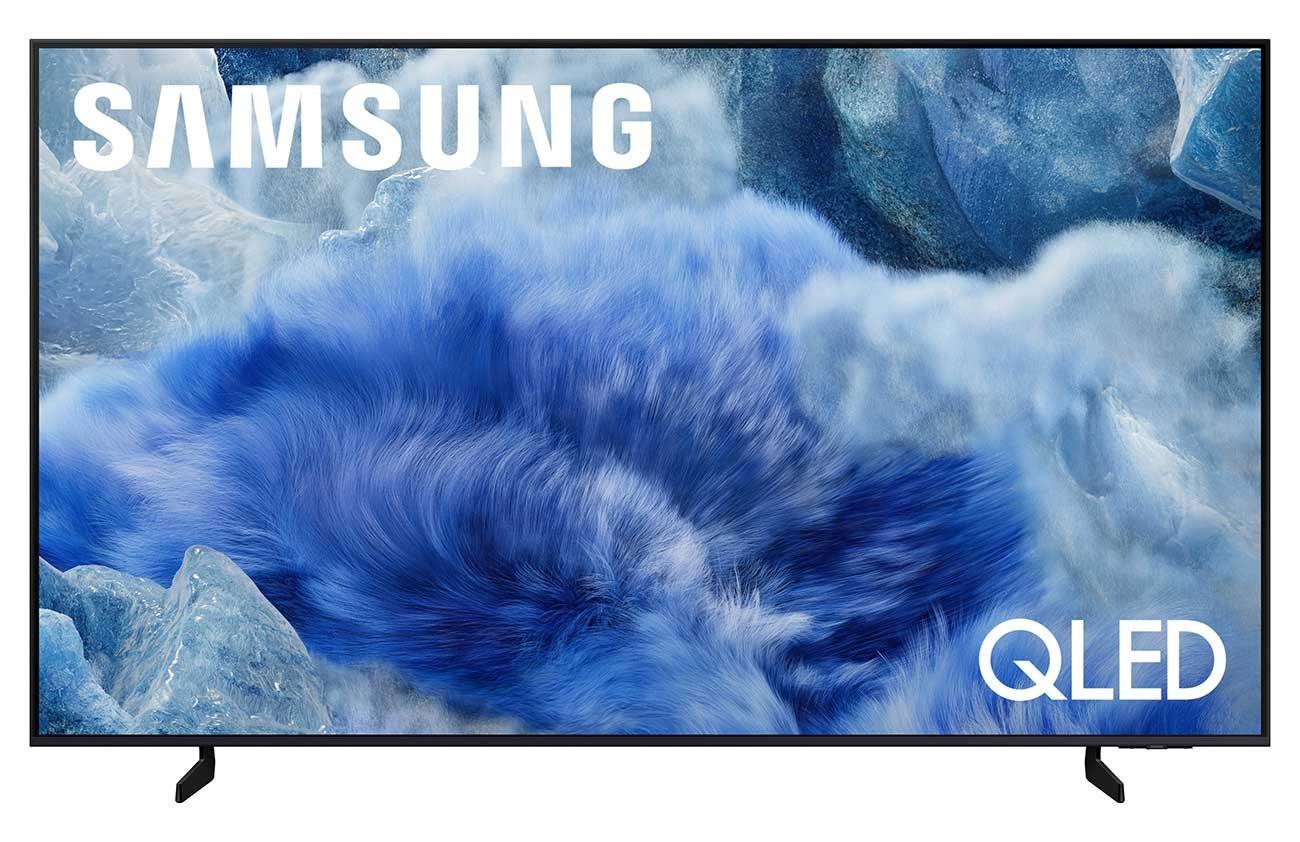
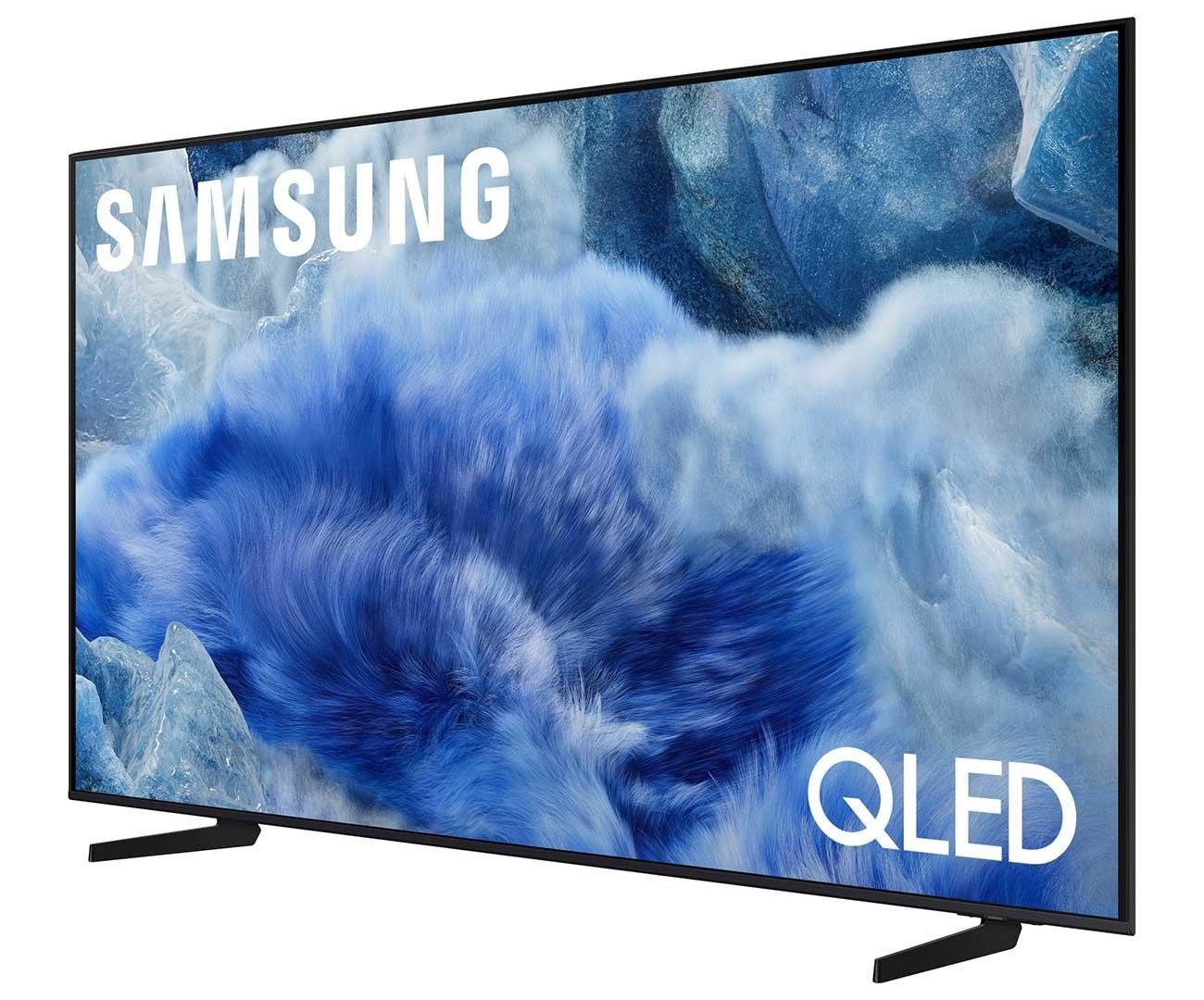
The Samsung QN8F, on the other hand, uses QLED (Quantum Dot Light-Emitting Diode) technology. This system starts with a traditional LED backlight—imagine a bright panel behind the screen—then uses special nanoparticles called quantum dots to enhance and purify the colors before they reach your eyes. The quantum dots act like tiny color filters that can produce very specific, saturated colors when hit by the backlight.
This technological difference affects everything else about these TVs, from how dark the blacks appear to how bright the highlights can get. It's not just marketing jargon—these are genuinely different ways of creating pictures, each with distinct advantages.
When evaluating picture quality, contrast ratio—the difference between the darkest blacks and brightest whites—matters more than almost any other specification. Here's where the Panasonic Z95A demonstrates a clear technical advantage.
Since each OLED pixel generates its own light, pixels displaying black content can turn completely off. This creates what's called "perfect blacks" with an infinite contrast ratio. When you're watching a movie with a night scene, the dark areas of the screen produce literally zero light, making stars or headlights pop with stunning realism.
The Samsung QN8F uses a technique called local dimming with its Dual LED backlighting system. The TV divides the screen into zones and dims the backlight in areas that should appear dark. While this Supreme UHD Dimming technology works well, it can't match OLED's pixel-perfect control. You might notice slight "blooming" around bright objects against dark backgrounds—a subtle halo effect that's the trade-off for using a backlight system.
This difference becomes most apparent when watching movies in a dark room. The Panasonic Z95A delivers that true cinematic experience where dark scenes look genuinely dark, not the slightly gray appearance you might notice on lesser TVs.
Peak brightness tells a different story. The Samsung QN8F can produce much brighter highlights than the Panasonic Z95A, which matters significantly for HDR (High Dynamic Range) content. HDR aims to recreate the full range of brightness our eyes can see, from deep shadows to blazing sunlight.
When HDR content calls for a bright flash of lightning, gleaming chrome, or brilliant sunshine, the Samsung QN8F can deliver those eye-searing highlights that make HDR content feel more lifelike. The Quantum HDR+ technology pushes brightness levels that help HDR content achieve its intended impact, especially in brighter viewing environments.
This brightness advantage becomes crucial if your TV room has windows or ambient lighting. In a bright living room during daytime viewing, the Samsung QN8F maintains better visibility and contrast because it can overpower ambient light more effectively.
Color reproduction reveals another philosophical difference between these displays. The Panasonic Z95A uses its Hexa Chroma Drive technology to prioritize color accuracy—reproducing colors as they were intended by content creators. Professional colorists and filmmakers often prefer OLED displays because they can trust the colors they see during post-production work.
The Samsung QN8F takes a different approach with its Quantum Dot technology, claiming "100% Color Volume" with over one billion color shades. This system produces incredibly vibrant, saturated colors that really pop off the screen. Sports broadcasts, nature documentaries, and animated content look particularly striking with this enhanced color saturation.
Neither approach is inherently wrong—it depends on your preferences. If you want colors that match the filmmaker's intent, the Panasonic Z95A excels. If you prefer colors that grab attention and create visual impact, the Samsung QN8F delivers.
Both TVs released in 2024-2025 incorporate artificial intelligence to enhance your viewing experience, but they approach it differently.
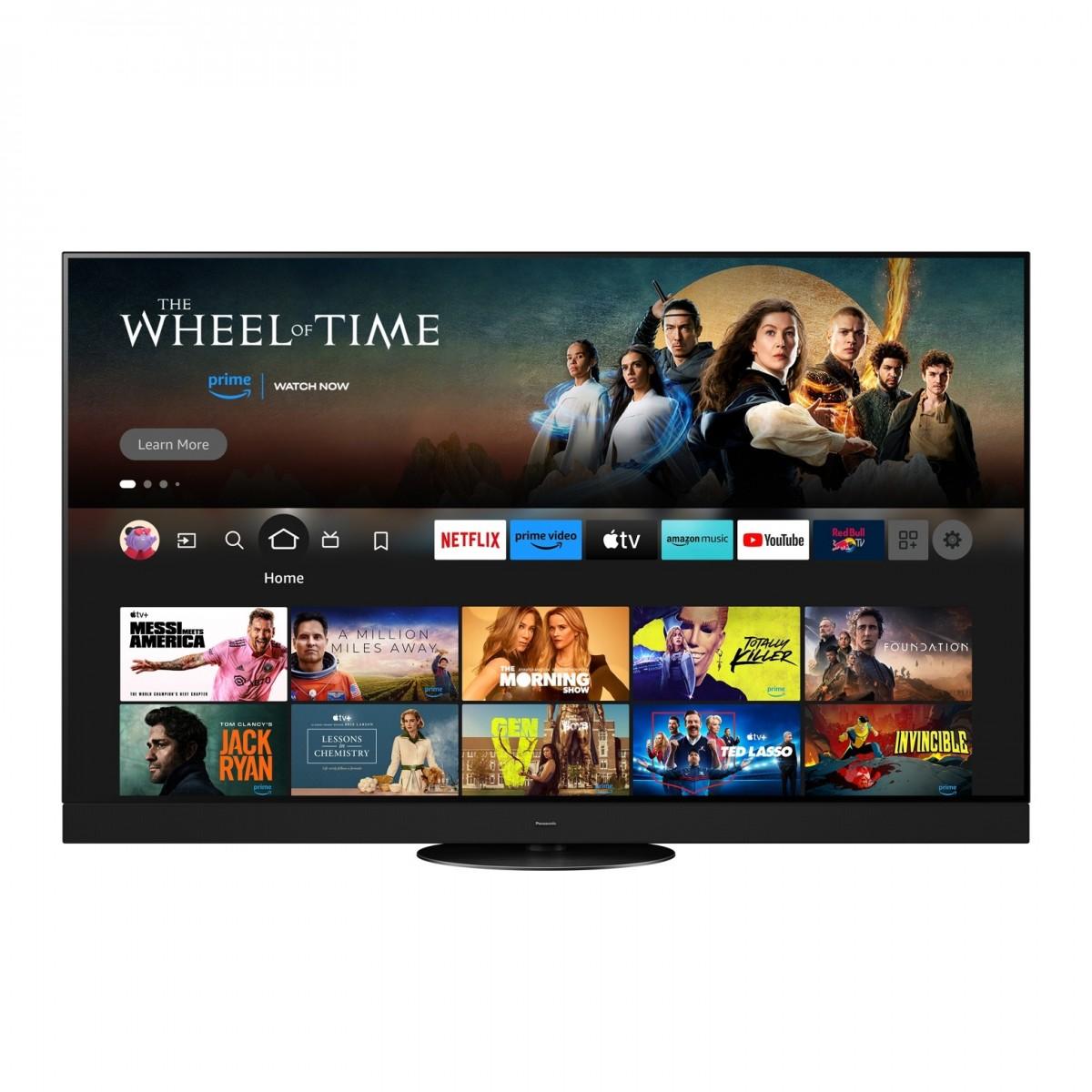
The Panasonic Z95A uses Amazon Fire TV as its smart platform, providing access to virtually every streaming service you'd want. The integration feels natural, with Alexa voice control built right in. You can ask it to find content, control playback, or even manage smart home devices without reaching for a remote. The Auto AI feature analyzes what you're watching—whether it's a sports game, concert, or movie—and automatically adjusts picture and sound settings for optimal performance.
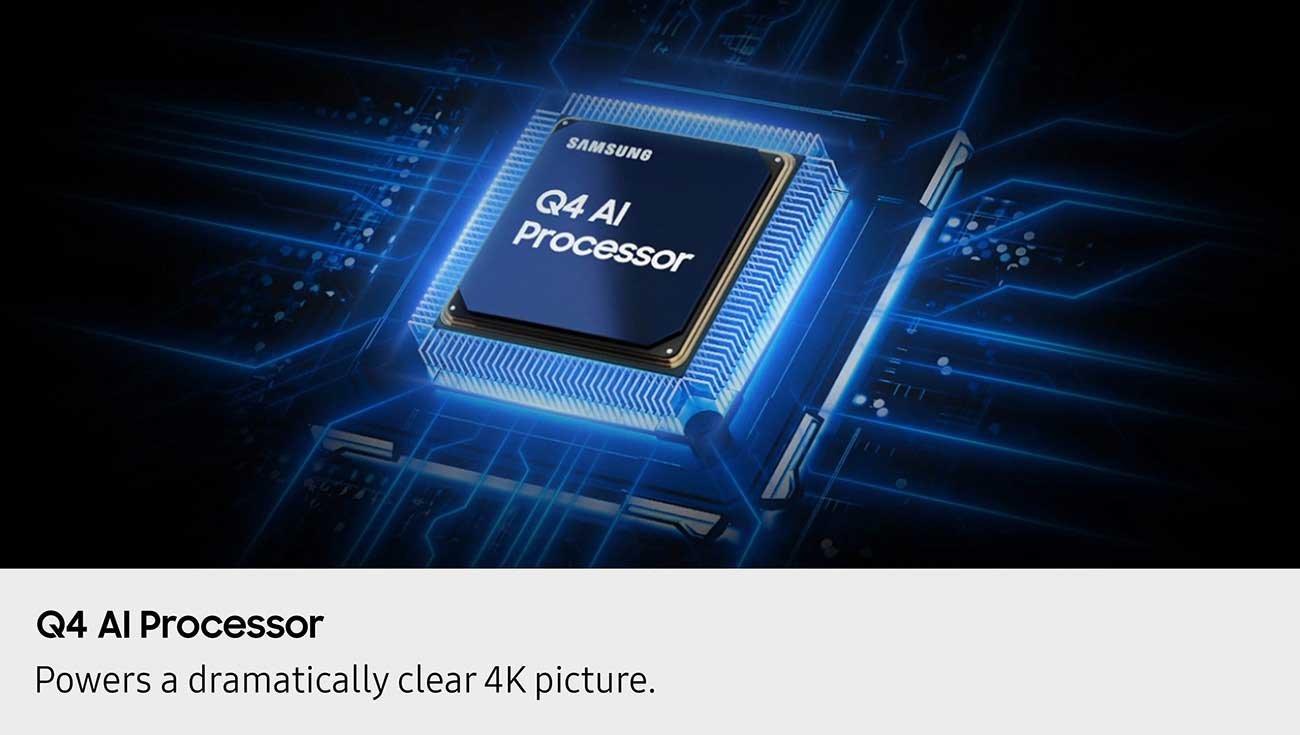
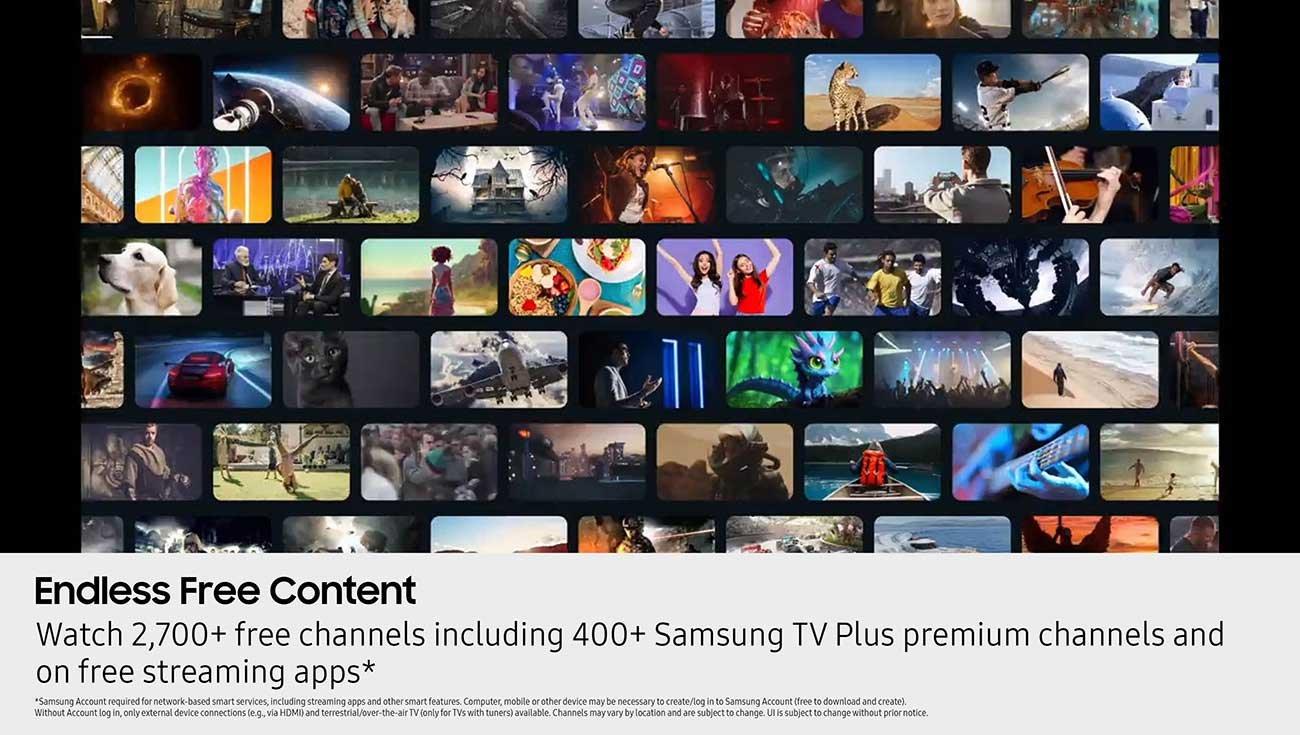
The Samsung QN8F runs Samsung's Tizen operating system with their Vision AI technology. This system goes beyond basic content recognition, using real-time analysis to continuously adjust picture and sound settings as scenes change. The enhanced Bixby voice assistant can handle multiple commands simultaneously and better understands context, making interactions feel more conversational.
Samsung's approach includes features like Generative Wallpaper, which uses AI to create custom wallpapers based on keywords you provide. While this might seem gimmicky, it's part of Samsung's broader philosophy of making the TV an active part of your living space even when you're not watching content.
Both TVs include 20-watt speaker systems, but they implement audio differently. The Panasonic Z95A incorporates Dolby Atmos processing with a home theater-style built-in tweeter design. This creates what they call a 360° soundscape, attempting to place sounds around your listening position.
The Samsung QN8F uses Adaptive Sound+ technology that adjusts audio based on real-time scene analysis and your room's acoustics. The OTS Lite (Object Tracking Sound) feature tries to match audio positioning with visual elements on screen—so a car driving left to right should sound like it's moving across your room.
However, let's be realistic about built-in TV audio. While both systems represent improvements over basic TV speakers, they can't compete with a dedicated sound system. If audio quality matters to you, budget for a soundbar or home theater system regardless of which TV you choose.
Gaming capabilities have become increasingly important as next-generation consoles push higher frame rates and resolutions. Both TVs support up to 144Hz refresh rates, which matters for PC gaming and future console capabilities.
The Panasonic Z95A includes Game Mode, ALLM (Auto Low Latency Mode), and MEMC (Motion Estimation and Motion Compensation) processing. These features work together to minimize input lag—the delay between pressing a controller button and seeing the action on screen—while maintaining smooth motion during fast-paced gameplay.
The Samsung QN8F incorporates Motion Xcelerator 144Hz technology optimized specifically for gaming scenarios. Samsung has historically focused heavily on gaming features, and their implementation tends to be more aggressive in prioritizing low latency.
For serious gaming, both TVs perform well, but the Samsung QN8F might have a slight edge due to Samsung's gaming-focused optimization and brighter display for competitive gaming in various lighting conditions.
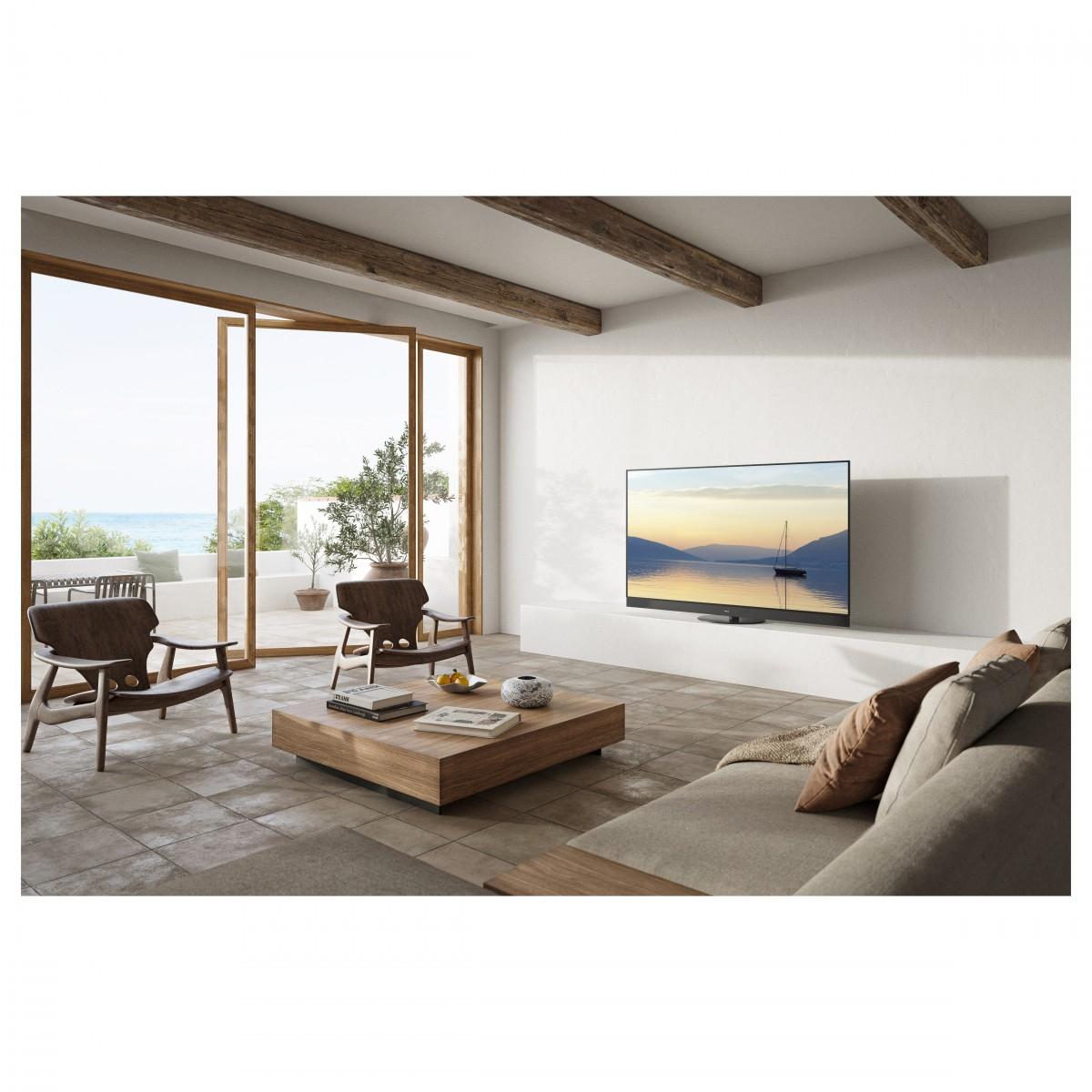
If you're building a dedicated home theater setup, the Panasonic Z95A becomes the more compelling choice. Its perfect blacks and accurate color reproduction excel in controlled lighting environments where you can appreciate OLED's contrast advantages.
The infinite contrast ratio creates that premium cinema experience where dark scenes maintain detail without appearing washed out. For movie enthusiasts who invest in proper room treatments and controlled lighting, OLED's advantages become more pronounced.
However, if your "home theater" is really a multipurpose living room with ambient lighting, the Samsung QN8F might serve you better. Its higher brightness helps maintain picture quality even with room lights on, making it more versatile for various viewing conditions.
At the time of writing, both TVs compete in the premium 65-inch segment, though pricing can vary significantly based on promotions and availability. Generally, OLED technology commands a premium over QLED, but the gap has narrowed considerably since 2024.
The Panasonic Z95A represents excellent value if you prioritize picture quality accuracy and plan to use it primarily in darker viewing environments. OLED technology has matured significantly, with modern panels addressing earlier concerns about burn-in (permanent image retention) and brightness limitations.
The Samsung QN8F offers compelling value for users wanting the latest smart features, bright room performance, and ecosystem integration with other Samsung devices. The AI-driven features and regular software updates help future-proof your investment.
Choose the Panasonic Z95A if you're a movie enthusiast who values color accuracy and watches primarily in darker environments. This TV excels for dedicated home theater setups where you can appreciate OLED's superior contrast ratio. It's also the better choice if you prefer the Fire TV ecosystem or want the most film-accurate picture quality available.
The Samsung QN8F makes more sense for bright living rooms, users who prefer vibrant colors, or anyone invested in Samsung's ecosystem. Its AI features feel more advanced, and the higher brightness makes it more versatile across different viewing conditions. Choose this if you watch a lot of sports, casual TV, or want a display that performs well regardless of room lighting.
Both represent excellent televisions that will deliver outstanding performance. Your specific viewing environment, content preferences, and ecosystem considerations should guide your final decision. Neither choice will disappoint—they simply excel in different areas and serve different viewing philosophies.
The television market continues evolving rapidly, with both OLED and QLED technologies improving each year. Whichever you choose, you're getting access to premium display technology that would have been impossible just a few years ago.
| Panasonic Z95A 65" OLED 4K Ultra HD Smart TV | Samsung 65" QN8F Series QLED 4K Vision AI Smart TV 2025 |
|---|---|
| Display Technology - Fundamentally affects picture quality characteristics | |
| OLED with individual pixel lighting | QLED with Quantum Dot and LED backlighting |
| Screen Size & Resolution - Standard premium TV specs | |
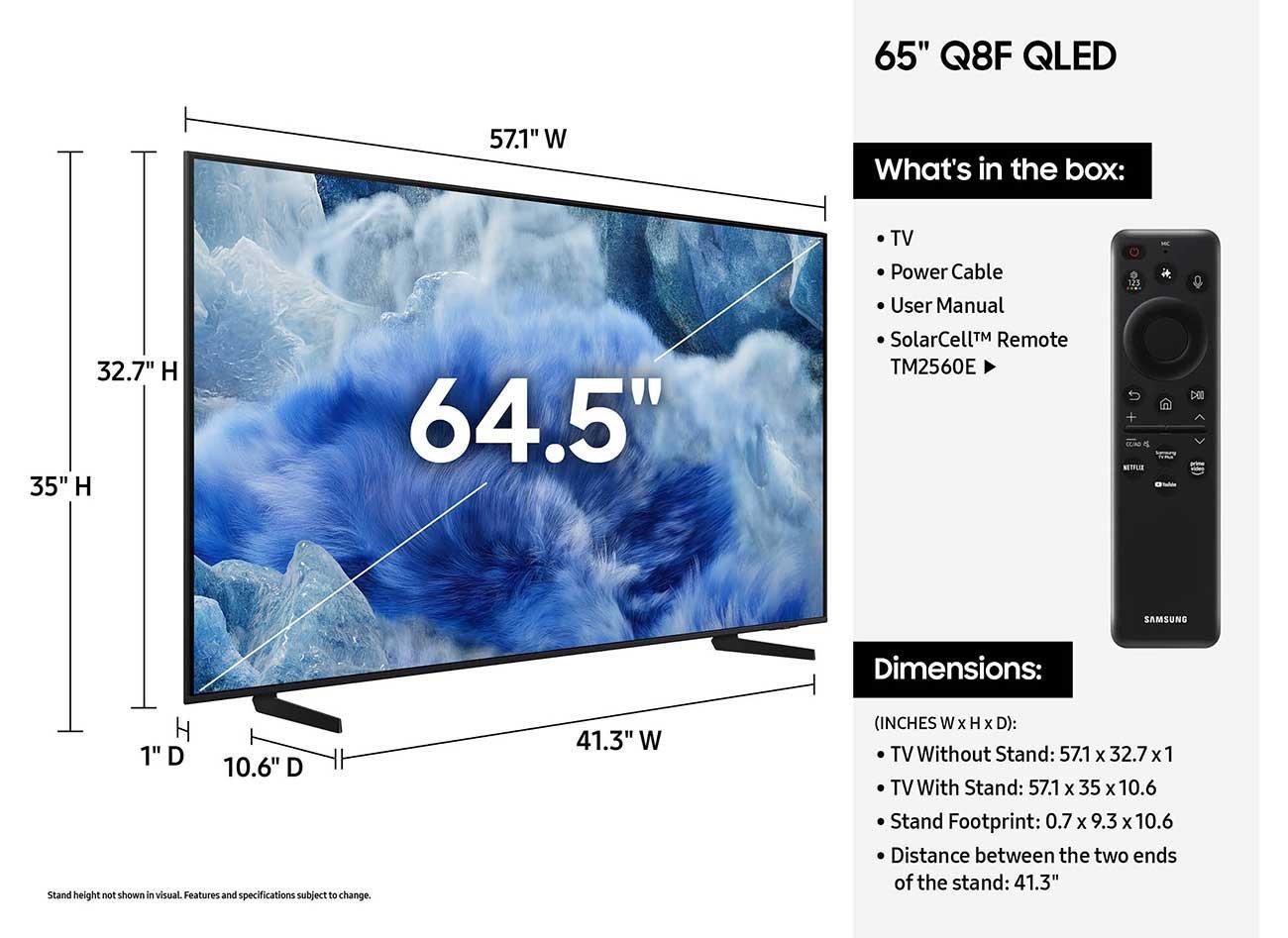
| 65" 4K (3,840 x 2,160) | 65" 4K (3,840 x 2,160) |
| Contrast Ratio - Most critical for dark room movie watching | |
| Infinite contrast with perfect blacks | Good contrast with Dual LED dimming |
| Peak Brightness - Essential for bright rooms and HDR impact | |
| Moderate OLED brightness levels | Higher peak brightness with Quantum HDR+ |
| Color Technology - Affects color accuracy vs vibrancy | |
| Hexa Chroma Drive for film-accurate colors | 100% Color Volume with Quantum Dots for vibrant colors |
| HDR Support - Important for premium content quality | |
| HDR10, HDR10+, Dolby Vision, HLG | Quantum HDR+, HDR10+ Adaptive/Gaming |
| Refresh Rate - Critical for gaming and sports | |
| 144Hz with Game Mode and ALLM | Up to 144Hz with Motion Xcelerator |
| Smart Platform - Determines app ecosystem and usability | |
| Amazon Fire TV with Alexa Built-in | Tizen Smart TV with enhanced Bixby |
| AI Features - Modern convenience and optimization | |
| Auto AI content analysis and adjustment | Vision AI with real-time scene optimization |
| Audio System - Built-in sound quality | |
| 20W with Dolby Atmos and 360° soundscape | 20W 2CH with Adaptive Sound+ and OTS Lite |
| Design - Physical aesthetics and room integration | |
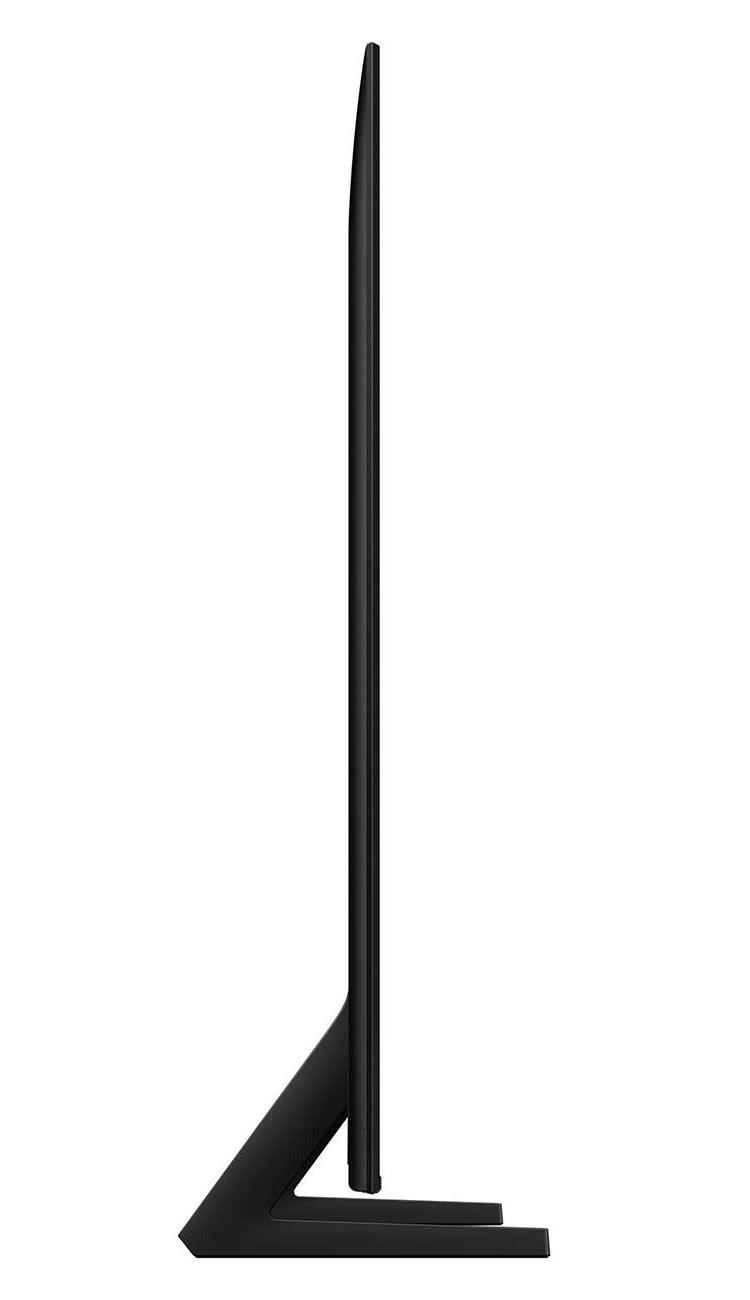
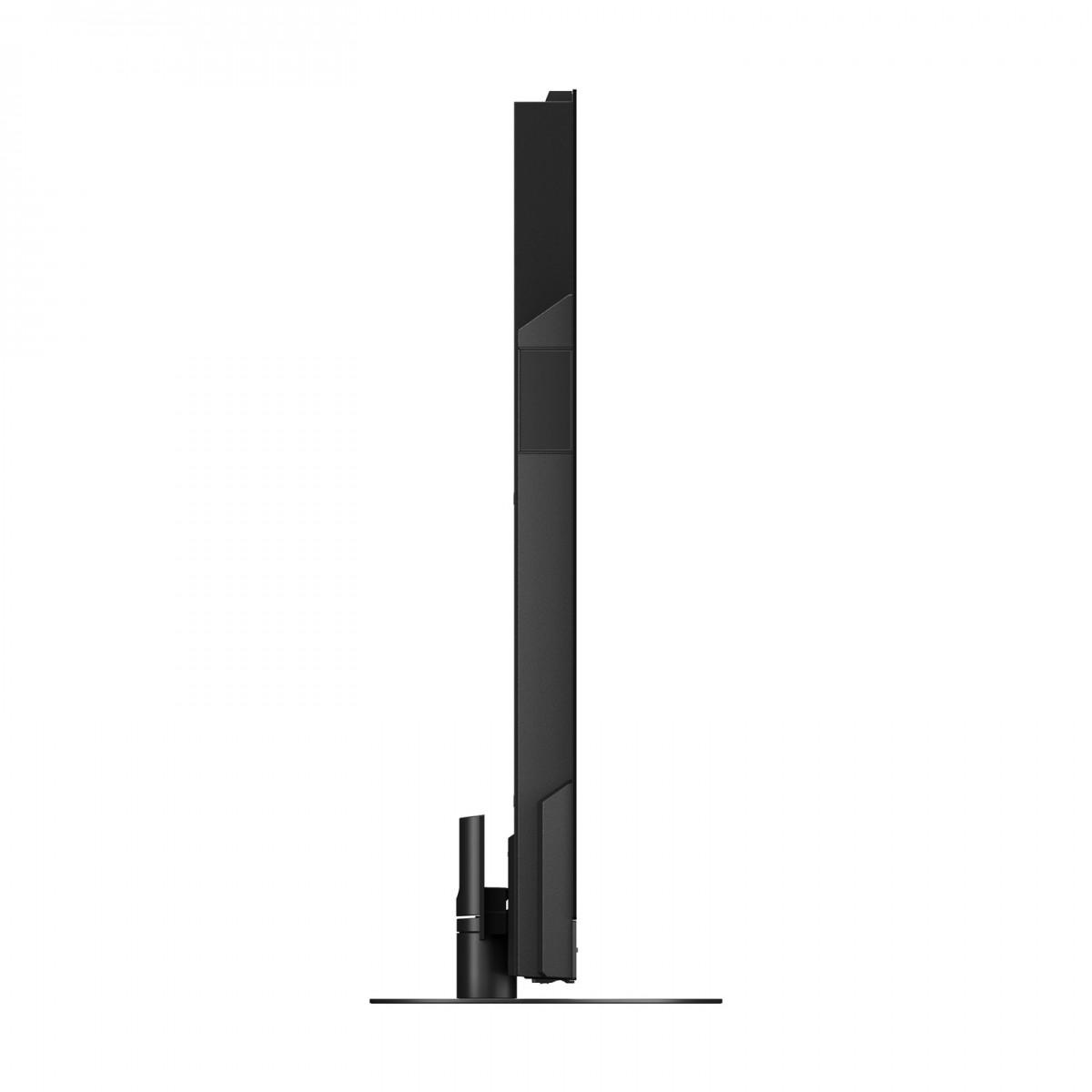
| OLED ultra-slim profile | AirSlim design for sleek appearance |
| Best Use Case - Who should choose this TV | |
| Dark room movie watching, color accuracy priority | Bright rooms, vibrant colors, Samsung ecosystem users |
The Panasonic Z95A delivers superior picture quality for movies due to its OLED technology. Each pixel can turn completely off to create perfect blacks and infinite contrast, which is essential for cinematic content. The color accuracy is also more film-accurate, reproducing colors as directors intended. While the Samsung QN8F offers vibrant colors and higher brightness, movie enthusiasts typically prefer the natural, accurate reproduction of the Panasonic Z95A.
OLED technology in the Panasonic Z95A uses pixels that emit their own light, allowing for perfect blacks and infinite contrast. QLED technology in the Samsung QN8F uses LED backlighting with quantum dots to enhance colors and brightness. OLED excels in dark rooms with superior contrast, while QLED performs better in bright rooms with higher peak brightness. The choice depends on your viewing environment and preferences.
The Samsung QN8F is significantly better for bright rooms due to its higher peak brightness capabilities. The Quantum HDR+ technology can produce much brighter images that remain visible even with ambient light. The Panasonic Z95A, while excellent in dark conditions, may appear dimmer in bright environments since OLED panels have lower maximum brightness compared to QLED displays.
Yes, both the Panasonic Z95A and Samsung QN8F support modern gaming features including 144Hz refresh rates, Game Mode, and Auto Low Latency Mode (ALLM). The Samsung QN8F includes Motion Xcelerator 144Hz specifically optimized for gaming, while the Panasonic Z95A offers MEMC processing for smooth motion. Both are excellent choices for next-generation gaming consoles and PC gaming.
The Panasonic Z95A uses Amazon Fire TV with Alexa built-in, providing excellent streaming app coverage and voice control integration. The Samsung QN8F runs Tizen with enhanced Bixby and Vision AI features. Fire TV offers more comprehensive voice assistant capabilities, while Tizen provides better integration with Samsung devices. Both platforms support all major streaming services effectively.
The Panasonic Z95A prioritizes color accuracy with its Hexa Chroma Drive technology, reproducing colors as content creators intended. The Samsung QN8F uses Quantum Dot technology to produce more vibrant, saturated colors with "100% Color Volume." Choose the Panasonic Z95A for film-accurate colors or the Samsung QN8F for more visually striking, punchy colors.
The Panasonic Z95A is generally better for dedicated home theater setups. Its perfect blacks and infinite contrast ratio create the premium cinema experience that movie enthusiasts seek in controlled lighting environments. The accurate color reproduction also ensures you see content as filmmakers intended. However, if your home theater has ambient lighting, the Samsung QN8F might be more practical due to its higher brightness.
Both TVs feature 20-watt speaker systems with advanced audio processing. The Panasonic Z95A includes Dolby Atmos with a 360° soundscape design, while the Samsung QN8F offers Adaptive Sound+ with Object Tracking Sound Lite. Neither TV's built-in audio can replace a dedicated sound system, but both provide decent performance for casual viewing. Consider a soundbar for serious home theater use.
The Samsung QN8F has more advanced AI capabilities with Vision AI technology that continuously optimizes picture and sound in real-time. It also includes features like Generative Wallpaper and enhanced Bixby voice control. The Panasonic Z95A offers Auto AI that analyzes content types and adjusts settings accordingly, but it's less comprehensive than Samsung's implementation.
The Panasonic Z95A uses OLED technology, which can theoretically experience burn-in if static images are displayed for extended periods. However, modern OLED panels include protective features that make burn-in extremely rare with normal viewing habits. The Samsung QN8F uses QLED technology and is not susceptible to burn-in, making it worry-free for users who display static content frequently.
Value depends on your priorities and viewing environment. The Panasonic Z95A offers excellent value for movie enthusiasts who prioritize picture quality accuracy and contrast in dark rooms. The Samsung QN8F provides good value for users wanting bright room performance, advanced AI features, and ecosystem integration. Consider your specific use case rather than just comparing specifications when evaluating value.
Both TVs support HDR content but handle it differently. The Samsung QN8F can display brighter HDR highlights due to its higher peak brightness, making HDR content more impactful. The Panasonic Z95A excels at HDR shadow detail due to its perfect blacks, creating better overall contrast in HDR scenes. The Samsung QN8F is better for bright HDR scenes, while the Panasonic Z95A excels at HDR content with mixed lighting.
We've done our best to create useful and informative comparisons to help you decide what product to buy. Our research uses advanced automated methods to create this comparison and perfection is not possible - please contact us for corrections or questions. These are the sites we've researched in the creation of this article: youtube.com - youtube.com - whathifi.com - tomsguide.com - shop.panasonic.com - store.in.panasonic.com - rtings.com - applianceplus.co.nz - rtings.com - store.in.panasonic.com - samsung.com - bestbuy.com - samsung.com - rtings.com - youtube.com - samsung.com - pcrichard.com - abt.com - images.samsung.com - cnet.com - news.samsung.com - samsung.com - bestbuy.com

Privacy Policy
Terms and Conditions - Affiliate Policy
Home Security
© Copyright 2008-2026.
11816 Inwood Rd #1211, Dallas, TX 75244