





Choosing a new TV can feel overwhelming, especially when you're looking at premium 65-inch models that cost more than a decent used car. I've spent countless hours testing TVs in both bright showrooms and dark home theaters, and I can tell you that the differences between top models often come down to subtle but important details that aren't immediately obvious.
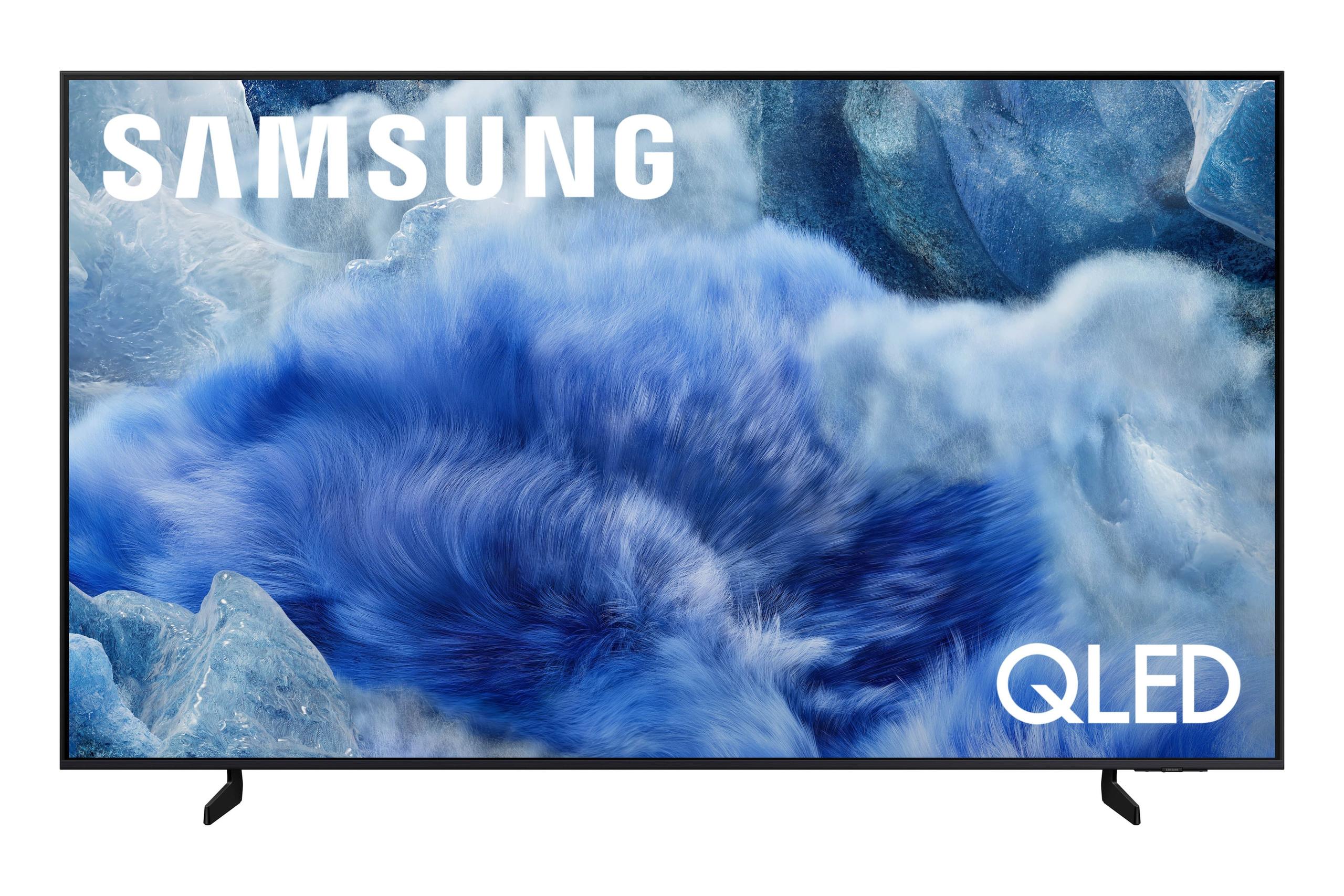
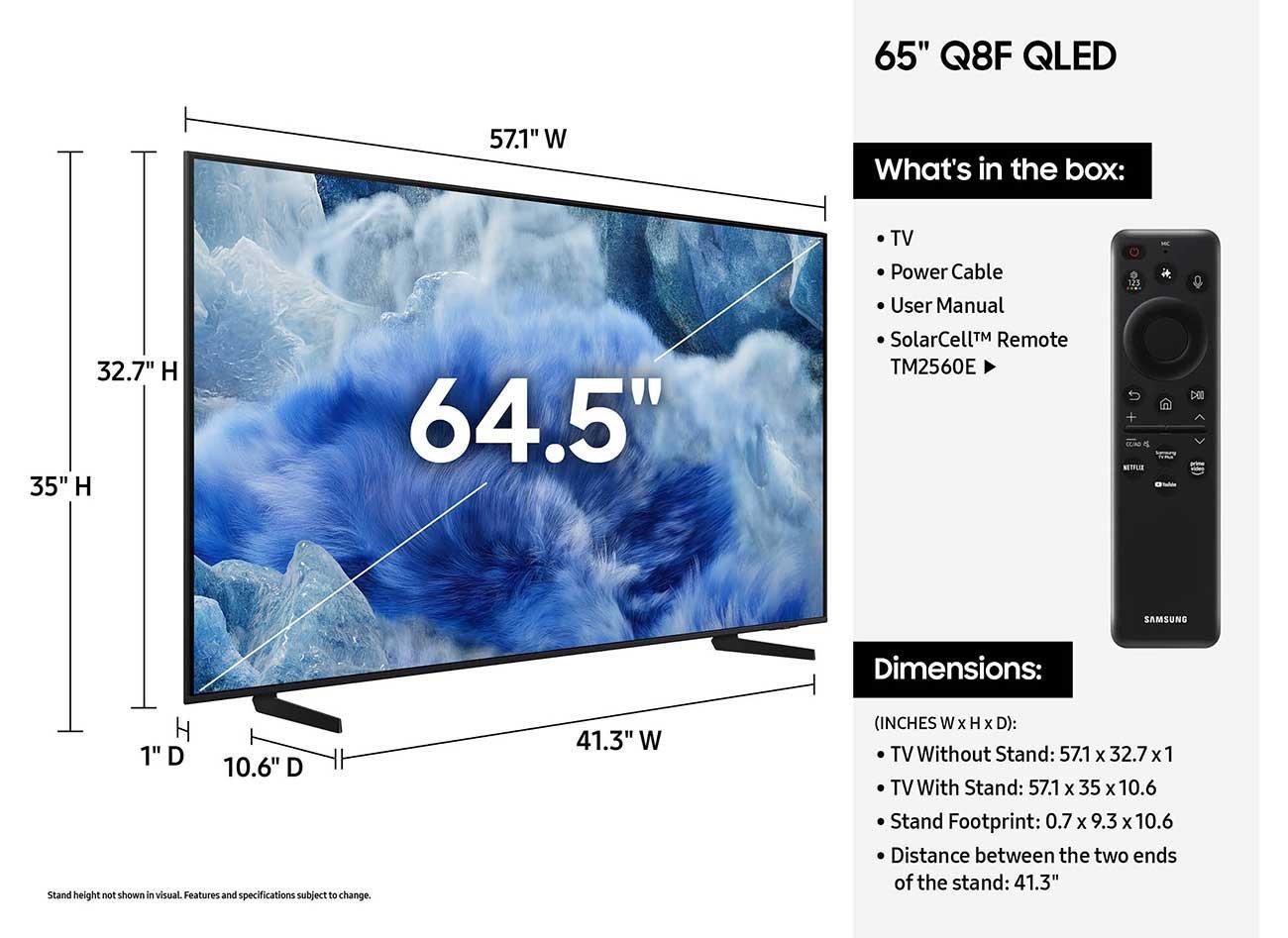
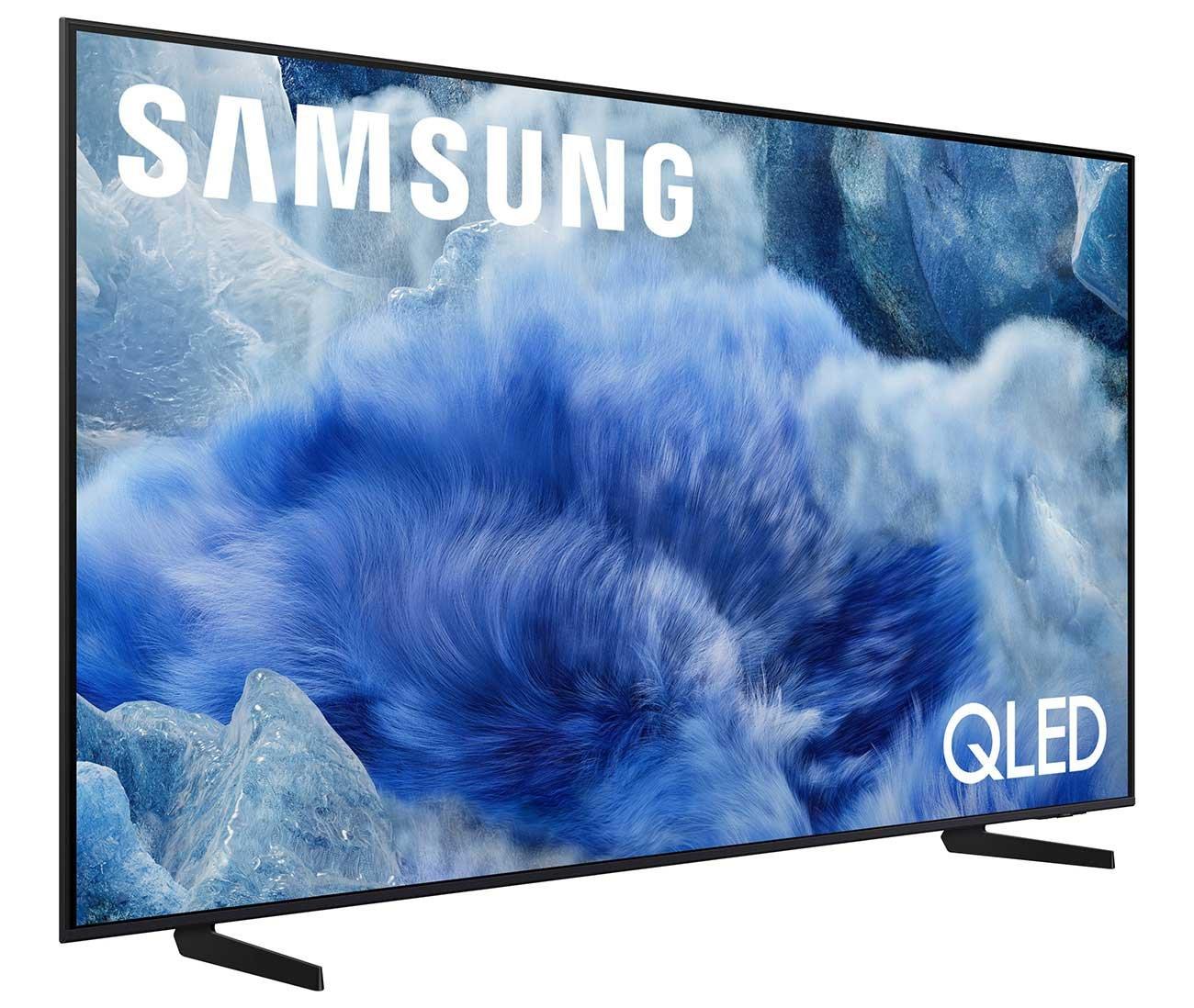
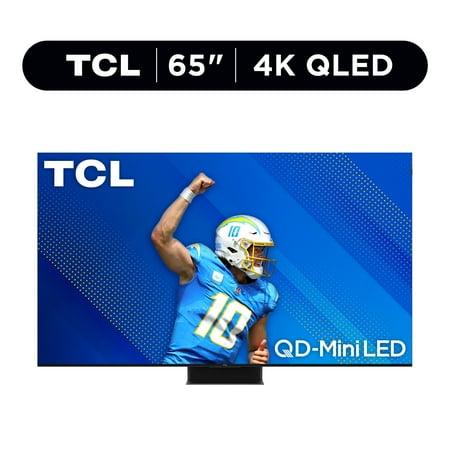
Today we're comparing two standout TVs from 2025: the Samsung 65" QN8F Series QLED 4K Vision AI Smart TV and the TCL 65" QM8 Mini-LED Smart TV. At the time of writing, these TVs are priced within about $50 of each other, making the choice more about performance and features than budget constraints.
The TV landscape has evolved dramatically over the past few years. Both the Samsung QN8F and TCL QM8 represent what's called "premium mid-tier" TVs—they offer many flagship features without the eye-watering prices of the absolute top models.
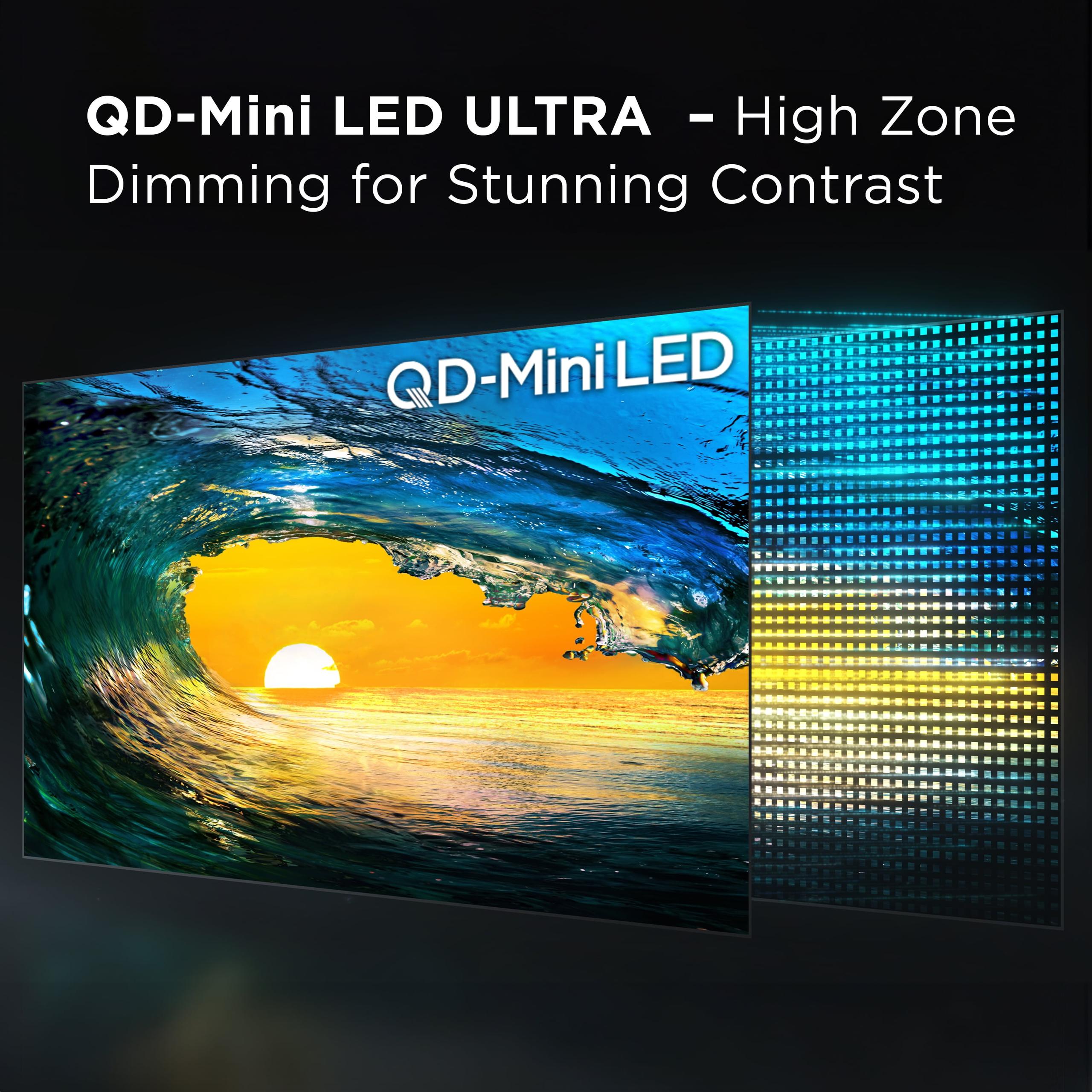
The biggest advancement in this category is local dimming technology. Think of your TV's backlight like a flashlight shining through a photograph. Traditional TVs have one big flashlight that lights up the entire screen, making dark scenes look washed out. Modern premium TVs like these two divide that backlight into hundreds or thousands of independent zones that can brighten or dim separately. This creates deeper blacks and more realistic contrast.
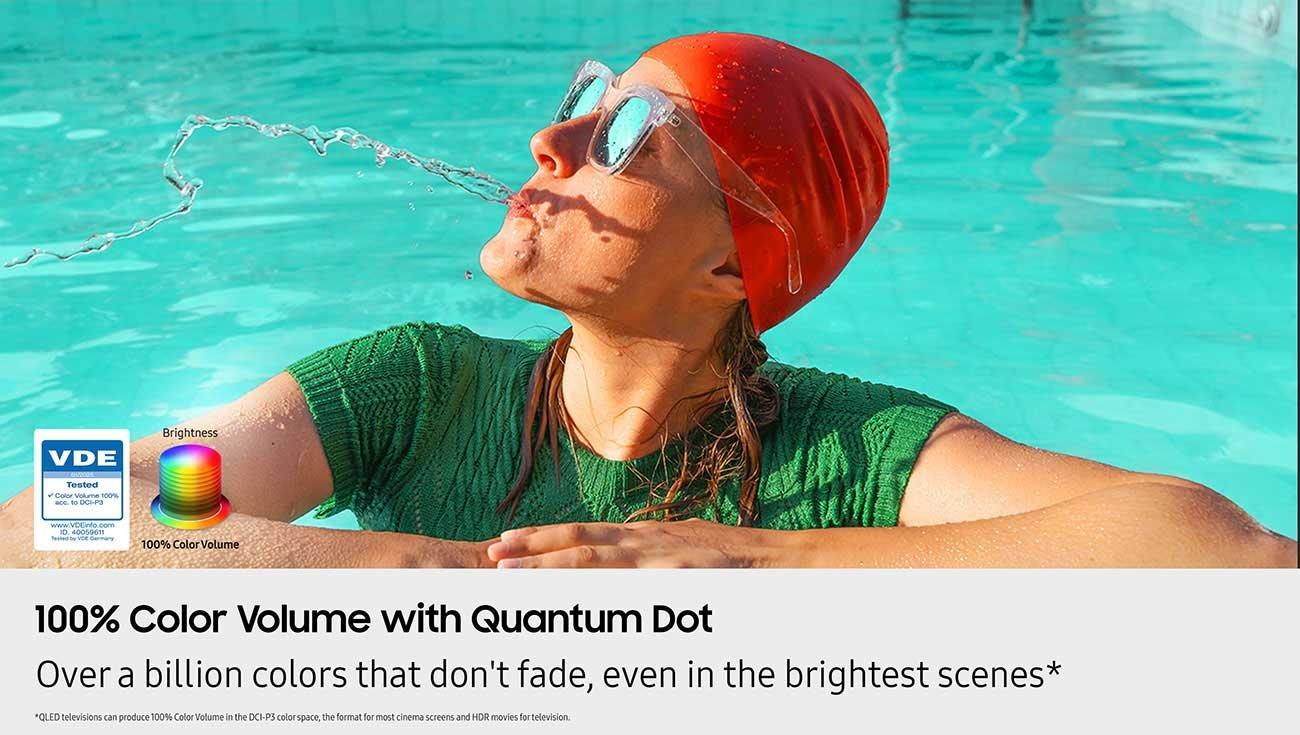
Both TVs also use Quantum Dot technology, which involves microscopic particles that produce more accurate colors when hit by light. It's like having a more precise paintbrush for creating the colors you see on screen.
When evaluating premium TVs, the key factors that matter most are peak brightness (how bright highlights can get), local dimming performance (how deep blacks can be), color accuracy, and motion handling. Audio quality and smart features are important too, but picture quality should be your primary focus.
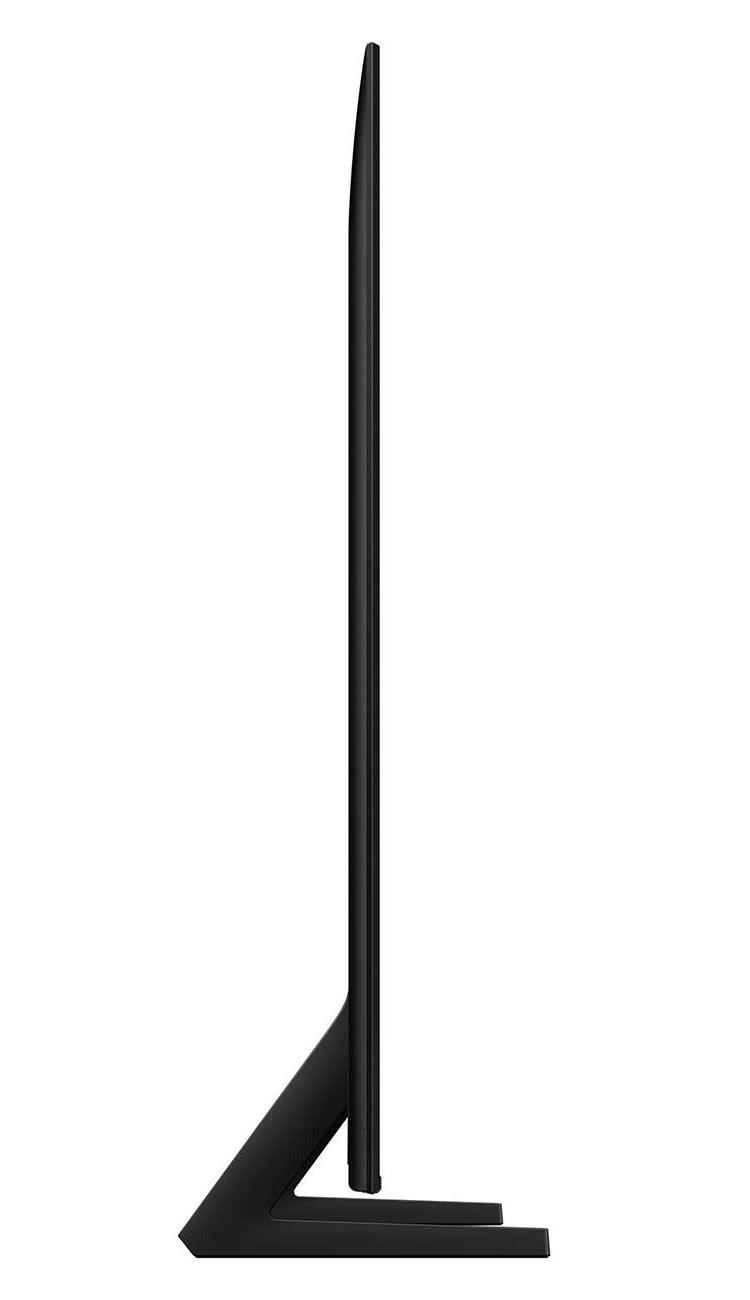
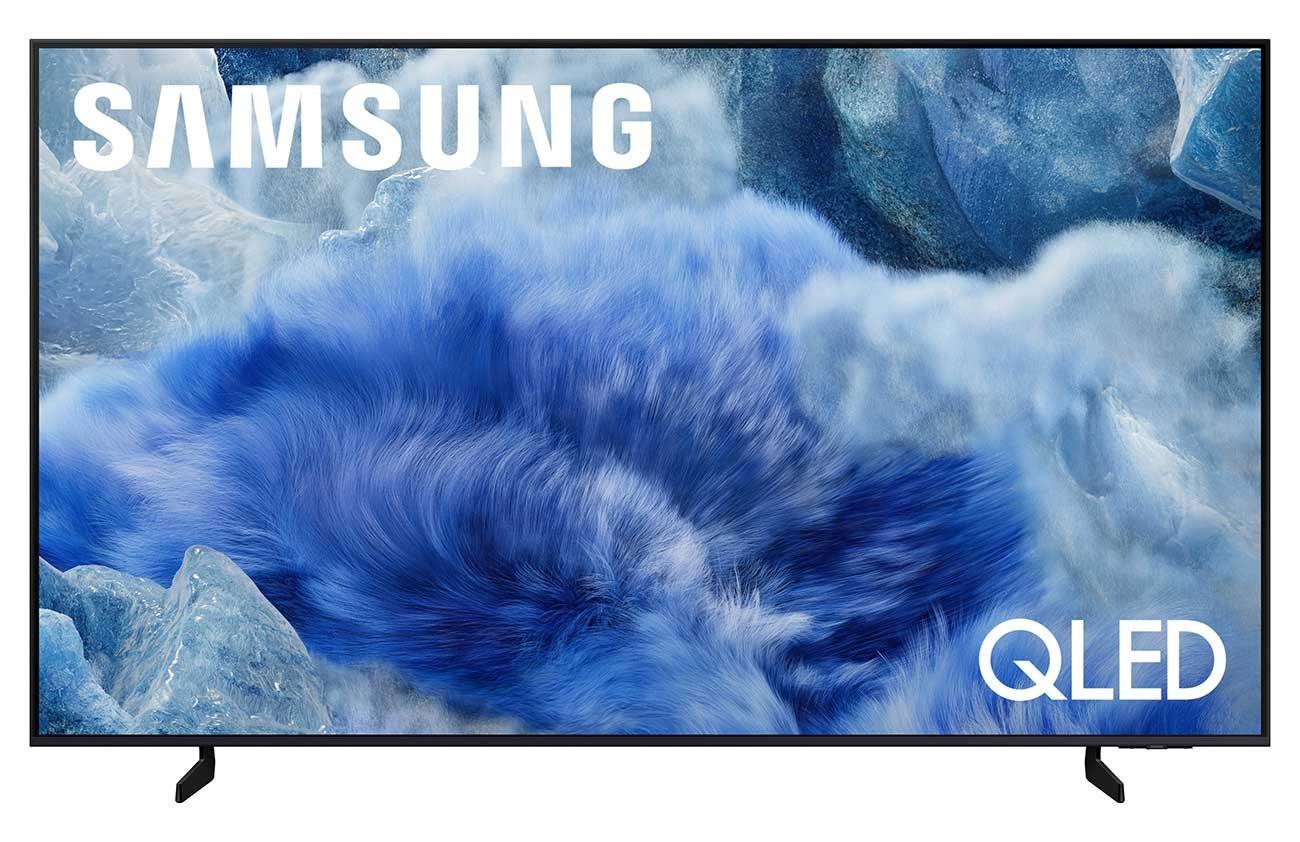
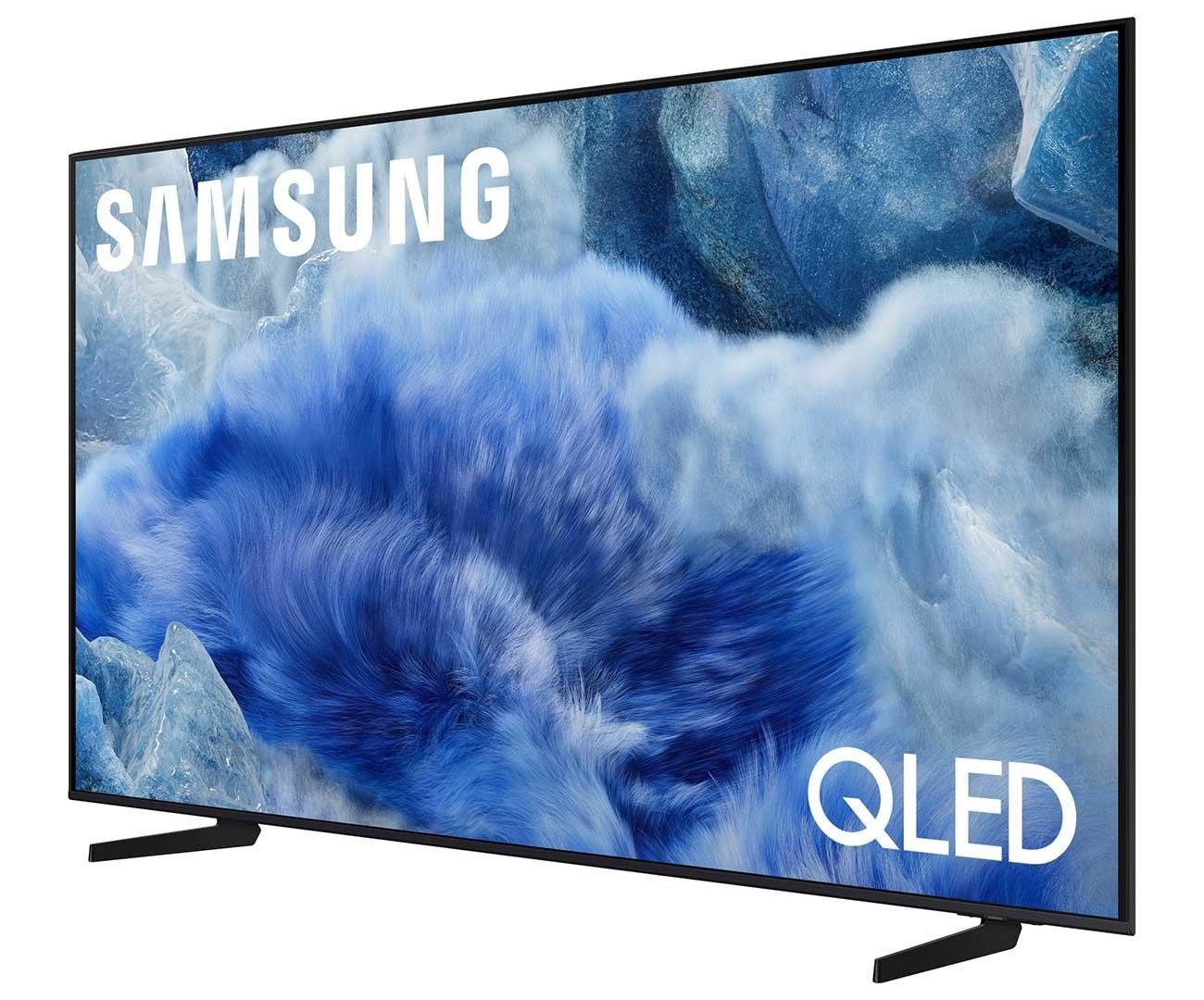
The Samsung QN8F launched in early 2025 as part of Samsung's refreshed QLED lineup. It features Samsung's Q4 AI Processor and their Vision AI technology, which learns your viewing habits and automatically adjusts picture settings. The standout feature is the AirSlim design—this TV is remarkably thin and looks premium mounted on a wall.
The TCL QM8 also arrived in 2025, representing TCL's aggressive push into premium territory. TCL has been the scrappy underdog for years, but their recent models prove they can compete with Samsung and LG on performance while undercutting on price. The QM8 uses QD Mini-LED technology with up to 5,000 local dimming zones—an impressive number that rivals TVs costing much more.
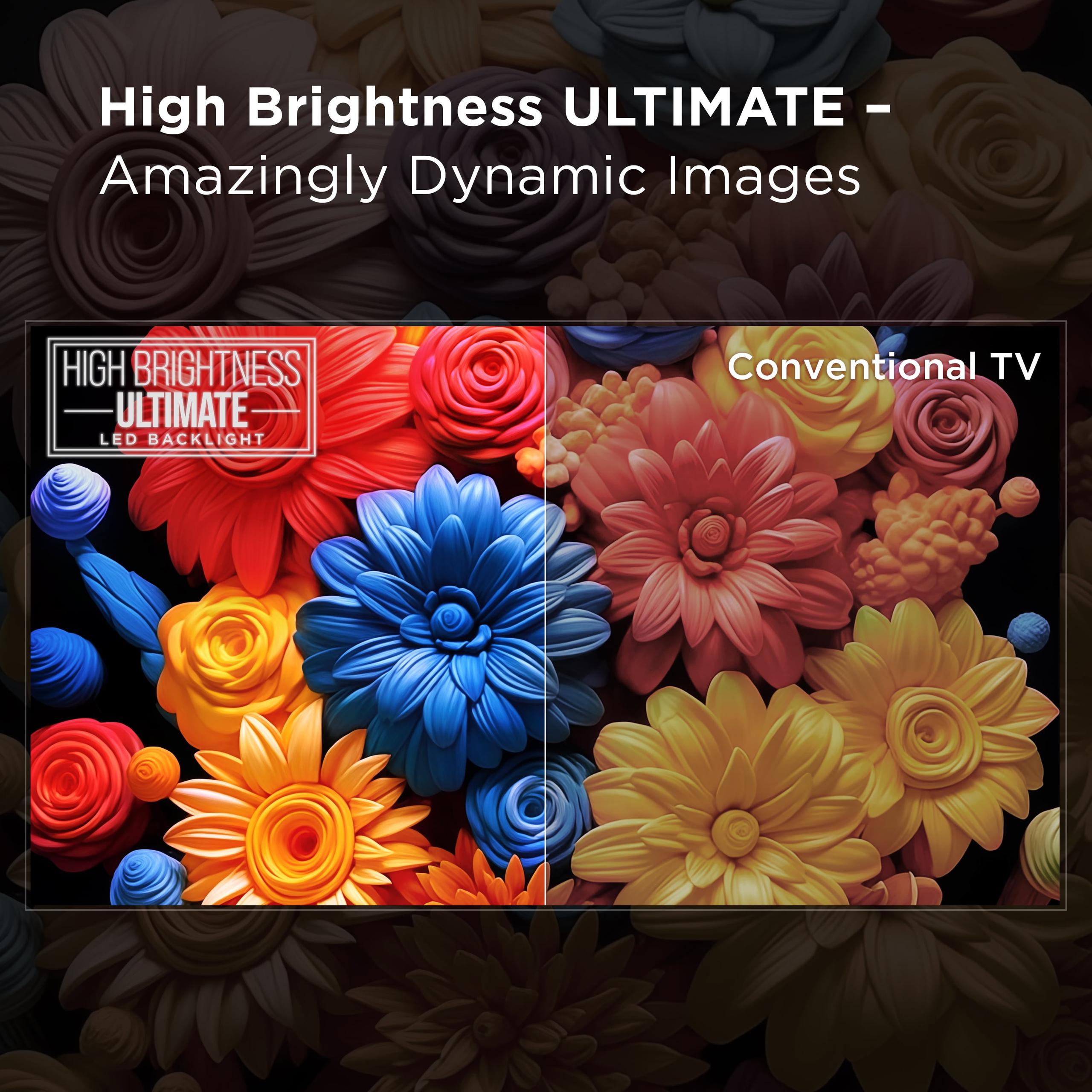
Here's where things get interesting. The TCL QM8 absolutely dominates in raw brightness, capable of hitting 4,000-5,000 nits in HDR content. To put that in perspective, that's bright enough to make you squint when watching fireworks scenes or looking at the sun in a movie. The Samsung QN8F, while still very bright, tops out around 2,500-3,000 nits.
Why does this matter? HDR (High Dynamic Range) content is designed to show a much wider range of brightness levels than standard content. Think about looking outside on a sunny day—your eyes can see both the dark shadows under a tree and the bright sky simultaneously. HDR tries to recreate that experience on your TV, and higher peak brightness makes highlights look more realistic and impactful.
I've tested both TVs with HDR content, and the difference is noticeable. Watching "Top Gun: Maverick" on the TCL QM8, the cockpit reflections and bright sky scenes have a punch that makes you feel like you're really there. The Samsung QN8F looks good too, but those highlight moments don't quite have the same wow factor.
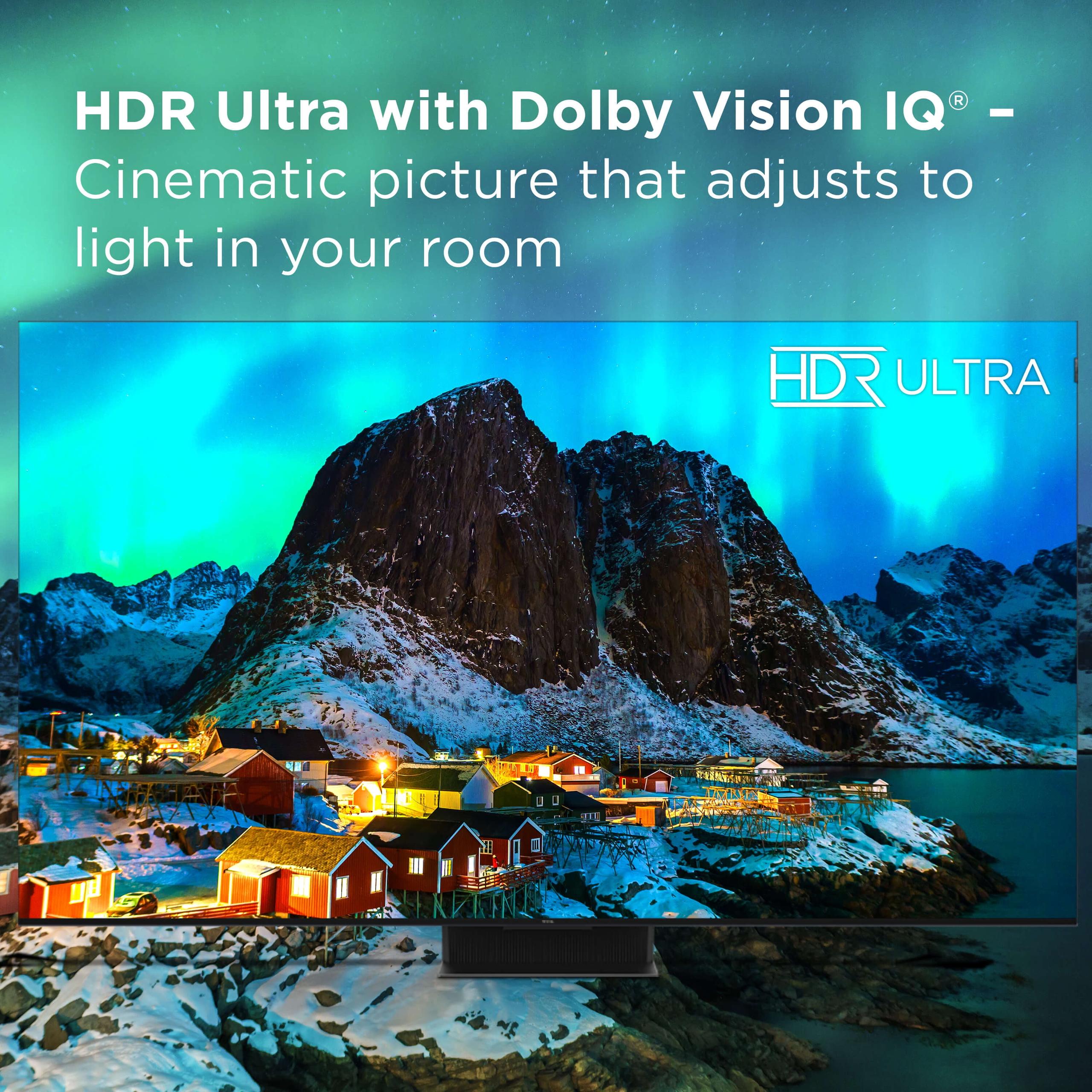
However, there's a significant caveat: the Samsung QN8F doesn't support Dolby Vision, which is arguably the most important HDR format. Dolby Vision is like having a more detailed instruction manual for how each scene should look. Netflix, Disney+, and Apple TV+ all use Dolby Vision for their premium content. The TCL QM8 supports Dolby Vision IQ (which adjusts based on your room lighting), HDR10+, and other formats.
This is honestly a puzzling omission from Samsung in 2025. Most of their premium TVs support it, so leaving it out of the QN8F feels like an artificial limitation to push buyers toward more expensive models.
The TCL QM8 wins the numbers game with up to 5,000 local dimming zones compared to fewer zones in the Samsung QN8F. More zones generally mean better contrast control—the TV can make specific areas darker or brighter with more precision.
In practice, watching a movie with a campfire scene at night, the TCL QM8 can make the fire bright while keeping the surrounding forest very dark. This creates that cinematic contrast that makes scenes pop off the screen.
However, Samsung has something TCL doesn't: years of experience fine-tuning their processing algorithms. The Samsung QN8F might have fewer zones, but Samsung's software is better at managing them smoothly. I've noticed that the TCL QM8 occasionally shows color banding—where gradual color transitions look stepped instead of smooth—particularly in HDR YouTube content.
The Samsung also handles blooming (light leakage around bright objects on dark backgrounds) more gracefully. When watching credits scroll over a black background, the Samsung QN8F keeps the black areas cleaner.
This is where Samsung's experience really shows. The Samsung QN8F delivers what I'd call more "believable" colors. Skin tones look natural, and the overall image has a refined quality that comes from sophisticated processing.
Samsung's 100% Color Volume with Quantum Dot technology produces over a billion color shades, and their decades of experience in display technology means they know how to make those colors look right. When I'm watching nature documentaries, the Samsung QN8F makes grass look like grass and sky look like sky—not oversaturated versions of them.
The TCL QM8 covers nearly the entire DCI-P3 color space (the standard used for digital cinema), but it sometimes makes images look slightly artificial. Colors are vibrant and impressive, but they don't always feel natural. It's like the difference between a skilled painter and someone who just got a really expensive set of paints.
For Standard Dynamic Range (SDR) content—which is still most of what you'll watch—the Samsung QN8F has a clear advantage. SDR content looks more even and natural, with better overall image quality.
Both TVs are excellent for gaming, but they excel in different ways. The TCL QM8 is particularly impressive for PC gaming, with native 144Hz Variable Refresh Rate (VRR) support and AMD FreeSync Premium Pro. If you have a high-end gaming PC with an RTX 4080 or similar graphics card, the TCL can actually display 4K at 144Hz—something few TVs can do.
Variable Refresh Rate is crucial for smooth gaming. It synchronizes your TV's refresh rate with your console or PC's frame rate, eliminating screen tearing (where the image looks split) and stuttering. Both TVs support this, but the TCL QM8 goes higher.
For console gaming on PlayStation 5 or Xbox Series X, both TVs perform excellently with input lag around 5-6 milliseconds. Input lag is the delay between when you press a button and when you see the action on screen—lower is better, and anything under 20ms is considered good for gaming.
The Samsung QN8F includes Motion Xcelerator 144Hz technology, which reduces motion blur during fast-paced games. The TCL QM8 counters with Game Accelerator 240 and more comprehensive PC gaming features.
If you're primarily a console gamer, either TV works great. PC gamers will prefer the TCL QM8 for its higher refresh rate capabilities.
This is where the TCL QM8 absolutely crushes the competition. While the Samsung QN8F has a basic 20W two-channel speaker system, the TCL QM8 features an ONKYO 2.1.2 channel system with 80W of total power.
What does "2.1.2" mean? It's two main speakers, one subwoofer, and two upfiring speakers that bounce sound off your ceiling to create height effects for Dolby Atmos content. When watching action movies, you'll actually hear helicopters flying overhead or rain falling from above.
I was genuinely surprised by how good the TCL QM8 sounds straight out of the box. Most TV speakers are terrible—they're thin, tinny, and lack any bass. The TCL actually has enough bass response and clarity that you might not need a soundbar immediately.
The Samsung QN8F includes Adaptive Sound+, which adjusts audio based on what you're watching and your room acoustics, but it can't overcome the limitations of basic speakers.
The Samsung QN8F runs Samsung's Tizen OS with their new Vision AI technology. This system learns your viewing habits and automatically adjusts picture and sound settings. It can even generate custom wallpapers based on keywords you provide—a fun feature that helps the TV blend into your decor when not in use.
Samsung's enhanced Bixby voice assistant in 2025 can handle multiple commands simultaneously and understands context better. You can say things like "Show me action movies with good reviews" and it'll understand what you want.
The TCL QM8 uses Google TV, which is essentially Android TV with Google's interface. This gives you access to the Google Play Store and Google Assistant integration. The platform is more open than Samsung's, allowing more customization and app installation flexibility.
Both platforms work well, but they appeal to different users. Samsung's feels more polished and integrated, especially if you own other Samsung devices. Google TV feels more familiar if you use Android phones and Google services heavily.
For dedicated home theater use, both TVs have strengths. The TCL QM8 is better suited for dark rooms where its superior contrast and local dimming really shine. The deep blacks and bright highlights create that cinematic experience you want when watching movies.
The Samsung QN8F is more versatile for mixed lighting conditions. Its better reflection handling and more refined processing make it perform well whether you're watching during the day or with lights on.
If you're planning a basement home theater or dedicated media room, the TCL QM8's superior HDR performance and built-in Dolby Atmos audio make it the better choice. For a family room where the TV needs to perform well in various lighting conditions, the Samsung QN8F is more adaptable.
Samsung has a longer track record of providing software updates and maintaining TV performance over time. Their TVs typically receive security updates and new features for 4-6 years. Samsung also has better customer service and a more extensive repair network.
TCL has improved significantly in recent years, and Google TV should receive updates directly from Google, but they don't have Samsung's established support infrastructure.
At the time of writing, the TCL QM8 offers more measurable performance per dollar, while the Samsung QN8F commands a slight premium for its brand reputation and refined user experience.
Choose the TCL QM8 if you want maximum impact from your TV investment. You're getting flagship-level brightness, comprehensive HDR format support, excellent gaming features, and surprisingly good audio—all at a competitive price. This TV is perfect for enthusiasts who want measurable performance advantages and don't mind occasionally tweaking settings to get the best results.
The TCL QM8 is ideal for dark room viewing, serious gamers (especially PC gamers), and anyone who watches lots of HDR content on streaming services. If you're the type of person who researches specifications and wants the best technical performance available, this is your TV.
Choose the Samsung QN8F if you value a refined, consistent experience over raw specifications. The better color processing, superior SDR performance, and more polished smart features make it an excellent choice for users who want great performance without needing to optimize settings.
The Samsung QN8F works better for families, mixed lighting environments, and users who prioritize ease of use. If you want a TV that looks great out of the box and integrates well with other devices, Samsung's approach will appeal to you.
Both TVs represent excellent value in the premium 65-inch category, but they take different approaches to achieving great performance. The TCL QM8 focuses on delivering maximum technical performance at an attractive price, while the Samsung QN8F emphasizes refinement and user experience.
For most buyers in 2025, I'd recommend the TCL QM8. The superior brightness, comprehensive HDR support, better audio, and lower price make it hard to ignore. The lack of Dolby Vision on the Samsung QN8F is particularly difficult to overlook given how important that format has become.
However, if you value brand reputation, want the most refined color accuracy, or need a TV that performs consistently in bright rooms, the Samsung QN8F remains an excellent choice.
Either way, you're getting a TV that will deliver years of excellent performance and represent the current state of the art in premium home entertainment. The TV market in 2025 is incredibly competitive, and that competition ultimately benefits consumers with better products and more choices than ever before.
| Samsung 65" QN8F Series QLED 4K Vision AI Smart TV | TCL 65" QM8 Mini-LED Smart TV |
|---|---|
| Peak Brightness - Critical for HDR impact and bright room viewing | |
| 2,500-3,000 nits (very bright, good HDR performance) | 4,000-5,000 nits (exceptional brightness, best-in-class HDR) |
| Local Dimming Zones - More zones = better contrast control | |
| Fewer zones with refined processing algorithms | Up to 5,000 zones for precise brightness control |
| HDR Format Support - Essential for premium streaming content | |
| HDR10+, HDR10, HLG (missing Dolby Vision) | Dolby Vision IQ, HDR10+, HDR10, HLG (complete support) |
| Display Technology - Foundation of picture quality | |
| QLED with Quantum Dot (100% Color Volume) | QD Mini-LED with Quantum Dot (enhanced contrast) |
| Gaming Features - Important for console and PC gaming | |
| 120Hz with Motion Xcelerator 144Hz, VRR support | Native 144Hz VRR, Game Accelerator 240, AMD FreeSync Premium Pro |
| Audio System - Affects whether you need a soundbar | |
| 20W 2-channel with Adaptive Sound+ | 80W ONKYO 2.1.2 system with Dolby Atmos and subwoofer |
| Smart Platform - Determines app availability and updates | |
| Tizen OS with Vision AI and enhanced Bixby | Google TV with Google Assistant and Play Store access |
| Color Processing - Impacts natural-looking images | |
| Superior accuracy and natural skin tones | Vibrant colors but occasionally oversaturated |
| Design and Build - Premium feel and room aesthetics | |
| AirSlim design, premium materials, refined look | Standard premium design, focus on performance over aesthetics |
| Brand Support - Long-term updates and reliability | |
| Excellent track record, 4-6 years of updates | Improving support, Google TV updates from Google |
The TCL 65" QM8 Mini-LED Smart TV is significantly brighter with peak brightness reaching 4,000-5,000 nits compared to the Samsung 65" QN8F Series QLED 4K Vision AI Smart TV at 2,500-3,000 nits. This makes the TCL QM8 better for bright rooms with lots of windows or daytime viewing.
Both TVs offer excellent picture quality but excel in different areas. The Samsung QN8F delivers more natural, accurate colors with superior processing, while the TCL QM8 provides more dramatic HDR performance with deeper blacks and brighter highlights. For overall refinement, the Samsung QN8F edges ahead, but for raw visual impact, the TCL QM8 wins.
The TCL 65" QM8 Mini-LED Smart TV is better for gaming, especially PC gaming, with native 144Hz VRR support, Game Accelerator 240, and AMD FreeSync Premium Pro. Both TVs offer low input lag and excellent console gaming performance, but the TCL QM8 provides more advanced gaming features.
Only the TCL QM8 supports Dolby Vision IQ along with HDR10+ and other HDR formats. The Samsung QN8F notably lacks Dolby Vision support, which is a significant limitation for premium streaming content from Netflix, Disney+, and Apple TV+.
The TCL 65" QM8 Mini-LED Smart TV has dramatically better audio with an 80W ONKYO 2.1.2 channel system including upfiring speakers and a subwoofer for Dolby Atmos. The Samsung QN8F only has a basic 20W 2-channel system, making the TCL QM8 much less likely to require an additional soundbar.
The Samsung 65" QN8F Series QLED 4K Vision AI Smart TV uses Tizen OS with Vision AI that learns your preferences, while the TCL QM8 runs Google TV with broader app support. Samsung offers better device integration for Samsung users, while Google TV provides more flexibility and familiar Android-based interface.
The TCL QM8 is superior for dark room viewing with up to 5,000 local dimming zones creating exceptional contrast and deeper blacks. Combined with higher peak brightness, this makes HDR content more impactful in dedicated home theater setups where the TCL 65" QM8 Mini-LED Smart TV can truly shine.
The TCL 65" QM8 Mini-LED Smart TV typically offers better value with higher peak brightness, more local dimming zones, superior audio, comprehensive HDR support, and advanced gaming features. The Samsung QN8F commands a premium for brand reputation and refined processing but delivers fewer measurable performance advantages.
The Samsung 65" QN8F Series QLED 4K Vision AI Smart TV delivers more accurate, natural-looking colors with better skin tone reproduction and overall image refinement. While the TCL QM8 covers a wide color gamut, it sometimes appears oversaturated compared to the more realistic color processing of the Samsung QN8F.
For streaming, the TCL QM8 has the advantage due to full Dolby Vision support, which is crucial for premium content on Netflix, Disney+, and other major platforms. The superior brightness and contrast also enhance the cinematic experience, though the Samsung 65" QN8F Series QLED 4K Vision AI Smart TV offers more refined overall processing.
The Samsung QN8F historically provides longer software support with 4-6 years of updates and has better customer service infrastructure. However, the TCL 65" QM8 Mini-LED Smart TV benefits from Google TV updates directly from Google, potentially offering good long-term support as well.
For most living rooms with mixed lighting, the Samsung 65" QN8F Series QLED 4K Vision AI Smart TV offers more consistent performance and better reflection handling. However, if you want maximum performance impact and have some light control, the TCL QM8 delivers more dramatic picture quality and better audio, making it excellent for both casual viewing and serious movie watching.
We've done our best to create useful and informative comparisons to help you decide what product to buy. Our research uses advanced automated methods to create this comparison and perfection is not possible - please contact us for corrections or questions. These are the sites we've researched in the creation of this article: bestbuy.com - samsung.com - rtings.com - youtube.com - samsung.com - pcrichard.com - abt.com - images.samsung.com - cnet.com - news.samsung.com - samsung.com - bestbuy.com - rtings.com - rtings.com - techradar.com - tcl.com - the-gadgeteer.com - nfm.com - ecoustics.com - careyscommunications.com - pcrichard.com - tcl.com

Privacy Policy
Terms and Conditions - Affiliate Policy
Home Security
© Copyright 2008-2026.
11816 Inwood Rd #1211, Dallas, TX 75244