



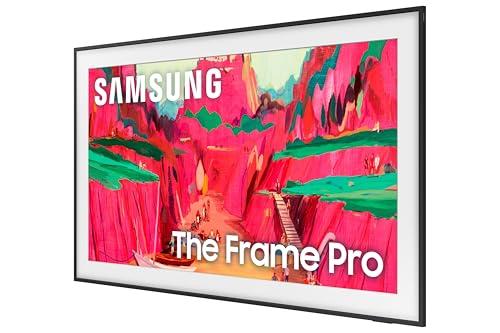
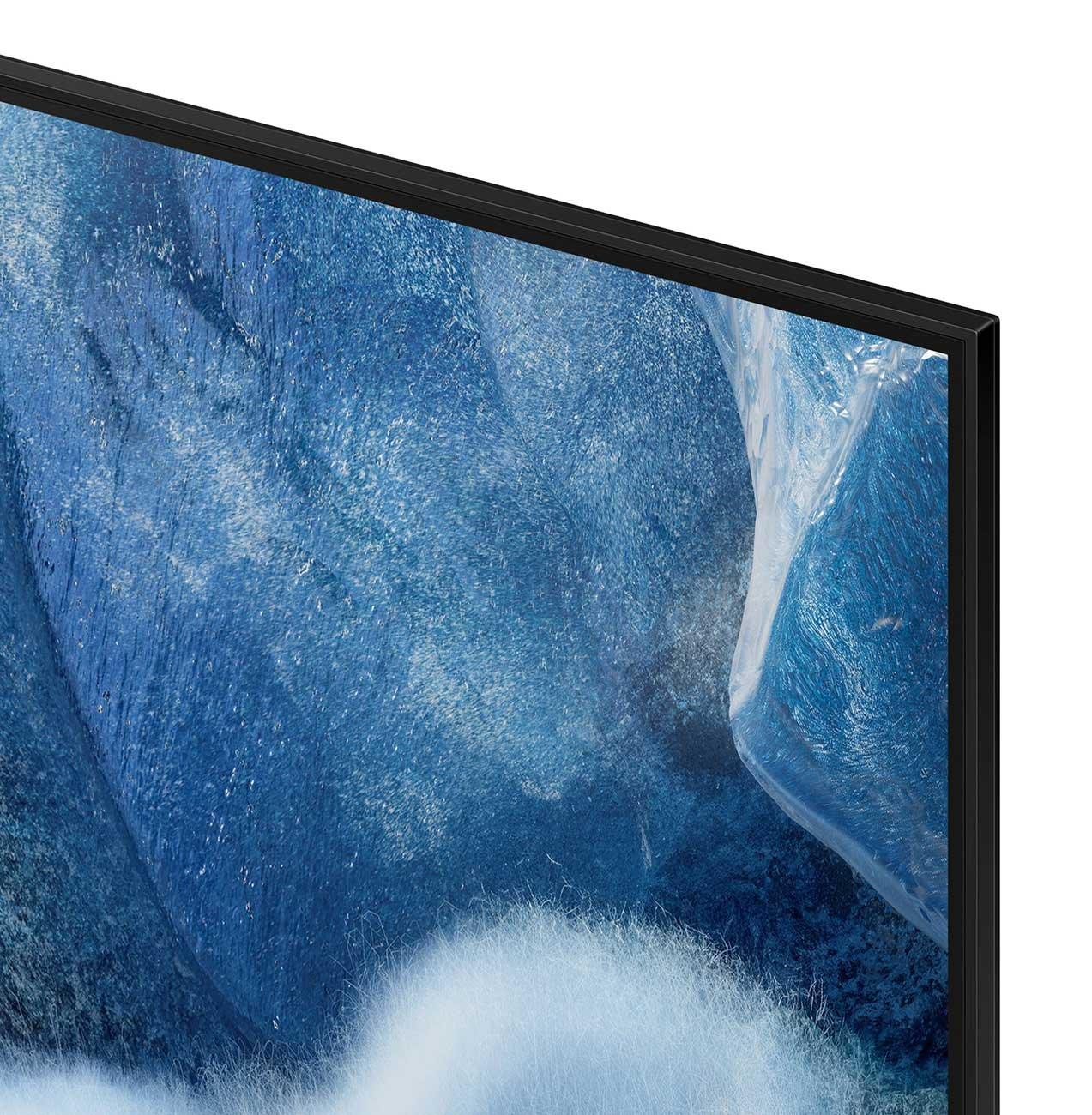
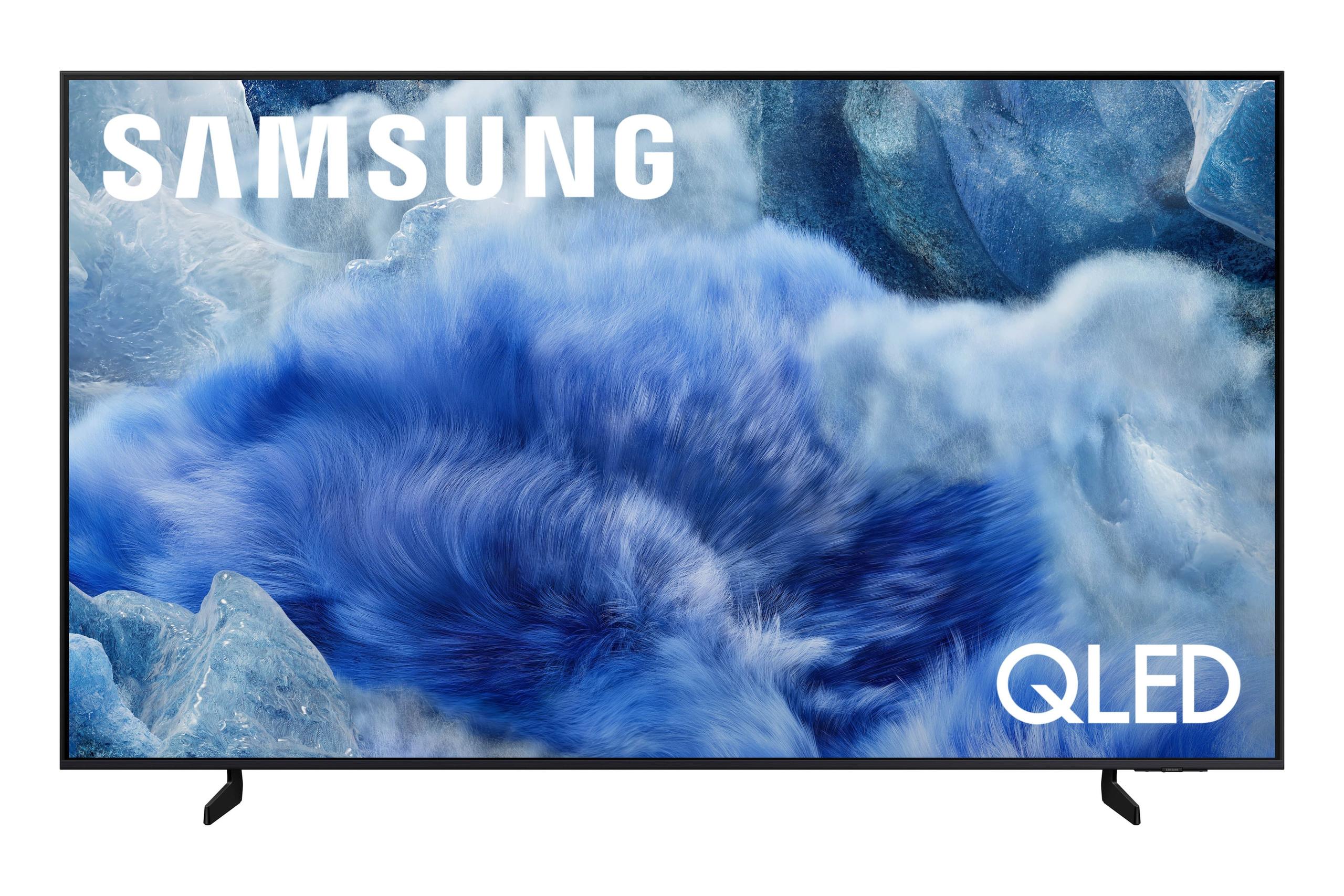
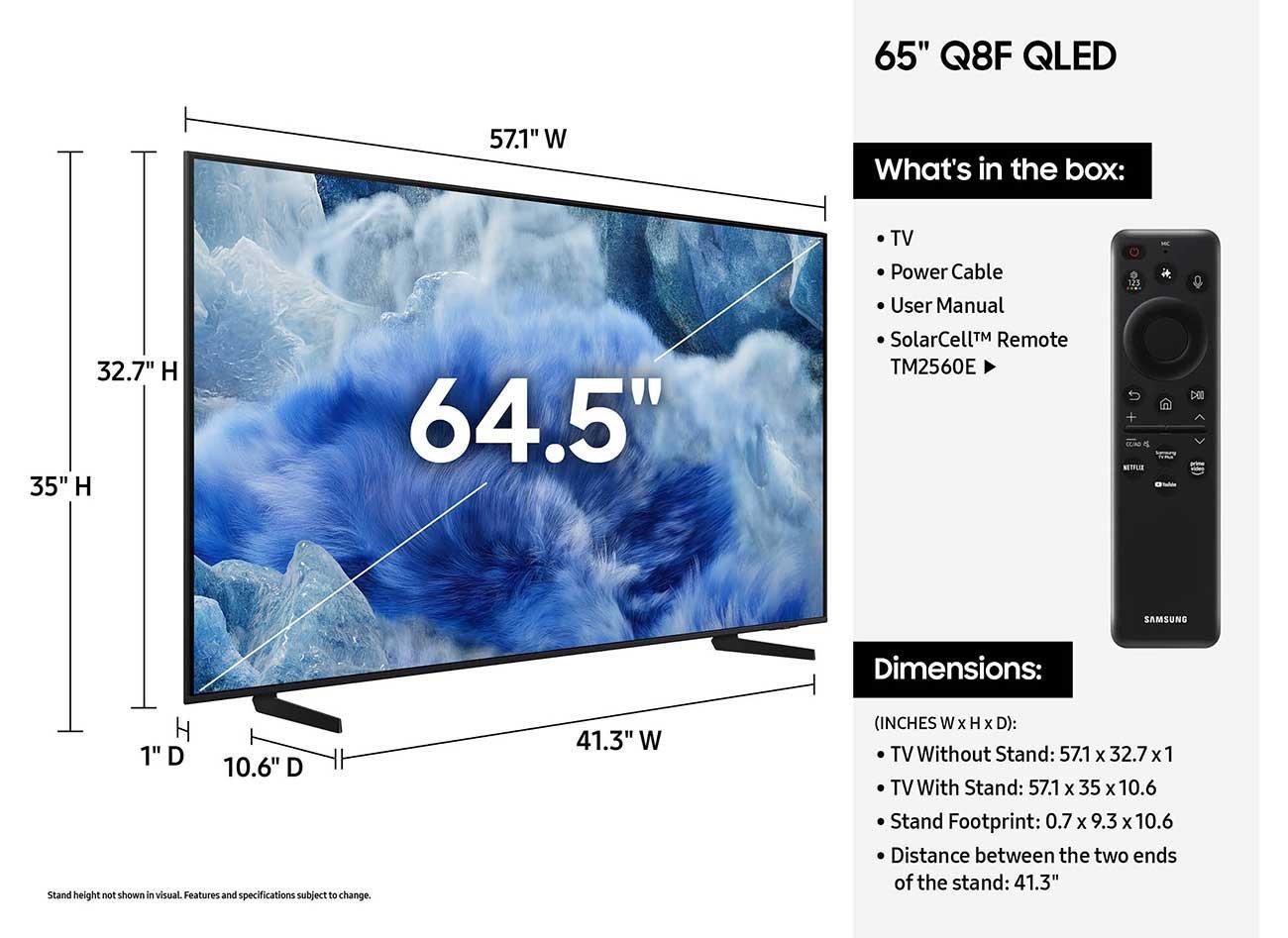
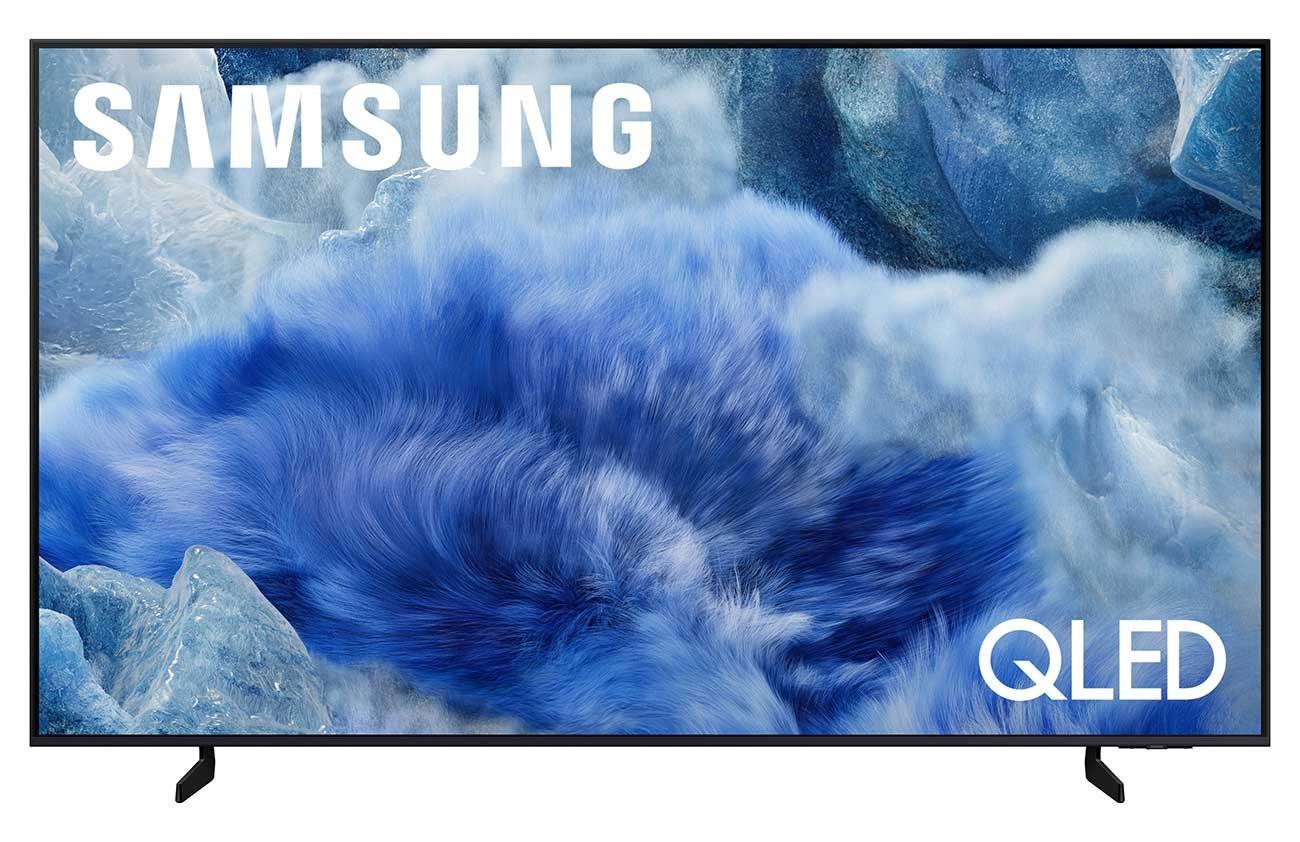
Samsung released two compelling 65-inch TVs in 2025 that represent very different philosophies about what a premium television should be. The Samsung Frame Pro Neo QLED takes the lifestyle approach, doubling as wall art when you're not binging Netflix. Meanwhile, the Samsung Q8F QLED focuses purely on delivering excellent picture quality without the premium design features. At the time of writing, these TVs are priced nearly $1,000 apart, which raises an important question: what exactly are you getting for that extra money?
Both TVs emerged from Samsung's 2025 lineup refresh, where the company skipped the "E" naming convention entirely and jumped straight to "F" models. This wasn't just a naming change – it represented significant technological improvements across their entire range, with better processors, enhanced AI features, and refined picture quality technologies that build on lessons learned from previous generations.
The premium 65-inch TV market has become incredibly competitive, with manufacturers pushing boundaries in display technology, gaming performance, and smart features. When you're spending over $800 on a TV, you're not just buying a screen – you're investing in the centerpiece of your entertainment system for the next 5-7 years.
The two main considerations that separate premium TVs from budget options are display technology and feature sophistication. Display technology determines how bright, colorful, and contrasted your picture will be, while features encompass everything from gaming capabilities to how the TV integrates into your smart home ecosystem.
Samsung's approach with these two models shows how the same company can target completely different customer priorities while maintaining their reputation for quality.
The biggest difference between the Frame Pro and Q8F lies in their fundamental display technology, and this difference affects nearly everything else about how these TVs perform.
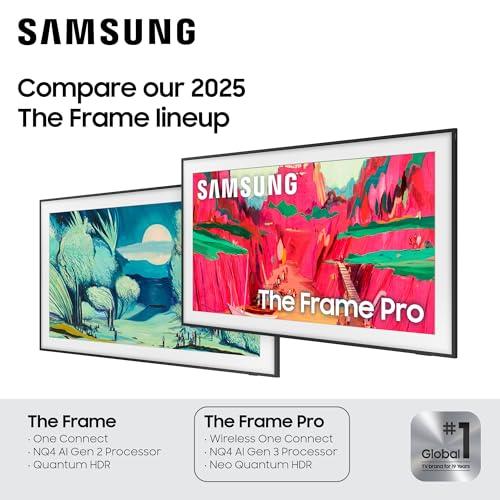
The Frame Pro uses Neo QLED technology, which is Samsung's premium display approach that combines quantum dot color technology with Mini LED backlighting. Think of Mini LED as using thousands of tiny LED lights behind the screen instead of a few dozen larger ones. This gives the TV much more precise control over which parts of the screen are bright and which are dark.
When you're watching a movie with a night scene, for example, the Frame Pro can dim specific zones of tiny LEDs to make shadows truly black while keeping bright elements like street lights or the moon properly illuminated. This creates what we call "local dimming" – the ability to control contrast on a zone-by-zone basis rather than making the entire screen brighter or darker at once.
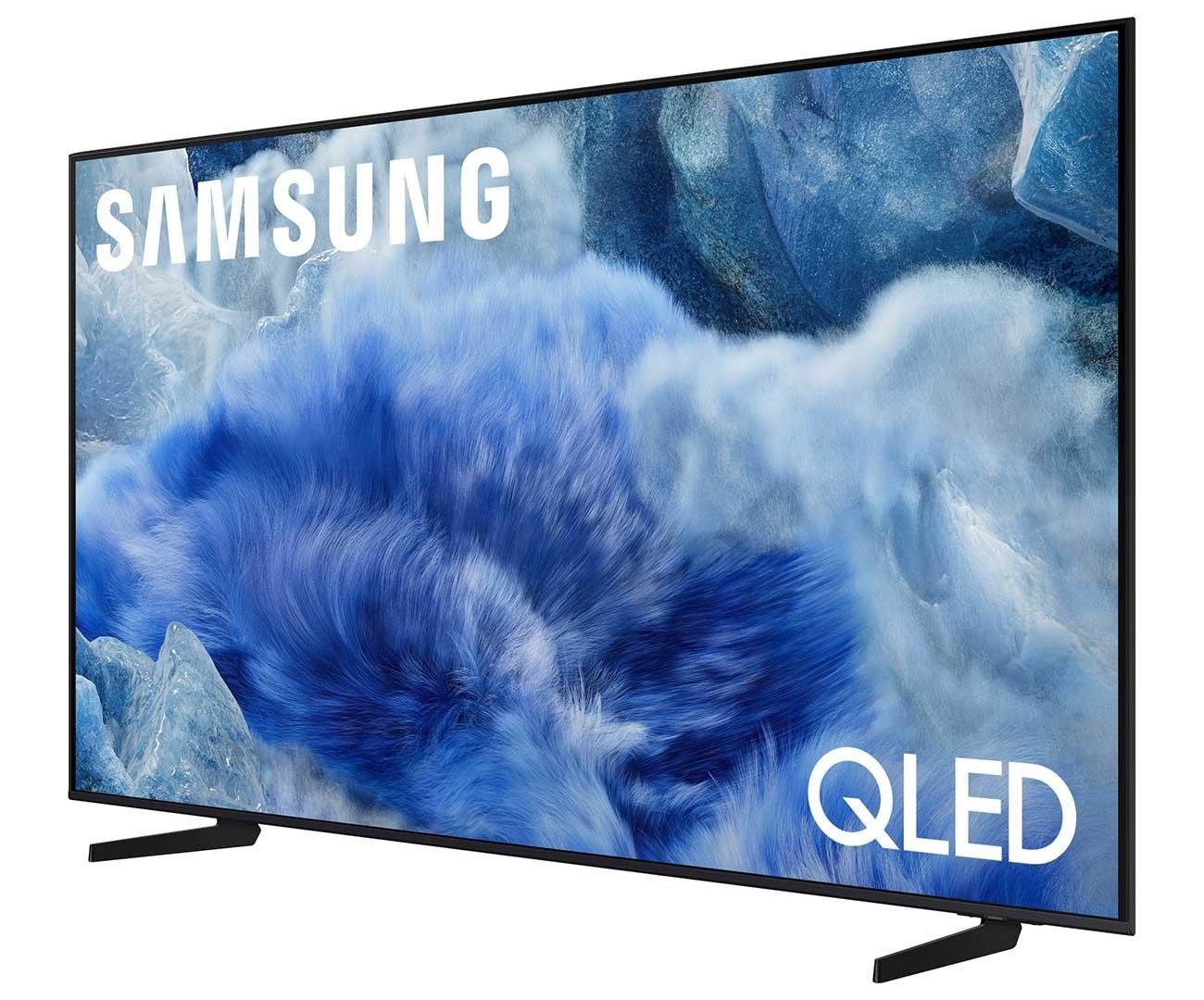
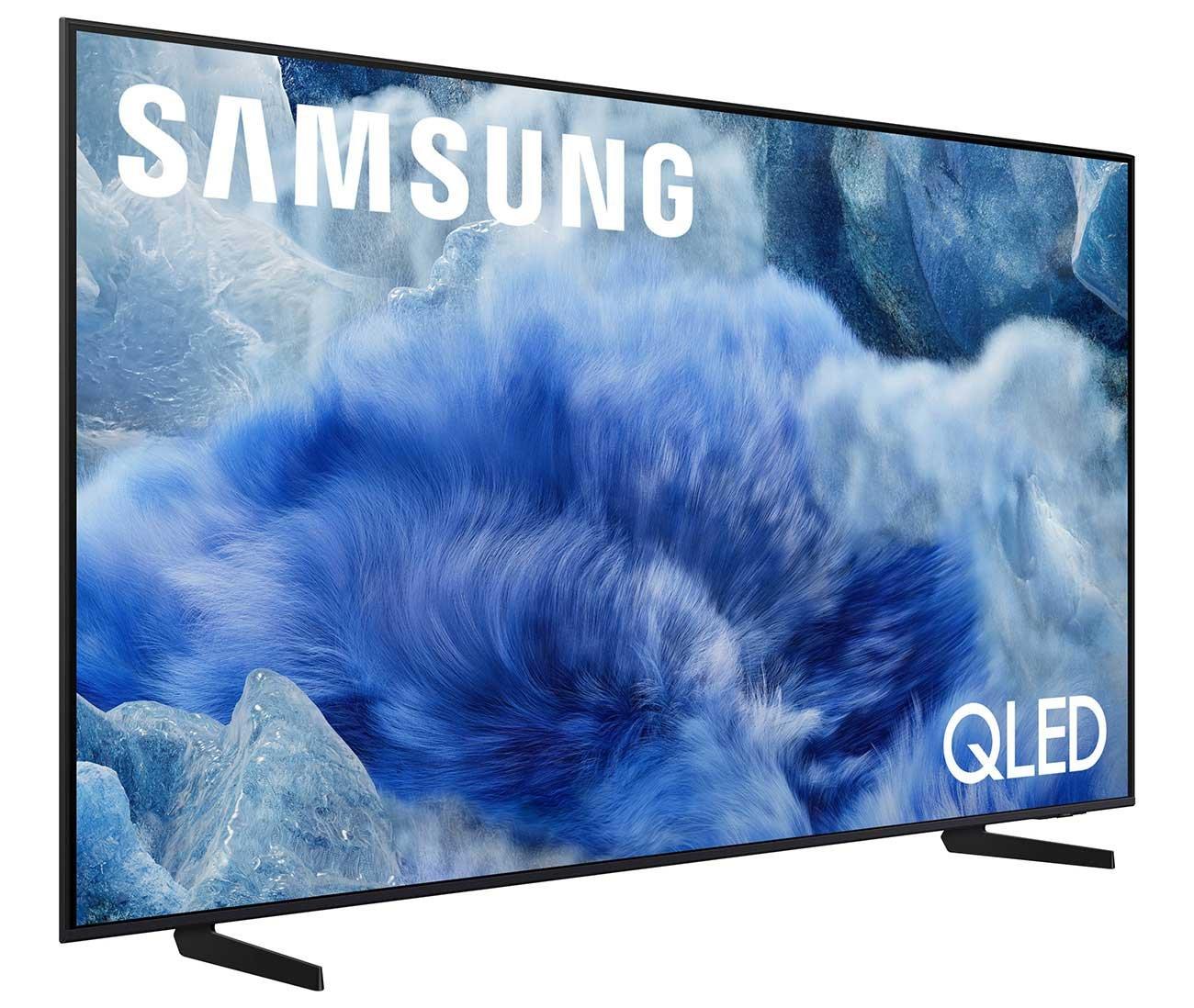
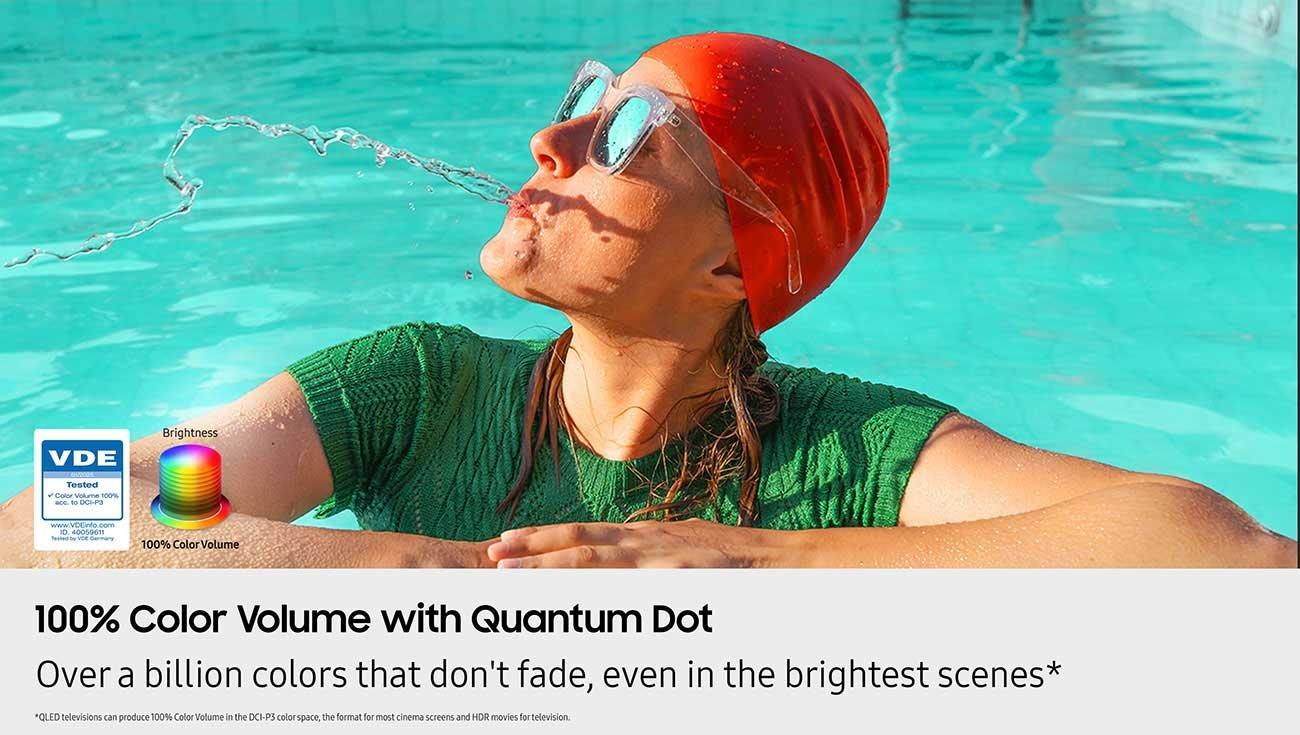
The Q8F, on the other hand, uses standard QLED with what Samsung calls "Dual LED" backlighting. This still produces excellent colors through quantum dot technology (tiny particles that convert light into very pure colors), but it can't control contrast as precisely as Mini LED. The result is still impressive – quantum dot technology can produce over a billion different color shades – but you won't get the same deep blacks and precise highlights.
In practical terms, this means the Frame Pro will look more dramatic and cinematic, especially in darker rooms or with HDR (High Dynamic Range) content that's designed to show extreme brightness and darkness in the same scene. The Q8F will still look great, but it won't have that same "wow factor" contrast that makes expensive TVs feel special.
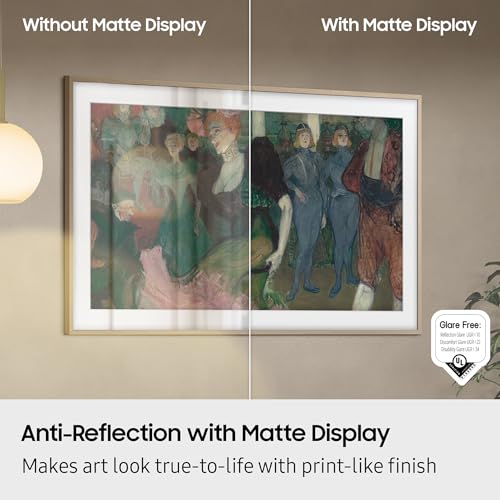
Both TVs handle bright rooms well, but they take different approaches. The Frame Pro achieves over 1,000 nits of peak brightness – that's bright enough to overcome most room lighting situations. More importantly, it uses a matte anti-reflection screen coating that dramatically reduces glare from windows or lamps.
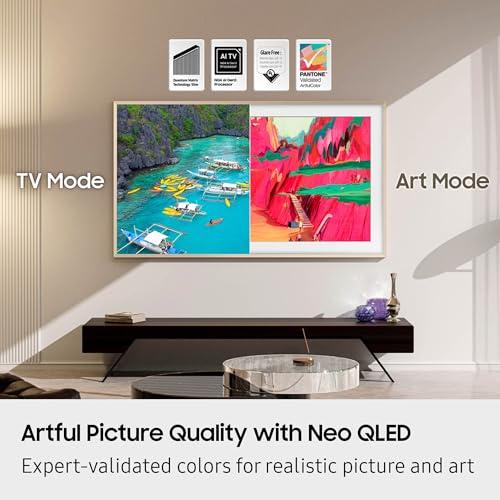
This matte coating is crucial for the Frame Pro's art display function. When the TV is showing artwork, reflections would completely ruin the illusion of looking at a real painting or photograph. Samsung's engineering here is impressive – the matte coating reduces reflections without making the picture look dull or washed out, which is a common problem with anti-glare treatments.
The Q8F uses a traditional glossy screen, which can produce slightly more vibrant colors in ideal lighting but will show more reflections in bright rooms. For most living rooms, this isn't a deal-breaker, but it's worth considering based on your specific setup.
Modern TVs need to excel at gaming, and both of these Samsung models support the latest gaming standards, but with some important differences that could affect your experience.
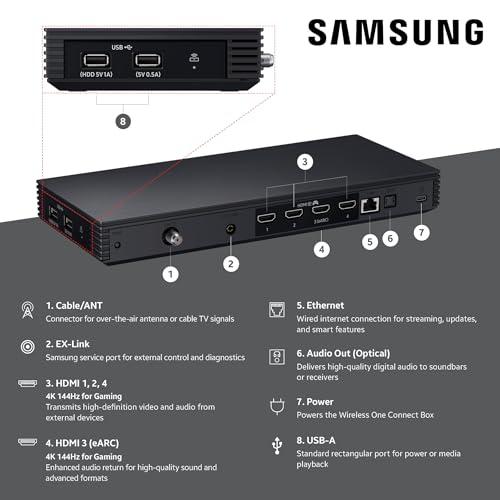
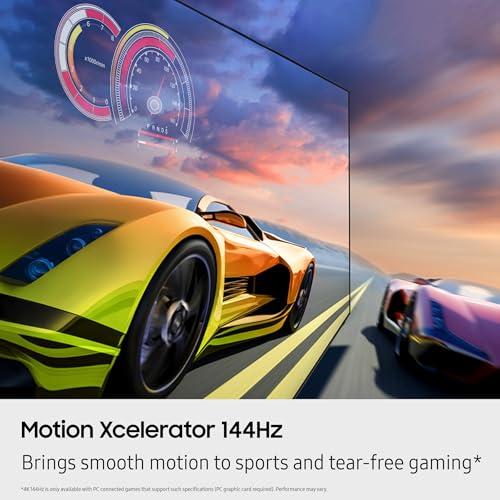
Both the Frame Pro and Q8F support 144Hz refresh rates, which is higher than the 120Hz found in most premium TVs. This higher refresh rate means smoother motion in fast-paced games and can reduce motion blur in sports or action movies.
Here's where it gets technical: refresh rate is how many times per second the TV can update the image. Most content is filmed at 24, 30, or 60 frames per second, but games can produce much higher frame rates if your console or PC is powerful enough. A 144Hz TV can display up to 144 frames per second, creating incredibly smooth motion.
Both TVs also support Variable Refresh Rate (VRR), which synchronizes the TV's refresh rate with your gaming device's output to eliminate screen tearing – that annoying visual artifact where part of the screen shows one frame while another part shows the next frame.
Input lag is the delay between when you press a button and when that action appears on screen. For competitive gaming, every millisecond counts. Unfortunately, this is where the Frame Pro has a significant weakness due to its wireless One Connect box.
When all your gaming consoles and devices connect to a separate wireless box instead of directly to the TV, there's additional processing delay introduced. Our research into expert reviews suggests the Frame Pro can have input lag over 30 milliseconds through its wireless connection, which is quite high for a premium gaming TV. Samsung does include a micro HDMI port directly on the TV for lower latency gaming, but this somewhat defeats the purpose of the wireless setup.
The Q8F, with its traditional wired connections, should offer more typical input lag performance for a Samsung TV, likely in the 10-15 millisecond range in Game Mode.
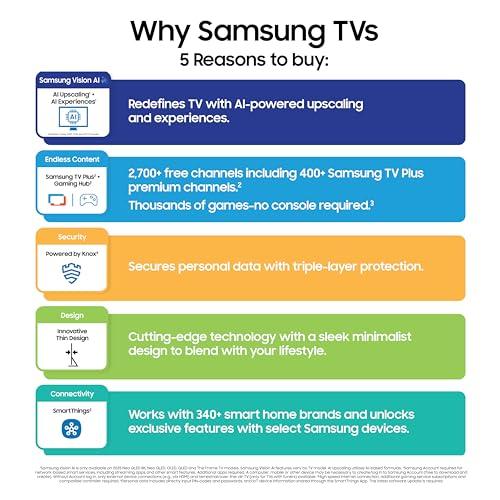
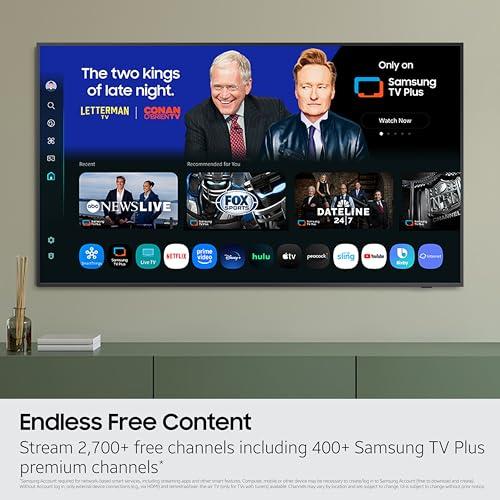
Both TVs run Samsung's Tizen operating system, which has evolved into one of the most responsive and feature-rich smart TV platforms available. However, they use different processors that affect overall performance and AI capabilities.
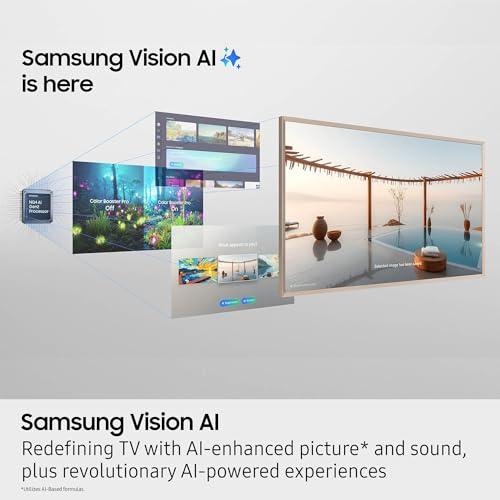
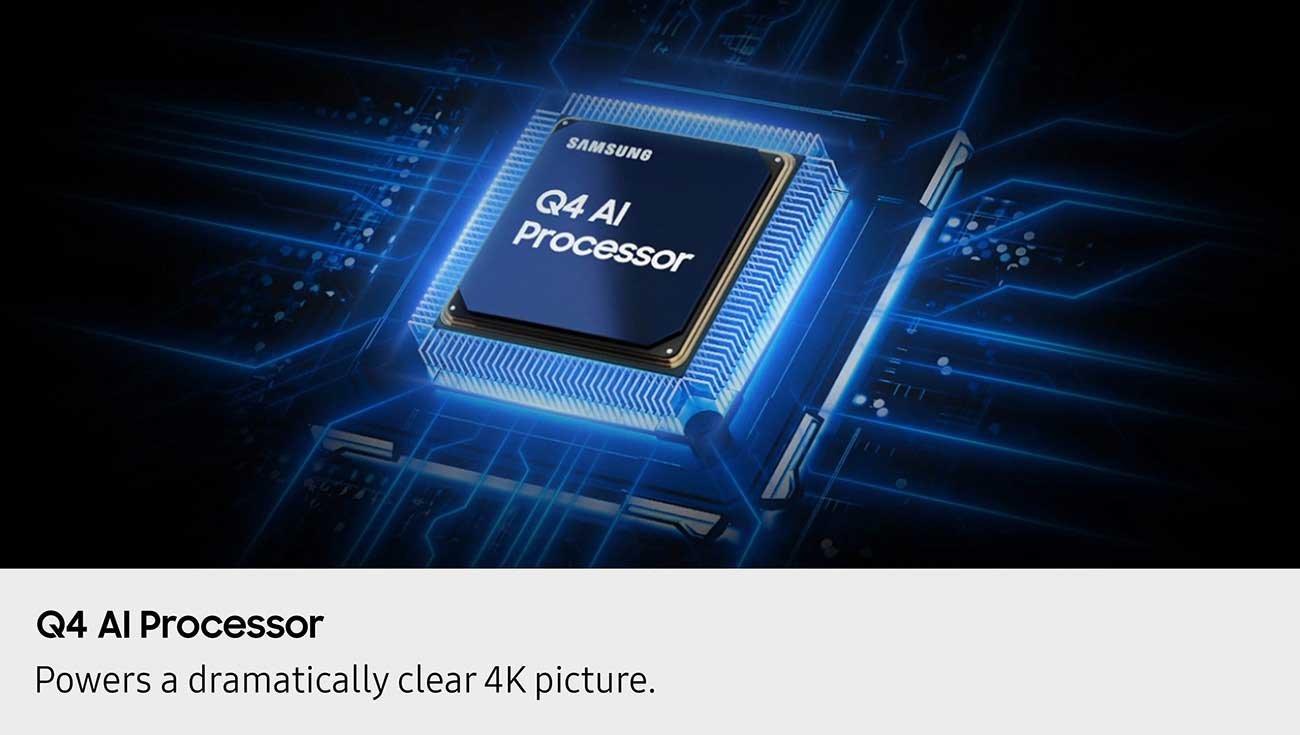
The Frame Pro uses Samsung's NQ4 AI Gen3 processor, while the Q8F uses the Q4 AI processor. These aren't just marketing names – the difference in processing power affects everything from how quickly apps load to how effectively the TV can upscale lower-resolution content to look good on the 4K screen.
The Gen3 processor in the Frame Pro includes advanced Vision AI features that can actually recognize what you're watching and optimize the picture accordingly. It can identify actors on screen and suggest related content, adjust picture settings based on scene analysis, and even recognize different types of content (sports, movies, news) to apply appropriate enhancements.
This kind of AI processing requires significant computational power. When you're watching older TV shows or streaming content that isn't native 4K, the processor has to intelligently fill in additional pixels to make the image look sharp on your 4K screen. Better processors do this more effectively, creating fewer artifacts and maintaining more natural-looking textures.
Both TVs include Samsung's Bixby voice assistant along with Amazon Alexa support. The Frame Pro benefits from more advanced voice processing that can handle multiple commands simultaneously and better understand context.
For smart home integration, both TVs work with Samsung's SmartThings platform, allowing you to control connected devices, check security cameras, or adjust lighting directly from the TV interface.
This is where these two TVs differ most dramatically in their fundamental approach to existing in your home.
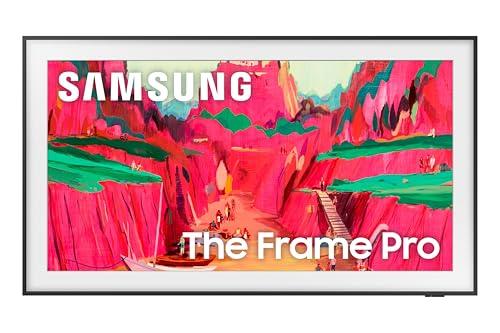
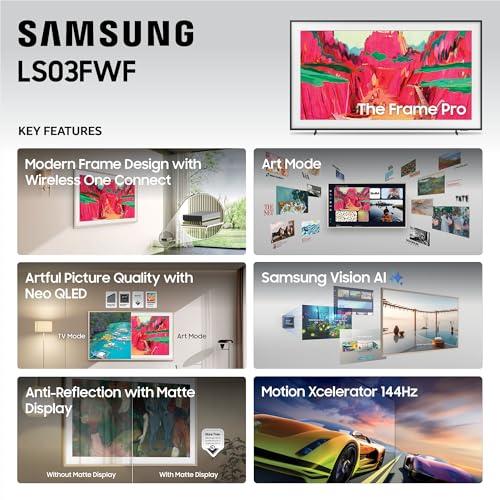
The Frame Pro is designed to disappear into your living space when not actively being used as a TV. Its customizable bezels can be swapped to match your décor – think wood grain for a rustic look or sleek metal for modern spaces. When the TV is off or in Art Mode, it displays artwork from Samsung's curated collection or your personal photos, transforming into what looks like a framed piece of art hanging on your wall.
This isn't just a gimmick. The matte screen coating and precise color reproduction (Pantone validated for accuracy) mean displayed artwork actually looks like real prints rather than obviously digital displays. The wireless One Connect box is crucial here – without visible cables running to the TV, the illusion of a picture frame is maintained.
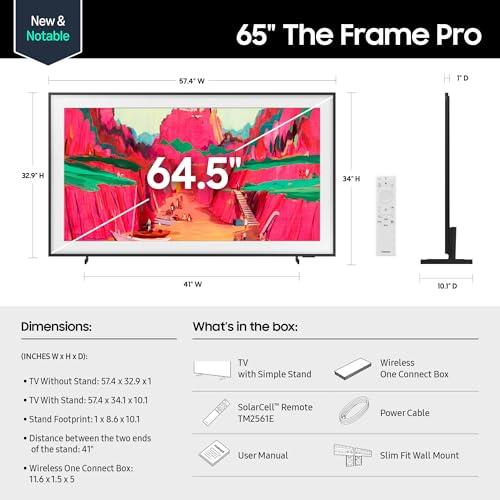
The engineering challenge Samsung solved is impressive. Transmitting 4K HDR video wirelessly with minimal delay requires sophisticated compression and transmission technology. The One Connect box can be placed up to 33 feet away and even work through walls, giving you flexibility in hiding all your connected devices in a cabinet or closet.
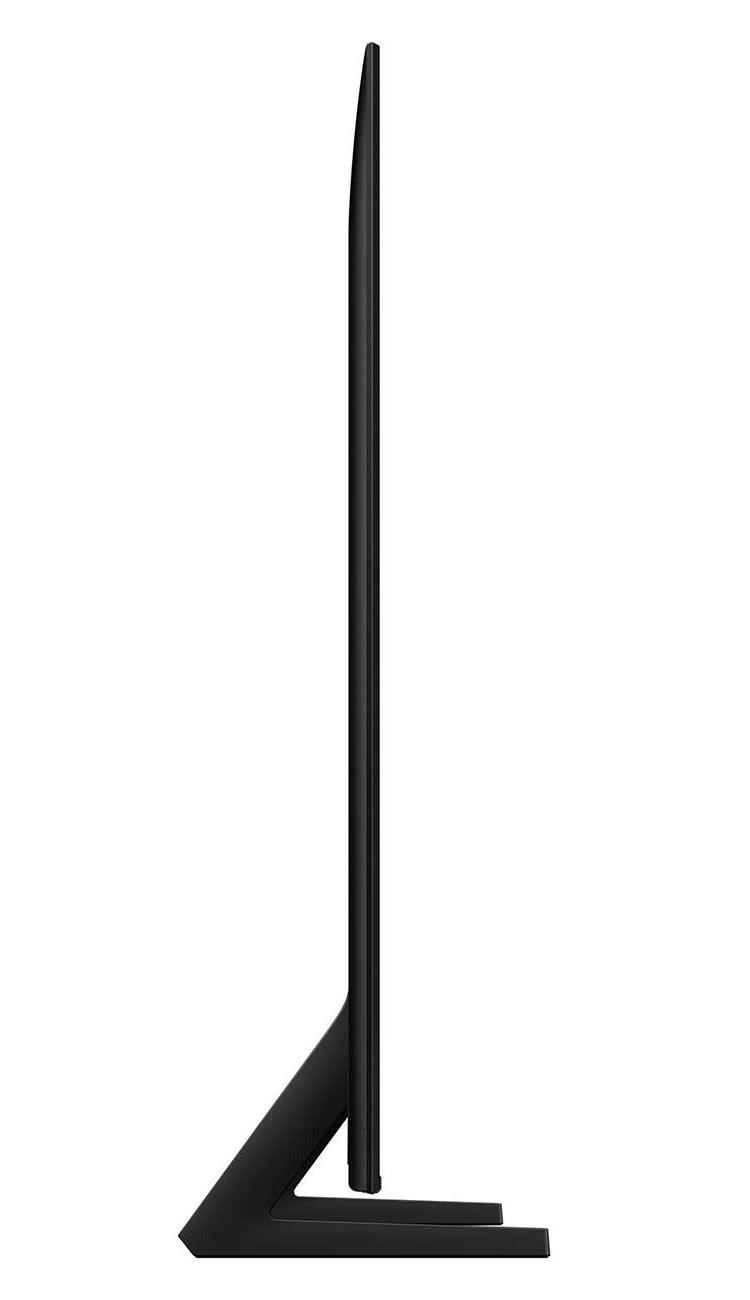
The Q8F takes the conventional approach with Samsung's "AirSlim" design – sleek and minimal, but clearly a TV. There's nothing wrong with this approach; it's clean and modern without the lifestyle premium of the Frame series.
Where the Q8F does innovate is with features like Generative Wallpaper, which uses AI to create custom background images based on keywords you provide. It's a neat feature, though not as comprehensive as the Frame's art display capabilities.
Both TVs include similar audio specifications – 20 watts of total power through 2-channel speakers with Object Tracking Sound Lite. However, there are subtle differences worth noting.
Object Tracking Sound attempts to move audio around the screen to follow action, creating a more immersive experience than traditional left-right stereo. The "Lite" version isn't as sophisticated as the full OTS found in Samsung's flagship models, but it's still effective for dialogue clarity and basic spatial audio effects.
Both TVs support Q-Symphony, Samsung's technology that coordinates the TV's speakers with compatible Samsung soundbars to create a larger soundstage. This can be particularly effective if you're planning to add a soundbar later – instead of just replacing the TV speakers, Q-Symphony uses them as additional channels.
The Frame Pro has a slight advantage in audio processing due to its more powerful processor, which can apply more sophisticated room correction and content-aware audio optimization.
At the time of writing, the price difference between these TVs is substantial – nearly double for the Frame Pro. This raises the question of what exactly justifies that premium.
The extra cost of the Frame Pro gets you:
Whether these features are worth the price premium depends entirely on your priorities and budget. If you're setting up a dedicated home theater room where the TV will primarily be used for watching movies and gaming, the Q8F delivers 90% of the core viewing experience at roughly half the cost.
However, if your TV will be the focal point of your main living space, always visible whether it's on or off, the Frame Pro's design integration could be worth the premium. It's essentially furniture and electronics combined into one purchase.
Both TVs should provide excellent service for 5-7 years, but they'll age differently. The Frame Pro's lifestyle features and premium build quality may help it feel current longer, while the Q8F's focus on core performance means it should continue delivering great picture quality throughout its lifespan.
For resale value, lifestyle-focused TVs like the Frame Pro tend to hold their value better among design-conscious buyers, while performance-focused models like the Q8F compete more directly with newer models on specifications alone.
If you're building a dedicated home theater space, several factors favor one TV over the other.
The Frame Pro's Mini LED technology provides better contrast for dark room viewing, which is crucial for the cinematic experience. However, its matte anti-glare coating, while excellent for bright rooms, can slightly soften the image compared to a glossy screen in a controlled lighting environment.
The wireless connectivity of the Frame Pro could be advantageous in a theater setup where you want all your equipment hidden in a rack away from the viewing area. However, the potential for input lag through the wireless connection could be problematic for serious gaming.
For most home theater applications, the Q8F's traditional approach might actually be preferable – direct wired connections ensure minimal latency, the glossy screen provides maximum image punch in a dark room, and the significant cost savings could be put toward a high-quality sound system or projector upgrade.
After extensive research into expert reviews and user feedback, here's how I see these two TVs fitting different buyer profiles.
Choose the Frame Pro if:
Choose the Q8F if:
The Q8F represents one of the better values in premium TV technology, delivering sophisticated QLED picture quality and modern gaming features at a reasonable price point. It's the choice for buyers who want excellent performance without paying for design integration features they won't use.
The Frame Pro, meanwhile, successfully combines serious display technology with lifestyle appeal. If you're the type of person who considers how electronics look in your home as carefully as how they perform, the premium is justified. The Mini LED technology alone makes it a compelling choice for picture quality enthusiasts.
Both TVs represent Samsung's continued innovation in the premium TV space, just with very different target customers in mind. Choose based on whether you're buying a TV or investing in a piece of interactive furniture that happens to be an excellent television.
| Samsung 65" The Frame Pro 4K Neo QLED Smart TV 2025 | Samsung 65" QN8F Series QLED 4K Vision AI Smart TV 2025 |
|---|---|
| Display Technology - Determines contrast quality and HDR performance | |
| Neo QLED with Mini LED backlighting for precise local dimming | Standard QLED with Dual LED backlighting |
| Peak Brightness - Critical for HDR content and bright room viewing | |
| Over 1,000 nits with matte anti-glare coating | Good brightness levels with traditional glossy screen |
| Processor - Affects upscaling quality and smart features | |
| NQ4 AI Gen3 with advanced Vision AI capabilities | Q4 AI processor with basic Vision AI |
| Gaming Performance - Important for console and PC gaming | |
| 144Hz refresh rate, VRR support, but higher input lag via wireless connection | 144Hz with Motion Xcelerator, standard wired input lag |
| Design Philosophy - How it fits into your living space | |
| Customizable bezels, Art Mode display, wireless One Connect box | Traditional AirSlim TV design with modern aesthetics |
| Connectivity Approach - Affects installation and cable management | |
| Wireless One Connect box eliminates visible cables | Standard wired HDMI connections require cable management |
| Screen Coating - Impacts reflections and image quality | |
| Matte anti-reflection coating ideal for bright rooms | Glossy screen provides vibrant colors but shows reflections |
| Audio System - Built-in sound quality | |
| 20W 2CH with OTS Lite and enhanced processing | 20W 2CH with OTS Lite and Adaptive Sound+ |
| Smart Platform - User interface and app performance | |
| Tizen OS with advanced Bixby and content recognition | Tizen OS with standard smart features and voice control |
| Target Market - Who this TV is designed for | |
| Design-conscious buyers wanting lifestyle integration | Performance-focused buyers seeking excellent value |
| Best Use Case - Where this TV excels | |
| Main living areas where the TV is always visible | Traditional setups prioritizing picture quality and gaming |
The Samsung Frame Pro Neo QLED delivers superior picture quality thanks to its Mini LED backlighting technology, which provides more precise contrast control and achieves over 1,000 nits of peak brightness. The Samsung Q8F QLED still offers excellent QLED picture quality with vibrant colors through Quantum Dot technology, but lacks the advanced local dimming capabilities of Mini LED. For the best overall picture performance, the Frame Pro has the edge.
The primary difference is their design philosophy and display technology. The Samsung Frame Pro uses premium Neo QLED with Mini LED backlighting and focuses on lifestyle integration with customizable bezels and Art Mode. The Samsung Q8F uses standard QLED technology with a traditional TV design approach, prioritizing performance value over lifestyle features.
Both TVs support 144Hz refresh rates and modern gaming features, but the Samsung Q8F may have an advantage for serious gaming due to its direct wired connections, which typically offer lower input lag. The Samsung Frame Pro has higher input lag through its wireless connection, though it includes a direct micro HDMI port as a workaround for competitive gaming.
Only the Samsung Frame Pro offers true Art Mode functionality, transforming into a digital art display with access to curated artwork collections and customizable bezels that make it look like a real picture frame. The Samsung Q8F includes a Generative Wallpaper feature for custom backgrounds but doesn't have the dedicated art display capabilities of the Frame Pro.
The Samsung Q8F provides significantly better value, offering about 90% of the core TV performance at roughly half the cost of the Frame Pro. However, value depends on your priorities – if design integration and lifestyle features are important to you, the Frame Pro may justify its premium pricing.
Both handle bright rooms well, but the Samsung Frame Pro excels with its matte anti-glare coating that dramatically reduces reflections, making it ideal for rooms with lots of windows or lighting. The Samsung Q8F uses a traditional glossy screen that can show more reflections but may produce slightly more vibrant colors in controlled lighting.
Both TVs run Samsung's Tizen operating system with access to all major streaming apps, built-in voice assistants (Bixby and Alexa), and SmartThings integration. The Samsung Frame Pro includes more advanced Vision AI with content recognition and actor identification, while the Samsung Q8F offers standard smart TV features with basic AI optimization.
For dedicated home theater use, the choice depends on your priorities. The Samsung Frame Pro offers superior contrast with Mini LED technology, which is excellent for dark room viewing, though its matte coating may slightly soften the image. The Samsung Q8F provides excellent performance at a lower cost, allowing more budget for sound system upgrades, and its direct connections ensure minimal gaming lag.
Both TVs feature similar 20W 2-channel audio systems with Object Tracking Sound Lite and Q-Symphony soundbar compatibility. The Samsung Frame Pro has slightly enhanced audio processing due to its more powerful processor, but the difference is minimal. Both benefit significantly from adding a dedicated sound system for serious home theater use.
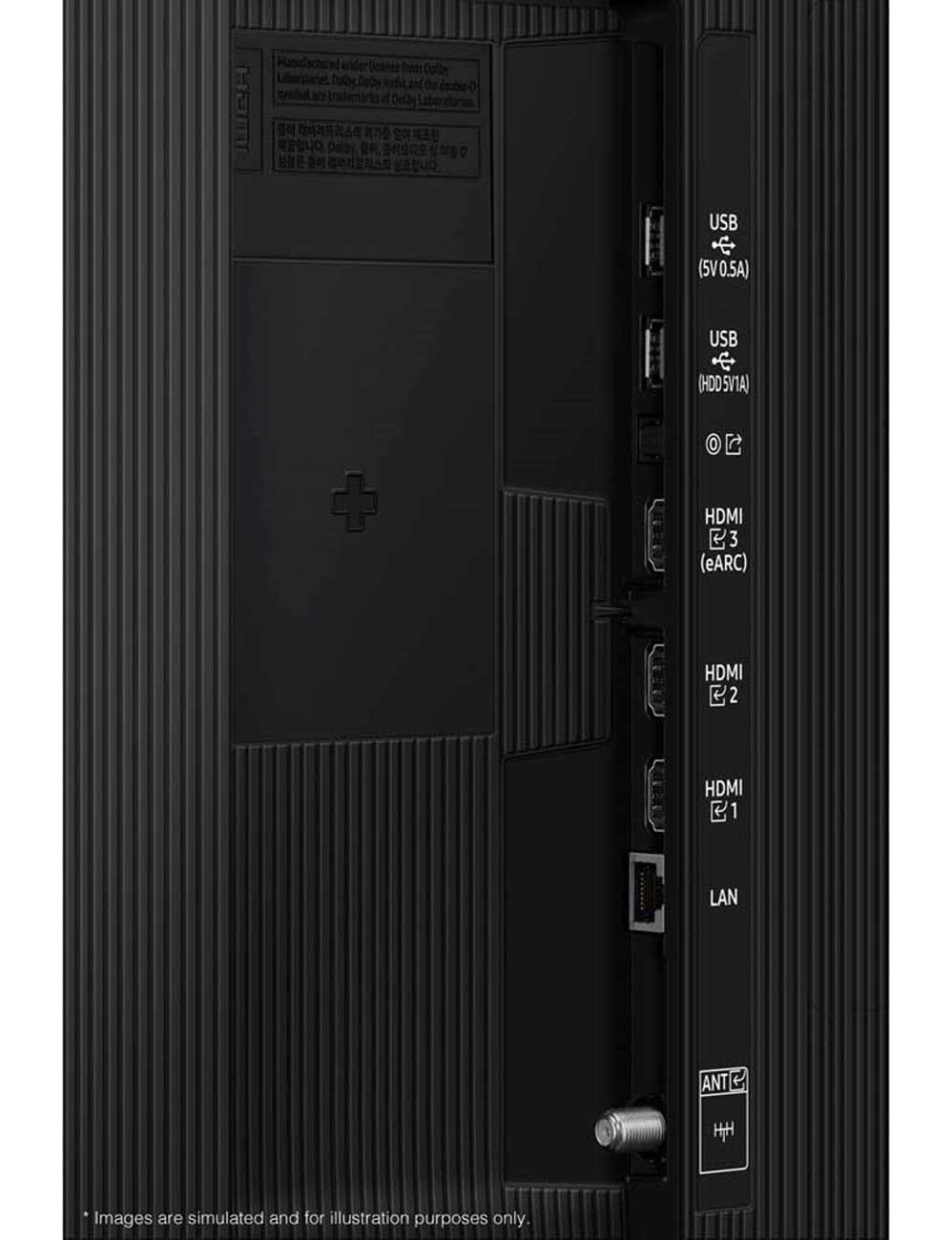
The Samsung Frame Pro features a unique wireless One Connect box that eliminates visible cables, plus a micro HDMI port directly on the TV. The Samsung Q8F uses traditional wired HDMI connections. Both support the latest gaming standards and have multiple HDMI ports, but the Frame Pro's wireless approach offers cleaner installation aesthetics.
Both Samsung Frame Pro and Samsung Q8F should provide excellent service for 5-7 years with regular software updates. The Frame Pro may hold its value better due to its unique lifestyle features and premium build quality, while the Q8F competes more directly with newer models on specifications alone as technology advances.
Choose the Samsung Frame Pro if your TV will be prominently displayed in your main living space and you value design integration, wireless installation, and art display capabilities. Select the Samsung Q8F if you prioritize excellent picture quality and modern features at a more accessible price point, or if you prefer traditional TV functionality without lifestyle premiums.
We've done our best to create useful and informative comparisons to help you decide what product to buy. Our research uses advanced automated methods to create this comparison and perfection is not possible - please contact us for corrections or questions. These are the sites we've researched in the creation of this article: tomsguide.com - youtube.com - smarthomesounds.co.uk - images.samsung.com - rtings.com - samsung.com - bestbuy.com - bestbuy.com - businessinsider.com - dentonstv.com - samsung.com - flatpanelshd.com - samsung.com - jefflynch.com - youtube.com - costco.com - bestbuy.com - samsung.com - rtings.com - youtube.com - samsung.com - pcrichard.com - abt.com - images.samsung.com - cnet.com - news.samsung.com - samsung.com - bestbuy.com

Privacy Policy
Terms and Conditions - Affiliate Policy
Home Security
© Copyright 2008-2026.
11816 Inwood Rd #1211, Dallas, TX 75244