

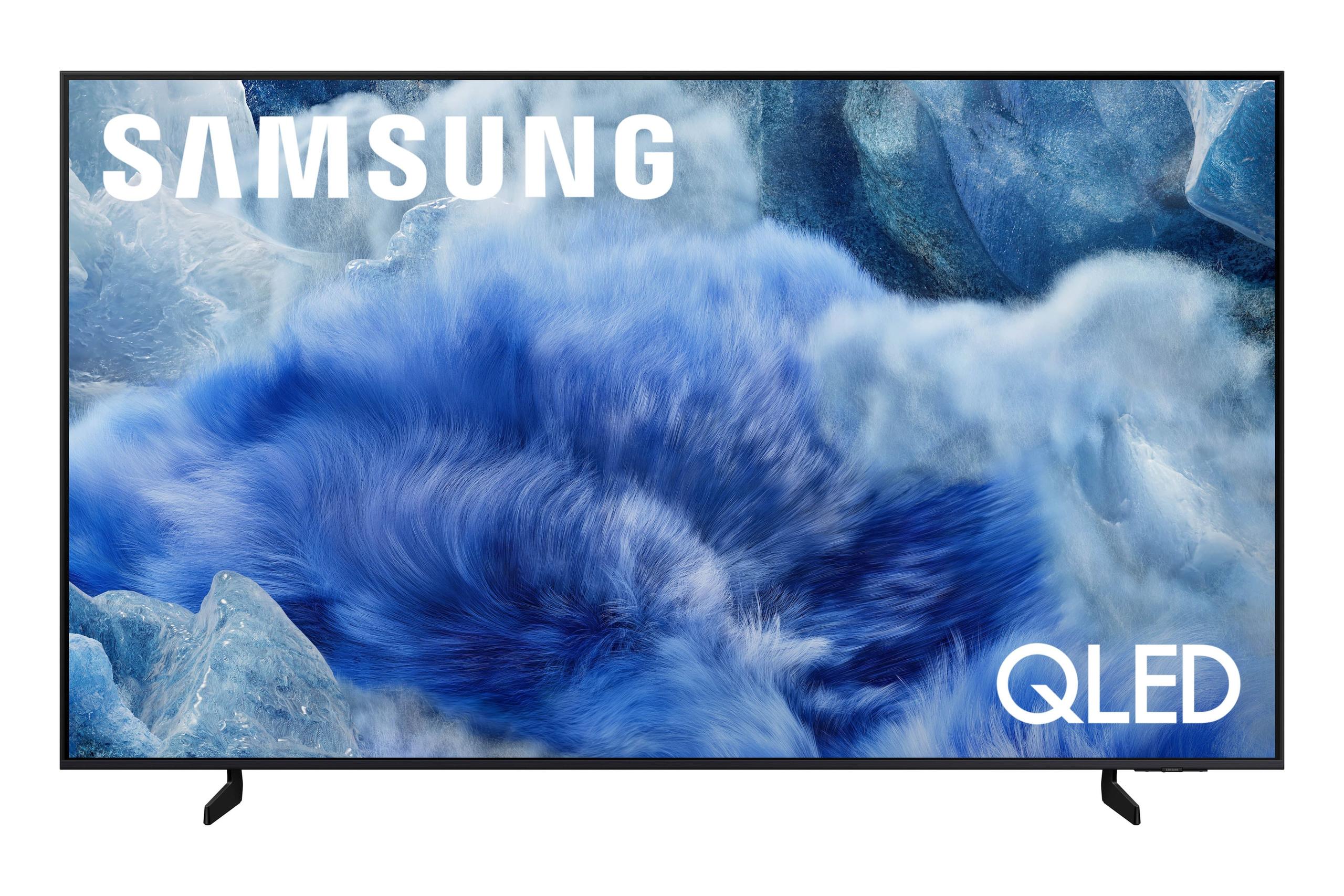
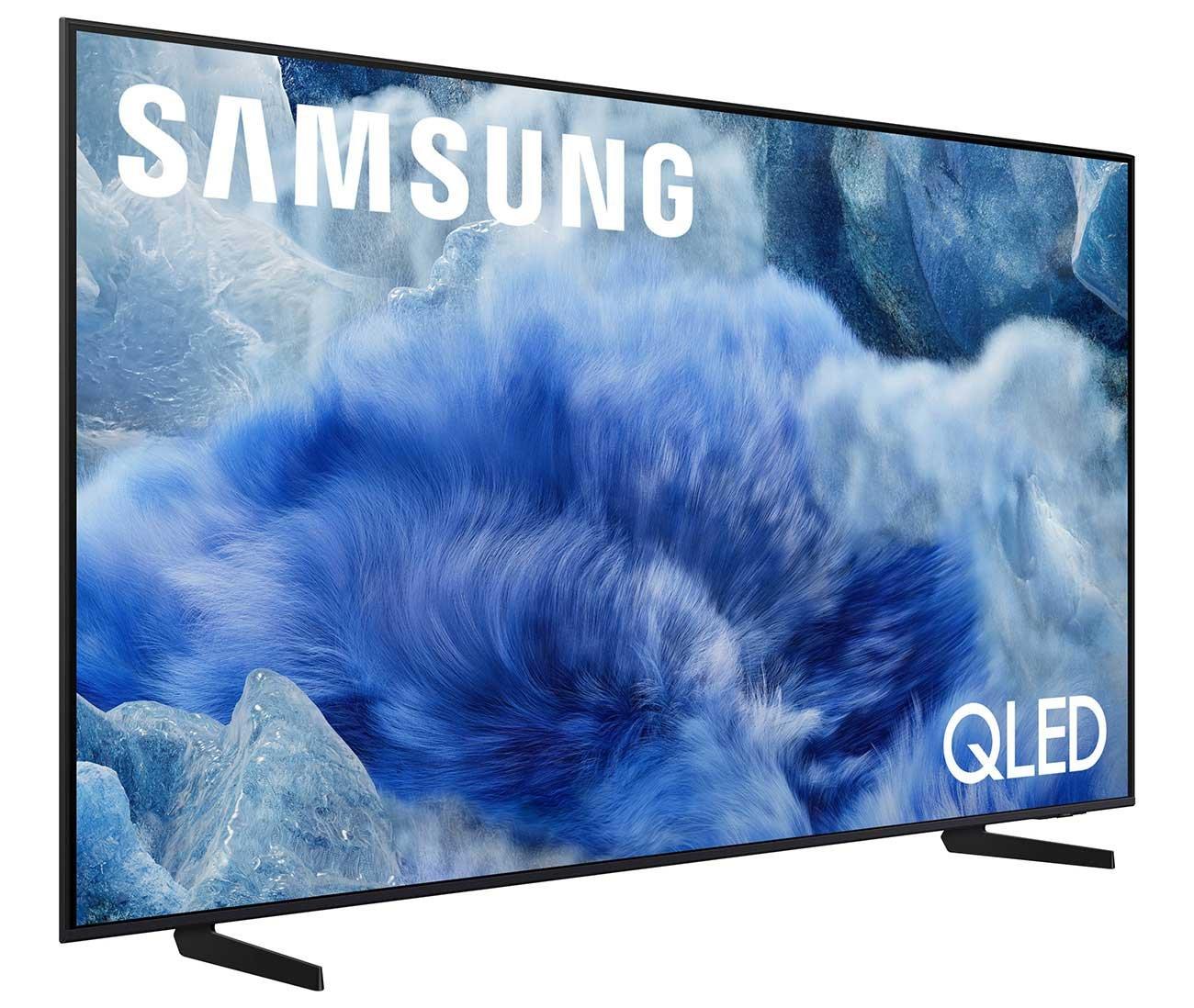
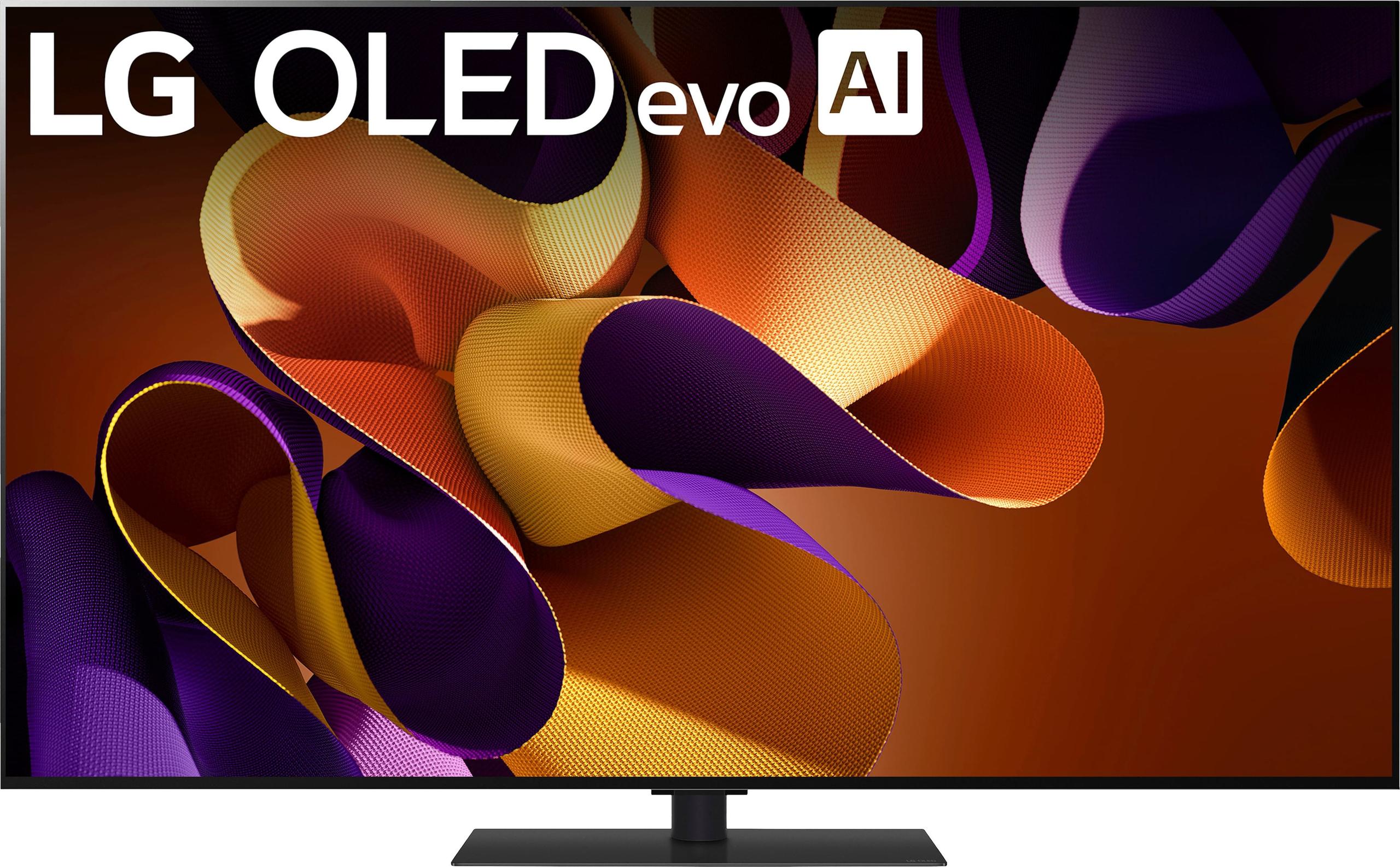
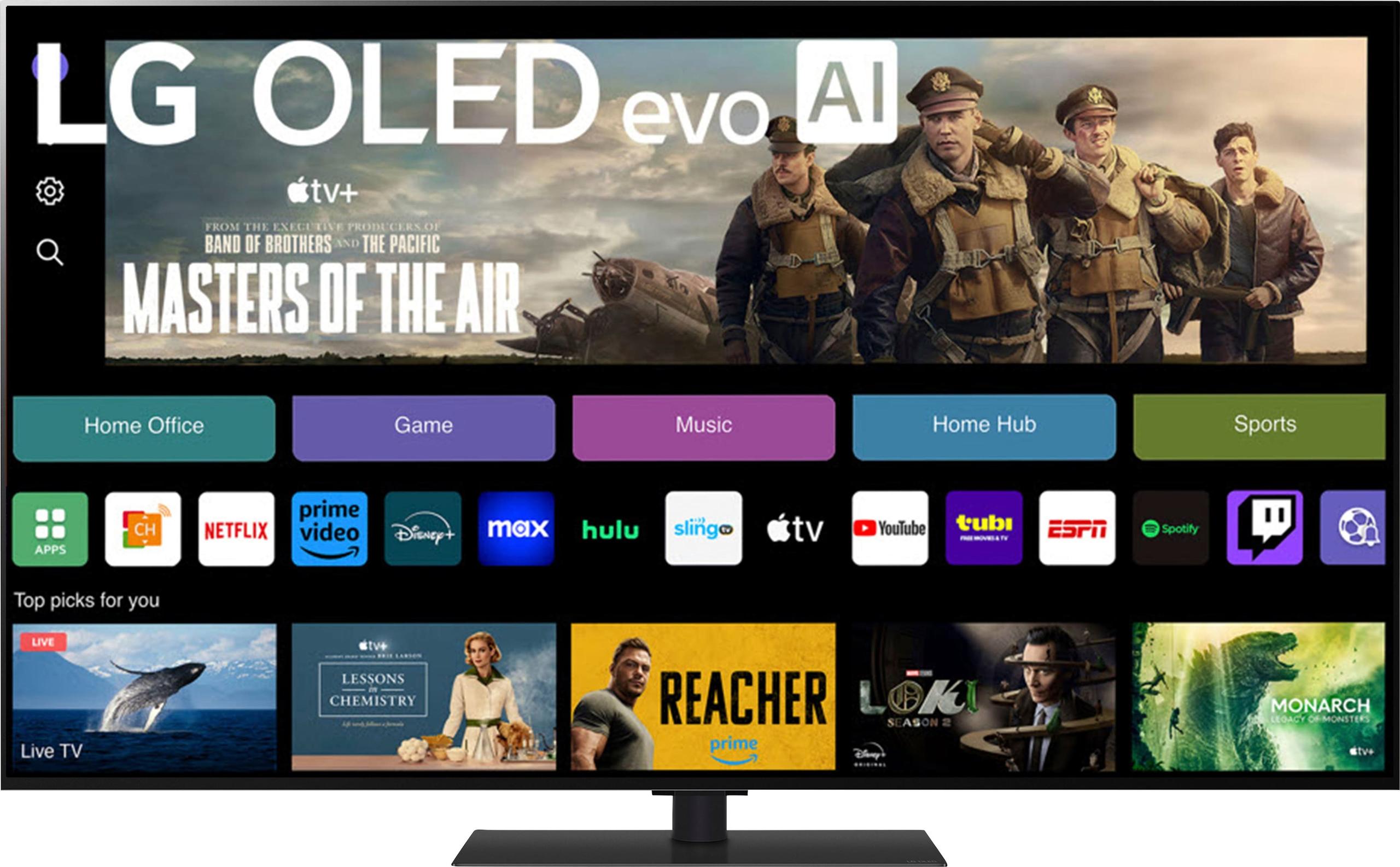
When shopping for a premium 65-inch TV, you'll quickly discover that two display technologies dominate the high-end market: QLED and OLED. These aren't just marketing buzzwords—they represent fundamentally different approaches to creating the images you see on screen. The Samsung 65" QN8F Series QLED (released in 2025) and LG 65" G4 Series OLED (from 2024) perfectly illustrate this technology divide, offering compelling but very different experiences at vastly different price points.
At the time of writing, these TVs sit at opposite ends of the premium market spectrum. The Samsung QN8F positions itself as an accessible entry into premium TV territory, while the LG G4 commands more than double the price as a flagship model. But does spending twice as much actually get you twice the performance? Let's dive deep into what makes each approach unique.
Before we compare specific models, it's crucial to understand what QLED and OLED actually mean, because these technologies shape everything about how these TVs perform.
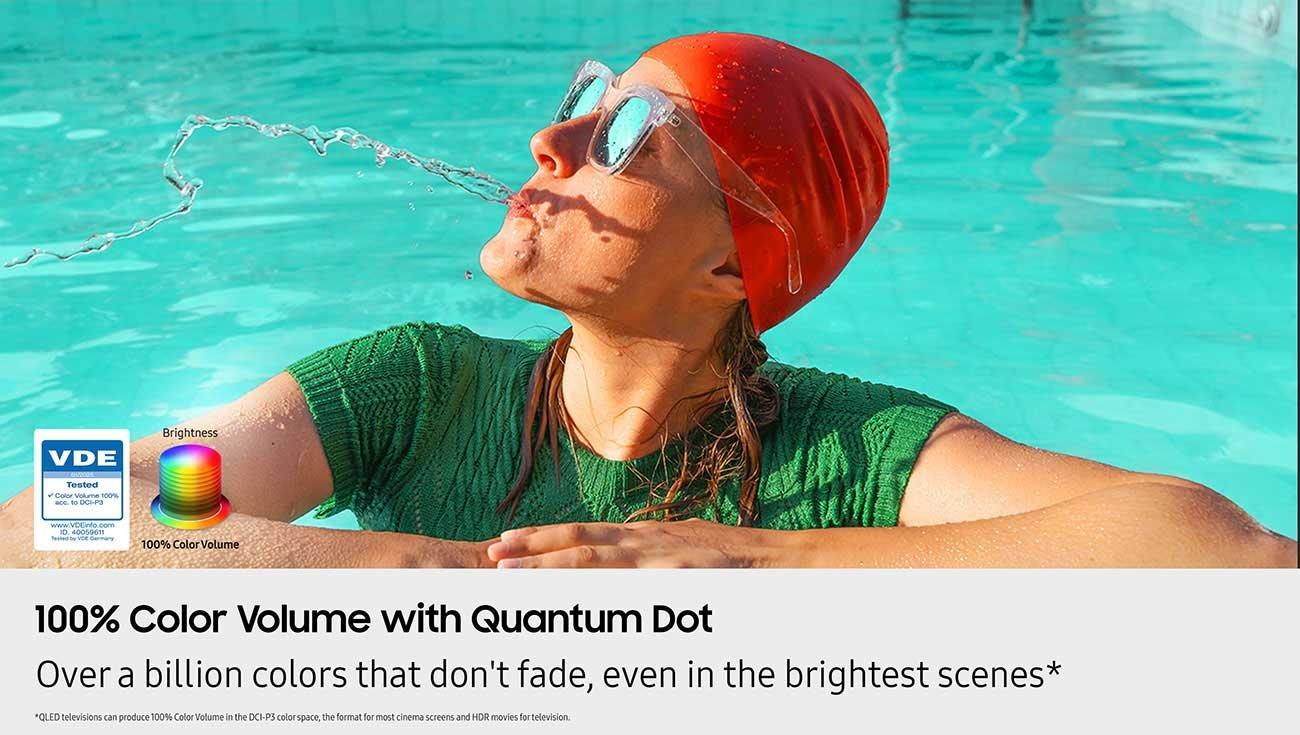
QLED (Quantum Dot Light Emitting Diode) technology, used in the Samsung QN8F, starts with traditional LED backlights but adds a quantum dot layer—microscopic particles that emit specific colors when hit with light. Think of quantum dots as incredibly precise color filters that can produce over a billion different shades. The "Dual LED" technology in Samsung's 2025 model uses both warm and cool LED backlights to create more accurate whites and better contrast control than single-color LED systems.
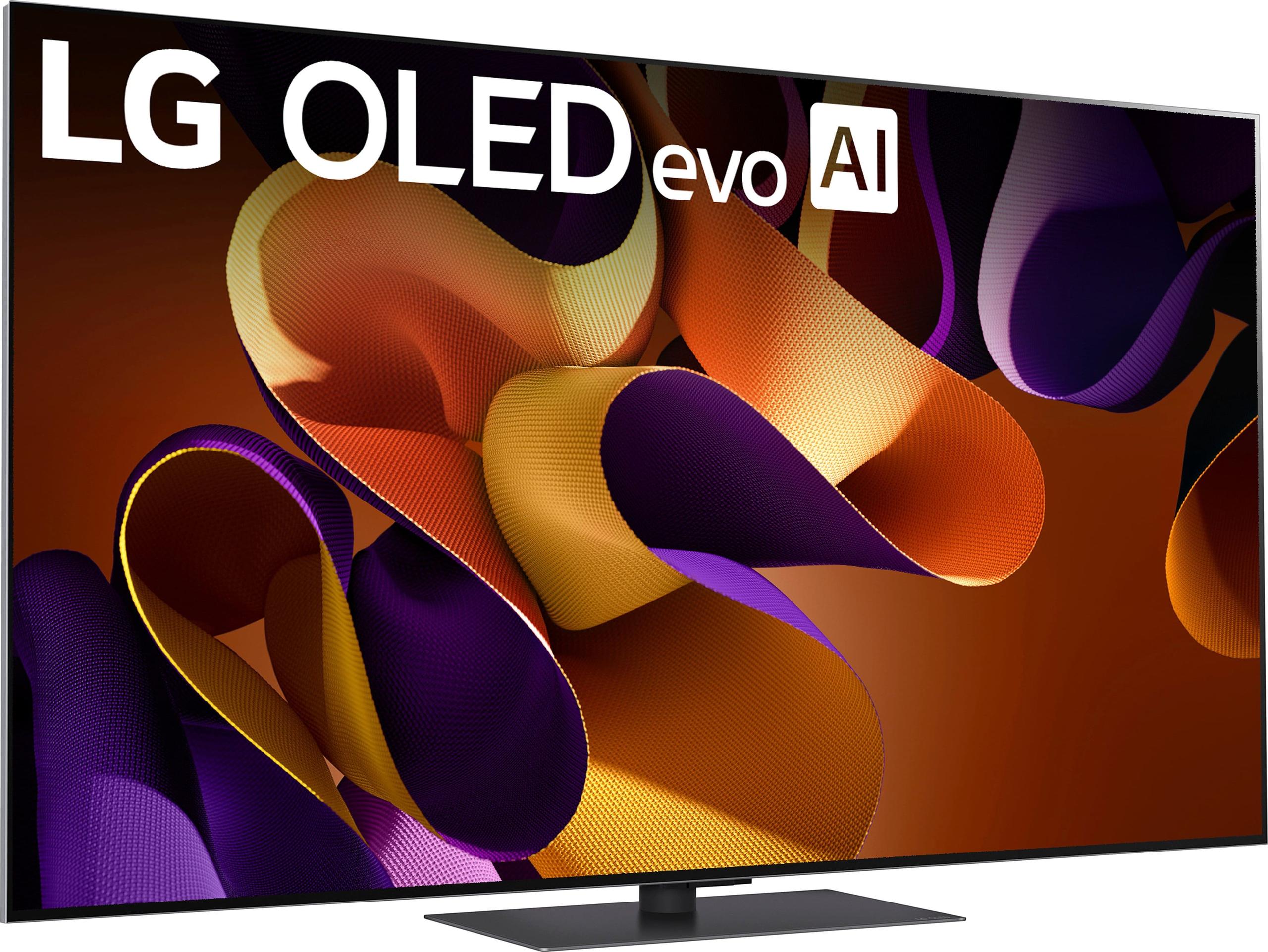
OLED (Organic Light Emitting Diode) technology in the LG G4 takes a completely different approach. Each pixel is essentially a tiny light bulb that can turn completely on, completely off, or anywhere in between. When an OLED pixel needs to show black, it simply turns off entirely—no light leakage, no compromise. The "evo" branding indicates LG's improved OLED formulation, while "MLA" (Micro Lens Array) technology uses microscopic lenses over each pixel to boost brightness significantly compared to older OLED panels.
These fundamental differences create distinct advantages and trade-offs that become apparent in real-world use.
Brightness capability often determines how good a TV looks in your actual living space. The Samsung QN8F leverages its LED backlighting system to push peak brightness well over 1,000 nits (a measurement of luminance), making it exceptional for bright rooms with lots of natural light. I've found that QLED TVs like this one maintain their punch even when afternoon sunlight streams through windows—something that can wash out dimmer displays.
The LG G4 represents a major breakthrough for OLED technology. Previous OLED TVs were criticized for being too dim for bright rooms, but the G4's MLA technology pushes peak brightness to around 1,487 nits. That's genuinely competitive with many LED-based TVs, though the OLED still can't maintain that peak brightness across the entire screen simultaneously like the Samsung can.
For HDR (High Dynamic Range) content—think Netflix's latest blockbusters or 4K Blu-rays—both TVs support advanced HDR standards, but with different approaches. The Samsung QN8F uses HDR10+ Adaptive, which adjusts the TV's brightness and contrast settings scene by scene based on metadata embedded in the content. The LG G4 supports Dolby Vision, which is more widely adopted by streaming services and offers even more precise control over how HDR content is displayed.
Here's where the technology difference becomes most apparent. When watching a movie with a campfire scene at night, the LG G4 can show you every detail in the dark forest while making that fire look genuinely bright—because the black areas are truly black, with no light coming from those pixels at all. This creates what we call "infinite contrast," since you're dividing any amount of light by true darkness.
The Samsung QN8F, despite its Dual LED backlighting and local dimming zones, still has LED lights behind the entire screen. While it does an impressive job controlling these zones to darken areas that should be black, there's always some light leakage. You might notice this as a subtle glow around bright objects on dark backgrounds—what we call "blooming." It's not always noticeable, but once you've seen perfect OLED blacks, LED compromises become apparent.
Both TVs achieve what's called "100% Color Volume," meaning they can produce the full range of colors at various brightness levels. However, their approaches feel different. The Samsung QN8F tends toward more saturated, punchy colors that many people find immediately appealing—great for animated content, sports, and vibrant HDR movies. The quantum dot technology is particularly effective at producing pure, saturated reds and greens.
The LG G4 aims for more natural color reproduction that closely matches what professional colorists intended. After proper calibration (which the TV makes easier with built-in calibration tools), colors look incredibly accurate. This matters most for serious movie watching, where you want skin tones to look natural and cinematic scenes to maintain their intended mood.
Gaming has become a crucial consideration for TV buyers, especially with PlayStation 5 and Xbox Series X capable of 4K gaming at high frame rates.
The Samsung QN8F supports up to 144Hz refresh rates for gaming, which means it can display up to 144 unique frames per second. This creates incredibly smooth motion in fast-paced games. The TV's AI Auto Game Mode automatically detects when you're gaming and switches to optimized settings with reduced input lag—the delay between pressing a controller button and seeing the result on screen.
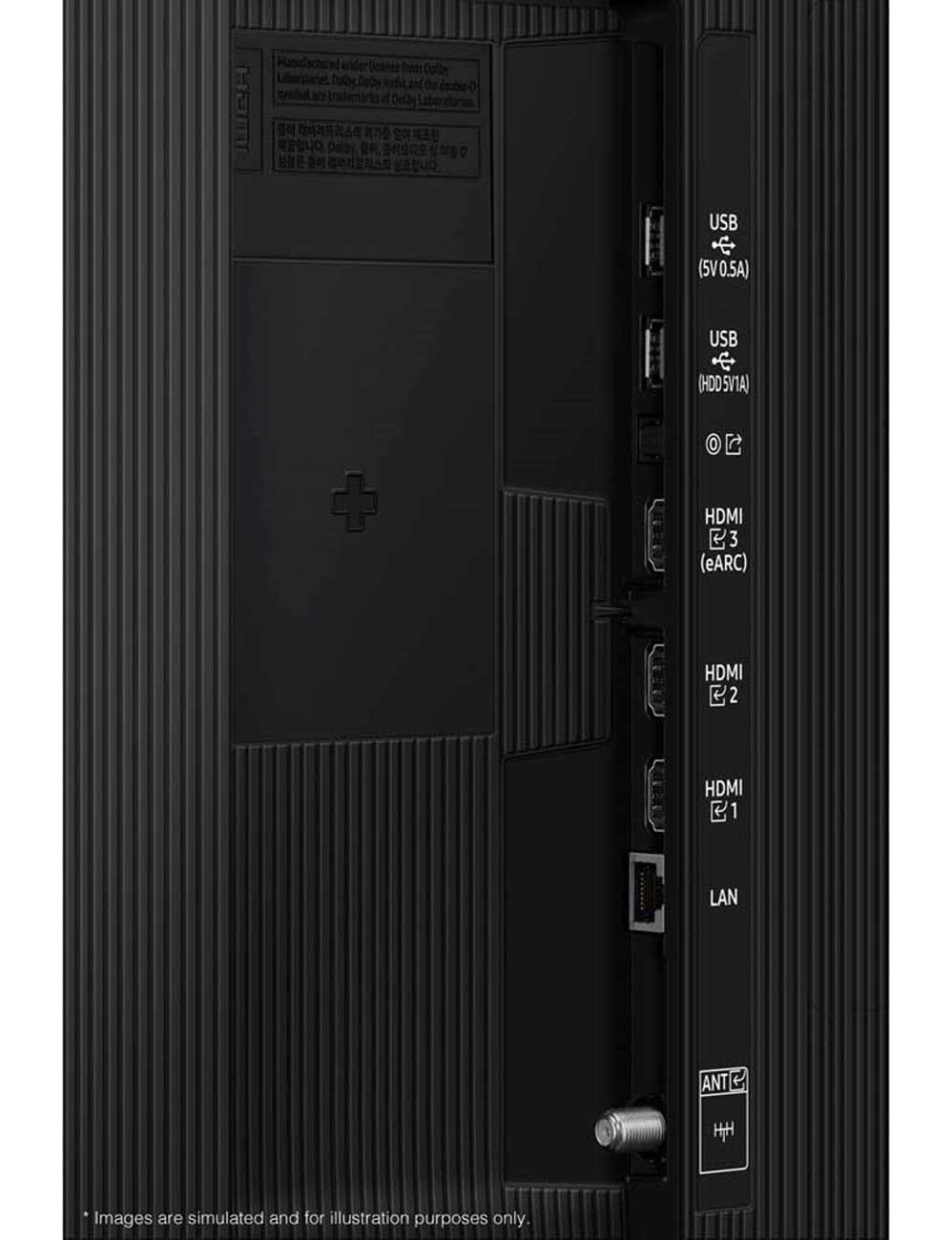
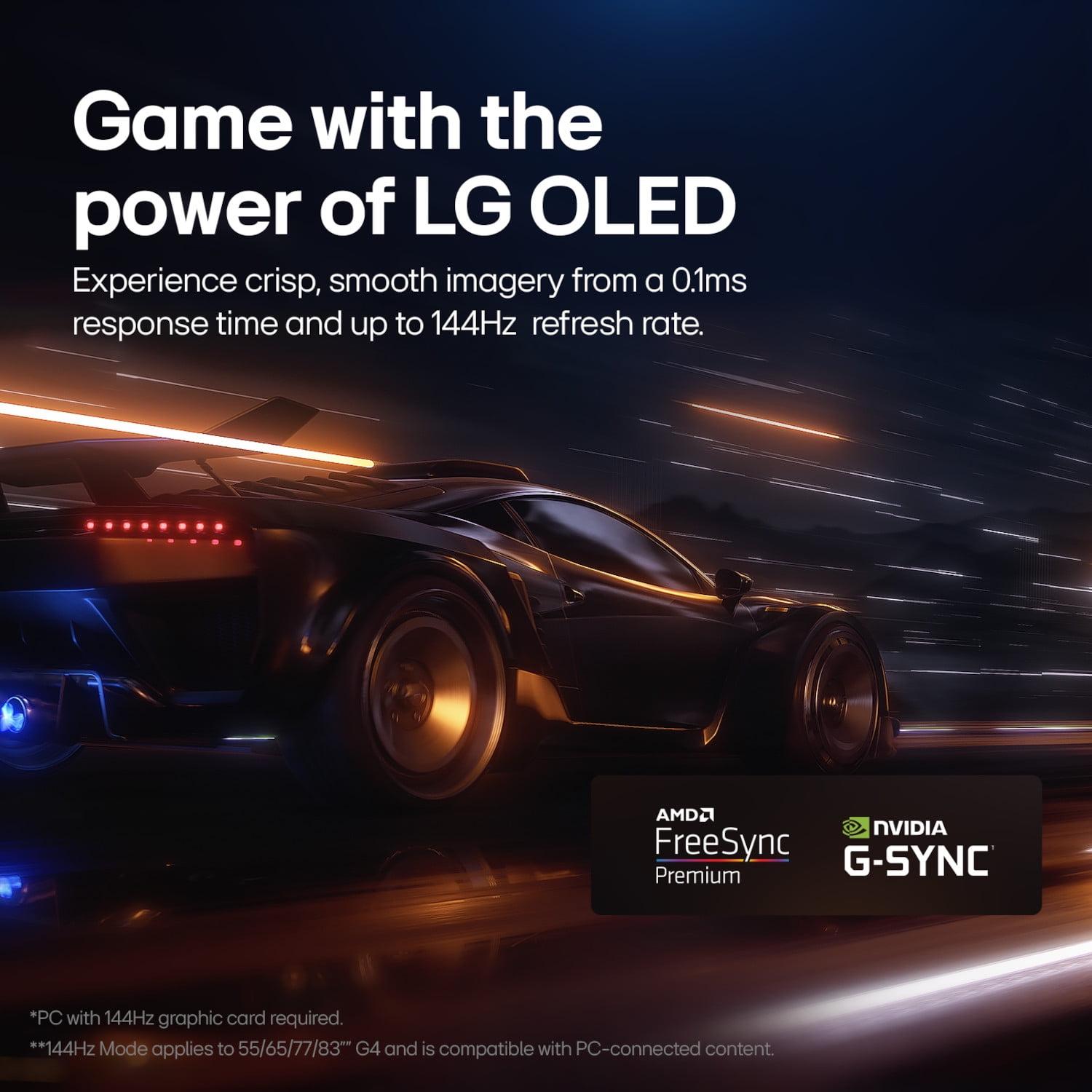
The LG G4 goes further, supporting up to 165Hz in certain modes and featuring four full HDMI 2.1 ports compared to Samsung's standard configuration. This means you could theoretically connect multiple next-gen consoles and a high-end gaming PC without compromising features. The OLED's response time of 0.1 milliseconds is also significantly faster than any LED-based display, making it excellent for competitive gaming where every millisecond counts.
Both TVs support VRR (Variable Refresh Rate), which synchronizes the display's refresh rate with your gaming device's frame output to eliminate screen tearing and stuttering. However, the LG G4 supports both NVIDIA G-Sync and AMD FreeSync Premium, while the Samsung QN8F focuses on broader VRR compatibility.
The smart TV experience has evolved dramatically, and both 2024-2025 models showcase the latest developments.
Samsung's 2025 Tizen platform in the QN8F introduces Vision AI, which analyzes what you're watching and optimizes picture and sound settings automatically. The standout feature is Generative Wallpaper—you can type keywords like "peaceful forest" or "abstract geometric," and the AI creates custom wallpapers for when the TV isn't in use. The enhanced Bixby voice assistant can handle more complex commands and better understands context, making it feel more like a conversation than rigid voice commands.
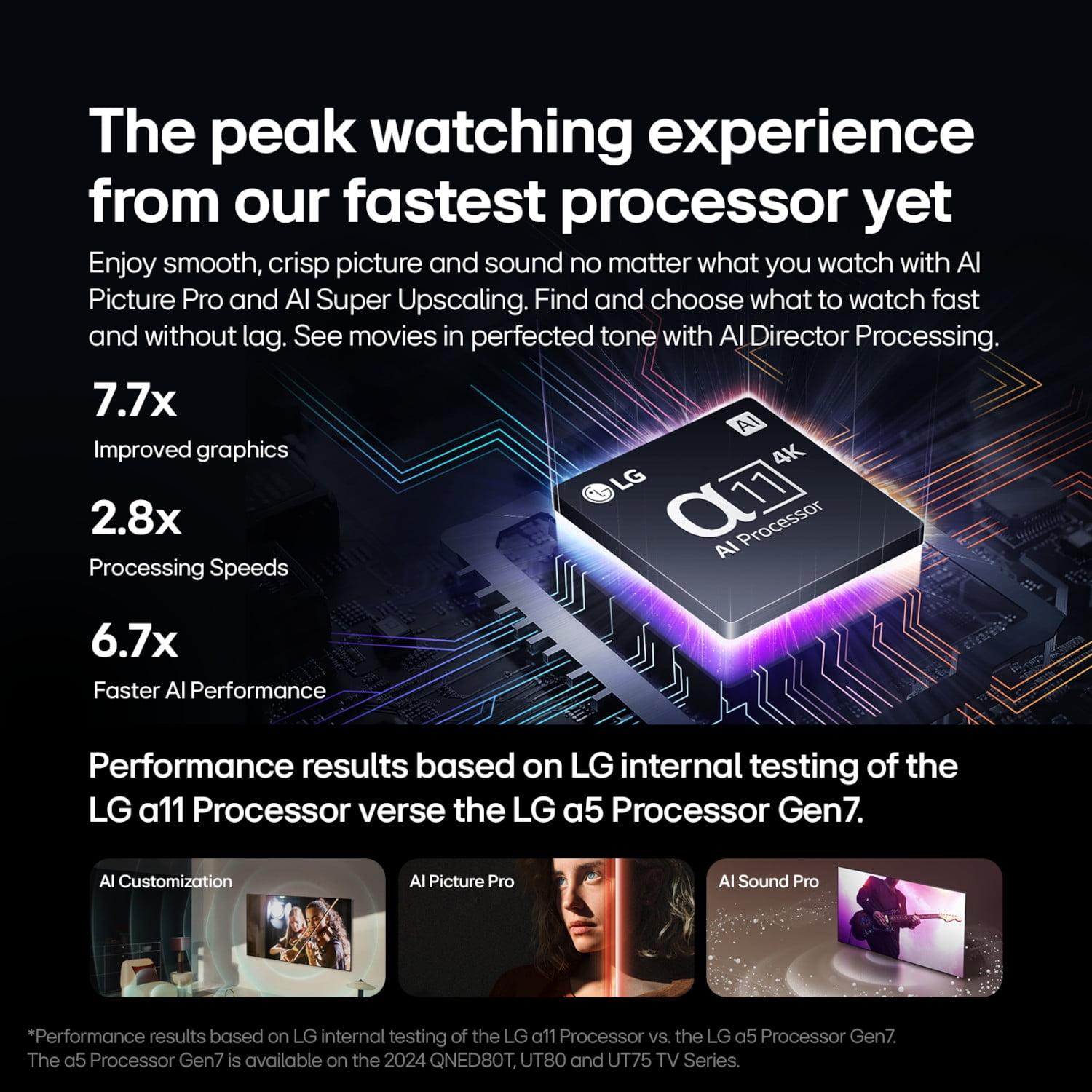
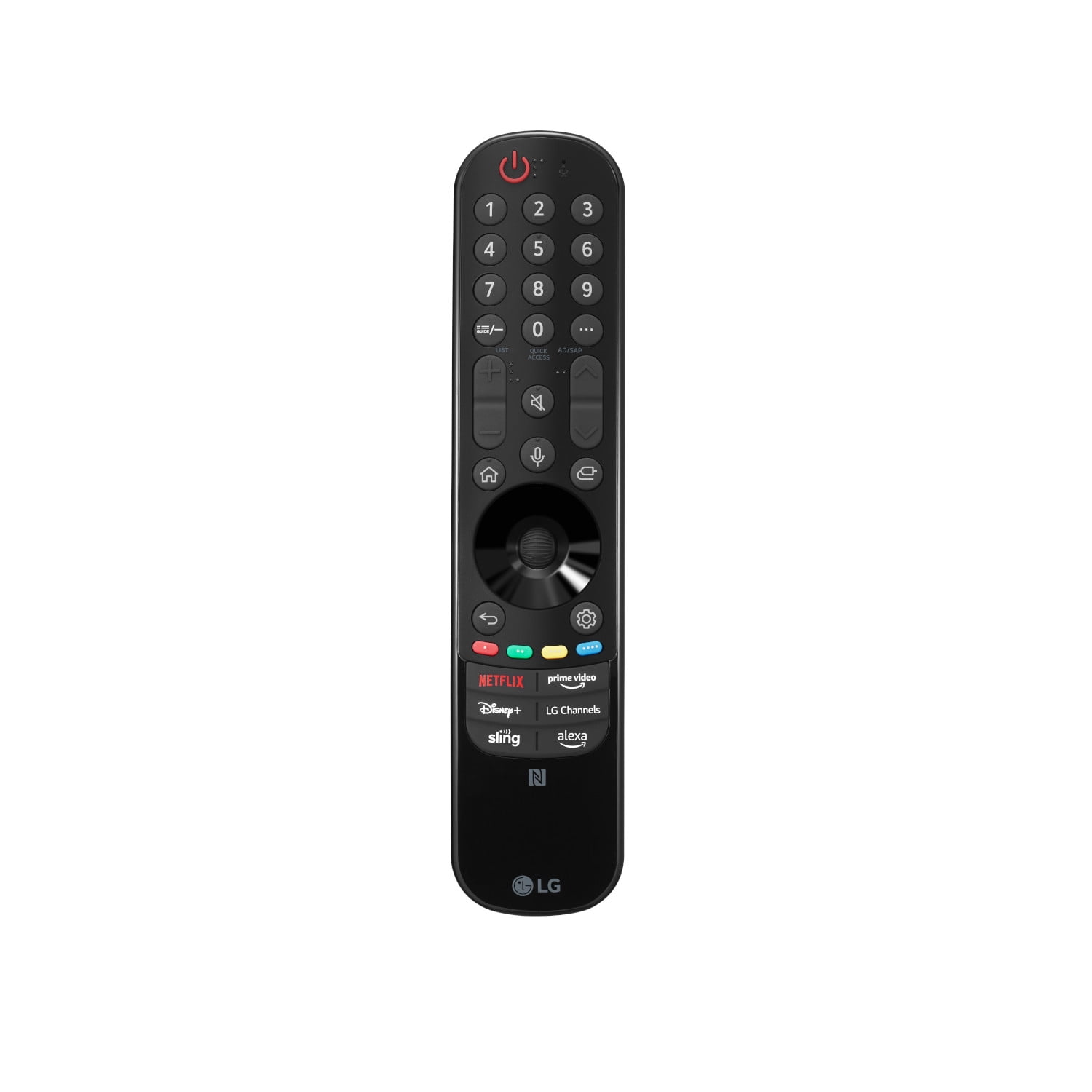
The LG G4 runs webOS 24, which prioritizes ease of use with its Magic Remote featuring cursor navigation—something I've found more intuitive than traditional directional pad remotes. The AI features focus more on picture processing, with the α11 processor providing 6.7 times faster AI performance than previous generations for better upscaling of non-4K content and more intelligent scene analysis.
Both platforms offer extensive streaming app support and integrate with major smart home ecosystems, though Samsung's SmartThings integration tends to be more comprehensive if you're already invested in Samsung's ecosystem.
TV speakers have improved significantly in recent years, and there's a notable difference between these models. The Samsung QN8F includes a 20W, 2-channel system with Adaptive Sound+ technology that analyzes audio content and adjusts output accordingly. It's adequate for casual viewing but might leave you wanting more for movie nights.
The LG G4 features a much more robust 60W, 4.2-channel system with Dolby Atmos support. The AI Sound Pro can virtually upmix audio to simulate an 11.1.2 surround sound system, creating a more immersive experience even with just the built-in speakers. In my experience, this is one of the few TVs where you might not immediately need a soundbar, though serious home theater enthusiasts will still want dedicated audio equipment.
Your room's lighting conditions significantly impact which TV will look better in your specific space.
For bright living rooms with large windows and lots of ambient light, the Samsung QN8F excels. Its high peak brightness and quantum dot color technology maintain vibrant, punchy images even in challenging lighting conditions. The anti-reflective coating also helps reduce glare from windows or overhead lights.
The LG G4 has improved dramatically in bright room performance compared to earlier OLEDs, but it still performs best in controlled lighting environments. In a dedicated home theater room or living room with blackout curtains, the OLED's perfect blacks create an almost cinematic experience that's hard to match with any LED-based display.
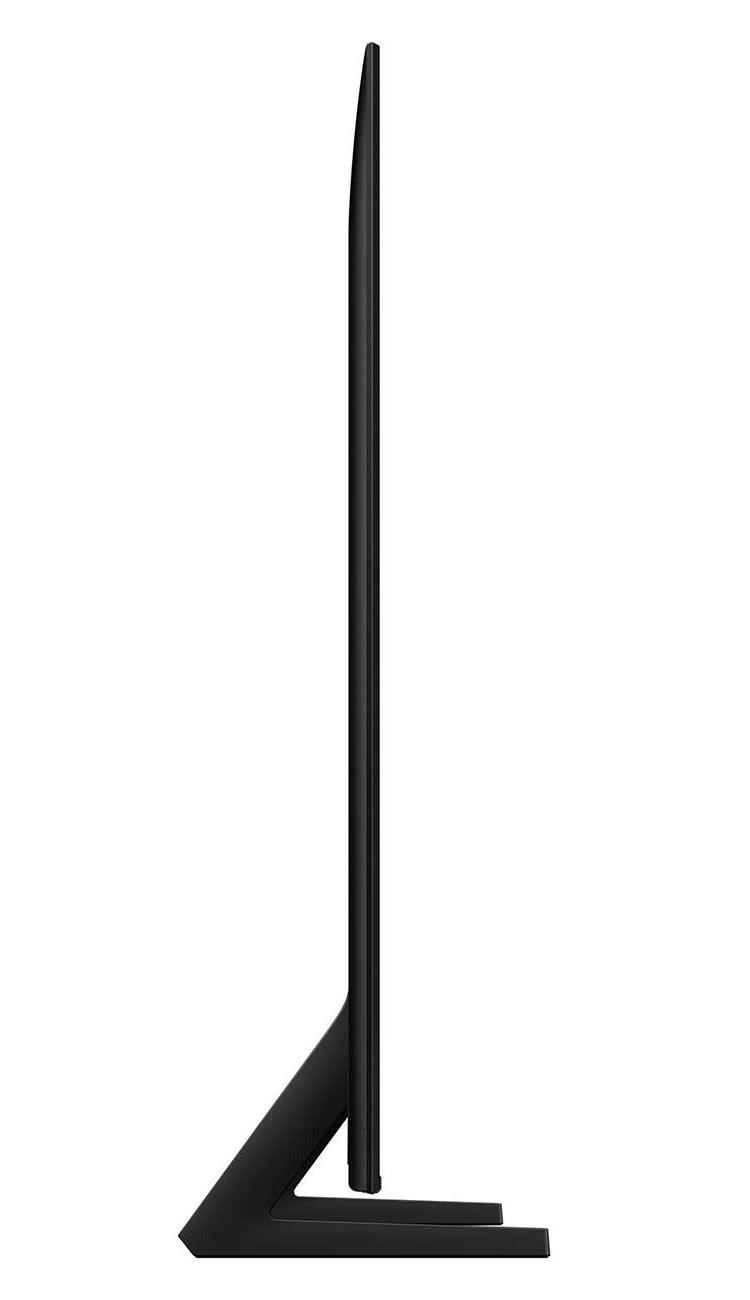
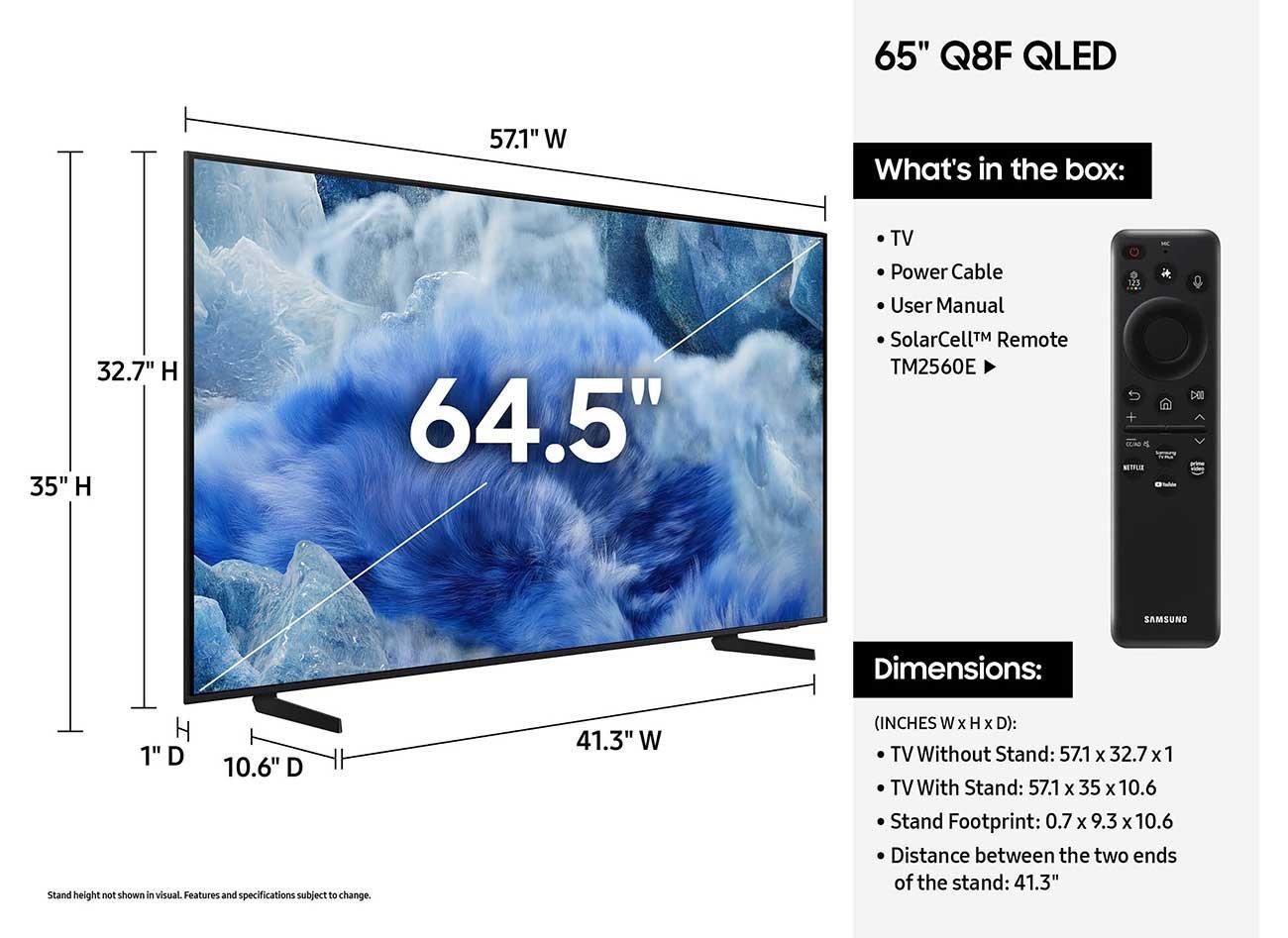
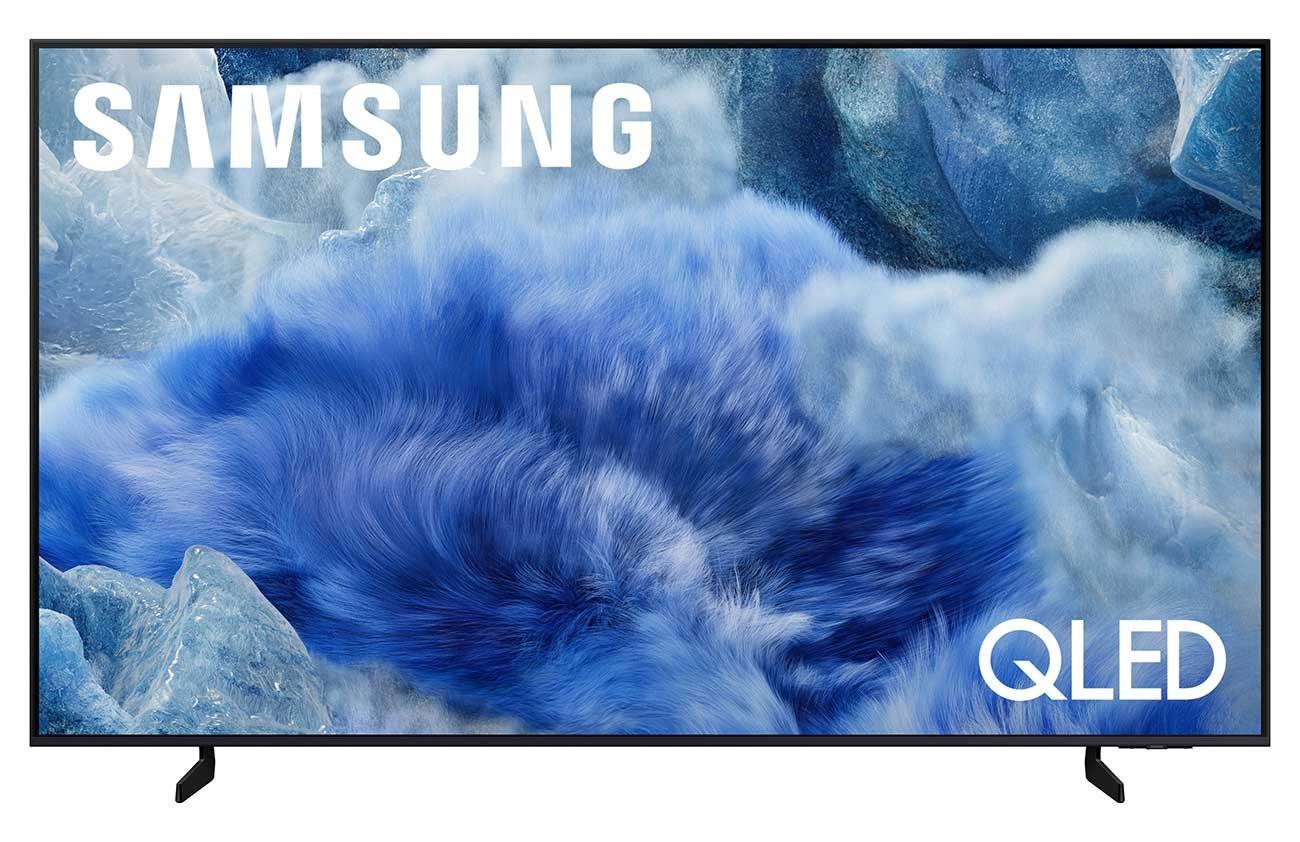
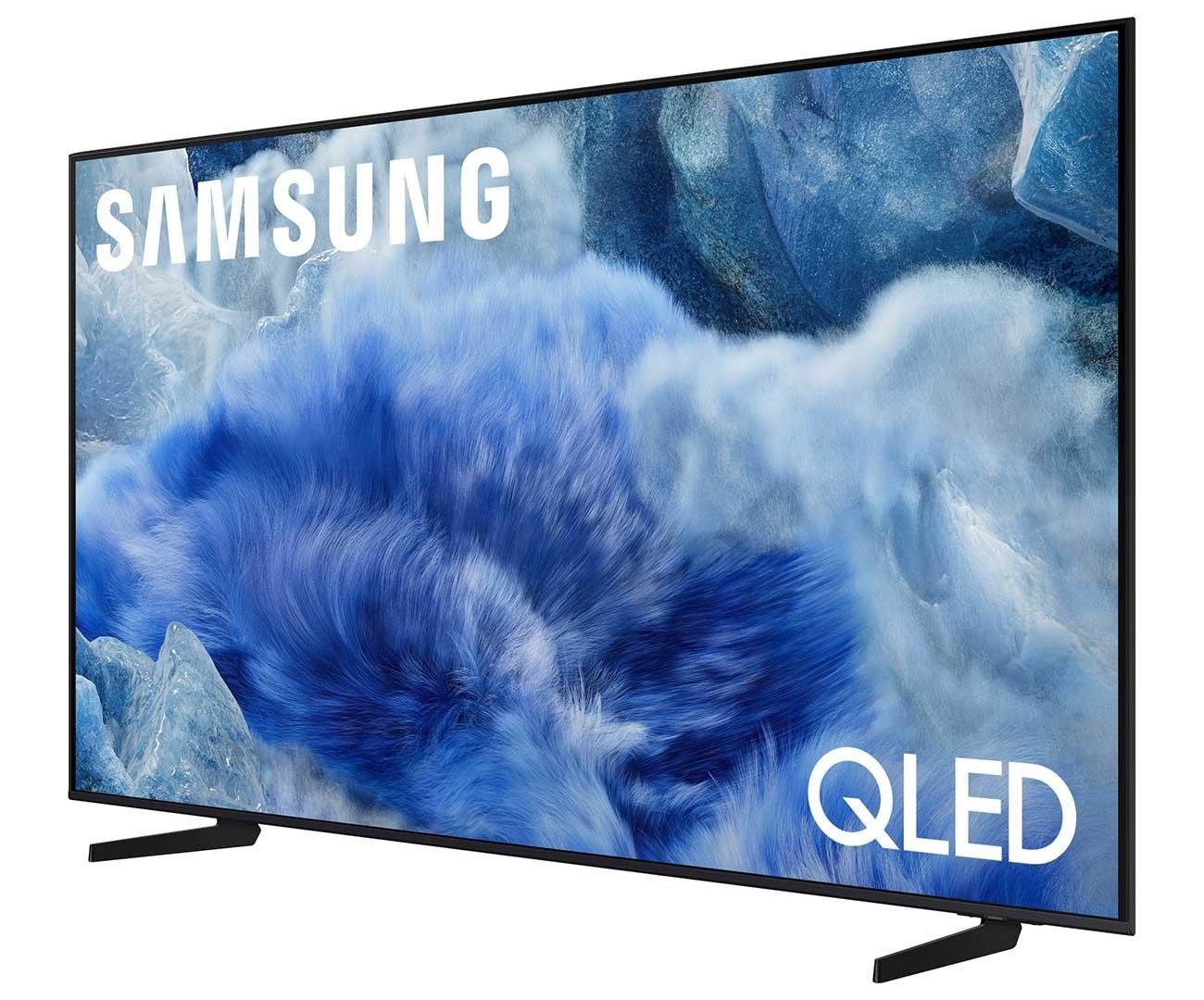
Both TVs reflect their market positioning in their physical design. The Samsung QN8F features Samsung's AirSlim design, which is noticeably thinner than older LED TVs while maintaining a premium appearance. The build quality feels solid without being ostentatious.
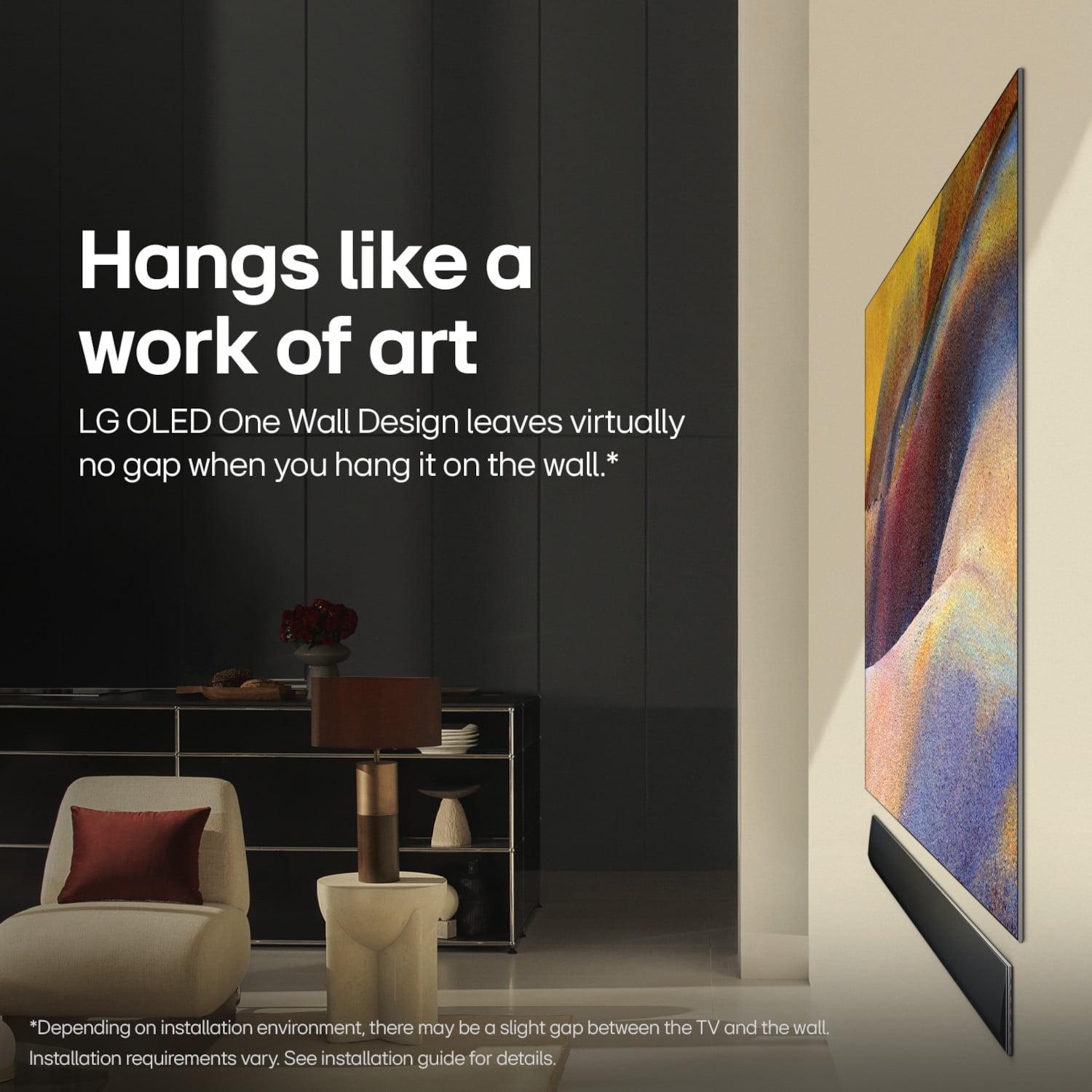
The LG G4 takes design more seriously with its Gallery Design concept. When wall-mounted, it sits nearly flush against the wall, creating an almost art piece aesthetic. The materials feel more premium, and LG includes both a wall mount and table stand, recognizing that buyers at this price point value flexibility.
At the time of writing, the price difference between these TVs is substantial—the LG G4 costs more than double the Samsung QN8F. This creates an interesting value calculation.
The Samsung QN8F delivers roughly 85-90% of the LG G4's performance at less than half the cost. For most viewers in most rooms, the Samsung provides an exceptional experience that will satisfy nearly all viewing needs. The 2025 AI features also provide some future-proofing that helps justify the investment.
The LG G4 represents the current pinnacle of consumer TV technology. The price premium buys you perfect blacks, superior gaming performance, better built-in audio, and professional-grade calibration capabilities. If you're building a dedicated home theater or are particularly discerning about picture quality, the OLED's advantages may justify the cost.
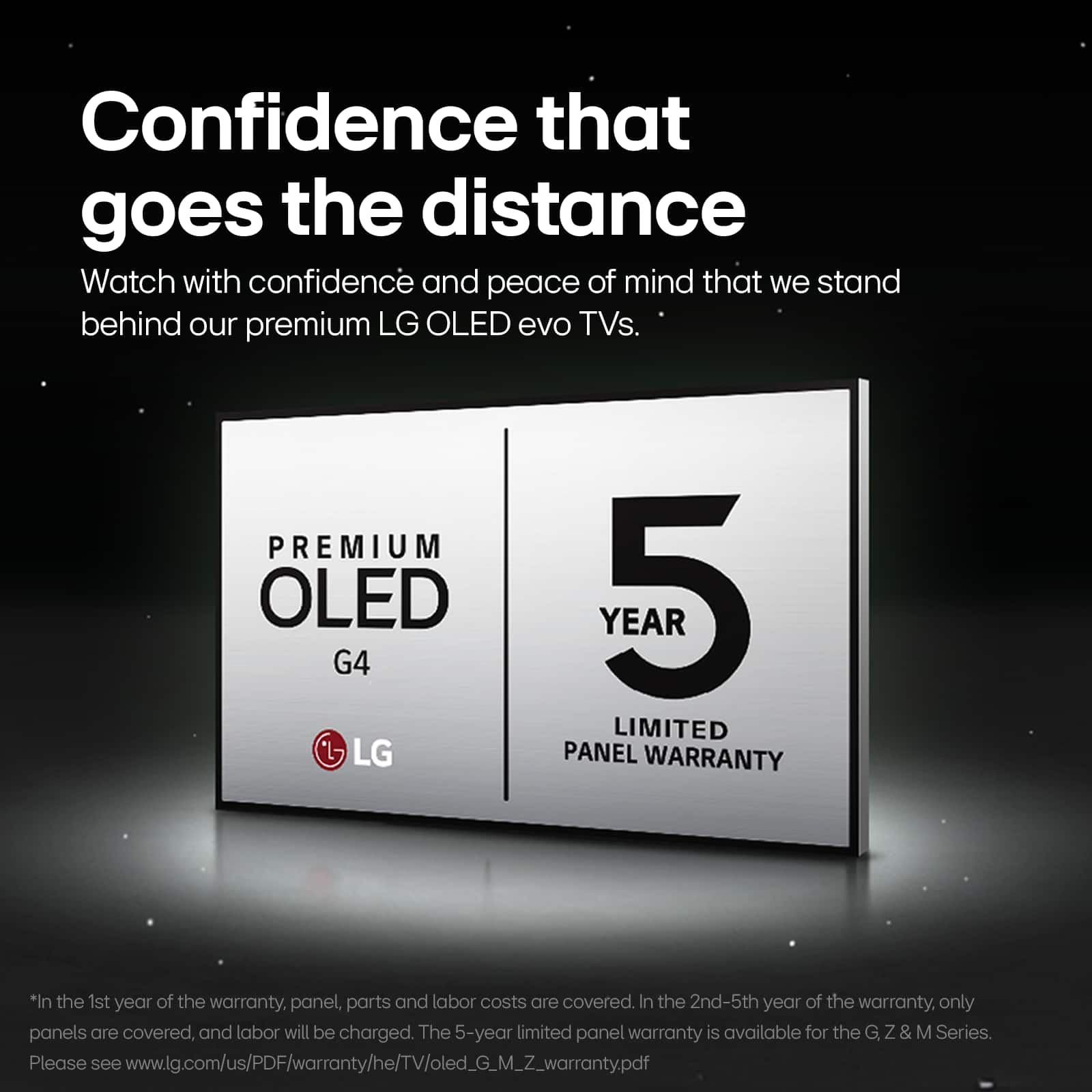
OLED burn-in remains a consideration, though modern implementations and LG's 5-year panel warranty (including burn-in protection) significantly reduce this concern. LED-based displays like the Samsung QN8F don't face burn-in risks, which might matter for users who leave static content on screen frequently.
Both TVs should receive software updates for several years, maintaining compatibility with new streaming services and features. Samsung's 2025 platform gives it a slight edge in terms of future-proofing, while LG's premium positioning typically ensures longer support lifecycles.
Choose the Samsung QN8F QLED if you:
Choose the LG G4 OLED if you:
Both TVs excel in their respective market segments. The Samsung QN8F proves that you don't need to spend flagship money to get a truly impressive viewing experience, especially with its 2025 AI enhancements and excellent bright-room performance. It's the smart choice for most buyers who want to step up to premium TV quality without the premium price tag.
The LG G4 justifies its higher cost with genuinely superior technology in key areas—perfect blacks, exceptional gaming performance, and premium build quality. It's the choice for enthusiasts who want the absolute best current TV technology and have the budget to match their ambitions.
In my experience, either TV will dramatically improve your viewing experience compared to budget models. The Samsung QN8F offers exceptional value and will satisfy the vast majority of users, while the LG G4 provides that extra level of performance that makes movie nights and gaming sessions truly special. The question isn't really which is better—it's which better matches your needs, room, and budget.
| Samsung 65" QN8F Series QLED 4K Vision AI Smart TV 2025 | LG 65" G4 Series OLED evo 4K UHD Smart TV 2024 |
|---|---|
| Display Technology - Fundamental difference affecting all picture quality aspects | |
| QLED with Dual LED backlighting and local dimming zones | Self-lit OLED pixels with MLA (Micro Lens Array) technology |
| Peak Brightness - Critical for bright room viewing and HDR impact | |
| 1,000+ nits (excellent for bright rooms with windows) | 1,487 nits (major improvement over previous OLEDs) |
| Black Levels - Most noticeable difference in dark scenes | |
| Very good with local dimming but some light leakage | Perfect blacks with infinite contrast (pixels turn completely off) |
| Gaming Refresh Rate - Important for smooth gaming with next-gen consoles | |
| Up to 144Hz (excellent for PS5/Xbox Series X gaming) | Up to 165Hz with VRR (best-in-class gaming performance) |
| HDMI 2.1 Ports - Determines how many high-end devices you can connect | |
| Standard HDMI 2.1 configuration | Four full HDMI 2.1 ports (connect multiple consoles + PC) |
| Processor & AI Features - Affects upscaling and smart features | |
| Q4 AI Processor with Vision AI and Generative Wallpaper | α11 AI Processor (6.7x faster AI performance than previous gen) |
| Built-in Audio - Determines if you need a soundbar immediately | |
| 20W 2CH with Adaptive Sound+ (adequate but limited) | 60W 4.2CH with Dolby Atmos (much more powerful and immersive) |
| Smart TV Platform - Daily user experience and app performance | |
| Tizen OS with enhanced Bixby and 1200+ free channels | webOS 24 with Magic Remote and 300+ LG Channels |
| HDR Support - Affects streaming and 4K Blu-ray quality | |
| HDR10+ Adaptive (scene-by-scene optimization) | Dolby Vision (more widely supported by streaming services) |
| Burn-in Risk - Long-term reliability consideration | |
| No burn-in risk with LED technology | Potential OLED burn-in but covered by 5-year panel warranty |
| Best Room Type - Where each TV performs optimally | |
| Bright living rooms with lots of natural light | Dark rooms or controlled lighting environments |
| Value Proposition - Performance relative to cost | |
| Exceptional value offering 90% of premium performance | Premium pricing for cutting-edge technology and best-in-class features |
The Samsung 65" QN8F Series QLED is significantly better for bright rooms. Its QLED technology with Dual LED backlighting can achieve over 1,000 nits of brightness, maintaining vibrant colors even in direct sunlight. While the LG 65" G4 Series OLED has improved brightness compared to older OLEDs, it still performs best in controlled lighting environments.
QLED TVs like the Samsung QN8F use LED backlights with quantum dots to create colors, while OLED TVs like the LG G4 use self-illuminating pixels. This means the LG G4 can turn pixels completely off for perfect blacks, while the Samsung QN8F excels at peak brightness but has some light leakage in dark scenes.
The LG 65" G4 Series OLED offers superior gaming performance with up to 165Hz refresh rates, 0.1ms response time, and four HDMI 2.1 ports. The Samsung 65" QN8F Series QLED is still excellent for gaming with 144Hz refresh rates and low input lag, but the OLED has the edge for serious gamers.
The LG G4 features impressive 60W 4.2-channel speakers with Dolby Atmos that may eliminate the immediate need for a soundbar. The Samsung QN8F has adequate 20W 2-channel speakers, but most users will want to add a soundbar for better audio quality.
The Samsung 65" QN8F Series QLED provides exceptional value, delivering approximately 90% of premium TV performance at a much lower cost. The LG 65" G4 Series OLED costs significantly more but offers cutting-edge technology with perfect blacks and superior gaming features for those who want the absolute best.
OLED TVs like the LG G4 can potentially experience burn-in from static images, but modern OLEDs have extensive protection features and LG offers a 5-year panel warranty including burn-in coverage. The Samsung QN8F uses LED technology that doesn't face burn-in risks at all.
For dedicated home theater use, the LG 65" G4 Series OLED excels with perfect blacks, infinite contrast, and accurate colors that preserve the director's intended vision. The Samsung 65" QN8F Series QLED is also excellent for movies but works better in mixed-use living rooms rather than dark dedicated theaters.
The Samsung QN8F runs Tizen OS with Vision AI features including Generative Wallpaper and enhanced voice control. The LG G4 uses webOS 24 with an intuitive Magic Remote and AI-powered picture processing. Both support all major streaming apps and smart home integration.
The Samsung 65" QN8F Series QLED supports HDR10+ Adaptive for scene-by-scene optimization, while the LG 65" G4 Series OLED supports Dolby Vision, which is more widely adopted by streaming services. Both deliver excellent HDR performance, though the LG G4 has superior contrast for dramatic HDR scenes.
The LG G4 offers more natural, accurate colors that closely match professional standards, especially after calibration. The Samsung QN8F produces more vibrant, saturated colors that many people find immediately appealing, particularly for animated content and sports.
Both TVs excel at sports viewing. The Samsung 65" QN8F Series QLED is excellent for bright living rooms during daytime games with its high brightness and punchy colors. The LG 65" G4 Series OLED offers superior motion handling and wider viewing angles, making it ideal for larger groups watching together.
Choose the Samsung QN8F if you have a bright living room, want excellent value, and need a versatile family TV. Choose the LG G4 if you can control lighting, prioritize the best possible picture quality, and want premium gaming performance. Consider your room lighting, budget, and whether you prioritize value or cutting-edge performance.
We've done our best to create useful and informative comparisons to help you decide what product to buy. Our research uses advanced automated methods to create this comparison and perfection is not possible - please contact us for corrections or questions. These are the sites we've researched in the creation of this article: bestbuy.com - samsung.com - rtings.com - youtube.com - samsung.com - pcrichard.com - abt.com - images.samsung.com - cnet.com - news.samsung.com - samsung.com - bestbuy.com - hometechnologyreview.com - hometechnologyreview.com - whathifi.com - hometechnologyreview.com - youtube.com - tomsguide.com - tomsguide.com - smarthomesounds.co.uk - rtings.com - rtings.com - bhphotovideo.com - youtube.com - schaeferstv.com - bestbuy.com - costco.com - lg.com - lg.com - shopsilica.com - bestbuy.com - techradar.com - bestbuy.com - bestbuy.com - lg.com - lgnewsroom.com

Privacy Policy
Terms and Conditions - Affiliate Policy
Home Security
© Copyright 2008-2026.
11816 Inwood Rd #1211, Dallas, TX 75244