

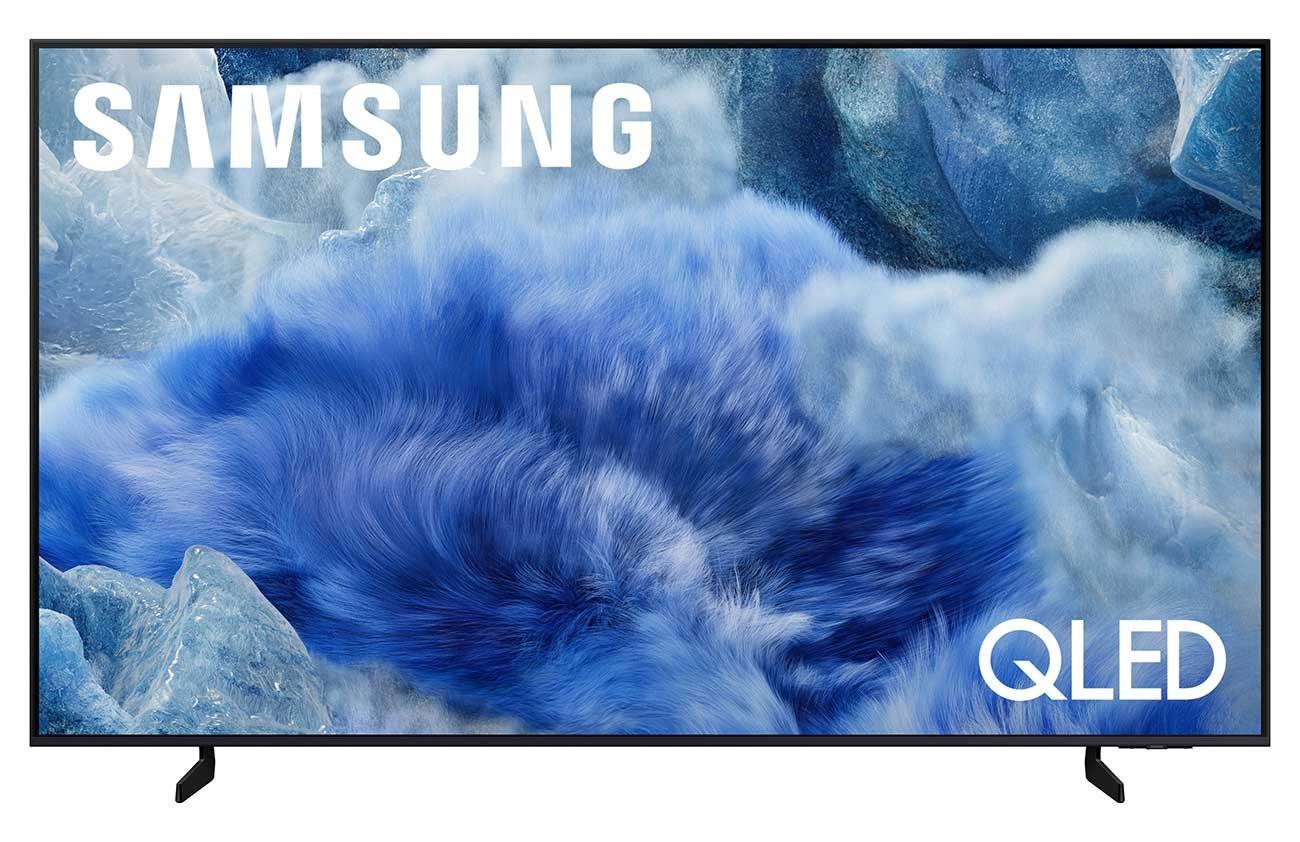
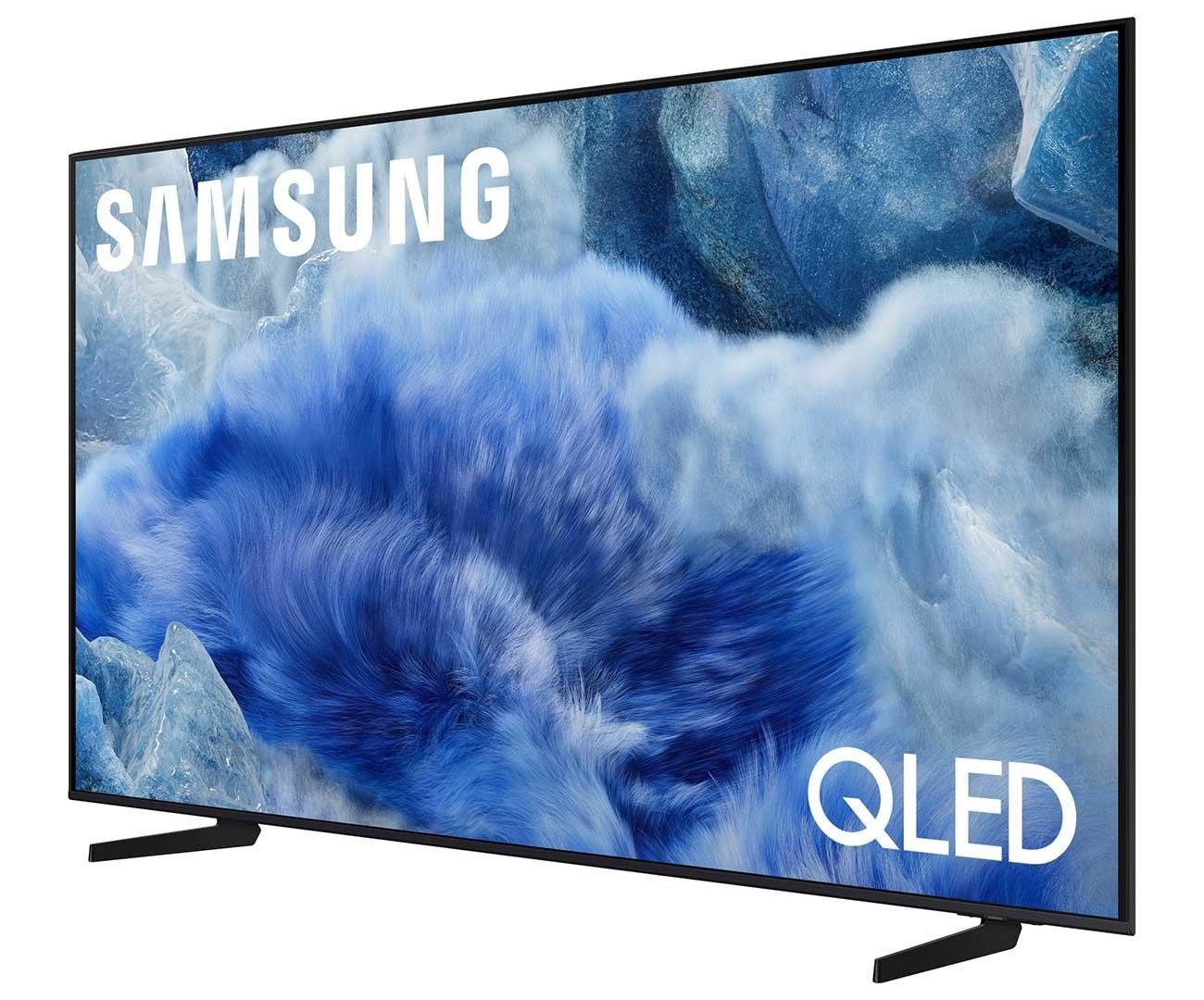
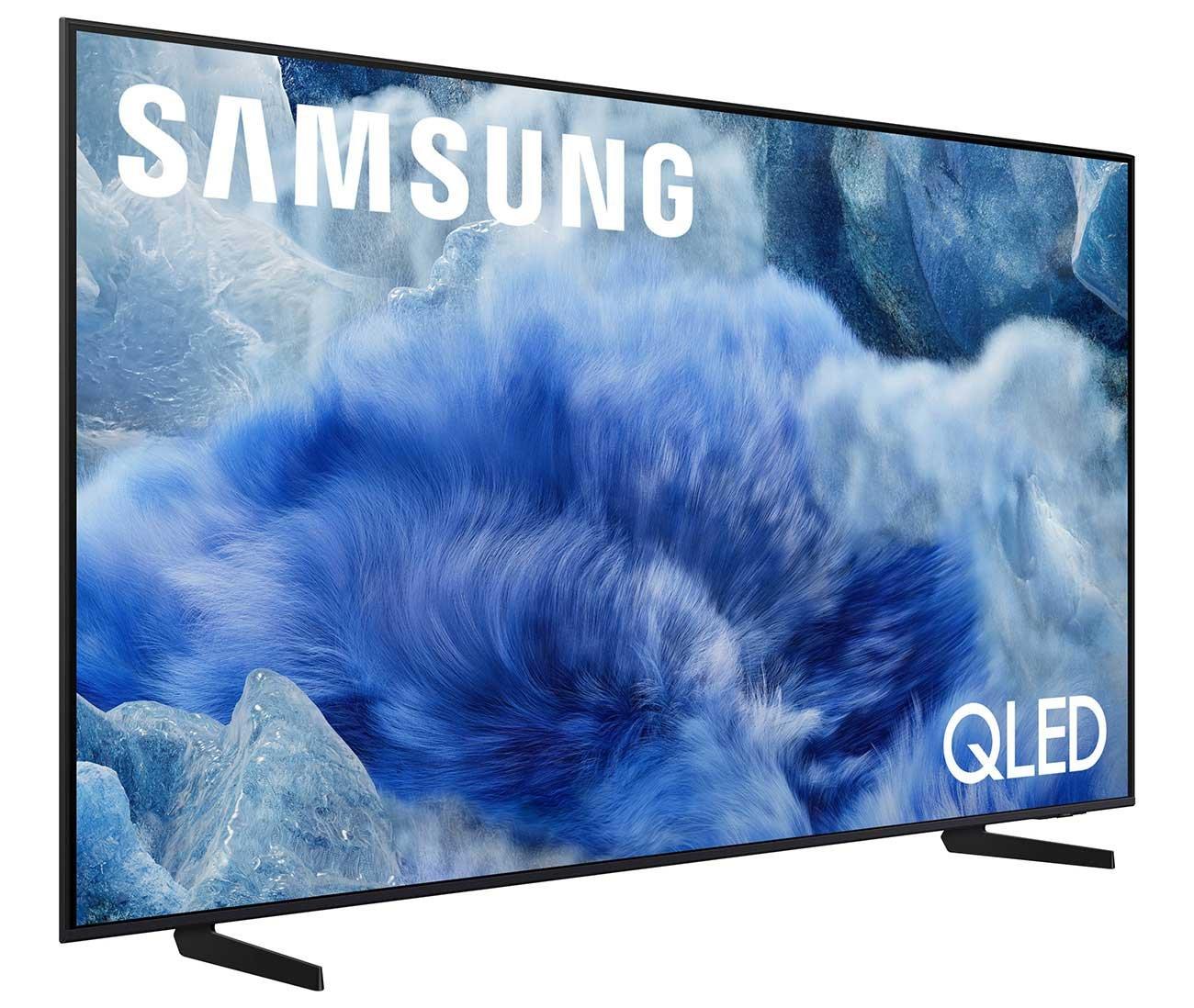
When Samsung released their 2025 TV lineup, they introduced two compelling options that sit at different points in the premium 4K market. The Samsung QN8F and Samsung QN90F both promise exceptional picture quality with Samsung's latest Vision AI technology, but they take distinctly different approaches to achieving premium performance. Understanding which one fits your needs—and budget—requires diving into what makes each unique.
The premium TV market has evolved dramatically over the past few years. What we're seeing in 2025 represents the culmination of several key technological advances: quantum dot color technology has matured, AI processing has become genuinely useful rather than just marketing fluff, and Mini LED backlighting has finally delivered on its promise of OLED-like contrast without the burn-in concerns.
When shopping for a premium 4K TV today, you're primarily choosing between different approaches to the same goal: delivering stunning picture quality that works in your specific viewing environment. The most important factors are picture brightness and contrast (how well the TV handles both dark and bright scenes), color accuracy and volume (how many colors the TV can display and how accurately), processing power (how well the TV upscales lower-quality content and optimizes what you're watching), and smart features that actually enhance your viewing experience.
The Samsung QN8F and Samsung QN90F represent two philosophies within Samsung's 2025 strategy. One prioritizes delivering premium performance at a more accessible price point, while the other pushes the boundaries of what LED technology can achieve, regardless of cost.
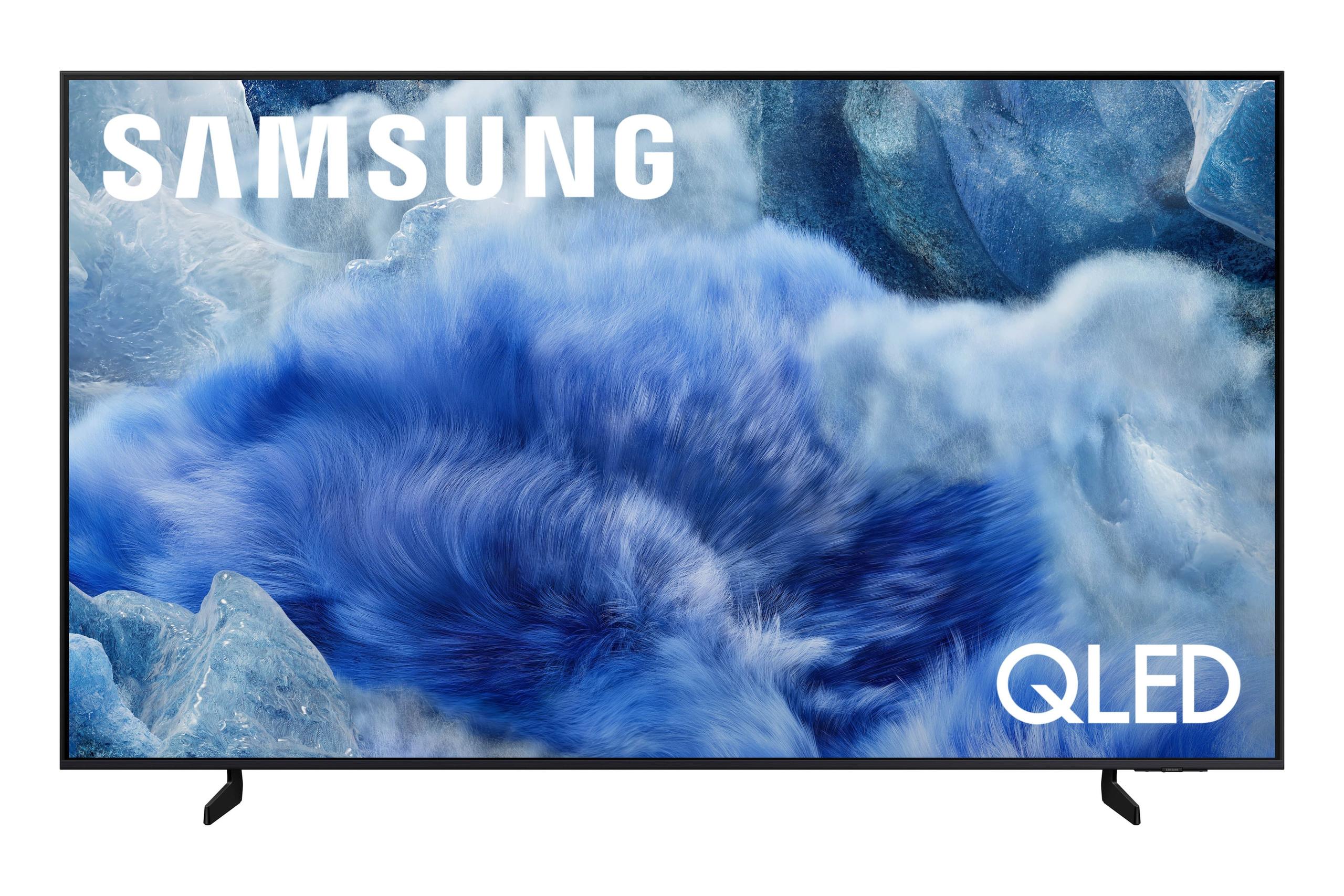
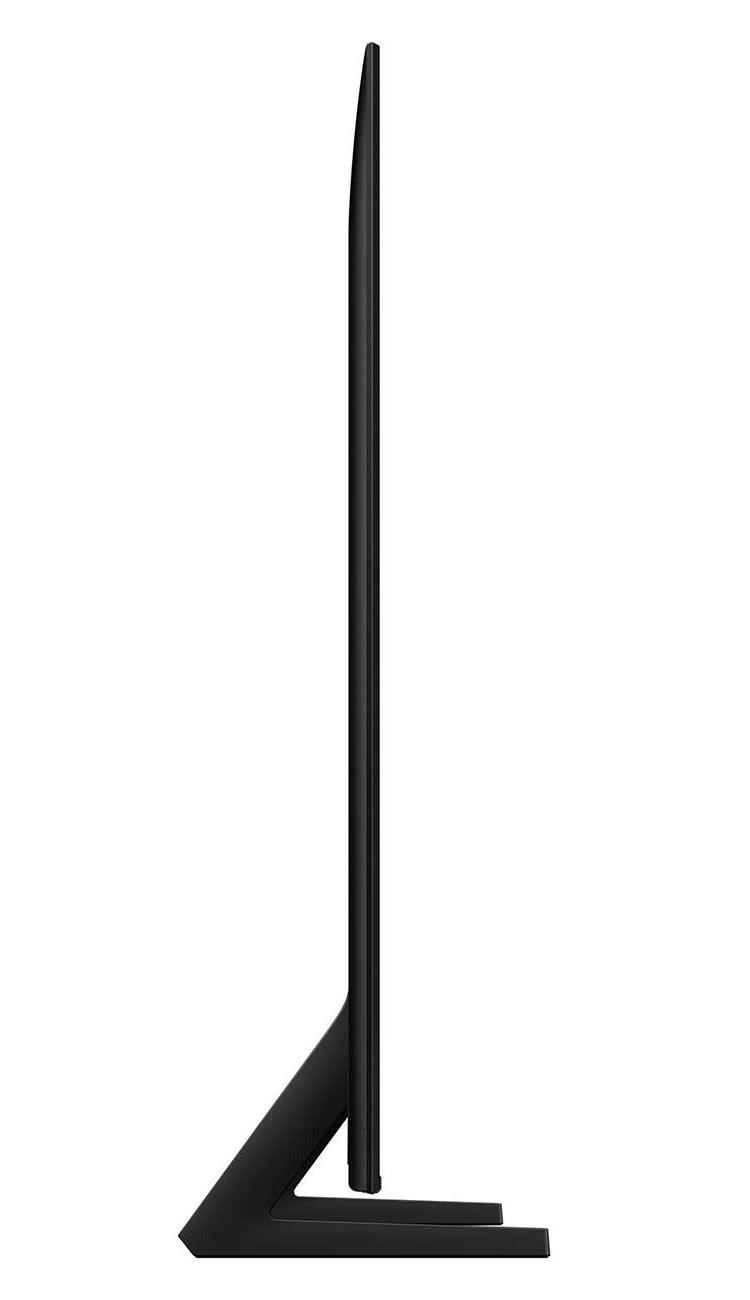
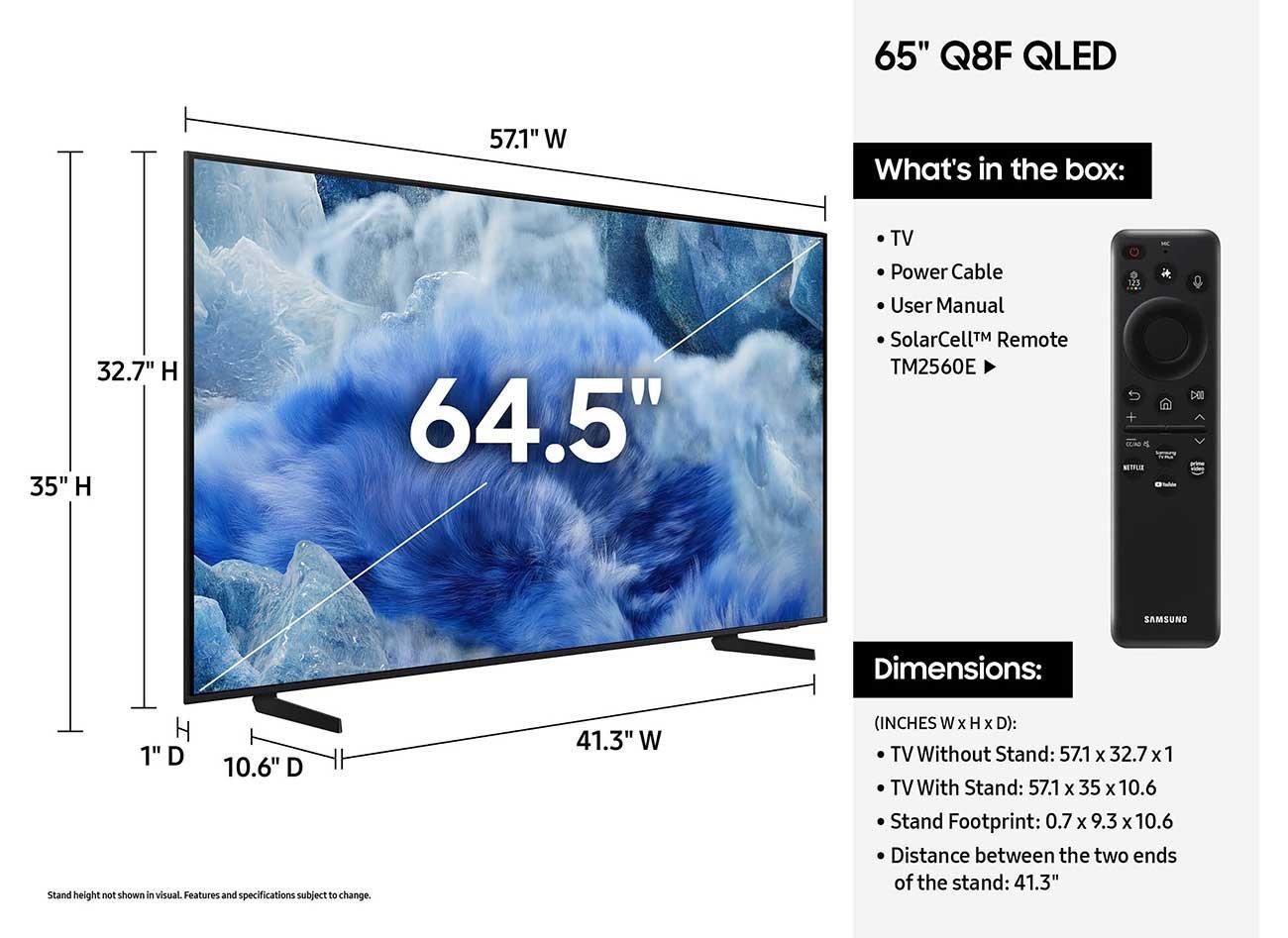
The fundamental difference between these TVs lies in their display technology, and this impacts everything else about their performance. The QN8F uses traditional QLED technology with what Samsung calls "Dual LED" backlighting. Think of this as having two different types of LED lights behind the screen—some that produce cooler, bluer light and others that produce warmer, more yellow light. The TV can adjust the balance between these to optimize color temperature for different scenes.
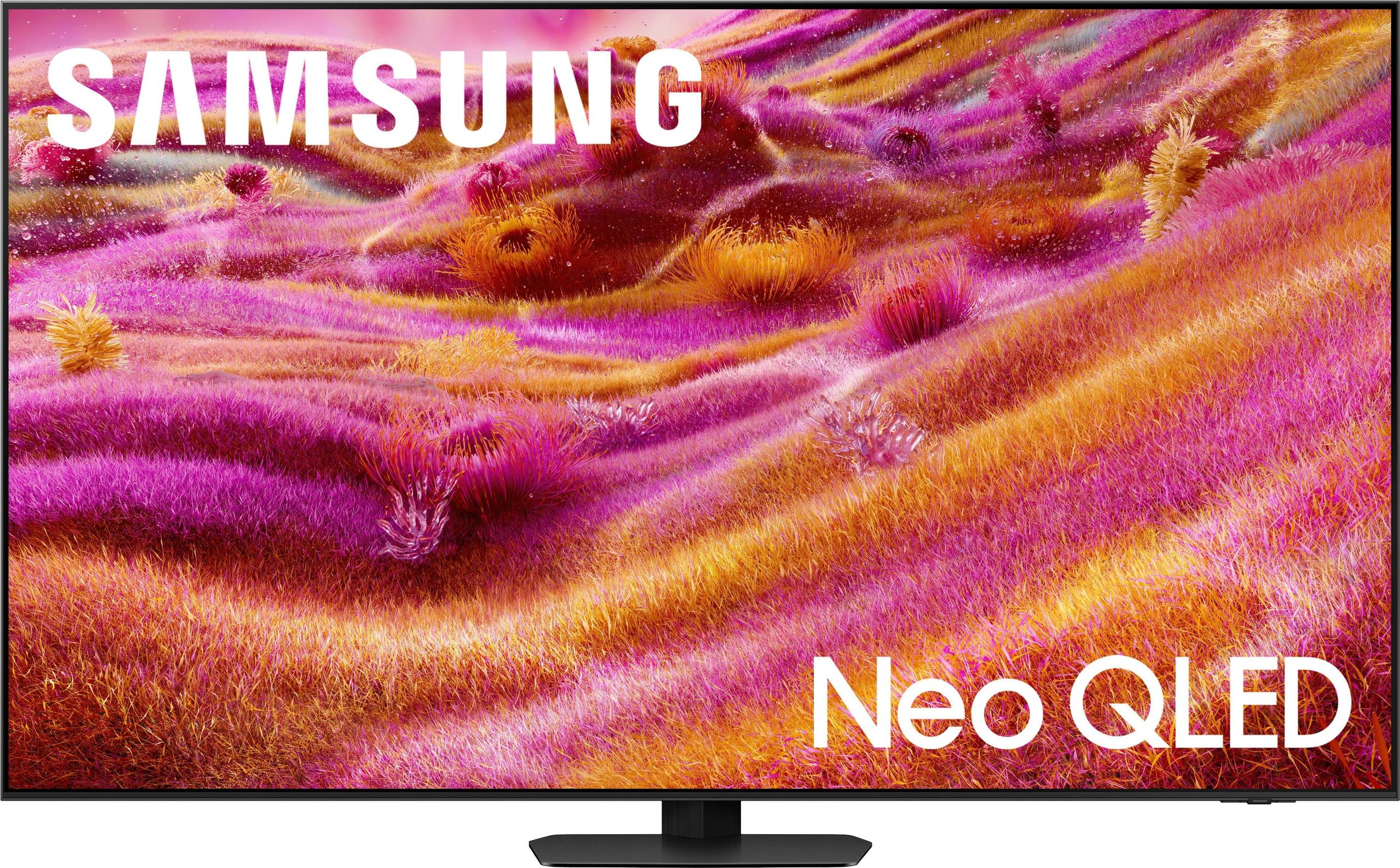
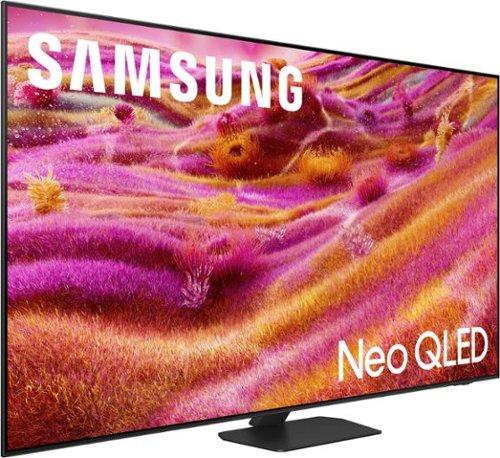
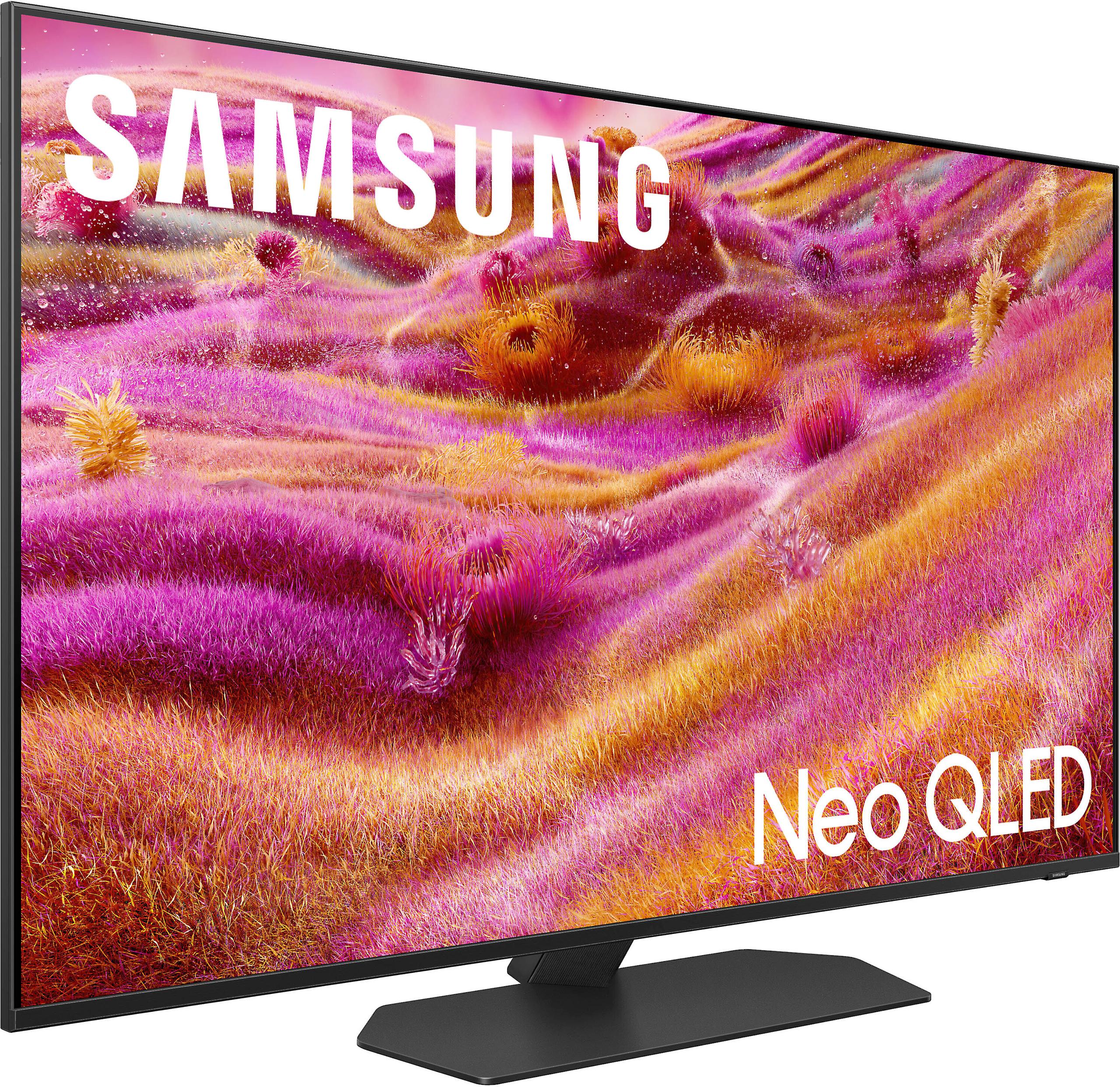
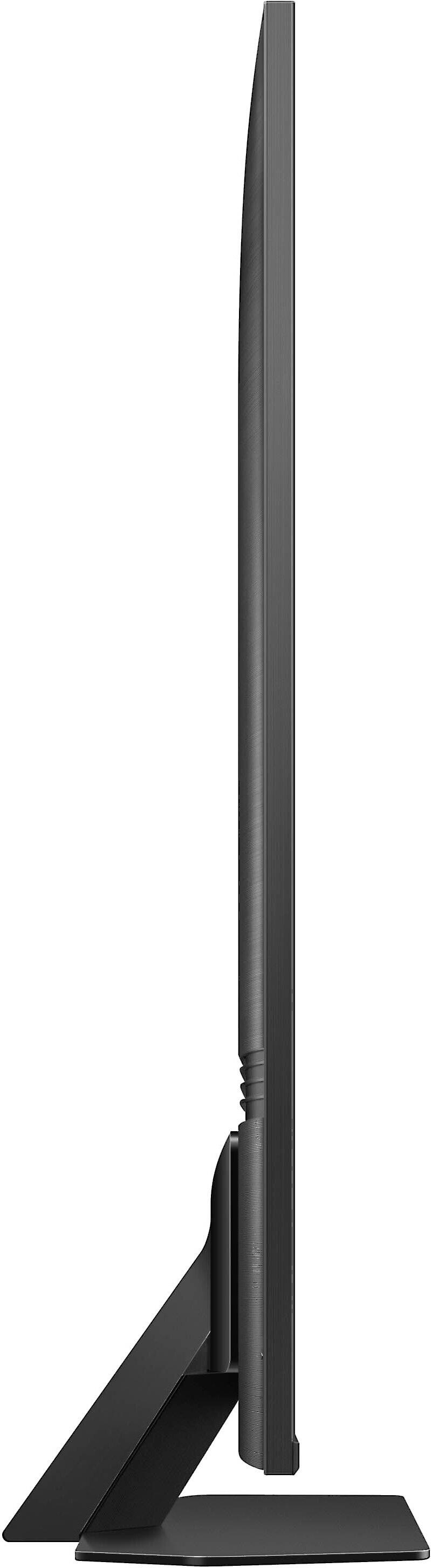
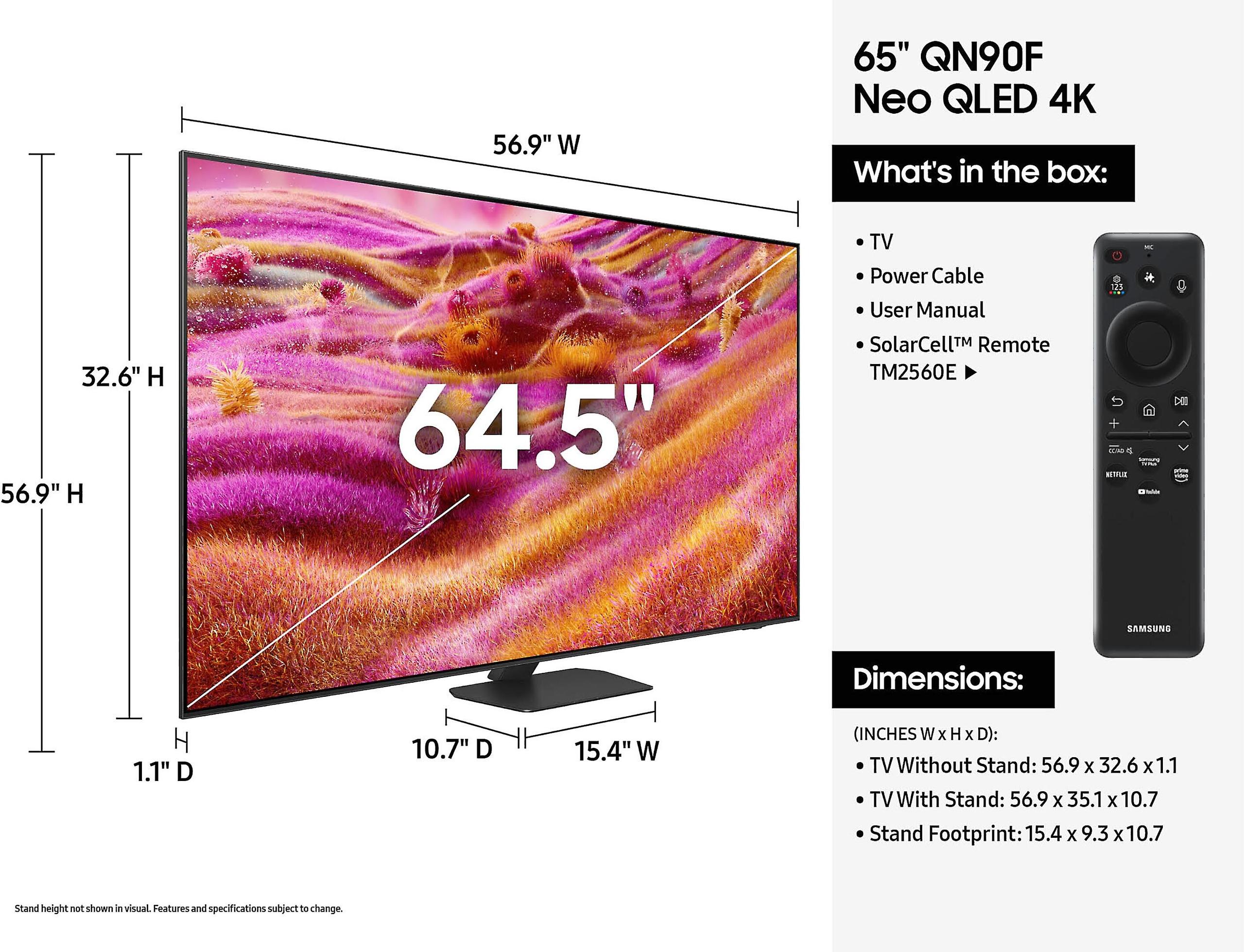
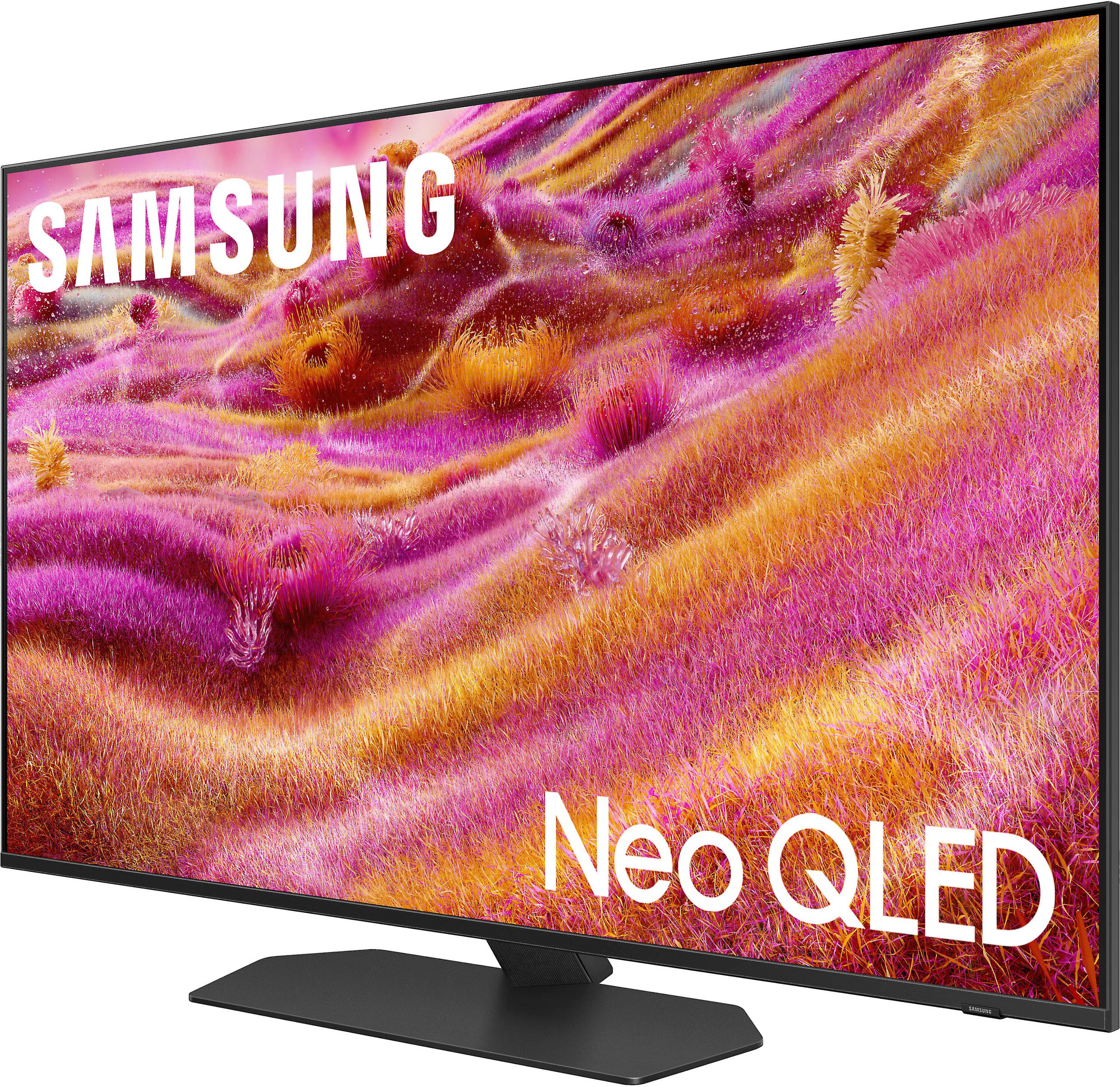
The QN90F, however, uses Samsung's Neo QLED technology, which is built around Mini LED backlighting. Instead of having dozens of large LEDs behind the screen, Mini LED uses thousands of LEDs that are about 40 times smaller than traditional ones. This allows for what's called "local dimming"—the TV can brighten or dim specific areas of the screen independently. When you're watching a scene with a bright explosion against a dark night sky, the QN90F can make just the explosion area bright while keeping the surrounding areas truly dark. The QN8F simply can't achieve this level of precision.
This technological difference cascades into every aspect of picture performance. The QN90F features Samsung's "Quantum Matrix Technology Pro" with thousands of dimming zones, while the QN8F relies on "Supreme UHD Dimming" with far fewer zones. More zones mean better control over contrast—the difference between the brightest whites and the darkest blacks in the same image.
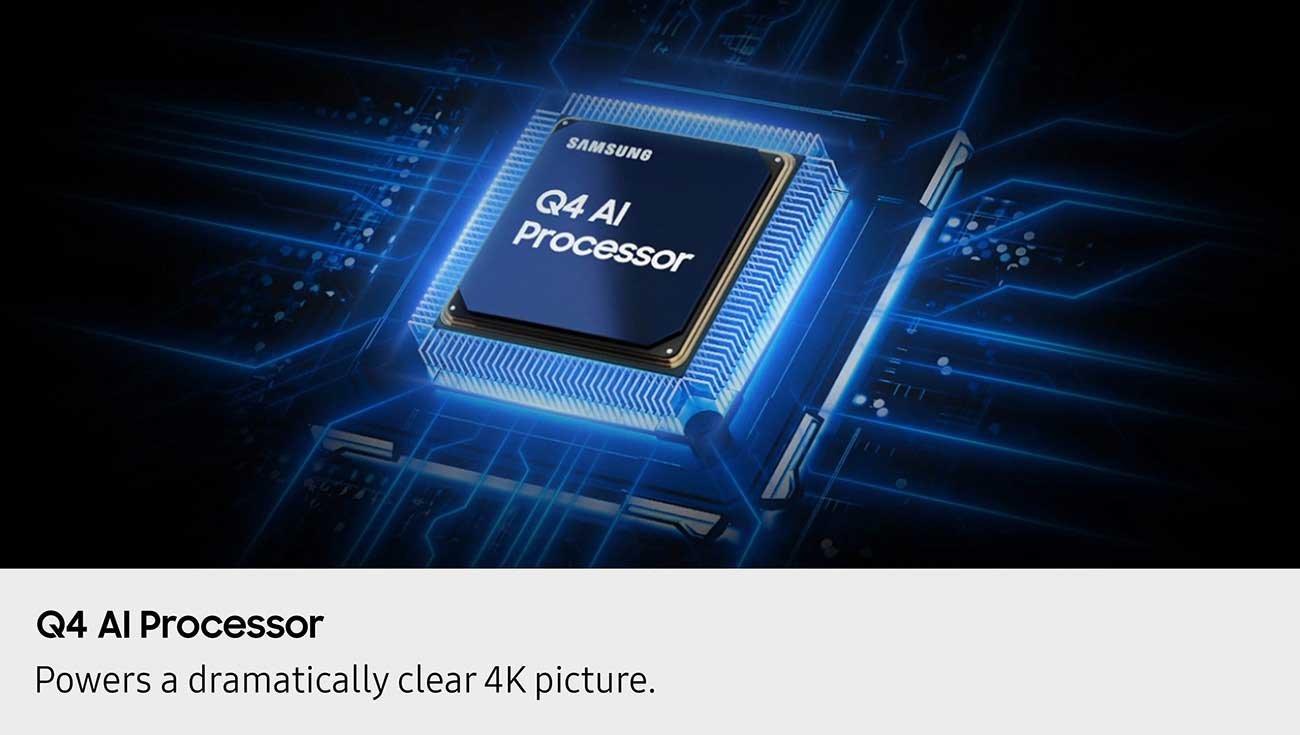
Both TVs feature Samsung's Vision AI technology introduced in 2025, but they're powered by different processors that significantly impact performance. The QN8F uses Samsung's Q4 AI Processor, which handles 4K upscaling (making lower-resolution content look better) and basic scene optimization. It's a capable processor that represents a solid step up from budget models.
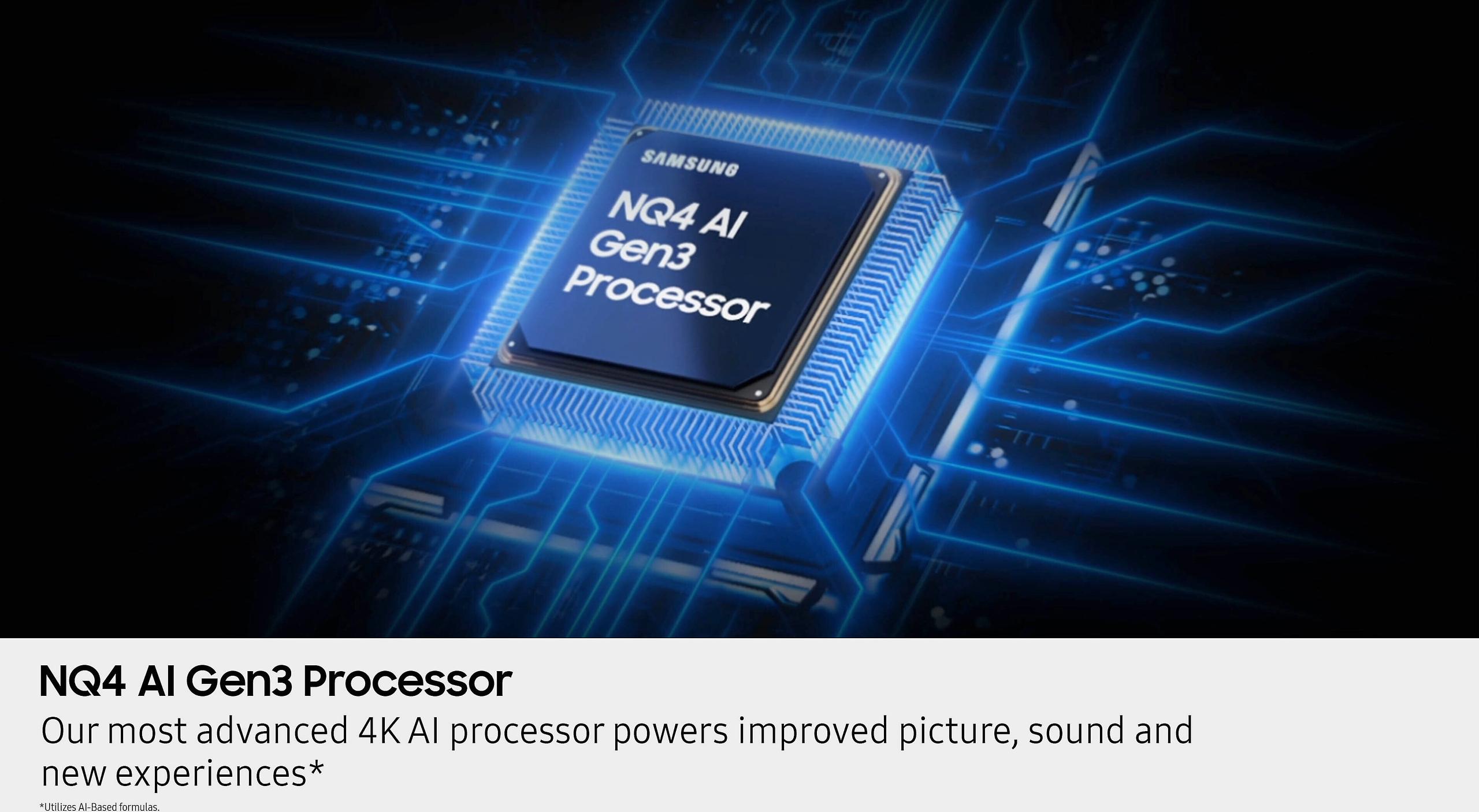
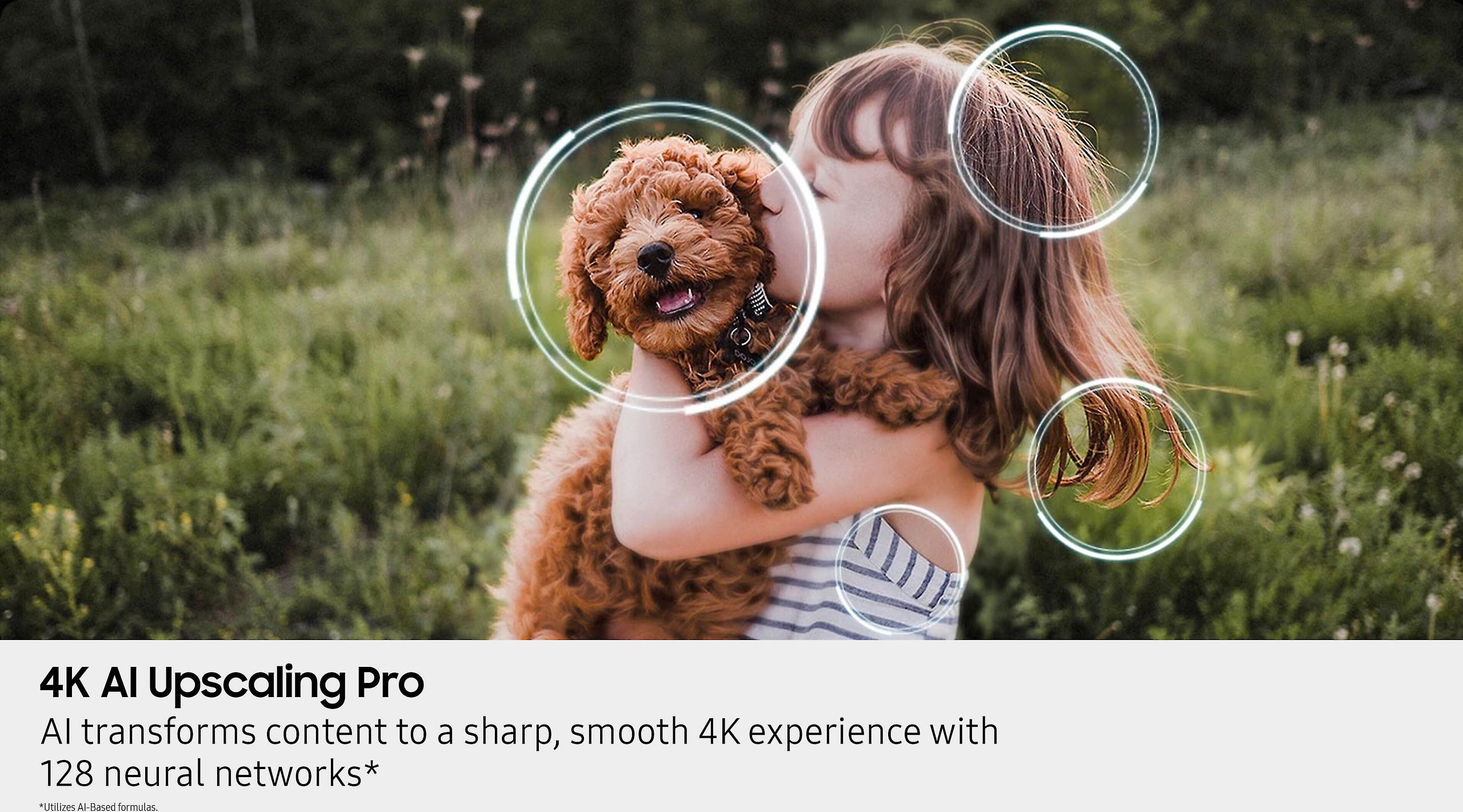
The QN90F steps up to the NQ4 AI Gen3 processor, powered by 128 neural networks—essentially 128 different AI algorithms working together to analyze and optimize what you're watching. This more powerful processing enables features like "4K AI Upscaling Pro," which doesn't just make 1080p content look better on a 4K screen—it actually analyzes the content type (sports, movies, animation) and applies different enhancement techniques accordingly.
In practical terms, this means the QN90F will do a noticeably better job making Netflix shows, cable TV, and even older DVDs look sharp and detailed. The difference is most apparent with lower-quality sources—the kind of content you'll encounter daily rather than just when watching 4K Blu-rays.
HDR (High Dynamic Range) content contains information about both extremely bright and extremely dark parts of an image that regular content doesn't include. To display HDR properly, your TV needs to get bright enough to show highlights that truly pop while maintaining detail in dark areas.
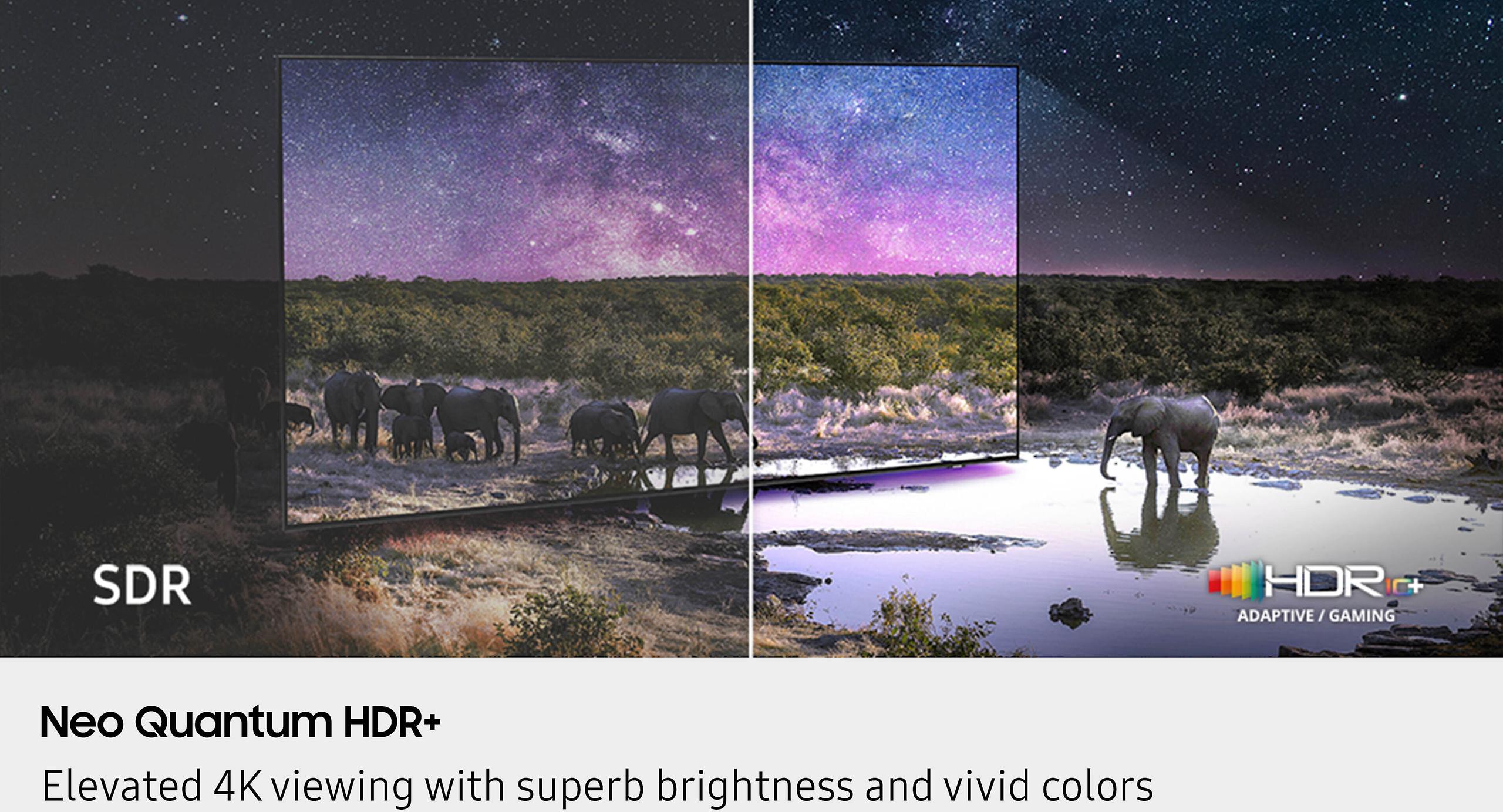
The QN90F excels here, reaching peak brightness levels of around 1900 nits in small highlights—that's bright enough to make you squint at a reflection off water or a car windshield in a movie. More importantly, it can maintain about 600 nits across larger bright areas, which is crucial for things like daylight scenes or bright indoor shots. This exceptional brightness makes HDR content look genuinely more lifelike.
The QN8F delivers solid HDR performance with its Quantum HDR+ technology, but it can't match these peak brightness levels. In most viewing scenarios, you won't notice this limitation. However, in bright rooms or when watching particularly demanding HDR content, the difference becomes apparent. The QN90F simply delivers more impact and realism in bright scenes.
This is where the Mini LED technology in the QN90F really shows its worth. Professional reviewers have described its black levels as "rivaling OLED," which is remarkable praise for an LED TV. When you're watching a movie with dark scenes—think of the cave sequences in any fantasy film—the QN90F can make those dark areas truly dark while keeping bright elements in the same shot properly illuminated.
The QN8F produces good black levels for its technology level, but you'll notice more of what's called "blooming"—a subtle glow around bright objects against dark backgrounds. It's not necessarily distracting in normal viewing, but it's there. The QN90F virtually eliminates this issue through its precise local dimming control.
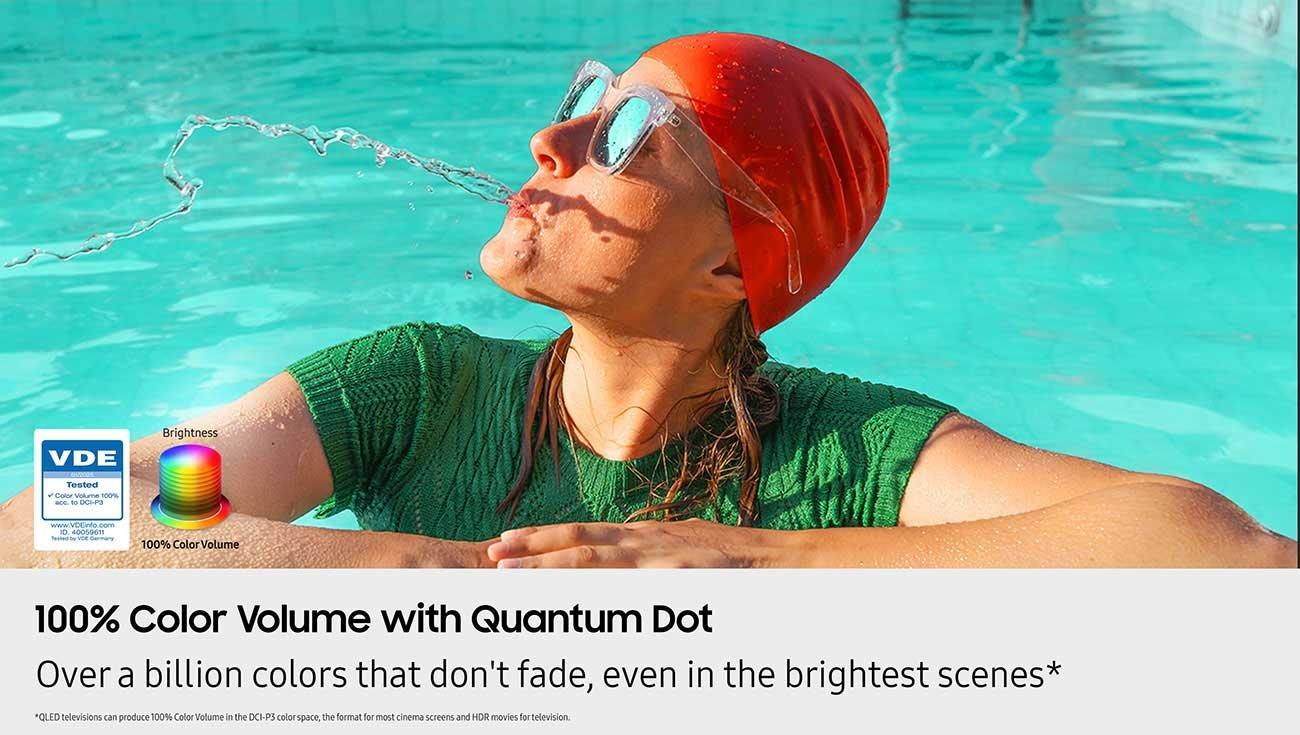
Both TVs feature Samsung's quantum dot technology, which produces what they call "100% Color Volume." This means they can display over one billion different color shades—far more than older TV technologies. In practice, this translates to colors that look more natural and lifelike, with subtle gradations that prevent banding (those artificial-looking color transitions you sometimes see in sunsets or gradients).
The QN90F has a slight edge in color accuracy due to its more advanced processing and better backlighting control, but both TVs deliver excellent color performance that will satisfy most viewers. The difference here is more about refinement than dramatic improvement.
Gaming has become a crucial consideration for TV buyers, especially with the Xbox Series X and PlayStation 5 supporting 4K gaming at high refresh rates. Both Samsung models offer comprehensive gaming features, but with important distinctions.
The QN8F supports 4K gaming at 120Hz, expandable up to 144Hz with its Motion Xcelerator technology. It includes Variable Refresh Rate (VRR), which synchronizes the TV's refresh rate with your gaming console to eliminate screen tearing and stuttering. For most gamers, this is more than sufficient and delivers smooth, responsive gaming performance.
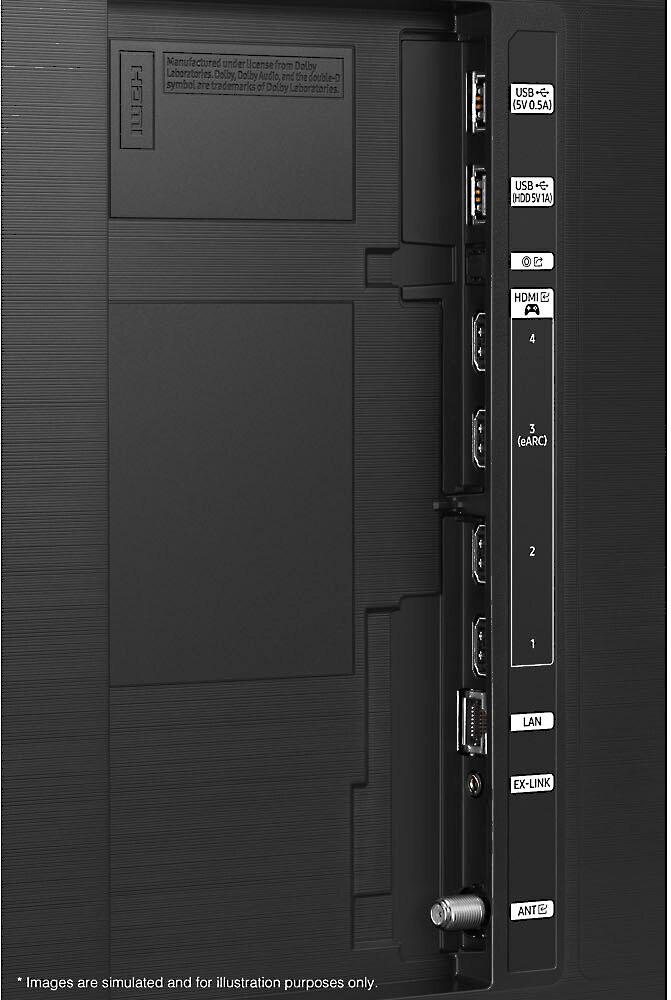
The QN90F takes gaming further with support for 4K at up to 165Hz and includes four HDMI 2.1 ports (meaning all ports support the highest bandwidth for next-gen consoles). It also features AMD FreeSync Premium Pro, which is particularly beneficial for PC gaming.
However, there's a significant caveat with the QN90F: its picture quality actually degrades in Game Mode. The precise local dimming that makes its regular picture quality so impressive becomes slower and less accurate when gaming features are enabled. This results in more visible blooming and motion blur during fast gaming sequences. For serious gamers who prioritize the absolute best gaming performance over picture quality, this is a meaningful compromise.
The QN8F maintains more consistent performance across different modes, making it potentially the better choice for gamers who want balanced performance without major trade-offs.
Audio is often overlooked when comparing TVs, but it significantly impacts your overall viewing experience. The QN8F includes a 20W, 2-channel speaker system with Samsung's OTS Lite (Object Tracking Sound) technology. This creates some spatial audio effects, making dialogue and sound effects appear to come from appropriate locations on screen. It's adequate for casual viewing and represents a solid step up from budget TV audio.
The QN90F includes a much more substantial 60W, 4.2.2 channel speaker system with full Dolby Atmos support and Object Tracking Sound+ technology. This creates genuine surround sound effects, with audio that can appear to come from above, behind, and around you. The additional speakers and power make dialogue clearer, music more immersive, and action sequences more impactful.
That said, even the QN90F's audio system has limitations. If you're planning a serious home theater setup, you'll likely want to pair either TV with a dedicated soundbar or speaker system. The difference is that the QN90F provides a more satisfying experience if you're not ready to invest in additional audio equipment immediately.
Both TVs run Samsung's 2025 Tizen operating system with the new Vision AI platform. This represents a significant upgrade from previous years, with faster navigation, more intuitive menus, and genuinely useful AI features rather than gimmicky additions.
Vision AI includes features like generative wallpapers (the TV can create custom artwork based on keywords you provide), adaptive picture and sound optimization based on your viewing environment, and enhanced voice control through an improved Bixby assistant. Both models include Samsung's solar-powered remote control, which charges itself from ambient light and eliminates the need for battery replacements.
The smart platform includes access to all major streaming services, over 2,700 free channels through Samsung TV Plus, and integration with Samsung's SmartThings ecosystem for smart home control. The experience is largely identical between models, with the QN90F's more powerful processor providing slightly faster navigation and more responsive interactions.
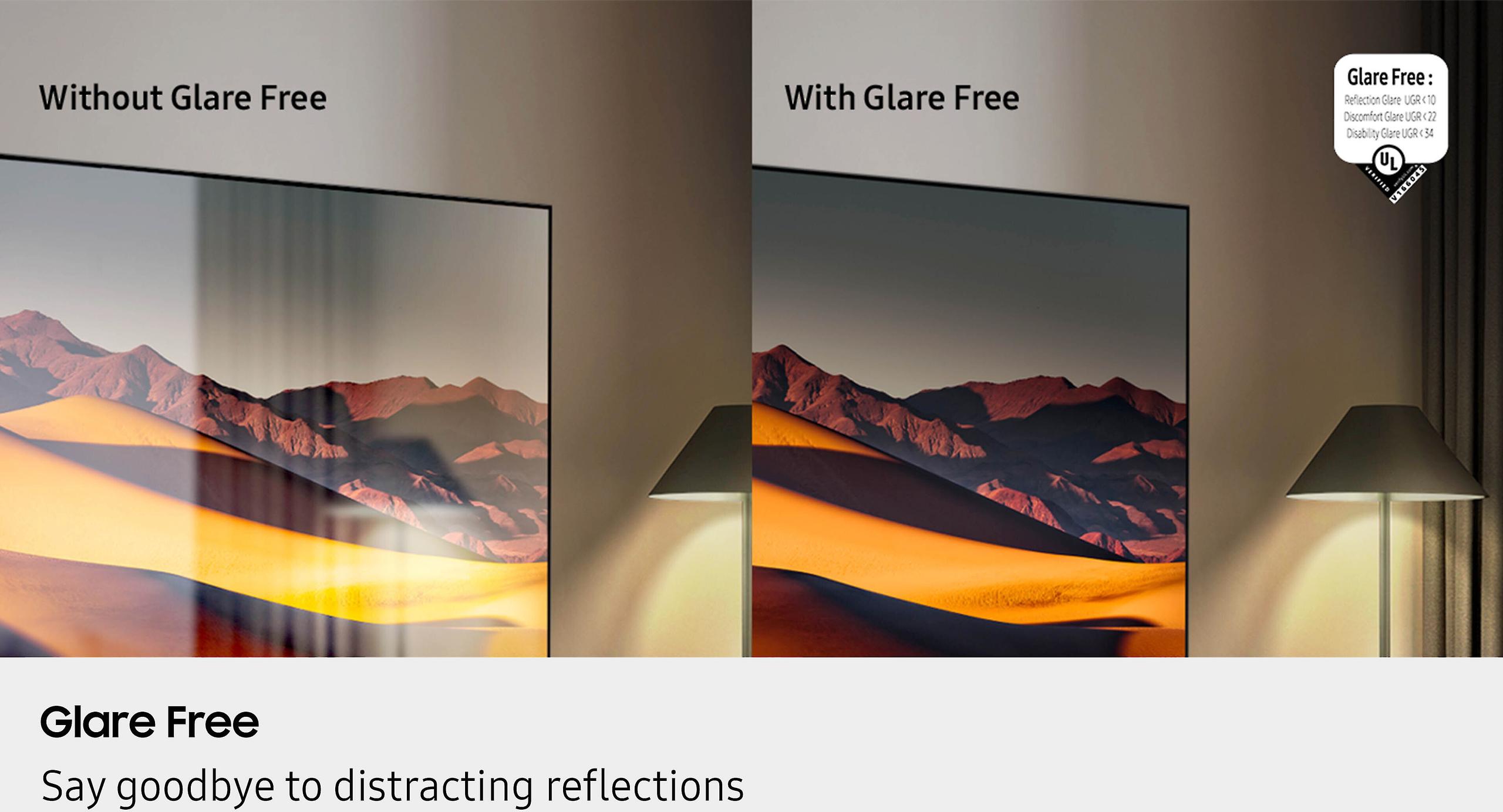
One of the QN90F's standout features is its Glare Free technology—a matte anti-glare coating that virtually eliminates reflections. This is game-changing for bright living rooms, sunrooms, or any space with windows that create glare on traditional glossy TV screens. You can watch the QN90F comfortably even with bright lights or sunlight hitting the screen directly.
The QN8F uses a traditional glossy screen coating, which can be problematic in bright environments. If your TV will be in a room with significant ambient light, this difference alone might justify the QN90F's higher price.
However, there's a trade-off: the matte coating on the QN90F can make colors appear slightly less vibrant when viewed from extreme angles compared to glossy displays. For most viewing situations, this isn't noticeable, but it's worth considering if you have a very wide seating arrangement.
At the time of writing, the price difference between these models is substantial—the QN90F costs nearly double the QN8F. This pricing reflects their positioning in Samsung's lineup: the QN8F as the premium value option and the QN90F as the flagship LED experience.
The QN8F represents what many reviewers call "most of the flagship experience without the flagship price." It delivers excellent picture quality, comprehensive smart features, and solid gaming performance at a more accessible price point. For many viewers, especially those upgrading from older or budget TVs, the QN8F will exceed expectations and provide years of satisfying performance.
The QN90F justifies its premium through measurably superior performance in key areas: dramatically better contrast and black levels, exceptional bright room performance, more powerful processing for better upscaling, and premium audio. Whether these improvements are worth nearly doubling your investment depends largely on your specific needs and viewing environment.
The Samsung QN8F is the smarter choice for most buyers. It's ideal if you want premium QLED performance at a reasonable price, your viewing room has moderate lighting conditions, you're upgrading from an older TV and want a significant quality improvement, or you prioritize value and don't need absolutely cutting-edge features. It's also better for gamers who want consistent performance without the compromises that come with the QN90F's Game Mode limitations.
The Samsung QN90F makes sense for specific scenarios: if you have a bright room with significant glare issues where the Glare Free technology provides genuine benefit, you demand the absolute best LED TV picture quality and have the budget to support it, you primarily watch movies and prioritize contrast and black levels for a cinematic experience, or you're building a high-end home theater and want every possible advantage in picture quality.
There's also a consideration about future-proofing. The QN90F's more advanced processor and display technology will likely age better over the next five to seven years, potentially making it a better long-term investment despite the higher upfront cost.
Both TVs represent excellent choices within their respective market segments. The QN8F proves that you don't need to spend flagship money to get flagship-quality experiences in most scenarios. The QN90F demonstrates what's possible when cost is less of a constraint than performance. Your choice ultimately depends on which set of trade-offs best matches your priorities, viewing environment, and budget comfort level.
In my experience, most buyers will be thoroughly satisfied with the QN8F and appreciate the value it delivers. The QN90F is for enthusiasts who know they want the best possible performance and are willing to pay for measurable improvements in specific scenarios. Both will provide years of excellent viewing experiences—just at different price points and performance levels.
| Samsung 65" QN8F Series QLED 4K Vision AI Smart TV 2025 | Samsung 65" QN90F Neo QLED 4K Vision AI Smart TV 2025 |
|---|---|
| Display Technology - Fundamentally different approaches to backlighting and contrast | |
| Traditional QLED with Dual LED backlighting | Neo QLED with Mini LED and thousands of dimming zones |
| Processor - Impacts upscaling quality and smart features responsiveness | |
| Q4 AI Processor with 4K AI Upscaling | NQ4 AI Gen3 with 128 neural networks and 4K AI Upscaling Pro |
| Peak Brightness - Critical for HDR impact and bright room viewing | |
| Strong brightness with Quantum HDR+ | Up to 1900 nits peak, 600 nits sustained (exceptional HDR performance) |
| Black Levels and Contrast - Most noticeable difference in dark scenes | |
| Good contrast with some blooming around bright objects | Black levels that "rival OLED" with minimal blooming |
| Screen Coating - Major factor for bright room performance | |
| Traditional glossy coating (susceptible to glare) | Glare Free matte coating (virtually eliminates reflections) |
| Gaming Performance - Refresh rates and consistency across modes | |
| 120Hz (up to 144Hz), consistent performance in Game Mode | Up to 165Hz, but black levels degrade significantly in Game Mode |
| Audio System - Built-in sound quality and surround capabilities | |
| 20W 2CH with OTS Lite (adequate for casual viewing) | 60W 4.2.2CH with Dolby Atmos and Object Tracking Sound+ |
| HDMI 2.1 Ports - Important for next-gen gaming consoles | |
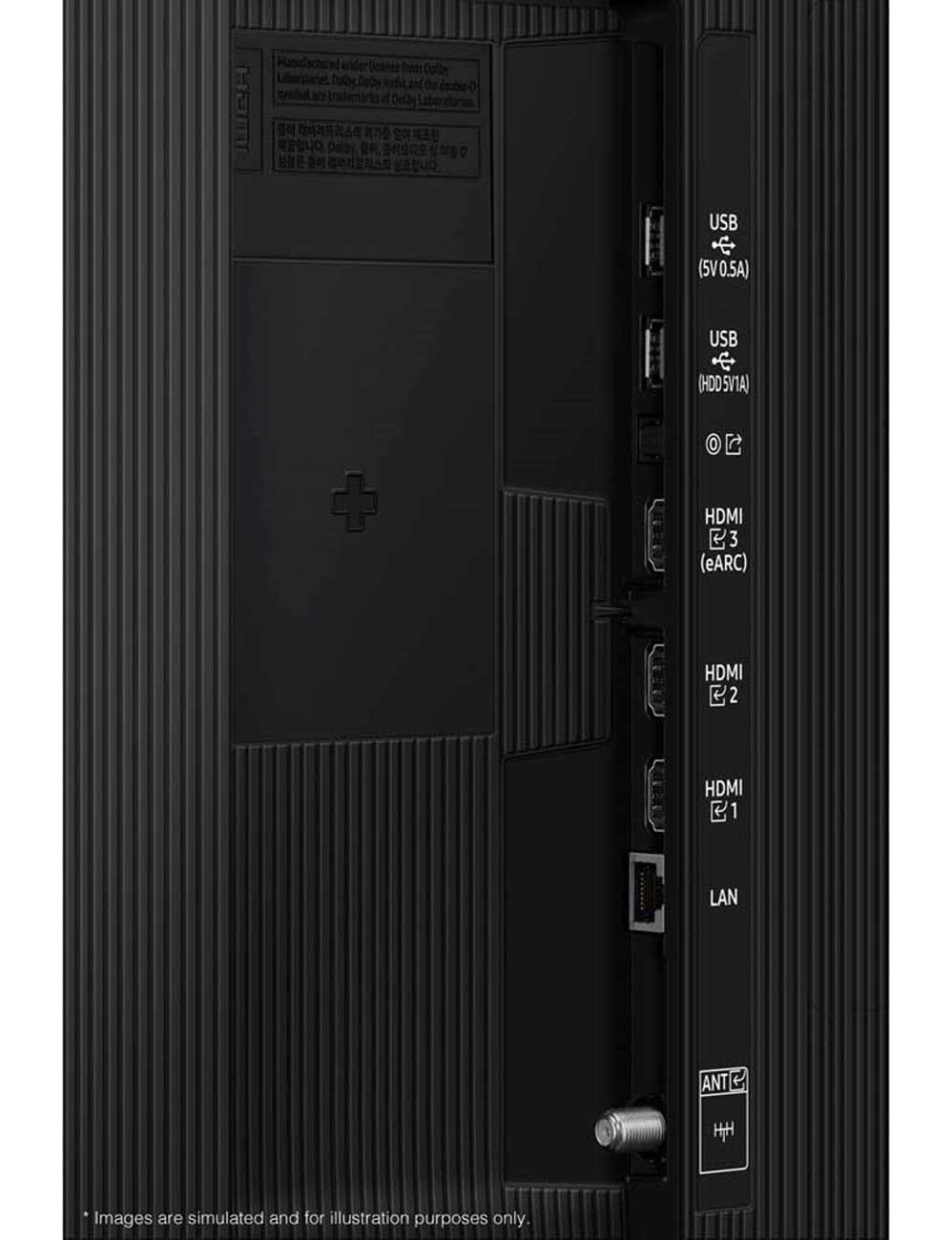
| Multiple HDMI 2.1 ports with VRR support | Four full-bandwidth HDMI 2.1 ports with AMD FreeSync Premium Pro |
| Local Dimming Zones - Controls contrast precision | |
| Supreme UHD Dimming with fewer zones | Quantum Matrix Technology Pro with thousands of zones |
| Value Proposition - Performance per dollar consideration | |
| Excellent premium performance at accessible pricing | Flagship LED performance at nearly double the cost |
| Best For - Target buyer and use cases | |
| Value-conscious buyers wanting premium QLED, moderate lighting rooms | Bright room viewing, contrast enthusiasts, flagship experience seekers |
The primary difference is display technology. The Samsung QN8F uses traditional QLED with Dual LED backlighting, while the Samsung QN90F features Neo QLED with Mini LED technology and thousands of dimming zones. This gives the QN90F significantly better contrast and black levels, making it perform more like an OLED TV in dark scenes.
The Samsung QN90F is substantially better for bright rooms thanks to its Glare Free matte coating that virtually eliminates reflections, even in direct sunlight. The Samsung QN8F uses a glossy screen that can be problematic with glare and reflections in bright environments.
The Samsung QN90F offers measurably superior picture quality with better contrast, higher peak brightness, and more precise local dimming. However, the QN8F delivers excellent performance for most viewers at nearly half the cost. The upgrade is most worthwhile if you have a bright viewing room or prioritize the absolute best contrast performance.
For consistent gaming performance, the Samsung QN8F is actually better. While the Samsung QN90F supports higher refresh rates up to 165Hz, its picture quality degrades significantly in Game Mode with slower local dimming and more motion blur. The QN8F maintains steady performance across all modes.
Yes, both the Samsung QN8F and Samsung QN90F run the same 2025 Tizen operating system with Vision AI features, including generative wallpapers, voice control, and access to all major streaming services. The QN90F has a more powerful processor that makes navigation slightly faster.
The Samsung QN90F has significantly better built-in audio with a 60W 4.2.2 channel system supporting Dolby Atmos, compared to the QN8F's 20W 2-channel system. However, for serious home theater setups, both TVs benefit from adding a dedicated soundbar or speaker system.
The Samsung QN90F excels in dark room movie watching with black levels that rival OLED TVs and minimal blooming around bright objects. The Samsung QN8F provides good dark room performance but with more noticeable blooming and less precise contrast control.
The Samsung QN90F has superior upscaling capabilities thanks to its NQ4 AI Gen3 processor with 128 neural networks, offering 4K AI Upscaling Pro that analyzes content type. The Samsung QN8F provides solid upscaling with its Q4 AI Processor, but the difference is noticeable with cable TV and streaming content.
No, the Samsung QN90F delivers substantially better HDR performance with peak brightness up to 1900 nits and better contrast control. The Samsung QN8F supports HDR formats but can't achieve the same peak brightness levels or highlight impact that make HDR content truly impressive.
The Samsung QN8F offers better value for most buyers, providing excellent premium QLED performance at a more accessible price point. The Samsung QN90F justifies its higher cost primarily for users with bright viewing rooms or those who demand absolute picture quality leadership.
Yes, the Samsung QN90F has some trade-offs including degraded gaming performance in Game Mode, slightly less vibrant colors at extreme viewing angles due to its matte coating, and nearly double the cost of the QN8F for improvements that may not be noticeable in all viewing scenarios.
For dedicated home theater use in a controlled lighting environment, the Samsung QN90F is the better choice due to its superior contrast, black levels, and HDR performance that enhance the cinematic experience. However, the Samsung QN8F still delivers excellent home theater performance at a significantly lower cost and may be sufficient for most setups.
We've done our best to create useful and informative comparisons to help you decide what product to buy. Our research uses advanced automated methods to create this comparison and perfection is not possible - please contact us for corrections or questions. These are the sites we've researched in the creation of this article: bestbuy.com - samsung.com - rtings.com - youtube.com - samsung.com - pcrichard.com - abt.com - images.samsung.com - cnet.com - news.samsung.com - samsung.com - bestbuy.com - rtings.com - images.samsung.com - youtube.com - listenup.com - youtube.com - cullenshomecenter.com - shopjetson.com - youtube.com - samsung.com - samsung.com - videoandaudiocenter.com - rtings.com - bestbuy.com - youtube.com - news.samsung.com - news.samsung.com - news.samsung.com - bestbuy.com - news.samsung.com - youtube.com - news.samsung.com - youtube.com - smarthomesounds.co.uk

Privacy Policy
Terms and Conditions - Affiliate Policy
Home Security
© Copyright 2008-2026.
11816 Inwood Rd #1211, Dallas, TX 75244