

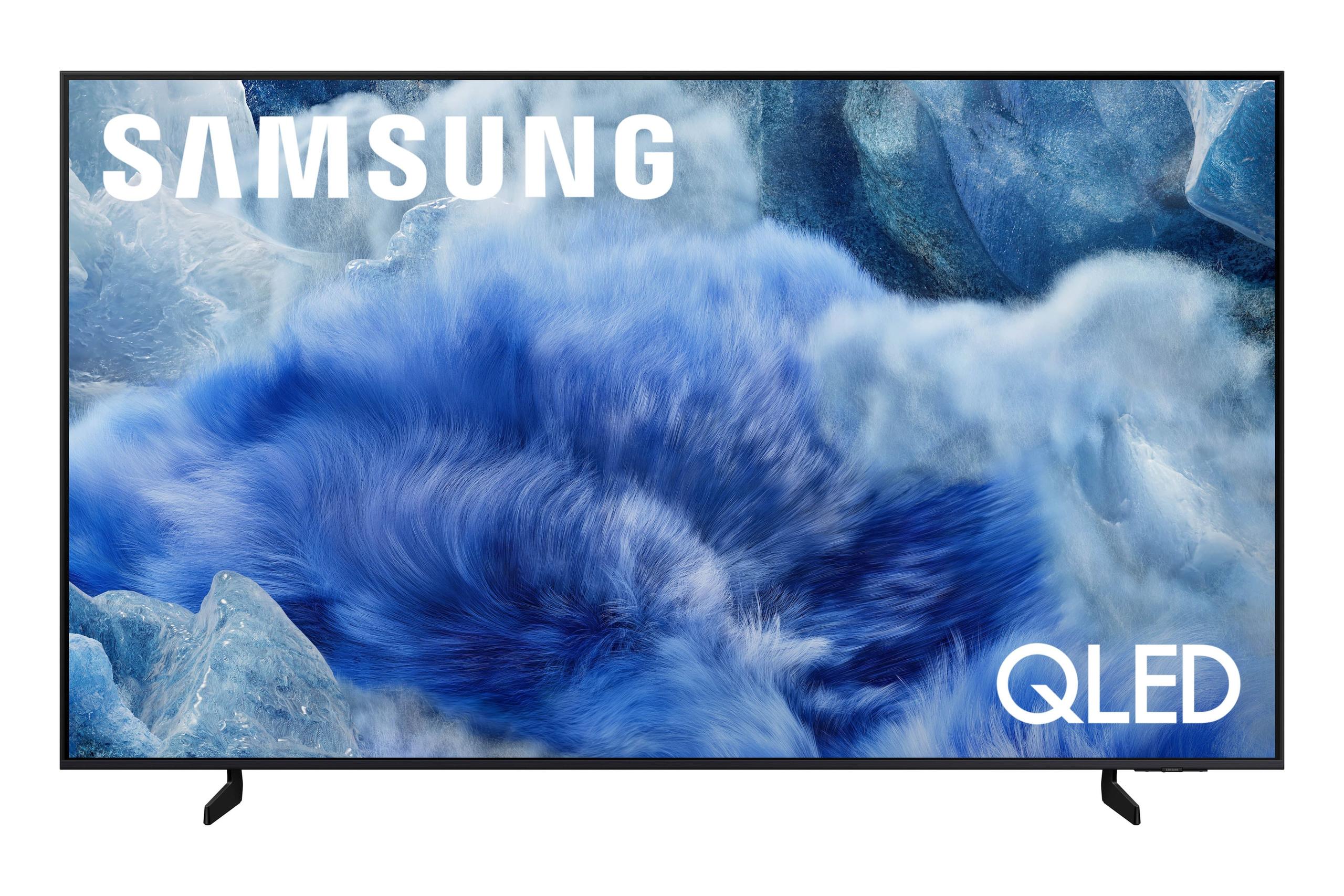
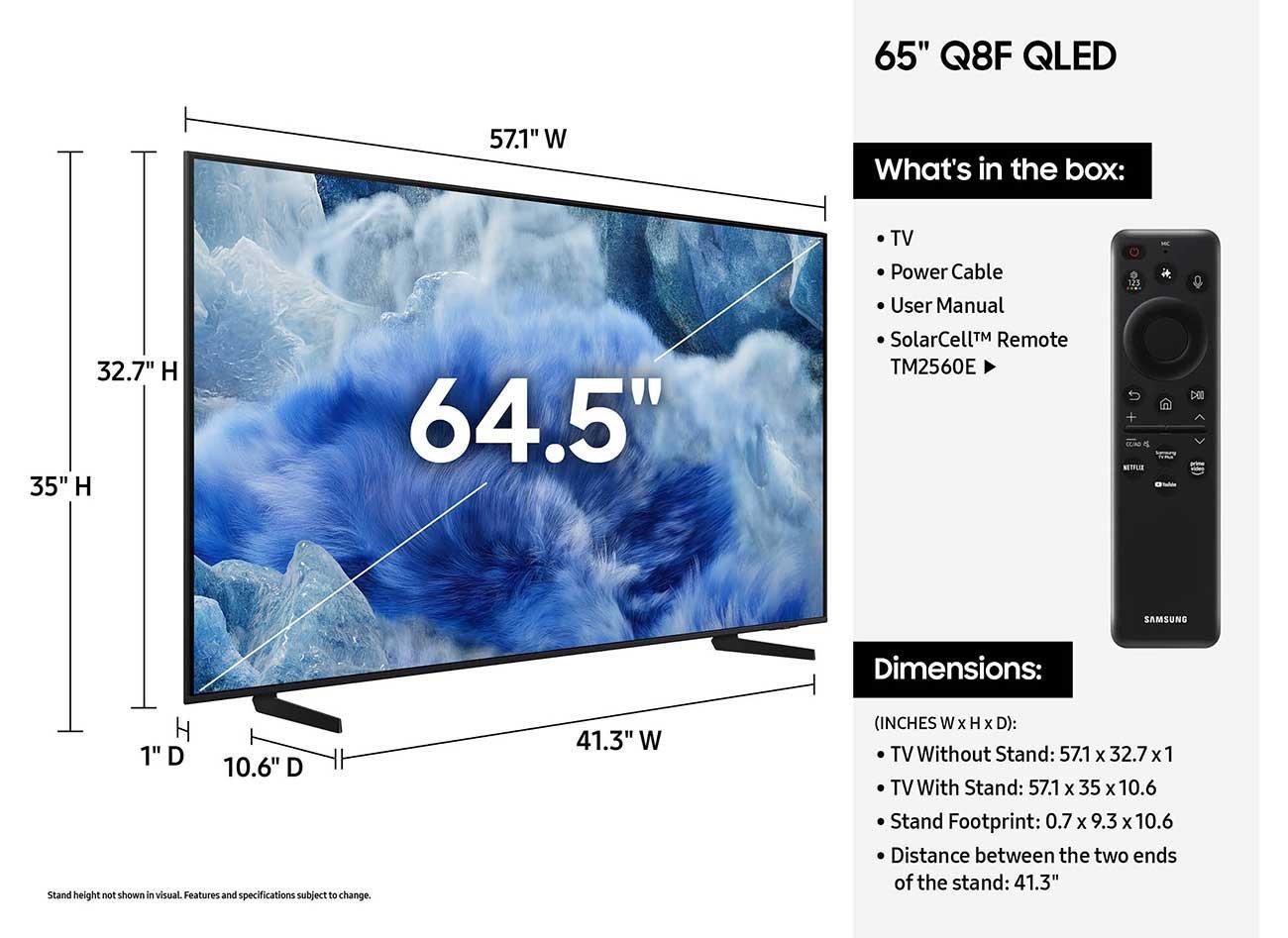
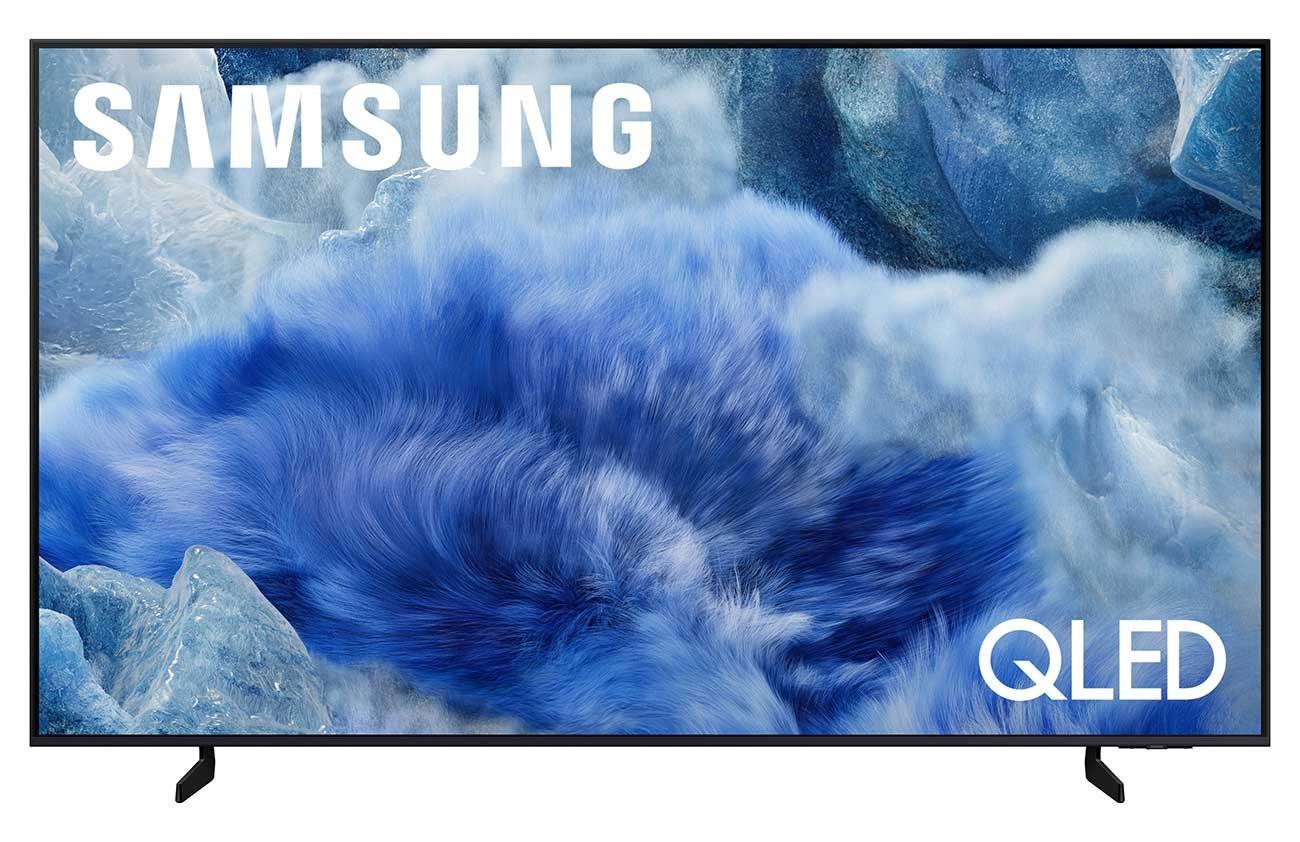
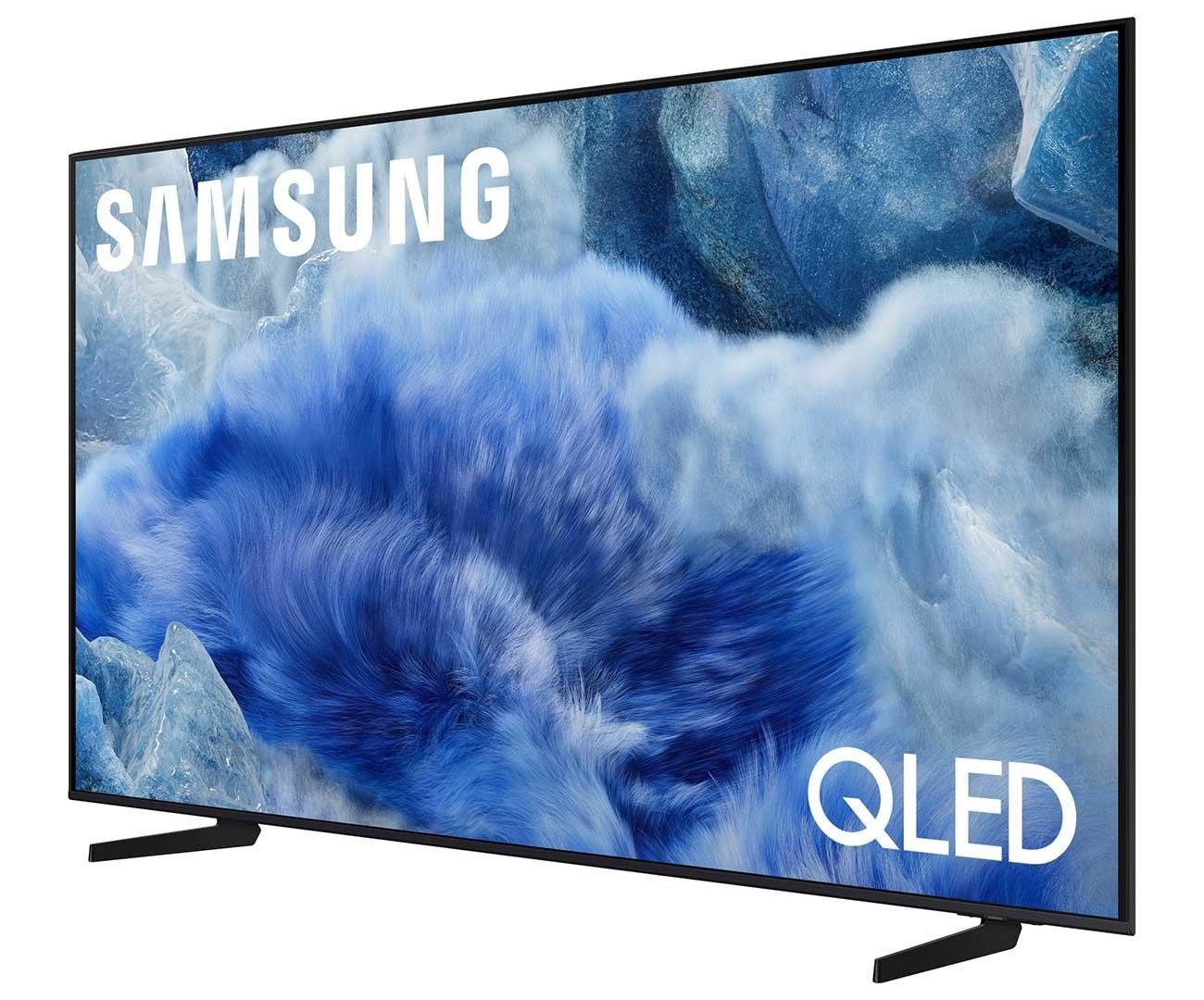
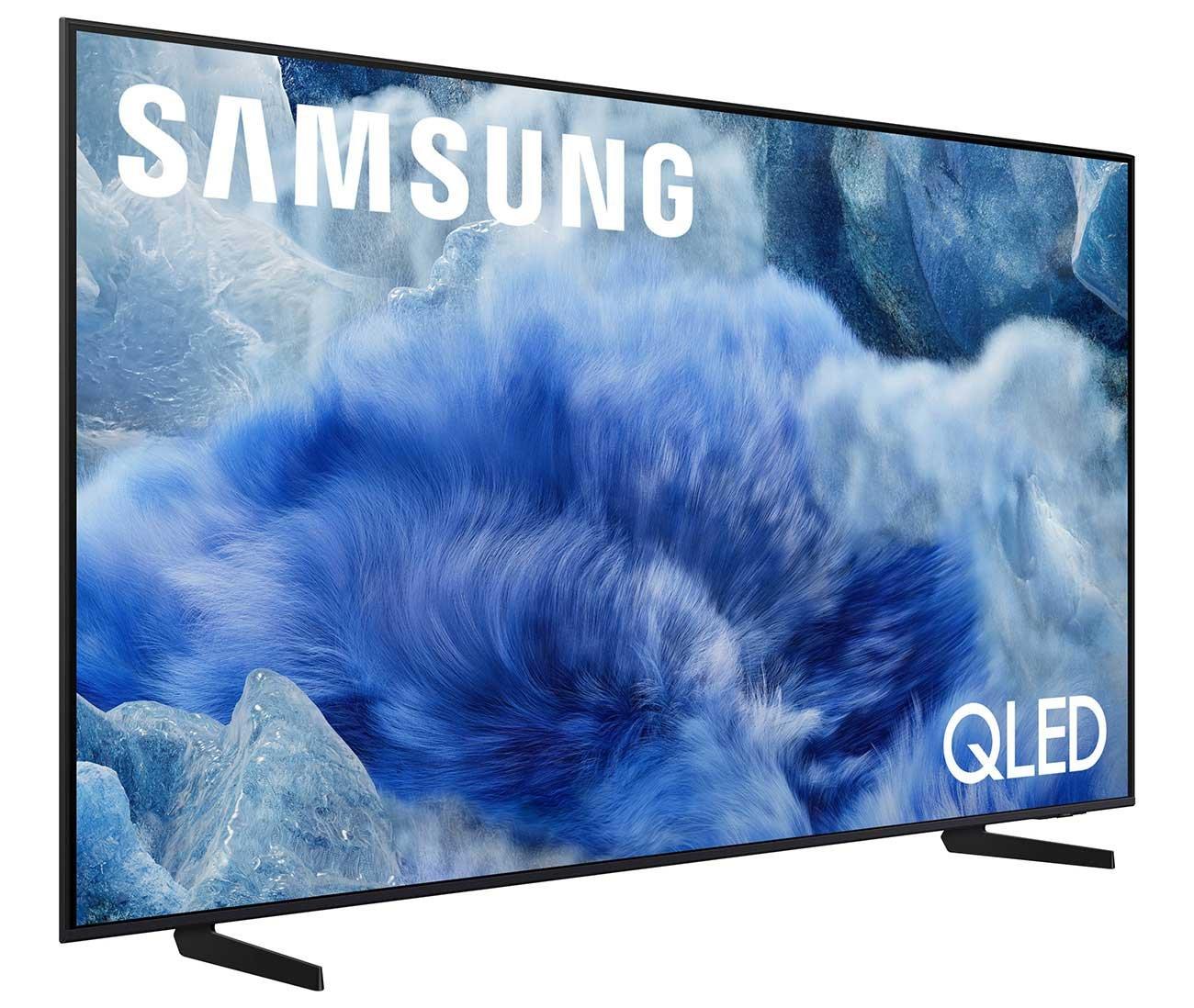
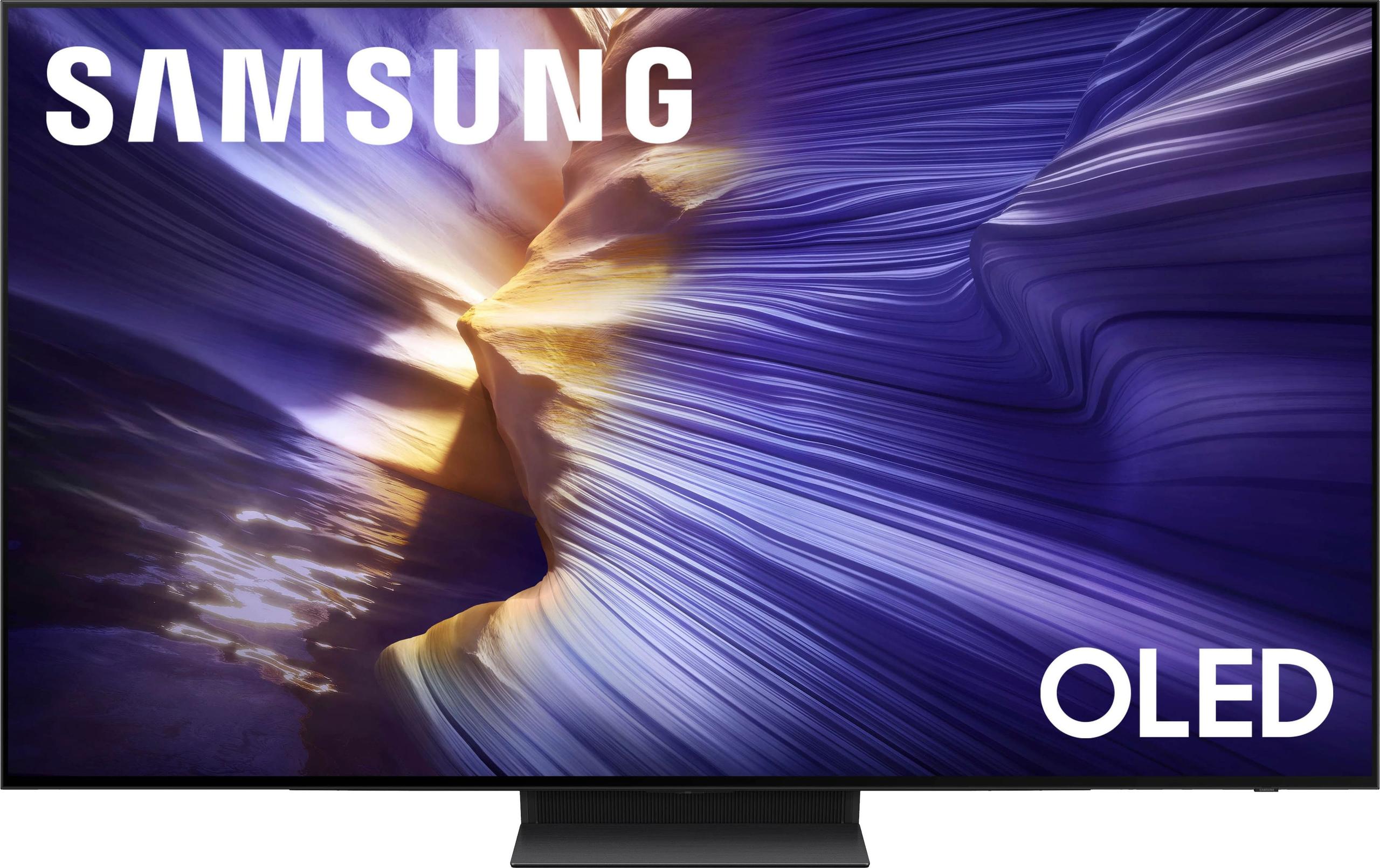
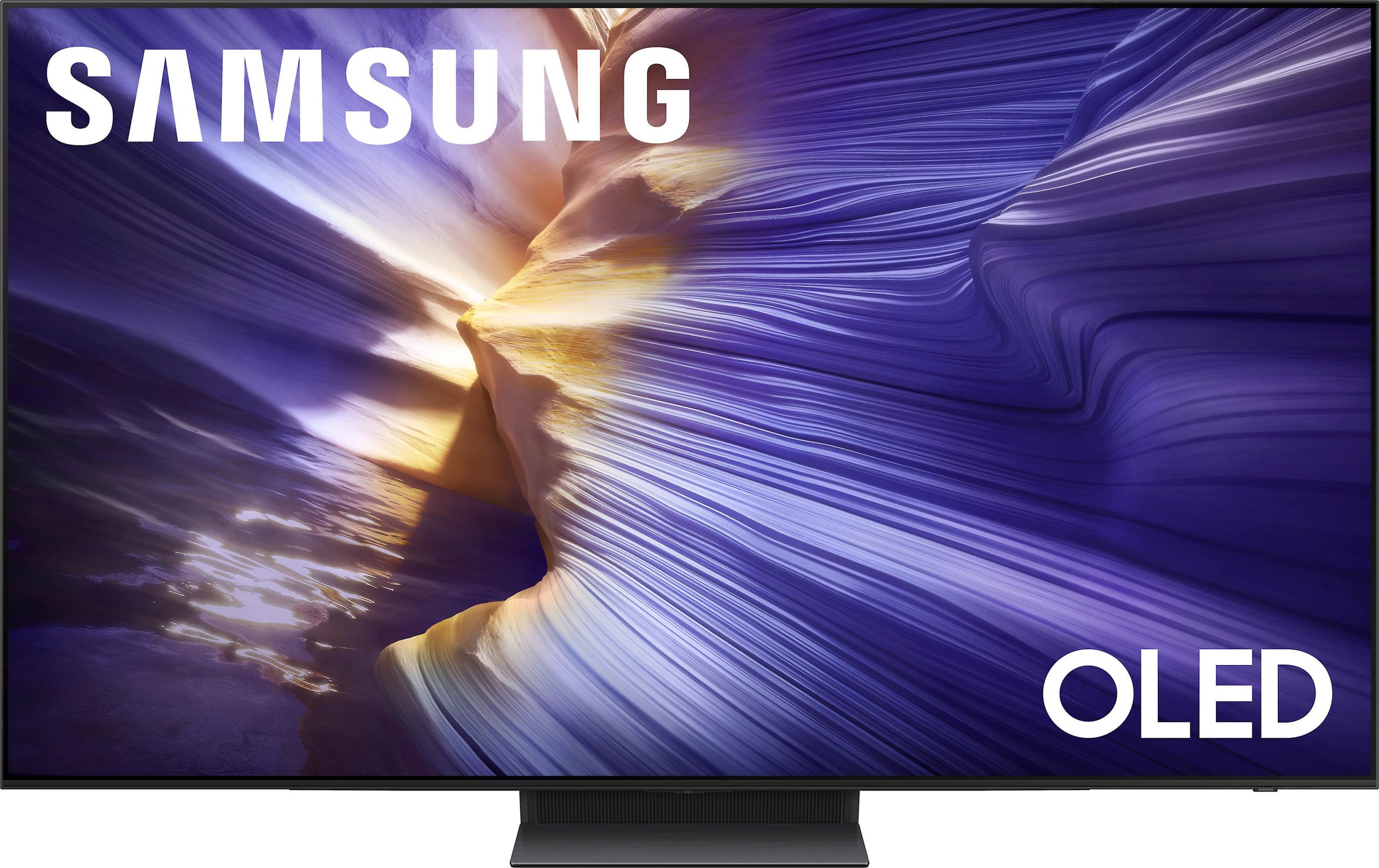
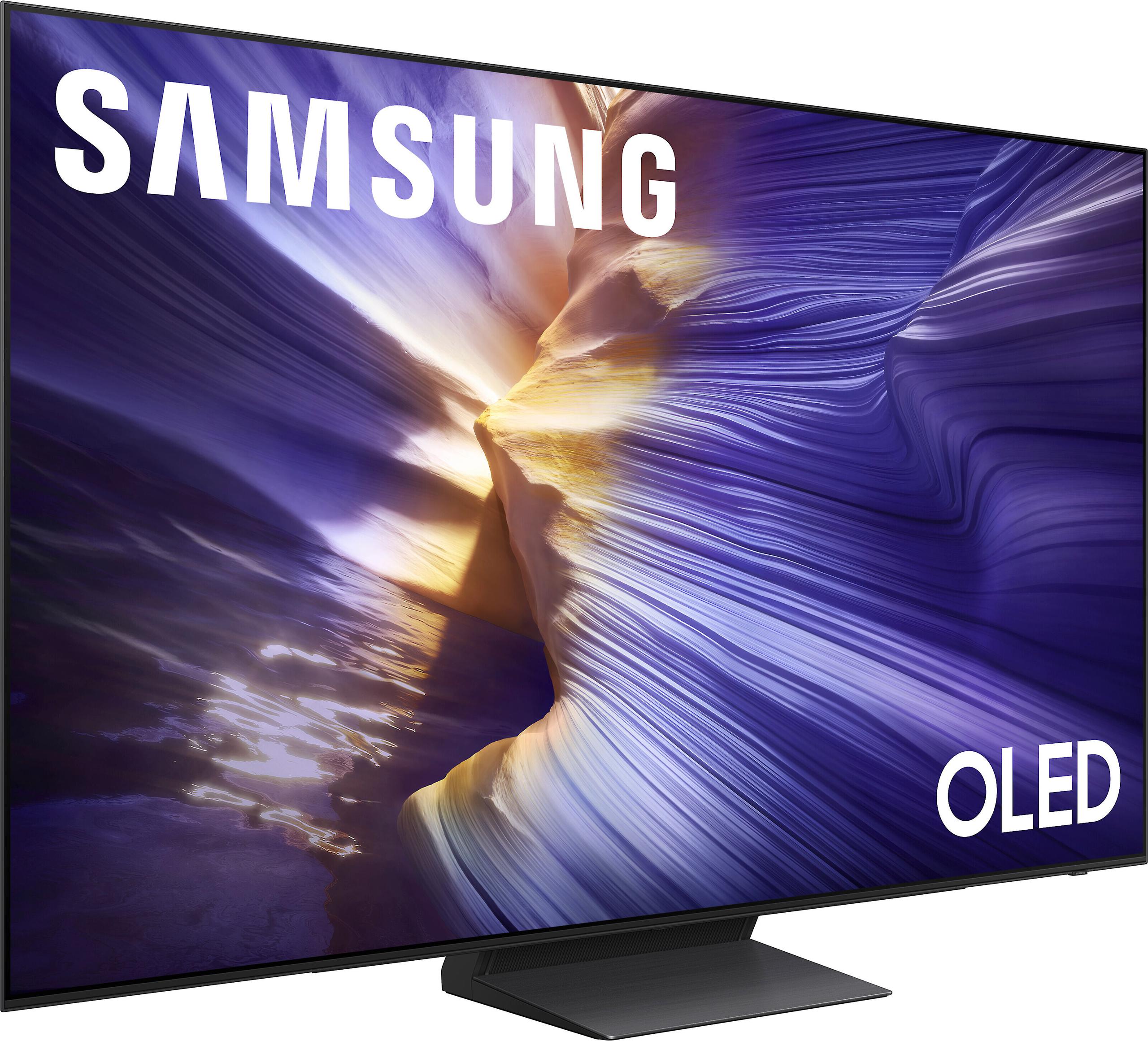
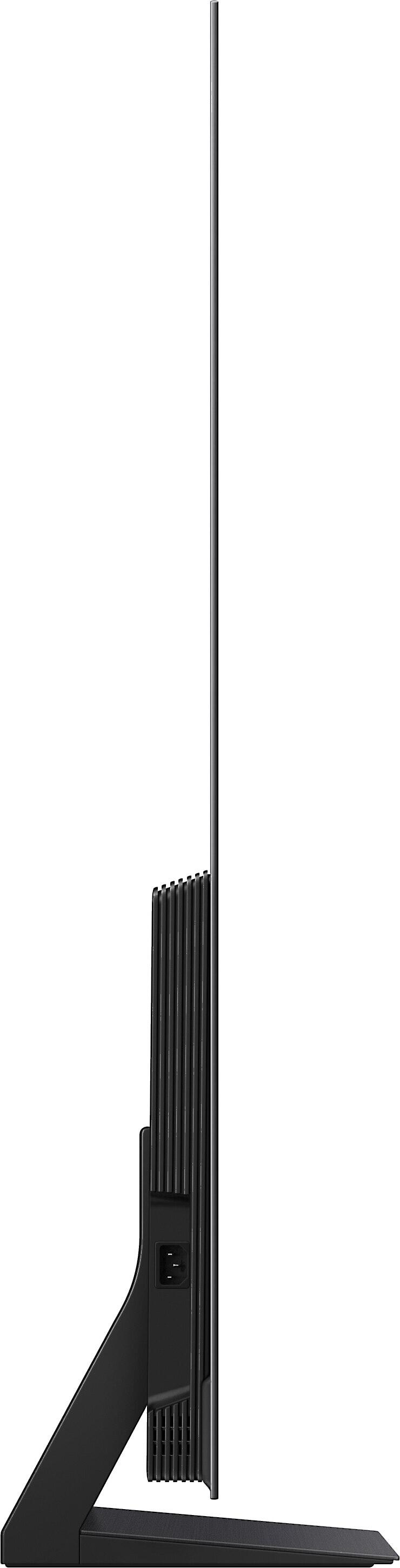
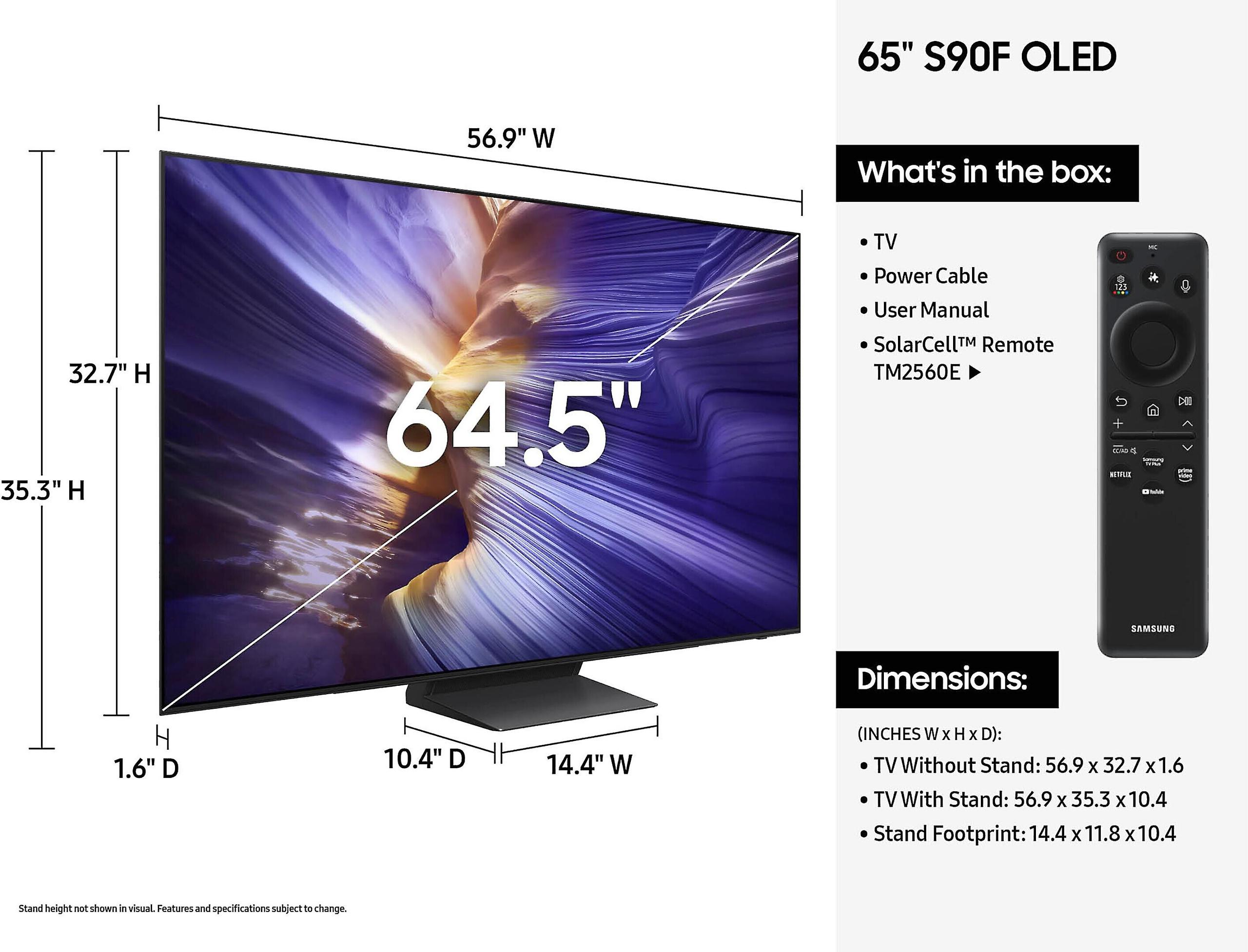
When Samsung released their 2025 TV lineup, they continued pushing the boundaries of what's possible in home entertainment. Two models that caught my attention are the Samsung 65" QN8F Series QLED and the Samsung 65" S90F OLED. Both represent significant steps forward from their 2024 predecessors, but they take completely different approaches to delivering premium picture quality.
Having spent considerable time with both display technologies, I can tell you that choosing between QLED and OLED isn't just about specs—it's about understanding how these fundamentally different technologies will perform in your specific home environment.
The core difference between these TVs lies in how they create light and color. The Samsung QN8F QLED uses a traditional LED backlight system enhanced with quantum dots—tiny nanocrystals that convert blue light into incredibly pure red and green light. This creates the vibrant colors you see on screen, but the backlight is always on behind the entire panel.
The Samsung S90F OLED, on the other hand, uses organic compounds that emit their own light when electricity is applied. Each pixel can turn completely on or off independently. This fundamental difference shapes everything about how these TVs perform.
What's particularly interesting about Samsung's 2025 OLED lineup is their use of QD-OLED technology in many configurations. This combines quantum dots with OLED pixels, giving you both the perfect blacks of OLED and the color accuracy of quantum dot technology. However, it's worth noting that not all sizes of the S90F use QD-OLED—some use traditional WOLED panels, which can affect performance.
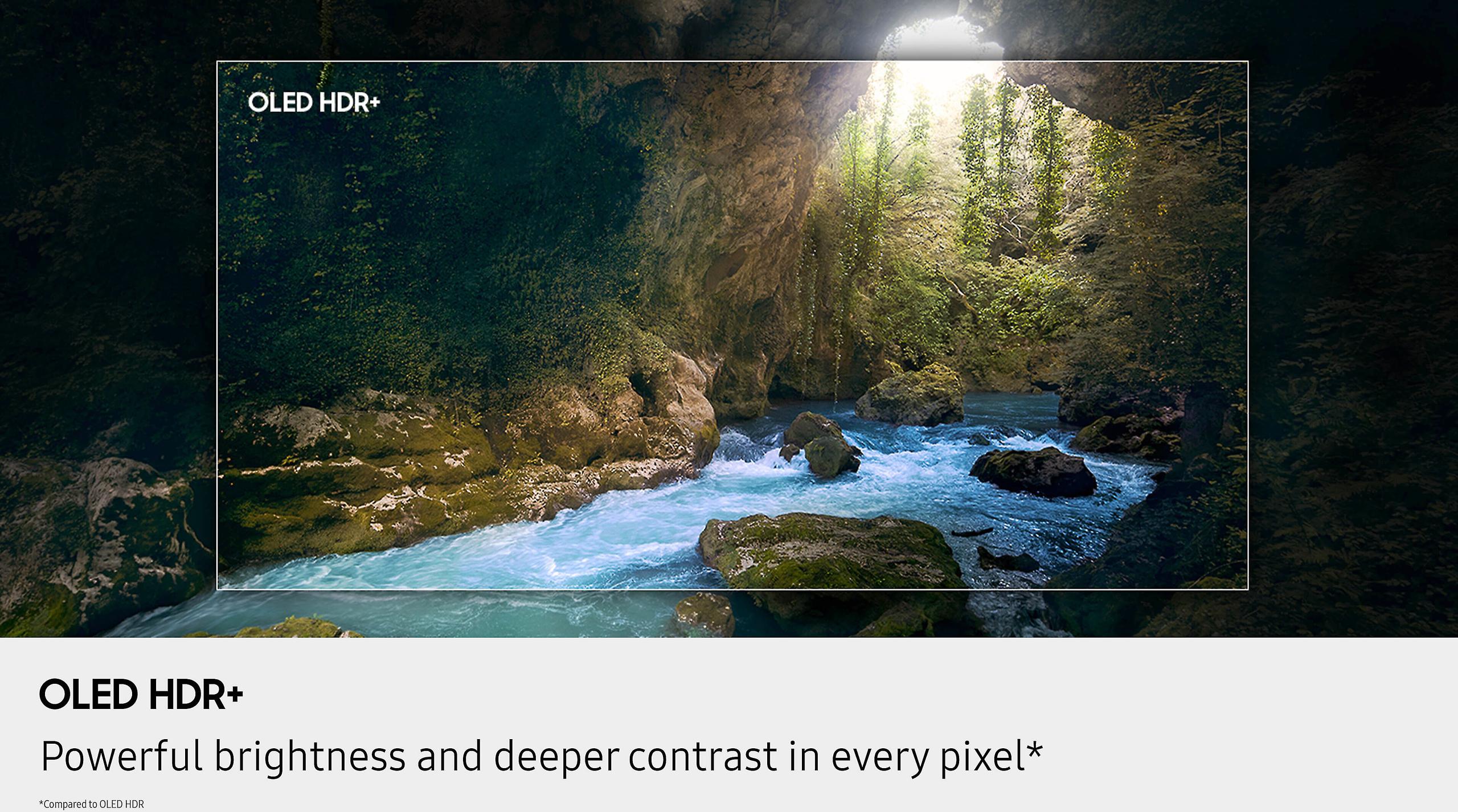
When it comes to contrast—the difference between the darkest darks and brightest brights—OLED technology simply can't be beat. The S90F OLED delivers what we call "infinite contrast" because its pixels can turn completely off to create true black. When you're watching a space scene or a dark thriller, those black areas of the screen are actually producing zero light, just like they would in a movie theater.
This creates an incredibly immersive viewing experience, especially in darker rooms. Details that would be lost in the gray haze of an LCD backlight become visible in OLED's perfect blacks. It's the difference between looking through a slightly fogged window and crystal-clear glass.
The QN8F QLED, being an LCD-based technology, can't achieve true blacks because its backlight is always on. However, Samsung's Dual LED backlighting system helps by using different LED types for different parts of the spectrum, improving contrast compared to standard LED TVs. While it can't match OLED's infinite contrast, it still delivers impressive dark scene performance that most viewers will find satisfying.
Here's where the QN8F QLED fights back. QLED technology can get significantly brighter than OLED, which makes a huge difference in bright room viewing. When sunlight is streaming through your windows or you have bright overhead lighting, the QLED's higher peak brightness helps it cut through ambient light more effectively.
For HDR (High Dynamic Range) content—which includes bright highlights like explosions, sunshine, or reflections—the QLED's brightness advantage becomes apparent. HDR content is mastered assuming your TV can hit specific brightness levels, and QLEDs typically get closer to these targets than OLEDs.
The S90F OLED has made significant strides in brightness compared to previous generations, but it still operates within the physical limitations of OLED technology. In a dark or moderately lit room, this isn't an issue. In fact, OLED's brightness feels more impactful because it's contrasted against those perfect blacks.
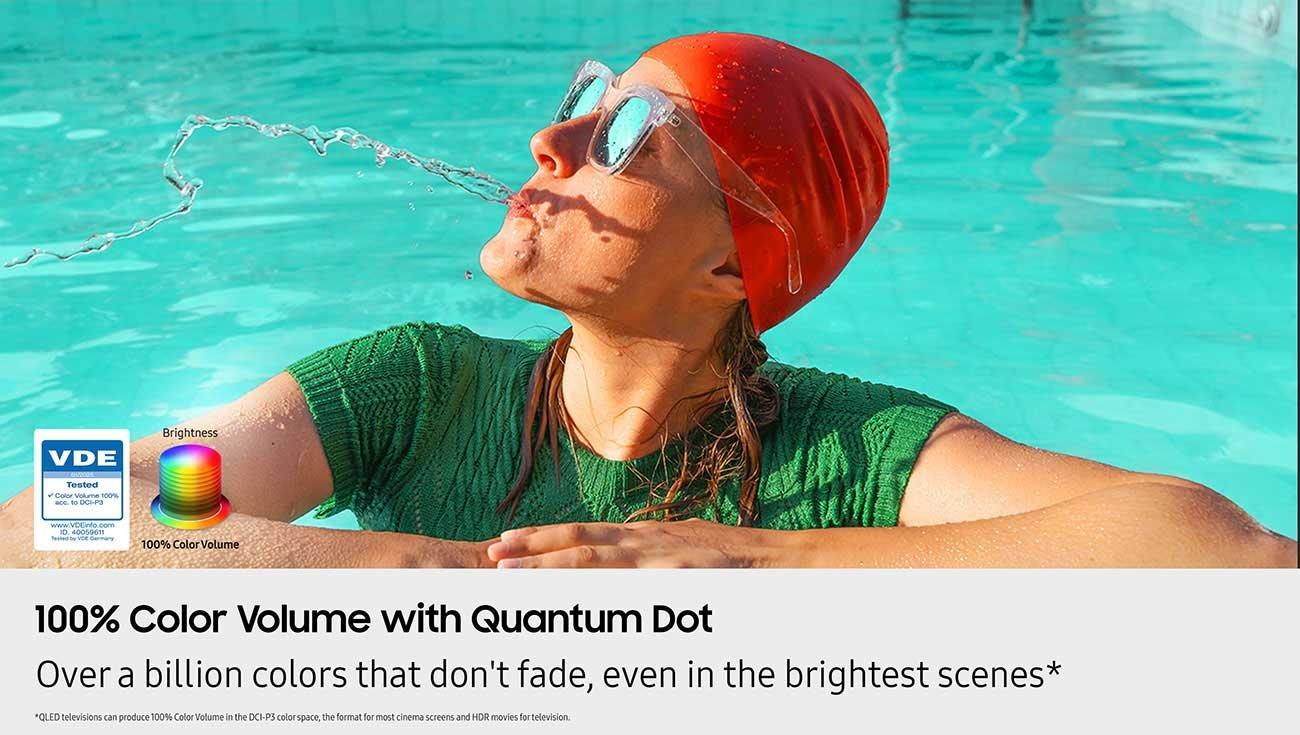
Both TVs boast "100% Color Volume," which means they can display a billion different color shades. The QN8F QLED uses quantum dot technology to achieve incredibly pure, saturated colors that pop off the screen. This is particularly noticeable with bright, vibrant content like animated movies or nature documentaries.
The S90F OLED takes a different approach. Where it uses QD-OLED panels, it combines quantum dot color purity with OLED's perfect blacks, creating colors that appear more natural and film-accurate. The Pantone Validated certification on the OLED means it meets professional color accuracy standards—important if you care about seeing colors as the content creators intended.
In practice, the QLED's colors might appear more "punchy" or exciting, while the OLED's colors tend to look more realistic and nuanced. Neither approach is wrong; it depends on your preferences and viewing habits.
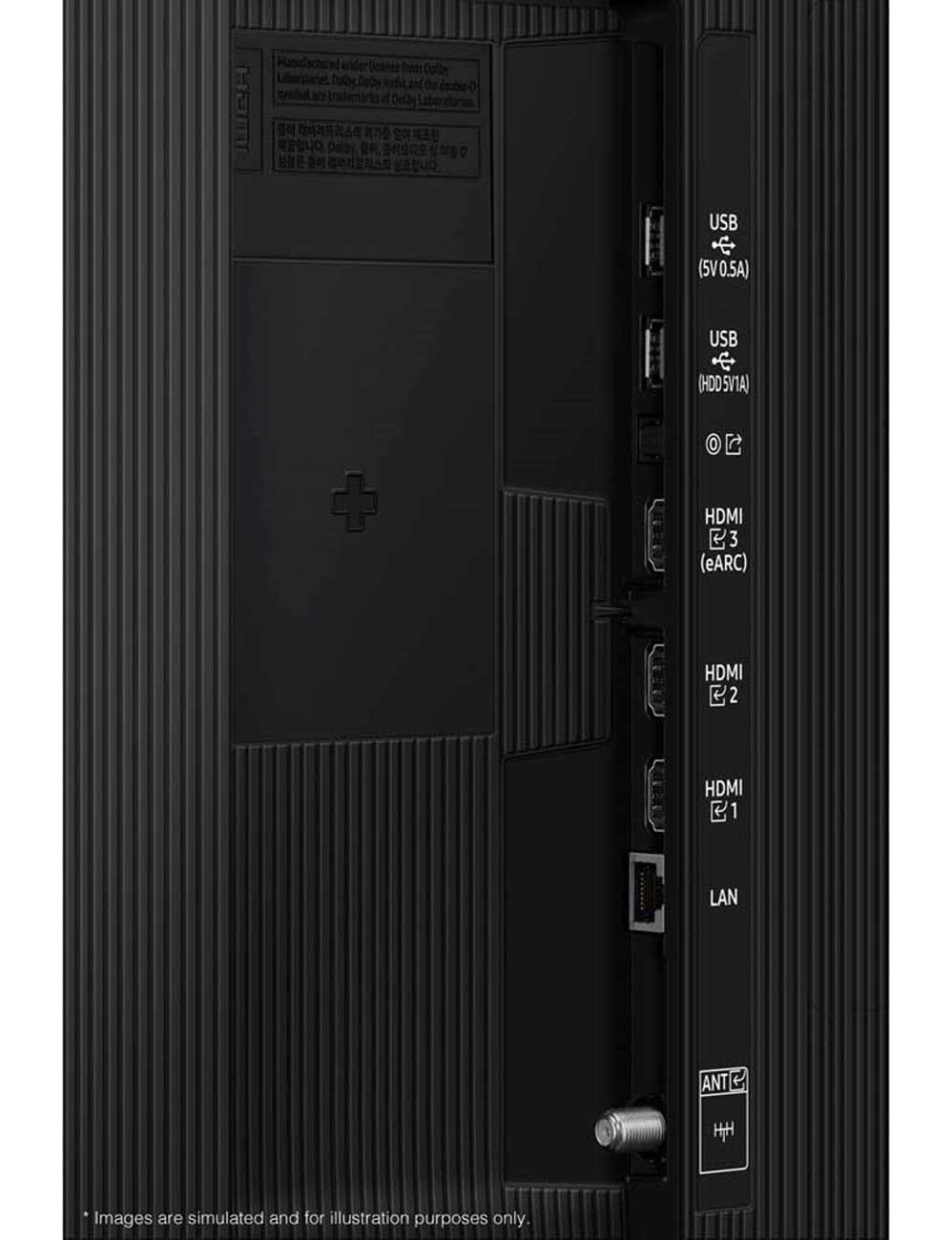
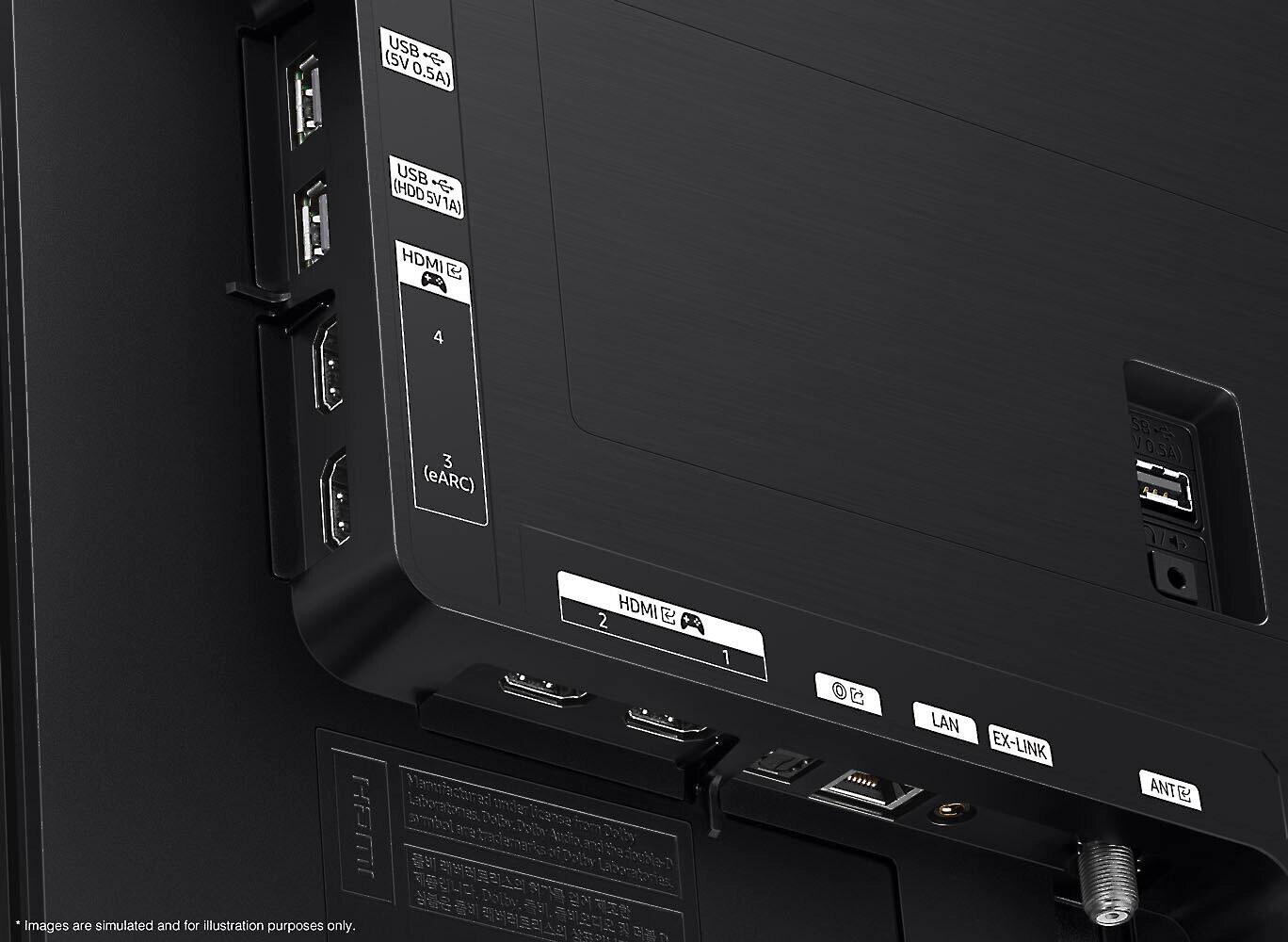
Gaming has become a major consideration for TV buyers, and both models support the latest gaming features. The S90F OLED takes a slight edge here with its support for 144Hz gaming across all four HDMI 2.1 ports. This means you can connect multiple gaming devices and get the full high-refresh-rate experience from each.
More importantly for gaming, OLED's near-instantaneous pixel response time eliminates motion blur and ghosting—common issues with LCD-based displays. When you're playing fast-paced games, this translates to sharper moving objects and more responsive gameplay.
The QN8F QLED supports up to 144Hz gaming as well, and Samsung's Motion Xcelerator technology helps reduce motion blur. While it can't match OLED's pixel response time, the difference is subtle enough that most gamers will be perfectly happy with its performance. The QLED also offers worry-free gaming—you can leave static game menus on screen for hours without concern about image retention.
Both TVs support Variable Refresh Rate (VRR), which synchronizes the TV's refresh rate with your gaming console's output, eliminating screen tearing. They also support Auto Low Latency Mode (ALLM), which automatically switches to game mode when it detects gaming content.
Both TVs run Samsung's Tizen operating system, which received significant updates for 2025. The interface is fast, intuitive, and includes access to all major streaming services. What sets these models apart is their AI processing power.
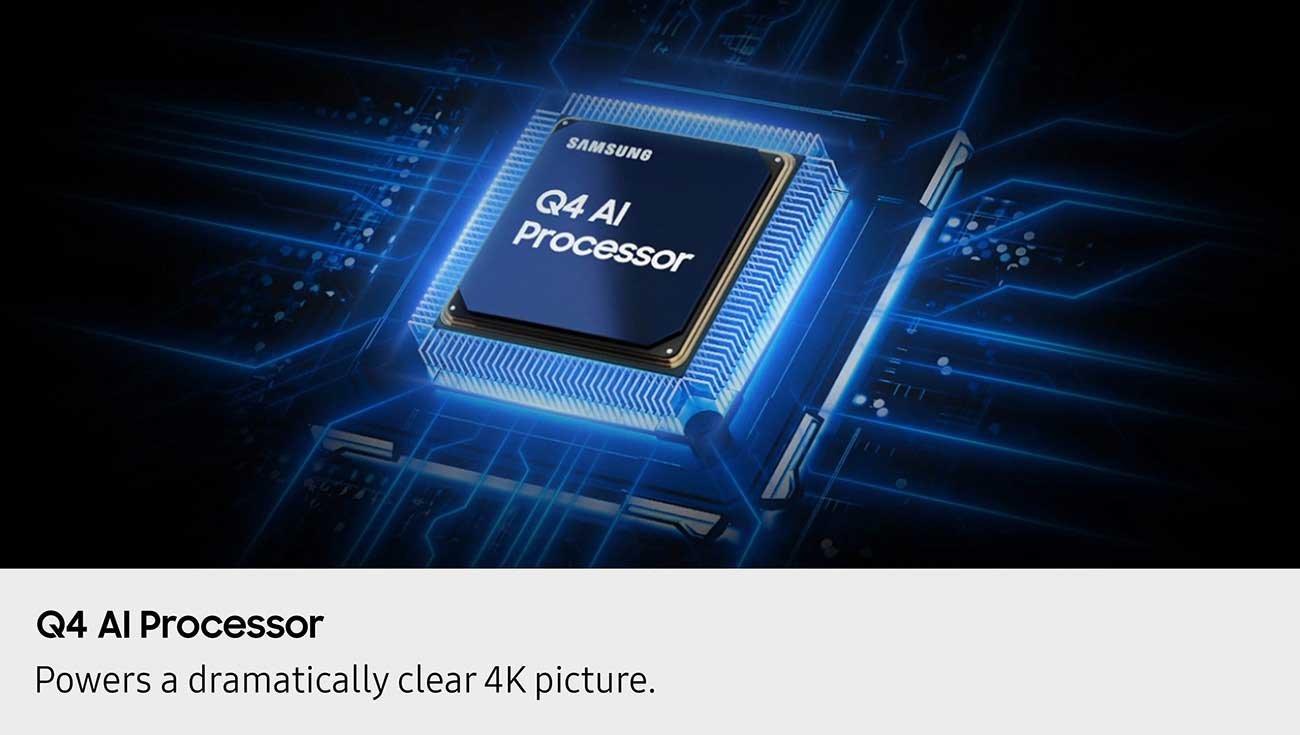
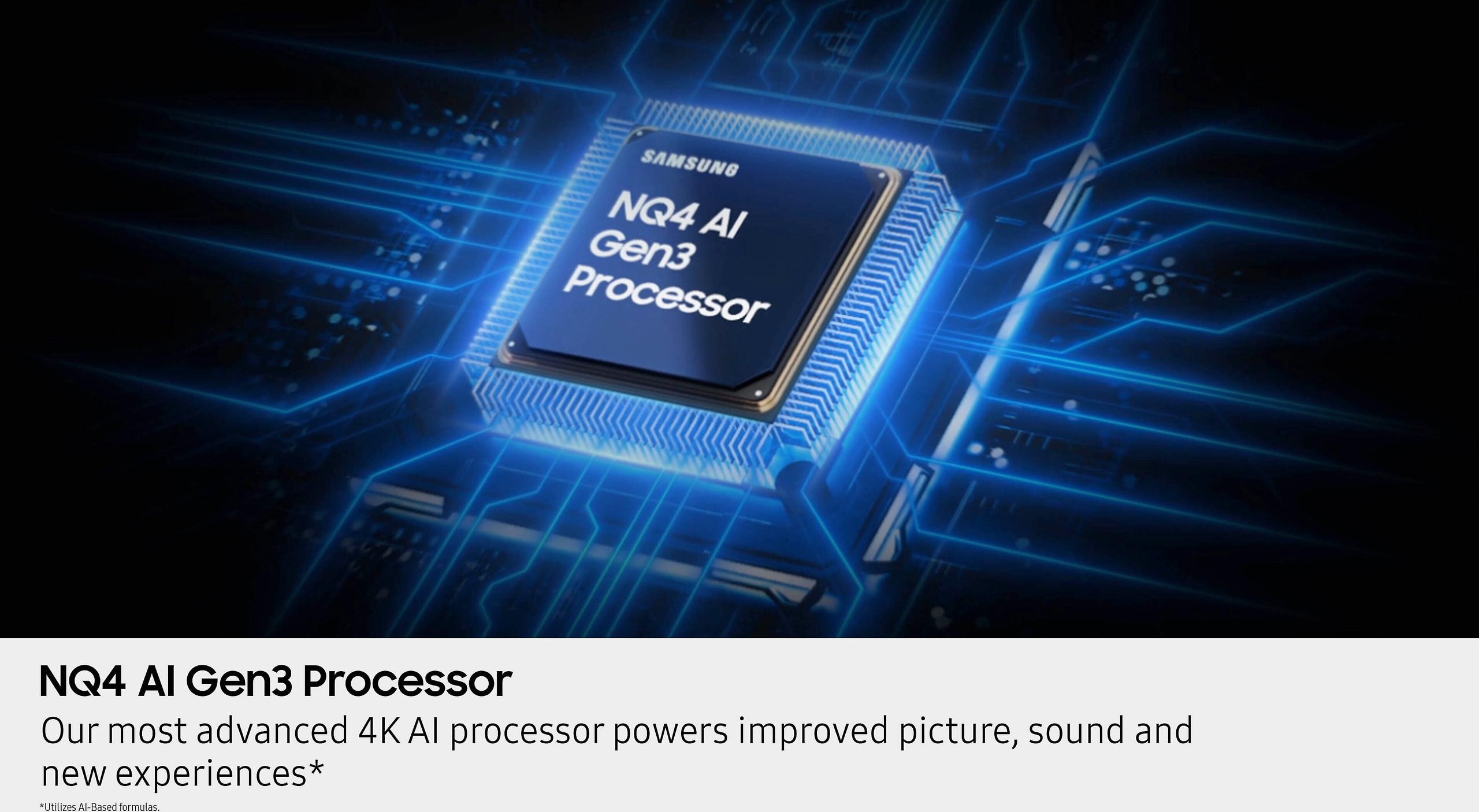
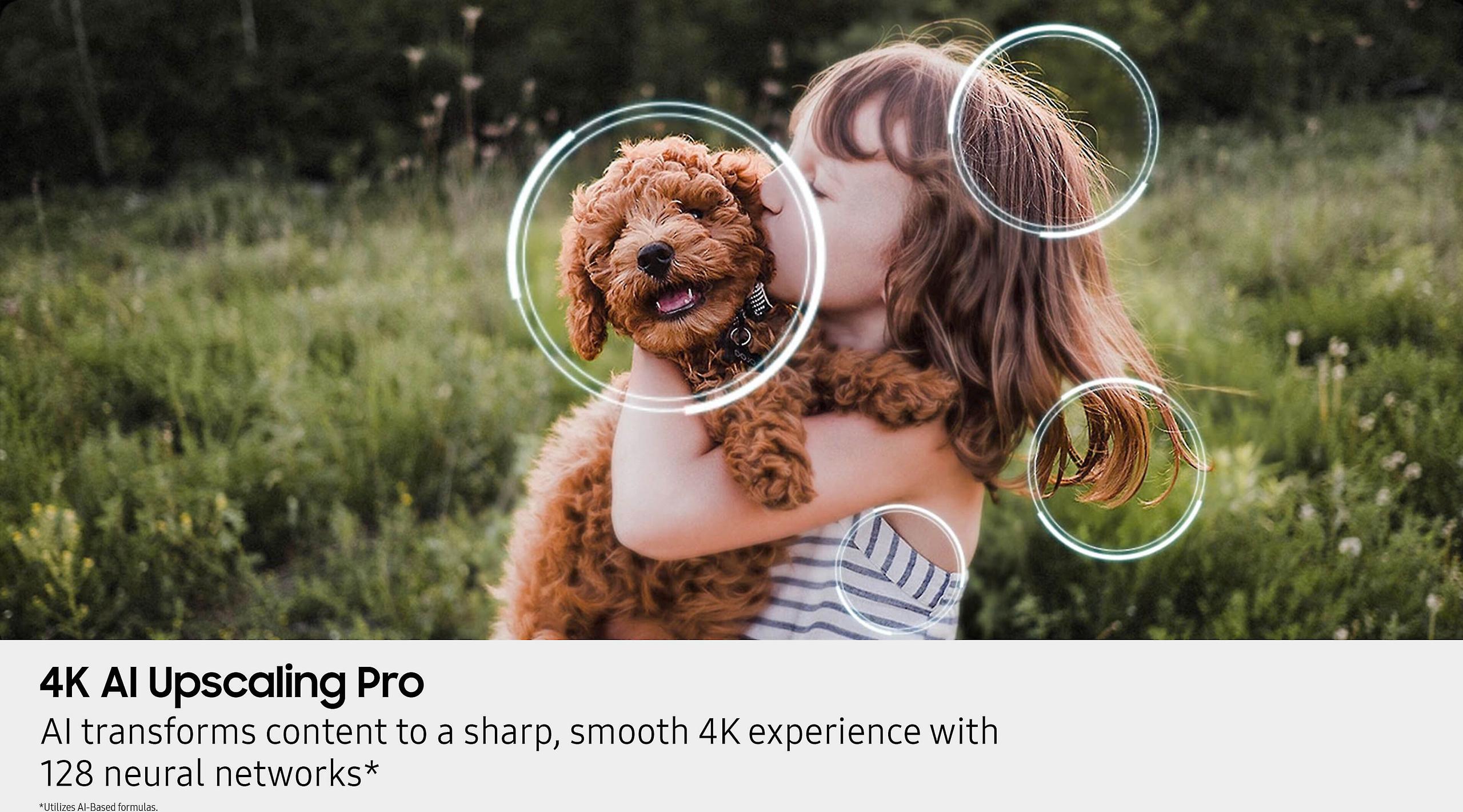
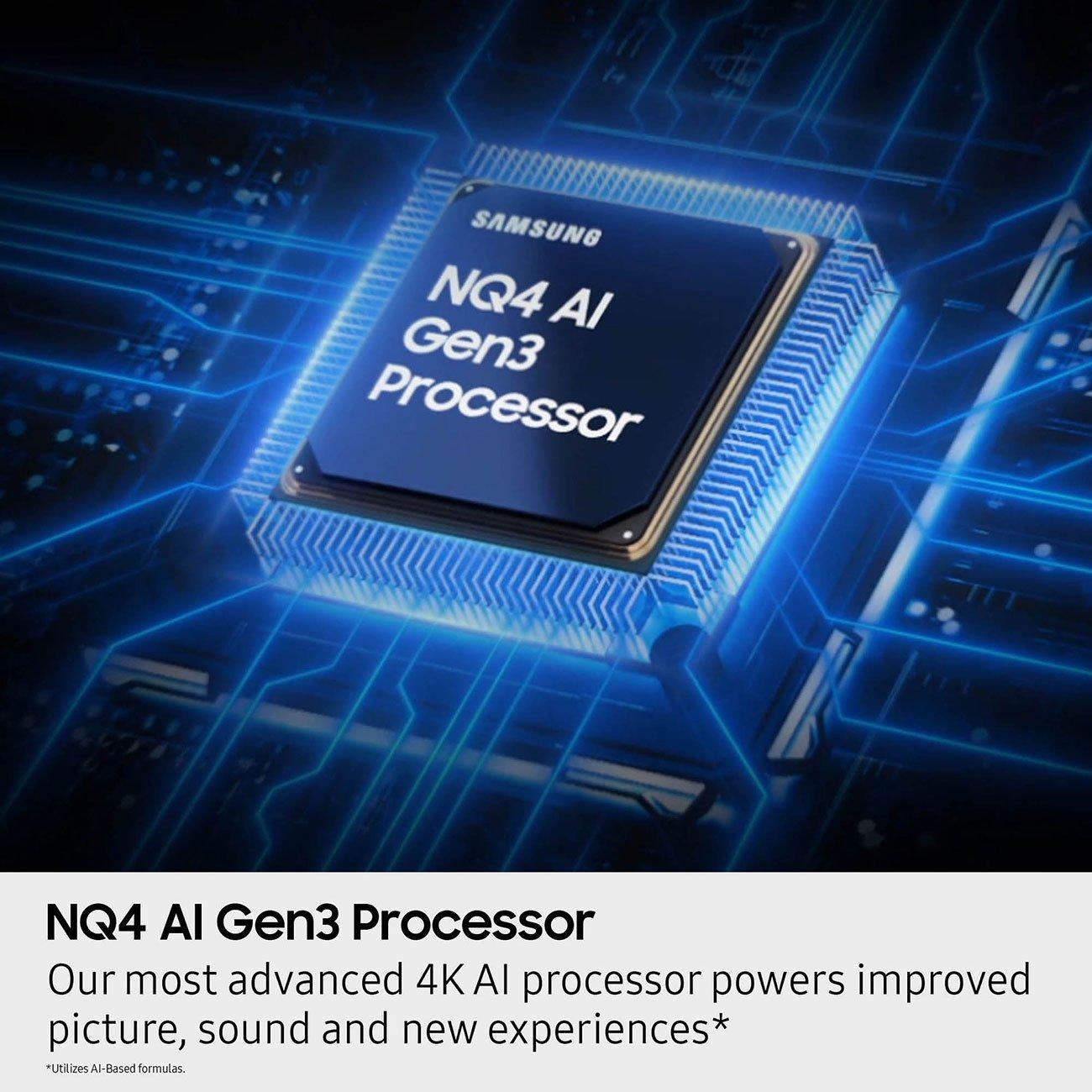
The S90F OLED features Samsung's more powerful NQ4 AI Gen3 processor, which enables more sophisticated content analysis and optimization. Its 4K AI Upscaling Pro technology is particularly impressive, taking lower-resolution content and intelligently filling in details to approach native 4K quality.
The QN8F QLED uses the Q4 AI processor, which is still capable but not quite as advanced. Both processors enable Samsung Vision AI, which analyzes what you're watching and optimizes picture and sound settings accordingly. It's like having a calibration expert constantly fine-tuning your TV.
One unique feature on the S90F is Pet Care—the TV can detect when your pets are making noise and automatically play calming content for them. It might sound gimmicky, but pet owners will appreciate this thoughtful touch.
While most serious viewers will add a soundbar or surround sound system, the built-in audio quality still matters. The S90F OLED includes a more powerful 40W 2.1 channel system compared to the QN8F's 20W 2CH setup.
More importantly, both TVs feature adaptive audio processing that analyzes content and room acoustics to optimize sound. The OLED's Adaptive Sound Pro is more sophisticated, but both systems do a good job of ensuring dialogue clarity and balanced audio across different content types.
This is where your specific viewing environment becomes crucial. The QN8F QLED excels in bright rooms. If your TV will be in a living room with large windows or bright lighting, the QLED's higher peak brightness and matte screen surface will provide better visibility and less glare.
The S90F OLED is more susceptible to reflections due to its glossy screen surface. In bright environments, reflections can be distracting and wash out the picture. However, in controlled lighting—think basement home theater or evening viewing with lamps—the OLED's picture quality advantages become immediately apparent.
For wide seating arrangements, both TVs perform well, but the S90F OLED maintains its color accuracy and contrast from wider viewing angles. LCD-based displays, including QLED, typically show some color shifting when viewed from the side.
At the time of writing, there's a significant price difference between these models, with the QN8F QLED positioned as the more affordable option. This price gap reflects the current cost premium of OLED technology, but it also represents different value propositions.
The QLED offers premium features and excellent performance at a more accessible price point. For many buyers, it delivers 90% of the premium TV experience at a much lower cost. It's also worry-free ownership—no concerns about burn-in or image retention from static content.
The S90F OLED commands a premium because it delivers the absolute best picture quality available in consumer TVs. If you're building a dedicated home theater or simply want the best possible viewing experience, the OLED justifies its higher cost through superior performance.
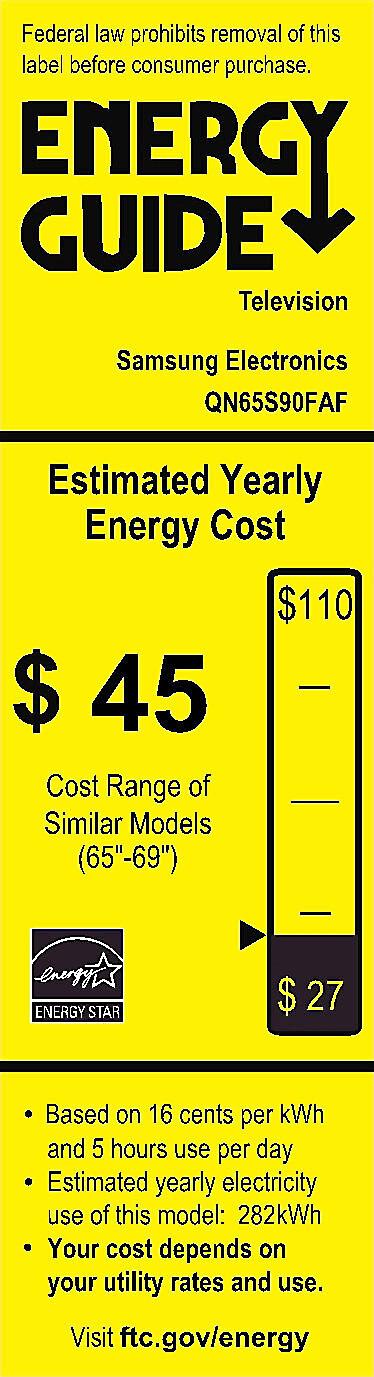
Consider the total cost of ownership too. OLED TVs typically consume less power than QLEDs, which can add up over years of use. However, OLED technology does have potential longevity concerns, though modern OLEDs are much more durable than earlier generations.
If you're setting up a dedicated home theater, the S90F OLED is the clear choice. Its perfect blacks and infinite contrast ratio create the cinematic experience that movie enthusiasts crave. In a darkened room, OLED's picture quality is simply breathtaking—it's like looking through a window rather than at a screen.
The color accuracy certification ensures that movies and shows appear as their creators intended. For film buffs who appreciate cinematography, this attention to color fidelity makes a noticeable difference.
However, if your "home theater" is actually a multipurpose family room that sees use during the day, the QN8F QLED might be more practical. Its brightness advantage means great picture quality regardless of ambient lighting conditions.
After extensive experience with both display technologies, here's my recommendation framework:
Choose the Samsung QN8F QLED if your priority is getting premium features at the best value. It's ideal for bright rooms, mixed-use spaces, and buyers who want flagship performance without the flagship price tag. It's also the safer choice if you're concerned about display longevity or plan to use static content frequently.
Choose the Samsung S90F OLED if picture quality is your primary concern and you have the budget for it. It's the right choice for dark room viewing, home theater setups, and viewers who prioritize cinematic accuracy. Serious gamers will also appreciate its superior motion handling and faster response times.
The decision often comes down to your viewing environment and priorities. In bright rooms, the practical advantages of QLED technology often outweigh OLED's theoretical superiority. In controlled lighting, OLED's picture quality advantages become immediately apparent and thoroughly justify the premium.
Both of these 2025 Samsung models represent significant improvements over their predecessors, incorporating better AI processing, enhanced gaming features, and more sophisticated smart TV capabilities. You really can't go wrong with either choice—it's more about finding the right technology for your specific needs and environment.
The TV market continues evolving rapidly, and both QLED and OLED technologies keep improving. Samsung's 2025 lineup demonstrates that whether you choose quantum dots or organic pixels, you'll get an exceptional viewing experience that represents the current peak of consumer display technology.
| Samsung 65" QN8F Series QLED 4K Vision AI Smart TV 2025 | Samsung 65" S90F OLED 4K Vision AI Smart TV 2025 |
|---|---|
| Display Technology - The fundamental difference that affects all picture quality aspects | |
| QLED with Quantum Dot enhancement and LED backlighting | OLED with self-illuminating pixels (QD-OLED in most sizes) |
| Contrast Performance - Critical for dark scene detail and cinematic viewing | |
| Dual LED backlighting with local dimming zones | Infinite contrast ratio with perfect blacks |
| Peak Brightness - Essential for HDR impact and bright room viewing | |
| Higher peak brightness, excellent for daytime viewing | Lower peak brightness but more impactful due to perfect blacks |
| Gaming Performance - Refresh rates and response time for competitive gaming | |
| 120Hz with up to 144Hz support, Motion Xcelerator 144Hz | Native 144Hz panel, near-zero input lag, Motion Xcelerator 144Hz |
| Processor and AI Features - Determines upscaling quality and smart features | |
| Q4 AI Processor with 4K AI Upscaling and Generative Wallpaper | NQ4 AI Gen3 Processor with 4K AI Upscaling Pro and Pet Care |
| Audio System - Built-in sound quality before adding external speakers | |
| 20W 2CH with Adaptive Sound+ and Object Tracking Sound Lite | 40W 2.1CH with Adaptive Sound Pro and Dolby Atmos |
| HDMI Gaming Ports - Number of full-spec gaming connections | |
| 4 HDMI 2.1 ports with VRR and ALLM support | 4 HDMI 2.1 ports with VRR and ALLM support |
| Room Compatibility - How well it performs in different lighting conditions | |
| Excellent in bright rooms, less susceptible to glare | Best in dark/controlled lighting, more susceptible to reflections |
| Color Performance - Accuracy and vibrancy of color reproduction | |
| 100% Color Volume with Quantum Dot technology | 100% Color Volume with Pantone Validated accuracy |
| Viewing Angles - Picture quality consistency from side seating | |
| Good viewing angles with some color shifting from sides | Excellent viewing angles with consistent picture quality |
| Burn-in Risk - Long-term durability with static content | |
| No burn-in risk, worry-free for varied content usage | Potential for image retention with static content over time |
| Value Positioning - Cost relative to features and performance delivered | |
| Premium QLED features at mid-range pricing | Flagship OLED performance at premium pricing |
The Samsung S90F OLED delivers superior picture quality overall, especially for dark room viewing. OLED technology provides perfect blacks and infinite contrast, making movies and shows look more cinematic. The Samsung QN8F QLED offers excellent picture quality with brighter colors and better performance in well-lit rooms, but can't match OLED's contrast capabilities.
The core difference is display technology: the Samsung QN8F QLED uses quantum dot-enhanced LED backlighting, while the Samsung S90F OLED uses self-illuminating organic pixels. This means the OLED can turn pixels completely off for true blacks, while the QLED maintains a backlight that's always on, resulting in different contrast and brightness characteristics.
The Samsung QN8F QLED performs better in bright rooms due to its higher peak brightness and less reflective screen surface. It can better overcome ambient light from windows and overhead lighting. The Samsung S90F OLED is more susceptible to reflections and performs best in darker, controlled lighting environments.
Yes, both the Samsung QN8F QLED and Samsung S90F OLED excel at gaming with 144Hz support, HDMI 2.1 ports, VRR, and ALLM features. The OLED has a slight advantage with faster pixel response times and less motion blur, but both deliver excellent gaming performance that will satisfy most players.
The Samsung QN8F QLED provides better value for most buyers, offering premium features and excellent performance at a more accessible price point. The Samsung S90F OLED costs significantly more but delivers the absolute best picture quality available, making it worthwhile for viewers who prioritize superior contrast and cinematic experience.
Both TVs run Samsung's Tizen operating system with similar smart TV capabilities and Samsung Vision AI. However, the Samsung S90F OLED features a more advanced NQ4 AI Gen3 processor with better upscaling and unique features like Pet Care, while the Samsung QN8F QLED uses the capable but less powerful Q4 AI processor.
The Samsung S90F OLED is superior for dedicated home theaters due to its perfect blacks, infinite contrast, and Pantone Validated color accuracy that delivers a truly cinematic experience. In dark viewing environments, OLED technology creates the immersive picture quality that movie enthusiasts prefer over the Samsung QN8F QLED.
The Samsung QN8F QLED has no burn-in risk since it uses LCD technology. The Samsung S90F OLED has potential for image retention with static content displayed for extended periods, though modern OLEDs are much more resistant to burn-in than earlier generations. Normal viewing habits rarely cause issues.
The Samsung S90F OLED offers superior built-in audio with a 40W 2.1 channel system and Adaptive Sound Pro technology. The Samsung QN8F QLED provides adequate sound with its 20W 2CH system and Adaptive Sound+, but most viewers will want to add a soundbar to either TV for optimal audio experience.
Yes, both the Samsung QN8F QLED and Samsung S90F OLED support HDR10+ and deliver excellent HDR performance. The QLED can achieve brighter HDR highlights, while the OLED provides more impactful HDR due to its perfect black levels. Neither supports Dolby Vision, which may matter to some content libraries.
The Samsung S90F OLED maintains consistent picture quality and color accuracy from wide viewing angles, making it ideal for rooms with multiple seating positions. The Samsung QN8F QLED shows some color shifting and contrast changes when viewed from the side, though it's still acceptable for most family room setups.
The Samsung QN8F QLED typically offers greater long-term reliability with no burn-in concerns and proven LCD durability. The Samsung S90F OLED has improved significantly in longevity compared to early OLED generations, but OLED technology inherently has more potential for degradation over many years of use, though both should provide many years of excellent performance.
We've done our best to create useful and informative comparisons to help you decide what product to buy. Our research uses advanced automated methods to create this comparison and perfection is not possible - please contact us for corrections or questions. These are the sites we've researched in the creation of this article: bestbuy.com - samsung.com - rtings.com - youtube.com - samsung.com - pcrichard.com - abt.com - images.samsung.com - cnet.com - news.samsung.com - samsung.com - bestbuy.com - youtube.com - t3.com - bestbuy.com - stereonet.com - samsung.com - bestbuy.com - flatpanelshd.com - myallsouth.com - pcrichard.com - samsung.com - bestbuy.com - samsung.com - samsung.com - samsung.com

Privacy Policy
Terms and Conditions - Affiliate Policy
Home Security
© Copyright 2008-2026.
11816 Inwood Rd #1211, Dallas, TX 75244