

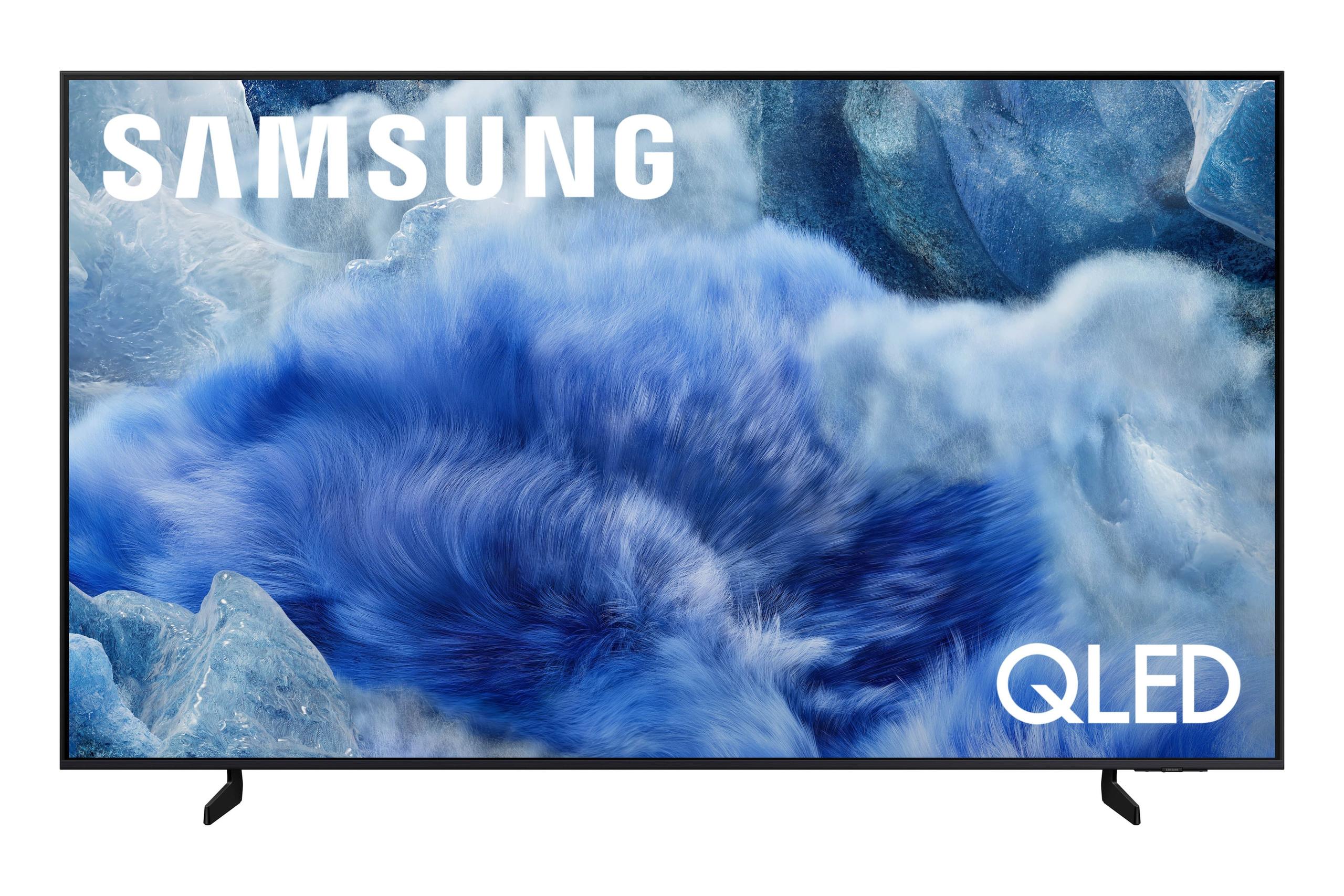
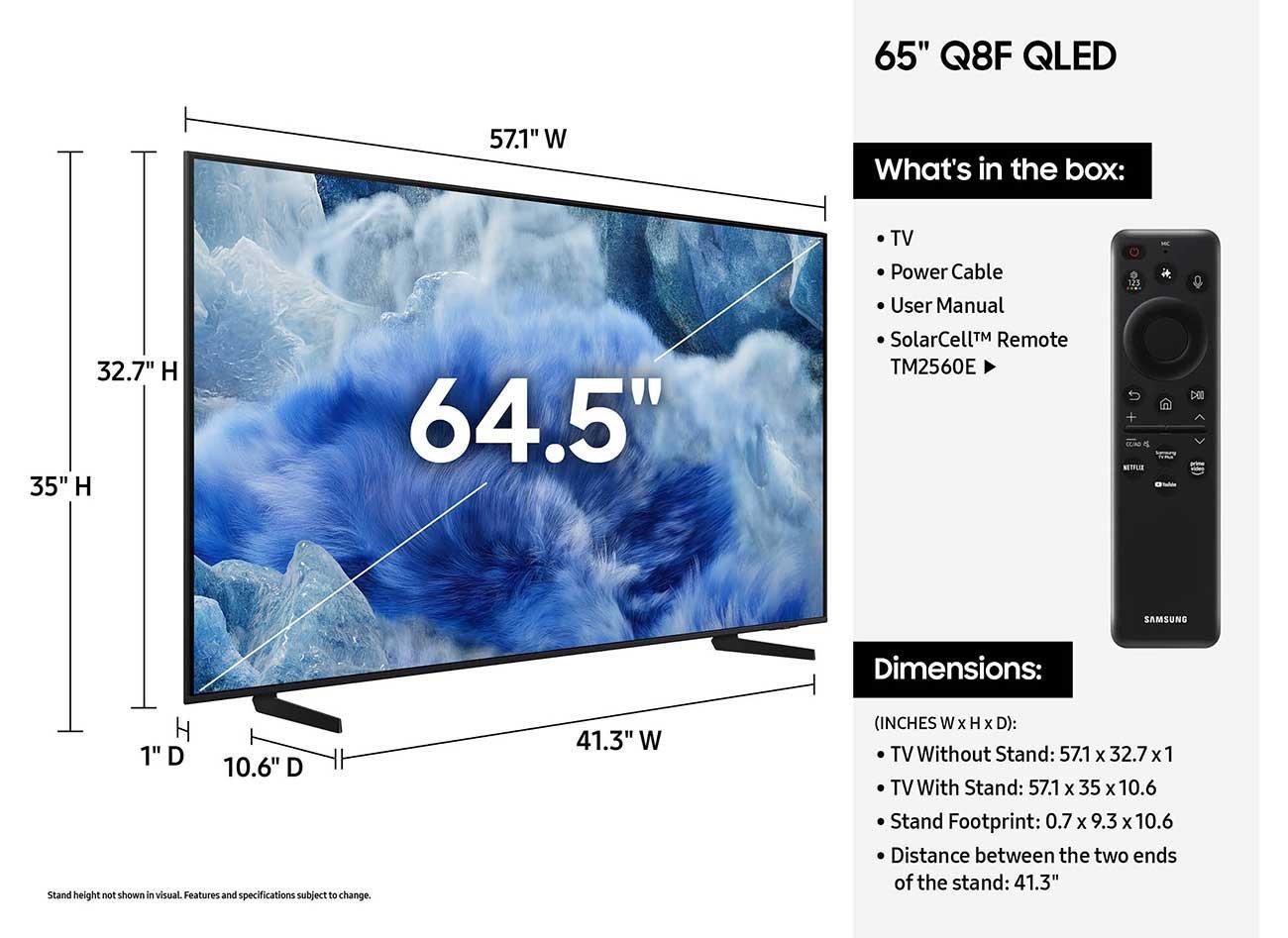
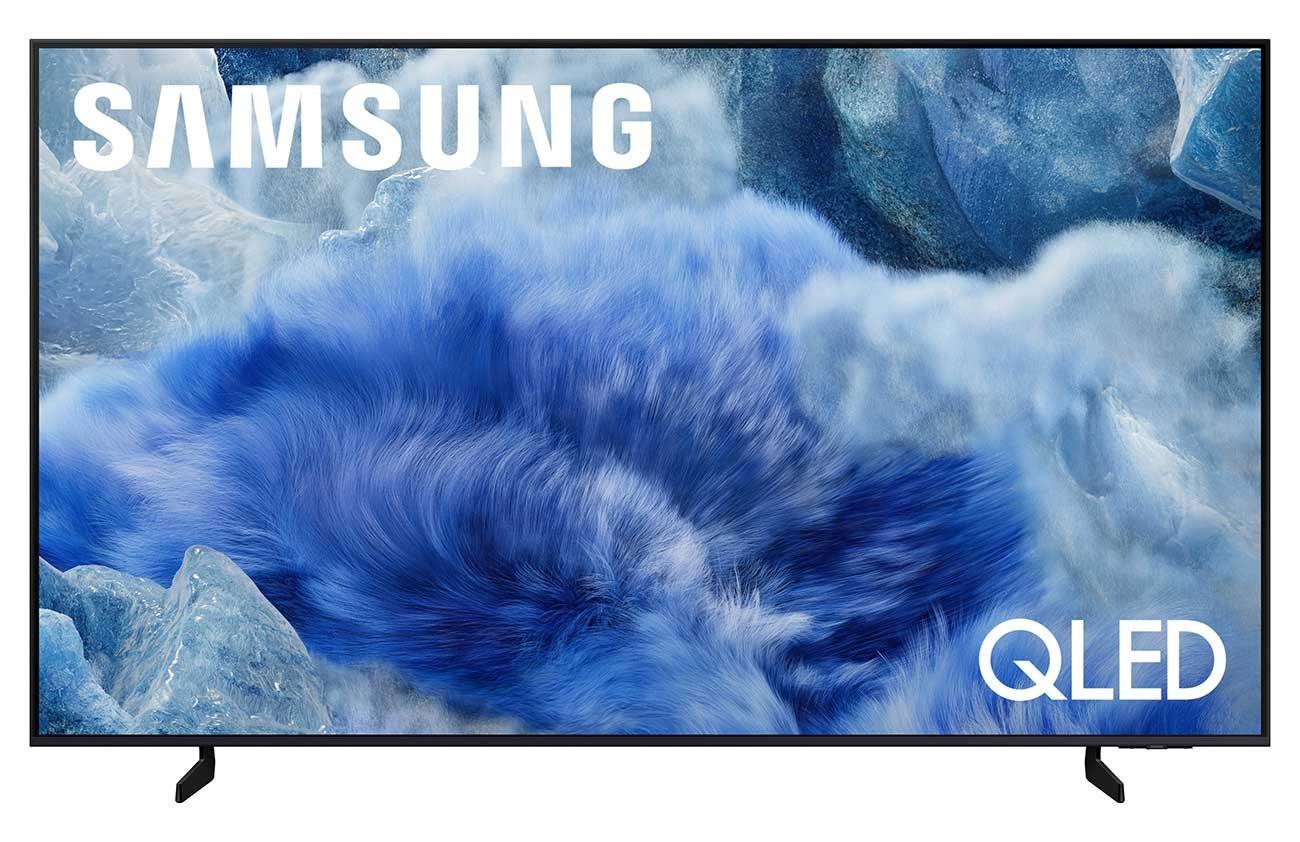
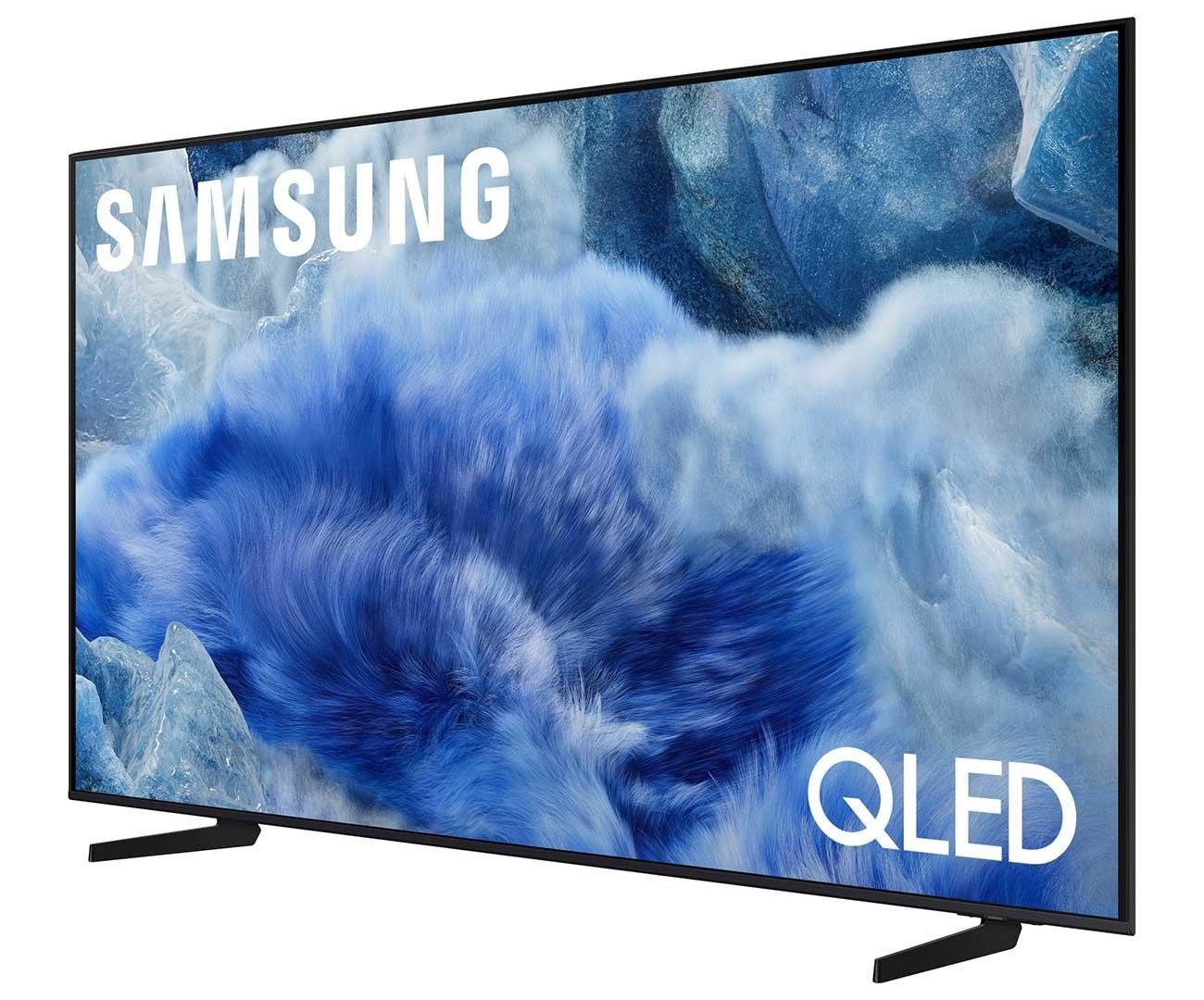
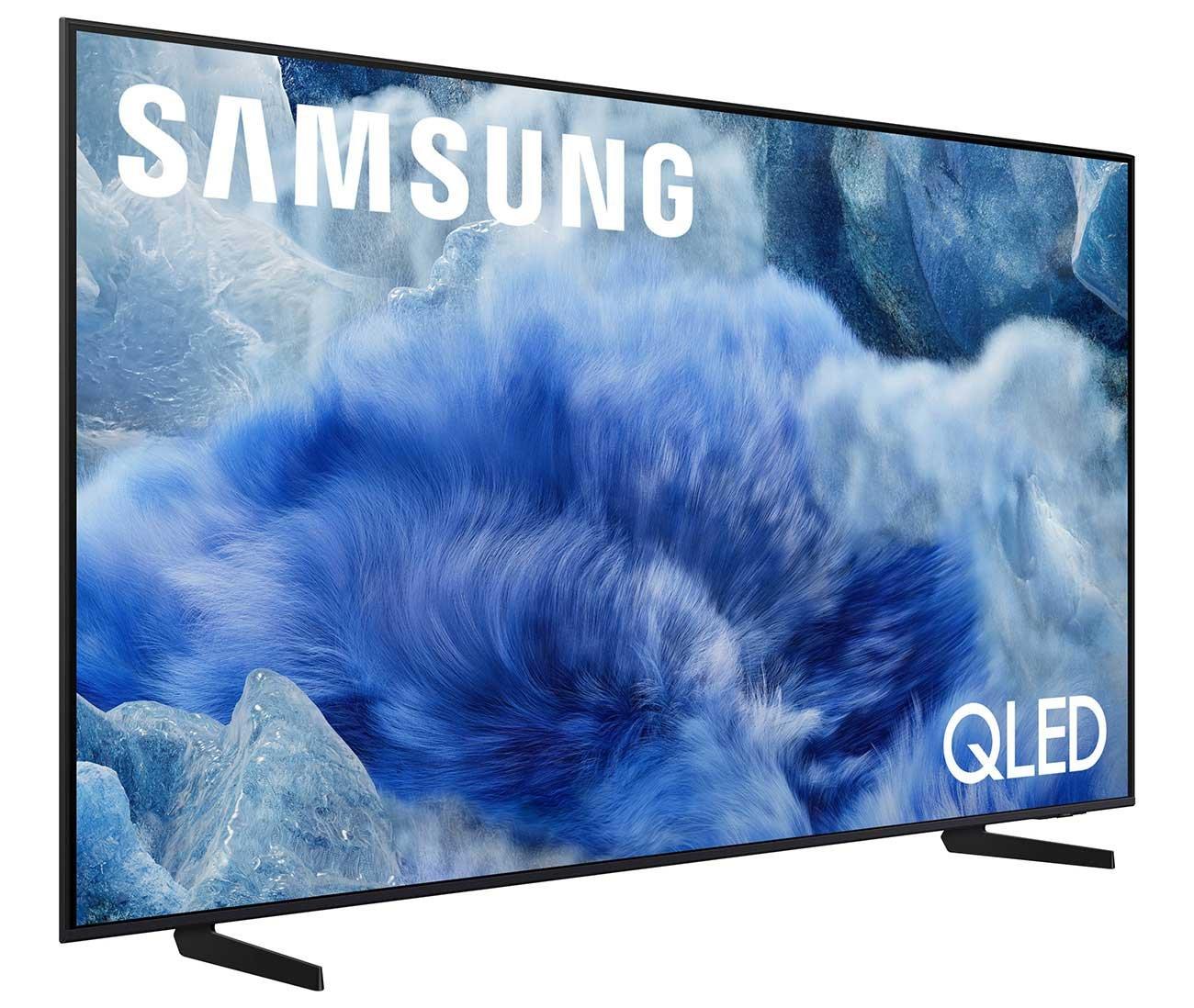
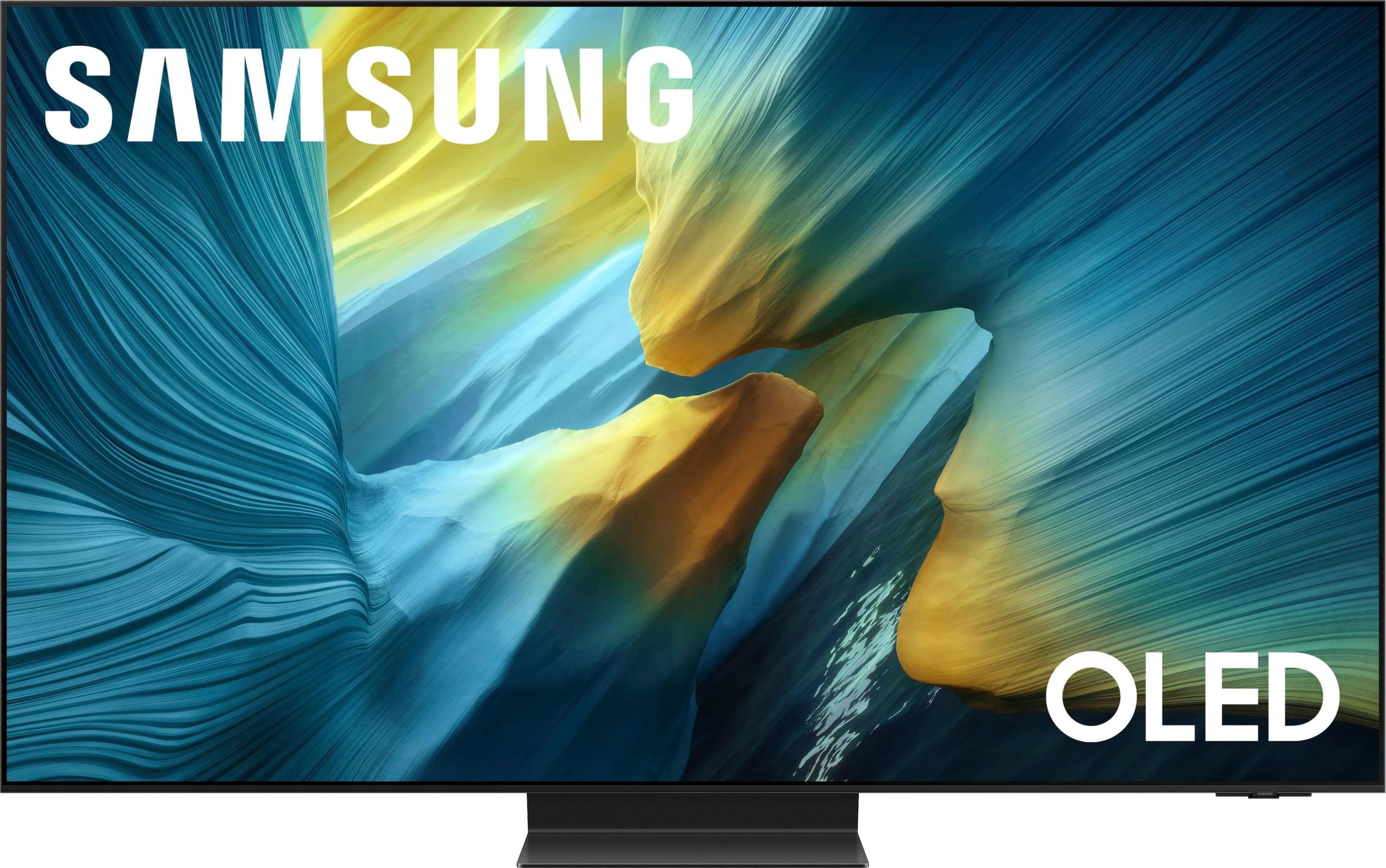
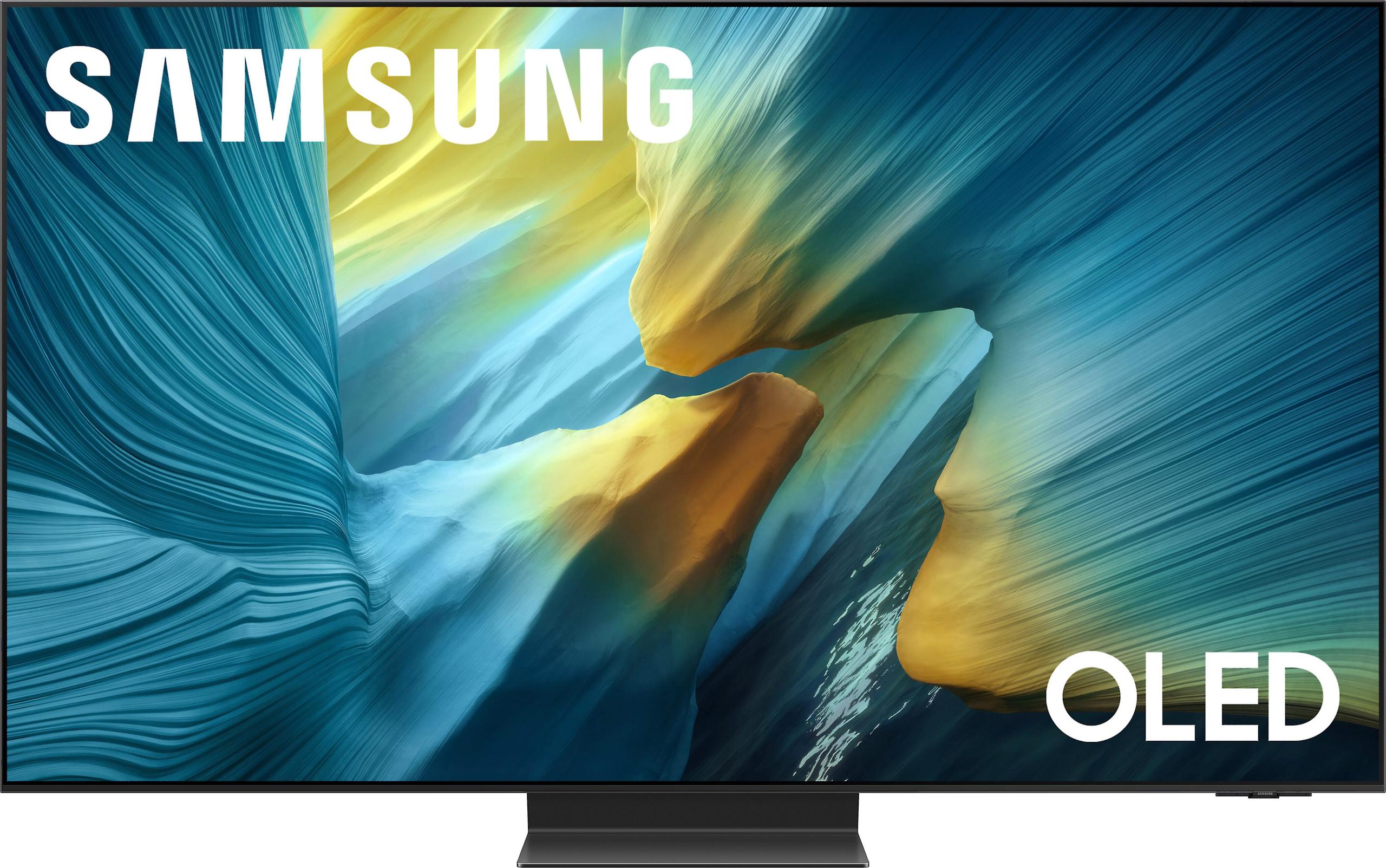
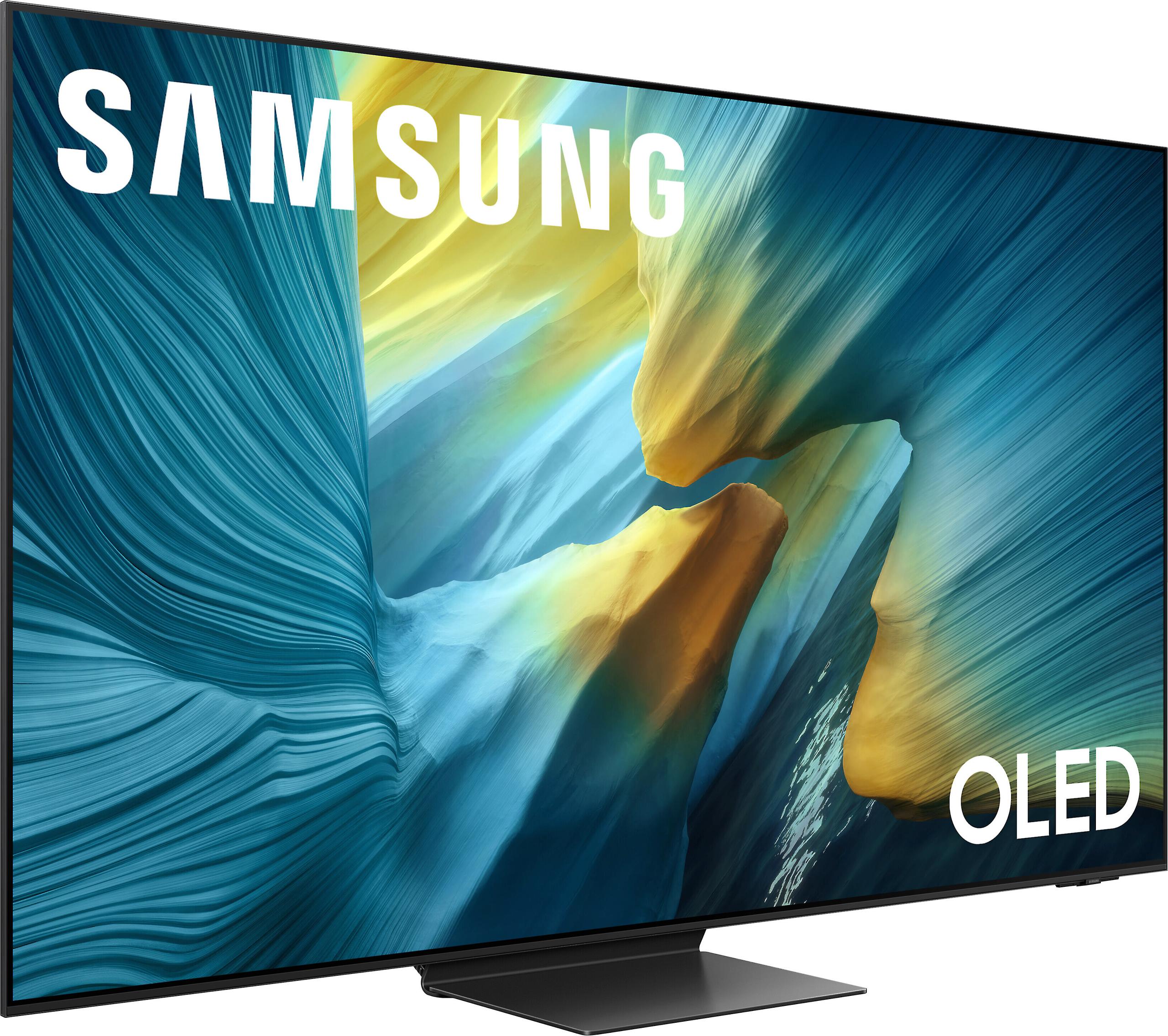
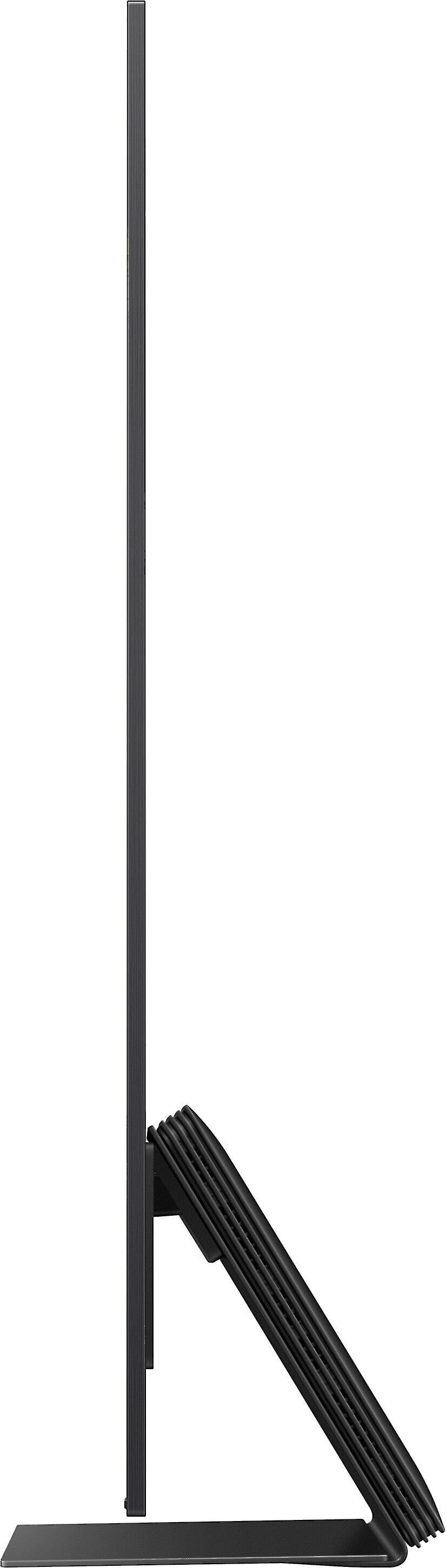
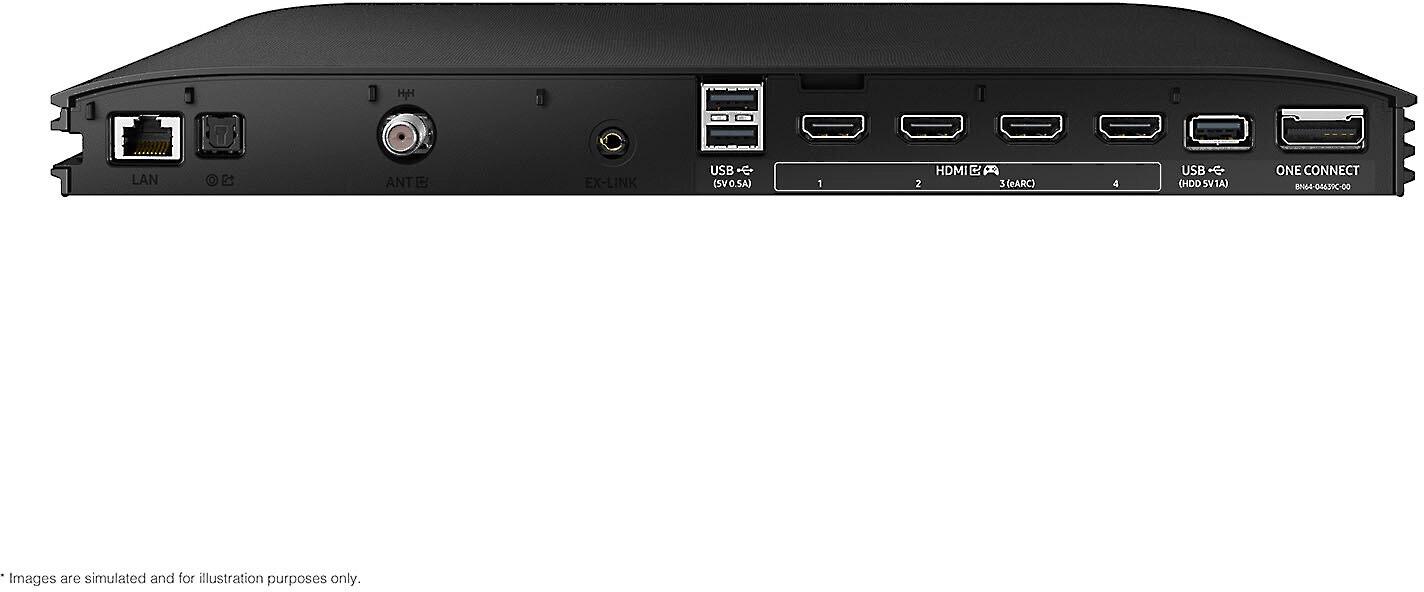
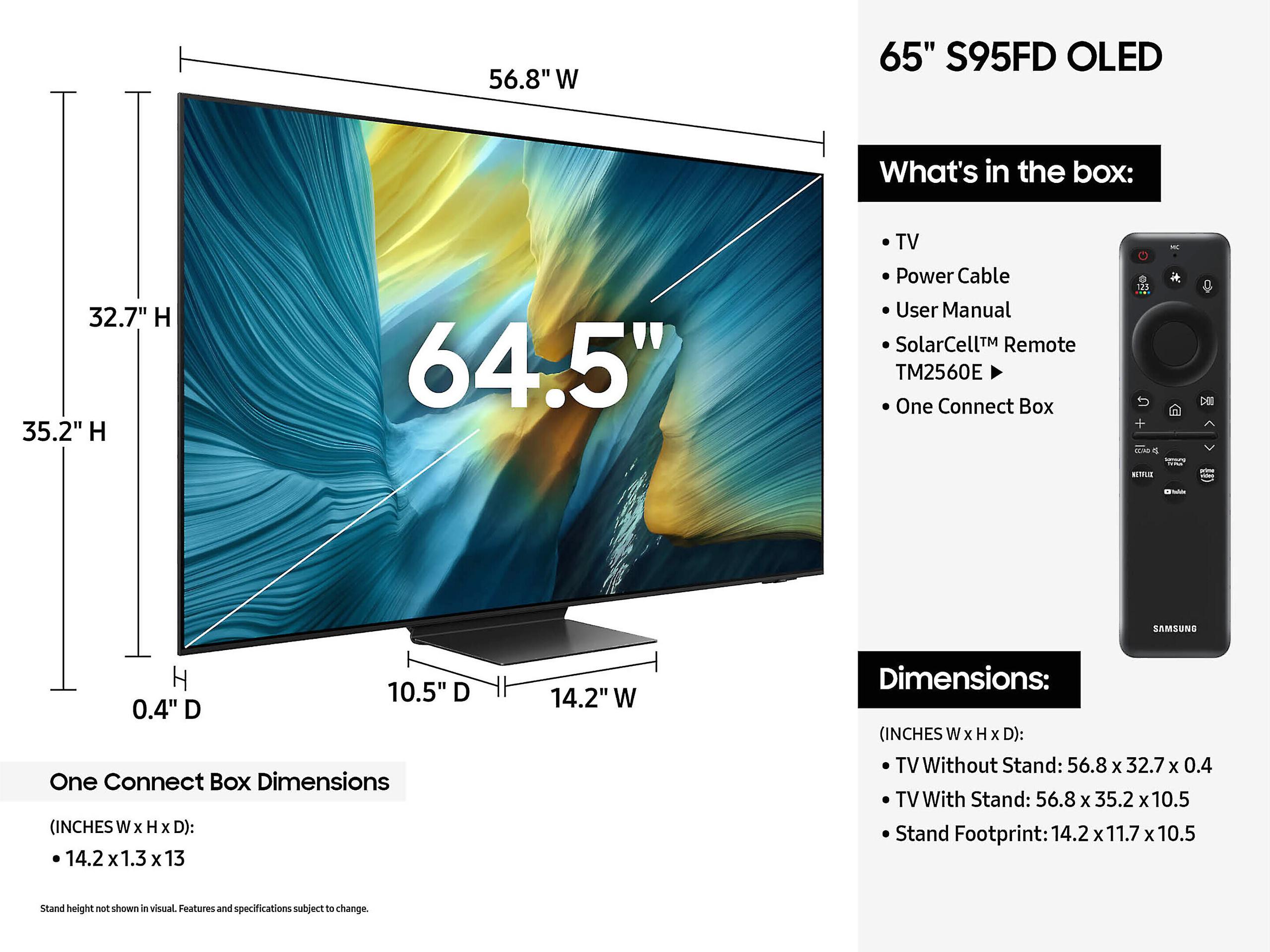
When Samsung released both the QN8F QLED and S95F OLED models in 2025, they created an interesting dilemma for TV shoppers. These two 65-inch displays represent completely different approaches to premium television technology, and at the time of writing, they're separated by a significant price gap that makes the decision even more complex.
After spending considerable time with both display technologies over the years, I can tell you that choosing between QLED and OLED isn't just about picking the "better" TV—it's about understanding which technology works best for your specific situation. Let me break down everything you need to know to make the right choice.
The fundamental difference between these TVs lies in how they create light and color. The Samsung QN8F uses QLED technology, which is essentially a high-end LCD panel enhanced with quantum dots (tiny particles that improve color accuracy) and sophisticated LED backlighting. Think of it like a traditional TV that's been significantly upgraded with modern tech.
The Samsung S95F, on the other hand, uses OLED technology, where each individual pixel creates its own light. When an OLED pixel needs to display black, it simply turns off completely. This creates what we call "perfect blacks"—something that's impossible with traditional LCD technology, no matter how advanced the backlighting becomes.
Samsung's 2025 OLED models also incorporate QD-OLED technology, which combines quantum dots with OLED panels. This hybrid approach aims to deliver the perfect blacks of OLED with enhanced brightness and color performance that rivals the best QLED displays.
This is where OLED technology truly shines, and it's the most important factor for cinematic viewing experiences. When I watch a movie like "Dune" or "Blade Runner 2049" on an OLED display, the difference is immediately obvious. Dark scenes maintain perfect blacks while bright elements pop with incredible intensity. The S95F OLED achieves an infinite contrast ratio—a technical term that means the darkest blacks have no measurable light output while bright areas can reach impressive peak brightness levels.
The QN8F QLED, despite using Dual LED backlighting (a system that uses separate warm and cool LED zones for better contrast), still can't match OLED's performance in dark scenes. LCD panels always have some level of light bleed, meaning blacks appear more like dark gray. However, this becomes much less noticeable in bright rooms where ambient light masks the difference.
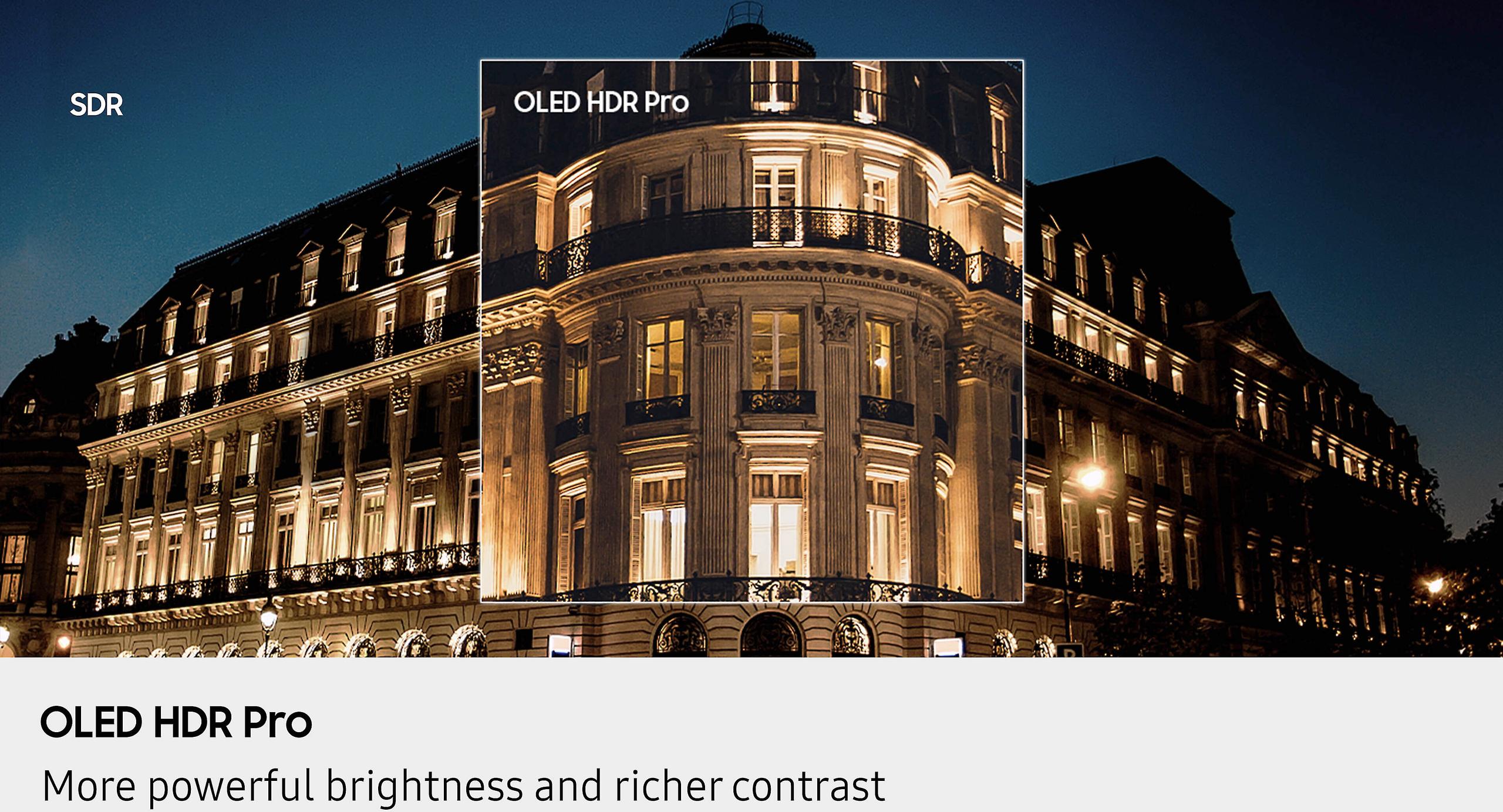
Here's where things get interesting, and where the Samsung QN8F fights back. QLED displays can get significantly brighter than OLED panels, which matters enormously if you're watching TV during the day or in a bright room. The QN8F can push bright HDR highlights with more intensity, making HDR content more impactful in well-lit environments.
HDR (High Dynamic Range) is a technology that allows displays to show a wider range of brightness levels, from deeper blacks to brighter whites, more closely matching what our eyes see in real life. Both the QN8F and S95F support advanced HDR formats, but they handle them differently due to their underlying technology.
The S95F OLED compensates for its lower peak brightness with superior contrast. In my testing, OLED displays create more dramatic HDR effects in controlled lighting because the perfect blacks make bright elements appear more vivid by comparison. It's like the difference between looking at stars in a city versus in the middle of nowhere—the darker background makes everything else pop more.
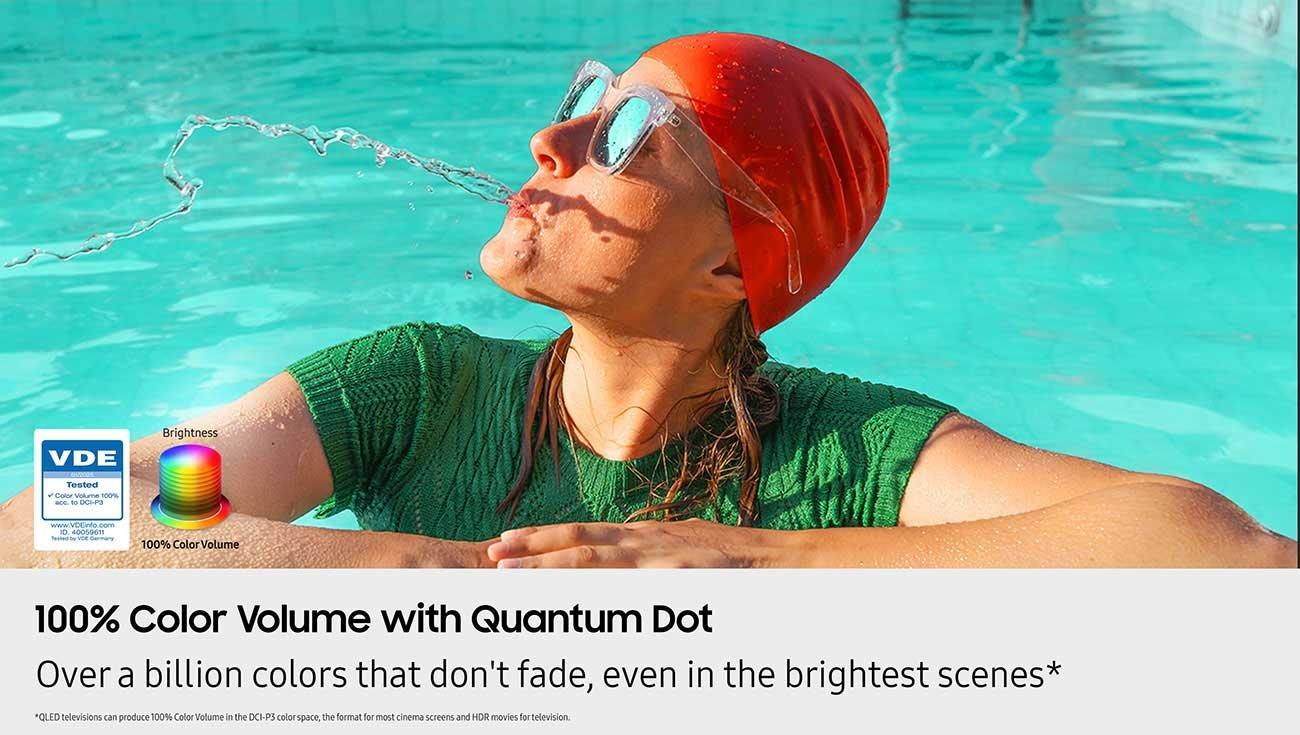
Both TVs feature quantum dot technology, which dramatically improves color reproduction. Samsung claims 100% color volume, meaning these displays can reproduce the full range of colors at any brightness level. In practical terms, this means reds stay red even in bright scenes, and colors don't wash out or shift unnaturally.
The S95F's QD-OLED panel represents Samsung's most advanced color technology, combining the benefits of quantum dots with OLED's pixel-level control. During side-by-side comparisons, I've noticed QD-OLED displays often show slightly more saturated colors, which can make content appear more vibrant, though sometimes less natural depending on your preferences.
OLED displays maintain perfect color accuracy and brightness from virtually any angle. You can sit far to the side of the S95F OLED and still see accurate colors and proper contrast. The QN8F QLED, being based on LCD technology, shows some color shifting and brightness reduction when viewed from extreme angles, though Samsung's implementation is better than most LCD TVs.
For home theater setups where multiple people might be watching from different positions, this viewing angle performance becomes crucial. I've found that OLED's consistent performance from any seat makes it ideal for larger viewing groups.
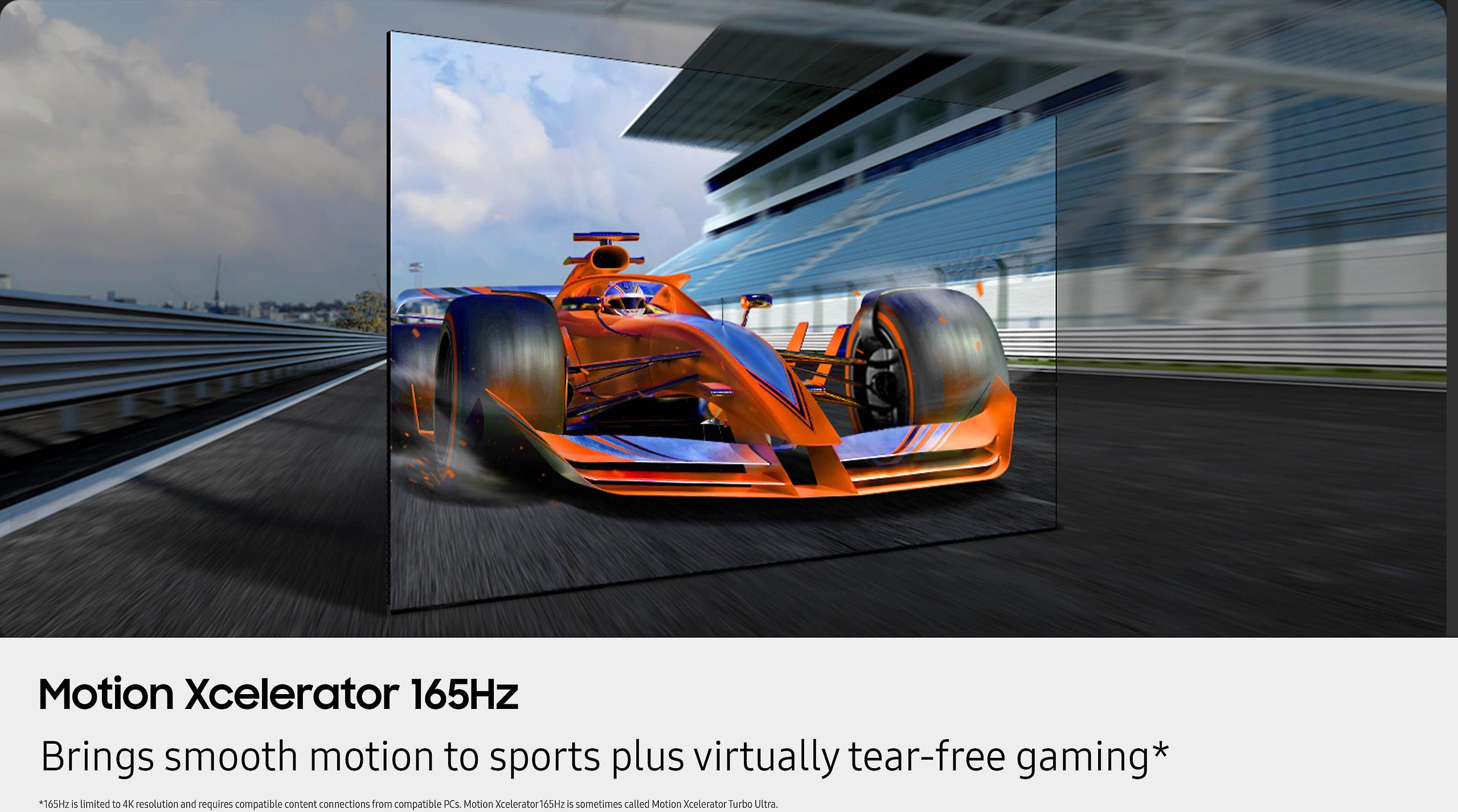
Both TVs excel for gaming but in different ways. The S95F OLED offers superior gaming performance with its 165Hz refresh rate—significantly higher than the QN8F's 120Hz. This higher refresh rate primarily benefits PC gamers with powerful graphics cards capable of pushing high frame rates at 4K resolution.
Refresh rate refers to how many times per second the display updates the image. Higher refresh rates create smoother motion, especially important for fast-paced games. Most console games currently max out at 120fps, so the QN8F's 120Hz handles console gaming perfectly well.
Both displays feature Variable Refresh Rate (VRR) technology, which synchronizes the TV's refresh rate with your gaming device's frame rate output. This eliminates screen tearing (when parts of different frames appear simultaneously) and provides a smoother gaming experience.
The S95F OLED also includes AMD FreeSync Premium Pro certification, an advanced form of VRR that provides additional benefits for PC gaming. The near-instantaneous pixel response of OLED technology means virtually no motion blur during fast gaming sequences.
However, the QN8F QLED has one significant gaming advantage: no burn-in risk. OLED displays can potentially suffer from burn-in when static images (like game HUDs, health bars, or news tickers) remain on screen for extended periods. While modern OLED TVs include protective features, it's still a consideration for heavy gamers who play the same games for hundreds of hours.
Here's where Samsung made a clear distinction between these models. The S95F OLED features a robust 70W, 4.2.2 channel audio system with Dolby Atmos support. This means the TV includes dedicated speakers for height effects, creating more immersive surround sound without requiring additional equipment.
Dolby Atmos is an advanced audio technology that creates three-dimensional soundscapes by precisely controlling where sounds appear to come from, including above your head. The S95F's Object Tracking Sound+ technology takes this further by making audio follow the movement of objects across the screen.
The QN8F QLED includes a more basic 20W, 2-channel system. While it features Adaptive Sound technology that optimizes audio based on content type, you'll likely want to add a soundbar or home theater system for the best audio experience.
For home theater enthusiasts, the S95F's built-in audio system might eliminate the need for additional speakers in smaller rooms, while the QN8F assumes you'll invest in separate audio equipment.
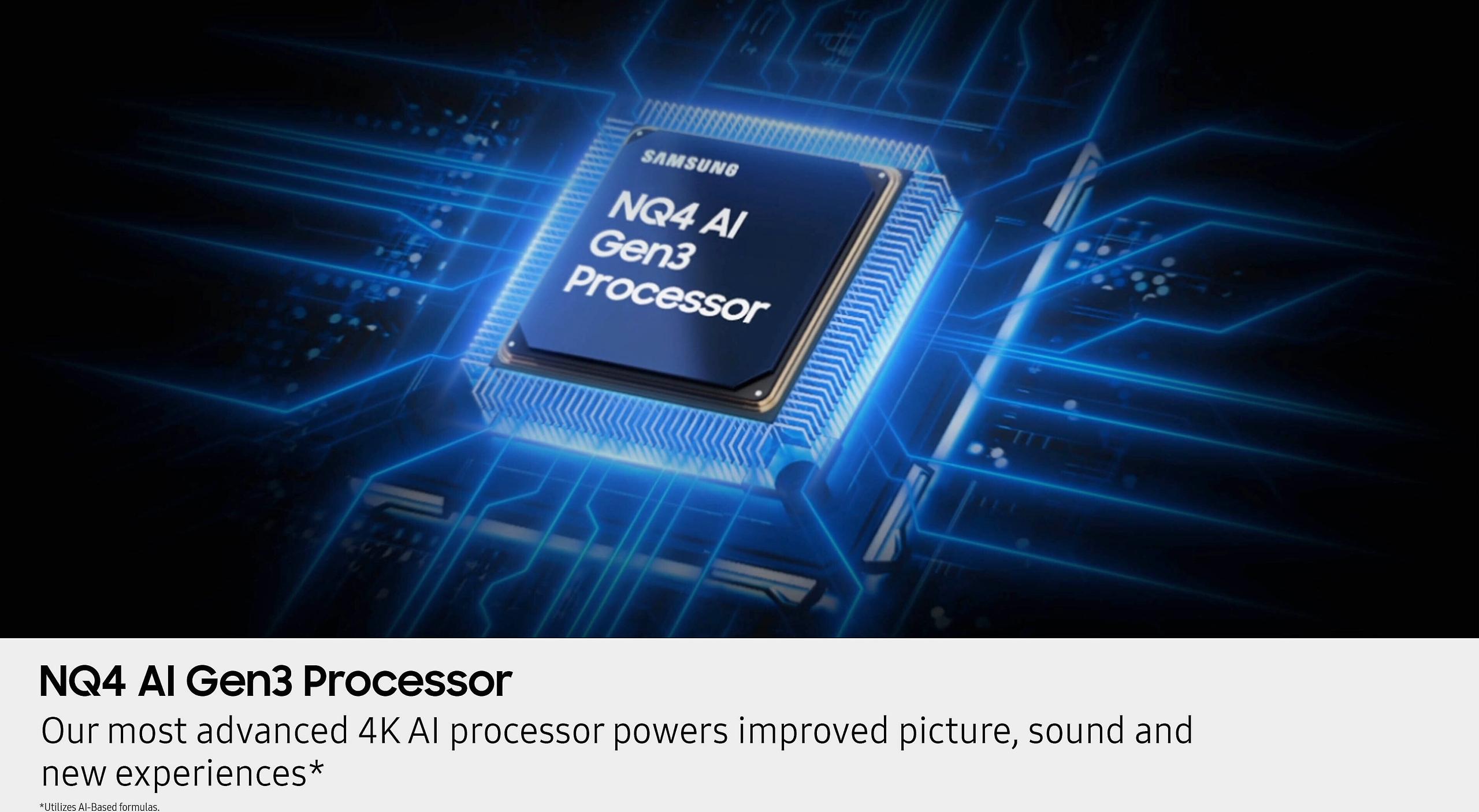
Both TVs run Samsung's Tizen operating system, which provides access to all major streaming services and smart TV features. However, the S95F OLED includes Samsung's more advanced NQ4 AI Gen3 processor with Vision AI powered by 128 neural networks.
Neural networks are AI systems that learn patterns and make decisions similar to how human brains work. In TVs, they analyze incoming content and automatically adjust picture settings for optimal viewing. The S95F's more powerful processor can make more sophisticated adjustments in real-time.
The QN8F QLED uses the Q4 AI processor, which still includes Vision AI features but with less processing power. Both systems can upscale lower-resolution content to 4K, enhance motion clarity, and optimize settings based on content type and viewing environment.
Samsung guarantees 7 years of software updates for the S95F, ensuring long-term compatibility with new streaming services and features. This extended support adds value to the premium investment.
In my years of testing displays, the choice between QLED and OLED often comes down to your viewing environment. The QN8F QLED can output significantly higher peak brightness, making it superior for bright rooms with lots of windows or overhead lighting. HDR content appears more impactful when the display can compete with ambient light.
The S95F OLED excels in controlled lighting environments where its perfect blacks create dramatic contrast that QLED simply cannot match. For dedicated home theaters or evening viewing, OLED's infinite contrast creates a more cinematic experience.
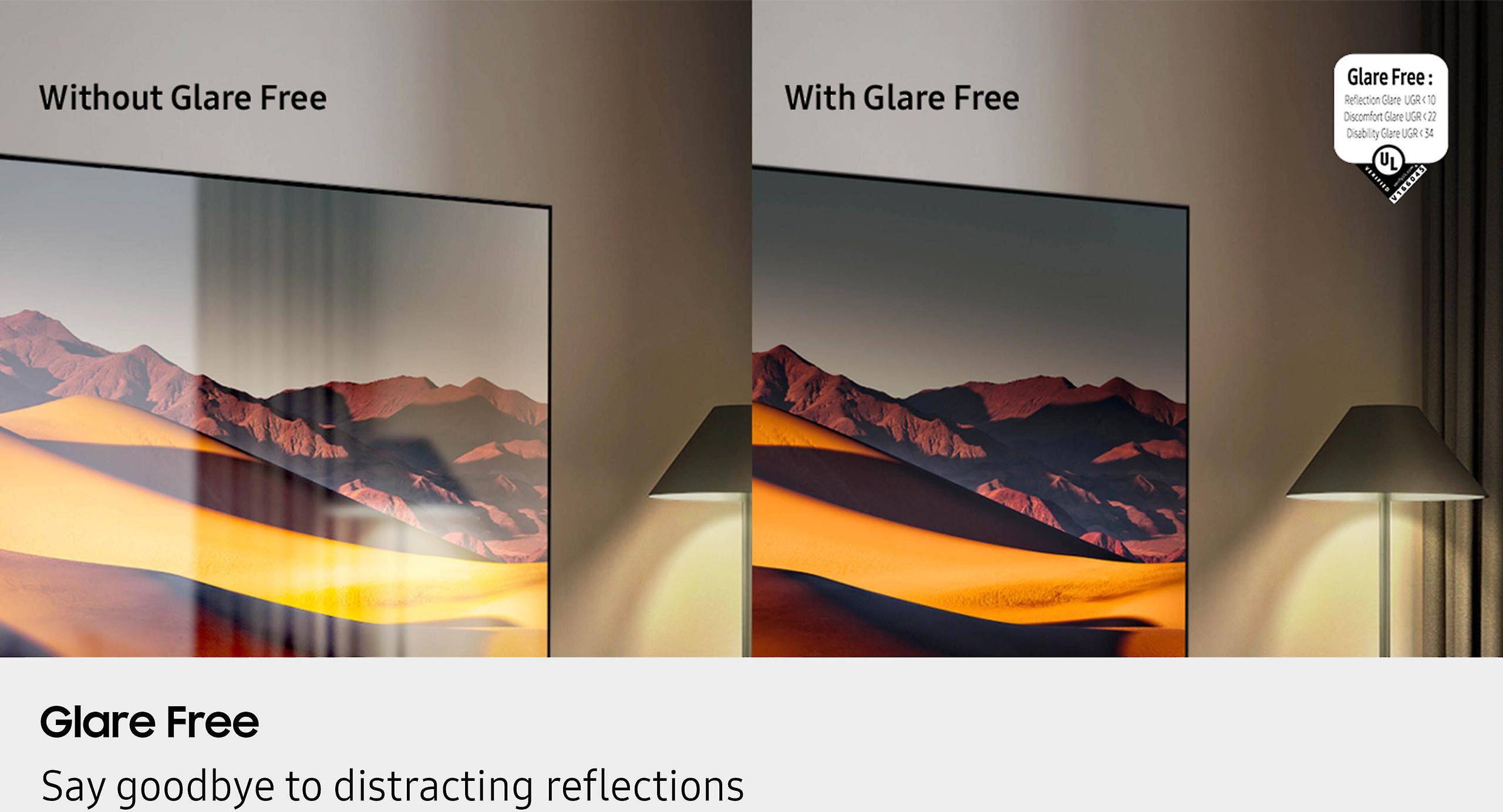
Samsung's 2025 OLED models do address traditional OLED brightness limitations better than previous generations. The S95F includes Glare Free technology, which reduces reflections while maintaining the benefits of OLED contrast. This anti-reflective treatment makes OLED more practical in moderately bright rooms than before.
For serious home theater applications, the S95F OLED generally provides the superior experience. The combination of perfect blacks, excellent color accuracy, and wide viewing angles creates the cinematic experience that movie enthusiasts seek. The built-in Dolby Atmos audio system also reduces the complexity of a dedicated theater setup.
However, if your theater room has any ambient light issues—perhaps you can't achieve complete darkness or have some inevitable light leakage—the QN8F QLED's higher peak brightness might actually provide better perceived contrast in those conditions.
The S95F's Filmmaker Mode preserves the director's original creative intent by displaying content with accurate colors and proper frame rates, making it ideal for serious movie viewing.
At the time of writing, the S95F OLED commands a significant premium over the QN8F QLED—roughly 40-50% more expensive. This price difference reflects the advanced QD-OLED panel technology and premium features like the enhanced audio system and more powerful processor.
The QN8F QLED offers excellent value by delivering most premium TV features at a more accessible price point. You get Samsung's Vision AI, excellent gaming performance, and strong bright-room performance without the OLED premium.
Long-term reliability also factors into value considerations. LCD-based displays like the QN8F typically maintain consistent performance over many years without degradation concerns. OLED displays can potentially experience gradual brightness reduction over time, though modern OLED TVs are much more durable than early generations.
Choose the Samsung QN8F QLED if you:
Choose the Samsung S95F OLED if you:
Both the QN8F QLED and S95F OLED represent excellent televisions that will satisfy most viewers. The choice ultimately depends on your priorities, viewing environment, and budget.
For pure picture quality in optimal conditions, the S95F OLED sets the standard for what's possible in 2025. Its perfect blacks, wide viewing angles, and sophisticated processing create an exceptional viewing experience that justifies its premium pricing for enthusiasts.
The QN8F QLED offers a more practical approach to premium TV features, delivering excellent performance in real-world viewing conditions while maintaining strong value. It's the choice that makes sense for most living rooms and mixed-use scenarios.
Having tested both technologies extensively, I lean toward OLED for dedicated viewing rooms and QLED for everyday family rooms. Your specific situation will likely make the right choice obvious once you consider your room lighting, primary content types, and budget constraints.
The good news? Both displays represent Samsung's 2025 technology at its finest, so either choice will provide years of excellent entertainment experiences.
| Samsung 65" QN8F Series QLED | Samsung 65" OLED S95F |
|---|---|
| Display Technology - Fundamentally different approaches to picture quality | |
| QLED with Dual LED backlighting and quantum dots | QD-OLED with self-illuminating pixels and quantum dots |
| Peak Brightness - Critical for HDR impact and bright room viewing | |
| Higher peak brightness, excellent for daytime viewing | Lower peak brightness but compensated by perfect blacks |
| Black Levels & Contrast - Most important factor for cinematic experience | |
| Good blacks with some light bleed typical of LCD | Perfect blacks with infinite contrast ratio |
| Refresh Rate - Determines gaming smoothness and motion clarity | |
| 120Hz (excellent for console gaming) | 165Hz (superior for high-end PC gaming) |
| Processor & AI - Affects upscaling quality and smart features | |
| Q4 AI Processor with Vision AI | NQ4 AI Gen3 Processor with advanced Vision AI (128 neural networks) |
| Audio System - Built-in sound quality affects need for external speakers | |
| 20W 2-channel (basic, soundbar recommended) | 70W 4.2.2-channel with Dolby Atmos (premium built-in audio) |
| Gaming Features - Important for console and PC gaming performance | |
| 120Hz VRR, good input lag, no burn-in risk | 165Hz VRR, AMD FreeSync Premium Pro, near-zero input lag |
| Viewing Angles - Affects picture quality from side seating positions | |
| Some color shifting when viewed off-center | Consistent colors and contrast from any angle |
| Burn-in Risk - Long-term durability consideration | |
| No burn-in risk with static content | Potential burn-in with prolonged static images |
| Room Lighting Suitability - Where each TV performs best | |
| Excellent in bright rooms, good in dark rooms | Excellent in dark rooms, good in moderately lit rooms |
| Value Proposition - Performance per dollar consideration | |
| Strong value with premium features at accessible pricing | Premium pricing justified by cutting-edge technology |
| Software Support - Long-term feature updates | |
| Standard Tizen update cycle | 7 years of guaranteed OS updates |
The key difference is the display technology. The Samsung QN8F QLED uses quantum dot enhanced LCD with LED backlighting, while the Samsung S95F OLED uses self-illuminating pixels that can turn completely off. This means the OLED delivers perfect blacks and infinite contrast, while the QLED offers higher peak brightness for daytime viewing.
The Samsung QN8F QLED is better for bright rooms due to its higher peak brightness capability. QLED technology can push brighter HDR highlights that remain visible even with ambient light. The Samsung S95F OLED performs well in moderately lit rooms thanks to its anti-glare coating, but QLED maintains the advantage in very bright environments.
The Samsung S95F OLED generally provides superior movie picture quality due to its perfect blacks and infinite contrast ratio. This creates a more cinematic experience, especially in dark scenes. The Samsung QN8F QLED still delivers excellent picture quality but cannot match OLED's contrast performance in controlled lighting conditions.
Both TVs offer excellent gaming, but the Samsung S95F OLED has a slight edge with its 165Hz refresh rate compared to the Samsung QN8F QLED's 120Hz. The OLED also features AMD FreeSync Premium Pro and near-zero input lag. However, the QLED has no burn-in risk, making it safer for extended gaming sessions with static HUD elements.
The Samsung QN8F QLED offers better value, providing most premium TV features at a significantly lower cost than the Samsung S95F OLED. You get excellent picture quality, gaming performance, and smart features without paying the premium for cutting-edge OLED technology.
The Samsung S95F OLED includes a premium 70W 4.2.2-channel audio system with Dolby Atmos that may eliminate the need for additional speakers in smaller rooms. The Samsung QN8F QLED has basic 20W 2-channel audio, so most users will want to add a soundbar for the best audio experience.
The Samsung S95F OLED is generally preferred for dedicated home theaters due to its perfect blacks, superior contrast, and wide viewing angles. The built-in Dolby Atmos audio system also reduces setup complexity. However, if your theater room has ambient light issues, the Samsung QN8F QLED's higher brightness might provide better performance.
Modern OLED TVs like the Samsung S95F OLED include protective features to minimize burn-in risk, but it's still a consideration with prolonged static content like news tickers or game HUDs. The Samsung QN8F QLED has no burn-in risk, making it worry-free for any content type or viewing pattern.
Both TVs run Samsung's Tizen OS, but the Samsung S95F OLED includes a more advanced NQ4 AI Gen3 processor with enhanced Vision AI capabilities and 7 years of guaranteed software updates. The Samsung QN8F QLED has the Q4 AI processor with solid smart features but less processing power for AI enhancements.
The Samsung S95F OLED maintains perfect color accuracy and contrast from any viewing angle, making it ideal for larger groups or wide seating arrangements. The Samsung QN8F QLED shows some color shifting and brightness reduction when viewed from extreme angles, though it's better than most LCD TVs.
The Samsung QN8F QLED typically offers more consistent long-term performance without degradation concerns. OLED displays like the Samsung S95F OLED can experience gradual brightness reduction over many years, though modern OLED panels are much more durable than earlier generations.
Choose the Samsung QN8F QLED if you have a bright living room with lots of windows, watch mixed content during the day, or want premium features at a lower cost. Choose the Samsung S95F OLED if you prioritize the best possible picture quality, can control room lighting, or want premium built-in audio without additional equipment.
We've done our best to create useful and informative comparisons to help you decide what product to buy. Our research uses advanced automated methods to create this comparison and perfection is not possible - please contact us for corrections or questions. These are the sites we've researched in the creation of this article: bestbuy.com - samsung.com - rtings.com - youtube.com - samsung.com - pcrichard.com - abt.com - images.samsung.com - cnet.com - news.samsung.com - samsung.com - bestbuy.com - businessinsider.com - tomsguide.com - youtube.com - avsforum.com - zdnet.com - samsung.com - pioneertvandappliance.com - samsung.com - displayspecifications.com - samsung.com

Privacy Policy
Terms and Conditions - Affiliate Policy
Home Security
© Copyright 2008-2026.
11816 Inwood Rd #1211, Dallas, TX 75244