

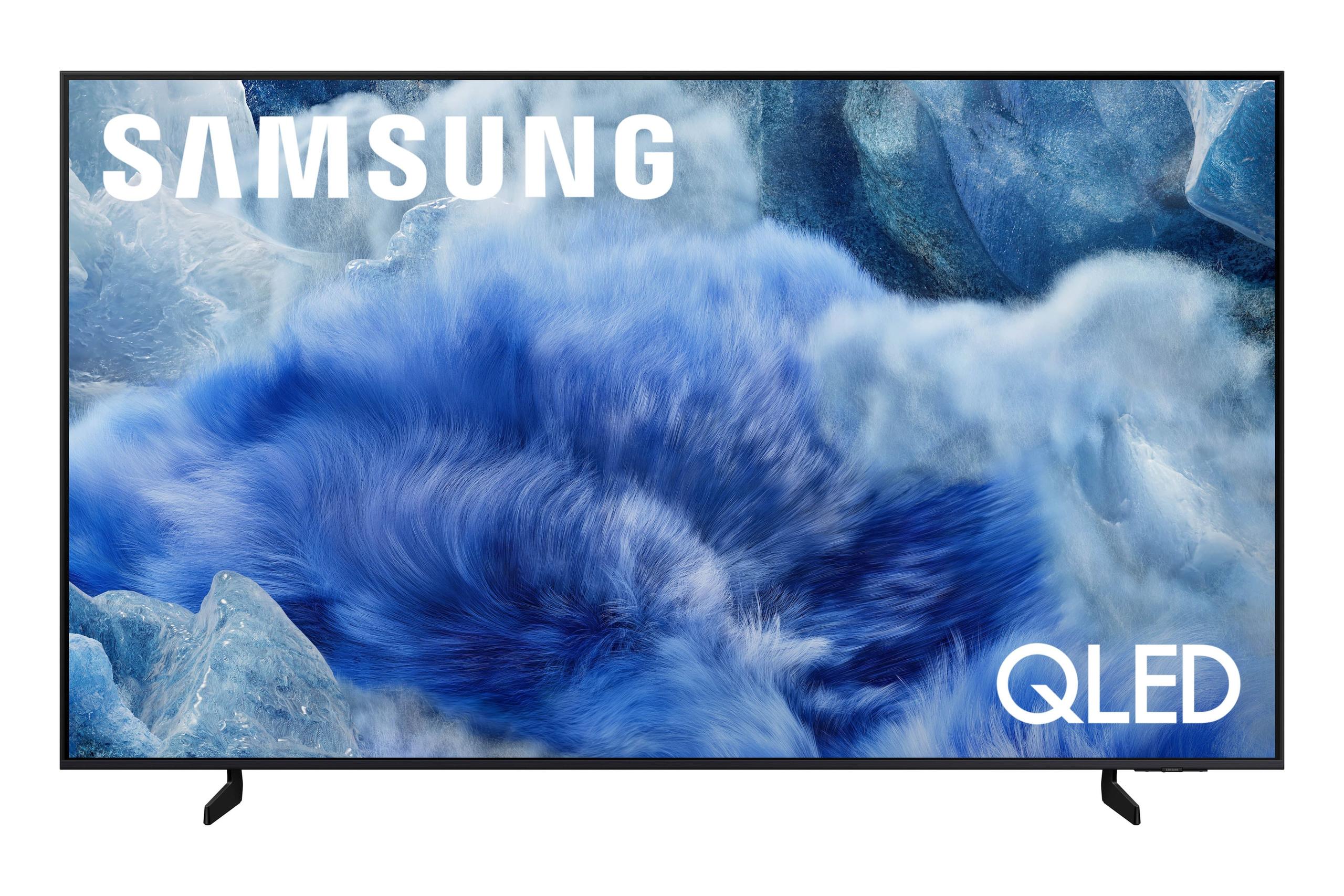
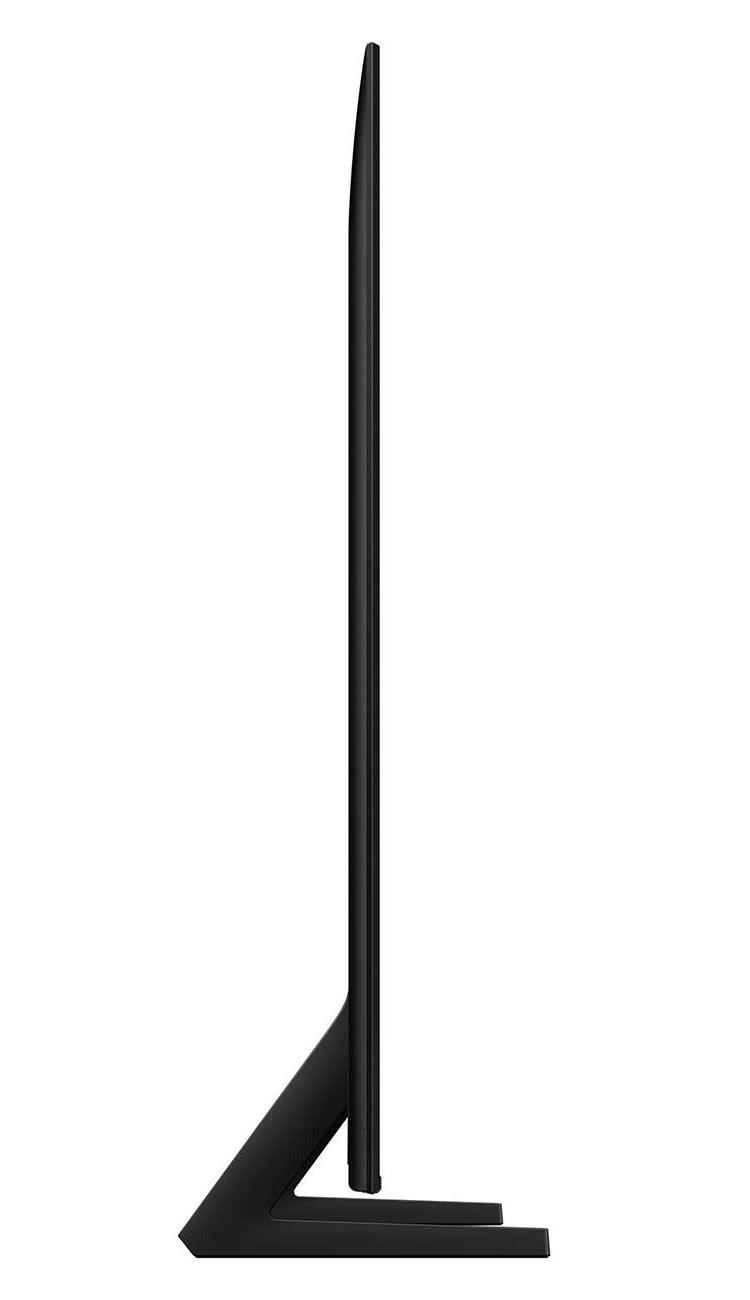
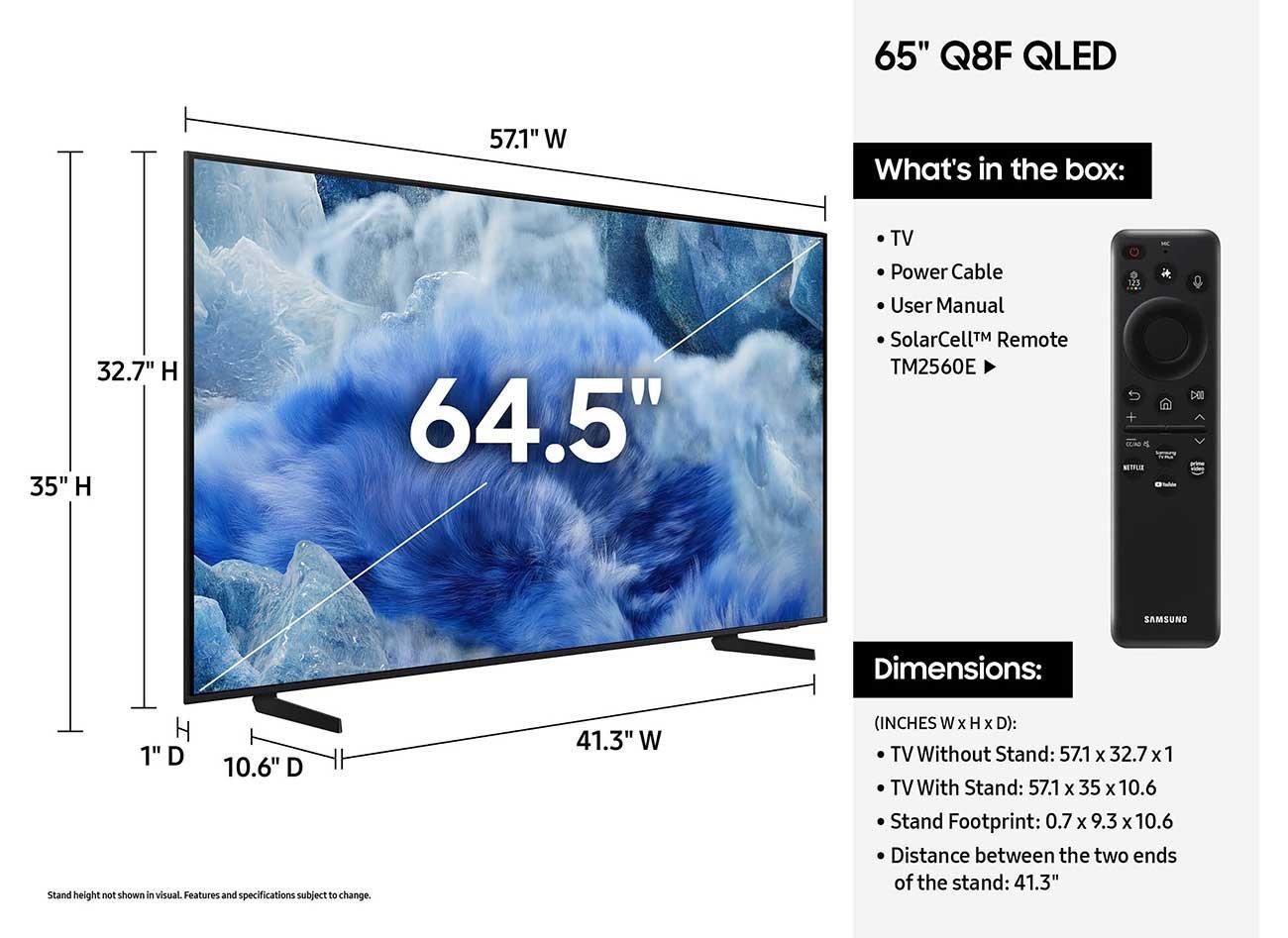
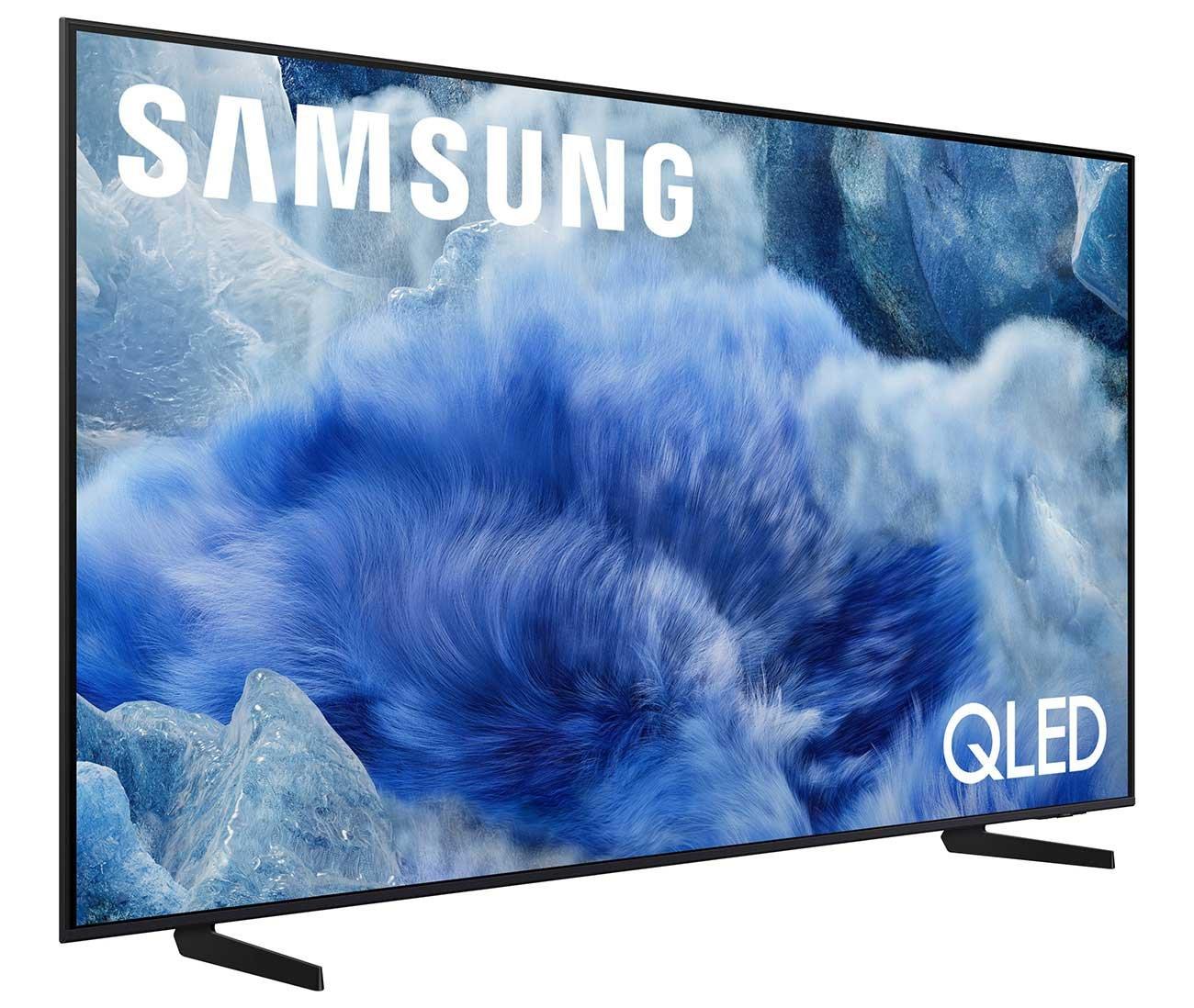
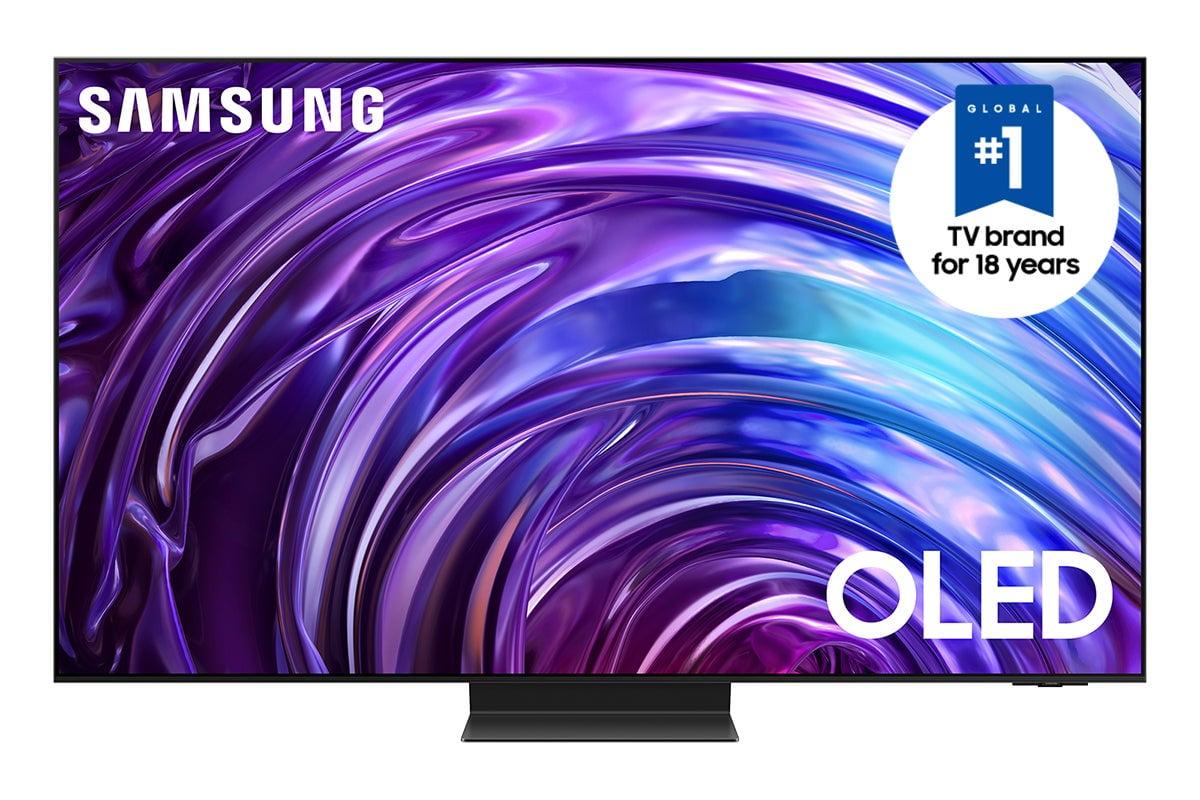
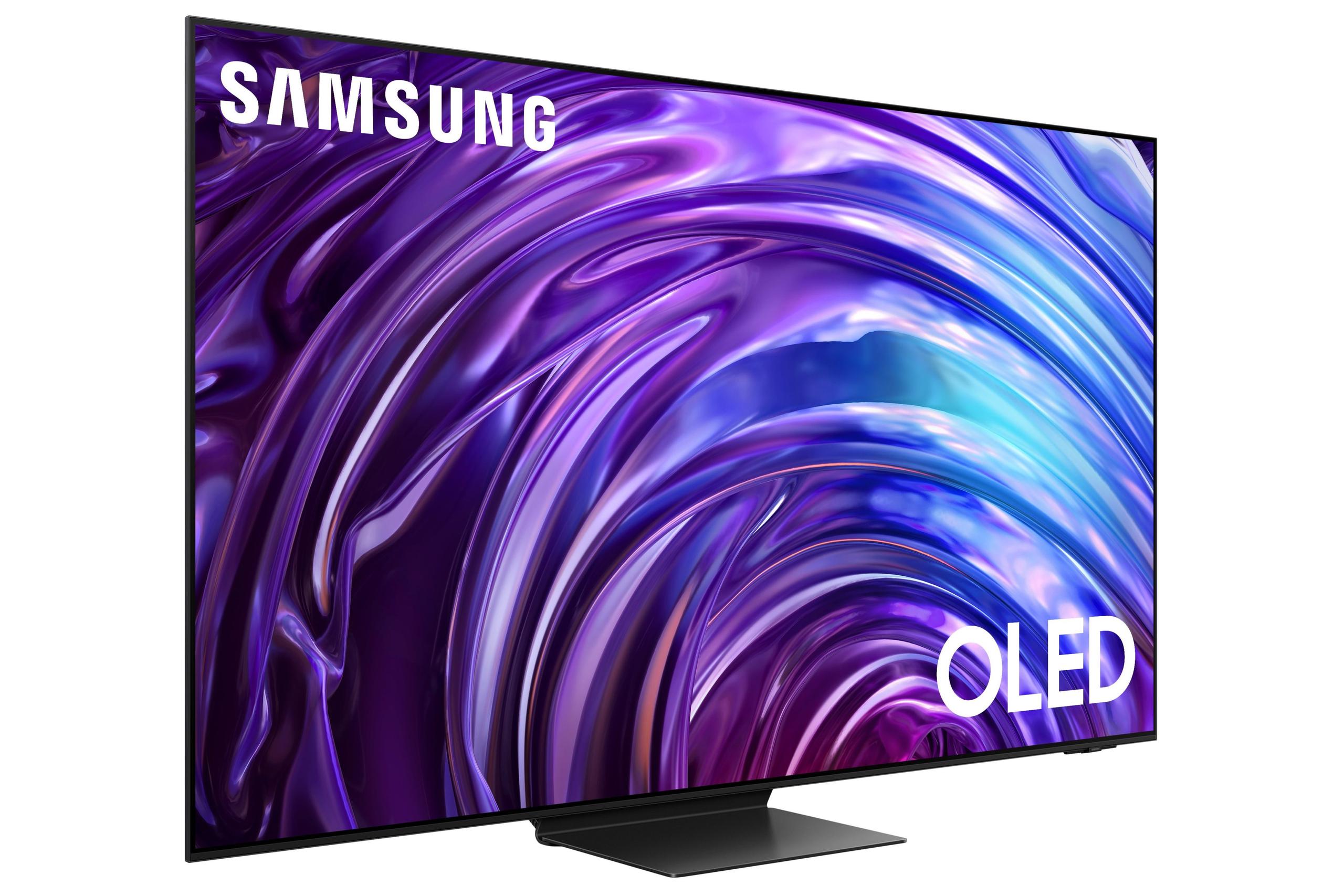
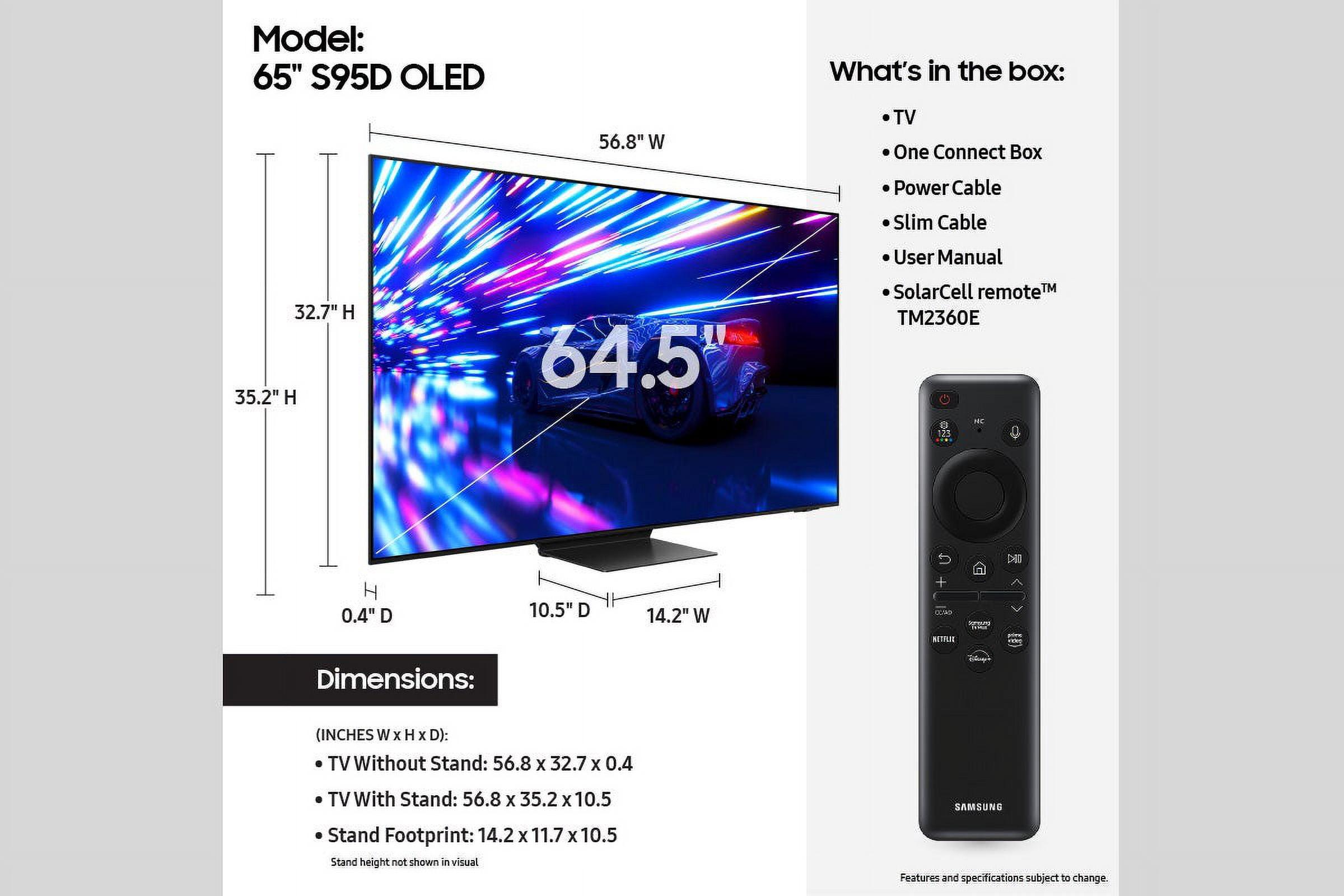
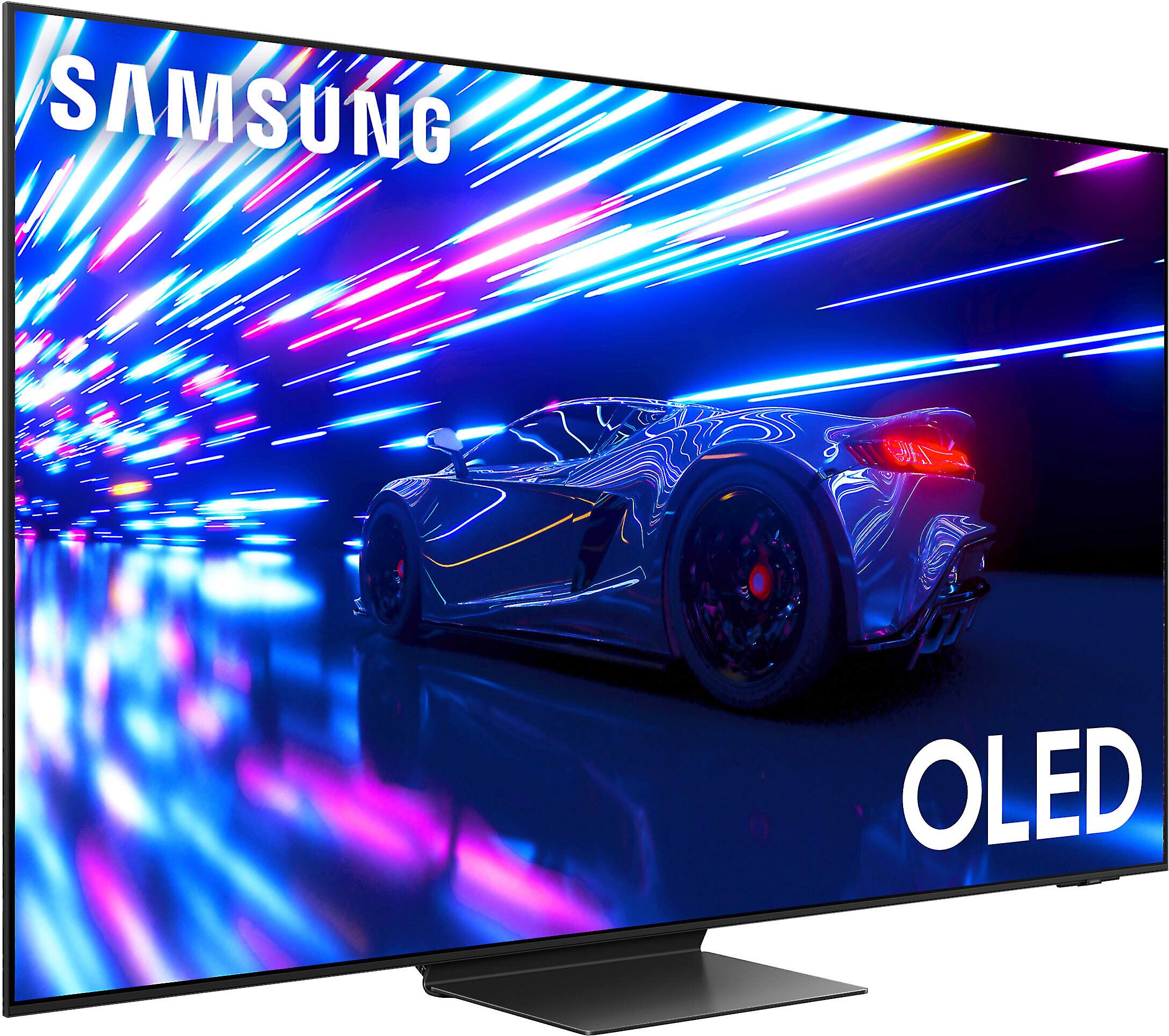
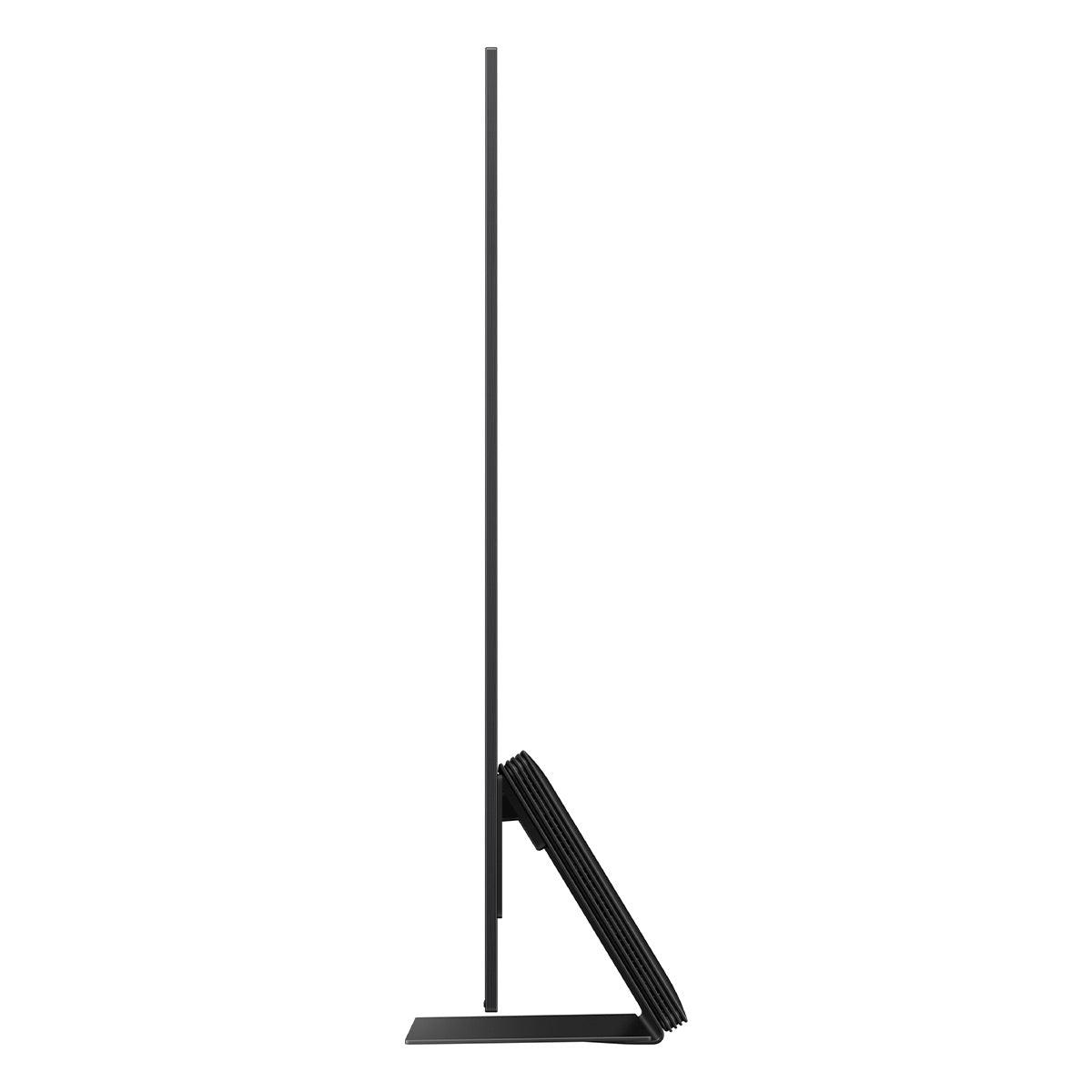
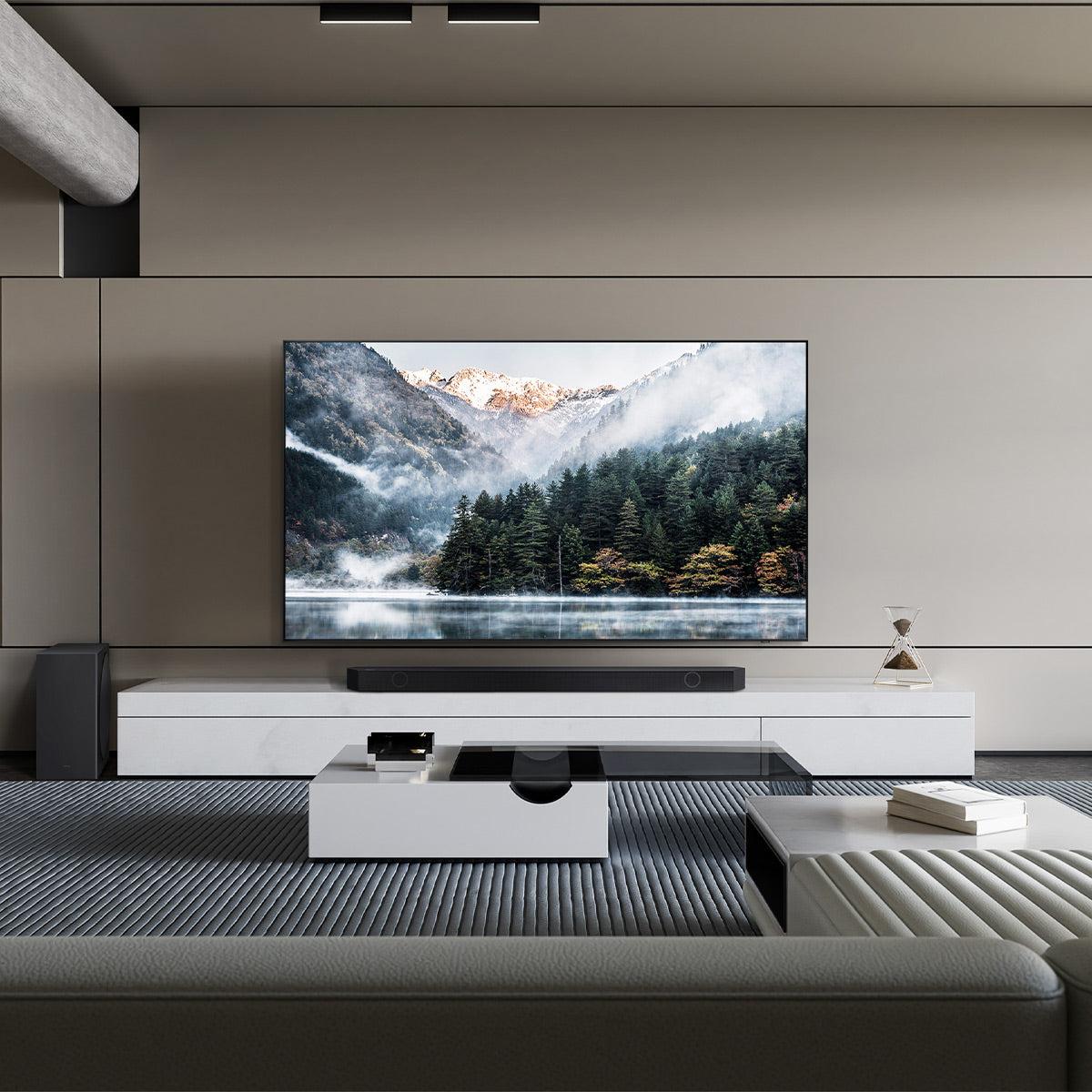
Choosing between Samsung's latest premium TVs feels like picking between two completely different philosophies of how to create the perfect picture. The Samsung 65" QN8F Series QLED represents the company's newest 2025 approach to quantum dot technology, while the Samsung 65" S95D OLED from 2024 showcases their breakthrough into OLED displays. Both are exceptional 65-inch smart TVs, but they achieve greatness through entirely different methods.
At the time of writing, these TVs sit at very different price points, with the QN8F QLED positioned as a premium value option while the S95D OLED commands flagship pricing. This price difference reflects not just the underlying technology, but also where each TV fits in Samsung's broader strategy for dominating different segments of the market.
When you're shopping for a premium 65-inch smart TV today, you're essentially choosing between two fundamental approaches to creating brilliant pictures. Traditional QLED technology uses a backlight system with quantum dots (tiny particles that enhance color when light passes through them) to create vibrant images. OLED technology, on the other hand, uses pixels that create their own light, eliminating the need for a backlight entirely.
The key considerations when choosing between these technologies come down to your room's lighting conditions, what type of content you watch, how much you game, and whether you prioritize absolute picture quality over other factors like price and long-term reliability.
Samsung's journey to offering both technologies has been particularly interesting. For years, they were the loudest critics of OLED technology, insisting that QLED was superior. Then in 2022, they quietly launched their first OLED TV, and by 2024, their S95D series was winning awards as one of the best TVs available. This shift shows how rapidly TV technology evolves and how even the biggest manufacturers adapt to new innovations.
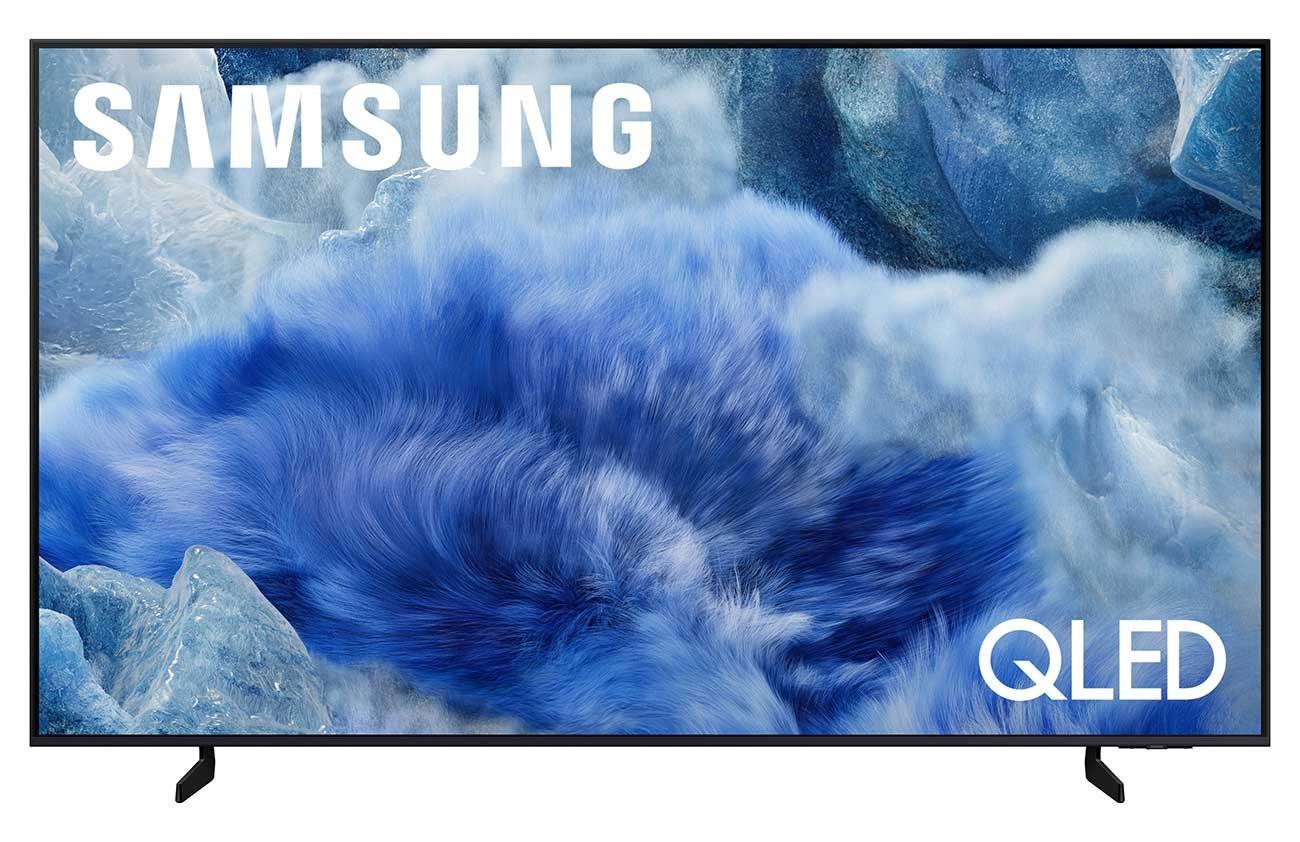
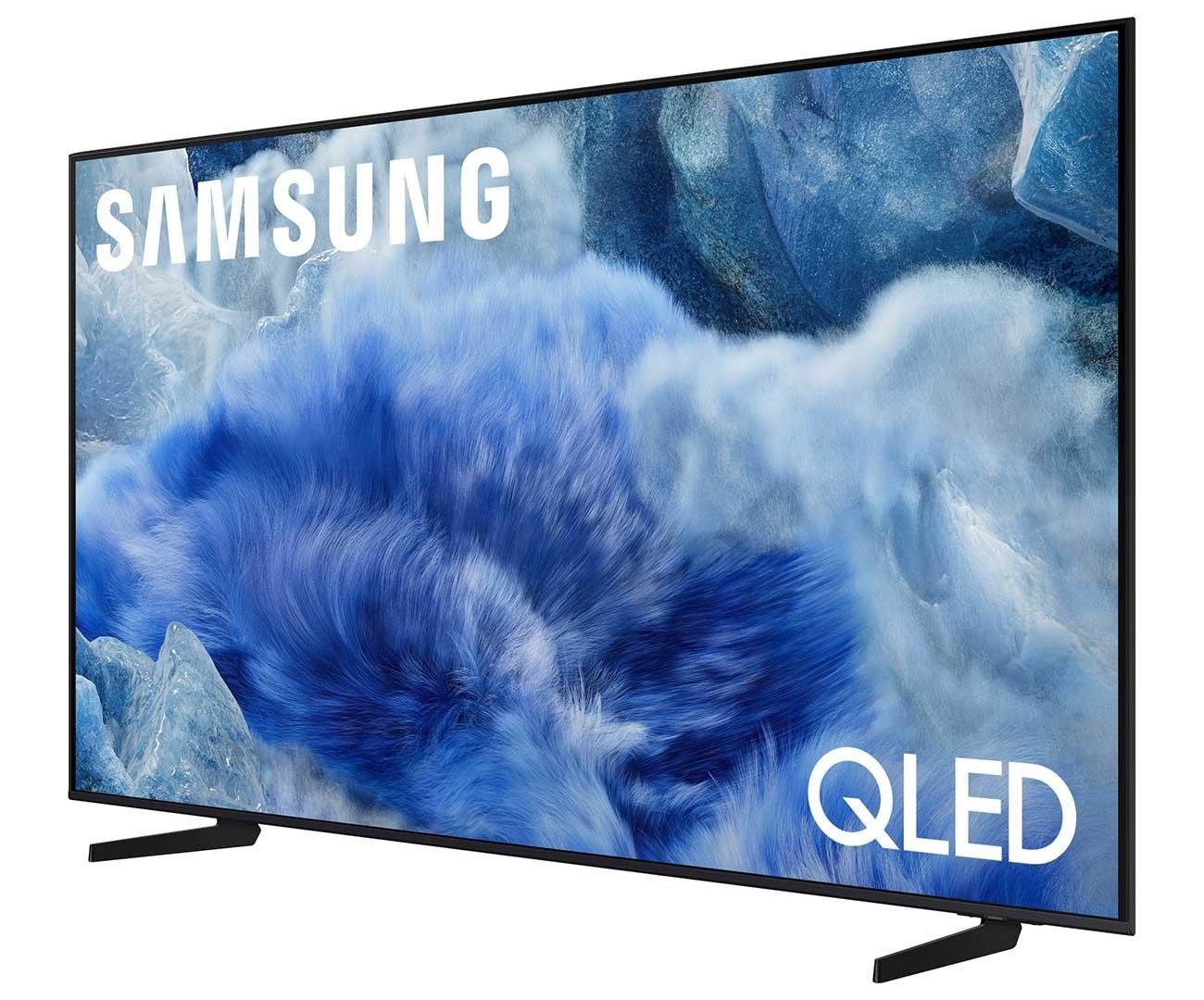
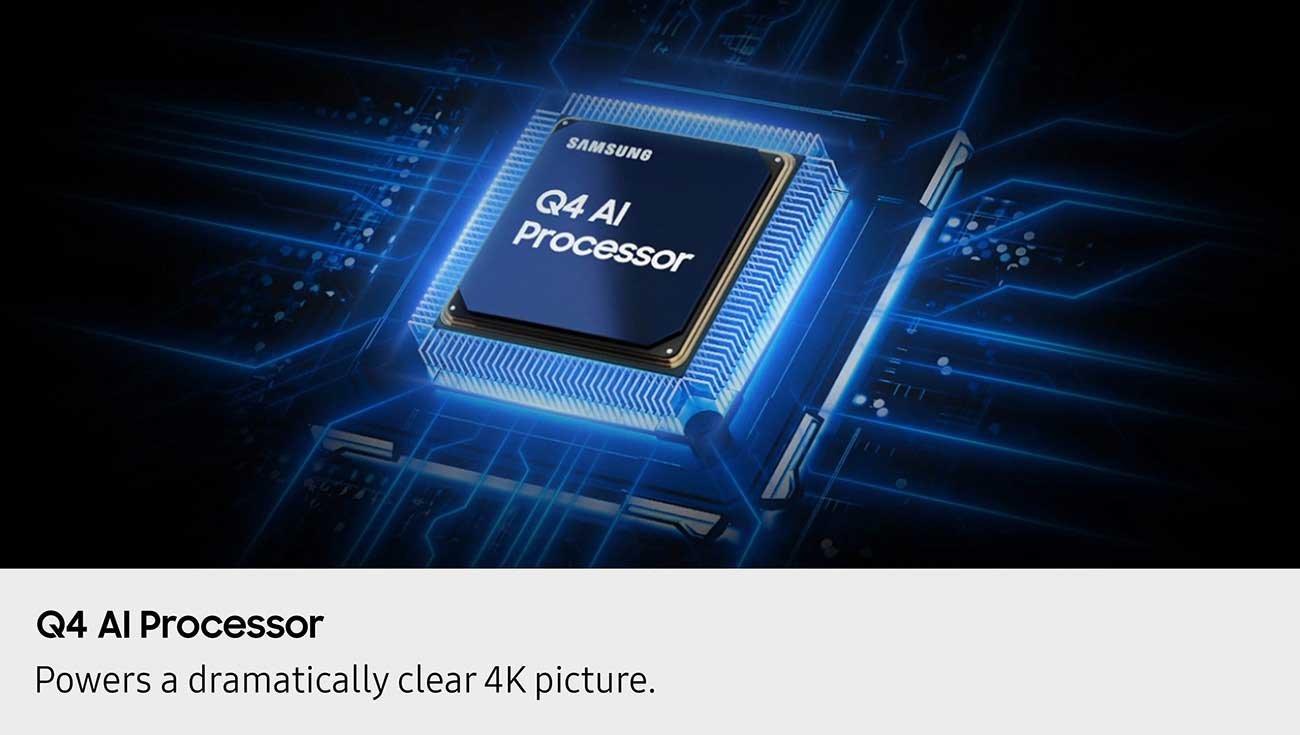
The QN8F QLED represents Samsung's latest thinking on quantum dot technology. At its heart sits the Q4 AI Processor, which Samsung describes as lighting up "with waves of power surging from the chip to the rest of the TV." While that sounds like marketing speak, what they're really describing is a significant step forward in how the TV processes and optimizes every frame.
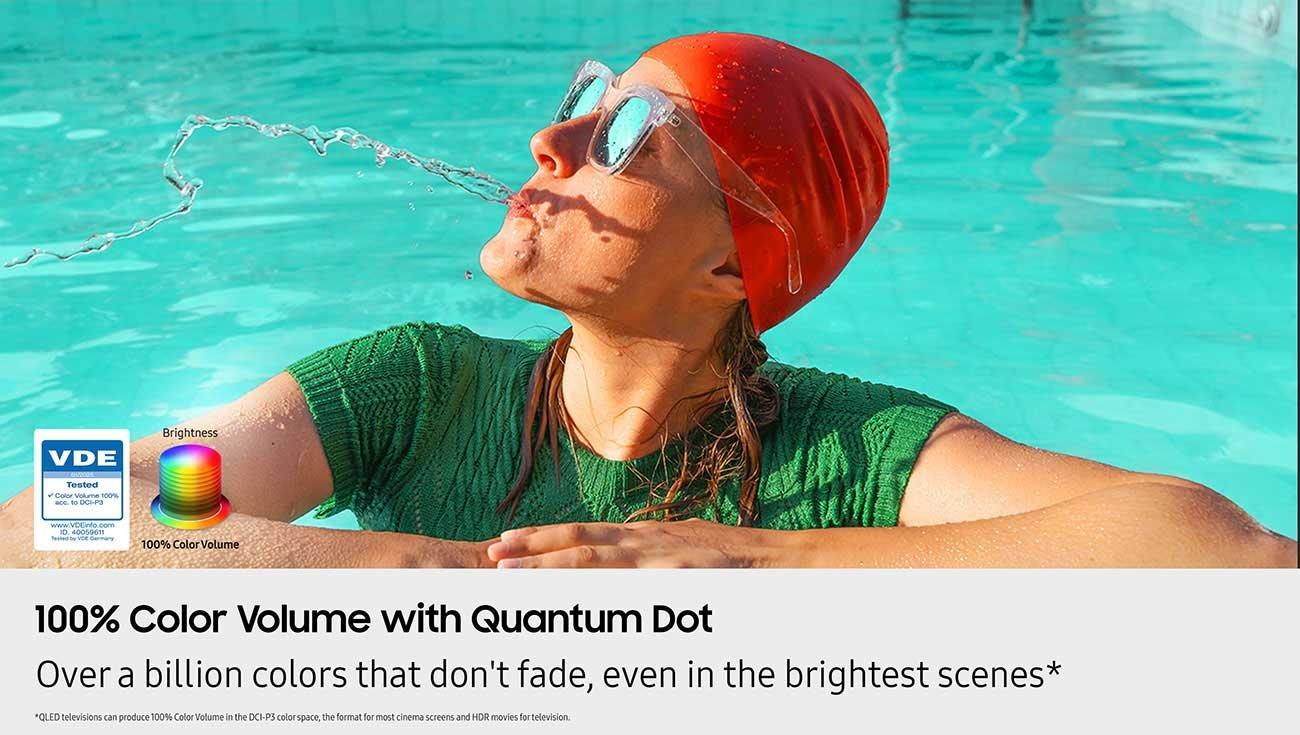
The quantum dot layer in the QN8F creates what Samsung calls "100% Color Volume" - essentially meaning it can reproduce over one billion different color shades. Quantum dots work by converting blue light from LEDs into extremely precise red and green wavelengths, creating colors that are both more accurate and more vibrant than traditional LED TVs can manage.
What's particularly impressive about the 2025 model is its Vision AI technology. This isn't just a buzzword - the TV actually analyzes what you're watching in real-time and adjusts picture settings, color balance, and even sound characteristics to optimize for specific content types. Watching a dark thriller? It'll adjust contrast and brightness differently than when you're watching a bright sports game.
The Dual LED backlighting system uses both warm and cool LEDs to improve contrast, while Supreme UHD Dimming divides the screen into zones that can be brightened or darkened independently. This helps create deeper blacks and brighter highlights, though it can't achieve the perfect blacks that OLED technology provides.
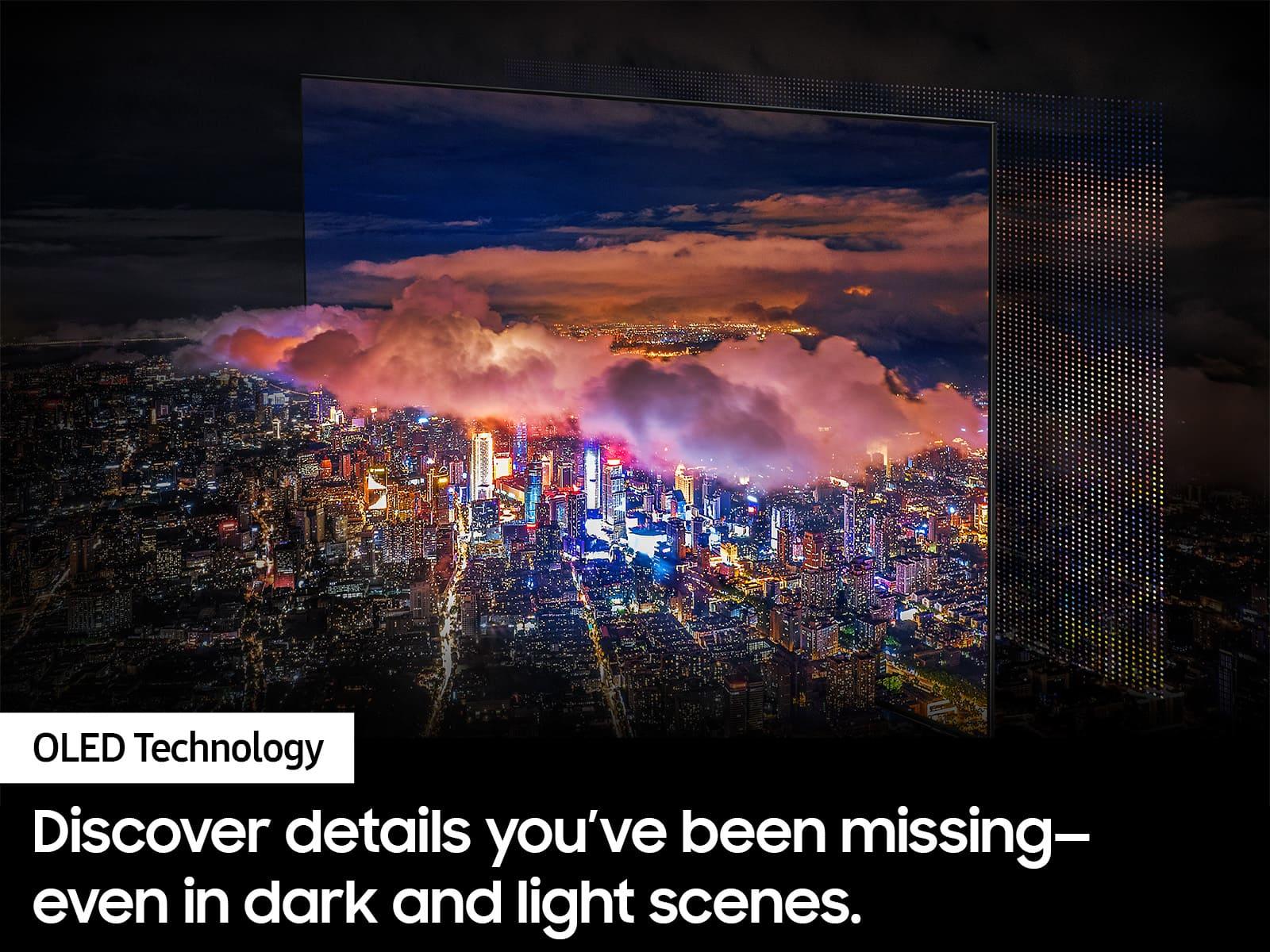
The S95D OLED uses Quantum Dot OLED (QD-OLED) technology, which combines the best aspects of both OLED and quantum dot technologies. Each of the 8.3 million pixels can turn completely on or off independently, creating what's called an "infinite contrast ratio" - meaning the difference between the brightest whites and darkest blacks is theoretically unlimited.
What makes the S95D special isn't just that it's an OLED, but that it's a QD-OLED. Traditional OLED panels use white pixels with color filters, but QD-OLED panels use blue OLED pixels with quantum dot converters. This hybrid approach delivers the perfect blacks of OLED while achieving the color accuracy and brightness that quantum dots provide.
The NQ4 AI Gen2 Processor in the S95D uses 20 specialized neural networks to handle different aspects of picture processing. This distributed approach allows for more sophisticated upscaling of lower-resolution content to 4K, better motion handling, and more intelligent scene optimization.
Perhaps most importantly for many households, the S95D features Samsung's Glare Free matte screen coating. Traditional OLED TVs have struggled in bright rooms because their glossy screens create distracting reflections. This matte coating nearly eliminates those reflections while maintaining picture quality - solving one of OLED's biggest weaknesses.
Peak brightness matters more than many people realize, especially for HDR (High Dynamic Range) content. HDR allows TVs to display a wider range of brightness levels, from deep blacks to brilliant highlights, making images look more realistic and three-dimensional.
The S95D OLED achieves an impressive 2,170 nits of peak brightness, making it the brightest OLED TV tested in 2024. This is crucial because it allows HDR content to really shine - literally. When you're watching a scene with bright sunlight or reflections off water, that extra brightness makes the difference between a good picture and a truly spectacular one.
While specific brightness figures aren't available for the QN8F QLED, QLED technology generally excels at bright highlights. The Quantum HDR+ processing in the newer model likely delivers excellent peak brightness, especially in bright room conditions where QLED technology traditionally outperforms OLED.
For home theater enthusiasts, this brightness difference becomes particularly important. In a dedicated dark room, both TVs will look spectacular, but the S95D's superior contrast ratio gives it the edge. In a living room with windows and ambient lighting, the QN8F QLED might actually look better during daytime viewing.
This is where the fundamental technology difference becomes most apparent. The S95D OLED can turn individual pixels completely off, creating true blacks that make dark scenes look incredibly realistic. When you're watching a movie with a nighttime scene, the blacks are so deep they seem to disappear into the screen itself.
The QN8F QLED uses Supreme UHD Dimming to create local dimming zones, but because it still relies on a backlight, it can't achieve perfect blacks. You might notice slight "blooming" around bright objects in dark scenes, where the backlight bleeds through slightly. However, Samsung has made significant improvements in minimizing this effect, and for most content, it's barely noticeable.
In practical terms, this means the S95D OLED will give you a more cinematic experience for movies, especially in darker viewing environments. The QN8F QLED will still look excellent but won't quite achieve that "infinite" contrast that makes OLED so compelling for film enthusiasts.
Both TVs excel at color reproduction, but through different approaches. The QN8F QLED achieves its color performance through quantum dot enhancement of LED backlighting, creating vivid and saturated colors that really pop off the screen. This makes it excellent for animated content, sports, and vibrant TV shows.
The S95D OLED combines quantum dot technology with OLED's natural color advantages, resulting in Pantone-validated colors that are both accurate and vibrant. This TV particularly excels at yellows and other challenging colors that traditional OLED panels sometimes struggle with.
For color-critical applications or if you're particular about color accuracy, the S95D OLED has the edge. For everyday viewing where you want colors that are engaging and dynamic, both TVs will satisfy, but the QN8F QLED might actually appear more vibrant in bright rooms.
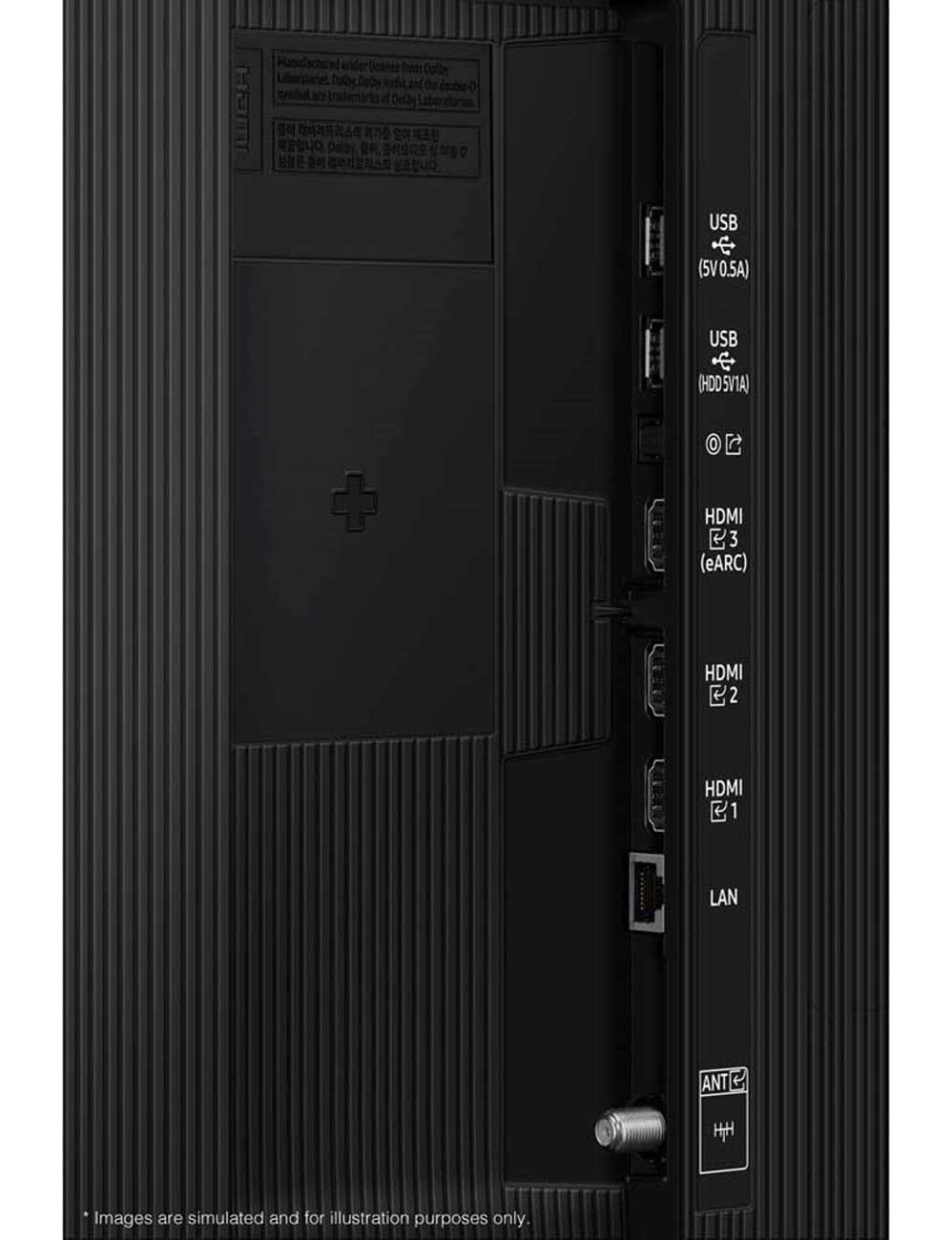
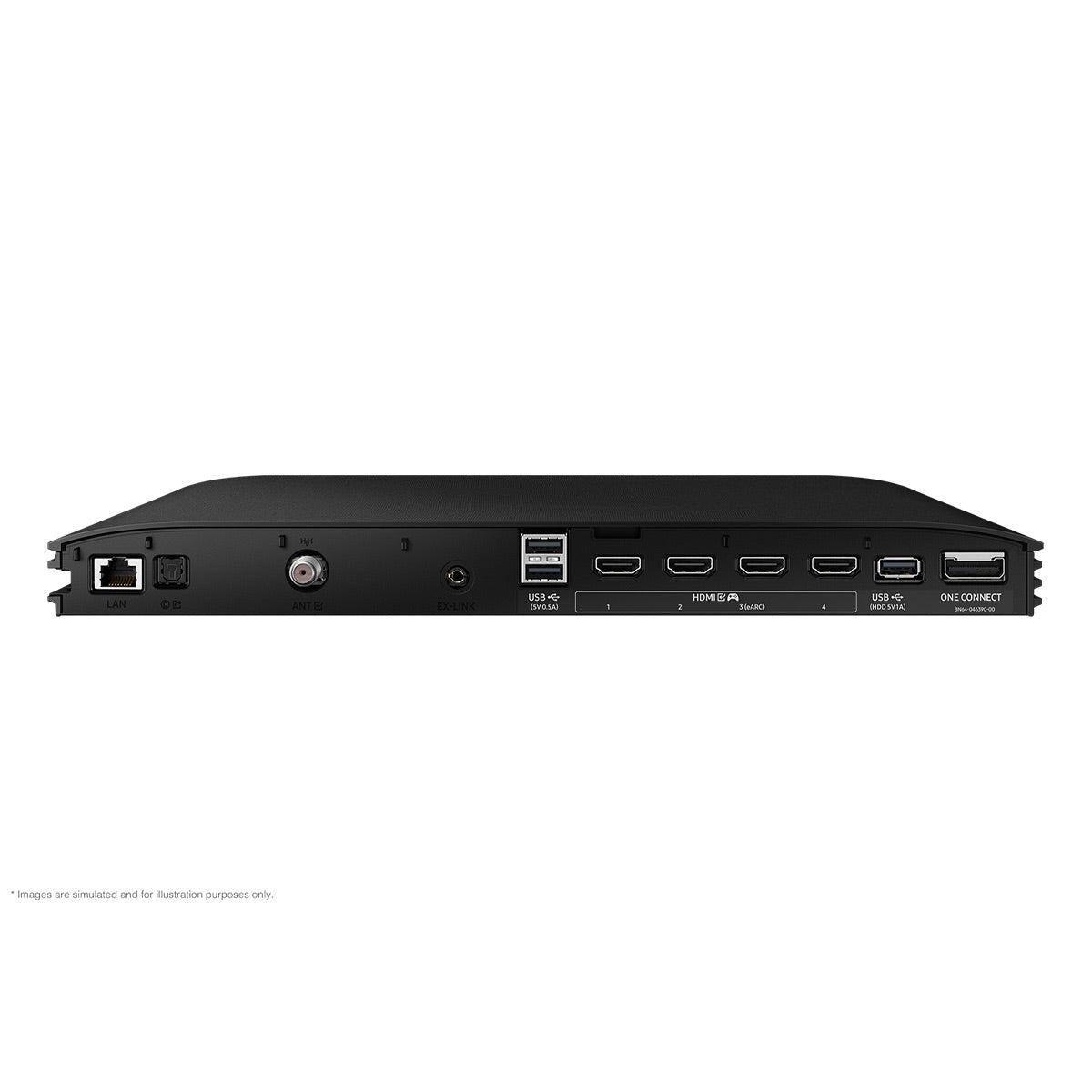
Gaming has become a crucial consideration for TV buyers, and both Samsung TVs take this seriously. The S95D OLED leads with an exceptionally low 9-millisecond input lag, which is crucial for competitive gaming where every millisecond of response time matters. It also offers four full-bandwidth HDMI 2.1 ports, allowing you to connect multiple gaming consoles and PCs without compromise.
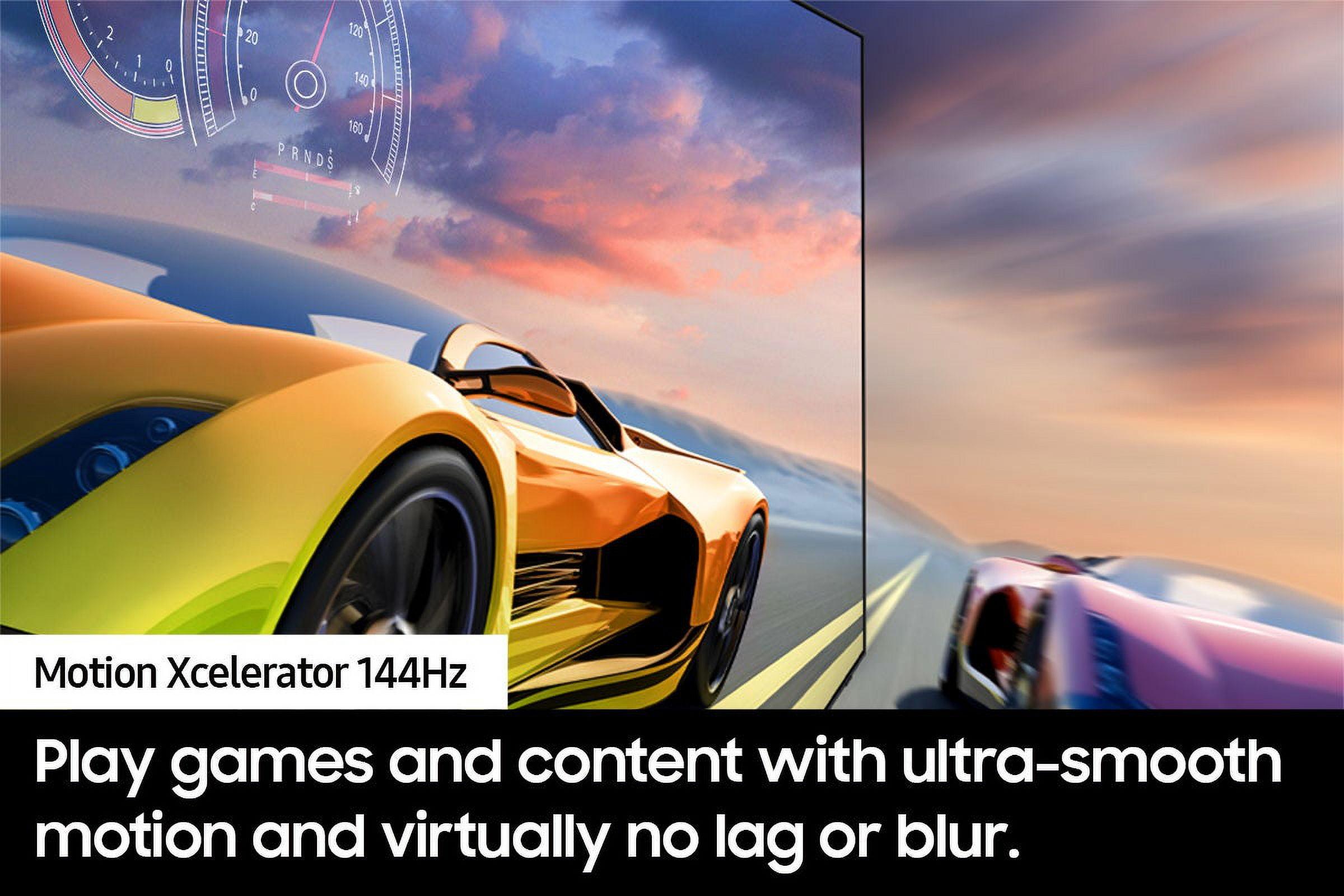
The 144Hz refresh rate capability in both TVs supports high-frame-rate gaming from PCs and the latest consoles. However, the S95D OLED's per-pixel response time gives it an advantage for fast-moving games where blur reduction is critical.
The QN8F QLED still offers excellent gaming performance with its Motion Xcelerator 144Hz technology, and its lack of burn-in concerns makes it potentially better for gamers who play games with static HUD elements for extended periods.
For casual gamers, both TVs will provide an excellent experience. For serious gamers, particularly those who play competitive multiplayer games, the S95D OLED's superior input lag and motion handling give it a clear advantage.
Audio quality often gets overlooked in TV comparisons, but both Samsung TVs offer distinct approaches. The QN8F QLED features Adaptive Sound+ technology that analyzes room acoustics and adjusts audio output accordingly. This creates a more personalized listening experience that adapts to your specific living space.
The S95D OLED takes a more premium approach with Dolby Atmos support and Object Tracking Sound+. This technology creates three-dimensional audio that follows the action on screen. When a car drives across the screen, you'll hear the sound move with it, creating a more immersive experience.
Both TVs support Q-Symphony, Samsung's technology that allows the TV speakers to work in harmony with compatible Samsung soundbars rather than being disabled. This creates a fuller, more enveloping sound experience.
For home theater setups where you'll likely add a dedicated sound system anyway, the audio differences become less critical. However, for those planning to use the built-in speakers, the S95D OLED's Dolby Atmos support provides a more cinematic audio experience.
The QN8F QLED showcases Samsung's latest 2025 smart TV innovations, particularly in AI integration. The Vision AI technology goes beyond simple picture optimization, actually learning from your viewing habits and room conditions to provide increasingly personalized performance.
One standout feature is Generative Wallpaper, which uses AI to create custom background images based on keywords you provide. While this might seem like a novelty, it's actually part of a broader trend toward TVs becoming more integrated into home decor and ambient experiences.
The enhanced Bixby voice assistant in the QN8F can handle multiple commands simultaneously and better understand context, making voice control more natural and useful. This represents a significant improvement over earlier voice control implementations.
The S95D OLED runs Samsung's proven Tizen platform with reliable smart TV functionality, though it lacks some of the newest AI features found in the 2025 model. However, its core streaming performance and app support remain excellent.
Both TVs integrate well with Samsung's SmartThings ecosystem, allowing control of connected home devices directly from the TV interface.
Your room's lighting characteristics should heavily influence your choice between these TVs. The QN8F QLED excels in bright rooms with lots of natural light. Its quantum dot technology and LED backlighting create images that remain vibrant and clear even with significant ambient lighting.
The S95D OLED's matte anti-glare coating was specifically designed to address OLED's traditional weakness in bright rooms. In testing, this coating nearly eliminates reflections, making it surprisingly effective in bright environments. However, there's a trade-off: in very bright conditions, the matte coating can make blacks appear slightly less deep than they would in darker conditions.
For dedicated home theater rooms with controlled lighting, the S95D OLED provides an unmatched cinematic experience. The perfect blacks and infinite contrast create a more immersive viewing experience that's particularly noticeable with movie content.
In mixed-use living spaces, both TVs perform well, but your specific room characteristics matter. If you have large windows or bright overhead lighting, the QN8F QLED might provide more consistent performance throughout the day.
At the time of writing, the price difference between these TVs is significant, with the QN8F QLED positioned as a premium value option while the S95D OLED commands flagship pricing. This price gap reflects both the underlying technology costs and Samsung's positioning strategy.
The QN8F QLED offers exceptional value by providing premium features, the latest AI technology, and solid performance at a more accessible price point. For most viewers, it delivers a premium TV experience without the premium price.
The S95D OLED represents an investment in cutting-edge display technology. The superior picture quality, gaming performance, and unique anti-glare innovation justify the higher price for those who prioritize having the best possible viewing experience.
Long-term reliability considerations also factor into value calculations. QLED technology has no burn-in concerns, making the QN8F QLED potentially more worry-free for varied viewing habits. OLED technology, while dramatically improved, still carries some burn-in risk with static content displayed for extended periods.
After extensive consideration of both technologies, my recommendation comes down to your priorities and viewing environment.
Choose the Samsung QN8F QLED if you want the latest smart TV technology at a more accessible price point, primarily watch in bright rooms, value long-term reliability without burn-in concerns, or want cutting-edge AI features like Generative Wallpaper. This TV represents the sweet spot for most buyers who want premium performance without flagship pricing.
Choose the Samsung S95D OLED if picture quality is your absolute priority, you're serious about gaming performance, you want the most cinematic home theater experience possible, or you're willing to invest in the best display technology currently available. Despite being a 2024 model, it still represents the pinnacle of TV picture quality.
Both TVs will provide years of exceptional viewing experiences, but they excel in different scenarios. The QN8F QLED offers broader appeal and better value, while the S95D OLED provides uncompromising quality for those who demand the absolute best. Your choice should align with how you actually use your TV and what aspects of performance matter most to your daily viewing experience.
| Samsung 65" QN8F Series QLED 4K Vision AI Smart TV 2025 | Samsung 65" S95D 4K OLED Smart TV |
|---|---|
| Display Technology - Determines picture quality approach and performance characteristics | |
| QLED with Dual LED backlighting and quantum dots | QD-OLED with per-pixel lighting and quantum dot enhancement |
| Peak Brightness - Critical for HDR performance and bright room viewing | |
| High brightness with Quantum HDR+ (exact specs TBD) | 2,170 nits measured peak brightness (brightest OLED available) |
| Contrast Ratio - Affects depth and realism in dark scenes | |
| Excellent contrast with Supreme UHD Dimming zones | Infinite contrast ratio with perfect pixel-level blacks |
| Processor and AI Features - Impacts upscaling, optimization, and smart capabilities | |
| Q4 AI Processor with Vision AI and Generative Wallpaper | NQ4 AI Gen2 with 20 specialized neural networks |
| Gaming Performance - Input lag and refresh rate for responsive gaming | |
| 120Hz with Motion Xcelerator 144Hz technology | 144Hz native with 9ms input lag and 4 HDMI 2.1 ports |
| Anti-Glare Technology - Performance in bright rooms with windows/lighting | |
| Standard QLED performance, naturally bright-room friendly | Matte Glare Free coating that nearly eliminates reflections |
| Audio System - Built-in sound quality without additional speakers | |
| 20W 2CH with Adaptive Sound+ and room acoustics adjustment | Dolby Atmos with Object Tracking Sound+ for 3D audio |
| Burn-in Risk - Long-term reliability with static content like news/gaming HUDs | |
| No burn-in risk due to LED backlighting technology | Minimal but present OLED burn-in risk with static images |
| Release Year and Future-Proofing - Latest features and software support timeline | |
| 2025 model with newest AI features and extended support | 2024 flagship model with proven premium performance |
| Value Positioning - Performance per dollar and target buyer segment | |
| Premium features at accessible pricing for broad appeal | Flagship pricing justified by best-in-class picture quality |
The Samsung S95D OLED delivers superior overall picture quality with perfect blacks, infinite contrast ratio, and exceptional color accuracy. However, the Samsung QN8F QLED offers excellent brightness and vibrant colors that may appear more impressive in bright rooms. For dark room viewing and cinematic experiences, the S95D OLED is the clear winner.
QLED TVs like the QN8F use LED backlighting with quantum dot enhancement to create bright, colorful images. OLED TVs like the S95D have pixels that create their own light, allowing them to turn completely off for perfect blacks. This means OLED offers better contrast while QLED typically provides higher peak brightness.
The Samsung S95D OLED is superior for gaming with its 9ms input lag, 144Hz refresh rate, and four HDMI 2.1 ports. The QN8F QLED still offers good gaming performance with 120Hz support, but the S95D provides more responsive gameplay and better motion handling for competitive gaming.
Both TVs handle bright rooms well, but differently. The QN8F QLED naturally performs excellently in bright conditions due to its LED backlighting. The S95D OLED features a special matte anti-glare coating that nearly eliminates reflections, making it surprisingly effective in bright rooms despite being an OLED.
The Samsung QN8F QLED provides better value with premium features, latest 2025 AI technology, and solid performance at a more accessible price point. The S95D OLED commands flagship pricing but justifies it with cutting-edge display technology and superior picture quality for those prioritizing the best possible viewing experience.
The QN8F QLED has no burn-in risk due to its LED backlighting technology, making it worry-free for varied viewing habits including news, gaming, and content with static elements. The S95D OLED has minimal but present burn-in risk with static images displayed for extended periods, though modern OLED panels are much more resistant than earlier generations.
For dedicated home theater rooms with controlled lighting, the Samsung S95D OLED provides an unmatched cinematic experience with perfect blacks and infinite contrast. The QN8F QLED still delivers excellent home theater performance and might be preferable in mixed-use spaces with ambient lighting.
The QN8F QLED features Samsung's latest 2025 Vision AI technology, Generative Wallpaper, and enhanced Bixby voice control with improved multi-command processing. The S95D OLED runs Samsung's proven Tizen platform with excellent streaming performance, though it lacks some of the newest AI features found in the 2025 model.
The Samsung QN8F QLED offers better future-proofing as a 2025 model with the latest AI features and extended software support timeline. The S95D OLED, while a 2024 model, still represents cutting-edge display technology that will remain relevant for years. Both support current gaming and streaming standards.
Choose the QN8F QLED if you want the latest 2025 features at accessible pricing, primarily watch in bright rooms, or prefer worry-free reliability. Choose the S95D OLED if picture quality is your top priority, you're serious about gaming, or you want the most cinematic viewing experience available regardless of cost.
We've done our best to create useful and informative comparisons to help you decide what product to buy. Our research uses advanced automated methods to create this comparison and perfection is not possible - please contact us for corrections or questions. These are the sites we've researched in the creation of this article: bestbuy.com - samsung.com - rtings.com - youtube.com - samsung.com - pcrichard.com - abt.com - images.samsung.com - cnet.com - news.samsung.com - samsung.com - bestbuy.com - techradar.com - videoandaudiocenter.com - avsforum.com - cnet.com - abt.com - merlinstv.com - nfm.com - rtings.com - flintsfurniture.com - samsung.com - bestbuy.com - displayspecifications.com

Privacy Policy
Terms and Conditions - Affiliate Policy
Home Security
© Copyright 2008-2026.
11816 Inwood Rd #1211, Dallas, TX 75244