

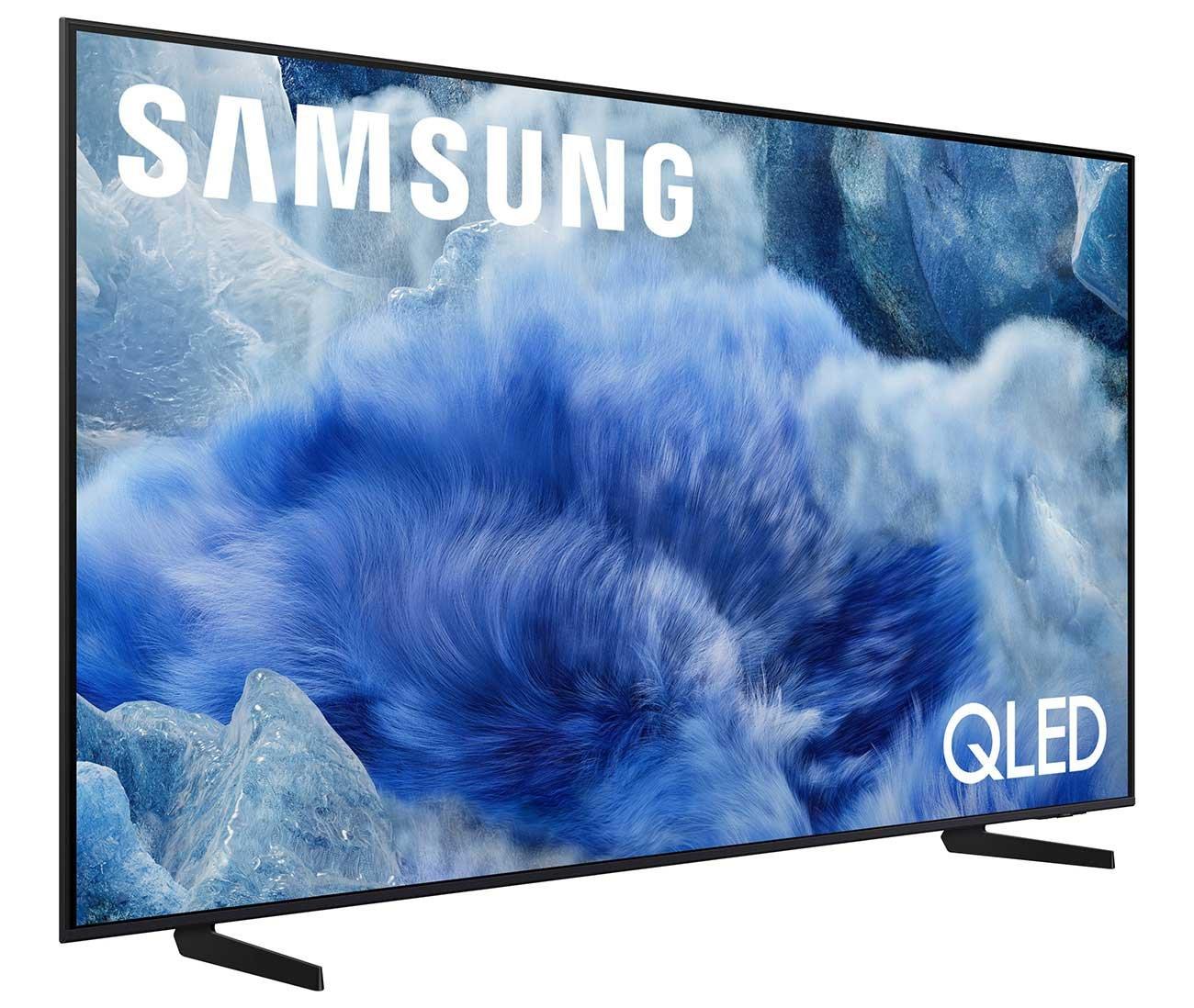
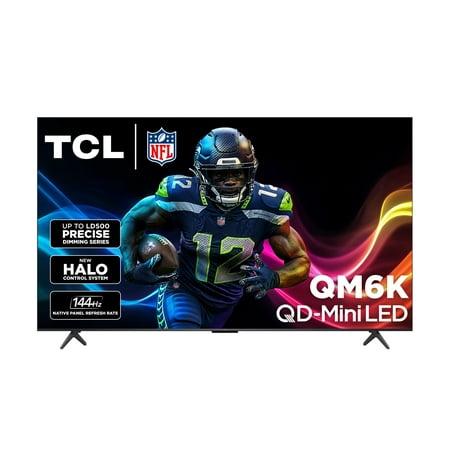
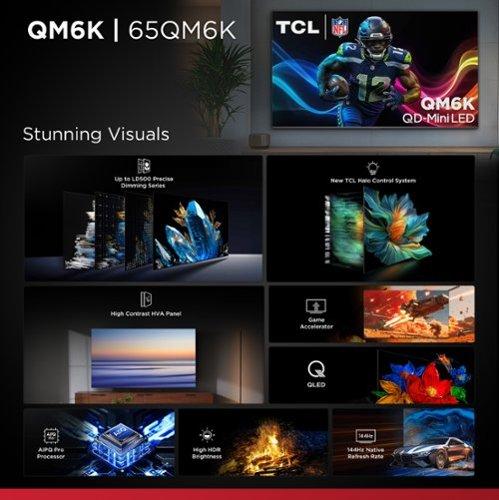
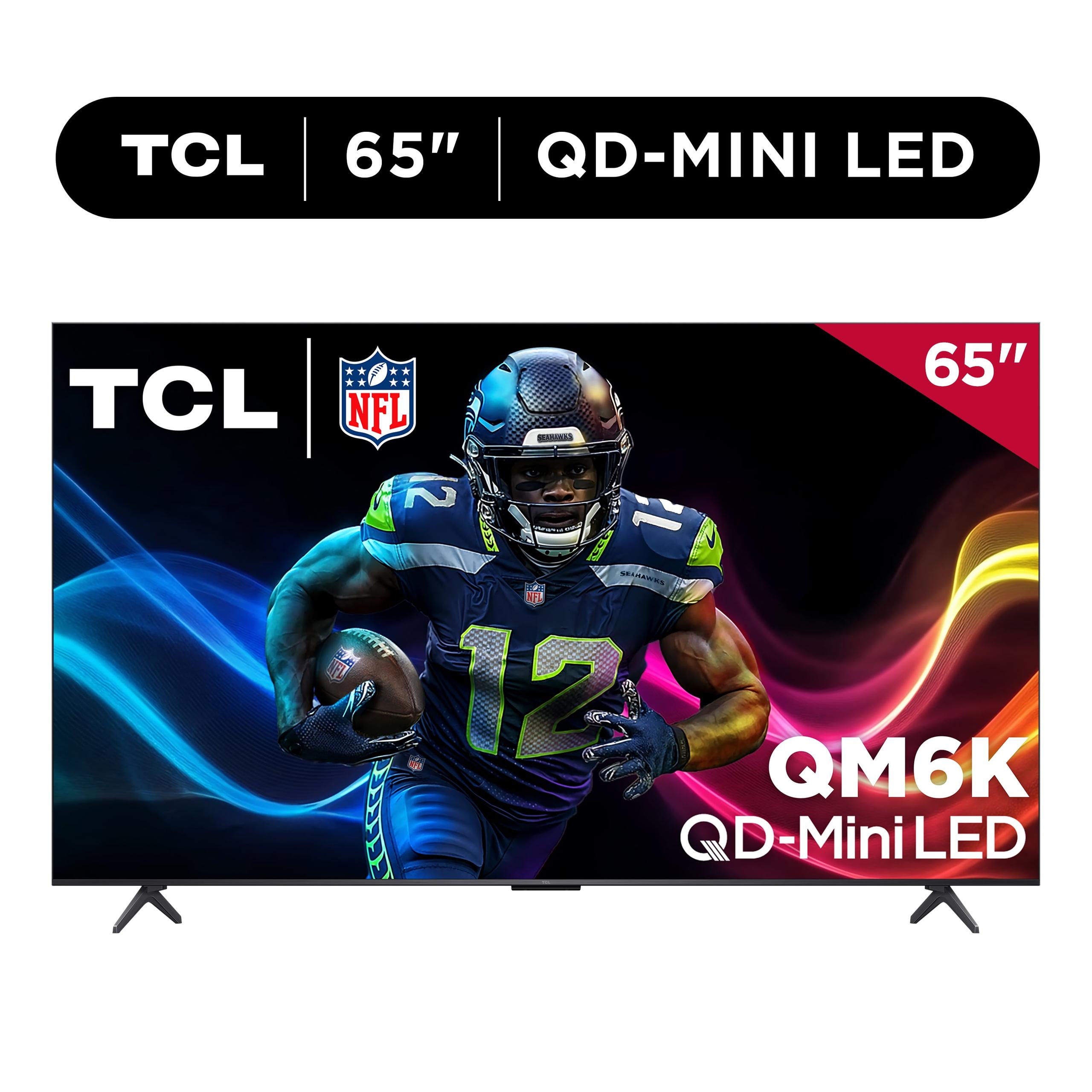
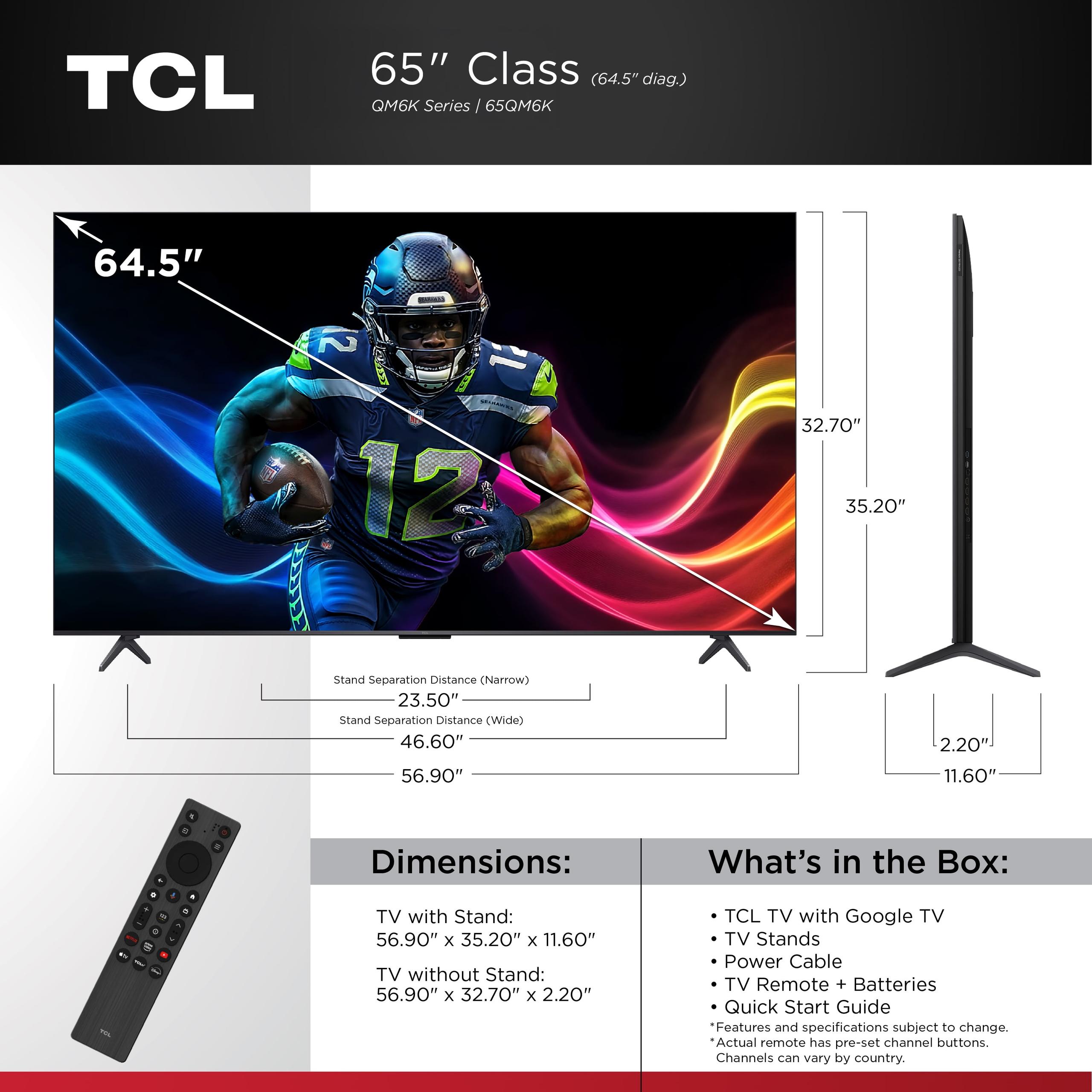
When you're shopping for a 65-inch 4K TV today, you're entering one of the most competitive segments in consumer electronics. Two standout models that perfectly illustrate the current market dynamics are the Samsung QN8F Series QLED and the TCL QM6K QD-Mini LED. Both launched in 2025, representing the latest in their respective companies' mid-to-premium lineups, but they take fundamentally different approaches to delivering great picture quality.
The 65-inch size has become the new standard for living rooms, offering that cinema-like experience without requiring a mansion to house it. What's fascinating about 2025's TV market is how different manufacturers are pursuing distinct technological paths to achieve similar goals: vibrant colors, deep blacks, and smooth motion.
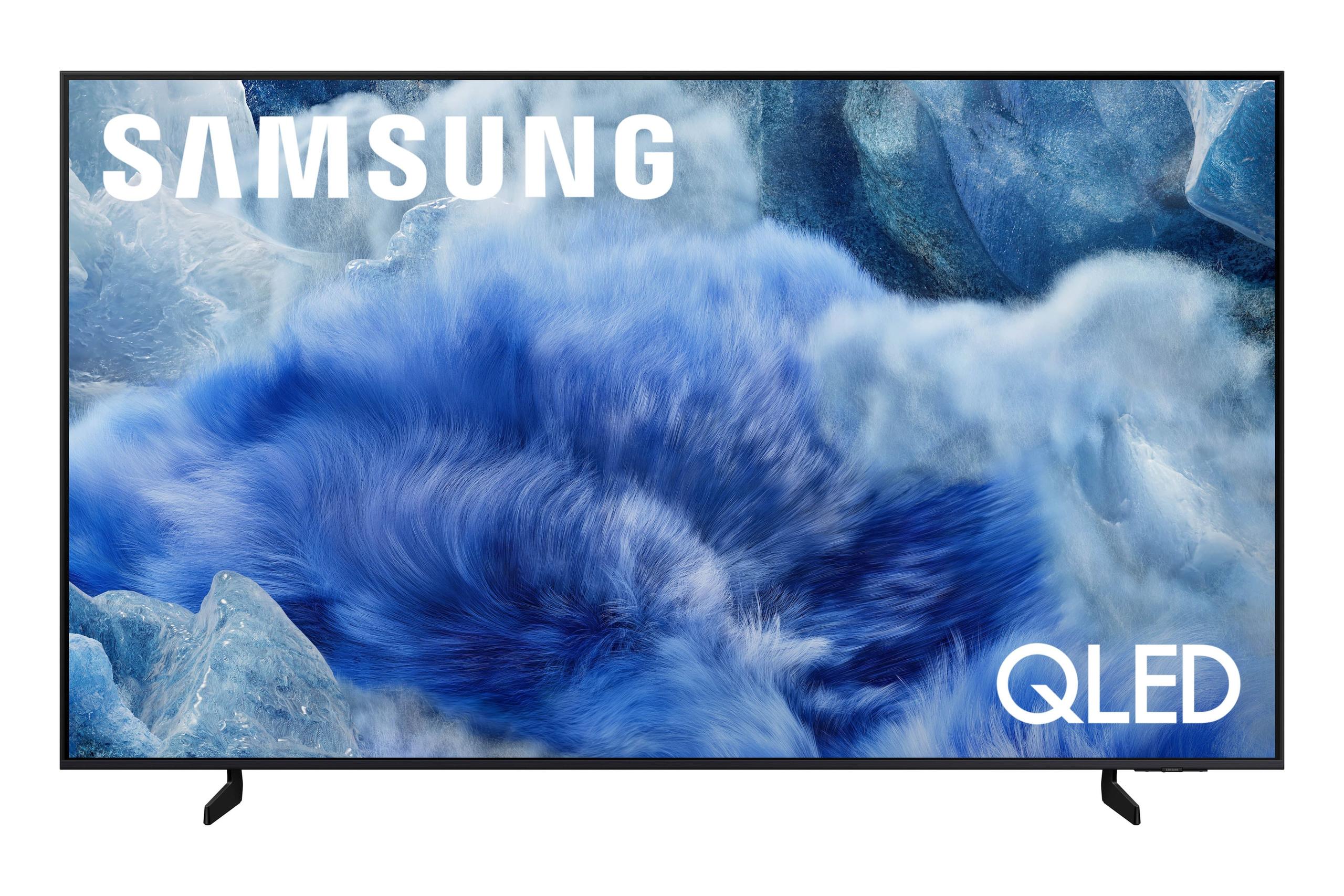
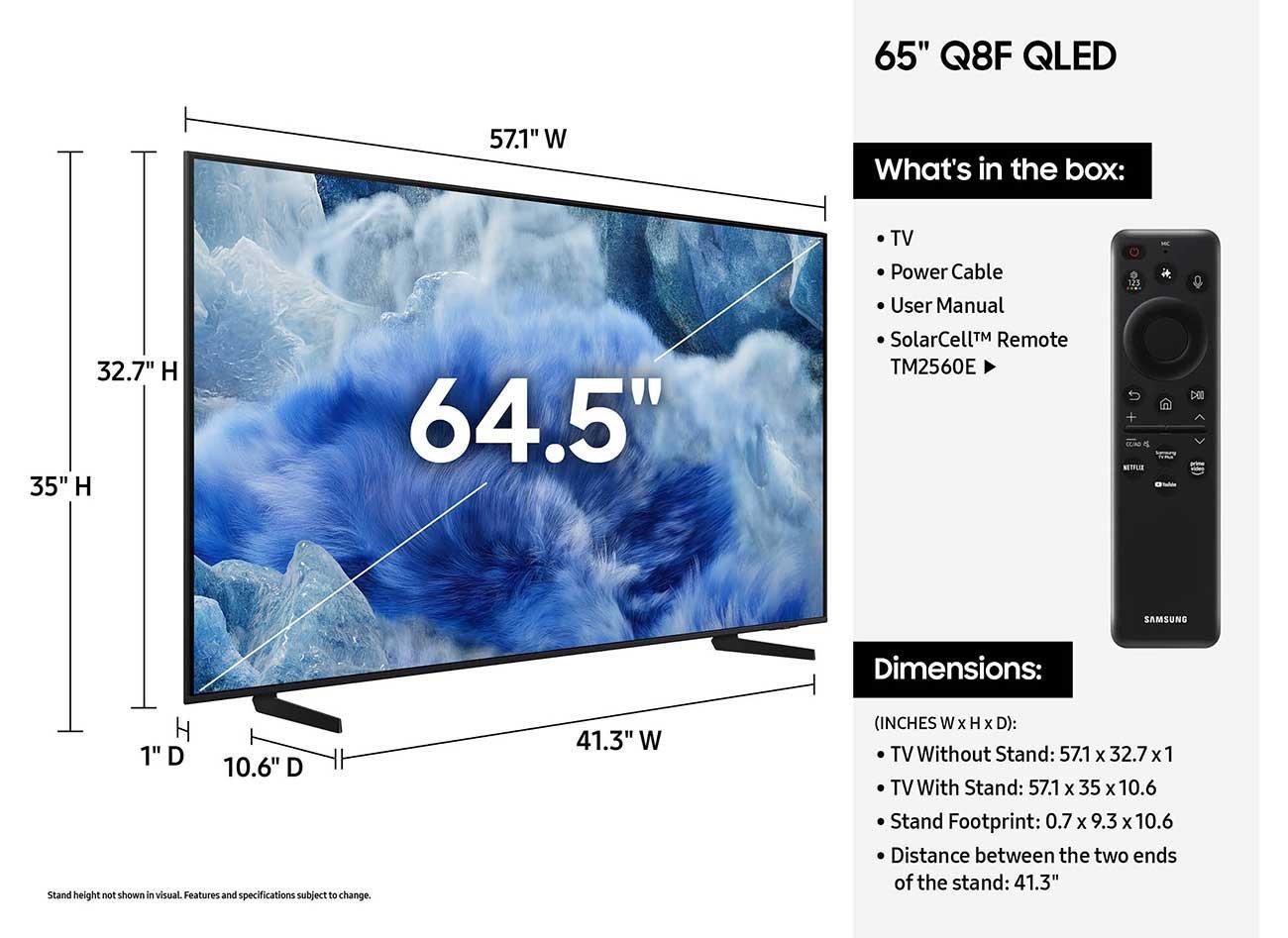
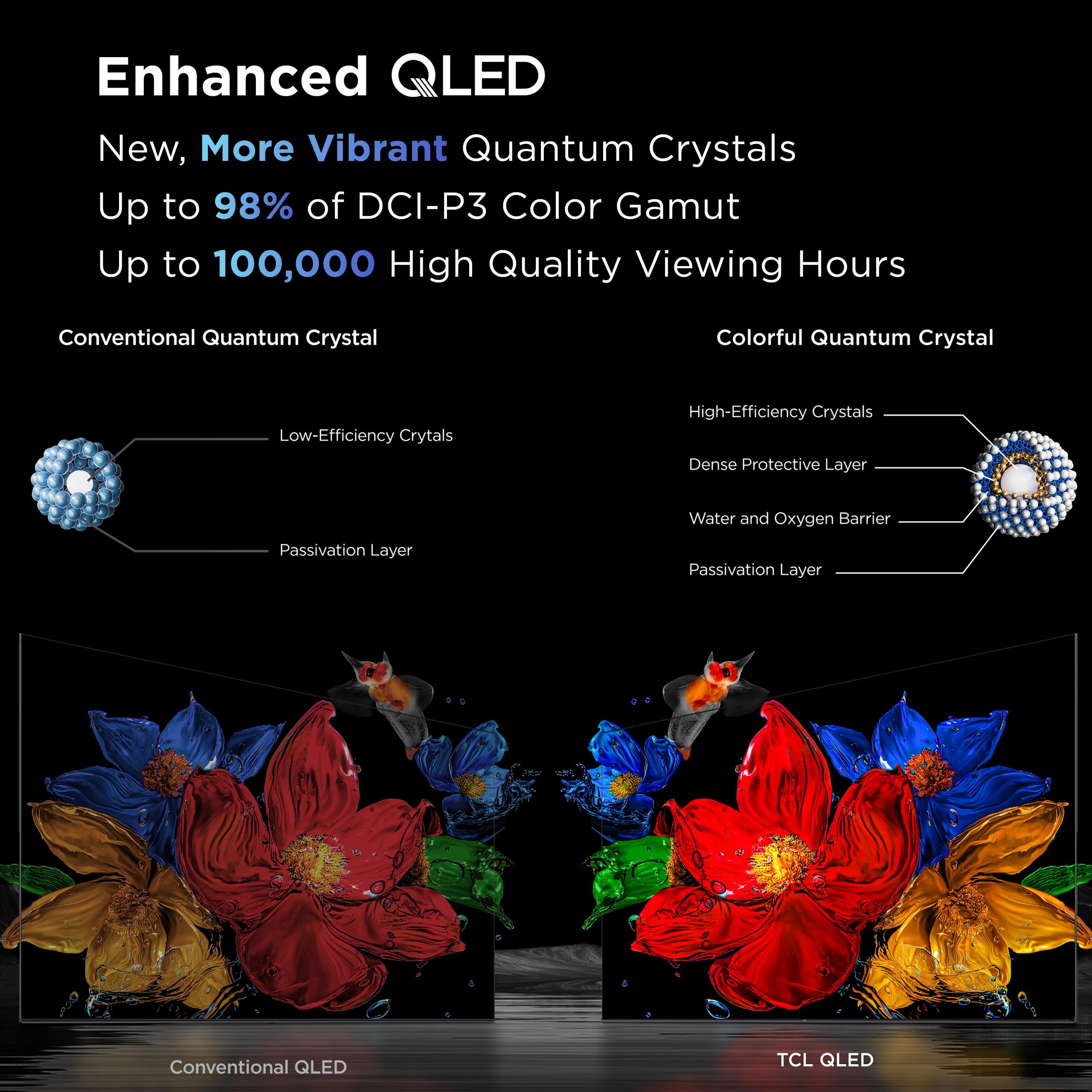
The Samsung QN8F represents the evolution of traditional QLED technology, which uses quantum dots (microscopic particles that emit specific colors when hit by light) to produce incredibly vivid colors. Meanwhile, the TCL QM6K showcases the democratization of Mini LED technology, bringing what was once reserved for flagship models down to more accessible price points.
Both TVs target the same audience – people who want premium features without paying flagship prices – but their underlying technologies create notably different viewing experiences. Understanding these differences is crucial because they affect everything from how movies look in your darkened living room to how responsive your games feel.
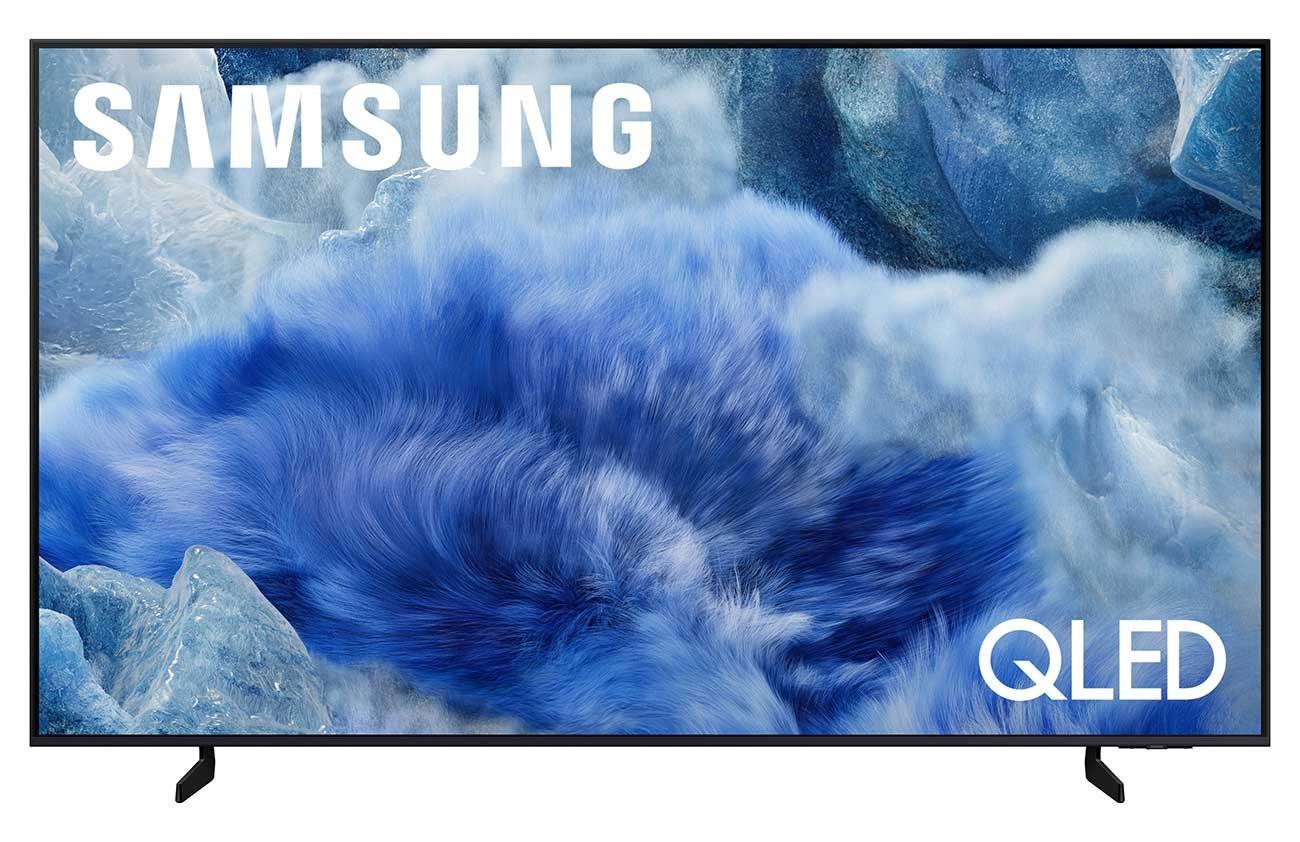
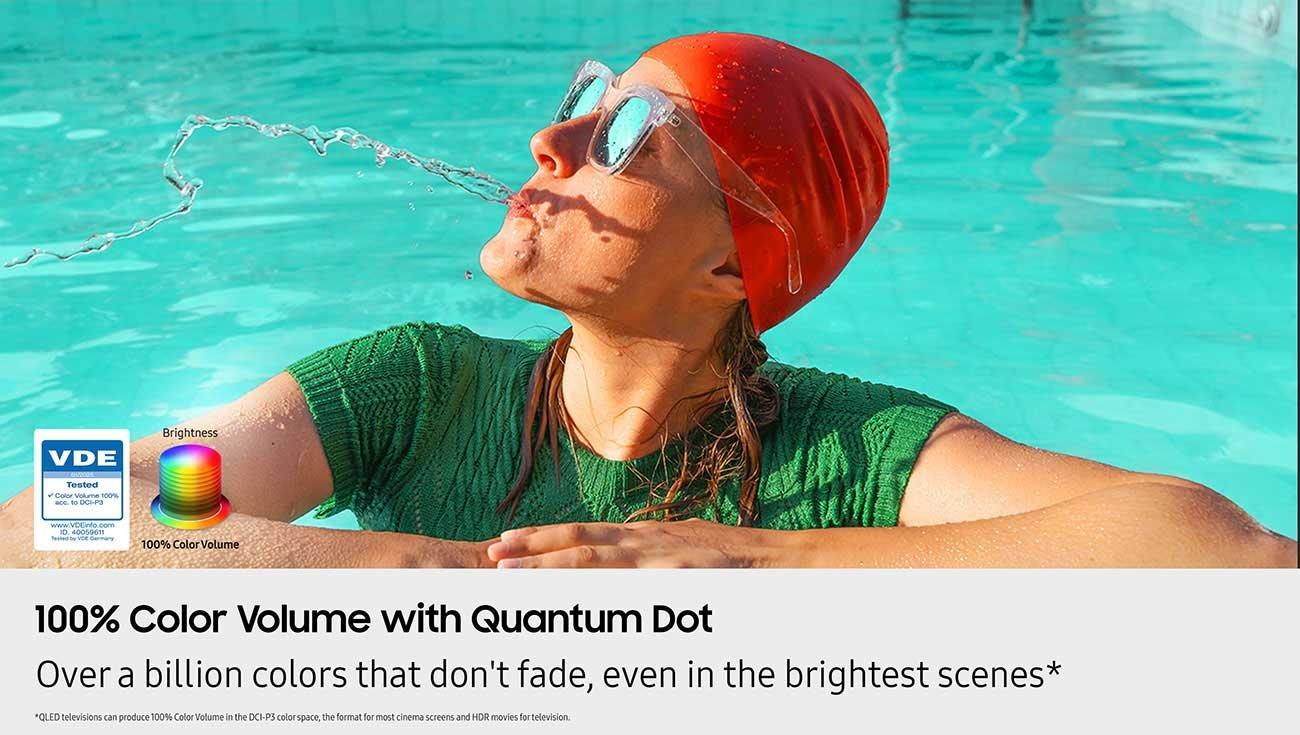
The Samsung QN8F uses what's called an edge-lit QLED panel. Think of quantum dots as tiny, incredibly efficient light converters. When the TV's backlight hits these quantum dots, they emit pure, saturated colors with remarkable consistency. Samsung claims over one billion possible color combinations, and in practice, this translates to colors that literally pop off the screen.
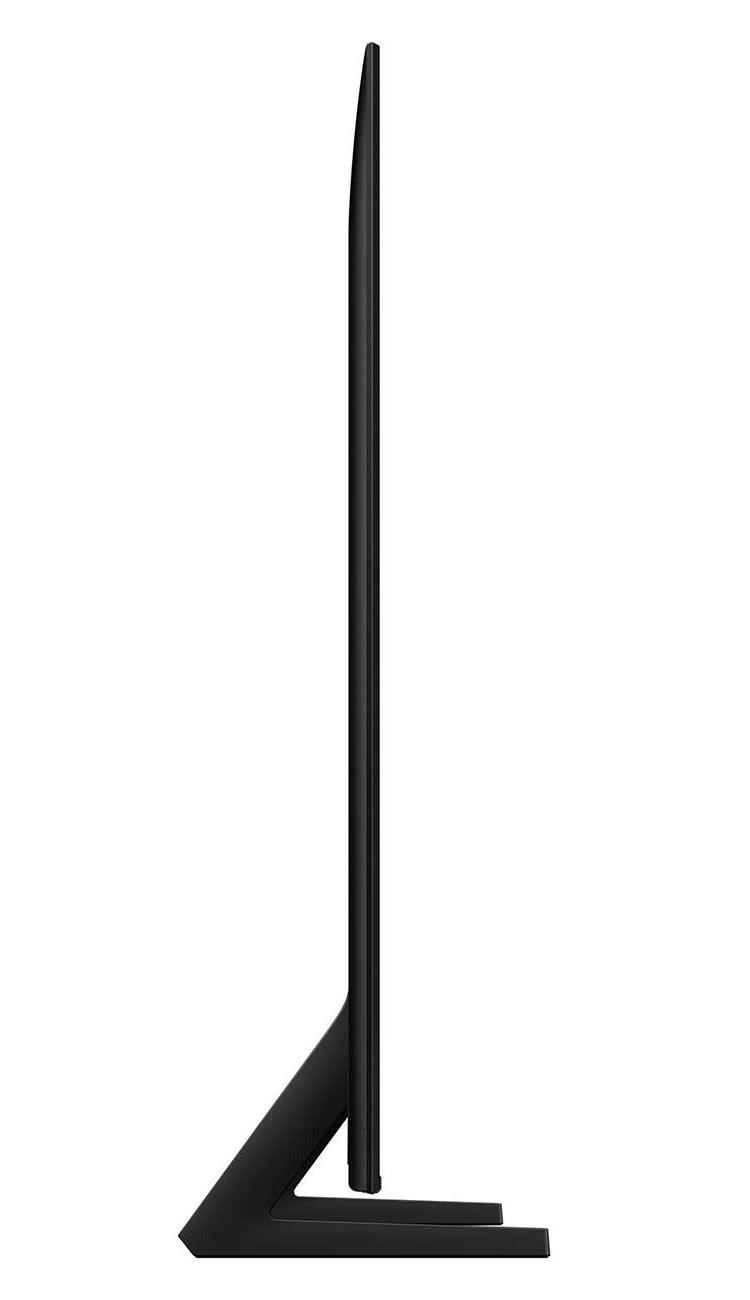
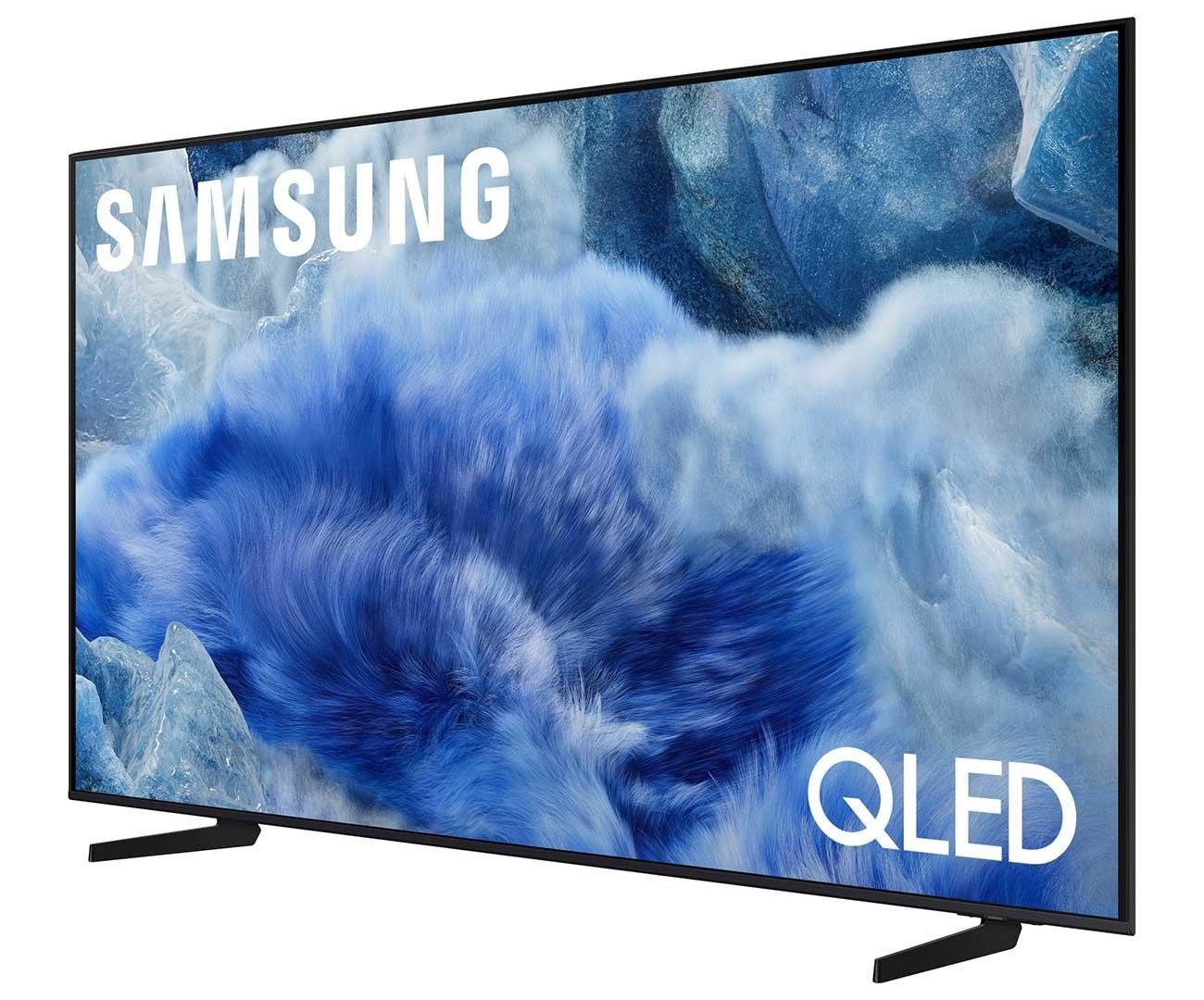
However, the "edge-lit" part is where things get interesting. Instead of having LEDs spread across the entire back of the screen (called full-array), the Samsung QN8F places its LEDs around the edges and uses light guides to distribute that light across the panel. This design allows for slimmer TVs – Samsung's AirSlim design is genuinely impressive – but it creates limitations in contrast performance.
When I'm watching a movie with both bright explosions and deep shadows, edge-lit displays struggle to make those shadows truly black while keeping the explosions bright. It's a fundamental physics limitation: the same backlight that makes bright scenes brilliant also prevents dark scenes from getting properly dark.
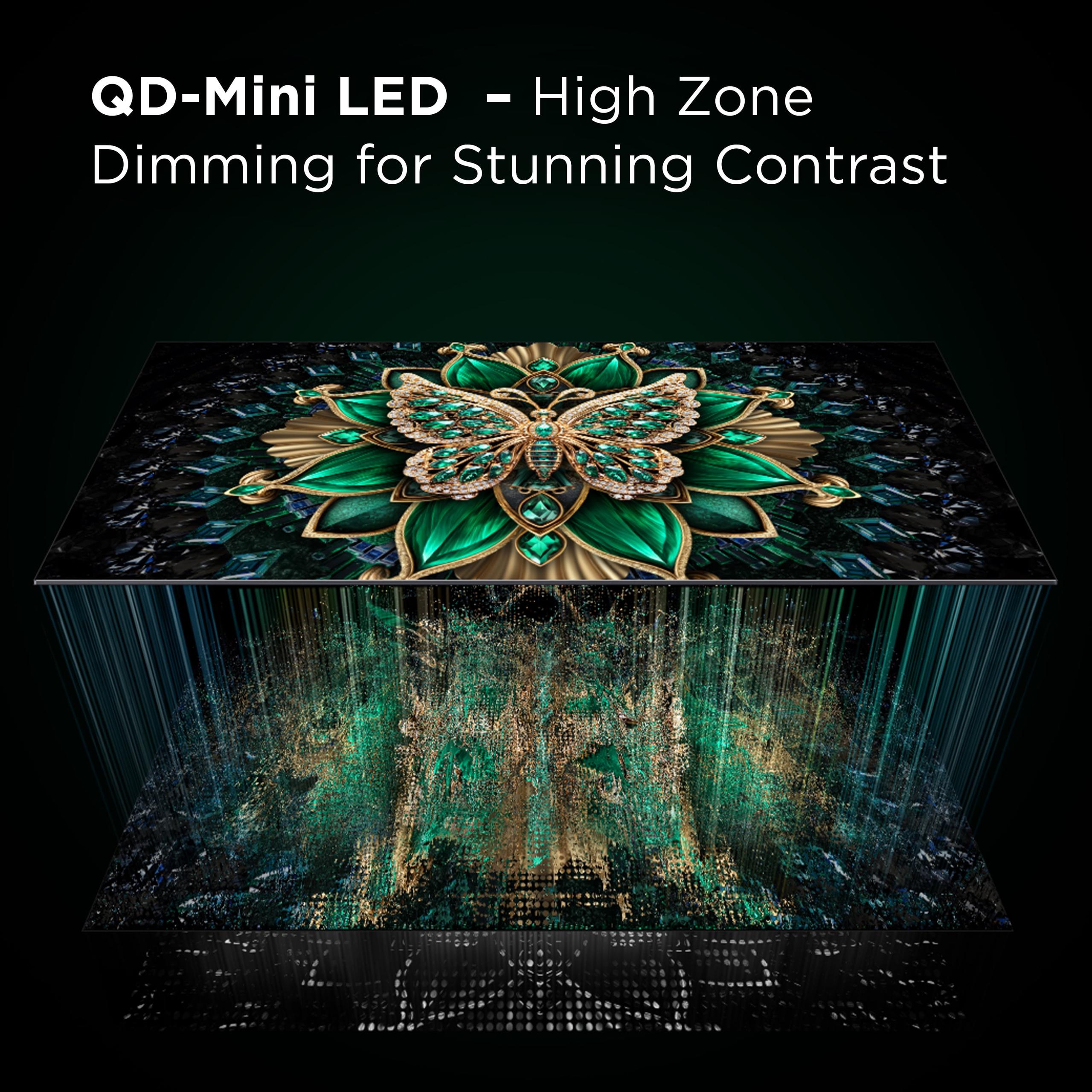
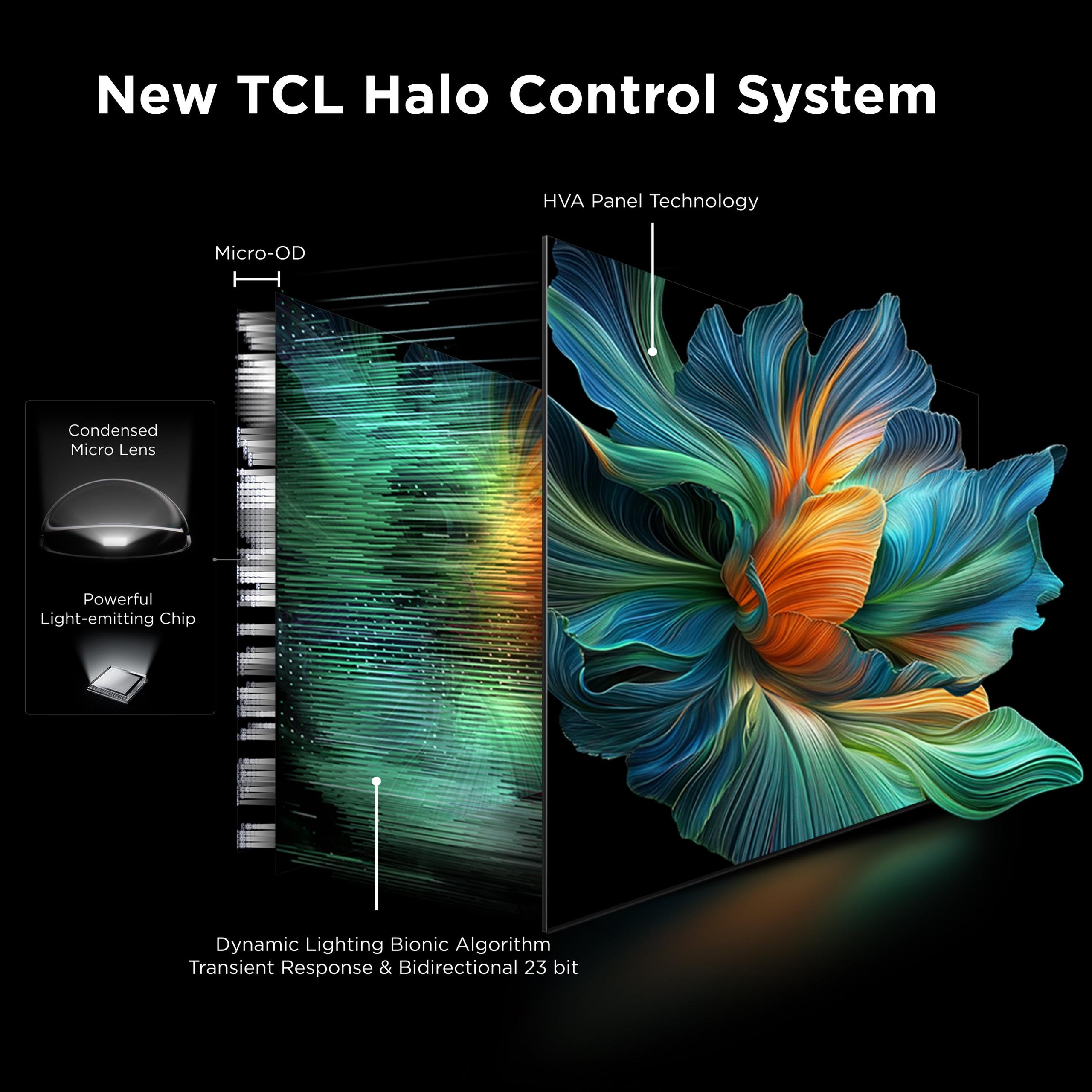
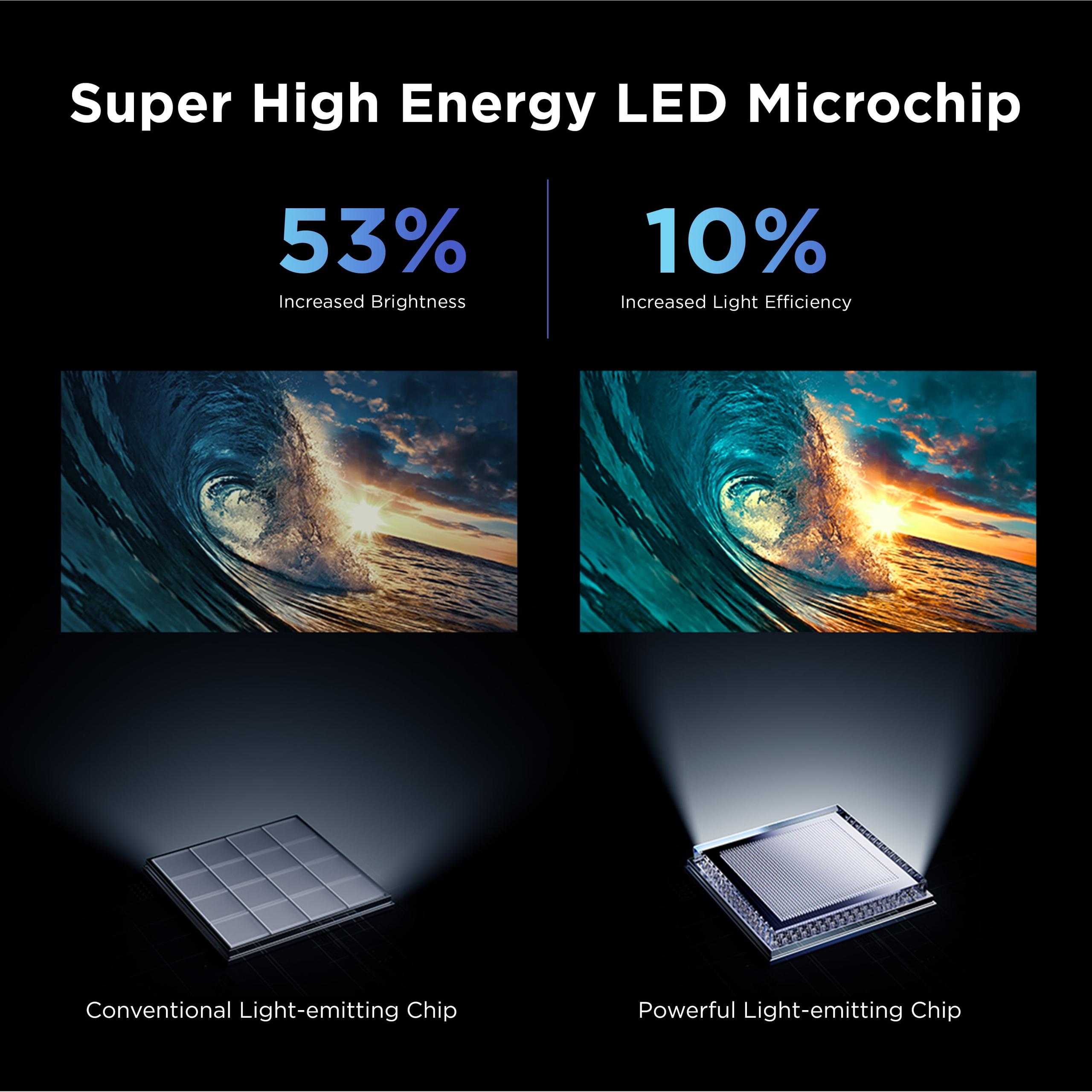
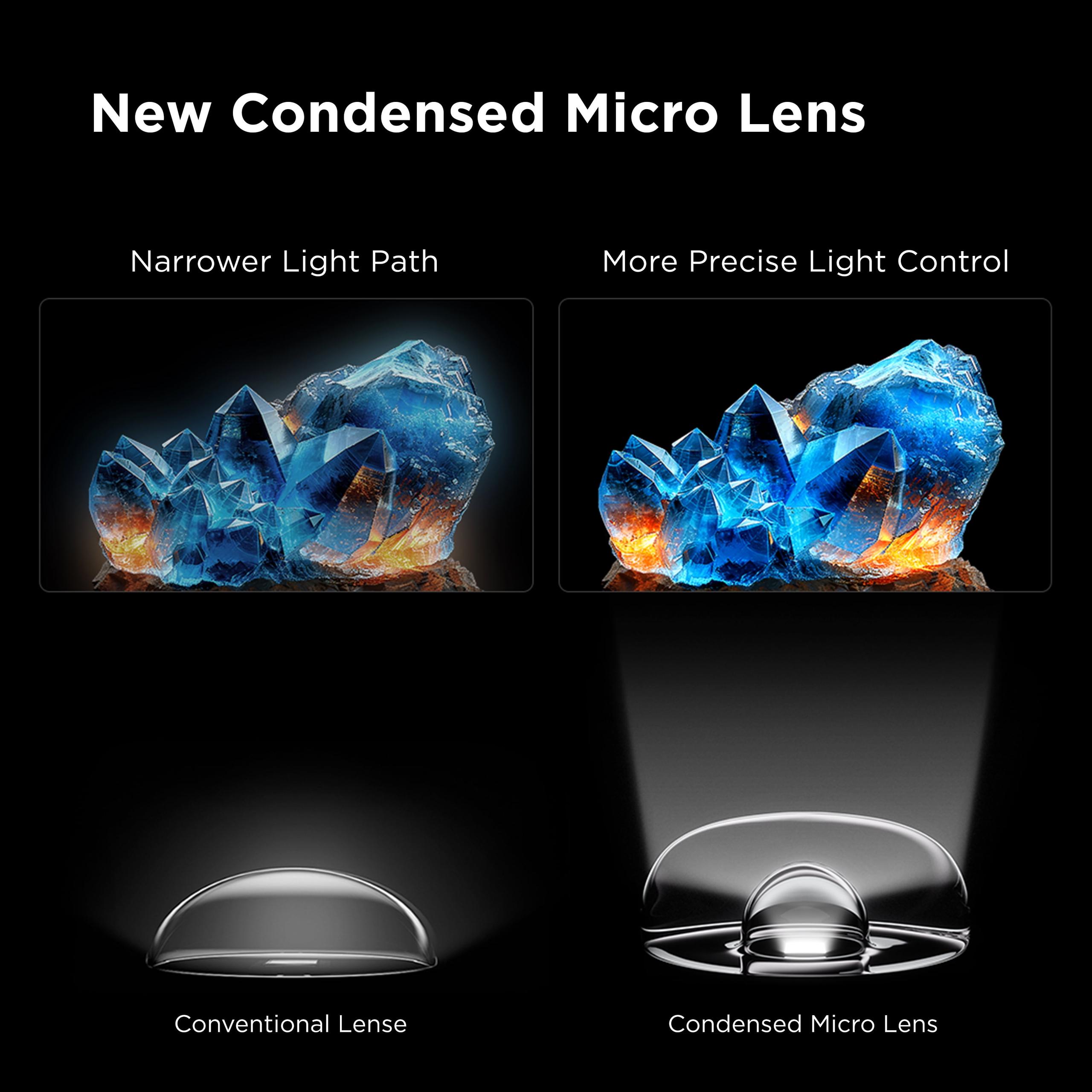
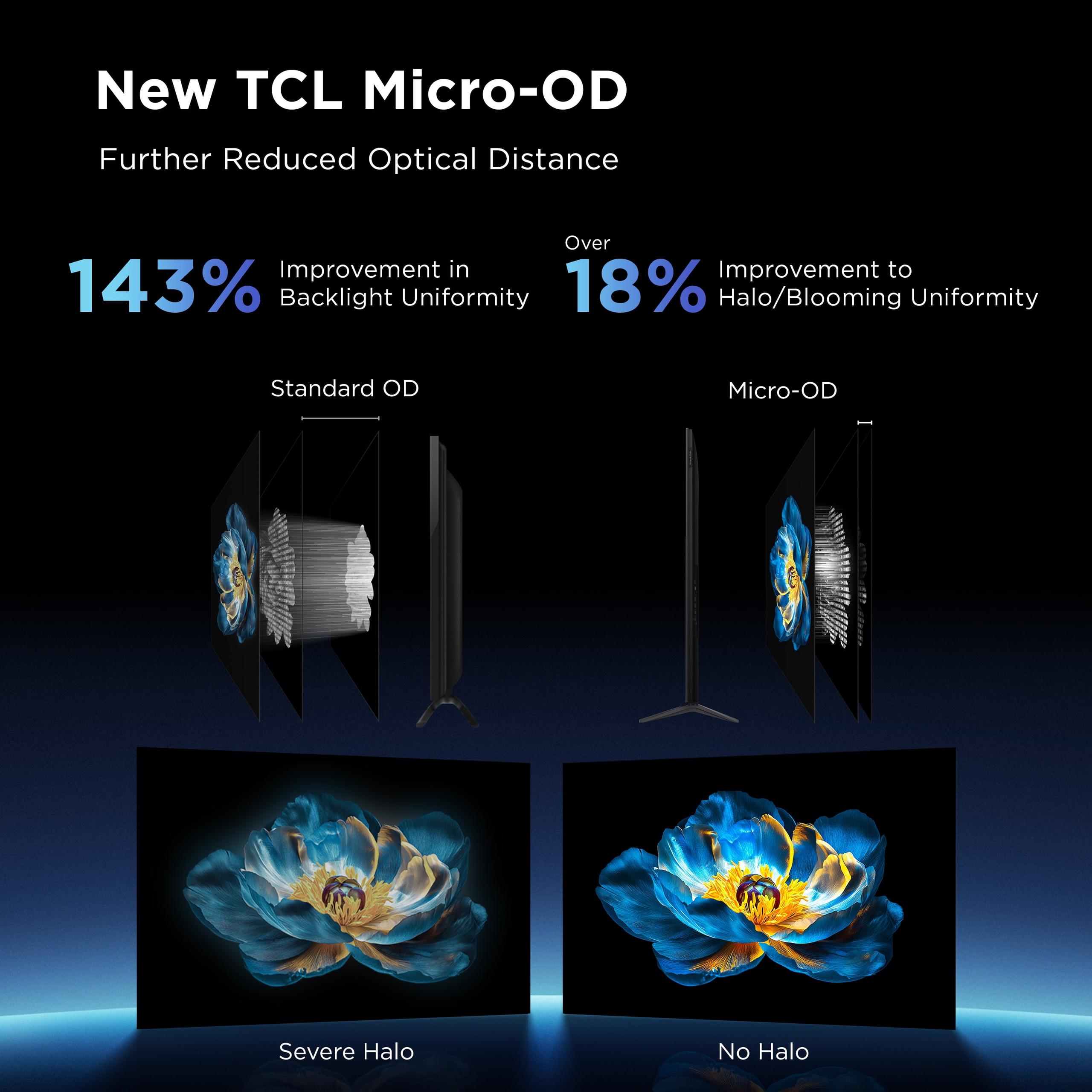
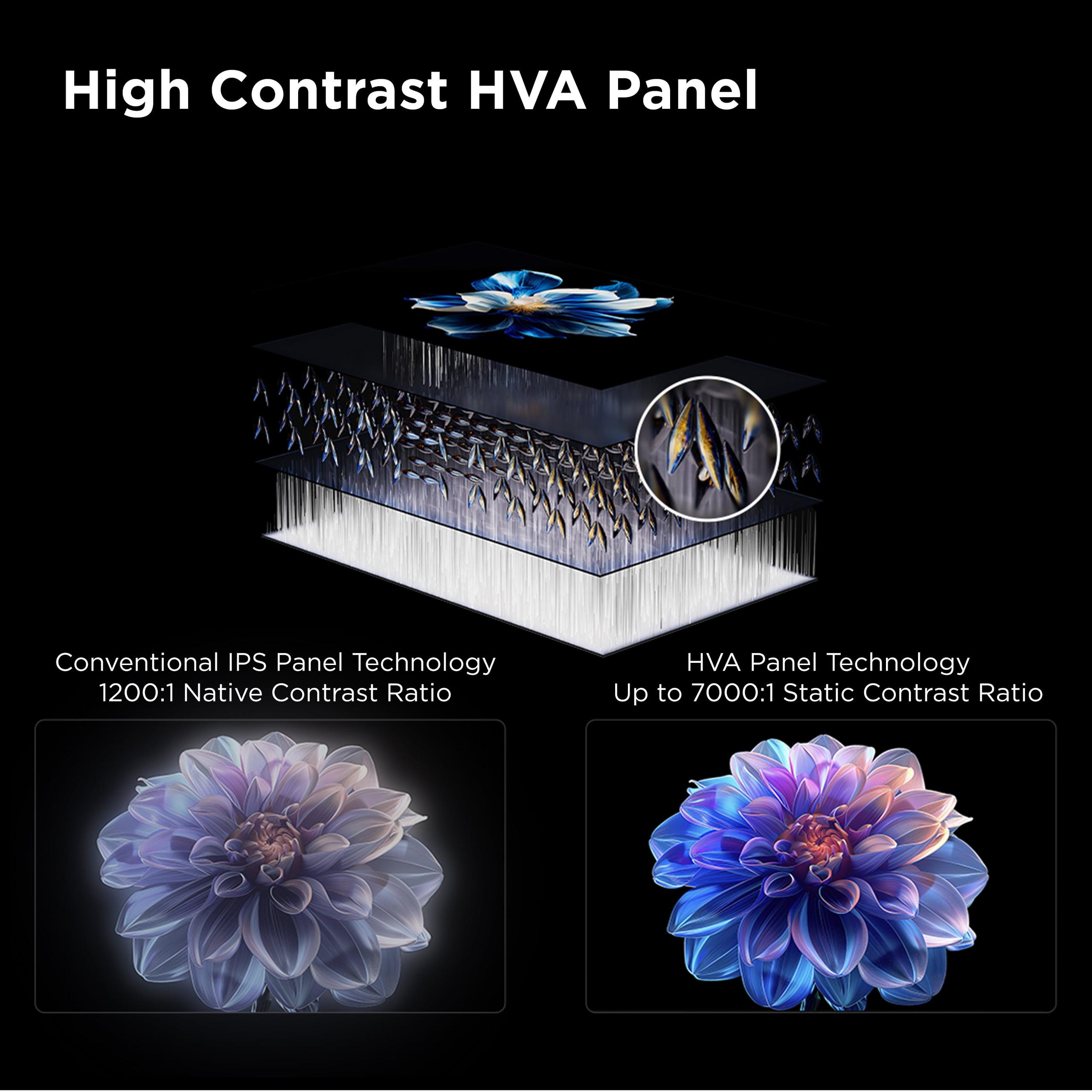
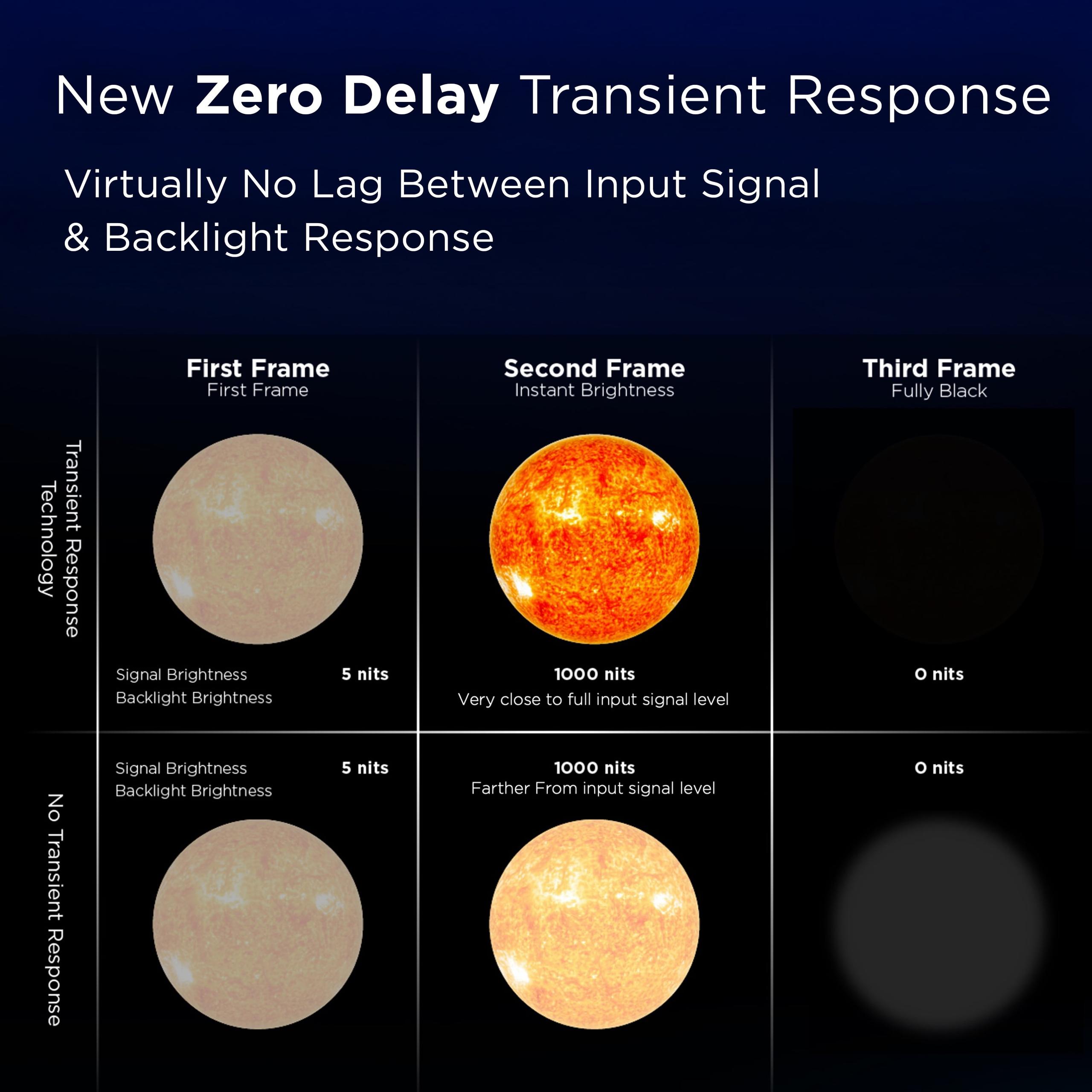
The TCL QM6K takes a different approach with QD-Mini LED technology. Here, "Mini LED" refers to backlights that are much smaller than traditional LEDs – we're talking about thousands of tiny LEDs spread across the back of the panel, rather than dozens around the edges. These Mini LEDs are grouped into what are called "local dimming zones" – areas that can brighten or darken independently.
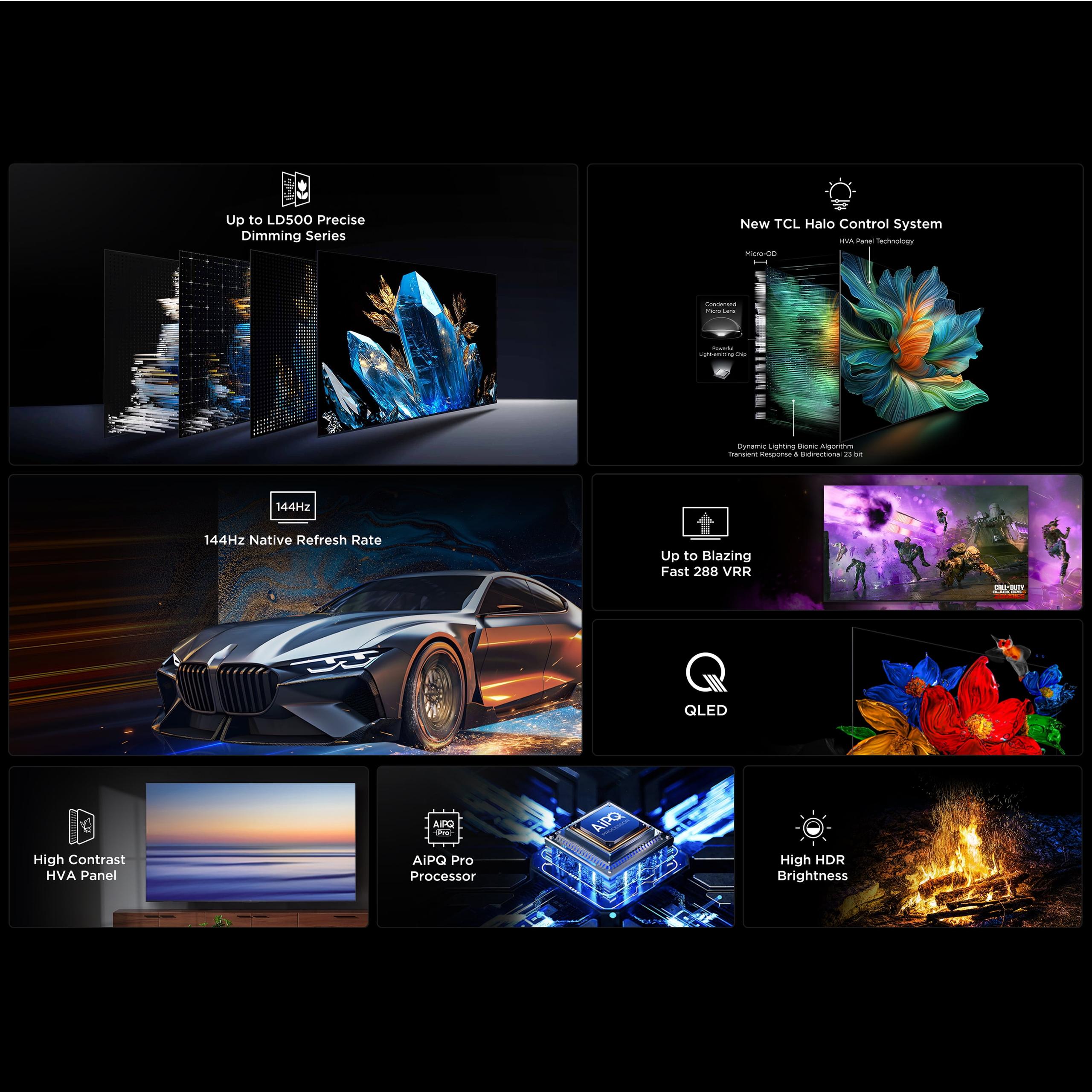
TCL has equipped the QM6K with up to 500 of these zones. When you're watching that same movie scene, the TV can make the explosion area blazingly bright while simultaneously dimming the shadow areas to near-black. This creates what's called contrast – the difference between the brightest and darkest parts of the image – which is arguably the most important factor in perceived picture quality.
The trade-off? You might notice "blooming" or "haloing" around very bright objects on dark backgrounds. Imagine subtitles appearing over a dark scene – you might see a faint glow around the white text. This happens because the TV can't perfectly isolate the light to just the subtitle area.
HDR (High Dynamic Range) is where these technological differences become most apparent. Think of HDR as instructions telling your TV exactly how bright or dim each part of the image should be, mimicking how our eyes see the real world with its incredible range of brightness levels.
The Samsung QN8F supports Quantum HDR+ and HDR10+ Adaptive, which means it can adjust its HDR processing based on the specific content and even your room's lighting conditions. Samsung's Q4 AI processor analyzes each scene and optimizes the HDR mapping in real-time. In bright rooms, this works exceptionally well – the TV can push brightness high enough to maintain HDR impact even with sunlight streaming through windows.
Where Samsung's approach shines (literally) is peak brightness. When a scene calls for a brilliant sun or gleaming metal, the Samsung QN8F can deliver those highlights with impressive intensity. This makes it particularly good for sports, bright documentaries, and action movies viewed during daytime.
The TCL QM6K supports an even broader range of HDR formats, including Dolby Vision IQ, HDR10+, and standard HDR10. Dolby Vision IQ is particularly clever – it uses a sensor to measure your room's ambient light and adjusts the HDR processing accordingly. Watching the same movie at noon versus midnight will look appropriately different, maintaining the director's intended contrast relationships regardless of your environment.
However, the TCL QM6K's strength lies not in peak brightness but in shadow detail. Those 500 dimming zones mean that when a movie shows someone walking through a dimly lit alley, you can actually see the subtle details in the shadows while still maintaining the mood the cinematographer intended. This makes it exceptional for darker content like thrillers, horror movies, and atmospheric dramas.
Gaming has become a crucial differentiator in 2025's TV market, especially with PlayStation 5 and Xbox Series X pushing 4K gaming at higher refresh rates. This is where the TCL QM6K absolutely dominates.
The Samsung QN8F offers solid gaming performance with its 120Hz refresh rate and Motion Xcelerator 144Hz technology, which essentially interpolates additional frames for smoother motion. Input lag – the delay between pressing a button and seeing the action on screen – is respectably low in game mode. For casual gaming and single-player experiences, it's perfectly adequate.
But the TCL QM6K is built for serious gaming. Its native 144Hz panel with Game Accelerator 288 technology supports variable refresh rates up to 288Hz. This means if your gaming PC can output 200 frames per second, the TV will display all 200 frames without screen tearing or stuttering. The TV essentially synchronizes with your graphics card or console to eliminate visual artifacts.
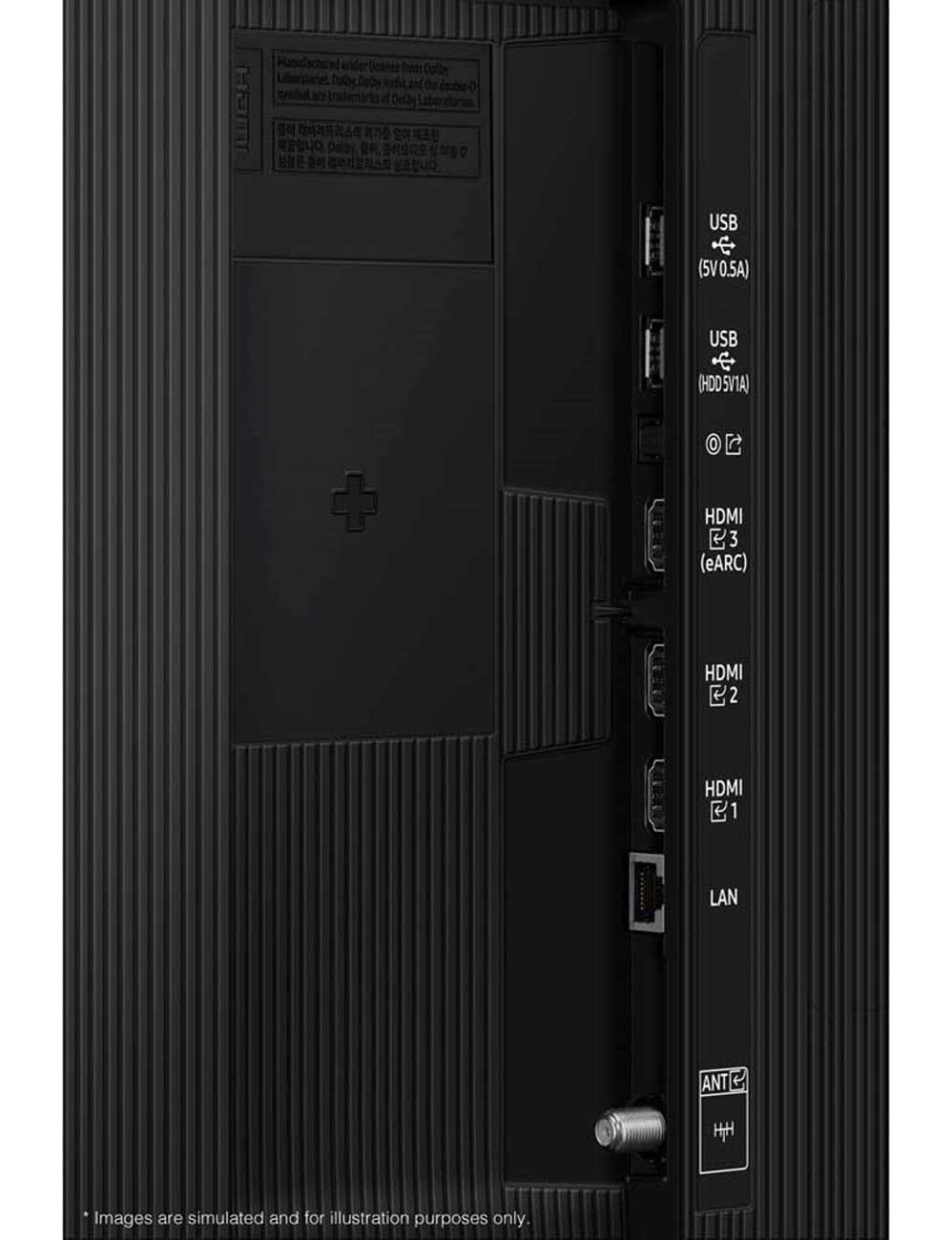
More importantly, the TCL QM6K includes two full-bandwidth HDMI 2.1 ports. HDMI 2.1 is crucial for next-generation gaming because it provides enough bandwidth to handle 4K resolution at high refresh rates with full color depth. You can connect both a PlayStation 5 and Xbox Series X simultaneously and get optimal performance from both.
For competitive gaming, especially fast-paced shooters or racing games, this difference is tangible. The combination of high refresh rates and low input lag creates a more responsive, fluid experience that can actually impact your performance in online matches.
The software experience often gets overlooked when comparing TVs, but it's something you'll interact with every single day. These platforms have evolved significantly since their early iterations.
Samsung's Tizen OS on the Samsung QN8F has matured into a sophisticated platform that feels genuinely intelligent. The Vision AI feature analyzes what you're watching and automatically optimizes picture and sound settings. Watching a documentary about nature? The TV might boost greens and browns for more realistic foliage. Switching to a action movie? It might enhance motion processing and adjust audio for better dialogue clarity.
The enhanced Bixby voice assistant can handle complex, multi-part commands. Instead of saying "Turn on Netflix," then "Find action movies," then "Play the first one," you can say "Turn on Netflix and play the top action movie" and Bixby will execute the entire sequence. There's even a Generative Wallpaper feature that uses AI to create custom screensavers based on keywords you provide – a nice touch that makes the TV feel more personalized.
The TCL QM6K runs Google TV, which offers a different but equally compelling approach. Instead of trying to be intelligent about what you're currently watching, Google TV focuses on content discovery and universal compatibility. The interface learns your viewing habits across all your streaming services and presents a unified recommendations feed.
What I appreciate about Google TV is its platform agnosticism. Whether you use Netflix, Disney+, YouTube, or smaller streaming services, everything integrates seamlessly. The built-in Chromecast means you can easily send content from any device, and support for both Apple AirPlay 2 and Google Assistant means it works well regardless of your smartphone ecosystem.
TV speakers have improved dramatically in recent years, though they still can't match a dedicated sound system. The Samsung QN8F uses a 20W 2-channel system with several interesting technologies. Object Tracking Sound Lite attempts to move audio around the screen to match visual movement – so a car driving from left to right will have its engine sound follow that path.
The Adaptive Sound+ feature continuously analyzes both the content and your room acoustics, adjusting the audio profile accordingly. In my experience, this works particularly well for dialogue clarity, automatically boosting voice frequencies when the TV detects conversations.
The TCL QM6K takes a more traditional but effective approach with a 2.1-channel Onkyo speaker system that includes a built-in subwoofer. This hardware advantage is immediately noticeable – explosions have actual bass response, and music has fuller, richer sound. The Dolby Atmos and DTS Virtual:X support help create a sense of height and space that's impressive for built-in speakers.
For serious home theater enthusiasts, both TVs will benefit from external audio systems. However, if you're planning to rely primarily on the TV's built-in speakers, the TCL QM6K's hardware advantage makes it the better choice.
If your TV faces windows or you frequently watch during daytime, the Samsung QN8F has clear advantages. Its higher peak brightness and quantum dot color technology maintain vibrant, accurate colors even with significant ambient light. The edge-lit design, while limiting contrast in dark rooms, actually works fine when there's already ambient light reducing the perceived difference between bright and dark areas.
Sports viewing is particularly strong on the Samsung QN8F. The combination of bright, vibrant colors and excellent motion processing makes football games look crisp and engaging even on sunny Sunday afternoons.
For dedicated movie watching in controlled lighting, the TCL QM6K provides a more cinematic experience. The local dimming creates true blacks that make letterboxed movies feel more immersive. When you're watching something like "Blade Runner 2049" or "The Dark Knight," the ability to display deep shadows alongside bright highlights creates a sense of depth and realism that edge-lit displays simply can't match.
The broader HDR format support also means you're more likely to see movies as their creators intended. Many streaming services are moving toward Dolby Vision, and having that compatibility future-proofs your viewing experience.
Serious gamers will strongly prefer the TCL QM6K. The high refresh rate support and multiple HDMI 2.1 ports mean you can connect multiple high-end gaming devices without compromise. The local dimming also helps with gaming immersion – dark areas in games like horror titles or space exploration games look properly atmospheric rather than washed out.
At the time of writing, these TVs represent different value philosophies. The Samsung QN8F costs significantly more, positioning itself as a premium option that justifies its price through brand prestige, advanced AI features, and refined processing. You're paying for Samsung's extensive research and development, their reputation for reliability, and features like Vision AI that continue improving through software updates.
The TCL QM6K represents the democratization of premium display technology. Features that cost thousands of dollars just a few years ago – Mini LED backlighting, comprehensive HDR support, high refresh rate gaming – are now available at mid-range pricing. TCL has focused on delivering maximum performance per dollar rather than premium features or extensive software development.
You value brand reputation and want a TV that will receive long-term software support. If your living room is frequently bright and you watch a lot of sports or daytime TV, Samsung's brightness advantage will be noticeable daily. The AI features and ecosystem integration are genuinely useful if you're already invested in Samsung's other products or want a TV that adapts automatically to different content types.
The Samsung QN8F is also the safer choice for buyers who prefer established brands and don't want to research every technical specification. Samsung's processing and upscaling are excellent, meaning lower-quality streaming content will look better than on many competitors.
You prioritize picture quality per dollar and want the best performance for movie watching and gaming. If you have a dedicated home theater space or frequently watch content in darker environments, the contrast advantage will be immediately apparent and consistently satisfying.
The TCL QM6K is perfect for enthusiasts who understand the technical trade-offs and want flagship display technology without paying flagship prices. It's also ideal for gamers who need multiple HDMI 2.1 ports and high refresh rate support.
Both TVs represent excellent choices within their respective philosophies, but they serve different priorities. The Samsung QN8F offers a more polished, premium experience with intelligent features and broad environmental adaptability. The TCL QM6K delivers superior core display technology and gaming features at a more accessible price point.
For most buyers in 2025, the TCL QM6K represents better value – you're getting display technology that outperforms much more expensive TVs in the most important areas of picture quality. However, if budget isn't a primary concern and you value brand reputation, AI features, and bright room performance, the Samsung QN8F remains a compelling choice.
The TV market continues evolving rapidly, but these models represent the current state of the art in their respective approaches. Whichever you choose, you'll have a display that delivers a genuinely premium viewing experience that would have been impossible at these price points just a few years ago.
| Samsung 65" QN8F Series QLED 4K Vision AI Smart TV 2025 | TCL 65" QM6K QD-Mini LED 4K TV |
|---|---|
| Display Technology - The foundation that determines picture quality and value | |
| QLED with edge-lit backlighting | QD-Mini LED with local dimming zones |
| Contrast Performance - Critical for movie watching and dark room viewing | |
| Limited by edge-lit design, weaker blacks | Up to 500 dimming zones for superior contrast |
| Peak Brightness - Essential for HDR impact and bright room viewing | |
| Higher peak brightness, excellent for daytime viewing | Lower peak brightness but better shadow detail |
| Gaming Features - Important for console and PC gaming | |
| 120Hz refresh rate, basic gaming features | Native 144Hz with 288Hz VRR, dual HDMI 2.1 ports |
| HDR Support - Determines how realistic bright and dark scenes look | |
| Quantum HDR+, HDR10+ Adaptive | Dolby Vision IQ, HDR10+, HDR10, HLG |
| Smart TV Platform - Your daily interface for streaming and apps | |
| Tizen OS with Vision AI optimization | Google TV with universal app compatibility |
| Audio System - Affects whether you need external speakers | |
| 20W 2CH with Adaptive Sound+ | 2.1CH Onkyo system with built-in subwoofer |
| AI Features - Convenience and automatic optimization | |
| Vision AI, Enhanced Bixby, Generative Wallpaper | Standard Google Assistant integration |
| Design Philosophy - Reflects manufacturing approach and target market | |
| AirSlim premium design, brand prestige focus | Value-focused with flagship display tech |
| Best Use Cases - Where each TV excels | |
| Bright rooms, sports, Samsung ecosystem users | Dark room movies, gaming, value-conscious buyers |
| Value Proposition - Performance per dollar at time of writing | |
| Premium pricing for brand and AI features | Exceptional value with mini-LED at mid-range price |
The TCL QM6K delivers superior contrast and black levels thanks to its Mini LED technology with up to 500 local dimming zones, making it ideal for movie watching in dark rooms. The Samsung QN8F excels in color accuracy and brightness, performing better in bright rooms and for daytime viewing. For overall picture quality, the TCL QM6K offers more dramatic improvements in contrast performance.
The Samsung QN8F costs significantly more but offers premium AI features, better upscaling, and Samsung's brand reliability. However, the TCL QM6K provides better core display technology with Mini LED backlighting at a much lower price point. For most buyers, the TCL QM6K represents better value unless you specifically need Samsung's ecosystem integration or AI features.
The TCL QM6K is significantly better for gaming, offering native 144Hz refresh rates, 288Hz VRR support, and two HDMI 2.1 ports for next-gen consoles. The Samsung QN8F provides decent gaming performance with 120Hz refresh rates but lacks the advanced gaming features. Serious gamers should choose the TCL QM6K for its superior gaming capabilities.
The Samsung QN8F uses QLED with edge-lit backlighting, delivering excellent colors but limited contrast due to its lighting design. The TCL QM6K combines quantum dots with Mini LED backlighting, providing both vibrant colors and superior contrast with local dimming zones. QD-Mini LED technology in the TCL QM6K represents a more advanced display approach for better overall picture quality.
The Samsung QN8F runs Tizen OS with advanced AI features like Vision AI and enhanced Bixby voice control, plus seamless Samsung ecosystem integration. The TCL QM6K uses Google TV, offering broader app compatibility, better content discovery, and universal device compatibility. Choose Samsung for AI features and ecosystem integration, or the TCL QM6K for platform flexibility.
The TCL QM6K is better suited for dedicated home theaters due to its superior contrast performance and local dimming capabilities, which create more cinematic black levels in dark rooms. The Samsung QN8F works well in multi-purpose rooms but lacks the deep blacks essential for optimal home theater viewing. For serious home theater use, the TCL QM6K provides a more immersive experience.
The TCL QM6K supports more HDR formats including Dolby Vision IQ, HDR10+, and standard HDR10, plus it delivers better dark scene detail through local dimming. The Samsung QN8F offers higher peak brightness for bright HDR scenes and intelligent HDR processing. For comprehensive HDR performance, the TCL QM6K provides better format support and contrast handling.
The TCL QM6K features a 2.1 channel Onkyo speaker system with a built-in subwoofer, providing better bass response and overall audio hardware. The Samsung QN8F uses adaptive audio processing with features like Object Tracking Sound, offering smarter software-based audio optimization. For built-in sound quality, the TCL QM6K has the hardware advantage with its dedicated subwoofer.
The TCL QM6K may show some blooming around bright objects due to its local dimming zones and has narrower viewing angles than the Samsung QN8F. Samsung offers more established brand support, longer software update commitments, and more refined processing. However, the TCL QM6K still provides excellent overall performance despite these minor trade-offs.
The Samsung QN8F performs better in bright rooms thanks to its higher peak brightness and quantum dot color technology that maintains vibrancy under ambient light. The TCL QM6K is optimized more for darker environments where its contrast advantages shine. For daytime viewing and bright living spaces, the Samsung QN8F is the better choice.
The TCL QM6K offers superior next-gen gaming support with two HDMI 2.1 ports, 144Hz native refresh rates, and VRR up to 288Hz, allowing you to connect multiple consoles at full performance. The Samsung QN8F provides basic next-gen compatibility but with more limited gaming features. Console gamers will get better performance and more connectivity options with the TCL QM6K.
The TCL QM6K provides better future-proofing with more advanced display technology, comprehensive HDR format support, and superior gaming capabilities at a lower price point. The Samsung QN8F offers more predictable long-term software support and brand reliability. For technology advancement per dollar, the TCL QM6K delivers better future-proofing, while Samsung provides more established brand support.
We've done our best to create useful and informative comparisons to help you decide what product to buy. Our research uses advanced automated methods to create this comparison and perfection is not possible - please contact us for corrections or questions. These are the sites we've researched in the creation of this article: bestbuy.com - samsung.com - rtings.com - youtube.com - samsung.com - pcrichard.com - abt.com - images.samsung.com - cnet.com - news.samsung.com - samsung.com - bestbuy.com - youtube.com - tomsguide.com - youtube.com - tcl.com - tomsguide.com - youtube.com - youtube.com - hometechnologyreview.com - rtings.com - bestbuy.com - tcl.com - youtube.com - youtube.com - bestbuy.com - youtube.com - youtube.com - youtube.com - tcl.com - youtube.com - walmart.com - tcl.com - displayspecifications.com - kitele.com - displayspecifications.com - flatpanelshd.com - woodruffappliance.com - displayspecifications.com - prnewswire.com - tcl.com - youtube.com - abt.com - youtube.com - tclkenya.co.ke - budgethomefurn.com

Privacy Policy
Terms and Conditions - Affiliate Policy
Home Security
© Copyright 2008-2026.
11816 Inwood Rd #1211, Dallas, TX 75244