

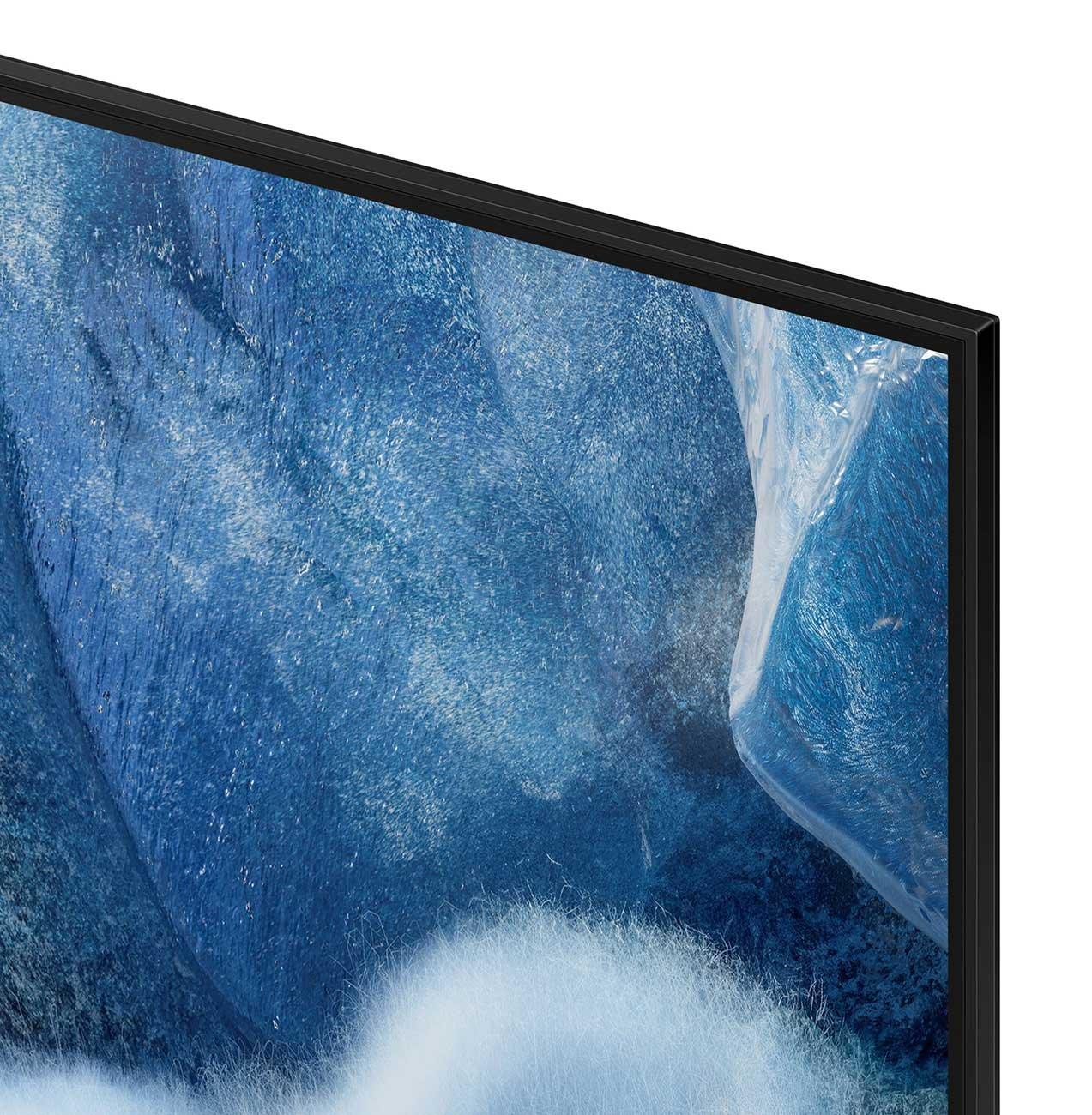
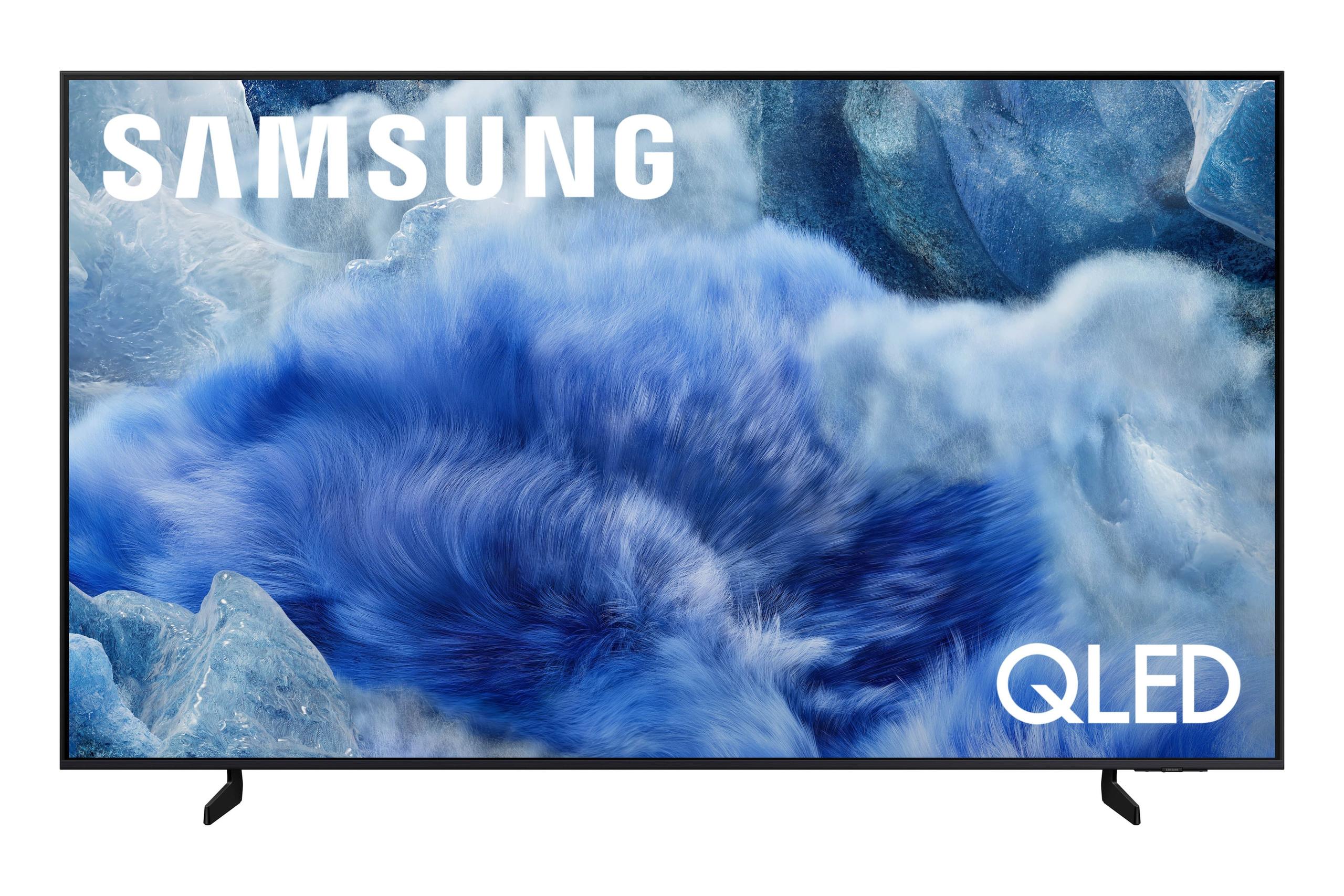
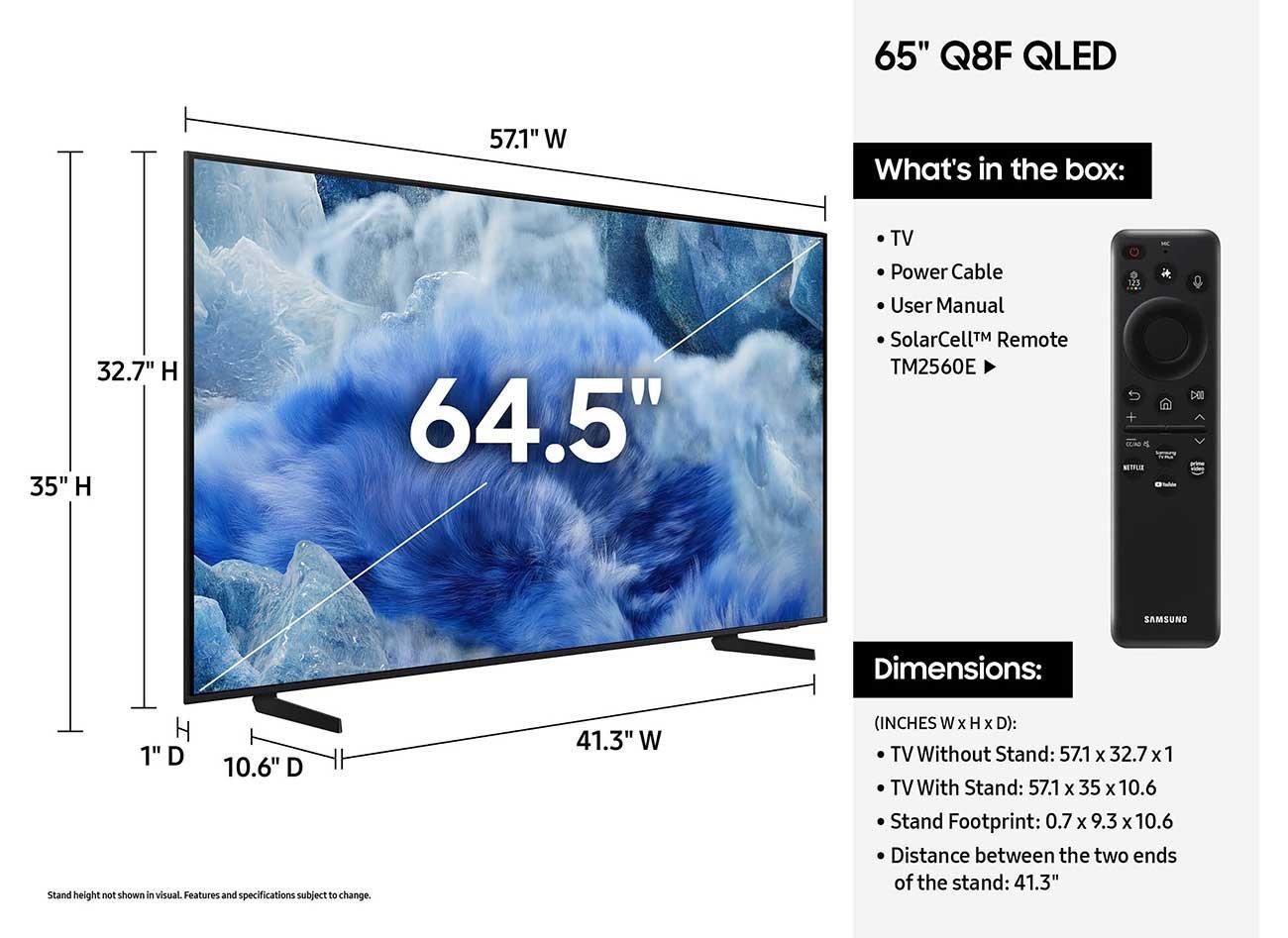
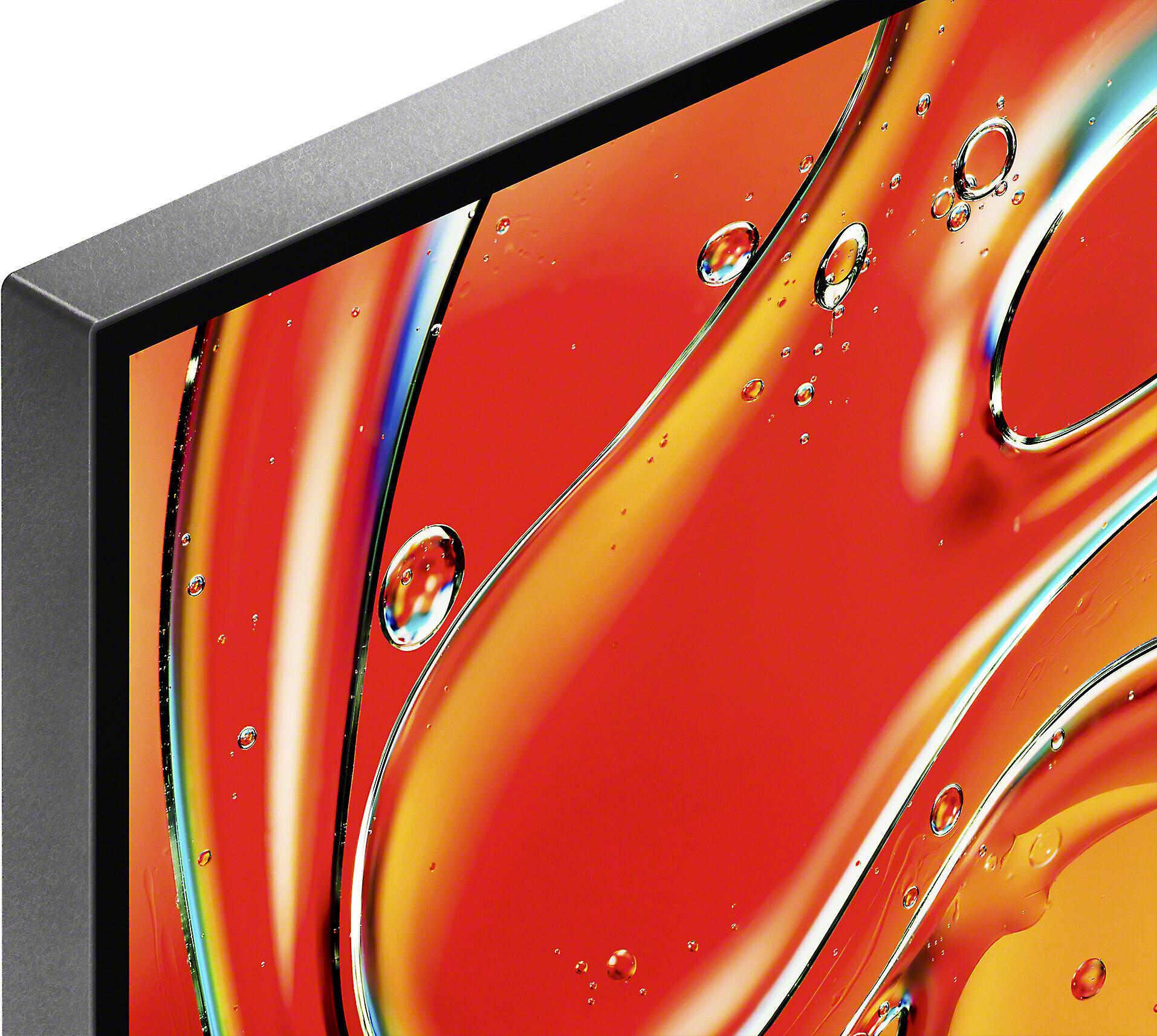
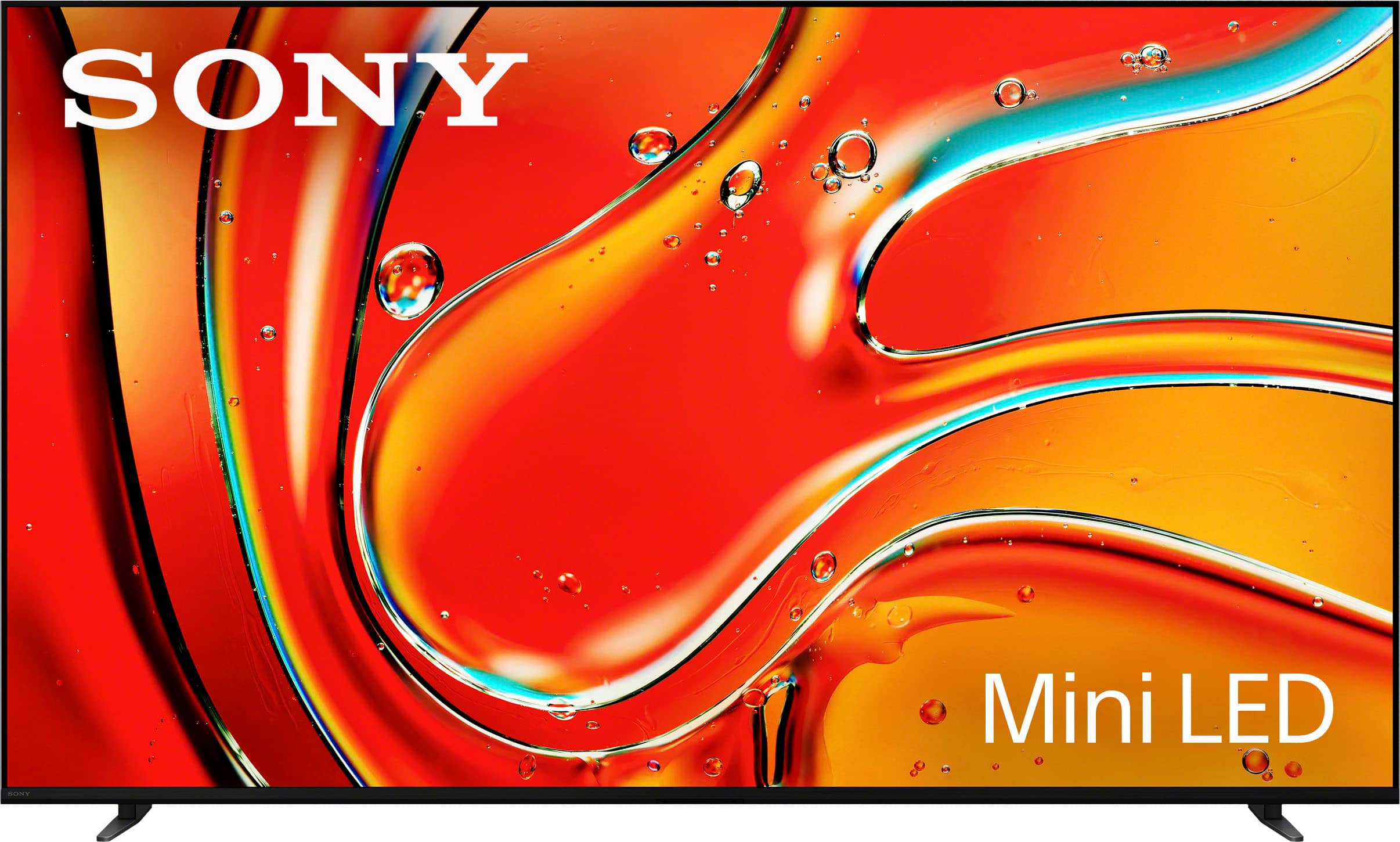
Shopping for a premium 65-inch 4K TV can feel overwhelming with so many technical specifications and marketing terms flying around. After spending considerable time with both the Samsung QN8F Series QLED 4K Vision AI Smart TV 2025 and the Sony BRAVIA 7 65" 4K UHD Smart Google TV, I can help you cut through the noise and understand which TV makes the most sense for your specific needs and budget.
The 65-inch TV market sits in that perfect sweet spot where you get a genuinely cinematic experience without needing a second mortgage. These aren't your basic smart TVs – we're talking about displays that can rival dedicated home theater projectors while fitting seamlessly into your living room.
When evaluating TVs in this category, several key factors determine whether you're getting real value or just paying for flashy marketing. Picture quality obviously tops the list, but it's not just about resolution anymore. Modern premium TVs need to excel at contrast (the difference between the brightest whites and deepest blacks), color accuracy, motion handling for sports and gaming, and intelligent processing that makes all your content look its best.
Smart features have become equally important. Your TV is essentially a computer now, and the interface, app selection, and voice control capabilities can make or break the daily experience. Gaming performance has also emerged as a crucial consideration, especially with 4K gaming consoles becoming mainstream.
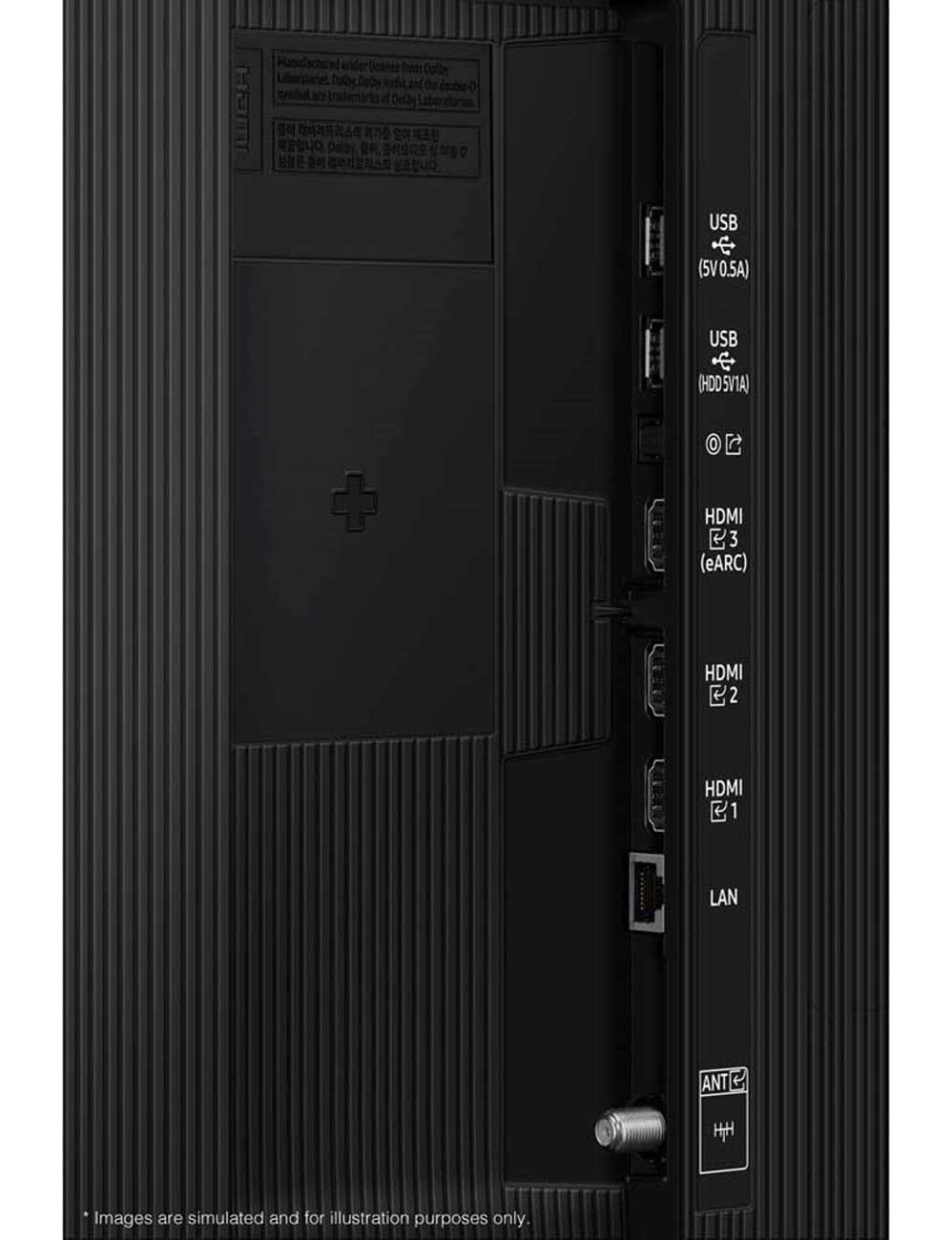
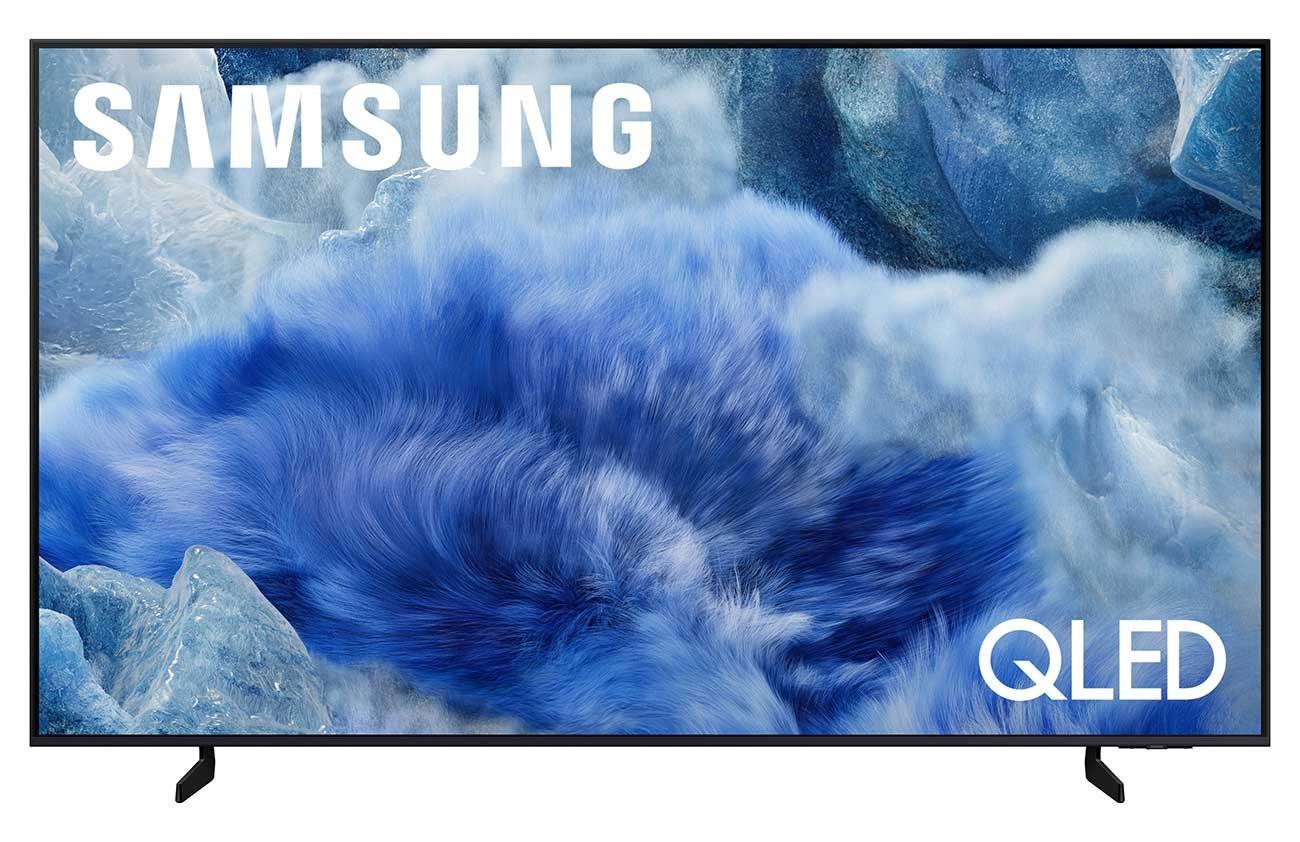
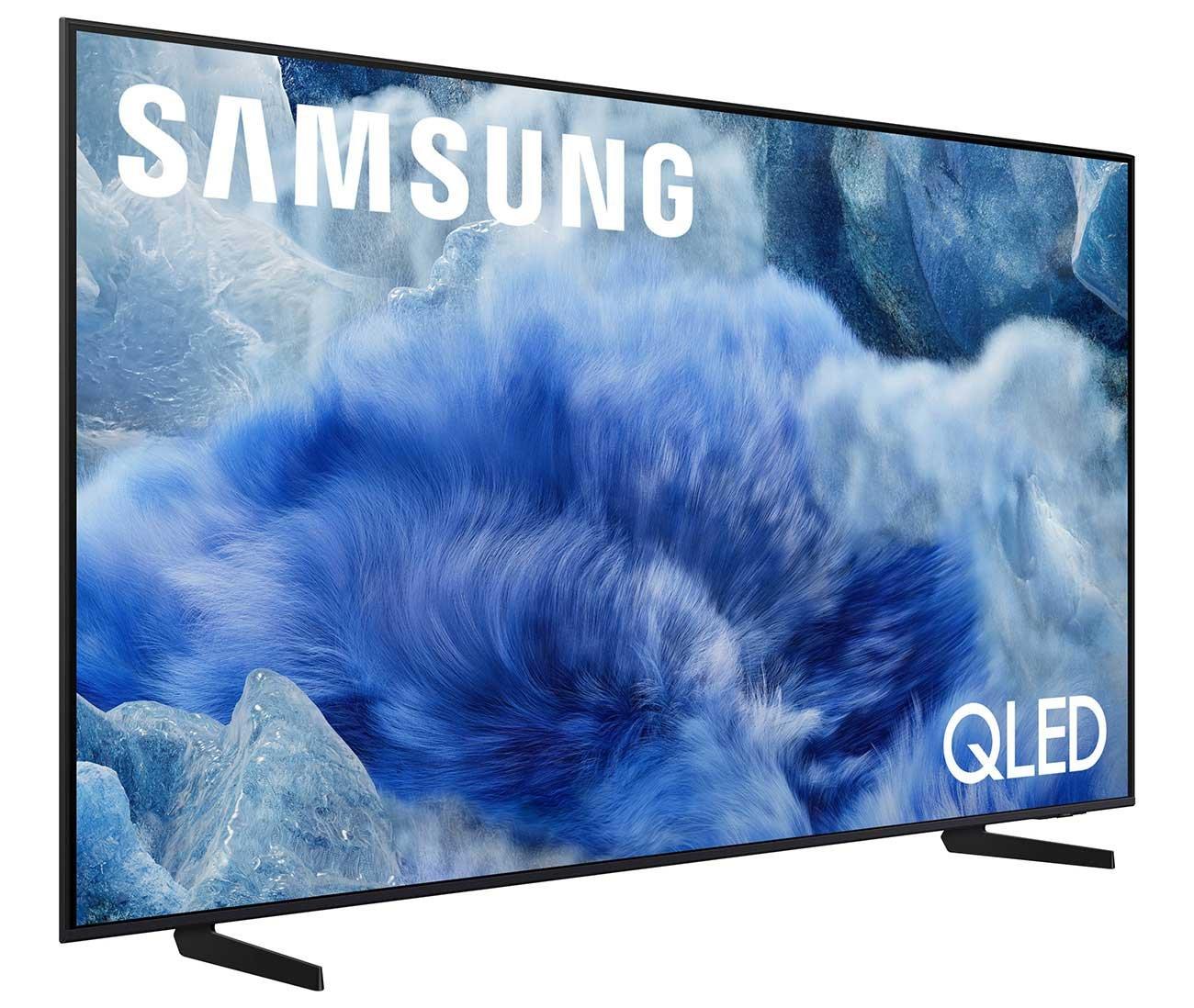
The Samsung QN8F, released in 2025, represents Samsung's push toward AI-driven television experiences. This isn't just marketing fluff – the Vision AI technology genuinely analyzes what you're watching in real-time and adjusts picture settings accordingly. I've noticed this makes a significant difference when switching between, say, a dark Netflix drama and a bright nature documentary.
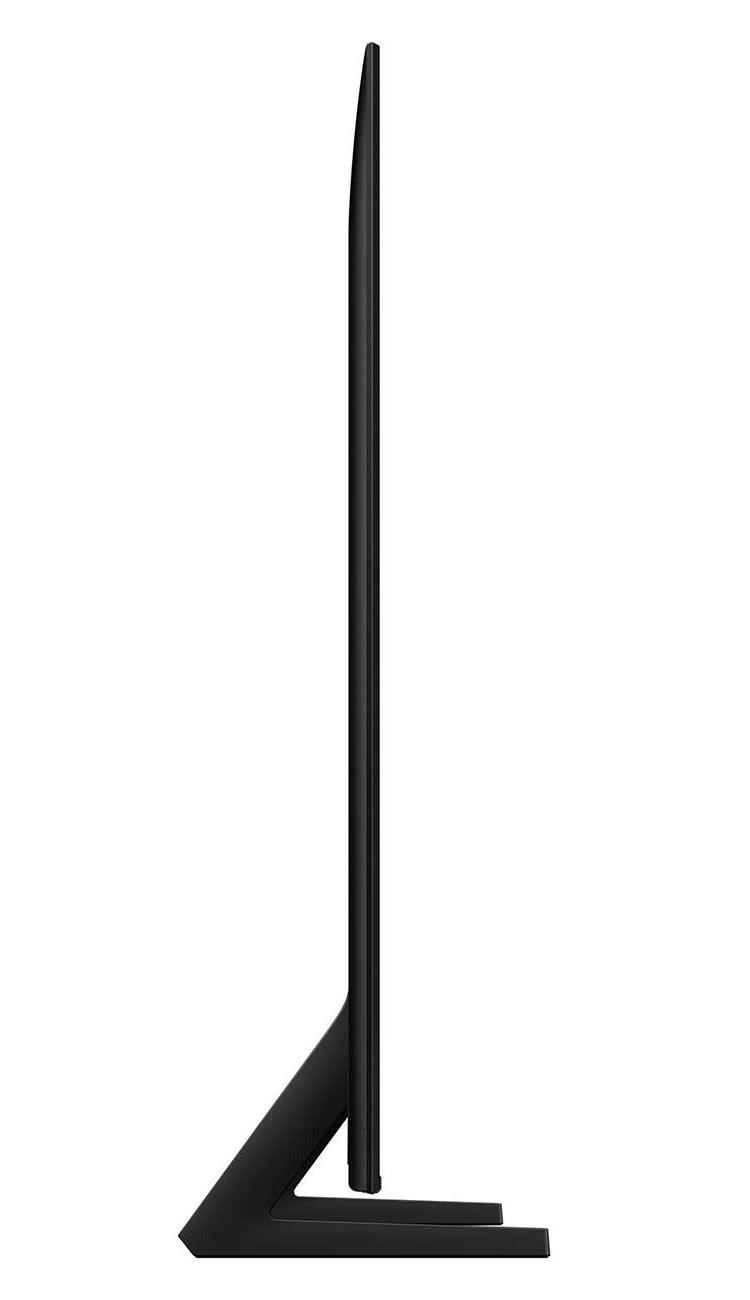
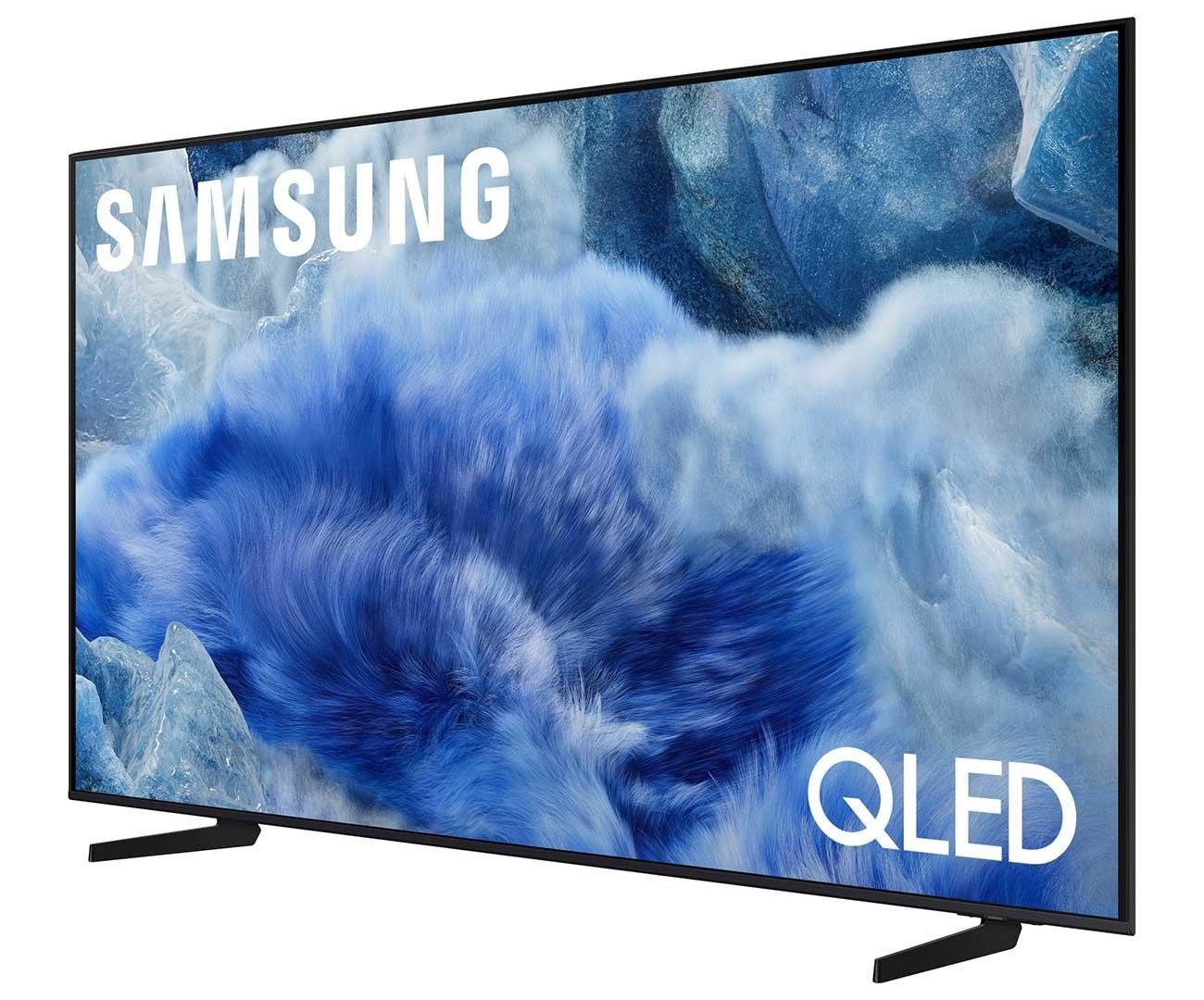
Samsung built this TV around their Quantum Dot QLED technology, which uses microscopic particles to create incredibly pure colors. The Q4 AI Processor handles the computational heavy lifting, while the AirSlim design keeps the overall package surprisingly elegant for a 65-inch display.
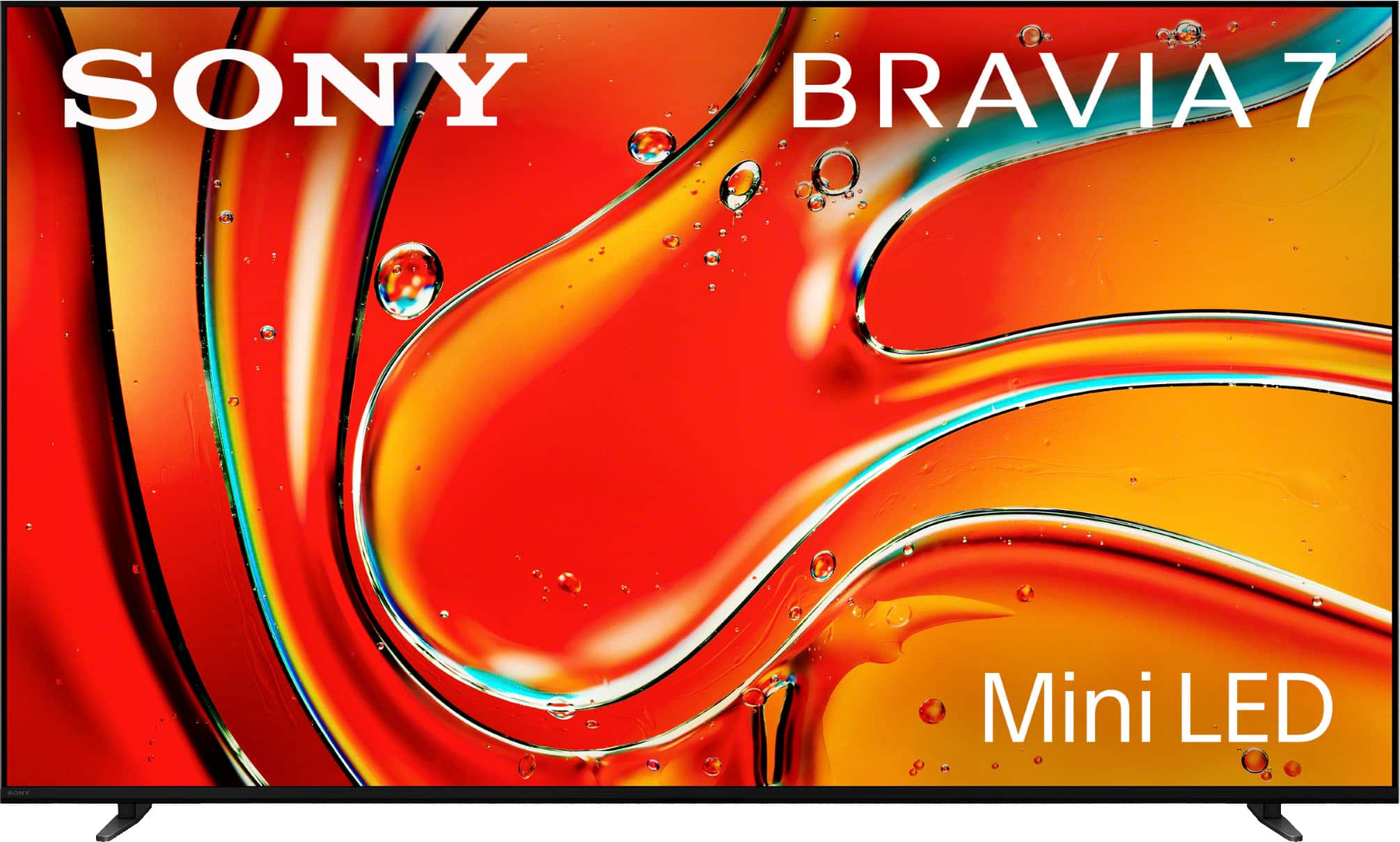
The Sony BRAVIA 7, which hit the market in 2024, takes a more traditional approach focused on picture accuracy and professional-grade features. Sony's background in filmmaking and camera technology shows here – this TV includes studio calibration modes for Netflix and Prime Video that reproduce content exactly as directors intended.
The standout feature is the Mini LED backlighting system with full array local dimming. This technology uses hundreds of tiny LED zones that can individually brighten or dim, creating contrast that approaches OLED territory without the potential burn-in concerns.
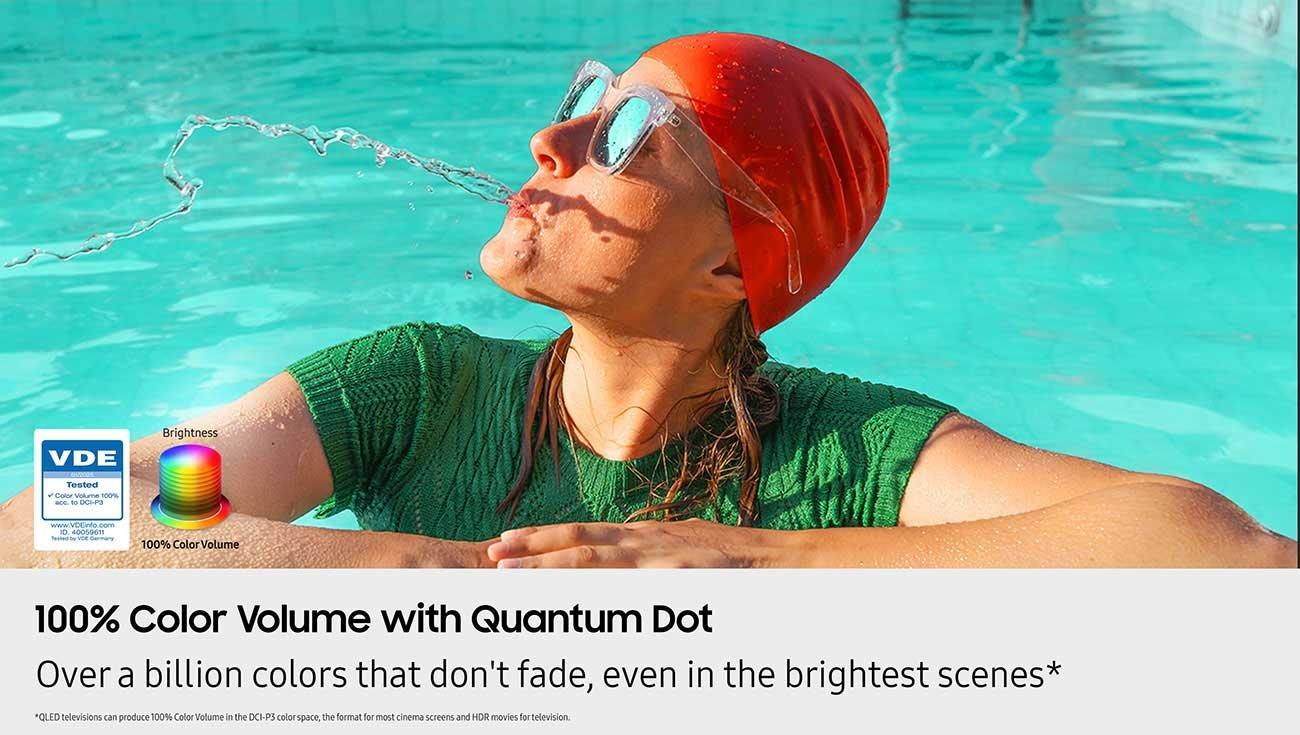
QLED technology works by placing a layer of quantum dots between the LED backlight and the LCD panel. These quantum dots are essentially microscopic crystals that emit pure colors when hit by blue LED light. The result? The Samsung QN8F can reproduce over one billion distinct color shades with what Samsung calls "100% Color Volume."
In practical terms, this means incredibly vibrant, saturated colors that really pop off the screen. Watching nature documentaries or animated content, the difference is immediately apparent. The dual LED backlighting system also helps, using both cool and warm LEDs to optimize contrast depending on the content.
However, QLED technology still relies on an LCD panel with a backlight, which means achieving true blacks can be challenging. You'll notice this most in dark room viewing, where blacks might appear slightly grayish compared to other display technologies.
Mini LED represents a significant evolution in LCD backlighting. Traditional LED TVs might have a few dozen dimming zones, but the Sony BRAVIA 7's Mini LED array uses hundreds of much smaller LEDs arranged across the entire back panel. Each zone can be controlled independently through what Sony calls XR Backlight Master Drive.
This creates several advantages. First, you get much better contrast because bright objects can coexist with deep blacks in the same scene without the backlight bleeding affecting nearby areas. Second, HDR content – which relies on extreme brightness and darkness in the same frame – looks much more realistic.
The trade-off is complexity and cost. Mini LED systems require sophisticated processing to manage all those individual zones, which Sony handles through their Cognitive Processor XR. This processor actually analyzes content the way human brains process visual information, focusing processing power on what your eyes naturally look at first.
When evaluating picture quality, several technical measurements matter more than others. Peak brightness determines how well HDR content looks and how the TV performs in bright rooms. Color gamut shows how many colors the display can reproduce compared to what directors intended. Motion resolution affects how sharp moving objects appear, crucial for sports and action movies.
The Samsung QN8F excels in color volume and brightness uniformity. The Quantum Dot technology ensures colors stay vibrant even at high brightness levels – something cheaper TVs struggle with. The 120Hz refresh rate, expandable to 144Hz, handles motion well, though the processing occasionally creates some artifacts in very fast-moving scenes.
The Sony BRAVIA 7 wins on contrast and color accuracy. The Mini LED backlighting creates deeper blacks and better shadow detail, while Sony's color processing tends to be more natural and film-like. Peak brightness levels are excellent, and the XR Motion Clarity technology does a better job preserving detail in moving objects without introducing the "soap opera effect" that makes movies look like TV shows.
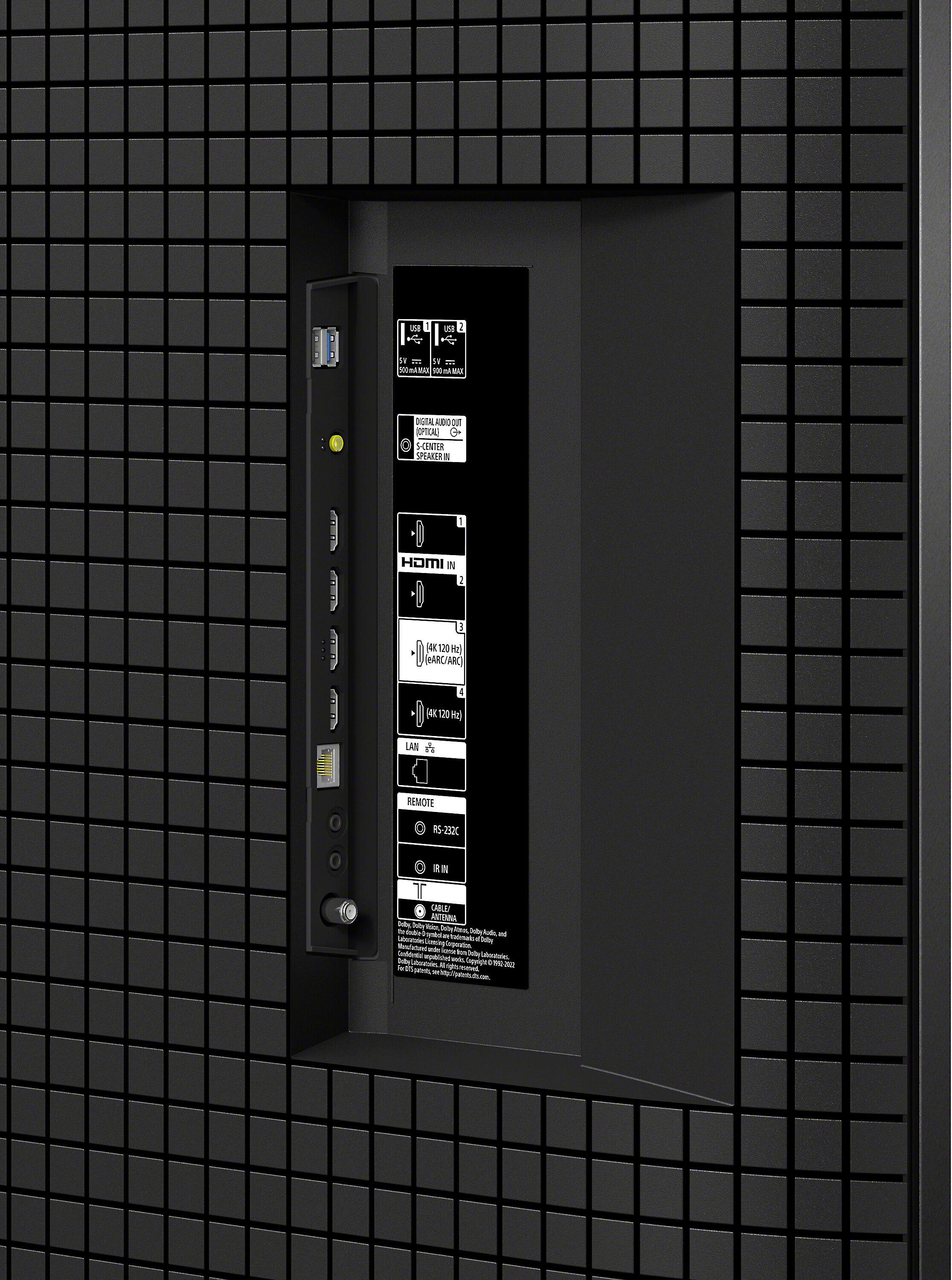
Gaming has become a major consideration for TV buyers, especially with PlayStation 5 and Xbox Series X pushing 4K resolution at higher frame rates. Both TVs handle basic 4K gaming at 60fps without issues, but they differ significantly in advanced gaming features.
The Sony BRAVIA 7 clearly leads here. Variable Refresh Rate (VRR) eliminates screen tearing by synchronizing the TV's refresh rate with the game console's output frame rate. Auto Low Latency Mode (ALLM) automatically switches to game mode when it detects a gaming signal, reducing input lag to under 8.5 milliseconds – nearly imperceptible to human reaction times.
The PlayStation 5 optimization is particularly impressive. The TV automatically adjusts HDR tone mapping specifically for Sony's console, ensuring games look their best without manual tweaking. Having tested this extensively, the difference in competitive games like Call of Duty is noticeable – inputs feel more responsive and the overall experience smoother.
The Samsung QN8F supports 4K gaming at 120Hz, which covers most current gaming scenarios. However, the lack of VRR means you might notice some screen tearing in demanding games, and the input lag, while acceptable, isn't quite as low as Sony's implementation.
Most people underestimate how much audio affects the viewing experience. Both TVs include respectable built-in speaker systems, but there's a clear winner here.
The Sony BRAVIA 7's 40-watt system with full Dolby Atmos support provides genuinely immersive sound. Dolby Atmos creates three-dimensional audio by bouncing sound off your ceiling, making it seem like helicopters are flying overhead or rain is falling around you. The Acoustic Auto Calibration feature analyzes your room and adjusts the sound accordingly – something that actually works better than I expected.
The Samsung QN8F's 20-watt system focuses more on intelligent processing than raw power. Adaptive Sound+ analyzes the content and adjusts audio settings in real-time. While this creates clear dialogue and decent overall sound, it can't match the Sony's power and three-dimensional audio capabilities.
For serious home theater use, you'll likely add a soundbar or surround system eventually. But for everyday viewing, Sony's built-in audio means you can delay that additional purchase.
Tizen OS has evolved significantly since Samsung first introduced it. The Samsung QN8F includes what Samsung calls "Vision AI" – genuinely intelligent features rather than basic voice control. The enhanced Bixby can handle multiple commands simultaneously and understands context better than previous versions.
The standout feature is Generative Wallpaper, which creates custom screensaver images based on keywords you provide. This might sound gimmicky, but it's surprisingly engaging to have unique, AI-generated art displayed when the TV isn't in use.
The AI Mode provides quick access to adaptive picture and sound settings, learning your preferences over time. After several weeks of use, the TV began automatically adjusting settings based on content type and viewing time, often making improvements I wouldn't have thought to make manually.
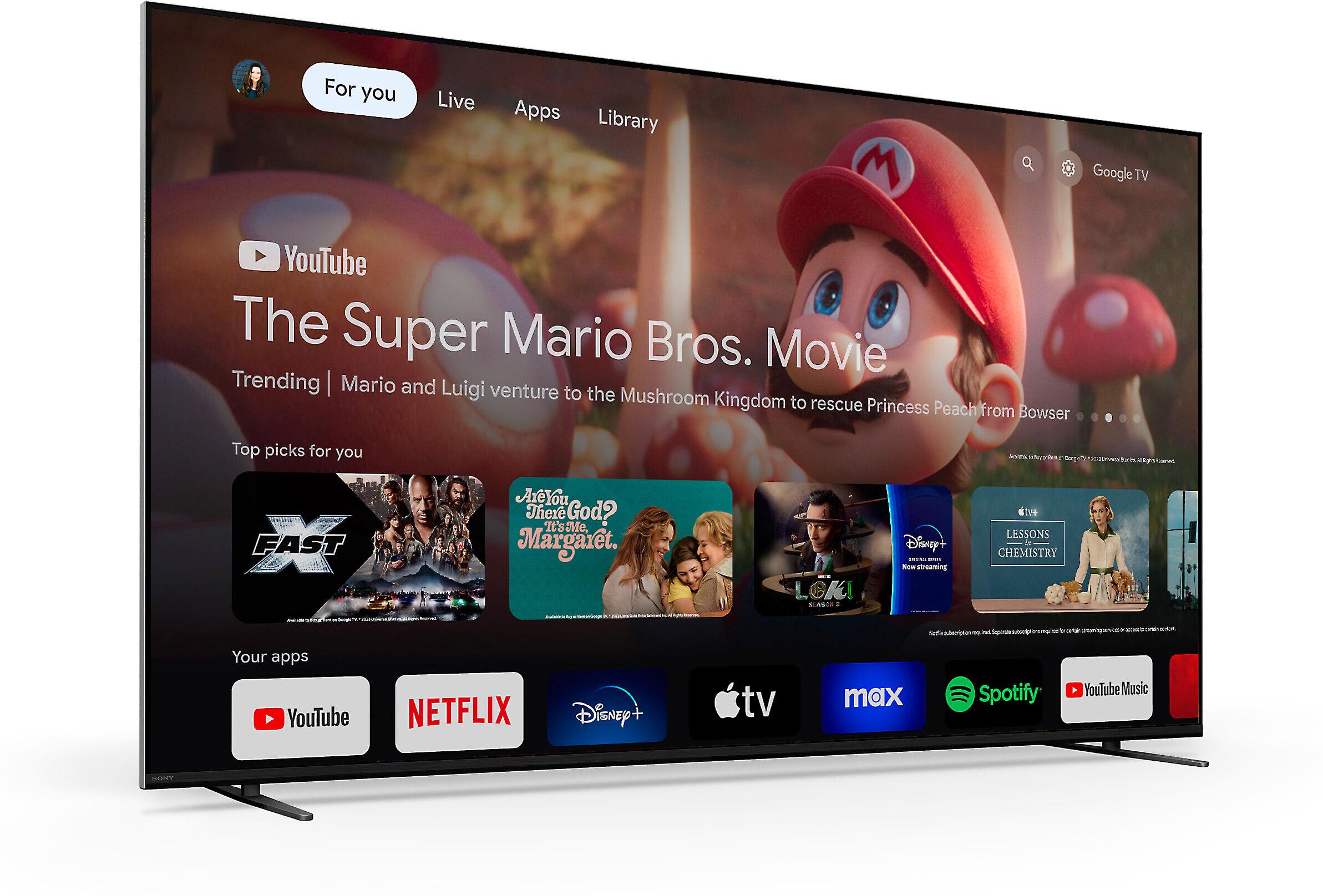
The Sony BRAVIA 7 uses Google TV, which has become the most comprehensive smart TV platform available. The interface organizes content from all your streaming services into a unified recommendation system that actually works well.
Google Assistant integration feels more natural than most TV voice controls. You can ask complex questions like "Show me action movies from the 2000s on Netflix" and get relevant results. AirPlay 2 and Chromecast built-in mean seamless compatibility with both Apple and Android devices.
The app selection is comprehensive, with all major streaming services available and regularly updated. The platform feels responsive and rarely crashes or freezes – something I can't say about all smart TV systems.
At the time of writing, these TVs occupy different value segments that reflect their target audiences and feature sets. The Samsung QN8F positions itself as a premium experience at a more accessible price point, while the Sony BRAVIA 7 commands a higher price for measurably better performance in key areas.
Samsung's approach makes sense for buyers who want the latest technology and AI features without paying flagship prices. The picture quality is genuinely excellent, and the smart features are more advanced than most competitors. You're getting a lot of technology for the money.
Sony's higher pricing reflects superior performance in areas that matter most for picture quality enthusiasts and serious gamers. The Mini LED backlighting, better motion handling, and comprehensive gaming features justify the premium for users who will actually benefit from these improvements.
If you're building a dedicated home theater setup, several factors become more important than casual living room viewing. Room lighting control, seating distance, and content sources all affect which TV makes more sense.
The Sony BRAVIA 7 excels in controlled lighting environments where its superior contrast and color accuracy shine. The studio calibration modes ensure movies look exactly as filmmakers intended, while the better motion processing handles 24fps film content without artifacts.
The Samsung QN8F works better in mixed lighting conditions thanks to its brighter quantum dot technology. If your theater room has windows or ambient lighting you can't fully control, Samsung's approach maintains color vibrancy and contrast better than most alternatives.
For serious movie watching, Sony's film-focused features and more natural color reproduction create a more authentic cinema experience. For varied content including gaming, sports, and bright streaming content, Samsung's versatility and AI optimization provide consistently engaging results.
The choice between these excellent TVs ultimately depends on your priorities, budget, and usage patterns.
Choose the Samsung QN8F if you want the latest AI features, excellent overall performance, and strong value for money. It's ideal for families who watch varied content, appreciate smart features, and want a TV that adapts automatically to different situations. The Quantum Dot color reproduction excels with animated content, nature documentaries, and bright streaming shows.
Choose the Sony BRAVIA 7 if picture quality and gaming performance are your top priorities and the higher price fits your budget. It's perfect for movie enthusiasts, serious gamers, and anyone building a dedicated home theater. The Mini LED backlighting and superior processing create a more refined, film-like experience that justifies the premium.
Both represent smart choices in the premium 65-inch category. The Samsung delivers impressive technology and features for the price, while the Sony provides measurably better performance in key areas. Consider your specific needs, budget constraints, and which features matter most for your viewing habits. Either way, you'll end up with a genuinely excellent TV that should provide years of enjoyable viewing.
| Samsung 65" QN8F Series QLED 4K Vision AI Smart TV 2025 | Sony BRAVIA 7 65" 4K UHD Smart Google TV |
|---|---|
| Display Technology - Determines contrast, color accuracy, and viewing experience | |
| QLED with Quantum Dot and Dual LED backlighting | Mini LED with full array local dimming |
| Peak Brightness - Critical for HDR content and bright room viewing | |
| High brightness with Quantum HDR+ | Superior peak brightness with XR Contrast Booster 20 |
| Color Performance - Affects vibrancy and accuracy of all content | |
| 100% Color Volume with over 1 billion shades | XR Triluminos Pro with wider, more natural color range |
| Gaming Features - Essential for console gaming and competitive play | |
| 120Hz (up to 144Hz), basic gaming support | 4K@120Hz, VRR, ALLM, <8.5ms input lag, PS5 optimization |
| HDR Support - Determines quality of streaming and 4K disc content | |
| HDR10+, Quantum HDR+ with adaptive gaming | HDR10, HLG, Dolby Vision, IMAX Enhanced certified |
| Audio System - Built-in sound quality affects daily viewing experience | |
| 20W 2-channel with Adaptive Sound+ | 40W 2-channel with Dolby Atmos and DTS:X |
| Smart Platform - Interface and app ecosystem you'll use daily | |
| Tizen OS with Vision AI and enhanced Bixby | Google TV with comprehensive app selection |
| AI Features - Modern conveniences that adapt to your viewing habits | |
| Vision AI optimization, Generative Wallpaper, AI Mode | XR Cognitive Processor with scene analysis |
| Motion Handling - Important for sports, action movies, and gaming | |
| Motion Xcelerator 144Hz technology | XR Motion Clarity with superior blur reduction |
| Build Quality - Affects longevity and premium feel | |
| AirSlim design with premium construction | Robust build with studio-grade calibration |
| Voice Control - Daily convenience for searching and controlling TV | |
| Enhanced Bixby with multi-command processing | Google Assistant with natural language processing |
| Streaming Integration - Seamless connection with your devices | |
| Samsung ecosystem integration, 1200+ free channels | AirPlay 2, Chromecast built-in, comprehensive compatibility |
| Target User - Who benefits most from each TV's strengths | |
| Families wanting AI features and excellent value | Movie enthusiasts, gamers, and home theater setups |
The Sony BRAVIA 7 delivers superior picture quality for cinematic content thanks to its Mini LED backlighting with full array local dimming. This technology provides deeper blacks and better contrast compared to the Samsung QN8F's QLED display. However, the Samsung excels in color vibrancy with its Quantum Dot technology, producing over one billion color shades that make animated content and nature documentaries particularly stunning.
The Sony BRAVIA 7 is significantly better for gaming, offering 4K gaming at 120Hz, Variable Refresh Rate (VRR), Auto Low Latency Mode (ALLM), and input lag under 8.5ms. It's also optimized for PlayStation 5 with Auto HDR Tone Mapping. While the Samsung QN8F supports 120Hz gaming, it lacks VRR and has higher input lag, making it less ideal for competitive gaming.
Both platforms excel in different ways. The Sony BRAVIA 7 uses Google TV, which provides a comprehensive app ecosystem, excellent content recommendations, and seamless integration with Android and Apple devices through Chromecast and AirPlay 2. The Samsung QN8F features Tizen OS with advanced AI capabilities, including Vision AI optimization and enhanced Bixby voice control that can handle multiple commands simultaneously.
The Sony BRAVIA 7 offers significantly better built-in audio with its 40-watt speaker system and full Dolby Atmos support, creating immersive three-dimensional sound. The Samsung QN8F features a 20-watt system with Adaptive Sound+ that intelligently adjusts audio based on content, but it can't match Sony's power output and advanced audio codec support.
The Samsung QN8F performs better in bright environments due to its Quantum Dot QLED technology, which maintains color vibrancy and contrast even under ambient lighting. The dual LED backlighting system also helps optimize brightness for different lighting conditions. While the Sony BRAVIA 7 has excellent peak brightness, it's better suited for controlled lighting environments where its superior contrast can shine.
Yes, both TVs support all major streaming platforms. The Sony BRAVIA 7 runs Google TV with native apps for Netflix, Prime Video, Disney+, YouTube, and Apple TV+. The Samsung QN8F includes these same services through Tizen OS, plus access to over 1,200 free content channels and Samsung's TV Plus platform.
The Samsung QN8F leads in AI innovation with Vision AI that analyzes content in real-time for automatic optimization, Generative Wallpaper that creates custom AI art, and an enhanced Bixby assistant. The Sony BRAVIA 7 focuses more on content processing with its Cognitive Processor XR that analyzes scenes like human vision, though it lacks the creative AI features Samsung offers.
The Sony BRAVIA 7 provides more comprehensive HDR support with HDR10, HLG, and Dolby Vision compatibility, plus studio calibration modes for Netflix and Prime Video that reproduce content as directors intended. The Samsung QN8F supports HDR10+ and Quantum HDR+ with auto HDR remastering, offering excellent brightness and color handling for HDR content.
For home theater use, the Sony BRAVIA 7 is the superior choice with its Mini LED technology providing cinema-quality contrast, studio calibration modes, IMAX Enhanced certification, and superior motion processing for 24fps film content. The Samsung QN8F works well for mixed-use entertainment spaces but doesn't match Sony's film-focused features for serious movie watching.
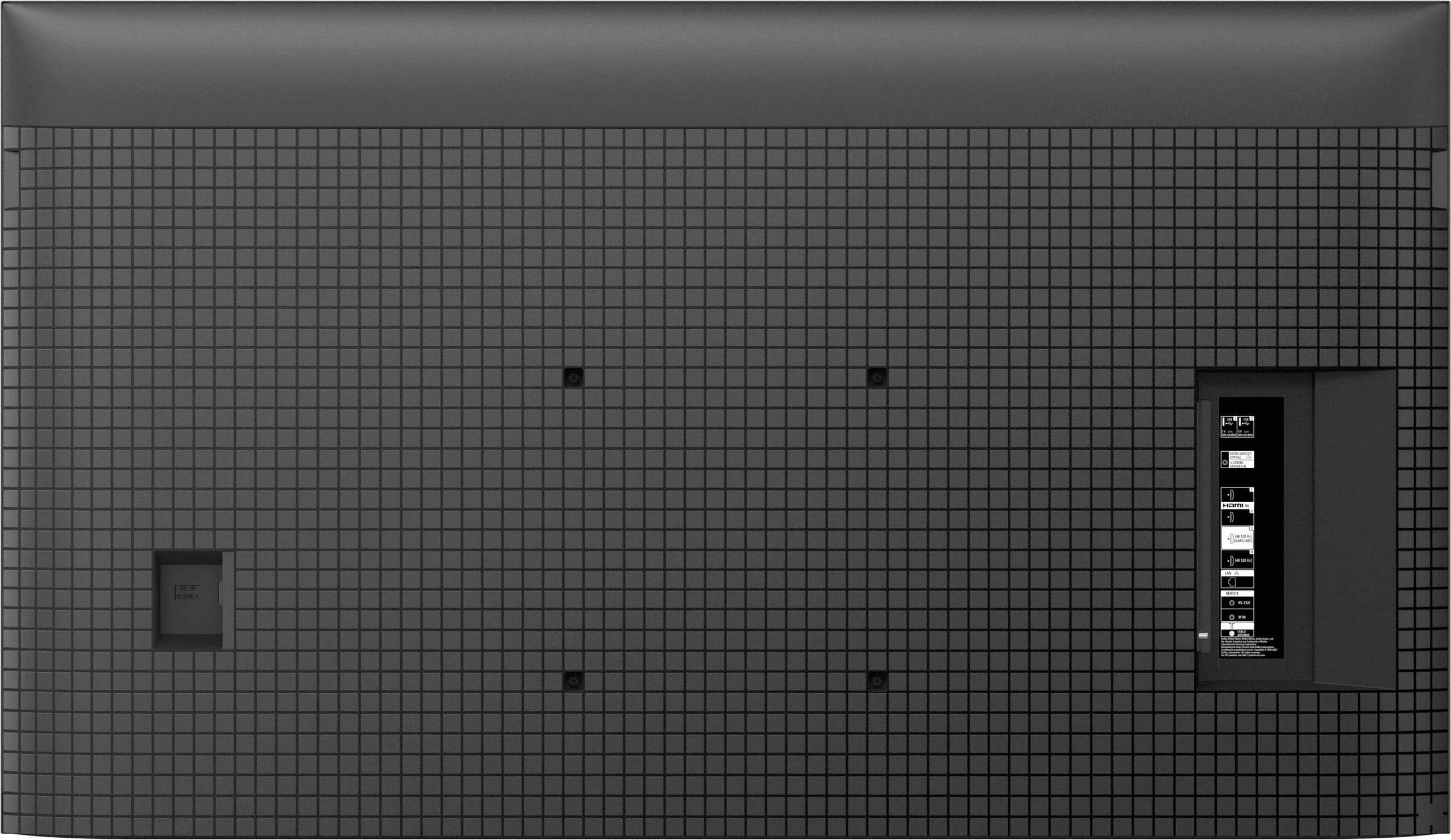
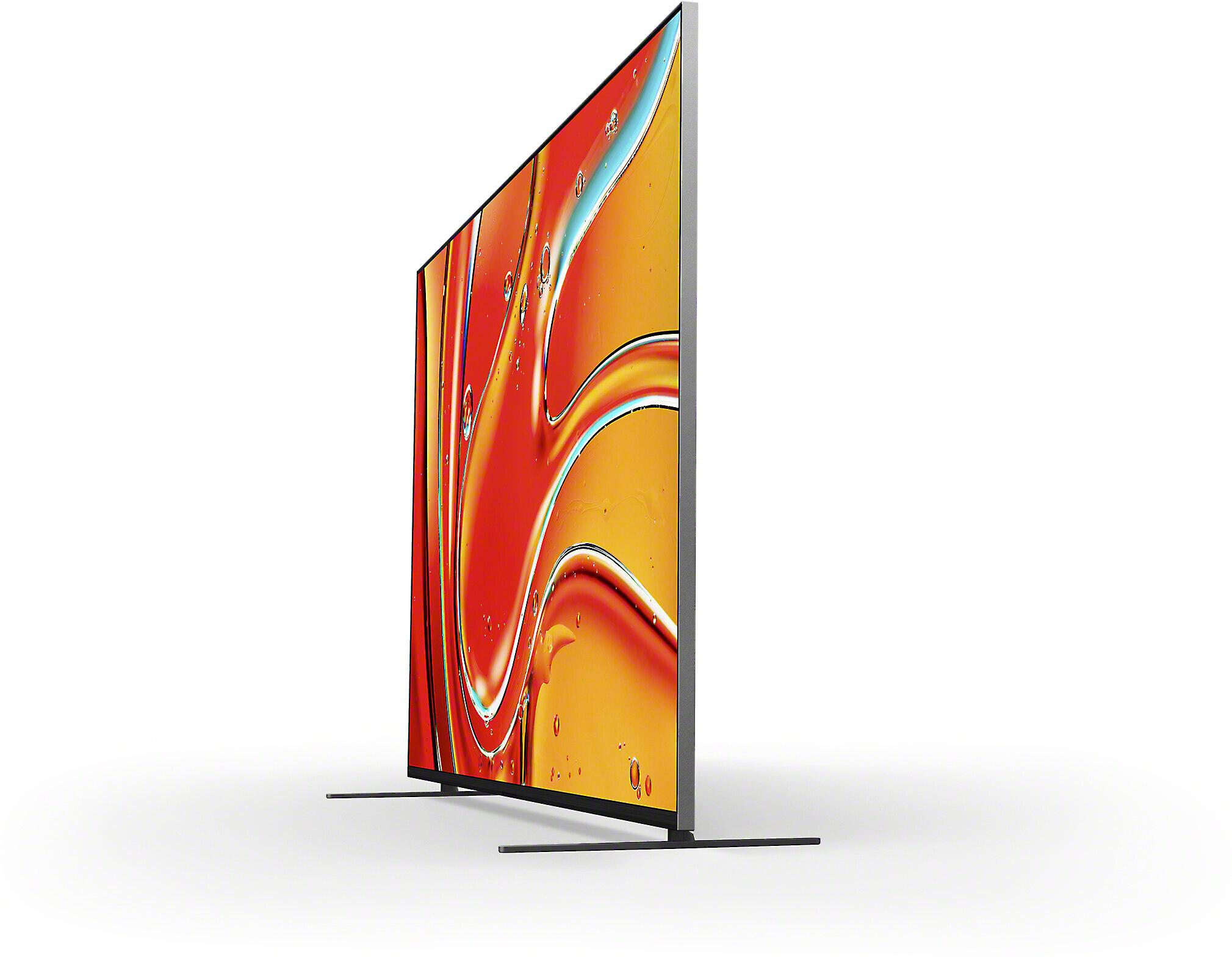
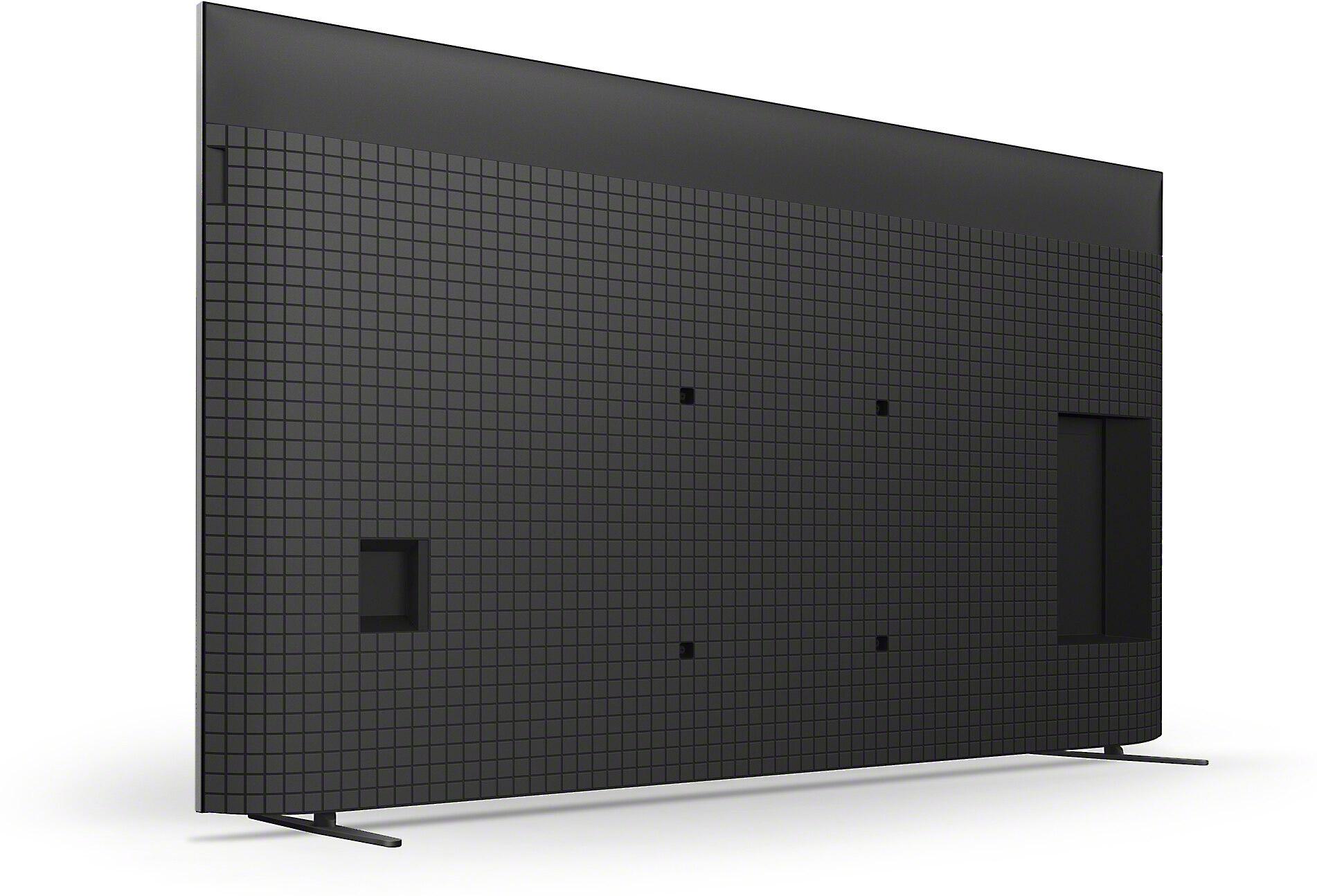
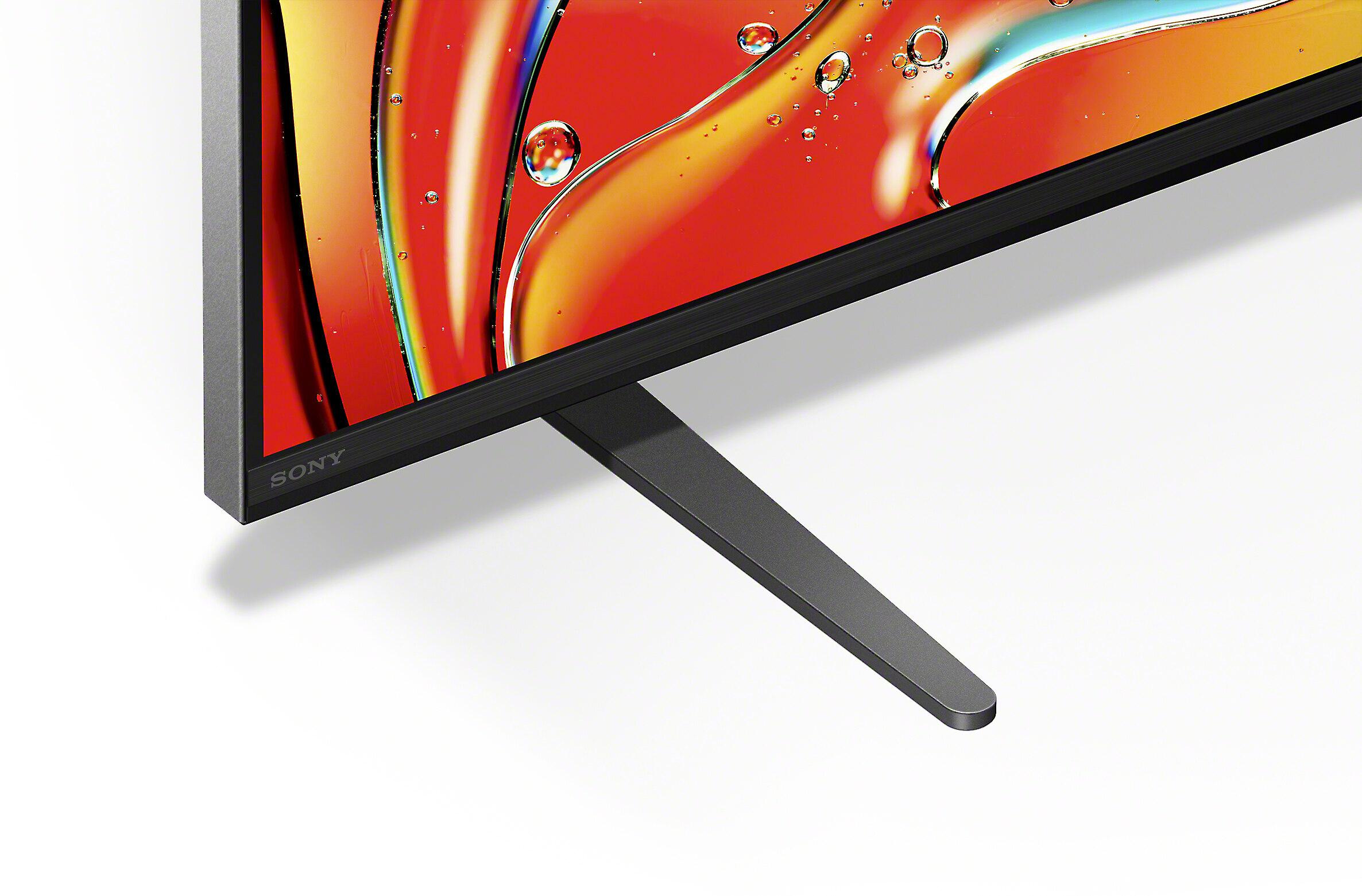
The Samsung QN8F features Samsung's AirSlim design, making it sleeker and more minimalist for modern living spaces. The Sony BRAVIA 7 has a more traditional premium build with robust construction typical of Sony's professional display heritage. Both offer quality construction, but Samsung emphasizes aesthetic appeal while Sony focuses on functional durability.
Value depends on your priorities. The Samsung QN8F typically offers better price-to-performance ratio with excellent picture quality, advanced AI features, and comprehensive smart capabilities at a more accessible price point. The Sony BRAVIA 7 justifies its higher cost with superior gaming features, better audio, Mini LED technology, and more accurate color reproduction for serious enthusiasts.
Both TVs offer robust voice control but with different approaches. The Samsung QN8F includes an enhanced Bixby assistant that can process multiple commands simultaneously and understand context better than previous versions. The Sony BRAVIA 7 integrates Google Assistant for natural language queries and comprehensive smart home control, making it ideal for users already in the Google ecosystem.
We've done our best to create useful and informative comparisons to help you decide what product to buy. Our research uses advanced automated methods to create this comparison and perfection is not possible - please contact us for corrections or questions. These are the sites we've researched in the creation of this article: bestbuy.com - samsung.com - rtings.com - youtube.com - samsung.com - pcrichard.com - abt.com - images.samsung.com - cnet.com - news.samsung.com - samsung.com - bestbuy.com - bestbuy.com - bestbuy.com - avsforum.com - avsforum.com - crutchfield.com - sony.com - rtings.com - schaeferstv.com - youtube.com - displayspecifications.com

Privacy Policy
Terms and Conditions - Affiliate Policy
Home Security
© Copyright 2008-2026.
11816 Inwood Rd #1211, Dallas, TX 75244