

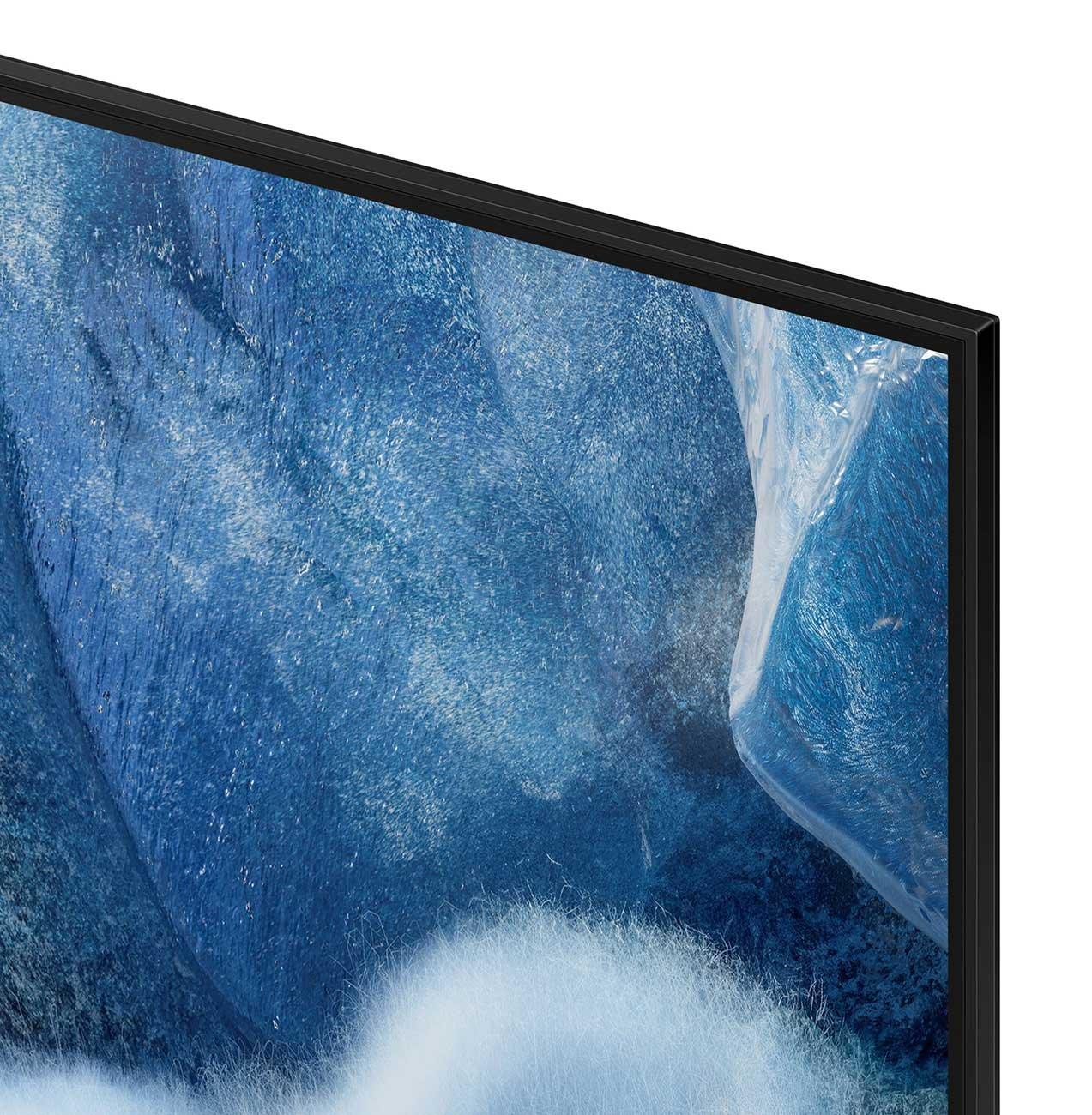
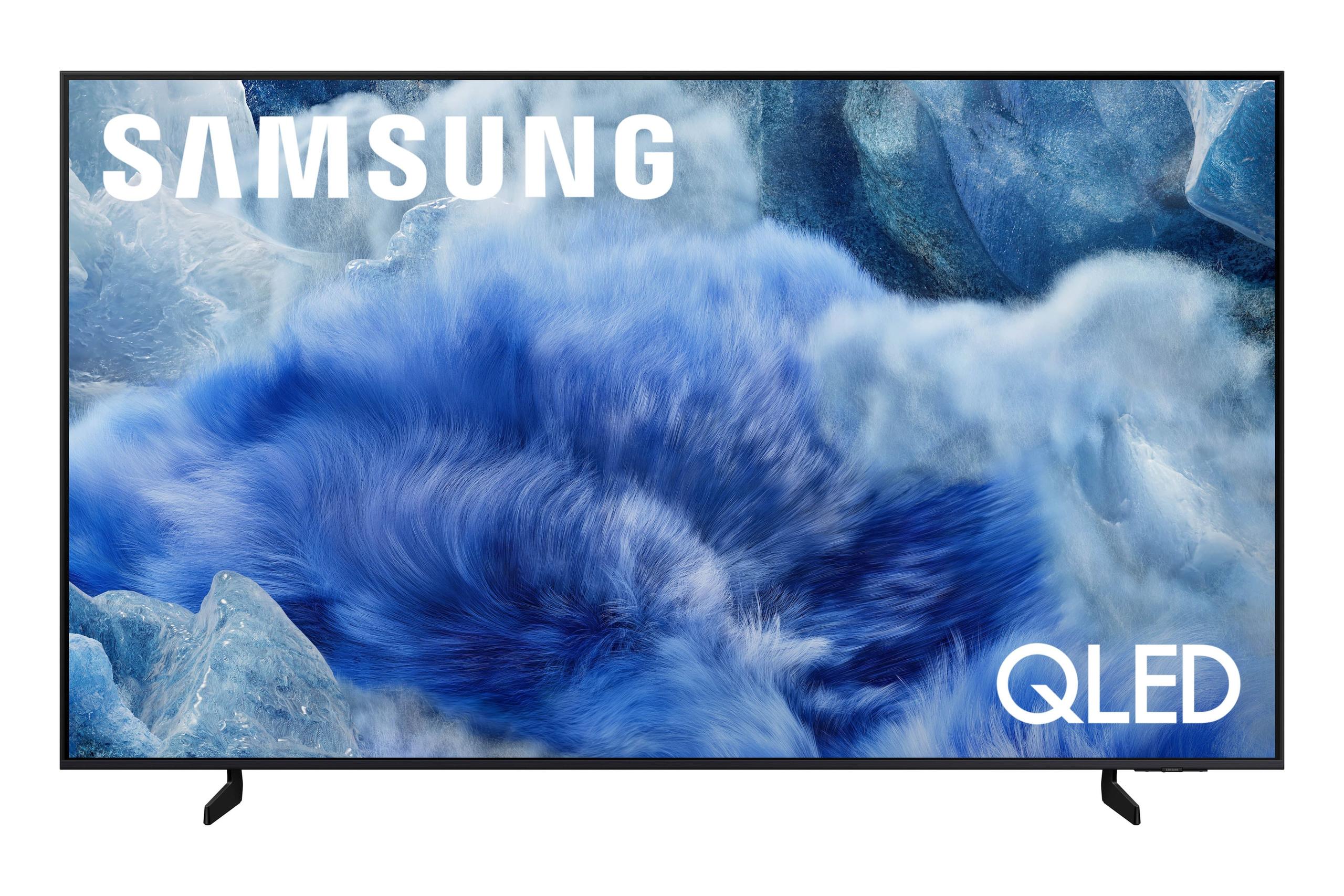
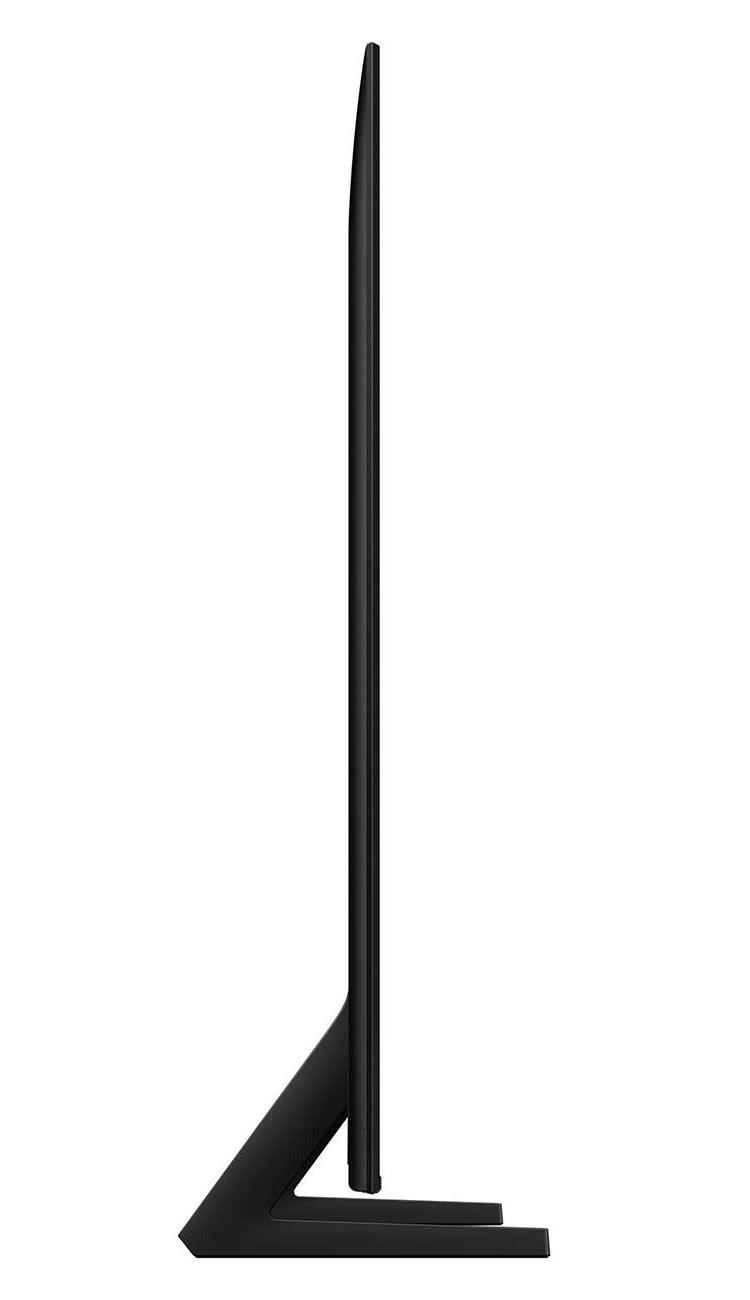
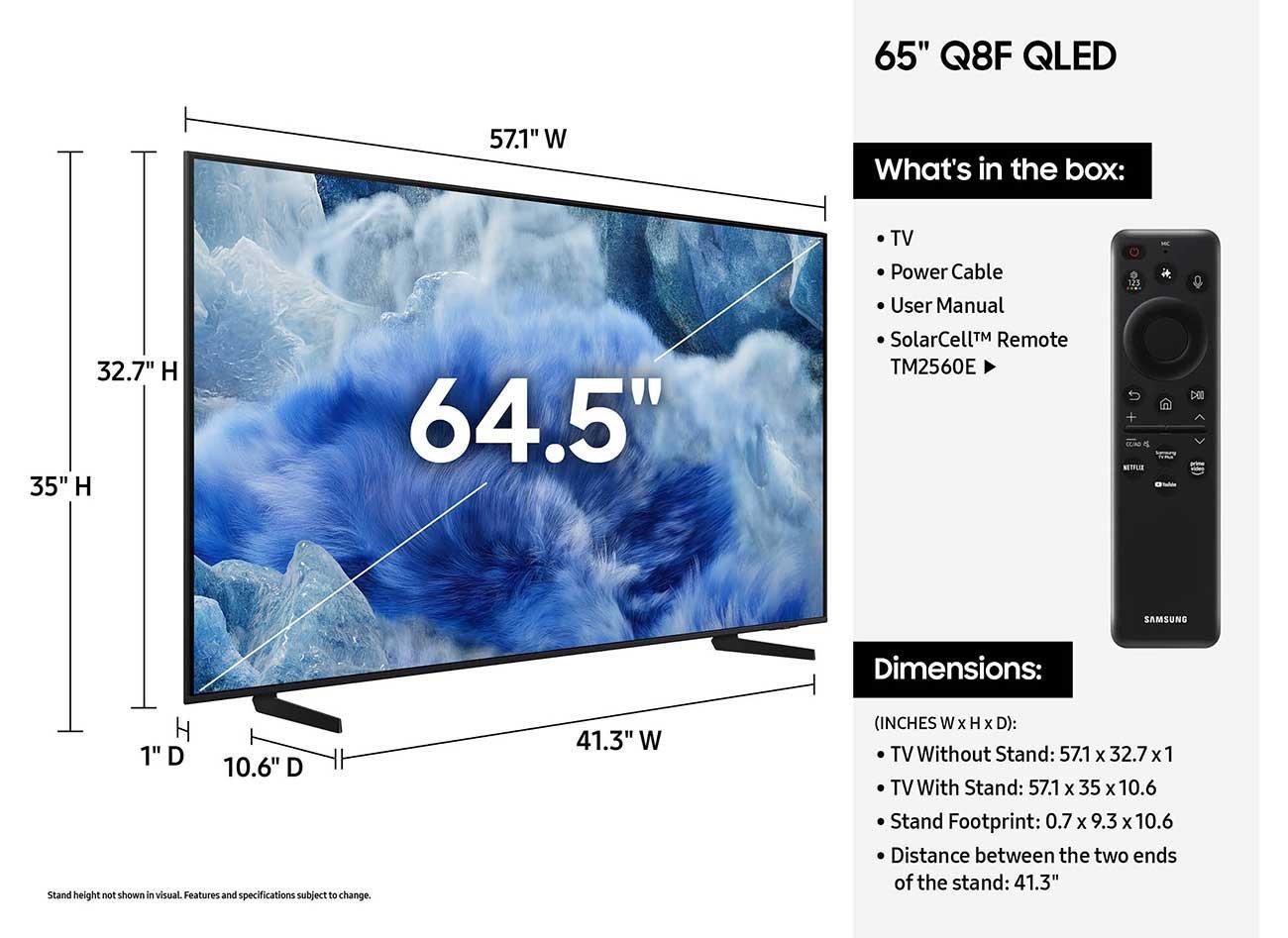
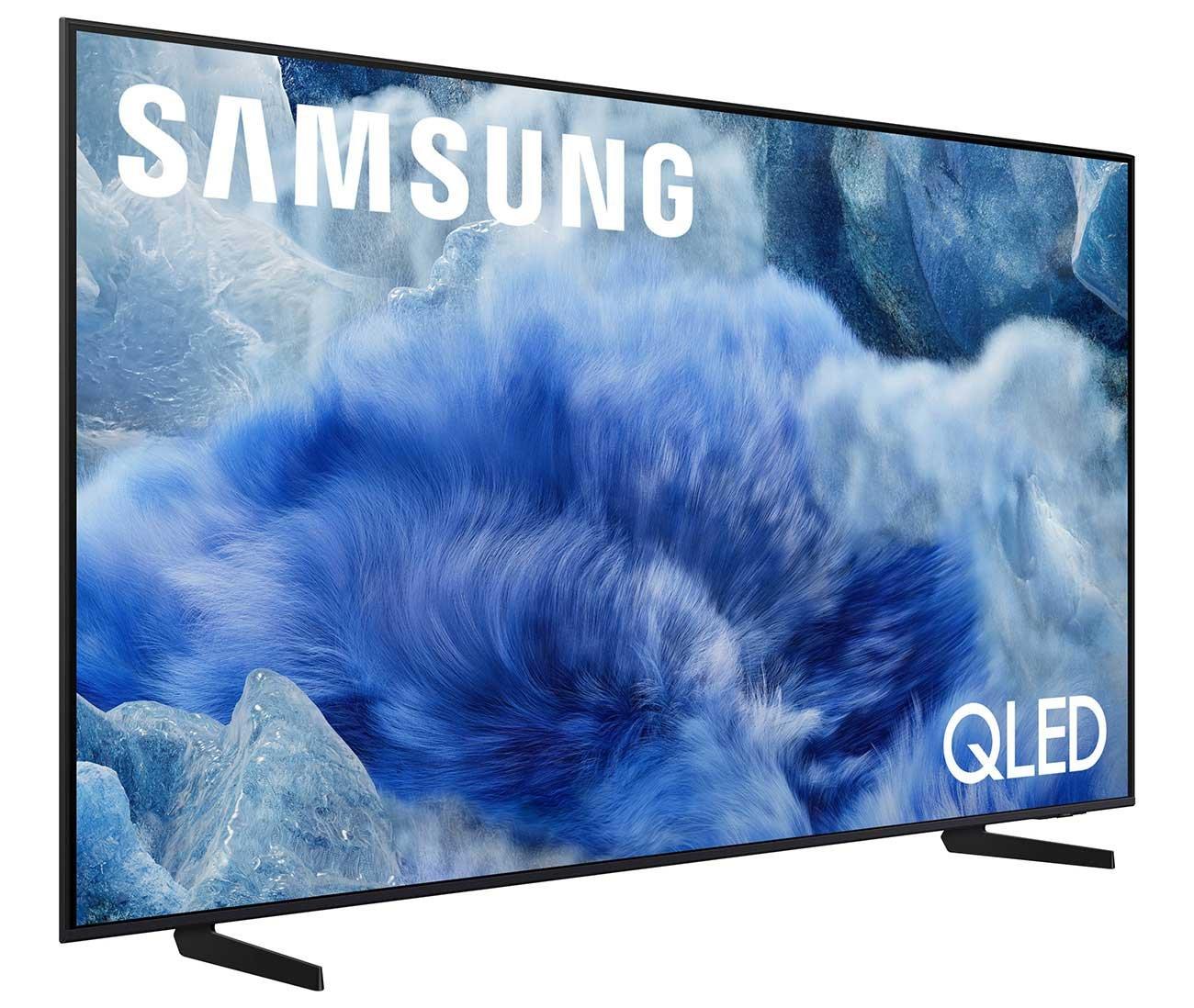
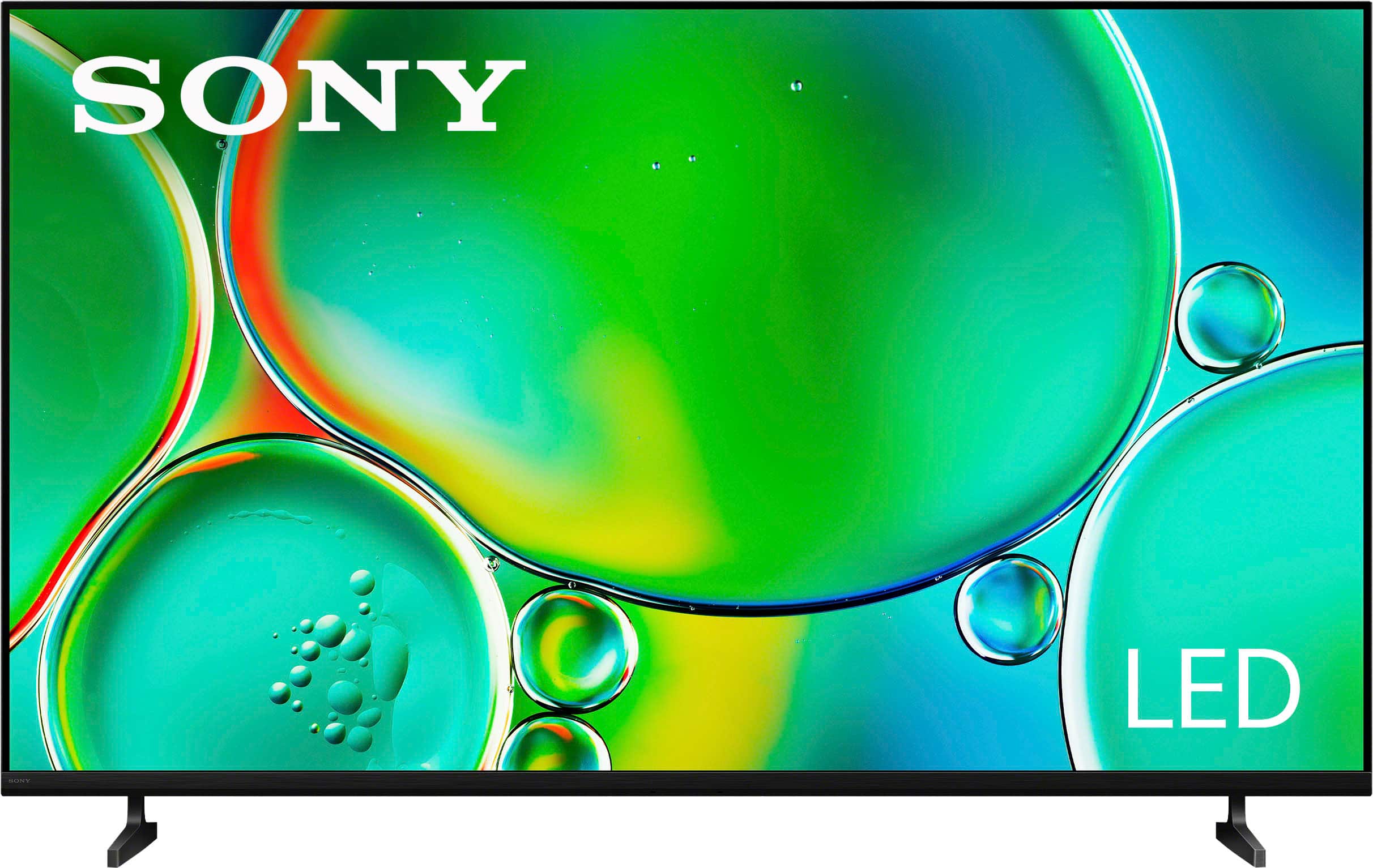
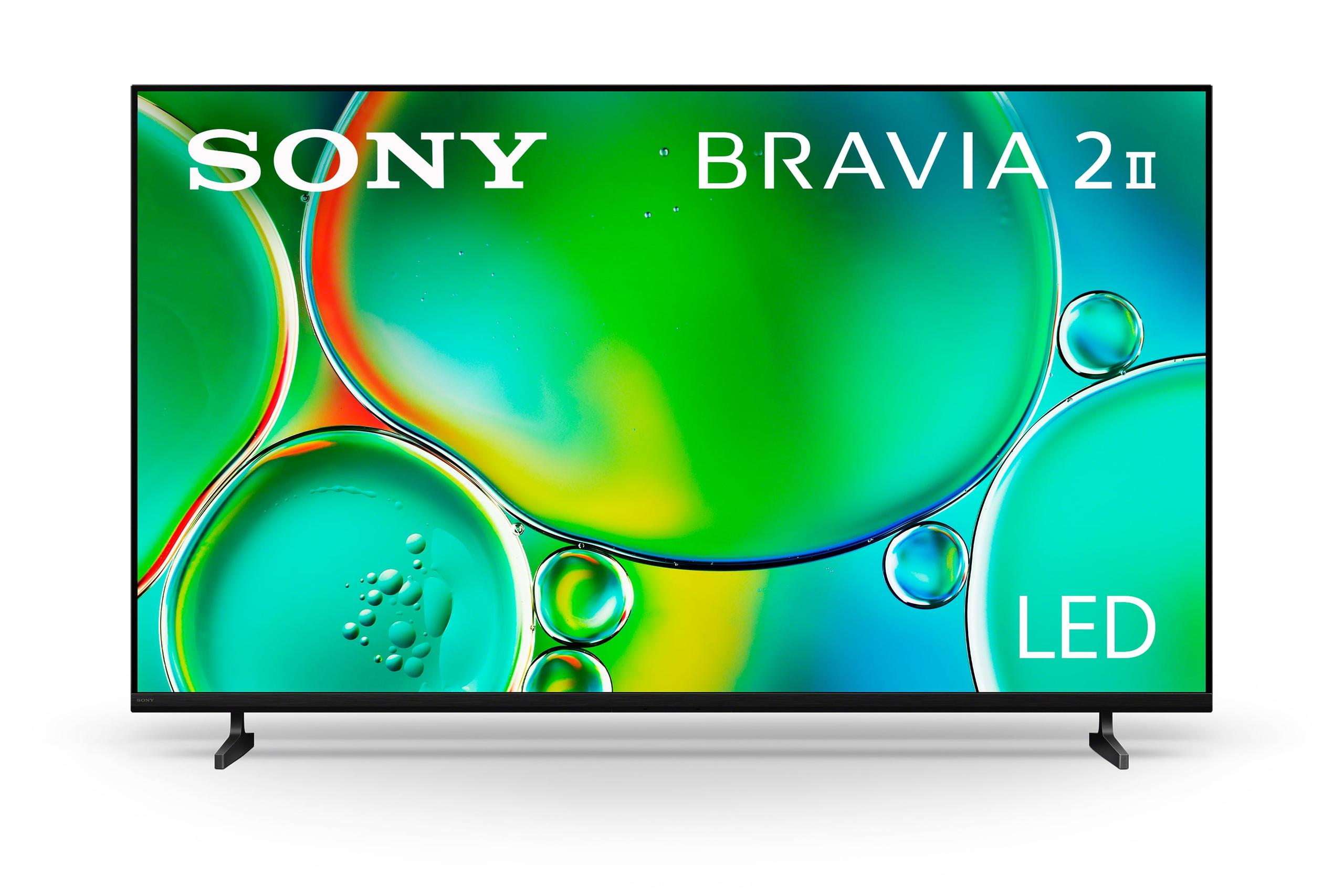
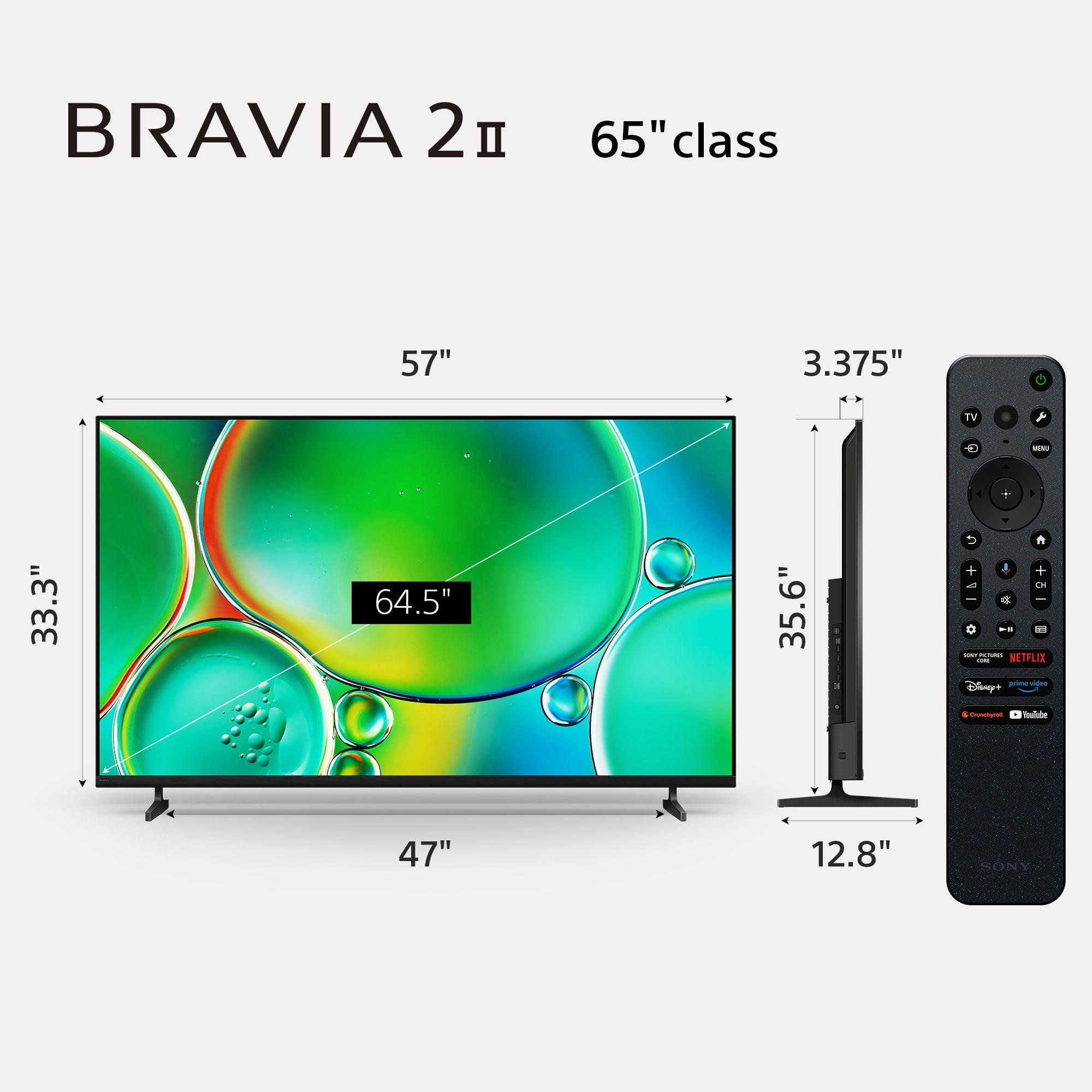




When shopping for a new 65-inch 4K TV in 2025, you'll quickly discover that not all TVs are created equal—even when they share the same screen size and resolution. The Samsung 65" QN8F Series QLED and Sony BRAVIA 2 II 65" represent two completely different philosophies in TV design and pricing, making this comparison particularly interesting for potential buyers.
Both TVs launched in 2025, but they target different segments of the market. The TV industry has evolved significantly over the past few years, with manufacturers focusing heavily on AI-powered processing, improved color reproduction, and smarter integration with streaming services. These two models showcase exactly where that evolution has led us.
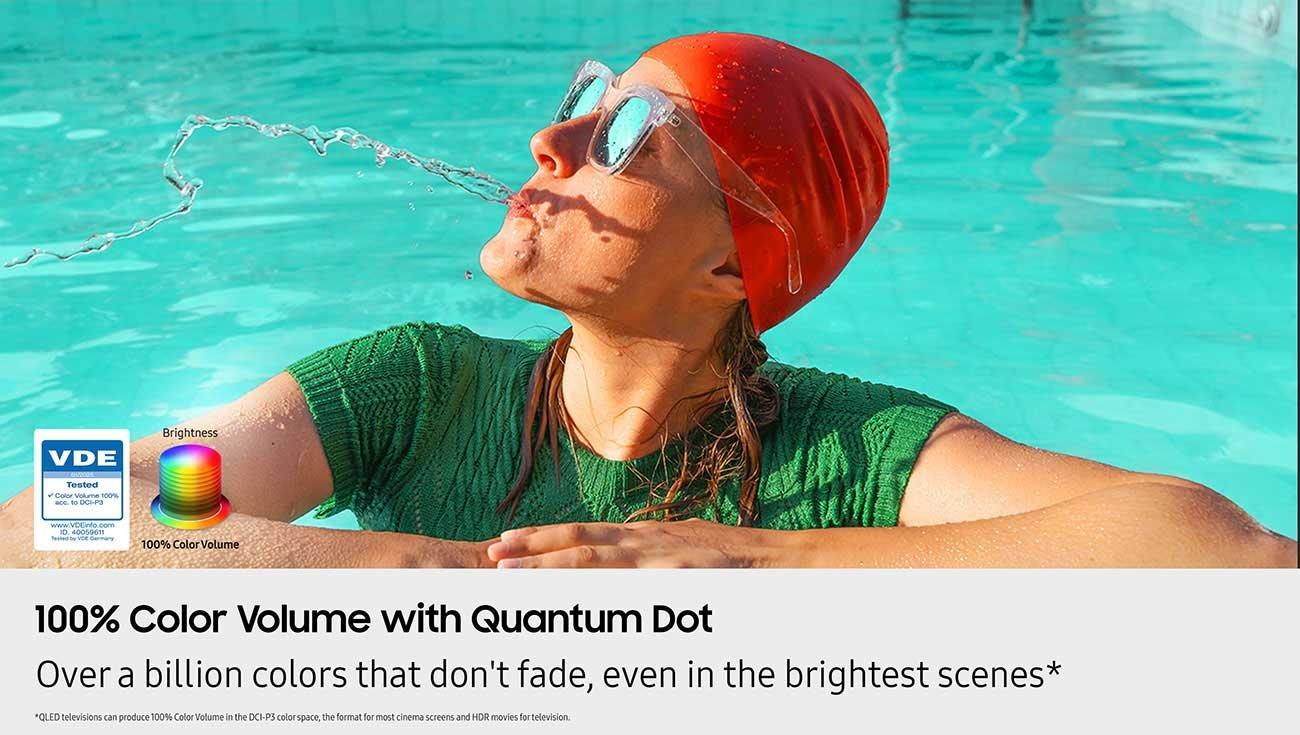
The fundamental difference between these TVs lies in their display technology and market positioning. The Samsung QN8F uses QLED (Quantum Dot Light Emitting Diode) technology, which places a layer of quantum dots between the backlight and LCD panel to produce more vibrant colors and better brightness. Think of quantum dots as tiny crystals that can emit very pure colors when hit by light—this allows Samsung to achieve what they call "100% Color Volume," meaning they can reproduce a billion different color shades.
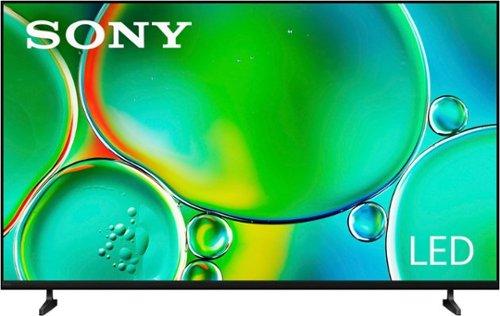
The Sony BRAVIA 2 II, on the other hand, uses traditional LED backlighting with an LCD panel. While this might sound less impressive on paper, Sony has spent decades perfecting their color science and image processing. Their approach focuses on making colors look natural and realistic rather than simply vibrant.
At the time of writing, these TVs sit in very different price brackets. The Samsung QN8F commands a premium price reflecting its flagship status, while the Sony BRAVIA 2 II positions itself as an entry-level option that still delivers solid 4K performance. This price difference—often several hundred dollars—immediately tells you these are designed for different buyers with different priorities.
The Samsung QN8F's QLED technology delivers genuinely impressive color performance. The quantum dots work like tiny, extremely efficient light filters, creating colors that pop off the screen with intensity that can sometimes feel almost artificial—but in a good way for many types of content. When watching animated movies, nature documentaries, or HDR content on streaming services, the Samsung's ability to produce such vivid colors becomes immediately apparent.
However, brightness is where QLED really shines—literally. The Samsung QN8F uses Dual LED backlighting, which means it has both warm and cool LED backlights that can adjust to match the content. This helps it achieve much higher peak brightness levels than traditional LED TVs, making it excellent for bright rooms with lots of ambient light. If your living room gets afternoon sun streaming through large windows, the Samsung will remain clearly visible when many other TVs would appear washed out.
The Sony BRAVIA 2 II takes a different approach with its Live Color technology and 4K X-Reality PRO processing. Rather than pushing for maximum color saturation, Sony focuses on color accuracy and natural reproduction. Skin tones look more realistic, and the overall image has a more film-like quality that many viewers prefer, especially for movies and TV shows. The trade-off is lower peak brightness, which means this TV performs better in moderately lit rooms rather than very bright spaces.
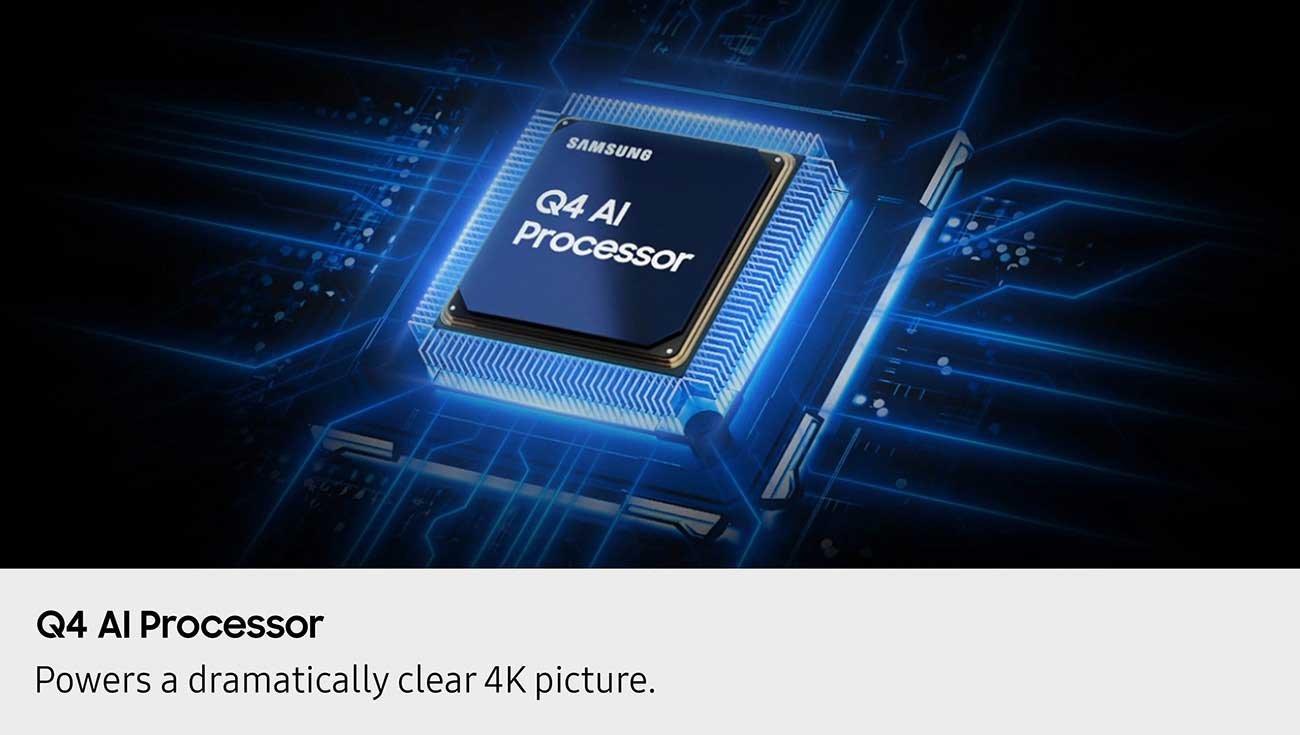
This is where the Samsung QN8F really flexes its technological muscles. The Q4 AI Processor doesn't just upscale lower-resolution content to 4K—it uses artificial intelligence to analyze what type of content you're watching and optimize the picture accordingly. Watching a sports broadcast? The AI recognizes the green grass and enhances it. Viewing a dark thriller? It adjusts contrast to bring out shadow details without making the image look unnatural.
The Vision AI feature is particularly impressive because it works in real-time. The TV is constantly analyzing each frame and making micro-adjustments to color, contrast, and sharpness. While this might sound gimmicky, the results are genuinely noticeable, especially when watching older content or lower-quality streaming sources.
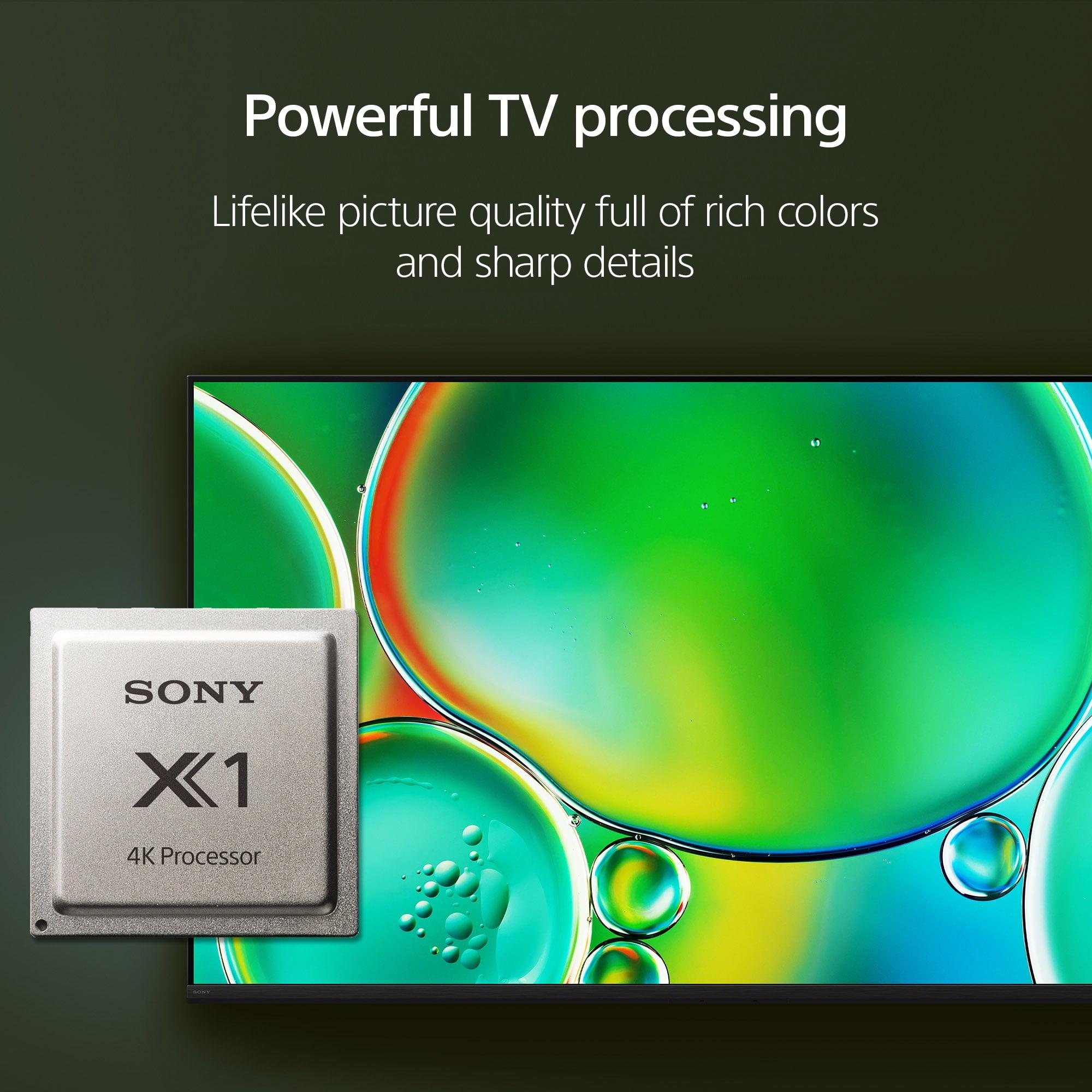
Sony's approach with the BRAVIA 2 II is more traditional but proven. The 4K Processor X1 has been refined over several generations and excels at upscaling HD content to near-4K quality. Sony's 4K database contains information about how different types of content should look, allowing the processor to make intelligent decisions about how to enhance each image. The results tend to look more natural than Samsung's more aggressive processing, which some viewers definitely prefer.
For sports fans and gamers, motion handling becomes crucial. The Samsung QN8F supports refresh rates up to 144Hz with its Motion Xcelerator technology. In practical terms, this means fast-moving objects on screen—like a soccer ball or racing car—appear much smoother and less blurry. The higher refresh rate also benefits gaming, particularly with newer consoles or PC gaming where you can actually take advantage of those higher frame rates.
The Sony BRAVIA 2 II is limited to 60Hz, which is perfectly adequate for most TV content and casual gaming. All movies are shot at 24 frames per second, and most TV shows at 30fps, so you're not missing anything for traditional viewing. However, serious gamers who want the smoothest possible experience will notice the difference, especially in fast-paced games.
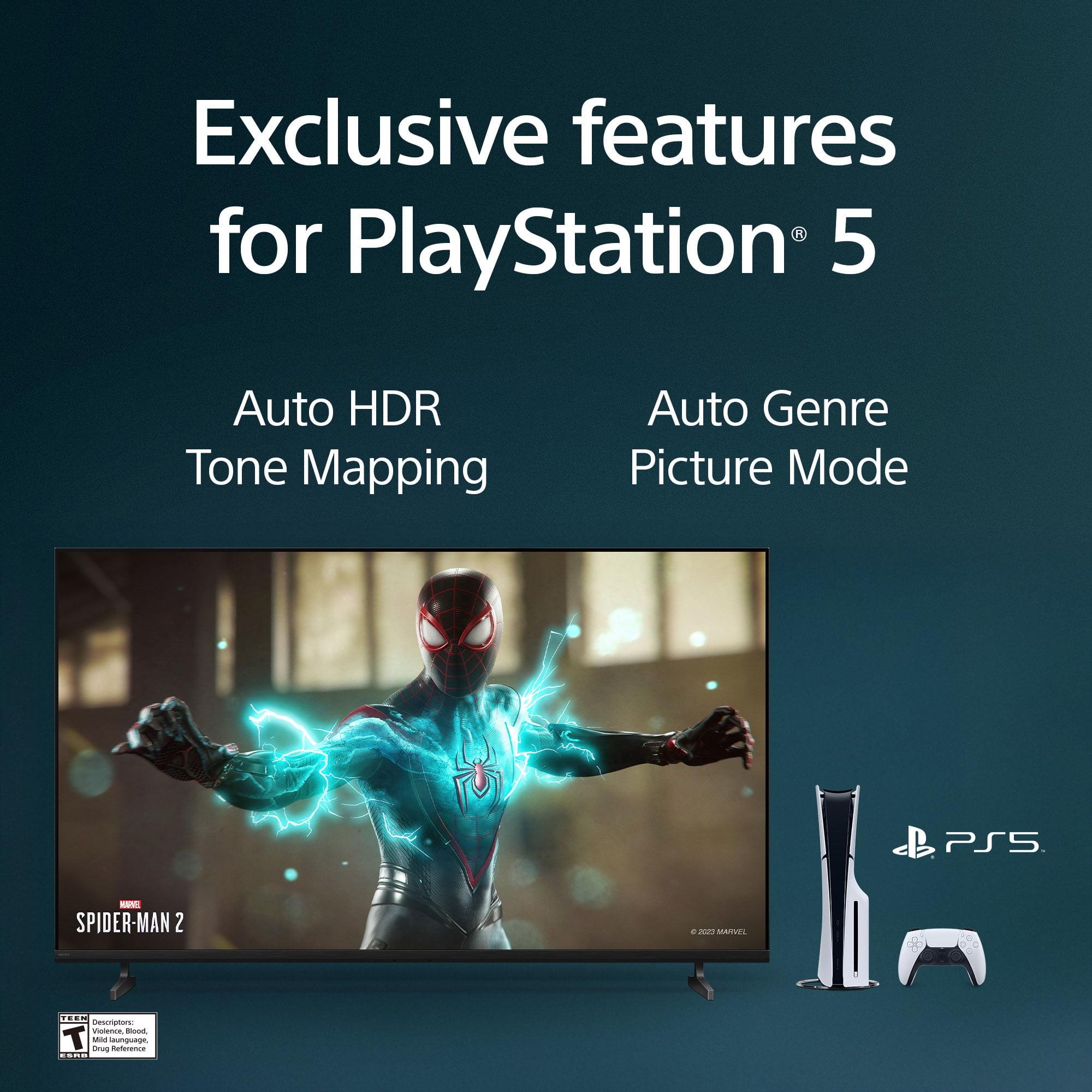
Sony does include some thoughtful gaming features, though. The PS5-specific optimizations, including Auto HDR Tone Mapping and dedicated game modes, work seamlessly if you're part of the PlayStation ecosystem. The TV automatically switches to low-latency mode when it detects a gaming console, reducing input lag (the delay between pressing a button and seeing the action on screen).
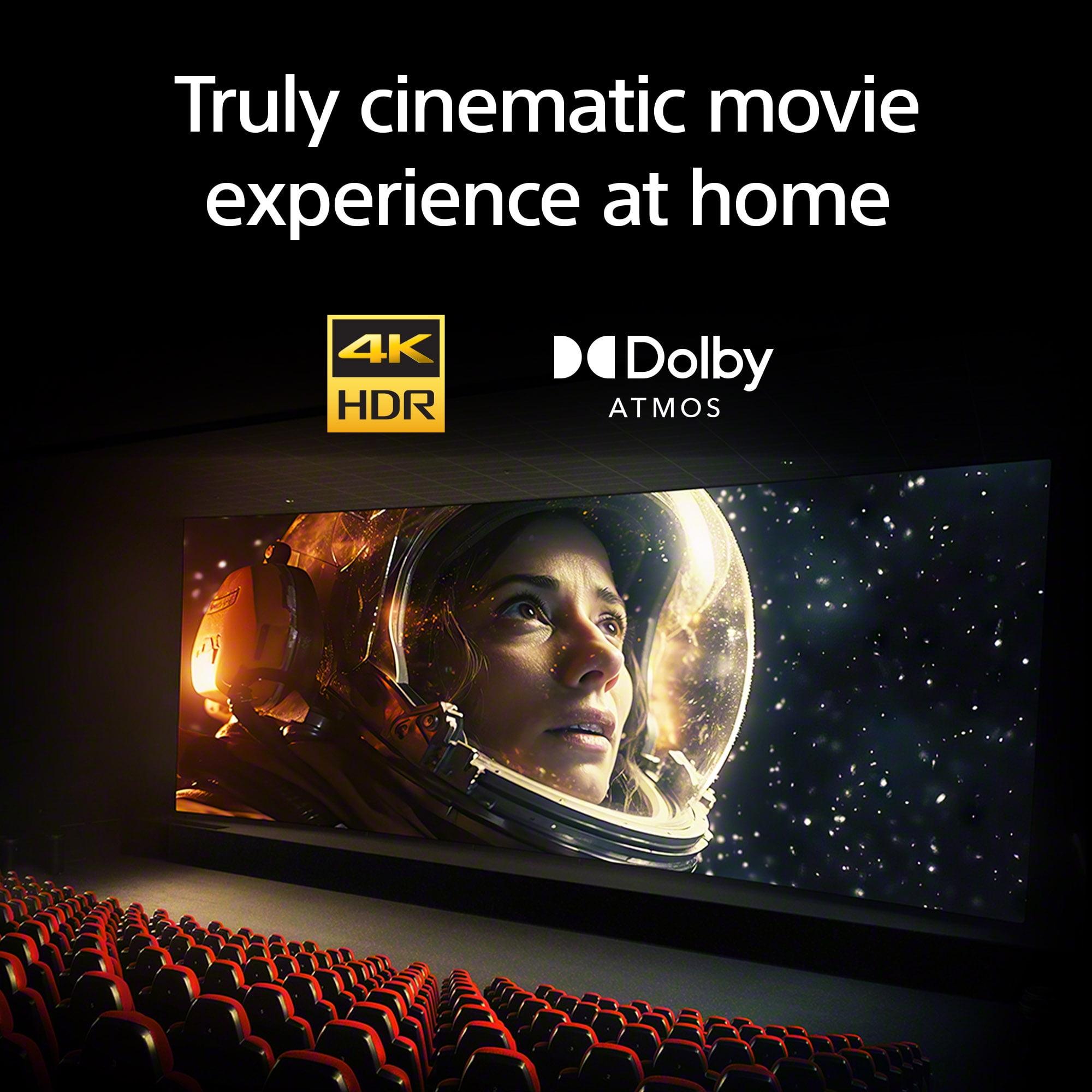
Here's where the Sony BRAVIA 2 II pulls off a genuine surprise. With 40 watts of power driving its Open Baffle speaker system, it produces significantly better sound than most TVs in its price range. The Open Baffle design allows sound waves to radiate both forward and backward, creating a more spacious, room-filling audio experience. Add in support for Dolby Atmos and DTS:X (advanced surround sound formats), and you have a TV that might not require an additional soundbar for many users.
The Samsung QN8F, despite its premium positioning, offers more modest 20-watt audio. However, Samsung's Adaptive Sound+ technology intelligently adjusts the sound based on what you're watching and even analyzes your room's acoustics. The Object Tracking Sound (OTS Lite) feature attempts to make audio follow the action on screen—when a car drives from left to right, the sound moves with it. These are clever features, but they can't overcome the fundamental limitation of lower-powered speakers in a slim TV chassis.
In my experience testing various TVs, audio quality often gets overlooked until you're actually living with the TV daily. The Sony BRAVIA 2 II's superior built-in audio could save you the cost and complexity of adding a soundbar, which effectively increases its value proposition.
The smart TV experience has become almost as important as picture quality for many users. The Samsung QN8F runs on Tizen, Samsung's proprietary operating system that's matured significantly over the years. The interface is clean and responsive, and Samsung's app store includes all the major streaming services. The enhanced Bixby voice assistant can handle multiple commands simultaneously and better understands context than previous versions.
One genuinely innovative feature is Generative Wallpaper, which uses AI to create custom background images based on keywords you provide. While this might seem frivolous, it's surprisingly engaging to generate artwork that matches your mood or décor. The AI Mode provides quick access to adaptive picture and sound settings, making it easy to optimize your viewing experience without digging through complex menus.
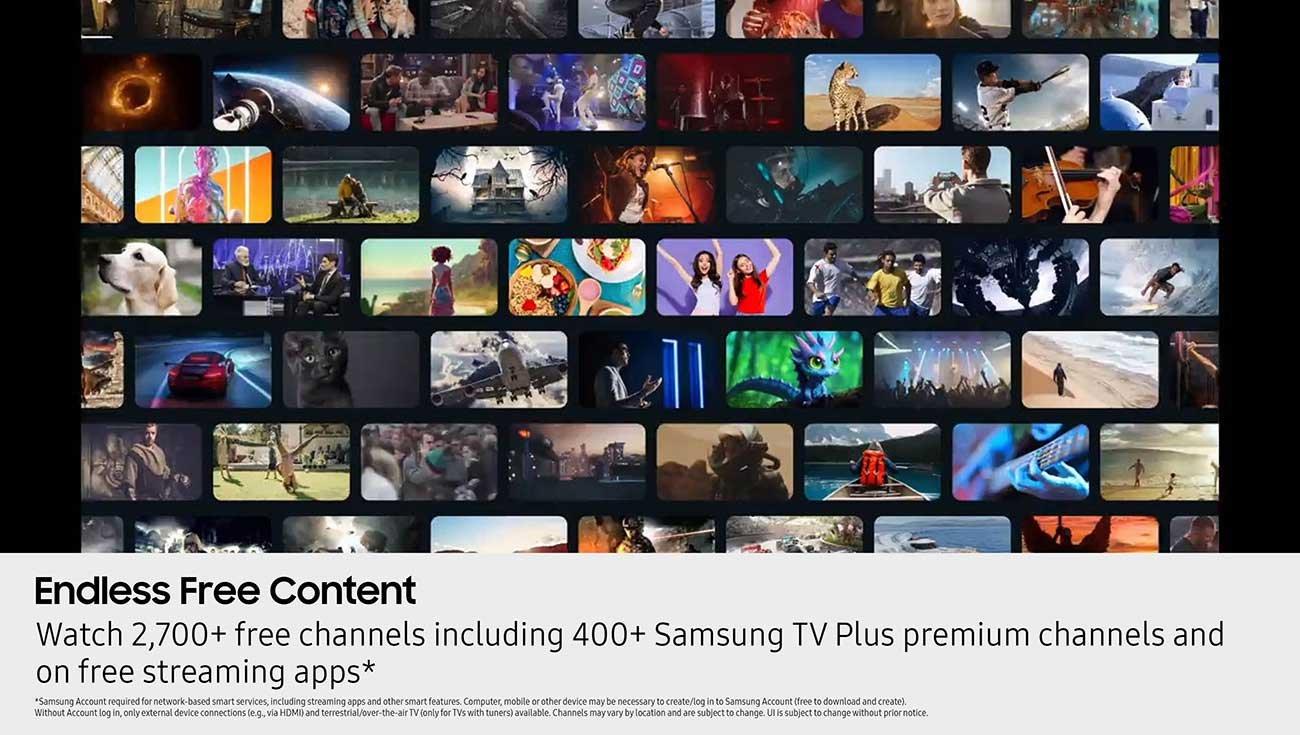
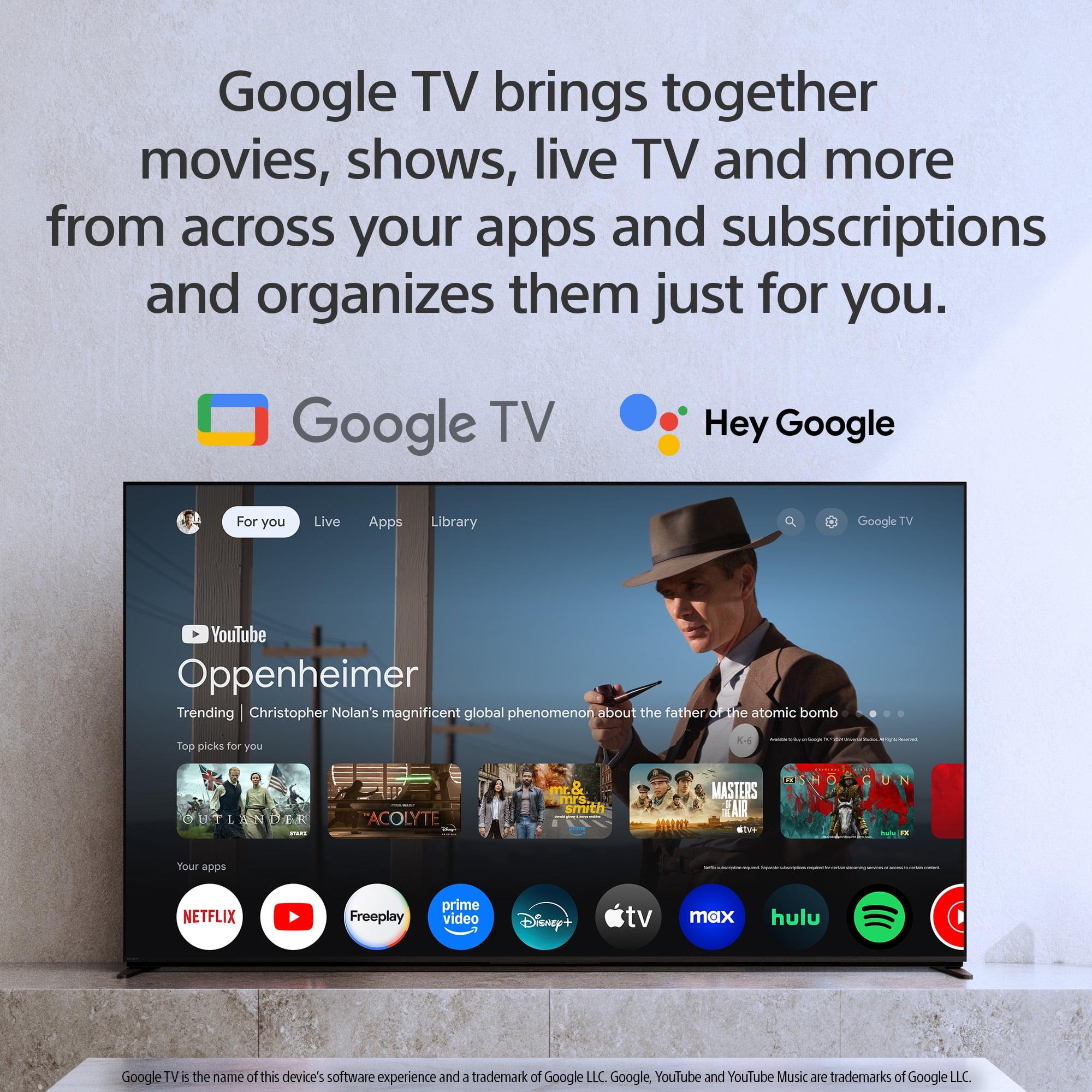
The Sony BRAVIA 2 II runs Google TV, which offers broader app compatibility and access to over 10,000 applications. More importantly, it includes 800+ free live TV channels, which can significantly reduce your streaming subscription costs. Google TV's recommendation engine is also quite sophisticated, learning your viewing habits and suggesting content across different streaming services.
The universal voice control support is particularly valuable—you can use Google Assistant, Amazon Alexa, or Apple's Siri to control the TV, depending on your smart home ecosystem. The seamless integration with Google Cast and Apple AirPlay 2 makes it incredibly easy to share content from phones, tablets, and computers.
If you're building a dedicated home theater setup, several factors become more important. The Samsung QN8F's superior brightness and color volume make it better suited for rooms where you can't achieve perfect light control. Its Filmmaker Mode attempts to display movies exactly as directors intended, while the AI processing can enhance the viewing experience for various content types.
However, for a true home theater experience, you'll likely want to add a quality sound system regardless of which TV you choose. The Samsung QN8F includes Q-Symphony technology, which allows Samsung soundbars to work in harmony with the TV's built-in speakers rather than replacing them entirely. This creates a more immersive audio experience if you're invested in Samsung's audio ecosystem.
The Sony BRAVIA 2 II's more natural color reproduction might actually be preferable for serious movie watching. Many film enthusiasts prefer Sony's processing because it doesn't oversaturate colors or overly enhance details, maintaining the director's intended vision.
At the time of writing, the price difference between these TVs is substantial enough to be a primary decision factor for most buyers. The Sony BRAVIA 2 II offers genuinely impressive 4K performance at an entry-level price point. When you factor in its superior built-in audio, you're getting a complete entertainment solution that competes with TVs costing significantly more.
The Samsung QN8F justifies its premium pricing with cutting-edge features like Vision AI, higher refresh rates, and superior brightness. However, you need to honestly assess whether you'll benefit from these advanced capabilities. If you're primarily watching Netflix and cable TV in a moderately lit room, the Sony might deliver 90% of the experience at 60% of the cost.
Both TVs come with standard one-year warranties, but the build quality and brand reliability deserve consideration for long-term ownership. Samsung has been pushing the boundaries of TV technology aggressively, while Sony has focused on refining proven approaches. Both strategies have merit, but they appeal to different types of buyers.
Choose the Samsung QN8F if you want the latest technology and have the budget to support it. This TV makes sense for tech enthusiasts who appreciate cutting-edge features, serious gamers who can benefit from higher refresh rates, and anyone with a bright living room where the superior brightness will make a real difference. The AI processing and Vision AI features genuinely improve the viewing experience, especially if you watch a lot of varied content.
The Sony BRAVIA 2 II is the smart choice for value-conscious buyers who still want excellent 4K performance. It's particularly appealing if you prioritize natural-looking images, need good built-in audio, or prefer the Google TV ecosystem. The money you save compared to the Samsung could fund a premium sound system or simply stay in your pocket.
For most buyers, I'd actually lean toward the Sony BRAVIA 2 II. The performance difference in day-to-day viewing is smaller than the price difference suggests, and the superior audio eliminates the immediate need for additional equipment. The Samsung QN8F is undeniably more advanced, but those advances come at a significant premium that not everyone will find worthwhile.
The TV market in 2025 offers excellent options at multiple price points, and both of these TVs succeed in their intended market segments. Your choice should ultimately depend on your budget, viewing habits, and how much you value having the absolute latest technology versus proven, reliable performance at a more accessible price.
| Samsung 65" QN8F Series QLED 4K Vision AI Smart TV 2025 | Sony BRAVIA 2 II 65" 4K LED Google TV 2025 |
|---|---|
| Display Technology - Determines color vibrancy and brightness capability | |
| QLED with Quantum Dot (100% Color Volume, superior brightness) | LED with Live Color technology (natural, film-like colors) |
| Screen Size & Resolution - Both deliver sharp 4K images on large 65" displays | |
| 65" 4K (3,840 x 2,160) | 65" 4K (3,840 x 2,160) |
| Refresh Rate - Critical for gaming and sports viewing | |
| 120Hz (up to 144Hz with Motion Xcelerator) | 60Hz (adequate for most content, limited for gaming) |
| Processor & AI Features - Affects upscaling quality and smart optimizations | |
| Q4 AI Processor with Vision AI (real-time scene analysis) | 4K Processor X1 with 4K X-Reality PRO (proven upscaling) |
| HDR Support - Enhanced contrast and color range for compatible content | |
| Quantum HDR+, HDR10+ Adaptive/Gaming | HDR10, HLG, IMAX Enhanced |
| Audio Power - Built-in speaker quality affects need for external audio | |
| 20W 2CH with Adaptive Sound+ and OTS Lite | 40W Open Baffle with Dolby Atmos (significantly better) |
| Smart Platform - Determines app selection and voice control options | |
| Tizen with enhanced Bixby and Samsung ecosystem integration | Google TV with 10,000+ apps, Google/Alexa/Siri support |
| Gaming Features - Important for console and PC gamers | |
| Motion Xcelerator 144Hz, AI HDR Remastering | PS5 optimization, Auto HDR Tone Mapping, limited to 60Hz |
| Design & Build - Aesthetic and premium feel considerations | |
| AirSlim design with BT SolarCell Remote | Flush Surface with Slim T Shape stand, recycled materials |
| Unique Features - Standout capabilities that differentiate each model | |
| Generative Wallpaper AI, Vision AI optimization, Q-Symphony | Superior built-in audio, extensive free content, universal casting |
| Value Positioning - Price-to-performance considerations | |
| Premium pricing for flagship AI and QLED technology | Entry-level pricing with exceptional audio and smart features |
| Best For - Target buyer profiles | |
| Tech enthusiasts, serious gamers, bright rooms, Samsung users | Value seekers, movie watchers, Google ecosystem, audio priority |
The Samsung QN8F delivers more vibrant colors and higher brightness thanks to its QLED technology with Quantum Dot, making it excellent for bright rooms and HDR content. The Sony BRAVIA 2 II focuses on natural, film-like colors with superior upscaling through its 4K X-Reality PRO processing. For vivid, eye-catching visuals, choose Samsung; for realistic, cinema-quality images, choose Sony.
The Samsung QN8F uses QLED (Quantum Dot LED) technology, which adds a layer of quantum dots to produce more colors and achieve higher brightness levels. The Sony BRAVIA 2 II uses traditional LED backlighting with advanced color processing. QLED typically offers more vibrant colors and better performance in bright rooms, while standard LED can provide more natural-looking images at a lower cost.
The Samsung QN8F is superior for gaming with its 120Hz refresh rate (up to 144Hz) and Motion Xcelerator technology, providing smoother gameplay and reduced motion blur. The Sony BRAVIA 2 II is limited to 60Hz but includes PS5-specific optimizations like Auto HDR Tone Mapping. Serious gamers should choose the Samsung QN8F for higher refresh rates, while casual gamers may find the Sony sufficient.
The Samsung QN8F runs Tizen with enhanced Bixby voice control and seamless Samsung ecosystem integration. The Sony BRAVIA 2 II uses Google TV, offering access to over 10,000 apps and 800+ free live TV channels, plus compatibility with Google Assistant, Alexa, and Apple AirPlay. Google TV generally provides broader app support and more flexible voice control options.
The Sony BRAVIA 2 II significantly outperforms the Samsung QN8F in audio, featuring 40W Open Baffle speakers with Dolby Atmos support compared to Samsung's 20W 2CH system. Sony's superior built-in audio may eliminate the need for a separate soundbar, while the Samsung QN8F will likely require additional audio equipment for optimal sound quality.
The Samsung QN8F features advanced Vision AI that analyzes content in real-time and automatically optimizes picture and sound settings. It also includes Generative Wallpaper AI and AI Mode for quick adjustments. The Sony BRAVIA 2 II focuses more on proven processing algorithms rather than AI features, using its 4K X-Reality PRO for intelligent upscaling based on Sony's extensive content database.
The Samsung QN8F excels in bright environments thanks to its QLED technology and Dual LED backlighting, which achieve much higher peak brightness levels. The Sony BRAVIA 2 II performs better in moderately lit to darker rooms where its lower brightness won't be a limitation. If your living room has large windows or lots of ambient light, choose the Samsung.
The Samsung QN8F offers 120Hz (up to 144Hz), providing smoother motion for sports, action movies, and gaming. The Sony BRAVIA 2 II uses 60Hz, which is perfectly adequate for standard TV content and movies but may show more motion blur in fast-paced scenes. The higher refresh rate on the Samsung QN8F is most noticeable during gaming and sports viewing.
The Sony BRAVIA 2 II provides exceptional value with solid 4K performance, superior built-in audio, and comprehensive smart features at an entry-level price point. The Samsung QN8F commands a premium for its advanced QLED technology, AI features, and higher refresh rates. The Sony delivers about 80% of Samsung's performance at roughly 60% of the cost.
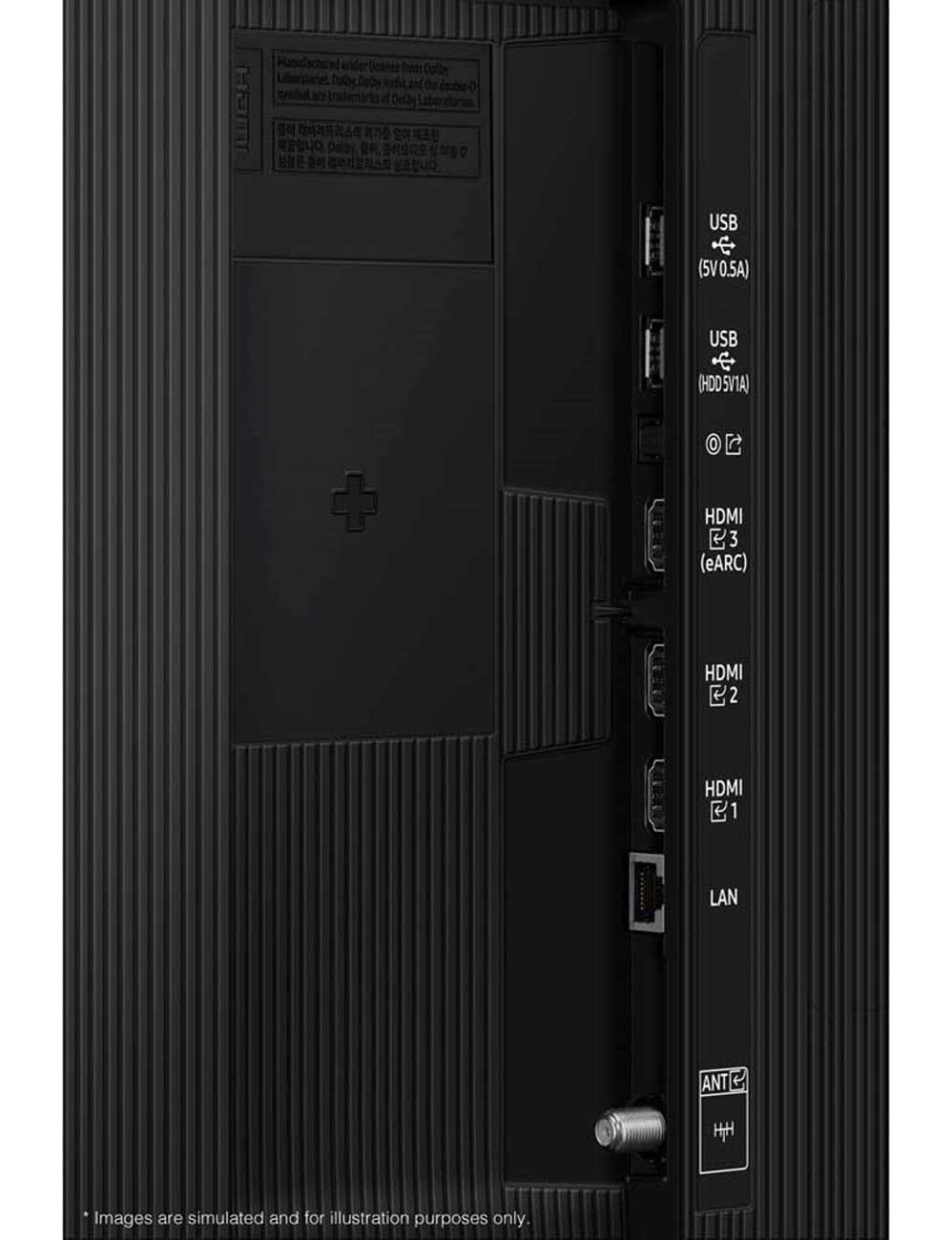
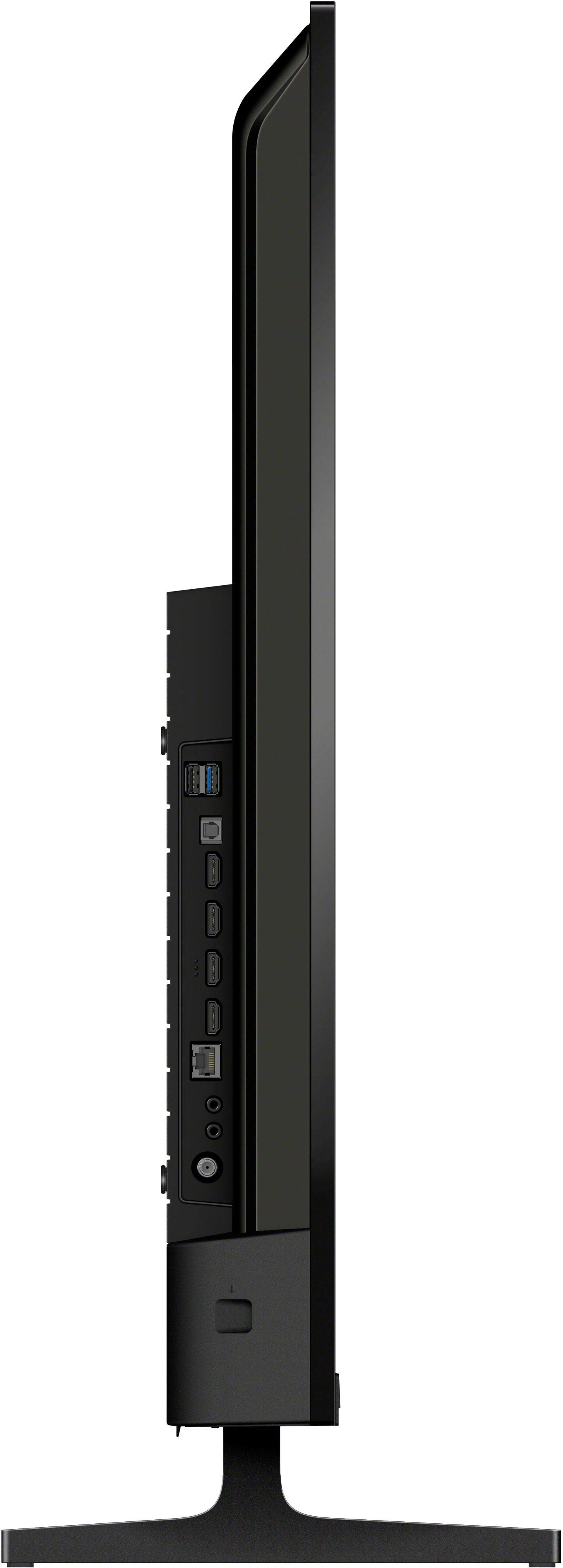
Both TVs offer comprehensive connectivity with multiple HDMI ports, USB connections, Wi-Fi, and Bluetooth. The Samsung QN8F includes Samsung-specific features like Q-Symphony for compatible soundbars. The Sony BRAVIA 2 II provides broader compatibility with Google Cast, Apple AirPlay 2, and universal voice assistant support, making it more flexible for mixed-device households.
For home theater use, the Samsung QN8F offers superior brightness and color volume for rooms with some ambient light, plus Filmmaker Mode for accurate movie reproduction. The Sony BRAVIA 2 II provides more natural color reproduction preferred by film enthusiasts and better built-in audio that may reduce the need for immediate sound system upgrades. Both work well in dedicated theater rooms, with choice depending on your lighting control and audio priorities.
Choose the Samsung QN8F if you want cutting-edge technology, have a premium budget, are a serious gamer, or have a bright living room where the superior QLED brightness will shine. Select the Sony BRAVIA 2 II if you prioritize value, prefer natural-looking images, need good built-in audio, or want the flexibility of Google TV's extensive app ecosystem and free content channels.
We've done our best to create useful and informative comparisons to help you decide what product to buy. Our research uses advanced automated methods to create this comparison and perfection is not possible - please contact us for corrections or questions. These are the sites we've researched in the creation of this article: bestbuy.com - samsung.com - rtings.com - youtube.com - samsung.com - pcrichard.com - abt.com - images.samsung.com - cnet.com - news.samsung.com - samsung.com - bestbuy.com - bestbuy.com - notebookcheck.net - rtings.com - youtube.com - youtube.com - rtings.com - avsforum.com - croma.com - totonstv.com - electronics.sony.com - listenup.com - pcrichard.com - youtube.com - flanners.com - brandsmartusa.com - displayspecifications.com - pioneertvandappliance.com - donstv.com

Privacy Policy
Terms and Conditions - Affiliate Policy
Home Security
© Copyright 2008-2026.
11816 Inwood Rd #1211, Dallas, TX 75244