






The television market has evolved far beyond simple entertainment displays. Today's premium TVs blur the line between technology and home decor, with some models designed to disappear into your living space when not actively displaying content. This shift has created an interesting category split between traditional performance-focused TVs and lifestyle-oriented displays that prioritize aesthetics alongside picture quality.
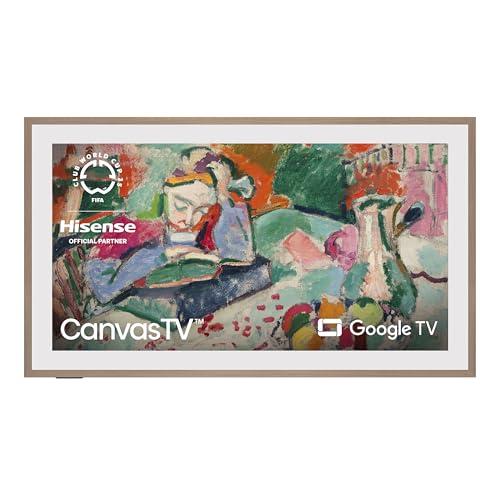
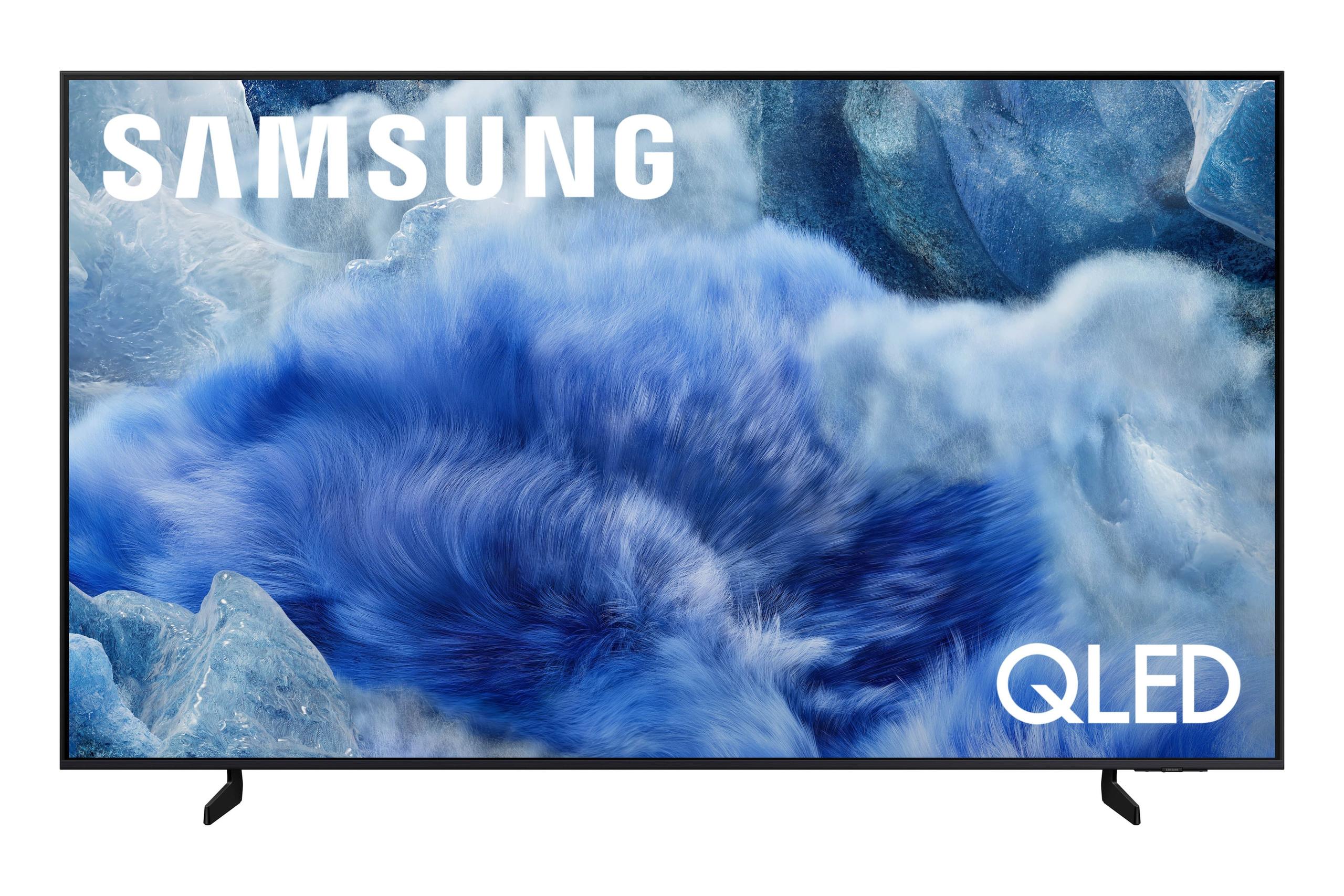
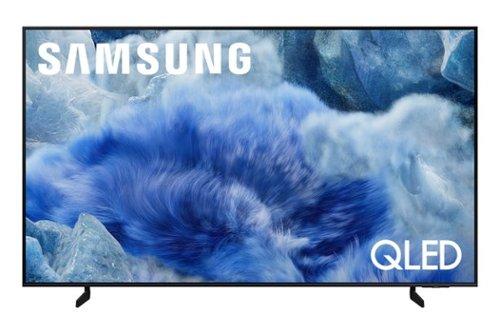
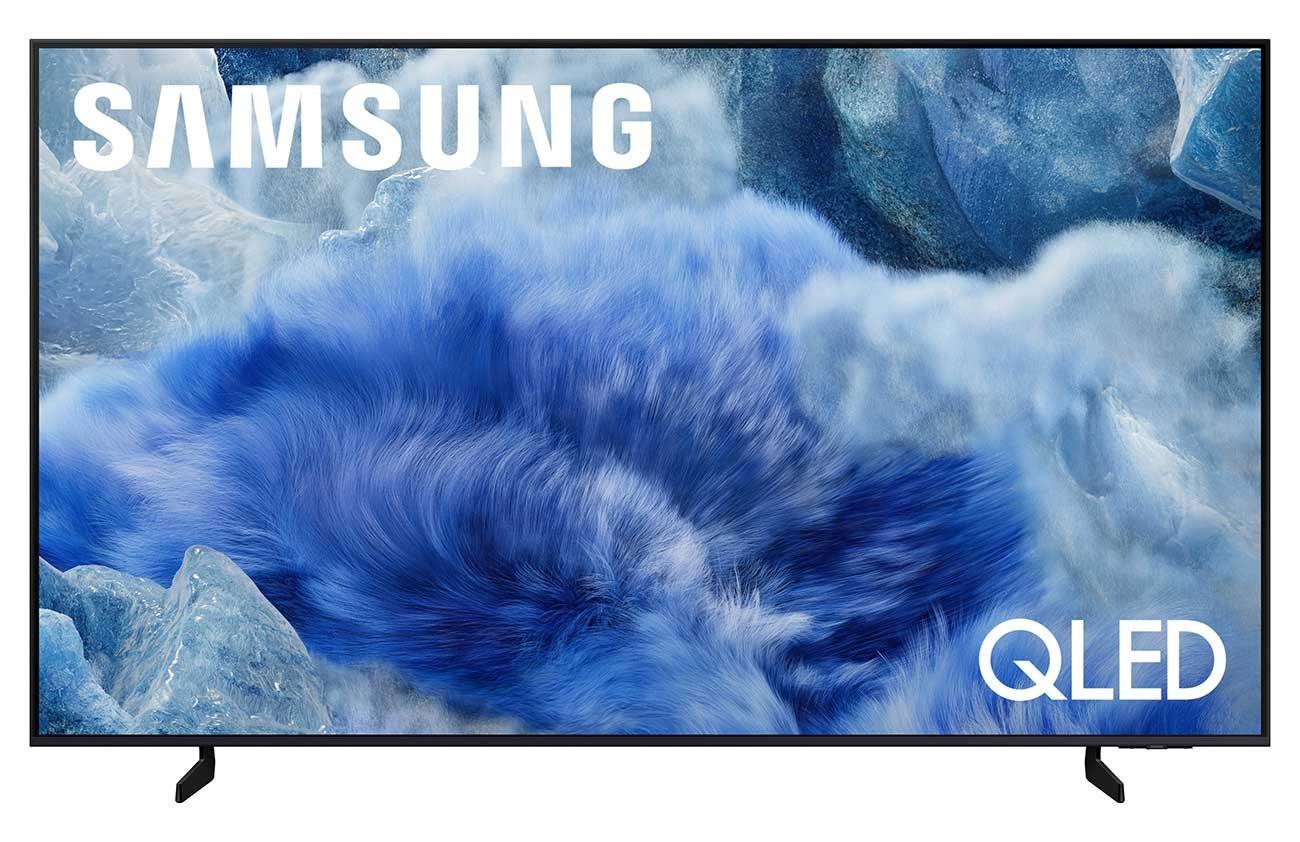
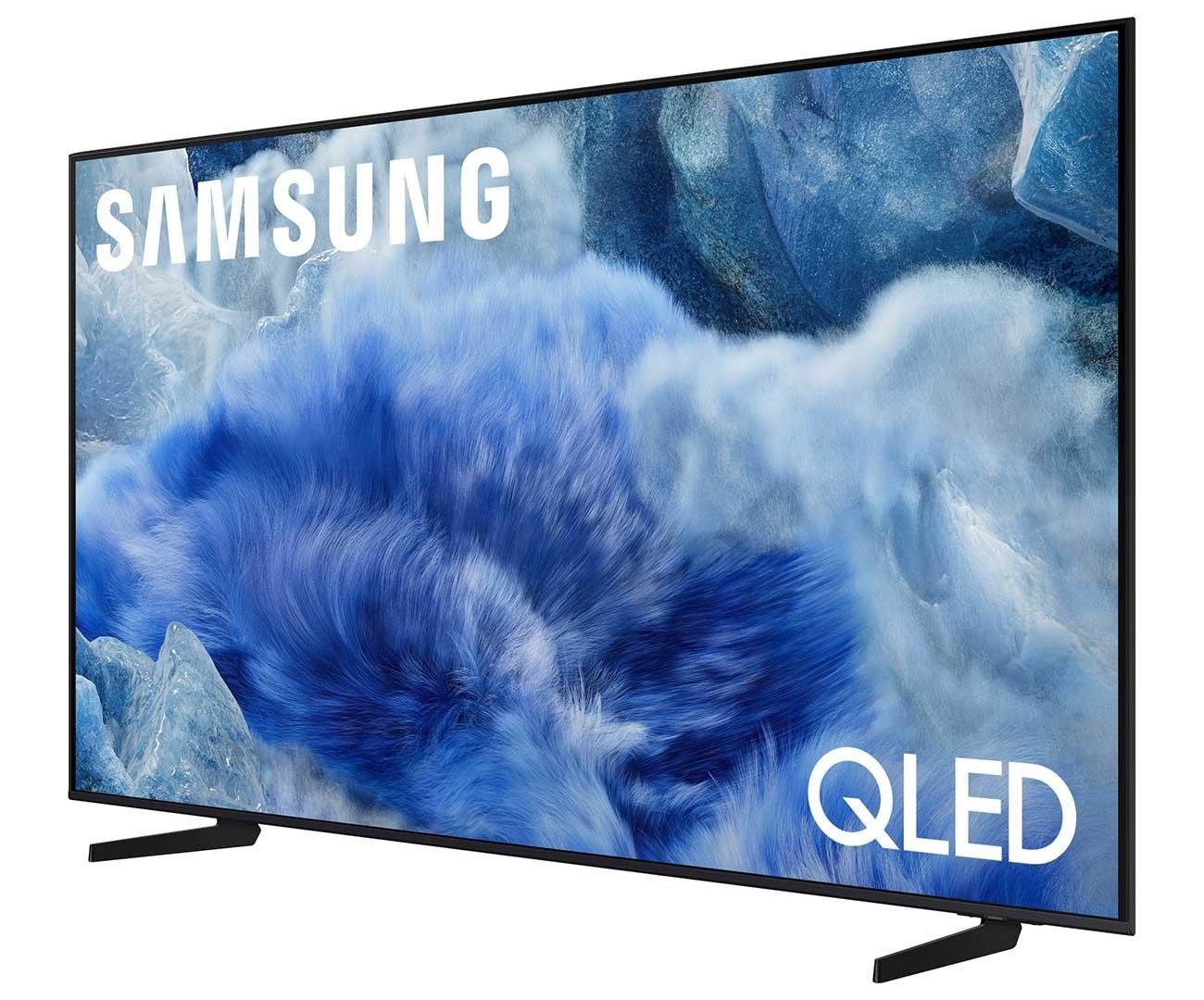
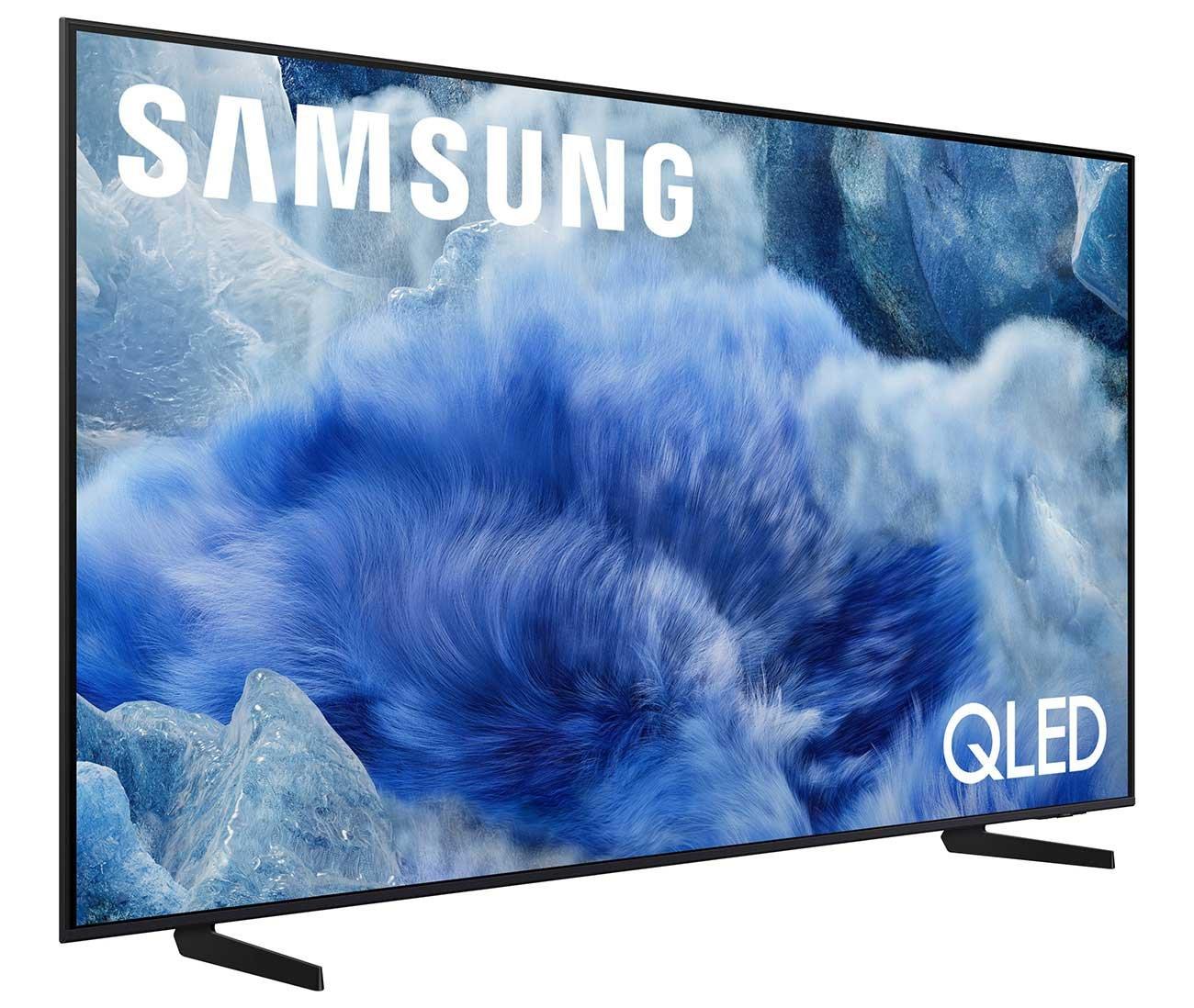
The Hisense 65" S7N CanvasTV QLED 4K Smart Display and Samsung 65" QN8F Series QLED 4K Vision AI Smart TV 2025 represent these two different philosophies. Released in 2024 and 2025 respectively, both use QLED technology—where quantum dots (microscopic crystals) enhance color reproduction by converting blue LED light into precise red and green wavelengths. However, their approaches to the modern smart TV experience couldn't be more different.
Before diving into specifics, it's worth understanding what distinguishes art-focused TVs from traditional models. The concept gained mainstream attention with Samsung's Frame series, which sparked demand for televisions that could display artwork when not showing regular content. This created a new product category where anti-glare coatings, custom frames, and ultra-thin wall mounting became as important as refresh rates and HDR support.
The main considerations when shopping in this category include balancing visual performance with aesthetic integration, understanding how smart features enhance daily use, evaluating gaming capabilities for household members who game, considering how the TV integrates into your room's design, and weighing specialized lifestyle features against overall value.
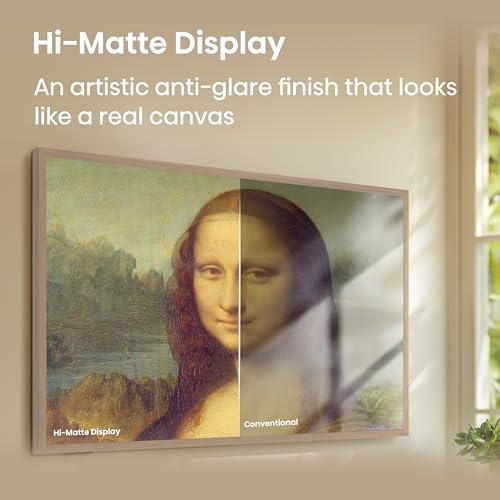
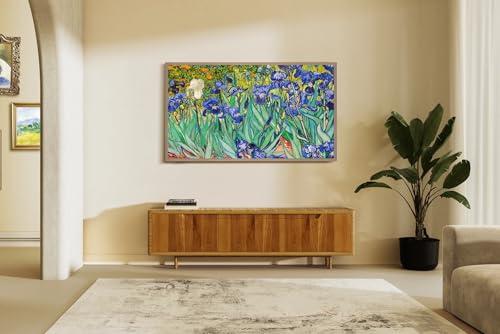
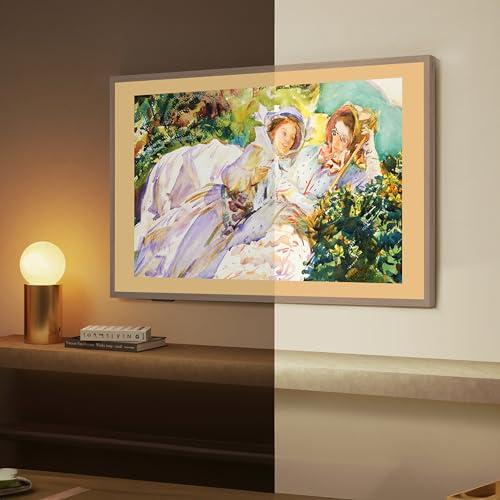
The Hisense CanvasTV takes the art-TV concept seriously. Its most distinctive feature is the Hi-Matte anti-glare coating, which reduces reflections to just 5% compared to traditional glossy screens. If you've ever tried watching TV with windows behind you, you'll appreciate this technology. The matte finish mimics the texture of actual paintings, making displayed artwork look remarkably authentic rather than like a digital screen.
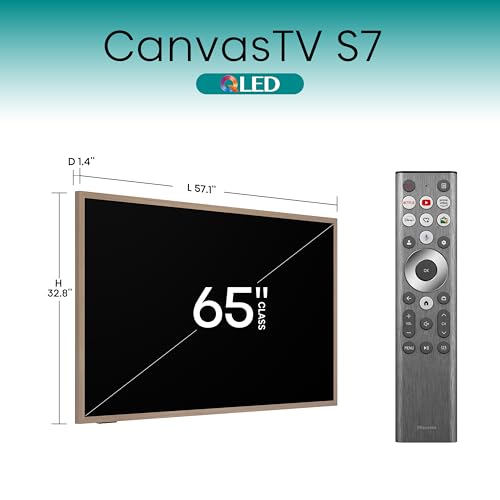
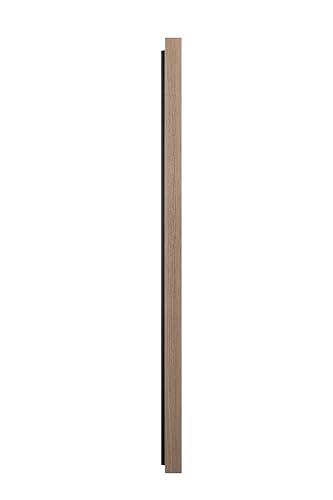
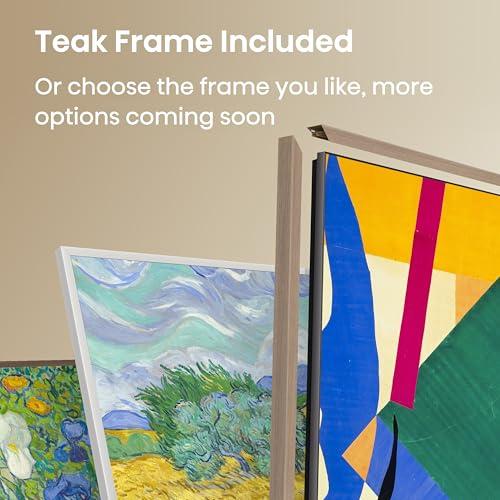
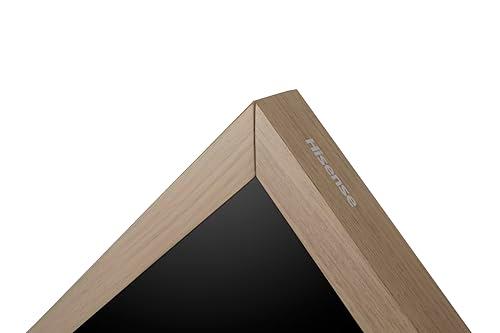
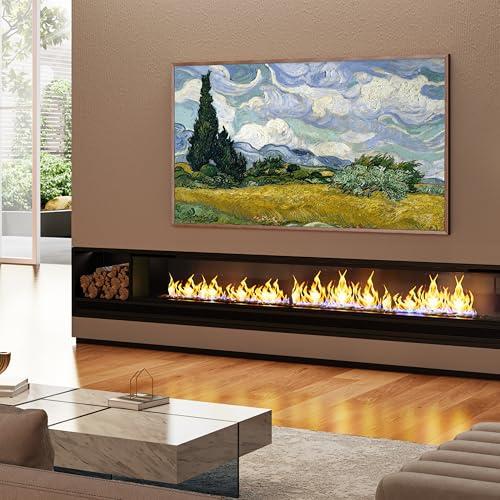
This design commitment extends to the magnetic frame system. The TV ships with a teak wood frame, but you can swap it for white or walnut options to match your decor. The UltraSlim Wall Mount positions the entire display just 3mm from the wall—essentially flush-mounted like a framed painting. When combined with the built-in cable management, the effect is remarkably clean.
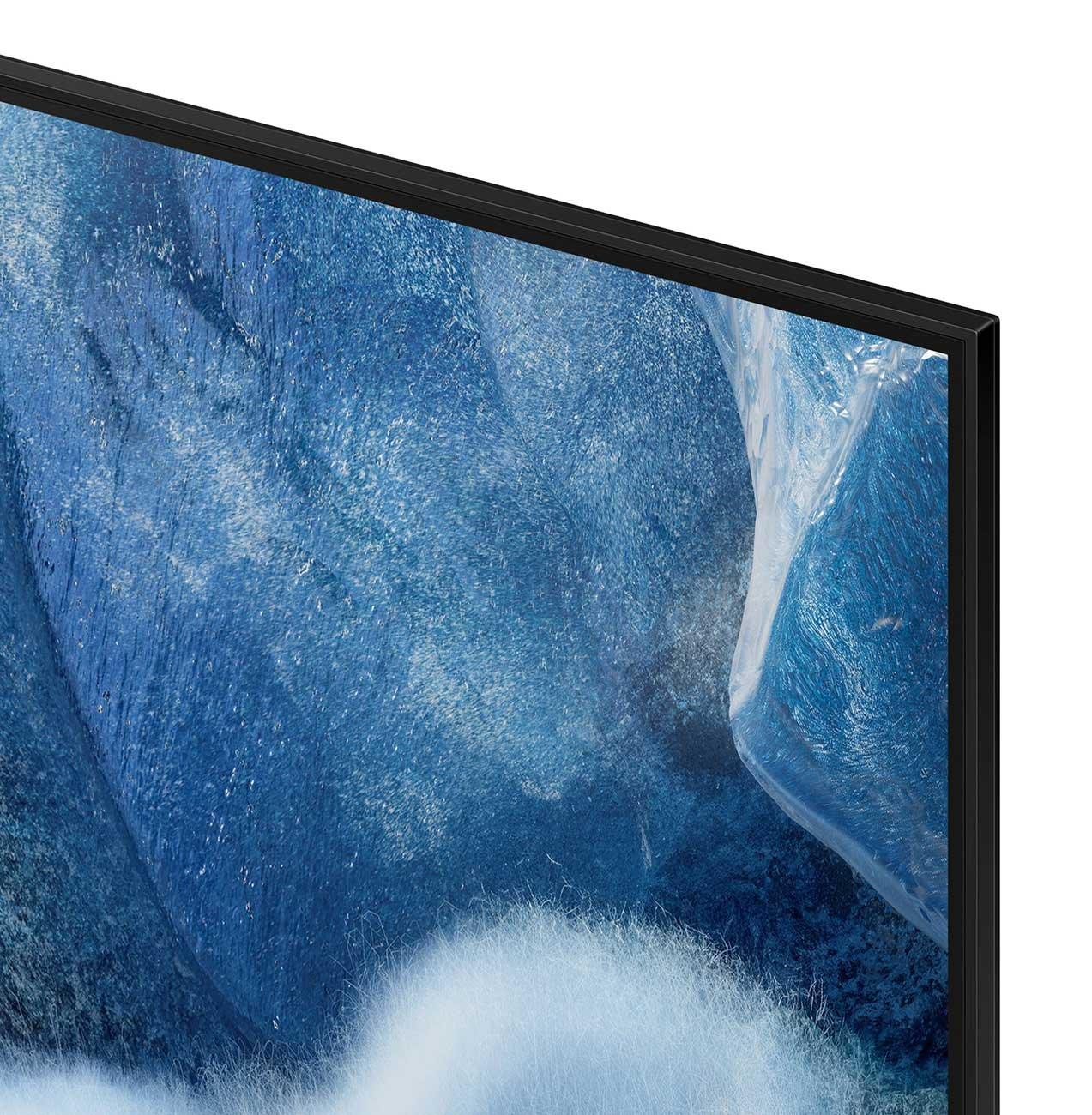
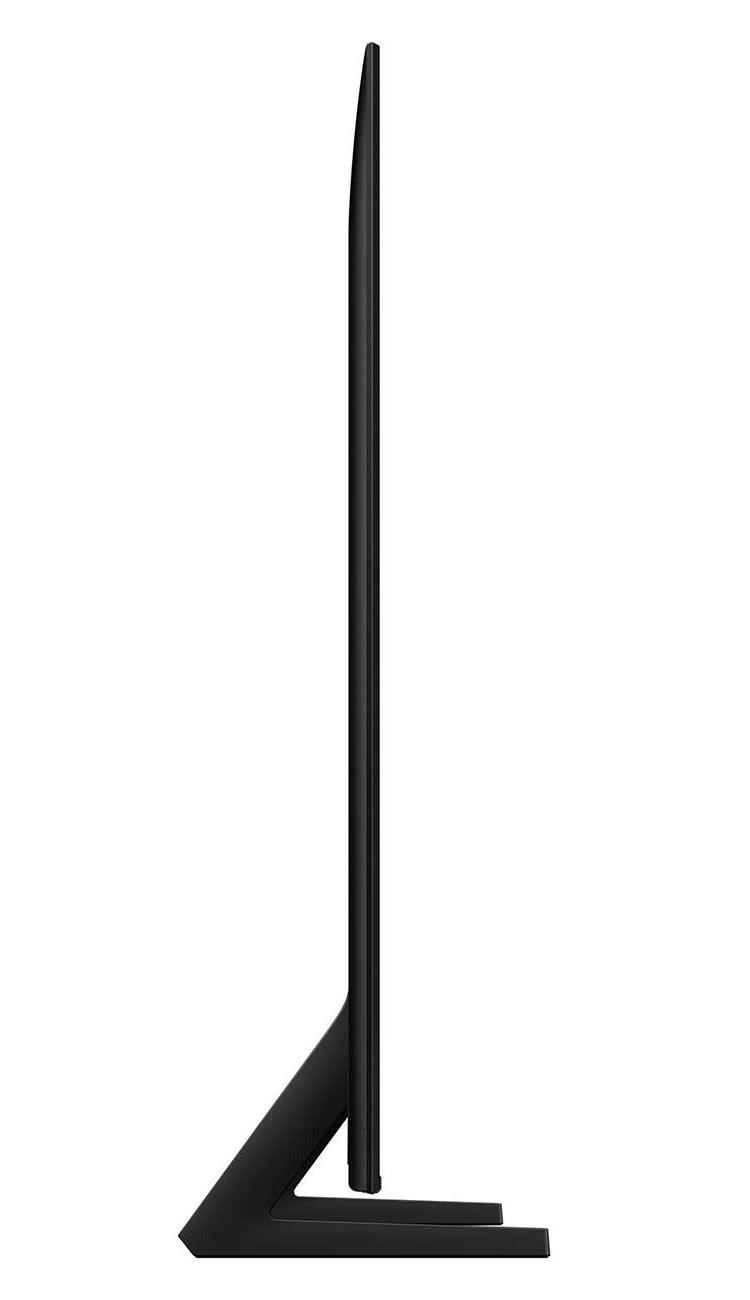
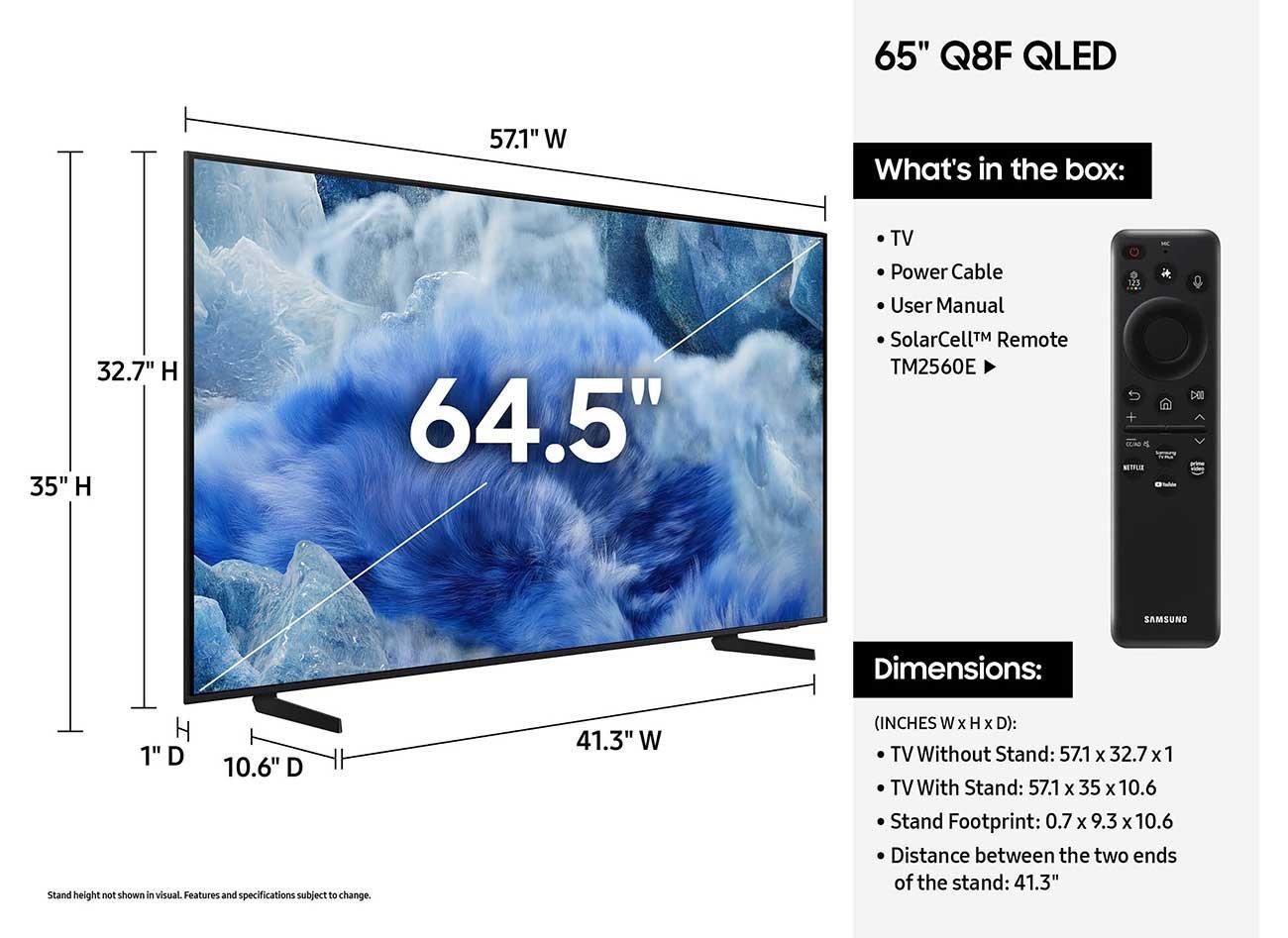
The Samsung QN8F Series, by contrast, represents a more traditional premium TV approach. While it includes Generative Wallpaper features that can create AI-generated backgrounds based on keywords you provide, it lacks dedicated anti-glare coatings or specialized mounting solutions. Instead, Samsung focused their 2025 development efforts on AI-driven performance optimization and smart features.
This philosophical difference extends throughout both products. The Hisense includes motion sensors that automatically switch to Art Mode when someone enters the room, plus an extensive built-in art library with no subscription fees. The Samsung relies on its Vision AI technology to optimize whatever content you're actually watching, whether that's streaming video, gaming, or broadcast TV.
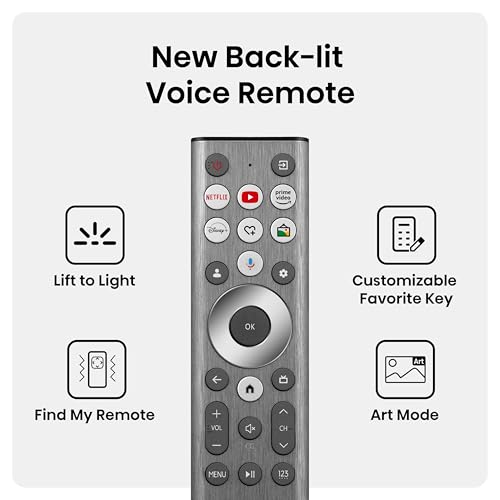
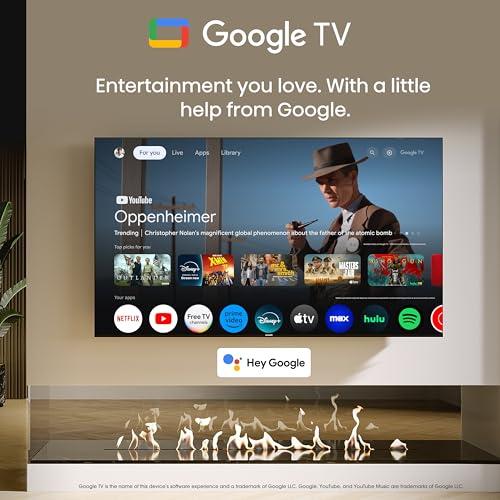
The smart TV platforms reveal another key difference. The Hisense CanvasTV runs Google TV, which provides a straightforward, familiar interface for accessing Netflix, Disney+, YouTube, and other streaming services. Google TV's strength lies in its simplicity and integration with Google services, plus built-in Chromecast support for easy phone-to-TV casting.
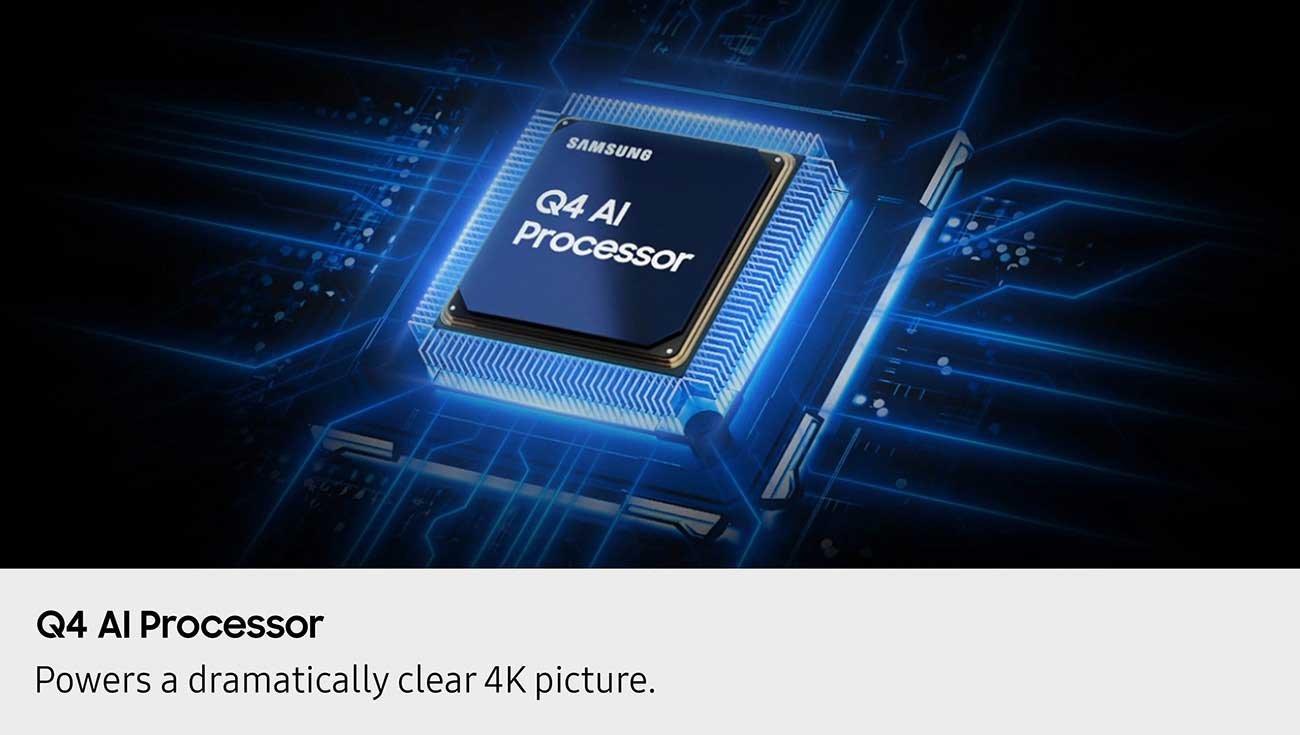
The Samsung QN8F Series uses Samsung's Tizen operating system enhanced with their Vision AI technology. This 2025 model represents a significant step forward in AI-driven TV optimization. The Q4 AI Processor doesn't just upscale lower-resolution content to 4K—it analyzes what type of content you're watching and automatically adjusts picture settings, sound profiles, and even ambient lighting recommendations.
Samsung's Adaptive Sound+ technology exemplifies this AI approach. Rather than using fixed audio settings, it analyzes each scene in real-time and adjusts the sound accordingly. Watching an action movie? It emphasizes dialogue clarity during quiet moments and enhances surround effects during explosive scenes. The system also considers your room's acoustics and the TV's placement, fine-tuning audio output for your specific environment.
The enhanced Bixby voice assistant in the 2025 Samsung can process multiple commands simultaneously and better understand context. You can say "Show me action movies with good reviews from this year" rather than navigating through multiple menus.
Gaming performance has become crucial for modern TVs, and this is where the Hisense CanvasTV shows its technical superiority despite being the more design-focused option. Its native 144Hz refresh rate means it can display up to 144 frames per second, significantly smoother than standard 60Hz displays. For context, most movies run at 24fps and TV shows at 30fps, but modern gaming consoles and PCs can output much higher frame rates for ultra-smooth motion.
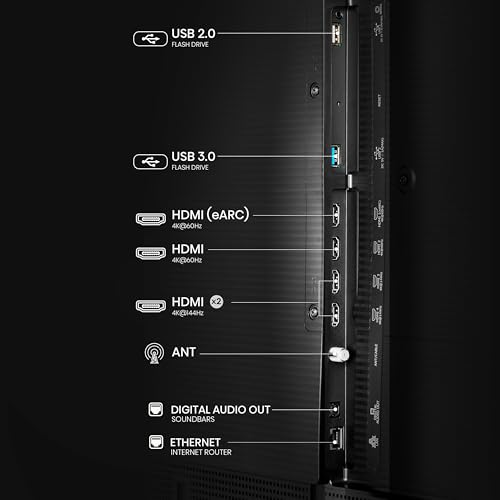
Input lag—the delay between pressing a controller button and seeing the action on screen—measures just 5.4ms on the Hisense. That's excellent performance that puts it among the best gaming TVs available. The TV supports both 4K gaming at 144Hz and 1080p gaming at an impressive 240Hz through its HDMI 2.1 ports.
The Samsung QN8F Series supports up to 144Hz refresh rates through its Motion Xcelerator technology, though reviews suggest this may be interpolated rather than native 144Hz like the Hisense. Samsung's gaming features focus more on content optimization, with HDR10+ Gaming support that automatically adjusts HDR settings based on the specific game being played.
Variable Refresh Rate (VRR) support on both TVs eliminates screen tearing by synchronizing the display refresh rate with your gaming device's output frame rate. Auto Low Latency Mode (ALLM) automatically switches to the lowest input lag settings when gaming is detected.
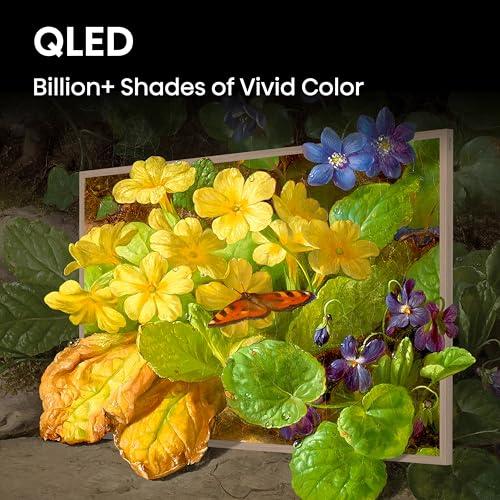
Both TVs use QLED technology, but their implementations differ significantly. QLED panels use quantum dots—tiny semiconductor crystals that emit very specific colors when hit by light. This allows for more accurate color reproduction than traditional LED TVs, with both models claiming over one billion color combinations.
The Hisense CanvasTV achieves peak brightness levels of 450 cd/m² (candelas per square meter—a measure of luminous intensity). While this isn't as bright as high-end Mini-LED TVs that can exceed 1,000 cd/m², it's adequate for most viewing environments and intentionally balanced to work well with the anti-glare coating.
HDR (High Dynamic Range) support differs between the models. The Hisense supports Dolby Vision, HDR10, HDR10+, and HLG—essentially every major HDR format available. Dolby Vision is particularly important as it provides scene-by-scene optimization rather than static settings throughout an entire movie.
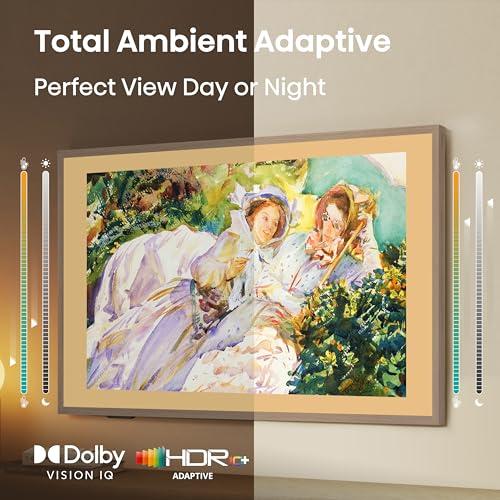
The Samsung QN8F Series uses Quantum HDR+ with Dual LED backlighting technology. Samsung's approach emphasizes their proprietary processing rather than supporting every format, focusing on HDR10+ Adaptive, which adjusts HDR settings based on your room's ambient lighting conditions.
Contrast ratio—the difference between the brightest whites and deepest blacks—is where both TVs face limitations compared to OLED displays. As LCD-based TVs, neither can achieve true black levels since the backlight is always somewhat illuminated. However, the Samsung's Dual LED system uses both warm and cool LEDs to improve contrast and color accuracy compared to single-LED backlights.
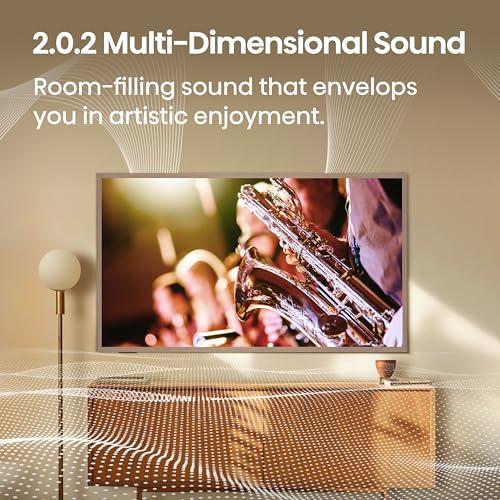
TV audio often gets overlooked in specifications sheets, but it significantly impacts your viewing experience. The Hisense CanvasTV includes a surprisingly robust 2.0.2 channel sound system. The "2.0.2" designation means two main speakers, zero subwoofer, and two upward-firing speakers that bounce sound off your ceiling to create height effects.
This upward-firing speaker configuration supports DTS Virtual:X, which creates simulated surround sound without requiring multiple speakers around your room. For a lifestyle TV focused on aesthetics, this audio setup exceeds expectations and may eliminate the need for a separate soundbar in smaller rooms.
The Samsung QN8F Series uses a more conventional 20W 2-channel speaker system enhanced by Object Tracking Sound Lite (OTS Lite). This technology attempts to match audio positioning with on-screen action—when a car drives from left to right across the screen, the sound follows that movement.
Samsung's Q-Symphony feature allows compatible Samsung soundbars to work simultaneously with the TV's built-in speakers rather than replacing them, potentially creating a more immersive audio experience if you're invested in Samsung's audio ecosystem.
At the time of writing, these TVs occupy different price points that reflect their design priorities. The Hisense CanvasTV commands a premium price that reflects its specialized art-focused features—the anti-glare coating, magnetic frames, ultra-slim mounting system, and curated art library represent engineering specifically for lifestyle integration.
The Samsung QN8F Series offers more traditional TV value with its lower pricing despite being a 2025 model with advanced AI features. You're paying for cutting-edge processing power, sophisticated smart features, and Samsung's reputation for long-term software support.
Consider the total cost of ownership: the Hisense includes its art library with no subscription fees, while some competing art-focused TVs charge monthly fees for premium artwork. The Samsung may require a soundbar purchase to match the Hisense's built-in audio quality.
For dedicated home theater setups, both TVs present interesting trade-offs. The Hisense CanvasTV's anti-glare coating excels in rooms with ambient lighting but may slightly reduce contrast in completely dark environments where a glossy screen would provide deeper blacks.
The 144Hz gaming performance makes the Hisense excellent for households with serious gamers, while its art features ensure the TV looks intentional rather than intrusive when not in use—important in multi-purpose living spaces.
The Samsung QN8F Series's AI optimization shines in home theater applications where you're watching varied content. Its ability to automatically adjust settings for different types of movies, sports, and streaming content reduces the need for manual tweaking.
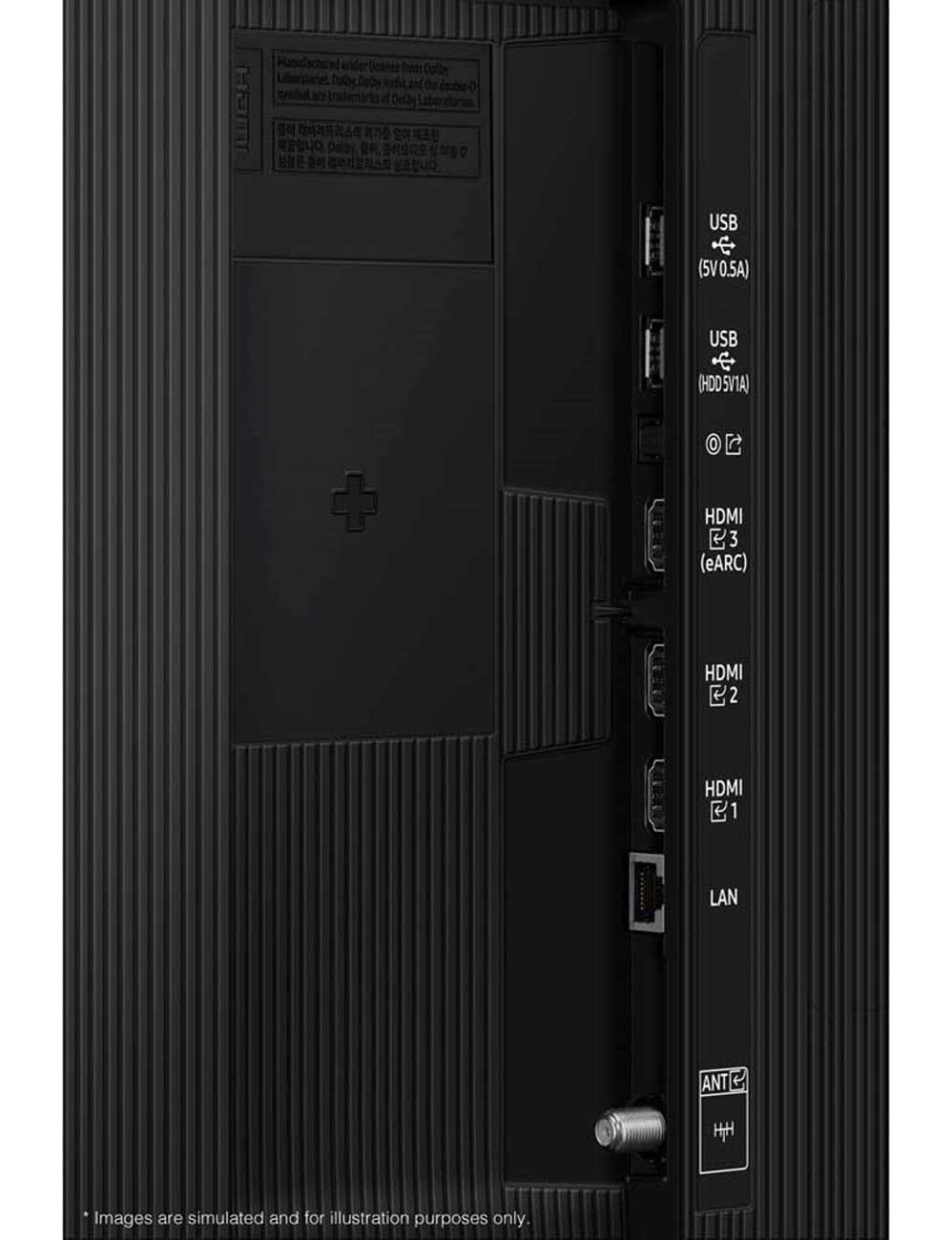
Both TVs support eARC (enhanced Audio Return Channel) for connecting to home theater receivers, though the Hisense's superior built-in audio might delay that upgrade.
After evaluating user feedback and expert reviews, the choice between these TVs depends on your priorities and viewing environment.
Choose the Hisense CanvasTV if you want your TV to serve as room decor when not in use, have a bright living room where anti-glare coating provides clear benefits, prioritize gaming performance with true 144Hz refresh rates, prefer comprehensive HDR format support including Dolby Vision, want superior built-in audio that may eliminate soundbar needs, or don't mind paying premium pricing for specialized lifestyle features.
The Hisense makes sense for modern living rooms where the TV is visible throughout the day. Its art features and anti-glare coating solve real problems that traditional TVs create in bright, contemporary spaces.
Choose the Samsung QN8F Series if you want cutting-edge AI optimization for varied content types, prefer traditional TV design without lifestyle compromises, are invested in Samsung's smart home ecosystem, prioritize value with lower pricing for advanced features, want the latest processing technology for content upscaling, or prefer conventional mounting and setup flexibility.
The Samsung represents better traditional TV value—you get sophisticated 2025 technology at a reasonable price without paying premium for specialized features you might not use.
The Hisense CanvasTV succeeds as a specialized product for users who want their TV to integrate seamlessly into their living space aesthetics. Its anti-glare coating, art features, and surprisingly strong gaming performance justify the premium pricing for the right buyer.
The Samsung QN8F Series offers more conventional value with its advanced AI features and lower pricing. It's the better choice for users who prioritize performance optimization and smart features over lifestyle integration.
Both represent quality QLED displays, but they're designed for different users with different priorities. Consider your room's lighting, how the TV will be used throughout the day, and whether you value aesthetic integration or traditional performance optimization. The right choice depends on whether you want your TV to disappear into your decor or simply deliver excellent picture quality and smart features.
| Hisense 65" S7N CanvasTV QLED 4K Smart Display | Samsung 65" QN8F Series QLED 4K Vision AI Smart TV 2025 |
|---|---|
| Display Technology - Foundation of picture quality and color accuracy | |
| QLED with Quantum Dot Color, VA panel with Hi-Matte anti-glare coating | QLED with 100% Color Volume, Dual LED backlighting with Quantum HDR+ |
| Refresh Rate - Critical for gaming and smooth motion | |
| 144Hz native (true high refresh rate gaming) | 120Hz (up to 144Hz with Motion Xcelerator technology) |
| Gaming Performance - Input lag determines competitive gaming viability | |
| 5.4ms input lag, supports 4K@144Hz and 1080p@240Hz | Standard gaming features with HDR10+ Gaming optimization |
| HDR Support - Determines quality of streaming content and movies | |
| Dolby Vision, HDR10, HDR10+, HDR10+ Adaptive, HLG (comprehensive format support) | Quantum HDR+, HDR10+ Adaptive/Gaming (Samsung's proprietary optimization) |
| Design Philosophy - How the TV integrates into your living space | |
| Art-focused with magnetic frames, 3mm wall mount, motion sensors, built-in art library | Traditional premium TV design with AI-generated wallpapers |
| Audio System - Built-in sound quality affects need for external speakers | |
| 2.0.2 surround sound with upward-firing speakers, DTS Virtual:X | 20W 2CH system with OTS Lite and Q-Symphony soundbar integration |
| Smart Platform - Daily interface and content access experience | |
| Google TV with Chromecast built-in (simple, familiar interface) | Tizen OS with Vision AI, Q4 AI Processor, enhanced Bixby (advanced AI optimization) |
| Anti-Glare Technology - Performance in bright rooms with windows | |
| Hi-Matte coating reduces reflections to 5% (excellent for daytime viewing) | Standard glossy screen (may struggle with bright ambient lighting) |
| HDMI Connectivity - Future-proofing for gaming consoles and devices | |
| 4 ports total (2x HDMI 2.1, 2x HDMI 2.0) with eARC support | HDMI 2.1 support with eARC (specific port count not detailed) |
| AI Processing - Content optimization and upscaling capabilities | |
| Hi-View Engine PRO with AI PQ Engine (standard content enhancement) | Q4 AI Processor with Vision AI (advanced real-time optimization) |
| Release Year - Indicates latest features and long-term software support | |
| 2024 model (established with proven reliability) | 2025 model (newest features but less proven track record) |
| Art Features - Value for users wanting decor integration when TV is off | |
| Extensive built-in art library, no subscription fees, automatic art mode activation | Generative AI wallpapers based on keywords (limited art focus) |
| Value Positioning - Feature set relative to market pricing | |
| Premium pricing justified by specialized lifestyle features | Lower pricing with advanced AI features (better traditional TV value) |
The Hisense 65" S7N CanvasTV is significantly better for bright rooms due to its Hi-Matte anti-glare coating that reduces reflections to just 5%. This matte finish prevents the annoying glare and washout that occurs with traditional glossy TV screens when sunlight or room lights hit them. The Samsung 65" QN8F Series uses a standard glossy screen that will struggle more with reflections in bright environments.
The Hisense CanvasTV offers superior gaming performance with true native 144Hz refresh rate, 5.4ms input lag, and support for 4K@144Hz and 1080p@240Hz gaming. The Samsung QN8F Series supports up to 144Hz through Motion Xcelerator technology but appears to use interpolation rather than native high refresh rates. For serious gaming, the Hisense provides the competitive edge.
The Samsung 65" QN8F Series excels in smart features with its Vision AI technology, Q4 AI Processor, and enhanced Bixby voice assistant. It automatically optimizes picture and sound settings based on content type and room conditions. The Hisense CanvasTV uses Google TV, which is simpler and more straightforward but lacks the advanced AI optimization features of the Samsung.
Yes, but with very different approaches. The Hisense 65" S7N CanvasTV is specifically designed for art display with a built-in art library, motion sensors for automatic activation, magnetic frames, and anti-glare coating that makes artwork look realistic. The Samsung QN8F Series offers Generative AI wallpapers but lacks dedicated art features and the specialized design elements of the Hisense.
The Hisense CanvasTV supports more HDR formats including Dolby Vision, HDR10, HDR10+, HDR10+ Adaptive, and HLG, providing broader compatibility with streaming services and 4K Blu-rays. The Samsung 65" QN8F Series focuses on Quantum HDR+ and HDR10+ Adaptive/Gaming, offering fewer formats but with Samsung's proprietary optimization technology.
The Hisense 65" S7N CanvasTV has superior built-in audio with a 2.0.2 surround sound system including upward-firing speakers and DTS Virtual:X support. The Samsung QN8F Series uses a more basic 20W 2-channel system with Object Tracking Sound Lite. For users who don't want to buy a separate soundbar, the Hisense provides much better audio quality.
At the time of comparison, the Samsung 65" QN8F Series offers better traditional TV value with advanced 2025 AI features at a lower price point. The Hisense CanvasTV commands a premium for its specialized art-focused features, anti-glare coating, and superior gaming performance. Your choice depends on whether you value lifestyle integration or pure performance per dollar.
The Hisense 65" S7N CanvasTV includes an UltraSlim Wall Mount that positions the TV just 3mm from the wall for a flush, painting-like appearance. It also features magnetic swappable frames and integrated cable management. The Samsung QN8F Series uses standard TV mounting without specialized slim-profile options, making it more suitable for traditional TV stands or standard wall mounts.
For dedicated home theaters with controlled lighting, the Samsung 65" QN8F Series may have a slight edge due to its AI optimization for varied content and potentially deeper blacks on its glossy screen in dark rooms. However, the Hisense CanvasTV offers superior gaming performance and built-in surround sound that could eliminate the need for additional speakers in smaller home theater setups.
The Hisense 65" S7N CanvasTV uses Google TV, which many users find more intuitive and familiar, especially if they already use Google services. It includes built-in Chromecast for easy phone-to-TV casting. The Samsung QN8F Series uses Tizen OS with more advanced features but potentially more complexity. Google TV is generally considered more user-friendly for basic streaming needs.
The Samsung 65" QN8F Series, being a 2025 model, will likely receive longer software support and security updates. Samsung also has a strong track record for updating their smart TV platforms over time. The Hisense CanvasTV from 2024 uses Google TV, which Google actively maintains, but Hisense's long-term support history is less extensive than Samsung's.
Choose the Hisense 65" S7N CanvasTV if your living room has lots of natural light, you want the TV to look like artwork when not in use, you prioritize gaming performance, or you want excellent built-in audio. Choose the Samsung 65" QN8F Series if you prefer advanced AI features, want better value for traditional TV performance, are invested in Samsung's ecosystem, or don't need specialized art display capabilities.
We've done our best to create useful and informative comparisons to help you decide what product to buy. Our research uses advanced automated methods to create this comparison and perfection is not possible - please contact us for corrections or questions. These are the sites we've researched in the creation of this article: bestbuy.com - hisense.sg - tomsguide.com - content.syndigo.com - rtings.com - hisense-usa.com - youtube.com - bestbuy.com - youtube.com - displayspecifications.com - displayspecifications.com - manuals.plus - displayspecifications.com - bestbuy.com - hisense-canada.com - manuals.plus - bargainoutletandmore.com - bestbuy.com - device.report - bestbuy.com - samsung.com - rtings.com - youtube.com - samsung.com - pcrichard.com - abt.com - images.samsung.com - cnet.com - news.samsung.com - samsung.com - bestbuy.com

Privacy Policy
Terms and Conditions - Affiliate Policy
Home Security
© Copyright 2008-2026.
11816 Inwood Rd #1211, Dallas, TX 75244