

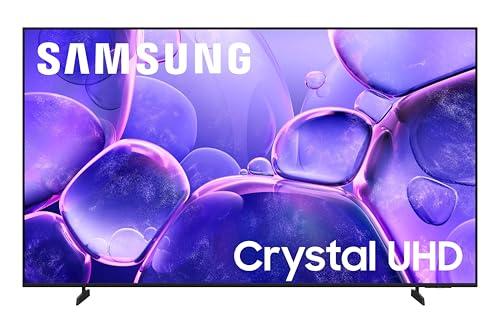
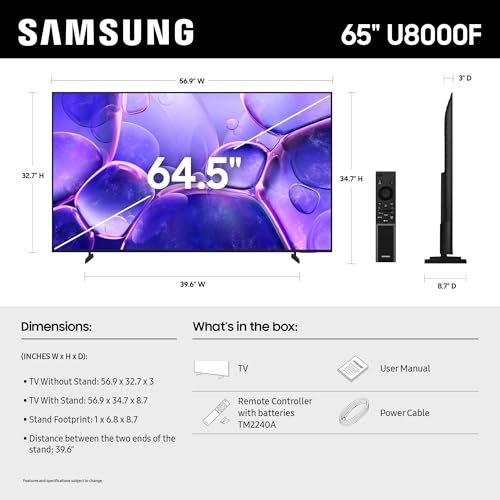
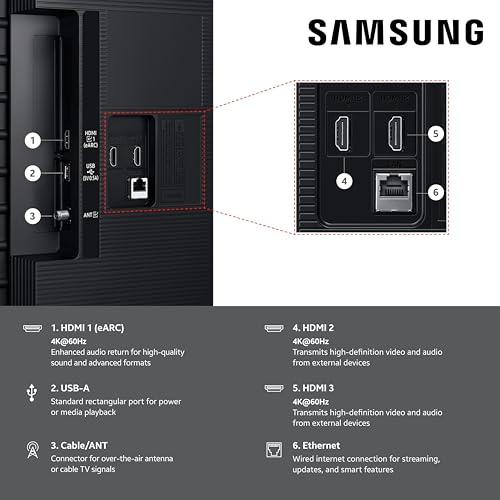
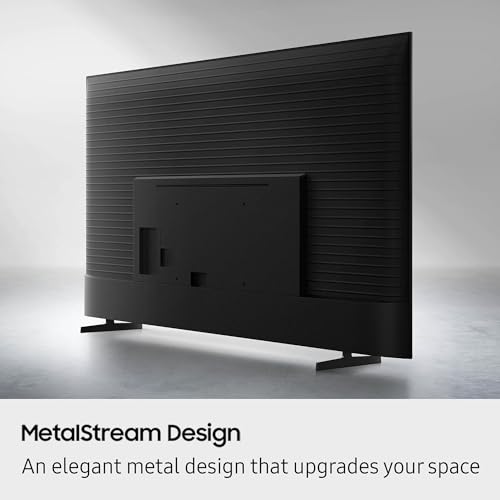
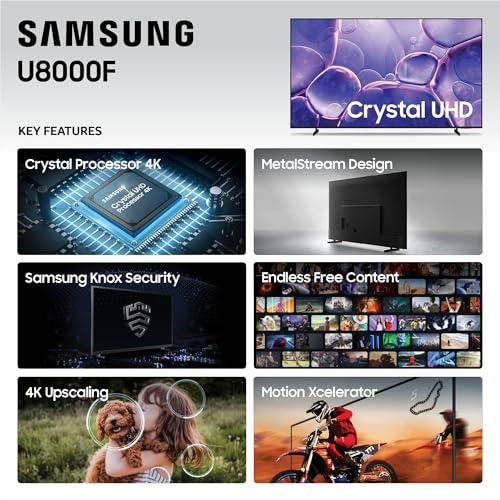
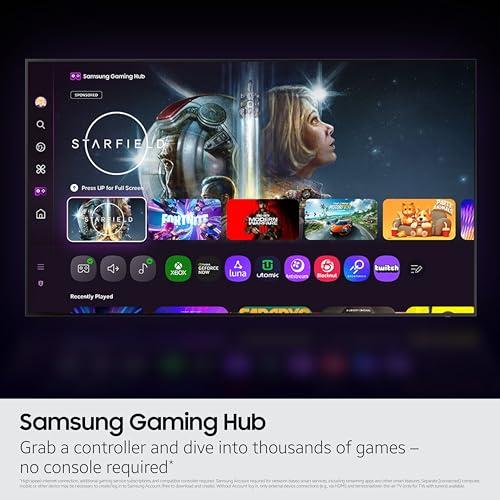
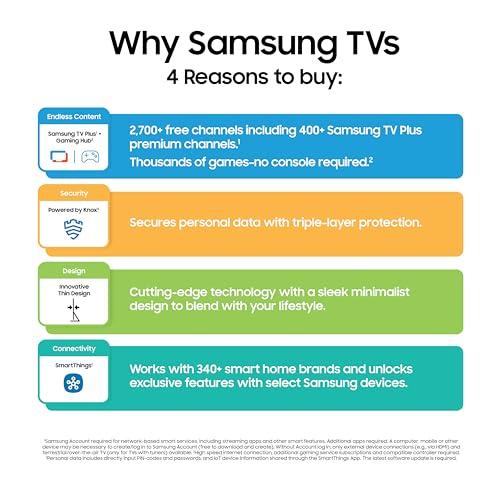
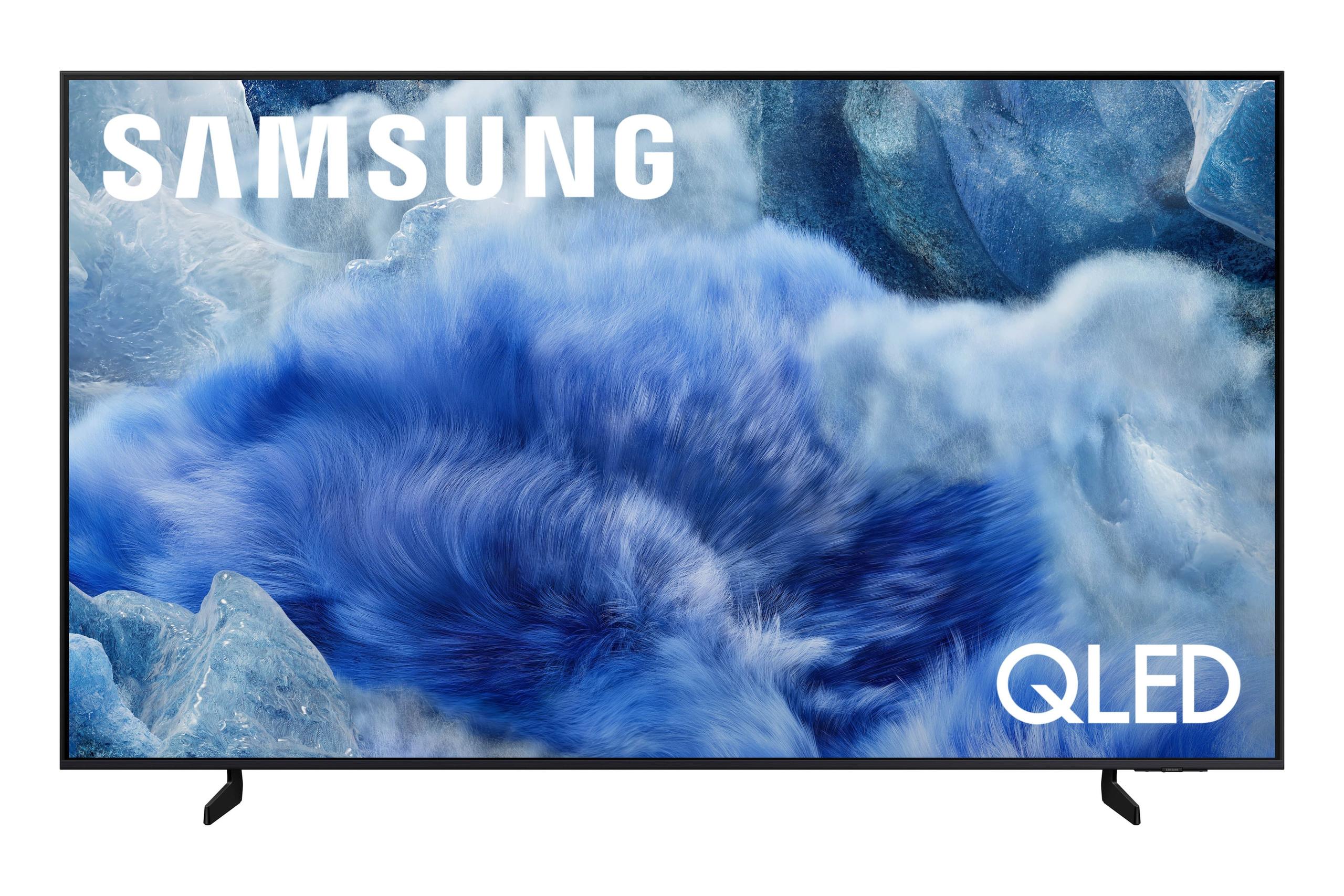
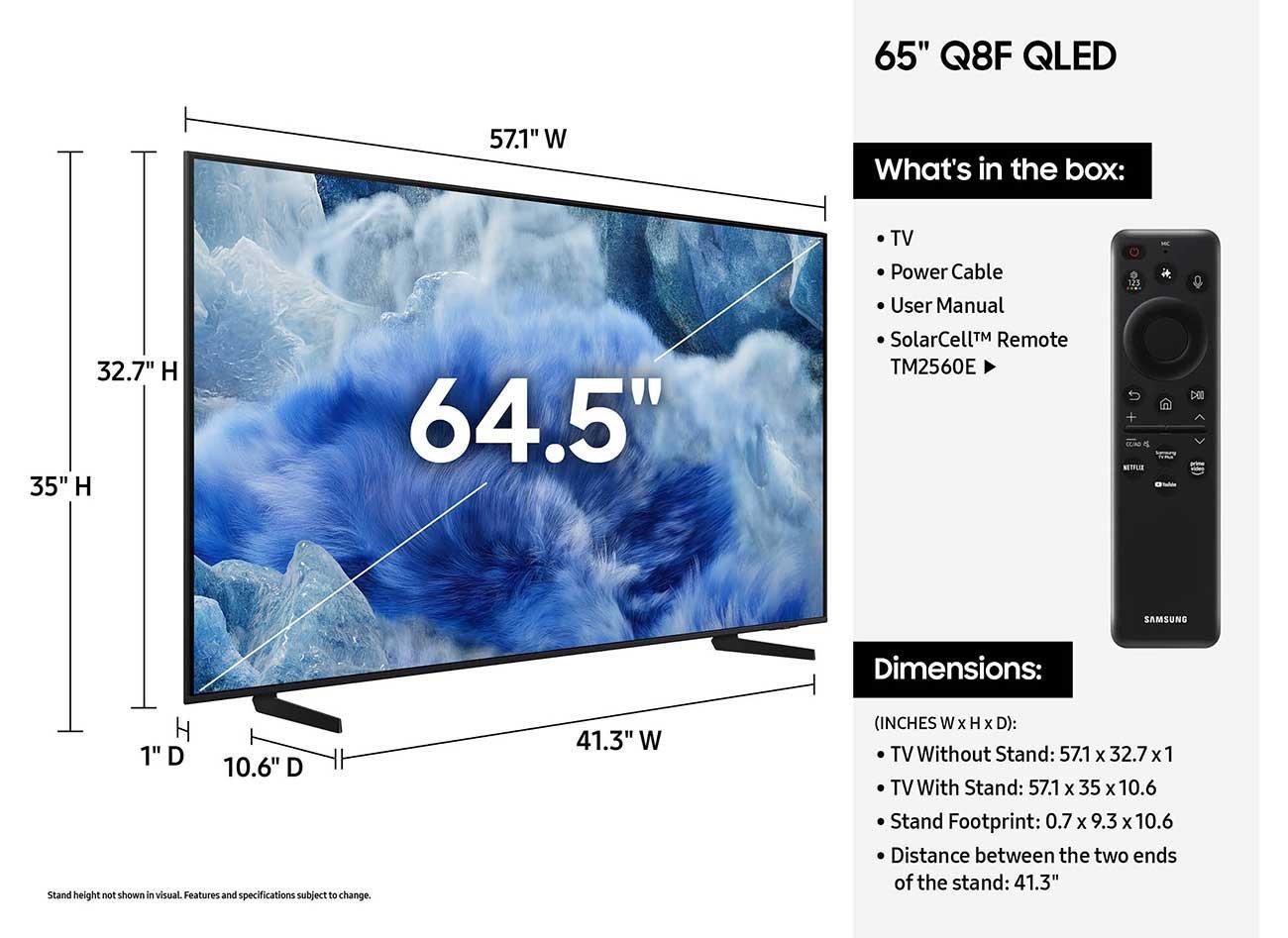
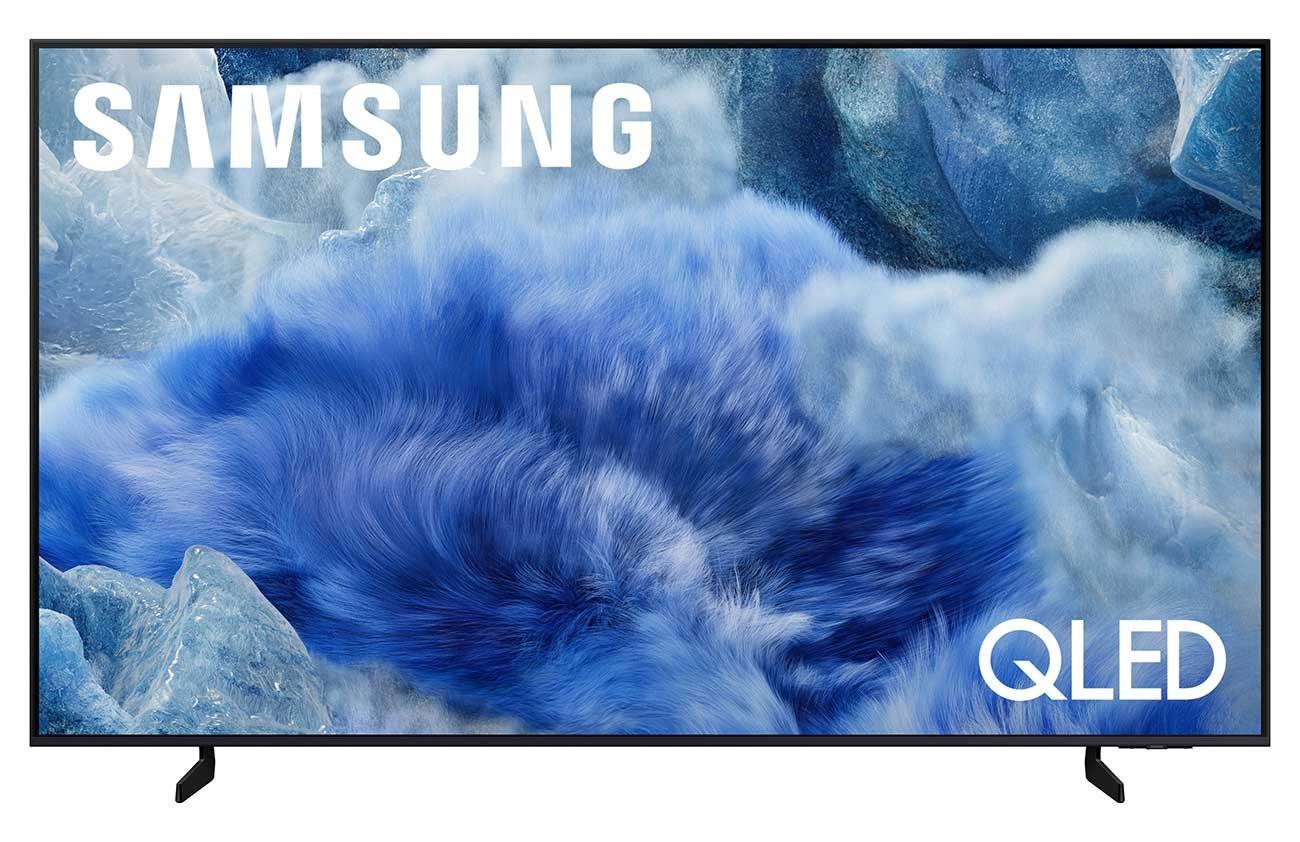
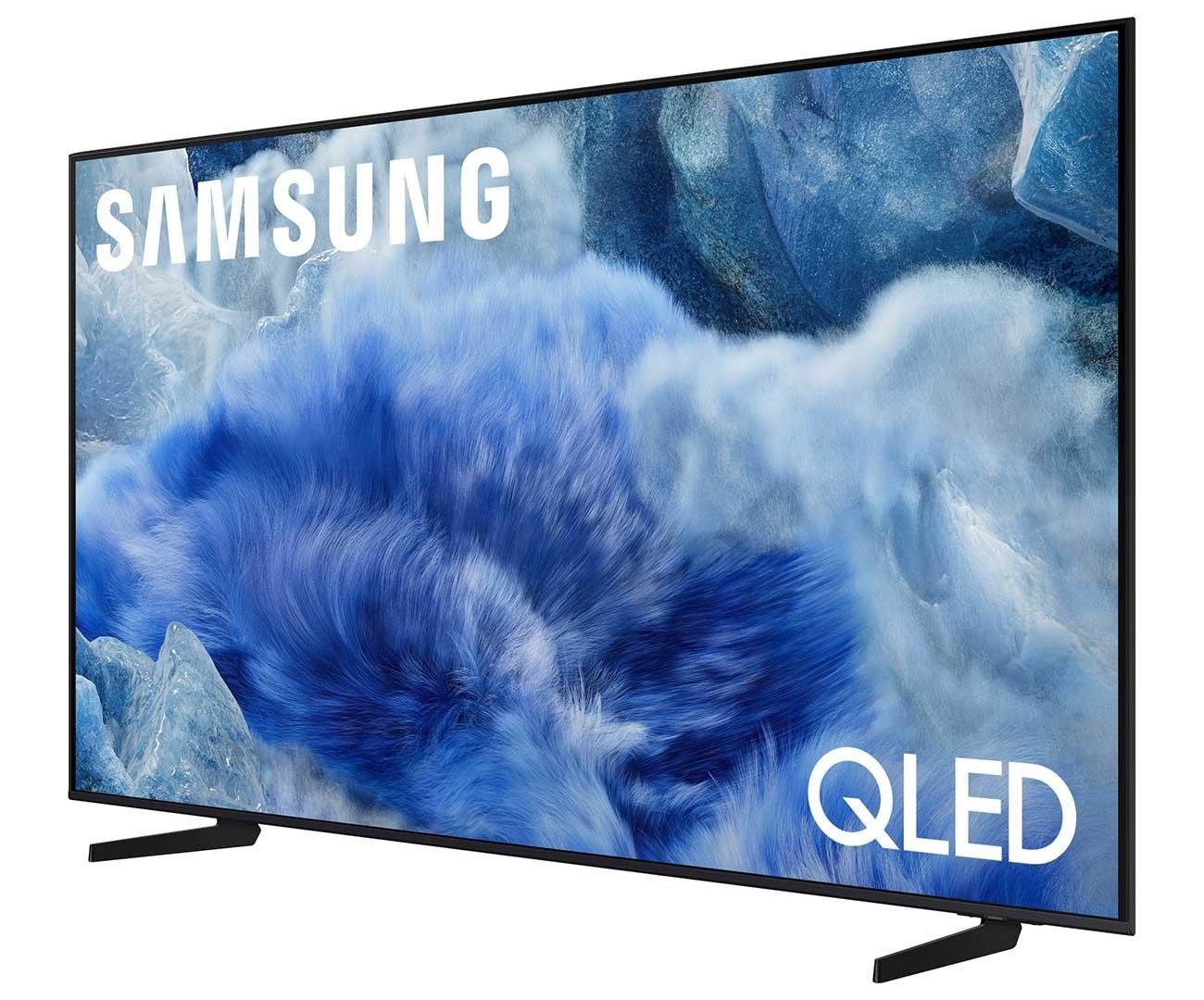
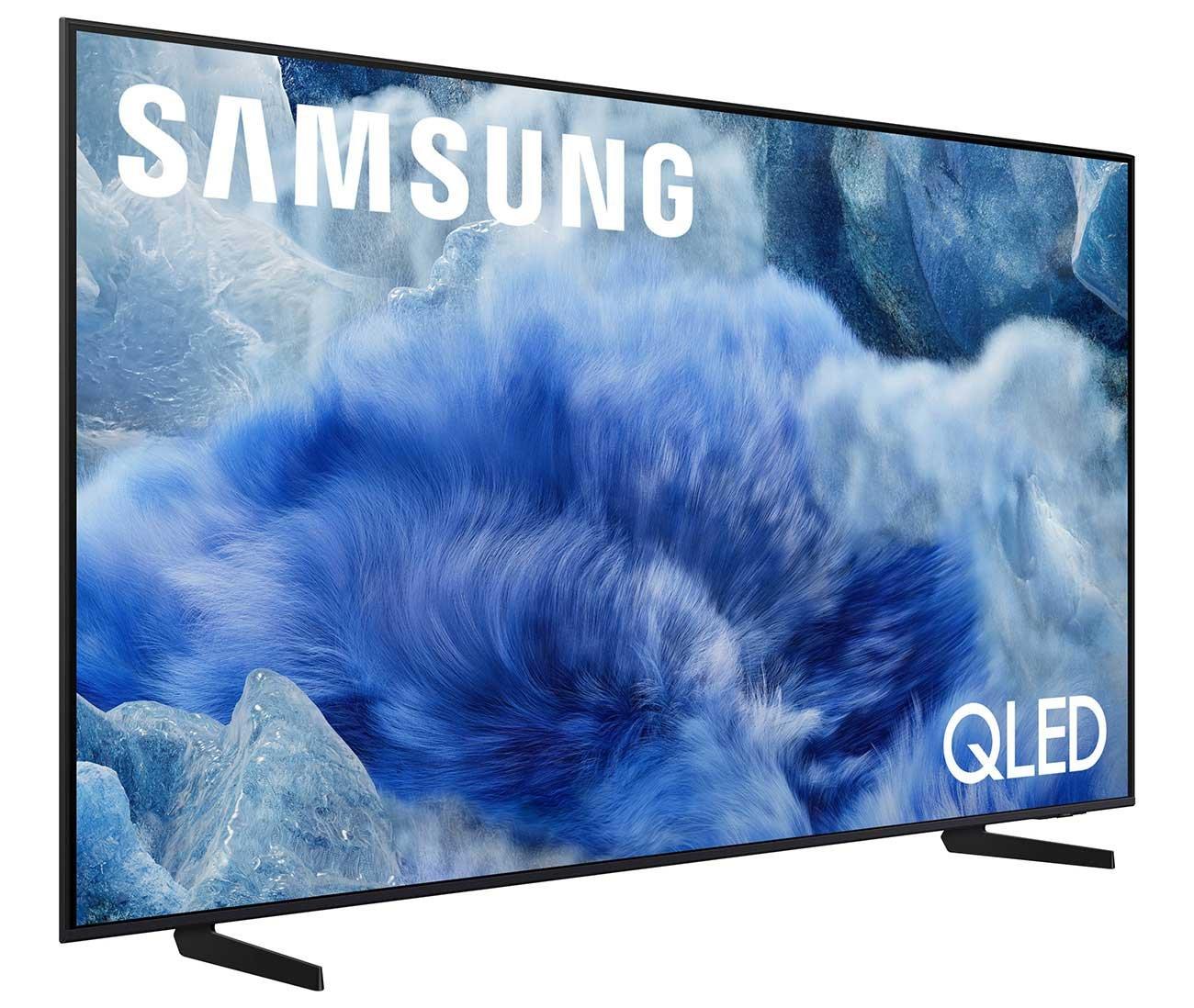
Shopping for a 65-inch smart TV can feel overwhelming with all the acronyms, technical specs, and marketing buzzwords. Today we're comparing two Samsung models from 2025 that represent very different approaches to home entertainment: the budget-friendly Samsung 65-Inch Crystal UHD U8000F and the mid-range Samsung QN8F QLED.
Both TVs launched in 2025 as part of Samsung's updated lineup, but they're designed for completely different buyers. Understanding their differences will help you make the right choice for your living room, gaming setup, or home theater.
Before diving into specifics, let's talk about what matters most when choosing a large TV. The 65-inch size has become the sweet spot for most living rooms – big enough to feel cinematic from 8-10 feet away, but not so massive that it overwhelms your space.
The most important factor is display technology. This determines how bright, colorful, and contrasty your picture will be. Think of it like the difference between a basic smartphone camera and a professional one – they might both take 4K photos, but the quality difference is immediately obvious.
Refresh rate is another crucial spec, especially if you watch sports or play games. This measures how many times per second the screen updates its image. A 60Hz panel updates 60 times per second, while 120Hz doubles that for smoother motion. It's like comparing a flipbook with fewer pages to one with many more – the higher refresh rate creates more fluid movement.
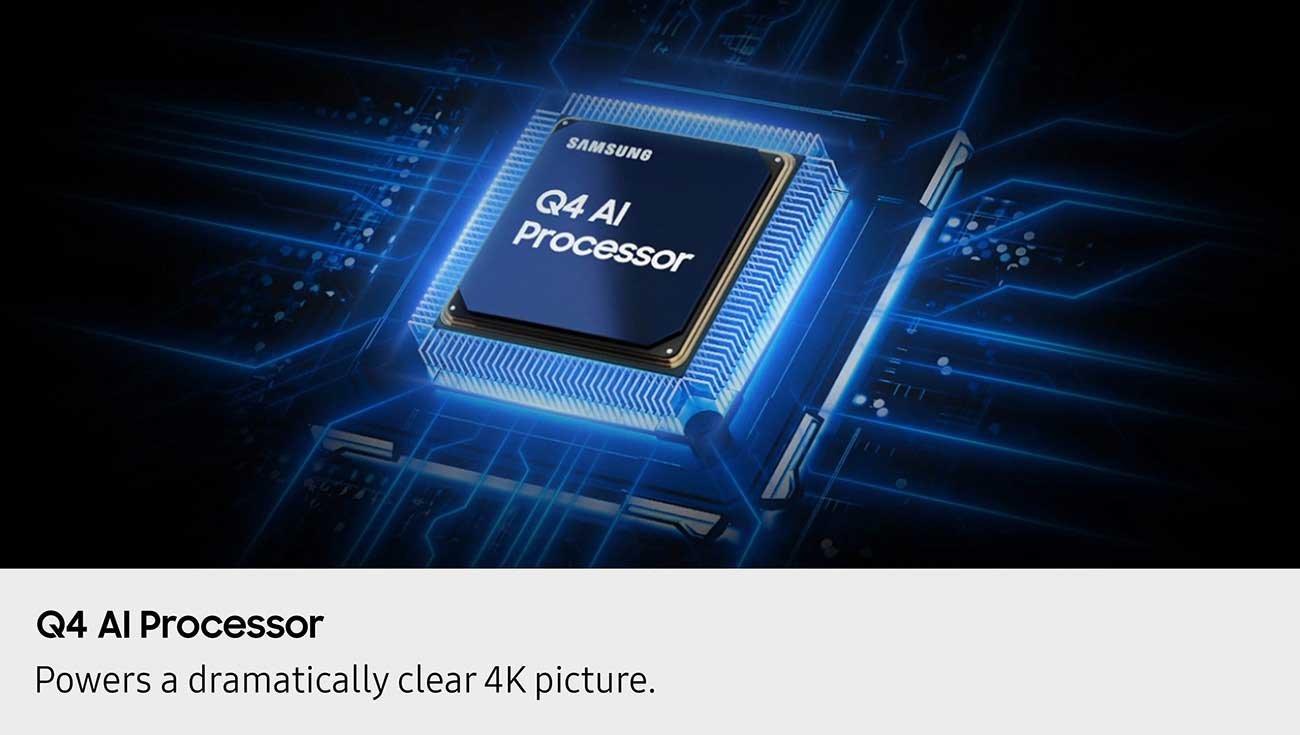
Smart features have also evolved dramatically. Modern processors don't just display content – they actively enhance it using artificial intelligence. They can make old movies look sharper, adjust colors based on room lighting, and even optimize sound based on what you're watching.
The biggest difference between these TVs is their core display technology, and it's where Samsung made some interesting choices for 2025.
The Crystal UHD U8000F uses what's called a standard LED backlight with no quantum dots. This is the most basic form of modern TV display – white LED lights behind an LCD panel create the picture. It works fine, but it's like using basic house paint when you could use premium artist pigments.
The QN8F QLED, however, uses Samsung's Dual LED system combined with quantum dots. Here's where it gets interesting: quantum dots are microscopic crystals that, when hit with blue light, emit incredibly pure colors. It's like having millions of tiny, perfect color filters working together. The Dual LED system uses two different types of LED backlights – one optimized for warm colors, another for cool tones – which Samsung switches between based on the content.
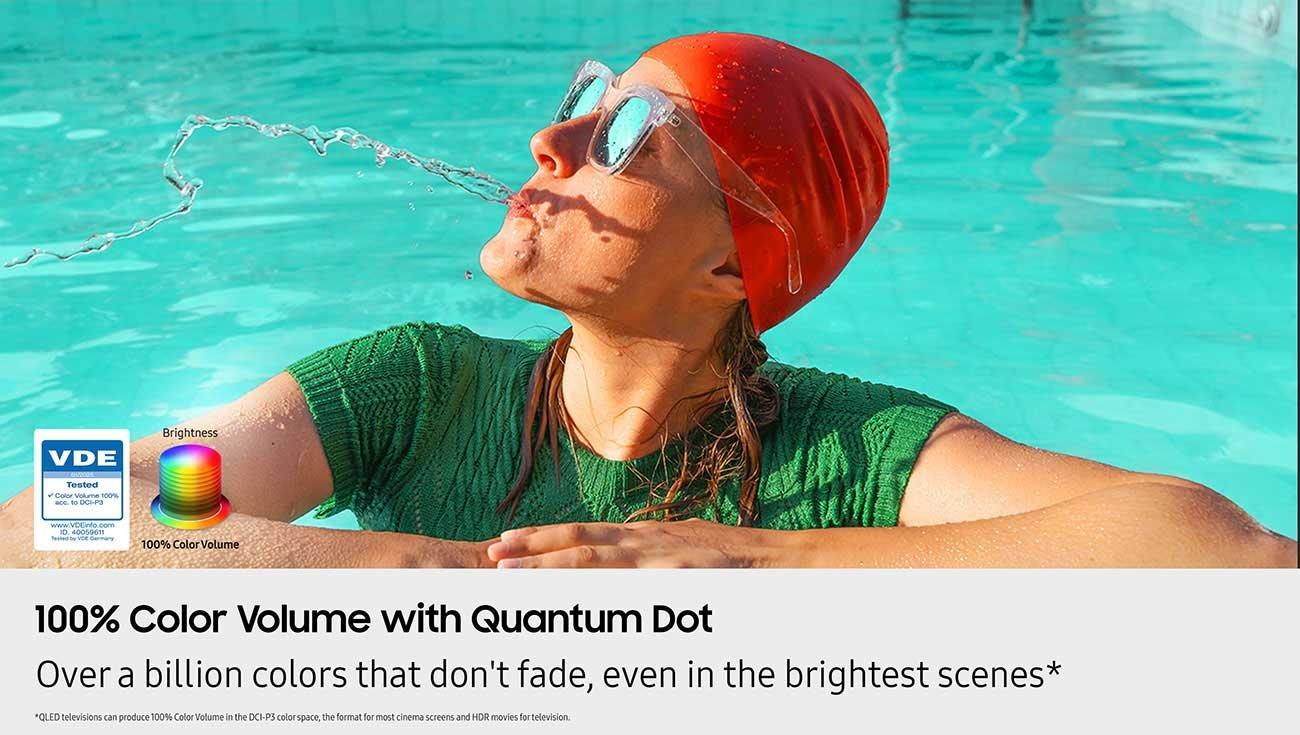
This isn't just marketing fluff. The QN8F achieves 100% Color Volume according to the DCI-P3 standard, which is the professional color space used by movie studios. It's also Pantone Validated, meaning it can accurately reproduce over 2,140 specific colors that designers and filmmakers rely on. The U8000F, by comparison, struggles with color accuracy and can only display a fraction of these colors properly.
When we dig into picture performance based on professional reviews and user feedback, the gap between these models becomes clear.
Brightness and HDR Performance
Brightness might seem like a simple spec, but it's crucial for two reasons: HDR content and room flexibility. HDR (High Dynamic Range) makes highlights brighter and shadows darker, creating more realistic images. But if your TV can't get bright enough, HDR content looks flat and washed out.
The U8000F suffers from very limited peak brightness – one of the lowest in Samsung's 2025 lineup. Professional reviewers consistently note that it struggles in bright rooms and can't deliver impactful HDR experiences. It's like trying to watch a movie through sunglasses; you can see what's happening, but it lacks punch.
The QN8F, with its Dual LED system, achieves significantly higher brightness levels. This means HDR content actually looks impressive, with bright explosions that pop off the screen and natural-looking sunlight. More practically, you can watch it comfortably with lights on or windows open during the day.
Color and Contrast
This is where quantum dot technology really shines. The U8000F displays adequate colors for basic viewing, but they lack vibrancy and accuracy. Skin tones might look slightly off, and nature documentaries won't have that "wow" factor you expect from a modern 4K TV.
The QN8F produces what Samsung calls "100% Color Volume" – essentially meaning it can display a billion different color shades with impressive accuracy. Watching the same nature documentary, you'll notice how much more realistic and vibrant everything looks, from ocean blues to sunset oranges.
Neither TV has true local dimming (where different screen zones can dim independently), but the QN8F's Dual LED system provides much better contrast control than the U8000F's basic backlight.
Viewing Angles
Here's a practical consideration many people overlook. The U8000F has poor off-axis viewing, meaning colors fade and contrast drops significantly when you're not sitting directly in front of it. If you have a wide sectional couch or often watch from the kitchen, this becomes annoying quickly.
The QN8F includes Wide Viewing Angle technology that maintains better picture quality from the sides. It's not perfect – no LCD TV matches OLED for viewing angles – but it's much more forgiving for real-world room layouts.
Gaming has become a major consideration for TV buyers, whether you're using a PlayStation 5, Xbox Series X, or gaming PC. The differences here are substantial.
Refresh Rate Reality
The U8000F is limited to 60Hz, which works fine for casual gaming but feels sluggish for fast-paced games or competitive online play. While it technically supports Variable Refresh Rate (VRR – a feature that syncs the TV's refresh rate with your console's output to eliminate screen tearing), this feature has limited benefit at only 60Hz.
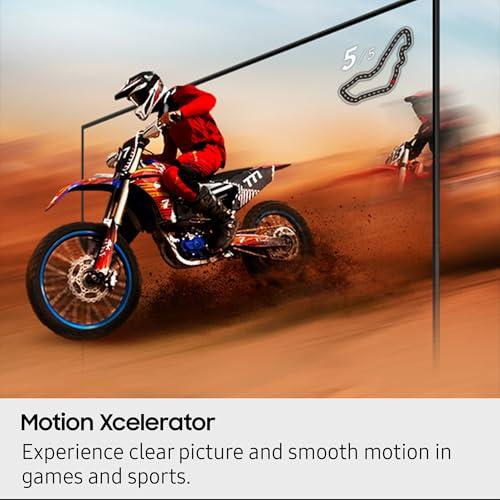
The QN8F features a true 120Hz panel with Motion Xcelerator 144Hz technology. This means smoother gameplay, less motion blur, and more responsive controls. For first-person shooters, racing games, or sports titles, the difference is immediately noticeable. The TV can handle 4K at 120Hz and even up to 144Hz when connected to a compatible gaming PC.
Gaming Features
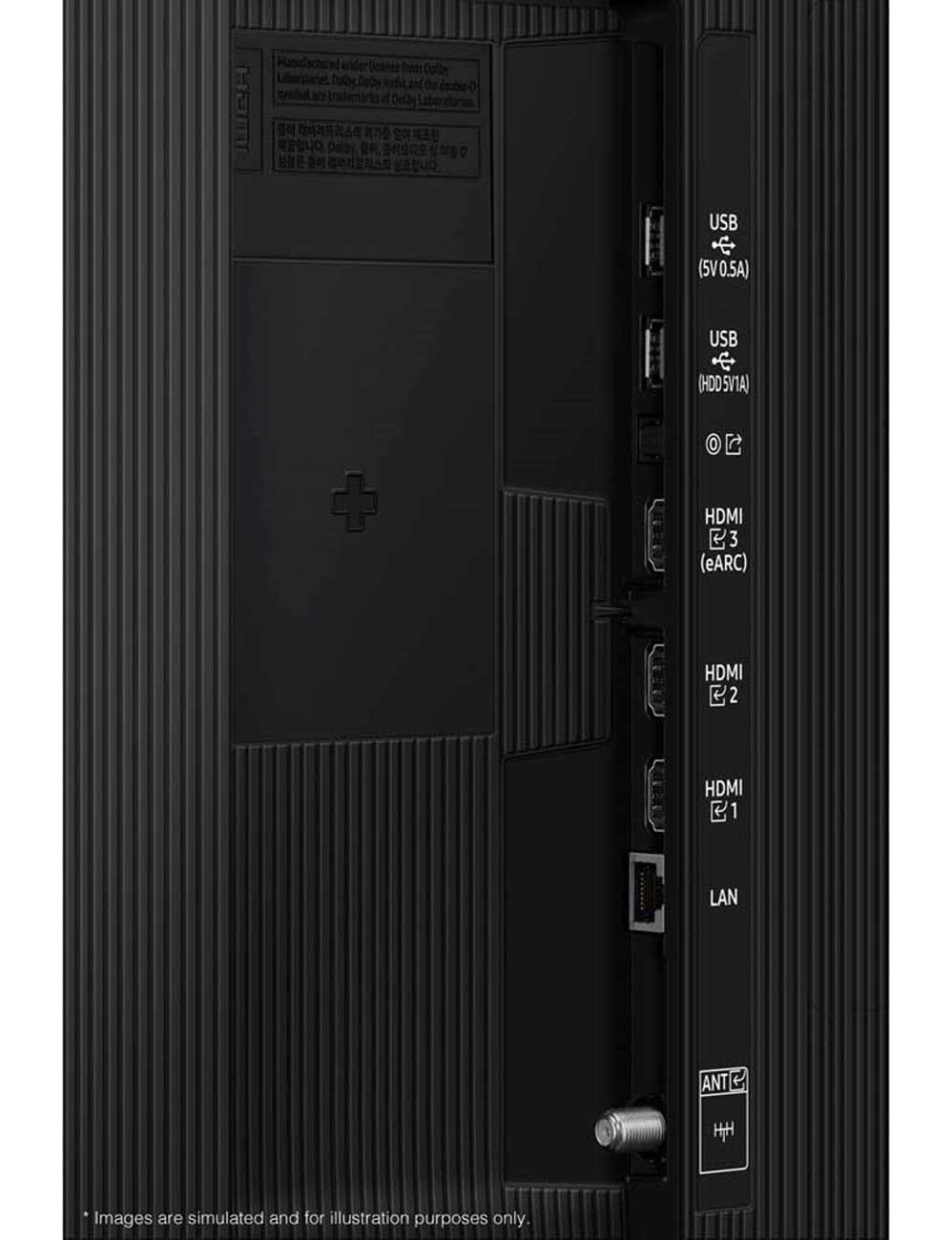
Beyond refresh rate, the QN8F includes serious gaming enhancements: four HDMI 2.1 ports (versus three basic HDMI ports on the U8000F), FreeSync Premium support for PC gaming, and features like Super Ultrawide GameView that lets you use ultrawide PC resolutions.
The U8000F offers basic Auto Low Latency Mode, which is helpful, but it lacks the advanced features that make modern consoles shine.
Both TVs run Samsung's Tizen operating system, but the processing power underneath makes a huge difference in daily use.
Processing Power
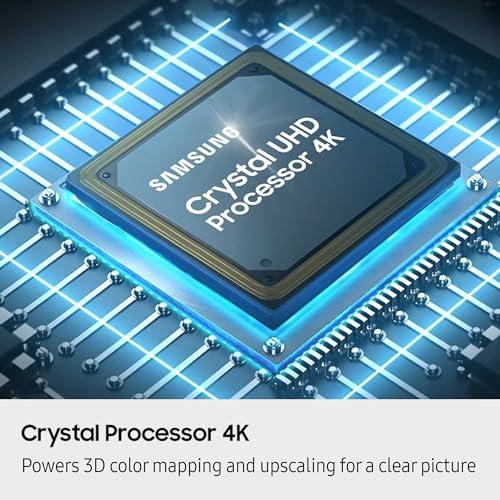
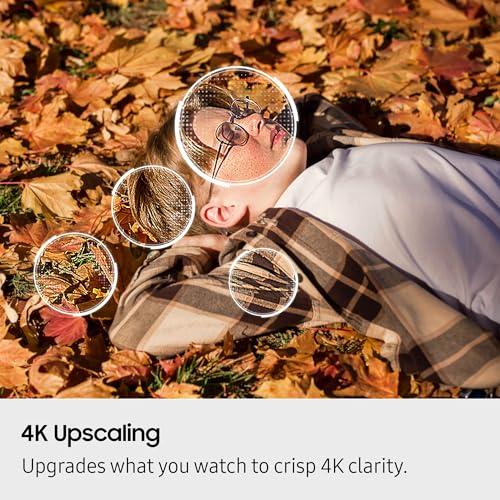
The U8000F uses Samsung's basic Crystal Processor 4K, which handles essential functions like upscaling lower-resolution content to 4K. It does this adequately, but without much intelligence or optimization.
The QN8F features the Q4 AI Processor, which is significantly more capable. It includes AI Mode – a feature that analyzes what you're watching and automatically adjusts picture and sound settings. Watching a dark thriller? It enhances shadow detail. Switching to a bright comedy? It optimizes for vivid colors and clear dialogue.
The QN8F also includes Auto HDR Remastering, which uses AI to enhance older, non-HDR content by improving highlights and colors. It's like having an intelligent editor constantly optimizing your viewing experience.
Voice Control and Convenience
While both TVs support voice control, the QN8F offers far-field voice interaction – meaning you can talk to it from across the room without using the remote. This might seem minor until you're comfortable on the couch and want to change channels or adjust volume.
The QN8F also includes unique 2025 features like Generative Wallpaper (AI creates custom wallpapers based on keywords you provide) and Live Translate for real-time language translation during broadcasts.
TV audio often gets ignored in reviews, but it's crucial for daily enjoyment. Both models include 20W speakers, but the similarity ends there.
The U8000F provides basic, clear audio that lacks depth and power. Based on user feedback, most owners end up adding a soundbar relatively quickly because dialogue can be hard to understand and action scenes lack impact.
The QN8F includes several audio enhancements: Dolby Atmos support creates more immersive sound, Object Tracking Sound Lite moves audio around the screen to match action, and Adaptive Sound+ analyzes both the content and your room's acoustics to optimize audio output. It also features Q-Symphony, which lets the TV speakers work together with compatible Samsung soundbars for richer sound.
While neither TV will replace a good sound system, the QN8F's audio is noticeably more enjoyable for daily viewing.
If you're building a dedicated home theater or have a light-controlled room, some specific factors matter more.
For a true home theater setup, brightness becomes less critical since you'll likely watch in darkness. However, color accuracy and contrast become more important for that cinematic experience. The QN8F's Pantone validation and quantum dot technology provide noticeably more accurate colors, which matters when watching movies as directors intended.
The U8000F could work in a dedicated theater room with controlled lighting, but its limited color gamut and poor off-axis viewing make it less ideal for multiple seating positions.
Neither TV includes advanced features like local dimming or ultra-high brightness that you'd find in premium models, but the QN8F gets much closer to a proper home theater experience.
At the time of writing, these TVs represent different value propositions entirely.
The U8000F positions itself as an entry-level option, but professional reviewers consistently note it's expensive for what you get. Multiple reviews describe it as "about as basic as you can get" and suggest that competing brands offer better performance at similar or lower prices.
The QN8F, while more expensive, delivers significant improvements across every performance metric. The quantum dot display technology, 120Hz gaming capabilities, advanced AI processing, and superior audio represent meaningful upgrades that you'll appreciate daily.
From a longevity perspective, the QN8F is much better positioned for the future. As streaming services continue improving HDR content and gaming consoles become more demanding, the U8000F's limitations will become more apparent over time.
The Crystal UHD U8000F makes sense if you:
Honestly, even in these scenarios, the U8000F is a tough recommendation. Professional reviews consistently suggest looking at competing brands that offer better value at this price point.
The QN8F QLED is the better choice if you:
Based on our research into professional reviews, user feedback, and technical specifications, the QN8F QLED represents dramatically better value despite its higher upfront cost. The display technology improvements, gaming capabilities, AI processing, and audio enhancements provide daily benefits that justify the investment.
The U8000F feels like a compromise too far – it lacks the brightness for effective HDR, the refresh rate for modern gaming, and the color accuracy for impressive visuals. While Samsung's build quality remains solid, the performance limitations make it hard to recommend when better options exist.
For most buyers looking at 65-inch TVs in 2025, the QN8F hits the sweet spot of features, performance, and value. It delivers genuinely impressive picture quality, future-ready gaming features, and smart capabilities that enhance daily use – all without stepping into the premium pricing of Samsung's highest-end Neo QLED models.
The TV market moves quickly, but quantum dot technology, 120Hz panels, and AI processing represent the current standard for satisfying long-term viewing. The QN8F delivers on all these fronts, making it the clear choice for buyers who want their next TV to feel impressive today and remain relevant tomorrow.
| Samsung 65-Inch Crystal UHD U8000F | Samsung QN8F Series QLED |
|---|---|
| Display Technology - The foundation that determines color quality and brightness | |
| Standard LED backlight, no quantum dots | Dual LED backlight with Quantum Dot technology |
| Peak Brightness - Critical for HDR content and bright room viewing | |
| Very limited brightness (one of Samsung's dimmest 2025 models) | Significantly higher brightness with Quantum HDR+ |
| Color Volume - How many colors the TV can accurately display | |
| Basic color reproduction, limited gamut | 100% Color Volume (DCI-P3), Pantone Validated |
| Refresh Rate - Essential for smooth gaming and sports viewing | |
| 60Hz panel with basic Motion Xcelerator | 120Hz panel with Motion Xcelerator 144Hz |
| Gaming Features - Modern console and PC gaming capabilities | |
| Auto Low Latency Mode, limited VRR at 60Hz | 4 HDMI 2.1 ports, 4K at 120Hz, FreeSync Premium, VRR |
| Processor - Determines smart features and AI capabilities | |
| Crystal Processor 4K (basic upscaling only) | Q4 AI Processor with AI Mode and Auto HDR Remastering |
| Voice Control - Hands-free convenience | |
| Remote-based voice control only | Far-field voice interaction (hands-free from across room) |
| Audio Quality - Built-in sound performance | |
| Basic 20W speakers, lacks depth and clarity | 20W with Dolby Atmos, Object Tracking Sound Lite, Adaptive Sound+ |
| Viewing Angles - Picture quality when not sitting directly in front | |
| Poor off-axis viewing with significant color/contrast loss | Wide Viewing Angle technology maintains better quality from sides |
| HDR Performance - High dynamic range content experience | |
| HDR10/HDR10+ support but insufficient brightness for impact | Quantum HDR+ with proper brightness for impressive HDR viewing |
| Smart Features - AI and convenience capabilities | |
| Standard Tizen OS with basic functionality | AI Mode, Live Translate, Generative Wallpaper, enhanced Bixby |
| Future-Proofing - Long-term relevance and capabilities | |
| Limited by 60Hz and basic display technology | 120Hz gaming and advanced AI features ready for next 5+ years |
The Samsung QN8F Series QLED delivers significantly better picture quality than the Samsung Crystal UHD U8000F. The QN8F uses Quantum Dot technology with Dual LED backlighting, producing 100% Color Volume and much higher brightness levels. The U8000F uses basic LED backlighting with limited color reproduction and very low brightness, making it one of Samsung's dimmest 2025 models.
Yes, the Samsung QN8F QLED provides substantial value over the Crystal UHD U8000F. You get quantum dot color technology, 120Hz gaming capabilities, advanced AI processing, superior brightness for HDR content, and better audio quality. The U8000F is considered expensive for its basic feature set, with professional reviewers noting that competing brands offer better performance at similar price points.
The Samsung QN8F QLED is dramatically better for gaming with its 120Hz panel, four HDMI 2.1 ports supporting 4K at 120Hz, FreeSync Premium, and advanced VRR support. The Samsung Crystal UHD U8000F is limited to 60Hz with basic gaming features, making it suitable only for casual gaming. For modern consoles like PS5 or Xbox Series X, the QN8F is the clear choice.
The Samsung QN8F QLED handles bright rooms much better due to its significantly higher peak brightness and Dual LED technology. The Samsung Crystal UHD U8000F struggles in bright lighting conditions with its very limited brightness output, making HDR content look washed out and colors appear dull. For rooms with windows or daytime viewing, the QN8F is essential.
The Samsung QN8F QLED offers advanced smart features including AI Mode for automatic optimization, far-field voice control, Live Translate, and Generative Wallpaper powered by the Q4 AI Processor. The Samsung Crystal UHD U8000F has basic smart functionality with the Crystal Processor 4K but lacks AI enhancements and advanced voice control capabilities.
The Samsung QN8F QLED provides superior audio with Dolby Atmos, Object Tracking Sound Lite, Adaptive Sound+, and Q-Symphony soundbar compatibility. The Samsung Crystal UHD U8000F has basic 20W speakers that lack depth and power, with most users needing to add a soundbar immediately. The QN8F's audio enhancements make it more enjoyable for daily viewing without additional equipment.
For movie watching, the Samsung QN8F QLED is significantly better with its Pantone Validated colors, higher brightness for proper HDR viewing, and quantum dot technology that displays over a billion color shades. The Samsung Crystal UHD U8000F lacks the brightness and color accuracy needed for cinematic experiences, especially with HDR content from streaming services or 4K Blu-rays.
The Samsung QN8F QLED includes Wide Viewing Angle technology that maintains better picture quality when viewed from the sides, making it suitable for wider seating arrangements. The Samsung Crystal UHD U8000F has poor off-axis viewing with significant color and contrast degradation, requiring viewers to sit directly in front for the best experience.
The Samsung QN8F QLED is much better positioned for long-term use with its 120Hz panel, advanced AI processing, quantum dot technology, and modern gaming features that will remain relevant for 5+ years. The Samsung Crystal UHD U8000F is already limited by its 60Hz refresh rate and basic display technology, making it feel outdated sooner as content and gaming standards continue evolving.
The Samsung QN8F QLED excels at sports viewing with its 120Hz refresh rate, Motion Xcelerator 144Hz technology, and higher brightness that makes action crisp and clear. The Samsung Crystal UHD U8000F is limited by its 60Hz panel and basic motion handling, causing noticeable blur during fast-paced sports action that can be distracting for regular sports viewers.
Despite its higher upfront cost, the Samsung QN8F QLED provides much better value with meaningful upgrades in display technology, gaming capabilities, AI features, and audio quality. The Samsung Crystal UHD U8000F is criticized by professional reviewers as expensive for its basic feature set, with many suggesting competing brands offer better performance at similar price points.
For home theater use, the Samsung QN8F QLED is the better choice with its accurate Pantone Validated colors, quantum dot technology for proper color reproduction, and superior contrast through Dual LED backlighting. While the Samsung Crystal UHD U8000F could work in a completely dark room, its limited color gamut and poor viewing angles make it less suitable for multiple seating positions typical in home theater setups.
We've done our best to create useful and informative comparisons to help you decide what product to buy. Our research uses advanced automated methods to create this comparison and perfection is not possible - please contact us for corrections or questions. These are the sites we've researched in the creation of this article: bestbuy.com - youtube.com - youtube.com - rtings.com - youtube.com - samsung.com - hometechnologyreview.com - rtings.com - samsung.com - displayspecifications.com - samsung.com - displayspecifications.com - walmart.com - billsmith.com - dentonstv.com - samsung.com - samsung.com - samsung.com - youtube.com - bestbuy.com - bestbuy.com - youtube.com - samsung.com - donstv.com - bestbuy.com - samsung.com - youtube.com - samsung.com - pcrichard.com - abt.com - images.samsung.com - cnet.com - news.samsung.com - samsung.com - bestbuy.com

Privacy Policy
Terms and Conditions - Affiliate Policy
Home Security
© Copyright 2008-2026.
11816 Inwood Rd #1211, Dallas, TX 75244