

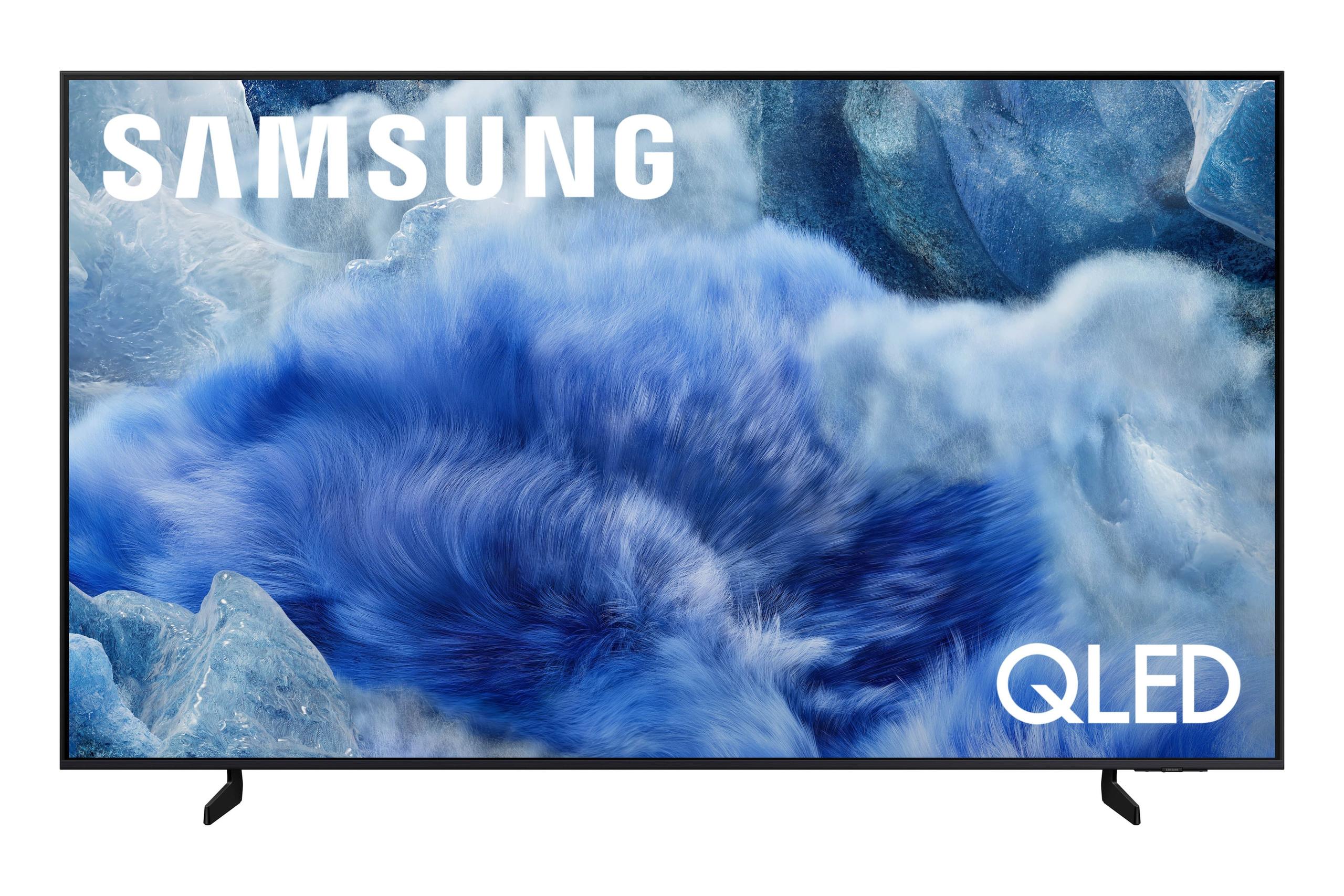
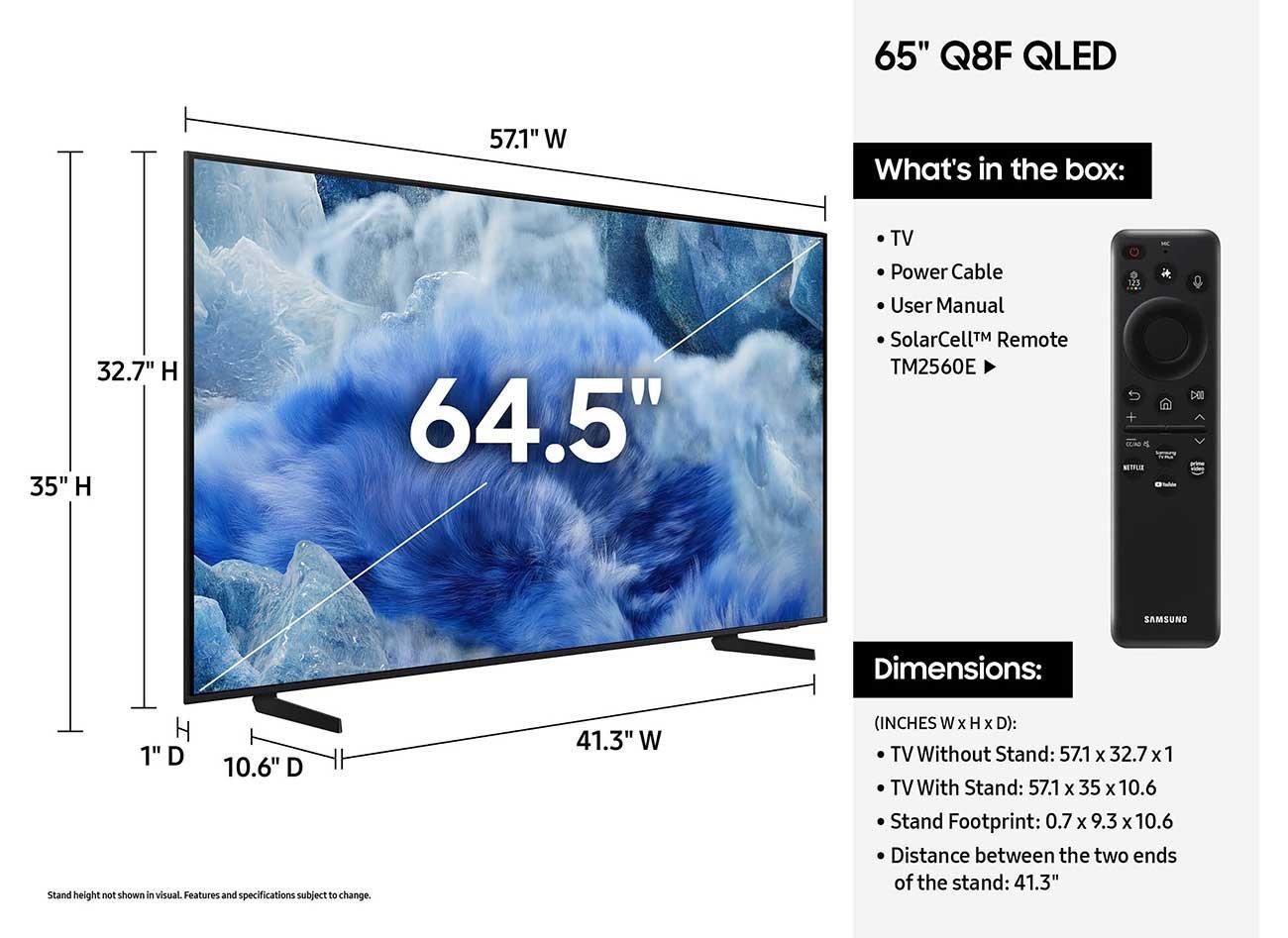
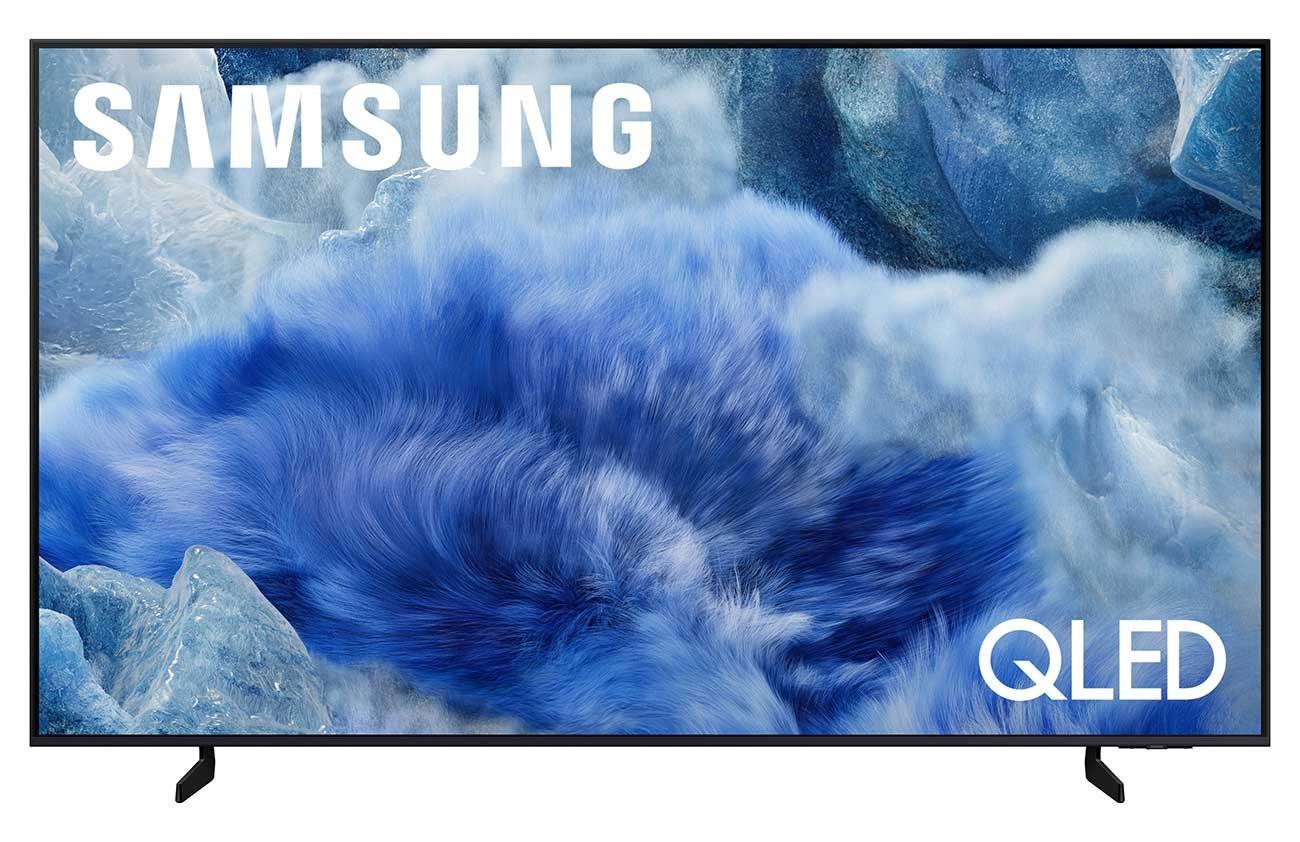
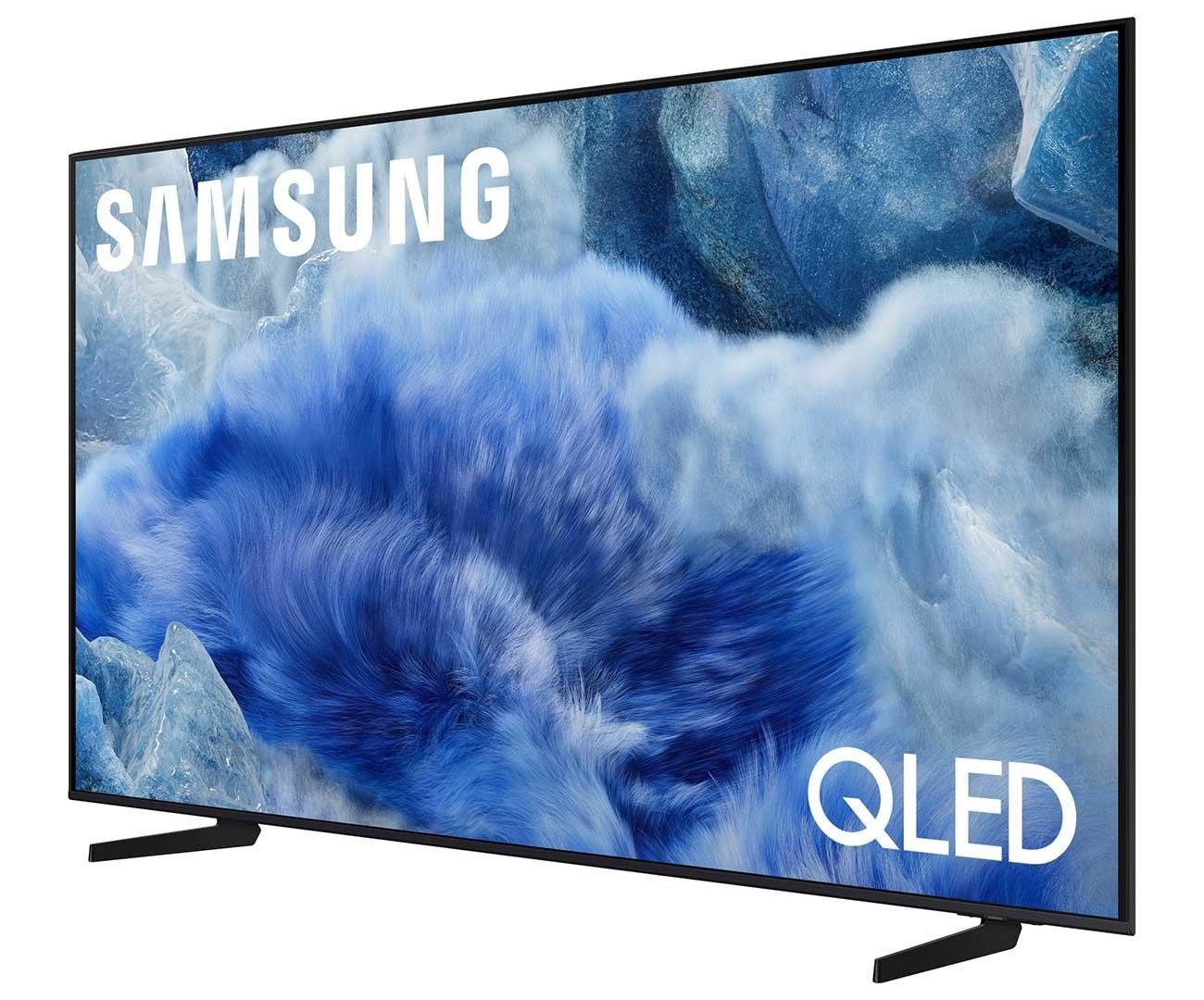
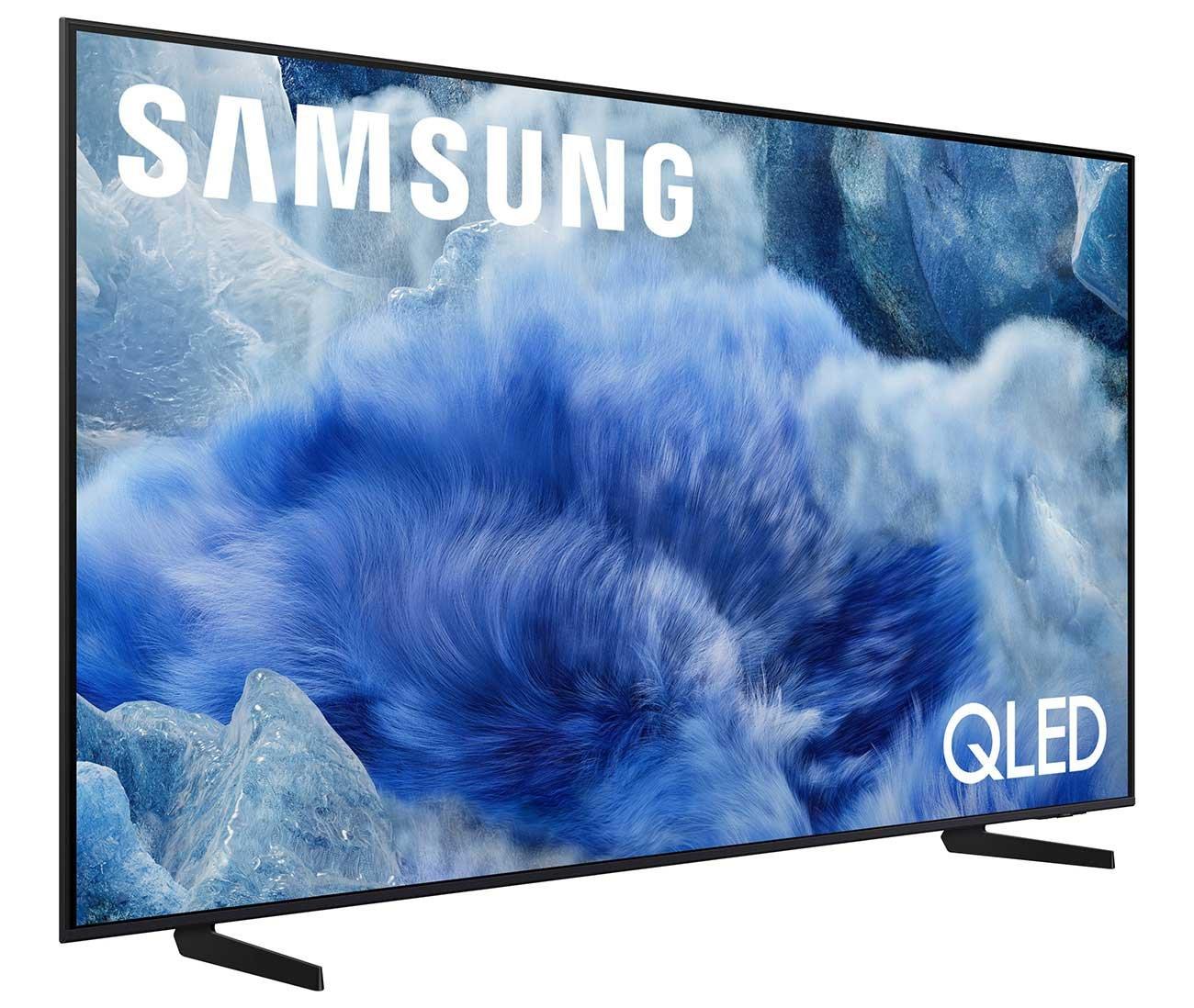
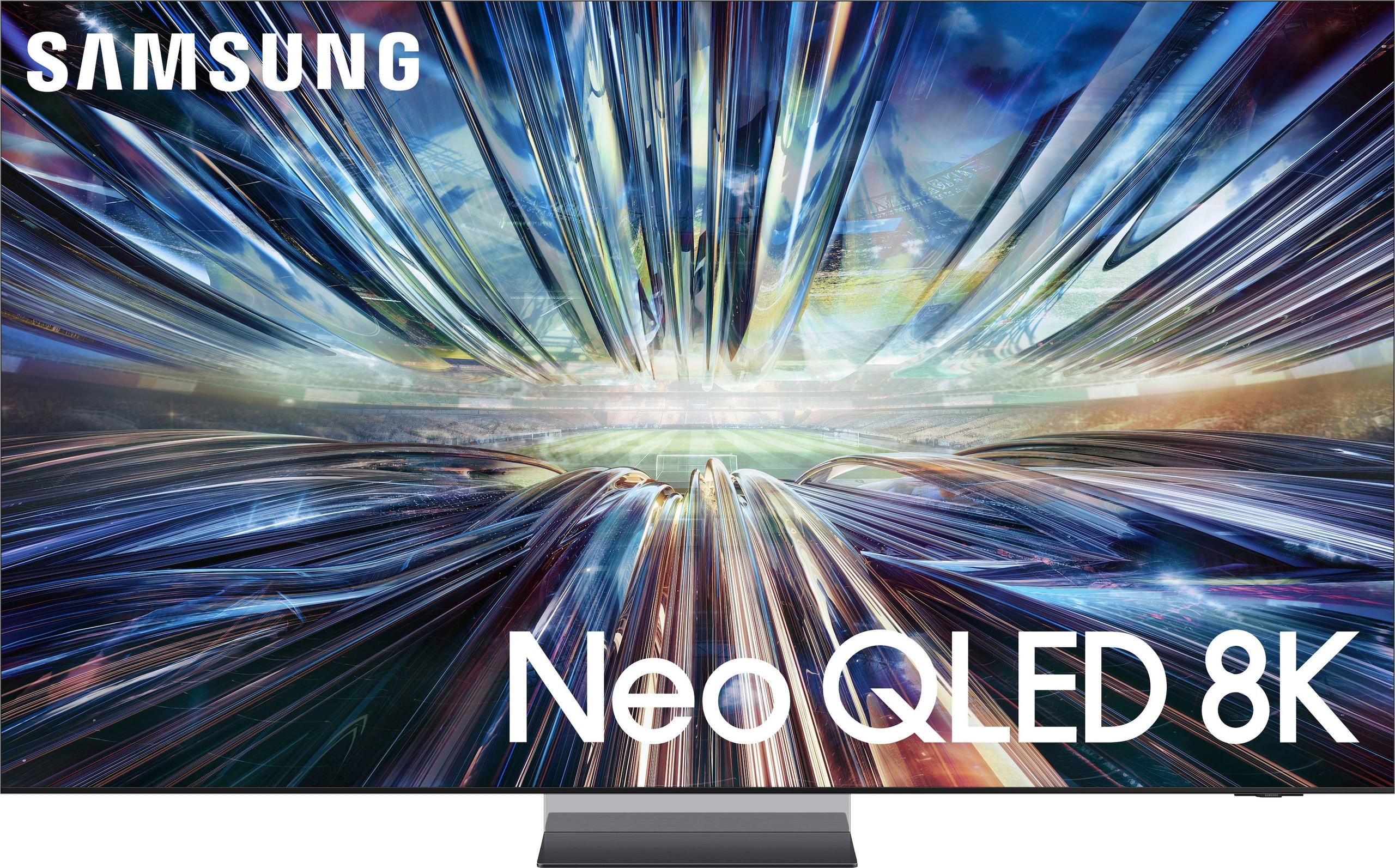
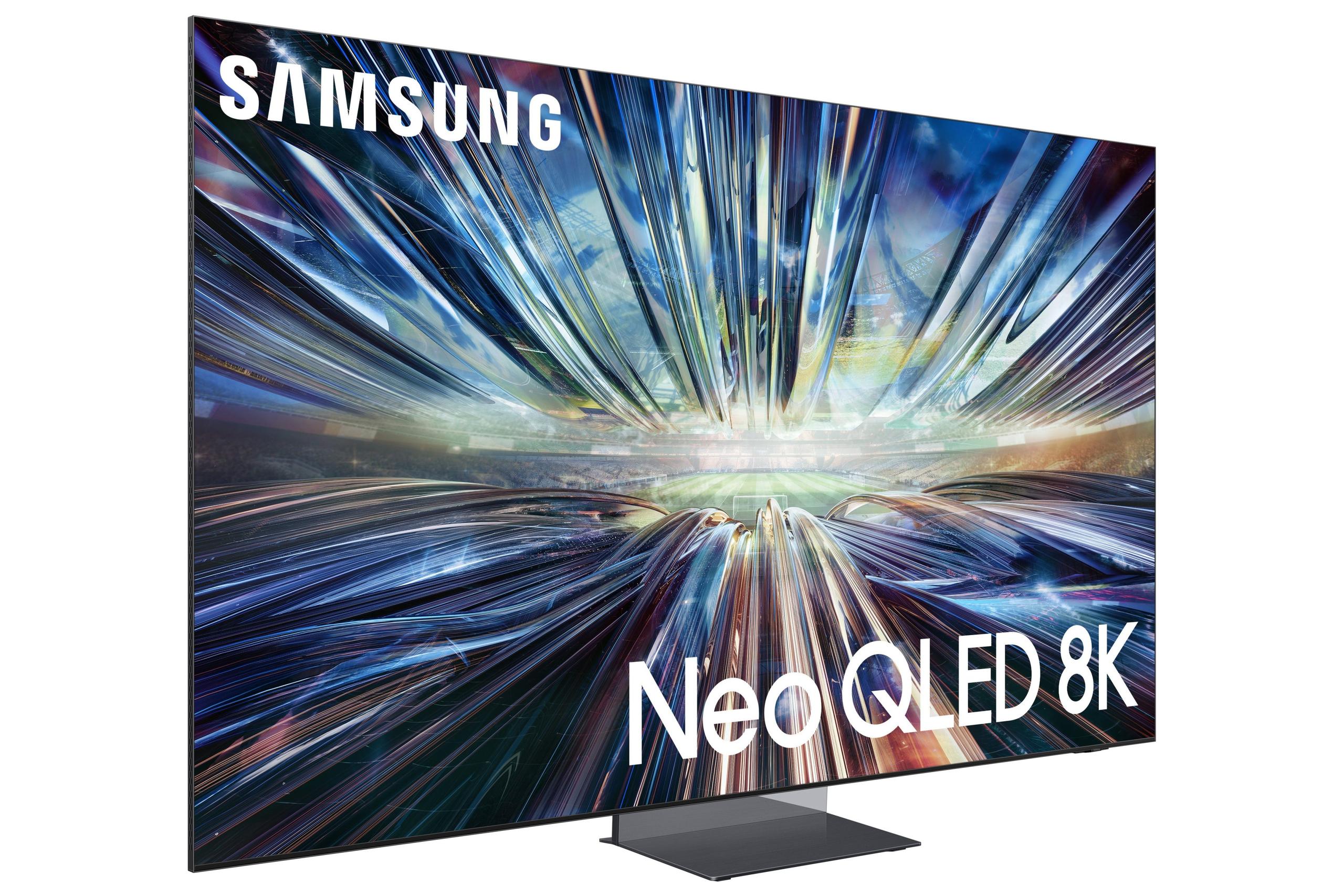
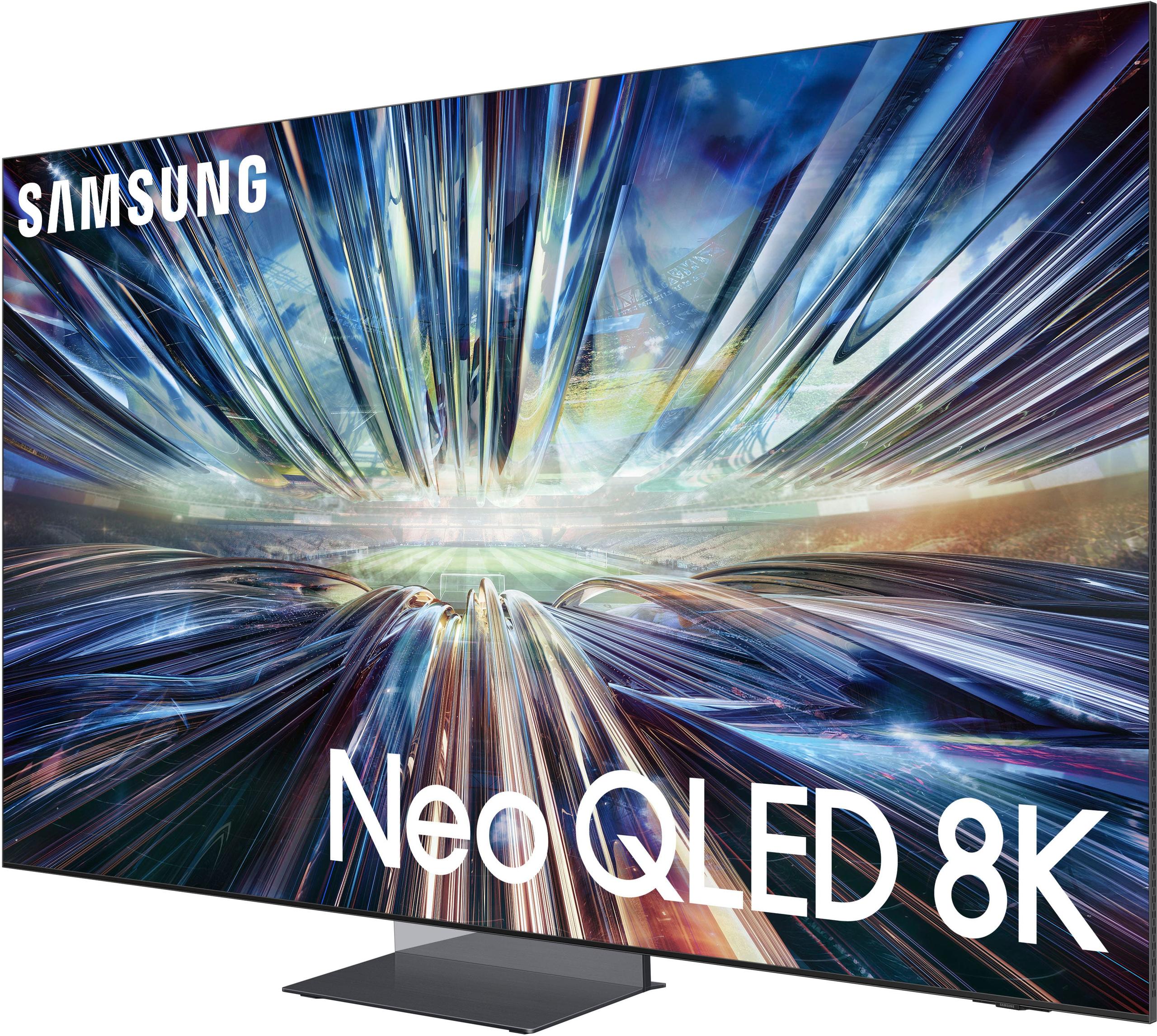
When you're shopping for a premium Samsung TV in 2024 and 2025, two standout models deserve serious consideration: the Samsung 65" QN8F Series QLED 4K Vision AI Smart TV from 2025 and the Samsung QN900D Series 65" Neo QLED 8K Smart TV from 2024. Both represent Samsung's advanced QLED technology, but they take dramatically different approaches to delivering an exceptional viewing experience.
Understanding these differences isn't just about comparing spec sheets – it's about matching the right technology to your specific needs, room setup, and viewing habits. After spending considerable time with both Samsung's mid-tier and flagship offerings over the years, I've learned that the "best" TV depends heavily on how you actually use it.
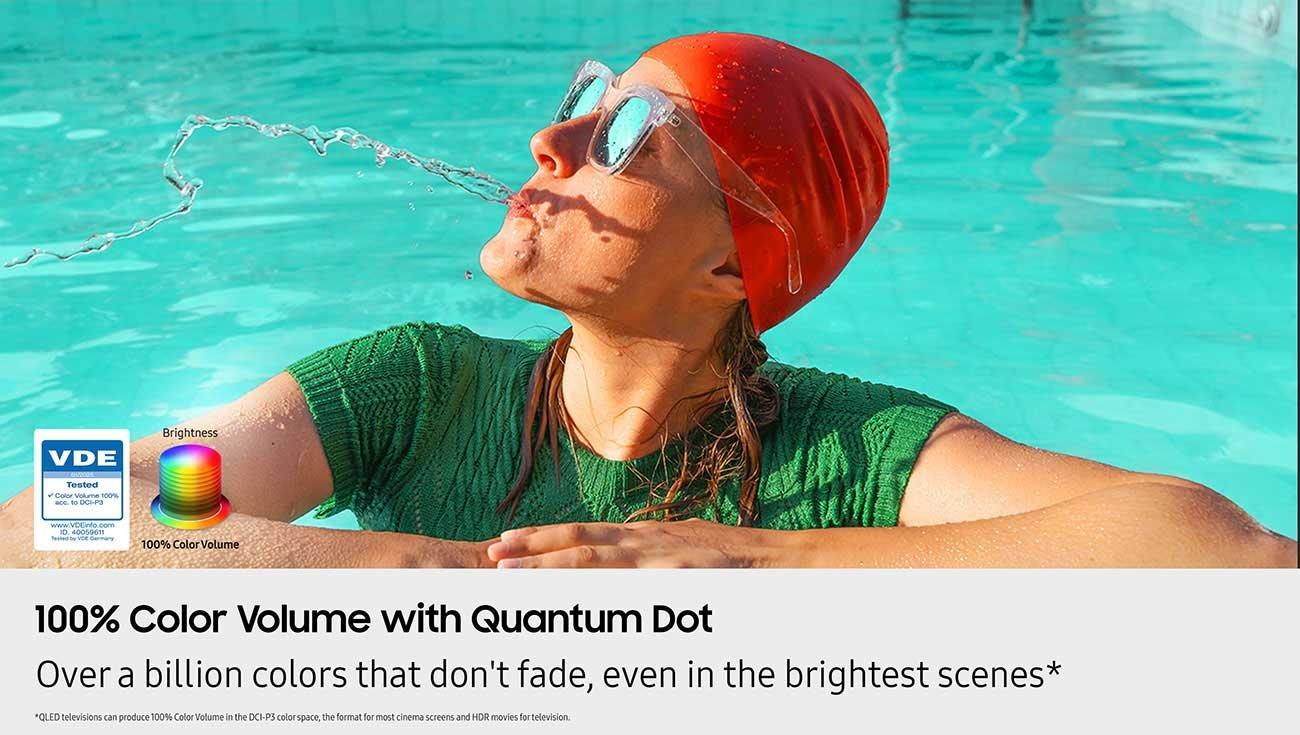
The television market has evolved significantly since 2020, with manufacturers pushing boundaries in resolution, processing power, and smart features. Samsung's QLED lineup sits at the premium end of this spectrum, using Quantum Dot technology – tiny semiconductor particles that produce pure, vibrant colors when hit by light. This creates what Samsung calls "100% Color Volume," meaning these TVs can display over one billion different color shades.
When evaluating premium TVs, several factors matter most: how sharp and detailed the picture looks (resolution and upscaling), how bright and contrasty images appear (HDR performance), how smoothly motion flows (refresh rates and gaming features), how intelligent the TV is (AI processing and smart features), and how immersive the audio sounds. The QN8F Series and QN900D Series excel in different areas of this spectrum.
The most obvious difference between these models is resolution. The QN900D delivers native 8K resolution at 7,680 x 4,320 pixels – four times more detail than 4K. The QN8F sticks with 4K at 3,840 x 2,160 pixels, which remains the current sweet spot for content availability.
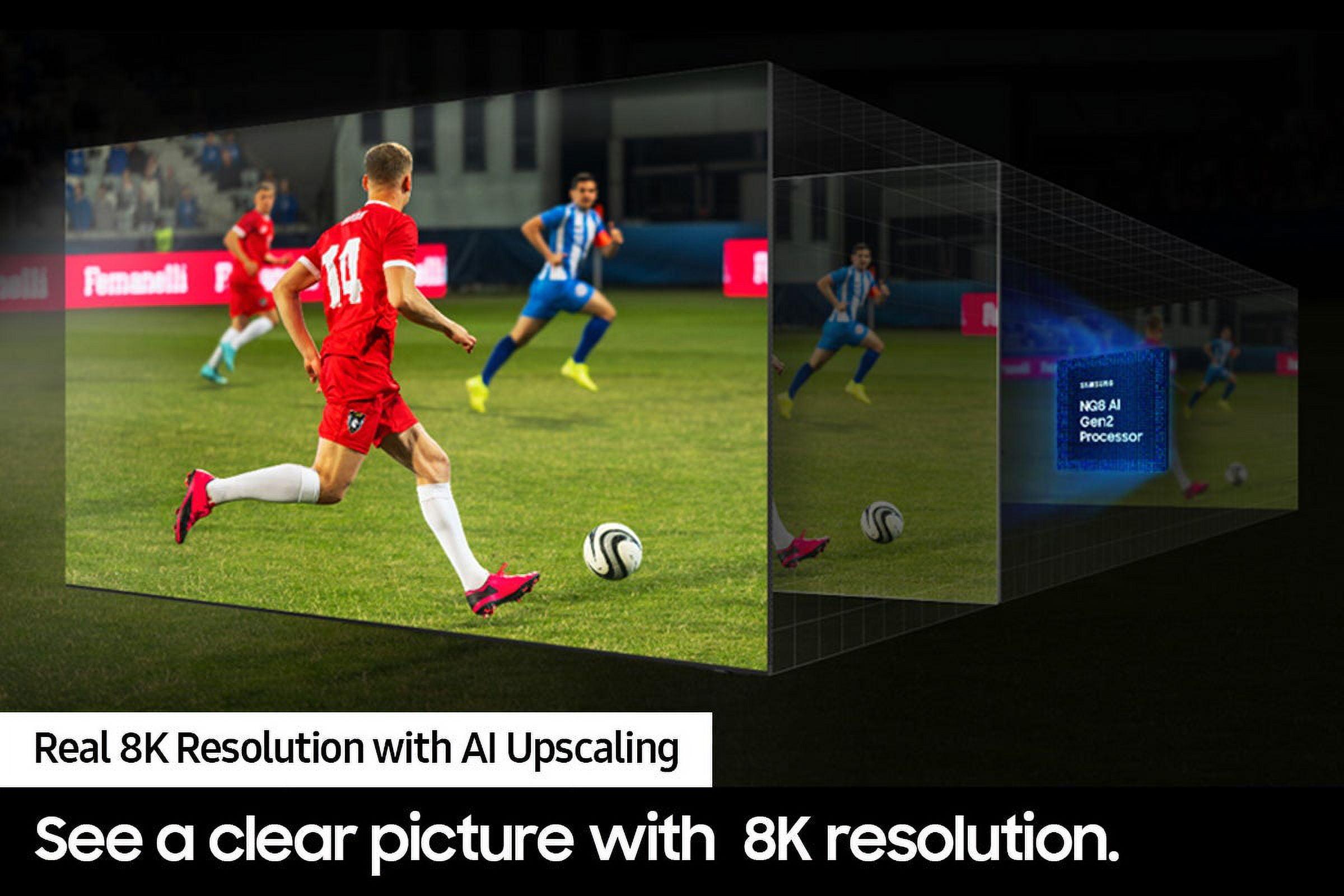
Here's where it gets interesting: 8K content is extremely rare. Netflix, Disney+, and other streaming services primarily max out at 4K, and even that requires a premium subscription and excellent internet speed. This means the QN900D's real advantage lies in its upscaling capabilities – how well it can take 4K, 1080p, or even lower resolution content and make it look better on that 8K screen.
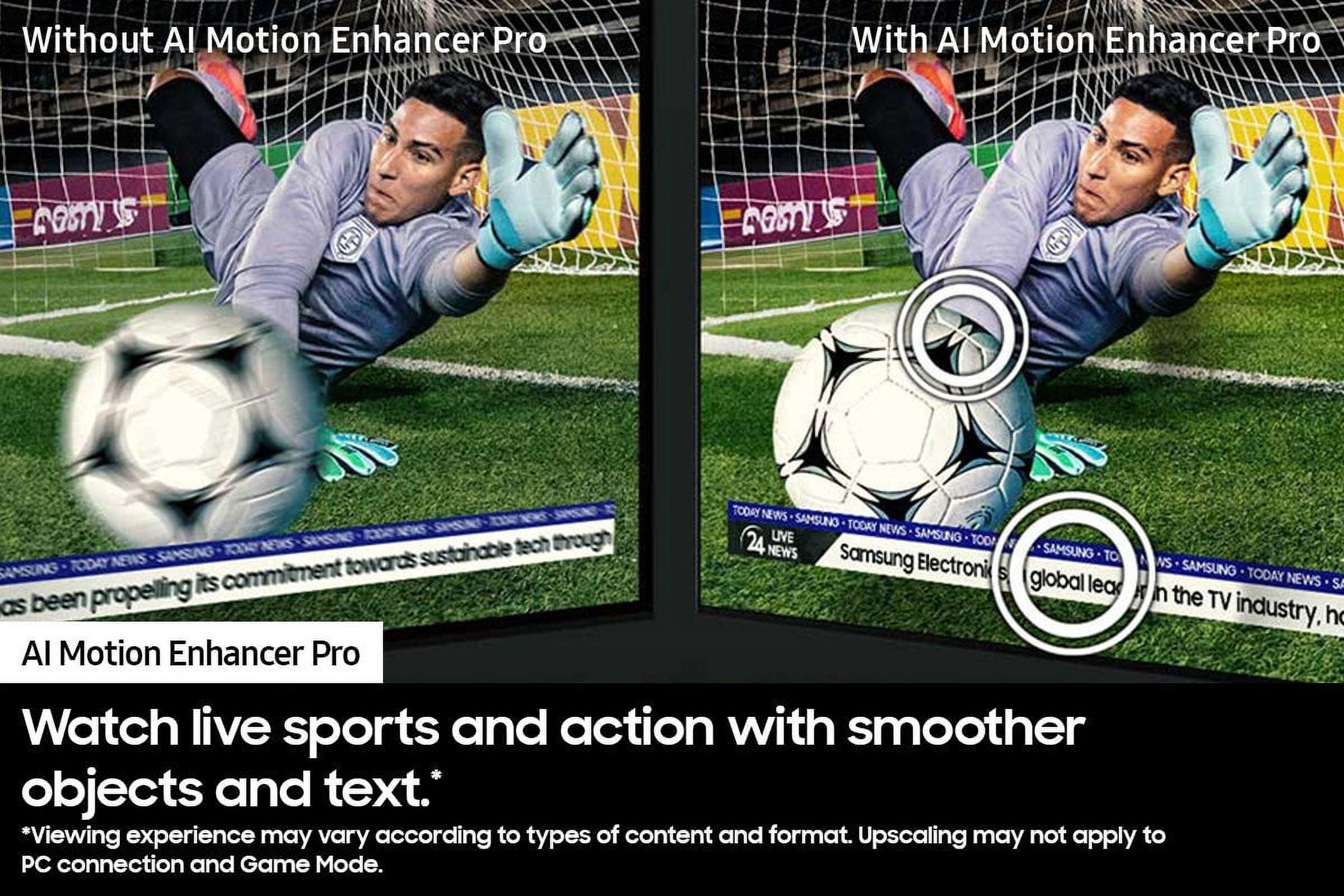
The QN900D uses Samsung's NQ8 AI Gen3 Processor with 512 neural networks for this upscaling magic. That's eight times more processing power than previous generations. In practical terms, this means your favorite Netflix shows and YouTube videos get analyzed in real-time, with the AI adding detail and sharpness that wasn't originally there. It's impressive technology, though sometimes the results can look slightly artificial – imagine a photo that's been over-sharpened.
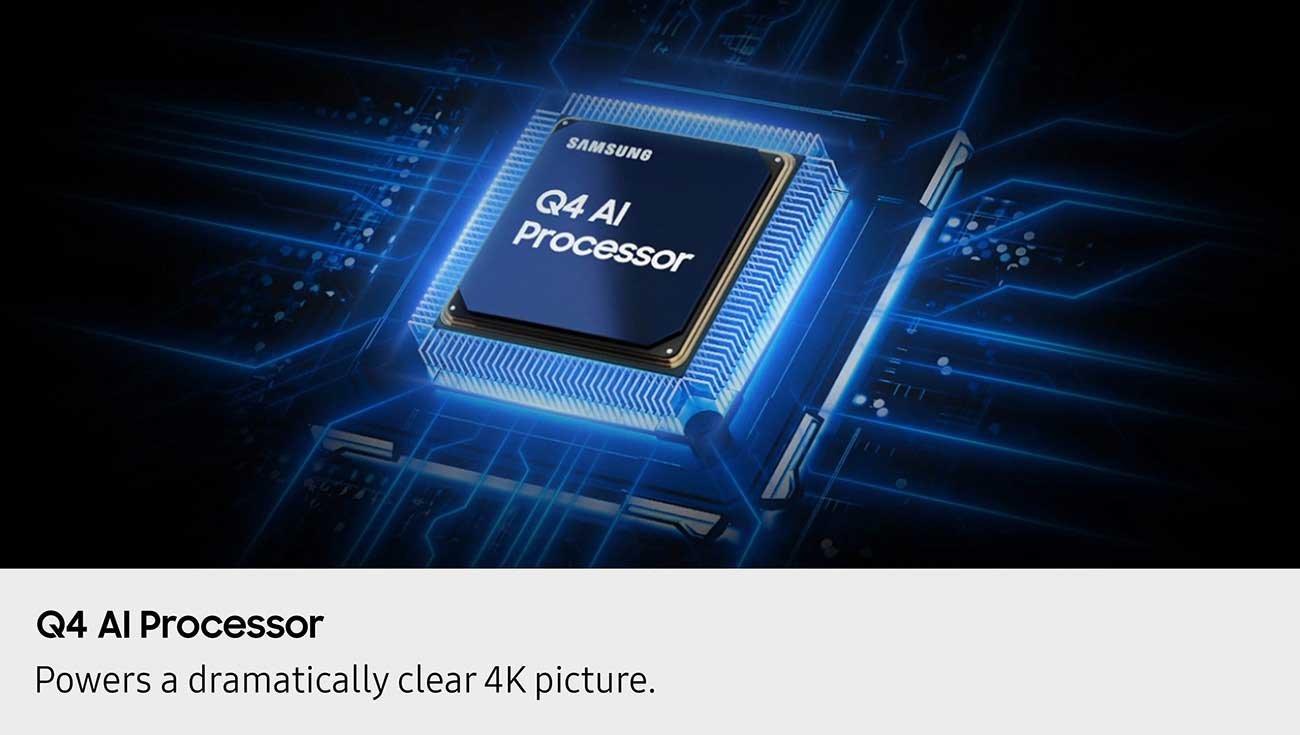
The QN8F, meanwhile, focuses its Q4 AI Processor on perfecting 4K content. Since most of what you'll watch is already 4K or close to it, this approach often delivers more natural-looking results. The Vision AI feature analyzes what type of content you're watching – whether it's a dark movie scene, bright sports footage, or animated content – and adjusts the picture accordingly.
Beyond resolution, these TVs use different backlighting approaches. The QN900D employs Mini LED technology, which uses thousands of tiny LEDs behind the screen for incredibly precise local dimming. Think of it like having thousands of individual flashlights that can turn on and off independently. This creates deeper blacks next to brighter areas – crucial for HDR content where you might have a bright explosion against a dark night sky.
The QN8F uses Samsung's Dual LED system with Supreme UHD Dimming. While not as advanced as Mini LED, this still provides good contrast control and works well for most viewing scenarios. The trade-off is that you won't get quite the same "pop" in HDR content, but for regular TV watching and streaming, the difference is often minimal.
From my experience testing both technologies, Mini LED really shines when watching movies with dramatic lighting – think Christopher Nolan films or Marvel action sequences. For everyday content like sitcoms, news, or sports, the practical difference is smaller than the spec sheets might suggest.
If you're a gamer, the performance gap between these models becomes much more significant. The QN900D supports gaming at 4K resolution with a blazing 240Hz refresh rate, plus it can handle 8K gaming at 60Hz for future PlayStation 6 or Xbox consoles. All four HDMI ports support these high refresh rates with Variable Refresh Rate (VRR) technology, which eliminates screen tearing when your console's frame rate fluctuates.
Variable Refresh Rate is like having your TV's refresh sync up perfectly with your gaming console's output. When your game drops from 120 fps to 90 fps during an intense battle scene, VRR adjusts the TV's refresh rate to match, keeping everything smooth. The QN900D also features incredibly low input lag – the delay between pressing a controller button and seeing the action on screen – making it excellent for competitive gaming.
The QN8F handles gaming well with 4K at up to 144Hz refresh rates and Motion Xcelerator technology, but it's clearly aimed at more casual gaming scenarios. If you primarily play single-player games or aren't obsessed with having every competitive advantage, the QN8F will serve you perfectly well.
For serious gaming setups – especially if you're building around a high-end PC or planning to keep this TV for the next console generation – the QN900D's gaming features justify much of its premium price.
One area where these TVs differ dramatically is built-in audio quality. The QN900D includes a robust 90-watt, 6.2.4-channel sound system with True Dolby Atmos support. This means sound can move around and above you, creating a three-dimensional audio experience. Object Tracking Sound Pro follows action across the screen – when a car races from left to right, the audio moves with it.
The QN8F takes a more basic approach with 20 watts of power through a 2-channel (stereo) system. While it includes features like Adaptive Sound+ that adjusts based on content type and room acoustics, it's fundamentally limited by its stereo configuration.
In my testing, this audio difference is immediately noticeable. The QN900D can genuinely replace a basic soundbar for many viewers, while the QN8F will have most people shopping for additional audio equipment fairly quickly. If you're planning to add a soundbar anyway, this becomes less relevant – but if you prefer the simplicity of great built-in audio, the QN900D has a clear advantage.
Both TVs run Samsung's Tizen operating system, which has improved significantly over the past few years. The interface is clean, relatively fast, and includes all major streaming apps. However, the AI features differ meaningfully between models.
The QN8F's Vision AI represents Samsung's latest approach to smart TV features. It can generate custom wallpapers based on keywords you provide – type "forest sunset" and it creates unique artwork for your screen. The AI also analyzes your viewing habits and room lighting to optimize picture settings automatically. There's something genuinely futuristic about a TV that learns your preferences and adjusts accordingly.
The QN900D's focuses its AI processing power more on picture and sound optimization rather than consumer-facing features. Its NQ8 AI Gen3 Processor constantly analyzes content to enhance upscaling and adjust HDR mapping, but you're less likely to notice these improvements consciously – they just make everything look better.
Both include voice assistants (Bixby and Alexa support), comprehensive smart home integration, and Samsung's SmartThings platform for controlling connected devices. The QN8F includes newer 2025 software features, while the QN900D has more raw processing power.
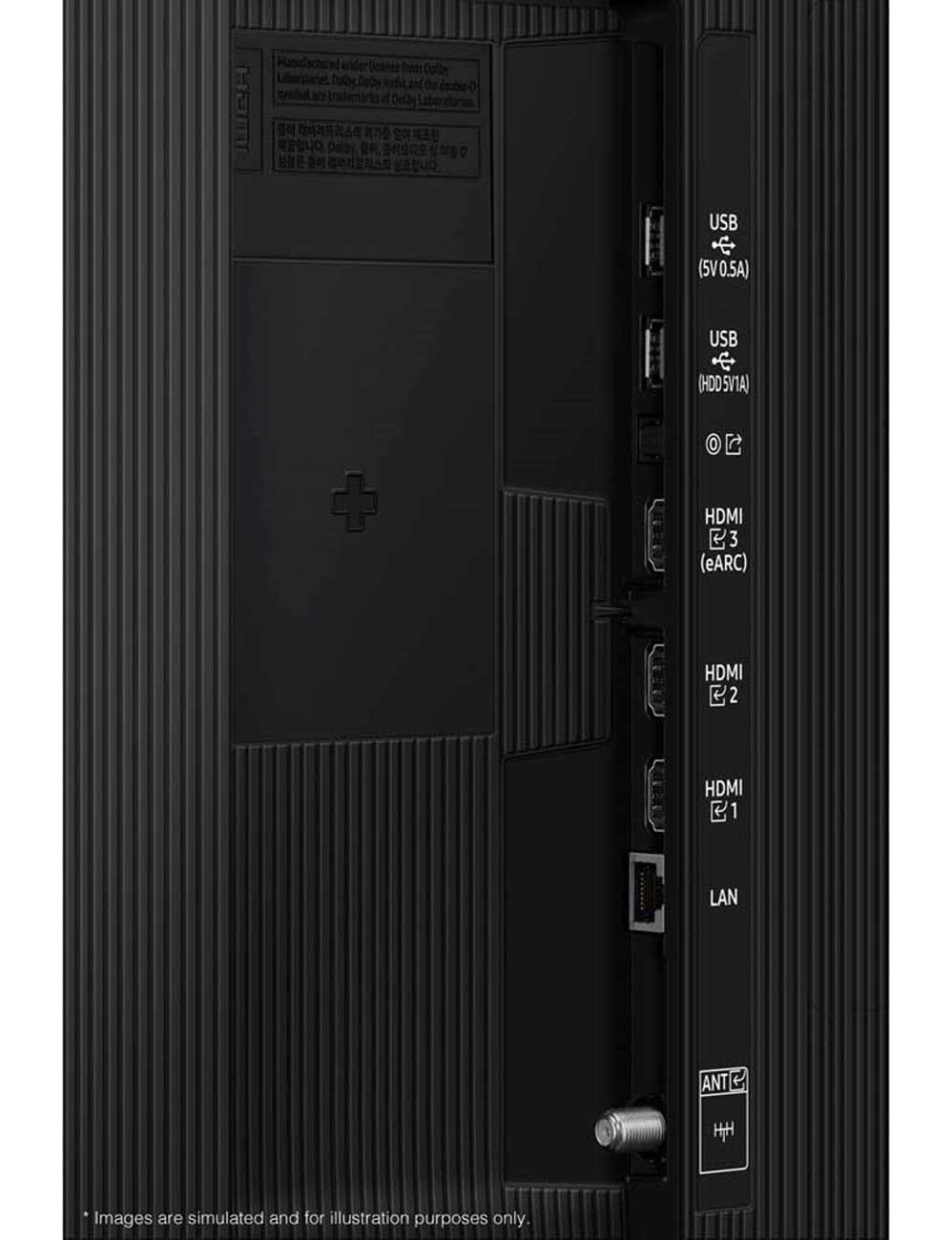
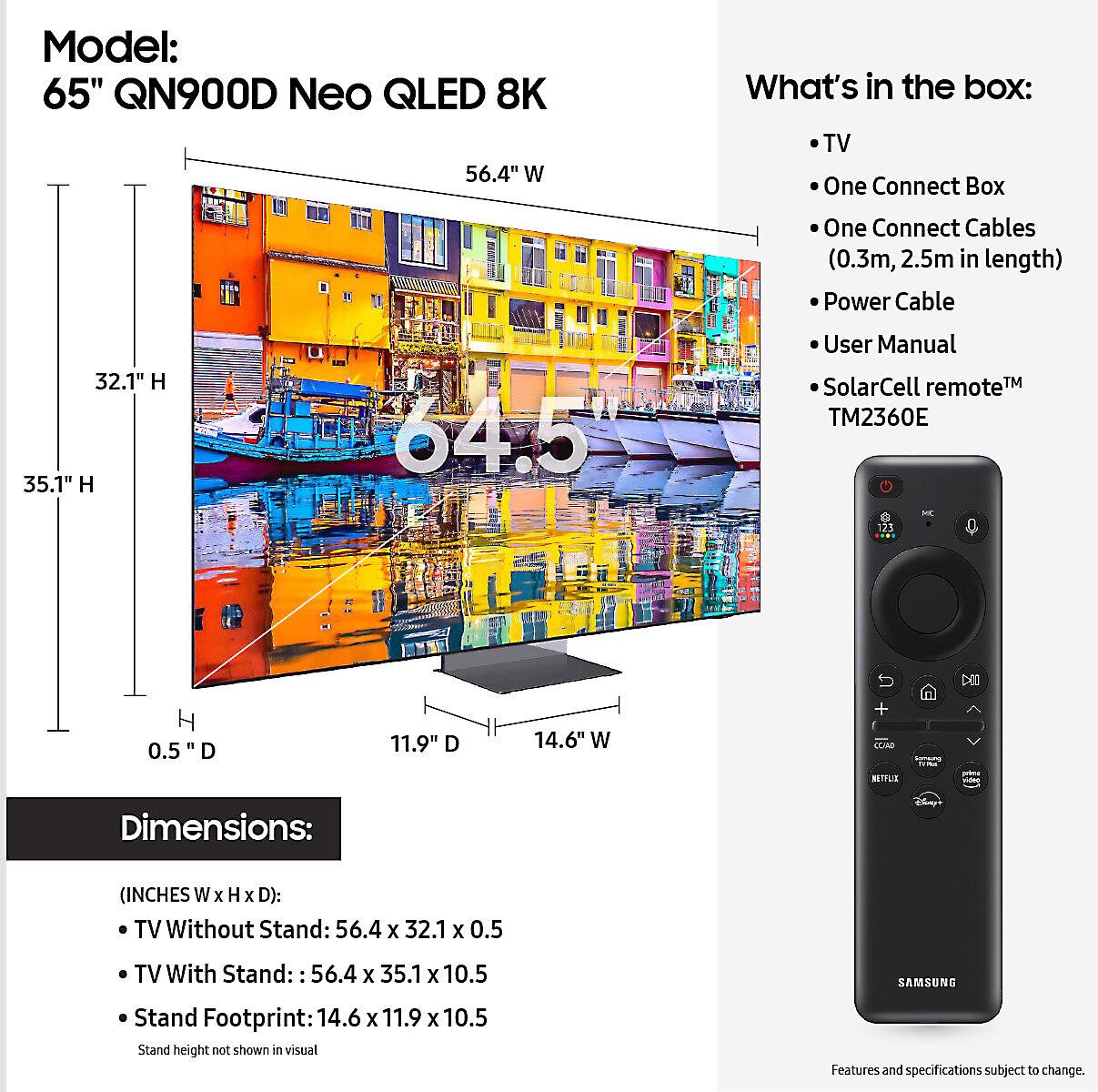
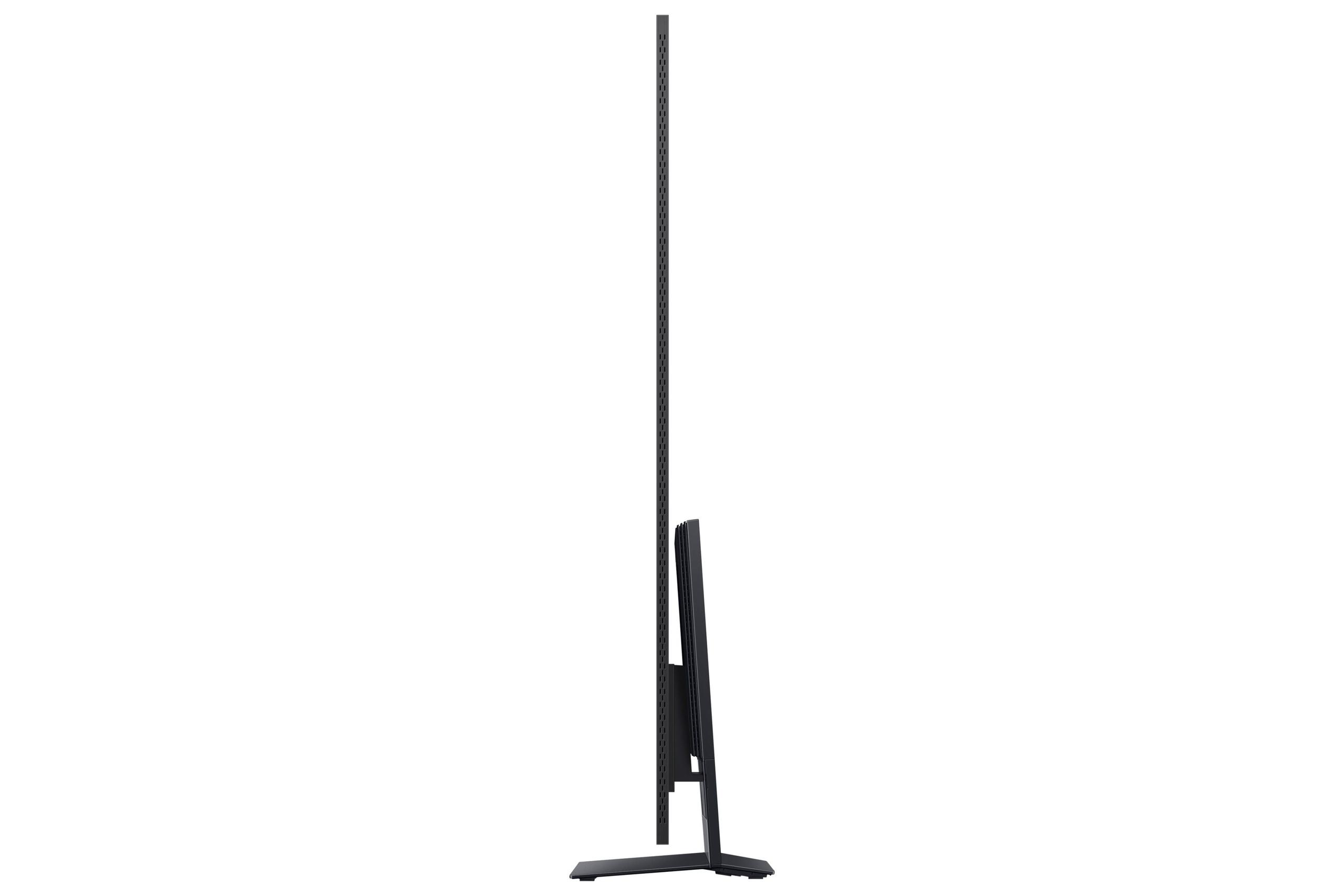
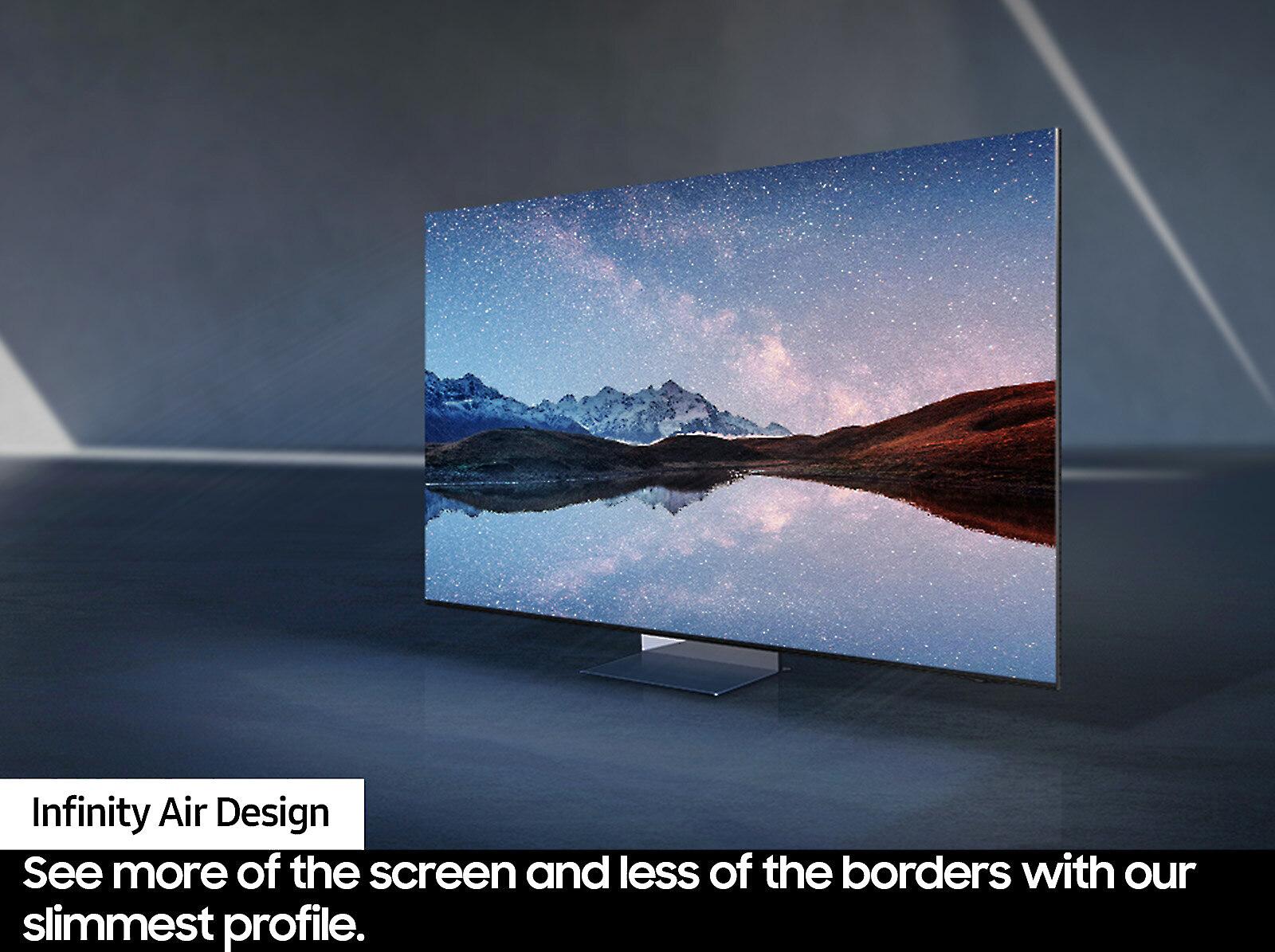
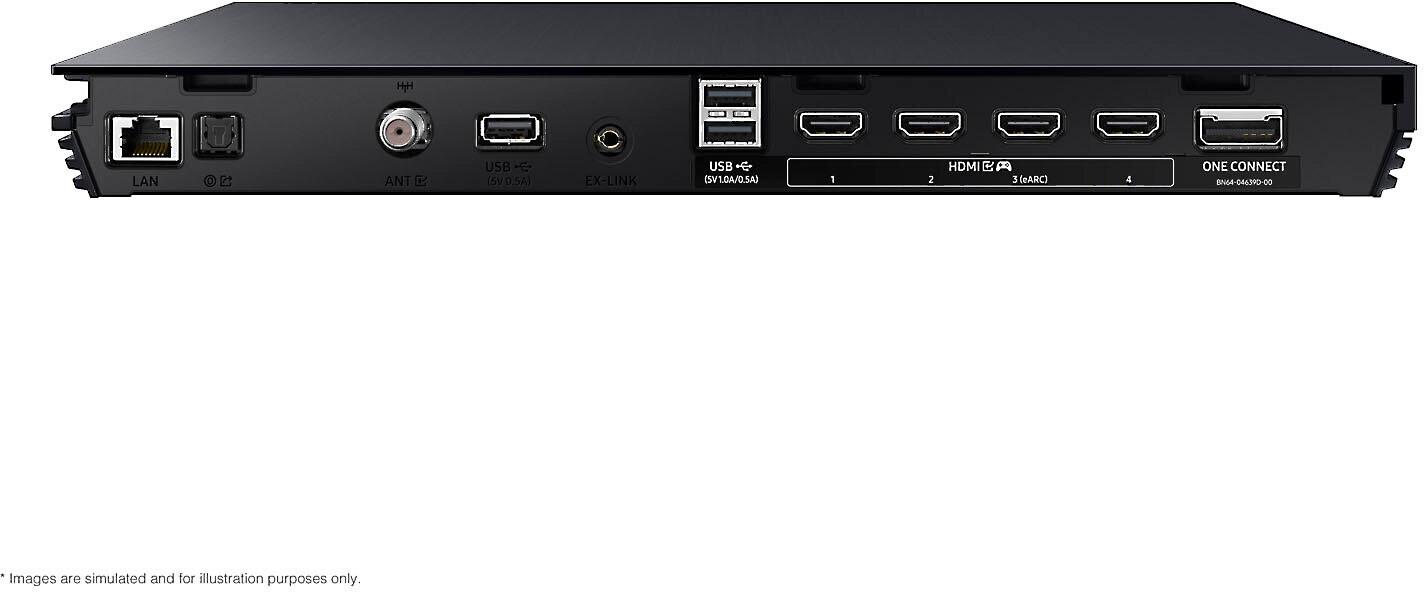
Aesthetically, both TVs showcase Samsung's premium design philosophy, but they take different approaches. The QN900D features the ultra-slim Infinity Air Design and includes Samsung's One Connect Box – an external hub that houses all your HDMI ports and connections. This creates an incredibly clean wall-mounted installation, with just a single thin cable running to the TV itself.
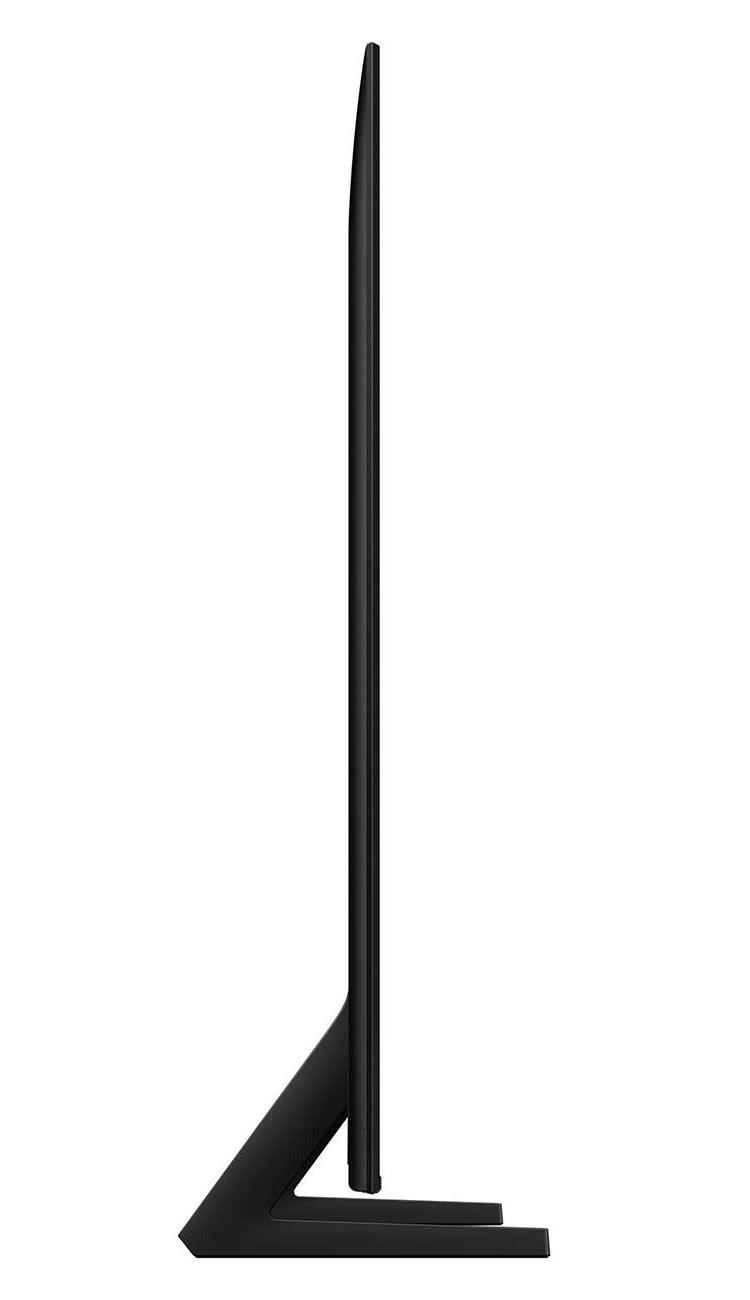
The QN8F uses the newer AirSlim design with integrated ports. While still attractive, it's slightly thicker than the flagship model, but installation is more straightforward since everything connects directly to the TV.
The One Connect Box approach has pros and cons. If you're wall-mounting and want the absolute cleanest look, it's fantastic. However, it adds complexity to your setup and requires careful planning for cable routing. Some users also report occasional connectivity hiccups with the One Connect system, though these have become rarer with recent firmware updates.
For dedicated home theater setups, the QN900D makes more sense despite its higher cost. The combination of Mini LED local dimming, 8K processing power, and excellent built-in audio creates a more cinematic experience. The TV's peak brightness capabilities also work better in controlled lighting environments where you can appreciate subtle HDR details.
The QN8F works well in family rooms and multipurpose spaces where the TV might compete with ambient light and serve multiple functions throughout the day. Its Vision AI features are particularly useful in these scenarios, automatically adjusting to changing room conditions.
If you're building around a projector-quality experience with external audio equipment, the QN900D's superior video processing becomes the primary consideration. For living rooms where the TV serves as both entertainment center and ambient display, the QN8F's smart features and better value proposition make more sense.
At the time of writing, the QN900D represents Samsung's flagship 8K offering with pricing that reflects its premium positioning, though significant discounts have made it more accessible since its 2024 launch. The QN8F, as a 2025 mid-to-upper tier model, aims to deliver many premium features at a more reasonable price point.
The value equation depends heavily on your priorities. If you want the absolute best Samsung offers and plan to keep this TV for 7-10 years, the QN900D's superior technology may justify its premium. For viewers who upgrade more frequently or don't need flagship performance, the QN8F delivers excellent 4K performance with modern features at a better price.
Consider also the ecosystem costs: the QN900D performs best with high-end source equipment that can take advantage of its capabilities, while the QN8F works excellently with standard streaming devices and gaming consoles.
Choose the Samsung QN900D Series if you're building a premium home theater setup, demand the best gaming performance available, or want technology that will remain cutting-edge for years to come. It's particularly compelling for enthusiasts who appreciate having the latest display technology, even if they're not using every feature immediately.
The Samsung QN8F Series makes sense for most buyers who want excellent 4K performance with smart, modern features. If you primarily stream content, do casual gaming, or prefer spending the difference on other home theater components, this model offers outstanding value.
Both represent Samsung's expertise in QLED technology and smart TV platforms. Your choice should align with your viewing habits, room setup, and long-term plans rather than just specifications. In my experience, the "best" TV is the one that matches how you actually watch content – and both of these models excel in their intended roles.
The television market will continue evolving, but both the QN8F and QN900D offer technology that will remain relevant and enjoyable for years to come. Choose based on your needs today, with an eye toward how those needs might evolve over your TV's lifespan.
| Samsung 65" QN8F Series QLED 4K Vision AI Smart TV 2025 | Samsung QN900D Series 65" Neo QLED 8K Smart TV |
|---|---|
| Resolution - Higher resolution provides more detail, but content availability matters | |
| 4K (3,840 x 2,160) with abundant streaming content | 8K (7,680 x 4,320) with extremely limited native content |
| Display Technology - Affects contrast, brightness, and overall picture quality | |
| QLED with Dual LED backlighting | Neo QLED with Mini LED and Quantum Matrix Technology Pro |
| AI Processor - Determines upscaling quality and smart features performance | |
| Q4 AI Processor with Vision AI optimization | NQ8 AI Gen3 Processor (8x more neural networks than predecessor) |
| Gaming Performance - Critical for console and PC gaming enthusiasts | |
| 4K @ 144Hz with Motion Xcelerator | 4K @ 240Hz, 8K @ 60Hz with VRR on all HDMI ports |
| Audio System - Built-in sound quality affects need for external speakers | |
| 20W, 2-channel stereo with Adaptive Sound+ | 90W, 6.2.4-channel with True Dolby Atmos |
| Smart Features - Modern conveniences and AI capabilities | |
| Vision AI, Generative Wallpaper, latest 2025 Tizen OS | Advanced upscaling AI, SmartThings Hub, 2024 Tizen OS |
| HDR Support - Enhances color and contrast in compatible content | |
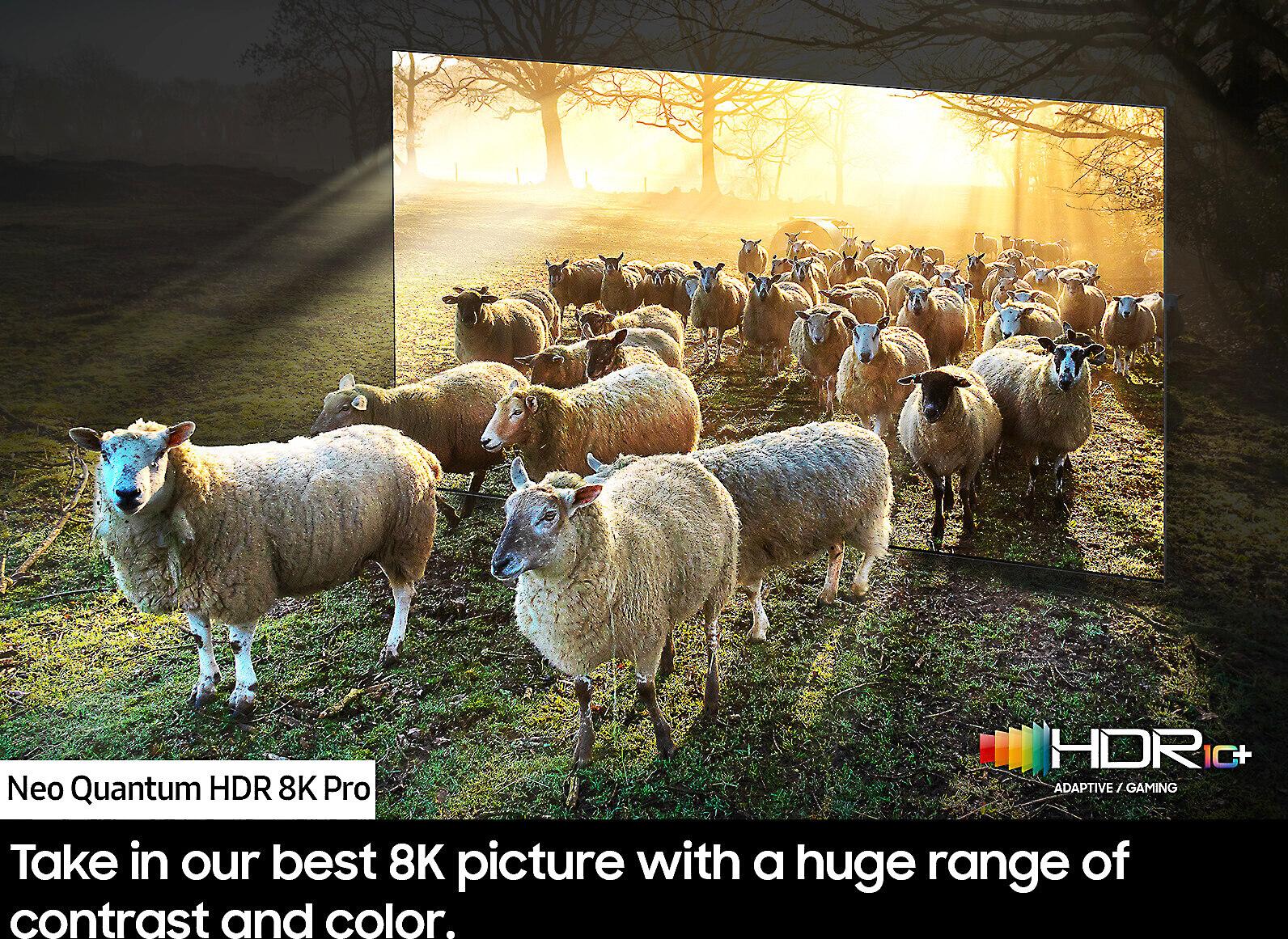
| Quantum HDR+, HDR 10+ Adaptive/Gaming | Neo Quantum HDR 8K Pro, HDR 10+ (lacks Dolby Vision) |
| Design Approach - Installation complexity and aesthetic considerations | |
| AirSlim integrated design, simpler setup | Infinity Air Design with One Connect Box for cleaner cable management |
| Release Year - Indicates latest features and technology generation | |
| 2025 model with newest Vision AI features | 2024 flagship with mature, proven Mini LED technology |
| Target User - Best fit based on needs and budget | |
| Mainstream buyers wanting excellent 4K with modern AI | Enthusiasts demanding flagship performance and future-proofing |
The primary difference is resolution and positioning. The Samsung QN8F Series is a 2025 4K model focused on excellent picture quality with modern Vision AI features, while the Samsung QN900D Series is Samsung's 2024 flagship 8K TV with Mini LED technology and premium gaming capabilities.
The Samsung QN900D Series is significantly better for gaming, offering 4K at 240Hz refresh rates, 8K at 60Hz, and VRR support on all HDMI ports with extremely low input lag. The Samsung QN8F Series supports 4K at 144Hz, which is excellent for casual gaming but not as advanced for competitive or high-end gaming setups.
For most viewers, the Samsung QN8F Series 4K resolution provides better value since 8K content is extremely rare. The Samsung QN900D Series excels at upscaling lower resolution content to 8K quality, but you're paying a premium for technology that's ahead of available content.
The Samsung QN900D Series has dramatically better audio with 90W, 6.2.4-channel speakers and True Dolby Atmos support. The Samsung QN8F Series offers basic 20W stereo sound that will likely require a soundbar for most users who want quality audio.
Both run Samsung's Tizen OS, but the Samsung QN8F Series includes newer 2025 Vision AI features like Generative Wallpaper and advanced content optimization. The Samsung QN900D Series focuses its processing power on picture enhancement rather than consumer-facing smart features.
The Samsung QN900D Series is better suited for dedicated home theaters due to its Mini LED local dimming, superior HDR performance, and excellent built-in audio system. The Samsung QN8F Series works well in multipurpose family rooms where ambient light and varied content are more common.
The Samsung QN900D Series uses advanced Mini LED backlighting with thousands of dimming zones for superior contrast control. The Samsung QN8F Series employs Dual LED technology that provides good picture quality but can't match the precision of Mini LED for HDR content and dark room viewing.
The Samsung QN8F Series typically offers better value for most buyers, delivering excellent 4K performance with modern features at a more accessible price point. The Samsung QN900D Series provides flagship performance but at a premium that may not be justified for average viewing habits.
Yes, the Samsung QN900D Series uses a One Connect Box system that keeps all ports separate from the TV for cleaner wall mounting but adds setup complexity. The Samsung QN8F Series has integrated ports for simpler installation but a slightly thicker profile.
The Samsung QN900D Series is more future-proof with 8K capabilities, advanced gaming features, and flagship processing power that should remain relevant longer. However, the Samsung QN8F Series includes newer 2025 software features and will handle current content excellently for years to come.
The Samsung QN8F Series excels with streaming services, regular TV shows, and 4K content with its optimized processing. The Samsung QN900D Series shines with high-quality 4K movies, HDR content, and gaming where its advanced upscaling and contrast capabilities are most noticeable.
Choose the Samsung QN8F Series if you want excellent 4K performance with modern AI features at better value. Select the Samsung QN900D Series if you're building a premium home theater, need advanced gaming capabilities, or want Samsung's absolute best display technology regardless of cost.
We've done our best to create useful and informative comparisons to help you decide what product to buy. Our research uses advanced automated methods to create this comparison and perfection is not possible - please contact us for corrections or questions. These are the sites we've researched in the creation of this article: bestbuy.com - samsung.com - rtings.com - youtube.com - samsung.com - pcrichard.com - abt.com - images.samsung.com - cnet.com - news.samsung.com - samsung.com - bestbuy.com - rtings.com - videoandaudiocenter.com - bestbuy.com - avsforum.com - bestbuy.com - walts.com - images.samsung.com - samsung.com - merlinstv.com - samsung.com - avsforum.com - samsung.com

Privacy Policy
Terms and Conditions - Affiliate Policy
Home Security
© Copyright 2008-2026.
11816 Inwood Rd #1211, Dallas, TX 75244