

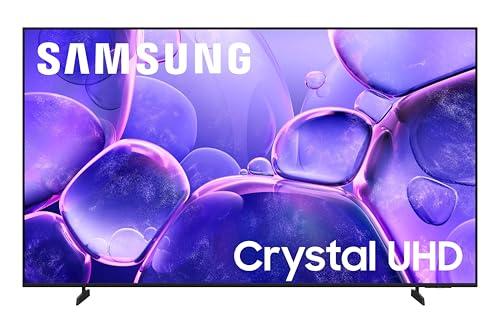
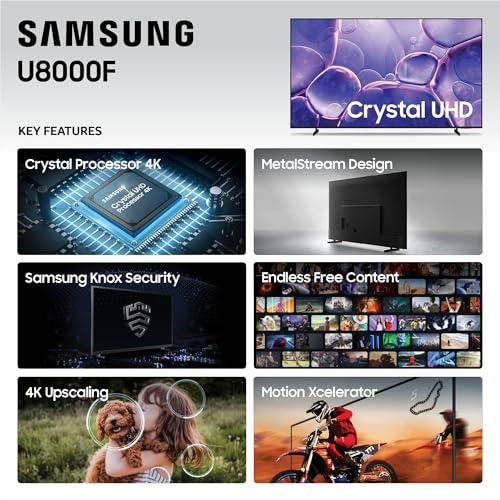
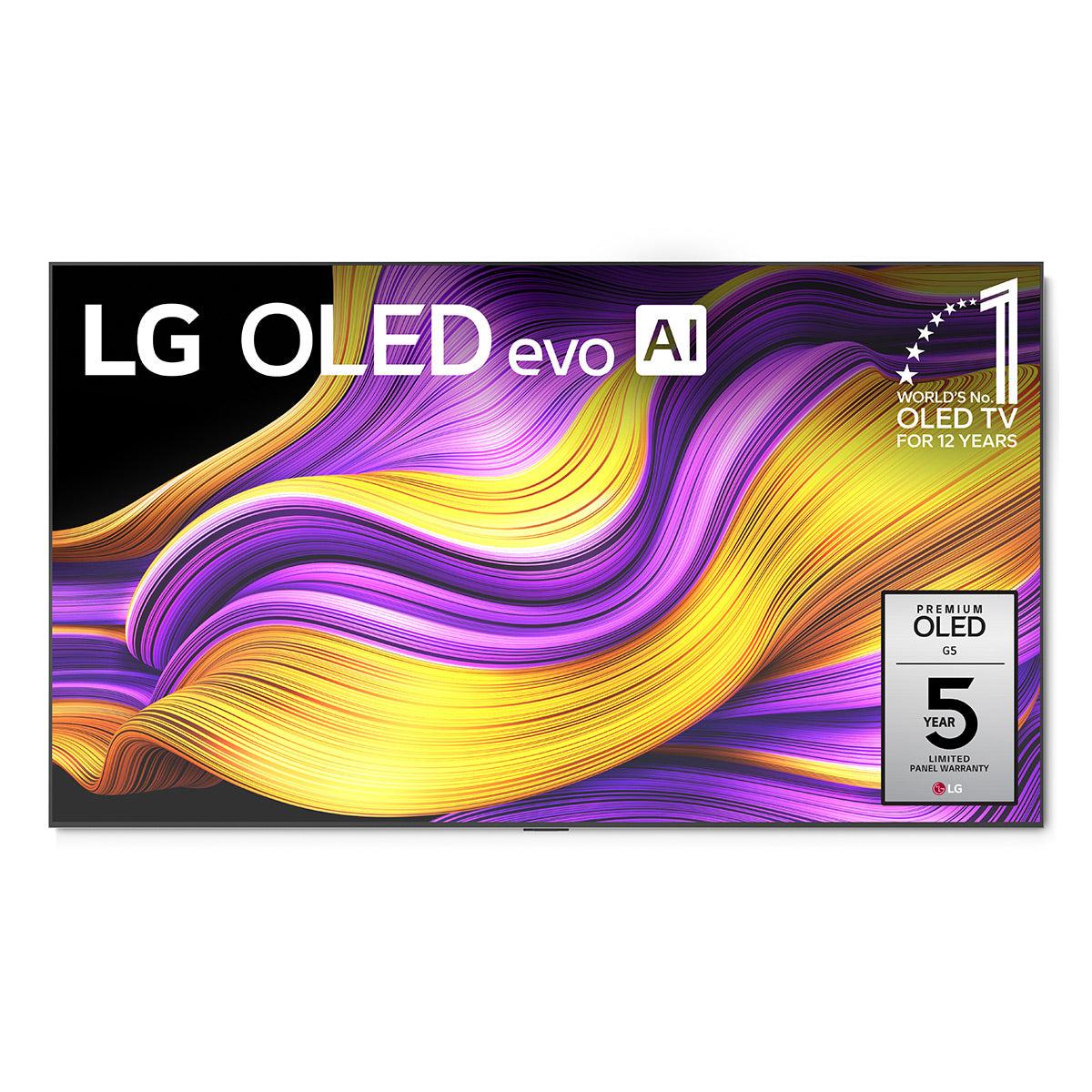
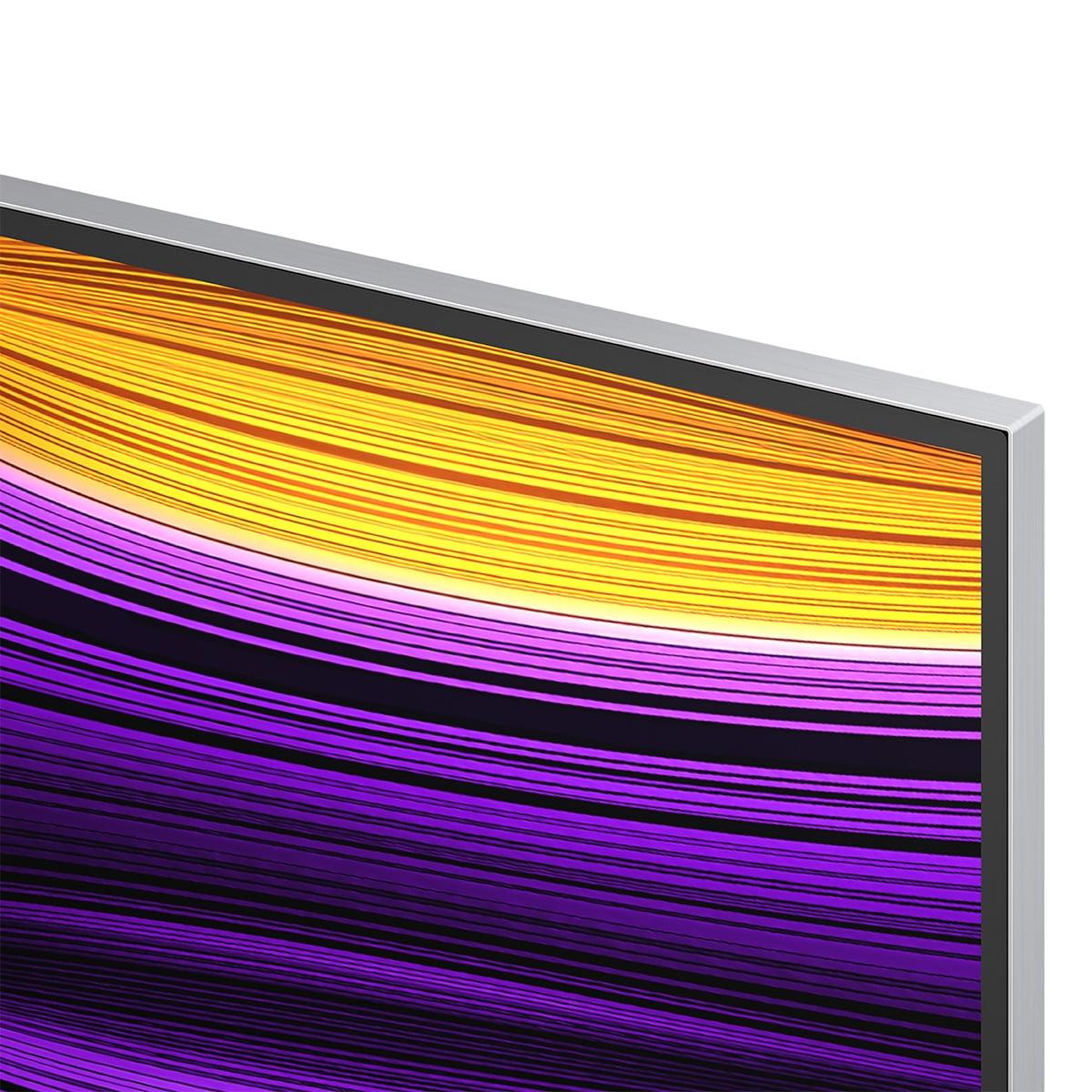
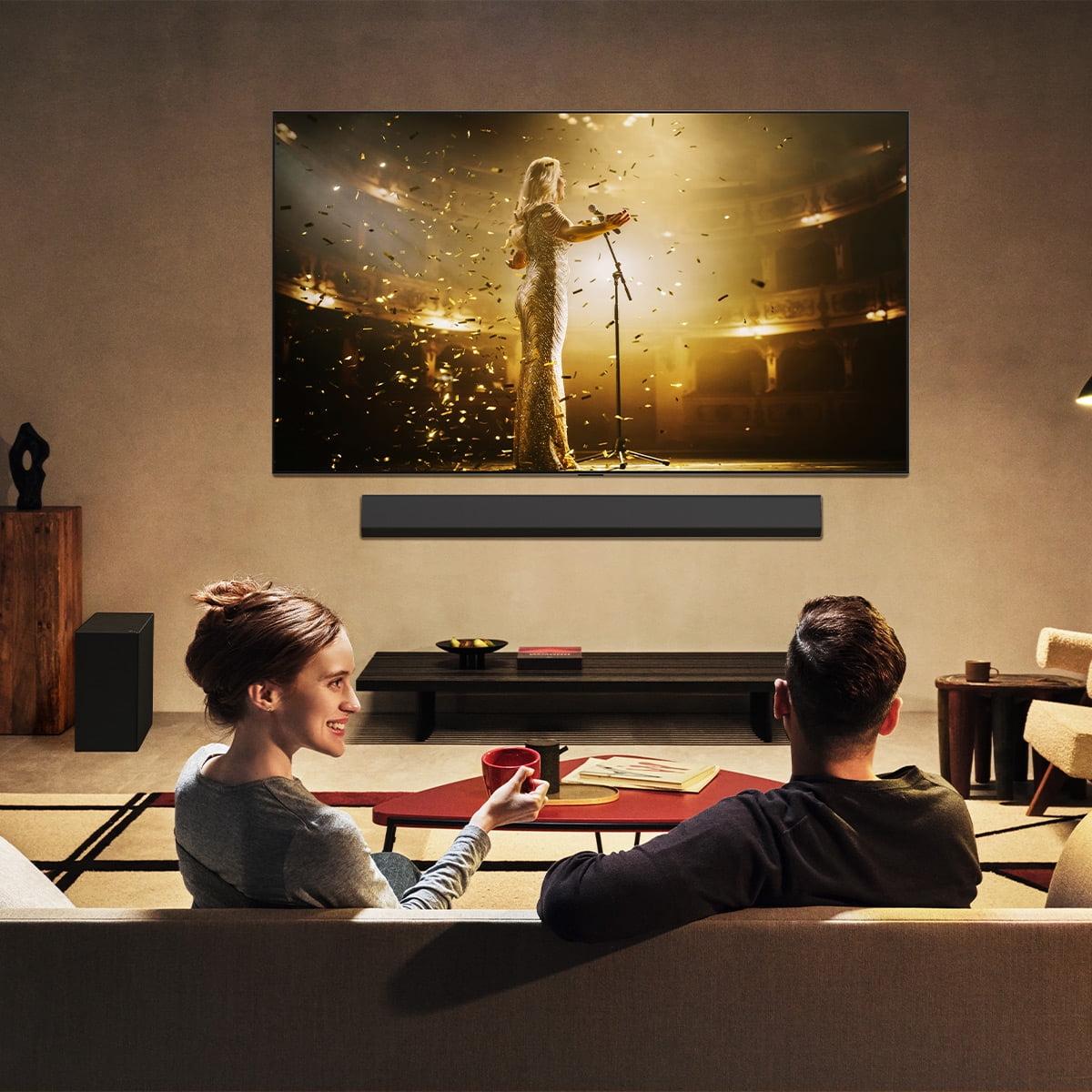
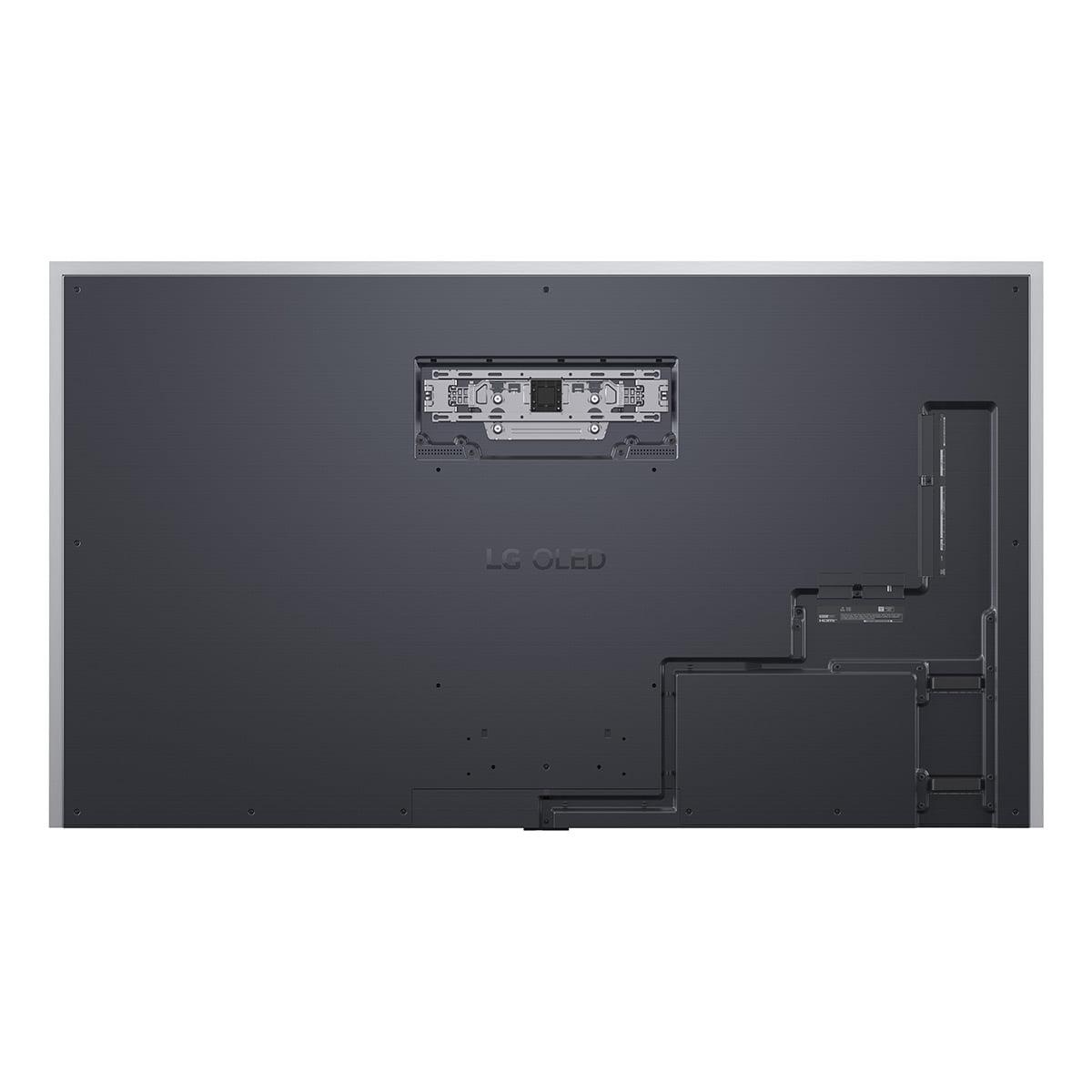
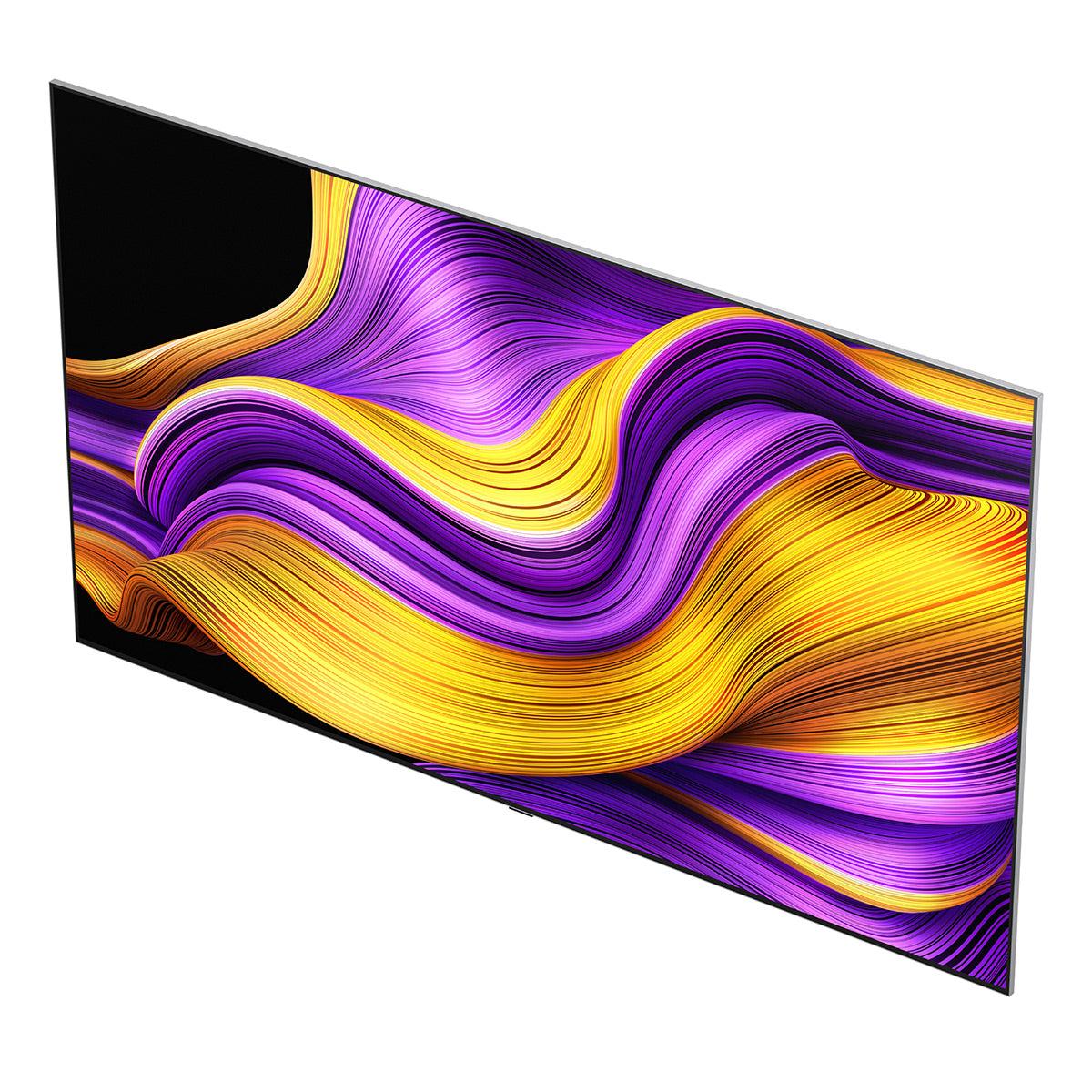
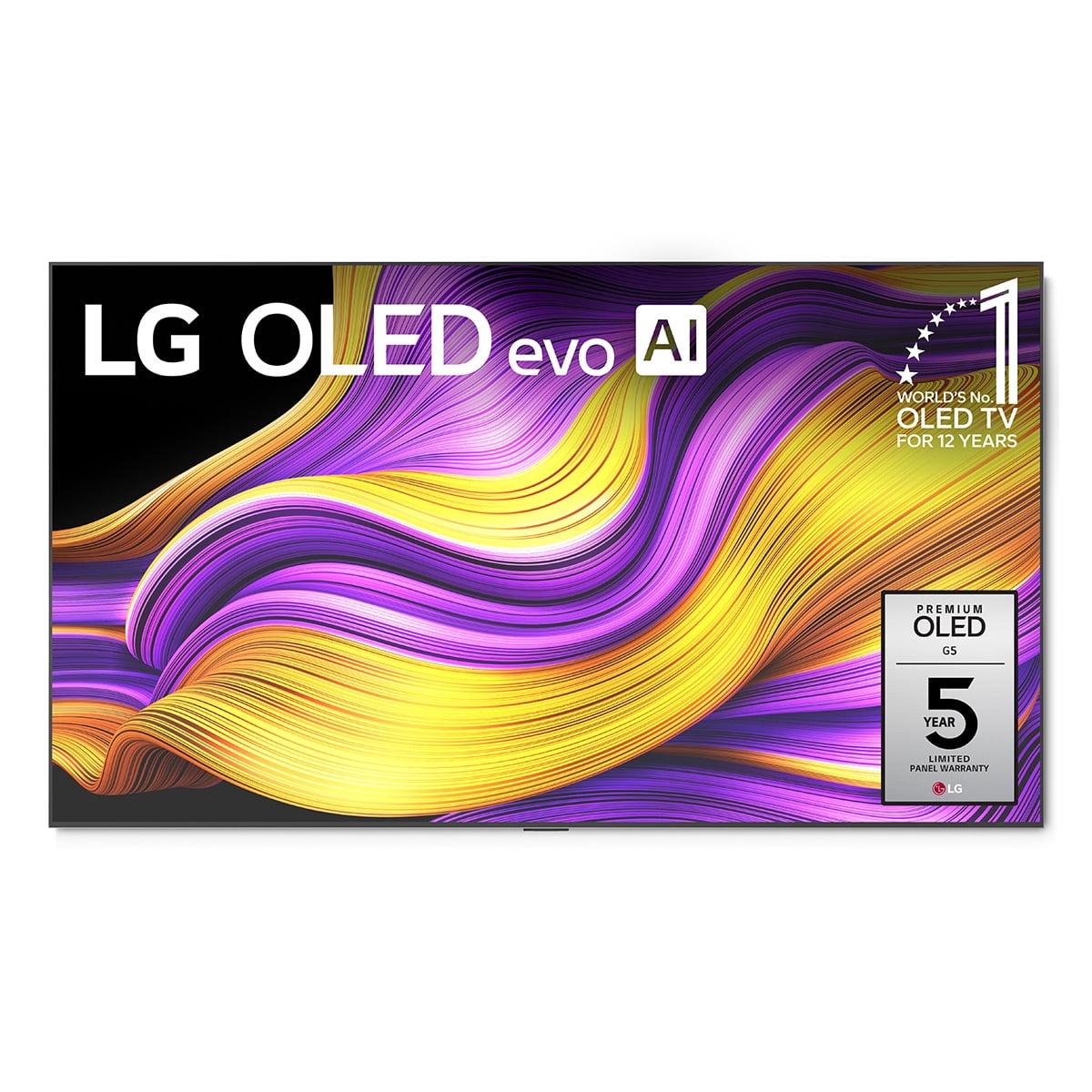
When shopping for a 65-inch 4K TV in 2025, you'll encounter two dramatically different approaches to television technology. The Samsung 65-Inch Crystal UHD U8000F represents the accessible entry point into modern smart TVs, while the LG OLED evo G5 showcases the cutting edge of display innovation. Understanding the fundamental differences between these technologies—and what they mean for your viewing experience—will help you make the right choice for your home and budget.
The core difference between these TVs lies in how they create the images you see. The Samsung U8000F uses traditional LED backlighting technology, where a panel of LED lights behind the screen illuminates liquid crystal pixels. Think of it like a flashlight shining through a stained glass window—the backlight provides the brightness, while the liquid crystals act as shutters that control how much light passes through to create colors and brightness levels.
The LG G5 OLED, on the other hand, uses revolutionary organic light-emitting diode (OLED) technology. Each of the 8.3 million pixels generates its own light and can turn completely off when displaying black. It's like having millions of tiny, individually controlled light bulbs instead of one big flashlight behind everything. This fundamental difference creates a cascade of performance advantages that justify the significant price premium.
Both TVs arrived in 2025, but they represent different evolutionary paths. Samsung's Crystal UHD series has refined the traditional LED approach with better processors and design elements, while LG introduced groundbreaking tandem OLED technology in the G5—a first-of-its-kind panel design that dramatically improves brightness and color reproduction compared to previous OLED generations.
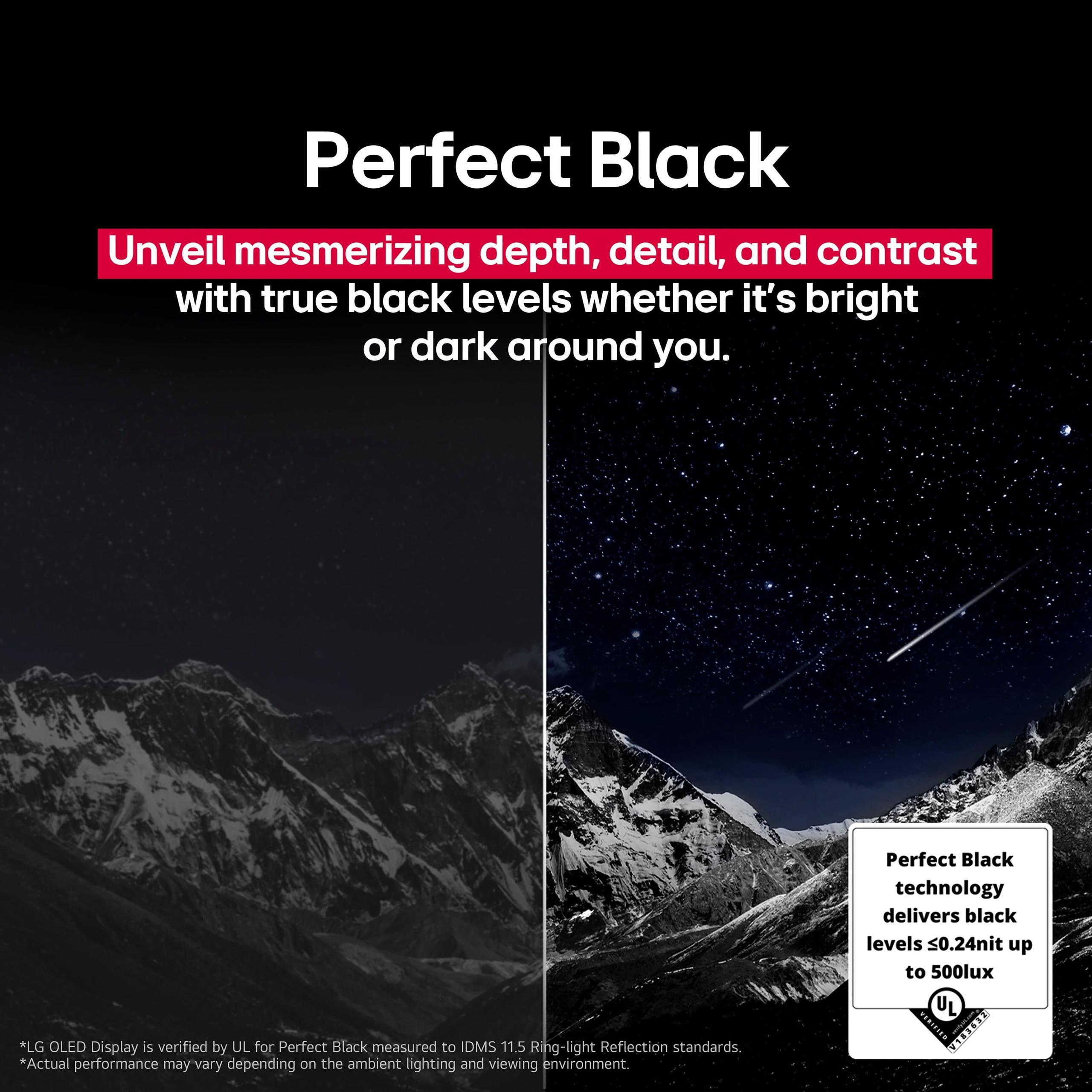
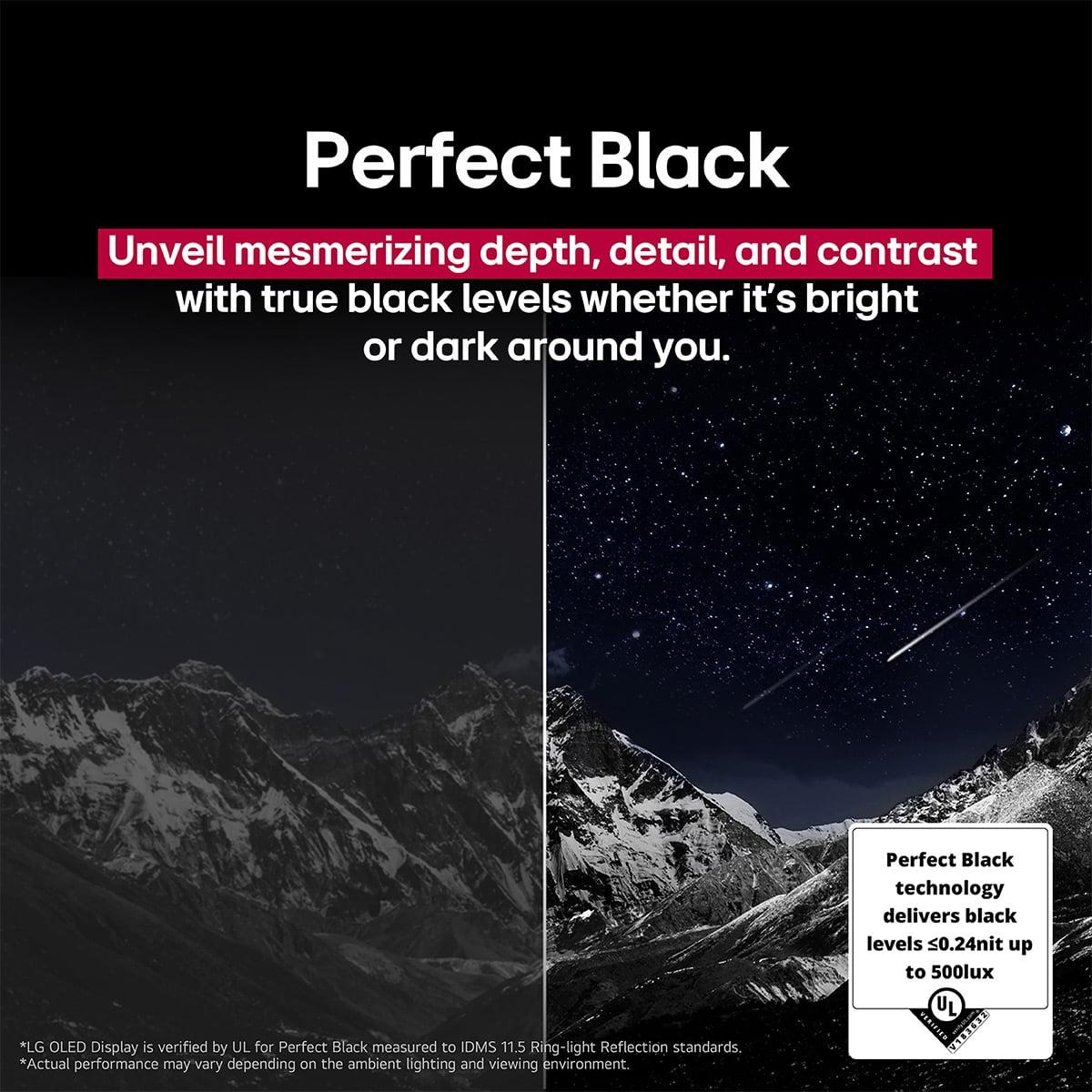
The most immediately noticeable difference between these TVs becomes apparent the moment you watch a dark scene. The LG G5 achieves what's called "perfect blacks"—when the screen needs to show black, those pixels simply turn off, creating true darkness. This creates an infinite contrast ratio, meaning the difference between the darkest blacks and brightest whites is theoretically unlimited.
The Samsung U8000F, despite its Mega Contrast and UHD Dimming features, can't turn off its backlight in specific areas. This means black areas appear as dark gray rather than true black, especially noticeable when watching movies with letterbox bars or dark scenes. While Samsung's processing does a decent job managing this limitation, it's a fundamental constraint of LED technology at this price point.

In practical terms, this difference makes the LG G5 exceptional for movie watching, especially in dark rooms where the perfect blacks create a more immersive, theater-like experience. The depth and dimensionality that perfect blacks provide simply can't be replicated by traditional LED displays.
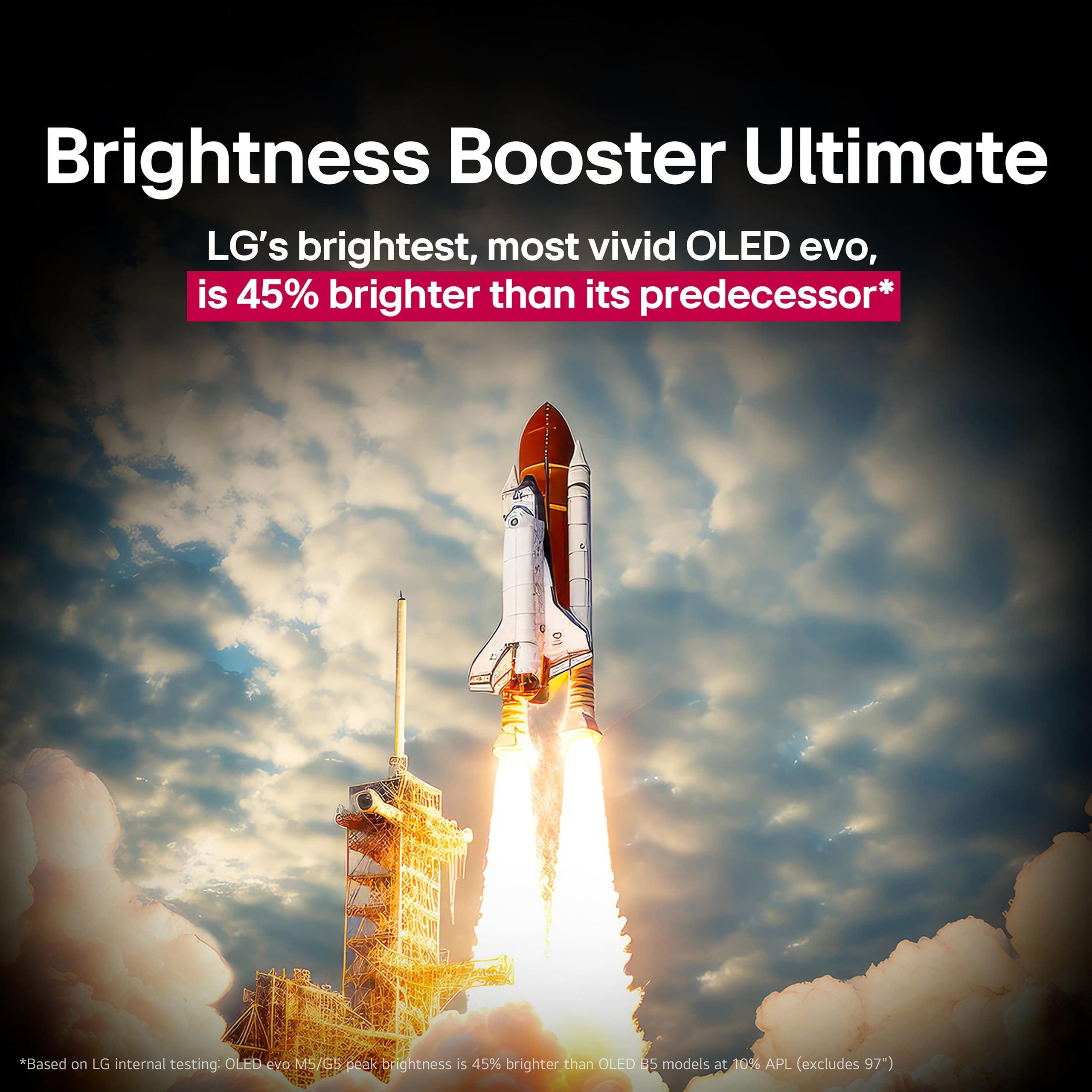
Historically, OLED's Achilles' heel was brightness—great for dark rooms but struggling in bright living spaces. LG's 2025 G5 addresses this with Brightness Booster Ultimate technology and the new tandem panel design. This revolutionary approach layers OLED materials in a way that produces up to 45% brighter images than previous OLED generations while maintaining perfect blacks.
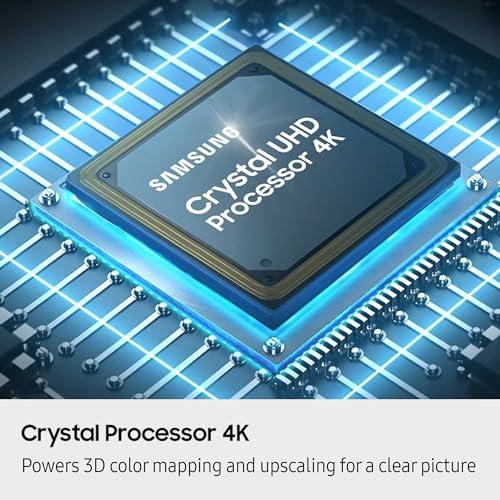
The Samsung U8000F gets adequately bright for most viewing situations, though it performs best in moderately lit rooms. Its Crystal Processor 4K includes brightness optimization, but it lacks the local dimming zones found in higher-end LED TVs, limiting its ability to balance bright and dark areas simultaneously.
For bright living rooms with lots of natural light, the improved brightness of the LG G5 represents a game-changer. Previous OLEDs often looked washed out in bright rooms, but the G5 maintains its contrast advantages while delivering enough peak brightness to compete with premium LED displays.
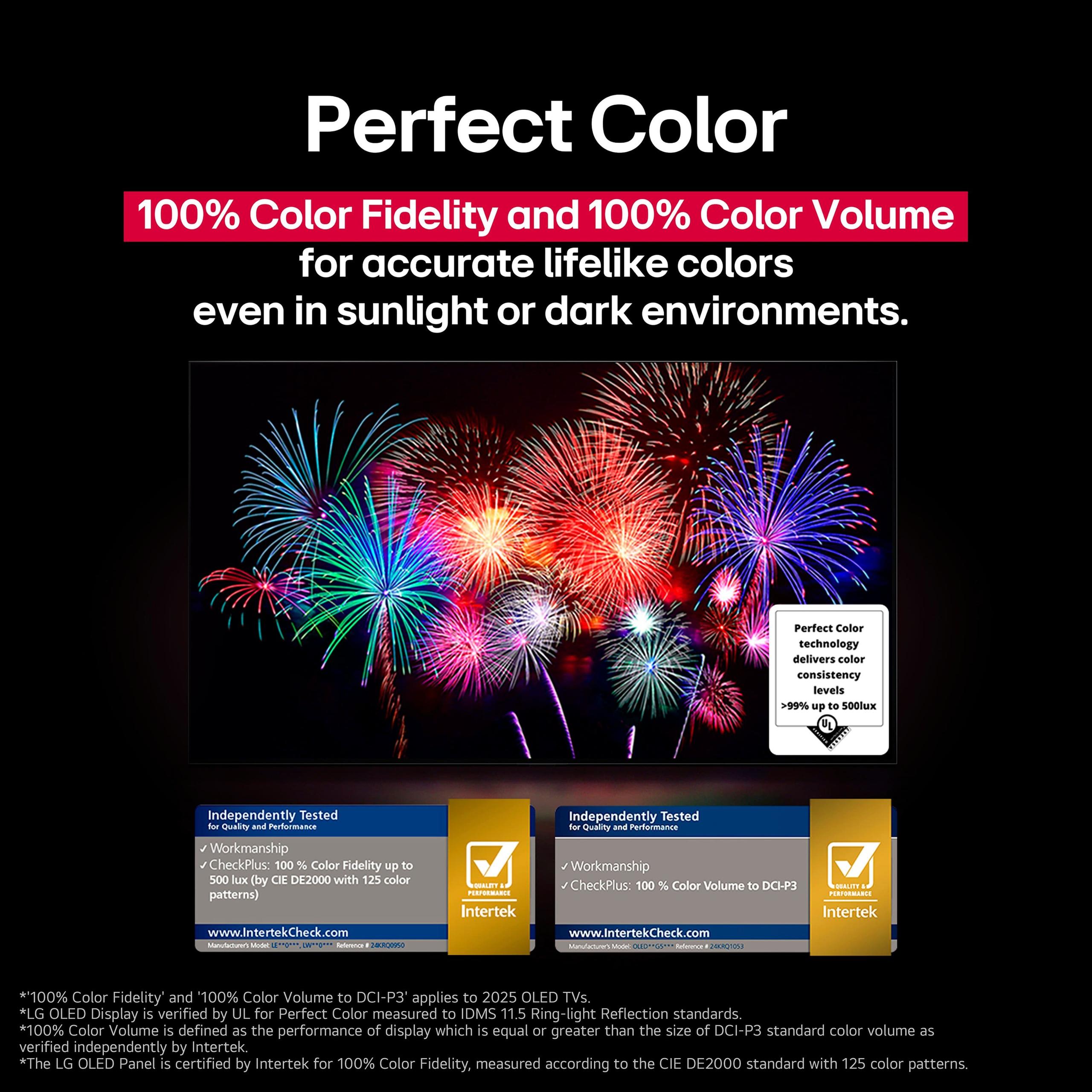
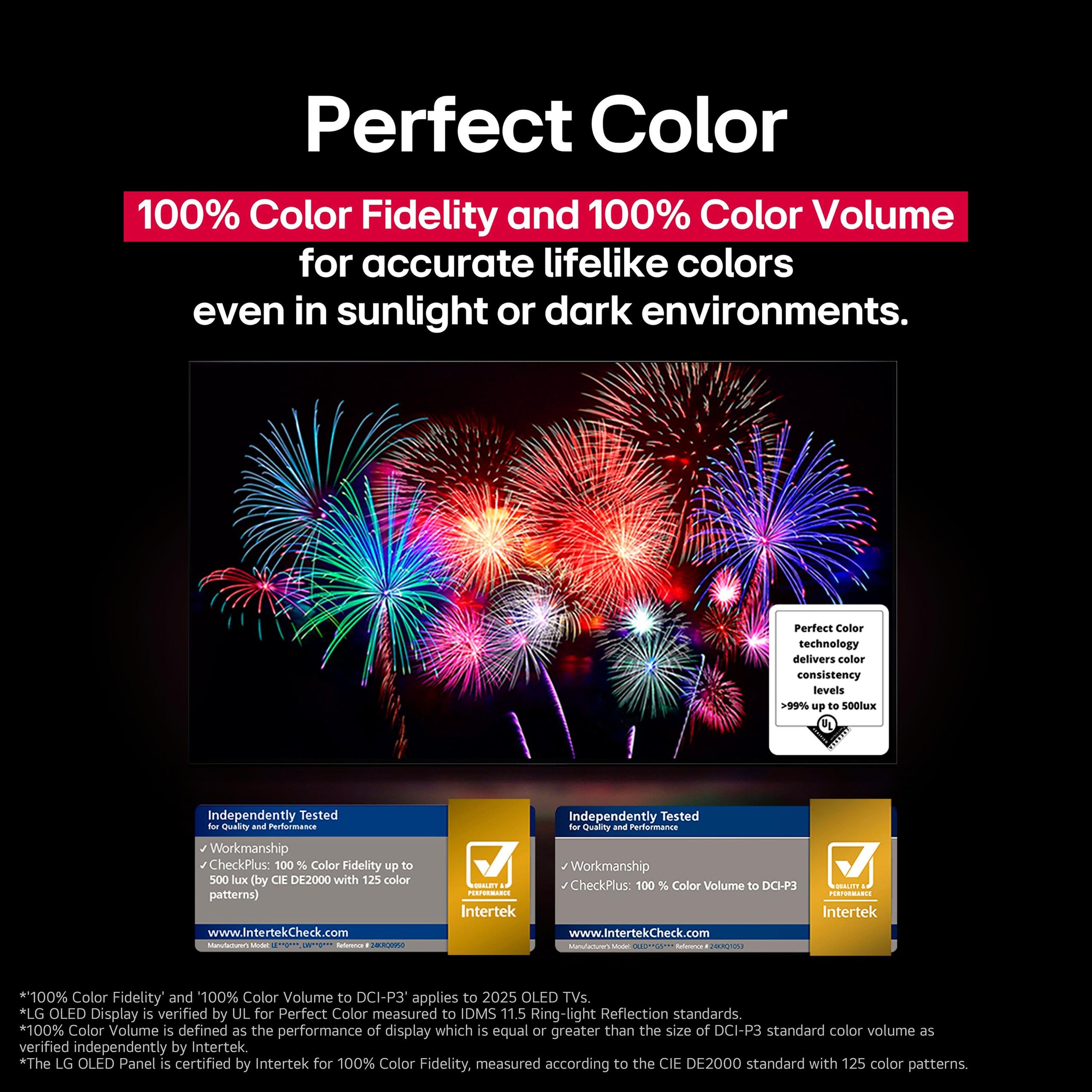
Color performance reveals another significant gap between these displays. The LG G5 features a new RGB tandem panel design that improves color purity, especially for blues, greens, and reds. This technical advancement means colors appear more saturated and accurate compared to previous OLED panels, which used a white sub-pixel design that sometimes diluted color intensity.
The Samsung U8000F uses PurColor technology to expand its color gamut beyond standard displays, and the results are quite good for an entry-level TV. Colors appear natural and pleasant, though they lack the vibrancy and accuracy of premium displays. For casual viewing, the difference may not be immediately obvious, but side-by-side comparisons reveal the LG G5's superior color volume and saturation.
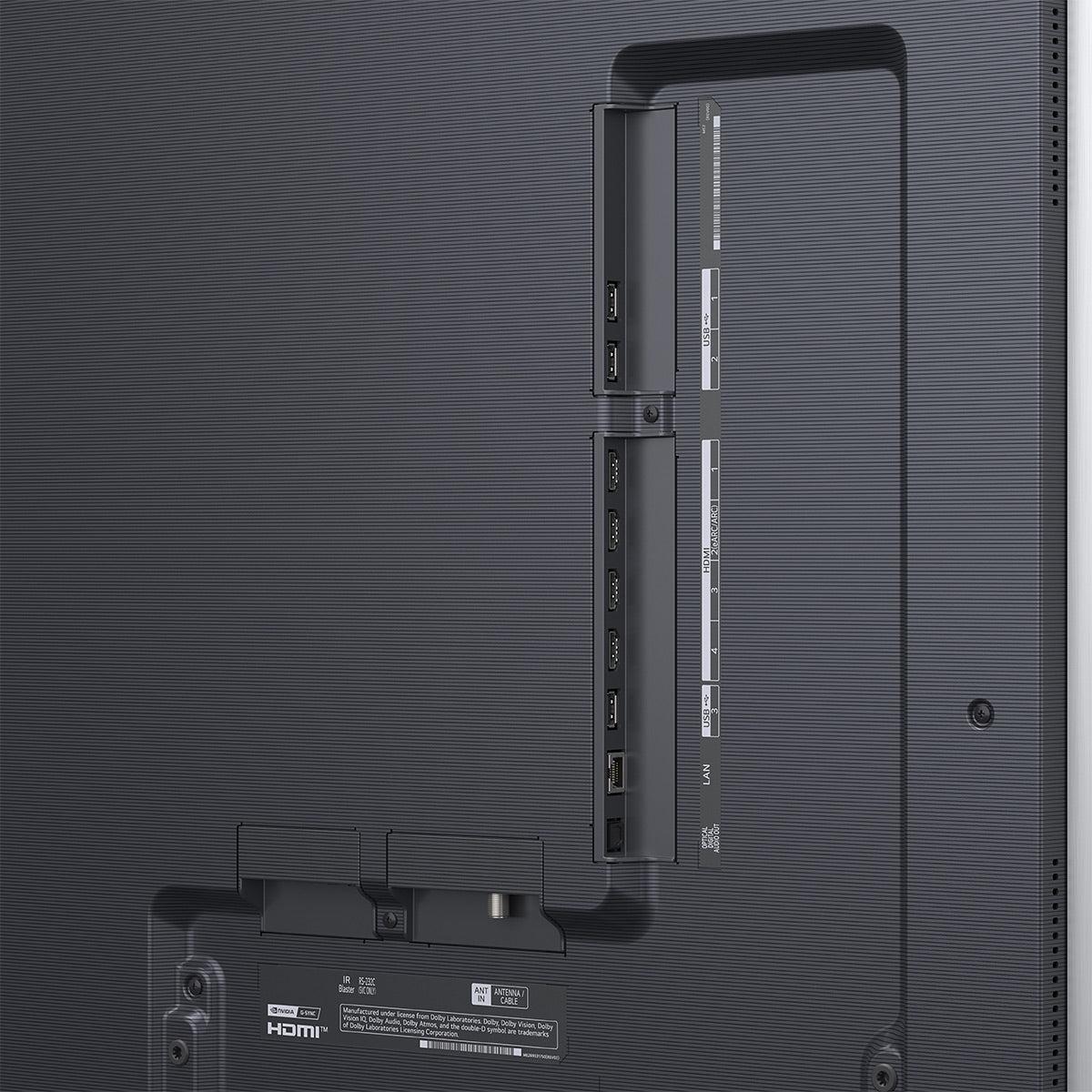
Modern gaming demands have transformed TV requirements, and the gap between these models becomes a chasm for serious gamers. The LG G5 supports 4K resolution at up to 165Hz refresh rate on all four HDMI 2.1 ports. This high refresh rate means smoother motion in fast-paced games and reduced input lag—the delay between pressing a button and seeing the action on screen.
Gaming at 120Hz or higher creates noticeably smoother motion, especially in competitive games where every millisecond matters. The LG G5 achieves an impressively low 5.1ms input lag at 120Hz, making it suitable for professional-level gaming.
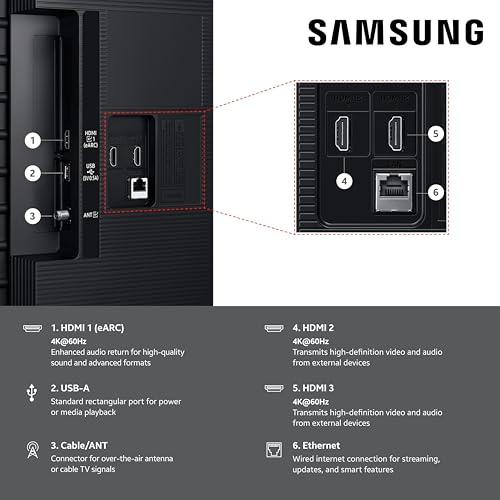
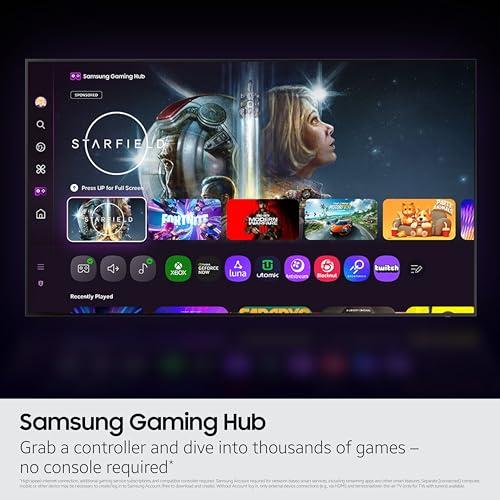
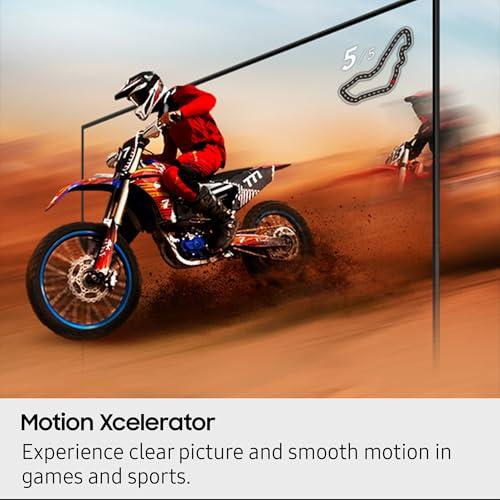
The Samsung U8000F is limited to 60Hz maximum refresh rate across its three HDMI 2.0 ports. While it includes Variable Refresh Rate (VRR) support and Auto Low Latency Mode (ALLM), the 60Hz ceiling means it's better suited for casual console gaming rather than high-performance PC gaming. For most console games that target 60fps, this limitation isn't problematic, but it does prevent taking advantage of newer games that support 120fps modes.

Both TVs include VRR technology, which synchronizes the display's refresh rate with your gaming device's frame rate output, reducing screen tearing and stuttering. However, VRR's benefits are most apparent at higher refresh rates, giving the LG G5 a significant advantage for gamers with powerful PCs or next-generation consoles.
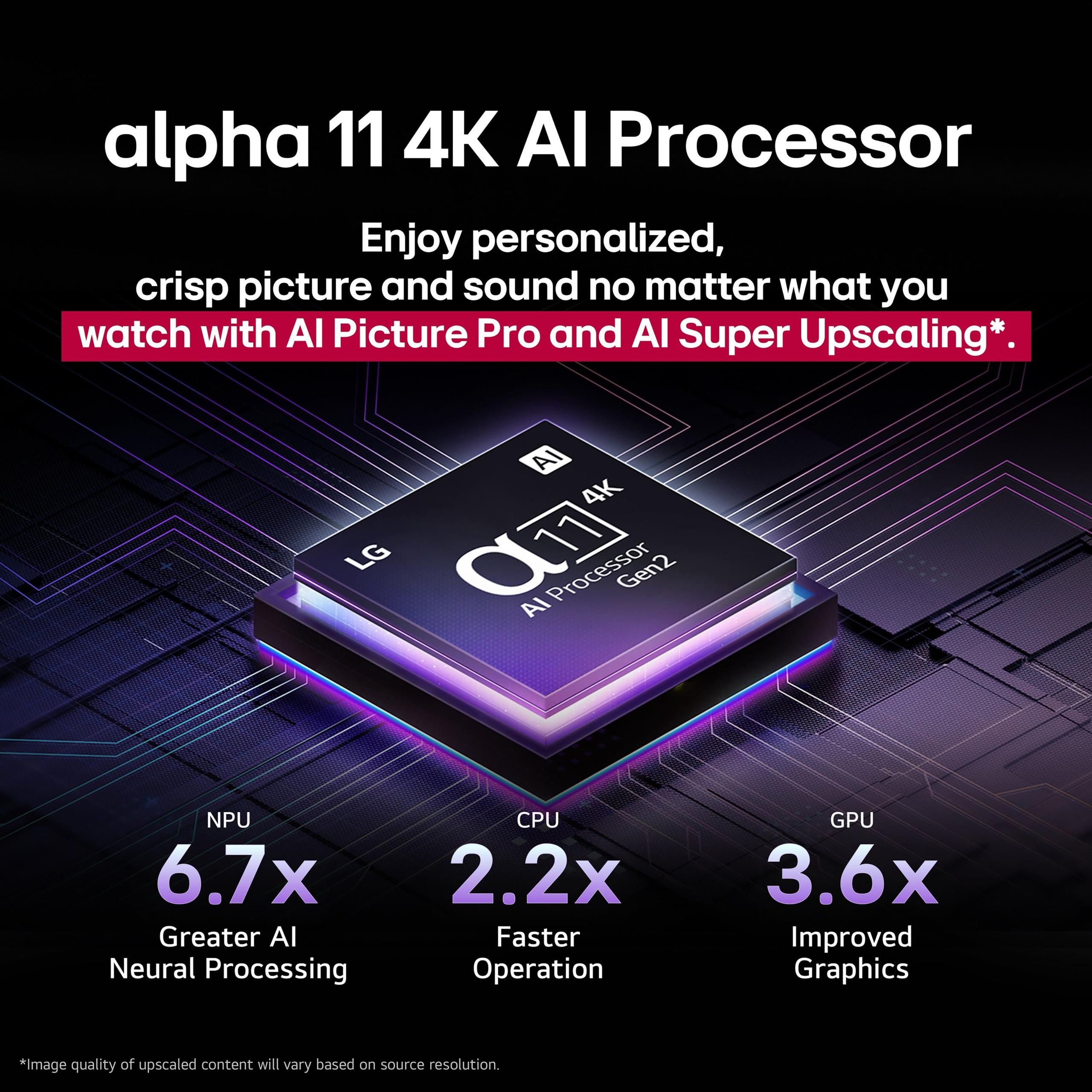
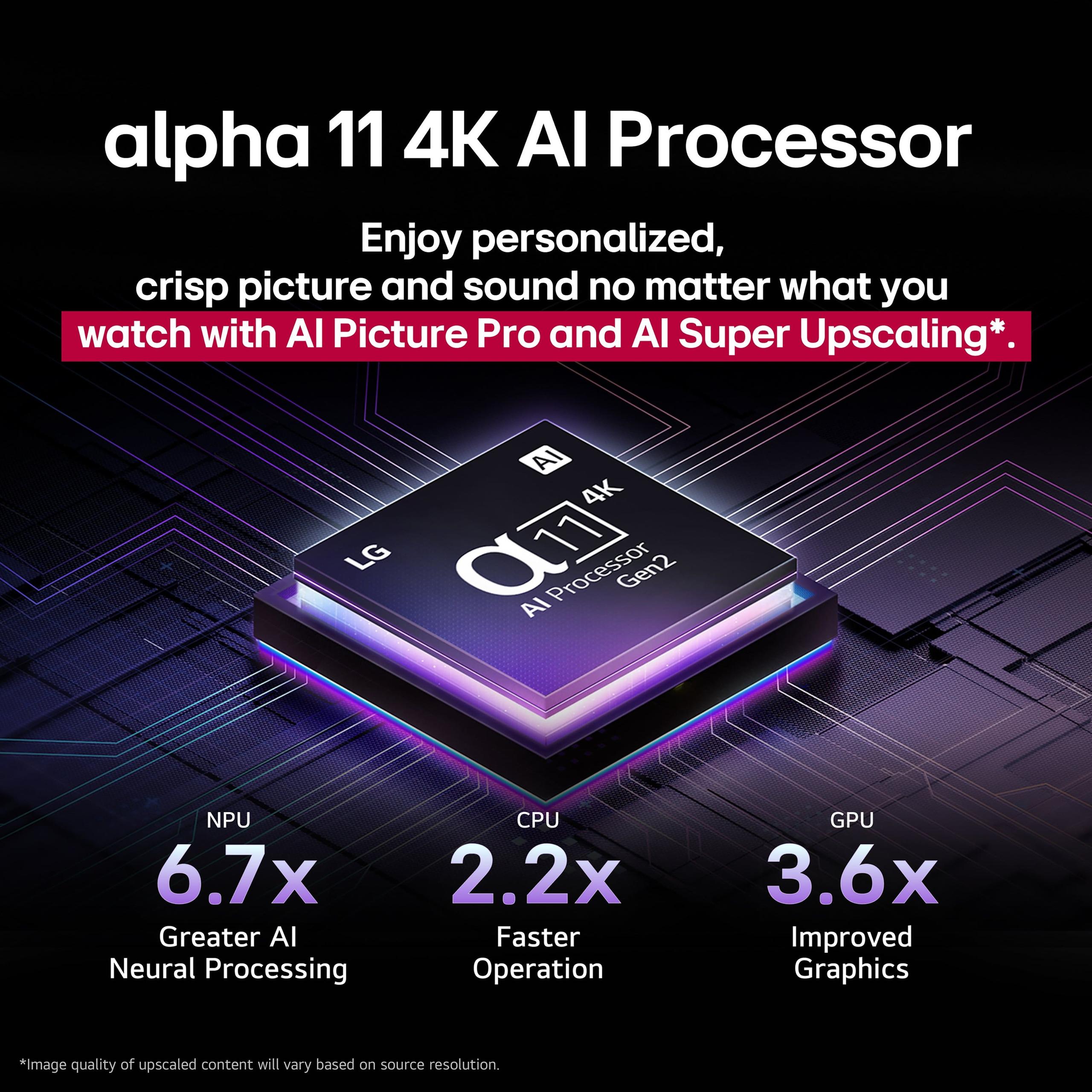
Your TV's smart platform determines how you'll interact with streaming services, apps, and content organization daily. The LG G5 runs webOS 25, LG's latest smart TV platform powered by the Alpha 11 AI Processor Gen 2. This system includes AI-driven recommendations, Quick Cards for organizing favorite apps, and access to over 300 free LG Channels.
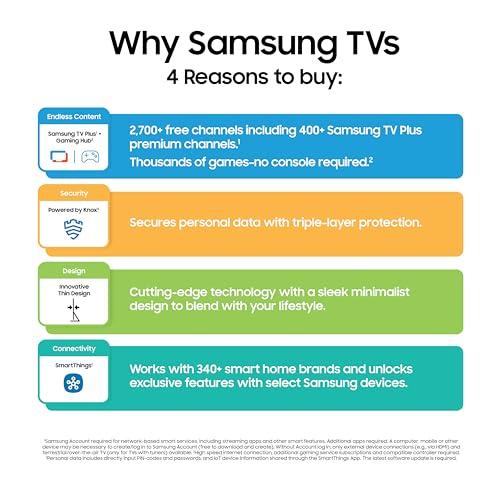
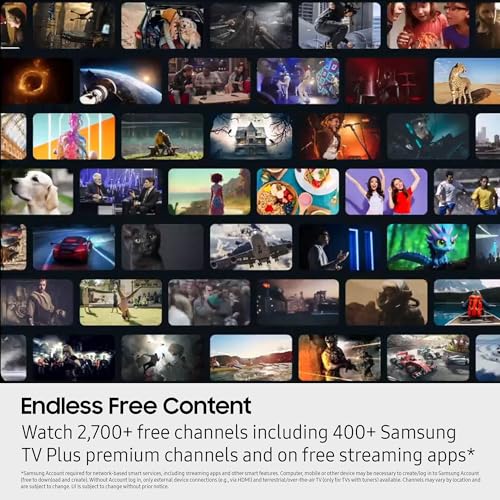
The Samsung U8000F uses Tizen Smart TV OS, which provides access to Samsung TV Plus—offering over 1,200 free channels in supported regions. Tizen is known for its reliability and smooth performance, though it lacks some of the advanced AI features found in the LG system.
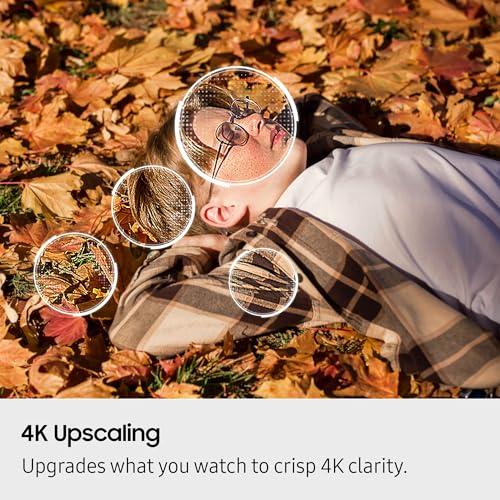
Both platforms support major streaming services and voice assistants, but the LG G5's more powerful processor enables faster navigation, better upscaling of lower-resolution content, and more sophisticated AI features that learn your viewing preferences over time.
Neither TV will replace a dedicated sound system, but there are meaningful differences in their audio approaches. The Samsung U8000F features 20W speakers with Object Tracking Sound Lite, which attempts to match audio positioning with on-screen action. It also supports Q-Symphony, allowing Samsung soundbars to work in harmony with the TV's built-in speakers.
The LG G5 includes Dolby Atmos support and WOW Orchestra compatibility with LG soundbars. While its downward-firing speakers won't deliver room-filling sound, the Dolby Atmos processing provides better spatial audio when watching compatible content.
For serious home theater enthusiasts, both TVs will benefit from external audio solutions, but the LG G5's Dolby Atmos support and advanced audio processing provide a better foundation for building a premium audio system.
High Dynamic Range (HDR) technology expands the range between the brightest whites and darkest blacks in video content, creating more realistic and impactful images. The LG G5 supports all major HDR formats, including Dolby Vision—the premium HDR standard used by Netflix, Disney+, and other major streaming services.
The Samsung U8000F supports HDR10 and HDR10+ but lacks Dolby Vision compatibility. This means you'll miss out on the highest-quality HDR experience from major streaming platforms, though HDR10+ still provides significant improvements over standard content.
Dolby Vision uses dynamic metadata to optimize HDR settings scene-by-scene, rather than applying static settings for entire movies. Combined with the LG G5's perfect blacks and improved brightness, Dolby Vision content delivers a truly cinematic experience that the Samsung U8000F simply cannot match.
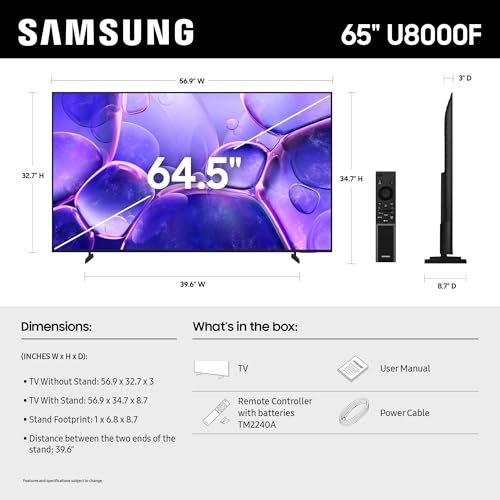
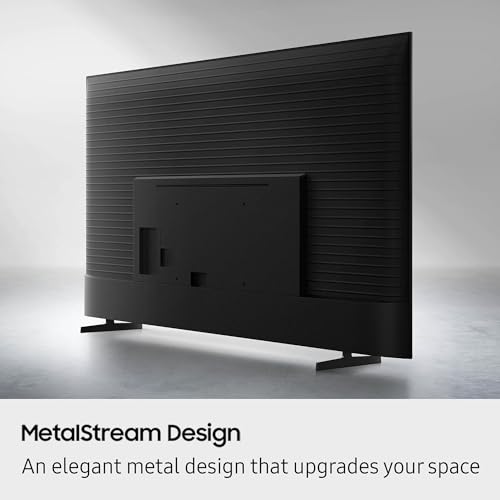
These TVs take different approaches to living room integration. The Samsung U8000F features MetalStream Design with aircraft-inspired aesthetics, a metal body, and slim bezels. It includes a table stand and weighs about 32 pounds with the stand attached—a traditional TV setup that fits most entertainment centers.
The LG G5 embraces a gallery concept with its One Wall Design. It mounts flush against the wall and can display artwork or personal photos when not in use, essentially becoming a digital art frame. The gallery design comes with a wall mount but requires purchasing a separate stand for table placement.
For home theater enthusiasts who want their TV to disappear into the room's aesthetics, the LG G5's gallery design is compelling. For users who prefer traditional TV placement and don't want to deal with wall mounting, the Samsung U8000F's approach is more practical.
At the time of writing, these TVs exist in completely different price brackets. The Samsung U8000F typically costs significantly less than the LG G5, reflecting their different target markets and underlying technologies.
The Samsung U8000F represents excellent value for mainstream users who want a reliable 4K smart TV with decent picture quality and basic gaming capabilities. It delivers on the core promise of modern television—sharp 4K content, smart streaming, and attractive design—without premium features that many users don't need.
The LG G5 commands a premium price for cutting-edge technology that delivers reference-quality picture performance. The investment makes sense for enthusiasts who prioritize picture quality, serious gamers, or anyone building a high-end home theater system.
Choose the Samsung U8000F if you're looking for solid 4K performance without breaking the budget. It's ideal for casual viewers who watch streaming content, occasional gaming at 60fps, and standard TV programming. The reliable LED technology, included stand, and straightforward setup make it a practical choice for most households. It performs best in rooms with controlled lighting where its contrast limitations are less noticeable.
The LG G5 is the clear choice for picture quality enthusiasts, serious gamers, or anyone building a premium home theater. Its perfect blacks, superior brightness, Dolby Vision support, and 120Hz+ gaming capabilities justify the investment for users who want the best possible experience. The gallery design appeals to those who view their TV as part of their home's aesthetic rather than just an entertainment device.
For home theater applications specifically, the LG G5 provides the foundation for a truly cinematic experience. Its perfect blacks, wide color gamut, and Dolby Vision support reproduce movies closer to the filmmaker's intent than any LED display can achieve. Combined with a quality sound system, it creates the immersive experience that home theater enthusiasts seek.
The technology gap between these TVs reflects the broader television market in 2025. LED technology continues refining proven approaches for mainstream users, while OLED pushes the boundaries of what's possible in display technology. Your choice ultimately depends on whether you prioritize practical value or cutting-edge performance—both approaches have their place in modern homes.
| Samsung 65-Inch Crystal UHD U8000F 4K Smart TV 2025 | LG OLED evo G5 65" 4K Smart TV 2025 |
|---|---|
| Display Technology - The fundamental difference that affects all picture quality | |
| LED-backlit LCD with VA panel | 4-stack RGB Tandem OLED with self-lit pixels |
| Black Levels & Contrast - Critical for movie watching and dark scenes | |
| Elevated blacks, limited contrast (no local dimming) | Perfect blacks, infinite contrast ratio |
| Peak Brightness - Essential for bright room viewing and HDR impact | |
| Adequate brightness, best in controlled lighting | Up to 45% brighter than previous OLEDs, excellent for bright rooms |
| Gaming Refresh Rate - Crucial for competitive gaming and next-gen consoles | |
| 60Hz maximum (suitable for casual console gaming) | Up to 165Hz (premium PC gaming and 120fps console support) |
| HDMI Ports - Determines gaming and device connectivity options | |
| 3x HDMI 2.0 ports | 4x HDMI 2.1 full bandwidth ports |
| HDR Support - Affects premium streaming content quality | |
| HDR10, HDR10+ (no Dolby Vision) | Full support: Dolby Vision, HDR10, HDR10+, HLG |
| Smart Platform - Your daily interface for apps and streaming | |
| Tizen OS with Crystal Processor 4K | webOS 25 with Alpha 11 AI Processor Gen 2 |
| Audio - Built-in sound quality and external system compatibility | |
| 20W 2CH speakers, Q-Symphony soundbar support | Dolby Atmos support, WOW Orchestra compatibility |
| Design Approach - How it integrates into your living space | |
| Traditional TV with MetalStream design and included stand | Gallery One Wall Design, flush wall mount (stand sold separately) |
| Warranty Coverage - Long-term peace of mind | |
| Standard 1-year warranty | 5-year limited panel warranty |
| Target User - Who gets the best value from each option | |
| Budget-conscious viewers wanting reliable 4K smart TV | Picture quality enthusiasts and serious gamers wanting premium performance |
The fundamental difference is display technology. The Samsung 65-Inch Crystal UHD U8000F uses traditional LED backlighting with an LCD panel, while the LG OLED evo G5 uses self-lit OLED pixels that can turn completely off. This means the LG achieves perfect blacks and infinite contrast, while the Samsung has elevated black levels but costs significantly less.
The LG OLED evo G5 is superior for gaming with 4K at up to 165Hz refresh rate, four HDMI 2.1 ports, and 5.1ms input lag. The Samsung U8000F is limited to 60Hz but still offers VRR support and low input lag, making it adequate for casual console gaming but not ideal for high-refresh PC gaming.
The LG G5 OLED features Brightness Booster Ultimate technology that makes it up to 45% brighter than previous OLEDs, making it excellent for bright rooms. The Samsung U8000F gets adequately bright but performs best in controlled lighting conditions.
Yes, but with different capabilities. The LG OLED evo G5 supports all major HDR formats including Dolby Vision, HDR10, and HDR10+. The Samsung U8000F supports HDR10 and HDR10+ but lacks Dolby Vision, which means you'll miss the premium HDR experience from Netflix and Disney+.
The LG G5 OLED is significantly better for home theater use due to perfect blacks, infinite contrast, Dolby Vision support, and superior color accuracy. These features create a more cinematic experience that the Samsung U8000F cannot match, despite its decent picture quality for the price.
The Samsung U8000F runs Tizen OS with access to Samsung TV Plus free channels, while the LG OLED evo G5 uses webOS 25 with AI-powered features and LG Channels. Both support major streaming services, but the LG offers more advanced AI capabilities.
Both offer premium designs but different approaches. The Samsung U8000F features MetalStream Design with an included stand and traditional setup. The LG G5 OLED offers a gallery-style One Wall Design that mounts flush to the wall and can display art when not in use, though the stand is sold separately.
The Samsung U8000F has 20W speakers with Object Tracking Sound Lite and Q-Symphony soundbar compatibility. The LG OLED evo G5 includes Dolby Atmos support and WOW Orchestra technology for enhanced soundbar integration. Both benefit from external sound systems for optimal audio.
Value depends on your needs and budget. The Samsung U8000F offers excellent value for mainstream users wanting reliable 4K performance at an accessible price. The LG G5 OLED provides premium value for enthusiasts who prioritize cutting-edge picture quality and advanced gaming features.
The Samsung U8000F comes with standard manufacturer warranty coverage. The LG OLED evo G5 includes a 5-year limited panel warranty, reflecting LG's confidence in their OLED technology and providing long-term peace of mind.
Both TVs excel at streaming with 4K support and major app compatibility. The LG G5 OLED has an advantage with Dolby Vision support for premium content quality and more powerful AI processing for upscaling. The Samsung U8000F provides solid streaming performance with good smart TV features at a lower cost.
Choose the Samsung U8000F if you want reliable 4K performance, basic gaming capabilities, and good value for casual viewing. Choose the LG OLED evo G5 if you're a picture quality enthusiast, serious gamer, or building a premium home theater system where perfect blacks and advanced features justify the higher investment.
We've done our best to create useful and informative comparisons to help you decide what product to buy. Our research uses advanced automated methods to create this comparison and perfection is not possible - please contact us for corrections or questions. These are the sites we've researched in the creation of this article: bestbuy.com - youtube.com - youtube.com - rtings.com - youtube.com - samsung.com - hometechnologyreview.com - rtings.com - samsung.com - displayspecifications.com - samsung.com - displayspecifications.com - walmart.com - billsmith.com - dentonstv.com - samsung.com - samsung.com - samsung.com - youtube.com - bestbuy.com - bestbuy.com - youtube.com - samsung.com - donstv.com - bestbuy.com - techradar.com - rtings.com - youtube.com - youtube.com - rtings.com - bestbuy.com - youtube.com - valueelectronics.com - lg.com - audio-videoplus.com - lg.com - lg.com - lg.com

Privacy Policy
Terms and Conditions - Affiliate Policy
Home Security
© Copyright 2008-2026.
11816 Inwood Rd #1211, Dallas, TX 75244