

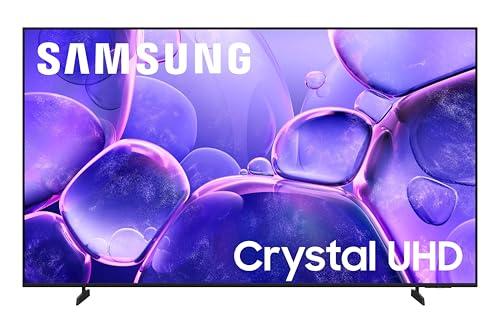
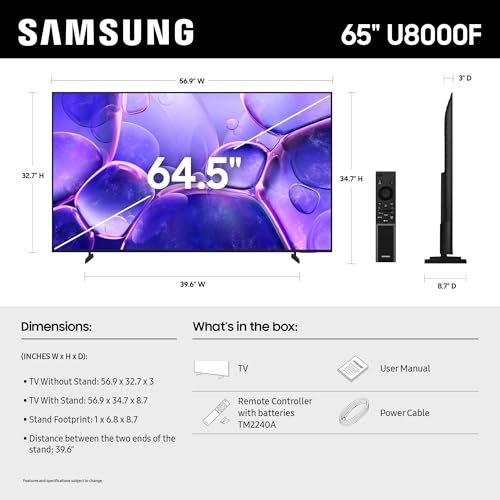
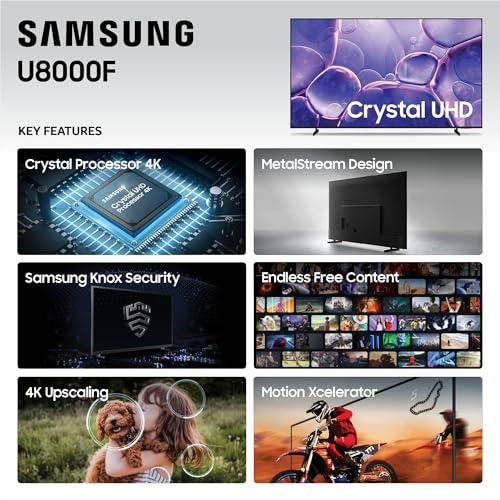

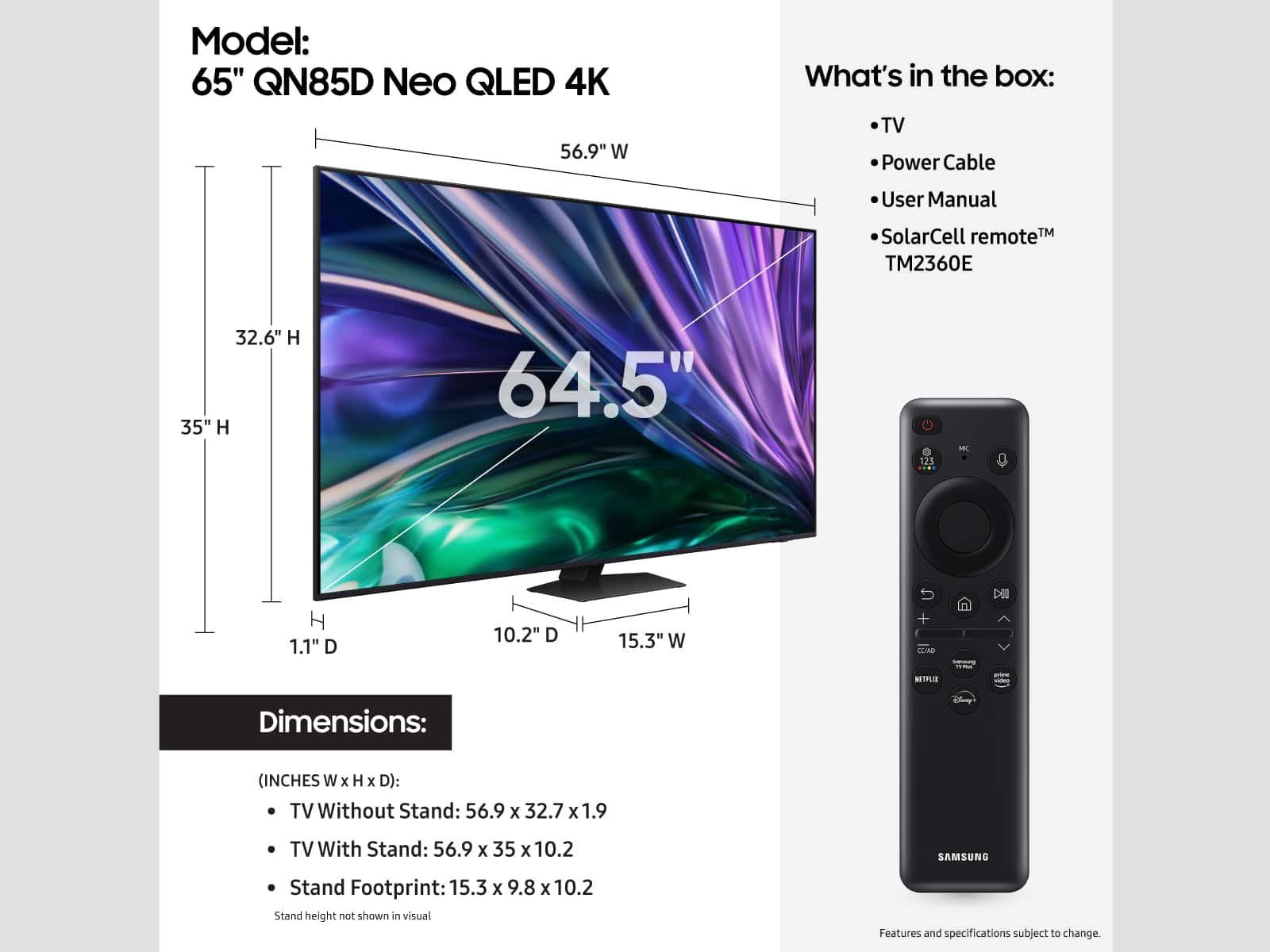
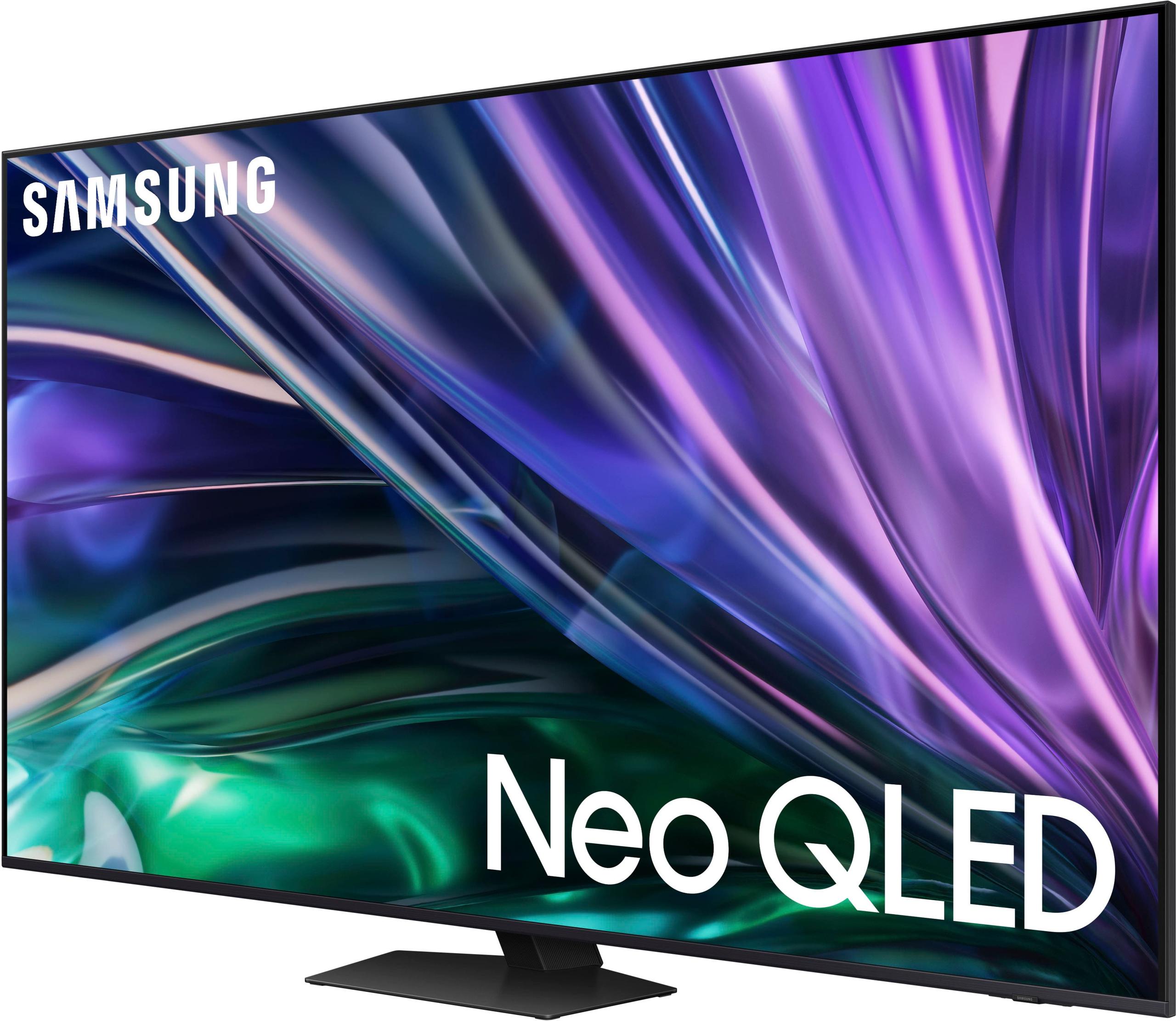
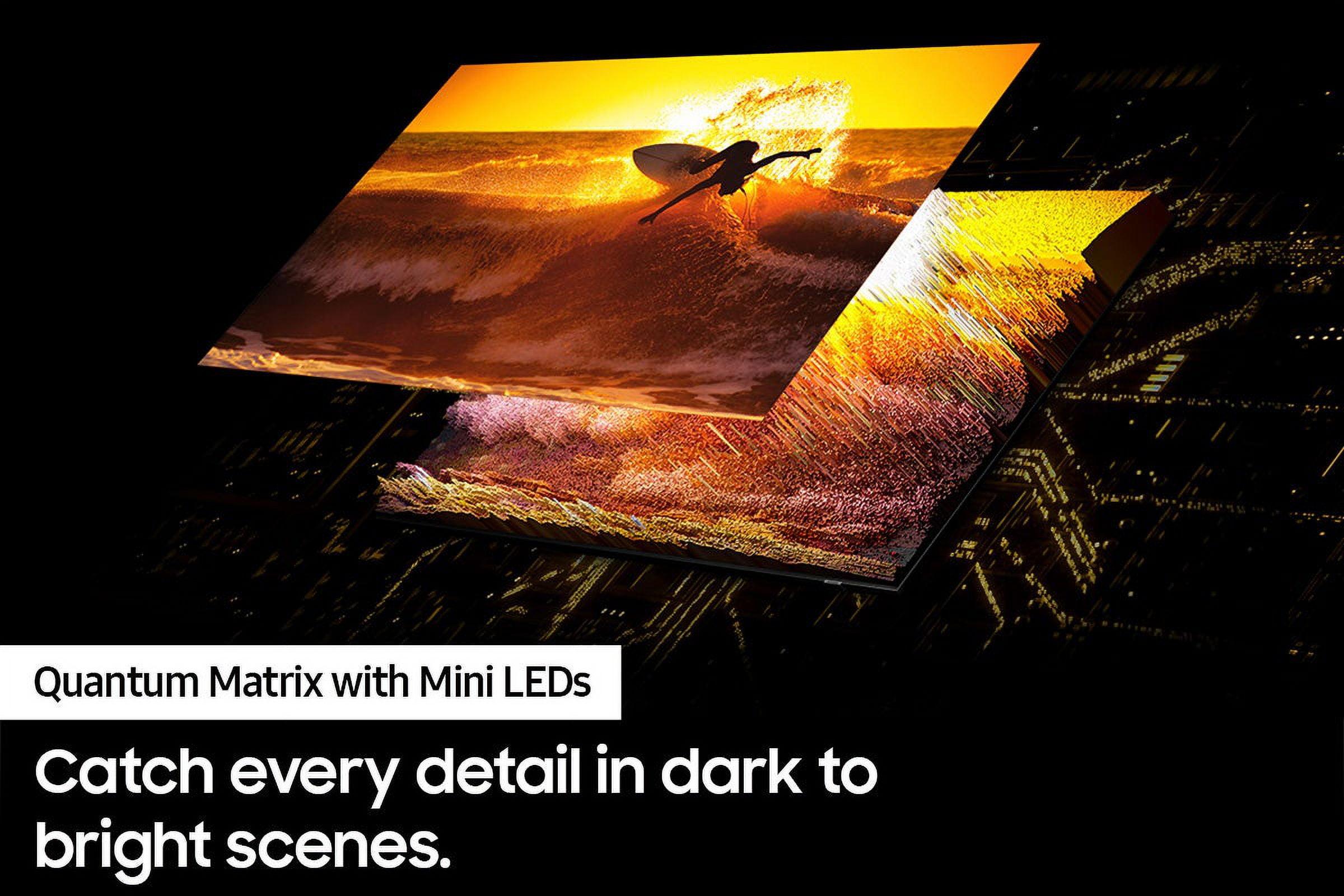
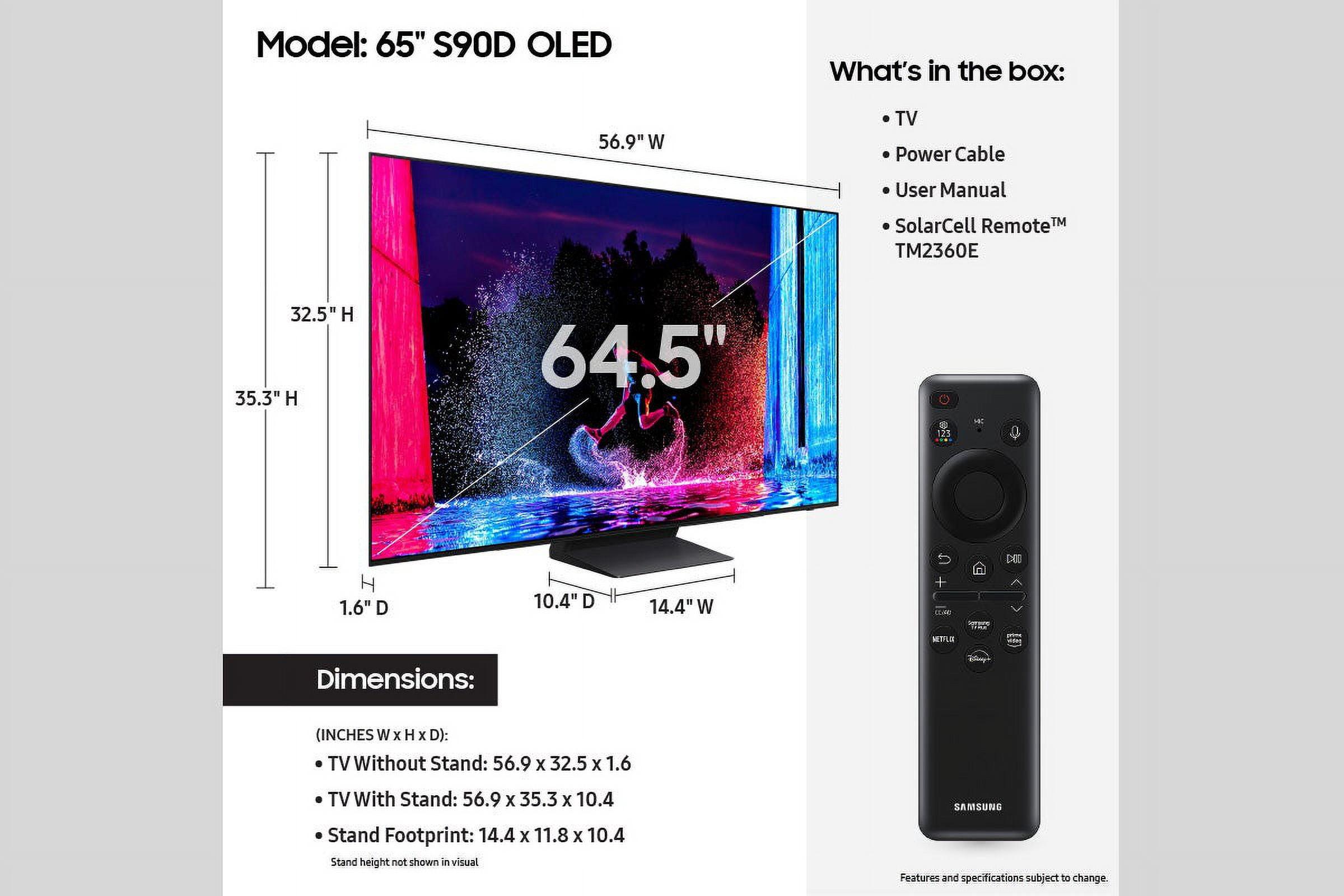
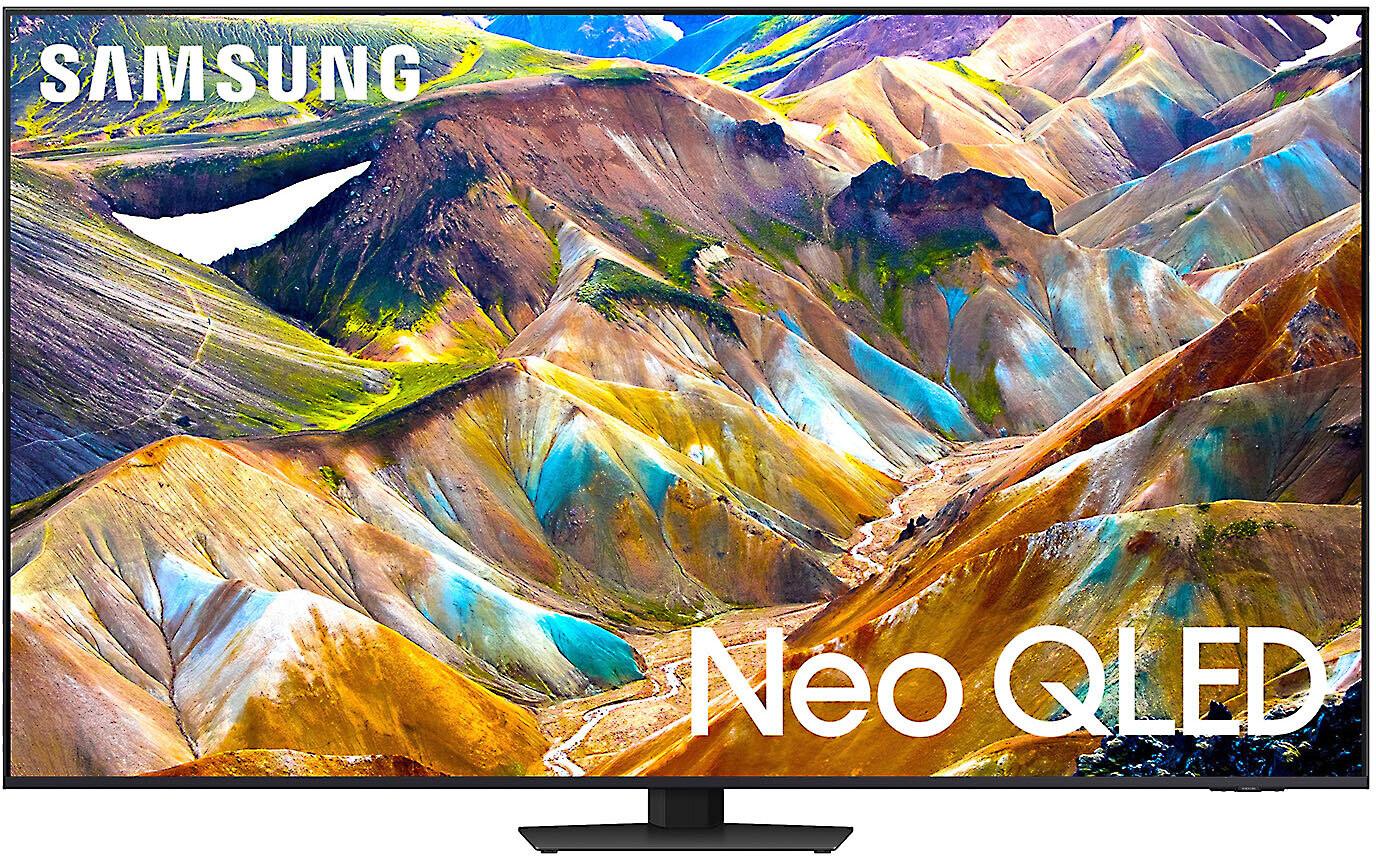
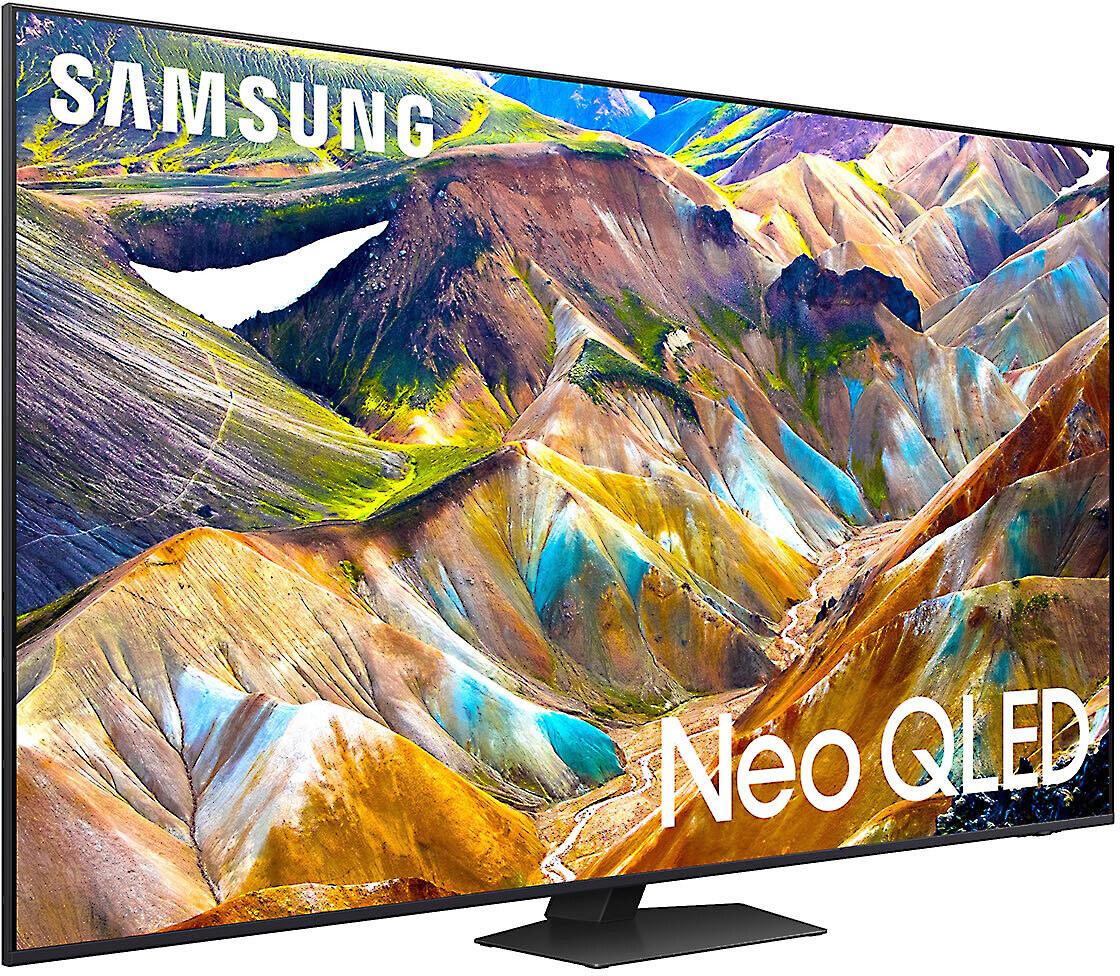
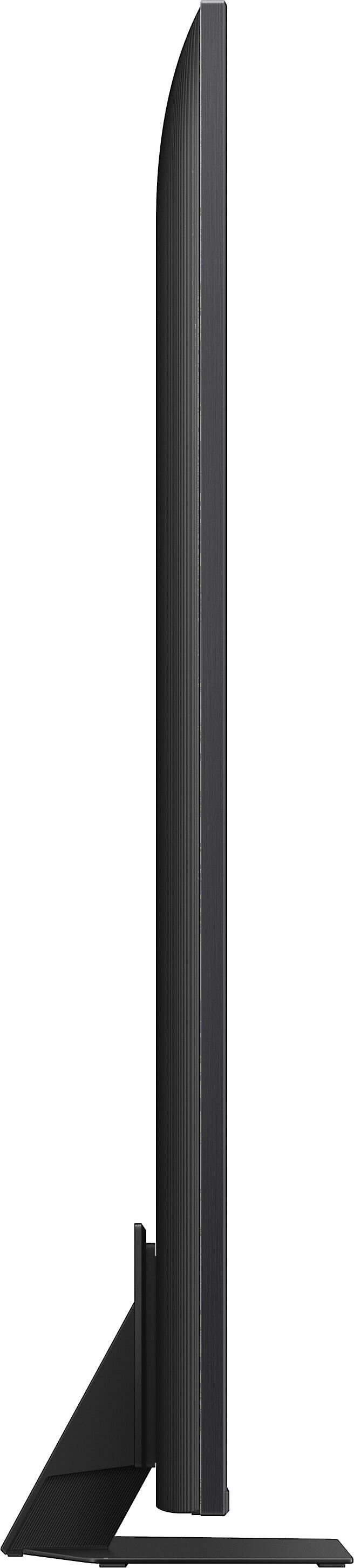
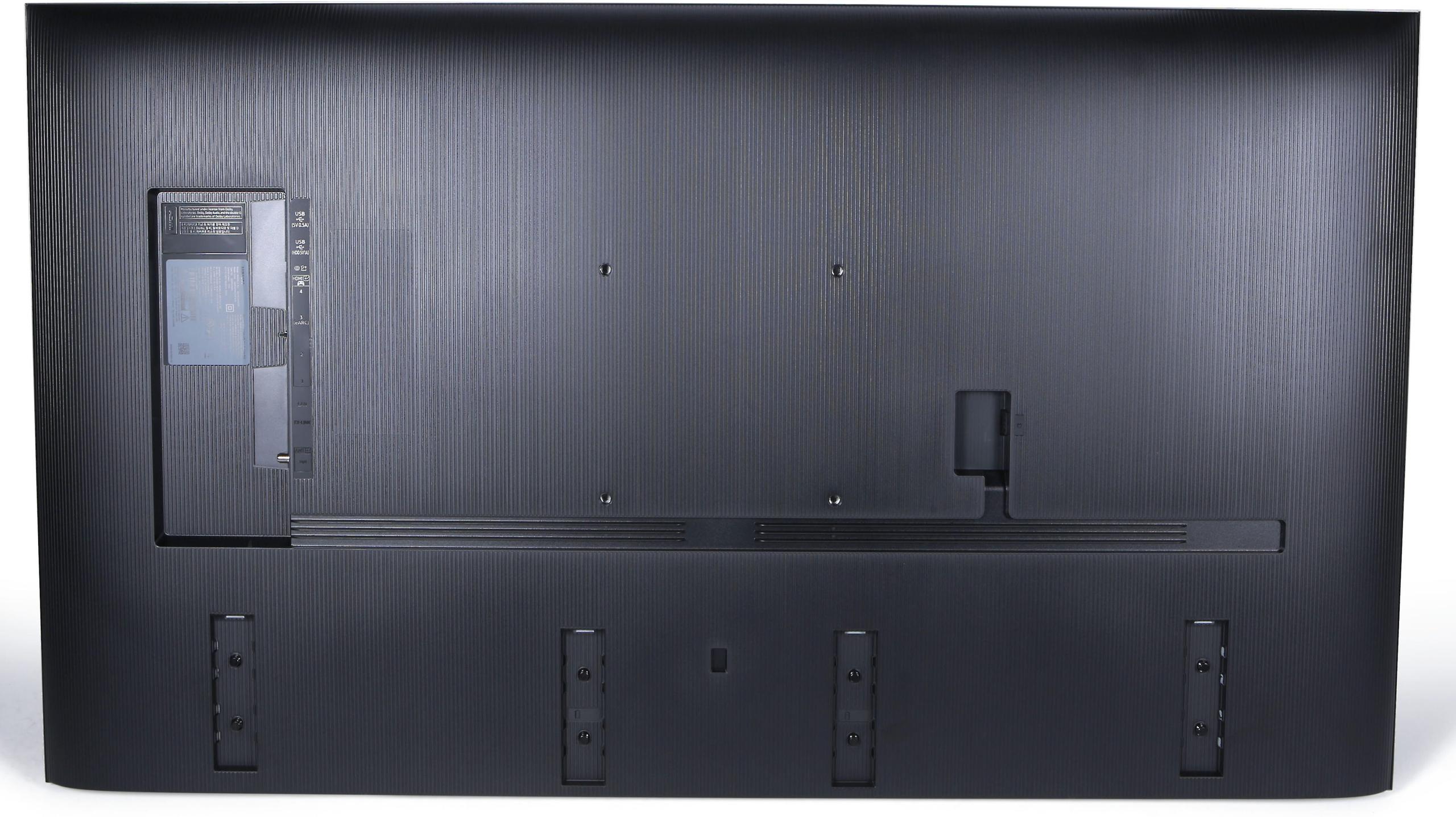
When you're shopping for a 65-inch TV, Samsung offers two dramatically different options that perfectly illustrate how display technology affects your viewing experience. The Samsung 65-Inch Crystal UHD U8000F 4K Smart TV 2025 represents Samsung's entry-level approach to 4K viewing, while the Samsung 65" OLED S90D TV delivers premium OLED performance for serious home theater enthusiasts.
At the time of writing, these TVs sit at completely different price points - the U8000F typically costs around what you'd expect for a budget 4K TV, while the S90D commands premium pricing that's roughly double to triple the cost. But does that price difference translate to meaningful performance improvements? Let's dive into what makes each TV unique and help you decide which fits your needs.
Before comparing specific features, it's crucial to understand the fundamental technology difference between these models. The U8000F uses traditional LED backlighting, where rows of LED lights sit behind an LCD panel to illuminate the pixels. Think of it like holding a flashlight behind a piece of colored glass - the light shines through to create the image you see.
The S90D uses OLED technology, which stands for Organic Light-Emitting Diode. Each of the 8.3 million pixels generates its own light and can turn completely off when displaying black. This fundamental difference affects every aspect of picture quality, from contrast to color accuracy to viewing angles.
Released in 2025, the U8000F represents Samsung's latest budget-friendly approach, incorporating lessons learned from previous Crystal UHD models while maintaining affordability. The S90D launched in 2024 as part of Samsung's premium OLED lineup, featuring the company's QD-OLED technology - a hybrid approach that combines quantum dots with OLED for enhanced brightness and color.
The most dramatic difference between these TVs becomes apparent the moment you watch a movie with dark scenes. The U8000F uses LED backlighting that can't turn completely off, meaning black scenes appear as dark gray rather than true black. This limitation affects the overall contrast ratio - the difference between the brightest whites and darkest blacks - which directly impacts how realistic and immersive your content appears.
The S90D achieves perfect blacks because each pixel can shut off entirely. When watching movies like "Blade Runner 2049" or any content with nighttime scenes, the difference is immediately apparent. Dark areas of the screen disappear completely, creating an almost three-dimensional depth that LED TVs simply cannot match.
This contrast advantage extends beyond just dark scenes. Having true blacks makes colors appear more vibrant and whites seem brighter by comparison. It's similar to how stars appear brighter against a completely dark sky versus a slightly hazy one.
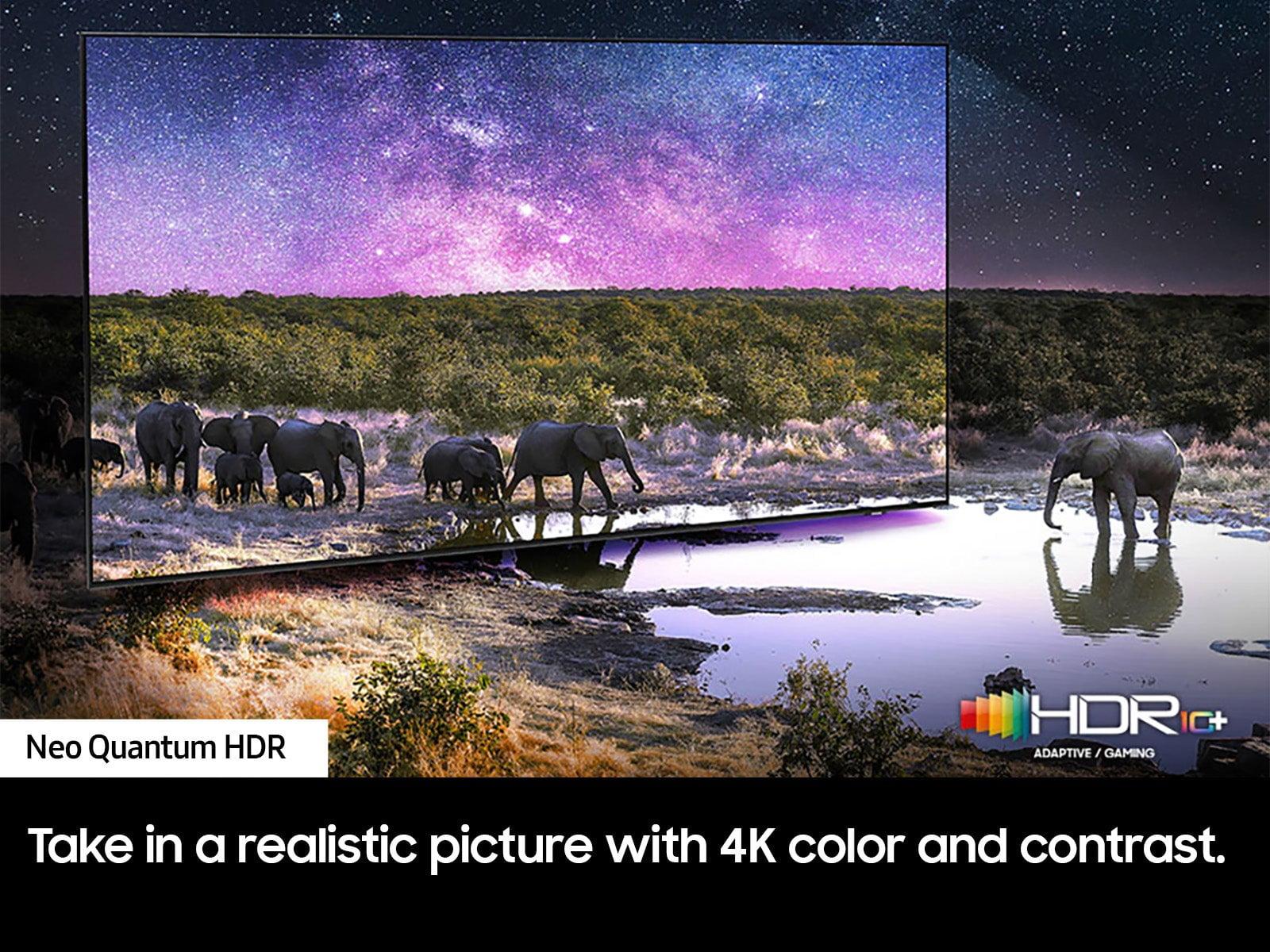
High Dynamic Range (HDR) content is designed to display a wider range of brightness levels and colors than standard video, but it requires a TV capable of reproducing these expanded ranges. The U8000F supports HDR formats like HDR10 and HDR10+, but its limited brightness capabilities mean HDR content won't deliver the intended impact.
Peak brightness measurements tell an important story here. While specific numbers vary by testing conditions, the S90D can achieve approximately 1,240 nits in HDR mode - bright enough to make highlights truly pop and create that "wow factor" when watching fireworks scenes or bright sunlight in movies. The U8000F, being an entry-level LED TV, operates at significantly lower brightness levels that work fine for standard content but limit HDR effectiveness.
However, brightness isn't everything. The S90D combines high peak brightness with perfect blacks, creating a contrast range that makes HDR content appear as directors intended. Netflix's "Our Planet" documentary series, for example, showcases vibrant jungle colors and dramatic lighting that truly comes alive on OLED displays.
Color reproduction involves complex technology that affects how realistic skin tones appear and how vibrant nature documentaries look. The U8000F features Samsung's Color Booster technology, which enhances color saturation through software processing. While this creates pleasing images for casual viewing, it doesn't achieve the color accuracy that content creators intended.
The S90D uses Samsung's QD-OLED panel technology, incorporating quantum dots for color conversion. This approach delivers wider color gamut coverage - essentially a broader palette of colors the TV can display accurately. Professional reviews consistently highlight the S90D's superior color volume, which measures how accurately a display reproduces colors at different brightness levels.
For everyday viewing, this translates to more natural skin tones in movies, more vibrant greens in nature documentaries, and more accurate reds in sports broadcasts. The difference becomes particularly noticeable when watching high-quality content from streaming services like Netflix, Disney+, or Apple TV+.
Modern gaming presents unique challenges for TVs, with next-generation consoles like PlayStation 5 and Xbox Series X capable of outputting 4K resolution at 120 frames per second. The differences between these Samsung models become stark when considering gaming performance.
The U8000F operates at a 60Hz refresh rate, meaning it can display up to 60 frames per second. While this handles most content adequately, it cannot take advantage of high-frame-rate gaming modes available on current consoles. The TV includes Variable Refresh Rate (VRR) support, which synchronizes the display's refresh with the gaming console's output to reduce screen tearing, but the 60Hz ceiling limits its effectiveness.
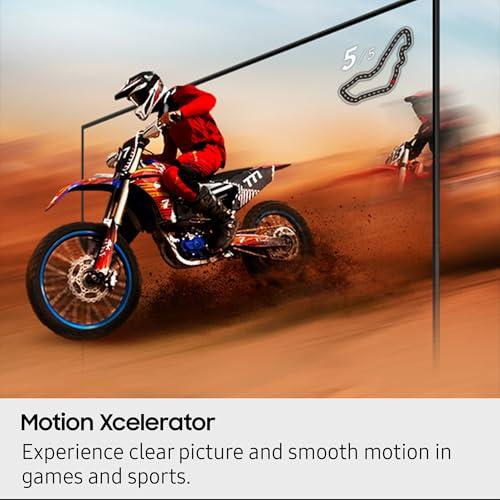
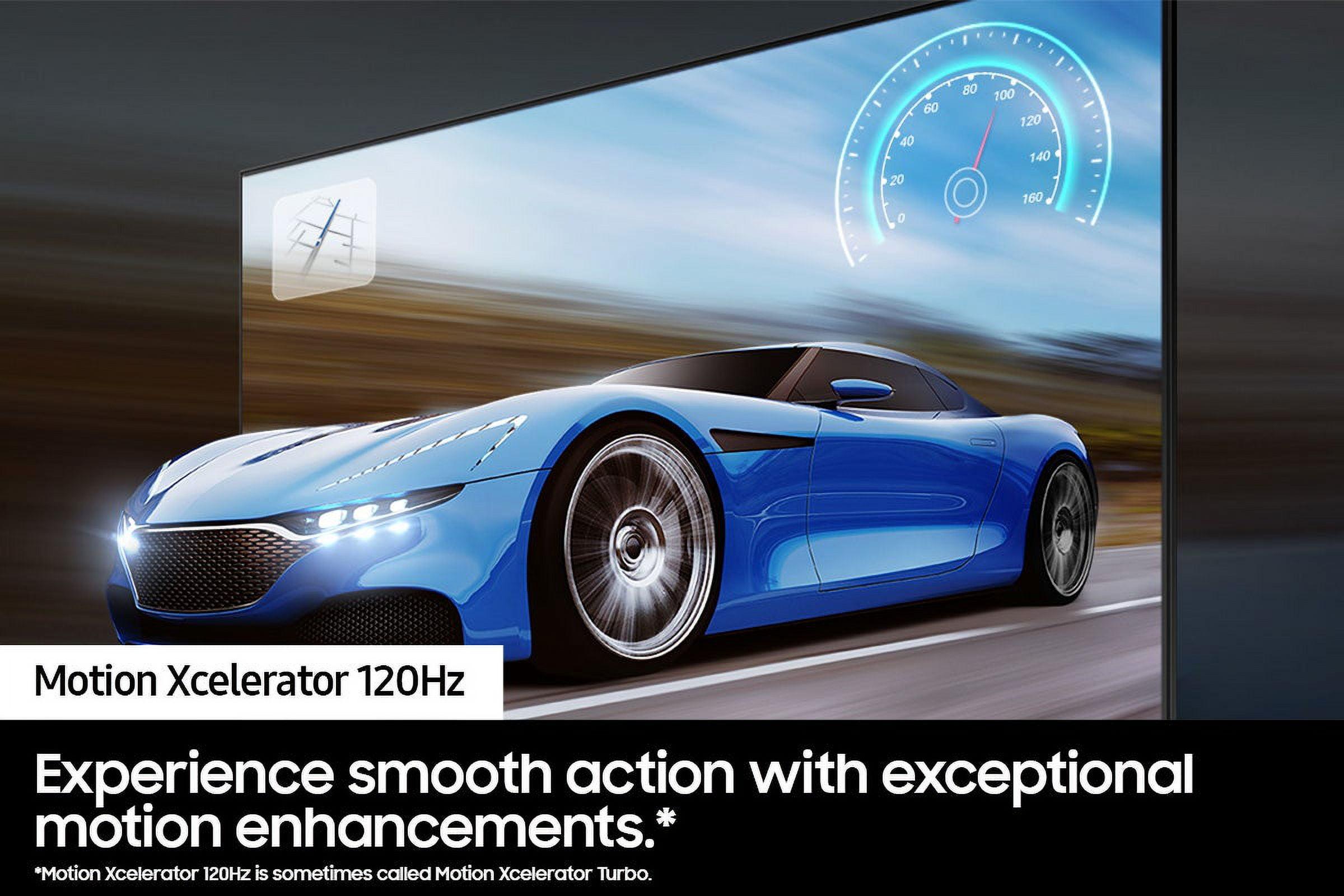
Motion handling represents another significant difference. The U8000F uses Motion Xcelerator technology to improve clarity during fast-moving scenes, but LED panels inherently struggle with motion blur due to their pixel response times. Fast-paced games or sports often appear less sharp during quick movements.
The S90D features Motion Xcelerator 144Hz, supporting refresh rates up to 144Hz for incredibly smooth motion. OLED technology provides near-instantaneous pixel response times, essentially eliminating motion blur. When playing competitive games or racing simulators, this difference is immediately noticeable - objects remain sharp even during rapid camera movements.
Input lag measures the delay between pressing a controller button and seeing the action on screen. Both TVs include Auto Low Latency Mode (ALLM), which automatically switches to game mode when connected to gaming consoles, reducing input lag for more responsive gameplay.
However, the S90D goes further with its Auto AI gaming mode, which detects specific game genres and adjusts picture settings accordingly. Racing games might receive different processing than RPGs, optimizing the visual experience for each type of content.
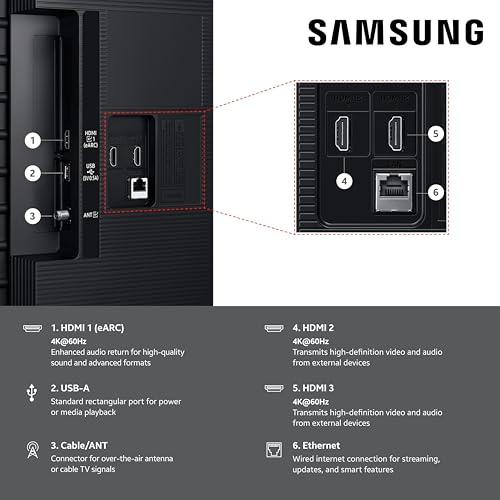
The connectivity difference also matters for serious gamers. The U8000F provides three HDMI ports, sufficient for basic setups but potentially limiting if you own multiple consoles, streaming devices, and sound systems. The S90D offers four HDMI 2.1 ports with full 48Gbps bandwidth, supporting 4K at 120Hz while leaving room for additional devices.
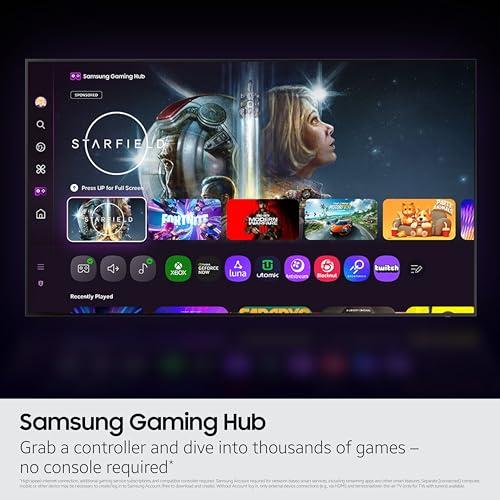
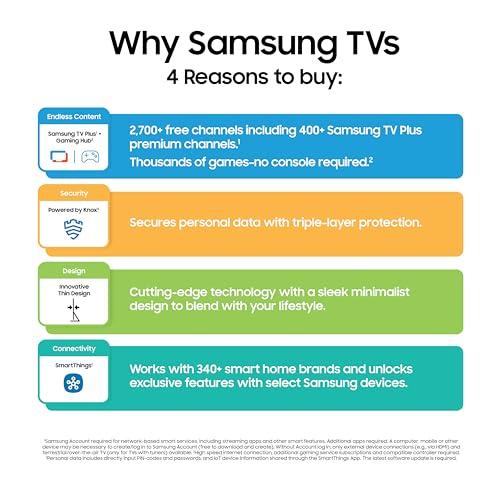
Both TVs run Samsung's Tizen operating system, providing access to all major streaming services, Samsung's free TV Plus channels, and smart home integration through SmartThings. The interface remains largely identical between models, offering intuitive navigation and voice control through Bixby, Alexa, or Google Assistant.
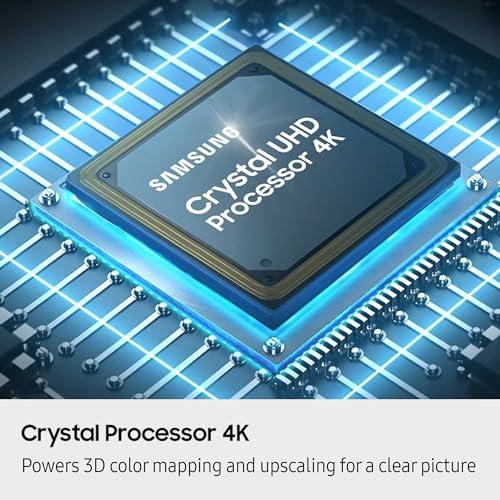
The U8000F includes Samsung's Crystal Processor 4K, handling basic upscaling and smart TV functions adequately. The processor manages fundamental picture enhancements and provides smooth menu navigation, though it lacks the advanced AI capabilities found in premium models.
The S90D incorporates the NQ4 AI Gen2 Processor, utilizing 20 AI neural networks for intelligent content optimization. This processor analyzes each frame to enhance detail, reduce noise, and automatically adjust picture settings based on content type. When watching older movies or lower-resolution streaming content, the advanced upscaling creates noticeably sharper and more detailed images.
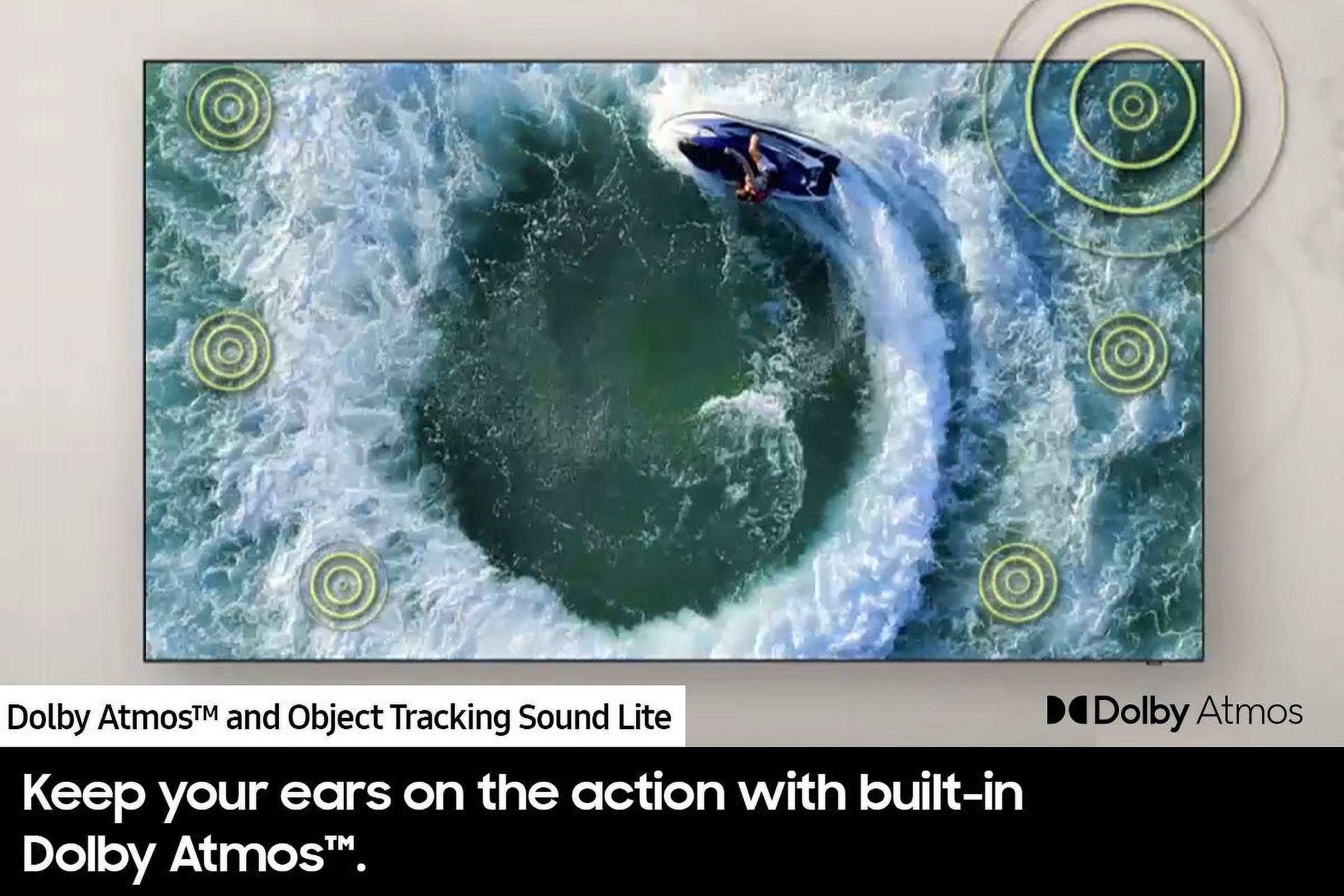
Television audio often receives less attention than picture quality, but the differences between these models are significant. The U8000F includes 20-watt stereo speakers with Object Tracking Sound Lite, which attempts to move audio across the screen to match on-screen action. While adequate for casual viewing, the modest power output and two-channel configuration limit dynamic range.
The S90D features 40-watt speakers in a 2.1 channel configuration, including a dedicated channel for better bass response. Dolby Atmos support enables object-based audio processing, creating more dimensional soundscapes that place you within the action. The enhanced Object Tracking Sound technology provides more convincing audio movement across the screen.
Both TVs support Samsung's Q-Symphony feature, allowing them to work in harmony with compatible Samsung soundbars. However, many users investing in the S90D often pair it with premium sound systems to match the exceptional picture quality.
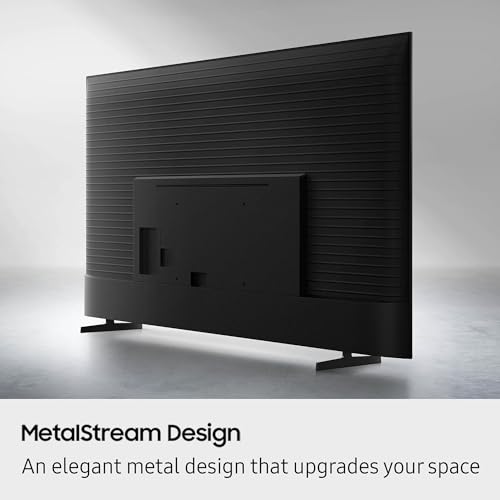
The U8000F showcases Samsung's MetalStream Design, featuring aircraft-inspired metal bezels that provide a premium appearance despite the budget positioning. The slim bezels maximize screen real estate, and build quality feels solid for the price point. Samsung has improved materials compared to previous budget models, though plastic components remain prevalent.
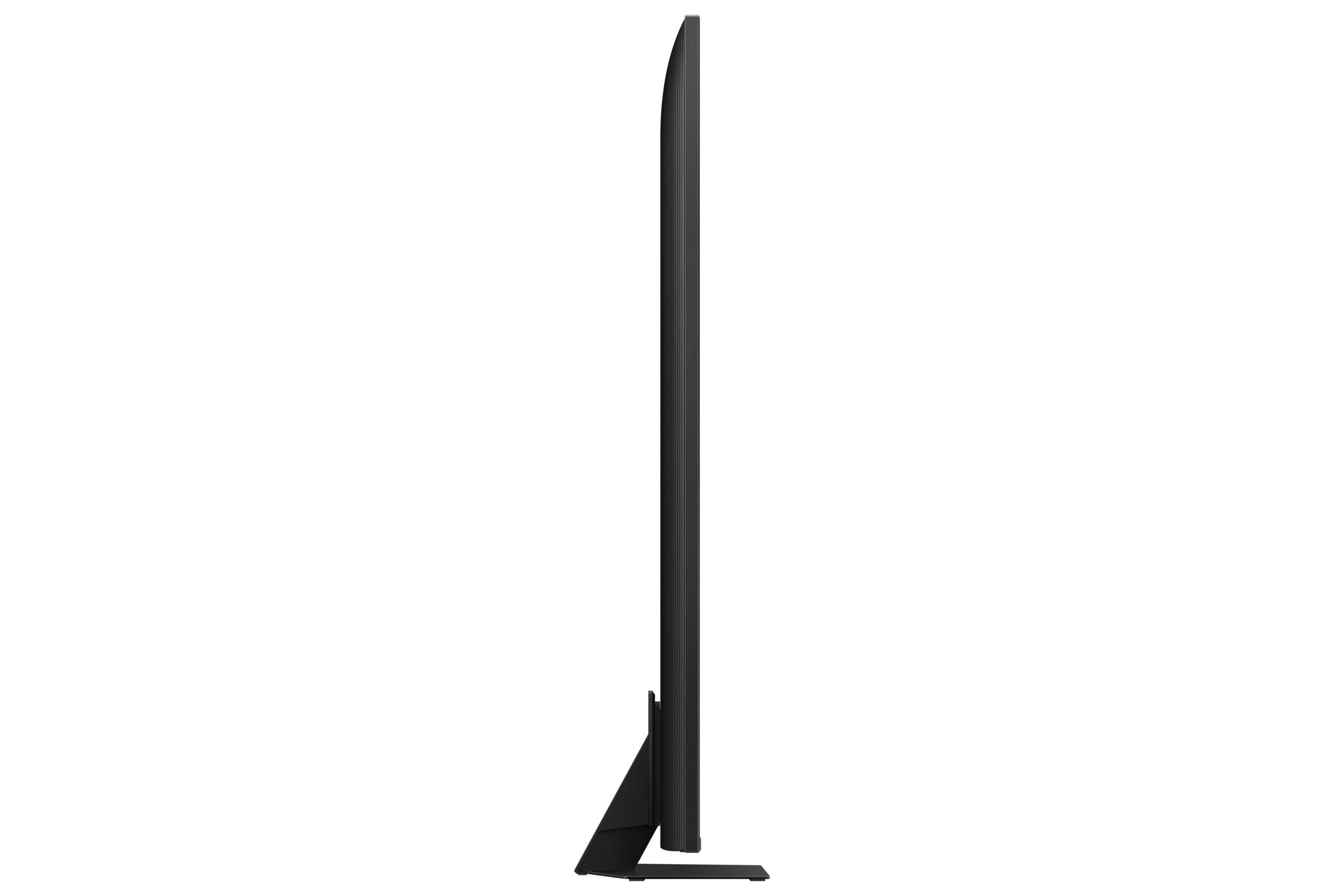
The S90D represents Samsung's premium design philosophy with its picture-on-glass OLED construction. The television appears extraordinarily thin - almost impossibly so when viewed from the side. The build quality reflects its premium positioning with higher-grade materials throughout and meticulous attention to detail.
One practical consideration involves the screen finish. The S90D uses a glossy screen that preserves perfect black levels but can reflect room lights more than matte alternatives. This trade-off maintains the OLED's contrast advantage while requiring some consideration of room lighting when positioning the TV.
For dedicated home theater setups, the differences between these models become even more pronounced. The S90D excels in dark room environments where OLED technology truly shines. Movie nights with the lights dimmed showcase the technology's full potential, with perfect blacks creating an almost cinematic experience that draws you into the content.
The U8000F works adequately for casual home theater use but lacks the contrast and color accuracy that make premium content truly immersive. It's perfectly suitable for family movie nights or general entertainment but won't deliver the reference-quality experience that serious enthusiasts seek.
Professional calibration becomes more valuable with the S90D due to its wider color gamut and more sophisticated processing capabilities. The TV includes filmmaker mode, which disables motion processing and color enhancements to display content as directors intended.
The U8000F makes sense for several specific scenarios. It's ideal for secondary bedrooms, guest rooms, or kitchens where you want reliable 4K performance without major investment. College students, apartment renters, or anyone with budget constraints will appreciate the solid Samsung reliability and decent smart features. The TV also works well for casual viewers who primarily watch news, basic streaming content, or aren't particularly concerned with picture quality nuances.
The S90D targets entirely different users. Home theater enthusiasts who appreciate exceptional picture quality will find the OLED technology transformative. Serious gamers with PlayStation 5 or Xbox Series X consoles benefit enormously from the 144Hz refresh rate and OLED response times. Anyone who regularly watches premium content - whether Netflix's latest series, 4K Blu-ray movies, or HDR documentaries - will notice immediate improvements.
The S90D also appeals to tech enthusiasts who want their television to remain competitive for years. The advanced processing, premium panel technology, and comprehensive gaming features provide longevity that justifies the higher initial investment.
At the time of writing, the price gap between these models reflects their dramatically different capabilities. The U8000F delivers essential 4K functionality with Samsung's reliable smart platform at budget-friendly pricing. The S90D commands premium pricing but offers transformative OLED technology that creates a fundamentally different viewing experience.
Consider your priorities carefully. If you need a dependable TV for casual viewing and want to minimize costs, the U8000F provides solid value. However, if you can stretch your budget toward the S90D, the performance leap is substantial enough to justify the investment for most users who prioritize picture quality.
The S90D represents what many consider the sweet spot in premium TV technology - delivering high-end OLED performance without the extreme pricing of flagship models. For dedicated entertainment spaces or primary living room TVs, the superior contrast, gaming capabilities, and overall experience often make the price difference worthwhile.
Ultimately, both TVs serve their intended markets well, but they offer completely different viewing experiences. Your choice depends on whether you want basic 4K functionality or premium home entertainment performance that will remain impressive for years to come.
| Samsung 65-Inch Crystal UHD U8000F 4K Smart TV 2025 | Samsung 65" OLED S90D TV |
|---|---|
| Display Technology - Fundamental difference affecting all picture quality aspects | |
| LED backlighting with LCD panel (cannot achieve true blacks) | QD-OLED with self-emitting pixels (perfect blacks and infinite contrast) |
| Peak Brightness - Critical for HDR content and bright room viewing | |
| Entry-level LED brightness (adequate for moderate lighting) | ~1,240 nits (excellent HDR impact and bright room performance) |
| Refresh Rate - Essential for gaming and smooth motion | |
| 50-60Hz (basic console gaming, no high frame rate support) | 144Hz with Motion Xcelerator (ideal for PS5/Xbox Series X gaming) |
| Processor - Determines upscaling quality and smart features | |
| Crystal Processor 4K (basic upscaling and enhancements) | NQ4 AI Gen2 with 20 AI neural networks (advanced content optimization) |
| HDMI Ports - Important for multiple device connections | |
| 3 HDMI ports (sufficient for basic setups) | 4 HDMI 2.1 ports with full 48Gbps bandwidth (future-proof connectivity) |
| Audio System - Built-in sound quality | |
| 20W 2.0CH stereo speakers with basic Object Tracking Sound | 40W 2.1CH with Dolby Atmos and enhanced Object Tracking Sound |
| Gaming Features - Next-gen console compatibility | |
| VRR and ALLM support (limited by 60Hz ceiling) | VRR, ALLM, Auto AI gaming mode, 4K@120Hz support |
| HDR Support - Enhanced contrast and color range | |
| HDR10, HDR10+ (limited impact due to brightness constraints) | HDR10, HDR10+ with full HDR potential thanks to OLED contrast |
| Viewing Angles - Picture quality when viewed from the side | |
| Narrow viewing angles typical of LED panels | Excellent viewing angles maintained across all positions |
| Design Quality - Build materials and aesthetics | |
| MetalStream Design with metal bezels, solid budget construction | Premium picture-on-glass OLED design, ultra-thin profile |
| Motion Handling - Clarity during fast-moving content | |
| Motion Xcelerator with typical LED motion blur | Near-instantaneous OLED response eliminates motion blur |
| Smart Platform - Operating system and features | |
| Tizen 2025 with Samsung TV Plus and SmartThings integration | Tizen 2024 with same features plus more mature software updates |
| Target Use Case - Best suited for | |
| Budget-conscious buyers, secondary rooms, casual viewing | Home theater enthusiasts, serious gamers, premium content viewers |
The biggest difference is display technology. The Samsung 65-Inch Crystal UHD U8000F 4K Smart TV 2025 uses traditional LED backlighting, while the Samsung 65" OLED S90D TV features OLED technology where each pixel creates its own light. This means the S90D can achieve perfect blacks and infinite contrast, while the U8000F cannot turn pixels completely off, resulting in gray blacks instead of true black.
The Samsung 65" OLED S90D TV is significantly better for gaming. It supports 144Hz refresh rates, has four HDMI 2.1 ports, and offers near-instantaneous pixel response times that eliminate motion blur. The Samsung 65-Inch Crystal UHD U8000F 4K Smart TV 2025 is limited to 60Hz and has only three HDMI ports, making it suitable for casual gaming but not ideal for PlayStation 5 or Xbox Series X.
The Samsung 65" OLED S90D TV delivers superior picture quality with perfect blacks, higher peak brightness (~1,240 nits), and wider color coverage. The Samsung 65-Inch Crystal UHD U8000F 4K Smart TV 2025 provides decent picture quality for its price range but cannot match OLED's contrast and color accuracy.
Yes, both the Samsung U8000F and Samsung S90D support HDR10 and HDR10+ formats. However, the S90D delivers much better HDR performance due to its higher brightness and perfect black levels, while the U8000F's HDR impact is limited by its display technology.
The Samsung 65" OLED S90D TV is excellent for home theater use, especially in dark rooms where OLED technology truly shines. It provides cinema-quality blacks, vibrant colors, and supports Filmmaker Mode for accurate content reproduction. The Samsung U8000F works for casual home theater use but lacks the contrast and color accuracy for premium viewing experiences.
Both TVs run Samsung's Tizen operating system with similar smart features, including Samsung TV Plus, major streaming apps, and voice control. The main difference is processing power - the Samsung S90D has the advanced NQ4 AI Gen2 processor with 20 AI neural networks for better upscaling and optimization, while the Samsung U8000F uses the basic Crystal Processor 4K.
The Samsung 65" OLED S90D TV has superior audio with 40W 2.1CH speakers that include Dolby Atmos support and enhanced Object Tracking Sound. The Samsung 65-Inch Crystal UHD U8000F 4K Smart TV 2025 features 20W 2.0CH stereo speakers with basic Object Tracking Sound Lite, which is adequate but less powerful and immersive.
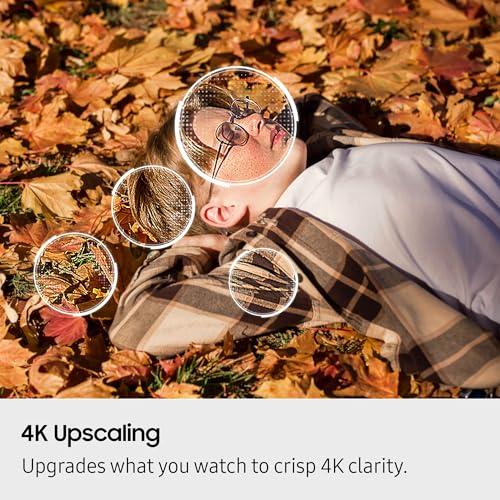
Both TVs display 4K content, but the Samsung S90D handles it much better with advanced AI upscaling that makes lower-resolution content look sharper and more detailed. The Samsung U8000F provides basic 4K upscaling that's suitable for casual viewing but not as sophisticated.
The Samsung 65" OLED S90D TV generally performs better in bright rooms due to its higher peak brightness, though its glossy screen can reflect some light. The Samsung 65-Inch Crystal UHD U8000F 4K Smart TV 2025 has more limited brightness and poor reflection handling, making it better suited for moderate lighting conditions.
The Samsung S90D fully supports PlayStation 5 and Xbox Series X features including 4K at 120Hz gaming modes. The Samsung U8000F can connect to these consoles but cannot utilize their high frame rate capabilities due to its 60Hz limitation.
The Samsung 65" OLED S90D TV features premium construction with a picture-on-glass design and high-grade materials throughout. The Samsung 65-Inch Crystal UHD U8000F 4K Smart TV 2025 has solid build quality for its price range with Samsung's MetalStream Design, but uses more plastic components than the premium S90D model.
Value depends on your needs and budget. The Samsung U8000F offers excellent value for casual viewers seeking basic 4K functionality with Samsung reliability. The Samsung S90D provides exceptional value for the OLED category, delivering premium picture quality and gaming features that justify its higher investment for serious entertainment enthusiasts.
We've done our best to create useful and informative comparisons to help you decide what product to buy. Our research uses advanced automated methods to create this comparison and perfection is not possible - please contact us for corrections or questions. These are the sites we've researched in the creation of this article: bestbuy.com - youtube.com - youtube.com - rtings.com - youtube.com - samsung.com - hometechnologyreview.com - rtings.com - samsung.com - displayspecifications.com - samsung.com - displayspecifications.com - walmart.com - billsmith.com - dentonstv.com - samsung.com - samsung.com - samsung.com - youtube.com - bestbuy.com - bestbuy.com - youtube.com - samsung.com - donstv.com - bestbuy.com - valueelectronics.com - youtube.com - cnet.com - bestbuy.com - videoandaudiocenter.com - youtube.com - samsung.com - samsung.com - pcrichard.com - samsung.com

Privacy Policy
Terms and Conditions - Affiliate Policy
Home Security
© Copyright 2008-2026.
11816 Inwood Rd #1211, Dallas, TX 75244