

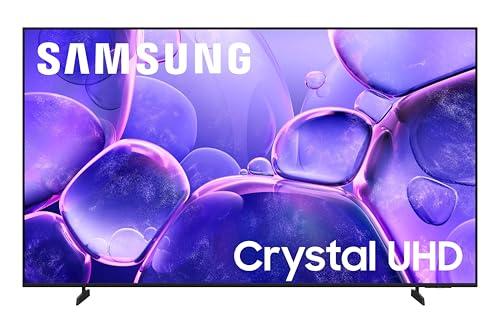
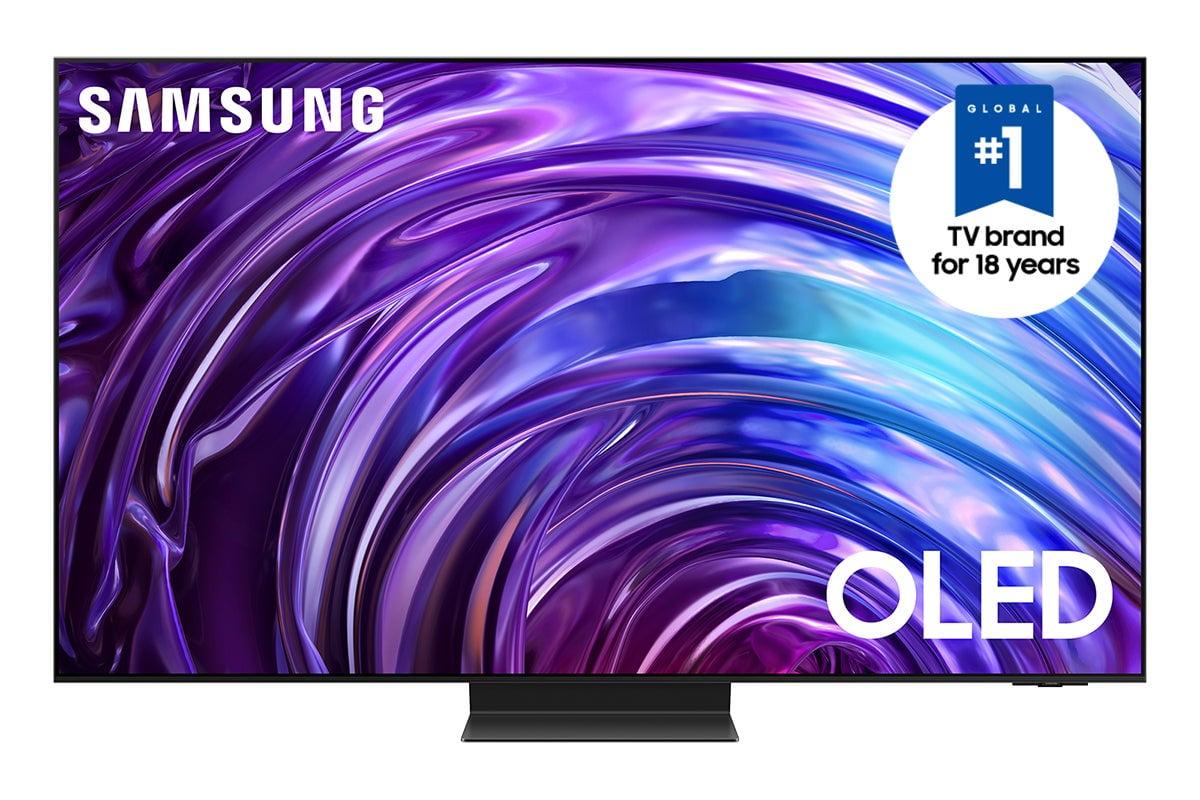
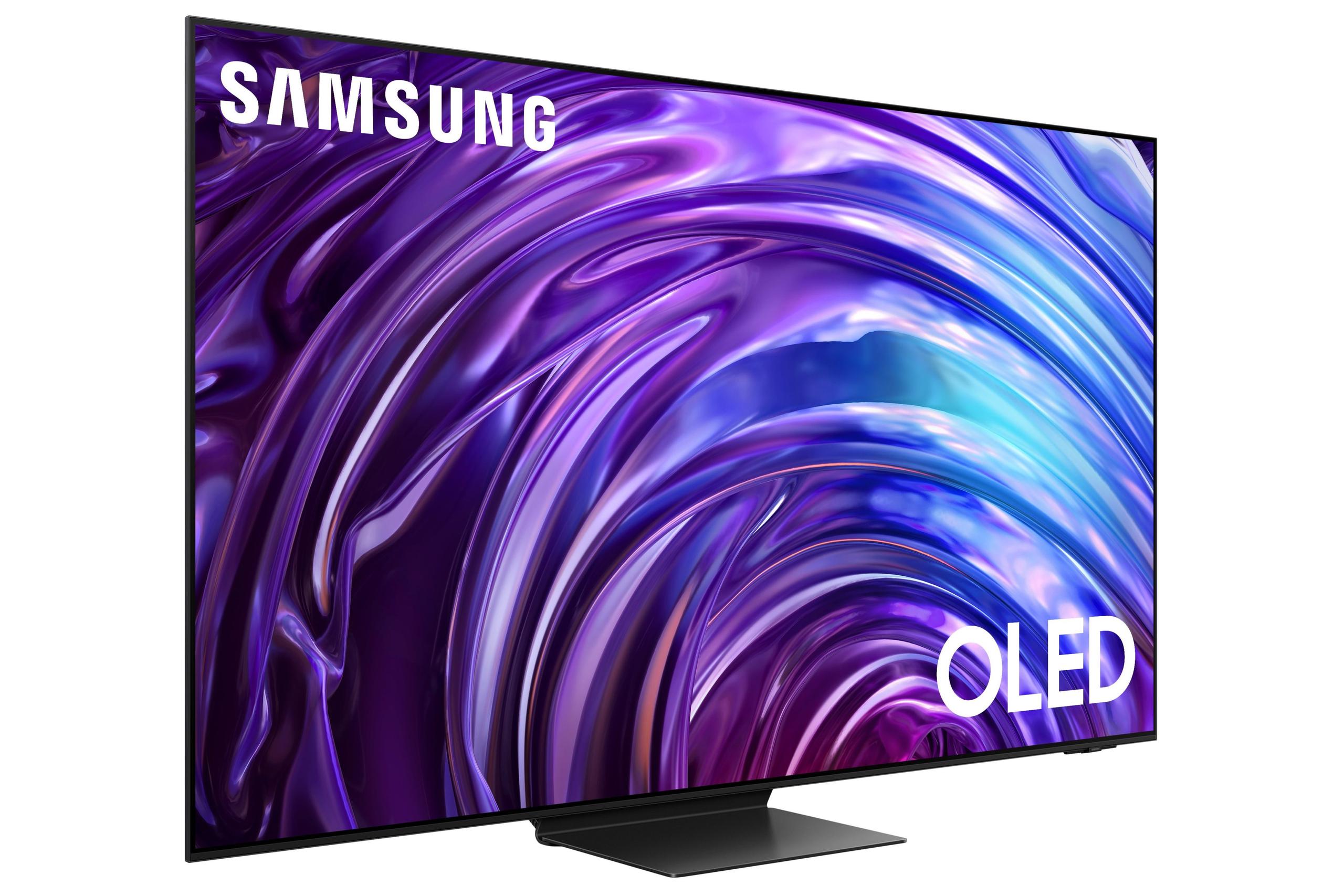
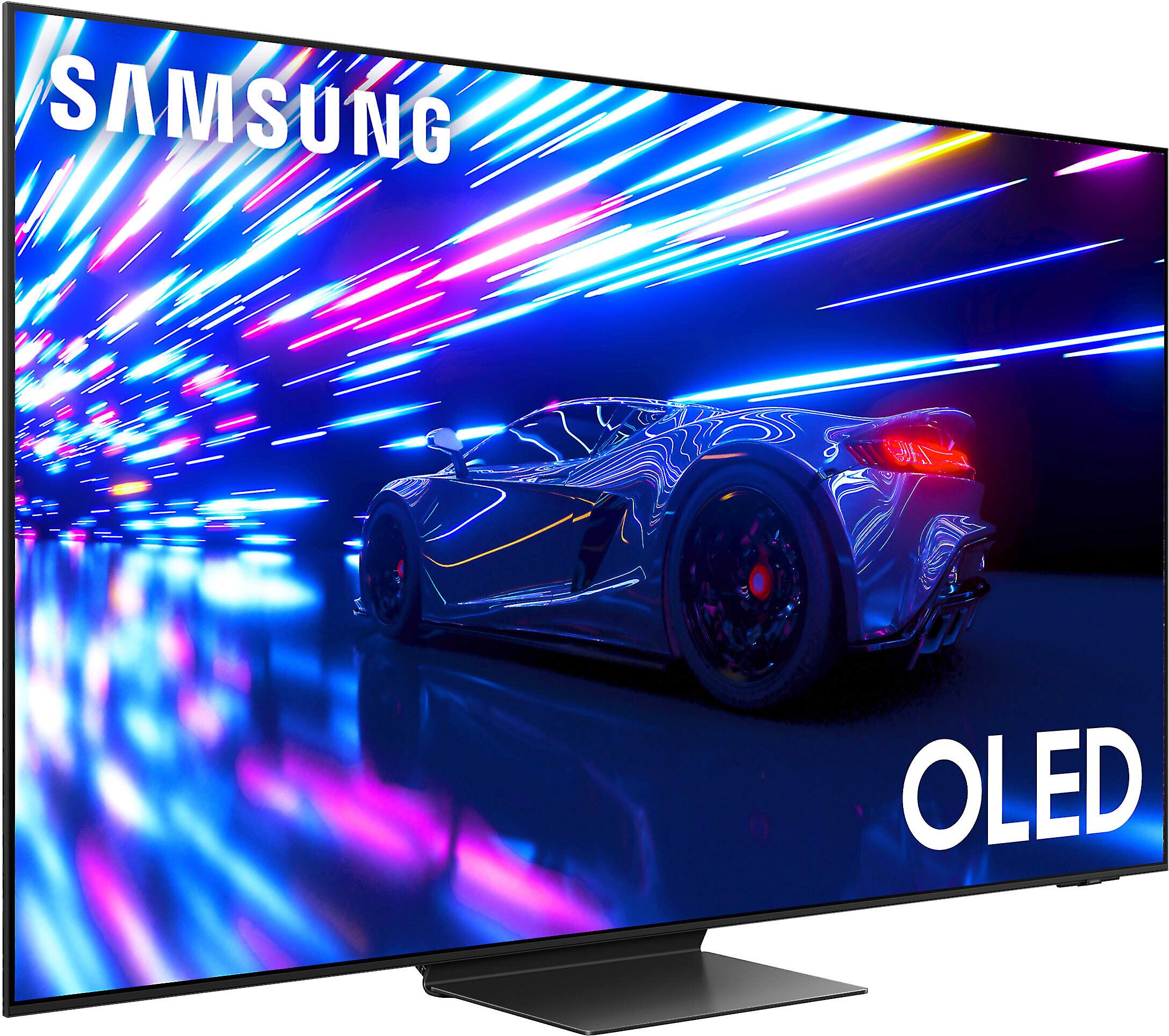
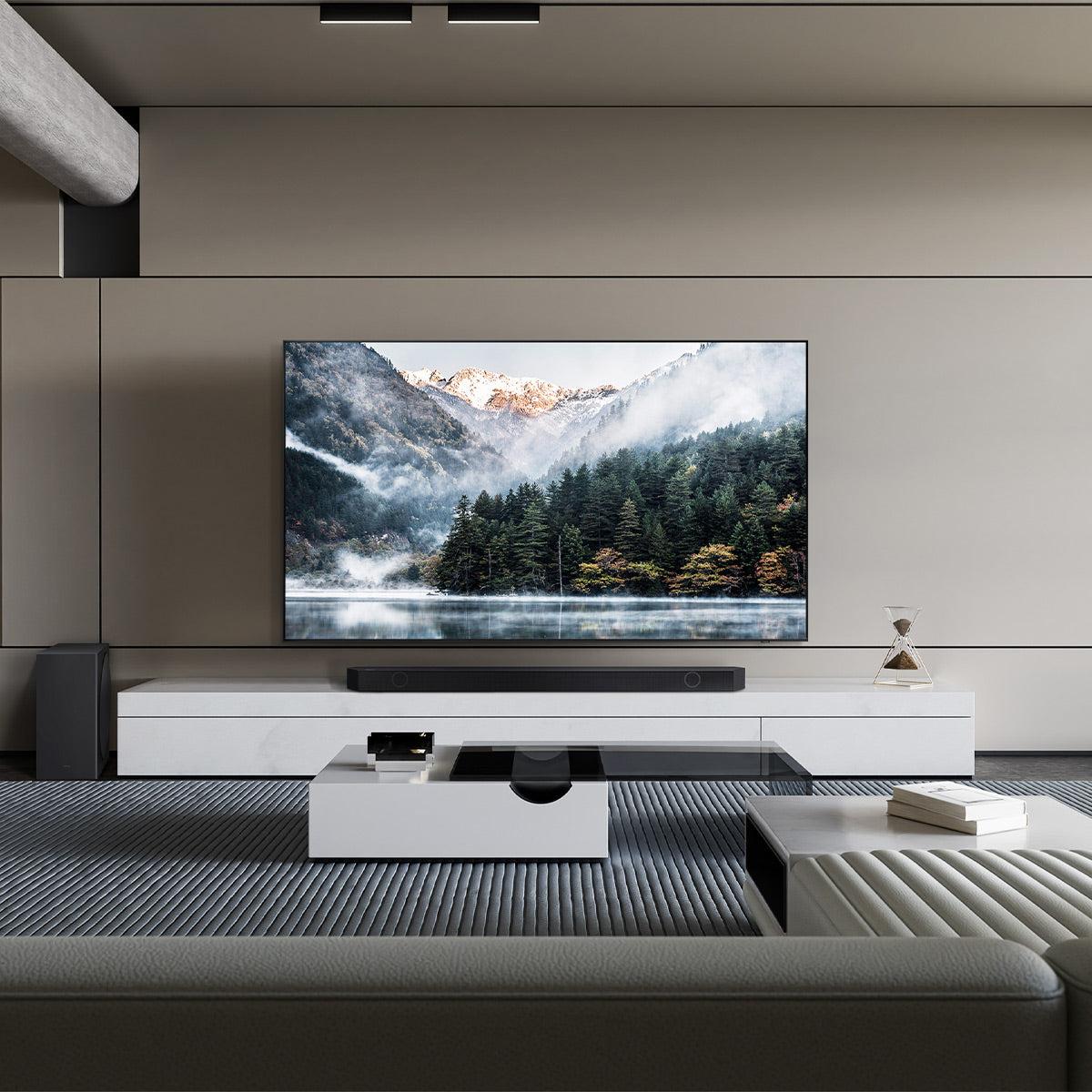
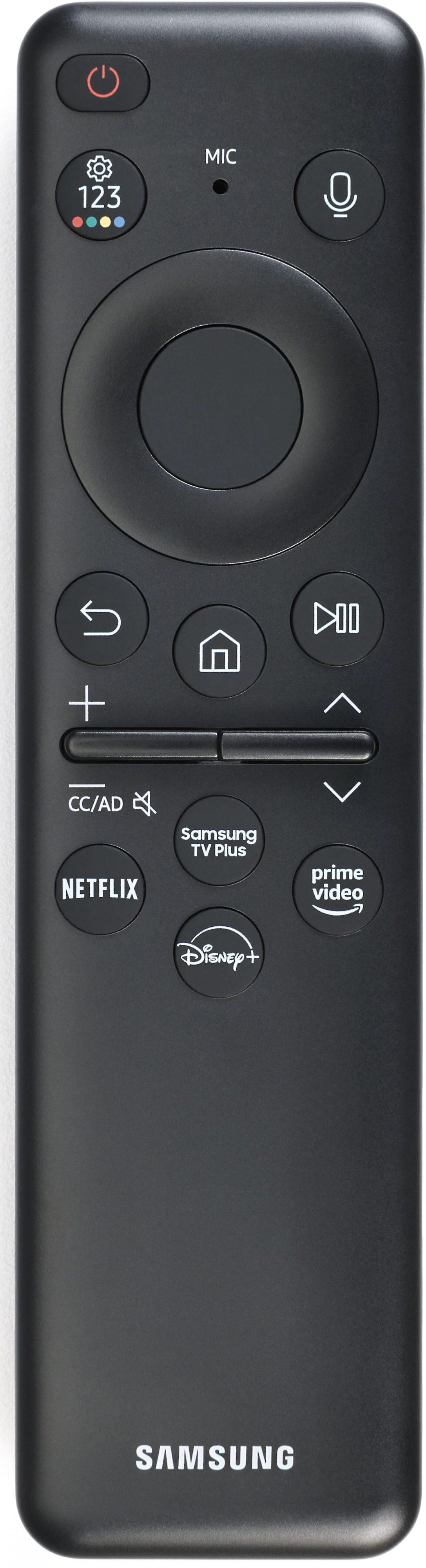
When Samsung released both the Crystal UHD U8000F and the flagship S95D OLED in recent years, they created an interesting dilemma for TV buyers. These two 65-inch televisions represent vastly different approaches to delivering 4K entertainment, and understanding their differences will save you from buyer's remorse.
At the time of writing, you're looking at roughly a three-to-four-times price difference between these models, with the U8000F positioned as Samsung's entry-level offering and the S95D commanding premium pricing as their flagship OLED. But here's what's fascinating: despite the huge price gap, both TVs excel in completely different scenarios, making the "better" choice entirely dependent on your specific needs.
The fundamental difference between these TVs lies in how they create the images you see. The Samsung U8000F uses LED backlighting technology, where rows of LED lights sit behind a liquid crystal display (LCD) panel. Think of it like having a flashlight behind a stained glass window - the backlight illuminates the LCD panel, which then blocks or allows light through to create colors and images.
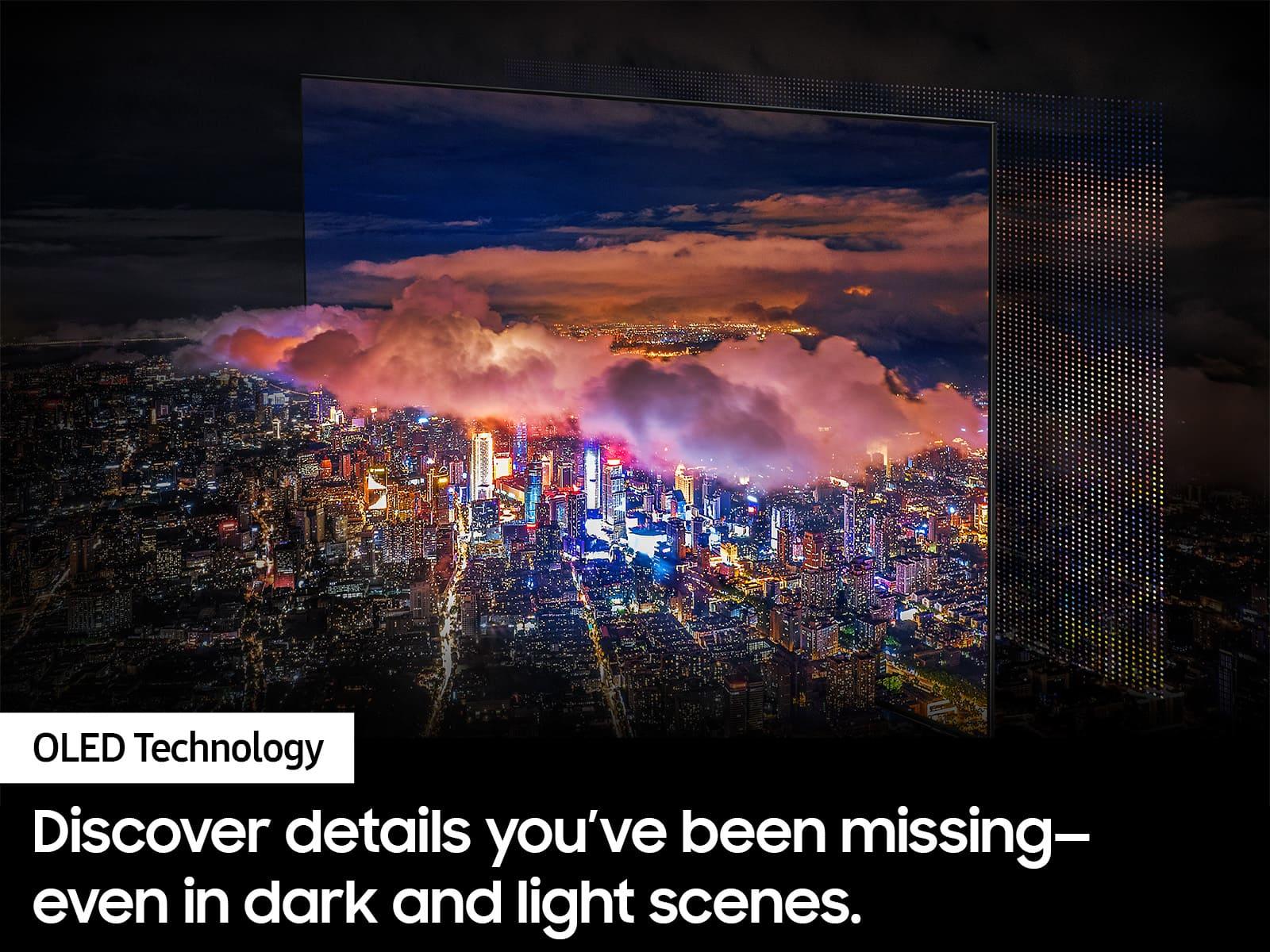
The Samsung S95D, however, uses OLED (Organic Light Emitting Diode) technology, where each individual pixel generates its own light and color. Imagine millions of tiny colored light bulbs that can turn completely on or off independently. This difference isn't just technical trivia - it fundamentally changes how these TVs perform in your home.
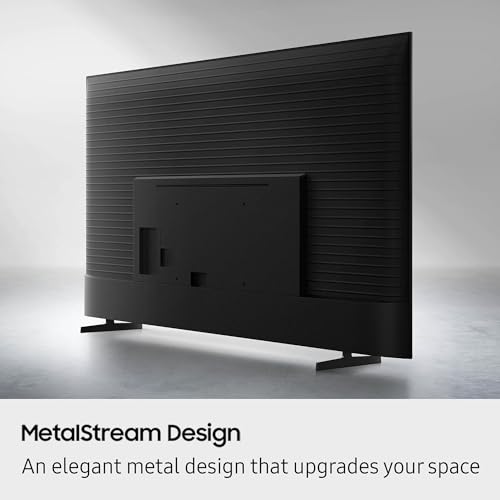
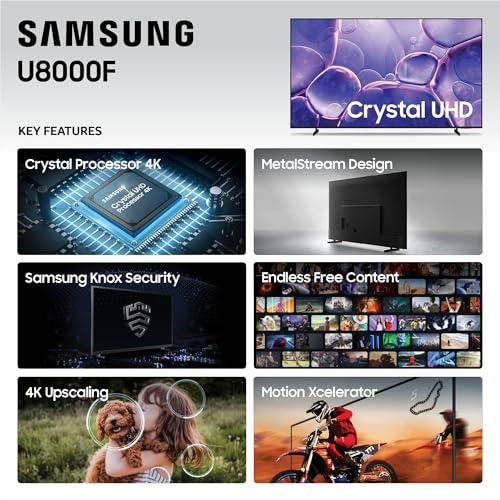
Samsung introduced significant improvements to both product lines in their respective release years. The U8000F arrived in 2025 with a new MetalStream design featuring an actual metal back panel (previous budget Samsung TVs used all-plastic construction), while the S95D launched in 2024 with Samsung's revolutionary anti-glare matte coating - the first OLED TV to successfully reduce reflections without destroying image quality.
Here's where the technology difference becomes immediately obvious. The S95D's OLED panel can produce perfect blacks because individual pixels simply turn off completely. When you're watching a space movie with stars against the void, those black areas are genuinely black - not dark gray pretending to be black.
The U8000F, like all LED TVs, faces what's called "light bleed." Since the backlight stays partially illuminated even during dark scenes, blacks appear grayish. Samsung tries to compensate with their "Mega Contrast" processing and UHD Dimming, which divides the screen into zones and adjusts brightness accordingly, but without true local dimming zones (where sections of the backlight can turn off independently), the contrast performance remains limited.
This matters most when you're watching content with dramatic lighting - think dark scenes in Game of Thrones or atmospheric horror movies. The S95D makes these scenes pop with detail, while the U8000F tends to wash them out.
Traditionally, OLED TVs struggled in bright rooms because they couldn't get as bright as LED TVs. The S95D changes this equation dramatically, reaching approximately 1,900 nits peak brightness thanks to its quantum dot layer. That's technical speak for "bright enough to punch through daylight streaming through your windows."
The U8000F can handle moderate ambient light reasonably well, but our research suggests it performs best in darker viewing environments. This creates an interesting irony - the budget LED TV actually works better in dim rooms, while the premium OLED excels in bright spaces.
But here's the S95D's secret weapon: Samsung's anti-glare matte coating. Every OLED TV before this acted like a mirror in bright rooms, reflecting lamps and windows directly back at you. This matte finish nearly eliminates those reflections while maintaining excellent image quality. It's genuinely revolutionary technology that solves OLED's biggest weakness.
The S95D uses what Samsung calls QD-OLED technology, combining quantum dots with OLED pixels. Quantum dots are microscopic crystals that convert blue light into incredibly pure red and green colors. This results in colors that are both more accurate and more vibrant than traditional displays.
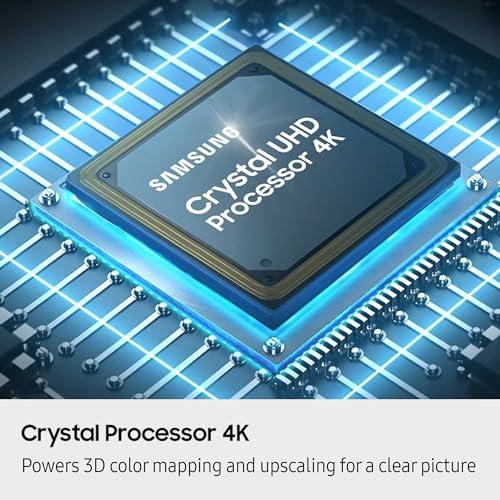
The U8000F uses Samsung's Crystal Processor 4K with Color Booster technology. While this produces natural-looking colors that most viewers will find pleasing, it simply cannot match the color volume and saturation possible with quantum dot technology. For everyday TV watching, the difference is subtle. For HDR content and vivid movies, the gap becomes obvious.
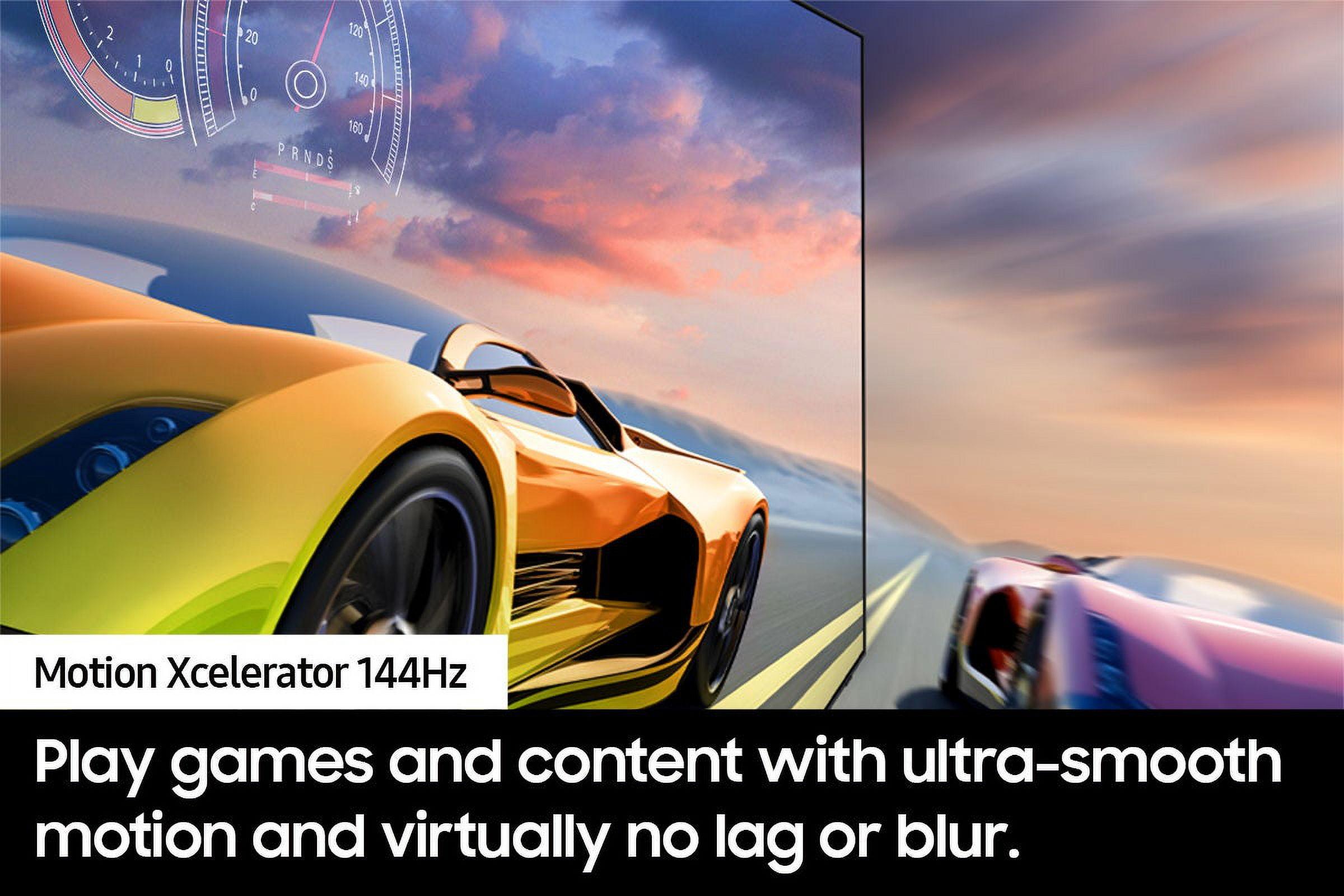
Gaming performance reveals the starkest difference between these TVs. The S95D supports up to 144Hz refresh rates with full HDMI 2.1 bandwidth across all four ports. This means PlayStation 5 and Xbox Series X games can run at their maximum 120fps in 4K with HDR enabled. The input lag measures around 9 milliseconds, making it exceptional for competitive gaming.
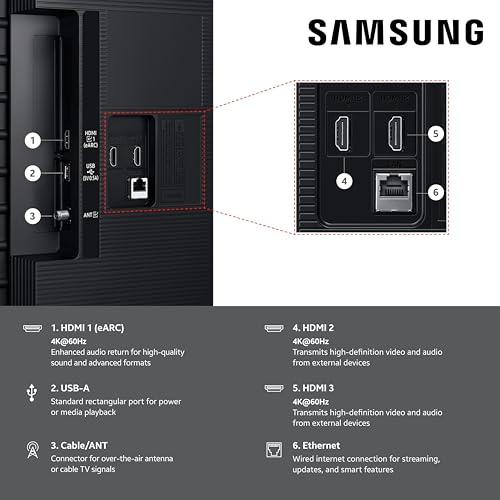
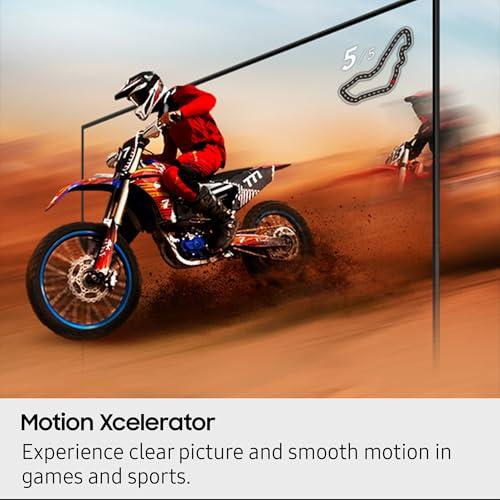
The U8000F tops out at 60Hz with HDMI 2.0 ports. While it supports Variable Refresh Rate (VRR) and Auto Low Latency Mode (ALLM) - features that reduce screen tearing and input delay - the 60Hz limitation means you're missing out on the smooth motion that next-generation consoles can deliver. Expert consensus rates it as "sub-par" for serious gaming, though it handles casual gaming adequately.
If you're planning to use either TV with a high-end gaming PC, the choice becomes even clearer. The S95D can display 144fps PC games in their full glory, while the U8000F caps you at 60fps regardless of your graphics card's capabilities.
Audio represents another significant gap between these models. The S95D features a robust 70-watt, 4.2.2 channel system with Dolby Atmos support and Object Tracking Sound Plus (OTS+). OTS+ means the TV attempts to match sound direction with on-screen action - when a car drives from left to right, the audio follows that movement.
The U8000F provides basic 20-watt stereo speakers with OTS Lite. While Samsung includes Q-Symphony support (which coordinates TV speakers with compatible Samsung soundbars), the fundamental audio experience remains limited. Most buyers in this price range plan to add a soundbar anyway, somewhat leveling the playing field.
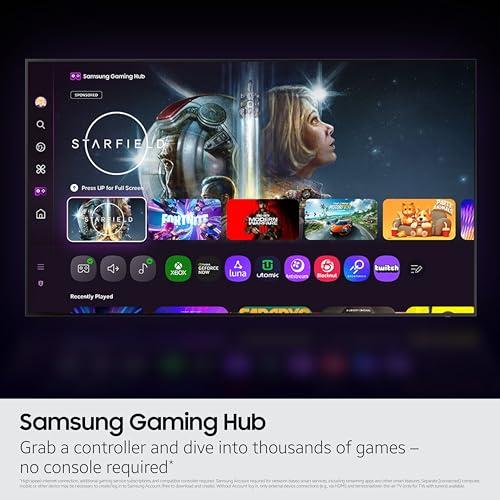
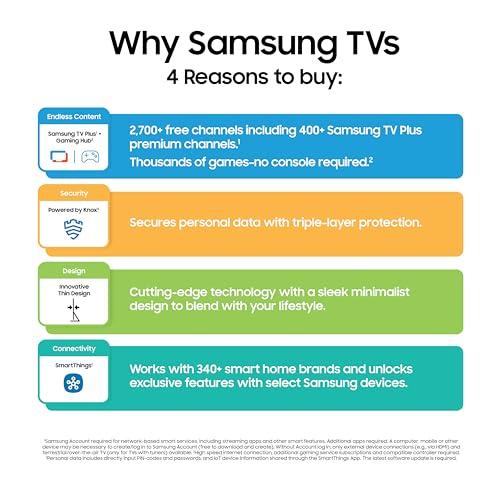
Both TVs run Samsung's Tizen operating system, providing access to all major streaming apps, Samsung's free TV Plus channels, and voice assistant integration. However, the processing power differs dramatically.
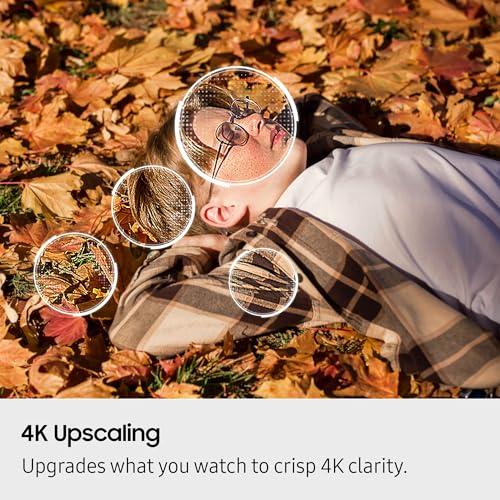
The S95D uses Samsung's NQ4 AI Gen2 Processor, powered by 20 specialized neural networks. This isn't marketing fluff - the advanced processor provides superior upscaling of lower-resolution content, better noise reduction, and intelligent picture optimization based on content type. When you're watching 1080p Netflix content, the AI processing makes it look noticeably sharper and cleaner.
The U8000F's Crystal Processor 4K handles basic upscaling adequately for its price range, but don't expect the refinement of flagship processing. Standard definition and 1080p content remains watchable but won't receive the sophisticated enhancement that the premium processor provides.
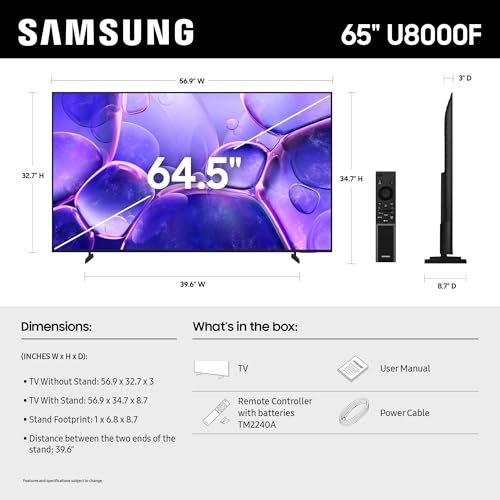
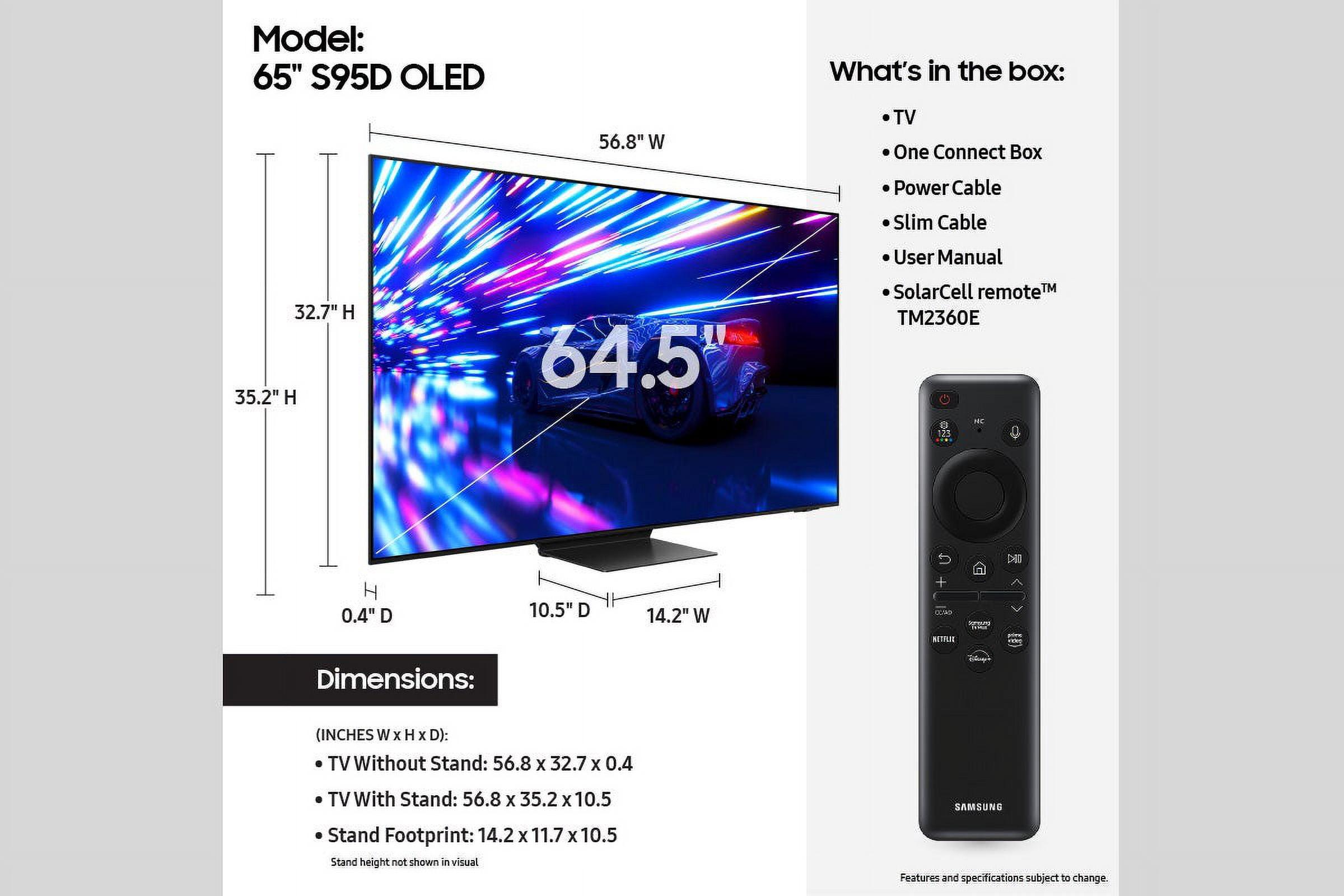
Samsung took different design approaches with these models. The U8000F represents a significant upgrade from previous budget Samsung TVs, featuring their new MetalStream design with an actual metal back panel and slim bezels. It's a clean, minimalist look that weighs about 31 pounds - manageable for most installation scenarios.
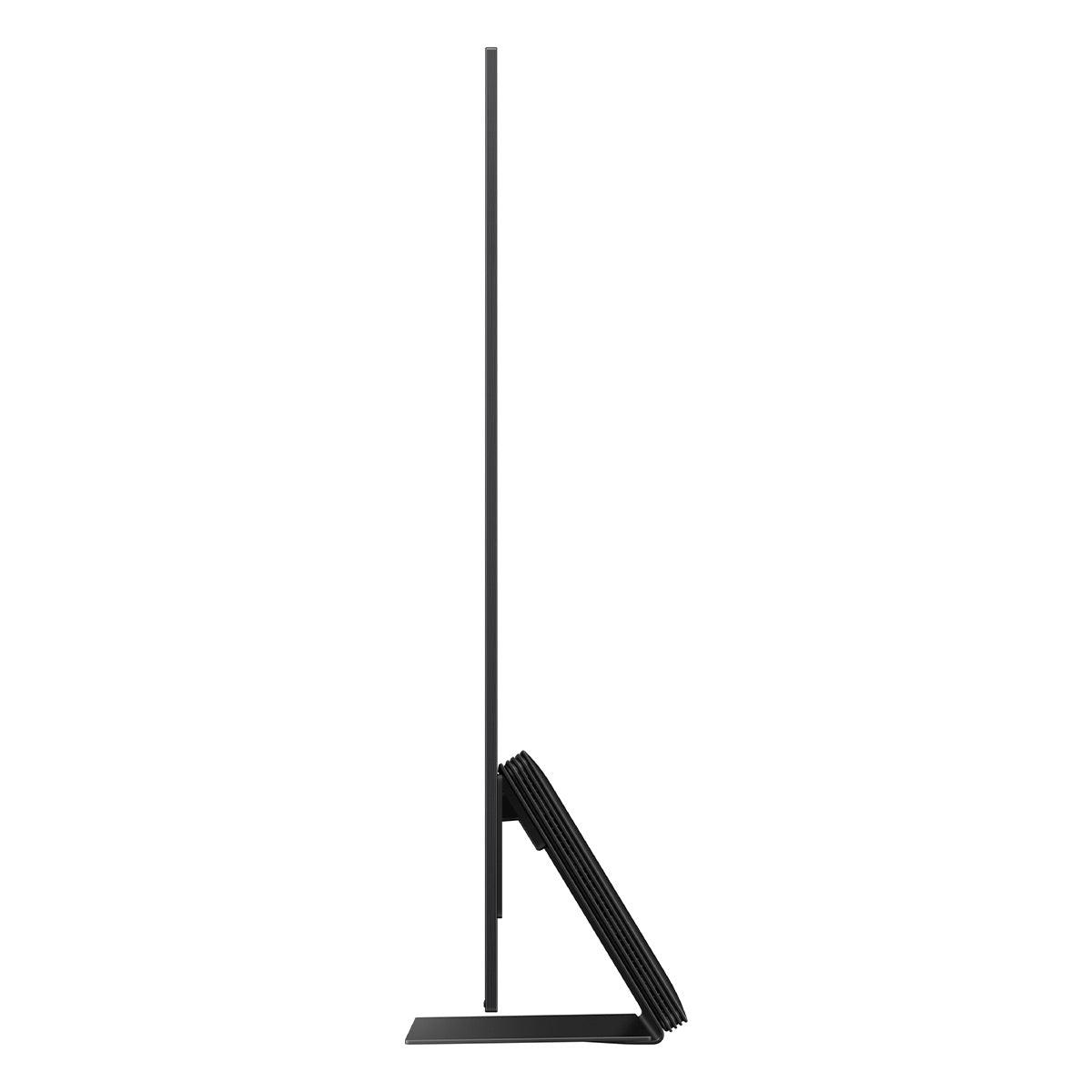
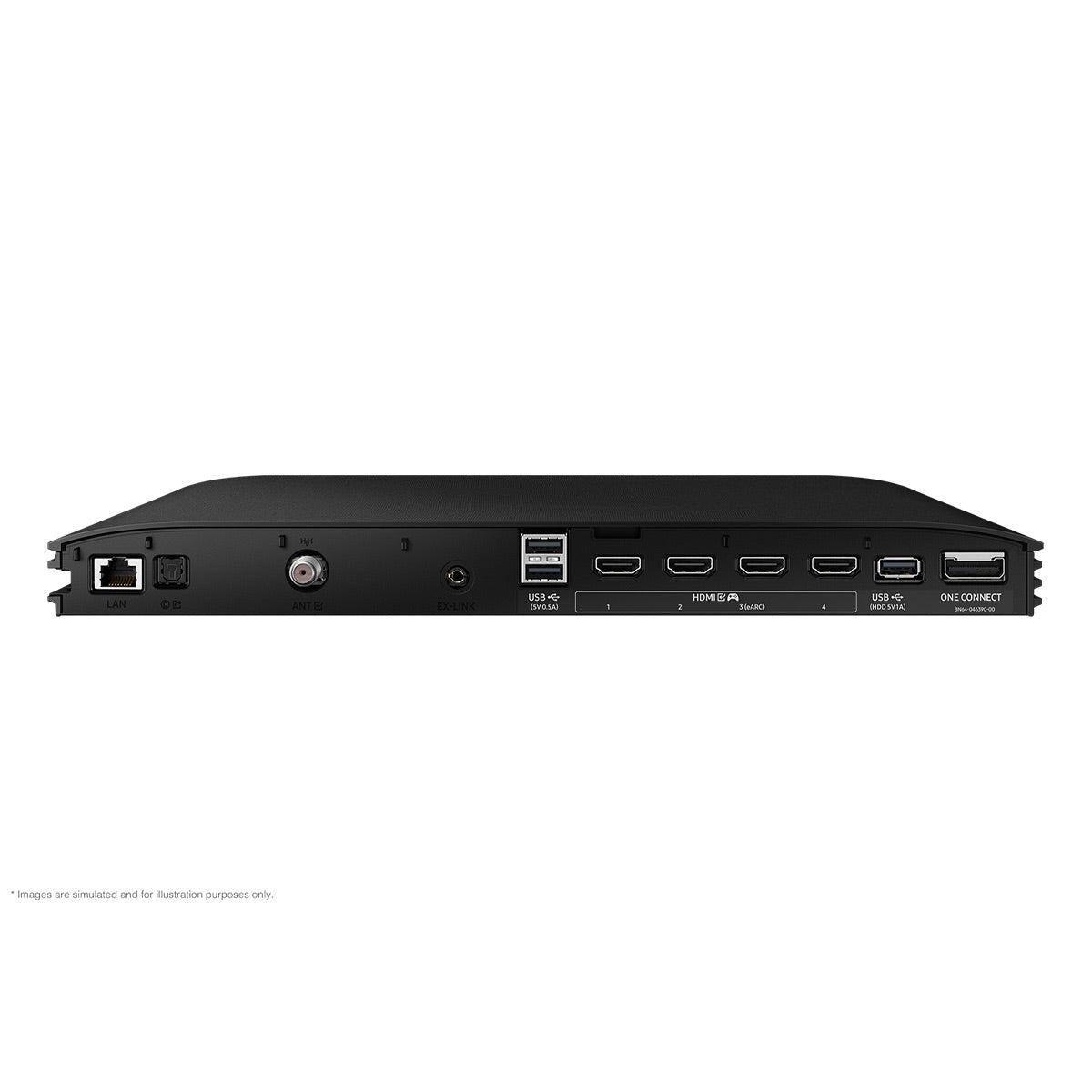
The S95D showcases Samsung's premium design philosophy with an ultra-thin 0.4-inch depth when wall-mounted. This thinness is possible because of the included Slim One Connect Box, which houses all the TV's inputs in a separate unit connected by a single thin cable. While this creates a cleaner wall-mounted appearance and easier cable management, it adds complexity and another component to your setup.
For dedicated home theater use, the S95D clearly takes the lead. Its perfect black levels, wide color gamut, and bright HDR performance create the cinematic experience that home theater enthusiasts crave. The anti-glare coating means you can enjoy this performance even with some ambient lighting, something previously impossible with OLED technology.
However, the U8000F has its place in home theater setups too, particularly as a secondary room TV or for those building their first dedicated viewing space on a budget. While it lacks the premium performance metrics, it provides a solid 4K HDR foundation that many viewers will find perfectly satisfying.
One important consideration: OLED TVs can experience burn-in if static images (like news tickers or video game HUDs) remain on-screen for extended periods. Modern OLED TVs include extensive burn-in prevention measures, and real-world burn-in is rare with normal viewing habits, but it remains a theoretical concern for the S95D.
At the time of writing, the price difference between these TVs is substantial - typically three to four times more for the S95D. That premium buys you transformative improvements in almost every performance category: perfect blacks, anti-glare technology, premium gaming capabilities, superior audio, and future-proof connectivity.
But value isn't just about getting the most features for your money - it's about getting the right features for your needs. The U8000F provides excellent value for viewers who primarily stream casual content, watch in moderately lit rooms, and don't need cutting-edge gaming performance.
Choose the Samsung S95D OLED if you want the best possible picture quality, plan to game at high frame rates, watch a lot of premium HDR content, or need a TV that performs well in bright rooms. The anti-glare coating alone makes it worth considering if you struggle with reflections from windows or lamps.
The Samsung Crystal UHD U8000F makes sense if you're budget-conscious, need a reliable secondary TV, primarily watch standard streaming content, or don't require advanced gaming features. It delivers solid 4K performance without the premium price tag.
Based on our research and analysis of expert reviews, the S95D represents one of the best TVs money can buy, while the U8000F offers respectable performance in the budget category. Neither is a bad choice - they're just designed for completely different buyers with different priorities and budgets.
The key is being honest about your viewing habits, room conditions, and budget constraints. If you can afford the S95D and will use its advanced features, it provides a genuinely transformative viewing experience. If you need functional 4K performance without breaking the bank, the U8000F delivers exactly that.
| Samsung 65-Inch Crystal UHD U8000F | Samsung 65" S95D OLED |
|---|---|
| Display Technology - Fundamentally changes picture quality and viewing experience | |
| LED backlight with LCD panel | QD-OLED with self-illuminating pixels |
| Black Levels - Critical for dark scene detail and overall contrast | |
| Grayish blacks due to backlight bleed | Perfect blacks (pixels turn completely off) |
| Peak Brightness - Determines HDR impact and bright room performance | |
| Adequate for moderate lighting conditions | ~1,900 nits (excellent for bright rooms) |
| Refresh Rate - Essential for gaming and smooth motion | |
| 60Hz (limits gaming to 60fps) | 120Hz (up to 144Hz for PC gaming) |
| HDMI Ports - Future-proofing for gaming consoles and devices | |
| 3x HDMI 2.0 (4K/60Hz max) | 4x HDMI 2.1 (4K/120Hz with HDR) |
| Anti-Glare Technology - Game-changer for bright room viewing | |
| Standard glossy screen (mirror-like reflections) | Revolutionary matte coating (nearly eliminates glare) |
| Processor - Affects upscaling quality and smart TV performance | |
| Crystal Processor 4K (basic upscaling) | NQ4 AI Gen2 with 20 neural networks |
| Audio System - Built-in sound quality without soundbar | |
| 20W stereo speakers with OTS Lite | 70W 4.2.2 channels with Dolby Atmos |
| Gaming Performance - Input lag and next-gen console compatibility | |
| Low input lag, 60Hz limitation | 9ms input lag, full next-gen console support |
| Design & Build - Premium feel and installation flexibility | |
| Metal body, traditional design (31 lbs) | Ultra-thin with One Connect Box (64 lbs) |
| Color Performance - Vibrancy and accuracy of displayed colors | |
| Natural colors with Color Booster | Quantum dot technology (wider color gamut) |
| Target Market - Best suited for these buyers | |
| Budget-conscious, casual viewing, secondary rooms | Premium performance, bright rooms, serious gaming |
The primary difference is display technology. The Samsung U8000F uses LED backlighting with an LCD panel, while the Samsung S95D features OLED technology with self-illuminating pixels. This means the S95D produces perfect blacks and infinite contrast, while the U8000F has grayish blacks due to backlight bleed. The OLED also offers much better picture quality overall.
The Samsung S95D is significantly better for gaming with its 120Hz refresh rate (up to 144Hz), four HDMI 2.1 ports, and 9ms input lag. It fully supports next-gen consoles like PS5 and Xbox Series X at 4K/120Hz. The Samsung U8000F is limited to 60Hz with HDMI 2.0 ports, making it adequate only for casual gaming.
The Samsung S95D excels in bright rooms thanks to its anti-glare matte coating and high brightness levels around 1,900 nits. This revolutionary coating nearly eliminates reflections. The Samsung U8000F struggles more in bright conditions with its glossy screen that creates mirror-like reflections.
The Samsung U8000F provides excellent value for budget-conscious buyers who need basic 4K functionality. The Samsung S95D commands a premium but delivers transformative picture quality improvements. Value depends on your needs - the U8000F for casual viewing, the S95D for premium performance.
The Samsung S95D features a robust 70W 4.2.2 channel system with Dolby Atmos and Object Tracking Sound Plus. The Samsung U8000F has basic 20W stereo speakers with OTS Lite. Both support Q-Symphony for soundbar coordination, but the S95D offers significantly better built-in audio.
For movie watching, the Samsung S95D is superior with perfect blacks, wide color gamut, and excellent HDR performance. It's ideal for cinematic content and dark scenes. The Samsung U8000F provides decent movie viewing for casual entertainment but lacks the contrast and color depth of the OLED.
Yes, both the Samsung U8000F and Samsung S95D run Samsung's Tizen operating system with access to all major streaming apps like Netflix, Disney+, and Prime Video. Both also include Samsung TV Plus free channels. The main difference is processing power - the S95D has a more advanced processor for better performance.
The Samsung S95D features premium construction with an ultra-thin 0.4-inch profile and Slim One Connect Box for cable management. The Samsung U8000F has Samsung's new MetalStream design with a metal back panel, which is an upgrade from previous budget models but not as refined as the flagship OLED.
The Samsung S95D can potentially experience burn-in if static images remain on screen for extended periods, though this is rare with normal viewing. OLED TVs also traditionally cost more than LED models. The matte coating on this model slightly reduces sharpness compared to glossy OLEDs, but eliminates reflections.
The Samsung S95D is clearly better for dedicated home theater use with its perfect blacks, wide color gamut, and excellent HDR performance that creates a truly cinematic experience. The anti-glare coating allows enjoyment even with some ambient lighting. The Samsung U8000F works as a budget home theater option but lacks premium performance.
Both TVs offer similar smart features through Tizen OS, but the Samsung S95D has Samsung's NQ4 AI Gen2 processor with 20 neural networks for superior upscaling and optimization. The Samsung U8000F uses the basic Crystal Processor 4K. Both support voice assistants and have similar connectivity options, though the S95D offers more HDMI ports.
Choose the Samsung U8000F if you're budget-conscious, watch primarily standard content, and don't need advanced gaming features. Select the Samsung S95D if you want the best picture quality, plan to game at high frame rates, watch premium HDR content, or need excellent bright room performance with its anti-glare technology.
We've done our best to create useful and informative comparisons to help you decide what product to buy. Our research uses advanced automated methods to create this comparison and perfection is not possible - please contact us for corrections or questions. These are the sites we've researched in the creation of this article: bestbuy.com - youtube.com - youtube.com - rtings.com - youtube.com - samsung.com - hometechnologyreview.com - rtings.com - samsung.com - displayspecifications.com - samsung.com - displayspecifications.com - walmart.com - billsmith.com - dentonstv.com - samsung.com - samsung.com - samsung.com - youtube.com - bestbuy.com - bestbuy.com - youtube.com - samsung.com - donstv.com - techradar.com - videoandaudiocenter.com - avsforum.com - cnet.com - abt.com - merlinstv.com - nfm.com - rtings.com - flintsfurniture.com - samsung.com - bestbuy.com - displayspecifications.com

Privacy Policy
Terms and Conditions - Affiliate Policy
Home Security
© Copyright 2008-2026.
11816 Inwood Rd #1211, Dallas, TX 75244