

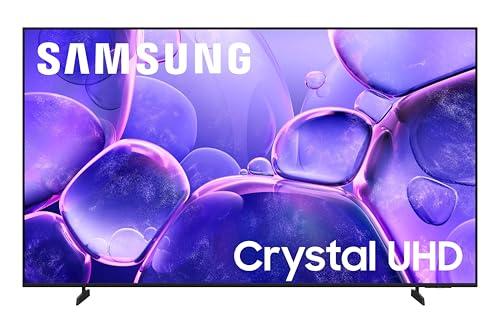

When you're shopping for a 65-inch TV, you'll quickly discover that display technology makes all the difference—and nowhere is this more apparent than comparing Samsung's entry-level Crystal UHD U8000F with Sony's premium BRAVIA 8 OLED. These TVs represent fundamentally different approaches to home entertainment, with price differences that reflect vastly different viewing experiences.
Before diving into specifics, it's crucial to understand what sets these technologies apart. The Samsung U8000F uses LED technology, which means it has an LCD panel (the part that creates the image) backlit by LED lights. Think of it like a theater screen with projectors shining light through it from behind. This setup can get very bright—perfect for sunny living rooms—but struggles to create true blacks because the backlight is always on to some degree.
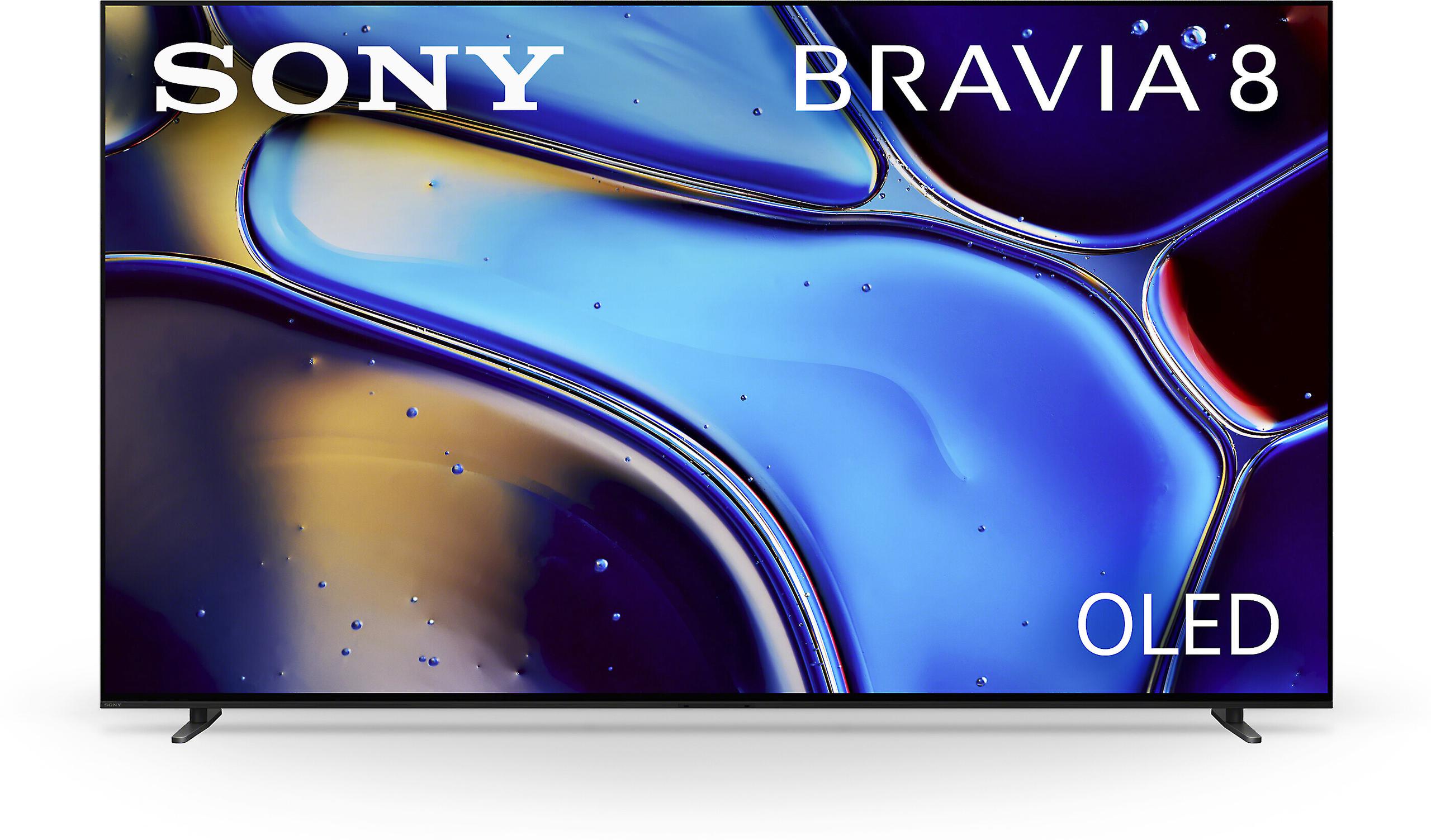
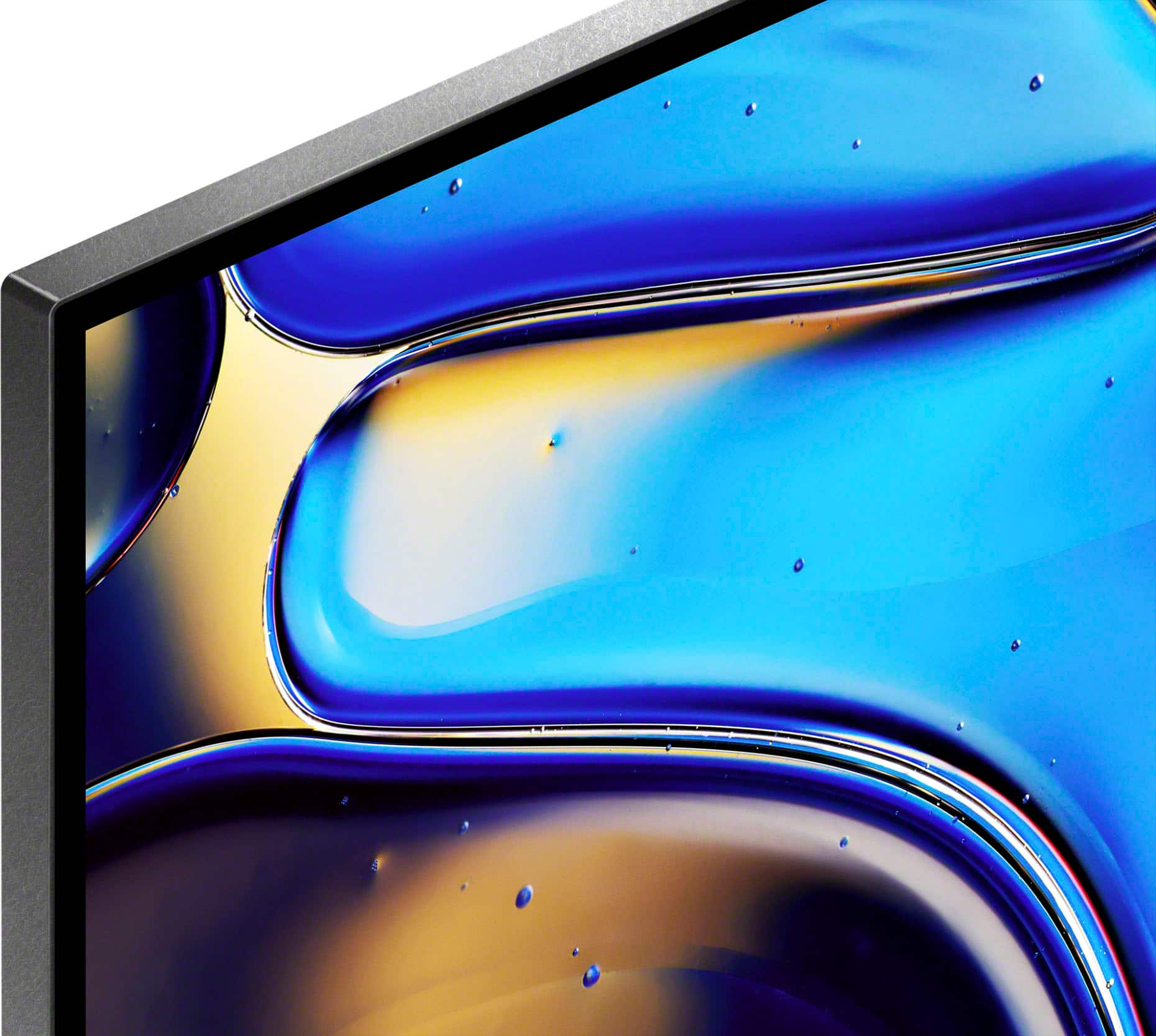
The Sony BRAVIA 8, on the other hand, uses OLED (Organic Light-Emitting Diode) technology where each pixel produces its own light. Imagine having 8 million tiny light bulbs that can turn completely on, dim, or shut off individually. When a pixel needs to be black, it simply turns off entirely, creating what we call "infinite contrast"—the difference between the brightest whites and the deepest blacks.
This fundamental difference shapes everything else about these TVs, from their price points to their ideal viewing conditions.
The most dramatic difference between these TVs lies in their ability to reproduce dark scenes. The Sony BRAVIA 8 achieves perfect black levels because its pixels can turn completely off. When you're watching a movie like "Dune" or "Blade Runner 2049," those inky black space scenes truly disappear into darkness, making bright elements pop with incredible intensity.
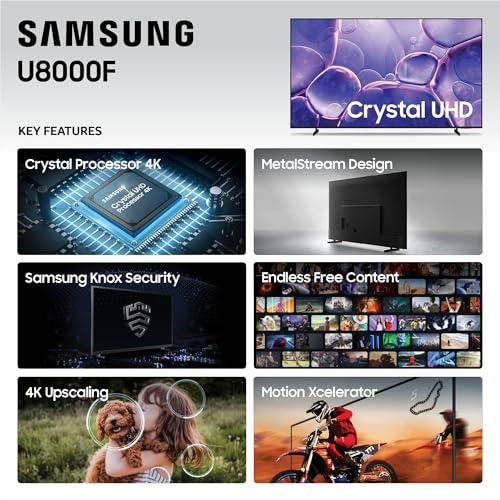
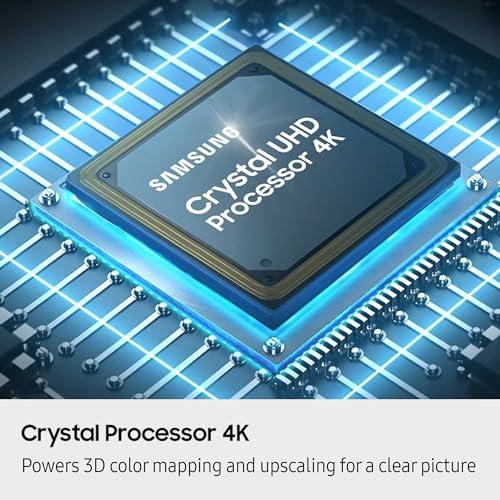
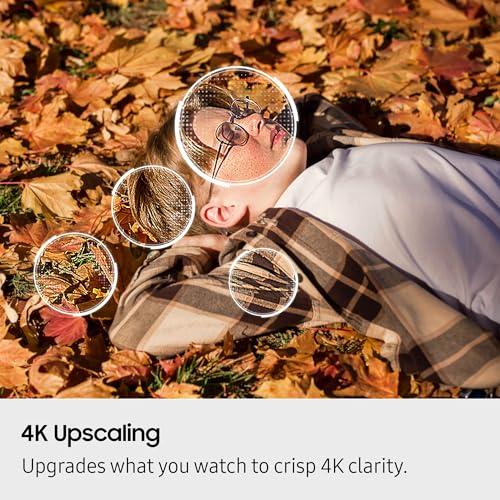
The Samsung U8000F, despite its Crystal Processor 4K doing admirable work with color mapping and upscaling, simply cannot match this performance. Its LED backlight means even the darkest scenes have a slight grayish glow. For movies with lots of dark content, this difference is immediately noticeable.
However, the Samsung holds its own in brighter scenes. Its LED panel can push significantly more raw brightness than the Sony, making it excellent for daytime viewing in well-lit rooms. If your TV primarily lives in a bright living room with large windows, the Samsung's extra brightness might actually provide a better viewing experience than the Sony's superior contrast.
Both TVs handle color reproduction well, but through different approaches. The Samsung U8000F uses Samsung's Crystal Processor 4K with UHD Dimming technology. UHD Dimming divides the screen into zones and adjusts brightness independently, though it lacks the precision of true local dimming found in higher-end TVs.
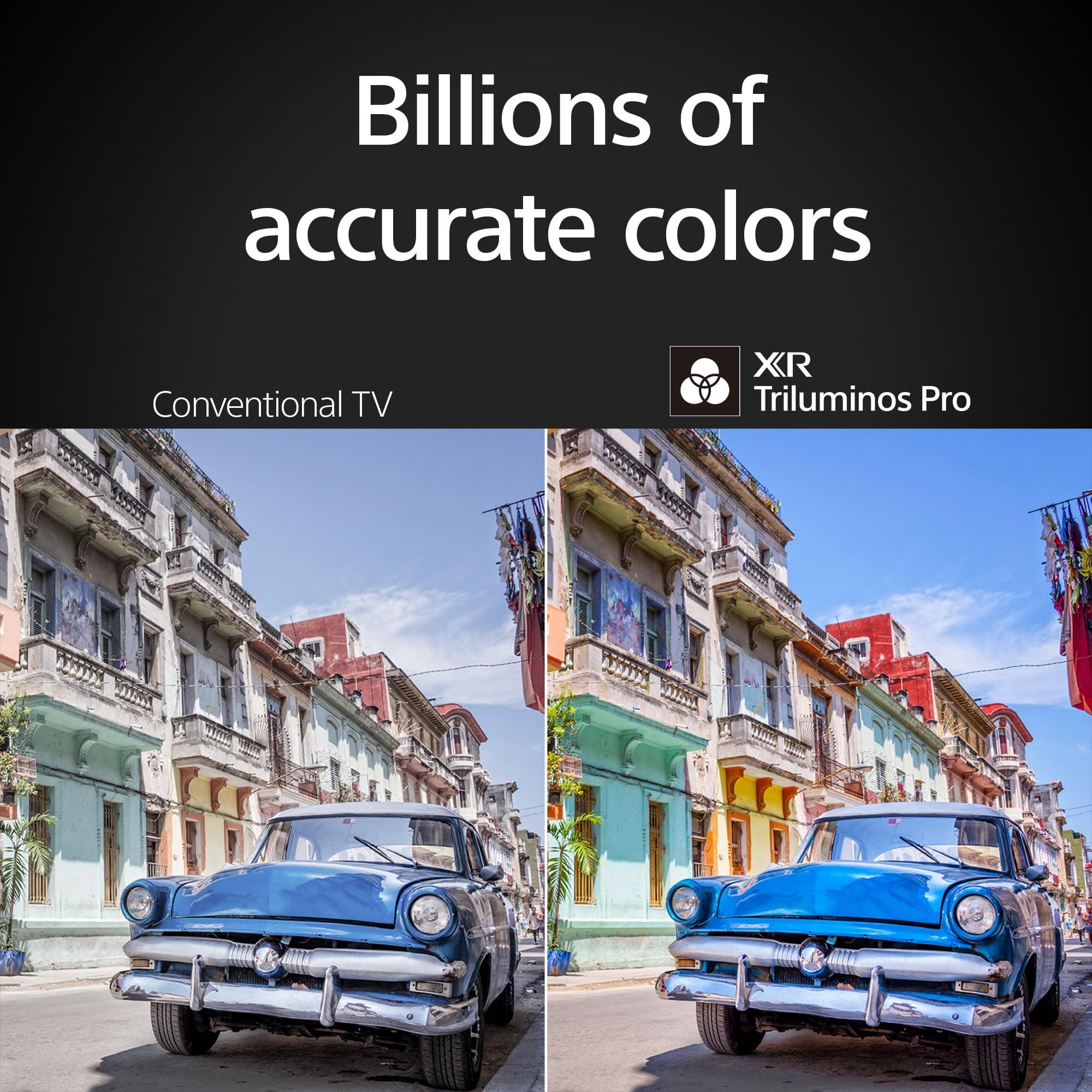
The Sony BRAVIA 8 employs Sony's XR Processor with XR Triluminos Pro technology, accessing what Sony claims are billions of accurate colors. More importantly, it supports Dolby Vision HDR—a more sophisticated standard than the Samsung's HDR10+ support. Dolby Vision adjusts brightness and color on a scene-by-scene basis, providing more nuanced HDR performance.
HDR (High Dynamic Range) is essentially about expanding the range between the darkest and brightest parts of an image to match what your eyes see in real life. The Sony's perfect blacks give it a significant advantage here—when a scene has both bright sunlight and deep shadows, the OLED can display both simultaneously without compromise.
This is where things get interesting for sports fans and action movie lovers. The Samsung U8000F operates at 60Hz with Motion Xcelerator technology, which is adequate for most content but shows its limitations during fast-paced scenes. You might notice some blur during quick camera pans or fast-moving sports action.
The Sony BRAVIA 8 runs at 120Hz with XR OLED Motion processing. This higher refresh rate, combined with the OLED panel's fast pixel response time, delivers significantly smoother motion. However, some OLED TVs can suffer from what's called "black frame insertion" stutter in certain content, though Sony's processing generally handles this well.
For sports viewing, the Samsung's higher brightness might give it an edge in bright rooms, while the Sony's superior motion handling and contrast provide a more cinematic experience in darker environments.
Gaming represents one of the biggest differentiators between these TVs, especially if you own a PlayStation 5 or Xbox Series X console.
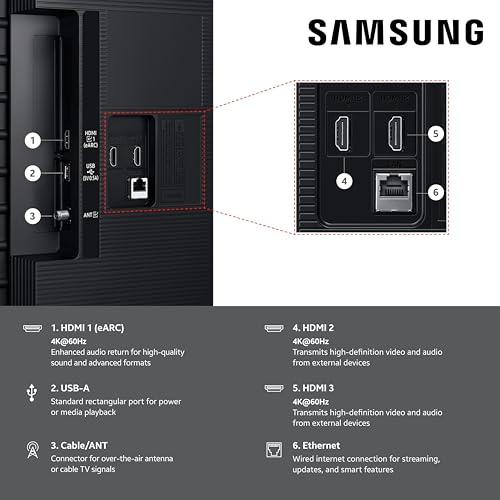
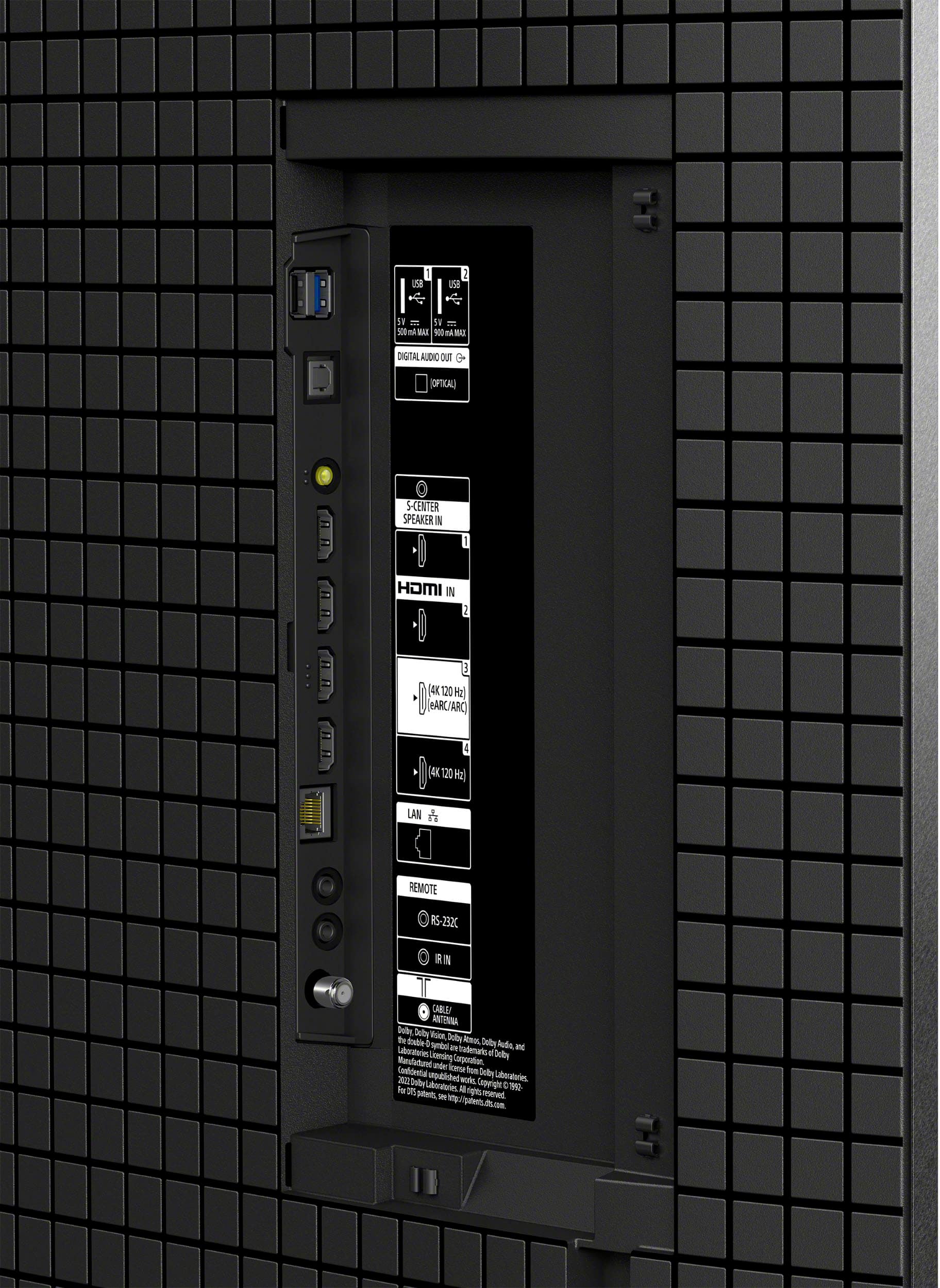
The Samsung U8000F offers respectable gaming features for its price point, including Variable Refresh Rate (VRR) and Auto Low Latency Mode (ALLM). VRR synchronizes the TV's refresh rate with your console's output to eliminate screen tearing, while ALLM automatically switches to the lowest input lag when it detects a gaming signal. However, with only HDMI 2.0 ports and a 60Hz panel, you're limited to 4K gaming at 60 frames per second.
The Sony BRAVIA 8 is in a different league entirely for gaming. Its 120Hz panel and two HDMI 2.1 ports can handle 4K gaming at 120 frames per second—the full capability of current-generation consoles. The difference is dramatic in supported games; titles like "Call of Duty" or "Forza Horizon" feel noticeably more responsive and fluid at 120Hz.
Input lag—the delay between pressing a button and seeing the action on screen—is excellent on both TVs in their respective Game modes. However, the Sony's additional gaming features, including Auto HDR Tone Mapping specifically for PlayStation 5, make it the clear winner for serious gamers.
TV audio often gets dismissed, but these models showcase two very different approaches that affect the viewing experience significantly.
The Samsung U8000F features a basic 20-watt, 2-channel speaker system with Object Tracking Sound Lite. This technology attempts to make sound follow action across the screen, though with limited success given the modest speaker setup. It's adequate for casual viewing but lacks the depth and power for immersive movie watching.
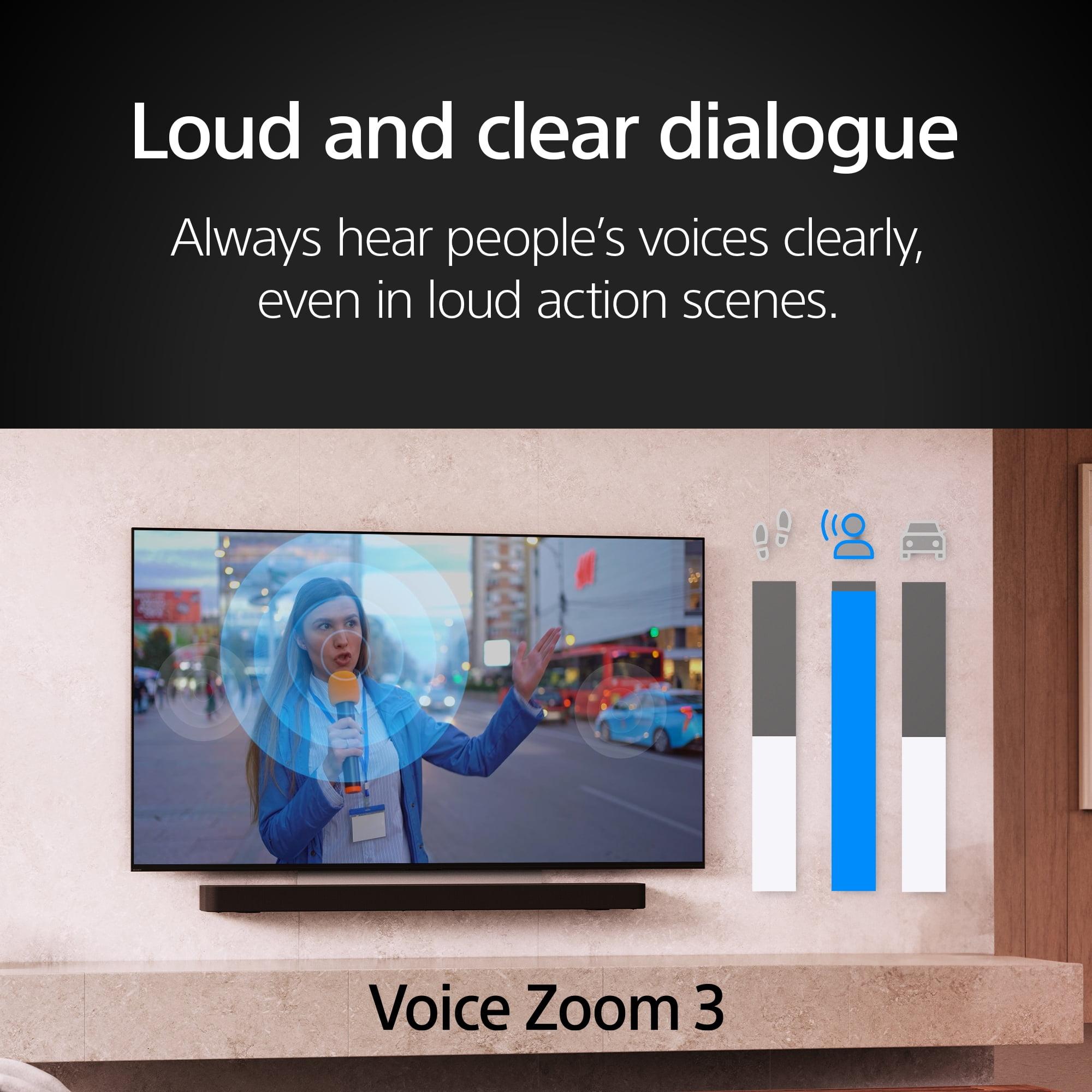
The Sony BRAVIA 8 includes something genuinely innovative: Acoustic Surface Audio+. Instead of traditional speakers, the entire OLED screen acts as a speaker, with actuators behind the panel vibrating the display to create sound. This 50-watt, 2.1-channel system creates an uncanny effect where dialogue appears to come directly from actors' mouths rather than from speakers below the screen.
For home theater use, the Sony's audio approach provides a more immersive baseline experience, though both TVs benefit significantly from adding a dedicated soundbar or surround system.
Both TVs released with mature smart platforms, but they take different approaches to content discovery and smart home integration.
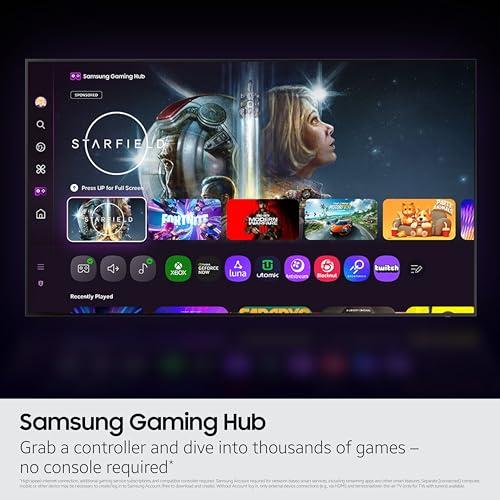
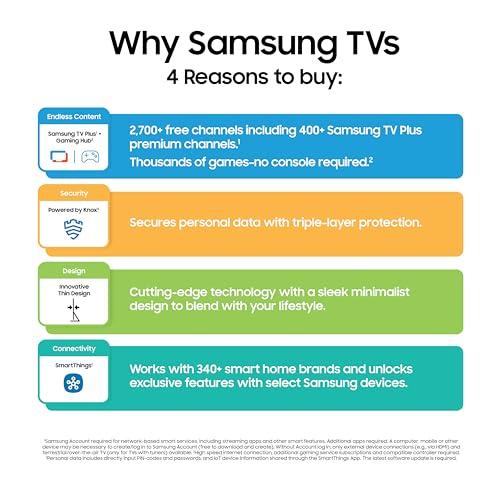
The Samsung U8000F runs Samsung's Tizen operating system, which has evolved significantly since its introduction. The 2025 model includes Samsung TV Plus, offering thousands of free streaming channels—a notable value addition. The SmartThings Hub integration allows the TV to control other smart home devices, while the Game Hub provides access to cloud gaming services like Xbox Cloud Gaming.
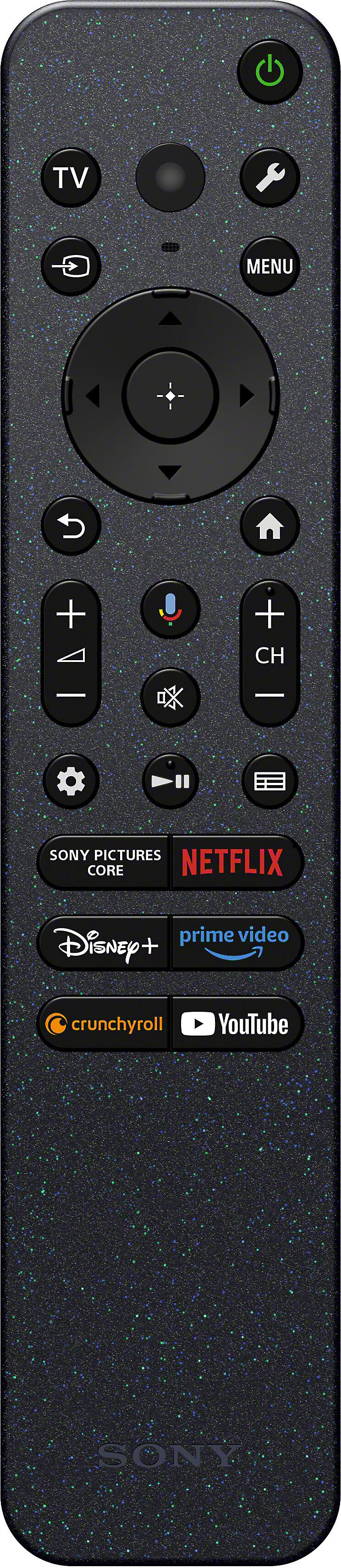
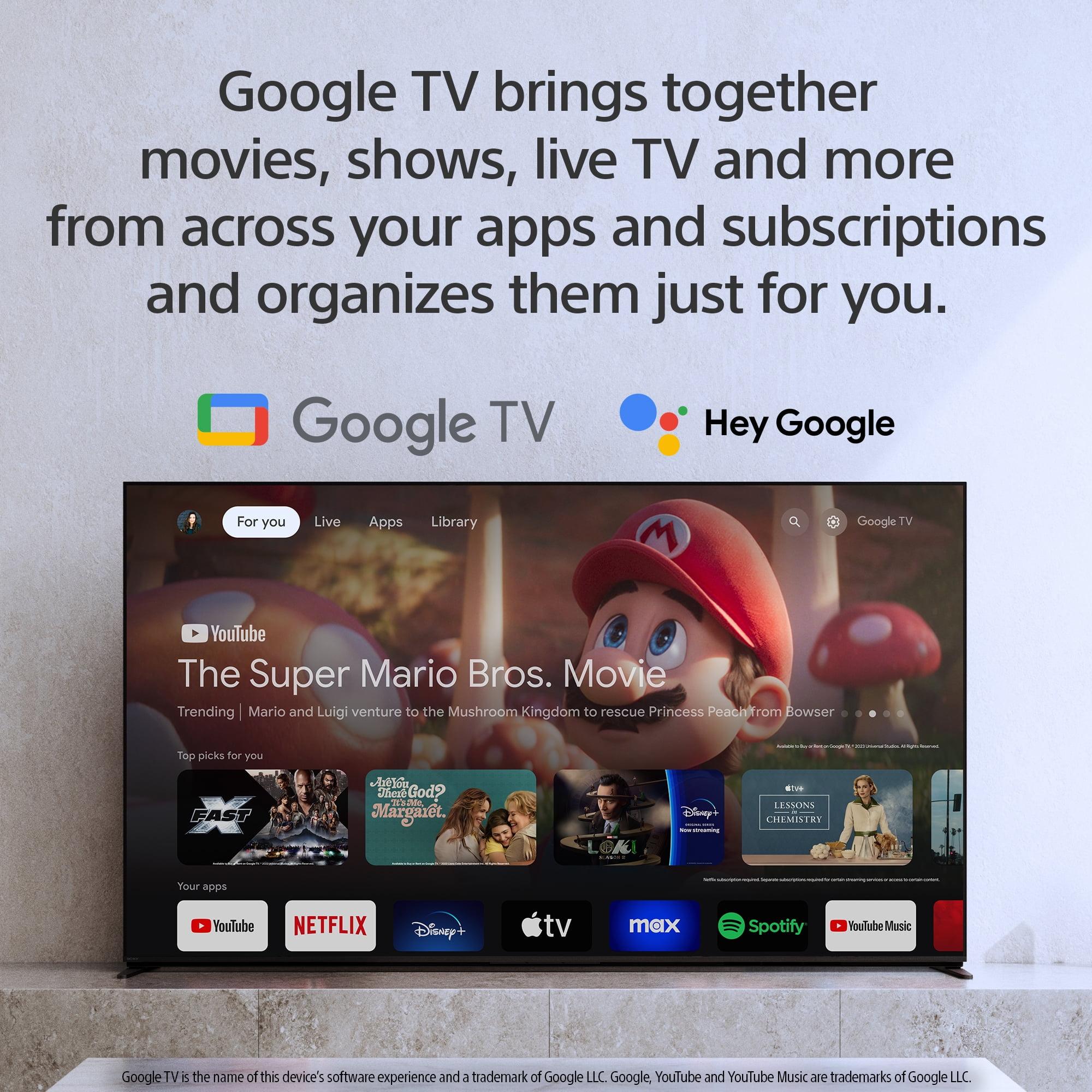
The Sony BRAVIA 8 uses Google TV, widely considered one of the most comprehensive smart TV platforms available. The interface excels at content discovery, aggregating shows and movies from multiple streaming services into unified recommendations. Built-in Chromecast and Google Assistant provide seamless integration with Android phones and Google's ecosystem.
Both platforms handle the basics well—Netflix, Disney+, Amazon Prime Video, and other major streaming services work flawlessly. The choice often comes down to ecosystem preference and the value of Samsung's free content offerings versus Google TV's superior organization and discovery features.
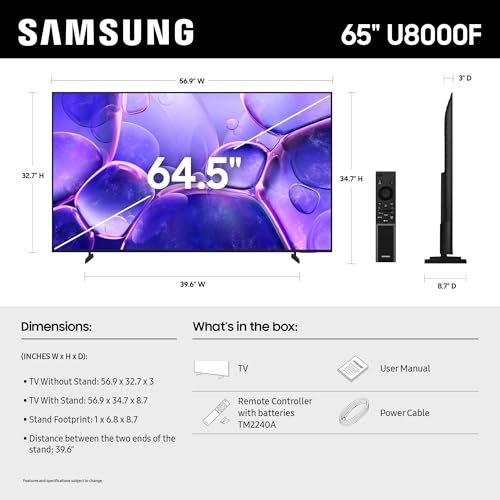
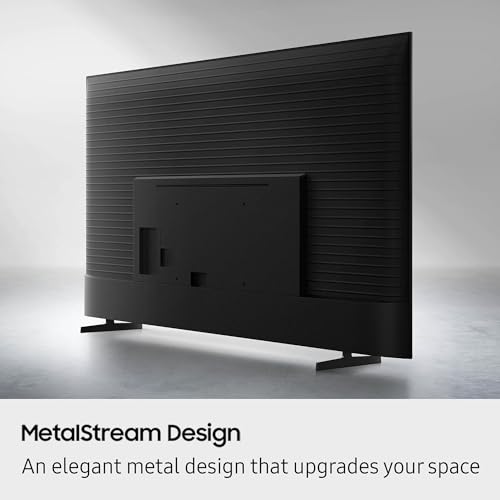
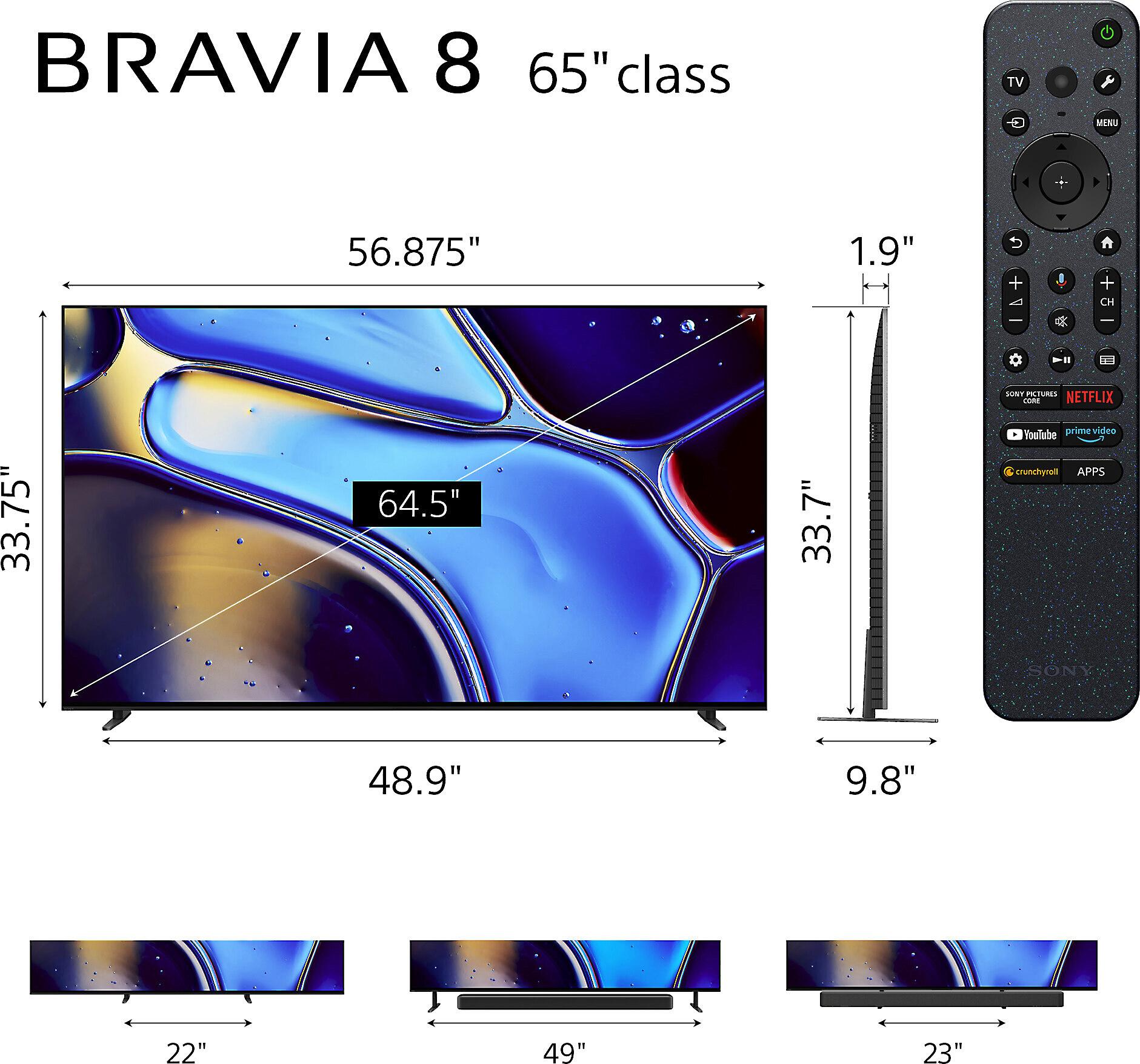
The physical design differences reflect their market positioning. The Samsung U8000F features Samsung's new MetalStream Design for 2025, an upgrade from previous all-plastic construction. The slim bezels and metal backing provide a premium appearance that belies its budget positioning. It weighs around 32 pounds with the stand and measures roughly 57 inches wide.
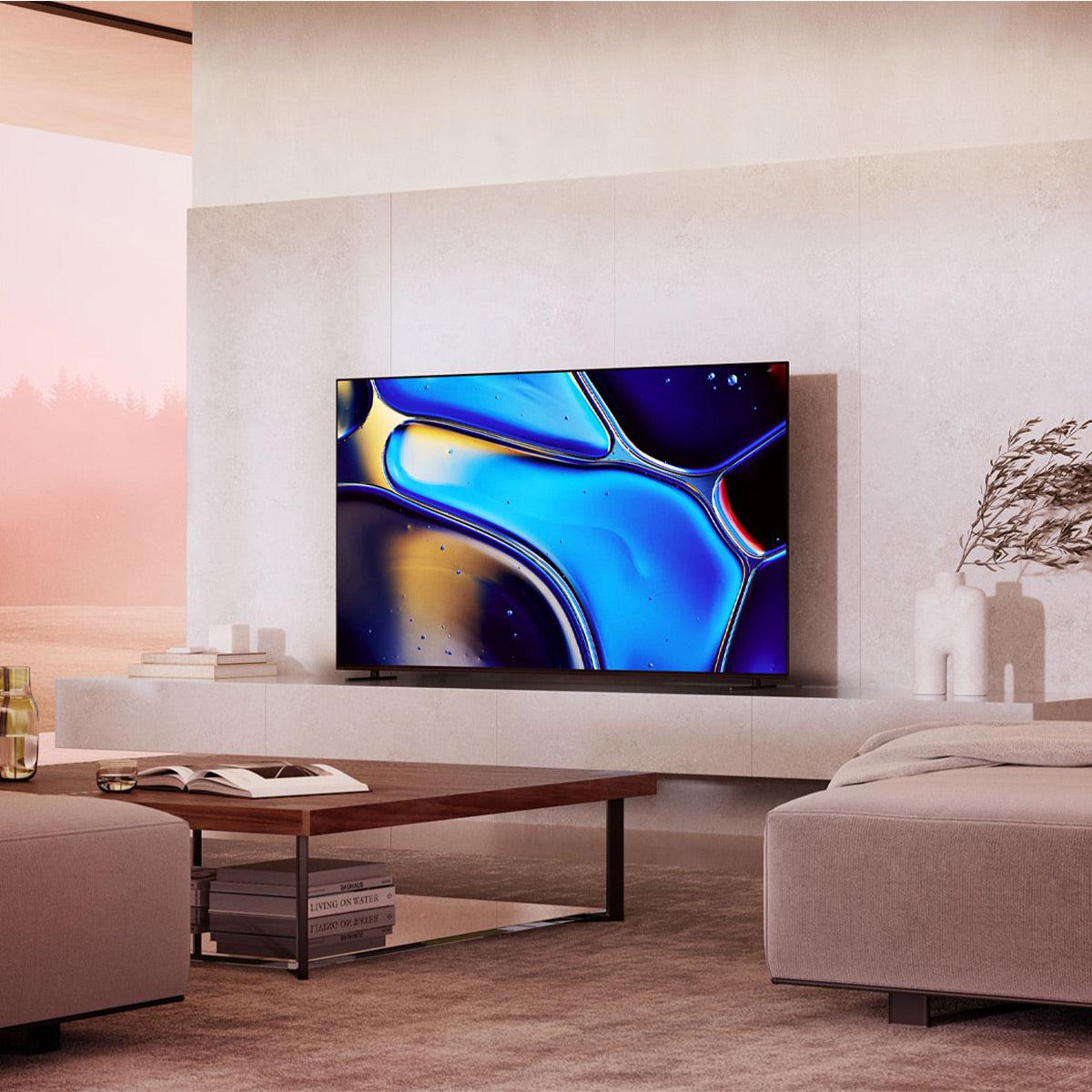
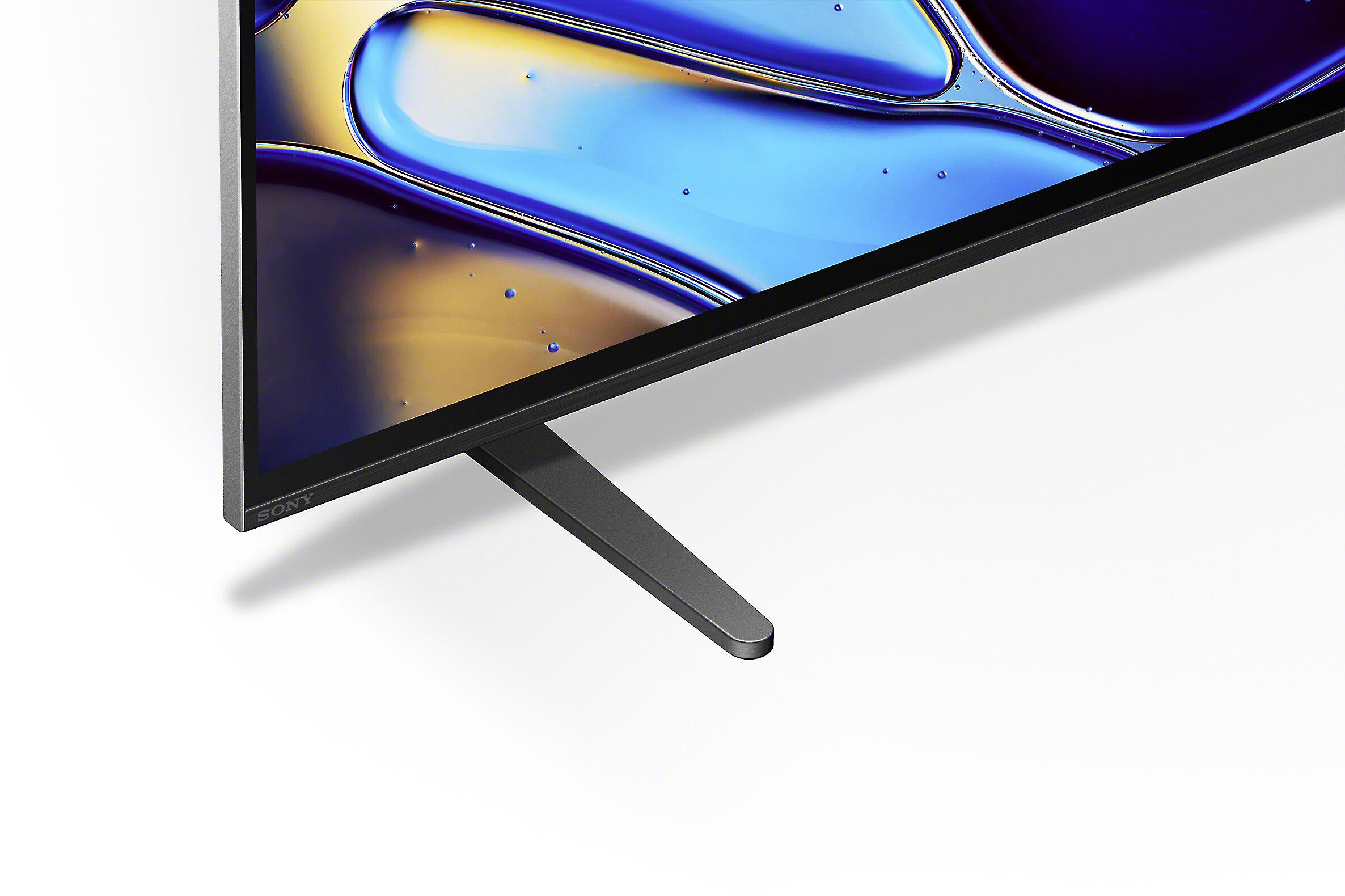
The Sony BRAVIA 8 showcases the inherent elegance of OLED design. The panel itself is incredibly thin—just a few millimeters—though the electronics housing adds bulk at the bottom. The minimalist aesthetic fits well in modern living spaces, and the adjustable feet provide flexibility for soundbar placement.
Both TVs mount easily on walls, though the Samsung's lighter weight makes installation slightly easier.
Your room's lighting conditions significantly impact which TV will provide the better experience.
The Samsung U8000F excels in bright environments. Its LED backlight can overpower ambient light, maintaining good color saturation and contrast even with windows or lamps creating glare. The trade-off is limited viewing angles—colors and contrast degrade noticeably when viewed from the side, making it less ideal for wide seating arrangements.
The Sony BRAVIA 8 performs best in darker, more controlled lighting environments where its perfect blacks can truly shine. In bright rooms, ambient light can cause the black areas to appear slightly grayish, though modern OLEDs like this Sony handle ambient light much better than earlier generations. The wide viewing angles mean picture quality remains consistent from almost any seating position.
For dedicated home theater spaces with light control, the Sony provides a more cinematic experience. For family rooms or kitchens with lots of natural light, the Samsung might actually deliver better day-to-day performance.
At the time of writing, these TVs occupy very different price segments, with the Sony BRAVIA 8 costing roughly 2.5 to 3 times more than the Samsung U8000F. This price difference reflects not just better specifications, but fundamentally superior display technology.
The Samsung represents exceptional value in the budget 4K segment. It delivers solid picture quality, comprehensive smart features, and adequate gaming performance at a price point accessible to most households. For viewers who aren't particular about perfect blacks or cutting-edge gaming features, it provides excellent bang for the buck.
The Sony commands its premium pricing through OLED technology's inherent advantages. The superior contrast, color accuracy, motion handling, and gaming capabilities justify the higher cost for enthusiasts who will appreciate these differences. The current pricing (at the time of writing) with manufacturer rebates makes it more accessible than Sony's flagship models while still delivering premium OLED performance.
Consider long-term usage patterns as well. TVs typically last 7-10 years, making the per-year cost difference smaller than the initial purchase price suggests. If you're someone who notices and values picture quality differences, the Sony's superior performance becomes more valuable over time.
The Samsung U8000F makes sense for several specific scenarios:
Choose the Samsung if you need a reliable 4K TV for bright rooms, casual viewing, or as a secondary TV in bedrooms or kitchens. It's perfect for households prioritizing value and basic smart TV functionality over cutting-edge performance. Sports fans who primarily watch in well-lit rooms might prefer the Samsung's brightness over the Sony's superior contrast.
The Sony BRAVIA 8 targets different priorities:
Choose the Sony if picture quality is your primary concern, you have current-generation gaming consoles, or you're setting up a dedicated home theater space. Movie enthusiasts who value cinematic presentation, wide viewing angles for family viewing, and long-term future-proofing will find the premium worthwhile.
The choice ultimately depends on your viewing priorities and budget flexibility. The Samsung U8000F delivers impressive performance for its price point, making it an excellent choice for pragmatic buyers who want good 4K picture quality without premium features.
The Sony BRAVIA 8 provides a fundamentally superior viewing experience that justifies its higher cost for enthusiasts who will appreciate the difference. Its OLED technology, superior gaming capabilities, and excellent motion handling make it a compelling choice for households where the TV serves as the primary entertainment hub.
Consider your viewing environment, content preferences, and how long you typically keep TVs. If you're upgrading from an older HD TV, either choice will provide a significant improvement. But if you're coming from a recent 4K TV and want a noticeable upgrade, the Sony's OLED technology provides the more dramatic improvement in viewing experience.
The Samsung offers better value for practical needs, while the Sony delivers better performance for entertainment enthusiasts. Both represent solid choices within their respective market segments, making the decision largely about matching features to your specific needs and budget.
| Samsung 65-Inch Crystal UHD U8000F | Sony BRAVIA 8 65" 4K OLED |
|---|---|
| Display Technology - The fundamental difference that affects all picture quality | |
| LED/LCD with Crystal Processor 4K | WOLED with XR Processor and self-lit pixels |
| Black Levels & Contrast - Critical for movie watching and dark scenes | |
| Good blacks for LED, but slight grayish glow remains | Perfect blacks with infinite contrast ratio |
| Peak Brightness - Essential for bright rooms and HDR impact | |
| High brightness ideal for well-lit rooms | Lower peak brightness but sufficient for HDR with perfect blacks |
| Refresh Rate - Determines motion smoothness for sports and gaming | |
| 60Hz with Motion Xcelerator | 120Hz with XR OLED Motion |
| Gaming Features - Important for console owners, especially PS5/Xbox Series X | |
| 60Hz max, VRR, ALLM, 3x HDMI 2.0 ports | 120Hz 4K gaming, VRR, ALLM, 2x HDMI 2.1 ports |
| HDR Support - Affects color and brightness range in premium content | |
| HDR10+ only | Dolby Vision and HDR10 with superior tone mapping |
| Audio System - Built-in sound quality before adding external speakers | |
| 20W 2-channel with Object Tracking Sound Lite | 50W 2.1-channel with Acoustic Surface Audio+ |
| Smart Platform - Interface and app ecosystem | |
| Tizen with Samsung TV Plus free channels | Google TV with superior content discovery |
| Viewing Angles - How picture quality holds up from side seating | |
| Limited - colors fade when viewed from sides | Excellent wide angles maintain consistent quality |
| Best Room Environment - Where each TV performs optimally | |
| Bright living rooms with significant natural light | Darker rooms or controlled lighting for home theaters |
| Target User - Who gets the most value from each option | |
| Budget-conscious buyers wanting solid 4K performance | Picture quality enthusiasts and serious gamers |
| Value Proposition - Cost vs performance trade-off | |
| Exceptional budget value with modern smart features | Premium OLED experience at mid-tier pricing |
The Sony BRAVIA 8 OLED delivers significantly better picture quality for movies due to its OLED technology. Each pixel can turn completely off to create perfect blacks, resulting in infinite contrast that makes dark scenes in films like "Dune" or "Batman" truly cinematic. The Samsung Crystal UHD U8000F provides good picture quality for its price range, but its LED backlight cannot achieve true blacks, causing dark scenes to appear slightly grayish.
Yes, the Samsung U8000F excels in bright rooms thanks to its LED backlight that can produce high brightness levels to combat glare from windows and overhead lighting. The Sony BRAVIA 8, while improved over earlier OLED generations, performs best in darker, more controlled lighting environments where its perfect blacks can truly shine.
The Sony BRAVIA 8 OLED is superior for next-generation console gaming, offering 120Hz refresh rates and HDMI 2.1 ports that support 4K gaming at 120fps. It also includes advanced gaming features like VRR and Auto HDR Tone Mapping for PlayStation 5. The Samsung U8000F is limited to 60Hz gaming and HDMI 2.0 ports, making it adequate for casual gaming but not ideal for maximizing console performance.
LED TVs like the Samsung U8000F use an LCD panel with LED backlighting, providing bright images that work well in lit rooms but struggle with deep blacks. OLED TVs like the Sony BRAVIA 8 have self-illuminating pixels that can turn completely off, creating perfect blacks and infinite contrast but with lower peak brightness levels.
Both TVs offer excellent smart platforms with different strengths. The Samsung U8000F runs Tizen with Samsung TV Plus providing free streaming channels and SmartThings integration for smart home control. The Sony BRAVIA 8 uses Google TV, which excels at content discovery and organization across streaming services, plus includes built-in Chromecast and Google Assistant.
OLED technology in the Sony BRAVIA 8 provides dramatically better contrast, color accuracy, and viewing angles compared to the Samsung U8000F. Whether it's worth the premium depends on your priorities—if picture quality and cinematic experience matter most, OLED delivers significant improvements. For budget-conscious buyers wanting solid 4K performance, the Samsung offers excellent value.
For sports viewing, the choice depends on your room setup. The Samsung U8000F works better in bright living rooms due to its higher brightness, while the Sony BRAVIA 8 offers superior motion handling with its 120Hz refresh rate and faster pixel response times. In darker rooms, the Sony provides better sports viewing, but the Samsung excels in bright environments.
The Sony BRAVIA 8 OLED is excellent for dedicated home theater rooms with controlled lighting, delivering cinema-quality blacks and colors that rival commercial theaters. The Samsung U8000F can work in home theater settings but lacks the contrast performance for truly cinematic dark scenes. Both benefit from adding a soundbar or surround sound system.
The Sony BRAVIA 8 features superior audio with its 50-watt, 2.1-channel system and innovative Acoustic Surface Audio+ that uses the screen itself as a speaker. The Samsung U8000F has a basic 20-watt, 2-channel system that's adequate for casual viewing but lacks power and depth. Both TVs benefit from external sound systems for optimal audio.
The Sony BRAVIA 8 OLED maintains excellent picture quality from wide viewing angles, making it ideal for family rooms with multiple seating positions. The Samsung U8000F has limited viewing angles typical of LED TVs, with colors and contrast degrading when viewed from the side, making it better suited for direct front viewing.
Both the Samsung U8000F and Sony BRAVIA 8 are built to last 7-10 years with normal use. OLED panels can experience burn-in with static images over time, though modern OLEDs like the Sony have protective measures to minimize this risk. LED TVs like the Samsung typically have fewer long-term concerns but may experience backlight degradation over many years.
For first-time 4K buyers, the Samsung U8000F offers an excellent introduction to 4K viewing with modern smart features at an accessible price point. The Sony BRAVIA 8 provides a premium experience that showcases what 4K content can truly look like, but at a significantly higher investment. Choose based on your budget and how much picture quality matters to your viewing enjoyment.
We've done our best to create useful and informative comparisons to help you decide what product to buy. Our research uses advanced automated methods to create this comparison and perfection is not possible - please contact us for corrections or questions. These are the sites we've researched in the creation of this article: bestbuy.com - youtube.com - youtube.com - rtings.com - youtube.com - samsung.com - hometechnologyreview.com - rtings.com - samsung.com - displayspecifications.com - samsung.com - displayspecifications.com - walmart.com - billsmith.com - dentonstv.com - samsung.com - samsung.com - samsung.com - youtube.com - bestbuy.com - bestbuy.com - youtube.com - samsung.com - donstv.com - bestbuy.com - bestbuy.com - crutchfield.com - avsforum.com - electronics.sony.com - sony.com - store.sony.co.nz - sony.com - displayspecifications.com

Privacy Policy
Terms and Conditions - Affiliate Policy
Home Security
© Copyright 2008-2026.
11816 Inwood Rd #1211, Dallas, TX 75244