

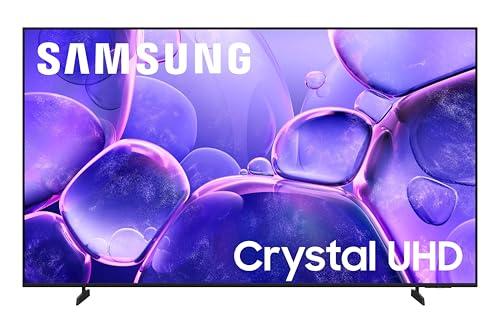
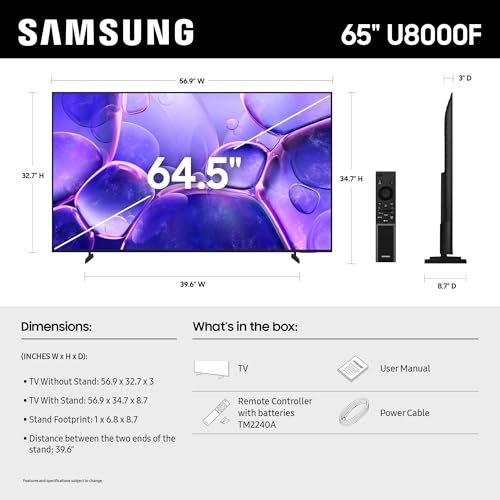
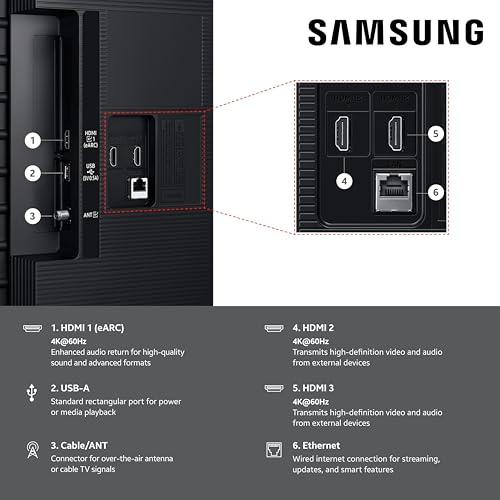
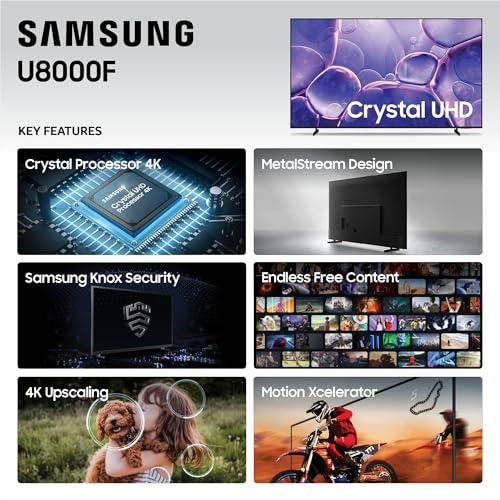
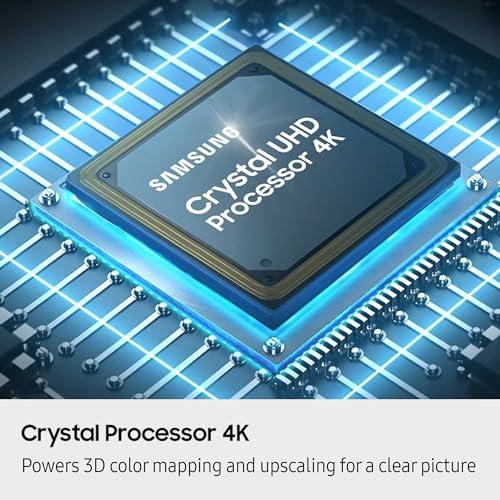
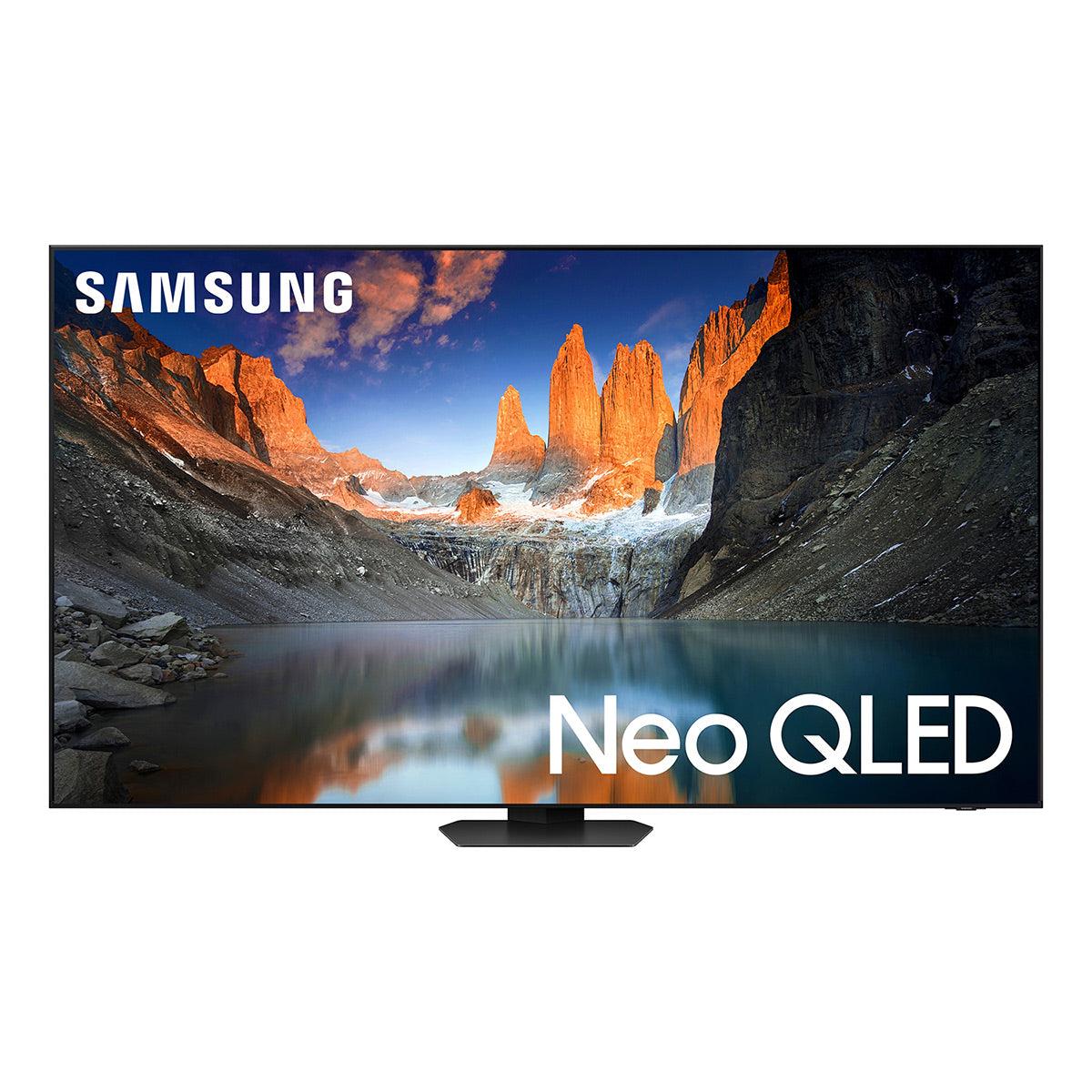
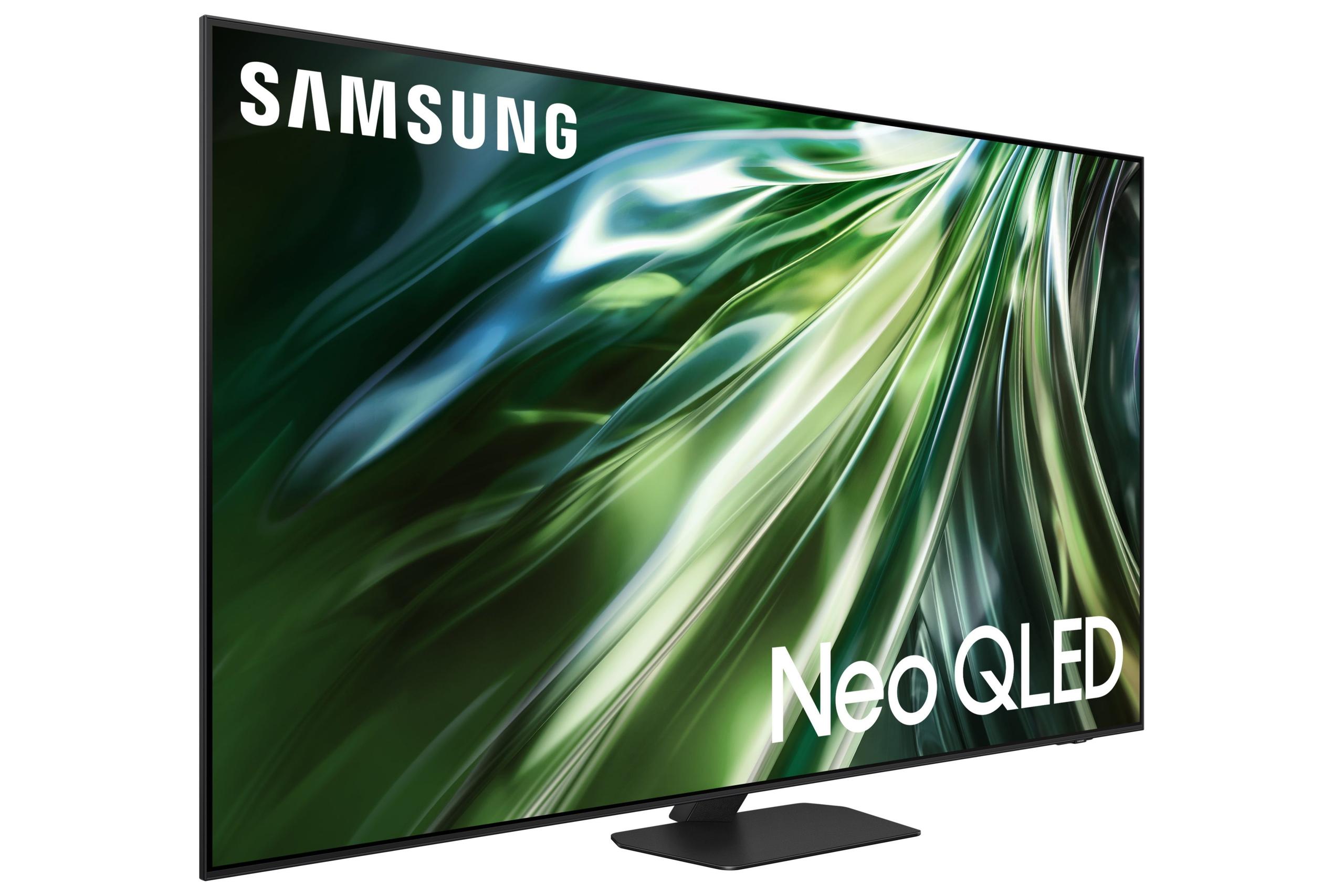
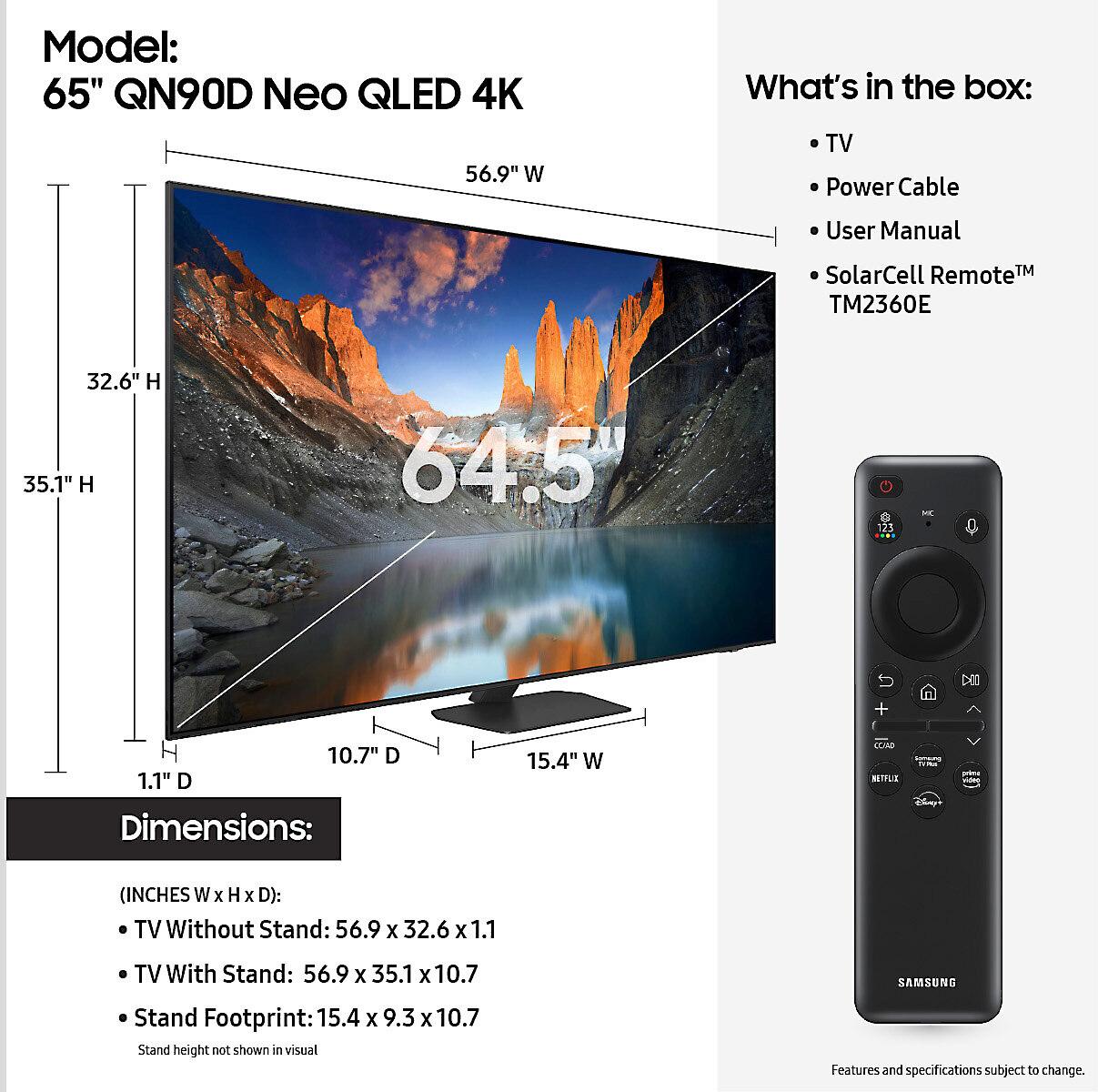
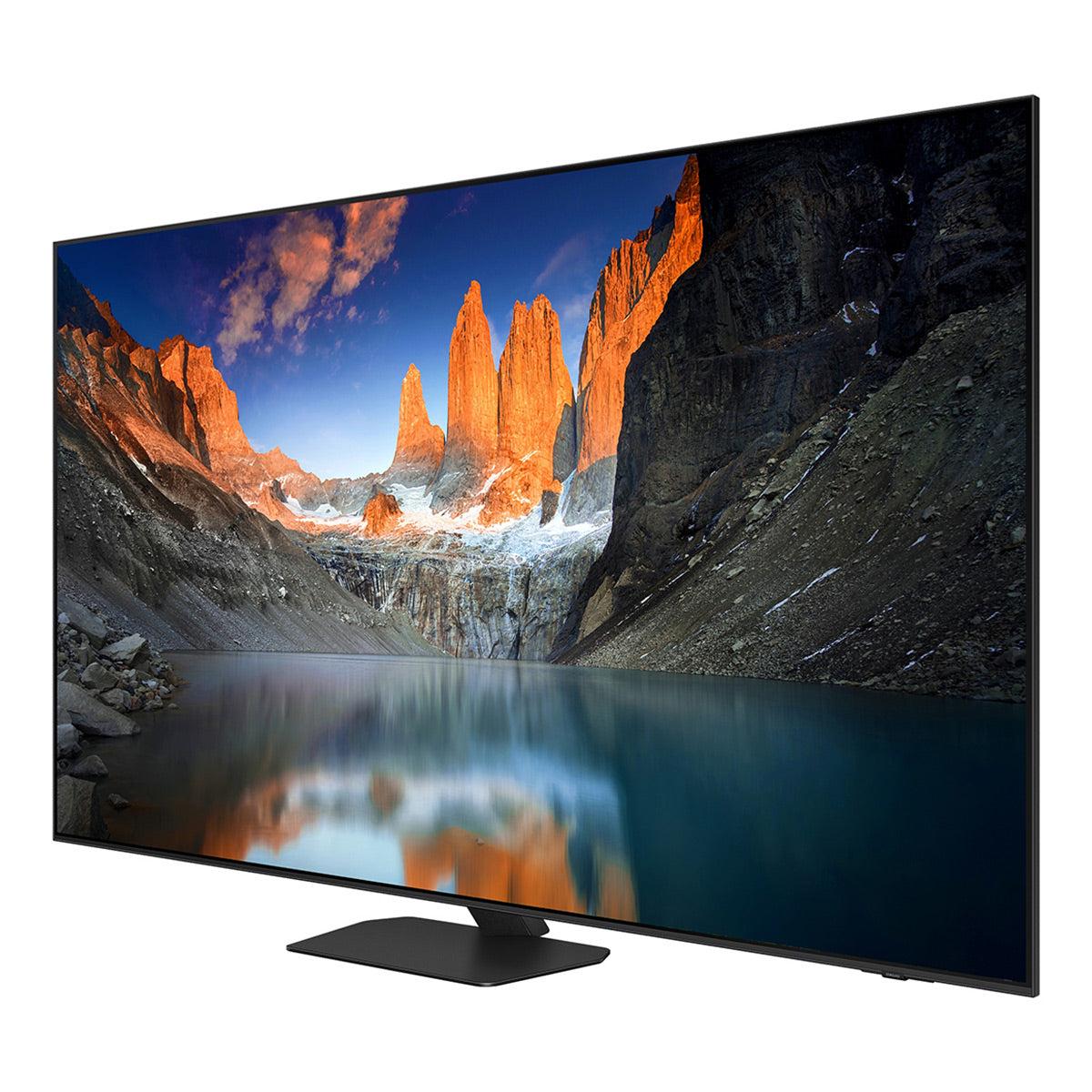
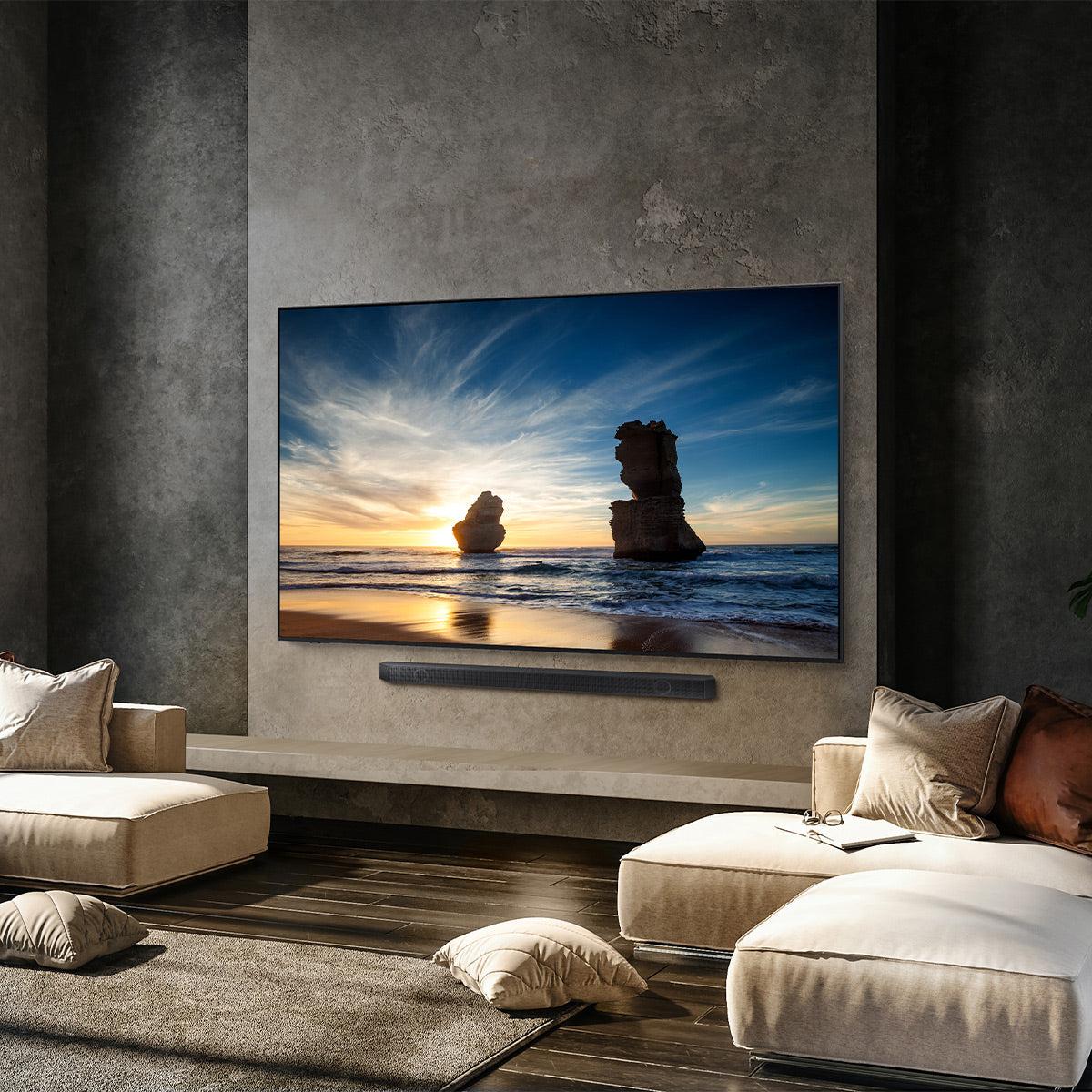
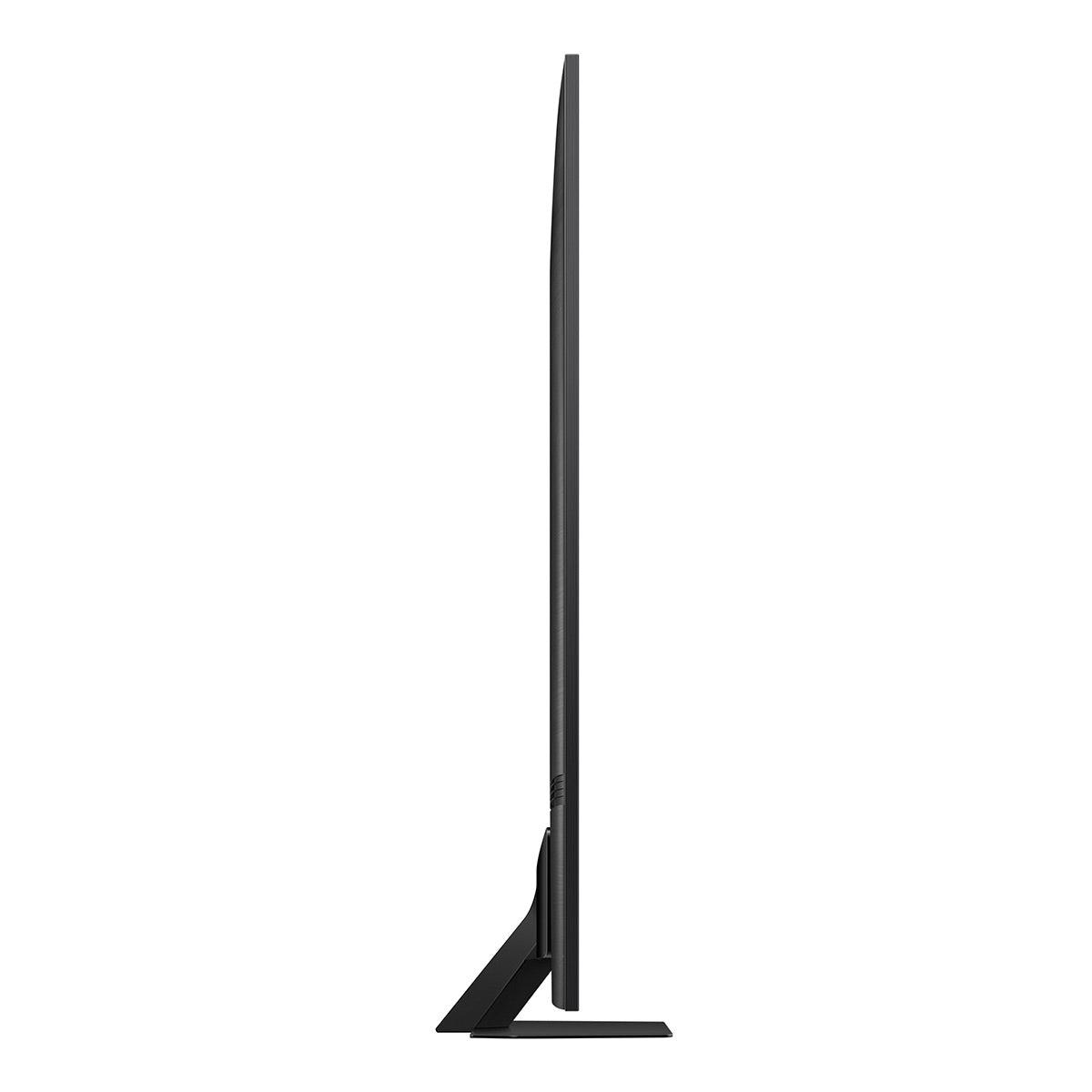
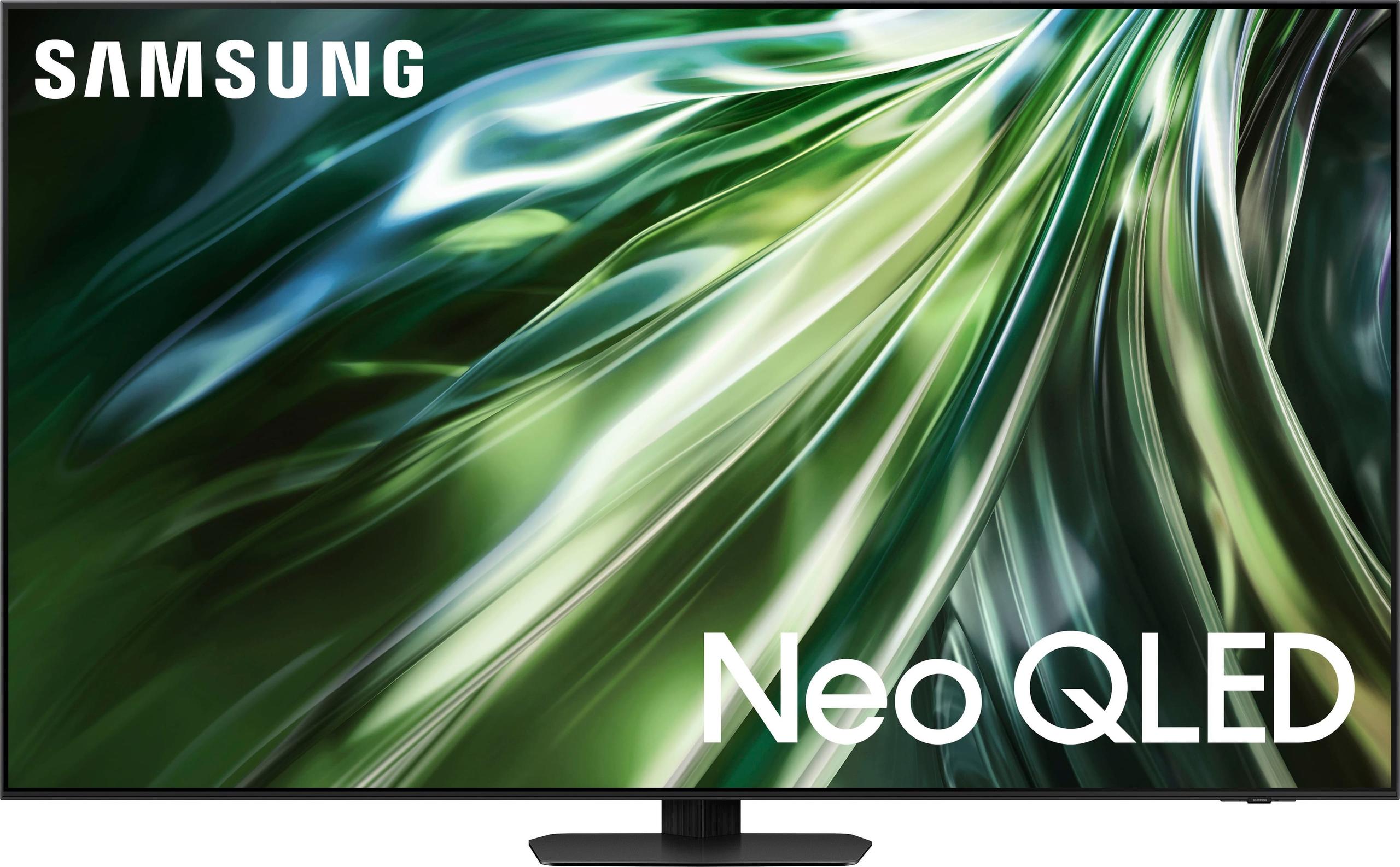
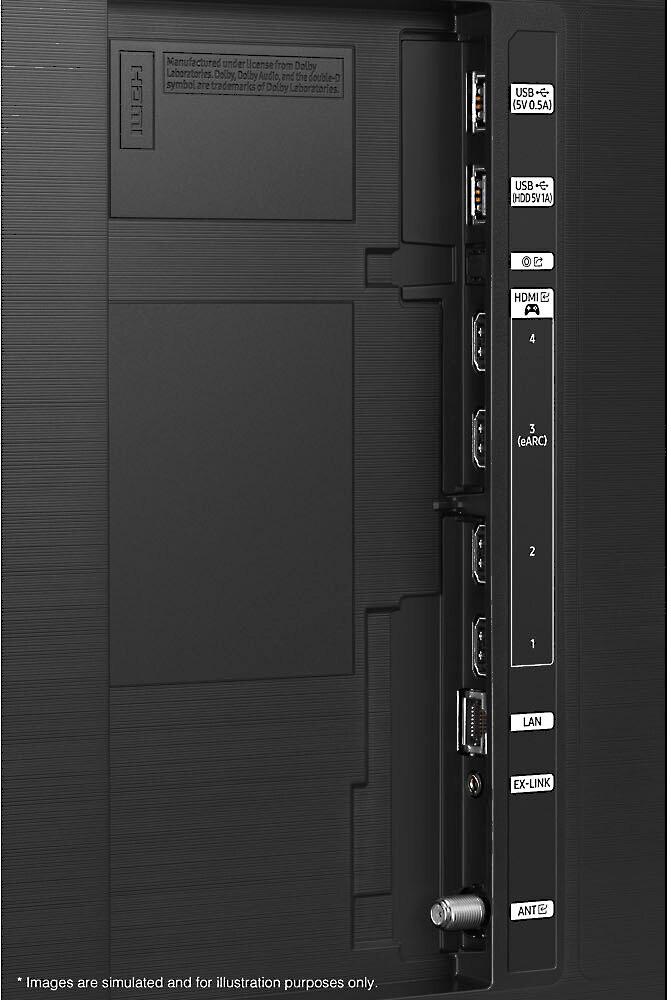

Shopping for a 65-inch Samsung TV can feel overwhelming when you're staring at model names that look like random letters and numbers. But the difference between the Samsung U8000F Crystal UHD and the Samsung QN90D Neo QLED tells a clear story about what you get when you move from budget to premium territory.
These two TVs, both released in 2024-2025, represent Samsung's strategy of offering something for everyone – from college students furnishing their first apartment to home theater enthusiasts who want cinema-quality picture. The gap between them is massive, both in technology and performance, which makes choosing the right one crucial for your viewing satisfaction and wallet.
Before diving into specifics, it helps to understand what separates today's TVs. The biggest factors affecting your viewing experience are display technology (how the TV creates light and color), brightness capabilities (how vivid highlights can get), contrast performance (the difference between the brightest whites and darkest blacks), and smart features (how well the TV handles streaming and apps).
The Samsung U8000F uses basic LCD technology that's been refined over decades but remains fundamentally limited. The Samsung QN90D employs cutting-edge Mini LED backlighting with quantum dots – technologies that didn't exist in consumer TVs just a few years ago. This isn't just marketing jargon; these differences create dramatically different viewing experiences.
The most significant difference between these TVs lies in how they create the image you see. The U8000F uses a standard LCD panel with a traditional LED backlight – essentially, white LEDs shine through colored filters to create the picture. This approach works, but it has inherent limitations that become obvious when watching movies or playing games.
The QN90D takes a radically different approach with Mini LED backlighting and quantum dots. Mini LEDs are precisely what they sound like – LEDs that are much smaller than traditional ones, allowing Samsung to pack thousands of them behind the screen. Instead of having one backlight illuminating the entire screen, the QN90D can control hundreds of individual zones independently through local dimming.
Here's why this matters: imagine watching a movie with a bright full moon against a dark night sky. On the U8000F, the entire backlight stays uniform, making the dark sky appear grayish because light bleeds everywhere. The QN90D can keep the area around the moon bright while making the surrounding sky genuinely dark, creating that dramatic contrast your eyes expect.
Quantum dots add another layer of sophistication to the QN90D. These microscopic crystals convert blue LED light into precise red and green wavelengths, enabling the TV to display a much wider range of colors than traditional LCDs. The result is more vibrant, accurate colors that don't look oversaturated or artificial.
Brightness determines how well your TV performs in real-world lighting conditions, and the difference here is staggering. The QN90D achieves peak brightness levels around 2,000 nits – bright enough that HDR highlights genuinely pop off the screen and the TV remains perfectly viewable even with windows open during the day.
The U8000F, conversely, represents one of Samsung's dimmest offerings at around 400-500 nits peak brightness. This limitation becomes problematic in two scenarios: bright rooms and HDR content. In a room with windows or overhead lights, the TV struggles to overcome ambient light, making colors appear washed out. With HDR content – which is designed to showcase dramatic brightness differences – the U8000F simply can't deliver the intended experience.
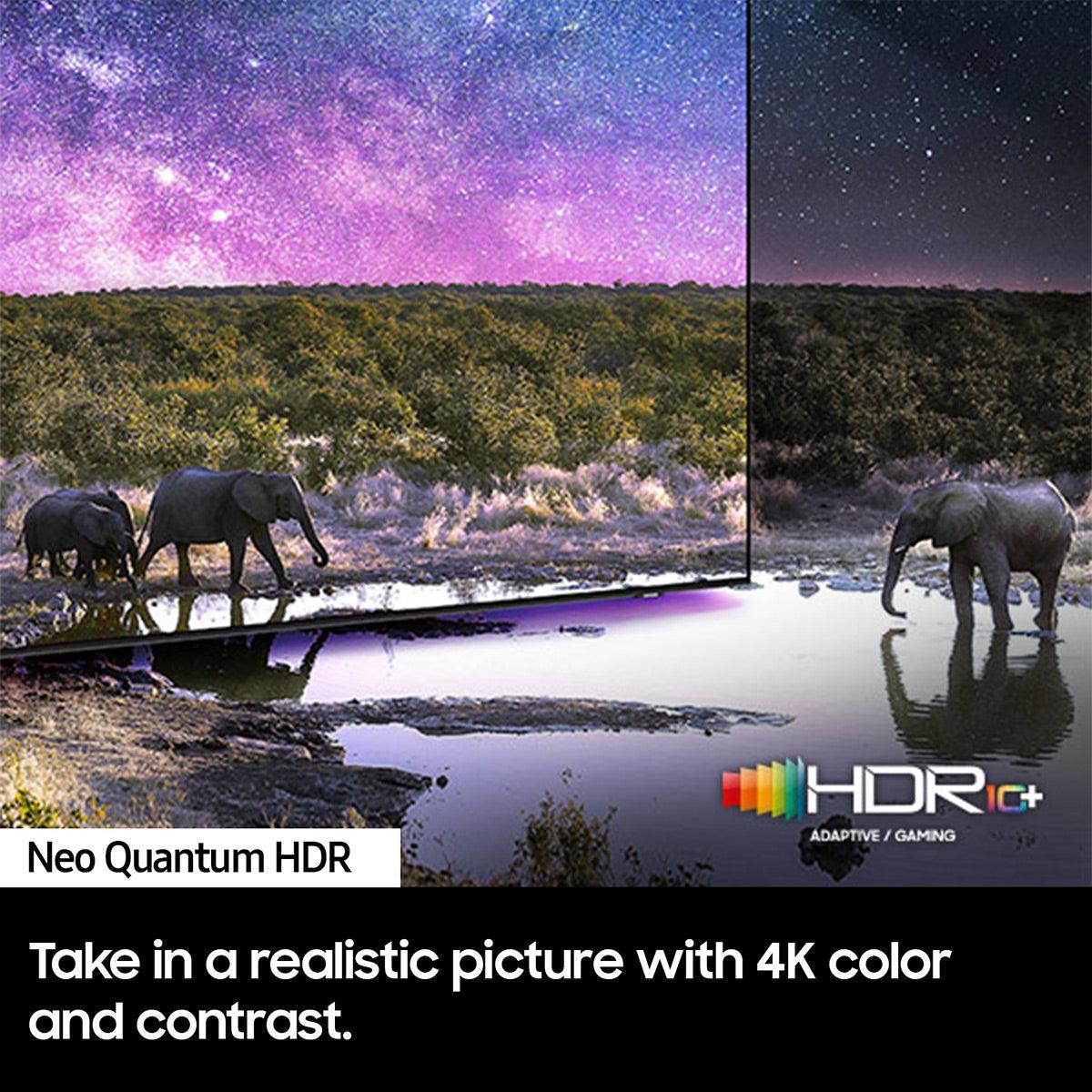
HDR (High Dynamic Range) deserves explanation because it's become crucial for modern content. HDR expands the range between the darkest blacks and brightest whites, revealing details in shadows and highlights that standard video can't show. Think of the difference between a photo taken on a sunny day versus one taken at sunset – HDR captures that same dramatic range. The QN90D excels here, while the U8000F processes HDR signals but can't effectively display the benefits.
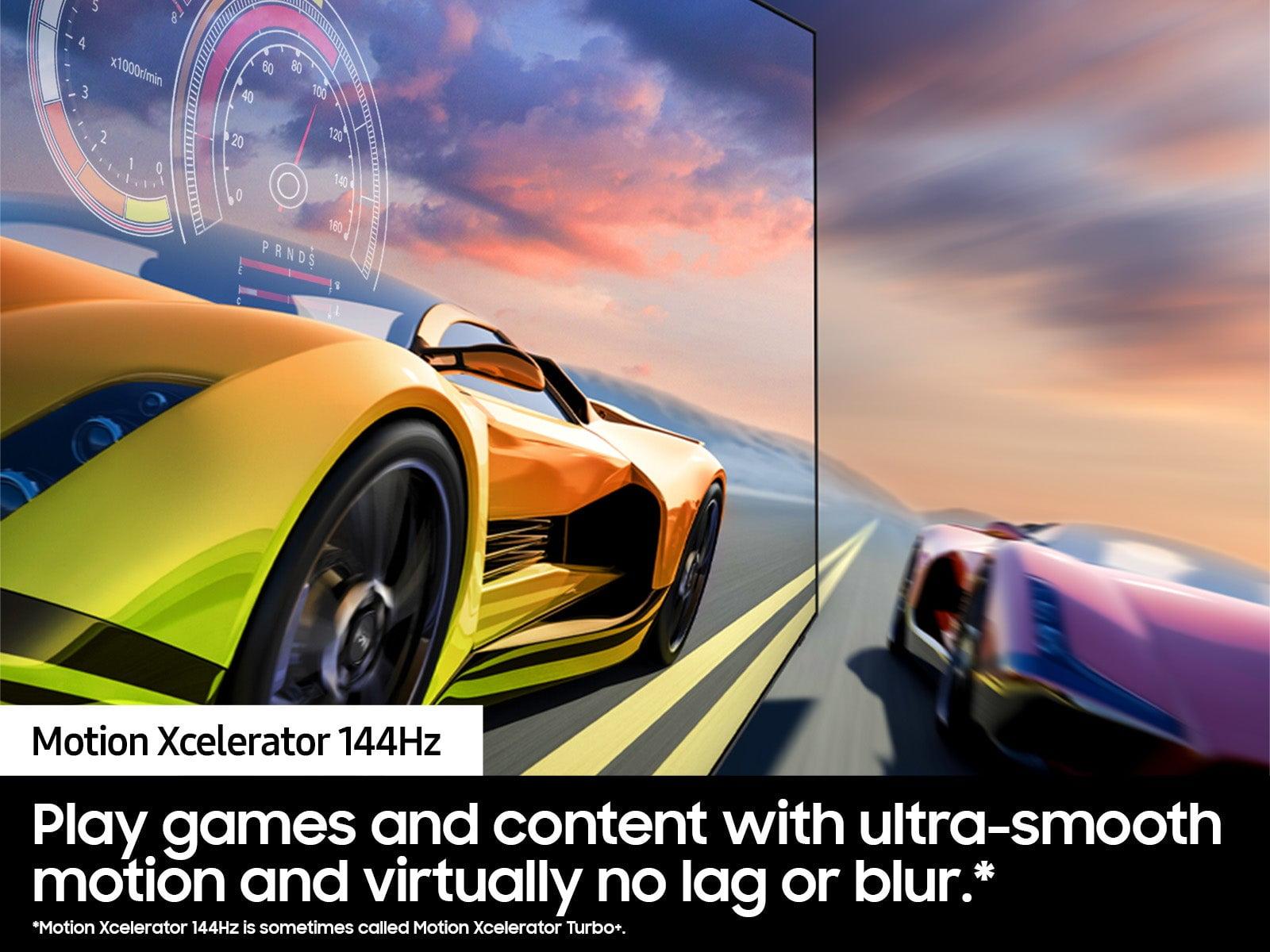
Gaming reveals another crucial divide between these models. The QN90D supports up to 144Hz refresh rate with Variable Refresh Rate (VRR) and Auto Low Latency Mode (ALLM). These features might sound technical, but they directly impact your gaming experience.
Refresh rate determines how many times per second the TV updates the image. Higher refresh rates mean smoother motion, particularly noticeable in fast-paced games. The 144Hz capability of the QN90D allows it to take full advantage of PlayStation 5, Xbox Series X, and high-end PC gaming, while the U8000F is limited to 60Hz – fine for casual gaming but unable to showcase next-generation console capabilities.
VRR synchronizes the TV's refresh rate with your gaming device's frame rate, eliminating screen tearing (when the image appears to split horizontally). Both TVs support this feature, but it's far more beneficial on the QN90D due to its higher refresh rate capabilities.
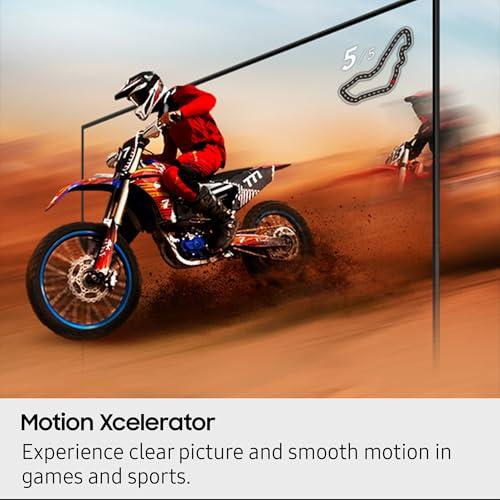
The input lag difference – how quickly the TV responds to controller inputs – also favors the QN90D, though both are adequate for gaming. However, the Mini LED technology's faster response time means less motion blur during fast action sequences, making competitive gaming more enjoyable.
TV audio typically gets overlooked until you're struggling to hear dialogue over background music. The QN90D includes 60 watts of total power across a 4.2.2 channel system with Dolby Atmos support. Dolby Atmos creates three-dimensional soundscapes by bouncing audio off your ceiling, making helicopters sound like they're flying overhead.
The U8000F provides basic 20-watt stereo sound that, frankly, sounds like it's coming from a thin TV. Dialogue often gets lost, and there's minimal bass response. While both TVs benefit from a soundbar addition, the QN90D's built-in audio is actually usable on its own.
Object Tracking Sound+ on the QN90D moves audio across the screen to match on-screen action – cars driving from left to right create sound that follows their movement. It's a subtle but immersive effect that demonstrates the attention to detail in premium models.
Both TVs run Samsung's Tizen operating system, which has improved significantly in recent years. The interface is intuitive, app selection is comprehensive, and both support major streaming services like Netflix, Disney+, and Apple TV+. Voice control works through Bixby, Alexa, or Google Assistant on both models.
The QN90D does offer a slight edge with faster processing that makes navigating menus more responsive, but the smart TV experience is largely comparable between the two. Both include Samsung TV Plus, which provides free streaming channels – a nice bonus that adds value to either purchase.
Understanding how these differences play out in actual use helps clarify which TV makes sense for your situation. In a bright living room with large windows, the U8000F becomes frustrating during daytime viewing. Colors appear faded, and you'll find yourself constantly adjusting blinds or waiting for evening to enjoy your shows properly.
The QN90D thrives in challenging lighting conditions. Whether it's morning coffee with the news, afternoon sports, or evening movies, the high brightness ensures consistent picture quality. The wide viewing angles also mean family members sitting off to the sides still get good picture quality – something the U8000F struggles with.
For movie watching, the differences become even more pronounced. Dark films like "The Batman" or "Dune" showcase the QN90D's superior contrast and black levels, while the U8000F makes dark scenes appear grayish and details get lost in shadows.
At the time of writing, the U8000F typically costs 60-70% less than the QN90D, making it tempting for budget-conscious buyers. However, this price difference reflects genuine technology gaps, not just marketing positioning.
The U8000F makes sense in specific scenarios: secondary bedrooms, college dorms, or situations where you prioritize screen size over picture quality. It provides basic smart TV functionality and adequate performance for casual viewing, but don't expect it to impress anyone or handle demanding content well.
The QN90D represents what I'd call the "sweet spot" for serious TV viewers. While Samsung makes even more expensive models, the QN90D delivers flagship-level picture quality at a more accessible price point. The technology improvements justify the cost difference for most buyers who plan to use this as their primary entertainment display.
For dedicated home theater setups, the choice becomes clearer. The QN90D provides the brightness, contrast, and color accuracy needed for cinematic experiences. Its ability to display HDR content properly means you'll see movies as directors intended, with dramatic highlights and nuanced shadow details.
The U8000F simply can't deliver a true home theater experience. While it technically displays 4K content, the limited brightness and contrast make it unsuitable for critical viewing. If you're investing in surround sound and room treatments, pairing them with an entry-level display undermines the entire setup.
After researching extensive user feedback and expert reviews, the choice depends heavily on your priorities and viewing habits. The QN90D excels in nearly every measurable category – it's brighter, more colorful, handles motion better, sounds better, and provides superior gaming performance.
Choose the U8000F if you need maximum screen size at minimum cost, plan to use it in a secondary room, or primarily watch basic cable/streaming content in controlled lighting. It's adequate for casual viewing but won't impress anyone or handle premium content well.
Choose the QN90D if picture quality matters, you game on modern consoles or PC, your room has significant ambient light, or you want a display that will remain satisfying for years to come. The performance difference justifies the price premium for most buyers seeking their primary entertainment display.
The technology gap between these models is substantial enough that they're really serving different markets. The U8000F is a basic appliance, while the QN90D is an enthusiast display. Understanding which category matches your needs and expectations will lead to a much more satisfying purchase decision.
| Samsung 65-Inch Crystal UHD U8000F | Samsung 65" QN90D Series 4K Neo QLED |
|---|---|
| Display Technology - Determines picture quality, contrast, and color accuracy | |
| Standard LCD with LED backlight, no local dimming | Mini LED with quantum dots and local dimming zones |
| Peak Brightness - Critical for HDR performance and bright room viewing | |
| ~400-500 nits (struggles in bright rooms, poor HDR) | ~2,000 nits (excellent for any lighting, stunning HDR) |
| Refresh Rate - Important for gaming and smooth motion | |
| 60Hz (basic gaming, some motion blur) | 120Hz/144Hz (next-gen gaming, ultra-smooth motion) |
| Gaming Features - Essential for console and PC gaming | |
| VRR, ALLM (limited by 60Hz refresh rate) | VRR, ALLM, FreeSync Premium Pro, Game Bar 3.0 |
| Audio System - Affects whether you need a soundbar immediately | |
| 20W stereo speakers (basic sound, likely needs soundbar) | 60W 4.2.2CH with Dolby Atmos and Object Tracking Sound+ |
| Smart Platform - Both use Samsung's Tizen OS | |
| Tizen with basic processor (slower interface) | Tizen with NQ4 AI Gen2 processor (faster, more responsive) |
| HDR Support - Determines quality of streaming and 4K content | |
| HDR10, HDR10+ (limited brightness reduces impact) | HDR10, HDR10+, HLG (full HDR experience with high brightness) |
| Build Quality and Design - Affects durability and aesthetics | |
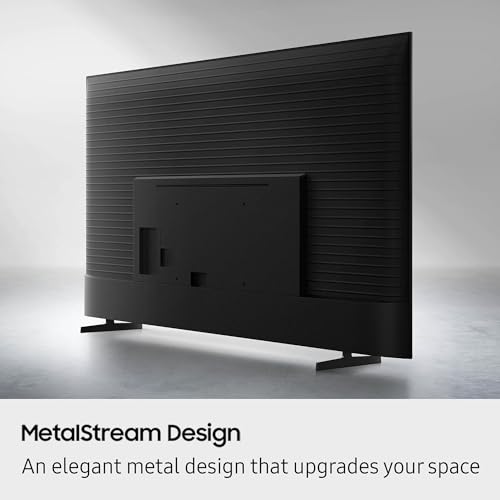
| MetalStream design, basic construction | Premium Neo QLED build with superior materials |
| Target Use Case - Who should consider each model | |
| Secondary rooms, budget-conscious, casual viewing | Primary TV, gaming, home theater, bright rooms |
| Value Proposition - Performance per dollar consideration | |
| Maximum screen size for minimum cost | Premium picture quality at accessible price point |
The primary difference is display technology. The Samsung U8000F uses basic LCD with standard LED backlighting, while the Samsung QN90D features advanced Mini LED technology with quantum dots and local dimming. This means the QN90D delivers significantly better picture quality, brighter colors, deeper blacks, and superior contrast compared to the U8000F.
The Samsung QN90D is far superior for bright rooms, achieving around 2,000 nits peak brightness compared to the U8000F's ~400-500 nits. The QN90D maintains excellent picture quality even with windows open or lights on, while the U8000F appears washed out in bright environments.
The Samsung QN90D is excellent for gaming with 144Hz refresh rate, VRR, and low input lag, making it perfect for PlayStation 5, Xbox Series X, and PC gaming. The U8000F offers basic gaming features with 60Hz refresh rate, suitable only for casual gaming and unable to take advantage of next-gen console capabilities.
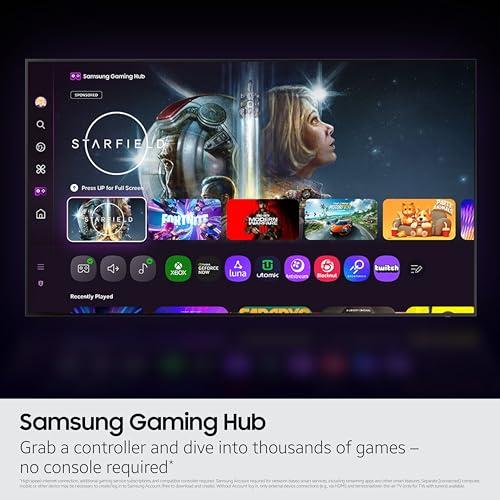
Both the Samsung U8000F and QN90D run Samsung's Tizen OS with similar app selection and streaming services. However, the QN90D features a faster processor that makes the interface more responsive and includes enhanced gaming hub features.
The Samsung U8000F with its basic 20W stereo speakers will likely require a soundbar for acceptable audio quality. The QN90D includes 60W Dolby Atmos audio with Object Tracking Sound+ that's actually usable on its own, though it still benefits from a dedicated sound system.
The Samsung QN90D excels at HDR with its high brightness and local dimming, delivering the dramatic contrast HDR is designed to showcase. The U8000F technically supports HDR formats but lacks the brightness and contrast control to provide a meaningful HDR experience.
The Samsung QN90D is excellent for home theater use with its cinema-quality picture, proper HDR performance, and Dolby Atmos audio. The U8000F is not suitable for serious home theater applications due to limited brightness, poor contrast, and basic audio capabilities.
Value depends on your needs. The Samsung U8000F offers maximum screen size at minimum cost for basic viewing needs. The QN90D provides significantly better performance that justifies its higher price for anyone wanting quality picture and features.
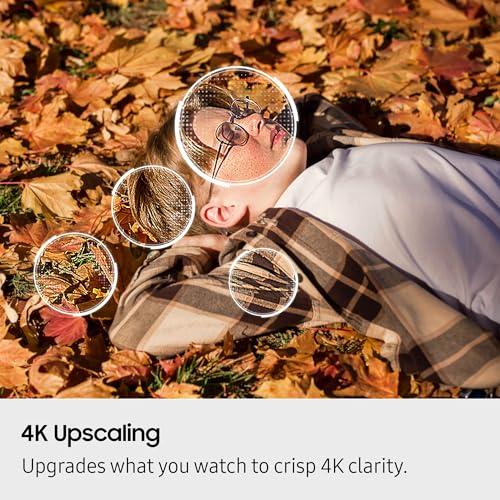
The Samsung QN90D handles 4K content exceptionally with advanced upscaling and proper brightness to showcase detail. The U8000F displays 4K resolution but limited brightness and contrast prevent it from fully realizing 4K content's potential, especially HDR material.
The Samsung QN90D offers wider viewing angles that maintain picture quality from off-center positions, making it better for group viewing. The U8000F has narrower viewing angles with noticeable color and brightness degradation when viewed from the sides.
Both the Samsung U8000F and QN90D are ENERGY STAR certified. The U8000F consumes less power due to its simpler technology, while the QN90D uses more power but includes advanced eco sensors and power-saving features to optimize consumption.
For a primary living room TV, the Samsung QN90D is the better choice with superior picture quality, gaming performance, and bright room capability. Choose the U8000F only if budget is the primary constraint or for secondary room use where picture quality isn't critical.
We've done our best to create useful and informative comparisons to help you decide what product to buy. Our research uses advanced automated methods to create this comparison and perfection is not possible - please contact us for corrections or questions. These are the sites we've researched in the creation of this article: bestbuy.com - youtube.com - youtube.com - rtings.com - youtube.com - samsung.com - hometechnologyreview.com - rtings.com - samsung.com - displayspecifications.com - samsung.com - displayspecifications.com - walmart.com - billsmith.com - dentonstv.com - samsung.com - samsung.com - samsung.com - youtube.com - bestbuy.com - bestbuy.com - youtube.com - samsung.com - donstv.com - tomsguide.com - abt.com - youtube.com - youtube.com - rtings.com - samsung.com - samsung.com - standardtvandappliance.com - gerhardsappliance.com - bestbuy.com - image-us.samsung.com - youtube.com - images.samsung.com

Privacy Policy
Terms and Conditions - Affiliate Policy
Home Security
© Copyright 2008-2026.
11816 Inwood Rd #1211, Dallas, TX 75244