

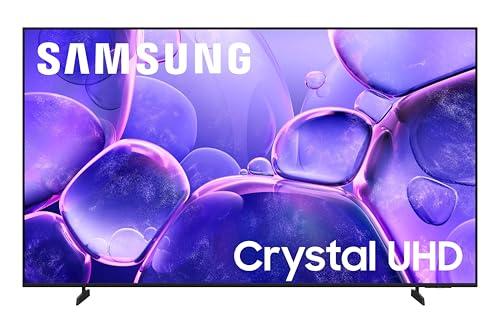
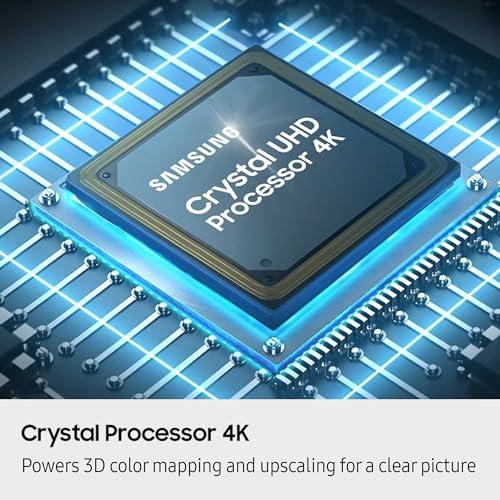
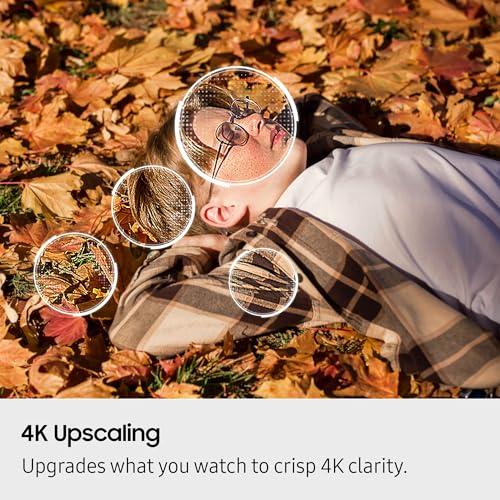




Choosing the right 65-inch TV can feel overwhelming when you're staring at dozens of options with confusing model numbers and marketing buzzwords. Two televisions that frequently come up in buyer discussions are the Samsung 65-Inch Crystal UHD U8000F 4K Smart TV 2025 and the TCL 65" QM8 Mini-LED Smart TV. While both deliver 4K resolution on a 65-inch screen, they represent completely different approaches to television technology—and vastly different price points.
The fundamental question isn't just which TV is better, but which one makes more sense for your specific needs and budget. After researching user experiences, expert reviews, and technical specifications, it's clear these TVs target different audiences entirely. The Samsung U8000F focuses on delivering reliable performance with exceptional long-term software support, while the TCL QM8 packs premium display technology into a mid-range price point.
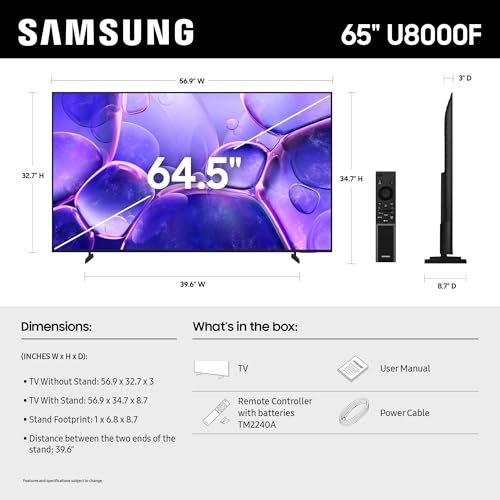
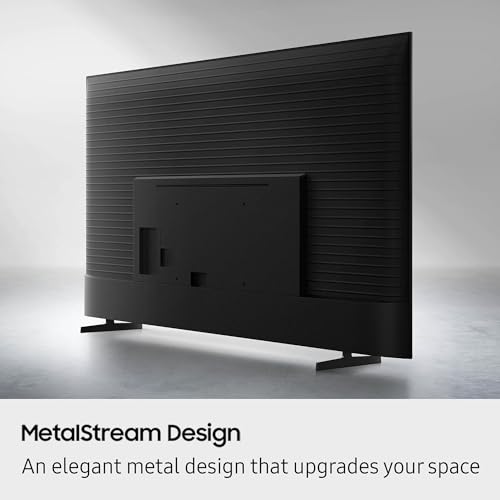
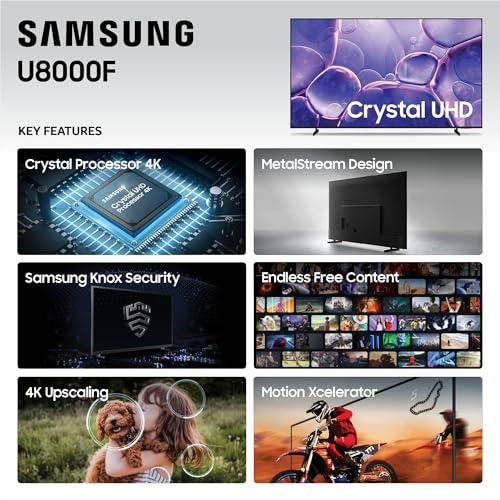
The television market has evolved dramatically over the past few years. Samsung released the U8000F series in 2025 as an updated version of their entry-level Crystal UHD lineup, introducing a new MetalStream design with improved build quality over previous plastic models. The company has been focusing on software longevity and ecosystem integration rather than cutting-edge display hardware in their budget tiers.
TCL launched the QM8 series in 2024 as part of their aggressive push into premium features at competitive prices. The company has been rapidly advancing their Mini-LED technology, which was previously exclusive to TVs costing $2,000 or more. This represents a significant shift in the market—advanced display technologies are becoming accessible at lower price points than ever before.
The key trend here is market segmentation. Budget TVs are getting better software support and smarter features, while mid-range TVs are incorporating technologies that were flagship-exclusive just a few years ago. This creates interesting decision points for buyers.
The most critical difference between the Samsung U8000F and TCL QM8 lies in their fundamental display architecture. Understanding this difference is essential because it impacts everything from movie watching to gaming performance.
The Samsung U8000F uses conventional LED backlighting, which means a series of LED lights behind the LCD panel illuminate the entire screen uniformly. Think of it like a flashlight shining through a piece of colored glass—the flashlight is either on or off, affecting the entire image. Samsung compensates for this limitation with software processing called UHD Dimming, which attempts to make dark areas appear darker and bright areas brighter through digital manipulation.
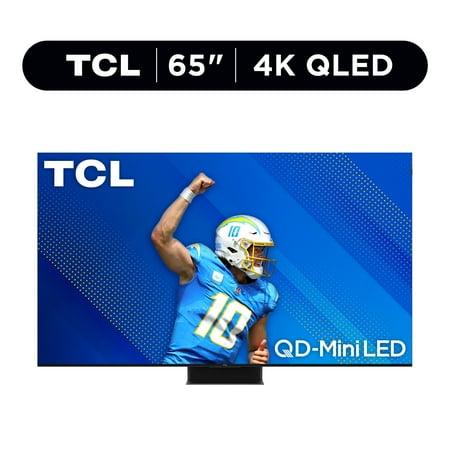
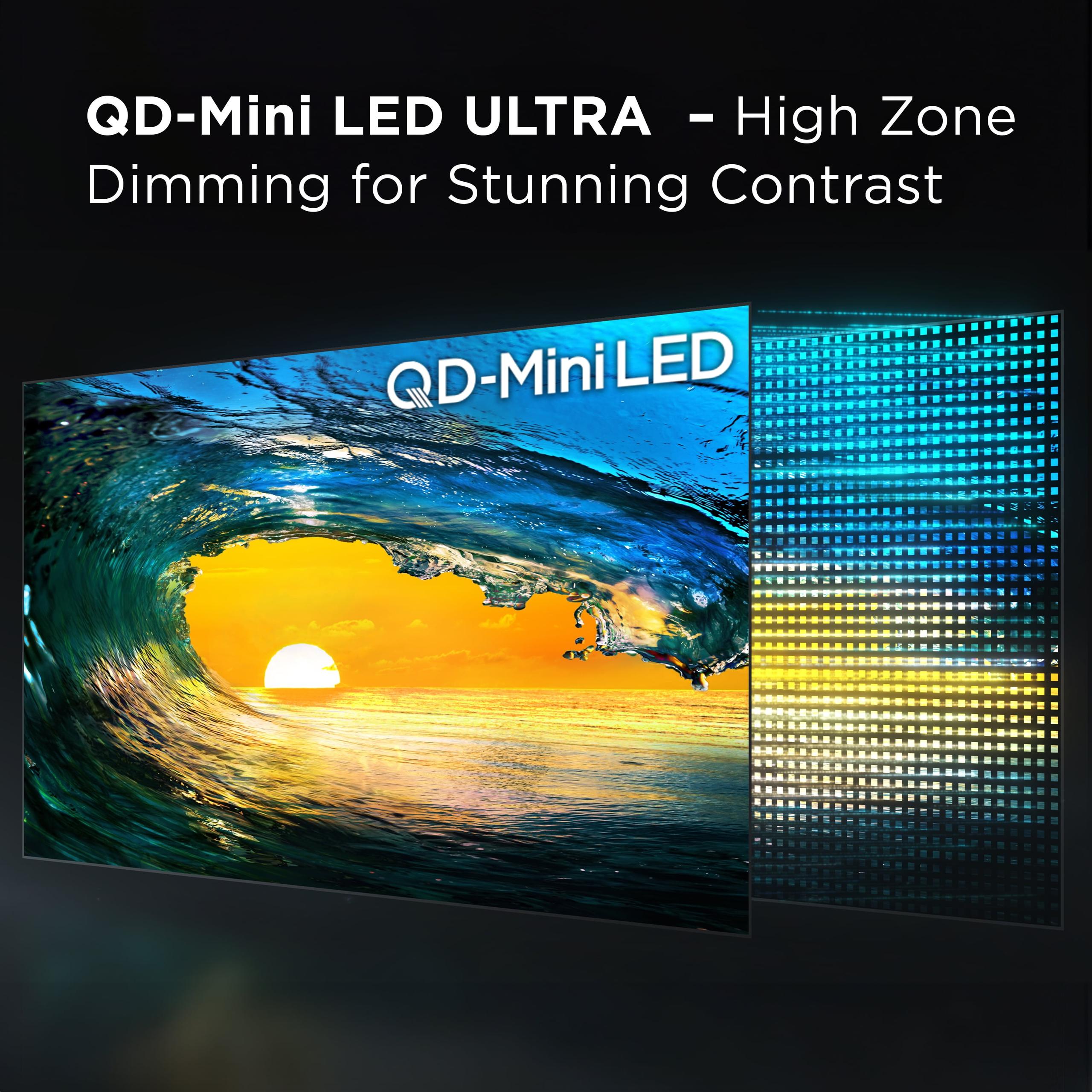
The TCL QM8 employs Mini-LED technology, which is fundamentally different. Instead of a few dozen large LED lights, it uses thousands of tiny LEDs organized into zones that can be controlled independently. This is called local dimming, and it's like having hundreds of small flashlights that can dim or brighten individually. When you're watching a movie scene with a starry night sky, the Mini-LED system can make the black sky truly dark while keeping the stars brilliant white.
In practical terms, this means the TCL QM8 delivers dramatically better contrast—the difference between the darkest blacks and brightest whites. During our research of user experiences, this difference is immediately noticeable when watching movies with dark scenes or content with mixed lighting. The Samsung U8000F tends to make dark scenes appear grayish rather than truly black, while bright highlights don't pop as dramatically.
The Mini-LED advantage extends to HDR (High Dynamic Range) content, which is designed to showcase a wider range of brightness levels than standard video. HDR content looks significantly more impactful on the TCL QM8 because it can actually display the bright highlights and deep shadows that HDR promises. The Samsung U8000F supports HDR formats but can't fully deliver on their potential due to hardware limitations.
Peak brightness might seem like a technical specification that doesn't matter much, but it's actually crucial for two main reasons: overcoming ambient light and displaying HDR content effectively.
The Samsung U8000F reaches adequate brightness levels for rooms with controlled lighting—think evening viewing with curtains drawn. However, based on expert measurements and user feedback, it struggles in bright living rooms with large windows or overhead lighting. The screen can appear washed out during daytime viewing, forcing you to adjust room lighting around the TV rather than the other way around.
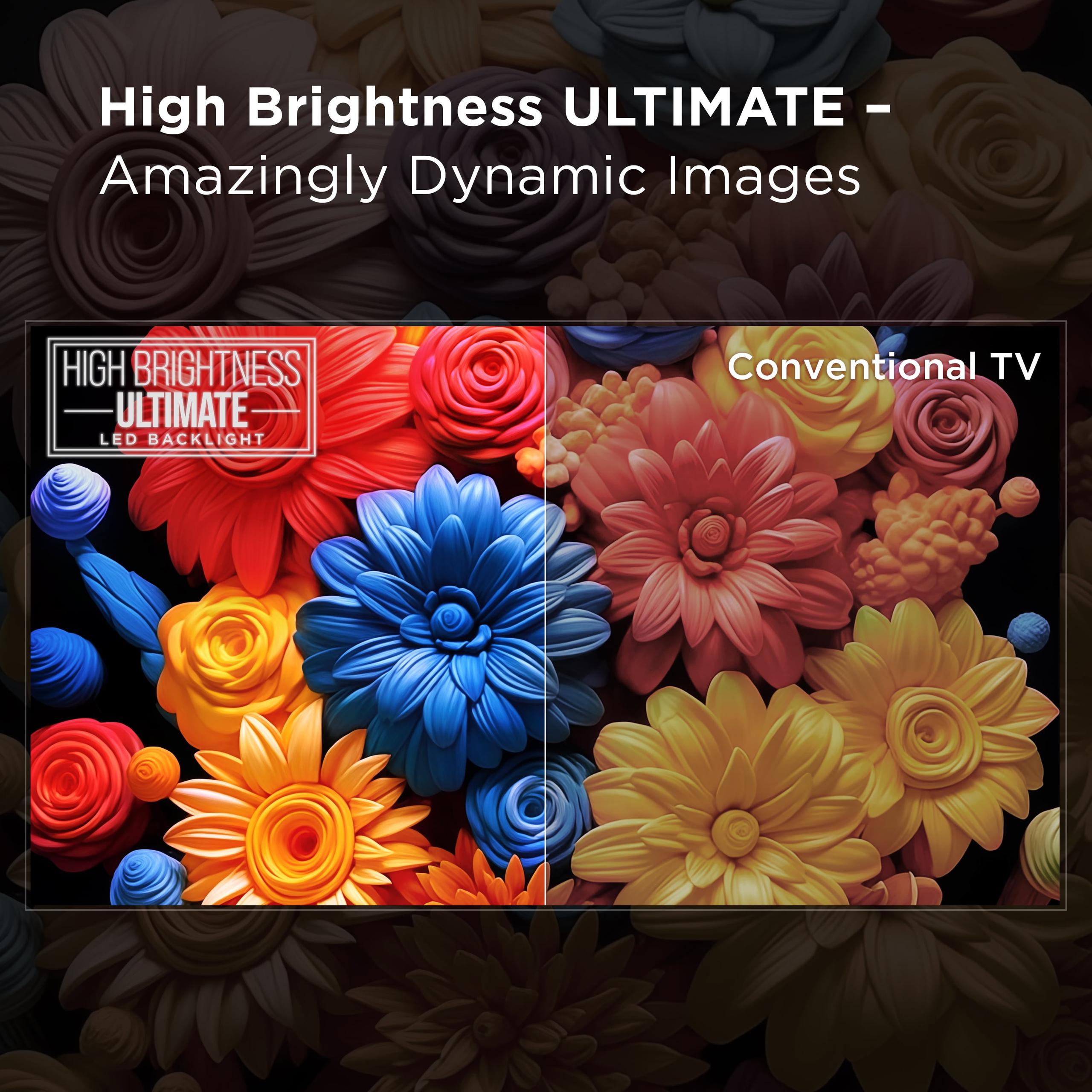
The TCL QM8 achieves significantly higher peak brightness, reportedly reaching up to 5,000 nits in small areas of the screen. For context, a typical sunny day measures about 100,000 nits, while indoor lighting ranges from 100-1,000 nits. This higher brightness capability means the TCL can maintain image quality even in challenging lighting conditions.
More importantly for entertainment, this brightness advantage makes HDR content genuinely impressive. When watching movies like "Blade Runner 2049" or "Mad Max: Fury Road," the bright explosions, gleaming metal surfaces, and intense sunlight scenes appear dramatically more realistic on the TCL QM8. The Samsung U8000F displays the same content, but without the visual impact that makes you notice the difference HDR can make.
Gaming has become a major consideration for TV buyers, especially with the PlayStation 5 and Xbox Series X capable of delivering 120 frames per second at 4K resolution. This is where the technological gap between these TVs becomes most apparent.
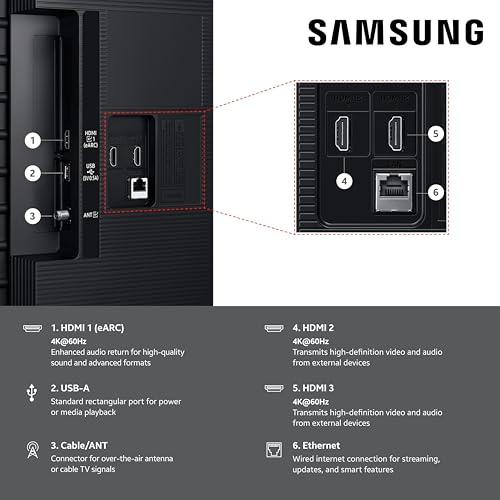
The Samsung U8000F features a 60Hz panel, meaning it can display a maximum of 60 frames per second. While it supports Variable Refresh Rate (VRR)—a technology that synchronizes the TV's refresh with your gaming console to prevent screen tearing—the 60Hz limitation means you can't take advantage of high-frame-rate gaming modes on modern consoles. For casual gaming, this isn't necessarily problematic, but serious gamers will feel constrained.
The TCL QM8 supports up to 144Hz refresh rates with 4K resolution, making it fully compatible with next-generation console capabilities. More impressive is its input lag performance—the delay between pressing a controller button and seeing the action on screen. User reports and expert testing indicate the TCL achieves approximately 8 milliseconds of input lag in optimal settings, which is excellent for competitive gaming.
This performance difference matters most in fast-paced games like first-person shooters, racing games, or fighting games where split-second timing affects gameplay. If gaming is a primary use case, the TCL QM8 delivers a noticeably superior experience that justifies its higher price point.
However, there's a caveat worth mentioning: some users have reported occasional input lag spikes with the TCL QM8 that require a power cycle to resolve. While this doesn't appear to be a widespread issue, it's worth considering if you demand absolute consistency for competitive gaming.
The software platform choice represents a philosophical difference between manufacturers that affects your experience for years to come.
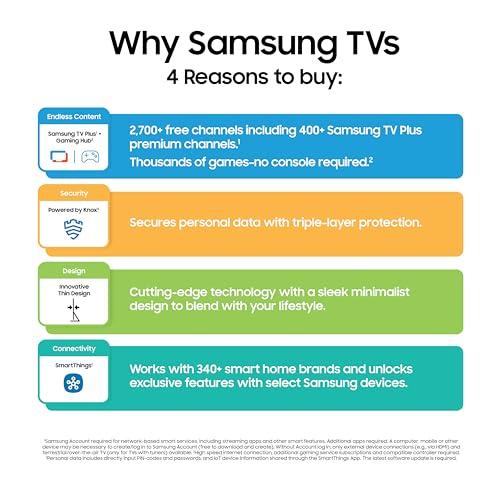
Samsung's approach with the U8000F emphasizes longevity and ecosystem integration. The company commits to seven years of software updates—an exceptional promise in the TV industry where two to three years is typical. This means your 2025 TV will receive new streaming apps, security updates, and feature improvements through 2032. For budget-conscious buyers, this software support effectively extends the TV's useful life well beyond its hardware capabilities.
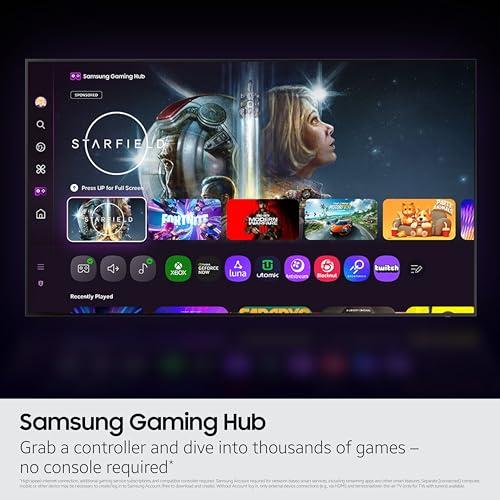
The Tizen operating system on the Samsung U8000F integrates seamlessly with other Samsung devices, making it particularly attractive if you own Samsung phones, tablets, or smart home devices. The SmartThings Hub functionality means your TV can control compatible smart home devices without requiring a separate hub device.
TCL takes a different approach with Google TV on the QM8. The platform excels at content discovery and aggregation, making it easier to find shows across multiple streaming services. The interface is intuitive and familiar to Android users, with excellent voice search capabilities through Google Assistant.
However, TCL's typical software support window is shorter—usually two to three years of meaningful updates. While this matches industry standards, it means the TV might feel outdated sooner from a software perspective, even though its superior hardware will remain capable longer.
For home theater enthusiasts who prioritize picture quality over smart features, this trade-off might be acceptable. Many serious users prefer external streaming devices anyway, making the TV's built-in smart features less critical.
Television audio rarely gets the attention it deserves in purchase decisions, but the difference between these models is substantial enough to affect your overall entertainment experience.
The Samsung U8000F includes a basic 2-channel speaker system with 20 watts of total power. While Samsung's Object Tracking Sound Lite attempts to make audio follow on-screen action, the fundamental limitation is power and speaker size. The audio is clear for dialogue and adequate for casual viewing, but lacks the depth and impact that makes movies and games truly immersive.
A significant limitation is the Samsung U8000F's lack of DTS audio codec support. DTS is commonly used on Blu-ray discs and some streaming content, so you might encounter audio compatibility issues with certain media. This isn't necessarily a dealbreaker, but it's worth considering if you have a large physical media collection.
The TCL QM8 incorporates a substantially more sophisticated ONKYO-engineered 2.1.2 channel system with 80 watts of total power. The "2.1.2" configuration means two main speakers, one subwoofer, and two upward-firing speakers that bounce sound off your ceiling to create height effects for Dolby Atmos content.
In practice, this system delivers noticeably more impactful audio with better bass response and a wider soundstage. While it can't match a dedicated soundbar system, it's genuinely good enough that many users might not feel the immediate need to upgrade their audio setup. The TCL QM8 also supports both Dolby and DTS audio formats, ensuring broader compatibility with various content sources.
HDR format support might seem like a technical detail, but it directly affects which streaming services and content will look their best on your TV.
Samsung deliberately omits Dolby Vision support across their entire TV lineup, instead promoting their own HDR10+ format. While HDR10+ is technically capable and supported by Amazon Prime Video and some other services, the reality is that Netflix, Disney+, and Apple TV+ primarily use Dolby Vision for their premium content.
The Samsung U8000F supports HDR10, HDR10+, and HLG (Hybrid Log-Gamma, used for broadcast content), which covers most bases but creates compatibility limitations with major streaming platforms' best content.
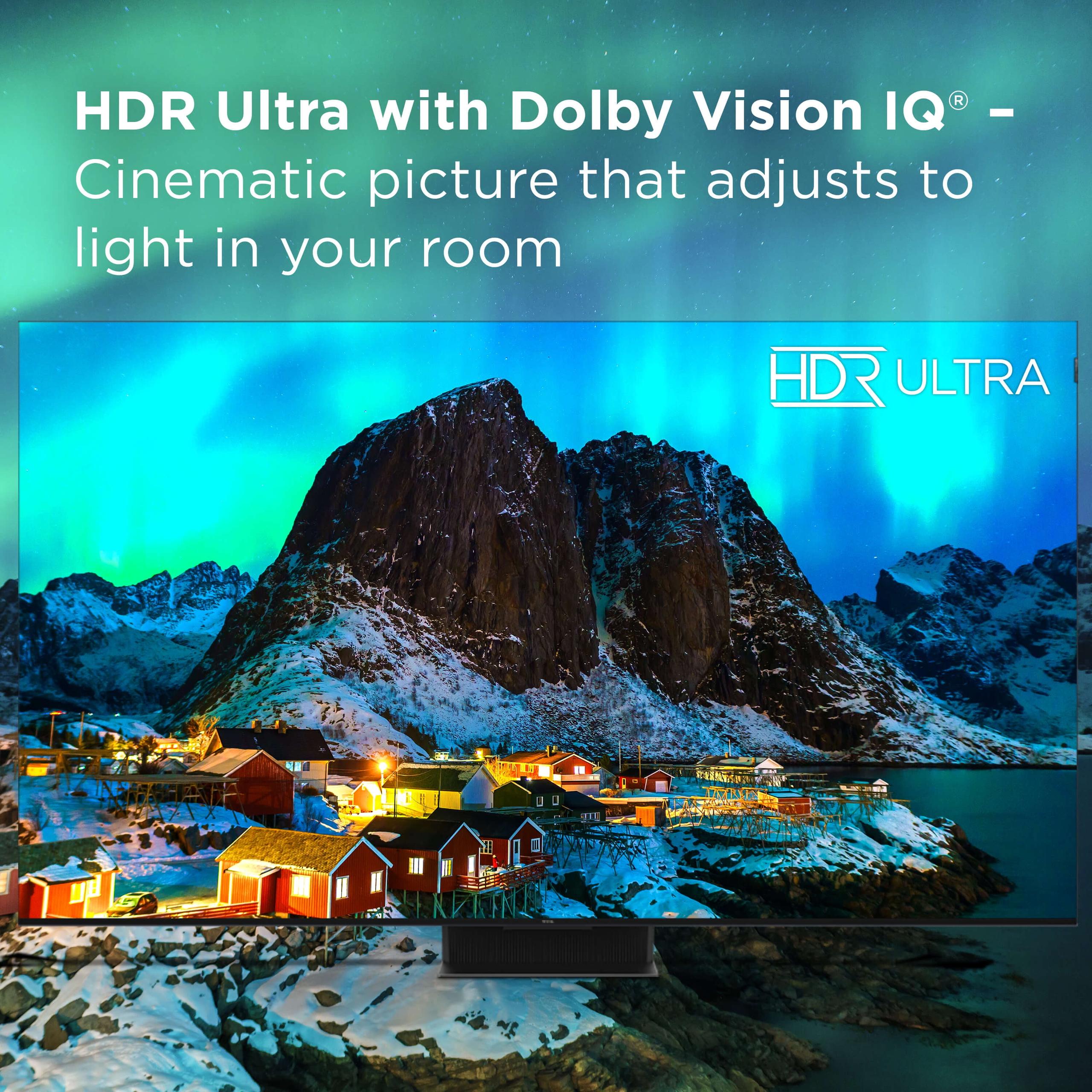
The TCL QM8 takes an inclusive approach, supporting Dolby Vision IQ, HDR10+, HDR10, and HLG. Dolby Vision IQ is particularly interesting—it adjusts the HDR presentation based on your room's ambient lighting, optimizing the picture for different viewing conditions throughout the day.
For users who primarily stream content from Netflix, Disney+, or Apple TV+, the TCL QM8's broader HDR support provides access to the highest quality versions of their favorite shows and movies.
Both manufacturers have improved their build quality in recent generations, though in different ways.
The 2025 Samsung U8000F introduced the MetalStream Design, upgrading from the previous year's all-plastic construction to include metal components. This isn't just cosmetic—metal construction provides better heat dissipation and a more premium feel. The slim bezels and center-mounted stand design fit well in modern living spaces.
The TCL QM8 features build quality typical of its Mini-LED category, with a slightly deeper chassis necessary to accommodate the advanced backlighting system. While specific construction details weren't extensively documented in our research, user reports suggest solid build quality appropriate for its price point.
Both TVs eliminate burn-in risk since they use LCD technology rather than OLED, making them suitable for varied usage patterns including gaming with static HUD elements or use as computer monitors.
For dedicated home theater setups, several factors favor one TV over the other depending on your priorities and room characteristics.
The TCL QM8 is clearly the better choice for dark room viewing where its superior contrast and local dimming can be fully appreciated. The Mini-LED technology excels in environments where you can control ambient lighting, delivering the deep blacks and bright highlights that make movie watching genuinely cinematic.
However, both TVs have narrow viewing angles—a characteristic of LCD technology. This means picture quality degrades when viewed from the sides, making them less ideal for wide seating arrangements where some viewers sit significantly off-center.
For bright room installations, the TCL QM8's higher brightness capability makes it the clear winner, maintaining picture quality even with significant ambient light.
The Samsung U8000F might make sense for secondary theater installations where picture quality is less critical than long-term reliability and software support.
The choice between these TVs ultimately depends on your priorities, budget, and usage patterns.
Choose the Samsung U8000F if you're budget-conscious and prioritize long-term value over cutting-edge performance. It makes sense for casual viewers who primarily stream content, watch cable TV, and occasionally game. The seven-year software support commitment provides exceptional value for buyers who plan to keep their TV for many years. It's also the better choice if you're already invested in Samsung's ecosystem with compatible phones, tablets, or smart home devices.
The Samsung U8000F works well as a bedroom TV, secondary room display, or main TV for users who don't demand premium picture quality but want reliable performance and smart features.
Choose the TCL QM8 if picture quality, gaming performance, or bright room viewing are priorities, and you're willing to pay more for genuine performance advantages. It's the clear winner for serious gamers who want to fully utilize next-generation console capabilities, movie enthusiasts who appreciate superior HDR performance, and anyone watching TV in challenging lighting conditions.
The TCL QM8 makes particular sense for main living room installations where it will be the primary entertainment display, and for users who want significantly better built-in audio without immediately upgrading to external speakers.
At the time of writing, the price difference between these TVs represents a significant investment—the TCL QM8 costs substantially more than the Samsung U8000F. However, this price gap reflects genuine technological differences rather than just brand positioning. The TCL's Mini-LED technology, high refresh rate gaming capabilities, and superior audio system justify the premium for users who will benefit from these features.
The television market continues evolving rapidly, with premium technologies becoming more accessible each year. Both the Samsung U8000F and TCL QM8 represent solid value propositions within their respective categories, but they serve different audiences with distinct priorities. Understanding these differences—rather than just comparing specifications—is key to making the right choice for your specific needs and viewing habits.
| Samsung 65-Inch Crystal UHD U8000F 4K Smart TV 2025 | TCL 65" QM8 Mini-LED Smart TV |
|---|---|
| Display Technology - Determines contrast and picture quality | |
| LED backlight (no local dimming) | Mini-LED with thousands of local dimming zones |
| Peak Brightness - Critical for bright rooms and HDR impact | |
| Adequate for moderate lighting | Up to 5,000 nits (excellent for any room) |
| Refresh Rate - Essential for gaming and motion clarity | |
| 60Hz (basic gaming only) | 144Hz with 4K@120Hz support |
| Input Lag - Determines gaming responsiveness | |
| Moderate (casual gaming) | ~8ms (excellent for competitive gaming) |
| HDR Format Support - Affects streaming compatibility | |
| HDR10, HDR10+, HLG (no Dolby Vision) | Dolby Vision IQ, HDR10+, HDR10, HLG |
| Audio System - Built-in sound quality | |
| 2CH, 20W total output | ONKYO 2.1.2 system, 80W with upward-firing speakers |
| Audio Codec Support - Content compatibility | |
| Dolby only (no DTS support) | Full Dolby and DTS codec support |
| Smart Platform - Operating system and apps | |
| Tizen OS with Samsung ecosystem integration | Google TV with superior content aggregation |
| Software Updates - Long-term support commitment | |
| 7 years (exceptional longevity) | 2-3 years (industry standard) |
| HDMI Connectivity - Gaming and device compatibility | |
| 3x HDMI 2.0 ports | HDMI 2.1 support (4K@144Hz capable) |
| Build Quality - Design and construction | |
| MetalStream design with metal back panel | Premium Mini-LED construction |
| Best For - Ideal buyer profile | |
| Budget-conscious buyers wanting long-term reliability | Gaming enthusiasts and home theater users |
The TCL 65" QM8 Mini-LED Smart TV is significantly better for gaming. It supports 144Hz refresh rates with 4K@120Hz capability, making it fully compatible with PlayStation 5 and Xbox Series X high-frame-rate modes. The TCL also has exceptionally low input lag around 8ms, ideal for competitive gaming. The Samsung 65-Inch Crystal UHD U8000F 4K Smart TV 2025 is limited to 60Hz and has higher input lag, making it suitable only for casual gaming.
The biggest difference is display technology. The TCL QM8 uses Mini-LED backlighting with thousands of local dimming zones, delivering superior contrast with deep blacks and bright highlights. The Samsung U8000F uses conventional LED backlighting without local dimming, resulting in less impressive contrast and grayish blacks. The TCL also achieves much higher peak brightness, making it better for bright rooms and HDR content.
Both TVs offer excellent smart platforms but with different strengths. The Samsung U8000F runs Tizen OS with exceptional 7-year software update support and seamless Samsung ecosystem integration. The TCL QM8 uses Google TV with superior content discovery and search capabilities. Samsung's longer update commitment provides better long-term value, while Google TV offers a more intuitive interface for finding content across streaming services.
The Samsung U8000F has limitations for dedicated home theater setups. Its lack of local dimming means poor black levels in dark rooms, and its moderate brightness struggles with impactful HDR content. For home theater use, the TCL QM8 is much better suited with its superior contrast, higher brightness, and better HDR format support including Dolby Vision, which is used by Netflix and Disney+.
The TCL QM8 is significantly brighter, reaching up to 5,000 nits peak brightness, making it excellent for bright rooms with windows or overhead lighting. The Samsung U8000F provides adequate brightness for moderate lighting conditions but can appear washed out in bright environments. If you watch TV during the day in a bright room, the TCL is the clear winner.
The TCL QM8 has dramatically better built-in audio with an ONKYO-engineered 2.1.2 channel system producing 80W total power, including upward-firing speakers for Dolby Atmos effects and a built-in subwoofer. The Samsung U8000F features a basic 2-channel system with 20W output that's adequate for dialogue but lacks impact for movies and music. The TCL also supports both Dolby and DTS audio formats, while Samsung only supports Dolby.
Value depends on your priorities. The Samsung U8000F offers excellent value for budget-conscious buyers, providing reliable 4K performance with exceptional 7-year software support. The TCL QM8 costs more but delivers premium Mini-LED technology, superior gaming features, and better audio that would typically cost much more. Choose Samsung for basic needs and long-term support, or TCL for significantly better performance.
Only the TCL QM8 fully supports premium HDR content from major streaming services. It includes Dolby Vision IQ support, which Netflix, Disney+, and Apple TV+ use for their best HDR content. The Samsung U8000F lacks Dolby Vision support, instead using HDR10+ which has limited streaming service adoption. For the best HDR streaming experience, the TCL provides broader compatibility.
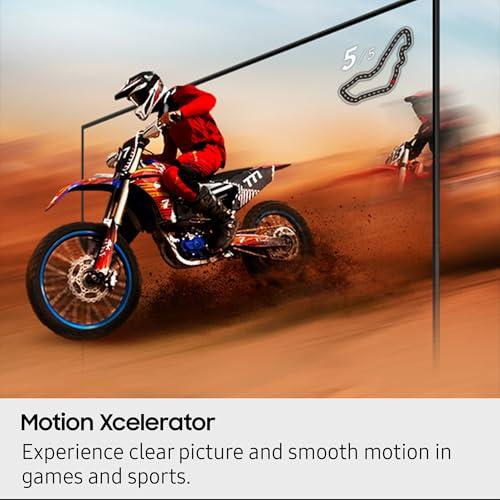
For sports, the TCL QM8 is superior due to its higher brightness (better visibility in bright rooms), faster refresh rate (144Hz for smoother motion), and better motion handling technology. The Samsung U8000F can handle sports viewing adequately but may show more motion blur during fast action and struggles with visibility in bright rooms where sports are often watched.
The Samsung U8000F offers exceptional software longevity with Samsung's commitment to 7 years of updates, meaning your 2025 TV will receive new apps and features through 2032. The TCL QM8 typically receives 2-3 years of meaningful updates, which is industry standard but much shorter than Samsung's commitment. For long-term software support, the Samsung is unmatched.
The TCL QM8 offers superior connectivity with HDMI 2.1 support that enables 4K@144Hz gaming from modern consoles. The Samsung U8000F uses HDMI 2.0 ports that limit you to 4K@60Hz maximum. If you own a PlayStation 5 or Xbox Series X and want to use their high-frame-rate modes, the TCL QM8 is essential for full compatibility.
Both the Samsung U8000F and TCL QM8 can work as computer monitors since they use LCD technology with no burn-in risk from static elements. However, the TCL QM8 is better suited for this use with its higher refresh rate, lower input lag, and HDMI 2.1 connectivity for high-resolution, high-refresh gaming. The Samsung works fine for basic computer use but lacks the performance for demanding PC gaming.
We've done our best to create useful and informative comparisons to help you decide what product to buy. Our research uses advanced automated methods to create this comparison and perfection is not possible - please contact us for corrections or questions. These are the sites we've researched in the creation of this article: bestbuy.com - youtube.com - youtube.com - rtings.com - youtube.com - samsung.com - hometechnologyreview.com - rtings.com - samsung.com - displayspecifications.com - samsung.com - displayspecifications.com - walmart.com - billsmith.com - dentonstv.com - samsung.com - samsung.com - samsung.com - youtube.com - bestbuy.com - bestbuy.com - youtube.com - samsung.com - donstv.com - rtings.com - rtings.com - techradar.com - tcl.com - the-gadgeteer.com - nfm.com - ecoustics.com - careyscommunications.com - pcrichard.com - tcl.com

Privacy Policy
Terms and Conditions - Affiliate Policy
Home Security
© Copyright 2008-2026.
11816 Inwood Rd #1211, Dallas, TX 75244