

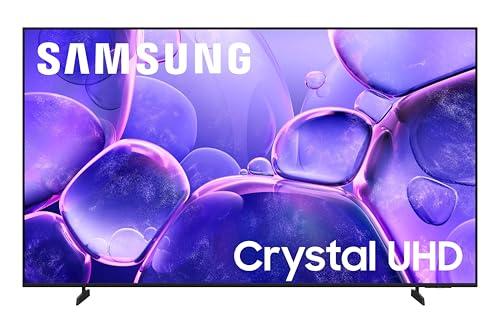
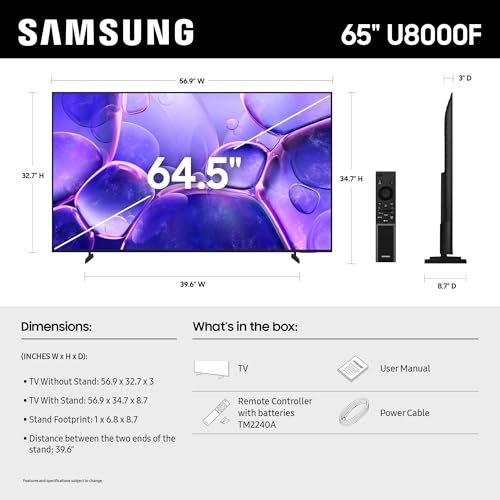
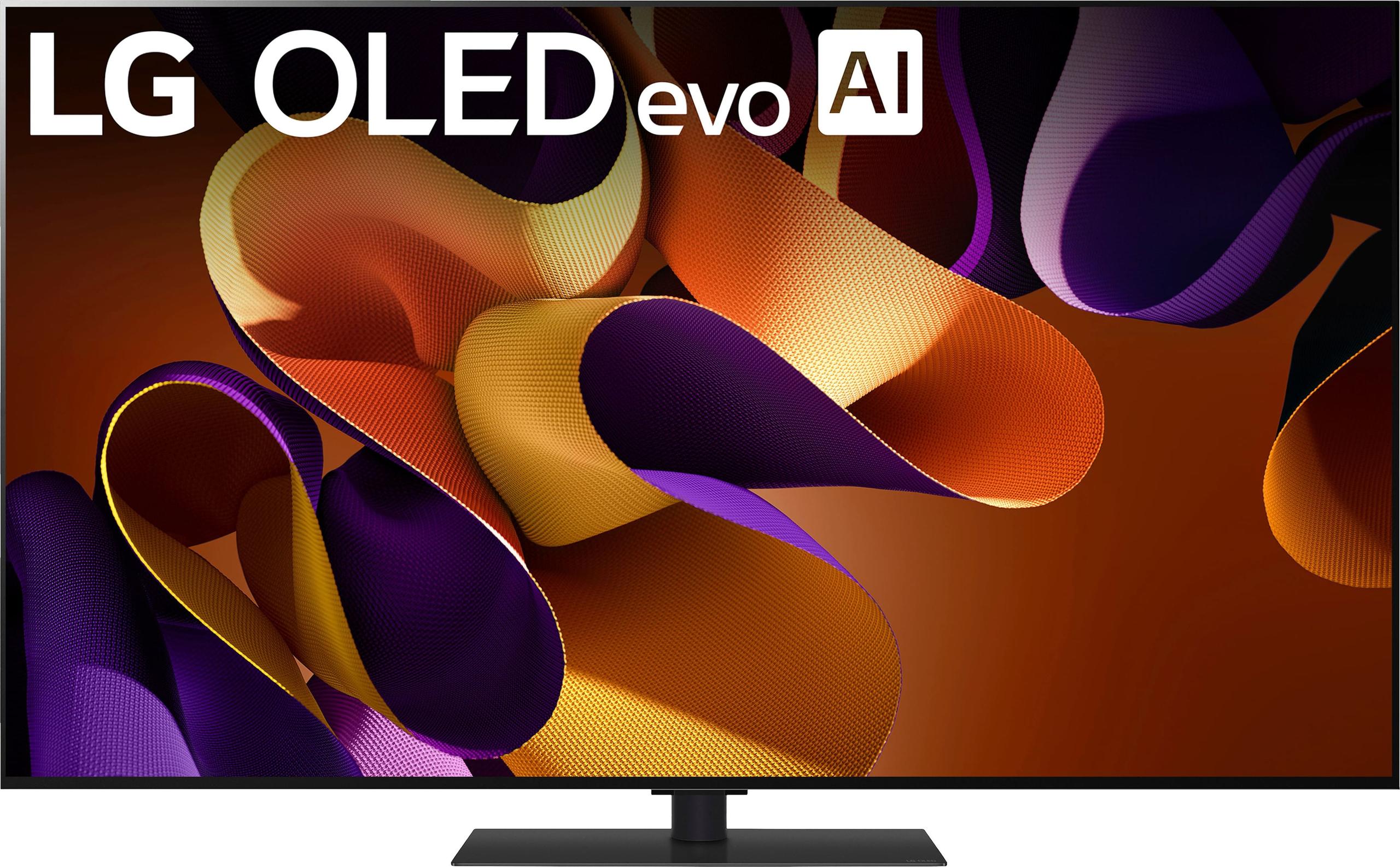
Shopping for a 65-inch 4K smart TV can feel overwhelming, especially when you're comparing products that seem worlds apart in price and capability. The Samsung 65-Inch Crystal UHD U8000F 4K Smart TV 2025 and LG 65" G4 Series OLED evo 4K UHD Smart TV 2024 represent two completely different philosophies in TV design – one prioritizes affordability while the other pushes the boundaries of display technology.
At the time of writing, these TVs sit at opposite ends of the pricing spectrum, with the Samsung U8000F positioned as an entry-level option while the LG G4 OLED commands premium pricing that's roughly five times higher. But price alone doesn't tell the whole story. Understanding what you get for your money – and what you don't – is crucial for making the right choice for your living room.
Before diving into specifics, it's important to understand the core technology difference between these TVs. The Samsung U8000F uses LCD (Liquid Crystal Display) technology with LED backlighting. Think of it like a flashlight shining through colored filters – the LED lights behind the screen illuminate liquid crystals that twist to create colors and images. This approach has been refined over decades and can produce good picture quality at affordable prices.
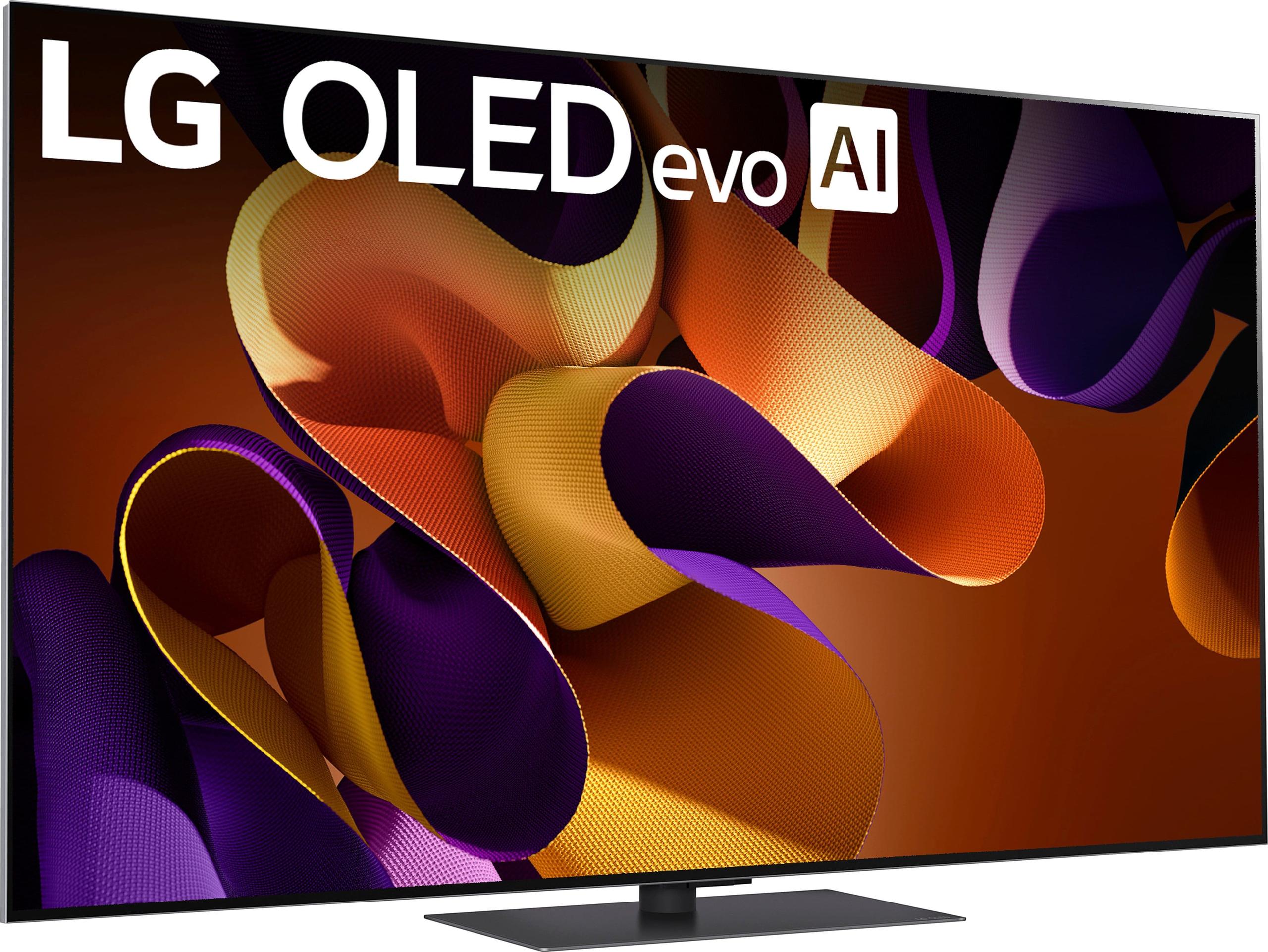
The LG G4 OLED, however, uses OLED (Organic Light-Emitting Diode) technology where each individual pixel creates its own light. Instead of needing a backlight, millions of tiny organic compounds glow when electricity passes through them. This fundamental difference affects everything from contrast (the difference between bright and dark areas) to energy efficiency.
OLED's ability to turn pixels completely off creates perfect blacks – something LCD panels simply cannot achieve because they always have some light bleeding through. This isn't just a technical specification; it translates to more realistic movie scenes, deeper space backgrounds, and text that appears to float on true black backgrounds.
HDR (High Dynamic Range) has become a crucial feature in modern TVs, expanding the range between the darkest and brightest parts of an image. However, not all HDR implementations are equal. The Samsung U8000F supports HDR10+ but struggles with a fundamental limitation – it simply isn't bright enough to make HDR content look dramatically different from standard content.
LCD TVs like the Samsung U8000F typically peak around 400-500 nits of brightness (a nit is a unit measuring luminance). While this works fine for normal viewing, HDR content is mastered to display highlights at 1,000 nits or higher. When your TV can't reach these brightness levels, HDR scenes lose their intended impact. Fireworks look dim, sunlight appears muted, and the "wow factor" that should make you feel like you're looking through a window instead of at a screen just isn't there.
The LG G4 OLED tackles this challenge with Brightness Booster Max technology, pushing peak brightness to around 1,300 nits – more than double what the Samsung can achieve. But here's where OLED really shines: it combines this high brightness with perfect blacks. When a scene shows stars against space, the stars can be blindingly bright while the space around them is genuinely black, not the dark gray you get with LCD backlighting.
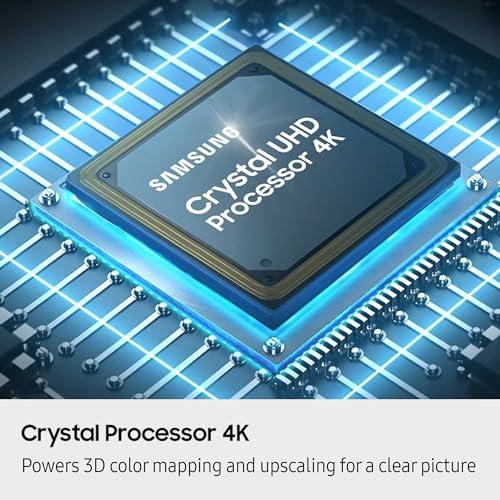
Color performance tells another important story. The Samsung U8000F delivers decent color accuracy in SDR (Standard Dynamic Range) content, which covers most cable TV and streaming. Samsung's Crystal Processor 4K does a respectable job processing colors, and out of the box, you'll get natural-looking skin tones and reasonably accurate colors without needing to adjust settings.
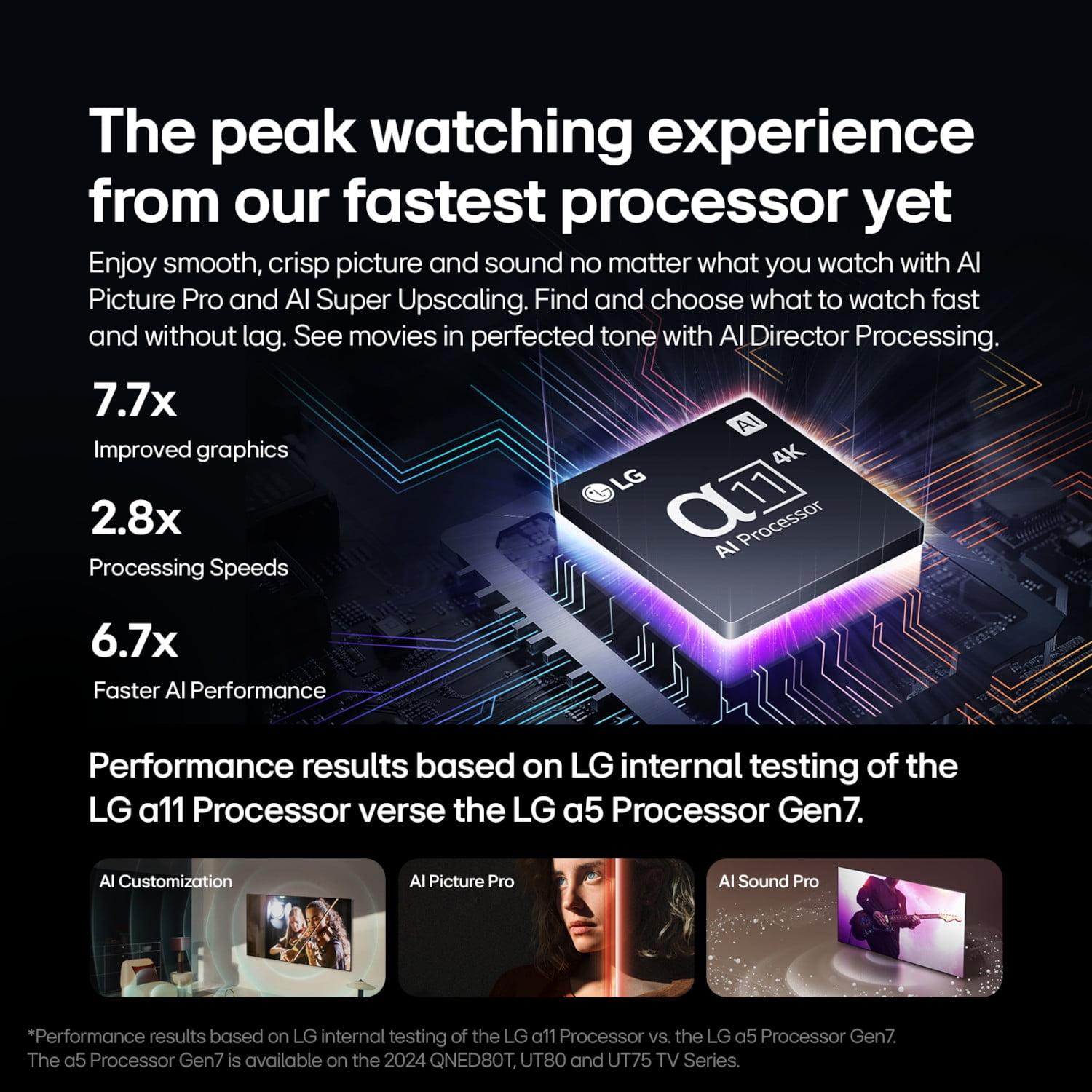
However, the LG G4 OLED operates in a different league entirely. With 100% color volume coverage, it can display the full range of colors at any brightness level. This means vivid sunset oranges remain saturated even when they're bright, and deep ocean blues stay rich even in darker scenes. The α11 AI Processor continuously analyzes content, adjusting color mapping in real-time to maintain accuracy across different types of content.
This is where the technology gap becomes most apparent. The Samsung U8000F lacks local dimming – a feature where different zones of the backlight can dim independently. Instead, the entire LED backlight operates at one brightness level. When a scene has both bright and dark elements, the TV must compromise, making blacks appear grayish to prevent bright elements from becoming too dim.
The LG G4 OLED doesn't just have local dimming – it has per-pixel dimming. Each of the 8.3 million pixels can turn completely off or shine at full brightness independently. This creates infinite contrast ratio, a technical impossibility for LCD panels. In practical terms, this means movie letterbox bars disappear completely into the bezel, dark movie scenes maintain detail without looking washed out, and text on dark backgrounds appears crisp and readable.
Gaming capabilities reveal another significant performance gap. The Samsung U8000F offers a 60Hz refresh rate, which means it can display up to 60 frames per second. While it includes VRR (Variable Refresh Rate) support – a feature that synchronizes the TV's refresh rate with your gaming console's output to reduce screen tearing – the 60Hz limitation means this feature rarely provides benefits with modern gaming content.
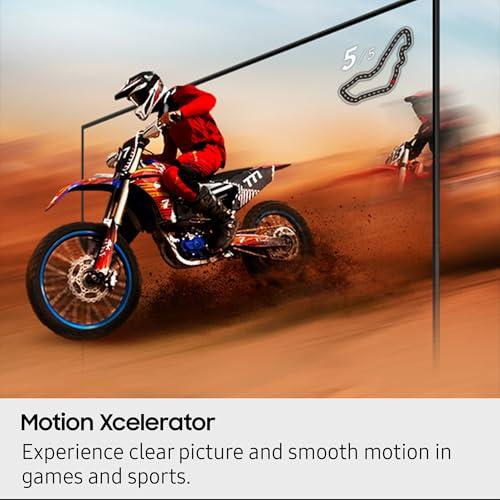
The TV's motion handling compounds gaming limitations. Our research indicates the Samsung U8000F has slow response times, causing motion blur during fast-paced games. This might not bother casual gamers playing story-driven adventures, but anyone interested in competitive gaming or fast-action titles will notice the difference.
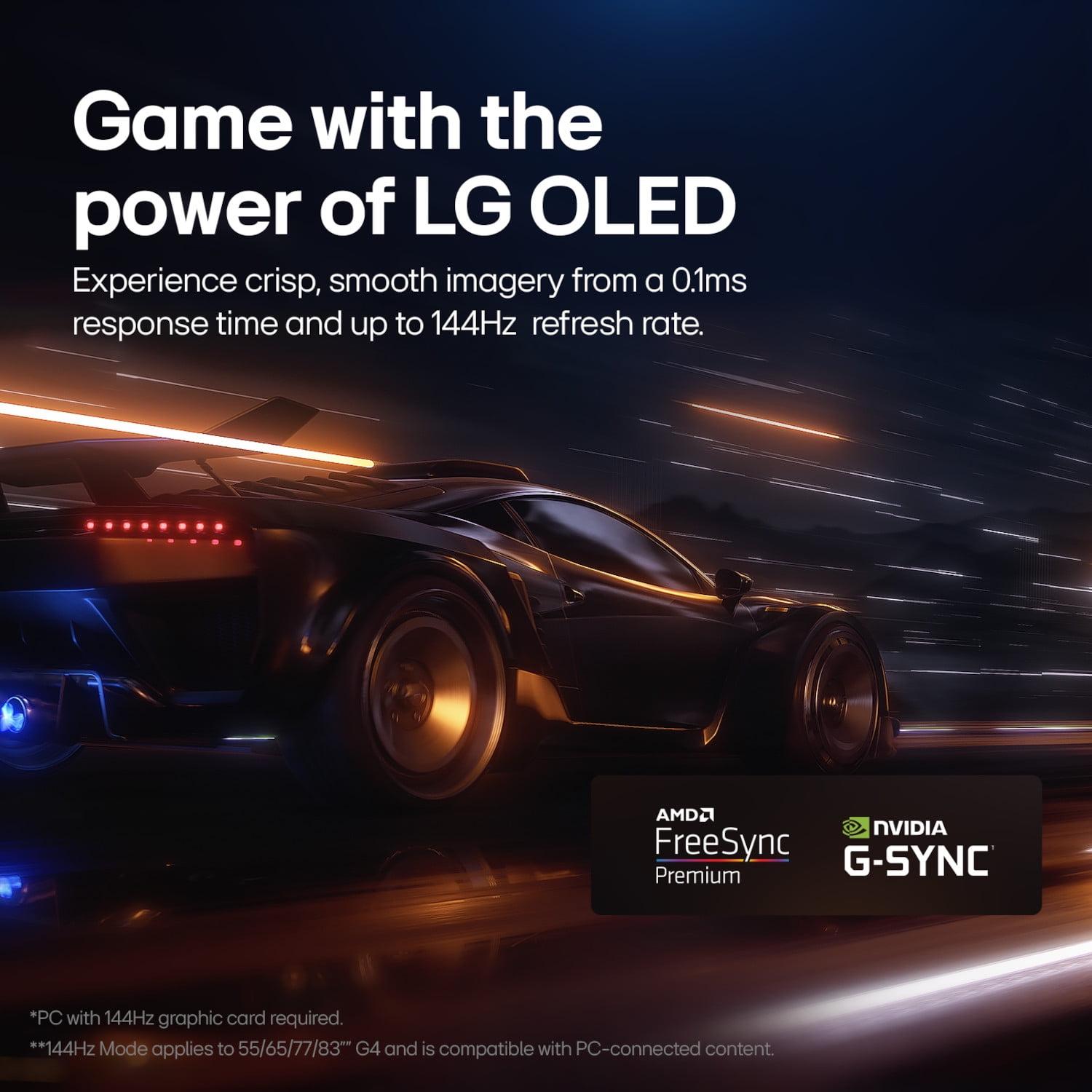
The LG G4 OLED transforms gaming with its 144Hz refresh rate and near-instantaneous pixel response times. OLED technology inherently provides faster response times than LCD because pixels don't need to physically rotate like liquid crystals do. Combined with four HDMI 2.1 ports that support 4K at 144Hz, this TV handles everything from PlayStation 5 games to high-end PC gaming with remarkable smoothness.
For home theater gaming setups, the LG G4 OLED supports advanced gaming features like NVIDIA G-Sync and AMD FreeSync Premium, eliminating screen tearing and stuttering even during graphically intensive scenes. The difference becomes particularly noticeable in racing games, first-person shooters, and sports games where smooth motion directly impacts the experience.
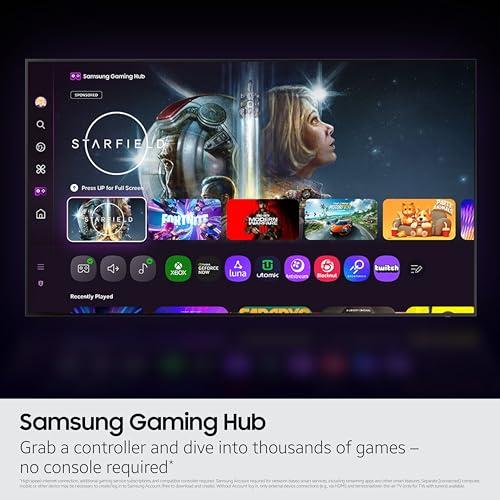
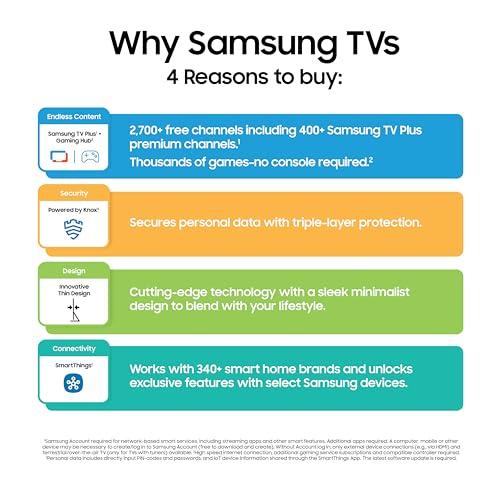
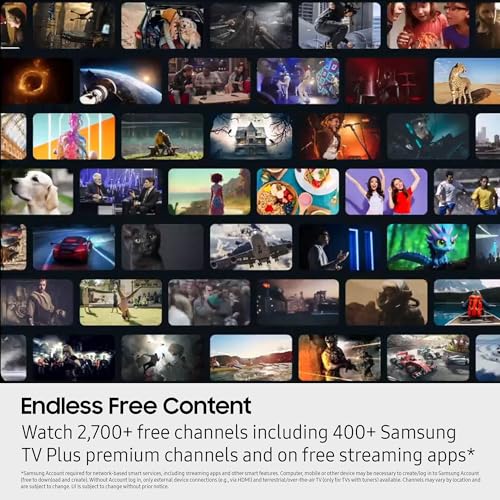
Both TVs run mature smart platforms that handle streaming services well, but with different strengths. The Samsung U8000F uses Tizen OS with Samsung's updated One UI interface, released in 2025. The platform feels responsive for basic tasks like launching Netflix or browsing Samsung TV Plus, which offers over 300 free streaming channels – a genuine value-add that competing platforms often can't match.
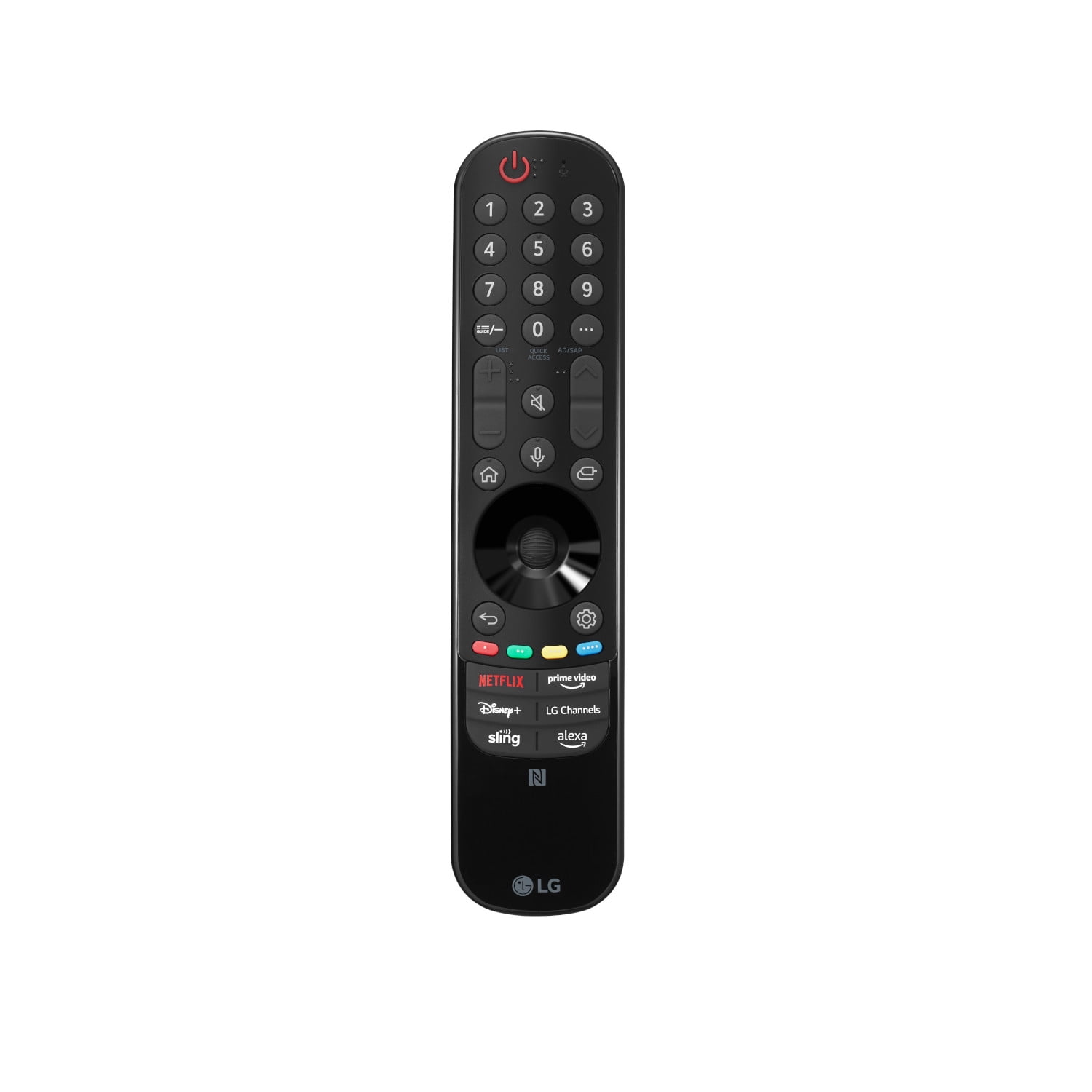
However, the Samsung U8000F requires external devices for voice control, lacking built-in microphones for Alexa or Google Assistant. You'll need to use smartphone apps or separate smart speakers for hands-free control.
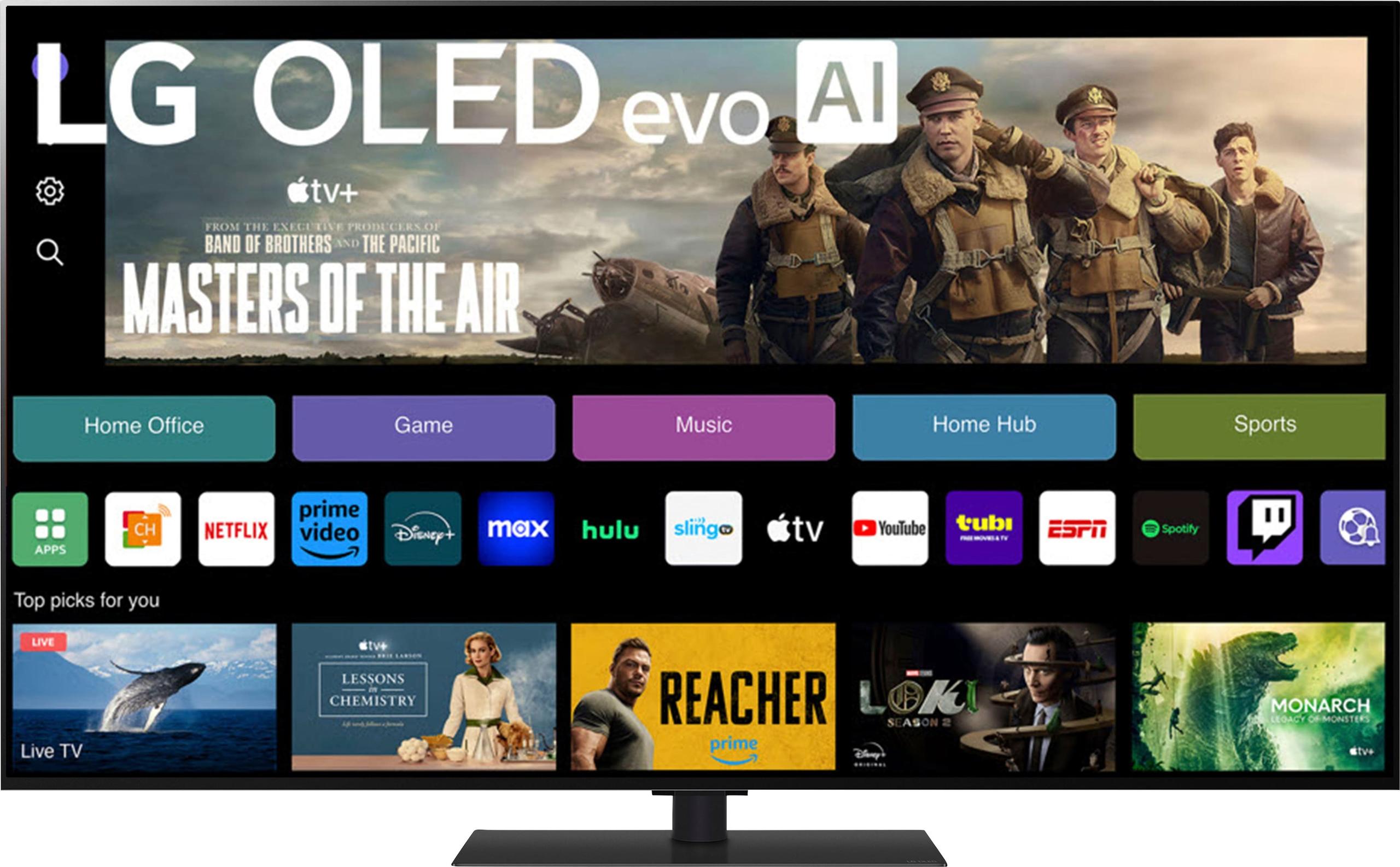
The LG G4 OLED runs webOS 24 with integrated AI features that feel more sophisticated. Built-in microphones enable direct voice control, and the AI Concierge learns viewing preferences to provide personalized recommendations. The platform's superior processing power, courtesy of the α11 AI Processor, makes navigation noticeably smoother, especially when multitasking or using demanding apps.
Audio performance highlights another area where premium pricing translates to better experience. The Samsung U8000F includes a basic 20W, 2-channel speaker system with Object Tracking Sound Lite – a feature that attempts to make audio follow action on screen. While adequate for casual viewing, the thin sound profile lacks bass depth and can sound harsh at higher volumes.
The LG G4 OLED incorporates a 4.2-channel, 60W system with Dolby Atmos support. This creates a more immersive soundscape that enhances movie watching and gaming. The AI Sound Pro feature uses processing power to virtually up-mix stereo content to surround sound, creating a more engaging audio experience without requiring external speakers.
For serious home theater setups, both TVs benefit from dedicated sound systems, but the LG G4 OLED's superior built-in audio means you might delay that soundbar purchase while still enjoying improved sound quality.
Room lighting significantly affects TV performance, and these models handle different environments very differently. The Samsung U8000F performs best in consistently dim rooms where its limited brightness won't compete with ambient light. In bright living rooms with large windows, reflections become problematic, and the screen can appear washed out during daytime viewing.
Viewing angles present another limitation. LCD panels like the Samsung U8000F experience color shift and brightness reduction when viewed from the side. If your seating arrangement spreads beyond a narrow central viewing cone, people sitting at angles will experience degraded picture quality.
The LG G4 OLED handles varied lighting conditions much better. Its high peak brightness cuts through ambient light during bright days, while perfect blacks create stunning images for nighttime movie watching. OLED's wide viewing angles maintain color accuracy and brightness even from extreme side positions, making it ideal for larger seating arrangements or open floor plans.
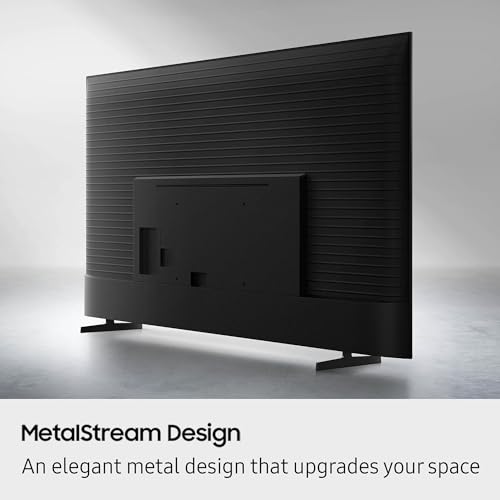
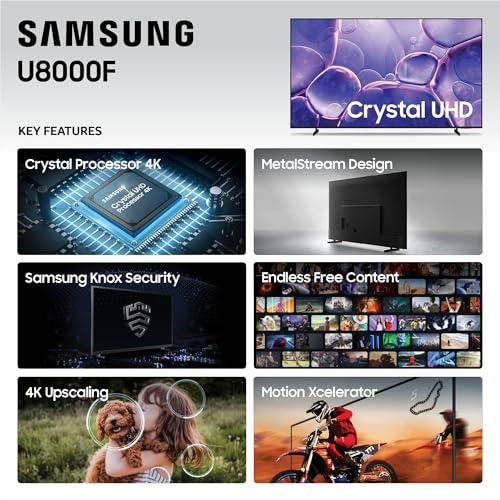
Both TVs prioritize slim aesthetics, but with different approaches. The Samsung U8000F features MetalStream Design, an improvement from previous plastic-backed models. The metal rear panel provides better build quality, though the overall construction remains focused on cost efficiency.
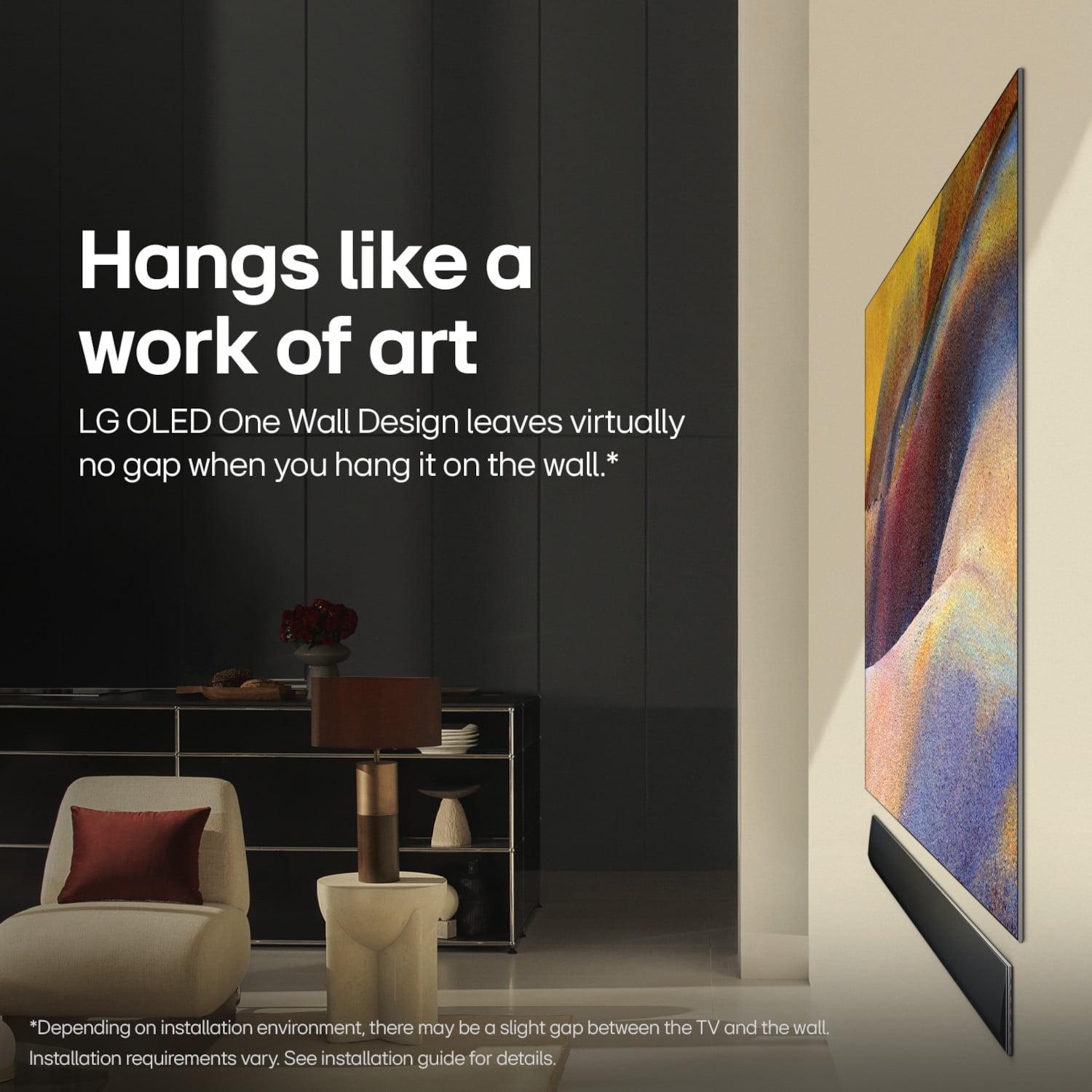
The LG G4 OLED emphasizes premium design with its gallery-style aesthetic. The ultra-thin profile – made possible by OLED's lack of backlighting – allows flush wall mounting that makes the TV appear like artwork when displaying photos or ambient content. This design approach appeals to users who want their TV to enhance rather than dominate room aesthetics.
The Samsung U8000F represents Samsung's 2025 entry-level offering, following the evolutionary path from earlier U8000 series models. Each generation has brought incremental improvements, though some features from previous models have been removed to maintain aggressive pricing.
The LG G4 OLED, released in 2024, showcases LG's second-generation Micro Lens Array (MLA) technology, which significantly improved brightness over earlier OLED generations. This advancement addressed OLED's historical weakness in bright rooms while maintaining the technology's inherent advantages.
At the time of writing, the pricing difference between these TVs reflects genuinely different value propositions rather than simple feature variations. The Samsung U8000F delivers essential 4K smart TV functionality at entry-level pricing. It's adequate for viewers upgrading from older HD TVs or those with modest picture quality expectations and budget constraints.
The LG G4 OLED commands premium pricing but delivers performance that justifies the cost for users who prioritize picture quality. The combination of perfect blacks, high brightness, excellent gaming performance, and premium build quality creates a viewing experience that remains impressive years after purchase.
For dedicated home theater setups, the performance gap becomes even more significant. The Samsung U8000F's limited contrast and brightness capabilities mean it cannot properly reproduce the director's intended vision for cinematically-shot content. Dark scenes lose detail, bright highlights lack impact, and the overall experience feels flat compared to theatrical presentation.
The LG G4 OLED excels in home theater applications. Filmmaker Mode ensures accurate color reproduction and motion processing that respects the director's creative choices. The combination of perfect blacks and high brightness creates the dramatic contrast that makes movies feel cinematic rather than televisual.
The Samsung U8000F makes sense for specific situations: secondary bedrooms, apartments with temporary living arrangements, first-time 4K adopters, and situations where budget constraints are paramount. If you're upgrading from an older TV and primarily watch streaming services or cable in moderately-lit rooms, it provides adequate performance at an accessible price point.
The LG G4 OLED targets users who want the best possible viewing experience and have the budget to achieve it. Home theater enthusiasts, serious gamers with next-generation consoles, households with varied lighting conditions, and anyone planning to keep their TV for many years will appreciate the superior performance across all categories.
Consider the Samsung U8000F if your budget is limited, your viewing expectations are modest, and you're primarily concerned with getting a large 4K screen at the lowest possible cost. Accept that you're trading picture quality, gaming performance, and premium features for affordability.
Choose the LG G4 OLED if you can afford the premium and want a TV that excels at everything – movies, gaming, sports, and varied room lighting. The higher cost delivers genuinely superior performance that will remain impressive as content quality continues advancing.
The gap between these TVs is substantial enough that middle-ground options deserve consideration. Samsung's QLED models or LG's C-series OLEDs might offer better balance between price and performance for many buyers.
Ultimately, both TVs succeed at their intended purposes, but they serve completely different audiences with distinct priorities and budgets.
| Samsung 65-Inch Crystal UHD U8000F 4K Smart TV 2025 | LG 65" G4 Series OLED evo 4K UHD Smart TV 2024 |
|---|---|
| Panel Technology - Determines fundamental picture quality capabilities | |
| LCD with LED backlighting (standard budget approach) | OLED evo with self-lit pixels (premium technology with perfect blacks) |
| Peak Brightness - Critical for HDR impact and bright room viewing | |
| ~400-500 nits (struggles with HDR, best for dim rooms) | ~1,300 nits (excellent HDR performance, handles bright rooms) |
| Contrast Ratio - Makes the biggest visual difference in dark scenes | |
| Standard LCD contrast with no local dimming (blacks appear gray) | Infinite contrast with per-pixel control (true blacks) |
| Refresh Rate - Determines gaming smoothness and motion clarity | |
| 60Hz (adequate for casual gaming, limited future-proofing) | 144Hz (exceptional for gaming, handles high frame rate content) |
| HDMI Connectivity - Important for gaming consoles and future devices | |
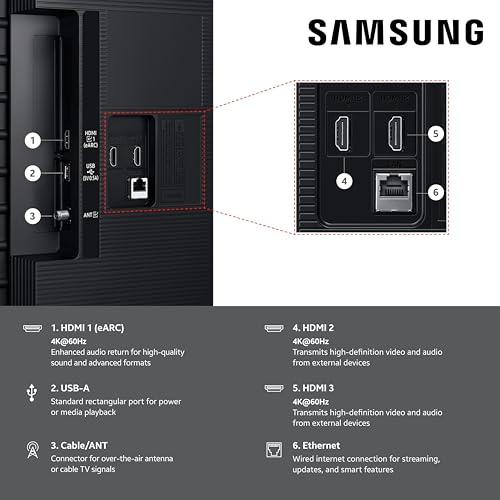
| 3x HDMI 2.0 (4K/60Hz maximum) | 4x HDMI 2.1 (4K/144Hz, more future-proof) |
| Smart Platform - Affects daily usability and feature access | |
| Tizen OS with One UI (responsive, requires external voice control) | webOS 24 with AI features (built-in voice control, more advanced) |
| Audio System - Determines if you need a soundbar immediately | |
| 20W 2-channel (basic sound, soundbar recommended) | 60W 4.2-channel with Dolby Atmos (much better built-in audio) |
| Gaming Features - Essential for console and PC gaming performance | |
| VRR, ALLM (limited by 60Hz, slow response time) | VRR, ALLM, FreeSync Premium, G-Sync (comprehensive gaming support) |
| HDR Support - Affects streaming and 4K content quality | |
| HDR10+ (supported but limited by low brightness) | Dolby Vision, HDR10+, HLG (full HDR experience with proper brightness) |
| Viewing Angles - Important for seating flexibility | |
| Poor (colors shift when viewed from sides) | Excellent (maintains quality from wide angles) |
| Processor - Impacts interface speed and picture processing | |
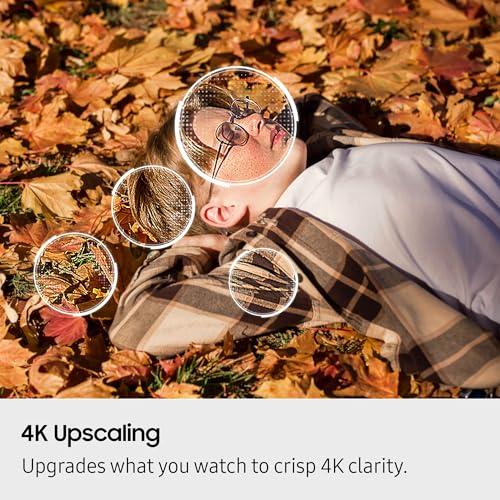
| Crystal Processor 4K (basic upscaling and processing) | α11 AI Processor 4K (advanced AI processing, 6.7x faster performance) |
| Design Approach - Affects room aesthetics and mounting options | |
| MetalStream Design with standard depth | Ultra-thin gallery design for flush wall mounting |
| Motion Handling - Critical for sports and action content | |
| Poor with slow response times (motion blur in fast scenes) | Excellent with near-instantaneous response (smooth motion) |
| Target User - Who each TV is designed for | |
| Budget-conscious buyers, casual viewers, secondary rooms | Home theater enthusiasts, serious gamers, premium experience seekers |
The fundamental difference is panel technology. The Samsung U8000F uses LCD with LED backlighting, while the LG G4 OLED uses self-lit OLED pixels. This means the LG G4 OLED can produce perfect blacks and infinite contrast, while the Samsung U8000F has limited contrast due to constant backlighting. OLED technology delivers dramatically better picture quality but costs significantly more.
The LG G4 OLED handles bright rooms much better despite common misconceptions about OLED. It reaches around 1,300 nits peak brightness with anti-reflective properties, while the Samsung U8000F only achieves about 400-500 nits and struggles with glare. For consistently bright living spaces, the LG G4 OLED provides a more enjoyable viewing experience.
The LG G4 OLED is excellent for gaming with its 144Hz refresh rate, four HDMI 2.1 ports, and near-instantaneous response times. It supports advanced gaming features like VRR and G-Sync. The Samsung U8000F offers basic gaming with 60Hz refresh rate and slower response times, making it suitable only for casual gaming. Serious gamers should choose the LG G4 OLED.
Value depends on your priorities. The Samsung U8000F offers excellent value for budget-conscious buyers who need basic 4K functionality. The LG G4 OLED provides superior value for those who prioritize picture quality and advanced features, delivering performance that justifies its premium positioning. Consider your budget and viewing expectations when deciding.
For dedicated home theaters, the LG G4 OLED is significantly superior. Its perfect blacks, high brightness, and infinite contrast create cinematic experiences that match director's intent. The Samsung U8000F lacks the contrast and brightness needed for impactful home theater viewing, making dark scenes appear washed out and limiting HDR effectiveness.
Both TVs provide comprehensive smart platforms. The Samsung U8000F runs Tizen OS with Samsung TV Plus offering 300+ free channels, but requires external devices for voice control. The LG G4 OLED features webOS 24 with built-in voice assistants, AI recommendations, and more advanced processing power for smoother operation.
The LG G4 OLED offers significantly better audio with its 60W, 4.2-channel system supporting Dolby Atmos. The Samsung U8000F has basic 20W, 2-channel speakers that lack depth and power. While both benefit from external sound systems, the LG G4 OLED's superior built-in audio may delay the need for a soundbar purchase.
The LG G4 OLED maintains excellent picture quality from wide viewing angles, making it ideal for large seating arrangements. The Samsung U8000F has poor viewing angles with colors and brightness degrading quickly when viewed from the side. For flexible room layouts or multiple viewers, the LG G4 OLED is the better choice.
The LG G4 OLED delivers exceptional HDR performance with support for Dolby Vision, HDR10+, and sufficient brightness to showcase HDR content properly. The Samsung U8000F supports HDR10+ but lacks the brightness needed for impactful HDR viewing, making HDR content appear only marginally better than standard content.
The LG G4 OLED features four HDMI 2.1 ports supporting 4K at 144Hz, providing excellent future-proofing for gaming consoles and devices. The Samsung U8000F offers three HDMI 2.0 ports limited to 4K at 60Hz. For users with multiple gaming consoles or high-end devices, the LG G4 OLED offers superior connectivity options.
Choose the Samsung U8000F if you're budget-constrained, need a TV for secondary rooms, are upgrading from older HD TVs, or have modest picture quality expectations. It's also suitable for viewers who primarily watch standard streaming content in consistently dim rooms and don't require advanced gaming features.
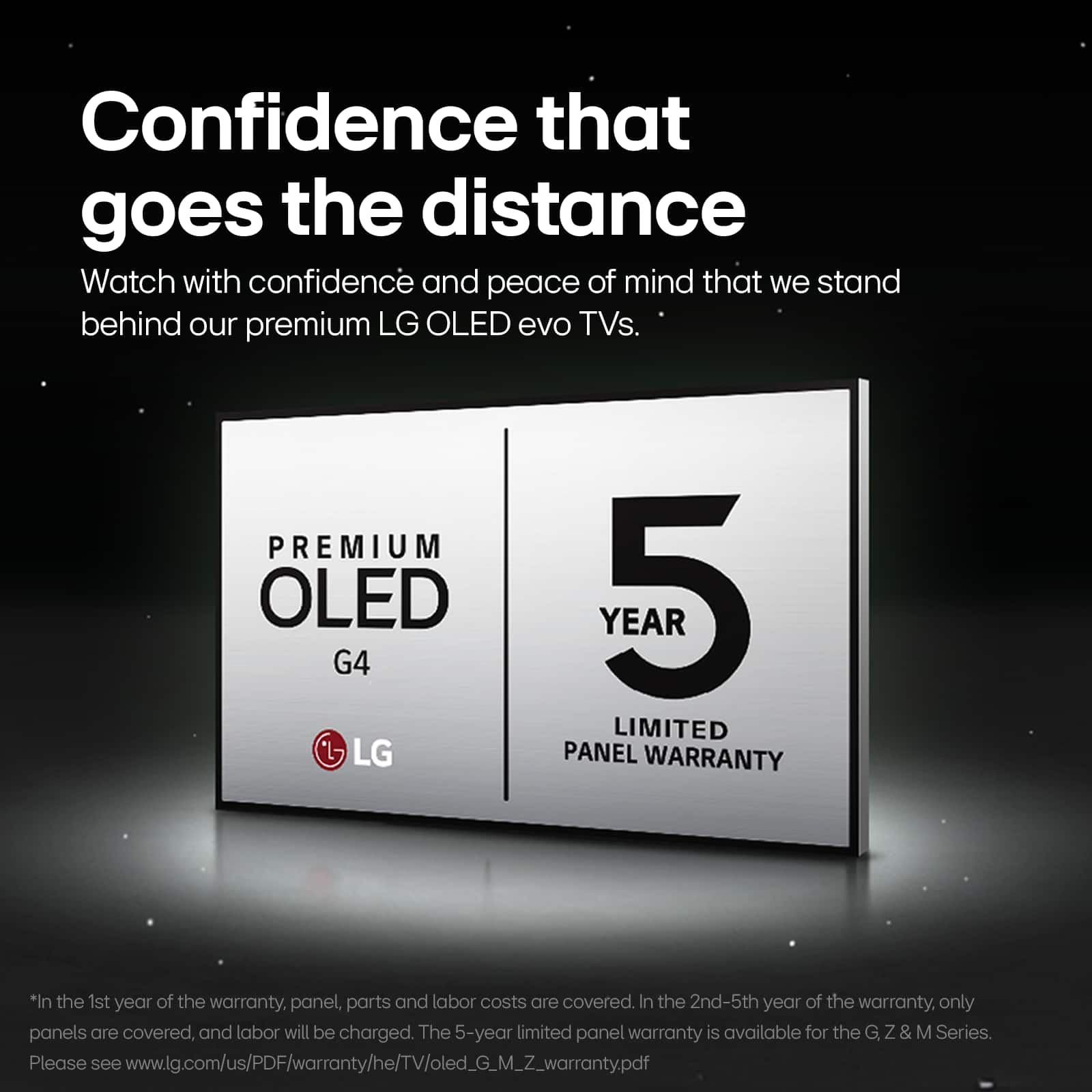
The LG G4 OLED offers better long-term value with its advanced features, superior picture quality, and future-proof connectivity that will remain relevant as content standards evolve. The Samsung U8000F serves immediate needs at a lower cost but may feel outdated sooner due to its 60Hz limitation and basic feature set. Both come with comprehensive warranties for peace of mind.
We've done our best to create useful and informative comparisons to help you decide what product to buy. Our research uses advanced automated methods to create this comparison and perfection is not possible - please contact us for corrections or questions. These are the sites we've researched in the creation of this article: bestbuy.com - youtube.com - youtube.com - rtings.com - youtube.com - samsung.com - hometechnologyreview.com - rtings.com - samsung.com - displayspecifications.com - samsung.com - displayspecifications.com - walmart.com - billsmith.com - dentonstv.com - samsung.com - samsung.com - samsung.com - youtube.com - bestbuy.com - bestbuy.com - youtube.com - samsung.com - donstv.com - hometechnologyreview.com - hometechnologyreview.com - whathifi.com - hometechnologyreview.com - youtube.com - tomsguide.com - tomsguide.com - smarthomesounds.co.uk - rtings.com - rtings.com - bhphotovideo.com - youtube.com - schaeferstv.com - bestbuy.com - costco.com - lg.com - lg.com - shopsilica.com - bestbuy.com - techradar.com - bestbuy.com - bestbuy.com - lg.com - lgnewsroom.com

Privacy Policy
Terms and Conditions - Affiliate Policy
Home Security
© Copyright 2008-2026.
11816 Inwood Rd #1211, Dallas, TX 75244