

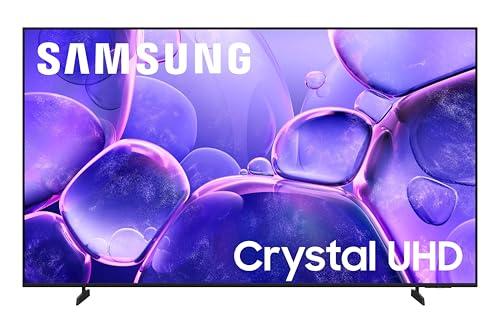
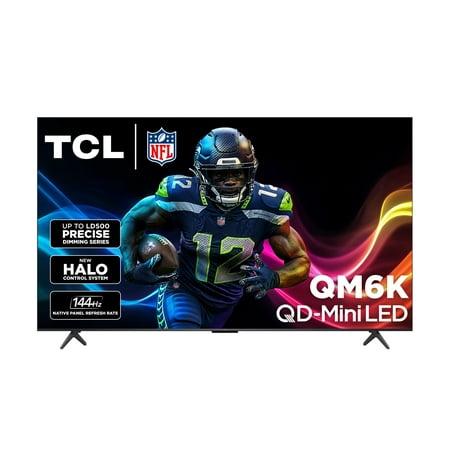
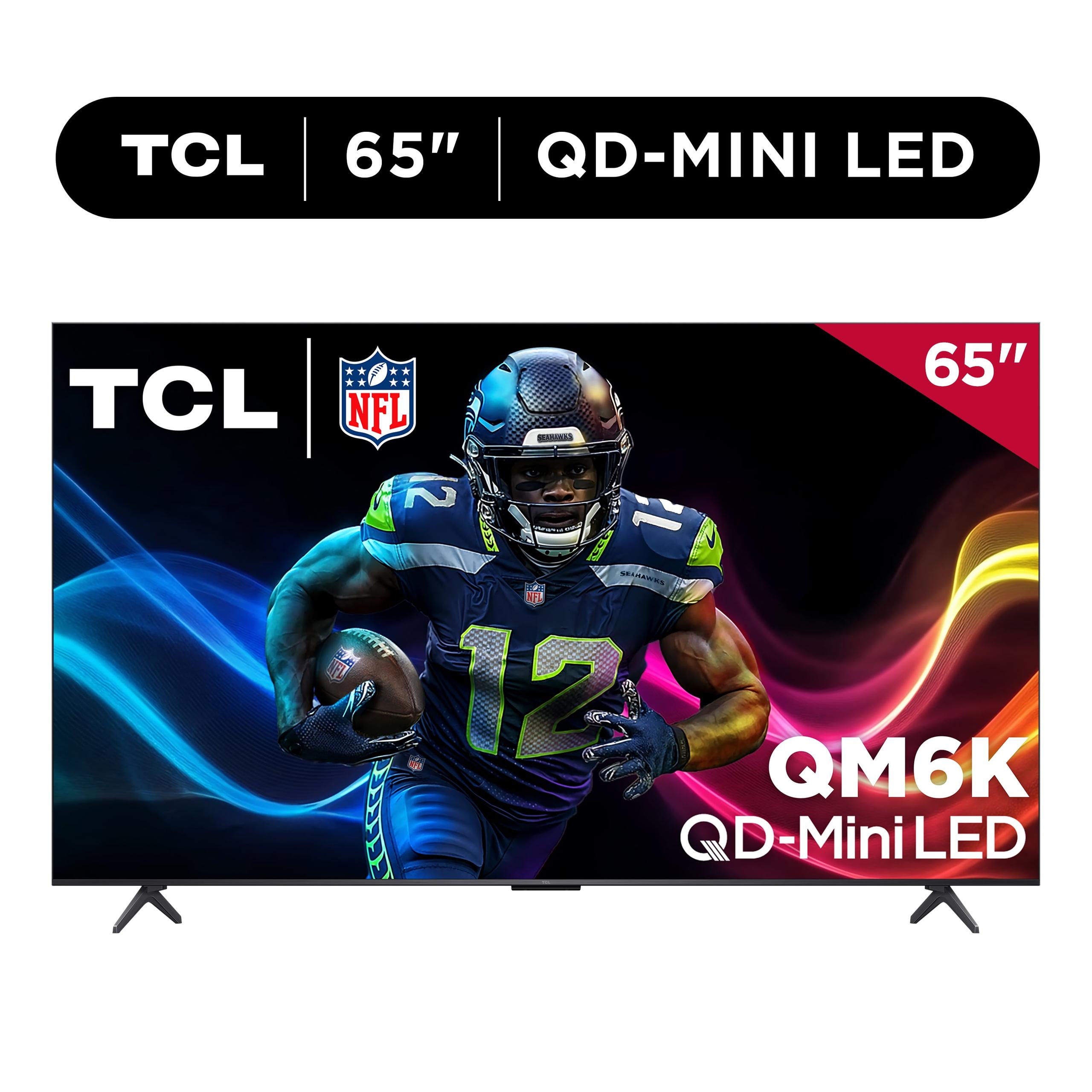
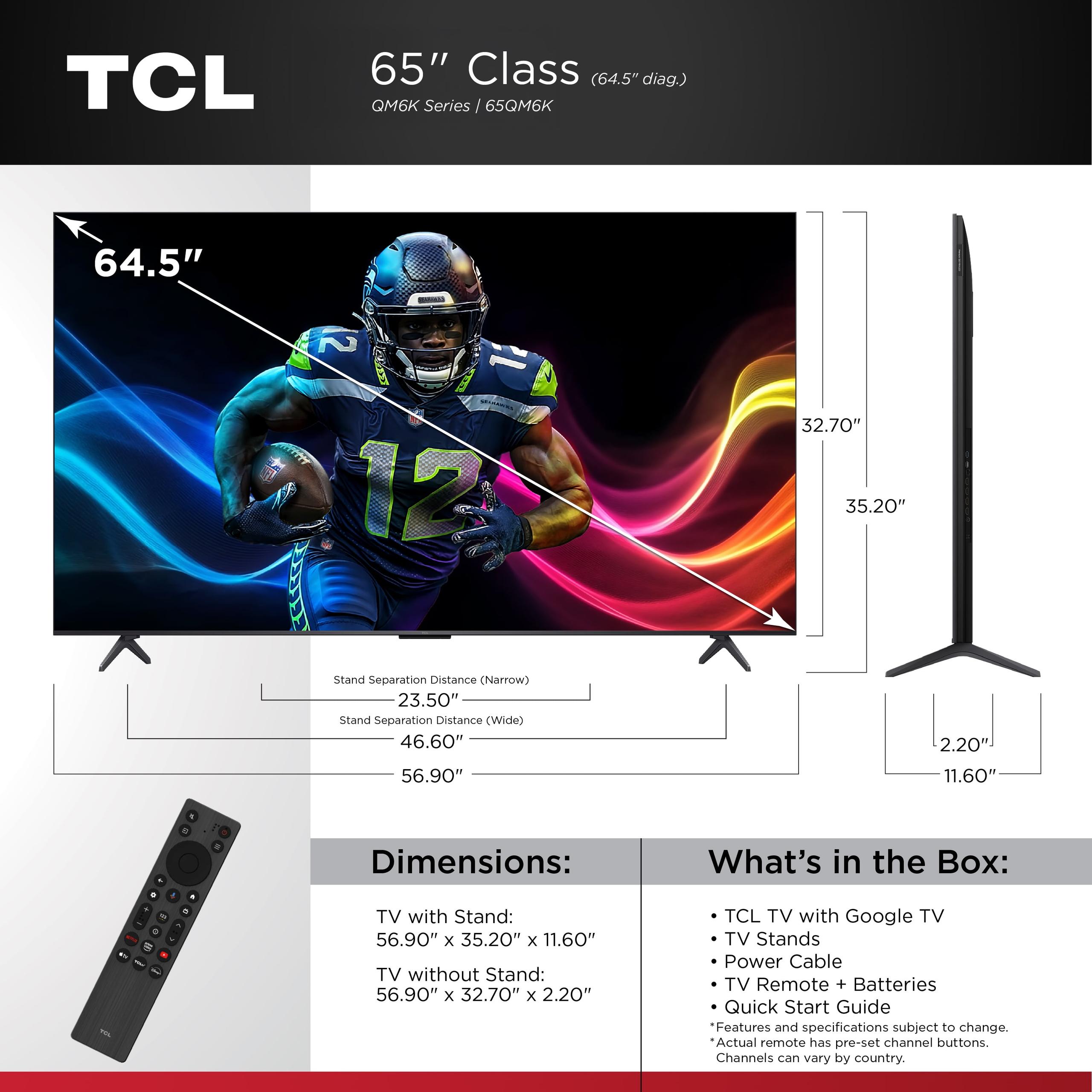
Shopping for a 65-inch 4K TV can feel overwhelming, especially when you're trying to balance picture quality with your budget. Two models that have caught our attention in 2025 are the Samsung 65-Inch Crystal UHD U8000F and the TCL 65" QM6K QD-Mini LED. While both fall into the budget-friendly category, they represent completely different approaches to delivering 4K entertainment.
After diving deep into expert reviews, user feedback, and technical specifications, we've found these TVs offer dramatically different value propositions despite similar pricing at the time of writing. The Samsung U8000F takes a bare-bones approach with familiar branding, while the TCL QM6K packs premium display technology typically found in much more expensive models.
Before we dig into the specifics, let's talk about what actually matters when you're shopping for a 65-inch 4K TV. The most important factors are display technology (how the TV creates its picture), gaming capabilities (especially if you own a PlayStation 5 or Xbox Series X), HDR performance (how well it shows the difference between bright and dark scenes), and overall value.
The display technology is where these two TVs diverge most dramatically. Think of it like comparing a basic flashlight to a high-end LED array—both produce light, but the quality and control are worlds apart.
The fundamental difference between the Samsung U8000F and TCL QM6K lies in how they light up the screen. The Samsung uses edge-lit LED backlighting, which means LEDs are positioned around the edges of the screen and light travels across the entire panel. This is the most basic and cost-effective approach, but it comes with significant limitations.
Edge-lighting means the Samsung U8000F has no local dimming zones—essentially, the entire screen brightness is controlled as one unit. When you're watching a movie with a night scene, the TV can't make just the dark parts darker while keeping bright elements like stars or car headlights properly bright. This results in what we call "washed out" blacks and poor contrast.
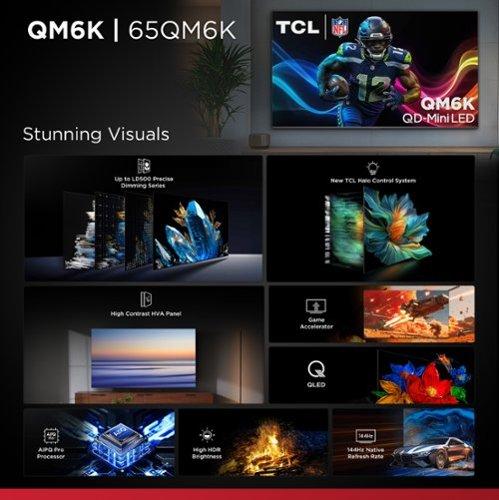
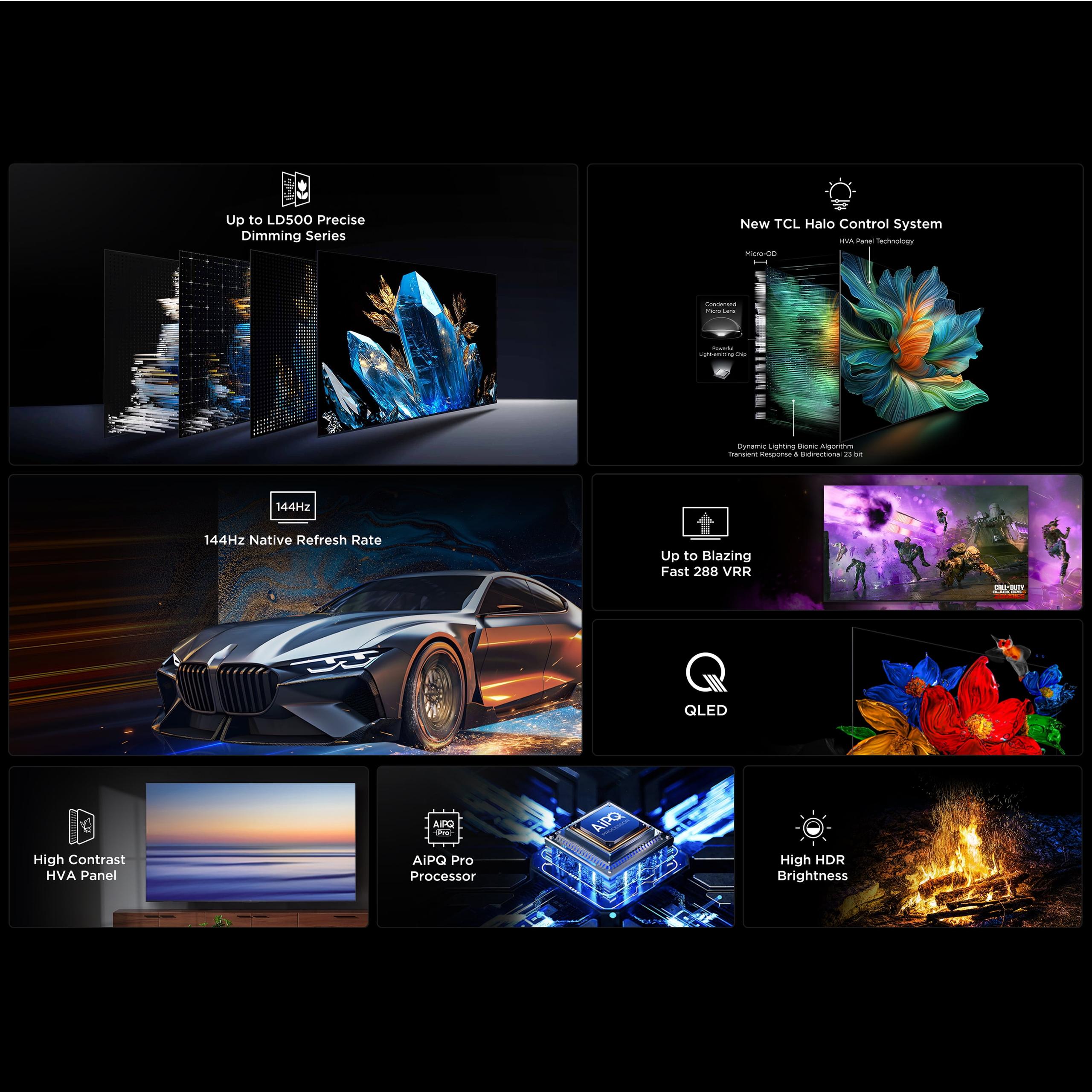
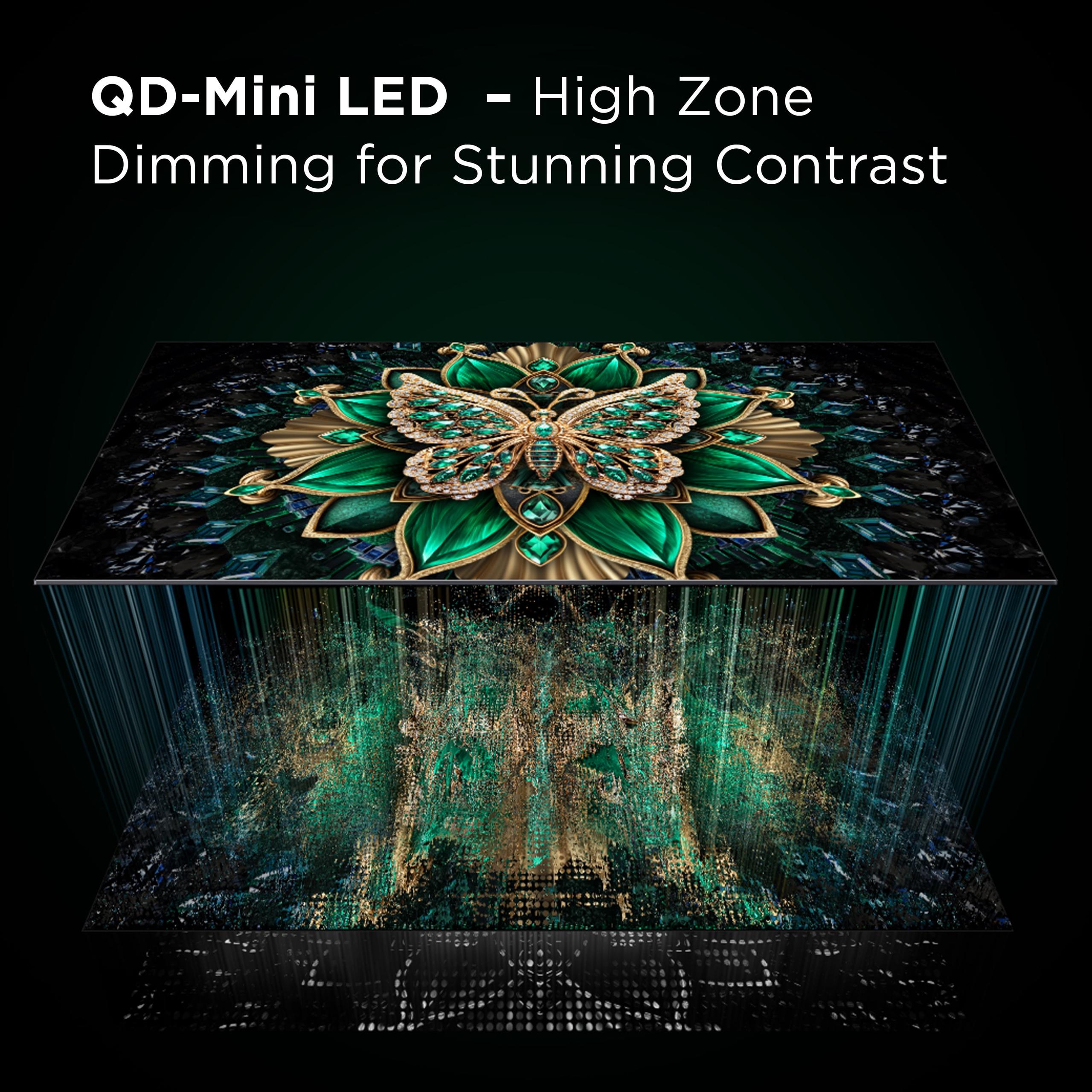
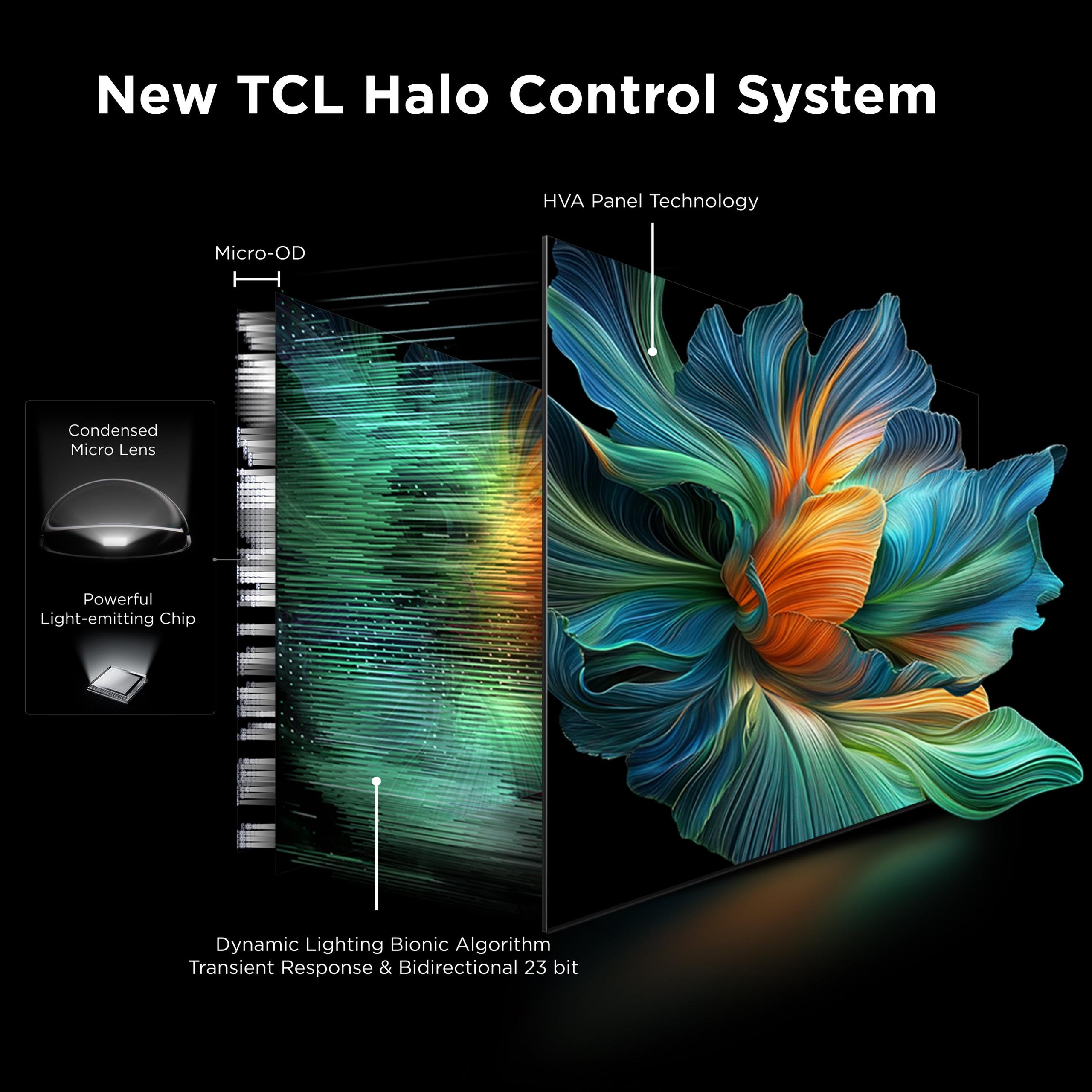
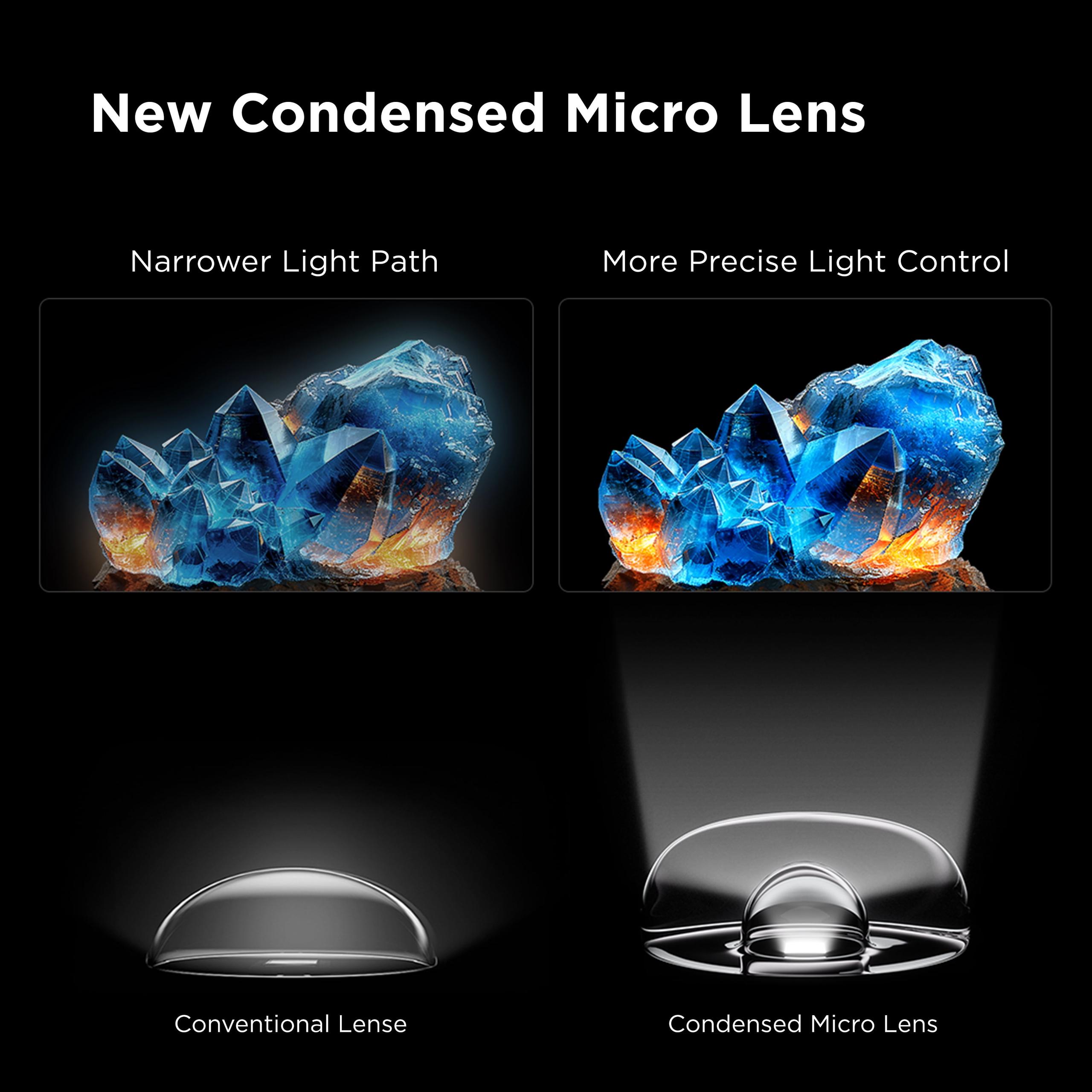
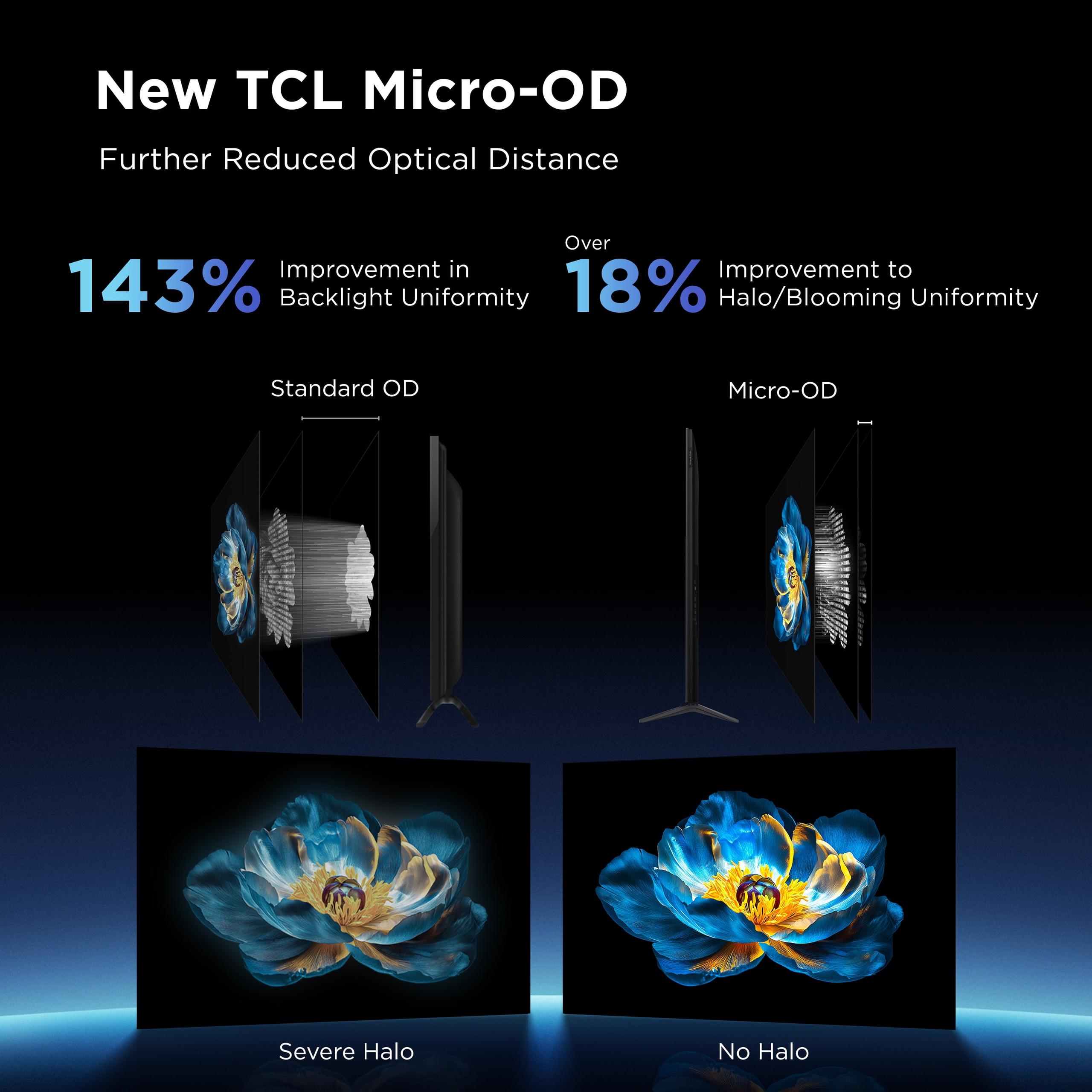
The TCL QM6K takes a completely different approach with Mini LED backlighting. Instead of edge lighting, it uses hundreds of tiny LEDs positioned directly behind the screen in a grid pattern. These LEDs can be controlled in up to 500 separate zones, allowing precise brightness control across different parts of the image. This technology, combined with quantum dot enhancement (which expands the range of colors the TV can display), delivers picture quality that rivals TVs costing significantly more.
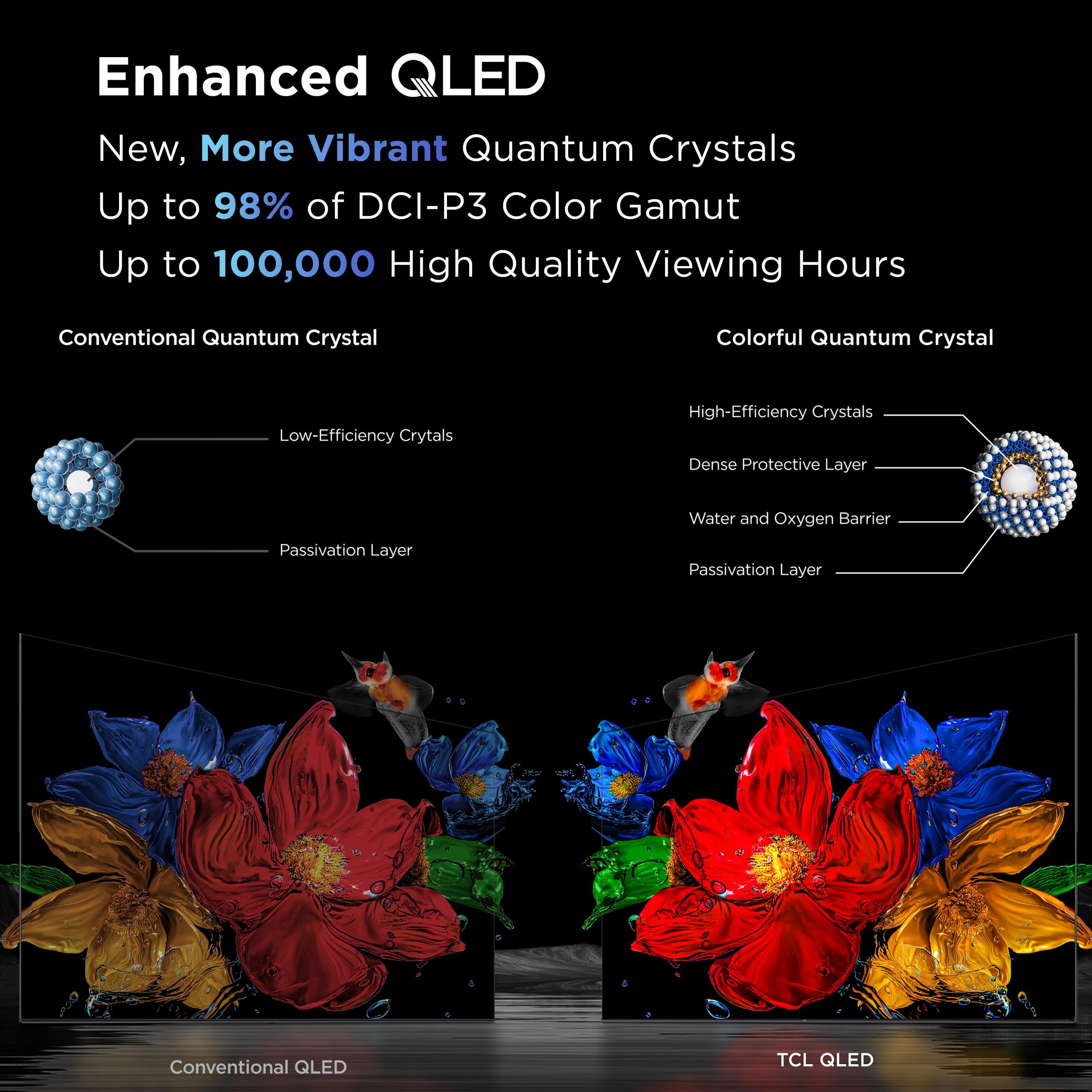
The quantum dot layer in the TCL QM6K works like a color filter that converts basic LED light into a wider spectrum of colors. Think of it as the difference between a basic box of crayons and a professional art set—both can color a picture, but one provides far more accurate and vibrant results.
When it comes to actual picture quality, the gap between these TVs is substantial. The Samsung U8000F peaks at around 300 nits of brightness—adequate for watching in darker rooms but limited when dealing with bright living spaces or windows. More importantly, without local dimming, it struggles with contrast. Dark movie scenes will appear grayish rather than truly black, and you'll notice light bleeding from bright objects into darker areas of the screen.
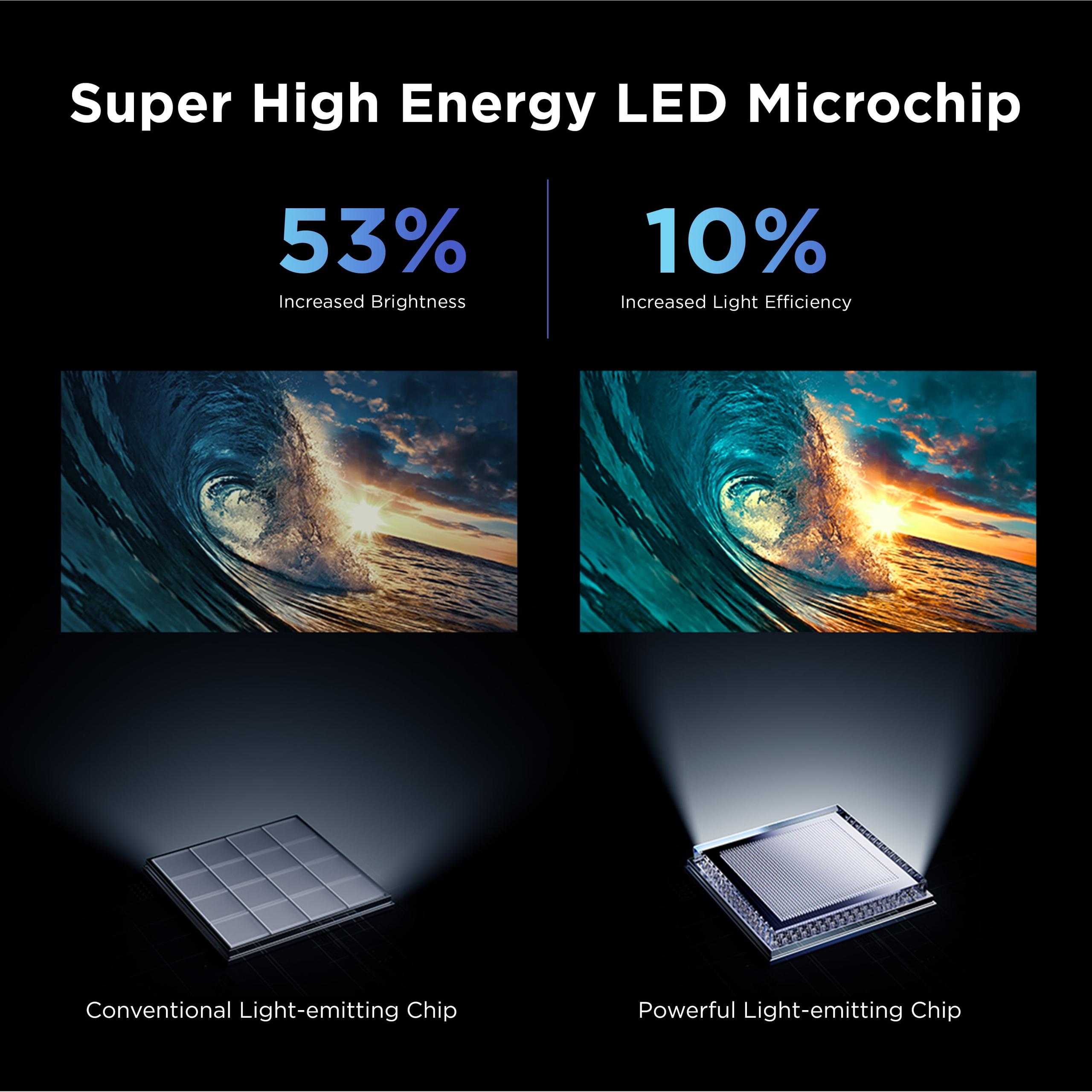
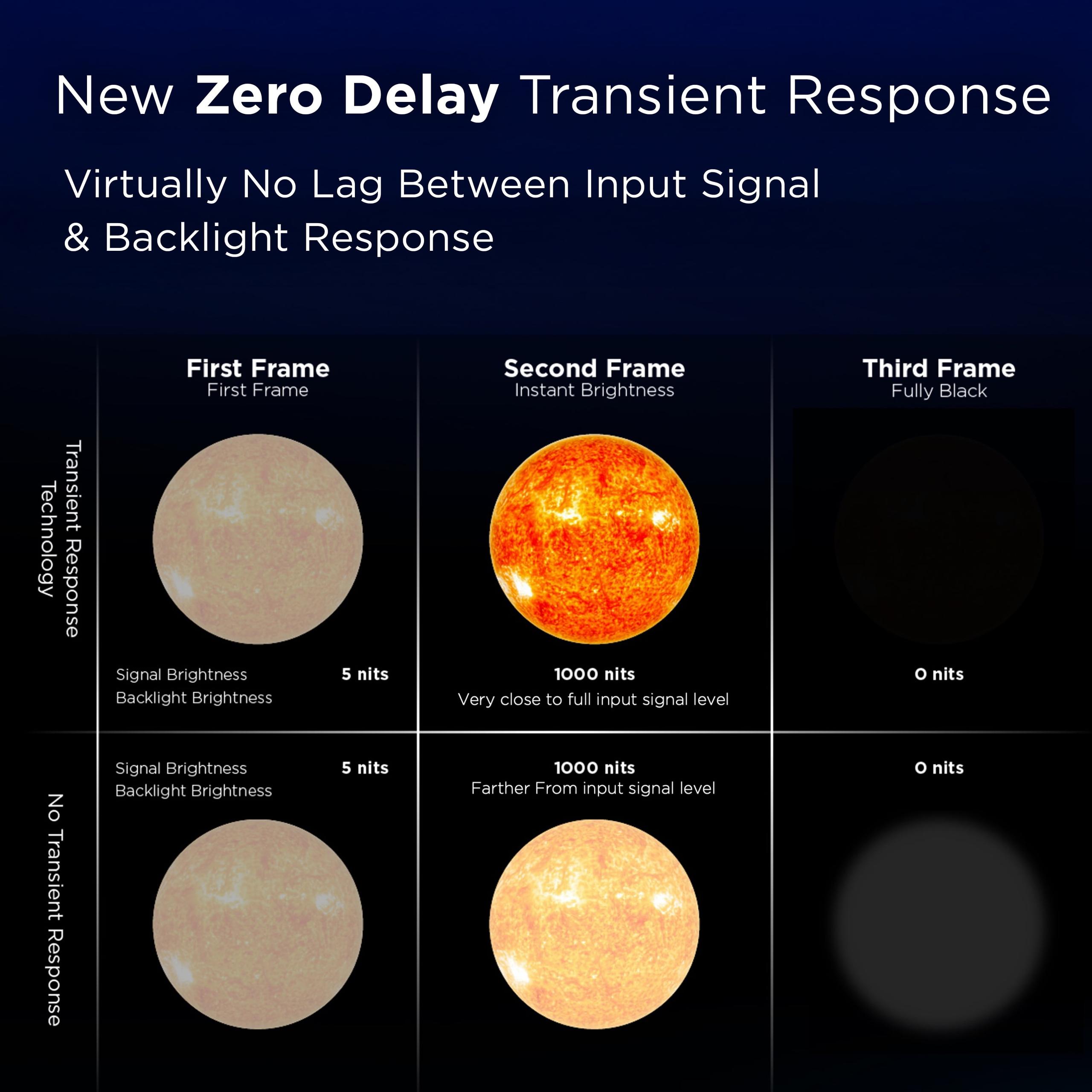
The TCL QM6K not only gets brighter (350+ nits minimum) but maintains much better contrast thanks to its local dimming zones. When you're watching something like a space movie with stars against a black background, the TCL can make those black areas truly dark while keeping the stars properly bright. This creates a more immersive and realistic viewing experience.
Color performance is another area where the TCL QM6K pulls ahead. The quantum dot technology allows it to display a wider color gamut—essentially, more shades and more accurate colors than the Samsung U8000F can manage. This is particularly noticeable with nature documentaries or animated content where vibrant colors really make a difference.
For HDR content (High Dynamic Range, which provides better contrast and color than standard video), the differences become even more pronounced. The Samsung U8000F supports HDR10 and HDR10+, but notably lacks Dolby Vision support. Dolby Vision is increasingly common on streaming services like Netflix and Disney+, and it provides superior HDR performance by adjusting settings scene by scene rather than for the entire movie.
The TCL QM6K supports all major HDR formats including Dolby Vision, HDR10+, and HLG. Combined with its superior brightness and contrast capabilities, this makes it significantly better for HDR content. When you're watching something like a Marvel movie with dramatic lighting changes, the TCL will deliver the impact the filmmakers intended.
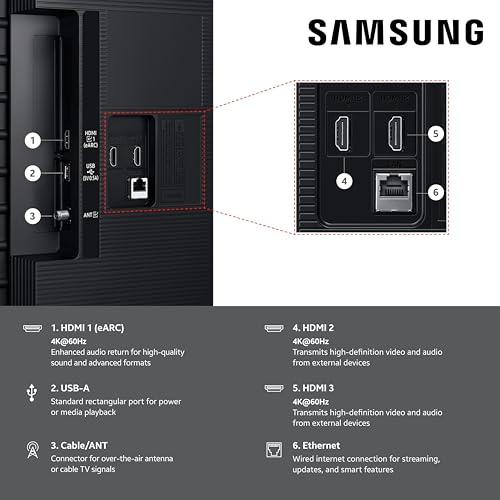
If gaming matters to you, the choice becomes straightforward. The Samsung U8000F is limited to 60Hz refresh rate with HDMI 2.0 connections. While it does support some gaming features like Variable Refresh Rate (VRR) and Auto Low Latency Mode (ALLM), these features can't overcome the fundamental 60Hz limitation.
The TCL QM6K operates at 144Hz natively and can boost up to 288Hz when receiving certain signals from a PC. It includes HDMI 2.1 ports, which provide the full bandwidth needed for next-generation gaming consoles. This means smoother gameplay, reduced motion blur, and better responsiveness for competitive gaming.
For context, most current-generation games on PlayStation 5 and Xbox Series X can run at 120Hz when the TV supports it. The TCL QM6K can handle this easily, while the Samsung U8000F will lock you to 60Hz maximum. If you're serious about gaming, especially competitive online games, this difference is substantial.
Input lag—the delay between pressing a button and seeing the action on screen—is acceptable on both TVs when in game mode, but the TCL QM6K benefits from its higher refresh rate capability, making fast-paced action appear smoother and more responsive.
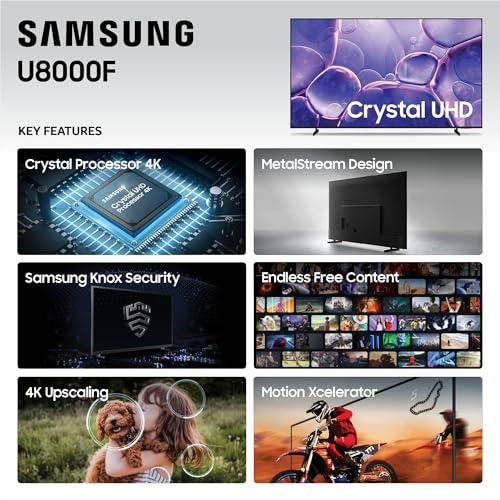
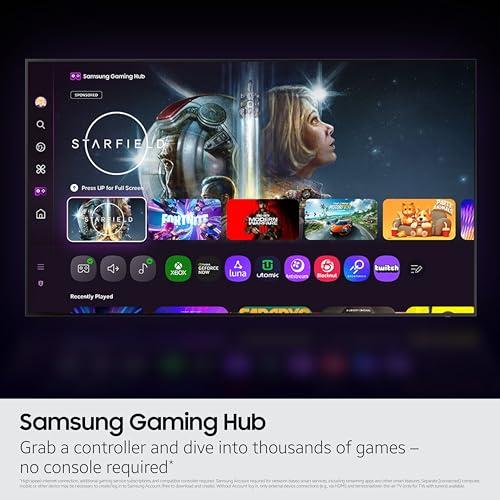
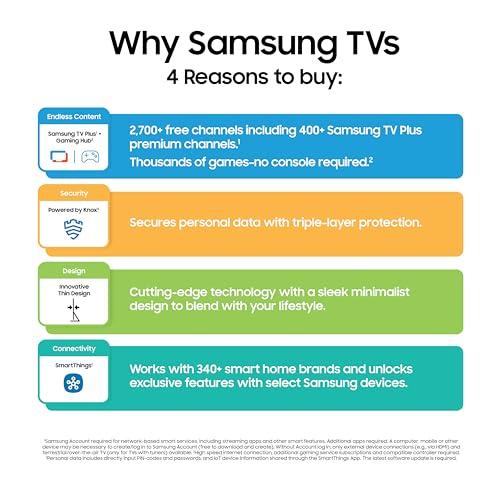
Both TVs run different smart platforms, each with distinct advantages. The Samsung U8000F uses Tizen OS with Samsung's updated One UI interface. The standout feature here is Samsung TV Plus, which provides access to over 2,700 free streaming channels. This is genuinely useful if you enjoy browsing content without subscription commitments.
However, our research indicates the Samsung U8000F interface can be sluggish at times, and the TV lacks some features found in higher-end Samsung models, like advanced ambient modes and enhanced mobile connectivity.
The TCL QM6K runs Google TV, which offers excellent integration with Google services and includes built-in Chromecast functionality. If you're already invested in the Google ecosystem with Android phones or Google Home devices, this creates a seamless experience. The interface tends to be more responsive based on user feedback.
Both platforms provide access to all major streaming services like Netflix, Disney+, and Amazon Prime Video, so your choice here might depend on which ecosystem you prefer or whether Samsung's free channel offering appeals to you.
Neither TV will blow you away with built-in audio—both feature 20W 2.0 channel speaker systems that are adequate but not impressive. However, the TCL QM6K includes Dolby Atmos support, which can provide better spatial audio when watching compatible content or when paired with a Dolby Atmos soundbar.
A significant practical difference is connectivity. The Samsung U8000F completely lacks an optical audio output, which is surprising and problematic if you own older soundbars or home theater equipment that relies on optical connections. You'll be forced to use HDMI ARC/eARC or Samsung's wireless audio features. The TCL QM6K retains the optical output, maintaining compatibility with legacy equipment.
For most users, we'd recommend planning to add a soundbar regardless of which TV you choose, as built-in TV speakers rarely do justice to the visual experience these displays can provide.
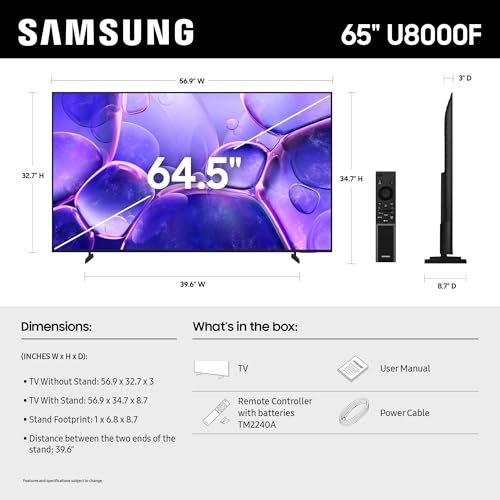
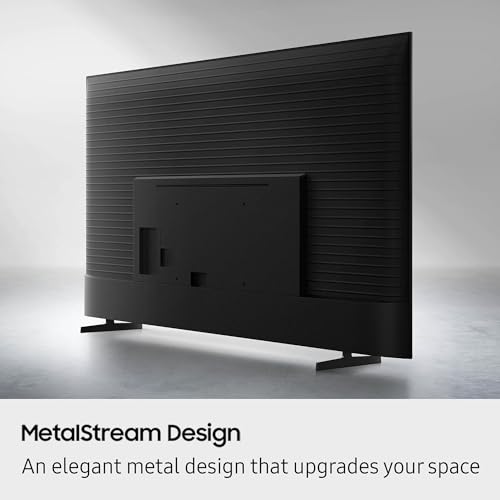
The Samsung U8000F introduced what Samsung calls "MetalStream Design" for 2025, featuring a metal back panel instead of the all-plastic construction of previous generations. While this sounds premium, reviews indicate the overall build quality remains mediocre, with some users reporting loose back panels and cheap-feeling plastic components.
One practical issue with the Samsung U8000F is its fixed stand height. Samsung removed the adjustable feet found on previous models, which can create problems if you want to place a soundbar underneath the TV. Additionally, some HDMI ports face straight back, potentially requiring right-angle adapters for wall mounting.
The TCL QM6K offers solid construction appropriate for its price point, with more flexible mounting options and better cable management based on user feedback.
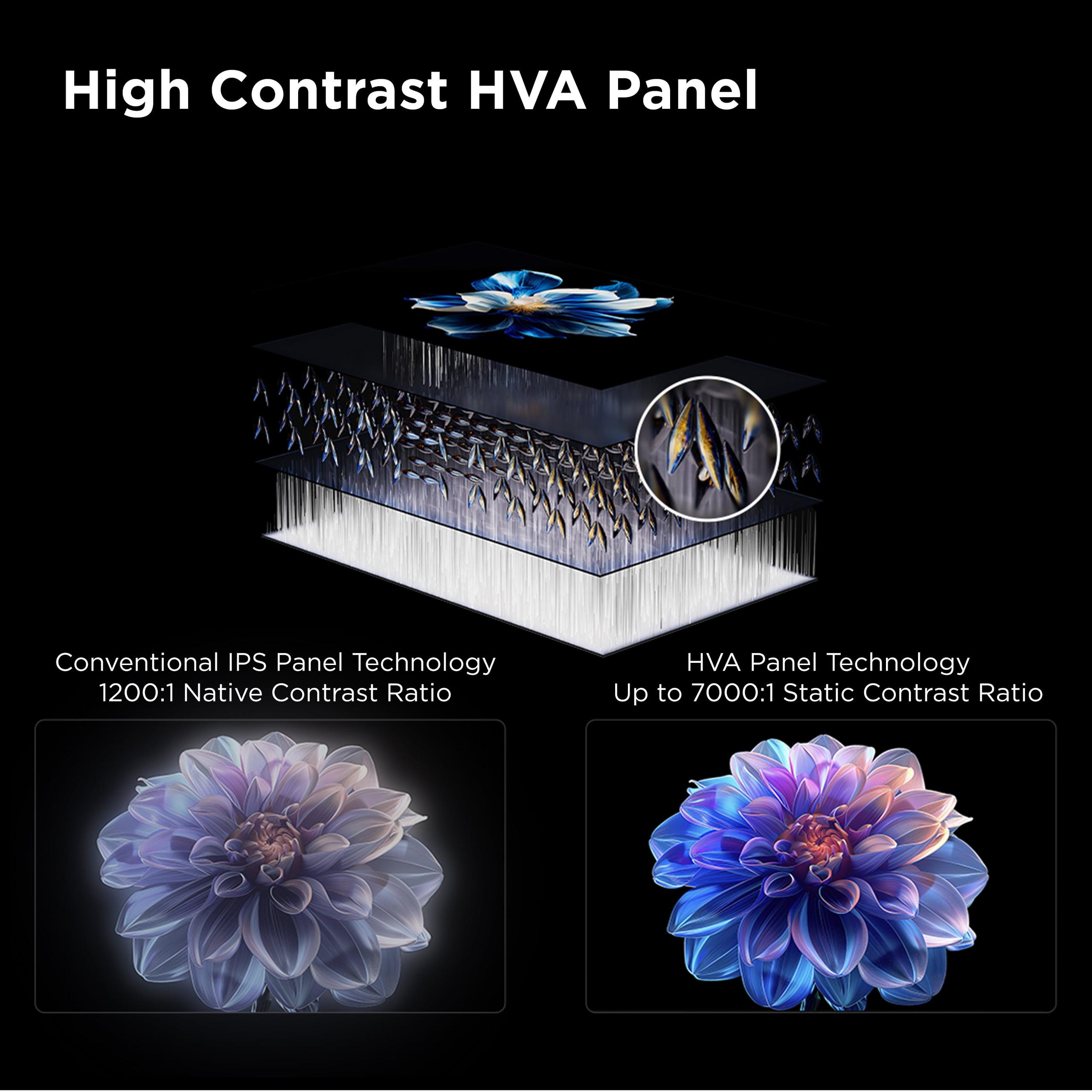
For dedicated home theater setups, the TCL QM6K is the clear choice. Its superior contrast ratio, local dimming capability, and Dolby Vision support create a more cinema-like experience. The ability to produce truly dark blacks is crucial for the letterboxed format of most movies, where you don't want gray bars above and below the image.
The Samsung U8000F will struggle with dark movie scenes, and the edge lighting can create noticeable uniformity issues that become more apparent on a large 65-inch screen in a dark room. If you're planning a serious home theater setup, the TCL's display technology is simply better suited for the task.
At similar price points (at the time of writing), the TCL QM6K delivers exceptional value. You're getting display technology that typically appears in TVs costing several hundred dollars more. The Mini LED backlighting, quantum dot enhancement, and 144Hz refresh rate are premium features at a budget price.
The Samsung U8000F represents basic 4K TV functionality with the Samsung brand name. While Samsung's reputation for reliability is valuable, the TV's limited feature set and lack of future-proofing make it harder to recommend unless brand loyalty is your primary concern.
Looking ahead, the TCL QM6K is better positioned for future content and gaming standards. HDMI 2.1 support and higher refresh rates mean it can handle whatever new gaming consoles and streaming standards emerge over the next few years. The Samsung U8000F, locked at 60Hz with HDMI 2.0, may feel outdated sooner.
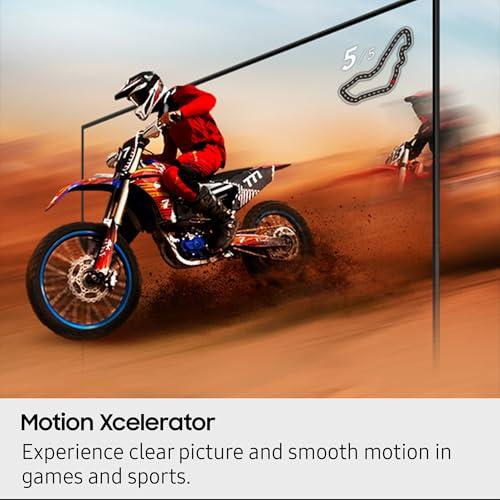
Both TVs have some limitations worth noting. The Samsung U8000F uses PWM (pulse-width modulation) to control brightness, which can cause flicker at lower brightness settings that some people find bothersome. It also struggles with motion blur due to its slow response time, making fast sports or action scenes appear less sharp.
The TCL QM6K, while offering superior display technology, is still a budget implementation of Mini LED. It won't reach the peak brightness levels of premium models costing $1,500+, but it provides remarkable performance for its price category.
Choose the Samsung U8000F if you prioritize brand familiarity and primarily watch streaming content in darker rooms. If gaming beyond 60Hz isn't important and you appreciate Samsung's free channel offerings, it can serve basic needs adequately. However, be aware that you're paying partially for the Samsung name rather than cutting-edge technology.
The TCL QM6K is the better choice for almost everyone else. If you care about picture quality, plan to game at high refresh rates, watch HDR content, or want a TV that won't feel outdated in two years, it offers dramatically better value. The superior display technology, gaming capabilities, and future-proofing make it one of the standout values in the 65-inch TV market for 2025.
After extensive research into expert reviews and user feedback, the TCL QM6K emerges as the clear winner for most buyers. Its Mini LED display technology, 144Hz refresh rate, comprehensive HDR support, and gaming capabilities deliver premium performance at a budget price point. The Samsung U8000F serves basic needs but feels limited compared to what's possible at similar pricing.
The gap in display technology is simply too significant to ignore. When you're making an investment in a 65-inch TV that you'll likely keep for 5-7 years, the TCL QM6K provides better picture quality, more features, and superior future-proofing. Unless you have specific reasons to prefer Samsung's ecosystem, the TCL represents one of the best values available in the 2025 TV market.
| Samsung 65-Inch Crystal UHD U8000F | TCL 65" QM6K QD-Mini LED |
|---|---|
| Display Technology - Determines picture quality and contrast performance | |
| Edge-lit LED with no local dimming zones | Mini LED with quantum dots and up to 500 local dimming zones |
| Peak Brightness - Critical for HDR impact and bright room viewing | |
| ~300 nits (limited for bright rooms) | 350+ nits with superior HDR performance |
| Refresh Rate - Essential for gaming and smooth motion | |
| 60Hz maximum with HDMI 2.0 | 144Hz native, up to 288Hz boost with HDMI 2.1 |
| HDR Format Support - Affects streaming service compatibility | |
| HDR10, HDR10+ (no Dolby Vision) | HDR10, HDR10+, Dolby Vision, HLG |
| Local Dimming - Controls contrast and black levels | |
| None (edge-lit limitation) | Up to 500 zones for precise brightness control |
| Gaming Features - Next-gen console compatibility | |
| VRR, ALLM at 60Hz maximum | VRR, ALLM, 144Hz/288Hz, full HDMI 2.1 bandwidth |
| Smart Platform - Interface and app ecosystem | |
| Tizen OS with Samsung TV Plus (2,700+ free channels) | Google TV with Chromecast built-in |
| Audio Output Options - Soundbar and equipment connectivity | |
| HDMI ARC/eARC only (no optical output) | HDMI ARC/eARC plus optical output |
| Audio Enhancement - Built-in sound processing | |
| 20W 2.0 channel stereo | 20W 2.0 channel with Dolby Atmos support |
| Build Quality - Physical construction and design | |
| MetalStream design with fixed stand height | Solid construction with flexible mounting options |
| Future-Proofing - Longevity for upcoming standards | |
| Limited by 60Hz and HDMI 2.0 | Well-positioned with high refresh rates and HDMI 2.1 |
| Best For - Ideal buyer profile | |
| Basic viewing, Samsung ecosystem preference, darker rooms | Gaming, HDR content, bright rooms, maximum value |
The TCL QM6K delivers significantly better picture quality than the Samsung U8000F. The TCL features Mini LED backlighting with up to 500 local dimming zones and quantum dot technology, providing superior contrast, brightness, and color accuracy. The Samsung U8000F uses basic edge-lit LED technology with no local dimming, resulting in washed-out blacks and limited contrast performance.
The TCL QM6K is substantially better for gaming, offering 144Hz refresh rate with HDMI 2.1 support and the ability to boost up to 288Hz. The Samsung U8000F is limited to 60Hz with HDMI 2.0 ports, making it suitable only for casual gaming. For PlayStation 5, Xbox Series X, or competitive PC gaming, the TCL QM6K provides a much smoother experience.
The TCL QM6K supports all major HDR formats including Dolby Vision, HDR10+, HDR10, and HLG. The Samsung U8000F only supports HDR10 and HDR10+, notably lacking Dolby Vision support. This means the TCL QM6K will provide better HDR performance with streaming services like Netflix and Disney+ that use Dolby Vision.
The Samsung U8000F runs Tizen OS with access to Samsung TV Plus offering over 2,700 free channels, while the TCL QM6K uses Google TV with built-in Chromecast functionality. Both provide access to major streaming apps, but Samsung offers more free content while the TCL QM6K integrates better with Google ecosystem devices.
The TCL QM6K performs better in bright rooms due to its higher peak brightness (350+ nits) and superior local dimming capability. The Samsung U8000F reaches only around 300 nits and lacks local dimming, making it less suitable for rooms with significant ambient light or windows.
Both the Samsung U8000F and TCL QM6K feature 20W 2.0 channel speaker systems that are adequate but not exceptional. However, the TCL QM6K includes Dolby Atmos support for better spatial audio. The Samsung U8000F notably lacks an optical audio output, while the TCL QM6K includes both optical and HDMI ARC connections.
The TCL QM6K provides exceptional value, delivering premium display technology (Mini LED, quantum dots, 144Hz) typically found in much more expensive TVs. The Samsung U8000F offers basic 4K functionality with the Samsung brand name but lacks the advanced features of the TCL QM6K at similar pricing.
Yes, the TCL QM6K includes HDMI 2.1 ports with full bandwidth support and an optical audio output, making it more versatile for gaming consoles and audio equipment. The Samsung U8000F is limited to HDMI 2.0 ports and lacks optical audio output, potentially requiring adapters for some setups.
The TCL QM6K is significantly better for home theater use due to its superior contrast ratio, local dimming zones, and Dolby Vision support. These features provide true blacks and better dynamic range essential for movie watching in dark rooms. The Samsung U8000F struggles with dark scenes due to its edge-lighting limitations.
The TCL QM6K offers much better motion handling with its 144Hz refresh rate compared to the Samsung U8000F's 60Hz limitation. For fast-paced sports content, the TCL QM6K will display smoother motion with less blur, making it the better choice for sports enthusiasts.
The TCL QM6K is better positioned for future-proofing with its HDMI 2.1 support, 144Hz capability, and comprehensive HDR format compatibility. The Samsung U8000F, limited to 60Hz and HDMI 2.0, may feel outdated sooner as gaming and streaming standards evolve.
While Samsung has strong brand recognition, the TCL QM6K offers superior technology and features that outweigh brand considerations for most buyers. TCL has become a reputable TV manufacturer, and the TCL QM6K's advanced display technology provides better long-term value than the basic features of the Samsung U8000F.
We've done our best to create useful and informative comparisons to help you decide what product to buy. Our research uses advanced automated methods to create this comparison and perfection is not possible - please contact us for corrections or questions. These are the sites we've researched in the creation of this article: bestbuy.com - youtube.com - youtube.com - rtings.com - youtube.com - samsung.com - hometechnologyreview.com - rtings.com - samsung.com - displayspecifications.com - samsung.com - displayspecifications.com - walmart.com - billsmith.com - dentonstv.com - samsung.com - samsung.com - samsung.com - youtube.com - bestbuy.com - bestbuy.com - youtube.com - samsung.com - donstv.com - youtube.com - tomsguide.com - youtube.com - tcl.com - tomsguide.com - youtube.com - youtube.com - hometechnologyreview.com - rtings.com - bestbuy.com - tcl.com - youtube.com - youtube.com - bestbuy.com - youtube.com - youtube.com - youtube.com - tcl.com - youtube.com - walmart.com - tcl.com - displayspecifications.com - kitele.com - displayspecifications.com - flatpanelshd.com - woodruffappliance.com - displayspecifications.com - prnewswire.com - tcl.com - youtube.com - abt.com - youtube.com - tclkenya.co.ke - budgethomefurn.com

Privacy Policy
Terms and Conditions - Affiliate Policy
Home Security
© Copyright 2008-2026.
11816 Inwood Rd #1211, Dallas, TX 75244