

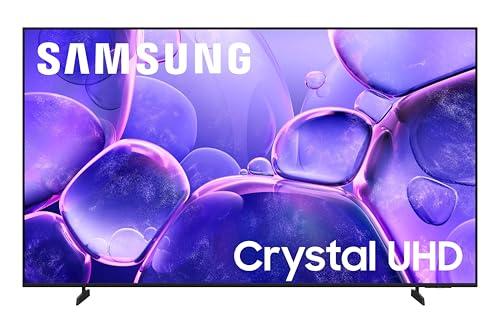
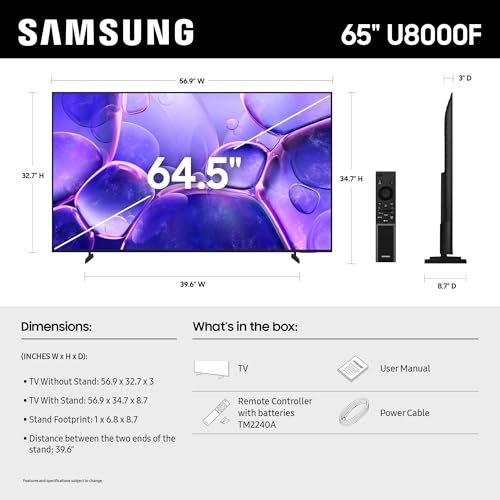
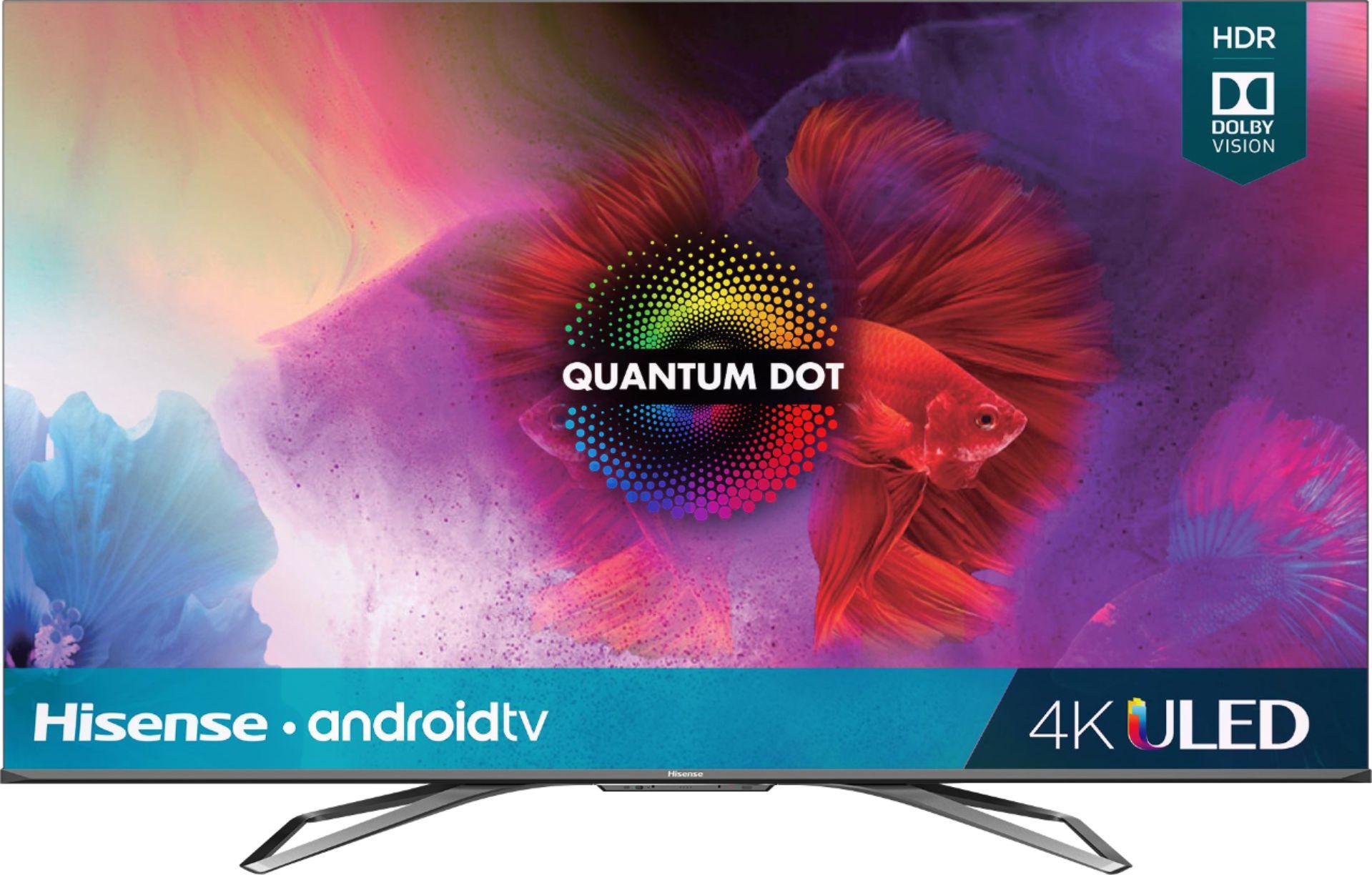
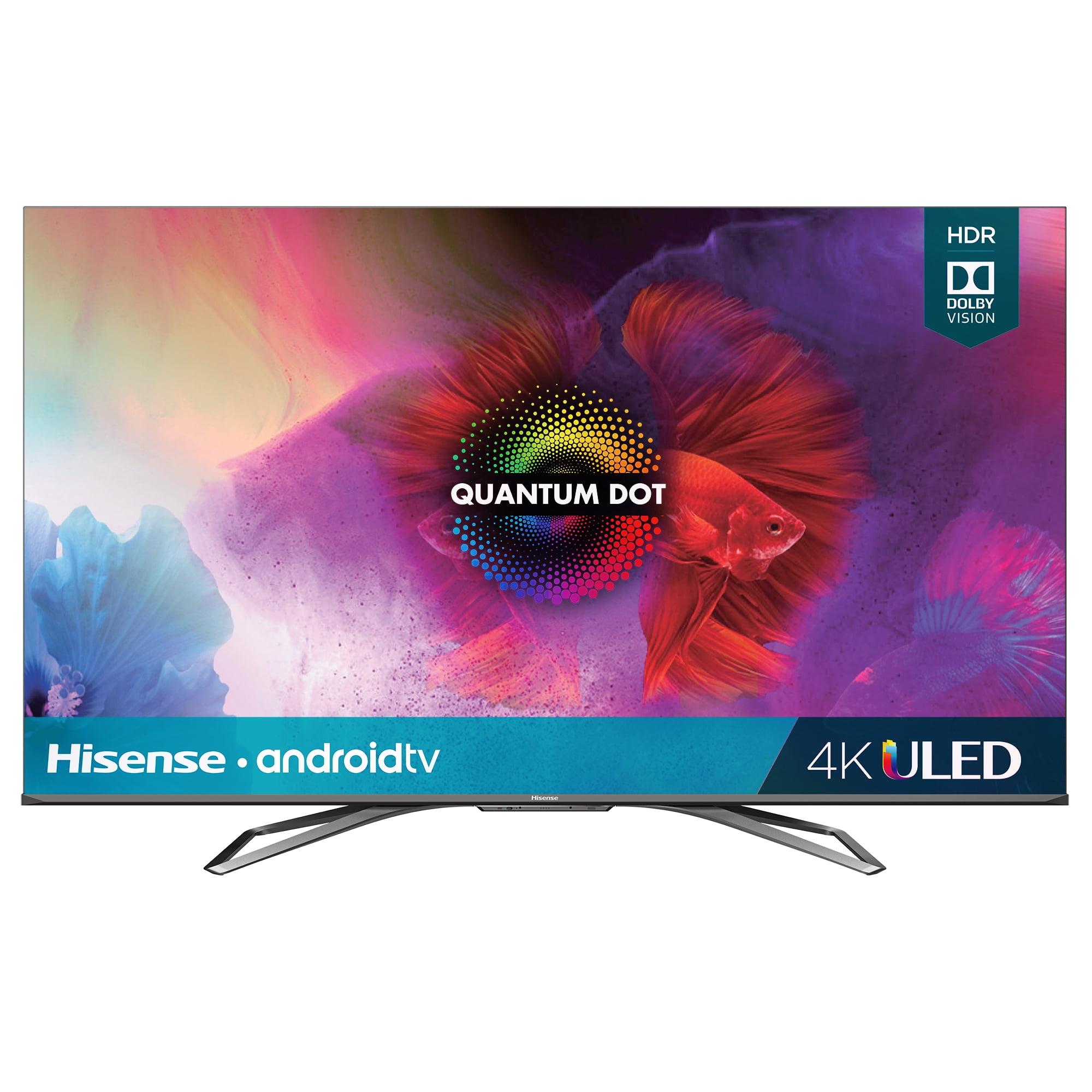
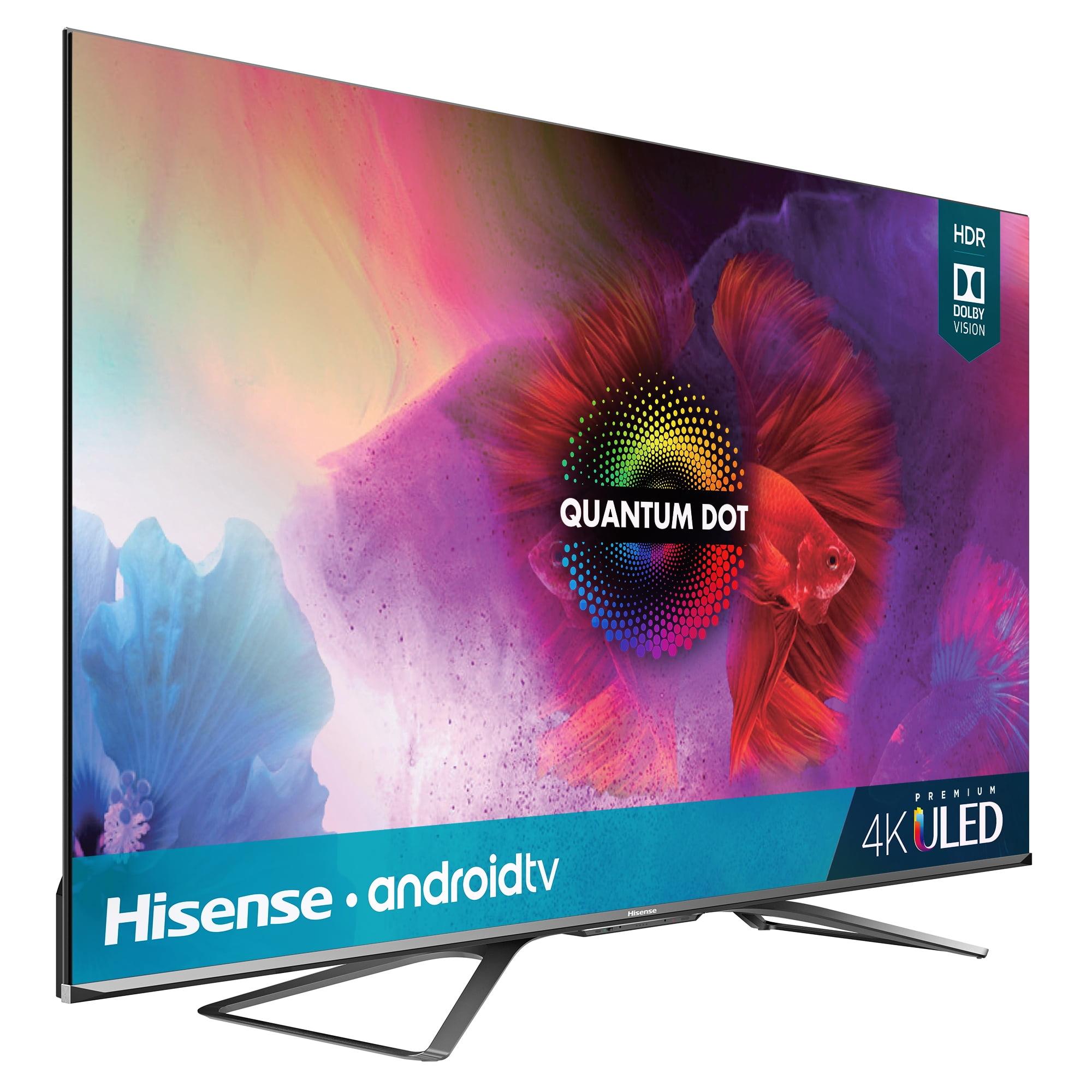

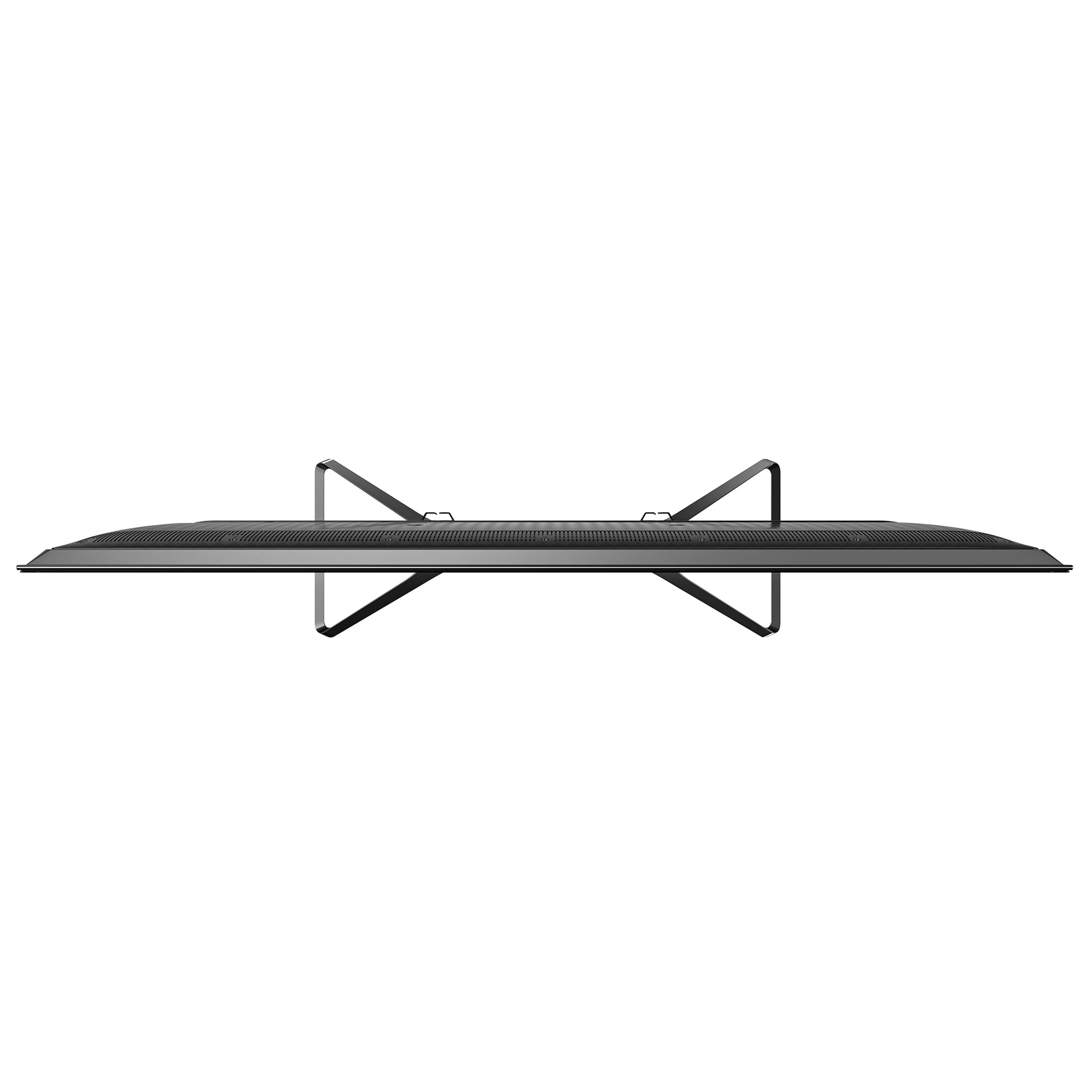
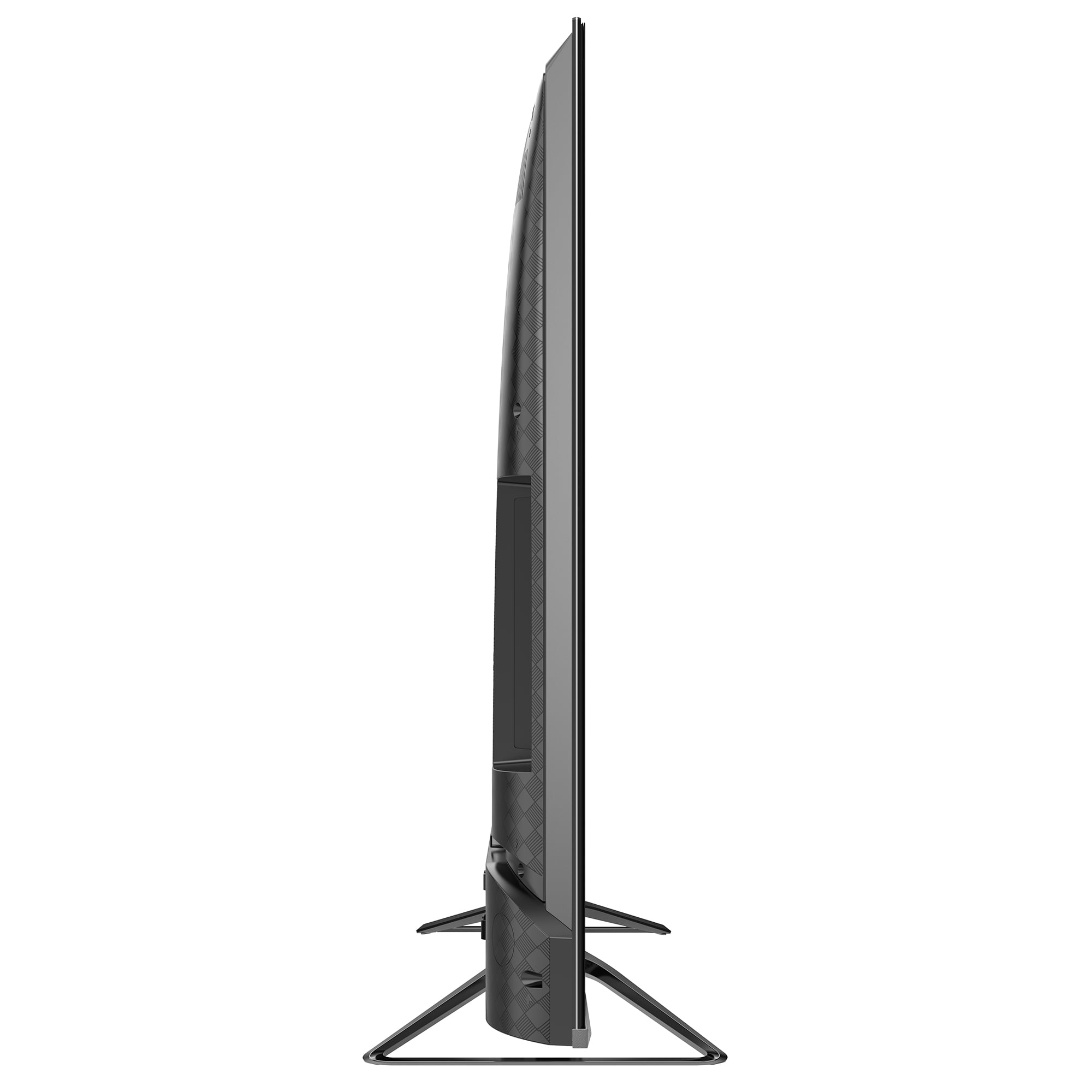
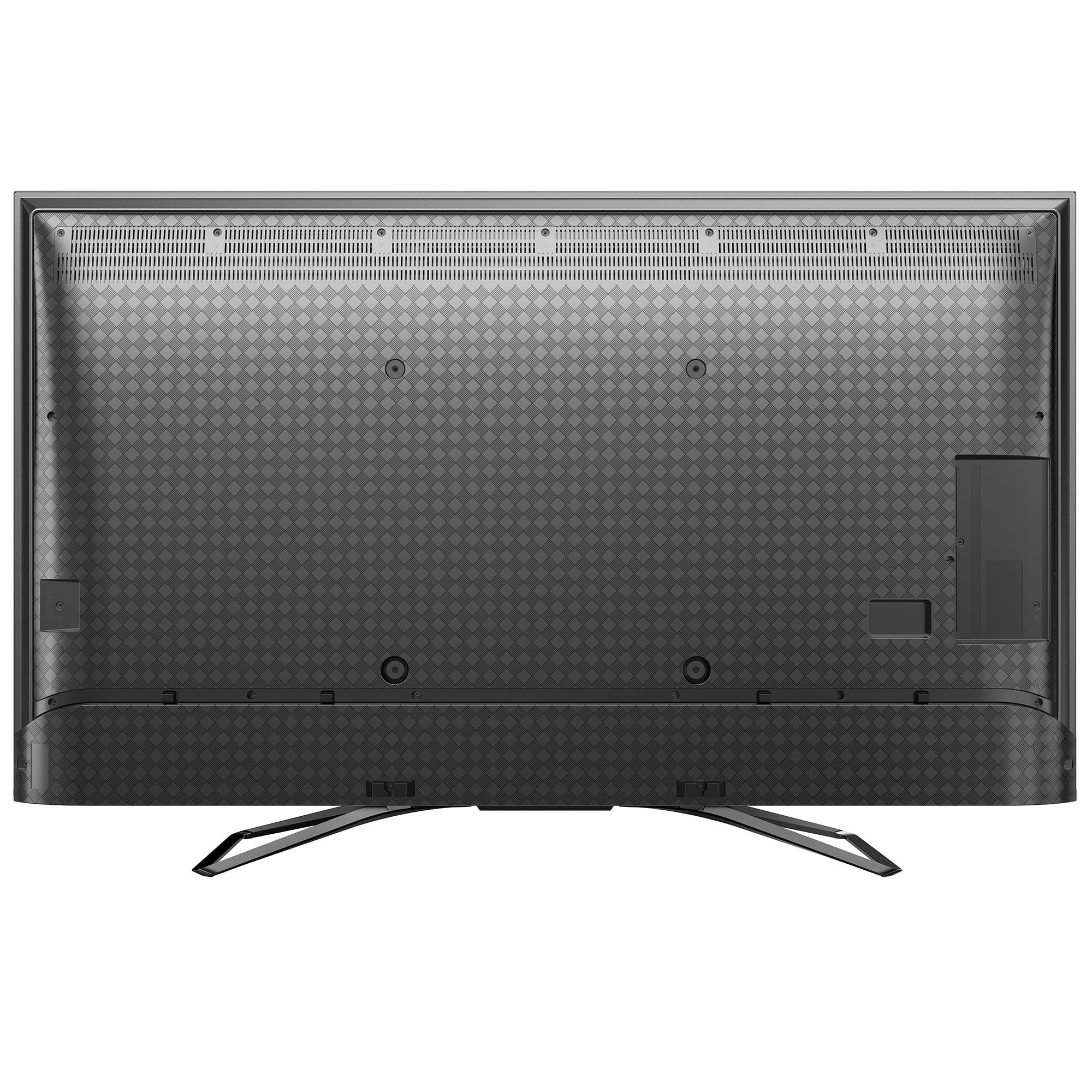
Shopping for a 65-inch 4K TV can feel overwhelming, especially when you're comparing models from different generations and price tiers. Today we're looking at two very different approaches to the large-screen TV market: the Samsung 65-Inch Crystal UHD U8000F, released in 2025 as Samsung's latest entry-level offering, and the Hisense 65" H9G Quantum Series, an older mid-range model that punches well above its weight class in picture quality.
These TVs represent a fascinating comparison between current budget-friendly technology and older premium features. At the time of writing, the Samsung U8000F sits in the entry-level price category, while the Hisense H9G commands a higher price point despite being several years older. This price difference reflects their fundamentally different approaches to TV technology and target audiences.
Before diving into specifics, let's establish what actually makes a difference in your daily viewing experience. The most important factors are picture quality (how good the image looks), motion handling (how smooth fast action appears), smart features (how easy it is to use streaming apps), and gaming performance if you're a gamer.
Picture quality depends heavily on three main technologies: the type of backlighting system, the panel's ability to display colors accurately, and how bright the screen can get. Motion handling is largely determined by the panel's refresh rate—think of this as how many times per second the screen can update the image. Smart features vary by platform, with different operating systems offering different apps and interfaces.
The key technical difference between these two TVs is that the Samsung U8000F uses basic LED backlighting without local dimming, while the Hisense H9G features full-array local dimming with 180 individual zones. This might sound like technical jargon, but it makes a dramatic difference in what you see on screen.
The Samsung U8000F takes the "keep it simple" approach with a straightforward LED-backlit VA panel. VA stands for Vertical Alignment, which is a type of LCD panel known for good contrast compared to other basic panel types, though it has narrower viewing angles than some alternatives.
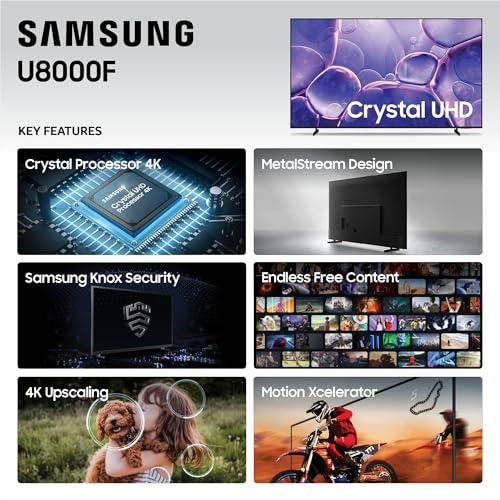
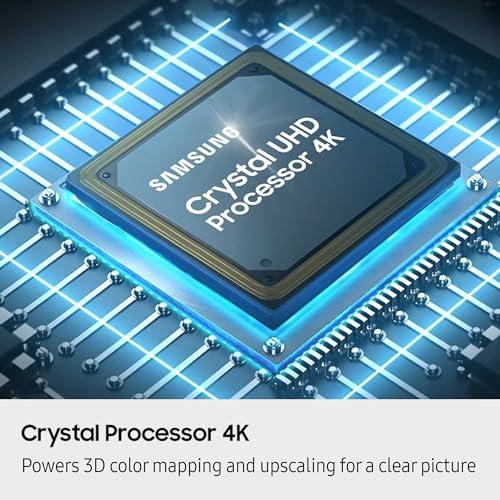
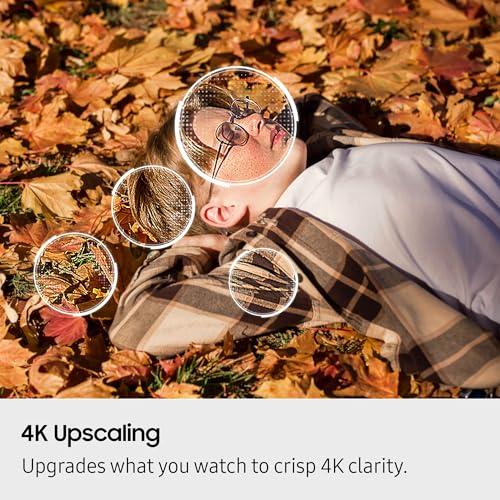
Samsung's Crystal Processor 4K handles the heavy lifting here, using artificial intelligence to upscale lower-resolution content and map colors more accurately. When you're watching a 1080p Netflix show or an old DVD, this processor analyzes each frame and adds detail to make it look closer to true 4K quality. It's genuinely impressive technology for an entry-level TV.
The Samsung supports HDR10+ (High Dynamic Range), which expands the range between the brightest whites and darkest blacks in supported content. However, without local dimming technology, the TV can't take full advantage of HDR's potential. Think of it like having a sports car engine in a regular car chassis—the potential is there, but other limitations hold it back.
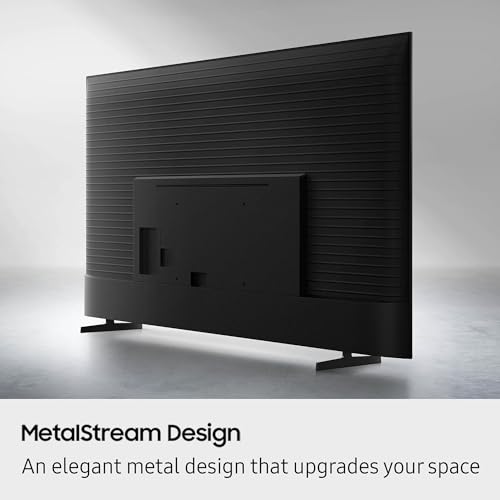
One notable 2025 upgrade is Samsung's MetalStream Design, which replaces the all-plastic back with a metal construction. This isn't just cosmetic—metal backs tend to be more durable and can help with heat dissipation, though Samsung made some trade-offs to achieve this, removing features like the fiber optic audio output that previous models included.
The Hisense H9G takes a completely different approach with full-array local dimming and Quantum Dot technology. Local dimming means the TV can control 180 separate zones of LED backlights independently. When a scene has both bright explosions and dark space in the same frame, the TV can make the explosion zones bright while keeping the space zones truly dark. This creates what reviewers consistently describe as "fantastic contrast and black uniformity."
Quantum Dot technology is equally important for color reproduction. Traditional LED TVs use white LEDs filtered through colored materials, but Quantum Dots use microscopic particles that emit very specific colors when hit by light. This allows the Hisense H9G to display over a billion distinct colors with much greater accuracy than basic LED TVs.
The Hisense also reaches up to 1000 nits of peak brightness, compared to the more modest brightness levels of budget TVs. Nits measure how bright a display can get—movie theaters typically display around 48 nits, while a bright sunny day measures about 100,000 nits. For HDR content, having 1000 nits means bright highlights like explosions, sunlight, or fire can really pop off the screen in ways that dimmer TVs simply cannot reproduce.
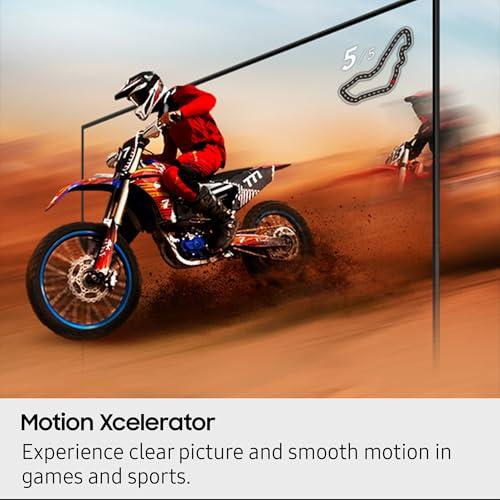
This is where we see the biggest practical difference between these TVs. The Samsung U8000F uses a 60Hz panel with motion processing called Motion Xcelerator. While Samsung markets this as "120Hz motion rate," this is interpolated processing, not a true refresh rate increase. The TV predicts what frames should look like between the actual 60 frames per second it receives and creates intermediate frames to smooth motion.
For casual viewing, this works reasonably well. Sports look acceptably smooth, and most people won't notice limitations during regular TV watching. However, 60Hz panels have inherent limitations for fast gaming and competitive sports viewing.
The Hisense H9G features a native 120Hz panel, meaning it can actually display 120 unique frames per second when fed appropriate content. This isn't processing trickery—it's genuine double the refresh rate. For gaming, this translates to noticeably smoother motion, especially in fast-paced games where every millisecond matters.
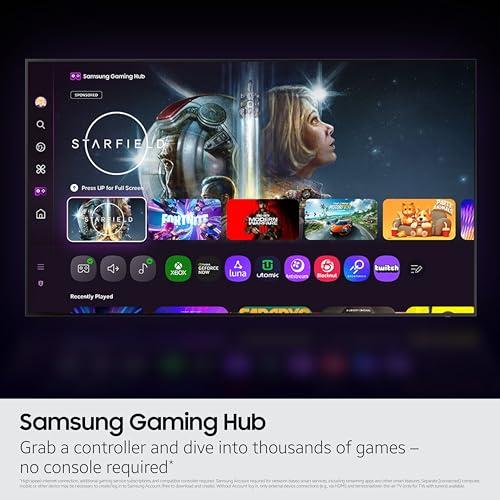
Both TVs support modern gaming features, but with important differences. The Samsung U8000F includes Variable Refresh Rate (VRR) and Auto Low Latency Mode (ALLM), which are excellent additions for an entry-level TV. VRR synchronizes the TV's refresh rate with your gaming console's output to eliminate screen tearing, while ALLM automatically switches to a low-lag mode when it detects game consoles.
However, VRR on a 60Hz panel has limited usefulness. Most modern games run at frame rates that exceed 60fps when possible, so the Samsung becomes a bottleneck. It's perfectly adequate for single-player story games, but competitive online gaming suffers.
The Hisense H9G doesn't support VRR, which was less common when this TV was designed, but its 120Hz panel provides inherently smoother gaming. The trade-off depends on your gaming priorities: if you play competitive multiplayer games where smooth motion matters most, the Hisense wins. If you prefer the latest gaming features but mostly play casual games, the Samsung suffices.
The software experience differs significantly between these TVs. The Samsung U8000F runs Tizen OS with Samsung's new One UI interface, introduced in 2025. Based on user feedback, this interface is intuitive and responsive, with quick app loading and smooth navigation.
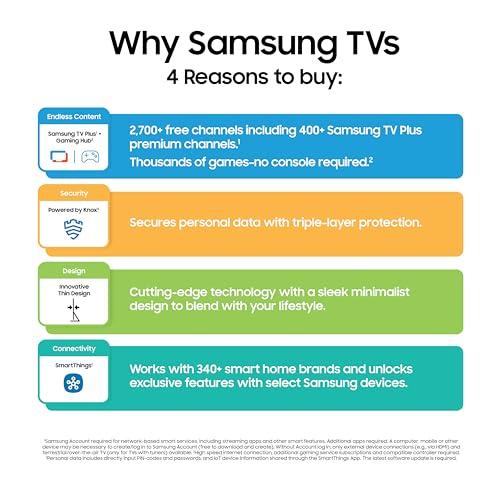
Samsung's ecosystem advantages include over 2,700 free streaming channels through Samsung TV Plus, which provides substantial content without subscription fees. The integration with Samsung's SmartThings platform also allows control of compatible smart home devices directly from the TV. Samsung Knox Security provides three layers of protection for connected devices—increasingly important as smart TVs become targets for security breaches.
One limitation is voice control. The Samsung requires external devices like Alexa or Google speakers for voice commands, accessed through the SmartThings app rather than built-in microphones.
The Hisense H9G uses Android TV, which provides deeper Google ecosystem integration. The built-in Google Assistant works through hands-free voice control via integrated microphones—you can literally talk to your TV from across the room. Android TV also offers broader app compatibility and direct access to the Google Play Store.
The choice between platforms often comes down to existing ecosystem preferences. If you're invested in Samsung phones, tablets, and smart home devices, Tizen integrates seamlessly. If you prefer Google services and want hands-free voice control, Android TV provides a more natural experience.
Neither TV excels in audio performance, which is common across the industry as manufacturers prioritize thin designs over speaker space. The Samsung U8000F provides 20 watts of stereo sound with decent clarity for dialogue but lacks depth for music and movie soundtracks.
Samsung's Q-Symphony feature is genuinely useful—it allows the TV speakers to work alongside compatible Samsung soundbars without muting the TV audio. This creates a more immersive sound field than traditional setups where soundbars replace TV speakers entirely.
The Hisense H9G offers slightly better baseline audio quality typical of mid-range TVs, but both models really benefit from external audio solutions. For serious home theater use, budget at least a few hundred dollars for a quality soundbar or surround system.
Based on extensive research of professional reviews and user feedback, clear patterns emerge. The Samsung U8000F consistently receives praise for its user-friendly interface, natural color reproduction after basic calibration, and overall value for casual viewing. Users frequently mention that setup is straightforward and the TV handles streaming apps without lag.
However, the limitations become apparent in demanding scenarios. The lack of local dimming means dark movie scenes appear washed out, and bright room viewing can be challenging due to moderate peak brightness. Gaming enthusiasts consistently note the 60Hz limitation as a significant drawback for competitive play.
The Hisense H9G receives remarkably positive feedback for picture quality, with reviewers consistently highlighting the superior contrast and black levels that local dimming provides. The consensus is that this TV "punches above its weight class" and competes with much more expensive models in pure picture quality terms.
The main criticisms of the Hisense focus on software support concerns due to its age, occasional motion stuttering in certain content types, and slightly off color accuracy that benefits from professional calibration.
For dedicated home theater use, the differences become stark. The Hisense H9G transforms dark room movie watching with its local dimming capability. When watching films with dramatic lighting—think space movies with bright stars against deep black space, or horror films with contrasting bright and dark scenes—the Hisense delivers an experience that approaches what you'd see in a commercial theater.
The Samsung U8000F struggles in these scenarios. Without local dimming, dark scenes appear grayish rather than true black, breaking the cinematic illusion. However, for mixed-use family rooms with ambient lighting, this difference becomes less noticeable, and the Samsung's overall user experience might actually be preferable.
For HDR content specifically, the Hisense H9G can actually display the brightness and contrast ranges that HDR formats intend, while the Samsung compresses these ranges into its more limited capabilities. This doesn't make HDR unwatchable on the Samsung, but it significantly reduces the impact.
The Samsung 65-Inch Crystal UHD U8000F makes sense for buyers who prioritize current software support, ease of use, and budget-conscious 4K access. It's ideal for family rooms with mixed lighting, casual gaming, and users who want a straightforward smart TV experience without complexity. The 2025 release ensures years of software updates and security patches.
If you primarily watch streaming content, rarely use your TV for gaming, and want something that "just works" without requiring tweaks or calibration, the Samsung delivers solid value. It's also the better choice if you're already invested in Samsung's ecosystem of phones, tablets, and smart home devices.
The Hisense 65" H9G Quantum Series is worth the premium for anyone who prioritizes picture quality above all else. If you have a dedicated TV room, watch movies regularly, or consider yourself an enthusiast who appreciates superior contrast and color accuracy, the Hisense delivers an experience that basic LED TVs simply cannot match.
This TV also makes sense for gaming enthusiasts who play competitive games, sports fans who want the smoothest possible motion, and anyone planning to use their TV as the centerpiece of a home theater setup. The local dimming and 120Hz panel provide fundamental advantages that software cannot overcome.
At the time of writing, these TVs serve different markets despite their similar screen sizes. The Samsung U8000F offers current-generation conveniences and software support at an accessible price point, making it an excellent choice for mainstream users who want reliable 4K performance without complexity.
The Hisense H9G provides superior display technology that creates a genuinely different viewing experience, justifying its higher cost for users who prioritize picture quality. Despite being older, its fundamental display advantages—local dimming, higher brightness, and 120Hz refresh rate—represent technologies that entry-level TVs still cannot match.
Your choice should align with how you actually use your TV. If you're a casual viewer who wants modern smart features and good-enough picture quality, the Samsung provides excellent value. If you're willing to pay more for dramatically better contrast, smoother motion, and superior HDR performance, the Hisense delivers premium picture quality that will enhance your viewing experience for years to come.
Both TVs will display 4K content clearly and provide access to modern streaming services, but they'll do so with very different levels of sophistication and visual impact.
| Samsung 65-Inch Crystal UHD U8000F | Hisense 65" H9G Quantum Series |
|---|---|
| Display Technology - Determines picture quality and contrast performance | |
| Basic LED backlight, no local dimming | Full-array local dimming with 180 zones |
| Peak Brightness - Critical for HDR impact and bright room viewing | |
| Moderate brightness, adequate for most rooms | Up to 1000 nits, excellent for HDR content |
| Refresh Rate - Essential for smooth gaming and sports | |
| 60Hz with motion processing | Native 120Hz panel |
| Color Technology - Affects color accuracy and vibrancy | |
| Standard LED with Crystal Processor 4K | Quantum Dot technology for wider color gamut |
| HDR Support - Determines dynamic range capabilities | |
| HDR10+ (no Dolby Vision) | HDR10, HDR10+, Dolby Vision, HLG |
| Gaming Features - Important for console and PC gaming | |
| VRR, ALLM, 60Hz limitation | 120Hz advantage, lacks VRR support |
| Smart Platform - Affects user experience and app availability | |
| Tizen OS with Samsung ecosystem integration | Android TV with Google Assistant built-in |
| Voice Control - Convenience for hands-free operation | |
| Requires external devices (Alexa/Google via SmartThings) | Built-in hands-free Google Assistant |
| Audio Output - Built-in speaker performance | |
| 20W stereo with Q-Symphony soundbar support | Standard mid-range audio quality |
| Release Year - Impacts software support longevity | |
| 2025 (current generation) | Older model (limited future updates) |
| Build Quality - Durability and design aesthetics | |
| MetalStream design with metal back panel | Standard plastic construction |
| Best For - Target user scenarios | |
| Budget-conscious buyers, casual viewing, Samsung ecosystem users | Picture quality enthusiasts, gamers, home theater setups |
The Hisense 65" H9G Quantum Series delivers significantly better picture quality thanks to its full-array local dimming with 180 zones and Quantum Dot technology. This creates deeper blacks, brighter highlights, and more accurate colors compared to the Samsung 65-Inch Crystal UHD U8000F, which uses basic LED backlighting without local dimming.
For competitive gaming, the Hisense H9G has the advantage with its native 120Hz refresh rate, providing genuinely smoother motion. The Samsung U8000F is limited to 60Hz but offers modern gaming features like VRR and ALLM. Casual gamers will be satisfied with the Samsung, while serious gamers should choose the Hisense.
The Samsung U8000F runs Samsung's Tizen OS, which is known for being user-friendly with quick app loading and over 2,700 free channels. The Hisense H9G uses Android TV with built-in Google Assistant for hands-free voice control. Both are intuitive, but your choice may depend on whether you prefer Samsung's ecosystem or Google's services.
The Hisense H9G performs better in bright rooms with its higher peak brightness of up to 1000 nits and superior reflection handling. The Samsung U8000F has adequate brightness for most lighting conditions but may struggle in very bright environments or for impactful HDR viewing.
For dedicated home theater use, the Hisense 65" H9G Quantum Series is the clear winner. Its local dimming technology creates true blacks essential for cinematic viewing, while the higher brightness and Dolby Vision support provide better HDR performance. The Samsung U8000F lacks the contrast capabilities needed for optimal dark room movie watching.
Both TVs have modest built-in audio, but the Samsung U8000F includes Q-Symphony technology that allows coordination with Samsung soundbars without muting the TV speakers. The Hisense H9G offers slightly better baseline audio quality typical of mid-range TVs. Both benefit significantly from adding a soundbar for serious viewing.
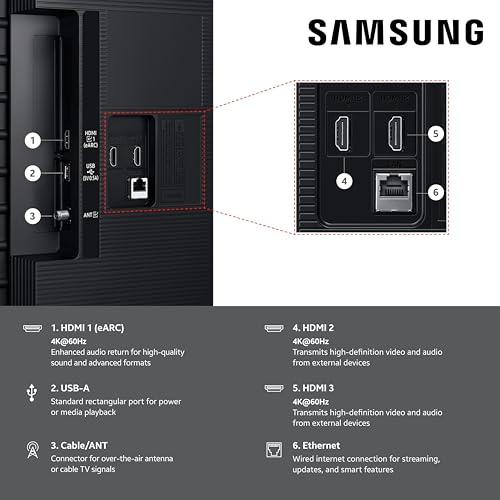
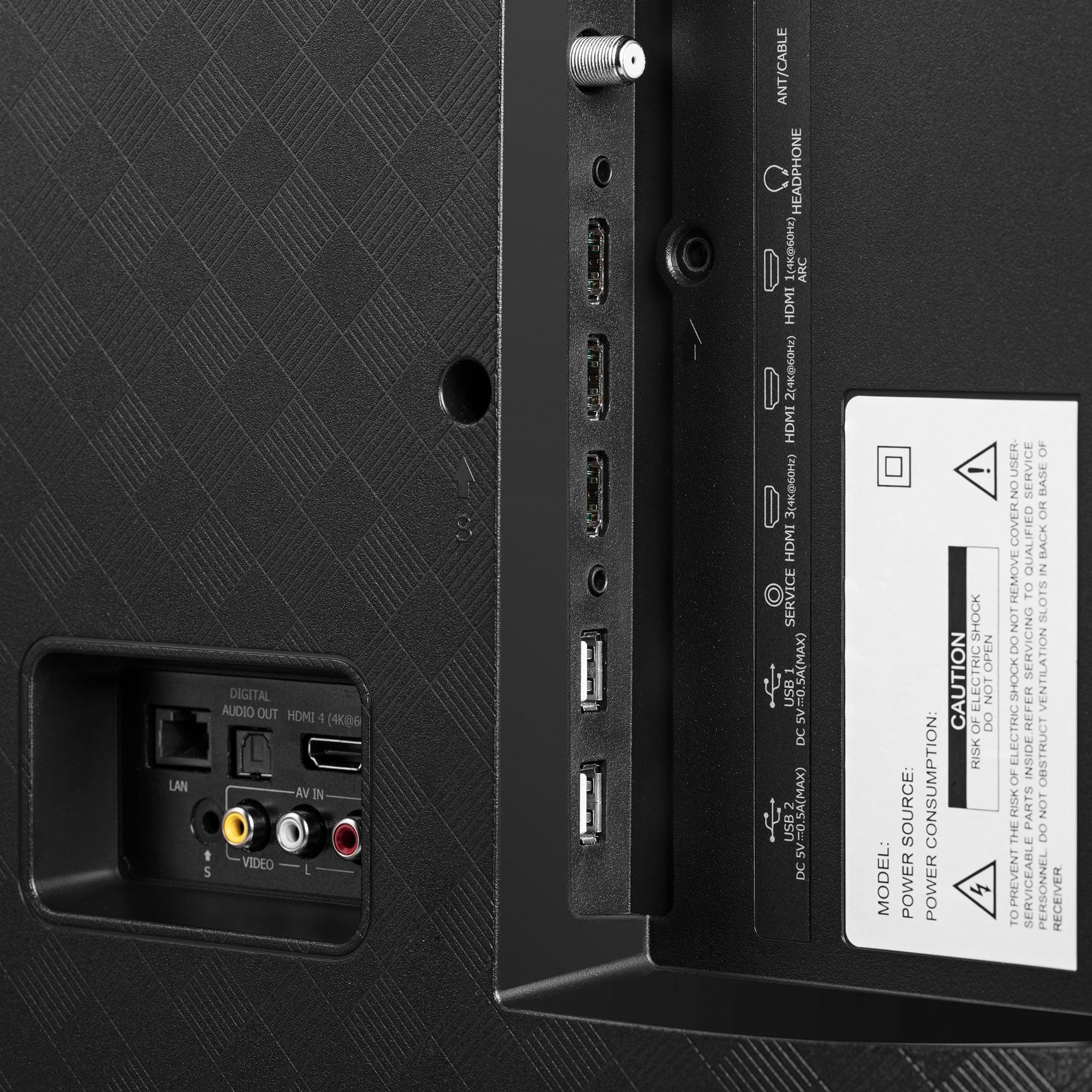
The Samsung 65-Inch Crystal UHD U8000F offers 3 HDMI ports and basic connectivity options, but Samsung removed the fiber optic audio output found in previous generations. The Hisense H9G provides standard connectivity with 4 HDMI ports including ARC support. Both include Wi-Fi and Bluetooth capabilities.
The Samsung U8000F has a significant advantage here as a 2025 model, ensuring years of future software updates and security patches. The Hisense H9G is an older model that may have limited ongoing software support, though it currently functions well with existing apps and features.
Both TVs use VA panels with similar viewing angle limitations - colors and brightness degrade when viewed from the side. Neither is ideal for wide seating arrangements. The Samsung U8000F and Hisense H9G perform best when viewers sit directly in front of the screen.
The Samsung 65-Inch Crystal UHD U8000F provides excellent value for budget-conscious buyers seeking current-generation features and reliable 4K performance. The Hisense 65" H9G Quantum Series offers superior picture technology that justifies its higher cost for viewers who prioritize image quality and gaming performance.
The Hisense H9G supports more HDR formats including Dolby Vision, HDR10, HDR10+, and HLG, providing broader compatibility with streaming services and 4K Blu-rays. The Samsung U8000F supports HDR10+ but notably lacks Dolby Vision support, which is used by Netflix, Disney+, and other major streaming platforms.
For sports, the Hisense 65" H9G Quantum Series has the edge with its 120Hz panel providing smoother motion during fast action sequences. The Samsung U8000F uses 60Hz with motion processing that works adequately for sports but can't match the natural smoothness of a true 120Hz display. Both handle sports content well, but the Hisense delivers superior motion clarity.
We've done our best to create useful and informative comparisons to help you decide what product to buy. Our research uses advanced automated methods to create this comparison and perfection is not possible - please contact us for corrections or questions. These are the sites we've researched in the creation of this article: bestbuy.com - youtube.com - youtube.com - rtings.com - youtube.com - samsung.com - hometechnologyreview.com - rtings.com - samsung.com - displayspecifications.com - samsung.com - displayspecifications.com - walmart.com - billsmith.com - dentonstv.com - samsung.com - samsung.com - samsung.com - youtube.com - bestbuy.com - bestbuy.com - youtube.com - samsung.com - donstv.com - rtings.com - bestbuy.com - techradar.com - youtube.com - digitaltrends.com - assets.hisense-usa.com - bestbuy.com - youtube.com - bestbuy.com

Privacy Policy
Terms and Conditions - Affiliate Policy
Home Security
© Copyright 2008-2026.
11816 Inwood Rd #1211, Dallas, TX 75244