

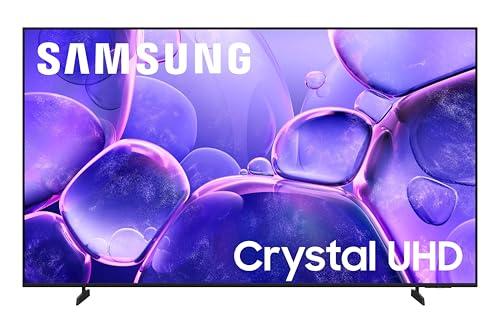
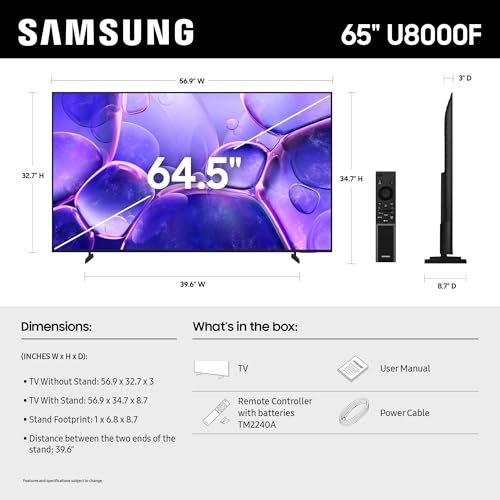
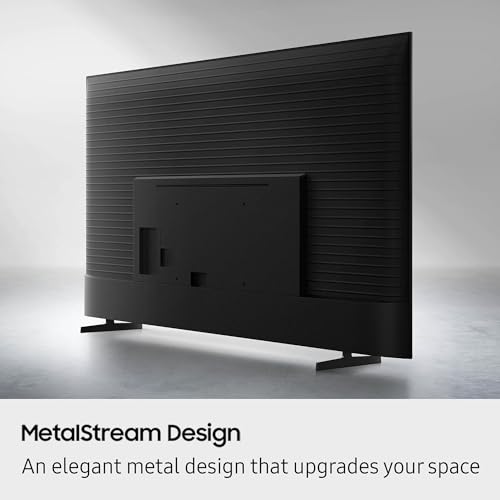
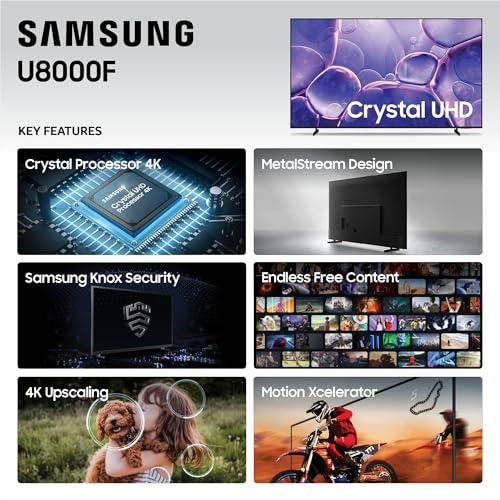
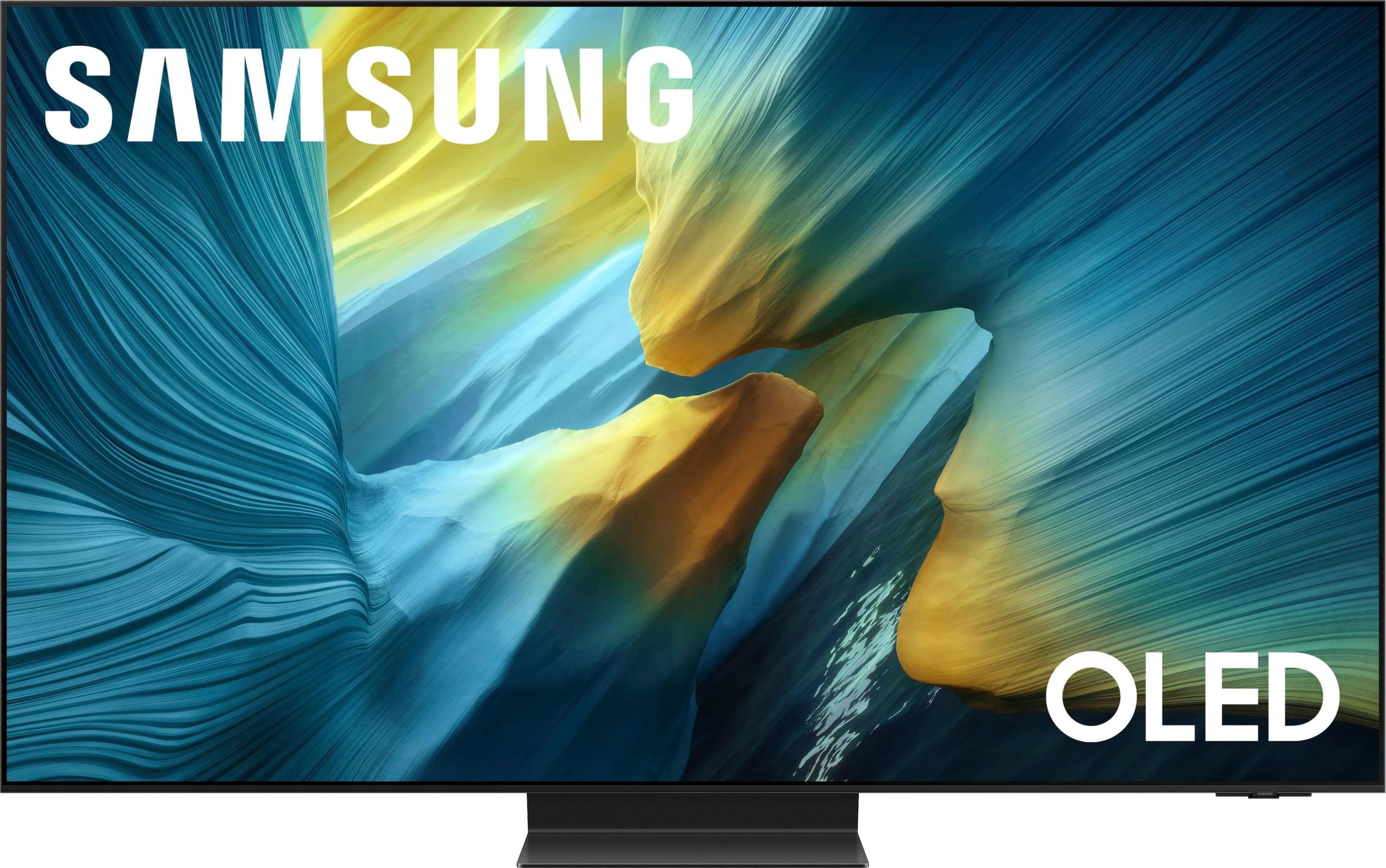
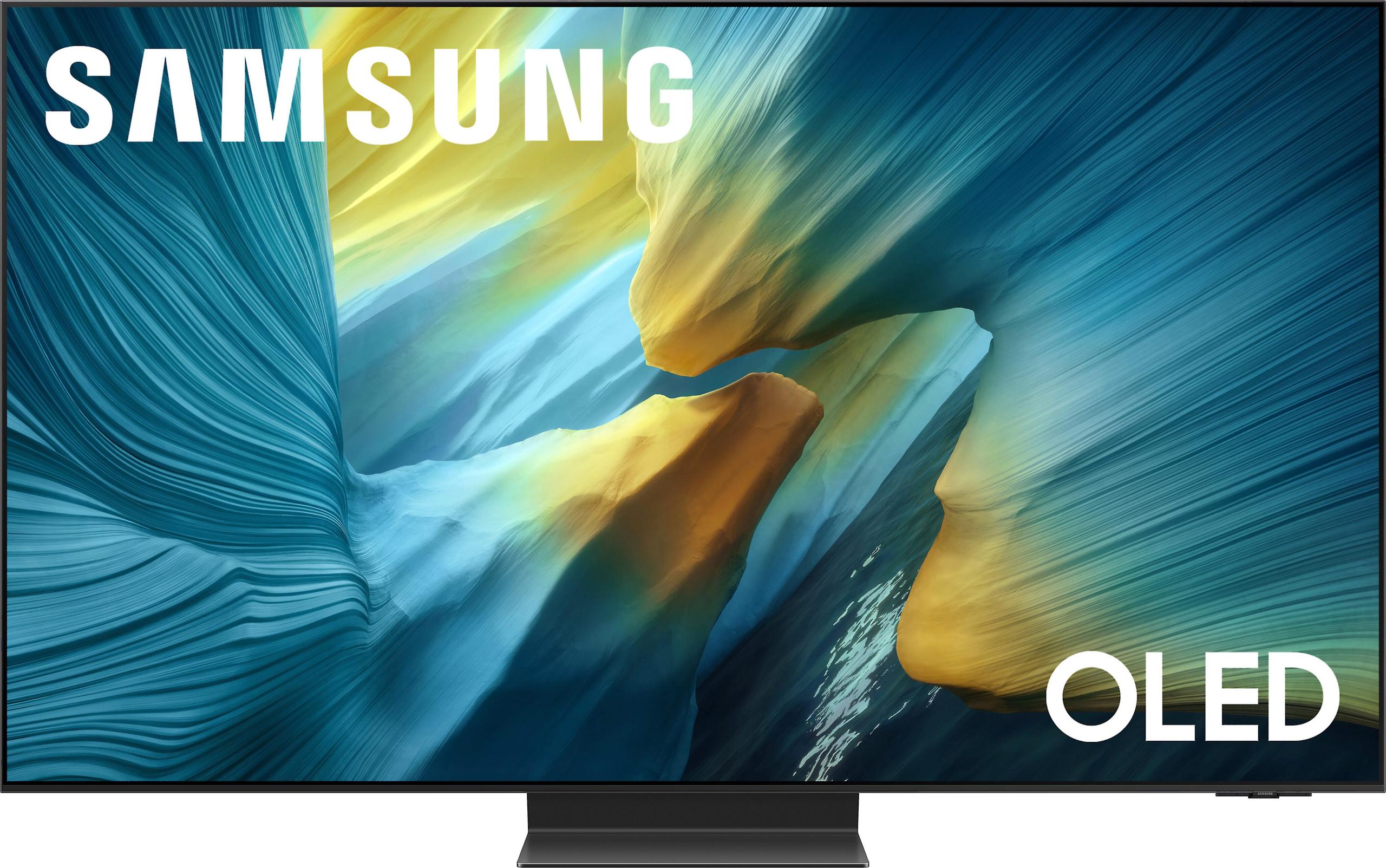
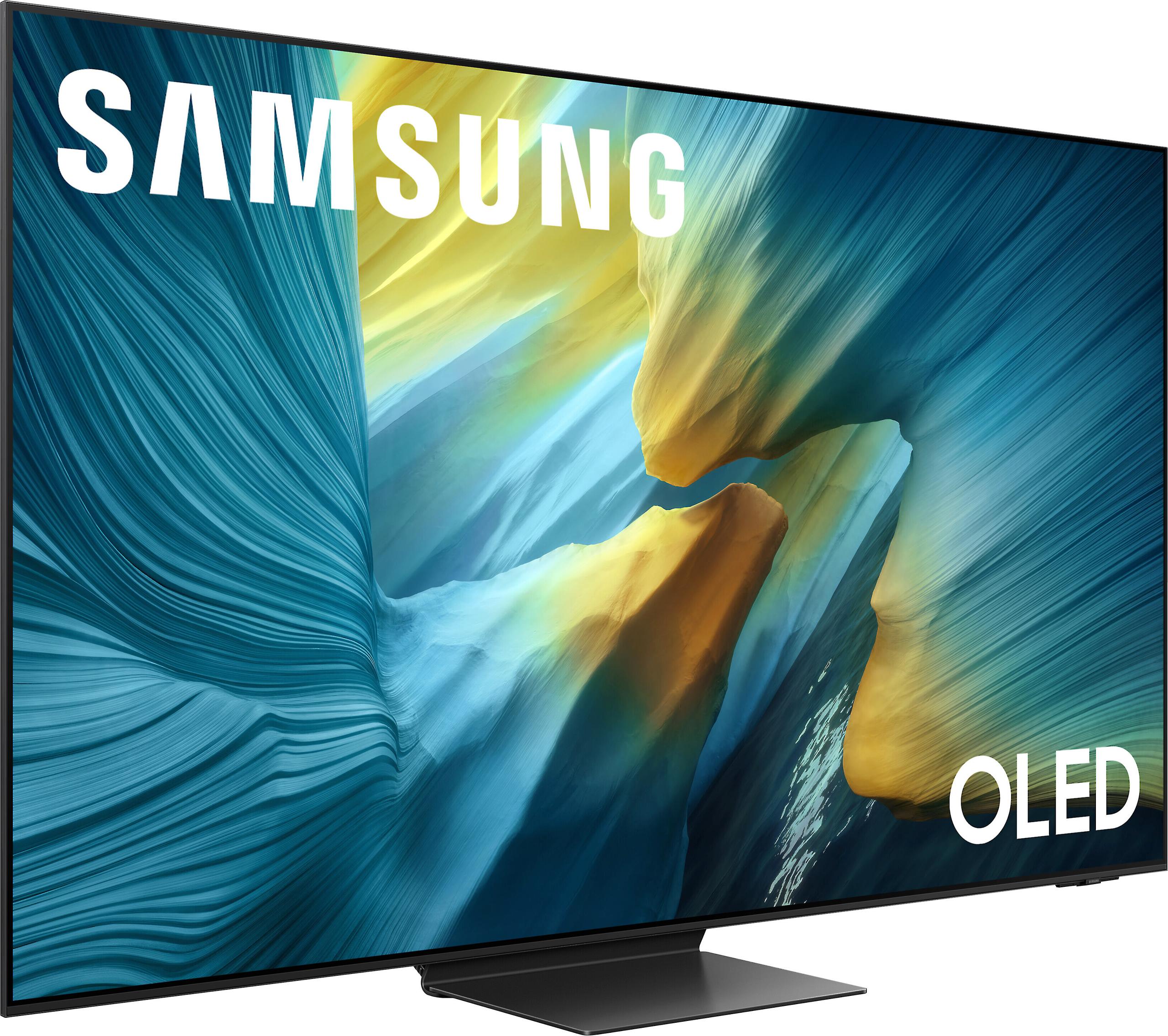
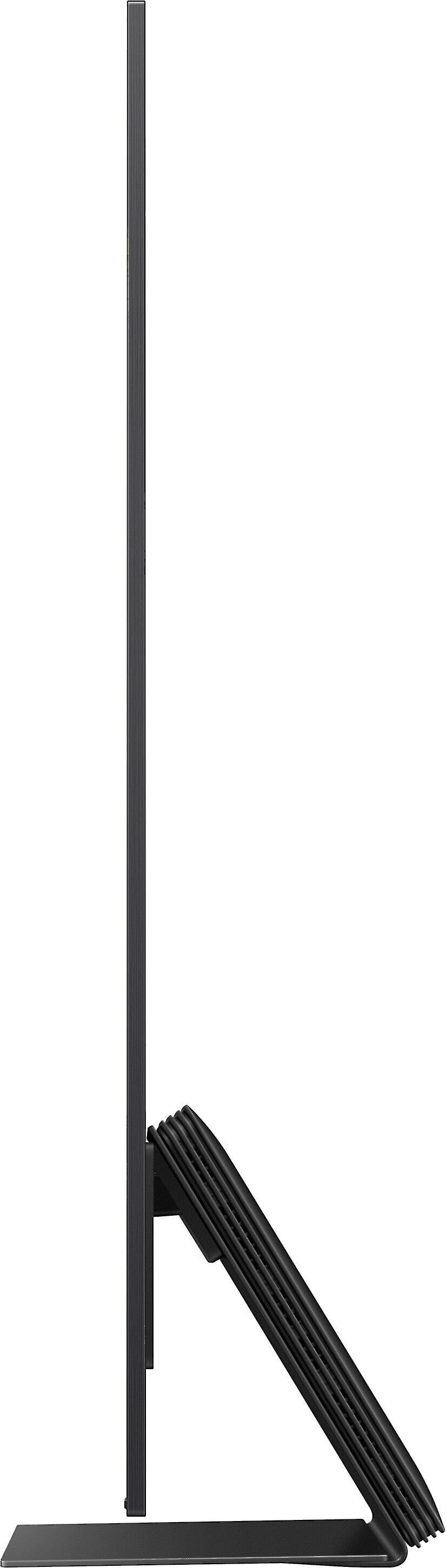
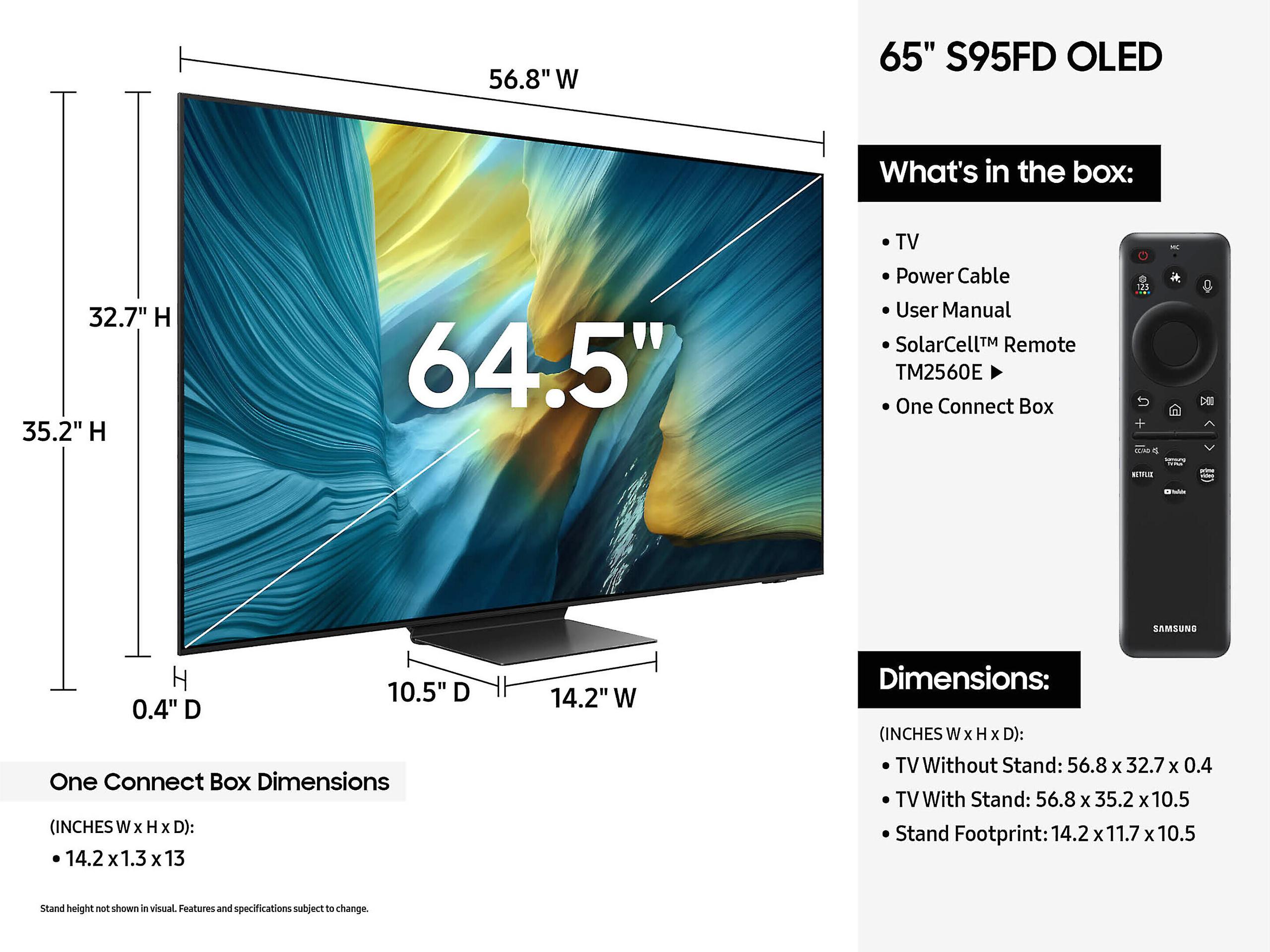
Shopping for a new TV in 2025 means navigating a landscape where "4K smart TV" can describe anything from a basic $500 display to a $3,000 flagship. Samsung's lineup perfectly illustrates this range with two 65-inch models that couldn't be more different: the entry-level Crystal UHD U8000F and the premium OLED S95F. While both carry Samsung's brand and run the same smart TV platform, the technology gap between them is enormous.
Understanding these differences matters because choosing the wrong TV for your needs—whether overspending on features you won't use or buying something that disappoints daily—affects your viewing experience for years. Let's break down what separates budget from premium and help you decide where your money should go.
The fundamental difference between the U8000F and S95F lies in their display technology. The U8000F uses traditional LED backlighting, where a layer of LED lights behind the screen illuminates a liquid crystal panel. Think of it like a flashlight shining through a stained glass window—the light source is separate from what creates the image.
The S95F uses OLED technology, where each individual pixel produces its own light. This is like having 8.3 million tiny light bulbs that can turn completely on, completely off, or anywhere in between. This fundamental difference creates a cascade of performance advantages that justify the premium price.
Samsung released both models in early 2025 as part of their complete lineup refresh. The S95F represents the fourth generation of Samsung's QD-OLED technology, building on improvements that have made OLED displays significantly brighter and more durable than earlier generations. The U8000F, meanwhile, carries forward Samsung's Crystal UHD approach with minor refinements to processing and design.
The most dramatic difference between these TVs appears in dark scenes. The S95F can turn individual pixels completely off, creating true blacks that make dark movie scenes look like looking through a window into space. The U8000F cannot control its backlight in small areas, so black areas appear gray—imagine trying to create darkness by dimming a room's overhead lights rather than turning them off entirely.
This contrast difference affects everything you watch. In a movie like "Dune" with its desert landscapes transitioning to dark interiors, the S95F maintains detail in both bright sand and shadowy spaces simultaneously. The U8000F forces you to choose—either the bright scenes look washed out, or the dark scenes lose all detail.
Expert reviews consistently highlight this as the S95F's defining advantage. The infinite contrast ratio creates a viewing experience that many describe as "cinematic" in ways that no LED TV can match.
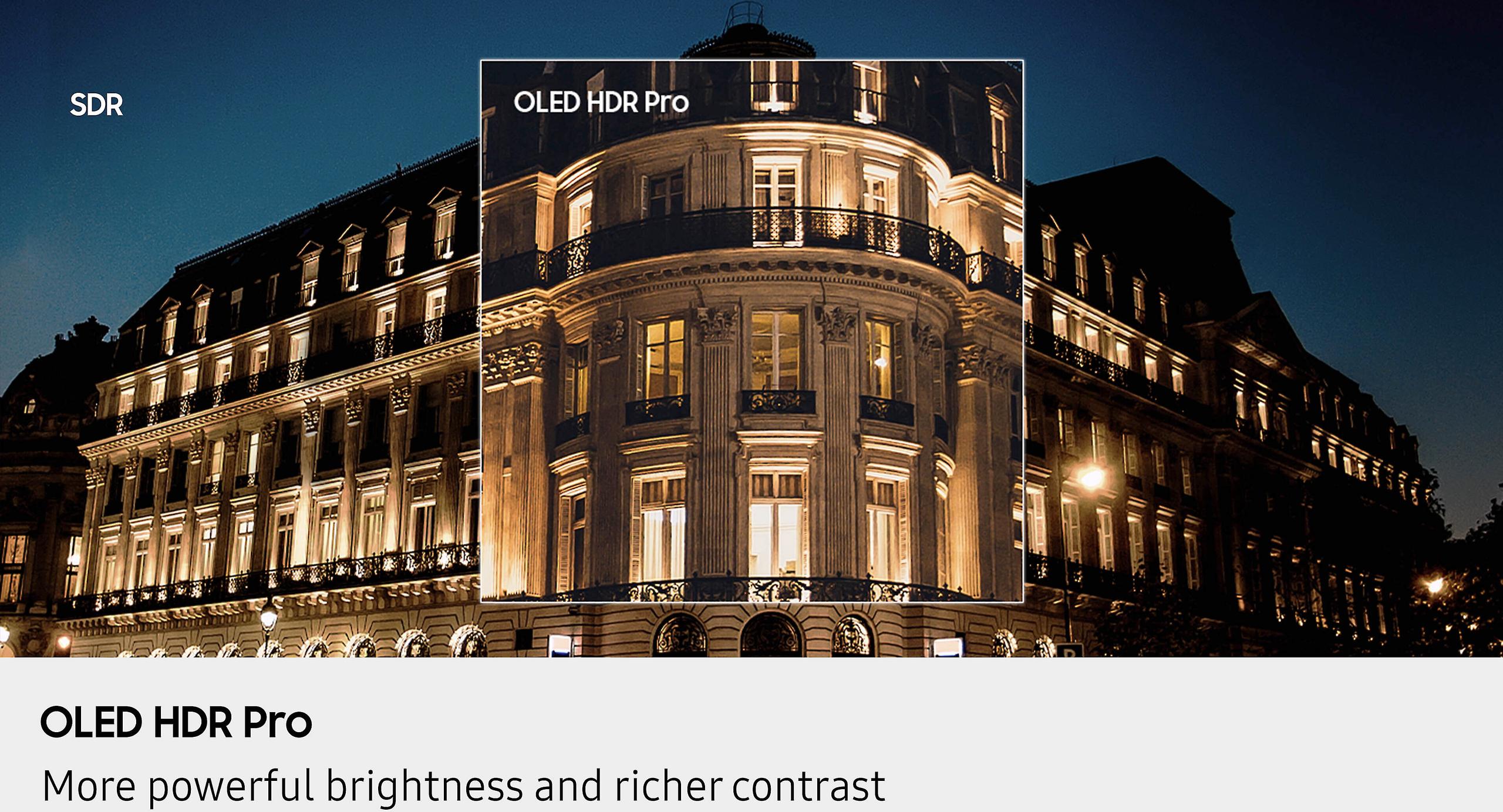
HDR (High Dynamic Range) promises brighter whites and darker blacks to create more lifelike images. However, delivering on this promise requires actual brightness capability. The S95F reaches peak brightness levels of over 2,000 nits—roughly ten times brighter than most computer monitors. This brightness makes HDR content from Netflix, Amazon Prime, or 4K Blu-rays look dramatically more impactful.
The U8000F maxes out around 300-400 nits, which is adequate for standard content but insufficient for true HDR impact. When you watch something like "Planet Earth" with its spectacular nature cinematography, the S95F makes sunsets and lightning storms feel almost three-dimensional, while the U8000F presents them as nice but flat images.
Samsung's QD-OLED technology in the S95F uses quantum dots—microscopic particles that convert blue light into pure red and green wavelengths. This creates colors that are both more accurate and more vivid than traditional displays. The color volume—how many different colors the TV can display at various brightness levels—is exceptional.
The U8000F relies on standard color filters, which limit both the range and intensity of colors it can produce. While Samsung's Crystal Processor provides some color enhancement, it cannot overcome the fundamental limitations of the LED backlight system.
Gaming has become a major TV consideration, especially with PlayStation 5 and Xbox Series X capable of 4K gaming at high frame rates. The performance gap between these TVs in gaming scenarios is substantial.
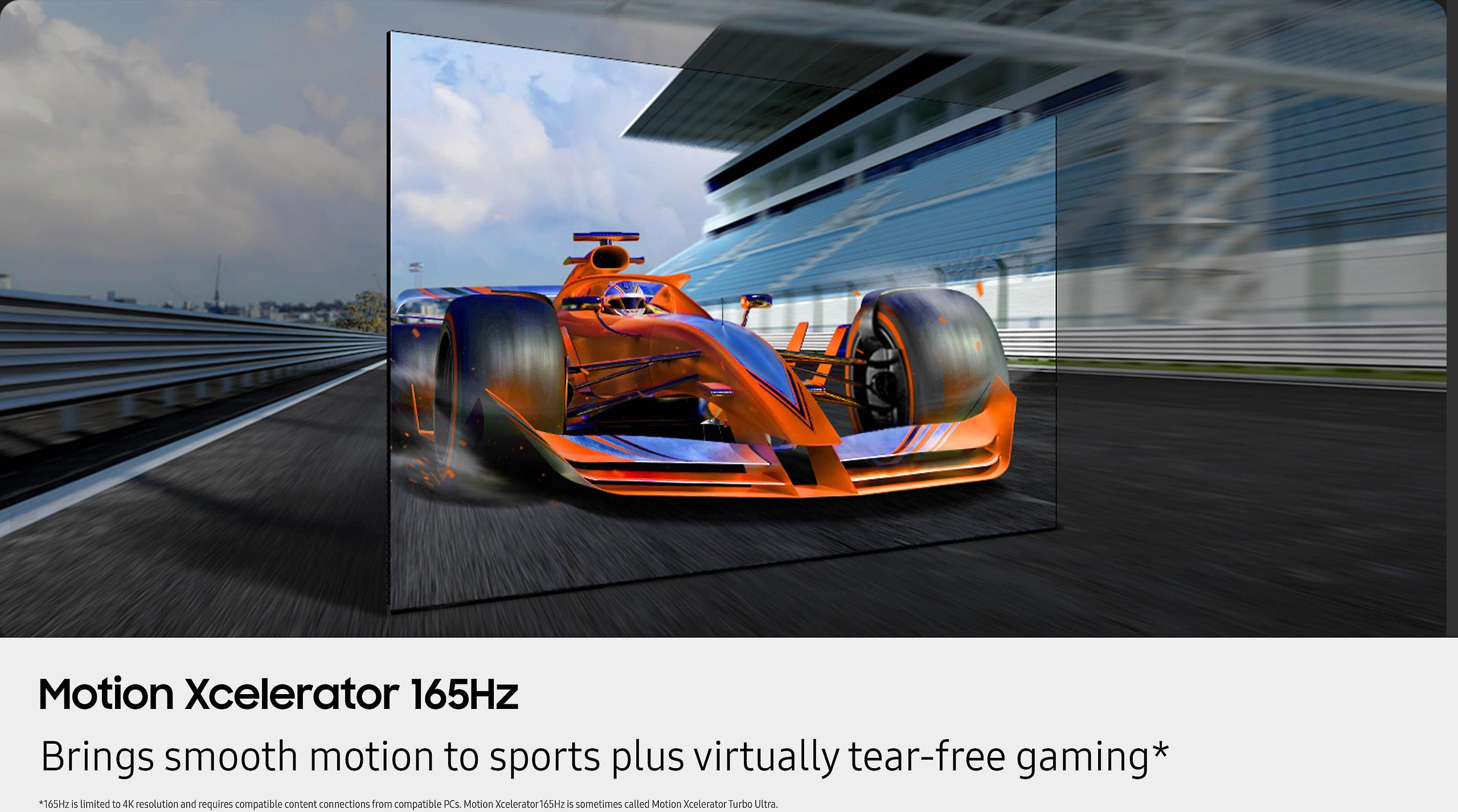
The S95F supports 4K resolution at up to 165Hz refresh rates through all four HDMI ports. This high refresh rate means smoother motion in fast-paced games—think of it like the difference between a flipbook and smooth video. The TV also includes Variable Refresh Rate (VRR) technology, which synchronizes the display's refresh with your gaming console to eliminate screen tearing—those annoying horizontal lines that appear during rapid movement.
More importantly, OLED technology provides near-instantaneous response times. When you press a button, the pixels change almost immediately, reducing input lag to imperceptible levels. This responsiveness gives competitive gamers a real advantage in online shooters or racing games where milliseconds matter.
The U8000F offers basic 4K gaming at 120Hz but lacks VRR and has slower response times that create motion blur during fast action. While adequate for casual single-player games, it cannot deliver the responsive experience that modern gaming demands.
For home theater gaming setups, the S95F is transformative. Playing games like "The Last of Us Part II" or "Red Dead Redemption 2" with their cinematic graphics becomes an almost movie-like experience thanks to the perfect blacks and vivid colors.
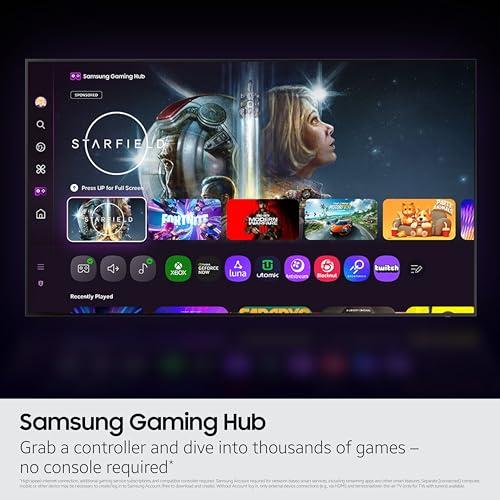
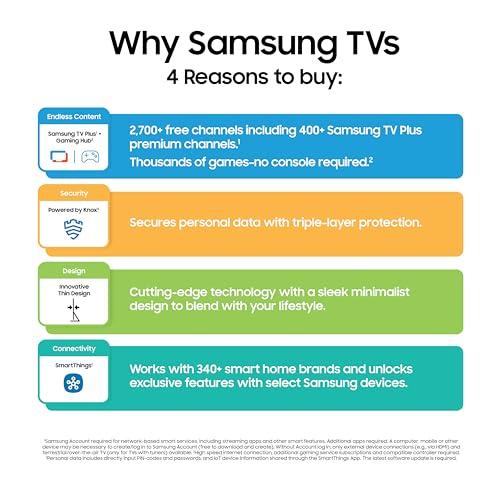
Both TVs run Samsung's Tizen operating system, providing access to all major streaming services, Samsung's free TV Plus channels, and voice control through Bixby. The app selection and interface experience are essentially identical.
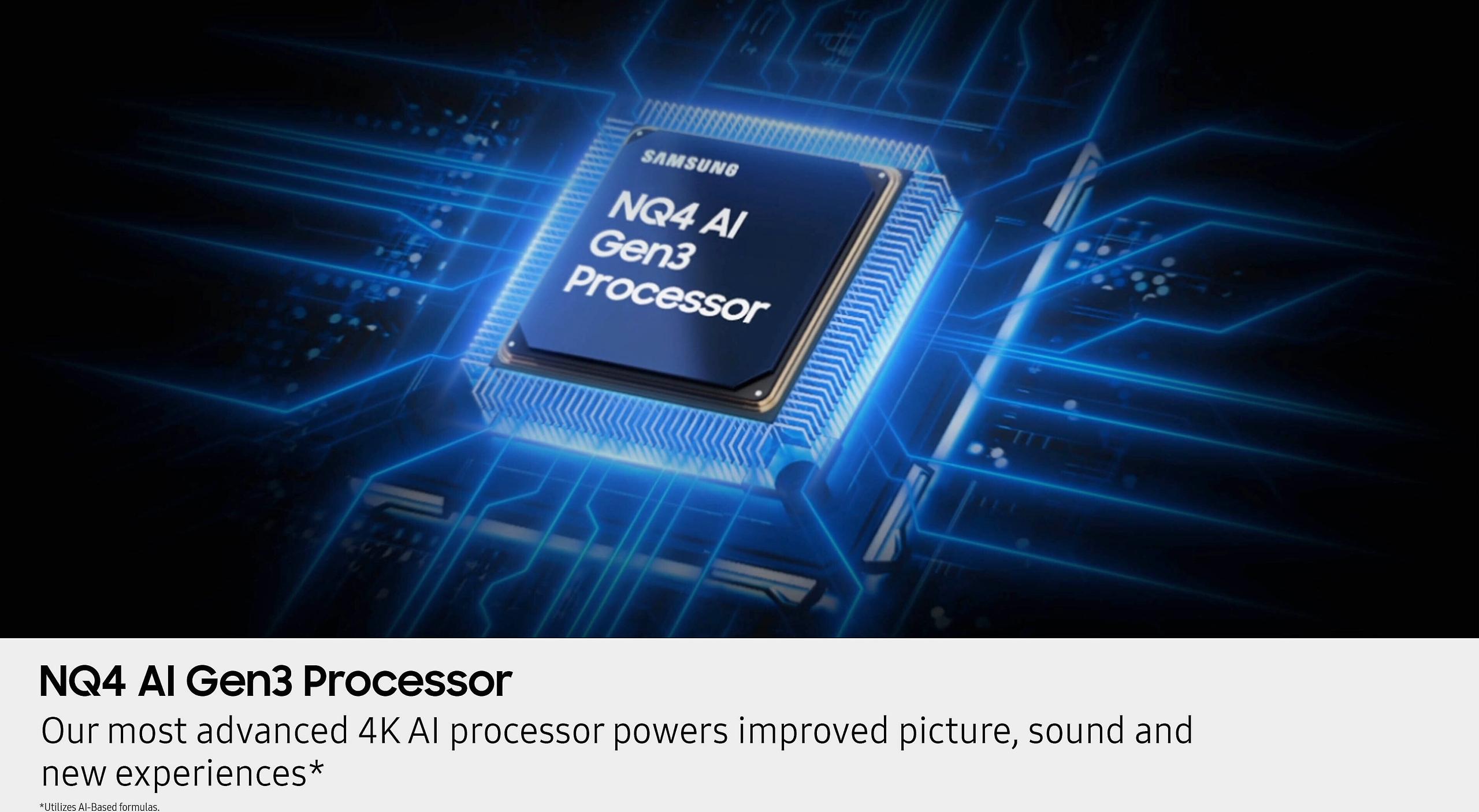
The difference lies in processing power. The S95F includes Samsung's most advanced NQ4 AI Gen3 processor, which uses 128 neural networks to optimize picture quality in real-time. This means the TV analyzes what you're watching and automatically adjusts settings for optimal performance—brightening dark scenes in older movies or enhancing color saturation in animated content.
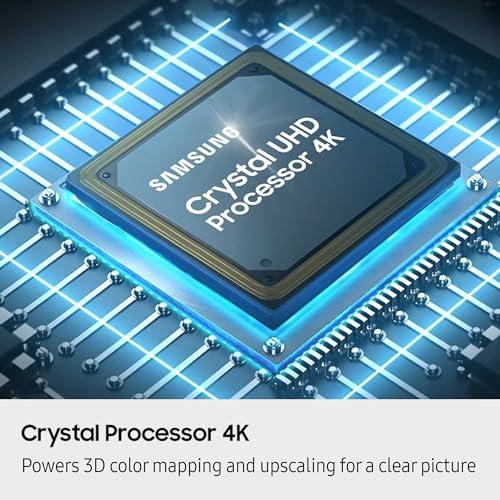
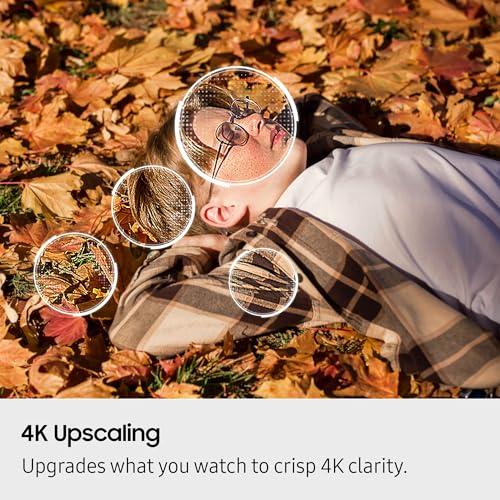
The U8000F's Crystal Processor 4K handles basic upscaling (making lower-resolution content look better on the 4K screen) but lacks the sophisticated AI features. While both TVs will make your Netflix shows look good, only the S95F actively works to make everything look its best.
For streaming content, which often comes in varying quality levels, this processing difference is noticeable. The S95F does a better job making compressed streaming video look clean and detailed.
TV speakers rarely get attention, but they shouldn't be ignored. The S95F includes a 70-watt 4.2.2 channel speaker system with Object Tracking Sound Plus—technology that moves audio around the screen to match what's happening visually. When a car drives across the screen, the sound follows it.
The U8000F has basic stereo speakers that, while clear, lack depth and power. For either TV, serious movie watching benefits from a soundbar, but the S95F can hold its own for casual viewing in ways the U8000F cannot.
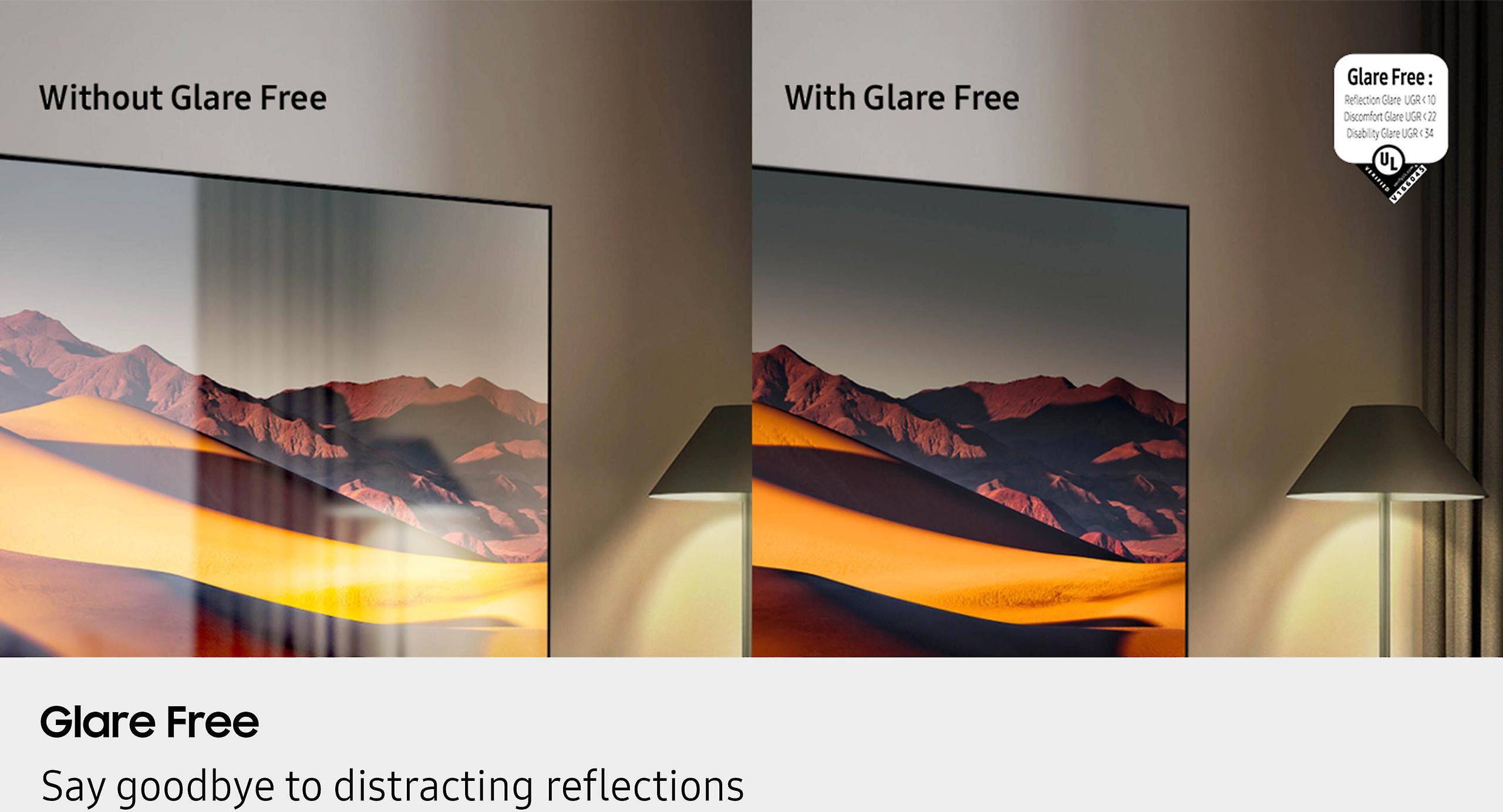
Your room's lighting conditions significantly impact which TV makes sense. The S95F includes Samsung's Glare Free 2.0 coating, a matte finish that virtually eliminates reflections from windows, lamps, or overhead lights. This makes it uniquely suitable for bright living rooms where other high-end TVs might struggle with glare.
The U8000F has a standard glossy screen that reflects light sources directly. In bright rooms, these reflections can make viewing frustrating, especially during darker content.
However, the S95F's matte coating has a trade-off: in very bright rooms, it slightly elevates black levels, reducing some of the infinite contrast advantage. In dedicated home theaters or rooms with controlled lighting, a glossy OLED would technically perform better, but the S95F offers more versatility for real-world living spaces.
At the time of writing, the U8000F represents Samsung's most affordable 65-inch 4K option, while the S95F sits near the top of their lineup with pricing reflecting flagship status. The price difference is substantial—roughly four to five times more for the OLED model.
This isn't simply paying more for incremental improvements. The S95F delivers fundamentally different capabilities that transform how content looks and feels. However, this premium only makes sense if you'll actually benefit from these improvements.
The U8000F provides adequate performance for basic viewing needs. If you primarily watch daytime television, news, or casual content in well-lit rooms, the picture quality differences become less apparent. The Samsung brand reliability, Tizen smart platform, and decent build quality make it reasonable value for budget-conscious buyers.
The S95F justifies its premium through exceptional performance that enhances everything you watch. Movie nights become more cinematic, games feel more responsive, and even mundane content benefits from the superior processing and display technology.
Samsung offers identical one-year warranties for both models, but their expected lifespans differ significantly. The U8000F uses mature LED technology that's reliable but represents yesterday's capabilities. In three to four years, it may feel noticeably outdated as content and gaming demands evolve.
The S95F includes seven years of software updates—unusual in the TV industry—and cutting-edge display technology that should remain impressive for many years. OLED panels have also overcome earlier concerns about burn-in (permanent image retention) through better pixel management and varied content consumption patterns.
For buyers planning to keep their TV for seven or more years, the S95F's long-term value proposition strengthens considerably.
The U8000F makes sense for specific situations: tight budgets where any 4K TV is better than an older model, secondary bedrooms or kitchen TVs where picture quality isn't critical, or households where TV viewing is casual and infrequent. It's also reasonable for buyers who plan short ownership cycles and will upgrade in a few years anyway.
The S95F suits enthusiasts who value exceptional picture quality, serious gamers wanting competitive advantages, bright living rooms requiring anti-glare solutions, and anyone planning long-term ownership who wants their investment to remain impressive for years.
For home theater setups, the choice is clear: the S95F delivers the cinematic experience that makes movie nights special. The combination of perfect blacks, exceptional brightness, and immersive audio creates an experience that rivals commercial theaters.
Consider your viewing habits honestly. If you primarily watch content during the day with ambient light, use TV as background noise, or have genuine budget constraints, the U8000F serves those needs adequately while saving substantial money for other priorities.
However, if you watch movies in darkened rooms, game regularly on modern consoles, or simply want your TV to make everything look as good as possible, the S95F delivers value through sheer performance excellence that transforms daily viewing.
The technology gap between these models is enormous—much larger than their shared Samsung branding might suggest. Choose based on whether you want basic functionality or exceptional performance, but understand that this decision will impact your viewing experience every single day for years to come.
At the time of writing, the premium for OLED technology has never been more justified by actual performance benefits. The question isn't whether the S95F is better—it objectively is. The question is whether that superiority matters enough for your specific needs and budget to justify the investment.
| Samsung 65-Inch Crystal UHD U8000F | Samsung 65" OLED S95F |
|---|---|
| Display Technology - Fundamentally affects picture quality and viewing experience | |
| LED with edge backlighting, no local dimming | QD-OLED with 8.3 million individually controlled pixels |
| Peak Brightness - Critical for HDR content and bright room viewing | |
| ~300-400 nits (poor HDR performance) | 2,170 nits (exceptional HDR impact) |
| Black Levels - Determines contrast and dark scene detail | |
| Gray blacks due to always-on backlight | Perfect pixel-level blacks (infinite contrast) |
| Refresh Rate - Important for gaming and sports | |
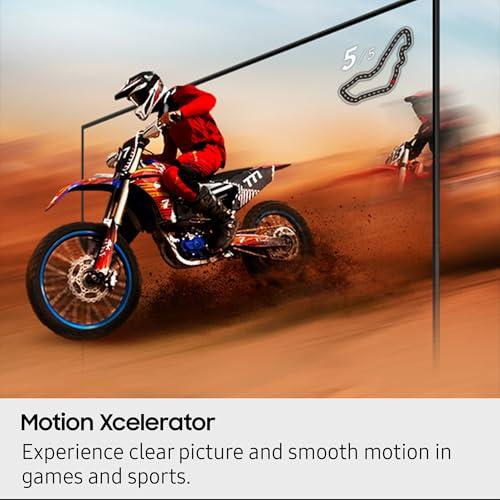
| 120Hz native (basic gaming support) | 165Hz native with Motion Xcelerator 165Hz |
| Gaming Features - Essential for PS5/Xbox Series X performance | |
| Basic 4K/120Hz, no VRR or advanced features | 4K/165Hz, VRR, ALLM, AMD FreeSync Premium Pro |
| Screen Coating - Affects viewing in bright rooms | |
| Standard glossy (poor reflection handling) | Glare Free 2.0 matte coating (virtually eliminates reflections) |
| Processor - Impacts upscaling and smart features | |
| Crystal Processor 4K (basic AI upscaling) | NQ4 AI Gen3 with 128 neural networks |
| Audio System - Built-in sound quality | |
| Basic stereo speakers | 70W 4.2.2CH with Object Tracking Sound Plus |
| HDMI Ports - Connectivity for gaming and devices | |
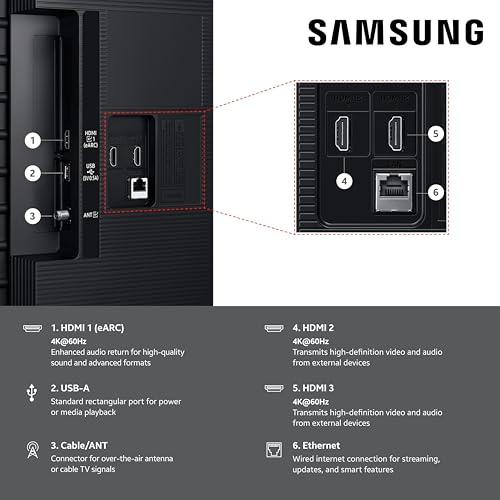
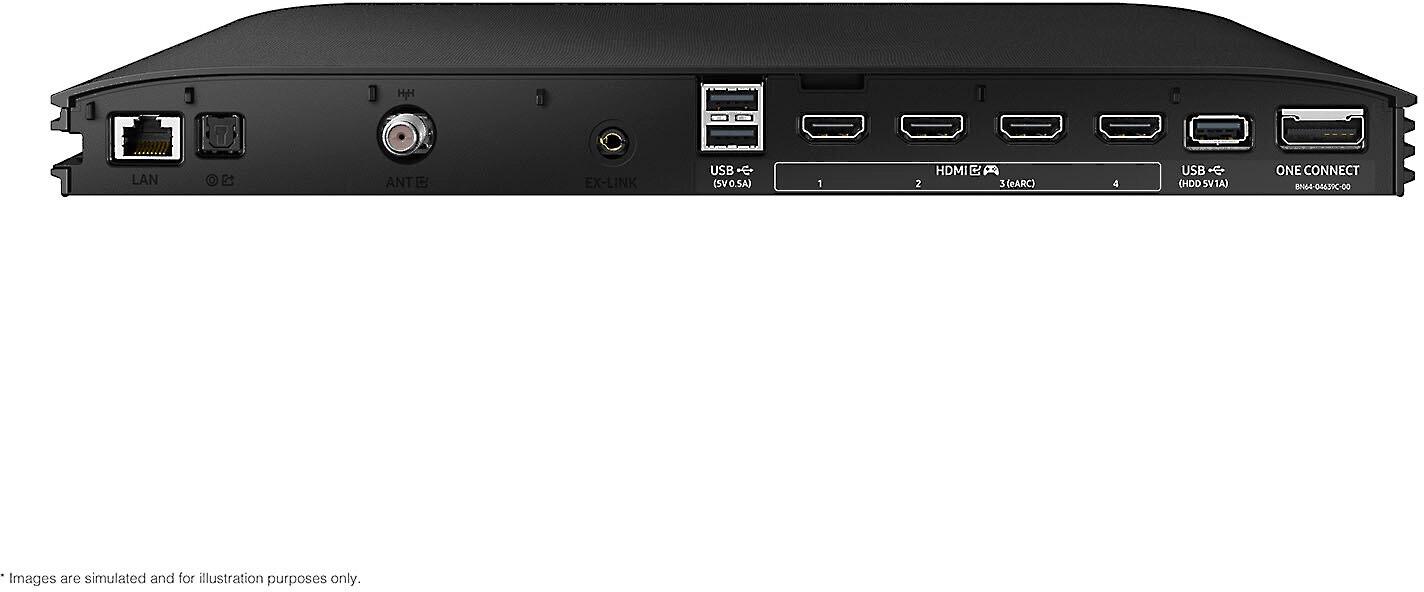
| 3 HDMI ports (HDMI 2.0) | 4 HDMI 2.1 ports (full bandwidth) |
| HDR Support - Premium content compatibility | |
| HDR10, HDR10+ (limited by low brightness) | HDR10, HDR10+ (no Dolby Vision) |
| Viewing Angles - Picture quality when not centered | |
| Narrow angles with color/contrast degradation | Ultra-wide viewing with no quality loss |
| Software Updates - Long-term support | |
| Standard Samsung support cycle | 7 years of guaranteed OS updates |
| Target Audience - Who should consider each model | |
| Budget buyers, casual viewers, secondary TVs | Enthusiasts, gamers, home theater setups |
The biggest difference is display technology. The Samsung U8000F uses traditional LED backlighting, while the Samsung S95F uses advanced OLED technology where each pixel produces its own light. This means the S95F delivers perfect blacks and infinite contrast, while the U8000F produces gray blacks and limited contrast. The OLED model also gets much brighter for better HDR performance.
The Samsung S95F is significantly better for gaming. It supports 4K at 165Hz refresh rate, includes Variable Refresh Rate (VRR), Auto Low Latency Mode (ALLM), and AMD FreeSync Premium Pro. The Samsung U8000F only offers basic 4K/120Hz gaming without VRR or advanced gaming features. For PS5, Xbox Series X, or PC gaming, the S95F provides a much more responsive and smooth experience.
The Samsung S95F handles bright rooms much better thanks to its Glare Free 2.0 matte coating that virtually eliminates reflections from windows and lights. The Samsung U8000F has a standard glossy screen that reflects light sources directly, making viewing difficult in bright environments. The S95F also gets much brighter to overcome ambient light.
The Samsung S95F offers dramatically better movie picture quality. Its OLED technology delivers perfect blacks for dark movie scenes, exceptional brightness for HDR content, and more vibrant colors. The U8000F struggles with dark scenes due to gray blacks and lacks the brightness needed for impactful HDR movies. For home theater use, the S95F creates a truly cinematic experience.
Yes, both the Samsung U8000F and Samsung S95F run the same Tizen smart TV platform with access to Netflix, Amazon Prime Video, Disney+, YouTube, and other major streaming services. They also include Samsung TV Plus for free channels. The main difference is that the S95F has more advanced AI processing to enhance streaming content quality.
It depends on your needs and budget. The Samsung U8000F offers basic 4K functionality at an entry-level price, making it good value for casual viewers or secondary TVs. The Samsung S95F costs significantly more but delivers premium performance that justifies the price for enthusiasts, gamers, and anyone wanting exceptional picture quality. The value depends on whether you'll use the advanced features.
The Samsung S95F has much better audio with a 70W 4.2.2 channel speaker system and Object Tracking Sound Plus technology that moves audio around the screen. The Samsung U8000F has basic stereo speakers that are adequate but lack depth and power. For serious movie watching, both TVs benefit from a soundbar, but the S95F can work well on its own for casual viewing.
The Samsung S95F is excellent for sports with its 165Hz refresh rate, bright display, and fast response times that keep up with rapid action. The Samsung U8000F can handle sports viewing but may show motion blur during fast plays due to slower response times. Both have good upscaling for lower-resolution sports broadcasts, but the S95F makes everything look more vibrant and clear.
The Samsung S95F is better positioned for longevity with 7 years of guaranteed software updates and cutting-edge display technology that should remain impressive for many years. The Samsung U8000F uses older LED technology that may feel outdated sooner. If you plan to keep your TV for 7+ years, the S95F offers better long-term value despite the higher upfront cost.
The Samsung S95F excels in dark rooms thanks to its perfect black levels and infinite contrast ratio, making it ideal for home theater setups. Dark movie scenes look truly black rather than gray. The Samsung U8000F struggles in dark rooms because its LED backlight creates gray blacks and reduces shadow detail. For dedicated home theater use, the S95F is transformative.
Both TVs work with all gaming consoles, but the Samsung S95F maximizes the potential of PlayStation 5 and Xbox Series X with its 4K/165Hz support, VRR, and ultra-low input lag. The Samsung U8000F handles casual gaming fine but cannot deliver the full performance that modern consoles are capable of. For competitive gaming or getting the most from your console investment, choose the S95F.
If you're upgrading from an older HD TV and have budget constraints, the Samsung U8000F provides a solid entry into 4K smart TV features. However, if you can stretch your budget and want a TV that will impress you daily for years to come, the Samsung S95F delivers a dramatic upgrade in picture quality that makes the investment worthwhile. Consider your viewing habits and how long you plan to keep the TV when deciding.
We've done our best to create useful and informative comparisons to help you decide what product to buy. Our research uses advanced automated methods to create this comparison and perfection is not possible - please contact us for corrections or questions. These are the sites we've researched in the creation of this article: bestbuy.com - youtube.com - youtube.com - rtings.com - youtube.com - samsung.com - hometechnologyreview.com - rtings.com - samsung.com - displayspecifications.com - samsung.com - displayspecifications.com - walmart.com - billsmith.com - dentonstv.com - samsung.com - samsung.com - samsung.com - youtube.com - bestbuy.com - bestbuy.com - youtube.com - samsung.com - donstv.com - businessinsider.com - tomsguide.com - youtube.com - avsforum.com - zdnet.com - samsung.com - pioneertvandappliance.com - samsung.com - displayspecifications.com - samsung.com

Privacy Policy
Terms and Conditions - Affiliate Policy
Home Security
© Copyright 2008-2026.
11816 Inwood Rd #1211, Dallas, TX 75244