

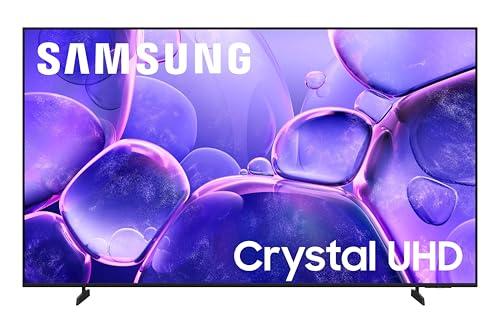


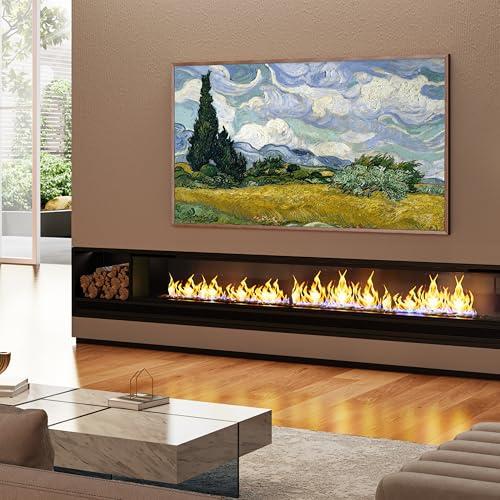
Choosing the right TV can feel overwhelming with so many options on the market. Today we're comparing two 65-inch smart TVs that take completely different approaches: the Samsung 65-Inch Crystal UHD U8000F, released in 2025 as Samsung's latest entry-level offering, and the Hisense 65" S7N CanvasTV, a 2024 model that doubles as wall art when you're not watching it.
These TVs represent two distinct philosophies. The Samsung U8000F follows the traditional path—it's designed to be a reliable, straightforward entertainment device. The Hisense CanvasTV, on the other hand, challenges what a TV should be, transforming into a piece of artwork when not in use while packing serious performance under the hood.
Before diving into specifics, let's talk about what actually matters when buying a TV today. The most important factors are picture quality (how good content looks), gaming performance (especially crucial now with PlayStation 5 and Xbox Series X), smart platform usability, design integration with your space, and overall value for what you're spending.
Picture quality depends on several key technologies. HDR (High Dynamic Range) expands the range between the darkest blacks and brightest whites, making images more realistic. QLED (Quantum Dot Light Emitting Diode) technology uses microscopic particles to produce purer, more vibrant colors than traditional LED displays. Local dimming divides the screen into zones that can brighten or darken independently, improving contrast—though neither of these TVs includes this premium feature.
Gaming has become increasingly important as console technology advances. Modern TVs need high refresh rates (how many times per second the screen updates), low input lag (delay between pressing a button and seeing the response), and VRR (Variable Refresh Rate) support to match gaming device frame rates smoothly.
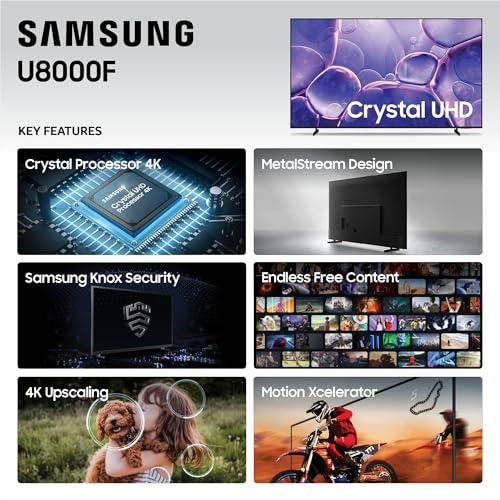
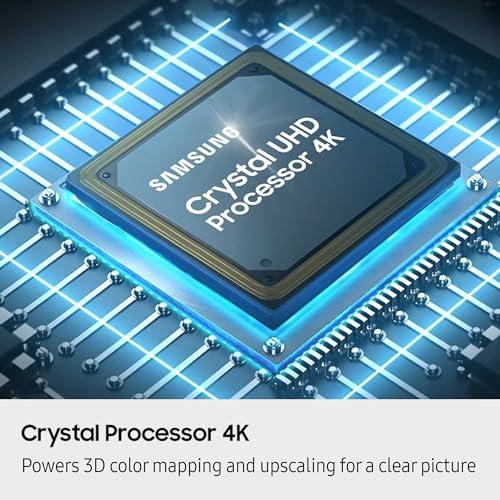
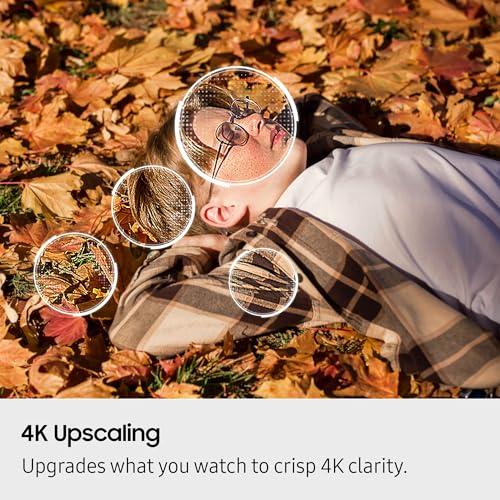
The most significant difference between these TVs lies in their fundamental display technology, and it's a big one. The Samsung U8000F uses a standard LED panel with Samsung's Crystal Processor 4K, which provides decent upscaling and color processing but lacks the advanced color reproduction of newer technologies.
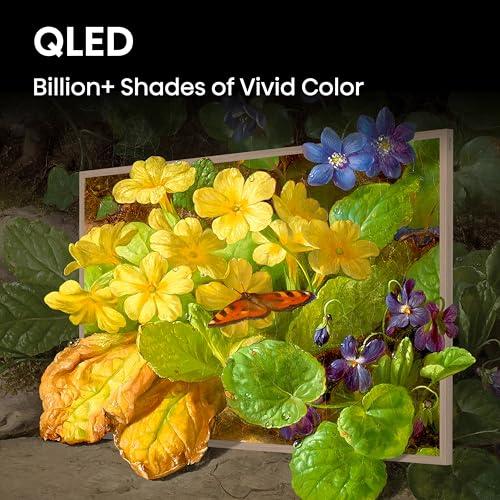
The Hisense S7N CanvasTV employs QLED with Quantum Dot Color technology, which is a substantial upgrade. Quantum dots are tiny semiconductor particles that, when hit by light, produce incredibly pure colors. This technology enables the display to show over one billion color combinations, compared to the millions possible with standard LED panels. In practical terms, this means more accurate skin tones, more vibrant nature scenes, and colors that look closer to what you'd see in real life.
Based on our research of expert reviews and user feedback, the difference in color accuracy is immediately noticeable when comparing the two side by side. The Hisense displays reds that actually look red rather than orange-tinged, and blues that have proper depth instead of appearing washed out.
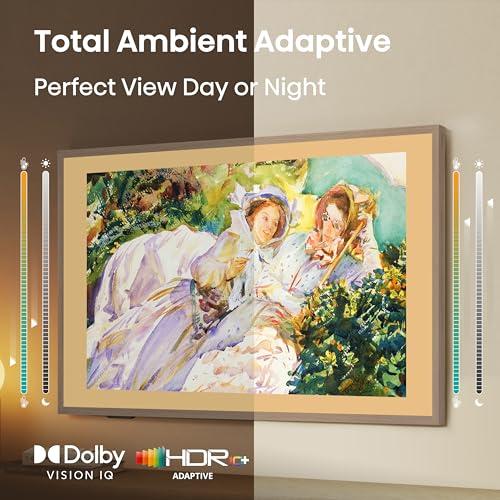
Another critical difference is HDR support. The Samsung U8000F only supports HDR10+, which is decent but limited. The Hisense CanvasTV supports the full range: Dolby Vision (considered the premium HDR format), HDR10, HDR10+, and HLG. Dolby Vision is particularly important because it adjusts brightness and color on a scene-by-scene basis, rather than using fixed settings for entire movies. This means better-looking content from Netflix, Disney+, and other streaming services that use Dolby Vision.
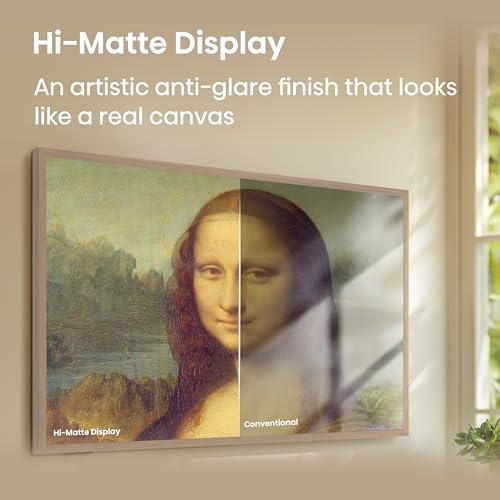
Perhaps most importantly for real-world use, the Hisense features a Hi-Matte anti-glare coating that reduces reflections by 95%. This is genuinely transformative if you have windows in your viewing room. Standard glossy TV screens, like the Samsung's, can become nearly unwatchable with bright ambient light, forcing you to close curtains or adjust seating. The matte coating solves this problem while maintaining color vibrancy—a technology that was previously available only on much more expensive displays.
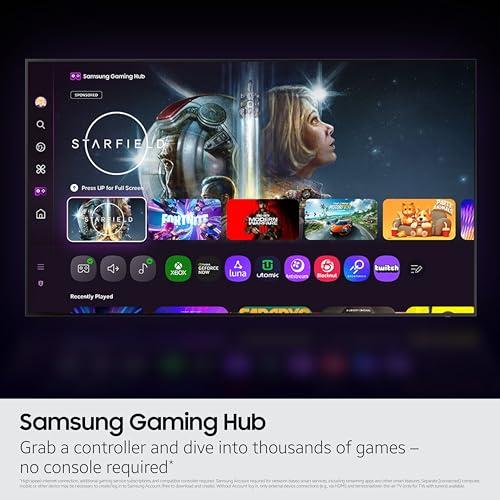
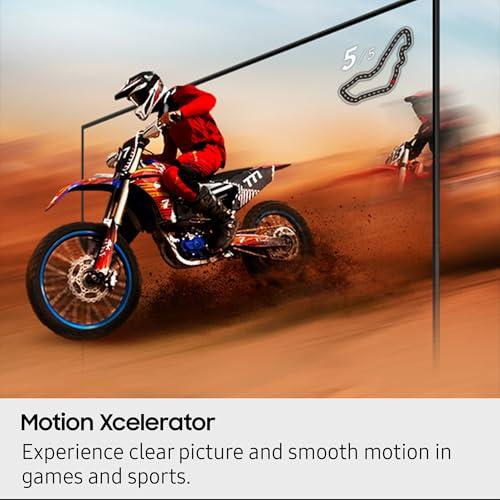
For gaming, there's simply no contest between these TVs. The Samsung U8000F maxes out at 60Hz refresh rate, which means it can only display 60 frames per second. While it includes VRR (Variable Refresh Rate) and ALLM (Auto Low Latency Mode) support, the 60Hz ceiling severely limits its usefulness for modern gaming.
The Hisense S7N CanvasTV features a native 144Hz refresh rate with Game Mode PRO, supporting up to 4K resolution at 144Hz and 1080p at an incredible 240Hz. This isn't just marketing fluff—these higher refresh rates create genuinely smoother motion in fast-paced games, from racing simulators to competitive shooters.
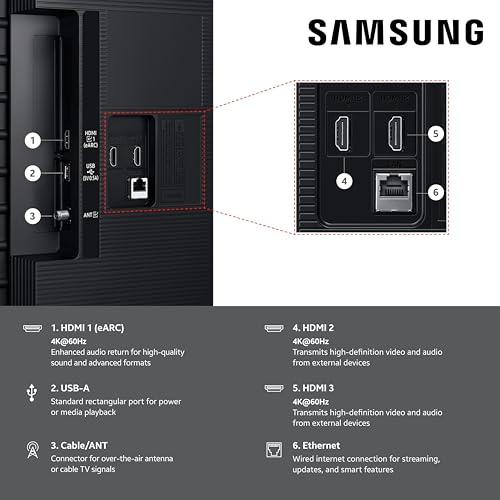
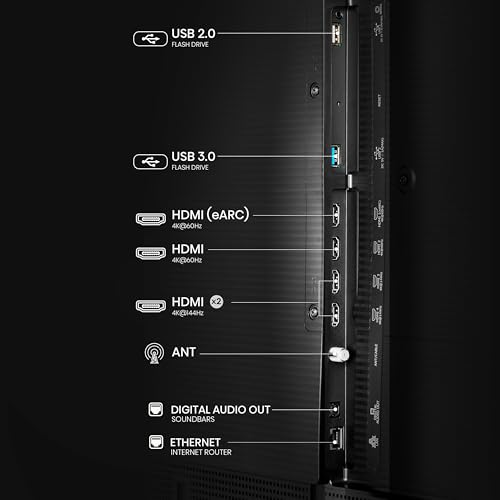
More importantly, the Hisense includes two HDMI 2.1 ports alongside two HDMI 2.0 ports, while the Samsung only has HDMI 2.0 connectivity. HDMI 2.1 is crucial for PlayStation 5 and Xbox Series X owners because it provides the bandwidth necessary for 4K gaming at high frame rates. Without HDMI 2.1, you're limited to either 4K at 60fps or higher frame rates at lower resolutions.
The Hisense also includes AMD FreeSync Premium support, which eliminates screen tearing (when parts of different frames display simultaneously) and reduces stuttering. Combined with its 5.4ms input lag—the time between pressing a controller button and seeing the action on screen—this makes for a genuinely responsive gaming experience.
For anyone with a modern gaming console or gaming PC, the Hisense CanvasTV is dramatically superior. The Samsung U8000F is adequate only for casual gaming or older consoles that can't exceed 60fps anyway.
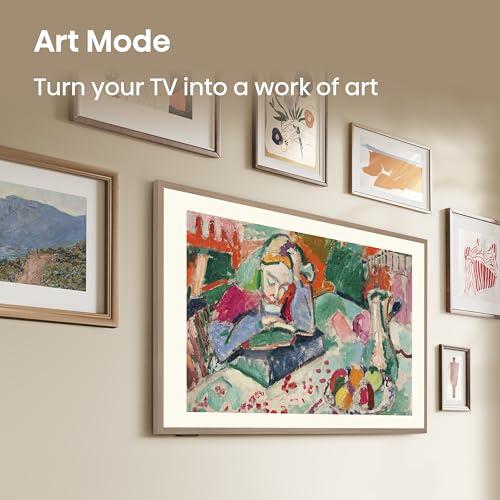
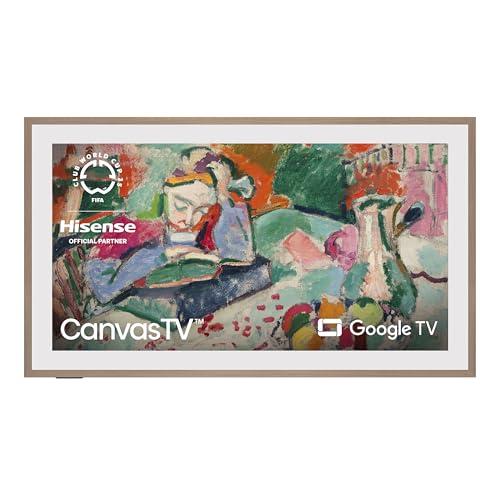
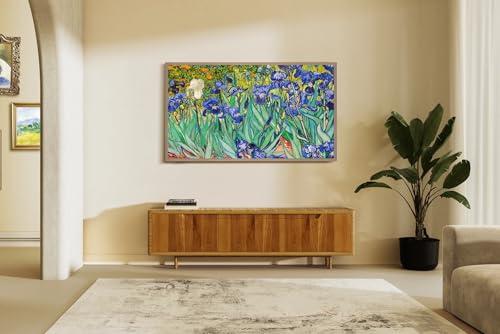
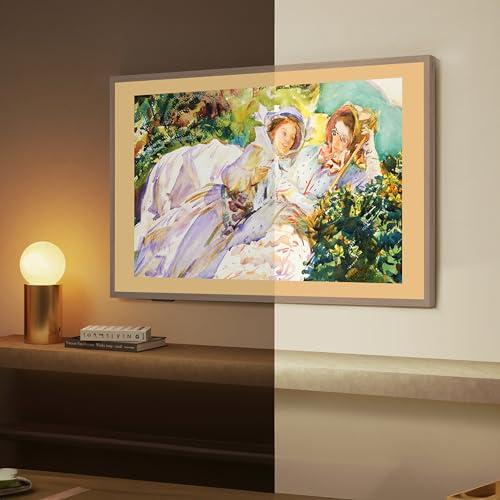
Here's where the Hisense CanvasTV gets really interesting. When not displaying TV content, it transforms into a digital art gallery using Art Mode. This isn't a gimmicky add-on—it's a thoughtfully implemented feature that changes how the TV integrates into your living space.
The system comes with over 120 pre-loaded masterpieces and allows you to upload your own images via USB or mobile app. Motion sensors detect when someone enters the room and automatically display artwork, then switch to a power-saving black screen when the room is empty. This isn't just about aesthetics; it addresses the fundamental problem that large black rectangles dominate rooms when TVs are off.
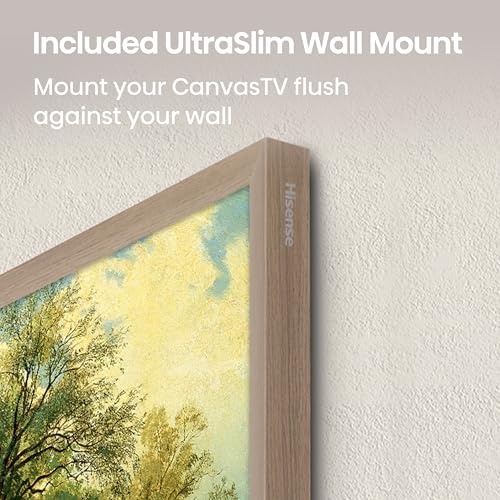
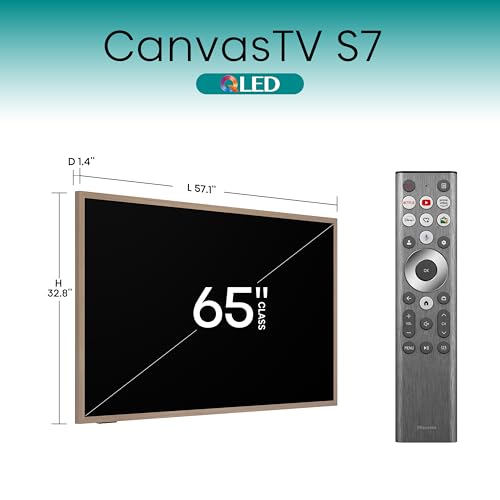
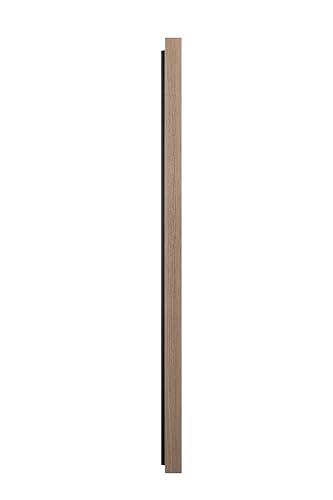
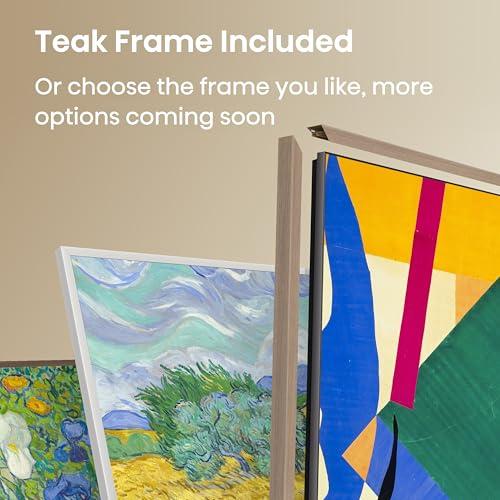
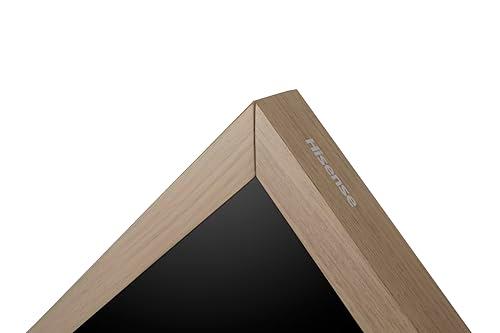
The Hisense includes magnetic frames that swap easily—teak comes standard, with white and walnut options available separately. The UltraSlim Wall Mount positions the TV just 1.4 inches from the wall, creating an authentic picture frame appearance. At 63.5 pounds without the stand, it requires more substantial mounting hardware than typical TVs, but the visual result is striking.
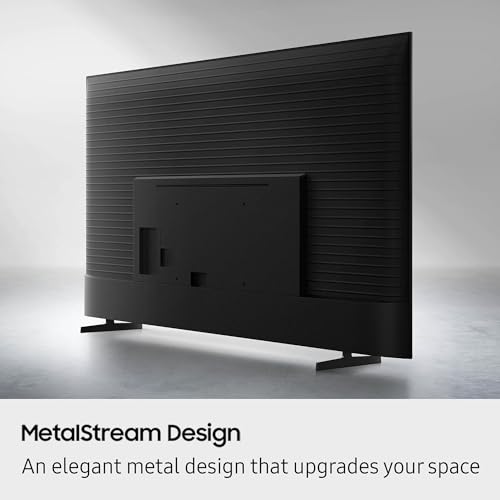
This design philosophy directly competes with Samsung's more expensive Frame TV series, but at a significantly lower price point (at the time of writing). The Samsung U8000F, meanwhile, follows traditional TV design with its MetalStream bezels—attractive but clearly identifiable as a television.
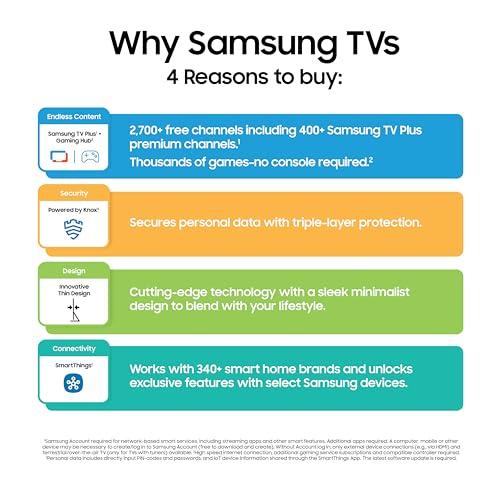
Both TVs offer capable smart platforms, but they take different approaches. The Samsung U8000F runs Tizen OS with Samsung's latest interface updates for 2025. Tizen has matured into a smooth, responsive platform with excellent app selection and Samsung TV Plus, which provides free streaming channels. If you're already invested in Samsung's ecosystem with Galaxy phones or other Samsung devices, the integration benefits are genuine.
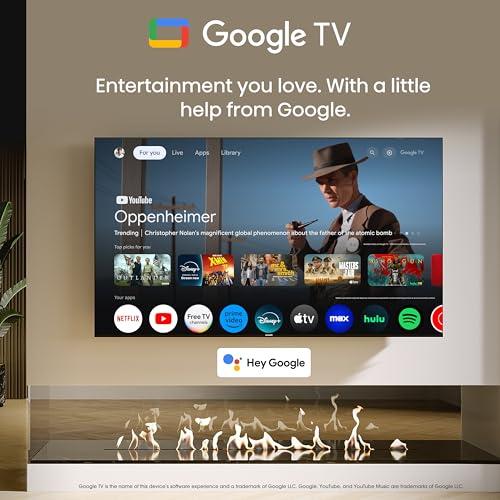
The Hisense CanvasTV uses Google TV, which organizes content from multiple streaming services into a unified, easy-to-navigate interface. Google TV excels at content discovery, surfacing shows and movies from across your subscribed services based on your viewing history. The Google Assistant integration is more comprehensive than Samsung's Bixby implementation, especially for smart home control.
Both platforms handle the essential streaming services well—Netflix, Disney+, HBO Max, Amazon Prime Video, and others. The choice often comes down to personal preference and existing device ecosystems rather than fundamental capability differences.
Audio quality often gets ignored in TV comparisons, but it significantly impacts the viewing experience. The Samsung U8000F includes a basic 20W, 2-channel speaker system with Object Tracking Sound Lite—a feature that attempts to move audio around the screen to match on-screen action. While functional, it's a modest audio setup that most users will want to supplement with a soundbar.
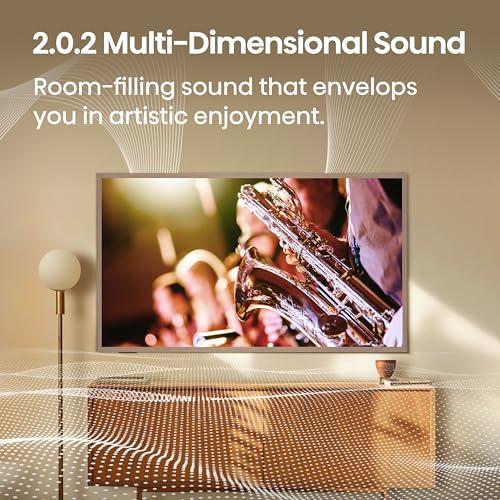
The Hisense CanvasTV takes audio more seriously with a 2.0.2 multi-channel surround sound system. The "2.0.2" designation means two main speakers, zero subwoofer, and two upward-firing speakers that bounce sound off the ceiling to create height effects. This configuration, combined with DTS Virtual:X processing, creates a more immersive audio experience for movies and games.
Based on user reviews we've analyzed, the Hisense's audio system is notably better for dialog clarity and creates a more convincing sense of space. However, neither TV matches dedicated home theater setups, so serious audiophiles should still plan for external speakers.
Our research into long-term user experiences reveals important practical differences. The Samsung U8000F benefits from Samsung's established reputation for reliability and widespread service network. Users report consistent performance and good customer support experiences.
The Hisense CanvasTV represents Hisense's push into premium territory. Early user feedback has been largely positive, with particular praise for the anti-glare coating's effectiveness in bright rooms and the Art Mode's seamless operation. However, some users note that the VA panel technology used in both TVs means viewing angles aren't as wide as IPS panels—colors and brightness degrade when viewed from far off to the side.
For home theater use, this viewing angle limitation matters more in larger rooms where people sit at wider angles from the screen. In typical living room setups with seating arranged primarily in front of the TV, it's rarely noticeable.
At the time of writing, the Samsung U8000F typically costs significantly less than the Hisense CanvasTV, positioning itself as a budget-friendly entry into 4K smart TV territory. For buyers whose primary concerns are cost and basic functionality, the Samsung delivers adequate 4K viewing and smart TV features.
However, the Hisense CanvasTV offers substantially more technology and features for its higher price point. The QLED display technology alone typically costs hundreds more in competing TVs, and the 144Hz gaming capability puts it in a different performance category entirely. When you factor in the Art Mode functionality and premium design elements, the value equation strongly favors the Hisense for buyers who can accommodate the higher initial cost.
Consider this: the Hisense essentially replaces both a TV and wall art, while offering gaming performance that won't need upgrading when the next generation of consoles arrives. The Samsung will likely require replacement sooner as gaming technology continues advancing.
For dedicated home theater setups, several factors become crucial. Both TVs lack local dimming zones, which means they can't achieve the deep blacks and high contrast ratios that make movies truly cinematic. If you're building a serious home theater, you'd typically look at higher-end models with local dimming or OLED technology.
However, if you're creating a multi-purpose living room that serves as both daily living space and entertainment area, the Hisense CanvasTV makes compelling sense. The anti-glare coating means you don't need to control ambient light as strictly, and the Art Mode means the TV enhances rather than dominates the room when not in use.
The Samsung U8000F works better in dedicated, light-controlled spaces where its glossy screen won't fight ambient light and its more traditional design fits the entertainment-focused environment.
Choose the Samsung 65-Inch Crystal UHD U8000F if you need a reliable, straightforward TV for basic viewing needs. It makes sense for secondary rooms, apartments where budget is crucial, or households where gaming doesn't extend beyond casual use. The Samsung ecosystem integration benefits are genuine if you already own Samsung devices, and the lighter weight makes installation simpler.
The Hisense 65" S7N CanvasTV is the better choice for most other scenarios. If you care about gaming performance, want better picture quality, have a bright room, or appreciate the dual-purpose design, the additional cost pays dividends in daily use. It's particularly compelling for main living areas where the TV needs to look good even when turned off.
Technology moves fast, and the gap between these TVs reflects how quickly display technology has advanced. The Hisense CanvasTV represents current-generation technology with forward-looking features, while the Samsung U8000F offers proven, basic functionality at a lower price point.
For most buyers, the Hisense provides better long-term value despite its higher upfront cost. The superior display technology, excellent gaming performance, and unique Art Mode functionality create a more versatile, future-proof purchase. The Samsung remains viable for budget-conscious buyers who prioritize immediate affordability over advanced features.
The decision ultimately depends on your specific needs, room setup, and budget flexibility. But if you can accommodate the price difference, the Hisense S7N CanvasTV delivers significantly more capability and versatility for your investment.
| Samsung 65-Inch Crystal UHD U8000F | Hisense 65" S7N CanvasTV QLED |
|---|---|
| Display Technology - Determines color accuracy and vibrancy | |
| Standard LED with Crystal Processor 4K | QLED with Quantum Dot Color (1+ billion colors) |
| Refresh Rate - Critical for gaming and smooth motion | |
| 60Hz (limits gaming to 60fps max) | 144Hz native (supports 4K@144Hz gaming) |
| HDR Support - Expands contrast and color range for better picture quality | |
| HDR10+ only | Dolby Vision, HDR10, HDR10+, HLG (full range) |
| Anti-Glare Technology - Reduces reflections in bright rooms | |
| Standard glossy screen (reflections can be problematic) | Hi-Matte coating reduces reflections by 95% |
| HDMI Connectivity - Determines compatibility with modern devices | |
| 3x HDMI 2.0 ports | 4x HDMI total (2x HDMI 2.1, 2x HDMI 2.0) |
| Gaming Features - Input lag and compatibility with next-gen consoles | |
| VRR, ALLM, limited by 60Hz ceiling | AMD FreeSync Premium, VRR, ALLM, 5.4ms input lag |
| Audio System - Built-in sound quality | |
| 20W 2-channel with Object Tracking Sound Lite | 2.0.2 multi-channel surround with upward-firing speakers |
| Smart Platform - Interface and app ecosystem | |
| Tizen OS with Bixby, Samsung TV Plus | Google TV with Google Assistant |
| Design Philosophy - How it integrates into your living space | |
| Traditional TV with MetalStream bezels | Art TV with magnetic frames and ultra-slim wall mount |
| Art Mode - Displays artwork when TV is off | |
| Not available | 120+ masterpieces included, motion sensor activation |
| Weight - Installation difficulty | |
| 32 lbs (easier single-person installation) | 63.5 lbs (requires robust mounting, professional install recommended) |
| Target Audience - Best suited for | |
| Budget-conscious buyers, basic viewing needs, Samsung ecosystem users | Gamers, design-conscious buyers, bright rooms, dual-purpose art display |
The Hisense 65" S7N CanvasTV delivers significantly better picture quality thanks to its QLED technology with Quantum Dot Color, which produces over 1 billion color combinations compared to the standard LED panel in the Samsung 65-Inch Crystal UHD U8000F. The Hisense also supports the full range of HDR formats including Dolby Vision, while the Samsung only supports HDR10+.
The Hisense 65" S7N CanvasTV is dramatically better for gaming with its 144Hz refresh rate, HDMI 2.1 ports, and AMD FreeSync Premium support. It can handle 4K gaming at 144Hz and 1080p at 240Hz. The Samsung 65-Inch Crystal UHD U8000F maxes out at 60Hz with only HDMI 2.0 ports, limiting modern console performance.
The Hisense 65" S7N CanvasTV excels in bright rooms thanks to its Hi-Matte anti-glare coating that reduces reflections by 95%. The Samsung 65-Inch Crystal UHD U8000F has a standard glossy screen that can become difficult to watch with ambient light, requiring curtains or strategic seating positioning.
Art Mode on the Hisense CanvasTV transforms the TV into a digital art gallery when not in use, displaying over 120 included masterpieces or your own photos. Motion sensors automatically activate the display when someone enters the room. This feature is particularly valuable if you want the TV to enhance your room's aesthetics rather than dominate it as a black rectangle when off. The Samsung U8000F doesn't offer this functionality.
Both TVs offer excellent smart platforms but take different approaches. The Samsung 65-Inch Crystal UHD U8000F runs Tizen OS with Samsung TV Plus free channels and integrates well with Samsung devices. The Hisense 65" S7N CanvasTV uses Google TV, which excels at content discovery across streaming services and offers superior Google Assistant integration for smart home control.
The Hisense CanvasTV has superior audio with its 2.0.2 multi-channel surround sound system including upward-firing speakers and DTS Virtual:X support. The Samsung U8000F features a basic 20W 2-channel system with Object Tracking Sound Lite. Neither replaces a dedicated sound system, but the Hisense provides noticeably better dialog clarity and spatial audio.
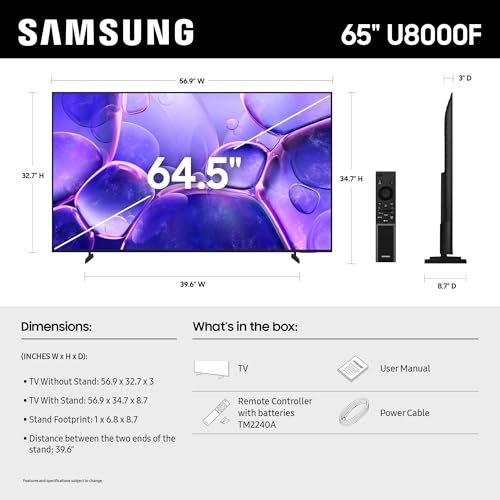
The Samsung 65-Inch Crystal UHD U8000F is significantly easier to install at 32 pounds with standard mounting options. The Hisense 65" S7N CanvasTV weighs 63.5 pounds and requires more robust mounting hardware, though it includes an UltraSlim wall mount that positions the TV just 1.4 inches from the wall for a picture frame appearance.
Neither TV includes local dimming zones, which limits their home theater potential compared to premium models. However, the Hisense CanvasTV is better suited for multi-purpose living rooms that serve as entertainment areas, thanks to its anti-glare coating and Art Mode. The Samsung U8000F works better in dedicated, light-controlled theater rooms where its glossy screen won't fight ambient light.
The Hisense 65" S7N CanvasTV offers substantially better value despite its higher cost, providing QLED technology, 144Hz gaming performance, comprehensive HDR support, and Art Mode functionality that would typically cost much more in competing models. The Samsung 65-Inch Crystal UHD U8000F provides basic value for budget-conscious buyers who need simple 4K viewing without advanced features.
The Hisense CanvasTV includes 4 HDMI ports (2 HDMI 2.1, 2 HDMI 2.0) providing excellent connectivity for multiple devices and future-proofing for next-gen consoles. The Samsung U8000F has 3 HDMI 2.0 ports, which may require an HDMI switch for users with multiple devices and limits high-bandwidth gaming performance.
Both TVs handle streaming well, but the Hisense 65" S7N CanvasTV provides a superior experience with Dolby Vision support for Netflix's premium content, better color reproduction through QLED technology, and Google TV's excellent content discovery. The Samsung 65-Inch Crystal UHD U8000F offers solid streaming performance with Samsung TV Plus free channels as a bonus.
Choose the Samsung 65-Inch Crystal UHD U8000F if you need a budget-friendly TV for basic viewing and are already invested in Samsung's ecosystem. Select the Hisense 65" S7N CanvasTV if you want superior picture quality, gaming performance, bright room viewing capability, or the unique Art Mode functionality. The Hisense provides significantly more technology and features for most users' needs.
We've done our best to create useful and informative comparisons to help you decide what product to buy. Our research uses advanced automated methods to create this comparison and perfection is not possible - please contact us for corrections or questions. These are the sites we've researched in the creation of this article: bestbuy.com - youtube.com - youtube.com - rtings.com - youtube.com - samsung.com - hometechnologyreview.com - rtings.com - samsung.com - displayspecifications.com - samsung.com - displayspecifications.com - walmart.com - billsmith.com - dentonstv.com - samsung.com - samsung.com - samsung.com - youtube.com - bestbuy.com - bestbuy.com - youtube.com - samsung.com - donstv.com - bestbuy.com - hisense.sg - tomsguide.com - content.syndigo.com - rtings.com - hisense-usa.com - youtube.com - bestbuy.com - youtube.com - displayspecifications.com - displayspecifications.com - manuals.plus - displayspecifications.com - bestbuy.com - hisense-canada.com - manuals.plus - bargainoutletandmore.com - bestbuy.com - device.report

Privacy Policy
Terms and Conditions - Affiliate Policy
Home Security
© Copyright 2008-2026.
11816 Inwood Rd #1211, Dallas, TX 75244