

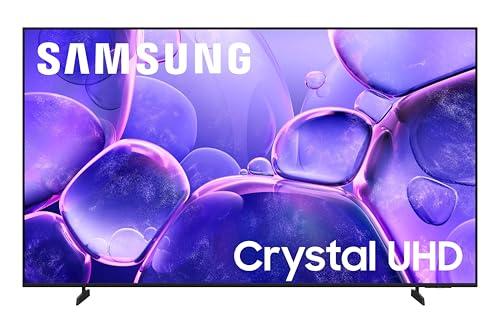
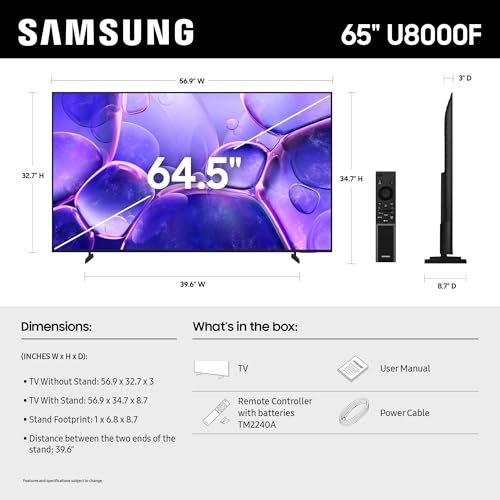
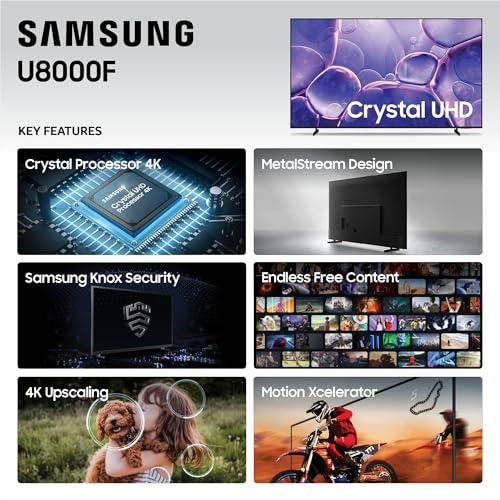
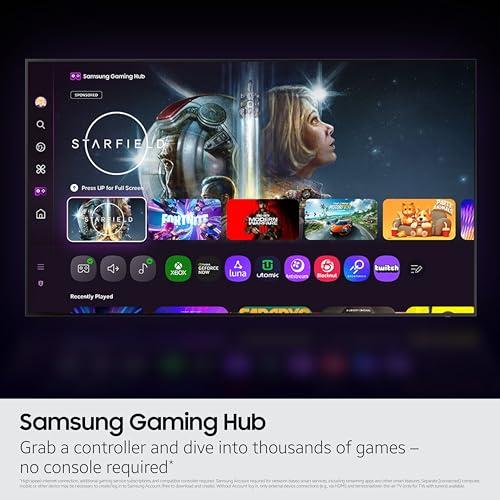
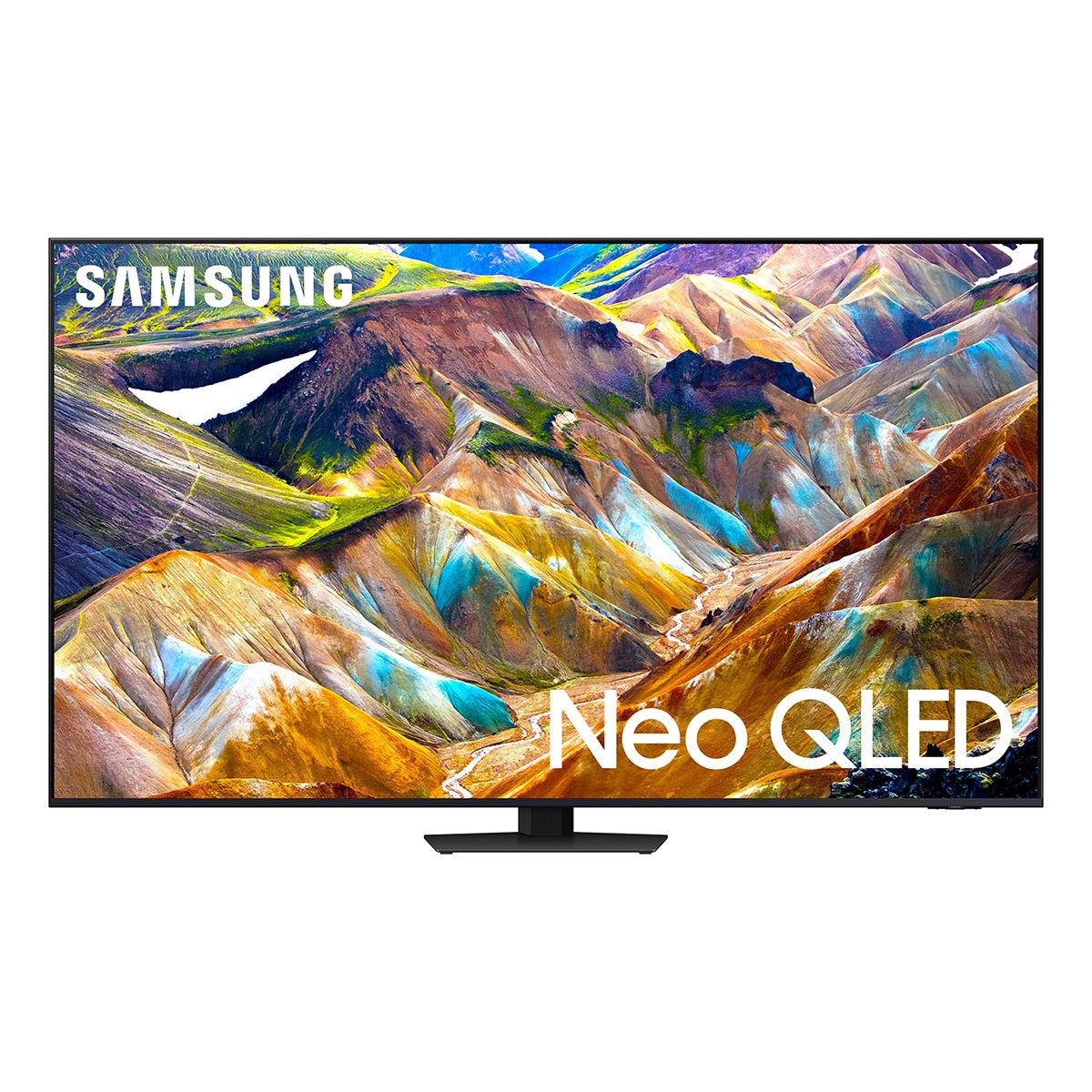
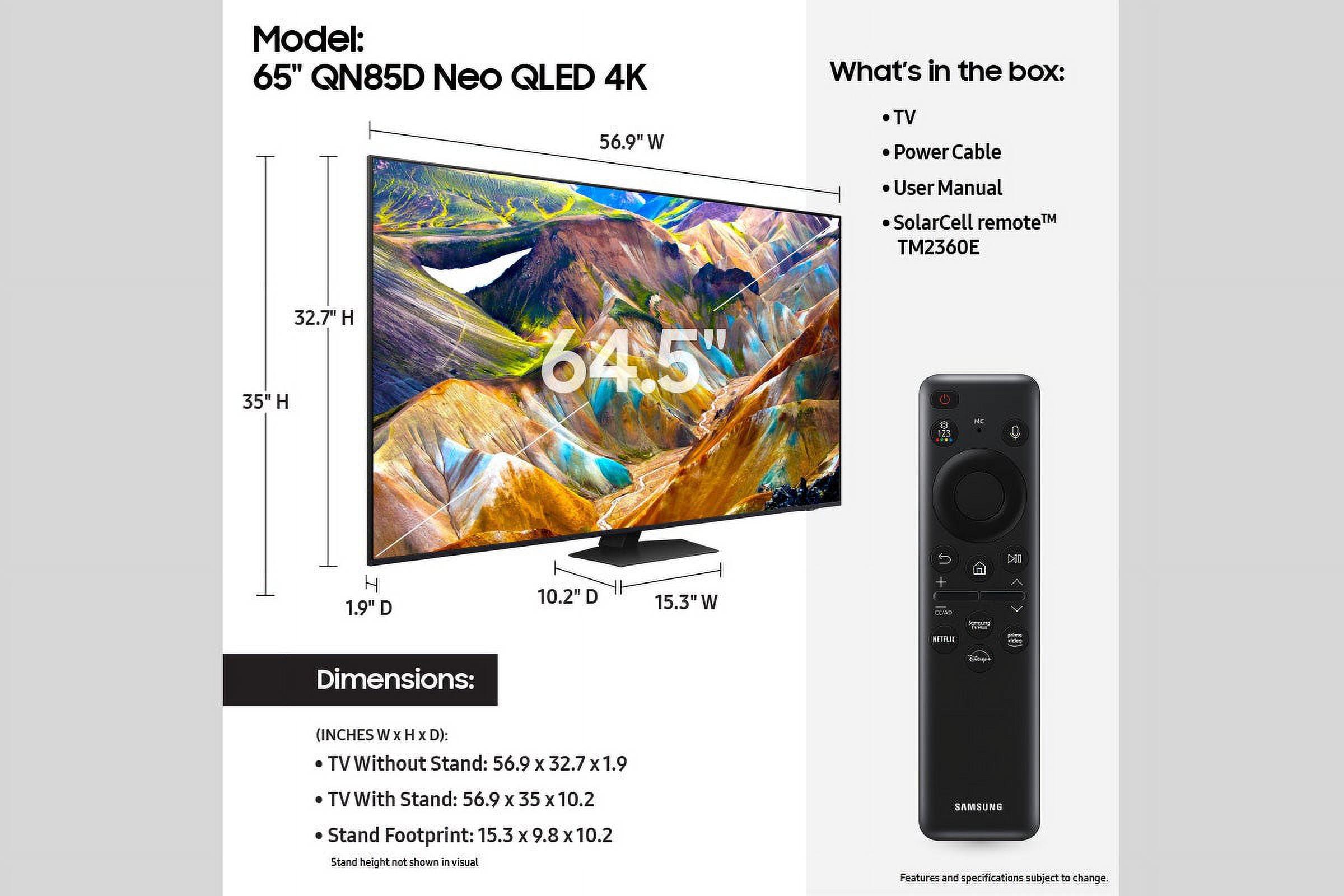
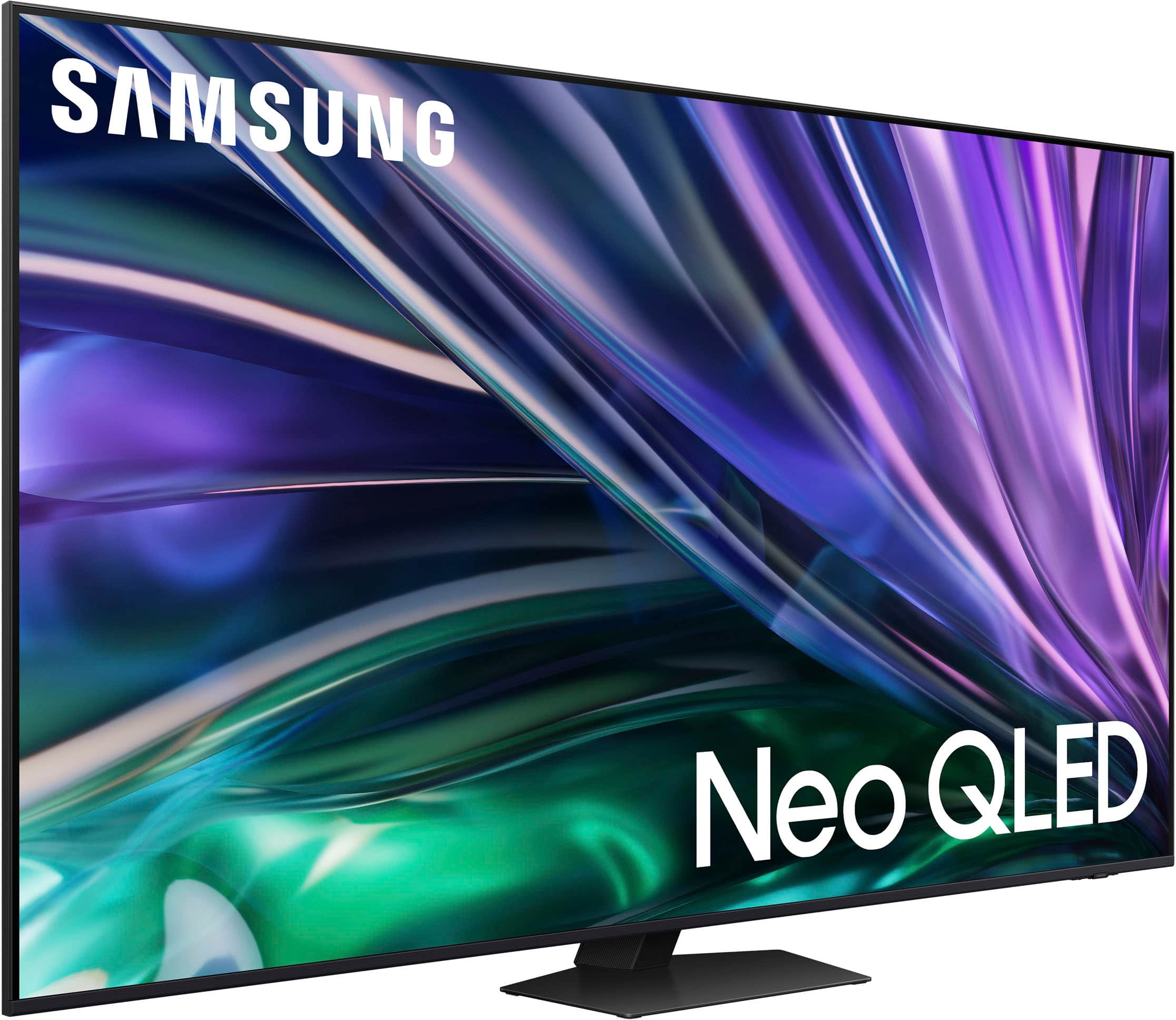
When you're shopping for a 65-inch TV, Samsung offers two dramatically different approaches that represent the extremes of their 4K lineup. The Samsung Crystal UHD U8000F, released in 2025, sits at the absolute entry level of Samsung's offerings. Meanwhile, the Samsung QN85D Neo QLED from 2024 represents their most affordable Mini LED television—but "affordable" is relative when we're talking about a premium display technology that was cutting-edge just a few years ago.
The gap between these models isn't just about price; it's about completely different philosophies for what a modern TV should do. One prioritizes basic functionality at the lowest possible cost, while the other delivers advanced features that future-proof your entertainment setup. Understanding which approach fits your needs will save you from buyer's remorse down the road.
The TV market has evolved rapidly over the past few years, with 2024-2025 representing a turning point where premium features are becoming more accessible. Mini LED technology, which powers the QN85D, was exclusive to flagship models just three years ago. Now it's filtering down to mid-range offerings, while basic LED displays like the U8000F are pushed further into budget territory.
This shift matters because it affects what you should expect at different price points. A few years ago, any 4K TV with HDR support felt premium. Today, the baseline has moved significantly higher, with features like 120Hz refresh rates, HDMI 2.1 connectivity, and advanced local dimming becoming standard expectations for anyone serious about gaming or home theater use.
The Crystal UHD U8000F represents Samsung's response to intense price pressure in the entry-level market, while the QN85D Neo QLED showcases how sophisticated display technology can be made relatively affordable. This creates an interesting dynamic where the "budget" option feels genuinely limited compared to what's possible just one tier up.
The most fundamental difference between these TVs lies in how they produce the image you see. The U8000F uses conventional LED backlighting—essentially a grid of white LEDs behind the entire screen that can only be controlled as one large zone. This means when you're watching a movie with bright stars against a dark sky, the entire backlight needs to stay on, causing dark areas to appear grayish rather than truly black.
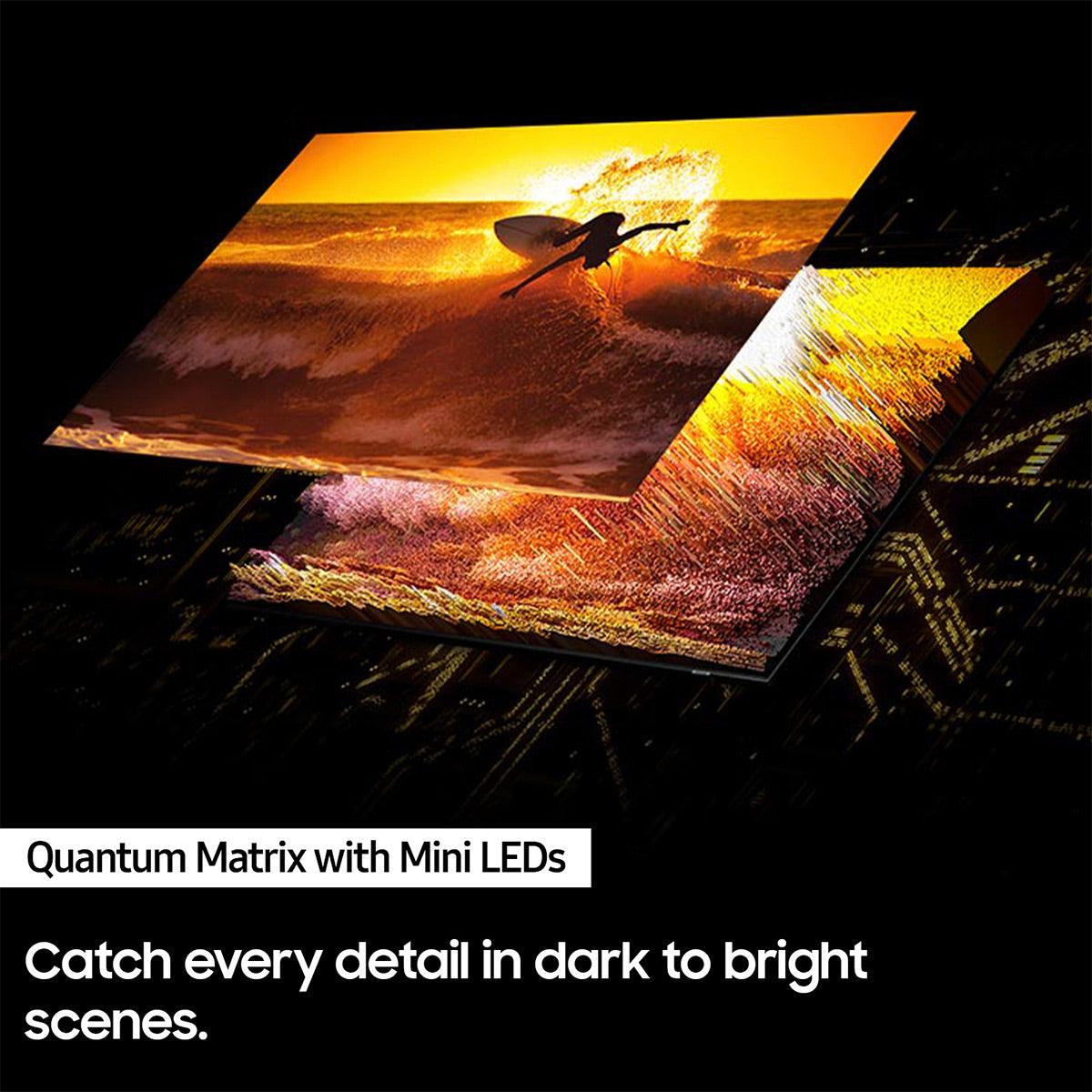
The QN85D takes a completely different approach with Mini LED technology and Quantum Matrix control. Instead of one backlight zone, it uses hundreds of tiny LEDs organized into 160 separate dimming zones that can be controlled independently. When those movie stars appear, only the LEDs directly behind them brighten up, while the surrounding LEDs dim down to create genuine darkness. This local dimming capability transforms the viewing experience, especially for HDR content where the contrast between bright and dark elements is crucial.
Mini LEDs themselves are worth understanding. These aren't just smaller versions of regular LEDs—they're precision-manufactured components about 1/40th the size of conventional LEDs. This allows TV manufacturers to pack many more of them behind the screen and control them with much greater precision. The result is what Samsung calls Quantum Matrix Technology, which can deliver contrast ratios exceeding 160,000:1 compared to the U8000F's basic contrast enhancement.
The practical impact is immediately visible. Dark scenes in movies retain detail that would be completely lost on the U8000F, while bright highlights pop with intensity that makes HDR content genuinely impressive rather than just marginally better than standard definition.
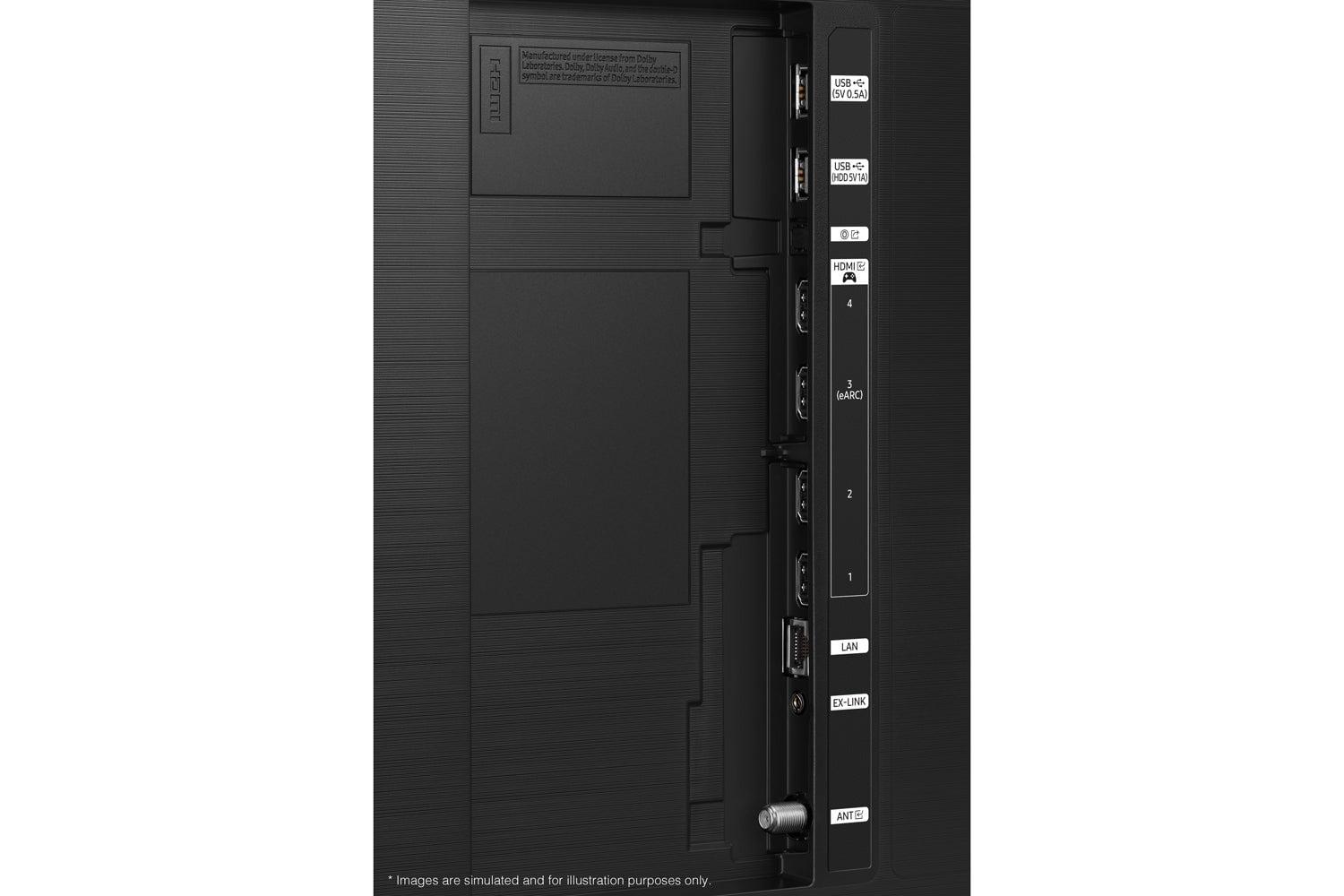
If gaming matters to you at all, the differences between these TVs become even more pronounced. The QN85D includes four HDMI 2.1 ports running at full 48Gbps bandwidth, supporting 4K resolution at 120 frames per second. This isn't just about higher frame rates—it's about unlocking the full potential of PlayStation 5, Xbox Series X, and high-end gaming PCs that can actually output these advanced formats.
HDMI 2.1 also enables Variable Refresh Rate (VRR), which synchronizes the TV's refresh rate with your gaming device's output to eliminate screen tearing and stuttering. Auto Low Latency Mode (ALLM) automatically switches the TV to its fastest response mode when it detects a gaming signal. These features work together to create a noticeably smoother, more responsive gaming experience.
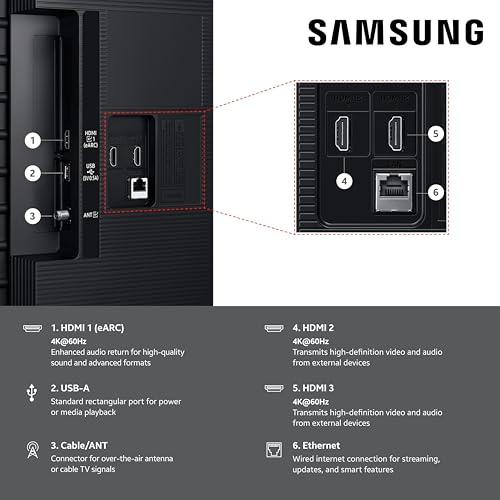
The Crystal UHD U8000F, by contrast, maxes out at 60Hz with HDMI 2.0 connectivity. While it does support basic VRR, the 60Hz limitation means you're capping games that could run much faster. More importantly, you're limiting your options for future gaming devices or PC upgrades. The three HDMI ports also create connectivity challenges if you have multiple gaming devices, streaming boxes, and sound systems.
Input lag—the delay between pressing a button and seeing the result on screen—affects both TVs, but the QN85D's 120Hz capability provides more opportunities for low-latency gaming modes. Based on user reports and expert testing, both TVs perform acceptably for input lag, but the QN85D offers more flexibility in how you achieve optimal gaming performance.
For competitive gaming or anyone planning to keep their TV for several years as gaming technology advances, the QN85D is essentially the only viable choice between these two options.
HDR (High Dynamic Range) performance reveals the biggest gap between these displays. HDR content contains brightness information that ranges from deep shadows to brilliant highlights, requiring a TV that can actually reproduce this extended range. The QN85D's Mini LED backlighting and high peak brightness capabilities make HDR content look genuinely different from standard content—brighter, more colorful, and more three-dimensional.
The U8000F's HDR support is more theoretical than practical. While it can decode HDR signals and display them, the lack of local dimming and limited peak brightness means you're not seeing the full benefit of HDR mastering. Colors appear more saturated than standard definition content, but the dramatic contrast improvements that make HDR impressive are largely absent.
Color reproduction follows a similar pattern. The QN85D uses Quantum Dot technology, which involves microscopic semiconductor particles that produce pure colors when excited by light. This results in a wider color gamut—meaning it can display colors that are more vivid and accurate to what content creators intended. The TV is also PANTONE validated, meaning professional color standards have been verified across thousands of color combinations.
The U8000F relies on more conventional color reproduction methods. While Samsung has tuned it for pleasing, natural-looking colors out of the box, it simply can't match the color volume and accuracy of Quantum Dot technology. For casual viewing, this difference might not be immediately obvious, but side-by-side comparisons reveal how much more lifelike colors can appear with better display technology.
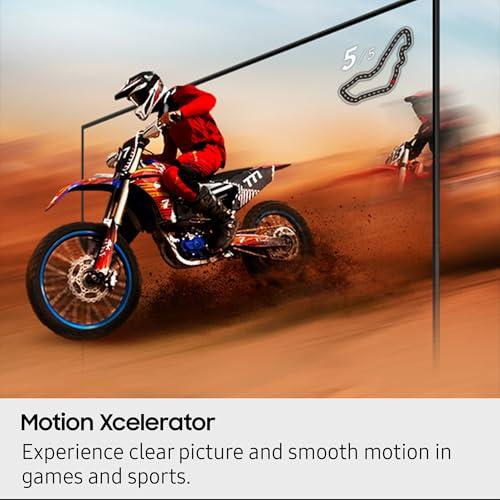
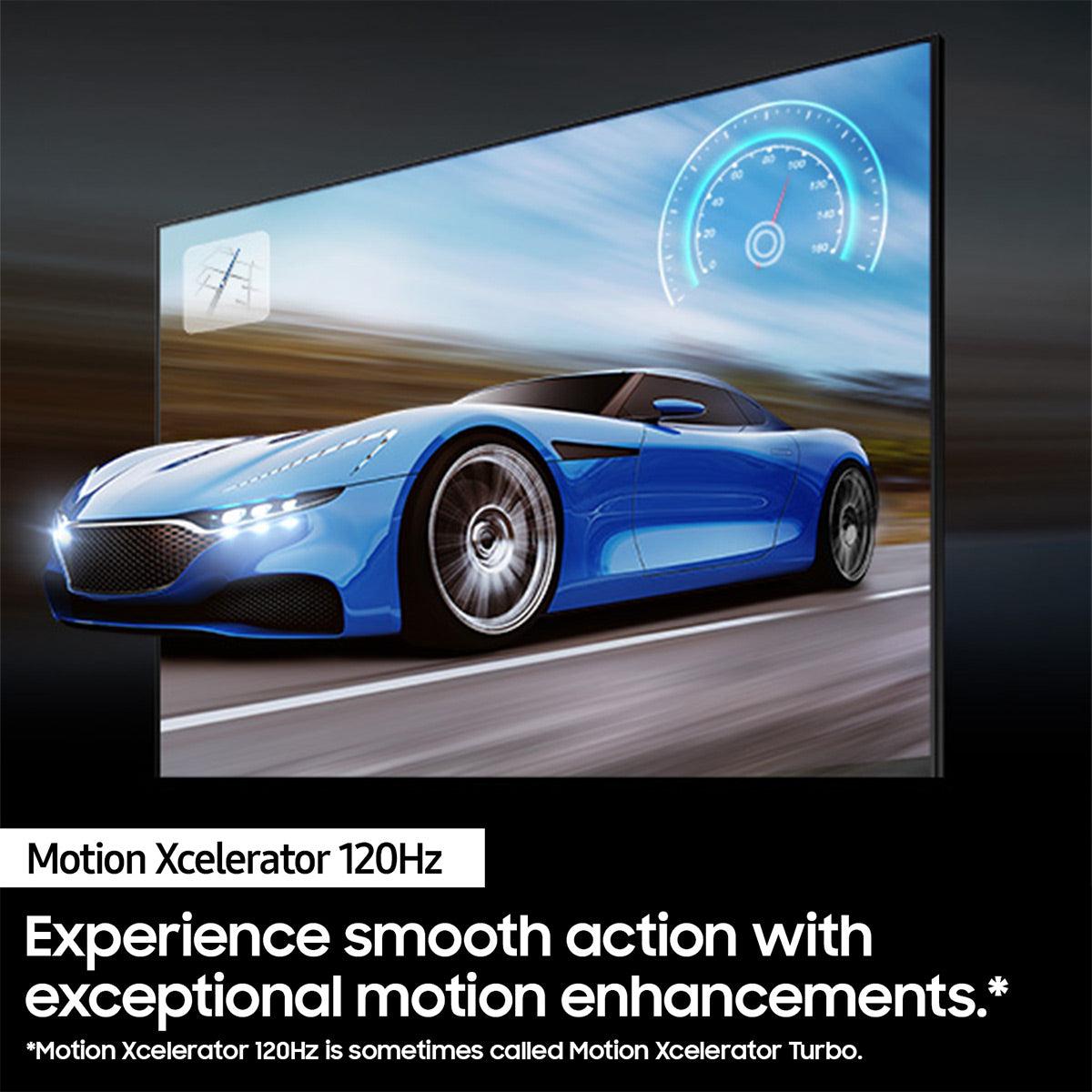
Motion handling represents another significant difference. The QN85D's 120Hz panel and Motion Xcelerator Turbo processing create smoother motion for sports, action movies, and gaming. Fast-moving objects appear cleaner with less blur trailing behind them. The U8000F's 60Hz panel handles motion adequately for most content, but fast sports or action sequences can appear less smooth, particularly if you're sensitive to motion artifacts.
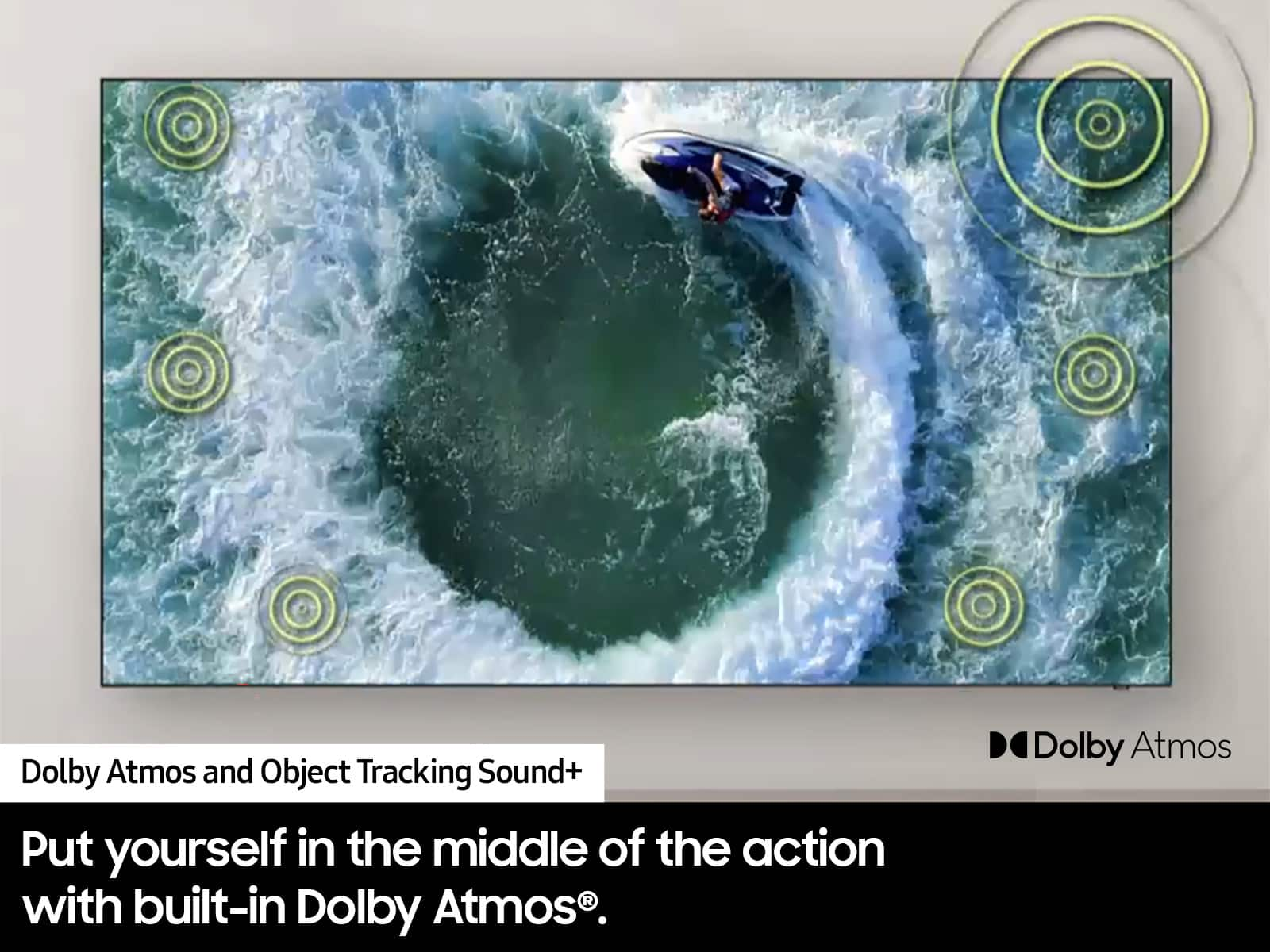
Audio often gets overlooked in TV comparisons, but it significantly impacts your daily viewing experience. The QN85D includes a 40-watt, 2.2-channel speaker system with Dolby Atmos support and Object Tracking Sound Lite. Dolby Atmos creates a three-dimensional soundstage by bouncing audio off your ceiling and walls, while Object Tracking Sound attempts to position audio effects to match visual action on screen.
These features work better than you might expect for built-in TV speakers. While they won't match a dedicated surround sound system, they provide enough audio quality that many users won't feel the immediate need to purchase additional speakers. The QN85D also includes an optical audio output, giving you flexibility for connecting external audio equipment.
The U8000F's 20-watt, 2-channel speaker system provides basic stereo sound with Object Tracking Sound Lite but lacks Dolby Atmos processing. More problematically, it lacks an optical audio output entirely—unusual for any TV in 2025 and potentially limiting if you want to connect a soundbar or audio receiver. The TV also doesn't support DTS audio formats, which could be problematic for Blu-ray disc playback since many movies use DTS for their lossless audio tracks.
This audio limitation on the U8000F means you'll likely need to budget for external speakers sooner rather than later, potentially reducing the total cost savings compared to the QN85D.
Both TVs run Samsung's Tizen operating system, but the underlying processing power creates noticeable differences in everyday use. The QN85D uses Samsung's NQ4 AI Gen2 processor, which incorporates 20 neural networks for various image and audio processing tasks. This AI-driven approach enables features like automatic HDR remastering, which can improve the appearance of standard dynamic range content by analyzing scenes and selectively enhancing contrast and color.
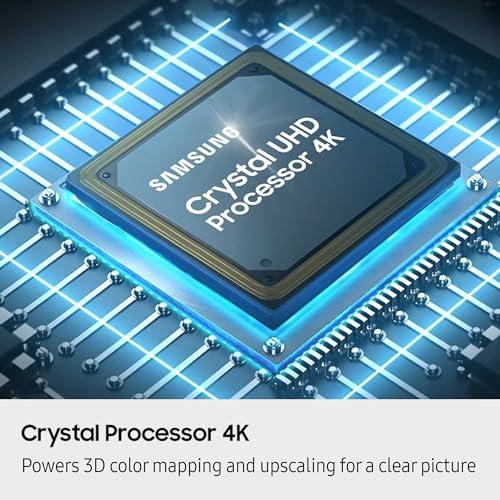
The Crystal UHD U8000F uses the more basic Crystal Processor 4K. While it handles standard TV functions adequately, users report occasional interface slowdowns and less sophisticated upscaling of lower-resolution content. The difference becomes apparent when streaming older TV shows or lower-quality video files—the QN85D's AI processing can make these sources look noticeably cleaner and sharper.
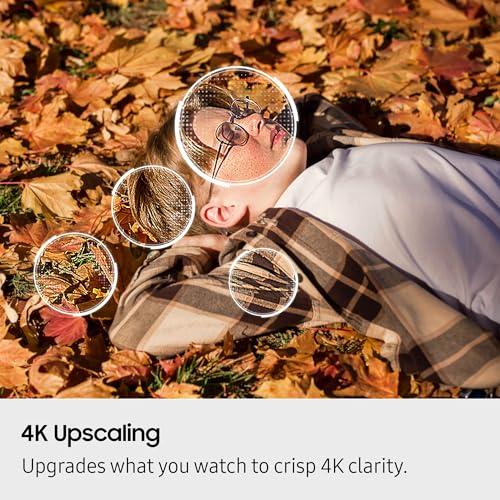
4K upscaling deserves particular attention because much of what we watch isn't native 4K. The QN85D's advanced processing does a better job of analyzing content and intelligently enhancing edges and details without creating artifacts. This makes everything from broadcast TV to streaming content look better, even when the source material isn't perfect.
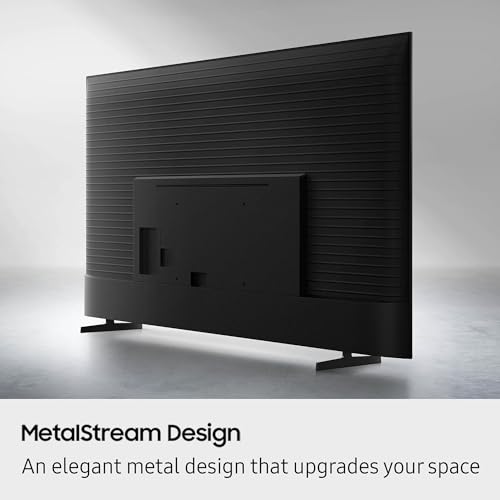
The U8000F represents Samsung's efforts to hit extremely competitive price points, and some corners have been cut in build quality. The TV uses more plastic components, and the overall construction feels less premium. However, Samsung has made some improvements from the previous generation, including a metal back panel that should improve durability compared to all-plastic construction.
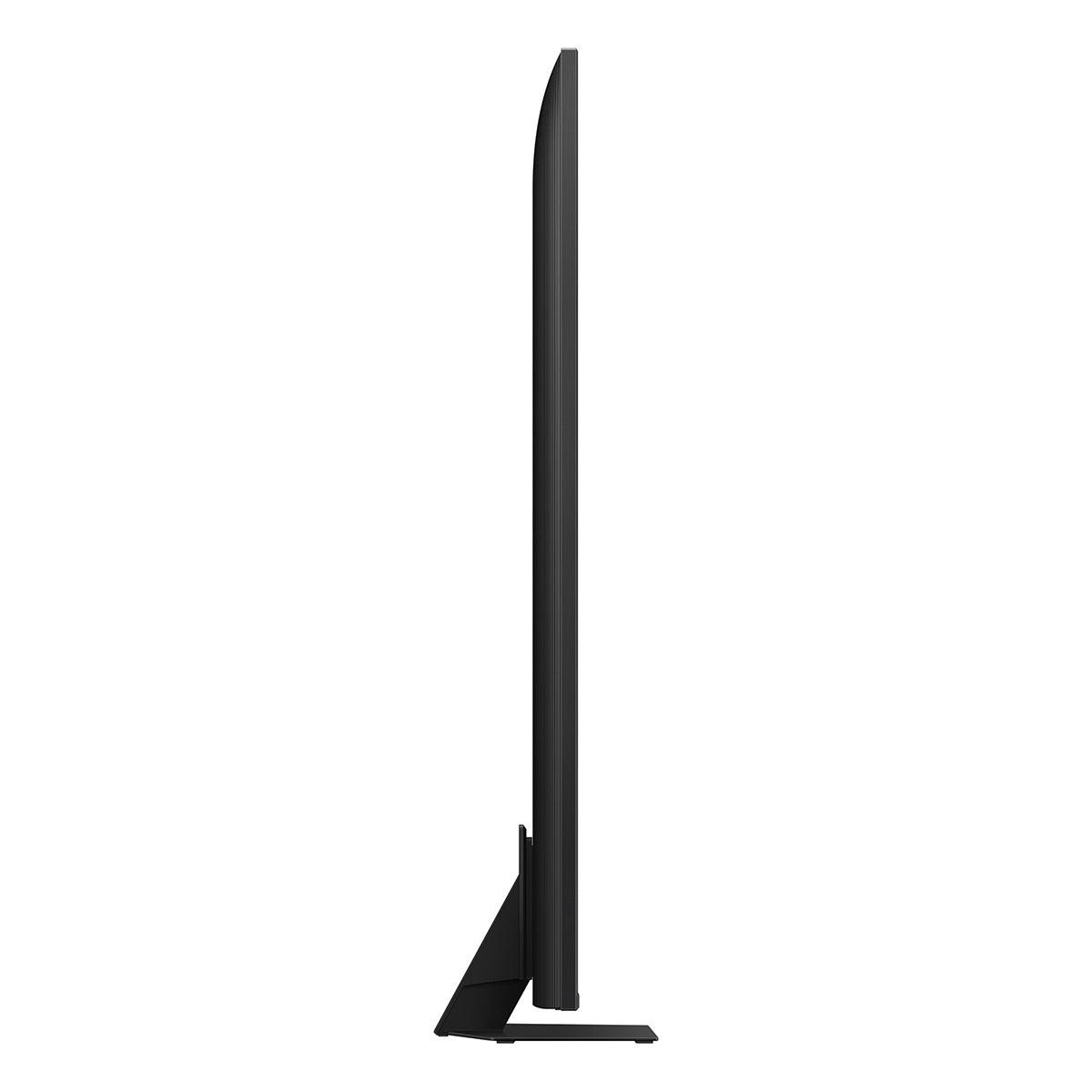
The QN85D benefits from higher-quality materials and more robust construction throughout. The additional weight (about 20 pounds heavier) reflects the more substantial internal components, including the Mini LED backlighting system and more powerful processing hardware.
For long-term reliability, both TVs should provide years of service, but the QN85D's superior internal components and less aggressive cost-cutting suggest it's likely to remain relevant and functional longer.
Your room's lighting conditions significantly impact which TV makes sense. The QN85D's high peak brightness and local dimming make it suitable for rooms with windows, ambient lighting, or daytime viewing. The Mini LED backlighting can overcome moderate glare and maintain picture quality even when competing with sunlight.
The U8000F performs best in darker, controlled lighting environments. Bright rooms expose its limitations, causing the picture to appear washed out and reducing color saturation. If your primary viewing happens in the evening with lights dimmed, this might not be a significant issue. However, if you watch TV during the day or in a bright living room, the QN85D will provide a much more satisfying experience.
Viewing angles also differ due to panel technology. The QN85D uses a VA (Vertical Alignment) panel that provides excellent contrast when viewed straight-on but can show color shifting when viewed from extreme angles. For most living room setups, this isn't problematic, but it's worth considering if you have a very wide seating arrangement.
For dedicated home theater use, the QN85D offers several advantages that justify its premium pricing. The local dimming and high contrast ratio make movie watching more immersive, particularly for films mastered with HDR. The Dolby Atmos audio support provides better integration with surround sound systems, and the optical audio output ensures compatibility with various audio equipment.
The U8000F's limited HDR performance and audio connectivity options make it less suitable as the centerpiece of a serious home theater setup. It can certainly display movies adequately, but you'll miss much of the visual impact that modern film mastering can provide.
The Samsung QN85D Neo QLED makes sense for users who want a TV that excels across multiple use cases. If you game regularly, watch a variety of content, have a bright living room, or plan to keep your TV for many years, the advanced features justify the higher investment. The superior HDR performance, gaming capabilities, and audio quality create a noticeably better daily experience.
The Crystal UHD U8000F works for viewers with specific constraints: a limited budget, a dark viewing environment, minimal gaming requirements, and basic content consumption needs. It provides functional 4K display capabilities without premium features, making it suitable for secondary rooms or users who prioritize cost savings above all other considerations.
Based on our research into user experiences and expert evaluations, the performance gap between these TVs is substantial enough that the QN85D represents better long-term value for most buyers, even considering its higher upfront cost. The U8000F serves a specific market segment but requires accepting significant limitations in exchange for the lowest possible price point.
At the time of writing, the price difference reflects genuine technological capabilities rather than just brand positioning. Consider your priorities carefully—if the budget constraints are severe, the U8000F provides basic 4K functionality. However, if you can accommodate the higher investment, the QN85D delivers a substantially more complete and future-proof television experience.
| Samsung 65-Inch Crystal UHD U8000F 4K Smart TV 2025 | Samsung 65" QN85D Neo QLED 4K Smart TV |
|---|---|
| Display Technology - Foundation for picture quality and contrast | |
| Basic LED backlighting with no local dimming | Mini LED with Quantum Matrix Technology (160 dimming zones) |
| Refresh Rate - Critical for gaming and smooth motion | |
| 60Hz (limits gaming to 60fps max) | 120Hz (enables high frame rate gaming and smoother motion) |
| HDMI Connectivity - Determines gaming and device compatibility | |
| 3x HDMI 2.0 ports (4K@60Hz max) | 4x HDMI 2.1 ports (4K@120Hz, VRR, ALLM) |
| HDR Performance - Makes or breaks movie watching experience | |
| Basic HDR10+ support (limited brightness impact) | Neo Quantum HDR with high peak brightness (true HDR experience) |
| Audio System - Affects whether you need external speakers | |
| 20W 2-channel speakers, no optical output | 40W 2.2-channel with Dolby Atmos, optical output included |
| Processor - Impacts interface speed and upscaling quality | |
| Crystal Processor 4K (basic upscaling) | NQ4 AI Gen2 with 20 neural networks (advanced AI processing) |
| Color Technology - Determines color accuracy and vibrancy | |
| Standard LED color reproduction | Quantum Dot technology (wider color gamut, PANTONE validated) |
| Contrast Ratio - Most noticeable difference in dark scenes | |
| Software-based contrast enhancement only | Hardware local dimming with 160,000:1+ contrast ratio |
| Peak Brightness - Essential for bright rooms and HDR content | |
| Limited brightness (best in dark rooms) | High peak brightness (suitable for bright rooms) |
| Gaming Features - Important for console and PC gaming | |
| Basic VRR support, 60Hz gaming only | Full VRR, ALLM, 4K@120Hz gaming ready |
| Build Quality - Long-term durability and premium feel | |
| Plastic construction with metal back panel | Premium materials throughout, substantially heavier build |
| Smart TV Features - Daily usability and responsiveness | |
| Reduced Tizen OS feature set, occasional slowdowns | Complete Tizen OS with all premium smart features |
The Samsung QN85D Neo QLED is significantly better for gaming with its 120Hz refresh rate and four HDMI 2.1 ports that support 4K gaming at 120fps. It includes full VRR support and Auto Low Latency Mode for smooth, responsive gameplay. The Samsung Crystal UHD U8000F is limited to 60Hz gaming and only has HDMI 2.0 ports, making it suitable only for casual gaming.
The key difference is display technology. The Samsung Crystal UHD U8000F uses basic LED backlighting without local dimming, while the Samsung QN85D Neo QLED features Mini LED technology with 160 local dimming zones. This gives the Neo QLED dramatically better contrast, deeper blacks, and superior HDR performance.
The Samsung QN85D Neo QLED performs much better in bright rooms due to its higher peak brightness and Mini LED backlighting that can overcome ambient light. The Samsung Crystal UHD U8000F is best suited for darker viewing environments as bright rooms can wash out the picture.
Yes, both support HDR10+, but the experience differs significantly. The Samsung QN85D Neo QLED delivers true HDR performance with high brightness and local dimming that makes HDR content look dramatically better. The Samsung Crystal UHD U8000F can decode HDR signals but lacks the brightness and contrast needed for impactful HDR viewing.
The Samsung QN85D Neo QLED is far superior for home theater use. Its Mini LED technology provides excellent contrast for dark movie scenes, supports proper HDR viewing, and includes Dolby Atmos audio. The Samsung Crystal UHD U8000F lacks the contrast and brightness needed for an immersive movie experience.
The Samsung QN85D Neo QLED has a 40W 2.2-channel system with Dolby Atmos support and an optical audio output. The Samsung Crystal UHD U8000F has basic 20W stereo speakers without Dolby Atmos and notably lacks an optical audio port, which may require external speakers sooner.
Both run Samsung's Tizen OS, but the Samsung QN85D Neo QLED offers a faster, more responsive experience with its advanced NQ4 AI processor. The Samsung Crystal UHD U8000F can handle streaming adequately but may experience occasional interface slowdowns.
The Samsung QN85D Neo QLED significantly outperforms with its AI-powered processor that uses 20 neural networks for intelligent upscaling. This makes older TV shows and lower-quality streams look much cleaner. The Samsung Crystal UHD U8000F provides basic upscaling that's functional but not impressive.
The Samsung Crystal UHD U8000F has three HDMI 2.0 ports, while the Samsung QN85D Neo QLED provides four HDMI 2.1 ports. The QN85D's HDMI 2.1 ports support higher bandwidth for advanced gaming and future devices.
This depends on your needs. The Samsung Crystal UHD U8000F offers basic 4K functionality at the lowest price point but with significant limitations. The Samsung QN85D Neo QLED costs more but provides substantially better performance, future-proofing, and features that justify the investment for most users.
The Samsung QN85D Neo QLED is excellent for sports with its 120Hz refresh rate providing smooth motion and bright picture that works well in lit rooms during daytime games. The Samsung Crystal UHD U8000F can handle sports viewing but may show motion blur during fast action and struggles in bright viewing conditions.
For secondary rooms with controlled lighting and basic viewing needs, the Samsung Crystal UHD U8000F can be adequate and cost-effective. However, if you want consistent quality throughout your home or plan to use the room for gaming or movie watching, the Samsung QN85D Neo QLED provides a much better experience even in secondary locations.
We've done our best to create useful and informative comparisons to help you decide what product to buy. Our research uses advanced automated methods to create this comparison and perfection is not possible - please contact us for corrections or questions. These are the sites we've researched in the creation of this article: bestbuy.com - youtube.com - youtube.com - rtings.com - youtube.com - samsung.com - hometechnologyreview.com - rtings.com - samsung.com - displayspecifications.com - samsung.com - displayspecifications.com - walmart.com - billsmith.com - dentonstv.com - samsung.com - samsung.com - samsung.com - youtube.com - bestbuy.com - bestbuy.com - youtube.com - samsung.com - donstv.com - bestbuy.com - rtings.com - youtube.com - youtube.com - avsforum.com - youtube.com - samsung.com - videoandaudiocenter.com - shopjetson.com - mysoundconcepts.com - samsung.com - merlinstv.com - youtube.com - samsung.com - samsung.com

Privacy Policy
Terms and Conditions - Affiliate Policy
Home Security
© Copyright 2008-2026.
11816 Inwood Rd #1211, Dallas, TX 75244