





Shopping for an entry-level 4K TV can feel overwhelming when every model promises amazing picture quality at an unbeatable price. The truth is, not all budget TVs are created equal, and the differences between seemingly similar models can significantly impact your viewing experience for years to come.
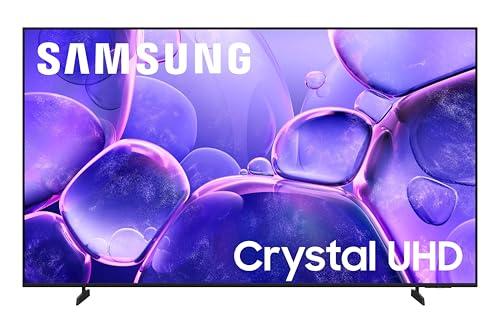
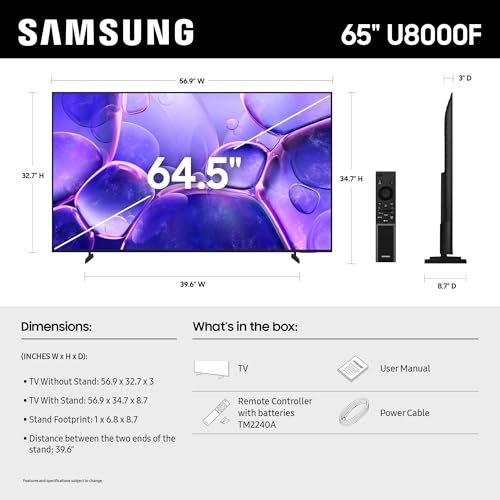
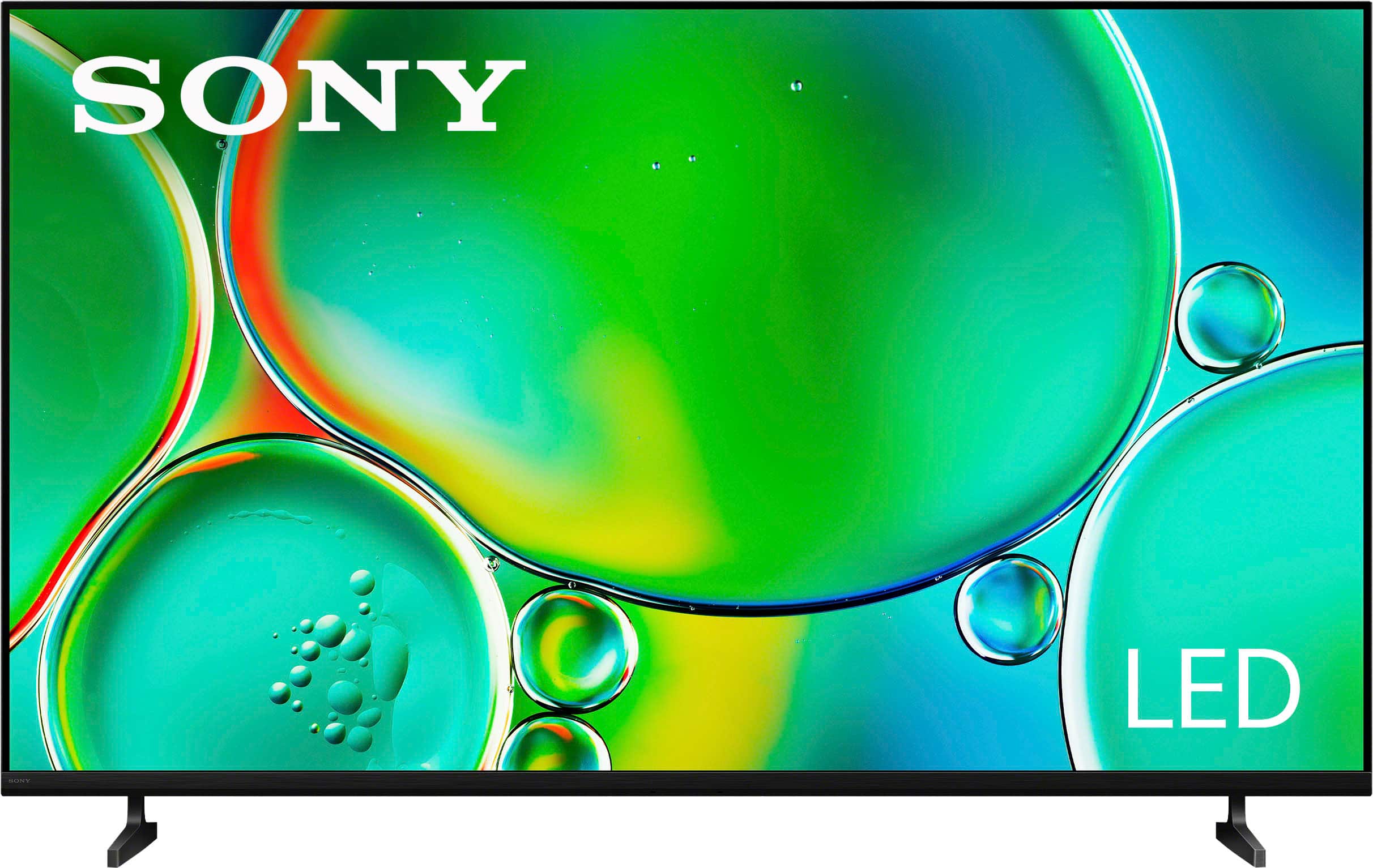
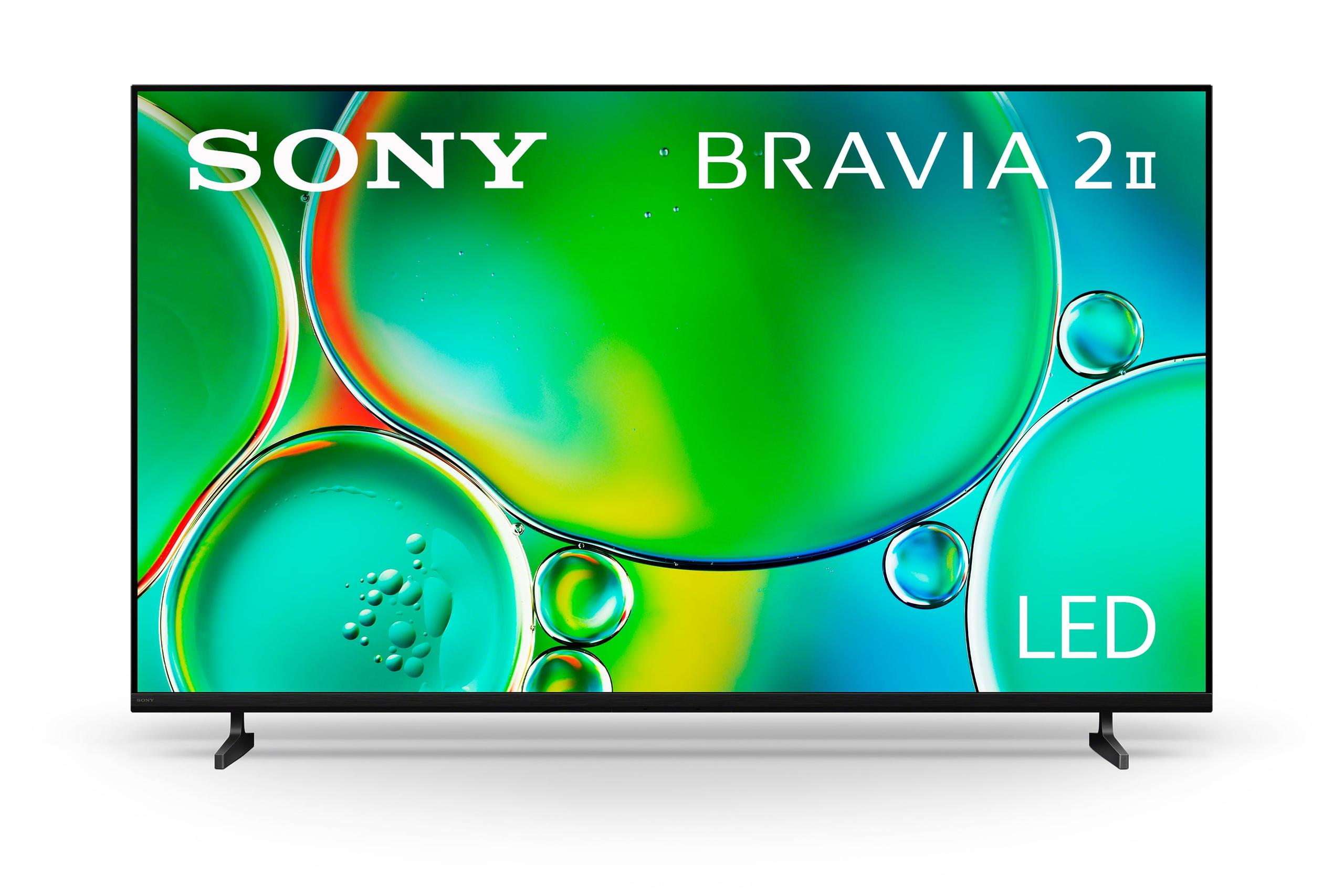
Two standout options from 2025 that consistently appear on shoppers' radars are the Samsung 65-Inch Crystal UHD U8000F and the Sony BRAVIA 2 II 65". Both hit that sweet spot where 4K resolution meets smart TV features without breaking the bank. At the time of writing, these models typically retail within $50-100 of each other, making the decision less about budget and more about which TV delivers better performance for your specific needs.
Entry-level 4K TVs occupy a crucial market segment. They're designed for people upgrading from older 1080p sets, families needing a secondary TV, or anyone who wants modern smart features without paying premium prices. However, "entry-level" comes with trade-offs that aren't always obvious from spec sheets.
These TVs typically use direct LED backlighting instead of more expensive technologies like quantum dots or OLED panels. They also stick to 60Hz refresh rates rather than the 120Hz found in gaming-focused models. Most importantly, they lack local dimming zones – small sections of the backlight that can dim independently to create better contrast between bright and dark areas of the screen.
The key considerations when evaluating budget 4K TVs include picture quality across different lighting conditions, smart platform usability, gaming capabilities for console owners, and overall value proposition. Since you'll likely keep this TV for 5-7 years, choosing the right balance of these factors matters more than saving $50 upfront.
One of the most critical factors – and where these TVs diverge significantly – is brightness performance. The Samsung U8000F struggles notably in this area. Based on professional testing and user feedback, it simply doesn't get bright enough for most living situations. If your TV faces windows or you watch during daytime hours, the Samsung often appears washed out and lacks the punch needed for an engaging viewing experience.
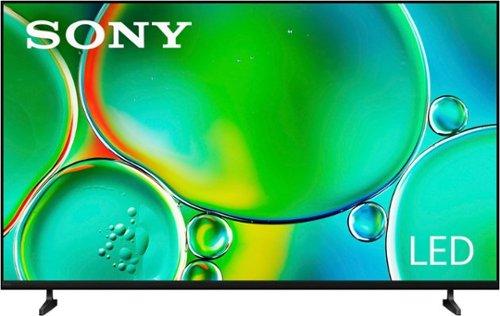
The Sony BRAVIA 2 II handles brightness better, though neither TV excels in very bright rooms. This difference becomes especially important for HDR content (High Dynamic Range – video that contains both very bright and very dark elements in the same scene). HDR needs sufficient brightness to create that "wow" effect where bright objects like explosions or sunlight actually look brilliant on screen. The Samsung simply can't deliver this experience effectively.
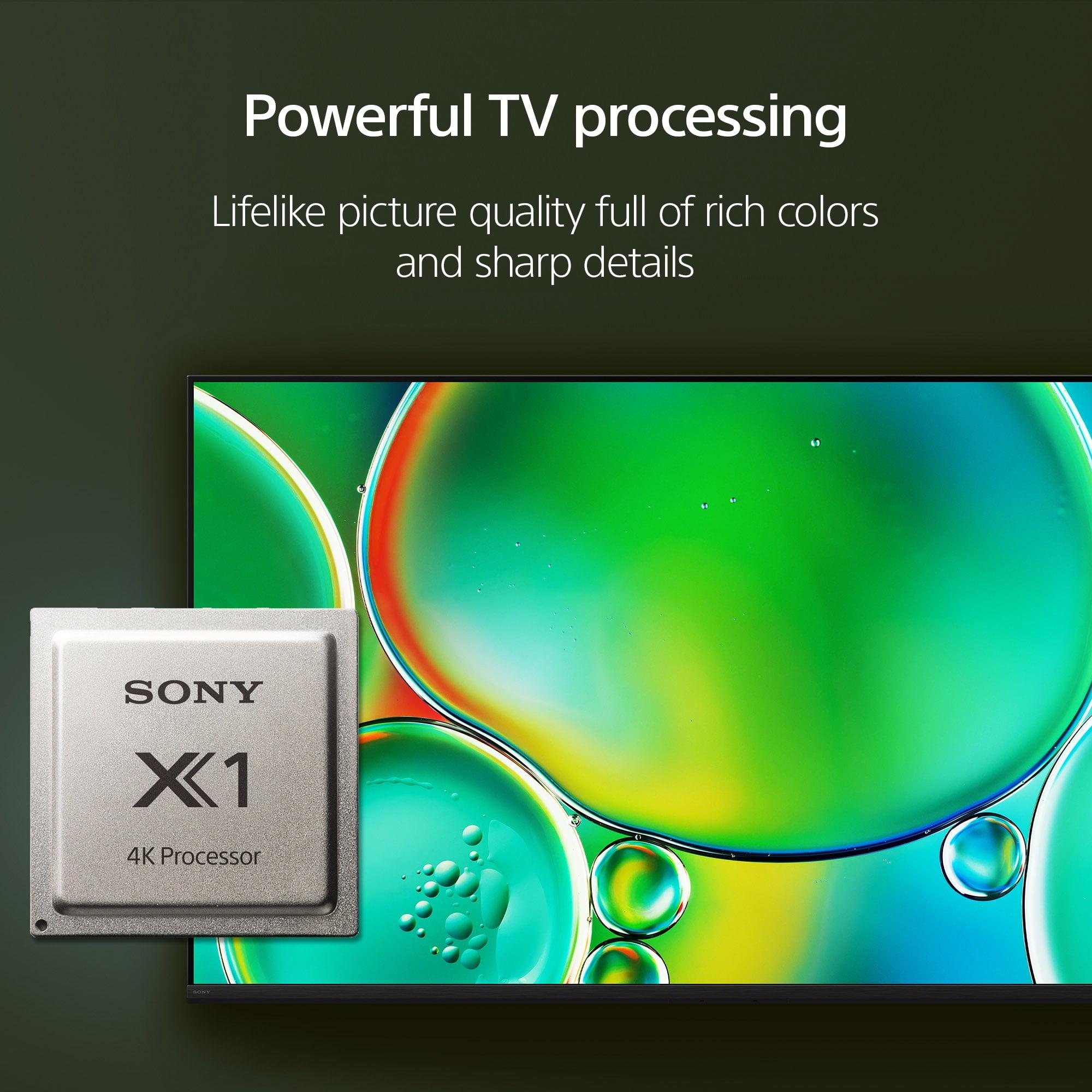
Here's where Sony's decades of display technology expertise become apparent. The Sony BRAVIA 2 II uses the 4K Processor X1 combined with X-Reality PRO technology. This system analyzes every pixel and compares it against Sony's extensive database of textures and patterns to enhance clarity and color accuracy. The result is more lifelike skin tones, better texture detail in things like fabric or grass, and colors that pop without looking artificial.
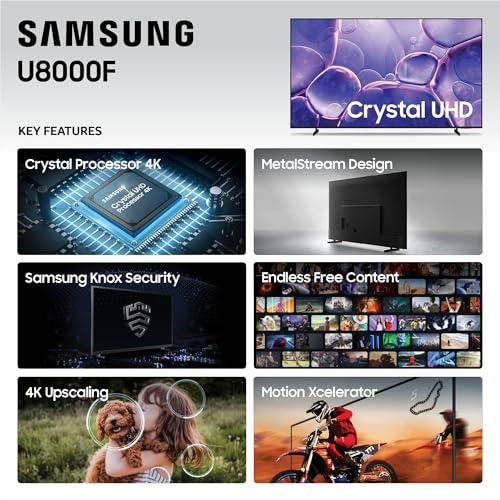
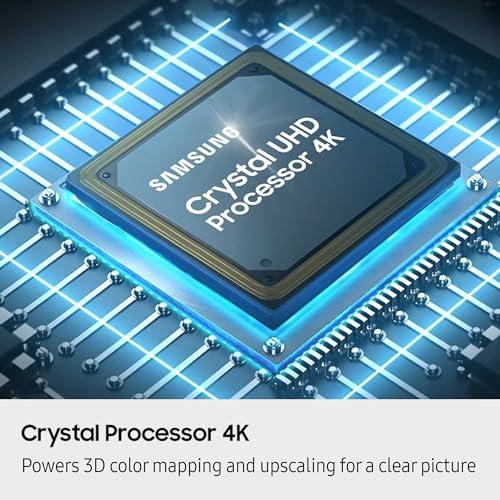
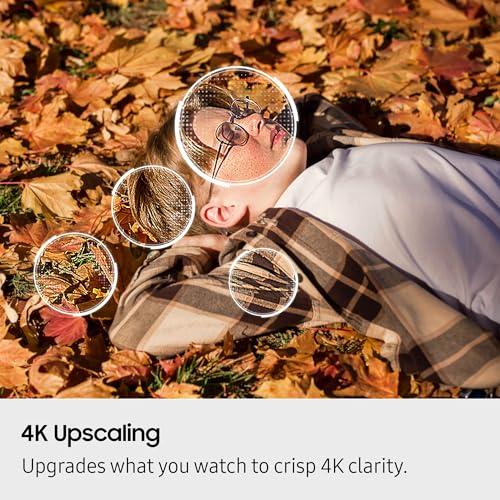
The Samsung U8000F relies on its Crystal Processor 4K, which handles basic upscaling (making lower-resolution content look sharper on your 4K screen) and color mapping. However, real-world performance falls short of expectations. Colors can appear oversaturated or unnatural, and the overall image often lacks the refinement you'd expect from modern TV processing.
This processing difference becomes especially noticeable when watching streaming content, which often comes in compressed formats that benefit from intelligent enhancement. Sony's approach tends to preserve natural color relationships while enhancing detail, while Samsung's processing can make images appear artificially vivid.
Both TVs are limited to 60Hz refresh rates, but they handle motion very differently. The Samsung U8000F suffers from slow response times, meaning fast-moving objects – whether it's a football flying across the screen or a car chase scene – appear blurry and indistinct. This makes it less enjoyable for sports viewing or action movies.
The Sony BRAVIA 2 II includes Motionflow XR technology, which uses frame interpolation (creating new frames between existing ones) to smooth out motion. While purists sometimes dislike motion smoothing because it can make movies look like soap operas, Sony's implementation is generally more refined and can be adjusted to your preference.
Neither TV includes local dimming, which means the entire backlight operates as one unit. This creates challenges with contrast – the difference between the brightest whites and darkest blacks on screen. The Samsung U8000F particularly struggles here, with blacks appearing more like dark gray, especially in dim room viewing.
The Sony BRAVIA 2 II manages contrast better through superior processing, though it still can't match TVs with local dimming zones. Sony's Dynamic Contrast Enhancer helps optimize the brightness and darkness across different areas of the screen, creating a more engaging picture even without advanced backlighting technology.
The smart TV platform choice significantly impacts your daily experience, and these TVs take completely different approaches.
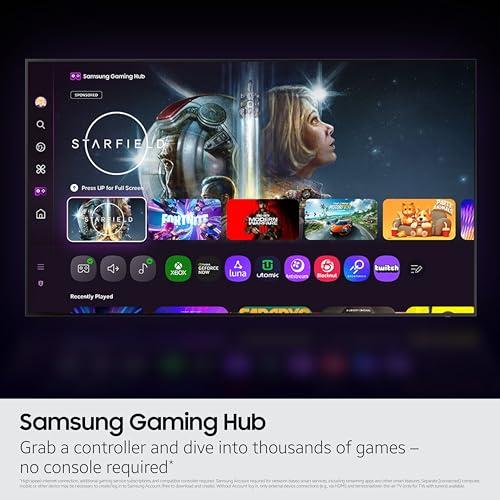
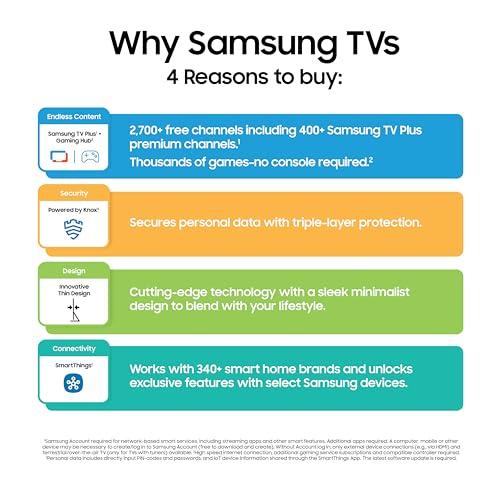
The Samsung U8000F runs Tizen, Samsung's proprietary operating system. If you're already invested in Samsung's ecosystem – using Samsung phones, appliances, or the SmartThings home automation platform – Tizen integrates seamlessly. The interface is clean and Samsung has maintained good app support over the years. Samsung TV Plus provides free streaming channels, which adds value for cord-cutters.
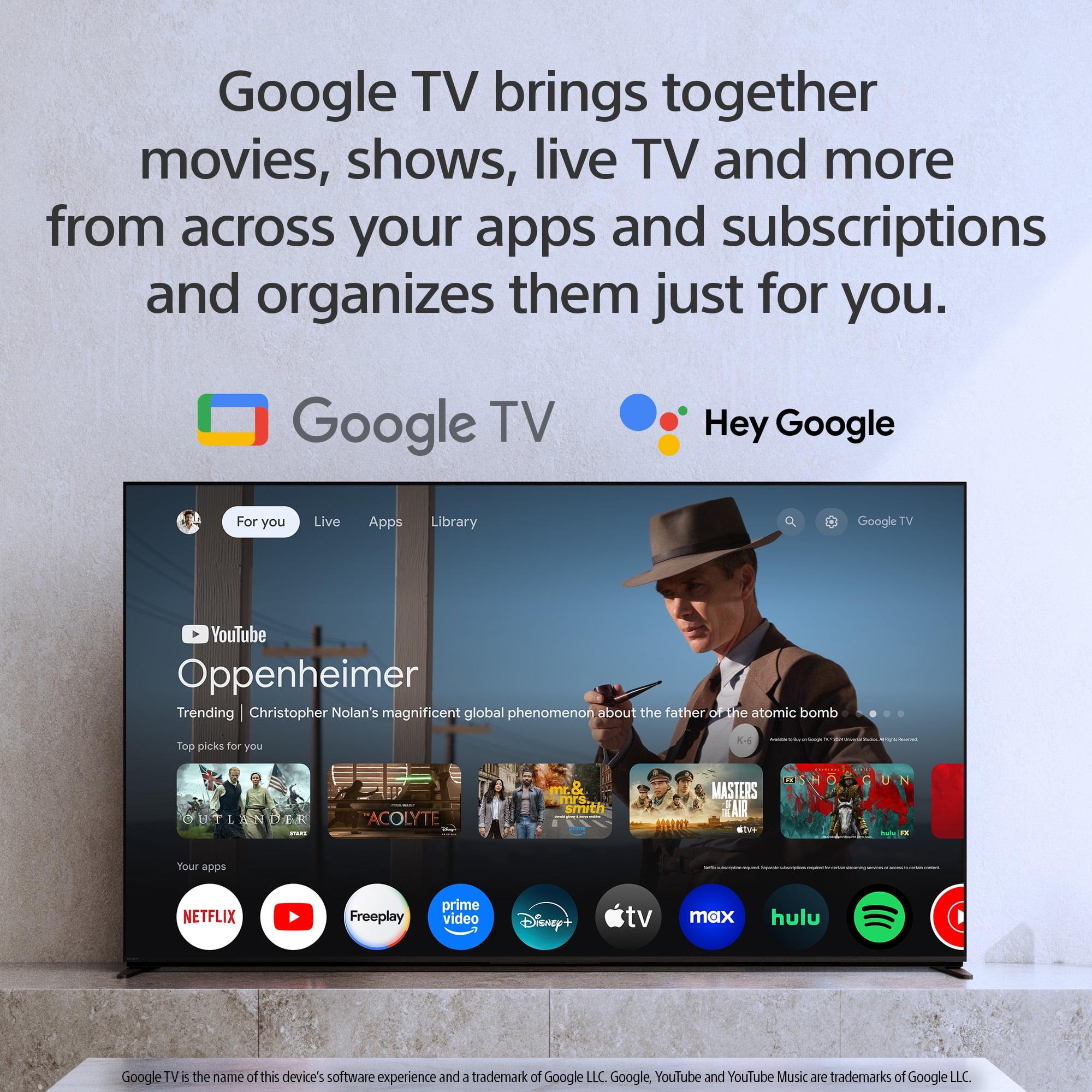
However, Google TV on the Sony BRAVIA 2 II offers distinct advantages. Built on Android TV, it provides access to essentially every streaming app available, often receives updates faster, and integrates deeply with Google services. The content discovery is superior – Google TV learns your viewing habits and suggests content across all your subscribed services rather than promoting one platform over another.
Google TV also includes built-in Chromecast functionality, meaning you can easily cast content from any Android or iOS device without needing additional hardware. Combined with Apple AirPlay 2 support, the Sony offers broader device compatibility.
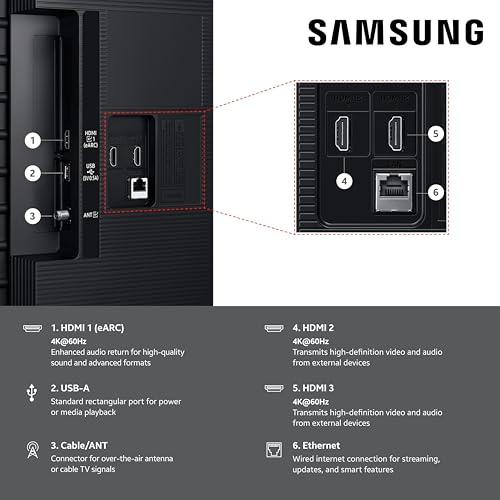
This is where the differences become stark and practically important. The Samsung U8000F includes just three HDMI ports, which quickly becomes limiting in modern homes. Consider that you might connect a cable box, gaming console, streaming device, and soundbar – you're immediately looking at four devices for a TV with only three ports.
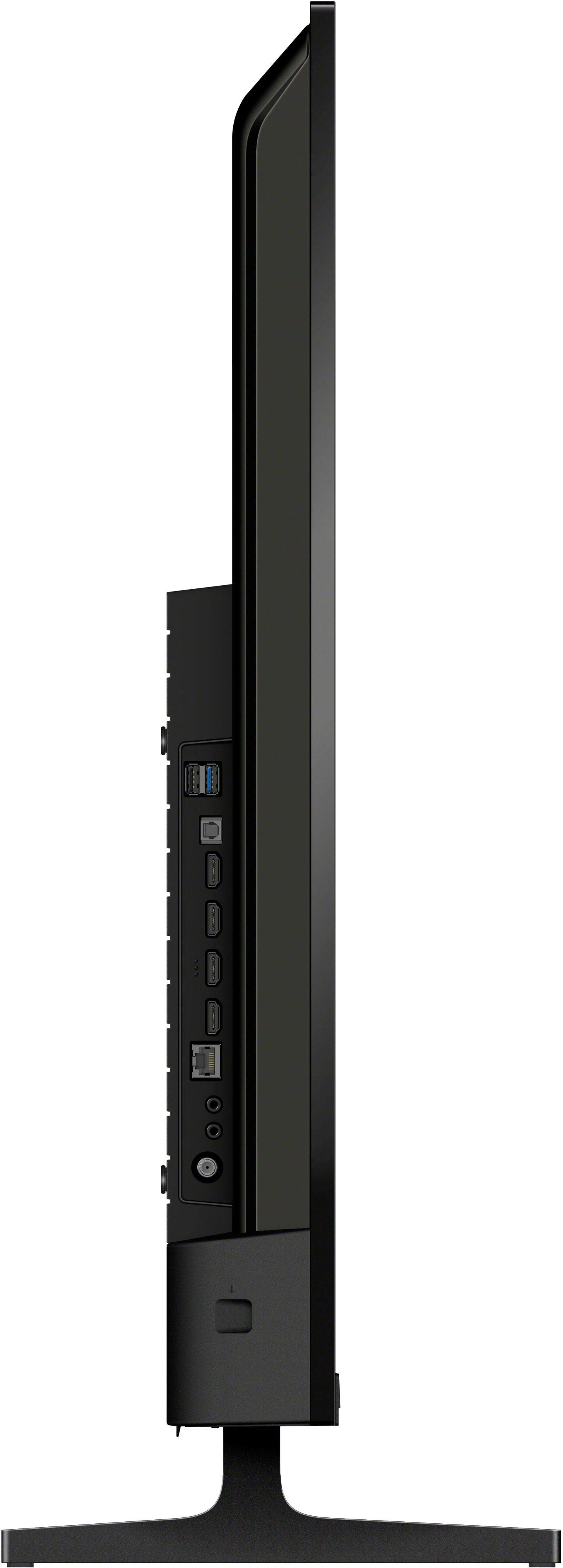
The Sony BRAVIA 2 II provides four HDMI 2.0 ports, giving you breathing room for current and future devices. Sony also includes Wi-Fi 6 support, which offers faster and more reliable wireless connectivity, especially important as streaming quality continues improving and file sizes grow larger.
Both TVs support modern gaming features like Auto Low Latency Mode (ALLM, which reduces input delay when gaming) and Variable Refresh Rate (VRR, which helps prevent screen tearing). However, their 60Hz limitation means VRR rarely provides benefits since most games run at 60fps or lower on these displays.
Budget TVs typically compromise on audio, but the gap between these models is significant. The Samsung U8000F includes 20-watt speakers with Object Tracking Sound Lite, which attempts to make sound follow action across the screen. While adequate for basic viewing, the audio lacks depth and power.
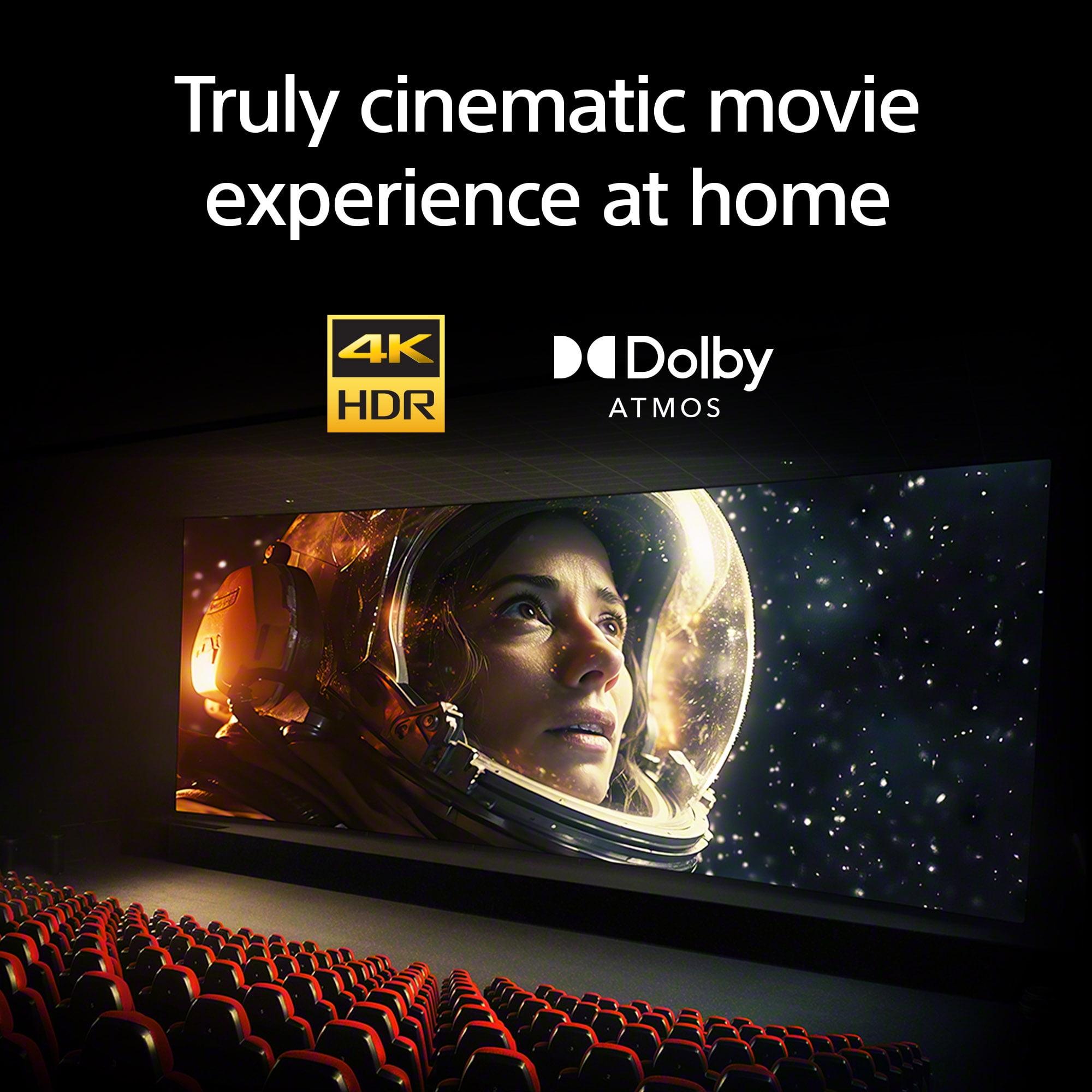
The Sony BRAVIA 2 II delivers 40-watt speakers in an Open Baffle configuration, providing noticeably better volume and clarity. More importantly, it supports Dolby Atmos and DTS:X – advanced audio formats that create three-dimensional soundscapes. Even without a separate sound system, you'll hear the difference in movie soundtracks and music content.
Sony's Clear Phase technology also adjusts timing and volume across frequencies to create better acoustic harmony, reducing the harsh or tinny sound that often plagues budget TV speakers.
While neither TV targets serious gamers, console gaming performance varies between them. The Samsung U8000F offers low input lag, which is good for responsiveness, but the poor motion handling creates a frustrating experience during fast-paced games.
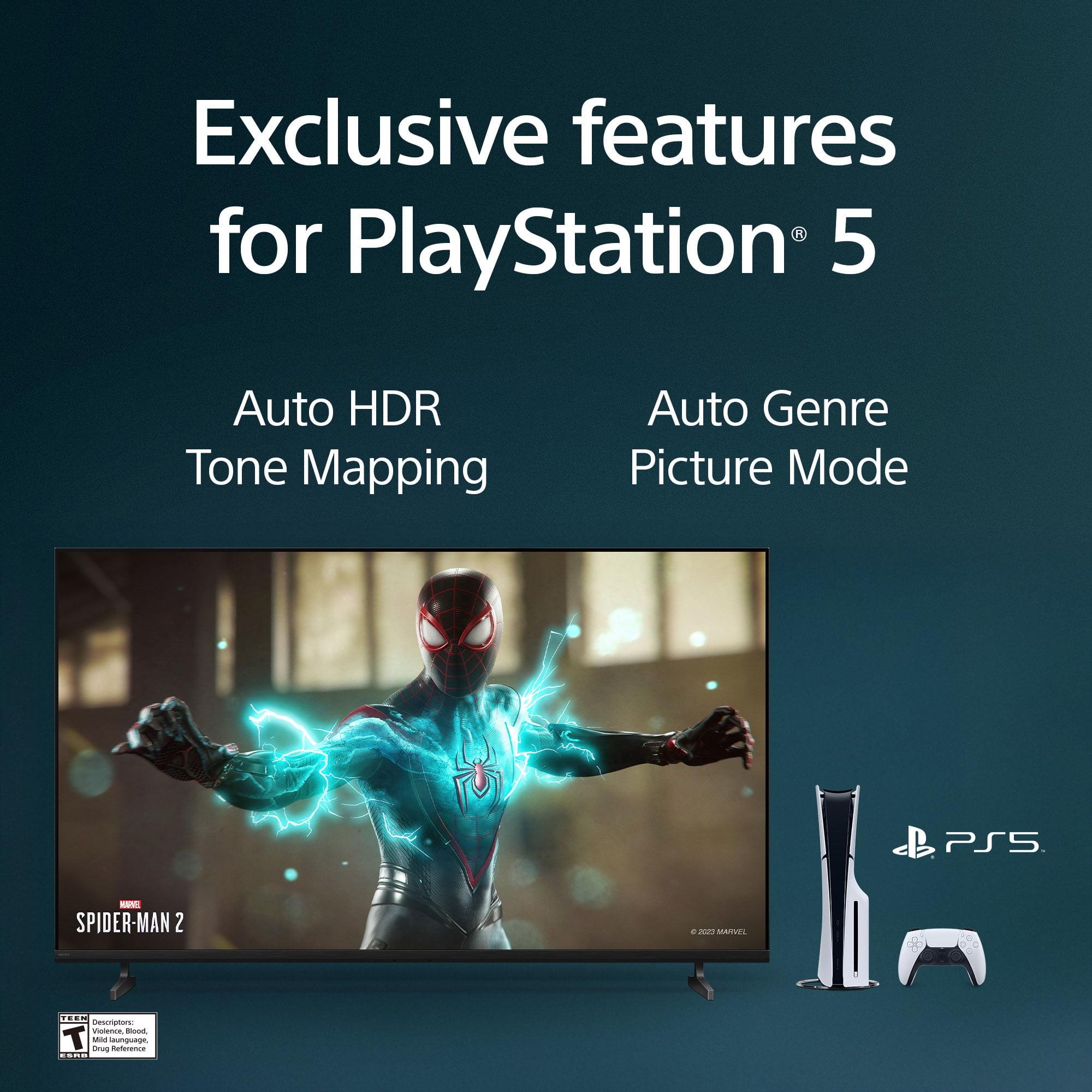
The Sony BRAVIA 2 II includes specific PlayStation 5 optimizations, including Auto HDR Tone Mapping that automatically adjusts HDR settings for the best gaming experience. The Auto Genre Picture Mode switches to optimized settings when it detects gaming content, and there's a dedicated Game Menu for quick adjustments.
For casual gaming – think family game nights or single-player adventures – the Sony provides a more enjoyable experience. Serious gamers should consider higher-end models with 120Hz refresh rates, but that's beyond the scope of entry-level pricing.
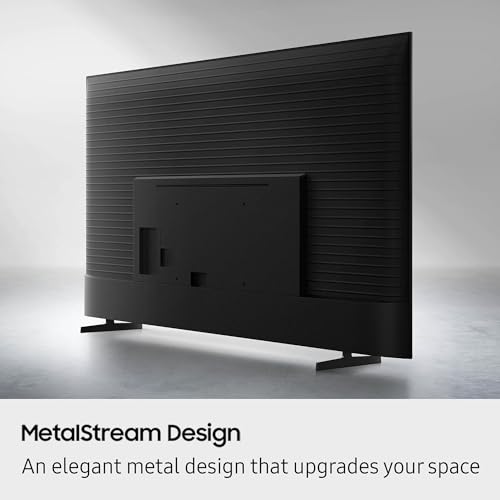
The Samsung U8000F represents an upgrade from previous generations with its MetalStream Design featuring a metal body instead of all-plastic construction. The slim bezels and sleek profile look modern, and Samsung's build quality at this price point has been generally reliable.
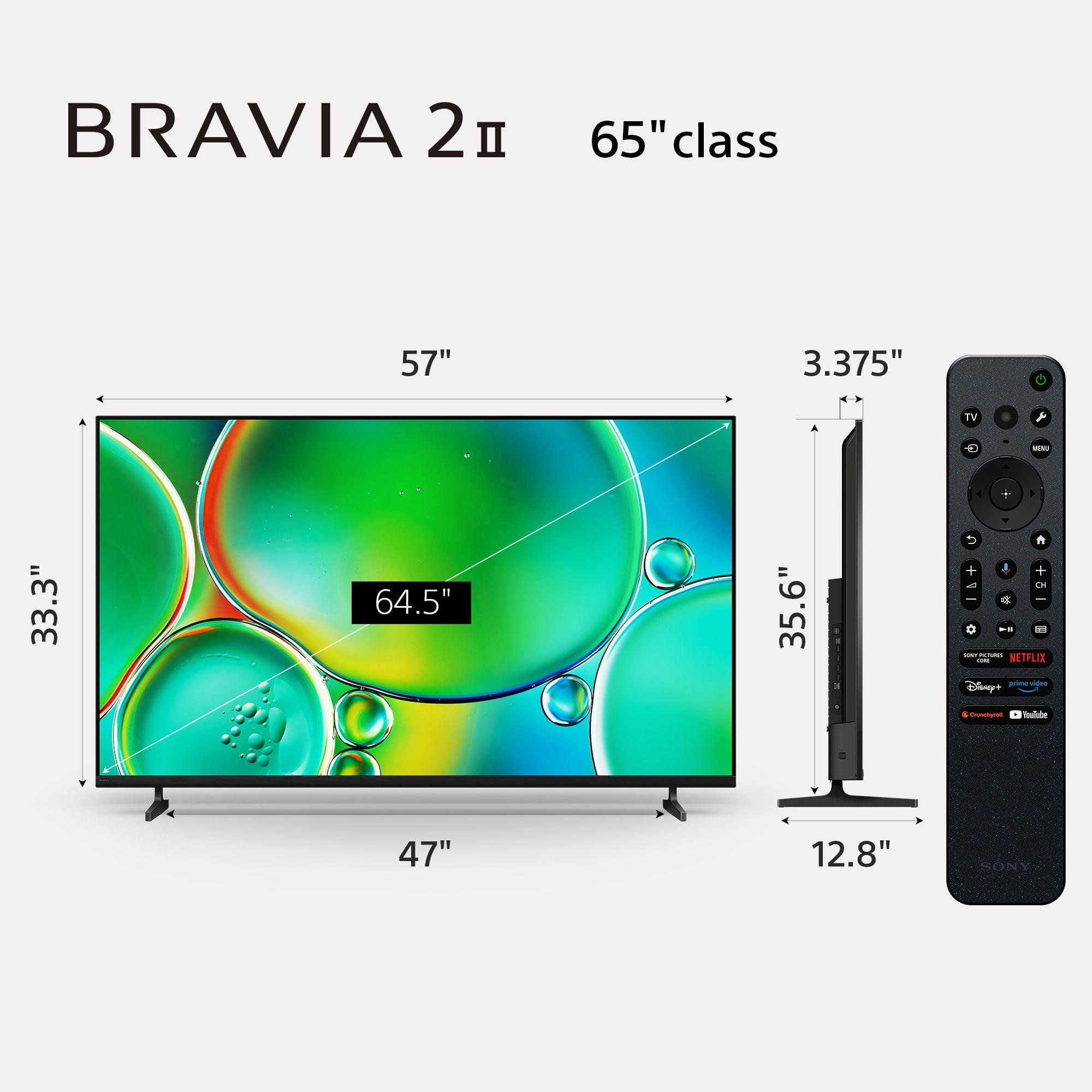
The Sony BRAVIA 2 II takes a more understated approach with its Flush Surface design and Slim T Shape Blade Stand. Sony includes an eco voice remote made from 80% recycled plastic, reflecting their sustainability focus. The overall build feels solid, though not dramatically different from the Samsung.
Both TVs should provide years of reliable service, though Samsung's longer history in the budget TV segment gives them a slight edge in long-term reliability expectations.
If you're building a dedicated home theater space, honestly, neither TV is ideal. Both lack the brightness for impactful HDR, the contrast for deep blacks, and the color gamut for truly cinematic experiences. However, if budget constraints limit you to entry-level options, the Sony BRAVIA 2 II gets you closer to that goal.
The Sony's better motion handling helps with action sequences, the Dolby Atmos support works well with compatible content even through built-in speakers, and the superior color processing makes a difference during those climactic movie moments. In a darkened room, the contrast limitations become less noticeable, and Sony's processing helps maintain image quality across different content types.
After evaluating both models extensively through professional reviews, user feedback, and technical specifications, the Sony BRAVIA 2 II emerges as the better choice for most buyers. The superior picture processing, better connectivity, improved audio capabilities, and more flexible smart platform justify the modest price difference.
The Sony BRAVIA 2 II excels when you prioritize picture quality, need multiple HDMI connections, own a PlayStation 5, or want the flexibility of Google TV's ecosystem. It's the better long-term investment that will serve you well across various viewing scenarios.
Choose the Samsung U8000F only if you're deeply integrated into Samsung's SmartThings ecosystem, need the absolute lowest price point, or you're buying a secondary TV for light usage. The Samsung works adequately for basic viewing in moderate lighting conditions, but it struggles in too many scenarios to recommend broadly.
Both TVs represent the realities of entry-level 4K performance – they'll deliver a significant upgrade from older 1080p sets and provide modern smart features, but they can't match the picture quality, brightness, or advanced features of premium models.
If your budget allows, consider stepping up to models with local dimming zones, higher peak brightness, or 120Hz refresh rates. However, if you're committed to this price range, the Sony BRAVIA 2 II offers better performance and more versatility for most users' needs.
Remember that at this price point, you're making compromises regardless of which model you choose. The key is selecting the TV that compromises least in the areas that matter most to your viewing habits and room conditions.
| Samsung 65-Inch Crystal UHD U8000F | Sony BRAVIA 2 II 65" 4K LED Google TV |
|---|---|
| Picture Processor - Determines upscaling quality and color accuracy | |
| Crystal Processor 4K (basic color mapping) | 4K Processor X1 with X-Reality PRO (superior processing) |
| Brightness Performance - Critical for daytime viewing and HDR impact | |
| Poor brightness, best for dim rooms only | Better brightness handling, suitable for moderate lighting |
| Motion Handling - Important for sports and action content | |
| Slow response time causes significant blur | Motionflow XR technology provides cleaner motion |
| HDMI Connectivity - Essential for multiple devices | |
| 3 HDMI 2.0 ports (limiting for modern setups) | 4 HDMI 2.0 ports (better future-proofing) |
| Audio Power and Format Support - Affects need for external sound system | |
| 20W speakers, basic audio formats | 40W Open Baffle speakers with Dolby Atmos/DTS:X |
| Smart TV Platform - Daily interface and app ecosystem | |
| Tizen with Bixby (Samsung ecosystem integration) | Google TV with Assistant/Alexa (broader compatibility) |
| Wireless Connectivity - Streaming performance and device casting | |
| Standard Wi-Fi, limited casting options | Wi-Fi 6 with Chromecast and Apple AirPlay 2 |
| Gaming Features - Console optimization and performance | |
| ALLM/VRR support but poor motion blur | PlayStation 5 optimizations with Auto HDR Tone Mapping |
| Build Quality and Design | |
| MetalStream Design with metal body upgrade | Flush Surface design with eco-friendly remote |
| HDR Performance - Enhanced contrast and color range | |
| HDR10/HDR10+ but insufficient brightness for impact | HDR10/HLG with better processing for realistic colors |
The Sony BRAVIA 2 II delivers superior picture quality thanks to its 4K Processor X1 with X-Reality PRO technology, which provides better color accuracy and upscaling compared to the Samsung U8000F's Crystal Processor 4K. Sony's processing creates more lifelike images with natural skin tones and better detail enhancement.
The key differences include picture processing (Sony's X1 processor vs Samsung's Crystal Processor), connectivity (Sony BRAVIA 2 II has 4 HDMI ports vs Samsung U8000F's 3 ports), audio power (40W vs 20W), and smart platforms (Google TV vs Tizen). Sony also offers better motion handling and wireless connectivity with Wi-Fi 6.
The Sony BRAVIA 2 II is better for gaming, especially for PlayStation 5 owners. It includes Auto HDR Tone Mapping, Auto Genre Picture Mode, and dedicated gaming optimizations. While both TVs support ALLM and VRR, the Samsung U8000F suffers from motion blur that can impact fast-paced gaming experiences.
The Samsung U8000F has 3 HDMI 2.0 ports, while the Sony BRAVIA 2 II offers 4 HDMI 2.0 ports. This extra port on the Sony model provides more flexibility for connecting multiple devices like gaming consoles, streaming devices, and sound systems without needing an HDMI switcher.
The Sony BRAVIA 2 II has significantly better audio with 40W Open Baffle speakers supporting Dolby Atmos and DTS:X surround sound formats. The Samsung U8000F has 20W speakers with basic audio support. Sony's superior audio power and format support reduce the immediate need for an external sound system.
Yes, both TVs support HDR content, but with different formats. The Samsung U8000F supports HDR10 and HDR10+, while the Sony BRAVIA 2 II supports HDR10 and HLG. However, Sony's better brightness and processing capabilities deliver a more impactful HDR viewing experience than the Samsung model.
Google TV on the Sony BRAVIA 2 II generally offers better app availability, faster updates, and superior content discovery across multiple streaming services. Tizen on the Samsung U8000F works well for Samsung ecosystem users but has more limited cross-platform compatibility. Google TV also includes built-in Chromecast functionality.
Neither TV excels in very bright rooms, but the Sony BRAVIA 2 II handles moderate lighting better than the Samsung U8000F. The Samsung struggles with brightness and can appear washed out in well-lit environments. For bright rooms, consider higher-end models with better peak brightness capabilities.
The Sony BRAVIA 2 II offers better overall value despite being slightly more expensive. It provides superior picture processing, more HDMI ports, better audio, Wi-Fi 6 connectivity, and more gaming features. The Samsung U8000F is only worth considering if you're deeply integrated into Samsung's ecosystem or need the lowest possible price.
Both TVs have limitations for dedicated home theater use due to their entry-level positioning. However, the Sony BRAVIA 2 II is the better choice with its superior motion handling, Dolby Atmos support, and better color processing. For serious home theater applications, consider models with local dimming and higher peak brightness.
The Sony BRAVIA 2 II handles motion significantly better with its Motionflow XR technology, making it more suitable for sports viewing. The Samsung U8000F suffers from slow response times that cause noticeable motion blur during fast-moving sports action, making it less ideal for sports enthusiasts.
Yes, both TVs support mobile device connectivity but through different methods. The Sony BRAVIA 2 II offers broader compatibility with built-in Chromecast and Apple AirPlay 2 support, working with both Android and iOS devices. The Samsung U8000F primarily works with Samsung devices and has more limited cross-platform casting options.
We've done our best to create useful and informative comparisons to help you decide what product to buy. Our research uses advanced automated methods to create this comparison and perfection is not possible - please contact us for corrections or questions. These are the sites we've researched in the creation of this article: bestbuy.com - youtube.com - youtube.com - rtings.com - youtube.com - samsung.com - hometechnologyreview.com - rtings.com - samsung.com - displayspecifications.com - samsung.com - displayspecifications.com - walmart.com - billsmith.com - dentonstv.com - samsung.com - samsung.com - samsung.com - youtube.com - bestbuy.com - bestbuy.com - youtube.com - samsung.com - donstv.com - bestbuy.com - notebookcheck.net - rtings.com - youtube.com - youtube.com - rtings.com - avsforum.com - croma.com - totonstv.com - electronics.sony.com - listenup.com - pcrichard.com - youtube.com - flanners.com - brandsmartusa.com - displayspecifications.com - pioneertvandappliance.com - donstv.com

Privacy Policy
Terms and Conditions - Affiliate Policy
Home Security
© Copyright 2008-2026.
11816 Inwood Rd #1211, Dallas, TX 75244