

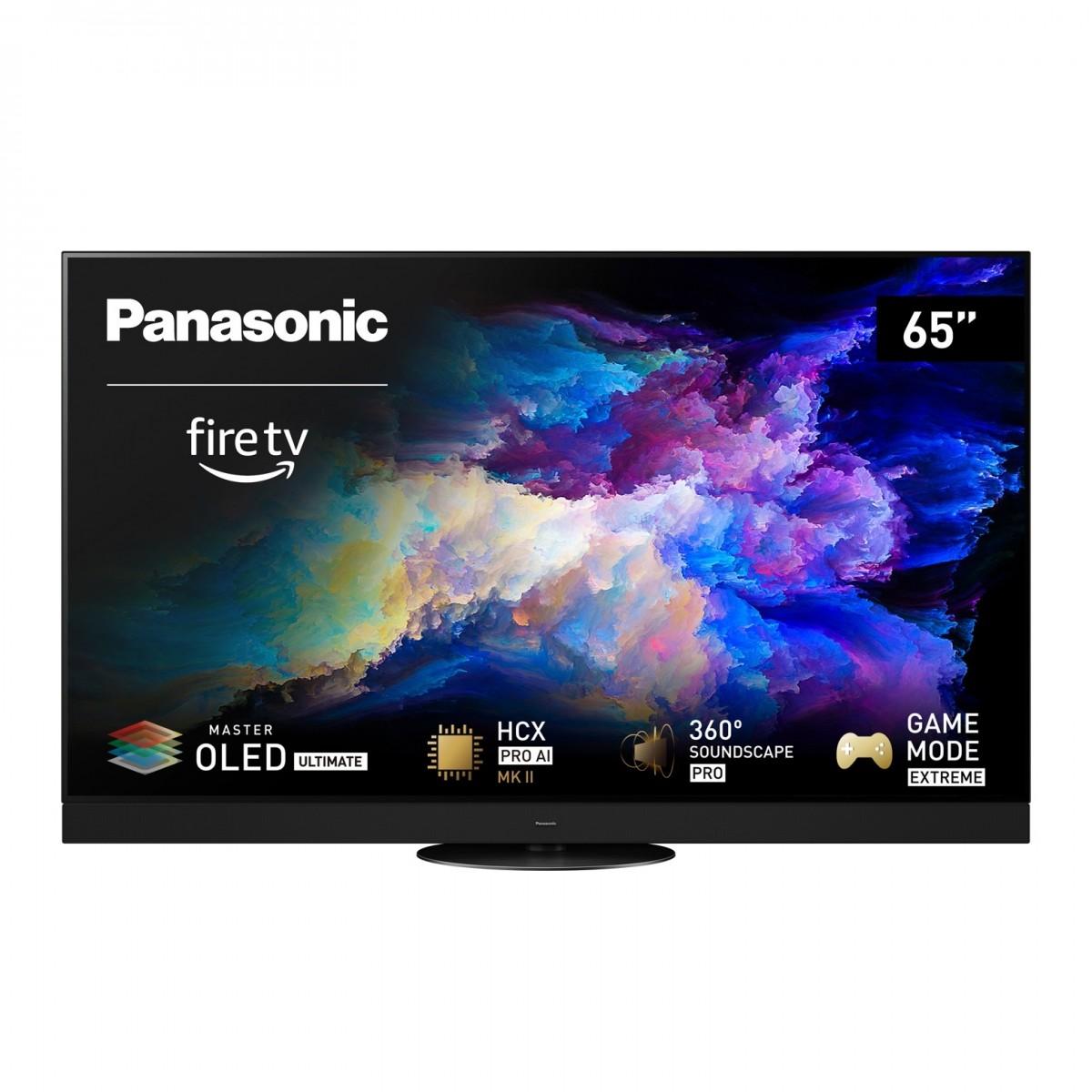
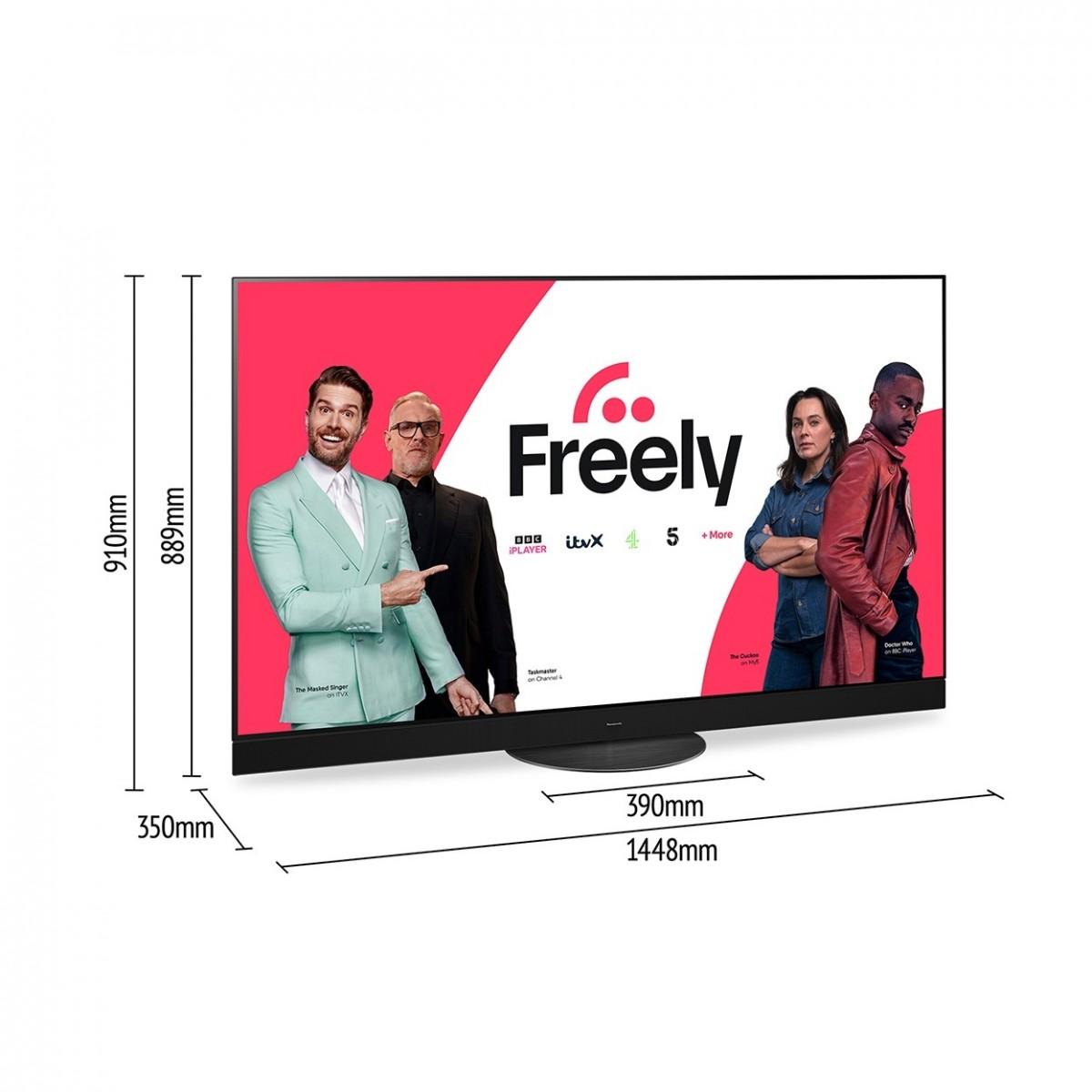
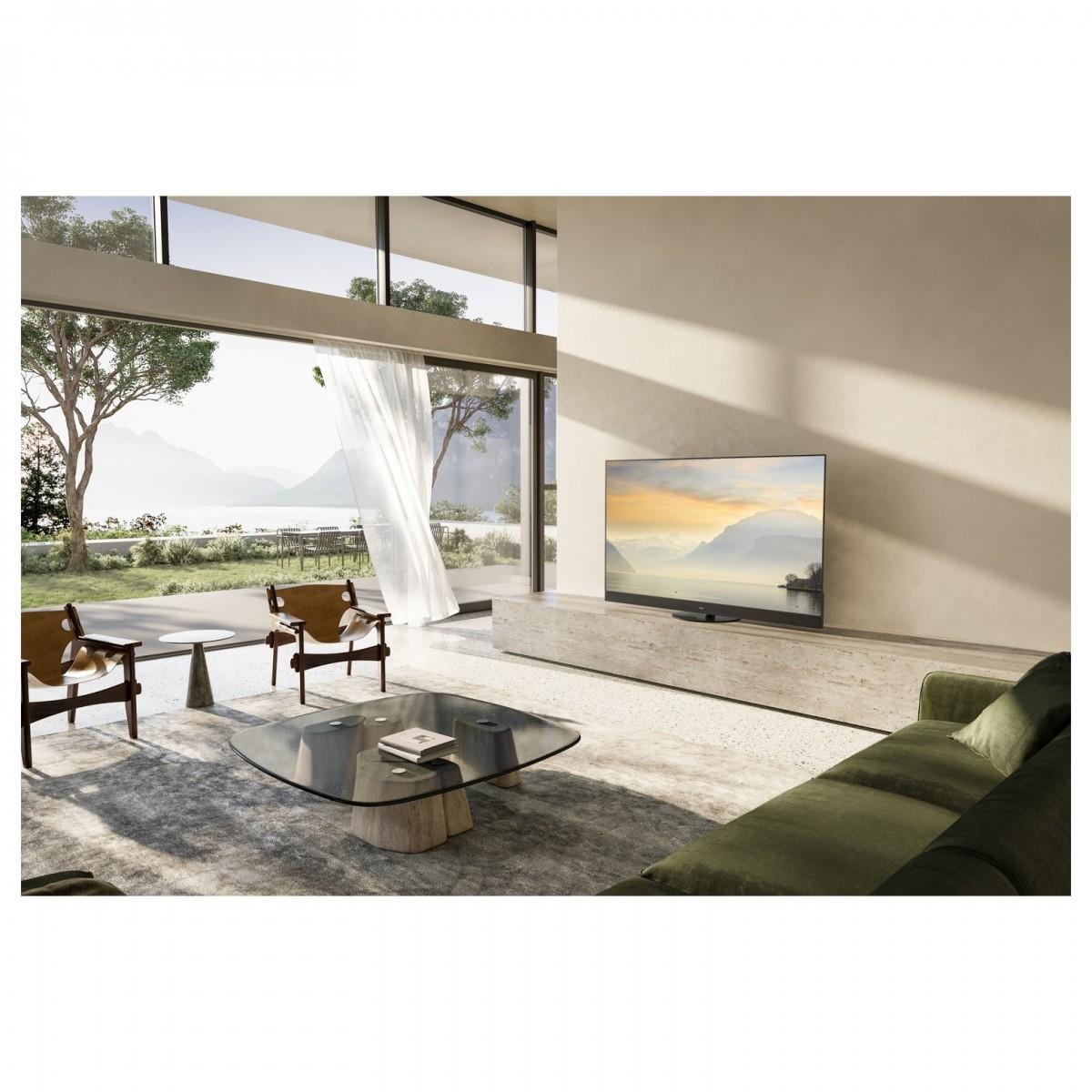
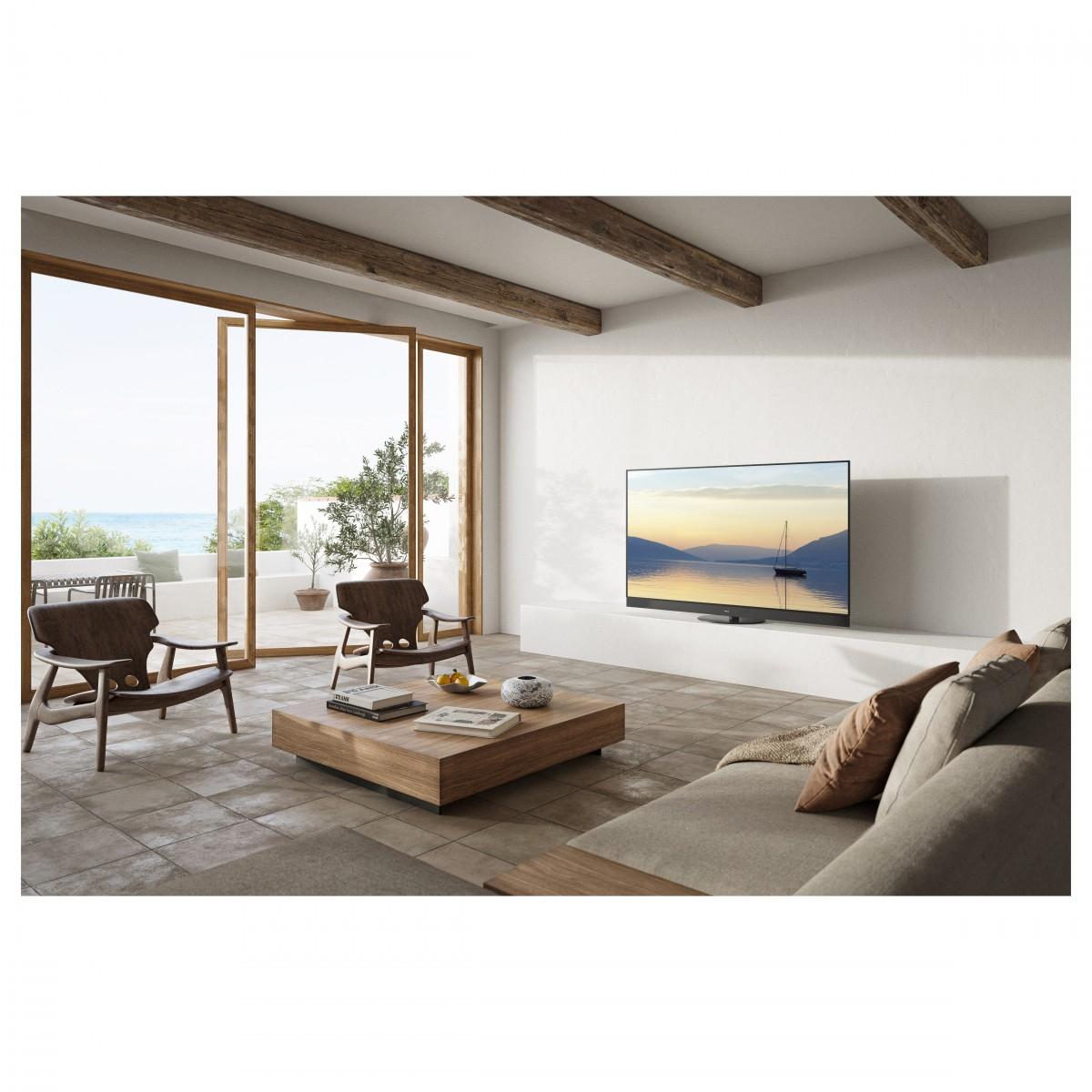
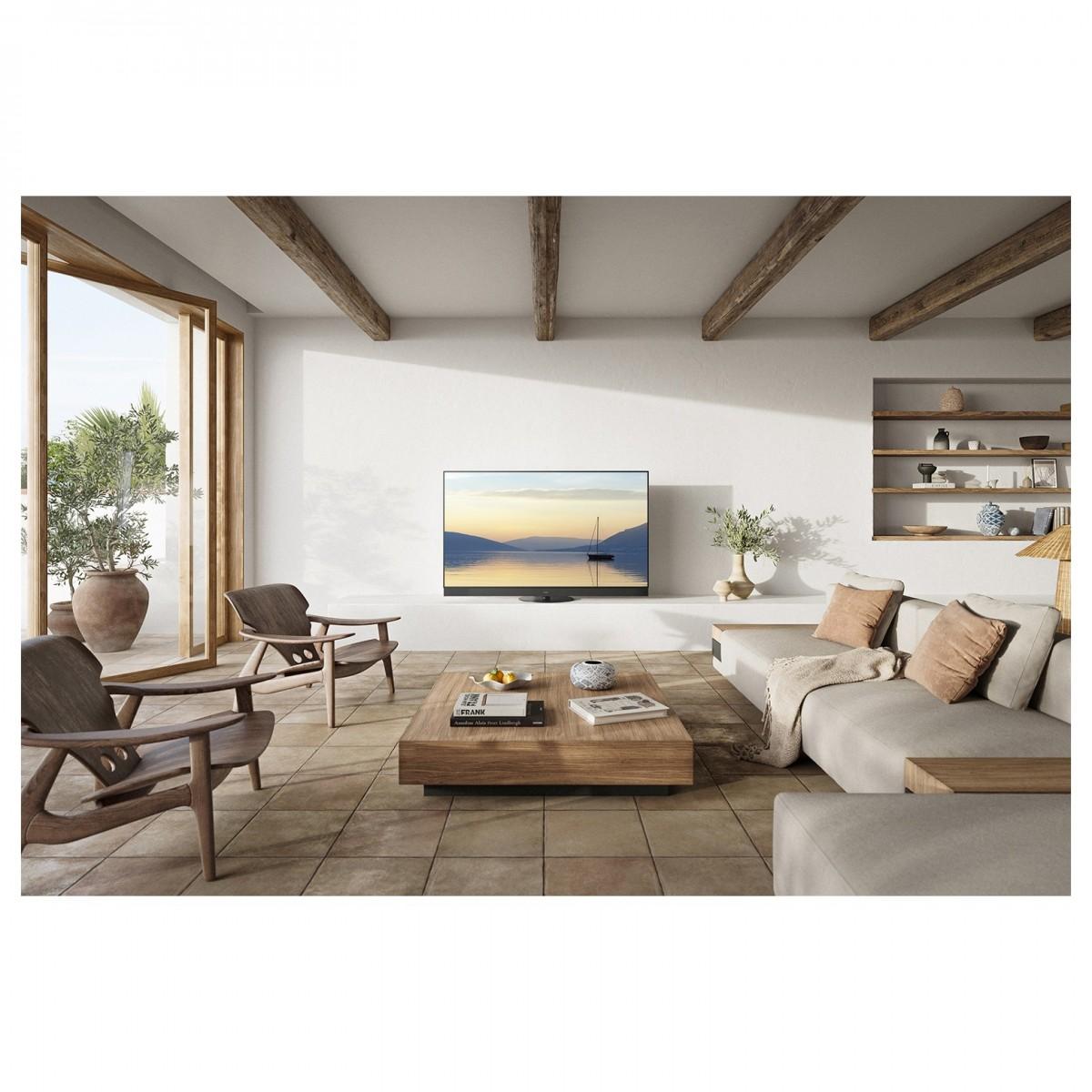
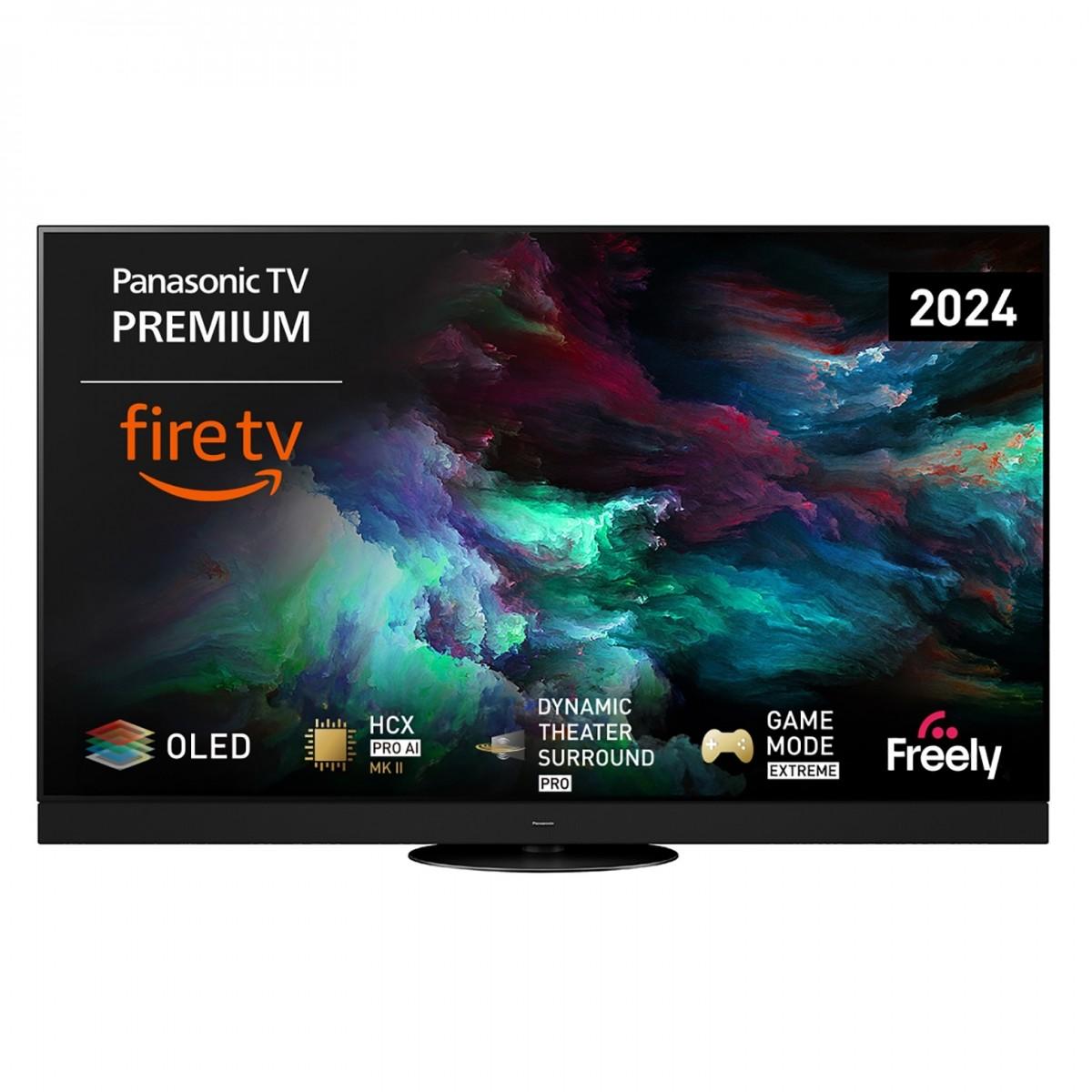
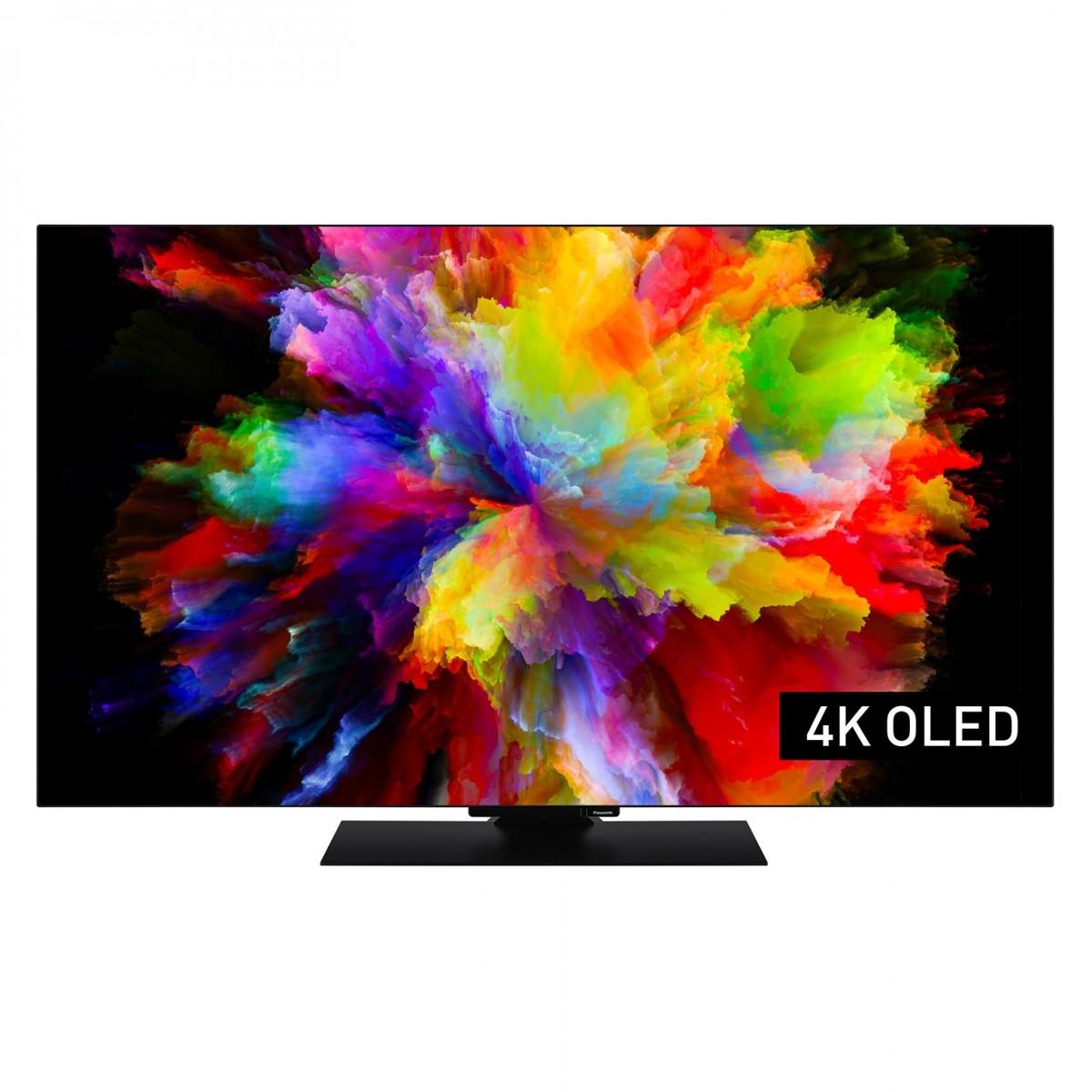
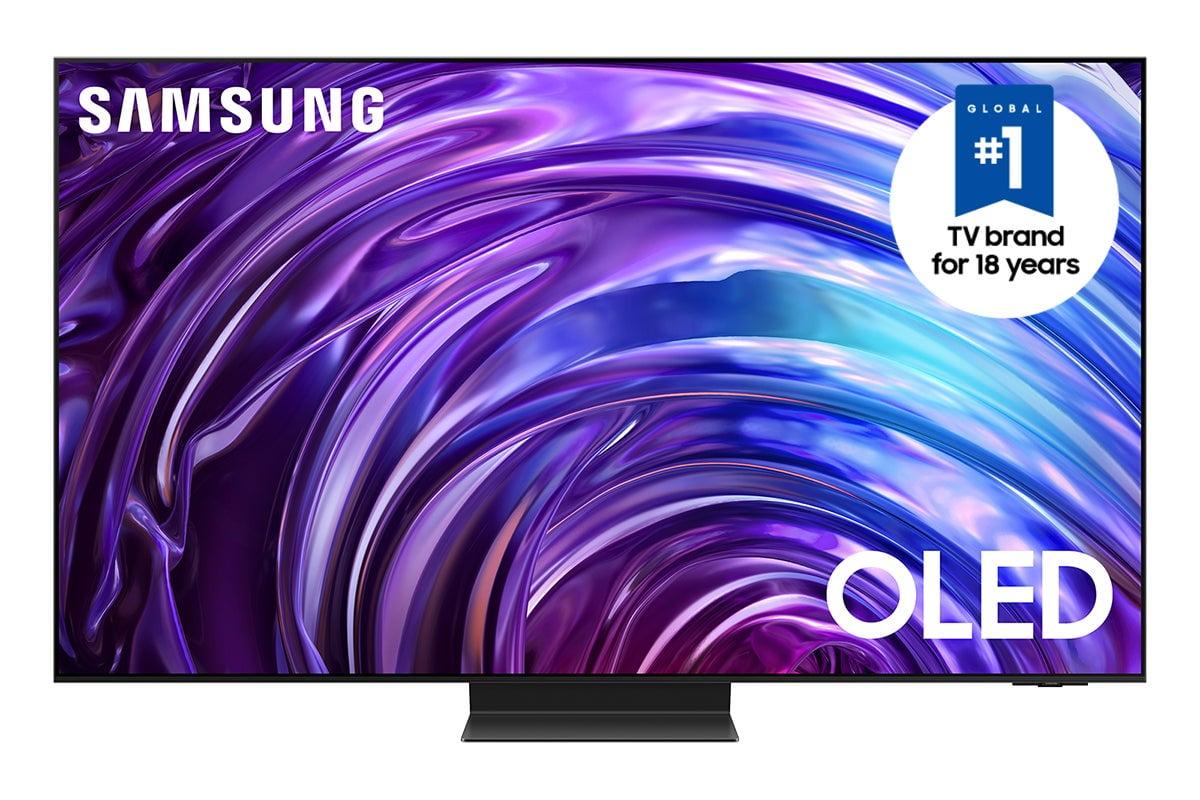
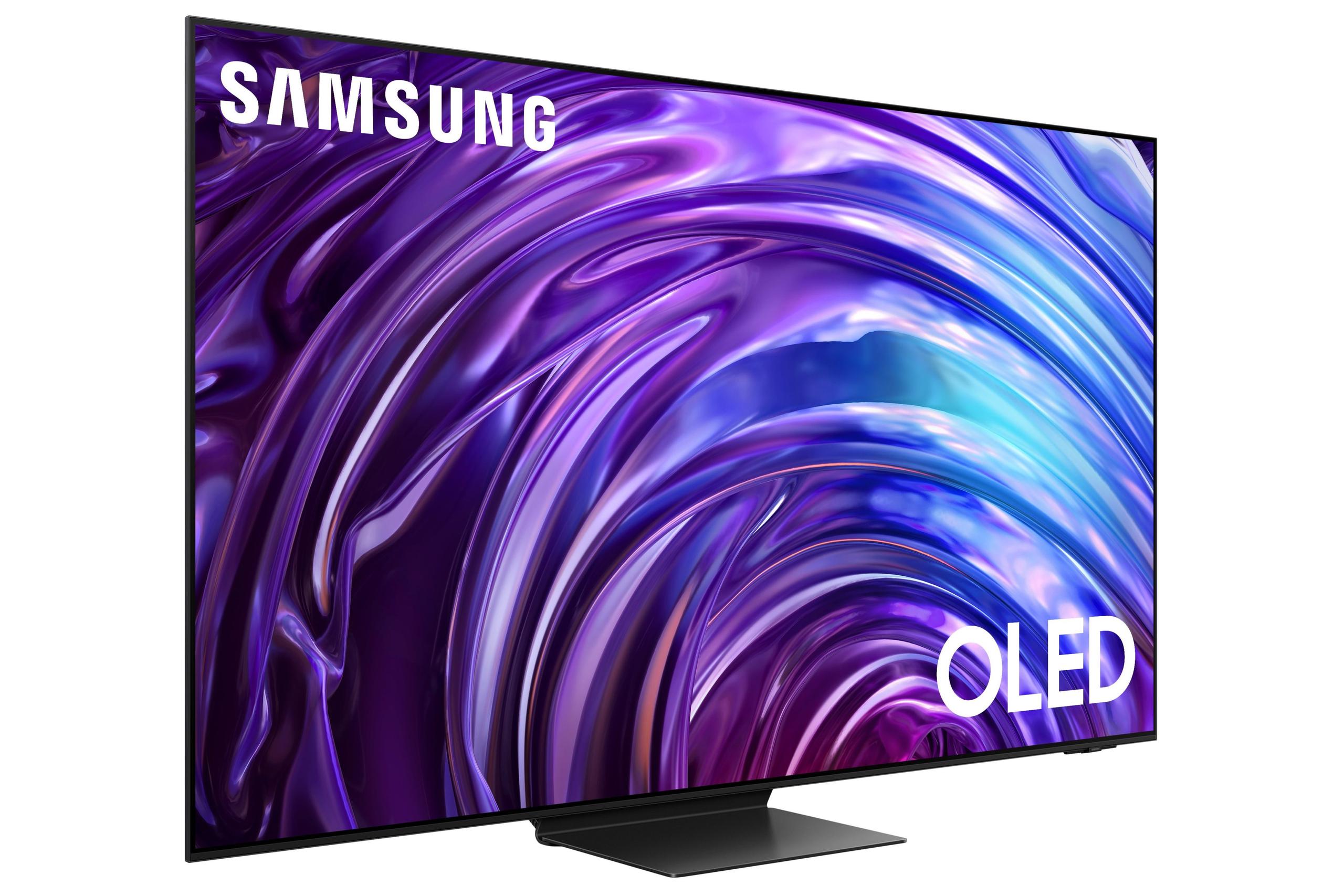
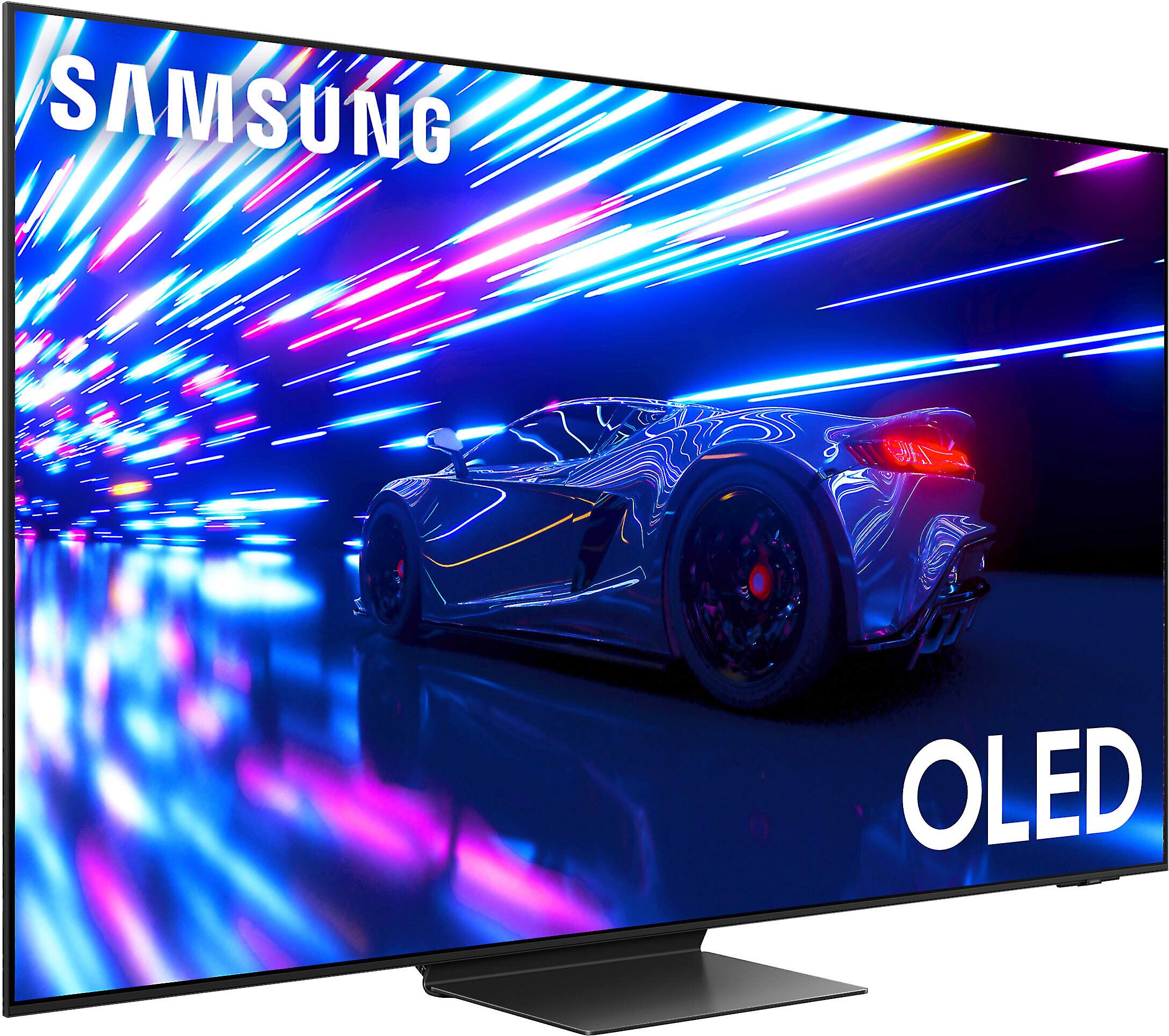


When you're ready to make the jump to a premium OLED TV, you're entering territory where the differences between models can be subtle but significant. Two standouts in the 65-inch space are the Panasonic Z95A and the Samsung S95D, both released in 2024 and representing the latest advances in OLED technology.
These aren't your basic OLED TVs. Both models push the boundaries of what's possible with organic light-emitting diode displays, but they take distinctly different approaches to achieving excellence. Understanding these differences is crucial because at this price level, you want to make sure you're getting exactly what matters most for your viewing habits and room setup.
Before diving into the specifics, it's worth understanding what makes premium OLEDs special. Unlike traditional LED TVs that use a backlight, OLED panels create light at the pixel level. Each tiny pixel can turn completely off, creating true blacks that LED TVs simply cannot match. This fundamental advantage gives OLEDs their signature infinite contrast ratio – the difference between the brightest whites and deepest blacks.
However, not all OLED panels are created equal. The latest premium models use advanced technologies to overcome OLED's traditional weaknesses, particularly brightness limitations and potential burn-in concerns. Both the Panasonic Z95A and Samsung S95D represent significant advances over earlier OLED generations, but they've chosen different paths to get there.
When evaluating premium OLEDs, the key performance areas that matter most are HDR brightness (how bright highlights can get), color accuracy and volume (how many colors the TV can display and how vivid they appear), motion handling, built-in audio quality, gaming performance, and smart platform capabilities.
The most fundamental difference between these TVs lies in their panel technology. The Panasonic Z95A uses LG Display's Gen 2 Micro Lens Array (MLA) panel, while the Samsung S95D features Samsung's own QD-OLED technology.
LG's MLA technology places microscopic lenses over each pixel to improve light extraction efficiency. Think of it like putting tiny magnifying glasses over each light source – it doesn't create more light, but it makes better use of the light that's already there. This results in significantly higher peak brightness compared to standard OLED panels, which has been a game-changer for HDR content.
Samsung's QD-OLED approach uses quantum dots – microscopic crystals that emit very pure colors when struck by blue light. Instead of using colored filters like traditional OLEDs, QD-OLED starts with blue OLED pixels and uses quantum dots to create red and green light. This process is more efficient and produces a wider range of colors with better color volume.
Based on our research into professional reviews and user feedback, the practical impact of these different approaches becomes clear in real-world use. The Panasonic Z95A consistently delivers higher peak brightness, making HDR content more impactful, especially in darker viewing environments. The Samsung S95D, meanwhile, produces more saturated, vibrant colors that many users find more immediately impressive, even if they're not always perfectly accurate to the content creator's intent.
High Dynamic Range (HDR) is where premium TVs separate themselves from budget models. HDR content contains information about both very bright and very dark parts of an image, and a TV's ability to display this range determines how realistic and impactful the picture looks.
The Panasonic Z95A supports all major HDR formats: Dolby Vision, HDR10+, HDR10, and HLG (Hybrid Log-Gamma, used for broadcast content). More importantly, its MLA panel technology allows it to hit much higher peak brightness levels than previous OLED generations. In practical terms, this means sunlit scenes, explosions, and other bright elements in movies and shows will have that eye-catching pop that makes HDR content special.
The Samsung S95D takes a different approach. While it doesn't support Dolby Vision (a notable omission at this price point), it compensates with exceptional HDR10+ processing and higher overall brightness in HDR modes than most OLEDs. The QD-OLED technology also means colors remain vibrant even at high brightness levels, whereas some TVs see colors wash out when displaying bright content.
For home theater enthusiasts, the Panasonic Z95A's complete HDR format support is significant. Dolby Vision is increasingly common on streaming services and 4K Blu-rays, and it includes scene-by-scene metadata that helps the TV display content exactly as the filmmaker intended. However, the Samsung S95D's superior color volume means that HDR content often looks more vibrant and lifelike, even without Dolby Vision.
This brings us to one of the most important philosophical differences between these TVs. The Panasonic Z95A prioritizes color accuracy – colors that match what the content creator intended. Its HCX Pro AI Processor MKII includes professional-grade color calibration that aims for reference-level accuracy out of the box.
The Samsung S95D, with its QD-OLED panel, prioritizes color impact and vibrancy. Colors pop off the screen in a way that's immediately impressive, though they may not always be perfectly accurate to the source material. For many viewers, especially those coming from older TVs, this enhanced color presentation is more appealing than strict accuracy.
Neither approach is inherently better – it depends on your preferences and viewing habits. If you're a serious movie buff who wants to see films exactly as the director intended, the Panasonic Z95A's approach will likely appeal to you. If you prefer colors that pop and make everything look more vivid than real life, the Samsung S95D is the better choice.
This is where the Panasonic Z95A takes a commanding lead. Its 160W speaker system is genuinely impressive for built-in TV audio, featuring a sophisticated arrangement that includes front, upward, and side-firing drivers. The implementation of Dolby Atmos creates a convincing sense of height and spatial audio that most TV speakers can't achieve.
The standout feature is Panasonic's Sound Focus technology, which allows you to direct audio to specific areas of the room. This is particularly valuable for users with hearing difficulties or in rooms where not everyone sits in the optimal listening position. The system can actually focus sound waves to create distinct audio zones.
The Samsung S95D includes a respectable 70W 4.2.2-channel system with Dolby Atmos support, but it's clearly designed with the expectation that serious users will add a soundbar or home theater system. The Object Tracking Sound+ feature does help match audio to visual movement on screen, but the overall power and sophistication don't match what Panasonic offers.
For users planning to add external audio anyway, this difference matters less. But for those who want excellent audio right out of the box, the Panasonic Z95A is in a different league.
Both TVs excel for gaming, supporting 144Hz refresh rates and featuring input lag around 9 milliseconds – excellent for competitive gaming. They both include ALLM (Auto Low Latency Mode) and VRR (Variable Refresh Rate) support for smooth gameplay.
The Samsung S95D has a slight edge for PC gaming due to its higher brightness in HDR modes and wider color gamut, which makes HDR games more impactful. Its Auto AI mode can detect different game genres and optimize picture settings accordingly, which is a nice touch for users who don't want to manually adjust settings.
The Panasonic Z95A offers excellent motion handling with its MEMC (Motion Estimation Motion Compensation) technology, which can reduce motion blur in fast-paced games. However, serious gamers often prefer to disable these processing features to minimize input lag.
Both TVs are genuinely excellent for gaming, with the choice coming down to whether you prioritize the Samsung's slightly better HDR gaming performance or the Panasonic's superior overall picture processing.
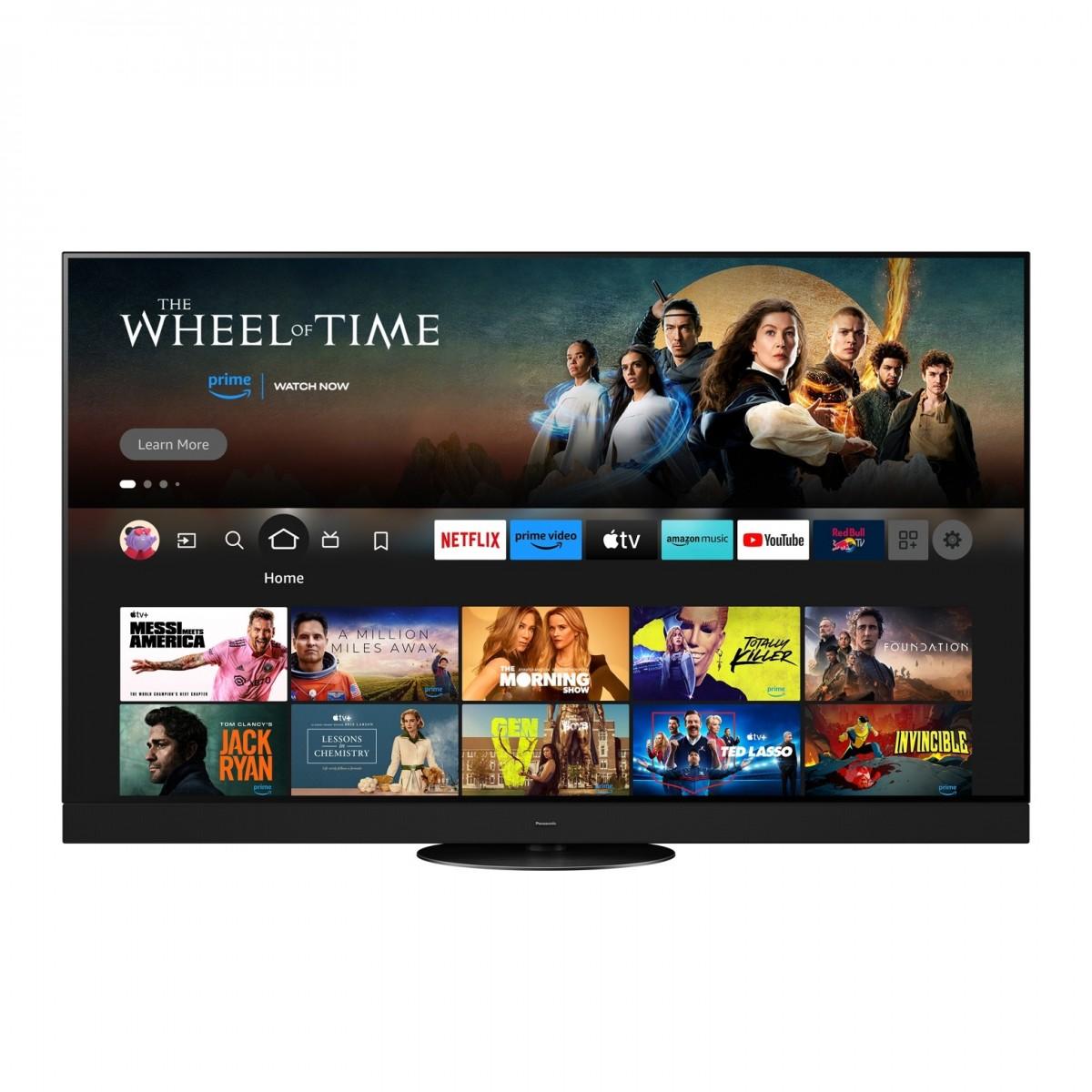
The smart TV experience differs significantly between these models. The Panasonic Z95A runs Amazon's Fire TV platform, which provides straightforward access to all major streaming services. The interface is clean and responsive, though not particularly customizable. Voice control works through both Alexa and Google Assistant, and the integration with Amazon's ecosystem is seamless if you're already invested in it.
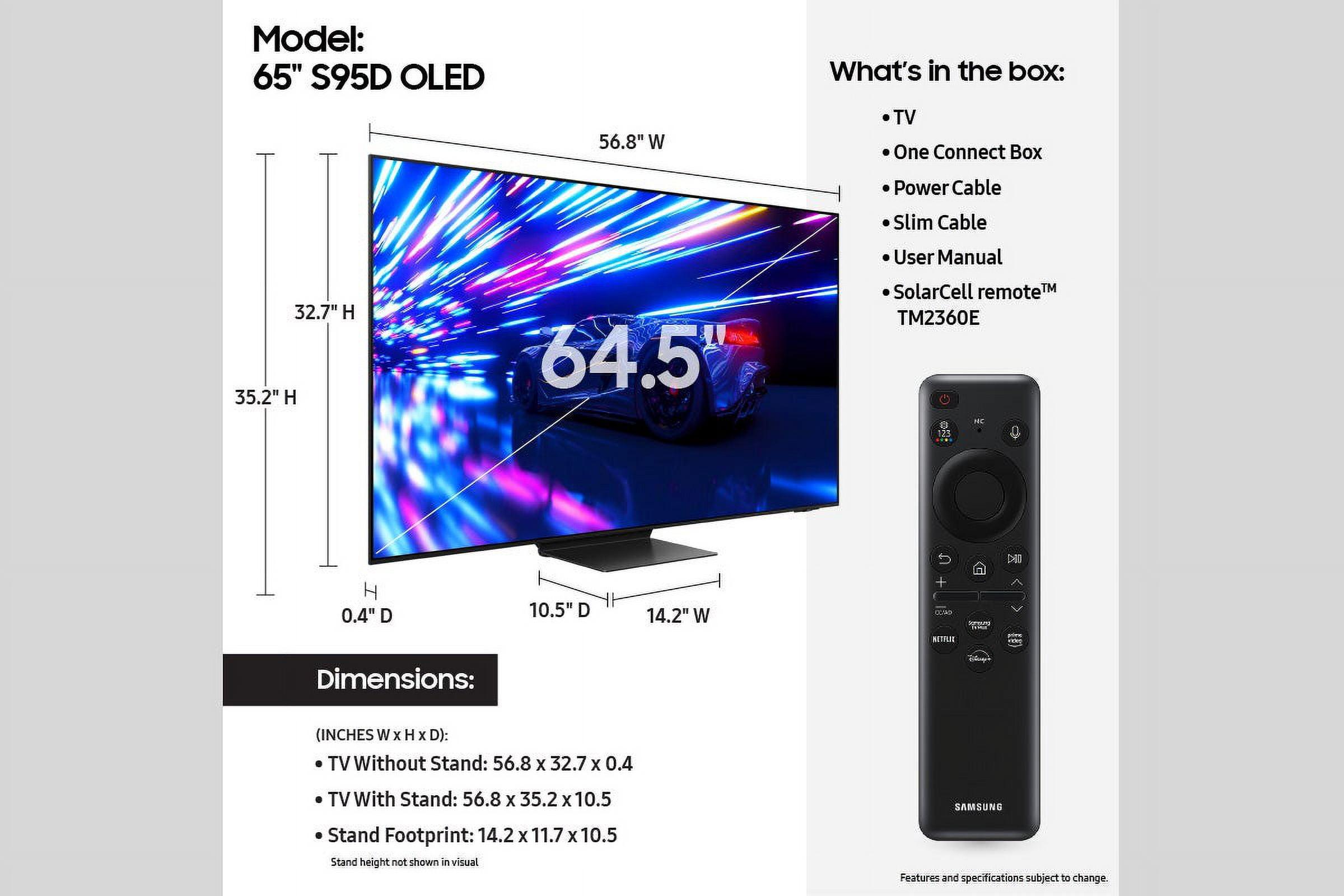
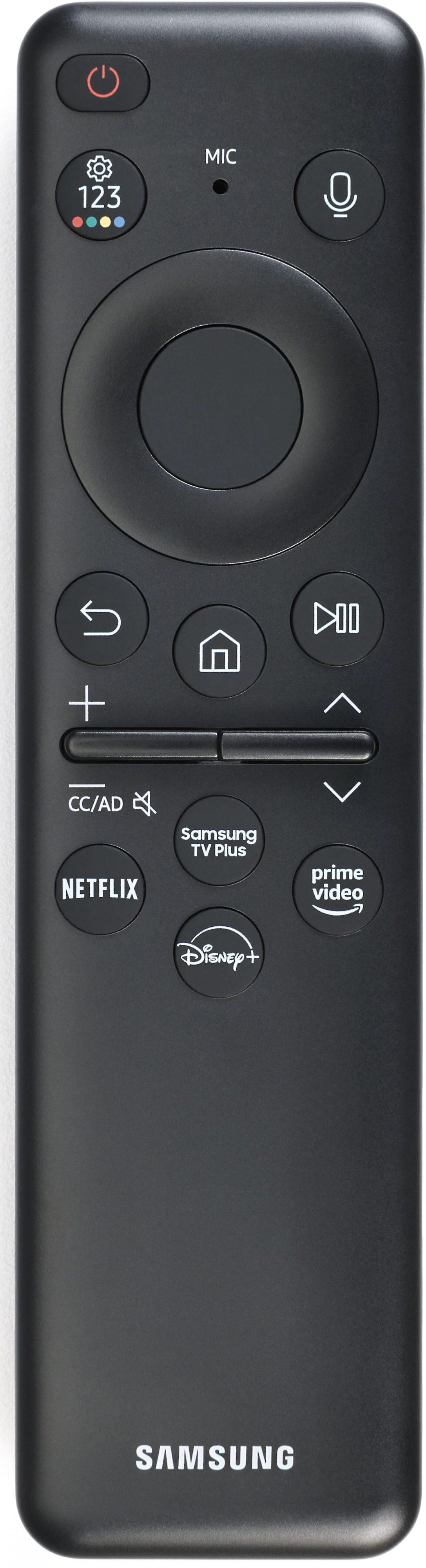
The Samsung S95D uses Tizen OS, Samsung's proprietary smart platform. It's more customizable and includes deeper integration with Samsung's SmartThings ecosystem for smart home control. The SolarCell remote is a nice eco-friendly touch that recharges via solar power. For users with other Samsung devices or who want more control over their smart home setup, Tizen offers more flexibility.
Both platforms perform well in day-to-day use, with the choice largely coming down to ecosystem preferences and desired features.
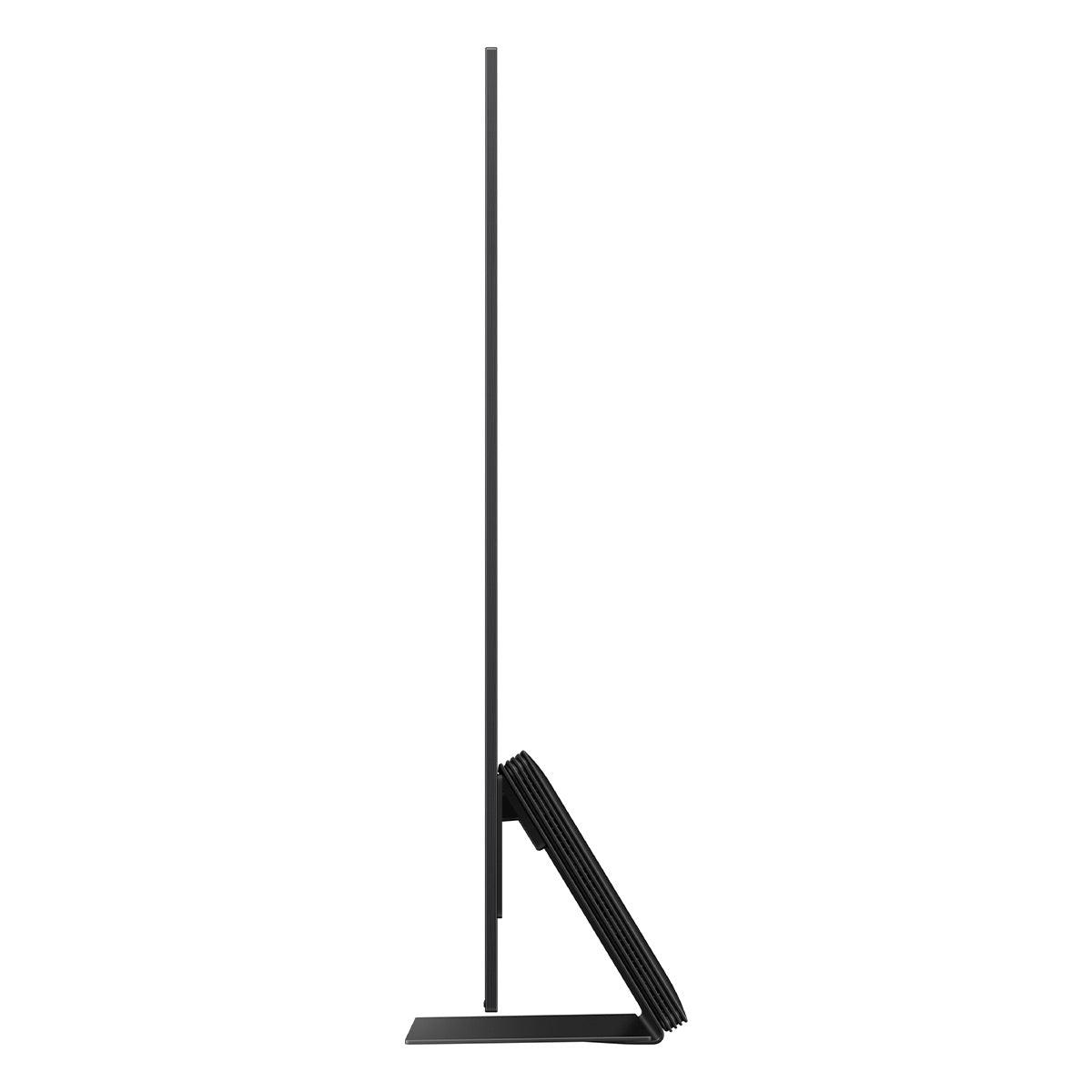
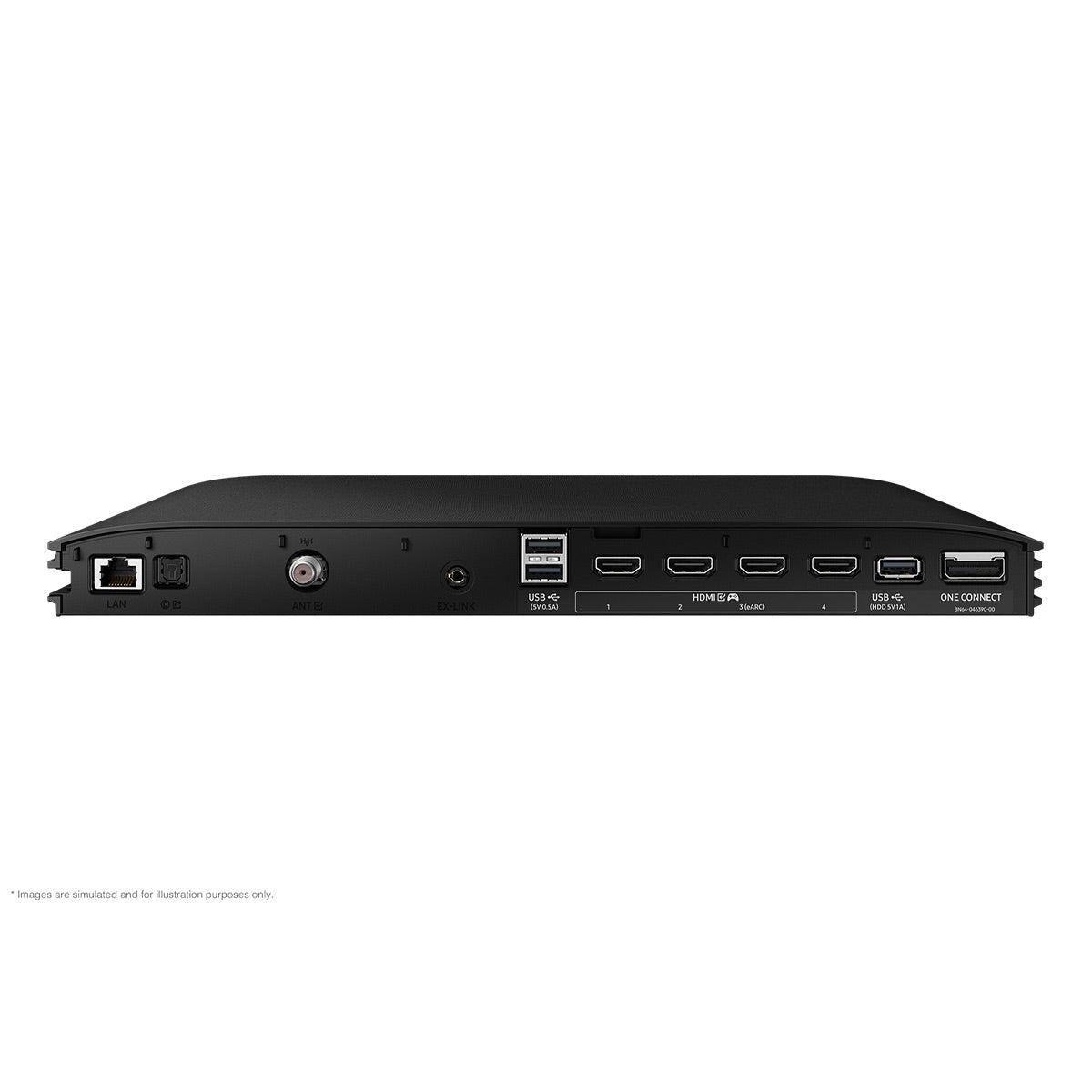
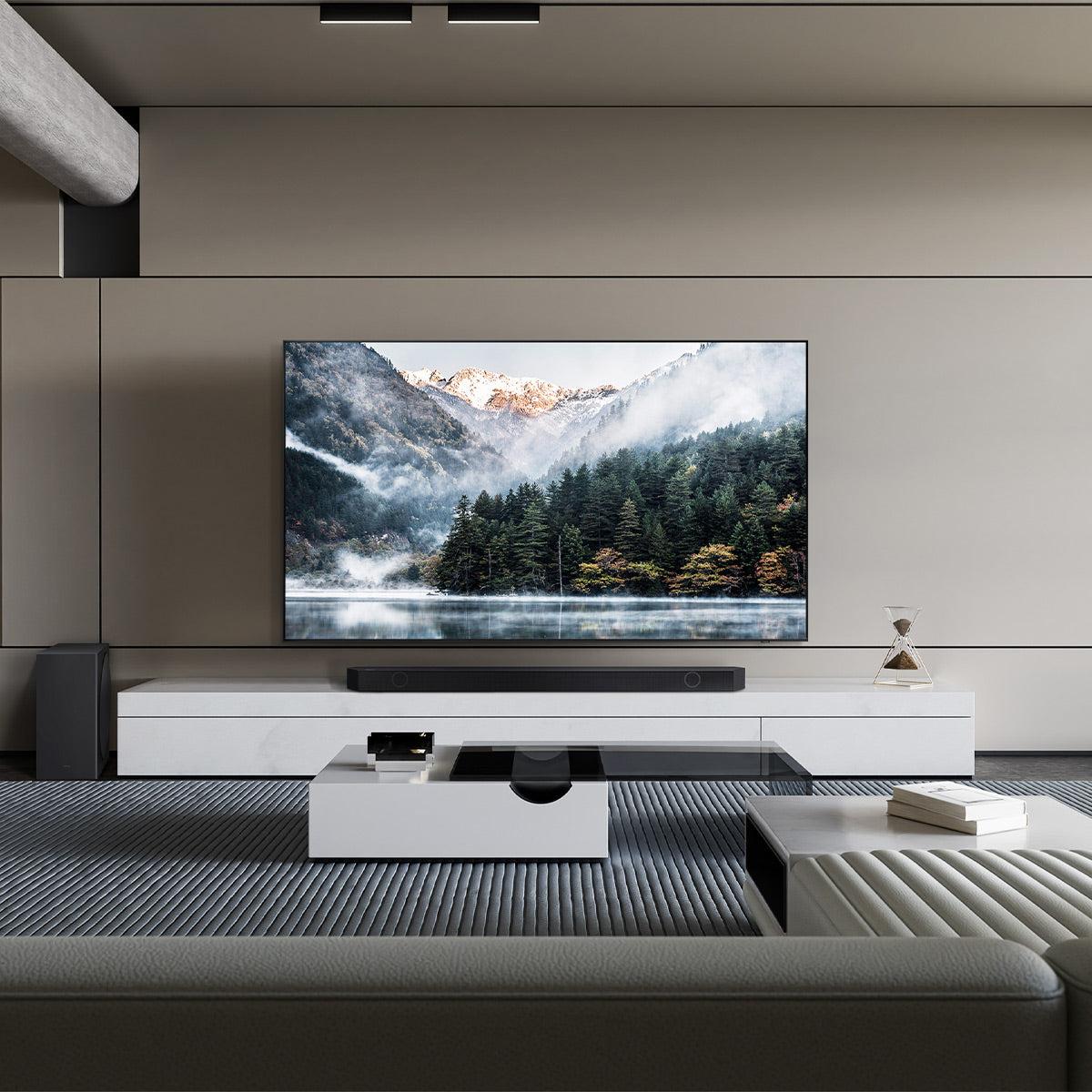
The Samsung S95D makes a bold design statement with its ultra-thin 11mm panel depth, achieved by moving all connections to an external One Connect box. This creates an almost floating appearance on the wall and makes cable management much cleaner. The matte screen finish is also unique among OLEDs, virtually eliminating reflections – a game-changer for bright rooms.
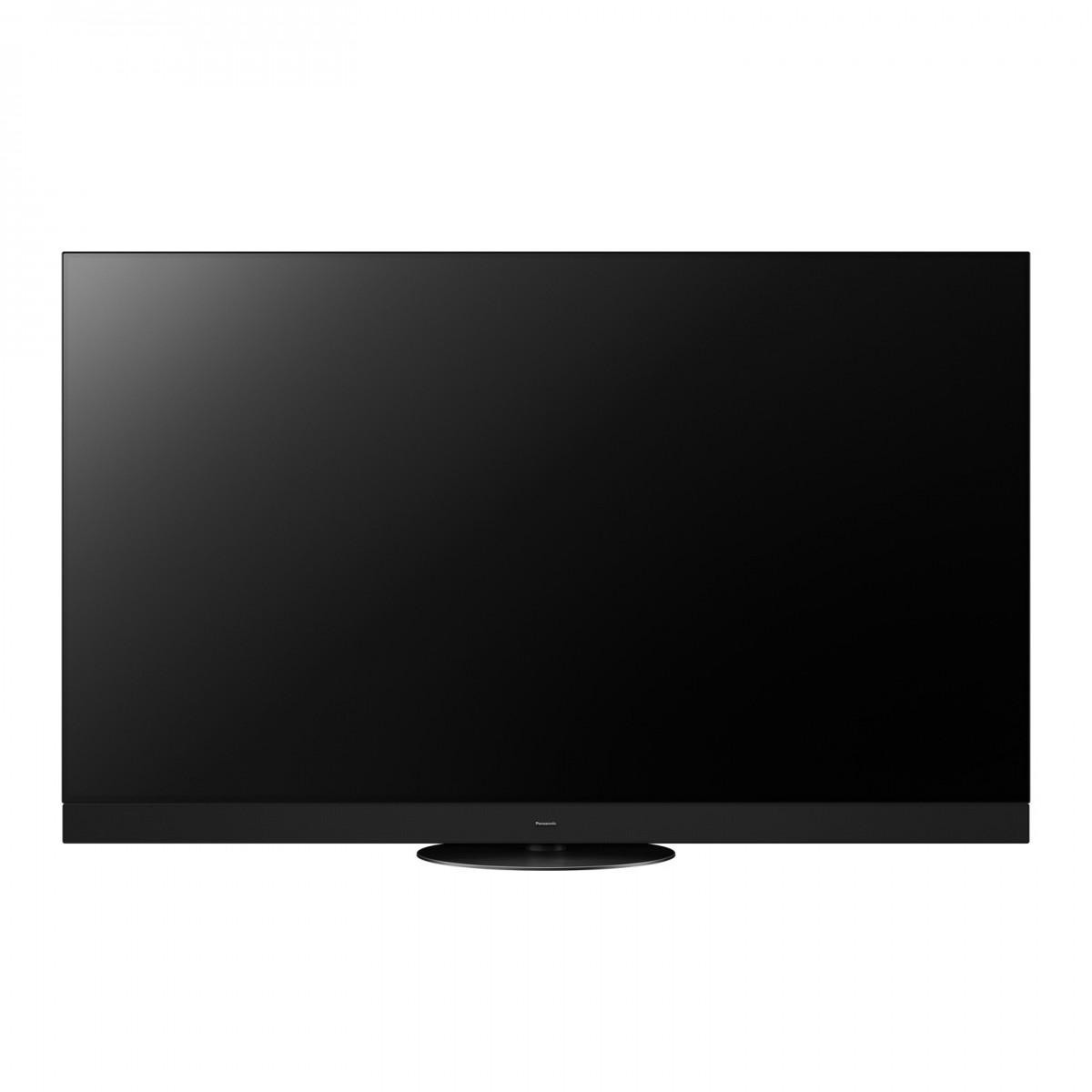
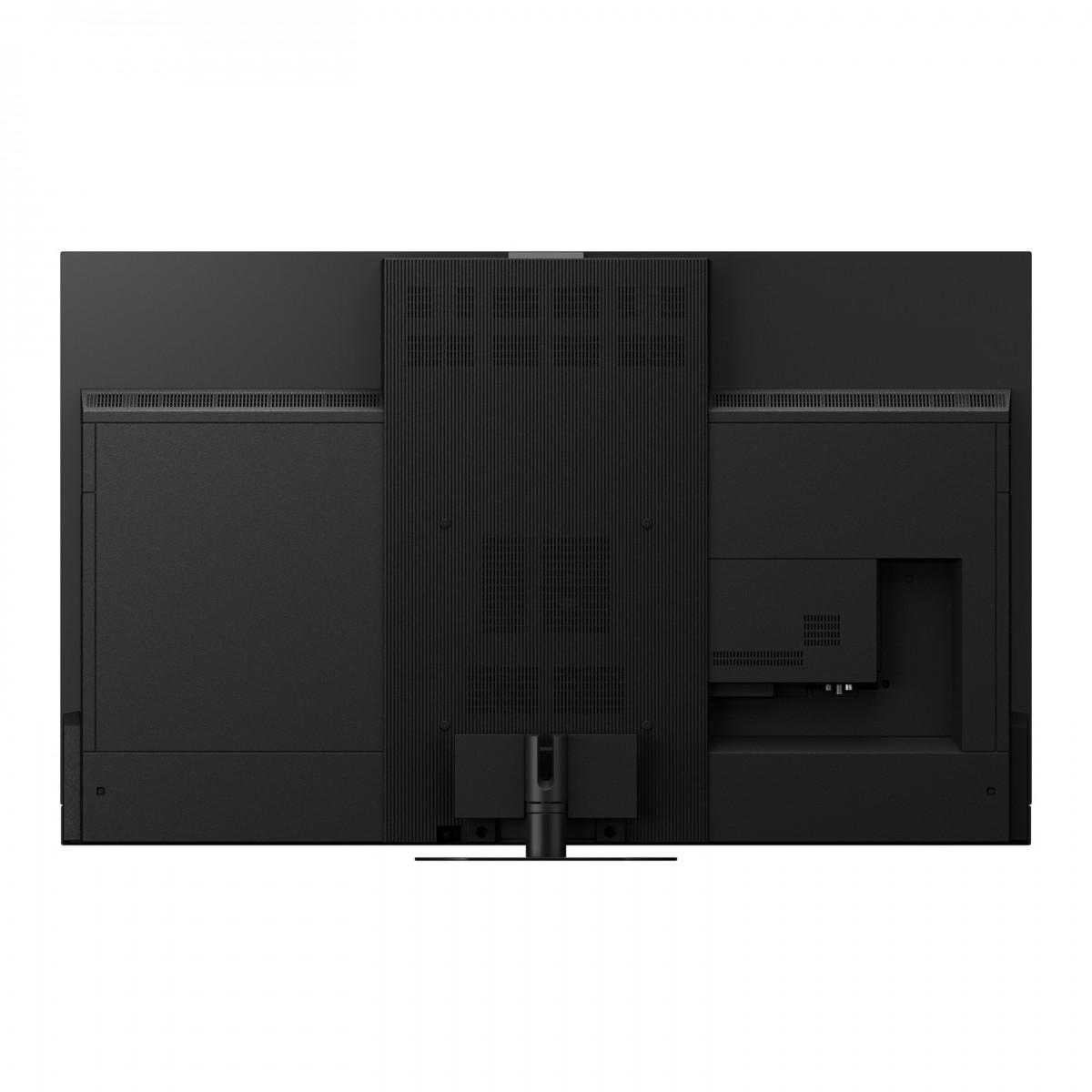
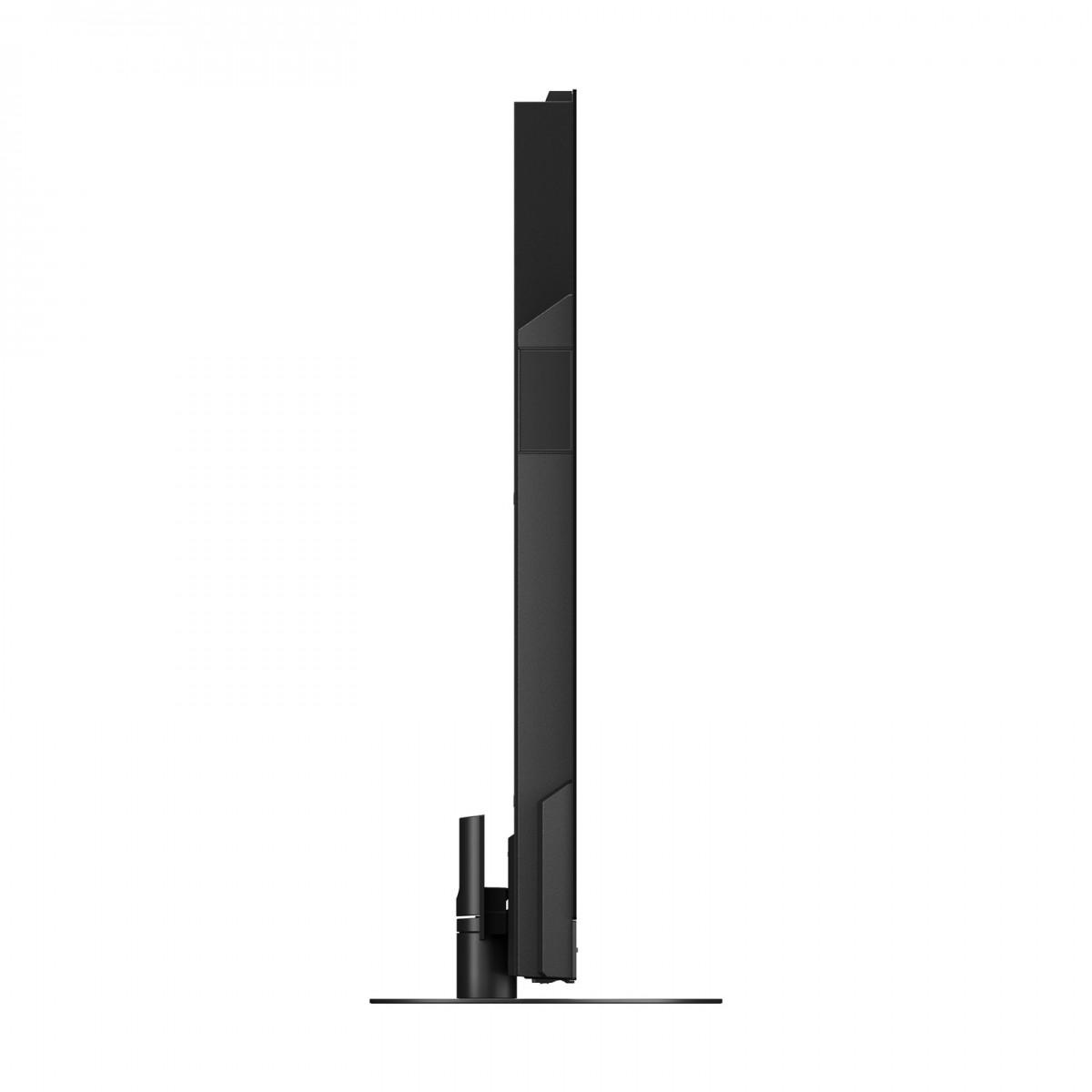
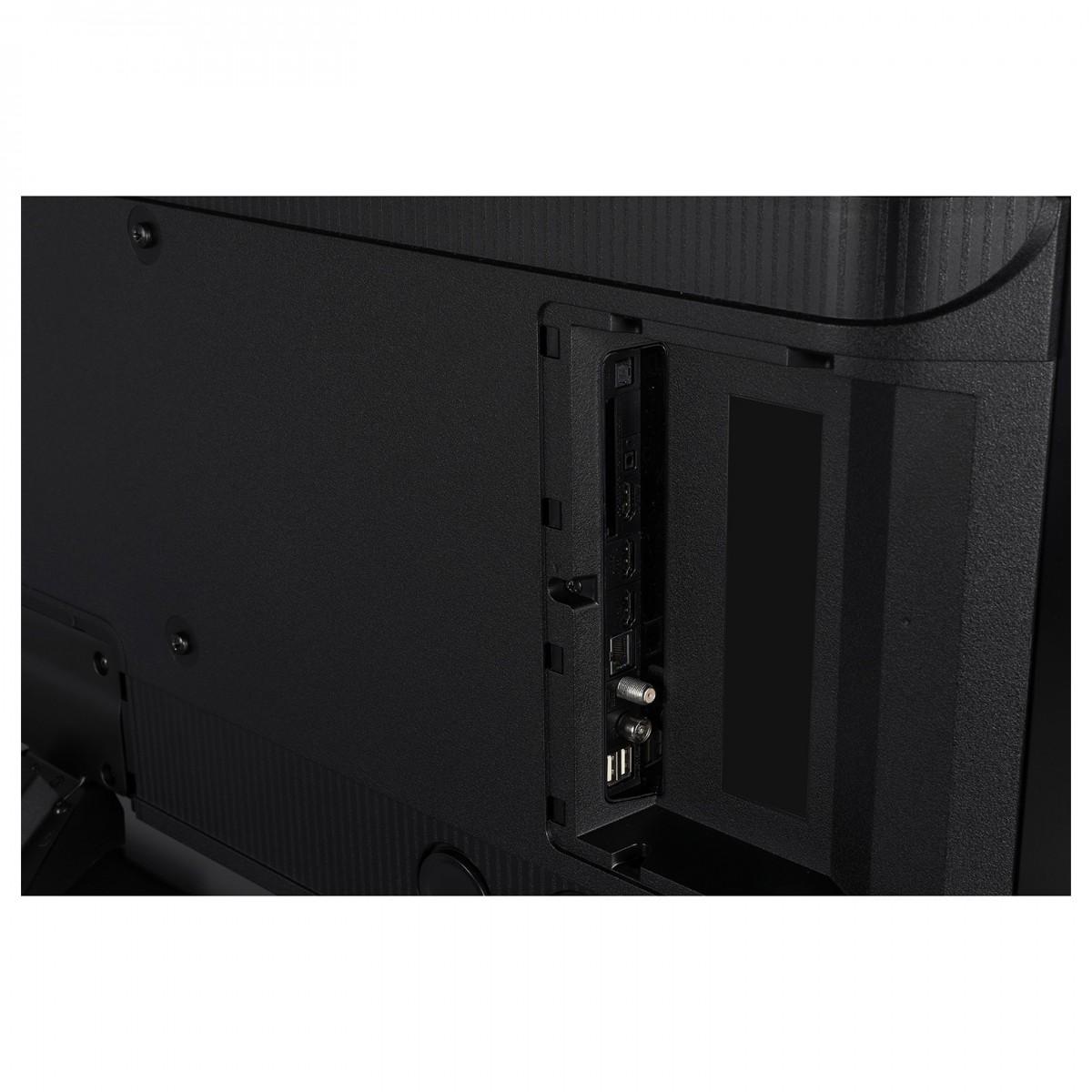
The Panasonic Z95A takes a more traditional approach with integrated connections and a slightly thicker profile. The build quality feels premium, and the ergonomic tilt design ensures comfortable viewing angles. While not as visually striking as the Samsung, it's a more conventional installation that some users will prefer.
This might be the most important practical difference between these TVs. The Samsung S95D's anti-glare matte finish is revolutionary for OLED technology. If you have windows, lamps, or other light sources that create reflections on your current TV, this Samsung will likely solve those problems completely.
The Panasonic Z95A performs best in darker, controlled environments where its superior HDR brightness can be fully appreciated without competing with ambient light. In bright rooms, reflections can be distracting, though the high peak brightness helps maintain picture quality better than older OLEDs.
At the time of writing, the Samsung S95D typically commands a lower price than the Panasonic Z95A, making it the better value proposition for most users. The Samsung delivers premium OLED performance with unique benefits (anti-glare coating, vibrant colors) at a more accessible price point.
The Panasonic Z95A justifies its premium pricing with superior HDR brightness, professional-grade audio, and complete HDR format support. For users who prioritize these features, the extra cost delivers meaningful benefits.
For dedicated home theater setups, the Panasonic Z95A has several advantages. Its superior HDR brightness makes a bigger impact in dark rooms, the complete HDR format support ensures compatibility with all content types, and the professional-grade processing delivers reference-level picture quality.
However, the Samsung S95D shouldn't be dismissed for home theater use. Its superior color volume can make movies more engaging, even if they're not perfectly accurate. The anti-glare coating also means you don't need to worry as much about controlling ambient light.
Choose the Panasonic Z95A if you're a serious movie enthusiast who wants the most accurate, cinema-like experience possible. The superior built-in audio makes it ideal for users who don't want to immediately invest in external speakers. It's also the better choice if you watch a lot of Dolby Vision content or prefer to view in darker environments where its HDR brightness advantage is most apparent.
The Samsung S95D is better for most users, especially those with bright living rooms or who prefer punchy, vibrant colors over strict accuracy. It's the smarter choice if you plan to add a soundbar anyway, want the most flexible installation options, or prioritize value while still getting premium performance.
For gaming-focused users, either TV will excel, with the Samsung having a slight edge for HDR gaming and the Panasonic offering superior motion processing.
Both TVs represent excellent implementations of premium OLED technology, but they serve different priorities. The Panasonic Z95A is the enthusiast's choice – more accurate, brighter HDR, superior audio, and professional-grade features that justify its premium pricing.
The Samsung S95D is the practical choice that still delivers a premium experience. Its anti-glare coating solves real-world problems, the colors are more immediately impressive to most viewers, and the lower price makes premium OLED more accessible.
Neither choice is wrong, but understanding these fundamental differences ensures you'll get the TV that best matches your room, viewing habits, and priorities. At this level of performance, both will deliver an exceptional viewing experience that represents a significant upgrade from budget and mid-range models.
| Panasonic Z95A 65" OLED | Samsung S95D 65" OLED |
|---|---|
| Panel Technology - Determines brightness capabilities and color performance | |
| LG Display Gen 2 MLA OLED (higher peak brightness) | Samsung QD-OLED (wider color gamut, anti-glare coating) |
| HDR Format Support - Critical for streaming and 4K Blu-ray compatibility | |
| Dolby Vision, HDR10+, HDR10, HLG (complete support) | HDR10+, HDR10, HLG (no Dolby Vision support) |
| Peak Brightness - Essential for impactful HDR and bright room viewing | |
| Higher HDR brightness via MLA technology | Very good brightness with better bright room performance |
| Audio System - Determines if you need external speakers immediately | |
| 160W with Sound Focus technology and premium Dolby Atmos | 70W 4.2.2-channel with Object Tracking Sound+ |
| Gaming Performance - Important for console and PC gamers | |
| 144Hz refresh rate, 9ms input lag, excellent motion handling | 144Hz refresh rate, 9ms input lag, Auto AI game optimization |
| Smart Platform - Affects daily usability and app ecosystem | |
| Amazon Fire TV (simple, Alexa integration) | Samsung Tizen OS (customizable, SmartThings integration) |
| Screen Finish - Major factor for rooms with windows or ambient light | |
| Traditional glossy OLED (prone to reflections) | Anti-glare matte finish (virtually eliminates reflections) |
| Design Approach - Impacts installation flexibility and aesthetics | |
| Integrated design with ergonomic tilt | Ultra-thin 11mm panel with One Connect box |
| Color Approach - Determines visual preference and accuracy | |
| Professional color accuracy, cinema-reference calibration | Vibrant, punchy colors with wider color volume |
| Value Positioning - Price-to-performance consideration | |
| Premium pricing for enthusiast features | Lower price point with excellent overall performance |
The Samsung S95D is significantly better for bright rooms due to its unique anti-glare matte screen finish that virtually eliminates reflections from windows and lamps. The Panasonic Z95A performs best in darker, controlled environments where its superior HDR brightness can shine without competing with ambient light.
The Panasonic Z95A prioritizes color accuracy and higher HDR brightness using LG's MLA OLED panel, making it ideal for cinematic viewing. The Samsung S95D uses QD-OLED technology to deliver more vibrant, punchy colors with a wider color gamut, creating a more immediately impressive visual experience.
The Panasonic Z95A has significantly better audio with its 160W speaker system and unique Sound Focus technology that can direct audio to specific areas of the room. The Samsung S95D has a decent 70W system but is designed with the expectation that users will add external speakers.
No, only the Panasonic Z95A supports Dolby Vision along with all other HDR formats (HDR10+, HDR10, HLG). The Samsung S95D lacks Dolby Vision support but compensates with excellent HDR10+ processing and superior overall brightness in HDR modes.
Both the Panasonic Z95A and Samsung S95D are excellent for gaming with 144Hz refresh rates and 9ms input lag. The Samsung has a slight edge for PC gaming due to higher HDR brightness and an Auto AI mode that optimizes settings by game genre automatically.
The Panasonic Z95A runs Amazon Fire TV with simple navigation and Alexa integration. The Samsung S95D uses Samsung's Tizen OS, which offers more customization options and deeper SmartThings smart home integration.
The Samsung S95D typically offers better value with a lower price point while still delivering premium OLED performance and unique features like the anti-glare coating. The Panasonic Z95A commands a premium but justifies it with superior HDR brightness, professional audio, and complete HDR format support.
Both are excellent for home theaters. The Panasonic Z95A is ideal for dedicated dark room setups with its superior HDR brightness, complete HDR format support, and professional-grade audio. The Samsung S95D works well in multipurpose rooms thanks to its anti-glare coating and vibrant colors.
The Samsung S95D features an ultra-thin 11mm panel with an external One Connect box for all connections, creating a floating appearance. The Panasonic Z95A uses a more traditional integrated design with connections built into the TV and an ergonomic tilt feature.
Both TVs handle motion excellently with their 144Hz panels. The Panasonic Z95A includes advanced MEMC processing for reduced motion blur, while the Samsung S95D focuses on low input lag and smooth gaming performance with less motion processing.
Yes, both the Panasonic Z95A and Samsung S95D work excellently with external audio systems. However, the Panasonic's superior built-in audio means you can delay adding a soundbar, while the Samsung's modest built-in speakers make external audio more immediately necessary.
Choose the Panasonic Z95A if you prioritize cinema-accurate colors, complete HDR format support including Dolby Vision, and don't mind paying extra for reference-level picture quality. Pick the Samsung S95D if you prefer more vibrant colors, have a bright room, or want excellent performance at a lower price point.
We've done our best to create useful and informative comparisons to help you decide what product to buy. Our research uses advanced automated methods to create this comparison and perfection is not possible - please contact us for corrections or questions. These are the sites we've researched in the creation of this article: youtube.com - youtube.com - whathifi.com - tomsguide.com - shop.panasonic.com - store.in.panasonic.com - rtings.com - applianceplus.co.nz - rtings.com - store.in.panasonic.com - samsung.com - techradar.com - videoandaudiocenter.com - avsforum.com - cnet.com - abt.com - merlinstv.com - nfm.com - rtings.com - flintsfurniture.com - samsung.com - bestbuy.com - displayspecifications.com

Privacy Policy
Terms and Conditions - Affiliate Policy
Home Security
© Copyright 2008-2026.
11816 Inwood Rd #1211, Dallas, TX 75244