

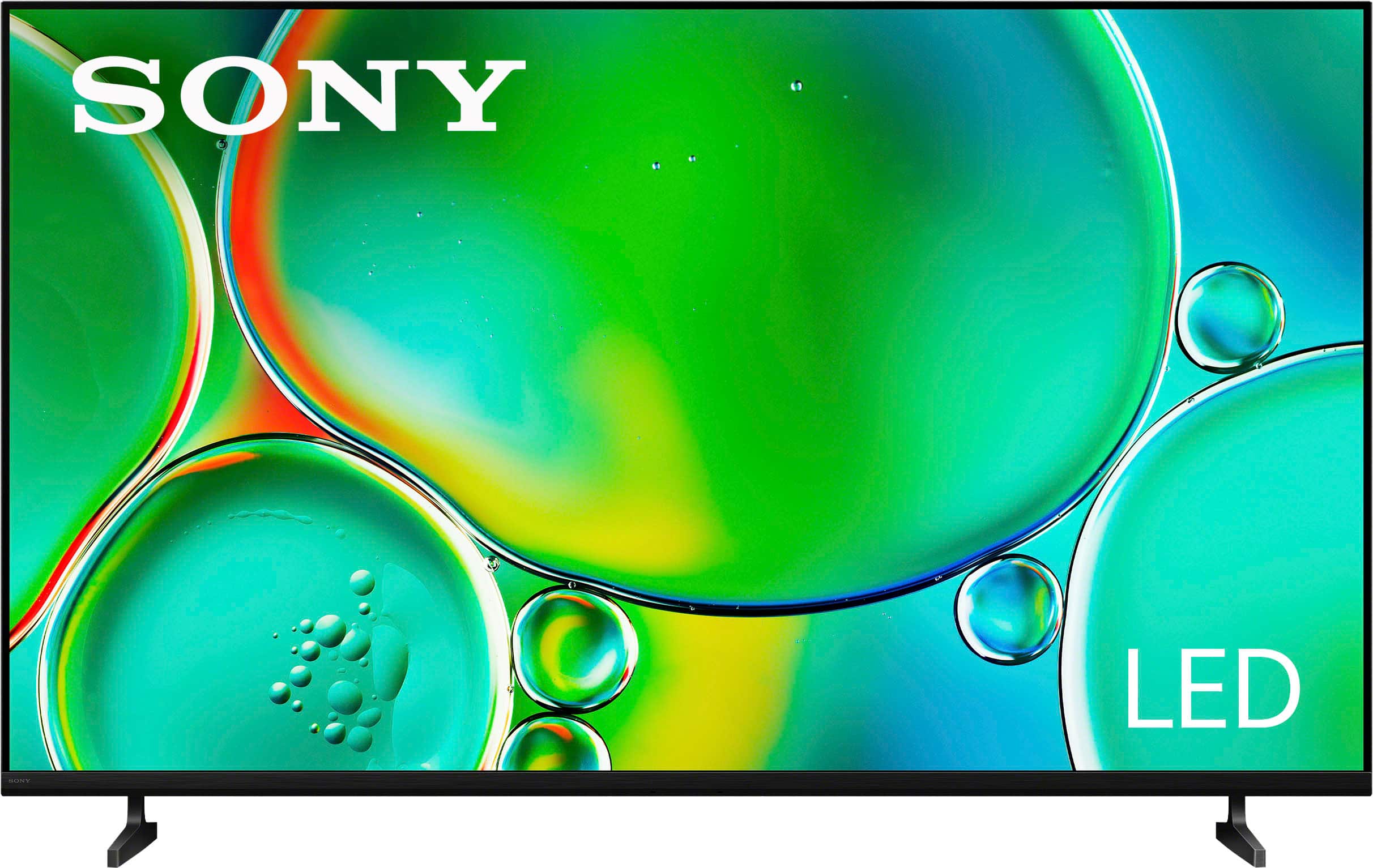
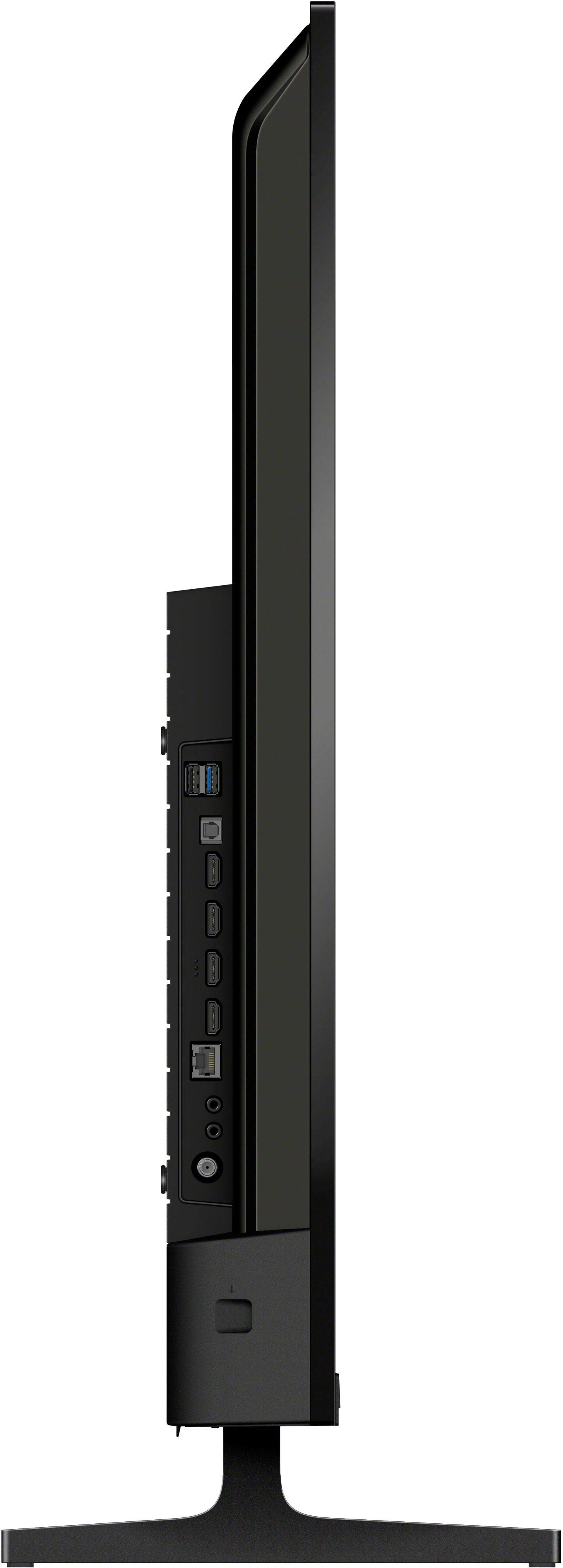
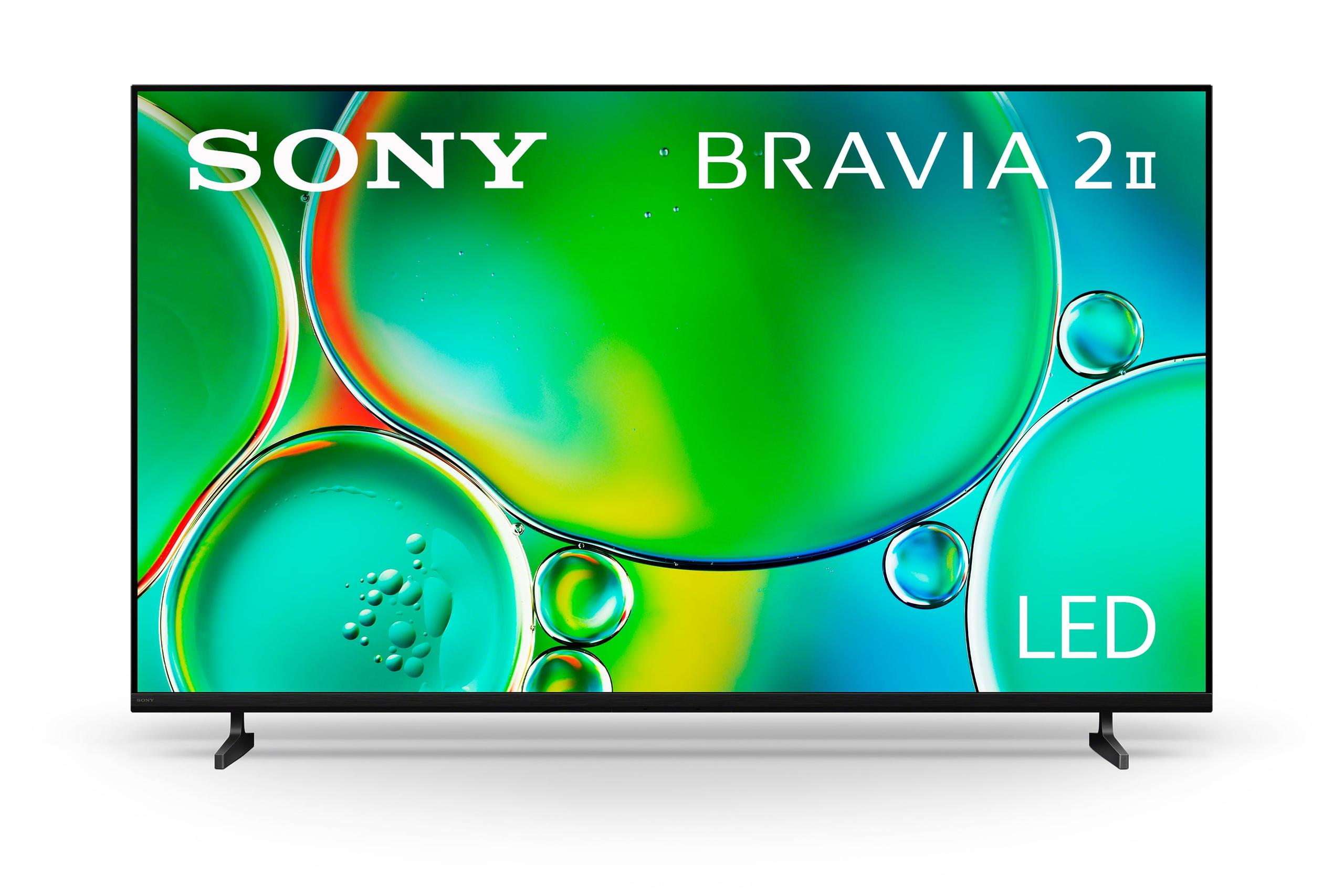

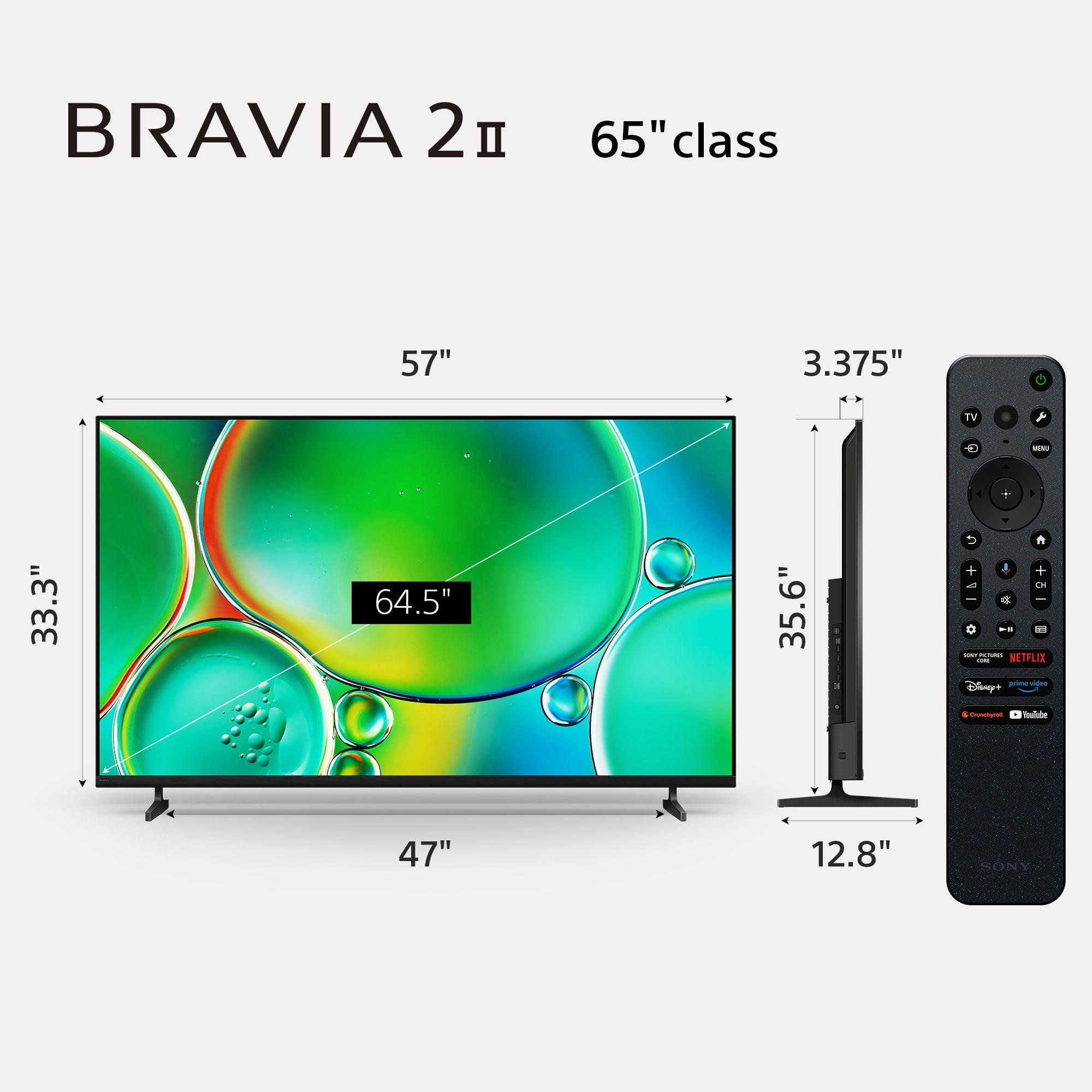




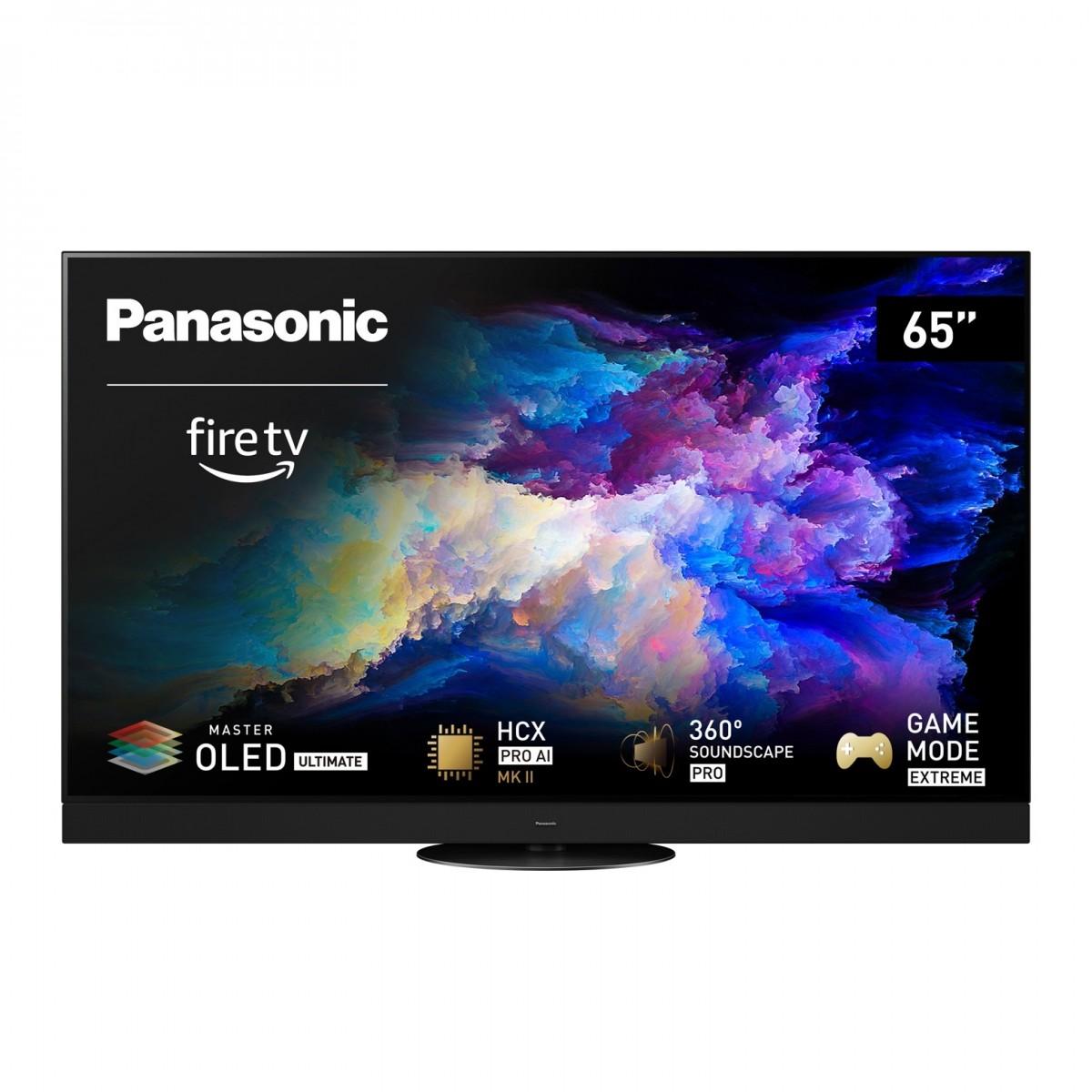
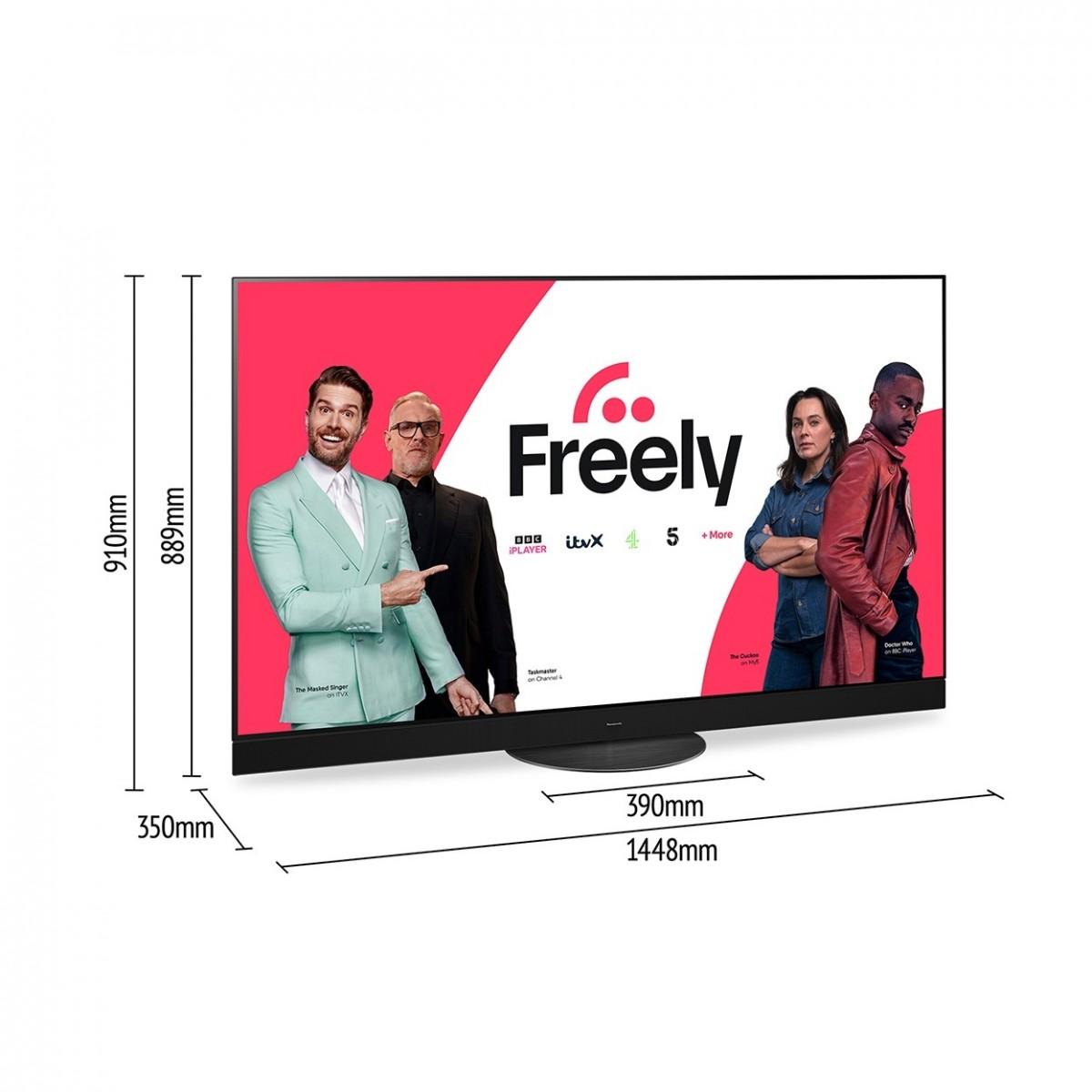
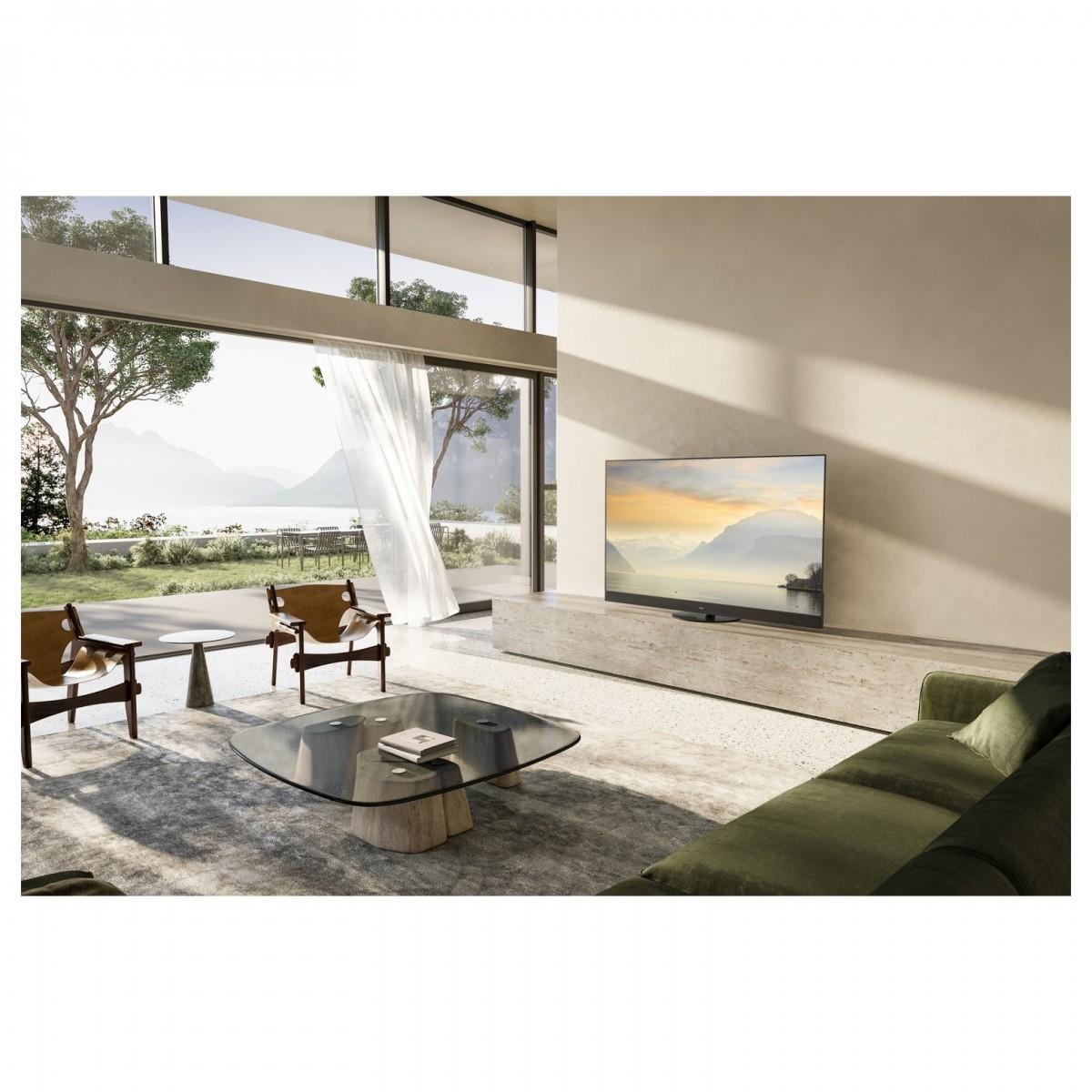
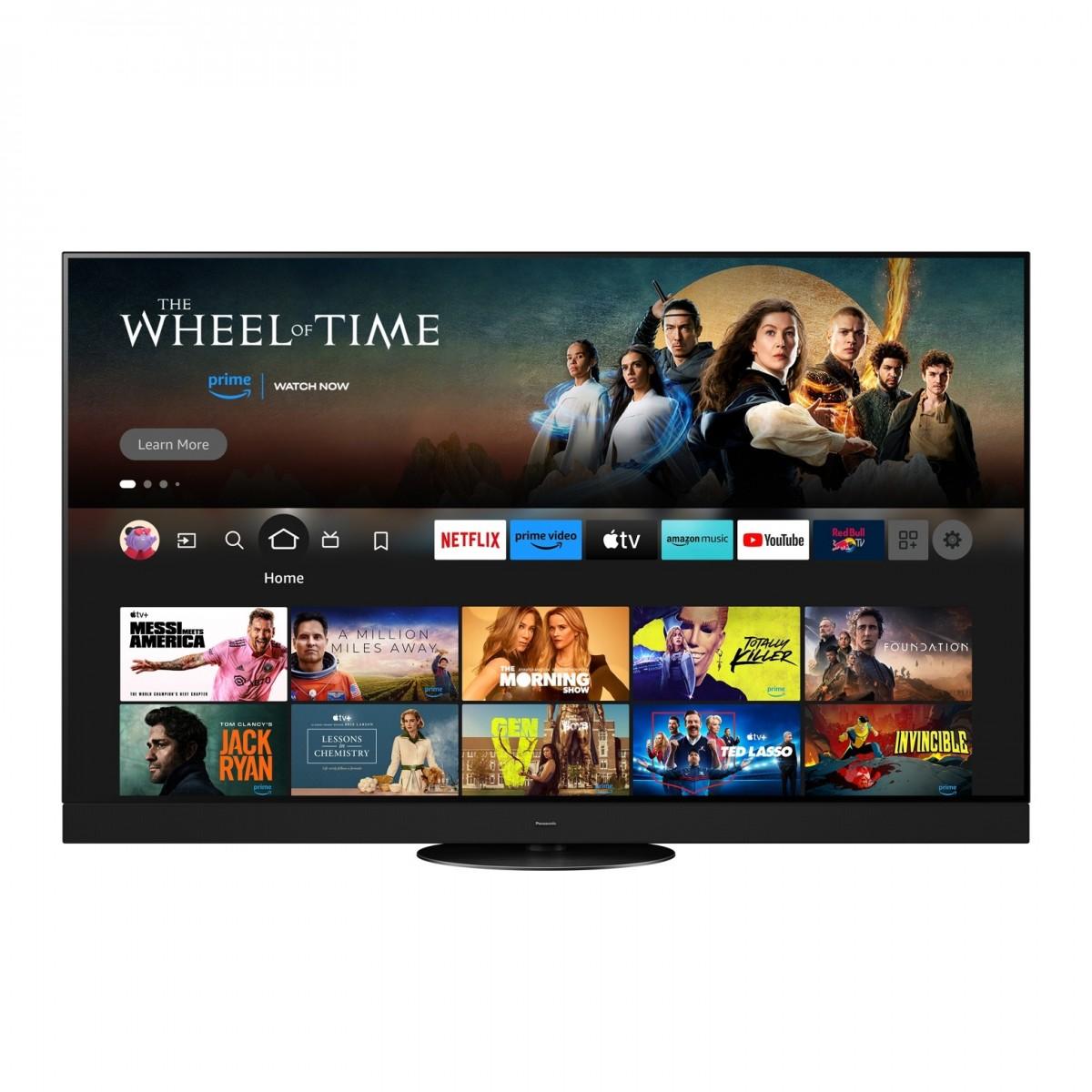
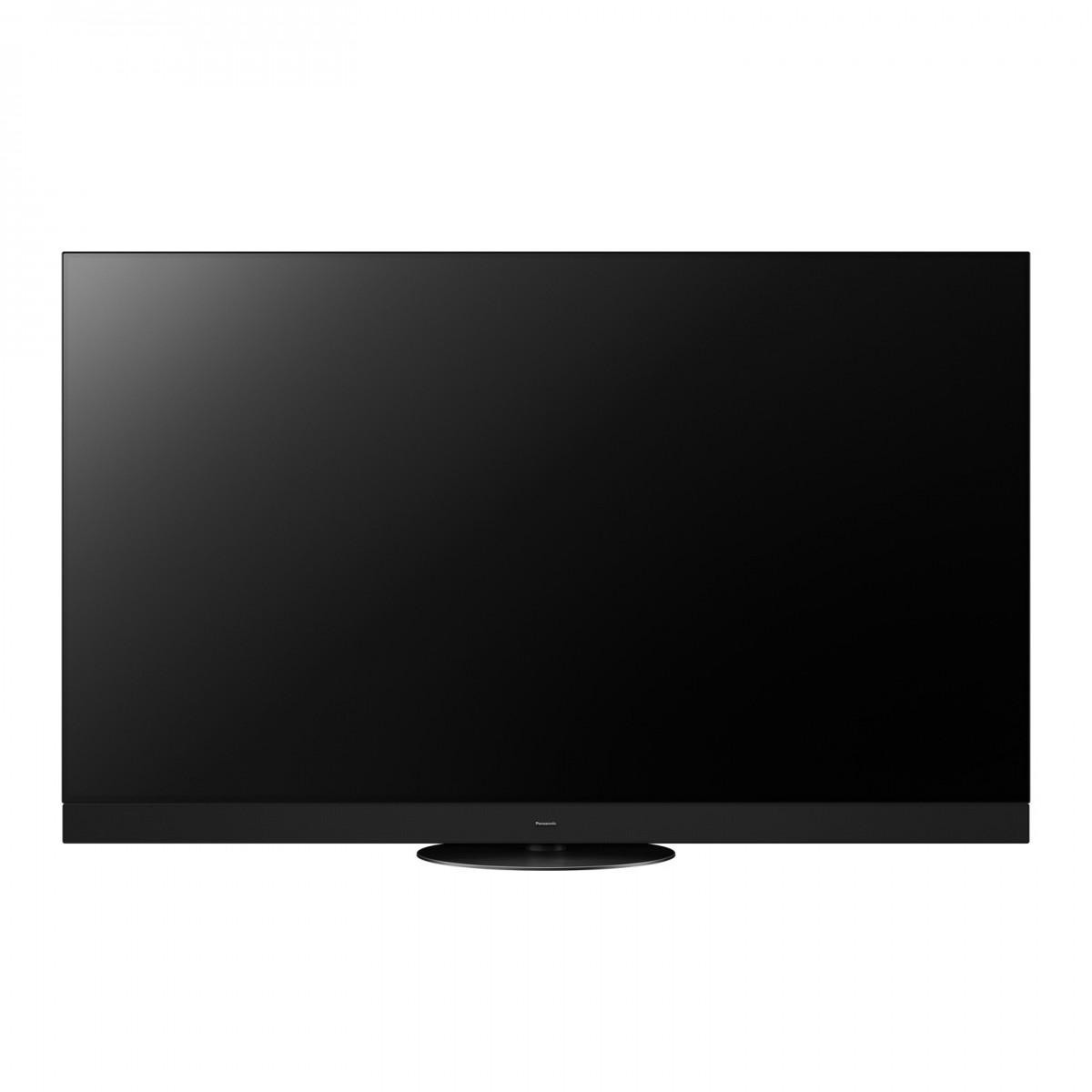
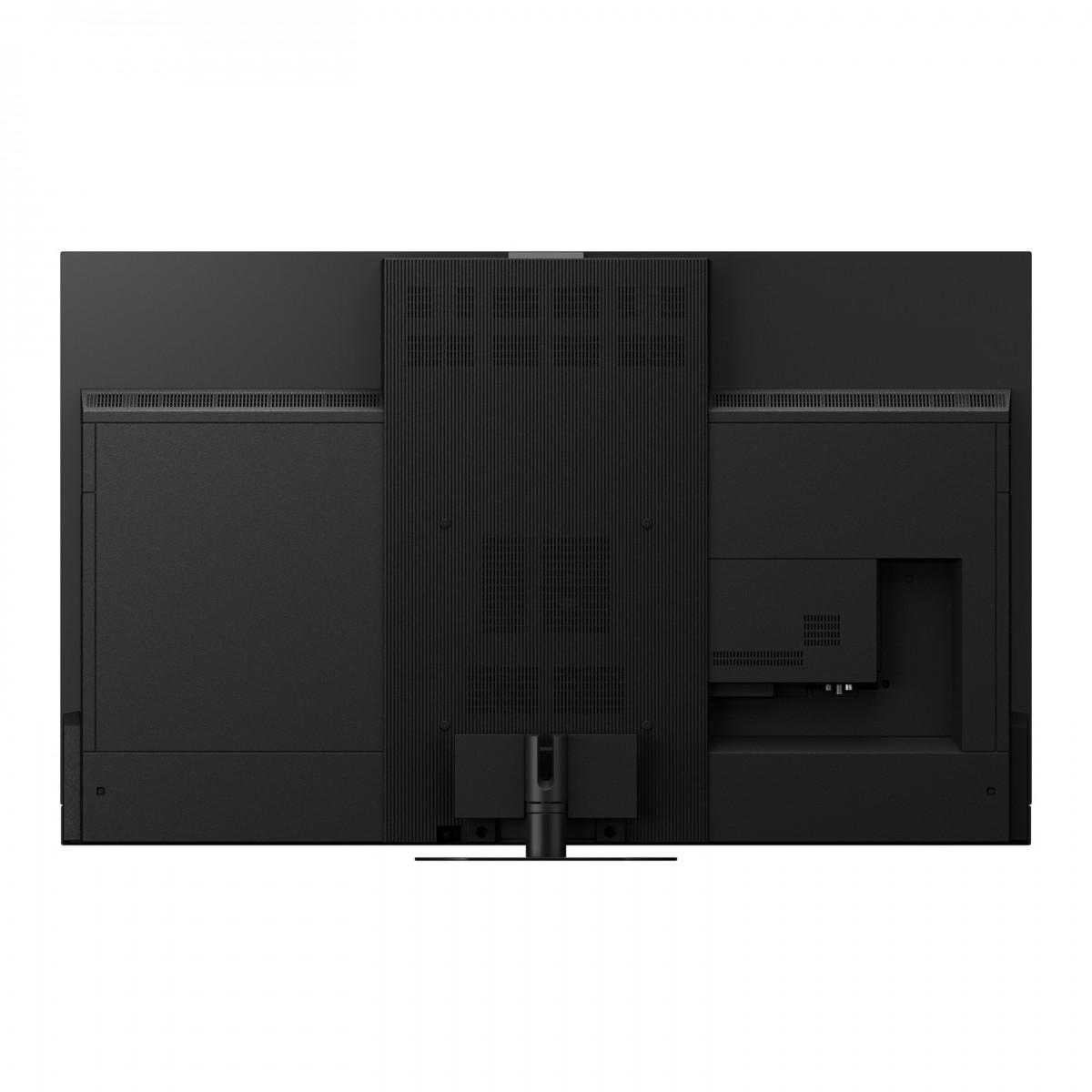
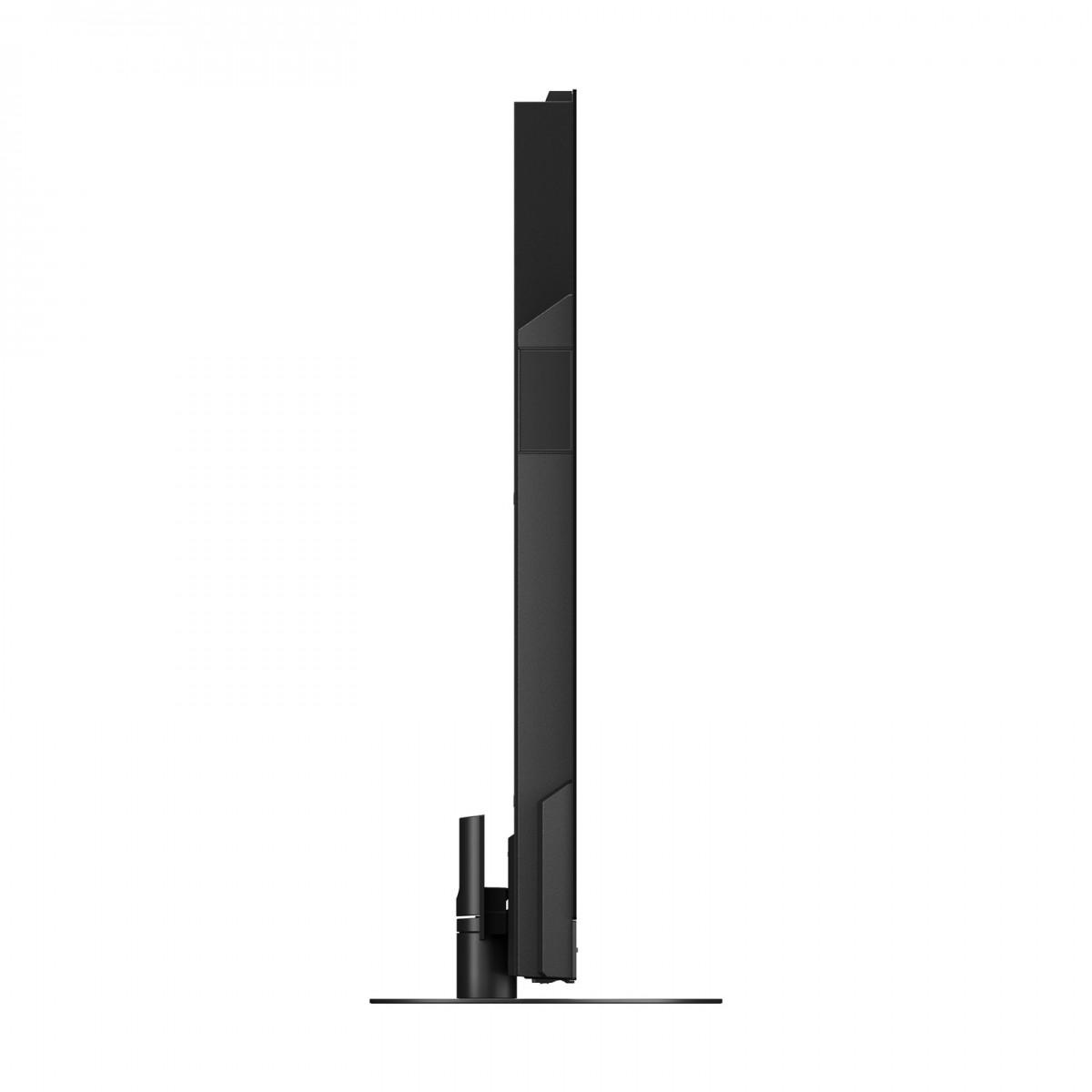
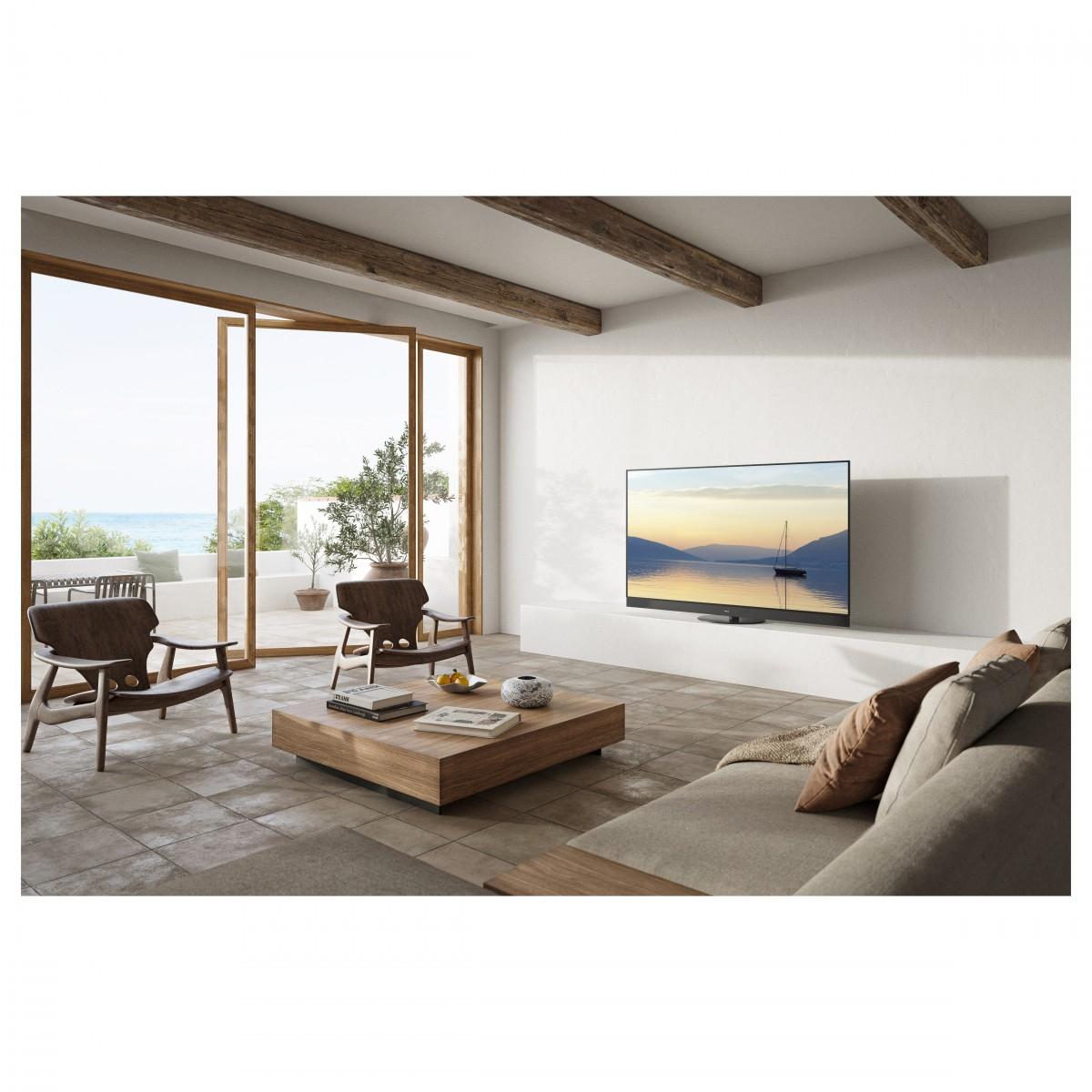
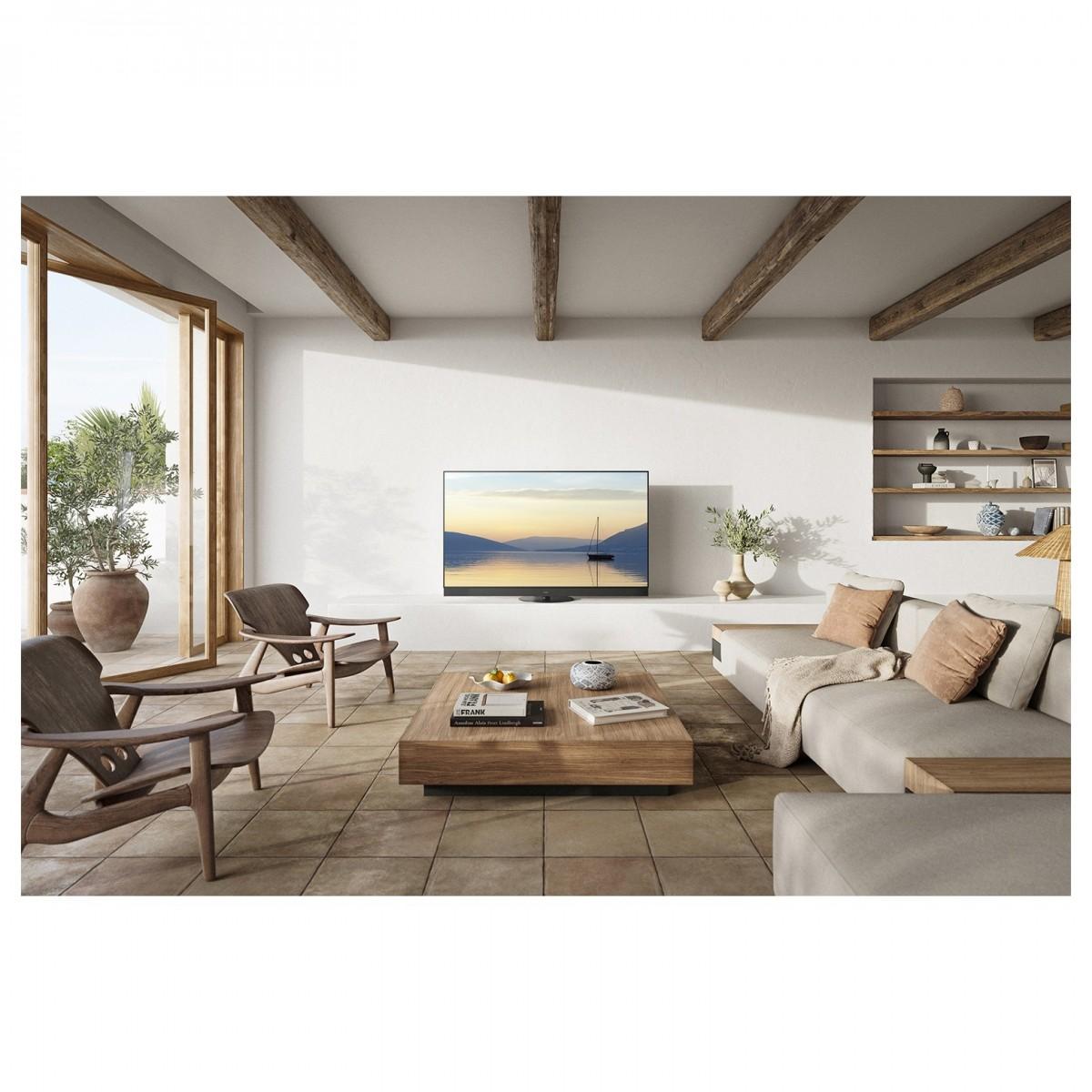
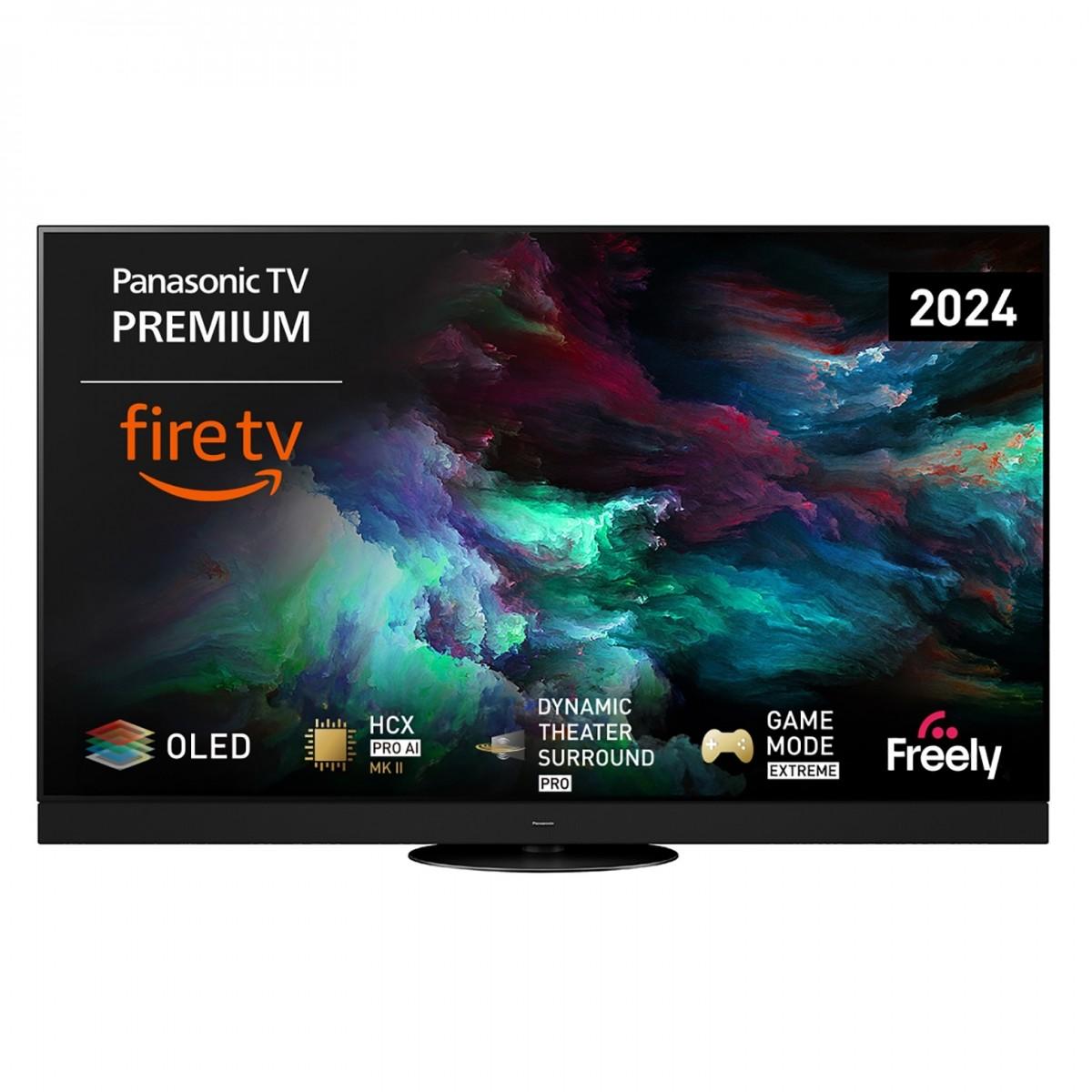
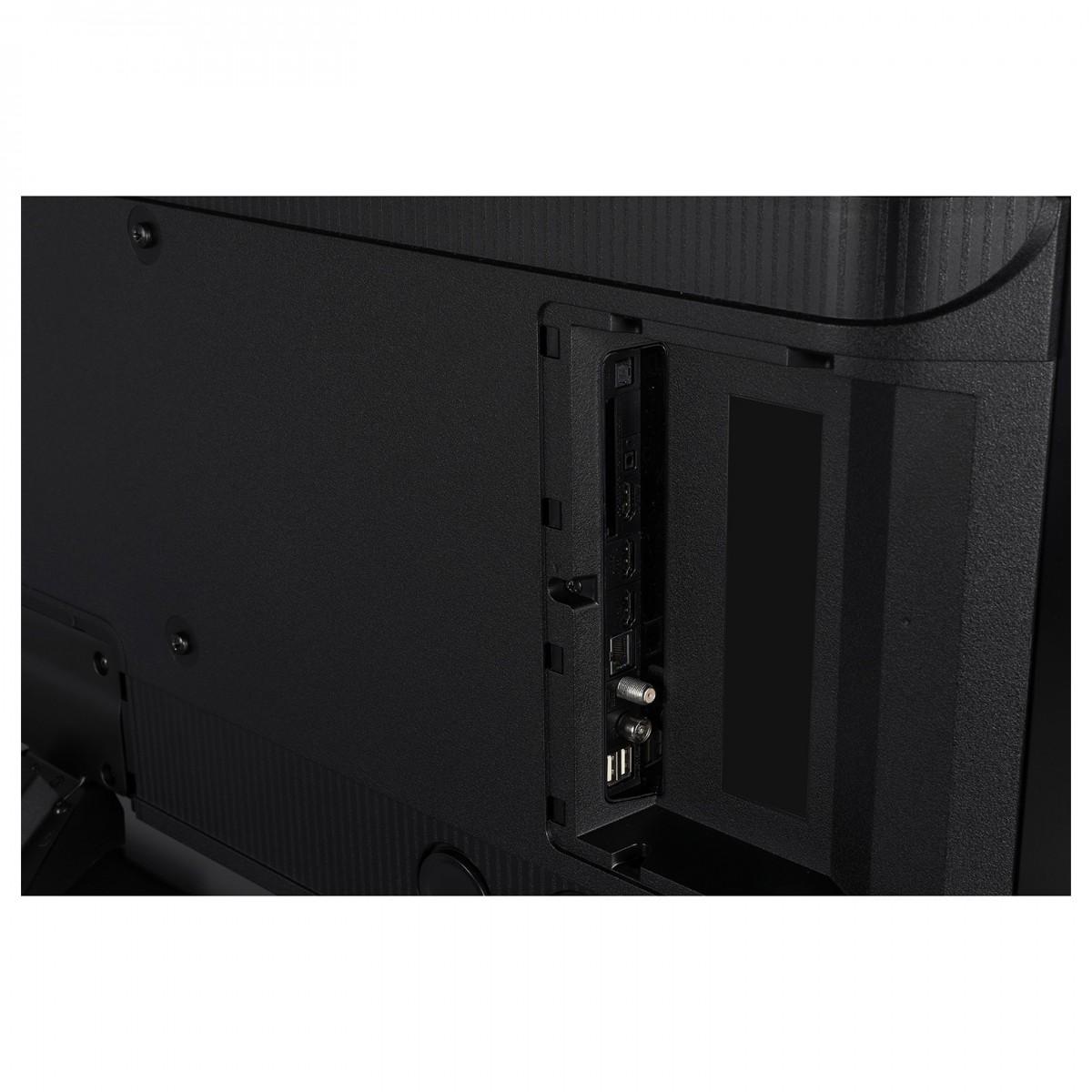
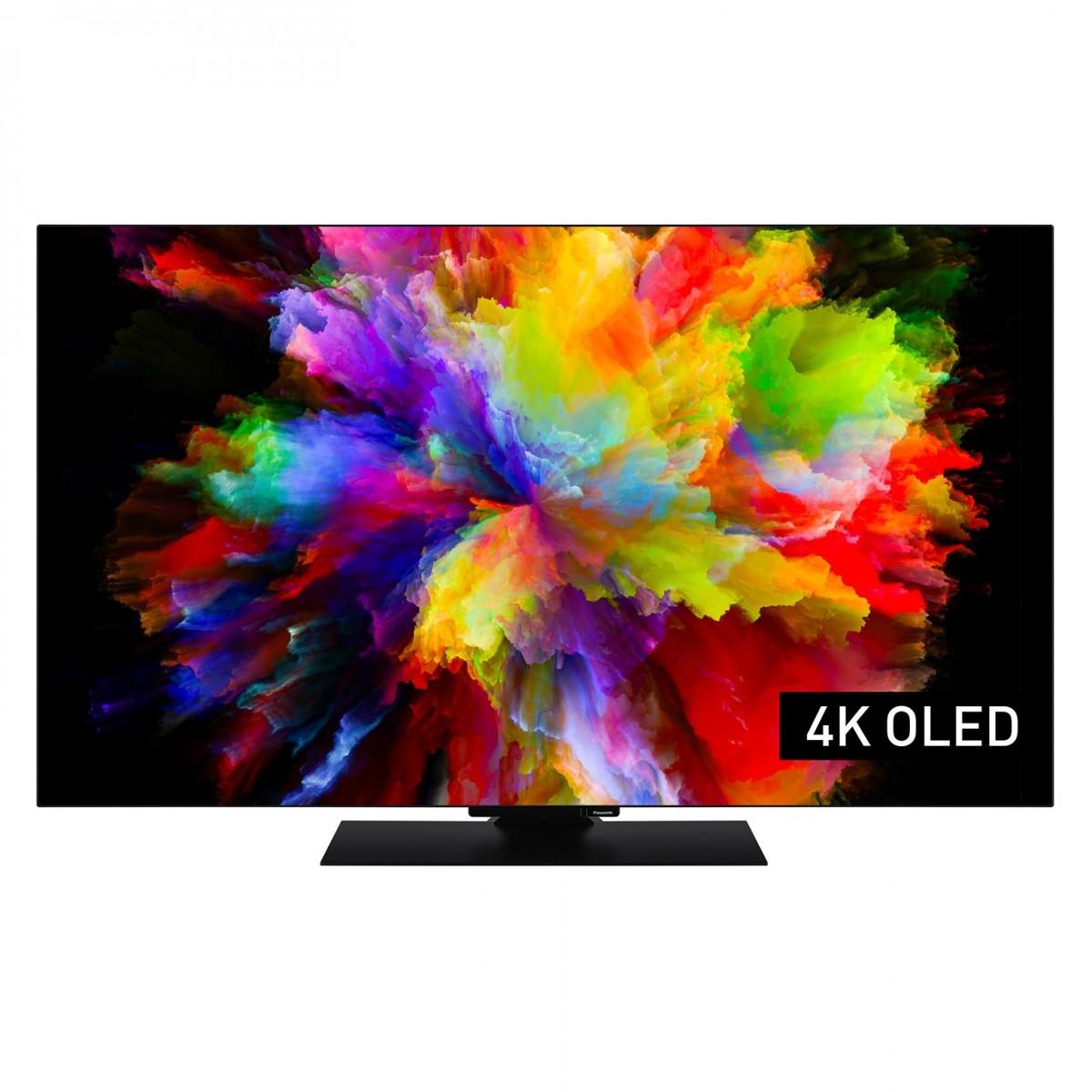
When you're shopping for a 65-inch 4K TV, you'll quickly discover there's a massive price gap between entry-level LED models and premium OLED displays. The Panasonic Z95A OLED and Sony BRAVIA 2 II LED perfectly illustrate this divide, representing two completely different philosophies in TV design and pricing. At the time of writing, you're looking at roughly a five-fold price difference between these models, which raises an obvious question: what exactly are you getting for that extra money?
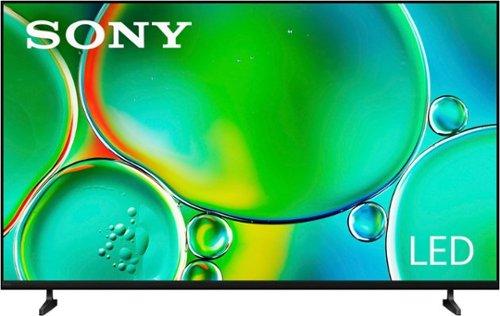
Before diving into specifics, it's crucial to understand the fundamental difference between these display technologies. The Sony BRAVIA 2 II uses LED backlighting with an LCD panel – essentially, thousands of tiny LED lights behind a liquid crystal display that blocks or allows light through to create images. Think of it like a flashlight shining through a stained glass window.
The Panasonic Z95A, on the other hand, uses OLED (Organic Light-Emitting Diode) technology, where each individual pixel produces its own light. When a pixel needs to be black, it simply turns off completely. This fundamental difference creates the most significant performance gap between these TVs.
OLED technology has matured significantly since its consumer debut in the early 2010s. Modern OLED panels like the one in the Panasonic Z95A feature micro lens array technology, which improves brightness and efficiency – two areas where early OLEDs struggled. The 2024-2025 generation of OLED TVs represents the best balance yet of deep blacks, bright highlights, and longevity.
This is where the Panasonic Z95A absolutely dominates. OLED's ability to produce perfect blacks – true zero luminance – creates an infinite contrast ratio that LED TVs simply cannot match. When watching a movie scene with stars against a night sky, those black areas are genuinely black, not the dark gray you'll see on LED displays.
The Sony BRAVIA 2 II uses frame dimming, which adjusts the entire backlight based on the average brightness of the scene. While this helps with overall contrast, you'll still notice some light bleed around bright objects against dark backgrounds – what we call "blooming." It's most noticeable when watching movies with dark scenes, like horror films or space movies.
For home theater enthusiasts, this contrast difference is huge. The Panasonic Z95A delivers that cinematic experience where dark scenes have genuine depth and dimensionality. You'll see shadow details that simply disappear on LED displays, making for a more immersive viewing experience.
Here's where things get interesting. While the Panasonic Z95A produces perfect blacks, the Sony BRAVIA 2 II can get significantly brighter. Peak brightness – measured in nits – determines how well a TV handles bright scenes and HDR (High Dynamic Range) content.
The Sony BRAVIA 2 II typically reaches higher peak brightness levels, making it better suited for bright living rooms where sunlight might wash out darker displays. If you're watching TV during the day with windows nearby, that extra brightness becomes genuinely useful.
HDR support differs significantly between these models. The Panasonic Z95A supports all major HDR formats, including Dolby Vision, HDR10+, HDR10, and HLG. Dolby Vision is particularly important – it's a premium HDR format that adjusts brightness and color scene-by-scene rather than using static settings for entire movies. The TV also features Dolby Vision IQ, which uses ambient light sensors to adjust the HDR picture based on your room's lighting conditions.
The Sony BRAVIA 2 II supports HDR10 and HLG but lacks Dolby Vision support. While HDR10 covers most content, you'll miss out on the enhanced experience that Dolby Vision provides for Netflix originals, Disney+ content, and UHD Blu-rays that support it.
Both TVs handle color differently, and this is where processing power becomes crucial. The Panasonic Z95A uses the HCX Pro AI Processor MKII with Hexa Chroma Drive technology. This processor analyzes incoming content in real-time and adjusts color, contrast, and clarity automatically. It's particularly impressive with how it handles different content types – sports, movies, and games each get optimized processing.
The Wide Colour Gamut support on the Panasonic Z95A means it can display a broader range of colors than standard displays. This is especially noticeable in nature documentaries or animated content where vibrant colors really pop.
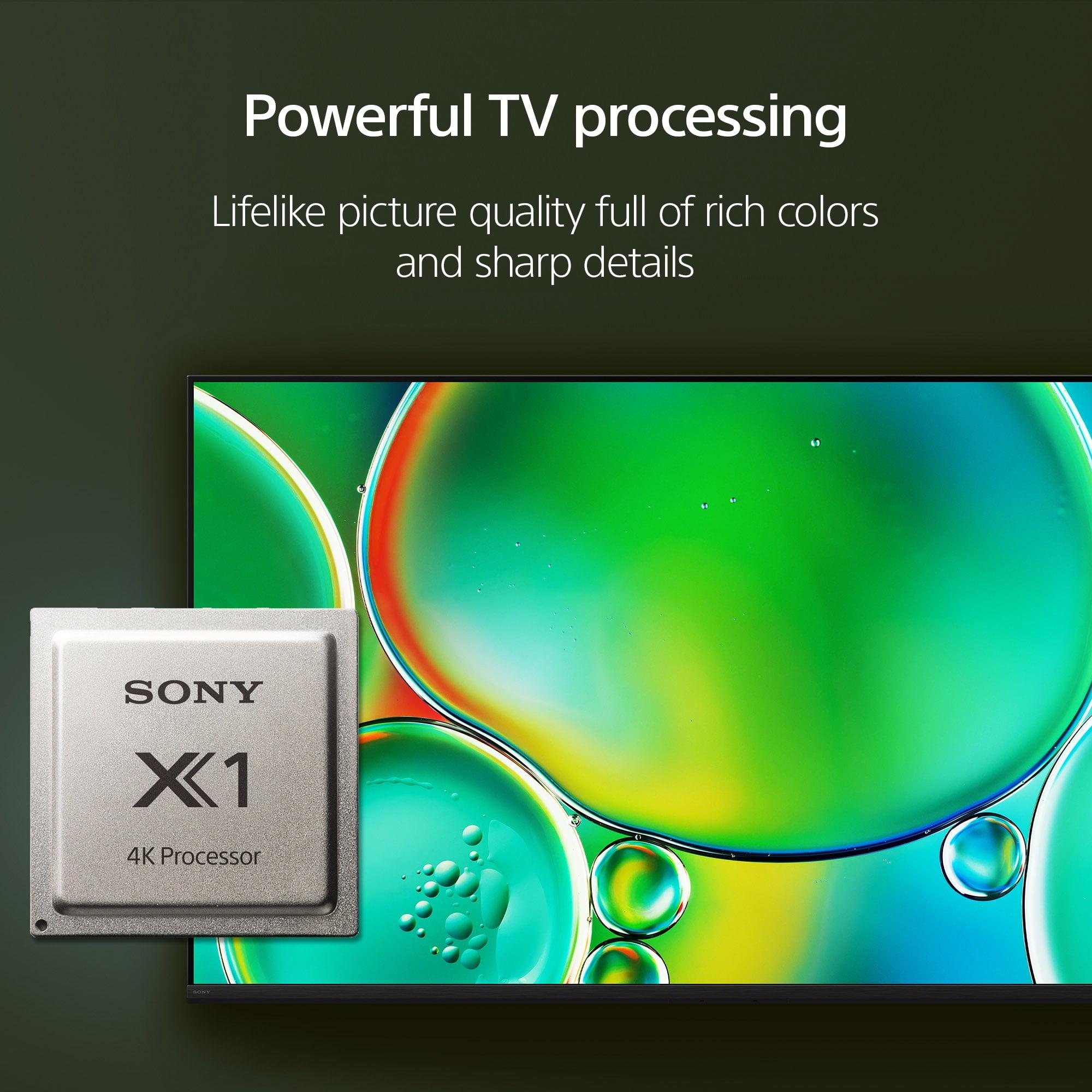
The Sony BRAVIA 2 II uses Sony's 4K Processor X1 with Live Color technology. While not as advanced as Panasonic's flagship processor, it still delivers impressive color reproduction that often surprises viewers expecting budget-level performance. Sony has always been strong in color processing, and even their entry-level models benefit from this expertise.
This is a critical difference for sports fans and gamers. The Panasonic Z95A offers a 144Hz refresh rate, which means it can display 144 unique frames per second. This creates incredibly smooth motion, whether you're watching fast-paced sports or playing high-frame-rate games on a modern gaming console.
The Sony BRAVIA 2 II is limited to 60Hz native refresh rate, though it includes Motionflow XR processing to interpolate additional frames. While this helps with motion smoothness, it's not the same as true high refresh rate performance. For casual viewing, this limitation won't be noticeable, but gaming enthusiasts and sports fans will definitely prefer the Panasonic Z95A.
The smart TV experience has become increasingly important as streaming dominates how we watch content. The Sony BRAVIA 2 II runs Google TV, which provides access to thousands of apps and integrates well with other Google services. The interface is intuitive, regularly updated, and includes features like content recommendations across multiple streaming services.
The Panasonic Z95A takes a more traditional approach with pre-installed apps and voice control support for both Google Assistant and Alexa. While functional, it doesn't offer the comprehensive smart TV ecosystem that Google TV provides. You get essential apps like YouTube, Netflix, and Disney+, but the overall experience feels less integrated.
Both TVs support screen mirroring and casting, though the Sony BRAVIA 2 II has broader compatibility with both Chromecast and Apple AirPlay 2, making it more flexible for users in mixed-device households.
Modern gaming consoles benefit significantly from advanced TV features, and there's a clear winner here. The Panasonic Z95A offers superior gaming performance with its 144Hz refresh rate, Auto Low Latency Mode (ALLM), and Variable Refresh Rate (VRR) support. These features eliminate screen tearing and reduce input lag – the delay between pressing a button and seeing the action on screen.
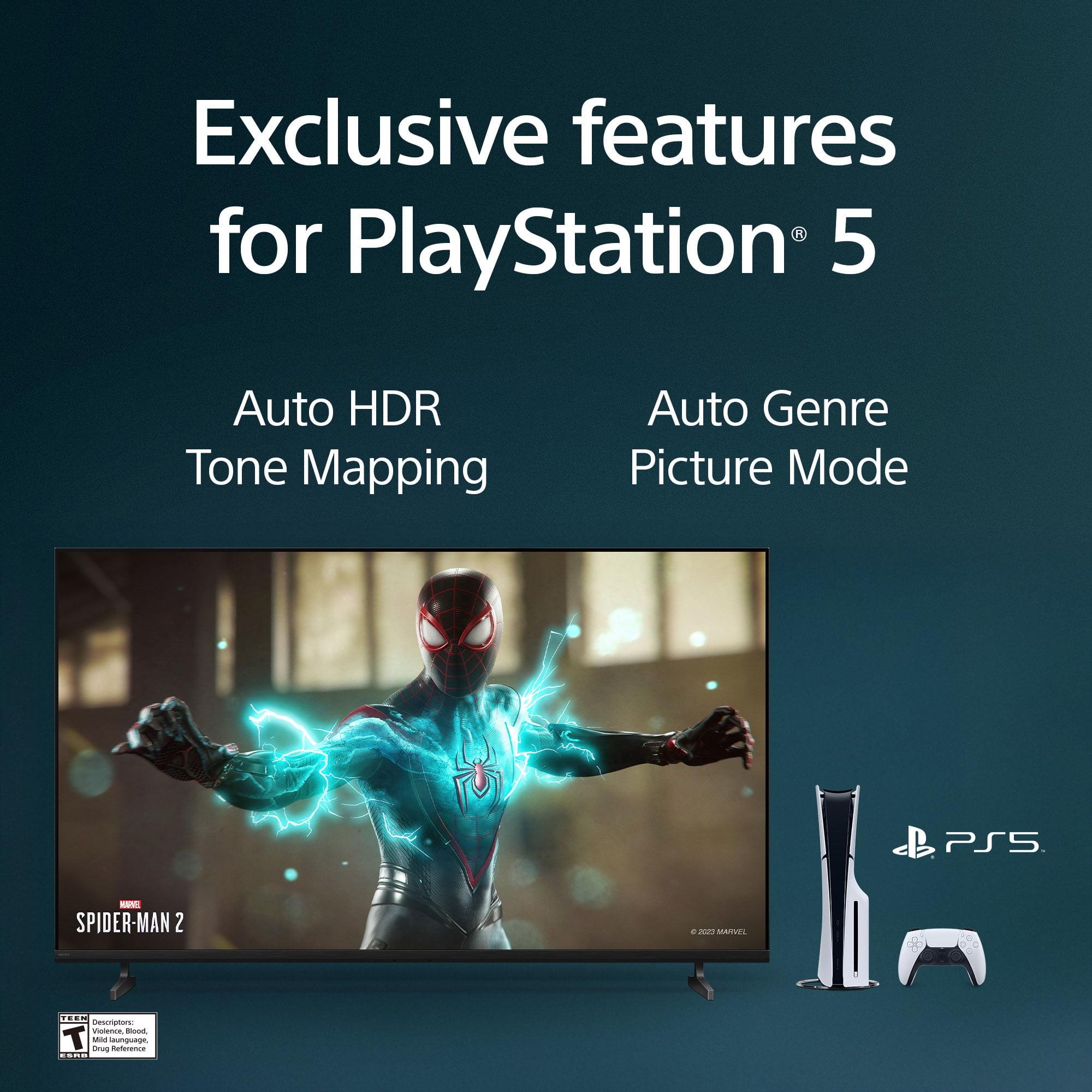
The Sony BRAVIA 2 II includes basic gaming features like ALLM and Game Mode, plus PlayStation 5-specific optimizations like Auto HDR Tone Mapping. However, the 60Hz limitation means you won't get the smoothest possible gaming experience with modern consoles that can output 120Hz in many games.
For serious gamers, especially those with PlayStation 5 or Xbox Series X consoles, the Panasonic Z95A provides a noticeably superior experience. The higher refresh rate isn't just about bragging rights – it genuinely makes fast-paced games feel more responsive and visually smoother.
Audio performance often gets overlooked in TV comparisons, but both models offer respectable built-in sound. The Sony BRAVIA 2 II features a 40W Open Baffle Speaker system with Dolby Atmos support, while the Panasonic Z95A includes a 20W system with upward-firing speakers for more immersive surround sound.
Despite lower wattage, the Panasonic Z95A's speaker configuration creates better spatial audio. However, at these price points – especially for the premium Panasonic Z95A – most users should budget for a dedicated soundbar or speaker system. Built-in TV speakers, regardless of quality, simply cannot match the performance of purpose-built audio equipment.
The price difference between these TVs represents one of the most significant value decisions in consumer electronics. At the time of writing, the Sony BRAVIA 2 II offers exceptional performance per dollar, delivering solid 4K picture quality, modern smart features, and reliable operation at a fraction of the Panasonic Z95A's cost.
The Panasonic Z95A commands its premium through superior display technology, advanced processing, and features that appeal to enthusiasts. The question becomes: do you value that absolute picture quality enough to pay the significant premium?
For most viewers in typical living room environments, the Sony BRAVIA 2 II provides a satisfying upgrade from older TVs. You get sharp 4K detail, good color reproduction, and modern smart features without breaking the bank. The higher brightness also works better in rooms with significant ambient light.
However, if you're building a dedicated home theater or movie room, the Panasonic Z95A delivers an experience that's genuinely different, not just incrementally better. The perfect blacks and infinite contrast create that "wow factor" that's immediately apparent when watching quality content in darker environments.
In a dedicated home theater setup, display quality becomes paramount because you're optimizing the entire environment for viewing. Here, the Panasonic Z95A shines brightest. The perfect blacks work beautifully in dark rooms, creating that immersive cinematic experience that home theater enthusiasts crave.
The wide color gamut and Dolby Vision support become more meaningful when you're watching premium content on UHD Blu-rays or high-quality streaming. The difference is particularly striking in content that was mastered with HDR in mind – think big-budget movies, nature documentaries, or premium streaming series.
The Sony BRAVIA 2 II can certainly work in a home theater, but you'll need to manage expectations. It's a solid performer that gets you most of the way there at a much lower cost, but it won't deliver that reference-quality experience that serious movie buffs are seeking.
The Sony BRAVIA 2 II makes sense for buyers who want modern 4K performance without premium pricing. It's ideal for bright living rooms, casual viewing, or as a secondary TV in bedrooms or kitchens. If you're upgrading from an older HD TV, the improvement will be dramatic regardless of the Sony BRAVIA 2 II's limitations compared to premium models.
Choose the Panasonic Z95A if picture quality is your primary concern and budget allows for the investment. It's designed for viewers who notice and appreciate the difference that premium display technology makes. The target audience includes home theater enthusiasts, serious gamers who want the best possible experience, and anyone who watches a lot of movies in darker environments.
The decision ultimately comes down to priorities and budget. Both TVs serve their intended markets well, but they're aimed at completely different buyer profiles. The Sony BRAVIA 2 II maximizes value and delivers solid performance for everyday use, while the Panasonic Z95A targets users who want the best possible picture quality and are willing to pay significantly more to get it.
In my research and evaluation of user feedback, satisfaction levels are high for both models within their respective price categories. Sony BRAVIA 2 II owners consistently praise the value proposition and ease of use, while Panasonic Z95A owners highlight the superior picture quality and premium features that justify the higher investment.
The choice between these TVs reflects a broader decision about how much you value incremental improvements in picture quality versus getting excellent performance at a more accessible price point. Both approaches have merit, and the right choice depends entirely on your specific needs, viewing habits, and budget constraints.
| Panasonic Z95A 65" OLED 4K Ultra HD Smart TV | Sony BRAVIA 2 II 65" 4K LED Google TV 2025 |
|---|---|
| Display Technology - The fundamental difference that drives all other performance characteristics | |
| OLED with micro lens array (perfect blacks, infinite contrast) | Direct LED with LCD panel (brighter but limited contrast) |
| Black Levels - Critical for movie watching and dark room viewing | |
| Perfect blacks (pixels turn completely off) | Dark gray blacks with some light bleed |
| Peak Brightness - Determines performance in bright rooms and HDR impact | |
| Moderate brightness, optimized for dark/medium rooms | Higher peak brightness, better for bright living spaces |
| Refresh Rate - Essential for gaming and fast motion content | |
| 144Hz (excellent for gaming and sports) | 60Hz native (adequate for most content) |
| HDR Support - Affects color and contrast in premium content | |
| HDR10, HDR10+, Dolby Vision, HLG (complete support) | HDR10, HLG (missing Dolby Vision premium format) |
| Processor - Determines upscaling quality and smart features | |
| HCX Pro AI Processor MKII with scene optimization | 4K Processor X1 with Live Color technology |
| Smart TV Platform - Affects app selection and user experience | |
| Pre-installed apps with Google/Alexa voice control | Full Google TV with comprehensive app ecosystem |
| Gaming Features - Important for console gaming performance | |
| 144Hz, VRR, ALLM, Game Mode (premium gaming experience) | 60Hz, ALLM, PlayStation 5 optimizations (basic gaming) |
| Audio System - Built-in sound quality and surround capabilities | |
| 20W with Dolby Atmos and upward-firing speakers | 40W Open Baffle system with Dolby Atmos/DTS:X |
| Color Gamut - Affects color vibrancy and accuracy | |
| Wide Colour Gamut with Hexa Chroma Drive | Standard color gamut with Live Color enhancement |
| Target Room Environment - Where each TV performs best | |
| Dark to medium-lit rooms (OLED shines in controlled lighting) | Bright living rooms (LED brightness overcomes ambient light) |
| Burn-in Risk - Long-term durability consideration | |
| Minimal risk with modern panels but possible with static images | No burn-in risk (LED technology advantage) |
| Value Proposition - What you get for the investment | |
| Premium experience for enthusiasts willing to pay significantly more | Exceptional performance-per-dollar for budget-conscious buyers |
The primary difference is display technology. The Panasonic Z95A uses OLED technology where each pixel produces its own light and can turn completely off for perfect blacks. The Sony BRAVIA 2 II uses LED backlighting with an LCD panel, which provides brighter overall output but cannot achieve true blacks. This fundamental difference affects contrast, color accuracy, and viewing experience.
The Sony BRAVIA 2 II performs better in bright rooms due to its higher peak brightness capability. LED technology can overcome ambient light more effectively than OLED displays. If you watch TV during the day with windows nearby, the Sony BRAVIA 2 II will maintain better visibility and contrast in bright conditions.
The Panasonic Z95A delivers superior picture quality for movies, especially in dark or dimly lit rooms. Its OLED technology provides perfect blacks, infinite contrast, and supports all HDR formats including Dolby Vision. This creates a more cinematic experience with better shadow detail and color accuracy that movie enthusiasts prefer.
The Panasonic Z95A commands a significant premium for OLED technology and advanced features like 144Hz refresh rate and complete HDR support. It's worth the extra cost if you prioritize absolute picture quality, have a dedicated home theater setup, or are a serious gamer. The Sony BRAVIA 2 II offers exceptional value for casual viewers who want solid 4K performance without premium pricing.
The Panasonic Z95A is superior for gaming with its 144Hz refresh rate, VRR (Variable Refresh Rate), and ALLM (Auto Low Latency Mode). These features provide smoother gameplay and reduced input lag with modern gaming consoles. The Sony BRAVIA 2 II offers basic gaming features but is limited to 60Hz, making it adequate for casual gaming but not ideal for competitive or high-performance gaming.
Yes, but with different approaches. The Sony BRAVIA 2 II runs full Google TV with access to thousands of apps and regular updates. The Panasonic Z95A has pre-installed essential apps like Netflix, YouTube, and Disney+ with Google Assistant and Alexa support, but offers a more limited smart TV ecosystem compared to the comprehensive Google TV platform.
Both TVs offer decent built-in audio. The Sony BRAVIA 2 II features 40W speakers with Dolby Atmos, while the Panasonic Z95A has 20W speakers with upward-firing drivers for better spatial audio. However, at these price points, especially for the premium Panasonic Z95A, investing in a separate soundbar or speaker system is recommended for optimal audio experience.
Modern OLED panels like the one in the Panasonic Z95A have significantly reduced burn-in risk compared to earlier generations. Burn-in occurs when static images are displayed for extended periods, but normal viewing habits rarely cause this issue. The Sony BRAVIA 2 II has no burn-in risk due to its LED technology, making it more suitable for users who frequently display static content like news tickers or gaming HUDs.
The Panasonic Z95A is ideal for dedicated home theater environments. Its perfect blacks, infinite contrast, and complete HDR support (including Dolby Vision) create an authentic cinematic experience in dark rooms. The wide color gamut and advanced processing make it perfect for premium content viewing. The Sony BRAVIA 2 II can work in home theaters but won't deliver the same reference-quality experience.
The Sony BRAVIA 2 II offers superior smart features with full Google TV integration, providing better app selection, content recommendations, and regular updates. It also supports both Chromecast and Apple AirPlay 2 for broader device compatibility. The Panasonic Z95A focuses more on picture quality than smart features, offering essential apps and voice control but with a less comprehensive smart TV experience.
The Sony BRAVIA 2 II is an excellent choice for first-time 4K upgraders, offering dramatic improvement over older HD TVs at an accessible price point. It provides solid 4K performance, modern smart features, and reliable operation. The Panasonic Z95A represents a premium option that may be overkill for users simply wanting to experience 4K content for the first time.
Both TVs support HDR, but with important differences. The Panasonic Z95A supports all major HDR formats including HDR10, HDR10+, Dolby Vision, and HLG, providing optimal compatibility with premium streaming content and UHD Blu-rays. The Sony BRAVIA 2 II supports HDR10 and HLG but lacks Dolby Vision, which means you'll miss enhanced HDR experiences on Netflix originals, Disney+ content, and premium disc media that use this format.
We've done our best to create useful and informative comparisons to help you decide what product to buy. Our research uses advanced automated methods to create this comparison and perfection is not possible - please contact us for corrections or questions. These are the sites we've researched in the creation of this article: youtube.com - youtube.com - whathifi.com - tomsguide.com - shop.panasonic.com - store.in.panasonic.com - rtings.com - applianceplus.co.nz - rtings.com - store.in.panasonic.com - samsung.com - bestbuy.com - notebookcheck.net - rtings.com - youtube.com - youtube.com - rtings.com - avsforum.com - croma.com - totonstv.com - electronics.sony.com - listenup.com - pcrichard.com - youtube.com - flanners.com - brandsmartusa.com - displayspecifications.com - pioneertvandappliance.com - donstv.com

Privacy Policy
Terms and Conditions - Affiliate Policy
Home Security
© Copyright 2008-2026.
11816 Inwood Rd #1211, Dallas, TX 75244