



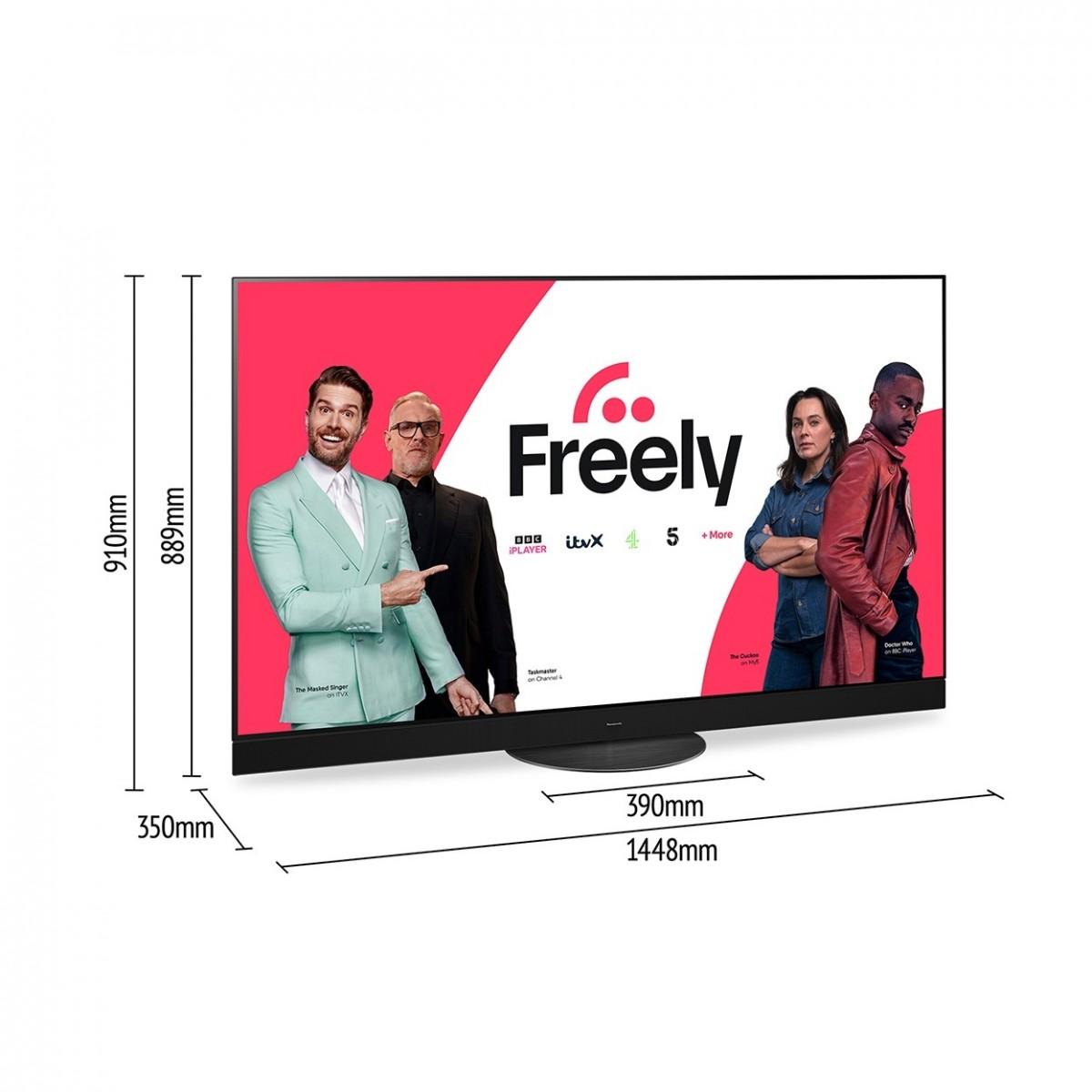
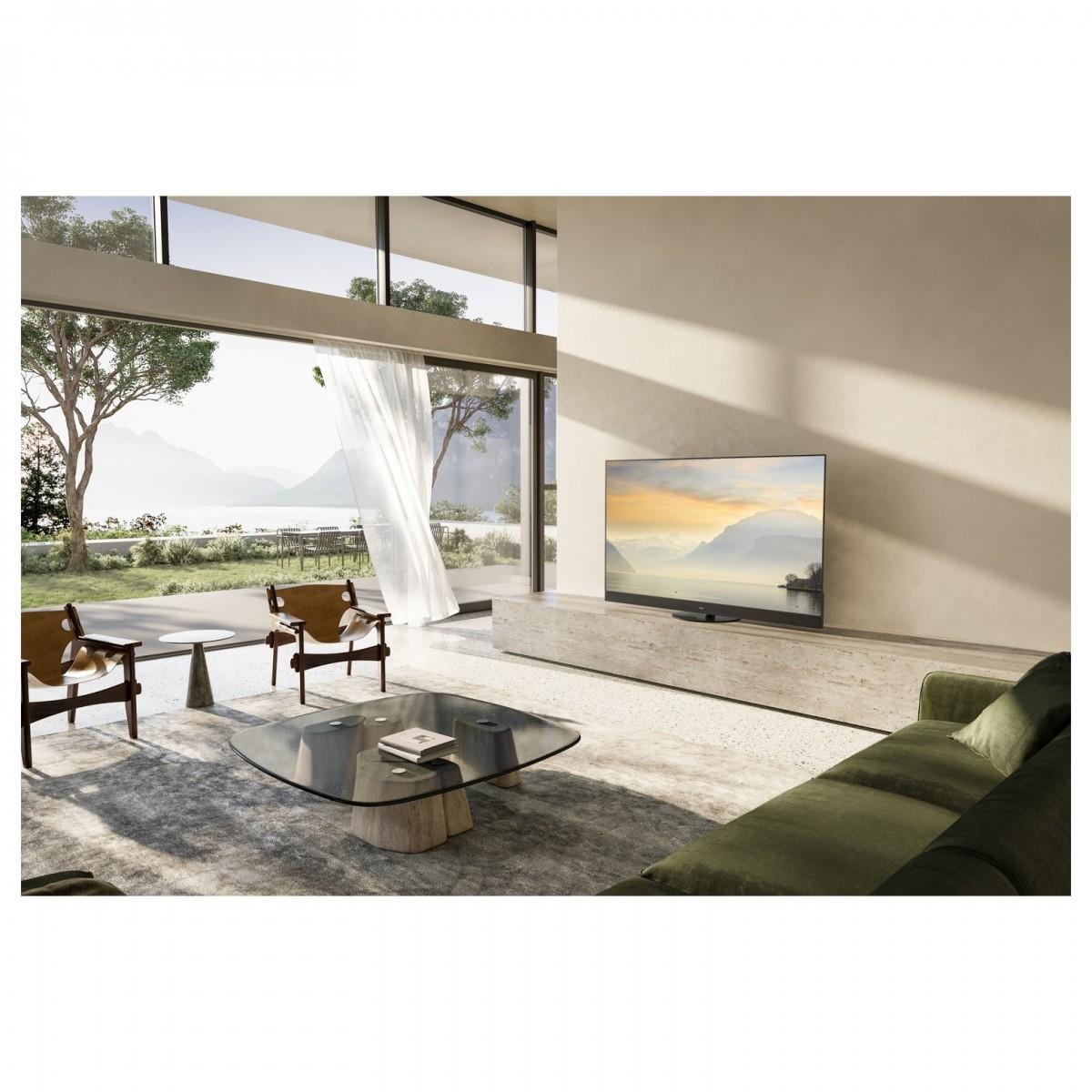
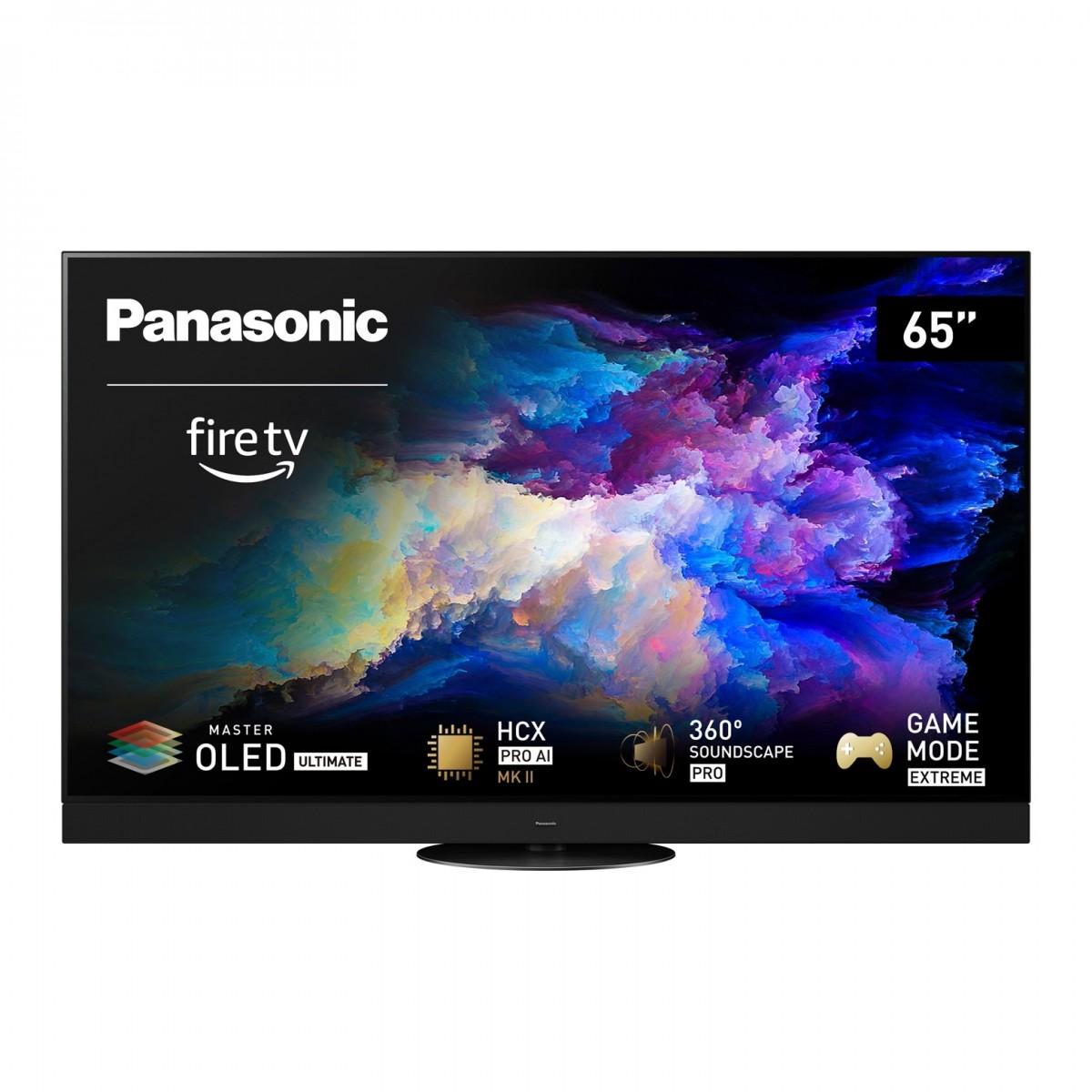
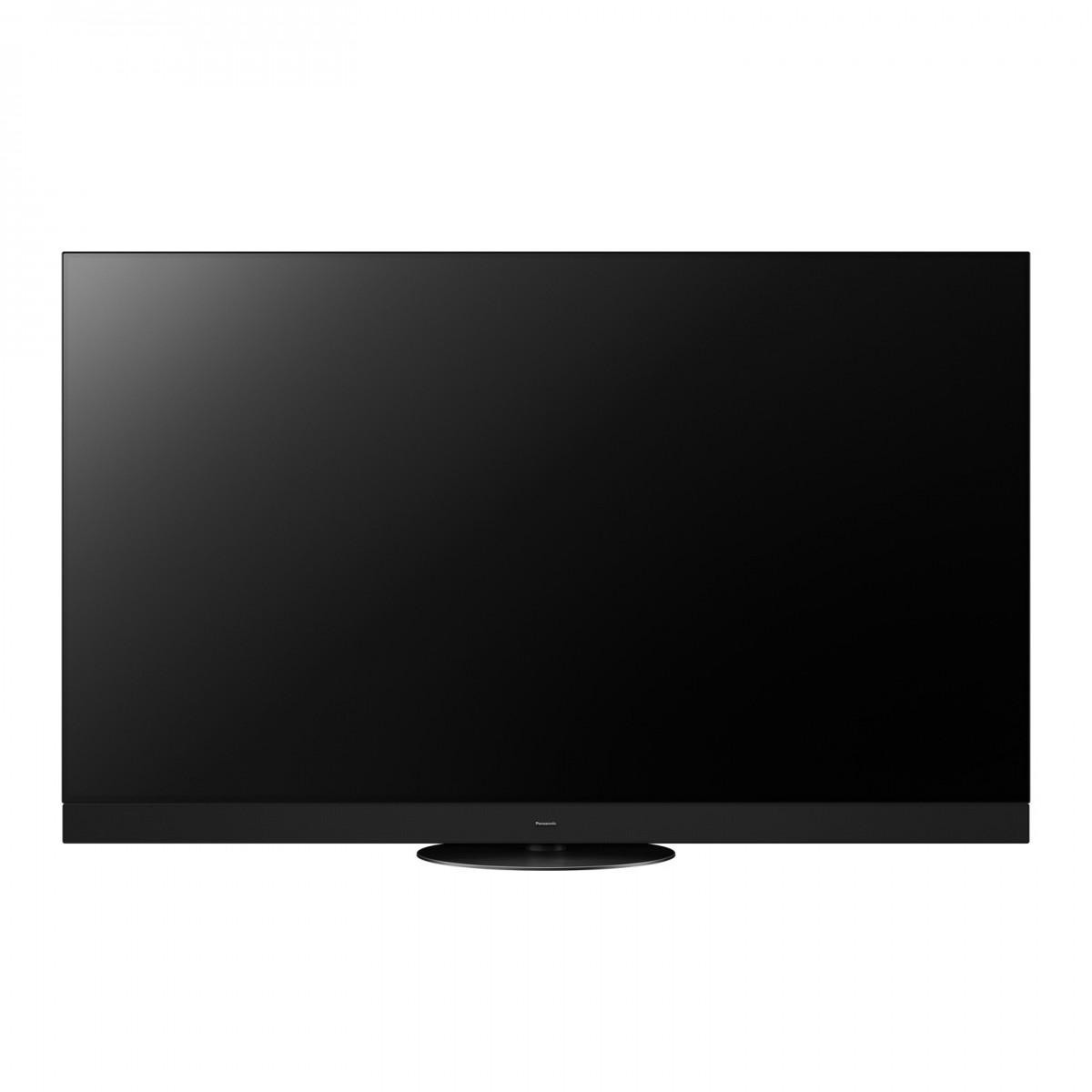
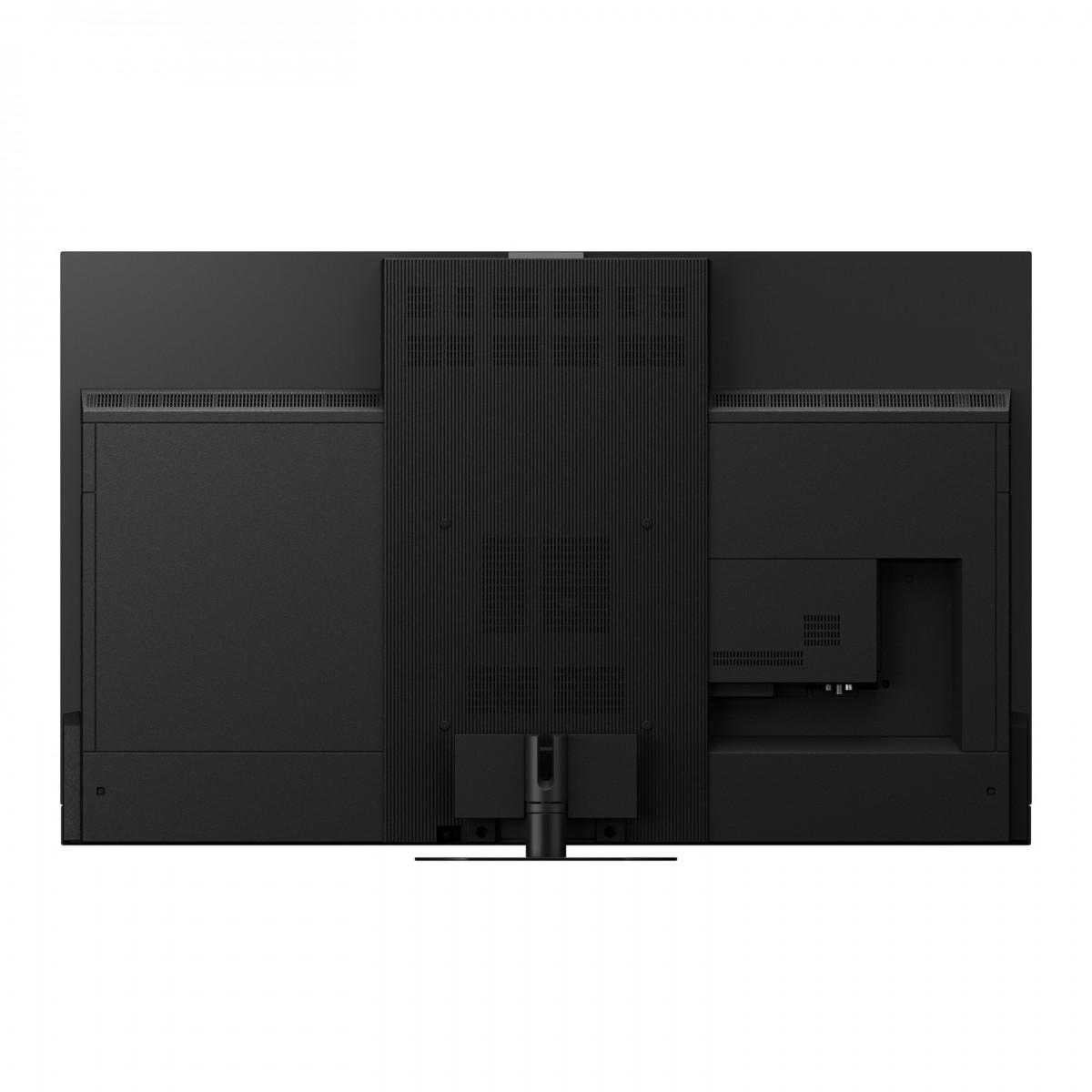
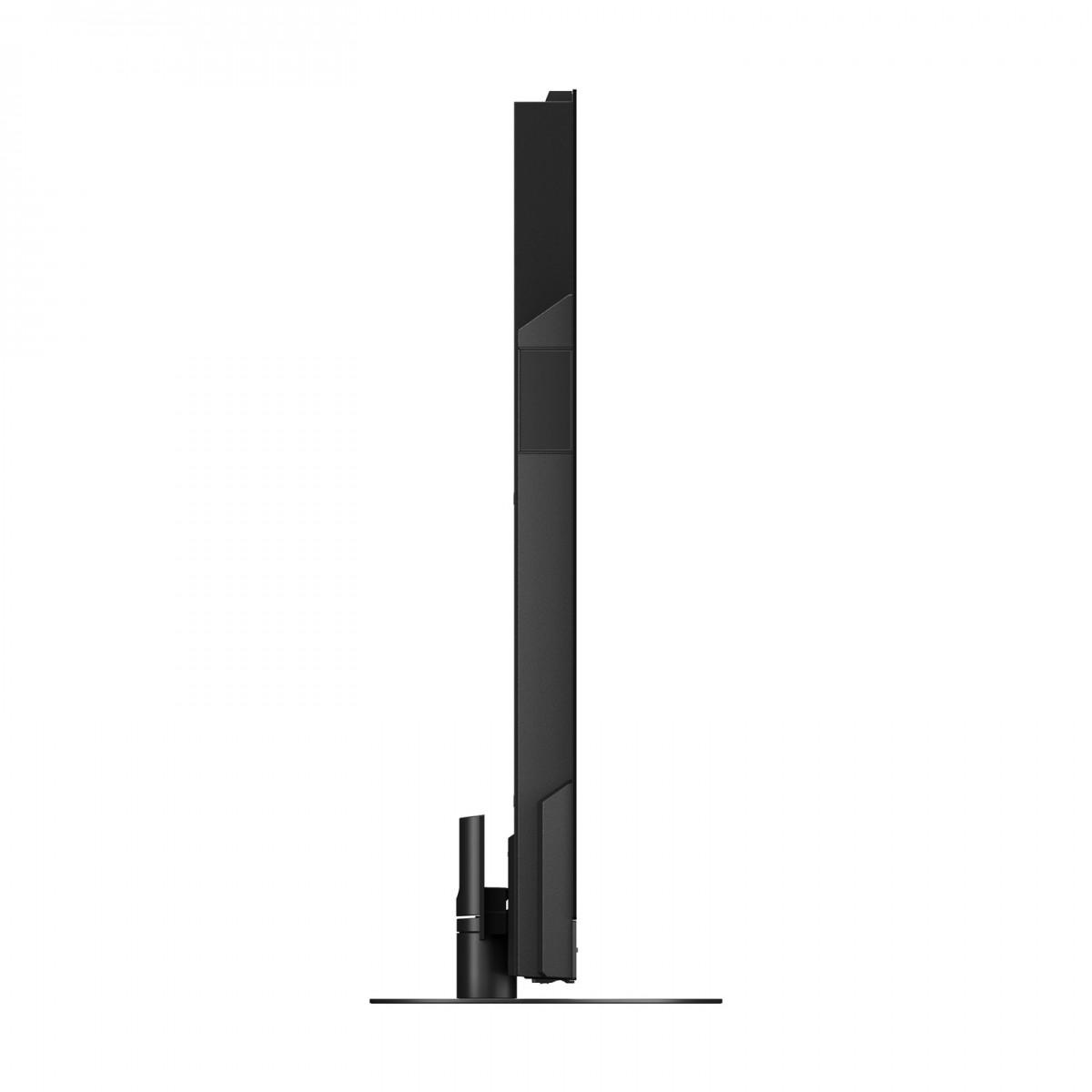
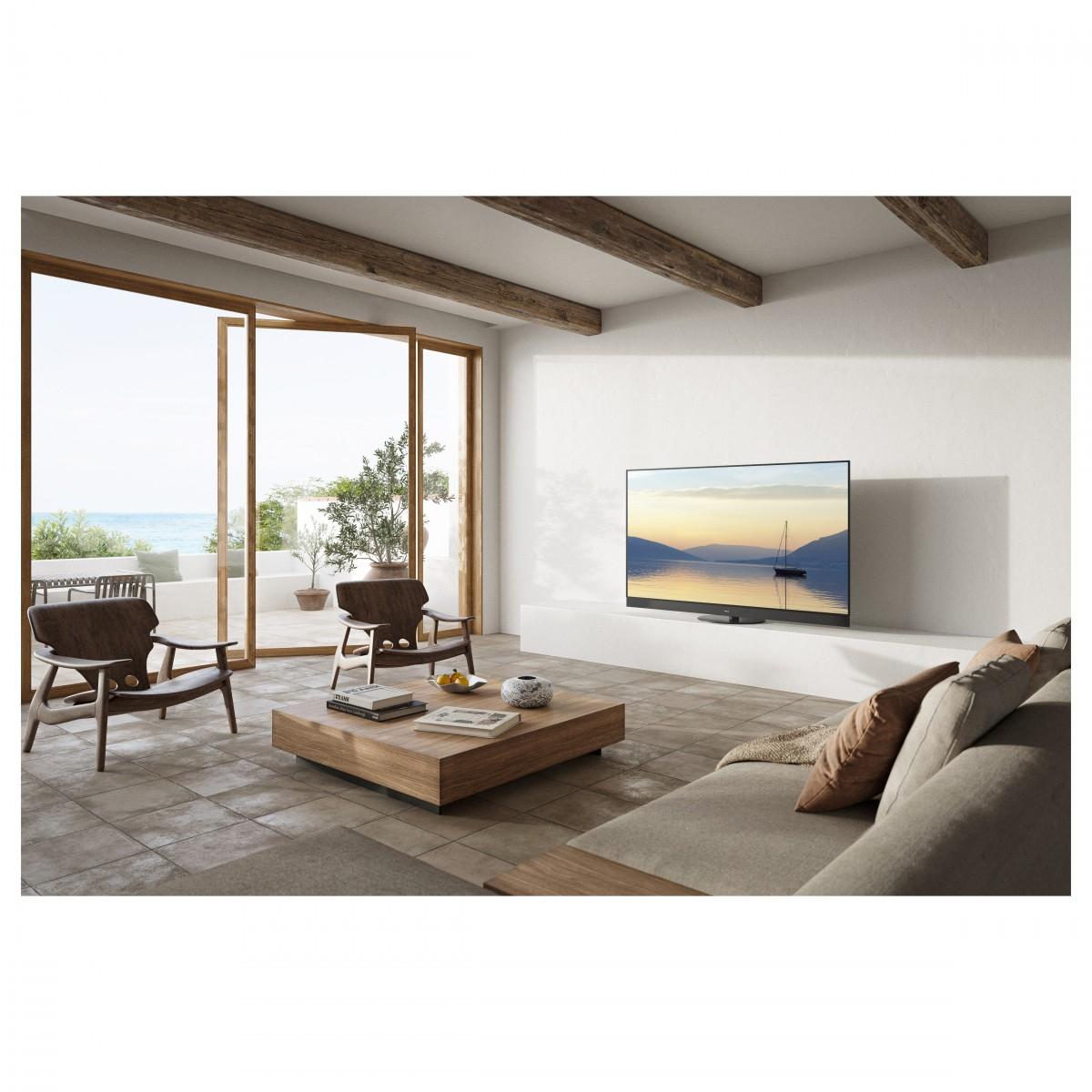
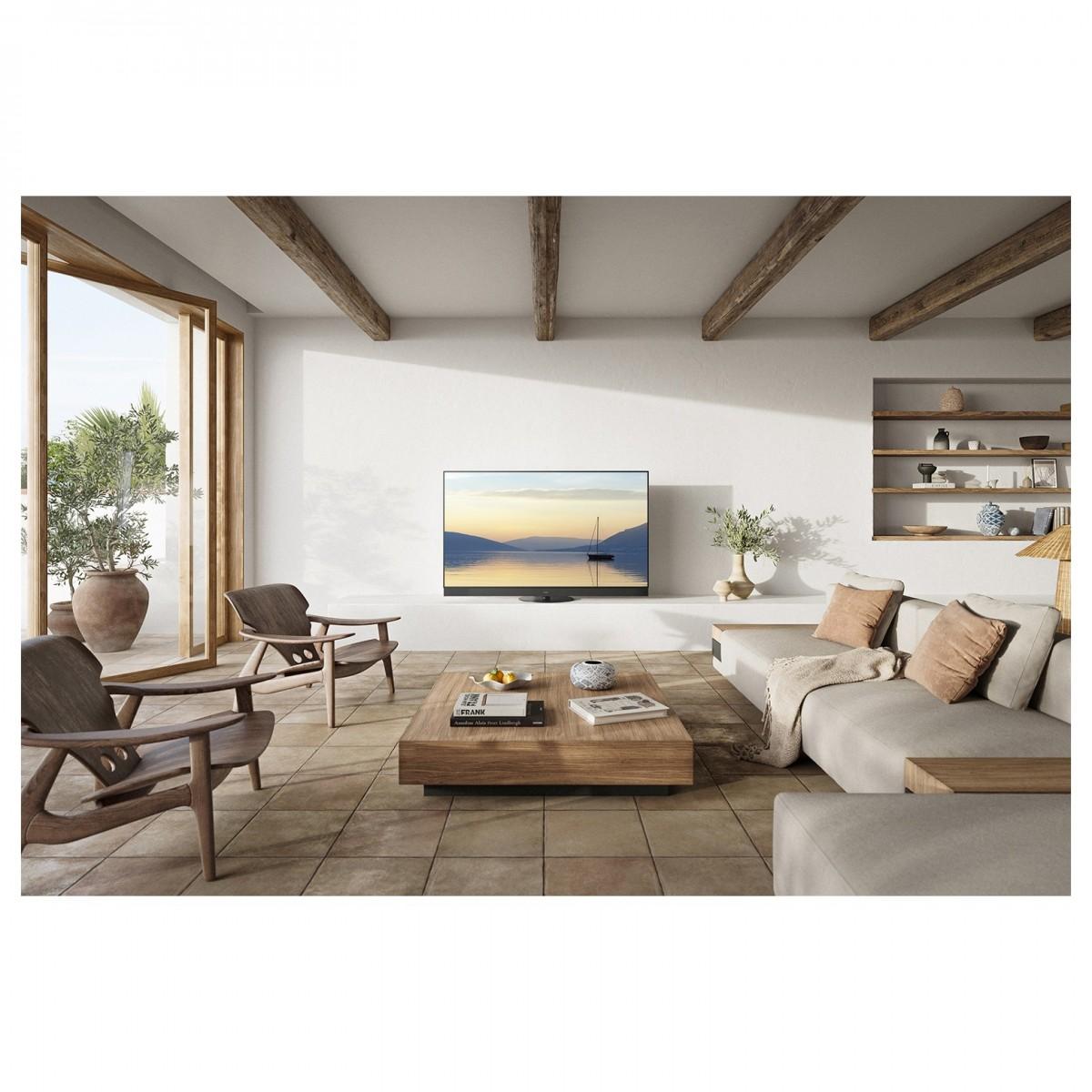
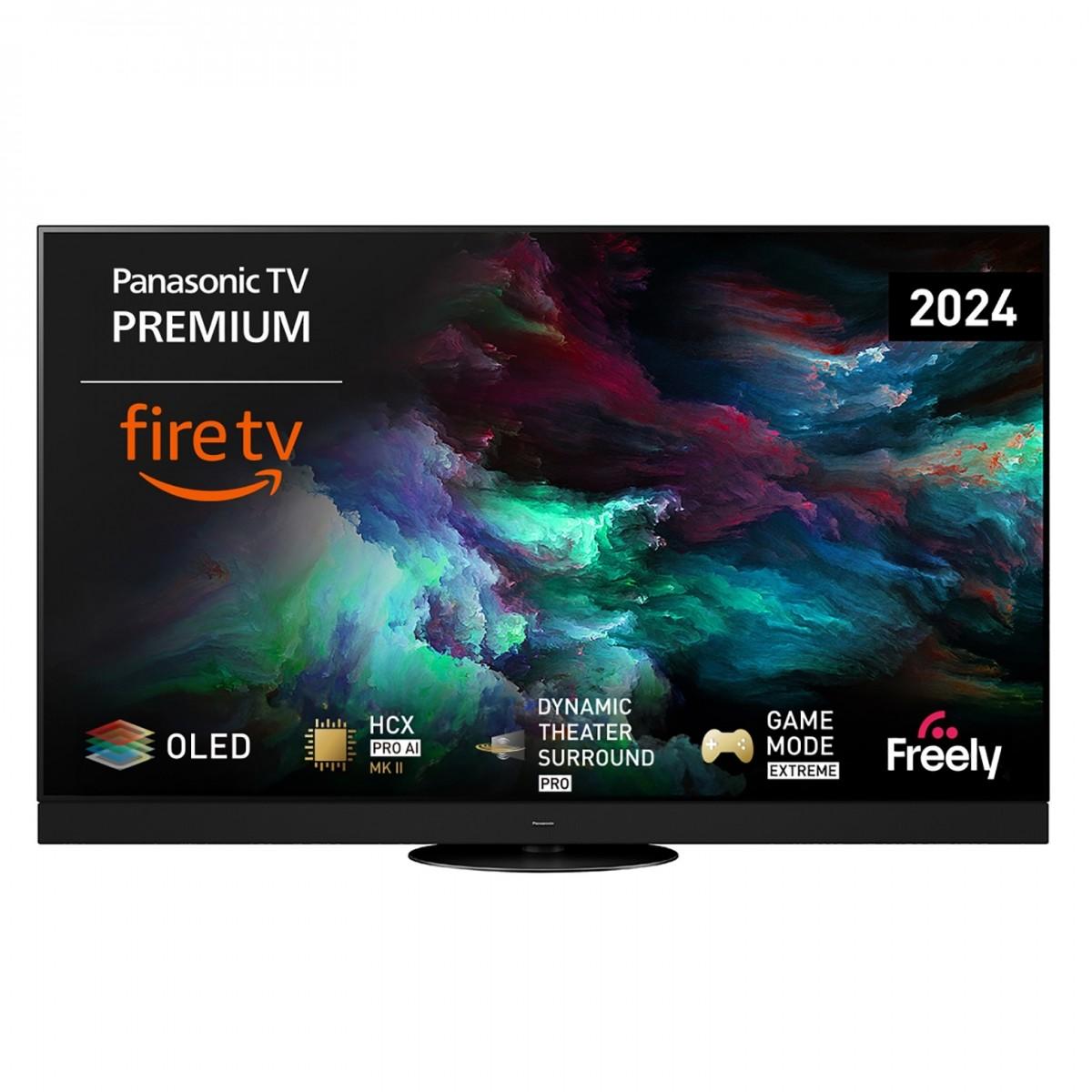
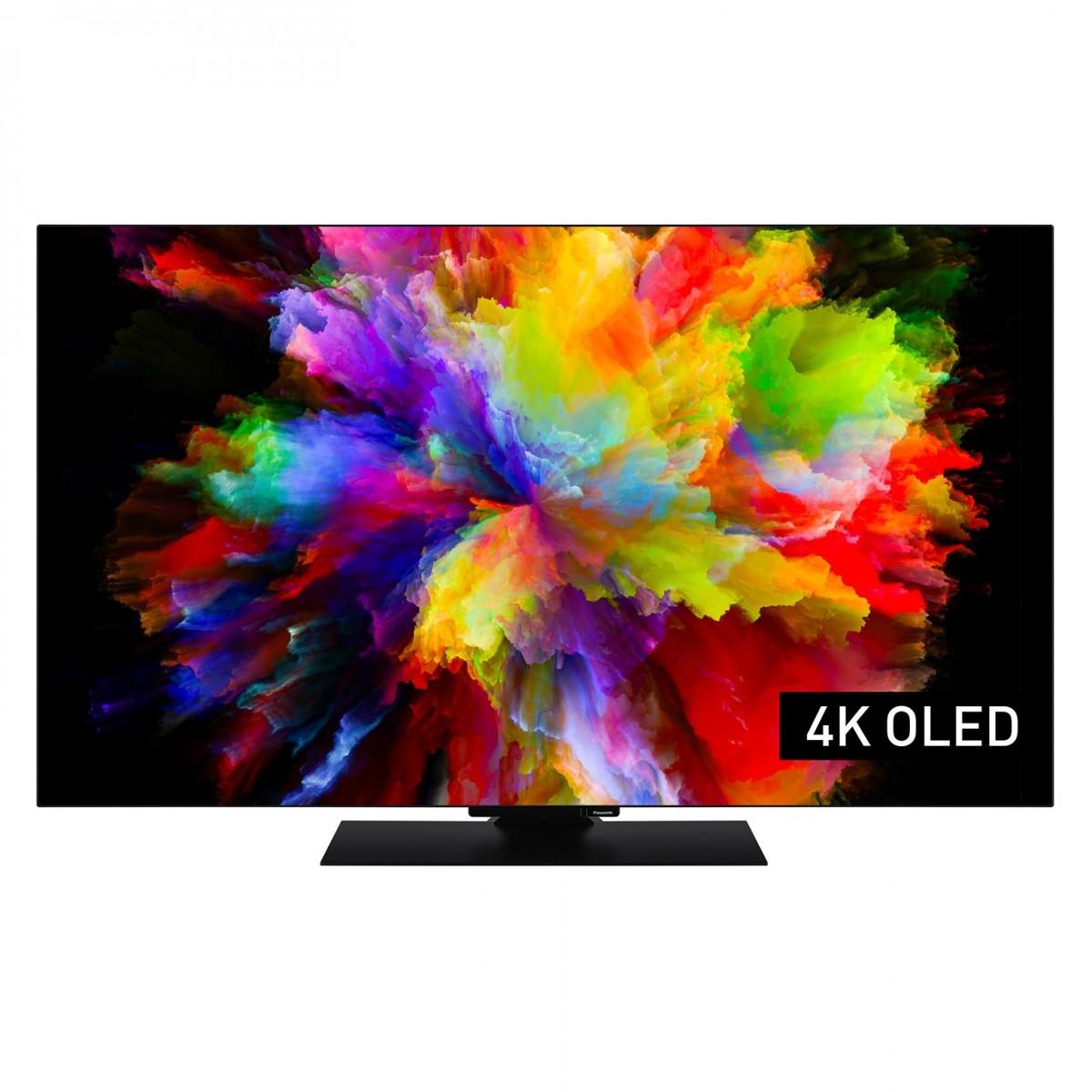
When you're ready to invest in a premium 65-inch TV, you'll quickly discover that the display technology itself becomes the most important decision factor. Two fundamentally different approaches dominate the high-end market: OLED panels that create light at each individual pixel, and Mini-LED quantum dot displays that use thousands of tiny backlights behind a special color-enhancing layer.
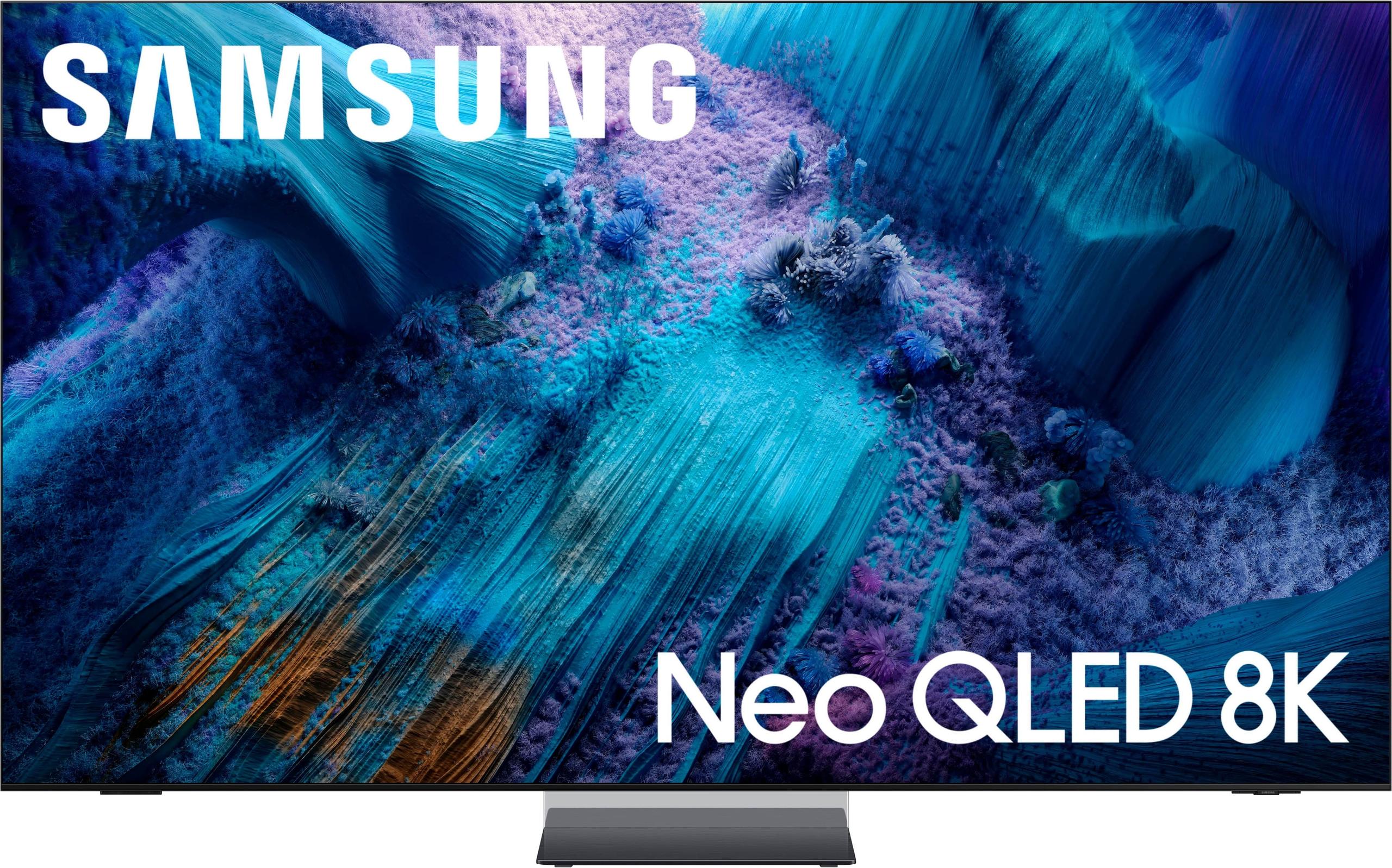
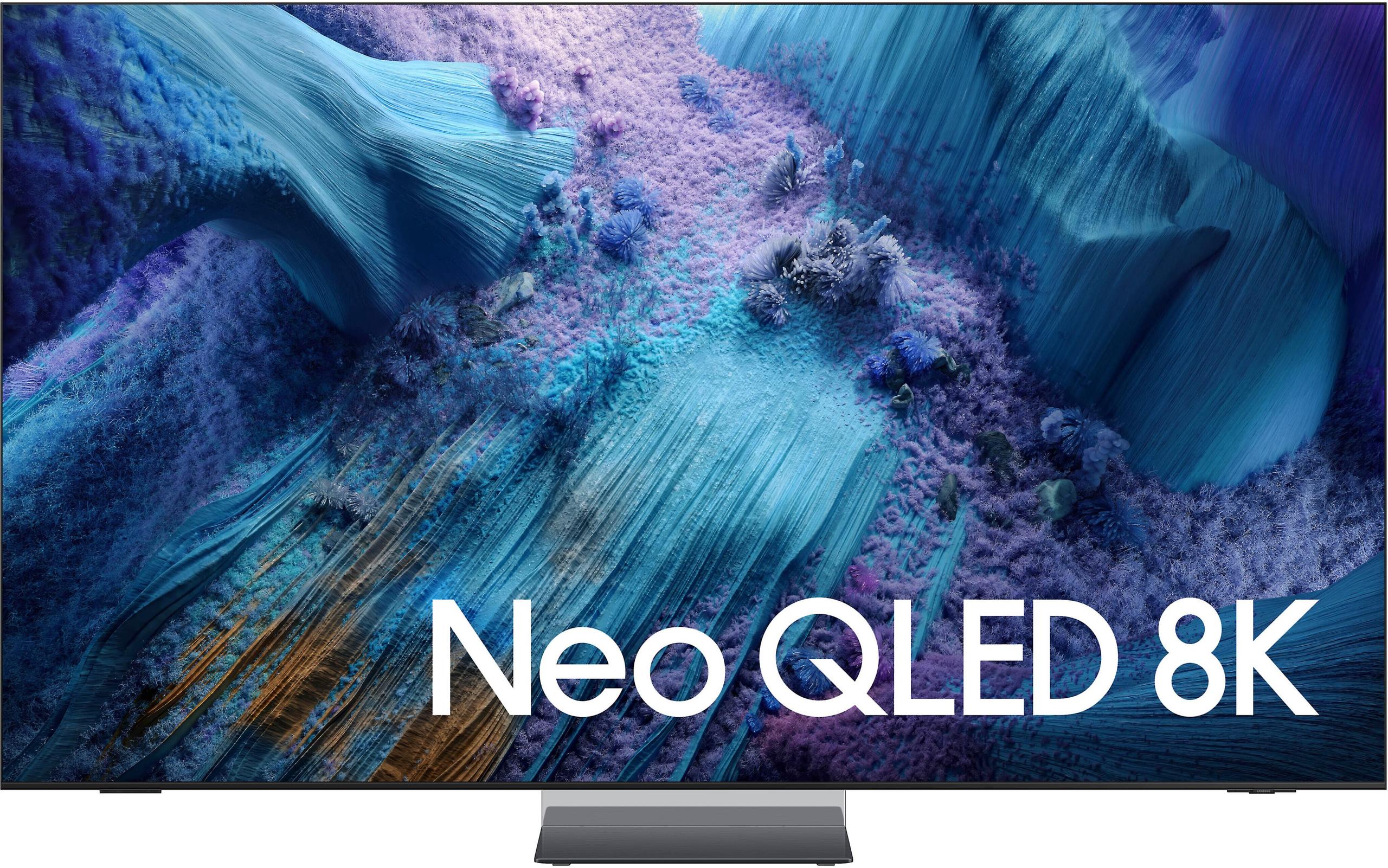
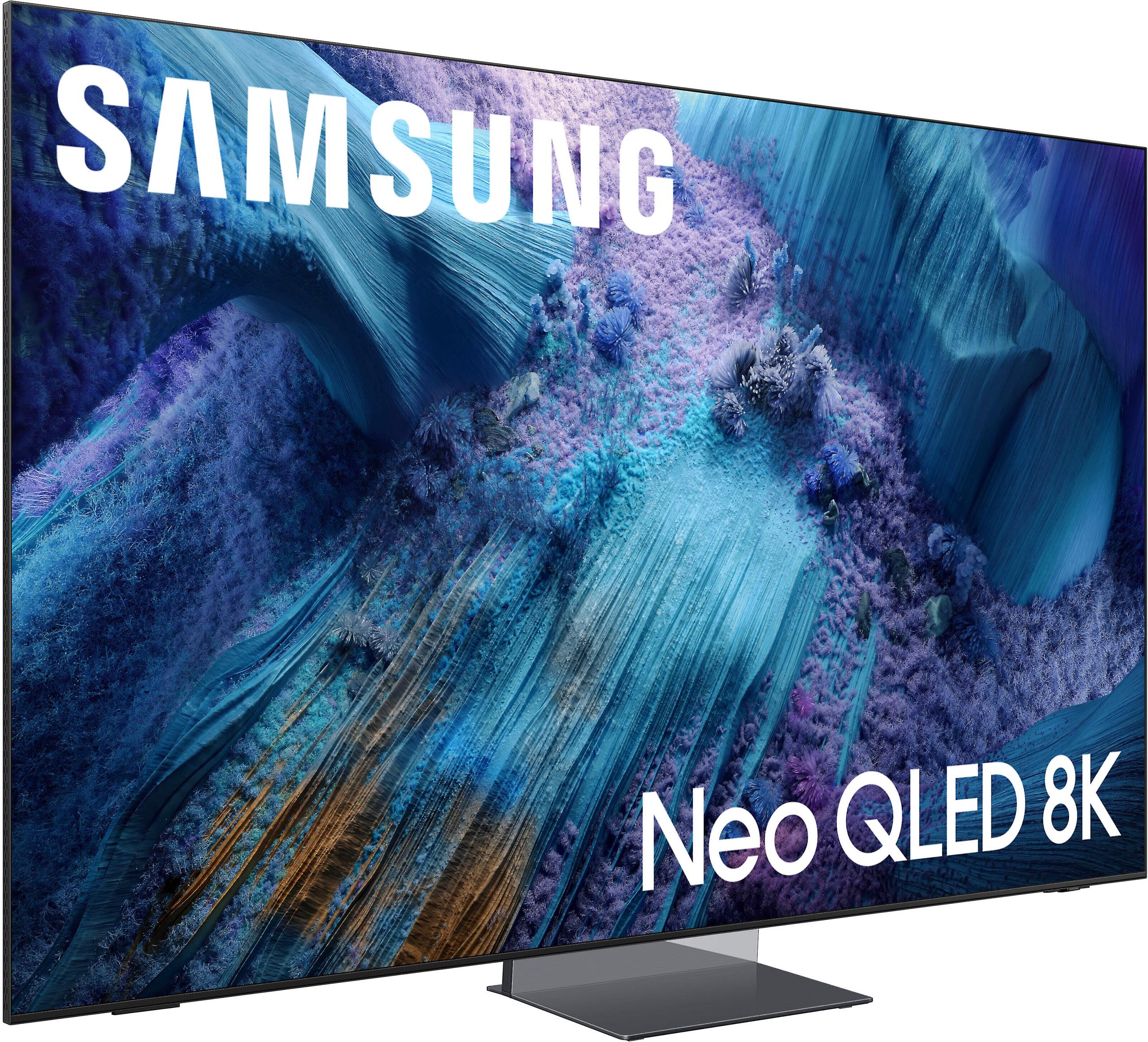
The Panasonic Z95A 65" OLED and Samsung QN990F 65" Neo QLED 8K represent the pinnacle of each technology, released in 2025 and 2025 respectively. At the time of writing, these TVs sit at dramatically different price points—with the Panasonic offering exceptional value for OLED technology while the Samsung commands a significant premium for its cutting-edge 8K Mini-LED approach.
The difference between OLED and Neo QLED isn't just marketing terminology—these represent completely different ways of creating the images you see on screen, each with distinct advantages that matter enormously depending on how and where you watch TV.
OLED stands for Organic Light-Emitting Diode, and the key word here is "emitting." Each pixel in the Panasonic Z95A contains organic compounds that literally glow when electricity passes through them. When a pixel needs to display black, it simply turns off completely—no light, no glow, perfect darkness. This creates what's called "infinite contrast," meaning the difference between the darkest darks and brightest brights is theoretically unlimited.
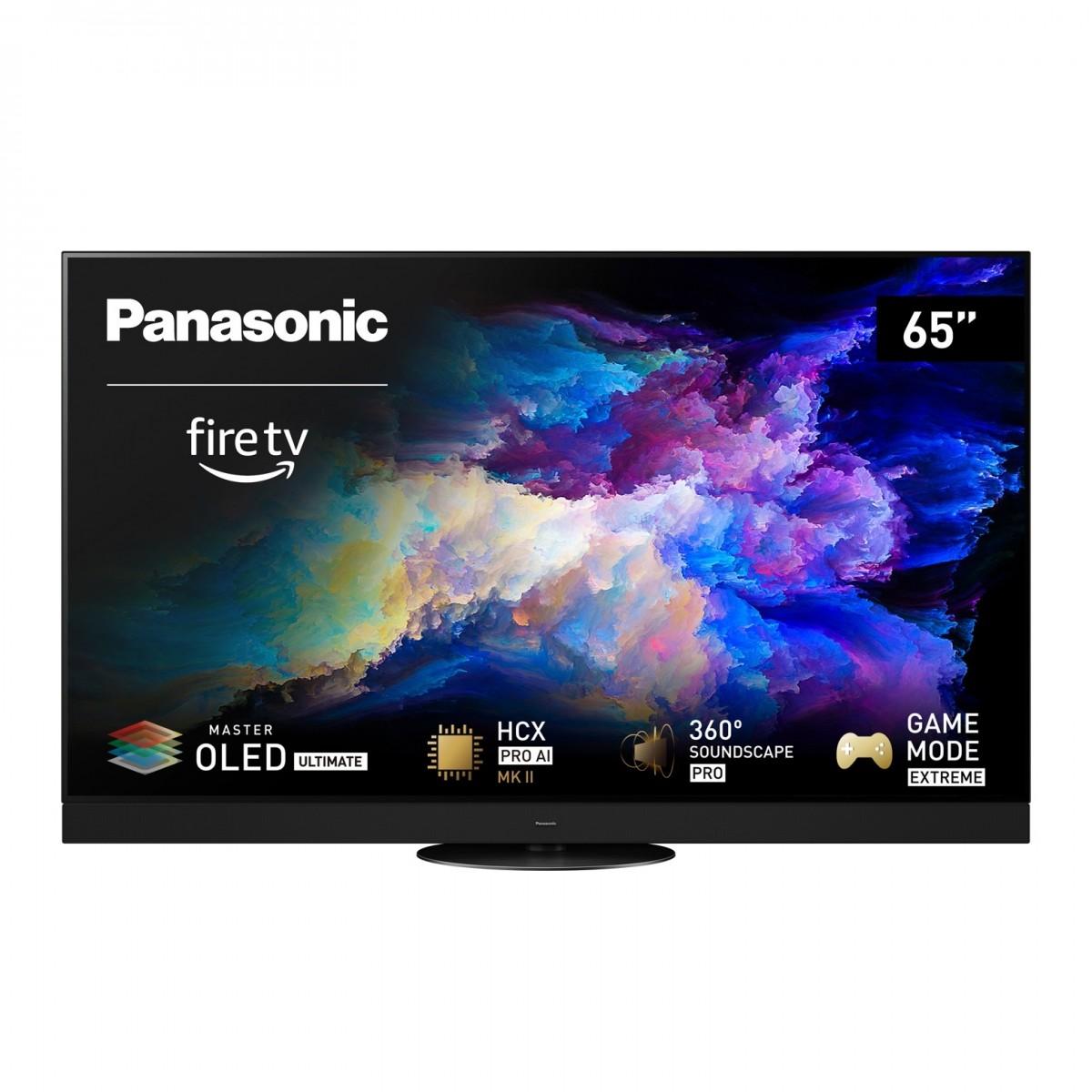
This technology excels in dark rooms where those perfect blacks create an almost three-dimensional sense of depth. When watching movies like "Blade Runner 2049" or "The Batman," the inky shadows seem to extend beyond the screen itself. The Panasonic's HCX Pro AI Processor MKII works specifically to maintain this contrast advantage while optimizing color accuracy for different types of content.
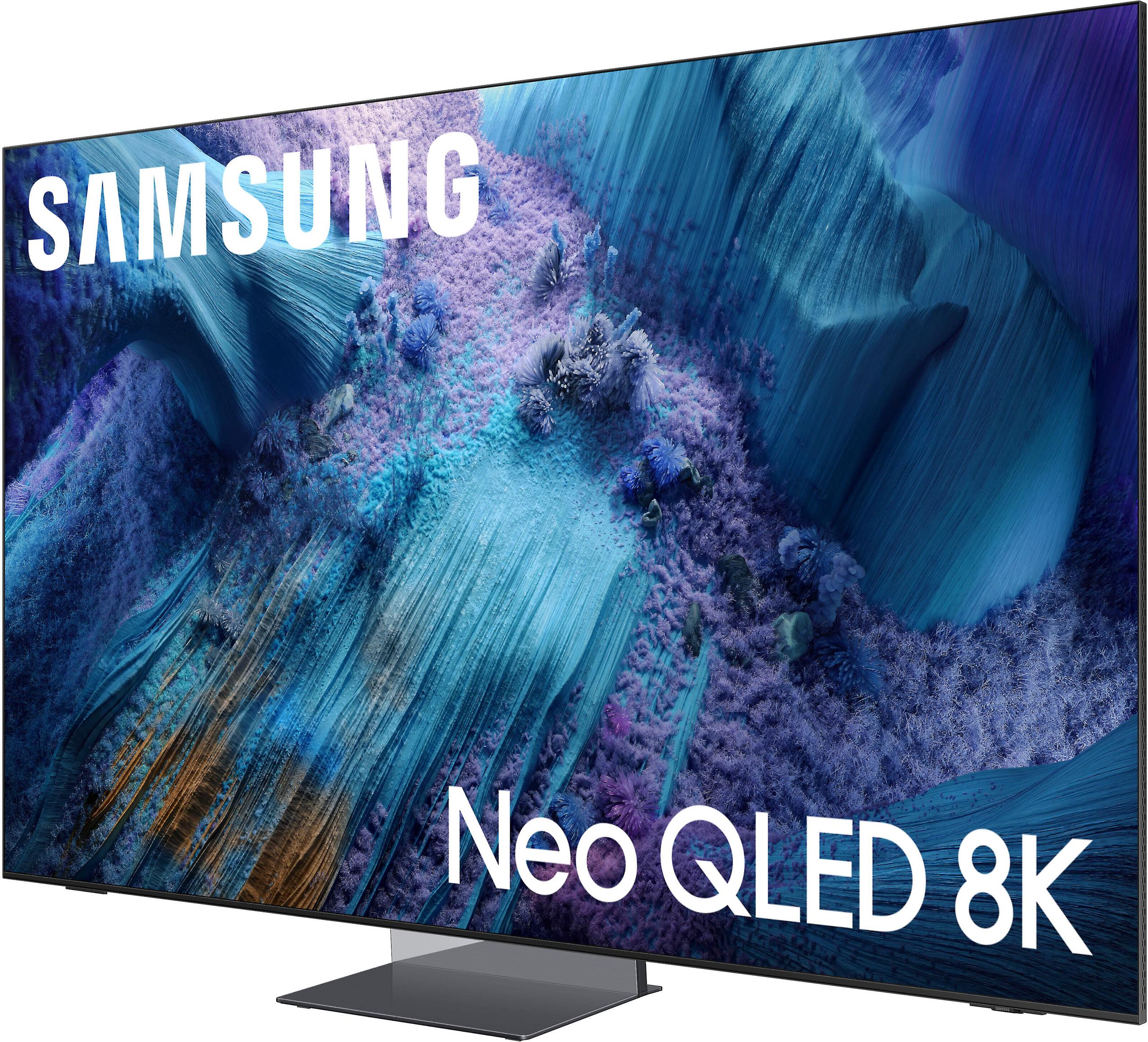
The Samsung QN990F takes a completely different approach. Behind its quantum dot layer (the "Q" in QLED), thousands of tiny Mini-LEDs create zones of light that can be precisely controlled. Think of it like having thousands of tiny flashlights behind the screen, each capable of dimming or brightening independently to create contrast.
These Mini-LEDs are significantly smaller than traditional LED backlights—small enough that Samsung can pack them densely for what they call "Quantum Matrix" control. The result is much better black levels than older LED TVs, though still not quite matching OLED's complete pixel shutdown capability. However, these Mini-LEDs can get much brighter than OLED pixels, reaching up to 2,000 nits compared to the Panasonic's approximately 800-1,000 nits.
Here's where things get philosophically interesting. The Panasonic Z95A delivers 4K resolution (3840 x 2160 pixels), while the Samsung QN990F pushes into 8K territory (7680 x 4320 pixels). That's four times as many pixels, but the practical benefits depend entirely on what you're actually watching.
Currently, 4K represents the sweet spot for premium content. Netflix, Disney+, Amazon Prime Video, Apple TV+, and 4K Blu-ray discs all deliver native 4K content that looks spectacular on the Panasonic OLED. The TV's processing doesn't need to do heavy lifting when the content matches the display resolution perfectly.
For lower-resolution content—say, 1080p cable TV or older streaming shows—the Panasonic's HCX Pro AI Processor handles upscaling competently. It analyzes the incoming signal and fills in the missing pixel information intelligently, though it can't create detail that wasn't originally captured.
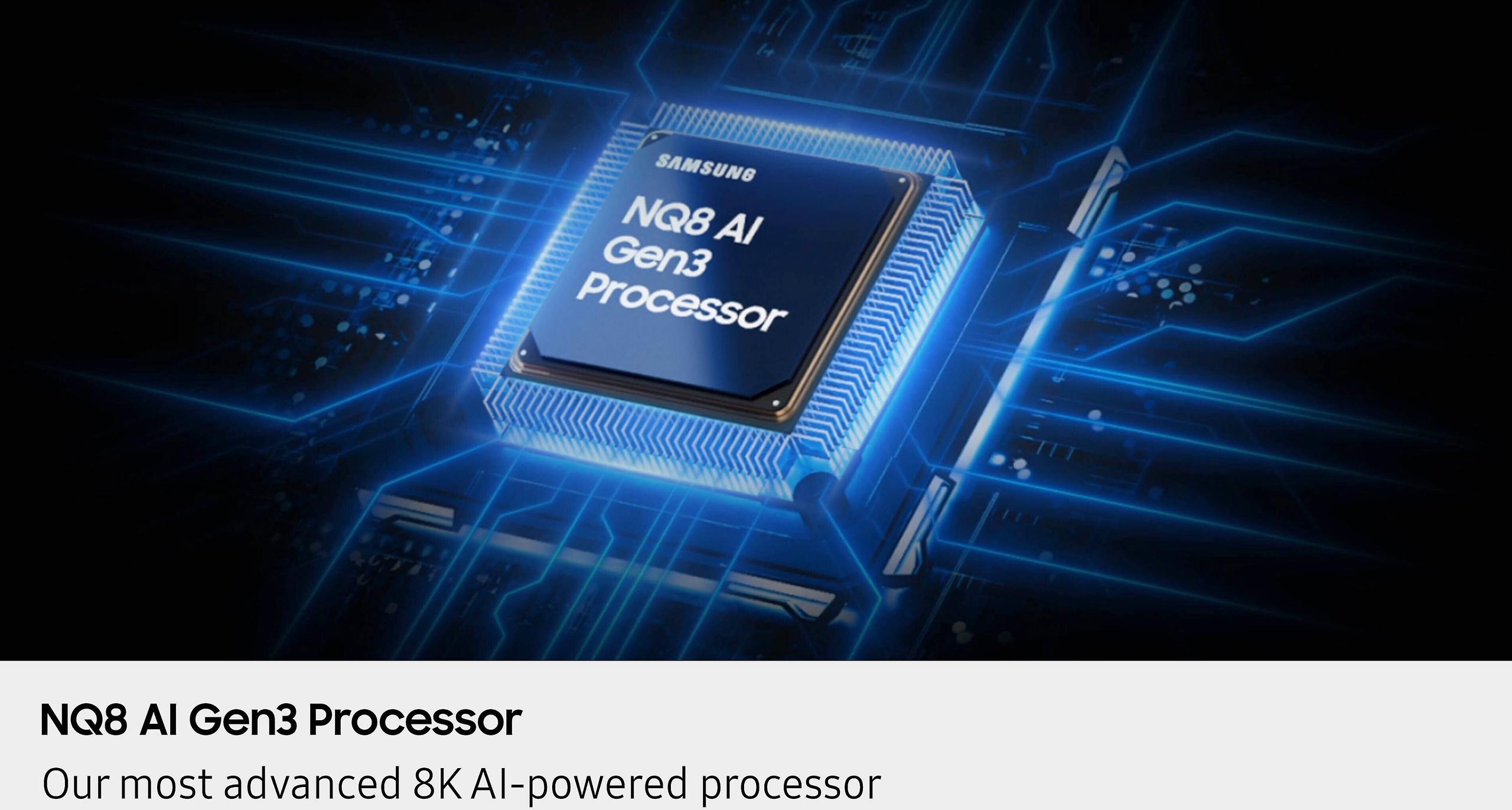
The Samsung QN990F's 8K resolution is essentially a bet on the future, backed by some of the most sophisticated AI processing available today. The NQ8 AI Gen3 Processor uses 768 neural networks—think of these as specialized computer brain modules—to analyze every frame and reconstruct it at 8K resolution.
This AI upscaling genuinely impresses when processing high-quality 4K content, adding perceived sharpness and detail that can be noticeable on a 65-inch screen from typical viewing distances. However, native 8K content remains practically nonexistent outside of YouTube demonstrations and select streaming experiments. You're paying for technology that will theoretically become more valuable as 8K content emerges over the next several years.
The Panasonic OLED's infinite contrast ratio creates an almost magical viewing experience in dark rooms. When watching "The Lord of the Rings" trilogy, the difference between Moria's depths and the bright outdoor scenes creates a sense of visual drama that's hard to achieve with any backlit display. Each bright torch flame seems to float against true nothingness.
However, this advantage diminishes in bright rooms. OLED pixels have a brightness ceiling—they can only get so bright before degrading. In a living room with large windows during daytime, the Panasonic's blacks might appear grayish as ambient light reflects off the screen surface.
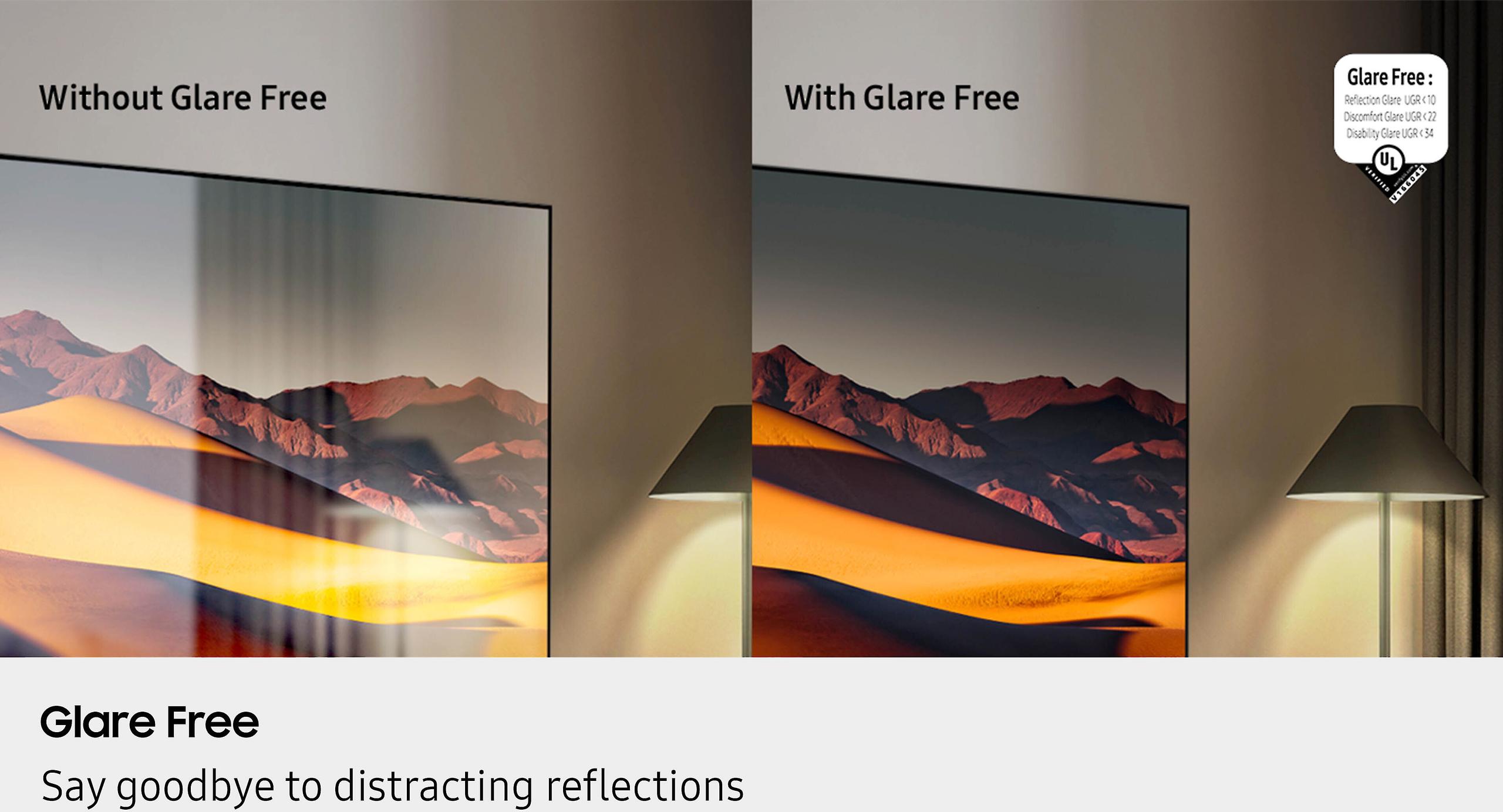
The Samsung Neo QLED flips this equation. Its Mini-LED backlight can punch through ambient light with authority, maintaining vibrant colors and good contrast even in challenging lighting conditions. Samsung's anti-glare coating technology further helps by reducing reflections that would otherwise wash out the image.
OLED technology has long been praised for color accuracy—the ability to reproduce colors as filmmakers and content creators intended them. The Panasonic Z95A continues this tradition, with colors that appear natural and film-like. When watching carefully color-graded content like "Mad Max: Fury Road," the subtle color variations in the desert landscapes appear exactly as cinematographer John Seale intended.
The Samsung QN990F takes a different philosophy. Its quantum dot technology can produce incredibly saturated, punchy colors that look spectacular with sports, nature documentaries, and gaming content. These colors might not be technically "accurate" in the strictest sense, but they create visual impact that many viewers prefer. The TV's AI processing can adapt between accurate and impactful color modes depending on content type.
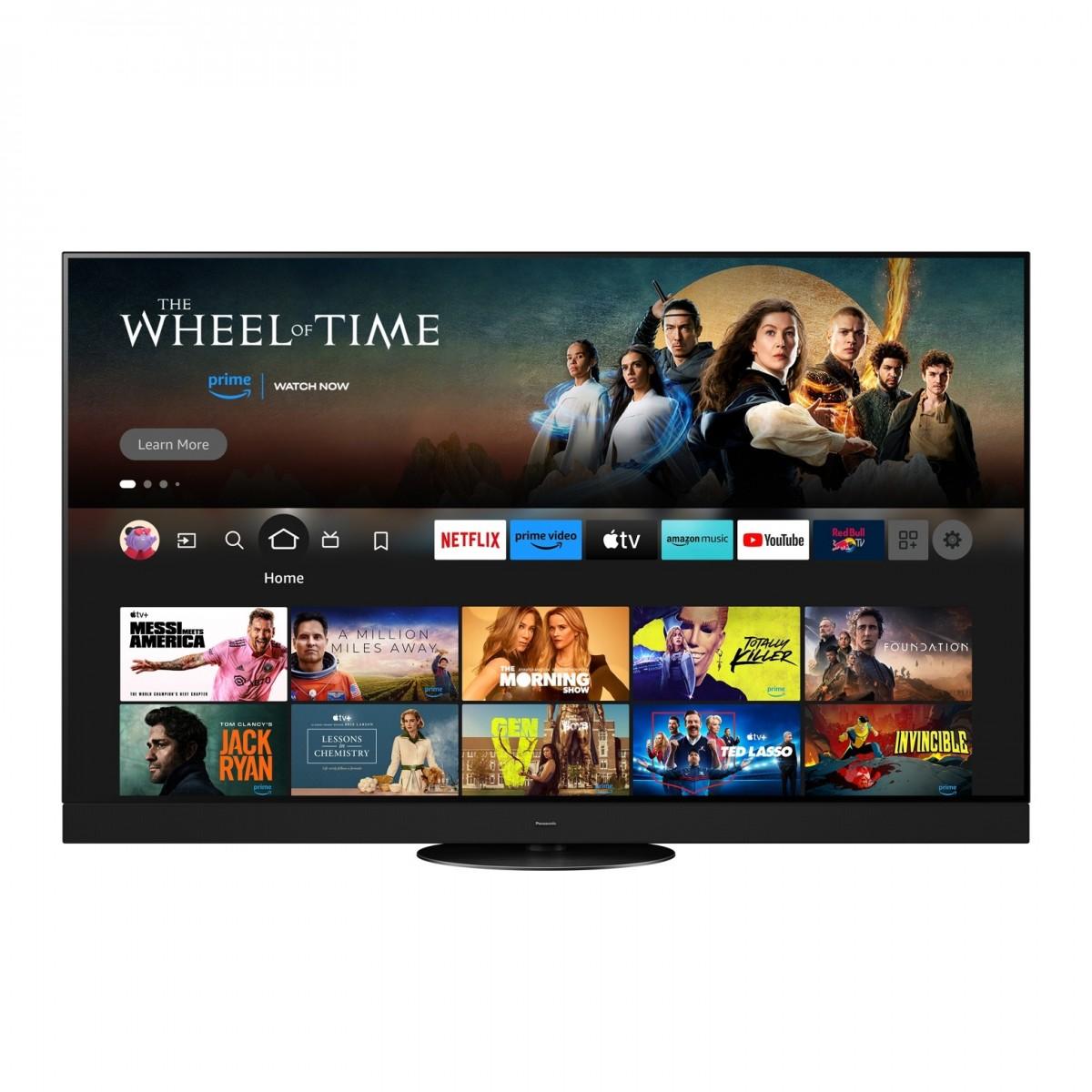
Both TVs embrace different smart TV ecosystems that reflect their manufacturers' partnerships. The Panasonic Z95A runs Amazon's Fire TV platform, providing seamless integration with Alexa voice commands and easy access to Amazon's content ecosystem. This platform has matured significantly since its introduction, offering smooth navigation and comprehensive app support.
The Samsung QN990F uses Samsung's Tizen platform, which integrates deeply with Samsung's broader ecosystem of phones, tablets, and smart home devices. If you're already invested in Samsung's ecosystem, the continuity between devices can be remarkably convenient.
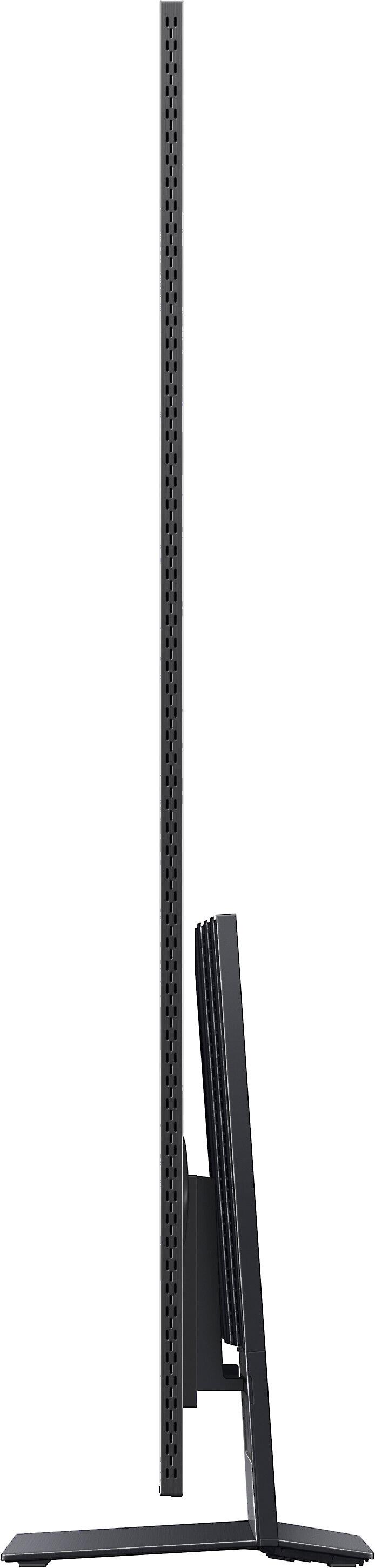
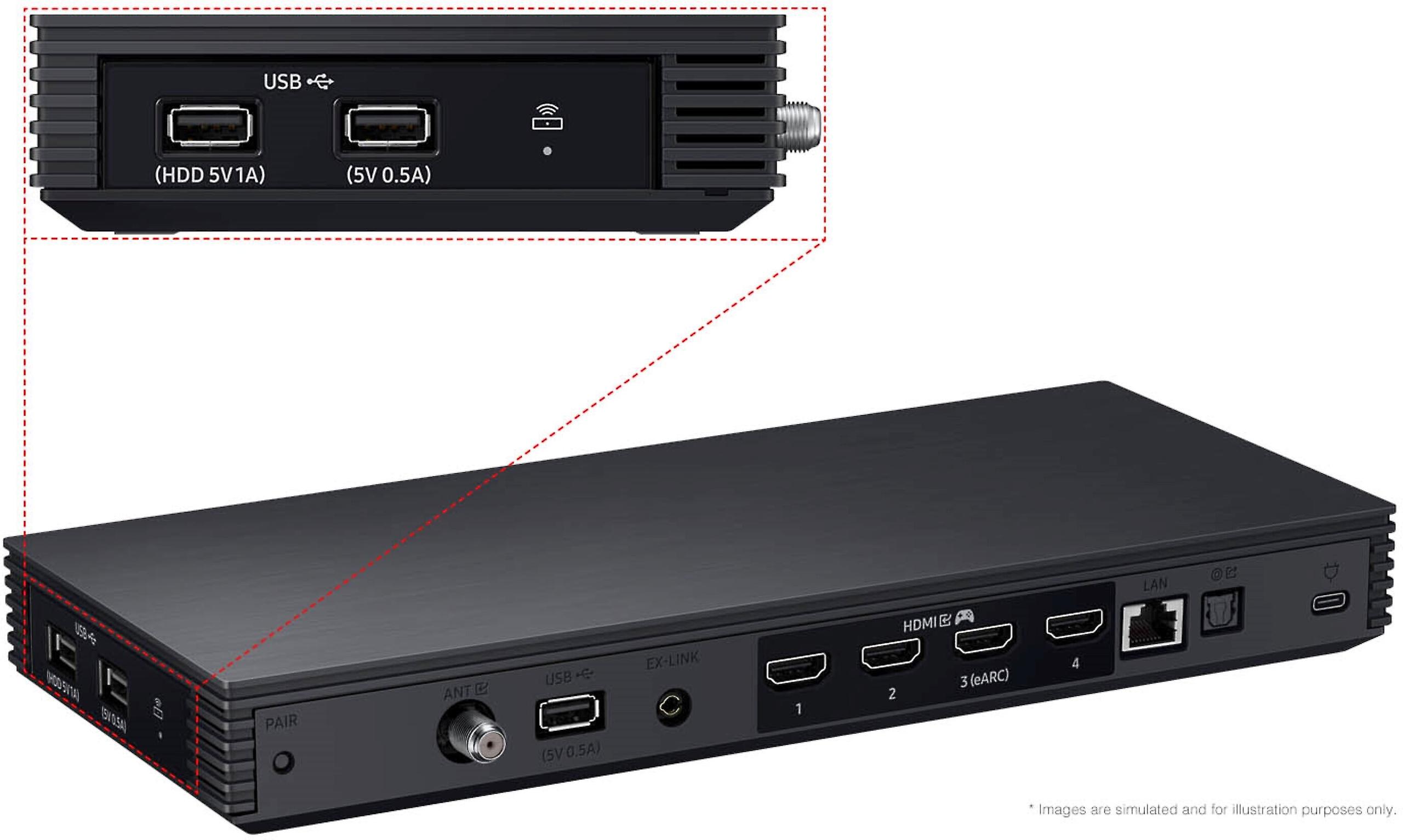
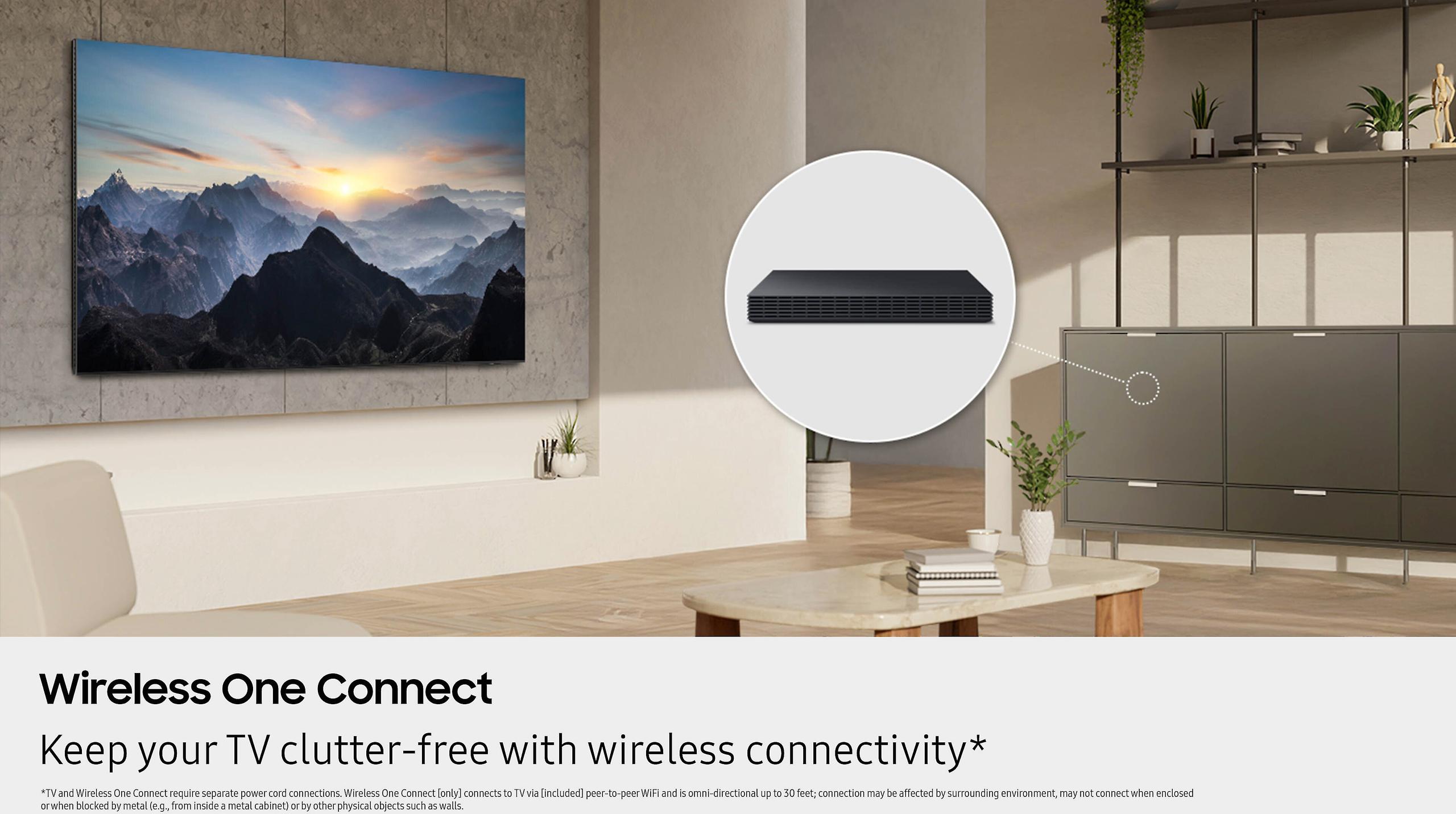
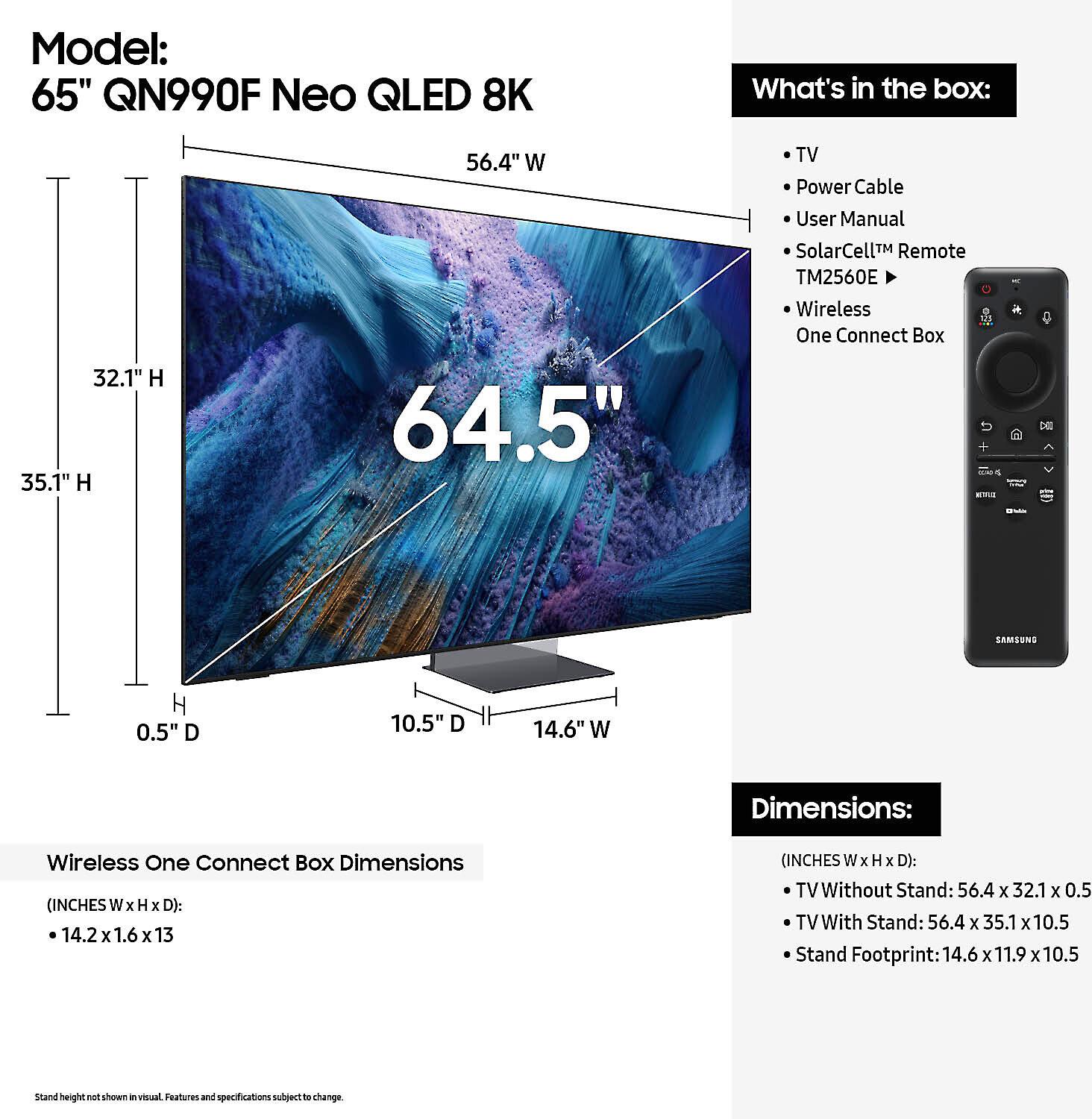
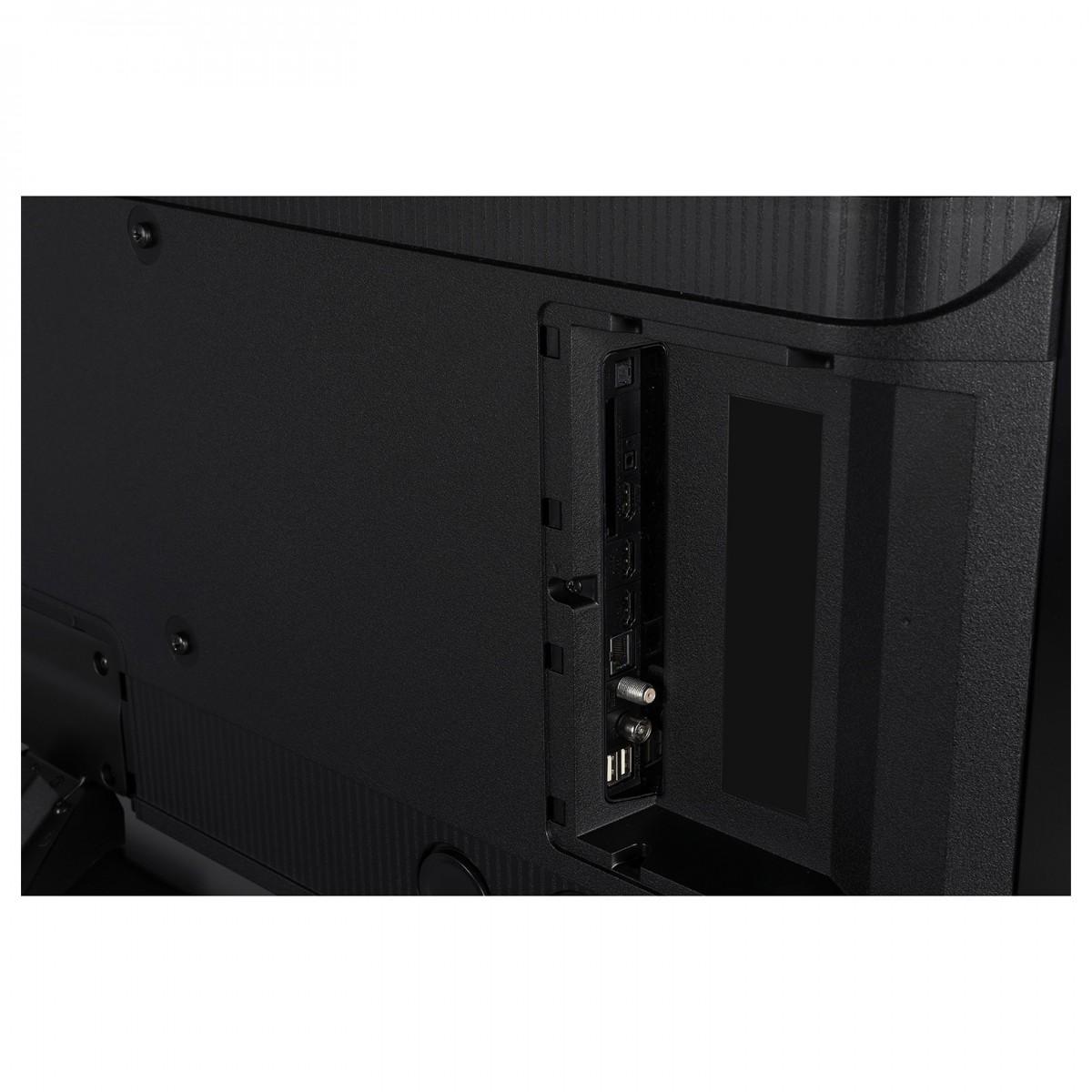
Perhaps the Samsung's most impressive innovation is its Wireless One Connect box. This separate unit houses all your HDMI connections and communicates with the TV wirelessly from up to 30 feet away. For home theater enthusiasts, this solves one of the biggest installation challenges—running cables to wall-mounted TVs.
Imagine mounting your TV flush against the wall without any visible cables, while your cable box, gaming console, and sound system sit in a media cabinet across the room. This isn't just convenient; it enables installation scenarios that were previously impossible without major renovation work.
Both TVs excel at gaming, but in different ways. The Panasonic OLED offers near-instantaneous pixel response times because OLED pixels can change states almost immediately. This eliminates motion blur and ghosting during fast-paced gaming scenes, creating clarity that's particularly noticeable in competitive gaming or fast-moving sports.
The Samsung QN990F counters with raw refresh rate capability, supporting up to 240Hz at 4K resolution through its Motion Xcelerator technology. Higher refresh rates mean smoother motion during camera pans and fast action sequences. For PC gaming enthusiasts with high-end graphics cards, this capability can provide a competitive edge in fast-paced games.
Modern gaming demands specific features that weren't priorities just a few years ago. Both TVs support Variable Refresh Rate (VRR), which eliminates screen tearing by synchronizing the display's refresh rate with your console's or PC's frame rate. They also include Auto Low Latency Mode (ALLM), which automatically switches to game mode when detecting a gaming signal.
The Samsung goes further with features like Game Motion Plus and AI-powered game optimization that can adjust picture settings based on game genre. These features matter most for serious gamers who notice subtle differences in responsiveness and visual clarity.
TV speakers have improved dramatically over the past few years, though they still can't match dedicated sound systems. The Panasonic Z95A includes what they call "Home Theatre Built-in" speakers with Dolby Atmos support, creating a reasonably wide soundstage for a flat-panel TV. The 20W output provides adequate volume for most rooms, though bass response remains limited by physics.
The Samsung QN990F incorporates Object Tracking Sound Pro, which uses multiple speakers positioned around the TV to create the illusion that sound follows action across the screen. When a car drives from left to right in a movie scene, the audio subtly shifts to match the visual movement. This creates a more immersive experience without requiring additional speakers.
Both TVs work well with external sound systems, supporting eARC (enhanced Audio Return Channel) for high-quality audio transmission to soundbars or receivers. However, if you're planning to invest in a dedicated home theater audio system, the built-in speaker quality becomes less important than features like room correction and audio processing capabilities.
For dedicated home theater rooms, the Panasonic OLED remains the gold standard. Its perfect black levels create the cinematic experience that movie enthusiasts crave, especially with carefully mastered 4K Blu-ray content. The infinite contrast ratio means you can distinguish subtle details in dark scenes that would be lost on other display technologies.
The TV's Dolby Vision IQ technology automatically adjusts HDR brightness based on room conditions, ensuring optimal picture quality whether you're watching during the day with some ambient light or in complete darkness for that authentic theater experience.
If your viewing room has significant ambient light—large windows, bright ceiling lights, or light-colored walls—the Samsung Neo QLED becomes more compelling. Its anti-glare coating and high peak brightness maintain picture quality in challenging lighting conditions where OLED would struggle.
The 8K resolution also provides benefits in bright rooms where you might sit closer to the TV. The extra pixel density becomes more noticeable at shorter viewing distances, potentially justifying the resolution premium.
At the time of writing, the Panasonic Z95A represents exceptional value for proven OLED technology. You're getting picture quality that matches or exceeds TVs costing significantly more just a few years ago, with the confidence that 4K content will remain relevant for many years.
The Samsung QN990F asks you to pay a substantial premium for future-proofing and cutting-edge features. The 8K resolution, wireless connectivity, and advanced AI processing position it as a showcase for where TV technology is heading, but you're paying today for capabilities that won't be fully utilized for several years.
OLED technology faces some long-term durability questions, particularly around potential burn-in from static images. Modern OLED panels include various protection mechanisms, and burn-in has become increasingly rare with normal viewing habits. However, it remains a theoretical concern for users who frequently watch content with static elements like news tickers or gaming interfaces.
Mini-LED technology doesn't face burn-in risks and generally maintains consistent performance over time. The Samsung's advanced processing and feature set also position it better for software updates and evolving content standards.
The reality is that both TVs deliver exceptional experiences that surpass anything available just a few years ago. Your decision should ultimately come down to your viewing environment, content preferences, and how you value immediate performance versus future capabilities. Either choice will provide years of impressive home entertainment, just through fundamentally different technological approaches.
| Panasonic Z95A 65" OLED 4K Ultra HD Smart TV | Samsung 65" Neo QLED QN990F 8K Smart TV 2025 |
|---|---|
| Display Technology - Fundamental difference in how the picture is created | |
| OLED (self-emissive pixels, perfect blacks) | Neo QLED Mini-LED (quantum dot with thousands of backlights) |
| Resolution - Higher resolution provides sharper images, but content availability matters | |
| 4K (3840 x 2160) - matches all current premium content | 8K (7680 x 4320) - future-ready but limited native content |
| Peak Brightness - Critical for HDR performance and bright room viewing | |
| ~800-1,000 nits (excellent for dark rooms) | Up to 2,000 nits (superior for bright rooms and HDR impact) |
| Black Levels - Determines contrast and dark scene detail | |
| Perfect blacks (pixels turn completely off) | Very good blacks (mini-LED dimming, but not OLED-perfect) |
| Viewing Angles - Important for off-center seating positions | |
| Excellent (178° with minimal color/contrast shift) | Good (some degradation at extreme angles) |
| Processor - Handles upscaling and AI picture enhancements | |
| HCX Pro AI Processor MKII (optimized for 4K content) | NQ8 AI Gen3 Processor with 768 neural networks (advanced 8K upscaling) |
| Gaming Features - Refresh rates and latency matter for competitive gaming | |
| Good (standard HDMI 2.1, VRR, ALLM) | Excellent (up to 4K 240Hz, Motion Xcelerator, advanced gaming modes) |
| Smart TV Platform - Affects app selection and user experience | |
| Amazon Fire TV built-in with Alexa integration | Samsung Tizen with ecosystem integration |
| Anti-Glare Technology - Reduces reflections in bright rooms | |
| Standard OLED panel (can appear washed out in bright light) | Advanced anti-glare coating (maintains picture quality in bright rooms) |
| Connectivity Innovation - Affects installation flexibility | |
| Standard wired connections | Wireless One Connect box (eliminates cable clutter, up to 30ft range) |
| Audio System - Built-in sound quality and features | |
| Home Theatre Built-in with Dolby Atmos (20W) | Object Tracking Sound Pro with 3D surround (multi-directional speakers) |
| Burn-in Risk - Long-term durability consideration | |
| Potential risk with static content (rare with modern protections) | No burn-in risk (Mini-LED technology immune to image retention) |
| Best Use Case - Optimal viewing scenarios | |
| Dark room movie watching, excellent value for OLED quality | Bright room viewing, future-proofing, premium features |
The Panasonic Z95A OLED delivers superior picture quality for movies due to its perfect black levels and infinite contrast ratio. OLED technology allows each pixel to turn completely off, creating true blacks that make dark scenes appear more realistic and three-dimensional. This is especially noticeable in cinematic content with lots of shadow detail. While the Samsung QN990F Neo QLED offers excellent picture quality with brighter highlights, the Panasonic OLED provides the more authentic cinematic experience that filmmakers intended.
OLED technology in the Panasonic Z95A uses self-emissive pixels that create their own light and can turn completely off for perfect blacks. Neo QLED technology in the Samsung QN990F uses thousands of tiny Mini-LED backlights behind a quantum dot layer to create bright, vibrant images. The main difference is that OLED excels in dark rooms with perfect contrast, while Neo QLED performs better in bright rooms with higher peak brightness and anti-glare features.
The Samsung QN990F Neo QLED is significantly better for bright rooms due to its anti-glare coating and peak brightness of up to 2,000 nits. This allows it to maintain vibrant colors and good contrast even with ambient light present. The Panasonic Z95A OLED, while excellent in dark rooms, can appear washed out in bright environments because OLED pixels have lower peak brightness and the screen surface reflects more ambient light.
Currently, 8K resolution on the Samsung QN990F offers limited practical benefits since native 8K content is extremely rare. However, the advanced AI upscaling can make 4K content appear sharper and more detailed. The Panasonic Z95A OLED with 4K resolution perfectly matches all current premium content from streaming services and 4K Blu-rays. For most viewers today, 4K provides excellent value, while 8K is more of a future-proofing investment.
The Samsung QN990F Neo QLED offers superior gaming performance with support for up to 4K 240Hz refresh rates, advanced gaming modes, and ultra-low latency features. The Panasonic Z95A OLED provides excellent gaming with near-instantaneous pixel response times that eliminate motion blur, plus standard gaming features like VRR and ALLM. Competitive gamers will prefer the Samsung's higher refresh rates, while casual gamers will appreciate the Panasonic's perfect motion clarity.
The Panasonic Z95A OLED runs Amazon Fire TV with built-in Alexa integration, providing easy access to streaming apps and voice control. The Samsung QN990F Neo QLED uses Samsung's Tizen platform, which integrates well with other Samsung devices and offers comprehensive smart features. Both platforms provide access to all major streaming services, but the Samsung also includes the innovative Wireless One Connect box that eliminates cable clutter by connecting devices wirelessly.
The Panasonic Z95A OLED is ideal for dedicated home theater rooms with controlled lighting. Its perfect black levels and infinite contrast create the most cinematic experience possible, especially with high-quality 4K Blu-ray content. The OLED technology provides the film-like picture quality that movie enthusiasts prefer. While the Samsung QN990F Neo QLED offers excellent performance, the Panasonic OLED delivers the authentic theater experience in dark room conditions.
The Samsung QN990F Neo QLED features Object Tracking Sound Pro with multiple speakers that create the illusion of sound following on-screen action. The Panasonic Z95A OLED includes Home Theatre Built-in speakers with Dolby Atmos support and 20W output. Both TVs provide decent built-in audio, but serious home theater enthusiasts will want to add a dedicated sound system regardless of which TV they choose.
Modern OLED TVs like the Panasonic Z95A include multiple protection mechanisms that make burn-in extremely rare with normal viewing habits. The risk mainly exists with static images displayed for extended periods, such as news tickers or gaming interfaces. The Samsung QN990F Neo QLED doesn't face any burn-in risk due to its Mini-LED backlight technology. For typical TV viewing with varied content, burn-in is not a practical concern with the Panasonic OLED.
The Panasonic Z95A OLED provides excellent immediate value with proven 4K OLED technology at a reasonable premium price point. The Samsung QN990F Neo QLED costs significantly more but offers future-proofing with 8K resolution and cutting-edge features like wireless connectivity. Your choice depends on whether you prioritize immediate picture quality excellence or long-term technological advancement.
The Panasonic Z95A OLED offers superior viewing angles with minimal color or contrast degradation even at extreme off-center positions. This makes it ideal for rooms with multiple seating positions. The Samsung QN990F Neo QLED provides good viewing angles but experiences some color shifting and contrast reduction when viewed from the side. For family rooms or open floor plans, the Panasonic OLED's consistent picture quality from any angle is advantageous.
Both TVs are relatively easy to set up, but the Samsung QN990F Neo QLED offers unique installation advantages with its Wireless One Connect box. This allows you to mount the TV on the wall without any visible cables, while all your devices connect to the separate box up to 30 feet away. The Panasonic Z95A OLED requires traditional wired connections but is still straightforward to install. For clean, professional-looking installations, the Samsung's wireless capability is a significant advantage.
We've done our best to create useful and informative comparisons to help you decide what product to buy. Our research uses advanced automated methods to create this comparison and perfection is not possible - please contact us for corrections or questions. These are the sites we've researched in the creation of this article: youtube.com - youtube.com - whathifi.com - tomsguide.com - shop.panasonic.com - store.in.panasonic.com - rtings.com - applianceplus.co.nz - rtings.com - store.in.panasonic.com - samsung.com - samsung.com - abt.com - bestbuy.com - pcnation.com - samsung.com - videoandaudiocenter.com - exertisalmo.com - displayspecifications.com - theapplianceplug.com - news.samsung.com

Privacy Policy
Terms and Conditions - Affiliate Policy
Home Security
© Copyright 2008-2026.
11816 Inwood Rd #1211, Dallas, TX 75244