

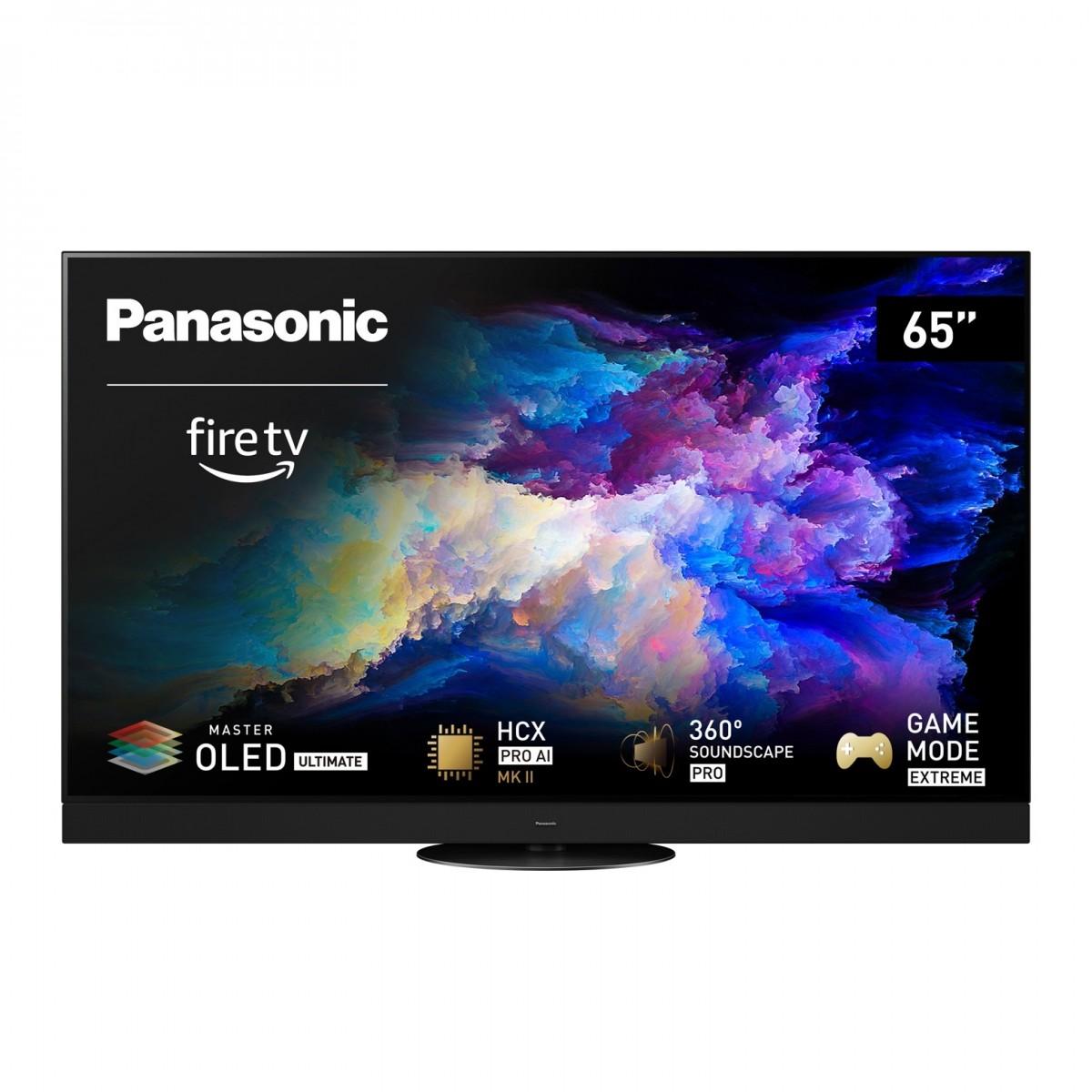
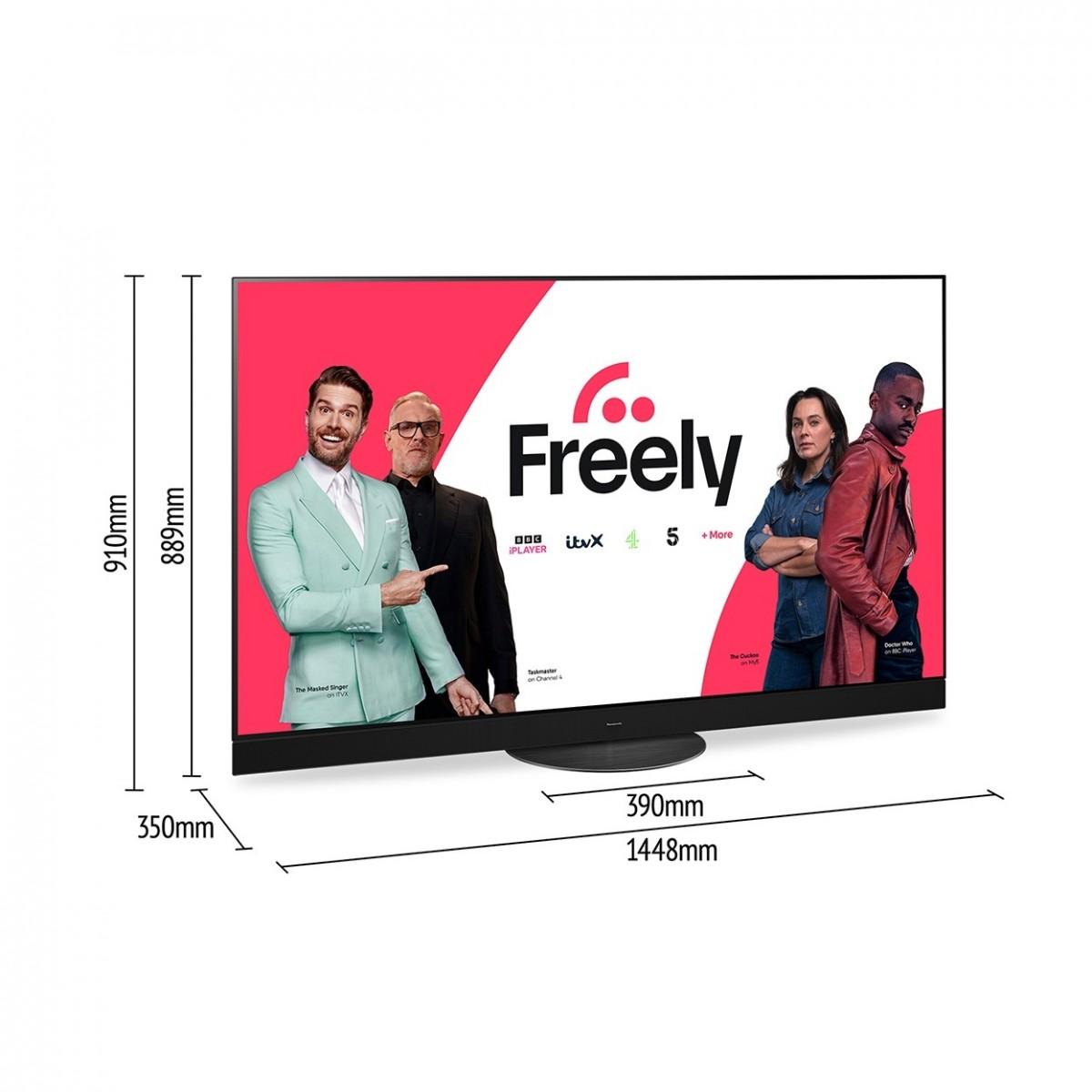
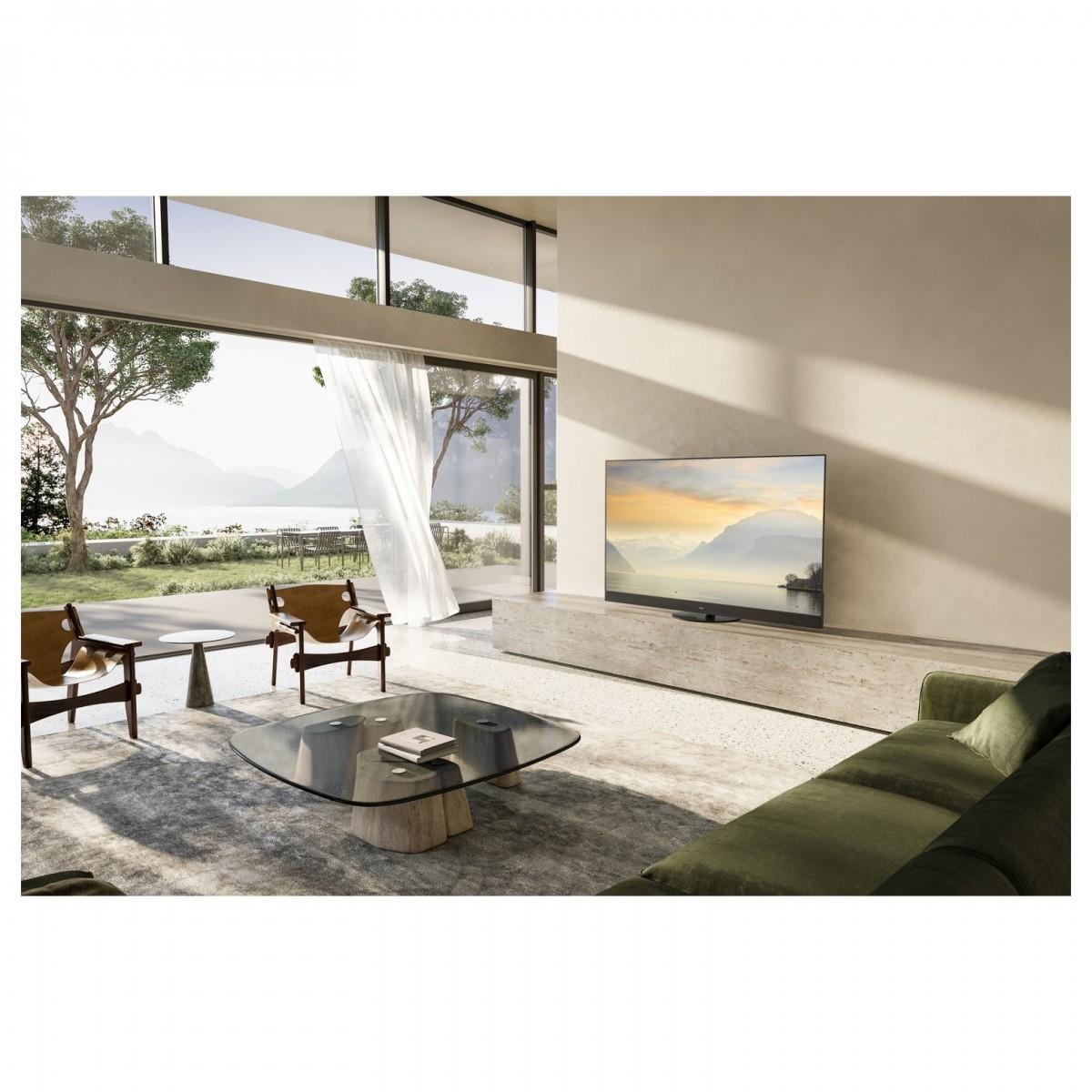
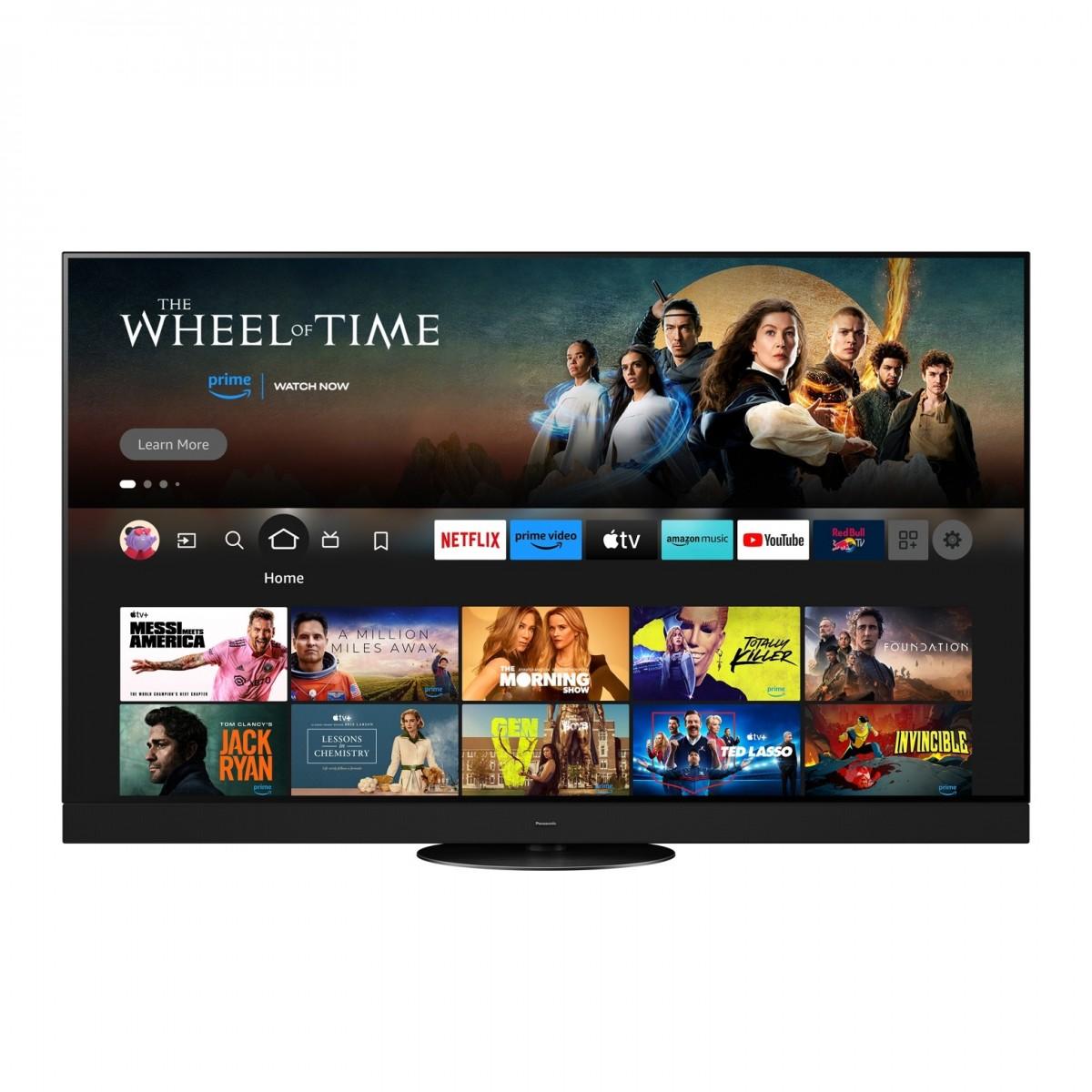
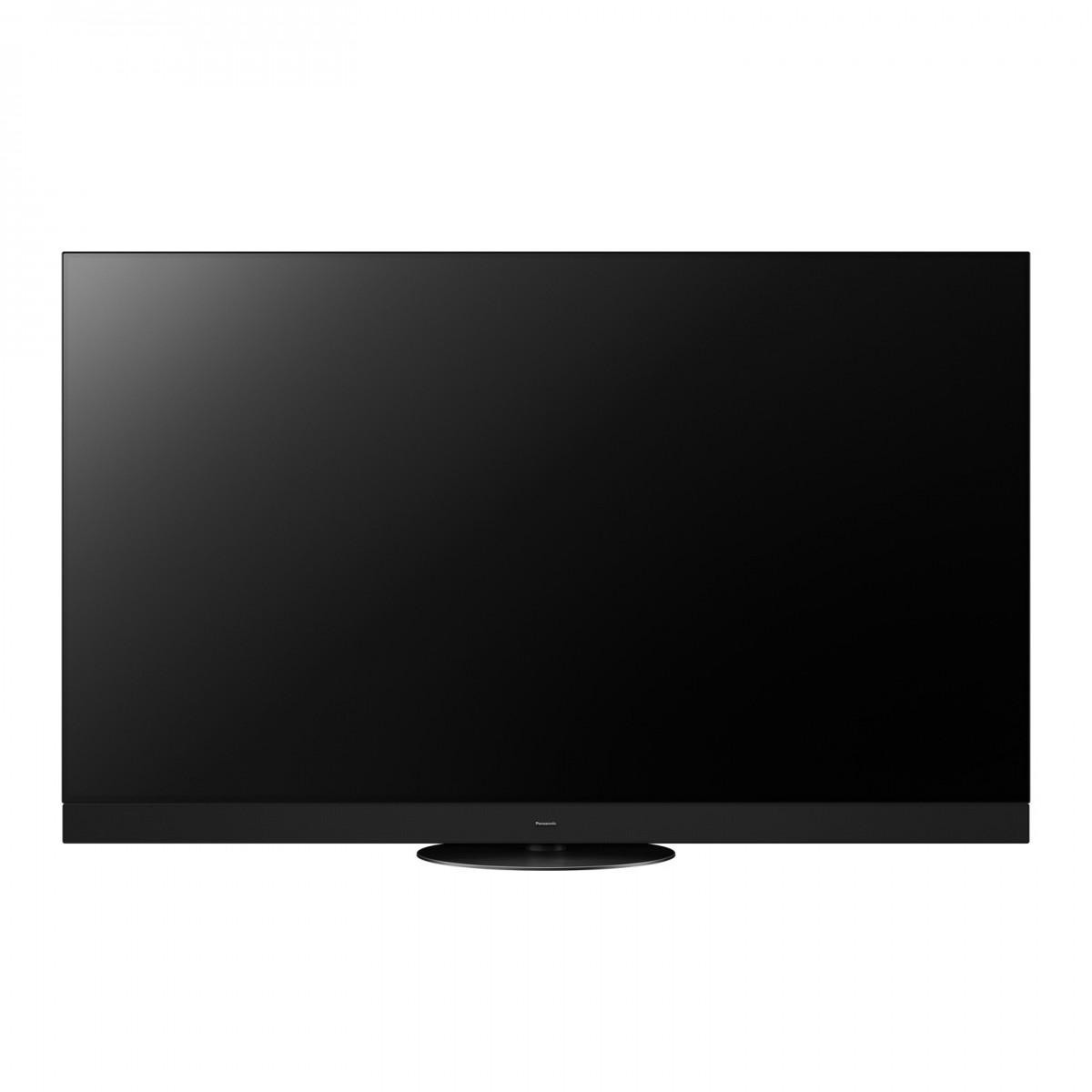
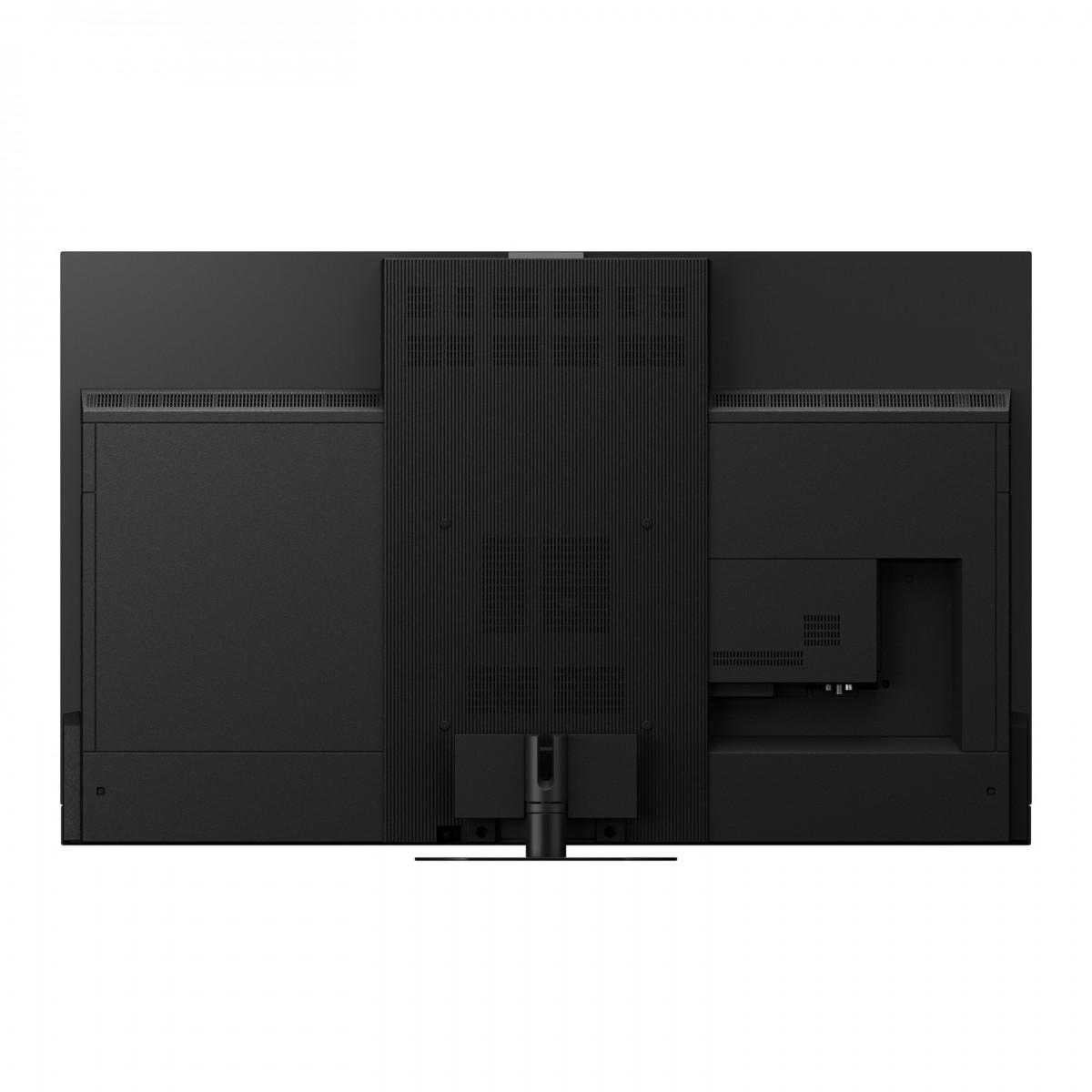
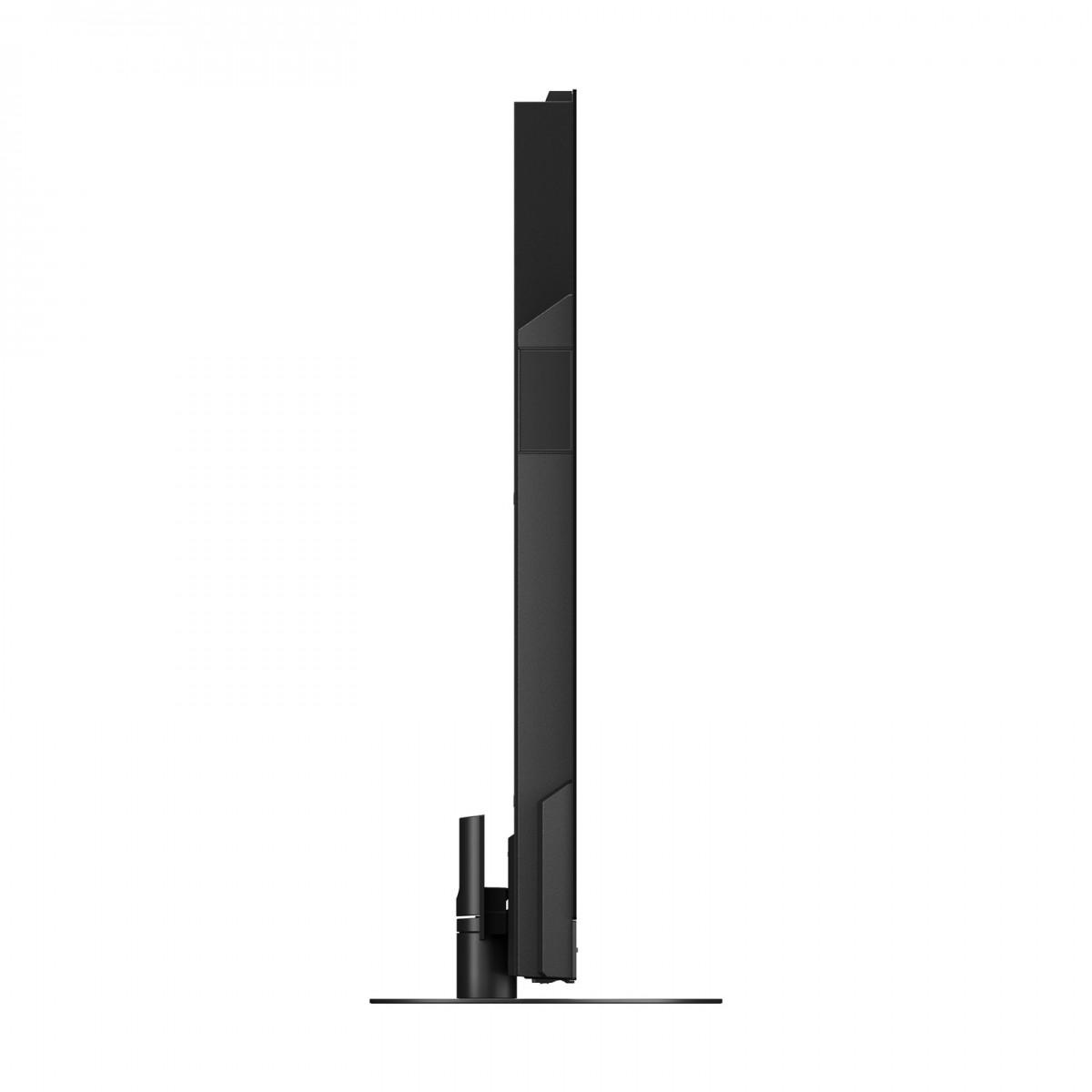
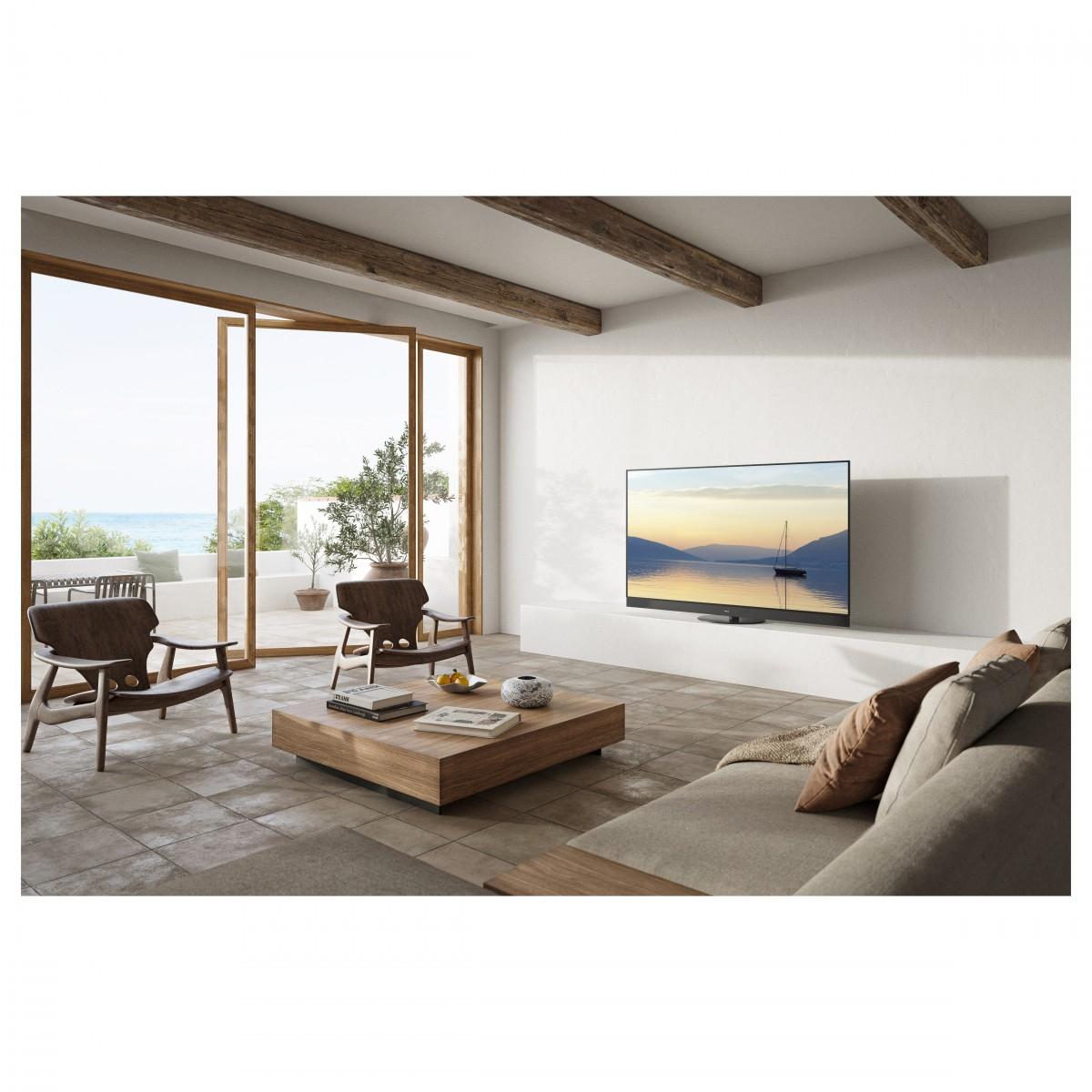
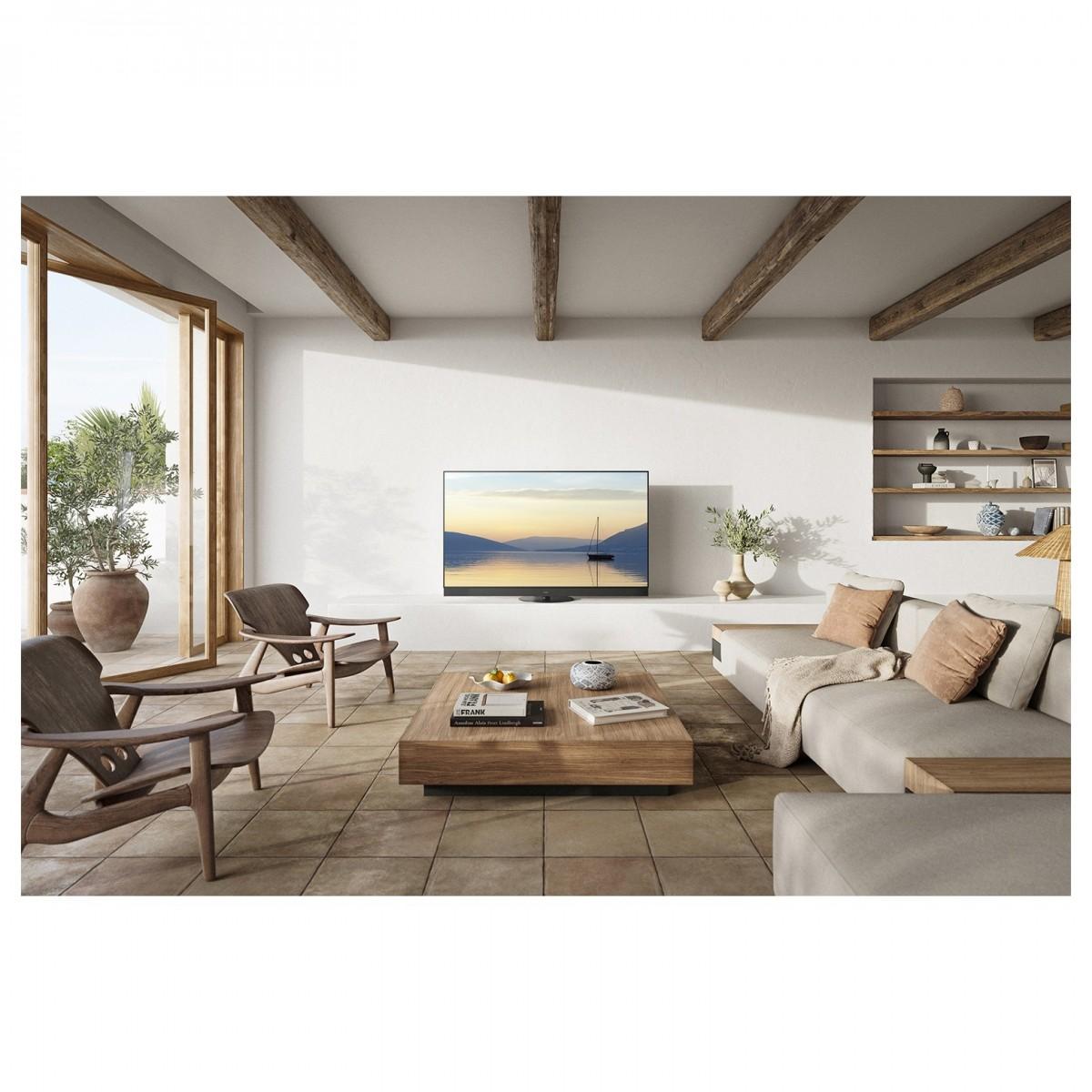
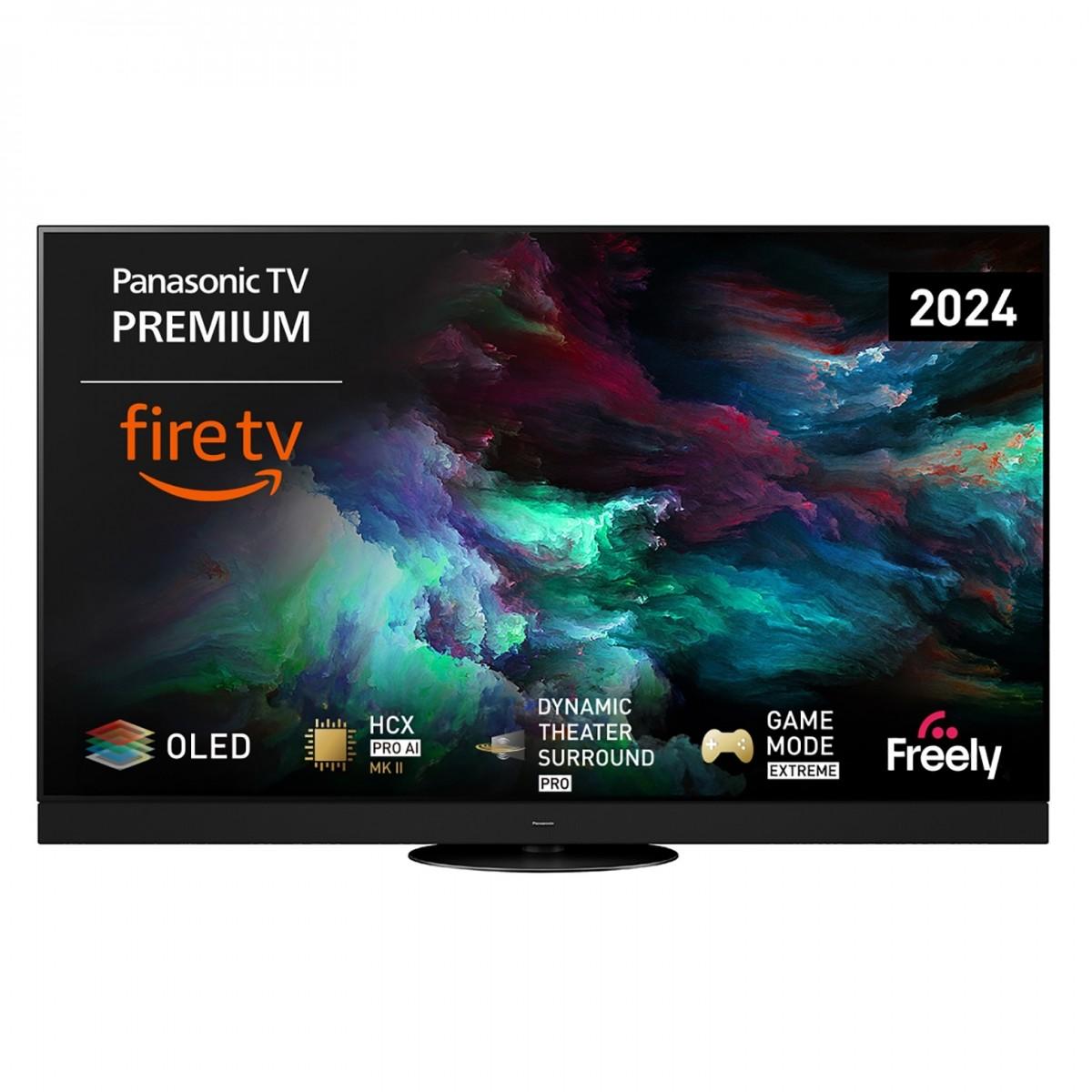
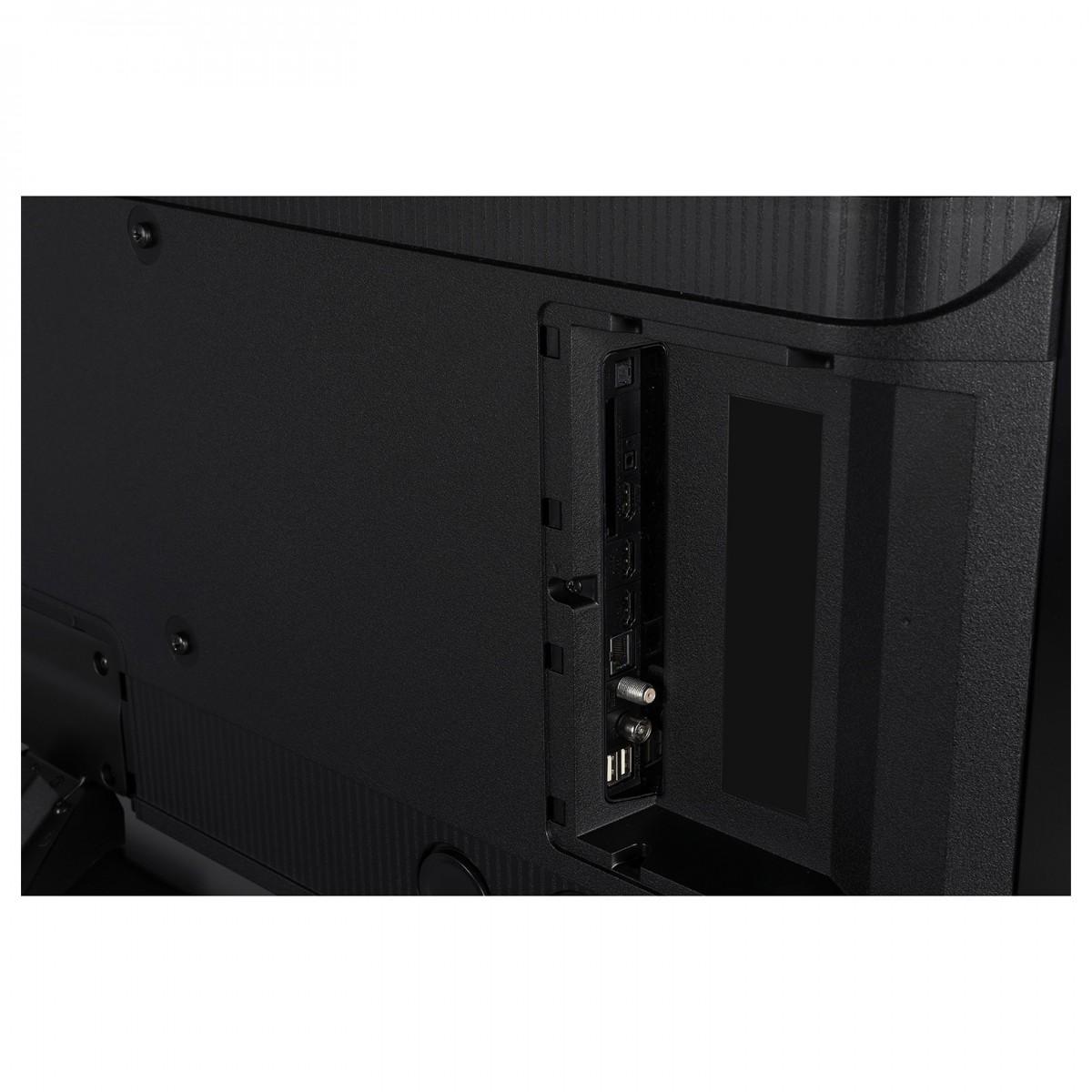
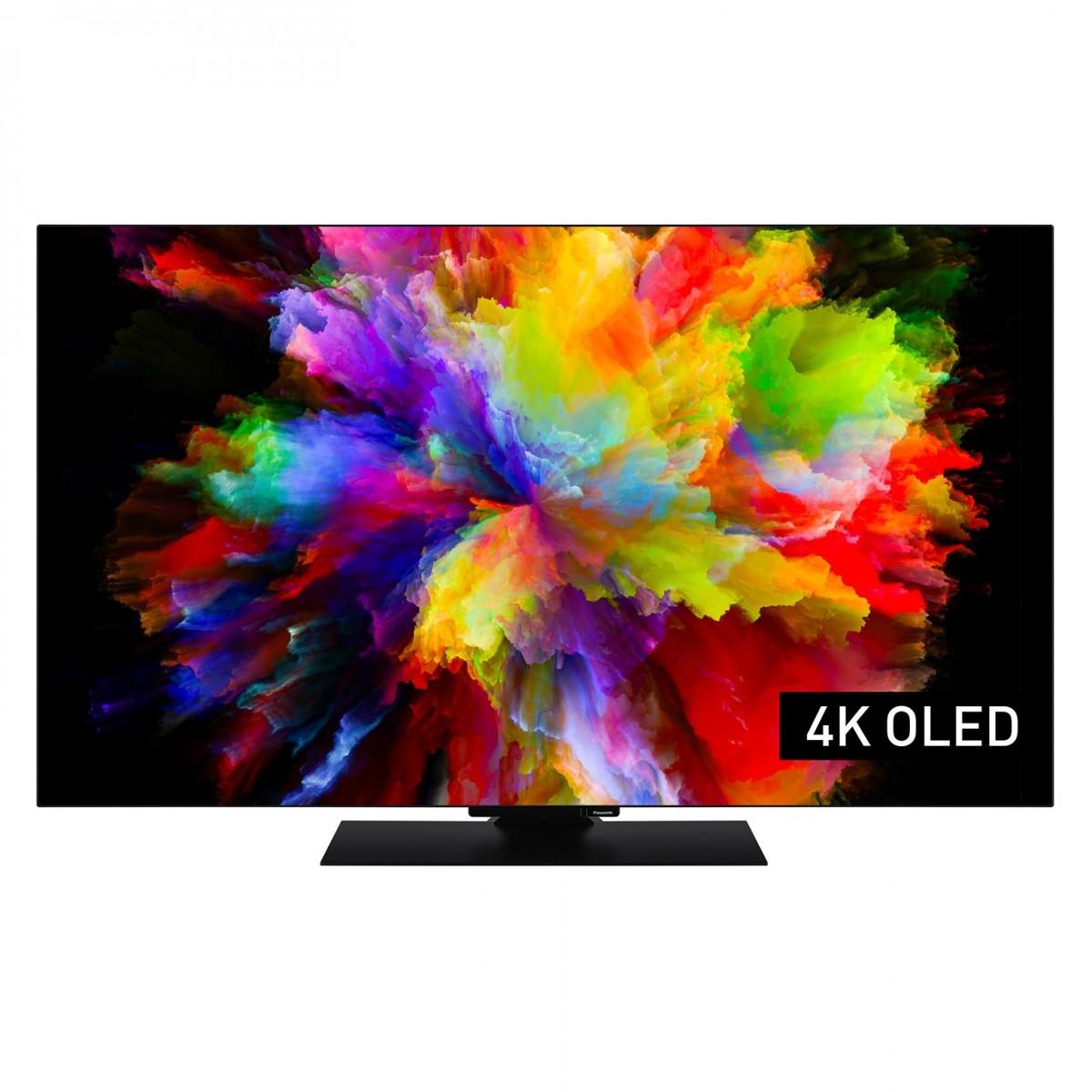
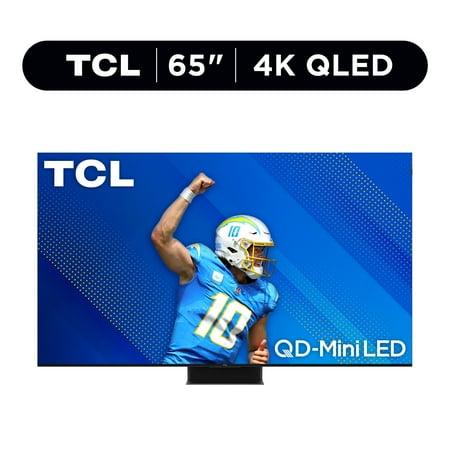




When you're ready to upgrade to a premium 65-inch TV, you're essentially choosing between two fundamentally different approaches to creating stunning images. The Panasonic Z95A 65" OLED represents the pinnacle of OLED technology, while the TCL 65" QM8 Mini-LED showcases how advanced LED backlighting can compete with more expensive display types.
Both TVs launched in 2024, arriving at a time when display technology has matured significantly. OLED panels have largely overcome early burn-in concerns, while Mini-LED technology has reached the point where it can challenge OLED's traditional advantages in contrast and black levels.
The difference between these TVs starts with how they create light. The Panasonic Z95A uses OLED (Organic Light-Emitting Diode) technology, where millions of individual pixels generate their own light. Think of it like having millions of tiny light bulbs that can turn completely on or off independently. When a pixel needs to show black, it simply turns off entirely, creating what's called "infinite contrast" – the difference between the darkest blacks and brightest whites.
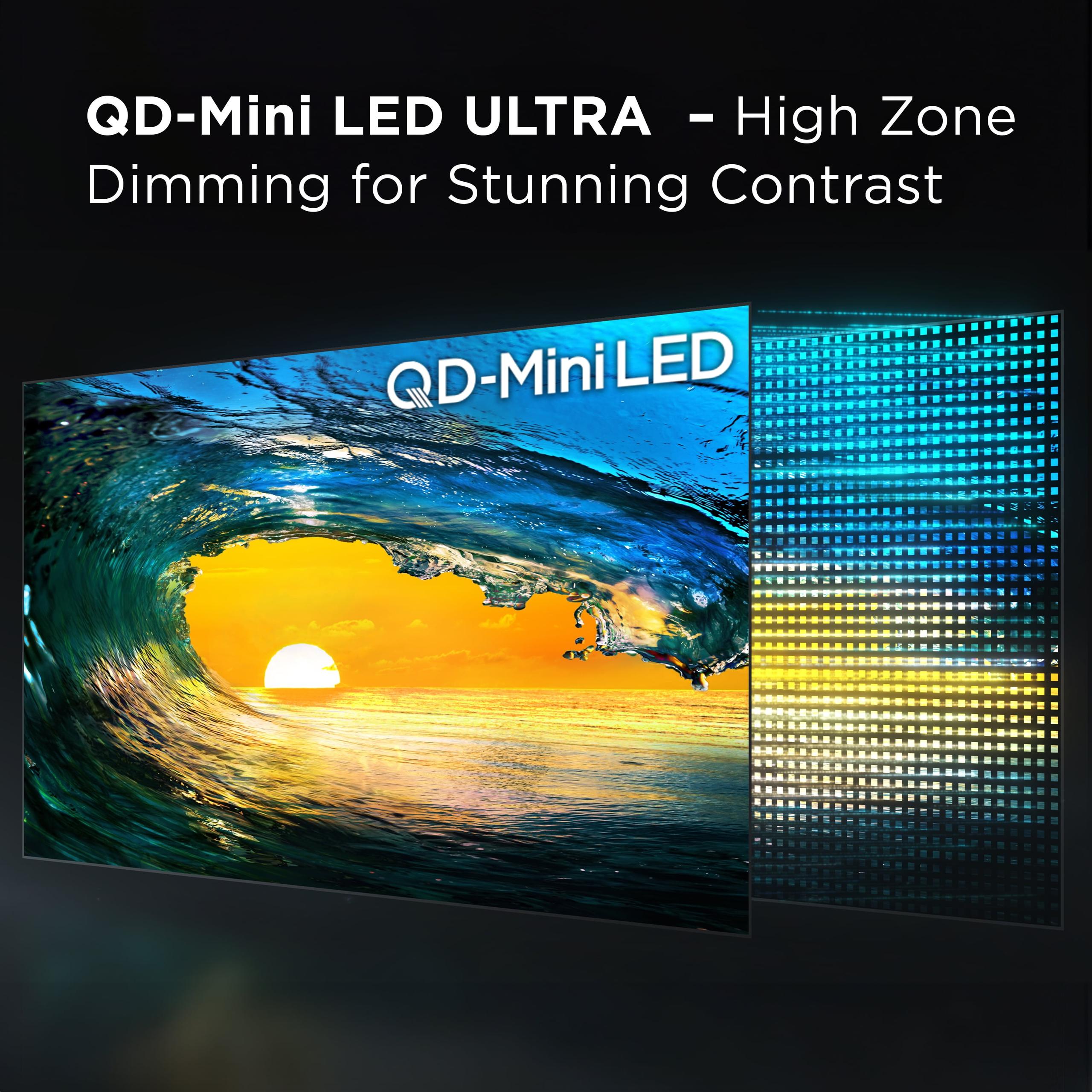
The TCL QM8 takes a different approach with QD-Mini LED technology. This combines Quantum Dots (tiny crystals that enhance color) with thousands of mini-LED lights arranged behind the screen. These mini-LEDs are controlled in zones – the QM8 has over 5,000 zones that can dim or brighten independently. While these zones can't turn off completely like OLED pixels, having thousands of them creates remarkably precise control over brightness and darkness across the screen.
The fundamental trade-off here is between perfect blacks (OLED) and exceptional brightness (Mini-LED). This difference affects everything from how the TV looks in your living room to what types of content look best.
This is where the Panasonic Z95A shows its OLED advantage most clearly. When you're watching a movie with dark scenes – think of space sequences or horror films – OLED's ability to turn pixels completely off creates blacks that are truly black, not the dark gray you might notice on other TVs. This makes details in dark scenes more visible and creates that cinematic depth that home theater enthusiasts prize.
The TCL QM8 can't achieve true black because its backlight is always on to some degree, but its 5,000+ dimming zones get remarkably close. In practical viewing, especially in rooms with some ambient light, most people won't notice the difference. The trade-off becomes worthwhile when you consider the QM8's brightness capabilities.
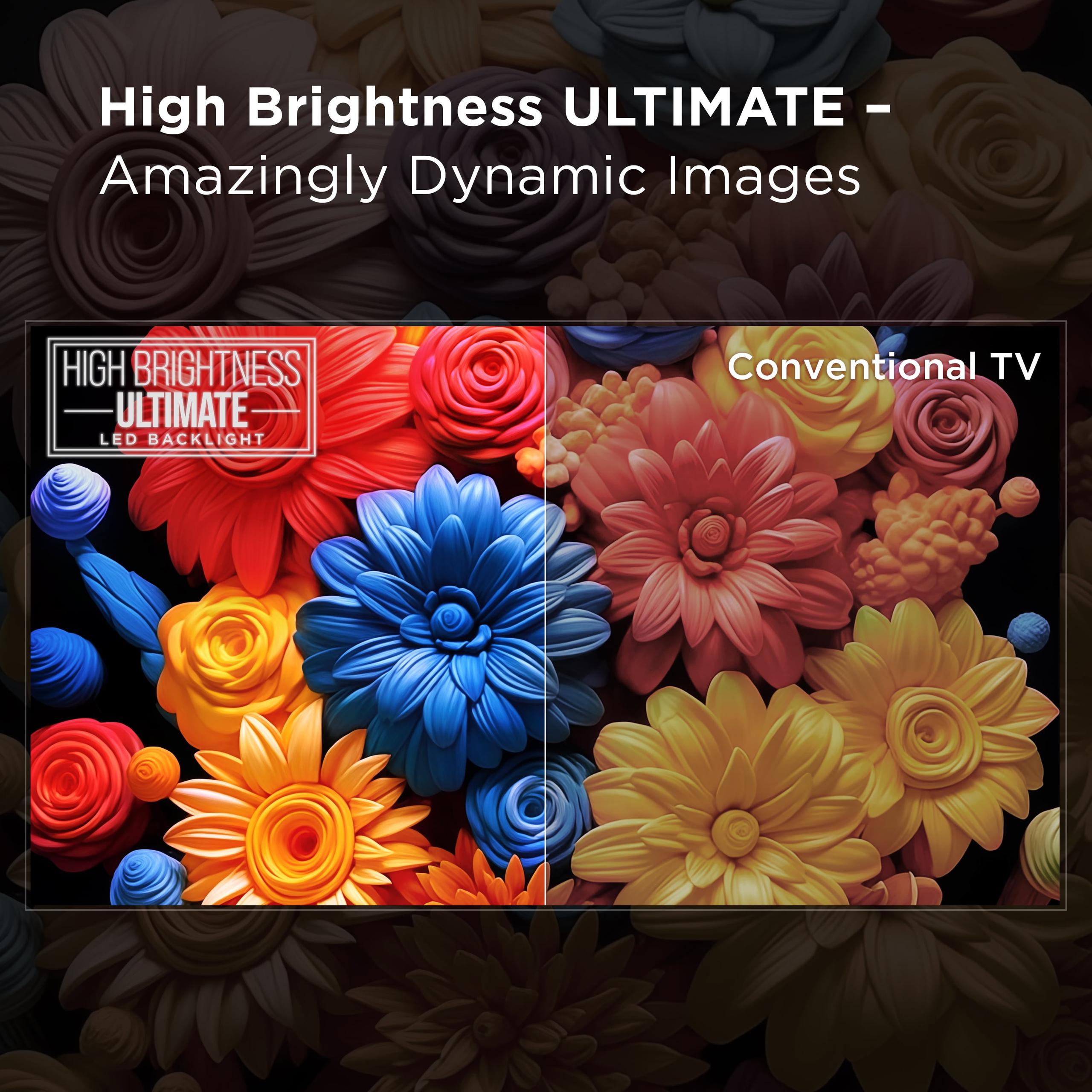
Here's where the tables turn completely. The TCL QM8 can reach peak brightness levels up to 5,000 nits – that's spectacularly bright. For context, a typical sunny day measures about 100,000 nits, while most older TVs topped out around 400-500 nits. This extreme brightness means HDR (High Dynamic Range) content really pops. When you're watching a sunset scene or explosion in an action movie, those bright highlights will genuinely make you squint.
The Panasonic Z95A, like most OLED TVs, reaches more modest peak brightness levels around 1,000 nits. This is still plenty for most viewing situations and actually more accurate to how content creators intended their work to look. However, in bright rooms or for HDR content that relies heavily on bright highlights, the difference is noticeable.
Both TVs excel here, but in different ways. The Panasonic Z95A uses the HCX Pro AI Processor MKII, which applies Hollywood-grade color processing. Panasonic has a strong relationship with professional colorists and cinema equipment manufacturers, and this shows in how natural and accurate colors look. Skin tones appear realistic, and the overall image has a film-like quality that videophiles appreciate.
The TCL QM8 leverages Quantum Dot technology, which enhances the purity and vibrancy of colors. While it might not be quite as accurate as the Panasonic in absolute terms, it produces incredibly vibrant, punchy colors that many people prefer for everyday viewing. The difference is subtle – think of it as the difference between a professionally color-graded photograph and one with slightly enhanced saturation.
This is a clear win for the Panasonic Z95A. OLED technology maintains consistent color and contrast no matter where you sit in the room. You can view it from almost 90 degrees to either side and still see an excellent image.
The TCL QM8, like most LED-based TVs, has more limited viewing angles. The image quality degrades as you move to the sides, with colors shifting and contrast decreasing. This matters if you have a wide seating arrangement or frequently watch TV from different positions in the room.
Both TVs arrived in 2024 with modern gaming firmly in mind, supporting the latest PlayStation 5 and Xbox Series X features. The TCL QM8 slightly edges ahead for gaming, with incredibly low input lag and Game Accelerator 240 technology that optimizes performance for competitive gaming. Its 144Hz Variable Refresh Rate (VRR) support means games run smoother with less screen tearing.
The Panasonic Z95A offers similarly impressive gaming credentials with 144Hz refresh rate support and low input lag. OLED's instant pixel response means motion blur is virtually nonexistent during fast-paced gaming. The choice here often comes down to the type of gaming you do – competitive players might prefer the TCL's brightness and optimization features, while single-player gamers often appreciate OLED's superior contrast in darker games.
Here's where the TCL QM8 pulls ahead significantly. Its ONKYO 2.1.2 speaker system includes dedicated up-firing drivers and a built-in subwoofer, producing 80 watts of total power. This creates genuinely impressive bass response and a more immersive soundscape that many users find adequate without additional speakers.
The Panasonic Z95A offers 20 watts through its built-in speakers with Dolby Atmos support. While the sound quality is respectable, it's more typical of what you'd expect from a thin TV. If audio quality matters to you and you don't plan to add a soundbar immediately, the TCL offers better value.
Both TVs offer comprehensive smart TV experiences, but with different approaches. The Panasonic Z95A uses Amazon Fire TV, which provides excellent integration with Alexa and comprehensive streaming app support. The interface is clean and responsive, though some users find Amazon's content recommendations a bit pushy.
The TCL QM8 runs Google TV, which offers superior integration with Google services and a more neutral approach to content recommendations. Both platforms support all major streaming services and offer hands-free voice control, so your choice here often comes down to whether you prefer Amazon's or Google's ecosystem.
At the time of writing, there's a significant price gap between these TVs, with the TCL QM8 typically costing 40-60% less than the Panasonic Z95A. This makes the value equation interesting – you're essentially paying a premium for OLED's perfect blacks and viewing angles versus getting exceptional brightness and audio for considerably less money.
The TCL QM8 represents one of the best value propositions in premium TV right now. You're getting flagship-level brightness, excellent gaming features, and superior built-in audio at a price that was unthinkable for this level of performance just a few years ago.
The Panasonic Z95A commands its premium through OLED's inherent advantages and professional-grade processing. If picture quality is your absolute priority and budget is less of a concern, the investment makes sense.
For dedicated home theater setups, the choice becomes more nuanced. The Panasonic Z95A excels in dark room viewing where OLED's perfect blacks create that cinematic experience that home theater enthusiasts seek. Its color accuracy and film-like presentation make it ideal for serious movie watching.
However, many home theaters aren't completely dark all the time. If your space has windows or ambient lighting, the TCL QM8's superior brightness becomes a significant advantage. Its ability to overcome ambient light means you don't need perfect viewing conditions to enjoy great picture quality.
The audio consideration is important too. Many home theater setups eventually include dedicated audio systems, but if you're starting with just the TV, the TCL's superior built-in sound gives you a better foundation.
Choose the Panasonic Z95A if you prioritize absolute picture quality above all else. Its perfect blacks, excellent color accuracy, and wide viewing angles make it ideal for movie enthusiasts who often watch in dark or controlled lighting conditions. The premium price makes sense if you view your TV as a long-term investment in the best possible viewing experience.
The TCL QM8 makes more sense for most people. Its exceptional brightness works well in any room lighting, its gaming features are slightly more advanced, and its built-in audio is genuinely impressive. The significantly lower price means you can invest the savings in other components or simply enjoy flagship-level performance without the flagship price.
Consider your viewing environment carefully. If you primarily watch TV in bright rooms or enjoy HDR content that benefits from high brightness, the TCL's advantages become more pronounced. If you're building a dedicated dark room setup where perfect blacks matter most, the Panasonic's OLED technology justifies its premium.
Both TVs represent excellent choices in their respective approaches to premium display technology. The TCL QM8 democratizes high-end features that were previously only available at much higher prices, while the Panasonic Z95A delivers the purest expression of OLED technology with professional-grade processing. Your choice ultimately depends on which set of compromises aligns better with your priorities, viewing habits, and budget.
| Panasonic Z95A 65" OLED 4K Ultra HD Smart TV | TCL 65" QM8 Mini-LED Smart TV |
|---|---|
| Display Technology - Fundamental difference affecting picture quality | |
| OLED with self-lit pixels for perfect blacks | QD-Mini LED with 5,000+ local dimming zones |
| Peak Brightness - Critical for HDR content and bright room viewing | |
| ~1,000 nits (excellent for dark rooms, limited in bright spaces) | Up to 5,000 nits (exceptional for any lighting condition) |
| Black Level Performance - Key for movie watching and contrast | |
| Perfect infinite blacks (pixels turn completely off) | Very deep blacks but not absolute due to backlight |
| Viewing Angles - Important for family seating arrangements | |
| Excellent from all angles with no color shift | Limited viewing angles, degrades when viewed from sides |
| Gaming Features - Essential for console gaming | |
| 144Hz refresh, low input lag, ALLM/VRR support | 120Hz native/144Hz VRR, Game Accelerator 240, ultra-low input lag |
| Built-in Audio Quality - Determines if you need external speakers | |
| 20W with Dolby Atmos (typical TV audio) | 80W ONKYO 2.1.2 system with subwoofer (impressive built-in sound) |
| Smart TV Platform - Affects daily user experience | |
| Amazon Fire TV with Alexa integration | Google TV with comprehensive Google services |
| Color Processing - Impacts realistic picture quality | |
| HCX Pro AI Processor MKII with professional-grade accuracy | AIPQ PRO with Quantum Dot enhancement for vibrant colors |
| HDR Support - Important for streaming and 4K content | |
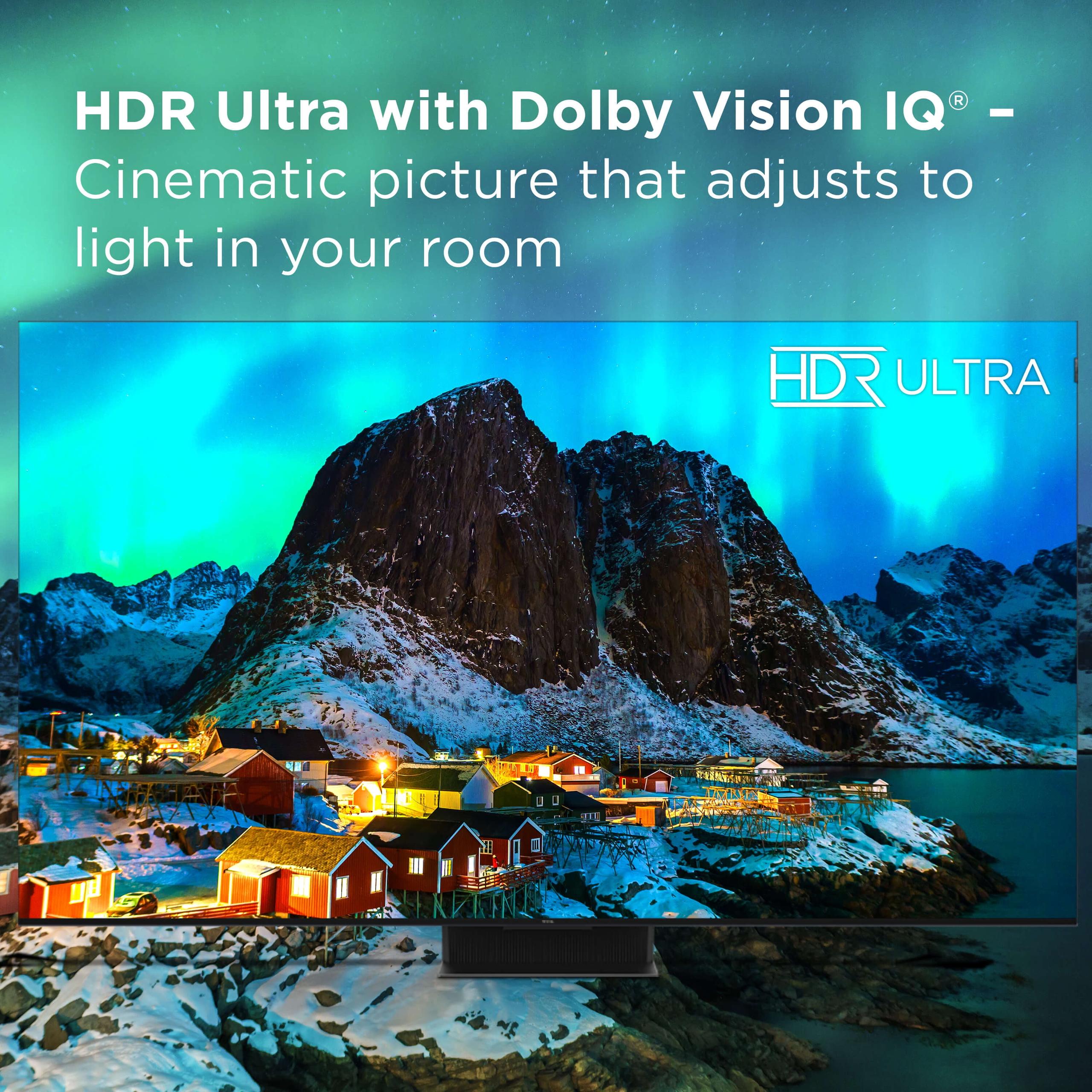
| Dolby Vision IQ, HDR10+, HDR10, HLG | Dolby Vision IQ, HDR10+, HDR10, HLG with superior brightness |
| Best Use Case - Who should choose this TV | |
| Dark room viewing, movie enthusiasts, color accuracy priority | Bright rooms, gaming focus, value seekers, better built-in audio |
The Panasonic Z95A OLED uses self-lighting pixels that can turn completely off for perfect blacks, while the TCL QM8 Mini-LED uses thousands of mini-LED zones behind the screen for exceptional brightness. The OLED excels in dark rooms with superior contrast, while the Mini-LED performs better in bright spaces with much higher peak brightness.
The TCL QM8 Mini-LED is significantly better for bright rooms, reaching up to 5,000 nits peak brightness compared to the Panasonic Z95A's ~1,000 nits. This higher brightness easily overcomes glare and ambient light, making it ideal for living rooms with windows or overhead lighting.
For movie watching in dark rooms, the Panasonic Z95A OLED delivers superior picture quality with perfect blacks and excellent color accuracy. However, the TCL QM8 offers impressive picture quality with brighter highlights that make HDR content pop, especially in rooms with ambient lighting.
Both TVs are excellent for gaming. The TCL QM8 has a slight edge with ultra-low input lag and Game Accelerator 240 features, while the Panasonic Z95A offers instant pixel response and 144Hz refresh rate. Both support VRR and modern gaming features for PS5 and Xbox Series X.
The TCL QM8 has significantly better built-in audio with an 80W ONKYO 2.1.2 speaker system including a subwoofer and up-firing drivers. The Panasonic Z95A offers standard 20W TV speakers with Dolby Atmos support, which is adequate but not as impressive.
Both work well for home theater, but serve different needs. The Panasonic Z95A OLED excels in dedicated dark room theaters with its perfect blacks and cinematic presentation. The TCL QM8 is better for multi-purpose rooms that aren't always dark, thanks to its superior brightness and built-in audio quality.
The TCL QM8 offers exceptional value, providing flagship-level brightness, gaming features, and superior audio at a significantly lower cost. The Panasonic Z95A commands a premium for OLED's perfect blacks and professional-grade processing, making it better value only if picture quality is your top priority.
The Panasonic Z95A OLED has excellent viewing angles with consistent picture quality from any position. The TCL QM8 has limited viewing angles typical of LED TVs, with color and contrast degrading when viewed from the sides, making it less ideal for wide seating arrangements.
The Panasonic Z95A uses Amazon Fire TV with excellent Alexa integration, while the TCL QM8 runs Google TV with superior Google services integration. Both offer comprehensive streaming app support, so choice often depends on whether you prefer Amazon's or Google's ecosystem.
The Panasonic Z95A OLED has minimal burn-in risk with modern OLED panels and built-in protection features, though static content should still be avoided for extended periods. The TCL QM8 has no burn-in concerns and traditional LED longevity advantages.
Both excel with HDR, but differently. The TCL QM8 delivers more impactful HDR with its extreme brightness making highlights truly dazzling. The Panasonic Z95A offers more accurate HDR presentation with better shadow detail thanks to perfect blacks, creating a more cinematic experience.
Choose the Panasonic Z95A OLED if you prioritize absolute picture quality, watch primarily in dark rooms, need wide viewing angles, and have a higher budget. Choose the TCL QM8 if you want exceptional brightness for any room, prefer better built-in audio, focus on gaming, or want flagship features at a more affordable price point.
We've done our best to create useful and informative comparisons to help you decide what product to buy. Our research uses advanced automated methods to create this comparison and perfection is not possible - please contact us for corrections or questions. These are the sites we've researched in the creation of this article: youtube.com - youtube.com - whathifi.com - tomsguide.com - shop.panasonic.com - store.in.panasonic.com - rtings.com - applianceplus.co.nz - rtings.com - store.in.panasonic.com - samsung.com - rtings.com - rtings.com - techradar.com - tcl.com - the-gadgeteer.com - nfm.com - ecoustics.com - careyscommunications.com - pcrichard.com - tcl.com

Privacy Policy
Terms and Conditions - Affiliate Policy
Home Security
© Copyright 2008-2026.
11816 Inwood Rd #1211, Dallas, TX 75244