

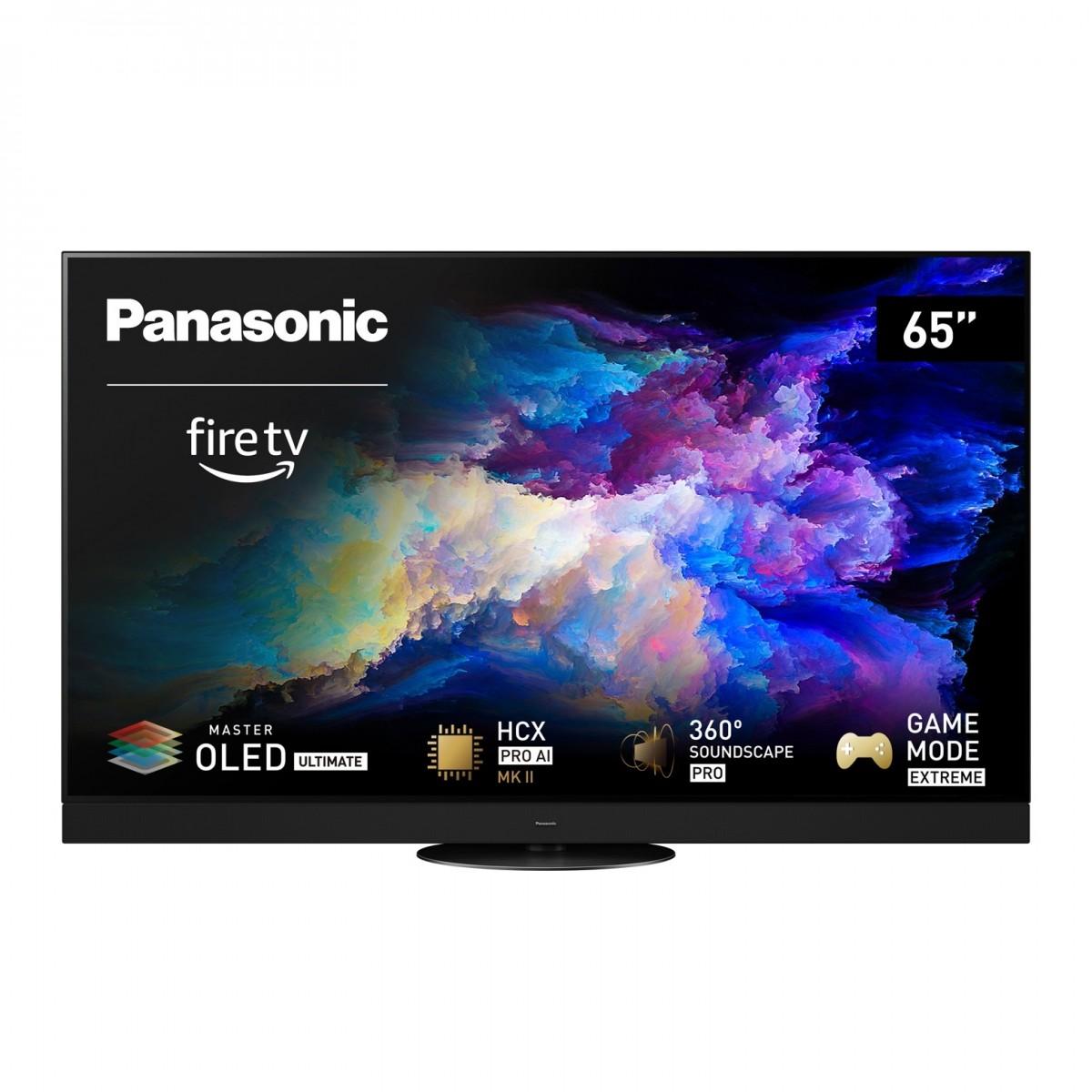
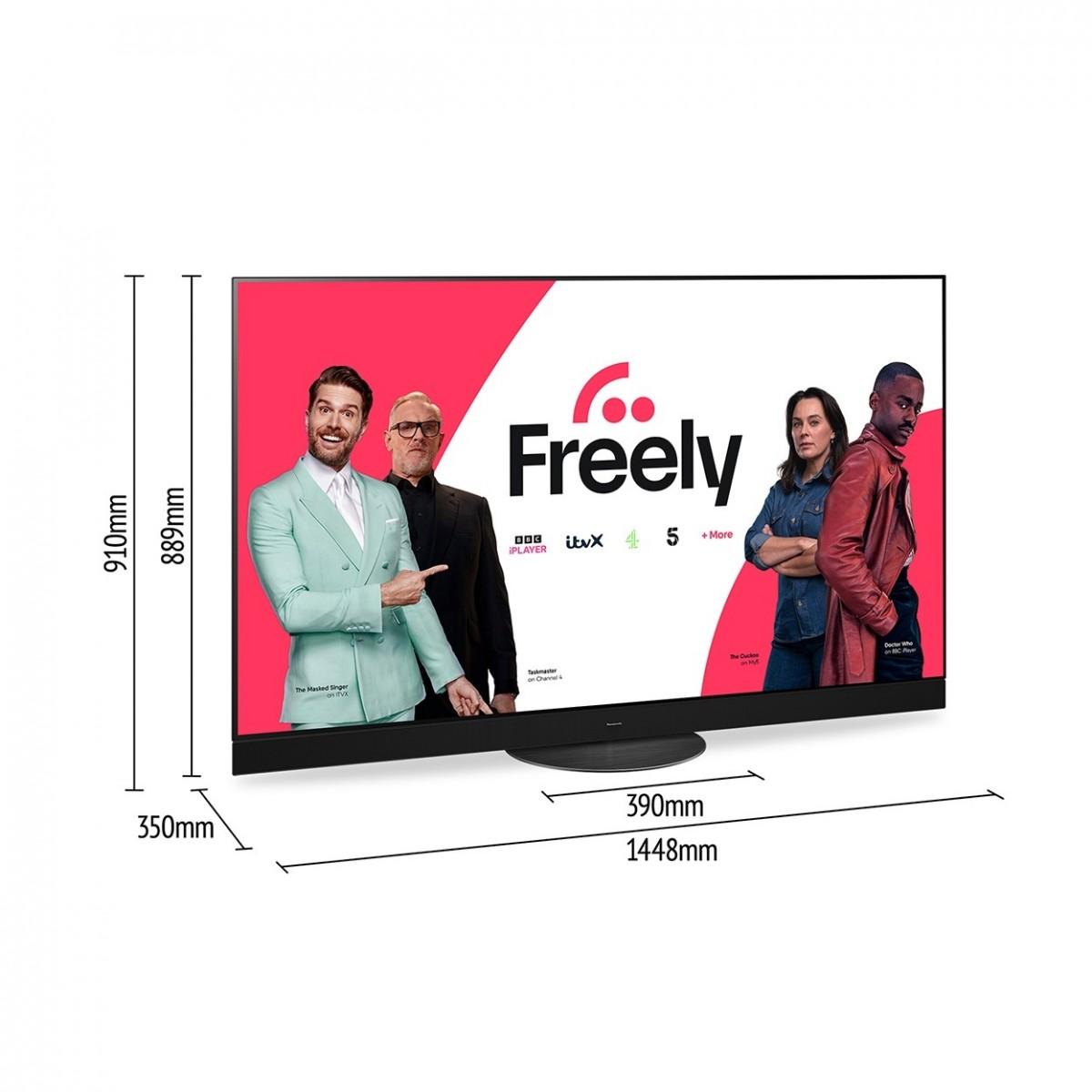
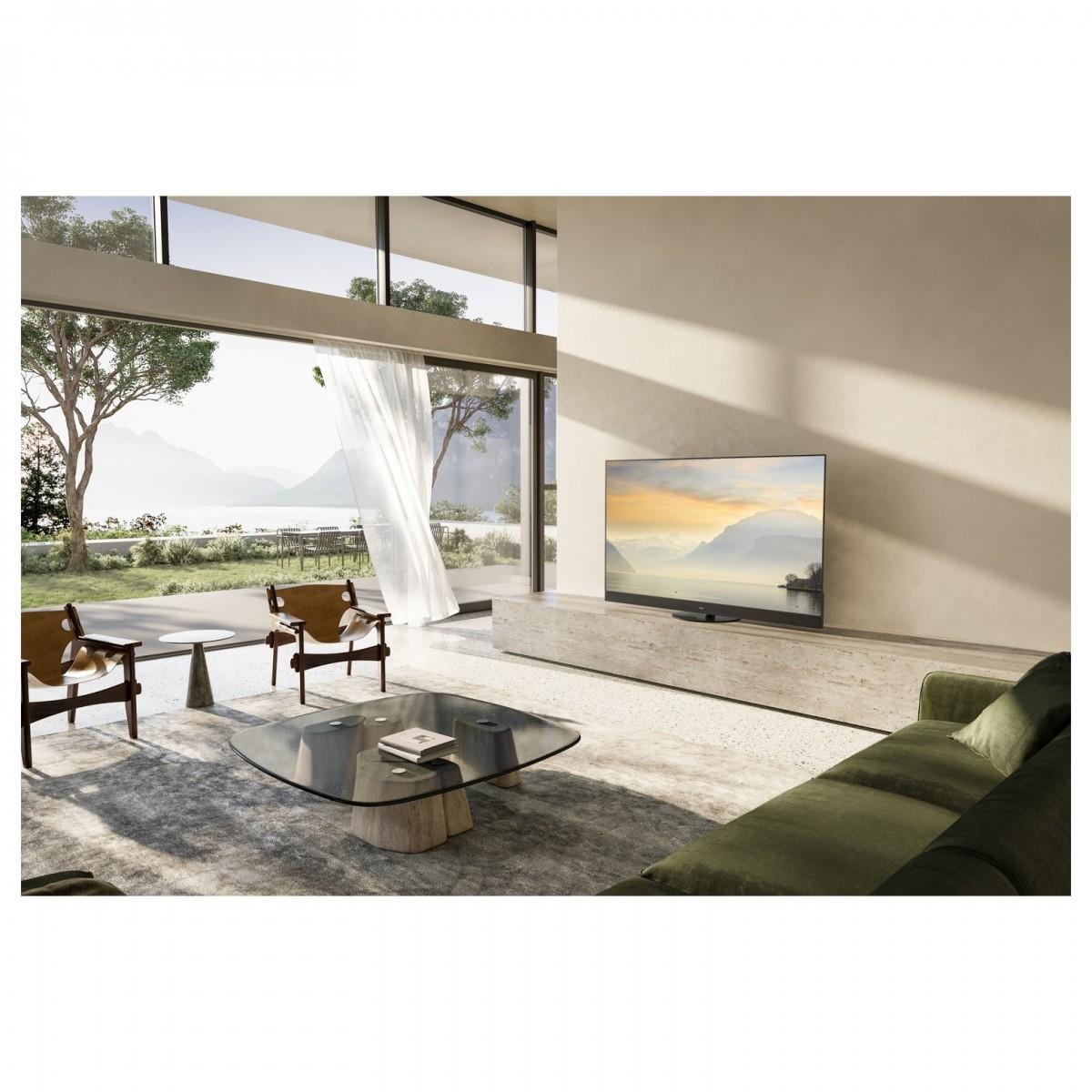
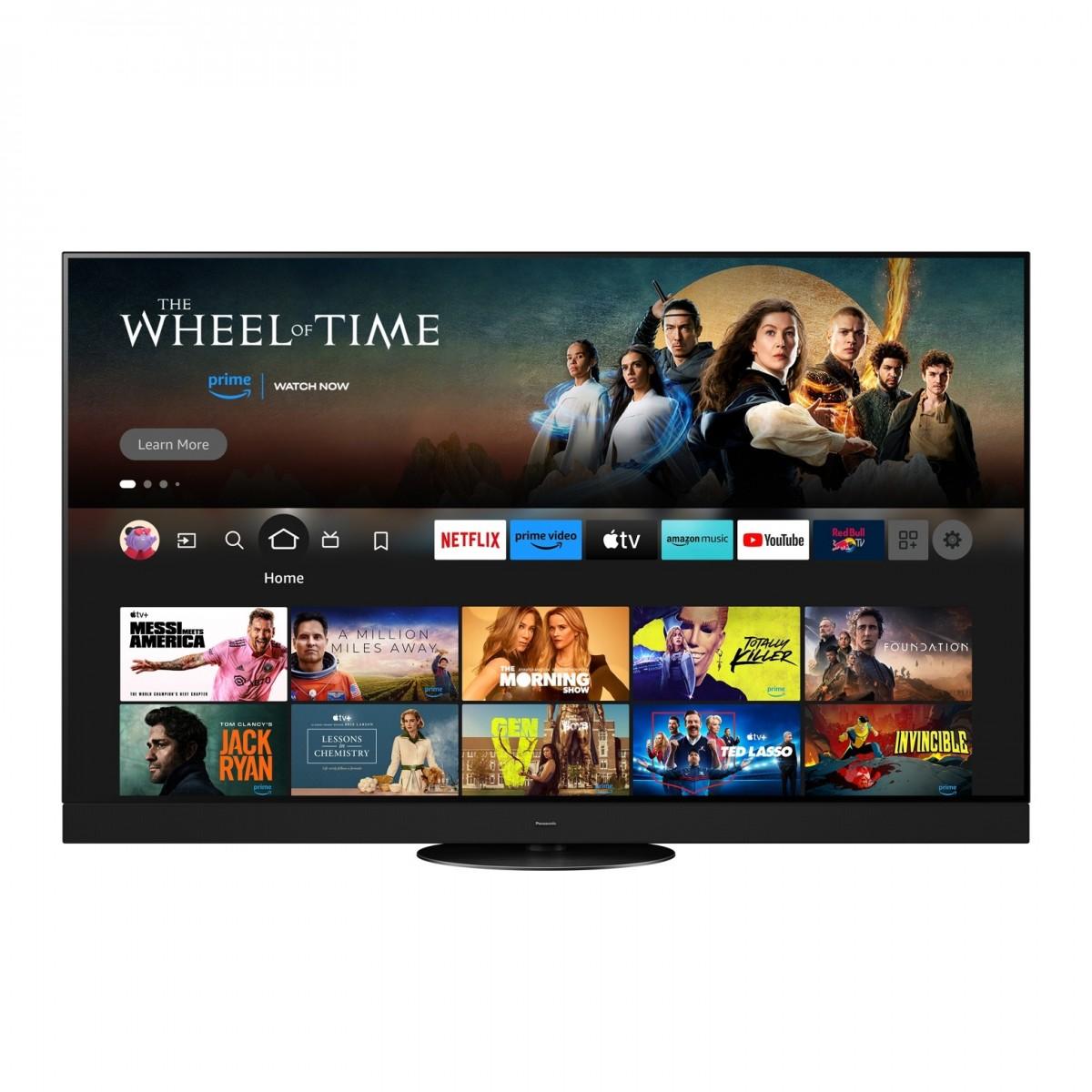
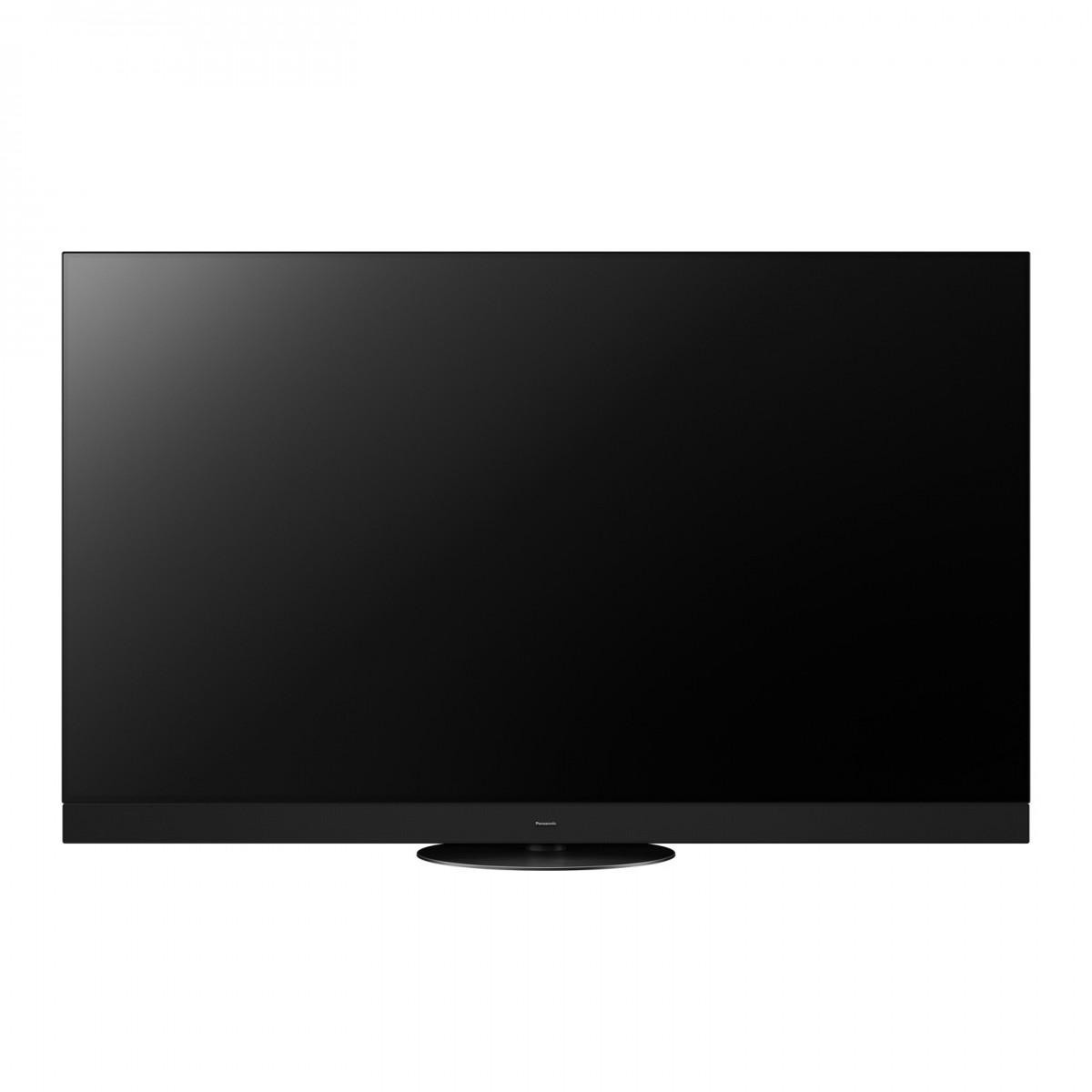
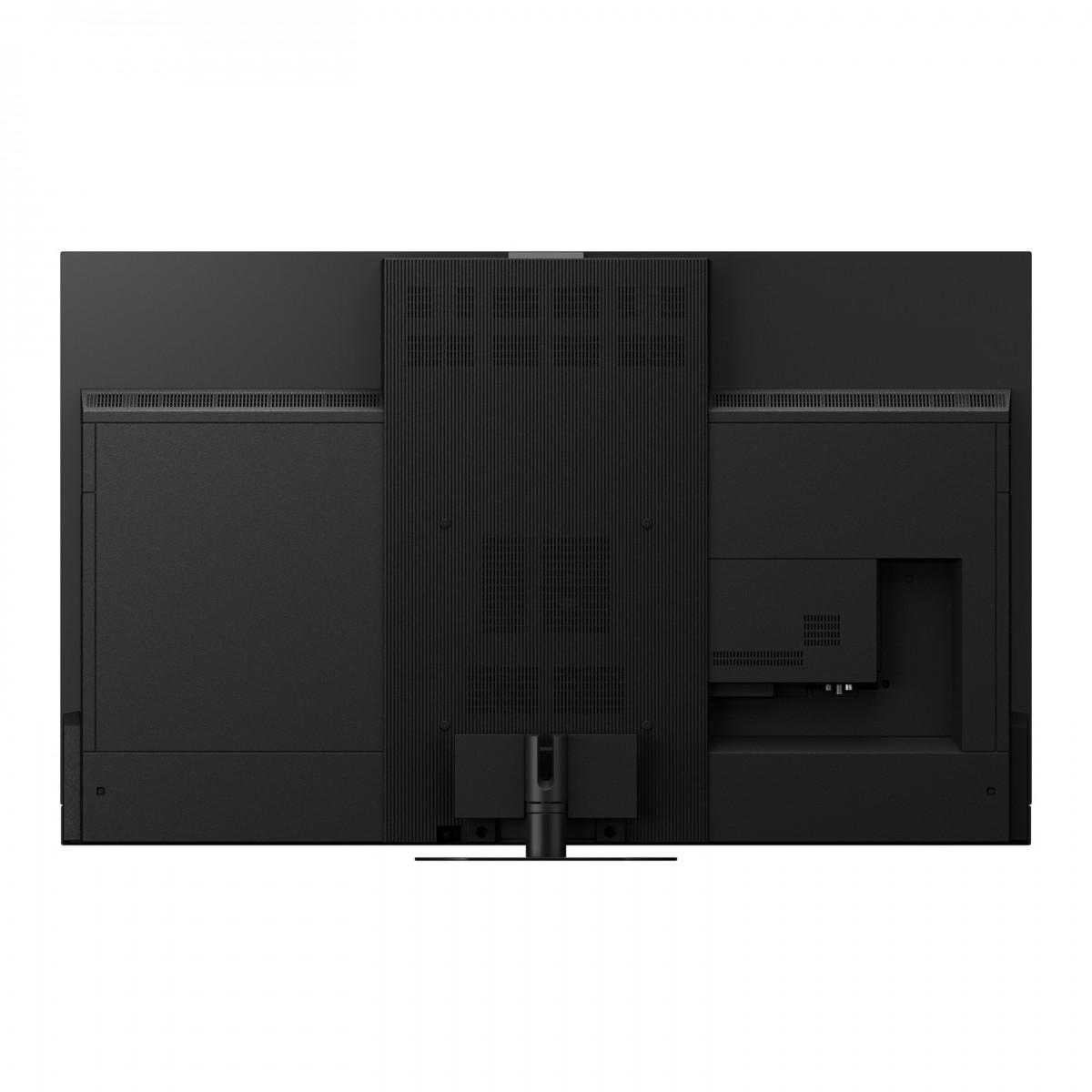
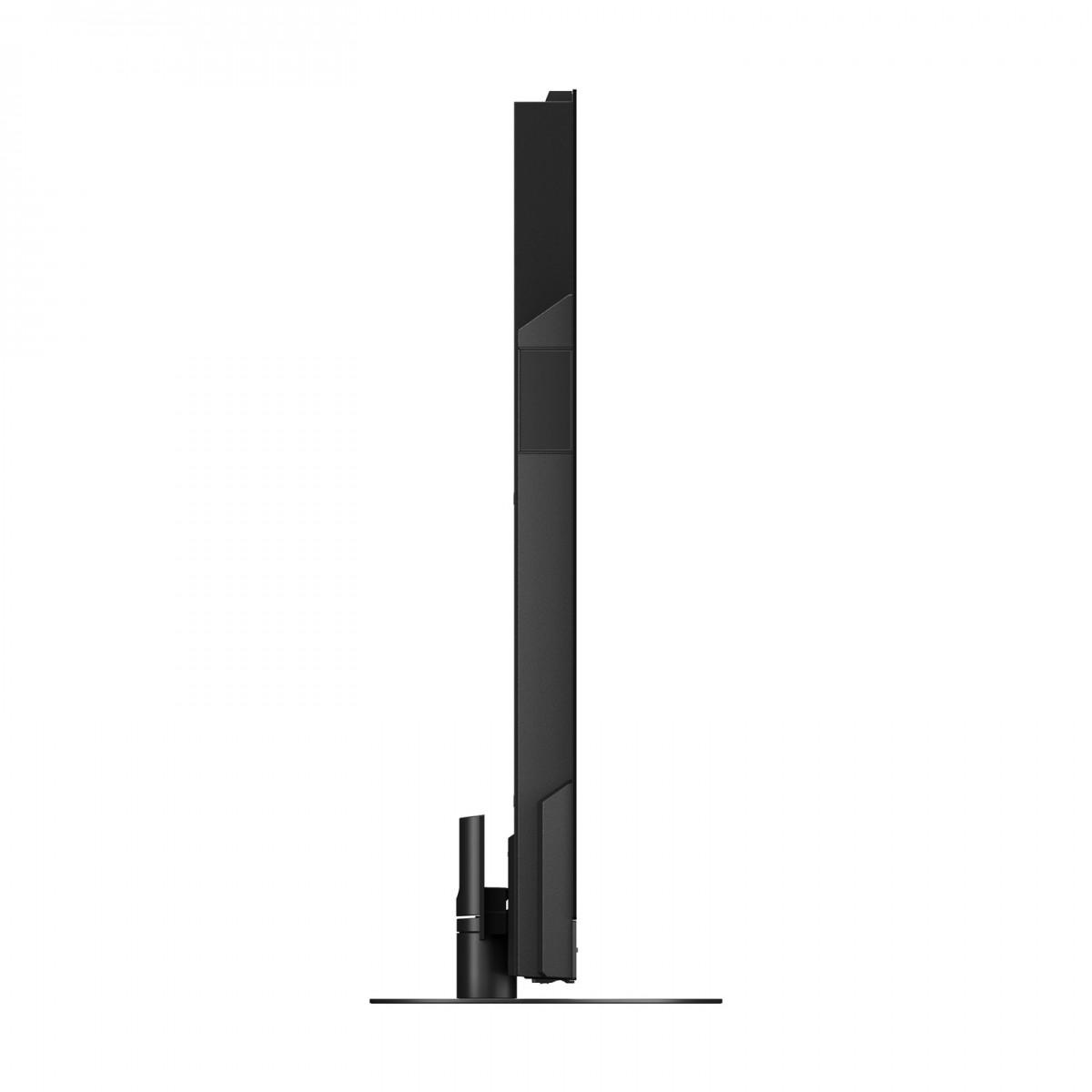
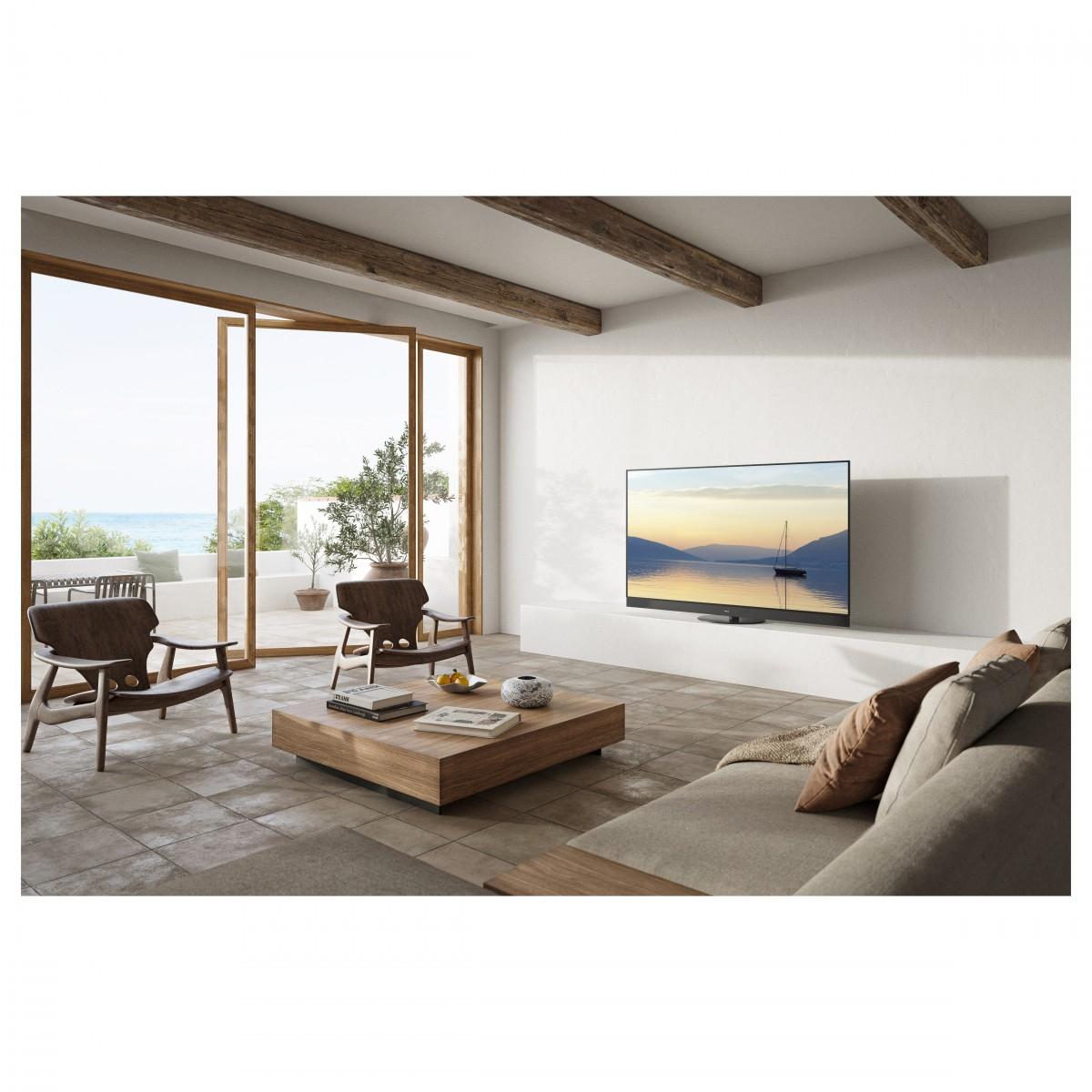
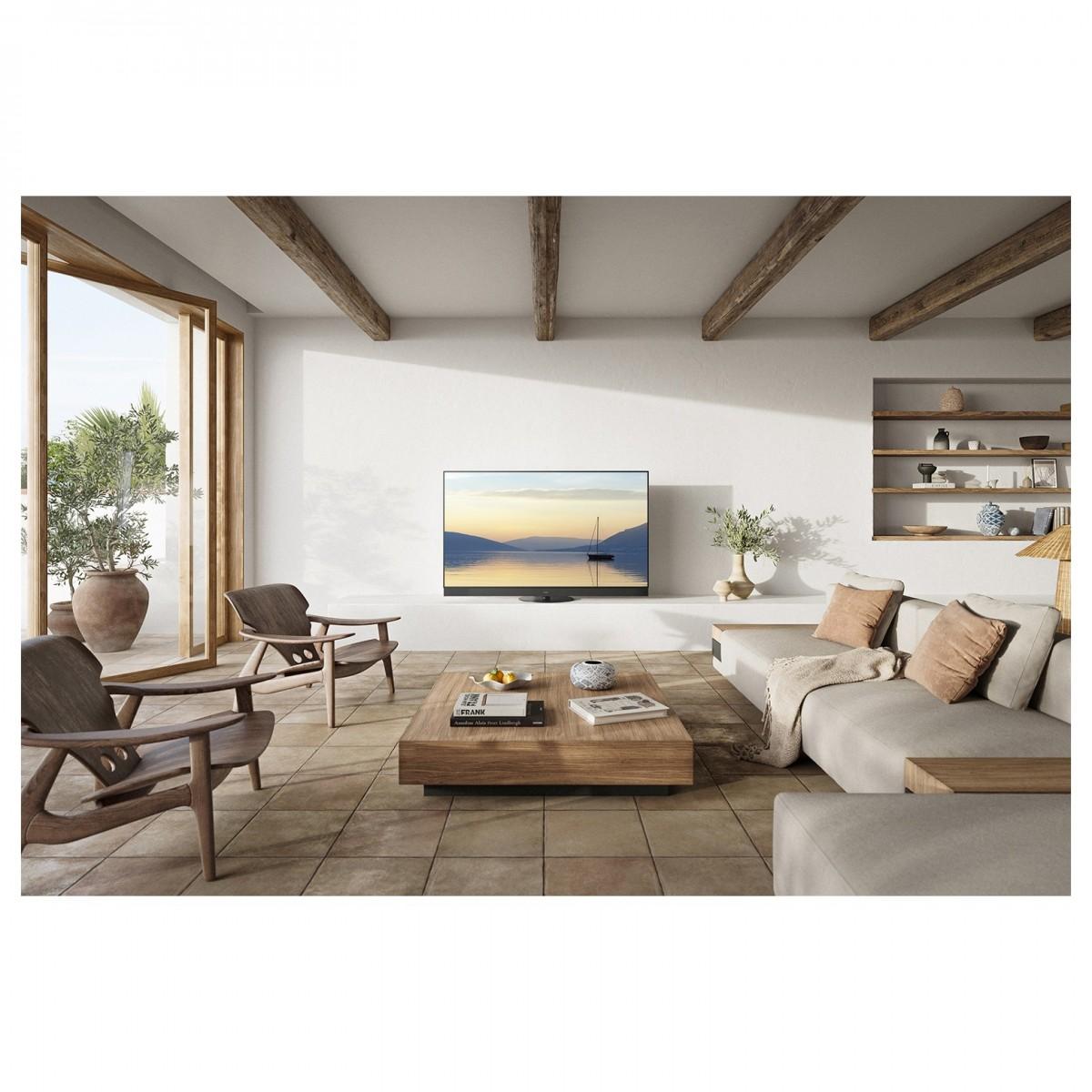
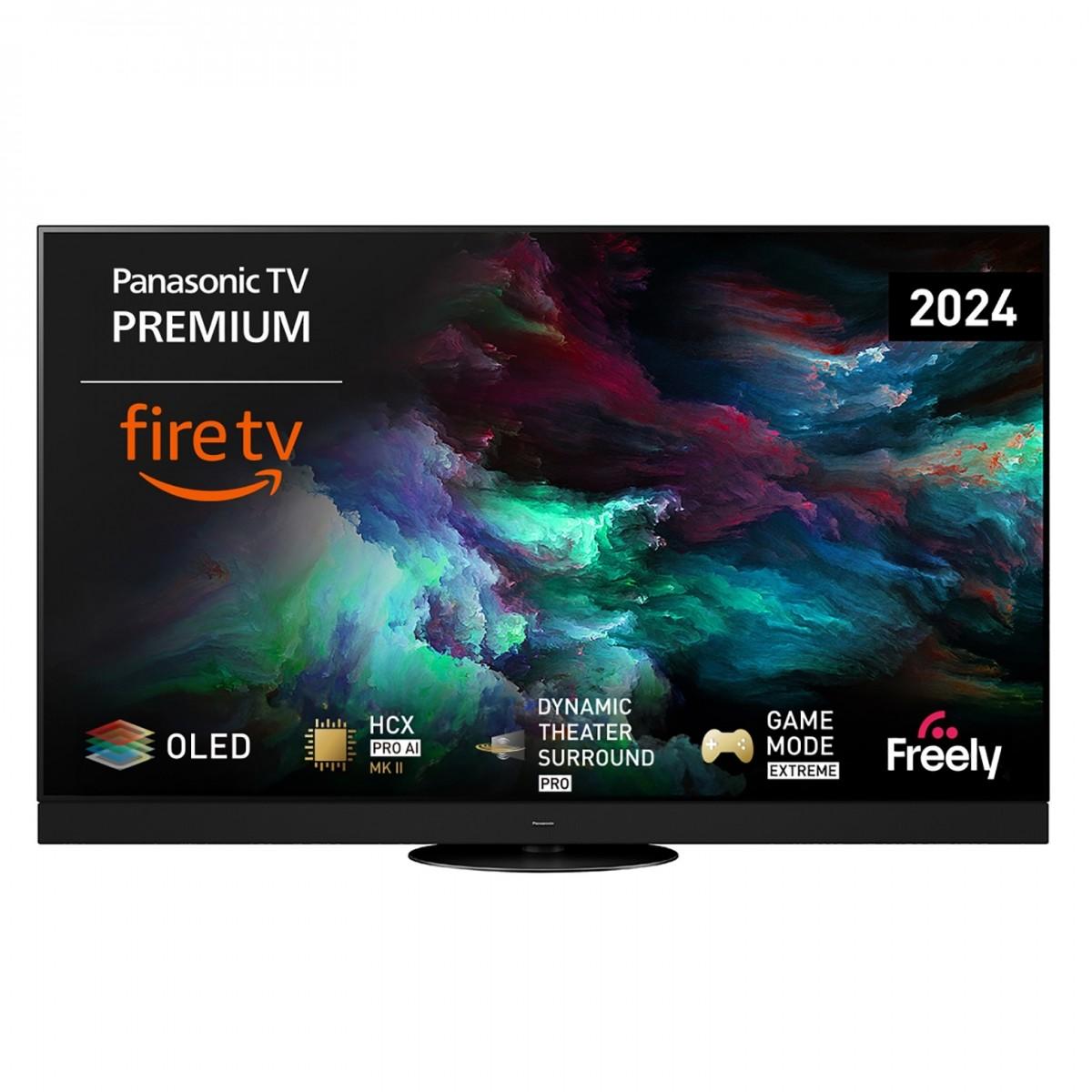
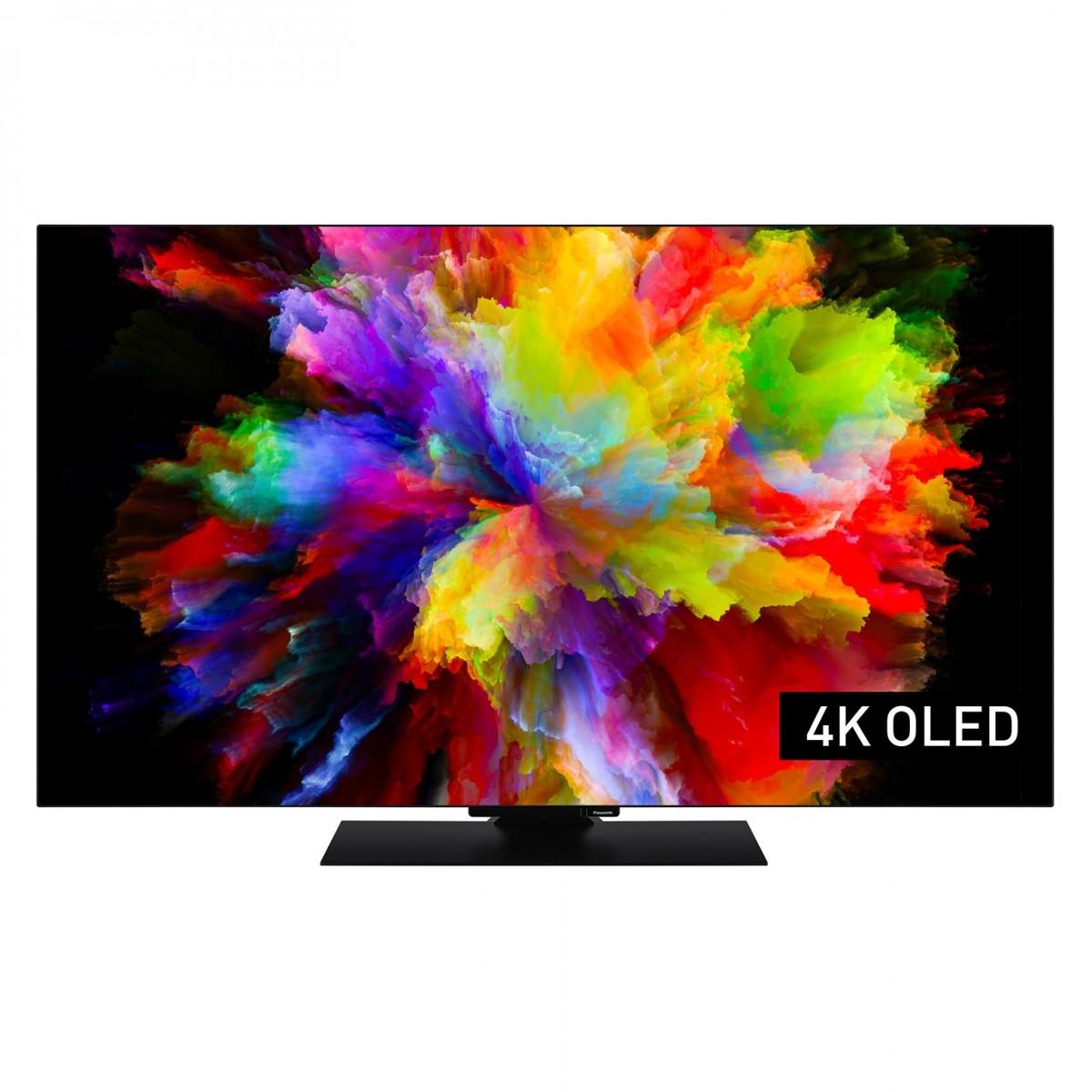
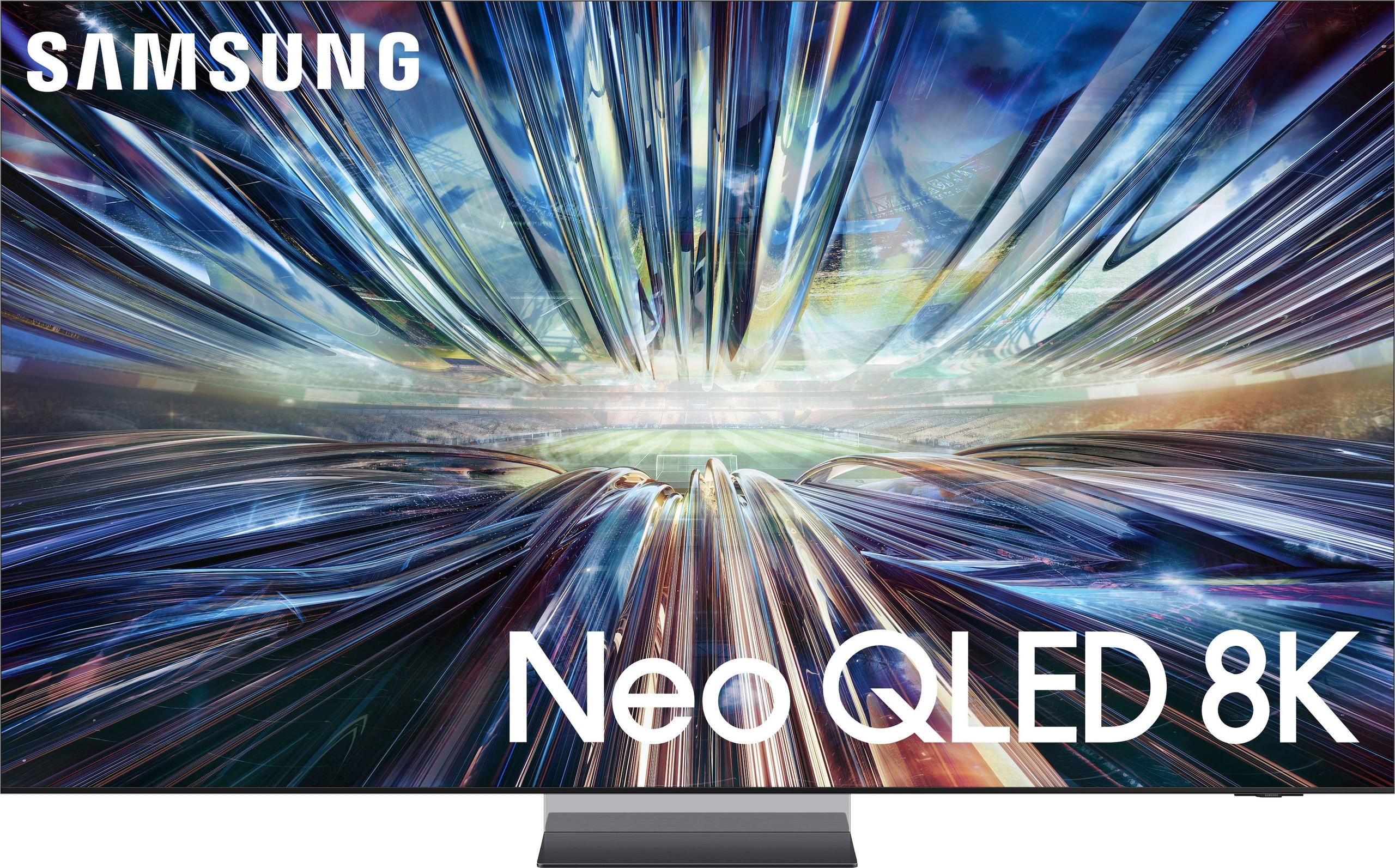
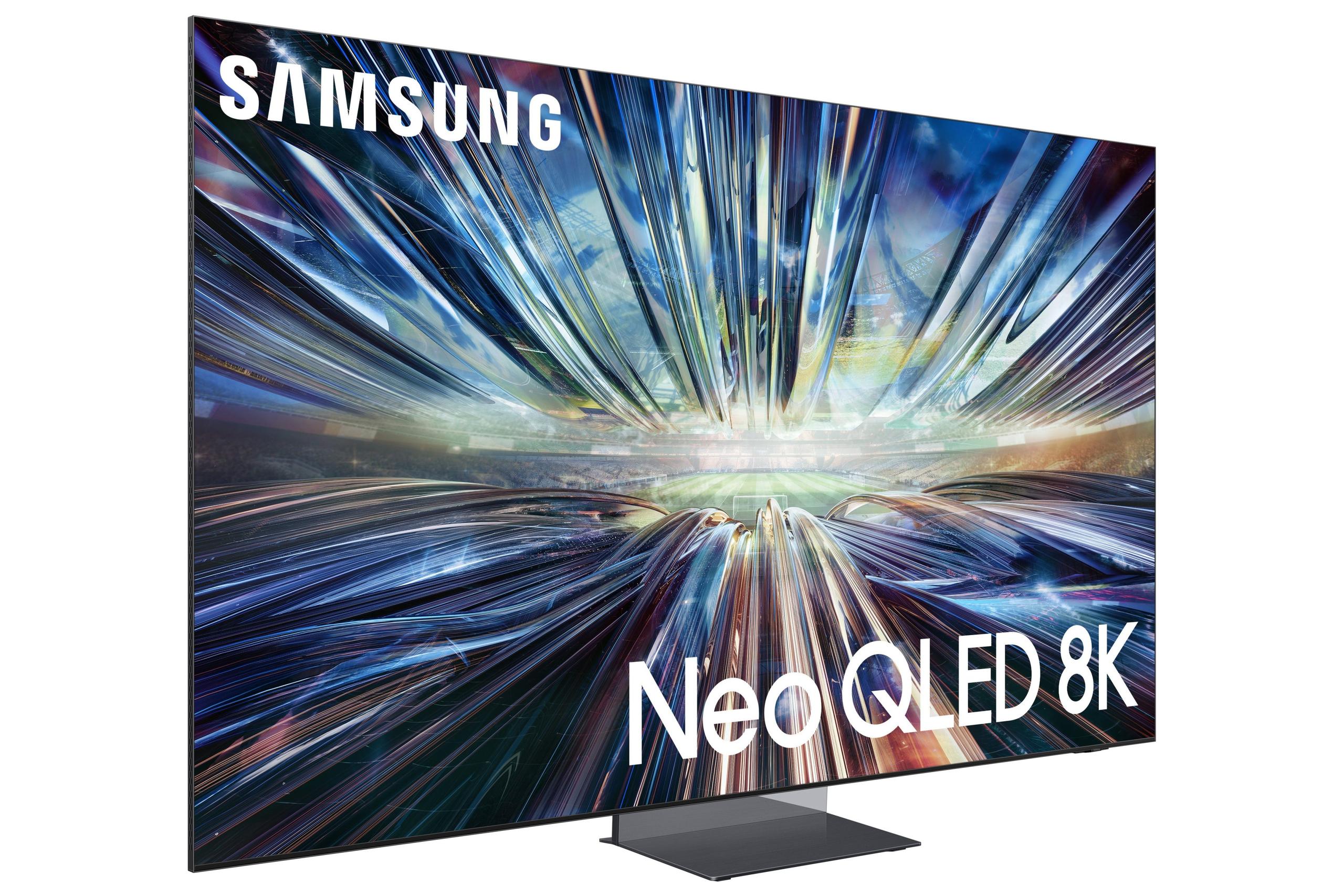
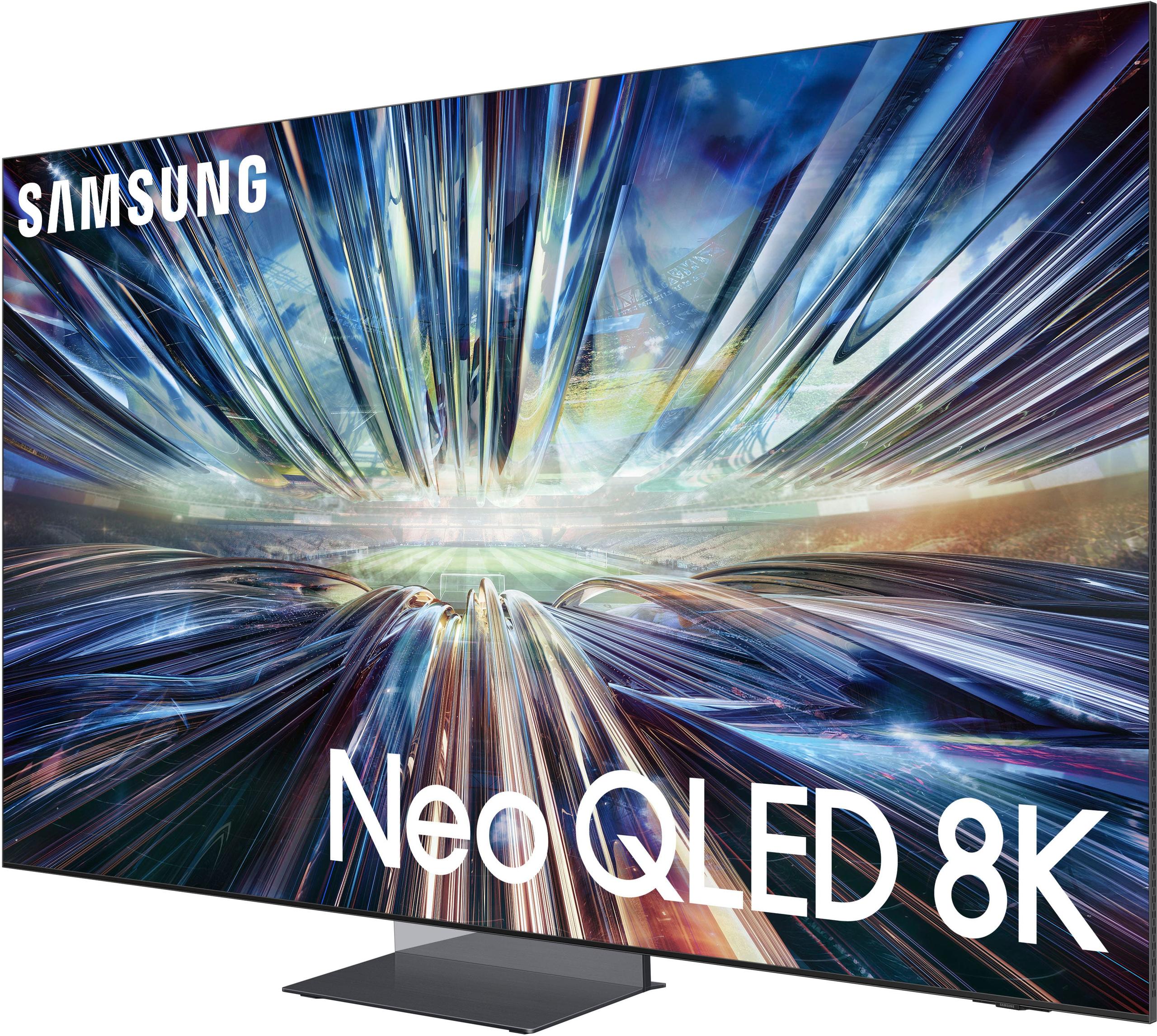


When you're ready to upgrade to a premium 65-inch TV, you're facing one of the most interesting decisions in home entertainment technology. The Panasonic Z95A OLED and Samsung QN900D Neo QLED represent two fundamentally different approaches to creating stunning pictures, each with compelling advantages that make them ideal for different types of viewers.
Both TVs launched in 2024, representing the latest evolution in their respective display technologies. The Panasonic Z95A builds on decades of OLED refinement with new brightness improvements and color accuracy partnerships, while the Samsung QN900D pushes the envelope with 8K resolution and gaming-focused features that weren't possible just a few years ago.
The core difference between these TVs lies in how they create light and color. The Panasonic Z95A OLED uses millions of organic compounds that emit their own light when electricity passes through them. Think of each pixel as a tiny lightbulb that can turn completely on, completely off, or anywhere in between. This gives OLED displays their signature advantage: perfect black levels, since pixels can turn completely off.
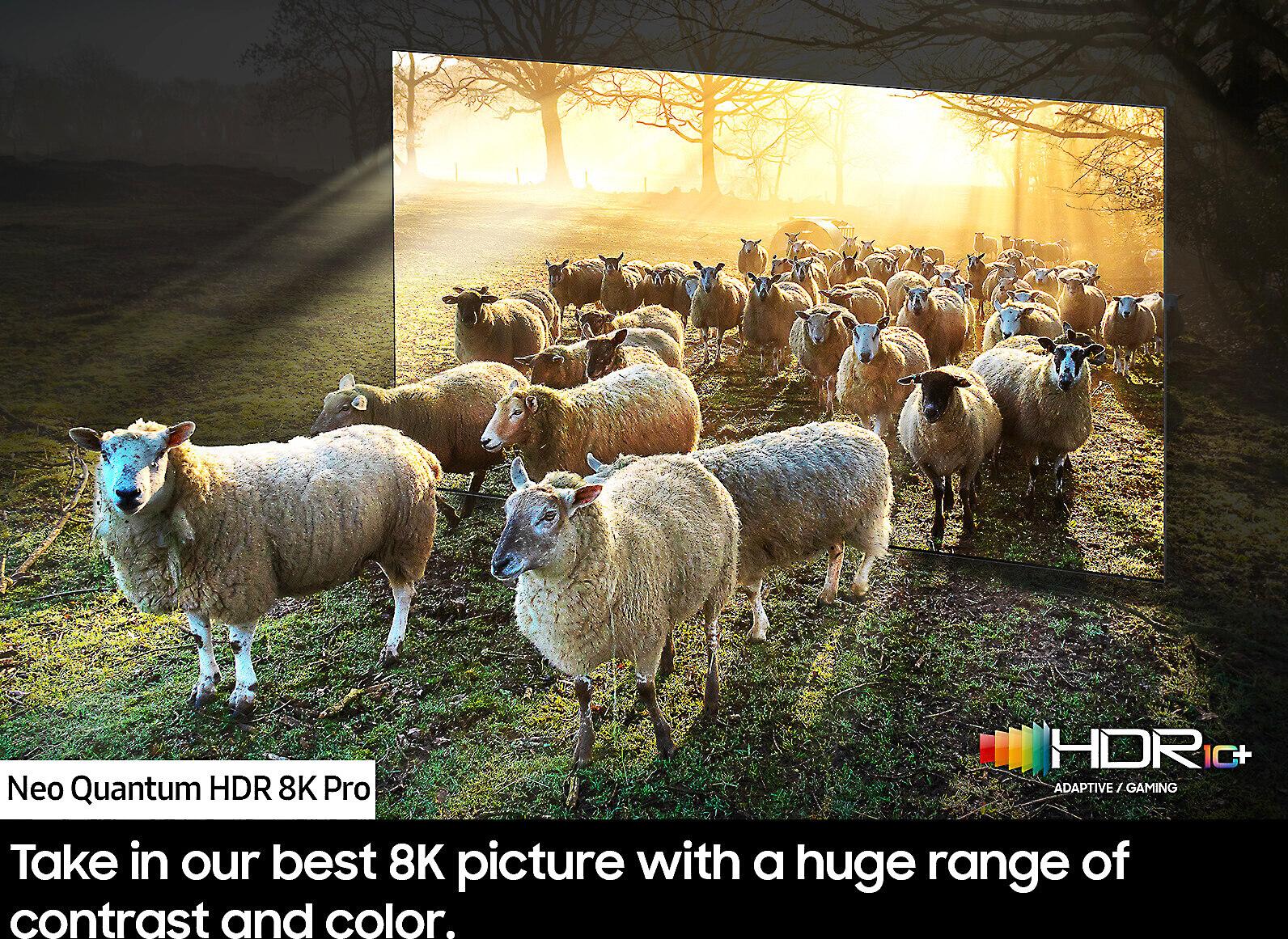
The Samsung QN900D Neo QLED takes a different approach. It uses quantum dots (microscopic particles that emit specific colors when hit by light) combined with thousands of mini-LED backlights behind the screen. These mini-LEDs are grouped into zones that can dim independently, creating what's called "local dimming." While this can't achieve true blacks like OLED, it allows for much brighter peak brightness – essential for HDR content that needs to punch through bright room lighting.
This fundamental difference shapes everything about how these TVs perform, from movie watching to gaming to everyday use.
The Panasonic Z95A OLED delivers something that no backlit display can match: infinite contrast. When you're watching a movie with a night scene, space sequence, or any content with deep shadows, each black pixel is genuinely off, producing no light whatsoever. This creates an almost three-dimensional quality to images where bright objects seem to float against perfectly dark backgrounds.
The Samsung QN900D uses Quantum Matrix Technology Pro, which represents Samsung's most advanced local dimming system. With thousands of mini-LEDs organized into precise zones, it comes impressively close to OLED's contrast performance. However, physics limits what's possible – there's always some light bleeding from bright zones into dark areas, preventing true blacks.
For home theater enthusiasts who watch movies in dark rooms, this difference is immediately noticeable and often decisive. The OLED's perfect blacks create a more cinematic experience that feels closer to what directors intended.
Here's where the Samsung QN900D flexes its technological muscle. At up to 2,445 nits peak brightness, it can reproduce HDR highlights with an intensity that makes explosions, sunlight, and bright objects genuinely dazzling. This extreme brightness serves two purposes: it creates more realistic HDR reproduction, and it maintains picture quality even in bright rooms with lots of ambient light.
The Panasonic Z95A OLED has made significant strides in brightness compared to older OLED technology, thanks to its Micro Lens Array and improved heat management. However, OLED panels are fundamentally limited by the organic materials' sensitivity to heat – push them too bright, and they degrade faster.
This brightness difference becomes crucial if your TV room has large windows, if you watch during the day, or if you prefer bright, punchy images. The Samsung maintains its picture quality in challenging lighting conditions where the Panasonic might appear washed out.
The Panasonic Z95A OLED was developed in collaboration with Stefan Sonnenfeld, a legendary Hollywood colorist who's worked on films like "Wonder Woman" and "Man of Steel." This partnership shows in the TV's color reproduction – it's calibrated to match professional cinema standards, delivering colors as they were intended to be seen in movie theaters.
The Hexa Chroma Drive color engine and wide color gamut coverage ensure that subtle gradations in skin tones, natural landscapes, and artistic cinematography appear with reference-quality accuracy. When watching well-mastered 4K Blu-rays or high-quality streaming content, the difference is striking – colors look natural and film-like rather than artificially boosted.
The Samsung QN900D uses quantum dot technology to create incredibly vibrant, saturated colors that pop off the screen. While these colors are technically accurate within their gamut, Samsung tends to tune for visual impact rather than strict reference standards. For many viewers, especially those coming from older TVs, this approach creates immediate "wow factor" that's genuinely appealing.
The choice here often comes down to preference: do you want colors that are technically perfect for movies, or colors that are visually exciting for all content?
The Samsung QN900D represents the cutting edge with its native 8K resolution – that's 33 million pixels compared to the Panasonic Z95A's 8 million 4K pixels. More importantly, Samsung's NQ8 AI Gen3 Processor uses machine learning to upscale 4K content to near-8K quality through a process that analyzes textures, edges, and patterns to intelligently add detail.
In practice, this upscaling is remarkably effective. 4K movies and shows gain noticeable sharpness and detail, especially on fine textures like fabric, hair, or natural landscapes. However, the improvement is most apparent when sitting closer than the traditional viewing distance – at normal seating distances, the benefit diminishes.
The Panasonic Z95A OLED focuses on perfecting 4K reproduction rather than pushing resolution boundaries. Its 4K upscaling from HD sources is excellent, and the display's pixel-perfect nature means that native 4K content looks exceptionally sharp and detailed without any processing artifacts.
The reality is that 8K content remains extremely limited in 2024, with virtually no streaming services offering 8K programming and only a handful of 8K Blu-rays available. The Samsung QN900D is essentially a future-proofing investment, betting that 8K content will become more common over the TV's lifespan.
Modern gaming demands have transformed TV requirements, and the Samsung QN900D was clearly designed with serious gamers in mind. Its input lag – the delay between pressing a controller button and seeing the action on screen – measures just 11 milliseconds in Game Mode. For comparison, anything under 20ms is considered excellent for gaming.
More impressive is the refresh rate support. The Samsung handles 4K gaming at up to 240Hz, which means incredibly smooth motion for fast-paced games. It also supports 8K gaming at 60Hz for future console generations. All four HDMI ports support these high refresh rates with full Variable Refresh Rate (VRR) functionality, which eliminates screen tearing by synchronizing the TV's refresh with the game console's frame rate.
The Panasonic Z95A OLED offers solid gaming performance with its 144Hz refresh rate and support for Auto Low Latency Mode (ALLM), which automatically switches to Game Mode when it detects gaming content. However, it lacks the advanced gaming features that serious players have come to expect from premium TVs.
For competitive gamers, content creators, or anyone who games regularly on PS5, Xbox Series X, or high-end PC, the Samsung's gaming advantages are substantial and worth the investment.
The Panasonic Z95A OLED comes with Amazon Fire TV built-in, which provides immediate access to virtually every streaming service through a familiar, responsive interface. The integration with Alexa allows for hands-free control, and the system receives regular updates that keep it current with new features and services.
The Samsung QN900D runs Samsung's Tizen platform, which has evolved into one of the most comprehensive smart TV systems available. Beyond streaming apps, it integrates with Samsung's SmartThings ecosystem, allowing control of smart home devices directly from the TV. The inclusion of both Bixby and Alexa voice assistants provides flexibility in voice control options.
Both systems work well, but Samsung's approach offers more long-term flexibility if you're building a connected home ecosystem.
TV audio has improved dramatically in recent years, and both models reflect this trend. The Samsung QN900D features a 6.2.4-channel Dolby Atmos system with 90 watts of power, creating genuinely immersive audio that tracks with on-screen action. Object Tracking Sound technology moves audio elements around the room to match visual movement, while Adaptive Sound Pro automatically adjusts settings based on content type.
The Panasonic Z95A OLED includes Dolby Atmos support through its built-in speakers, though with less power at 20 watts total output. While the audio is clear and well-balanced, it lacks the spatial qualities and dynamic range of the Samsung's more sophisticated system.
For viewers who plan to use a separate sound system, this difference matters less. However, for those relying on built-in audio, the Samsung provides a noticeably more engaging experience that reduces the immediate need for additional speakers.
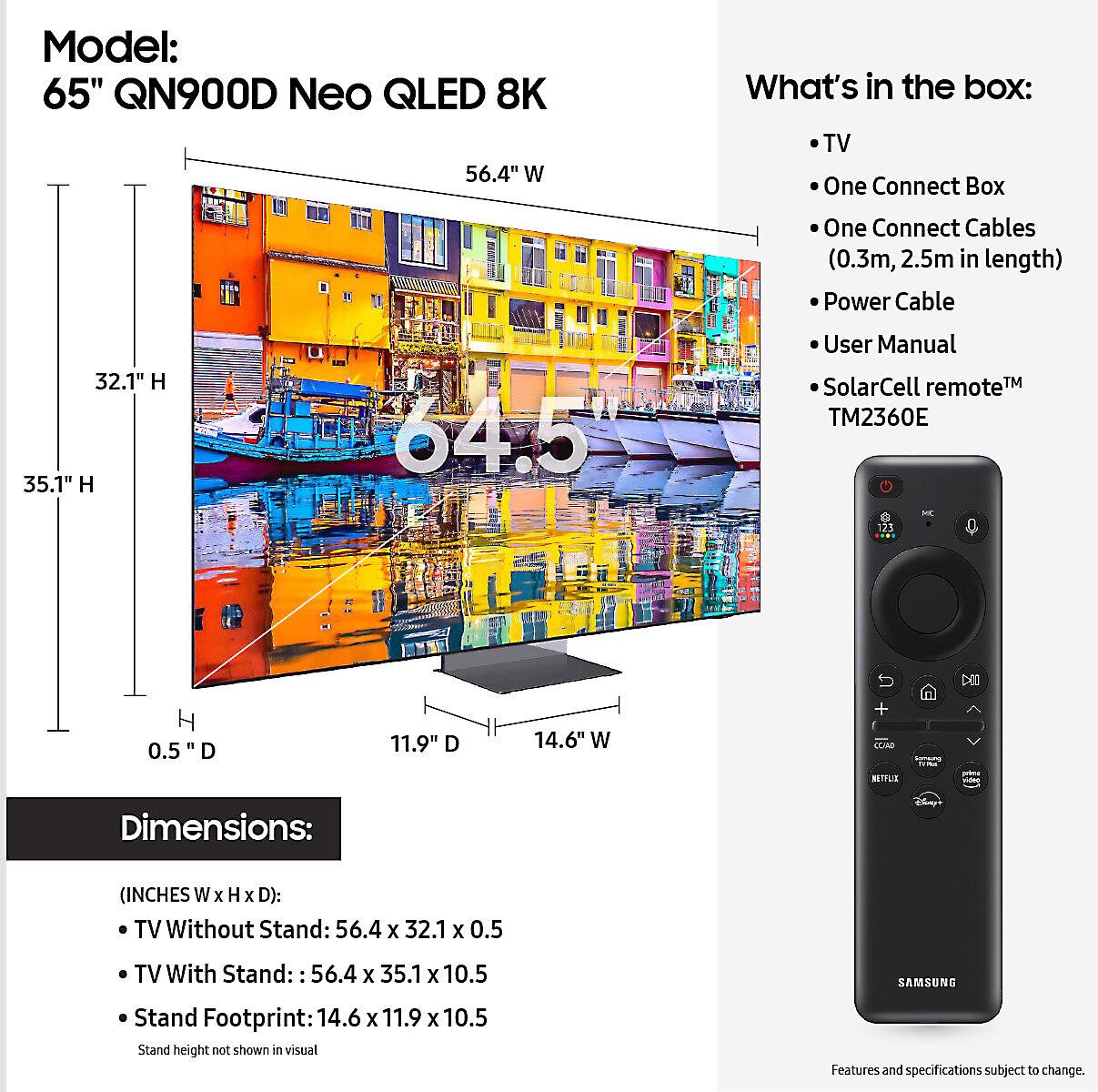
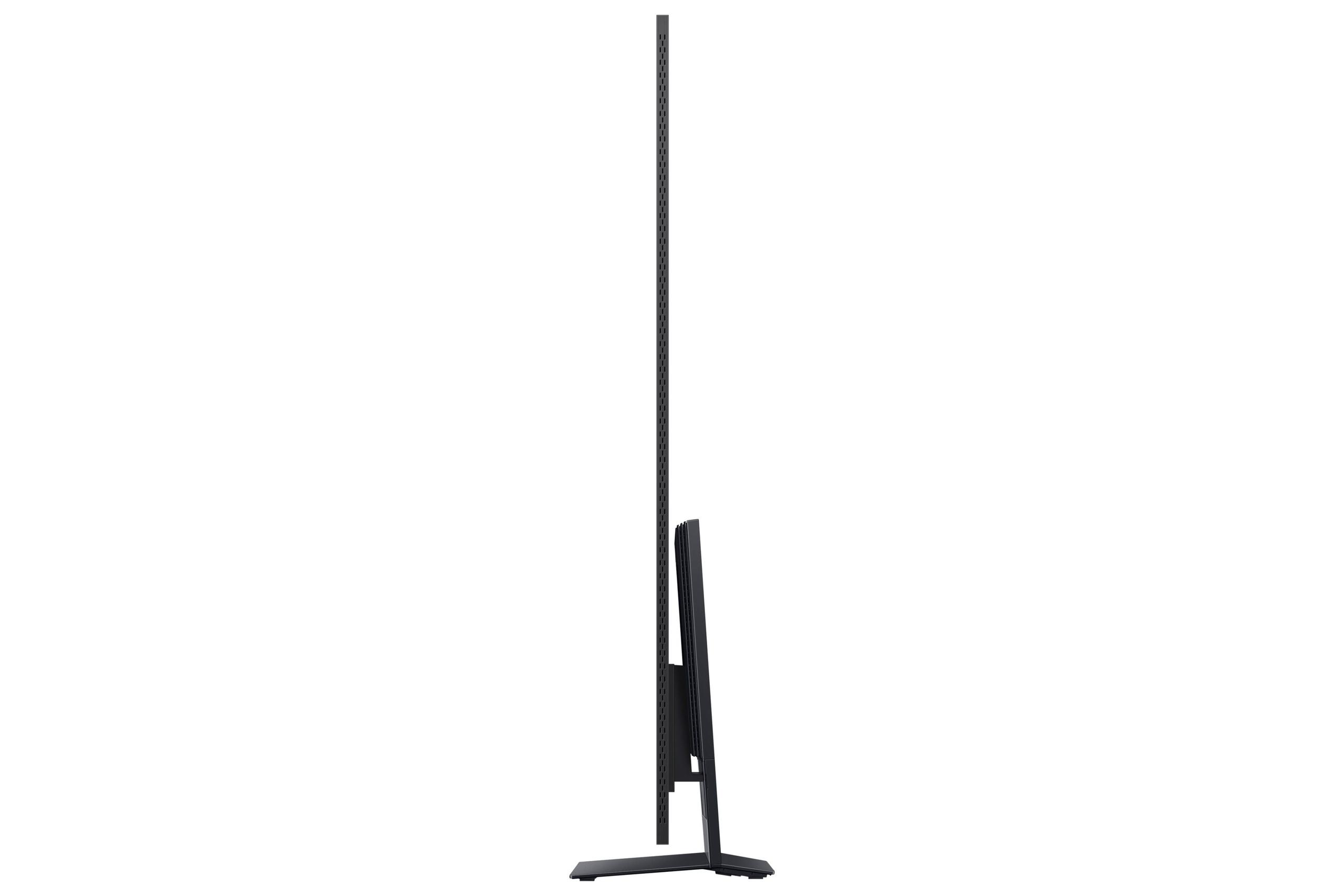
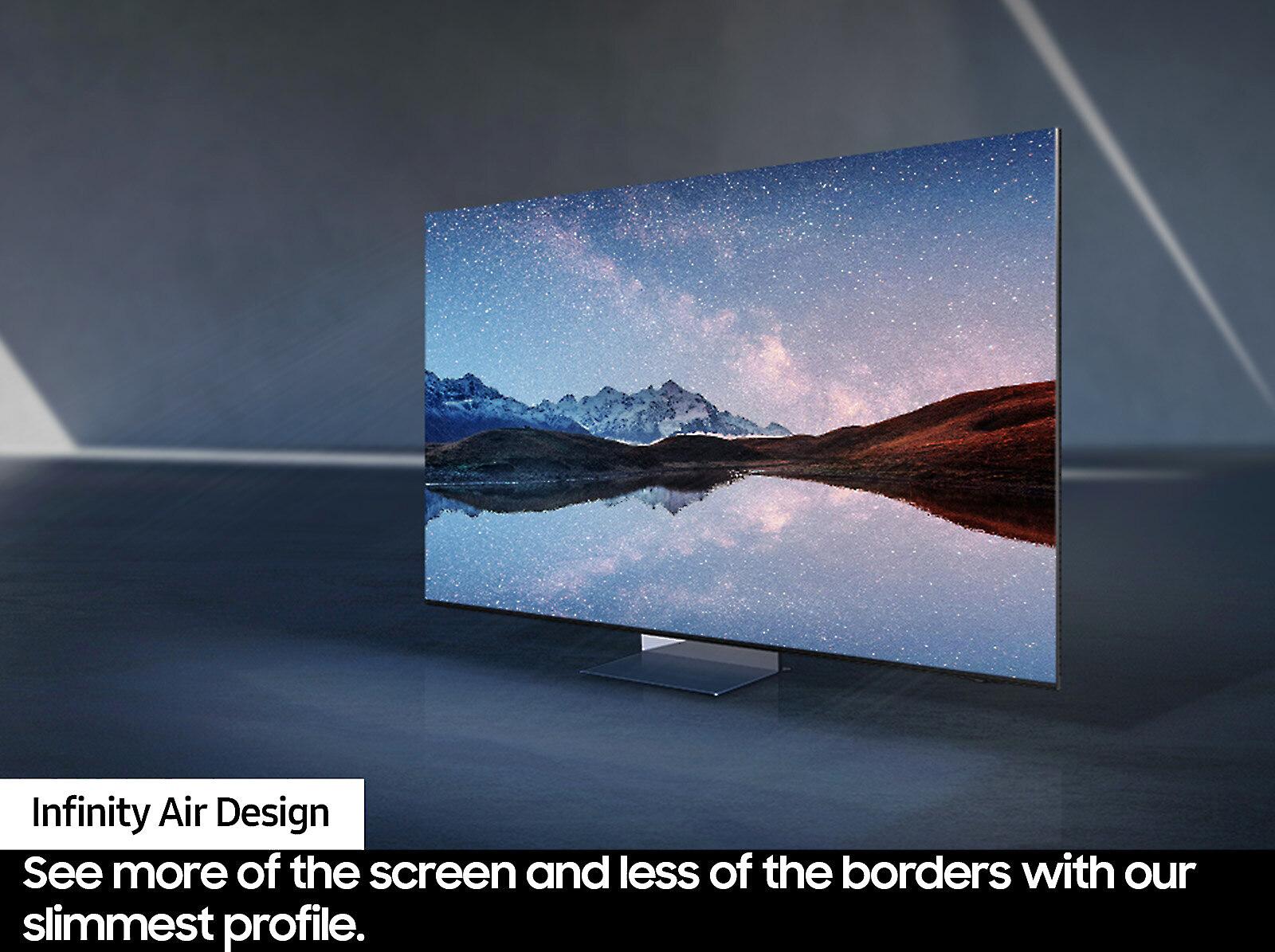
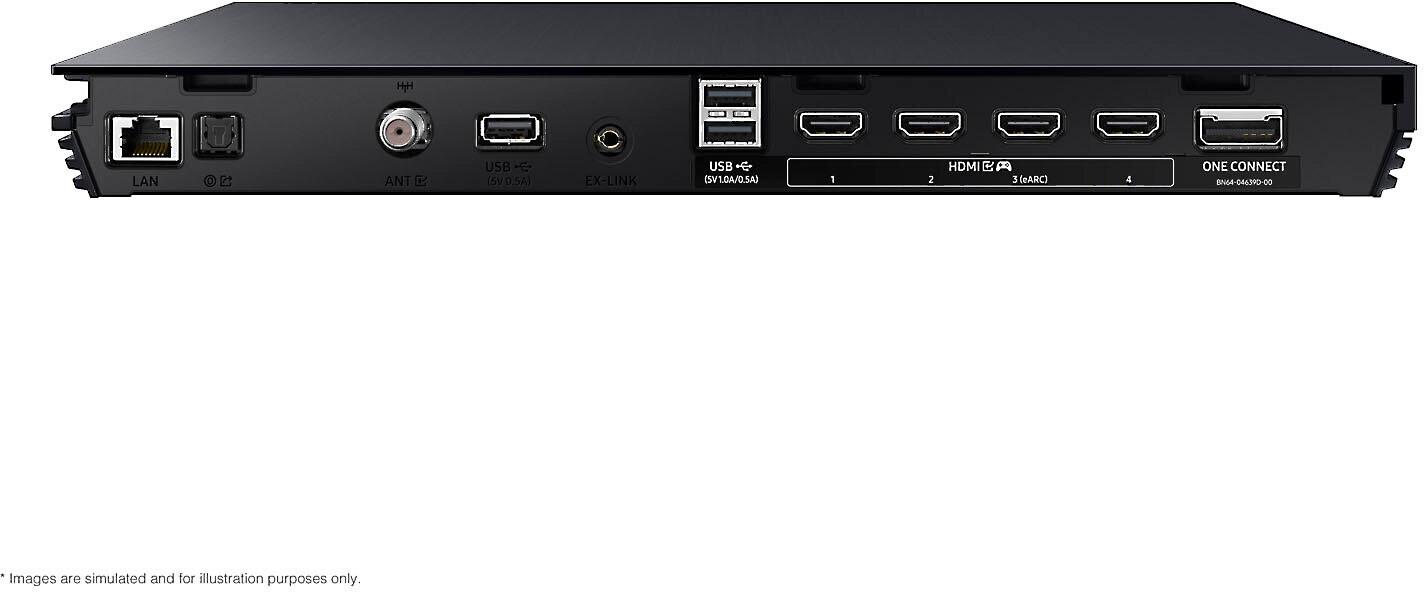
Both TVs represent premium design approaches, but with different priorities. The Samsung QN900D features the Infinity Air Design with an ultra-slim profile that looks striking on a wall mount. The external One Connect Box keeps all connections in a separate unit, allowing for cleaner cable management and easier access to ports.
The Panasonic Z95A OLED integrates everything into the main unit with an ergonomically tilted display that provides optimal viewing angles. The design is more conventional but practical, especially for tabletop placement.
At the time of writing, the Samsung QN900D commands a premium price reflecting its 8K resolution and advanced features, while the Panasonic Z95A OLED offers more accessible pricing for premium display technology. This price difference isn't just about features – it reflects different market positioning and manufacturing costs.
The OLED represents mature technology refined to near-perfection, offering exceptional performance per dollar. The Samsung represents cutting-edge innovation with a price premium for early adoption of 8K and advanced gaming features.
Choose the Panasonic Z95A OLED if you prioritize movie watching in controlled lighting environments, value color accuracy and reference-quality pictures, or want premium performance without the highest-tier pricing. It's ideal for home theater enthusiasts who understand the value of perfect blacks and natural color reproduction.
The Samsung QN900D Neo QLED makes more sense if you game regularly and want the latest features, watch TV in bright rooms, need maximum brightness for HDR impact, or want to future-proof with 8K resolution. It's the choice for tech enthusiasts who want cutting-edge capabilities and don't mind paying for them.
Neither TV is objectively "better" – they excel in different areas for different users. The Panasonic perfects what we know works beautifully, while the Samsung pushes into new territory with mixed but often impressive results.
Your viewing habits, room environment, and priorities should guide this decision more than specifications alone. Both represent excellent choices that will deliver years of outstanding performance, just optimized for different types of viewers and usage patterns.
| Panasonic Z95A 65" OLED 4K Ultra HD Smart TV | Samsung QN900D Series 65" Neo QLED 8K Smart TV |
|---|---|
| Display Technology - Fundamental difference in how images are created | |
| OLED with Master OLED Ultimate panel and Micro Lens Array | Neo QLED with Quantum Matrix Technology Pro and mini-LED backlighting |
| Resolution - Higher resolution provides more detail, especially when sitting closer | |
| 4K (3840x2160) with excellent native 4K performance | 8K (7680x4320) with AI upscaling for future-proofing |
| Peak Brightness - Critical for HDR impact and bright room viewing | |
| OLED-typical brightness with improved heat management | Up to 2,445 nits (significantly brighter for challenging lighting) |
| Contrast Ratio - Determines depth and realism in dark scenes | |
| Infinite contrast with perfect blacks (each pixel turns completely off) | Excellent local dimming but cannot achieve true blacks due to backlighting |
| Processor - Affects upscaling quality and smart features performance | |
| HCX Pro AI Processor MK II with cinema-grade color tuning | NQ8 AI Gen3 Processor (2x faster than Samsung's 4K processors) |
| Gaming Performance - Essential for console and PC gaming | |
| 144Hz refresh rate with ALLM and Game Mode support | 4K @ 240Hz, 8K @ 60Hz with 11ms input lag and full VRR support |
| HDR Support - Determines quality of high dynamic range content | |
| Dolby Vision IQ, HDR10+, HDR10 with precision detail enhancement | Neo Quantum HDR 8K+, HDR10+ Adaptive (no Dolby Vision support) |
| Smart TV Platform - Affects app availability and long-term updates | |
| Amazon Fire TV Built-in with Alexa hands-free control | Tizen Smart TV with SmartThings Hub and dual voice assistant support |
| Audio System - Important if not using external sound system | |
| 20W Dolby Atmos with basic spatial audio | 90W 6.2.4-channel Dolby Atmos with Object Tracking Sound |
| Color Accuracy - Matters most for movies and professional content | |
| Cinema-grade accuracy developed with colorist Stefan Sonnenfeld | Vibrant quantum dot colors tuned for visual impact over reference accuracy |
| Connectivity - Important for multiple gaming consoles and devices | |
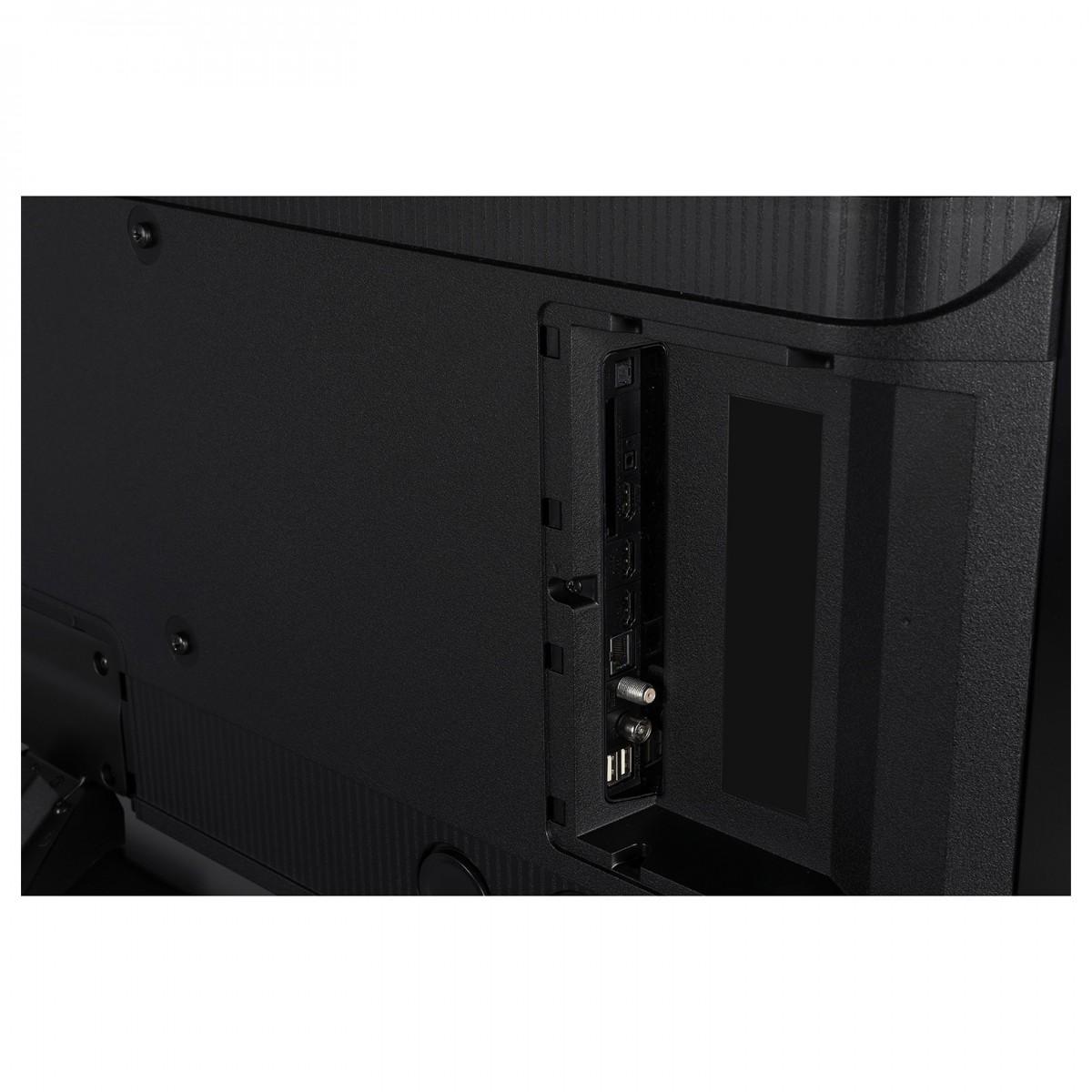
| Standard HDMI 2.1 support with good port selection | Four HDMI 2.1 ports, Wi-Fi 6E, external One Connect Box |
| Design Approach - Affects installation flexibility and aesthetics | |
| Integrated design with ergonomic tilt, conventional cable management | Ultra-slim Infinity Air Design with external One Connect Box |
| Target User - Who each TV serves best | |
| Home theater enthusiasts prioritizing cinema-quality pictures | Gamers and tech enthusiasts wanting cutting-edge features and brightness |
The Panasonic Z95A OLED delivers superior movie picture quality with perfect blacks and cinema-grade color accuracy developed with Hollywood colorist Stefan Sonnenfeld. OLED technology provides infinite contrast that makes dark scenes look exactly as directors intended, while the color tuning ensures natural, film-like reproduction that's ideal for home theater setups.
The Samsung QN900D 8K TV offers future-proofing with exceptional AI upscaling that makes 4K content look noticeably sharper. However, true 8K content remains extremely limited in 2024. The 8K resolution is most beneficial if you sit closer than normal viewing distances or want cutting-edge technology, but the Panasonic Z95A 4K OLED provides excellent 4K performance that satisfies most viewers.
The Samsung QN900D is significantly better for gaming with 4K @ 240Hz support, 8K @ 60Hz capability, ultra-low 11ms input lag, and full VRR support across all HDMI ports. While the Panasonic Z95A offers decent gaming with 144Hz refresh rate, it lacks the advanced gaming features that serious gamers expect.
OLED in the Panasonic Z95A uses pixels that emit their own light and can turn completely off for perfect blacks, while Neo QLED in the Samsung QN900D uses quantum dots with mini-LED backlighting for much brighter peak brightness. OLED excels in dark rooms with superior contrast, while Neo QLED performs better in bright rooms and delivers more impactful HDR.
The Samsung QN900D Neo QLED is significantly brighter at up to 2,445 nits, making it excellent for bright rooms with lots of ambient light. The Panasonic Z95A OLED has improved brightness over older OLED technology but cannot match the Samsung's peak brightness performance in challenging lighting conditions.
The Samsung QN900D has superior built-in audio with a 90W 6.2.4-channel Dolby Atmos system featuring Object Tracking Sound for immersive audio. The Panasonic Z95A includes 20W Dolby Atmos but with less sophisticated spatial audio processing. For serious home theater use, both benefit from external sound systems.
Both TVs offer excellent smart platforms - the Panasonic Z95A uses Amazon Fire TV with comprehensive app support and Alexa integration, while the Samsung QN900D runs Tizen with SmartThings Hub connectivity and dual voice assistant support. Samsung's platform offers more smart home integration options.
The Panasonic Z95A OLED is exceptional for dedicated home theaters with its perfect blacks, accurate colors, and cinematic picture quality that shines in dark viewing environments. The Samsung QN900D works well for multi-purpose rooms where brightness and versatility matter more than pure cinema accuracy.
The Panasonic Z95A offers superior color accuracy with cinema-grade calibration developed alongside professional colorist Stefan Sonnenfeld. The Samsung QN900D provides vibrant, visually appealing colors through quantum dot technology, but it's tuned more for visual impact than strict reference accuracy.
The Samsung QN900D excels with just 11ms input lag in Game Mode and excellent response times for gaming. The Panasonic Z95A offers good gaming performance but doesn't match Samsung's ultra-low latency and advanced gaming features like 240Hz support.
The Panasonic Z95A OLED typically offers better value with mature OLED technology delivering reference-quality performance at a more accessible price point. The Samsung QN900D commands a premium for cutting-edge 8K resolution and advanced gaming features, making it worthwhile for users who need those specific capabilities.
Choose the Panasonic Z95A OLED if you primarily watch movies in dark or controlled lighting environments and prioritize perfect contrast and color accuracy. Select the Samsung QN900D Neo QLED if you watch TV in bright rooms, game frequently, or want maximum brightness for HDR content impact.
We've done our best to create useful and informative comparisons to help you decide what product to buy. Our research uses advanced automated methods to create this comparison and perfection is not possible - please contact us for corrections or questions. These are the sites we've researched in the creation of this article: youtube.com - youtube.com - whathifi.com - tomsguide.com - shop.panasonic.com - store.in.panasonic.com - rtings.com - applianceplus.co.nz - rtings.com - store.in.panasonic.com - samsung.com - rtings.com - videoandaudiocenter.com - bestbuy.com - avsforum.com - bestbuy.com - walts.com - images.samsung.com - samsung.com - merlinstv.com - samsung.com - avsforum.com - samsung.com

Privacy Policy
Terms and Conditions - Affiliate Policy
Home Security
© Copyright 2008-2026.
11816 Inwood Rd #1211, Dallas, TX 75244