

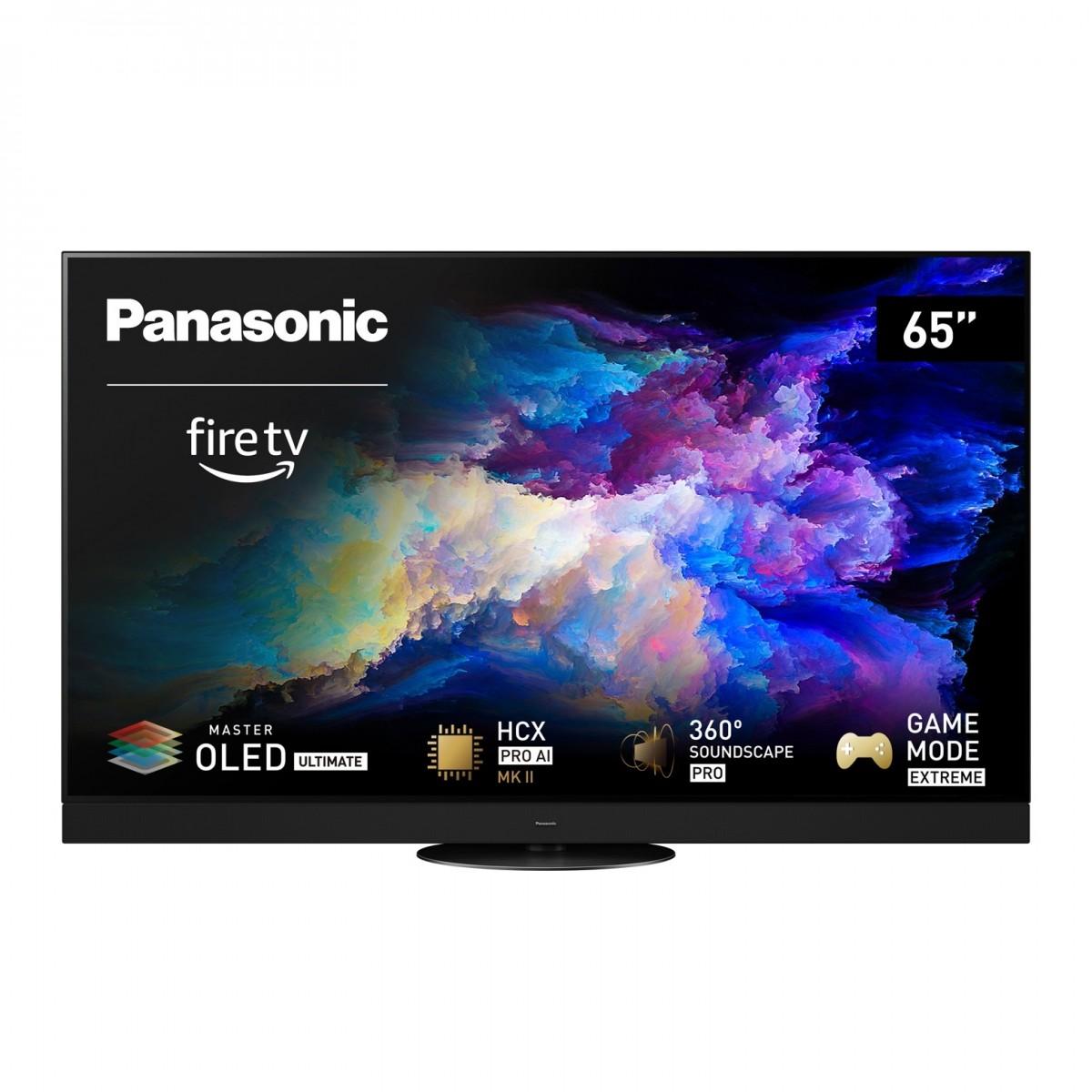
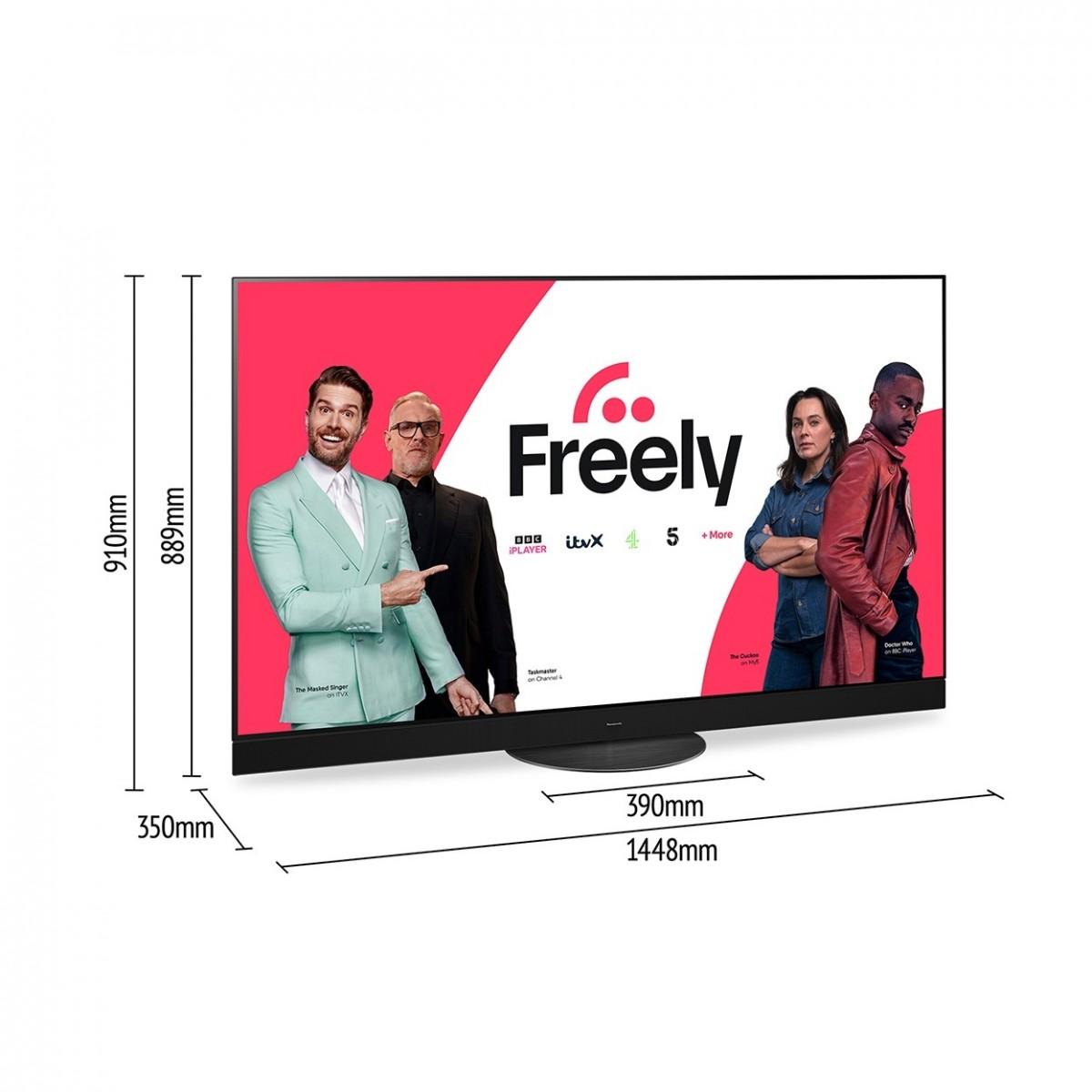
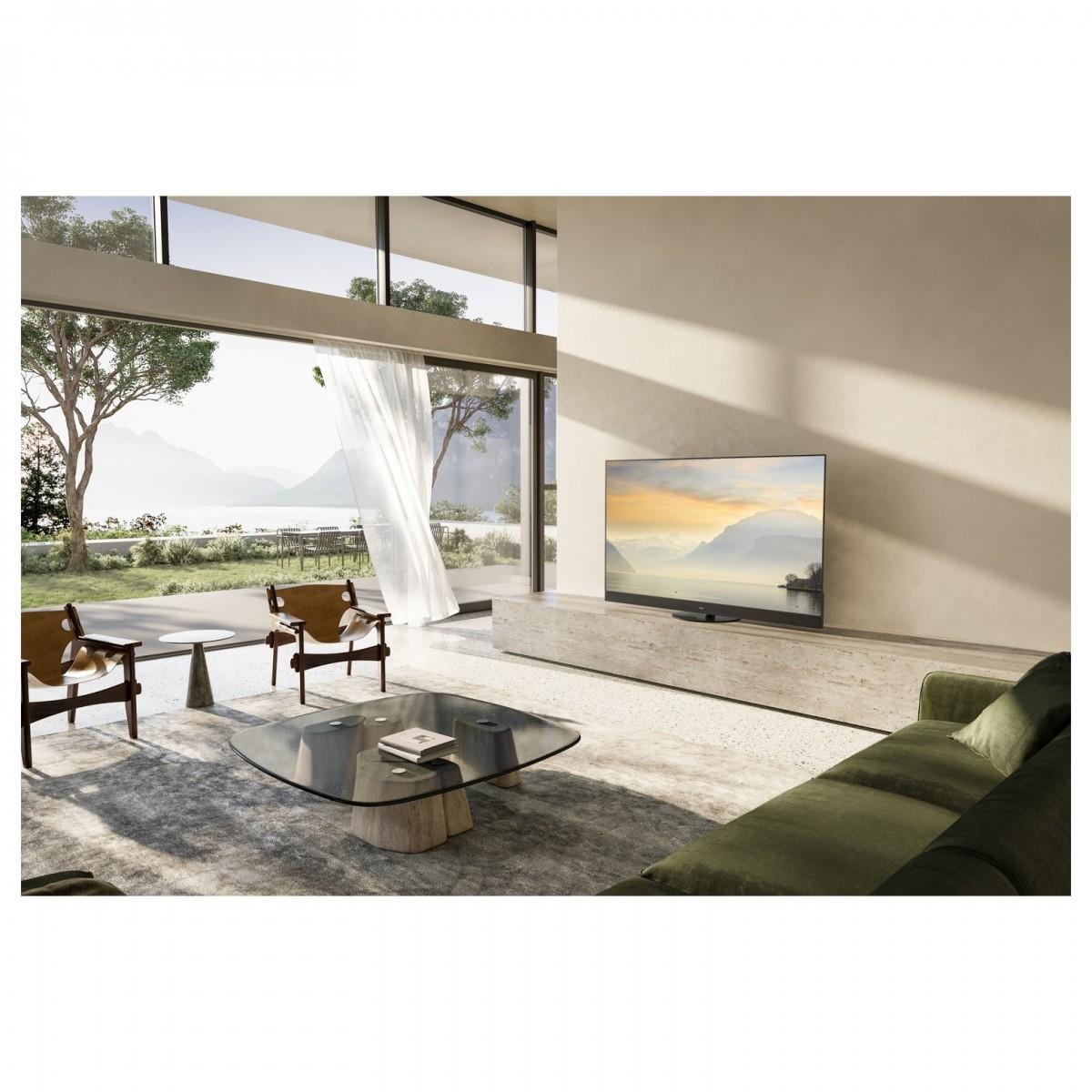
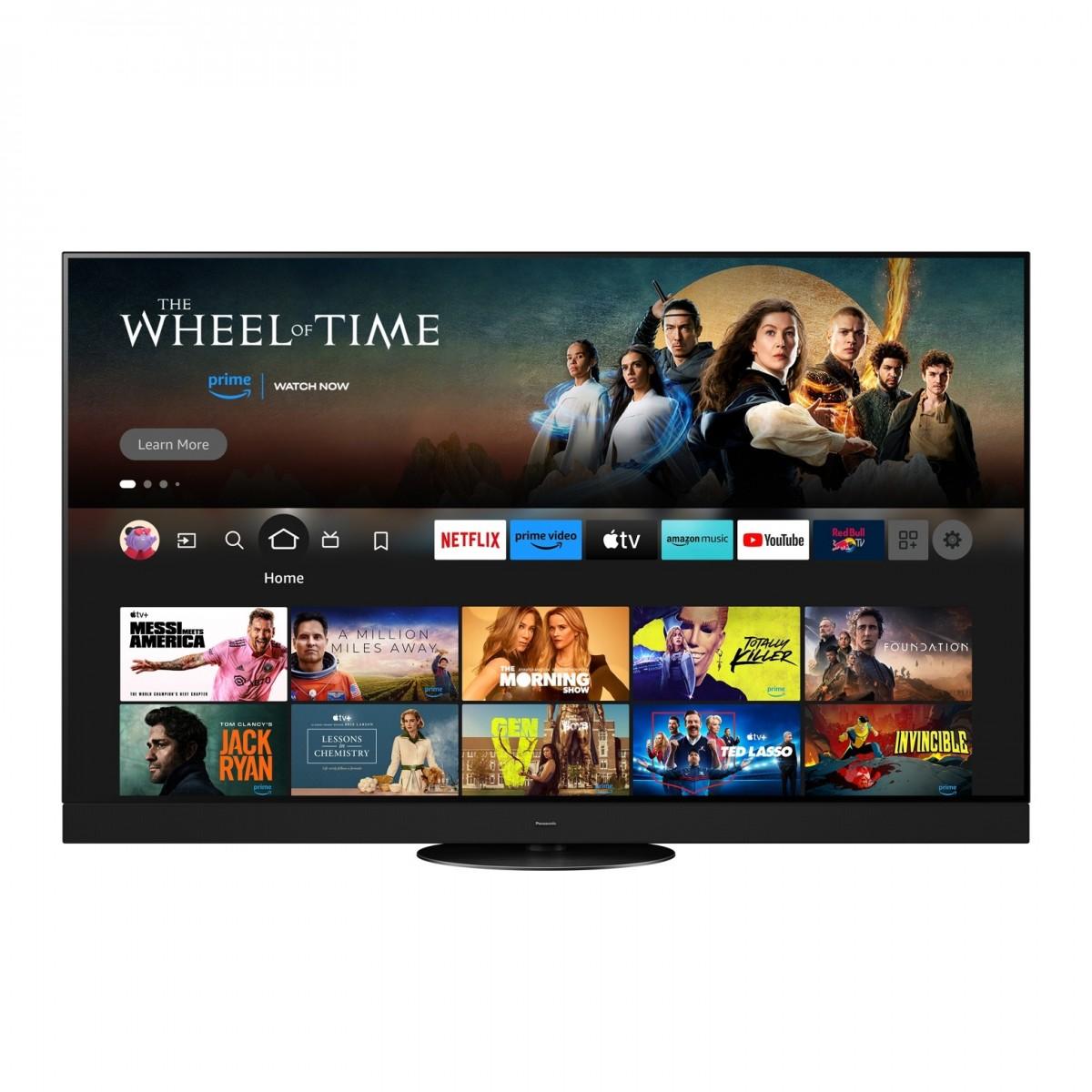
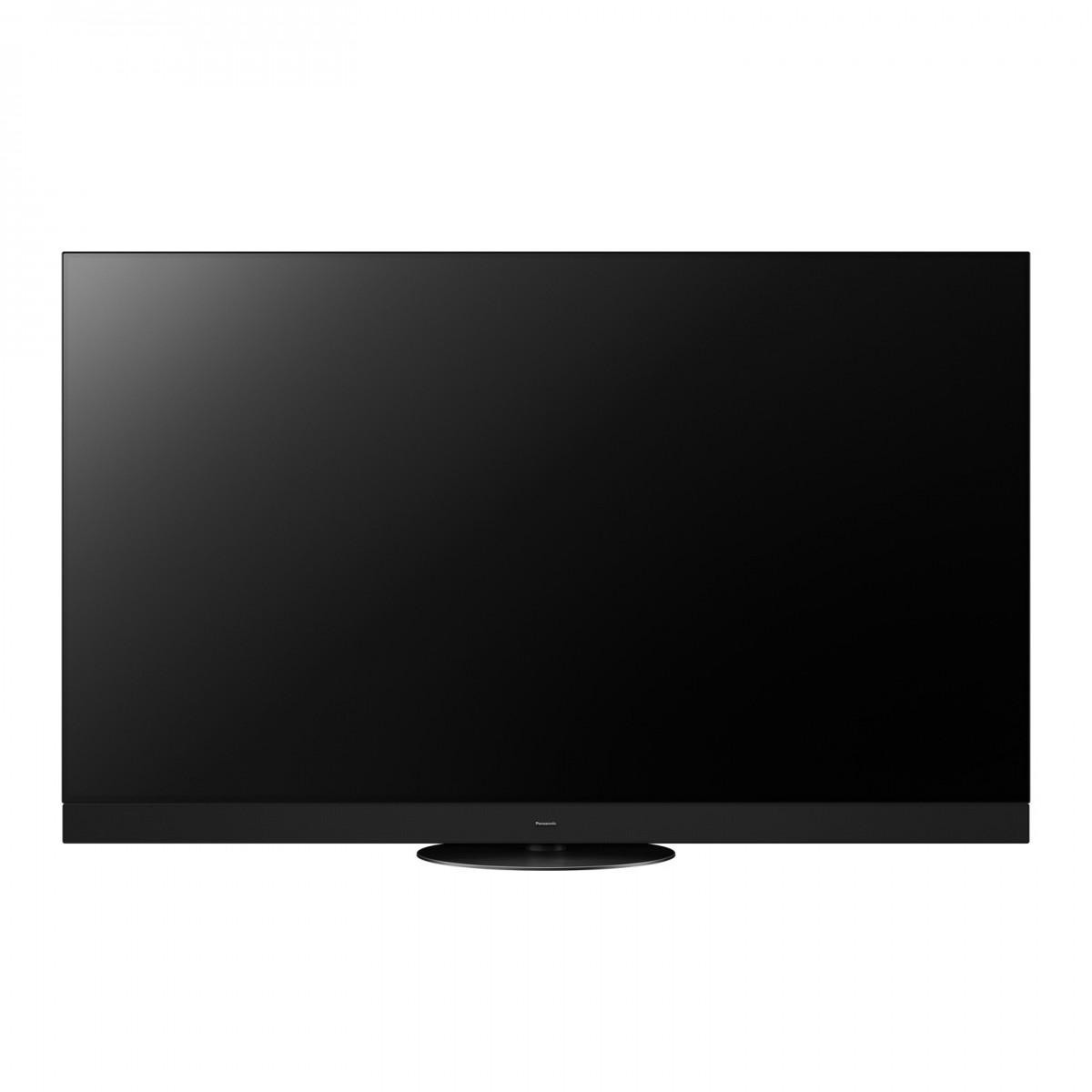
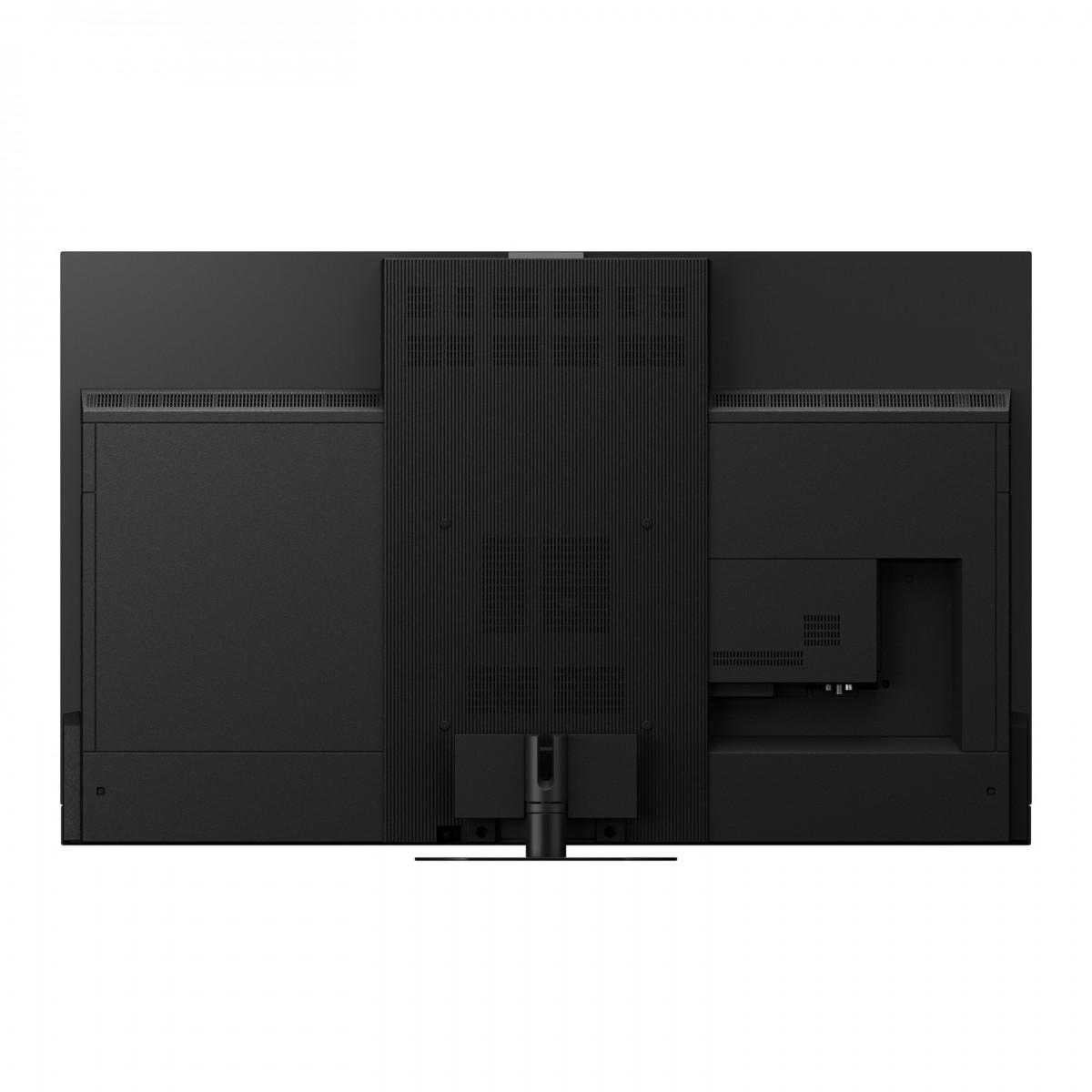
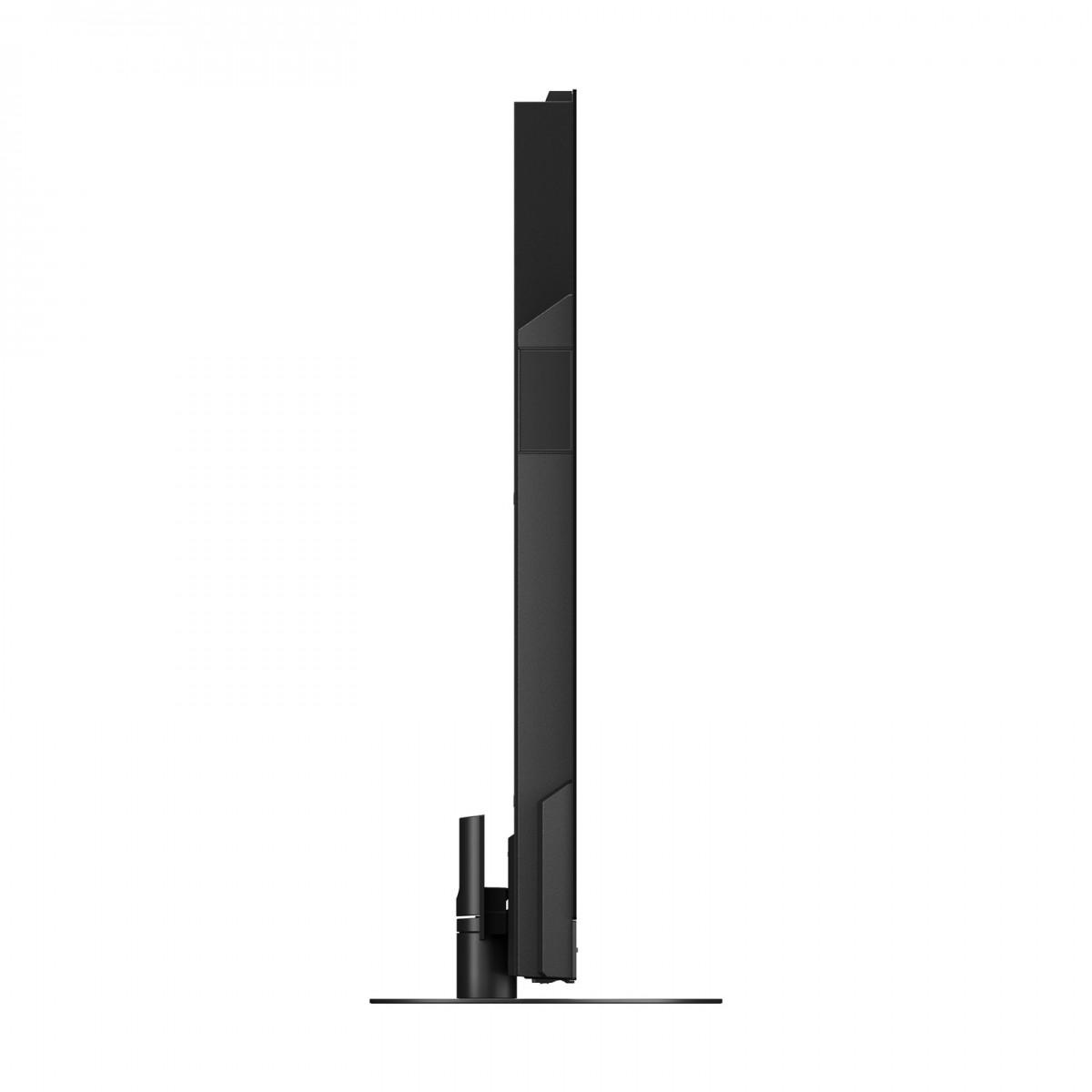
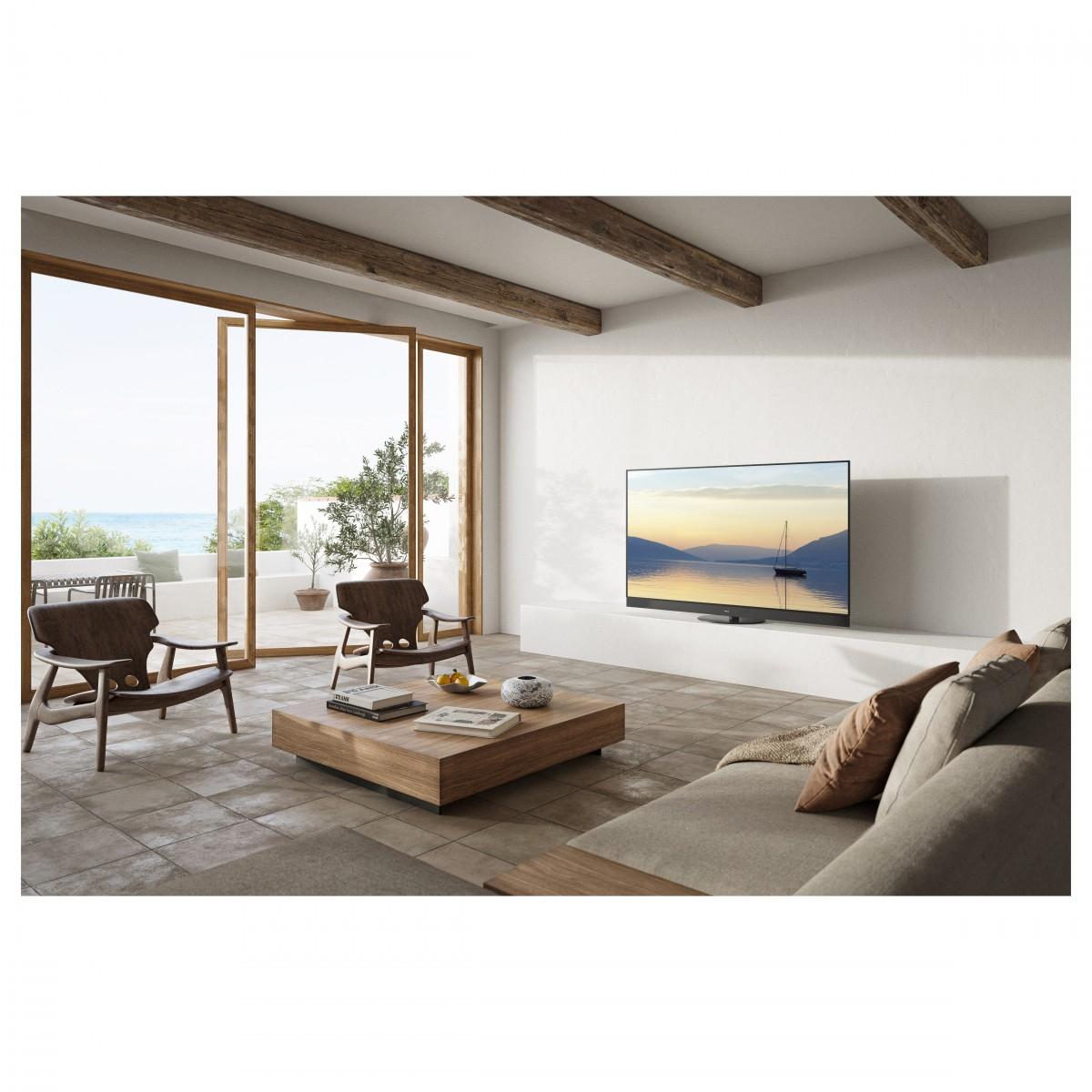
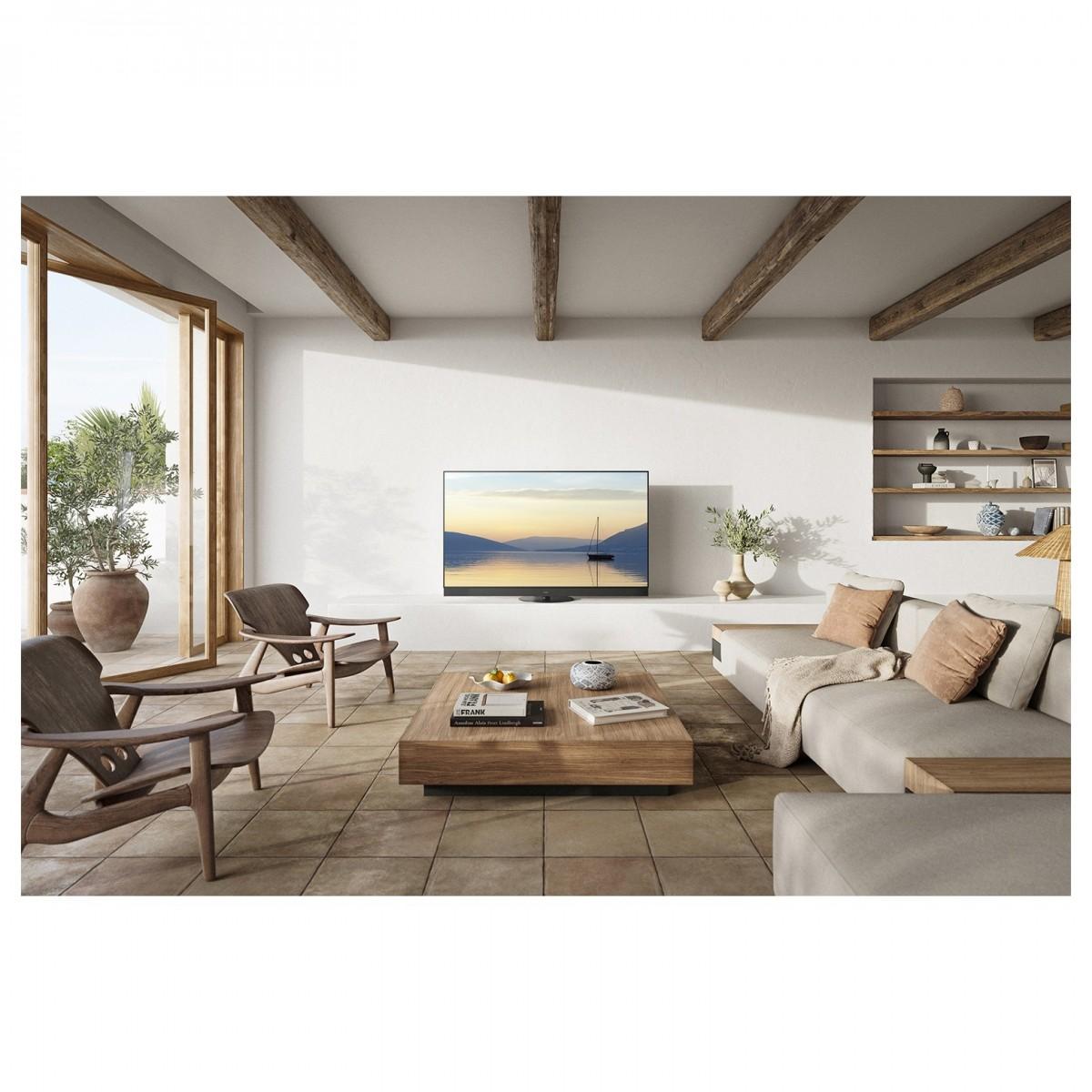
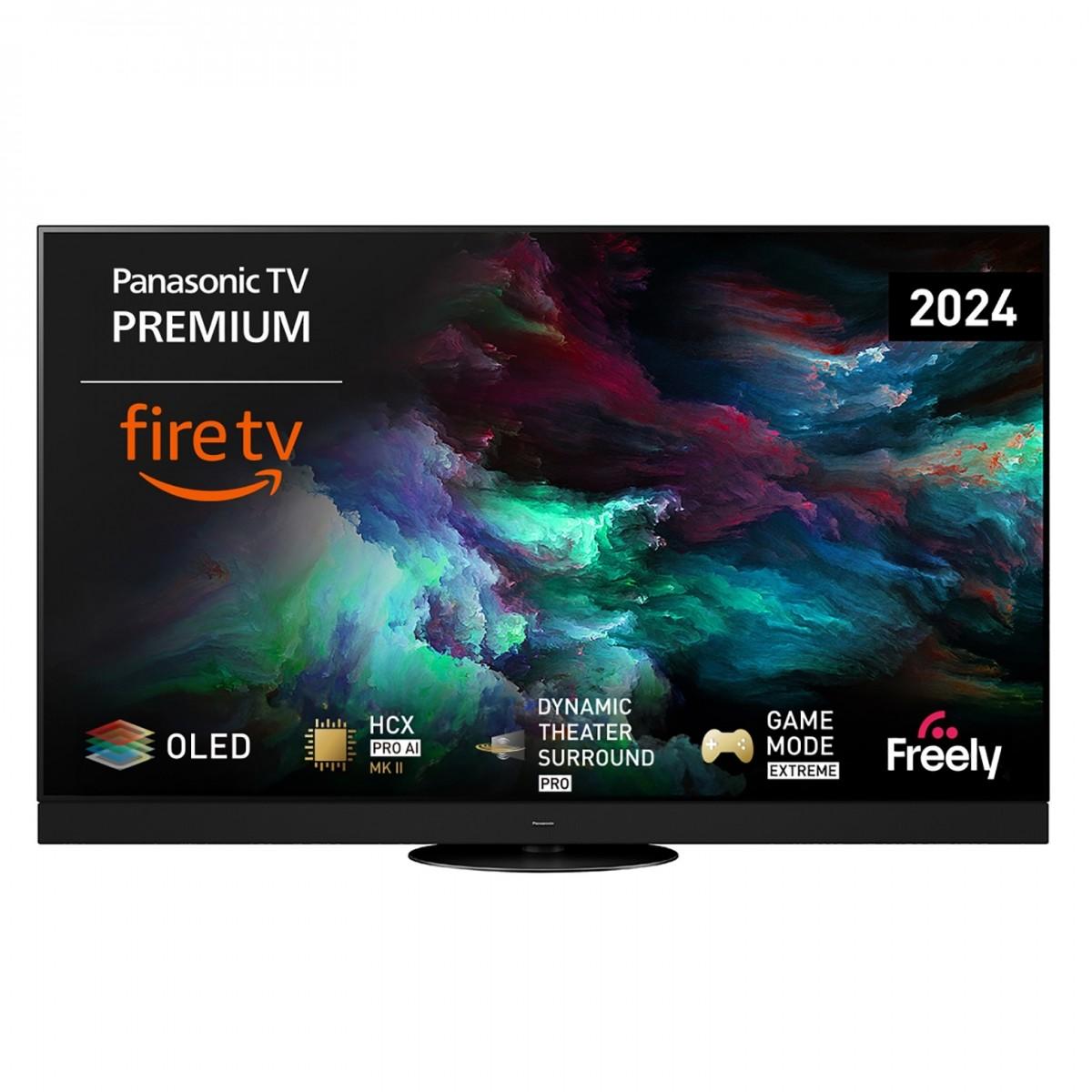
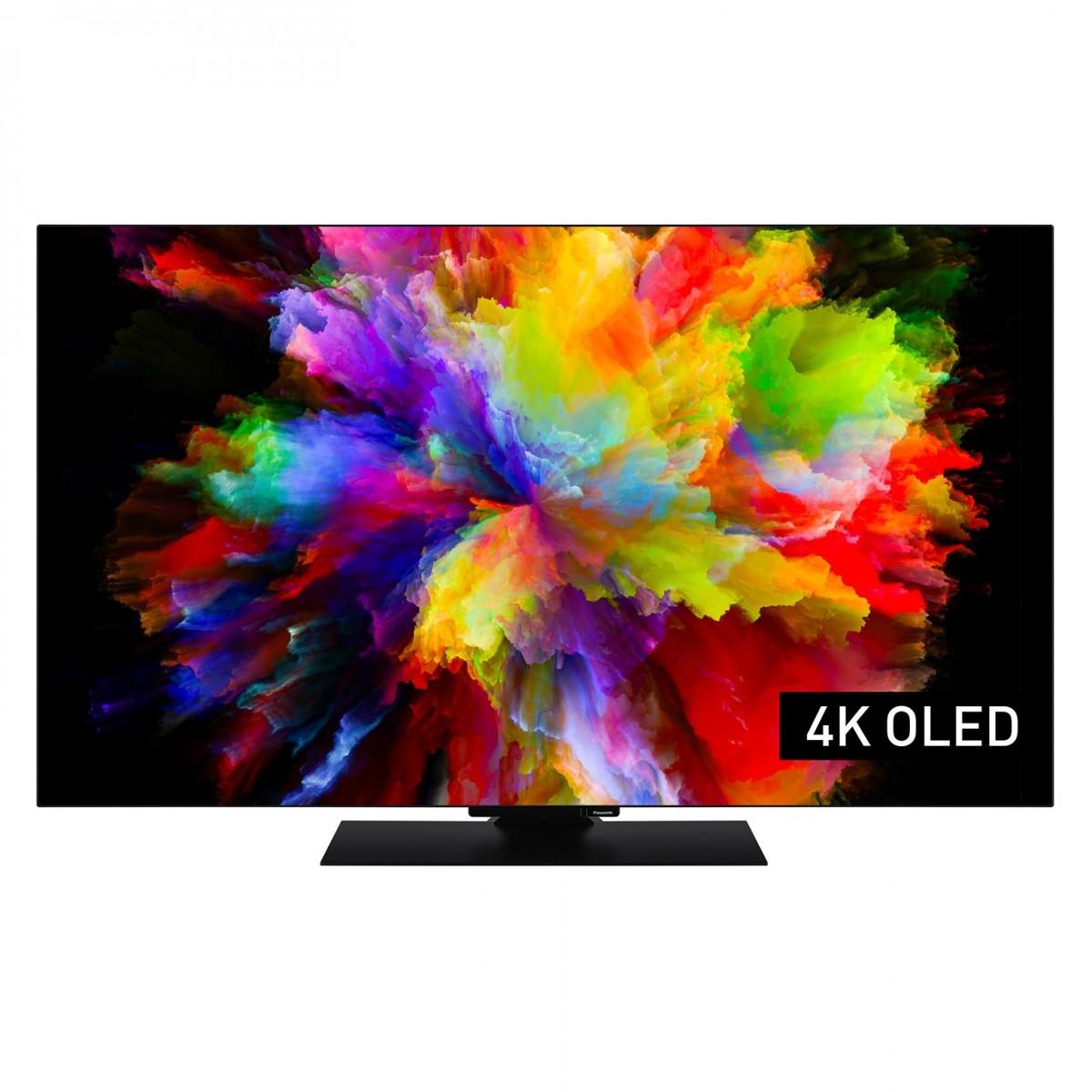
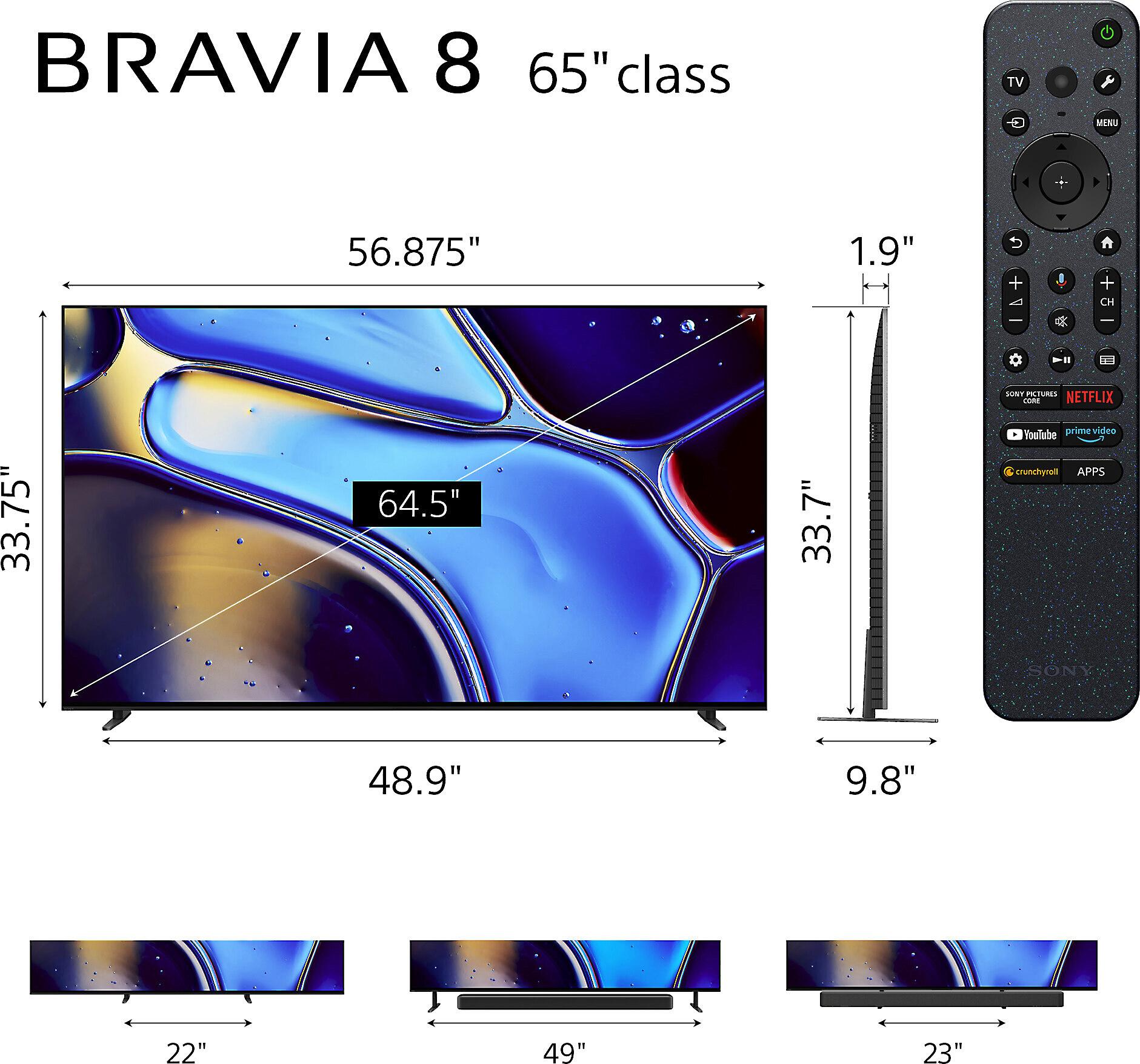
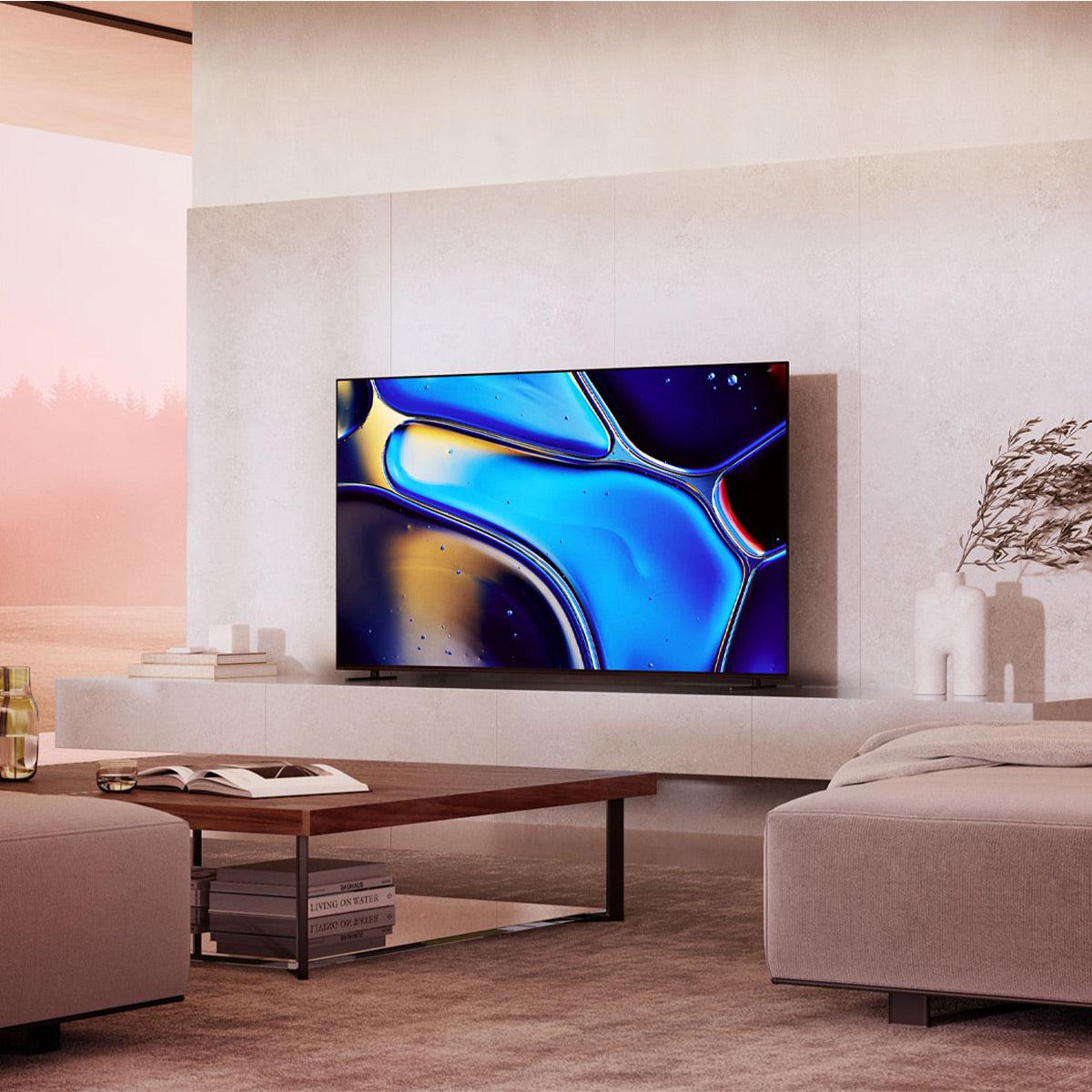
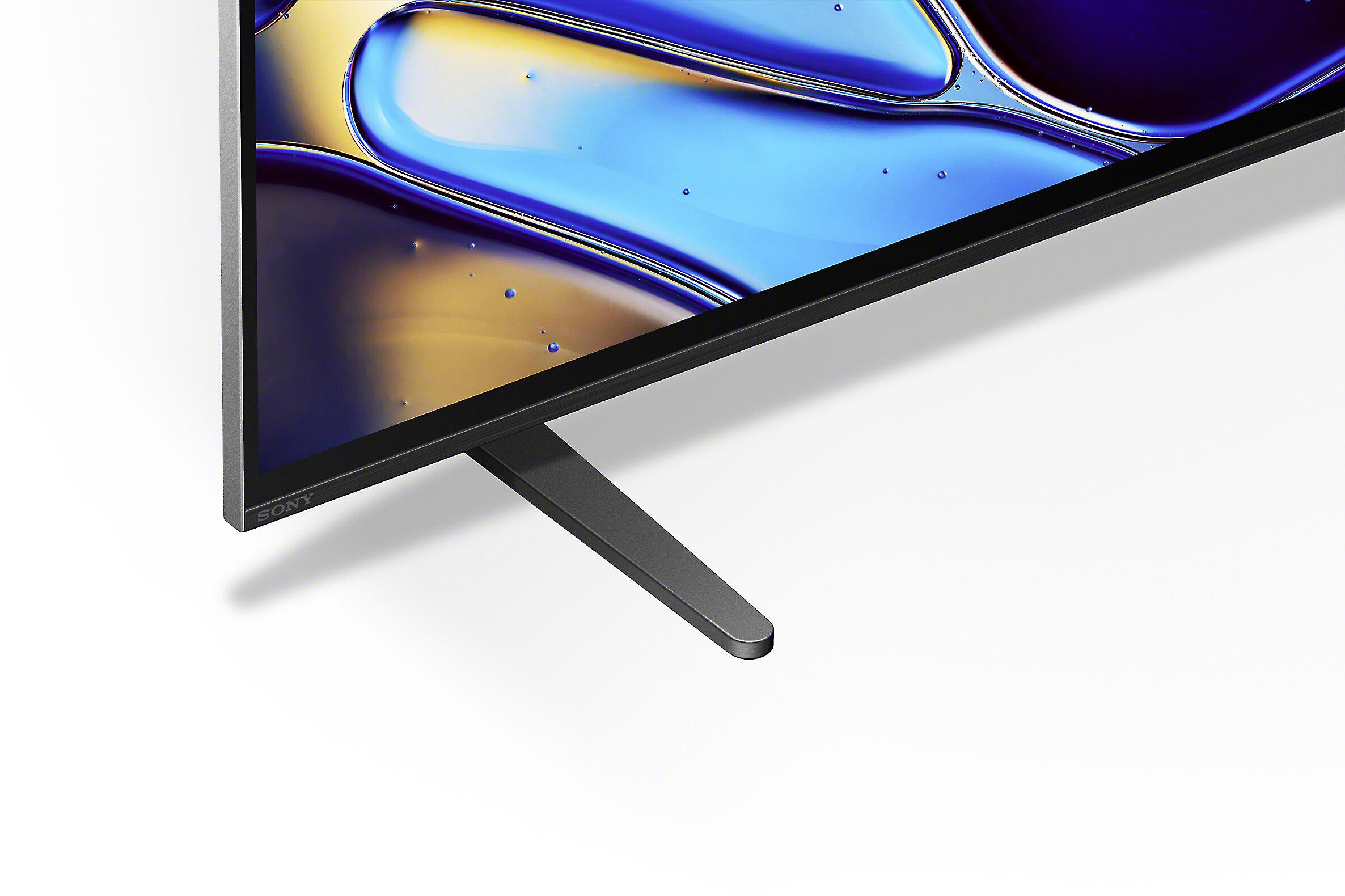
When you're dropping serious money on a 65-inch OLED TV, you want to make sure you're getting exactly what you need. The premium OLED market has become incredibly competitive, with manufacturers pushing the boundaries of what these self-lit pixel displays can achieve. Two standout options released in 2024 represent different philosophies in OLED excellence: the Panasonic Z95A targeting videophiles with reference-quality performance, and the Sony BRAVIA 8 delivering flagship features at a more accessible price point.
Before diving into specifics, it's worth understanding what makes OLED technology special. Unlike traditional LED TVs that use a backlight, OLED (Organic Light-Emitting Diode) displays have pixels that produce their own light. This means when a pixel needs to show black, it simply turns off completely - creating perfect blacks that no LED TV can match. This infinite contrast ratio is what gives OLED its cinematic quality, making colors pop and creating that three-dimensional depth you see in premium movie theaters.
The main considerations when choosing between premium OLEDs come down to picture processing quality, brightness capabilities, smart platform preferences, gaming features, and ultimately, value for your specific needs. Both the Panasonic Z95A and Sony BRAVIA 8 excel in these areas but take notably different approaches.
The Panasonic Z95A takes color accuracy seriously - perhaps more seriously than any other consumer TV on the market. Its standout feature is professional color tuning by Stefan Sonnenfeld, a Hollywood colorist who's worked on major films like "Wonder Woman" and "Justice League." This isn't just marketing fluff; it means the TV's color reproduction has been calibrated to match what filmmakers intended when they created the content.
Under the hood, the Z95A uses Panasonic's HCX Pro AI Processor MKII, which continuously analyzes incoming content and adjusts picture parameters in real-time. The Hexa Chroma Drive technology expands the color gamut (the range of colors the TV can display) significantly beyond standard displays. When watching HDR content, this translates to more natural skin tones, more accurate sunset oranges, and deeper forest greens.
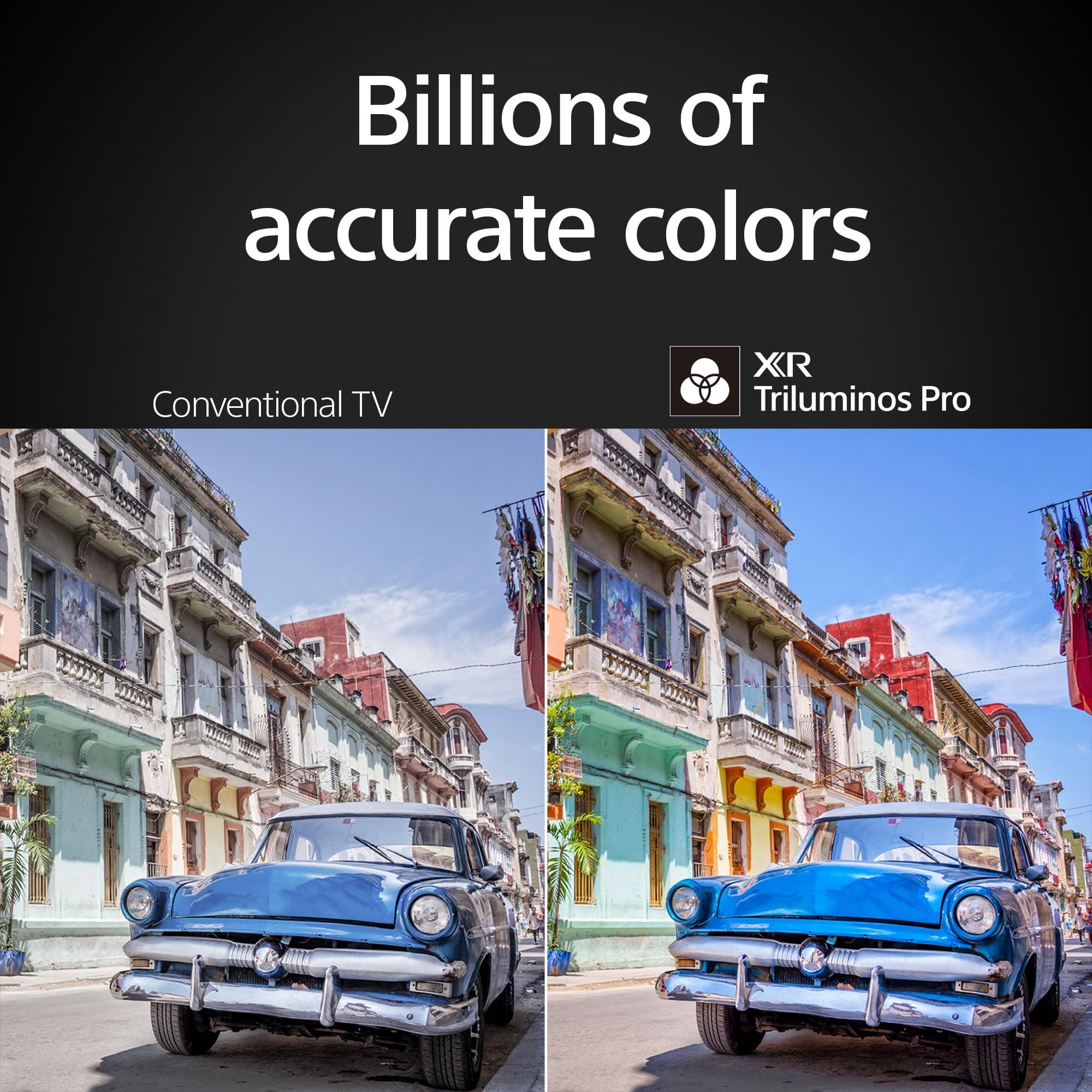
The Sony BRAVIA 8, meanwhile, uses Sony's XR Processor with XR Triluminos Pro technology. Sony's approach focuses on mimicking human perception - the processor analyzes how our eyes and brain process visual information, then enhances the picture accordingly. While it doesn't have the same level of professional calibration as the Panasonic, it delivers exceptionally natural-looking images that feel comfortable to watch for extended periods.
In our research of expert and user reviews, the consensus is clear: the Panasonic Z95A delivers more accurate colors straight out of the box, making it ideal for movie enthusiasts who want to see content exactly as directors intended. The Sony BRAVIA 8 produces slightly more vibrant, consumer-friendly images that many viewers prefer for everyday content.
High Dynamic Range (HDR) capability is where these TVs really show their strengths. HDR content contains a wider range of brightness levels than standard content, from deep shadows to brilliant highlights, creating more realistic images. Both TVs support the major HDR formats: HDR10, HDR10+, and Dolby Vision.
The Panasonic Z95A includes Dolby Vision IQ Precision Detail, an advanced version of Dolby Vision that reveals extra details in both dark and bright areas of the picture. The TV's Master OLED Ultimate panel with Micro Lens Array technology allows it to achieve higher brightness levels than typical OLED displays while maintaining perfect blacks. This is crucial for HDR content, where bright highlights need to really pop against dark backgrounds.
The Sony BRAVIA 8 offers excellent HDR performance with its standard Dolby Vision implementation, though it lacks the precision detail enhancement of the Panasonic. However, Sony's real-time processing is particularly good at upscaling non-HDR content to look more dynamic, which matters since much of what you'll watch isn't originally HDR.
Based on professional reviews and user feedback, the Panasonic Z95A handles challenging HDR content better, particularly scenes with mixed lighting like sunsets or indoor scenes with bright windows. The Sony BRAVIA 8 provides more consistent performance across all content types, making everyday viewing more pleasant.
Motion handling is often overlooked but becomes critical when watching sports or action movies. The Panasonic Z95A supports refresh rates up to 144Hz and includes comprehensive motion processing through MEMC (Motion Estimation and Motion Compensation) technology. MEMC analyzes consecutive frames and creates intermediate frames to smooth out motion, reducing blur and judder.
The Sony BRAVIA 8 offers 120Hz refresh rate with XR OLED Motion processing. Sony's approach is more conservative but often more natural-looking, avoiding the "soap opera effect" that aggressive motion processing can create.
For sports enthusiasts, the higher refresh rate of the Panasonic Z95A provides a slight edge in handling fast-moving action like hockey pucks or tennis balls. However, the Sony BRAVIA 8's motion processing feels more cinematic for movies, maintaining the director's intended frame rate while still reducing unwanted blur.
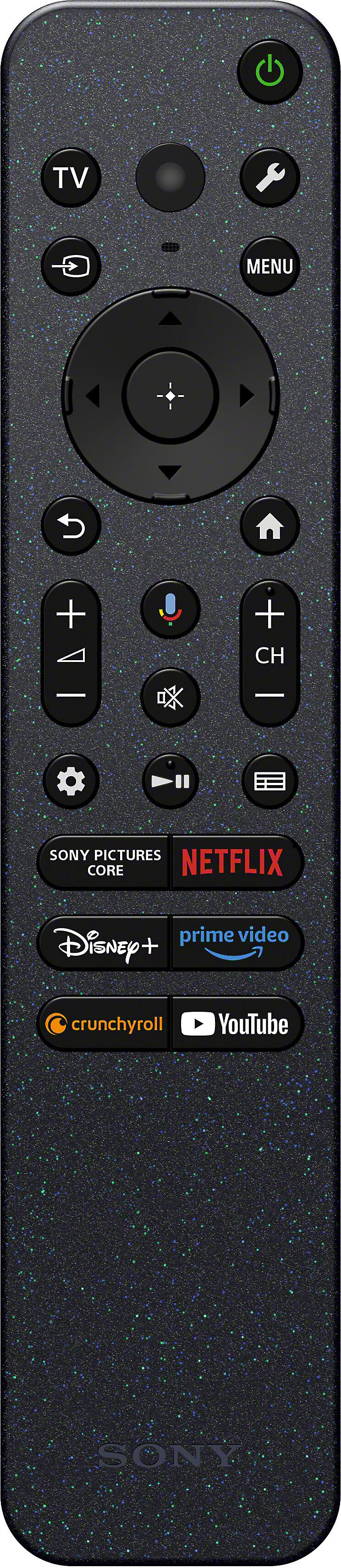
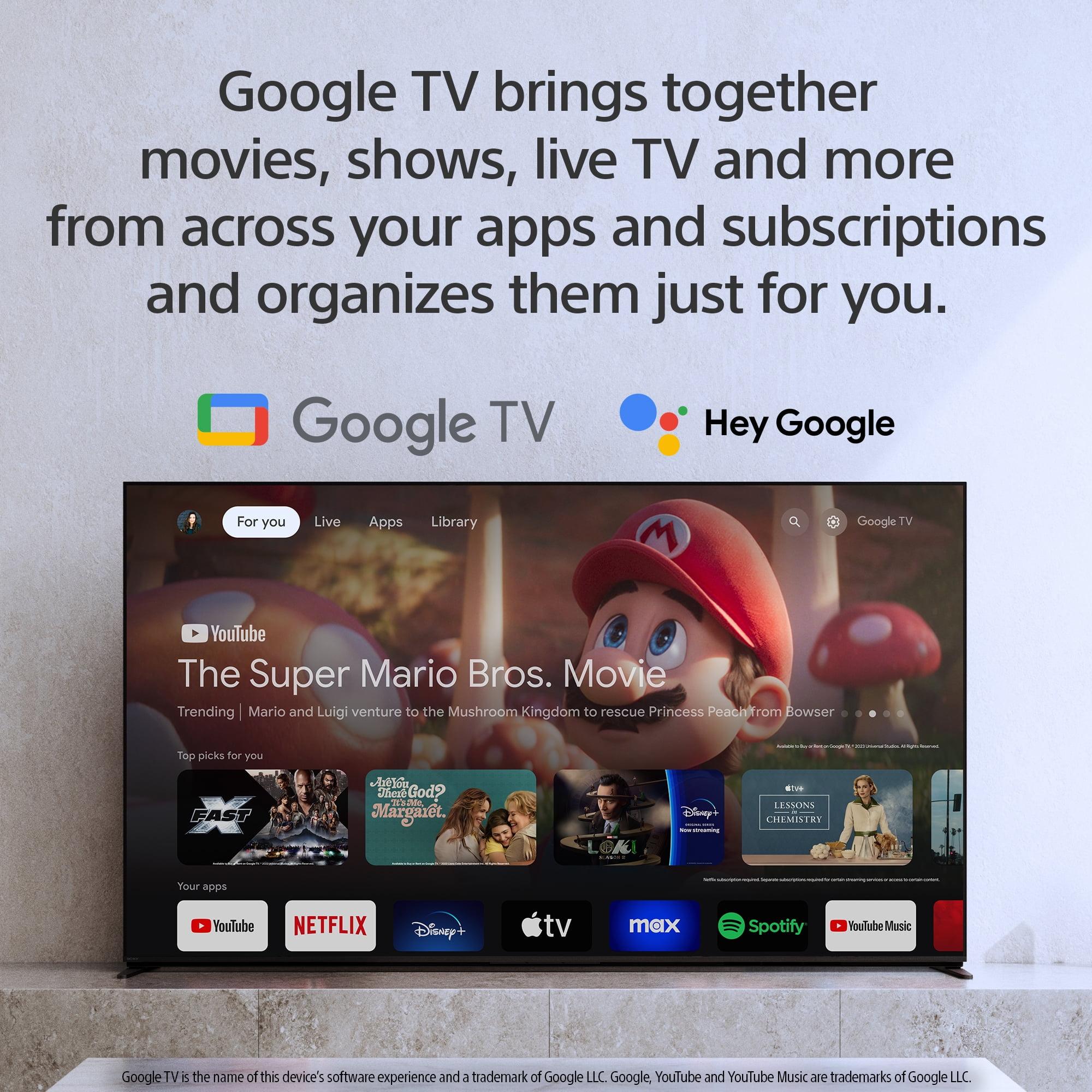
The smart platform choice significantly impacts your daily TV experience. The Sony BRAVIA 8 runs Google TV, which has evolved into one of the most sophisticated smart TV platforms available. Google TV aggregates content from multiple streaming services, creating a unified "Continue Watching" row and providing intelligent recommendations based on your viewing habits across platforms.
The interface feels intuitive, with a clean home screen that prioritizes content over apps. The Google Assistant integration is seamless - you can ask questions, control smart home devices, or search for content using natural language. The extensive app library includes virtually every major streaming service, and updates come regularly.
The Panasonic Z95A uses Amazon Fire TV Built-in, which offers a more straightforward approach. Fire TV's strength lies in its simplicity and integration with Amazon's ecosystem. Prime Video content gets prominent placement, and the interface is responsive and easy to navigate. It supports both Alexa and Google Assistant, giving you flexibility in voice control options.
From a practical standpoint, both platforms work well, but Google TV on the Sony BRAVIA 8 provides superior content discovery and feels more modern. If you're heavily invested in Amazon's ecosystem or prefer a simpler interface, Fire TV on the Panasonic Z95A might appeal to you.
Both TVs handle streaming apps smoothly, but there are subtle differences. The Sony BRAVIA 8's integration with Google services means faster loading times for YouTube and Google Play content. Netflix, Disney+, and other major services run identically well on both platforms.
Long-term software support tends to favor Google TV, as Google has committed to regular updates and security patches. Amazon's Fire TV also receives consistent updates, but Google's track record with Android TV (Google TV's predecessor) suggests longer-term support.
Gaming performance has become crucial as PlayStation 5 and Xbox Series X push 4K gaming at higher frame rates. The Panasonic Z95A supports up to 144Hz refresh rate, making it future-ready for upcoming gaming hardware. It includes comprehensive gaming features: ALLM (Auto Low Latency Mode) automatically switches to game mode when it detects a console, VRR (Variable Refresh Rate) prevents screen tearing, and Game Mode optimizations reduce input lag to near-imperceptible levels.
The Sony BRAVIA 8 offers 4K gaming at 120Hz through two of its HDMI 2.1 ports. While this covers current console capabilities perfectly, the lower maximum refresh rate might matter for high-end PC gaming. Sony includes Auto HDR Tone Mapping specifically optimized for PS5, ensuring HDR games look their best without manual adjustment.
Input lag - the delay between pressing a controller button and seeing the response on screen - is excellent on both TVs. Professional gaming reviews consistently show both models achieving under 20 milliseconds of input lag in game mode, which is imperceptible during gameplay.
For PlayStation 5 owners, the Sony BRAVIA 8 offers slight advantages through Sony's ecosystem integration. Features like Auto HDR Tone Mapping and optimized picture modes specifically for PS5 games provide a more seamless experience.
The Panasonic Z95A takes a platform-agnostic approach, delivering excellent performance across PlayStation, Xbox, and PC gaming. The higher 144Hz capability makes it more versatile for high-end PC gamers who might upgrade to graphics cards capable of pushing frame rates beyond 120fps.
Based on gaming community feedback, serious competitive gamers slightly prefer the Panasonic Z95A for its maximum performance capabilities, while casual console gamers are perfectly served by either TV.
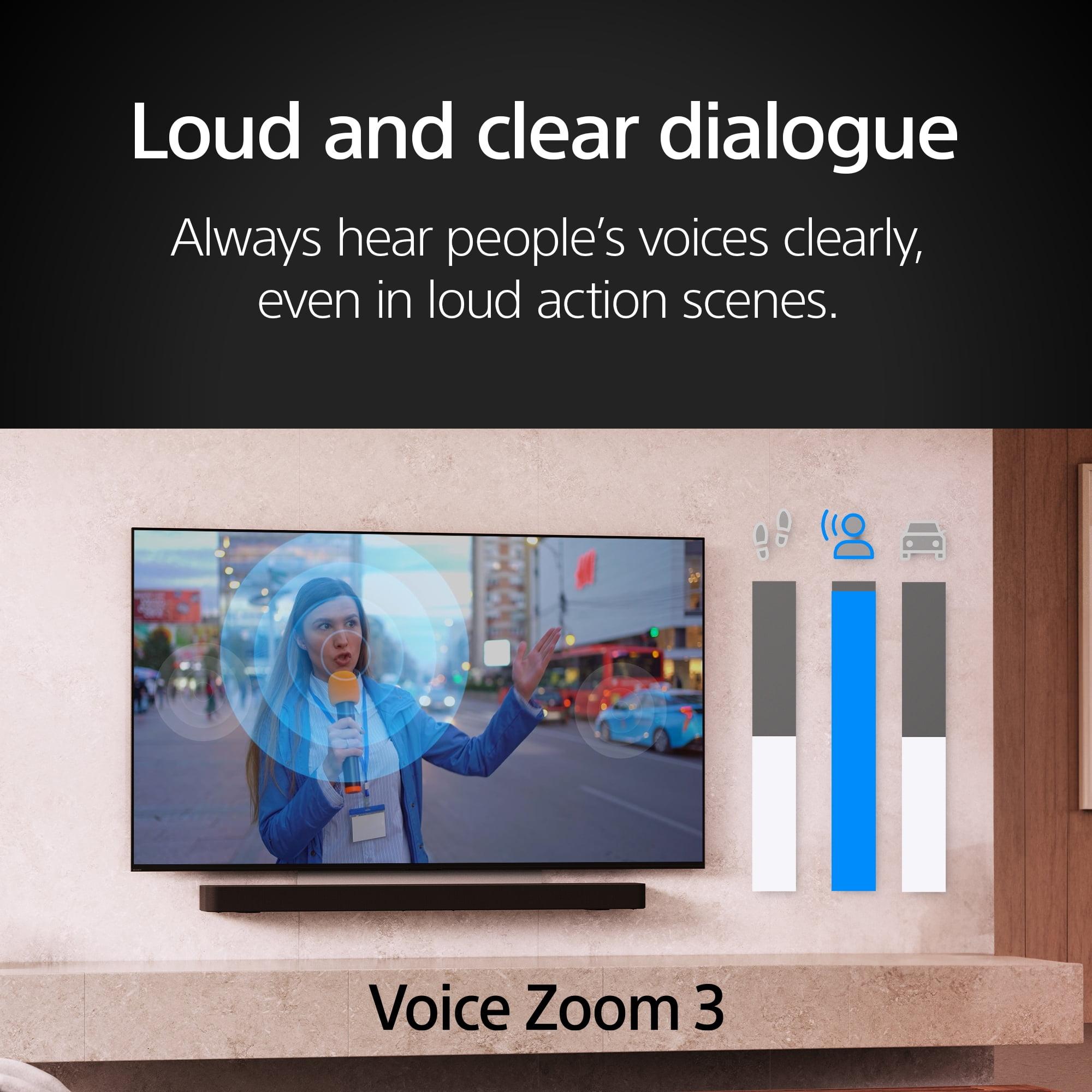
Audio quality often gets overlooked when choosing a TV, but both models offer genuinely impressive built-in sound systems. The Sony BRAVIA 8 features Acoustic Surface Audio+, an innovative technology that turns the entire OLED screen into a speaker. Actuators behind the display vibrate the screen itself to produce sound, creating the impression that dialogue comes directly from actors' mouths rather than from speakers below the screen.
This creates remarkably precise sound localization - when a character speaks on the left side of the screen, you hear their voice from the left side. The system includes a 2.1-channel setup with 50 watts total power, providing surprisingly full sound with decent bass response for a built-in system.
The Panasonic Z95A takes a more traditional approach with Home Theatre Built-in speakers featuring dedicated tweeters for clear dialogue. At 20 watts total output, it's less powerful than the Sony system, but the tuning emphasizes clarity and dialogue intelligibility. Dolby Atmos support attempts to create spatial audio effects using the built-in speakers.
For serious home theater setups, both TVs support advanced audio formats and offer multiple connection options. The Sony BRAVIA 8 includes Acoustic Center Sync, which synchronizes the TV's screen-speaker technology with compatible Sony soundbars for improved center channel performance.
The Panasonic Z95A focuses on providing clean audio output to external systems, with excellent DAC (Digital-to-Analog Converter) quality for connecting high-end audio equipment.
In practice, the Sony BRAVIA 8's built-in audio system can actually delay or eliminate the need for a soundbar upgrade, while the Panasonic Z95A works best as part of a dedicated audio setup.
At the time of writing, these TVs represent different value propositions in the premium OLED market. The Sony BRAVIA 8 positions itself as a high-performance option at a more accessible price point, typically costing significantly less than the Panasonic Z95A.
The Sony BRAVIA 8 delivers approximately 90% of flagship OLED performance while costing considerably less. This makes it an excellent choice for buyers who want premium OLED benefits without paying for absolute reference quality. The innovative audio technology and comprehensive smart features add significant value.
The Panasonic Z95A commands a premium price but justifies it with genuinely superior picture quality, professional-grade color accuracy, and advanced gaming capabilities. The question becomes whether these improvements are worth the additional cost for your specific needs.
Both TVs should provide excellent service for many years, but there are some considerations for long-term value. The Sony BRAVIA 8's Google TV platform has a strong track record for software updates and new feature additions. Sony's reputation for long-term support in their premium TV lines is solid.
The Panasonic Z95A offers more future-proofing in terms of raw performance capabilities, particularly the 144Hz refresh rate which may become more relevant as gaming technology advances. However, Panasonic's smart platform update track record is less consistent than Sony's.
The Sony BRAVIA 8 makes sense for buyers who want excellent OLED performance without paying flagship prices. It's ideal if you prioritize value and want a TV that excels across multiple use cases rather than maximizing any single aspect.
You should consider the Sony BRAVIA 8 if you frequently watch varied content types - streaming shows, movies, sports, and some gaming. The balanced performance and superior smart platform make it versatile for family use. The innovative audio technology is particularly appealing if you're not planning to immediately add a soundbar.
PlayStation 5 owners get additional benefits from Sony's ecosystem integration, making console gaming more seamless. The Google TV platform is also ideal if you prefer comprehensive content discovery and regular software updates.
The Panasonic Z95A targets buyers who prioritize absolute picture quality and don't mind paying for reference-level performance. It's the choice for serious movie enthusiasts, professional content creators, and dedicated videophiles who want the most accurate color reproduction available.
Consider the Panasonic Z95A if you have a dedicated home theater setup with external audio equipment. The superior picture processing and professional color tuning shine brightest when watching high-quality source material in controlled lighting conditions.
Serious gamers, particularly PC gamers with high-end graphics cards, benefit from the 144Hz capability and comprehensive gaming features. The TV is also ideal if you work with video content professionally and need accurate color reproduction for editing or evaluation.
Both TVs represent excellent choices in the premium OLED category, but they serve different audiences. The Sony BRAVIA 8 offers outstanding overall performance with particular strengths in smart features and audio innovation, making it an excellent choice for most buyers seeking premium OLED quality.
The Panasonic Z95A justifies its premium pricing with genuinely superior picture quality and professional-grade features that matter most to enthusiasts and professionals. If absolute picture quality is your priority and budget allows, it's hard to find better color accuracy and processing quality in the consumer market.
Your decision should ultimately come down to how you'll primarily use the TV, your budget constraints, and whether you value reference-quality performance or prefer well-rounded excellence at a better price point. Both represent the current state-of-the-art in OLED technology, just optimized for different priorities and budgets.
| Panasonic Z95A 65" OLED 4K Ultra HD Smart TV | Sony BRAVIA 8 65" 4K OLED TV |
|---|---|
| Display Technology - The foundation of picture quality | |
| Master OLED Ultimate panel with Micro Lens Array for enhanced brightness and heat management | Standard OLED panel with XR Triluminos Pro for natural color reproduction |
| Picture Processor - Determines how content looks and upscales | |
| HCX Pro AI Processor MKII with Hollywood colorist Stefan Sonnenfeld tuning | XR Processor with human perception-based enhancements |
| Refresh Rate - Critical for gaming and smooth sports viewing | |
| 144Hz (future-ready for next-gen gaming) | 120Hz (perfect for current PS5/Xbox Series X) |
| HDR Support - Essential for movie streaming and 4K Blu-rays | |
| Dolby Vision IQ Precision Detail, HDR10, HDR10+ | Dolby Vision, HDR10 (standard implementations) |
| Smart TV Platform - Your daily interface for streaming | |
| Amazon Fire TV Built-in with dual voice assistant support | Google TV with superior content discovery and recommendations |
| Gaming Features - Important for console and PC gaming | |
| ALLM, VRR, 144Hz gaming support, comprehensive game modes | 4K/120Hz, VRR, ALLM, Auto HDR Tone Mapping for PS5 |
| Audio Technology - Built-in sound quality | |
| Home Theatre Built-in with tweeter (20W), Dolby Atmos | Acoustic Surface Audio+ turns screen into speaker (50W), 2.1-channel |
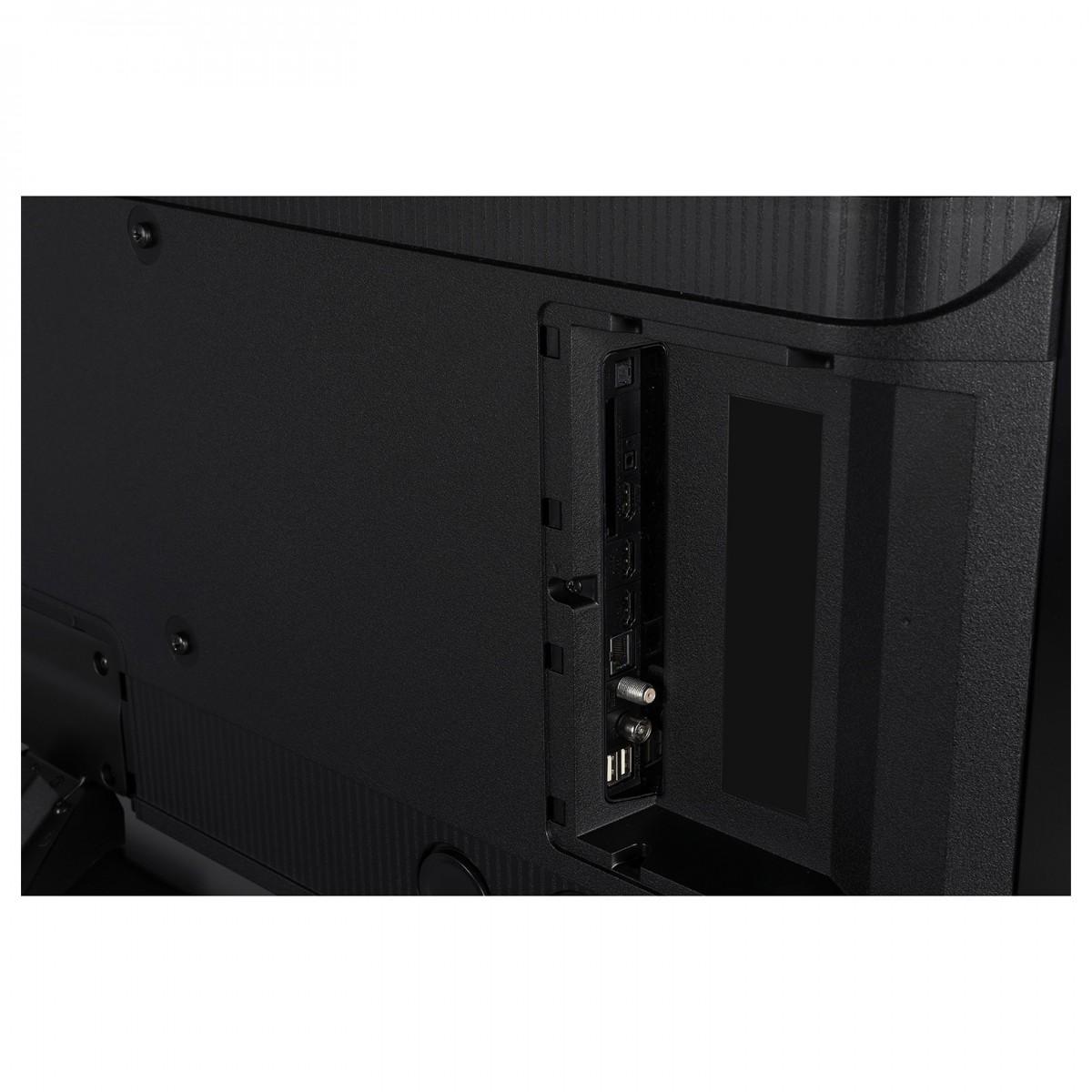
| HDMI Connectivity - Determines what devices you can connect at full quality | |
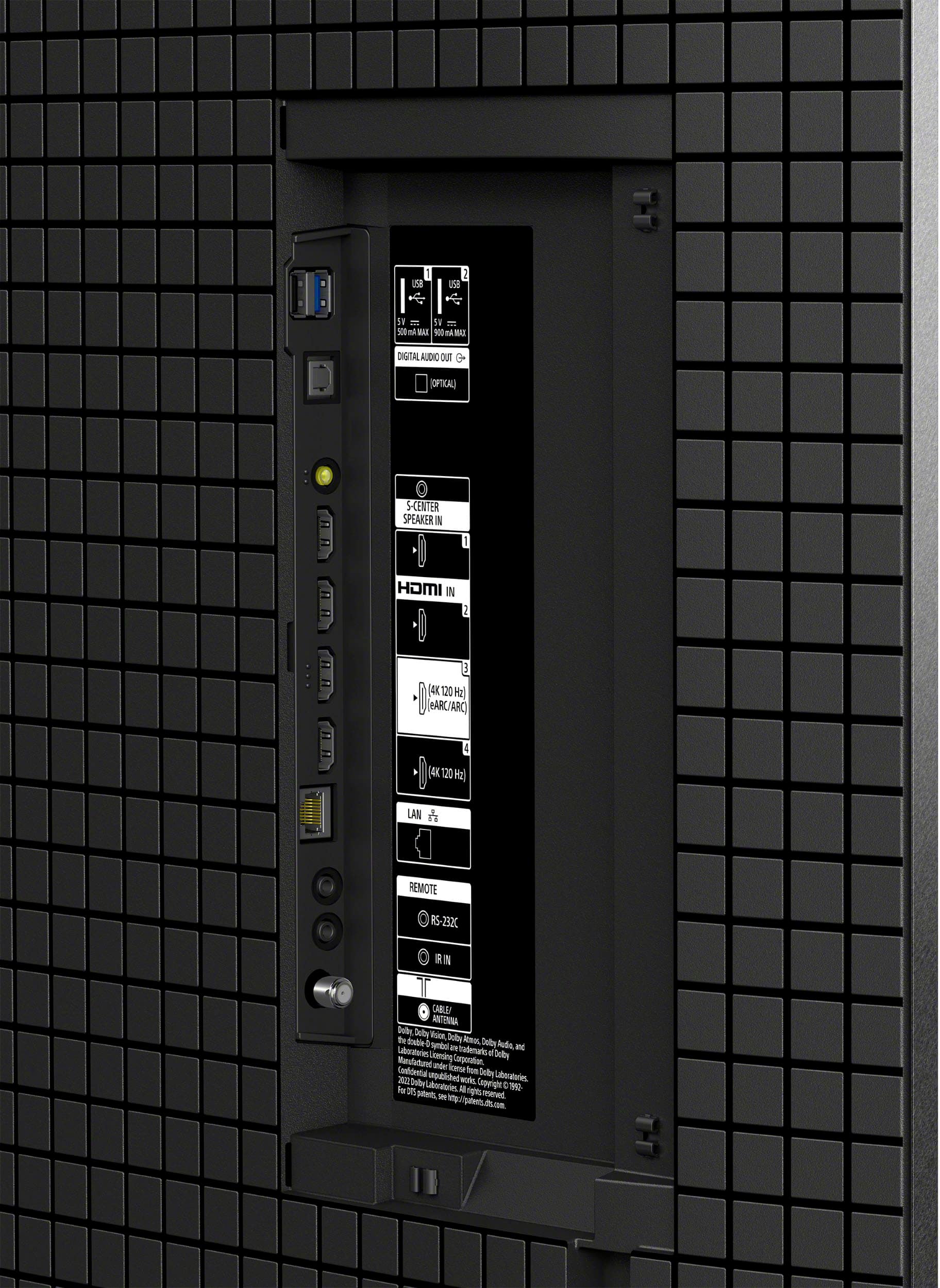
| 4 HDMI ports with 2.1 support for high-bandwidth gaming | 4 HDMI ports (2 with HDMI 2.1 for 4K/120Hz gaming) |
| Color Accuracy - Most important for movie enthusiasts and content creators | |
| Professional Hollywood colorist calibration with Hexa Chroma Drive | Consumer-optimized natural colors with wide gamut support |
| Brightness Performance - Affects HDR impact and daytime viewing | |
| Enhanced brightness through Micro Lens Array technology | Standard OLED brightness levels with excellent contrast |
| Motion Processing - Reduces blur in sports and action content | |
| MEMC technology with comprehensive motion enhancement | XR OLED Motion with natural-looking interpolation |
| Voice Control - Convenience for smart home integration | |
| Amazon Alexa and Google Assistant support | Google Assistant built-in with seamless integration |
The Panasonic Z95A delivers superior picture quality for movies thanks to professional color tuning by Hollywood colorist Stefan Sonnenfeld and Dolby Vision IQ Precision Detail technology. The Master OLED Ultimate panel with Micro Lens Array provides more accurate colors and better brightness handling. While the Sony BRAVIA 8 offers excellent picture quality with natural colors, the Panasonic Z95A is specifically calibrated for cinematic accuracy that filmmakers intended.
For gaming, the Panasonic Z95A has an edge with its 144Hz refresh rate, making it more future-ready for high-end PC gaming. It includes comprehensive gaming features like ALLM, VRR, and optimized game modes. The Sony BRAVIA 8 offers excellent gaming performance at 120Hz with Auto HDR Tone Mapping specifically optimized for PS5. Both have minimal input lag, but the Panasonic Z95A provides more headroom for future gaming technology.
The Sony BRAVIA 8 runs Google TV, which offers superior content discovery, aggregating shows across streaming services with intelligent recommendations. The Panasonic Z95A uses Amazon Fire TV Built-in, providing a simpler interface with strong Amazon ecosystem integration. Google TV generally receives more frequent updates and has a more modern interface, while Fire TV on the Panasonic Z95A supports both Alexa and Google Assistant.
The Sony BRAVIA 8 has superior built-in audio with Acoustic Surface Audio+ technology that turns the entire screen into a speaker, creating precise sound localization with 50W total power. The Panasonic Z95A uses traditional Home Theatre Built-in speakers with 20W output and Dolby Atmos support. For most users, the Sony BRAVIA 8's innovative audio system can delay the need for a separate soundbar.
The Sony BRAVIA 8 typically offers better value, delivering about 90% of flagship OLED performance at a significantly lower price point. It includes innovative features like screen-speaker technology and comprehensive smart TV capabilities. The Panasonic Z95A commands a premium but justifies it with reference-quality color accuracy and advanced features that matter most to videophiles and professionals.
The Panasonic Z95A supports up to 144Hz refresh rate with comprehensive motion processing through MEMC technology, providing excellent performance for fast-paced sports. The Sony BRAVIA 8 offers 120Hz with XR OLED Motion processing that focuses on natural-looking motion enhancement. Both handle sports content well, but the higher refresh rate of the Panasonic Z95A provides slightly smoother motion during very fast action sequences.
For dedicated home theater use, the Panasonic Z95A excels with its professional color calibration, Dolby Vision IQ Precision Detail, and reference-quality picture processing. It's designed for controlled lighting environments where color accuracy matters most. The Sony BRAVIA 8 works well in home theaters too, but its strengths lean more toward versatile family room use with superior built-in audio and smart features.
Both the Panasonic Z95A and Sony BRAVIA 8 support major HDR formats including HDR10, HDR10+, and Dolby Vision. However, the Panasonic Z95A includes Dolby Vision IQ Precision Detail, which reveals extra details in both bright and dark areas of HDR content. The Sony BRAVIA 8 uses standard Dolby Vision implementation but excels at upscaling non-HDR content to look more dynamic.
The Sony BRAVIA 8 generally has better app support through Google TV, with faster loading times for Google services and comprehensive streaming app availability. Both TVs handle major streaming services like Netflix, Disney+, and Prime Video equally well. The Panasonic Z95A with Fire TV provides solid app support, but Google TV on the Sony BRAVIA 8 typically receives more frequent updates and new features.
The Sony BRAVIA 8 has specific advantages for PS5 gaming with Auto HDR Tone Mapping and ecosystem integration that provides optimized picture settings automatically. The Panasonic Z95A offers excellent PS5 performance with higher refresh rates and comprehensive gaming features. Both support 4K/120Hz gaming, but PlayStation 5 users might appreciate the seamless integration of the Sony BRAVIA 8.
The Panasonic Z95A is more future-proof in terms of raw performance capabilities, especially the 144Hz refresh rate that may become more relevant as gaming technology advances. The Sony BRAVIA 8 offers better future-proofing in software support through Google TV's consistent update track record. Both use current OLED technology, but the Panasonic Z95A has more performance headroom for emerging high-refresh content.
If you're invested in Sony's ecosystem with PlayStation consoles and audio equipment, the Sony BRAVIA 8 offers better integration and optimizations. For Amazon ecosystem users who rely heavily on Alexa and Prime Video, the Panasonic Z95A provides seamless Fire TV integration. However, both TVs work well regardless of brand loyalty, so picture quality and feature preferences should be the primary deciding factors between the Panasonic Z95A and Sony BRAVIA 8.
We've done our best to create useful and informative comparisons to help you decide what product to buy. Our research uses advanced automated methods to create this comparison and perfection is not possible - please contact us for corrections or questions. These are the sites we've researched in the creation of this article: youtube.com - youtube.com - whathifi.com - tomsguide.com - shop.panasonic.com - store.in.panasonic.com - rtings.com - applianceplus.co.nz - rtings.com - store.in.panasonic.com - samsung.com - bestbuy.com - bestbuy.com - crutchfield.com - avsforum.com - electronics.sony.com - sony.com - store.sony.co.nz - sony.com - displayspecifications.com

Privacy Policy
Terms and Conditions - Affiliate Policy
Home Security
© Copyright 2008-2026.
11816 Inwood Rd #1211, Dallas, TX 75244