

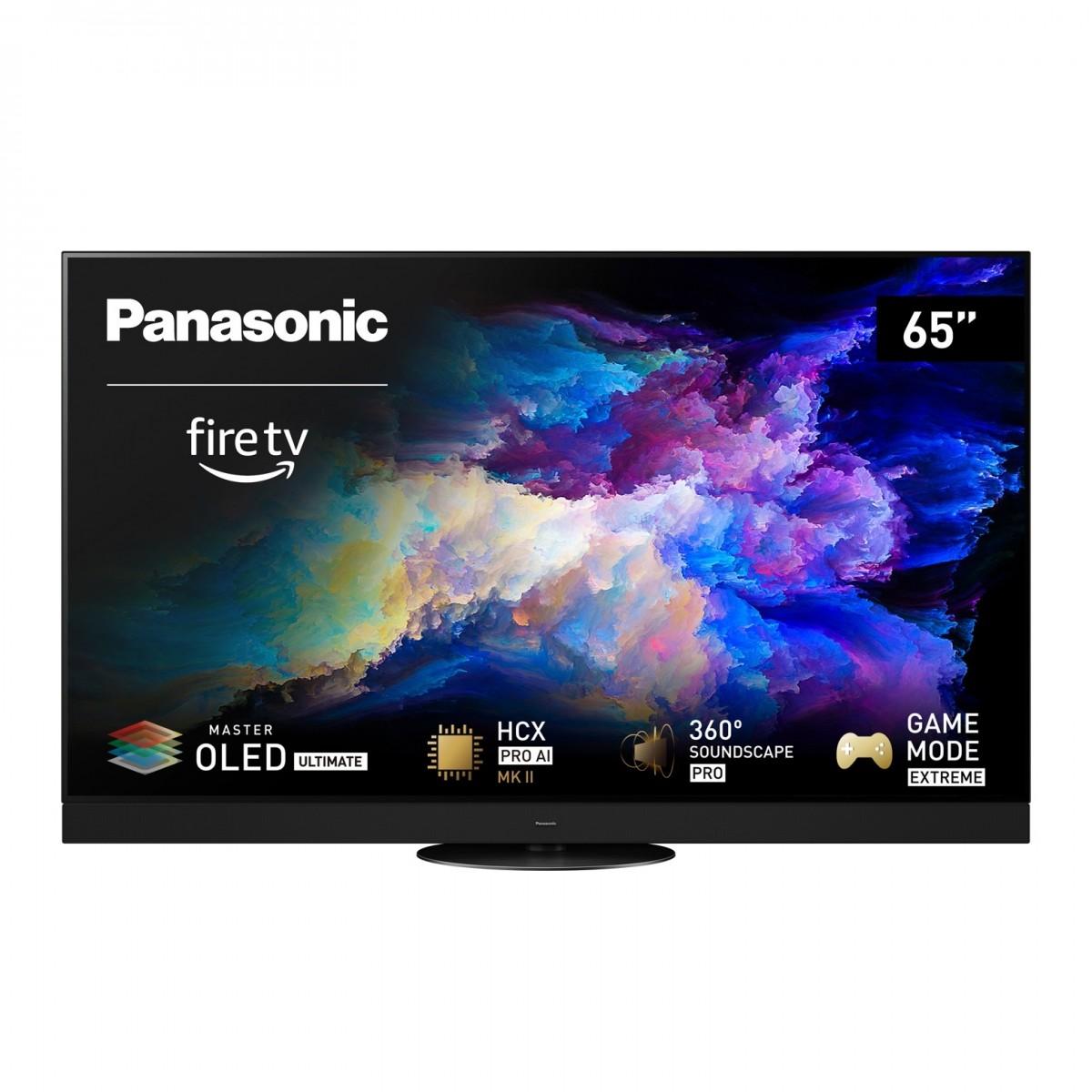
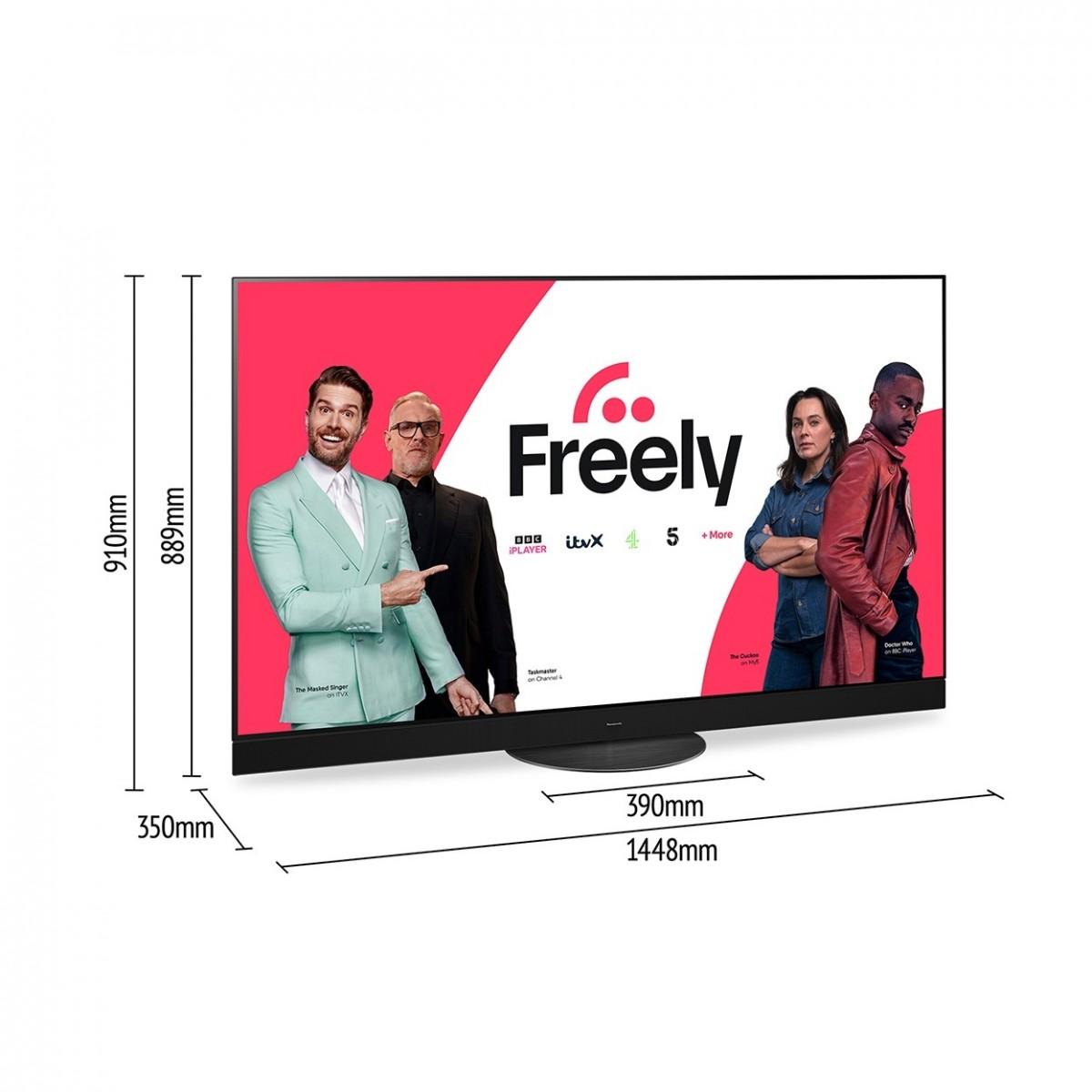
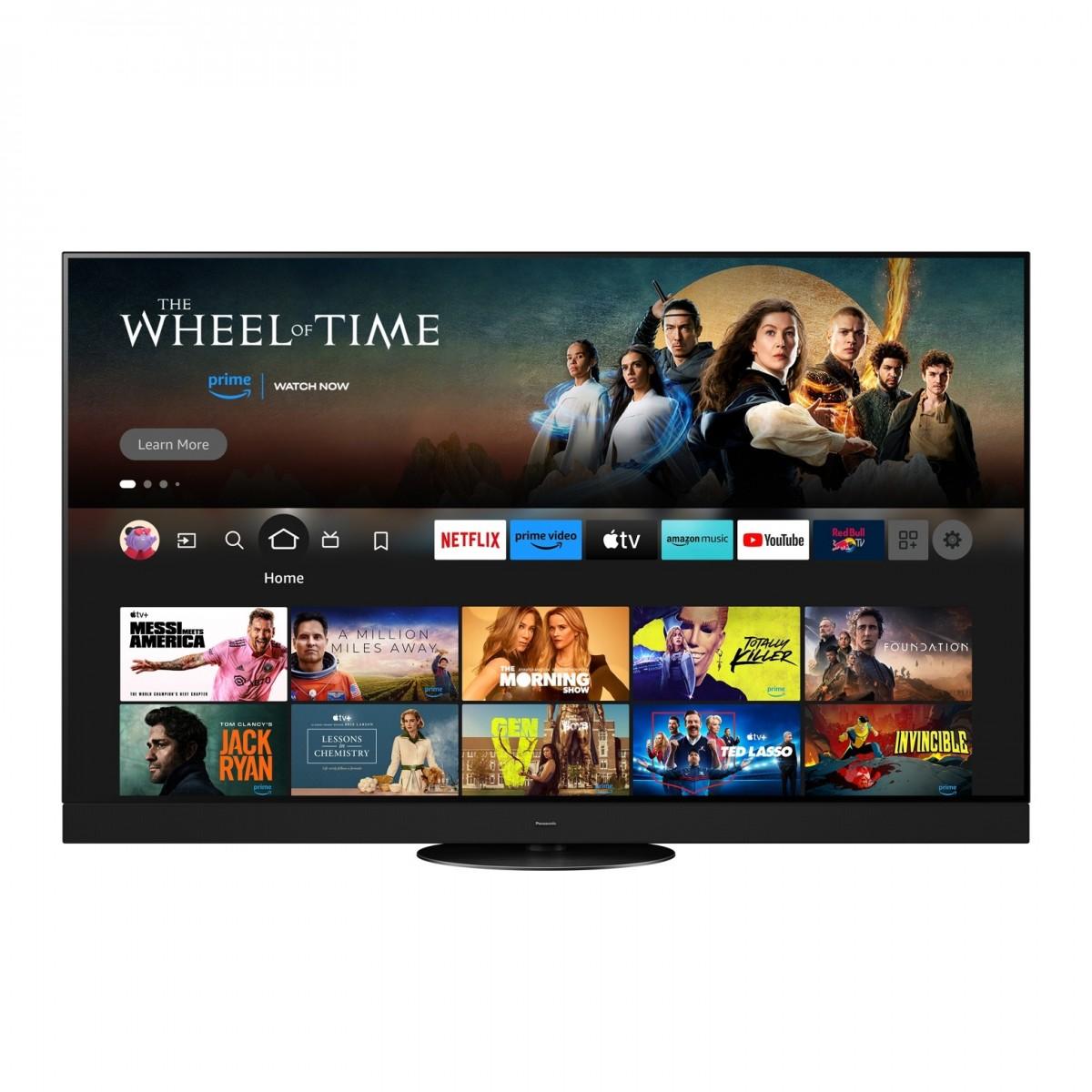
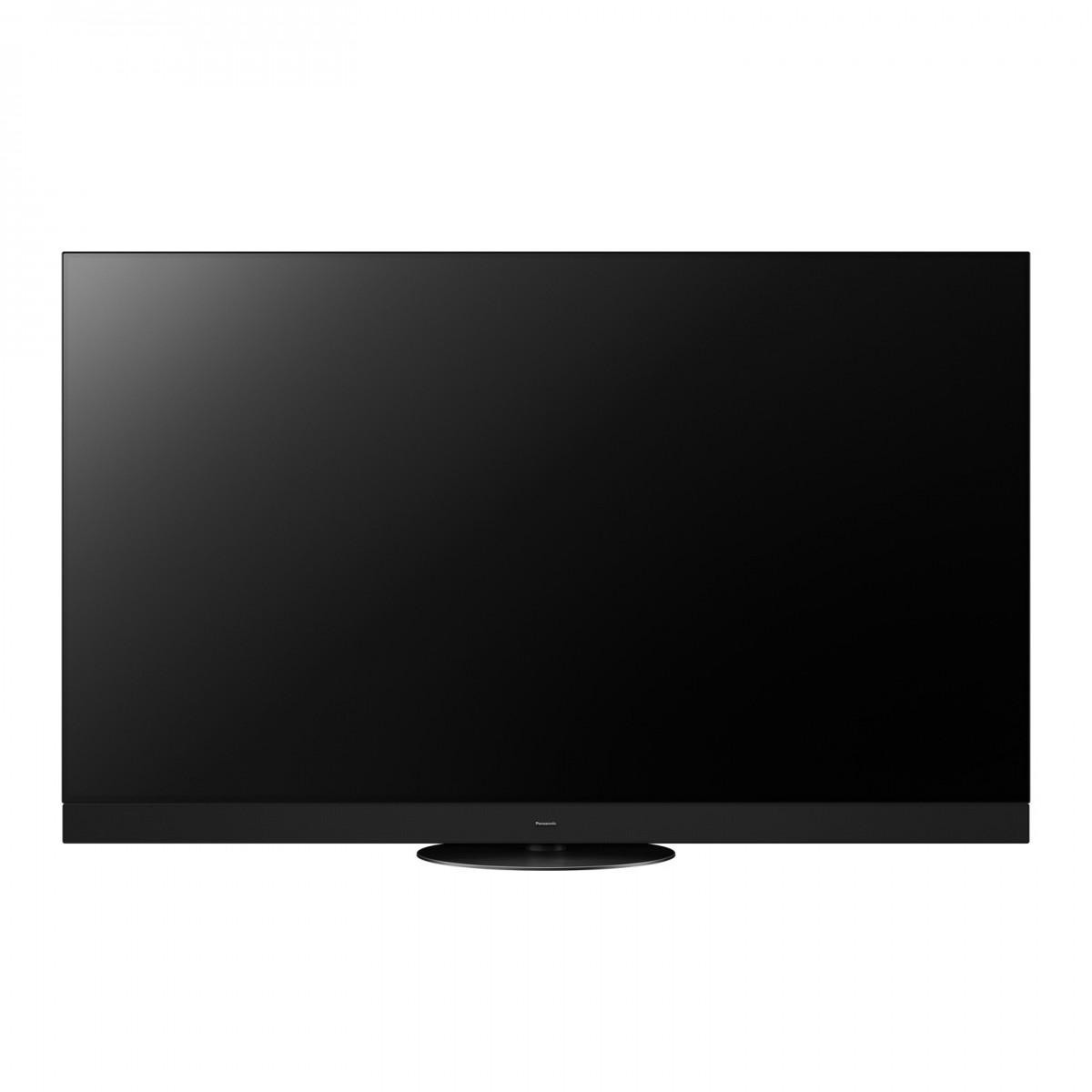
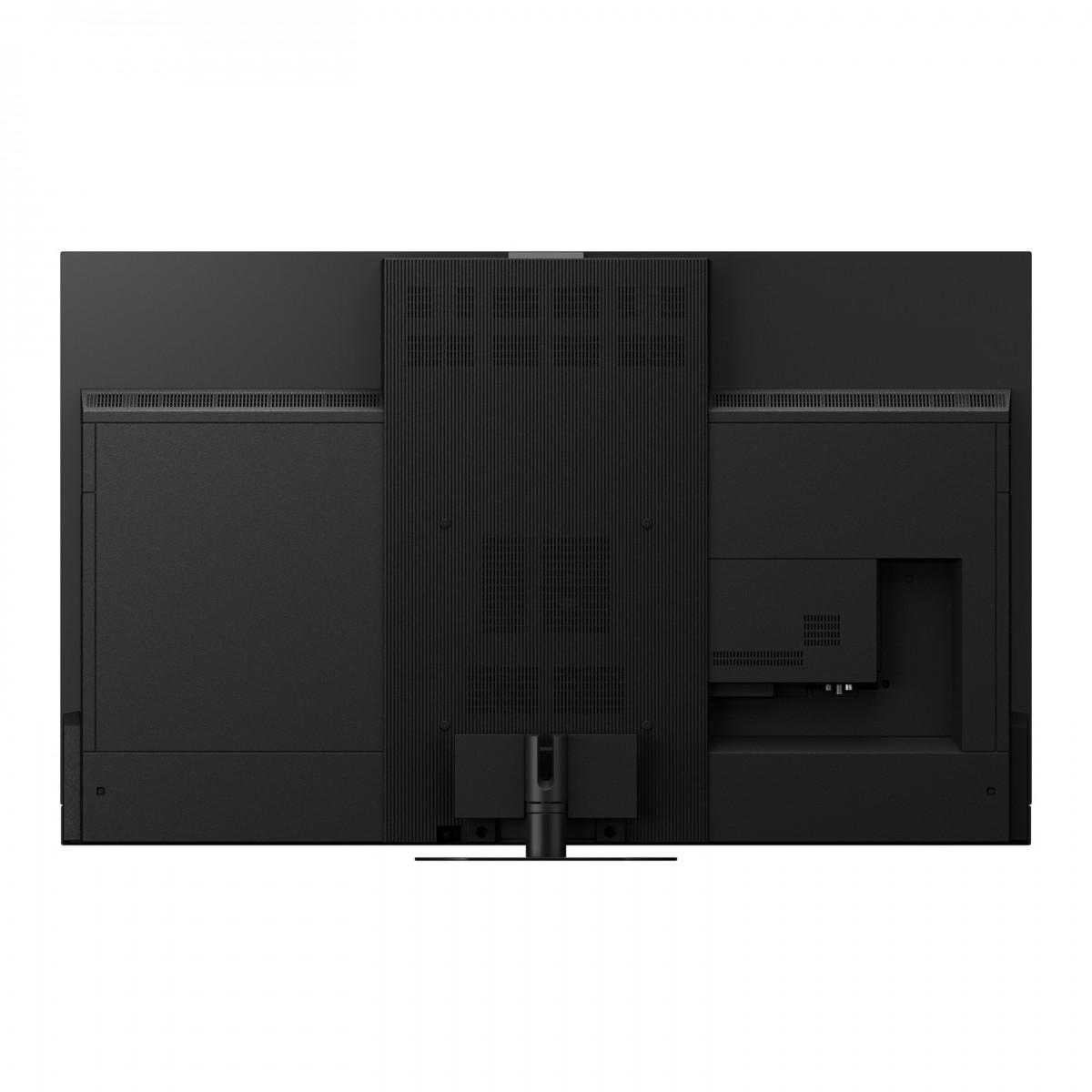
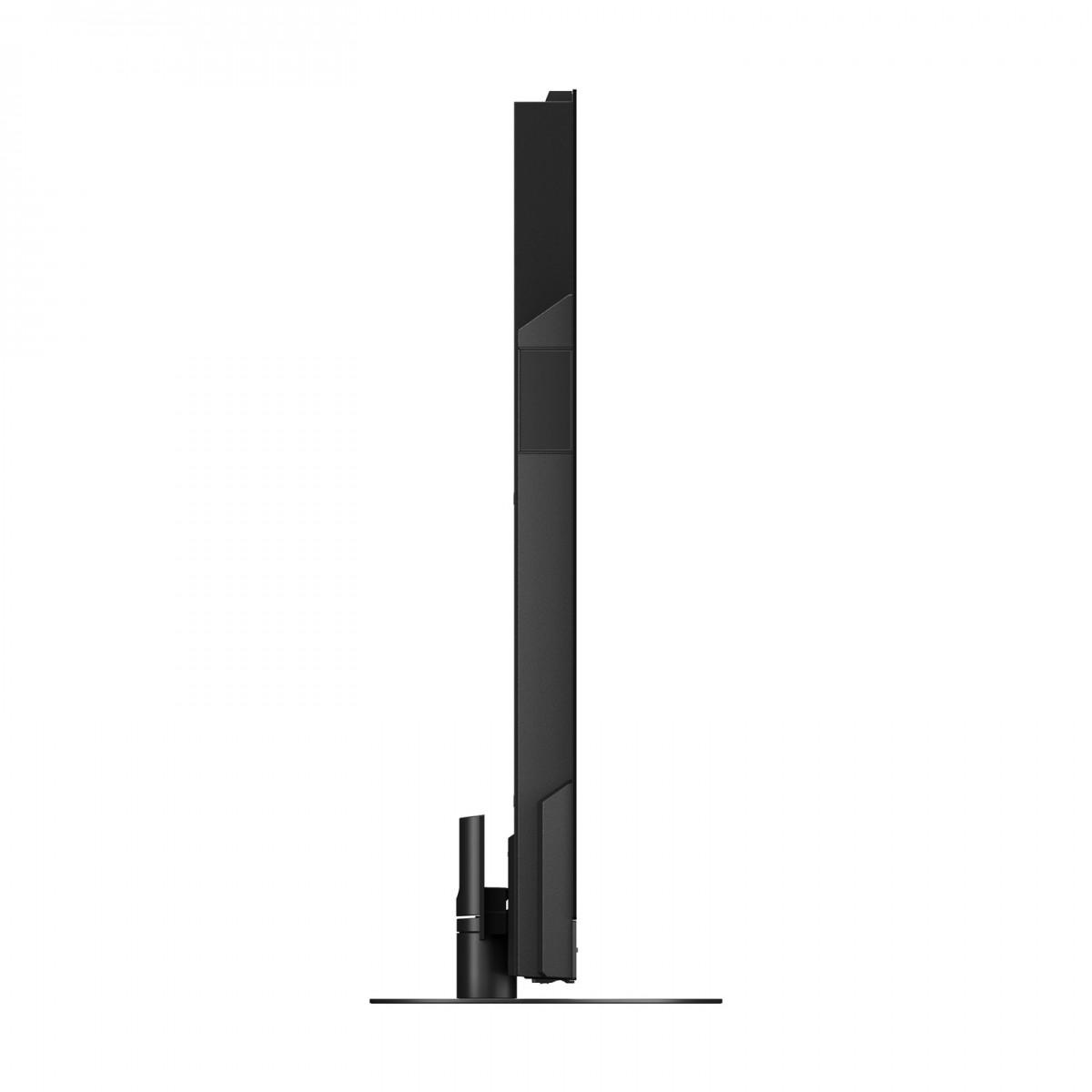
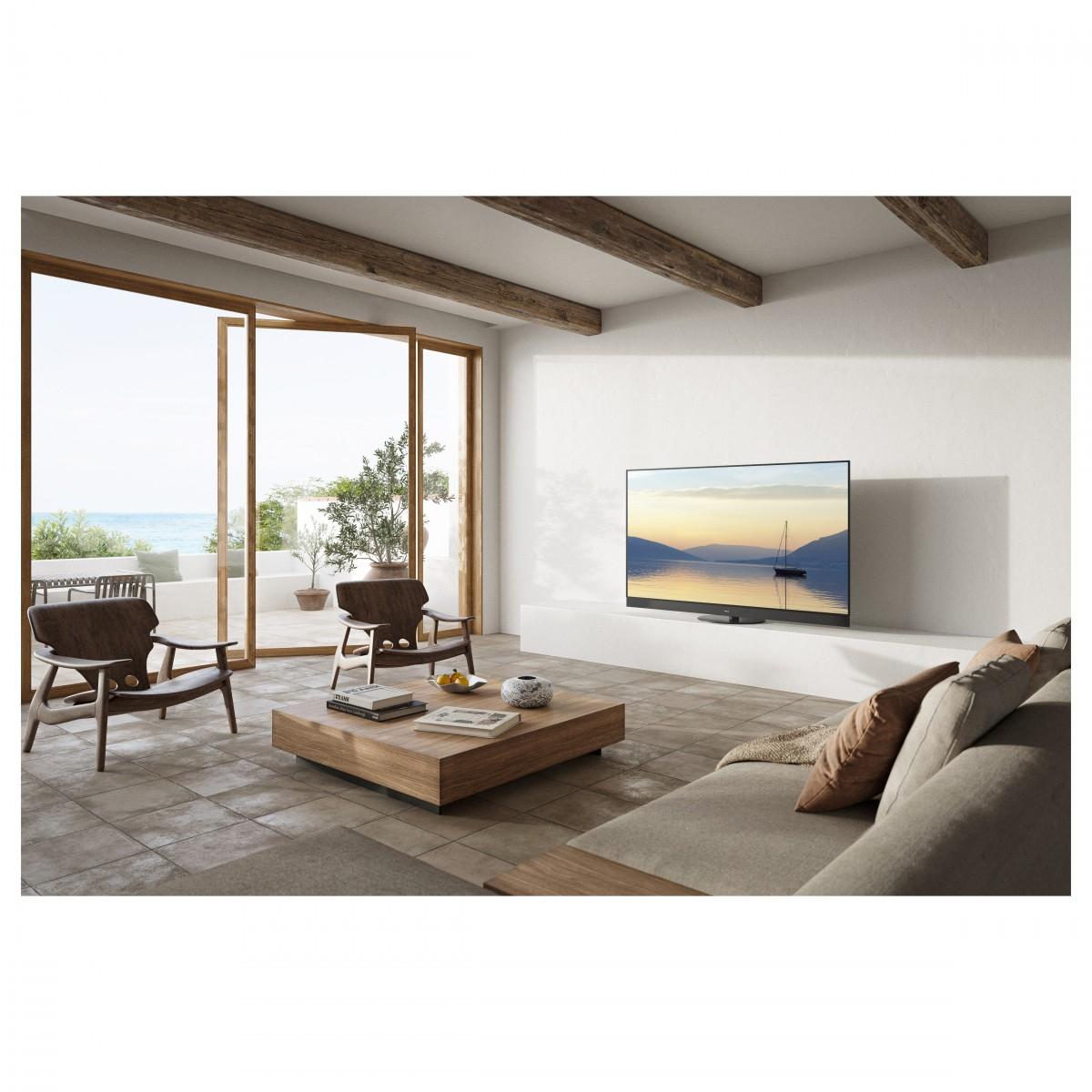
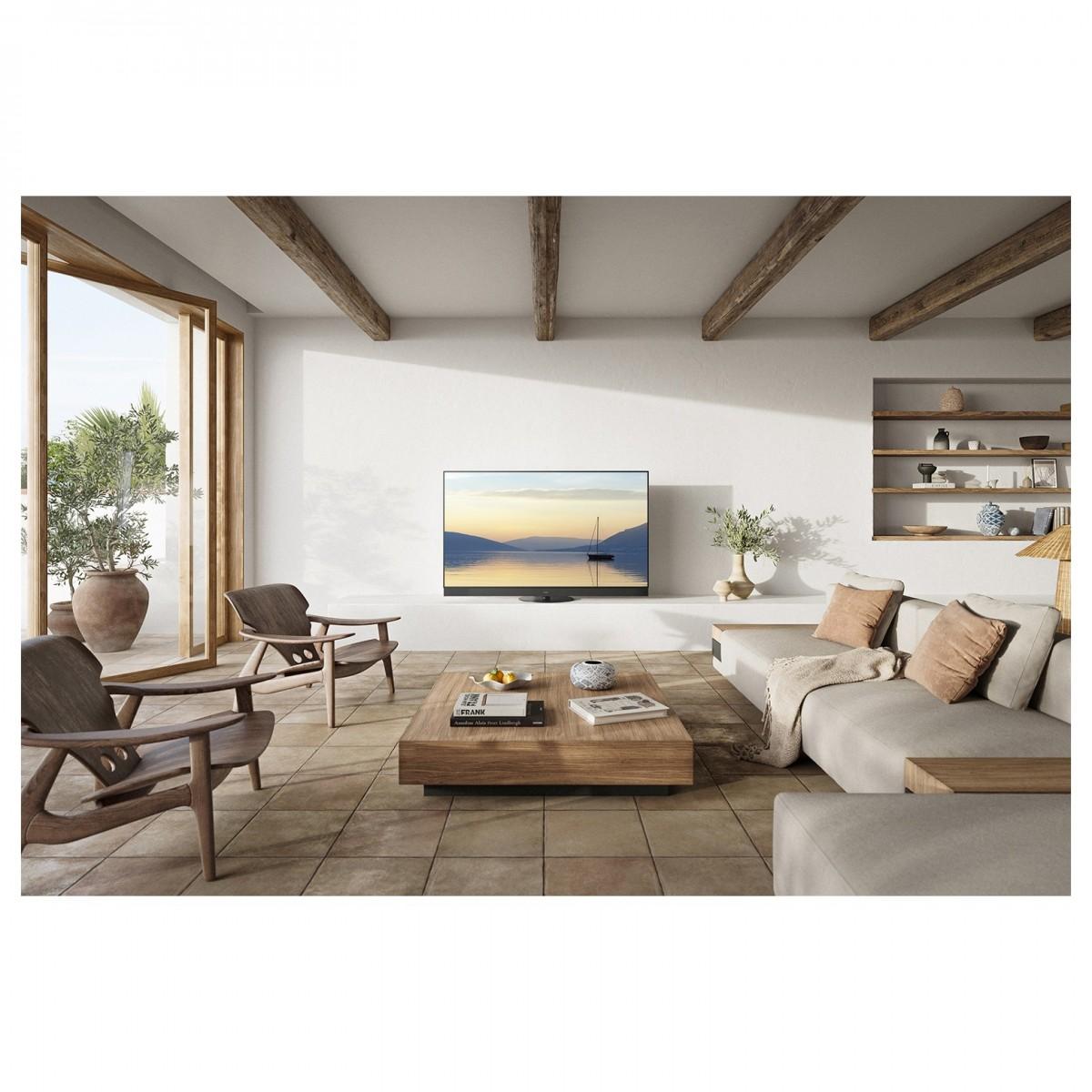
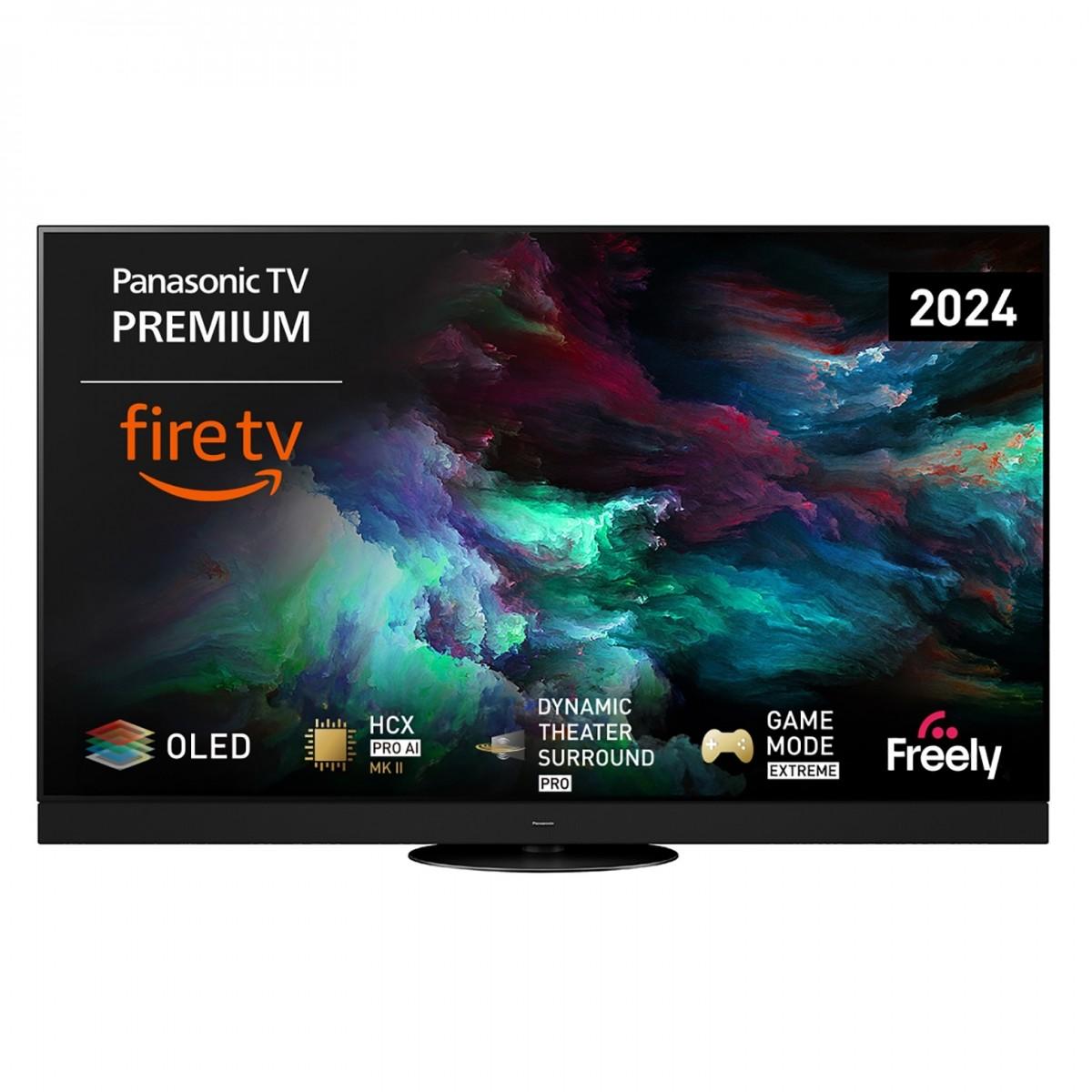
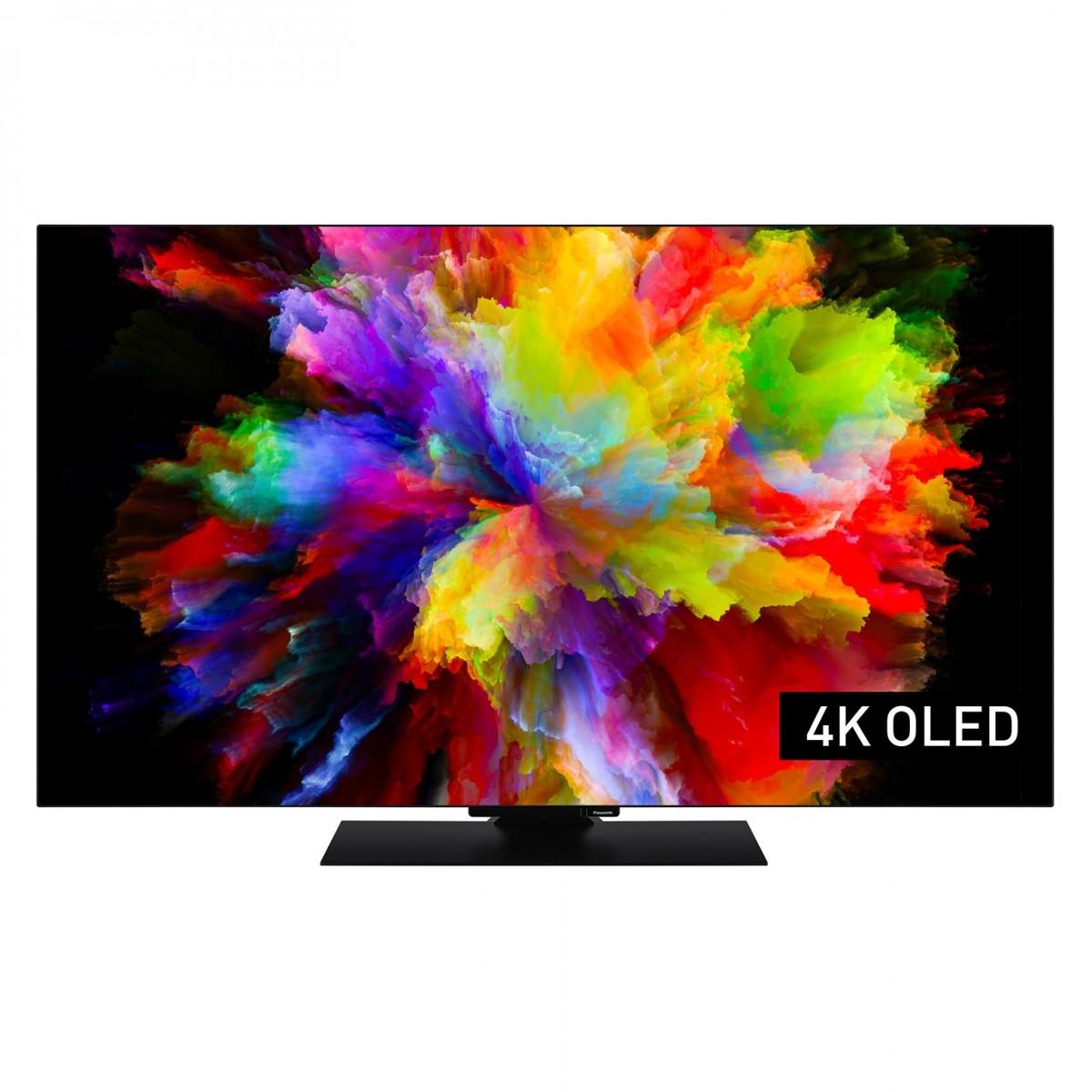
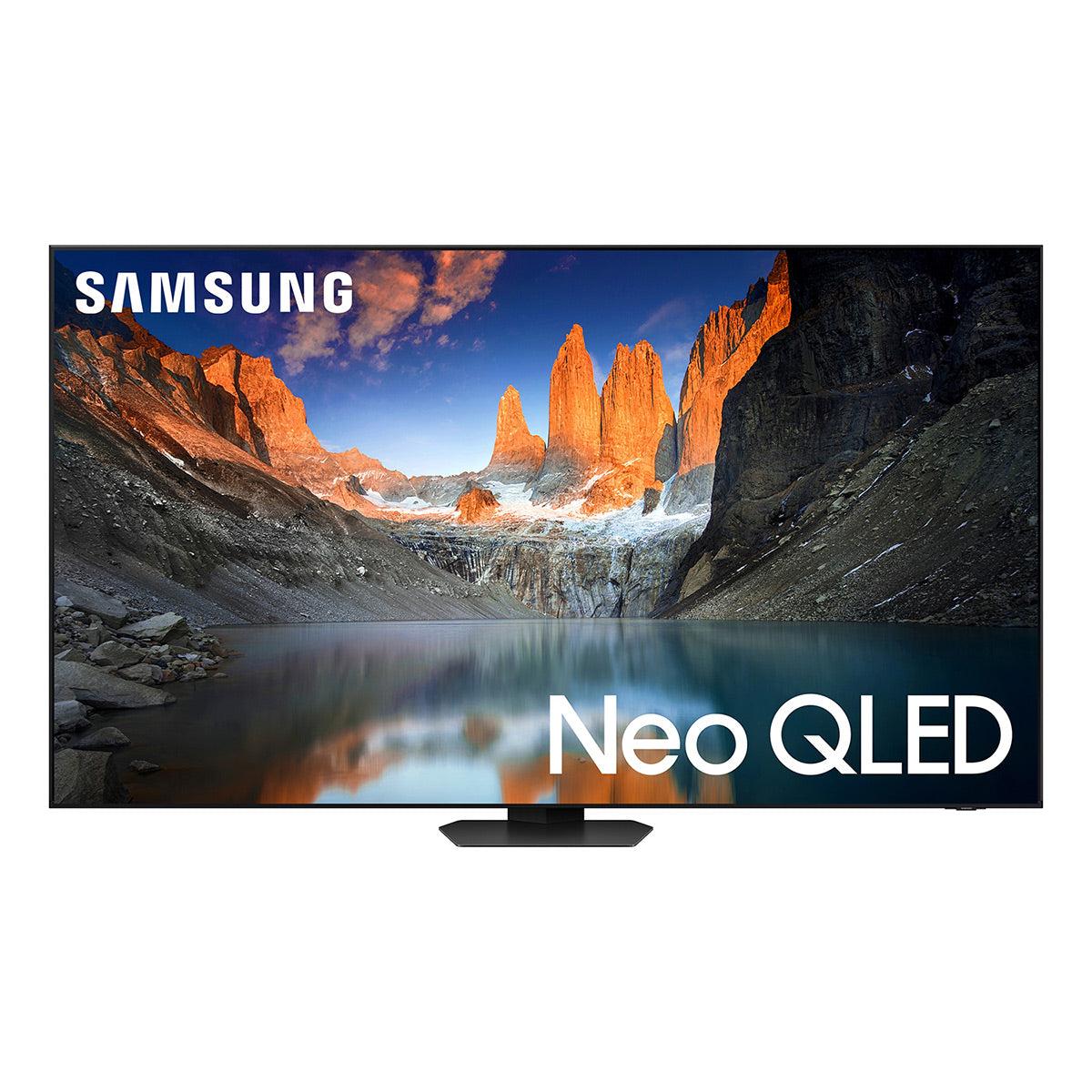
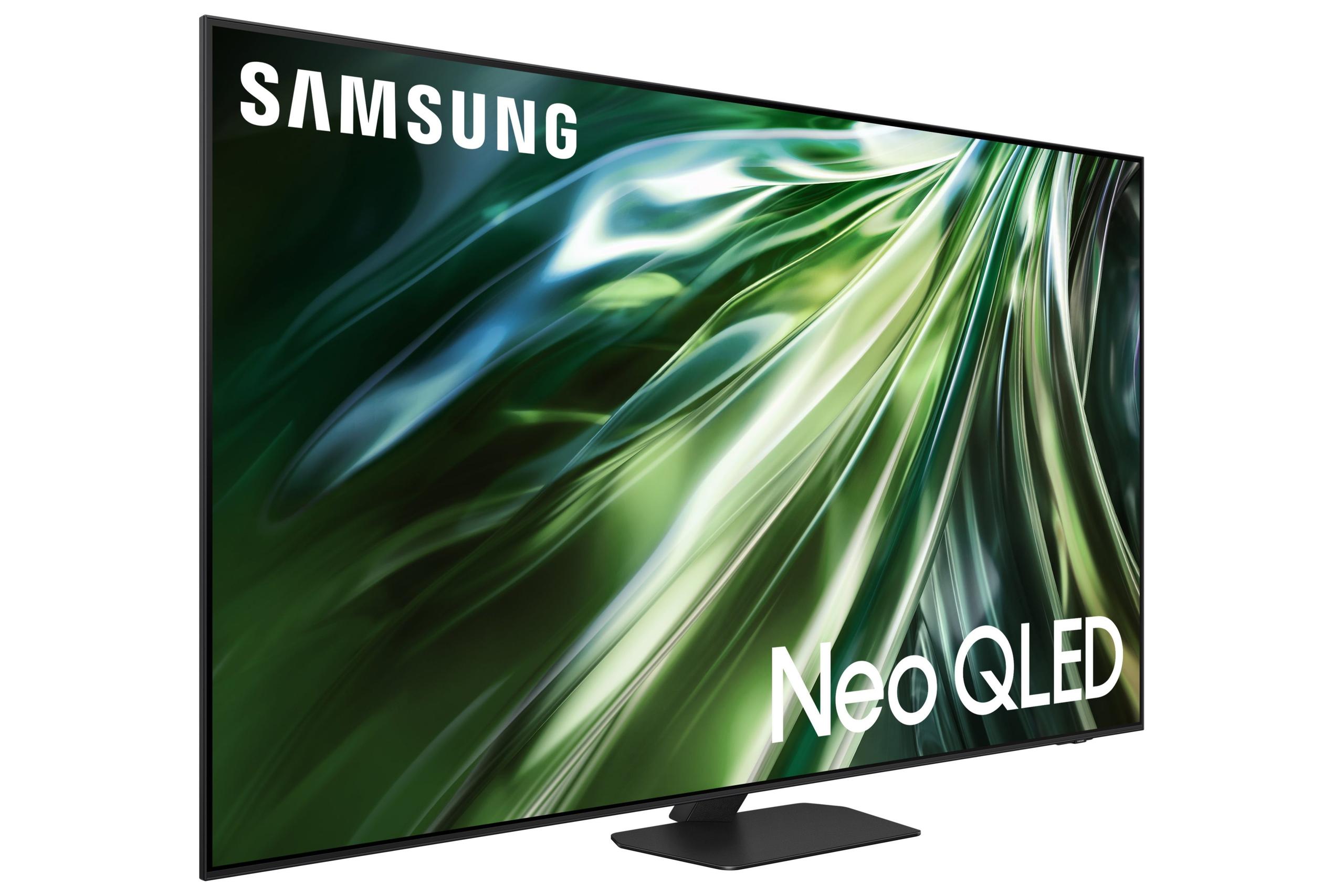
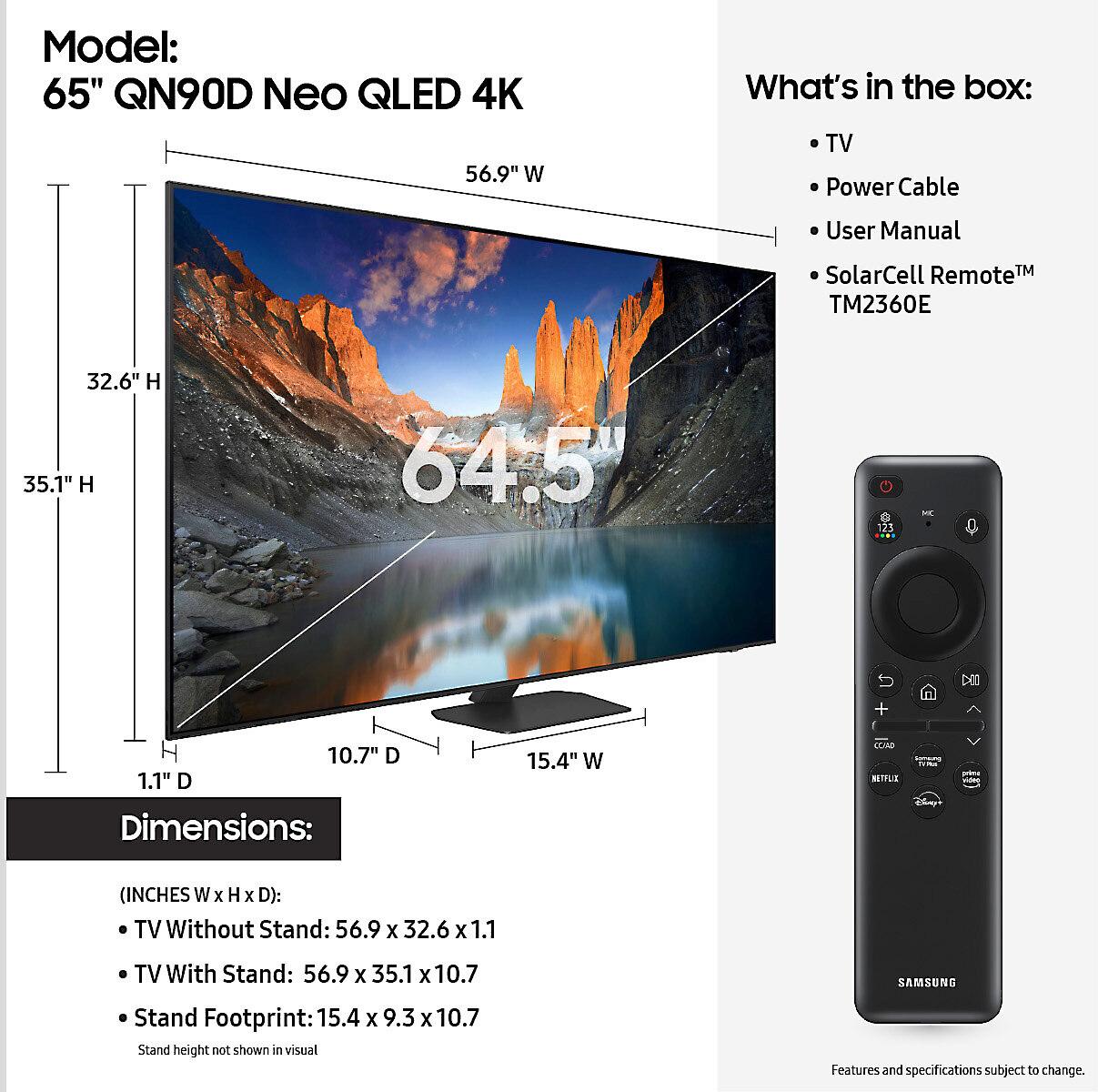
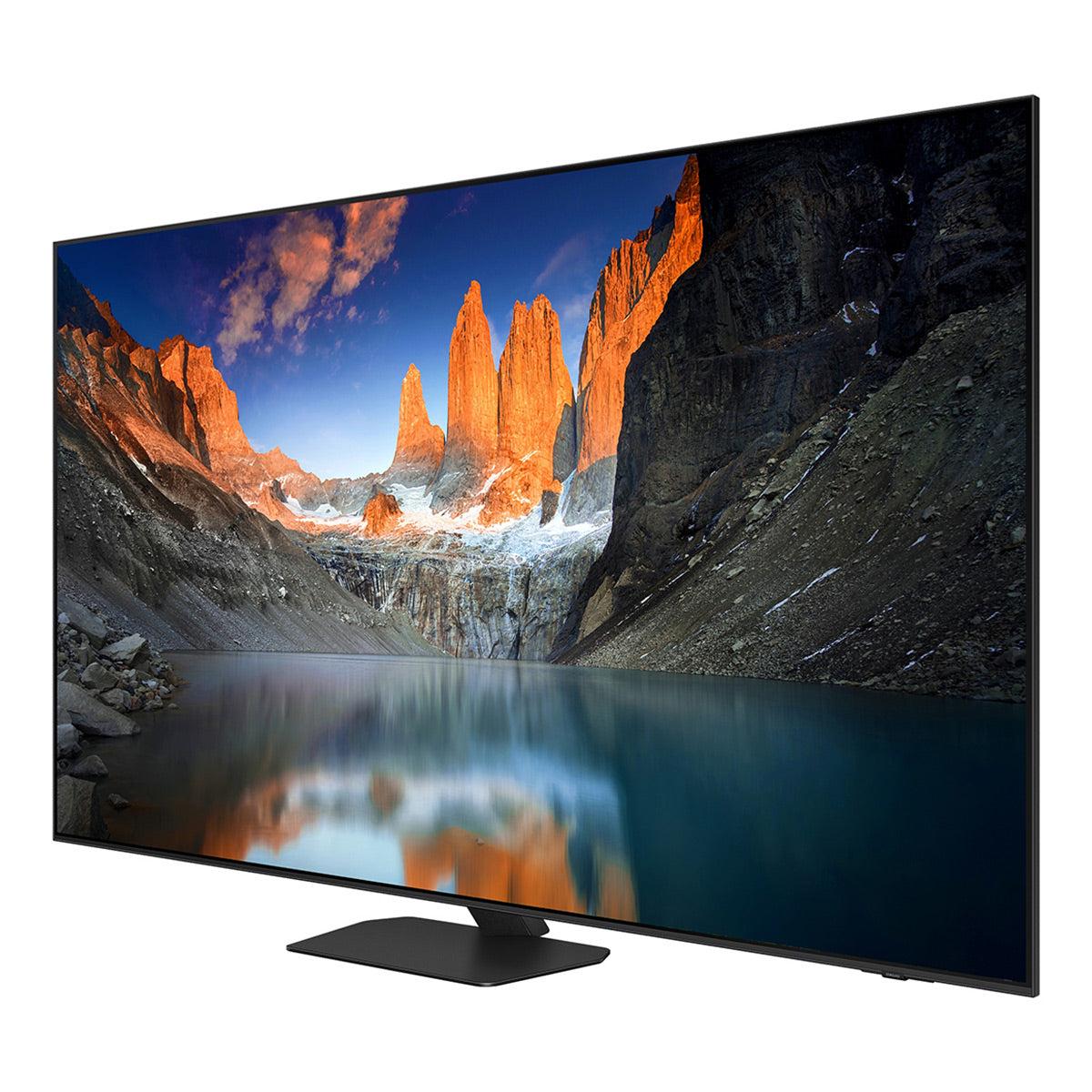
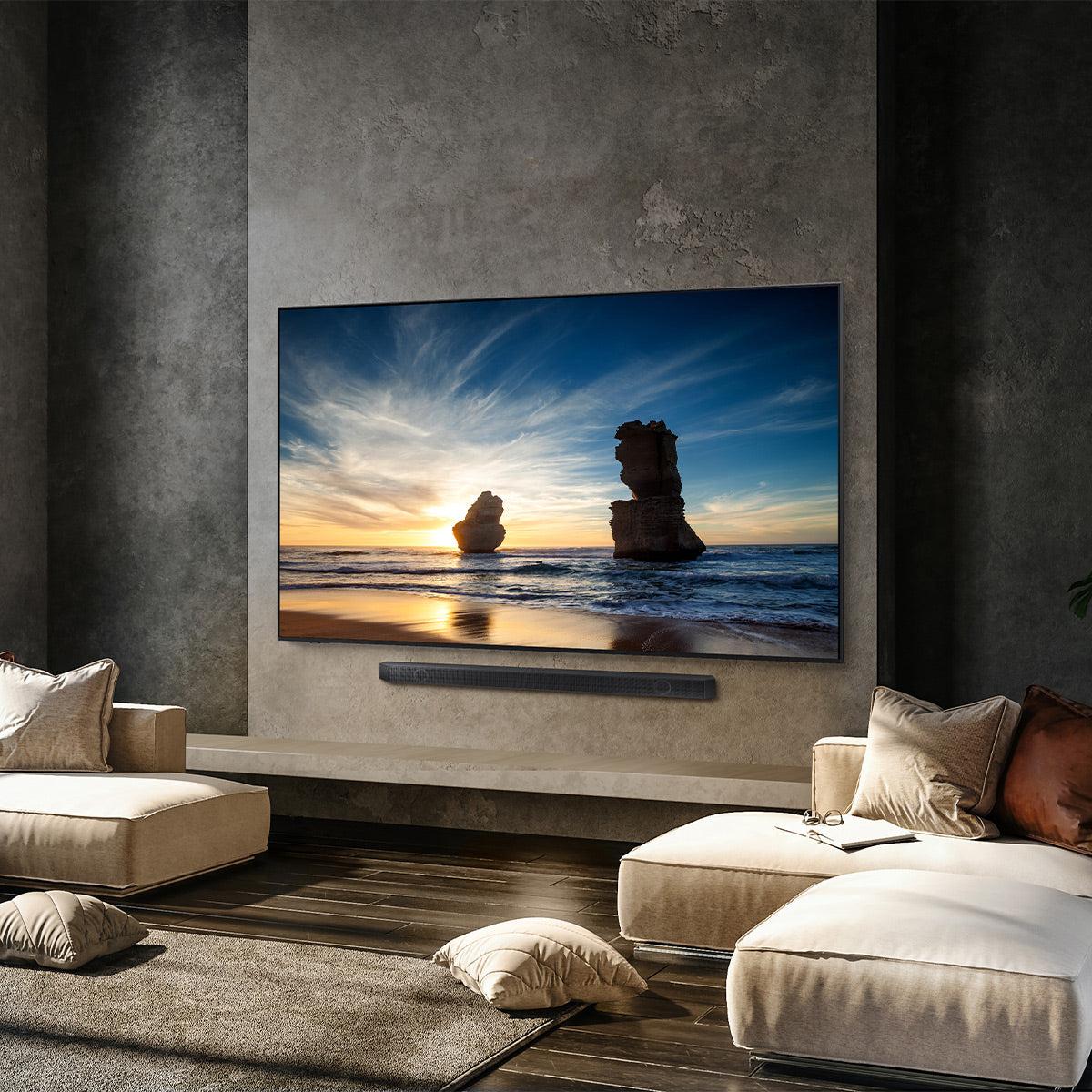
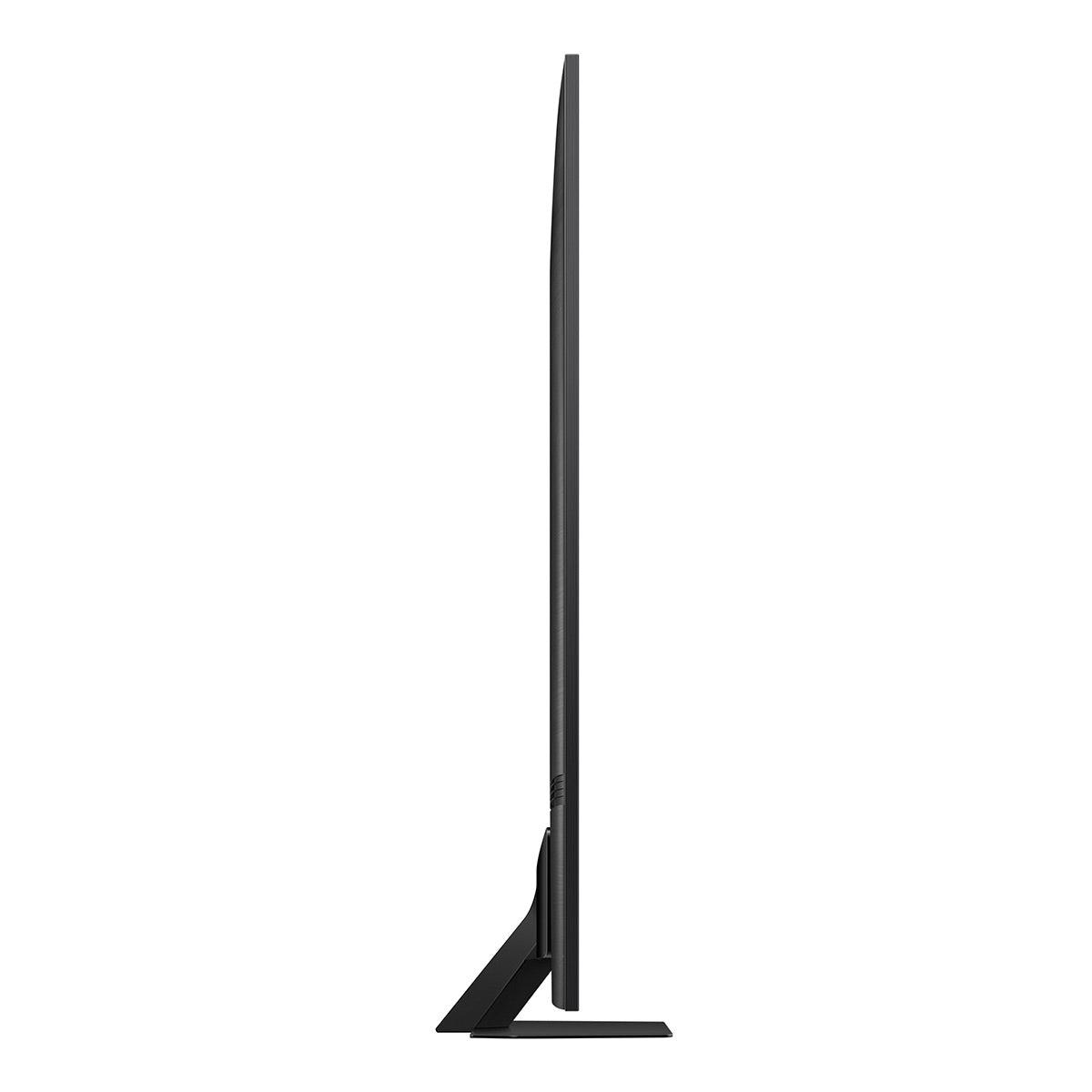
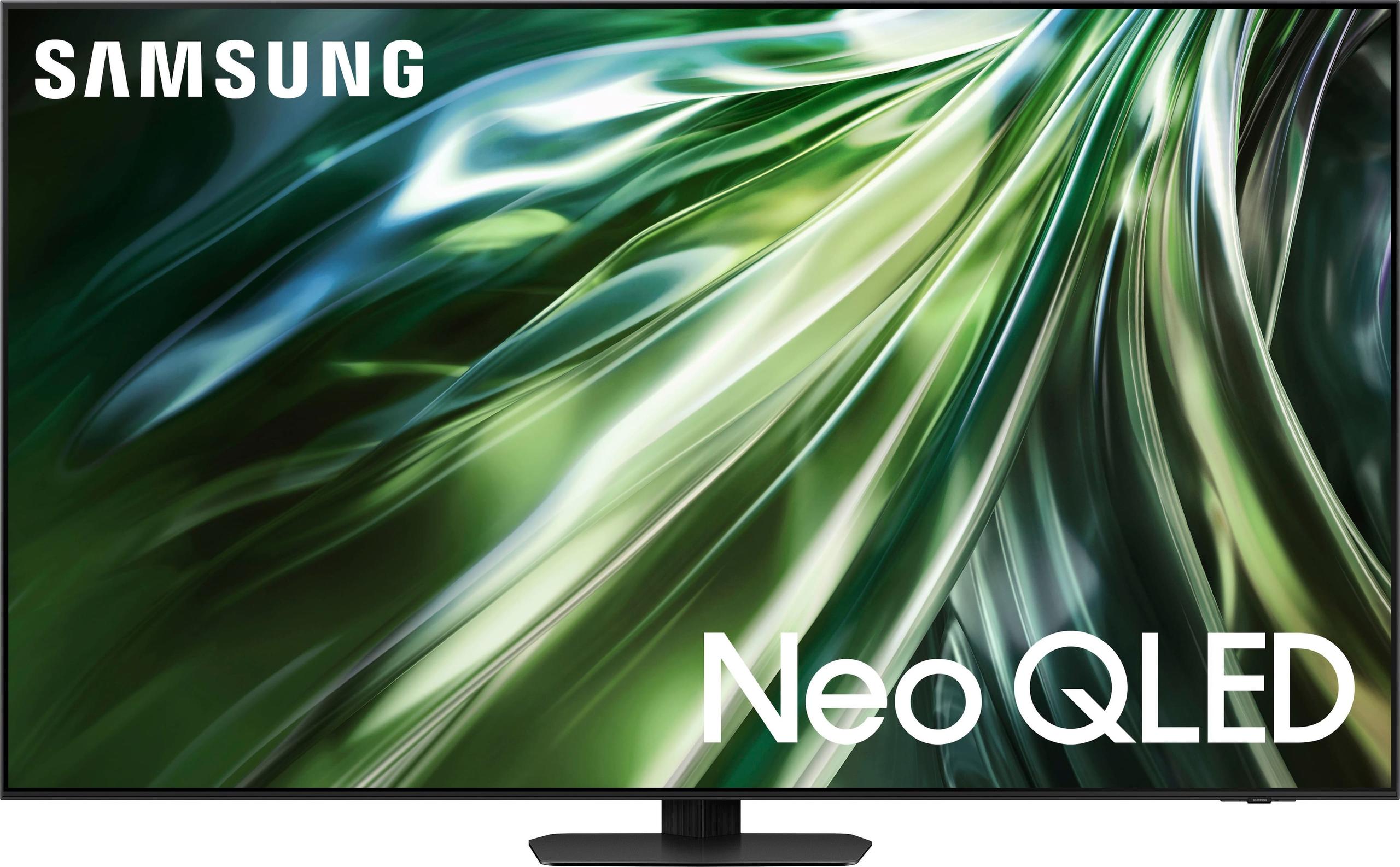

When you're shopping for a premium 65-inch TV, you'll quickly encounter two compelling but very different approaches to delivering stunning picture quality. The Panasonic Z95A OLED represents the pinnacle of organic light-emitting diode technology, while the Samsung QN90D Neo QLED showcases the best of what mini-LED backlighting can achieve. Both released in 2024, these TVs demonstrate how far display technology has advanced, but they take fundamentally different paths to reach excellence.
Understanding the core differences between OLED and Neo QLED technology is crucial because it directly impacts how these TVs will perform in your living room. OLED panels create light at the pixel level—each tiny dot can turn completely on or off independently. Neo QLED uses thousands of tiny LED backlights behind an LCD panel, with quantum dots (microscopic crystals that emit pure colors when hit by light) enhancing color reproduction.
The Panasonic Z95A leverages OLED's most significant advantage: the ability to produce perfect blacks. When an OLED pixel needs to display black, it simply turns off completely, producing zero light. This creates what engineers call "infinite contrast ratio"—the mathematical difference between the brightest whites and the darkest blacks approaches infinity since you're dividing by zero.
In practical terms, this means watching a space scene in "Interstellar" or "The Expanse" delivers an almost theater-like experience. The deep vacuum of space appears truly black, making stars and spacecraft pop with incredible dimensionality. Traditional LCD-based displays, even premium ones, emit some light even when trying to display black, creating a grayish appearance that can make dark scenes look washed out.
The Z95A incorporates Panasonic's Master OLED Ultimate panel with Micro Lens Array technology—a significant 2024 improvement that addresses OLED's traditional weakness: peak brightness. Previous OLED generations struggled to get bright enough for HDR content, especially in well-lit rooms. The Micro Lens Array uses tiny lenses over each pixel to focus light more efficiently, while improved heat management prevents the thermal throttling that limited earlier OLED brightness.
Panasonic's involvement with Hollywood colorist Stefan Sonnenfeld brings another advantage: color accuracy that matches mastering monitor standards. This means the colors you see at home closely match what directors and cinematographers intended. For serious movie enthusiasts, this accuracy is invaluable—skin tones appear natural, and the subtle color grading in films like "Blade Runner 2049" displays exactly as the filmmakers envisioned.
The Samsung QN90D takes a different approach with its Neo QLED technology, combining mini-LED backlighting with quantum dot enhancement. Mini-LEDs are roughly 1/40th the size of traditional LED backlights, allowing Samsung to pack thousands more dimming zones behind the screen. This creates much more precise local dimming—the ability to brighten or dim specific screen areas independently.
Where the Samsung truly excels is peak brightness. Our research shows the QN90D can hit over 2,000 nits in small highlight areas, with sustained full-screen brightness around 1,000+ nits. To put this in perspective, most content is mastered at 100-1,000 nits, meaning this TV can display HDR content exactly as intended, even in bright living rooms with large windows.
This brightness advantage extends beyond just technical specifications. If your TV room gets significant daylight, or if you prefer watching with lights on, the Samsung QN90D maintains punch and contrast that would be impossible with dimmer displays. Watching HDR content like "Planet Earth II" during daytime becomes genuinely impactful—those brilliant sunset scenes over African landscapes retain their drama even with ambient light competing for your attention.
Samsung's Quantum Matrix Technology manages these thousands of mini-LEDs with impressive precision. While it can't achieve OLED's perfect blacks, the blooming (light bleeding from bright objects into dark areas) is minimal and rarely distracting during normal viewing.
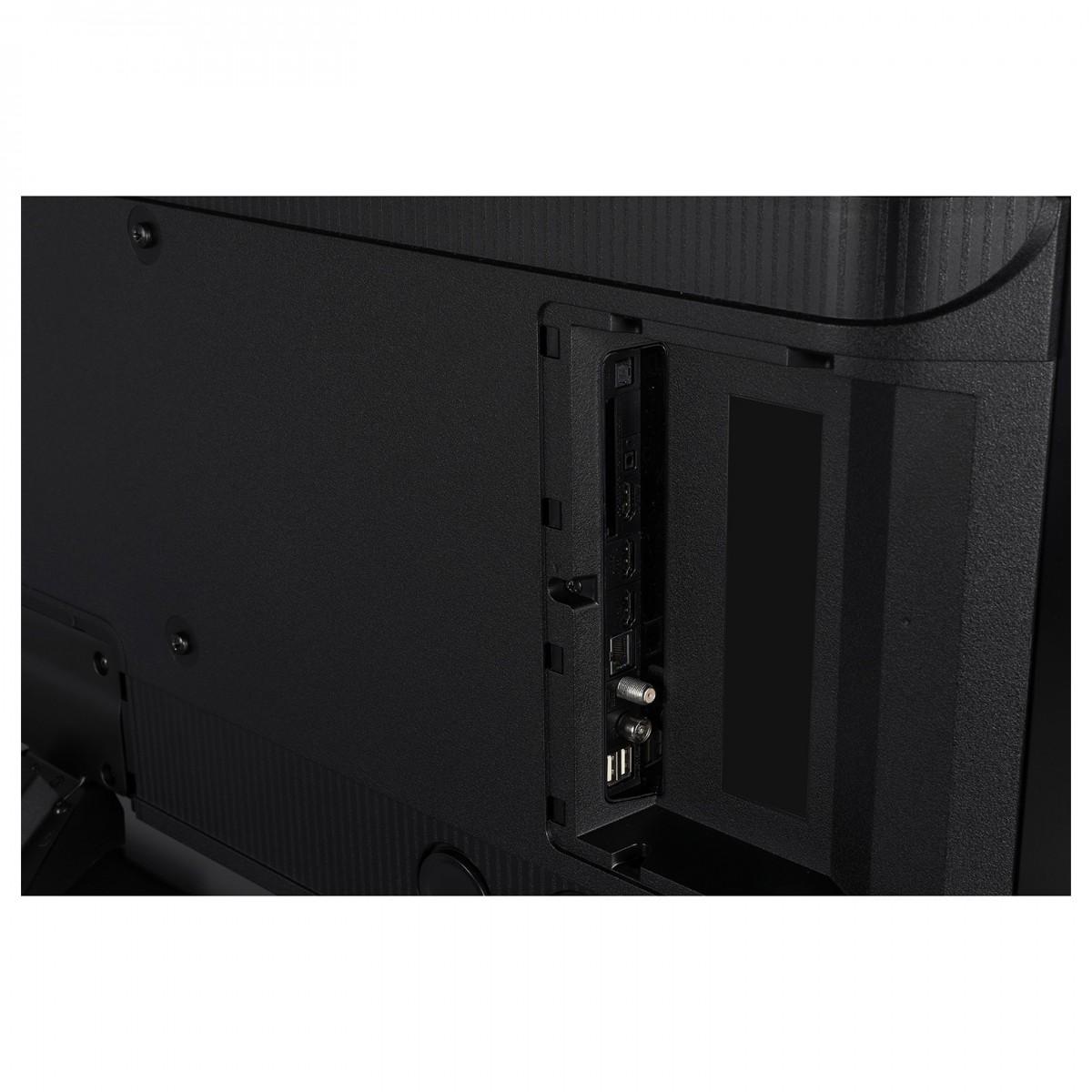
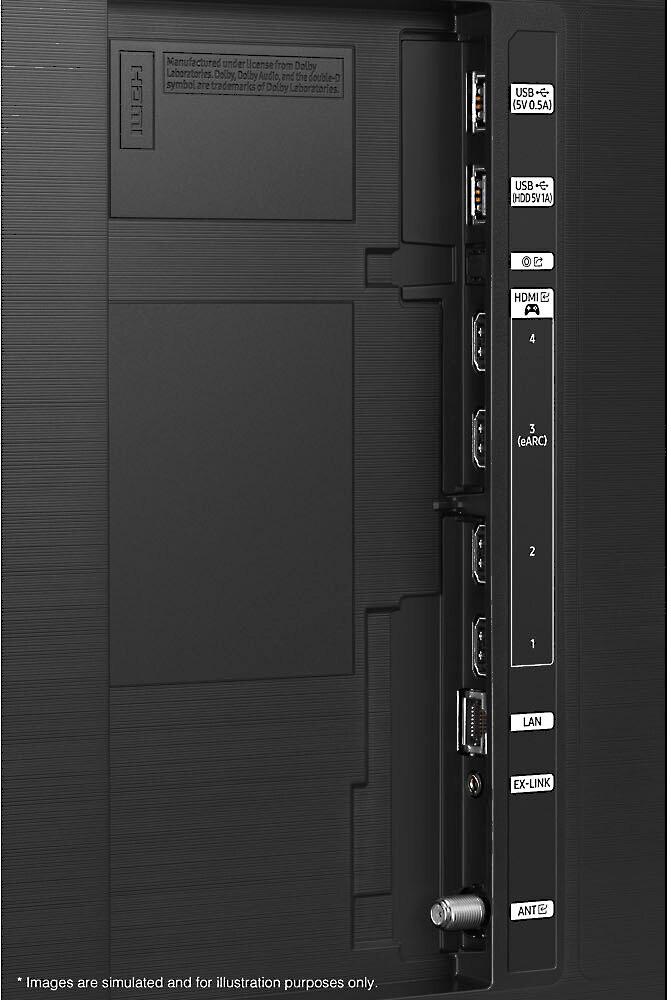
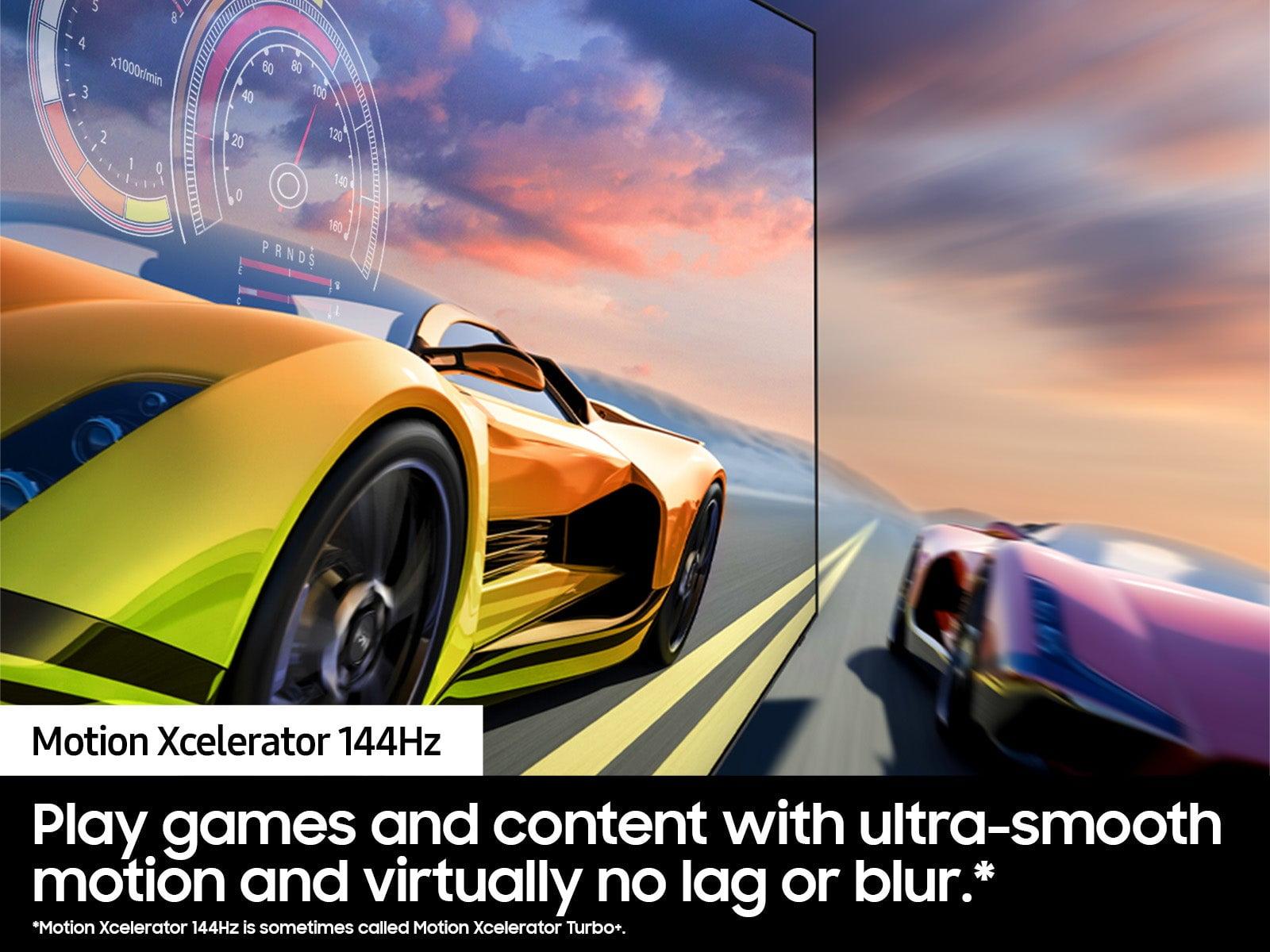
Gaming performance has become crucial for premium TVs, and both models deliver, though with different strengths. The Samsung QN90D clearly targets serious gamers with four HDMI 2.1 ports supporting 4K at 120Hz, plus up to 144Hz for PC gaming. The Gaming Hub integrates cloud gaming services directly into the TV, while Game Bar 3.0 provides real-time performance monitoring without switching inputs.
Input lag—the delay between controller input and screen response—measures just 9.7ms on the Samsung in Game mode. For competitive gaming, especially fast-paced shooters or fighting games, this responsiveness is essential. The TV also supports FreeSync Premium Pro, which eliminates screen tearing when connected to compatible graphics cards or consoles.
The Panasonic Z95A offers excellent gaming performance typical of OLED technology, with naturally low input lag and near-instantaneous pixel response times. OLED's advantage in motion clarity becomes apparent in fast-paced games—there's no motion blur from pixel transitions because OLED pixels change states almost instantaneously.
However, Samsung's gaming feature set is more comprehensive. If you're building a serious gaming setup with multiple consoles, PC, and streaming devices, the QN90D's four HDMI 2.1 ports and dedicated gaming features provide clear advantages.
Both TVs exceed typical expectations for built-in TV audio, though they take different approaches. The Samsung QN90D features a substantial 4.2.2-channel system with 60 watts total power. Object Tracking Sound+ uses multiple speakers to move audio around the screen, following action as it moves. Active Voice Amplifier Pro automatically boosts dialogue clarity when it detects background noise—useful for busy households.
The Panasonic Z95A provides Dolby Atmos support through its speaker system, creating vertical sound dimension that enhances the home theater experience. While less powerful at 20 watts, the implementation focuses on clarity and dimensional accuracy rather than pure volume.
For serious home theater setups, both TVs work best with dedicated sound systems. However, if you're relying on built-in audio, the Samsung's more powerful system handles varied content types and noisy environments better.
Smart TV platforms significantly impact daily usability, and these models use different approaches. The Panasonic Z95A runs Amazon Fire TV, providing access to virtually every streaming service with Alexa voice control integration. Fire TV's interface prioritizes content discovery, surfacing shows and movies across services based on your viewing habits.
The Samsung QN90D uses Tizen OS, Samsung's proprietary platform that's received significant updates for 2024. While not as content-focused as Fire TV, Tizen offers smooth performance and comprehensive voice assistant support—Alexa, Google Assistant, and Samsung's Bixby all work seamlessly.
Both platforms handle the essentials well: Netflix, Disney+, Prime Video, Apple TV+, and other major services run smoothly with good integration. The choice often comes down to ecosystem preference—Fire TV if you're invested in Amazon services, Tizen if you prefer flexibility across voice assistants.
At the time of writing, the Samsung QN90D offers notably better value, priced several hundred dollars below the Panasonic Z95A while delivering comparable or superior performance in many areas. This price difference reflects both the premium nature of OLED technology and Samsung's economies of scale in mini-LED production.
The Samsung's value proposition strengthens when considering its bright-room performance and gaming capabilities. For most households, these practical advantages outweigh OLED's technical perfection in controlled viewing environments.
However, the Panasonic justifies its premium pricing for specific users. If you're building a dedicated home theater with controlled lighting, or if color accuracy matters more than peak brightness, the OLED technology provides experiences that mini-LED simply cannot match.
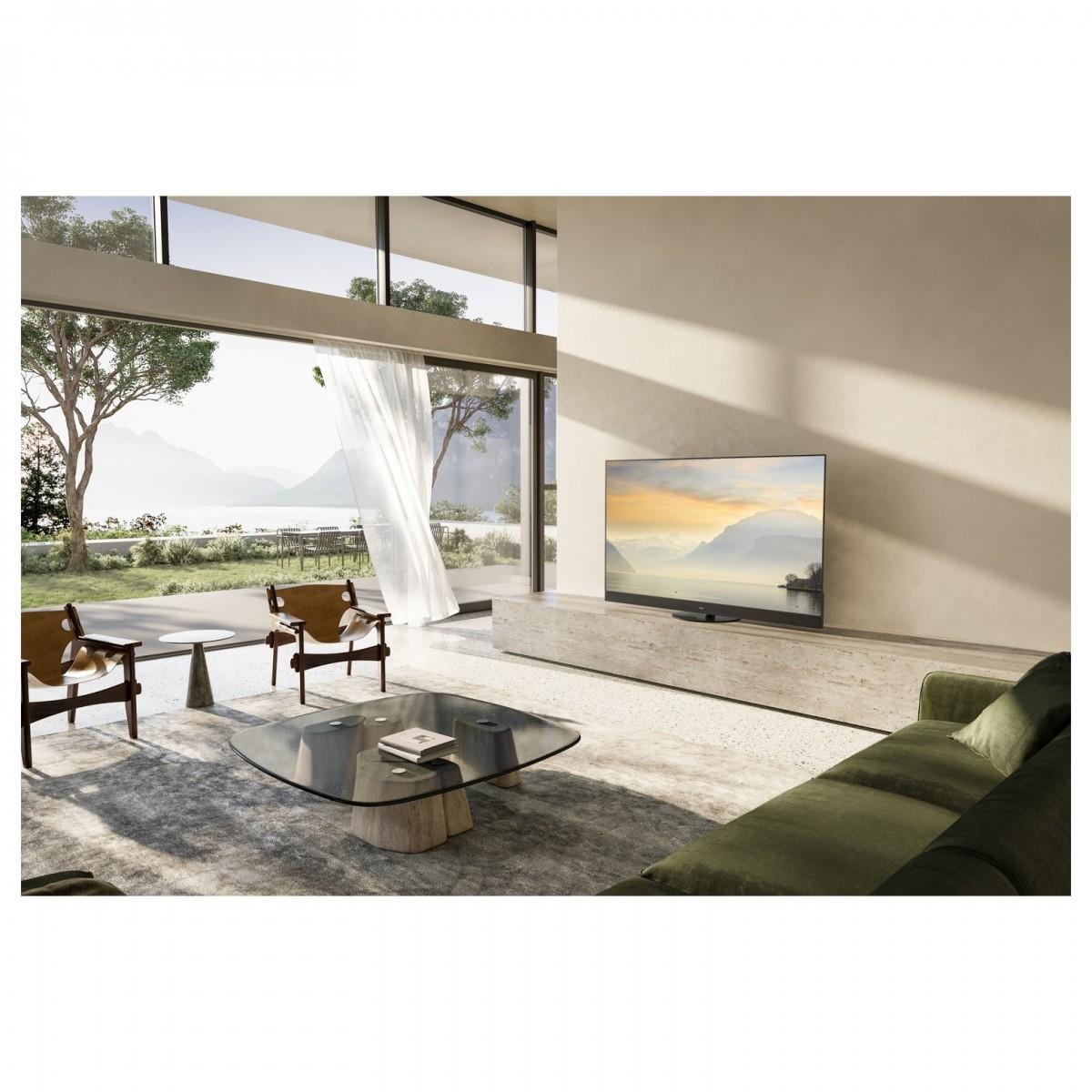
For serious home theater enthusiasts, room setup dramatically influences TV choice. The Panasonic Z95A excels in dark or dimly lit rooms where its perfect blacks and infinite contrast create the most cinematic experience possible. Watching "Dune" or "The Batman" in a darkened room reveals shadow detail and atmospheric depth that approaches what you'd experience in a premium cinema.
The TV's color accuracy becomes crucial for reference-quality viewing. When watching films shot on high-end cameras and carefully color-graded, the Z95A displays them as intended by their creators. This accuracy matters less for casual viewing but becomes invaluable for film enthusiasts who want to see movies as the director envisioned.
The Samsung QN90D serves better for multi-purpose media rooms that handle both dedicated viewing and casual use. Its brightness allows for satisfying HDR performance even with some ambient light, making it more practical for families who watch TV in various lighting conditions.
Both TVs represent significant advances over their predecessors. The 2024 OLED improvements in the Panasonic Z95A address brightness limitations that plagued earlier generations. The Micro Lens Array technology and enhanced heat management mark genuine progress in making OLED viable for brighter viewing environments.
Samsung's mini-LED technology has similarly evolved, with more precise local dimming and improved algorithms that reduce blooming while maintaining peak brightness. The QN90D's processing improvements help it handle varied content types more intelligently than previous generations.
For future-proofing, both TVs handle current and emerging standards well. HDMI 2.1 support ensures compatibility with next-generation gaming consoles and high-bandwidth content. HDR support covers current standards, though the Samsung's lack of Dolby Vision could become more limiting as content libraries expand.
The decision ultimately depends on your viewing environment, content preferences, and usage patterns. Choose the Panasonic Z95A if you primarily watch in dark or controlled lighting conditions, prioritize film and prestige television content, and want reference-quality color accuracy. It's the choice for dedicated home theater enthusiasts who value technical perfection over versatility.
The Samsung QN90D makes more sense for most households. Its superior brightness works in various lighting conditions, comprehensive gaming features appeal to modern usage patterns, and the more accessible pricing provides excellent value. It handles everything well—movies, sports, gaming, and casual viewing—making it ideal for primary living room TVs.
Neither TV is a compromise—both excel at what they're designed to do. The choice comes down to matching their strengths to your specific needs and viewing environment. Consider where and how you'll primarily use the TV, and let those factors guide your decision rather than getting caught up in technical specifications alone.
The beauty of today's premium TV market is that both approaches deliver genuinely excellent experiences. Whether you choose the perfect blacks of OLED or the brilliant brightness of Neo QLED, you'll enjoy a significant upgrade from older display technologies that brings you closer to the filmmaker's original vision.
| Panasonic Z95A 65" OLED 4K Ultra HD Smart TV | Samsung 65" QN90D Series 4K Neo QLED Smart TV |
|---|---|
| Display Technology - Fundamentally affects picture quality and performance | |
| OLED with Micro Lens Array (perfect blacks, infinite contrast) | Neo QLED with Mini-LED backlighting (high brightness, quantum dots) |
| Peak Brightness - Critical for HDR performance and bright room viewing | |
| ~800-1000 nits sustained (improved for OLED, excellent in dark rooms) | ~2000 nits peak, 1000+ sustained (exceptional for any lighting condition) |
| Black Level Performance - Most noticeable difference in dark scenes | |
| Perfect blacks (pixels turn completely off) | Near-black with minimal blooming (impressive for LCD technology) |
| Color Accuracy - Important for movies and professional content | |
| Hollywood-grade accuracy with colorist Stefan Sonnenfeld involvement | Vibrant, punchy colors optimized for consumer appeal |
| Gaming Features - Essential for serious gamers | |
| Standard OLED gaming with low input lag | 4x HDMI 2.1 ports, 144Hz PC support, Gaming Hub, Game Bar 3.0 |
| HDR Support - Affects compatibility with streaming content | |
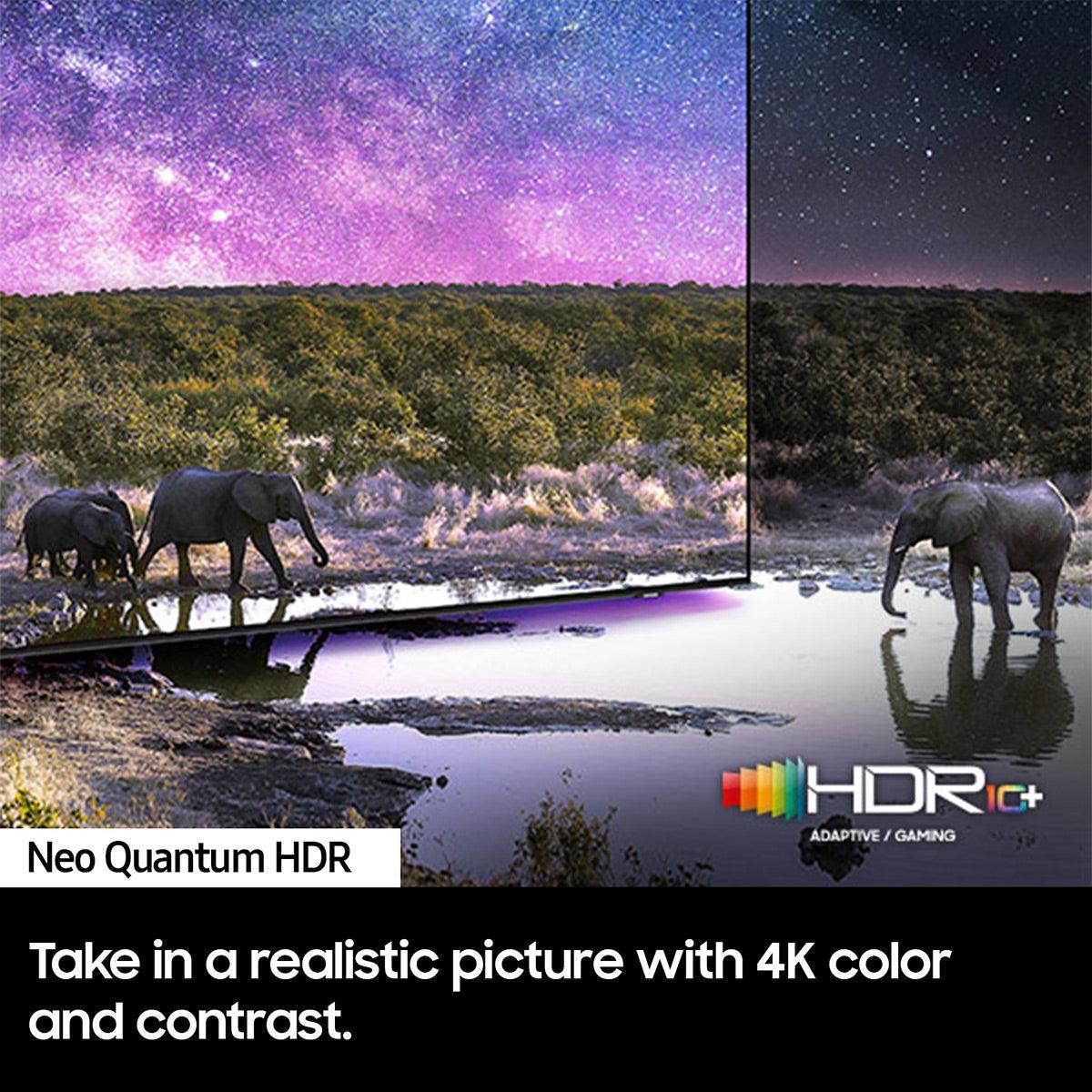
| HDR10, HDR10+, Dolby Vision, HLG (full support) | HDR10, HDR10+, HLG (missing Dolby Vision support) |
| Smart TV Platform - Daily usability and app selection | |
| Amazon Fire TV built-in with Alexa integration | Samsung Tizen OS with multi-assistant support (Alexa, Google, Bixby) |
| Built-in Audio - Matters if not using external sound system | |
| 20W Dolby Atmos support (adequate for most users) | 60W 4.2.2-channel with Object Tracking Sound+ (significantly more powerful) |
| Viewing Angles - Important for larger rooms or off-center seating | |
| Perfect from any angle (OLED advantage) | Good wide angles for LCD, some color shift at extremes |
| Burn-in Risk - Long-term durability consideration | |
| Minimal risk with modern OLED panels and usage patterns | No burn-in concerns with LCD technology |
| Room Suitability - Where each TV performs best | |
| Ideal for dark/controlled lighting home theater setups | Excellent for bright rooms and varied lighting conditions |
| Best Use Cases - Who should choose each TV | |
| Movie enthusiasts, home theater purists, color accuracy priority | Gamers, bright room viewing, all-around family use, better value |
The Samsung QN90D Neo QLED is significantly better for bright rooms. It delivers over 2,000 nits peak brightness compared to the Panasonic Z95A OLED's ~800-1000 nits. This means the Samsung maintains vibrant colors and strong contrast even with windows open or lights on, while the Panasonic performs best in darker, controlled lighting conditions.
OLED technology in the Panasonic Z95A uses pixels that can turn completely on or off individually, creating perfect blacks and infinite contrast. Neo QLED in the Samsung QN90D uses thousands of tiny LED backlights behind an LCD panel with quantum dots, delivering exceptional brightness but cannot achieve true black levels like OLED can.
The Samsung QN90D Neo QLED is better for gaming. It offers four HDMI 2.1 ports with 4K at 120Hz support, up to 144Hz for PC gaming, Gaming Hub integration, and comprehensive gaming features like Game Bar 3.0. While the Panasonic Z95A OLED has excellent gaming performance, it lacks the extensive gaming-focused features of the Samsung.
No. The Panasonic Z95A OLED supports all major HDR formats including Dolby Vision, HDR10, HDR10+, and HLG. However, the Samsung QN90D Neo QLED only supports HDR10, HDR10+, and HLG—it does not support Dolby Vision, which is a notable omission for a premium TV.
The Panasonic Z95A OLED has superior color accuracy, developed with involvement from Hollywood colorist Stefan Sonnenfeld to match mastering monitor standards. This makes it ideal for serious movie viewing. The Samsung QN90D Neo QLED produces more vibrant, punchy colors that appeal to casual viewers but aren't as reference-accurate.
The Samsung QN90D Neo QLED has significantly more powerful built-in audio with a 60W 4.2.2-channel system featuring Object Tracking Sound+ and Active Voice Amplifier Pro. The Panasonic Z95A OLED offers 20W output with Dolby Atmos support, which is adequate but less powerful than the Samsung's audio system.
The Panasonic Z95A OLED is ideal for dedicated home theaters with controlled lighting. Its perfect blacks, infinite contrast, and Hollywood-grade color accuracy create the most cinematic experience possible in dark rooms. The Samsung QN90D Neo QLED is better for multi-purpose rooms that need to handle both dedicated viewing and casual use.
The Panasonic Z95A OLED maintains perfect picture quality from any viewing angle due to OLED technology's inherent wide viewing characteristics. The Samsung QN90D Neo QLED offers good viewing angles for LCD technology but experiences some color and contrast shifts when viewed from extreme side angles.
The Samsung QN90D Neo QLED typically offers better value, priced several hundred dollars below the Panasonic Z95A OLED while delivering superior brightness and gaming features. However, the Panasonic justifies its premium pricing with perfect blacks and reference-quality color accuracy for dedicated home theater enthusiasts.
The Panasonic Z95A OLED has minimal burn-in risk with modern OLED technology and typical usage patterns, but the possibility exists with static content displayed for extended periods. The Samsung QN90D Neo QLED has no burn-in concerns since it uses LCD technology, making it worry-free for varied content types and usage patterns.
The Panasonic Z95A OLED uses Amazon Fire TV built-in, offering excellent content discovery and Alexa integration with access to virtually every streaming service. The Samsung QN90D Neo QLED runs Tizen OS, providing smooth performance and support for multiple voice assistants (Alexa, Google Assistant, and Bixby). Both handle major streaming services well, so the choice depends on ecosystem preference.
The Samsung QN90D Neo QLED is better for mixed lighting conditions due to its exceptional peak brightness that cuts through ambient light while maintaining picture quality. The Panasonic Z95A OLED performs best in consistent, darker lighting conditions where its perfect blacks and contrast can be fully appreciated without competing with room lighting.
We've done our best to create useful and informative comparisons to help you decide what product to buy. Our research uses advanced automated methods to create this comparison and perfection is not possible - please contact us for corrections or questions. These are the sites we've researched in the creation of this article: youtube.com - youtube.com - whathifi.com - tomsguide.com - shop.panasonic.com - store.in.panasonic.com - rtings.com - applianceplus.co.nz - rtings.com - store.in.panasonic.com - samsung.com - tomsguide.com - abt.com - youtube.com - youtube.com - rtings.com - samsung.com - samsung.com - standardtvandappliance.com - gerhardsappliance.com - bestbuy.com - image-us.samsung.com - youtube.com - images.samsung.com

Privacy Policy
Terms and Conditions - Affiliate Policy
Home Security
© Copyright 2008-2026.
11816 Inwood Rd #1211, Dallas, TX 75244