



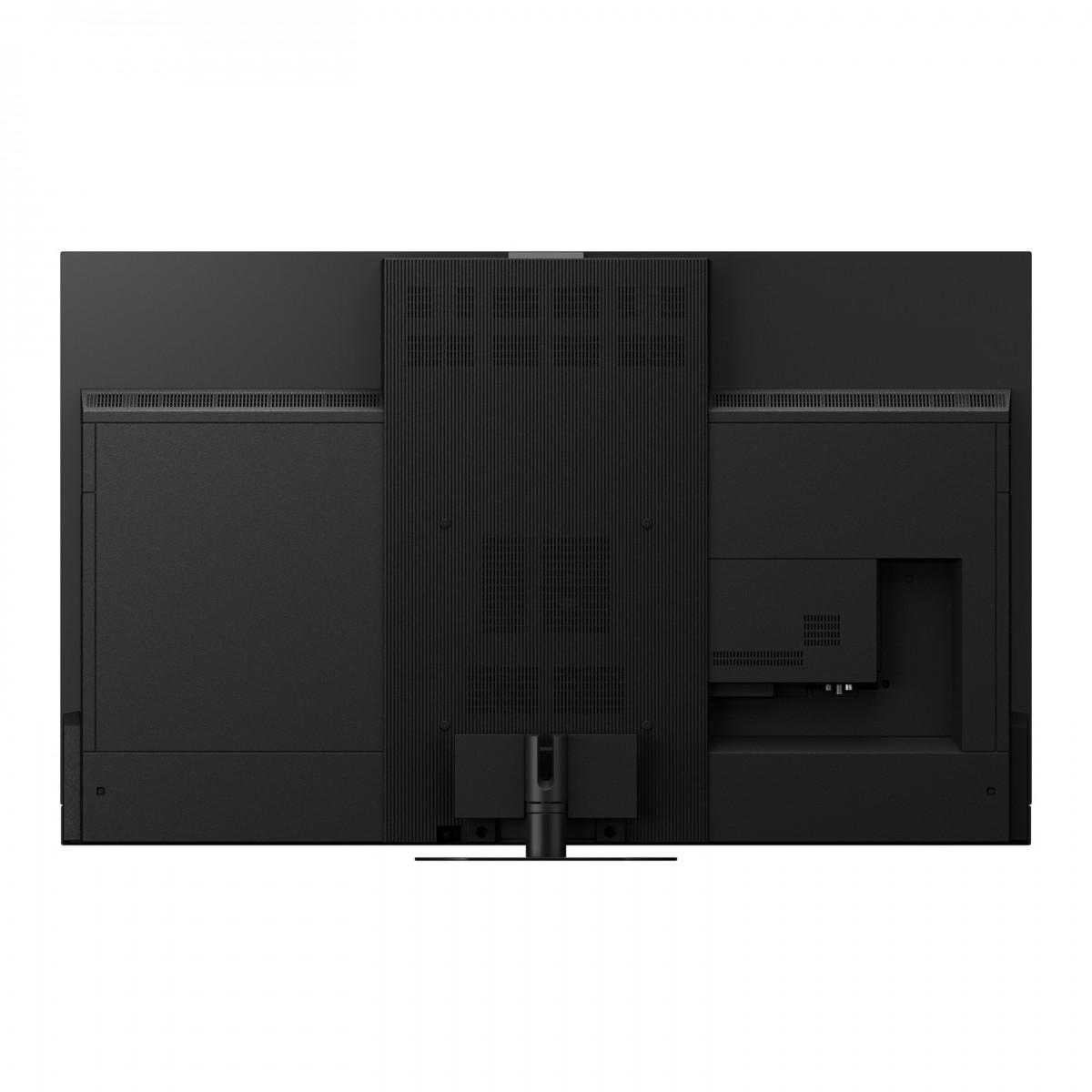
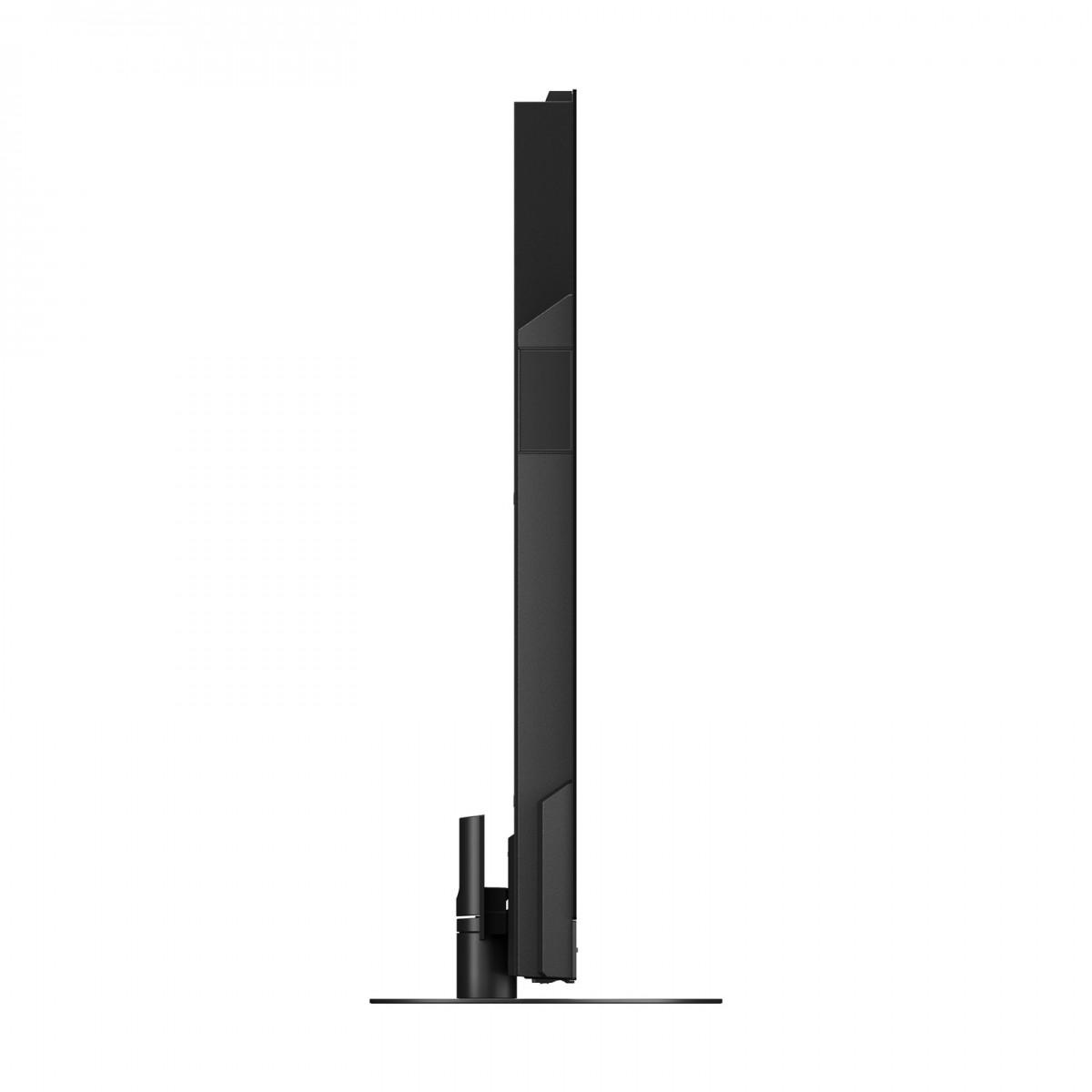
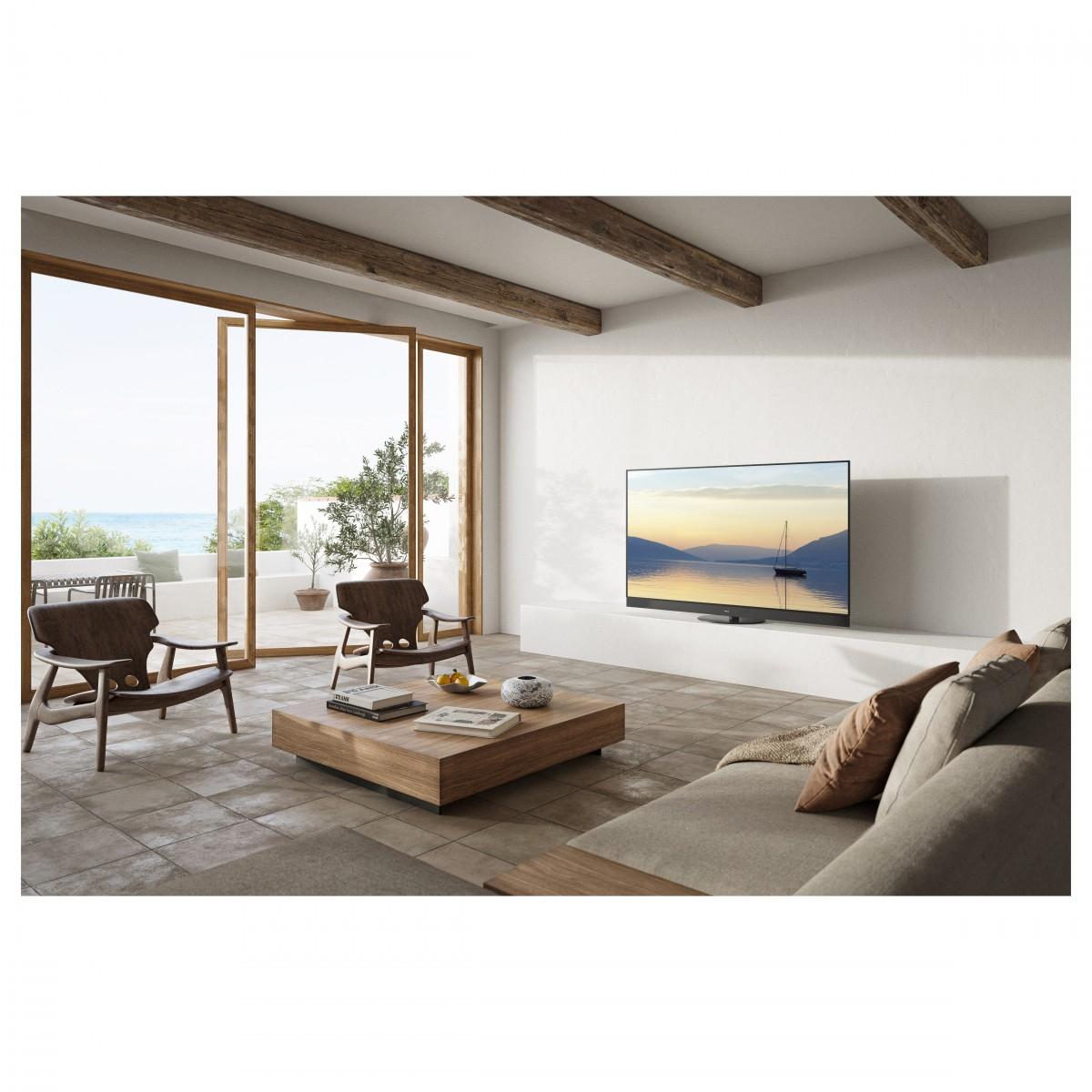
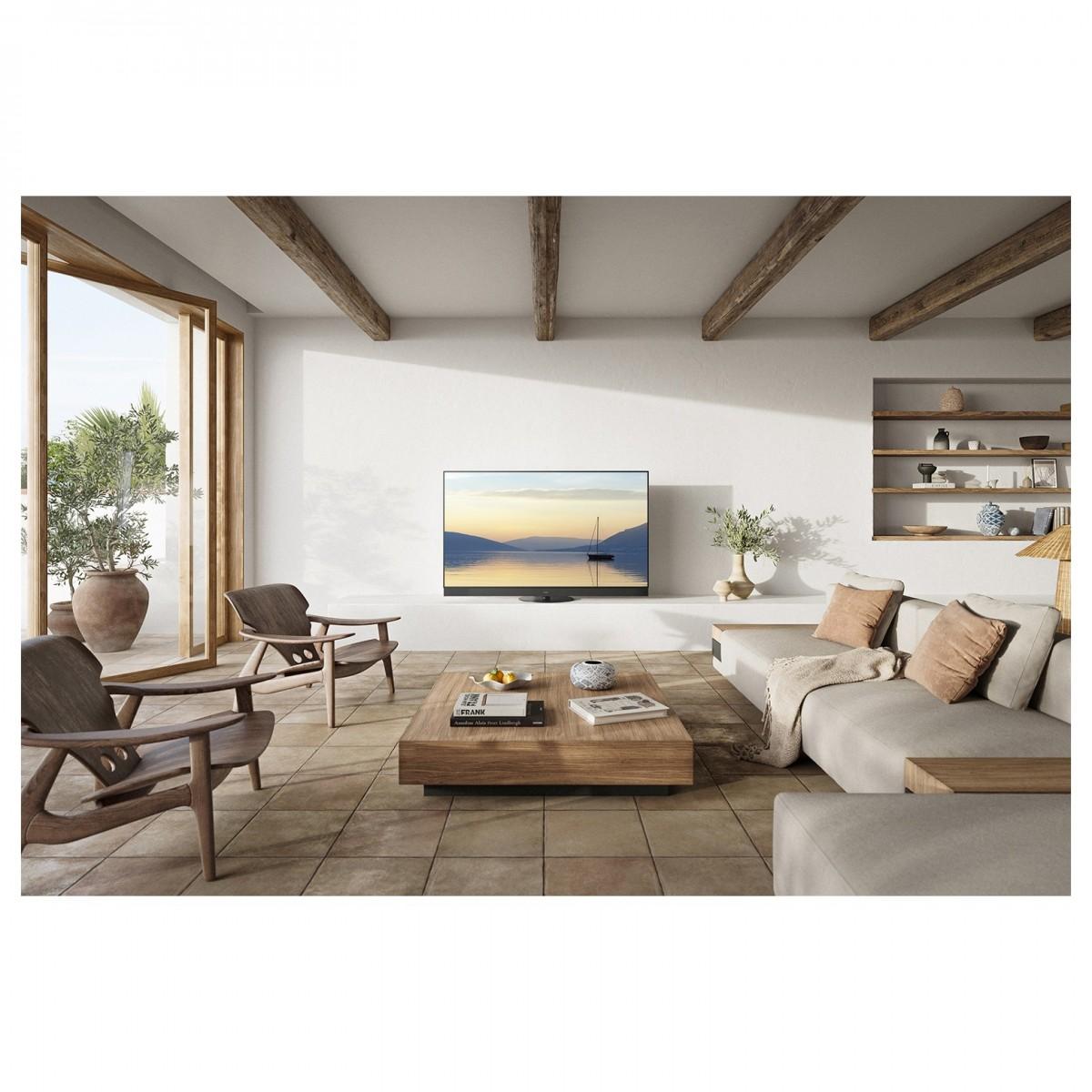
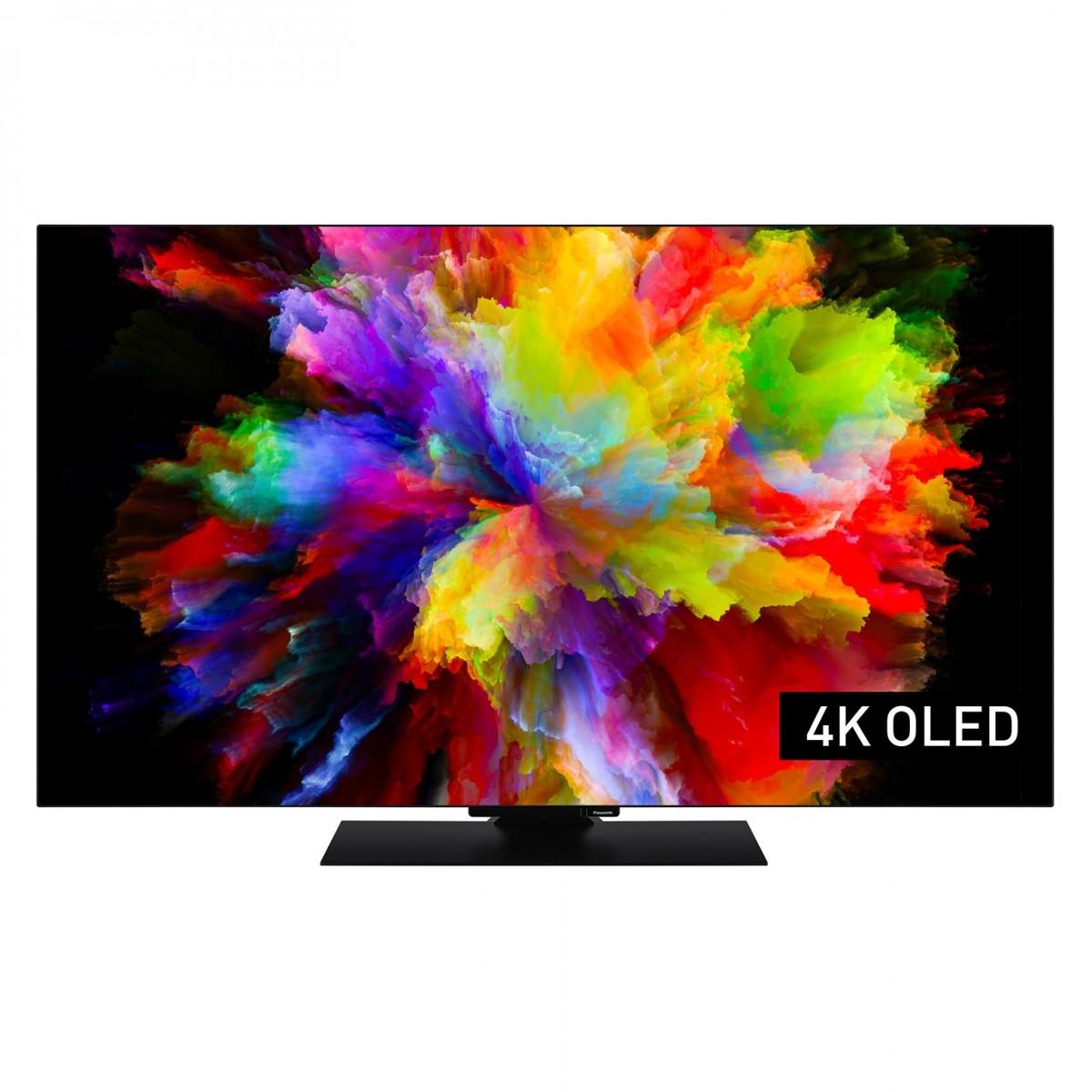
When you're shopping for a premium OLED TV, you're looking at the best display technology available for home use today. OLED panels create images by lighting up individual pixels, which means they can turn completely off to create perfect blacks - something no LCD or LED TV can match. This creates an infinite contrast ratio, where the brightest whites and darkest blacks can sit right next to each other without any light bleeding between them.
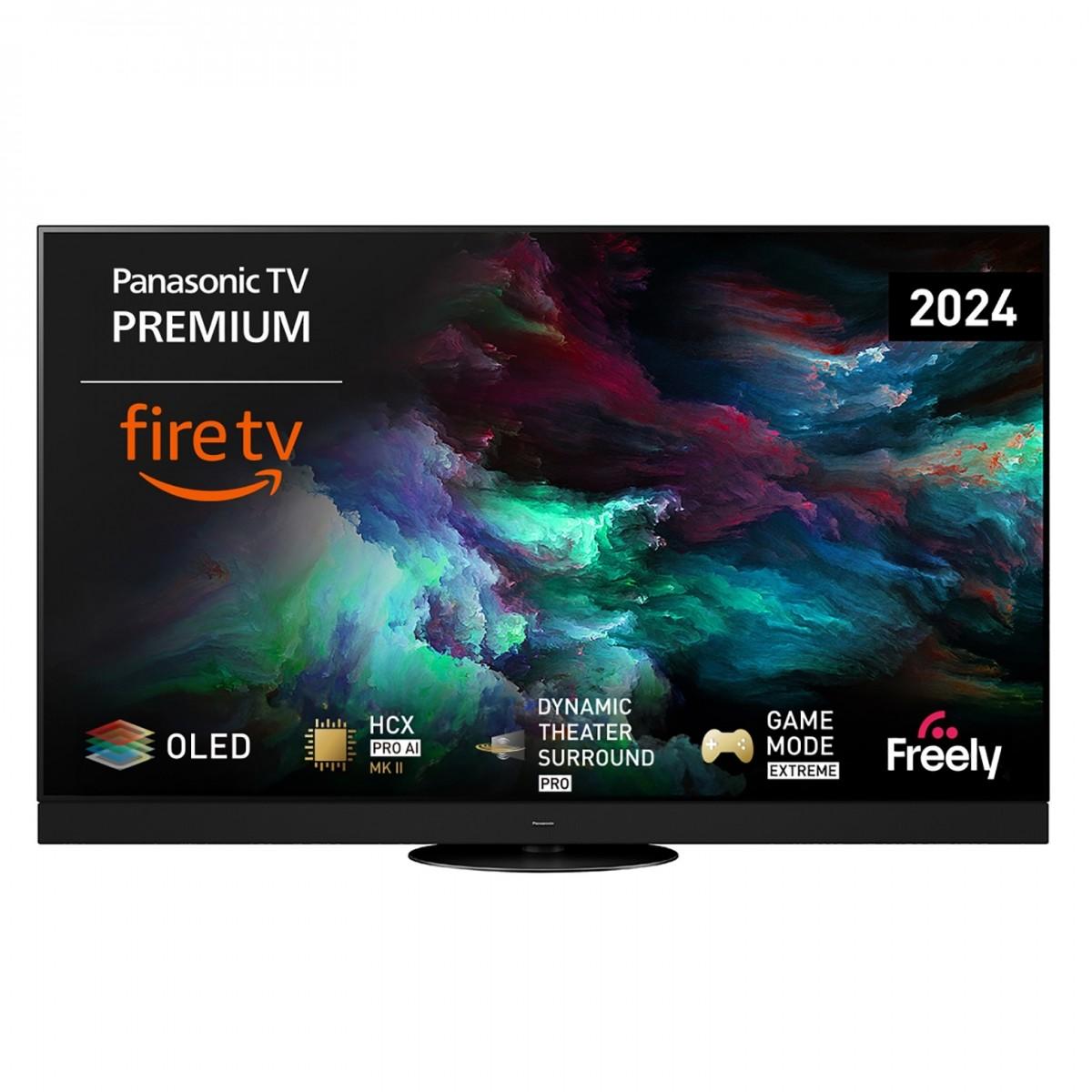
The Panasonic Z95B (released in 2025) and Z95A (from 2024) represent Panasonic's flagship OLED offerings, but they're more different than you might expect from consecutive model years. The newer Z95B isn't just a minor refresh - it features fundamentally different panel technology that changes how the TV produces colors and brightness. Meanwhile, the Z95A has seen significant price drops since its launch, making this comparison particularly interesting for anyone looking at premium OLED displays.
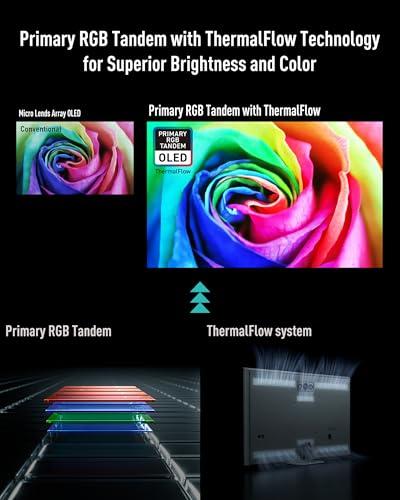
Here's where things get really interesting. The Z95A uses what's called a WOLED (White OLED) panel with Micro Lens Array technology. This is the traditional OLED approach where the panel creates white light and then uses color filters to produce red, green, and blue. It works well, but those color filters inherently limit how pure and vibrant the colors can be.
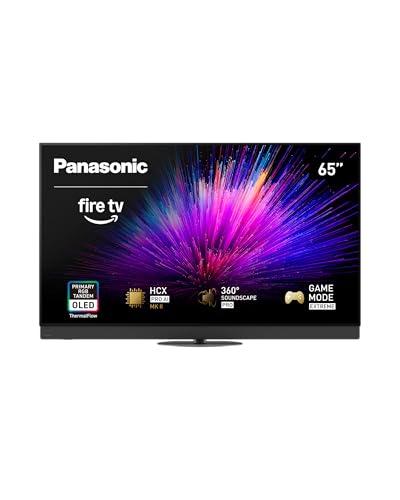
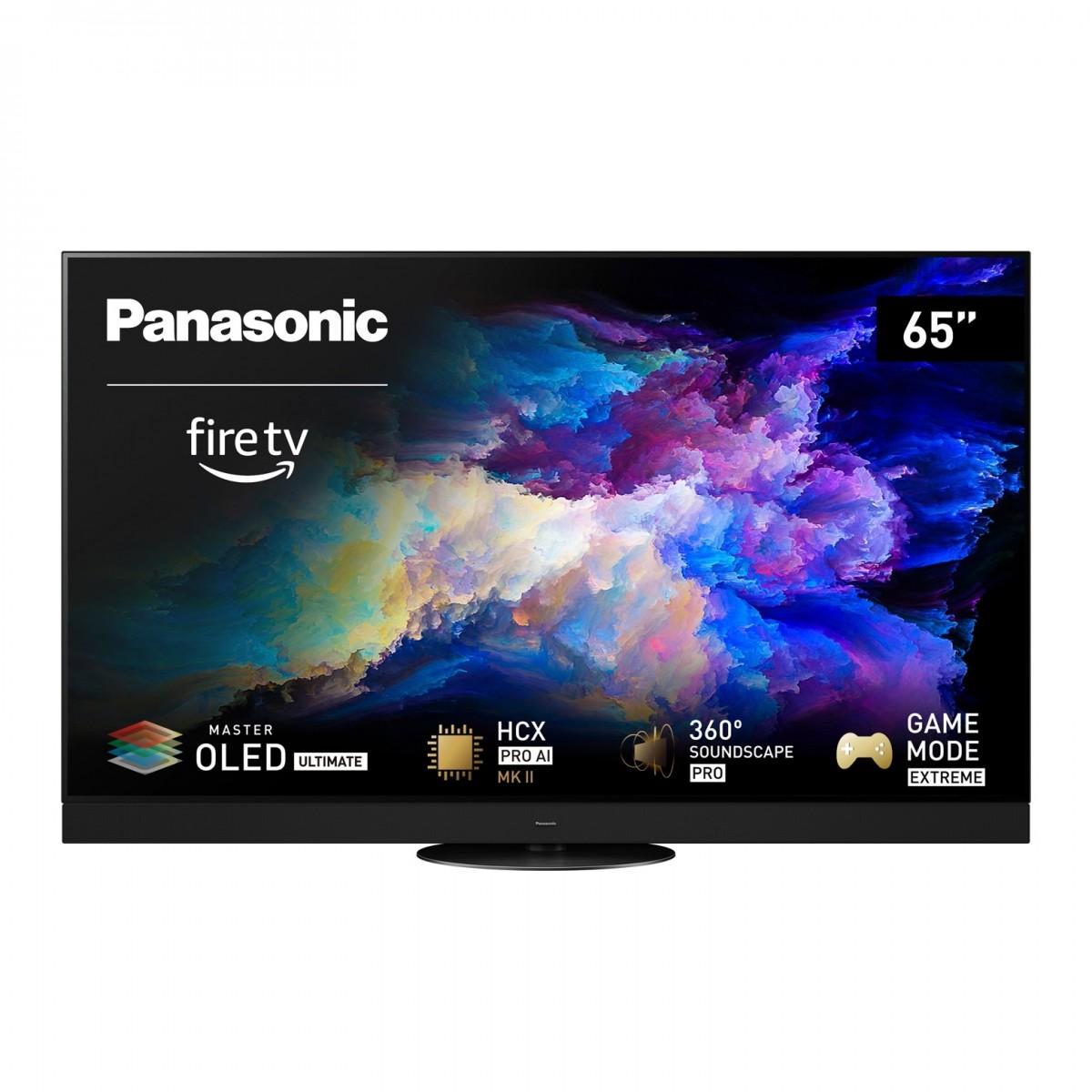
The Z95B, however, uses something called a Primary RGB Tandem OLED panel - the same advanced panel technology found in LG's flagship G5 OLED. This is a four-layer emission structure that produces colors more directly, without relying as heavily on filtering white light. Panasonic claims this increases light efficiency by about 40% and delivers much better color separation.
What does this mean in practice? Colors look more vibrant and punchy on the Z95B. When you're watching something like a nature documentary or a Marvel movie, reds appear more red, blues more blue, and greens more green. The panel can also get brighter overall, which helps with HDR (High Dynamic Range) content - those are the movies and shows that have been specially mastered to show a wider range of brightness levels.
This isn't just marketing speak. Based on expert reviews and user feedback, the difference in color vibrancy between these models is immediately noticeable. The Z95B simply delivers a more impactful visual experience, especially with modern streaming content that takes advantage of wide color gamuts.
Both TVs use Panasonic's HCX Pro AI Processor MK II, which is essentially the brain that takes whatever signal you're feeding the TV and optimizes it for the best possible picture. This processor analyzes each frame in real-time and adjusts things like color accuracy, contrast, and sharpness. It's particularly good at cleaning up lower-quality streaming content - those compressed Netflix streams or YouTube videos look noticeably better than they would on a basic TV.
However, the Z95B takes advantage of its new panel technology to deliver better overall performance. Reviews consistently mention that it handles low-quality content smoothing better than the Z95A, meaning your streaming content looks cleaner and more refined. It also achieves slightly better accuracy overall, though both TVs are exceptional in this regard.
For HDR performance - and this is crucial for modern viewing - the Z95B can fully display content that's been mastered at 600 to 1000 nits of brightness. Most premium streaming content and 4K Blu-rays fall into this range. The Z95A handles this content well too, but with less headroom for those really bright highlights that make HDR content pop.
Both TVs support all the major HDR formats: HDR10, HDR10+, Dolby Vision, and HLG (Hybrid Log-Gamma, used for broadcast content). They're also among the few TVs that support both HDR10+ and Dolby Vision, which is somewhat rare since these are competing formats.
The accuracy out of the box is where Panasonic really shines compared to other brands. Both the Z95B and Z95A come very close to professional reference standards without any calibration. If you care about seeing movies and shows exactly as their creators intended, both of these TVs deliver that experience.
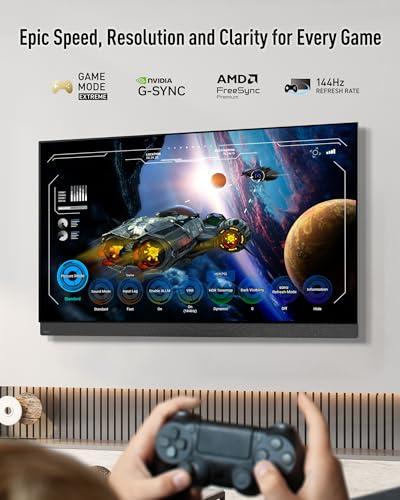
Modern gaming demands have pushed TV manufacturers to include features that were once exclusive to computer monitors. Both the Z95B and Z95A support 4K resolution at 144Hz refresh rates, which is important for smooth motion in fast-paced games. They also include Variable Refresh Rate (VRR), which synchronizes the TV's refresh rate with your gaming console or PC to eliminate screen tearing.
The Z95B has a slight edge in gaming with lower input lag - that's the delay between when you press a button and when you see the result on screen. While both TVs are excellent for gaming, competitive gamers might appreciate that extra responsiveness. Both models support Auto Low Latency Mode (ALLM), which automatically switches to the lowest-lag gaming mode when it detects a gaming signal.
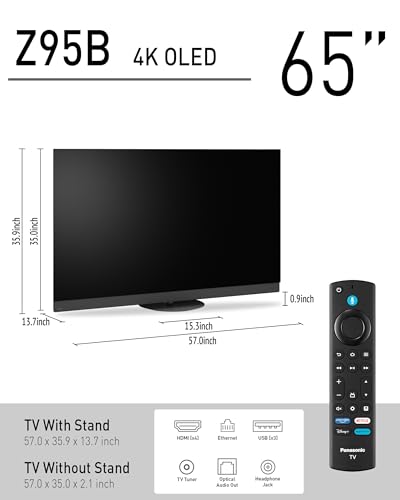
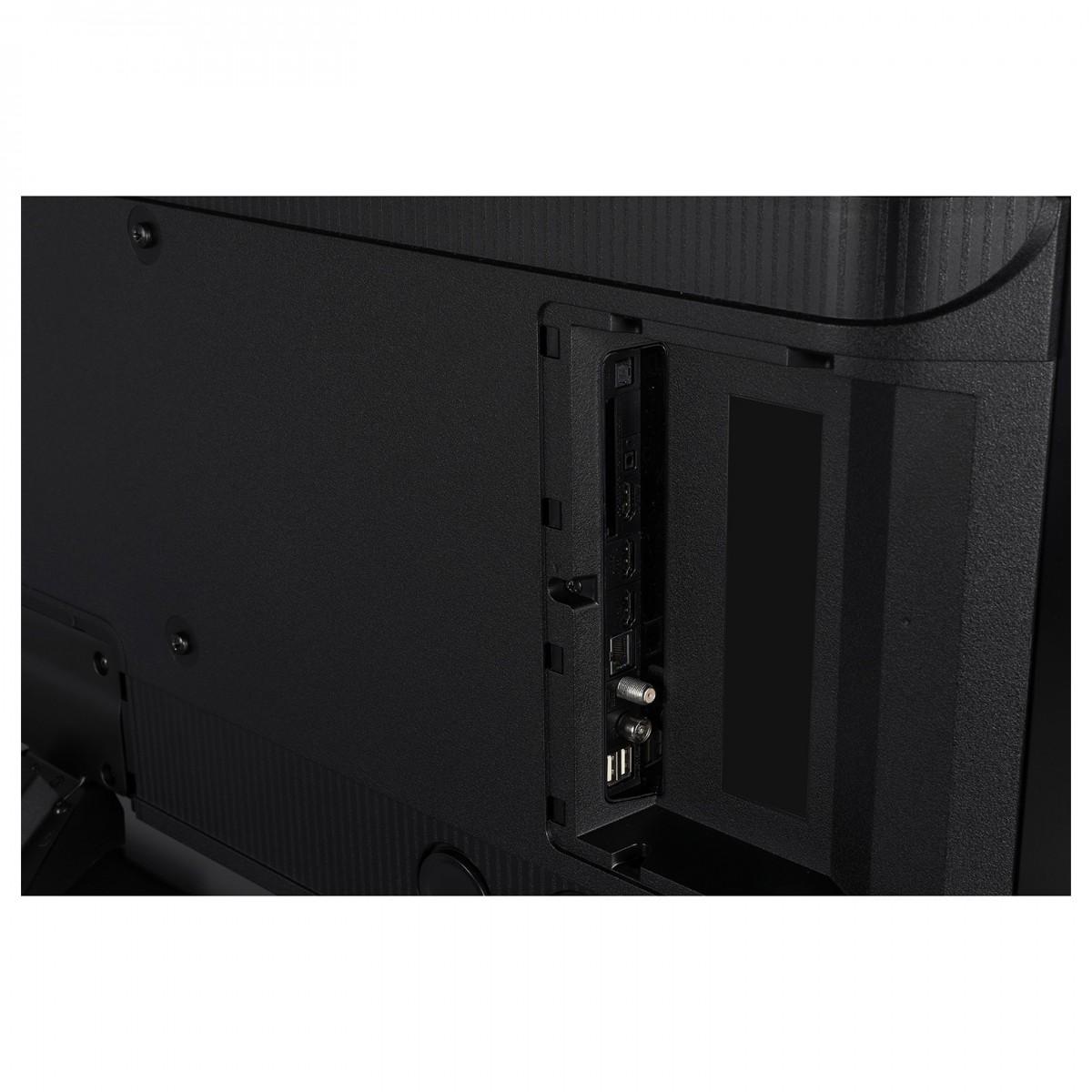
One limitation worth noting: both TVs only have two HDMI 2.1 ports (the high-bandwidth connections needed for 4K at 144Hz), and one of those doubles as the eARC connection for sending audio to a soundbar. If you have a PlayStation 5, Xbox Series X, and a high-end soundbar, you might find yourself swapping cables occasionally.
The near-instantaneous pixel response time of OLED technology means you won't see any motion blur or ghosting in fast games - every frame is crystal clear. This is one area where OLED technology simply dominates LCD and LED displays.
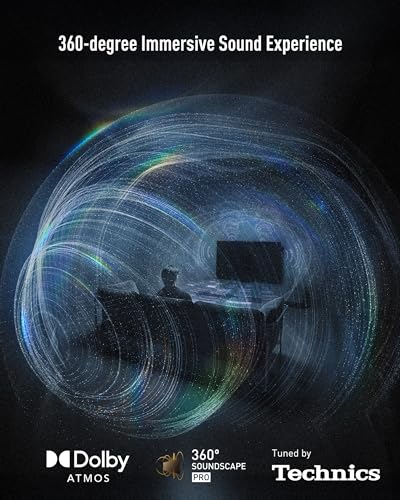
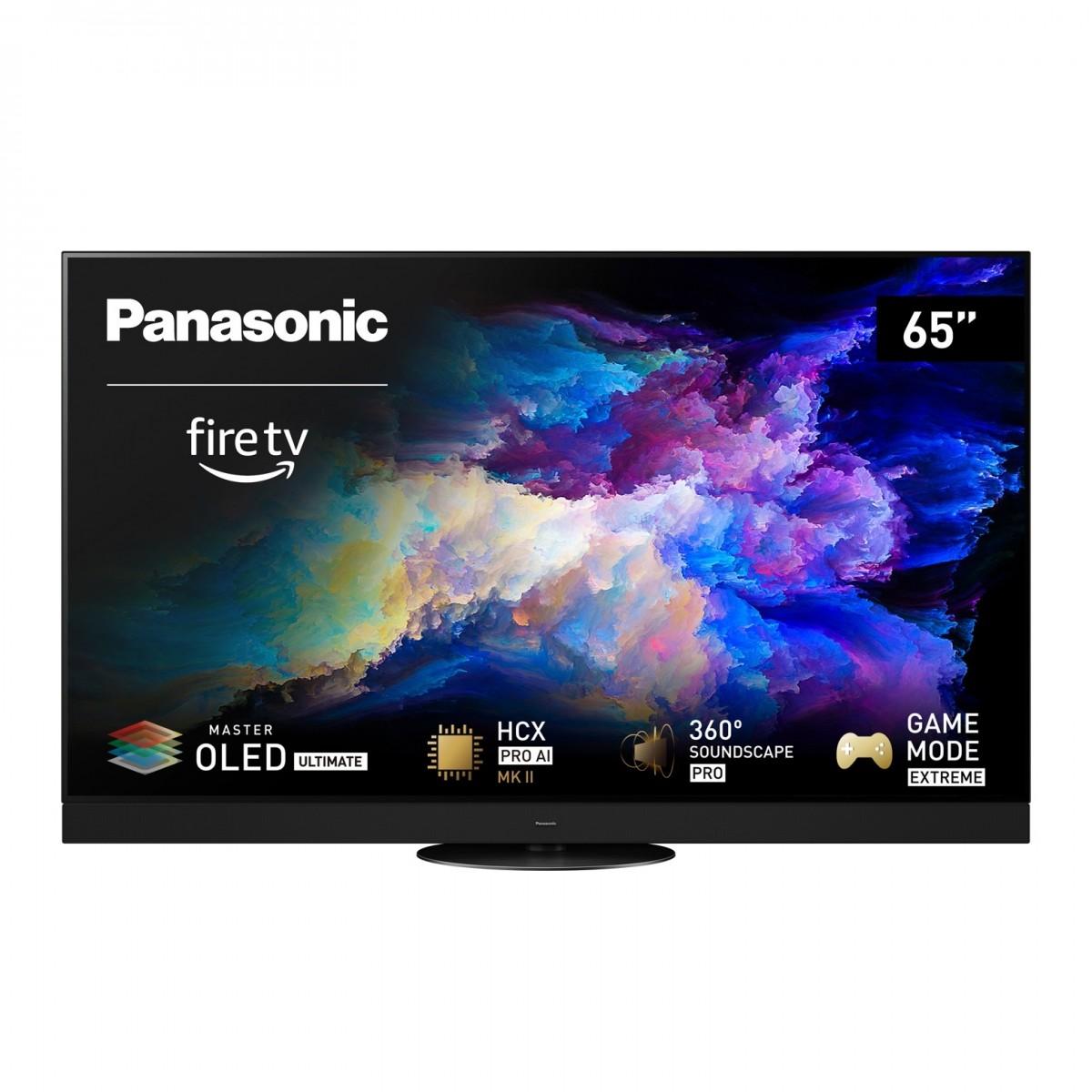
This is where the Z95B really separates itself from its predecessor. TV audio has traditionally been terrible, but Panasonic has put serious effort into their built-in sound systems. The Z95A has decent 20-watt speakers, but the Z95B features an entirely redesigned audio system called 360° Soundscape Pro.
This new system includes front-firing, upward-firing, and side speakers that work together to create a much wider soundstage. At 30 watts total, it's not just louder - it's more sophisticated in how it places sound around the room. Reviews consistently mention that the Z95B has some of the best built-in TV speakers available, potentially eliminating the need for a separate soundbar for many users.
Both TVs support Dolby Atmos, which is the object-based surround sound format used in movie theaters and increasingly in streaming content. However, the Z95B does a much better job of actually reproducing those spatial audio effects through its improved speaker layout.
One limitation for both models: they don't support DTS audio passthrough, which can be frustrating if you're playing 4K Blu-rays or other physical media that use DTS audio encoding. You'll need to rely on your player's internal audio processing instead.
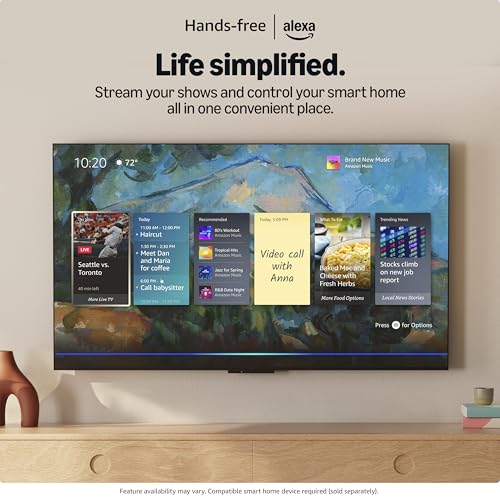
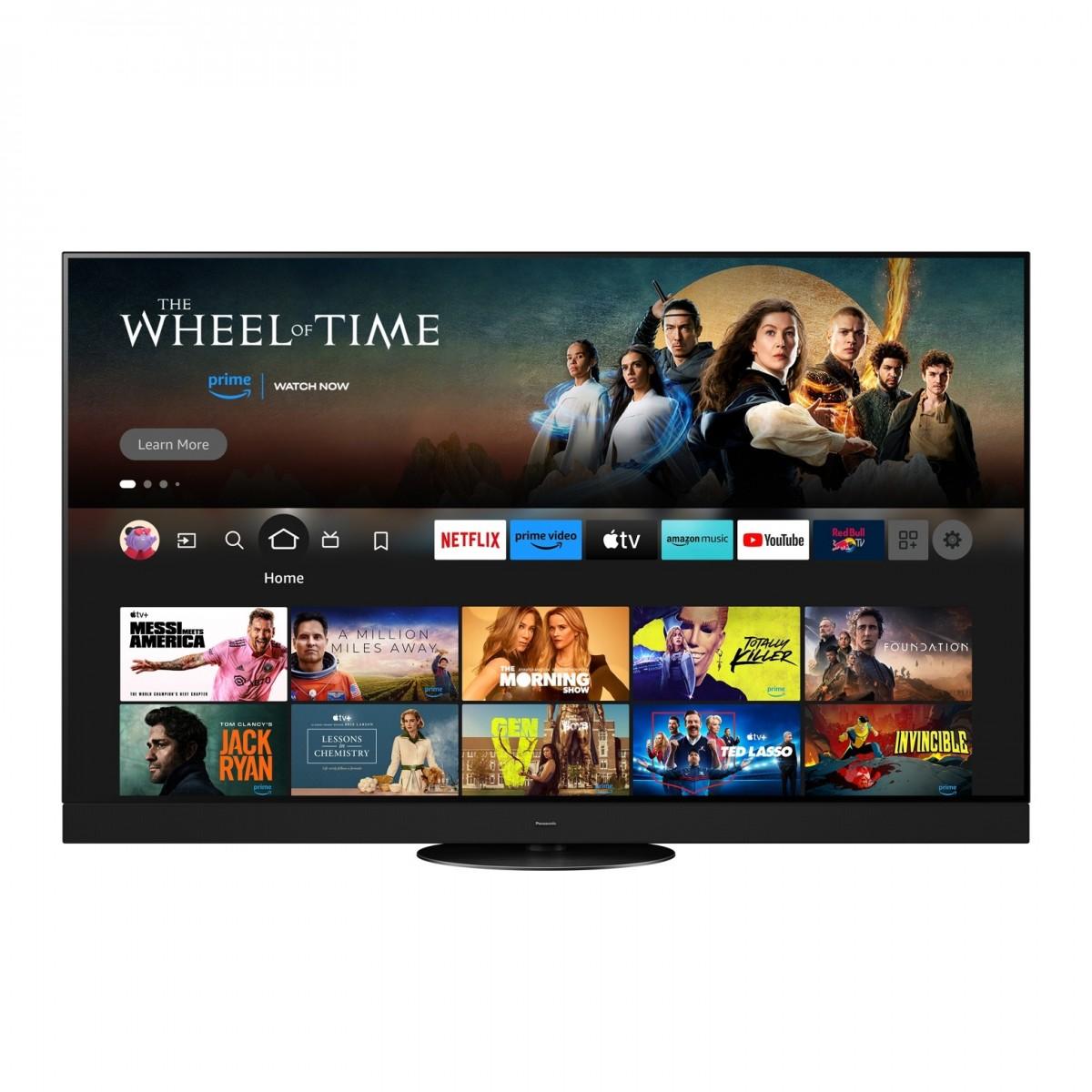
Here's where things get interesting from a software perspective. The Z95B runs Amazon's Fire TV operating system, while the Z95A typically comes with Android TV (though this varies by region). This isn't just a cosmetic difference - it affects your entire daily experience with the TV.
Fire TV takes a content-forward approach, surfacing shows and movies from various streaming services on the home screen. It has excellent integration with Amazon's ecosystem and hands-free Alexa voice control. However, some users find it feels more like advertising for Amazon's content than a neutral interface.
Both platforms support all the major streaming apps, but their organizational approaches differ significantly. Your preference here might actually influence which TV you choose, especially if you have strong feelings about interface design or privacy concerns with different tech companies.
At the time of writing, there's a significant price gap between these models. The Z95A has seen substantial discounts since its 2024 launch, while the Z95B carries a premium price as the newest model. This creates an interesting value proposition that goes beyond just comparing features.
The Z95A delivers about 95% of the Z95B's performance at roughly 65% of the cost. For most viewers, that's an exceptional value. You're getting flagship OLED picture quality, excellent gaming performance, and solid smart TV features. The color accuracy and HDR performance are still excellent, even if they don't quite match the newer model's capabilities.
The Z95B commands its premium through measurable improvements in color volume, brightness, audio quality, and thermal management. If you're an enthusiast who wants the latest panel technology and can appreciate the differences, those improvements might justify the cost. The wider color gamut is particularly noticeable with newer content that takes advantage of it.
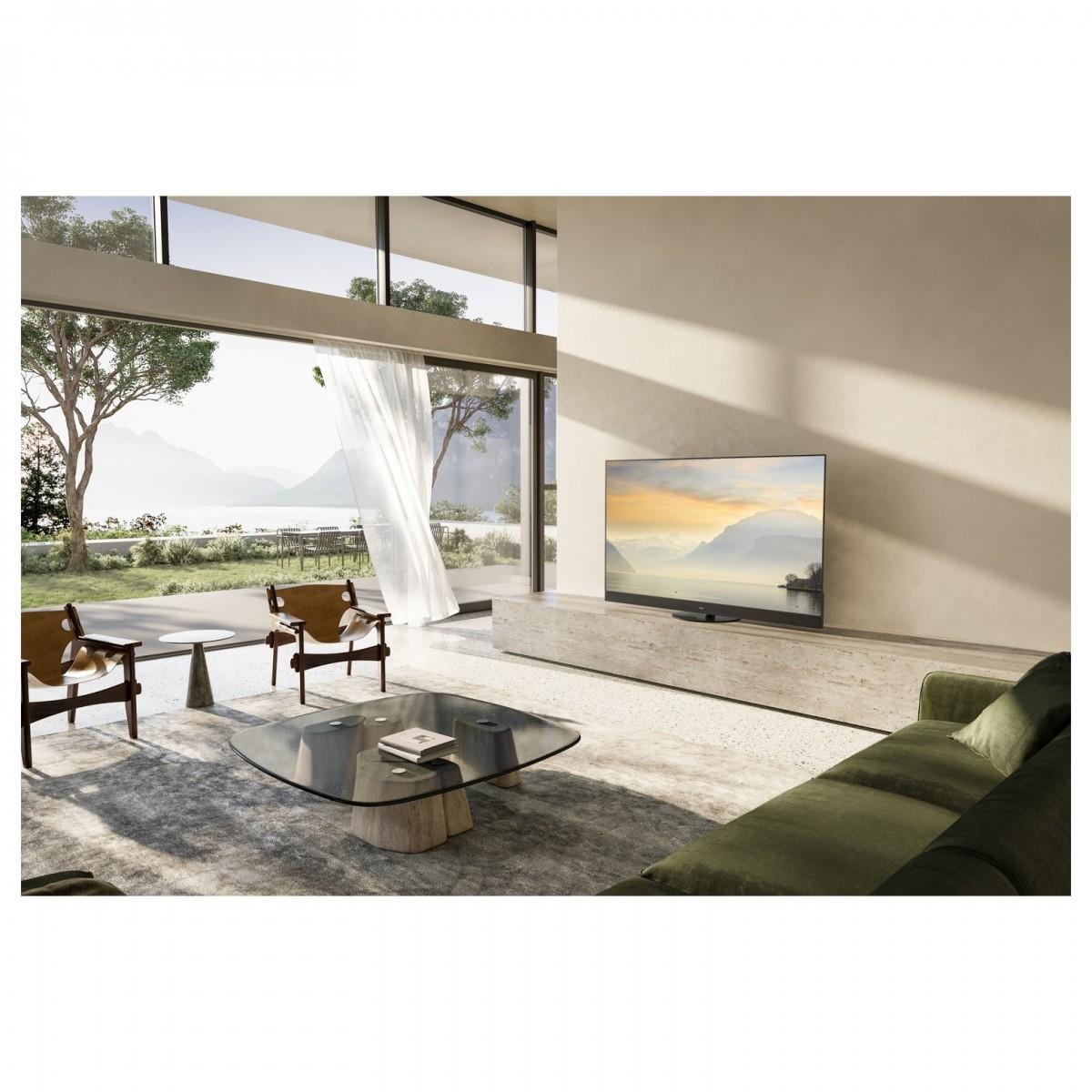
If you're building a dedicated home theater setup, both TVs excel in dark room environments where OLED's perfect blacks really shine. The Z95B has an advantage in mixed lighting situations - if your viewing room has windows or ambient lighting, its higher brightness helps maintain picture quality.
For a proper home theater, you'll likely want to pair either TV with a dedicated sound system anyway, which somewhat negates the Z95B's audio advantages. In this context, the Z95A's value proposition becomes even stronger since you're not paying for audio improvements you won't use.
Both TVs support the color accuracy and HDR standards that home theater enthusiasts care about. They include Filmmaker Mode, which displays content exactly as directors intended, and both support professional calibration if you want to go that route.
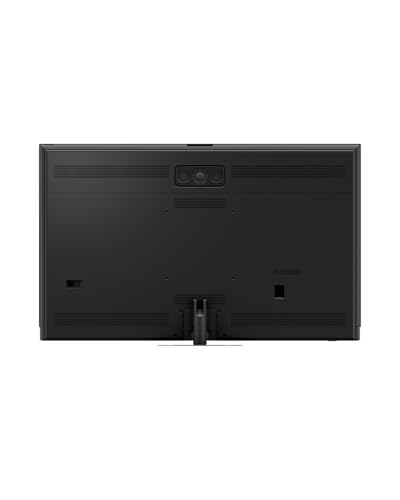
The Z95B introduces Panasonic's ThermalFlow cooling system, which uses aerodynamic principles to manage heat more effectively. This isn't just a nice-to-have feature - OLED panels can dim when they get too hot, especially during bright HDR content. Better thermal management means more consistent brightness over time.
While both TVs should last for many years, the Z95B's improved cooling could help maintain its peak performance longer, especially if you frequently watch bright HDR content or use the TV for extended gaming sessions.
The Z95A makes sense for the majority of premium TV buyers. If you want excellent picture quality, solid gaming performance, and don't need the absolute latest technology, the substantial cost savings make it a smart choice. It's particularly appealing if you plan to add a separate sound system anyway, since you won't benefit from the Z95B's improved audio.
The Z95B is for enthusiasts who specifically value having cutting-edge technology and can appreciate the improvements it brings. If color vibrancy is crucial to your viewing experience, if you frequently watch HDR content in bright rooms, or if you want the best possible built-in audio, the premium might be worthwhile.
For competitive gaming, the Z95B's lower input lag gives it a slight edge, but both TVs are excellent for gaming. The difference is small enough that most gamers would be happy with either model.
Both TVs represent excellent choices in the premium OLED category, but they serve slightly different audiences. The Z95A offers exceptional value - flagship performance with only minor compromises at a significant discount. The Z95B provides measurably better performance in key areas but at a substantial premium.
Your decision should come down to whether the Z95B's improvements - wider color gamut, better brightness, improved audio, and enhanced thermal management - justify the cost difference for your specific needs and budget. For most buyers, the Z95A delivers outstanding results at a much more attractive price point. For enthusiasts who want the latest panel technology and can benefit from the improvements, the Z95B represents the current state of the art in consumer OLED displays.
Either way, you're getting one of the best TVs available today, with perfect blacks, excellent color accuracy, and features that will serve you well for years to come. The question isn't whether these are good TVs - it's which one offers the right balance of performance and value for your situation.
| Panasonic Z95B Series 65" OLED 4K Smart Fire TV | Panasonic Z95A 65" OLED 4K Ultra HD Smart TV |
|---|---|
| Panel Technology - The foundation of picture quality and color performance | |
| Primary RGB Tandem OLED (4-layer emission, 40% more light efficient) | WOLED with Micro Lens Array (conventional but proven technology) |
| Color Gamut & Vibrancy - How wide and punchy colors appear | |
| Wider color range with better red/green/blue separation, more vibrant colors | Excellent color accuracy but more limited color volume |
| HDR Brightness - Critical for modern streaming content and gaming | |
| Higher peak brightness, fully displays 600-1000 nit content | Very good HDR performance but with less headroom for bright highlights |
| Gaming Input Lag - Essential for competitive gaming responsiveness | |
| Lower input lag with 4K@144Hz, VRR, ALLM | Slightly higher input lag but still excellent for gaming |
| Built-in Audio System - Reduces need for external speakers | |
| 360° Soundscape Pro with front/up/side-firing speakers (30W) | Standard built-in speakers with basic configuration (20W) |
| Image Processing - How well it handles streaming and low-quality content | |
| Better low-quality content smoothing, slightly improved accuracy | Excellent HCX Pro AI processing but less refined upscaling |
| Smart TV Platform - Daily user experience and app ecosystem | |
| Fire TV with hands-free Alexa, content-forward interface | Android TV/Google TV (region dependent) with Google Assistant |
| Thermal Management - Affects long-term brightness consistency | |
| ThermalFlow cooling system for sustained peak performance | Standard thermal management, may throttle during extended bright content |
| HDMI Connectivity - Important for multiple gaming devices | |
| 2 HDMI 2.1 ports (one shared with eARC), 2 HDMI 2.0 | 2 HDMI 2.1 ports (one shared with eARC), 2 HDMI 2.0 |
| Release Year & Value Position | |
| 2025 model with latest technology at premium pricing | 2024 model with significant discounts from launch price |
The Panasonic Z95B delivers superior picture quality with its Primary RGB Tandem OLED panel technology, offering wider color gamut, better brightness, and more vibrant colors compared to the Panasonic Z95A. However, the Z95A still provides excellent picture quality with accurate colors and deep blacks that satisfy most viewers.
Both TVs excel for gaming with 4K@144Hz support, VRR, and ALLM features. The Panasonic Z95B has slightly lower input lag, making it marginally better for competitive gaming. However, most gamers will be satisfied with either the Z95B or Z95A performance.
The Panasonic Z95B features a significantly improved 360° Soundscape Pro audio system with 30W output and multiple speaker configurations. The Z95A has standard 20W built-in speakers that are adequate but not exceptional. For serious audio, both benefit from external sound systems.
Both the Panasonic Z95B and Z95A support HDR10, HDR10+, Dolby Vision, and HLG formats. The Z95B displays HDR content with higher peak brightness and better highlight detail, while the Z95A still delivers excellent HDR performance for most content.
The Panasonic Z95B handles bright rooms better due to its improved panel brightness and better glare management. While both TVs perform well in various lighting conditions, the Z95A is more suited for controlled lighting environments where its excellent contrast can shine.
We've done our best to create useful and informative comparisons to help you decide what product to buy. Our research uses advanced automated methods to create this comparison and perfection is not possible - please contact us for corrections or questions. These are the sites we've researched in the creation of this article: rtings.com - whathifi.com - techradar.com - tomsguide.com - youtube.com - youtube.com - youtube.com - avsforum.com - bestbuy.com - manuals.plus - na.panasonic.com - panasonic.com - displayspecifications.com - valueelectronics.com - flatpanelshd.com - valueelectronics.com - displayspecifications.com - flatpanelshd.com - youtube.com - youtube.com - whathifi.com - tomsguide.com - shop.panasonic.com - store.in.panasonic.com - rtings.com - applianceplus.co.nz - rtings.com - store.in.panasonic.com - samsung.com

Privacy Policy
Terms and Conditions - Affiliate Policy
Home Security
© Copyright 2008-2026.
11816 Inwood Rd #1211, Dallas, TX 75244