

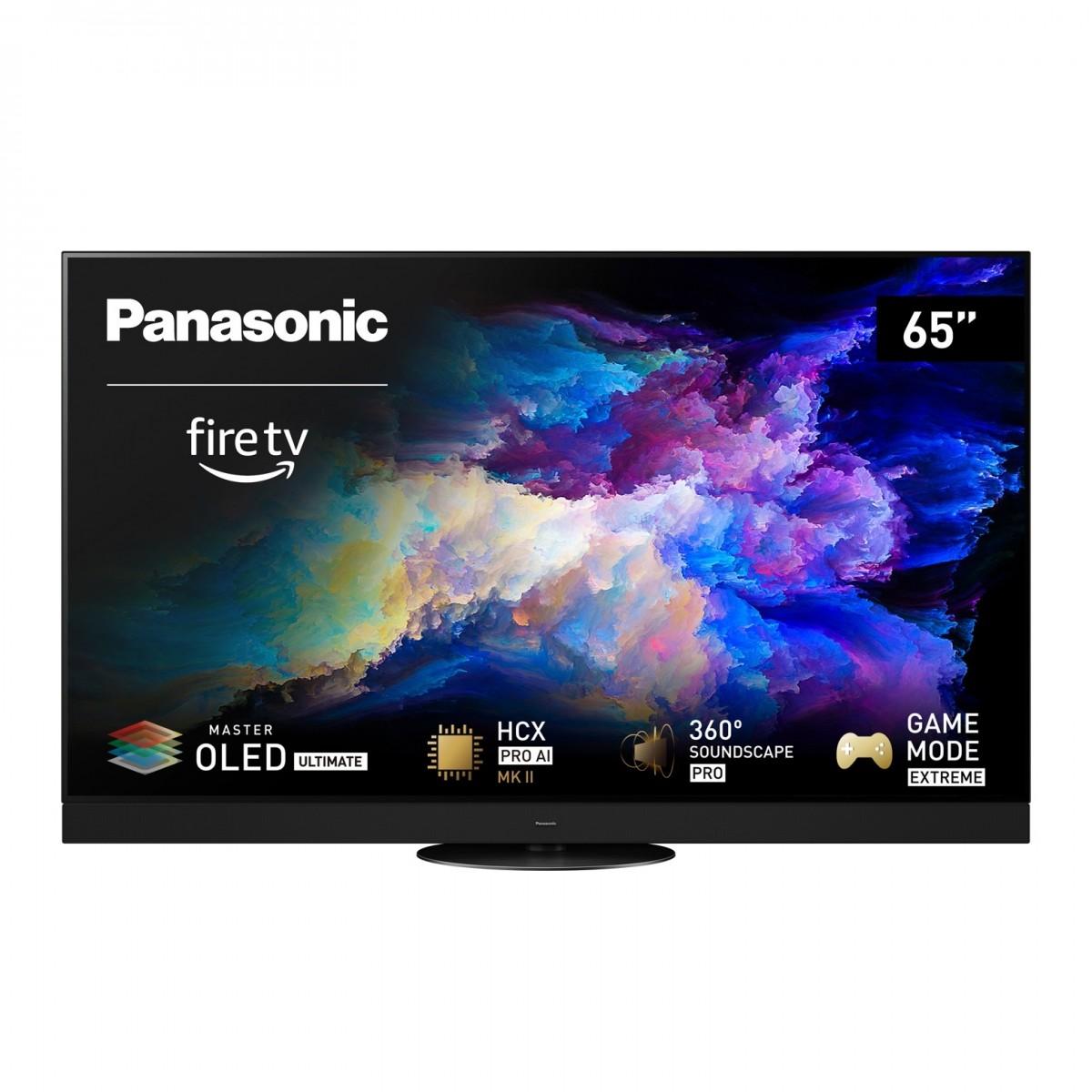
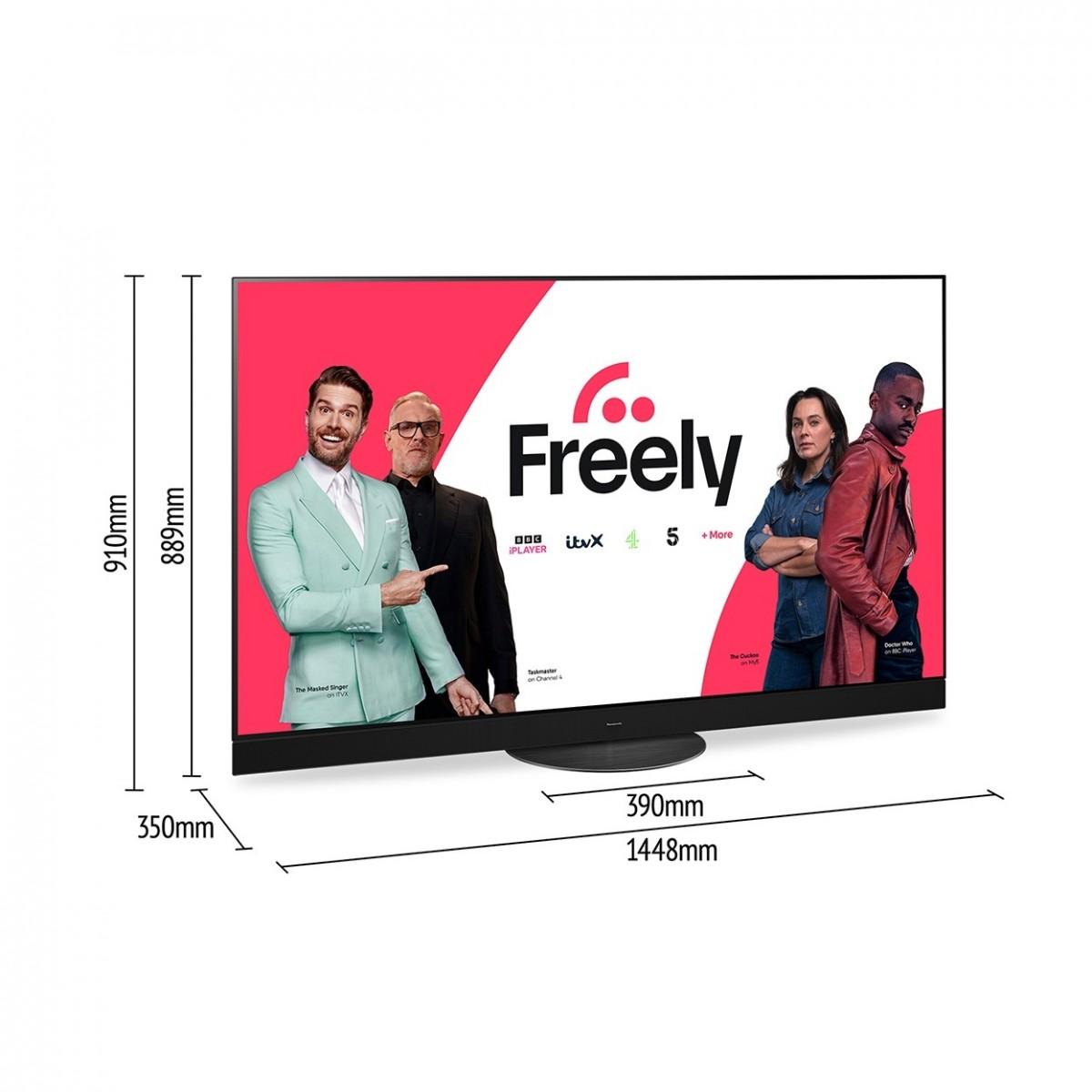
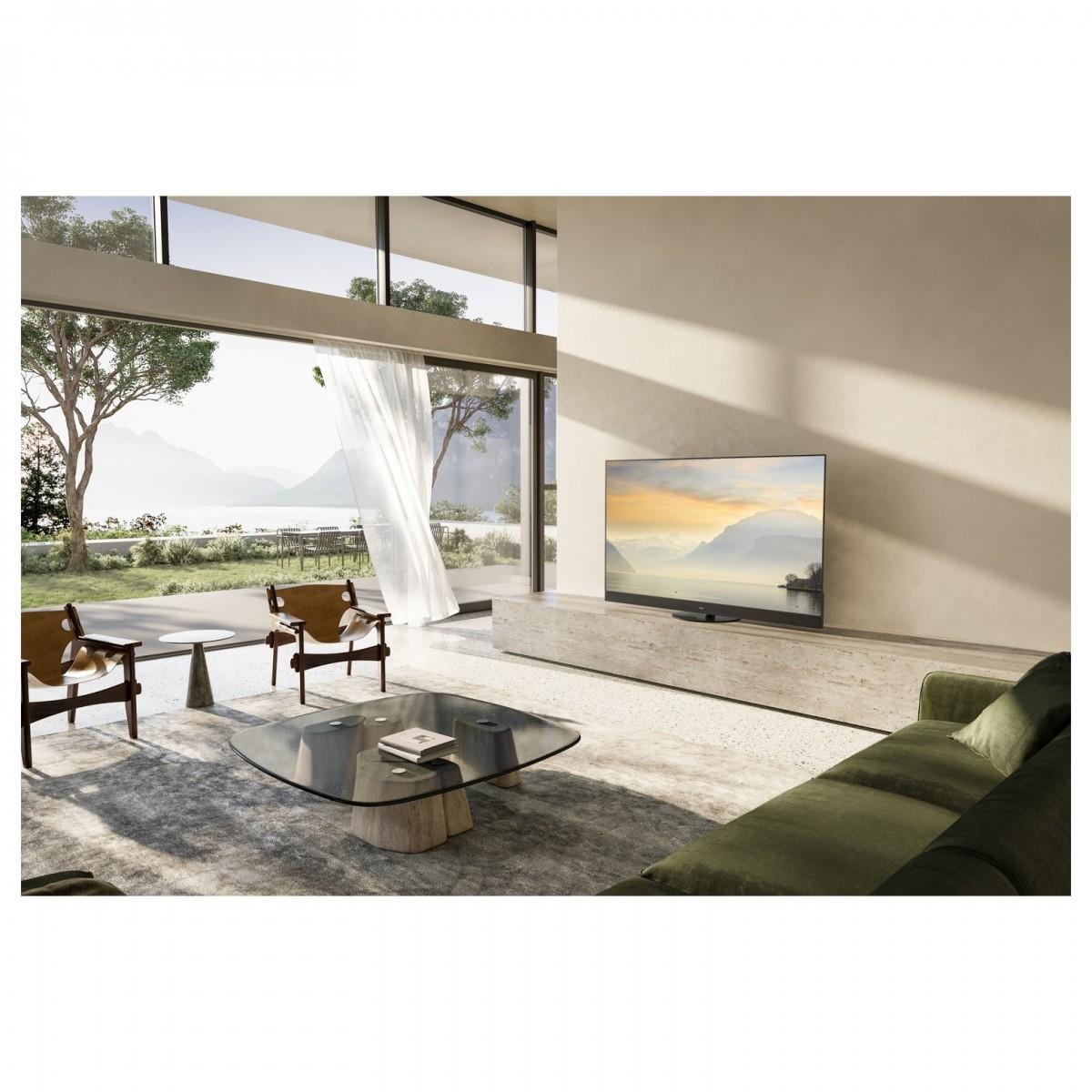
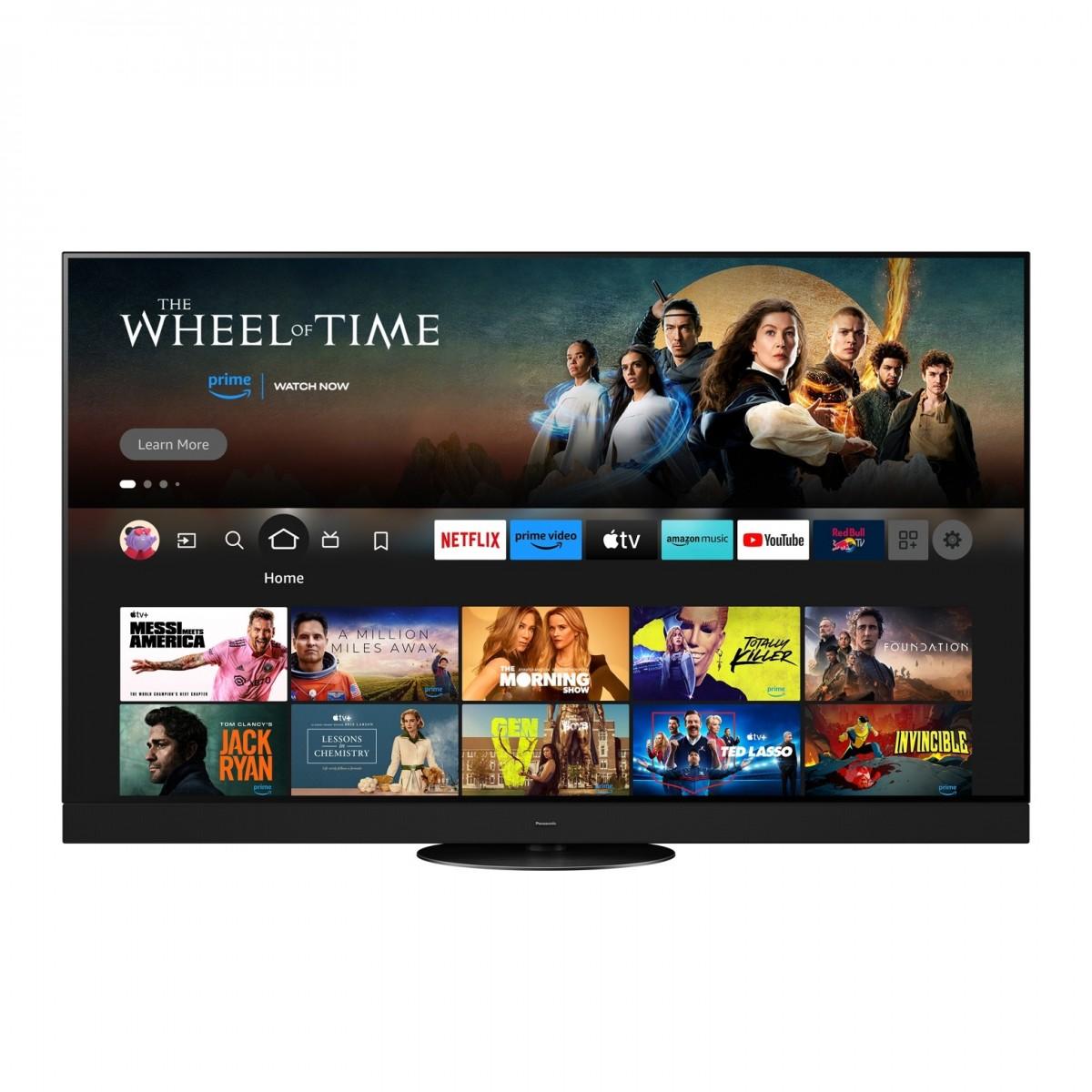
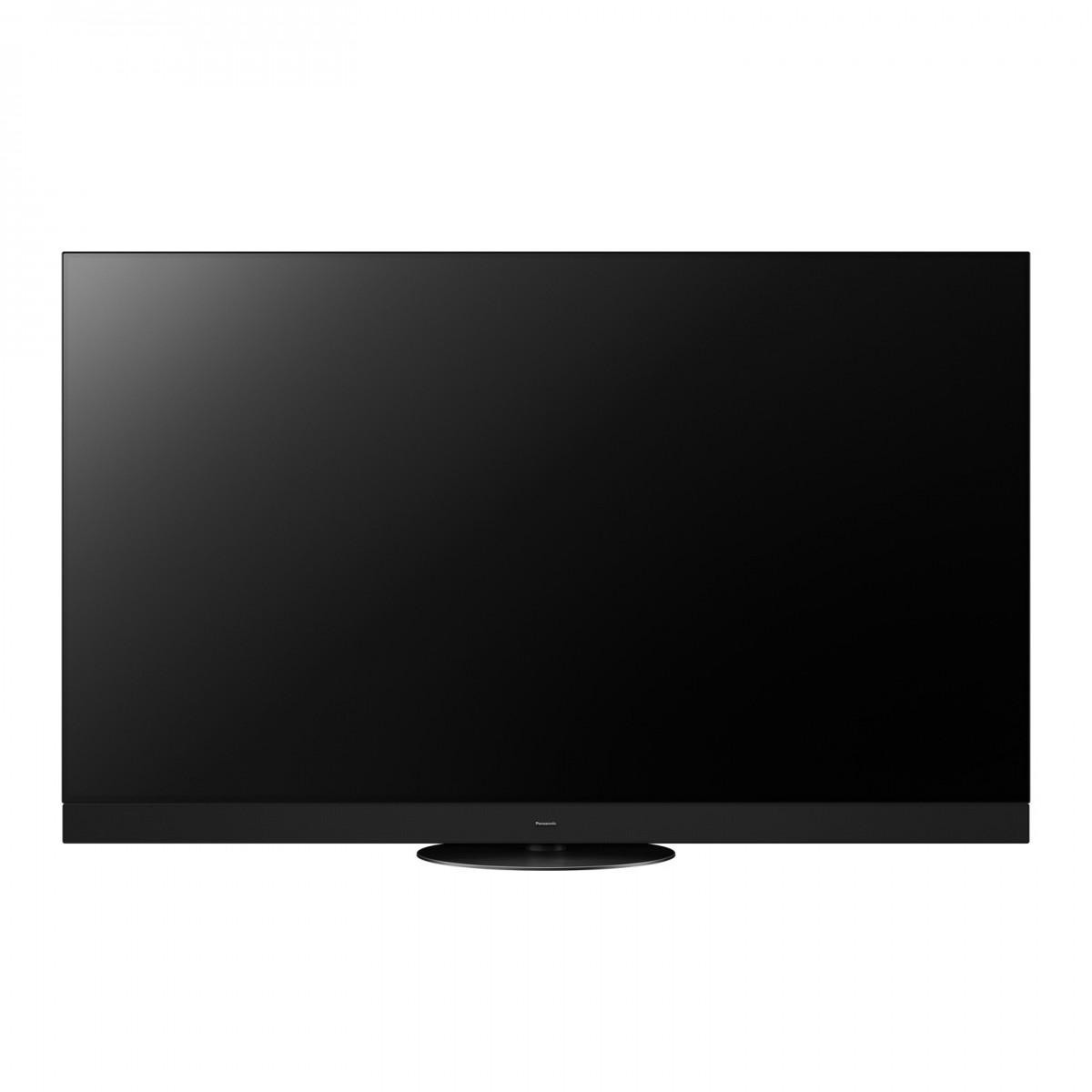
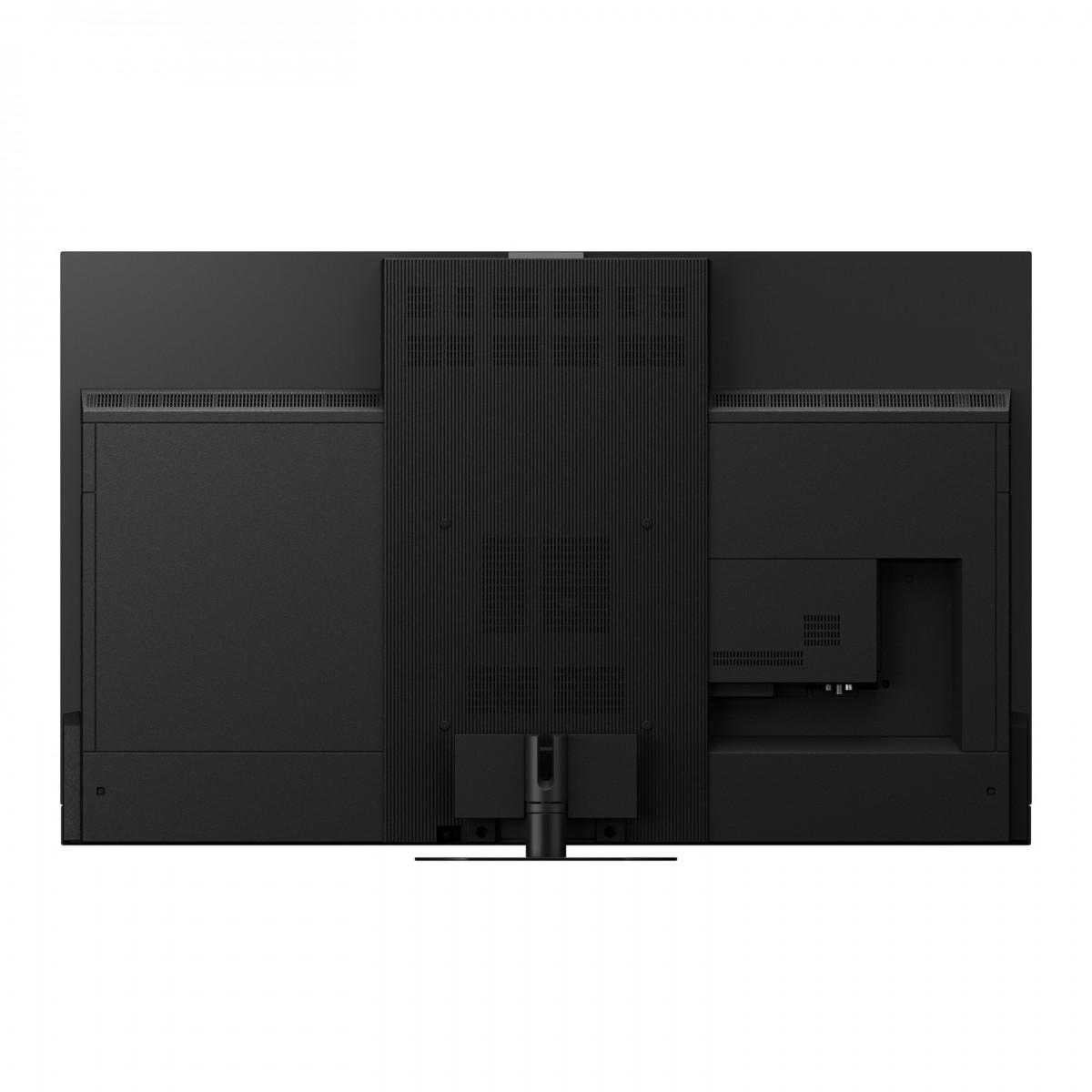
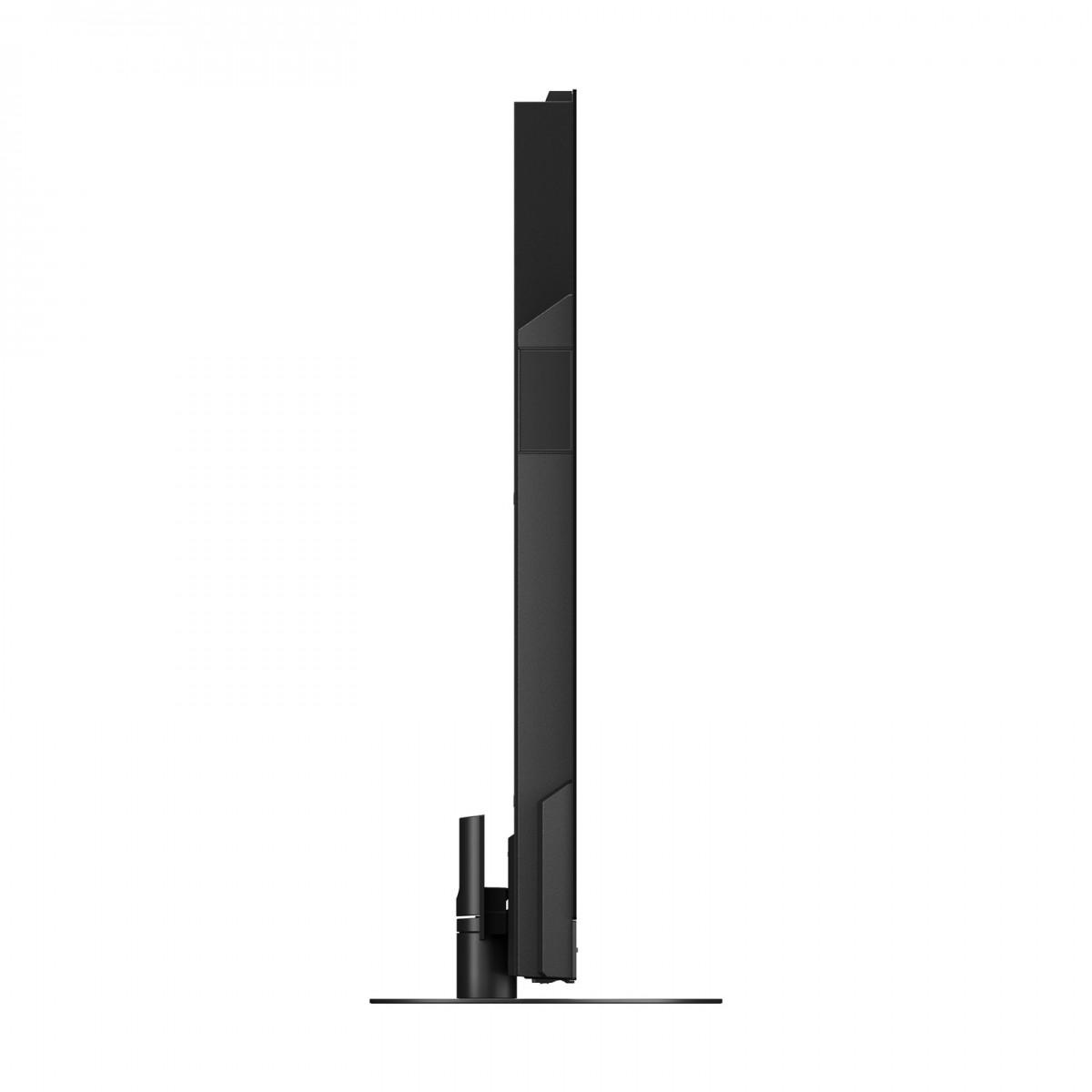
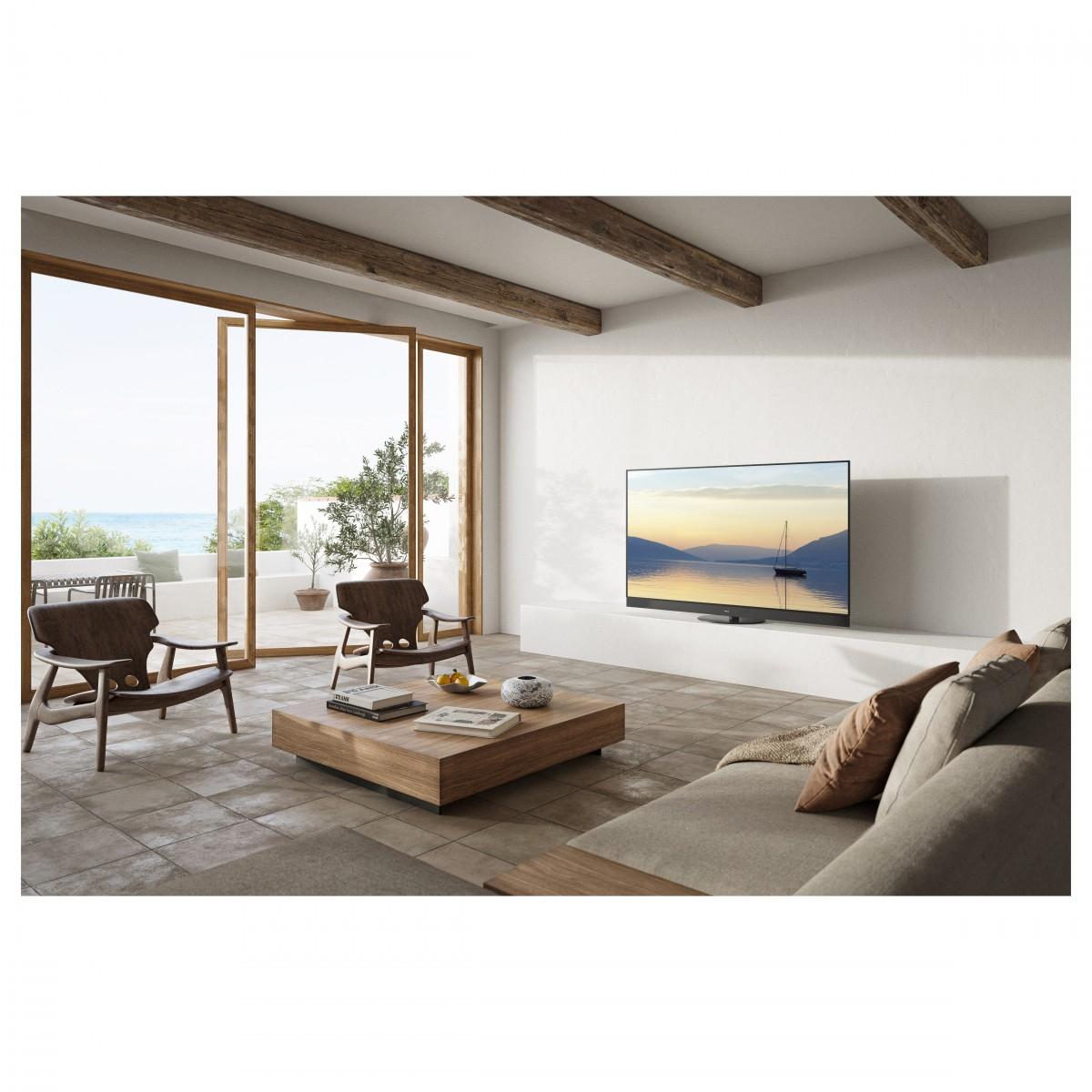
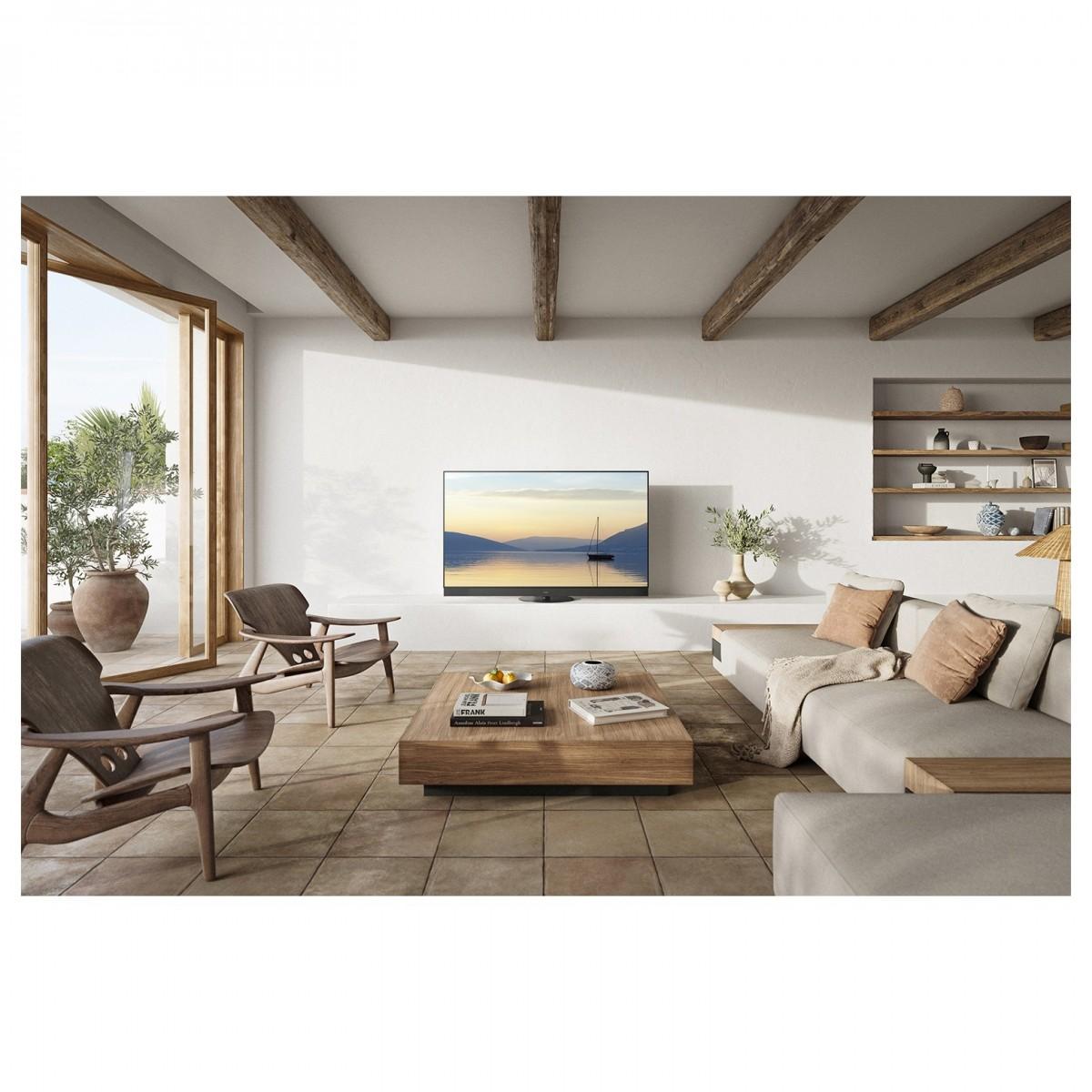
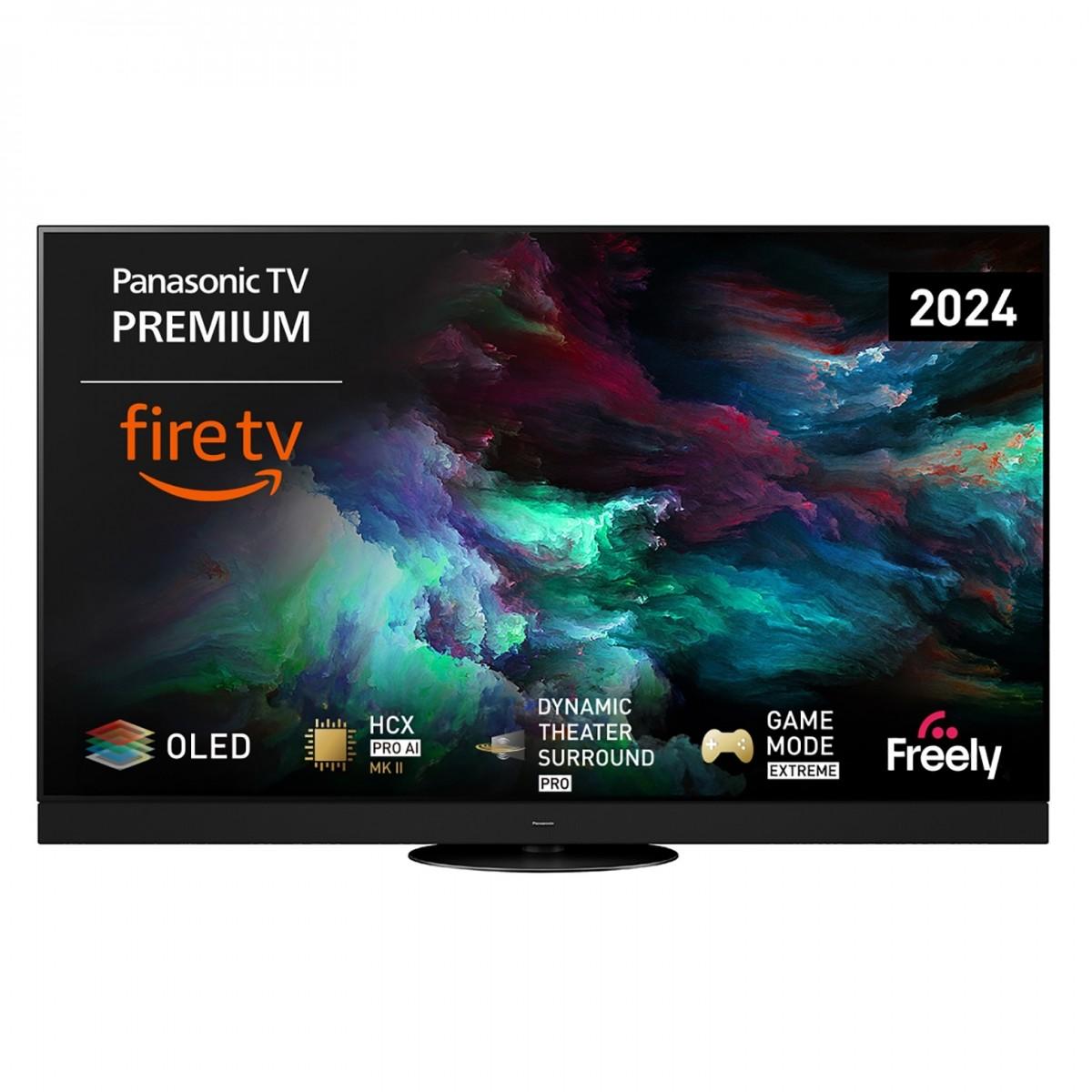
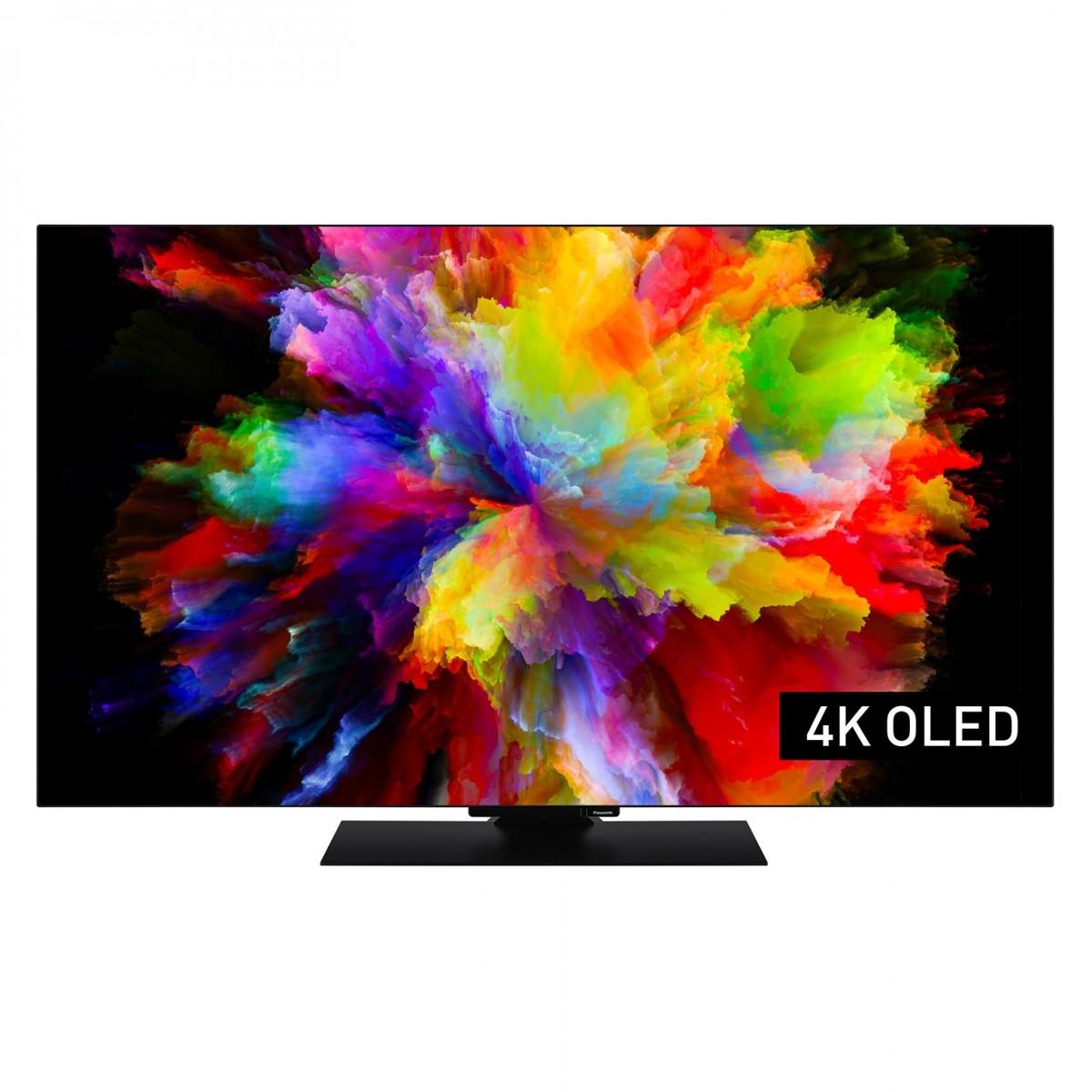
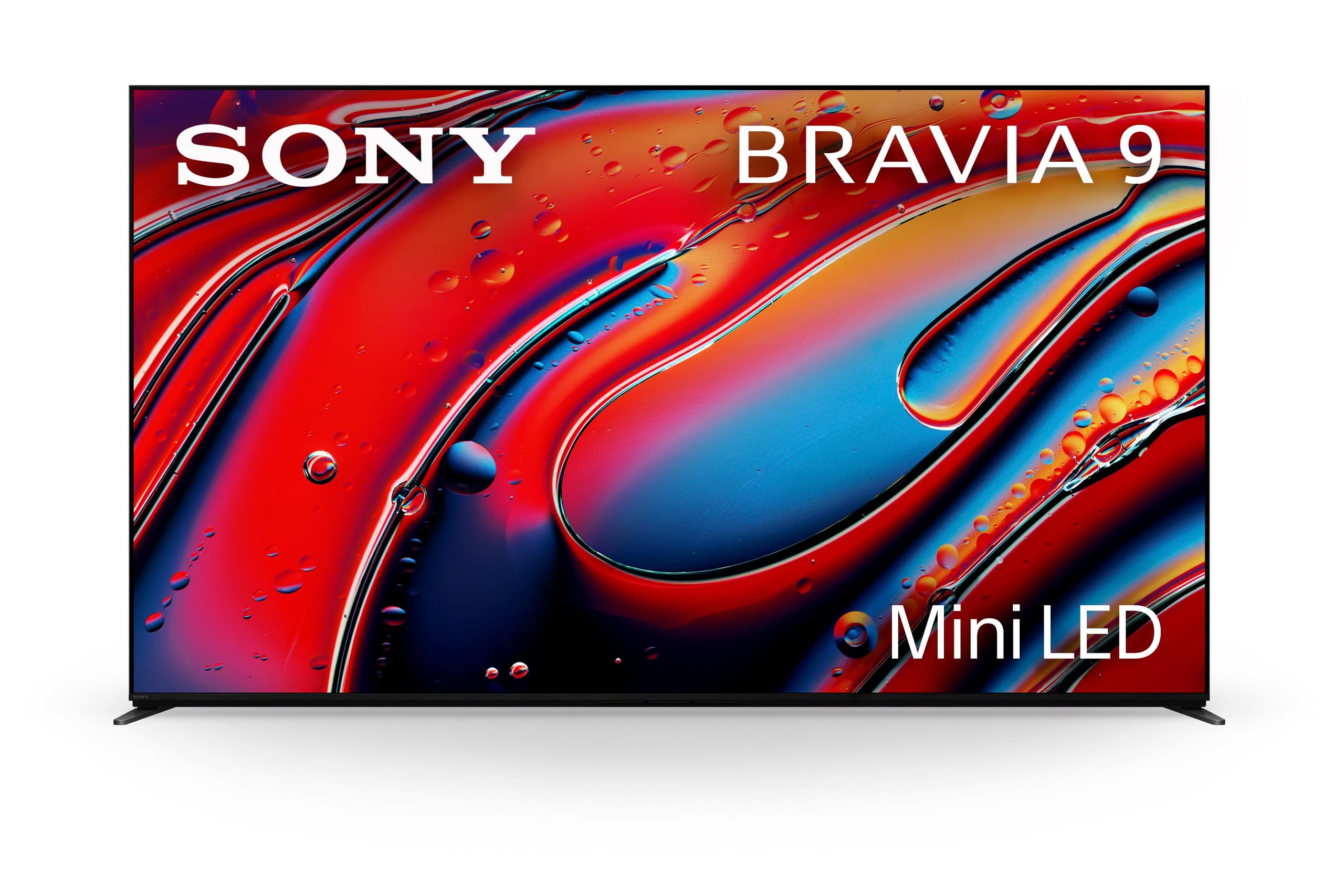
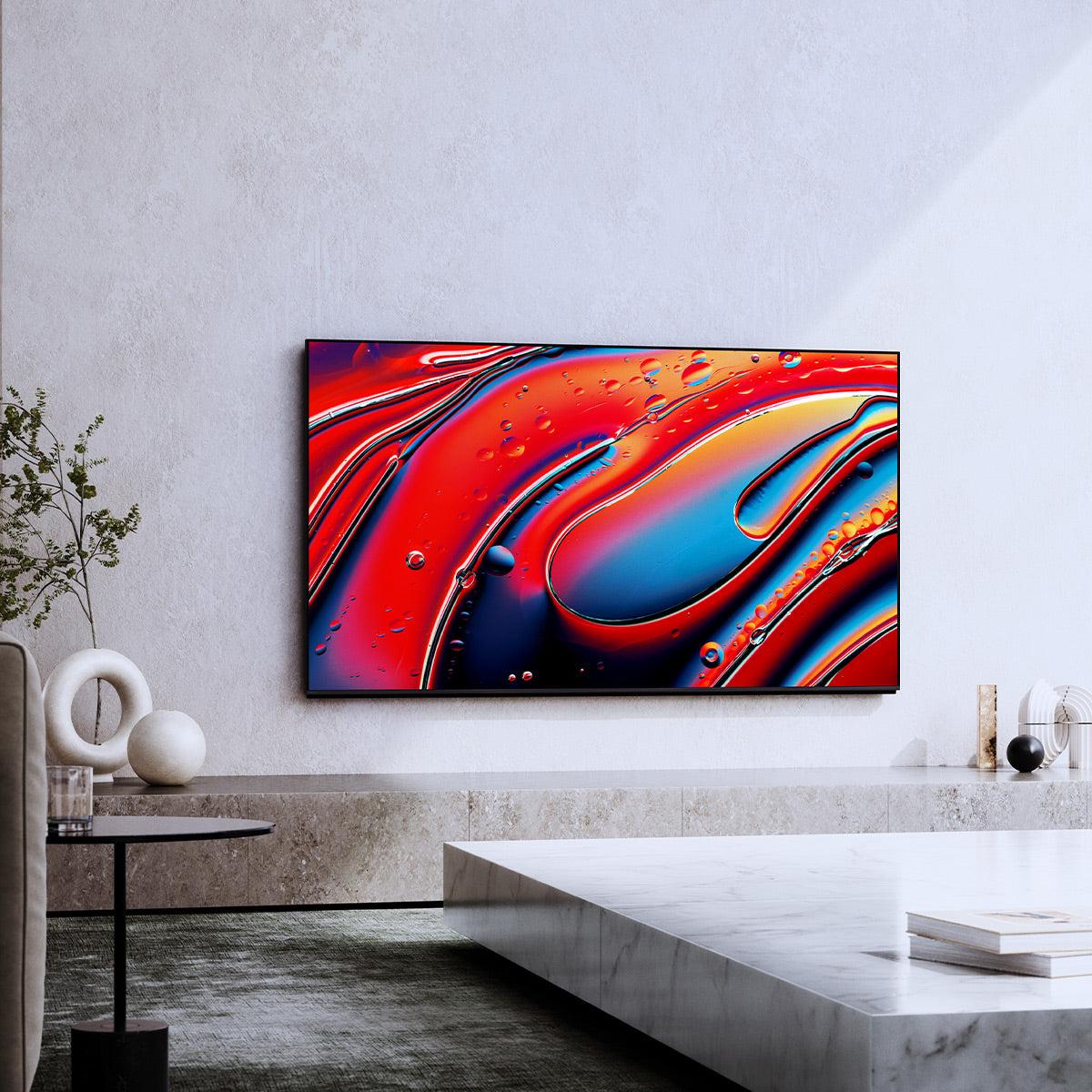
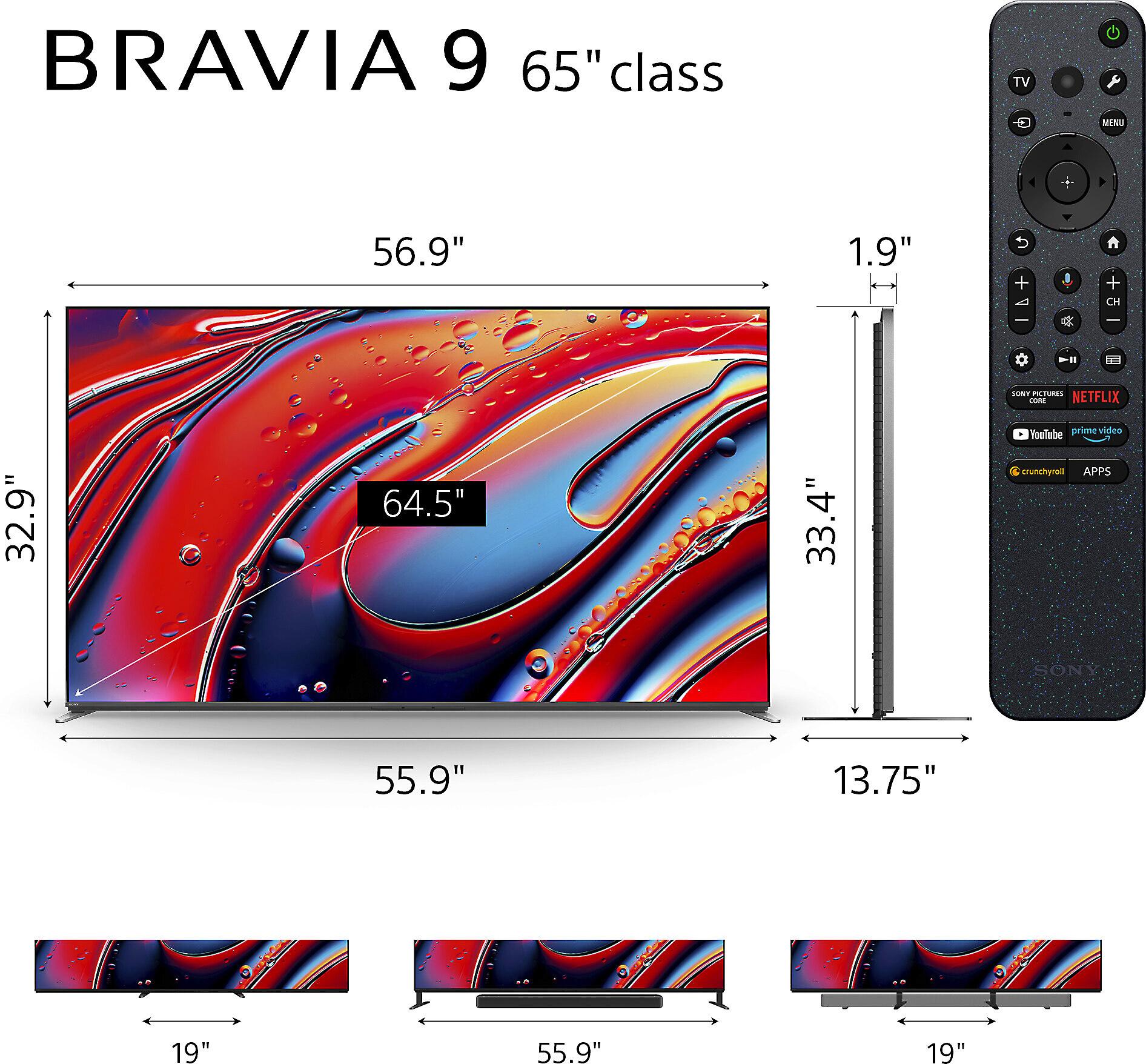
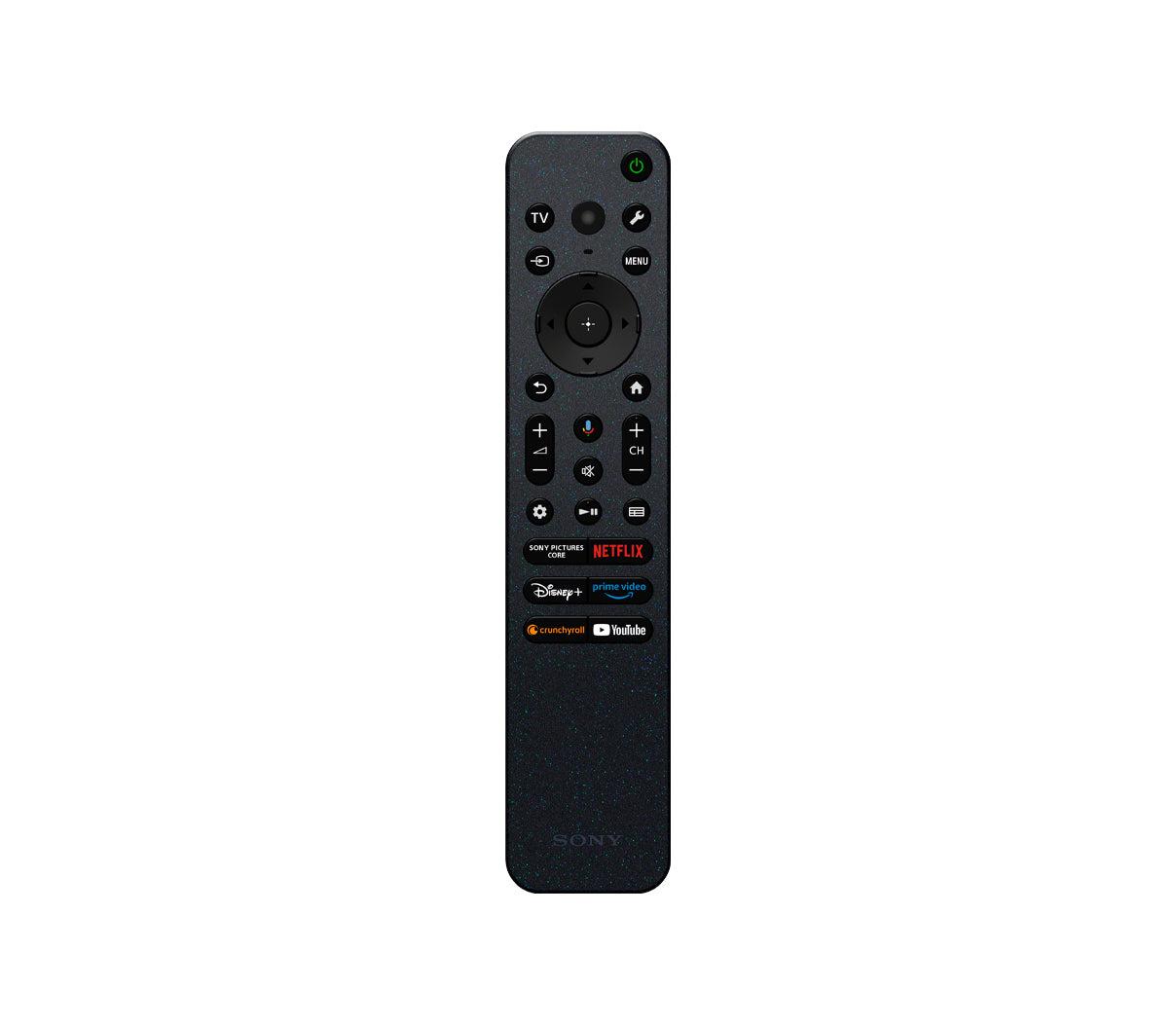
When you're ready to upgrade to a premium 65-inch TV, you'll quickly discover that the top tier is dominated by two revolutionary display technologies that couldn't be more different in their approach. The Panasonic Z95A OLED represents the pinnacle of organic light-emitting diode technology, while the Sony BRAVIA 9 Mini LED showcases the latest advancement in quantum dot LED displays with thousands of precisely controlled backlights.
Both TVs launched in 2024 and represent significant technological leaps from their predecessors. Understanding which approach suits your viewing habits, room setup, and entertainment preferences requires diving deep into how these fundamentally different technologies deliver stunning picture quality through completely opposite methods.
The Panasonic Z95A uses OLED technology, where each pixel is essentially a tiny light bulb that can turn completely on or off independently. Think of it like a massive grid of microscopic Christmas lights - when a pixel needs to be black, it simply turns off entirely, creating true darkness. This is fundamentally different from traditional TVs that use a backlight behind the entire screen.
What makes the Z95A special is its micro lens array technology, which essentially acts like millions of tiny magnifying glasses in front of each pixel. This innovation, combined with Panasonic's HCX Pro AI Processor MKII, allows the TV to achieve brighter whites and more accurate colors than previous OLED generations while maintaining those perfect blacks that make OLED famous.
The Sony BRAVIA 9 takes a completely different approach with Mini LED QLED technology. Instead of pixels that create their own light, it uses thousands of tiny LED backlights (much smaller than traditional LED backlights) arranged in precise zones behind a quantum dot layer. These quantum dots are microscopic crystals that convert blue LED light into incredibly pure red and green colors.
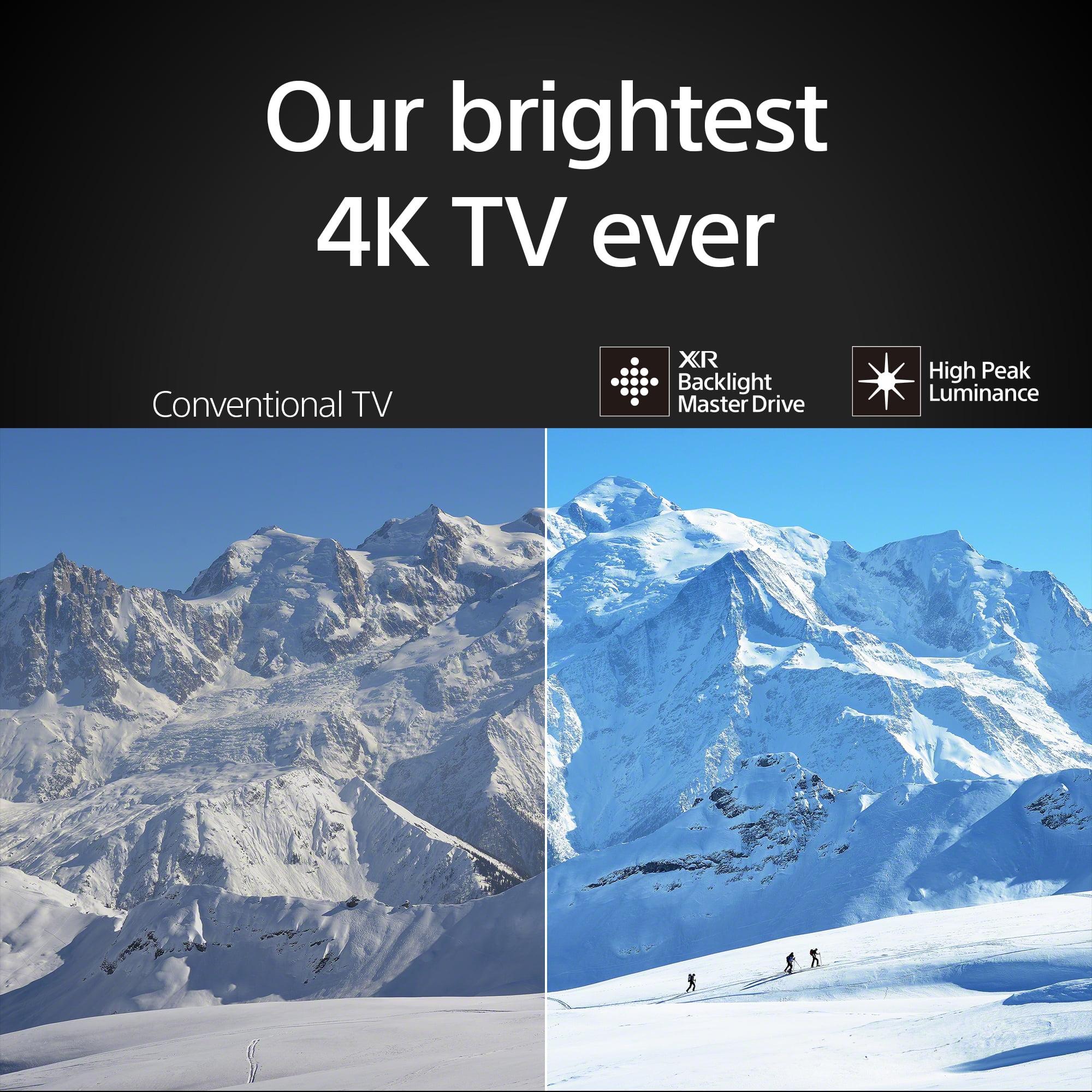
Sony's XR Backlight Master Drive system controls these Mini LEDs with remarkable precision, dimming some areas to near-black while cranking others up to eye-searing brightness. The result is a display that can get significantly brighter than any OLED while still achieving respectable contrast ratios through local dimming - the ability to darken specific screen areas independently.
Contrast ratio - the difference between the brightest whites and darkest blacks - is arguably the most important factor in picture quality because it determines how realistic and three-dimensional images appear.
The Panasonic Z95A achieves what's called "infinite contrast" because its pixels can turn completely off. When you're watching a space scene with stars against the void, those black areas are truly black, not the dark gray you get from backlit displays. This creates an incredibly immersive experience, especially in dark viewing environments.
However, the Sony BRAVIA 9 fights back with sheer brightness. While it can't match OLED's perfect blacks, its Mini LED array can produce HDR highlights that are significantly brighter than what any OLED can achieve. When the sun reflects off water or an explosion lights up the screen, the Sony delivers that eye-popping intensity that makes you squint - in a good way.
Our research into professional reviews reveals that the Sony can reach peak brightness levels around 4,000 nits (a measure of luminance) in small areas, while the Panasonic tops out around 1,000-1,500 nits. For perspective, a typical indoor environment is around 100 nits, so both are incredibly bright, but the Sony's advantage becomes apparent with HDR content designed to showcase extreme brightness.
Both TVs excel at color reproduction but through different philosophies. The Panasonic Z95A focuses on natural, cinema-accurate colors using its Hexa Chroma Drive technology. The HCX Pro AI Processor analyzes incoming content and adjusts color parameters in real-time, making automatic optimizations for different content types - sports get more vibrant greens for grass, while movies get more natural skin tones.
The Sony BRAVIA 9 emphasizes what's called "color volume" - maintaining accurate colors even at high brightness levels. Traditional displays often struggle to show saturated reds or blues when they're also very bright, but the Sony's XR Triluminos Pro technology keeps colors punchy and accurate across the entire brightness range.
In practical terms, the Panasonic delivers more natural, film-like colors that please videophiles and movie enthusiasts. The Sony produces more vibrant, eye-catching colors that look stunning in bright rooms and with HDR content that's designed to pop off the screen.
The Panasonic Z95A offers a 144Hz refresh rate, which is exceptional for gaming. This means it can display up to 144 different images per second, creating incredibly smooth motion. The higher refresh rate particularly benefits PC gamers who can achieve frame rates above the standard 60fps, and it makes fast-paced console games feel more responsive.
The Sony BRAVIA 9 tops out at 120Hz, which is still excellent for gaming and more than adequate for most content. Sony's XR Motion Clarity technology reduces motion blur through intelligent processing rather than just relying on refresh rate alone.
Both TVs support Variable Refresh Rate (VRR), which synchronizes the display's refresh rate with your gaming console's frame rate output, eliminating screen tearing and stuttering. They also feature Auto Low Latency Mode (ALLM), which automatically switches to a low-input-lag mode when it detects gaming content.
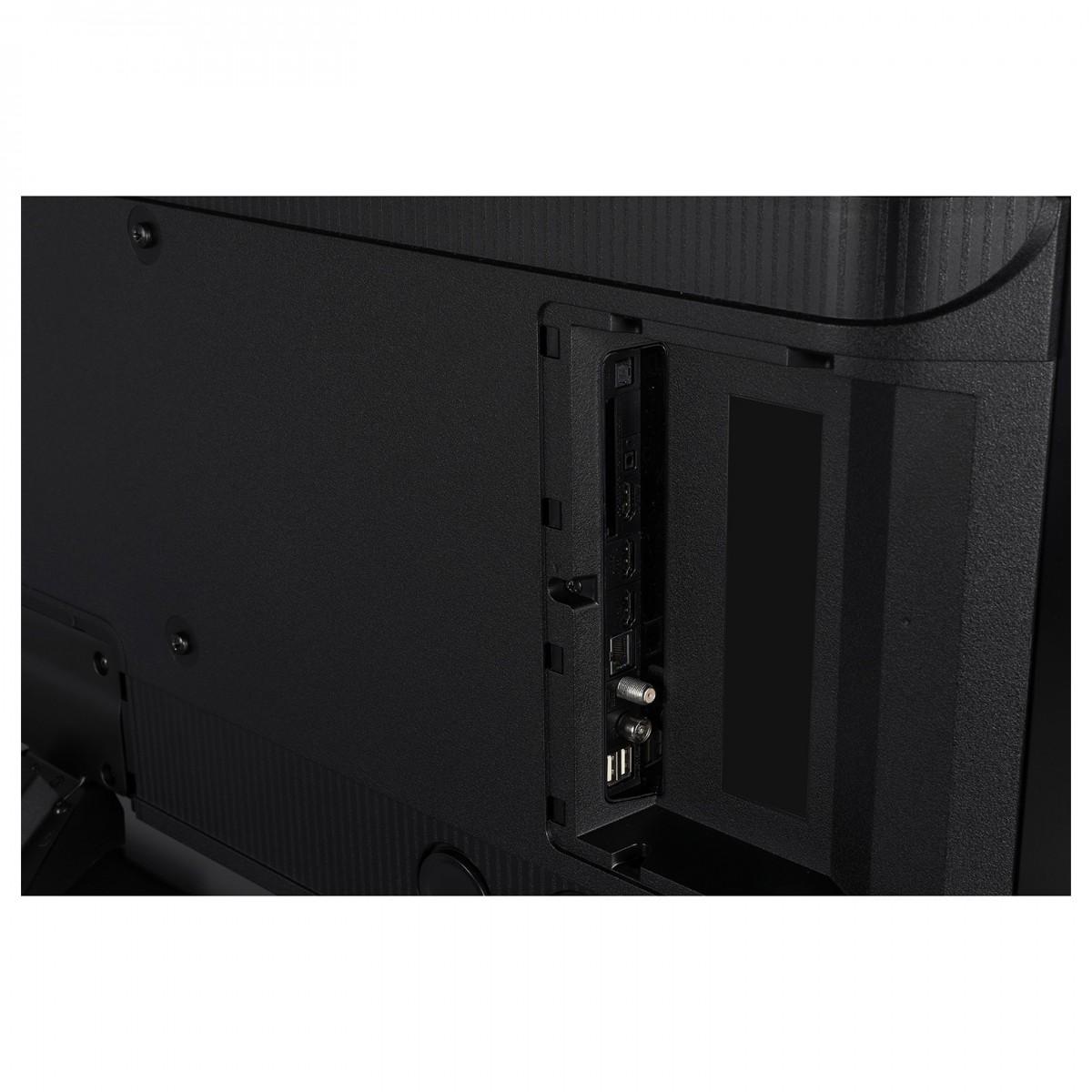
For serious gamers, HDMI 2.1 support is crucial for 4K gaming at high refresh rates. The Panasonic Z95A includes HDMI 2.1 capabilities, though the exact number of ports isn't specified in our research. The Sony BRAVIA 9 features four HDMI ports total, with two being HDMI 2.1 compatible.
The Sony includes Auto HDR Tone Mapping specifically optimized for PlayStation 5, which automatically adjusts HDR settings for the best gaming experience without manual tweaking. This is particularly valuable because HDR gaming can be notoriously difficult to set up properly.
The software experience can make or break your daily TV usage, and these two platforms represent different philosophies in smart TV interfaces.
The Panasonic Z95A runs Amazon Fire TV, which excels if you're already invested in the Amazon ecosystem. The interface prioritizes Amazon Prime Video content and integrates seamlessly with Alexa devices throughout your home. Fire TV has matured significantly since its early days and now offers a comprehensive app library including all major streaming services.
The Sony BRAVIA 9 uses Google TV, which has earned praise for its clean interface and excellent content recommendations. It aggregates content from multiple streaming services and presents personalized suggestions based on your viewing history. Google TV feels more responsive in daily use and offers better search functionality across platforms.
Both support voice control and screen mirroring, but Google TV's integration with Google services (YouTube, Google Photos, etc.) tends to feel more seamless for most users.
Audio often gets overlooked in TV comparisons, but it significantly impacts your viewing experience, especially if you're not planning to immediately add a soundbar or surround sound system.
The Panasonic Z95A includes a 20W speaker system with Dolby Atmos support. While adequate for casual viewing, the thin profile of modern TVs doesn't leave much room for meaningful bass response or soundstage width. The built-in tweeter helps with dialogue clarity, but you'll want to budget for external audio if you're serious about sound quality.
The Sony BRAVIA 9 takes built-in audio more seriously with its 70W, 2.2.2-channel system featuring up-firing beam tweeters positioned around the TV frame. The Acoustic Multi-Audio+ technology creates a surprisingly wide soundstage that follows the action on screen. While still not a replacement for a dedicated sound system, it's significantly more capable than typical TV speakers.
Sony's Acoustic Center Sync technology allows the TV to work as the center channel when paired with compatible Sony soundbars, creating a more cohesive surround sound experience.
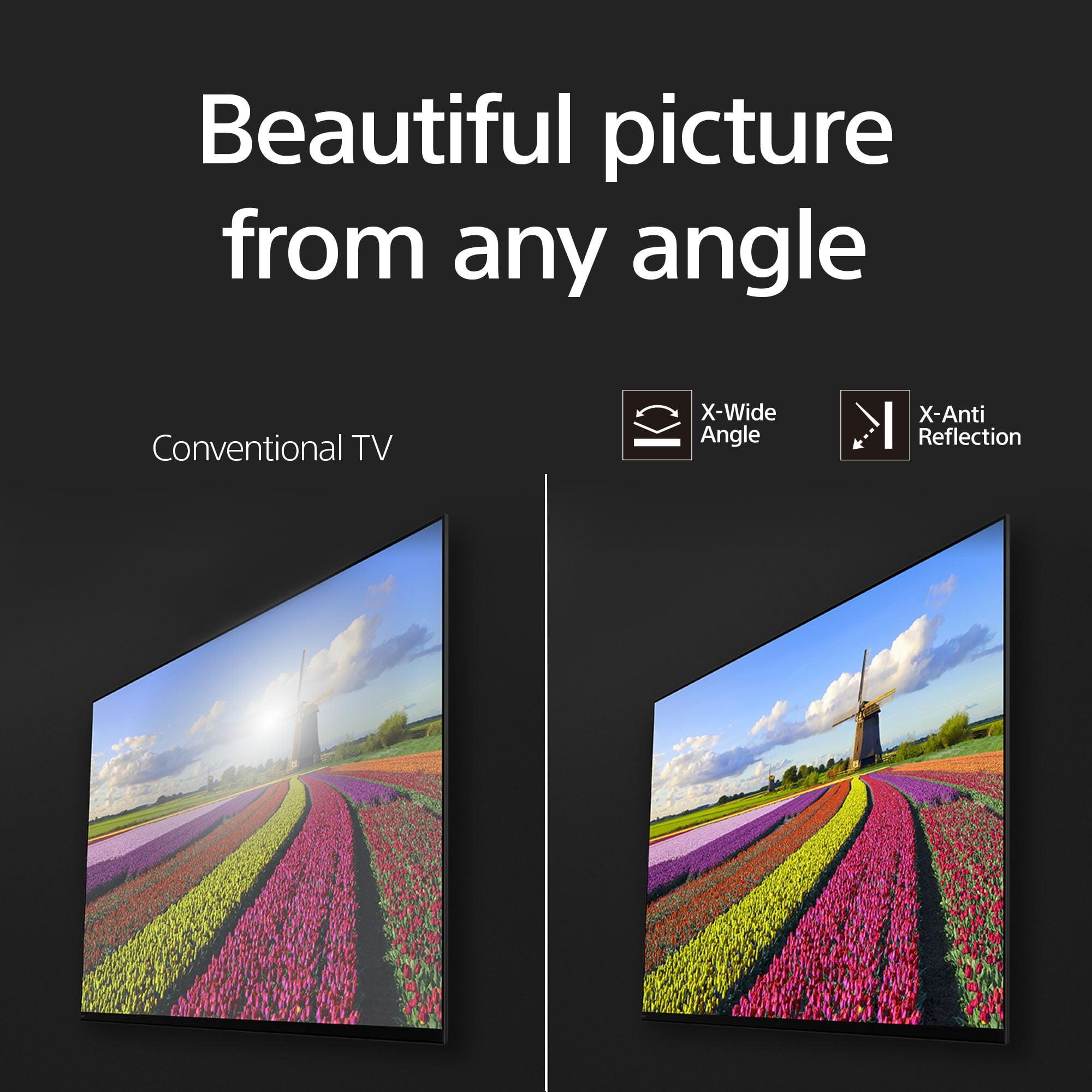
If your TV room has large windows or you primarily watch during daytime hours, brightness becomes crucial. The Sony BRAVIA 9 excels in bright environments thanks to its exceptional peak brightness and X-Anti Reflection technology, which reduces glare from windows and lamps.
The Panasonic Z95A, like all OLEDs, can struggle in very bright rooms where ambient light washes out the screen. OLED technology simply can't compete with the raw brightness output of high-end Mini LED displays in these conditions.
For dedicated home theater setups or evening viewing in dark rooms, the Panasonic Z95A creates an unmatched cinematic experience. The perfect blacks and infinite contrast ratio make every scene feel more three-dimensional and immersive. When you're watching a movie like "Blade Runner 2049" with its dramatic lighting contrasts, OLED technology transports you into the film in ways that backlit displays simply cannot match.
The Panasonic Z95A maintains consistent picture quality from extreme viewing angles, making it ideal for rooms where people sit in various positions relative to the screen. This is particularly important for families or when entertaining groups.
The Sony BRAVIA 9 uses X-Wide Angle technology to improve off-axis viewing, but it still can't match OLED's natural wide-angle performance. Colors shift slightly and contrast decreases when viewed from the sides, though it's still acceptable for most seating arrangements.
At the time of writing, both TVs are priced competitively in the premium 65-inch segment, with the OLED option commanding a slight premium over the Mini LED model. However, value extends beyond initial price to include long-term performance and feature relevance.
The Panasonic Z95A offers superior gaming specs with its 144Hz refresh rate, potentially making it more relevant as gaming hardware continues advancing. OLED technology has also proven its longevity - early concerns about burn-in (permanent image retention) have largely been resolved through improved panel design and automatic pixel care routines.
The Sony BRAVIA 9 represents the cutting edge of Mini LED development, with room for further software optimization through firmware updates. Sony's track record of long-term software support is excellent, and the Google TV platform receives regular feature updates.
Consider that the Panasonic Z95A's weaker built-in audio might necessitate a soundbar purchase sooner, while the Sony BRAVIA 9's superior built-in speakers could delay that additional expense.
You're building a dedicated home theater or primarily watch in dim environments. The perfect blacks and infinite contrast create an unmatched cinematic experience that justifies the OLED premium. Movie enthusiasts who prioritize natural color accuracy and film-like presentation will appreciate its cinema-focused calibration. Competitive gamers who can benefit from 144Hz refresh rates should also lean toward this option.
The wide viewing angles make it perfect for family rooms where people sit in different positions relative to the screen. If you're willing to invest in external audio solutions and want the most immersive dark-room viewing experience available, the Z95A delivers reference-quality performance.
Your viewing room has significant ambient light or you watch TV throughout the day. The exceptional brightness and anti-glare technology maintain picture quality in challenging lighting conditions where OLED struggles. Sports fans will appreciate how the bright, punchy colors make games more engaging and exciting.
The superior built-in audio system provides better value if you're not immediately adding external speakers. Google TV offers a more refined smart platform experience, and the slightly lower price point delivers premium performance with fewer compromises for general use.
The Sony BRAVIA 9 represents the better all-around choice for most households, while the Panasonic Z95A excels in specific scenarios where its unique advantages matter most. Both represent significant upgrades from previous-generation TVs and will transform your viewing experience - the question is which technological approach better matches your specific needs and viewing environment.
In the end, you truly can't go wrong with either choice. Both TVs represent the pinnacle of their respective technologies and will deliver years of exceptional performance. The decision ultimately comes down to your room, your content preferences, and which set of compromises you're more comfortable living with.
| Panasonic Z95A 65" OLED 4K Ultra HD Smart TV | Sony BRAVIA 9 65" 4K UHD Mini LED QLED Smart Google TV |
|---|---|
| Display Technology - The fundamental difference that affects all picture quality | |
| OLED with micro lens array (perfect blacks, infinite contrast) | Mini LED QLED (exceptional brightness, precise local dimming) |
| Peak Brightness - Critical for HDR performance and bright room viewing | |
| ~1,000-1,500 nits (excellent for dark rooms, limited in bright spaces) | ~4,000 nits (outstanding for any lighting condition) |
| Contrast Ratio - Determines how realistic and three-dimensional images appear | |
| Infinite contrast (true blacks from pixel-level control) | High contrast with some blooming (excellent but not perfect blacks) |
| Refresh Rate - Important for gaming and sports viewing smoothness | |
| 144Hz (superior for competitive gaming and PC use) | 120Hz (excellent for console gaming and general content) |
| Processor - Affects picture processing and smart TV responsiveness | |
| HCX Pro AI Processor MKII with Auto AI content optimization | XR Processor with real-time scene enhancement |
| Smart TV Platform - Daily user experience and app performance | |
| Amazon Fire TV (great for Amazon ecosystem users) | Google TV (superior interface and content recommendations) |
| Audio System - Built-in sound quality before adding external speakers | |
| 20W with Dolby Atmos (adequate, external audio recommended) | 70W 2.2.2-channel with Acoustic Multi-Audio+ (significantly better built-in sound) |
| HDMI 2.1 Support - Essential for next-gen gaming at 4K 120Hz | |
| Yes, supports VRR and ALLM for gaming | 4 total HDMI ports, 2 with HDMI 2.1 (clear gaming connectivity) |
| Viewing Angles - Picture quality consistency from different seating positions | |
| Excellent (OLED maintains quality from extreme angles) | Good with X-Wide Angle tech (some degradation off-center) |
| Best Use Cases - Where each TV truly excels | |
| Dark room cinema, movie enthusiasts, wide seating arrangements | Bright rooms, sports viewing, all-day use, families wanting better built-in audio |
The Panasonic Z95A OLED delivers superior picture quality for movies due to its perfect blacks and infinite contrast ratio. OLED technology allows individual pixels to turn completely off, creating true darkness that makes movie scenes more cinematic and immersive. The natural color accuracy and film-like presentation make it the preferred choice for serious movie enthusiasts and home theater setups.
The Sony BRAVIA 9 Mini LED is significantly better for bright rooms thanks to its exceptional peak brightness of around 4,000 nits and X-Anti Reflection technology. While the Panasonic Z95A can struggle in very bright environments where ambient light washes out the screen, the Sony maintains excellent picture quality throughout the day with windows open or lights on.
The Panasonic Z95A OLED has a slight edge for gaming with its 144Hz refresh rate, making it superior for competitive PC gaming and future console generations. However, the Sony BRAVIA 9 offers excellent gaming performance at 120Hz with Auto HDR Tone Mapping optimized for PlayStation 5. Both support VRR, ALLM, and HDMI 2.1 for next-gen gaming features.
The Sony BRAVIA 9 Mini LED has significantly better built-in audio with its 70W 2.2.2-channel system featuring up-firing beam tweeters and Acoustic Multi-Audio+ technology. The Panasonic Z95A has a more basic 20W speaker system that, while adequate for casual viewing, will likely require external audio solutions sooner for the best experience.
The Sony BRAVIA 9 uses Google TV, which offers a more refined interface with better content recommendations and faster performance. The Panasonic Z95A runs Amazon Fire TV, which works well if you're invested in the Amazon ecosystem but generally feels less polished than Google TV in daily use.
The Sony BRAVIA 9 Mini LED is better for sports due to its exceptional brightness and vibrant colors that make games more engaging. The high peak brightness ensures excellent visibility in bright living rooms where sports are typically watched, while the punchy colors make grass greens and team uniforms more vivid and exciting.
The Panasonic Z95A OLED has superior viewing angles, maintaining consistent picture quality and colors from extreme side positions. The Sony BRAVIA 9 uses X-Wide Angle technology to improve off-axis viewing, but like all backlit displays, it still experiences some color shifting and contrast reduction when viewed from the sides.
The Sony BRAVIA 9 Mini LED offers better overall value for most buyers, providing premium performance at a slightly lower price point with superior built-in audio and versatile bright-room performance. The Panasonic Z95A commands a premium for OLED technology but delivers unmatched picture quality in the right viewing conditions.
The Panasonic Z95A OLED is the clear winner for dedicated home theater setups with controlled lighting. The perfect blacks, infinite contrast, and natural color accuracy create the most cinematic viewing experience possible. The wide viewing angles also work well for theater seating arrangements where people sit at different positions relative to the screen.
The Sony BRAVIA 9 Mini LED gets significantly brighter, reaching peak brightness levels around 4,000 nits compared to the Panasonic Z95A's approximately 1,000-1,500 nits. This brightness advantage makes the Sony better for HDR content with bright highlights and essential for maintaining picture quality in well-lit rooms.
The Panasonic Z95A OLED has better contrast with its infinite contrast ratio achieved through perfect blacks. Each pixel can turn completely off, creating true darkness that no backlit display can match. While the Sony BRAVIA 9 offers excellent contrast through precise local dimming, it cannot achieve the same level of contrast performance as OLED technology.
Choose the Panasonic Z95A OLED if you prioritize the best possible picture quality for movies, have a dark or dim viewing room, and want the most immersive cinematic experience. Choose the Sony BRAVIA 9 Mini LED if you watch TV in bright rooms, want better built-in audio, prefer vibrant colors for sports content, and need a versatile TV that performs well in any lighting condition.
We've done our best to create useful and informative comparisons to help you decide what product to buy. Our research uses advanced automated methods to create this comparison and perfection is not possible - please contact us for corrections or questions. These are the sites we've researched in the creation of this article: youtube.com - youtube.com - whathifi.com - tomsguide.com - shop.panasonic.com - store.in.panasonic.com - rtings.com - applianceplus.co.nz - rtings.com - store.in.panasonic.com - samsung.com - bestbuy.com - bestbuy.com - youtube.com - whathifi.com - crutchfield.com - rtings.com - pcrichard.com - merlinstv.com - youtube.com - sony.ca - electronics.sony.com

Privacy Policy
Terms and Conditions - Affiliate Policy
Home Security
© Copyright 2008-2026.
11816 Inwood Rd #1211, Dallas, TX 75244