

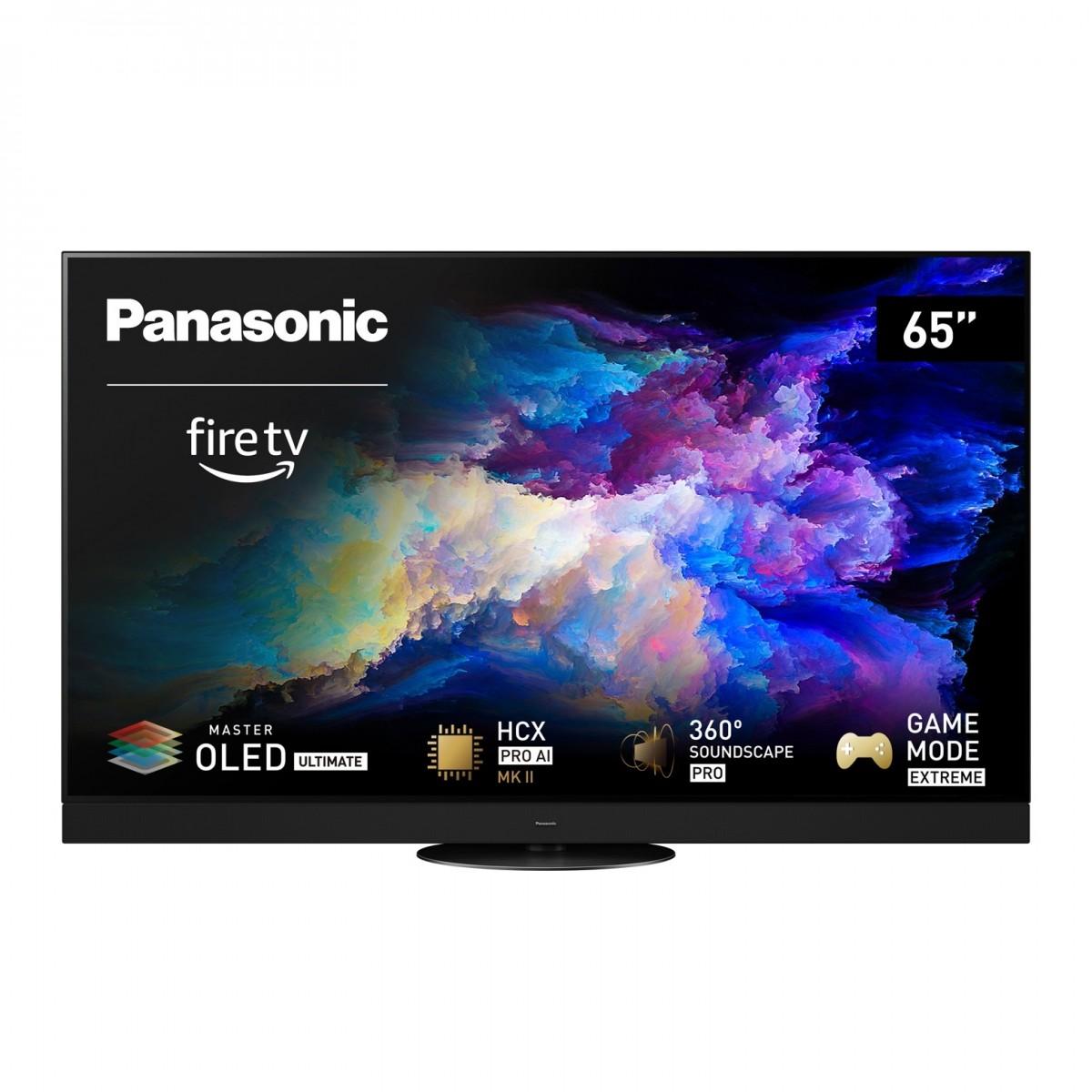
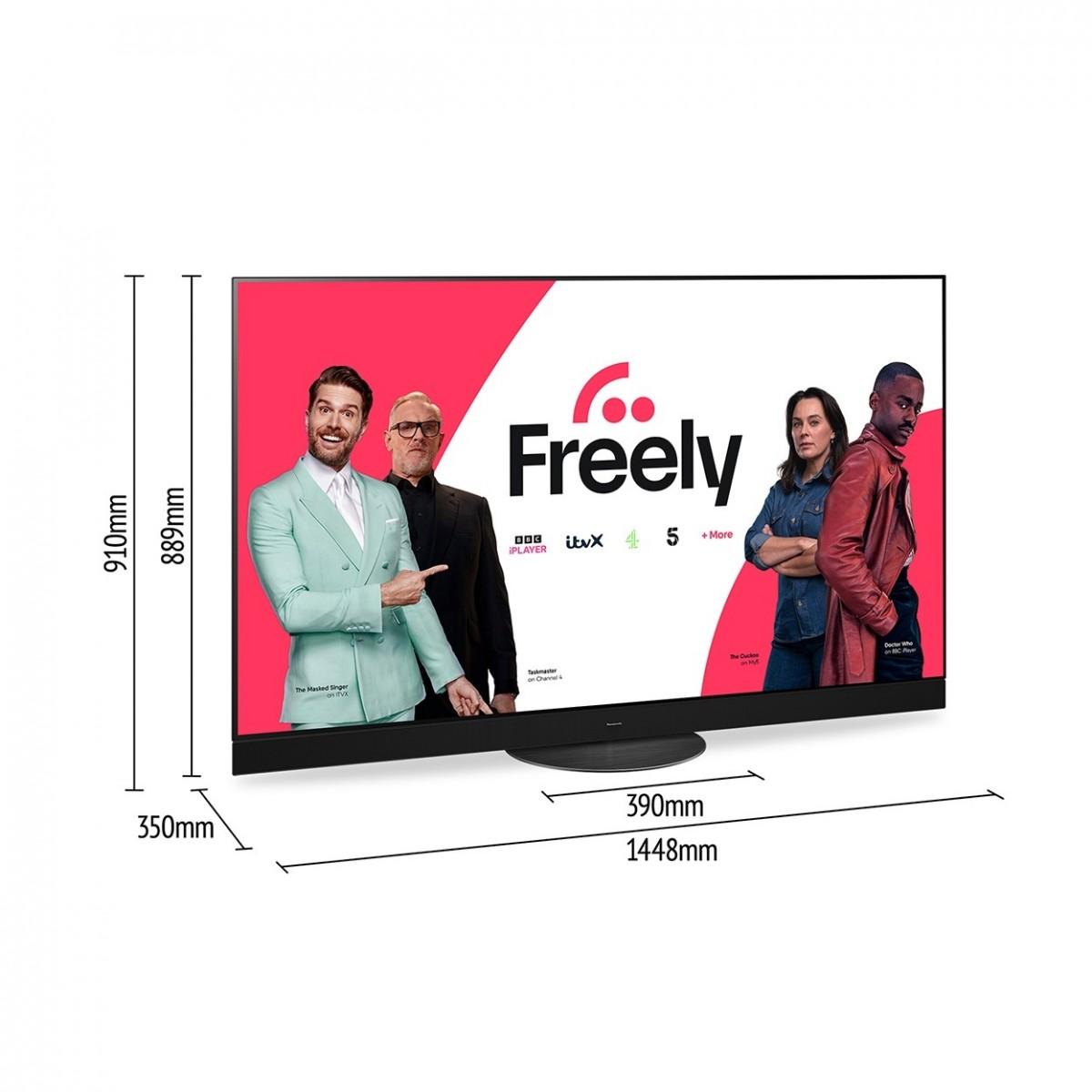
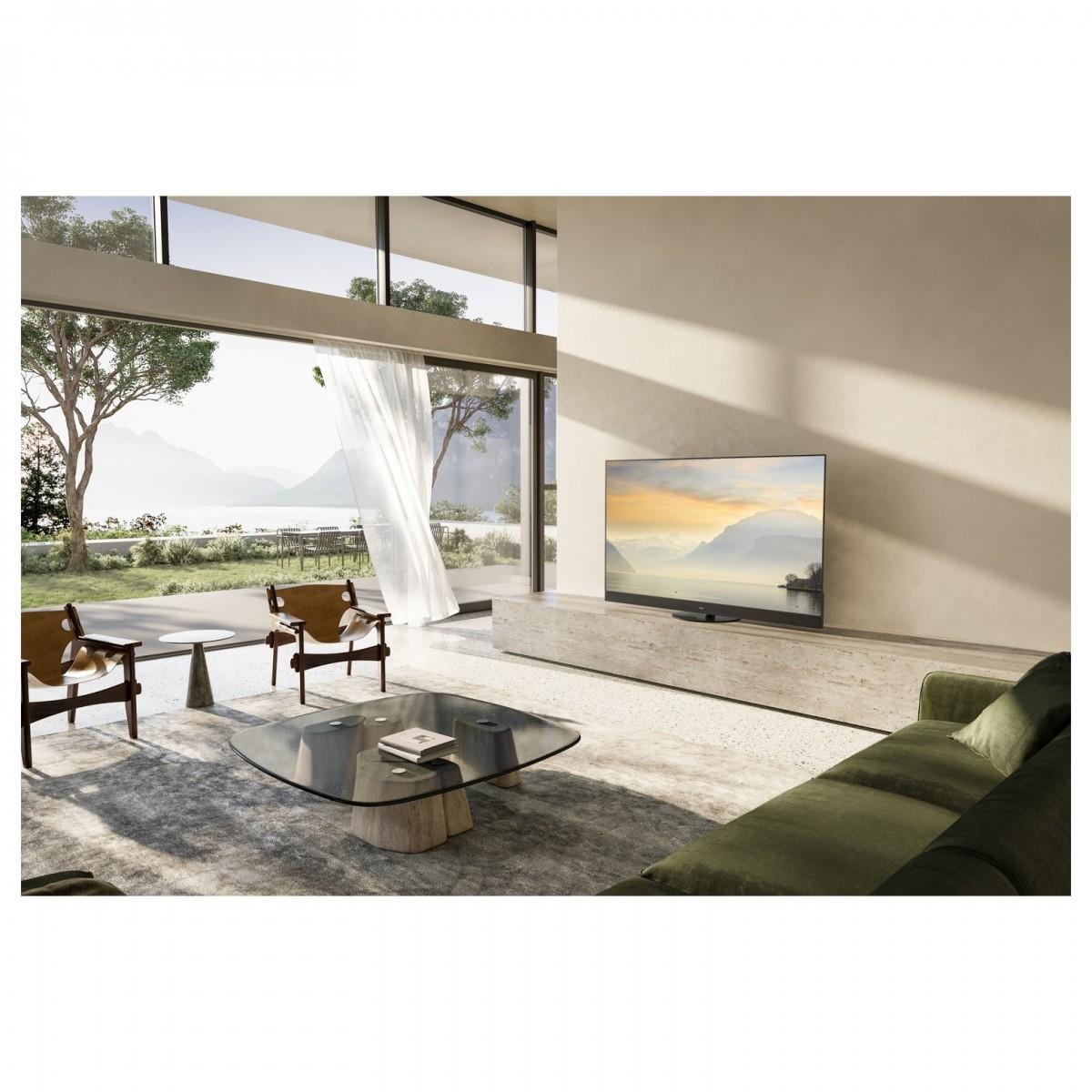
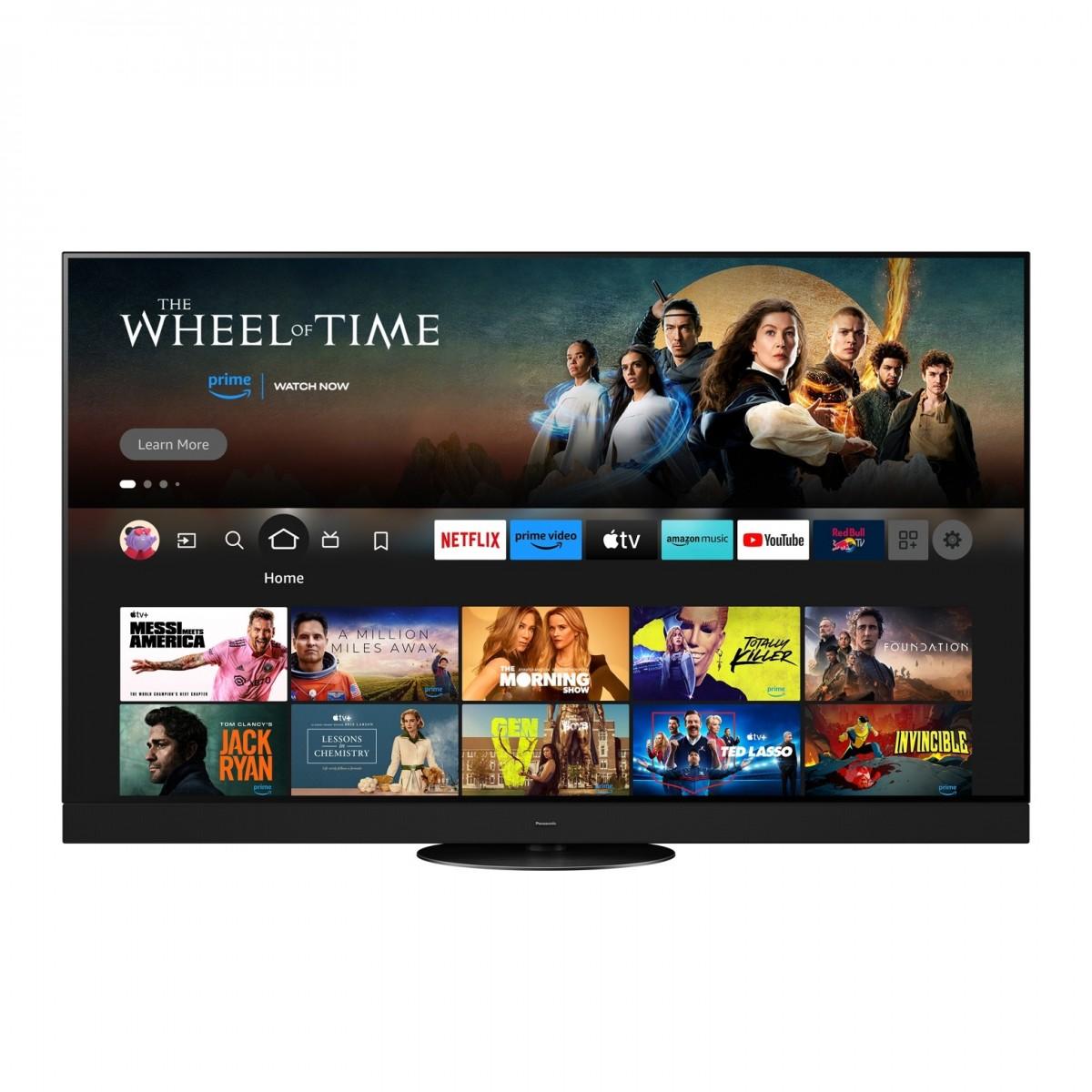
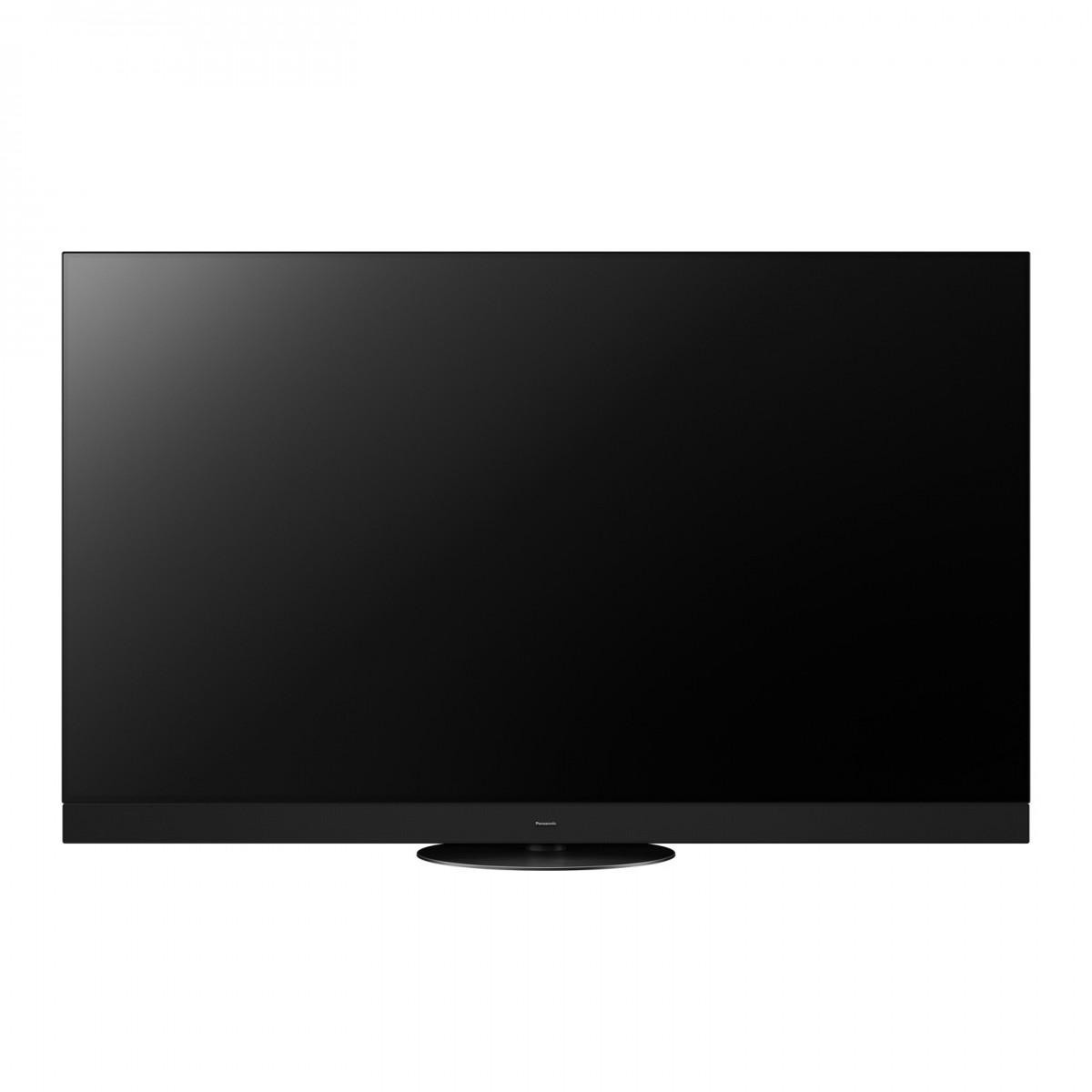
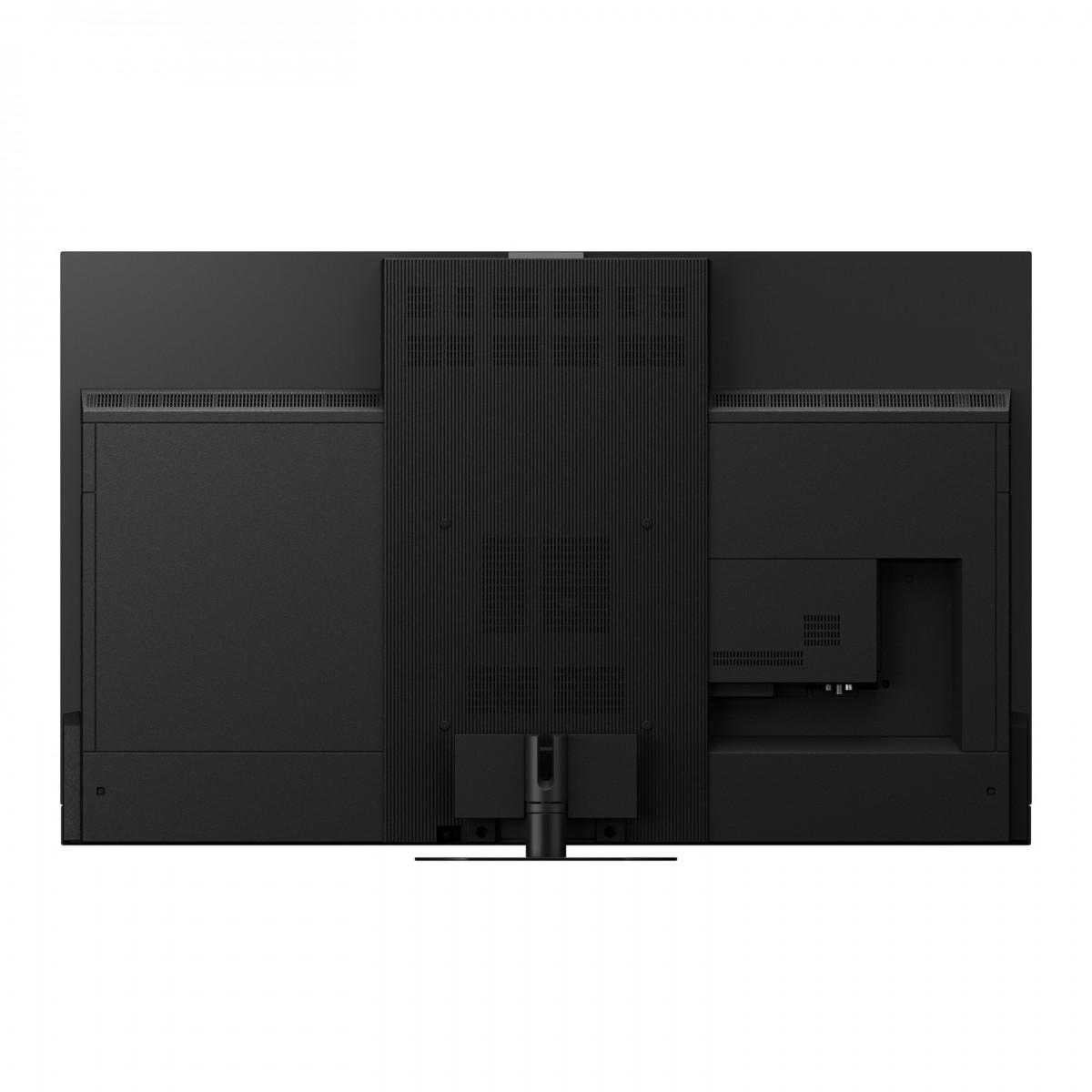
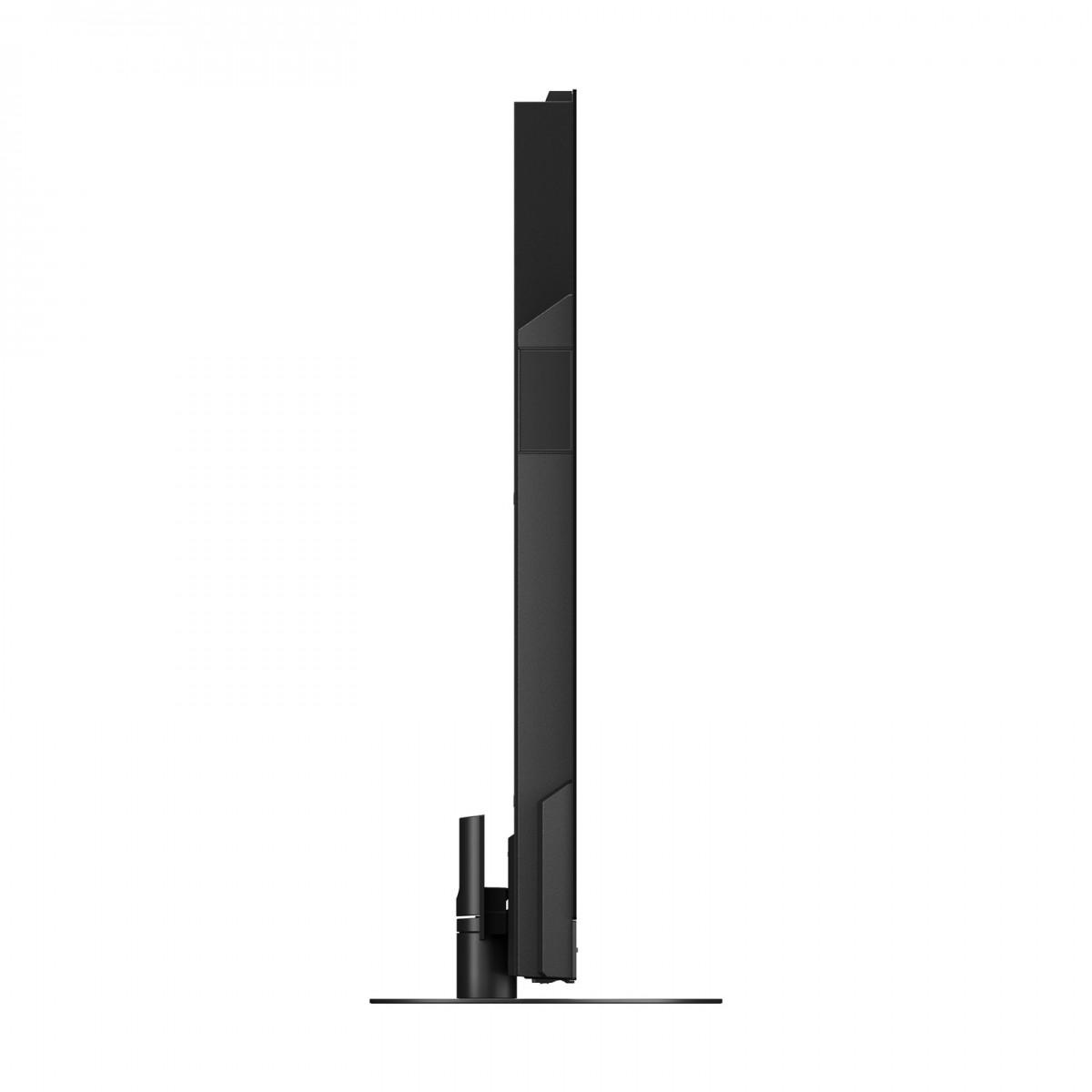
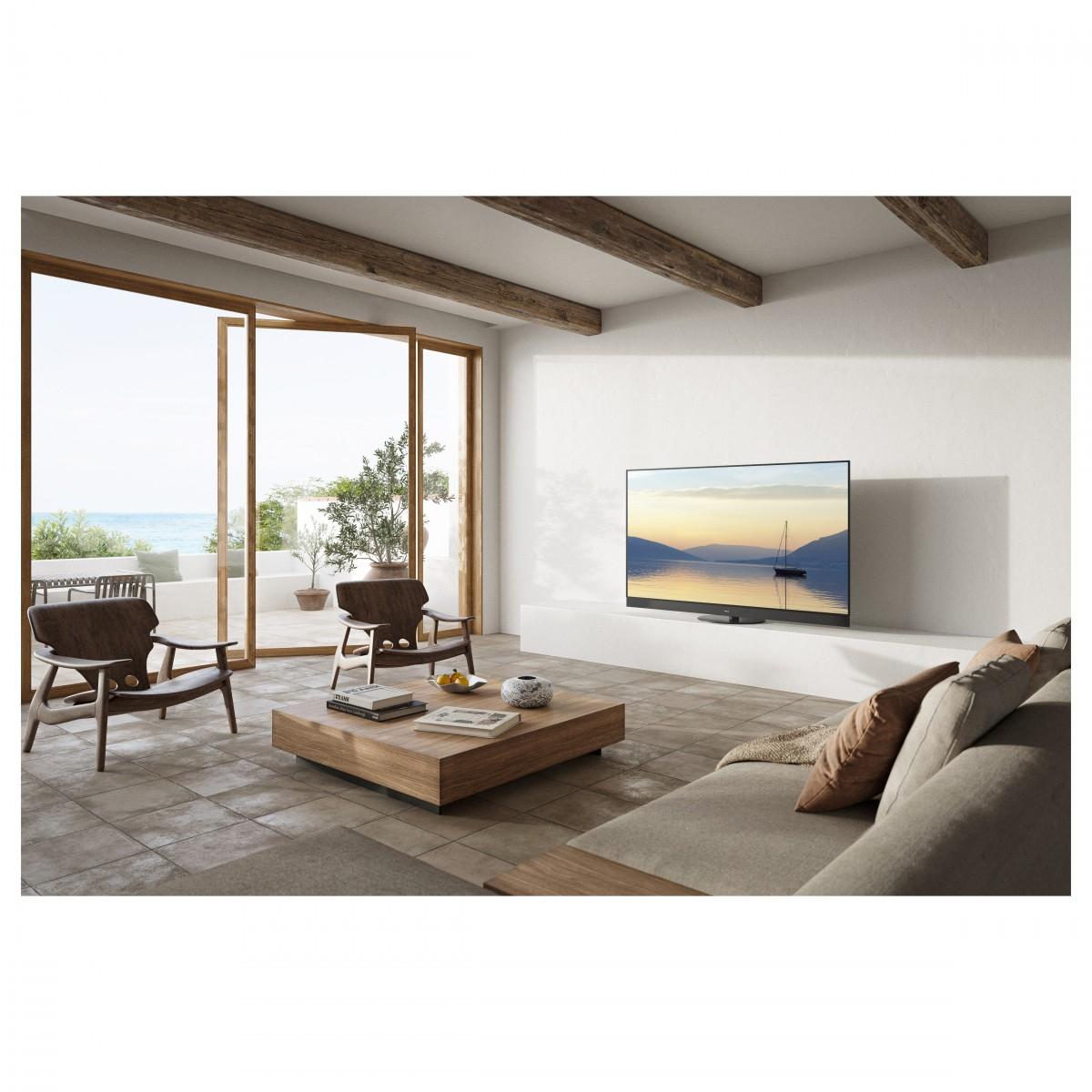
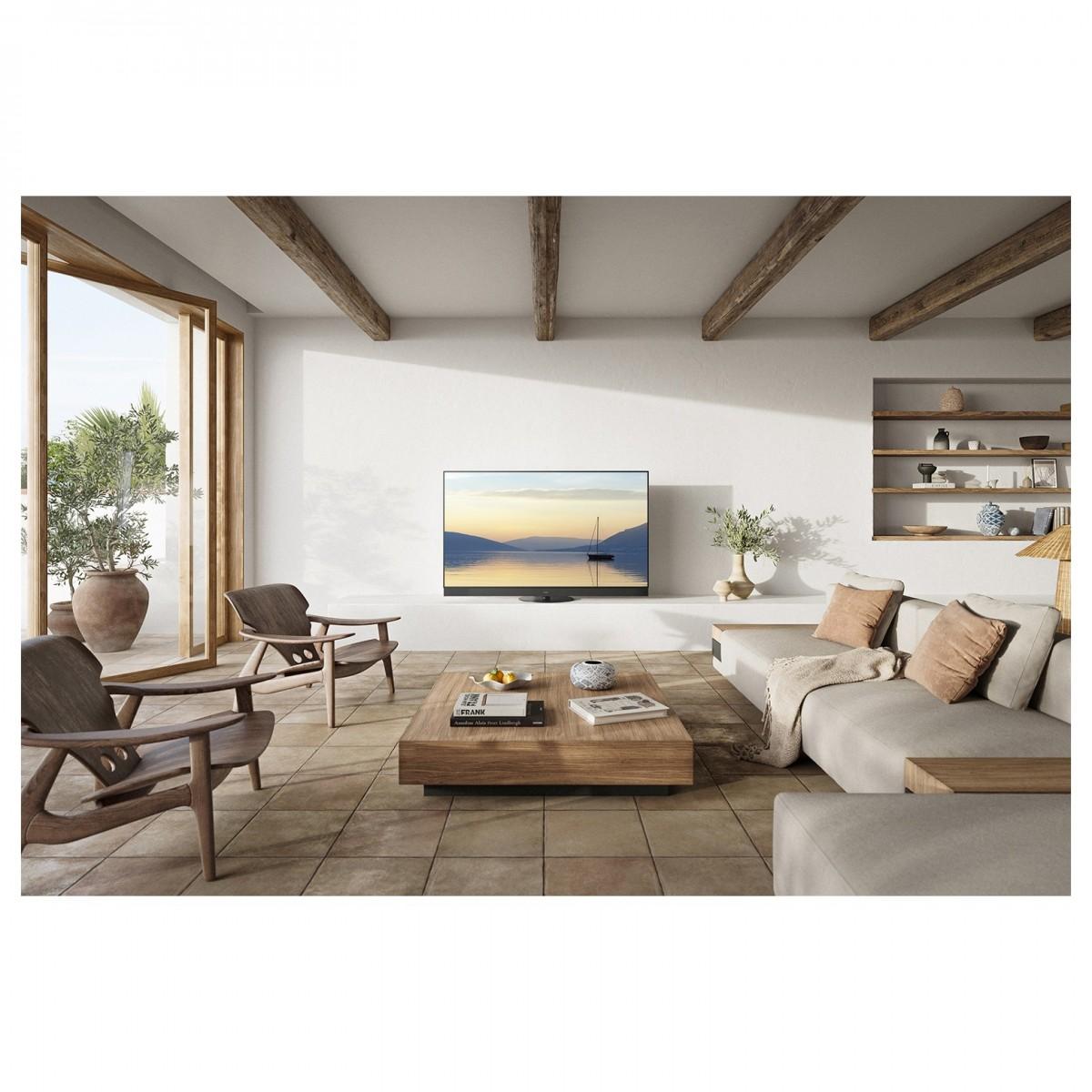
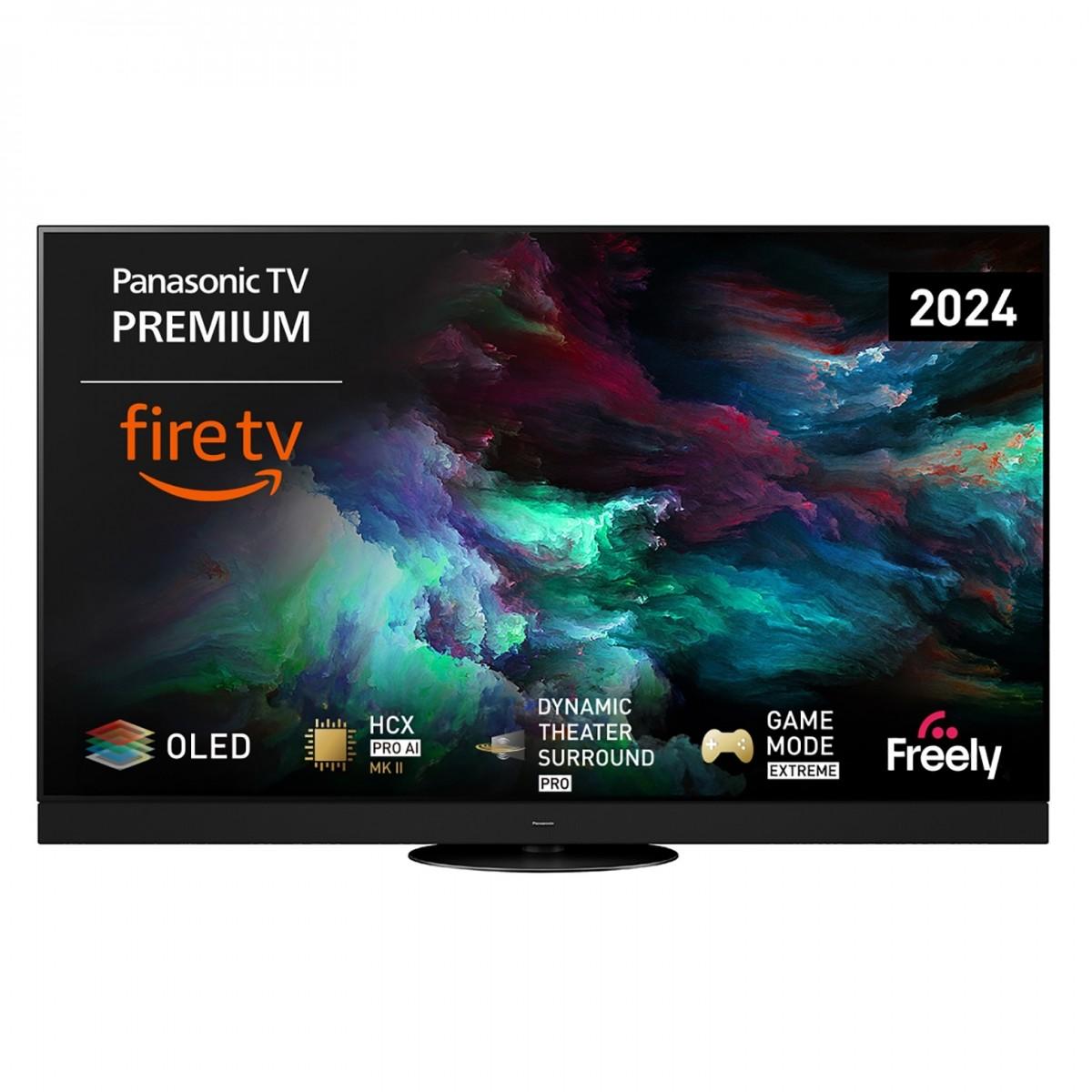
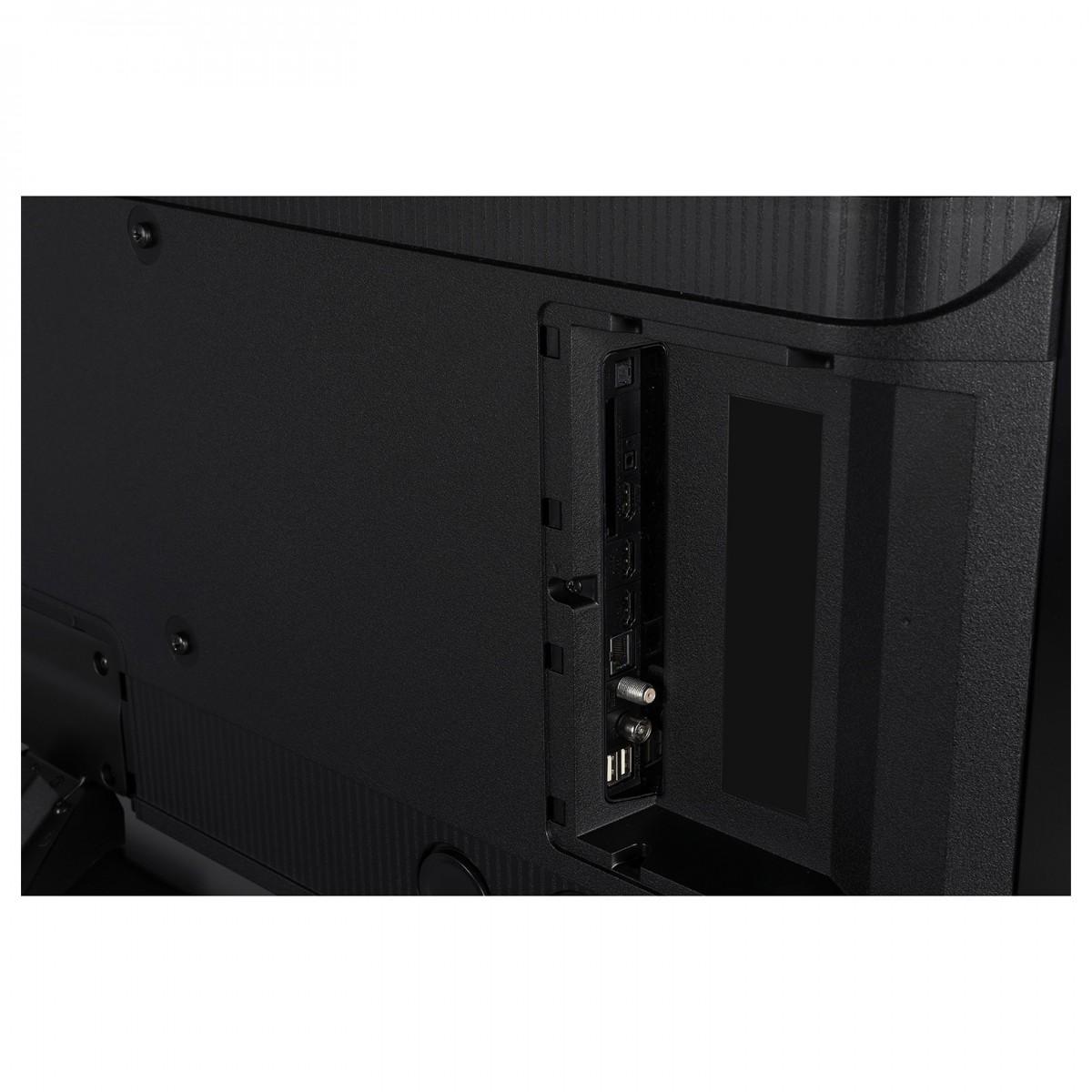
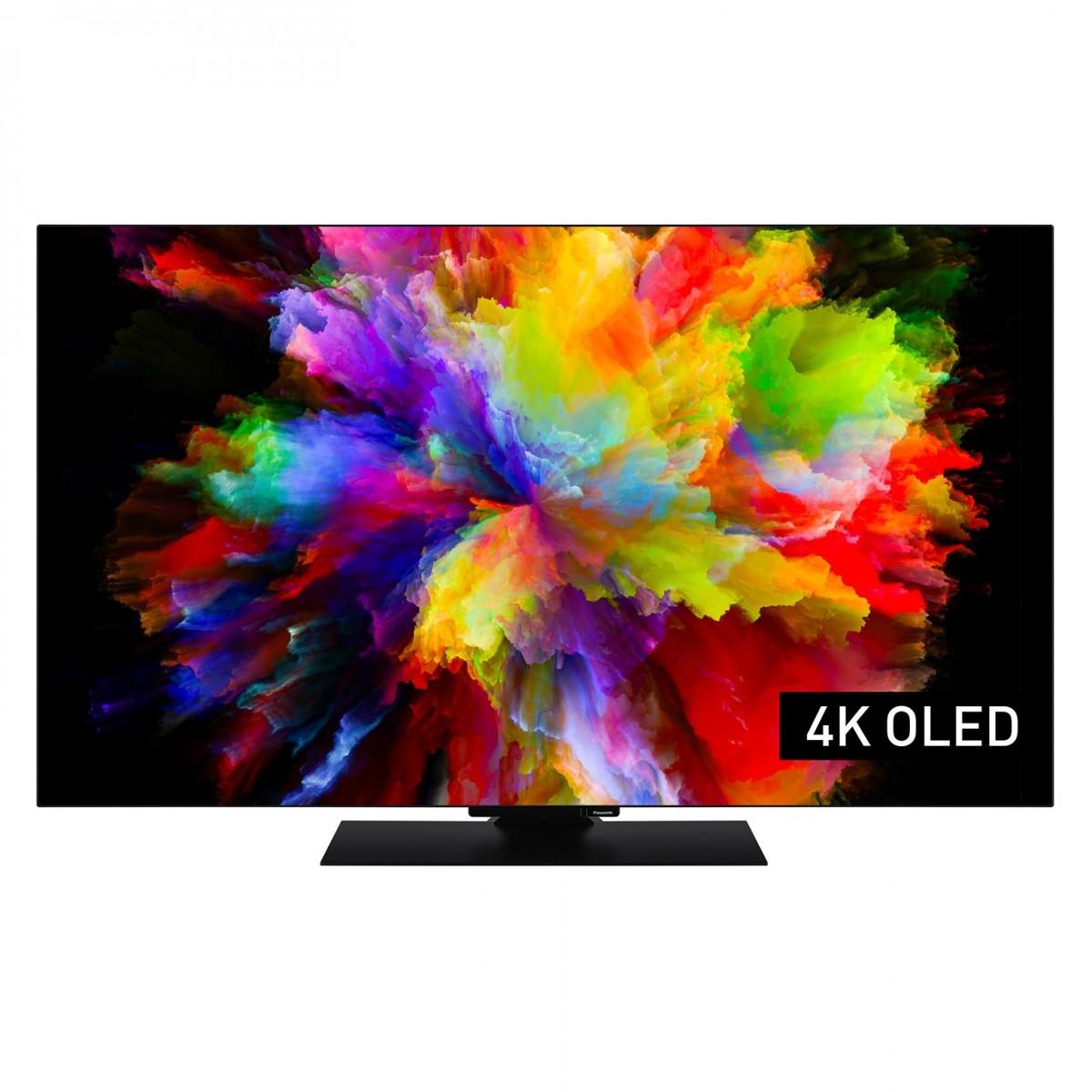
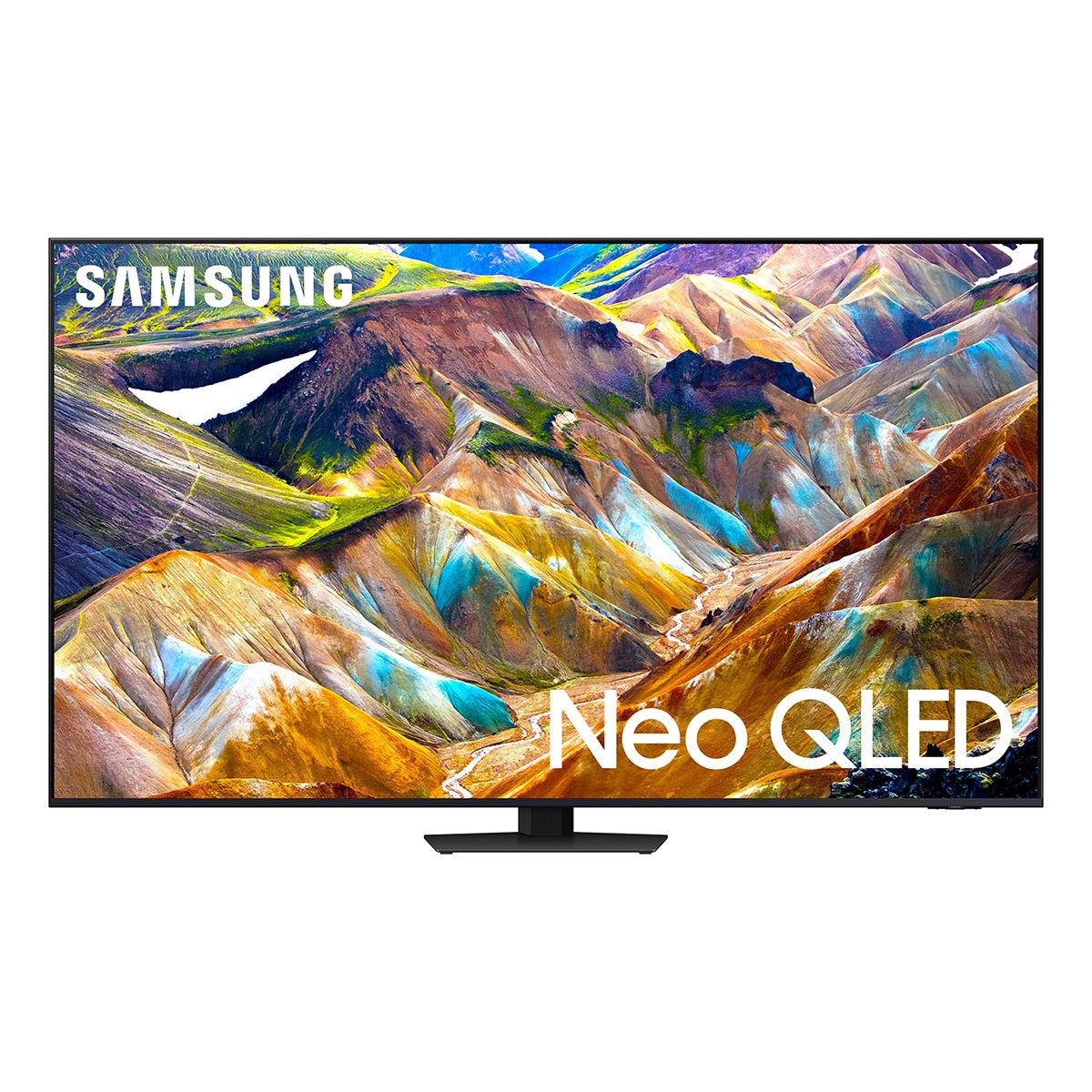
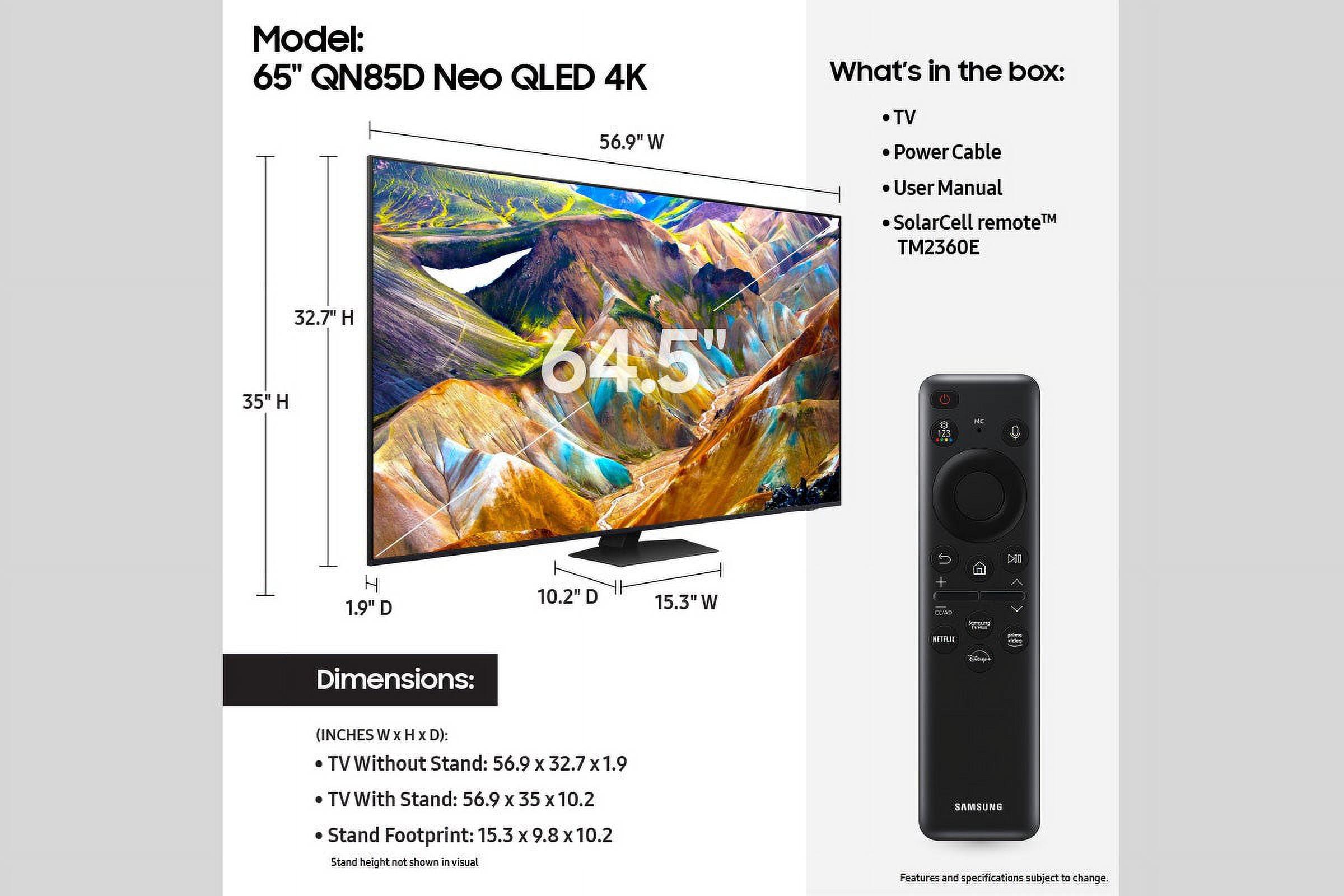
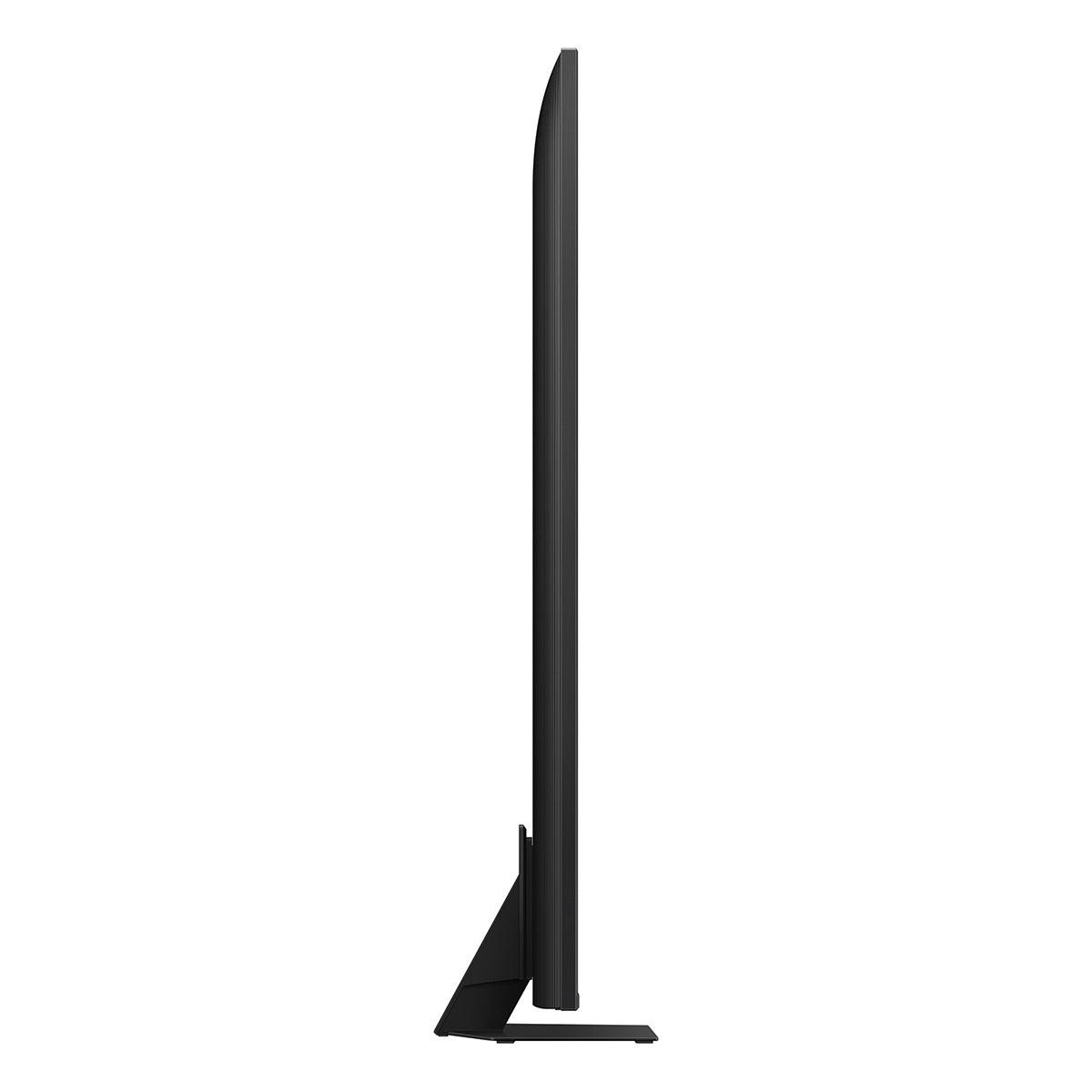
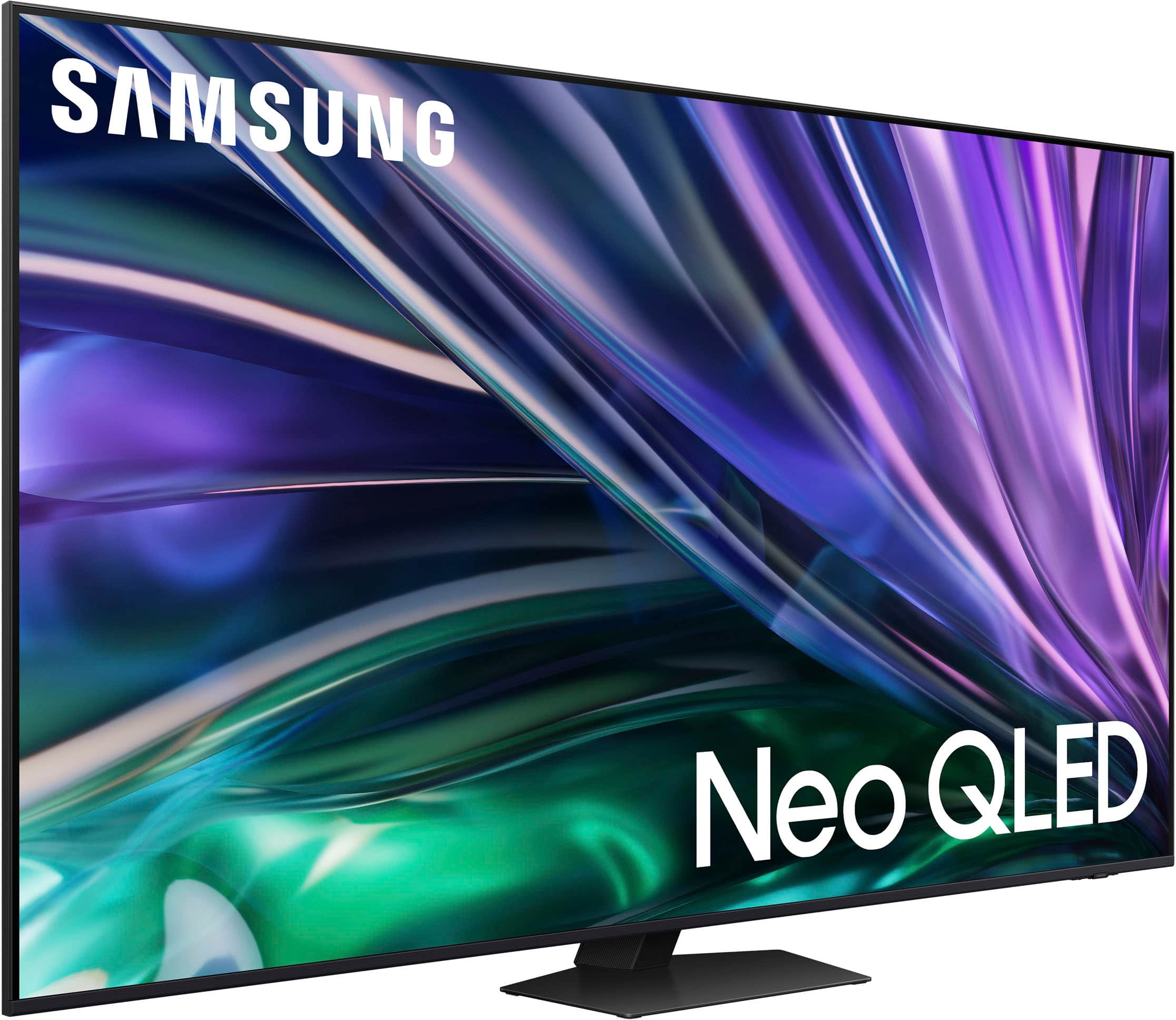

When shopping for a premium 65-inch TV in 2024, you'll quickly encounter two fundamentally different display technologies that represent the current pinnacle of home entertainment: OLED and Neo QLED. The Panasonic Z95A and Samsung QN85D perfectly illustrate this divide, offering dramatically different approaches to delivering stunning picture quality in your living room.
Understanding these technologies isn't just about specs—it's about how you actually watch TV. Do you binge Netflix in a dark basement theater, or is your TV the centerpiece of a bright family room? Are you a serious movie buff who notices color accuracy, or do you want something that looks impressive during the big game? These questions matter more than any specification sheet.
The fundamental difference between these TVs lies in how they create light. The Panasonic Z95A uses OLED technology, where each individual pixel produces its own light through organic compounds that glow when electricity passes through them. Think of it like having 8.3 million tiny light bulbs that can independently turn on, off, or dim to any level. This pixel-level control creates what's called "perfect blacks"—when a pixel needs to be black, it simply turns off completely.
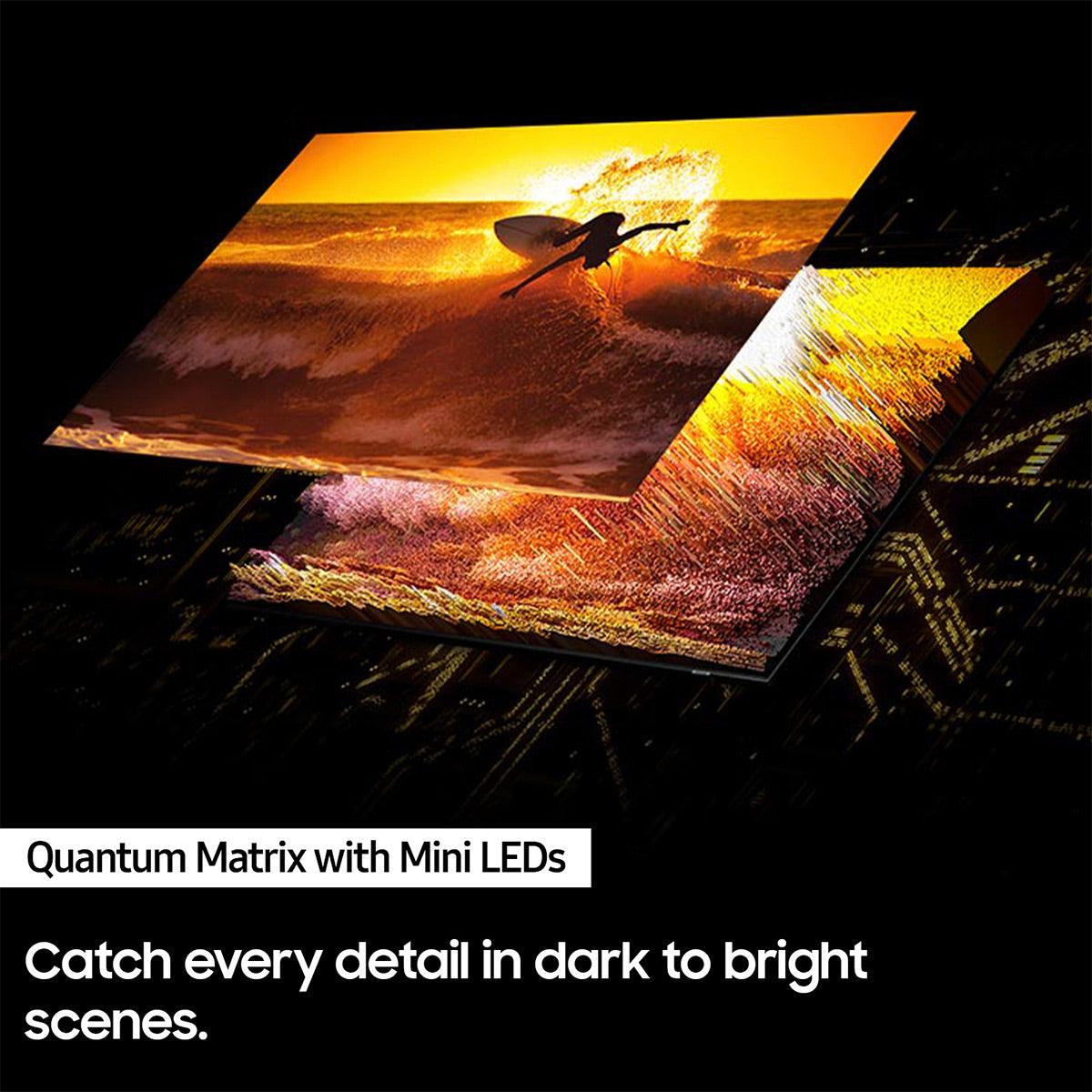
The Samsung QN85D, meanwhile, uses Neo QLED technology, which is Samsung's premium LCD approach. It starts with a traditional LCD panel but adds two key innovations: Quantum Dots (microscopic particles that produce pure colors when hit by light) and Mini LEDs (thousands of tiny LEDs that serve as the backlight, divided into 160 separate zones that can dim independently). While it can't turn off individual pixels like OLED, it can dim entire sections of the screen to create deeper blacks than regular TVs.
Both technologies emerged from the industry's quest to solve LCD's fundamental weakness: poor contrast. Traditional LCDs struggle to show true blacks because their backlight always leaks some light through. OLED solved this completely in 2013, while Mini LED technology like Neo QLED became mainstream around 2021 as a brightness-focused alternative.
Here's where the Panasonic Z95A shows its OLED advantage most clearly. When watching a movie like "Dune" with its sweeping desert scenes transitioning to dark interior shots, OLED's infinite contrast ratio creates a viewing experience that feels almost three-dimensional. Each star in a space scene appears to float against a truly black background, not the dark gray you might see on lesser TVs.
The Samsung QN85D counters with impressive contrast of its own—our research into user reviews consistently praises its ability to deliver deep blacks that exceed 160,000:1 contrast ratios. That's genuinely excellent for an LCD TV, but physics still applies. In a dark room, you might notice subtle blooming around bright objects like movie credits or streetlights. It's not distracting for most content, but it's there.
For home theater enthusiasts who've invested in a dedicated dark viewing room, this difference matters significantly. The Panasonic Z95A delivers that reference-quality experience where you forget you're looking at a screen. However, the Samsung QN85D holds its own remarkably well and costs considerably less at the time of writing.
Peak brightness flips the advantage toward the Samsung QN85D. Mini LED technology can push much higher brightness levels than OLED, making it superior for bright rooms or HDR content that benefits from eye-searing highlights. When watching sports on a sunny afternoon or showing off HDR demos to friends, that extra brightness creates more impact.
The Panasonic Z95A takes a more measured approach to brightness, using Dolby Vision IQ technology that automatically adjusts the picture based on your room's ambient light. This creates a more natural, cinema-like experience but won't punch through bright room lighting as effectively.
Consider your room setup carefully here. If your TV faces windows or you often watch during daytime hours, the Samsung QN85D provides more flexibility. But if you're building a proper home theater with controlled lighting, the Panasonic Z95A offers the more authentic cinematic experience.
The Panasonic Z95A brings serious credibility through its collaboration with colorist Stefan Sonnenfeld, who's worked on major films like "Wonder Woman" and "X-Men." This partnership ensures colors appear exactly as content creators intended—skin tones look natural, grass appears the right shade of green, and sunsets don't look artificially pumped up.
Samsung takes a different philosophy with the Samsung QN85D, using Quantum Dot technology to achieve 100% color volume. This means colors appear more saturated and vibrant, which many people prefer initially. It's the difference between a natural sunset and an Instagram-filtered sunset—both can look great, but one is more accurate to reality.
For movie lovers who care about director's intent, the Panasonic Z95A wins clearly. For families who want colors that pop during everyday viewing, the Samsung QN85D delivers more immediate "wow factor."
This is where OLED technology shows another clear advantage. The Panasonic Z95A maintains consistent colors and contrast from virtually any viewing position. Whether you're sitting dead center or off to the side during a crowded movie night, the picture looks essentially the same.
The Samsung QN85D uses a VA panel, which provides excellent contrast when viewed head-on but degrades significantly from side angles. If your seating arrangement spreads people across a wide area, some viewers will see washed-out colors and reduced contrast. This isn't unusual for LCD TVs, but it's worth considering for your specific room layout.
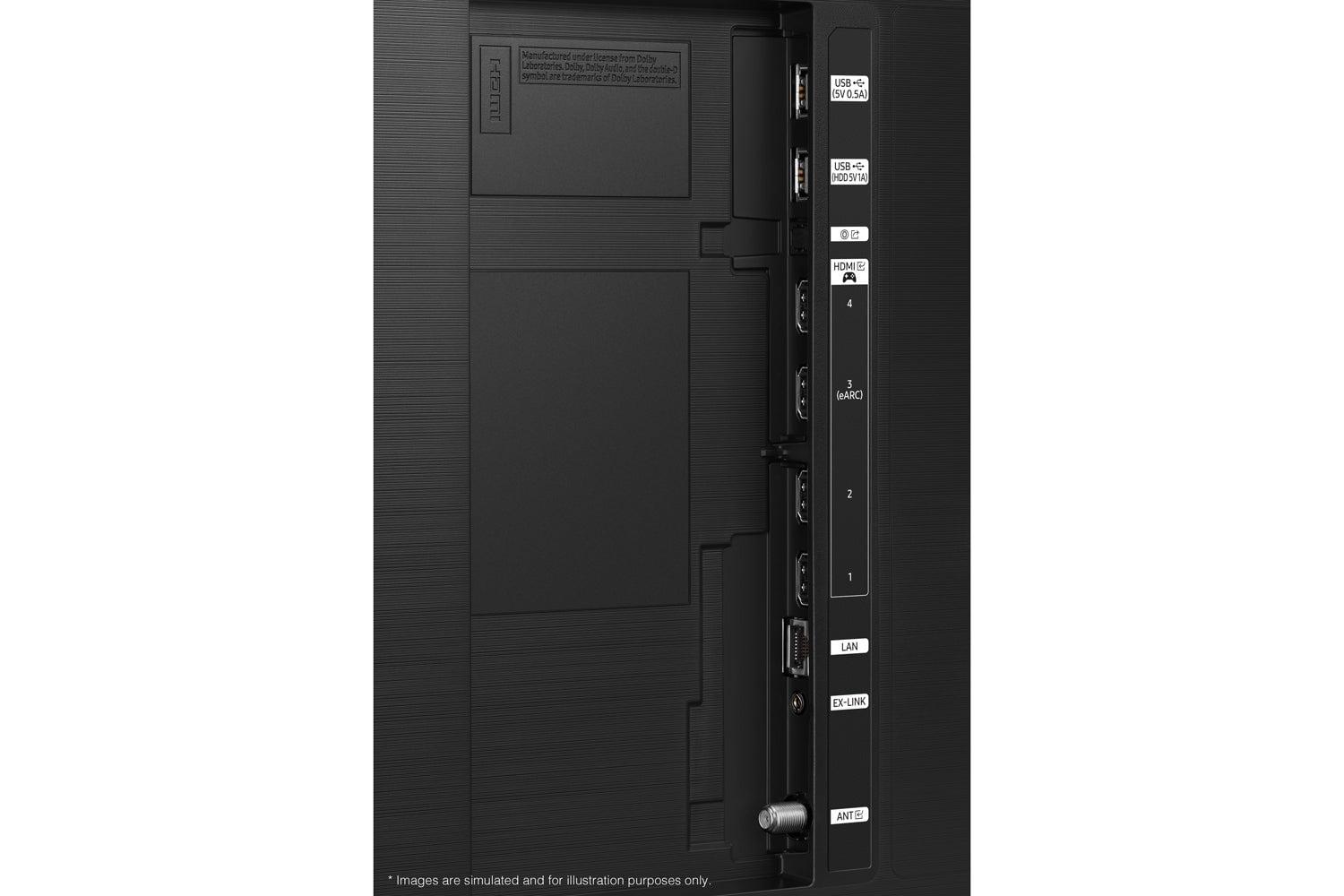
Gaming has become a crucial consideration for TV buyers, and both models deliver, but with different strengths. The Samsung QN85D clearly targets gamers with four HDMI 2.1 ports supporting 4K at 120Hz refresh rates, Variable Refresh Rate (VRR) technology that prevents screen tearing, and Auto Low Latency Mode (ALLM) that automatically switches to game mode when it detects a console.
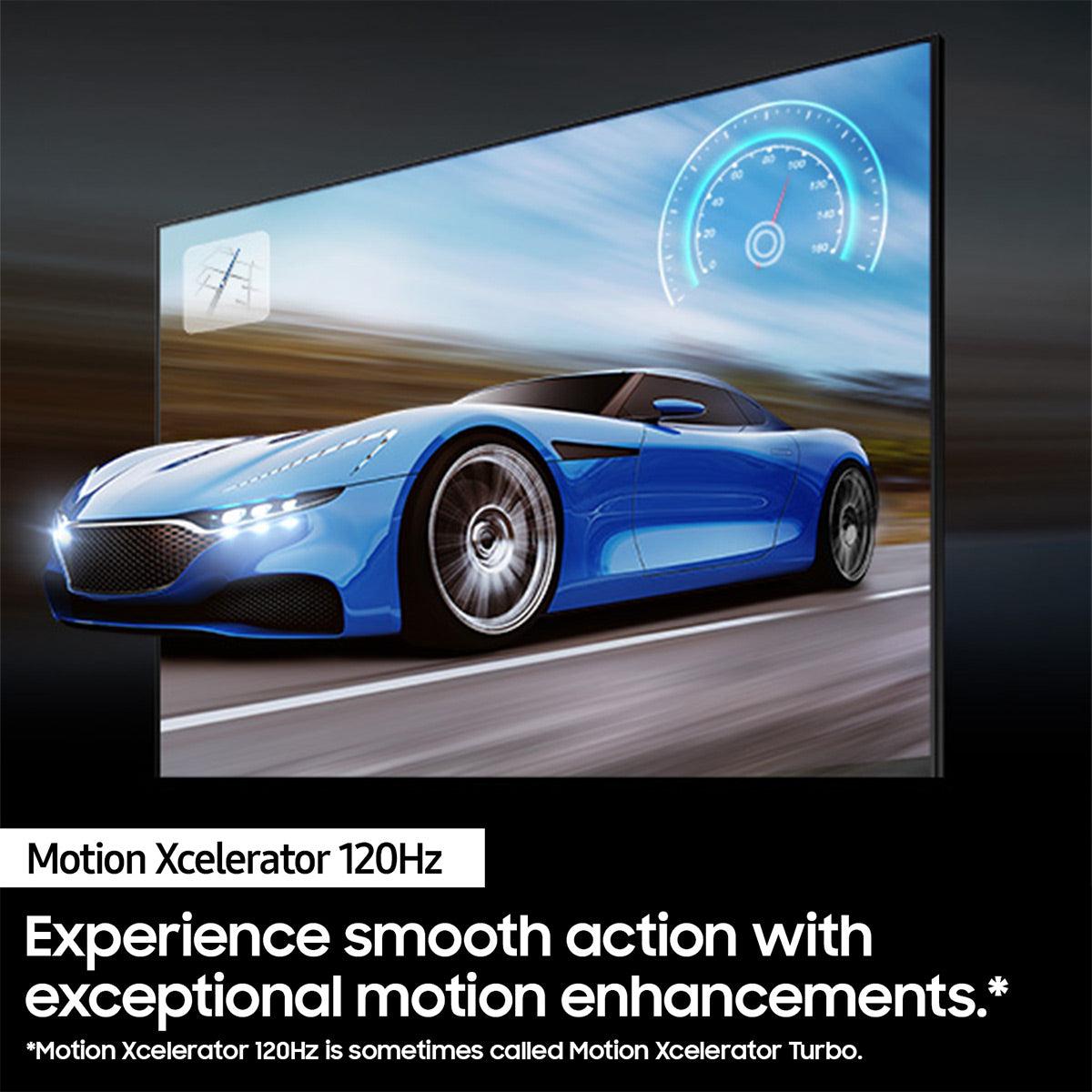
Motion Xcelerator Turbo technology in the Samsung QN85D specifically addresses fast-moving game content, ensuring smooth action without blur—crucial for competitive gaming or fast-paced adventures. Gaming-specific features like Game Bar and Mini Map Zoom add practical value for serious players.
The Panasonic Z95A supports gaming essentials like ALLM and Game Mode but focuses more on picture quality than gaming-specific features. For casual gaming or single-player story-driven games where visual fidelity matters most, OLED's perfect blacks and color accuracy create an incredibly immersive experience.
If you're building a setup for the latest PlayStation or Xbox, or if multiple family members game regularly, the Samsung QN85D provides more comprehensive gaming optimization. For occasional gaming where picture quality trumps features, the Panasonic Z95A creates a more cinematic gaming experience.
Both TVs include Dolby Atmos support, but approach audio differently. The Panasonic Z95A features a 20W system with dedicated tweeters for clearer dialogue and better high-frequency response. The Samsung QN85D includes Object Tracking Sound Lite, which tries to make audio follow visual movement on screen—useful for action scenes where helicopters fly across the screen or cars race from left to right.
However, let's be realistic: neither TV's built-in audio will satisfy anyone building a serious home theater. The thin profiles that make these TVs look great on the wall leave little room for substantial speakers. Plan to invest in a soundbar or surround sound system to match these displays' visual capabilities.
For temporary use or casual viewing, both provide acceptable audio. For home theater applications, consider the built-in speakers as placeholders until you add proper audio equipment.
The software experience differs significantly between these models. The Panasonic Z95A runs on Android TV with Google Assistant integration, providing familiar navigation for Android users and excellent voice search capabilities. Chromecast built-in makes sharing content from phones seamless.
Samsung's Tizen OS on the Samsung QN85D consistently receives praise for its speed and intuitive interface. The system feels more responsive in day-to-day use, and Samsung's app store typically receives updates faster than Android TV. SmartThings integration also provides better smart home control if you're invested in Samsung's ecosystem.
Both support major streaming services and offer hands-free voice control, but the Samsung QN85D generally provides a smoother daily experience for most users.
At the time of writing, the Samsung QN85D costs significantly less than the Panasonic Z95A—we're talking about a difference that could fund a quality soundbar or several years of streaming subscriptions. This price gap makes the value equation complex.
The Panasonic Z95A justifies its premium through superior picture quality, particularly for movie lovers and home theater enthusiasts. If you're investing in a TV to last 7-10 years and picture quality is paramount, the extra cost might make sense.
The Samsung QN85D offers remarkable performance per dollar, delivering premium features and excellent picture quality at a more accessible price point. For most families, it provides everything needed for an outstanding viewing experience.
Long-term considerations matter too. OLED panels can potentially experience burn-in if you frequently display static images (like news tickers or gaming HUDs), though modern panels include protection measures. LCD technology like Neo QLED doesn't face burn-in risks but may experience backlight degradation over many years.
Choose the Panasonic Z95A if you're building a dedicated home theater where picture quality reigns supreme. Movie enthusiasts who notice color accuracy, contrast, and authentic reproduction will appreciate its cinematic approach. If you primarily watch during evening hours in a controlled lighting environment and budget allows for premium performance, OLED delivers an unmatched experience.
The Samsung QN85D makes more sense for most people. Its combination of excellent performance, comprehensive features, and lower cost creates outstanding value. Choose it if your room has significant ambient light, if gaming features matter, if multiple people view from different angles, or if the price difference affects other home theater purchases.
Both TVs represent excellent choices that will satisfy most viewers. The Samsung QN85D offers premium performance at a more reasonable price, while the Panasonic Z95A pushes picture quality to reference levels for those willing to pay for perfection.
Consider your room, viewing habits, and budget priorities. Either way, you're getting technology that would have seemed impossible just a few years ago—the main question is which approach better matches how you actually watch TV.
| Panasonic Z95A 65" OLED 4K Ultra HD Smart TV | Samsung 65" QN85D Neo QLED 4K Smart TV |
|---|---|
| Display Technology - Fundamentally affects contrast, viewing angles, and brightness | |
| OLED with pixel-level lighting control | Neo QLED with Mini-LED backlighting and 160 dimming zones |
| Contrast Ratio - Critical for movie watching and dark scenes | |
| Infinite contrast (perfect blacks) | 160,000:1 native contrast (excellent for LCD) |
| Peak Brightness - Essential for bright rooms and HDR impact | |
| Moderate brightness with Dolby Vision IQ auto-adjustment | High peak brightness, excellent for bright rooms |
| Viewing Angles - Important for family viewing and room layout | |
| Excellent from all angles (OLED advantage) | Limited due to VA panel, best viewed head-on |
| Color Accuracy - Matters for cinephiles and natural reproduction | |
| Professional-grade with Stefan Sonnenfeld color tuning | Vibrant Quantum Dot colors with 100% color volume |
| Gaming Features - Key for console and PC gaming | |
| Game Mode, ALLM support | Comprehensive: 4x HDMI 2.1, 120Hz, VRR, Game Bar, low input lag |
| Motion Handling - Important for sports and action content | |
| Excellent motion processing | Motion Xcelerator Turbo 120Hz with minimal blur |
| Smart TV Platform - Affects daily usability and app performance | |
| Android TV with Google Assistant and Chromecast built-in | Samsung Tizen OS (faster, more responsive interface) |
| Audio System - Built-in sound quality before adding external speakers | |
| 20W with Dolby Atmos and tweeter enhancement | Dolby Atmos with Object Tracking Sound Lite |
| Burn-in Risk - Long-term durability consideration | |
| Potential OLED burn-in with static content (rare with modern panels) | No burn-in risk (traditional LCD longevity) |
| Best Use Case - Who should choose this TV | |
| Home theaters, movie lovers, controlled lighting environments | Bright rooms, gamers, families, value-conscious buyers |
The Panasonic Z95A OLED delivers superior picture quality for movie watching with perfect blacks and infinite contrast. Each pixel can turn completely off, creating true blacks that make colors pop in dark scenes. The Samsung QN85D Neo QLED offers excellent picture quality with higher peak brightness, making it better for bright rooms. For home theaters and cinephiles, OLED wins on pure picture quality, while Neo QLED excels in well-lit spaces.
OLED technology in the Panasonic Z95A uses pixels that produce their own light, allowing for perfect blacks and wide viewing angles. Neo QLED in the Samsung QN85D uses an LCD panel with mini-LED backlighting and quantum dots for enhanced brightness and color. The fundamental difference is that OLED controls light at the pixel level, while Neo QLED controls it through zones of mini-LEDs behind the screen.
The Samsung QN85D Neo QLED is specifically designed for gaming with four HDMI 2.1 ports, 120Hz refresh rate, Variable Refresh Rate (VRR), and dedicated gaming features like Game Bar. The Panasonic Z95A OLED supports basic gaming features but focuses more on picture quality. For serious gamers or multiple console setups, the Samsung offers more comprehensive gaming optimization.
The Panasonic Z95A OLED maintains excellent picture quality from any viewing angle, making it ideal for large seating areas or family rooms. The Samsung QN85D Neo QLED has limited viewing angles due to its VA panel design - colors and contrast degrade when viewed from the sides. If your seating spreads across a wide area, the OLED provides more consistent viewing for everyone.
The Samsung QN85D Neo QLED achieves much higher peak brightness levels, making it superior for bright rooms and daytime viewing. It can overcome glare and ambient light more effectively. The Panasonic Z95A OLED has moderate brightness that's optimized for controlled lighting environments. If your TV room has lots of windows or bright lighting, the Samsung handles these conditions better.
Modern OLED panels like the Panasonic Z95A include advanced protection against burn-in, making it rare with normal viewing habits. However, static content like news tickers or gaming HUDs can potentially cause issues over time. The Samsung QN85D Neo QLED has no burn-in risk since it uses traditional LCD technology. For varied content consumption, both are safe choices, but LCD offers more peace of mind for static content usage.
The Samsung QN85D Neo QLED provides exceptional value with premium features at a more accessible price point. You get excellent picture quality, comprehensive gaming features, and high brightness capabilities. The Panasonic Z95A OLED costs significantly more but delivers reference-quality picture performance. The Samsung offers better performance per dollar, while the Panasonic justifies its premium through superior picture quality.
The Samsung QN85D Neo QLED runs Samsung's Tizen OS, which is known for fast performance and intuitive navigation. The Panasonic Z95A OLED uses Android TV with Google Assistant integration and Chromecast built-in. Both support major streaming apps, but Samsung's interface generally feels more responsive in daily use, while Android TV offers better voice search and Google ecosystem integration.
The Panasonic Z95A OLED is ideal for dedicated home theaters with controlled lighting, delivering cinema-quality blacks and color accuracy that matches professional standards. The Stefan Sonnenfeld color tuning ensures accurate reproduction of filmmakers' intent. The Samsung QN85D Neo QLED works well in home theaters too, but OLED's perfect contrast and viewing angles create a more authentic cinematic experience in dark viewing environments.
Both TVs include Dolby Atmos support, with the Panasonic Z95A OLED featuring 20W speakers with tweeter enhancement for clearer dialogue. The Samsung QN85D Neo QLED includes Object Tracking Sound Lite that follows on-screen action. However, neither TV's built-in audio will satisfy serious home theater setups - plan to add a soundbar or surround sound system to match these displays' visual capabilities.
The Samsung QN85D Neo QLED excels at motion handling with its Motion Xcelerator Turbo 120Hz technology, delivering smooth action with minimal blur - perfect for sports and fast-paced content. The Panasonic Z95A OLED also provides excellent motion processing typical of OLED technology. Both handle sports well, but the Samsung's specific motion enhancement gives it a slight edge for high-speed action content.
The Samsung QN85D Neo QLED uses traditional LCD technology that typically lasts 7-10 years without degradation concerns. The Panasonic Z95A OLED also offers excellent longevity, with modern OLED panels designed to last many years with normal use. Both represent solid long-term investments, with the Samsung offering traditional LCD reliability and the Panasonic providing cutting-edge OLED technology that's matured significantly in durability.
We've done our best to create useful and informative comparisons to help you decide what product to buy. Our research uses advanced automated methods to create this comparison and perfection is not possible - please contact us for corrections or questions. These are the sites we've researched in the creation of this article: youtube.com - youtube.com - whathifi.com - tomsguide.com - shop.panasonic.com - store.in.panasonic.com - rtings.com - applianceplus.co.nz - rtings.com - store.in.panasonic.com - samsung.com - bestbuy.com - rtings.com - youtube.com - youtube.com - avsforum.com - youtube.com - samsung.com - videoandaudiocenter.com - shopjetson.com - mysoundconcepts.com - samsung.com - merlinstv.com - youtube.com - samsung.com - samsung.com

Privacy Policy
Terms and Conditions - Affiliate Policy
Home Security
© Copyright 2008-2026.
11816 Inwood Rd #1211, Dallas, TX 75244