

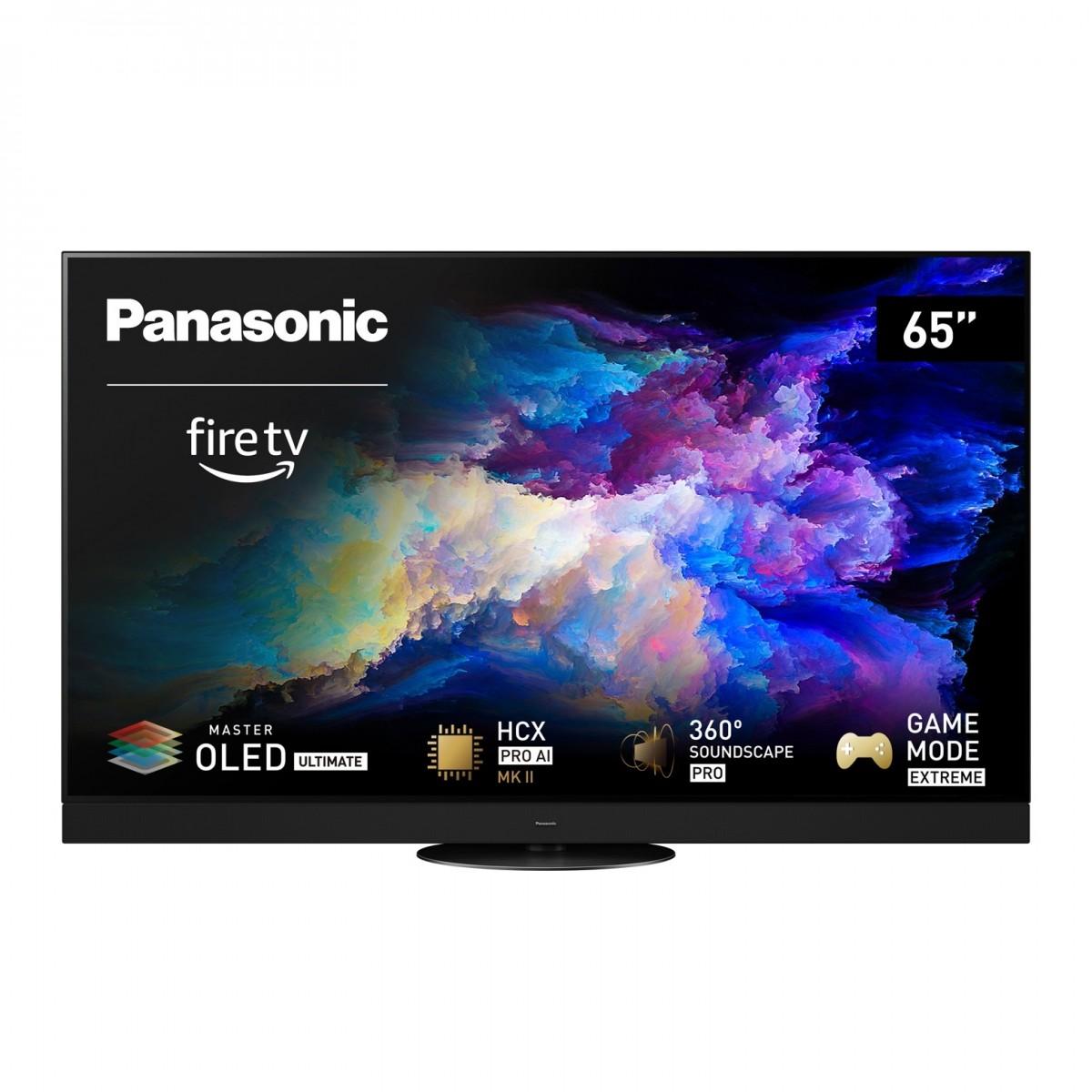
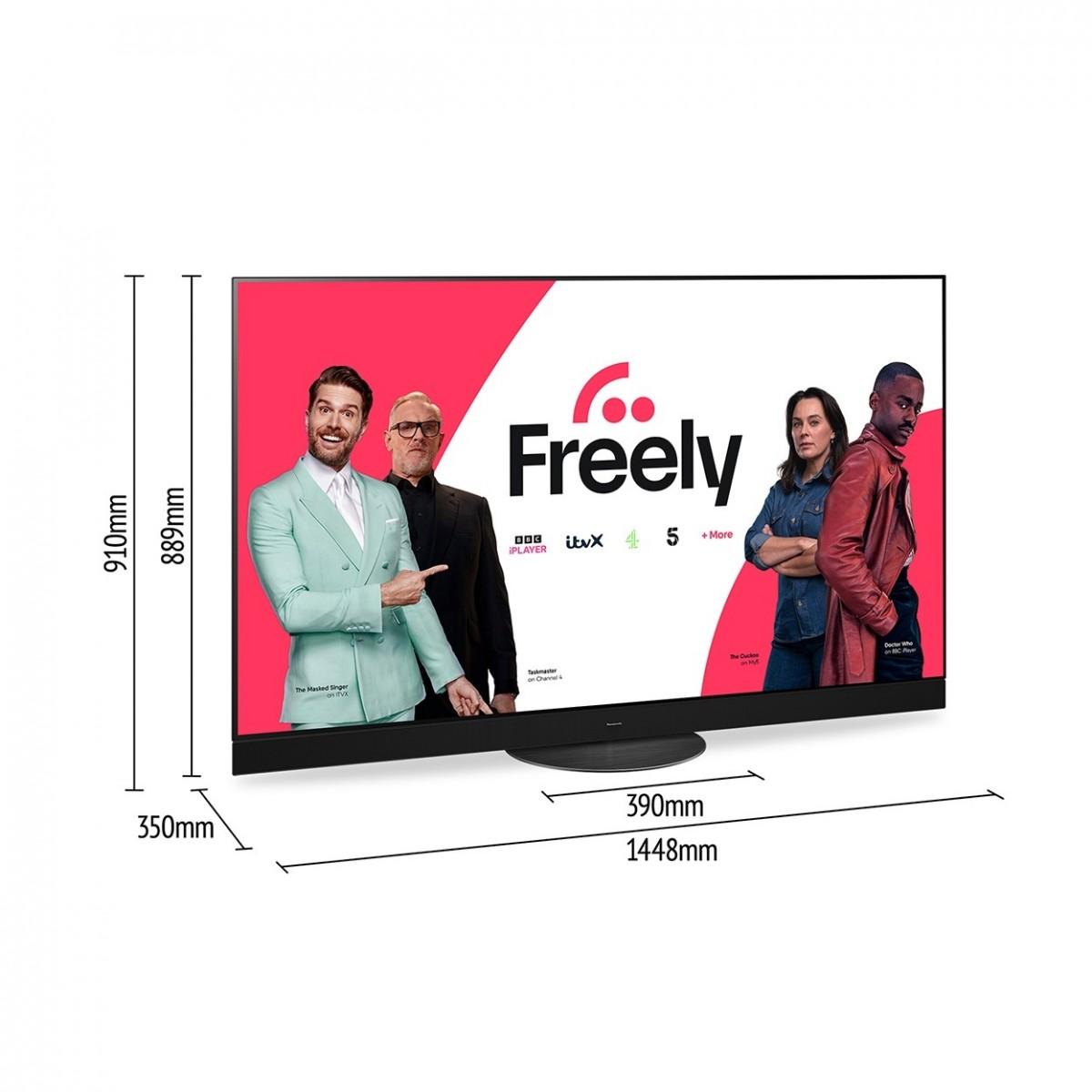
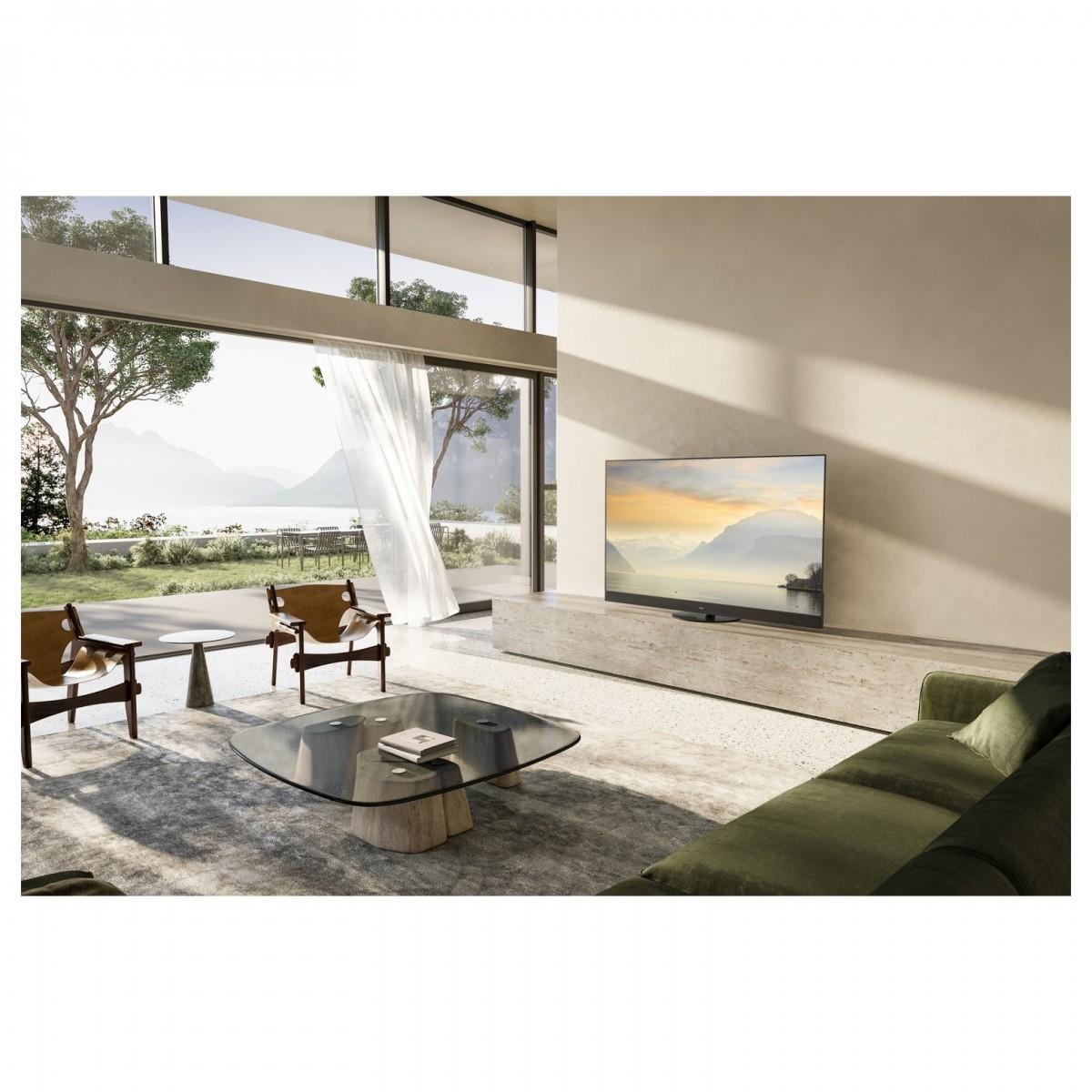
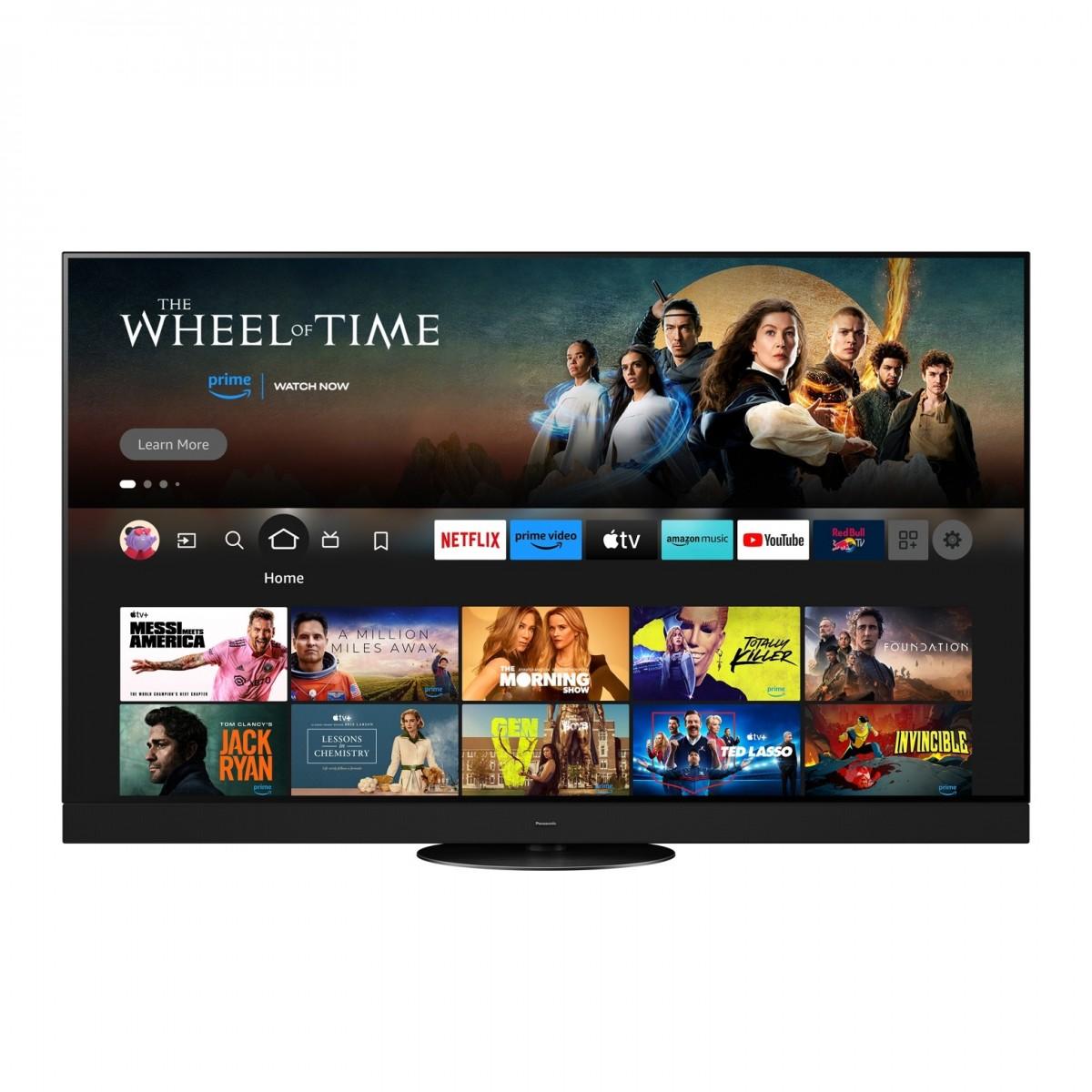
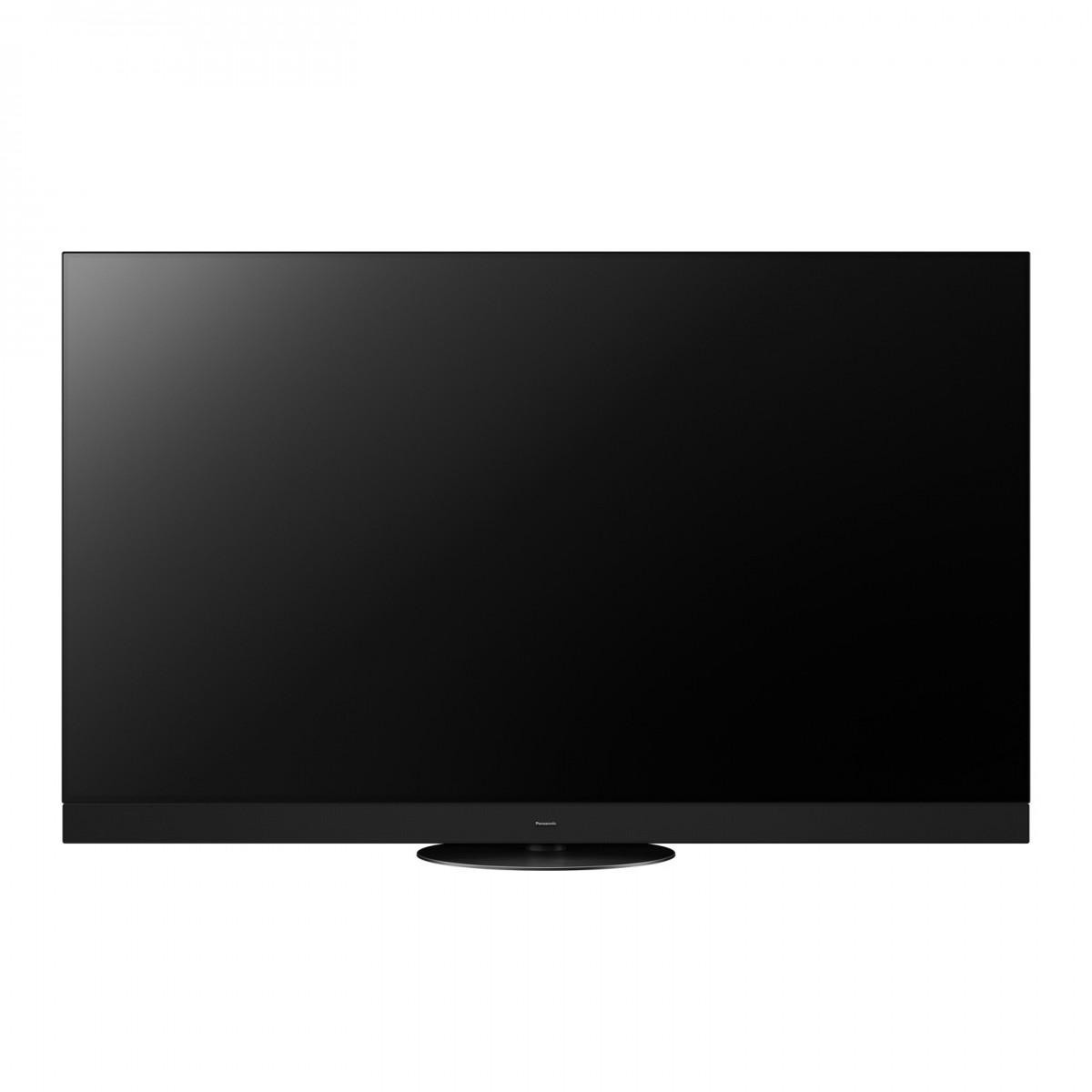
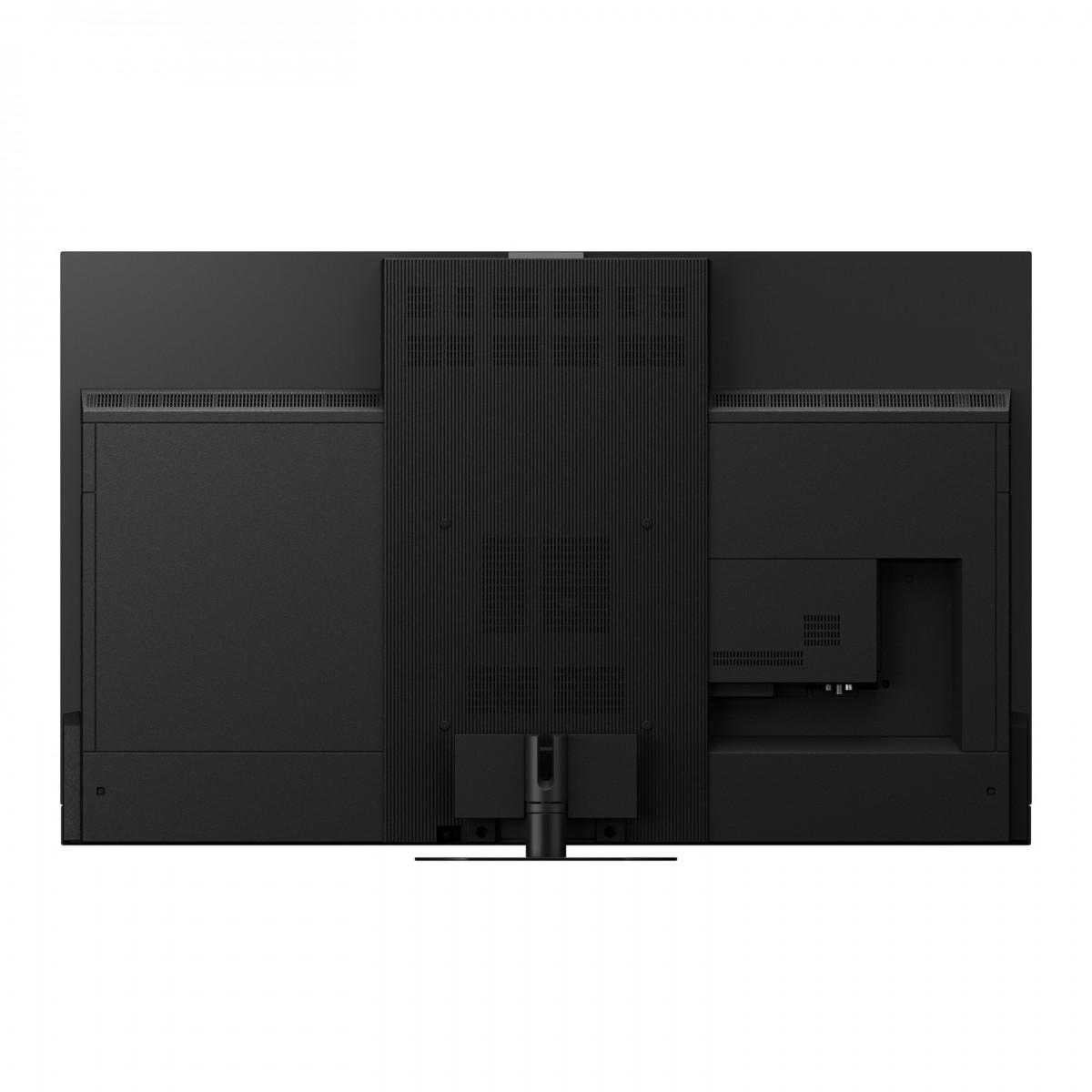
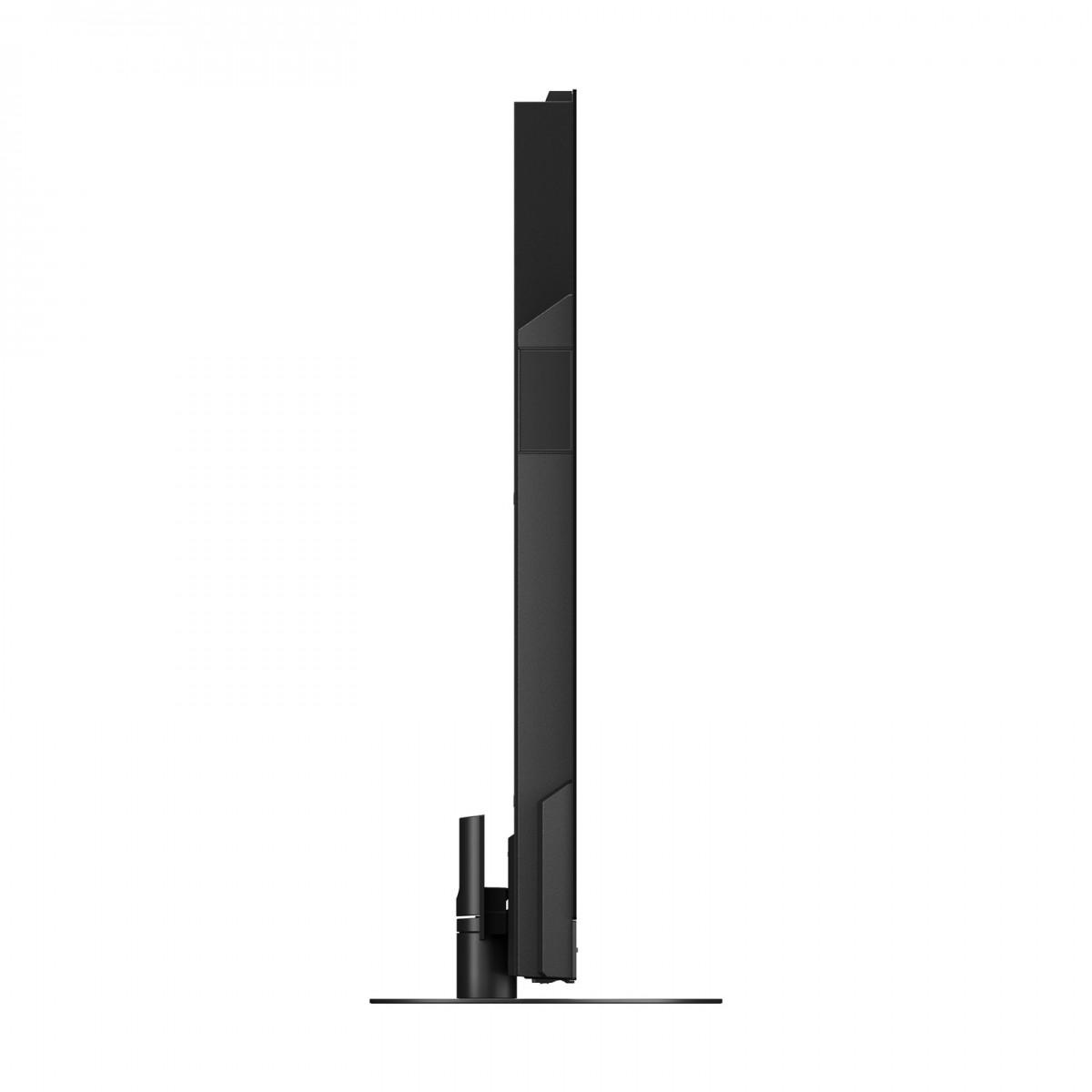
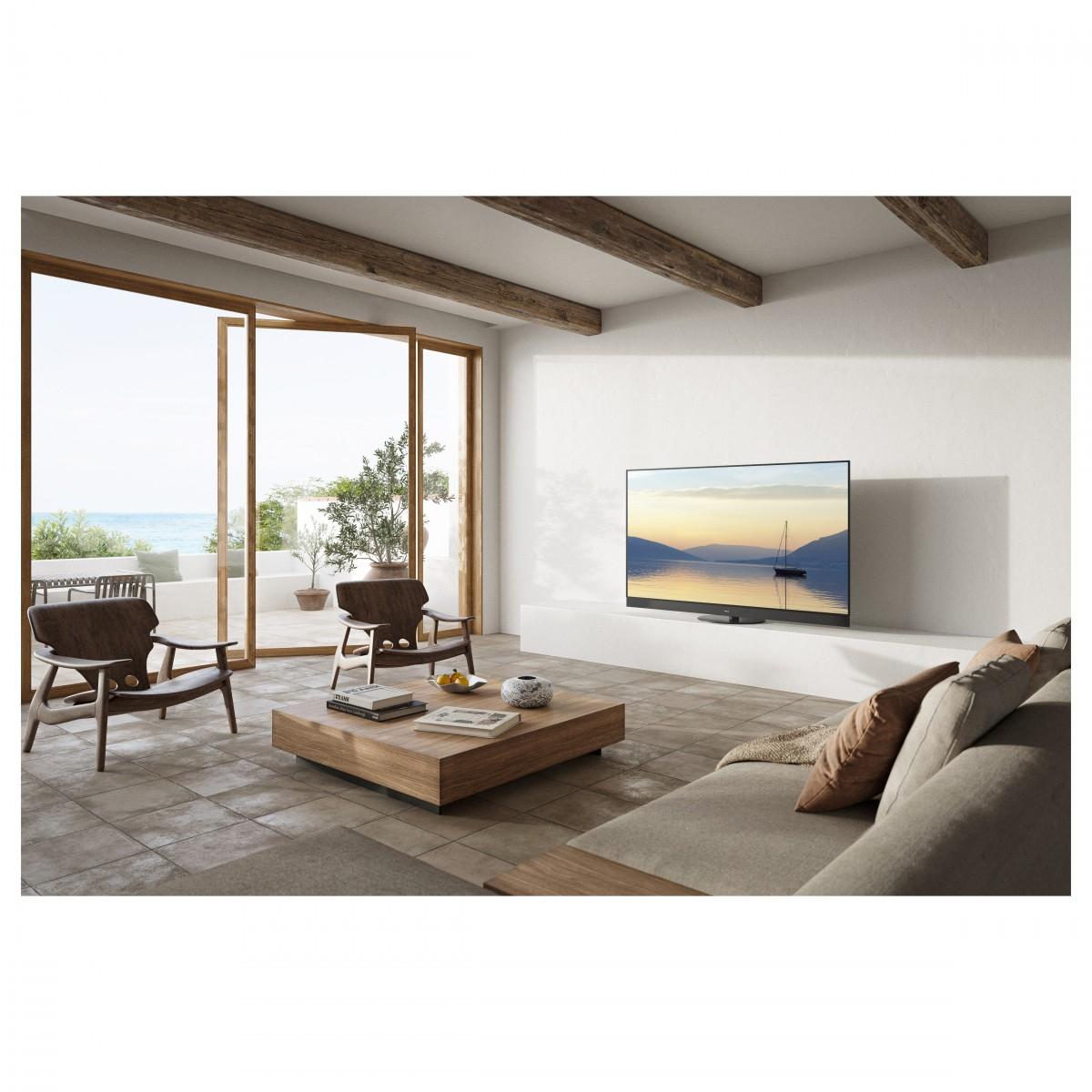
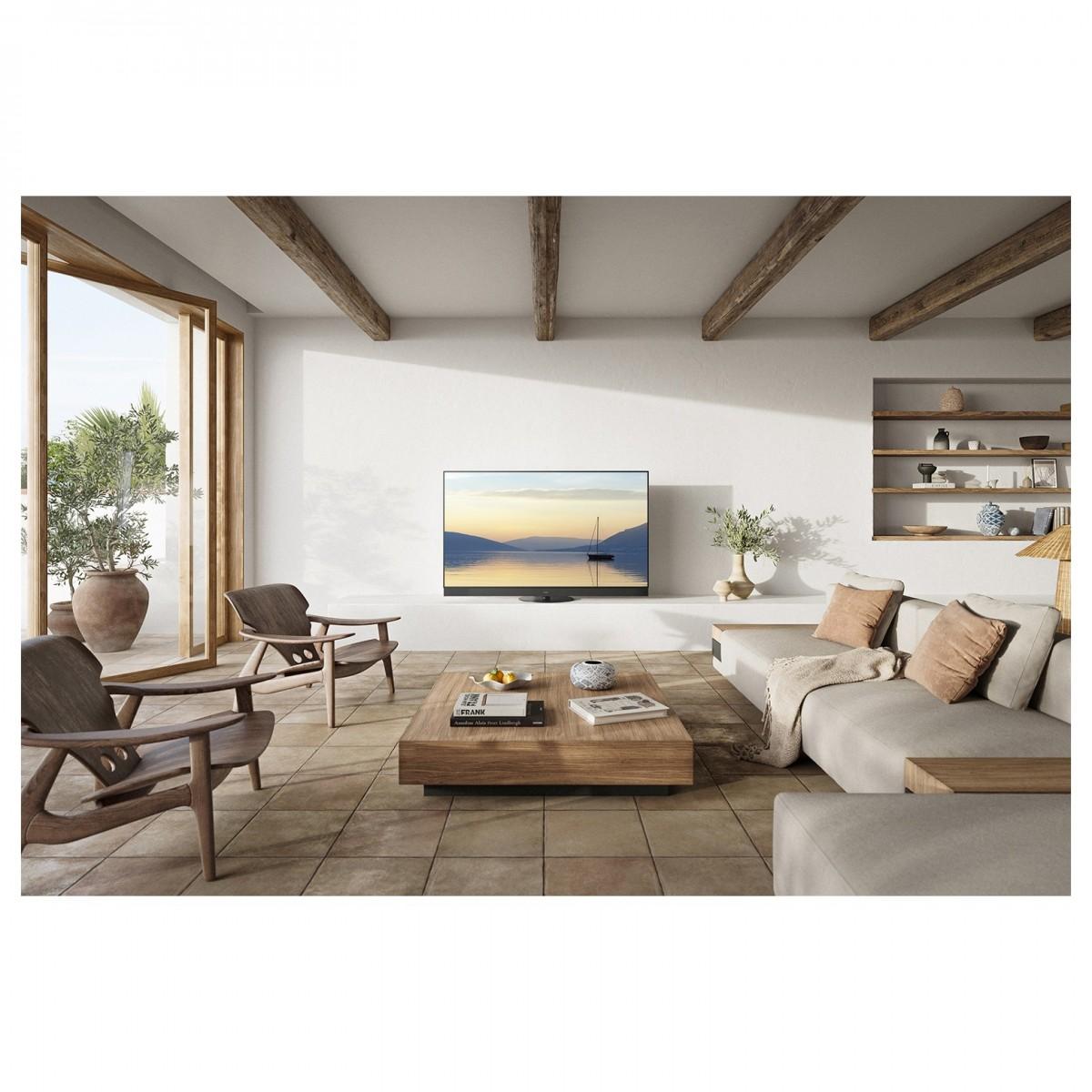
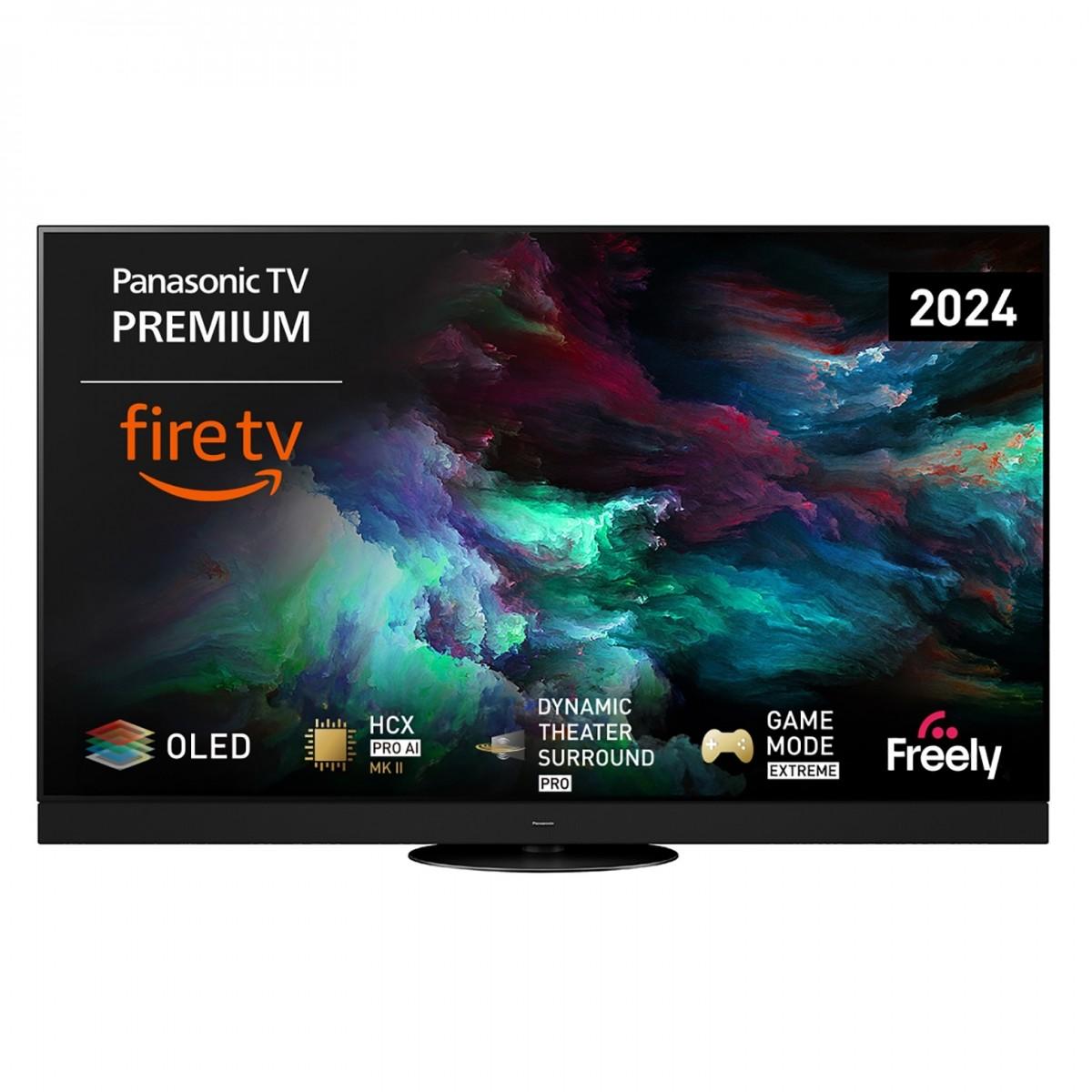
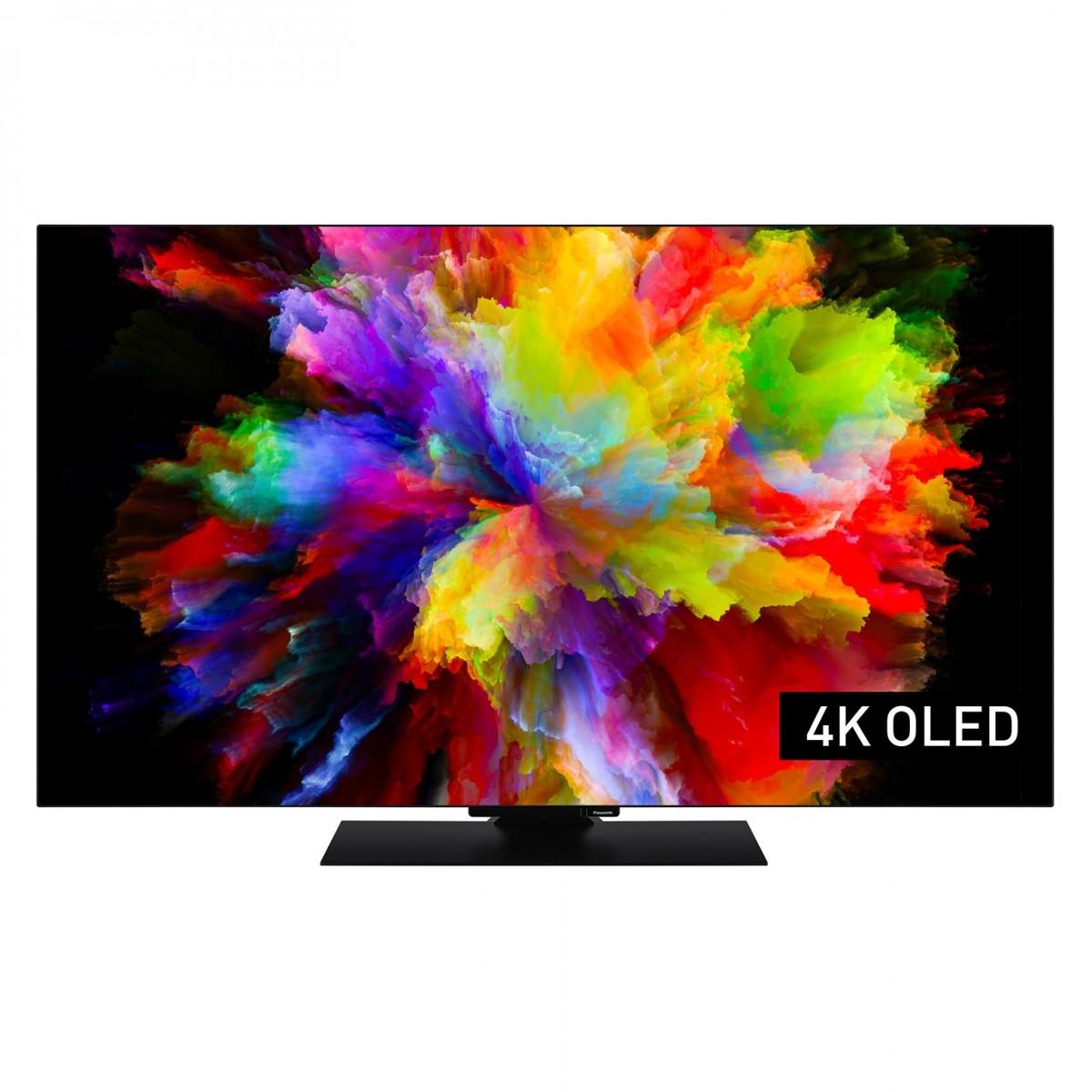
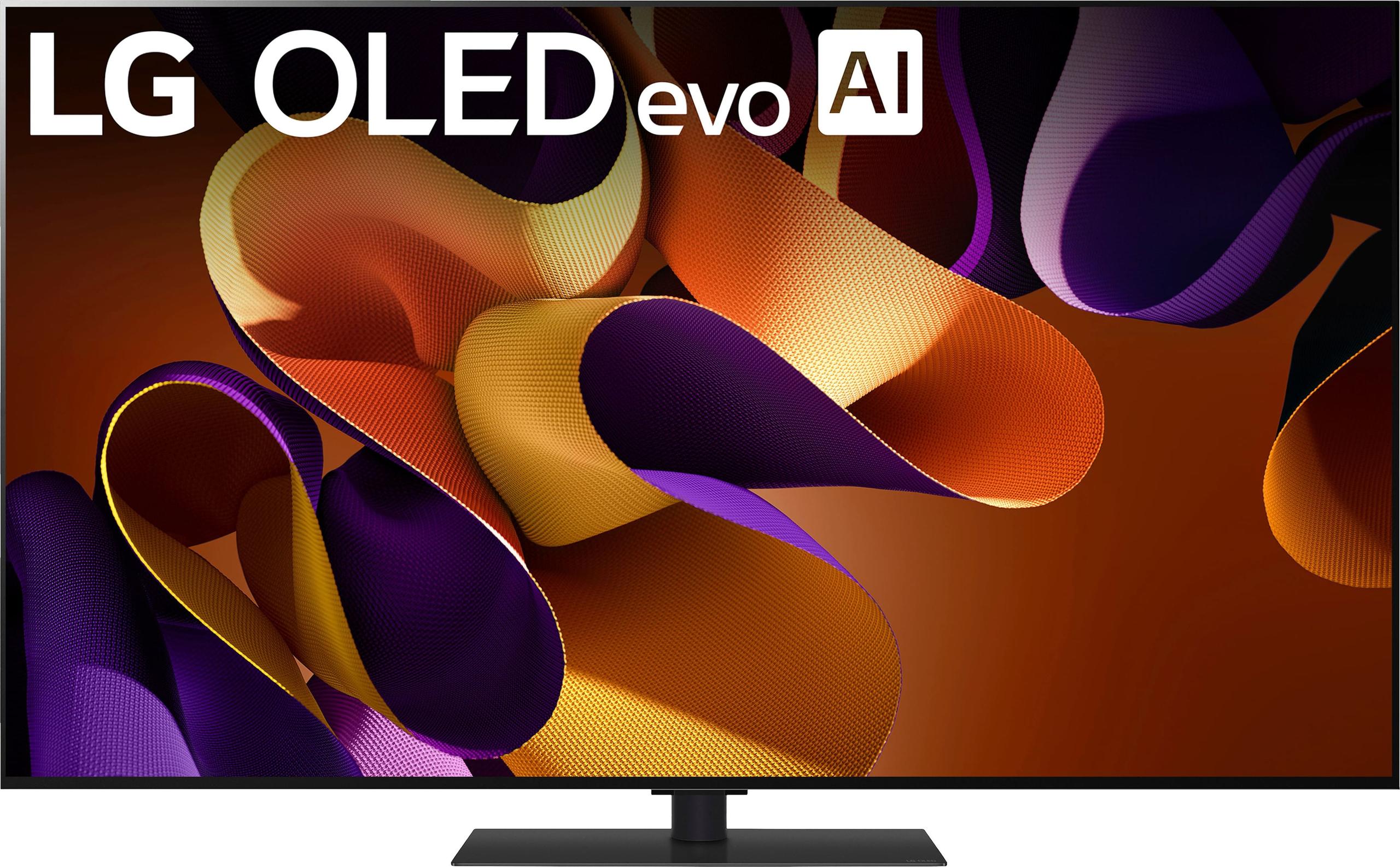
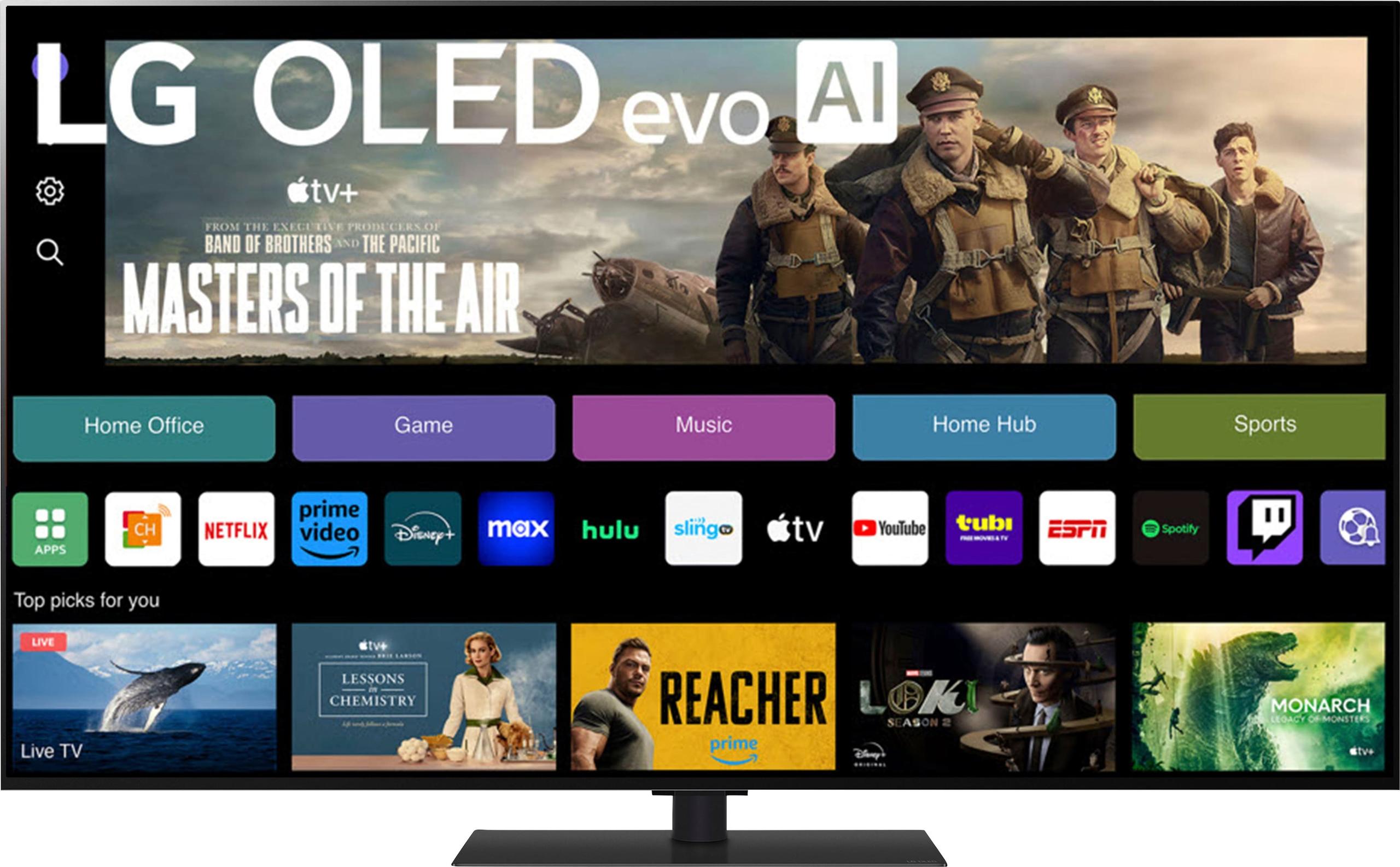
When you're ready to invest in a premium 65-inch OLED TV, two models consistently rise to the top of recommendation lists: the Panasonic Z95A and the LG G4 Series. Both represent the cutting edge of display technology, but they take notably different approaches to achieving excellence. After extensive research into professional reviews and user feedback, here's what you need to know to make the right choice for your home.
Before diving into the comparison, it's worth understanding why OLED technology commands premium prices. Unlike traditional LED TVs that use a backlight shining through liquid crystal displays, OLED (Organic Light-Emitting Diode) panels contain millions of individual pixels that emit their own light. This fundamental difference allows each pixel to turn completely off, creating true blacks and infinite contrast ratios that make colors pop in ways that other display technologies simply can't match.
Both the Panasonic Z95A and LG G4 Series were released in 2024, representing the latest evolution in OLED technology. The timing is significant because 2024 marked a breakthrough year for OLED brightness—historically the technology's biggest weakness compared to high-end LED displays.
The most crucial difference between these TVs lies in their approach to picture quality. The LG G4 Series prioritizes raw performance metrics, while the Panasonic Z95A emphasizes accuracy and cinematic authenticity.
The LG G4's standout achievement is its peak brightness capability, reaching up to 2,268 nits in HDR content. To put this in perspective, most OLED TVs from just a few years ago peaked around 700-800 nits. This massive brightness increase comes from LG's second-generation Micro Lens Array (MLA) technology—essentially microscopic lenses placed over each pixel that focus light more efficiently, reducing waste and increasing output.
This brightness advantage isn't just about numbers on a spec sheet. In practical terms, it means the LG G4 can deliver stunning HDR (High Dynamic Range) highlights even in bright rooms with lots of windows. HDR content—which includes most modern movies, shows, and games—relies on contrast between very bright and very dark elements to create realistic imagery. When an OLED can get bright enough to make a car headlight or explosion truly pop while maintaining perfect blacks elsewhere, the viewing experience becomes dramatically more immersive.
The Panasonic Z95A, while not matching the LG's peak brightness, takes a different approach. Its HCX Pro AI Processor MKII focuses on color accuracy and maintaining the filmmaker's original intent rather than maximizing brightness. This processor uses artificial intelligence to analyze incoming content in real-time, adjusting not just for optimal brightness but for the type of content being displayed—sports, movies, documentaries—each with different ideal settings.
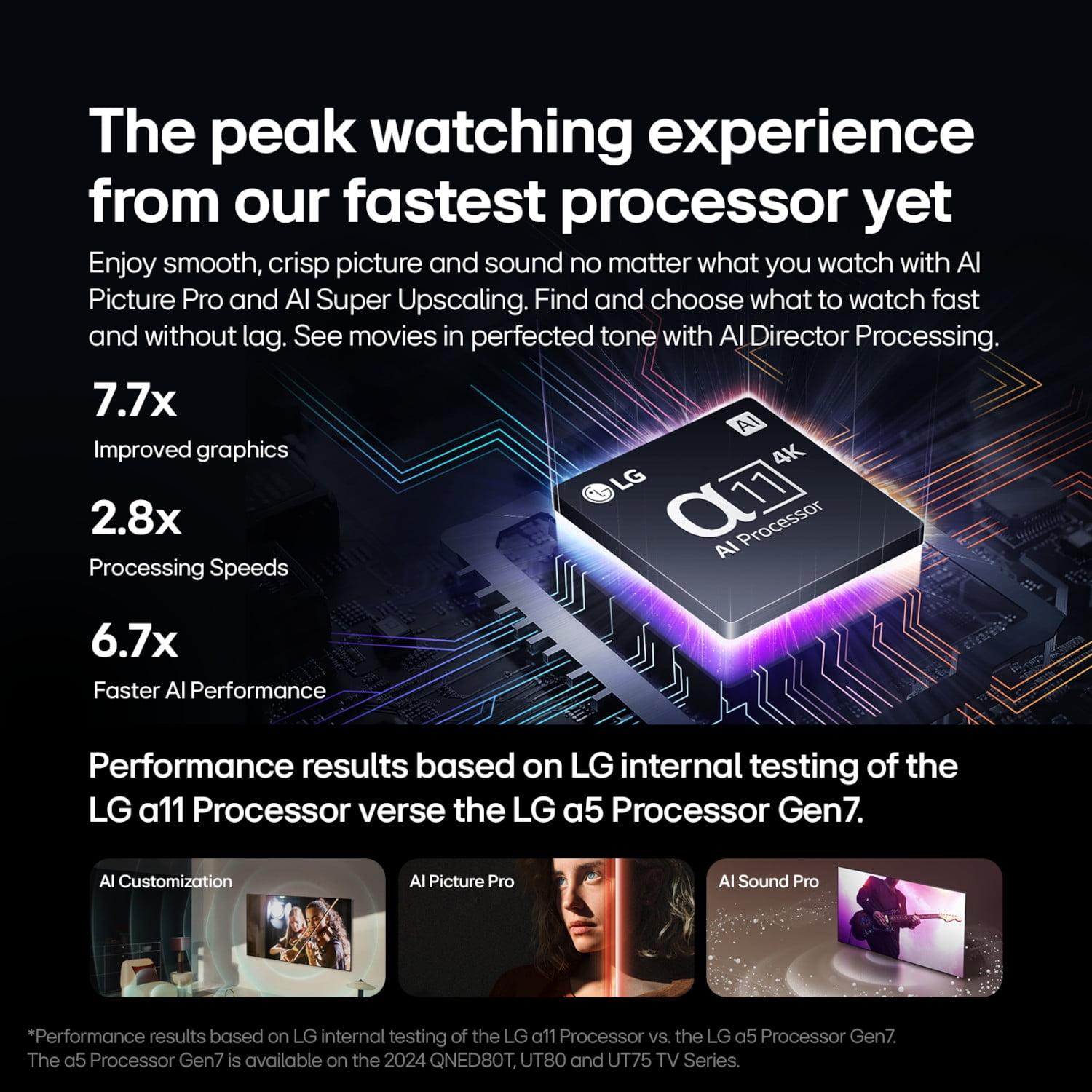
Here's where personal preference becomes crucial. The LG G4 delivers what most people would call "wow factor" colors—vibrant, punchy, and immediately impressive. Its α11 (Alpha 11) AI Processor delivers processing speeds 6.7 times faster than previous generations, allowing for real-time color optimization that makes everything look spectacular.
However, the Panasonic Z95A follows a more purist approach. Its color reproduction is calibrated to match professional mastering monitors used in Hollywood studios. This means movies and shows appear exactly as directors intended, with natural skin tones and accurate color representation. If you've ever noticed that some TVs make people look slightly orange or overly saturated, you'll appreciate Panasonic's restraint.
The practical difference? The LG G4 might make your vacation photos look more vivid than they actually were, while the Panasonic Z95A will show them as they truly appeared. Neither approach is wrong—it depends on whether you prioritize immediate visual impact or long-term accuracy.
For gaming enthusiasts, the choice becomes much clearer. The LG G4 Series was designed with serious gamers in mind, offering features that put it in a different league from most TVs.
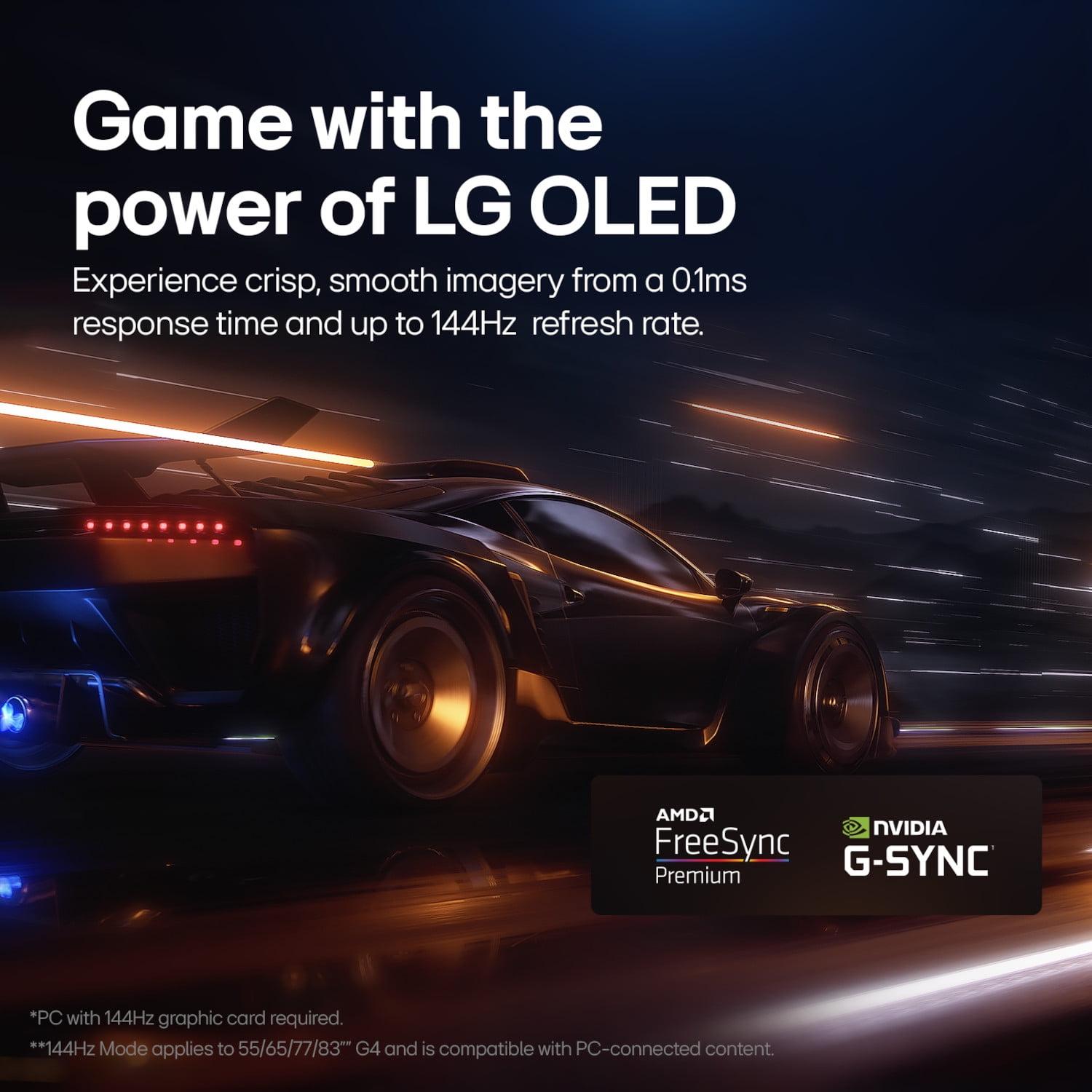
The headline feature is its 144Hz refresh rate support. Most TVs, including the Panasonic Z95A, support 120Hz, which is already excellent for gaming. But 144Hz means the TV can display up to 144 unique frames per second, creating incredibly smooth motion in fast-paced games. This higher refresh rate particularly benefits PC gamers with high-end graphics cards capable of pushing frame rates above 120fps.
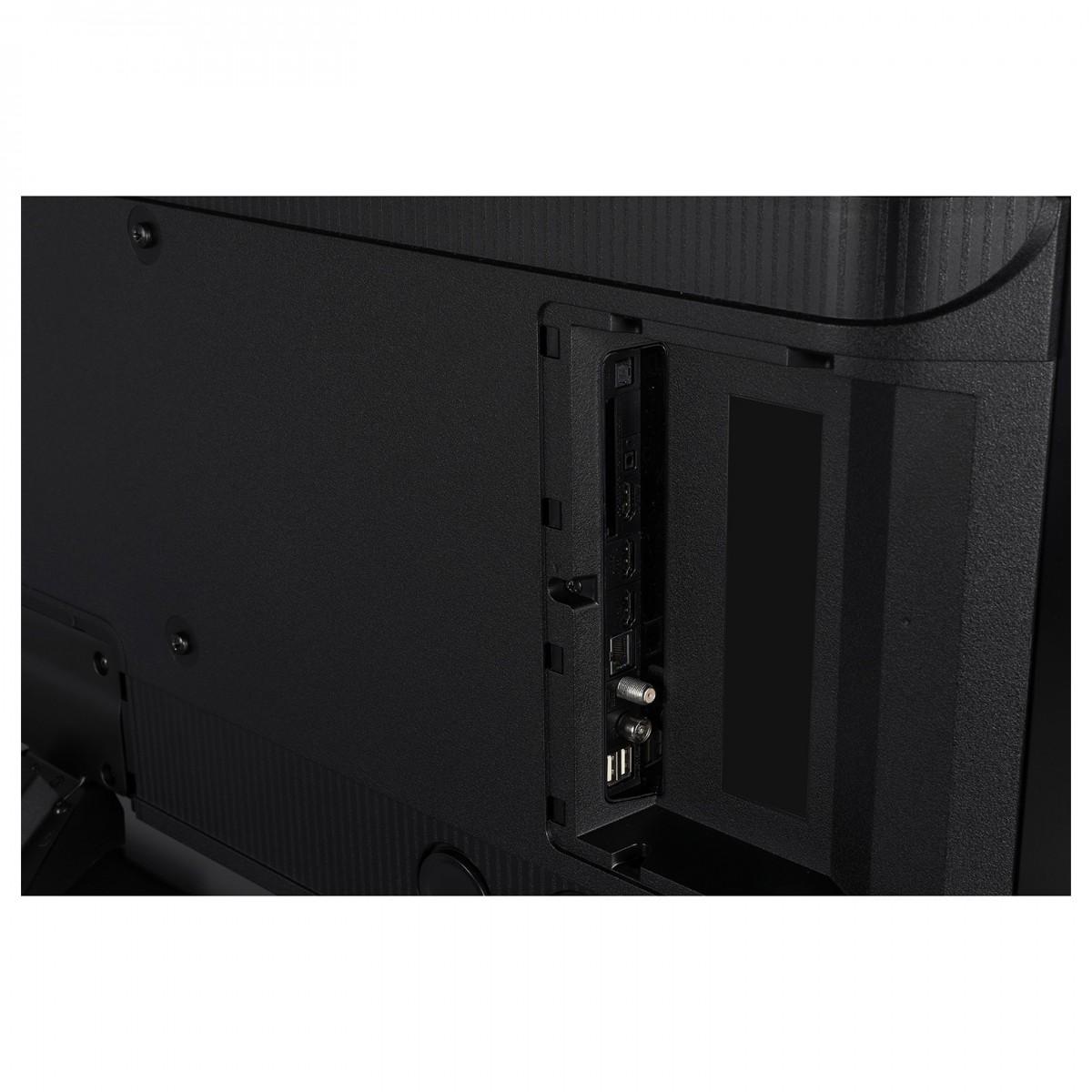
More importantly, the LG G4 includes four full HDMI 2.1 ports—the latest connection standard that supports 4K resolution at these high refresh rates. Many TVs only include one or two HDMI 2.1 ports, forcing users to choose which devices get the premium connection. With four ports, you could connect a PlayStation 5, Xbox Series X, high-end gaming PC, and streaming device all simultaneously without compromise.
The LG G4's input lag—the delay between pressing a button and seeing the action on screen—measures as low as 0.1 milliseconds in game mode. To put this in perspective, most people can't perceive delays under 20 milliseconds, so this performance is essentially instantaneous. Combined with support for both NVIDIA G-Sync and AMD FreeSync Premium (technologies that synchronize the TV's refresh rate with your graphics card to eliminate stuttering), the gaming experience is remarkably smooth.
The Panasonic Z95A certainly supports gaming with HDMI 2.1 and VRR (Variable Refresh Rate), but it's clear that LG made gaming a primary design priority while Panasonic treated it as one of many features.
This is where the Panasonic Z95A strikes back decisively. While most premium TVs focus primarily on picture quality and treat audio as an afterthought, Panasonic built a legitimate surround sound system into this TV.
The Z95A's speaker array includes dedicated front-firing, side-firing, and upward-firing drivers that work together to create a genuine 360-degree soundscape. This isn't just marketing speak—the upward-firing speakers bounce sound off your ceiling to create overhead audio effects that add genuine immersion to movies and shows with Dolby Atmos soundtracks.
In contrast, the LG G4's 4.2-channel system represents an improvement over previous LG models but still falls into the "TV speakers" category. While it can virtually up-mix audio to simulate 11.1.2-channel surround sound using processing tricks, it can't match the physical speaker placement of the Panasonic system.
This difference matters more than you might expect. Many people intend to eventually buy a dedicated soundbar or surround sound system but end up using built-in TV speakers longer than planned. If you're not ready to invest in separate audio equipment immediately, the Panasonic Z95A delivers a much more satisfying experience out of the box.
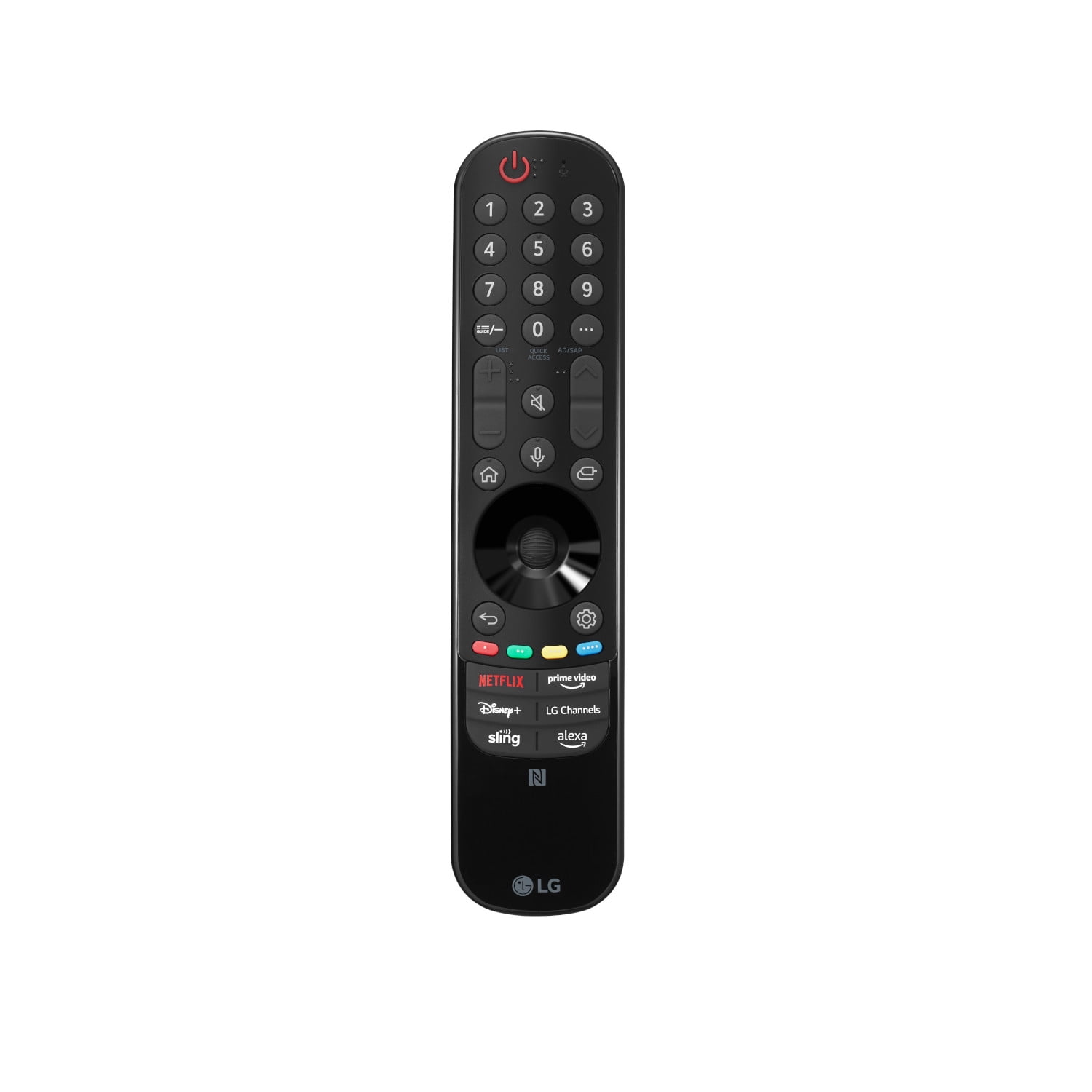
Both TVs run modern, capable smart TV platforms, but they feel quite different in daily use. The LG G4 uses webOS 24, LG's proprietary system that's evolved into one of the most polished smart TV interfaces available. Its "Quick Cards" feature lets you organize favorite apps and content types, while the Magic Remote includes a built-in pointer that makes navigation intuitive.
The Panasonic Z95A runs Amazon's Fire TV OS, which brings deep integration with Amazon's ecosystem. If you're already invested in Alexa smart home devices or Amazon Prime Video, this integration feels seamless. The hands-free voice control works remarkably well—you can actually change channels, adjust volume, or launch apps just by speaking to the TV.
Both platforms offer comprehensive app support for all major streaming services, so the choice often comes down to which interface feels more natural to you and whether you prefer Amazon's ecosystem or LG's more neutral approach.
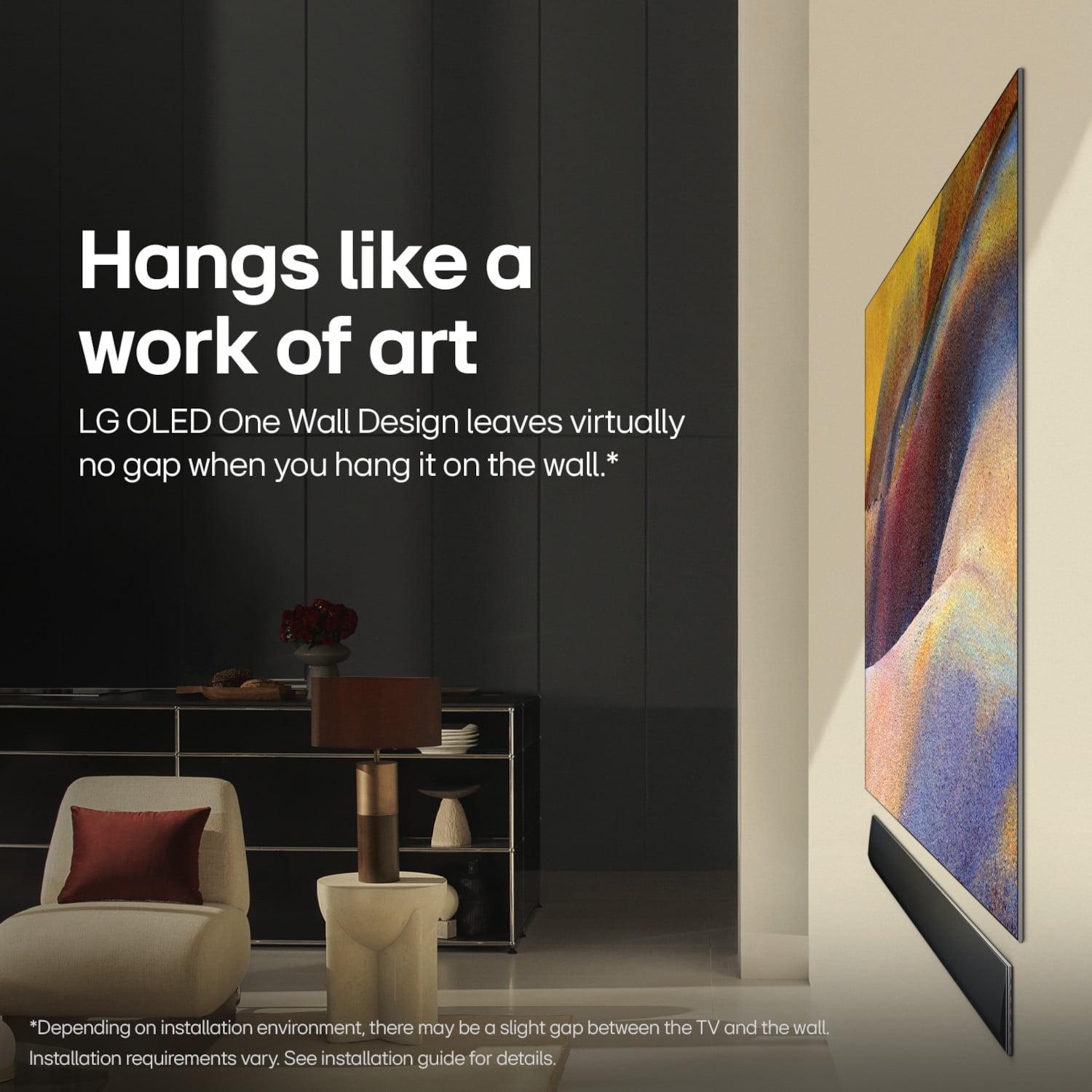
Both TVs command attention as premium appliances. The LG G4 was specifically designed for wall mounting, with an ultra-slim profile that sits nearly flush against the wall when mounted. LG even includes the wall mount in the box, though they now also provide a table stand after customer feedback. When wall-mounted, it genuinely resembles a piece of art, especially when displaying screensavers or artwork during downtime.
The Panasonic Z95A takes a more traditional approach but includes thoughtful design elements like an ergonomically tilted display that provides optimal viewing angles whether mounted or placed on a stand.
Both TVs feature premium build quality with solid construction and attention to detail that justifies their positioning in the high-end market.
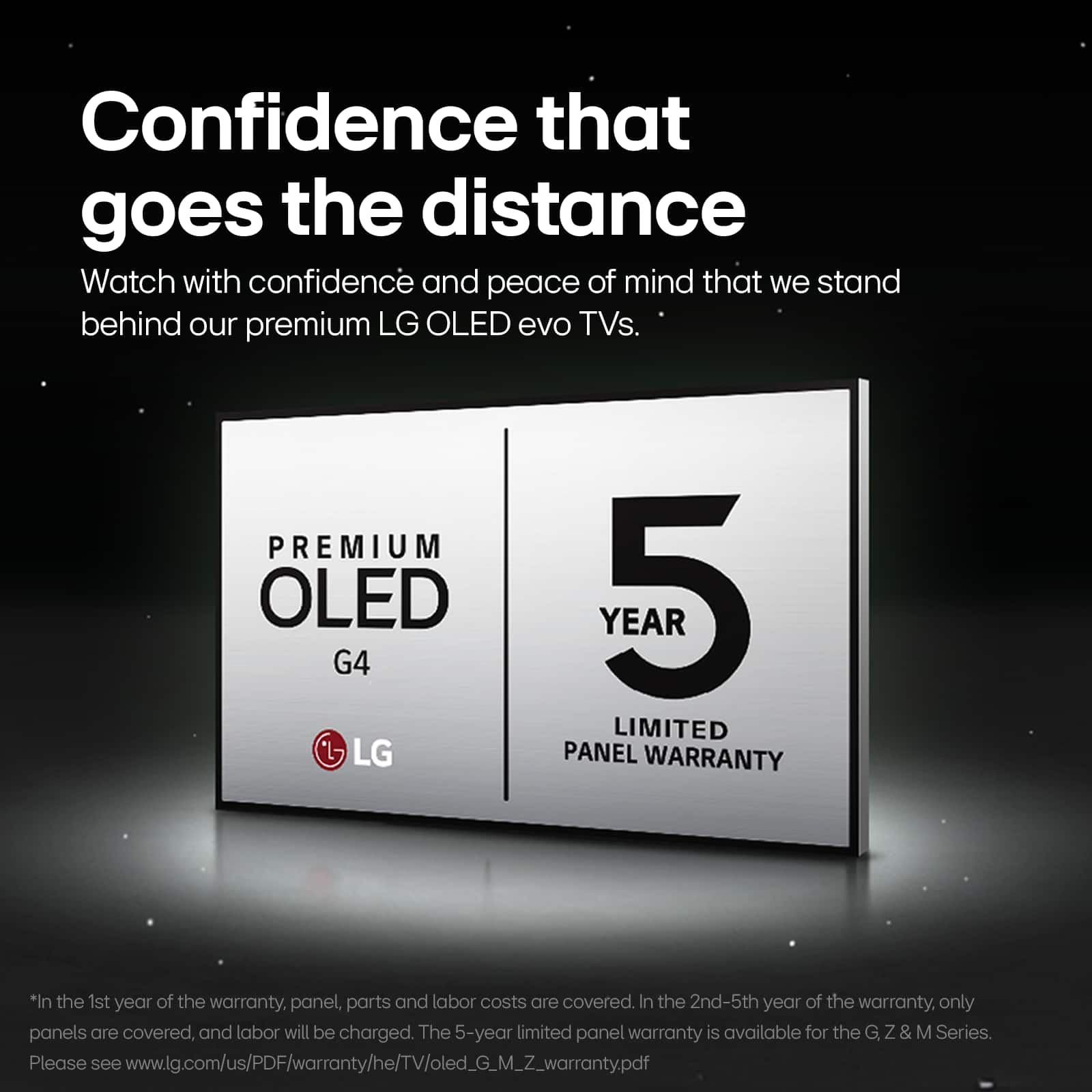
At the time of writing, the LG G4 Series typically commands a lower price than the Panasonic Z95A, making the value equation particularly interesting. The LG offers higher peak brightness, superior gaming features, more HDMI 2.1 ports, and a longer panel warranty—typically five years compared to standard warranties.
The Panasonic Z95A justifies its premium pricing through superior built-in audio and more accurate color reproduction, features that appeal to specific user priorities but don't necessarily benefit everyone.
From a pure features-per-dollar perspective, the LG G4 offers more measurable benefits at a lower price point. However, if those specific Panasonic advantages align with your priorities, the value equation shifts.
For dedicated home theater setups, both TVs excel but serve different roles. The Panasonic Z95A better serves purists who want the most accurate representation of film and TV content. Its color accuracy and processing prioritize filmmaker intent, making it ideal for serious movie watching in controlled lighting environments.
The LG G4 works better in versatile family rooms where lighting varies throughout the day. Its superior brightness handles ambient light better, while its gaming capabilities serve multiple family members' entertainment needs.
If you're planning a dedicated home theater room with controlled lighting and separate audio equipment, the Panasonic Z95A's accuracy advantages become more relevant. For a primary family room TV that needs to excel in multiple scenarios, the LG G4's versatility often proves more valuable.
The LG G4 Series emerges as the more versatile choice for most buyers. Its combination of superior brightness, comprehensive gaming features, lower price point, and solid overall performance makes it the safer choice for the majority of premium TV buyers. The gaming capabilities alone future-proof your investment for years of console and PC gaming evolution.
Choose the LG G4 if you want the most TV for your money, game regularly, watch content in bright rooms, or simply want impressive picture quality that wows guests.
The Panasonic Z95A serves a more specific audience: serious movie enthusiasts who prioritize accuracy above all else, users who want exceptional built-in audio without additional equipment, or those deeply embedded in Amazon's ecosystem. Its premium price reflects genuine advantages, but they're advantages that matter more to some users than others.
Choose the Panasonic Z95A if you're a film purist, want the best built-in audio experience, primarily watch content in controlled lighting, or simply prefer Amazon's smart TV ecosystem.
Both TVs represent excellent investments that will deliver years of premium viewing experiences. The LG G4 offers broader appeal and better value for most users, while the Panasonic Z95A serves specific priorities exceptionally well. Your choice should align with how you actually use your TV rather than which specifications look better on paper.
| Panasonic Z95A 65" OLED 4K Ultra HD Smart TV | LG 65" G4 Series OLED evo 4K UHD Smart TV 2024 |
|---|---|
| Peak Brightness - Critical for HDR performance and room versatility | |
| Moderate brightness levels, optimized for controlled lighting | Up to 2,268 nits with Brightness Booster Max (150% brighter than previous gen) |
| Gaming Performance - Essential for console and PC gaming | |
| 144Hz support with VRR, basic gaming features | Native 144Hz, 0.1ms response time, 4 HDMI 2.1 ports, G-Sync/FreeSync |
| Color Processing - Determines picture accuracy vs vibrancy | |
| HCX Pro AI Processor MKII focused on cinematic accuracy | α11 AI Processor with 6.7x faster performance, vibrant colors |
| Audio System - Important if not using external speakers | |
| Dolby Atmos with dedicated front, side, and up-firing speakers | 4.2 channel 60W system with virtual 11.1.2 up-mixing |
| Smart TV Platform - Affects daily usability and app access | |
| Fire TV OS with Alexa hands-free control | webOS 24 with Magic Remote and Quick Cards organization |
| HDMI 2.1 Ports - Future-proofing for multiple high-end devices | |
| Limited HDMI 2.1 connectivity | Four full HDMI 2.1 ports supporting 4K/165Hz |
| Panel Technology - Core display capabilities | |
| OLED with micro lens array, perfect blacks | OLED evo with 2nd-gen MLA technology, perfect blacks |
| HDR Support - Enhanced contrast and color range | |
| HDR10, HDR10+, Dolby Vision IQ with room adaptation | HDR10, HDR10+, Dolby Vision with FILMMAKER MODE |
| Design Approach - Mounting and aesthetic considerations | |
| Traditional design with ergonomic tilt, table stand included | Ultra-slim gallery design, flush wall mount included plus table stand |
| Warranty Coverage - Long-term protection and confidence | |
| Standard warranty coverage | 5-year panel warranty included |
| Target User - Best fit for different viewing priorities | |
| Movie purists wanting accuracy and superior built-in audio | Versatile users prioritizing brightness, gaming, and overall value |
The Panasonic Z95A excels for serious movie watching with its HCX Pro AI Processor that prioritizes color accuracy and filmmaker intent. However, the LG G4 Series offers superior brightness (up to 2,268 nits) and more vibrant colors that many viewers prefer. For dark room movie viewing, both deliver exceptional OLED contrast, but the Panasonic Z95A provides more authentic color reproduction while the LG G4 offers more impressive HDR highlights.
The LG G4 Series is significantly better for gaming, offering native 144Hz refresh rate, 0.1ms response time, and four full HDMI 2.1 ports supporting 4K at high frame rates. It also includes NVIDIA G-Sync and AMD FreeSync Premium support. While the Panasonic Z95A supports gaming features, it's clearly designed with movies as the priority rather than gaming performance.
The LG G4 Series is much brighter, reaching peak brightness levels up to 2,268 nits thanks to its Brightness Booster Max technology. This makes it significantly better for bright rooms with lots of natural light. The Panasonic Z95A offers moderate brightness levels that work best in controlled lighting environments like dedicated home theaters.
The Panasonic Z95A has superior built-in audio with a true Dolby Atmos speaker system including dedicated front, side, and up-firing drivers that create genuine surround sound. The LG G4 Series offers improved speakers compared to previous models but still falls into the typical "TV speakers" category. If you plan to use built-in audio, the Panasonic Z95A is the clear winner.
Both platforms offer excellent app support and smooth performance. The Panasonic Z95A uses Fire TV OS with deep Amazon integration and hands-free Alexa control, perfect for Amazon ecosystem users. The LG G4 Series runs webOS 24 with its intuitive Magic Remote and Quick Cards organization. Choose based on whether you prefer Amazon's ecosystem or LG's more neutral approach.
Yes, both excel in home theater environments but serve different priorities. The Panasonic Z95A is ideal for purist home theaters with its accurate color reproduction and superior built-in audio. The LG G4 Series works better in multi-purpose rooms with variable lighting thanks to its higher brightness. Both offer the perfect blacks and infinite contrast that make OLED technology ideal for home theater use.
The LG G4 Series typically offers better overall value, providing higher brightness, superior gaming features, four HDMI 2.1 ports, and a 5-year panel warranty at a generally lower price point. The Panasonic Z95A commands a premium for its specialized features like superior audio and color accuracy, which may justify the cost for specific users but don't benefit everyone.
The LG G4 dominates gaming with 144Hz support, ultra-low input lag, four HDMI 2.1 ports, and comprehensive VRR support including both G-Sync and FreeSync Premium. The Panasonic Z95A includes basic gaming features like HDMI 2.1 and VRR but lacks the specialized gaming optimizations and multiple high-speed ports that serious gamers need.
The LG G4 Series is better for sports viewing thanks to its superior brightness that handles ambient light well, excellent motion processing, and vibrant colors that make sports content pop. Its faster processor also handles fast-moving action smoothly. While the Panasonic Z95A offers good sports performance, the LG G4's brightness advantage makes it more versatile for typical sports viewing environments.
Yes, both the Panasonic Z95A and LG G4 Series support all major HDR formats including HDR10, HDR10+, and Dolby Vision. The Panasonic Z95A features Dolby Vision IQ that adjusts based on room lighting, while the LG G4 includes FILMMAKER MODE for authentic movie viewing. Both deliver excellent HDR performance, though the LG G4's higher brightness provides more impactful highlights.
Both TVs offer premium build quality befitting their flagship status. The LG G4 Series features an ultra-slim gallery design intended for flush wall mounting, making it look like artwork when not in use. The Panasonic Z95A uses a more traditional approach with thoughtful design elements like ergonomic display tilting. The LG G4 includes both wall mount and table stand, while build quality is excellent on both models.
Choose the LG G4 Series if you want the most versatile TV that excels in multiple scenarios - gaming, bright room viewing, and general entertainment. Its superior brightness, gaming features, and better value make it ideal for most buyers. Pick the Panasonic Z95A if you're a serious movie enthusiast who prioritizes color accuracy and superior built-in audio, especially if you primarily watch content in controlled lighting environments.
We've done our best to create useful and informative comparisons to help you decide what product to buy. Our research uses advanced automated methods to create this comparison and perfection is not possible - please contact us for corrections or questions. These are the sites we've researched in the creation of this article: youtube.com - youtube.com - whathifi.com - tomsguide.com - shop.panasonic.com - store.in.panasonic.com - rtings.com - applianceplus.co.nz - rtings.com - store.in.panasonic.com - samsung.com - hometechnologyreview.com - hometechnologyreview.com - whathifi.com - hometechnologyreview.com - youtube.com - tomsguide.com - tomsguide.com - smarthomesounds.co.uk - rtings.com - rtings.com - bhphotovideo.com - youtube.com - schaeferstv.com - bestbuy.com - costco.com - lg.com - lg.com - shopsilica.com - bestbuy.com - techradar.com - bestbuy.com - bestbuy.com - lg.com - lgnewsroom.com

Privacy Policy
Terms and Conditions - Affiliate Policy
Home Security
© Copyright 2008-2026.
11816 Inwood Rd #1211, Dallas, TX 75244