

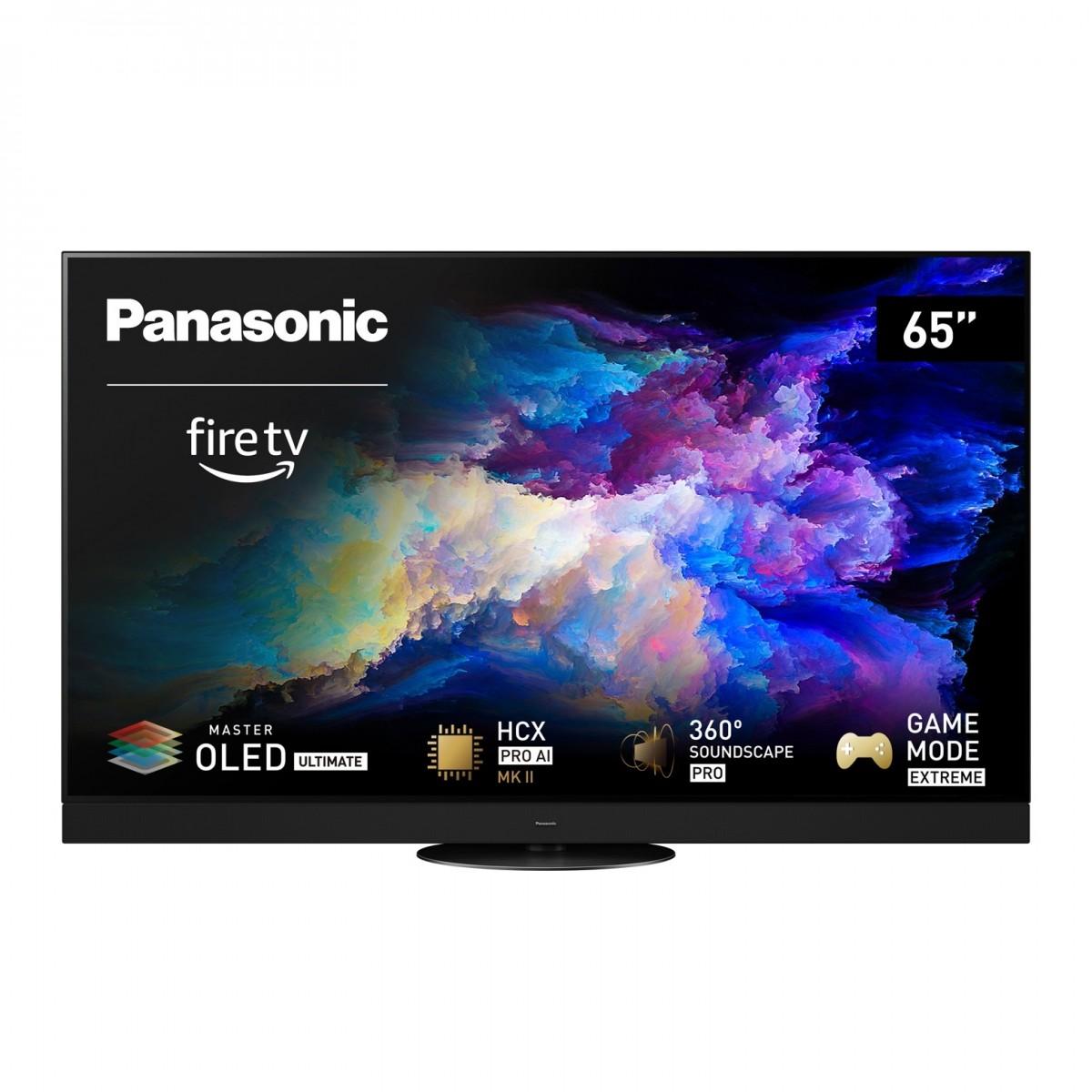
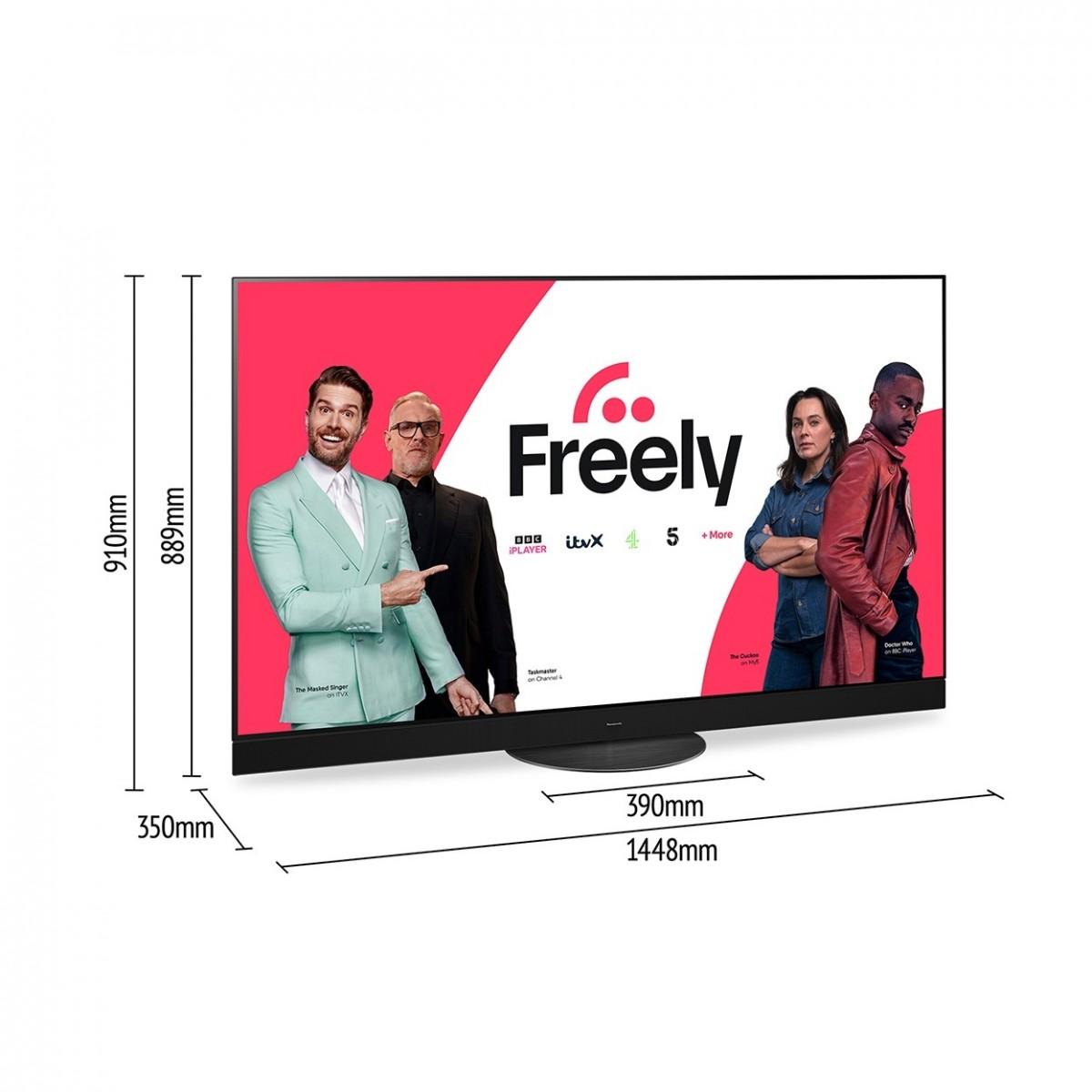
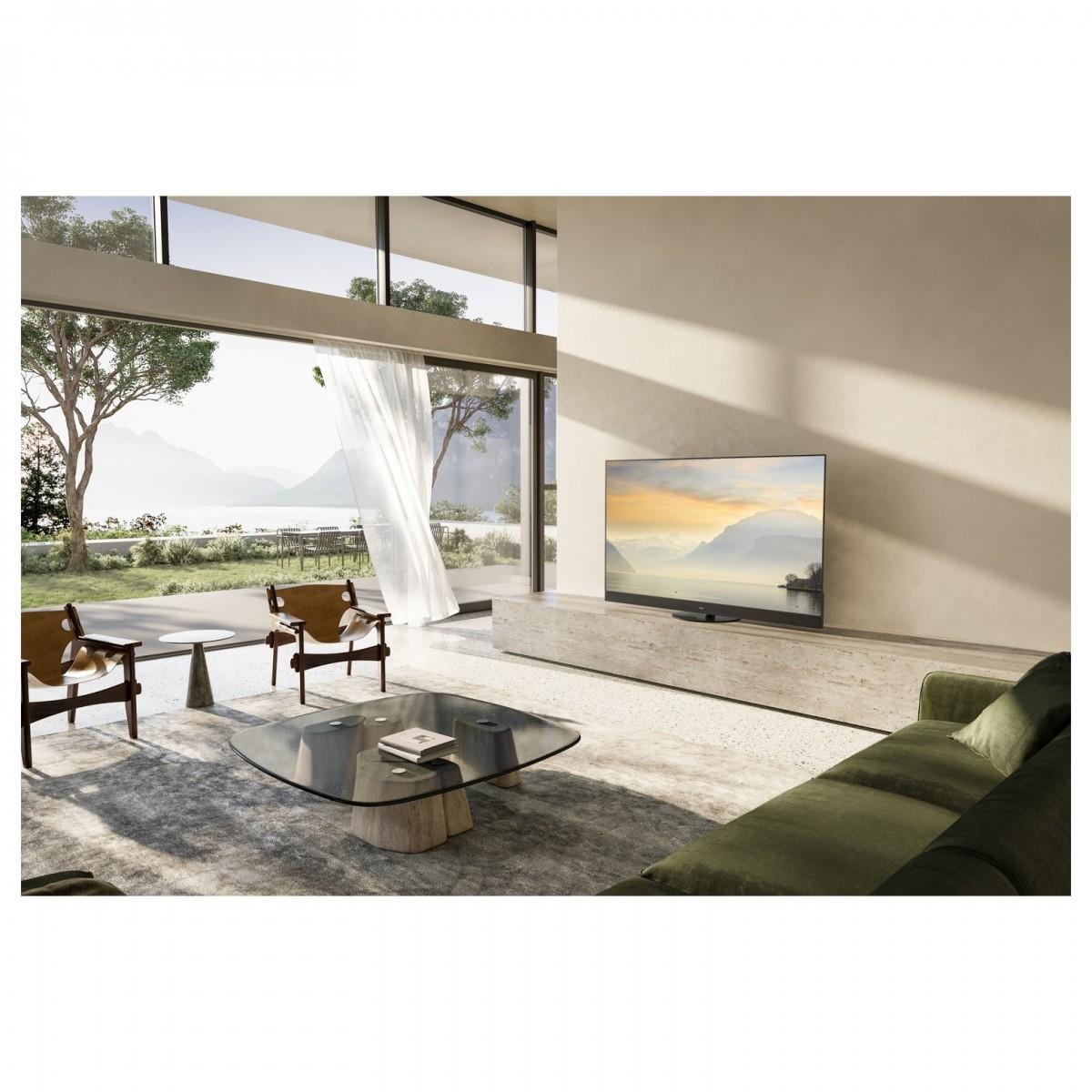
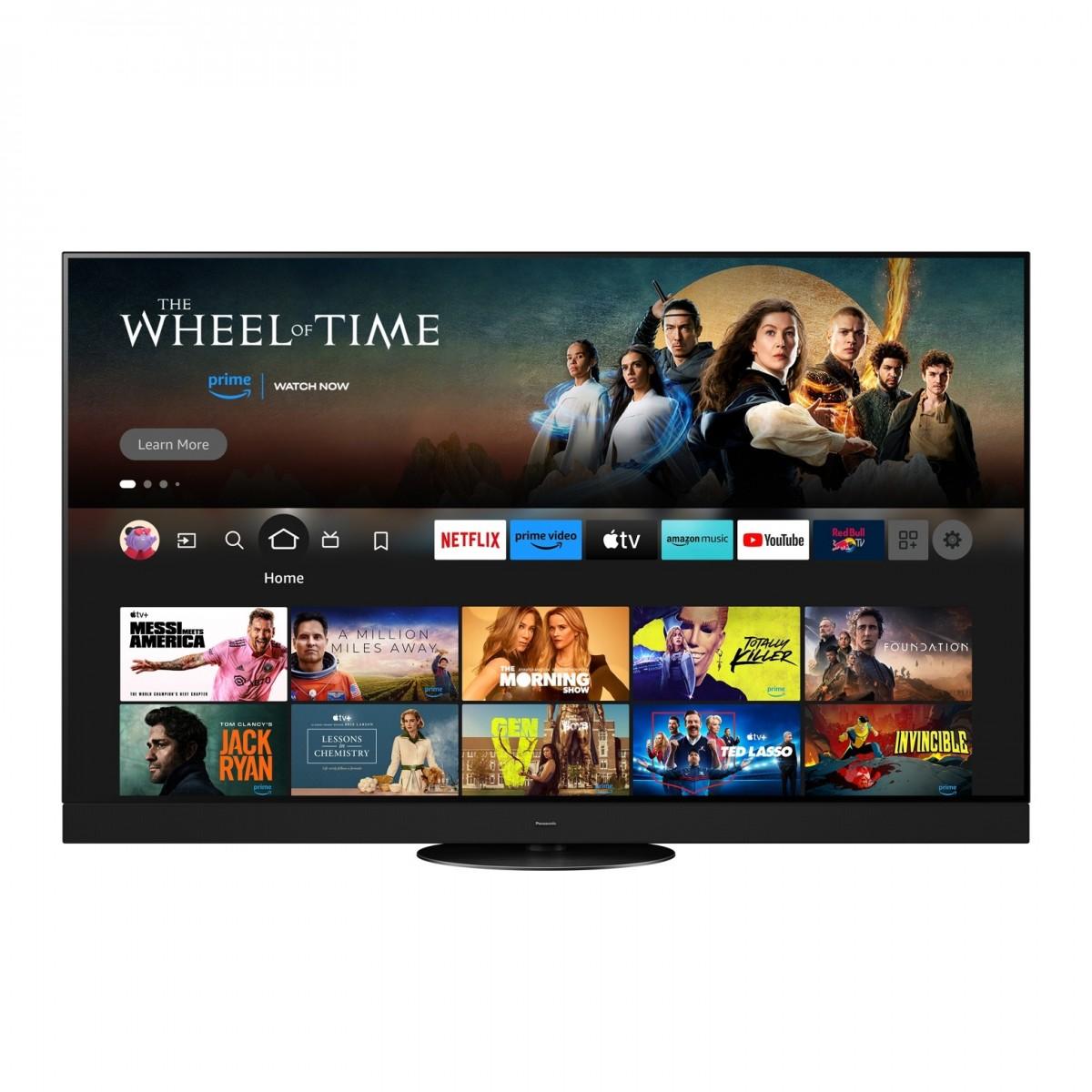
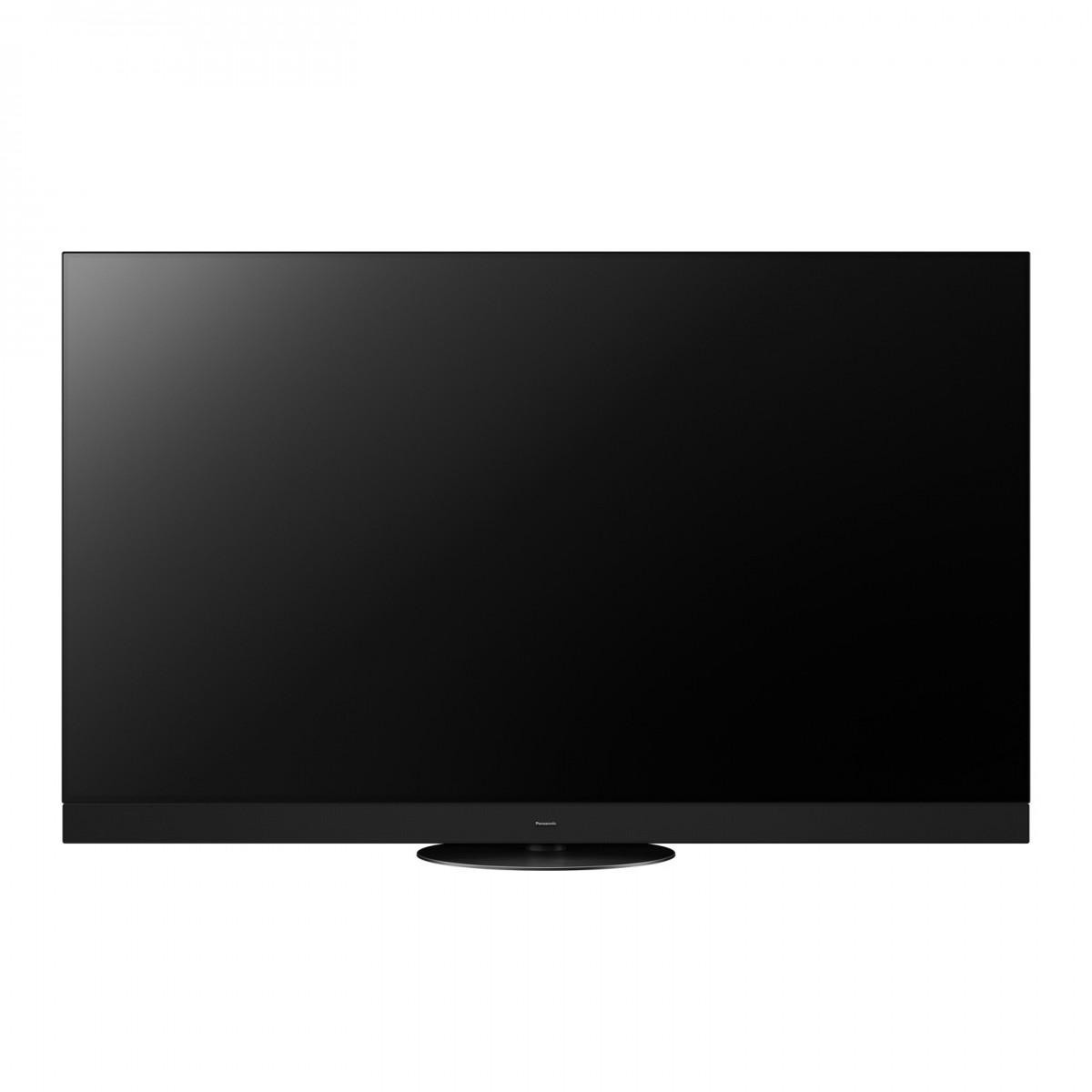
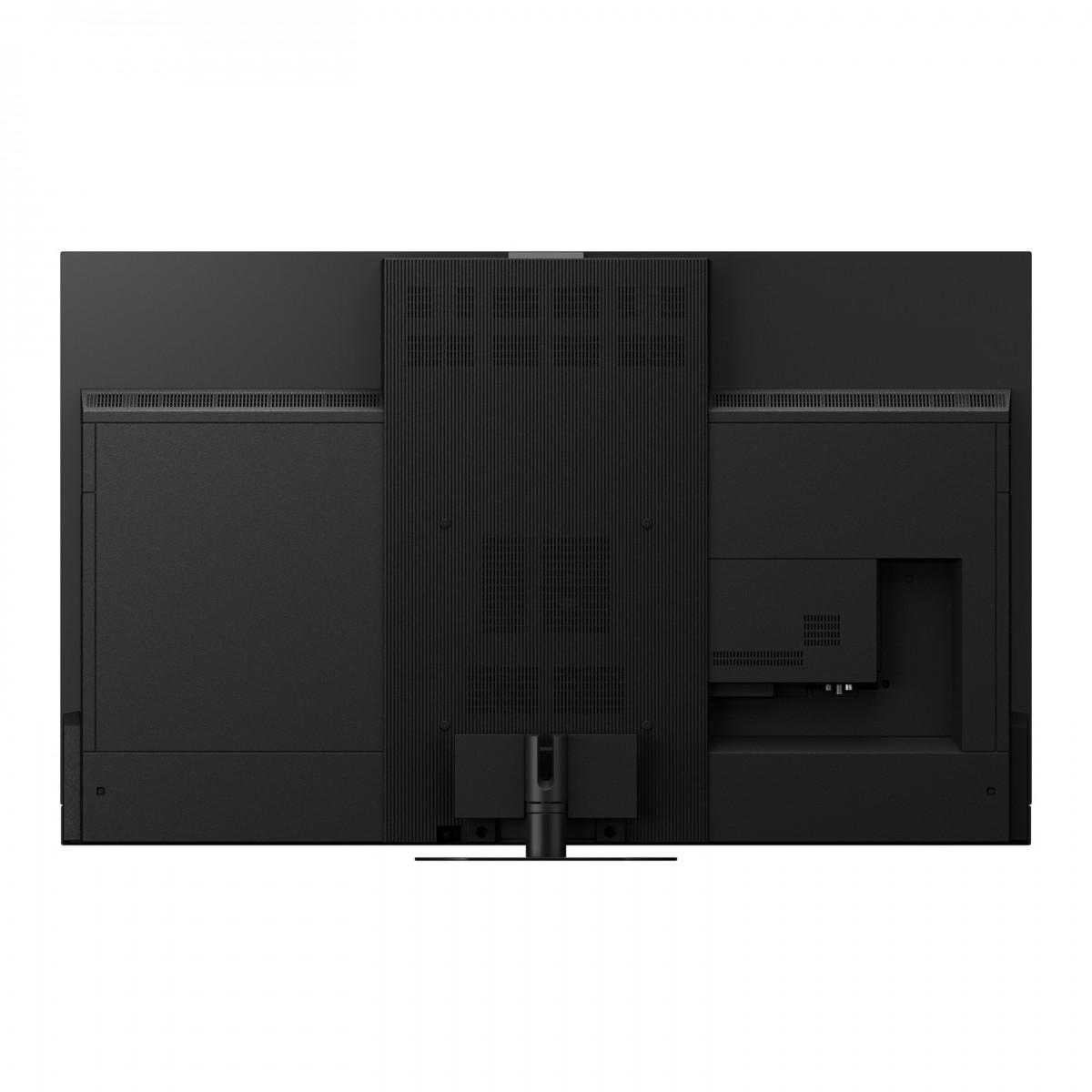
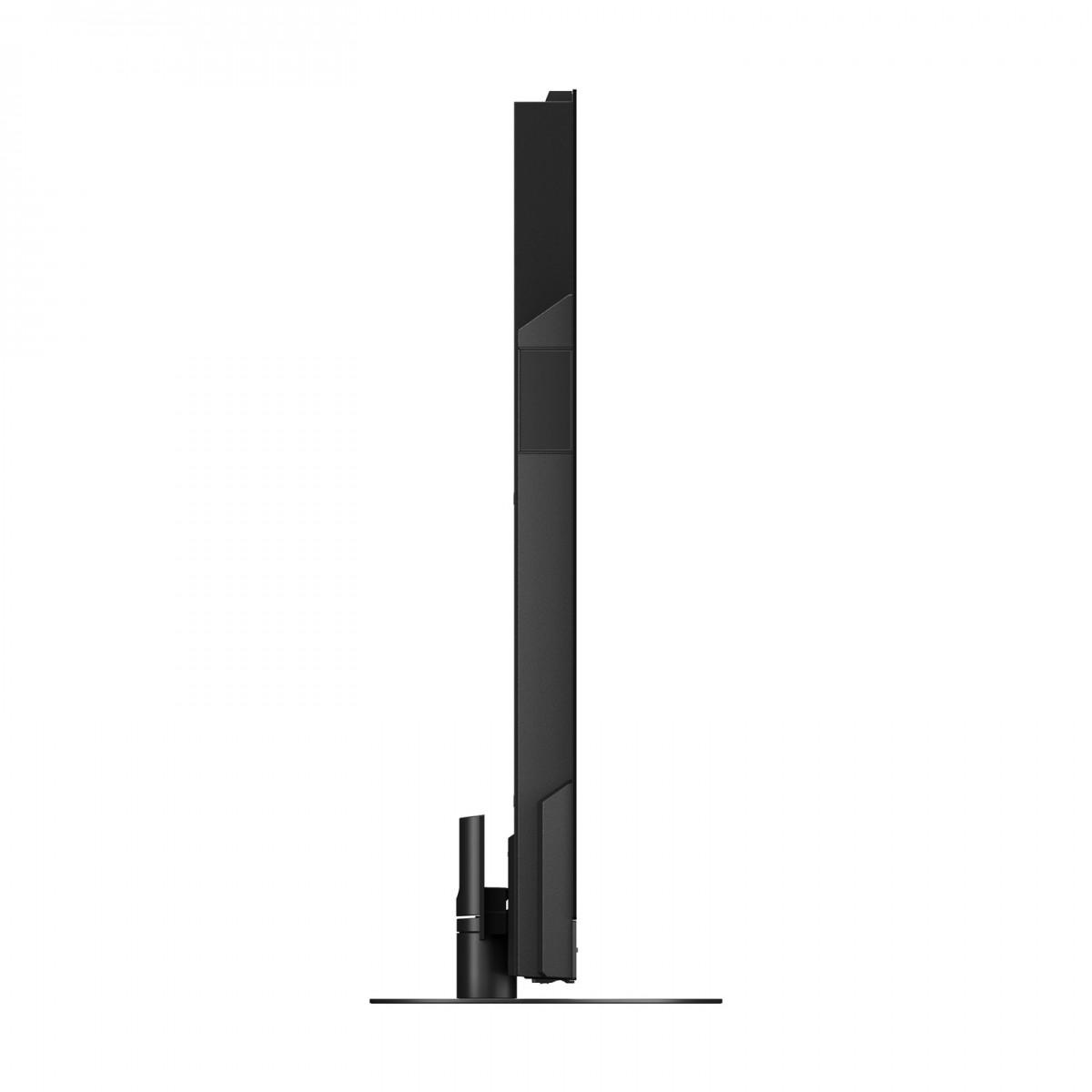
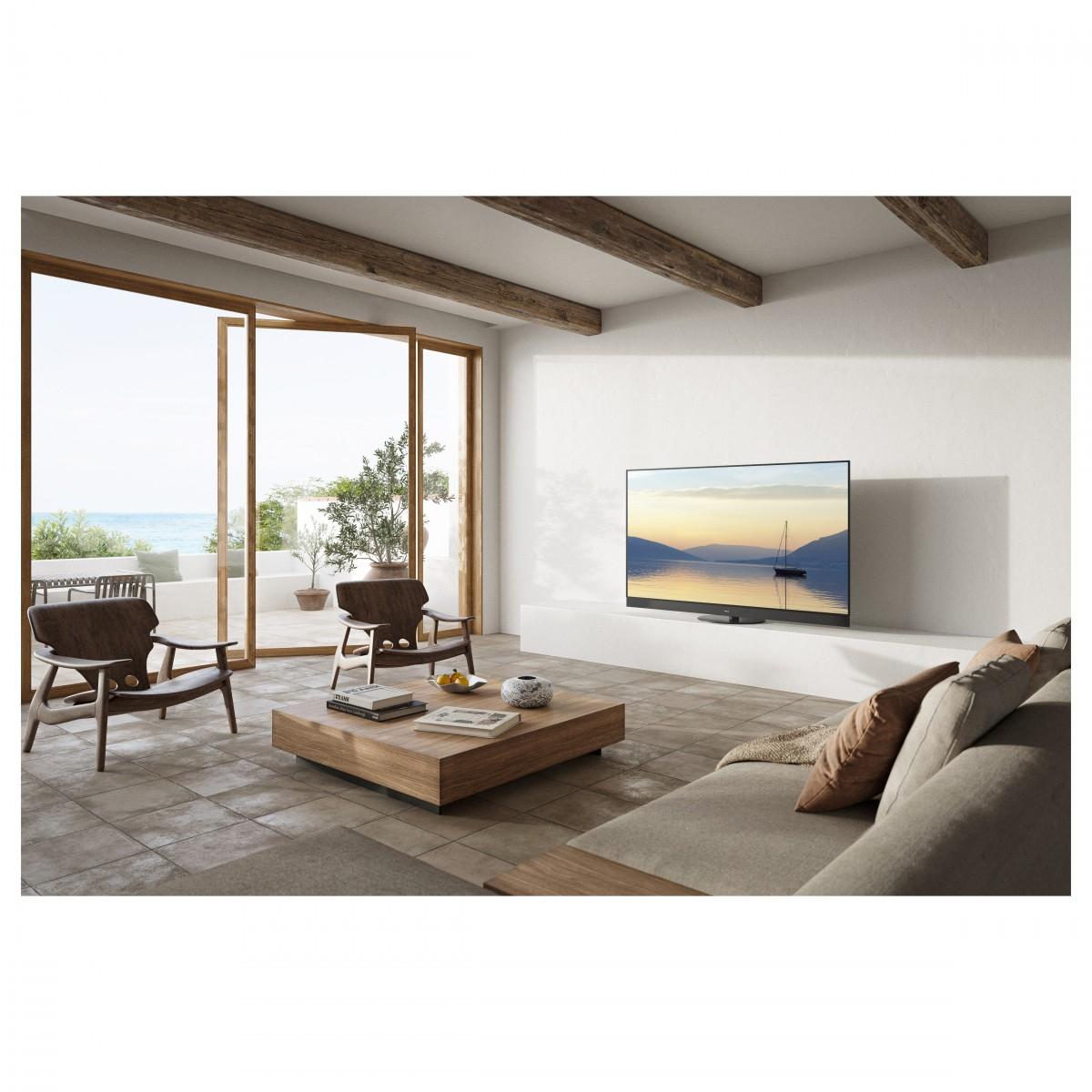
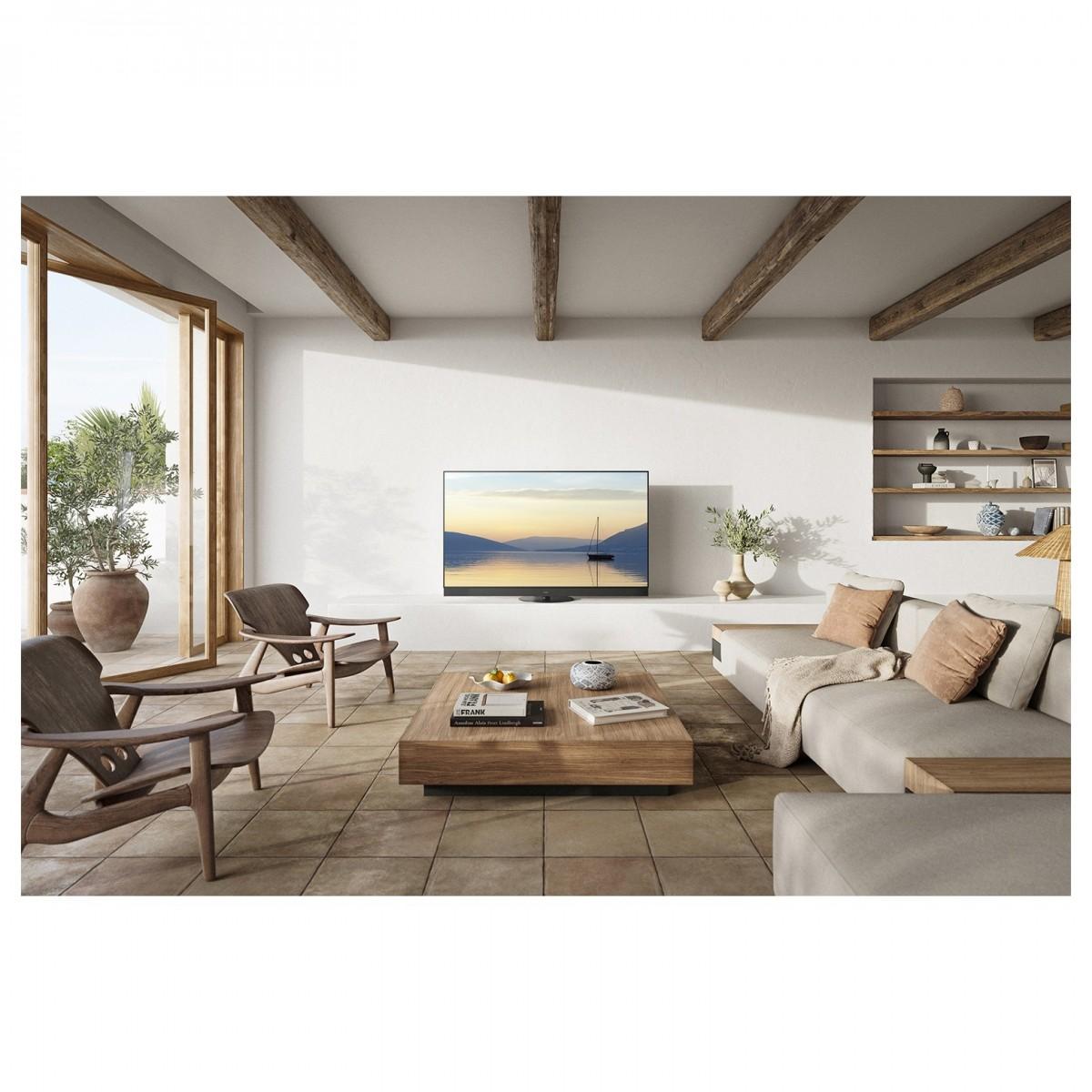
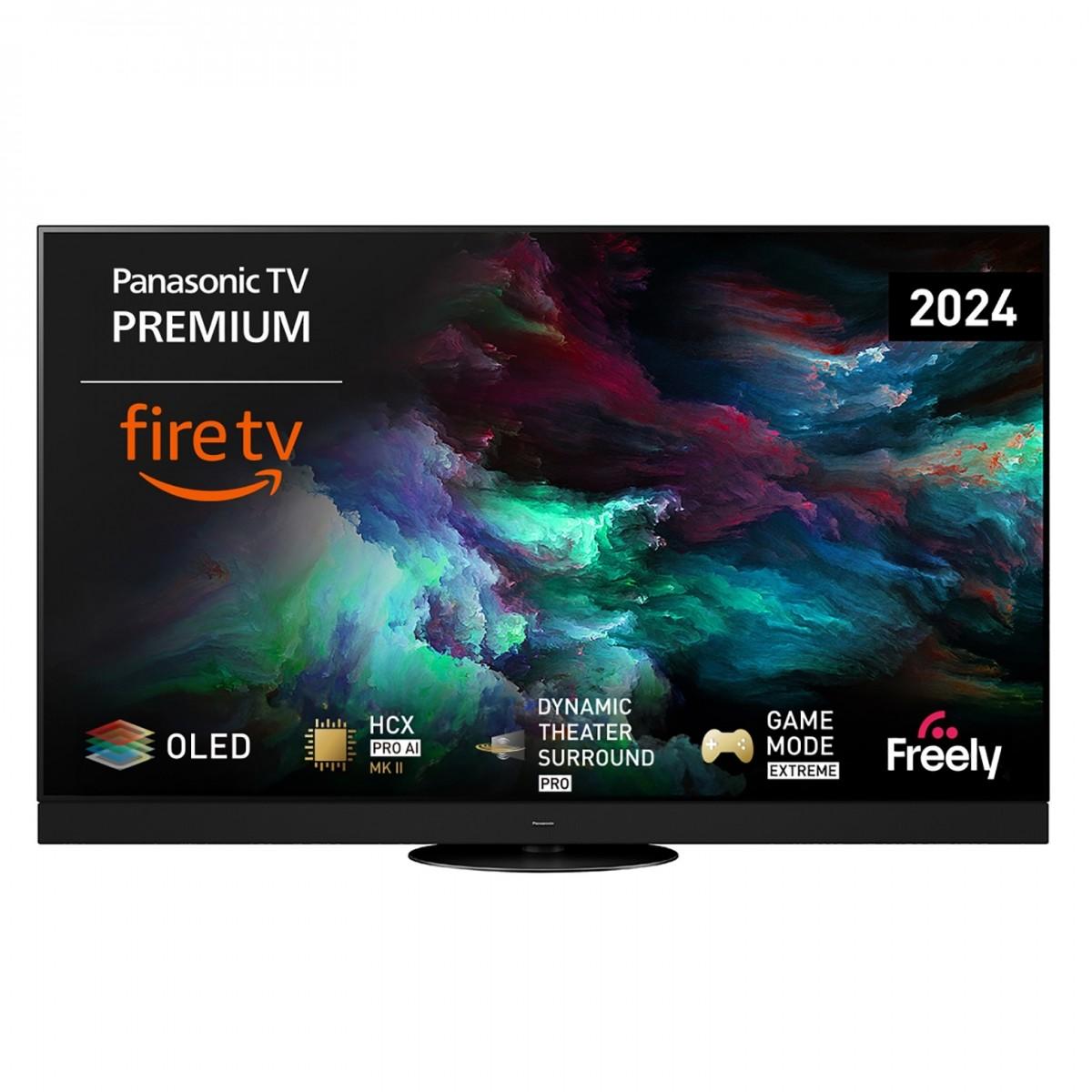
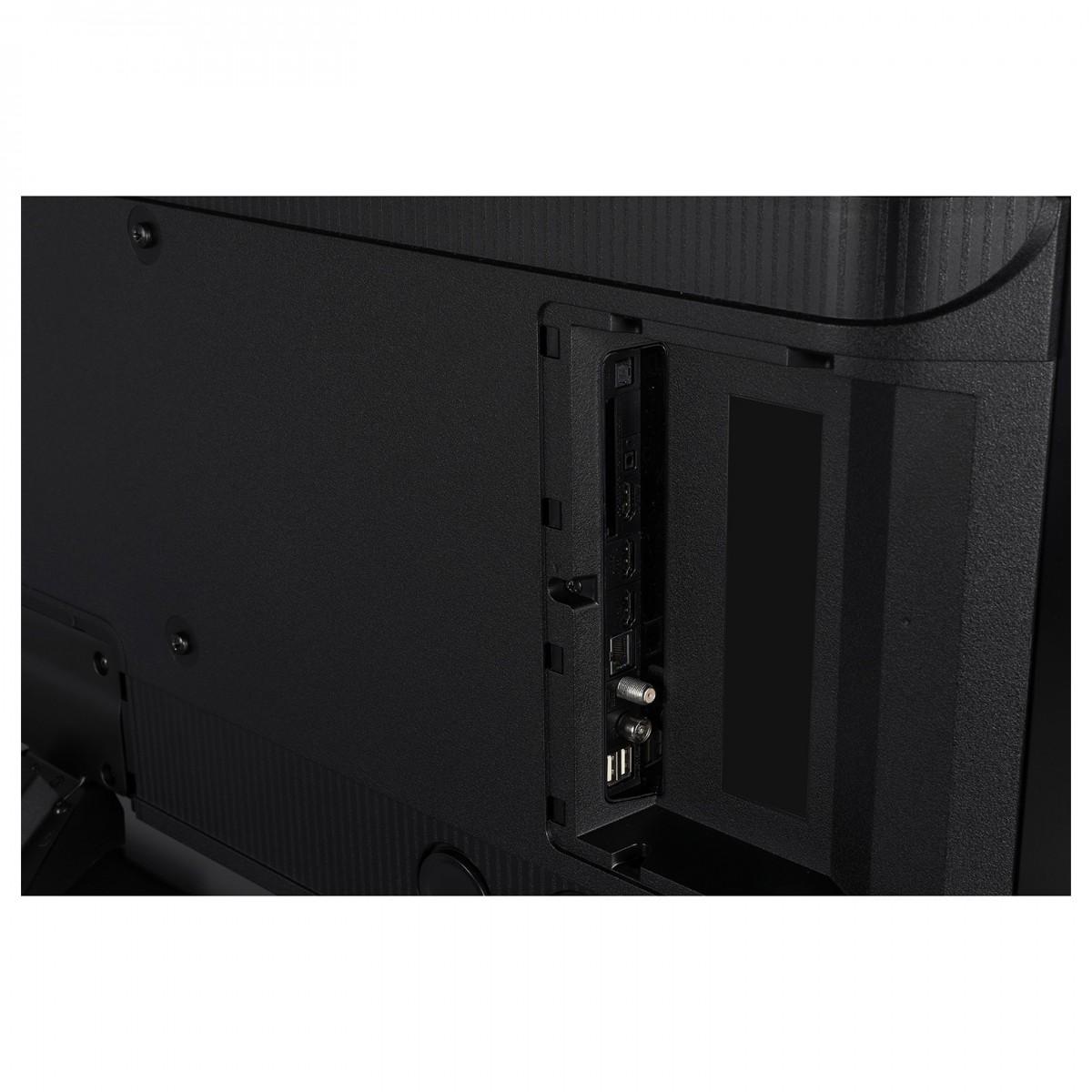
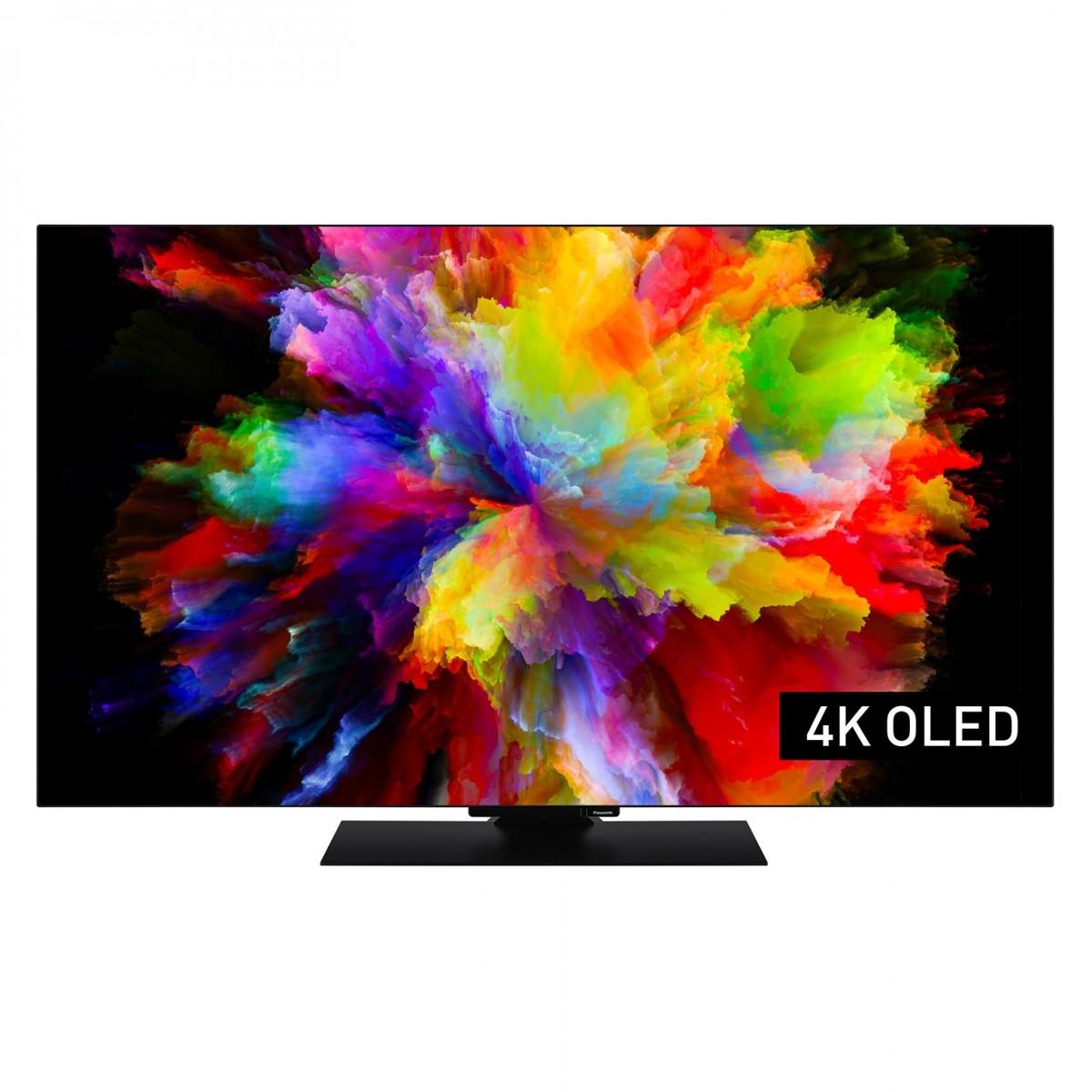
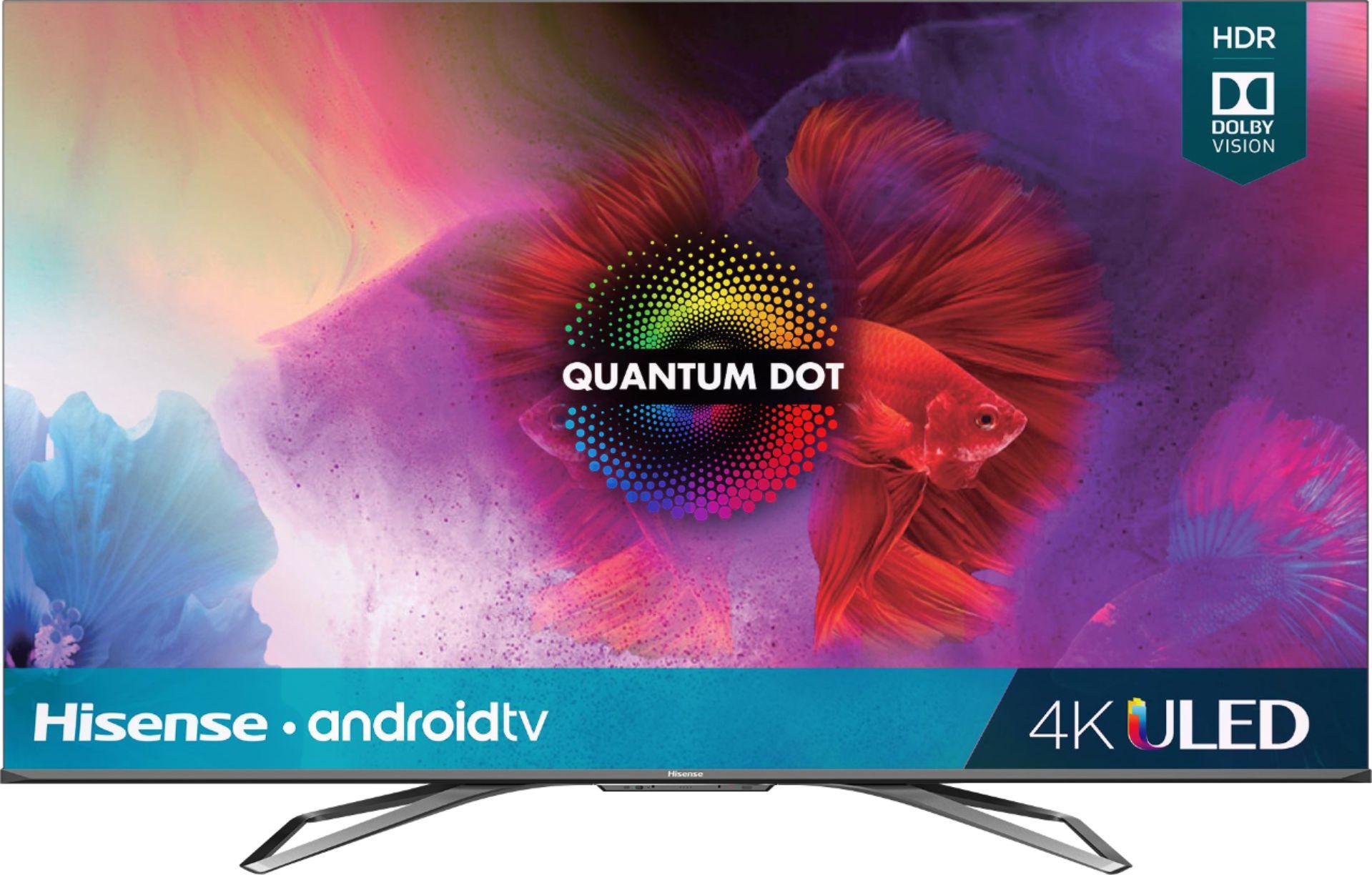
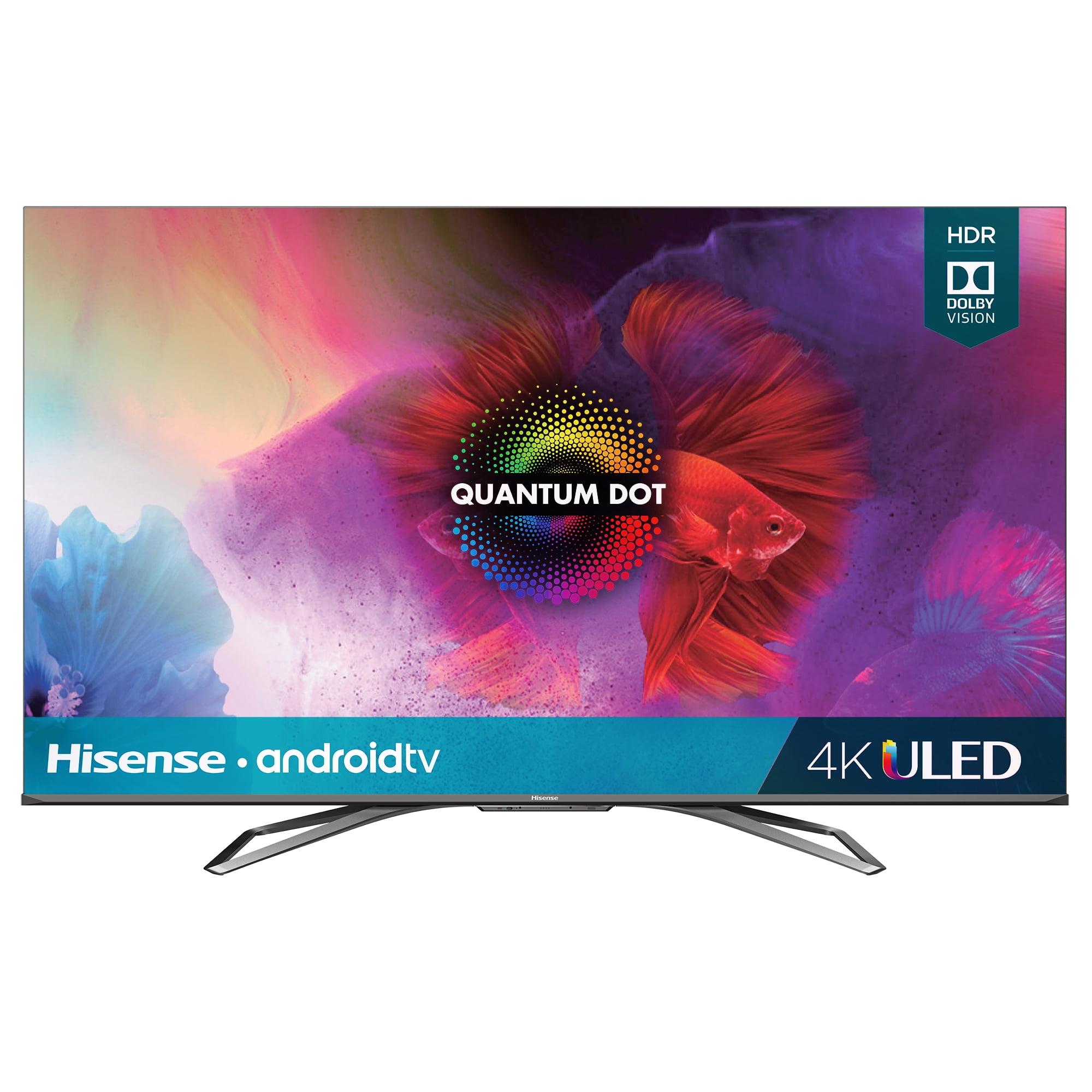
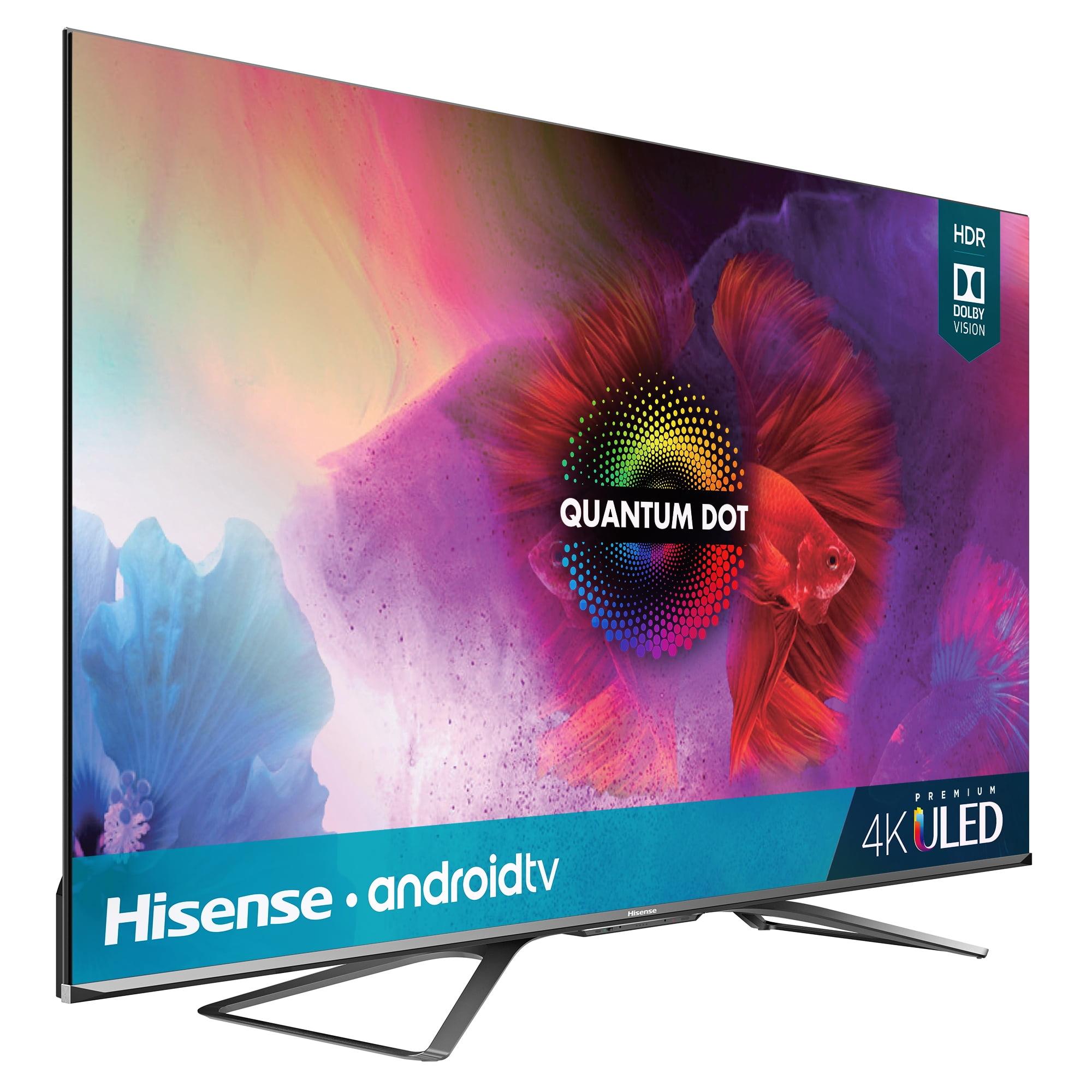

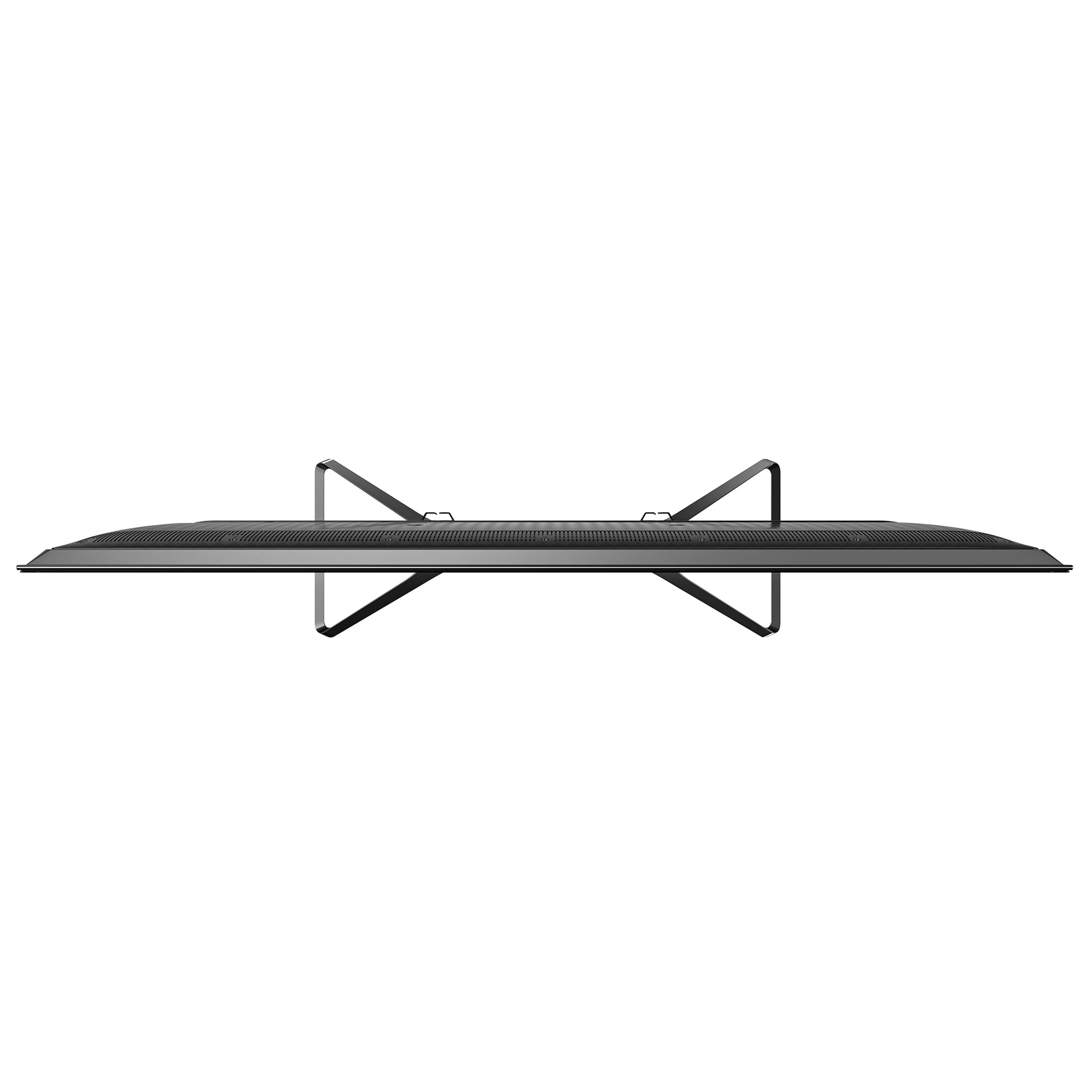
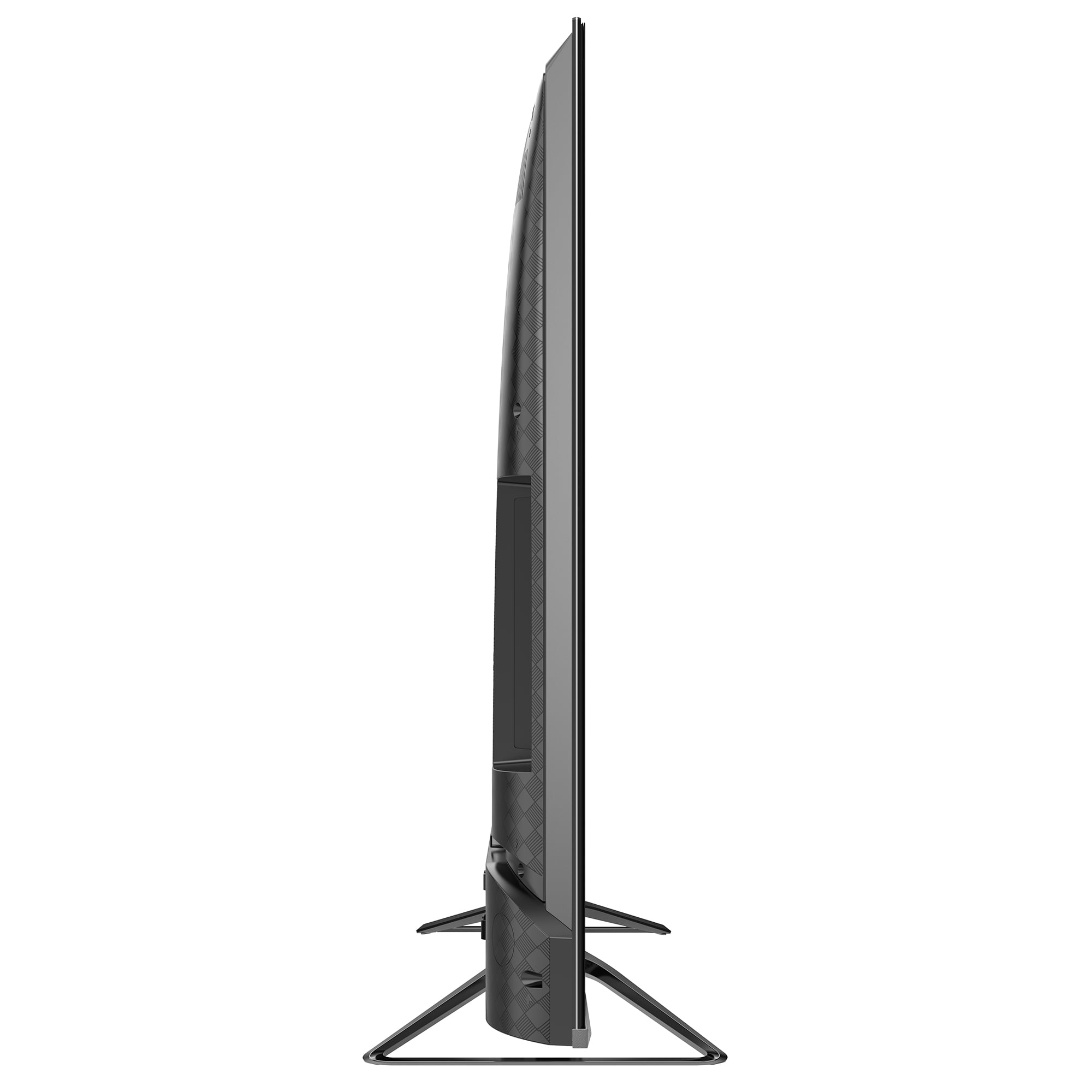
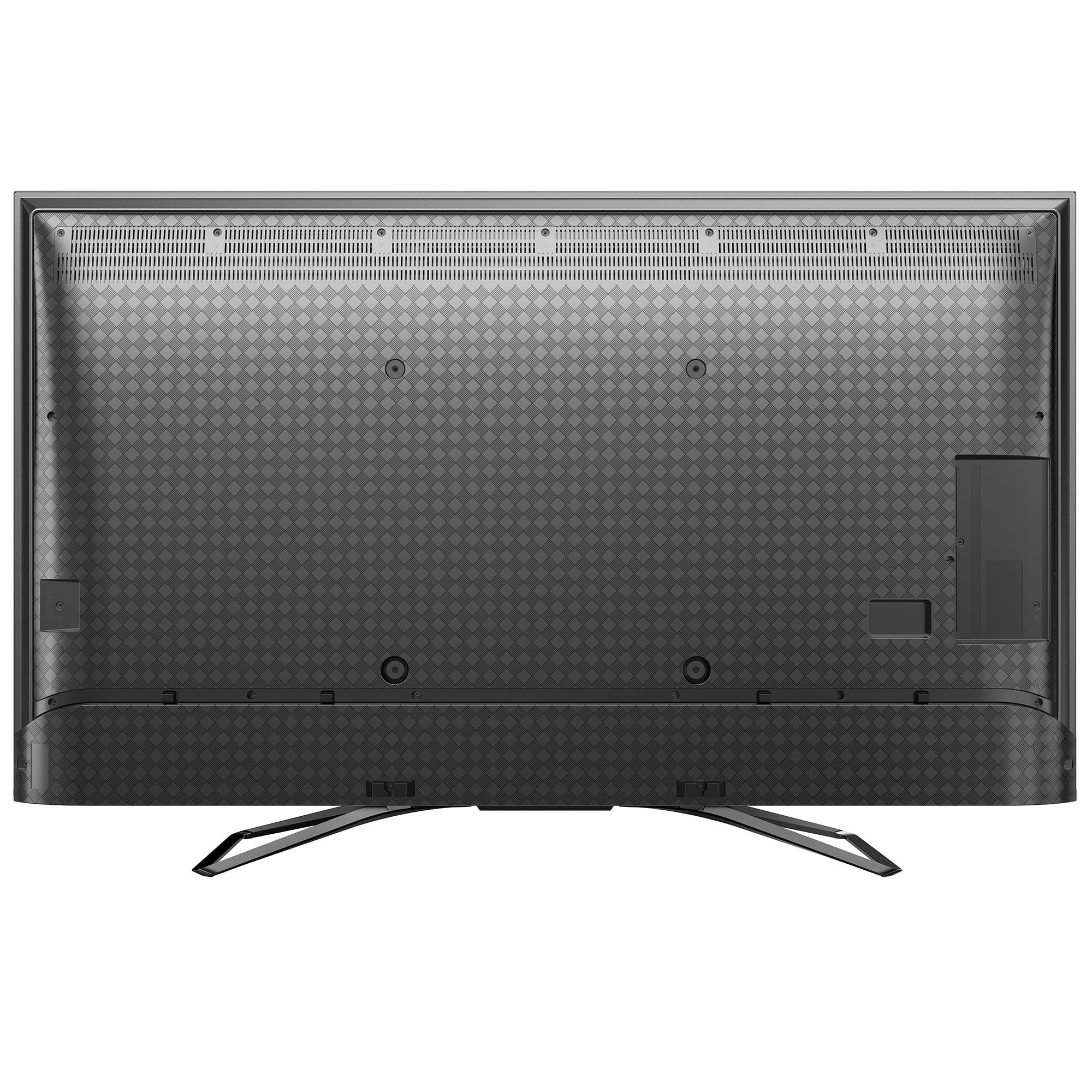
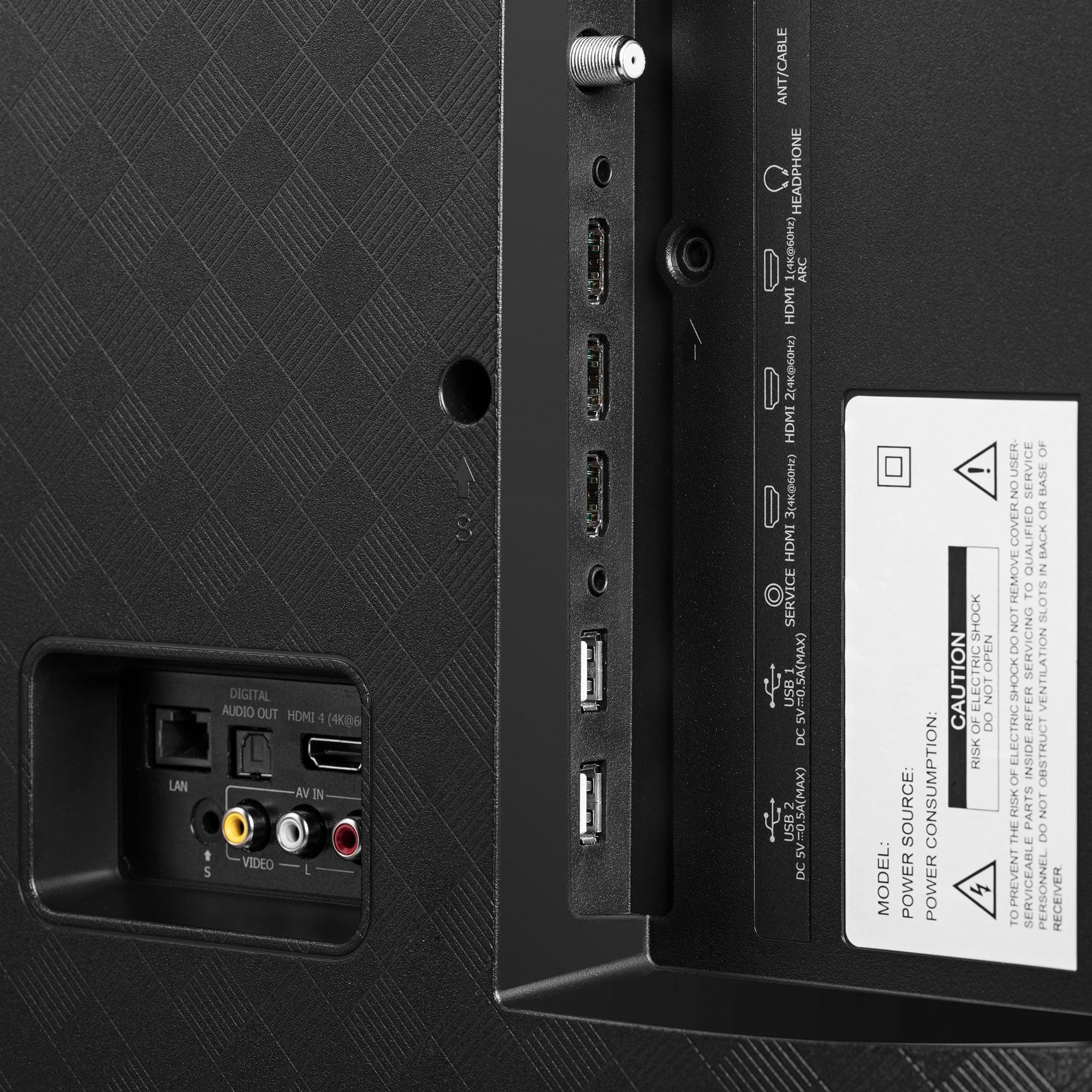
The 65-inch TV market has become incredibly competitive, with manufacturers pushing the boundaries of what's possible at this popular screen size. Today we're comparing two distinct approaches to premium television technology: the Panasonic Z95A 65" OLED representing the cutting edge of organic light-emitting diode technology, and the Hisense H9G 65" Quantum Series showcasing quantum dot LED innovation at a more accessible price point.
Both TVs target the sweet spot for home entertainment – large enough for an immersive cinematic experience without overwhelming most living rooms. However, they achieve their impressive picture quality through fundamentally different technologies, each with unique strengths and trade-offs.
The core difference between these televisions lies in how they create light and color. The Panasonic Z95A uses OLED (Organic Light-Emitting Diode) technology, where each individual pixel generates its own light. When you want true black, those pixels simply turn off completely – no backlight bleeding through, no compromises. It's like having 8.3 million tiny light bulbs that can be controlled independently.
The Hisense H9G, on the other hand, uses what's called QLED (Quantum Dot LED) technology. Despite the similar name, it's actually an enhanced LCD display with an LED backlight system. The "quantum dots" are microscopic particles that, when hit by blue LED light, emit very pure red and green light. This creates more vibrant and accurate colors than traditional LED TVs. The H9G specifically uses 180 local dimming zones – sections of the backlight that can be dimmed or brightened independently to improve contrast.
Both TVs were released in 2020, representing the pinnacle of their respective technologies at that time. Since then, OLED technology has continued advancing with brighter panels and better burn-in resistance, while QLED displays have improved with more local dimming zones and better quantum dot materials.
When it comes to picture quality, the fundamental physics of each technology create distinct viewing experiences. The Panasonic Z95A achieves what experts call "infinite contrast" – because pixels can turn completely off, the difference between the brightest whites and deepest blacks is theoretically unlimited. In practical terms, this means when you're watching a movie with a night scene, the dark areas look truly black rather than the slightly gray appearance common with backlit displays.
The HCX Pro AI Processor MKII in the Panasonic Z95A deserves special attention. This chip doesn't just upscale lower resolution content – it analyzes each frame in real-time, adjusting color temperature, contrast, and sharpness based on what type of content it detects. Watching a nature documentary? It enhances greens and earth tones. Switching to a thriller with dark scenes? It optimizes shadow detail without crushing blacks.
The Hisense H9G takes a different but equally valid approach. Its quantum dot technology excels at color volume – the total amount of color the display can produce at different brightness levels. While it can't achieve the perfect blacks of OLED, it can get significantly brighter, reaching up to 1000 nits compared to the typical 600-800 nits of most OLED panels. This brightness advantage becomes crucial in bright rooms or when watching HDR content with spectacular highlights like explosions or sunsets.
The 180 local dimming zones in the Hisense H9G represent a clever compromise. The backlight is divided into 180 separately controlled sections, allowing bright objects to coexist with dark areas in the same scene much more effectively than traditional edge-lit displays. However, it's still not pixel-perfect control – a bright star in a dark sky might create a subtle halo effect that wouldn't occur with OLED.
High Dynamic Range (HDR) content represents the biggest advancement in TV technology since the jump to 4K resolution. Both televisions support the major HDR formats, but they handle this demanding content differently.
The Panasonic Z95A supports Dolby Vision IQ, an advanced version of Dolby Vision that uses built-in light sensors to adjust the HDR picture based on your room's brightness. This means the TV automatically optimizes the picture whether you're watching in a dark home theater or a bright living room – a feature that becomes invaluable for households with varying lighting conditions.
The Hisense H9G supports HDR10, HDR10+, Dolby Vision, and HLG, giving it comprehensive format compatibility. Its higher peak brightness gives it an edge with certain HDR content, particularly scenes with bright sunshine or explosions that really pop against darker backgrounds. However, the local dimming zones, while numerous, can sometimes create visible blooming around bright objects in very dark scenes.
For home theater enthusiasts, the Panasonic Z95A generally provides a more film-accurate experience, with colors and contrast that closely match the director's intent. The Hisense H9G often delivers a more immediately impressive "wow factor" with its punchy brightness and saturated quantum dot colors, though this can sometimes veer toward oversaturation depending on your preferences.
Modern TVs have become serious gaming displays, and both models recognize this trend with dedicated gaming features. The Panasonic Z95A includes a remarkable 144Hz refresh rate – higher than most computer monitors and ideal for next-generation gaming consoles and high-end PC gaming. This high refresh rate, combined with Auto Low Latency Mode (ALLM) and support for AMD FreeSync Premium, creates an exceptionally smooth gaming experience with minimal input lag.
Variable refresh rate (VRR) technology, which the Panasonic Z95A supports through FreeSync Premium, synchronizes the TV's refresh rate with the game console's frame rate. This eliminates screen tearing and stuttering – common issues when frame rates fluctuate during demanding game scenes. For competitive gamers or those with high-end gaming setups, these features can provide a genuine competitive advantage.
The Hisense H9G offers solid gaming performance with its native 120Hz panel and dedicated Game Mode, which reduces input lag by bypassing unnecessary video processing. However, it lacks VRR support, which means you might notice occasional frame rate inconsistencies in demanding games. For casual gaming, this difference is negligible, but serious gamers will appreciate the Panasonic Z95A's more advanced feature set.
Television speakers have long been an afterthought, but both manufacturers have made genuine efforts to improve the audio experience. The Panasonic Z95A incorporates a more sophisticated speaker system with front, upward, and side-firing drivers designed to create a Dolby Atmos soundscape. This three-dimensional audio approach bounces sound off your ceiling and walls to create a more immersive experience than traditional forward-firing speakers.
The Hisense H9G includes Dolby Atmos processing but relies on a more conventional speaker arrangement. While adequate for casual viewing, it lacks the spatial audio magic that the Panasonic Z95A's multi-directional speaker system can create.
However, it's worth noting that even the best built-in TV speakers can't match a dedicated soundbar or home theater system. If audio quality is a priority, both TVs work excellently with external audio systems, supporting advanced audio formats through their HDMI ARC connections.
The smart TV platform can make or break the daily user experience, and these models take different approaches. The Panasonic Z95A runs Amazon's Fire TV platform, which provides seamless integration with Amazon's ecosystem, including Prime Video, Music, and Alexa voice control. The interface is clean and responsive, with excellent content discovery that learns your viewing preferences over time.
The Hisense H9G uses Android TV (now Google TV), offering deep integration with Google services and access to the full Google Play Store. This means more app availability and flexibility, particularly for niche streaming services or international content. The built-in Chromecast functionality makes it effortless to cast content from phones or tablets.
Both platforms support major streaming services like Netflix, Disney+, and YouTube, and both offer voice control through their respective assistants. The choice often comes down to your existing ecosystem – Amazon users might prefer Fire TV, while Google users might gravitate toward Android TV.
At the time of writing, the Panasonic Z95A commands a significant premium over the Hisense H9G – roughly 85% more expensive. This price difference reflects the fundamental cost disparity between OLED and LED manufacturing, as well as Panasonic's positioning as a premium brand.
The Hisense H9G represents exceptional value in the premium TV market, delivering roughly 90% of a high-end viewing experience at about 55% of the cost. For most viewers, particularly those upgrading from older LED TVs, the picture quality improvement will be dramatic and satisfying.
The Panasonic Z95A justifies its premium through absolute picture quality supremacy, advanced gaming features, and sophisticated processing. If you're building a dedicated home theater or gaming setup where picture quality is paramount, the additional cost delivers tangible benefits.
Your viewing environment significantly impacts which TV will perform better. The Panasonic Z95A excels in controlled lighting conditions – dim rooms, dedicated home theaters, or evening viewing sessions. The perfect blacks and wide viewing angles make it ideal for movie nights where multiple people are watching from different seating positions.
The Hisense H9G handles bright rooms more effectively thanks to its higher peak brightness and anti-glare screen coating. If your TV is in a living room with large windows or bright lighting, the quantum dot display's ability to maintain vibrant colors and good contrast in bright conditions becomes a significant advantage.
For home theater applications, the Panasonic Z95A provides a more cinematic experience with its film-accurate colors and infinite contrast. However, the Hisense H9G can still deliver an impressive theater-like experience, particularly with HDR content where its brightness advantages shine.
Choose the Panasonic Z95A if you prioritize absolute picture quality, have a controlled lighting environment, are a serious gamer, or are building a dedicated home theater setup. The premium price buys you cutting-edge technology and features that will remain relevant for years to come.
The Hisense H9G makes more sense for mainstream buyers who want premium features without premium pricing. It excels in bright rooms, offers solid gaming performance for casual players, and delivers impressive picture quality that will satisfy the vast majority of viewers.
Both TVs represent excellent choices within their respective market segments, and either will provide a significant upgrade over older display technology. The decision ultimately comes down to your budget, viewing environment, and how much you value having the absolute best picture quality available. At the time of writing, the Hisense H9G offers better value for most buyers, while the Panasonic Z95A delivers superior performance for those who demand the best.
| Panasonic Z95A 65" OLED 4K Ultra HD Smart TV | Hisense H9G 65" Quantum Series 4K UHD Smart Android TV |
|---|---|
| Display Technology - The fundamental difference that affects all picture quality aspects | |
| OLED with individual pixel control | QLED with 180 local dimming zones |
| Peak Brightness - Critical for HDR performance and bright room viewing | |
| ~800 nits (excellent for dark rooms, limited in bright spaces) | 1,000 nits (superior for bright rooms and HDR highlights) |
| Contrast Ratio - Determines how deep blacks appear and overall picture depth | |
| Infinite contrast (perfect blacks) | Very good contrast with minimal blooming |
| Refresh Rate - Essential for smooth motion and gaming performance | |
| 144Hz native (exceptional for gaming) | 120Hz native (solid for most gaming needs) |
| Gaming Features - Important for console and PC gaming | |
| ALLM, VRR, AMD FreeSync Premium, ultra-low input lag | ALLM, Game Mode, low input lag (no VRR support) |
| Color Technology - Affects color accuracy and vibrancy | |
| Hexa Chroma Drive with professional color tuning | Quantum Dot technology for enhanced color volume |
| HDR Support - Determines compatibility with premium content | |
| Dolby Vision IQ, HDR10, HDR10+ with ambient adaptation | Dolby Vision, HDR10, HDR10+, HLG (comprehensive support) |
| Audio System - Built-in sound quality before adding external speakers | |
| 20W with Dolby Atmos, multi-directional speakers | 20W stereo with basic Dolby Atmos processing |
| Smart Platform - Daily interface and app ecosystem | |
| Amazon Fire TV with Alexa integration | Android TV with Google Assistant and Play Store |
| Viewing Angles - How picture quality holds up from side positions | |
| Excellent (OLED advantage) | Good center, some color shift at extreme angles |
| Burn-in Risk - Long-term durability consideration | |
| Minimal risk with modern panels but possible with static content | No burn-in risk (LED backlight technology) |
| Value Proposition - Performance relative to typical market pricing | |
| Premium pricing for cutting-edge OLED technology | Exceptional value with premium features at mainstream price |
The Panasonic Z95A OLED delivers superior picture quality in dark rooms due to its OLED technology that produces perfect blacks and infinite contrast. Each pixel can turn completely off, creating true black levels that LED-based displays like the Hisense H9G cannot match. For home theater setups and movie watching in controlled lighting, the Panasonic Z95A provides a more cinematic experience.
The Hisense H9G Quantum Series performs better in bright rooms thanks to its higher peak brightness of 1,000 nits and anti-glare screen coating. While the Panasonic Z95A excels in dark environments, it can struggle to maintain vibrant colors and contrast in very bright spaces. For living rooms with large windows or daytime viewing, the Hisense H9G is the better choice.
OLED technology in the Panasonic Z95A uses self-emitting pixels that can turn on and off individually, creating perfect blacks and excellent contrast. QLED technology in the Hisense H9G uses quantum dots with an LED backlight and local dimming zones to enhance colors and improve contrast. OLED offers better contrast and viewing angles, while QLED provides higher brightness and no burn-in risk.
The Panasonic Z95A is significantly better for serious gaming, offering 144Hz refresh rate, variable refresh rate (VRR) support through AMD FreeSync Premium, and ultra-low input lag. The Hisense H9G provides solid gaming performance with 120Hz refresh rate and Game Mode but lacks VRR support. For competitive gaming or high-end PC gaming, the Panasonic Z95A is the clear winner.
The Panasonic Z95A OLED has minimal risk of burn-in with modern OLED technology, but it's still theoretically possible with static content displayed for extended periods. The Hisense H9G has no burn-in risk since it uses LED backlight technology. For users concerned about long-term durability with static content like news channels or gaming HUDs, the Hisense H9G offers peace of mind.
The Hisense H9G provides exceptional value, delivering premium features like quantum dot color technology, local dimming, and comprehensive HDR support at a significantly lower price point. The Panasonic Z95A commands a premium for its cutting-edge OLED technology and advanced features. For budget-conscious buyers wanting premium performance, the Hisense H9G is the better value choice.
The Panasonic Z95A uses Amazon Fire TV with Alexa integration, providing seamless access to Amazon services and a clean, responsive interface. The Hisense H9G runs Android TV with Google Assistant, offering broader app selection through the Google Play Store and excellent Chromecast integration. Both platforms support major streaming services, with the choice often depending on your existing ecosystem preferences.
The Panasonic Z95A features a more sophisticated audio system with multi-directional speakers designed for Dolby Atmos, creating a more immersive sound experience. The Hisense H9G has standard stereo speakers with basic Dolby Atmos processing. However, both TVs benefit significantly from external soundbars or home theater systems for optimal audio performance.
Both TVs offer comprehensive HDR support. The Panasonic Z95A supports Dolby Vision IQ, HDR10, and HDR10+ with ambient light adaptation for optimal viewing in any lighting condition. The Hisense H9G supports Dolby Vision, HDR10, HDR10+, and HLG, providing excellent compatibility with all major HDR content sources and streaming services.
The Panasonic Z95A is superior for dedicated home theater environments due to its perfect blacks, film-accurate colors, and wide viewing angles. The OLED technology provides the cinematic experience that movie enthusiasts prefer in controlled lighting conditions. While the Hisense H9G can deliver impressive home theater performance, the Panasonic Z95A offers the most authentic film reproduction.
The Panasonic Z95A maintains excellent picture quality from wide viewing angles due to OLED technology's inherent advantages. The Hisense H9G provides good viewing angles from the center position but may show some color shifting and contrast reduction when viewed from extreme side angles. For rooms where multiple people watch from different seating positions, the Panasonic Z95A performs better.
Both TVs are built to last, but they have different long-term considerations. The Hisense H9G has no burn-in concerns and typically lower power consumption, potentially offering worry-free ownership. The Panasonic Z95A uses modern OLED technology with improved longevity, but requires some consideration of static content usage. Both manufacturers provide reliable warranty support, making either TV a solid long-term investment.
We've done our best to create useful and informative comparisons to help you decide what product to buy. Our research uses advanced automated methods to create this comparison and perfection is not possible - please contact us for corrections or questions. These are the sites we've researched in the creation of this article: youtube.com - youtube.com - whathifi.com - tomsguide.com - shop.panasonic.com - store.in.panasonic.com - rtings.com - applianceplus.co.nz - rtings.com - store.in.panasonic.com - samsung.com - rtings.com - bestbuy.com - techradar.com - youtube.com - digitaltrends.com - assets.hisense-usa.com - bestbuy.com - youtube.com - bestbuy.com

Privacy Policy
Terms and Conditions - Affiliate Policy
Home Security
© Copyright 2008-2026.
11816 Inwood Rd #1211, Dallas, TX 75244