










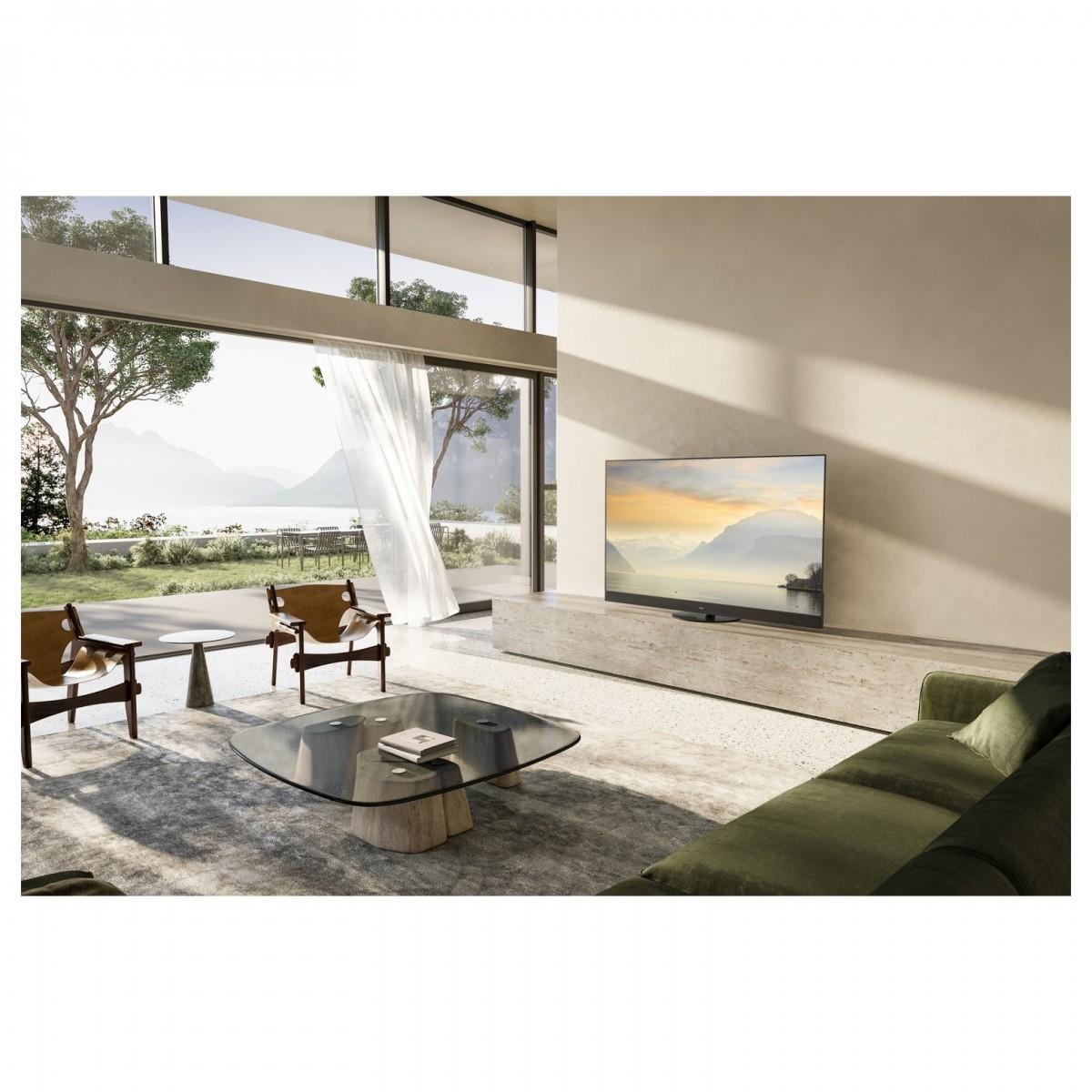
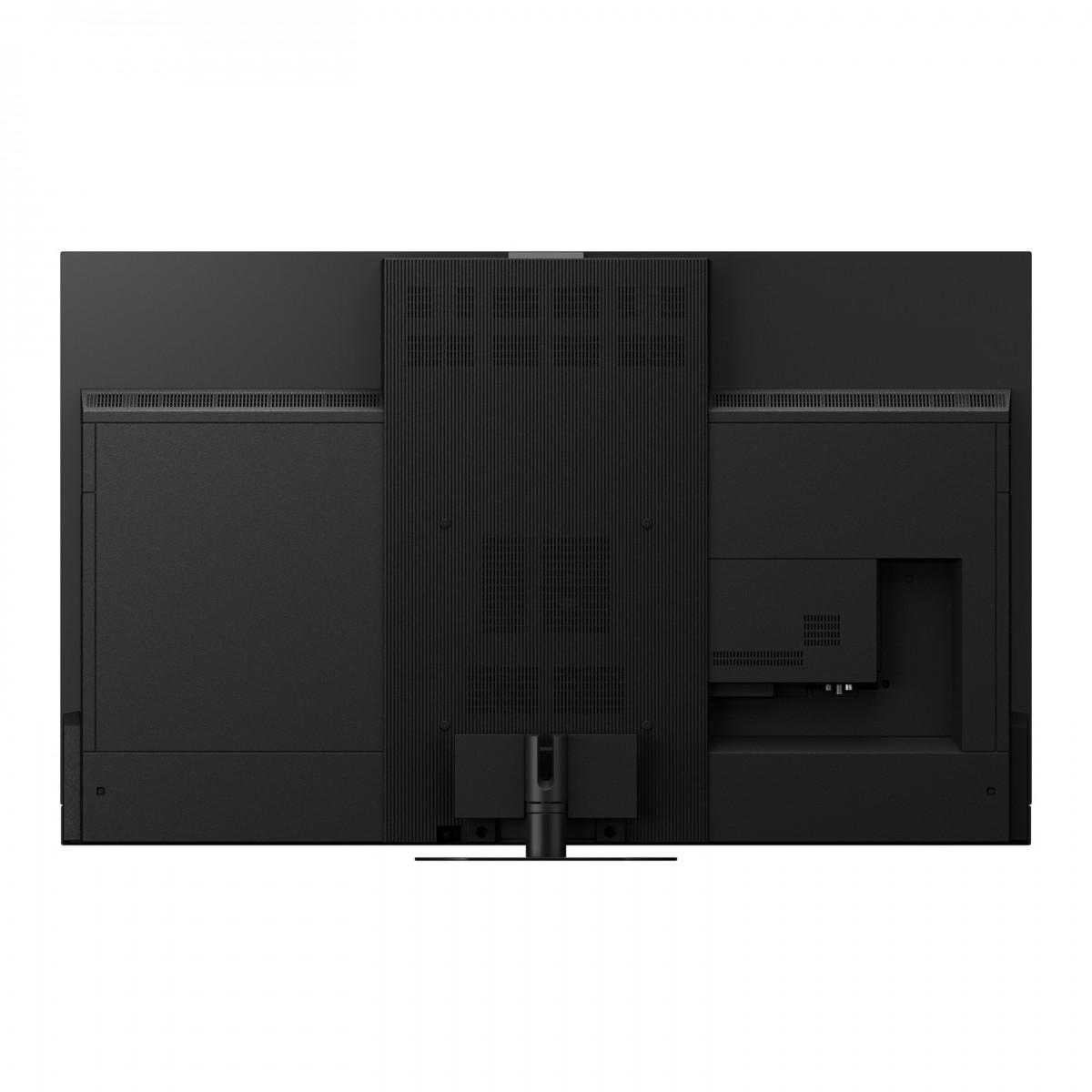
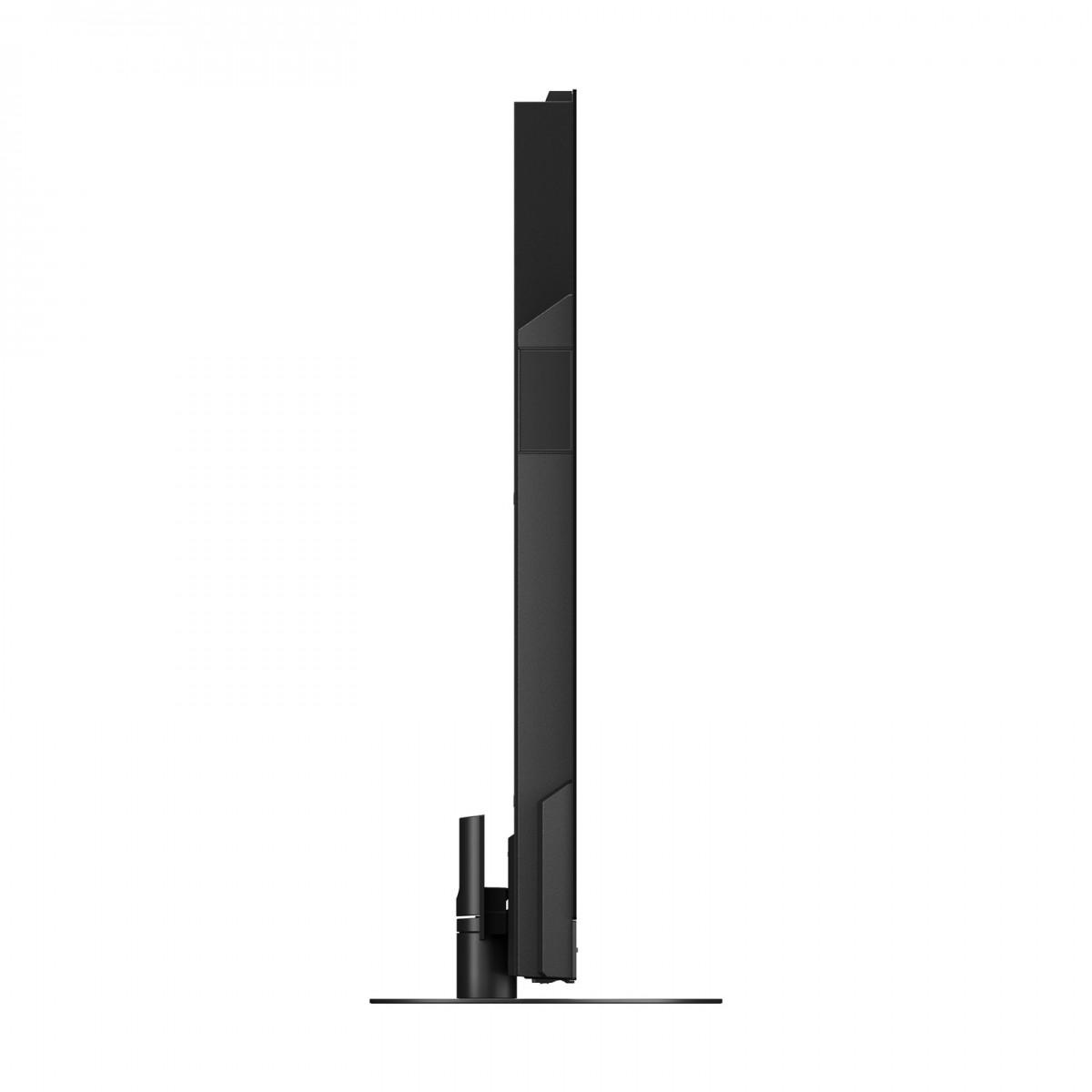
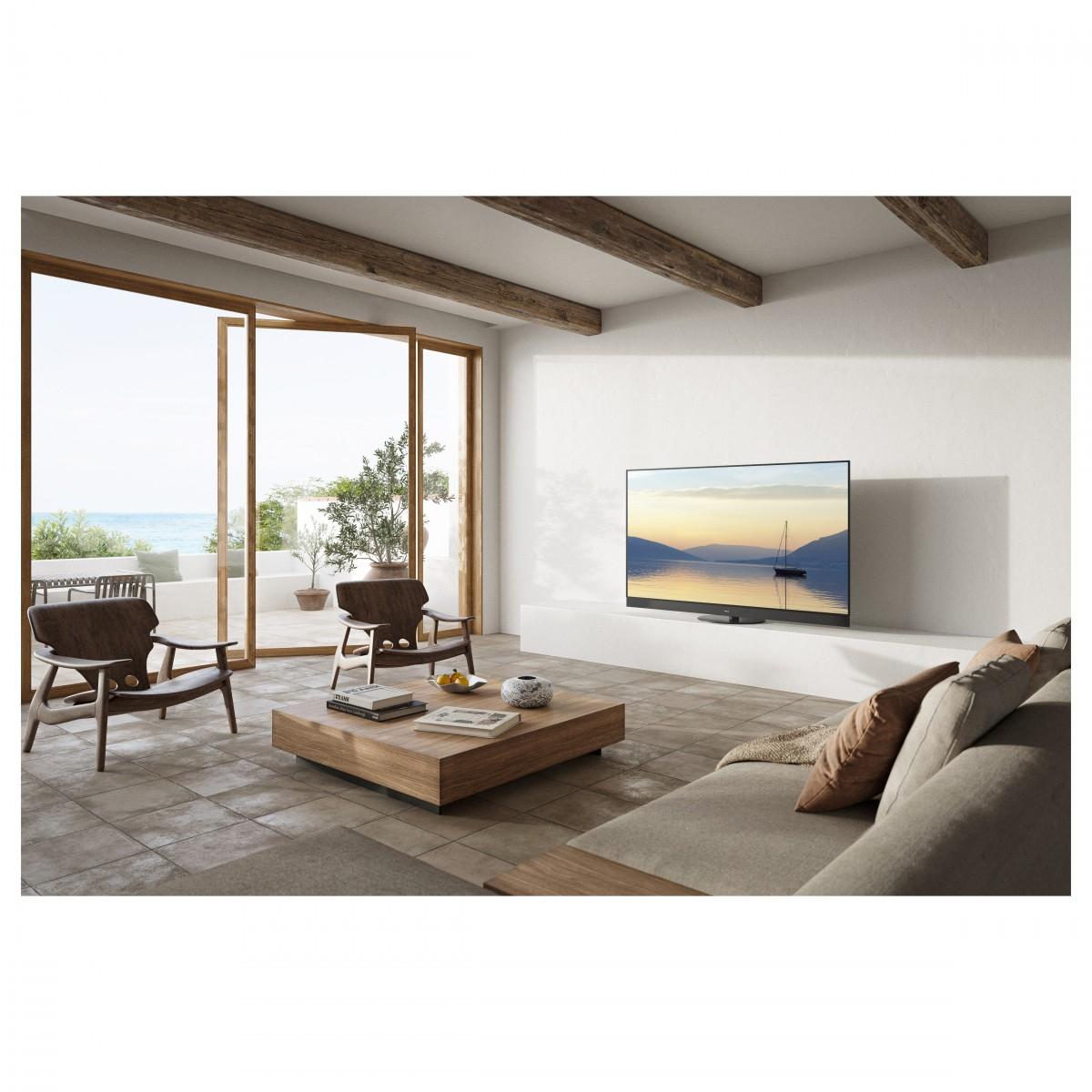
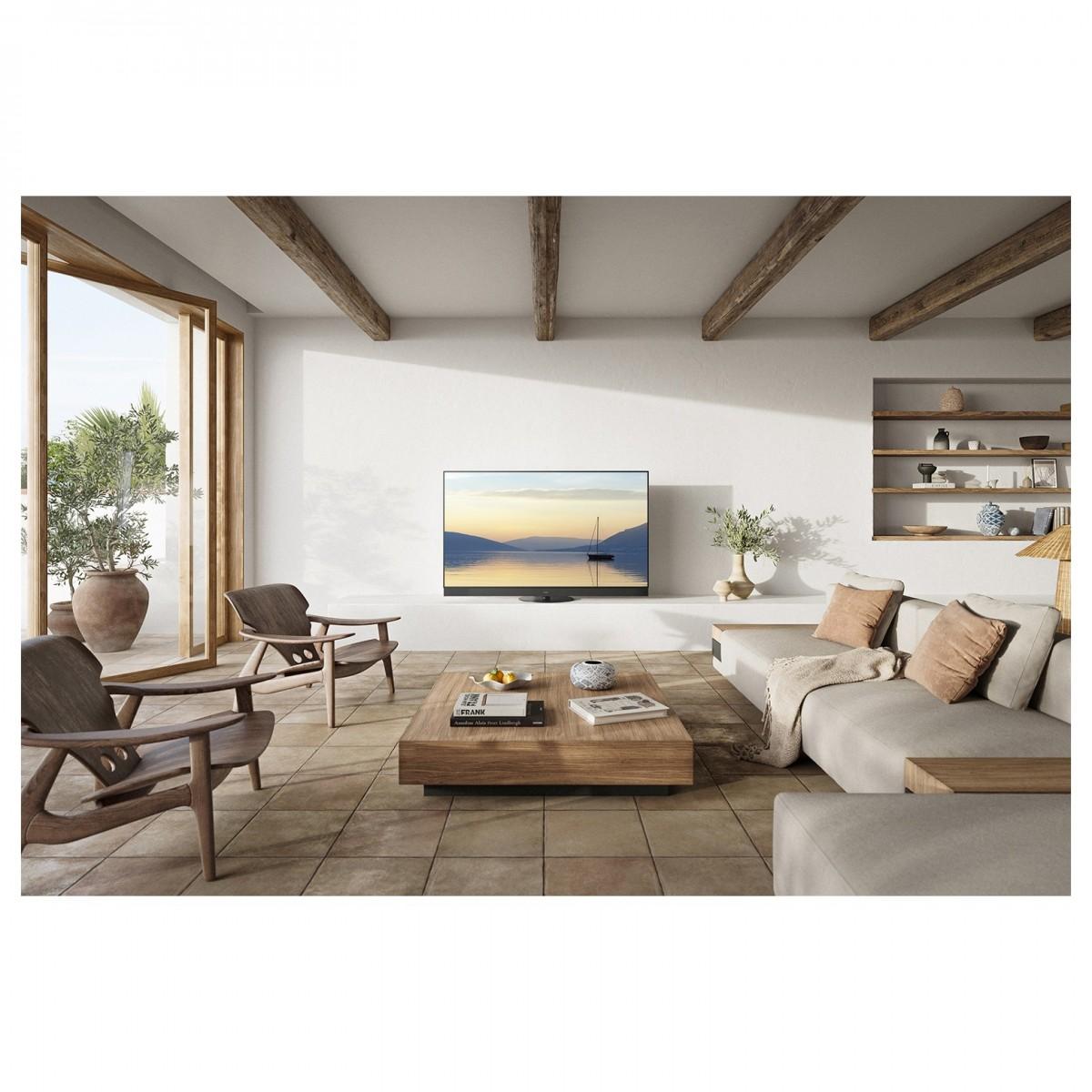
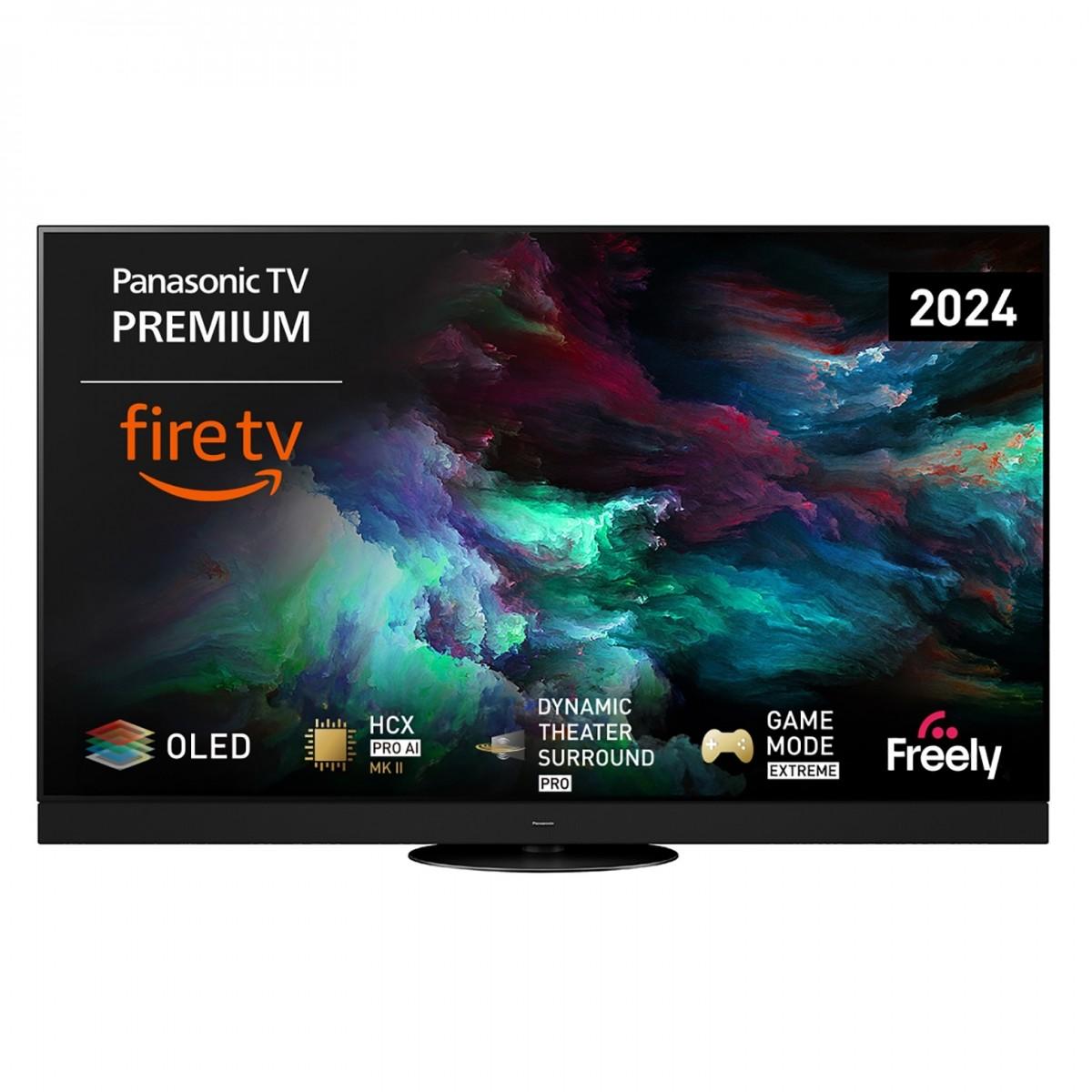
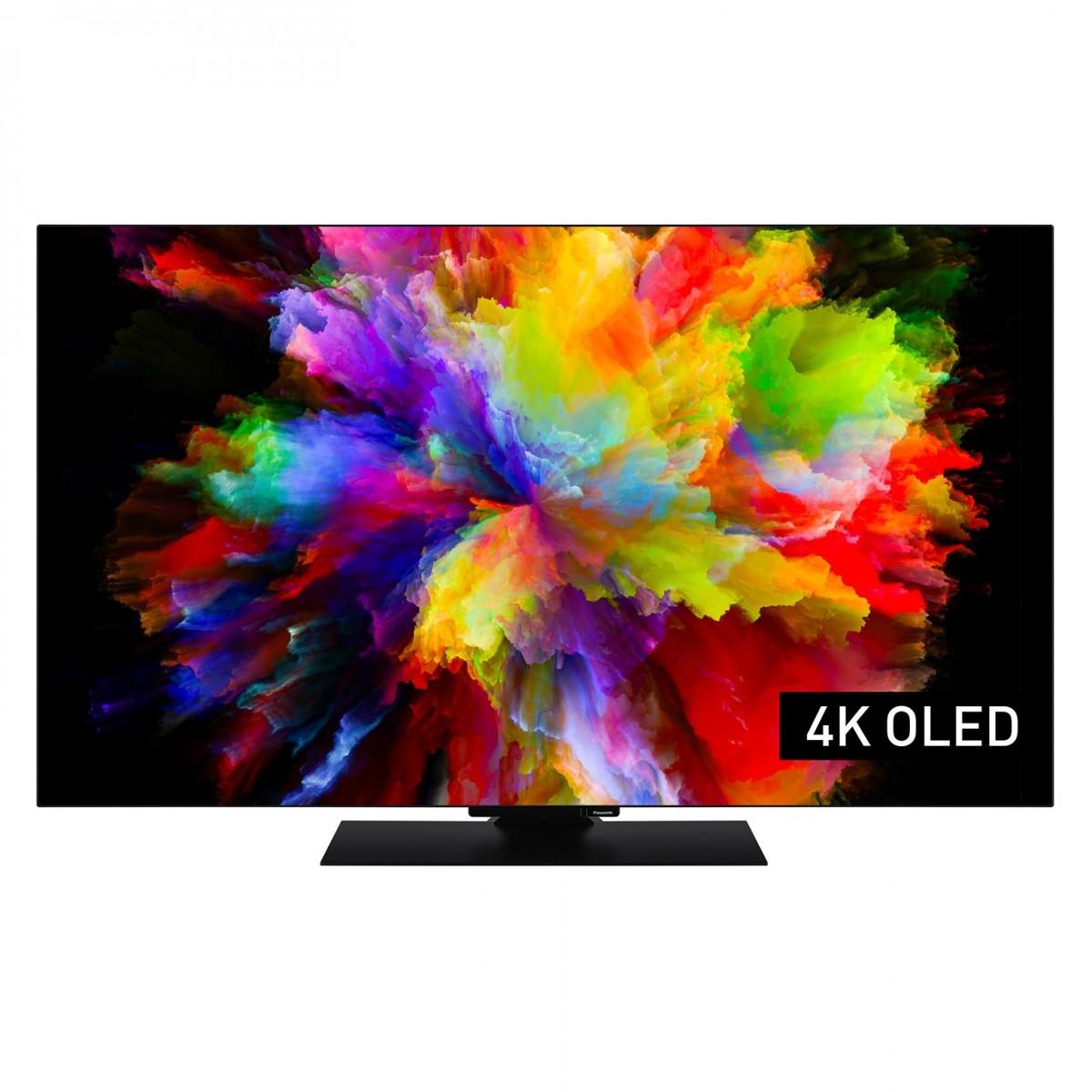
The TV market has evolved dramatically in recent years, and these two 65-inch displays represent completely different philosophies about what a modern television should be. The Panasonic Z95A is a traditional powerhouse focused on delivering the best possible picture quality, while the Hisense S7N CanvasTV reimagines the entire concept of what a TV can be when you're not watching it.
The premium 65-inch TV space is where manufacturers showcase their most advanced technologies. At this size, you're getting a true centerpiece for your living room or home theater, and the differences between display technologies become immediately apparent. The Panasonic Z95A represents the cutting edge of OLED (Organic Light-Emitting Diode) technology, released in 2024 as part of Panasonic's flagship lineup. Meanwhile, the Hisense S7N CanvasTV launched in early 2025 as something entirely different - a QLED (Quantum Dot Light-Emitting Diode) display designed to function as both entertainment device and art gallery.
When shopping in this category, the main considerations typically include picture quality, smart features, gaming capabilities, and value. But the CanvasTV introduces a new factor: lifestyle integration. This creates an interesting comparison because we're not just looking at which TV performs better, but which approach to television makes more sense for different types of users.
The fundamental difference between these TVs lies in how they create the images you see. The Panasonic Z95A uses OLED technology, where each individual pixel produces its own light. Think of it like having millions of tiny light bulbs that can turn completely on, completely off, or anywhere in between. This means when a scene calls for pure black - like the darkness of space - those pixels simply turn off completely, creating what's called "infinite contrast." There's no light bleeding from one area to another.
The Hisense CanvasTV takes a different approach with QLED technology. Here, a backlight (similar to older LCD TVs) shines through layers that include quantum dots - microscopic semiconductor crystals that emit specific colors when hit with light. The quantum dots act like incredibly precise color filters, allowing the display to produce over a billion different color combinations. However, since there's always a backlight running, true blacks aren't possible - the best you get is a very dark gray.
Both approaches have evolved significantly since their introduction. OLED technology, which hit mainstream TVs around 2013, has improved dramatically in brightness over the past decade. Early OLED TVs were criticized for being too dim for bright rooms, but modern versions like the Z95A can get surprisingly bright while maintaining perfect blacks. QLED, popularized by Samsung around 2017, has gotten better at local dimming (controlling backlight in specific zones) and color accuracy.
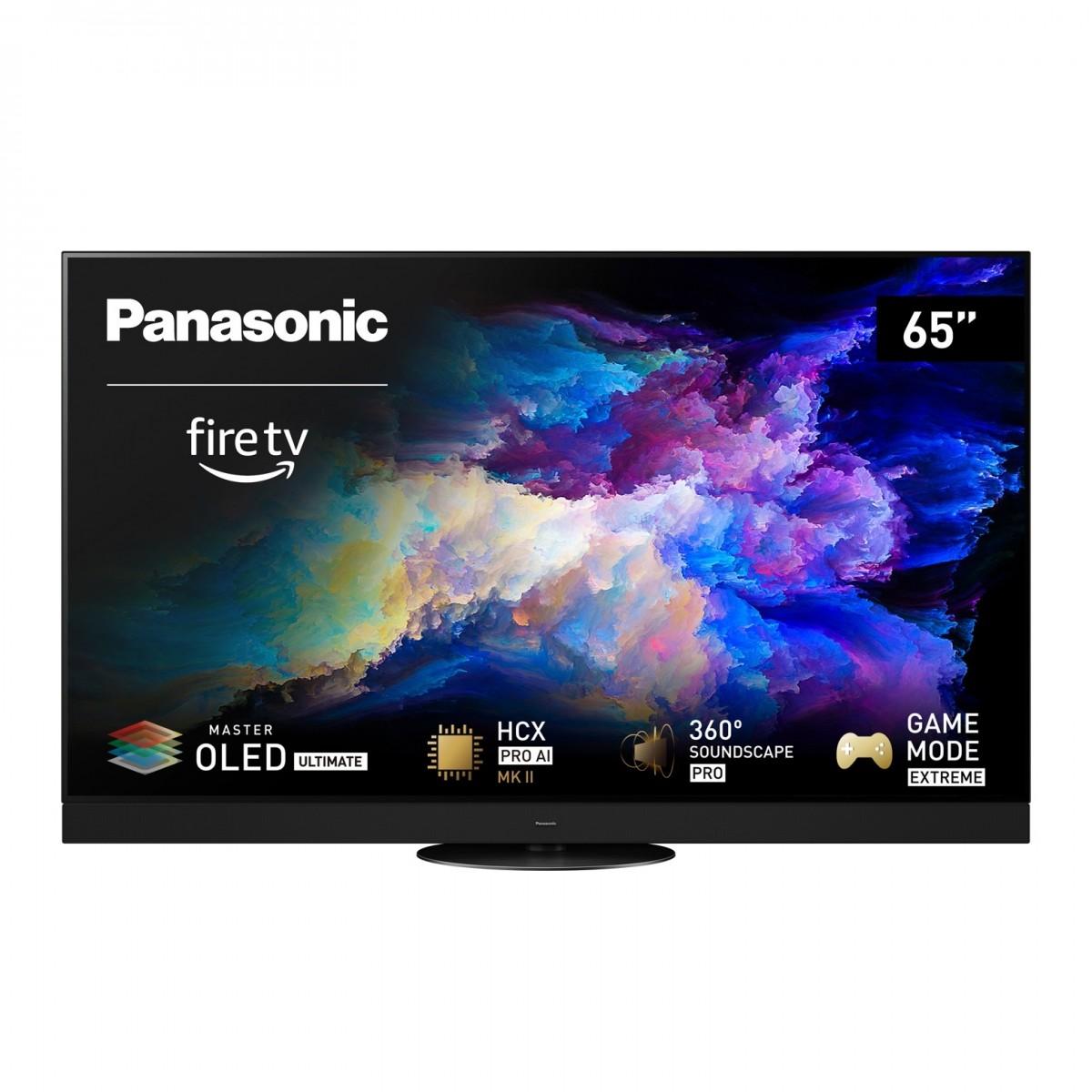
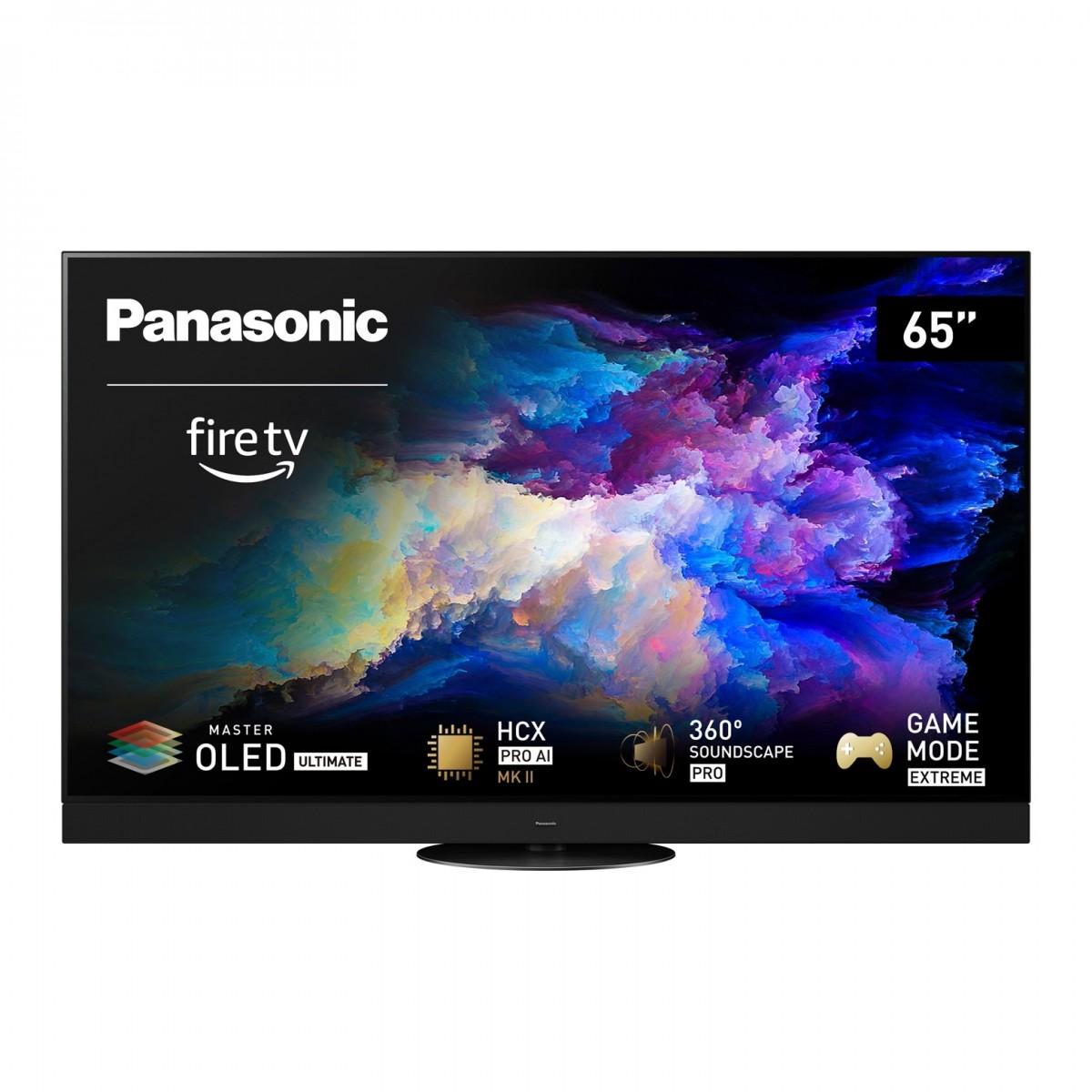
This is where the Panasonic Z95A shows its biggest advantage. In our research across professional reviews and user feedback, the consensus is clear: nothing beats OLED for contrast performance. When watching a movie like "Dune" with its mix of bright desert scenes and dark indoor sequences, the OLED's ability to display true blacks makes the bright elements pop with incredible intensity. The HCX Pro AI Processor MKII in the Z95A analyzes each frame in real-time, adjusting contrast and brightness to optimize every scene.
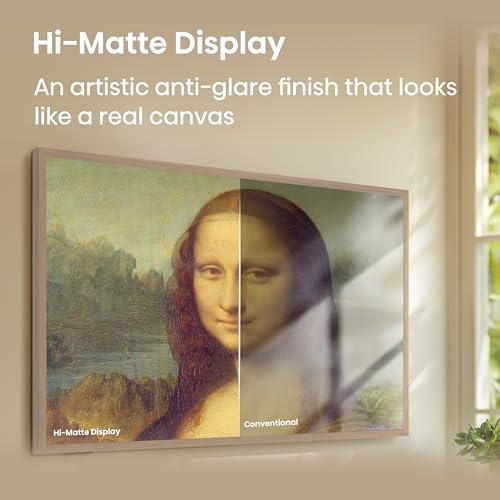
The Hisense CanvasTV can't match this performance, but it doesn't necessarily need to. With its 5000:1 contrast ratio and direct LED backlighting, it produces satisfying contrast for most content. Where it really shines is in bright rooms - that Hi-Matte anti-glare coating reduces reflections to just 5%, something the Panasonic can't match. If your TV faces windows or you watch during the day with lights on, this becomes a crucial advantage.
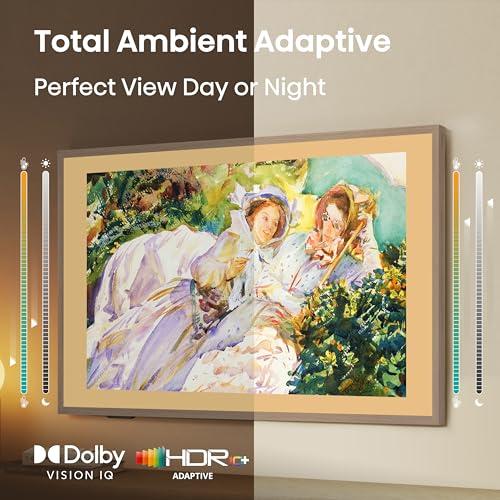
Both TVs support the full range of HDR (High Dynamic Range) formats - HDR10, HDR10+, Dolby Vision, and HLG. HDR expands the range between the darkest and brightest parts of an image, creating more realistic lighting. The Panasonic Z95A excels here with Dolby Vision IQ, which uses an ambient light sensor to automatically adjust the HDR picture based on your room's lighting conditions. This means you get optimal HDR performance whether you're watching in a dark basement or bright living room.
The CanvasTV's quantum dot technology delivers exceptionally vibrant colors, particularly in reds and blues where quantum dots traditionally excel. The color volume - essentially how many colors the TV can display at different brightness levels - is impressive for a QLED at this price point. However, the Panasonic's Hexa Chroma Drive and Wide Colour Gamut typically produce more accurate colors, which matters if you care about seeing content exactly as the director intended.
Peak brightness is measured in nits (candelas per square meter), and it's crucial for HDR content. The Panasonic Z95A can hit impressive peaks for an OLED, though exact numbers vary by content and settings. The Hisense CanvasTV reaches about 450 nits peak brightness - respectable for a TV in its price range, but not spectacular by current standards.
What's interesting is that peak brightness matters differently for each TV. The Panasonic uses its brightness capability to make HDR content look stunning in controlled lighting, while the Hisense spreads that brightness more evenly to combat ambient light and maintain visibility in Art Mode.
Modern gaming demands have pushed TV manufacturers to focus on features that were once exclusive to computer monitors. Both the Panasonic Z95A and Hisense CanvasTV offer 144Hz refresh rates, which means they can display up to 144 frames per second - crucial for competitive gaming and next-gen consoles.
The Panasonic has a significant advantage in response time thanks to OLED's near-instantaneous pixel switching. When you move your character or camera in a fast-paced game, there's virtually no motion blur or ghosting. The AI-driven Game Mode automatically optimizes picture settings for different game types, whether you're playing a dark atmospheric horror game or a bright, colorful platformer.
The Hisense CanvasTV responds admirably with 4.8ms response time and 5.4ms input lag - excellent numbers that put it in competition with dedicated gaming monitors. The Game Mode Pro supports both 4K at 144Hz and 1080p at 240Hz, giving serious gamers flexibility in how they prioritize resolution versus frame rate. Both TVs support VRR (Variable Refresh Rate), which eliminates screen tearing by matching the TV's refresh rate to your gaming device's output frame rate.
For home theater gaming setups, the Panasonic edges ahead due to superior contrast making dark game scenes more immersive. However, if your gaming area has ambient light, the CanvasTV's anti-glare coating might actually provide a better experience.
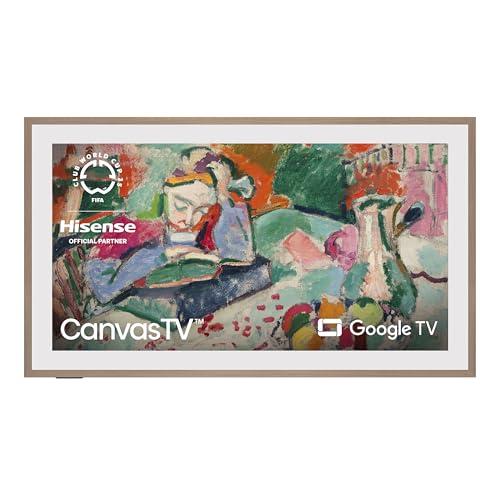
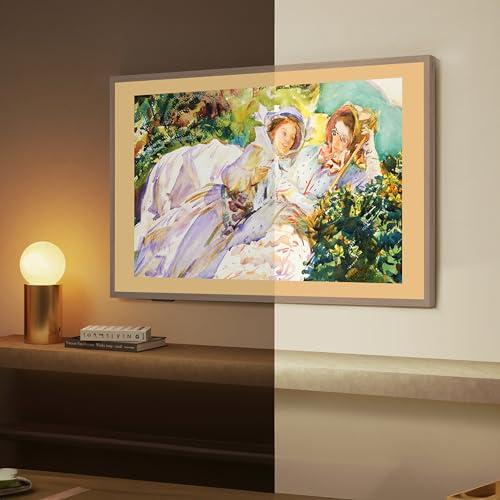
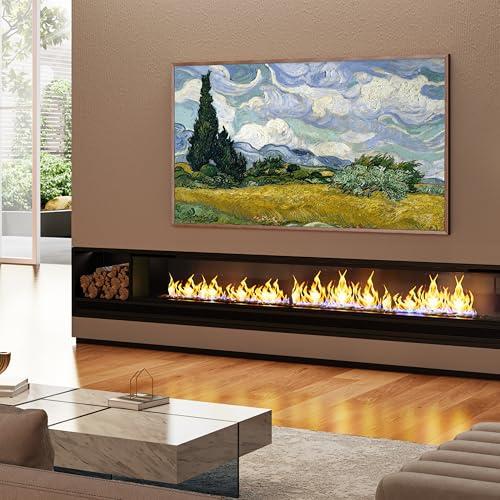
This is where the Hisense CanvasTV completely differentiates itself. Art Mode transforms your TV into a digital art gallery when you're not actively watching content. The included collection of 120 masterpieces spans everything from Renaissance classics to modern abstract works, and unlike Samsung's Frame TV, there's no subscription fee for accessing this content.
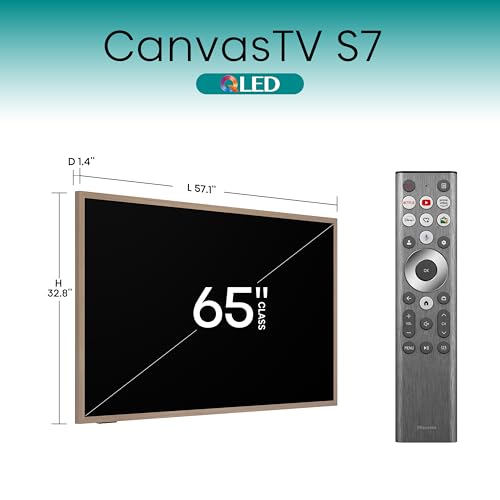
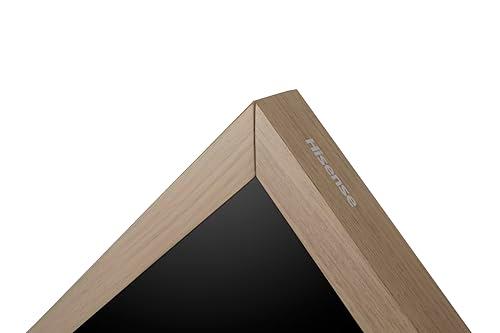
The implementation is genuinely thoughtful. The motion sensor detects when someone enters the room and automatically displays artwork, while the ambient light sensor adjusts brightness to match your room's lighting - just like how a real painting would appear different throughout the day. The magnetic frame system (teak wood comes included, with white and walnut options available separately) allows you to customize the look to match your décor.
From our research into user experiences, Art Mode isn't just a novelty - many owners report it fundamentally changes how they think about their living space. Instead of a black rectangle dominating the wall when not in use, you have an attractive art piece. The ultra-slim wall mount positions the TV just 3mm from the wall, creating an authentic gallery appearance.
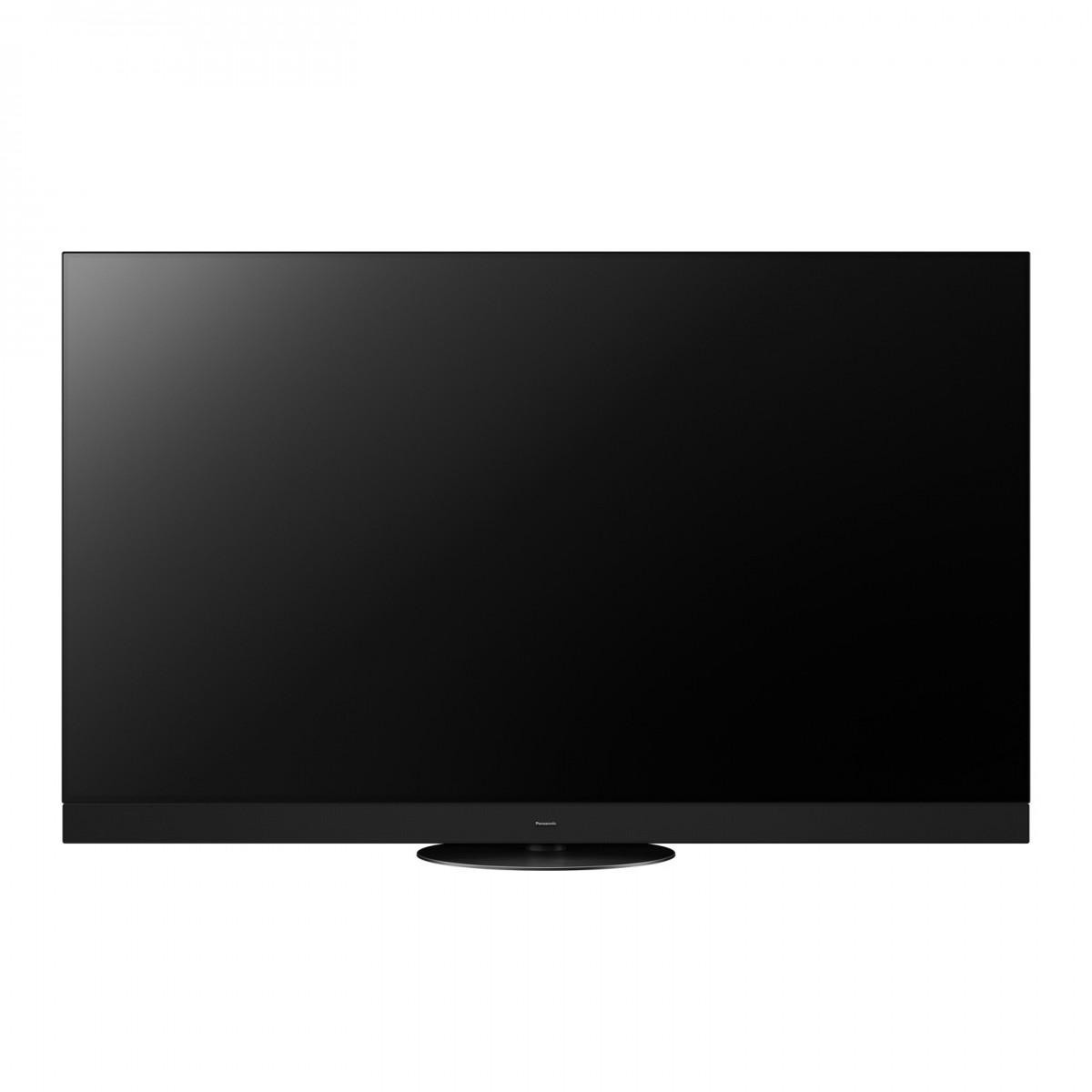
The Panasonic Z95A offers no equivalent feature. When it's off, it's just another black TV - albeit a very premium one.
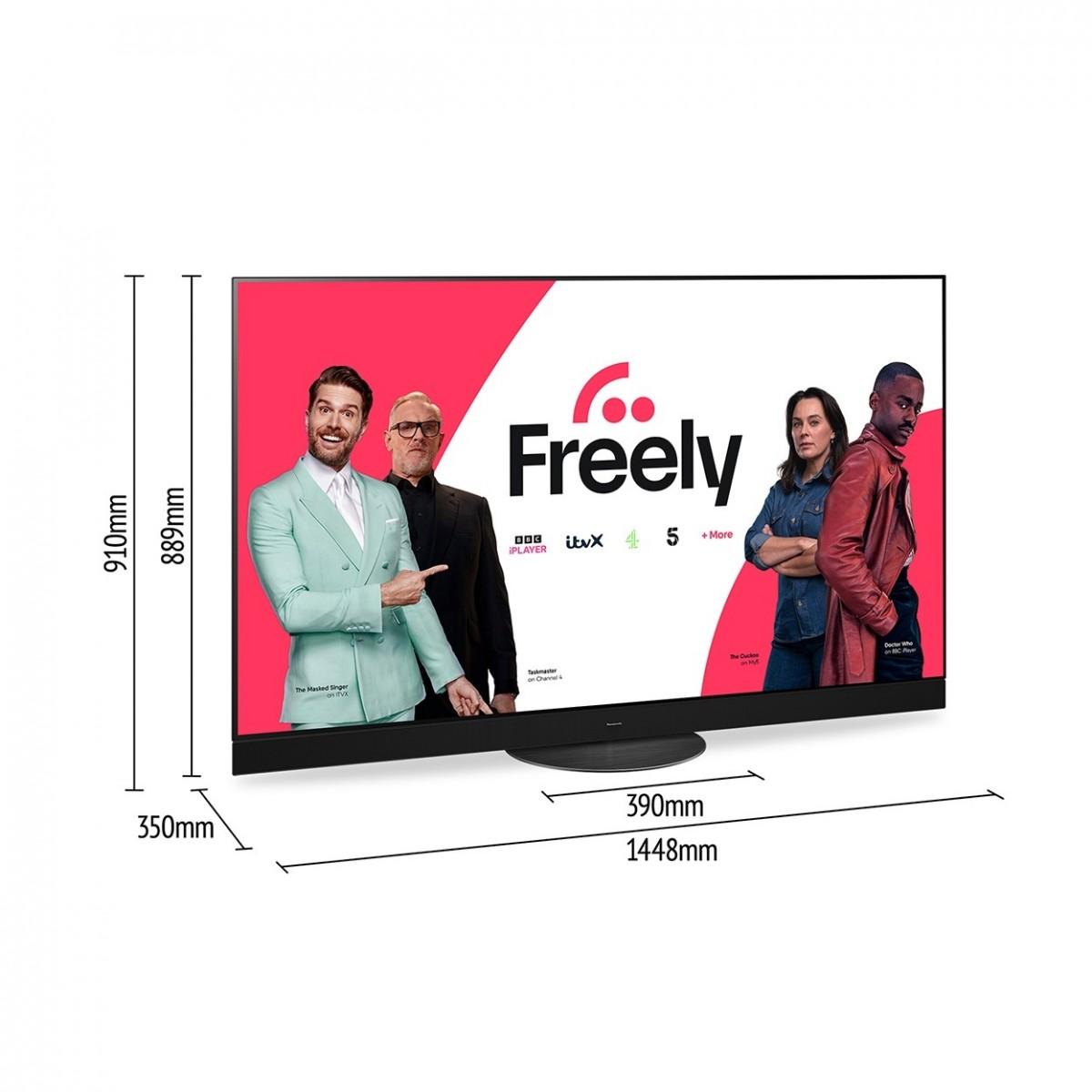
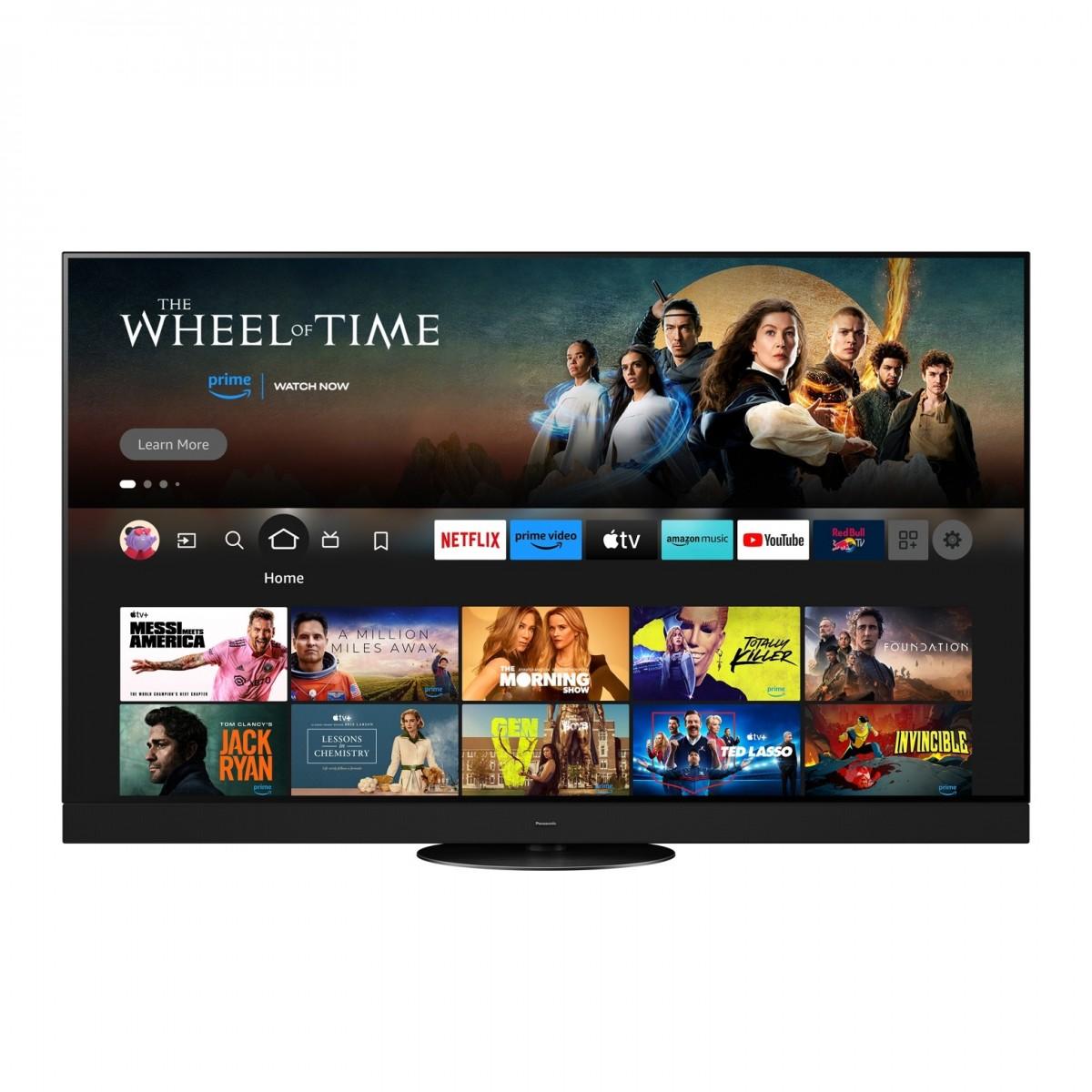
The Panasonic Z95A runs Amazon Fire TV with Alexa built-in, providing voice control and access to all major streaming services. The interface is straightforward and responsive, with the AI processor ensuring smooth navigation even when running demanding apps.
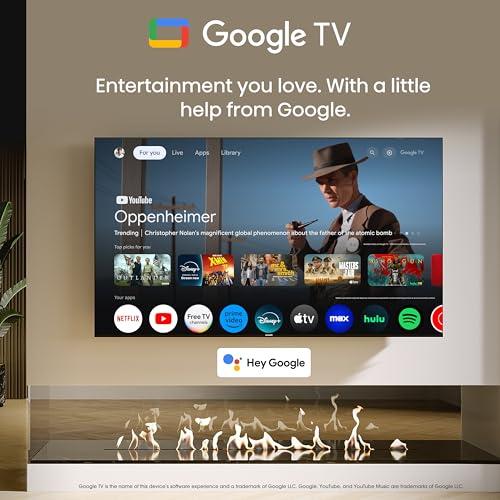
The Hisense CanvasTV uses Google TV with Chromecast built-in. Based on user feedback, many prefer Google TV's interface to Fire TV, finding it more intuitive and better at surfacing content recommendations across different services. Both systems support major streaming apps like Netflix, Disney+, HBO Max, and YouTube.
Where they really differ is in hands-free functionality. The Panasonic offers comprehensive Alexa integration, letting you control smart home devices, check weather, and manage your entertainment without lifting the remote. The CanvasTV provides Google Assistant functionality, which some users find more natural for general queries and smart home control.
TV speakers have historically been an afterthought, but both of these models take audio seriously. The Panasonic Z95A includes a 20W system with Dolby Atmos support and an integrated tweeter for cleaner high frequencies. However, based on professional reviews, it's adequate but not exceptional - you'll likely want a soundbar for serious movie watching or music listening.
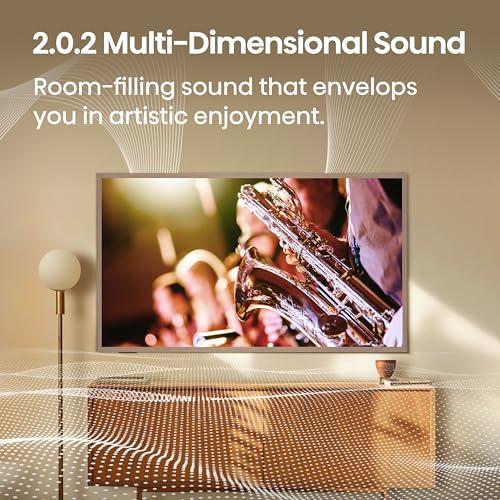
The Hisense CanvasTV surprised many reviewers with its 2.0.2 channel surround sound system featuring upward-firing speakers and 36W total output. The DTS Virtual:X processing creates a surprisingly immersive soundscape for built-in TV speakers. Multiple reviews noted the "booming" sound quality that fills rooms effectively without additional equipment.
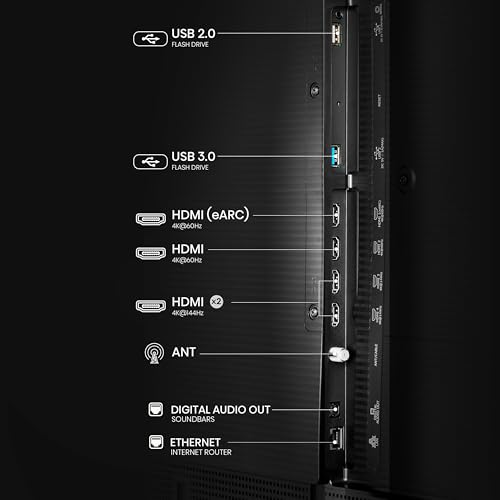
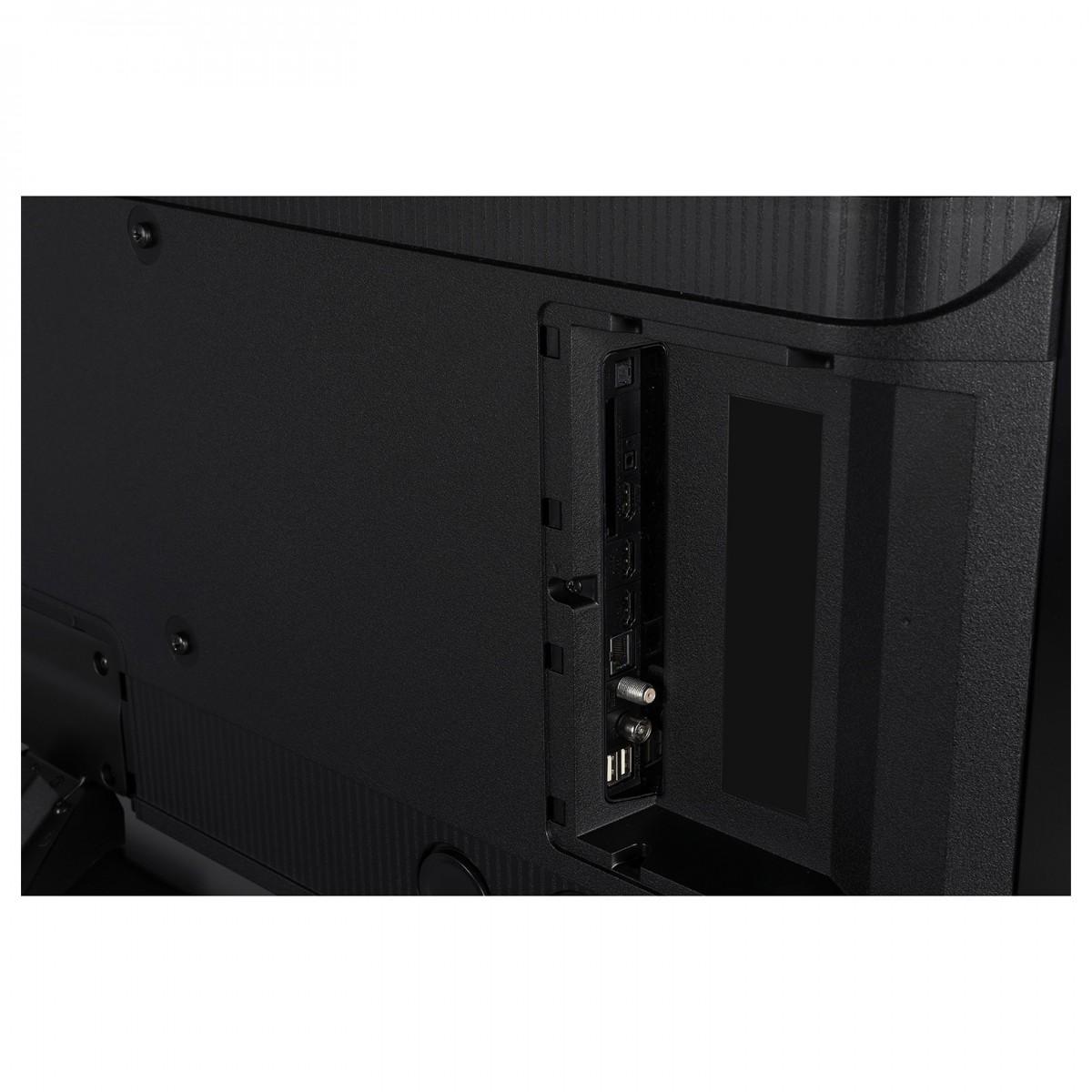
For home theater enthusiasts, both TVs support eARC (Enhanced Audio Return Channel) for connecting high-end sound systems, but the CanvasTV's superior built-in audio makes it more suitable for users who prefer not to add external speakers.
At the time of writing, there's a significant price gap between these TVs that fundamentally shapes their value propositions. The Panasonic Z95A commands premium pricing typical of flagship OLED displays, while the Hisense CanvasTV positions itself as a mid-range option with unique lifestyle features.
The Panasonic justifies its higher cost with cutting-edge picture quality technology, professional-grade color accuracy, and the refined experience that comes with a premium brand. If you're building a dedicated home theater or you're a serious movie enthusiast who watches in controlled lighting conditions, the picture quality improvement may be worth the investment.
The CanvasTV offers remarkable value by including everything needed for installation (ultra-slim wall mount and magnetic frame) while delivering solid picture quality and unique functionality. When you factor in these included accessories, the effective price difference becomes even more significant.
For dedicated home theater setups, the Panasonic Z95A is the clear choice. Its perfect blacks create the immersive experience that home theater enthusiasts seek, especially in dark rooms where OLED technology truly shines. The Dolby Vision IQ and HCX Pro AI processing ensure optimal picture quality regardless of content type, from dark atmospheric films to bright animated movies.
However, if your "home theater" is actually a multipurpose living room that sees varied lighting throughout the day, the CanvasTV deserves serious consideration. Its anti-glare coating maintains picture quality even with ambient light, and the Art Mode means your entertainment center looks attractive even when not in use.
Choose the Panasonic Z95A if you:
Choose the Hisense CanvasTV if you:
These represent two valid but very different approaches to premium television. The Panasonic Z95A is for purists who want the absolute best picture quality and don't mind paying for it. It's a traditional TV done exceptionally well, with OLED technology that creates truly cinematic experiences.
The Hisense CanvasTV is for people who think differently about what a TV should be. It offers solid picture quality while solving the age-old problem of what to do with that big black rectangle when you're not watching it. The Art Mode functionality isn't just a gimmick - it fundamentally changes how the TV integrates into your living space.
At the time of writing, the value proposition strongly favors the CanvasTV for most users. Unless you're a serious videophile with a dedicated dark room setup, the combination of good picture quality, innovative features, and comprehensive accessories makes it the more practical choice. The Panasonic remains the better option for those who prioritize ultimate picture quality above all other considerations.
Both TVs represent the current state of their respective technologies, and either will deliver years of excellent entertainment. Your choice should ultimately depend on how you want your TV to fit into your life - as the ultimate picture quality device, or as a versatile centerpiece that serves multiple roles in your living space.
| Panasonic Z95A 65" OLED 4K Ultra HD Smart TV | Hisense 65" S7N CanvasTV QLED 4K Smart Display |
|---|---|
| Display Technology - Fundamental difference in how they create images | |
| OLED with self-emitting pixels for perfect blacks | QLED with Quantum Dot color enhancement over LED backlight |
| Contrast Performance - Most noticeable difference in picture quality | |
| Infinite contrast ratio with true blacks | 5000:1 static contrast ratio with very dark grays |
| Peak Brightness - Critical for HDR content and bright rooms | |
| High peak brightness optimized for HDR in dark rooms | 450 cd/m² peak brightness with anti-glare coating for bright rooms |
| Anti-Glare Performance - Makes or breaks usability in bright spaces | |
| Standard OLED panel susceptible to reflections | Hi-Matte coating reduces reflections to just 5% |
| Art Mode Capability - Unique lifestyle feature | |
| None - traditional TV that's black when off | 120 pre-loaded masterpieces with motion sensor activation |
| Frame and Mounting Options - Affects room integration | |
| Standard TV design with conventional mounting | Magnetic teak frame included, ultra-slim 3mm wall mount included |
| Gaming Performance - Response time and input lag | |
| Near-instantaneous OLED response with 144Hz refresh | 4.8ms response time, 5.4ms input lag with 144Hz refresh |
| Built-in Audio System - Reduces need for external speakers | |
| 20W with Dolby Atmos support (adequate but benefits from soundbar) | 36W 2.0.2 surround with upward-firing speakers (surprisingly robust) |
| Smart TV Platform - Daily user experience | |
| Amazon Fire TV with Alexa Built-in | Google TV with Chromecast Built-in |
| Color Processing Technology - Affects color accuracy and vibrancy | |
| HCX Pro AI Processor MKII with Hexa Chroma Drive | Quantum Dot technology with over 1 billion colors |
| HDR Format Support - Future-proofing and content compatibility | |
| HDR10, HDR10+, Dolby Vision IQ, HLG with AI optimization | HDR10, HDR10+, Dolby Vision, HDR10+ Adaptive, HLG |
| Target Use Case - Who each TV is designed for | |
| Dark room home theaters prioritizing ultimate picture quality | Bright living rooms wanting dual TV/art functionality |
The Panasonic Z95A OLED delivers superior picture quality with perfect blacks and infinite contrast ratio thanks to its self-emitting pixel technology. The Hisense S7N CanvasTV offers excellent color reproduction through quantum dot technology but cannot achieve true blacks. For dark room viewing and cinematic experiences, the Panasonic Z95A is the clear winner.
Yes, the Hisense S7N CanvasTV features a dedicated Art Mode with 120 pre-loaded masterpieces that display when the TV is off. The motion sensor automatically activates artwork when someone enters the room, and the magnetic frame system makes it look like a real painting on your wall. The Panasonic Z95A does not offer any art display functionality.
The Hisense S7N CanvasTV is specifically designed for bright rooms with its Hi-Matte anti-glare coating that reduces reflections to just 5%. This makes it ideal for living rooms with windows or overhead lighting. The Panasonic Z95A OLED can struggle with reflections in bright environments, despite its high peak brightness.
Yes, both the Panasonic Z95A and Hisense S7N CanvasTV support 4K gaming at 144Hz refresh rates with HDMI 2.1 connectivity. The Panasonic OLED has faster response times for competitive gaming, while the Hisense CanvasTV offers excellent gaming performance with 4.8ms response time and Game Mode Pro features.
The Hisense S7N CanvasTV has superior built-in audio with a 36W 2.0.2 surround sound system featuring upward-firing speakers and DTS Virtual:X. The Panasonic Z95A includes a 20W system with Dolby Atmos support, which is adequate but generally requires a soundbar for optimal audio quality.
OLED technology in the Panasonic Z95A uses self-emitting pixels that can turn completely off for perfect blacks and infinite contrast. QLED technology in the Hisense CanvasTV uses quantum dots to enhance colors from an LED backlight, providing vibrant colors but cannot achieve true blacks. This fundamental difference affects contrast performance and viewing experience.
The Panasonic Z95A OLED is ideal for dedicated home theaters due to its perfect blacks and superior contrast in dark rooms. The Hisense S7N CanvasTV works well for multipurpose living rooms that serve as home theaters, especially with ambient lighting. For serious home theater enthusiasts prioritizing picture quality, the Panasonic is the better choice.
The Hisense S7N CanvasTV offers exceptional value by combining solid QLED performance with unique Art Mode functionality, plus includes the ultra-slim wall mount and magnetic frame. The Panasonic Z95A commands premium pricing for its cutting-edge OLED technology and superior picture quality. Value depends on whether you prioritize ultimate performance or versatile functionality.
The Panasonic Z95A runs Amazon Fire TV with Alexa Built-in for voice control and comprehensive streaming app access. The Hisense S7N CanvasTV uses Google TV with Chromecast Built-in, which many users find more intuitive for content discovery and smart home integration.
The Hisense S7N CanvasTV includes an ultra-slim wall mount that positions the TV just 3mm from the wall, creating a gallery-like appearance perfect for Art Mode. The Panasonic Z95A uses conventional mounting systems and doesn't achieve the same flush aesthetic, though it can still be wall-mounted with standard brackets.
The Panasonic Z95A OLED excels at HDR content with Dolby Vision IQ and superior contrast performance that makes HDR highlights pop against perfect blacks. The Hisense CanvasTV supports all major HDR formats including HDR10+ Adaptive, providing good HDR performance but cannot match the Panasonic's contrast capabilities for the most dramatic HDR impact.
The Hisense S7N CanvasTV includes everything needed: ultra-slim wall mount, magnetic teak frame, and cable management clips. The Panasonic Z95A requires separate purchase of mounting hardware and doesn't include decorative frames. This makes the Hisense more convenient for immediate installation and room integration.
We've done our best to create useful and informative comparisons to help you decide what product to buy. Our research uses advanced automated methods to create this comparison and perfection is not possible - please contact us for corrections or questions. These are the sites we've researched in the creation of this article: youtube.com - youtube.com - whathifi.com - tomsguide.com - shop.panasonic.com - store.in.panasonic.com - rtings.com - applianceplus.co.nz - rtings.com - store.in.panasonic.com - samsung.com - bestbuy.com - hisense.sg - tomsguide.com - content.syndigo.com - rtings.com - hisense-usa.com - youtube.com - bestbuy.com - youtube.com - displayspecifications.com - displayspecifications.com - manuals.plus - displayspecifications.com - bestbuy.com - hisense-canada.com - manuals.plus - bargainoutletandmore.com - bestbuy.com - device.report

Privacy Policy
Terms and Conditions - Affiliate Policy
Home Security
© Copyright 2008-2026.
11816 Inwood Rd #1211, Dallas, TX 75244